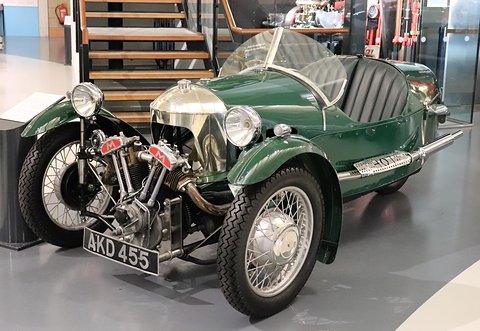
Three-wheelers
In British law a Reliant was a motorcycle, so long as it weighed no more than 8 cwt. For half a century that one number shaped Britain’s economy cars, and similar rules made three wheels pay in Germany, Austria and Greece.
Why three wheels
In 1930 Parliament wrote the rule that Britain’s economy three-wheelers were built to for decades. The Road Traffic Act sorted motor vehicles into classes, and it put a light three-wheeler in with the motorcycles.
mechanically propelled vehicles (not being vehicles classified under this section as invalid carriages) with less than four wheels and the weight of which unladen does not exceed eight hundredweight
Eight hundredweight is 406 kg. The line was drawn at weight, not at engine size, and so every British economy three-wheeler was built to a weight.source 1source 2 A car on three wheels with a roof and four seats could still be, in law, a motorcycle.
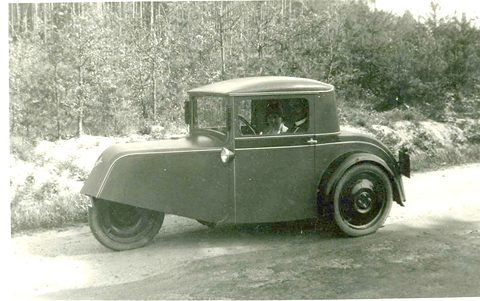
The reasons for a third wheel, and no fourth, were older than the law. Two wheels made a motorcycle and four made a car, and a maker who chose three could use motorcycle parts, the engine, the chain drive and a single wheel at one end with no differential to pay for, and still offer seats under a roof.source 3 Three wheels saved weight, cost and, wherever a law could be read that way, tax. Two families of them belong to other stories: the invalid carriages, which the same Act defined separately, and the working tricars among the micro-vans.
Two triangles
Three wheels can be arranged two ways. A pair of wheels in front and one behind makes the “tadpole”, or reverse trike; a single front wheel with a pair behind makes the “delta”.
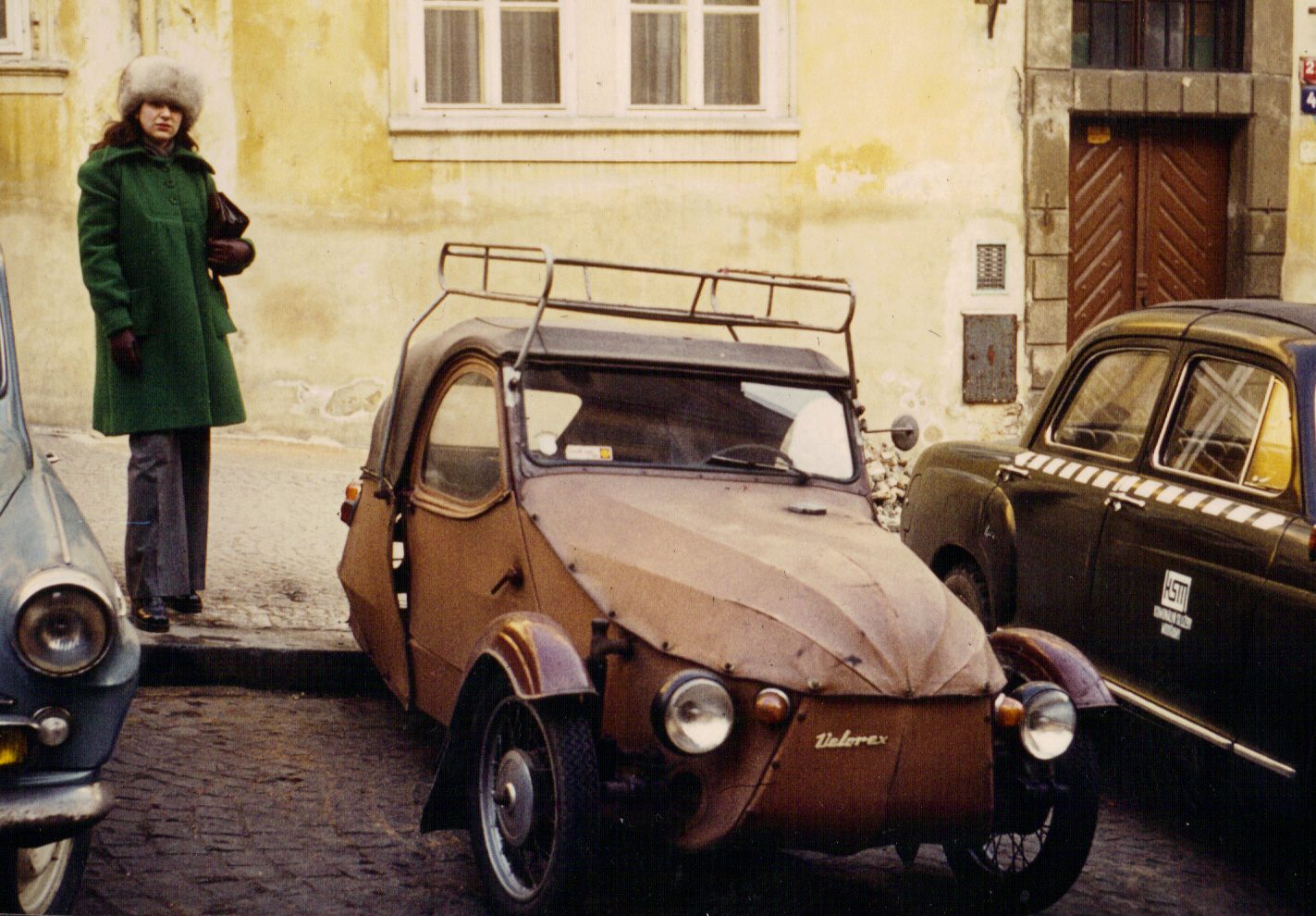
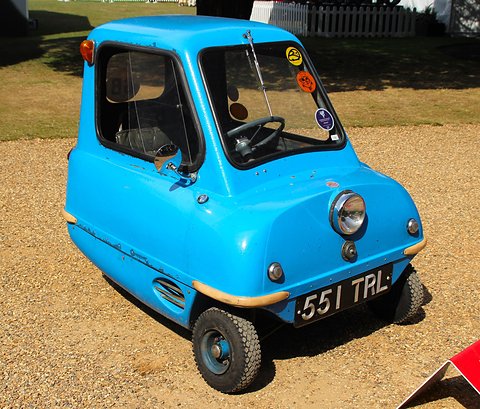
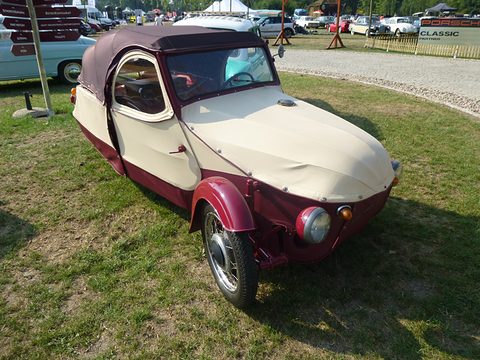
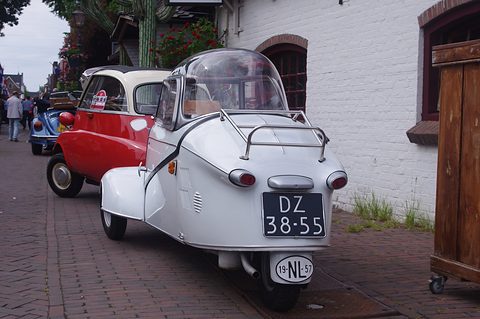
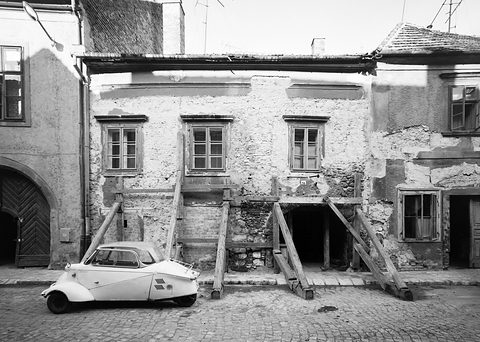
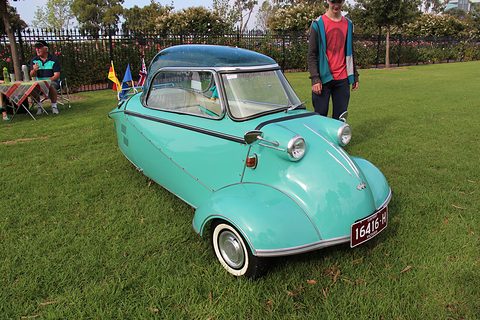
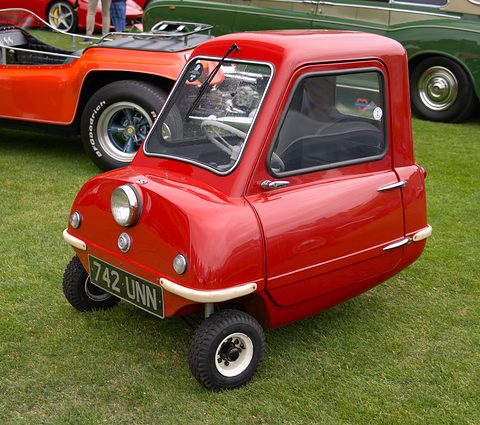
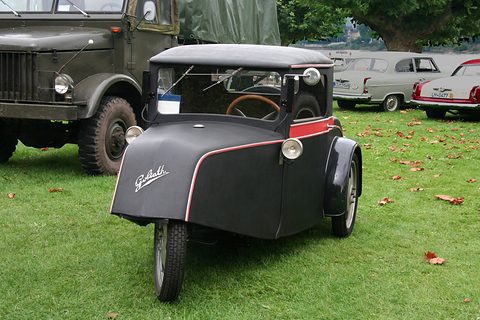
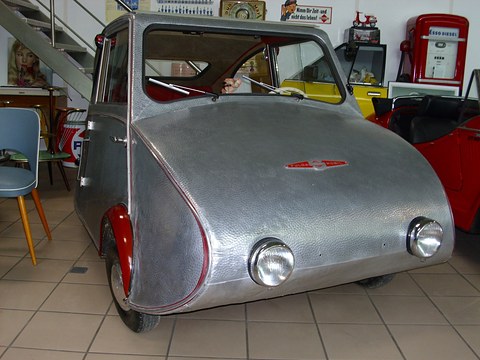
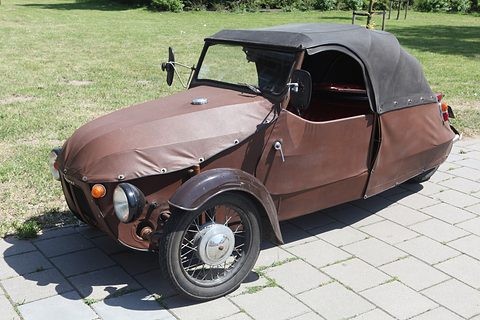
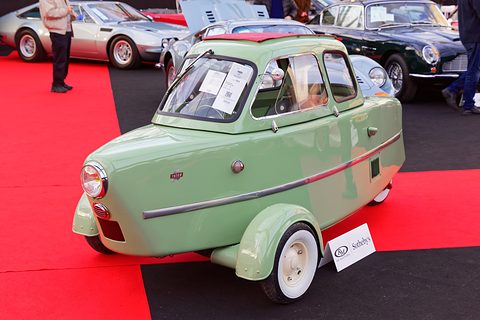
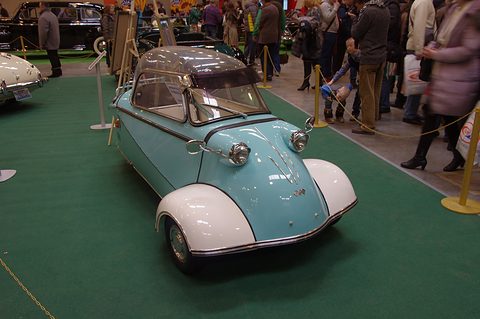
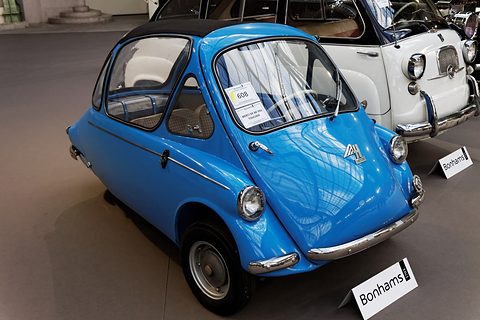
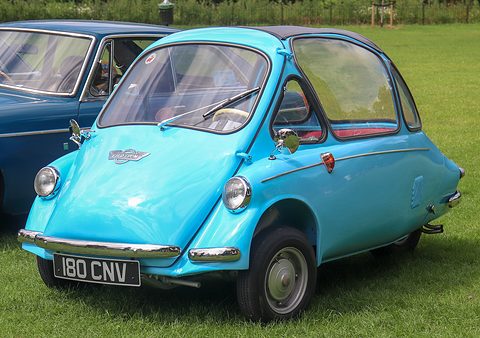
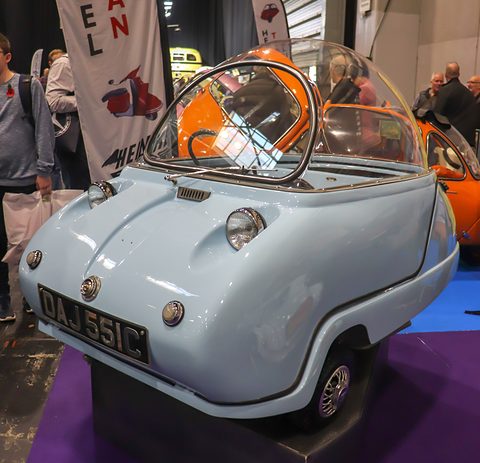
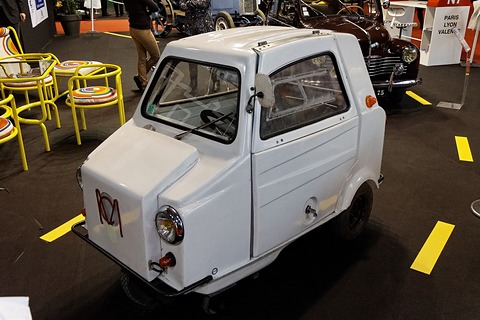
The tadpole was the layout of the bubble car and the sporting three-wheeler. Its two front wheels steered, and a single wheel behind was driven, usually by chain from an engine just ahead of it. The Messerschmitt KR200 steered its front pair with a handlebar and drove its rear wheel by chain.source 4 The Heinkel Kabine drove its single rear wheel and carried its front wheels on leading arms.source 5 The Morgan, the Fuldamobil, the Peel P50 and the Czech Velorex were tadpoles too.source 6source 7source 8source 9
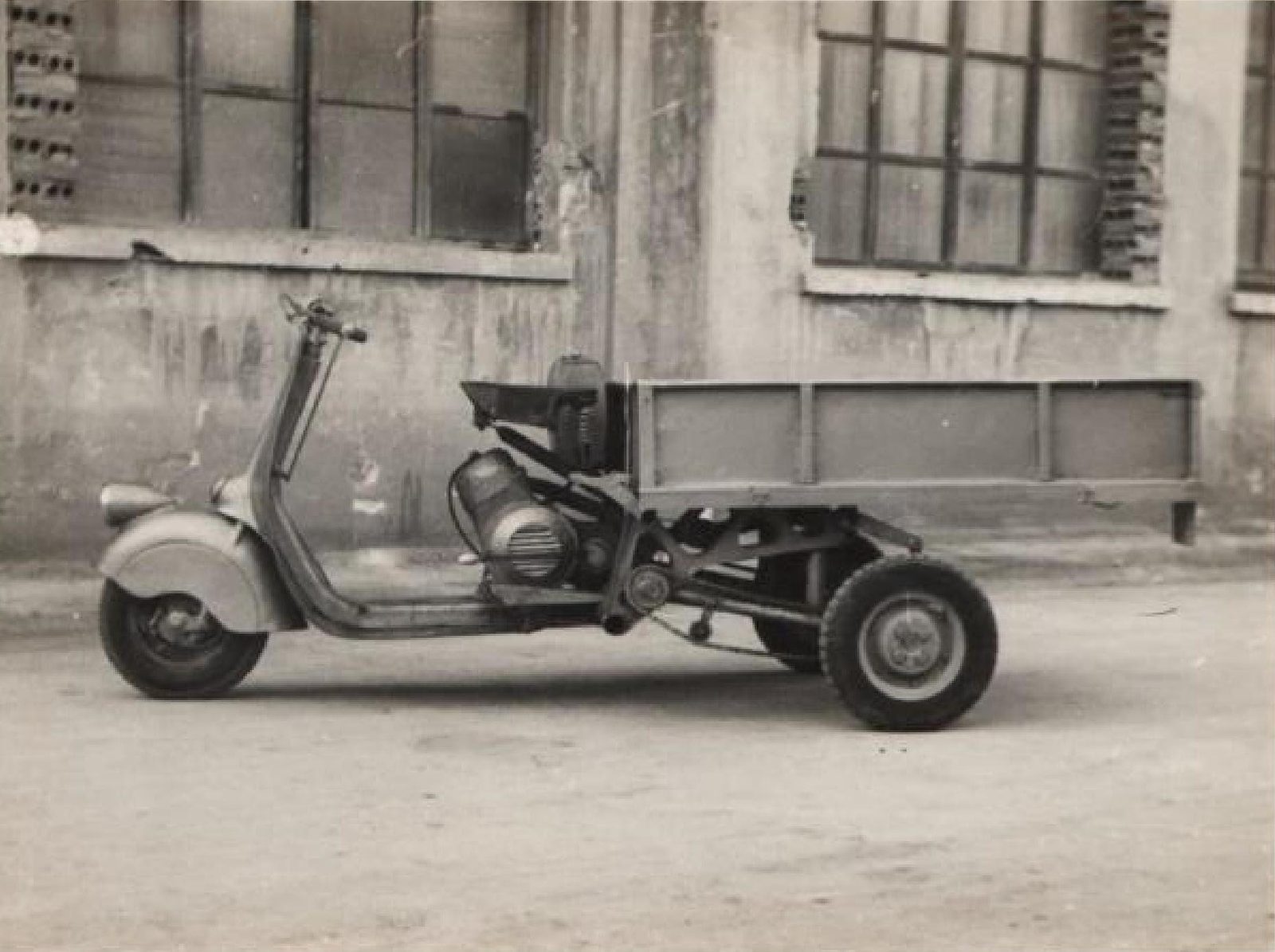
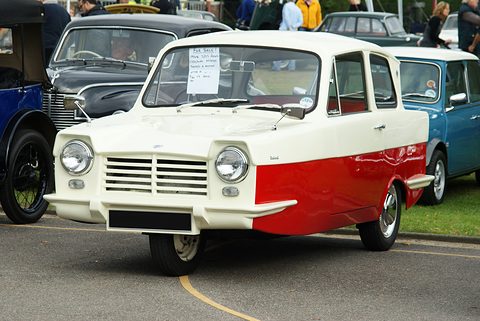
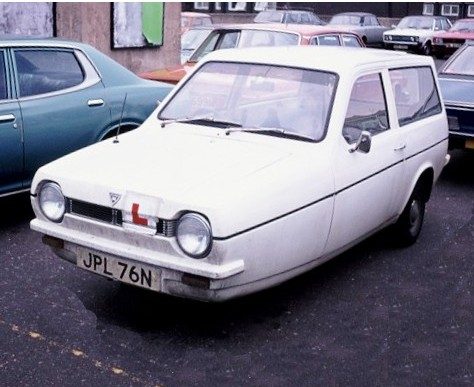
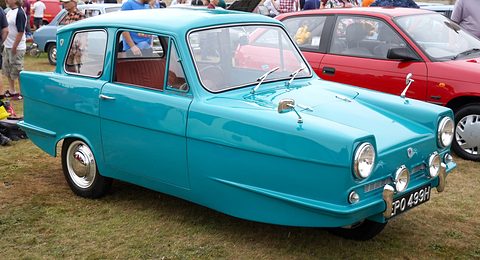
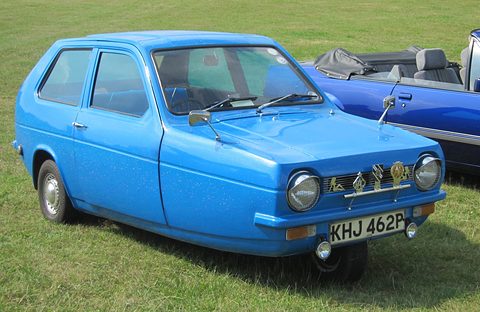
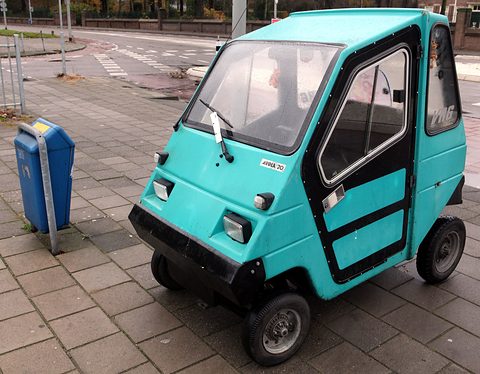
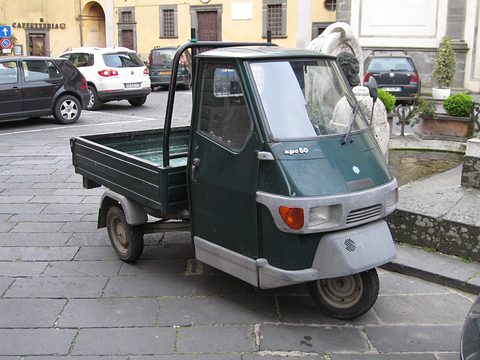
The delta was the layout of the British economy three-wheeler and of the working tricar. Its single front wheel steered and often carried the engine: the Bond Minicar mounted its engine on that wheel and drove through it.source 10source 11 The Reliant Regal had a four-cylinder engine at the front and drove its back axle through an ordinary gearbox and differential.source 2 A wide back axle made a car-like cabin easy and suited a load bed, and the Italian Piaggio Ape, a Vespa scooter with two rear wheels and a load bed, is a delta too.source 12 So was the East German Krause Duo.source 13
Which is more stable? English Wikipedia’s account, which draws on a paper by the engineer Robert Q. Riley, says the tadpole is far more stable in a braking turn, though still more prone than a four-wheeler to overturn in an ordinary turn, and that the delta is inherently unstable in a braking turn and tends to swap ends if handled roughly: braking and turning together can carry the centre of mass outside the triangle that the three tyres make on the road.source 3
Front and back
Tadpole and delta
On the road
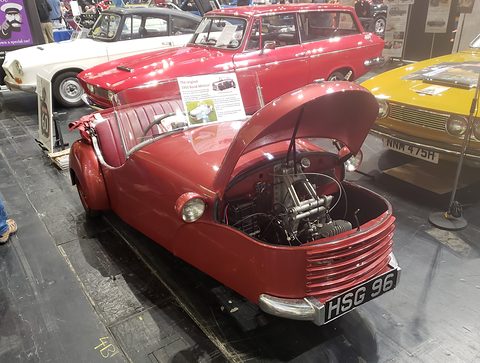
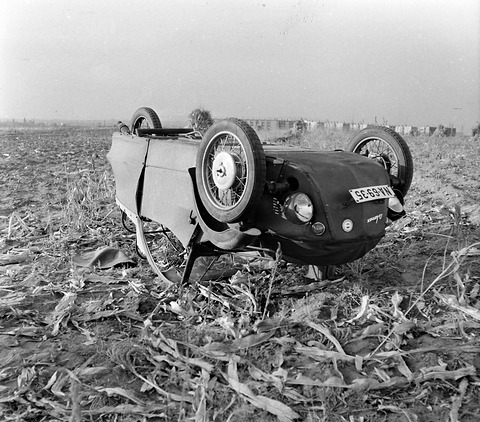
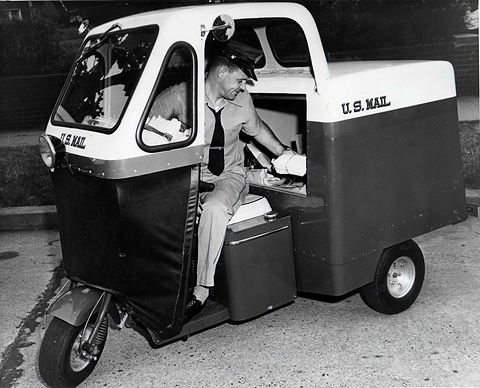
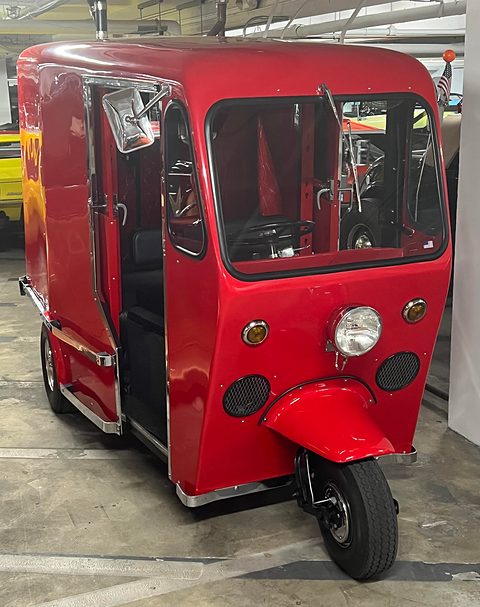
The makers found out for themselves. Bond’s flat-sided Mark E prototype of 1957, long in the wheelbase and narrow in the track, proved seriously unstable in the factory’s testing and had to be shortened and widened before it went on sale.source 10source 11 The Reliant Robin of 1973 was the first Reliant three-wheeler with an anti-roll bar.source 14 The United States Post Office’s three-wheeled Westcoaster Mailsters tipped over when cornered above 40 km/h (25 mph), or when a gust of wind caught them.source 15 Hull’s Streetlife Museum notes that its British invalid carriage, small and light, was easily blown over by strong winds.source 16 In the Soviet Union, war veterans complained to the newspapers about their unstable three-wheeled carriages, and a directive of January 1956 ordered a four-wheeler, the SMZ S‑3A.source 17
Some of the reputation was made for television. When a Robin rolled over and over in Top Gear in 2010, the car had been doctored; Jeremy Clarkson admitted as much in January 2016.source 18source 19
Britain: a motorcycle in law
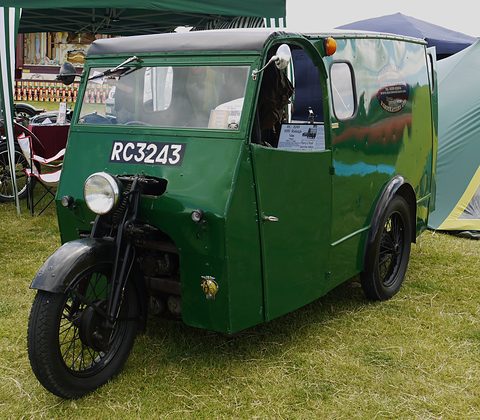
The tax advantage came first. Before 1930 the Morgan paid £4 a year, against £1 per horsepower for a car, and it beat four-wheelers in races, trials and records.source 6 The statute that set it, of about 1920–21, has not been found. In the 1930s a light three-wheeler could be driven at 16, its road fund licence was £4, and delivery tricars such as the James, Stevens and Raleigh, with no reverse gear, sold well to small businesses.source 20 On 1 January 1935 a former Raleigh works manager, T. L. Williams, licensed the first Reliant, a three-wheeled van of 7 cwt.source 21 Pre-war Britain’s other makers, BSA among them, are among the British three-wheelers before the war.
After the war the weight limit became the design brief. A Motor Sport writer visiting Reliant in June 1964 was told that for three-wheeler taxation a total weight of not more than 8 cwt was essential. Reliant’s alloy engine cost about £4 more per car than a cast-iron one, but weighed only 63 kg (138 lb), and that kept the car under the limit.source 2 In 1956 a three-wheeled Heinkel paid £5 road tax where a car paid £12 10s.source 22
The famous rule about reverse gears is half true. Two sources say that until about 1963 anyone holding only a motorcycle licence, or a learner without a companion, needed the reverse gear blanked off, so that the car counted as a motorcycle combination.source 23source 22 The regulation itself has not been found. Reverse had nothing to do with the cheap tax, which turned on weight and the number of wheels,source 1source 2 and some cars complicate the story: Bond sold reverse as an extra, at £9 17s on the Mark F,source 24 and the Weiner museum’s panel on the Mark D said the reverse was of particular benefit to drivers with only a Group A licence, the motorcyclist’s.source 11 Many early three-wheelers simply had no reverse, to save weight and money. The Morgan had none until 1931,source 6 and the Peel P50 never had one: the driver got out, lifted the tail by a chrome handle and dragged the car round.source 8
Then the advantage went. Purchase tax on four-wheelers fell from 55 to 45 per cent in April 1962, and that November it came down to 25 per cent, the rate three-wheelers paid.source 25 In March 1963 a Mini van, free of purchase tax, cost £368, and a right-hand-drive Trojan 200 bubble car £369 15s.source 22 Bond stopped making the Minicar in 1966.source 25 Reliant held on. In 1970 its managing director, Ray Wiggin, contrasted the £10 a tricycle paid in road tax with the £25 a car paid,source 26 and in 1973 the Robin was sold on the same sums.source 27
a full four-seater saloon inside an all-up weight of less than 8cwt
The licence advantage lasted longer. A full motorcycle licence carried what became the B1 entitlement, for three- or four-wheelers of up to 550 kg unladen, until the DVLA stopped issuing it with motorcycle passes in 2001.source 28 From 19 January 2013 new licences put motor tricycles in category A, and a learner may ride one on a provisional licence only if physically disabled.source 29 An able-bodied learner now has no way to learn in a Robin.
Germany and Austria
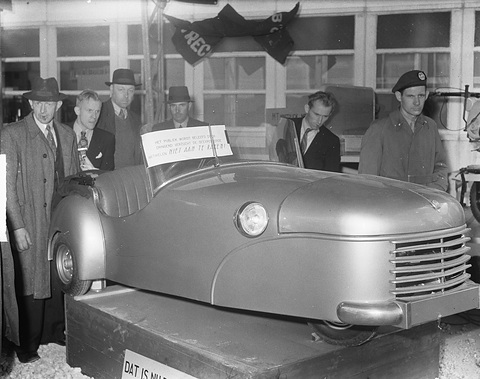
German law made the same bargain in 1928. Any vehicle on three wheels or fewer, if its engine was small, could be driven with no driving licence and paid no vehicle tax.source 30 German Wikipedia links this with the licence class introduced on 1 April 1928 and gives the limit as under 200 cc; a weaker source gives 350 cc, and the question is not settled.source 30source 31 It created a market for small tricars from Tempo, Goliath and Framo.source 30 The Goliath Pionier of 1931 was a passenger car designed round it, and ADAC Motorwelt in July 1933 described the Framo Stromer as free of tax and of the driving licence.source 32source 33 The privilege ended in 1933–34. The Lane Motor Museum dates the end of the three-wheelers’ exemption to 1933, adding that a change in 1934 extended it to every vehicle; how exactly it ended has not been settled.source 32 Goliath went over to four wheels.source 32 In 1938 the Tempo A 400 became the standard German three-wheeler under the type-reduction programme.source 34
After the war the licence did the work. In the first years a West German class IV licence, which needed no practical test, was enough for vehicles up to 250 cc, and so many makers built motorcycle-engined “scooter cars”.source 35 The Fuldamobil’s 360 cc engine was too big for it, and a 175 cc Sachs option followed in March 1953.source 7 Tempo built the Tempo Boy for holders of a 250 cc licence.source 30 A Berlin newspaper looked back in 2003.
Oft waren es Dreiräder wie der Messerschmitt KR 175, die wie Motorräder besteuert wurden.
The same article says their owners needed only a motorcycle licence, or a tractor driver’s.source 36 In 1955 the KR200 paid DM 29 a year in road tax,source 37 and when it ran for 24 hours at Hockenheim that August, auto motor und sport reported records for three-wheeled vehicles of the class up to 250 cc.source 38 Even twin rear wheels could count as one. The Fuldamobil S‑4 of 1955 set its two rear wheels a mere 400 mm (16 in) from each other, without a differential; the English Wikipedia says a German rule of May 1956 still taxed it as a three-wheeler, while the Weiner museum tells it differently, and the matter is not settled.source 7source 39 The line at 200 cc mattered too: auto motor und sport pointed out that the four-wheeled Heinkel of 1956, at 204 cc, let its owners claim business mileage at a car’s 50 pfennigs a kilometre instead of a motorcycle’s 22.source 40
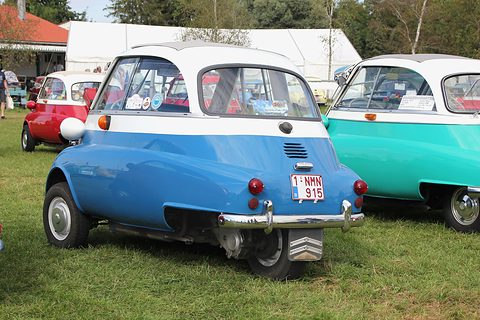
Austria taxed three-wheelers lower and let a motorcyclist drive them, so the Heinkel kept three wheels for that market,source 5 and in 1959–60 BMW built more than 1,500 three-wheeled Isetta 300s, the “Dreirad Spezial”, mainly for Austria, Denmark and England, where they were taxed and licensed as motorcycles.source 41 The Goggomobil’s engine was enlarged to 300 cc for Austrian export in 1955, for tax reasons.source 42 Austria’s own little cars, the Felber Autoroller and the Libelle among them, are with the Austrian microcars. The Austrian statute itself has not been found.
Greece, and the East
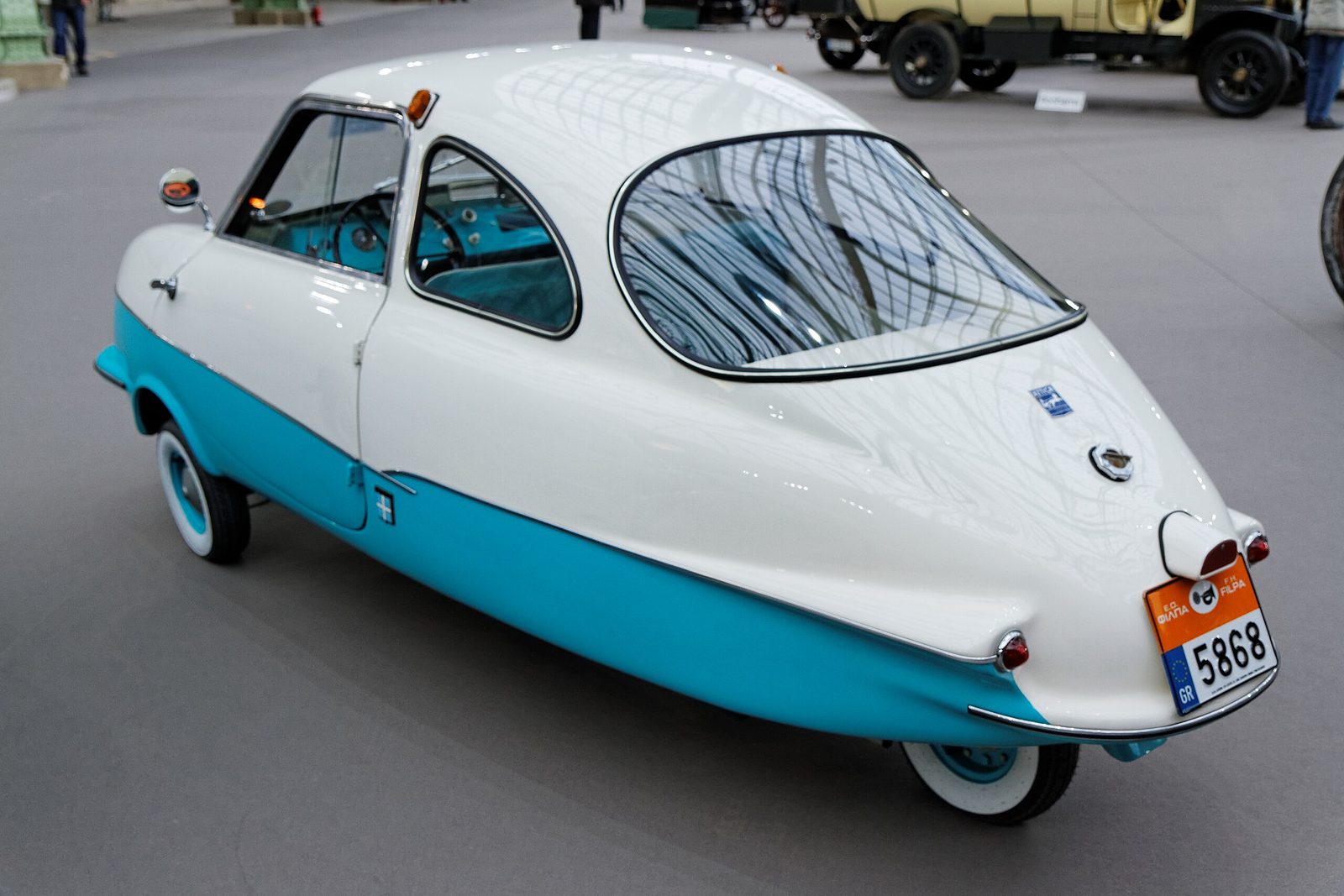
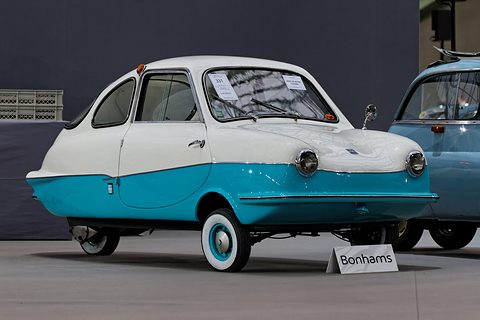
Greek law kept three-wheelers out of the tax and other classes that applied to four-wheeled cars.source 43 Georgios Dimitriadis built a four-wheeled car, the Dimitriadis 505, in 1958, then dropped it and built the Fuldamobil under licence as a three-wheeler, the Attica 200, because four-wheelers were taxed heavily and three-wheelers counted as motorcycles.source 44 Under the dictatorship of 1967–74, by the English Wikipedia’s account, the rules for type approval were relaxed while three-wheelers kept their favourable tax.source 43 A whole industry of three-wheeled trucks grew up. MotorCar’s trucks, built with Volkswagen and German Ford engines in 1967–71, were rated for 350 kg yet in practice carried as much as 2 tonnes.source 45 Alta built its own Fuldamobil-based Alta A200, and from 1974 to 1978 MEBEA built Reliant Robins under licence.source 44source 28 When the Greek advantage ended has not been found.
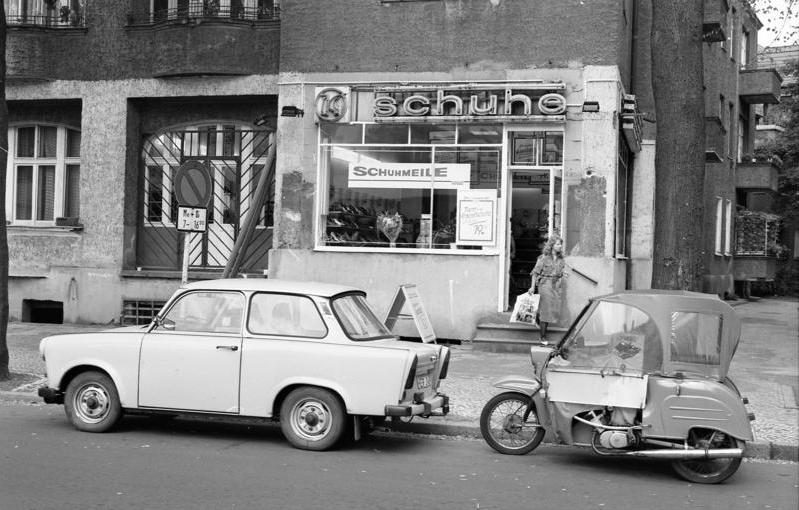
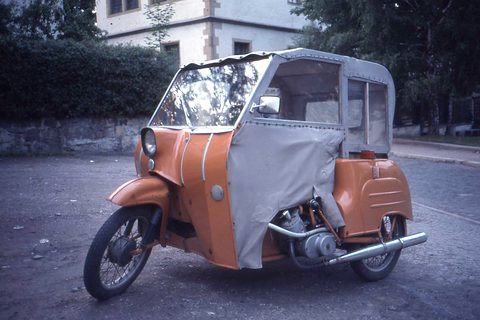
In Czechoslovakia the Velorex, a tube frame skinned in leatherette with a Jawa engine at the back driving its single rear wheel, ran to about 15,200 to 15,300 three-wheelers between 1951 and 1971.source 9 In East Germany the Duo was a moped-class tricycle for disabled drivers, and a clause of the Unification Treaty still lets German drivers take it on the road with a moped licence.source 13
Three wheels now
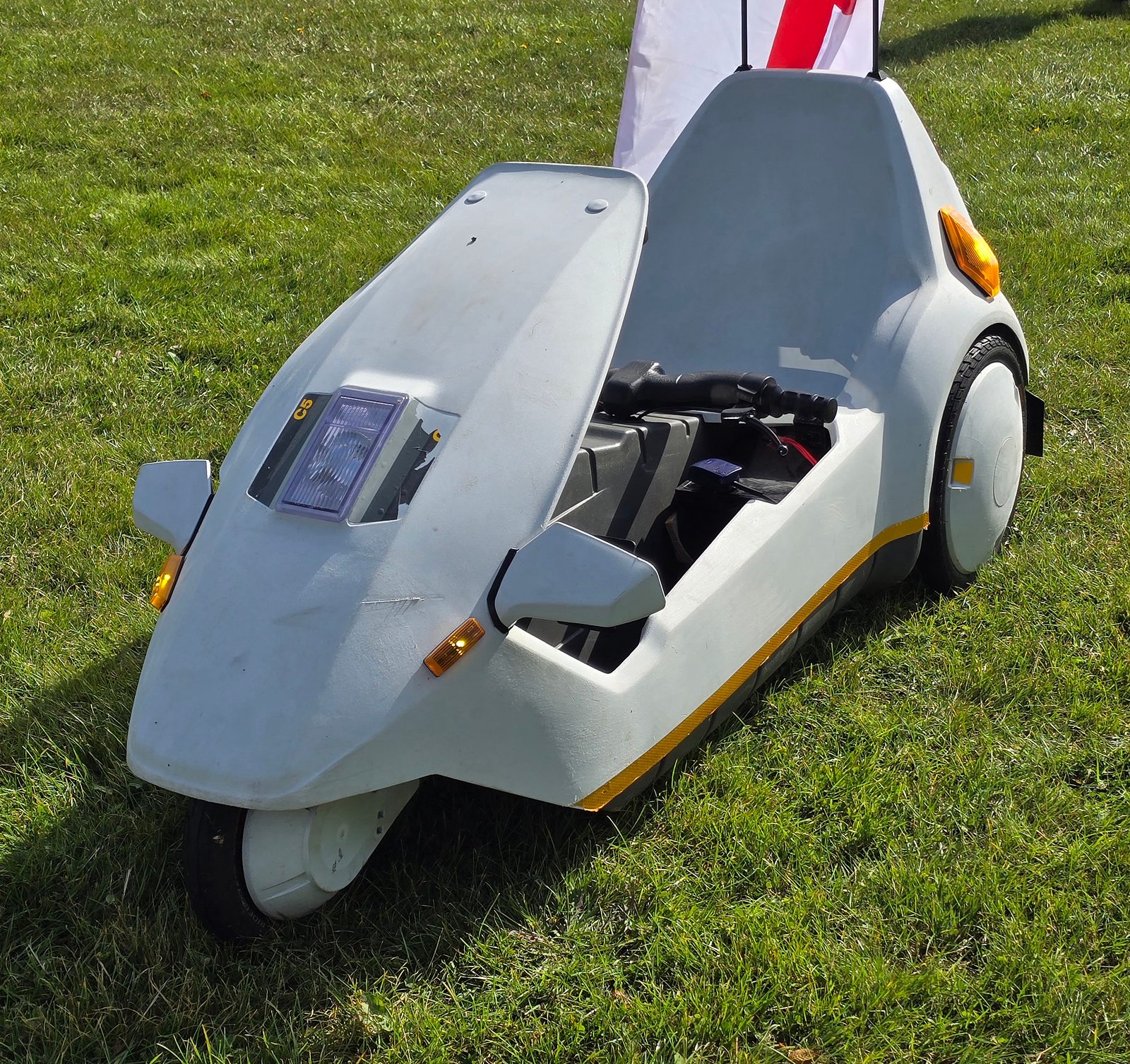
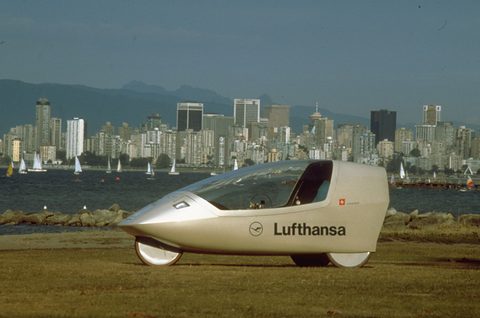
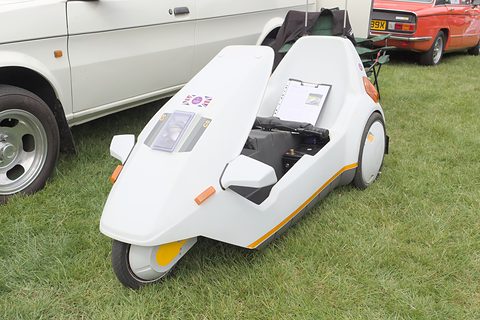
The idea did not end with the tax. The Toyota i-Road of 2013 put two electric motors in its front wheels, steered with its single rear wheel, and leaned its front wheels and cabin into corners.source 46 The Swiss Twike is a delta, its motor driving both rear wheels through a differential.source 47 So was the Sinclair C5 of 1985, whose motor drove one rear wheel by belt.source 48 Others, from the Corbin Sparrow to the Arcimoto FUV and the ElectraMeccanica Solo, belong to the story of the electric microcars. And the old bargain had not quite gone: in Europe the i-Road was held to 45 km/h so that in Germany a moped licence was enough to drive it.source 46
Smallest to largest
72 cars and 14 maker groups, to scale
Each bar is the car’s length on a 3.5 metre track; the red notch is a Fiat 500.
-
Peel P501962–1965 · Isle of Man · 3 wheels
1.37 m -
Minicat1978–1980 · France
1.58 m -
Acoma Mini Comtesse1972–1984 · France · 3 wheels
1.68 m -
Brütsch Mopetta1956–1958 · West Germany · 3 wheels
1.70 m -
Sinclair C51984–1985 · Britain · 3 wheels
1.74 m -
La Voiture Électronique Porquerolles1968–1976 · France · 3 wheels
1.80 m -
Arola1976–1983 · France · 3 wheels
1.84 m -
Casalini Sulky1969–1994 · Italy · 3 wheels
1.85 m -
Peel Trident1965–1966 · Isle of Man · 3 wheels
1.85 m -
Fend Flitzer1948–1951 · Germany · 3 wheels
2.00 m -
All Cars Snuggy1974–1985 · Italy · 3 wheels
2.10 m -
Teilhol Citadine1972–1986 · France · 3 wheels
2.12 m -
BMA Amica1971–1994 · Italy · 3 wheels
2.13 m -
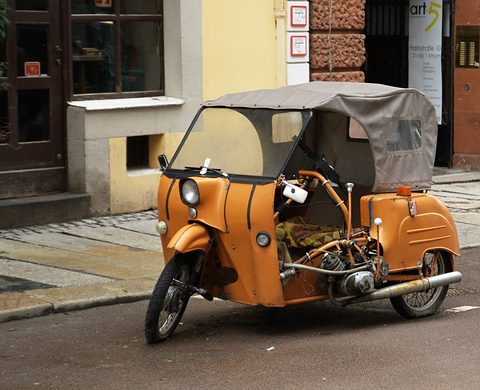
Krause Duo1961–1991 · East Germany · 3 wheels
2.13 m -
Auto Mirage Mirage 31976–1985 · Italy · 3 wheels
2.15 m -
Brütsch1951–1958 · West Germany · 3 wheels
2.20 m -
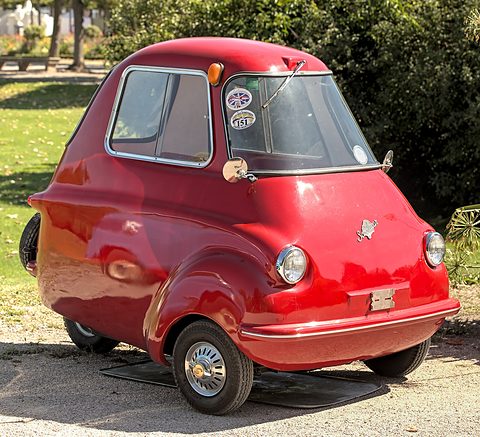
Scootacar1957–1964 · Britain · 3 wheels
2.21 m -
Cub Commuter1982 · Taiwan · 3 wheels
2.31 m -
Toyota i-Road2013–2015 · Japan · 3 wheels
2.35 m -
Avolette1955–1958 · France · 3 wheels
2.40 m -
Corbin Sparrow1999–2013 · United States · 3 wheels
2.44 m -
Solyto1952–1974 · France · 3 wheels
2.45 m -
Léon Bollée Voiturette1895–1899 · France · 3 wheels
2.50 m -
Daihatsu Midget1957–1972 · Japan · 3 wheels
2.54 m
48 more cars and 14 more maker groupsFewer
-
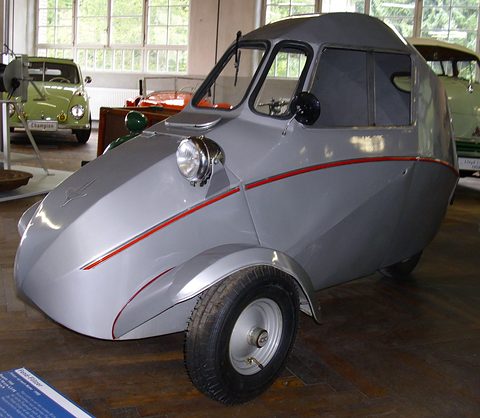
Heinkel Kabine1955–1958 · West Germany · 3 wheels
2.55 m -
Kapi1950–1956 · Spain
2.56 m -
Electra King1961–1981 · United States · 3 wheels
2.56 m -
Twike1995– · Switzerland · 3 wheels
2.65 m -
Trojan 2001961–1965 · Britain · 3 wheels
2.66 m -
Piaggio Ape1948– · Italy · 3 wheels
2.68 m -
Bond Minicar1949–1966 · Britain · 3 wheels
2.69 m -
CityEl1987–2018 · Denmark · 3 wheels
2.74 m -
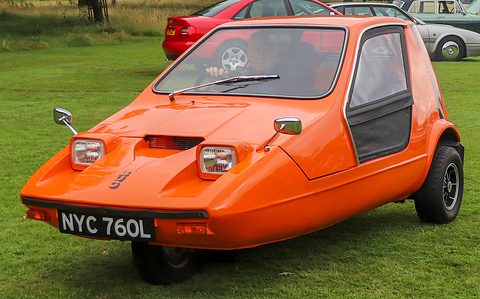
Bond Bug1970–1974 · Britain · 3 wheels
2.79 m -
David Torpedo 2S1951–1957 · Spain · 3 wheels
2.80 m -
Messerschmitt KR1751953–1955 · West Germany · 3 wheels
2.82 m -
Messerschmitt KR2001955–1964 · West Germany · 3 wheels
2.82 m -
Fuldamobil1950–1969 · West Germany · 3 wheels
2.85 m -
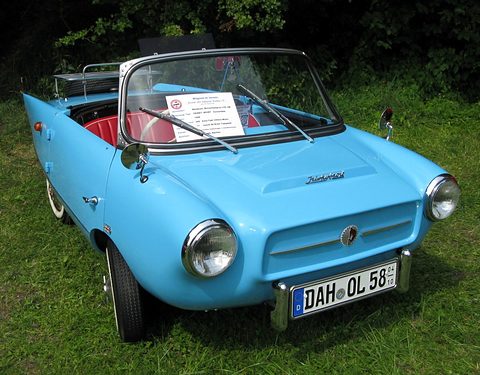
Frisky1958–1961 · Britain · 4 wheels
2.86 m -
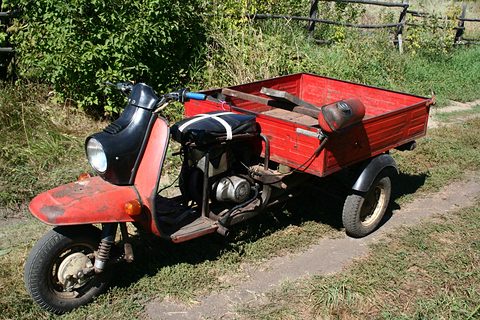
Tula Muravei1959–1995 · Soviet Union · 3 wheels
2.88 m -
Arcimoto FUV2019–2023 · United States · 3 wheels
2.90 m -
Morgan Three-Wheeler1910–1952 · Britain · 3 wheels
2.90 m -
Lambretta Lambro1949–1972 · Italy · 3 wheels
2.92 m -
HMV Freeway1979–1982 · United States · 3 wheels
2.92 m -
Westcoaster Mailster1950–? · United States · 3 wheels
2.92 m -
Fuji Cabin1955–1957 · Japan · 3 wheels
2.95 m -
Invacar1946–1977 · Britain · 3 wheels
2.97 m -
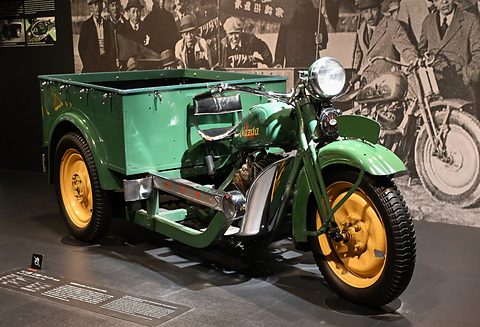
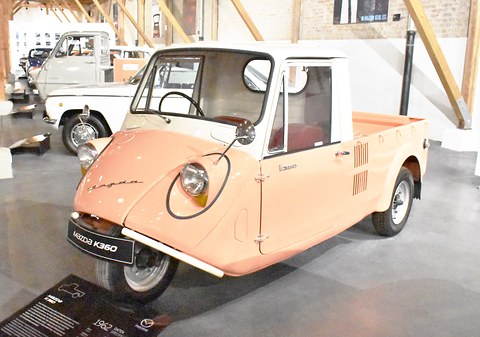
Mazda K3601959–1969 · Japan · 3 wheels
2.98 m -
Inter 175 A Berline1953–1956 · France · 3 wheels
3.00 m -
ElectraMeccanica Solo2018–2023 · Canada · 3 wheels
3.10 m -
Goliath Pionier1931–1934 · Germany · 3 wheels
3.10 m -
P. Vallée Chantecler1956–1958 · France · 3 wheels
3.10 m -
Berkeley1956–1960 · Britain · 4 wheels
3.11 m -
AC Petite1953–1958 · Britain · 3 wheels
3.12 m -
Nobel 2001958–1962 · Britain · 3 wheels
3.20 m -
Velorex1950–1973 · Czechoslovakia · 3 wheels
3.25 m -
Reliant Robin1973–2002 · Britain · 3 wheels
3.33 m -
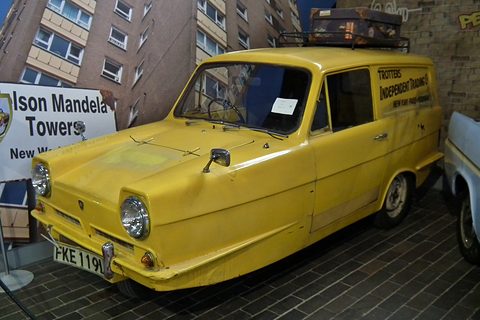
Reliant Regal1952–1973 · Britain · 3 wheels
3.43 m -
Reliant Supervan1963–1973 · Britain · 3 wheels
3.43 m -
AC Sociable1904–1914 · Britain · 3 wheels
length unknown -
Allard Clipper1953–1955 · Britain · 3 wheels
length unknown -
Attica 2001962–1971 · Greece · 3 wheels
length unknown -
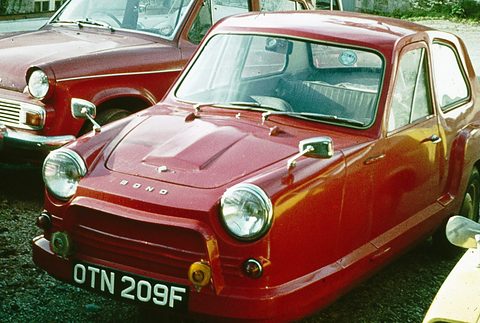
Bond 8751966–1970 · Britain · 3 wheels
length unknown -
Cyklon Cyklonette1902–1923 · Germany · 3 wheels
length unknown -
Darmont1919–1939 · France · 3 wheels
length unknown -
Edith1953–1957 · Australia · 3 wheels
length unknown -
Framo Stromer1933–1935 · Germany · 3 wheels
length unknown -
Gordon1954–1958 · Britain · 3 wheels
length unknown -
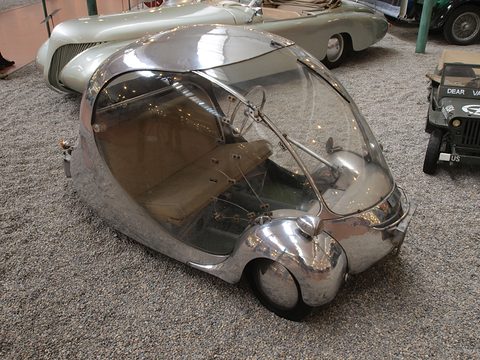
L’Œuf électrique1942 · France · 3 wheels
length unknown -
Mazda-Go1931–1938 · Japan · 3 wheels
length unknown -
Scott Sociable1921–1925 · Britain · 3 wheels
length unknown -
Sipani Badal1975–1981 · India · 3 wheels
length unknown -
Tempo three-wheelers1928–1943 · Germany · 3 wheels
length unknown -
Spanish microcars: the minor makers1941–1969 · Spain · 3 wheels
26 makers -
Austrian microcars1952–1979 · Austria · 3 wheels
5 makers -
American cyclecars and small-car experiments1913–1932 · United States · 4 wheels
10 makers -
American post-war microcars1944–1964 · United States · 4 wheels
22 makers -
Britain’s forgotten 1950s microcars1948–1969 · Britain
12 makers -
British kit and small-series microcars1974–2002 · Britain · 3 wheels
6 makers -
British three-wheelers of the 1920s and 1930s1926–1939 · Britain · 3 wheels
4 makers -
Cyclecars elsewhere: Austria, Poland, Scandinavia and beyond1913–1939 · Several countries · 4 wheels
24 makers -
Dutch and Belgian microcars1951–1958 · Several countries
7 makers -
French licence-free car makers of the 1970s and 1980s1970–1994 · France
14 makers -
French post-war microcar makers1946–1962 · France
18 makers -
German Kabinenroller small makers1949–1959 · West Germany
9 makers -
German cyclecars and Kleinwagen: the minor makers1919–1933 · Germany · 4 wheels
10 makers -
Scandinavian microcars1956–1994 · Several countries · 3 wheels
4 makers
Pictures
Nine photographs
Three-wheelers 9
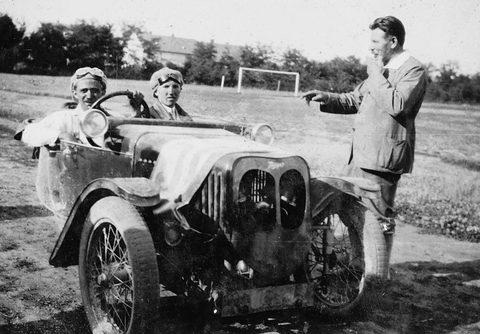
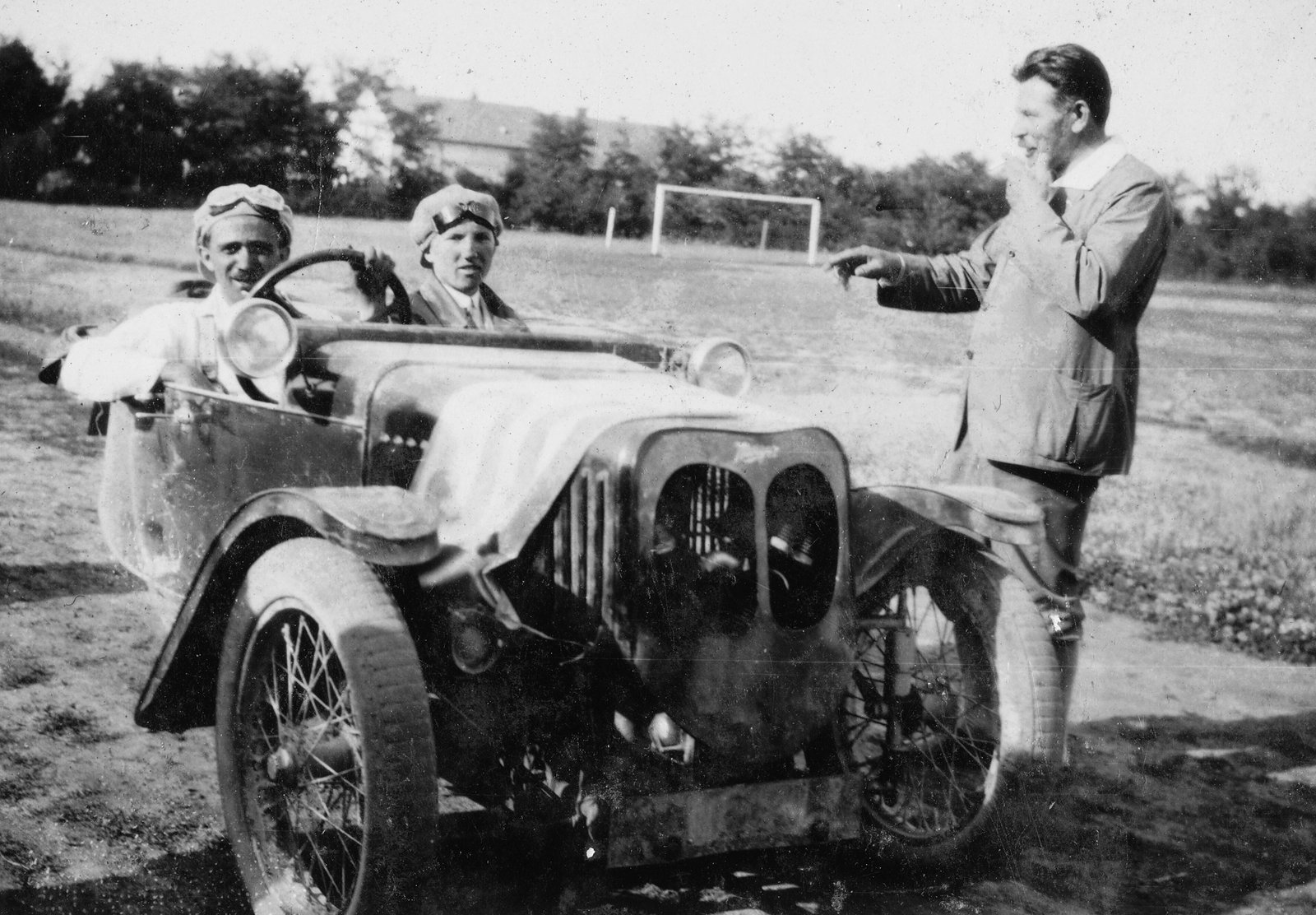
1 Morgan three-wheeler with its two crew in goggles at the Somogy county automobile club rally in Hungary, 1930.
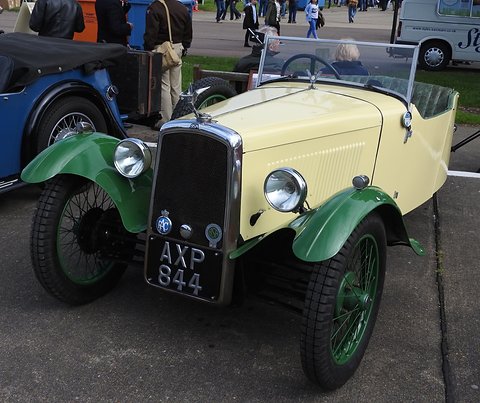
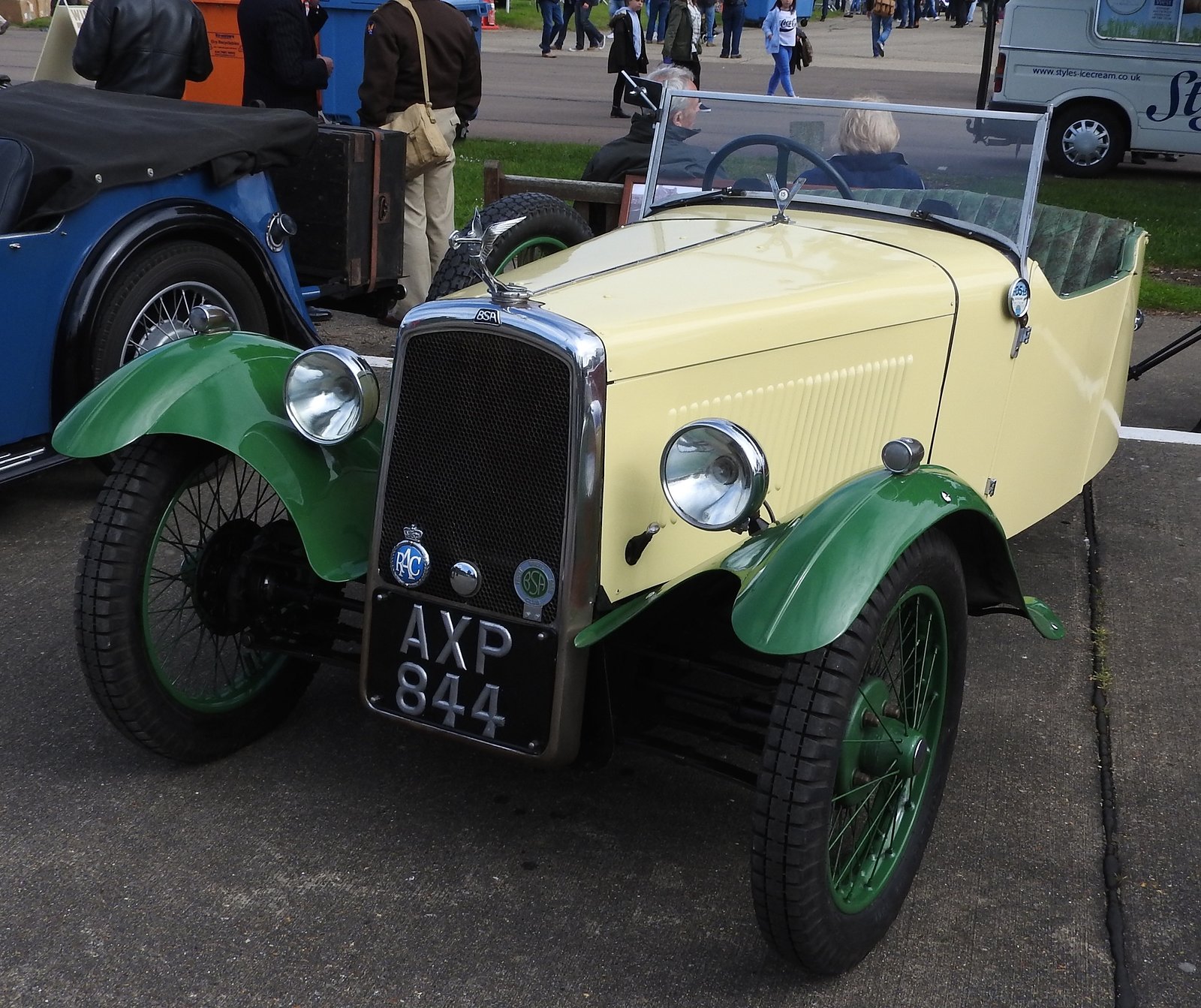
2 Cream and green BSA TW33 three-wheeler of 1934, registered AXP 844, at the Duxford VE Day Air Show in May 2015.
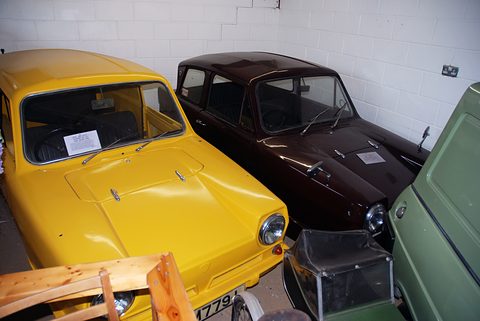
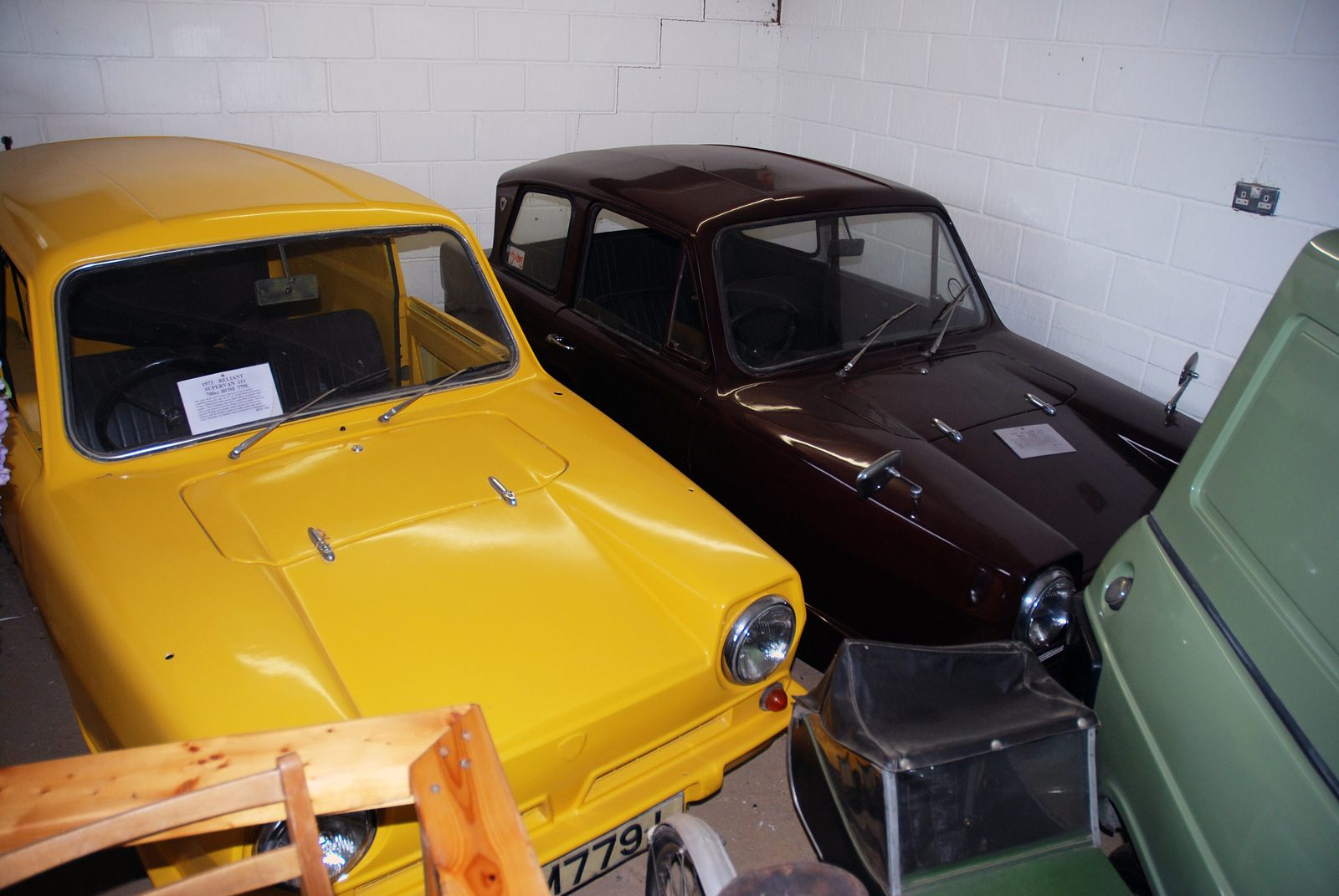
3 A yellow 1973 Mk1 Robin beside a Regal saloon at the Stondon Transport Museum, Bedfordshire, in 2007.
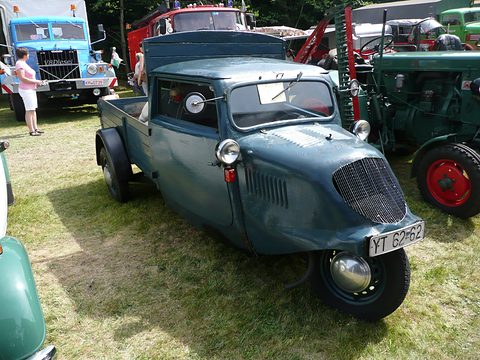
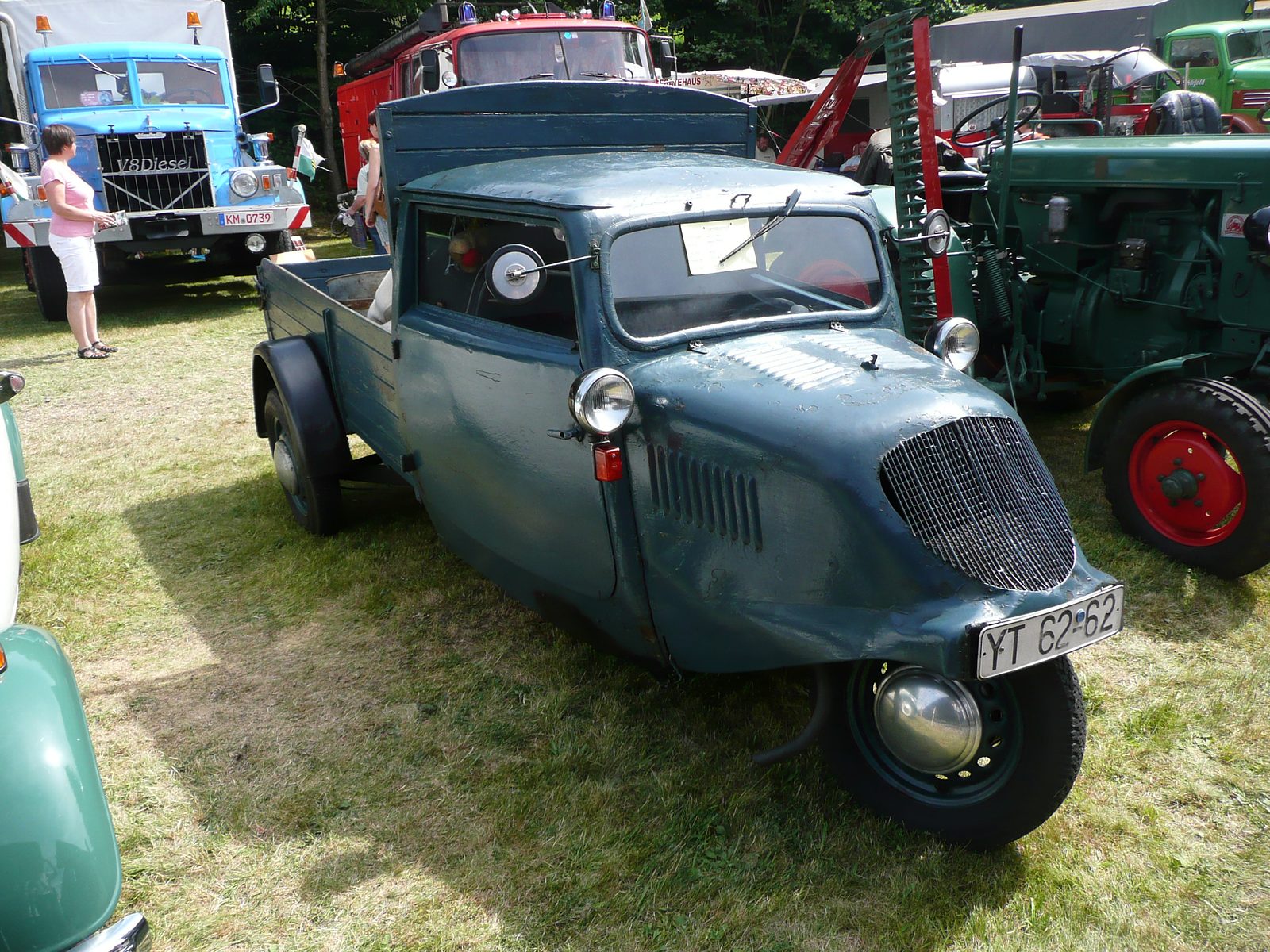
4 Blue-grey Tempo A 400 three-wheeled pick-up at Jonsdorf, Saxony, in August 2015.
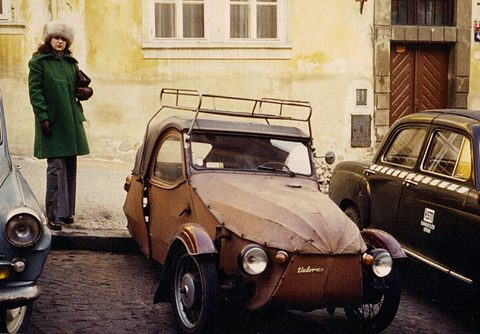
5 A Velorex with a roof rack parked in a Prague street in December 1972.
4 more picturesFewer pictures
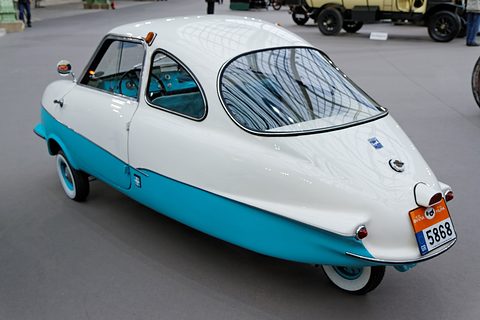
6 A white and turquoise 1967 Attica 200 coupé from behind at the Bonhams sale in the Grand Palais, Paris, in 2014, showing its tapering tail and single rear wheel.
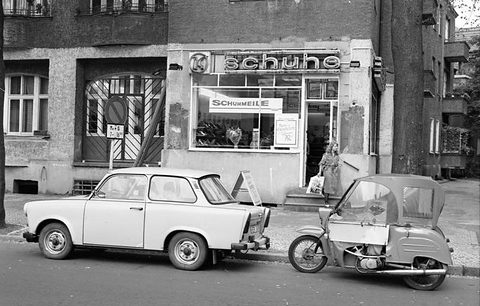
7 A Duo parked behind a Trabant outside a shoe shop in Berlin-Karlshorst, July 1991.
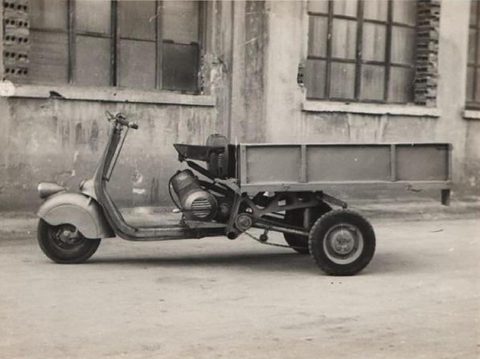
8 A Piaggio Ape A of 1948, a Vespa front end with a box-sided load bed behind, in a side view from Piaggio’s technical report of that year.
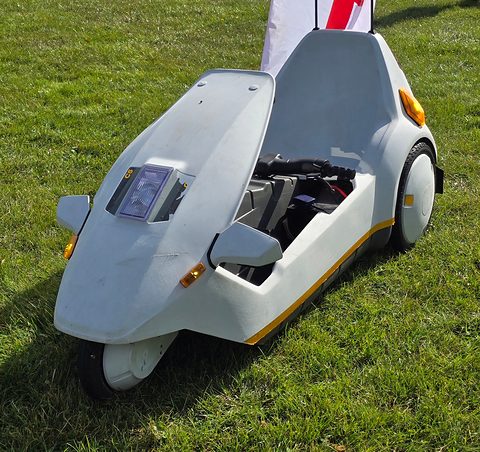
9 A Sinclair C5 on grass in 2024, showing its nose lamp and the handlebar under the seat.
Picture credits (9)
- 1 FOTO:FORTEPAN / Vojnich Pál, CC BY-SA 3.0
- 2 Rob Mitchell, Public domain
- 3 allen watkin, CC BY-SA 2.0
- 4 Rainerhaufe, CC BY-SA 4.0
- 5 Robert Schediwy, CC BY-SA 3.0
- 6 Thesupermat, CC BY-SA 3.0
- 7 Joachim F. Thurn / Bundesarchiv, CC BY-SA 3.0 de
- 8 Piaggio (1948), Archivio di Stato di Pescara, Public domain
- 9 Calreyn88, CC BY-SA 4.0
The cars
Profiles
60 more cars and 14 more maker groupsFewer
-
-
-
-
-
-
-
-
-
-
-
-
-
-
-
-
-
-
-
-
-
-
-
-
-
-
-
-
-
-
-
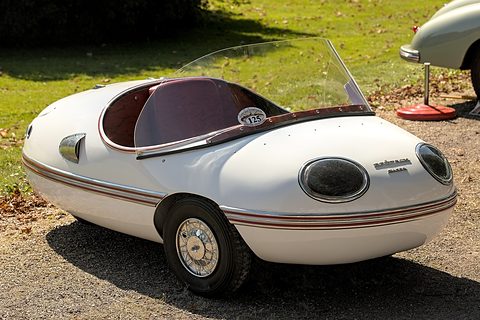
-
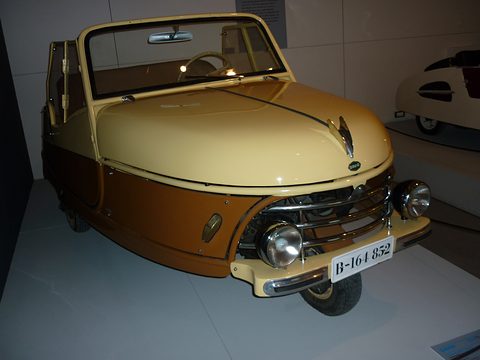
-
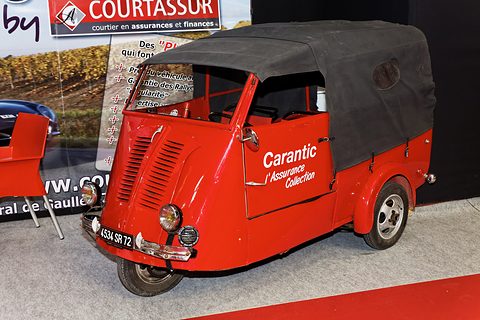
-
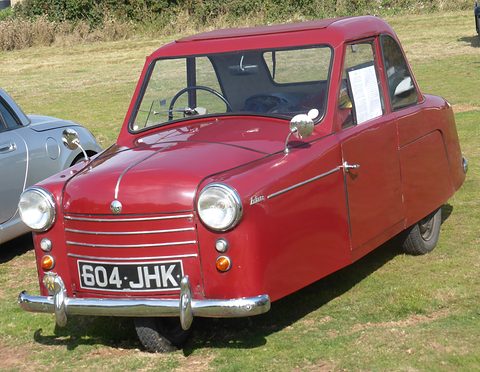
-
-
-
-
-
-
-
-
-
-
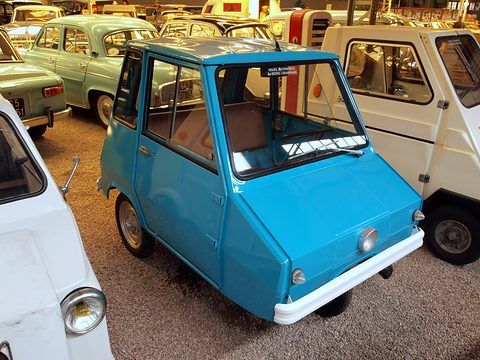
-
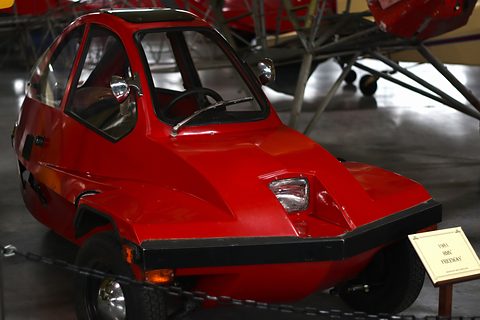
-
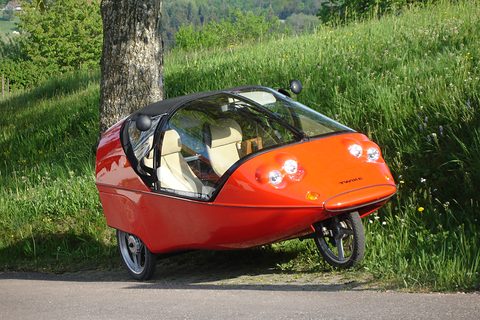
-
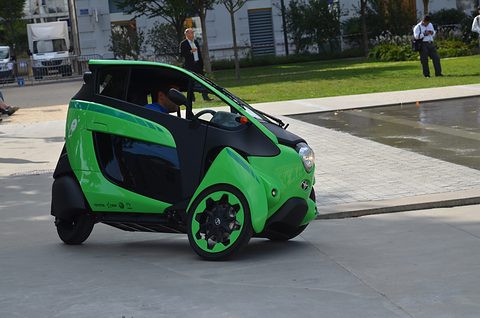
-
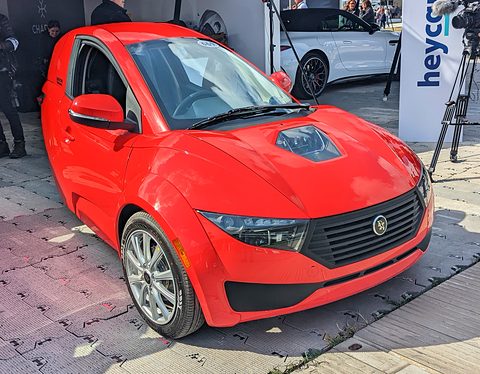
-
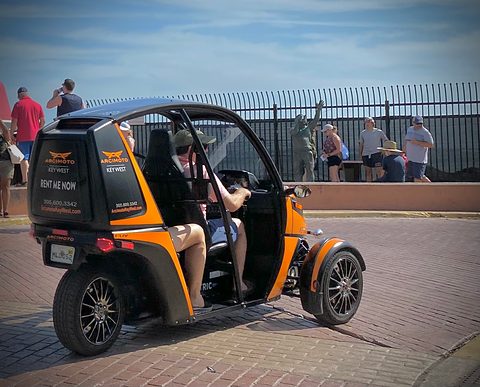
-
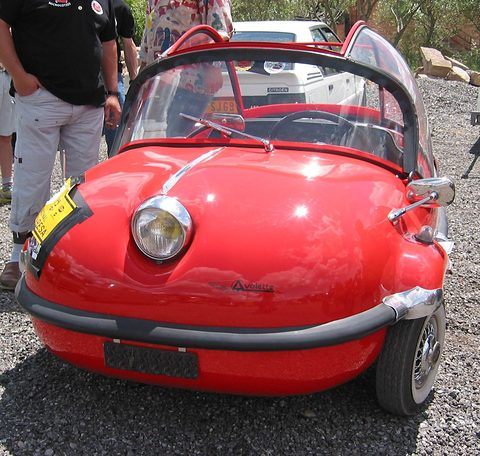
-
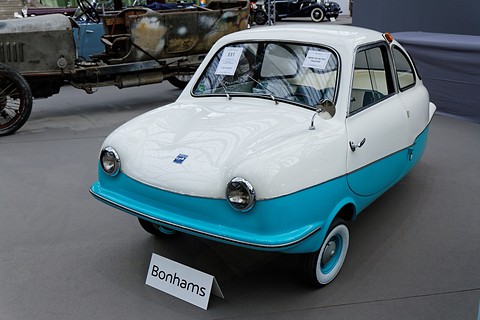
-
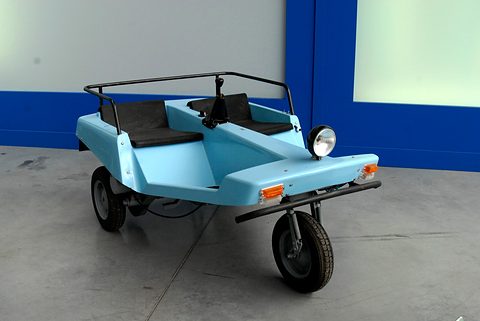
-
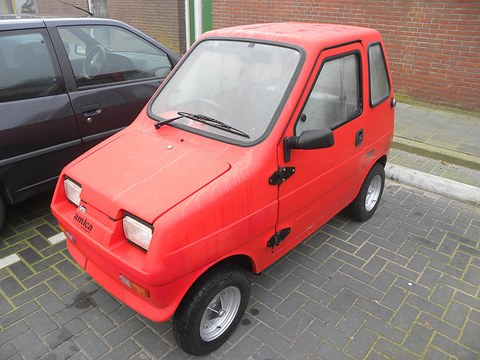
-
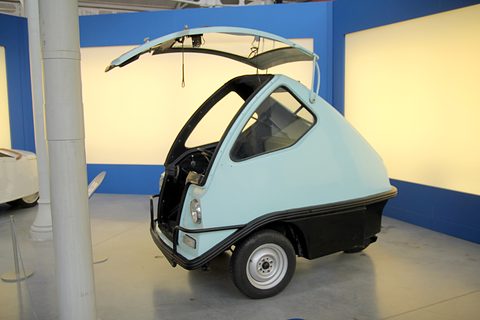
-
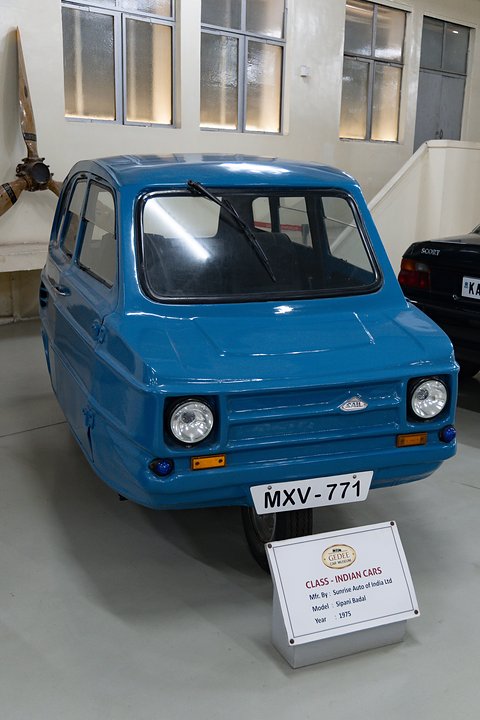
-
-
-
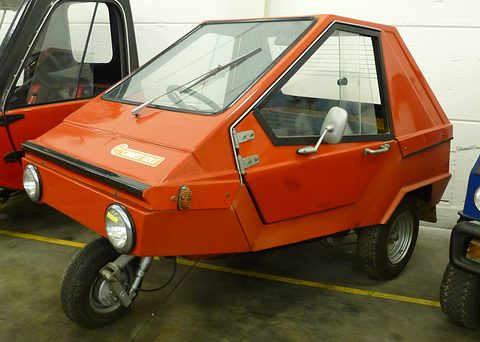
-
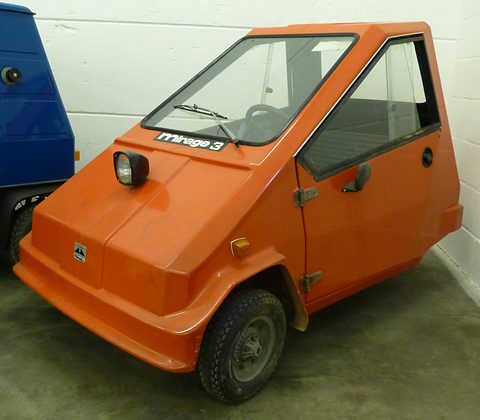
-
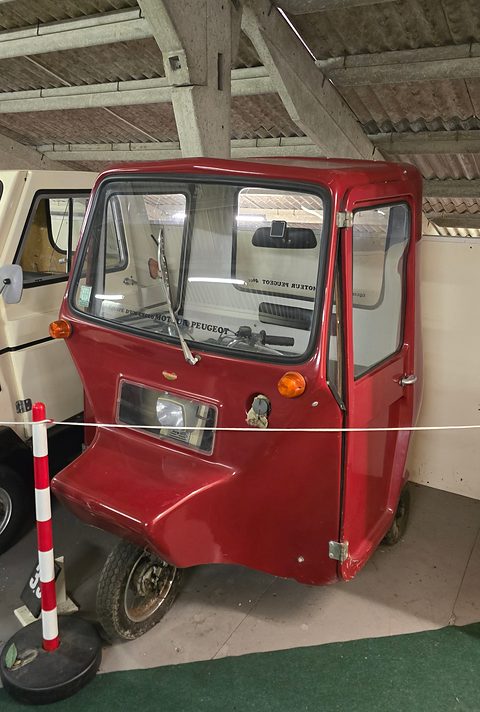
-
-
-
-
-
-
Cyclecar
Cyclecars elsewhere: Austria, Poland, Scandinavia and beyond
1913–1939 · Several countries · 24 makers
-
-
-
-
-
-
-
Licence-free car
French licence-free car makers of the 1970s and 1980s
1970–1994 · France · 14 makers
-
Sources
Numbered as in the text
Sources are given as plain text; the links are on the Credits page.
- Road Traffic Act 1930 (20 & 21 Geo. 5 c. 43), section 2(1), as enacted.
- W. B., “Reliant at Tamworth”, Motor Sport, June 1964.
- English Wikipedia, Three-wheeler; used as a lead. It cites Robert Q. Riley, “The Dynamic Stability of Three-Wheeled Vehicles in Automotive-Type Applications”, which has not been read.
- German Wikipedia, Messerschmitt Kabinenroller, read in full; it cites Rosellen, Deutsche Kleinwagen (1991).
- German Wikipedia, Heinkel Kabine, read in full; it cites Oswald, Deutsche Autos 1945–1990, vol. 4, and Simsa in auto motor und sport 19/1956.
- W. Boddy, “The vintage years of the Morgan 3-wheeler”, Motor Sport, June, July and August 1965.
- English Wikipedia, Fuldamobil; used as a lead. It cites Das Auto and auto motor und sport.
- Bruce Weiner Microcar Museum, “1964 Peel P50”, tour page, and the Register of Unusual Microcars, “Peel P50”, read in an archived copy of 2020.
- Czech Wikipedia, Velorex, and Velorex tým, “Historie vozítek VELOREX”, read in an archived copy of 2018.
- Bond Owners’ Club, “Mark E”, model history by chassis number, read in an archived copy of 2012.
- Bruce Weiner Microcar Museum, tour pages “1957 Bond Minicar Mark D” and “1959 Bond Minicar Mark F”.
- English Wikipedia, Piaggio Ape; used as a lead.
- German Wikipedia, Duo (Krankenfahrzeug); used as a lead. It cites Kraftfahrzeugtechnik of 1954, 1956 and 1961.
- Reliant Motor Club, “Reliant Robin History: Mk I, Mk II, Mk III and BN1/BN2 (1973–2002)”.
- Smithsonian Institution, National Postal Museum, object record “Westcoaster mailster”, 1985.0372.1.
- Hull Museums, “Invacar Motorcar”, Streetlife Museum, KINCM:1976.80.1.
- Sergei Arbuzov, “Боевое крещение «Моргуновки»” (“The baptism of fire of the Morgunovka”), drom.ru, 23 May 2020, from the NAMI test report of 1957, in Russian.
- Jeremy Clarkson, “The Clarkson review: Reliant Robin”, The Sunday Times Driving, 11 January 2016.
- Reliant Motor Club, “BBC Top Gear – and the infamous rolling Reliant Robin episode”.
- cybermotorcycle.com, “Three-wheeler licencing”.
- Reliant Motor Club, “A (very) brief history of Reliant”.
- Heinkel Trojan Club, “Cabin Cruisers”, a production history of the German, Irish, Argentine and British cars, read in an archived copy of 2015.
- 3-wheelers.com, “Laws”; the page refused access, and only a search engine’s excerpt of it was read.
- Bond Owners’ Club, “Mark F – November 1958 to January 1963”, read in an archived copy of 2012.
- English Wikipedia, Bond Minicar; used as a lead. It cites The Times of 7 November 1962 and Wotherspoon (1993).
- “Rumblings”, Motor Sport, July 1970.
- Lancaster Insurance, “Happy 50th birthday to the Reliant Robin”, 29 September 2023, quoting Autocar of 1 November 1973.
- English Wikipedia, Reliant Robin; used as a lead. It cites Skartsis on the Greek licence cars.
- GOV.UK, “Riding a motorcycle, moped or motor tricycle: licences issued before 19 January 2013”.
- German Wikipedia, Vidal & Sohn Tempo-Werk; used as a lead. It cites Oswald, Deutsche Autos 1920–1945 (1996).
- Pages of biketrailspfannenstiel.ch found by a web search on Goliath delivery tricars; a weak source.
- Lane Motor Museum, “Goliath Pionier – 1933” and “Goliath Atlas – 1934”, collection pages.
- German Wikipedia, Framo; used as a lead. It cites ADAC Motorwelt of 14 July 1933.
- tempo-dienst.de, “1928 – 1978: 50 Jahre Vidal + Sohn”.
- German Wikipedia, Rollermobil; used as a lead.
- “Vor fünfzig Jahren kam der Messerschmitt-Kabinenroller auf die deutsche Straße: Menschen in Aspik”, Berliner Zeitung, 19 March 2003.
- Dr Paul Simsa, “Unser Test: Messerschmitt Kabinenroller KR 200”, auto motor und sport 22/1955.
- Günther Molter, “Rekorde der Kleinsten”, auto motor und sport 19/1955, p. 25.
- Bruce Weiner Microcar Museum, “1956 Fuldamobil S‑6”, tour page, read in an archived copy.
- Reports from the Frankfurt show, auto motor und sport 22/1956.
- German Wikipedia, BMW Isetta, read in full; used as a lead.
- News note on the 300 cc Goggomobil for Austria, auto motor und sport 14/1955.
- English Wikipedia, Styl Kar; used as a lead. It cites L. S. Skartsis (2012).
- English Wikipedia, Attica (automobiles), Dimitriadis 505 and Alta (vehicles); used as leads. They cite Skartsis and Avramidis, Made in Greece (2003).
- English Wikipedia, MotorCar (trucks); used as a lead. It cites Skartsis and Avramidis (2003).
- Toyota Motor Europe newsroom, “2013 Geneva Motor Show: Toyota i-ROAD”, 4 March 2013, and German Wikipedia, Toyota i-Road.
- English Wikipedia, Twike, and German Wikipedia, Twike; used as leads.
- English Wikipedia, Sinclair C5; used as a lead. It cites The Times, The Guardian and the Financial Times.