The story
History
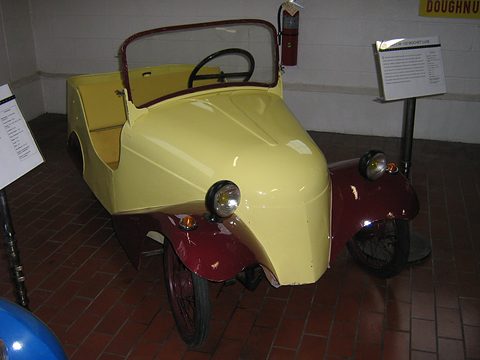
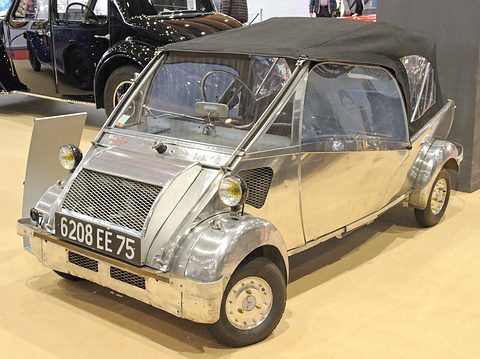
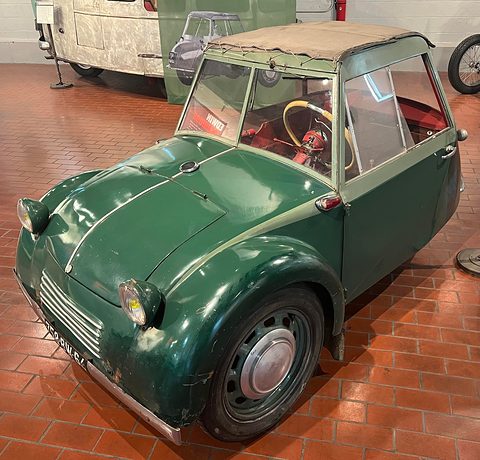
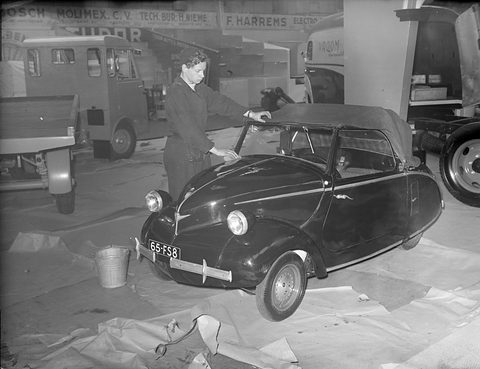
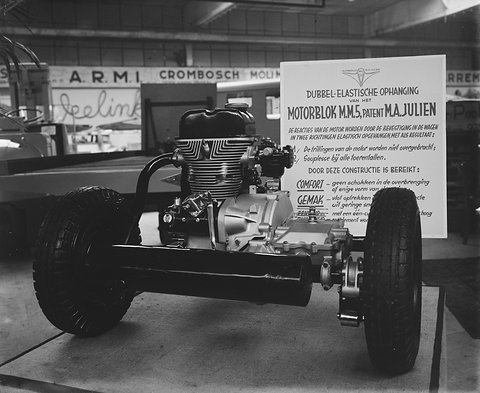
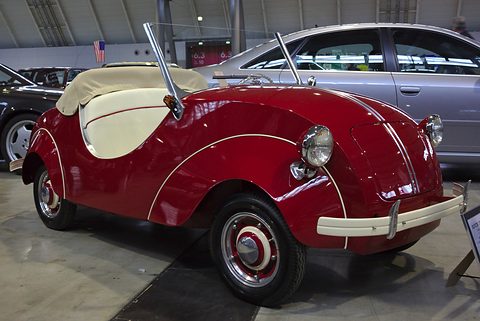
Post-war France was short of cars. Buyers of a new Citroën 2CV waited years, while Mochet could deliver its 125 cc car in six weeks.source 1 Most of the firms here were in Paris or its suburbs, and several came from the motorcycle trade: Poinard made sidecars, Decolon moped frames, DS-Malterre and Motobécane motorcycles. They bought in their engines, motorcycle singles by Ydral, AMC, Gnome et Rhône, Aubier-Dunne, Train, J.A.P., Villiers and Sotecma, and many of them built three-wheelers.source 2source 3source 4source 5source 6source 7source 8source 9source 10source 11 The largest output recorded among them is Galy’s, about 100 cars; most built a handful.source 6
The makers that sold in real numbers, or are better documented, have their own pages: the Rovin, the Mochet CM-125 and France’s other 125 cc licence-free cars, the Avolette and the P. Vallée Chantecler, the Voisin Biscooter, the Atlas Babycar, the Ardex, the Reyonnah, the Solyto, the Inter 175, the Vélam Isetta, the Vespa 400 and the one-off Alan. The licence-free makers of the 1970s and 1980s are on French licence-free small makers. The eighteen below follow in the order they began.
The record for them is thin. For almost all, the only account found is a German Wikipedia article resting on the encyclopaedias by Linz and Schrader, by Georgano and by Zeichner, and on René Bellu’s annuals of the Paris Salon; the Manocar, the Grataloup and the 1962 Motobécane also have pages from the Weiner museum, which owned them, and Boitel is known first from the old microcarfan.com.source 12source 13source 11source 14source 15 Where a section is short, it is because nothing more has been found.