The story
History
Vernons had run its football pools from Liverpool since 1925. After the war it looked for other work: at the British Industries Fair of 1947 it showed “Vernon” toys, a model Jeep and children’s tricycles and carts, and the 1954 Aeroplane Directory listed it as a maker of ground power generating units.source 1source 2 Its engineering arm, Vernons Industries Ltd, worked from Valley Road at Bidston, Birkenhead, then in Cheshire.source 1source 2 Grace’s Guide notes that, like many small cars of the period, the Gordon came from a company with no previous connection to motor vehicles, and that the origin of its name has been forgotten.source 2 It has nothing to do with the Gordon cyclecar built by the East Riding Engineering Works in 1912–14, or with Gordon Murray’s T.25.source 3
The designer was Erling Poppe, who had come from Sunbeam in Wolverhampton.source 1source 4 Before the car, Vernons built an invalid carriage, the Vi-Car of 1952–53, made in the same way as the later Gordon but with one headlamp and plain motorcycle-type mudguards at the back.source 4 When car-making began at Bidston depends on the reference: German Wikipedia dates it from the Vi-Car in 1952, English Wikipedia from 1954.source 1source 4
An engine on the outside
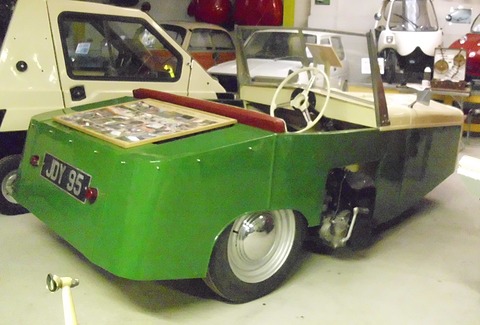
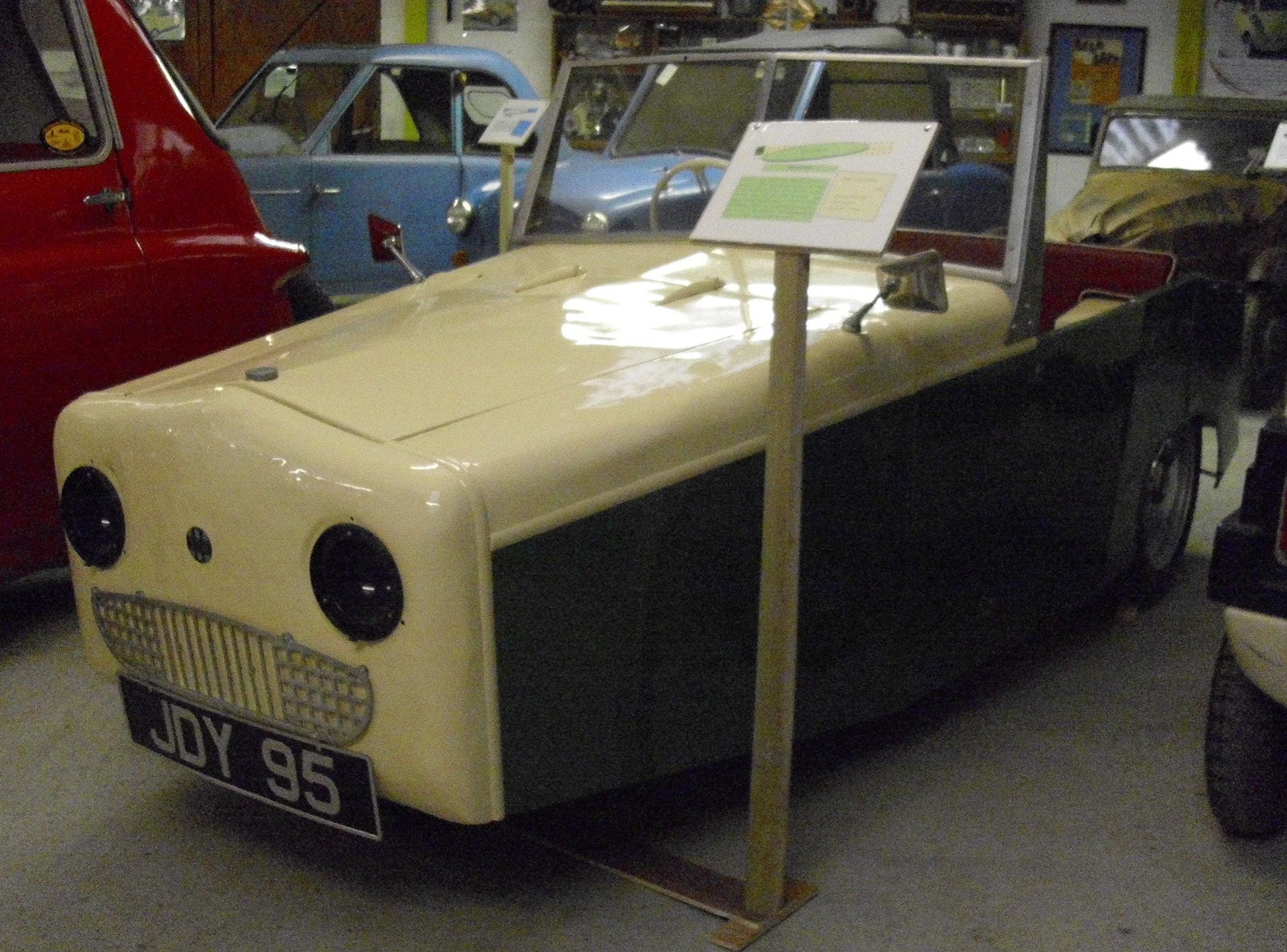
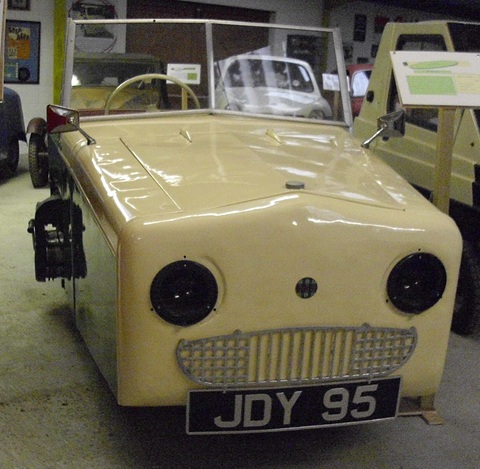
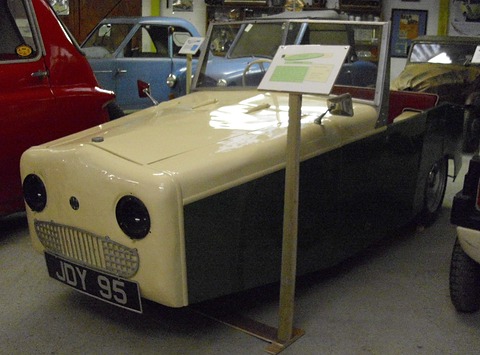
The Gordon appeared in December 1954 at £300, the cheapest car on the English market, says 3wheelers.com.source 5 Grace’s Guide reproduces a picture of November 1955 headed “Gordon Three-Wheeler” and gives the price as £269 17s 9d with purchase tax, which it reckons considerably cheaper than any other car then on sale; the two prices may simply belong to different dates.source 2
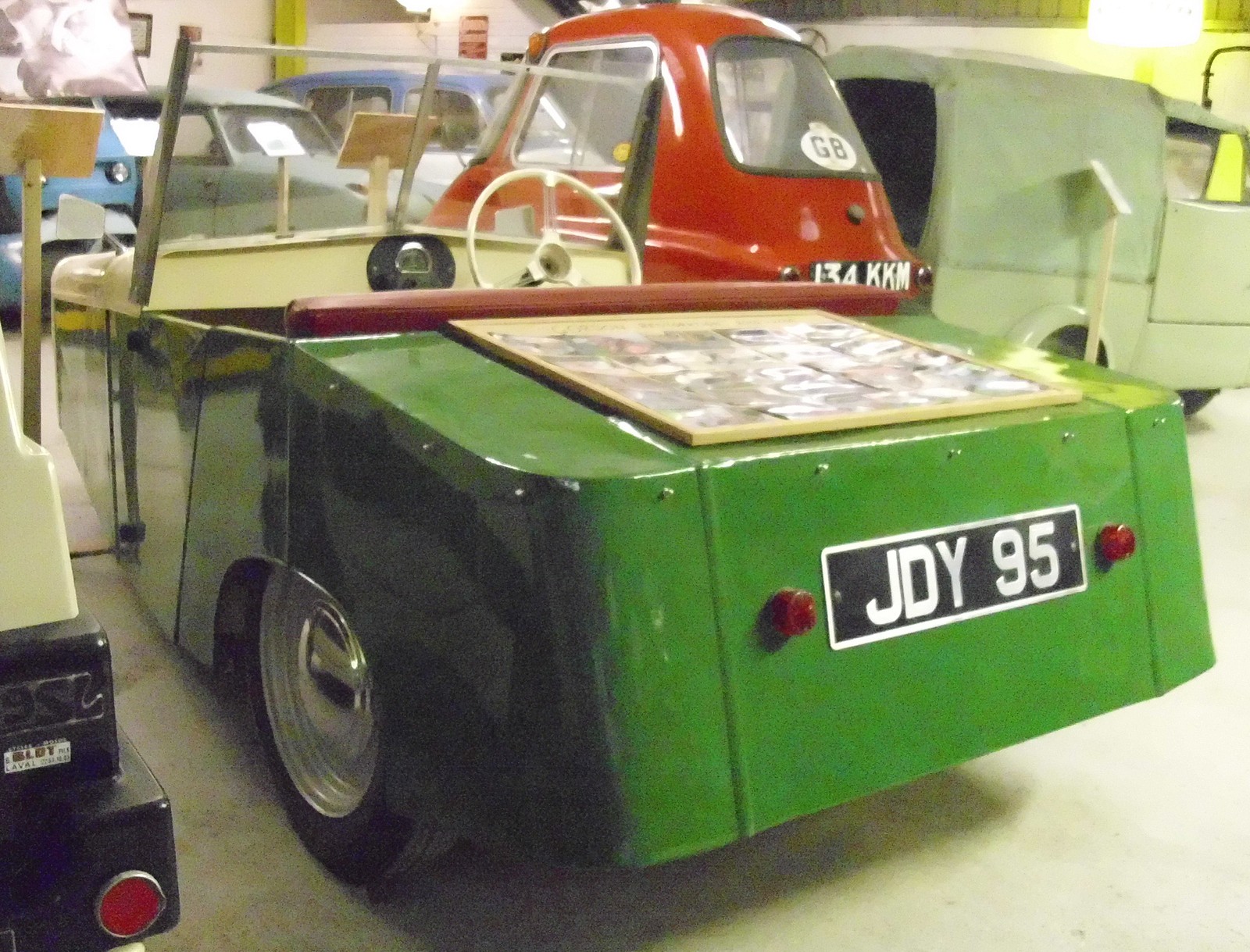
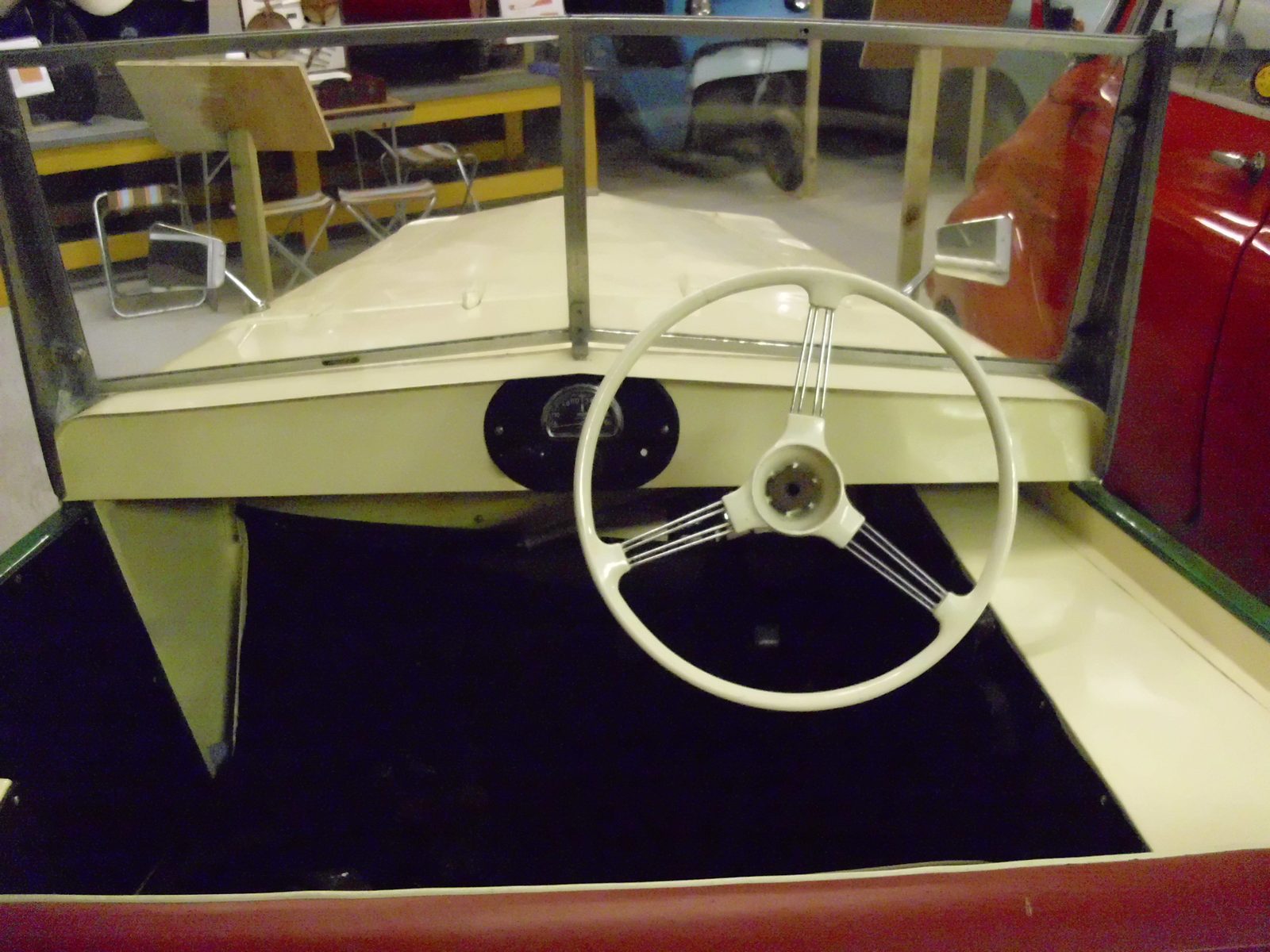
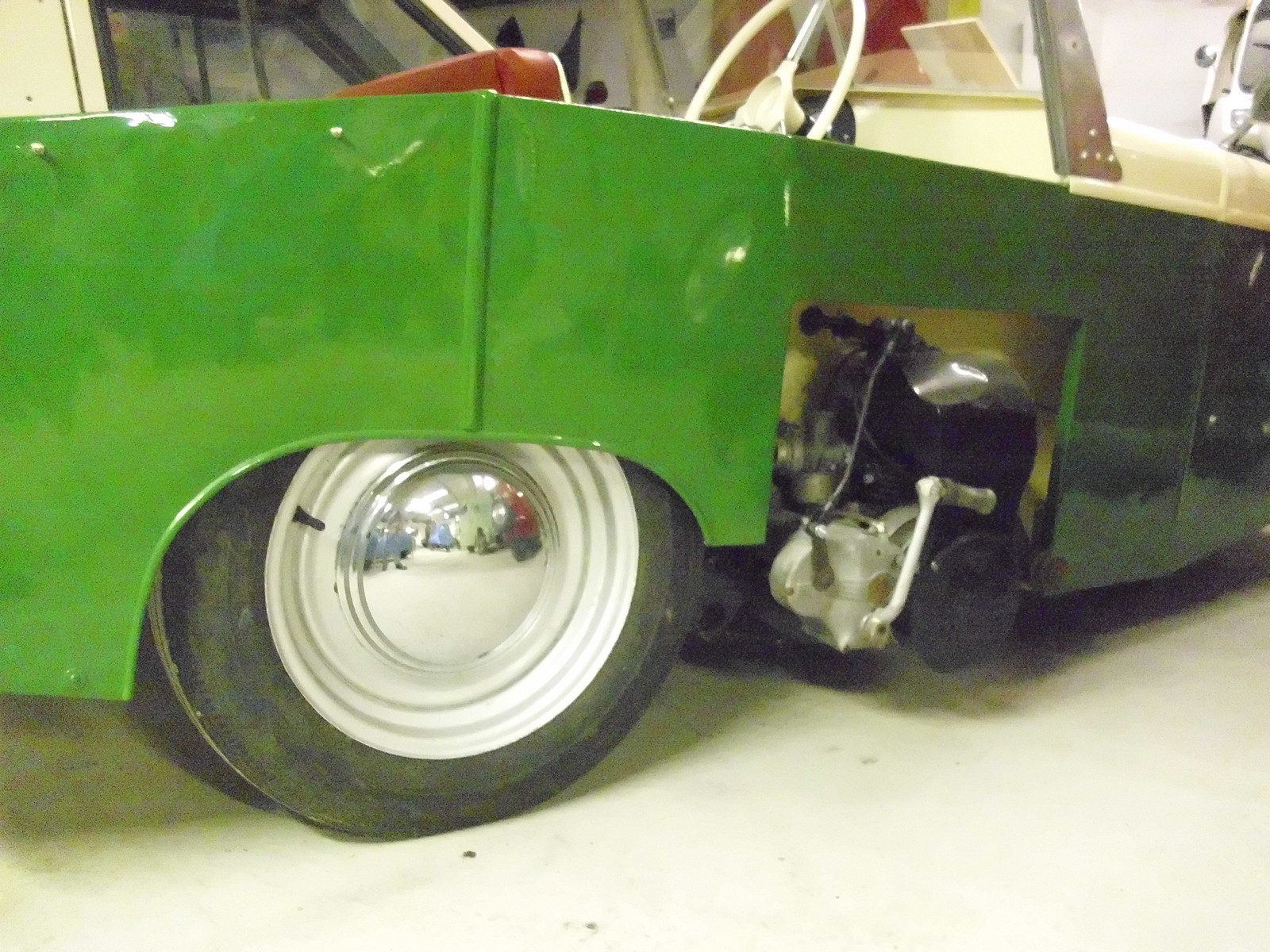
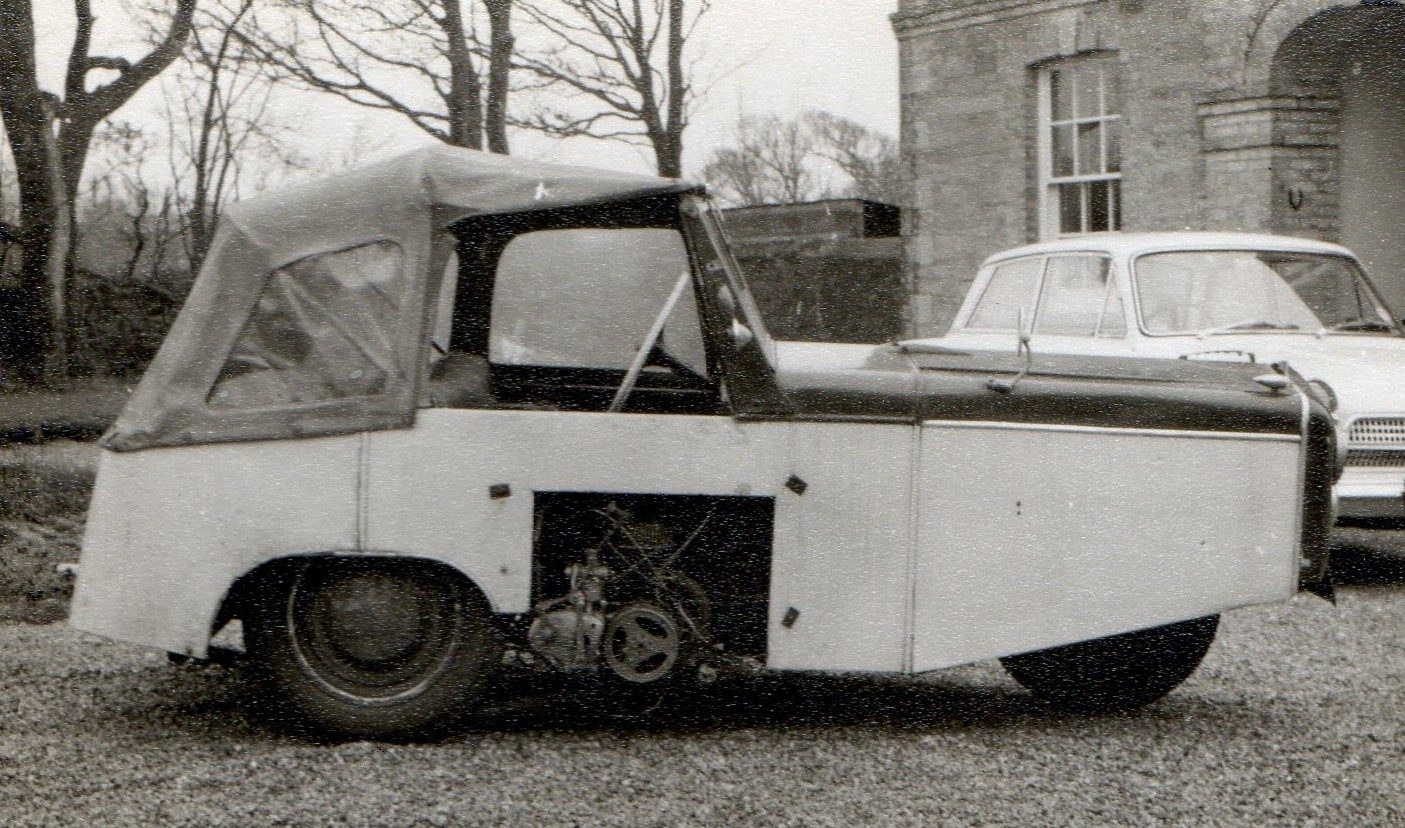
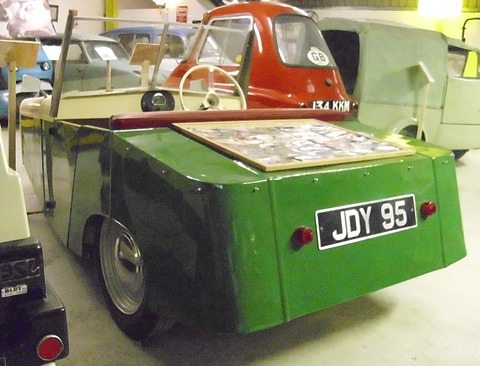
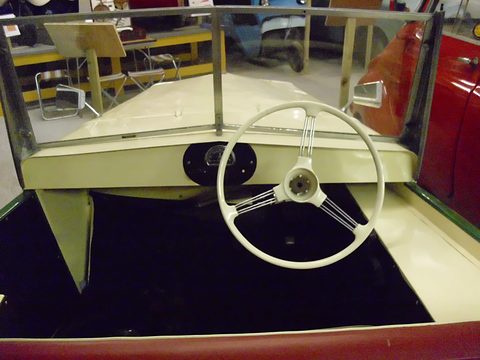
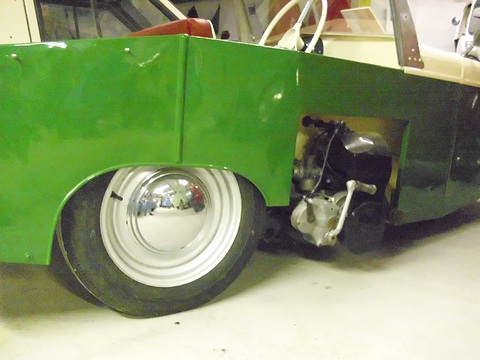
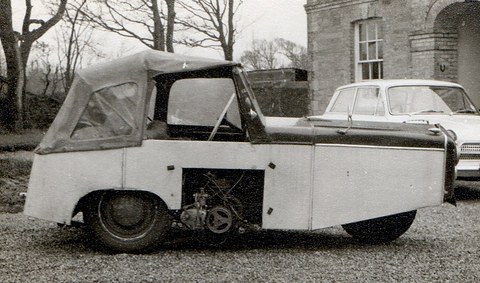
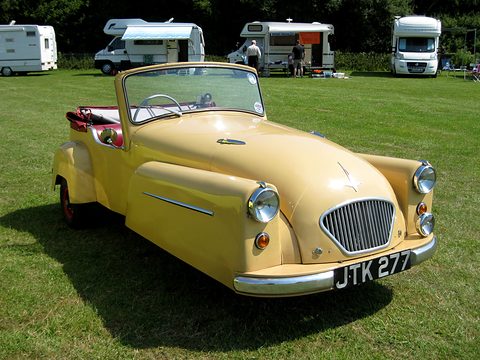
It ran on three wheels, a single one in front, with a steel body, a folding fabric roof and seats for two.source 1source 4 The 197 cc Villiers single-cylinder two-stroke was mounted outside the body on the right, beside the driver, under its own large air intake, and it drove only the rear wheel on that side, through an exposed chain. With the engine where the driver’s door would have been, the one door was on the passenger’s side.source 1source 4source 5
English Wikipedia says the build quality was poor and that, with the engine’s weight and the driver’s on the same side and only one rear wheel driven, the car felt unstable, especially in the wet; it also says an exposed engine could damage the fuel lines.source 1 No period road test has been found to confirm or answer that. Yet one Gordon was driven from Land’s End to John O’Groats, and earned praise from the rally driver Pat Moss; the date and the crew have not been found. W. Boddy of Motor Sport recalled it in 2001.source 6
… of a Gordon, with externally-hung engine like the vintage Gibbons, being driven from Land’s End to John O’Groats, earning praise from Pat Moss, makes me feel decidedly weak.
The end
Production ended in 1958.source 1source 4source 5 How many were made is approximate: fewer than 1,000 by one reference, a few hundred of the Vi-Car and the Gordon together by another.source 1source 4 Vernons Industries carried on as a general engineer; Dun & Bradstreet listed it in 1961 with 450 employees.source 2