Records and feats
Twenty-four hours at 103 km/h on 191 cc, a class record that only had to beat its own class, a car driven round a tower balcony, and a 98 cc car taken round the world: the microcar’s records are rarely about speed, and always about the small print.
A class record at 103 km/h
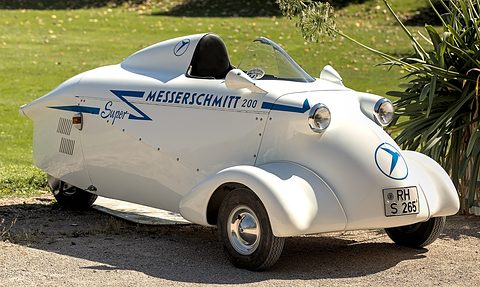
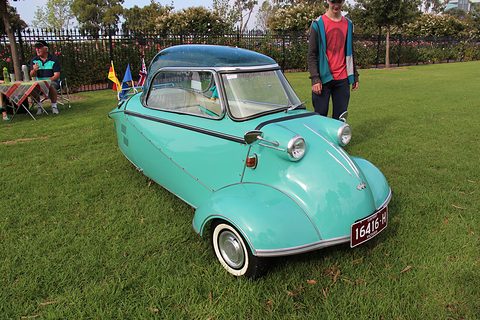
At Hockenheim on 29 and 30 August 1955 a lightly streamlined single-seat Messerschmitt KR200, the 200 Super, ran for a day and a night. Its drivers, among them Fritz Fend, who had designed the car, kept it at 106 or 107 km/h for most of the day, and when the 24 hours were up it had covered 2,473 km (1,537 miles) at an average of 103.0 km/h (64 mph).source 1source 2 A riveted flywheel hub then failed, which ended any hope of going on.source 1source 2 auto motor und sport listed 22 international records, nine for distance and 13 for time, from 50 km to 24 hours; the owners’ club and German Wikipedia make it 25.source 1source 2source 3 Several of the marks beat the records of the class above as well.source 2source 3
The magazine was careful to name the class: three-wheeled vehicles up to 250 cc.source 1 That small print is the key to the whole subject. International records were kept separately for each engine class and each kind of vehicle, from the flying kilometre to the 24 hours and beyond, so a small car on a banked track could take a world record without being fast, provided nobody in its class had gone faster. Makers called them world records; most were class records, some were national, and a few were simply claims.source 1source 2 The Messerschmitt’s owner was not impressed.source 2
Taking account of stretched finances and competition, world records required expenditure and certainly did not result in increased orders.
The record car survives in the Deutsches Museum in Munich, without the engine that set its records, which was lost in storage; at least three replicas have been built.source 2 Races, where small cars won classes and handicaps, are told in racing and rallying.
Brooklands and Montlhéry, 1912–1938
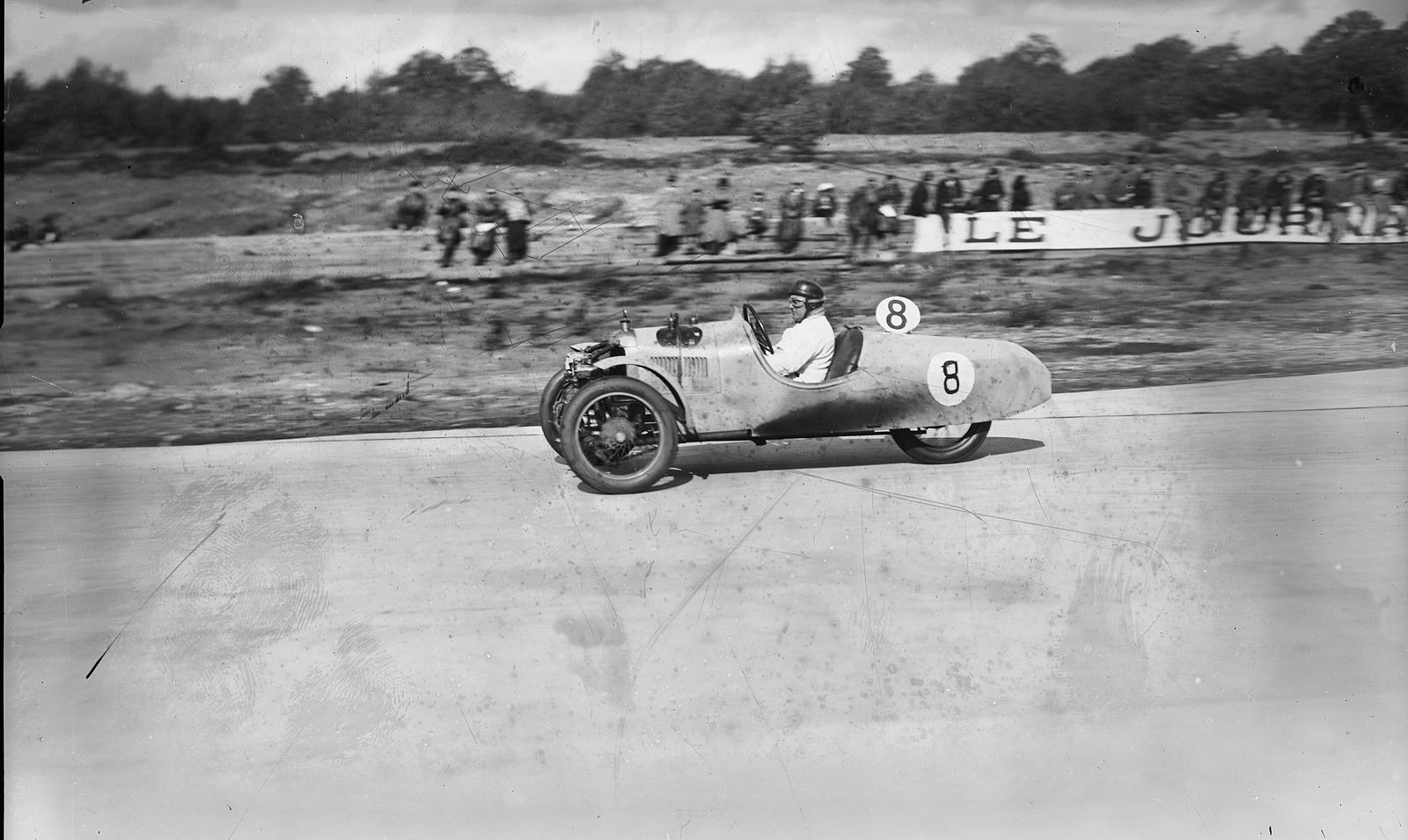
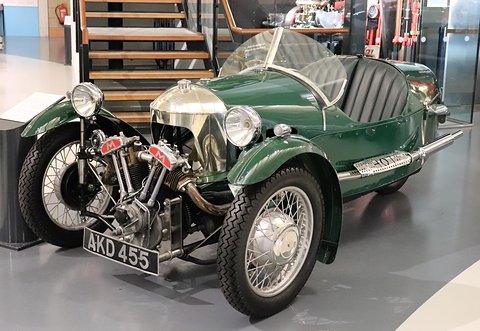
The habit began with the cyclecars. In November 1912, at Brooklands, H. F. S. Morgan drove a Morgan single-seater of his own make, powered by a 1,082 cc JAP twin, for an hour and covered 59 miles 1,120 yards in it, which is 59.64 mph (96.0 km/h), and it stood as the cyclecar hour record.source 4source 5 In 1925 Harold Beart’s Morgan-Blackburne became the first three-wheeler officially over 100 mph, with 103.37 mph (166.4 km/h) over the flying kilometre.source 4source 5 At Montlhéry, south of Paris, Gwenda Stewart drove a 998 cc Morgan Super Sports for an hour at 101.5 mph (163.3 km/h) on alcohol fuel, the first time a three-wheeler had covered 100 miles in the hour; Boddy dates it to 1929, H. F. S. Morgan’s own memoir to 1930. In one year she set 71 records with that Morgan.source 4source 6 In France, a Darmont driven by Marcel Dhôme took world records in 1924 in the class for passenger three-wheelers up to 750 cc, and A. Darmont added more in 1928.source 7
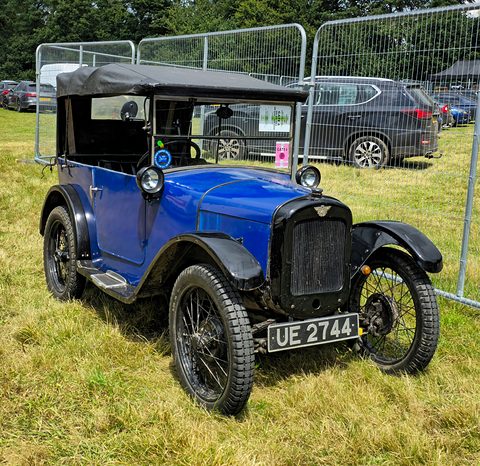
The Austin Seven did the same for the cars of 750 cc. By 1925 Gordon England held 19 records in that class.source 8 In 1931 Leon Cushman took the kilometre at Brooklands at 102.28 mph (164.6 km/h), in Boddy’s account the first 750 cc car over 100 mph, and in March 1934 Pat Driscoll, on Southport Sands, ran a two-way mean of 122.74 mph (197.5 km/h) over the flying kilometre.source 9
Not every claim of these years survives a close look. The Leyat Hélica, a car driven by a propeller, is said to have reached 170 km/h (106 mph) at Montlhéry on 7 September 1927 in a three-wheeled record car. The figure is repeated by French Wikipedia and the Hélica’s enthusiasts, but nothing from the period has been found to confirm it, no report, no timekeeper’s figure, no record class, and it is best read as Leyat’s claim.source 10source 11
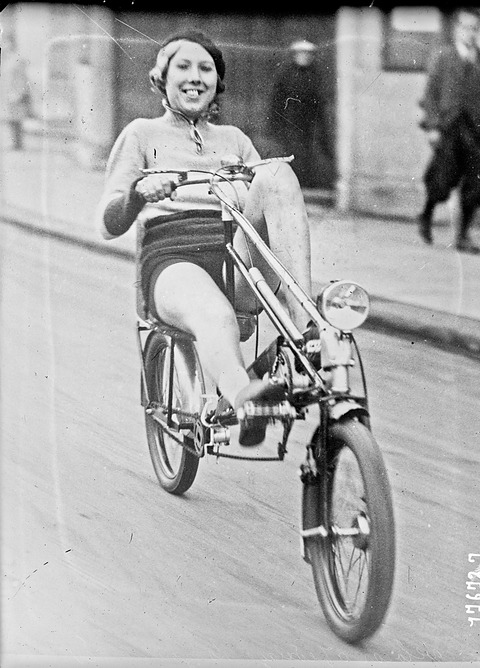
Bubble cars on the banking, 1952–1958
After the war the small makers went back to the banking. In October 1952, five days after the Paris Salon closed, a specially lightened Reyonnah 175, the Torpedo-Sports, averaged 96.67 km/h (60 mph) at Montlhéry over 50 km without a stop; whether that was ever ratified as a record is not known.source 14source 15 Karl-Heinz Schäuferle, a racer and Borgward dealer from Wiesbaden, built a record car on the Lloyd 400 in 1953–54, the “Roland”, which took 14 class records, among them 5,000 miles at 112.10 km/h; around August 1955 Lloyd took 13 more, in the international class up to 500 cc at Montlhéry, including 10,000 km at 125.14 km/h.source 16source 1 Whether that was the same car is not recorded.
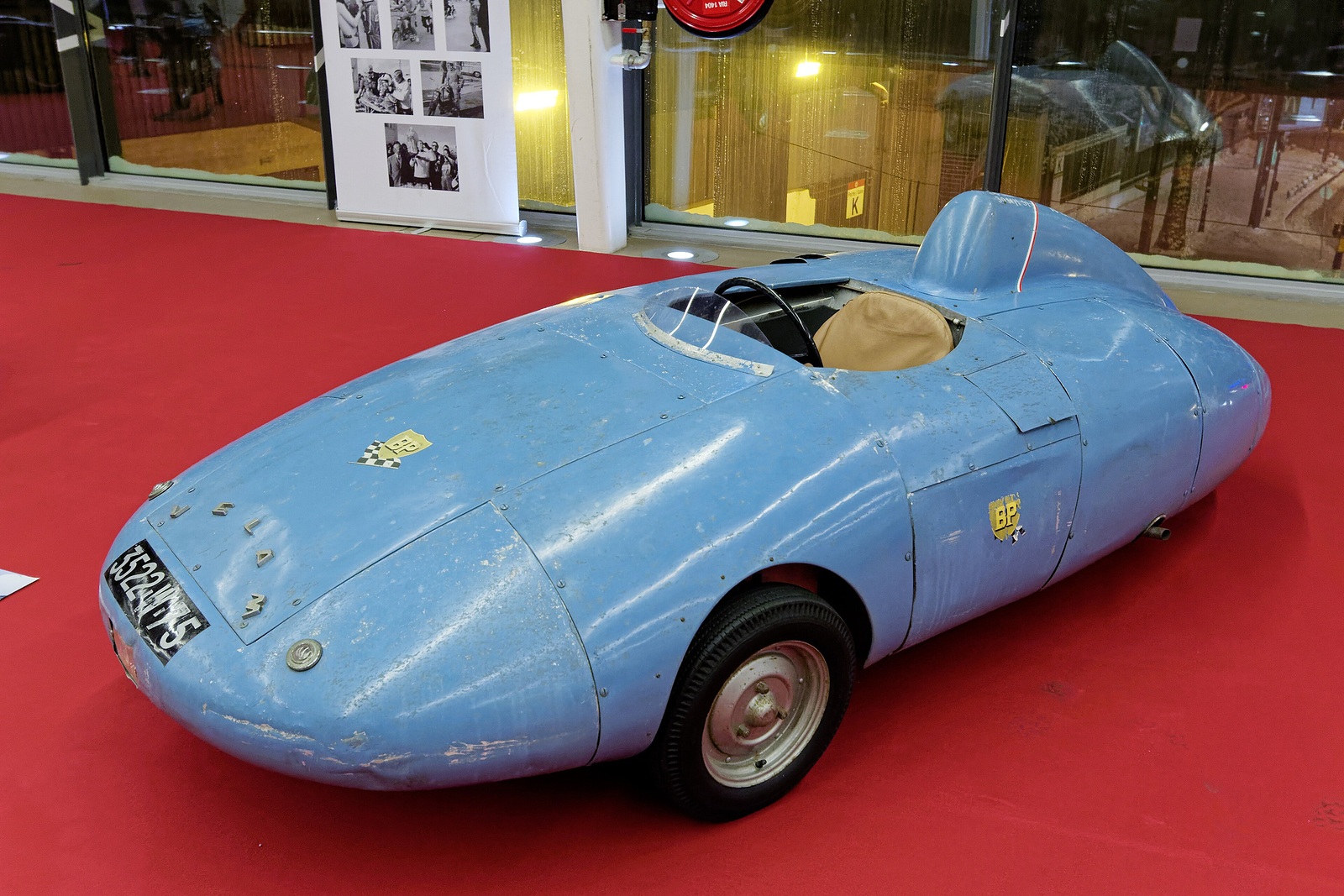
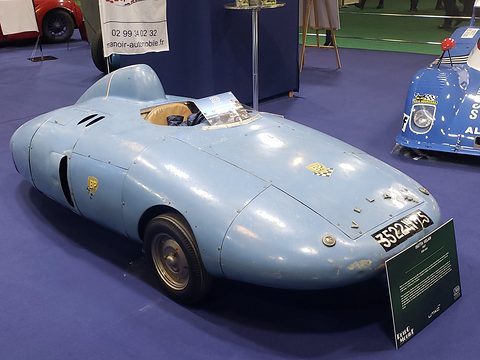
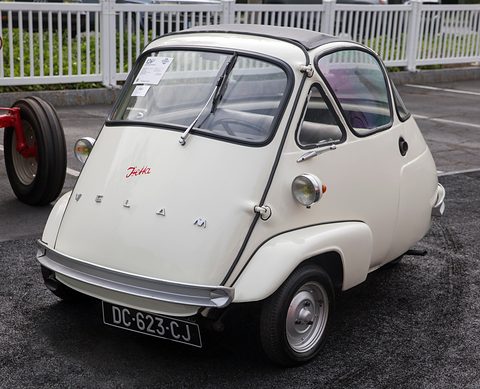
In France the Velam Isetta, a French-built bubble car, came to Montlhéry in 1957 with a cigar of aluminium by Jean Bianchi, only 590 mm (23 in) tall, built on the wheelbase of the ordinary car, with the standard 236 cc engine on a special fuel.source 17 It set seven Class K records (cars up to 250 cc) on 30 July 1957, and 11 more from 30 September into the following January, by the study’s account, which misprints the year. Its 24 hours came to 2,631.898 km at 109.662 km/h, beating the Goggomobil’s mark by 389.098 km, and stood until October 1963.source 17 The car still exists.source 17
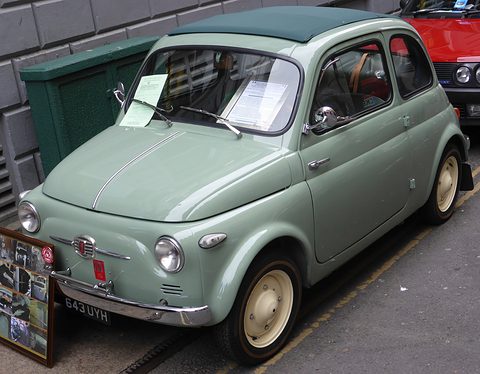
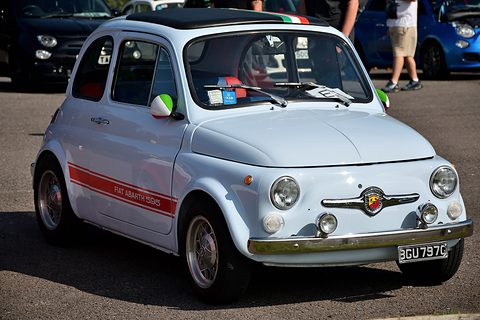
Italy’s turn came at Monza. From 13 to 20 February 1958 an Abarth 500, built on the Fiat Nuova 500, ran for seven days, its six drivers changing every three hours, and covered 18,186.44 km, which gave it six international records for the 351–500 cc category; Fiat’s president, Vittorio Valletta, congratulated Abarth in person.source 18source 19 Italian Wikipedia also credits an Abarth 500 with an aerodynamic body by Pininfarina with 28 speed records over various distances, while another account says the Pininfarina body was on the February car; the two runs may be one told twice, and which car ran when is not settled.source 18source 19
Smallest and cheapest
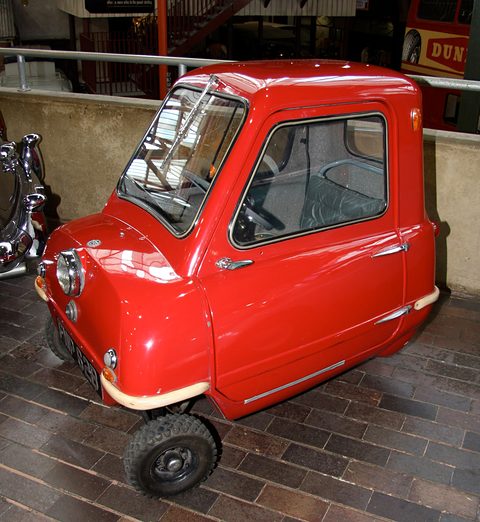
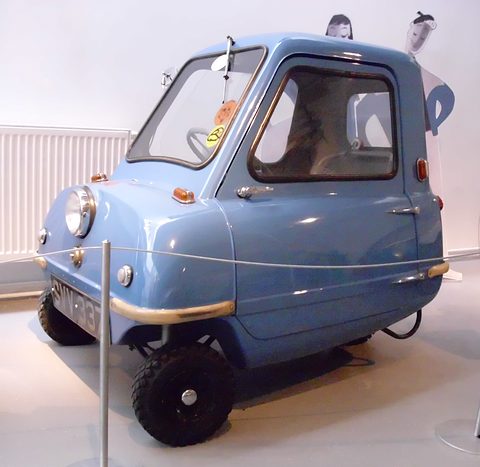
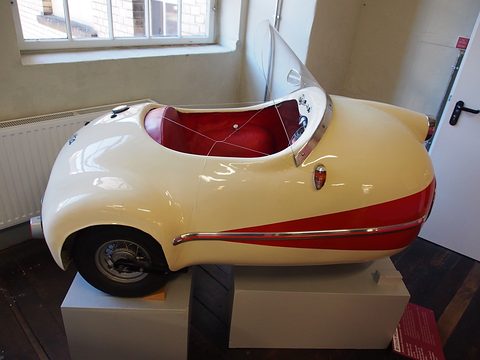
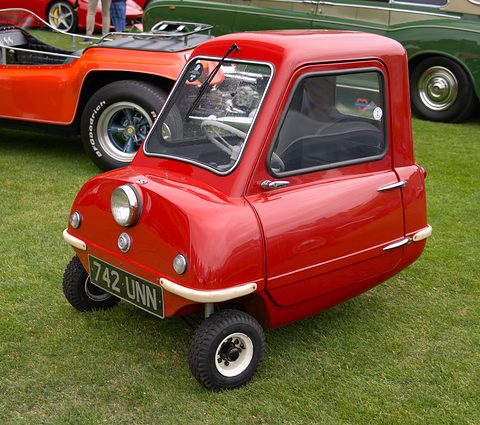
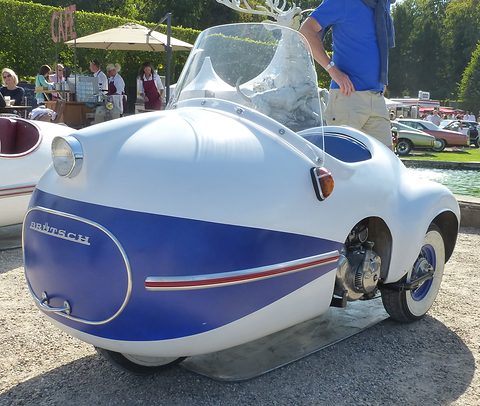
Guinness World Records 2010 named the Isle of Man’s Peel P50 the smallest production car; it is 1,372 mm (54 in) long, by the usual figure.source 20 In 1963 a P50 went up Blackpool Tower by lift, and it was driven round the top balcony.source 20 The title has a rival. Egon Brütsch’s declared aim, as German Wikipedia reports it, was the world’s smallest car, and his Brütsch Mopetta of 1956 is the long-standing rival claimant.source 21 Guinness’s wording is the safe one: the P50 holds the title for the smallest production car, and the Mopetta contests it. In America the record went to a one-off: the Arbet that Arliss Sluder built between 1945 and 1956 appeared in Guinness, 1993–97, as the smallest car on the American register.source 22
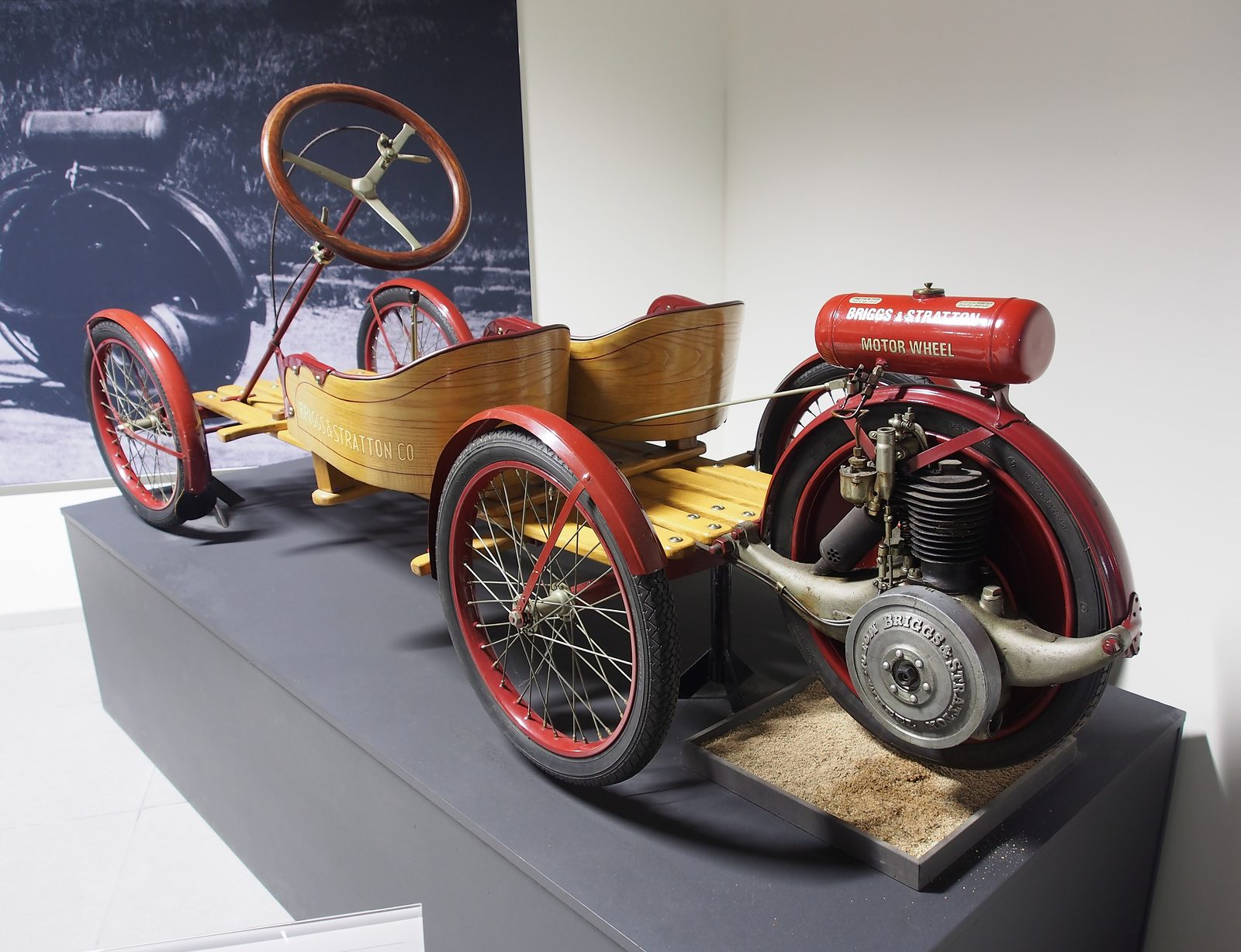
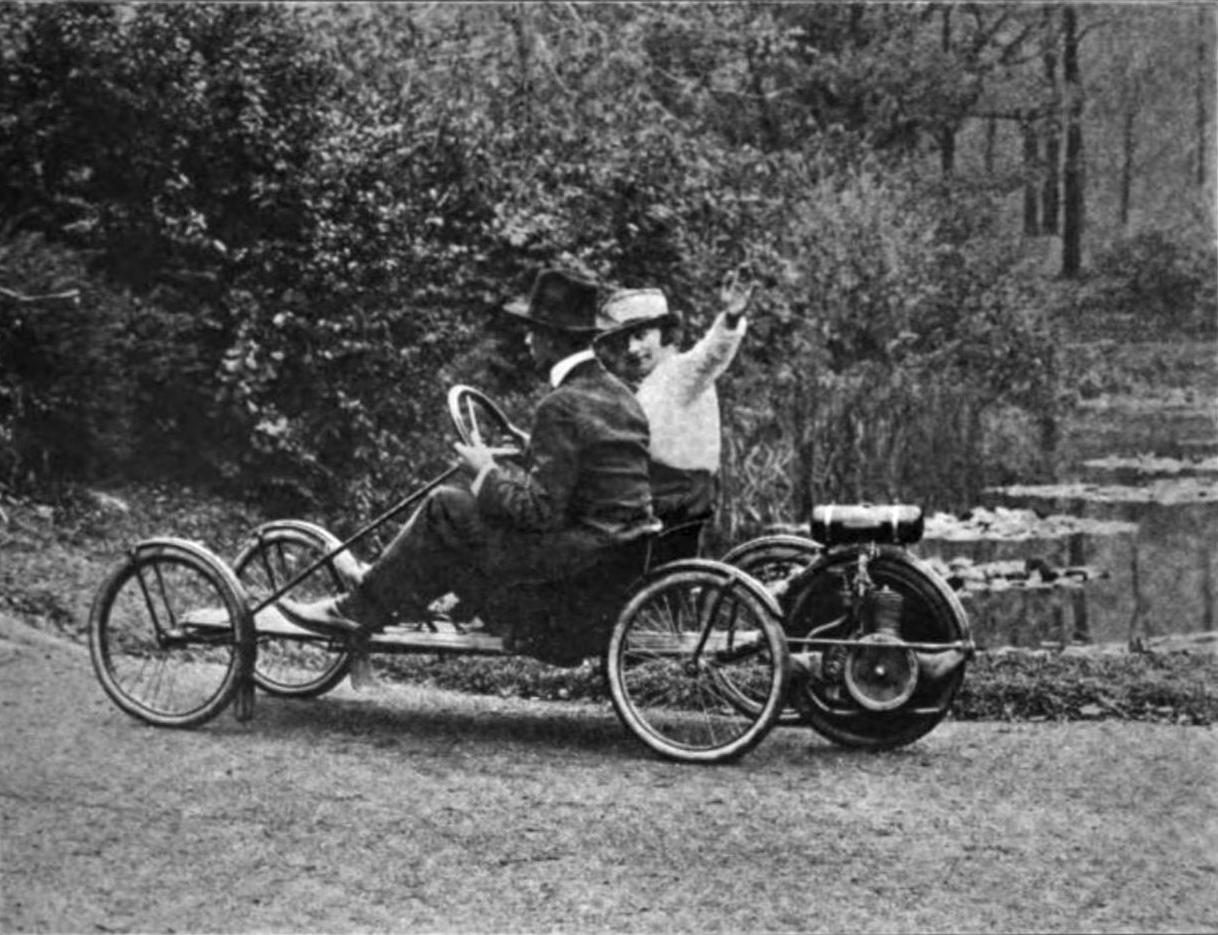
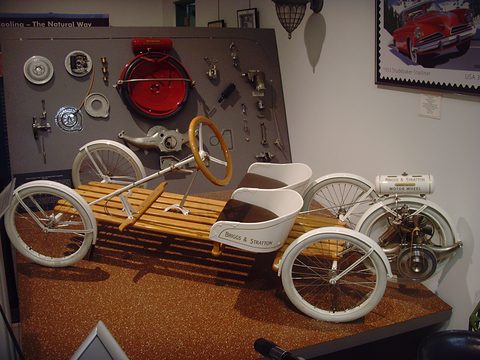
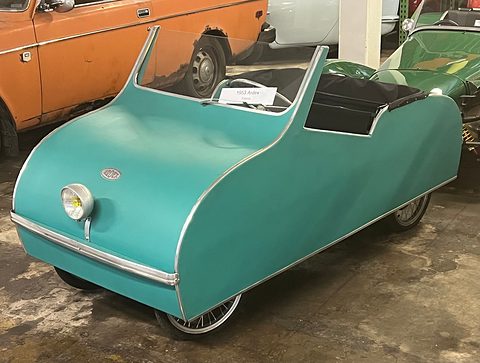
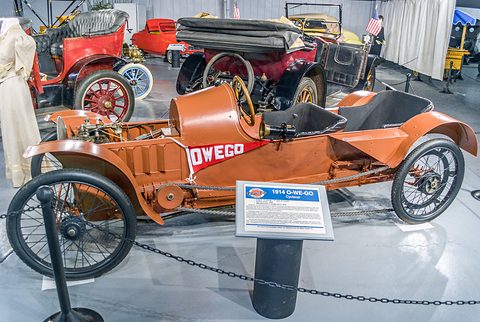
The cheapest car ever sold, by Guinness’s reckoning, was the Briggs & Stratton Flyer, a slatted wooden buckboard driven by a fifth wheel that carried its own engine: it cost $125 to $150 in 1922.source 23 The electric Red Bug that followed it cost $300 in 1927, by one report, so the title stays with the petrol car.source 24source 23 Guinness’s Car Facts & Feats also calls the Flyer the first five-wheeled car.source 25 Other countries had their own claimants. In 1903 the Orient Buckboard, at $375, was advertised as the cheapest automobile in the world (more on American cyclecars); in 1937 no car on the French market cost less than the streamlined four-wheeler of Ardex; and in 1988, by German Wikipedia’s account, the cheapest new car in France was the Junior of Erad, at 35,000 francs.source 26source 27source 28
The smallest car in the world?
A pair
Long journeys, 1924–1968
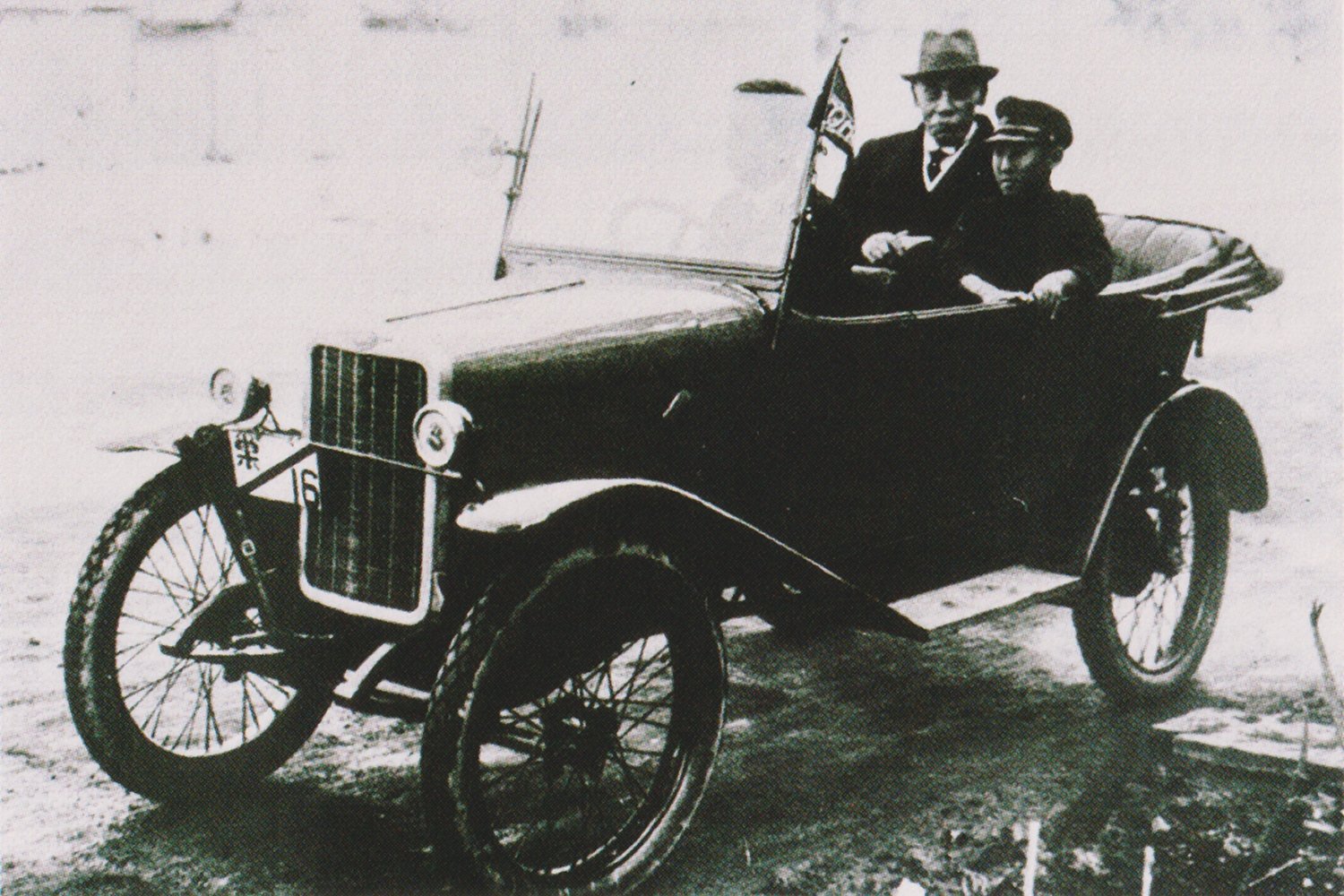
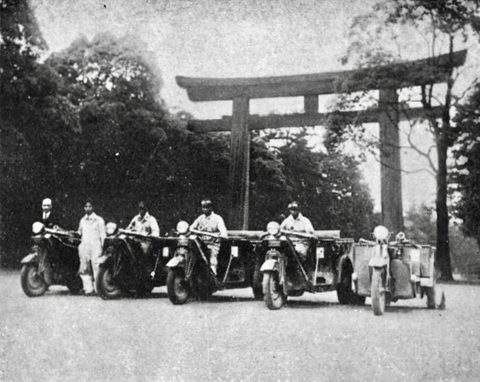
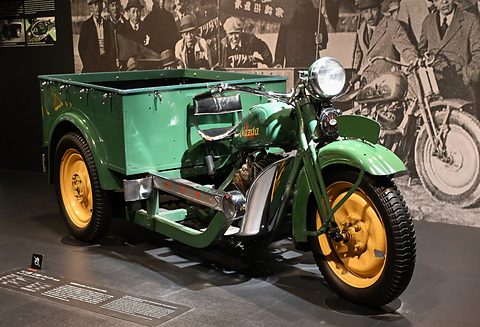
A small car could not go fast, but it could go far, and the long run made good publicity. From midnight on 21 August 1924 Toyokawa Junya and one of his staff, Sakai Takashi, shared the driving of an Otomo between Tokyo and Osaka: 40 hours, non-stop.source 29source 30 In 1925 two students took a used Citroën 5HP Torpédo called Bubsy 17,000 km (10,600 miles) round Australia in five months without engine trouble, and are reported as the first to drive round the continent.source 31 In 1936 five Mazda-Go three-wheeled trucks covered about 2,700 km between Kagoshima and Tokyo, taking 25 days, and Mazda says the run lifted sales a good deal.source 32
The bubble cars went further. In about July 1952 Werner Ritterbusch, a disabled war veteran, drove a Fuldamobil from Kassel to Lapland and back, nearly 9,000 km.source 33 The Frisky’s prototype spent seven days and nights going round Oulton Park from 5 December 1956: 4,000 miles (6,440 km) in all, its best lap at 54.91 mph (88.4 km/h); the run is known from one source, The Autocar as English Wikipedia cites it.source 34 In Argentina, from 10 April 1961, Demófilo López drove a Fuldamobil-based Bambi round a football pitch 6,413 times, 3,206.5 km in 92 hours 8 minutes 19 seconds.source 35source 36
The best-documented long run found was French. Raymond Miomandre and René Pari set out from Paris in a Vespa 400 on 18 August 1958 and were back from Moscow by 7 September, 7,319 km in all, with Paul Massonet, the technical adviser of the French motor-sport federation, following in an escort car.source 37 His report, no. 301, recorded an average of 61.69 km/h with the stops taken out, 5.85 litres of mixture per 100 km, and no mechanical trouble.source 37
… sans incidents mécaniques, sans réparations ou changements de pièces.
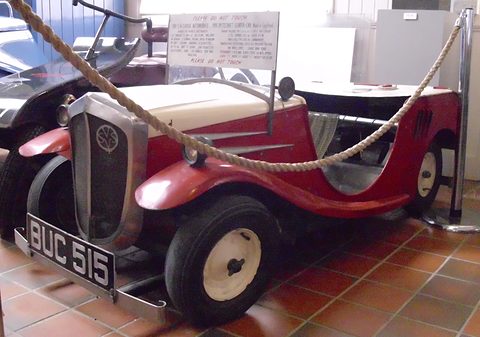
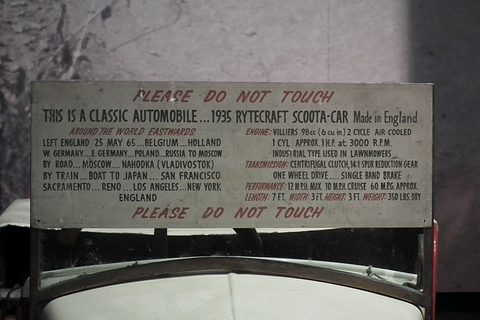
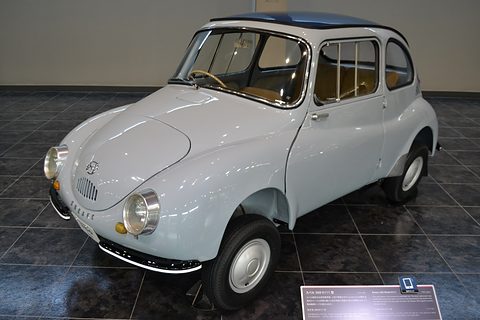
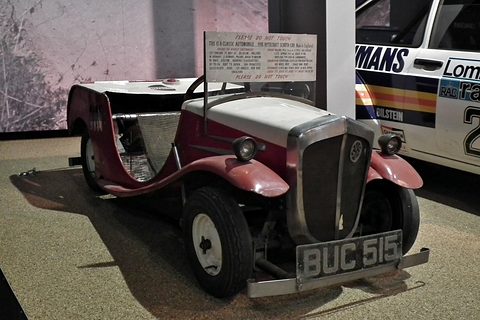
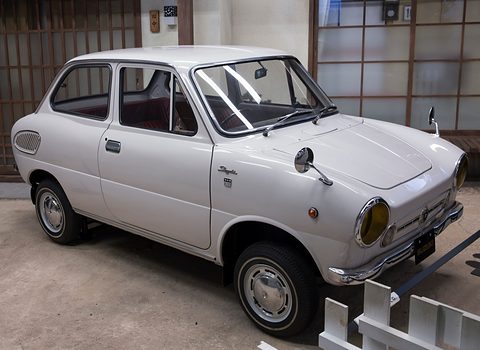
In 1965 Jim Parkinson drove BUC 515, a 98 cc Rytecraft Scootacar built in 1935, round the world, some 24,000 km (15,000 miles): across Europe to Moscow, aboard the Trans-Siberian Railway, and on through Japan and America. Brooklands Museum keeps the car, its route still written on the windscreen.source 38source 39source 40 And in August 1968 Stirling Moss and Itō Mitsuo drove two Suzuki Fronte SS360 prototypes about 750 km from Milan to Naples on the Autostrada del Sole in 6 hours 6 minutes, an average of 122.44 km/h, on 356 cc.source 41source 42source 43
Since 1970: journeys, salt flats and stunts
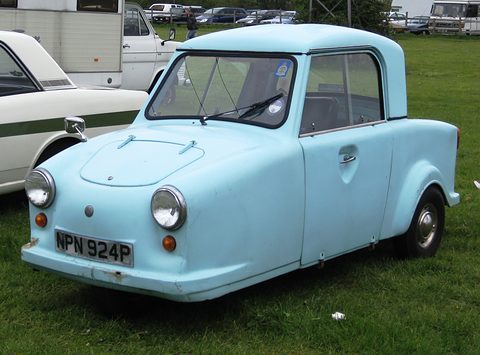
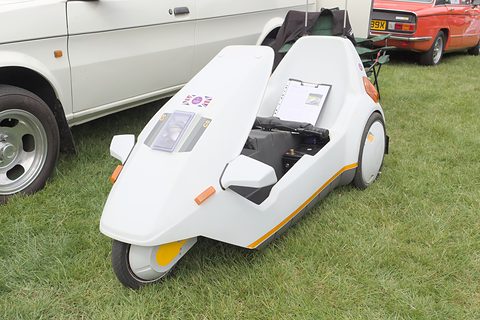
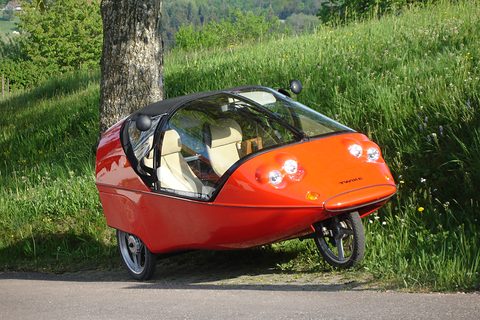
Some later feats were simply long. An Invacar invalid carriage built about 1970, which Hull’s Streetlife Museum now keeps, covered 2,750 miles (4,426 km) from Hove to the Isle of Skye in 16 days, on a date the museum does not give.source 44 From 30 April to 4 May 1985 John W. Owen and Roy Harvey went from John o’ Groats to Land’s End by Sinclair C5, 919 miles (1,479 km) in 103 hours 15 minutes, according to the 1987 Guinness Book of Records as English Wikipedia quotes it; the Guinness text itself has not been seen.source 45 From October 2025 to March 2026 a Mk3 Reliant Robin was driven from London to Cape Town, about 10,000 miles across 22 countries, in 130 days, as an attempt on a three-wheeler distance record; whether one was ratified is not known.source 46 And on 9–12 October 2020 a Twike 3 modified to carry about 82 kWh covered some 1,470 km (913 miles) on one charge, on public roads near Zürich, averaging about 35 km/h.source 47
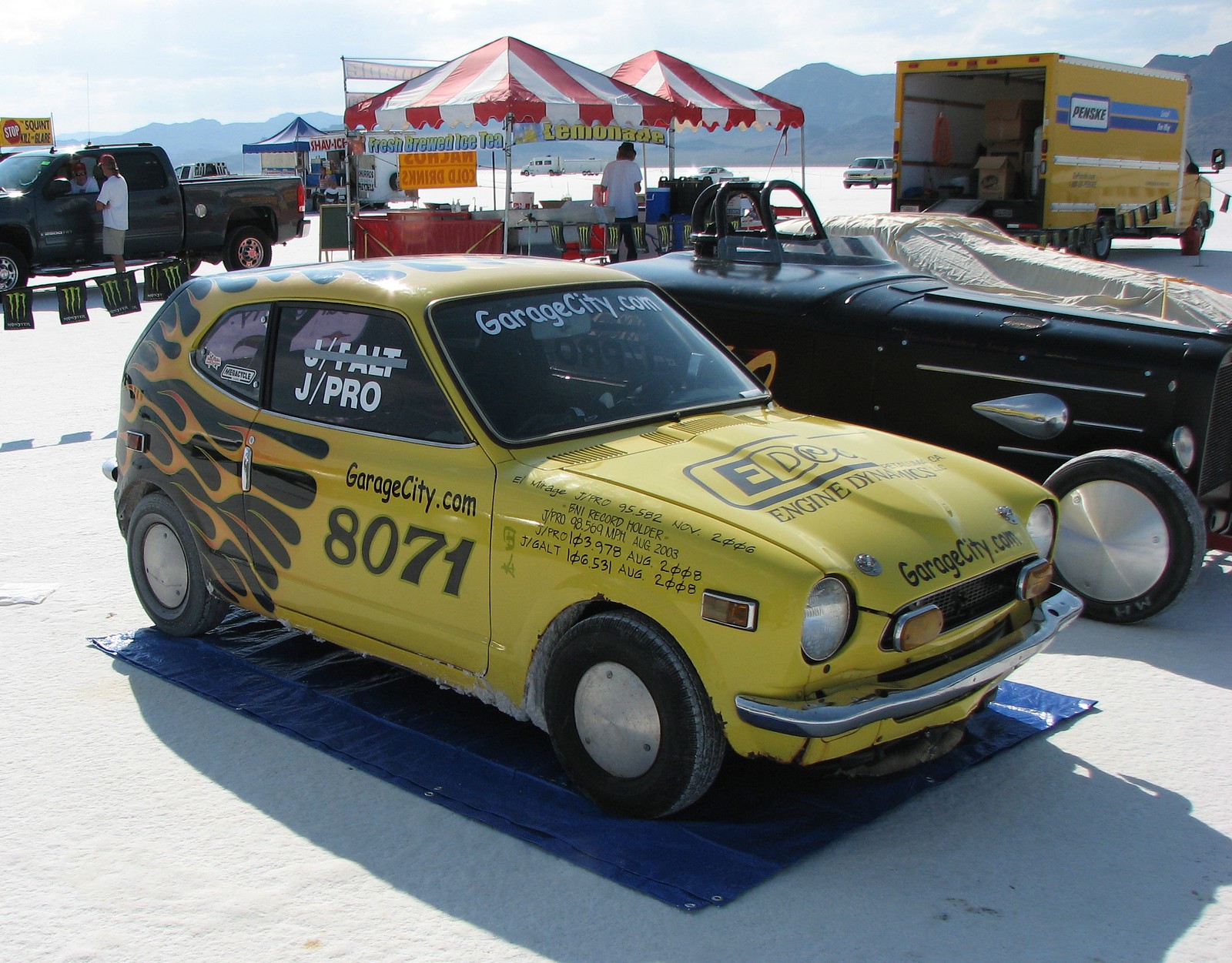
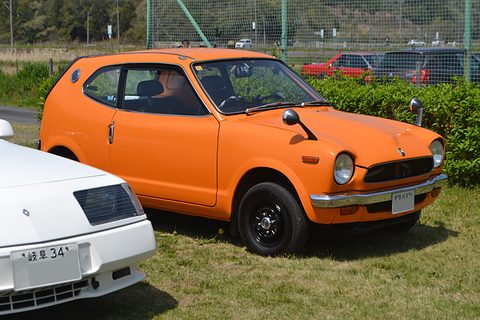
Others were stunts. In August 2008, at Bonneville, a 1971 Honda Z600 known as Evil Tweety, bored out to 700 cc, set a production-body record for the 750 cc class at 167.336 km/h, and the next day an altered-gas record at 171.445 km/h; a Saab 96 beat the first three years later.source 48 On 9 May 2010, at Twin Ring Motegi, 569 Honda Beats drove in a parade that Guinness certified as the largest of a single Honda model.source 49source 50 And in January 2026 a diesel Ligier JS50, a licence-free car, took 28 minutes 25.8 seconds over one lap of the Nürburgring Nordschleife, billed as the slowest lap ever recorded; it was a promotion, and nobody independent held the watch.source 51 More than 70 years after Hockenheim, the microcar’s records are still mostly about the rules.
Smallest to largest
40 cars and 4 maker groups, to scale
Each bar is the car’s length on a 3.5 metre track; the red notch is a Fiat 500.
-
Peel P501962–1965 · Isle of Man · 3 wheels
1.37 m -
Erad1978–1997 · France · 4 wheels
1.69 m -
Brütsch Mopetta1956–1958 · West Germany · 3 wheels
1.70 m -
Sinclair C51984–1985 · Britain · 3 wheels
1.74 m -
Briggs & Stratton Flyer1916–1930 · United States · 5 wheels
2.34 m -
Velam Isetta1955–1958 · France · 4 wheels
2.38 m -
Rytecraft Scootacar1934–1940 · Britain · 4 wheels
2.44 m -
Biscúter1953–1960 · Spain · 4 wheels
2.56 m -
Twike1995– · Switzerland · 3 wheels
2.65 m -
Bond Minicar1949–1966 · Britain · 3 wheels
2.69 m -
Austin Seven1922–1939 · Britain · 4 wheels
2.79 m -
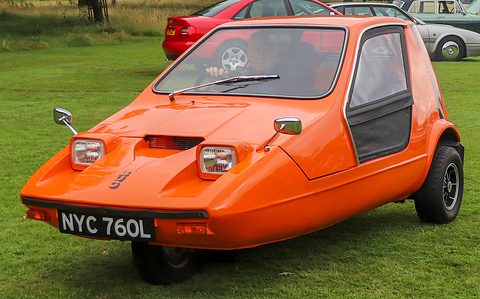
Bond Bug1970–1974 · Britain · 3 wheels
2.79 m -
Messerschmitt KR2001955–1964 · West Germany · 3 wheels
2.82 m -
Ligier JS502012– · France · 4 wheels
2.83 m -
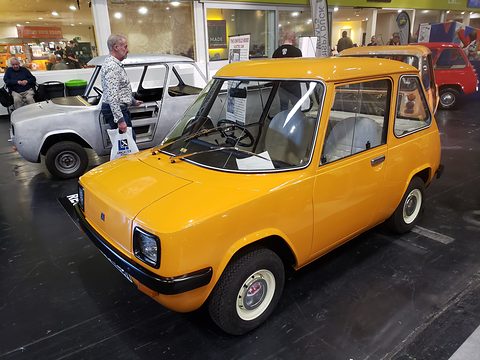
Enfield 80001973–1976 · Britain · 4 wheels
2.85 m -
Fuldamobil1950–1969 · West Germany · 3 wheels
2.85 m -
Vespa 4001957–1961 · France · 4 wheels
2.85 m -
Frisky1958–1961 · Britain · 4 wheels
2.86 m -
Morgan Three-Wheeler1910–1952 · Britain · 3 wheels
2.90 m -
BMW 6001957–1959 · West Germany · 4 wheels
2.90 m -
Goggomobil1955–1969 · West Germany · 4 wheels
2.90 m -
Reyonnah1950–1954 · France · 4 wheels
2.90 m -
Fiat Nuova 5001957–1975 · Italy · 4 wheels
2.97 m -
Fiat-Abarth 595 and 6951963–1971 · Italy · 4 wheels
2.97 m
16 more cars and 4 more maker groupsFewer
-
Invacar1946–1977 · Britain · 3 wheels
2.97 m -
Subaru 3601958–1970 · Japan · 4 wheels
2.99 m -
Honda Z1970–1974 · Japan · 4 wheels
3.00 m -
Suzuki Fronte1967–1989 · Japan · 4 wheels
3.00 m -
Otomo1924–1928 · Japan · 4 wheels
3.03 m -
Citroën 5HP1922–1926 · France · 4 wheels
3.20 m -
Lloyd LP3001950–1953 · West Germany · 4 wheels
3.20 m -
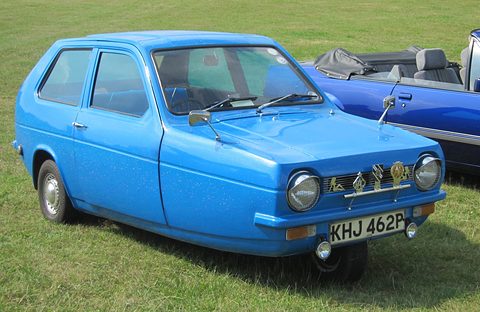
Reliant Robin1973–2002 · Britain · 3 wheels
3.33 m -
Ardex1952–1955 · France · 4 wheels
length unknown -
Darmont1919–1939 · France · 3 wheels
length unknown -
GN cyclecar1910–1925 · Britain · 4 wheels
length unknown -
Leyat Hélica1913–1926 · France · 4 wheels
length unknown -
Mazda-Go1931–1938 · Japan · 3 wheels
length unknown -
Mochet Vélocar1925–1950 · France · 4 wheels
length unknown -
Rosengart LR21928–1939 · France · 4 wheels
length unknown -
Scripps-Booth Rocket1913–1914 · United States · 4 wheels
length unknown -
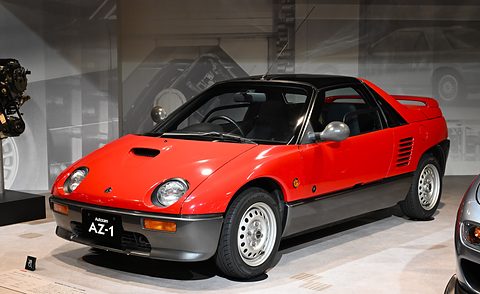
ABC kei sports cars (AZ-1, Beat, Cappuccino)1991–1998 · Japan · 4 wheels
3 makers -
American cyclecars and small-car experiments1913–1932 · United States · 4 wheels
10 makers -
American post-war microcars1944–1964 · United States · 4 wheels
22 makers -
Britain’s forgotten 1950s microcars1948–1969 · Britain
12 makers
Pictures
Six photographs
Records and feats 6
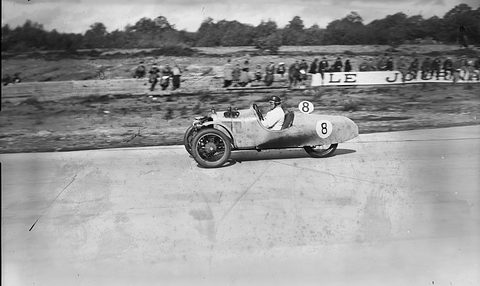
1 Marcel Dhôme’s supercharged 750 cc Darmont, winner of its cyclecar class, at Montlhéry, France, in October 1932.
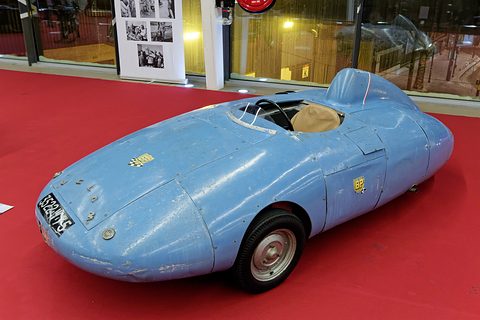
2 The 1957 Velam record car at Rétromobile in Paris in 2018.
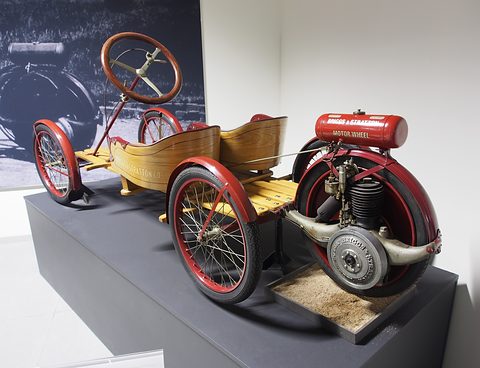
3 1920 Briggs & Stratton Flyer with its motor wheel trailing at the rear, in the Louwman Museum, The Hague, in January 2017.
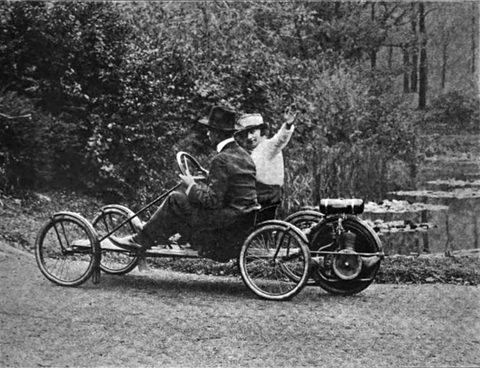
4 Smith Flyer buckboard, by A. O. Smith, with its motor wheel at the rear, driven in a park in the United States, 1916.
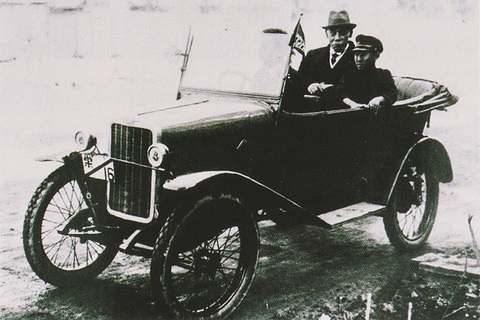
5 Prime Minister Katō Takaaki aboard an Otomo tourer, plate 16, in Japan in November 1924, the month the Otomo went on sale.
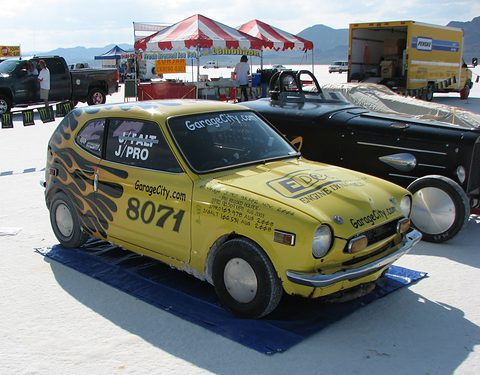
6 Evil Tweety, a land-speed-record Honda Z600 Coupe, on the salt at Bonneville in 2009.
Picture credits (6)
- 1 Agence Rol, Public domain
- 2 Thesupermat, CC BY-SA 4.0
- 3 Alf van Beem, Public domain
- 4 The World’s Work (1916), Public domain
- 5 Unknown photographer, Public domain
- 6 Bob DuHamel, CC BY-SA 3.0
The cars
Profiles
28 more cars and 4 more maker groupsFewer
Sources
Numbered as in the text
Sources are given as plain text; the links are on the Credits page.
- Günther Molter, “Rekorde der Kleinsten”, auto motor und sport 19/1955, p. 25, with the KR200 record table and the note on Lloyd’s records.
- Messerschmitt Owners’ Club (UK), “Messerschmitt 200 Super: a world record breaker!” (Messerschmitt Foundation of Great Britain, May 1994), and the club’s model pages.
- German Wikipedia, Messerschmitt Kabinenroller, read in full. Used as a lead; its references include Rosellen, Deutsche Kleinwagen (1991).
- W. Boddy, “The vintage years of the Morgan 3-wheeler”, Motor Sport, June, July and August 1965, compiled from H. F. S. Morgan’s cuttings books.
- W. Boddy, “The Trikes Return”, Motor Sport, September 1996, and “The Battle of the Small Cars – 60 minutes flat out”, Motor Sport, March 1996.
- H. F. S. Morgan, “How the Morgan began”, The Light Car, December 1949, reproduced on morgan3w.de, archived copy of 2012.
- Alderson, Morgan Sweeps the Board: the three-wheeler story (1995), with its world-record tables, snippets only.
- English Wikipedia, Austin 7, read in full; it cites Wyatt, The Austin 1905–1952 (1981).
- W.B. (Bill Boddy), “The Development of the Racing Austin Seven”, Motor Sport, April 1947.
- French Wikipedia, Marcel Leyat, read in full. Used as a lead; it cites helica.info, Courau and Genty.
- Les Amis de l’Hélica, helica.info, home page and “Les différents modèles”, archived copies of 2017.
- Georges Mochet, Charles Mochet et le Vélocar, January 2001, compiled by Alexandre Pépin, on velorizontal.com.
- Arnfried Schmitz, La Mochet Story et record de l’heure (1989; French translation, 2005, with notes from Roger Faure and Marc Tauss), France-HPV.
- English Wikipedia, Reyonnah, read in full; it cites Automobilia, Toutes les voitures françaises 1953, not seen.
- RM Auctions, The Bruce Weiner Microcar Museum, Madison, Georgia, 2013, lot 594, “1951 Reyonnah”, catalogue text.
- German Wikipedia, Lloyd 400, read in full; it cites Oswald, Deutsche Autos 1945–1990, vol. 4 (2001).
- “VELAM: The French Isetta with a couple of sporting twists”, rarefrenchsportscars.wordpress.com, PDF study, author not named, read in full.
- Italian Wikipedia, Fiat Nuova 500 Abarth, read in full.
- carrozzieri-italiani.com, page on the Abarth 500 Pininfarina record car.
- English Wikipedia, Peel P50, read in full. Used as a lead; it cites Guinness World Records 2010 and Motor Cycle of 23 May 1963.
- German Wikipedia, Brütsch Mopetta, read in full. Used as a lead; it relies on Rosellen, Deutsche Kleinwagen nach 1945 (1991), pp. 176–197.
- The Makes That Didn’t Make It, “Let’s Get Small, Really Small: the Arbet”, June 2026.
- English Wikipedia, Smith Flyer, read in full. Used as a lead; it cites the Guinness Book of Records (1992).
- “‘Red Bug’ Electric Roadster”, Motor Age, 12 May 1927.
- Car Facts & Feats and The Guinness Book of Car Facts & Feats, editions of 1976, 1980 and 1994, snippets only.
- The Automobile Magazine, vol. 5 no. 12, December 1903, Orient Buckboard advertisements, snippets only.
- Bruce Weiner Microcar Museum, “1953 Ardex”, tour page.
- German Wikipedia, Automobiles Erad, citing Linz and Schrader, Georgano and René Bellu’s Automobilia.
- Japanese Wikipedia, オートモ号 (Ōtomo-gō), read in large part; it cites Motor magazine (1925–27).
- Japanese Wikipedia, 豊川順彌 (Toyokawa Junya), read in full.
- English Wikipedia, Citroën Type C, read in full; it cites Reynolds (1996) and Laurent, Citroën 5HP (2006).
- Inside Mazda (Mazda Motors UK), “Mazda at 100: love of the epic drive”, 6 May 2020.
- English Wikipedia, Fuldamobil, read in full; used as a lead, citing Das Auto, auto motor und sport and club and museum sites.
- English Wikipedia, Meadows Frisky, read in full. Used as a lead; it cites The Autocar of 27 December 1956.
- auto-historia.com.ar, “Bambi la microcupé de Fuldamobil”, archived 2016.
- Spanish Wikipedia, Fuldamobil Bambi, read in full; it cites Clarín and Argentine enthusiasts’ sites.
- Jean Goyard, “La Vespa 400 — la petite auto de Fourchambault”, Automobilia no. 34, February 1999, pp. 44–49, quoting the FFSA’s official report no. 301 of 23 September 1958.
- English Wikipedia, Rytecraft, read in full. Used as a lead; it cites Sedgwick and Gillies, A–Z of Cars of the 1930s (1989).
- Prewarcar (French edition), “Économie et élégance: les femmes glamour ont aimé la Scootacar Rytecraft”.
- Online Bicycle Museum, “1939 Rytecraft Scootatruck”.
- Japanese Wikipedia, スズキ・フロンテ, read in full.
- English Wikipedia, Suzuki Fronte, read in full.
- webCG, “No. 285: the Alto Turbo RS has a history: tracing Suzuki’s high-performance kei cars (part 1)” (in Japanese).
- Hull Museums, “Invacar Motorcar”, Streetlife Museum, KINCM:1976.80.1.
- English Wikipedia, Sinclair C5, read in full. Used as a lead; it quotes the 1987 Guinness Book of Records.
- English Wikipedia, Reliant Robin, read in full. Used as a lead; it cites BBC News reports of 2025–26.
- German Wikipedia, Twike, read in full.
- English Wikipedia, Honda Z, read in full.
- English Wikipedia, Honda Beat, read in full.
- Japanese Wikipedia, ホンダ・ビート (自動車), read in full.
- Autocar, “Ligier claims slowest ever lap of the Nurburgring”, January 2026.