The story
History
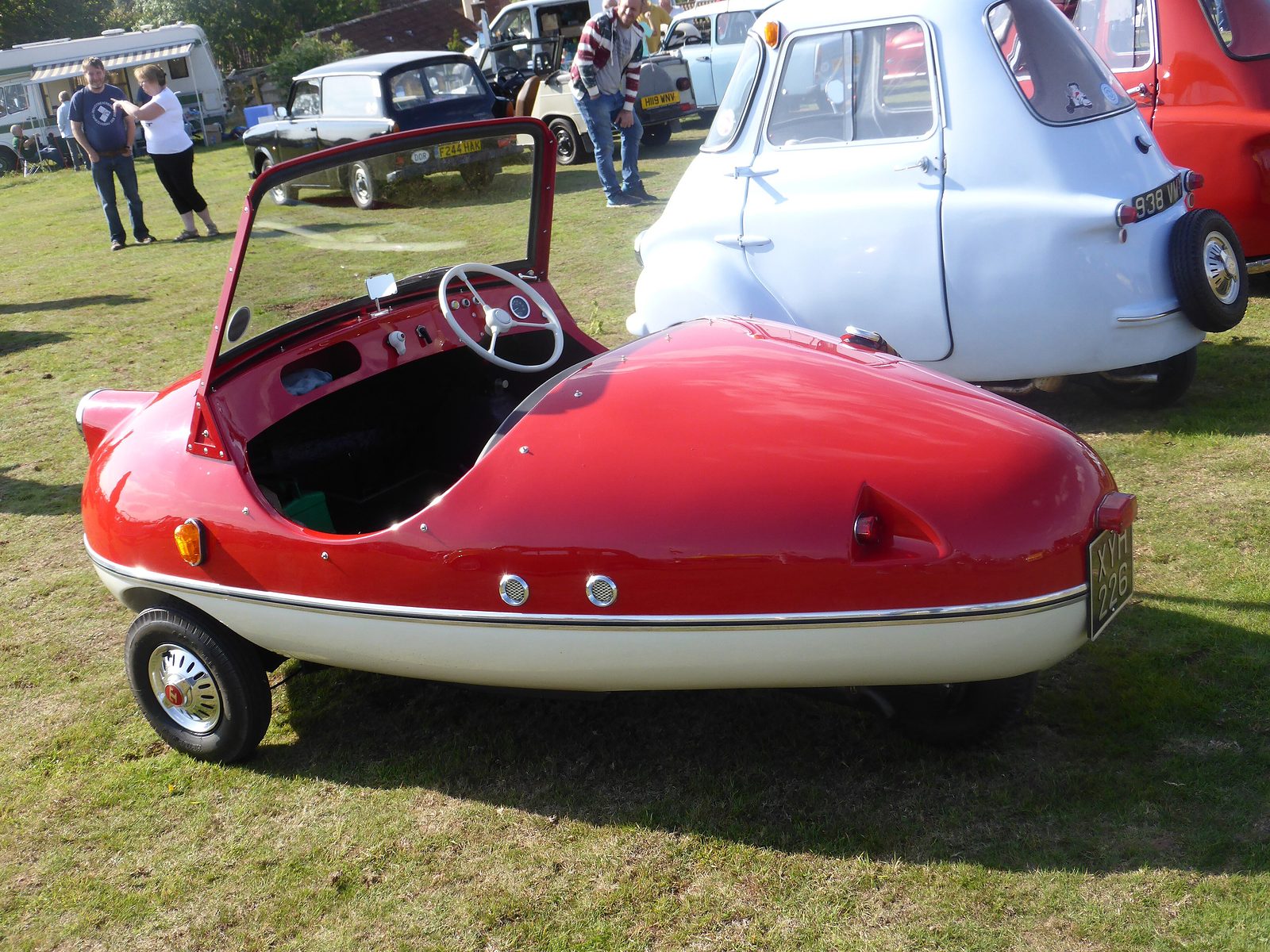
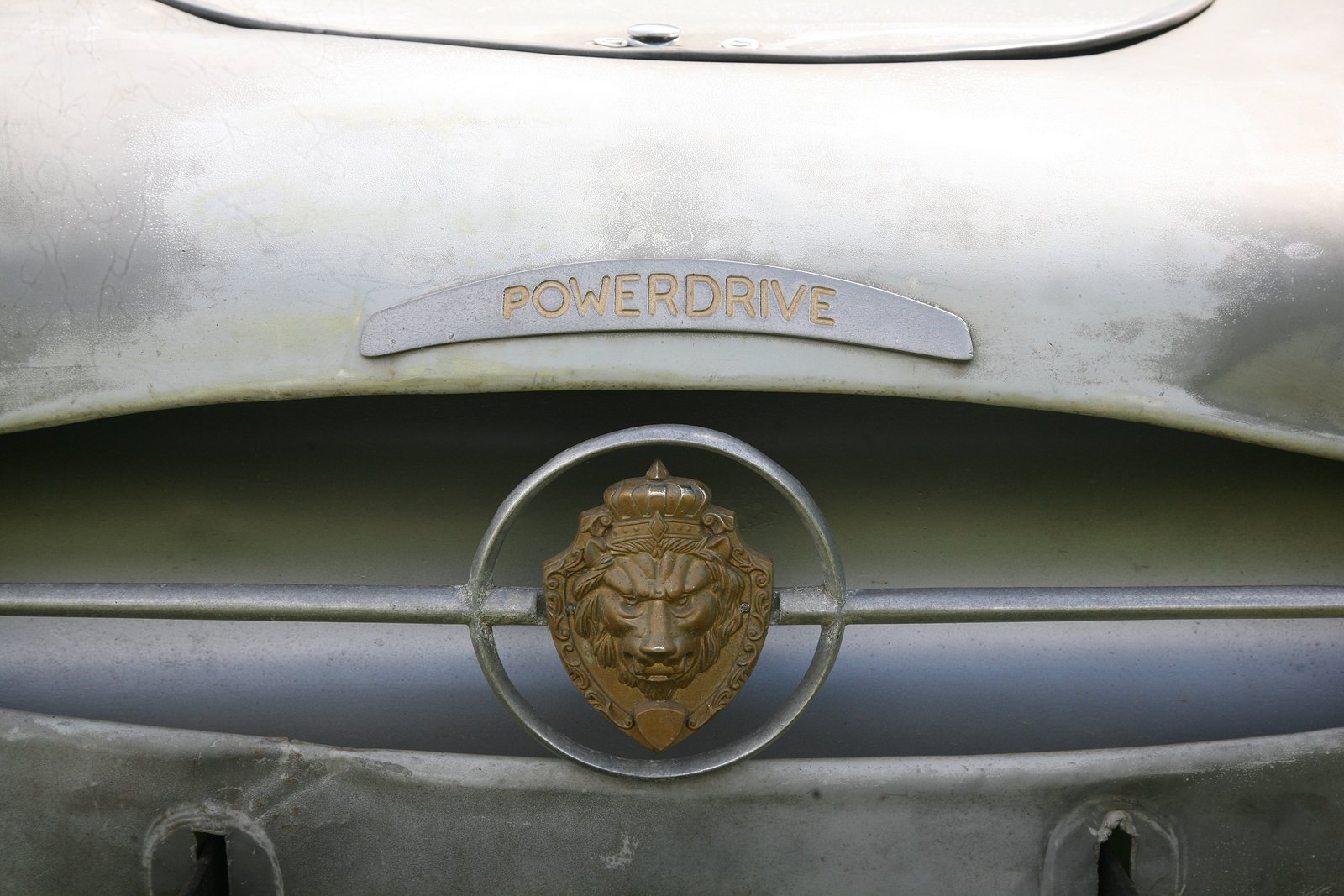
Britain taxed a three-wheeler of under 8 cwt more lightly than a car, and through the 1950s that drew small makers into the market. The Powerdrive, says English Wikipedia, was devised expressly to exploit that lower tax rate.source 1 About half of the cars here used one of two families of motorcycle engine: British Anzani’s 322 cc two-stroke twin, in the Powerdrive, the Astra and the Gill, or an Excelsior twin, in the Bonallack, the E.E.C. and the Coronet.source 1source 2source 3source 4source 5source 6 One designer links three of them. David Gottlieb conceived the Allard Clipper, then designed the Powerdrive, and is credited with the Coronet.source 1source 7source 6 Two were electric, from a battery maker and a firm that converted cars to batteries (more in electric microcars).source 8source 9
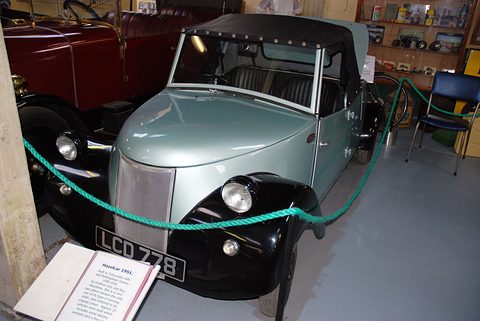
Almost everything known about these makers comes from a few reference books, Georgano’s encyclopaedias and Linz and Schrader’s among them, as Wikipedia reports them, and from enthusiast sites and museums. No road test of any of them has been found, and most have no production figure at all. In order of their start: the Larmar Lorret, if the earlier date is right; the Eaglet of 1948; the Hazelcar from 1950; the Bonallack Minnow, 1951; the E.E.C. of 1952; the Astra and its forebear from 1954; the Powerdrive, 1955; the Tourette, 1956; the Coronet, 1957; the BSA Ladybird and the Gill, 1958; and the Colliday, 1961. The four without a section of their own come first.
Eaglet, 1948
Silent Transport Ltd of Woking, in Surrey, built an electric car called the Eaglet in 1948. The firm also converted Opel Kadetts and Fiat Topolinos to electric power. That is all that has been found: no specification, figure or survivor.source 8
Bonallack Minnow, 1951–52
Bonallack & Sons of London built bodies for commercial vehicles.source 4source 10 Its Minnow was an open aluminium two-seater on three wheels, one at the back, with independent front suspension, a single headlamp, a vertical screen and 6-inch wheels. The engine sat behind the seats, ahead of the rear wheel: a 200 cc Villiers at first, which proved too weak, then an Excelsior twin two-stroke of 10 PS, by German Wikipedia’s account, or a 250 cc Excelsior Talisman, by 3wheelers.com’s.source 4source 10 It cost £300 before tax by one reckoning or £468 with tax by another. Only a few were made; two, registered EAN 363 and DJD 555, appear in photographs, and one survives.source 4
E.E.C. “Workers’ Playtime”, 1952–54
The Electrical Engineering Construction Co Ltd of Totnes, in Devon, led by James Elliott, built a three-wheeler with a steel body that was higher than it was wide and was entered through a door in the front: a British front-door microcar that came before the Isetta. A 250 cc Excelsior twin at the back drove the single rear wheel. It weighed 267 kg (589 lb) and cost £280 before tax. Two were built and sold.source 5 A list of microcars gives it the name “Workers’ Playtime”, citing a source called “weird motors”.source 8
Colliday Chariot and Commuter, 1961–69
The last of them came after the boom. Robert Collier Engineering of Sutton Coldfield made the Chariot 50 and the Commuter 350, three-wheeled bubble cars with BSA engines of 49 cc or 348 cc at the back and automatic gearboxes, seats for two adults and children, a top speed of 45 km/h (28 mph) and a turning circle of 2.10 m (6 ft 11 in). The driver had a starter key, a steering wheel and two pedals, marked GO and STOP.source 8 All of this rests on one list article; no figure or survivor has been found.