The story
History
Léon Bollée was born at Le Mans on 1 April 1870, the second son of Amédée Bollée, a bell-founder who built steam road carriages. At 18 he invented a calculating machine that multiplied directly, and it won a prize at the Paris Exposition of 1889.source 1 Among the designers of small cars he comes first, and he began with a word.
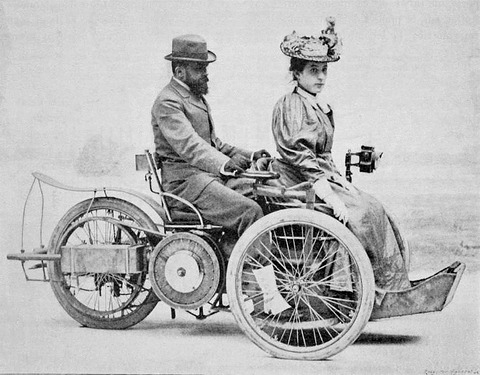
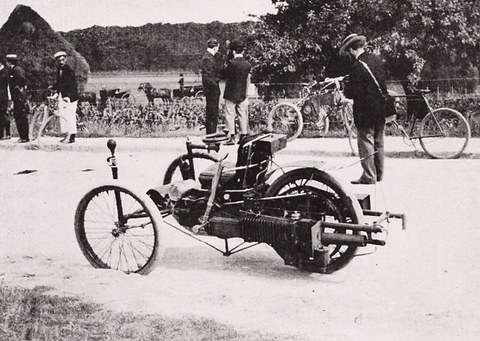
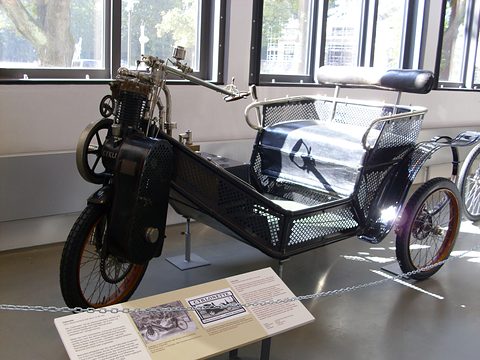
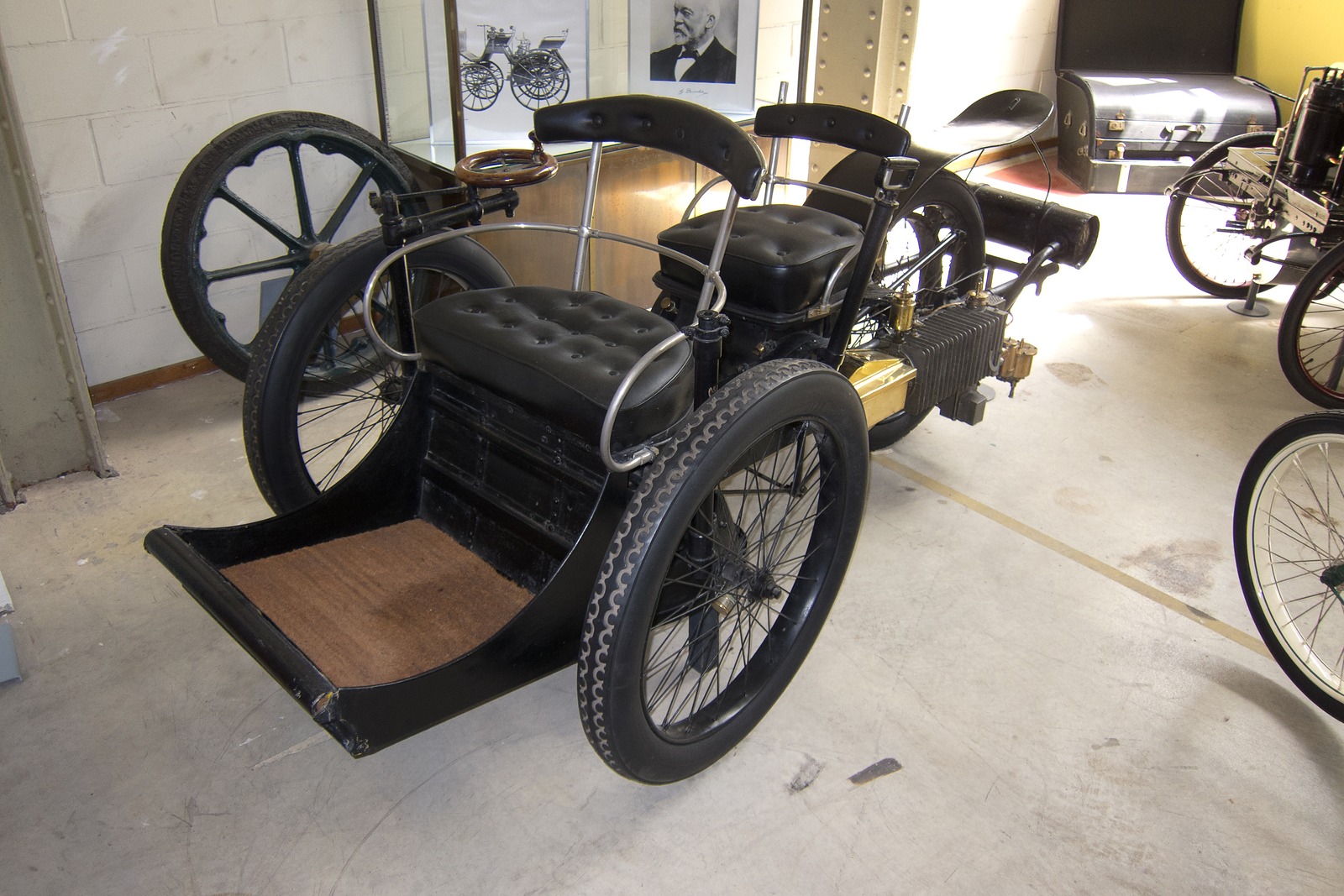
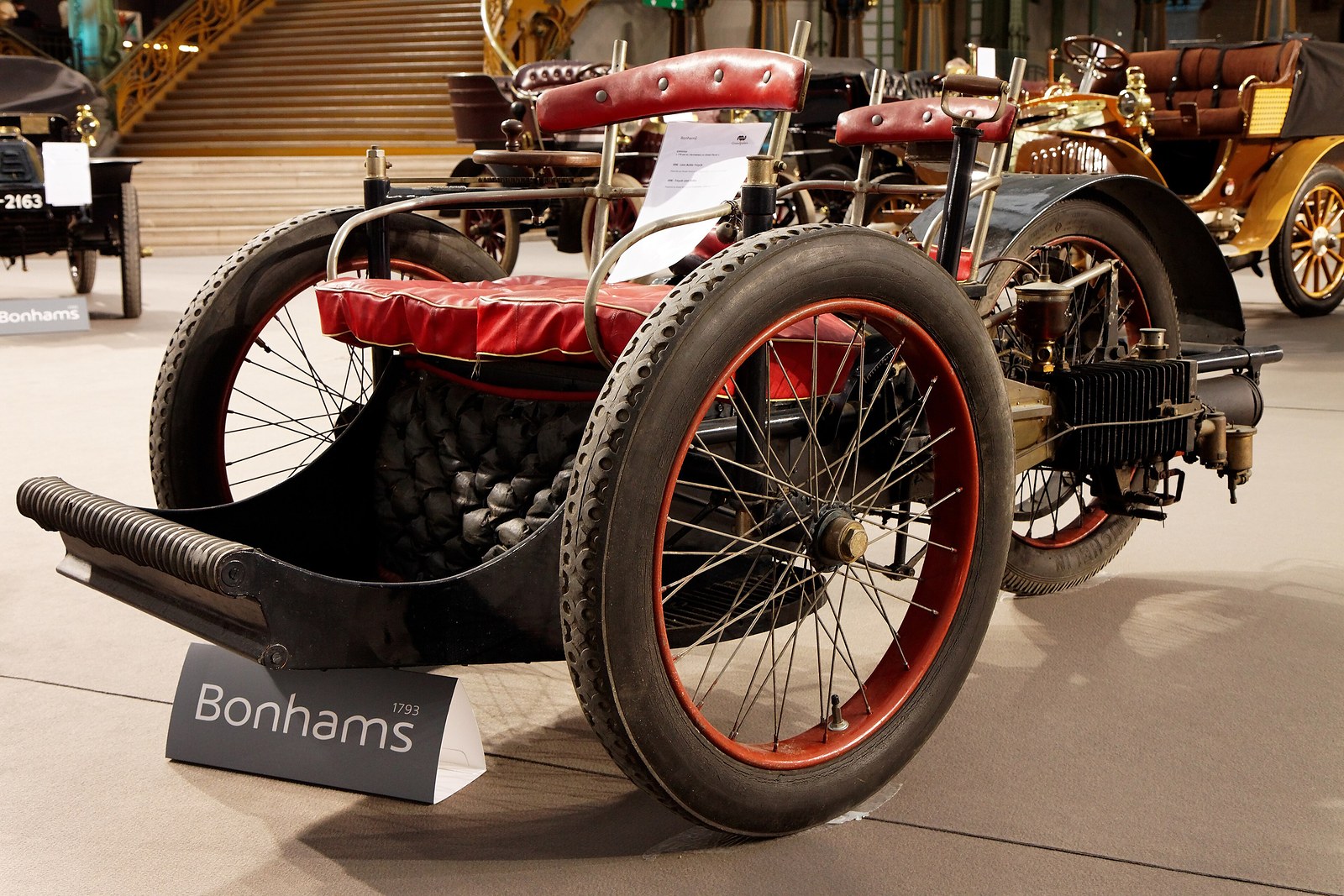
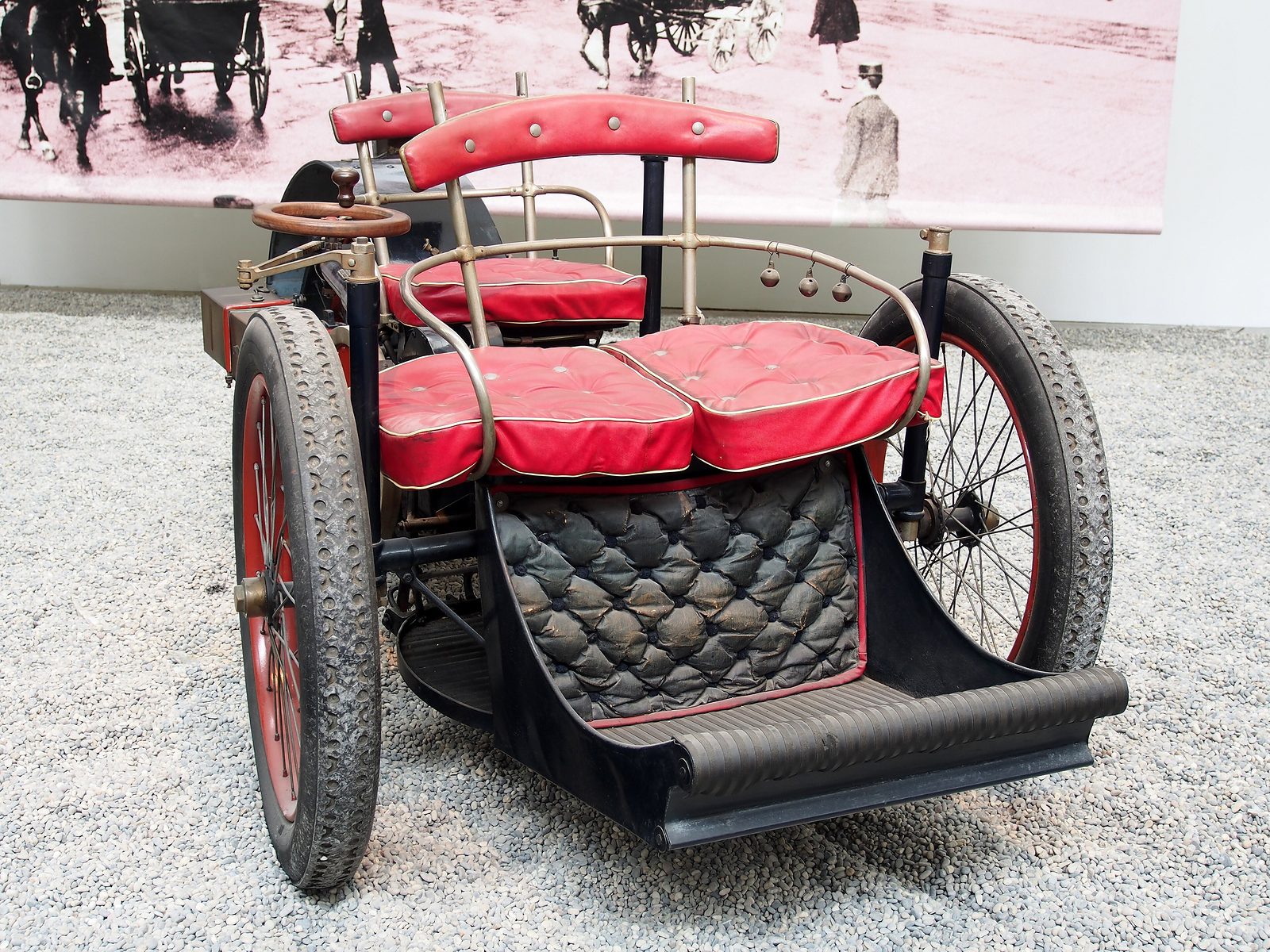
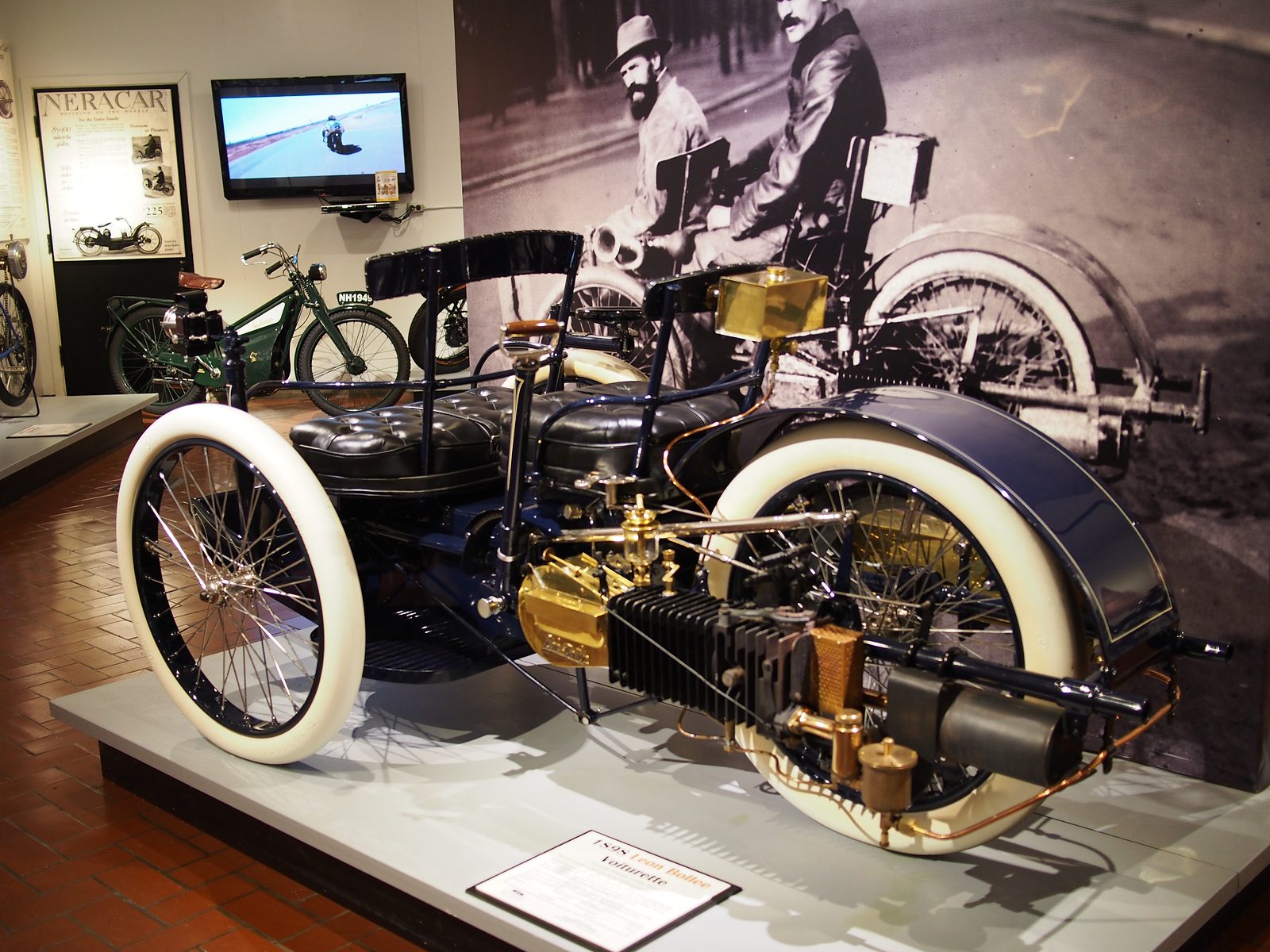
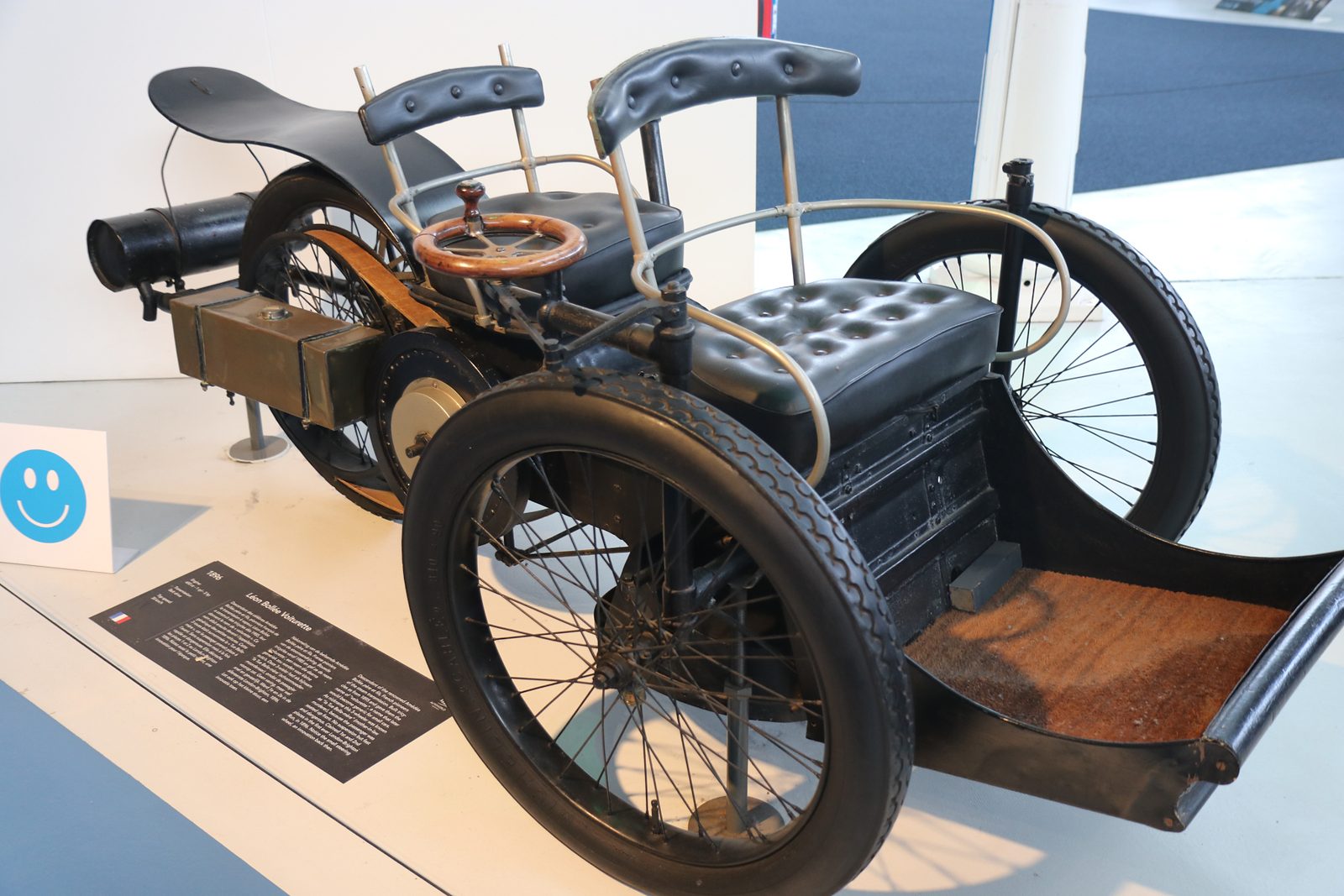
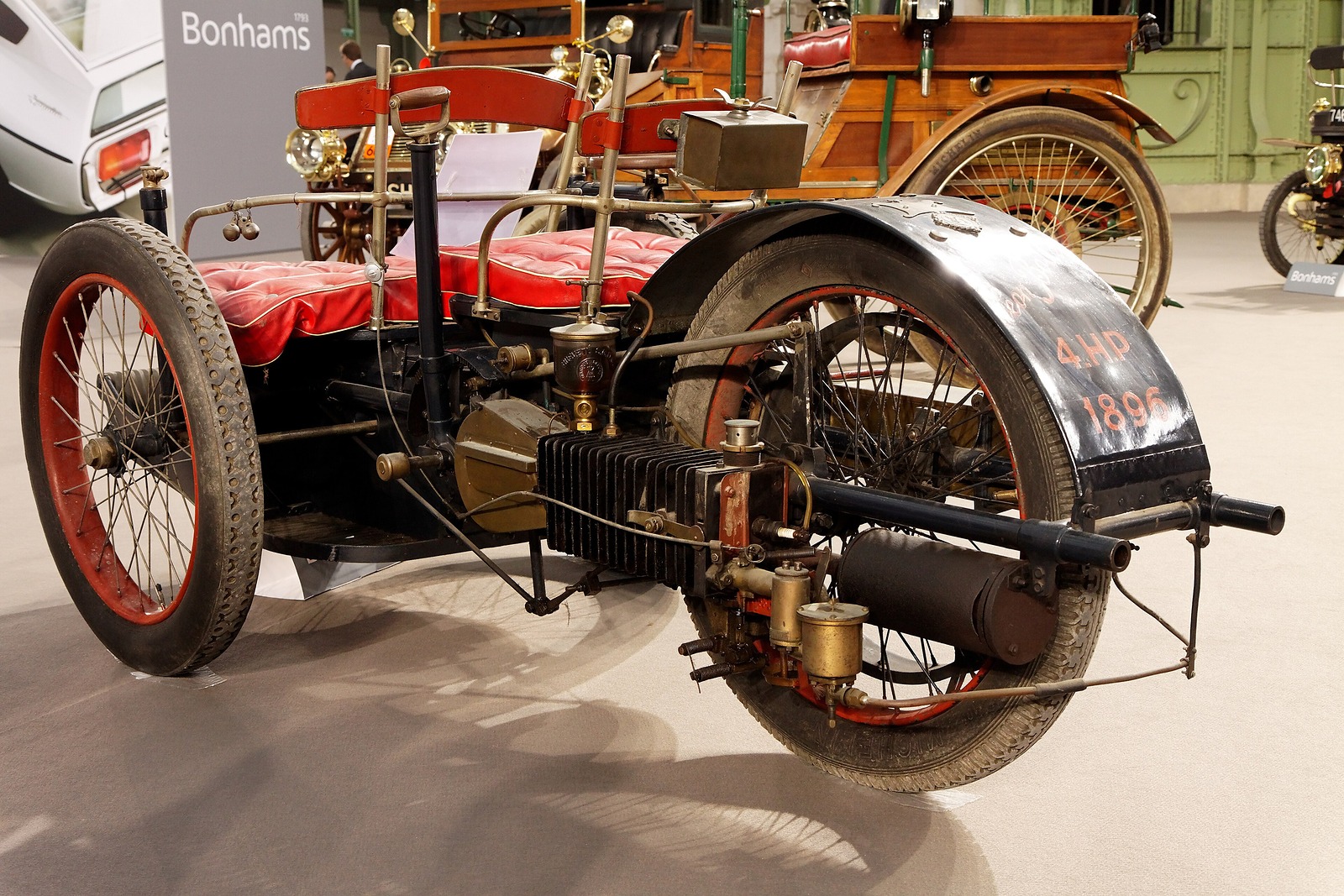
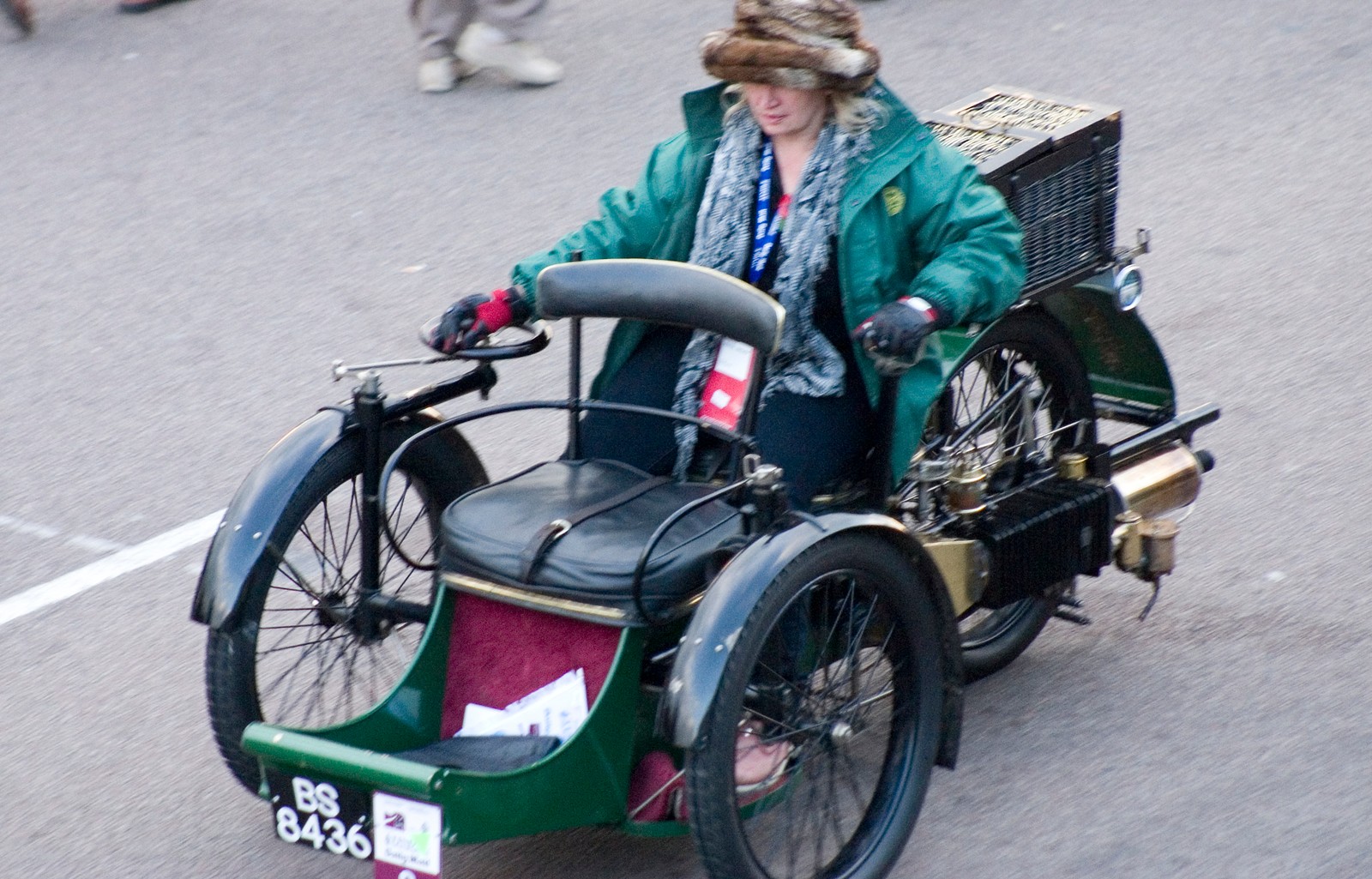
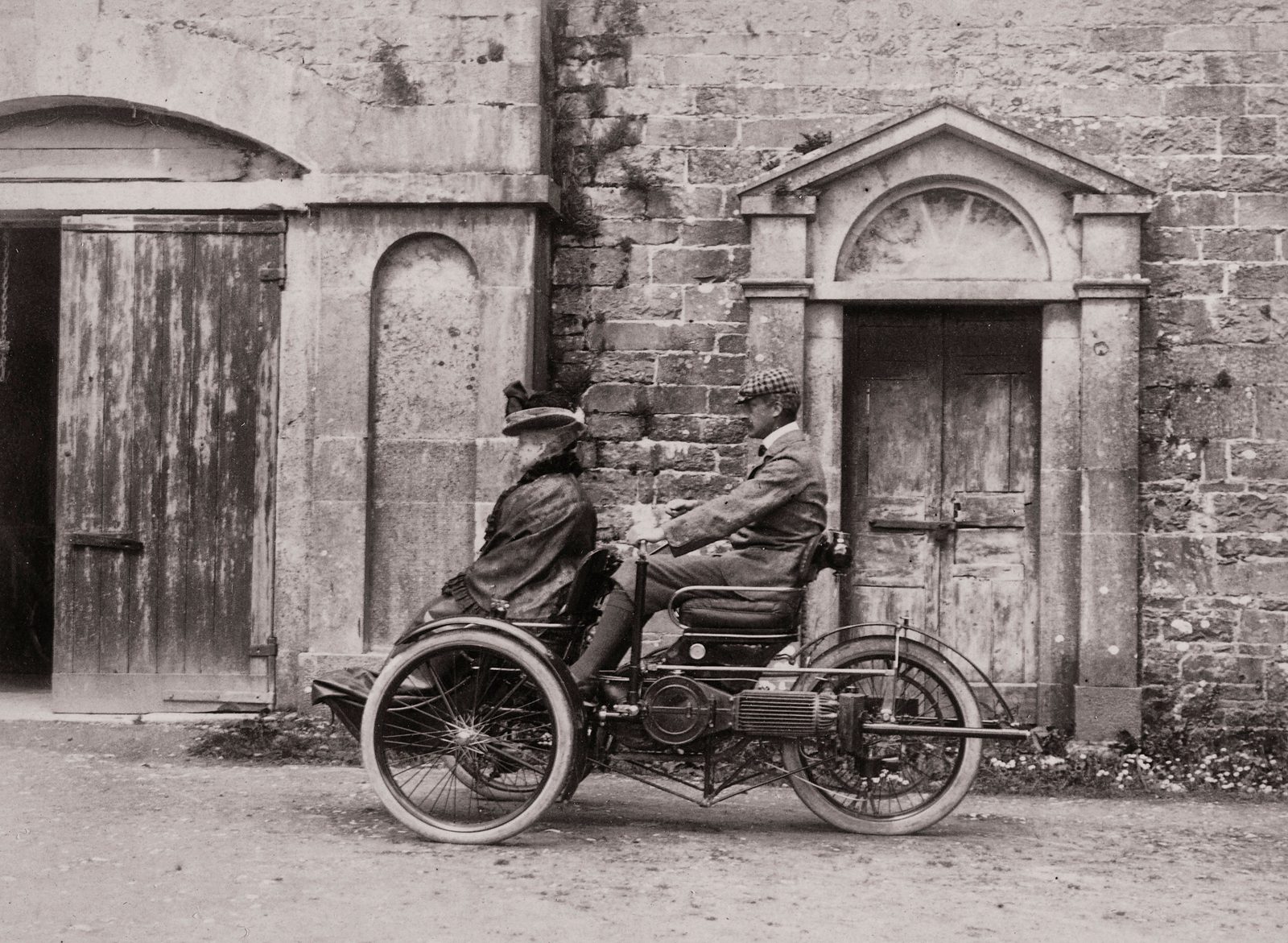
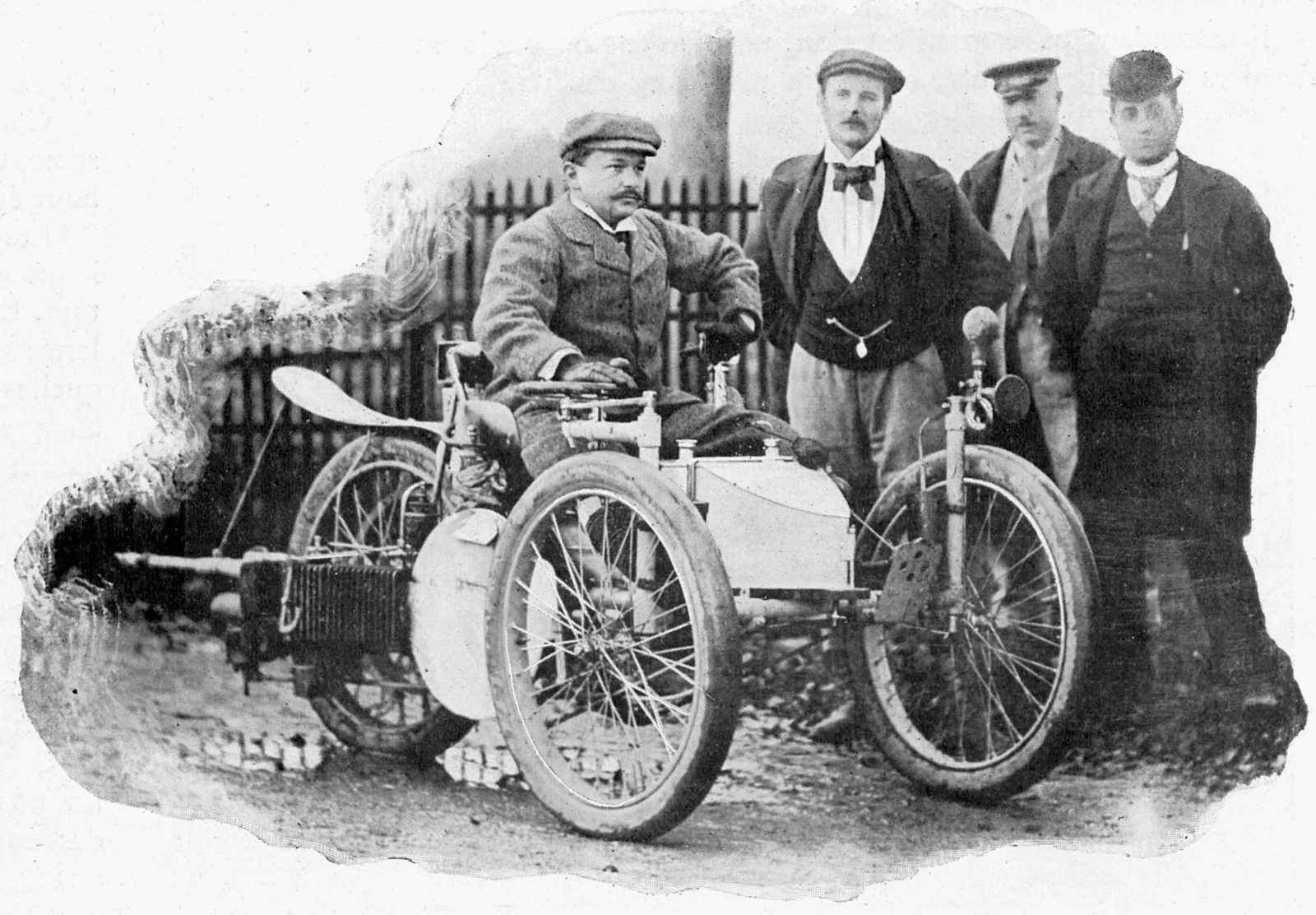
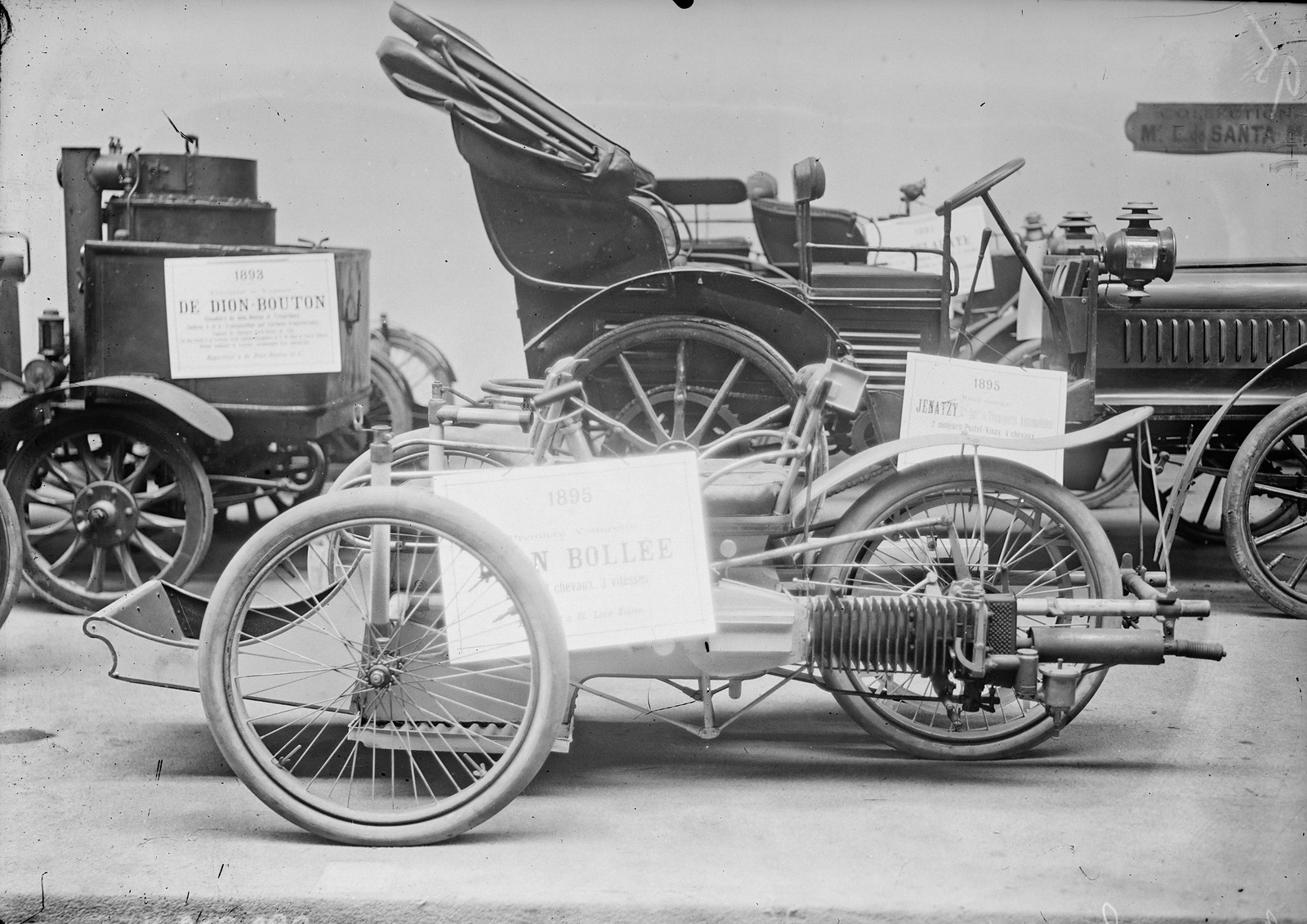
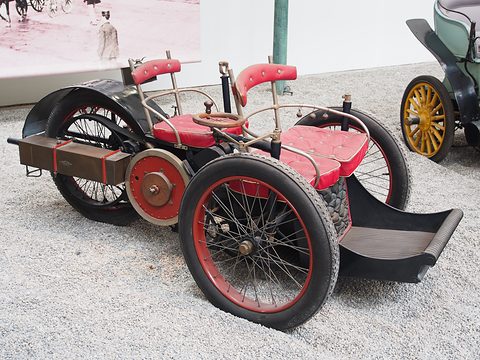
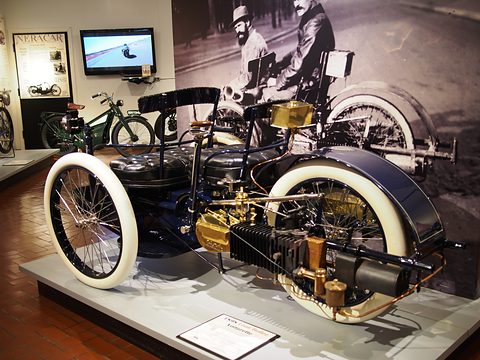
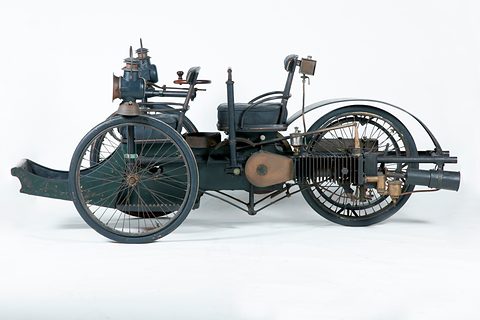
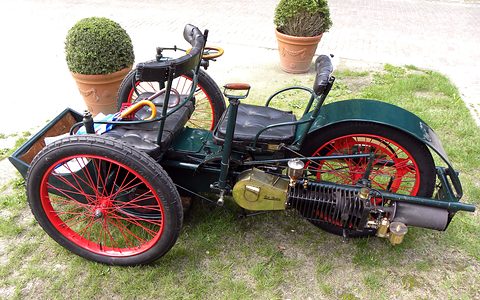
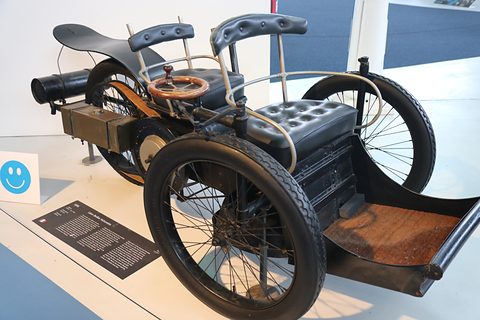
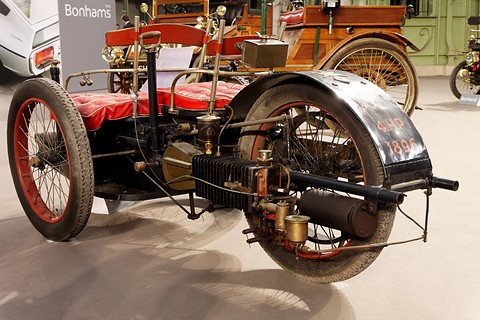
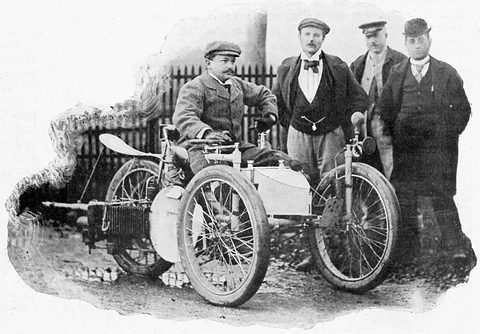
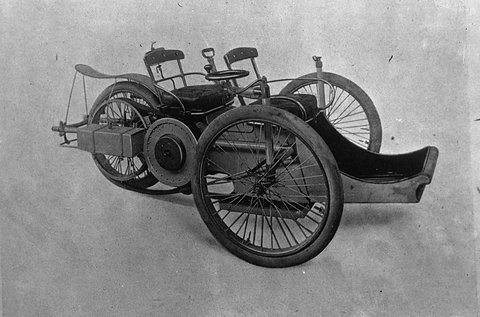
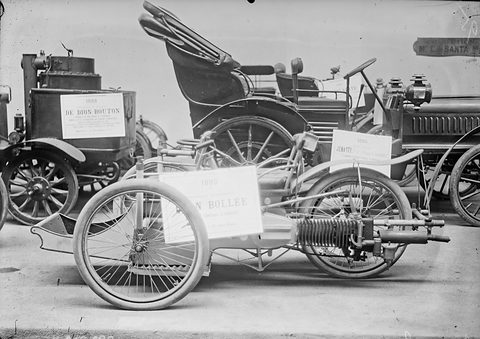
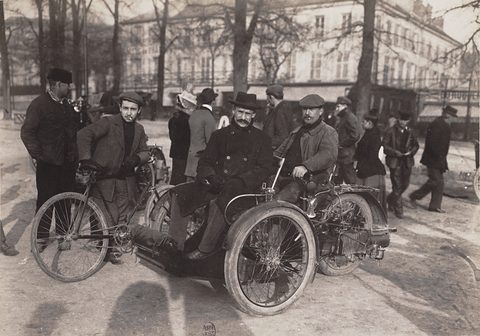
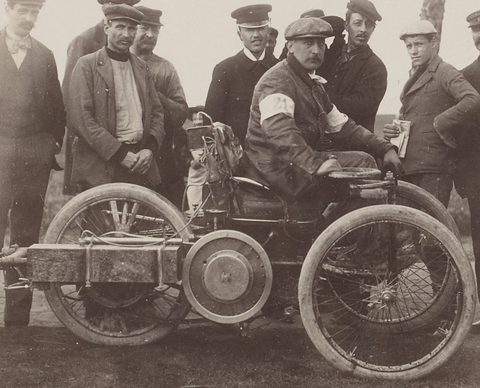
In 1895 he built a light three-wheeler: a tandem with a single-cylinder engine of 3 hp and belt drive.source 2source 3 He called it a “Voiturette”, a word of his own, and registered the name; one account says he chose it to set the car apart from his father’s steam vehicles.source 1source 4 It went on sale in 1896, and as a novelty it ran on pneumatic tyres.source 1 The word outlived the car. It became the French name for every small car that followed (see what is a microcar?).source 1source 5 Who drew the engine is less certain: French Wikipedia and a Bollée descendant credit Léon’s brother Amédée, and other sources give Léon the whole vehicle.source 1source 4source 2
The passenger goes first
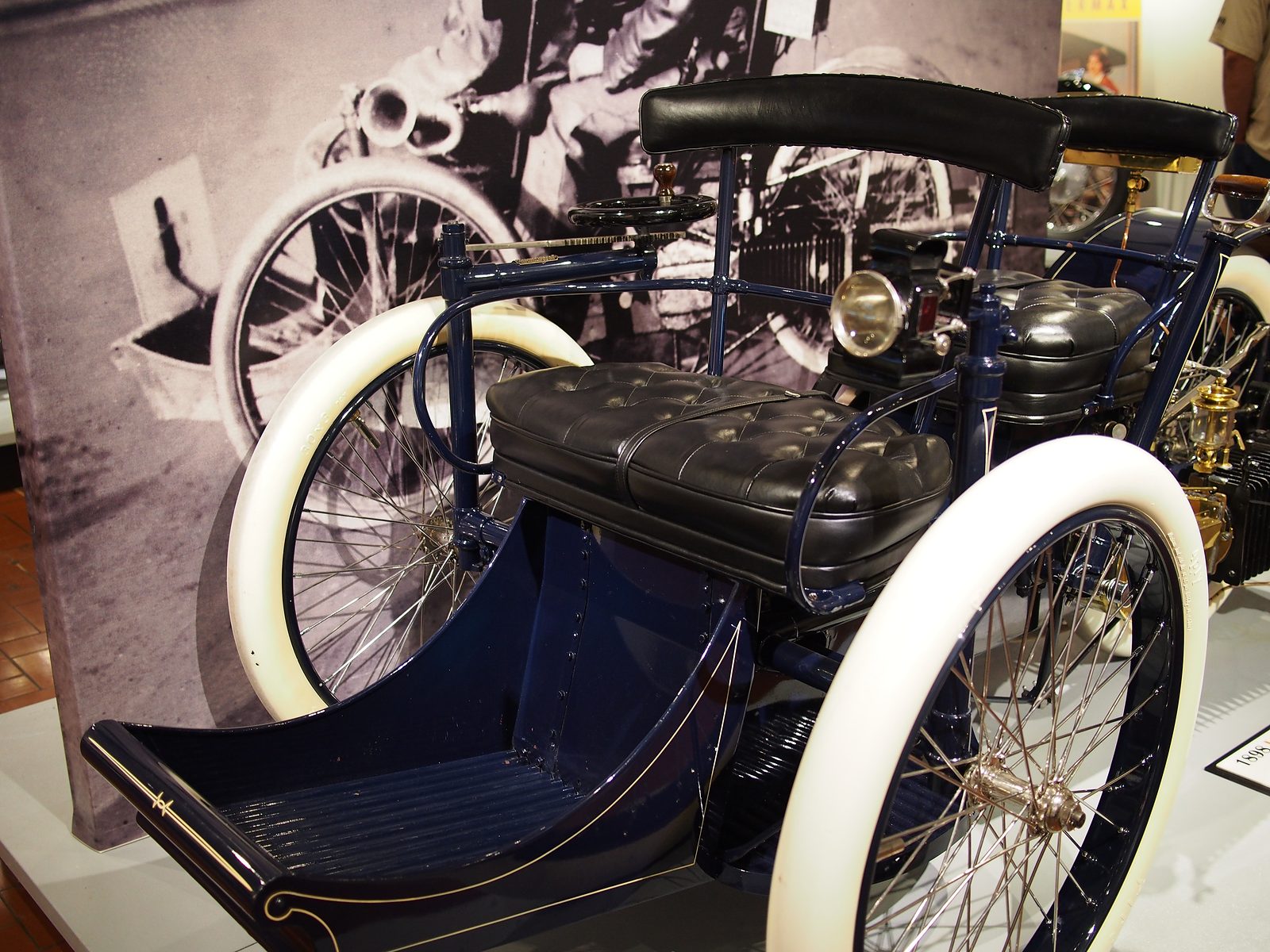
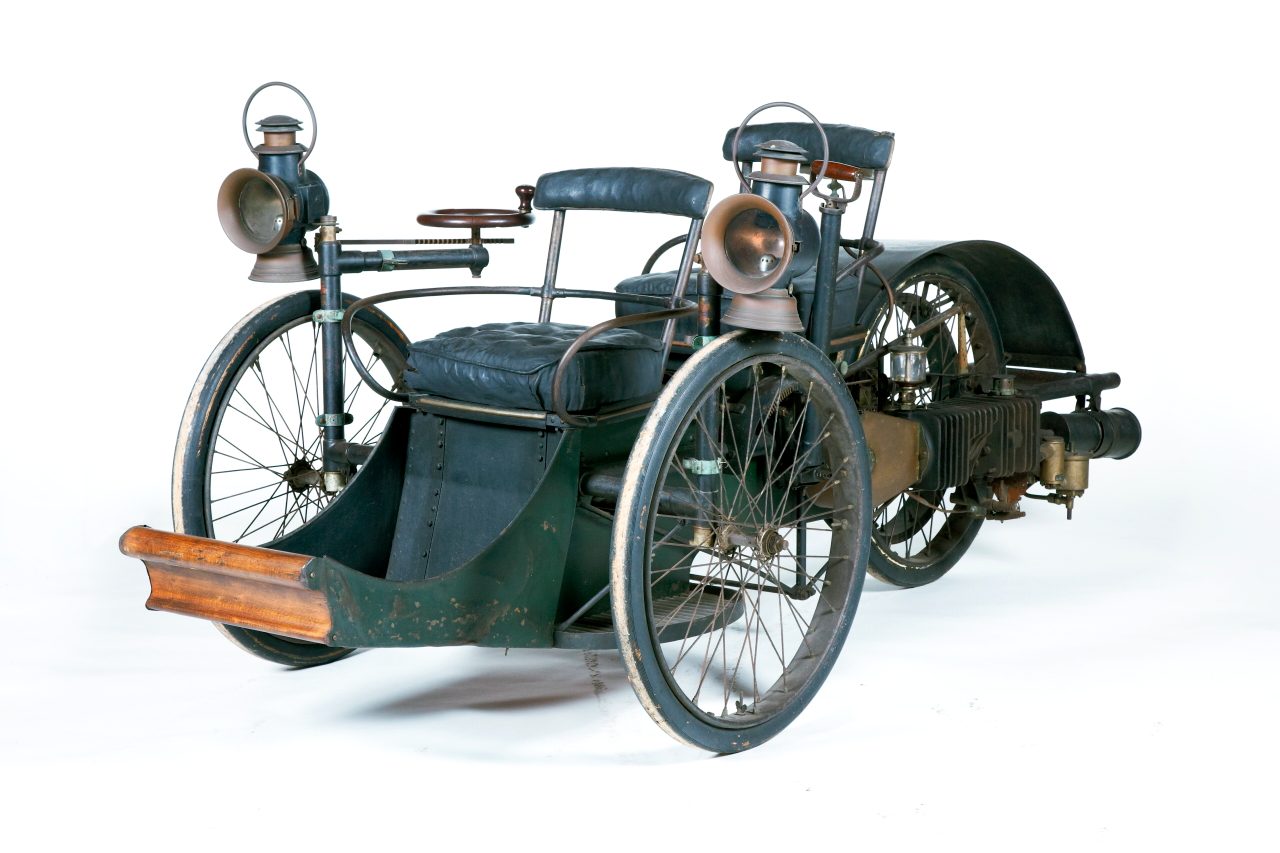
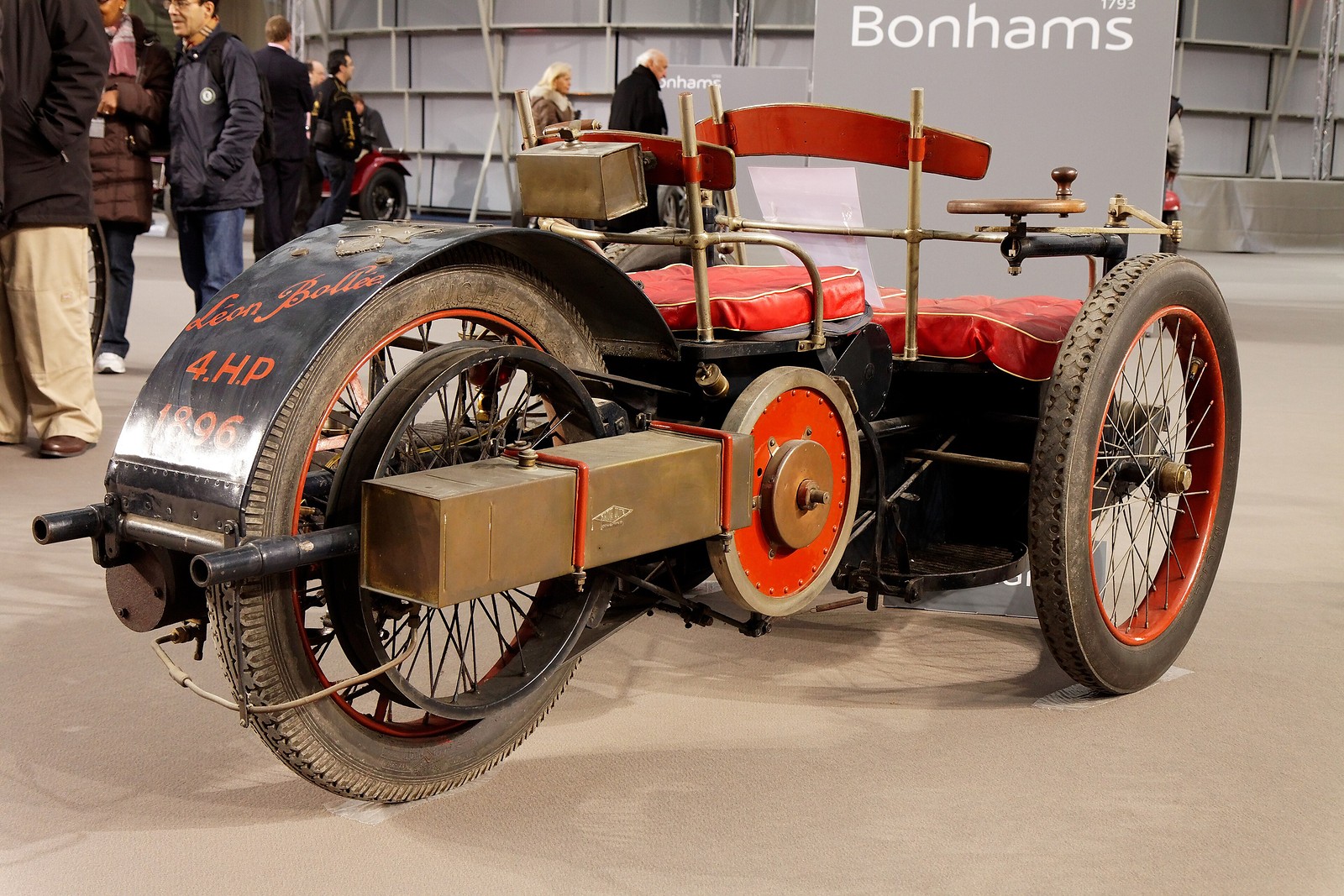
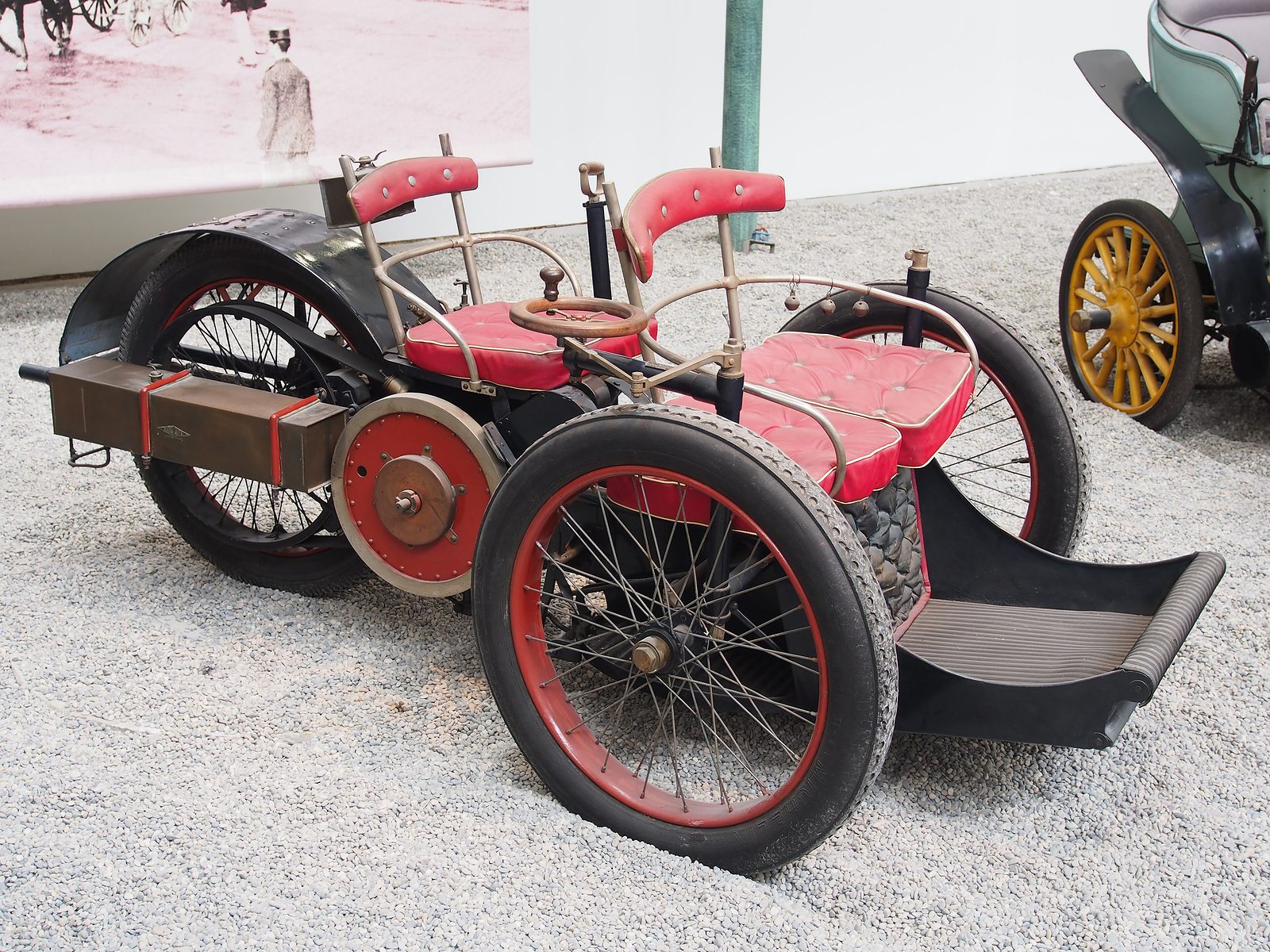
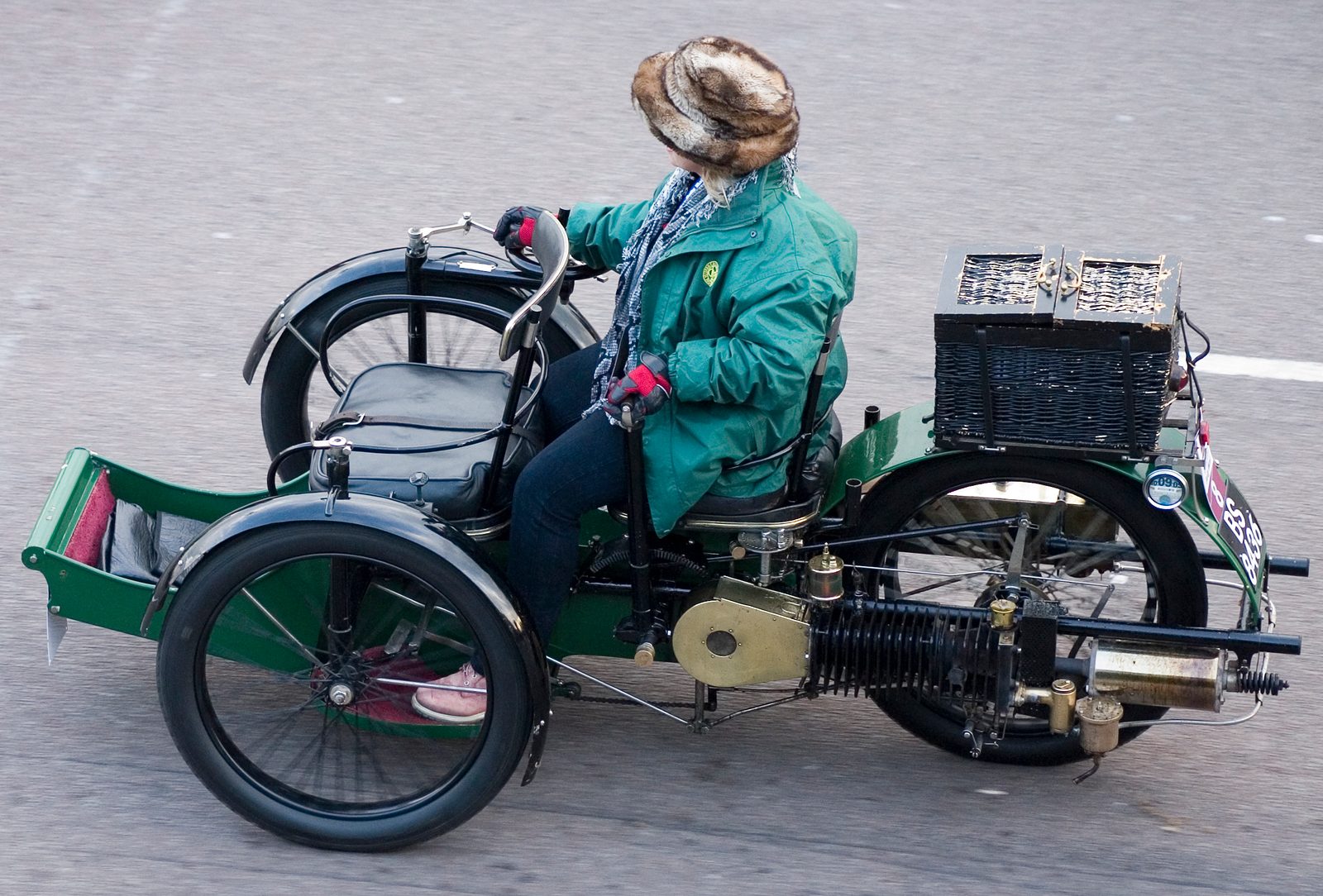
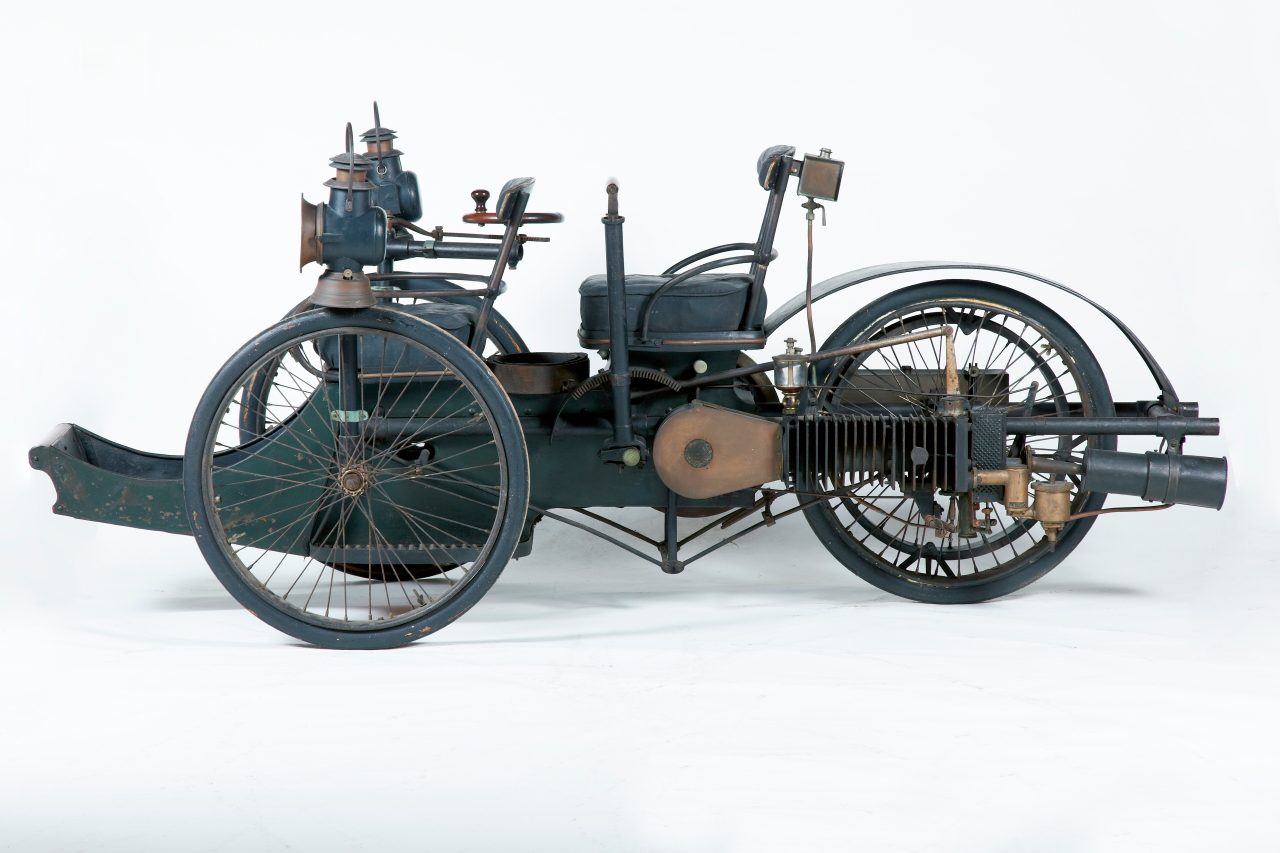
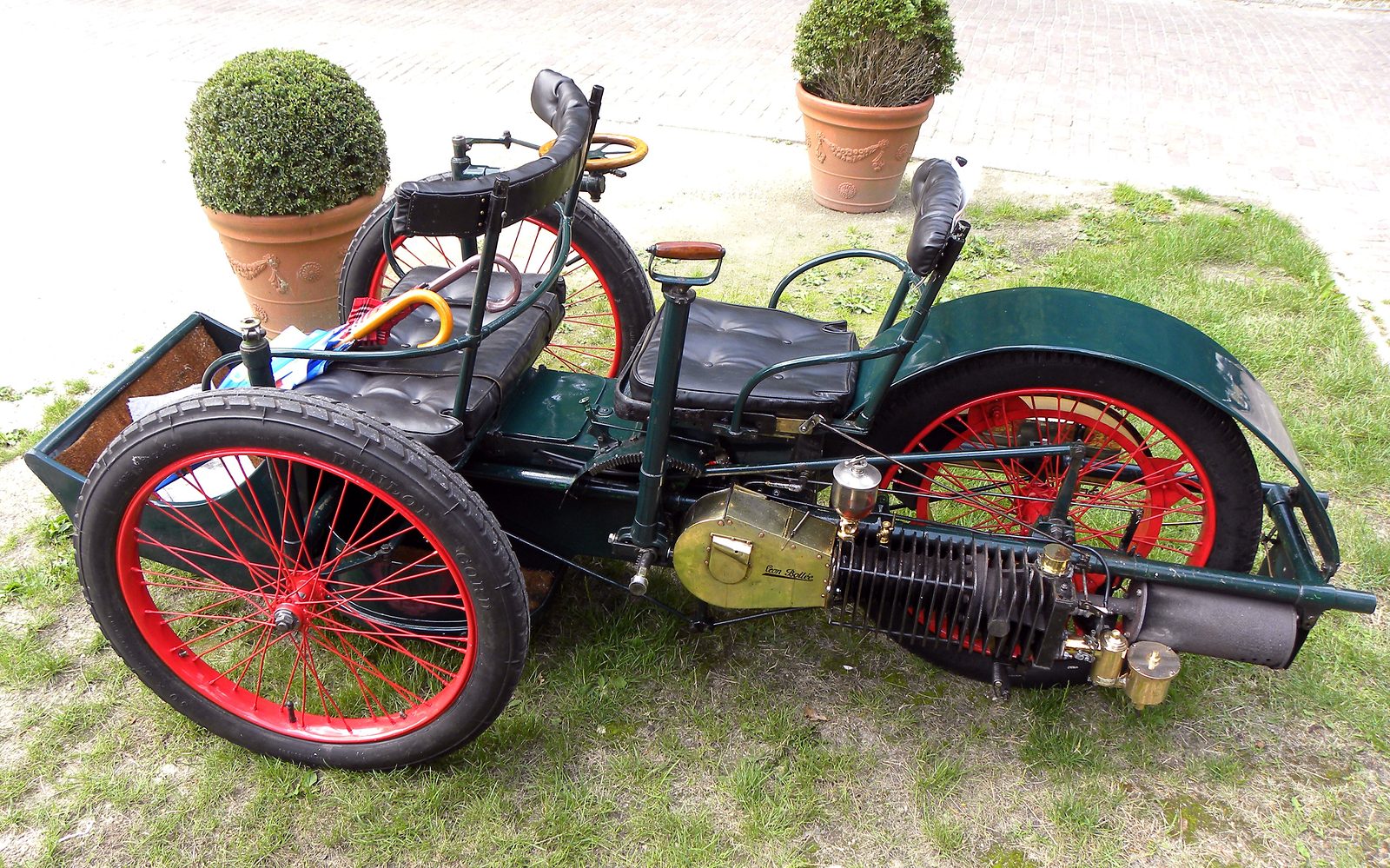
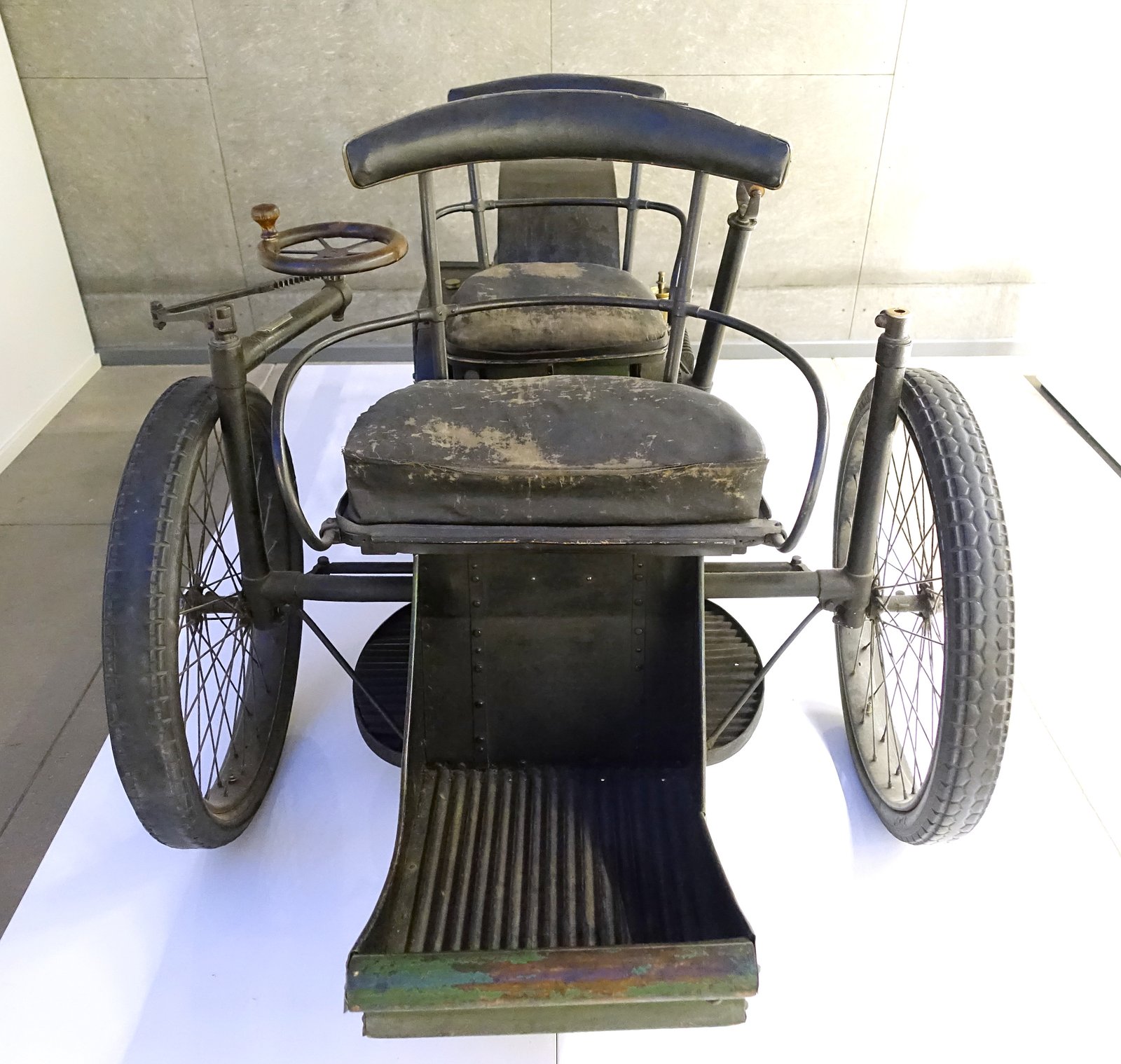
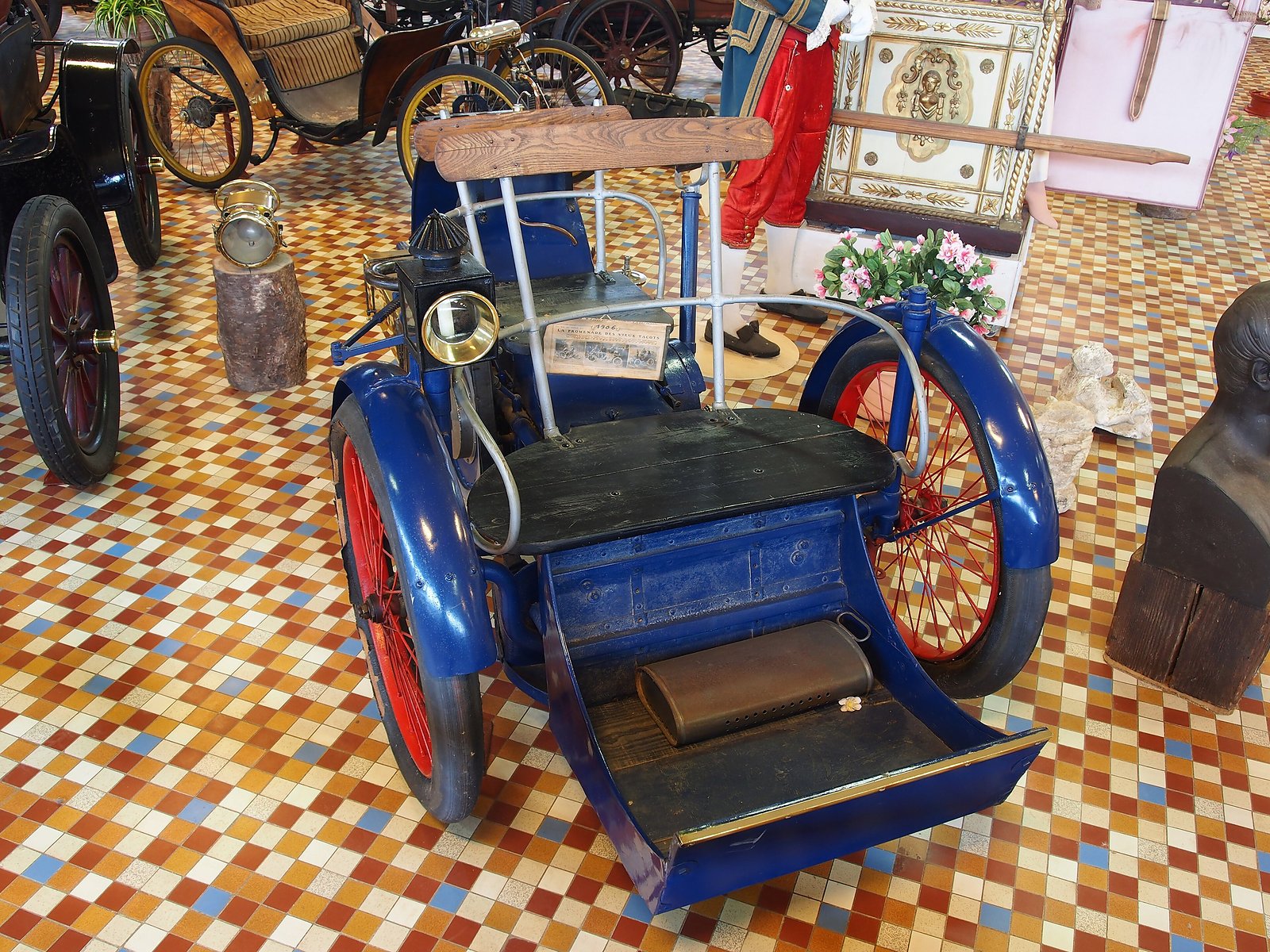
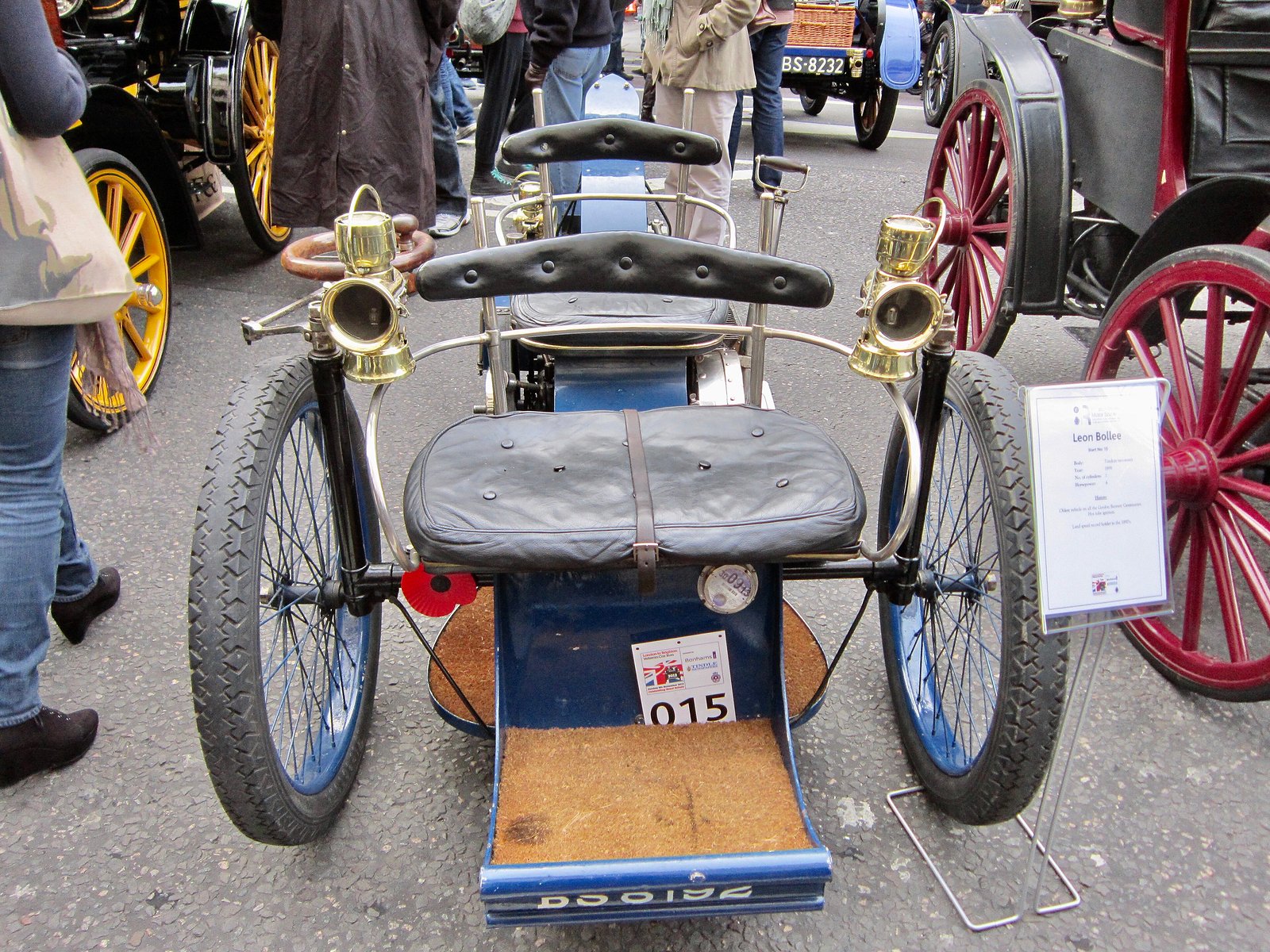
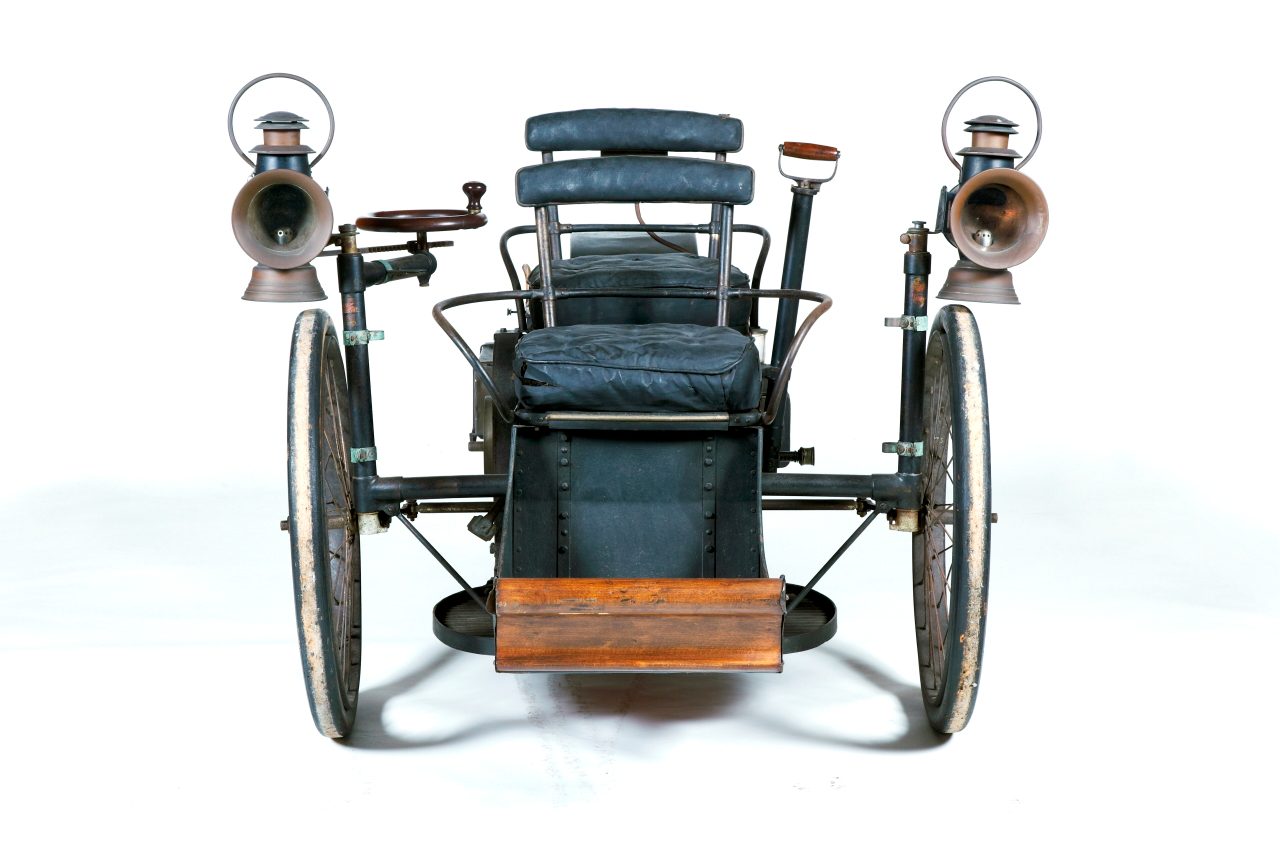
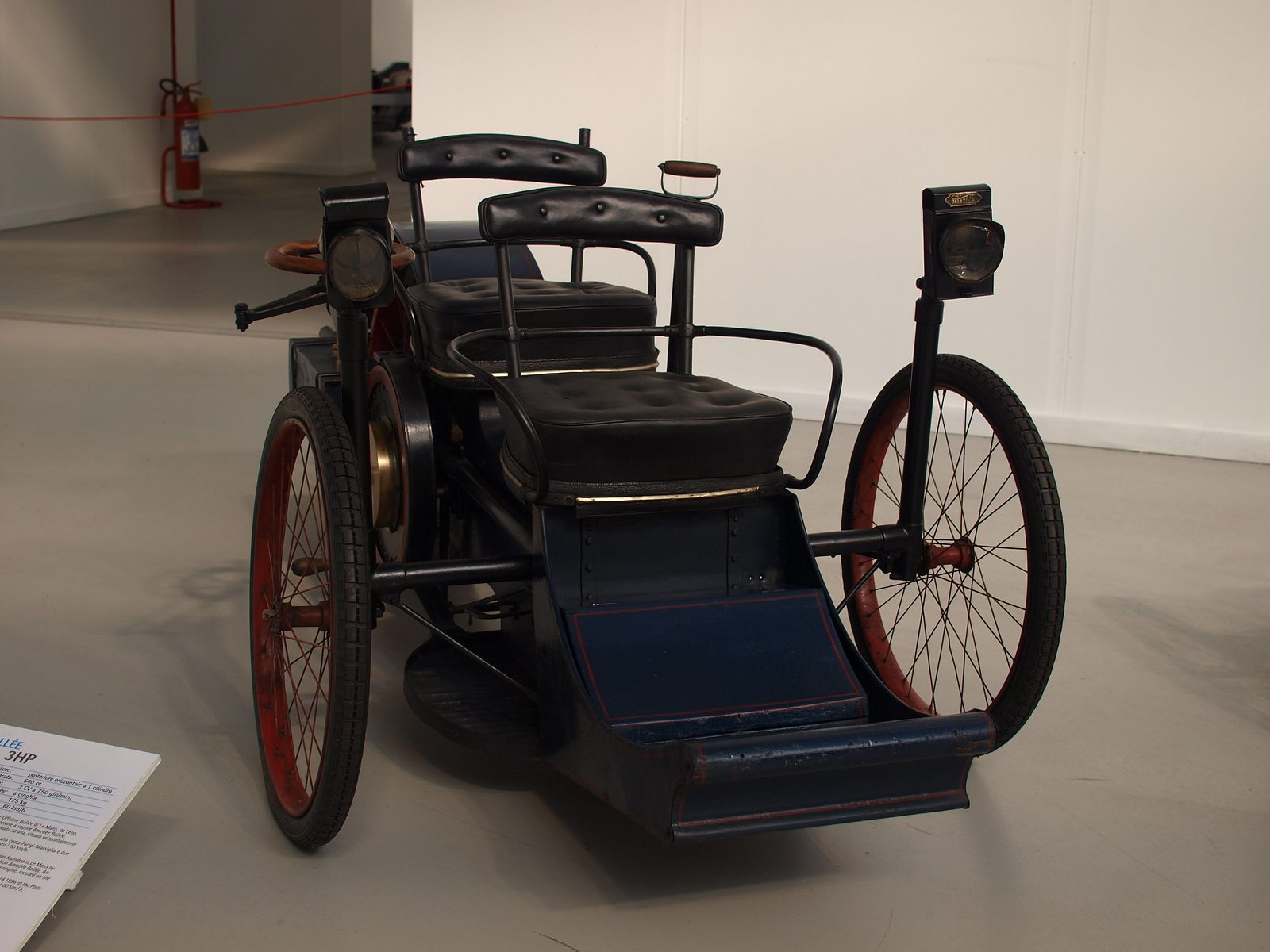
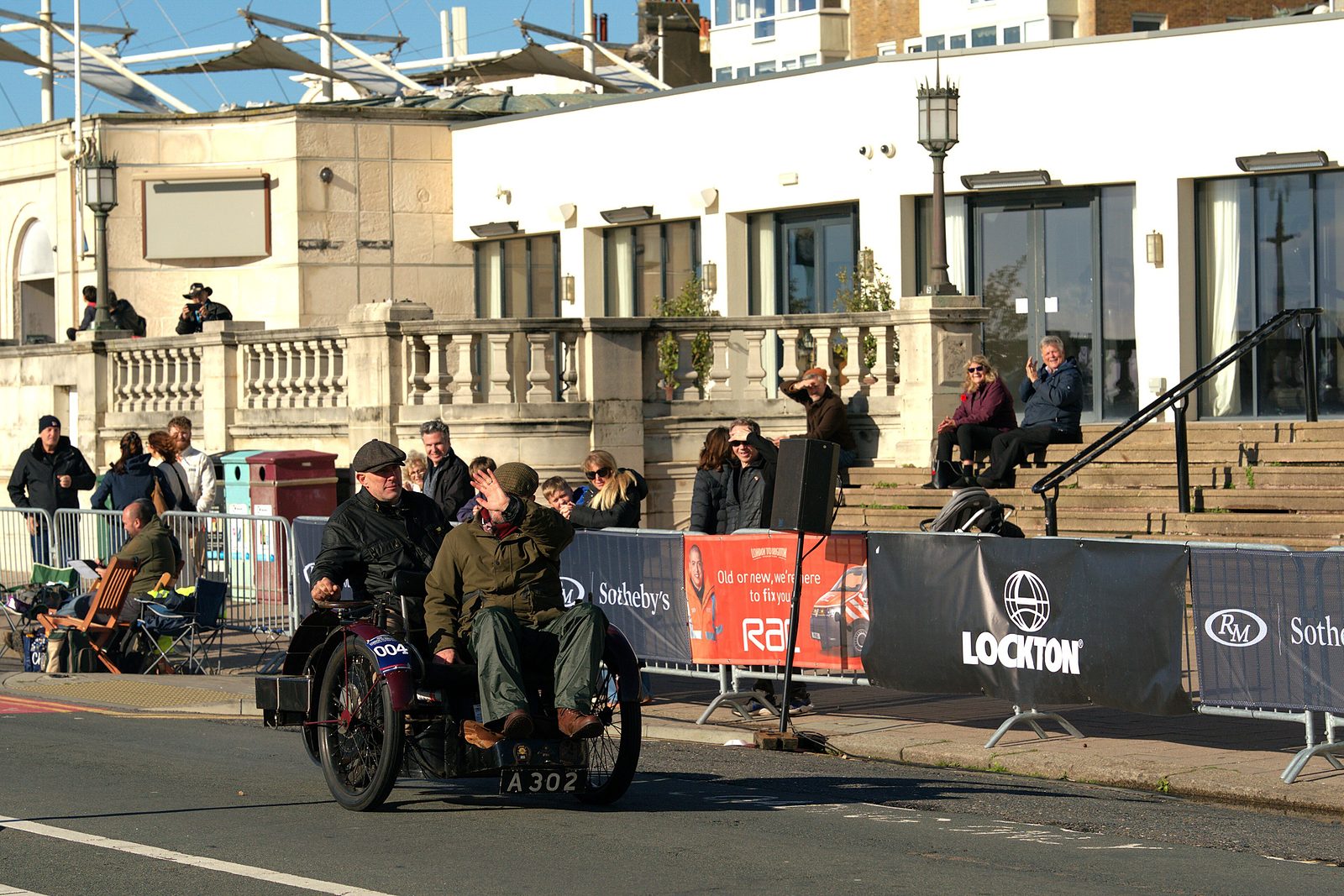
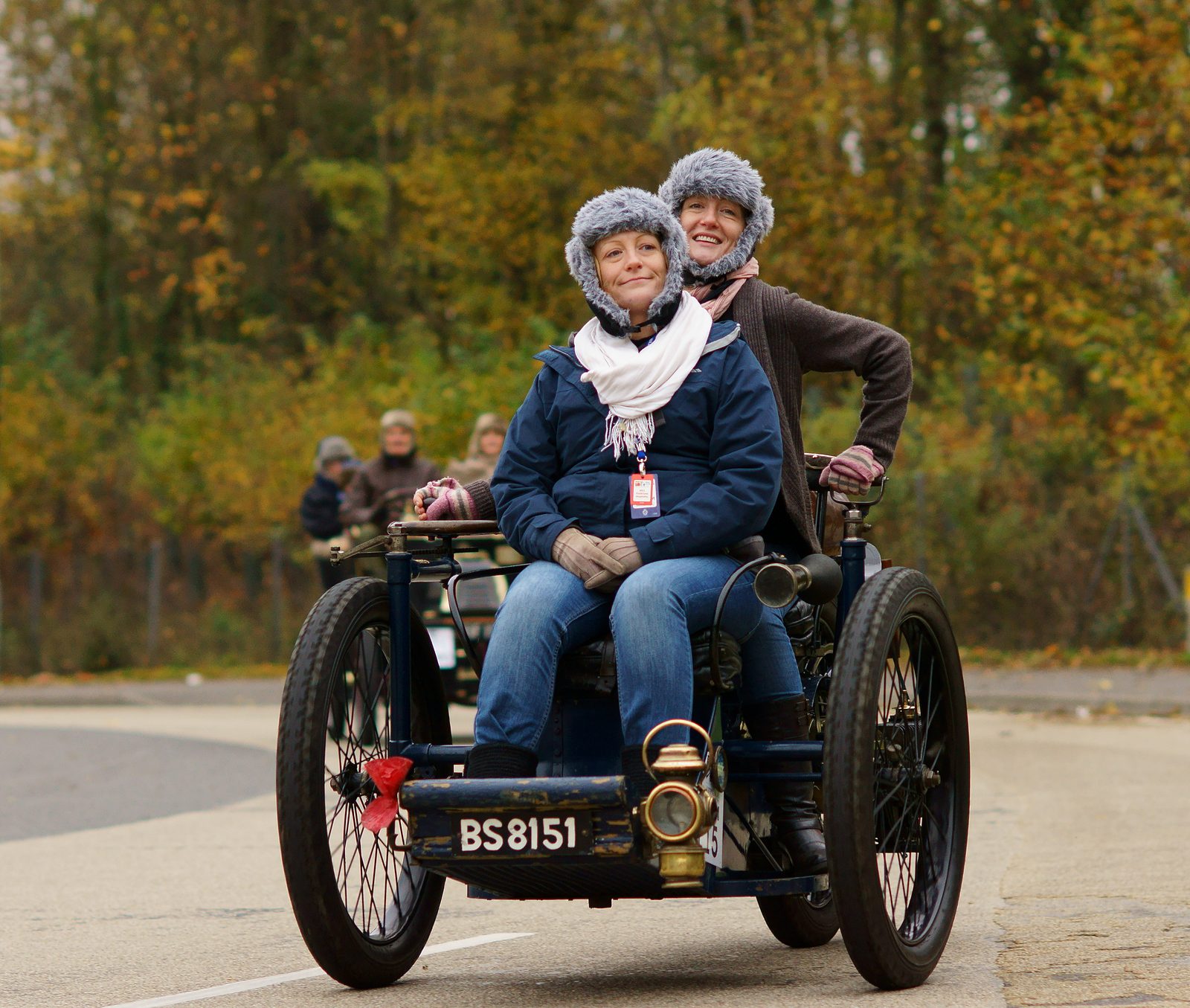
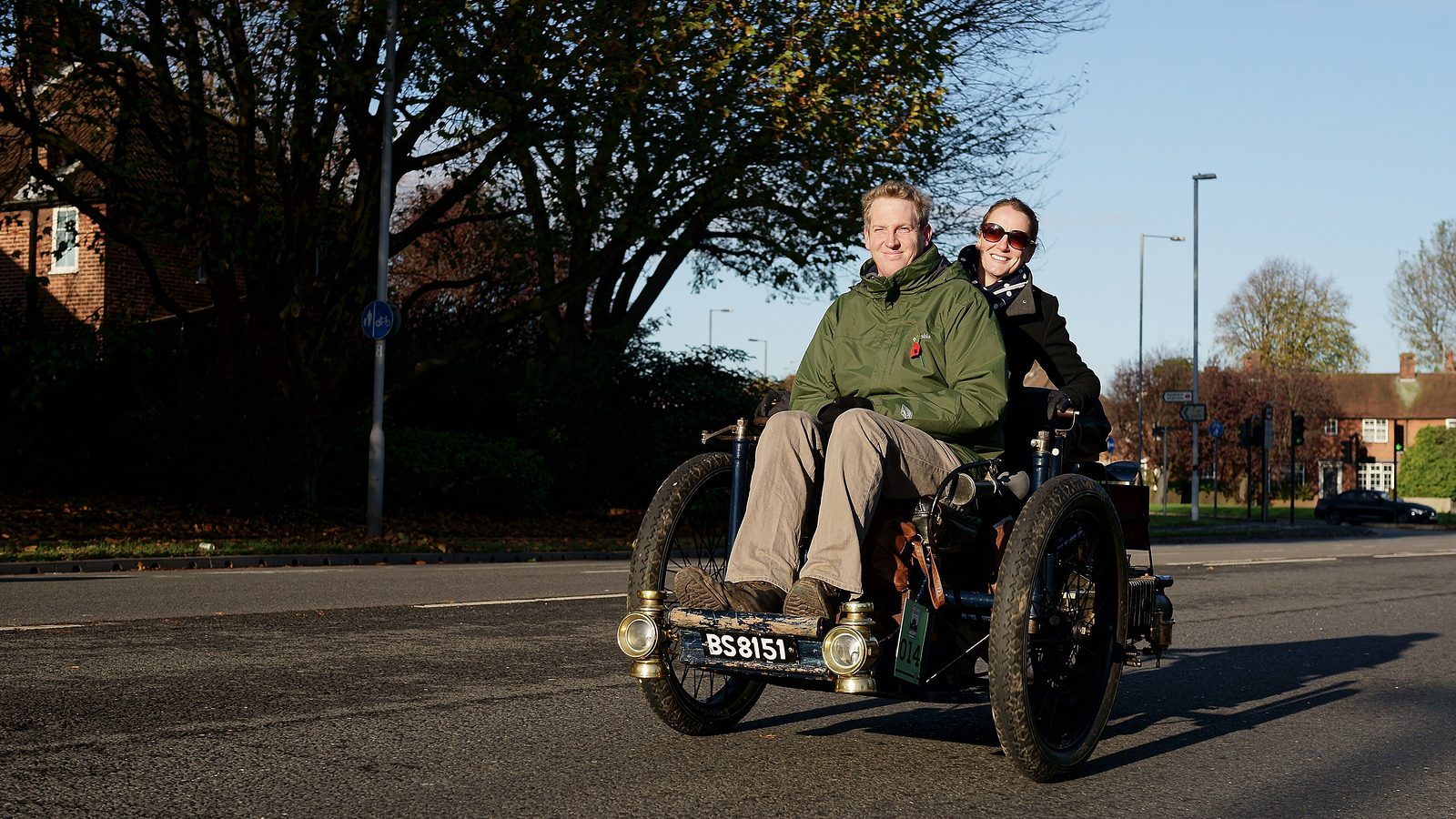
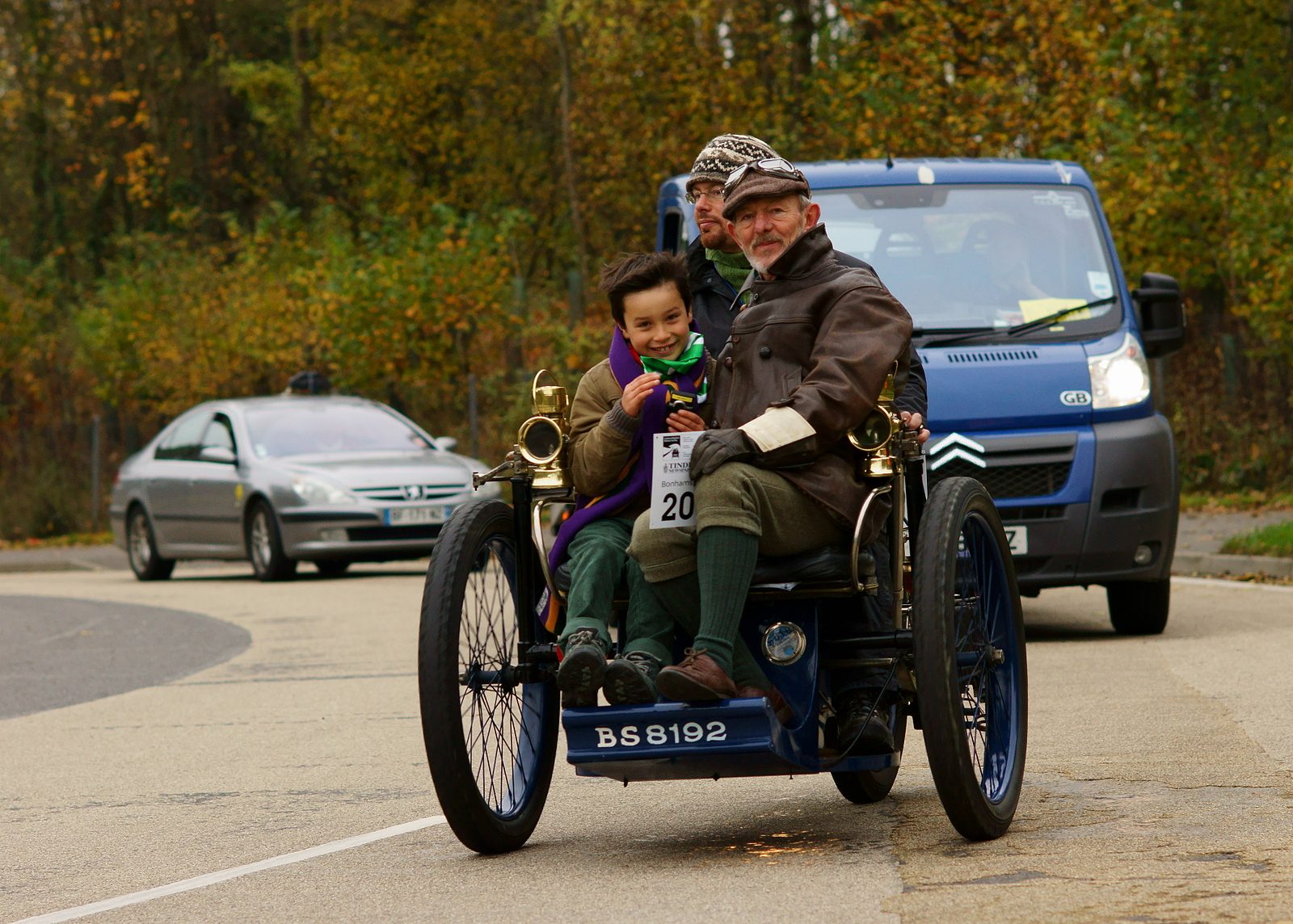
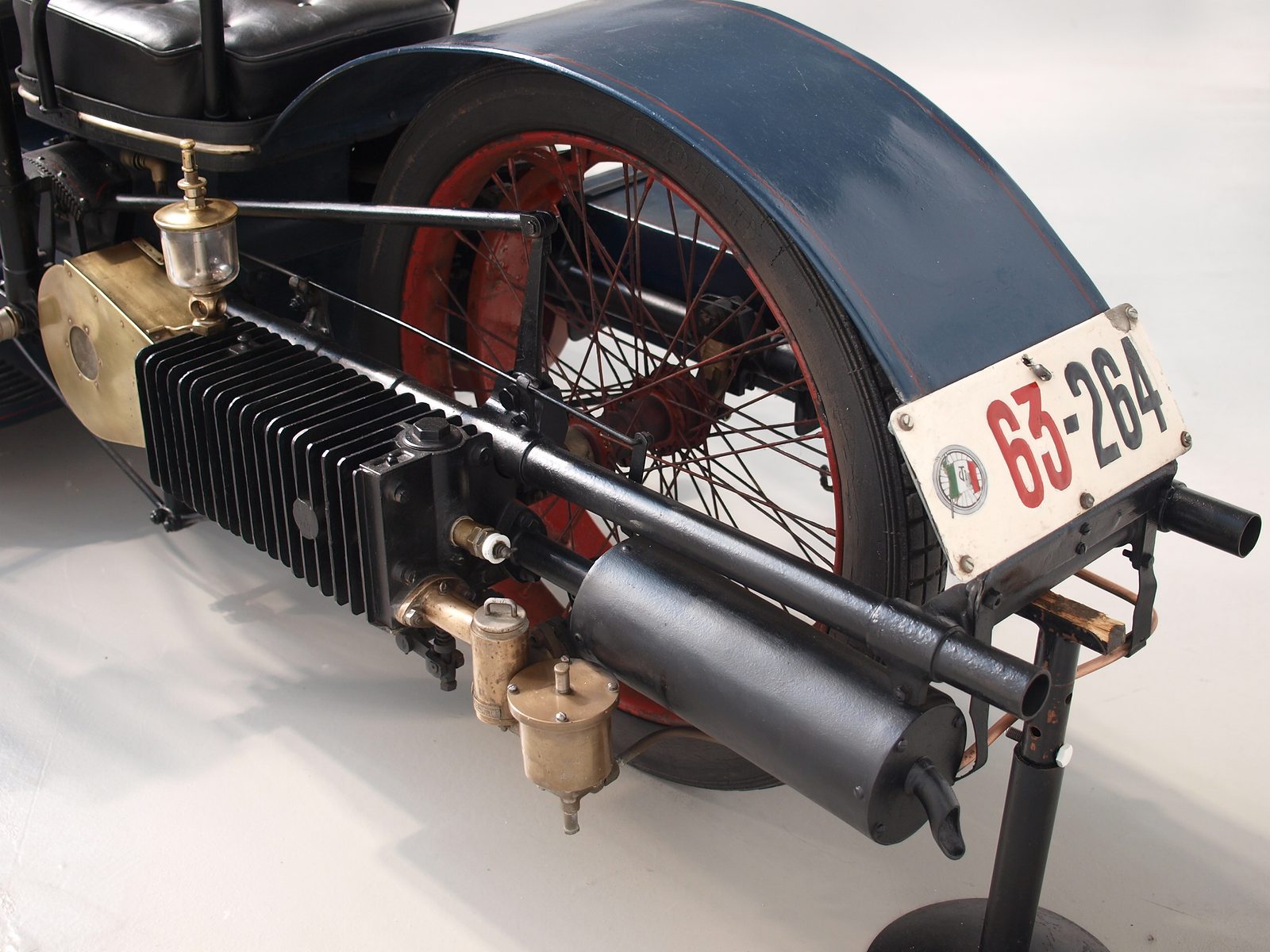
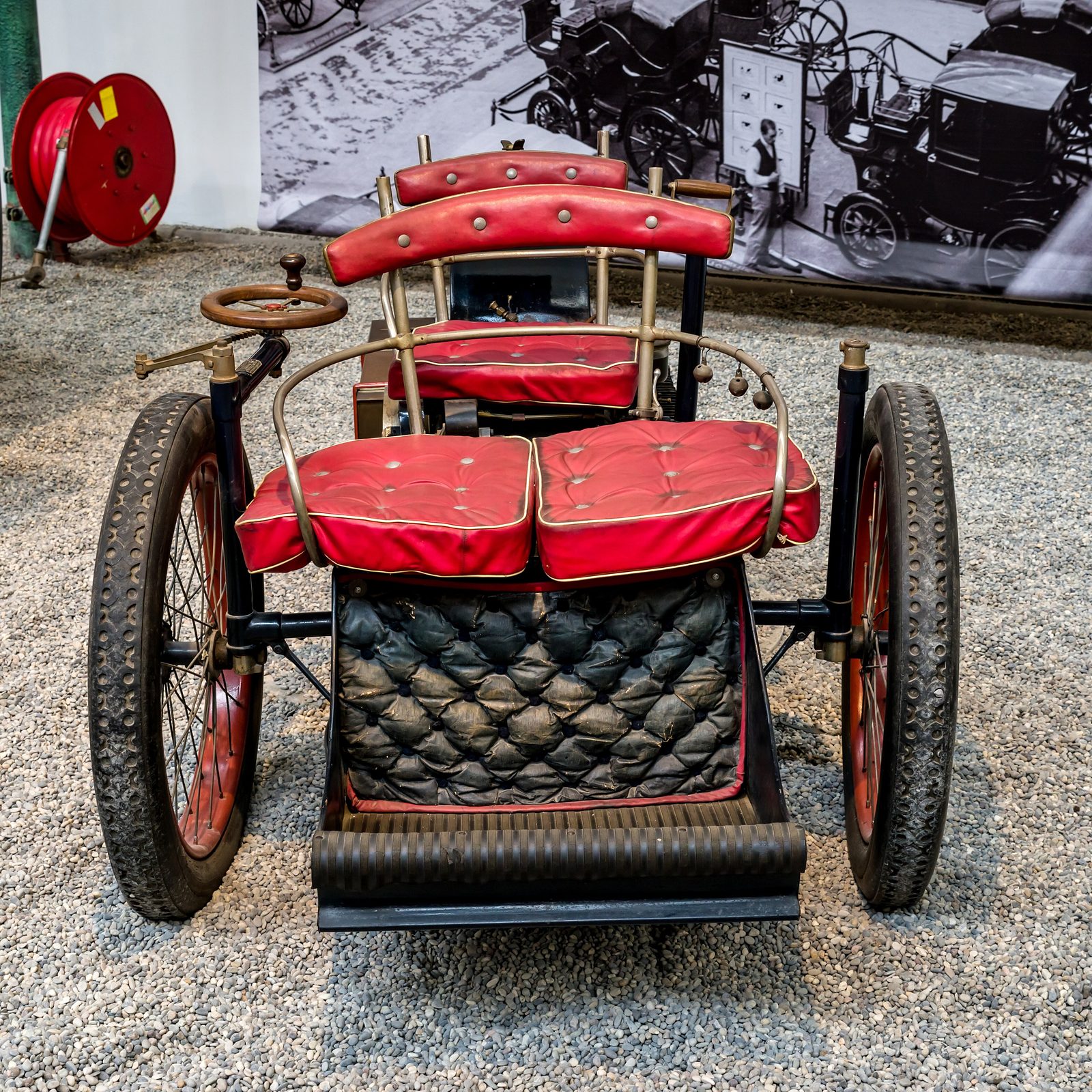
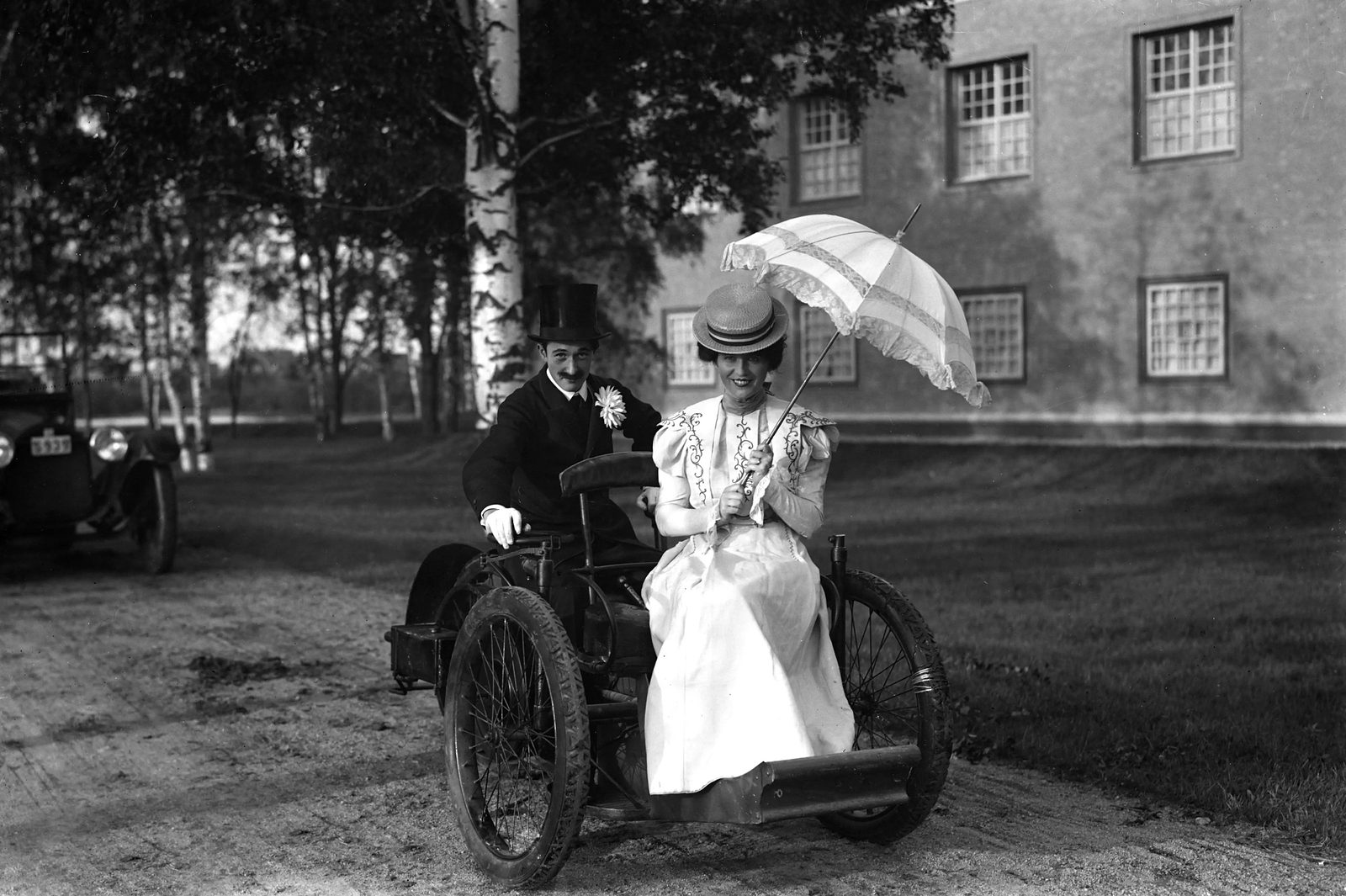
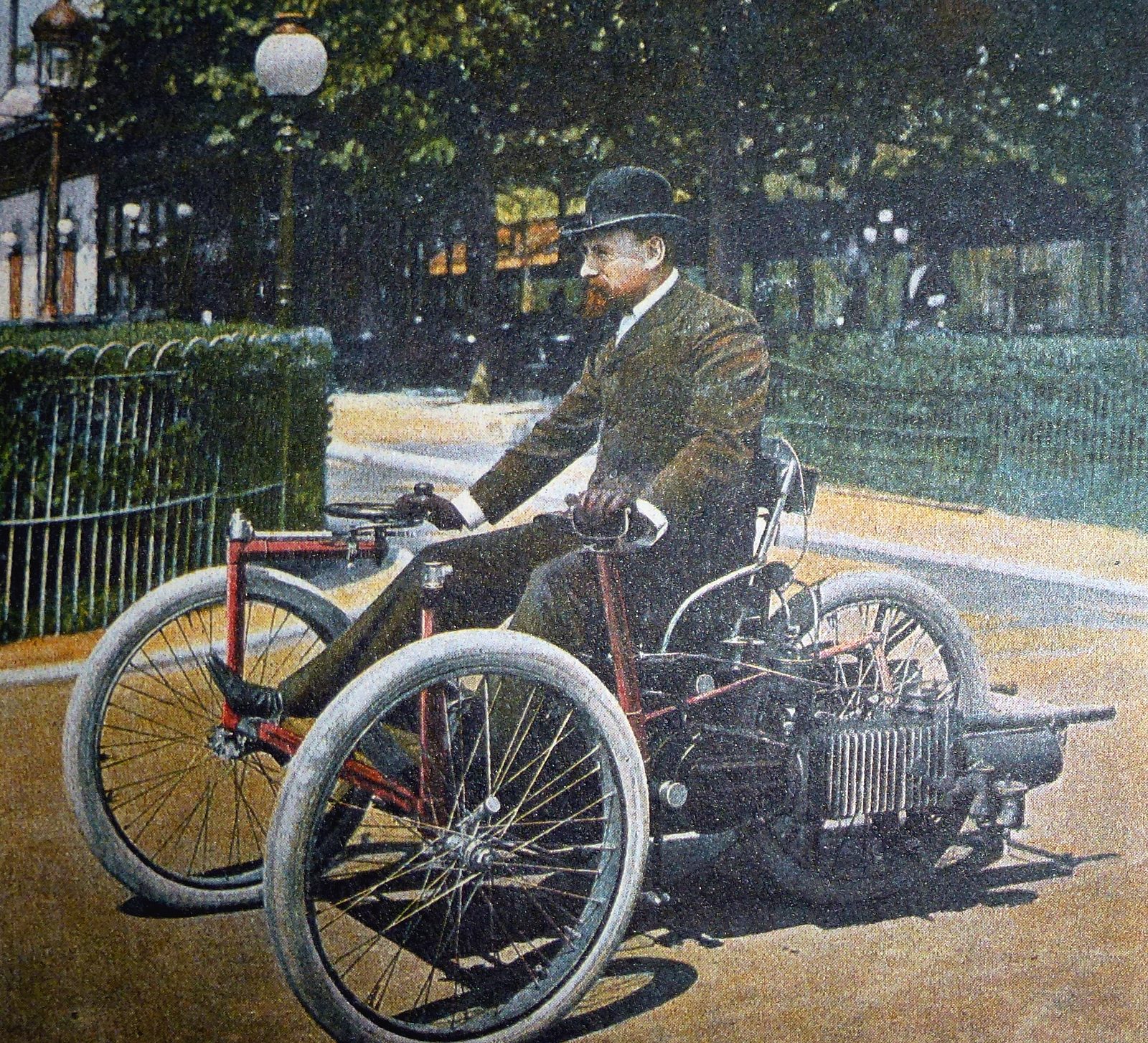
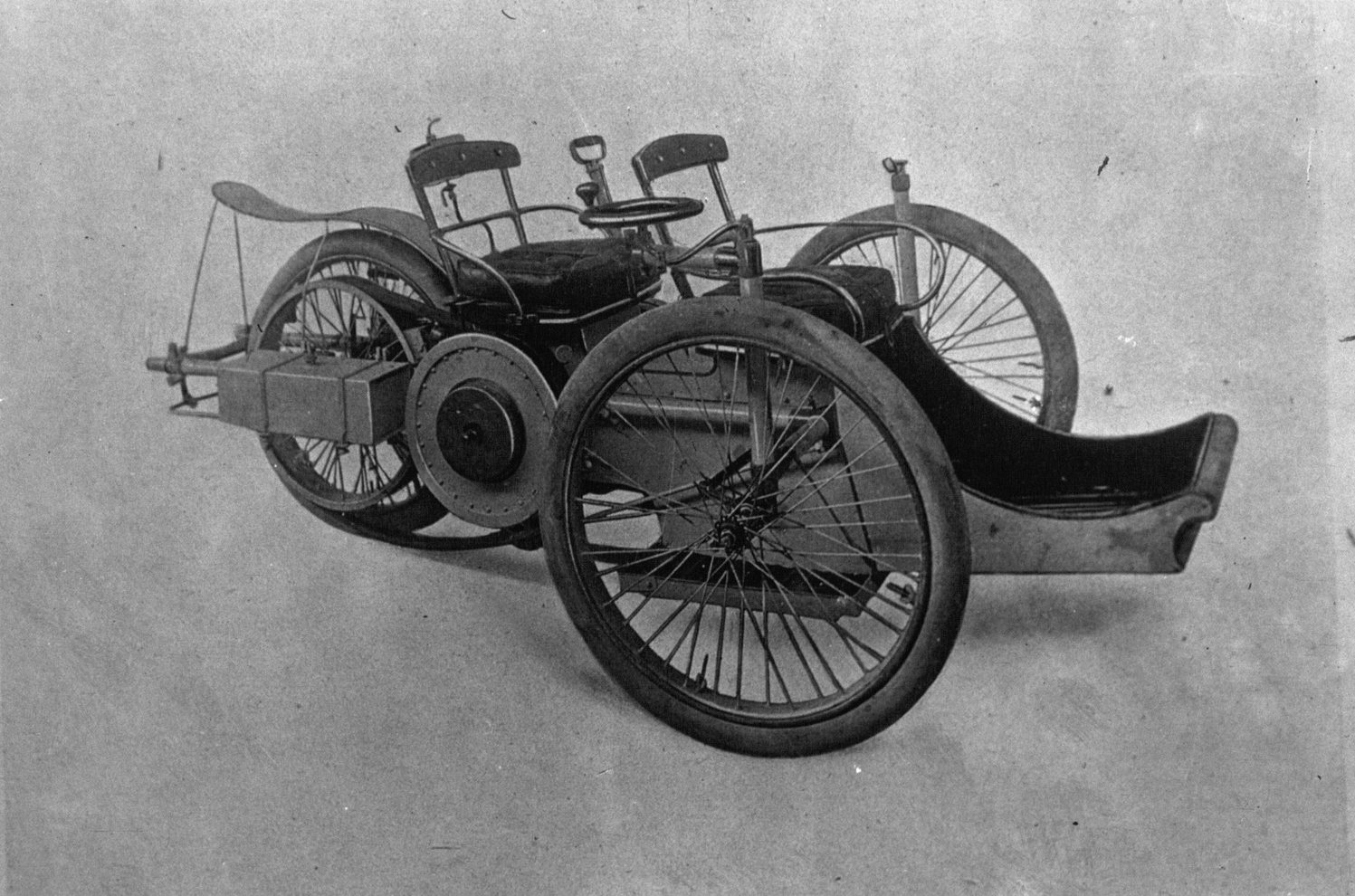
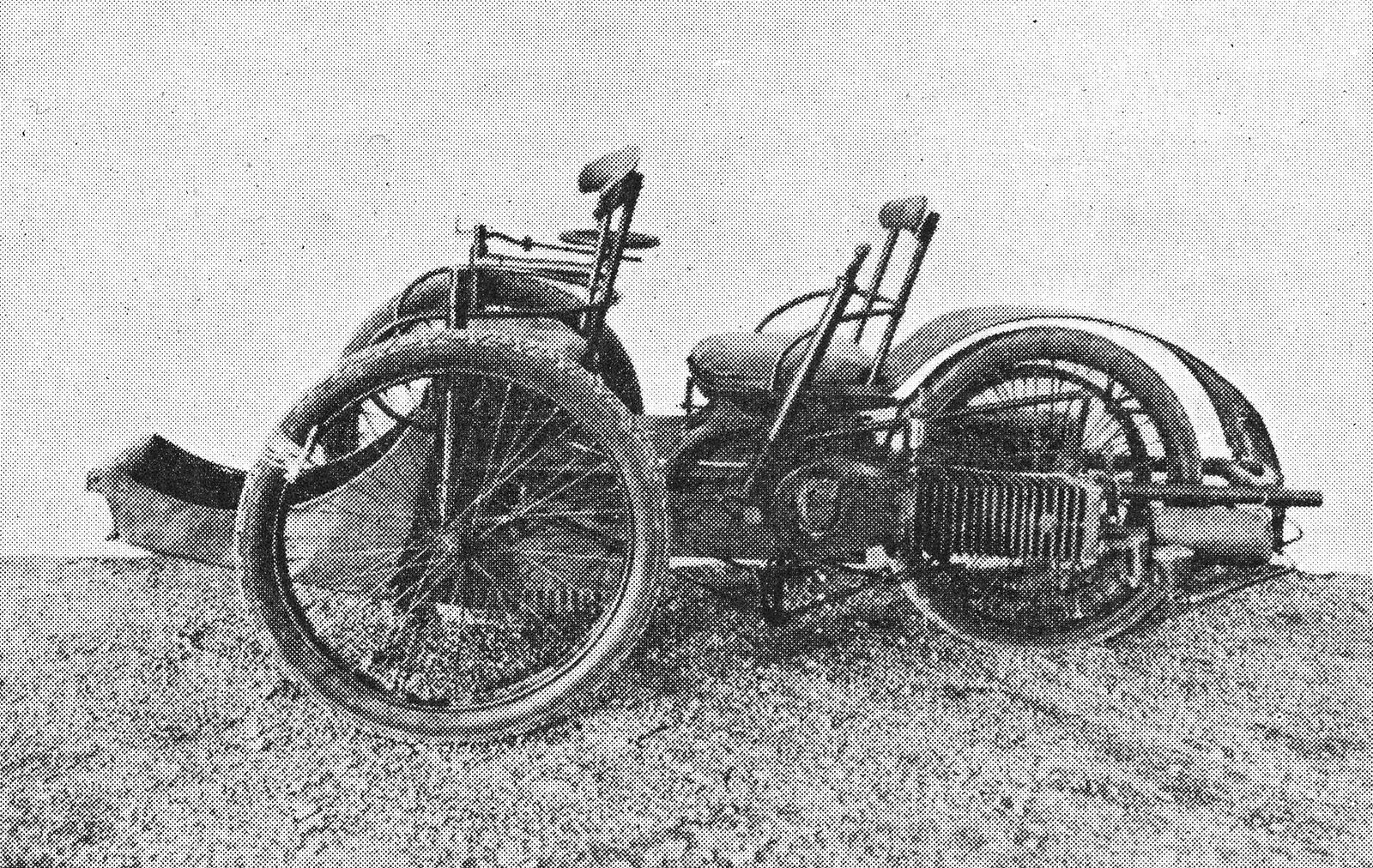
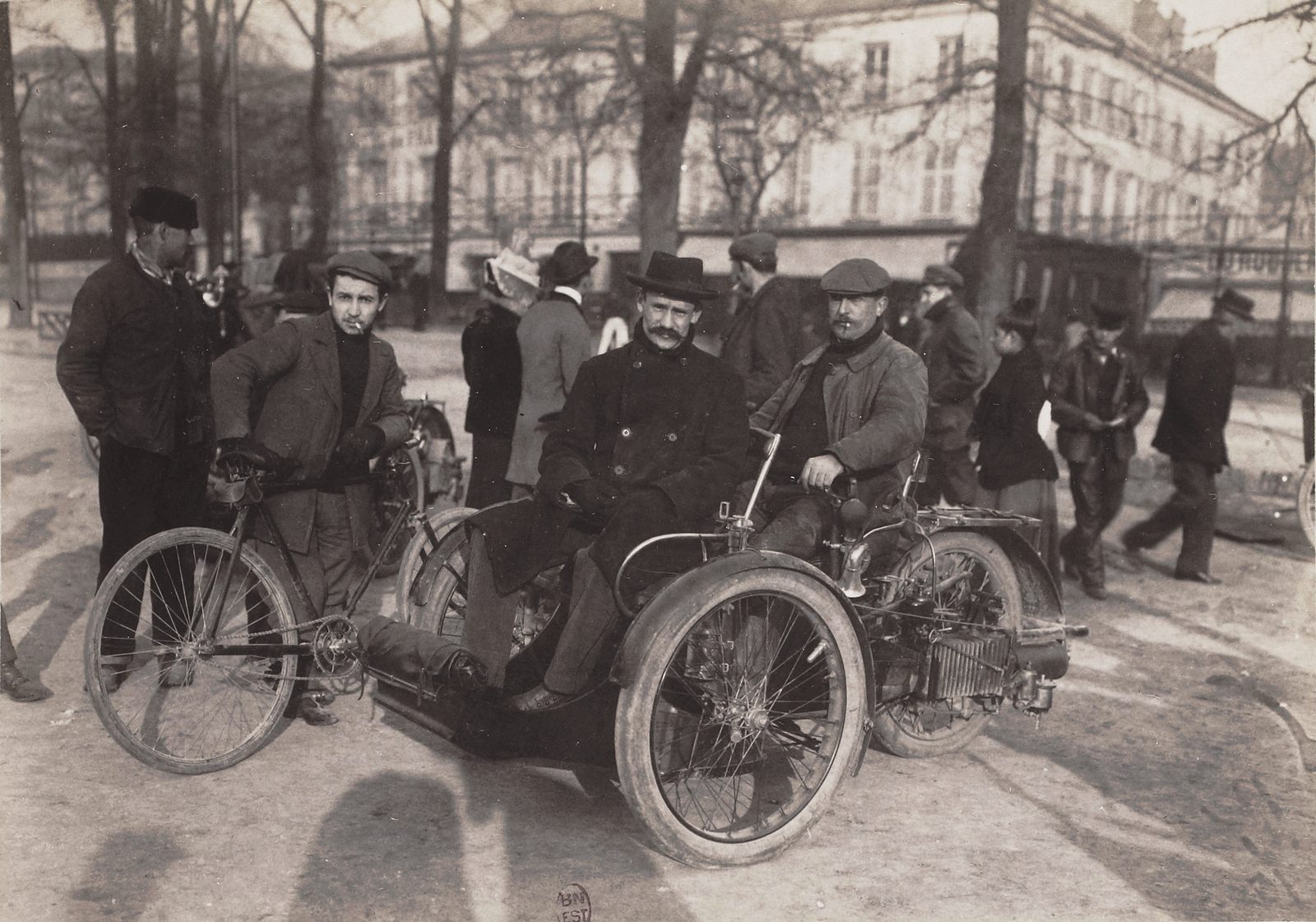
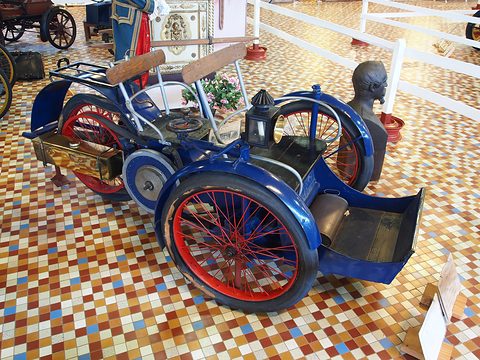
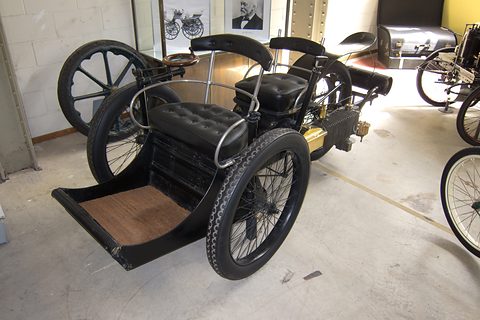
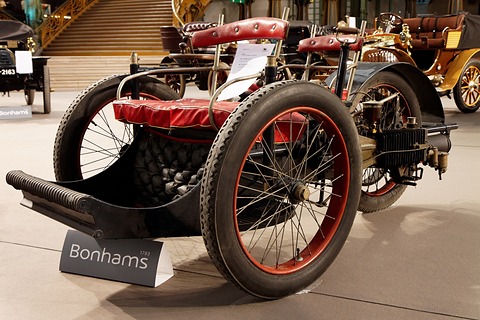
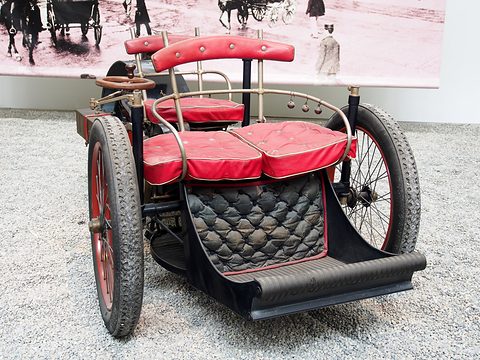
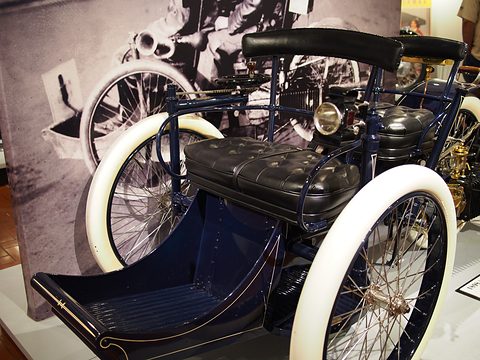
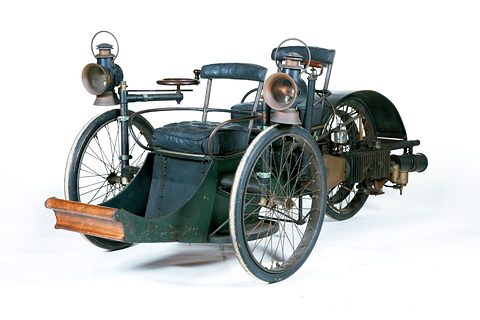
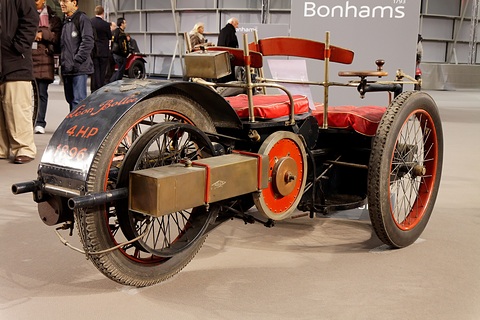
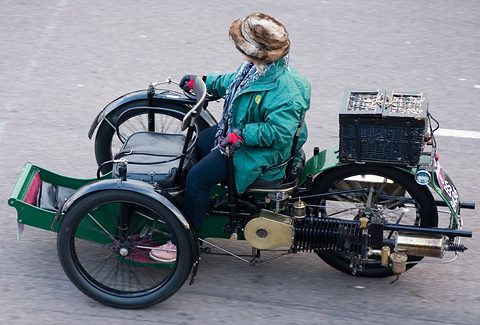
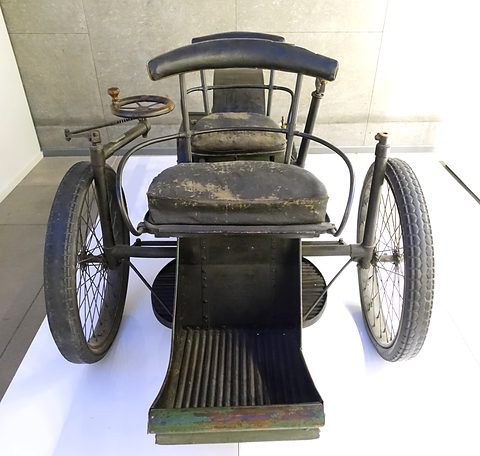
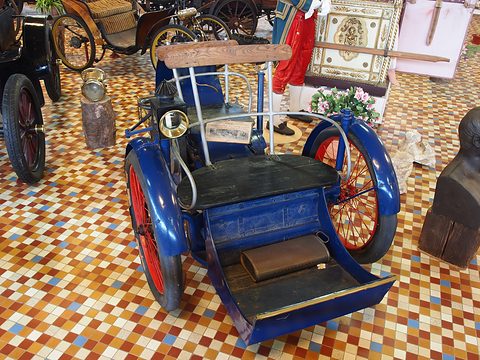
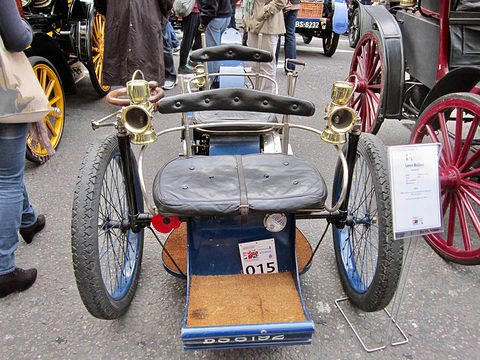
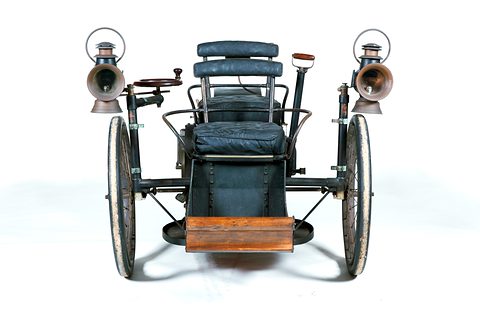
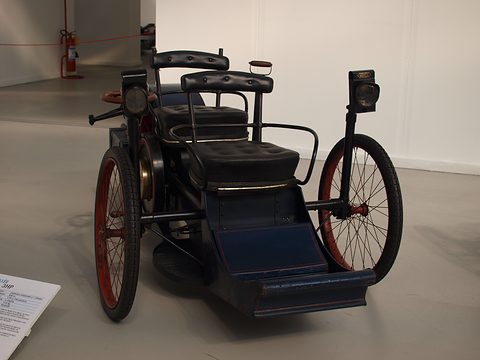
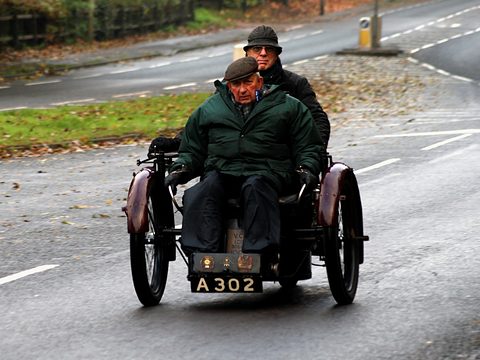
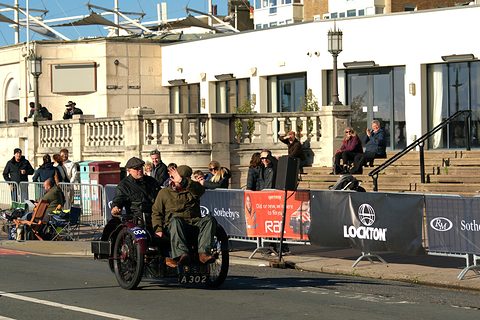
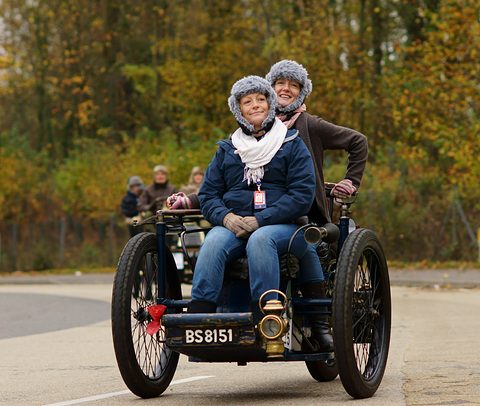
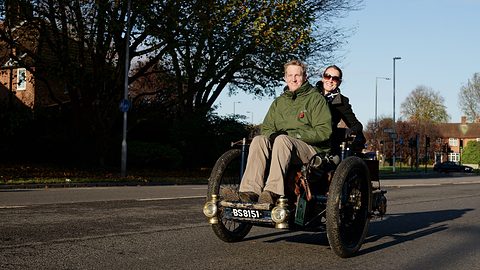
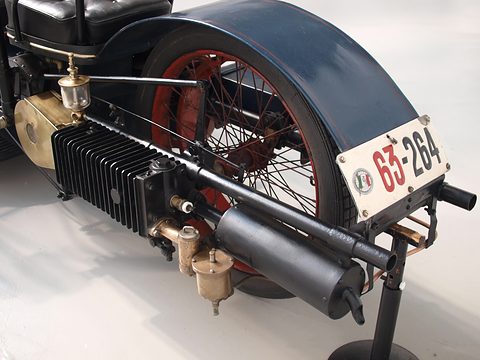
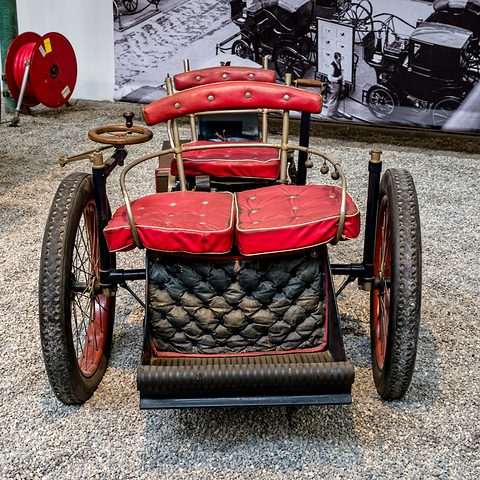
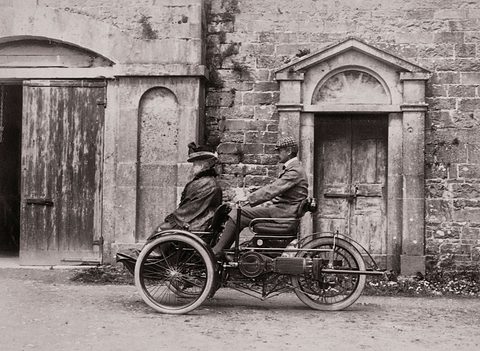
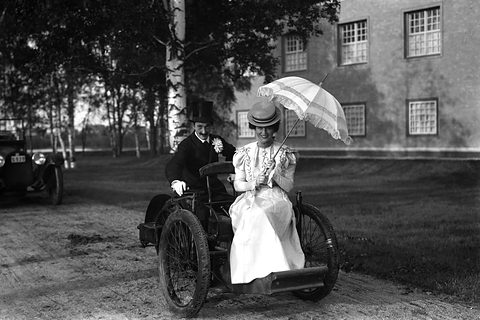
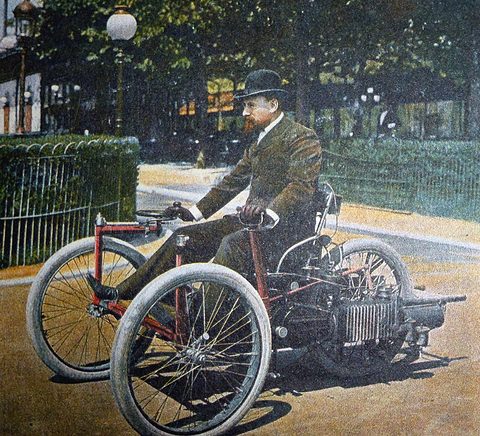
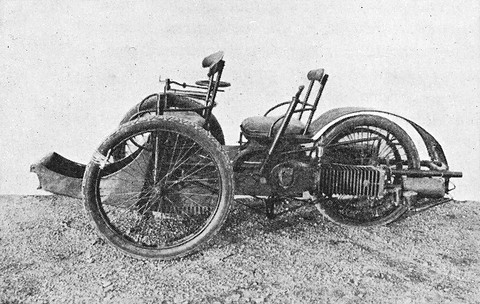
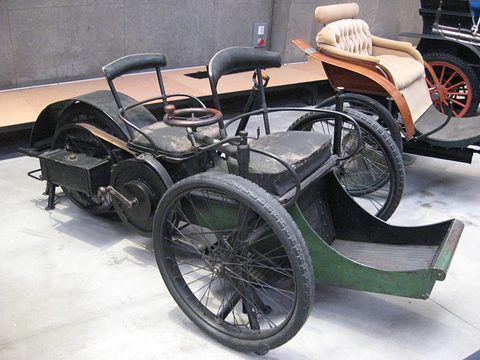
The frame was tubular. At the front, between the two steered wheels, was a steel footwell for the passenger; the driver sat behind, and under his seat, beside the single rear wheel, lay the engine, an air-cooled horizontal single with hot-tube ignition.source 4 It drove the rear wheel by a belt through three speeds.source 2source 5source 4 The standard engine was 640 cc, and sizes of 692, 825 and 995 cc were also offered.source 5 An English journal of 1896 gave the road speeds in the three gears as 8, 16 and 24 km/h (5, 10 and 15 mph).source 5 The whole machine was 2,500 mm (98 in) long.source 5 Whoever sat in front would meet any accident first, which is where the nickname came from.source 1
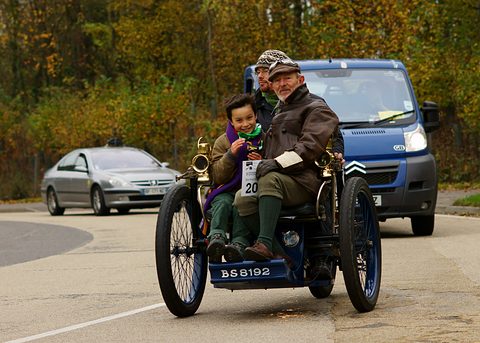
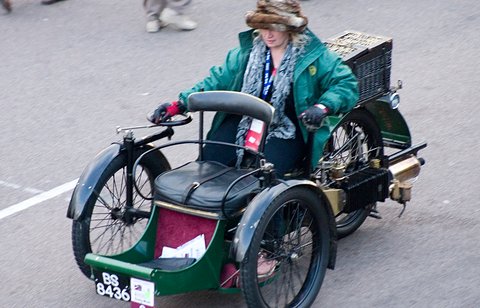
The cars sold well. Only the prototypes were made at Le Mans; the production cars, “several hundred” of them, were made for Bollée by Hurtu & Diligeon, so the first voiturette was already a car built under licence.source 2source 3 In 1896 the British Motor Company bought the British sales rights,source 5 and Grace’s Guide lists early British registrations of Bollées from 1897–98, among them BS 8151, BS 8192 and BS 8436.source 3
After the tricar
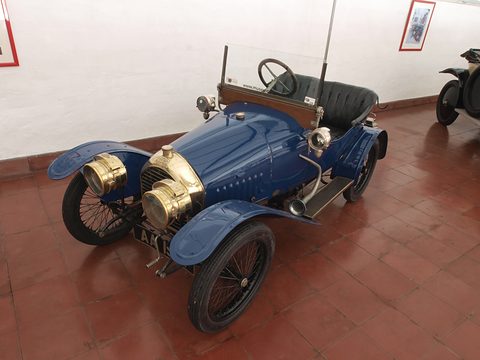
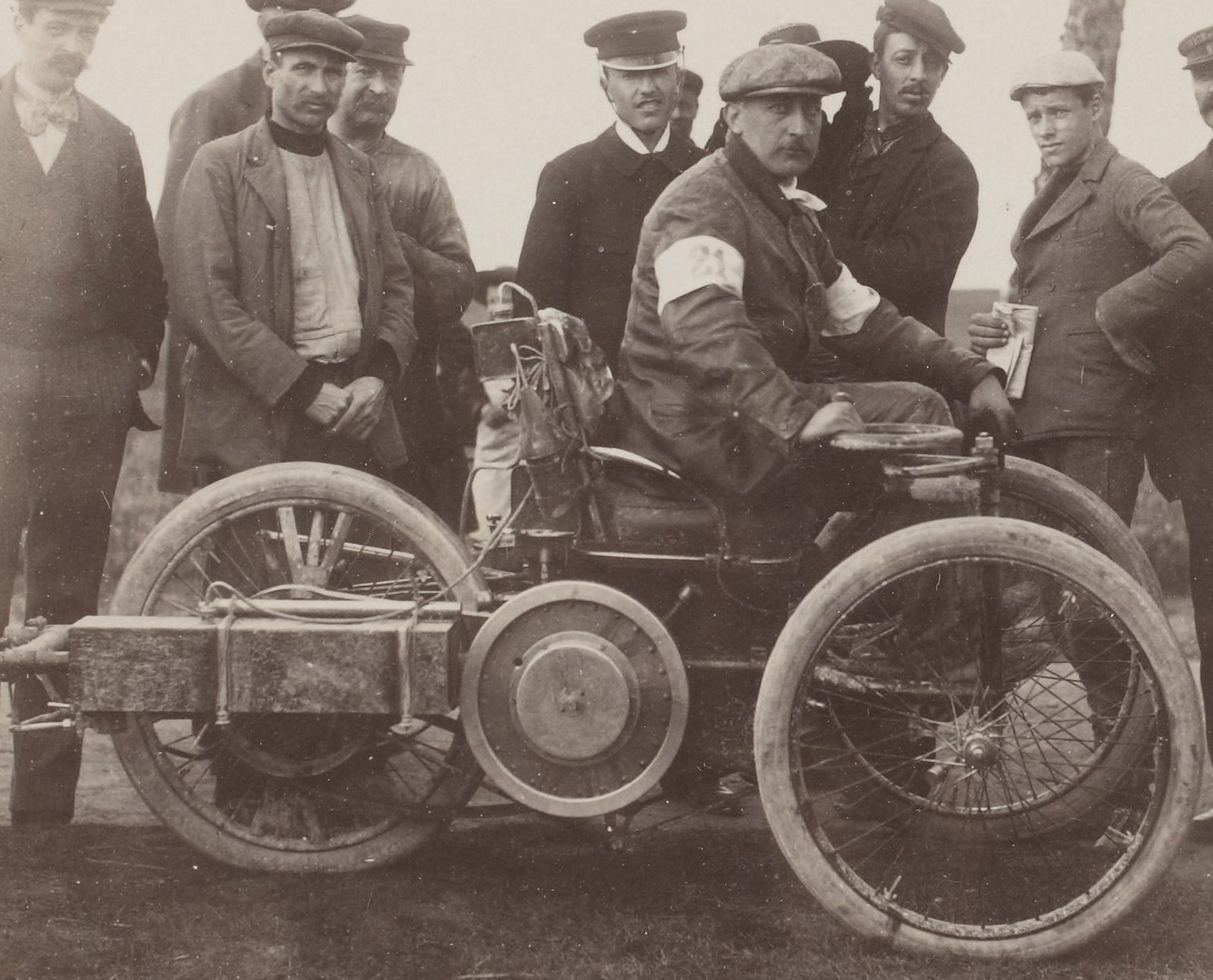
In 1899 the tricar gave way to four-wheeled voiturettes, or “quadricycles”, built on its frame with water-cooled singles.source 5 Their engine interested Darracq, which used it under licence from 1900.source 2source 5 From 1903 Bollée built large four- and six-cylinder cars in a new factory at Le Mans, about 600 a year by 1911.source 2source 5 In 1908 he invited the Wright brothers to Le Mans.source 1 He died at Neuilly-sur-Seine on 16 December 1913, and his widow, Carlotta, ran the firm.source 1source 3 Morris bought it in 1924–25, and it closed in 1931–33.source 2source 5
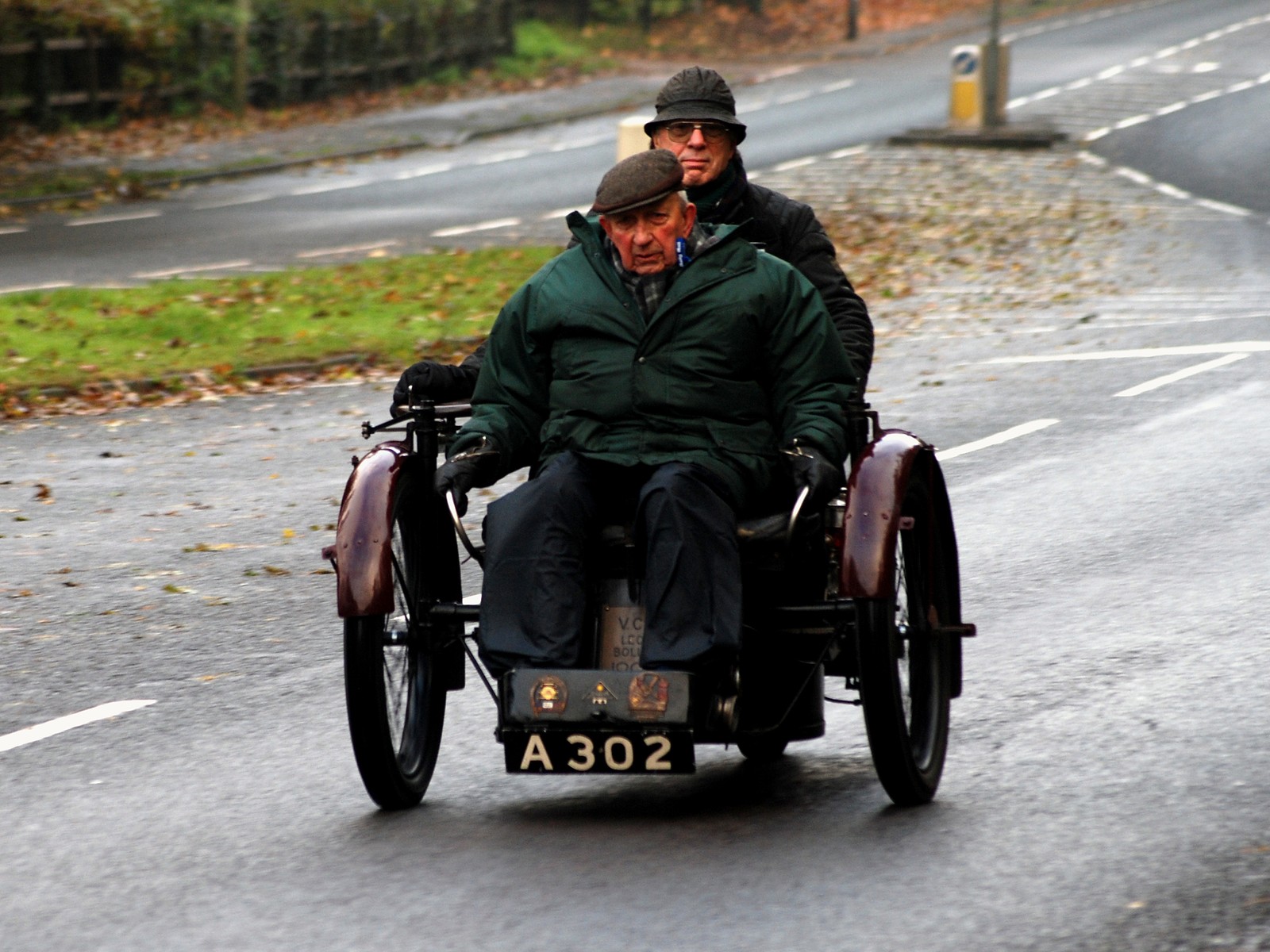
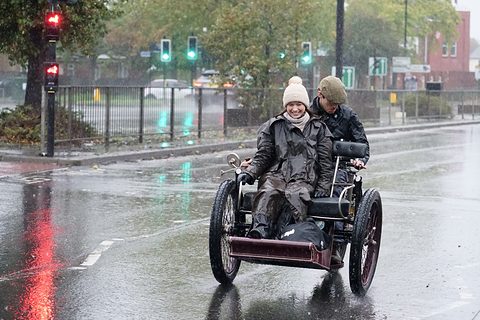
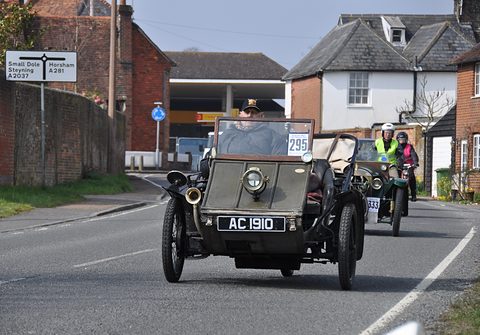
The tricar still runs. In 2019 Jason Torchinsky of Jalopnik drove one 122 years old and found that its controls kept “your hands very, very busy and left your feet doing nothing”.source 6
… feels light and controllable, and, yes, even pretty fun.
Le Mans has a statue of Léon Bollée by Raoul Verlet and a stadium in his name, and since 1932 Paris has had an avenue Léon-Bollée.source 1