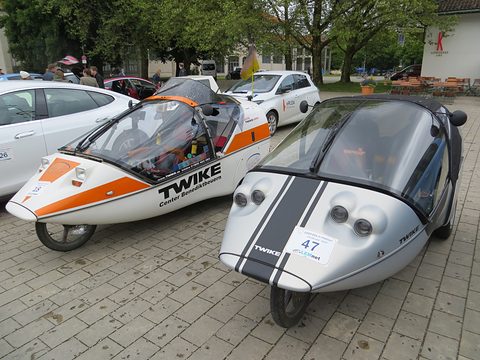
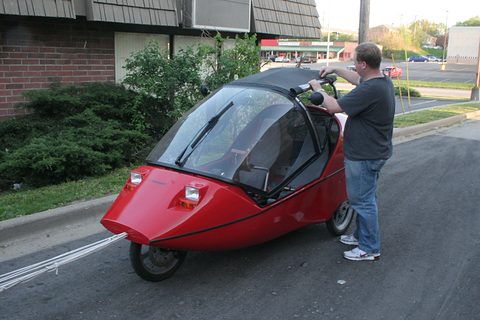
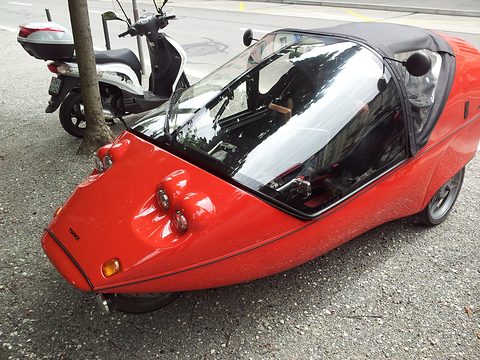
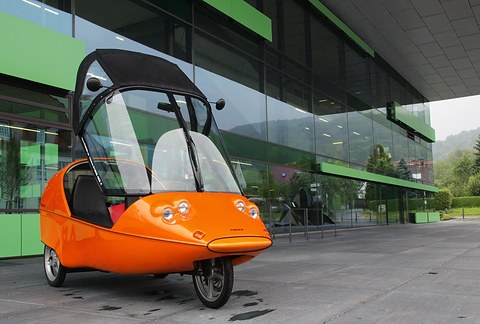
The story
History
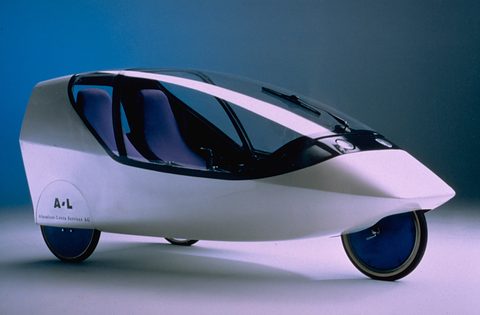
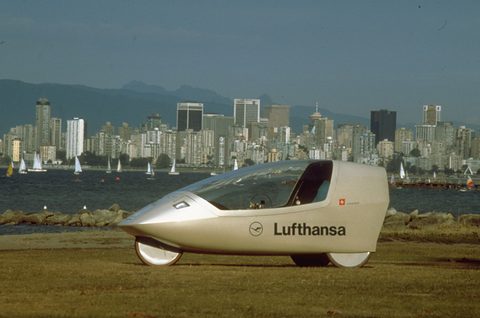
The target was “Project 50/50”: a vehicle of 50 kg (110 lb), for two people, at 50 km/h (31 mph).source 1source 2 It was set by a team of Swiss apprentices and students from Basel, Chur, Winterthur, Gelterkinden and Zürich, led by Ralph Schnyder, who did the design and construction, for the Innovative Vehicle Design Competition at Expo 86 in Vancouver.source 1source 2 English Wikipedia credits students of ETH Zurich; the Twike Klub’s list of names shows several of them, but apprentices and others too.source 3source 2 Their Twike I was a pedal velomobile in fibre-reinforced plastic, already steered by a joystick.source 1source 2 Ten student teams, from Japan, the United States, Canada and Switzerland, took part. Theirs was the only entry without a combustion engine, and it won the Functionality Award, for the best ergonomic design.source 1source 2
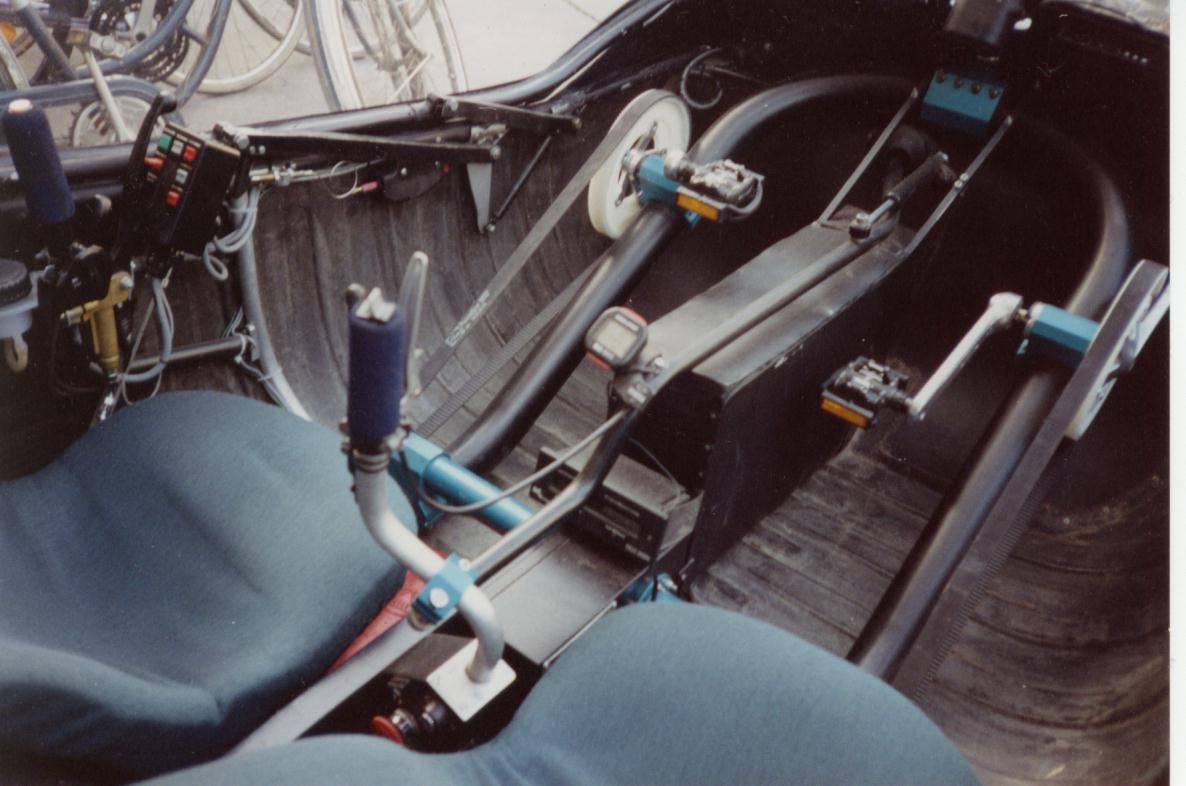
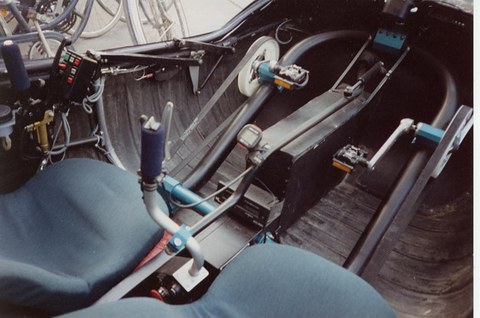
Switzerland’s Tour de Sol suggested the next step. With new members, the team designed an aluminium frame with Alusuisse-Lonza near Schaffhausen, and gave the Twike II disc wheels of superplastic aluminium, a toothed-belt drive, a continuously variable pedal ratio and a DC auxiliary motor on NiCd batteries.source 1source 2 In the autumn of 1990 it ran over the passes of Graubünden in the Alpine Solar-Mobile European Championship, “by far the most energy-efficient vehicle” in the Twike Klub’s words, and in 1991 it was shown at HEUREKA, a research exhibition in Zürich, with a simulator for driving uphill.source 1source 2 A second prototype, with a three-phase motor, reached about 75 km/h (47 mph) and could cover 40–100 km.source 1source 2
Mit dem TWIKE II hatten wir gezeigt, dass es möglich ist, ein leichtes, kompaktes, konsequent modular gestaltetes Fahrzeug zu bauen, das einen Pedalantrieb mit einem Hilfsmotor kombiniert und ansprechende Fahrleistungen erzielt.
Into production
In the autumn of 1991 Schnyder, Christian Meyer and Peter Zeller began work on a car for sale, and TWIKE AG was founded at Gelterkinden, in Basel-Landschaft, in January 1992, with help from the Swiss Federal Office of Energy’s programme for light electric vehicles.source 2 The Twike III took about two years, and almost everything in it was new: the space frame, body, electronics, batteries, gearbox, chassis and steering.source 2 The first cars were shown at a BASF event at Hockenheim in the summer of 1995, and early in 1996 the pilot series began to leave the hall of Stoppani AG, which built it under contract in the Neuchâtel Jura.source 2 Wikipedia dates the start of production to 1995. There were 200 cars, the first 10 of them pre-series, and 190 had been delivered by the end of 1996, mostly in Switzerland and Germany.source 1source 2 Karl Nestmeier, later the maker of the CityEl, joined the board after a capital increase.source 2
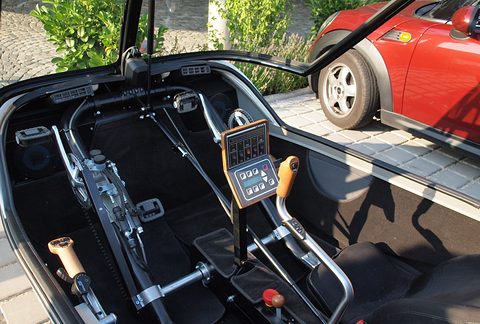
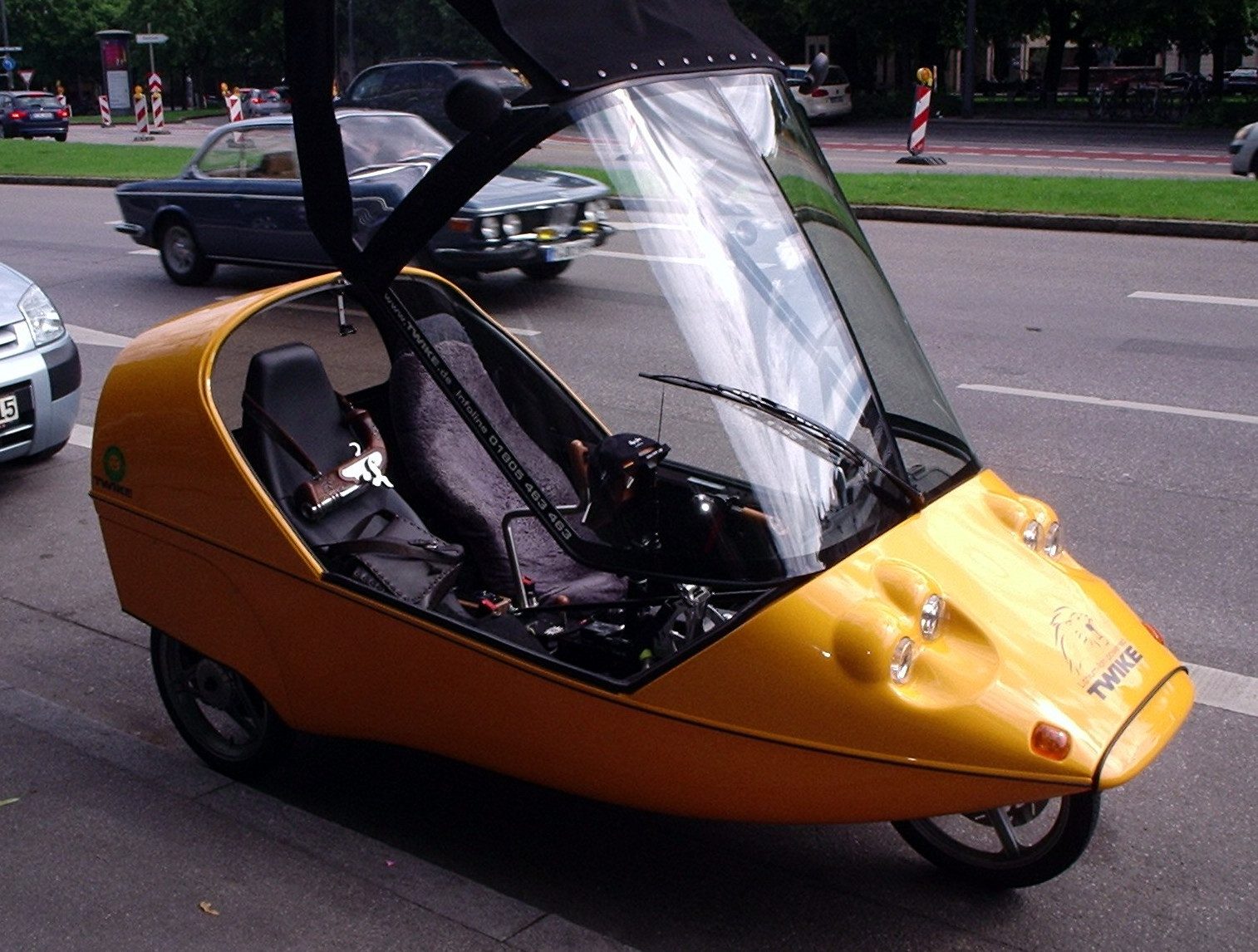
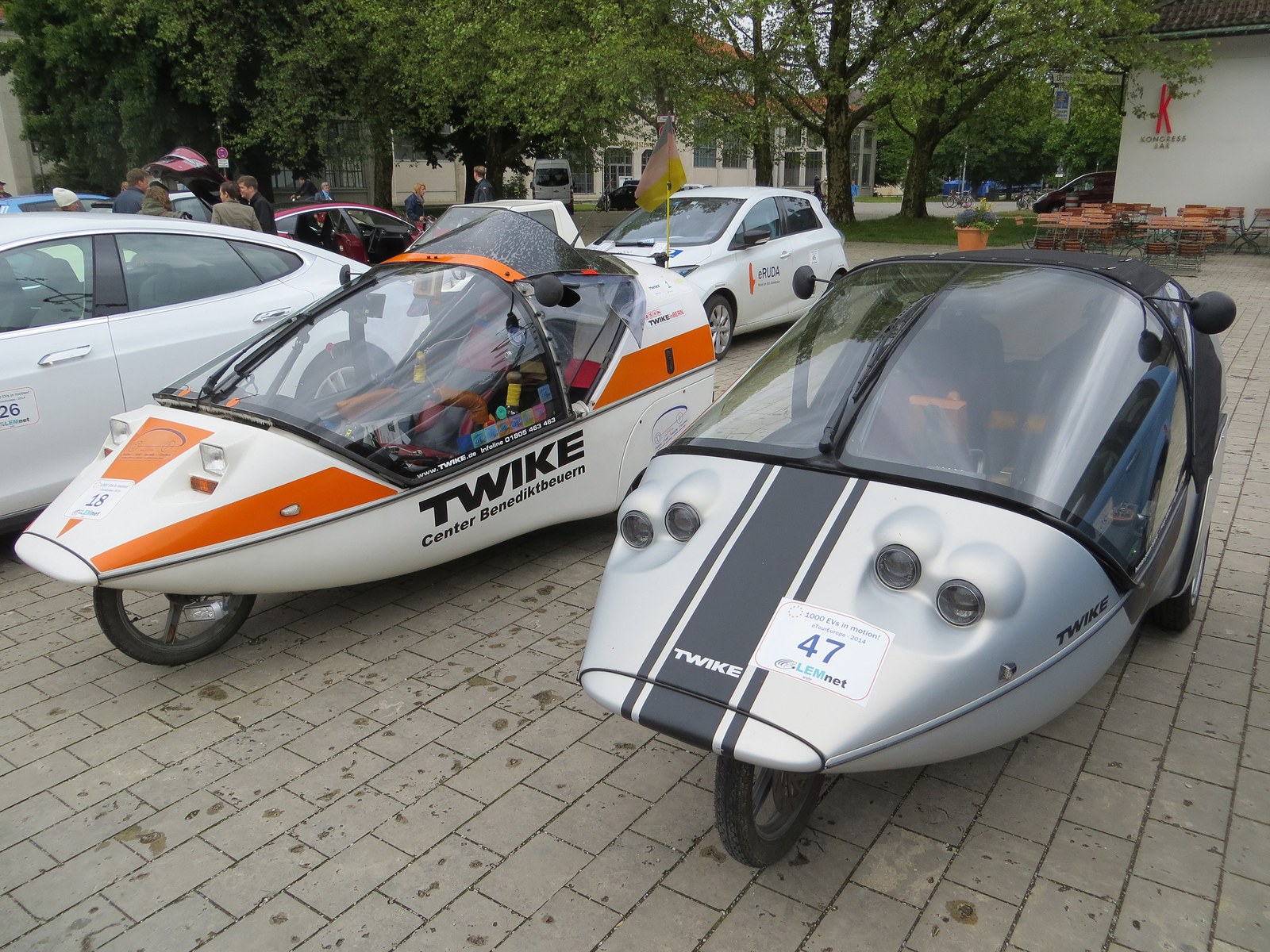
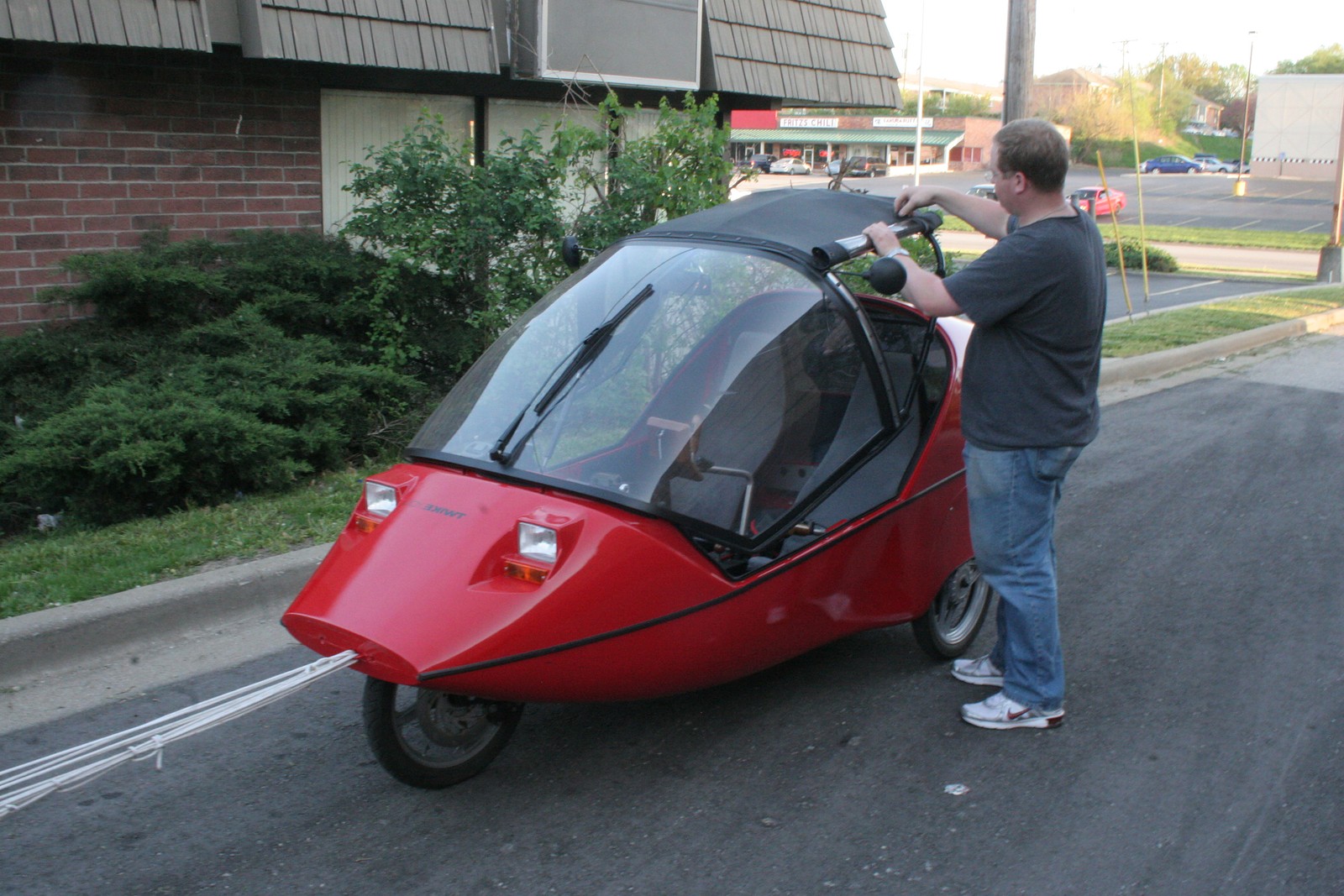
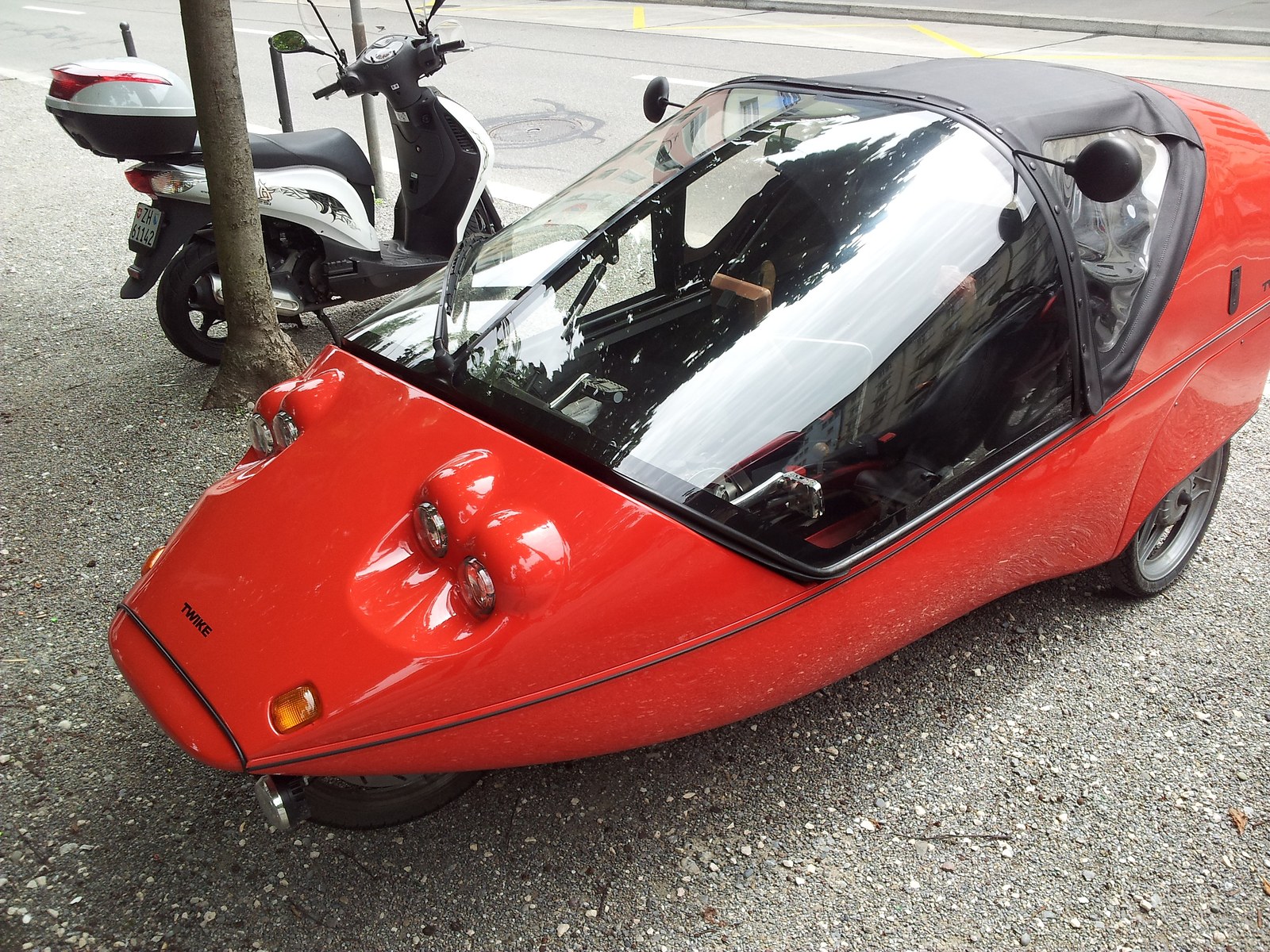
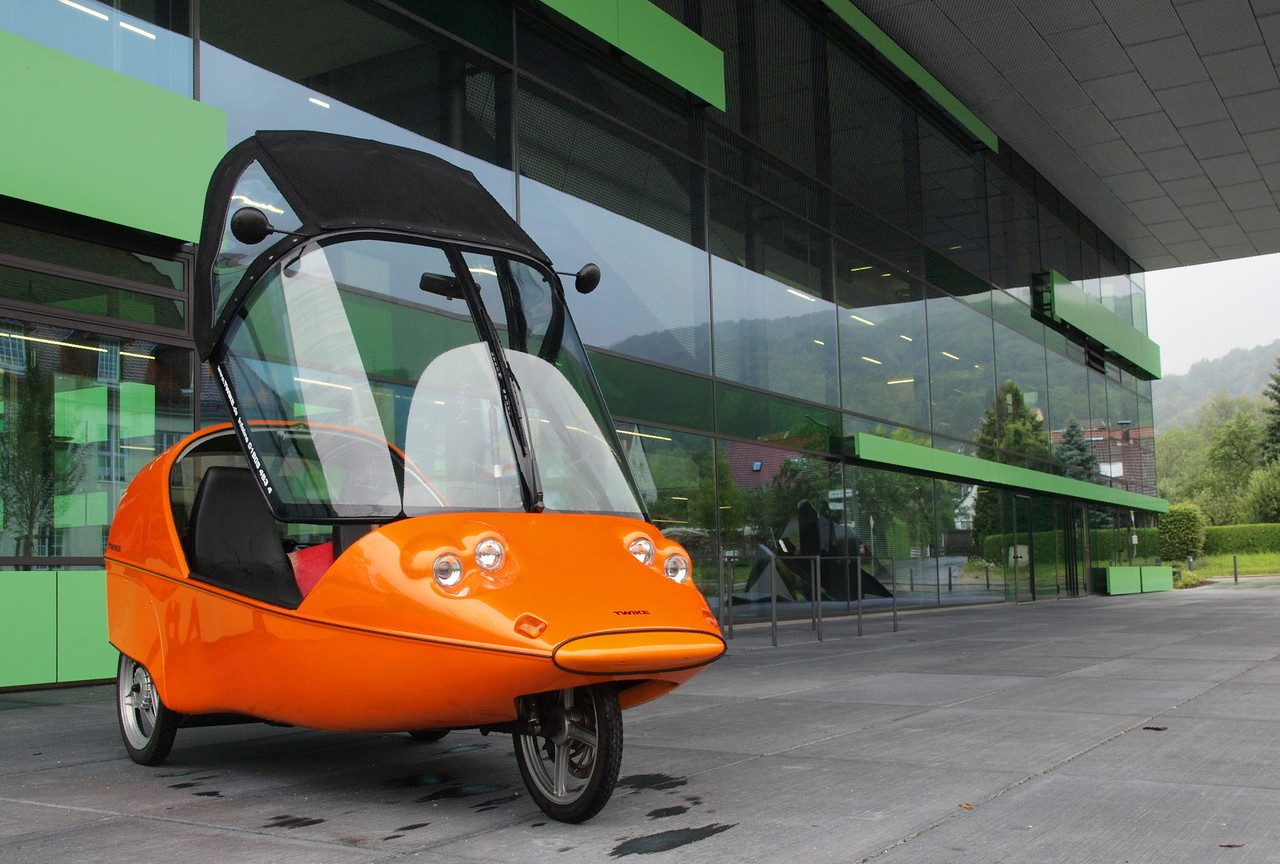
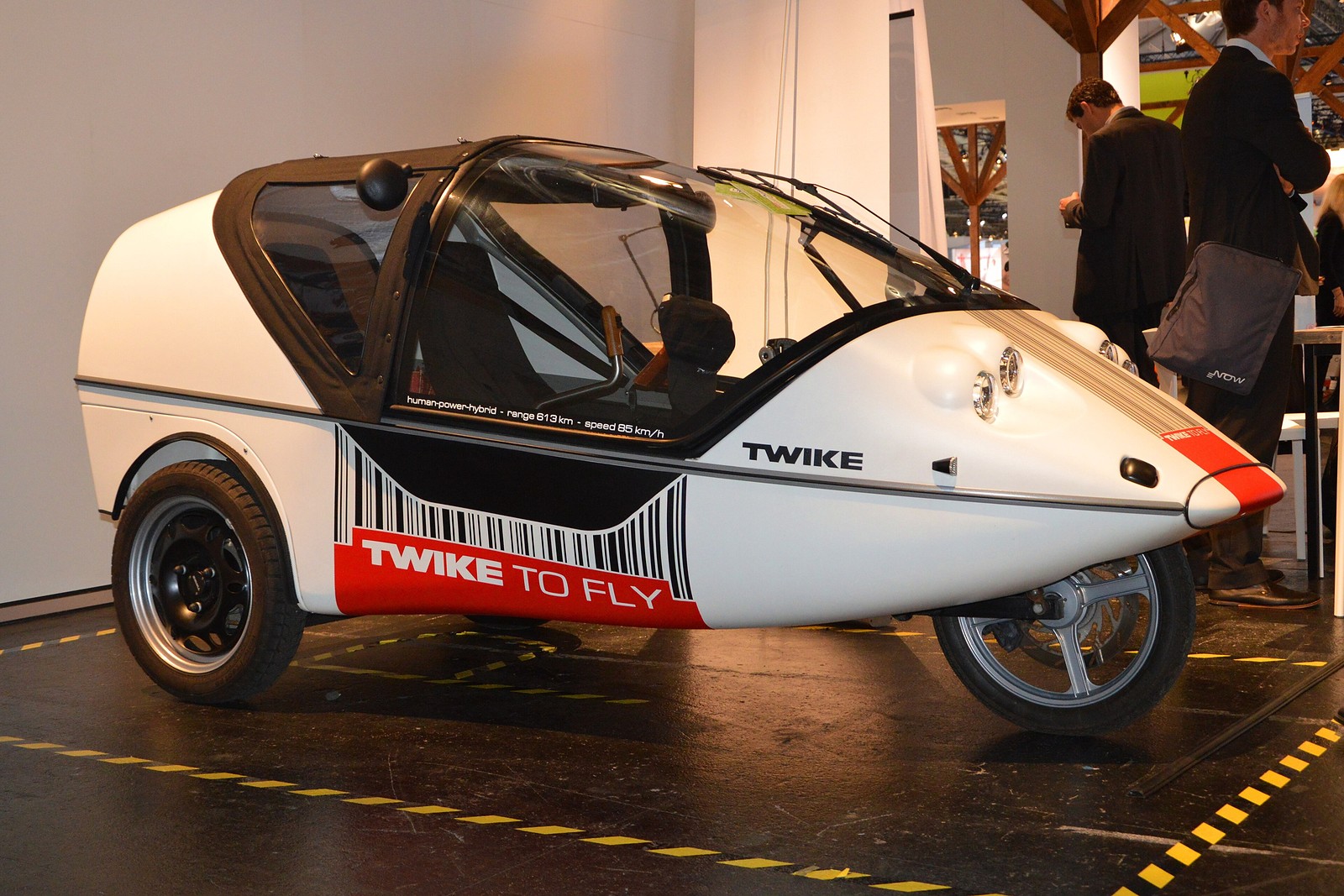
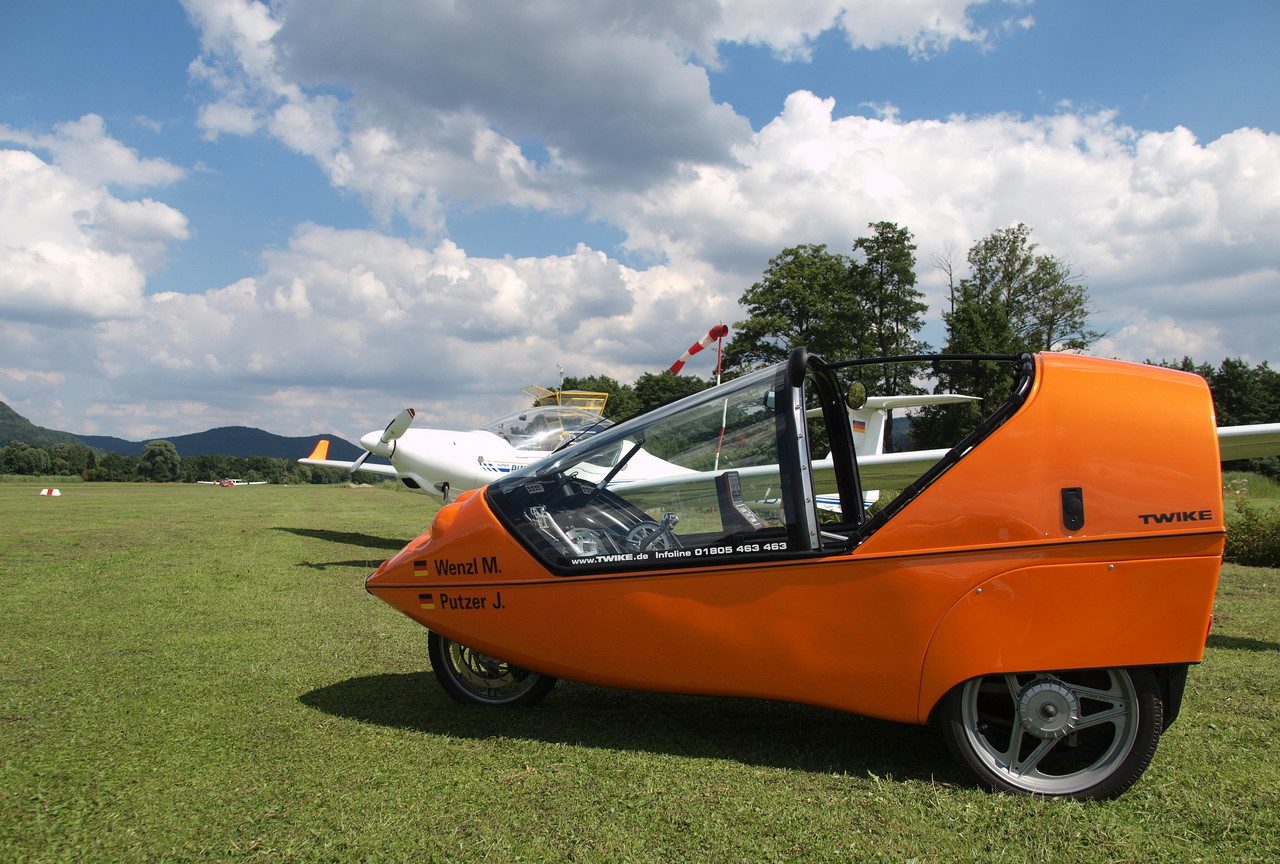
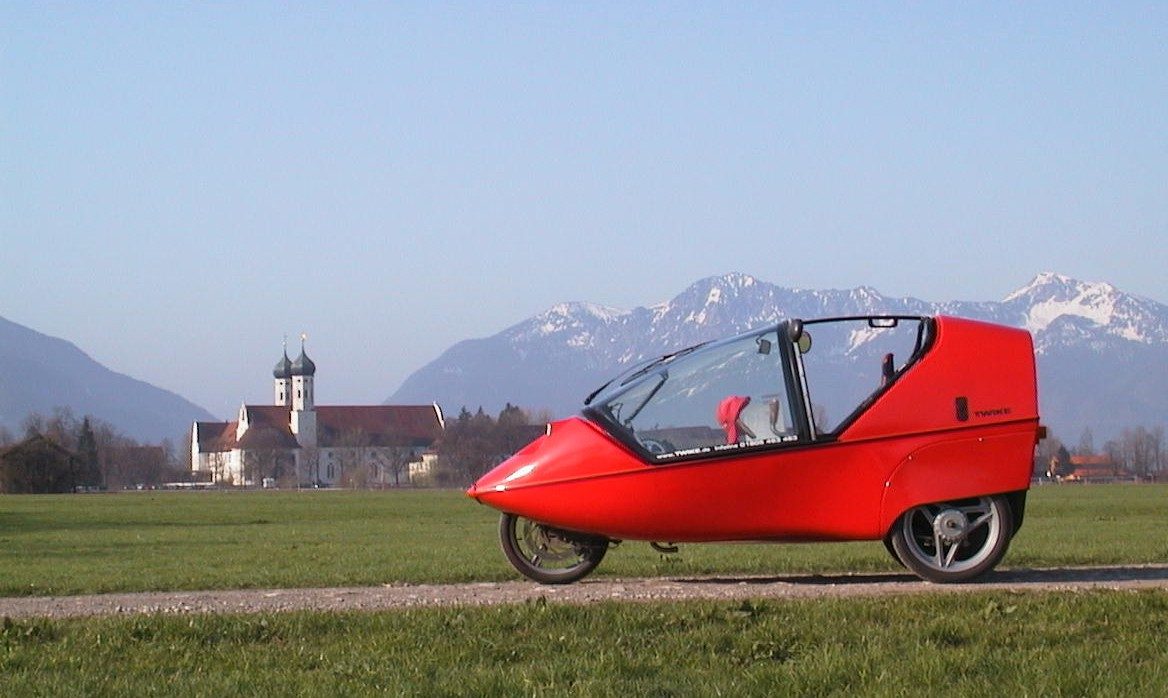
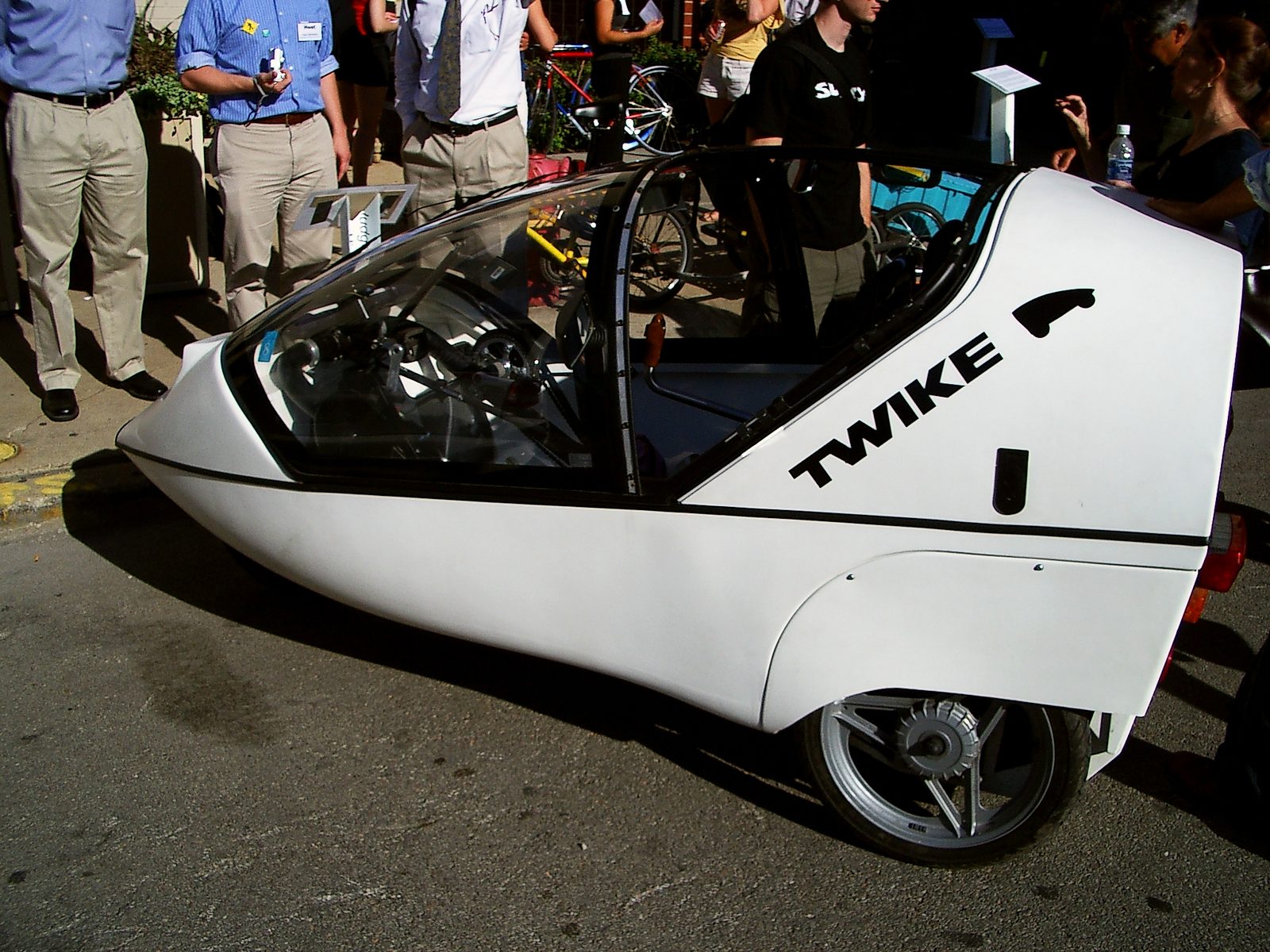
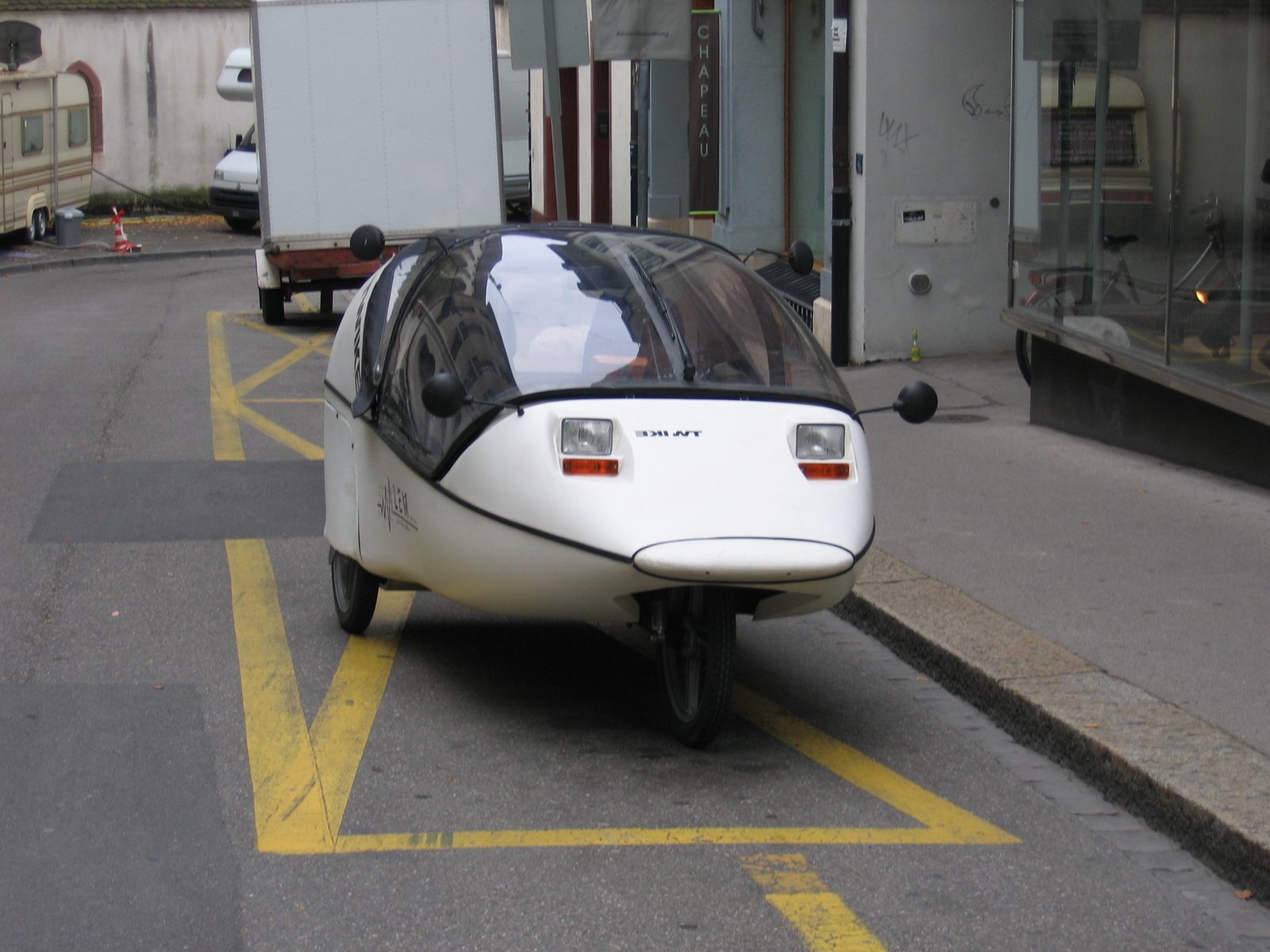
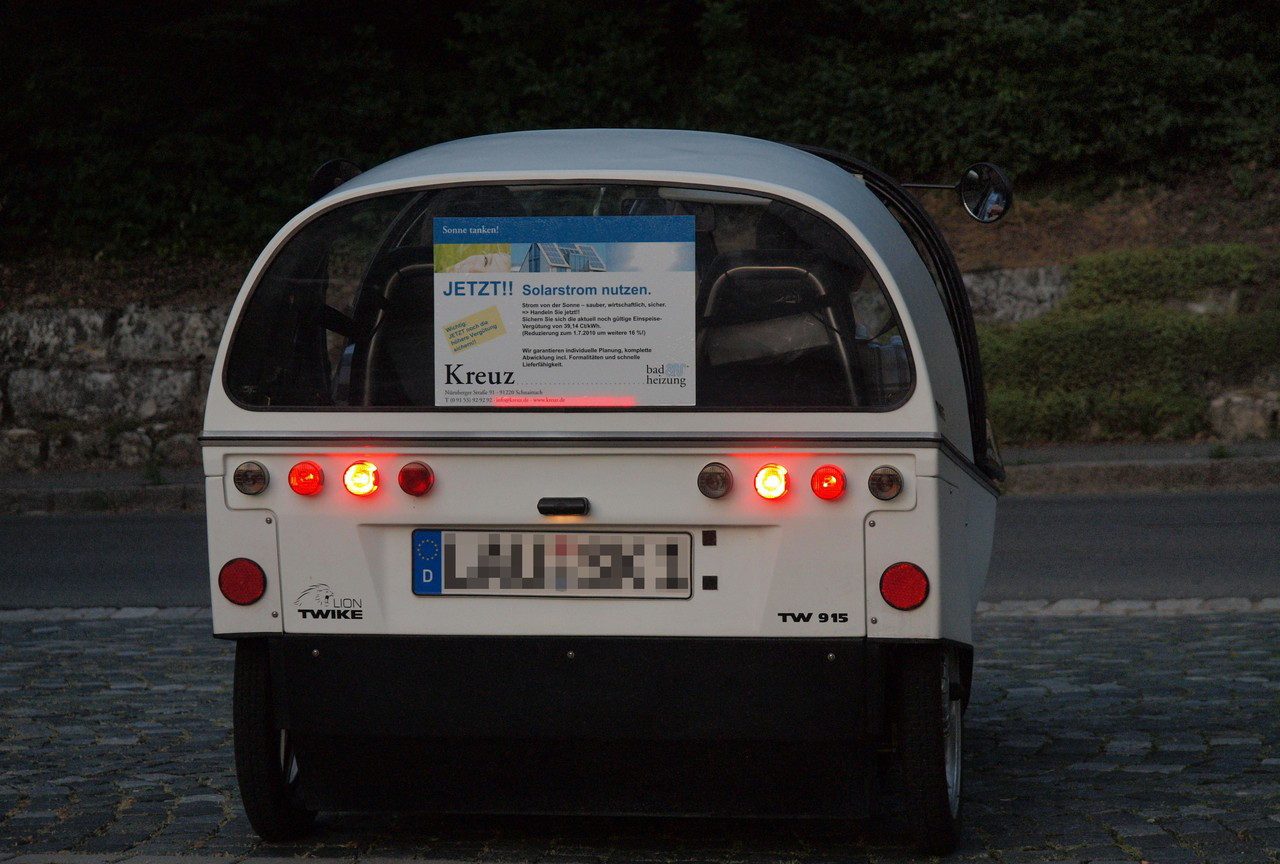
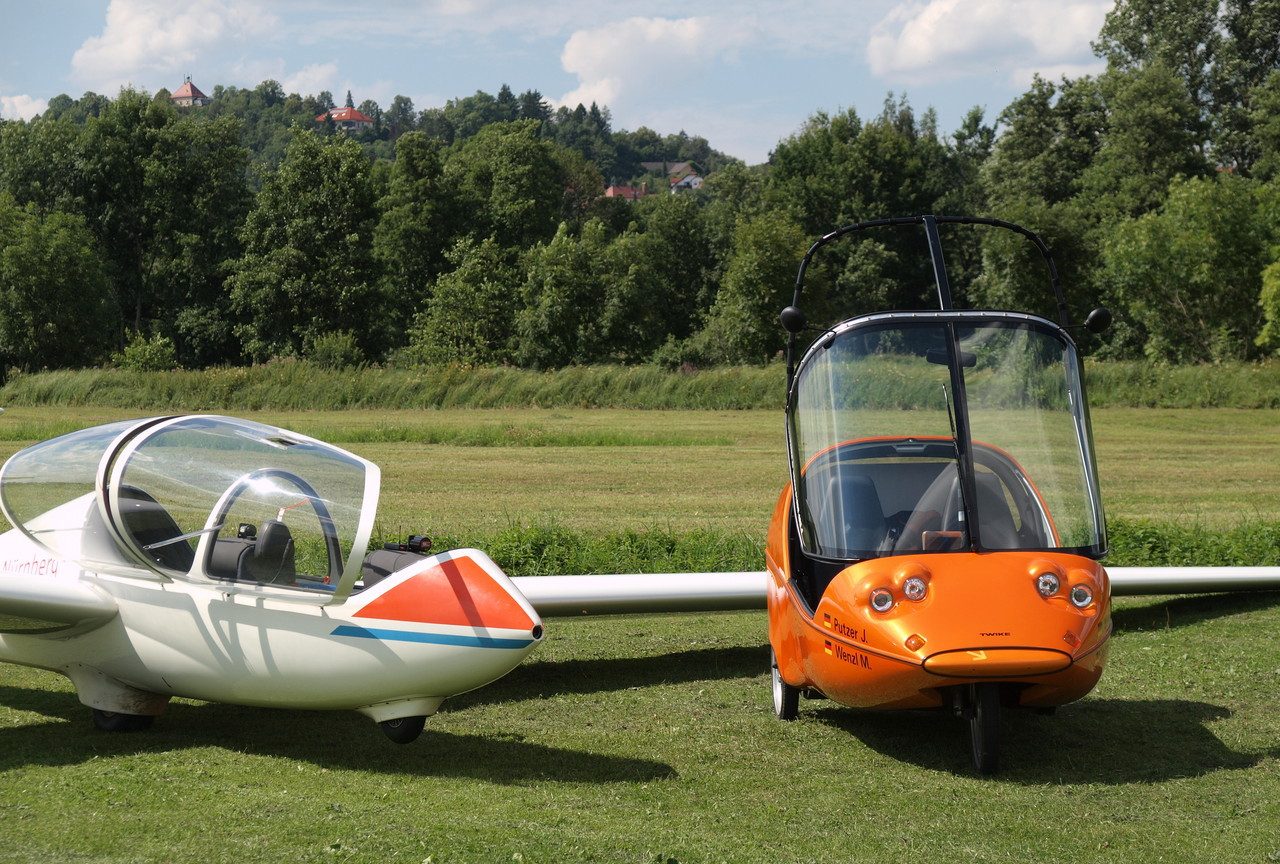
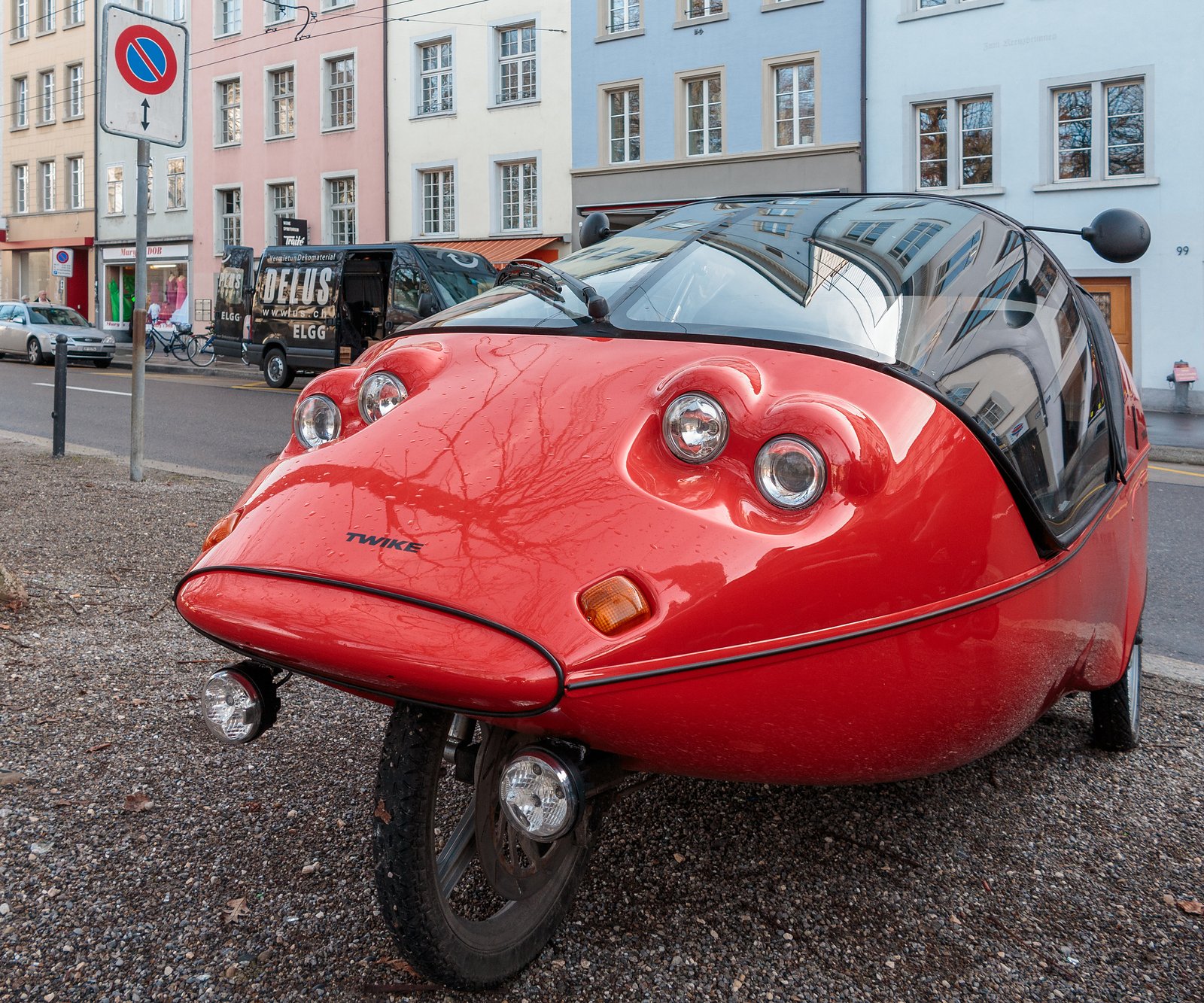
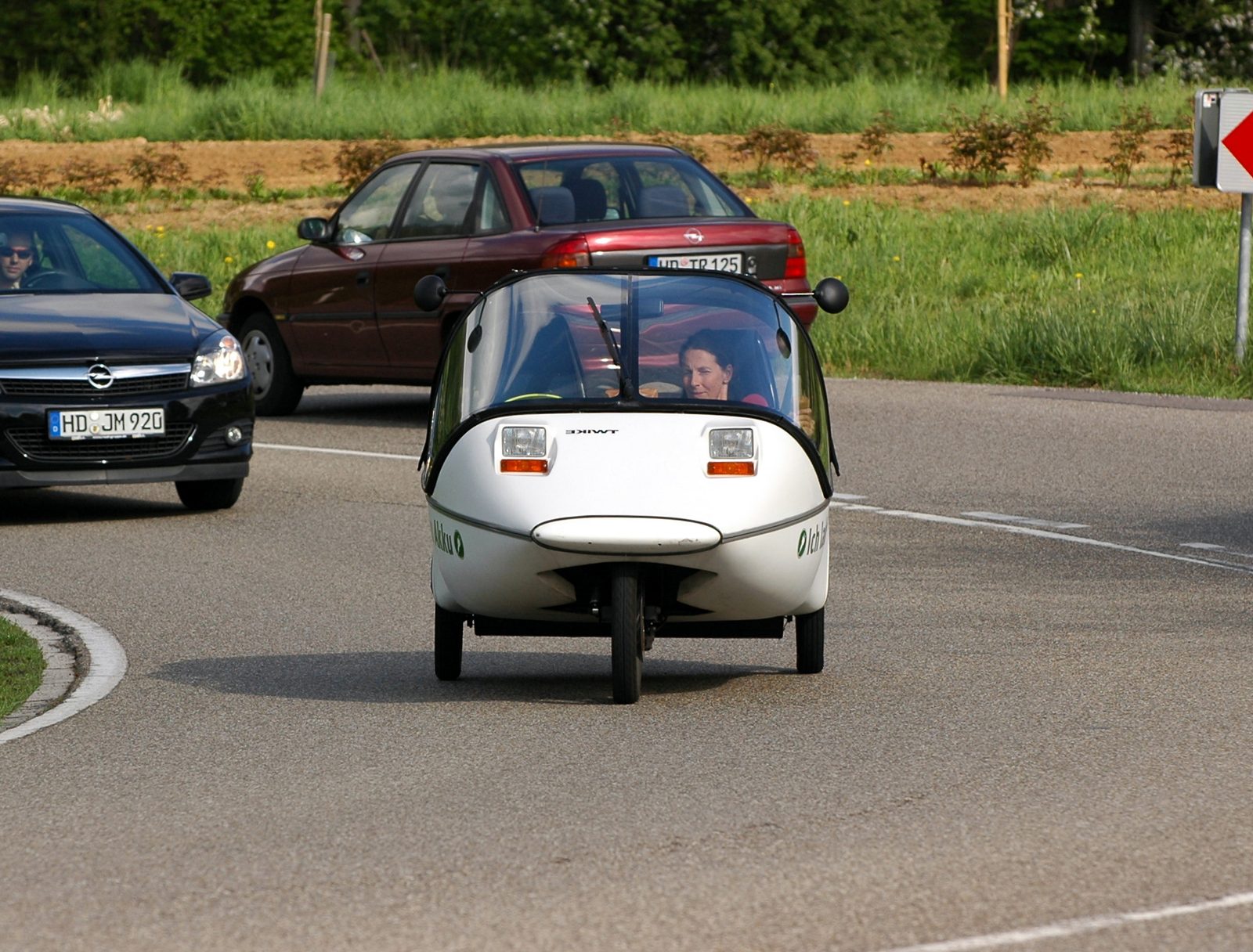
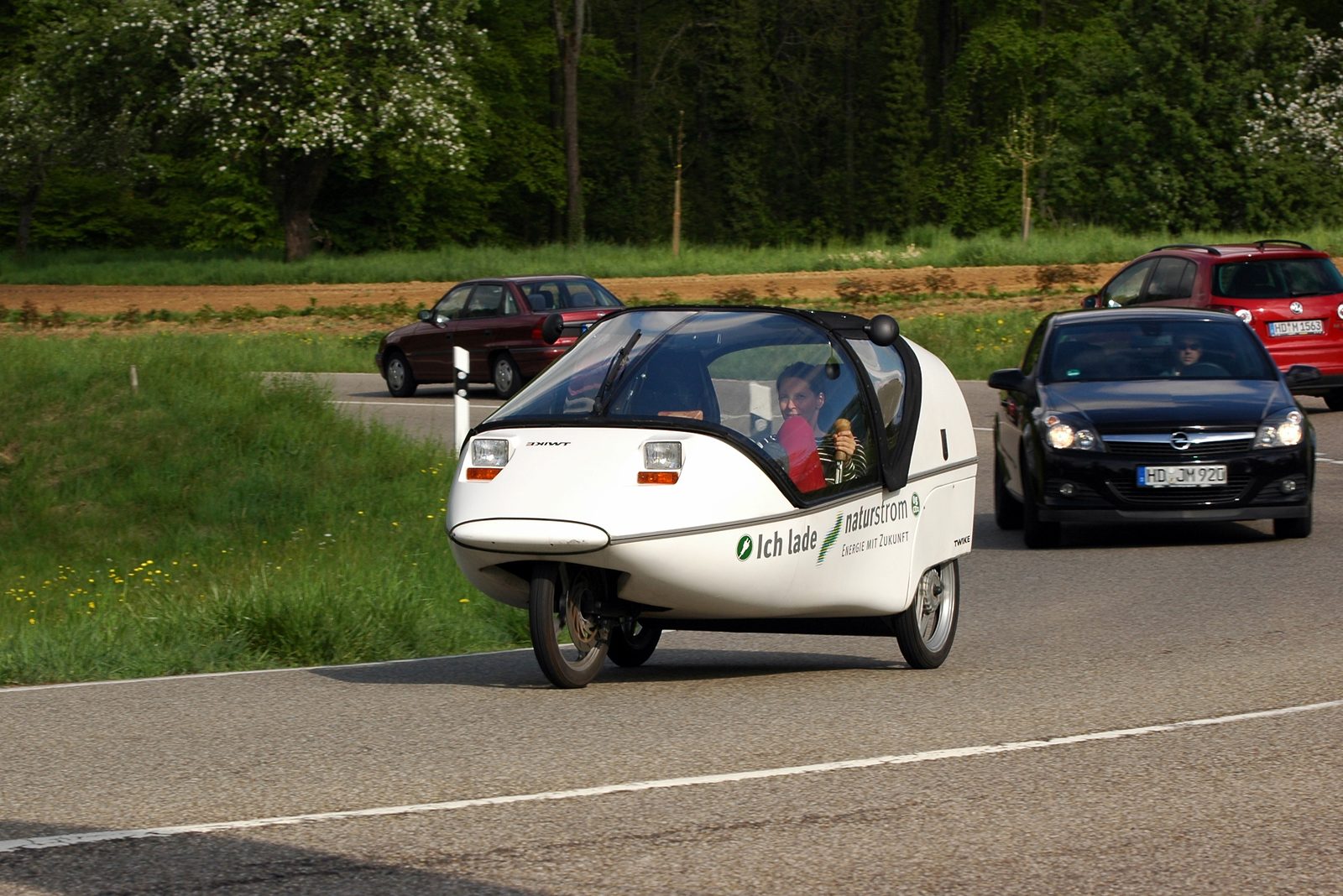
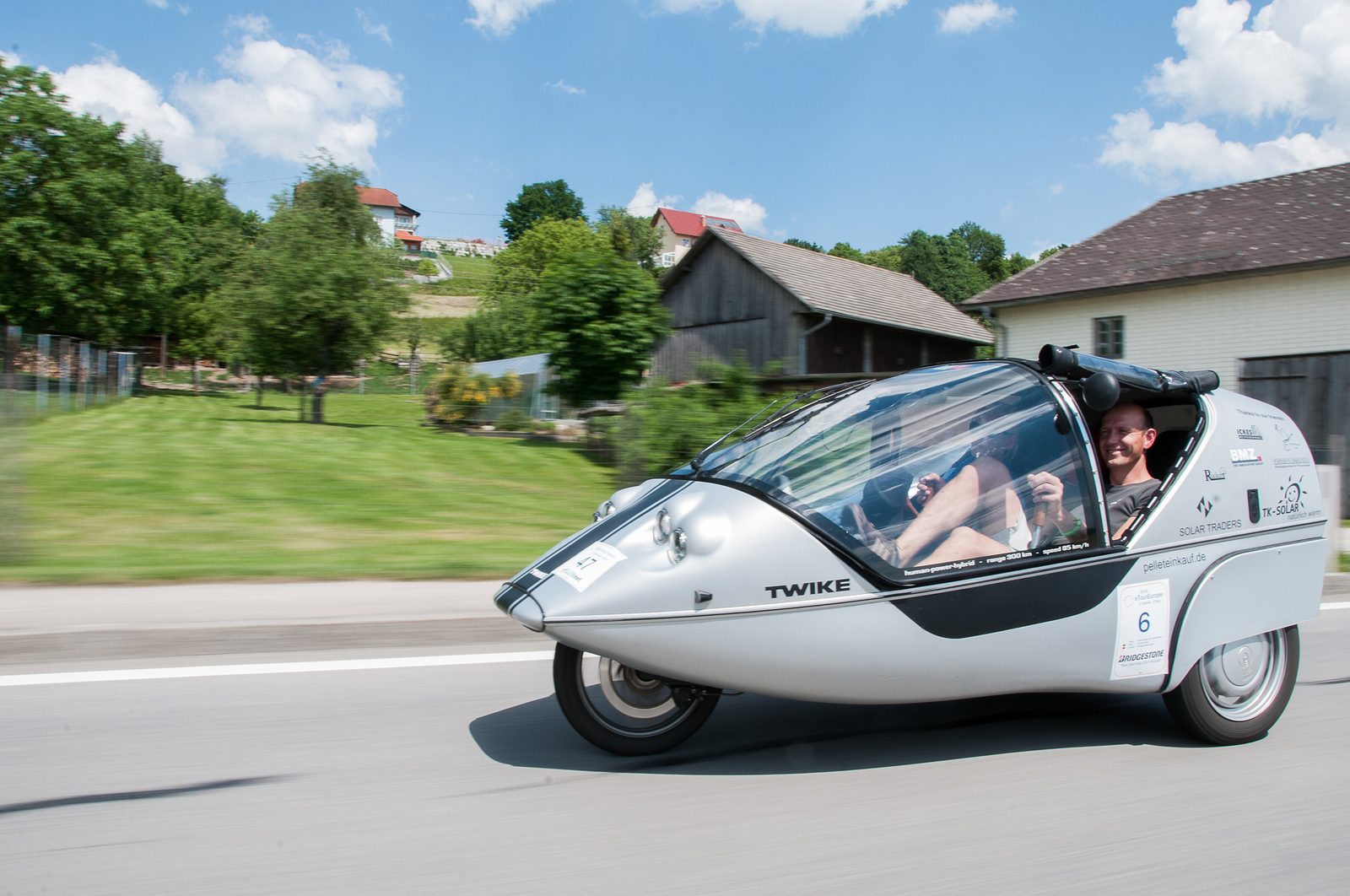
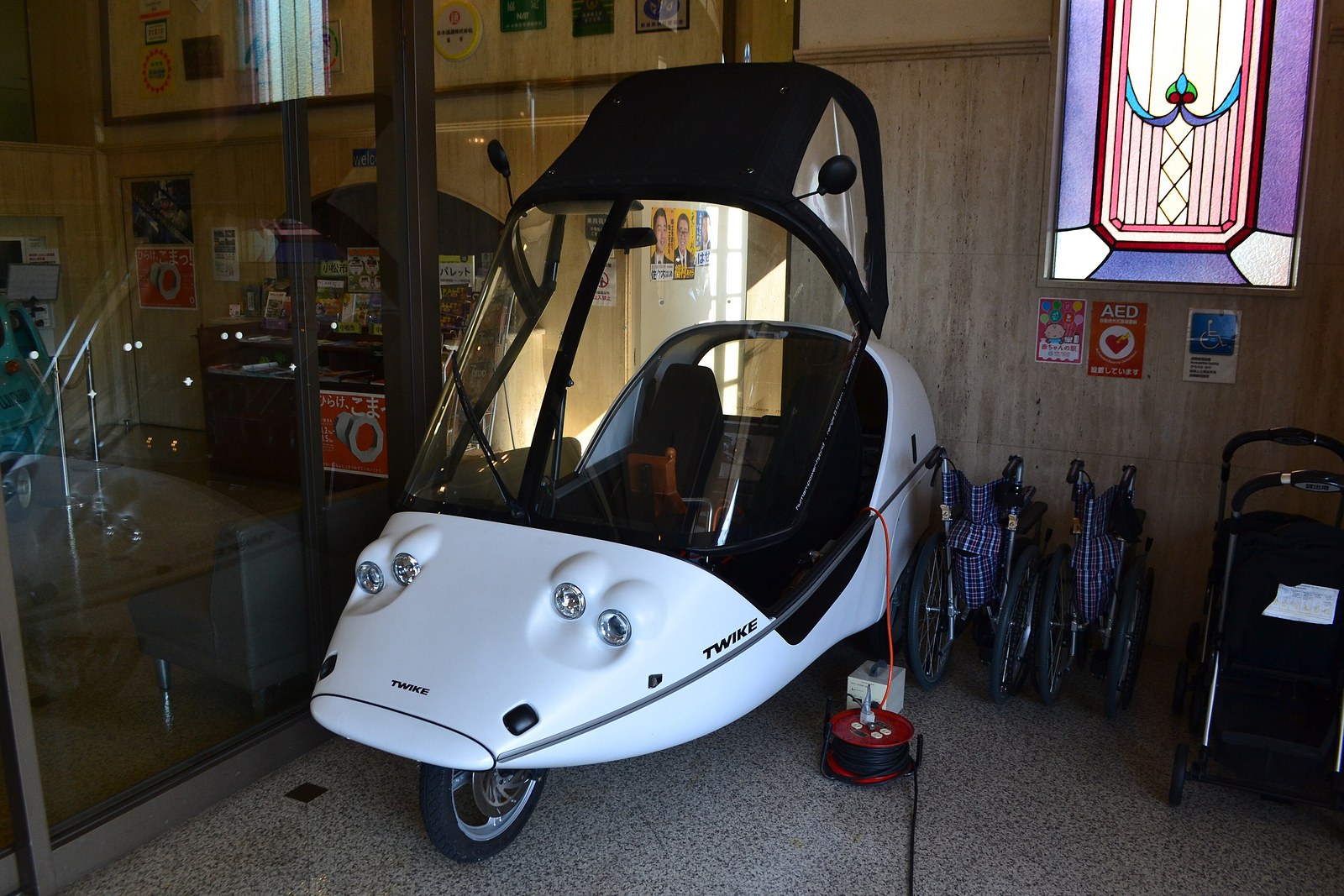
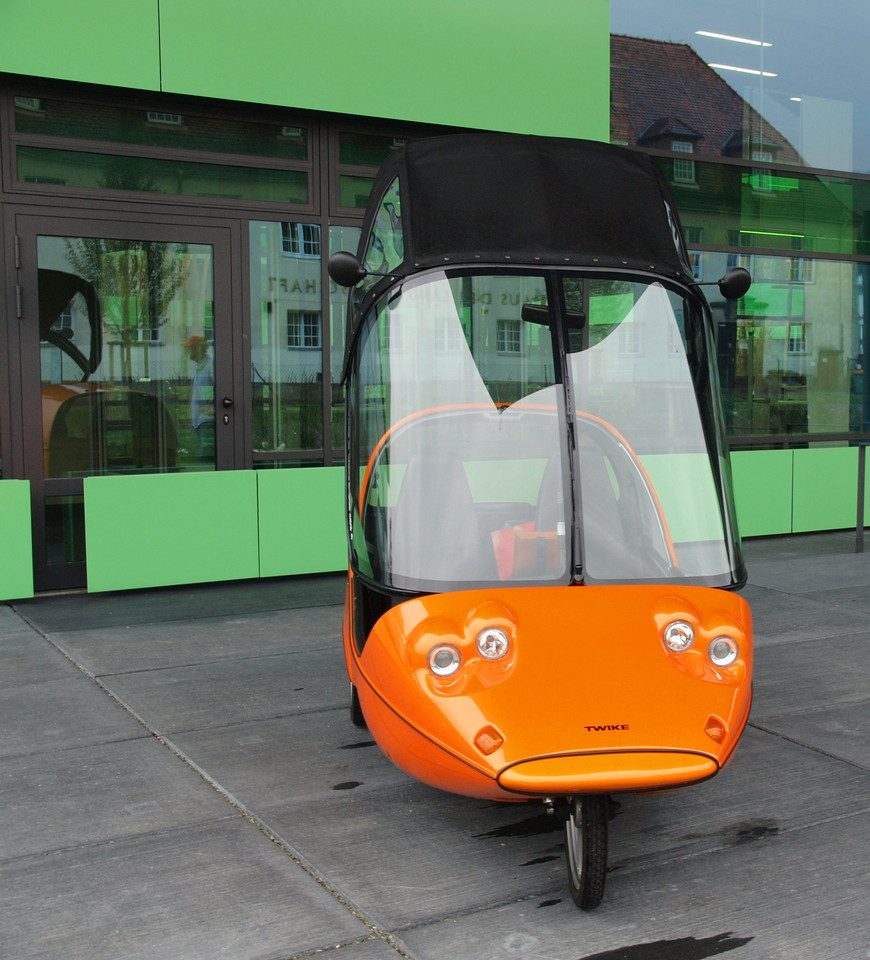
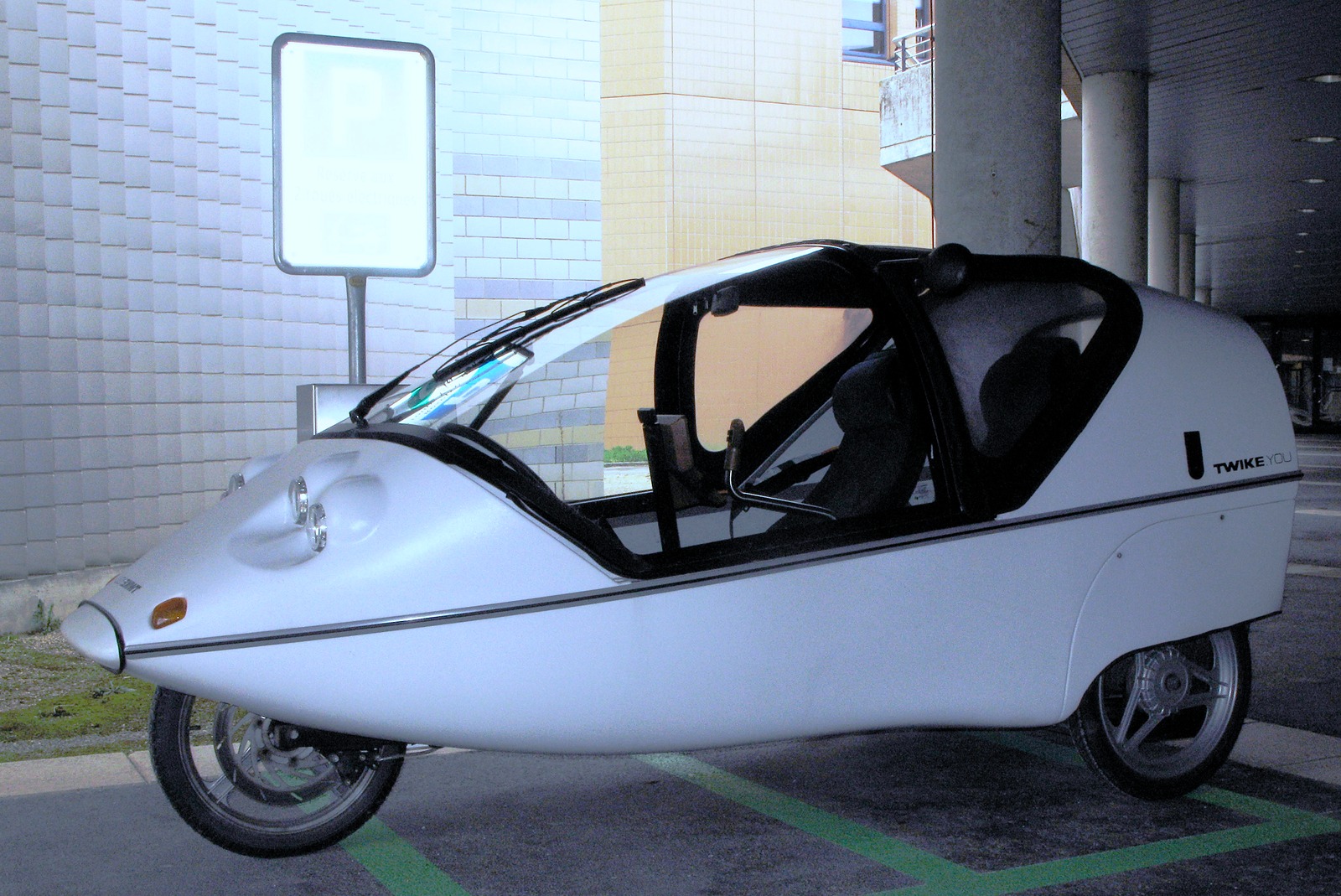
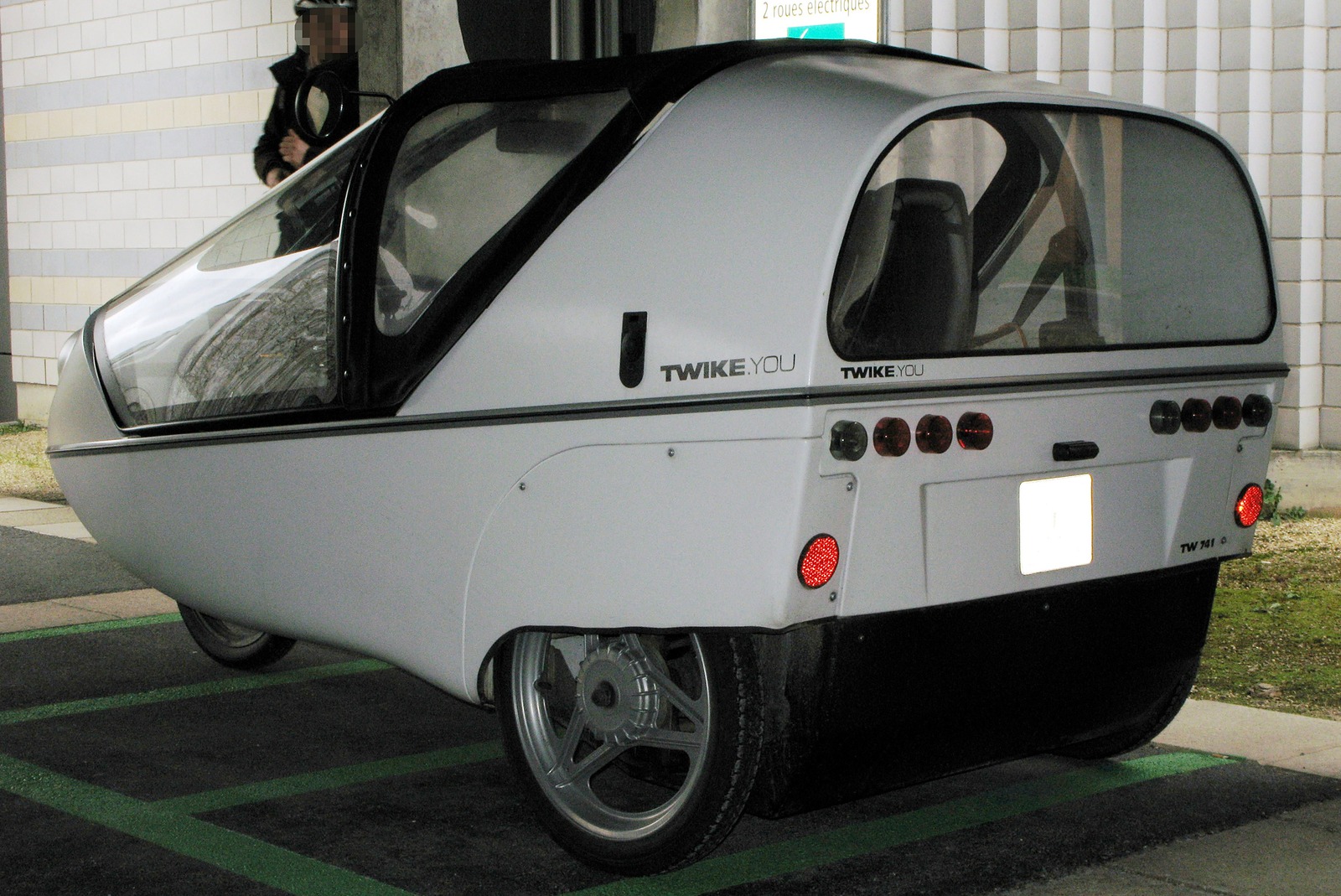
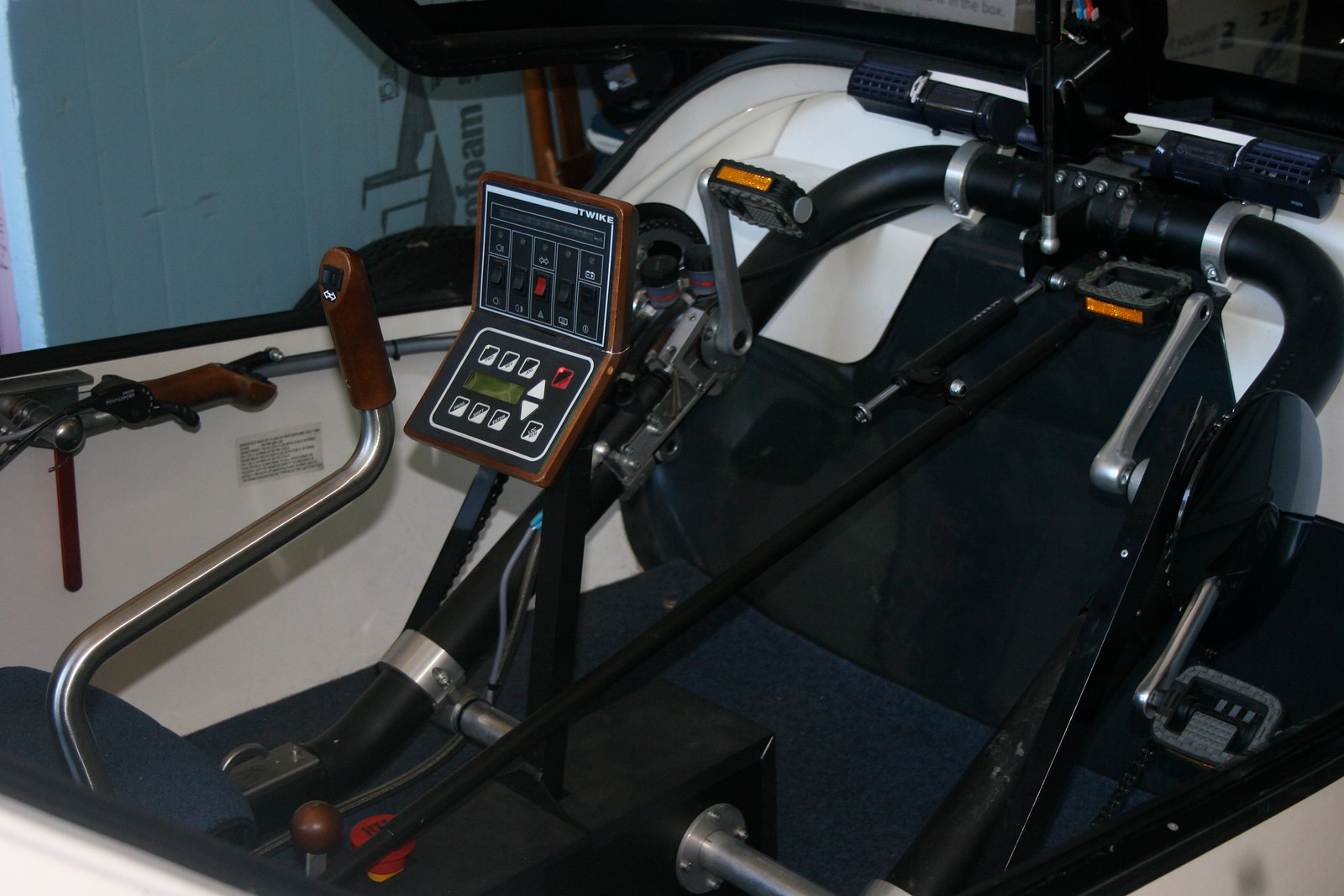
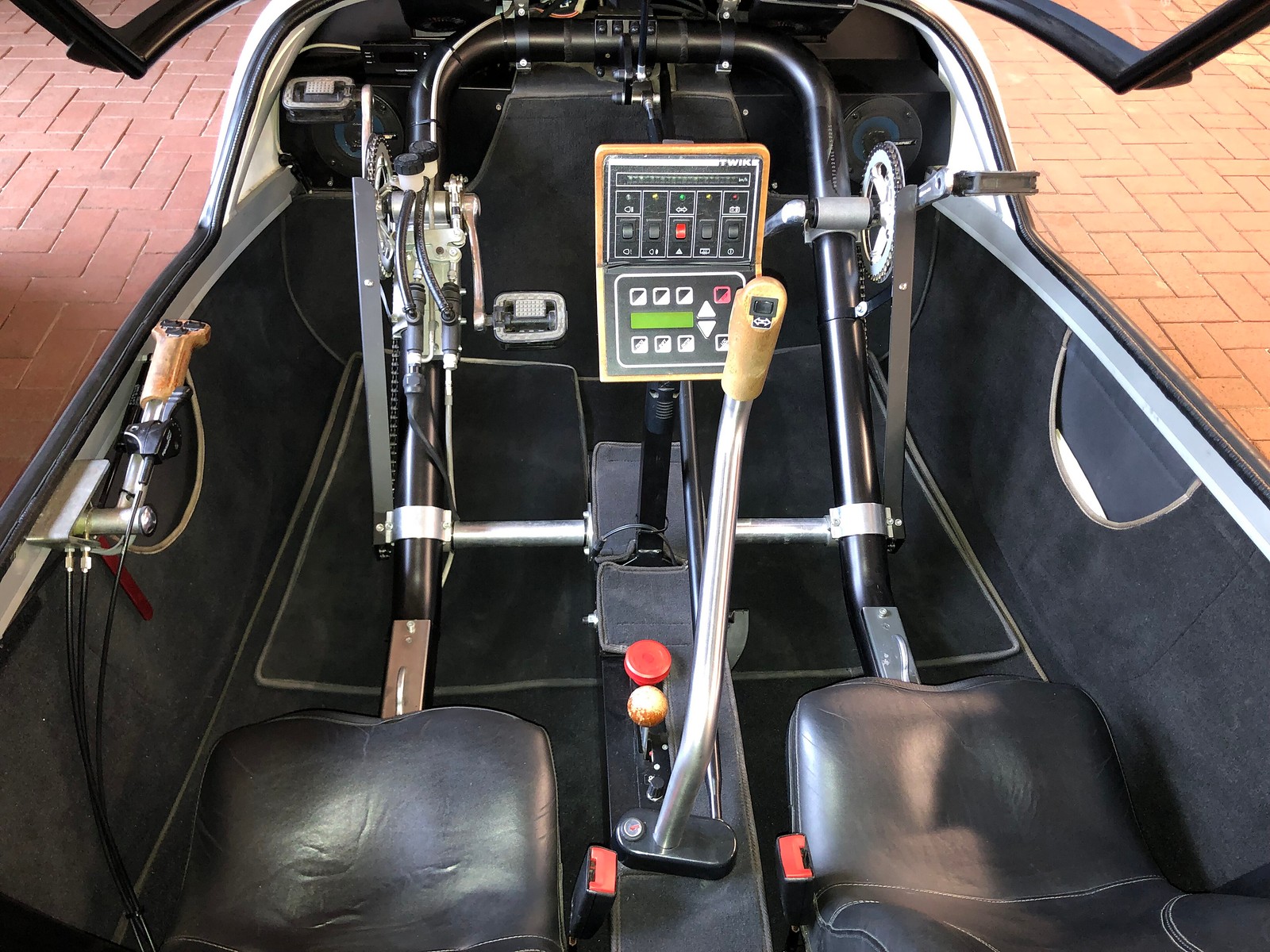
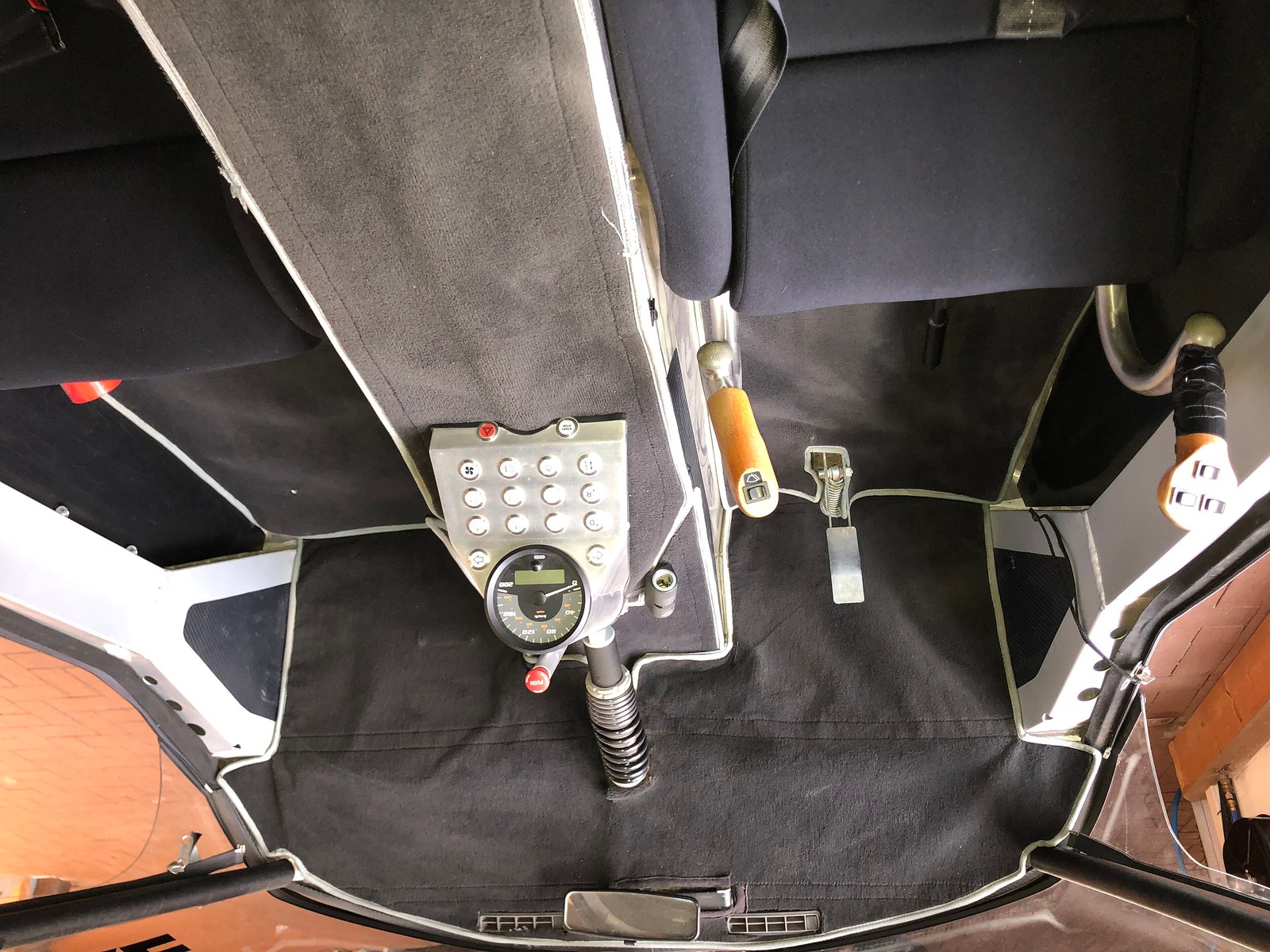
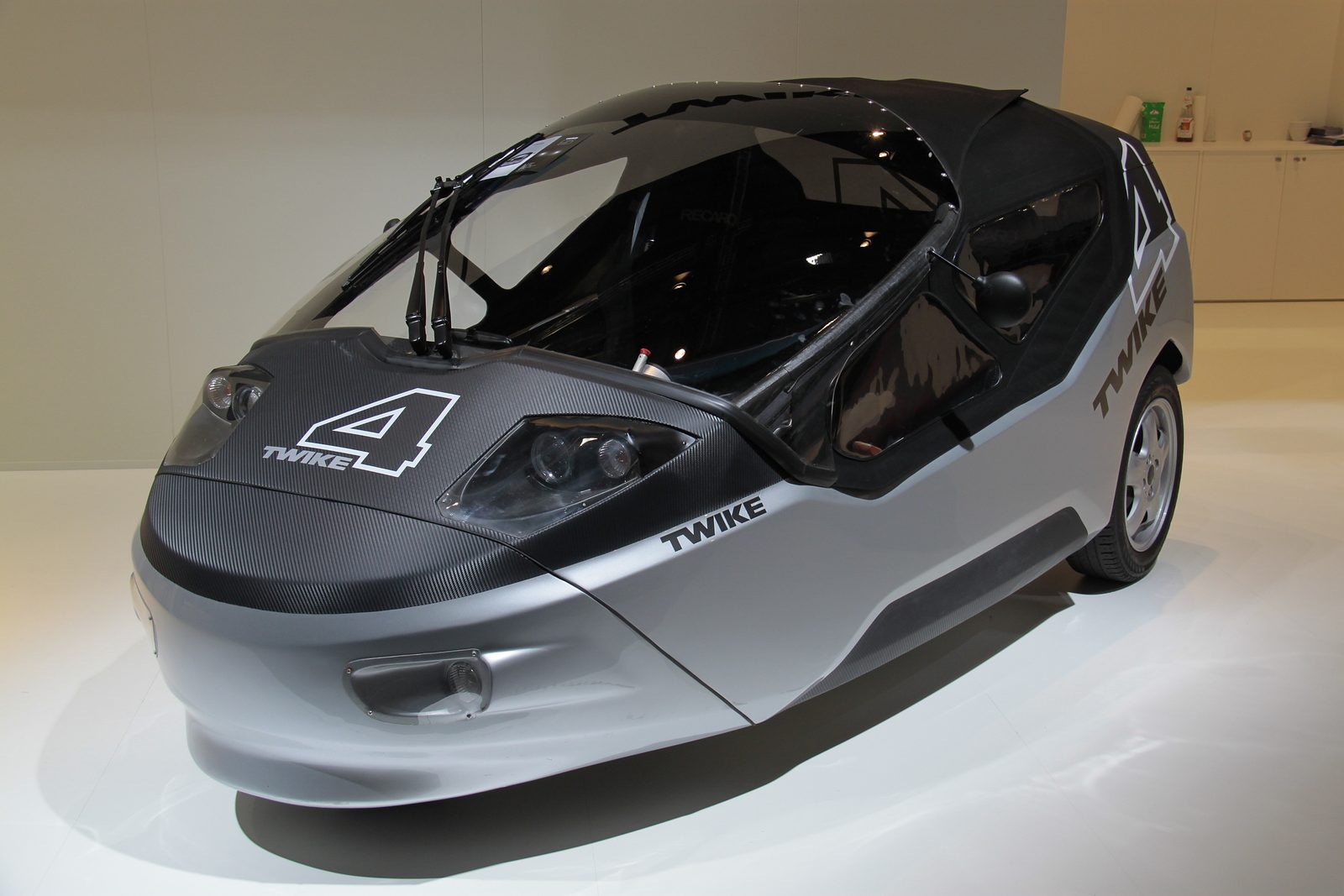
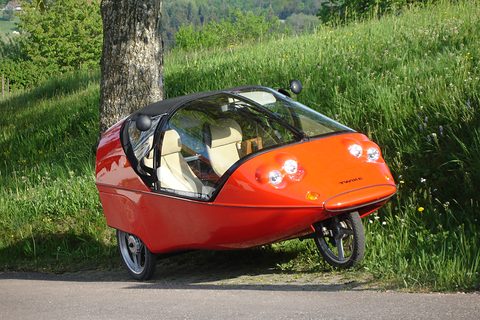
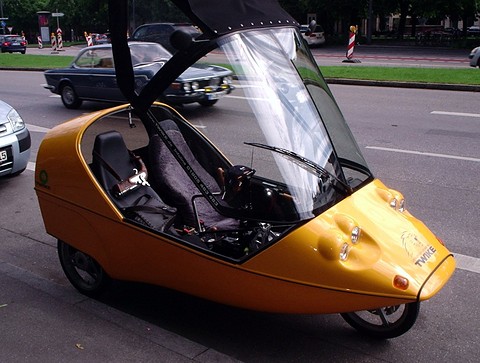
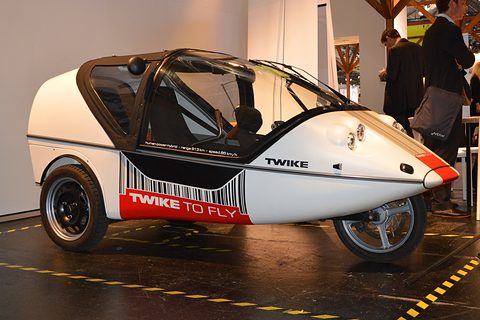
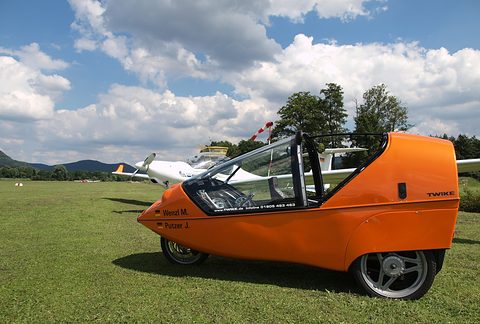
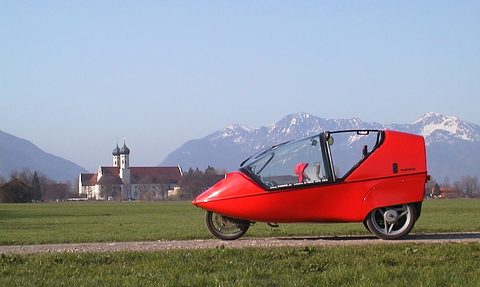
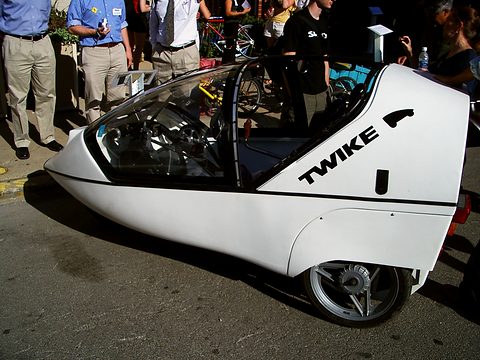
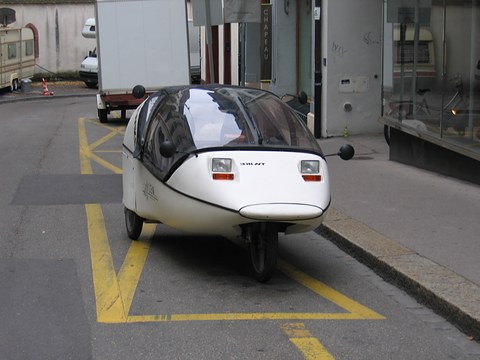
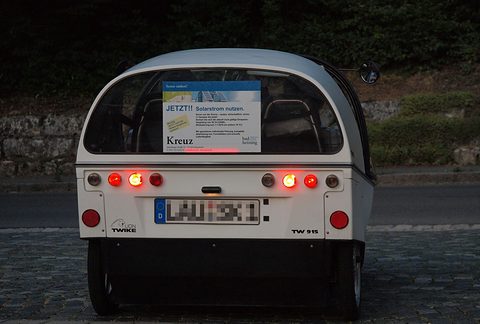
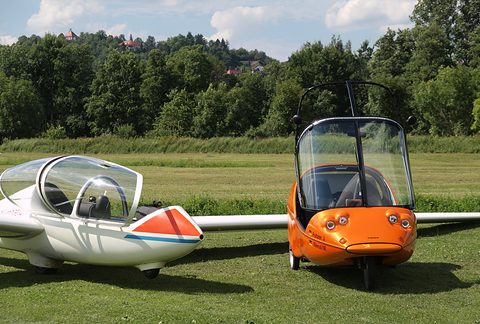
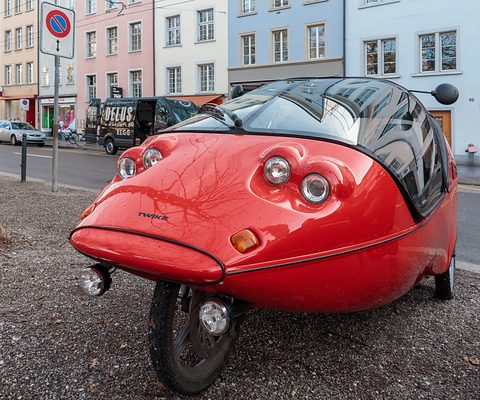
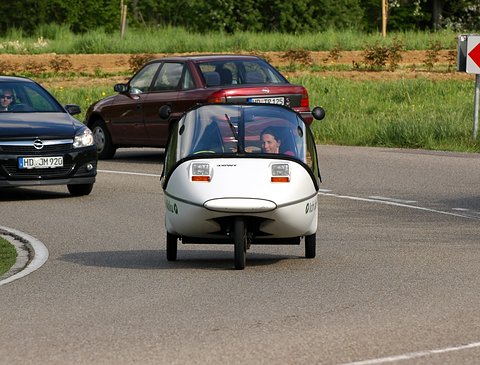
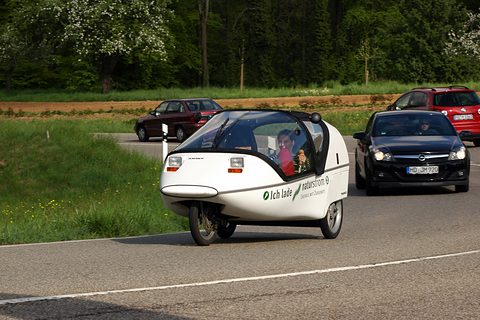
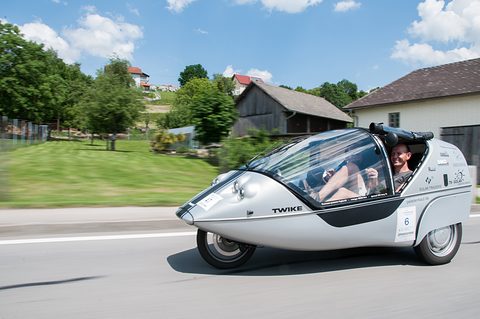
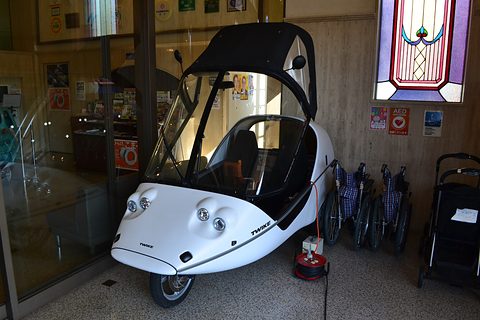
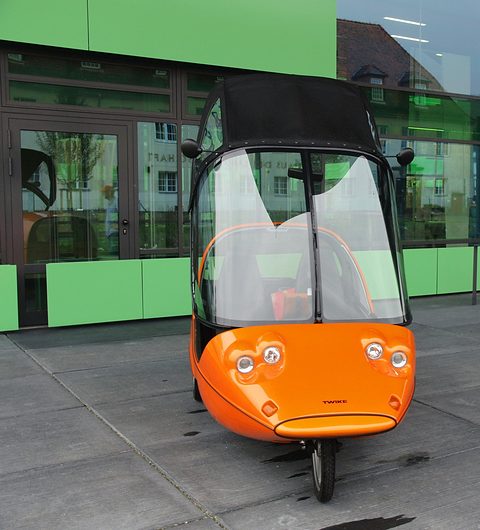
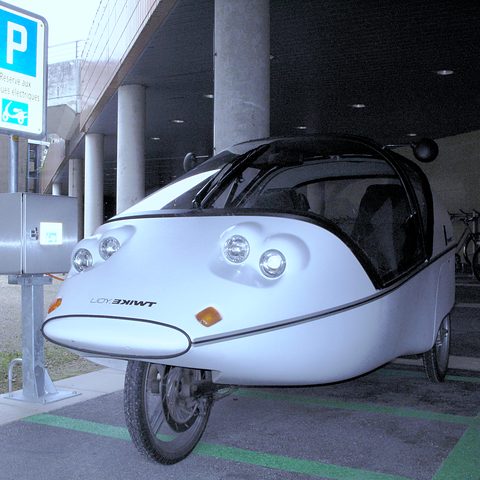
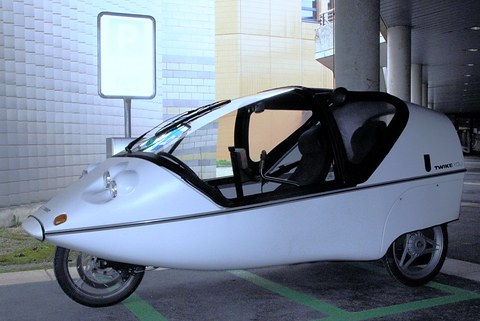
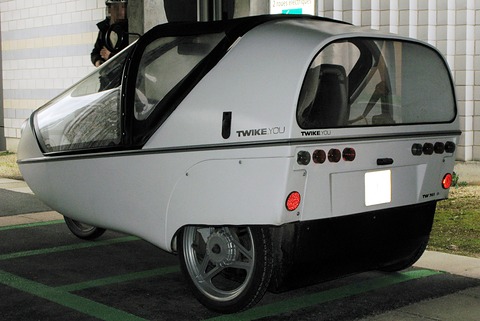
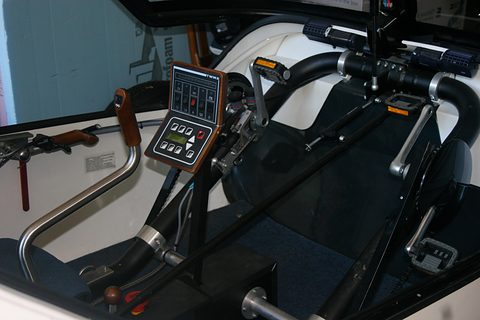
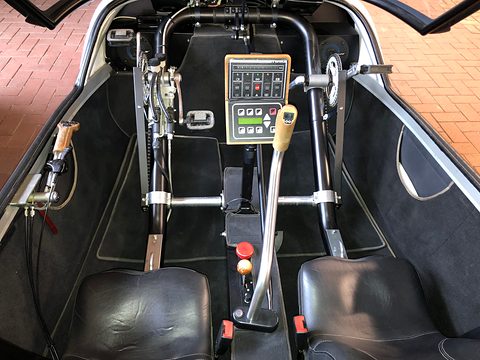
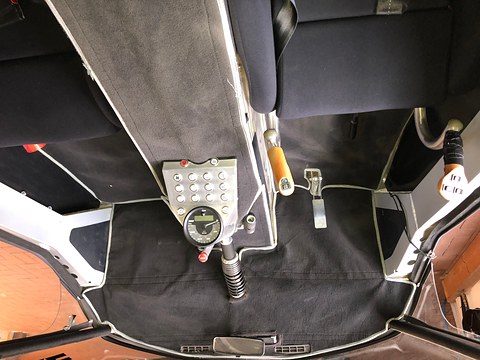
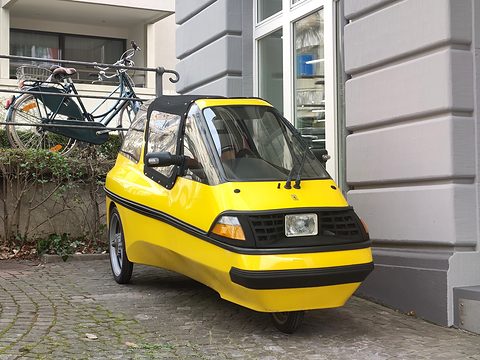
It is a three-wheeler with one steered wheel at the front, and its motor, batteries and luggage sit over the two rear wheels, which the motor drives through a differential.source 3source 1 The occupants steer with a joystick between the seats, with two buttons, each with two stages, for power and for regenerative braking. In the Active, the pedals drive through a five-speed Sachs hub alongside the motor up to some 70 km/h (43 mph), and pedalling backwards works the foot brake.source 3source 1 The pedals are not needed to move it; starting from rest on muscle alone, English and German Wikipedia say, is not intended and takes hard work even on the flat.source 3source 1 The hood hinges forward and doubles as a roll bar. There is no hatch for the luggage and no heater for the cabin.source 3source 1 It is a frugal electric microcar, using about 4–8 kWh per 100 km (62 miles).source 1
Swiss, then German
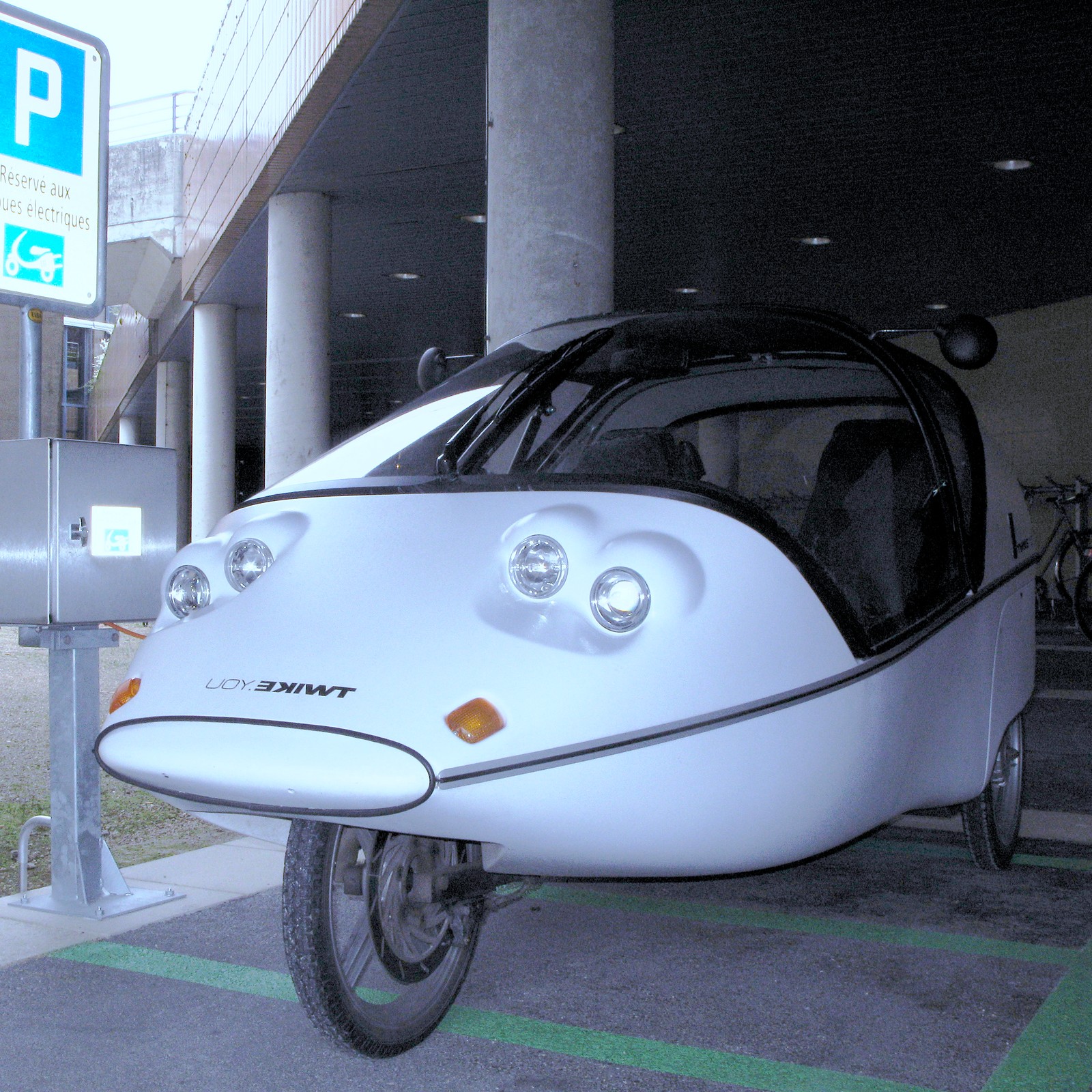
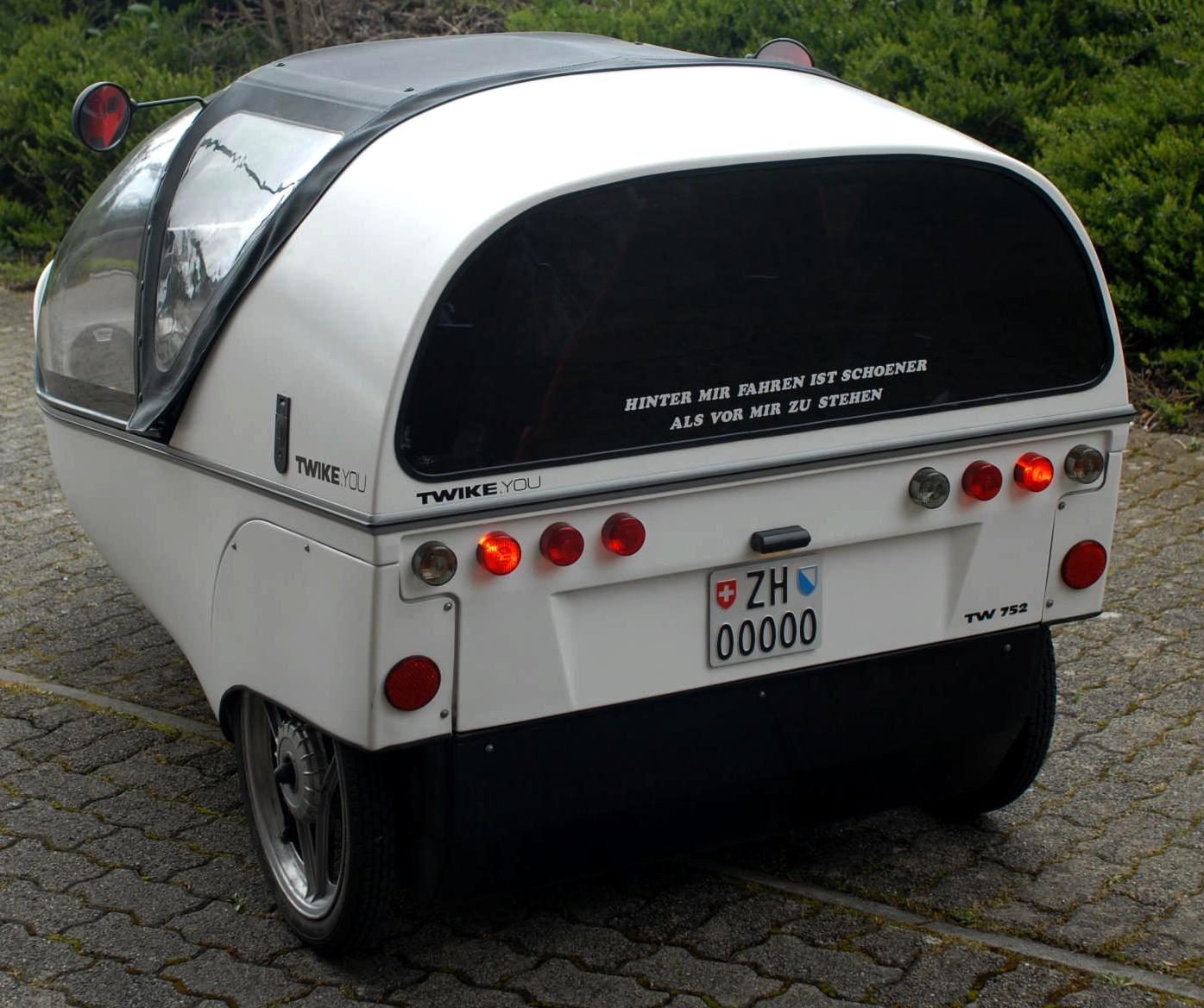
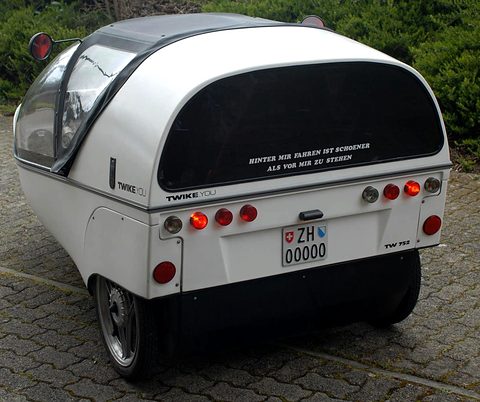
In 1997 S-LEM AG of Travers was licensed for final assembly, and in 1998 FINE Mobile, founded in Augsburg as the German importer, set up a second assembly line at Rosenthal, in Hesse. The bodies came from Switzerland; German approval required a windscreen of laminated glass, where Swiss cars could have Plexiglas.source 3source 1 In 1999 Twike AG and S-LEM merged as SwissLEM AG, of Hochdorf.source 3source 1 At Geneva in 2000 SwissLEM showed the Twike.Me, a more powerful car without pedals, designed by Sbarro; from the summer of 2001 the Twike 3 borrowed its styling as the Twike.You.source 1 In the summer of 2002 SwissLEM went bankrupt. FINE Mobile took over production and the rights to the name, and the Twike.Me was dropped.source 3source 1
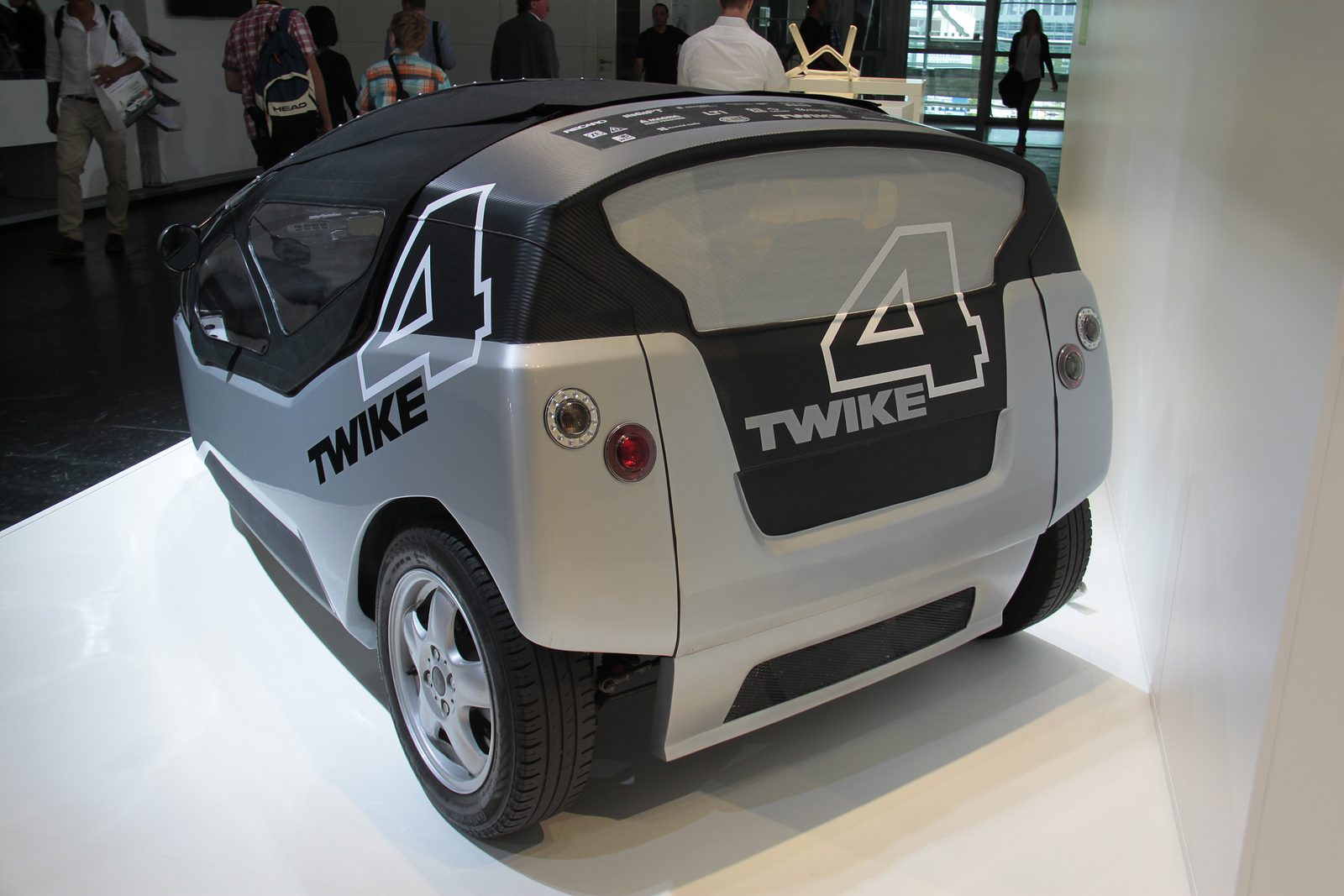
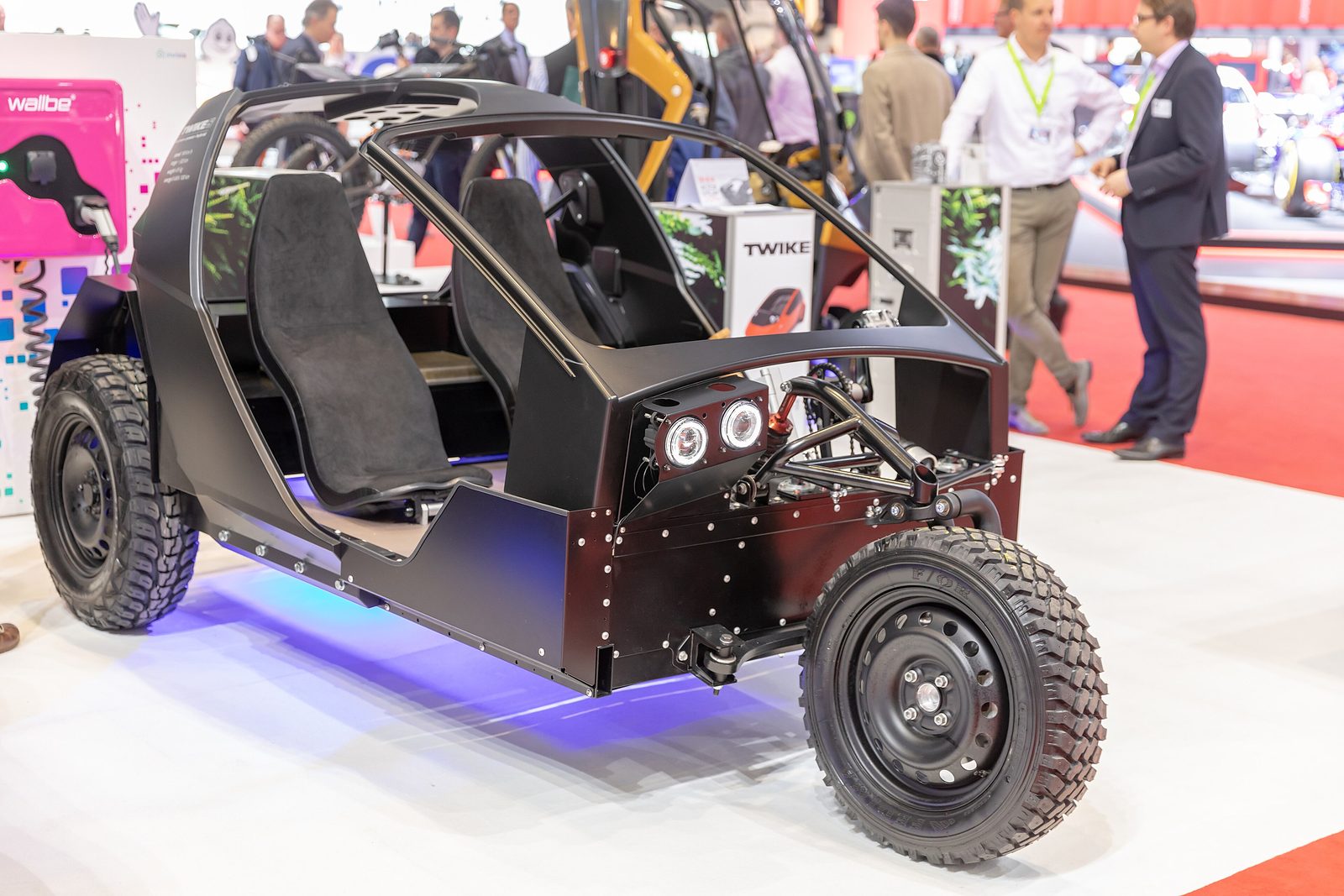
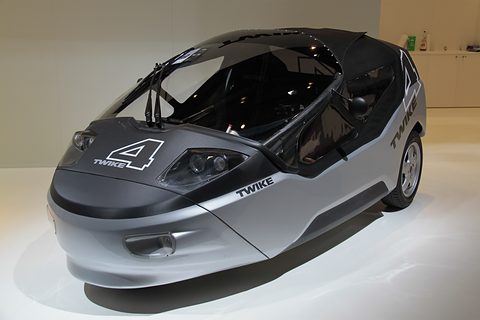
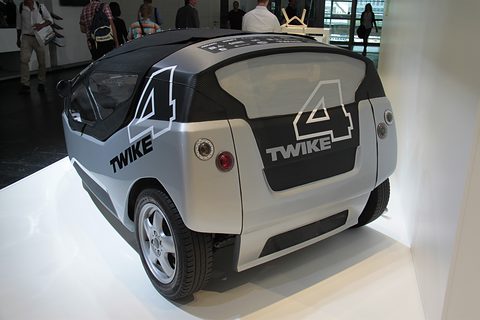
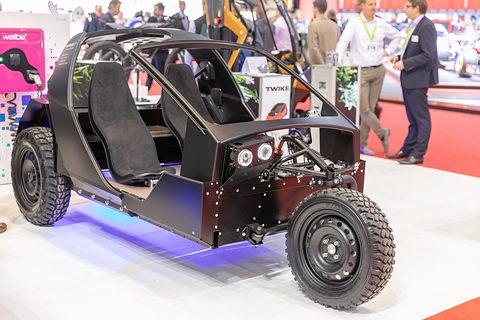
Rosenthal became the only factory in the world, building and registering about 40 new cars a year, by the maker’s account.source 3source 1 From the 2008 model year the Twike had lithium-ion batteries, and was claimed as the first series vehicle to have them.source 3source 1 A Twike 4, the TW4XP, followed as a prototype in 2009, with two sidesticks, built for 120 km/h (75 mph) and never put into series; Wikipedia says it finished third of 136 teams in the Automotive X Prize of 2010, which has not been checked against the competition’s own results.source 3source 1 Work on a Twike 5 began in 2015, and its frame was shown at Geneva in 2019. German Wikipedia’s table gives it from 2023, but its text describes it as still in development, and no delivery has been found.source 3source 1 Early in 2020 FINE Mobile renamed itself TWIKE GmbH.source 3source 1