microcarfan
  • Microcar utility
  • Germany
  • Three wheels
  • Delivery tricars

Tempo three-wheelers

Also known as Tempo T1, Tempo T6, Tempo Front, Tempo E 400, Tempo A 400

The first Tempo was built in a Hamburg coal merchant’s business by two master locksmiths. By 1937, by the account of Tempo-dienst, a parts firm, more than 6,000 of Germany’s 14,000 small lorries that year were Tempos, and in 1938 the A 400 became the country’s standard three-wheeler.

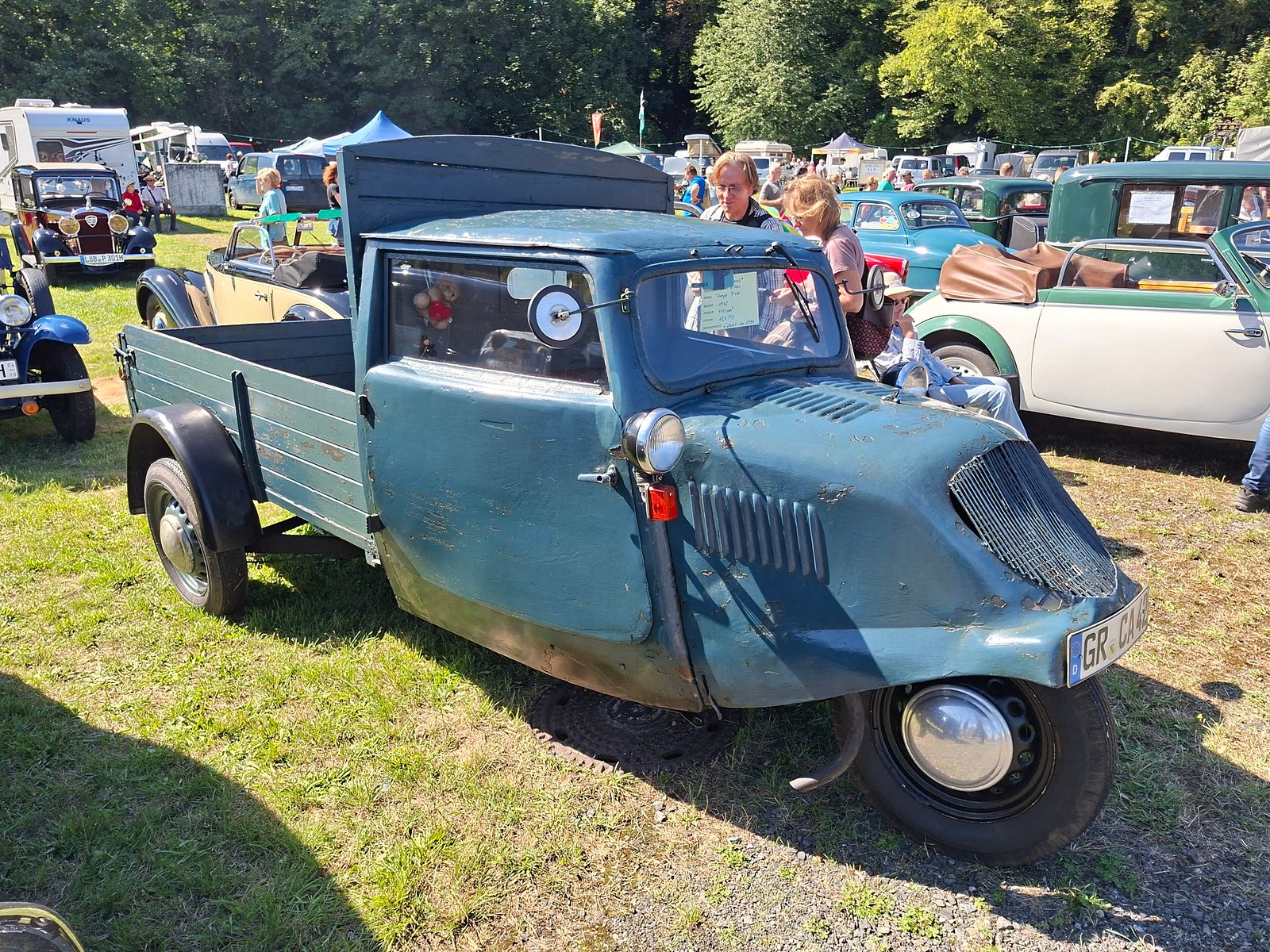
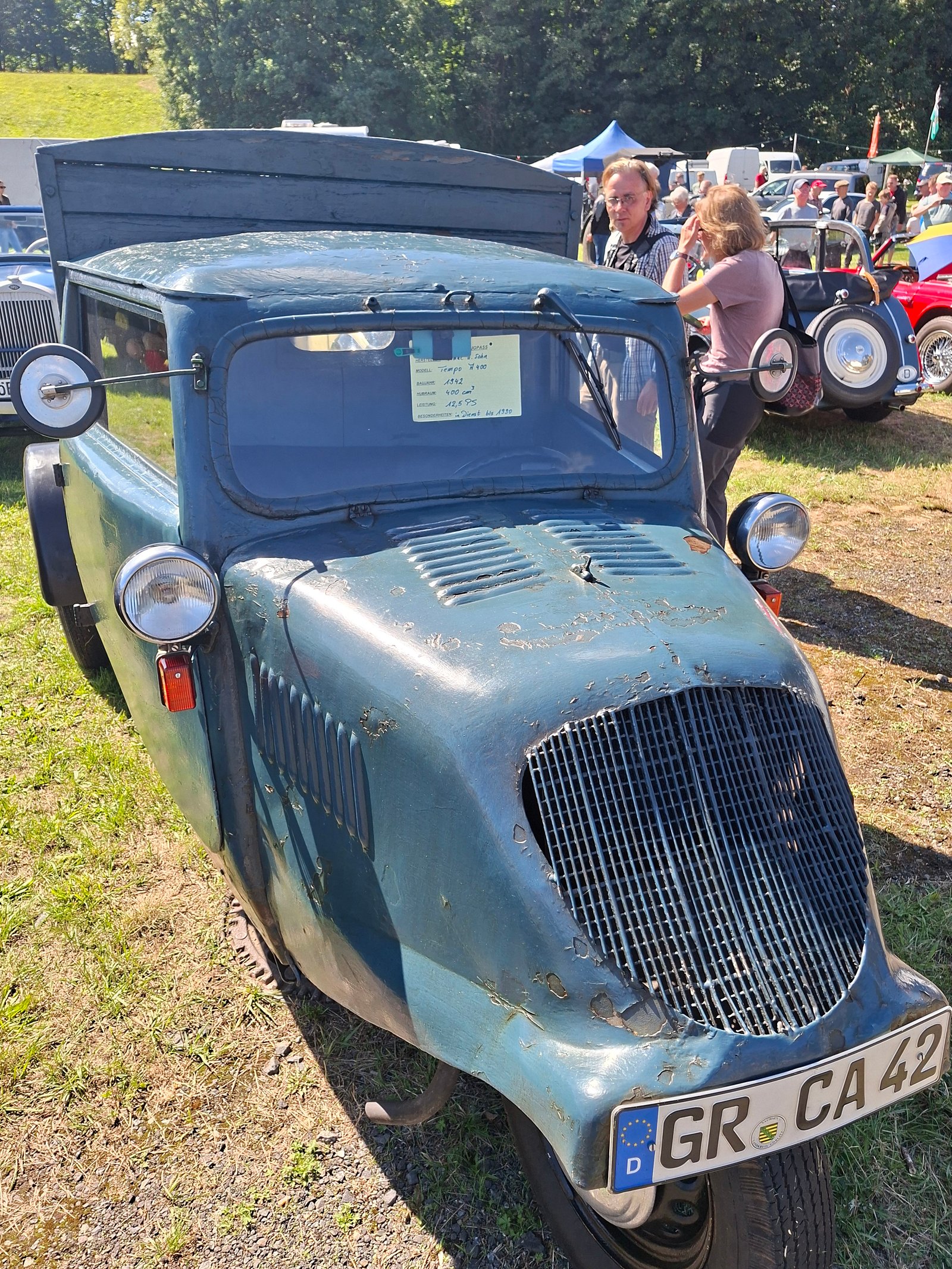
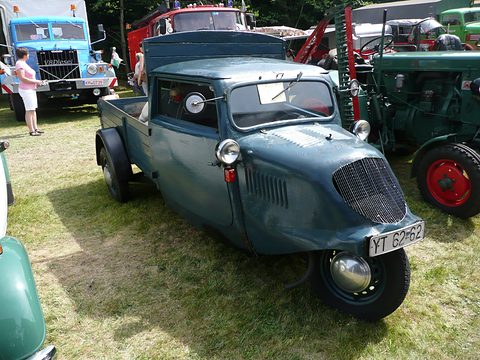
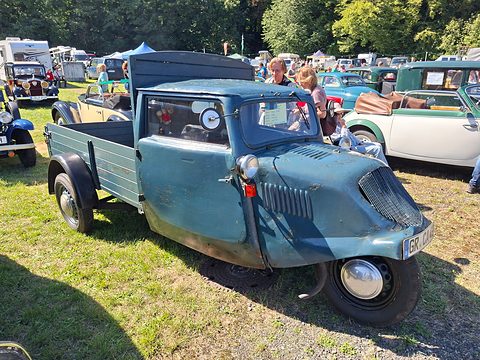
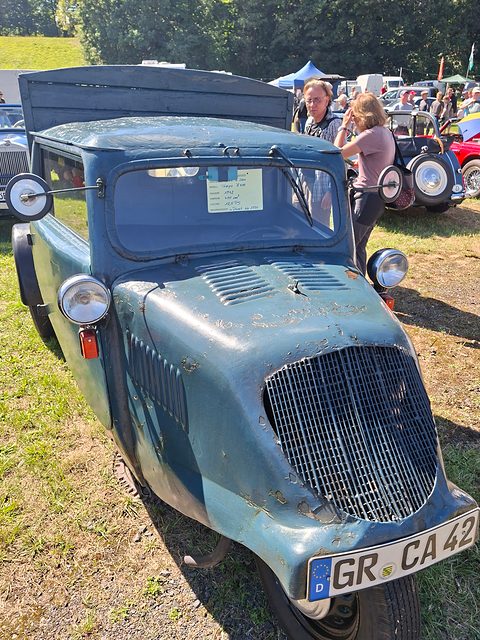
A weathered blue-grey three-wheeler with a mesh grille, single front wheel and a pick-up bed on grass.
Blue-grey Tempo A 400 three-wheeled pick-up at Jonsdorf, Saxony, in August 2015.Photo: Rainerhaufe, CC BY-SA 4.0, via Wikimedia Commons

At a glance

The spec plate

Tempo three-wheelers

T1 to A 600 · Hamburg

Built
1928–⁠1943From 1928 (1926 by the Lane museum); the A 600 to 1943
Country
GermanyHamburg: Wandsbek from 1929, later Harburg
Maker
Vidal & Sohn Tempo-WerkMax and Oscar Vidal from 1928; designs by Otto Daus from 1929
Engine
200 cc to 600 ccILO two-strokes, from the T6’s water-cooled 200 cc to the A 600; the T1 and T2 had motorcycle engines
Power
12 PSThe A 400 of 1938; the T10 10 hp
Seats
1 or 2Four in the Kombinationswagen, a passenger saloon
Wheels
3From 1933 a single driven wheel at the front, swivelling with the engine to steer
Price new
RM 795The Pony as an open cart, 1932; RM 880 as a van
Production
about 86,000Our sum of German Wikipedia’s model table, 1928–⁠43; 36,790 of them A 400s

Not yet recordedtop speed, length and weight.

How big is it?

True proportion

Length unknown

No reliable length has been found. The Fiat 500, the Peel P50 and the adult stay, so the gap is shown, not hidden.

  • Payloads of 500 kg (T6) to 750 kg (T10)
Drawn at true proportion. The track is 3.6 metres long; the adult stands at the same scale. The Peel P50 is the smallest production car, on every page for comparison.

Beside its contemporaries

The German microcars on the road in 1928, on the same 3.5 m scale. Lengths of cars without a page yet come from the census and are unverified.

  1. Hanomag 2/10 PS1924–⁠1928 · Germany

    2.78 m
  2. BMW 3/151927–⁠1932 · Germany

    3.00 m
  3. Tempo three-wheelers1928–⁠1943 · Germany

    length unknown

The story

History

In 1928 Germany let vehicles with fewer than four wheels and engines under 200 cc run without a driving licence and free of vehicle tax; German Wikipedia ties it to the new licence class of 1 April 1928. It opened a large market for small delivery tricars (more on our page of micro vans).source 1 The Tempo-Werk GmbH, started in Hamburg by Gustav Ehlert and a Mr Sühr, was short of capital. That year the coal merchants Max Vidal and his son Oscar came in, first as sole distributors, advancing Ehlert RM 20,000.source 2source 1 Oscar, born in Hamburg on 6 November 1904, ran the firm from 1928 to 1965.source 2source 1 The Lane Motor Museum dates Tempo’s three-wheeled vans to 1926; both German sources say 1928.source 3source 1source 2

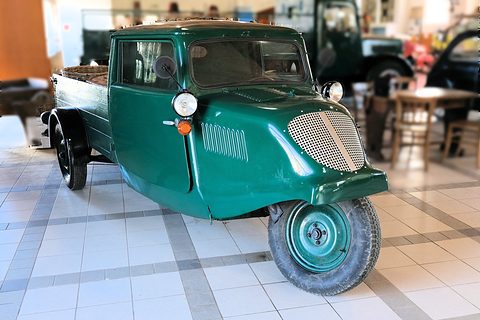
The first, the T1, was built in the Vidals’ coal business by two master locksmiths. It was a Vorderlader, a front-loader, with the load bed ahead of the driver and an ILO engine; the T1 and T2 had motorcycle engines and no reverse gear.source 1source 2

Otto Daus

On 1 May 1929 Otto Daus joined from the rival Rollfix-Eilwagen, where he had been technical director. He stayed until 1947, and he made Tempo an engineering firm.source 1source 2 Production moved to the Sophienstraße in Wandsbek, and in December 1929 came the T6: a water-cooled 200 cc ILO two-stroke, three speeds, chain drive and a payload of 500 kg (1,100 lb).source 2 The T10 followed, with 400 cc, 10 hp, a stronger chassis and 750 kg of payload, and in 1932 the Pony, a budget model at RM 795 as an open cart and RM 880 as a van.source 2 The idea that ran through all of them was to put the whole drive unit in the cab, so that any body could go on the back.source 1

Front-wheel drive

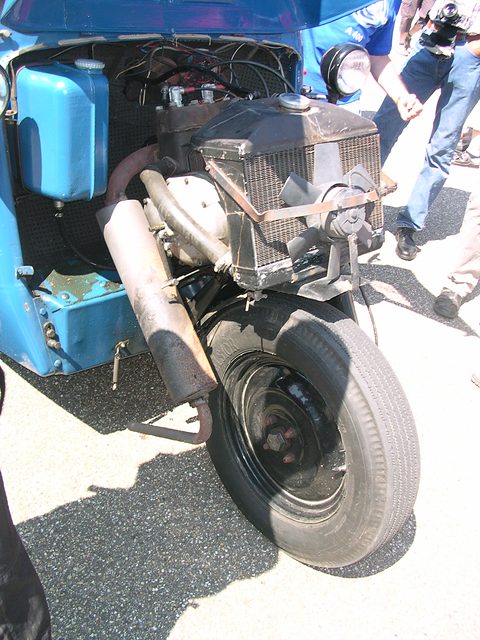
In 1933 the Front series brought front-wheel drive and a closed cab.source 1source 2 A single front wheel was driven by chain, and the engine, gearbox, chain case and wheel formed one unit that swivelled to steer, with the cab ahead of the load bed.source 1 German Wikipedia’s table counts 6,100 Front 6s; Tempo-dienst says over 2,000.source 1source 2

Tempo built passenger cars too. From 1933 there was the Tempo Front, a two-seat cabriolet-saloon, and the Kombinationswagen, a two-door saloon with four seats; Oswald’s history, as German Wikipedia cites it, calls them commercially insignificant. The Lane museum gives the two-seater a 200 cc single-cylinder engine.source 1source 3

Steel bodies came with the D series in 1934, and with it Tempo’s first four-wheeler, the V 600, with 600 cc, 18 hp and four speeds for a load of 1,000 kg.source 2source 1 The E series of 1936 had all-steel cabs, by Tempo-dienst’s account the first in the class. By 1937, it says, 25,000 Tempos had been built, and more than 6,000 of Germany’s 14,000 small lorries that year were Tempos.source 2

Tempo, Tempo schreit die Welt, Tempo, Tempo, Zeit ist Geld

Tempo’s advertising slogan, as recorded in Tempo-dienst’s history of the firm. In English: “Tempo, Tempo, cries the world; Tempo, Tempo, time is money.”source 2

The A 400

The A series arrived in 1938. The A 400 had a two-cylinder ILO two-stroke of 400 cc and 12 PS, driving the front wheel by chain.source 1 Under the Nazi type-reduction programme it was named Germany’s standard three-wheeler, and Gutbrod built it under licence (see built under licence).source 2 With 36,790 made, it was the best-selling pre-war Tempo.source 1 The A 600 ran on to 1943. Daus also designed something quite different, the G 1200 of 1936: a four-wheel-drive, four-wheel-steered cross-country car with two ILO engines of 594 cc, 4 m long and no microcar. German Wikipedia and the Lane museum count 1,253 of them, Tempo-dienst more than 4,000.source 1source 3source 2 Tempo-dienst puts the firm’s output in 1939–⁠45 at more than 35,000 vehicles.source 2

After the war

The A 400 went on almost unchanged until March 1950, renamed the Hanseat from 1948, and in 1950 the Tempo Boy was added for holders of the 250 cc licence. Hanomag came in in 1955 and Rheinstahl in 1959; the Vidals left in 1965, and Daimler-Benz took over in 1971, or 1970 by the Lane museum.source 1source 3 In the mid-1950s 101,000 three-wheeled Tempos were registered in Germany.source 1 From 1962 Bajaj built Tempo three-wheelers in India, and a diesel derivative of the Hanseat was made there until 2000 as an auto-rickshaw.source 1
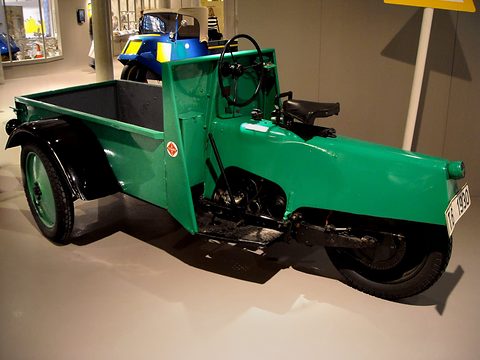
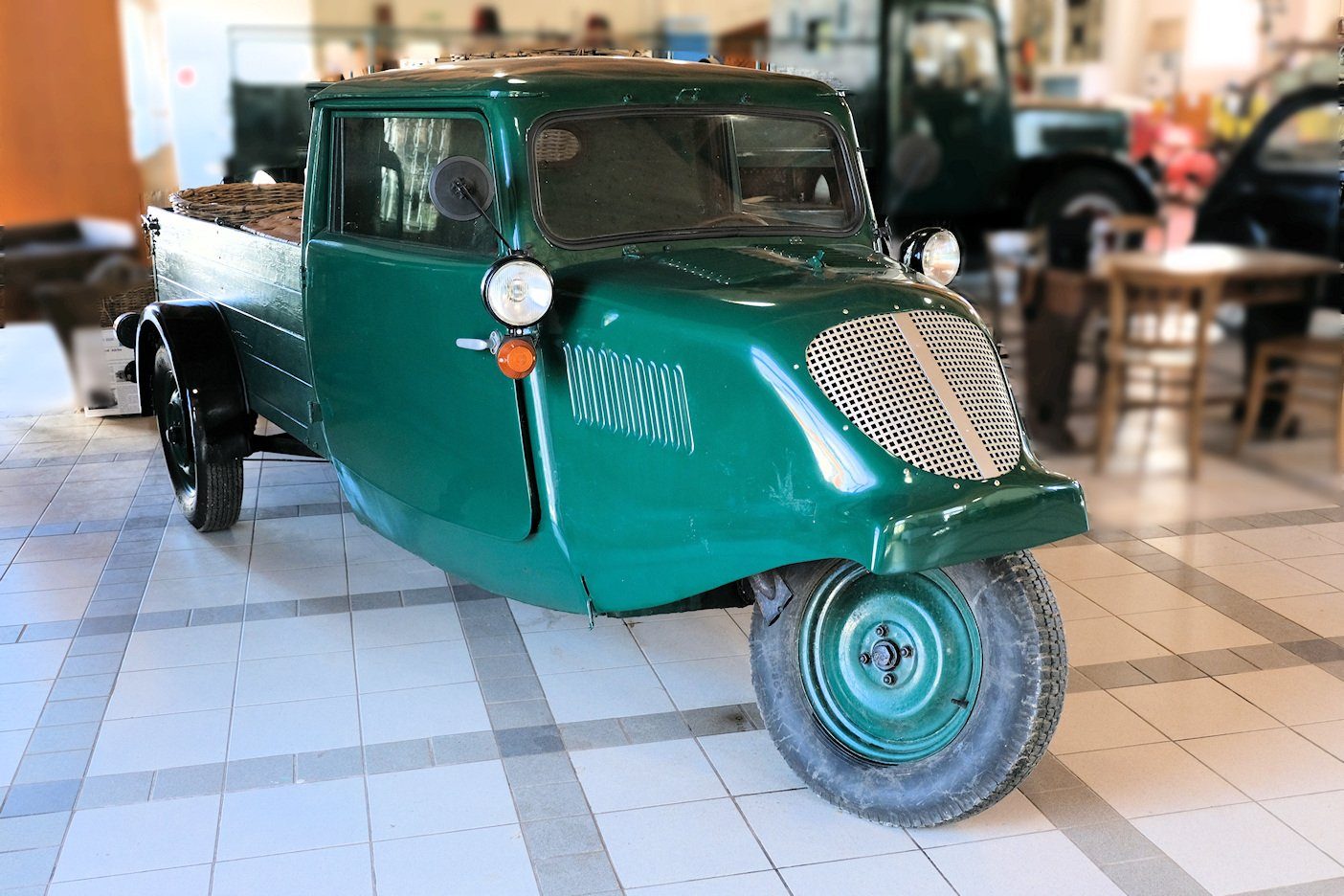
A green open three-wheeled truck with its load bed at the front and the driver’s seat behind it.
A Tempo T6 front-loader, its load bed ahead of the driver, at the Museum der Arbeit, Hamburg, in 2026.Photo: Mozzihh, CC BY-SA 4.0, via Wikimedia Commons
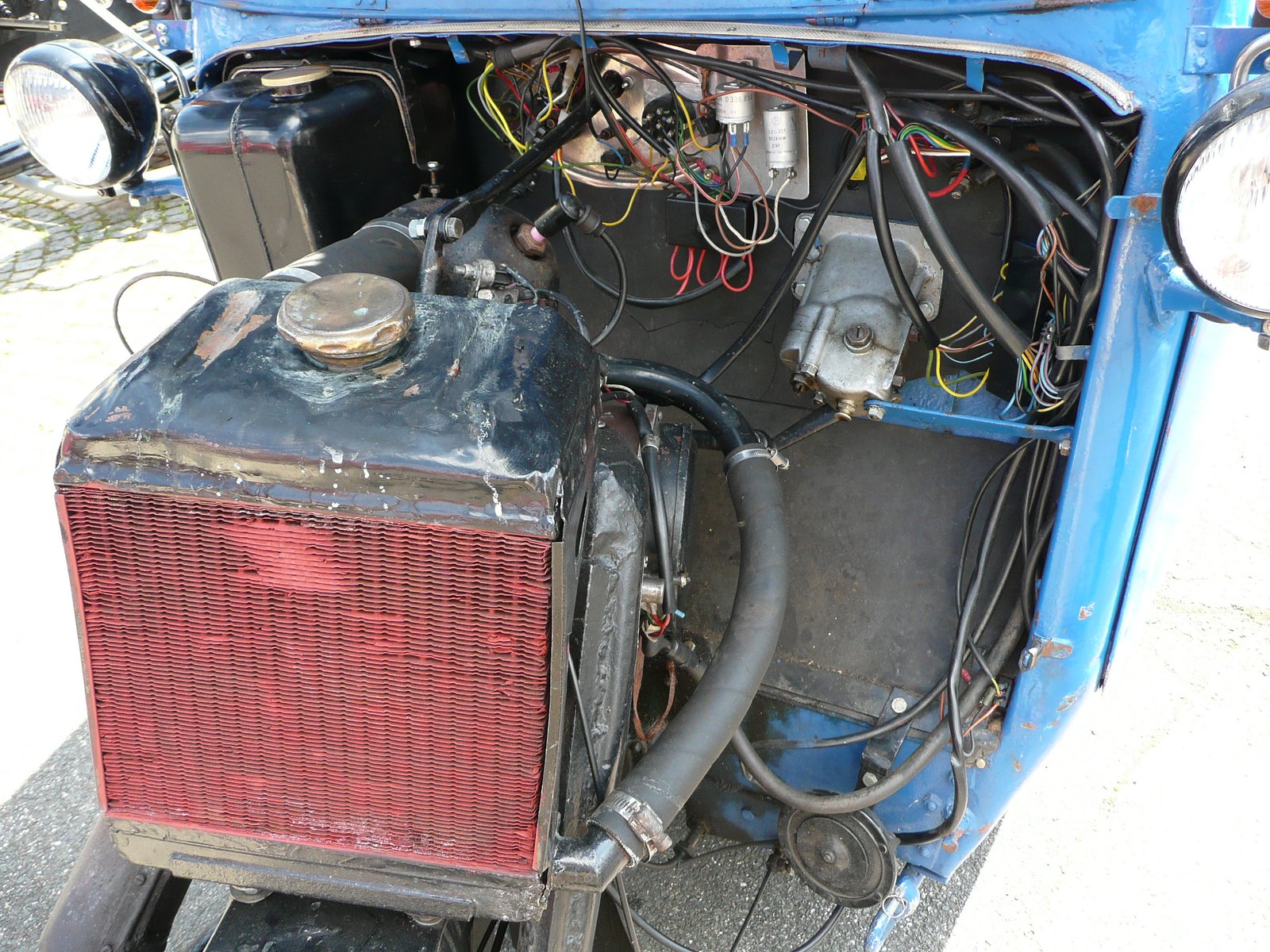
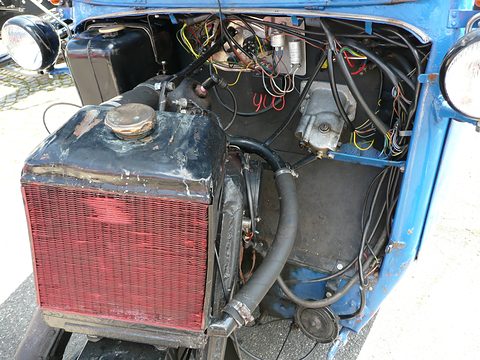
Close view under an open nose: a radiator, engine and exhaust mounted above a single front wheel.
The A 400’s swivelling front unit: engine and gearbox carried with the steered front wheel, at Wörth am Rhein in 2006.Photo: Norbert Schnitzler, CC BY-SA 2.0, via Wikimedia Commons
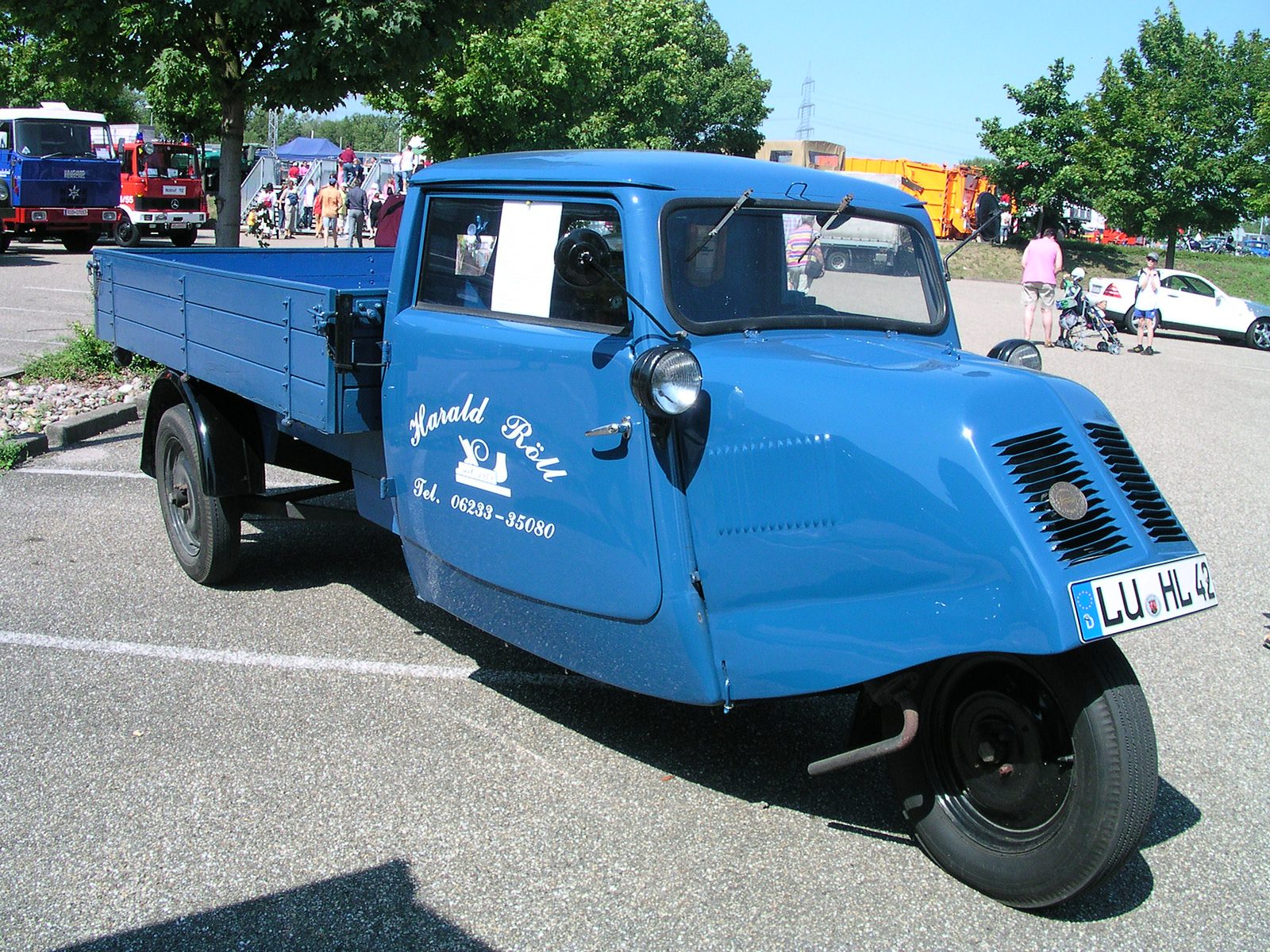
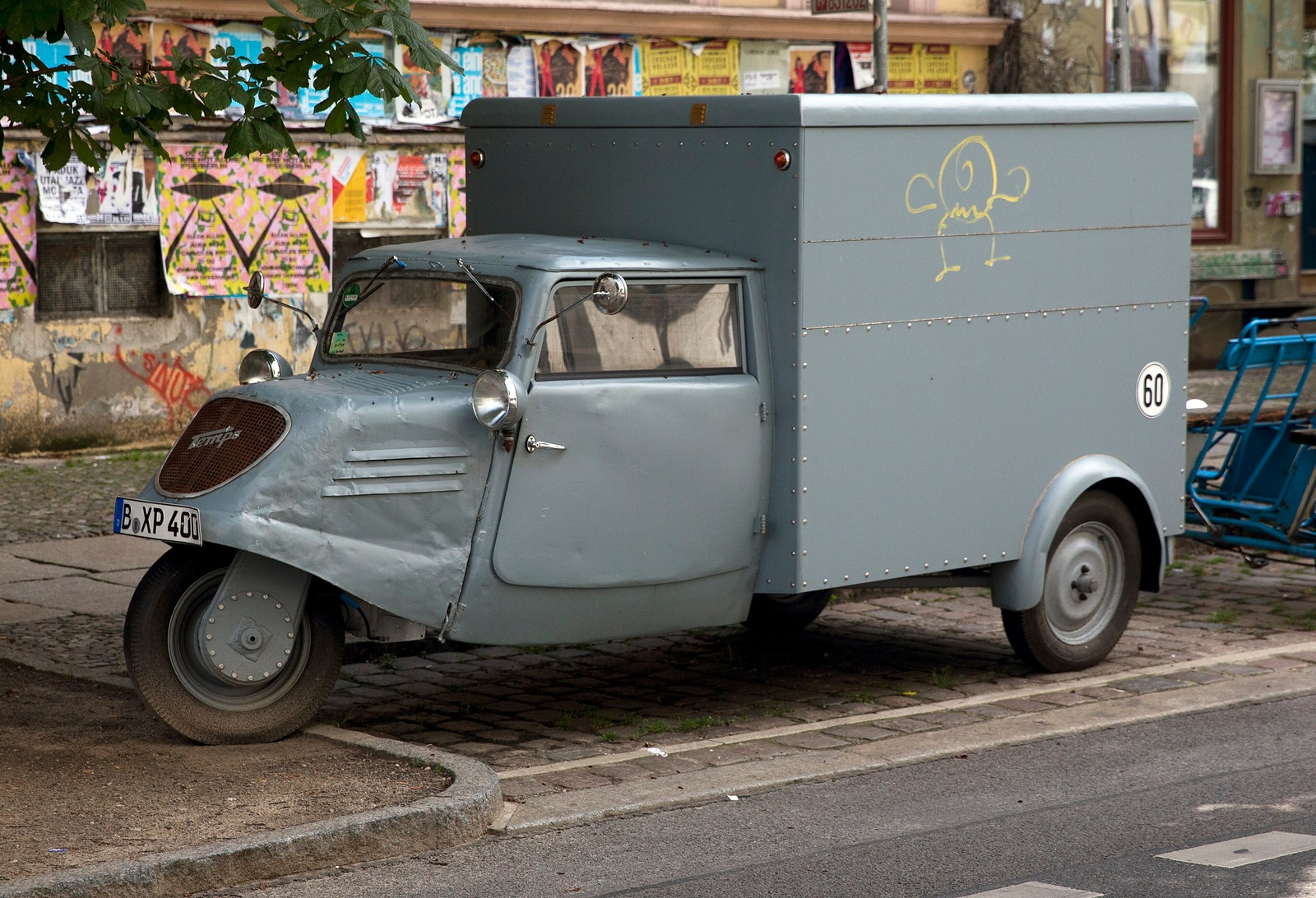
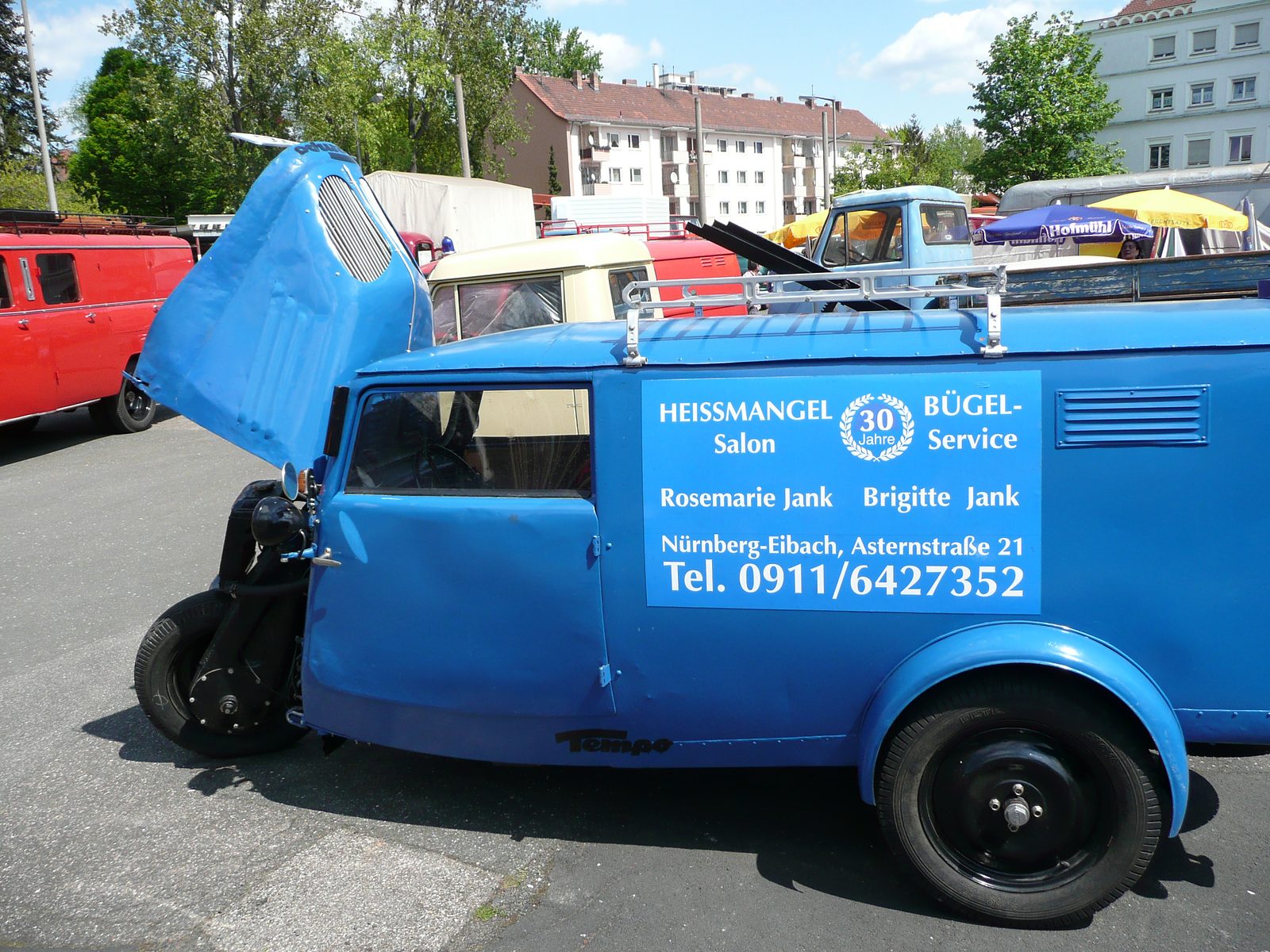
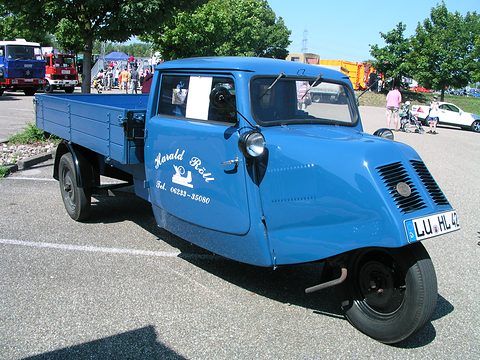
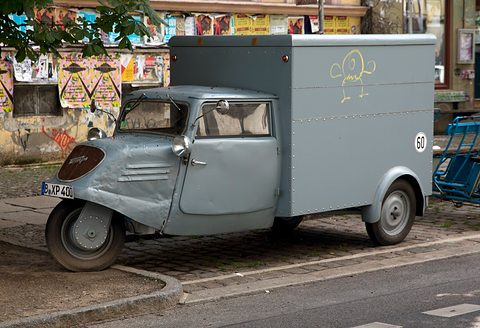
A blue three-wheeler with a rounded cab, signwritten doors and a single front wheel, a drop-side bed behind.
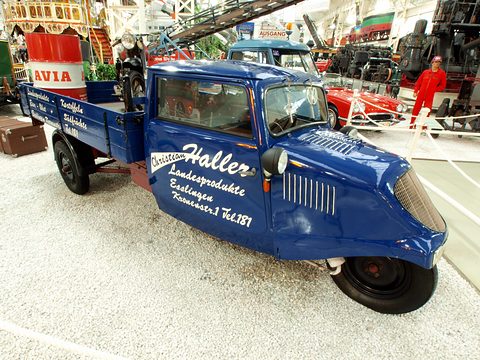
An E 400 pick-up, with the all-steel cab, at the Technik Museum Speyer.Photo: Alf van Beem, CC0, via Wikimedia Commons

Pictures

More photographs, old and new

Variants

From front-loader to A 400

The pre-war Tempos, with German Wikipedia’s production figures
VariantYearsWhat differsHow many
T1 and T21928–⁠30Front-loaders with motorcycle engines and no reverse; the T1 with an ILO264 and 41
T61929–⁠35Water-cooled 200 cc ILO two-stroke, three speeds, chain drive, 500 kg payload3,596
T101930–⁠36400 cc, 10 hp, stronger chassis, 750 kg payload840
Pony1932–⁠36The budget model, RM 795 as a cart and RM 880 as a van529
Front 6 and Front 101933–⁠35Front-wheel drive and a closed cab; 200 and 400 cc6,100 and 607; “over 2,000” Front 6s by Tempo-dienst
Tempo Front and KombinationswagenFrom 1933Passenger cars: a two-seat cabriolet-saloon and a four-seat, two-door saloonNot found
Front 7 and Front 14 (D 200, D 400)1934–⁠36Steel bodies1,150 and 2,633
V 6001935–⁠36Tempo’s first four-wheeler: 600 cc, 18 hp, four speeds, 1,000 kg payload823
E 200, E 400, E 6001936–⁠37All-steel cabs9,600, 3,311 and 1,947
A 200, A 400, A 6001938–⁠40; A 600 to 1943The A 400: a 400 cc ILO twin of 12 PS, Germany’s standard three-wheeler6,294, 36,790 and 11,479

Specification

The A 400 of 1938, and the T6

A 400: engine and drive

A 400: engine and drive
EngineILO two-cylinder two-stroke, 400 cc, 12 PSsource 1
DriveGearbox and chain to the single front wheel; engine, gearbox, chain case and wheel swivel together to steersource 1
GearboxThree speeds, without synchromesh, in the post-war A 400source 1

A 400: chassis

A 400: chassis
FrameA central tubesource 1
BrakesCable-operatedsource 1
Wheelbase2,870 or 3,170 mm, post-warsource 1
Payload750 kg, the post-war Hanseat pick-upsource 1

T6, 1929

T6, 1929
EngineILO 200 cc two-stroke, water-cooledsource 2
DriveThree speeds and a chainsource 2
Payload500 kgsource 2

How many were built?

Every figure, with its source

About 86,000 by the model tableGerman Wikipedia’s table of pre-war models, from the T1 to the A 600, adds up to 86,004 vehicles, 823 of them four-wheeled V 600s; that sum is ours. Tempo-dienst gives round figures: 25,000 by 1937 and more than 35,000 in the war years.

  1. 86,004all pre-war models, T1 to A 600, by our sum of the model tableOne source

    German Wikipedia’s model table, citing Oswaldsource 1

  2. 36,790A 400s, the best-selling pre-war TempoOne source

    German Wikipediasource 1

  3. over 35,000vehicles of all kinds built in 1939–⁠45One source

    Tempo-dienst’s historysource 2

  4. 25,000Tempos built by 1937One source

    Tempo-dienst’s historysource 2

  5. 6,100Front 6sOne source

    German Wikipediasource 1

  6. over 2,000Front 6sOne source

    Tempo-dienst’s historysource 2

  • Two sources agreetwo good sources give the figure
  • One sourcea good source, alone
  • Unconfirmeda lead only, not yet checked

Famous for

Three points

  1. Free of tax and licence

    Built for the German law of 1928 that freed small three-wheelers from vehicle tax and the driving licence.

  2. Steer the engine

    From 1933 the engine, gearbox and front wheel swivelled together as one unit to steer.

  3. The standard

    In 1938 the A 400 became Germany’s standard three-wheeler; a diesel descendant was built in India until 2000.

Survivors and collecting

Today

No count of pre-war survivors has been found. On 31 December 2008, 87 three-wheelers from Harburg, of all years, were still registered in Germany, and a G 1200 is in the Auto & Technik Museum Sinsheim.source 1 Tempo-dienst, a specialist firm, supplies parts and keeps the firm’s history; no club was identified.source 2

Sources

Numbered as in the text

Most of this page rests on German Wikipedia’s article on the firm and its model table, and on the history published by Tempo-dienst, a specialist parts firm, which was read through a summary. No dimensions, weights or period road tests of the pre-war models were found. Sources are given as plain text; the links are on the Credits page.

  1. German Wikipedia, Vidal & Sohn Tempo-Werk, read in full with its model table. It cites Werner Oswald, Deutsche Autos 1920–⁠1945 (10th edition, 1996), ATZ 7/1952 and the Kraftfahrt-Bundesamt (2008).
  2. Tempo-dienst, “1928 – 1978: 50 Jahre Vidal + Sohn”, the firm’s history by a specialist parts firm, read through a summary.
  3. Lane Motor Museum, “Tempo G1200 – 1937”, collection page, read in full.