The story
History
Captain Raymond Flower was a racing driver who ran the Cairo Motor Company, the Nuffield distributors in Egypt, with his brothers Derek and Neville; the family were the Flowers of the Stratford-upon-Avon brewery.source 1 From February 1955 he promoted small “Phoenix” cars to be built in Egypt. The Suez crisis of 1956 ended that: by the register’s account the family was expelled and lost everything.source 1source 2 Flower brought his small-car idea to Britain, and the chairman of Henry Meadows, the Wolverhampton maker of engines and gearboxes, agreed to build it.source 3
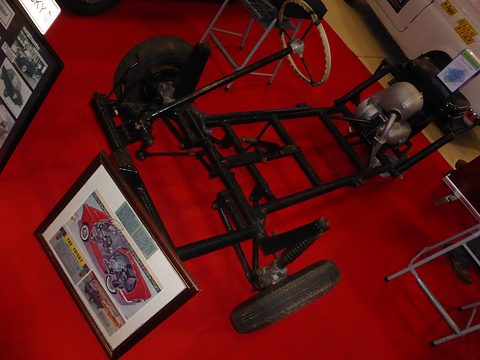
The engineering fell to Gordon Bedson, once of Kieft and Vickers and by then Meadows’ export sales manager, and the project engineer Keith Peckmore (more on the team in the designers).source 1source 4 From about July 1956, in a back room at Meadows, they built a prototype nicknamed “the Bug”: a gull-winged glass-fibre shell on a brazed ladder frame, a 250 cc Villiers twin, a four-speed motorcycle gearbox and chain drive to rear wheels set so close together that it needed no differential. For reverse, the engine simply ran backwards.source 1 From 5 December 1956 the Bug ran at Oulton Park for seven days and nights, 6,440 km (4,000 miles) in all, with a fastest lap of 88.4 km/h (54.91 mph).source 1
Geneva, March 1957
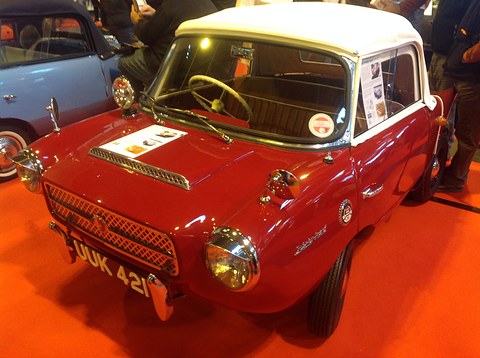
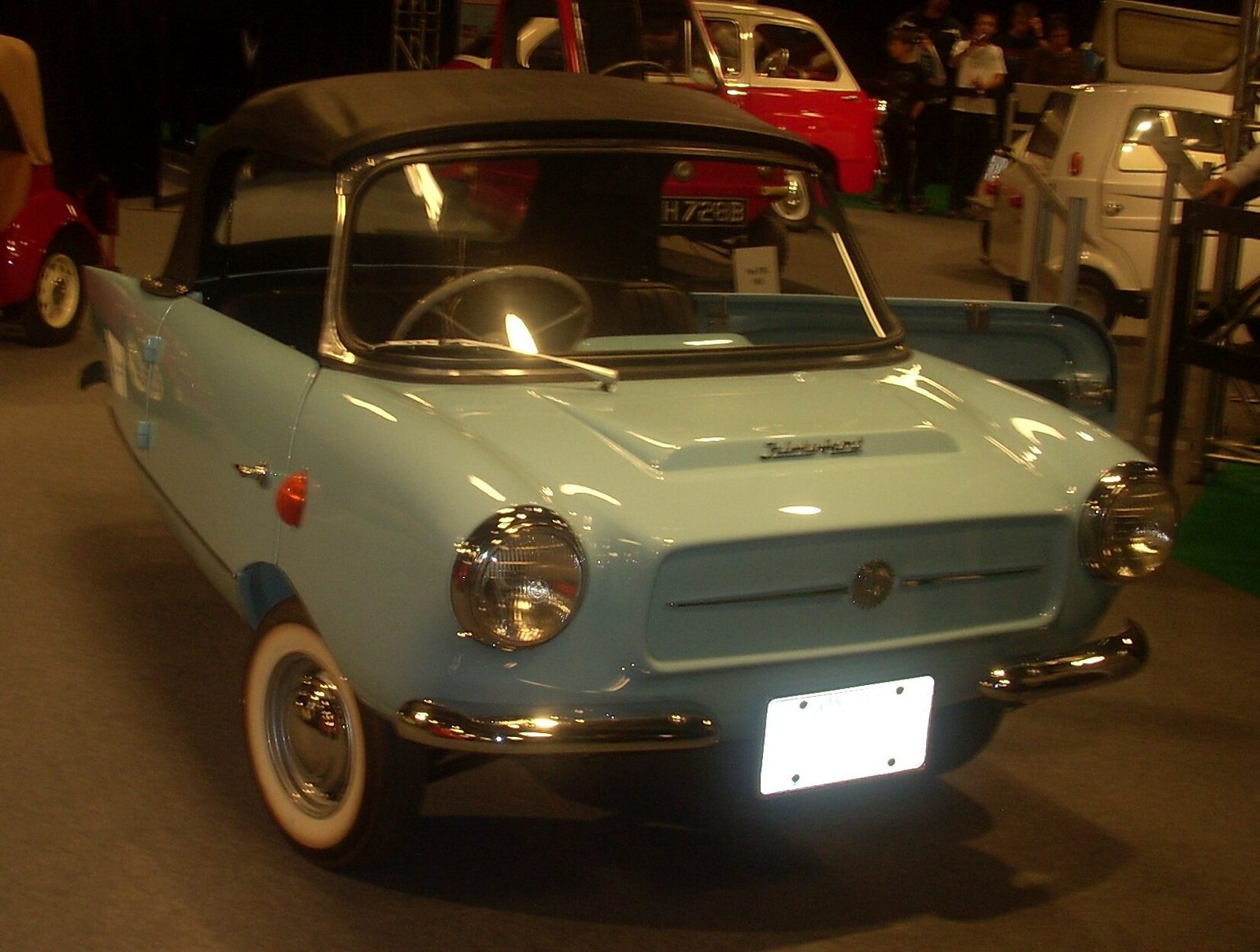
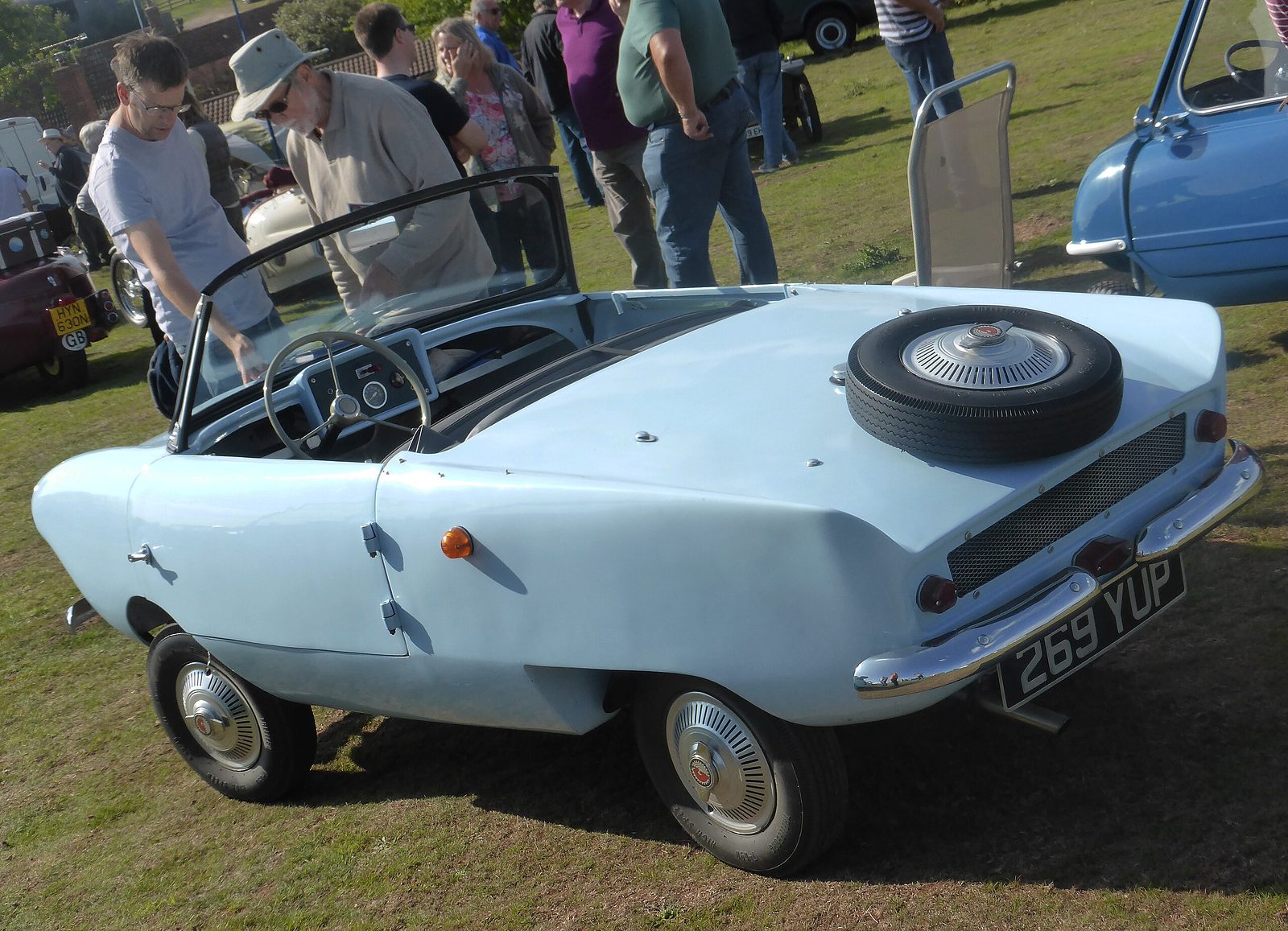
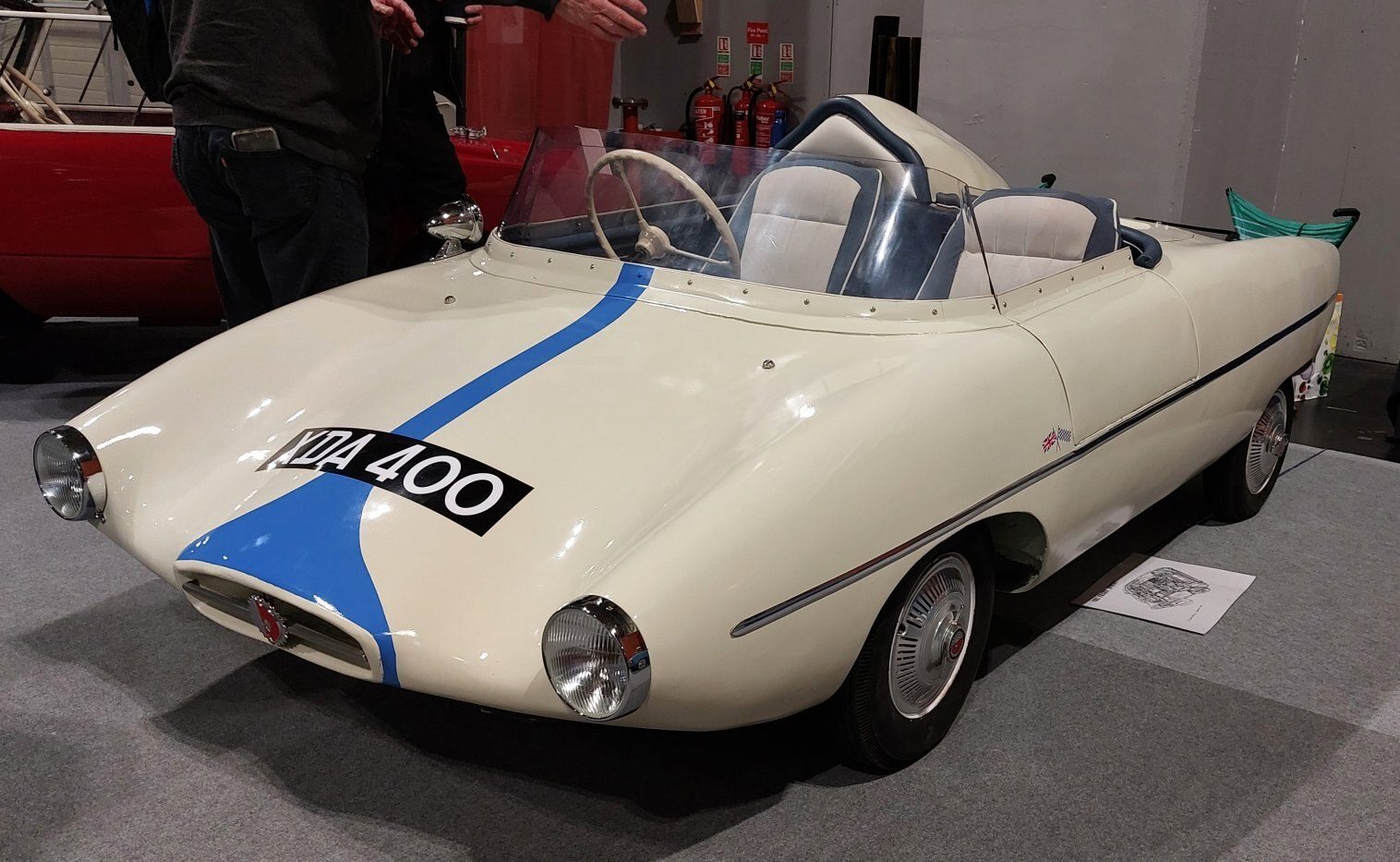
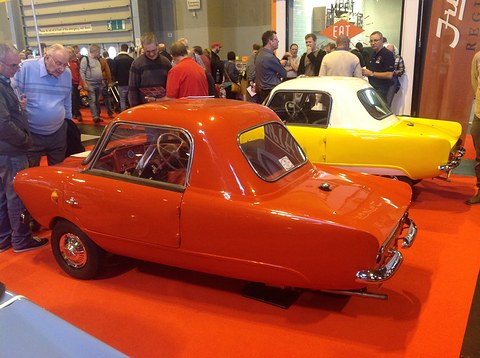
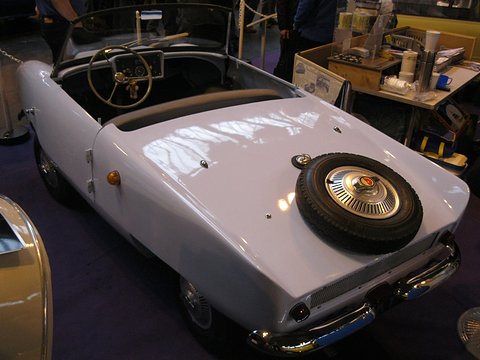
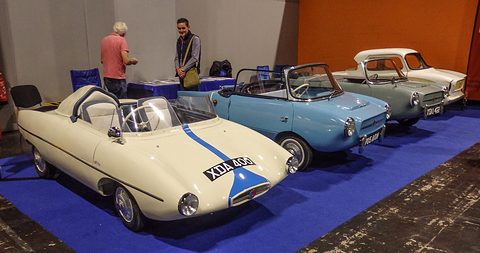
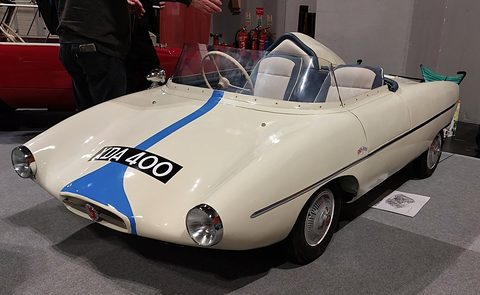
Giovanni Michelotti styled the car for Vignale of Turin, and Vignale delivered the body straight to the Geneva show in March 1957, where the engine stood on display in front of the car. Only two of those gull-wing bodies were made.source 1source 4source 3 The name, Meadows Frisky, was announced on 11 March, with a price of under £400.source 1 At home the local paper reported that German makers were worried, and Flower talked of 1,200 cars a week.source 3
Wolverhampton’s “Bubble Car” Shakes Germans
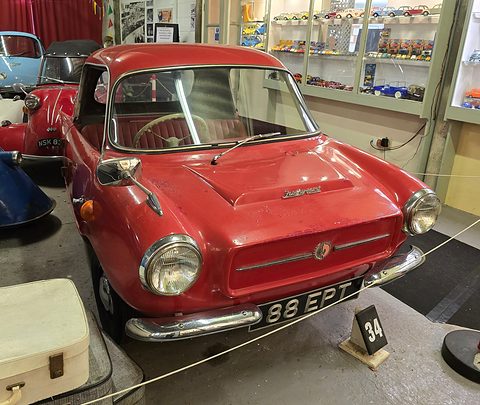
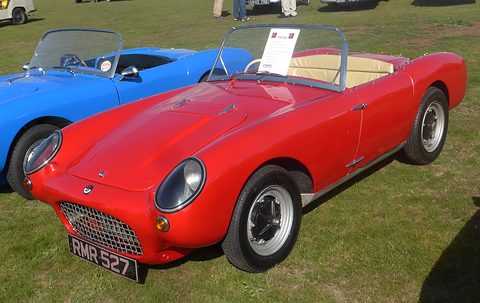
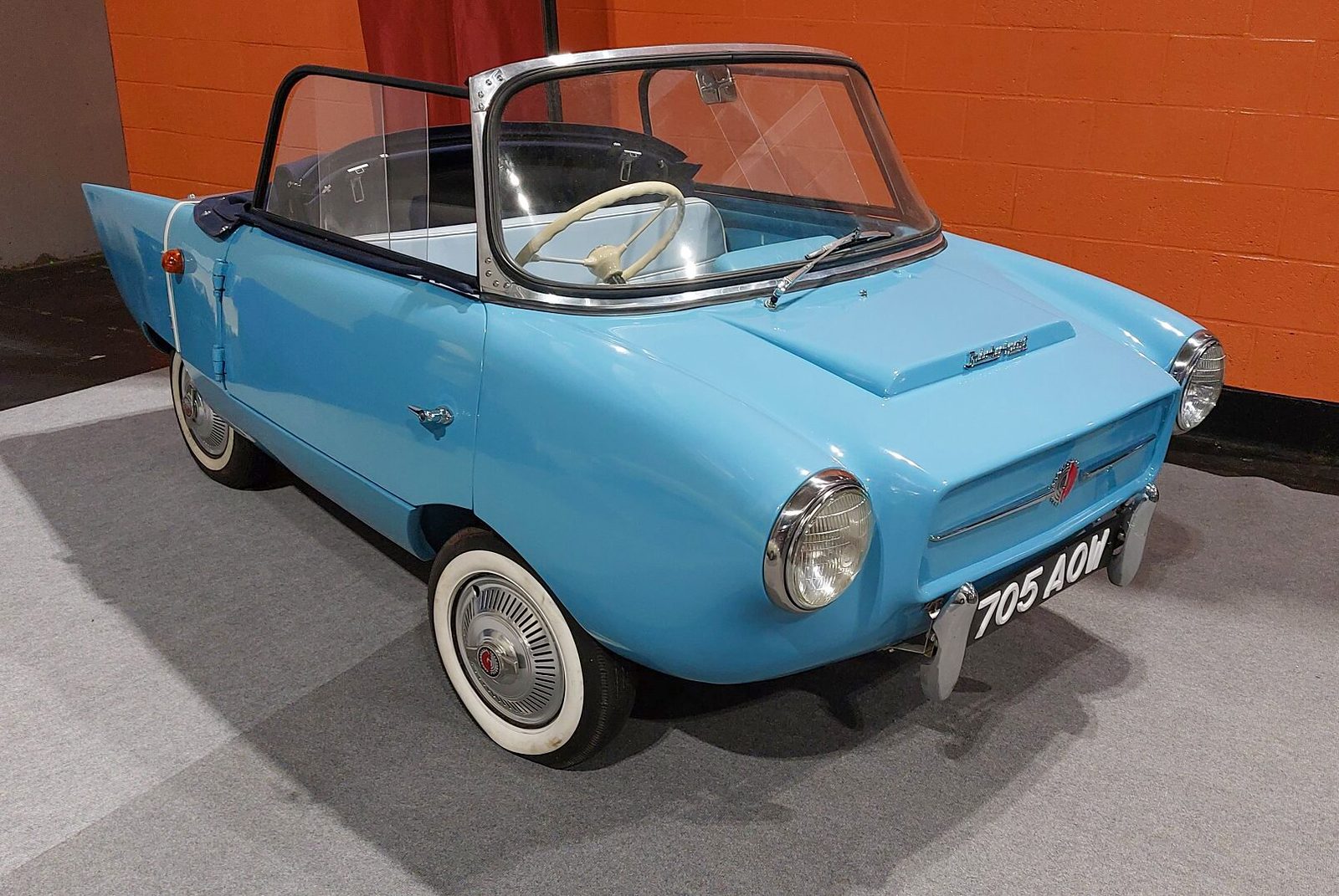
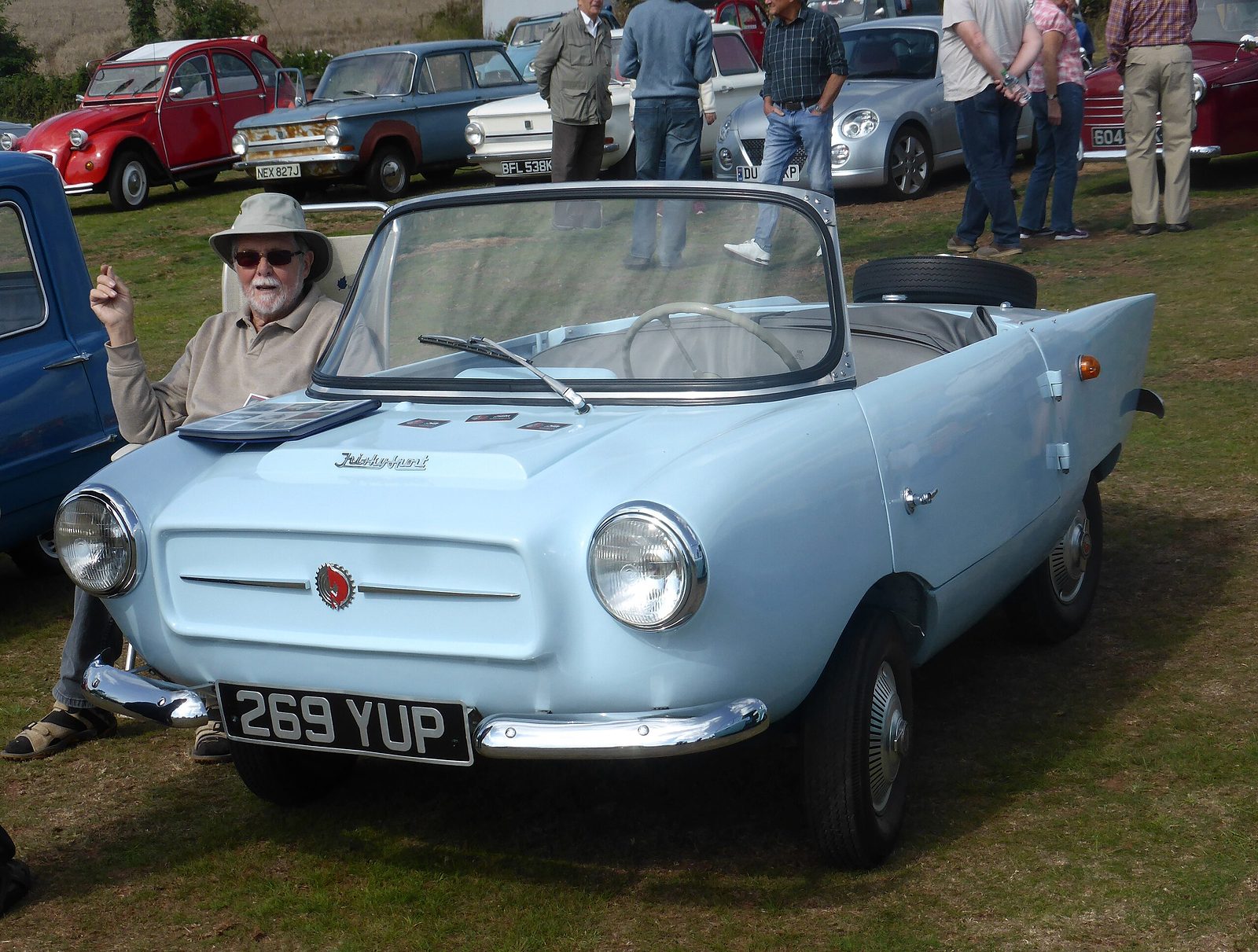
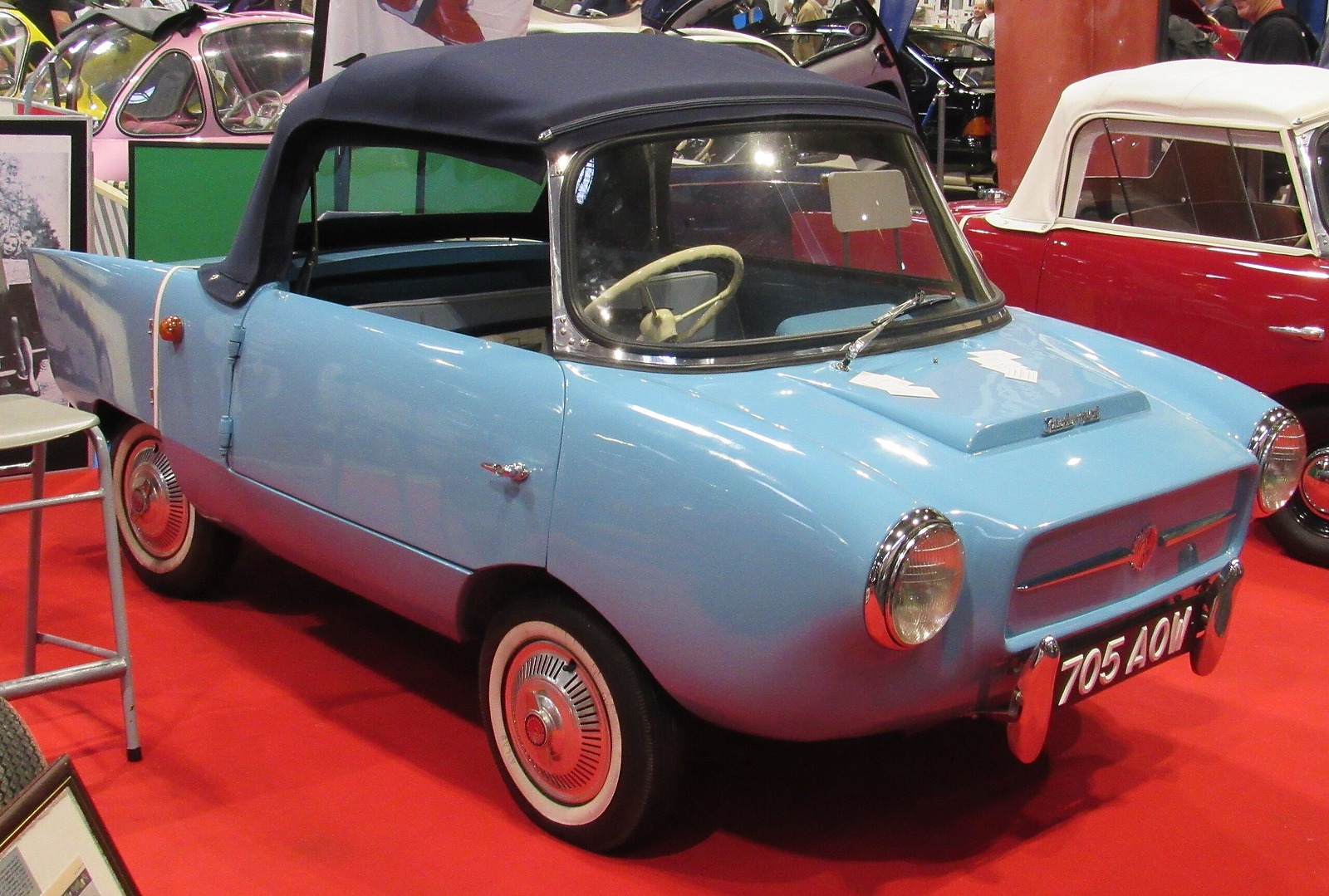
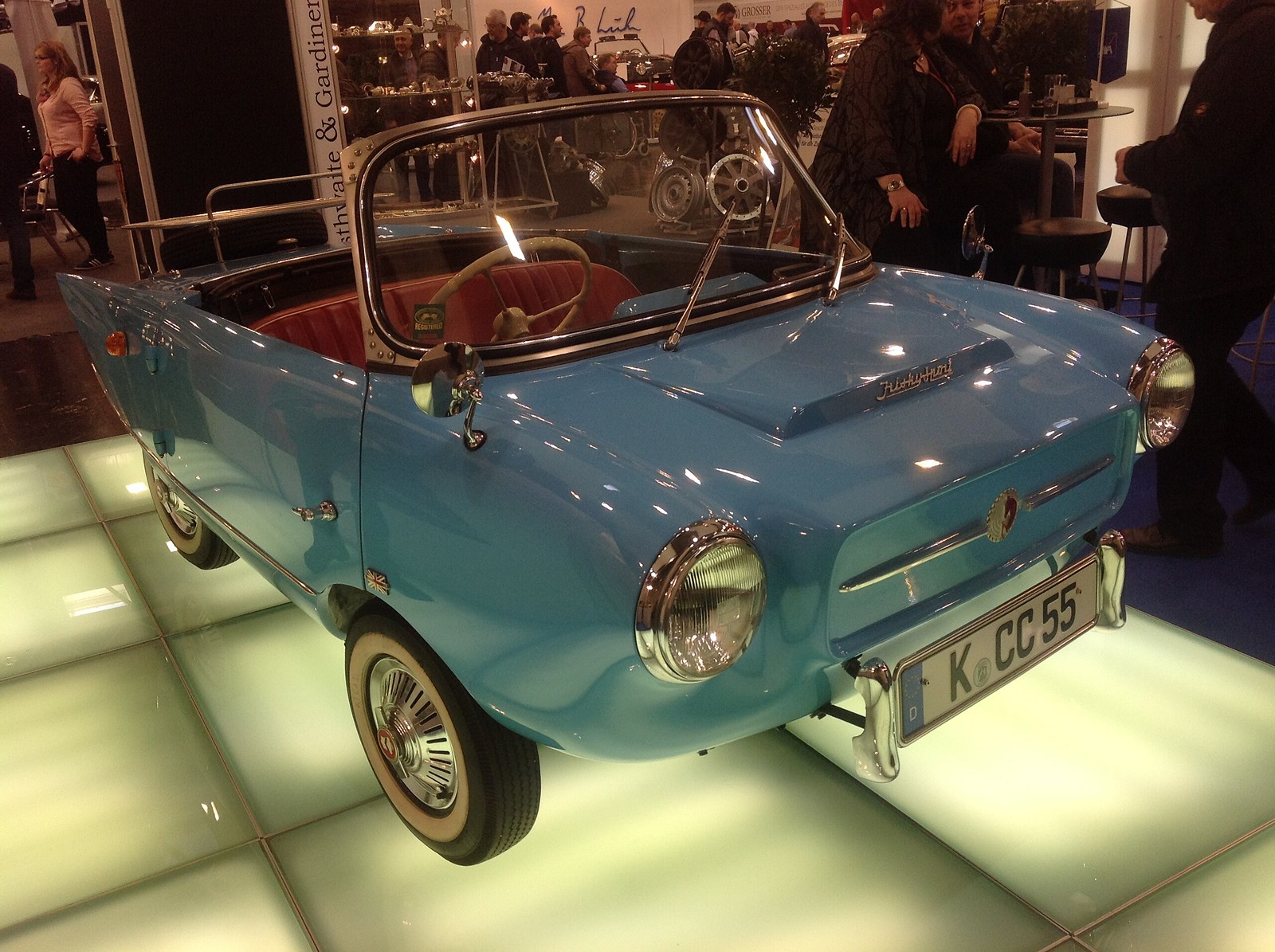
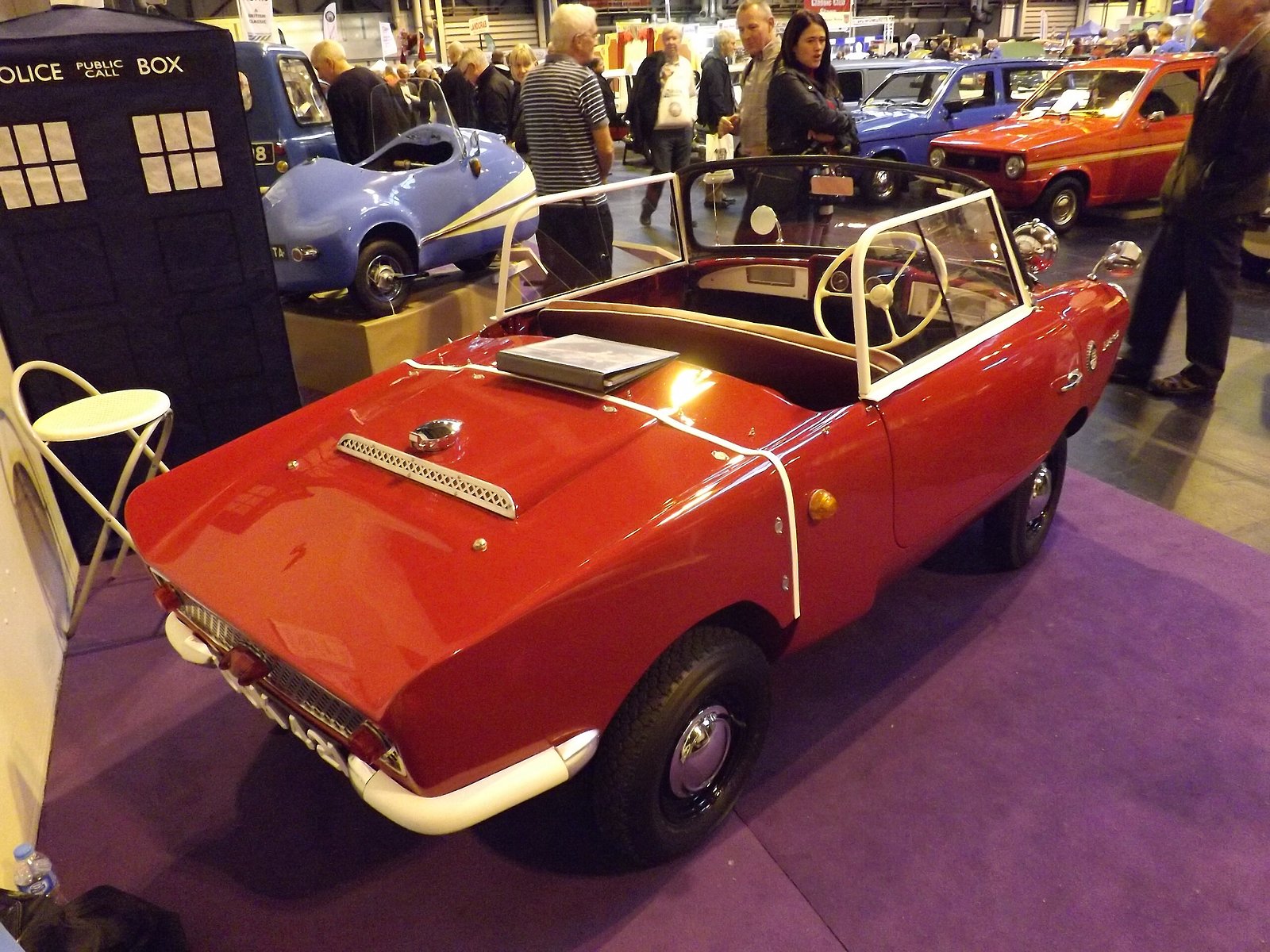
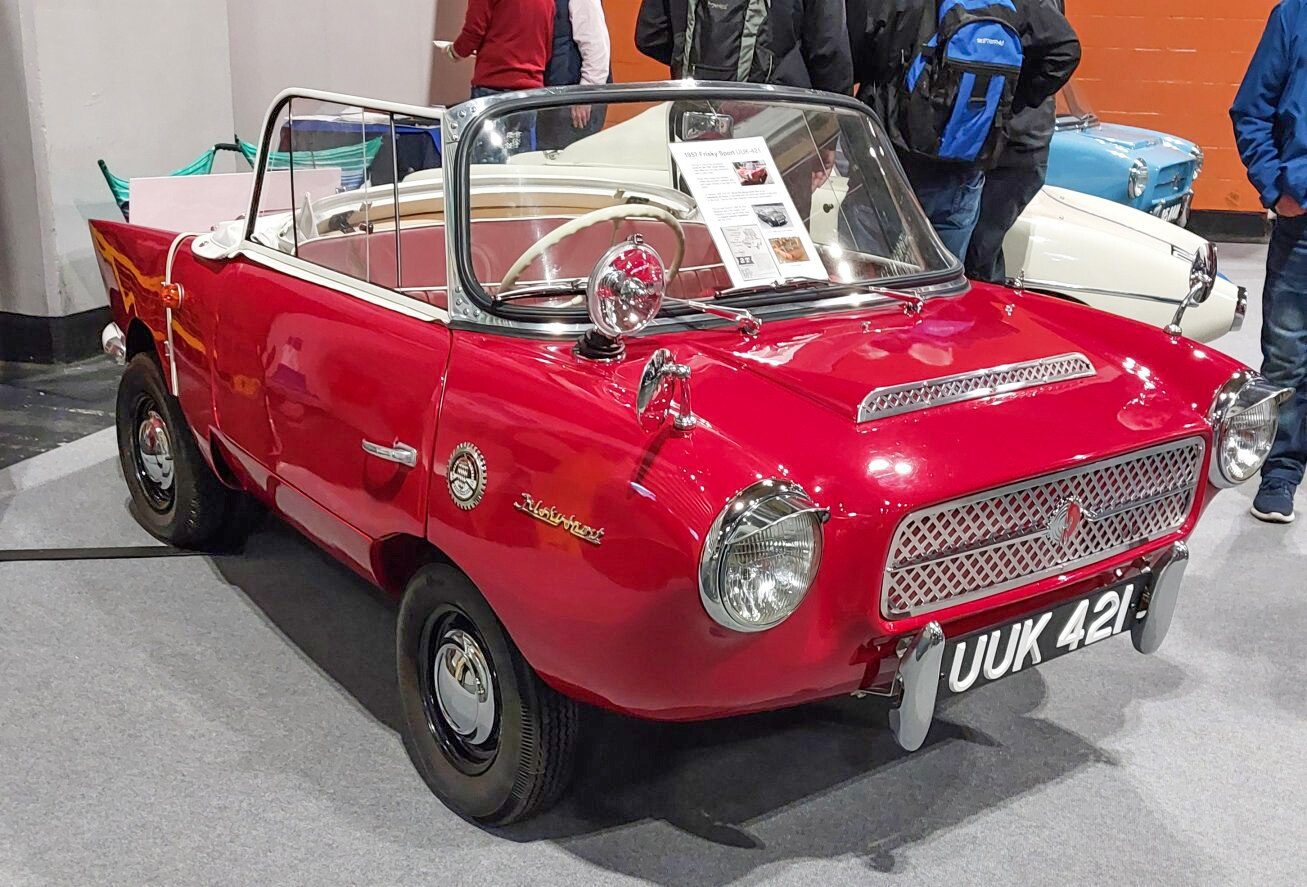
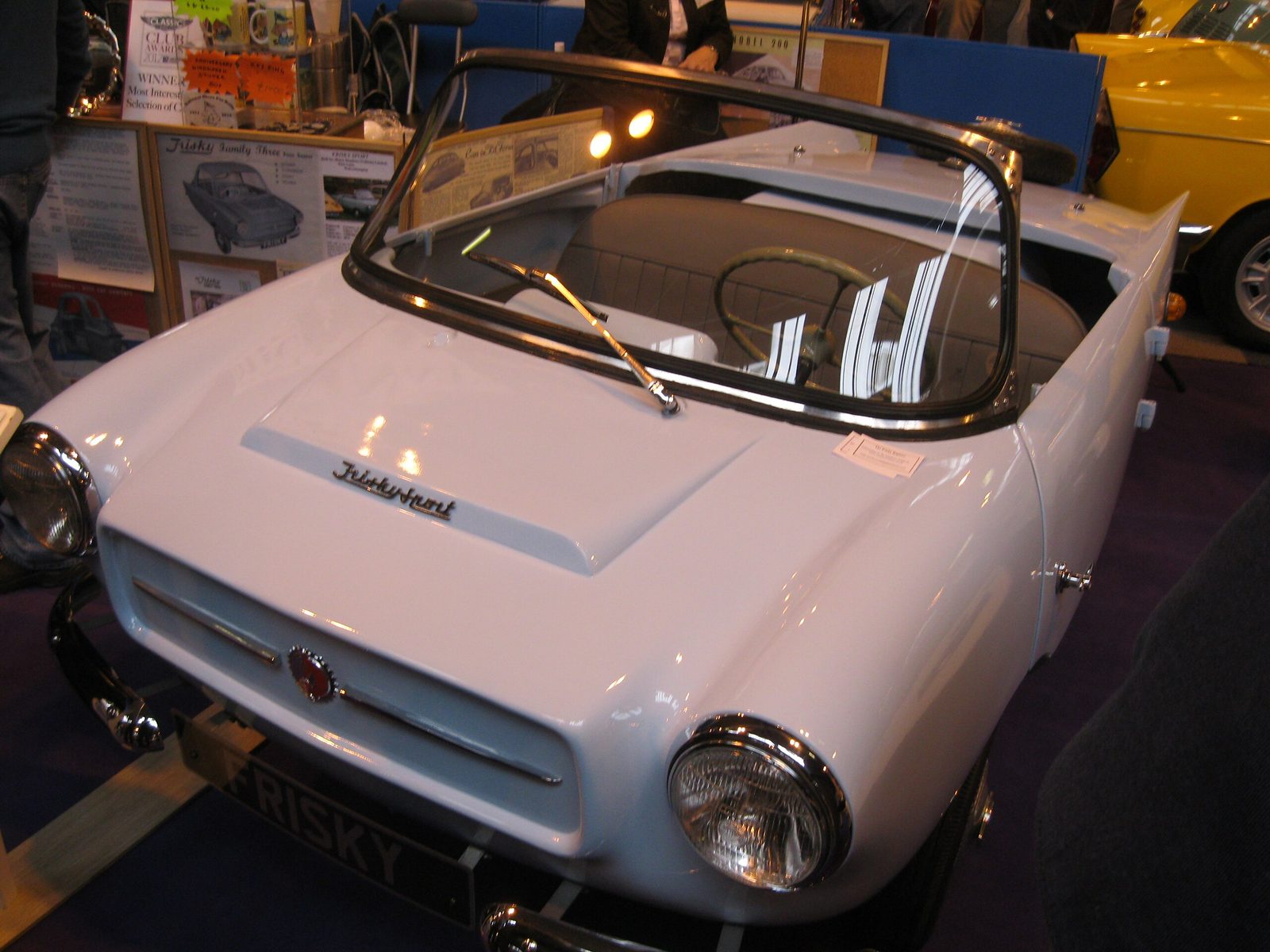
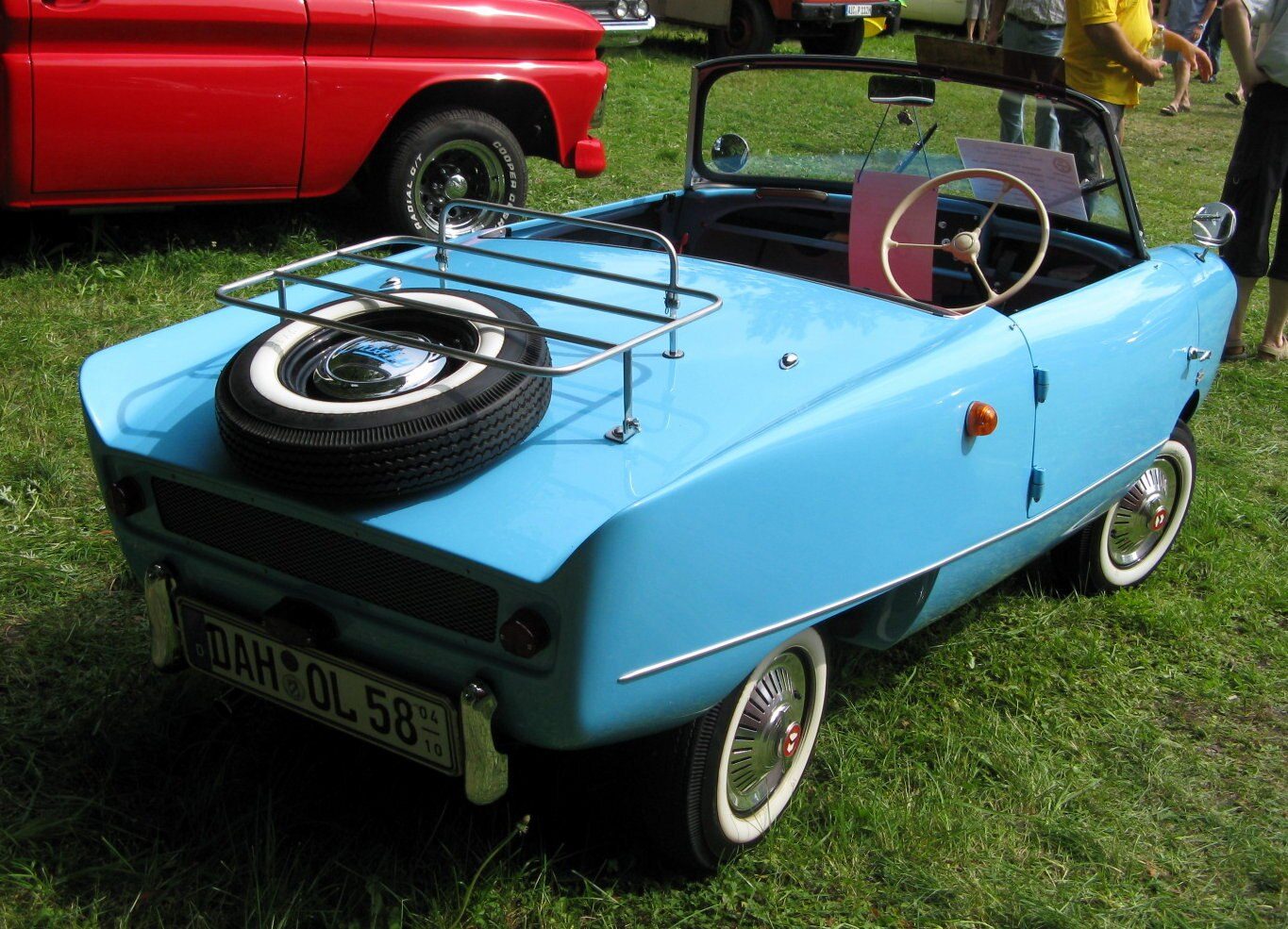
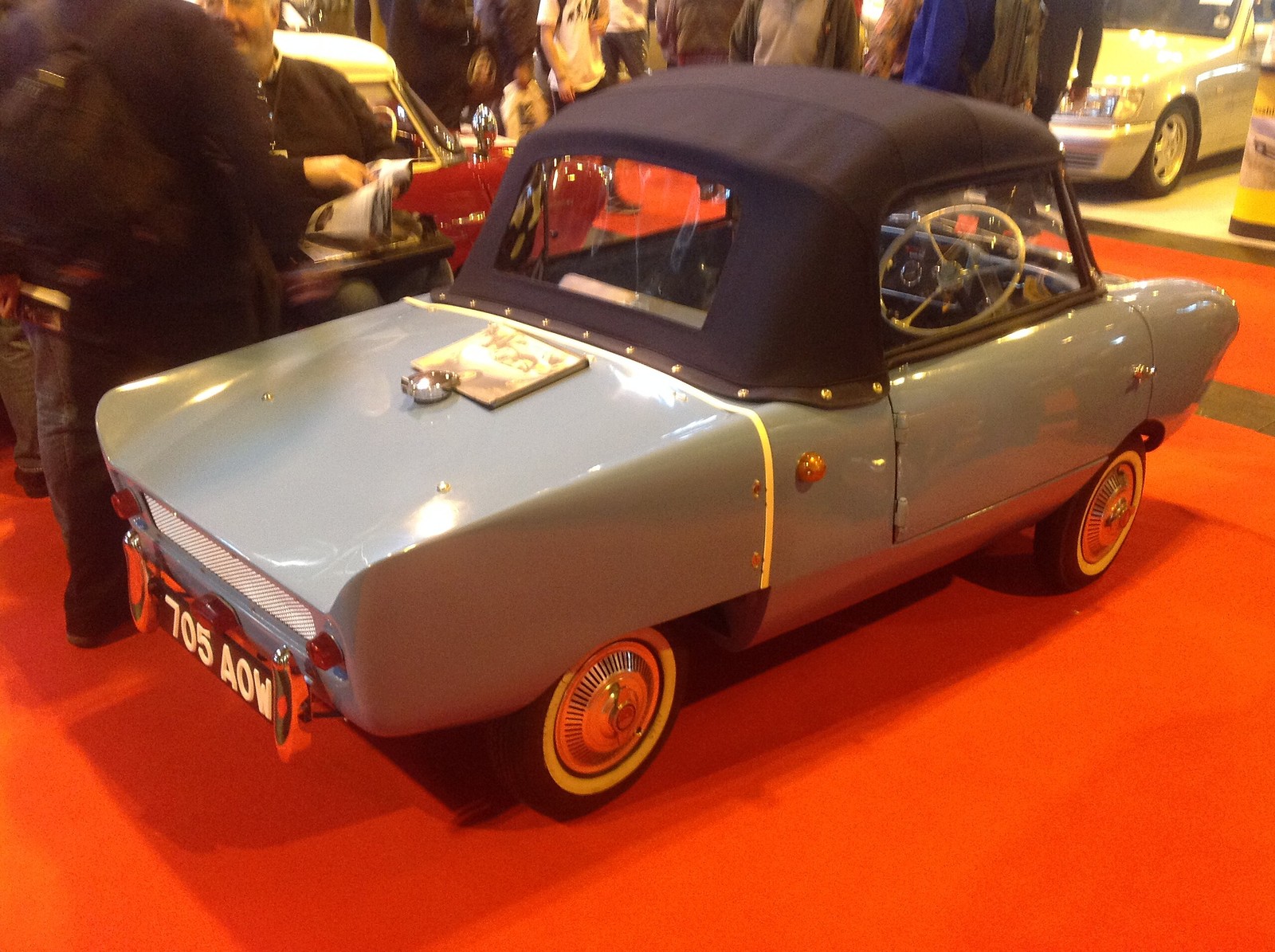
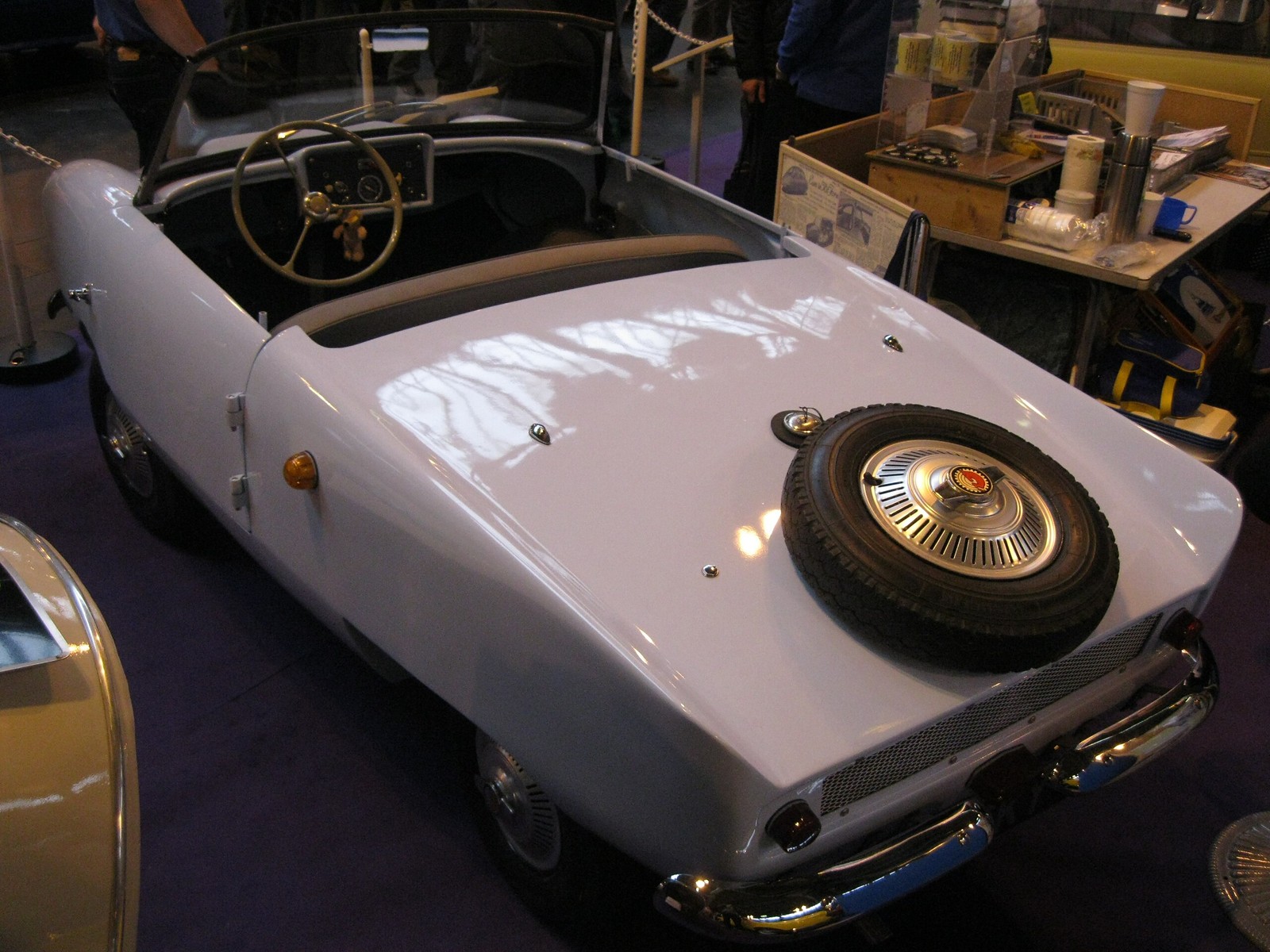
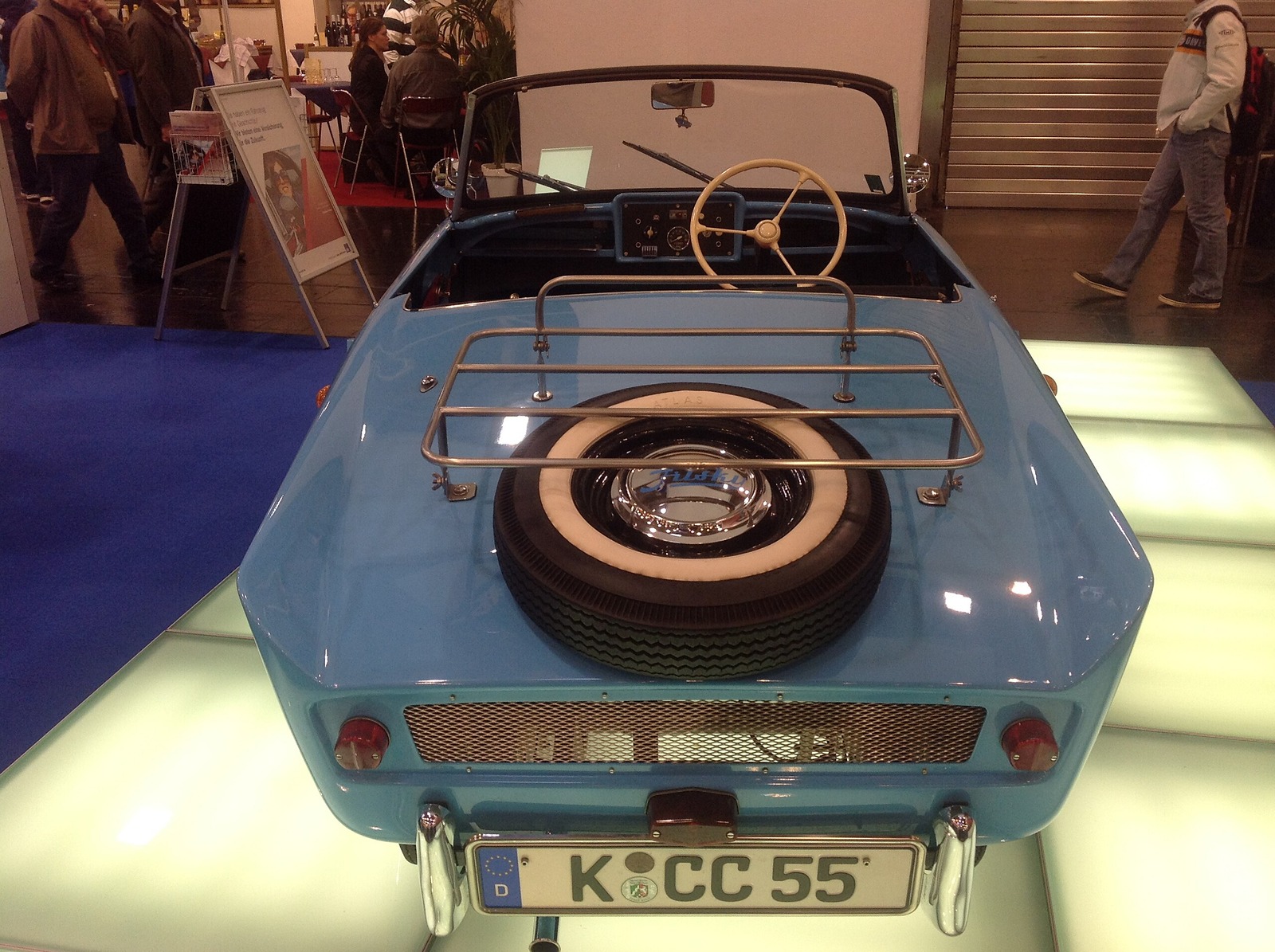
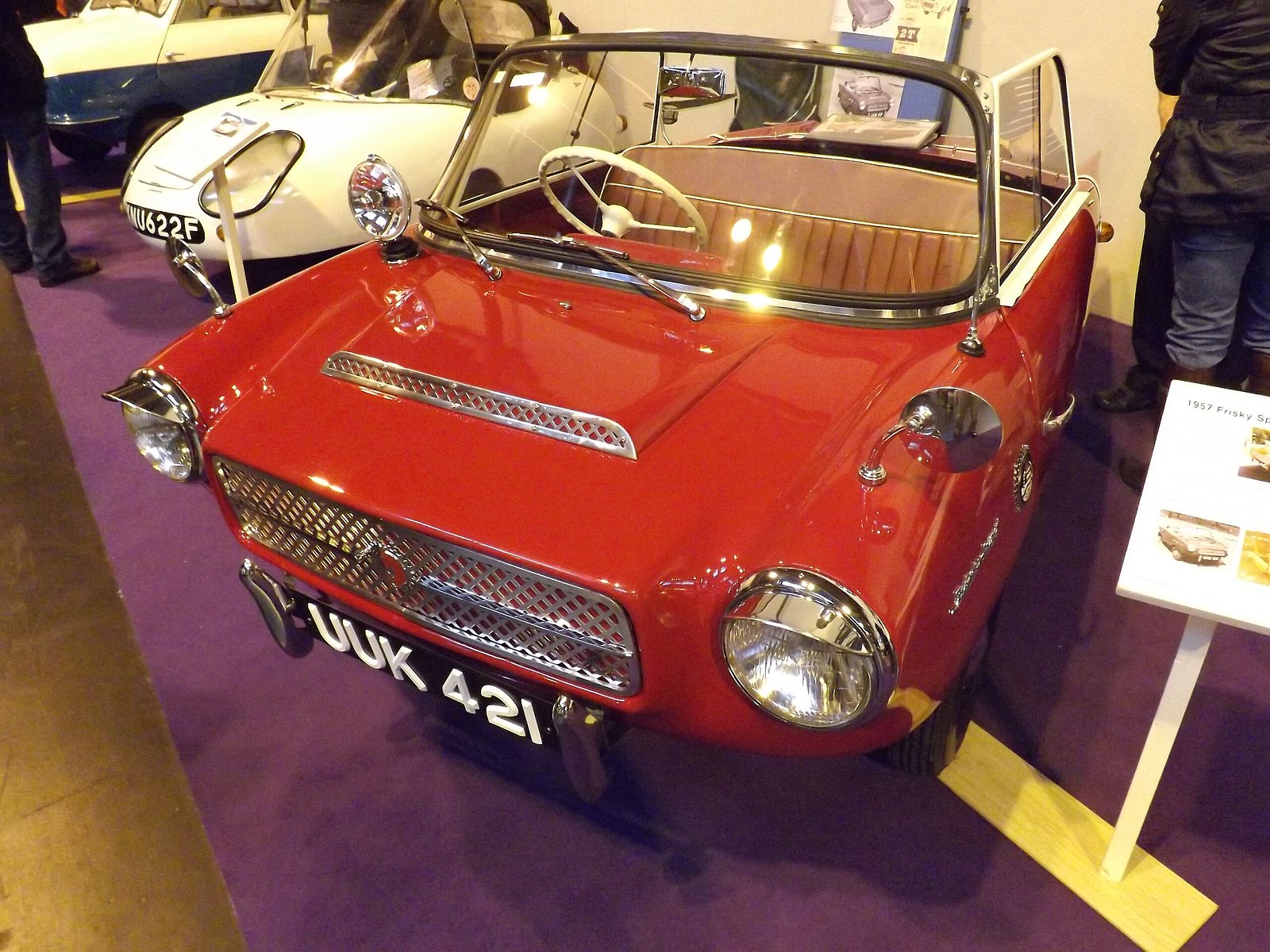
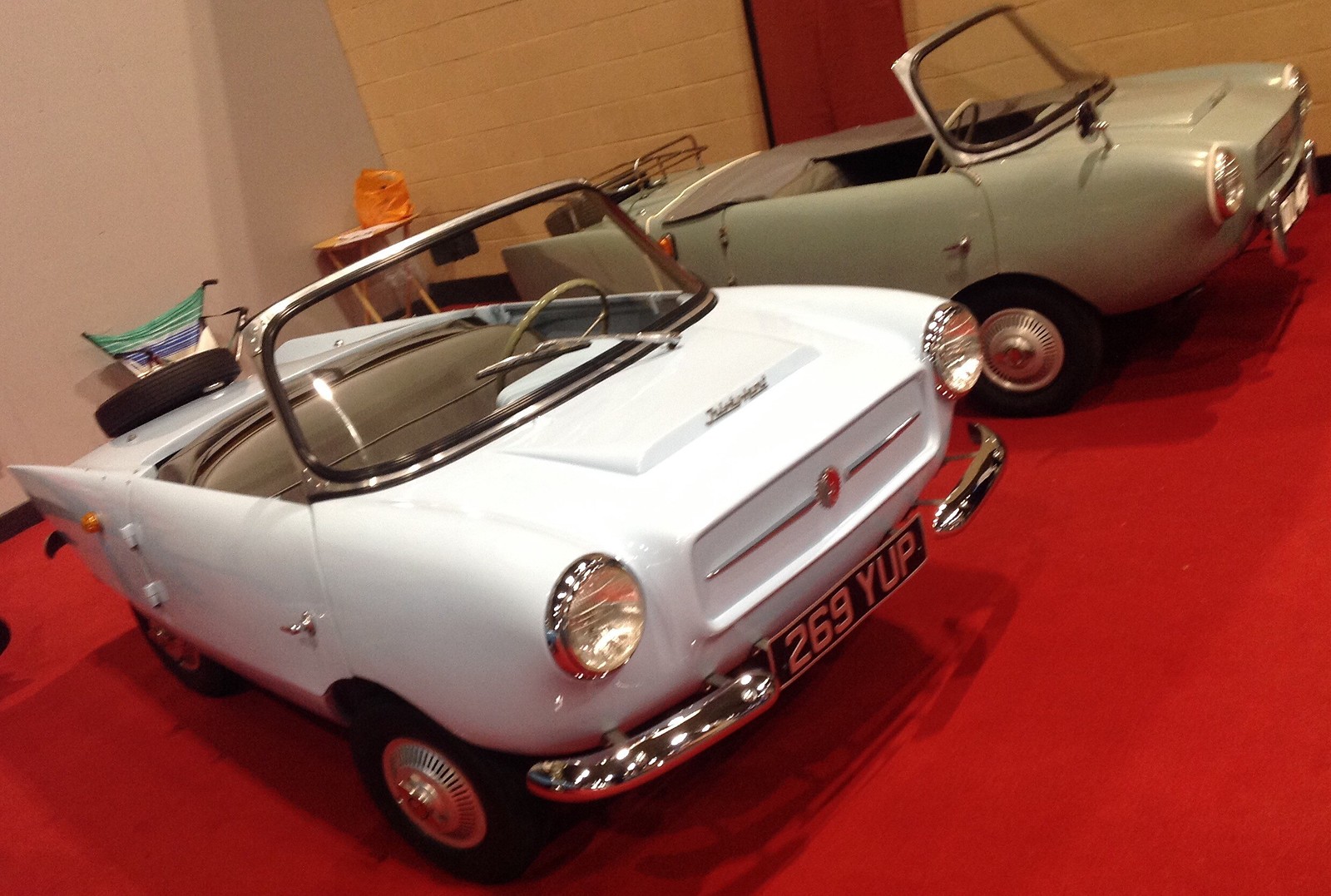
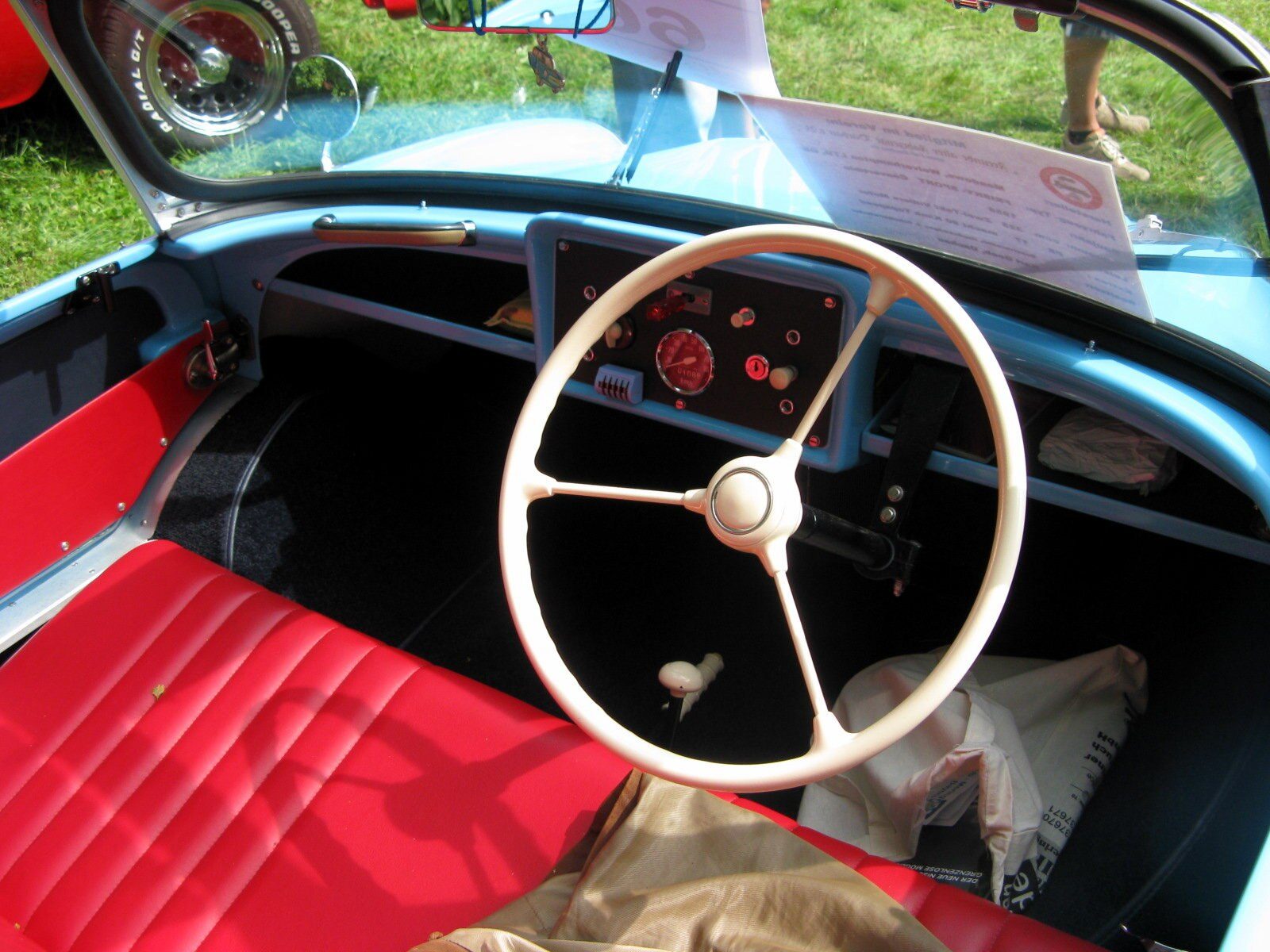
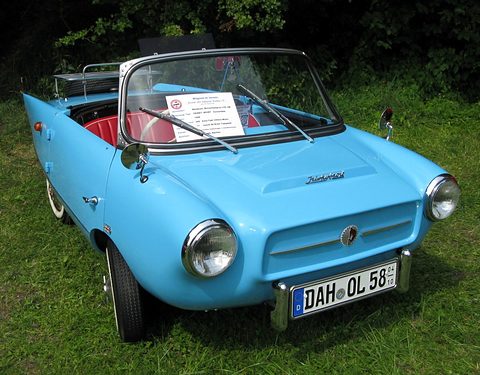
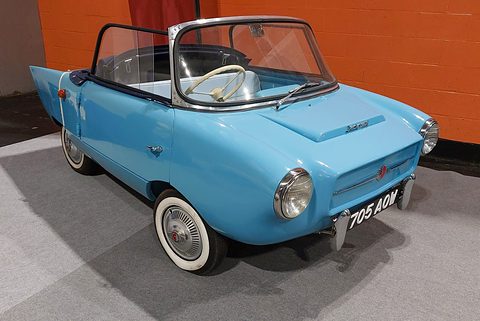
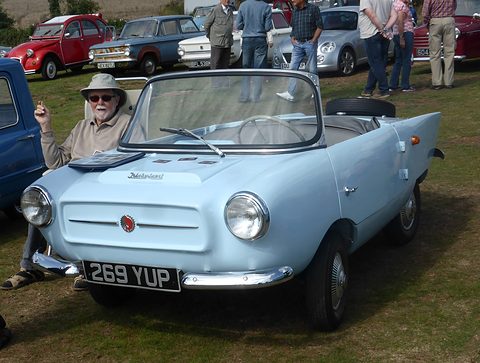
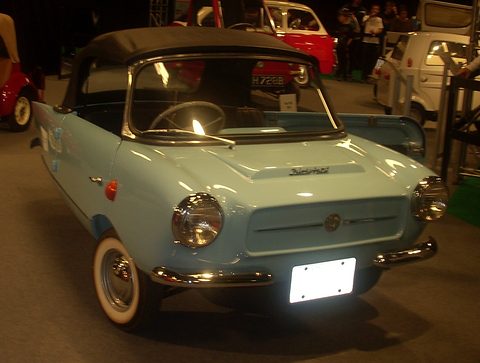
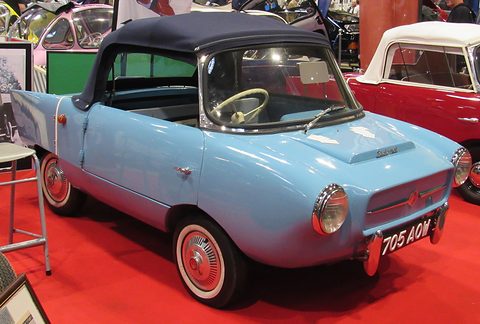
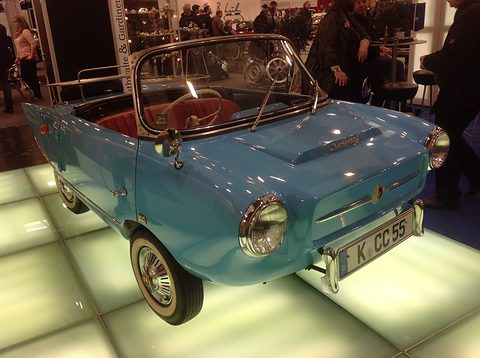
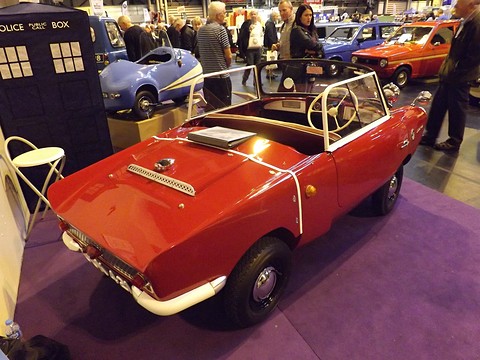
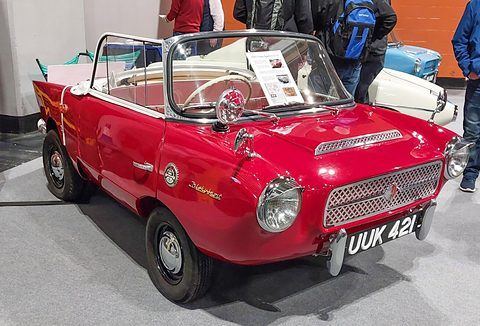
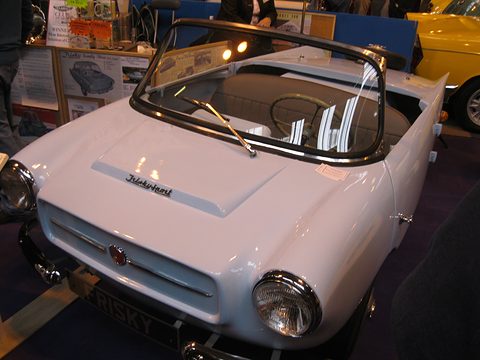
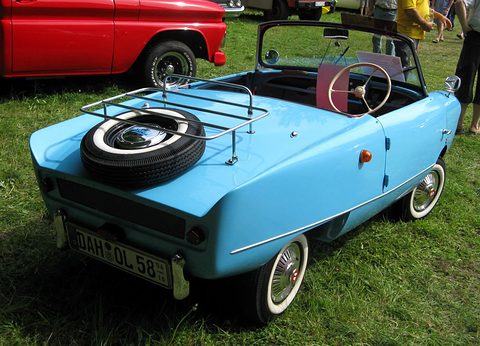
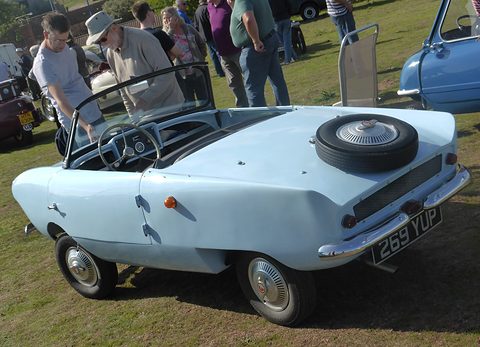
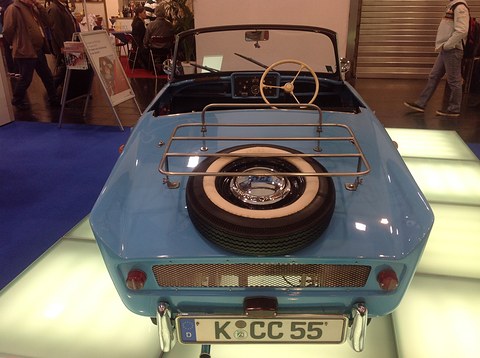
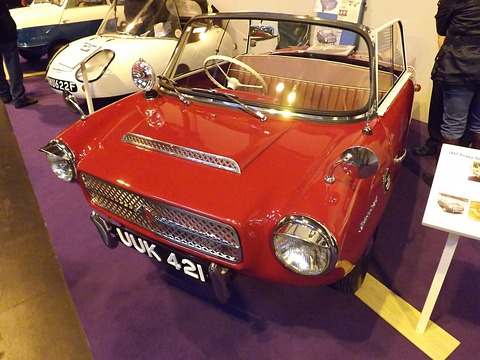
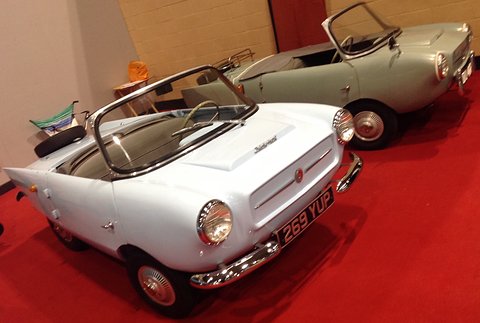
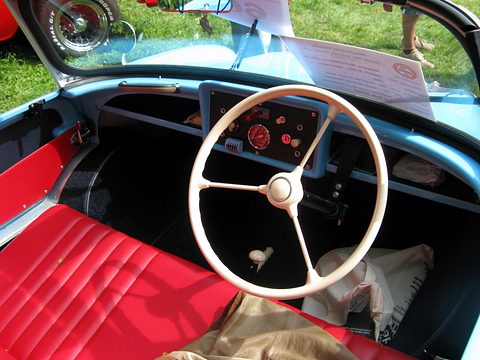
The gull wings were too costly to build. By the Earls Court show in October 1957 the car had rear-hinged doors and a larger engine, Villiers’s 324 cc twin, and the open Friskysport was on the stand, where the Prime Minister, Harold Macmillan, and Bessie Braddock MP tried the driving seat.source 1source 3 Production began in March 1958. The bodies were made at the nearby Guy Motors works, which had a glass-fibre shop for lorry cabs, and about 25 people built the cars.source 1source 3source 5 It was not cheap: the Friskysport cost £484 17s in 1958.source 1source 3
Five owners
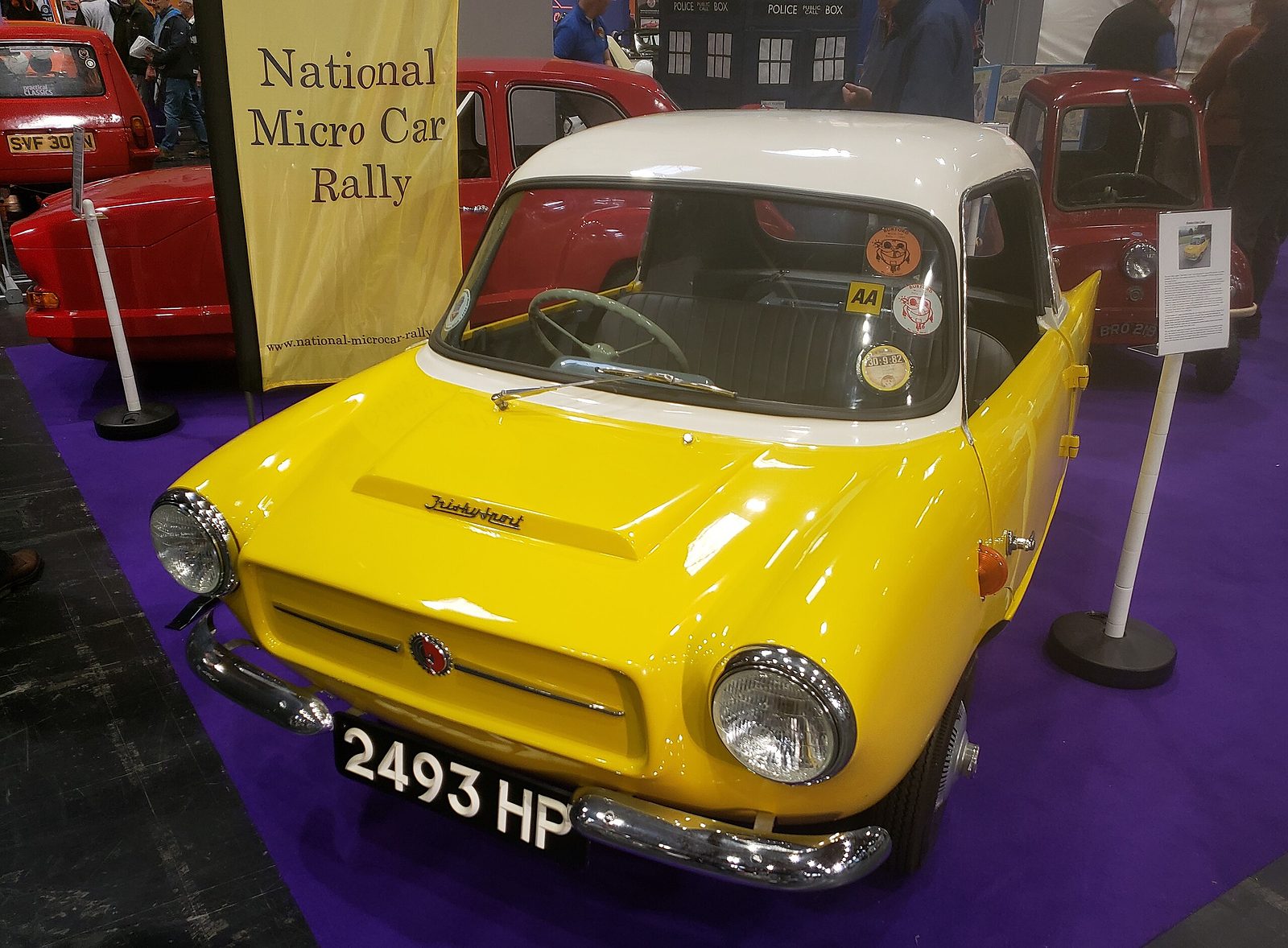
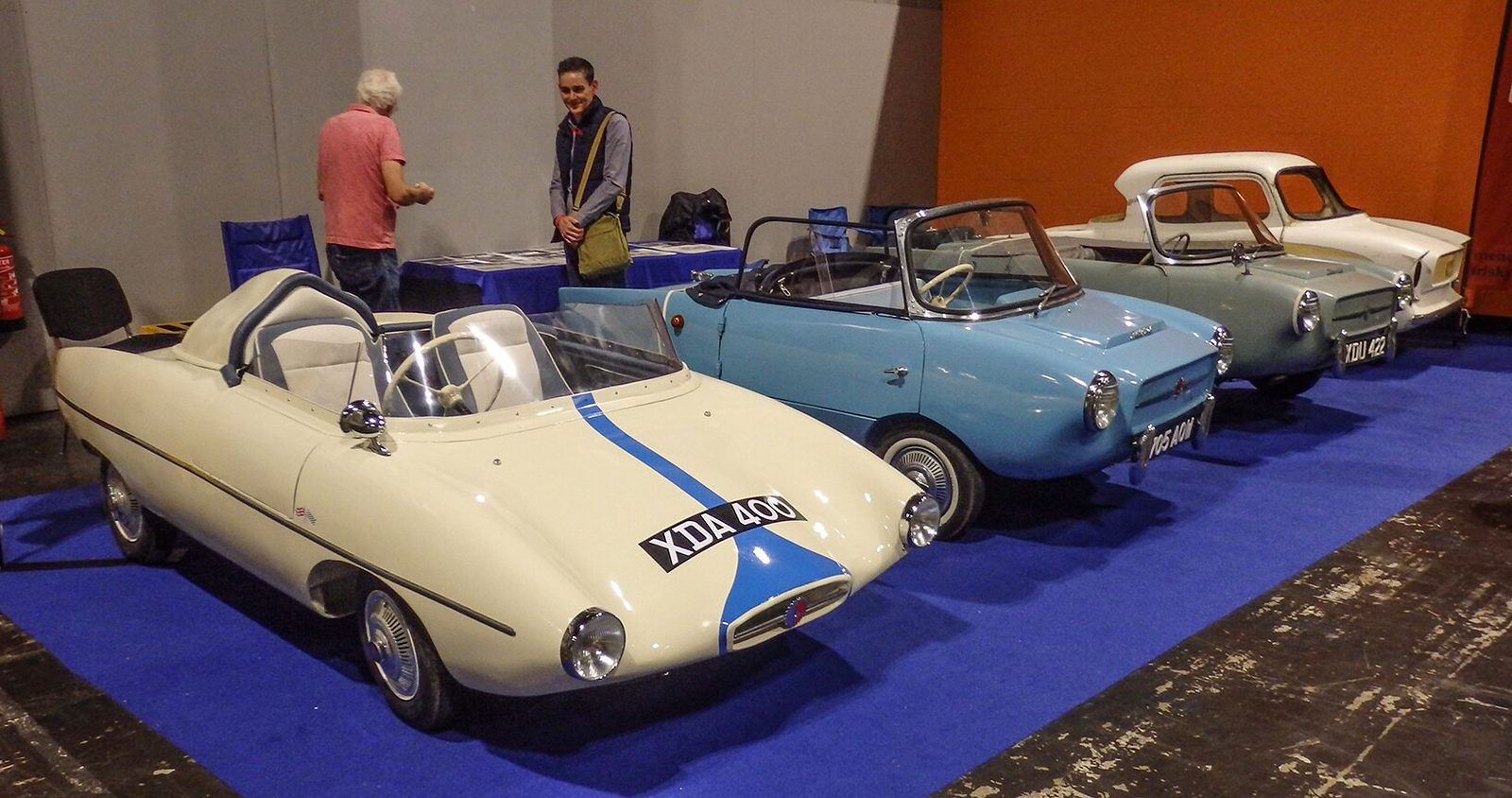
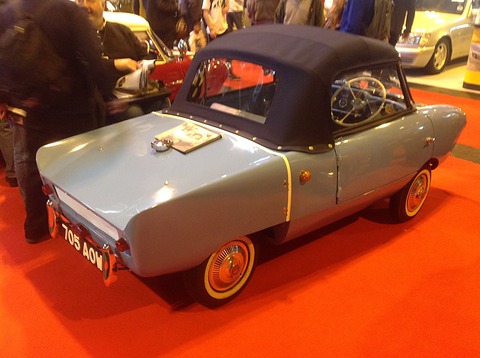
The company passed from hand to hand. In February 1958 the Flower Group took control of Henry Meadows (Vehicles) and Raymond Flower became chairman; in September the Marston Group took over and renamed it Frisky Cars Ltd.source 1 At Earls Court that October came a Coupé, the three-wheeled Family Three and the Friskysprint, a racing two-seater with Excelsior’s 492 cc triple, for which 145 km/h (90 mph) was claimed. Motor Sport noted that its occupants were barely sheltered by the screen. It was never built in series.source 1source 6source 7 Late in 1958 by the RUM register’s account, or in 1959 by John Meadows’s, Egypt’s President Nasser was interested in building a Frisky there as the “Ramses”, but the British government vetoed it, and the Ramses that was made was based on an NSU (see built under licence).source 2source 8
The Friskysport also went racing. At the 12 Hours of Hockenheim on 26 May 1958, West Germany’s first race for small cars, a Frisky crashed at the Stadtkurve. It was WDA 93, built by Keith Peckmore; it was rolled and virtually destroyed, and decades later its driver was identified as Lord Raglan.source 9source 10source 2
… der ähnlich Walt Disneys berühmtem Enterich Donald Duck durch die Stadtkurve wackelte.
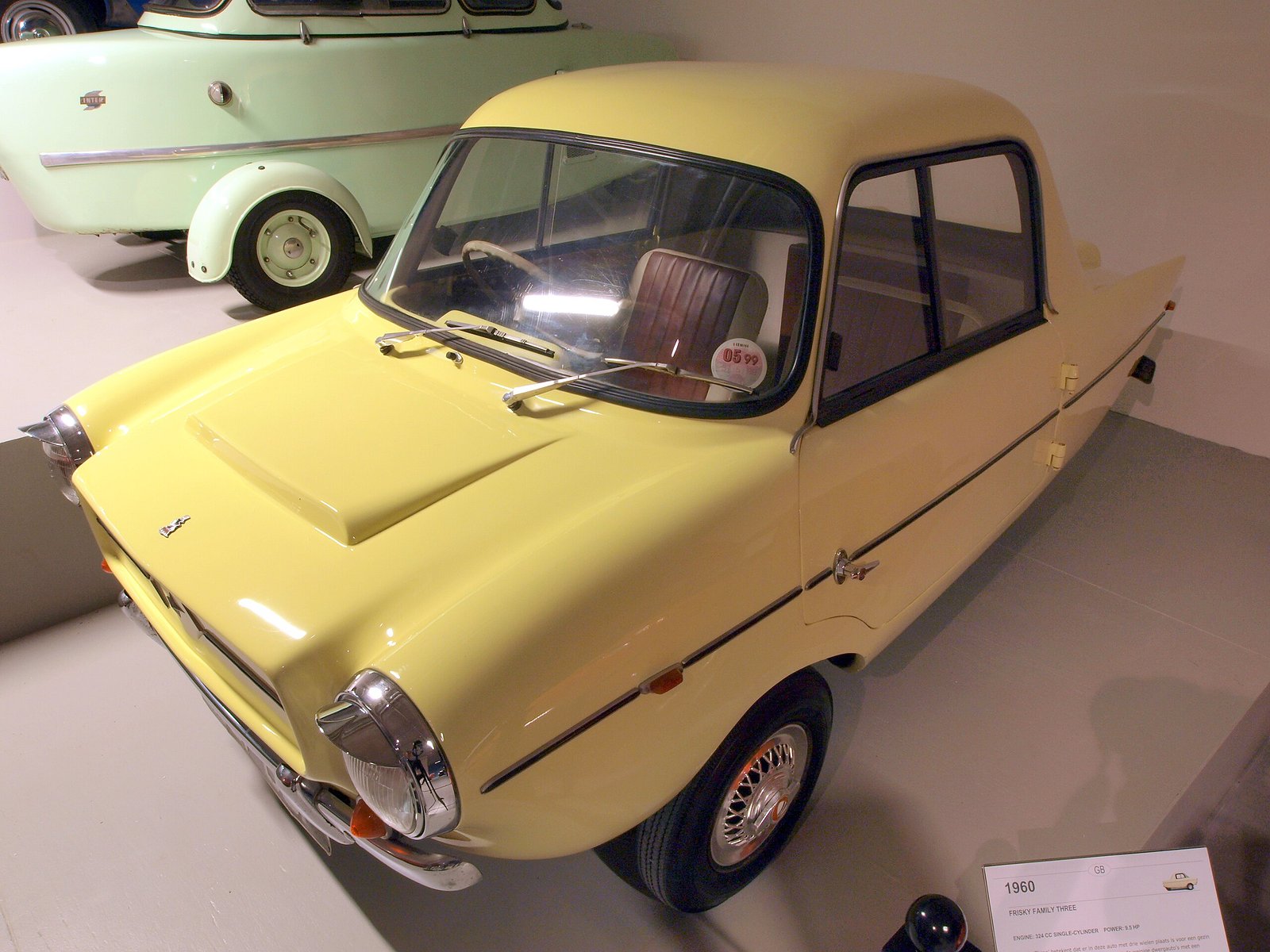
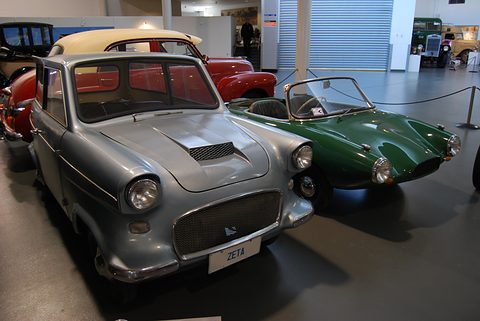
The Family Three went into production early in 1959: a three-wheeler with a 197 cc Villiers single, built for drivers with only a motorcycle licence, and for the lower rate of tax.source 1source 2source 11 It became the best seller.source 2source 11 Its bodies came from Hills Fibreglass Developments of Wednesfield, and in June 1959 Hills obtained a winding-up order over a debt of £3,500. Mr Justice Vaisey granted it with some regret, and production stopped.source 1source 3 In August a Wolverhampton garage and haulage man, C. J. Wright, bought the assets as Frisky Cars (1959) Ltd, aiming at 30 three-wheelers a week; a Mk2 followed with a longer chassis, the engine moved out of the cabin and a proper reverse gear.source 1source 3source 2 Bedson and Peckmore left for Lightburn in Adelaide, where the Frisky-based Lightburn Zeta followed.source 1source 3
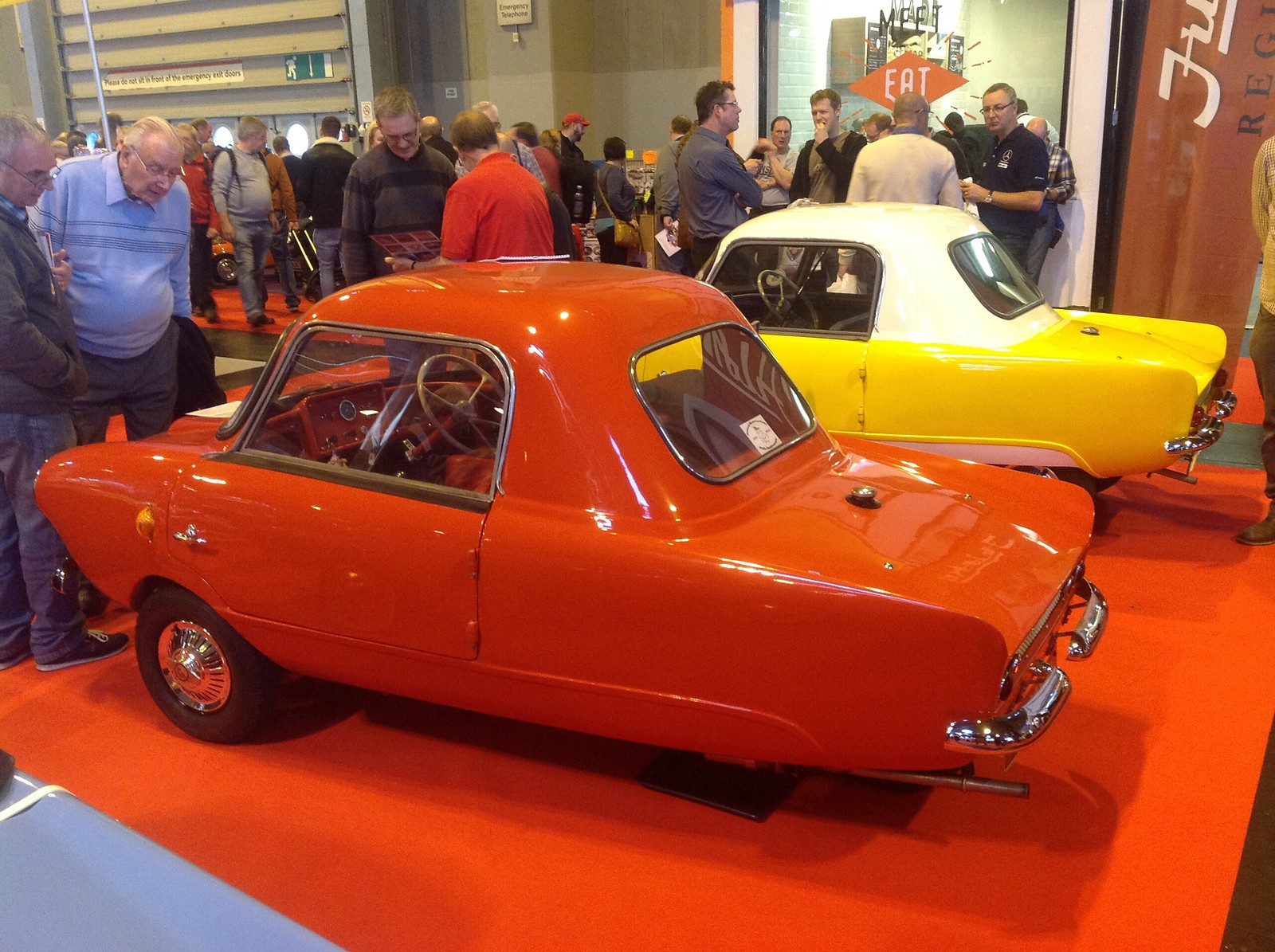
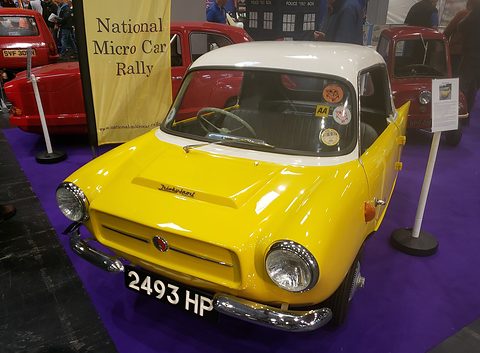
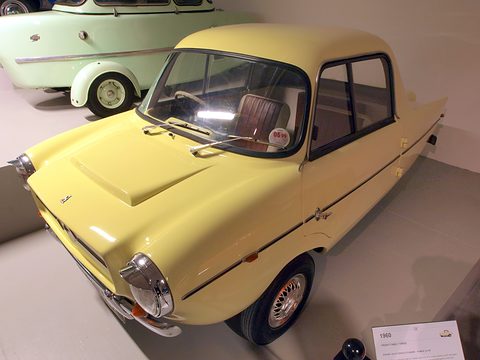
The last new model, at Earls Court in 1960, was the Prince, a Family Three re-bodied as a coupé with heavy pillars; the Weiner museum calls it a coarse, clumsy restyle.source 1source 4 That autumn a joint managing director, Anthony Brindle, set out to visit Paris, Luxembourg, Brussels, Amsterdam and London on £5 of fuel; how he fared is not recorded.source 1 In February 1961 Petbow Ltd of Sandwich, Kent, bought the company and moved production there. A four-wheeled Prince was announced and never built, and work stopped towards the end of 1961.source 1source 5 A spares firm at Queenborough would still assemble a car to order until about 1966, which probably explains why some sources run the story to 1964.source 1 Henry Meadows itself was bought by Jaguar in 1965.source 5