The story
History
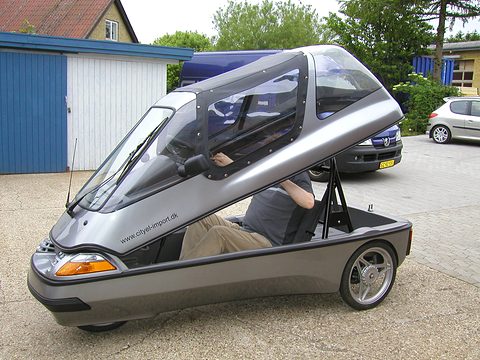
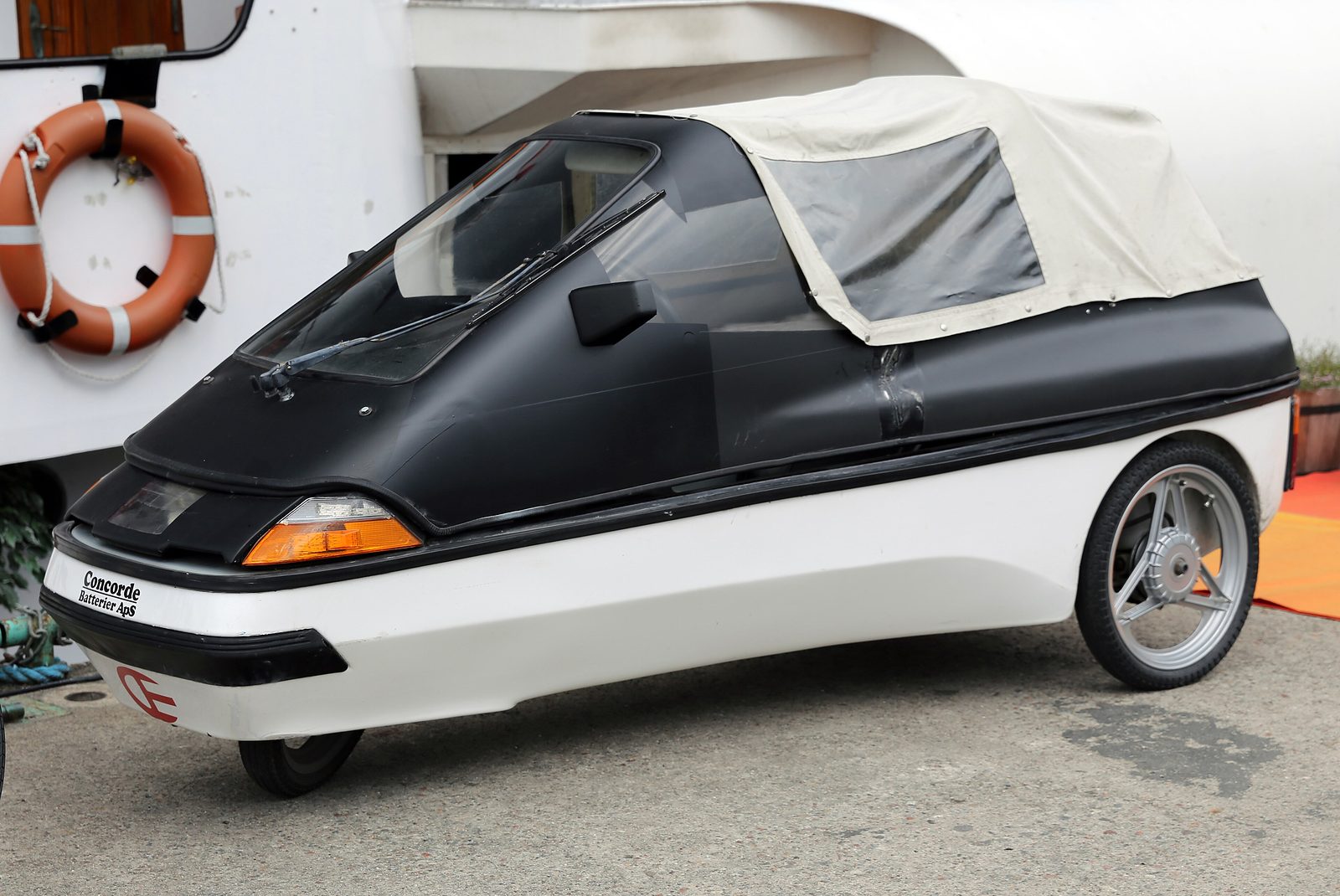
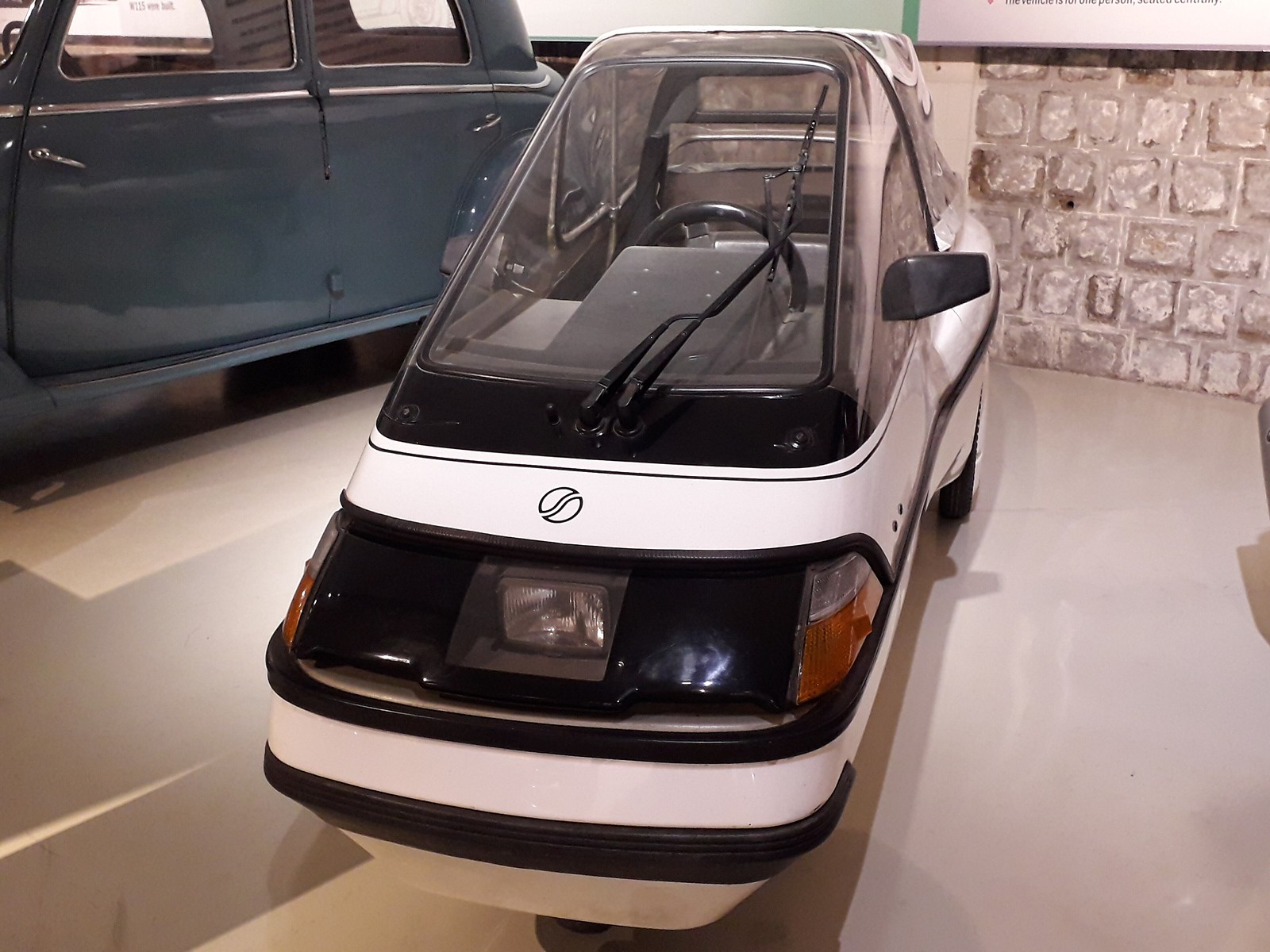
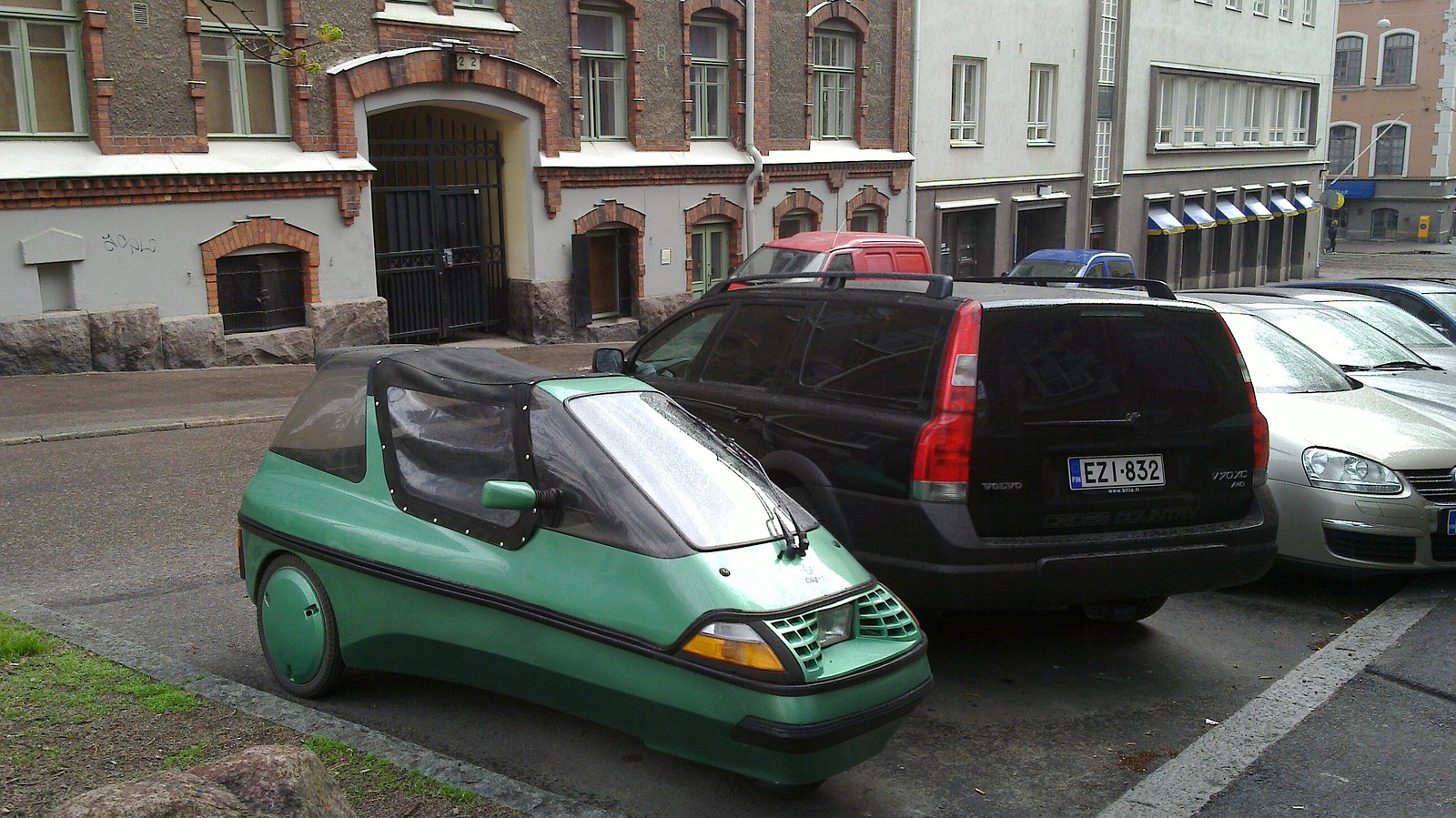
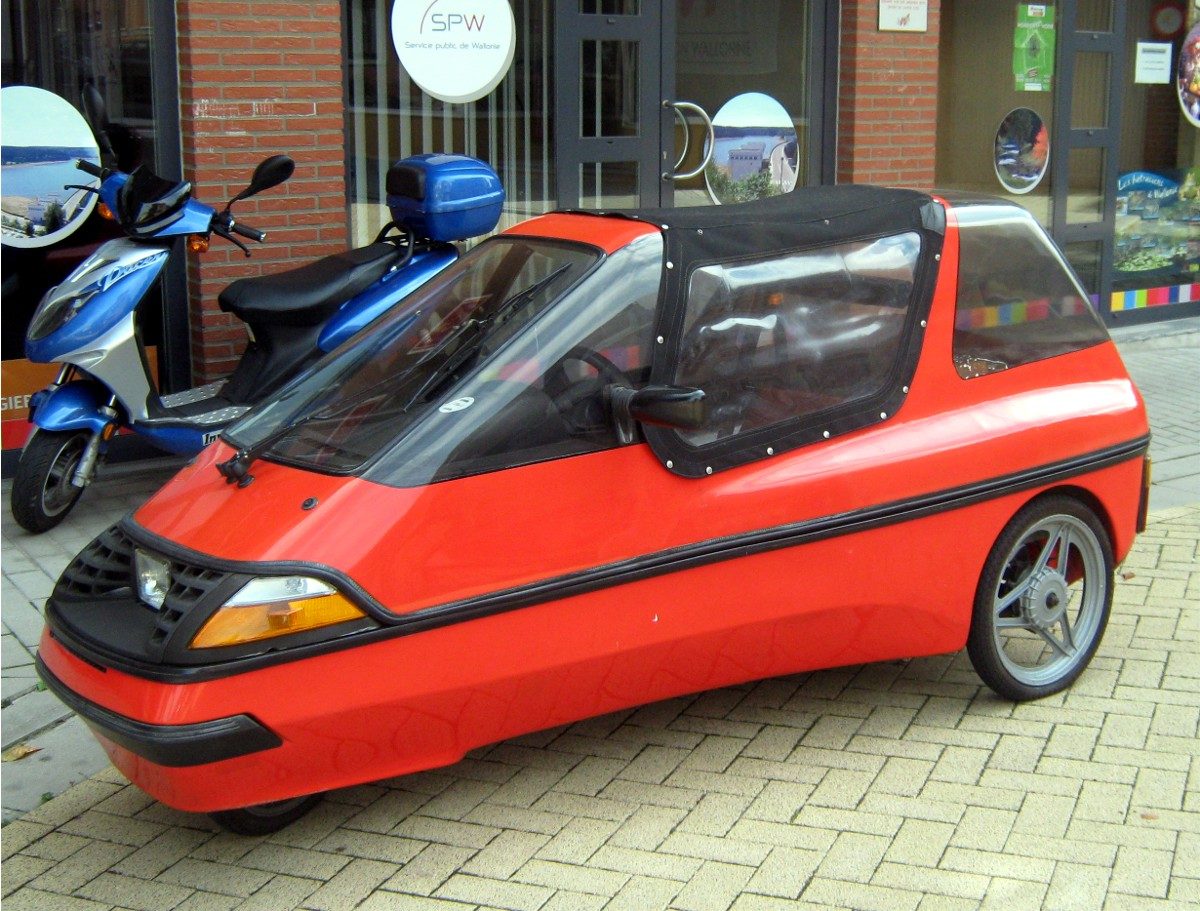
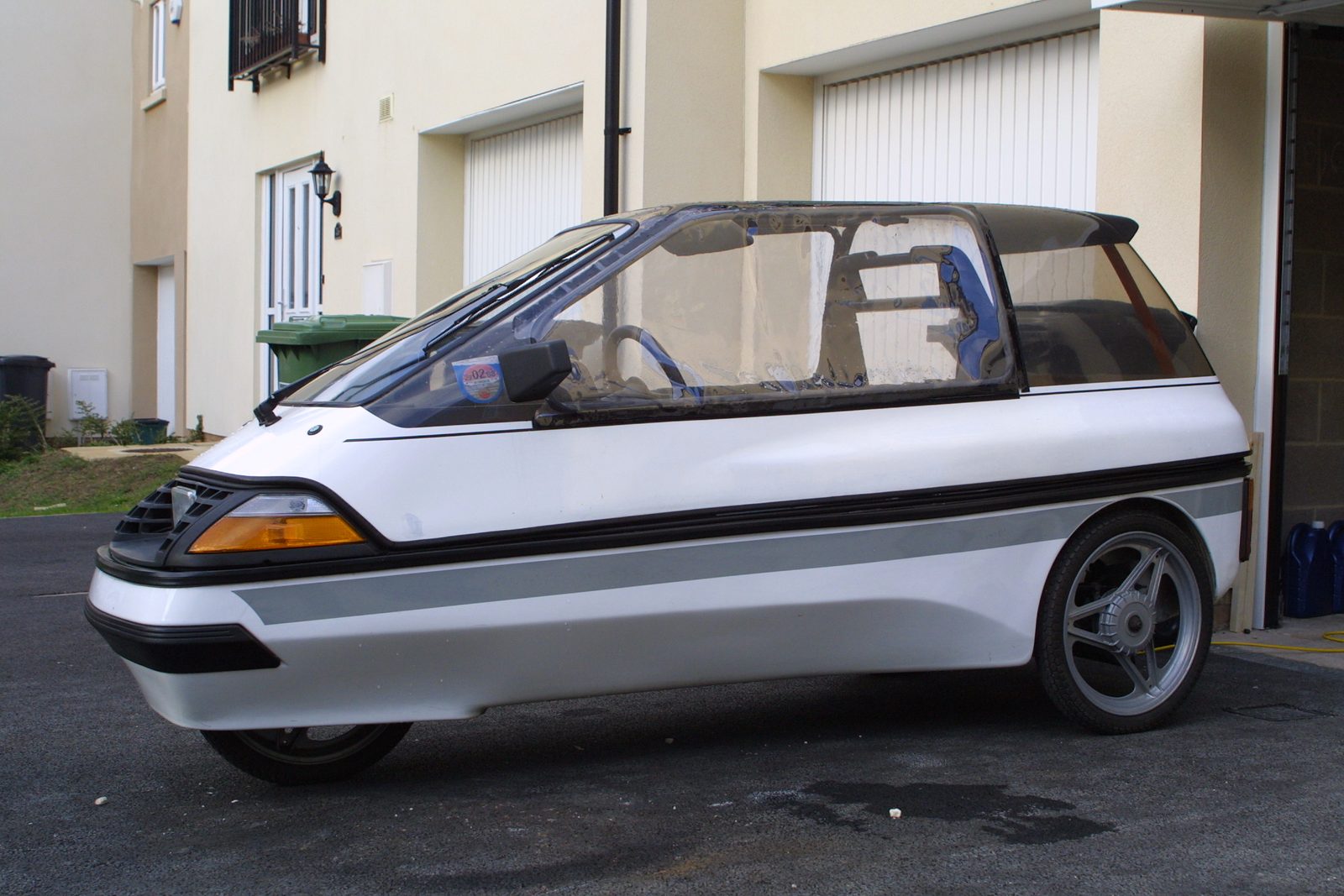
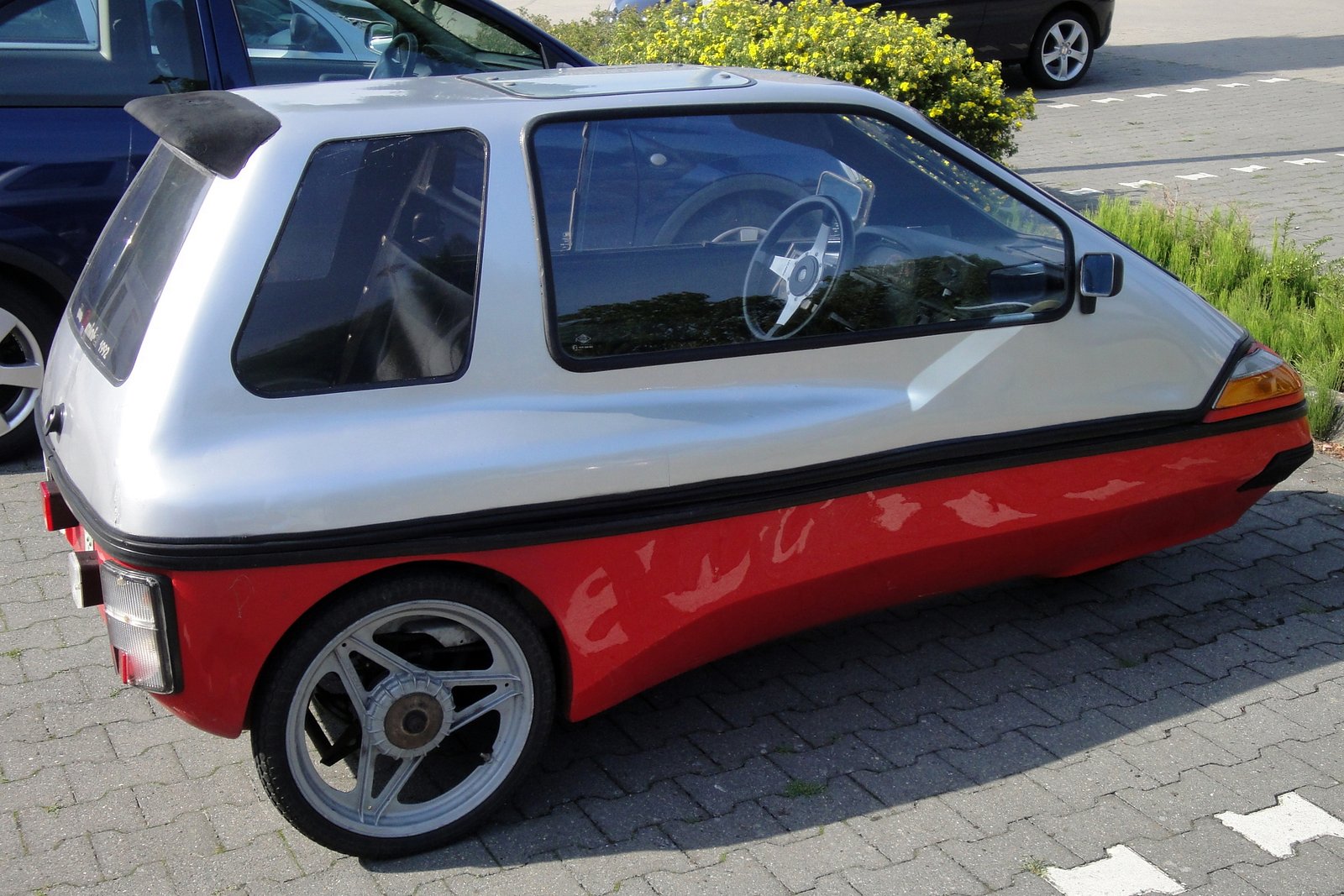
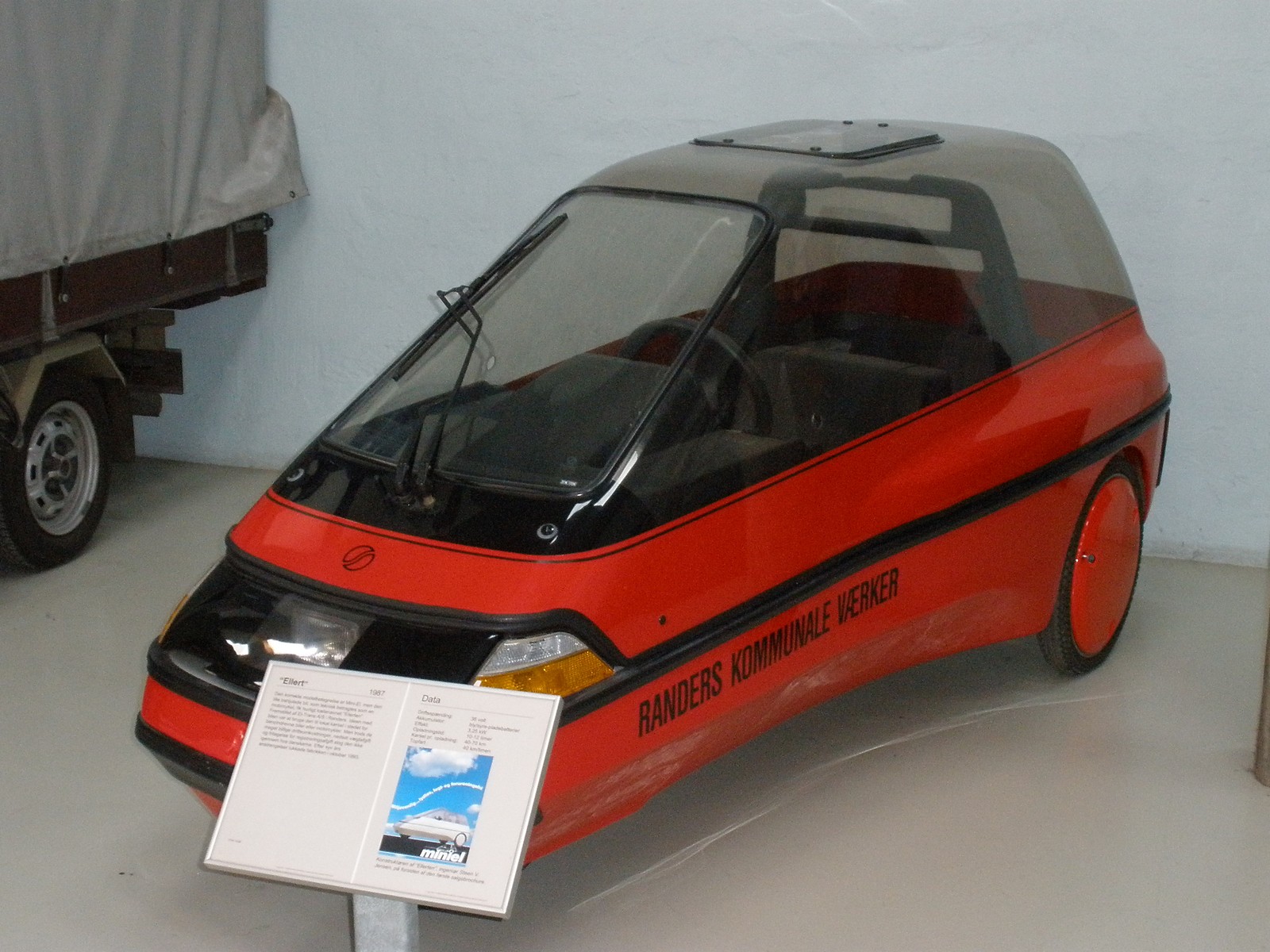
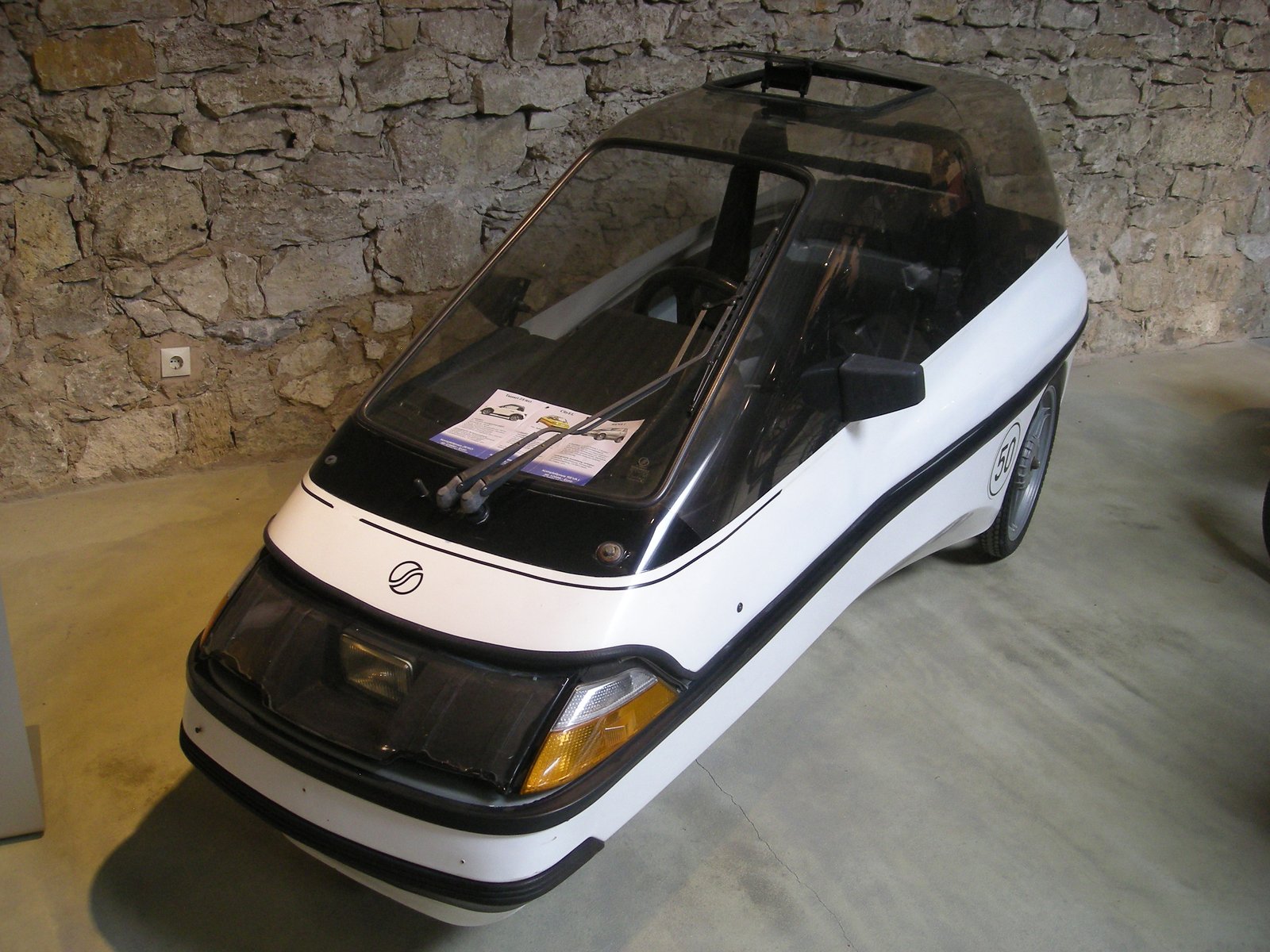
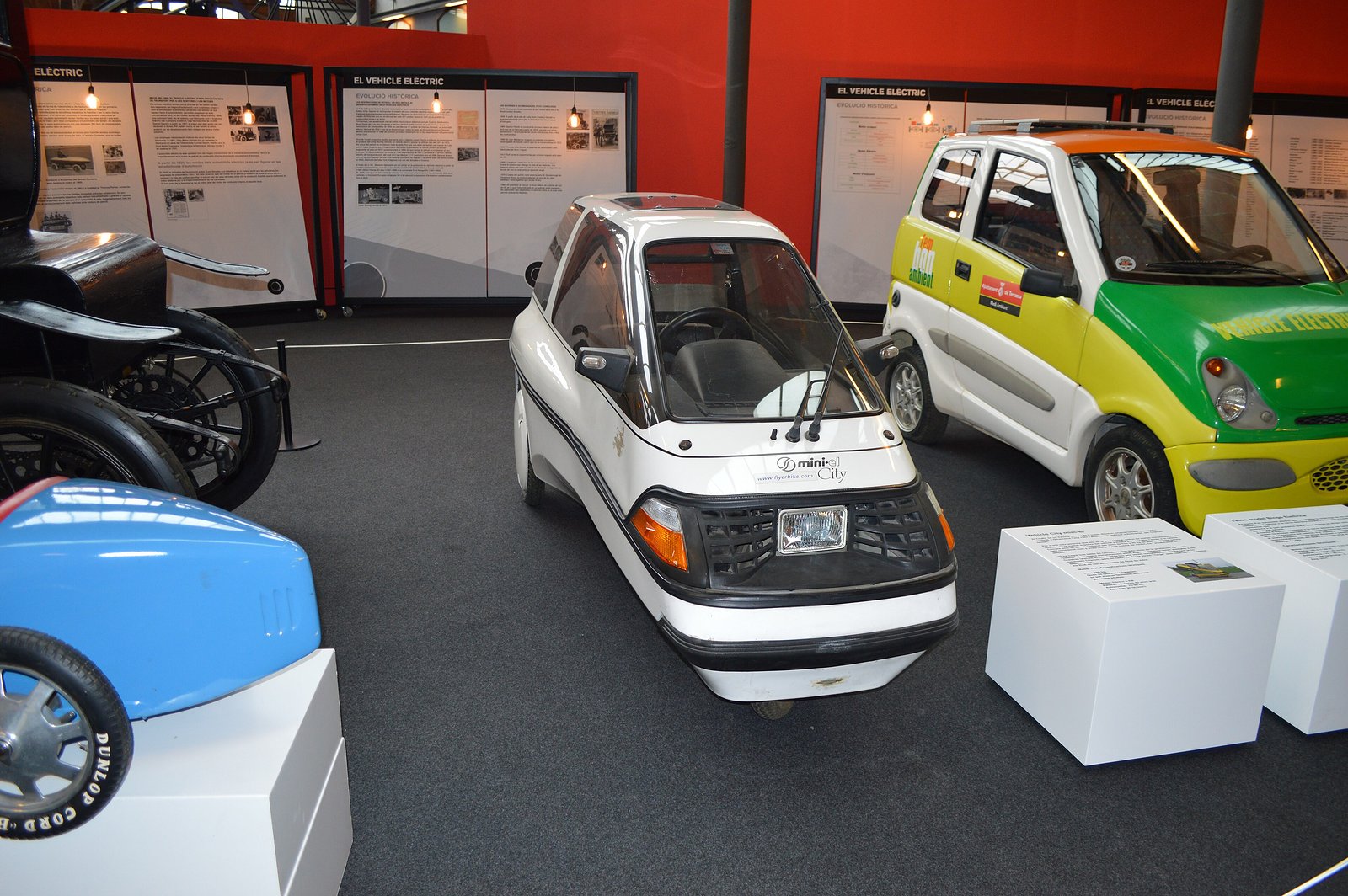
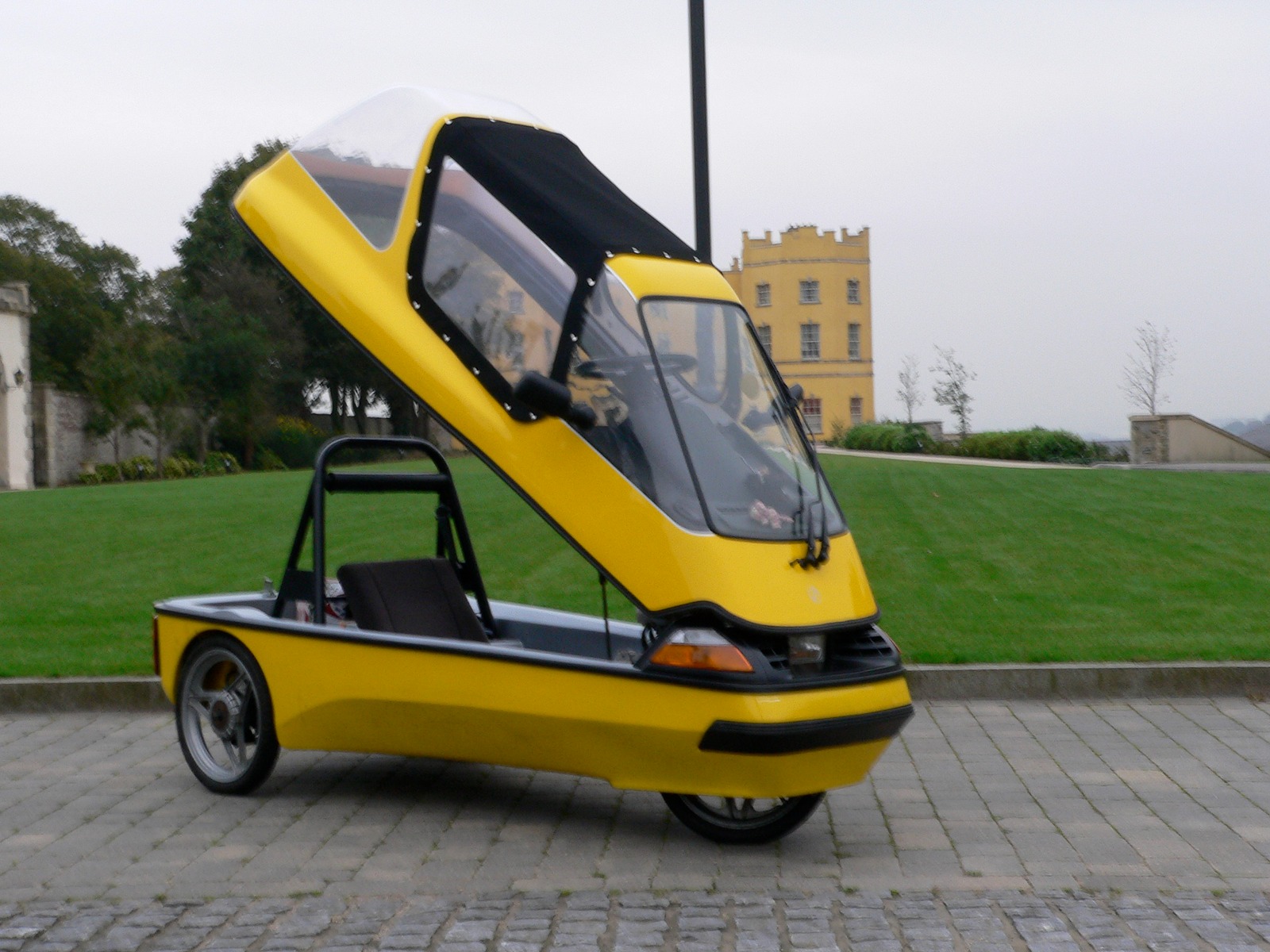
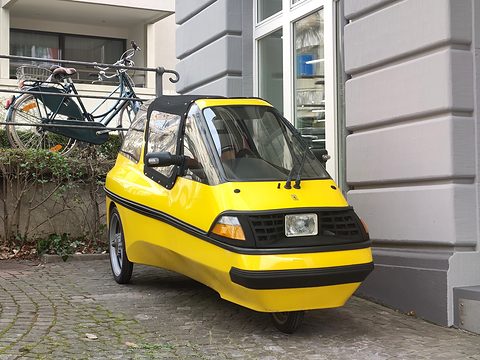
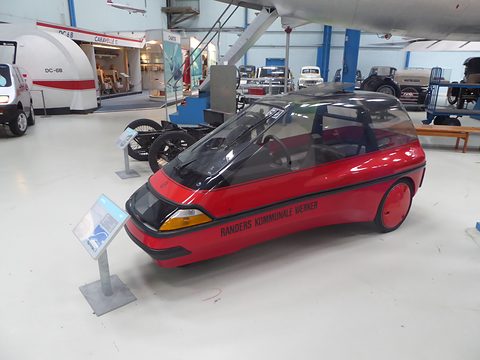
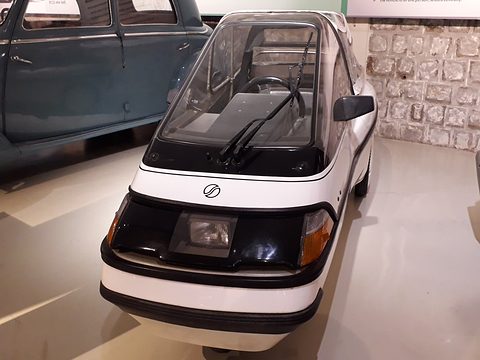
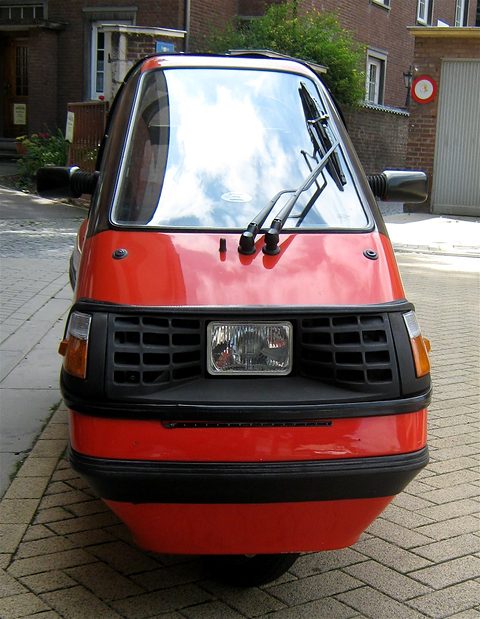
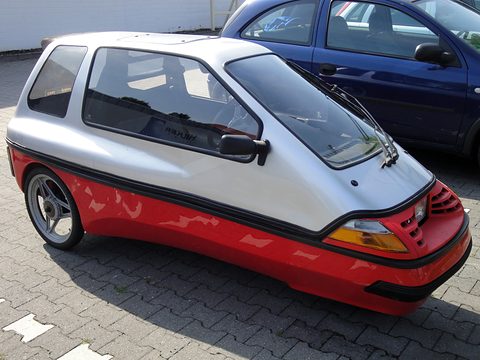
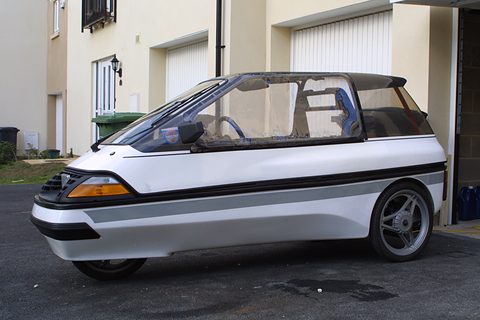
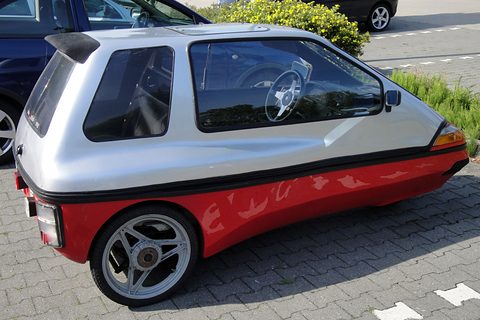
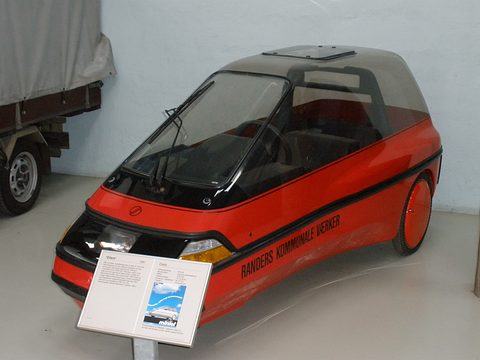
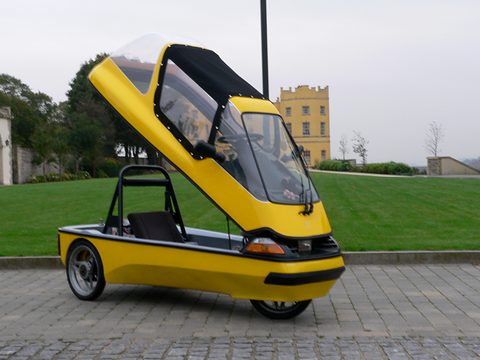
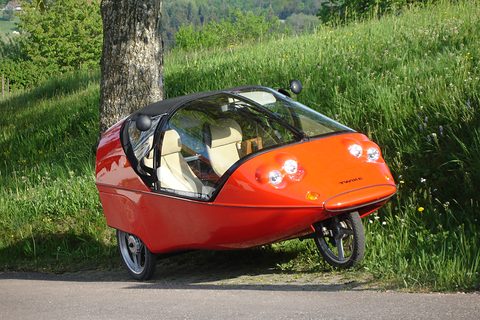
Steen Volmer Jensen was chief developer at Dronningborg Maskinfabrik in Randers, in Jutland, a maker of agricultural machinery, when he worked out the idea.source 1source 2 The case for it, as the Danish owners’ site tells it, was arithmetic: the average Dane lived 11 km (7 miles) from work, more than 80 per cent lived within 15 km, and 92 per cent of those who drove to work drove alone.source 2 A state grant helped pay for the development, by German Wikipedia’s account.source 1 The result was a single-seat electric three-wheeler, one wheel at the front and two at the back, (more in electric microcars). As the prototype U‑36 it was shown at the “Biler i Bella” motor show at the Bella Center in Copenhagen in February 1985, and BBC One covered it in prime time in early 1985.source 2source 3
Verdenspremiere for dansk elbil, der sætter helt nye normer for nærtransport.
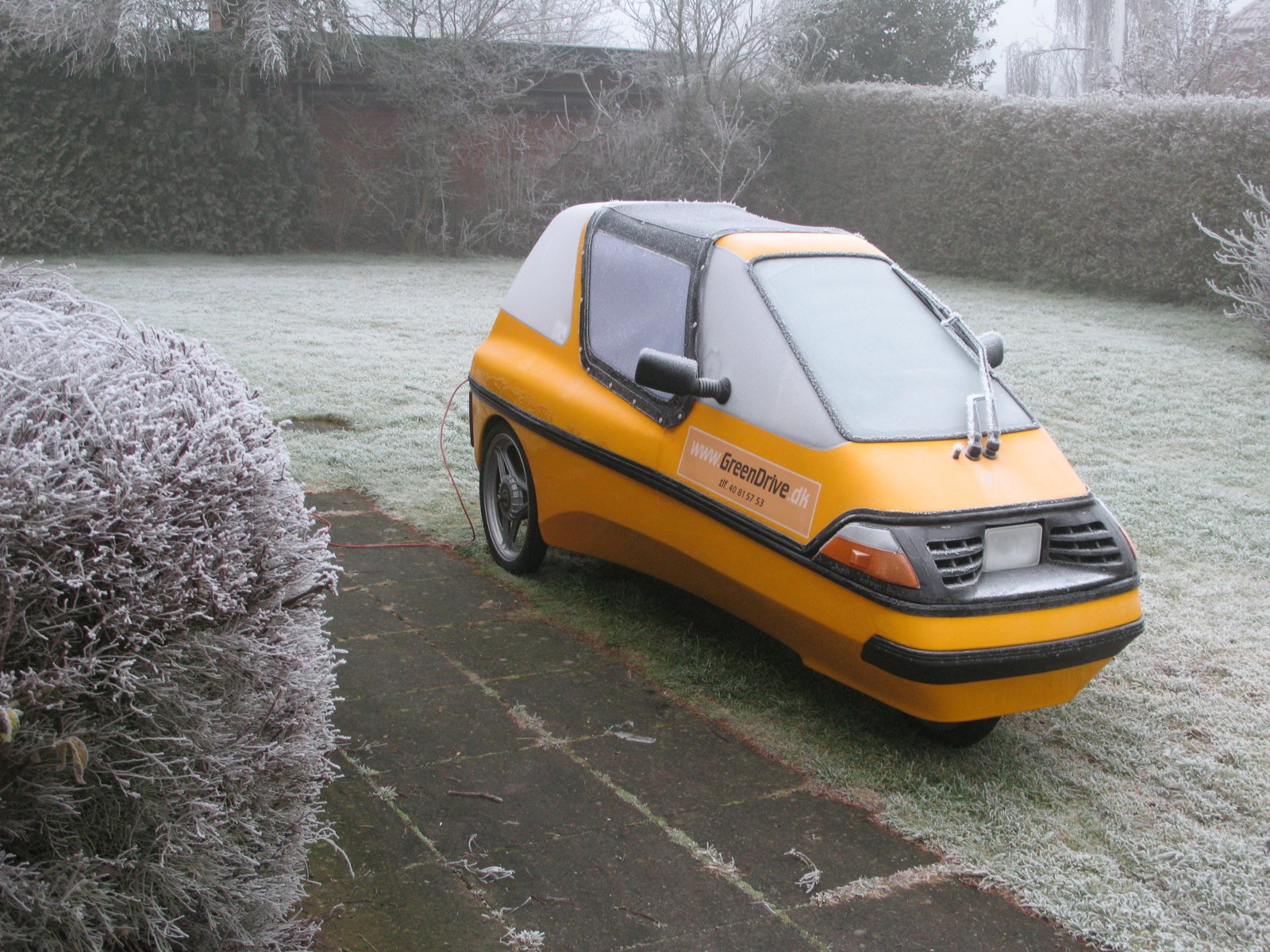
Jensen became inventor and managing director of El-Trans A/S, which assembled the car in Randers from parts made mostly by Danish subcontractors. It employed 50 people, and about 3,000 private investors had put DKK 90 million into it.source 1source 2 Series production began in 1987, and the car was sold as the Mini-El, at DKK 27,450. El-Trans called it not a car but a vehicle for local transport of its own kind, and in Danish law it was a three-wheeled motorcycle, which a driver could take out on a car licence or a motorcycle licence.source 2 The public, though, had named it soon after the prototype was shown, and in Denmark it has been the ellert ever since.source 2source 3
Det lignede begyndelsen på en ny tid, hvor alle ville køre i ellert. Forventningerne til salget var tårnhøje.
They were not met. The dealer network spread slowly from Randers across Jutland, then to Funen, and reached Zealand only in the late summer of 1988; with a range of 40–70 km (25–43 miles) and frequent modifications, the factory wanted its dealers close to their customers, and threatened to end the contract of any dealer who sold outside his area. Cars were “smuggled” to Zealand anyway.source 2 A nearly new car burned in late 1987, and about 150 were recalled for a sticking relay. In February 1988 a car in Esbjerg “exploded”, in the newspapers’ telling, when a fuse melted a battery vent hose and set light to the gas, and about 500 were recalled.source 2 On 18 October 1988 the trade union SID petitioned for the bankruptcy of El-Trans A/S on behalf of its workers. The Danish owners’ site lists the causes: tight money, harder sales than expected, a steady stream of warranty claims and weak sales round Copenhagen.source 2
Rescue, and a new name
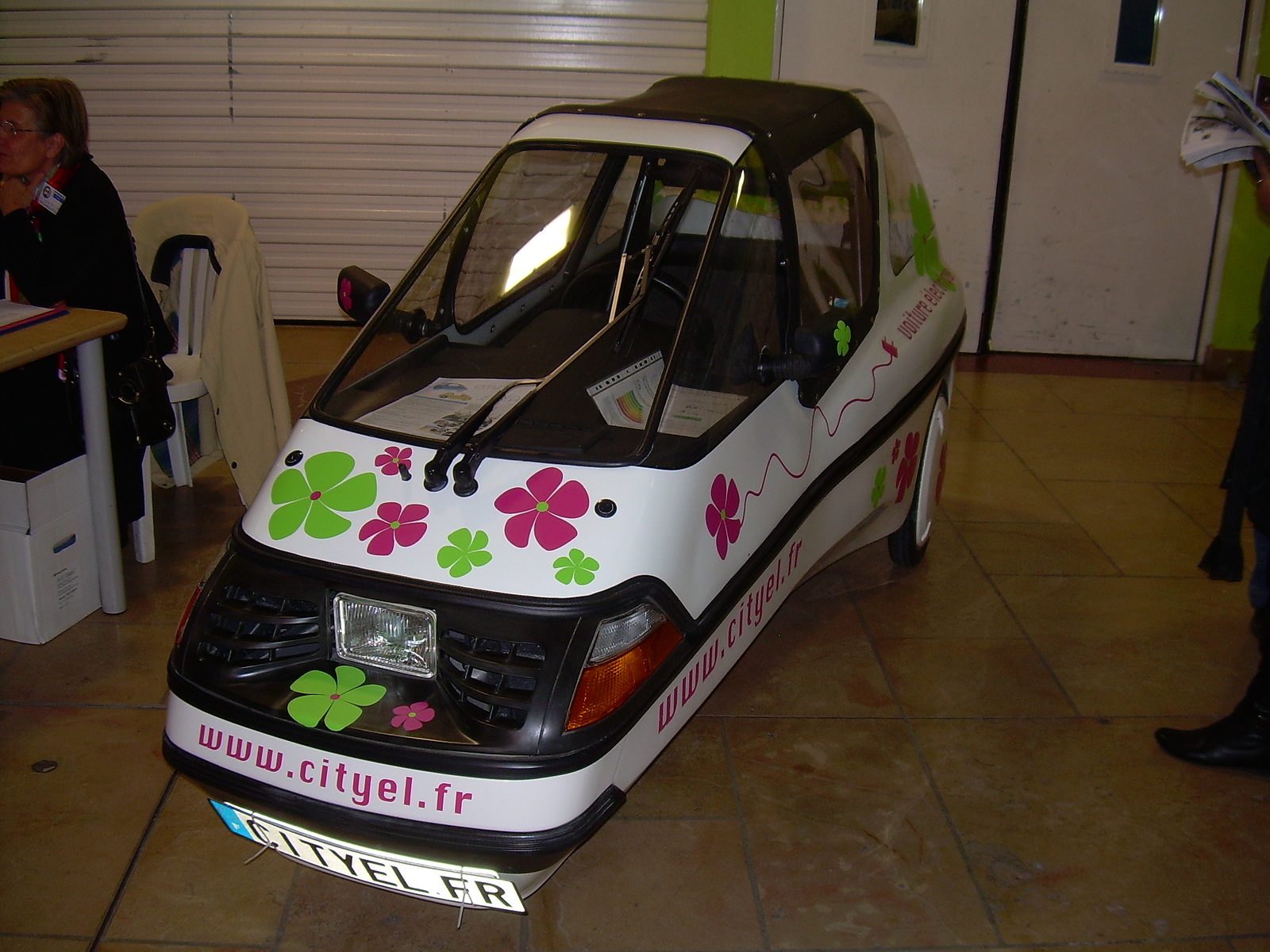
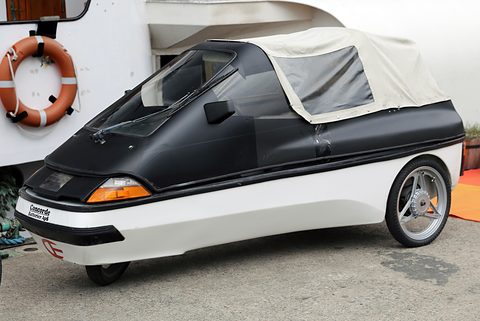
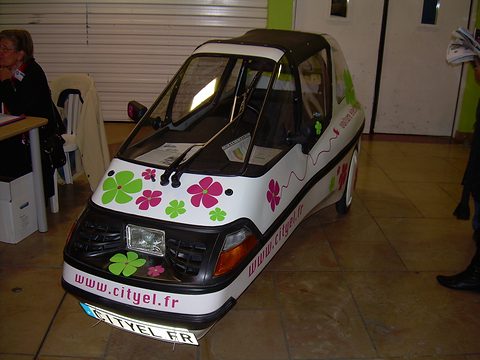
El-Trans 1 I/S, led by Aage Uth, bought the rights, and for a while the factory seemed likely to go abroad. Instead MAN B&W Diesel and Sparekassen Kronjylland, among others, backed a new company, El-Trans 89, formed on 27 May 1989. Jensen, to general surprise, withdrew.source 2 The new company improved the electronics and wiring and fitted a new controller and a bigger motor, and the car, now the Mini-El City, reached about 50 km/h (31 mph). Exports began, to Germany and Switzerland above all, and to England.source 2 Another company, CityCom A/S, was formed in 1991, and built a series of open Ellerts that worked as camera cars at the 1992 Olympic Games in Barcelona.source 2 After a legal dispute with British Leyland, the makers of the Mini, the car became the CityEl; German Wikipedia dates the change to 1993, and no primary record of the dispute itself has been found.source 1
In 1995 an attempt to move production to Sweden failed, and CityCom A/S gave up.source 1 Production went to Germany in the autumn of 1995, to a new company, Citycom GmbH, at Aub in Lower Franconia.source 1source 2source 4 Its managing director, Karl Nestmeier, had found the car three years earlier. His son, then two, told his father to buy it on his first test drive, in Ingolstadt in 1992; four weeks later, the maker’s history says, the first white CityEl Basic was in Aub, and three years later the whole production.source 4 Nestmeier also joined the board of the Swiss maker of the Twike in the mid-1990s.source 5 heise autos dated the Bavarian takeover to 1991, but the maker’s own history, the owners’ site and German Wikipedia agree on 1995.source 6source 1source 2source 4
Bavaria
Car number 5,000 was built in 1998, and the occasion was marked with a concert by Nina Hagen; the car then cost DM 12,000–13,000, depending on the version.source 1 In 1999 Citycom became a joint-stock company, Citycom AG, and the old GmbH, renamed Ellert-Rent, ran a pool of CityEls for hire.source 1source 4 In 2002 came the FactFour, which could have a Perm disc-armature motor of 4.7 kW and chain drive, and reached 63 km/h (39 mph).source 1 In the early 2000s the maker’s advertisements called the CityEl the world’s best-selling electric car.source 1 The shares were listed in 2007, and a Deutsche Welle report of the late 2000s found about 300 a year still being built by hand.source 1
In September 2008 a lithium iron phosphate battery was offered for €3,590, with a range of up to 130 km (81 miles) and a life of 80,000 km; the car itself cost €8,500.source 6 heise autos summed the car up.
Er ist nicht Schnellste, aber unter den Elektroautos der Methusalem: der Ein-Mann-Wagen namens CityEL.
The same report noted that people mixed it up with the Hotzenblitz.source 6 In 2009 Citycom AG renamed itself Smiles AG and began to sell other makers’ electric cars too, and by 2010 it offered the CityEl only with lithium batteries, at €1,599–2,999 on top of €9,999 for the car.source 7source 1
Inside the tub
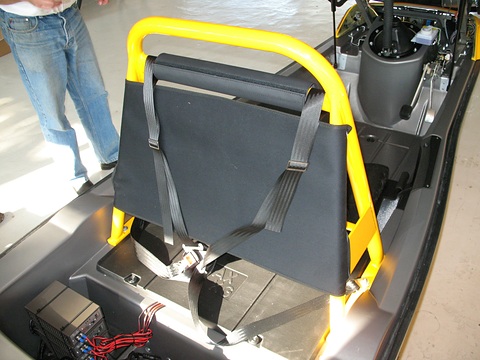
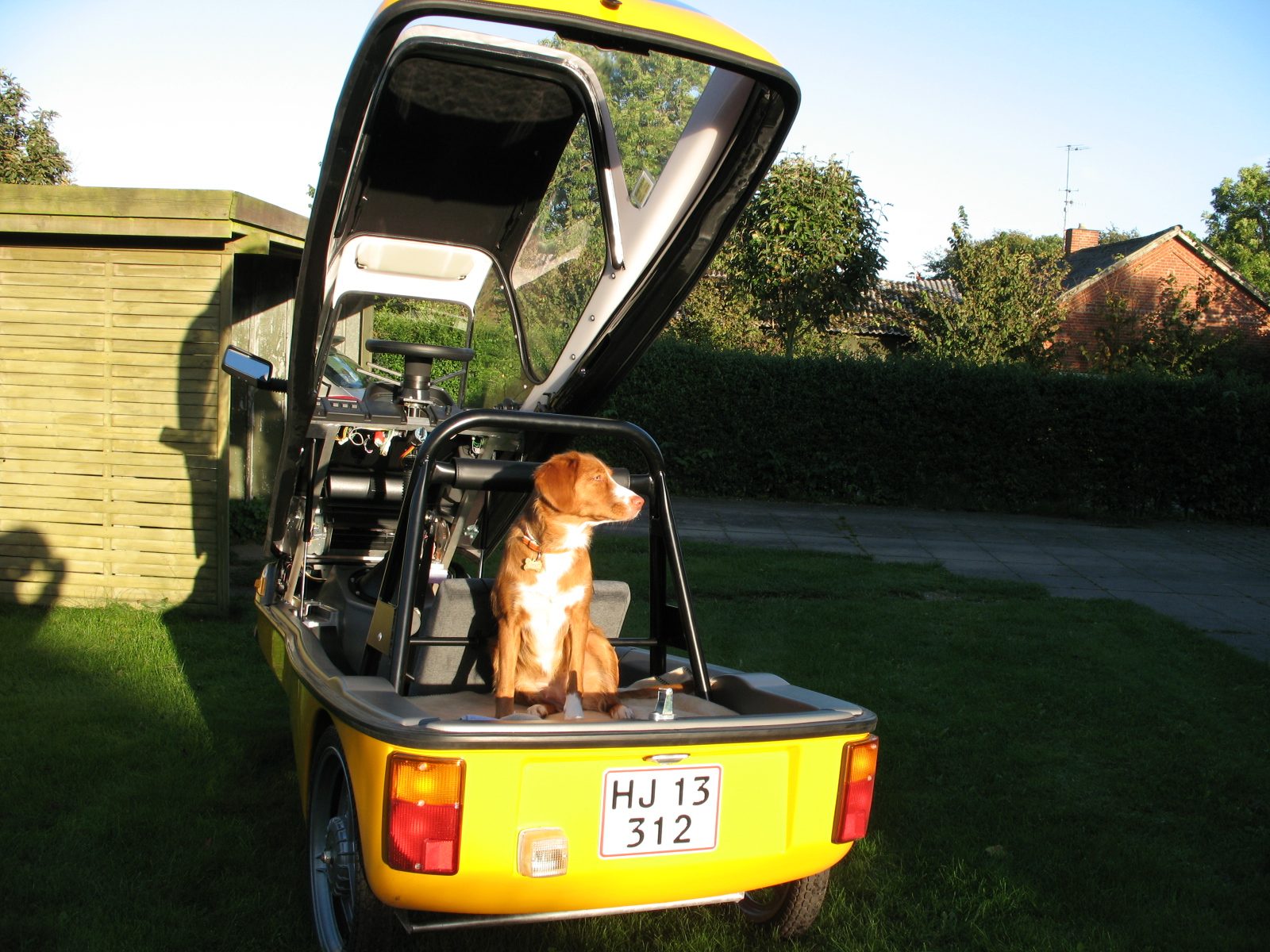
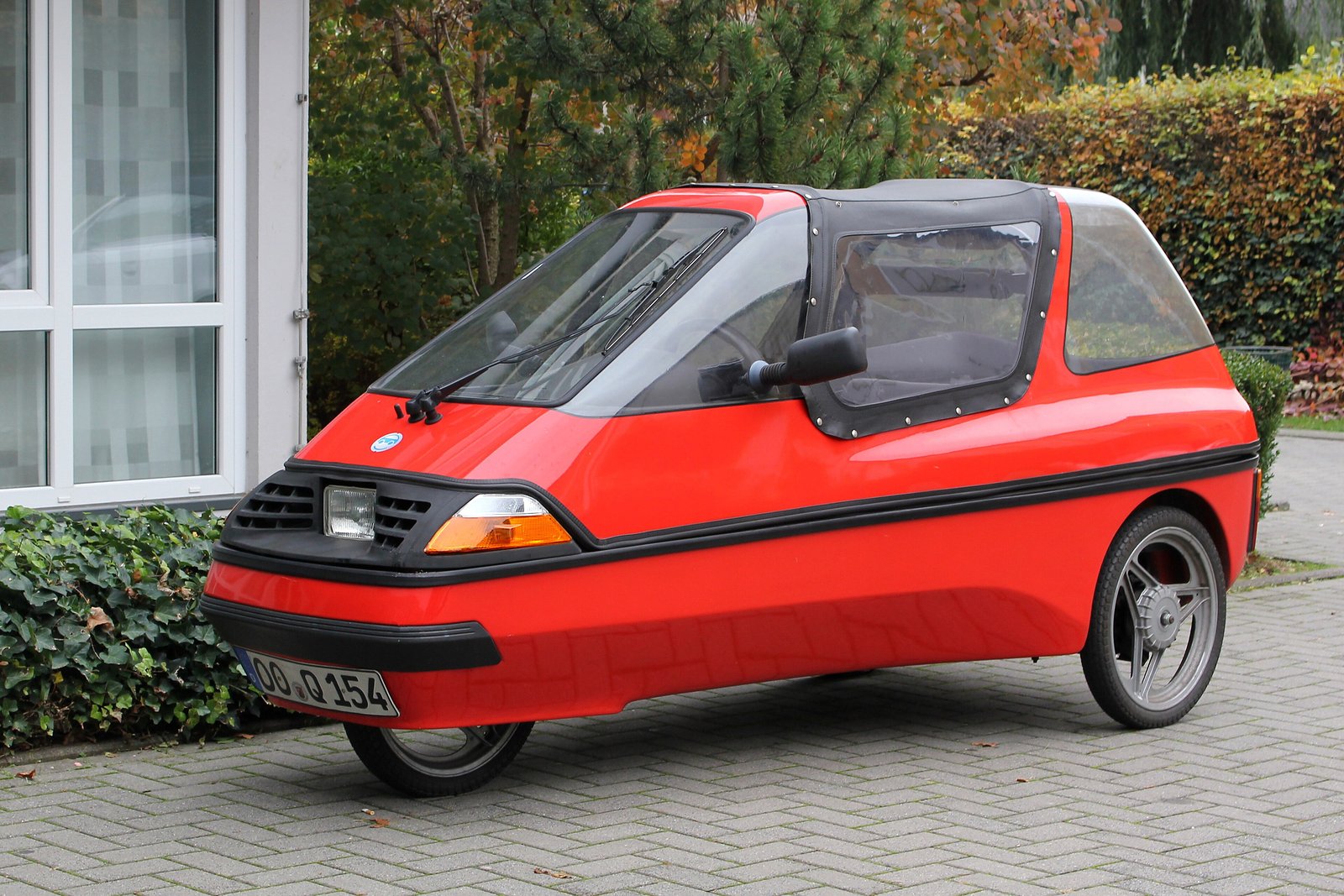
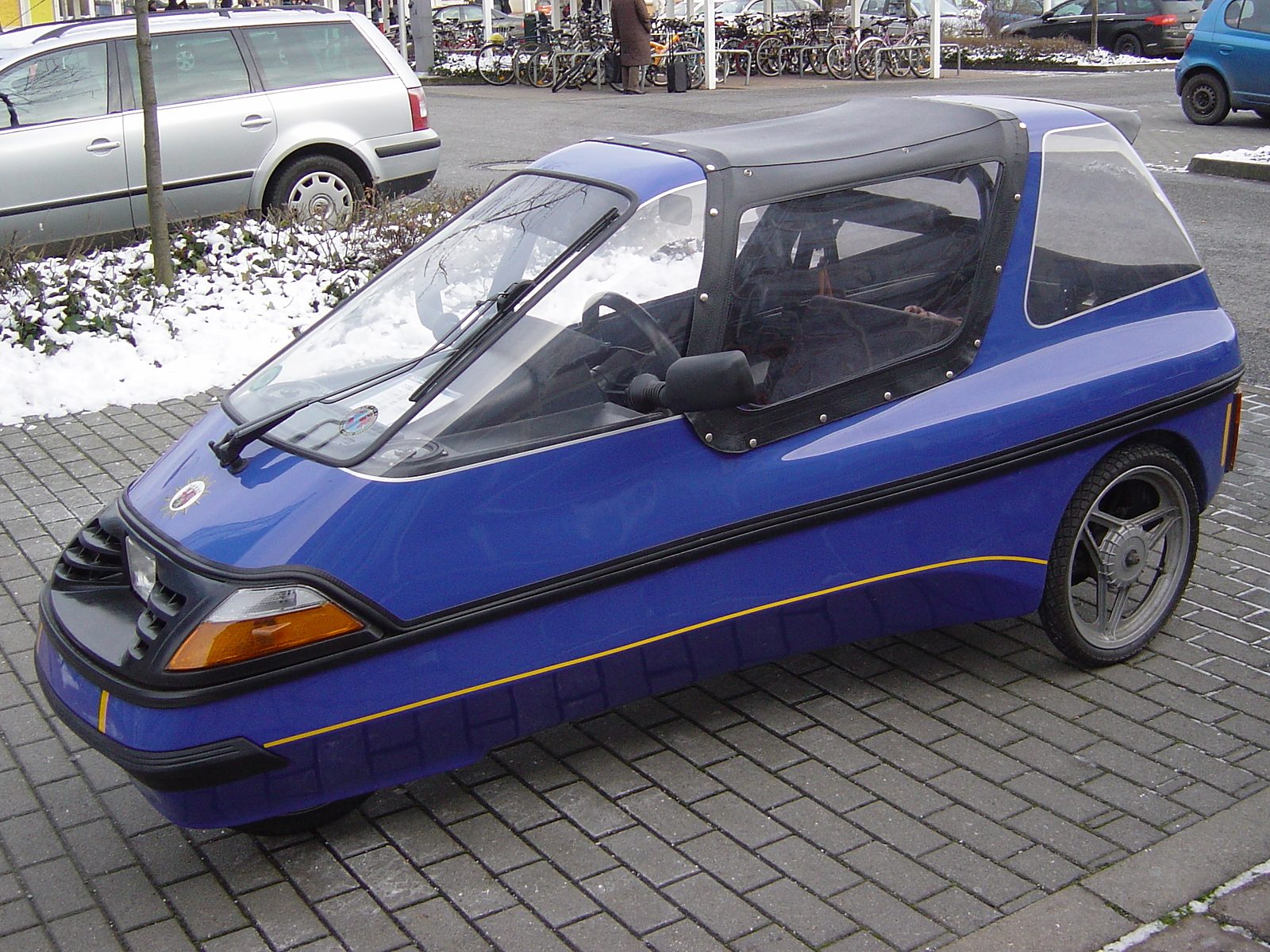
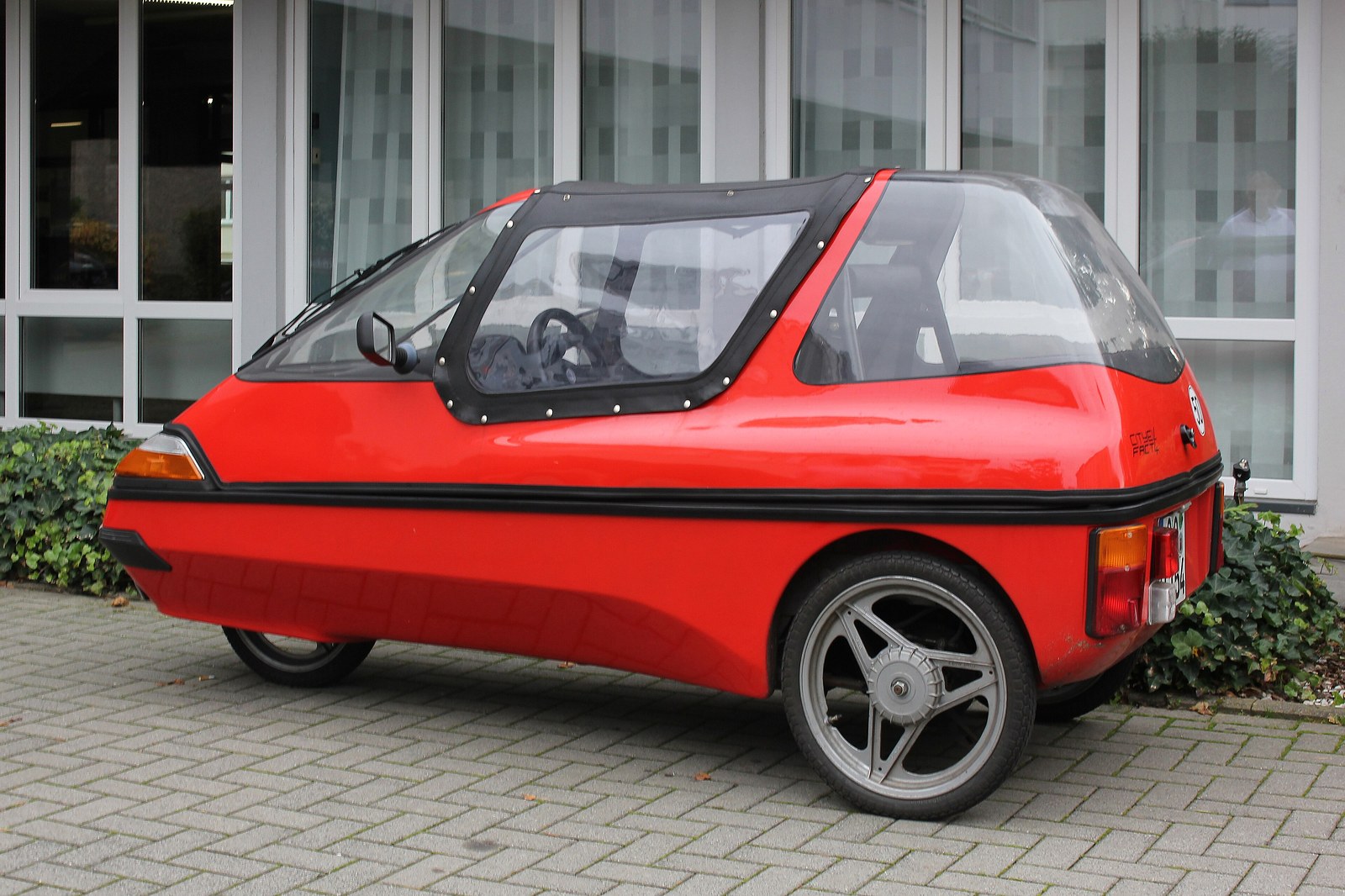
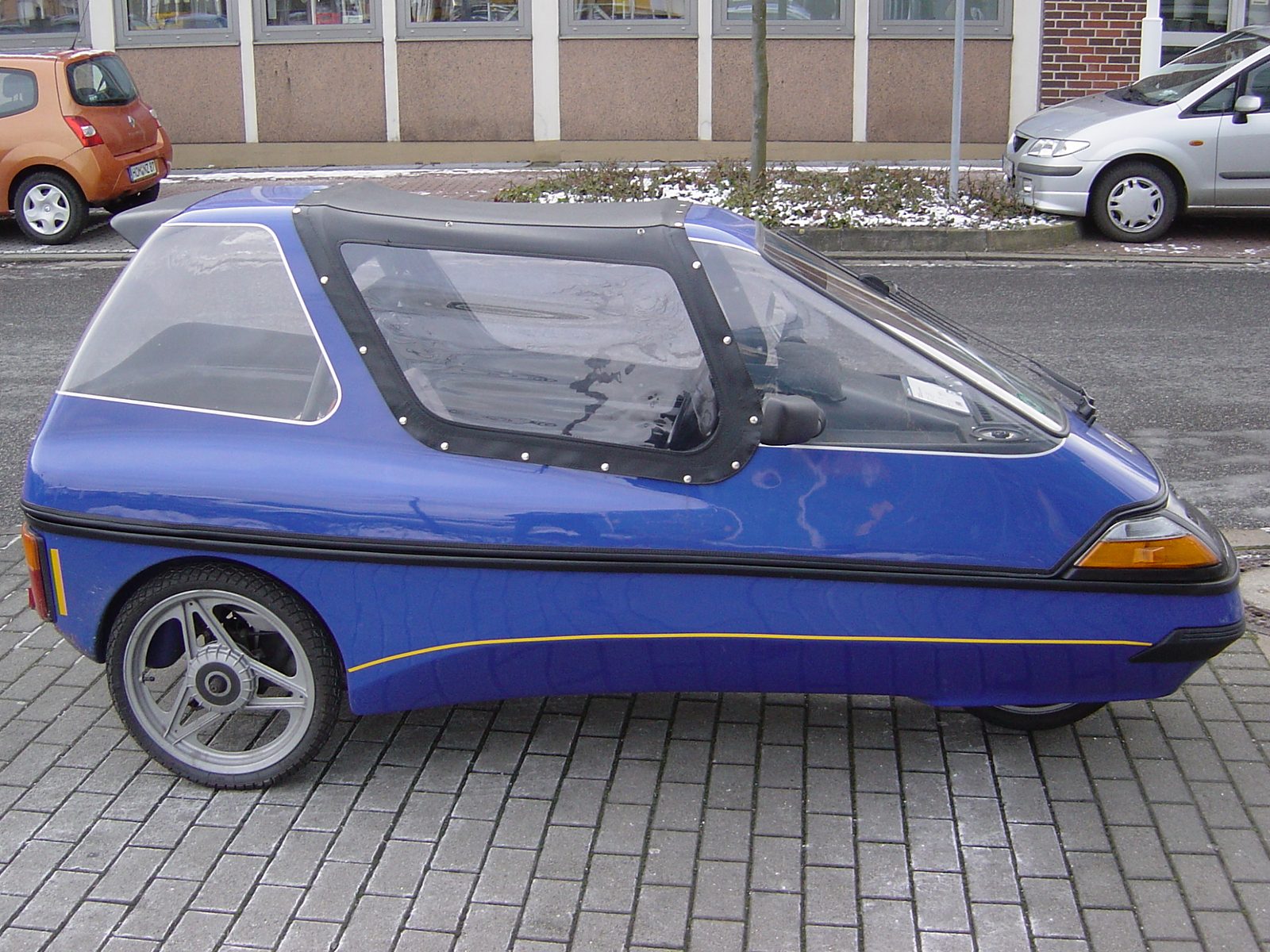
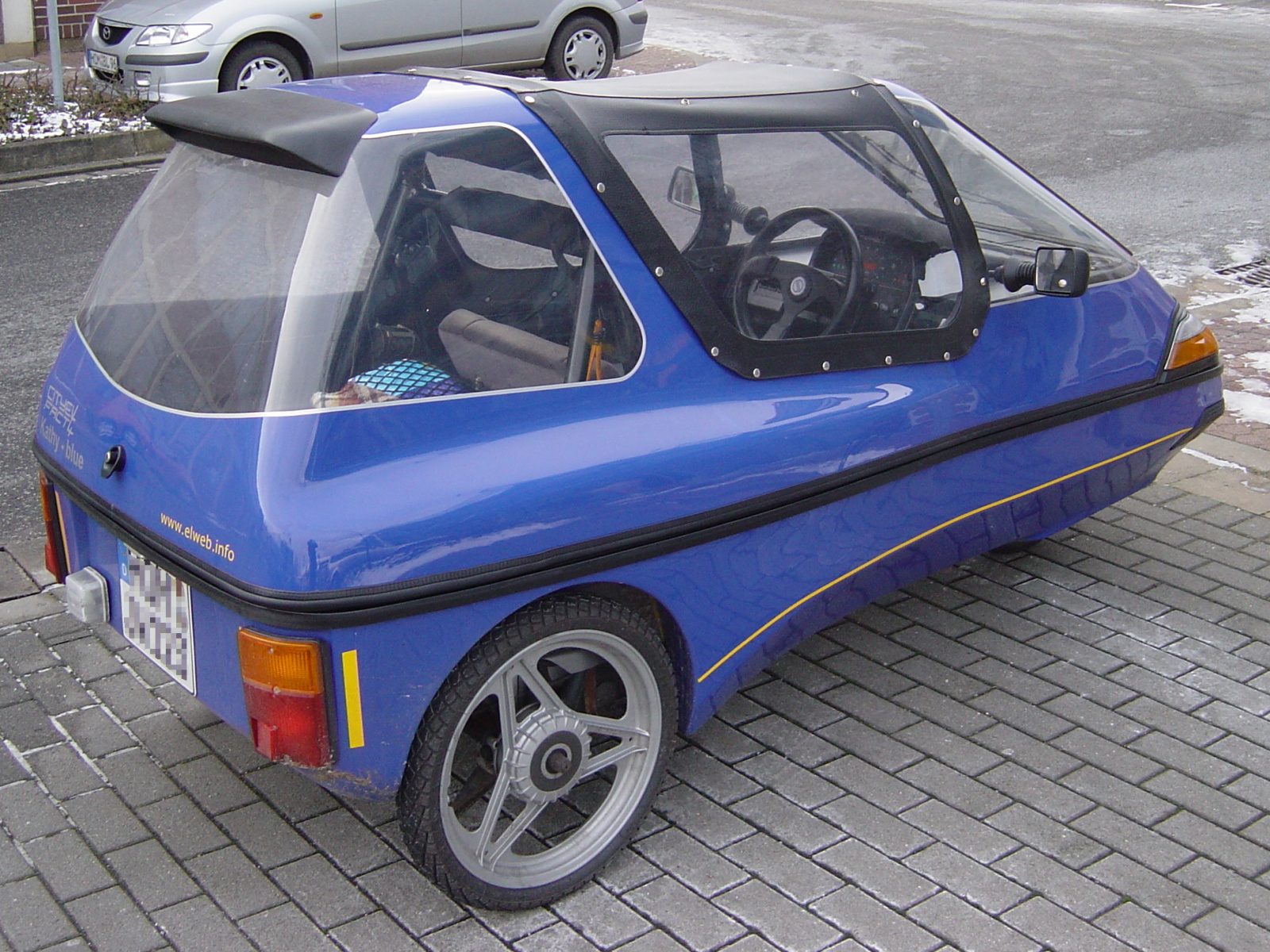
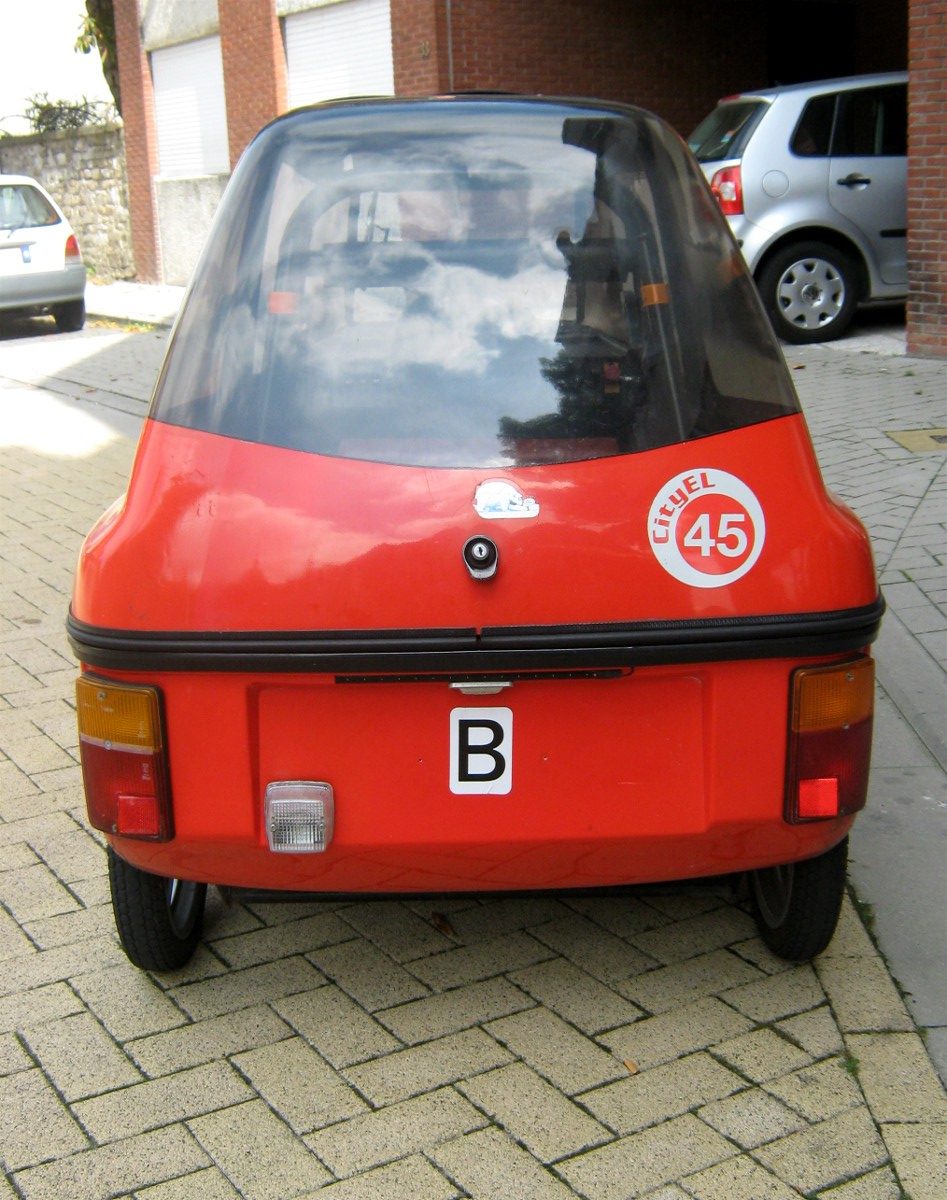
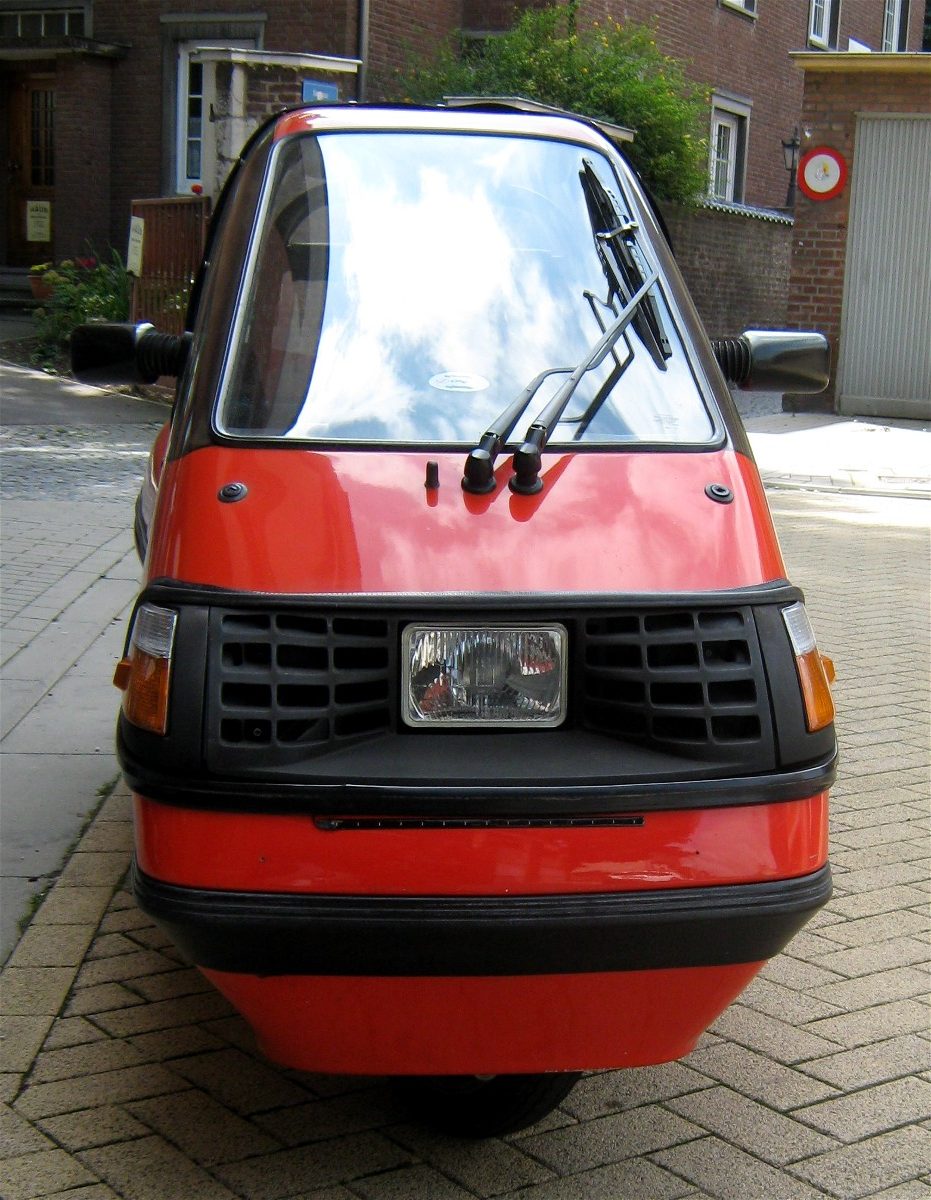
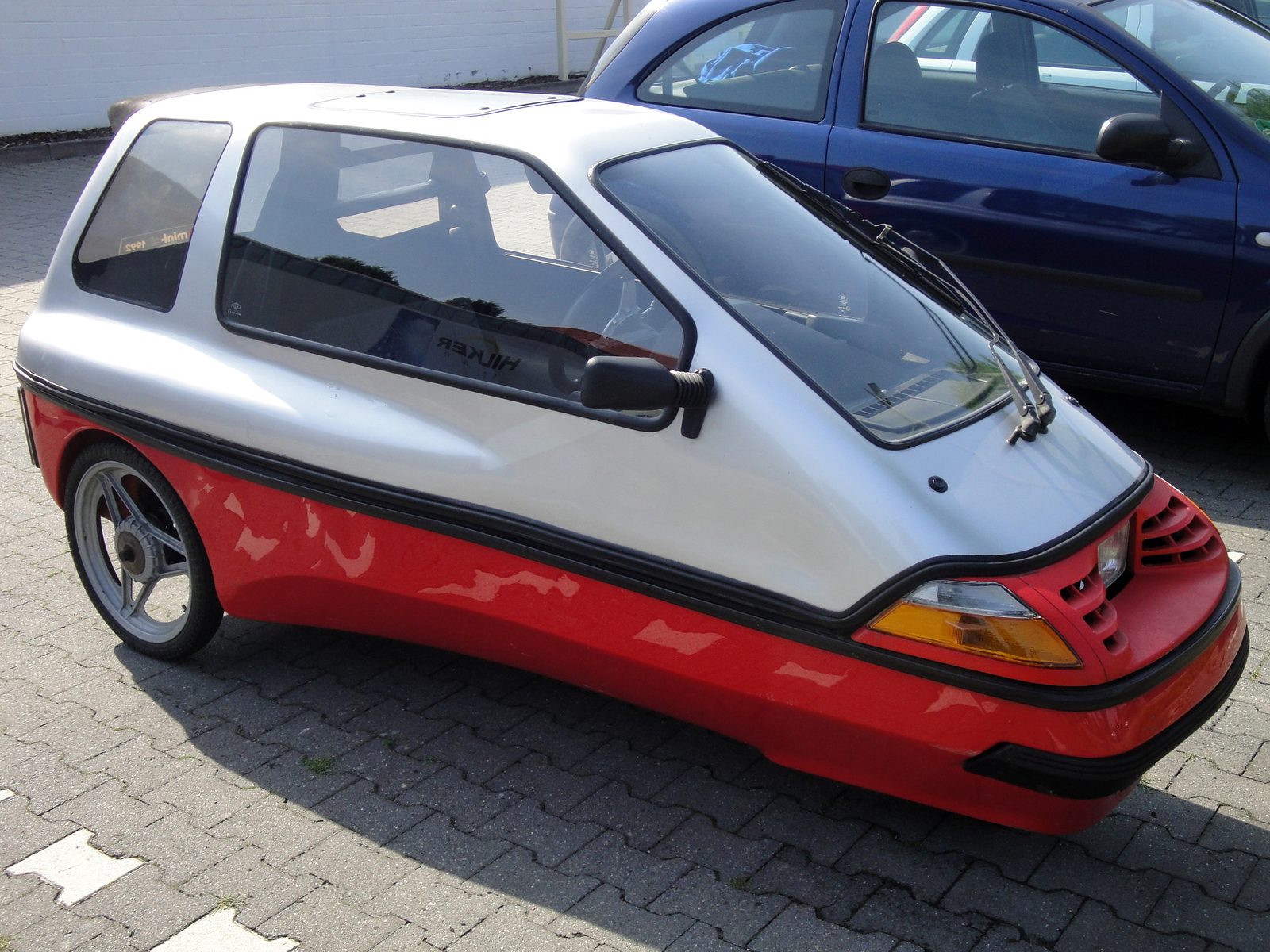
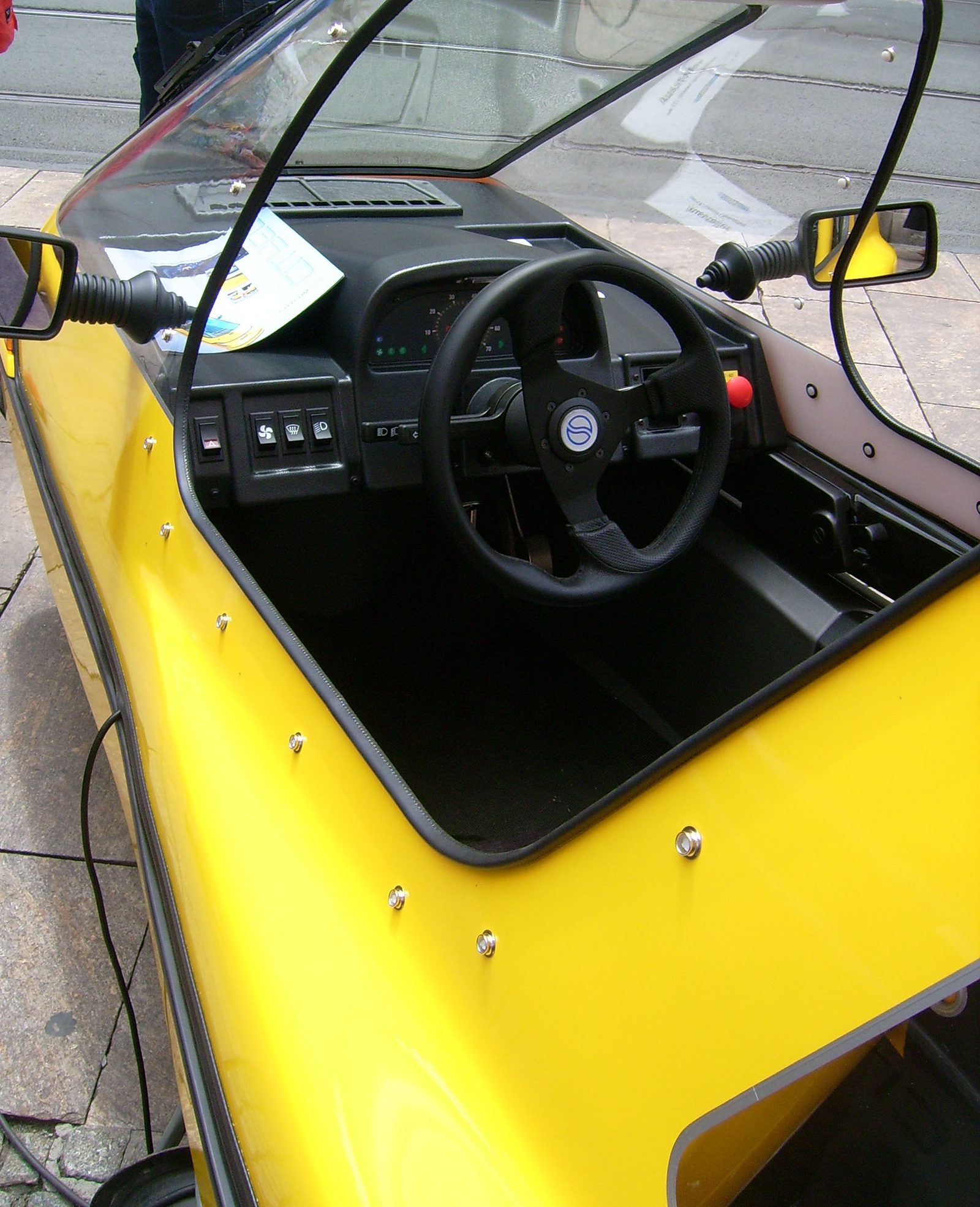
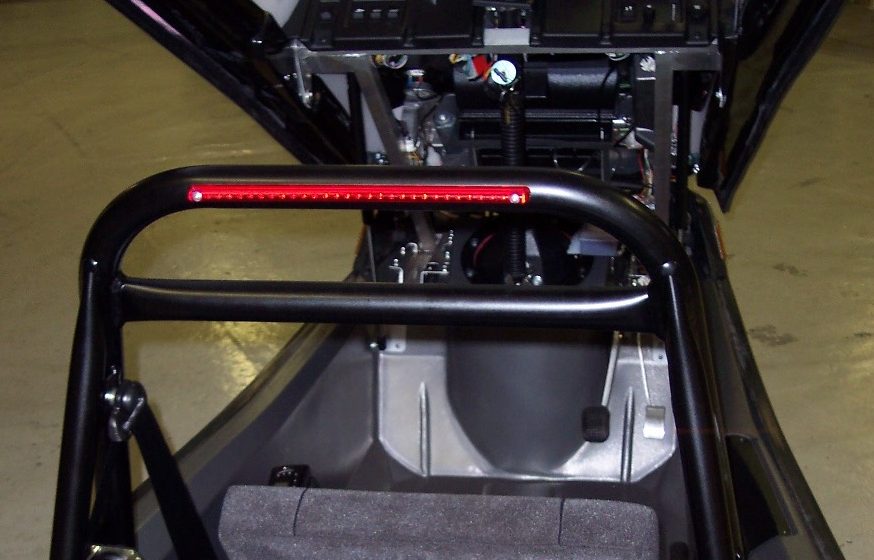
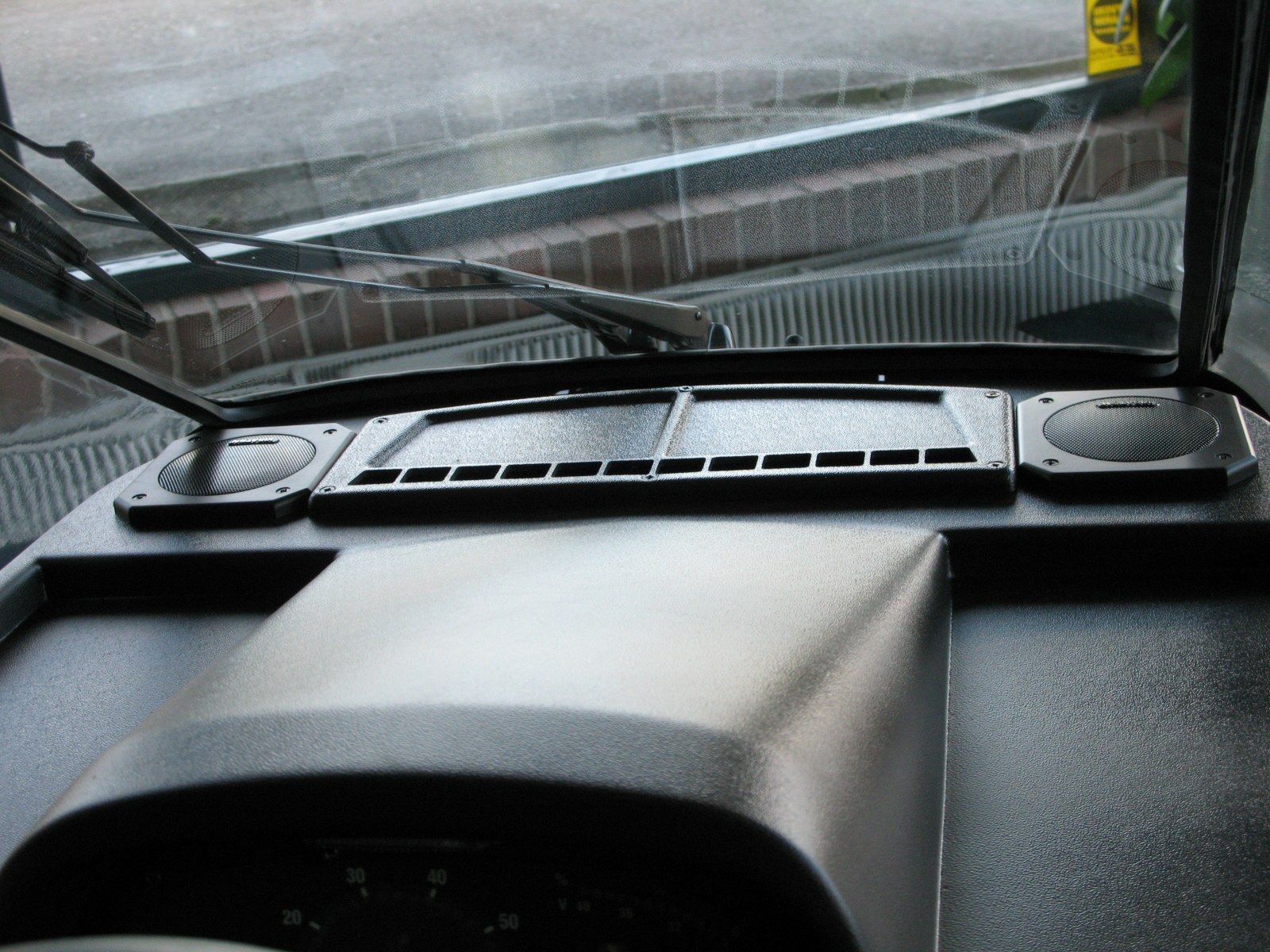
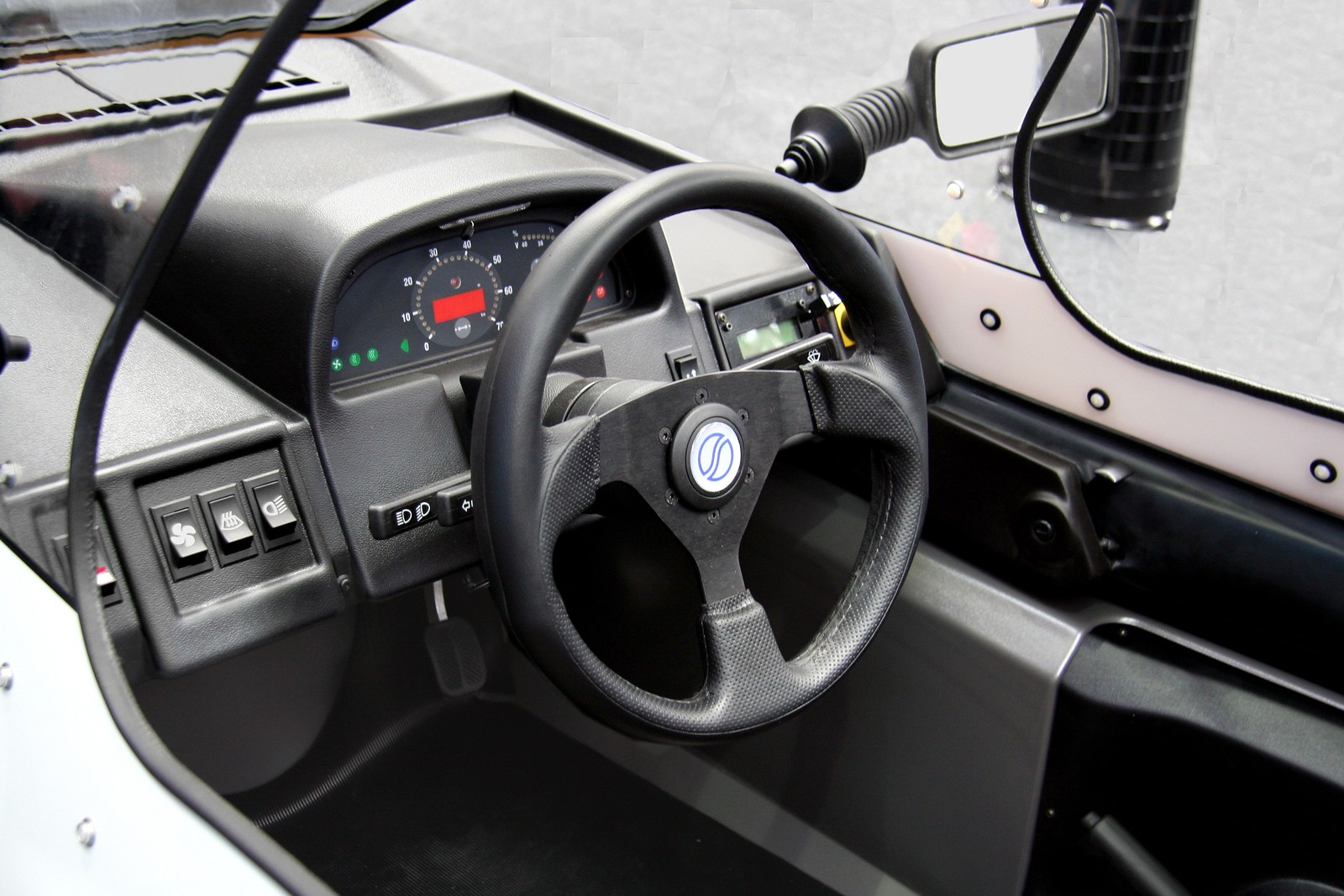
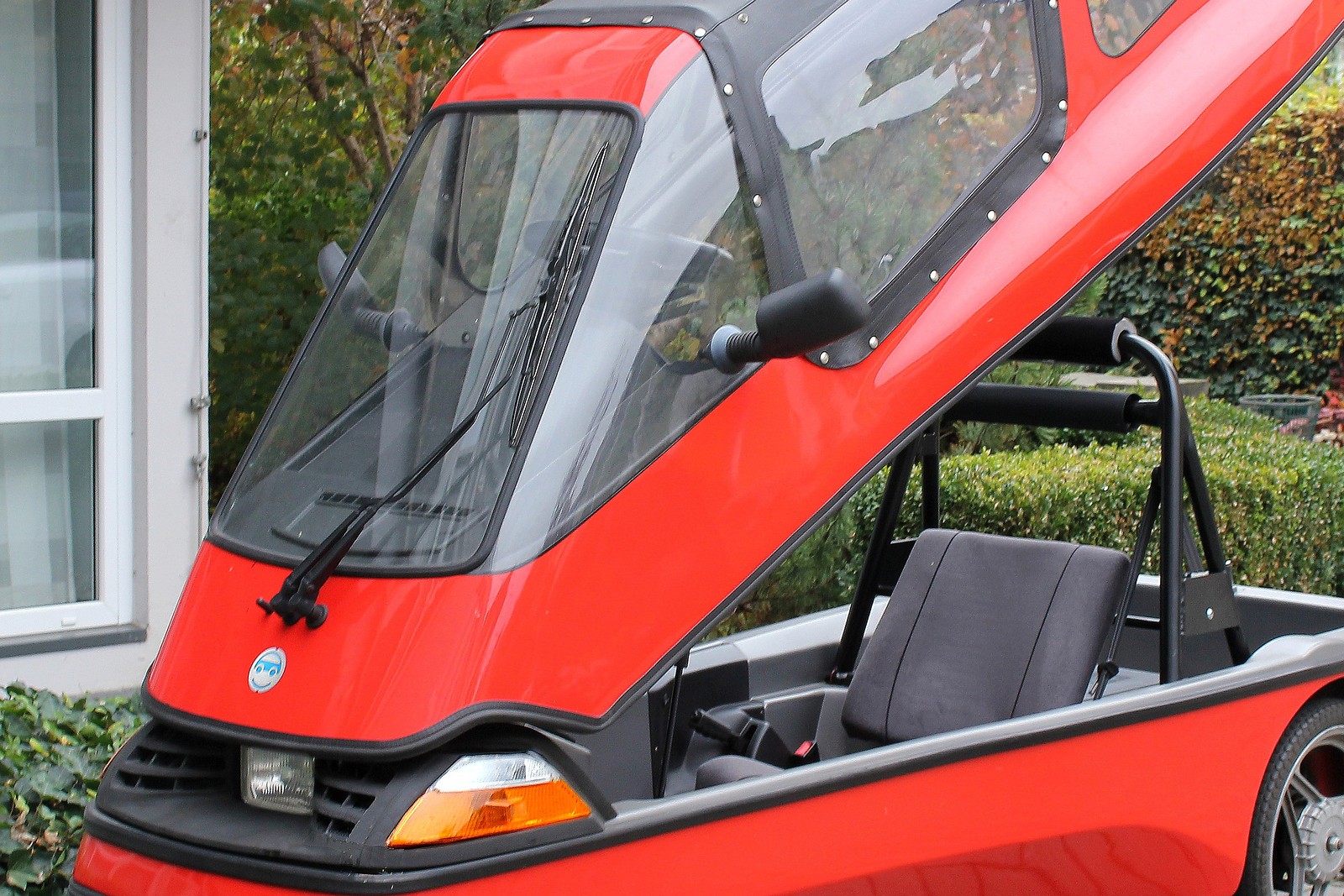
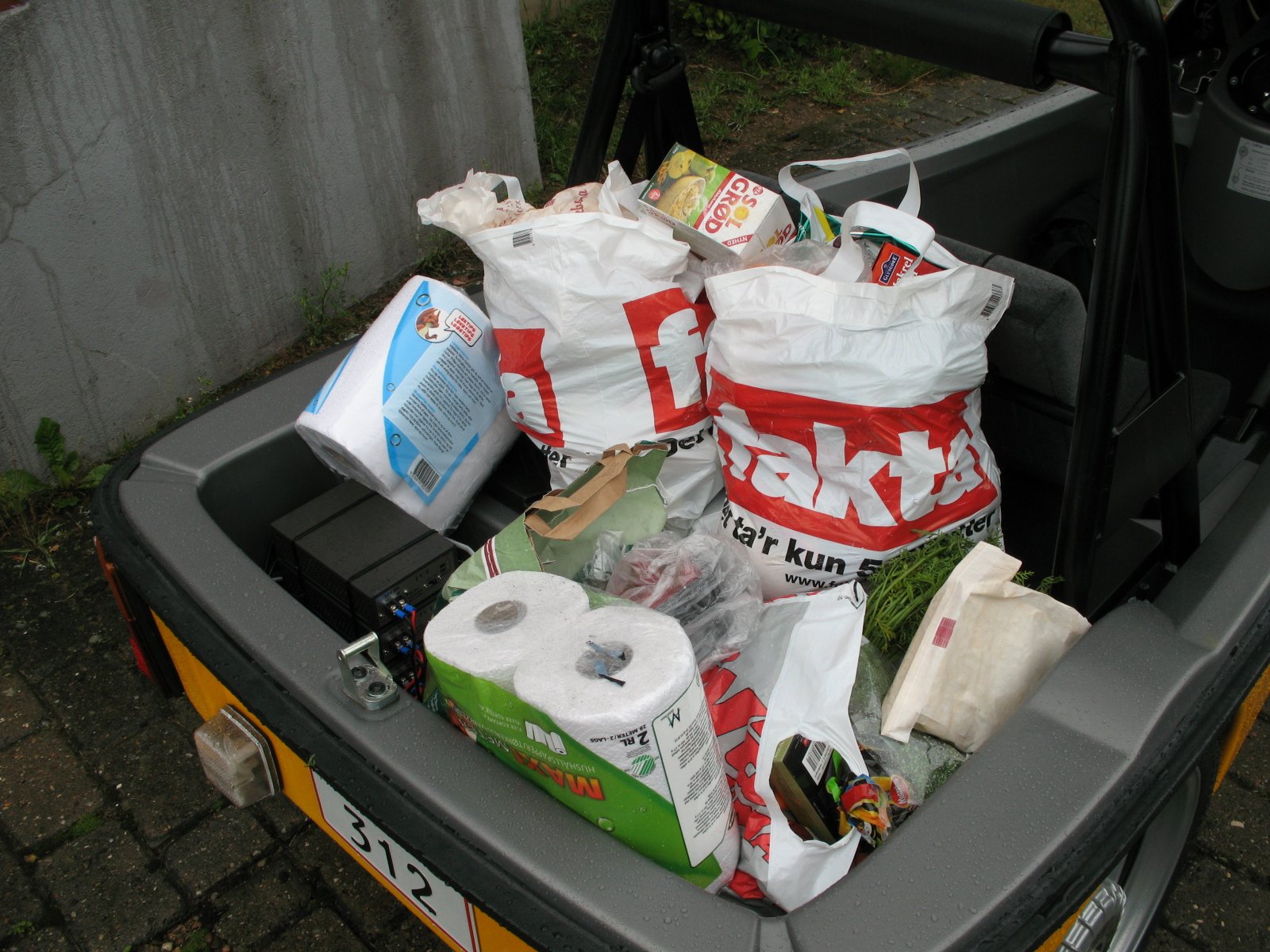
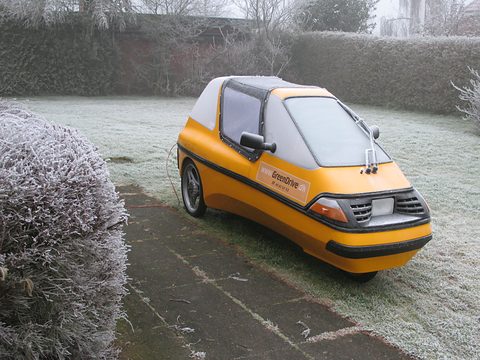
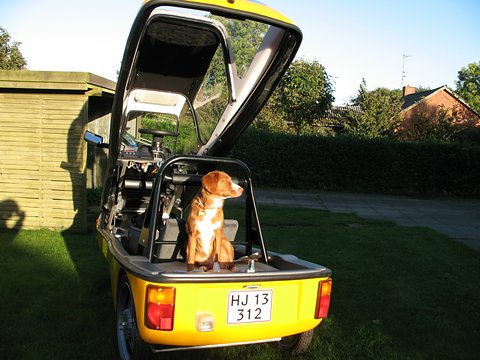
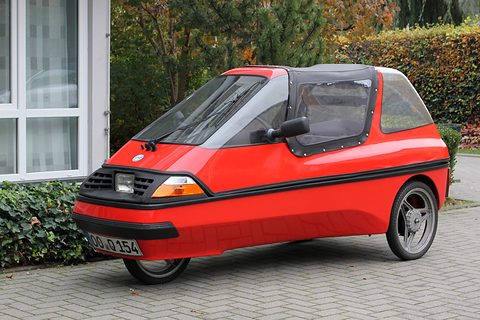
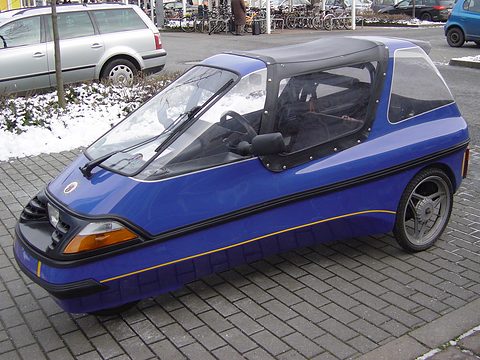
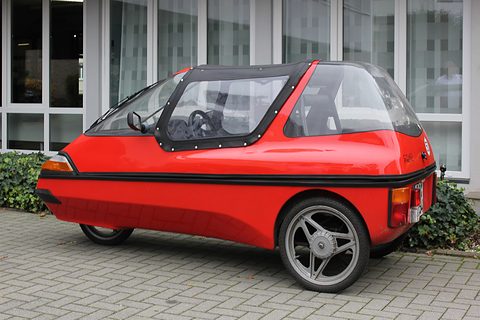
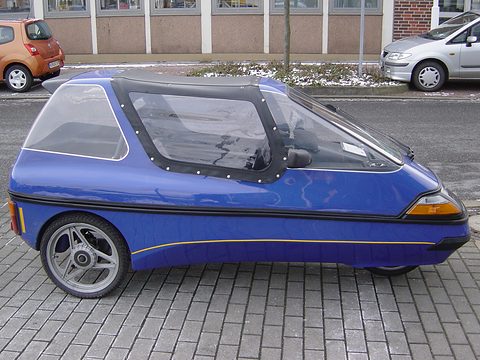
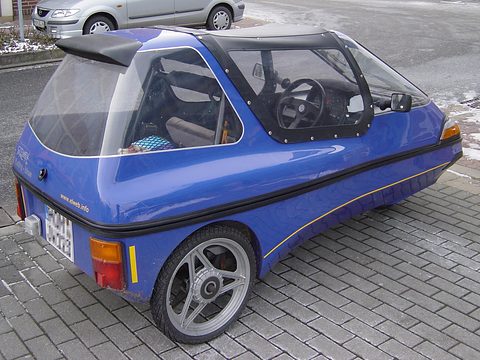
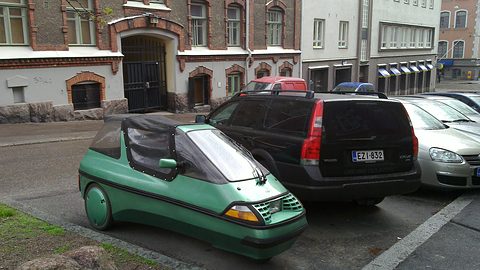
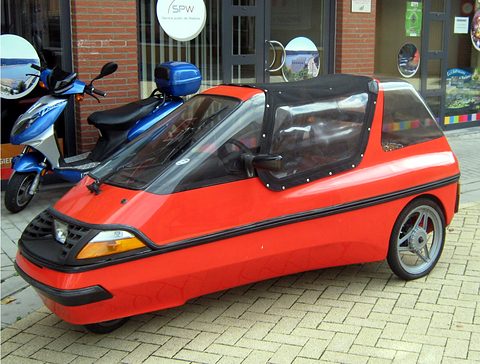
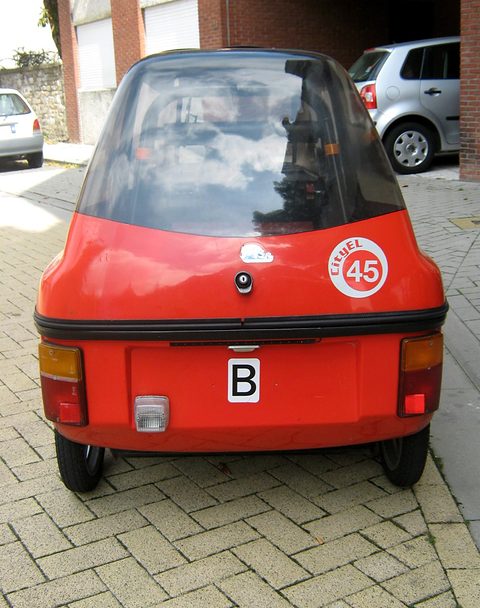
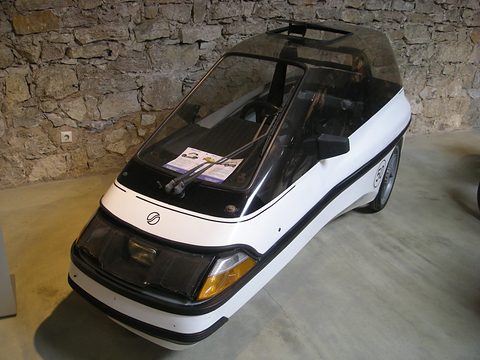
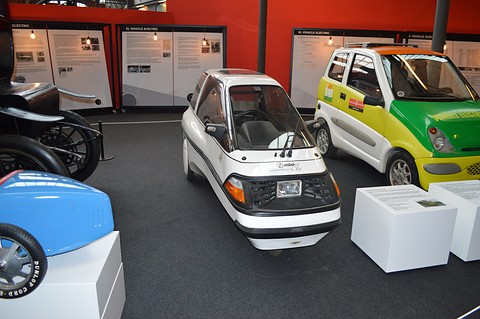
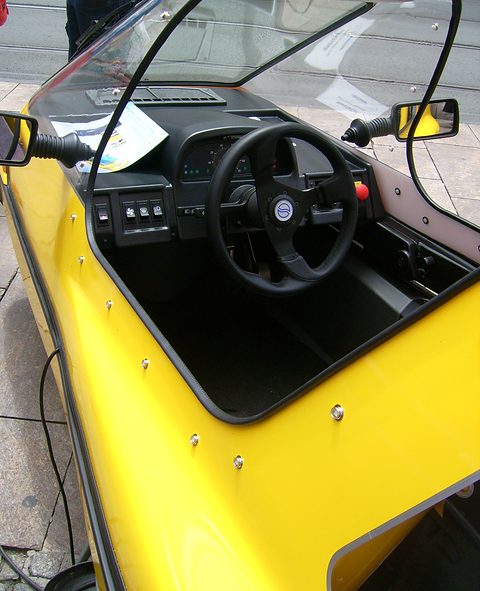
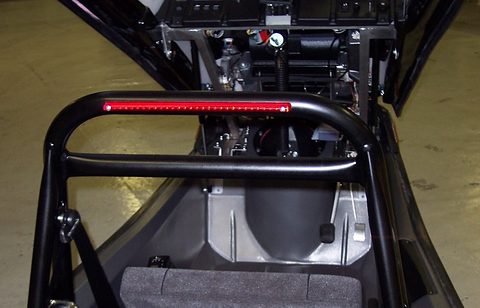
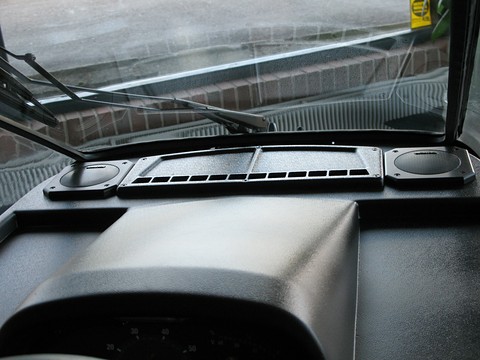
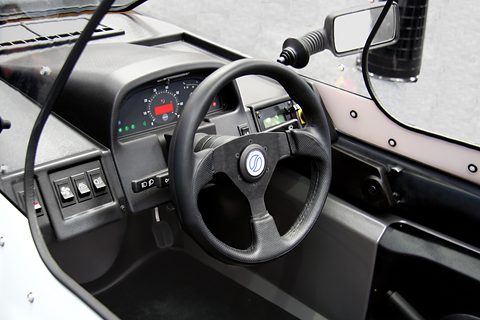
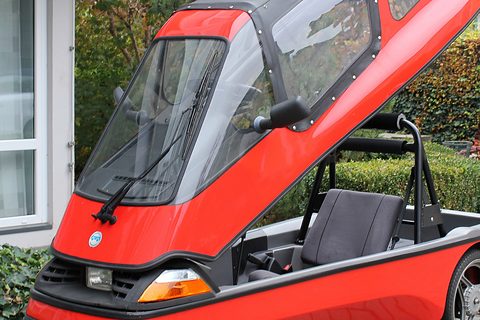
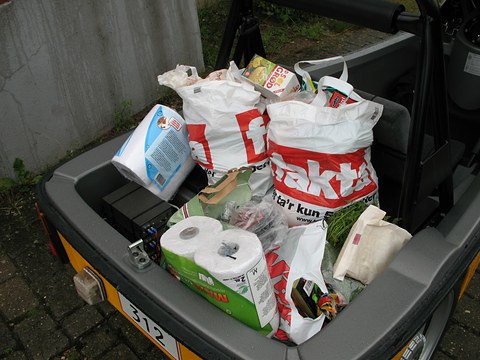
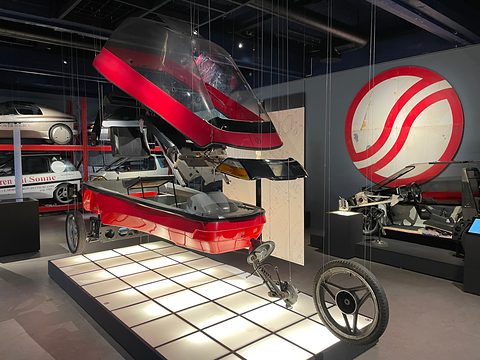
The car is 2,741 mm (108 in) long, 1,060 mm (42 in) wide and 1,260 mm (50 in) high, and weighs about 290 kg (639 lb), some 160 kg of it the car and the rest its batteries.source 1 The tub is double-walled plastic filled with rigid foam about 15 cm (6 in) thick, with a roll bar behind the seat.source 1 The controls are a car’s: a steering wheel, a brake pedal and an accelerator.source 7 Behind the seat is a boot of about 300 litres, where a rear-facing child seat could be fitted for a child of about three to nine.source 7source 1 The closed Basic, with only a small vent in its roof, became very hot in summer.source 1 The ADAC crash-tested it and found it comparable with conventional small cars against a fixed obstacle, but worse off in a collision with another vehicle, being light and low.source 1 Lead batteries needed replacing after 2,000–10,000 km.source 1source 6 In Denmark, as a motorcycle, it needed no periodic inspection and paid no weight tax, and many towns let it park free, since an ellert is “not a car”.source 3
The end
Smiles AG became insolvent in 2012. Ellert-Rent bought its assets that spring and took back the name Citycom GmbH; it said that Smiles owed it more than €300,000, had sold off its cars, kept the rental income and used the rental fleet as a store of parts.source 7source 1source 4 More bad debts forced Citycom into insolvency at the end of 2013. In March 2014 Krabatt UG bought the whole CityEl project, with its parts, tools and rights; Jonas Nestmeier, born in 1992, was its managing director, and his father its authorised officer.source 1source 4 The last CityEl was built in about 2018, and Krabatt closed early in the 2020s. By then, German Wikipedia notes, newer cars such as the Renault Twizy had long since taken its market.source 1