The story
History
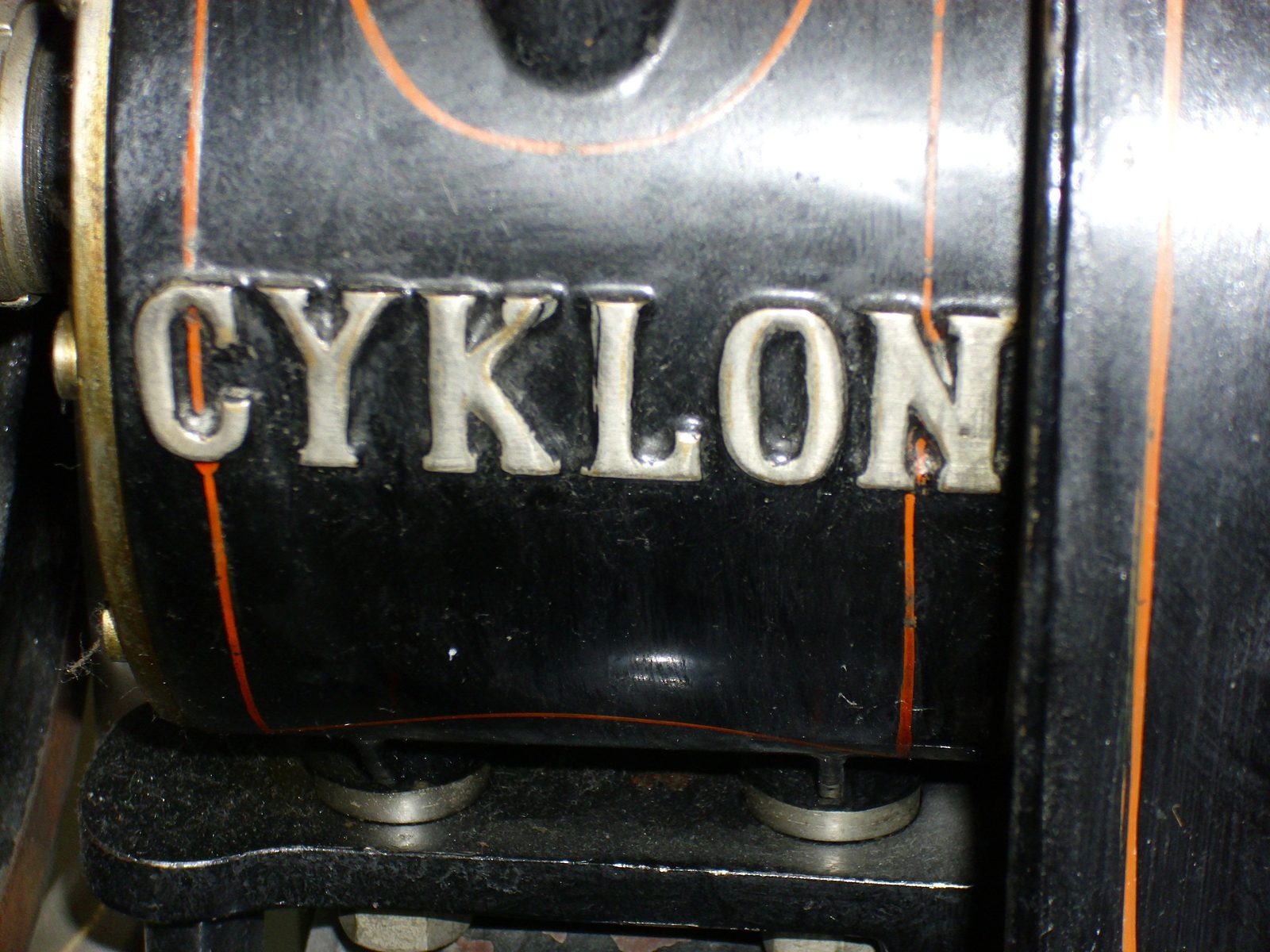
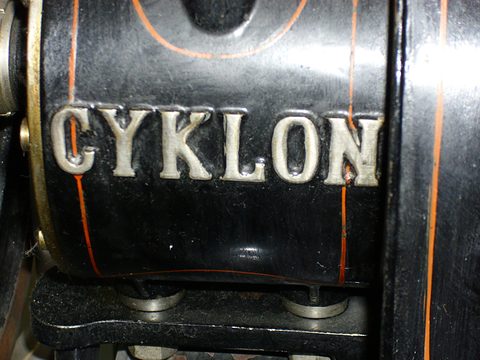
Cyklon Maschinenfabrik GmbH was founded in Berlin by the engineer Paul Schauer (1870–1958). Its office was at Mainzer Straße 22/23 and its works in Boxhagener Straße, in Friedrichshain, and it belonged to Siegfried Hirschmann’s Deutsche Kabelwerke group.source 1 In 1900 it began series production of motorcycles, one of the first German firms to do so, under licence and with French engines from Werner, Zedel and De Dion-Bouton. Its first motorcycle already drove its front wheel: a 300 cc engine of 1.5 PS was fixed to the handlebar and drove the wheel by a belt. Cyklon hoped for an army order in 1902, but the handling was thought too complicated, and the motorcycles stopped in 1905.source 1
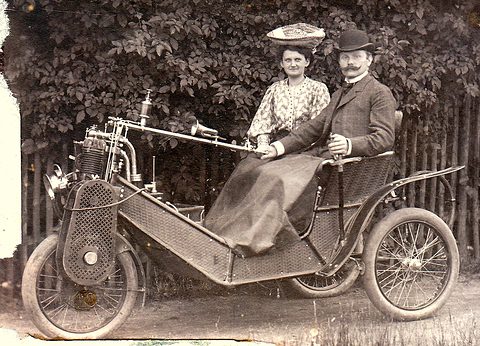
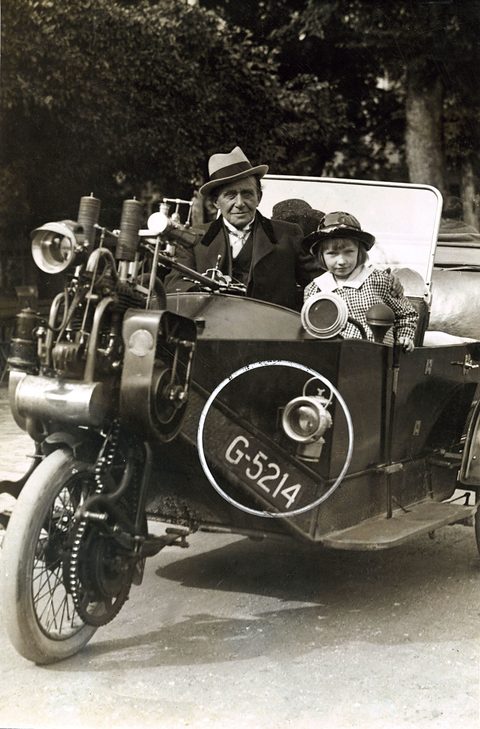
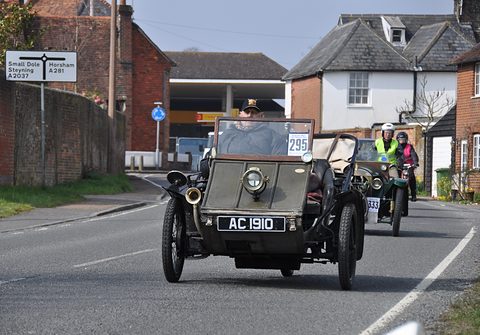
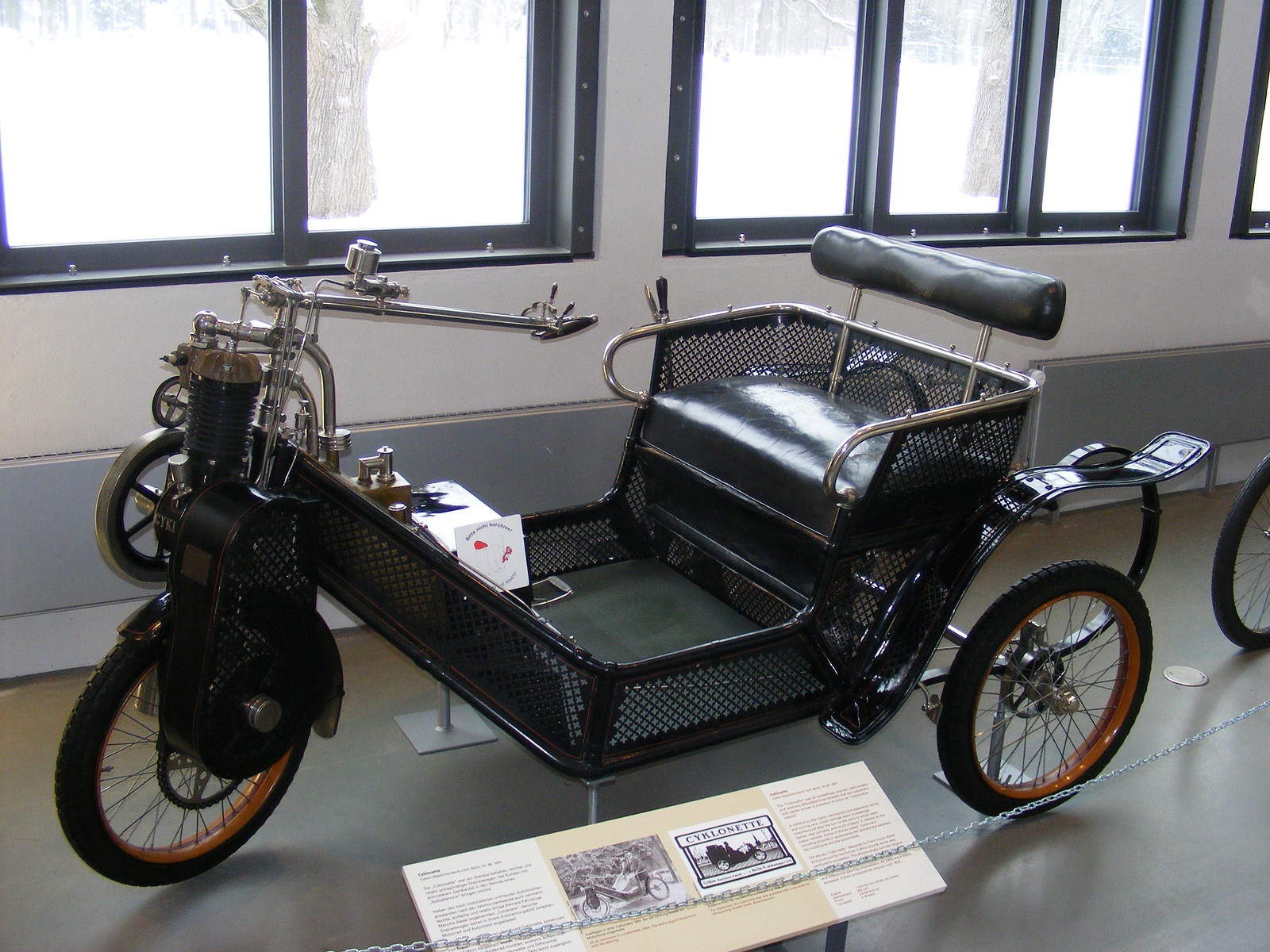
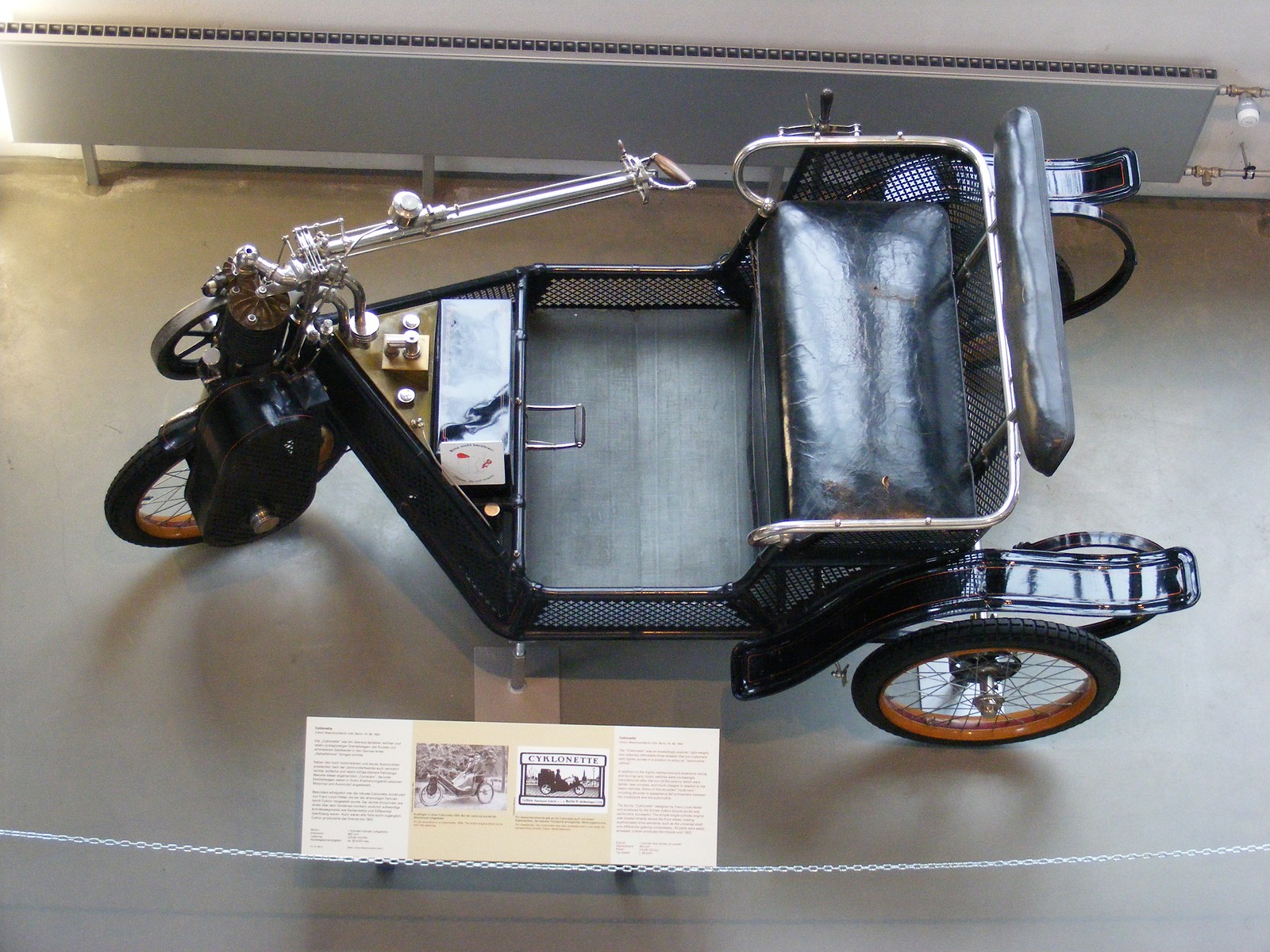
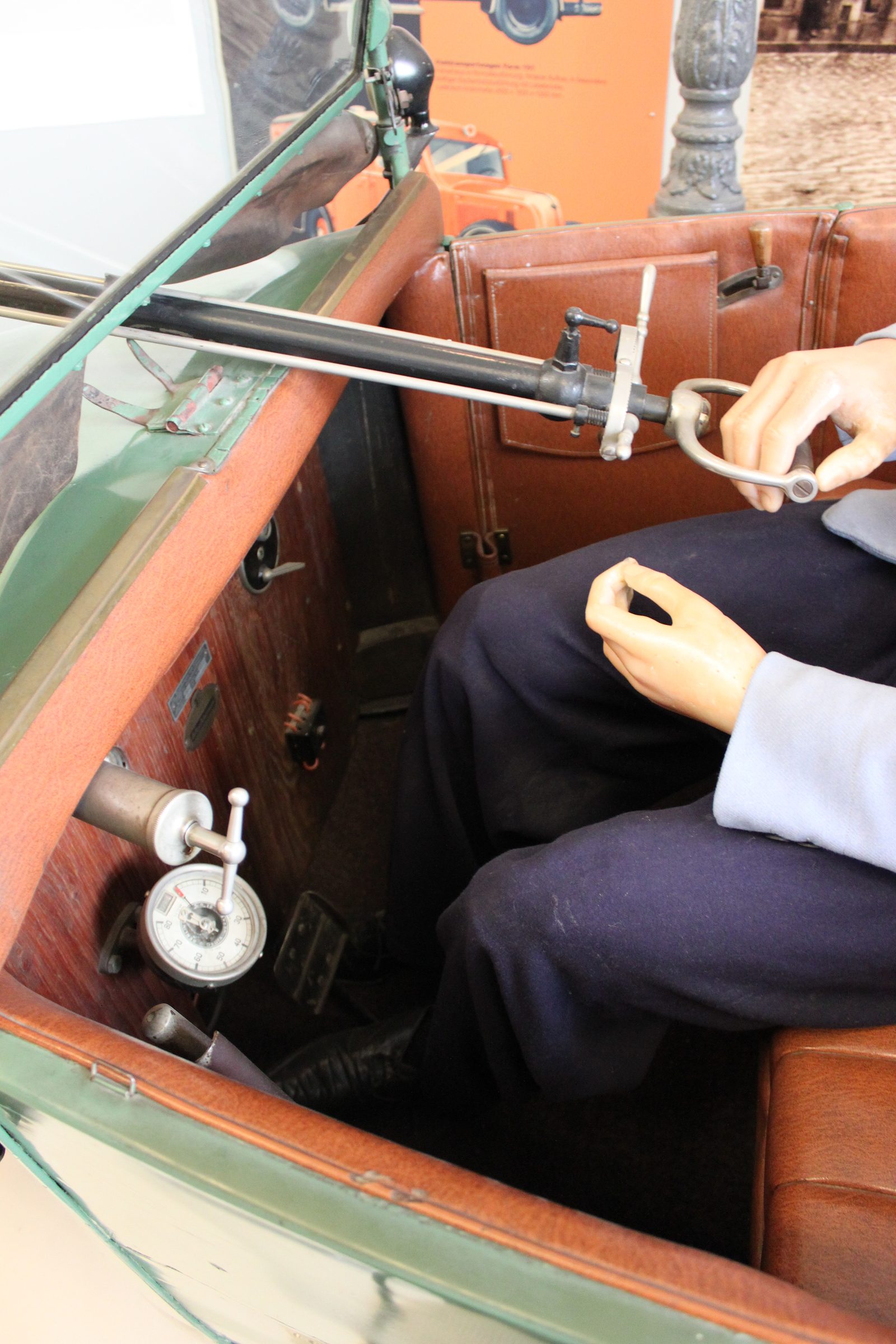
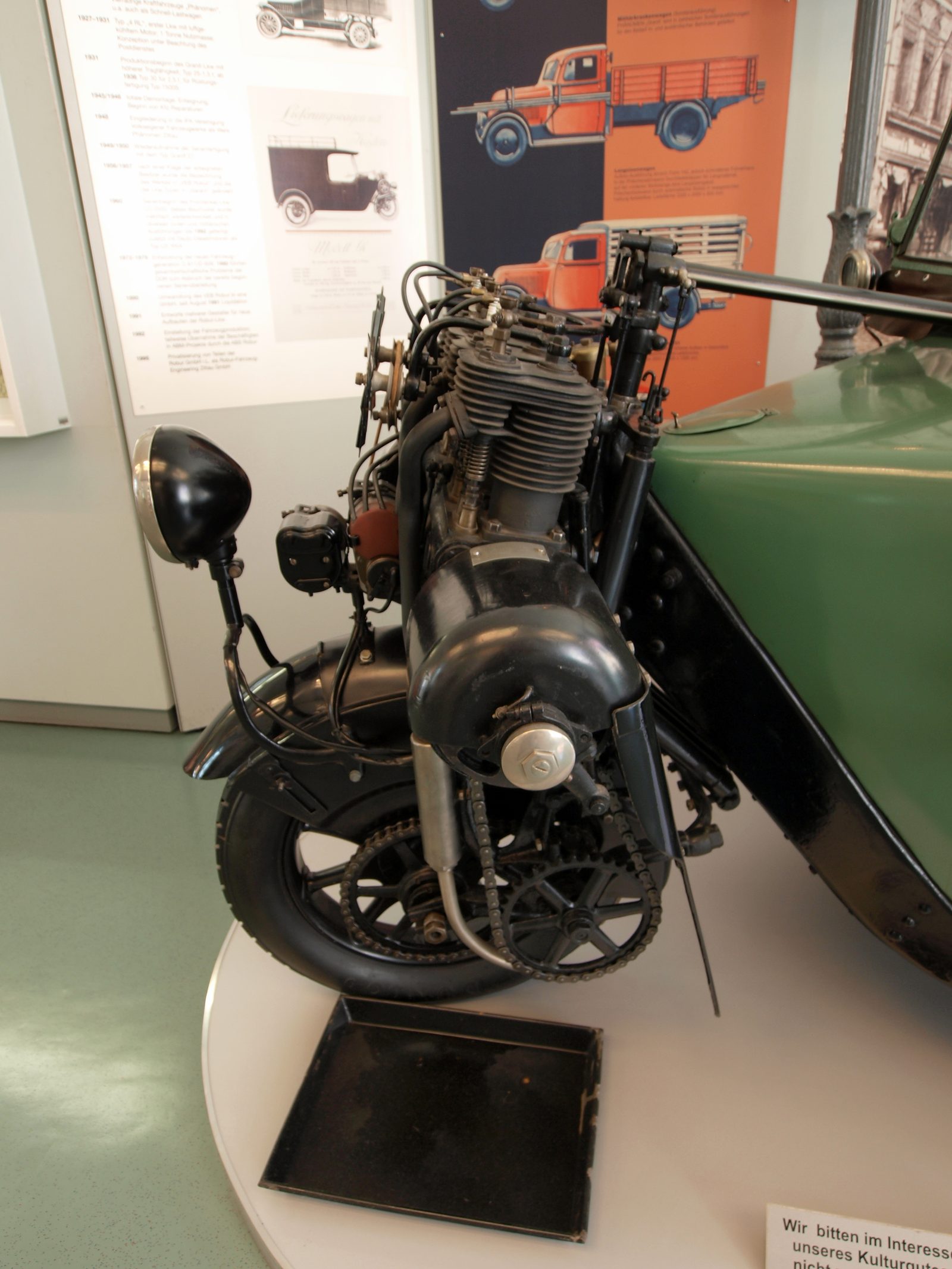
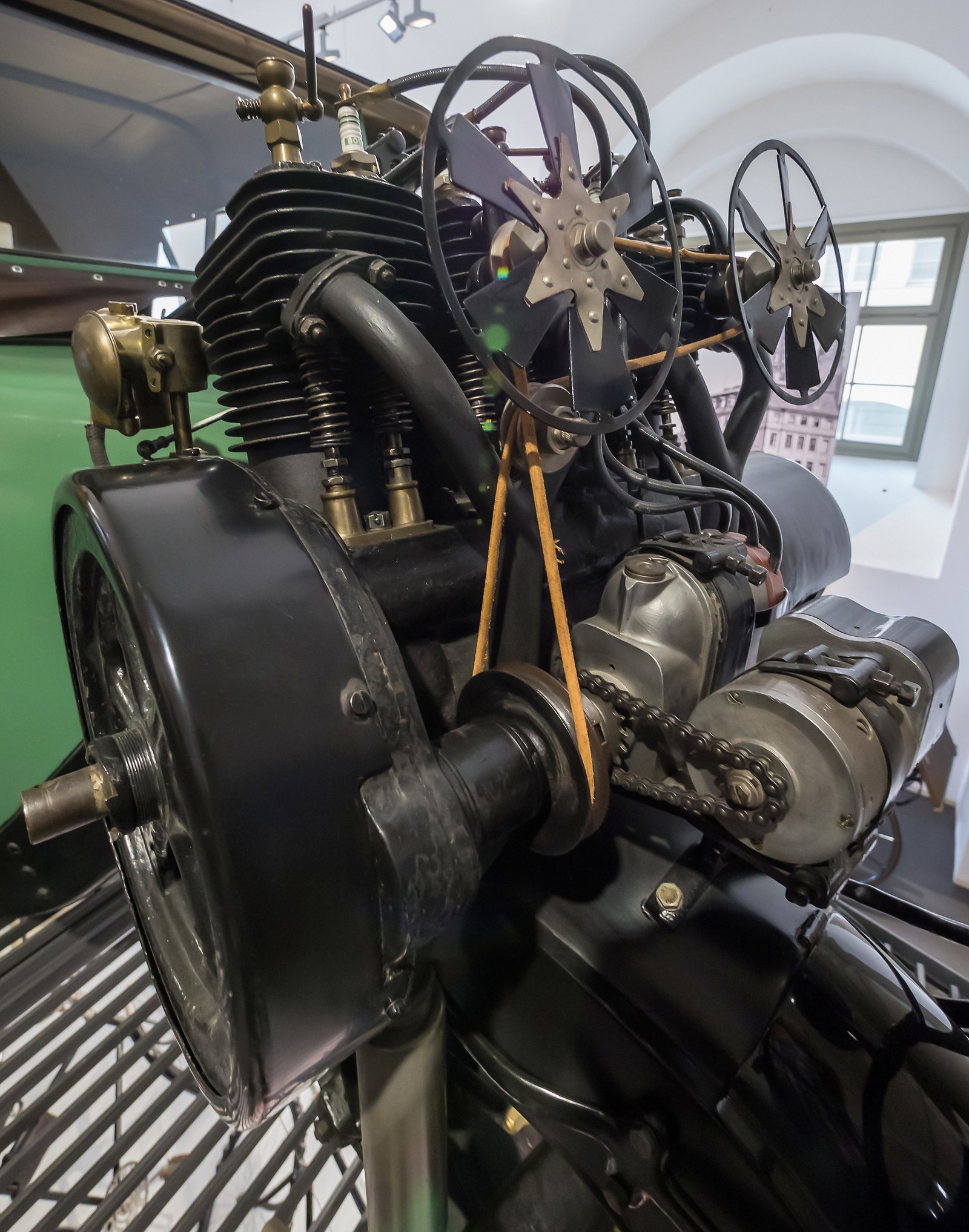
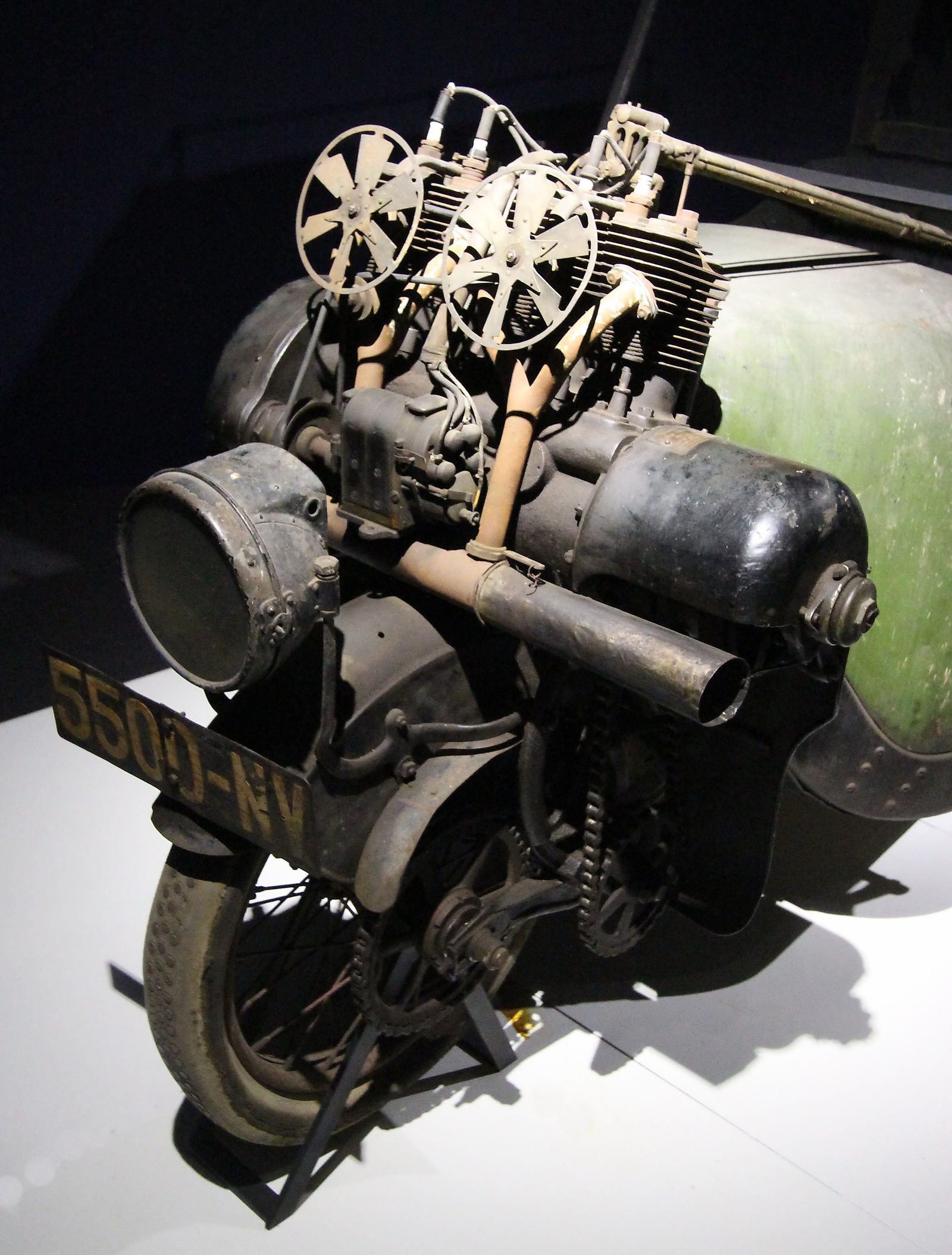
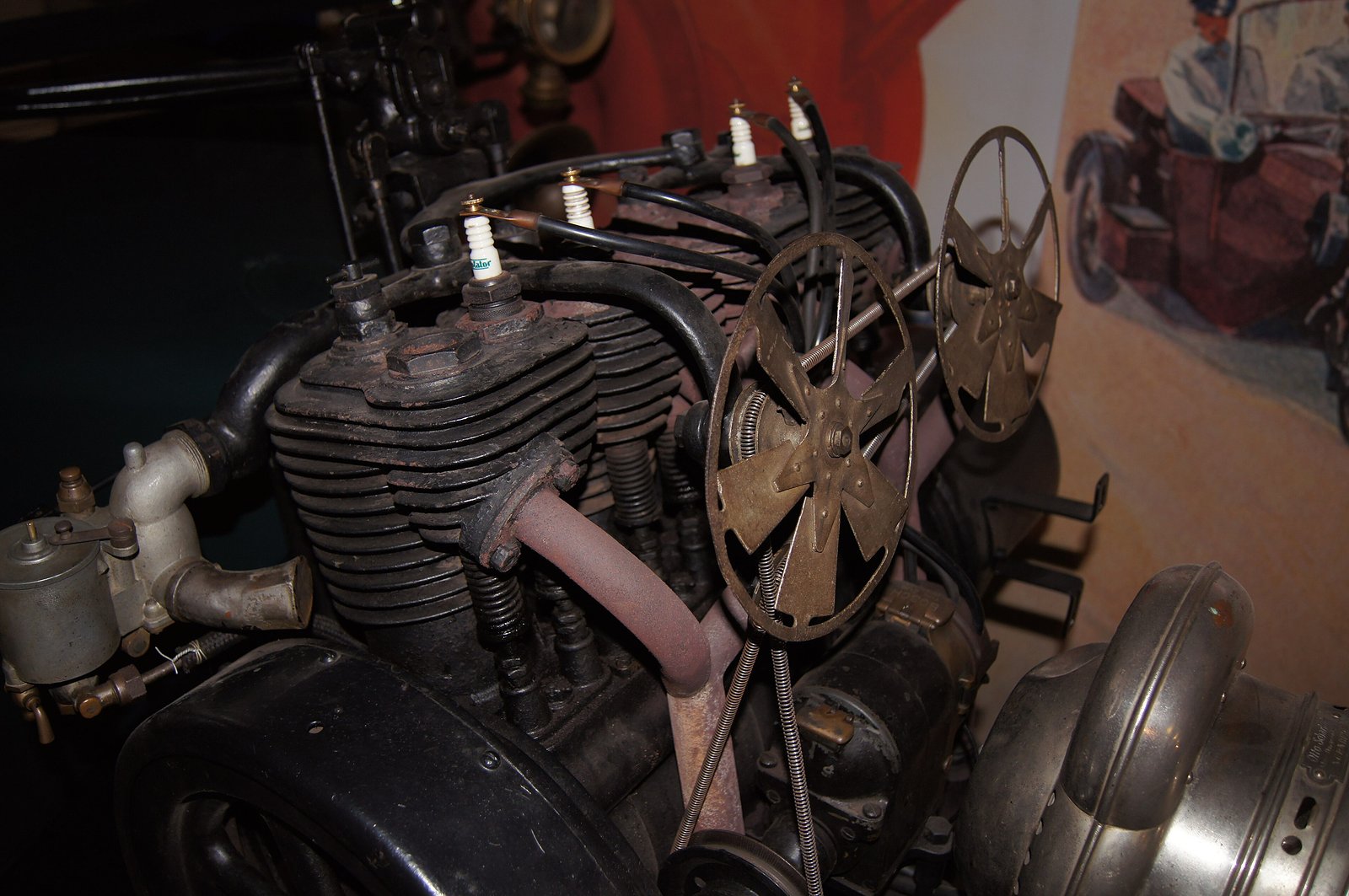
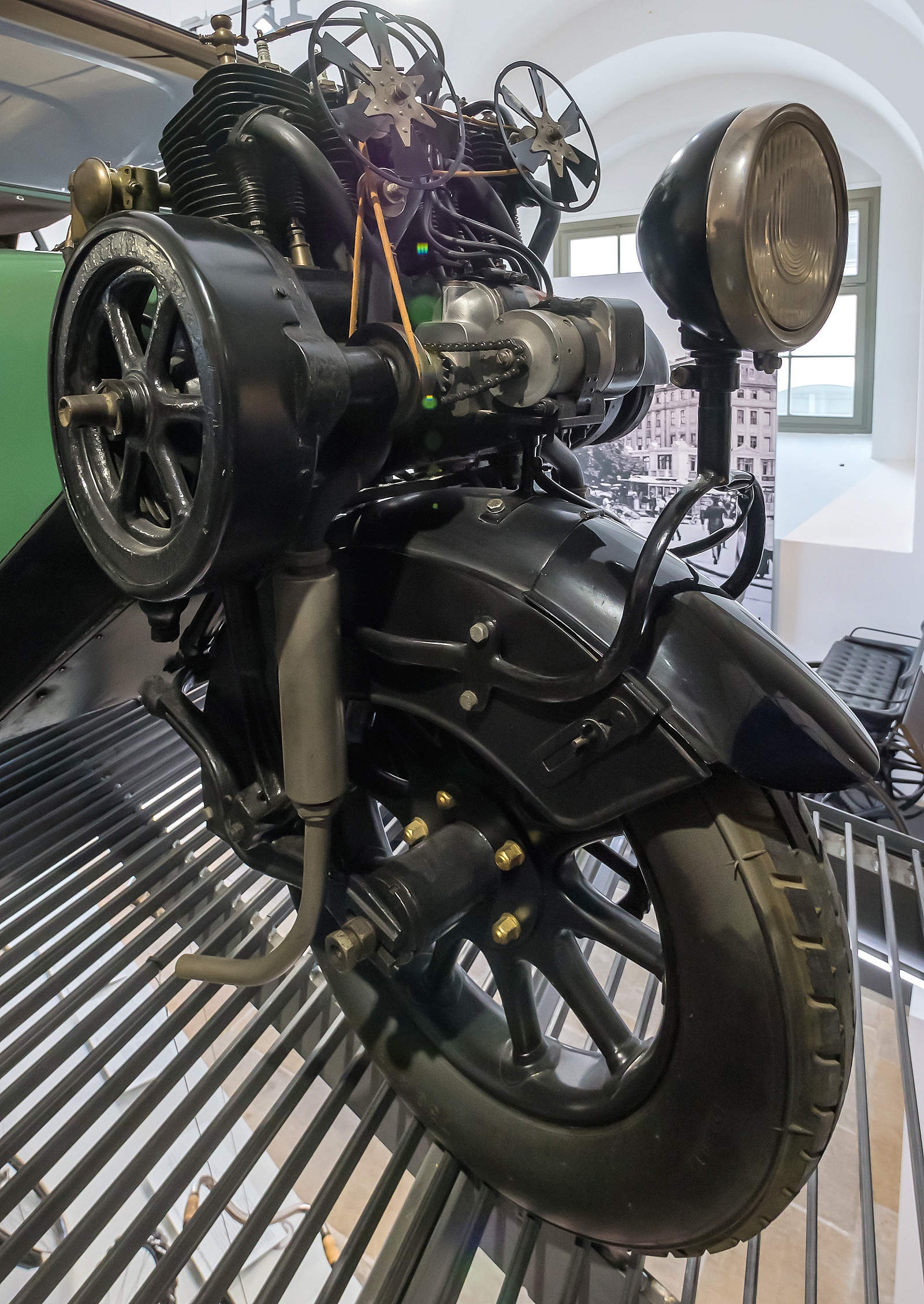
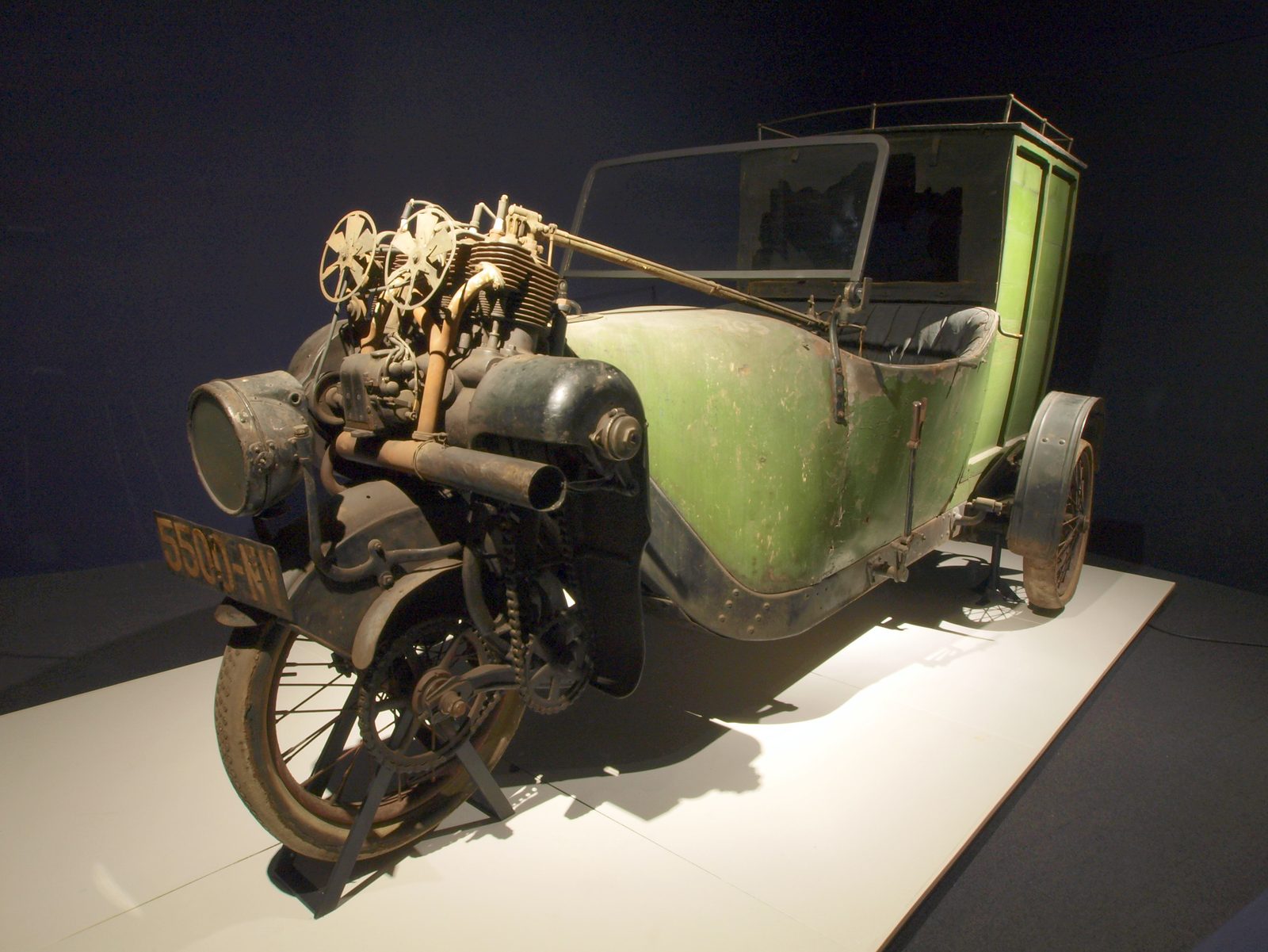
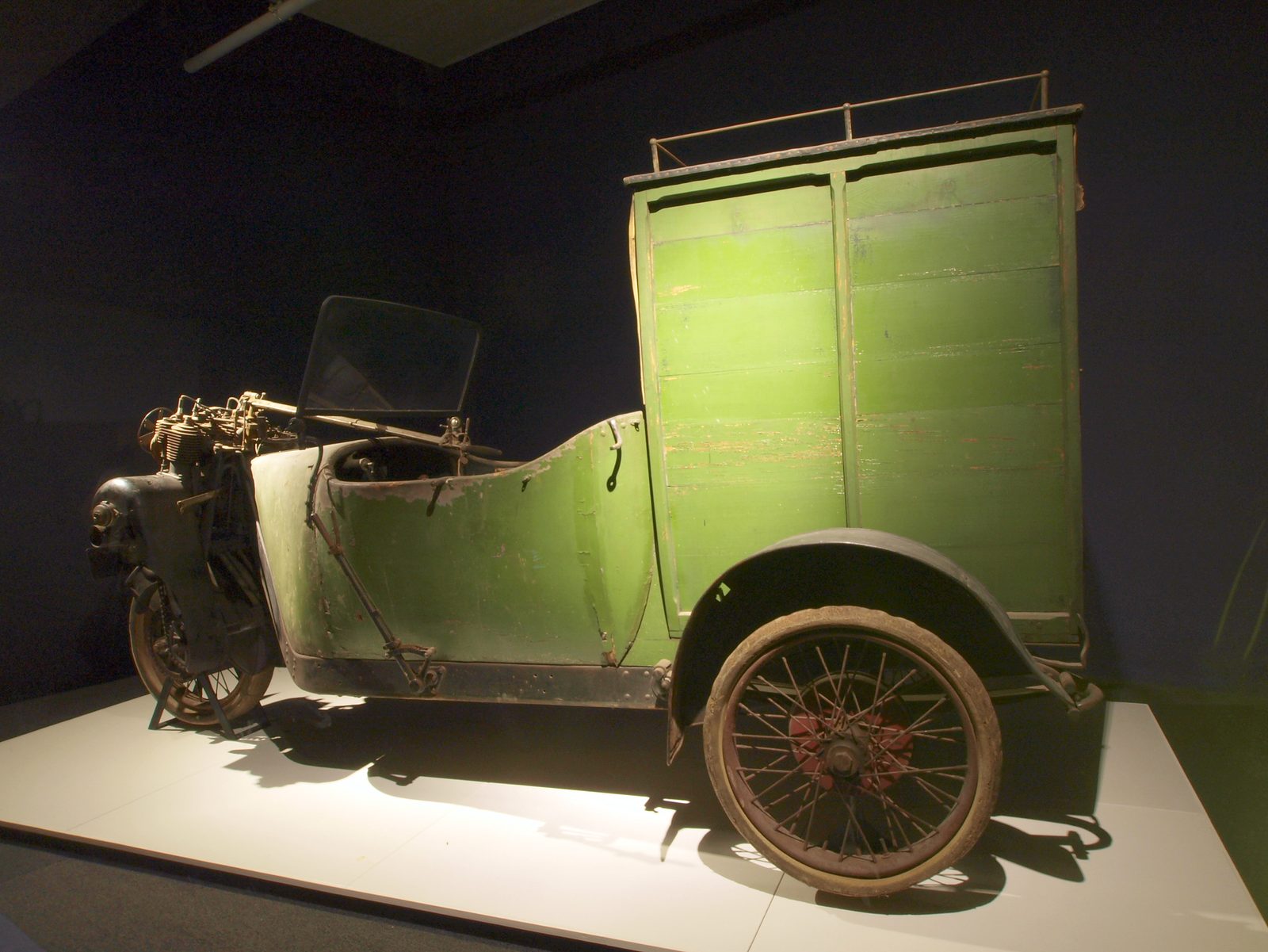
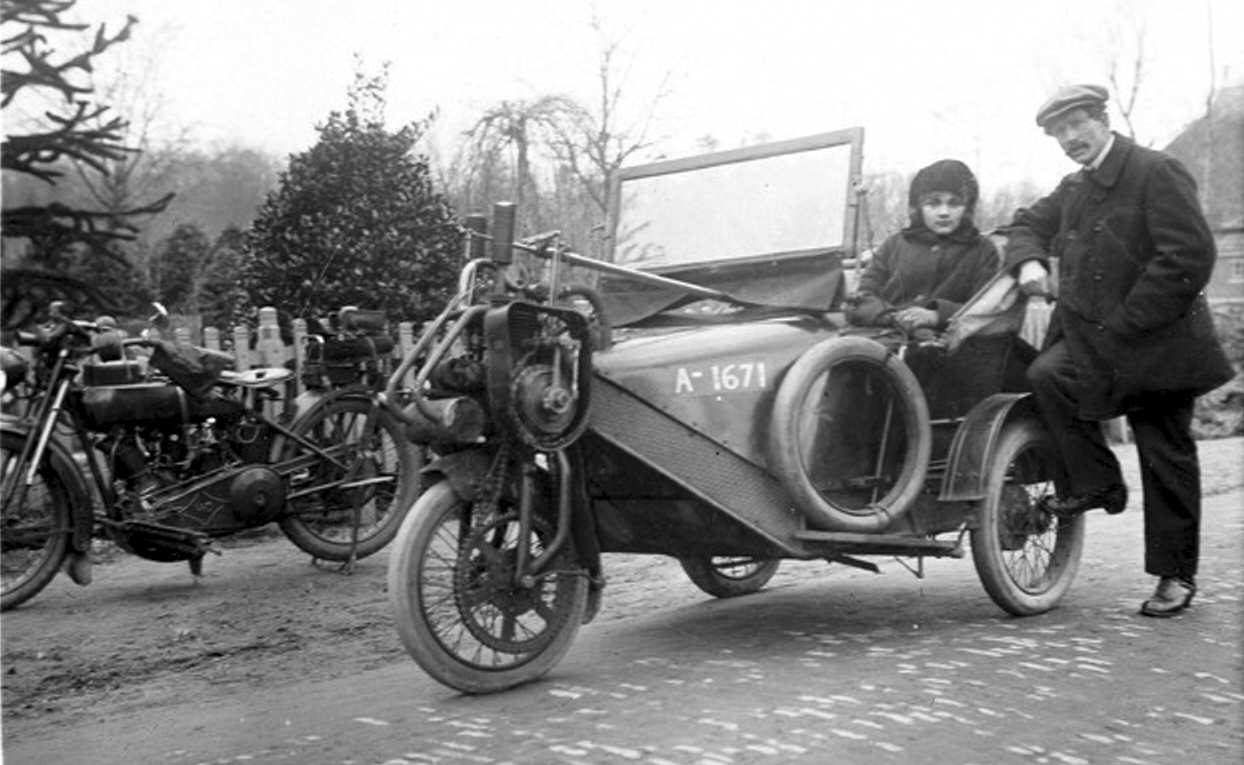
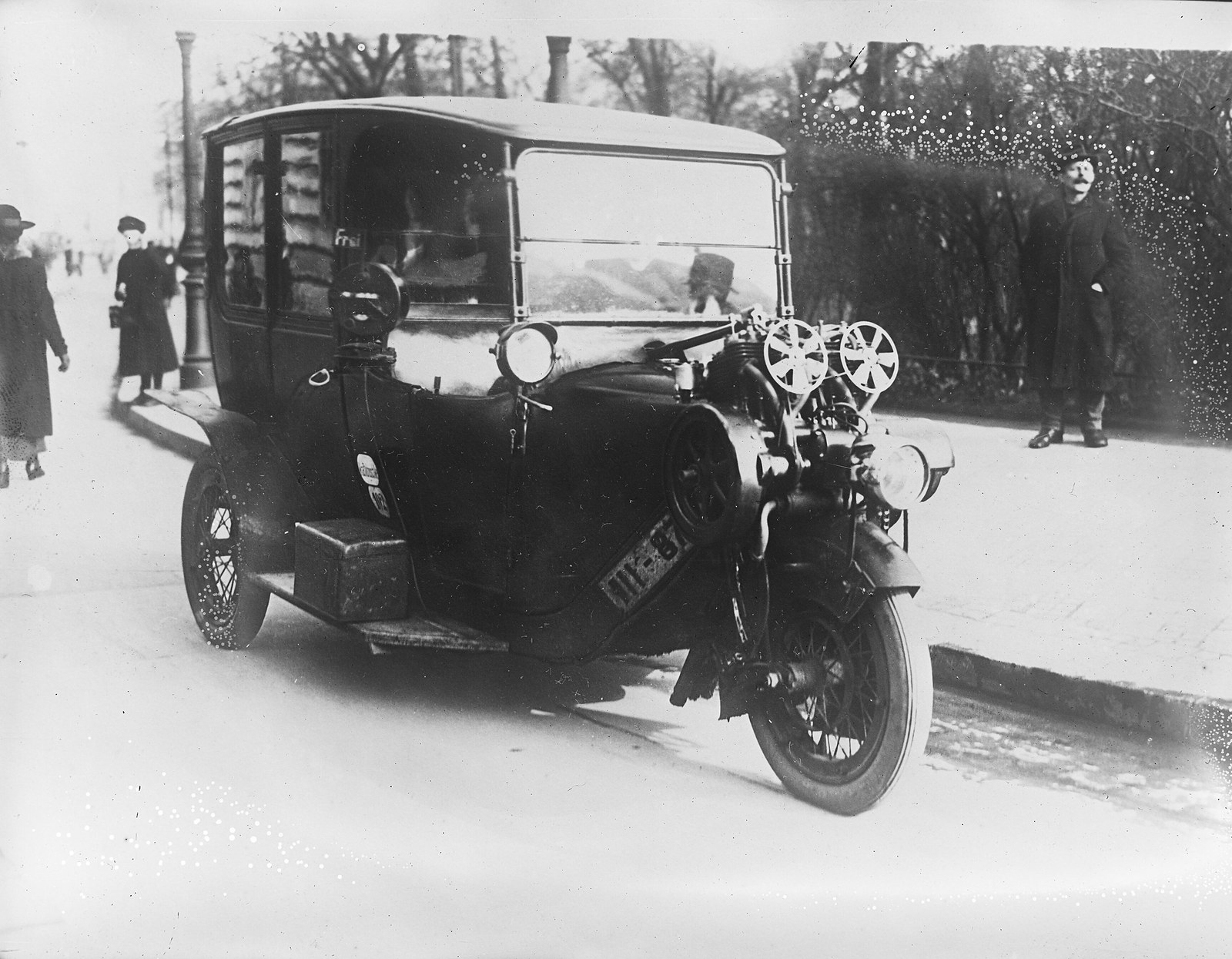
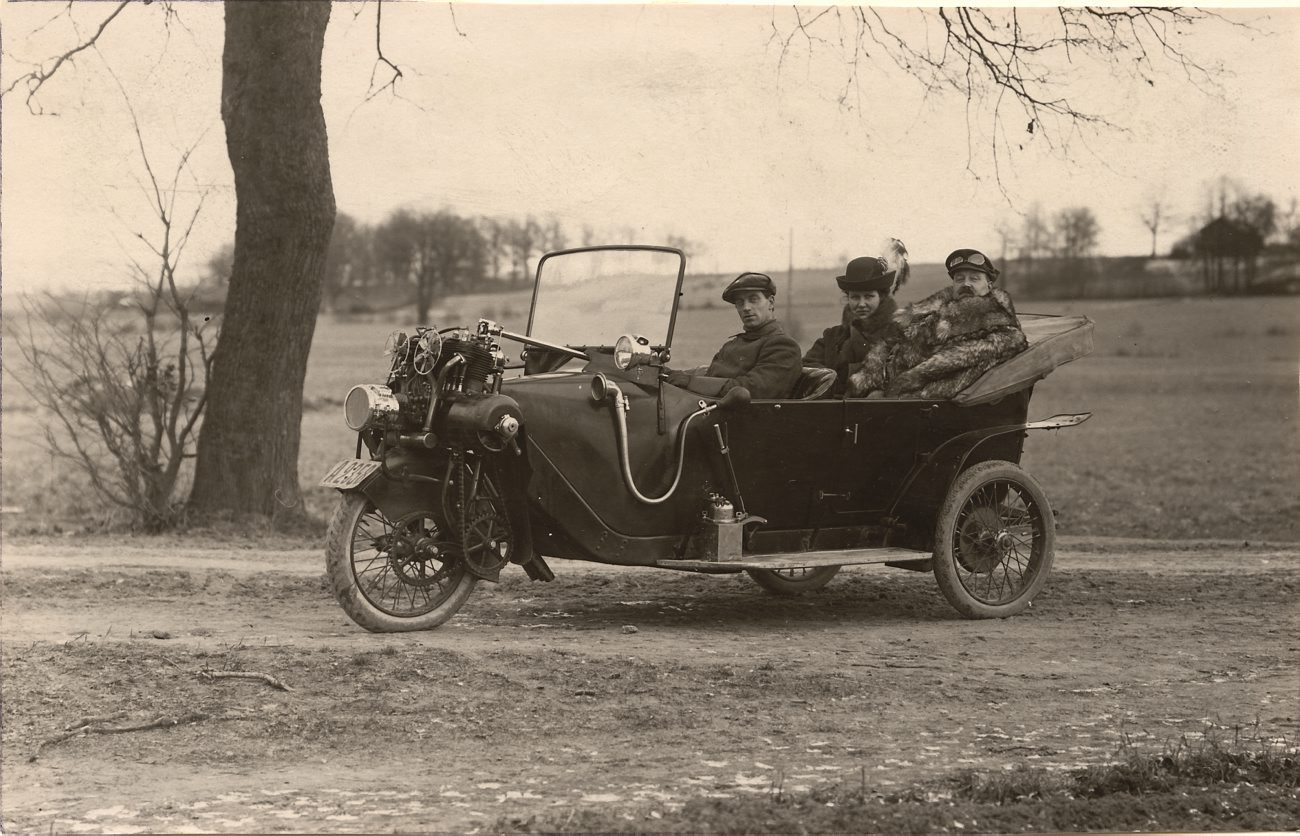
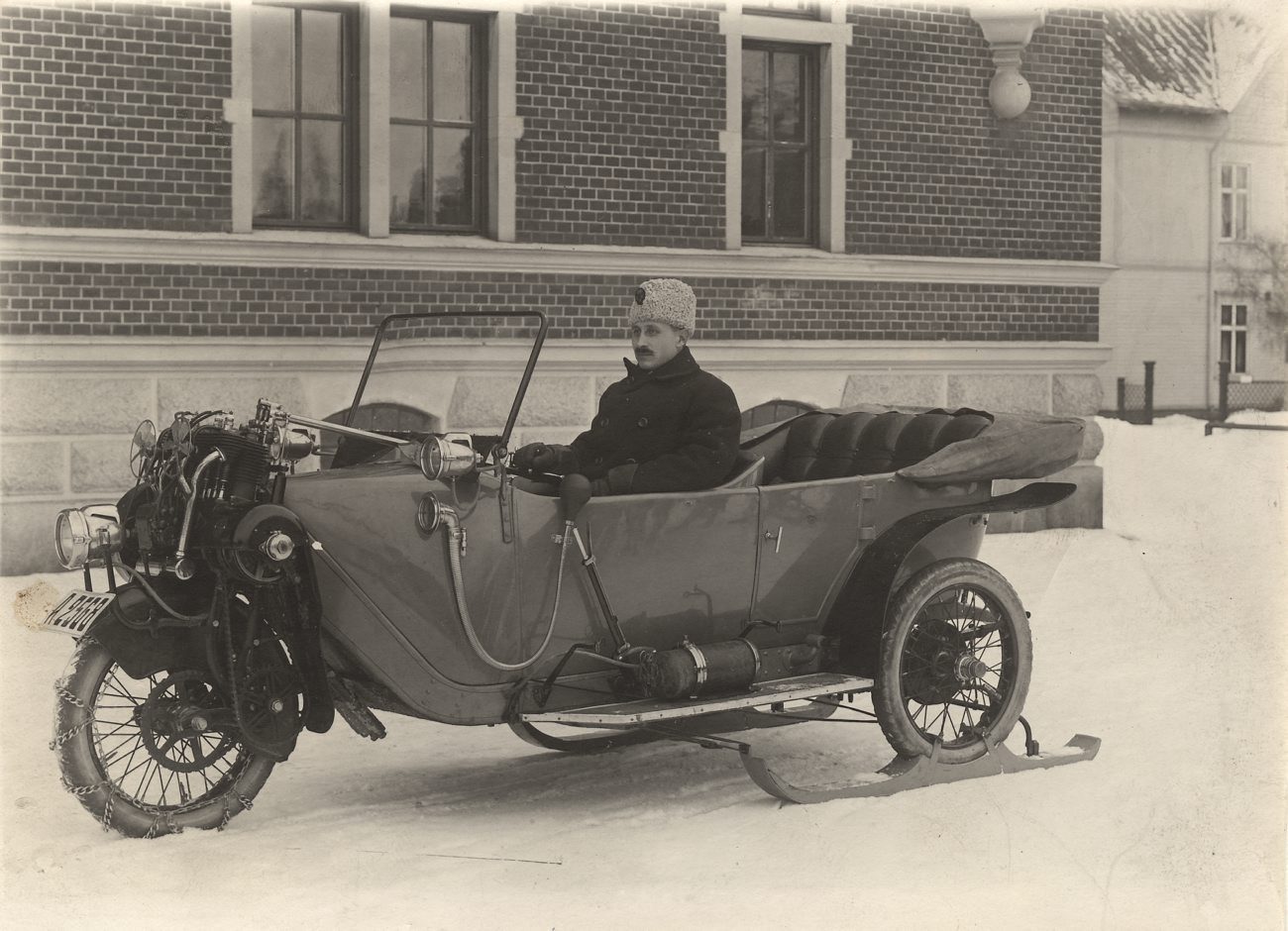
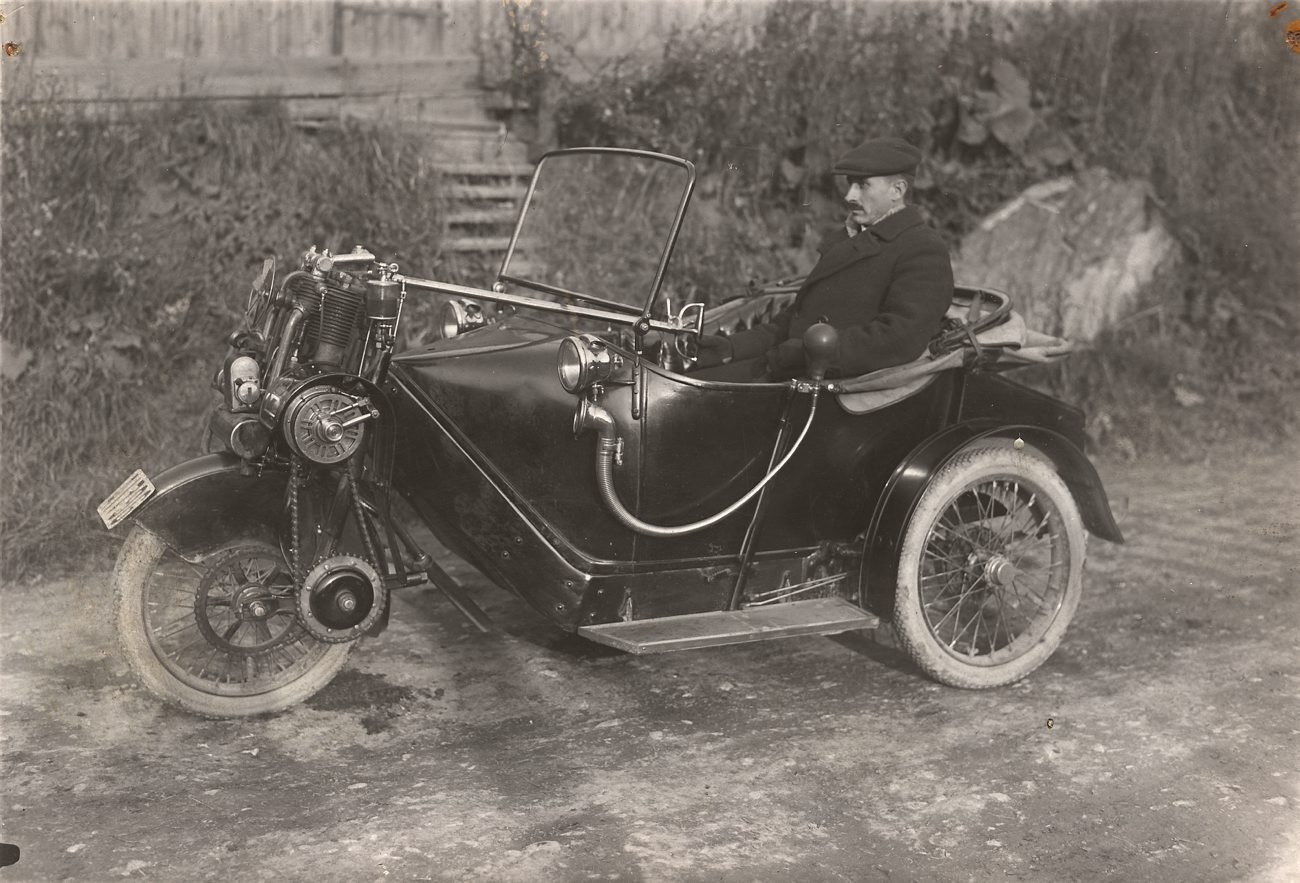
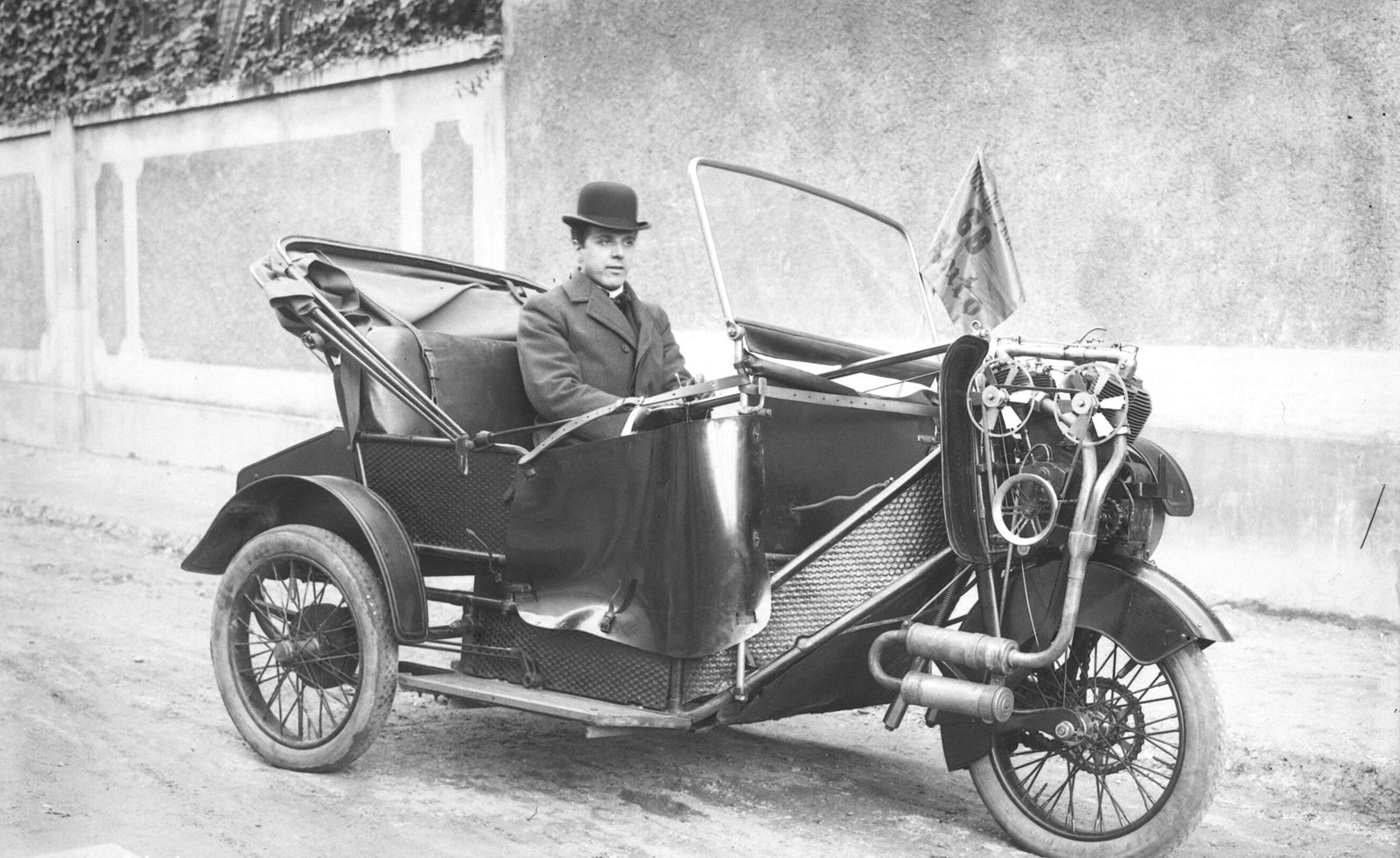
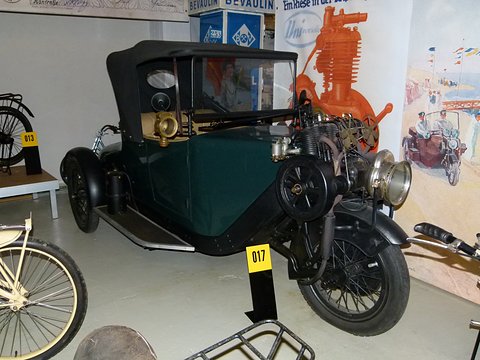
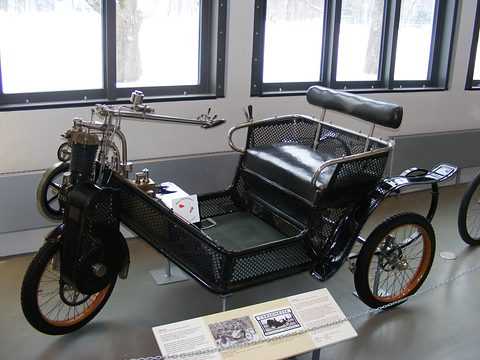
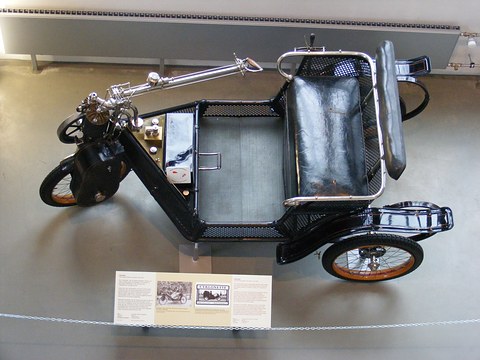
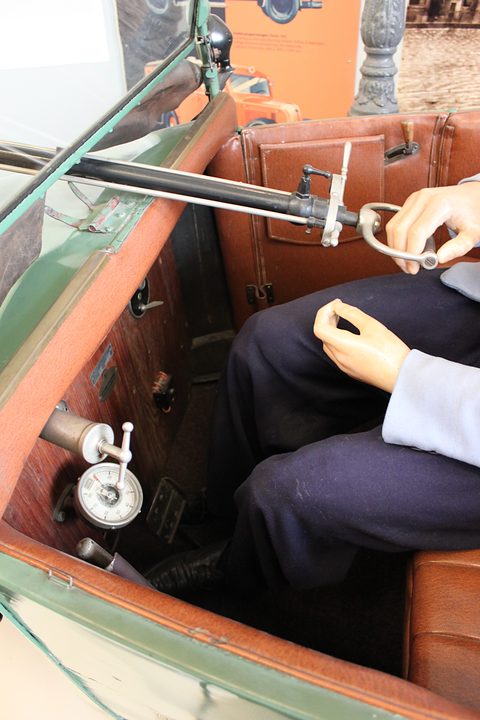
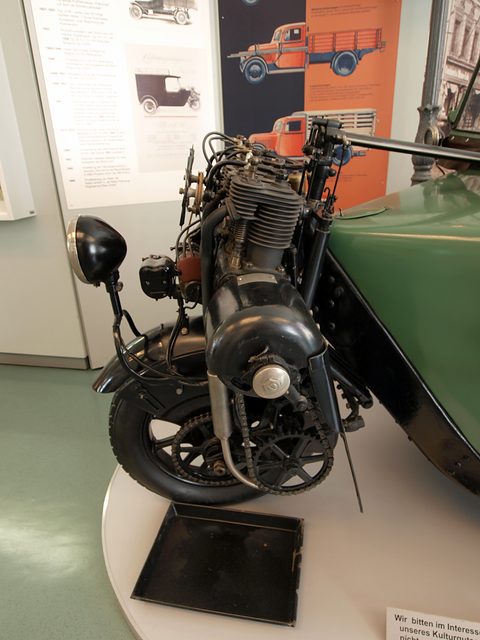
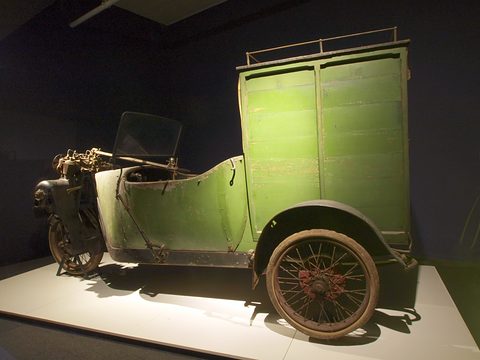
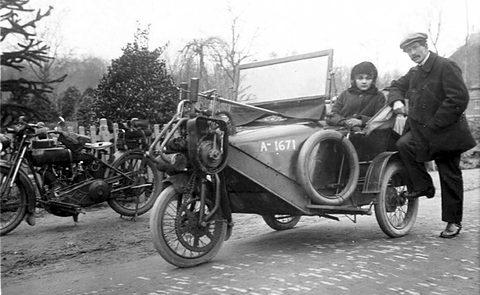
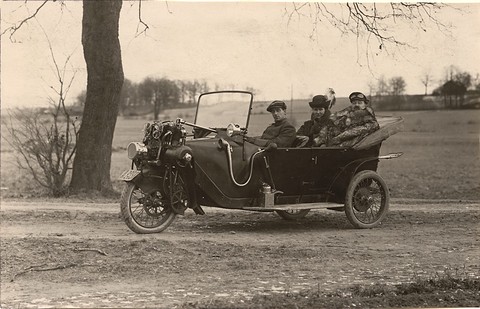
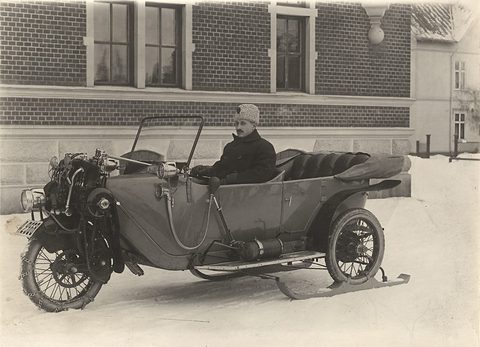
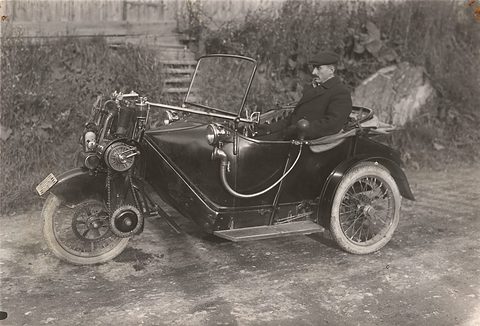
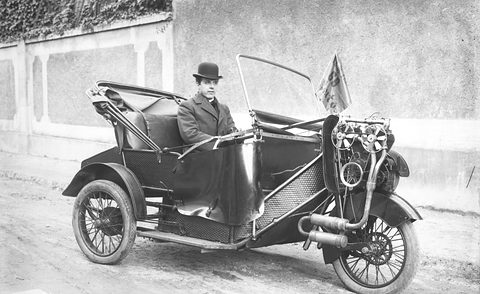
The idea went into a tricar. The Cyklonette was shown at the Leipzig motor show in 1902.source 2 Up front was a single wheel; behind, a rigid axle carried two, and the single-cylinder engine was built onto the front wheel, driving it at a fixed ratio by a belt and later by a roller chain. The engine was 450 cc and gave 3.5 PS (2.6 kW).source 1source 3 English Wikipedia counts it among the earliest production vehicles with front-wheel drive.source 3 The driver steered the whole unit with a long lever, which also carried the throttle cable and the ignition control.source 1source 2 Two people sat side by side.source 1source 2
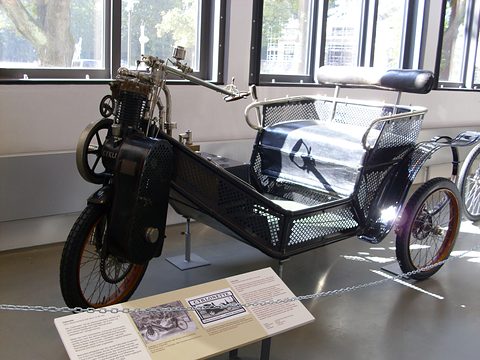
A wicker tricar
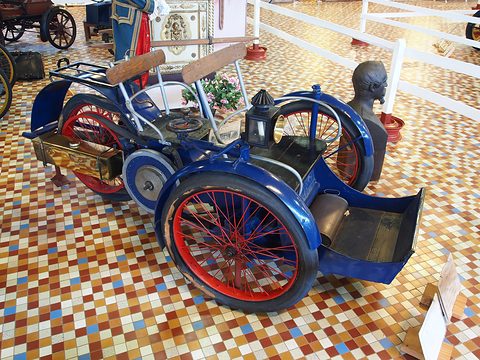
The 1904 car kept by the Stahls Automotive Foundation in Michigan shows what a buyer got. Its body is panelled in perforated metal with inlaid wickerwork, it rides on cart springs, wire wheels and pneumatic tyres, and it has a Crypto gear for low speed with fixed drive on high, which suggests that some cars had two speeds.source 2 It could be driven from either seat, so the two people aboard could hand over the driving without stopping.source 2
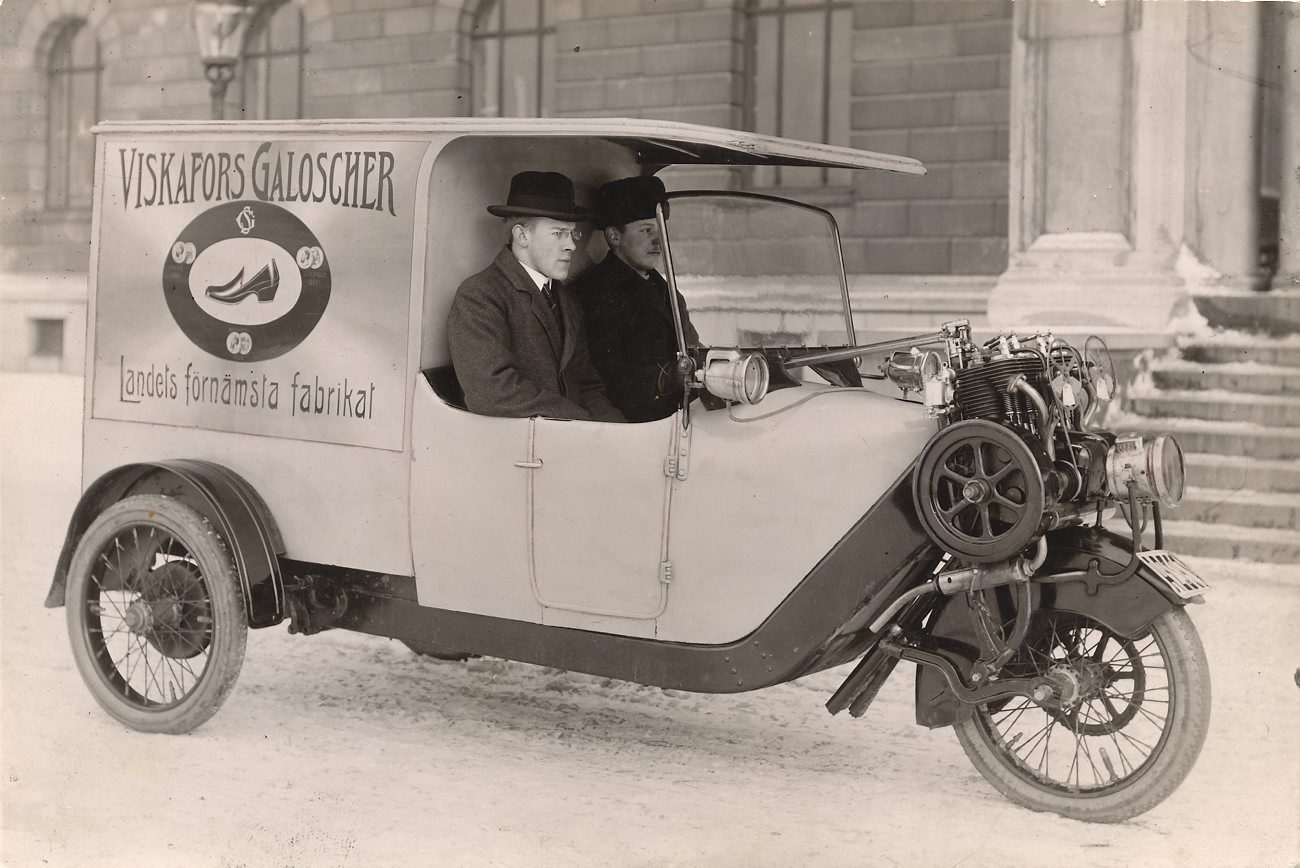
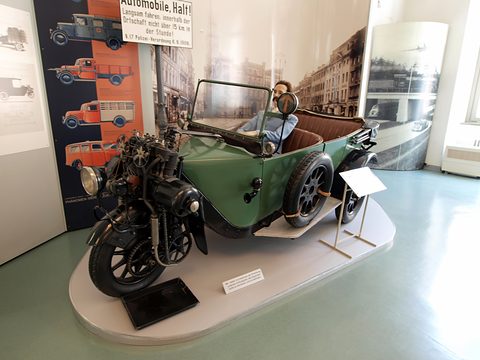
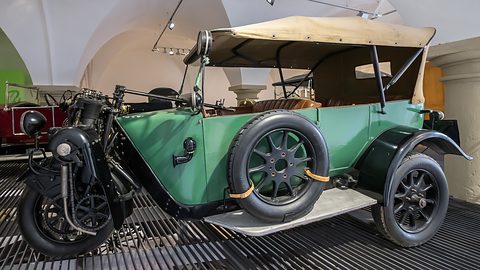
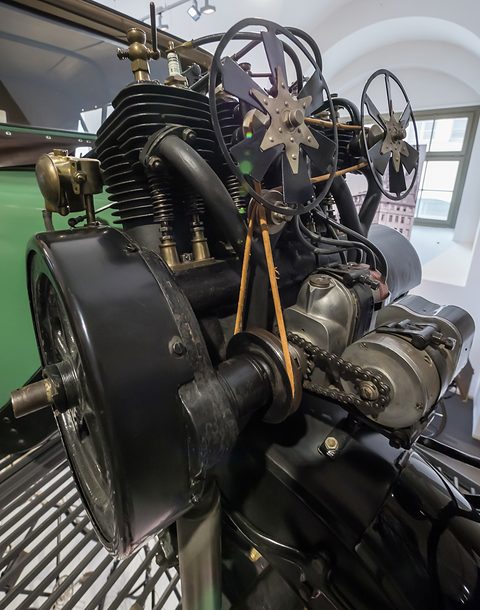
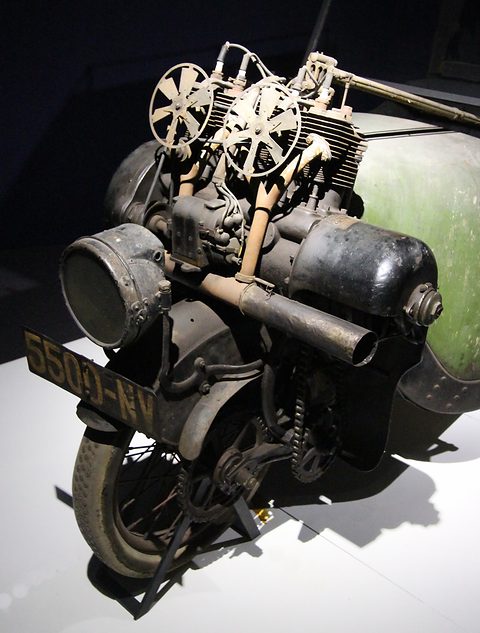
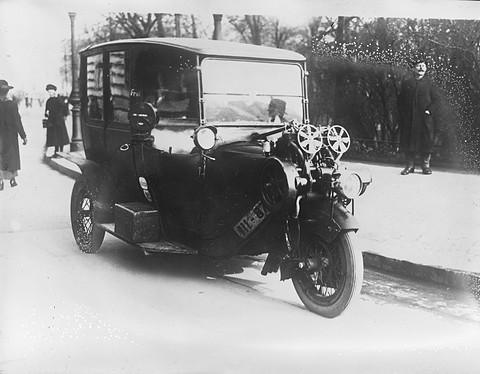
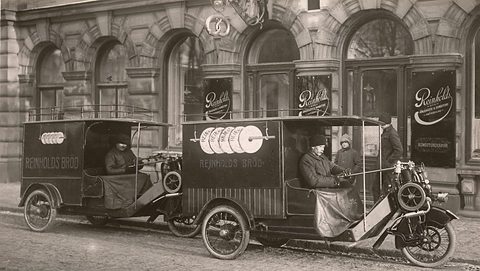
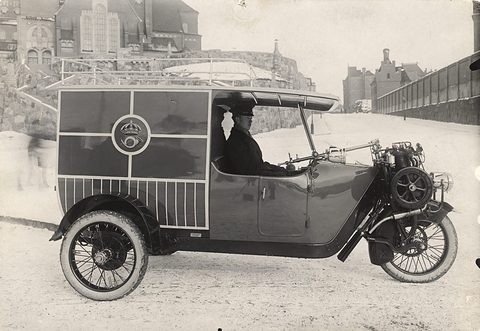
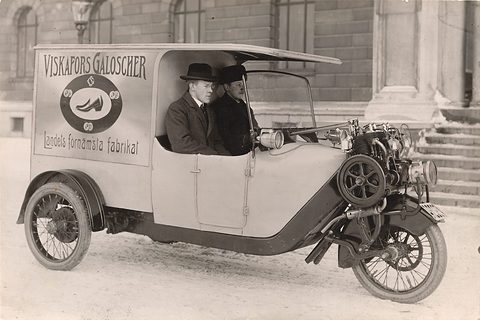
Two years after the single came a twin. German Wikipedia gives the V-twins 750 to 1,290 cc and up to 10 PS (7.4 kW); English Wikipedia gives a 1.3-litre twin of only 6 bhp (4.5 kW), and the two figures have not been reconciled.source 1source 3 The frames were welded from I-section steel, and there were two- and four-seaters with two or four doors, though most Cyklonettes were delivery vehicles.source 1 English Wikipedia says that some had four cylinders, which German sources do not confirm.source 3 On 2 September 1905 the Berliner Tageblatt carried an advertisement with a drawing of a “Cyclonette”, the spelling the period adverts used.source 1
Twenty years of deliveries
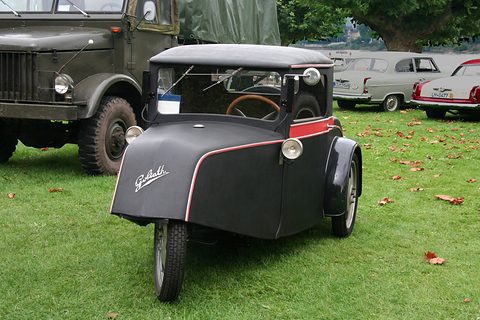
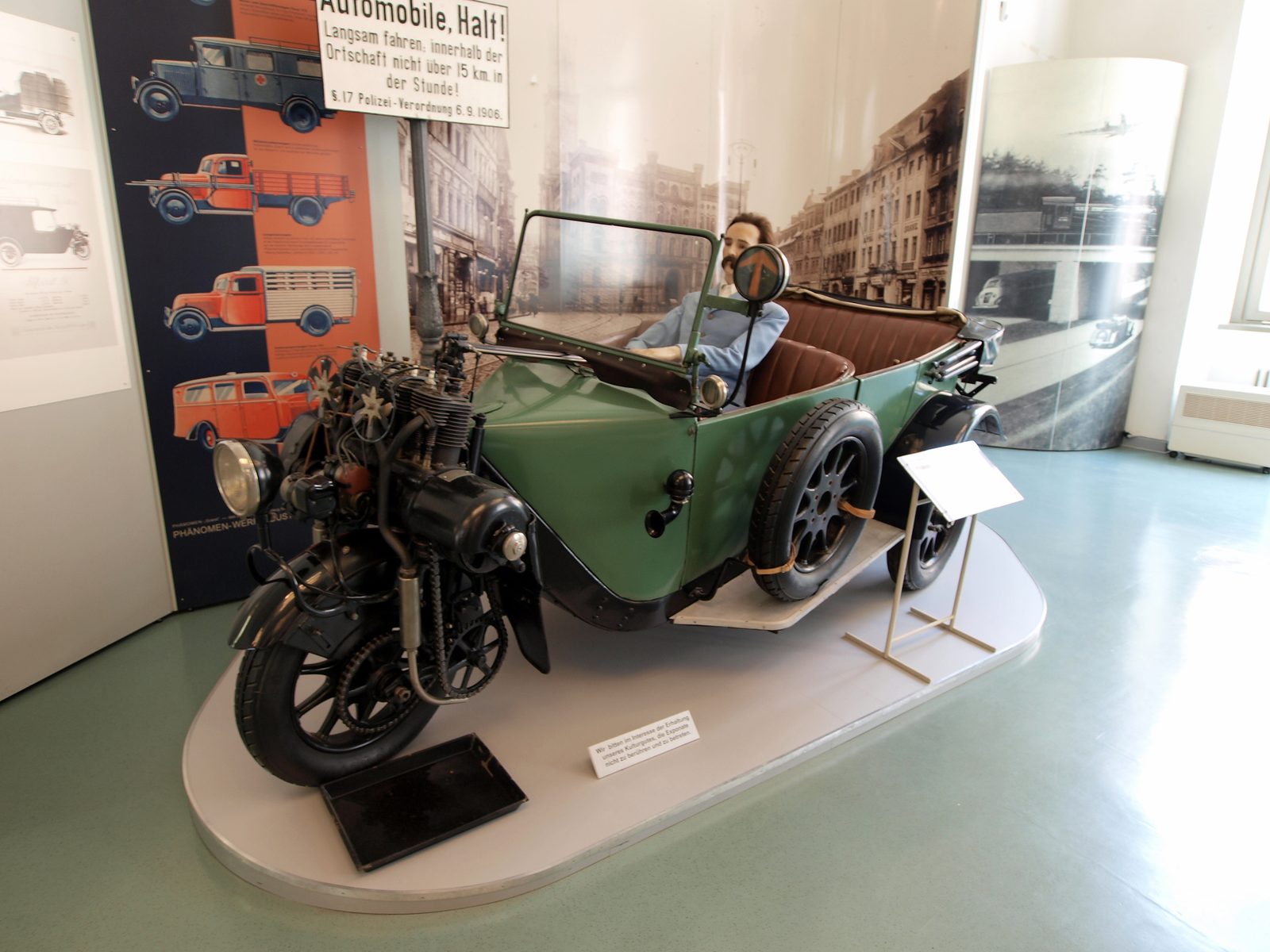
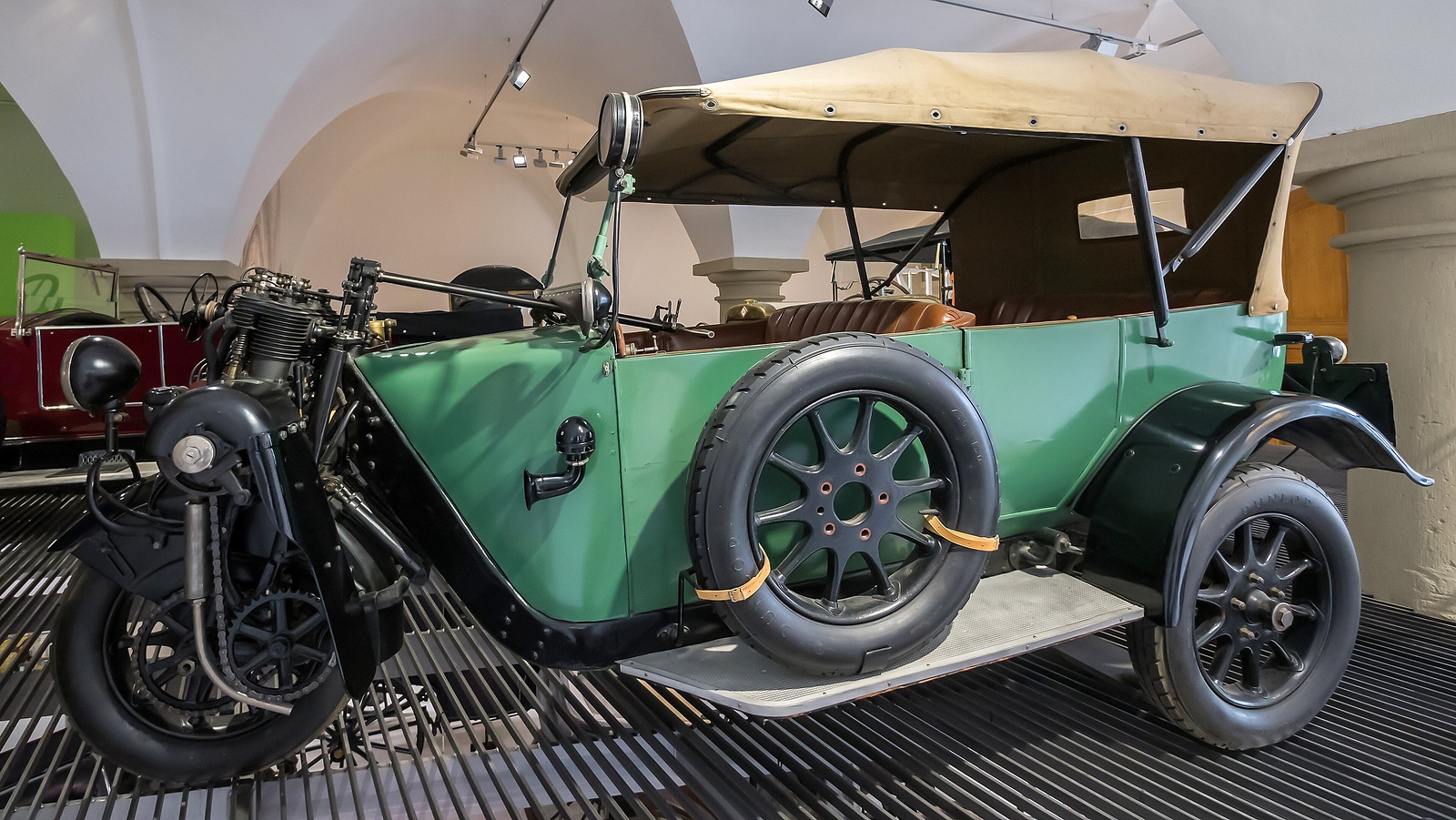
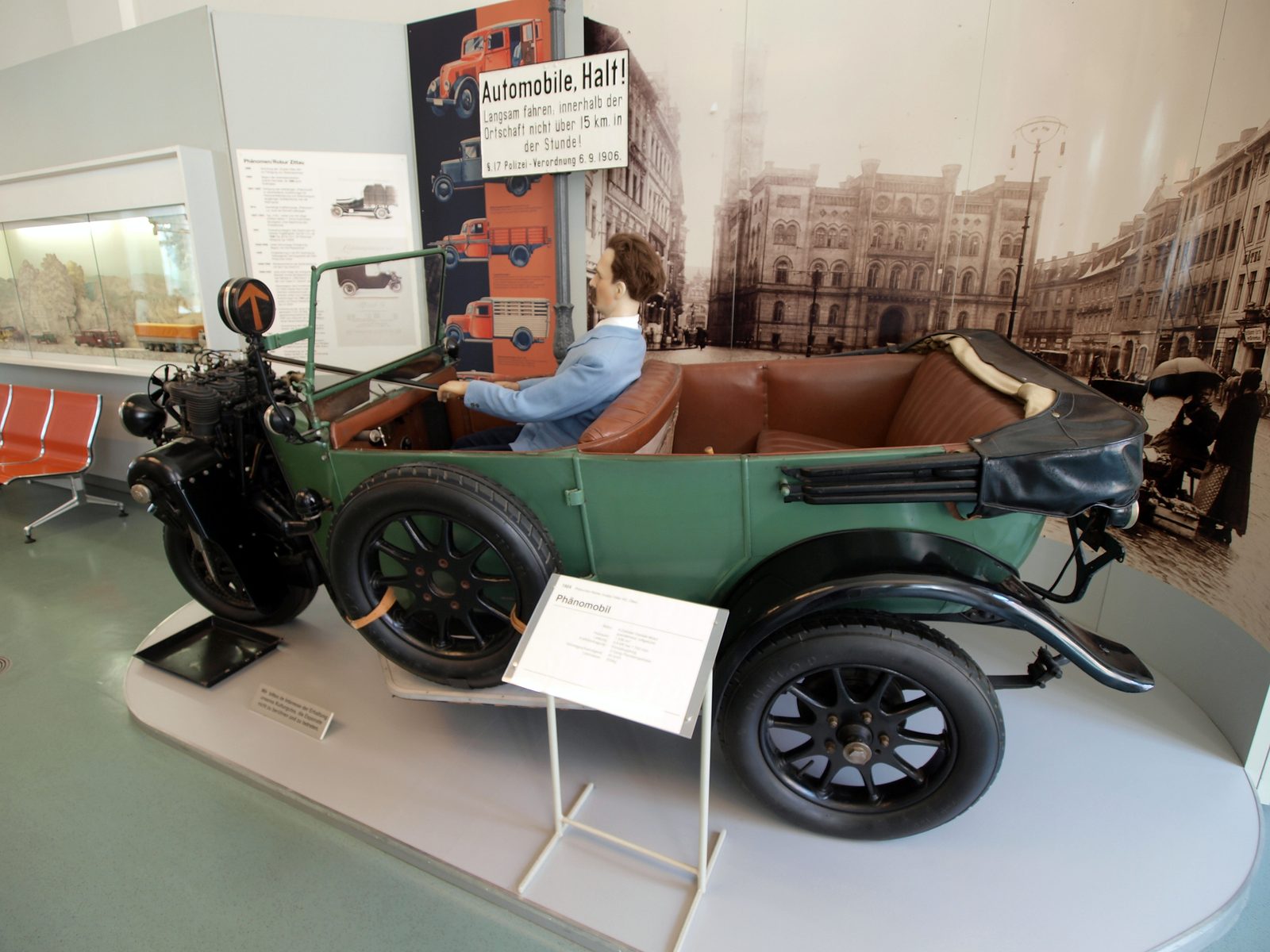
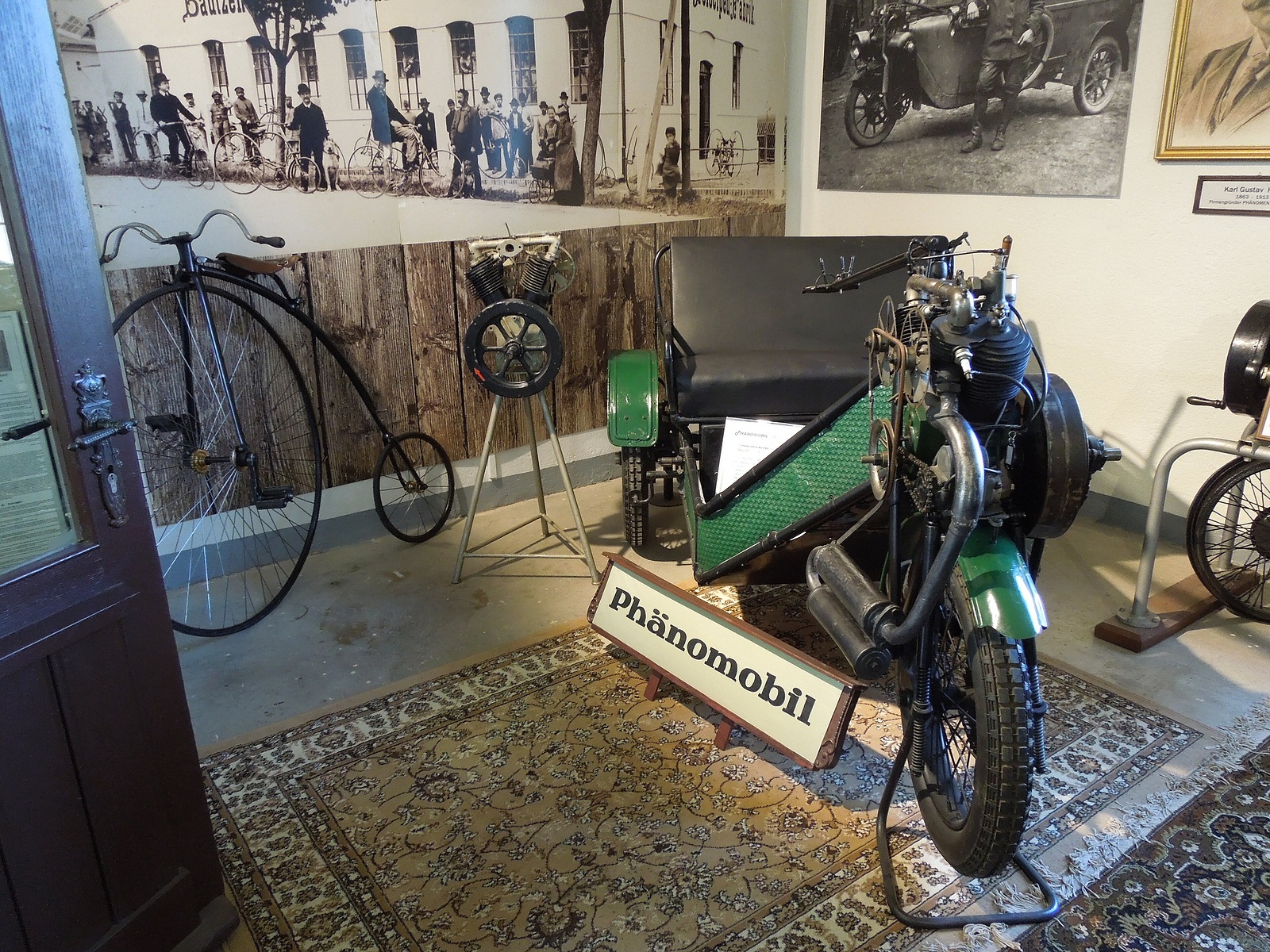
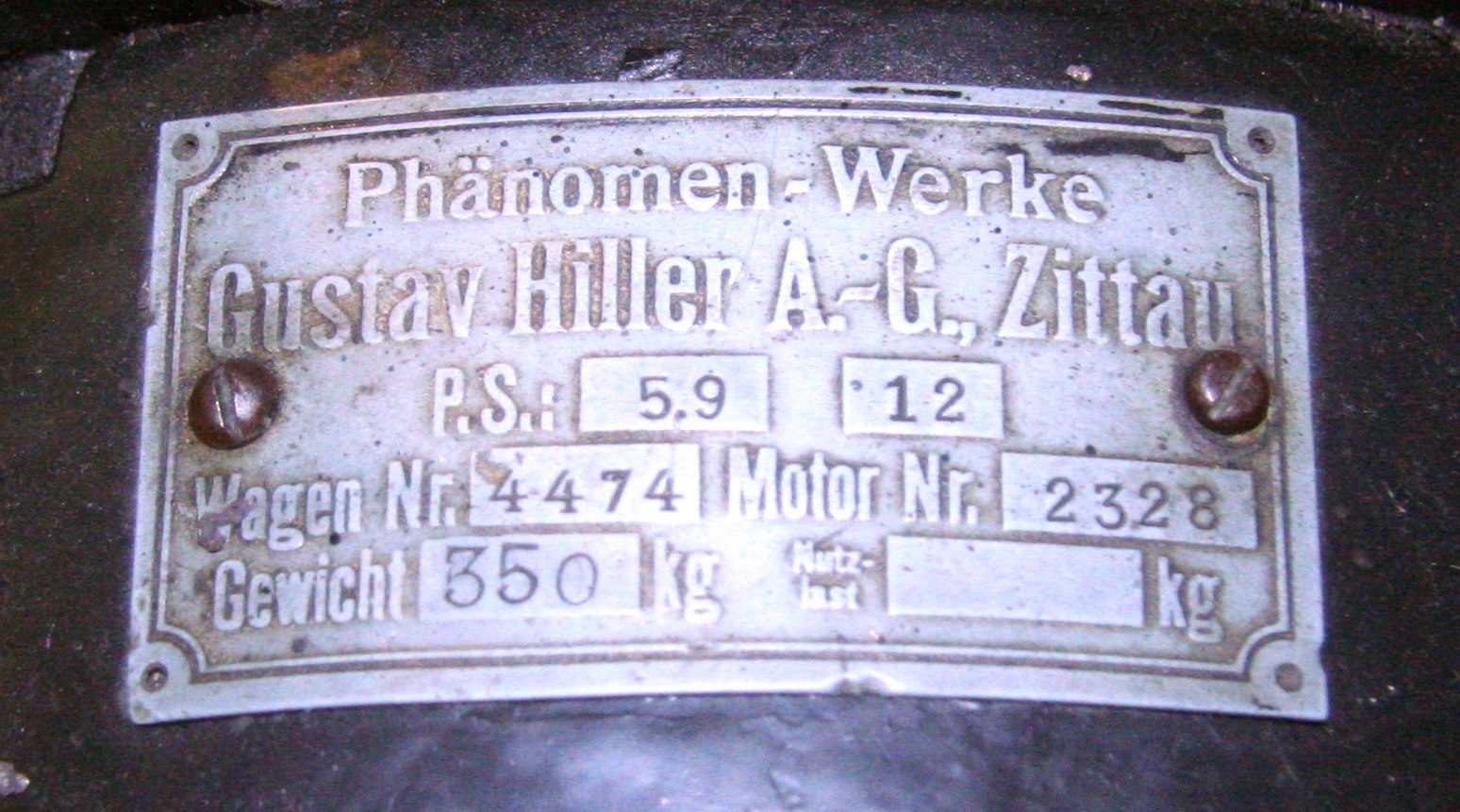
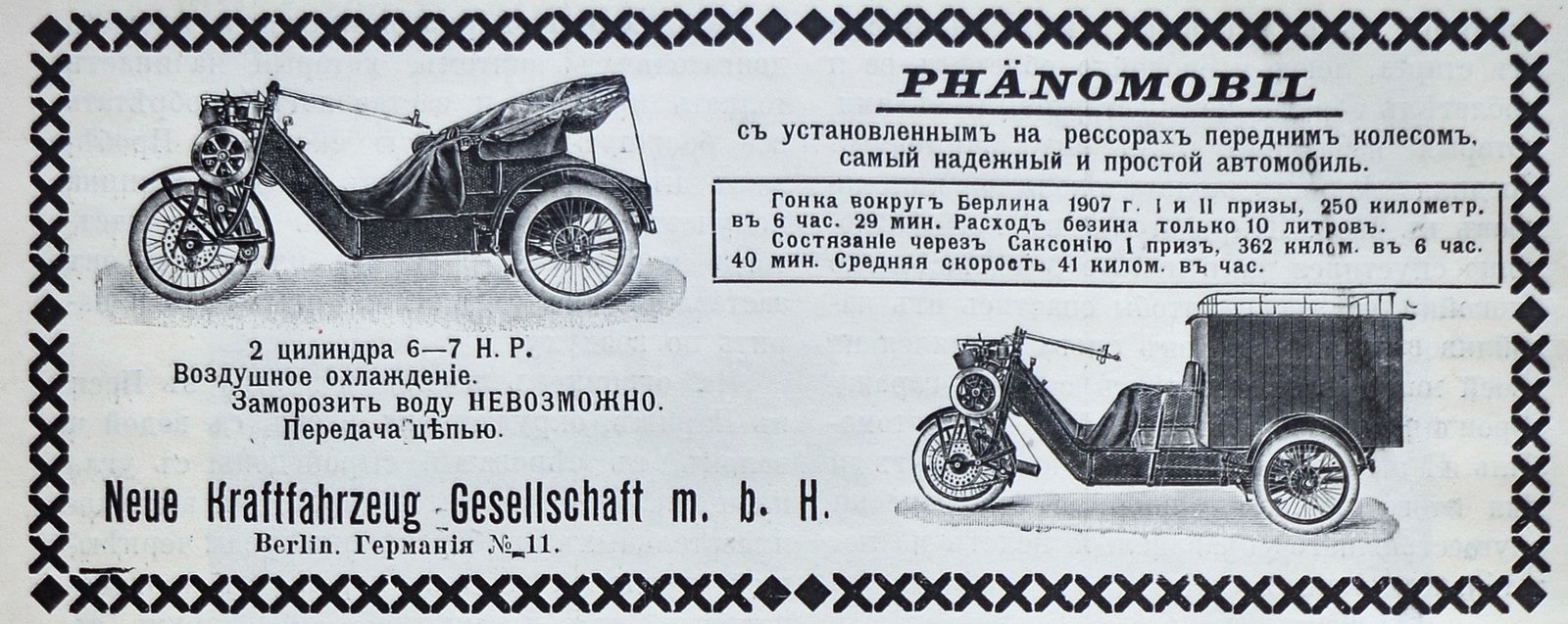
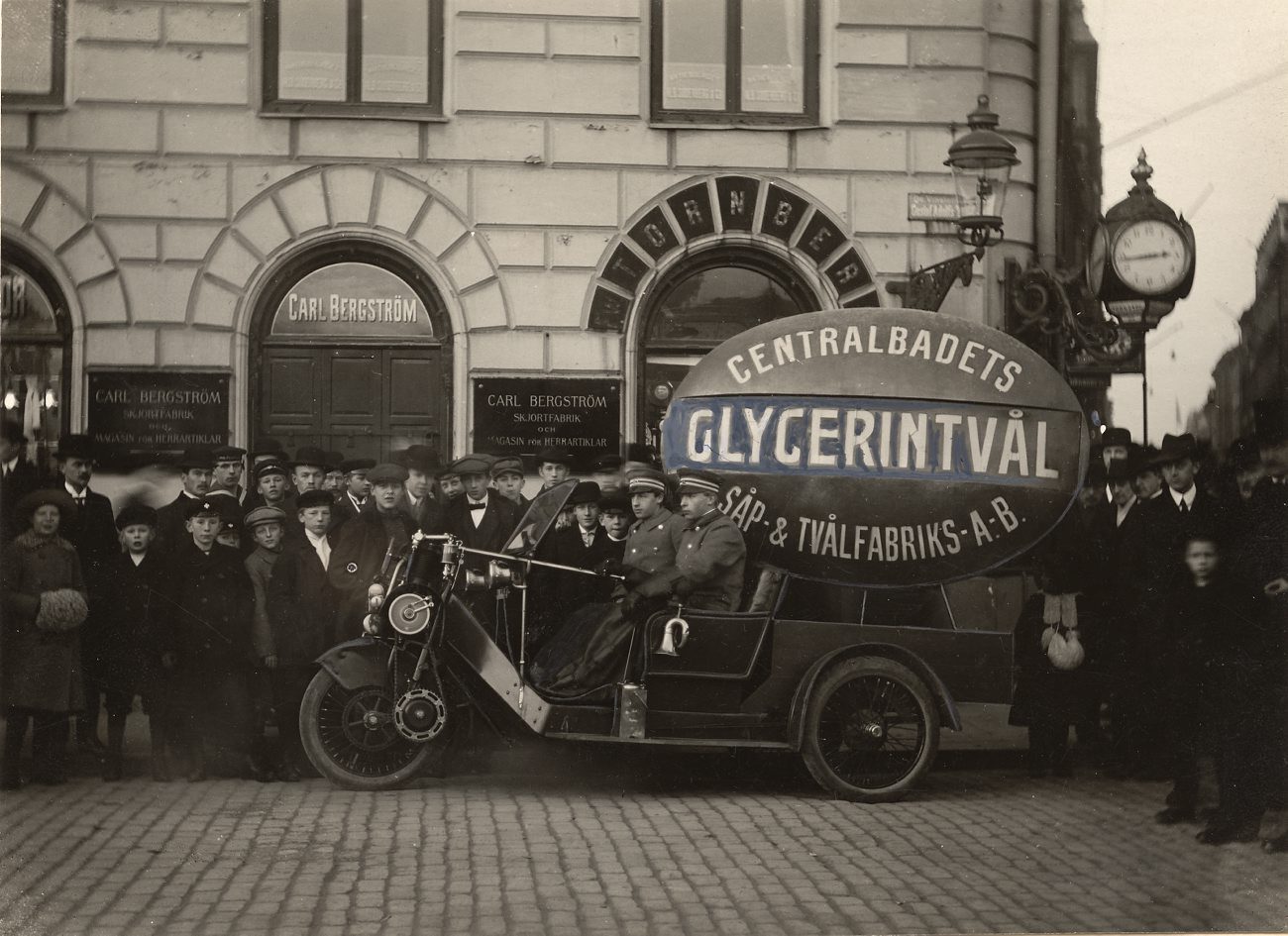
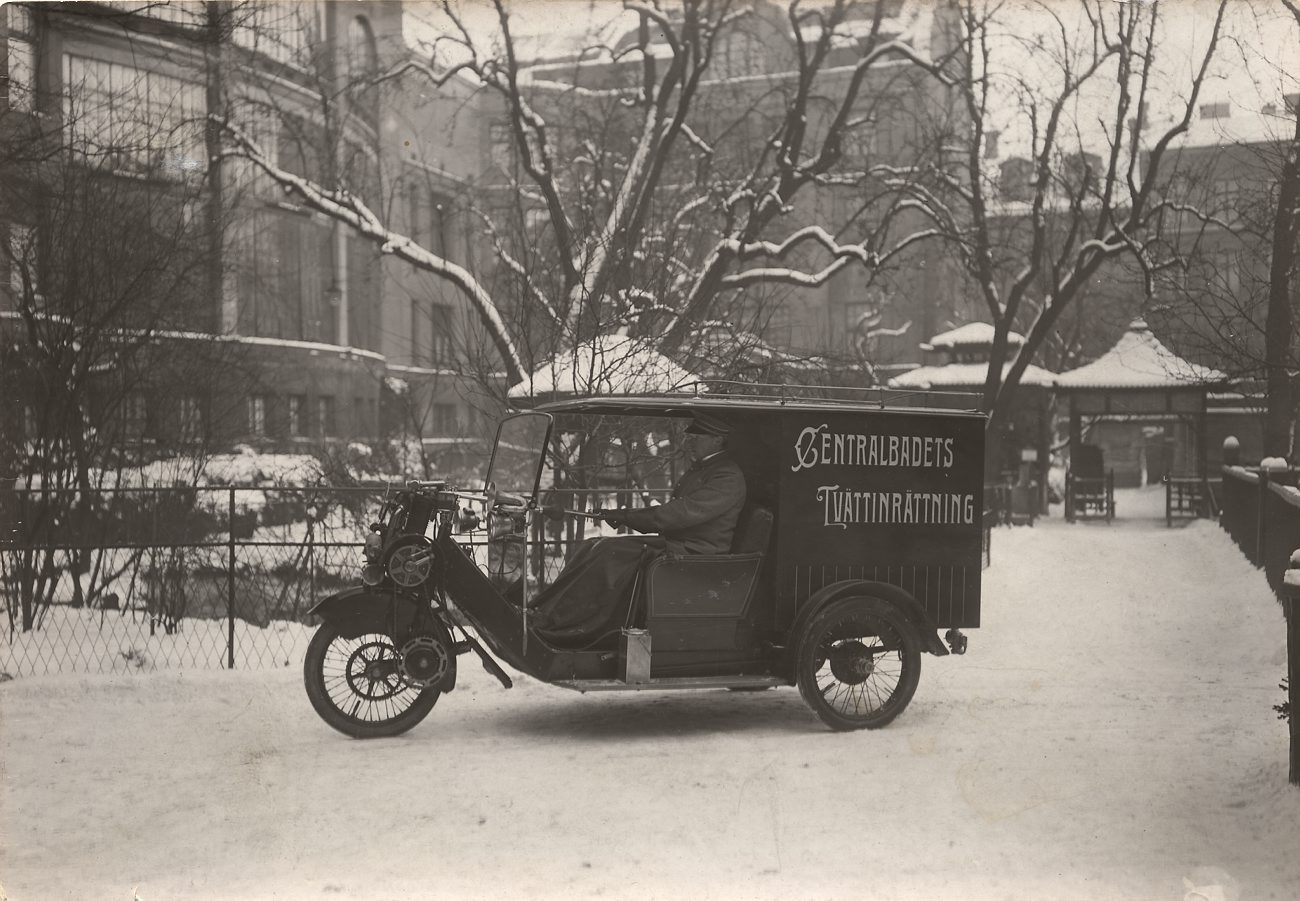
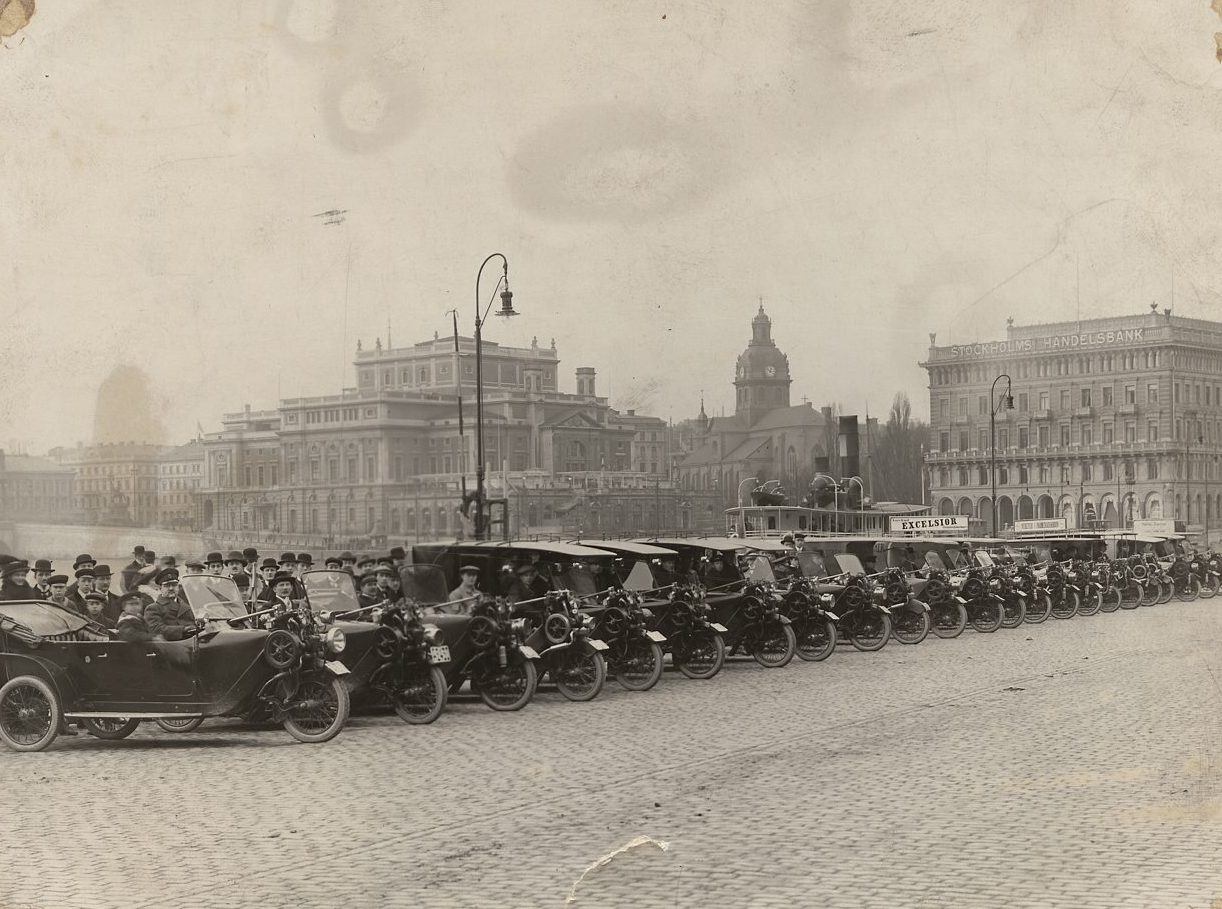
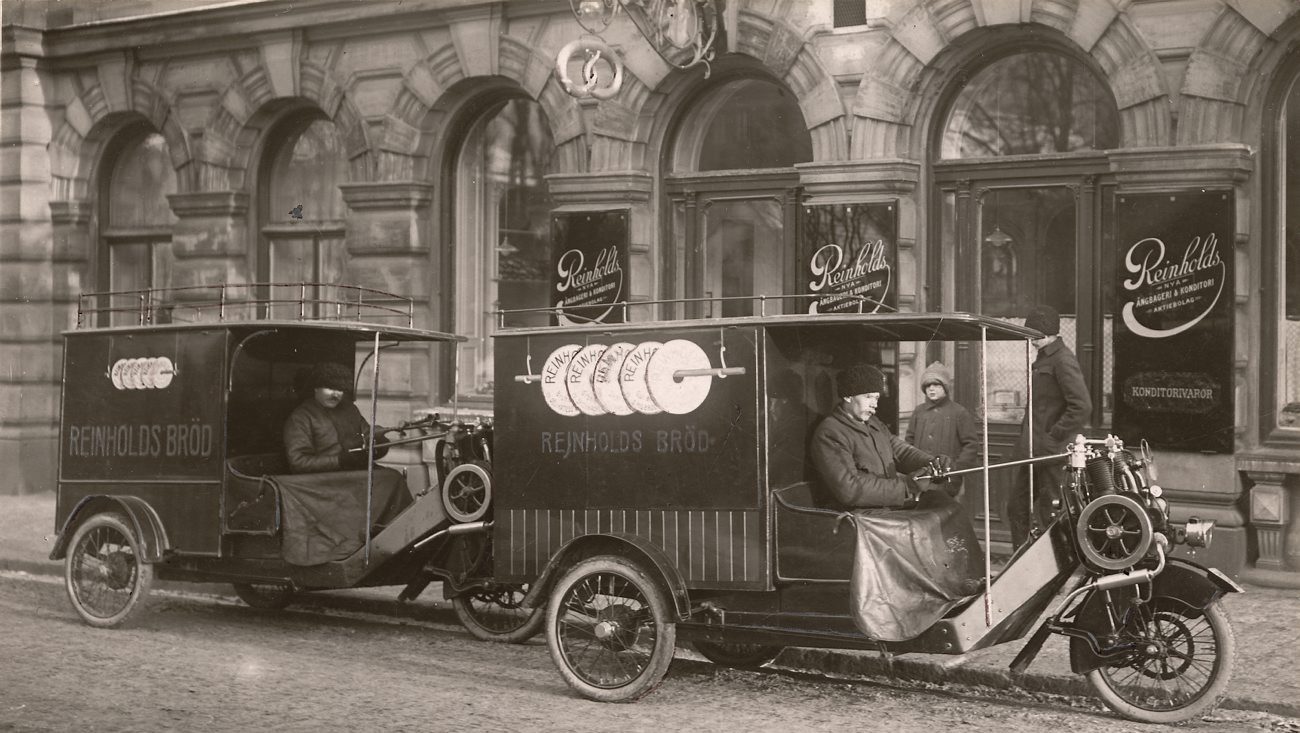
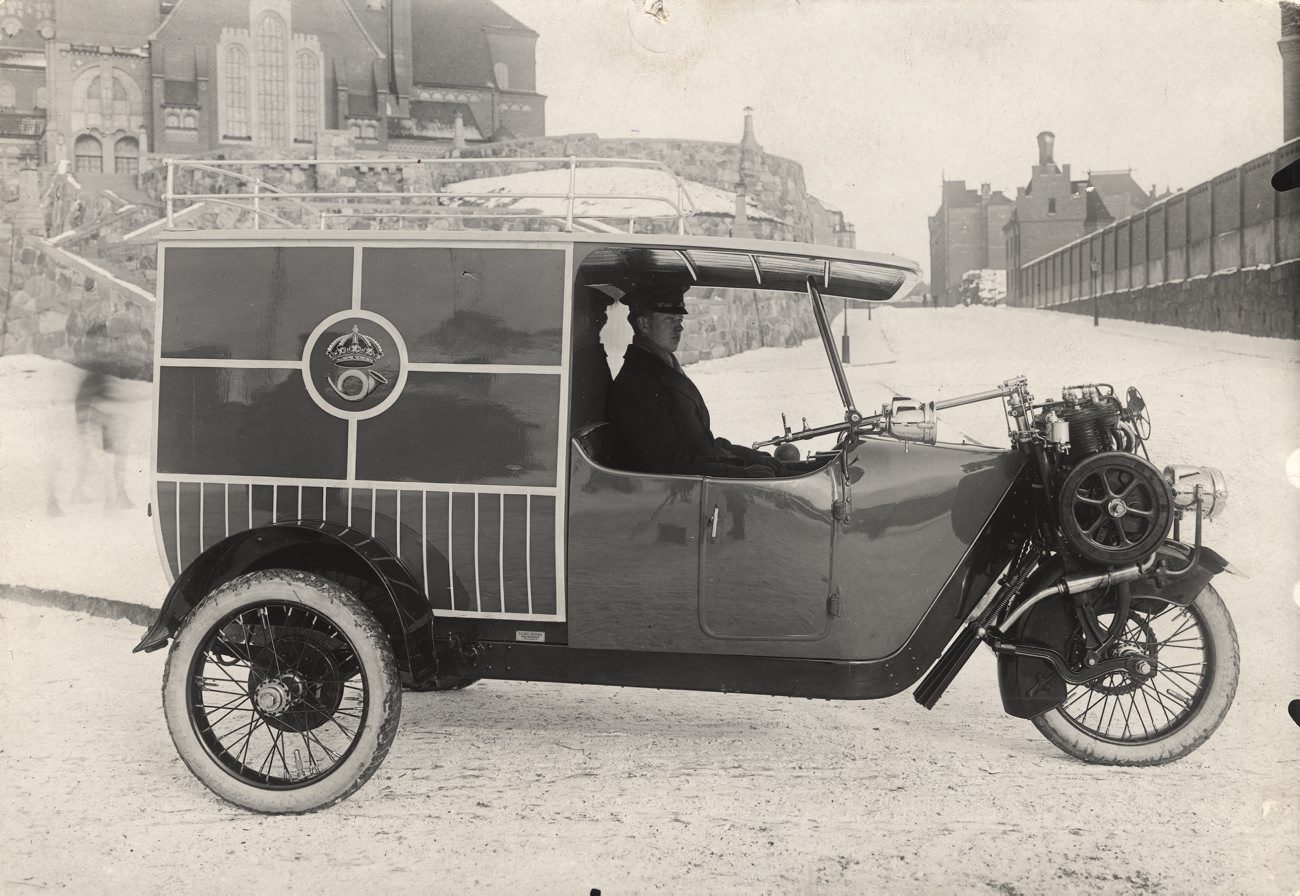
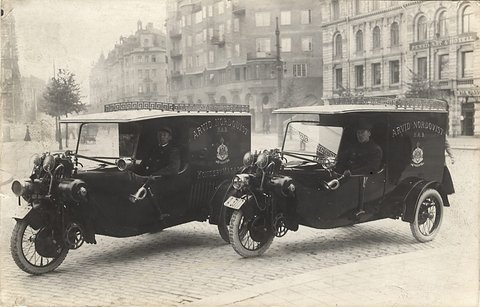
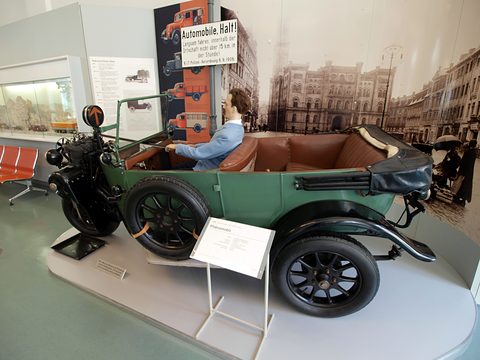
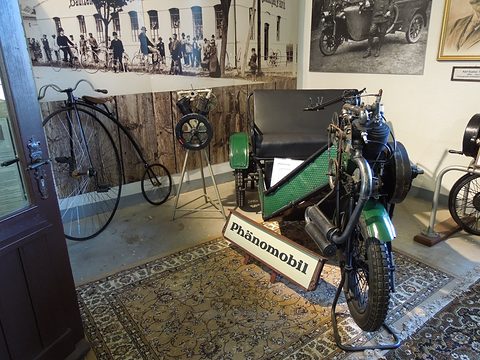
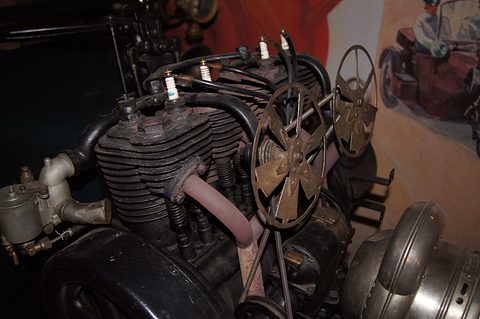
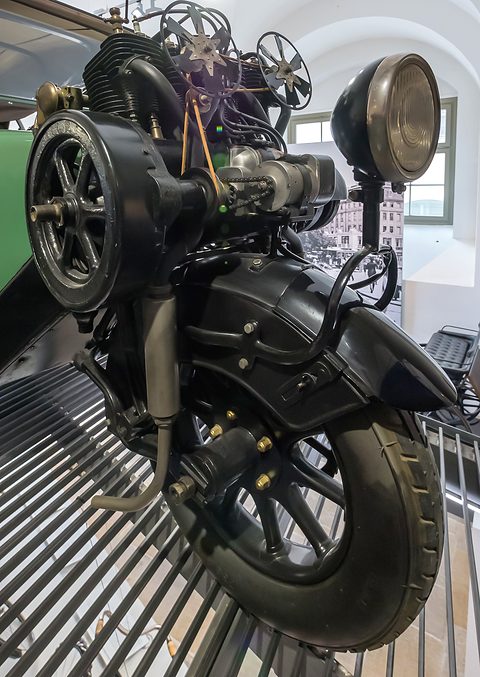
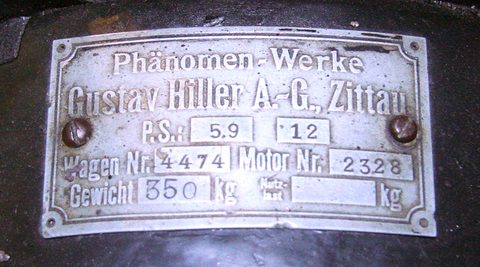
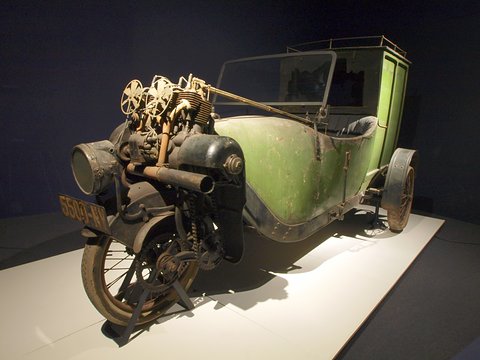
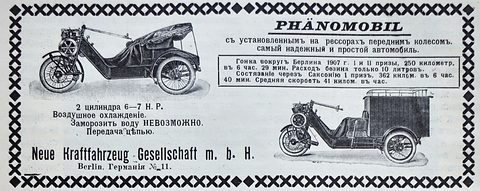
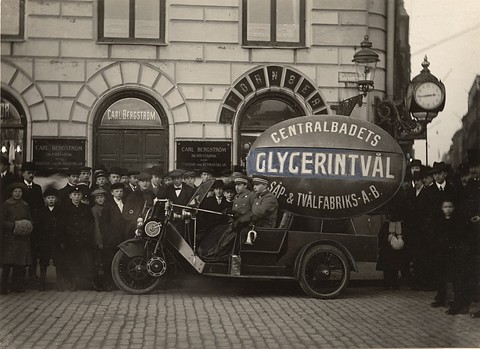
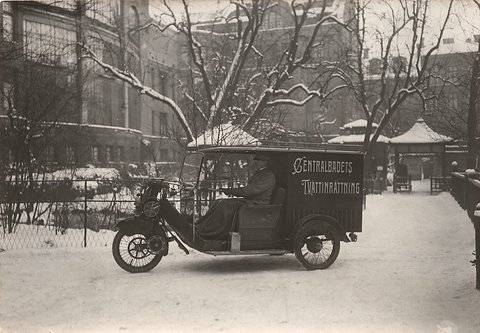
The Cyklonette was above all a tradesman’s tricar, a working vehicle of the kind told in micro vans and pick-ups, and it outlived the fashion for three-wheelers by many years.source 1source 3 From 1919 Cyklon belonged to Jakob Schapiro’s group. The single-cylinder model was dropped in 1914 and the twin in 1923; Stahls says production ran “through 1922”.source 1source 2 A near-identical rival came from Zittau, the Phänomobil.source 1source 4
After 1923 Cyklon built chassis for Schebera. In 1927 it brought out a 9/40 PS six-cylinder car designed by Gustav Eisner, with an Ambi-Budd body shared with the Adler Standard 6, sold through Dixi as the cheapest six-cylinder car in Germany. It ended in 1929, after BMW bought Dixi, and a 1.8-litre six of 1929–31 was made only in small numbers. The company was struck off the register in 1931.source 1 Its Boxhagener Straße factory, by the architect Karl Bernhard, was a listed building, but it was demolished in 2006.source 1