The story
History
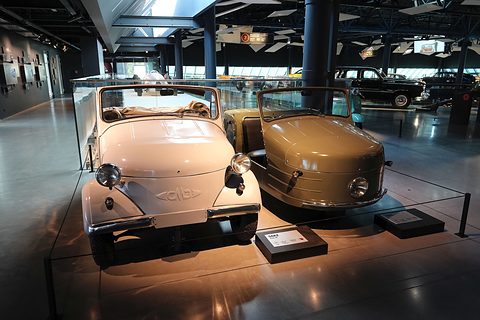
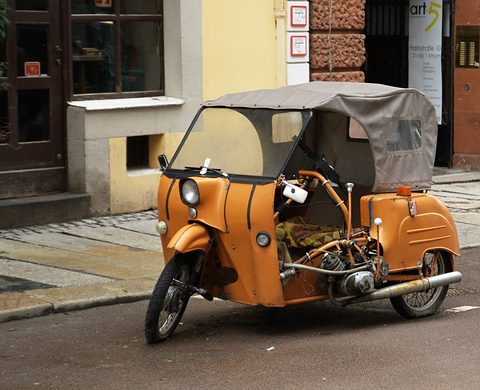
The Soviet Union came out of the Second World War with more than 2 million disabled veterans, or 2.5 million by another count.source 1source 2 From 1947 the Kiev Motorcycle Works built them a three-wheeler with no doors and no roof, based on the German Wanderer motorcycle, with a 98 cc engine of 2.3 hp; more than 7,000 were made in 1951 alone. Production then moved to Serpukhov, in the Moscow region, to a works that had begun as the workshops of a juvenile colony in a former almshouse and had made spoons and horseshoes in the war.source 2
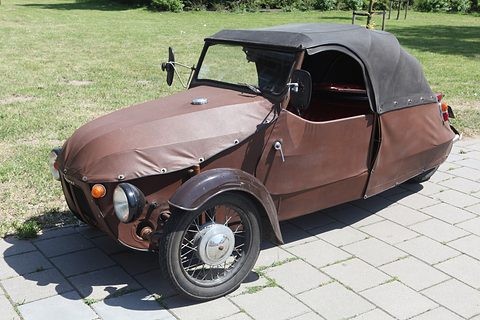
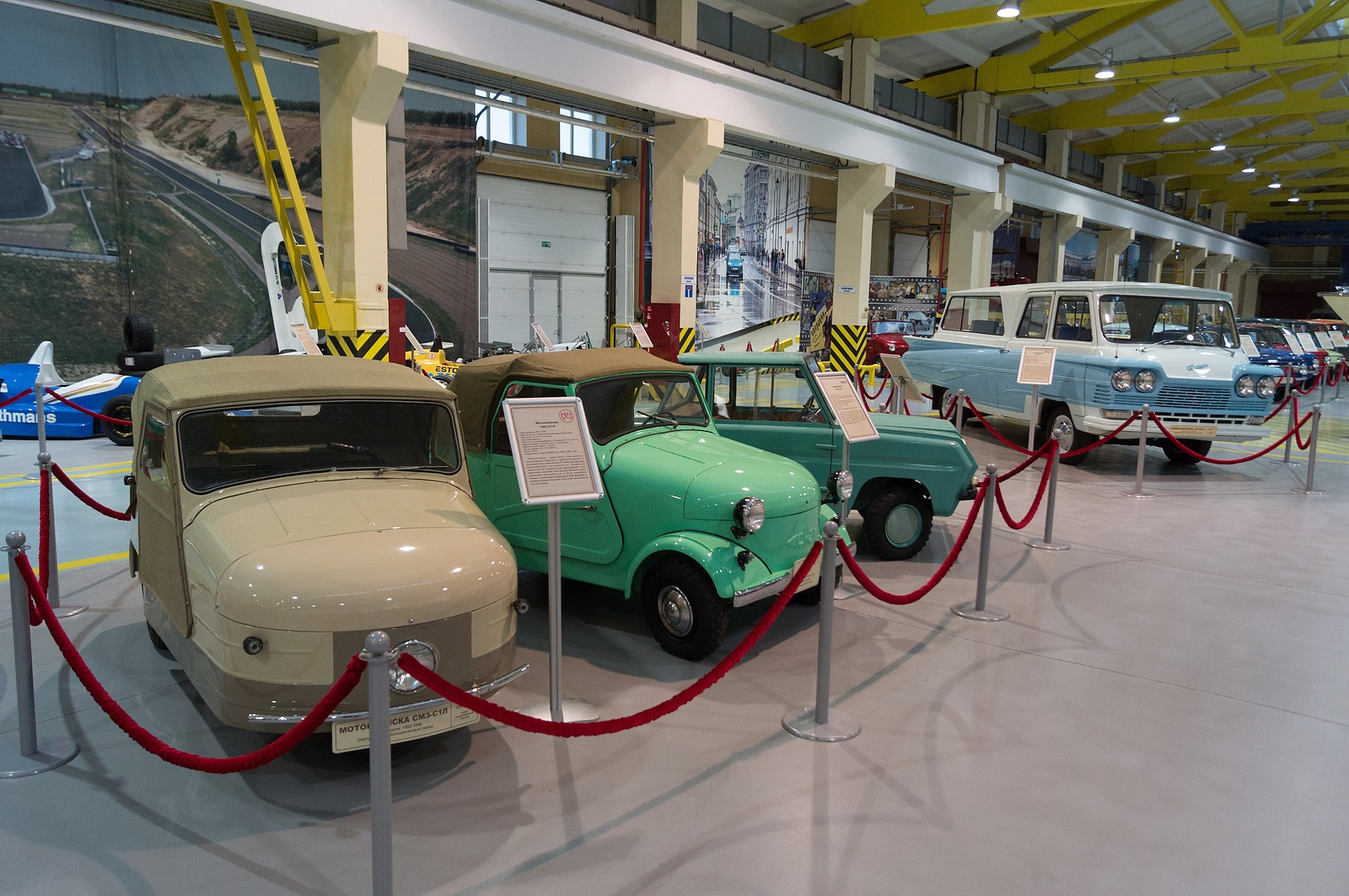
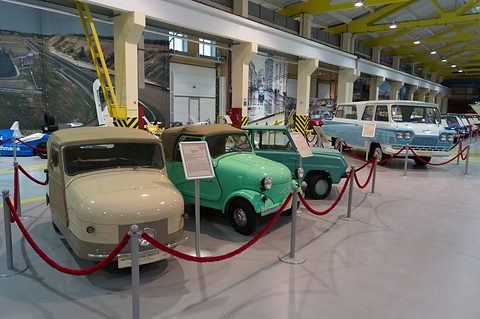
Serpukhov’s first carriage, the S‑1L, had three wheels, a fabric top, one headlamp, a motorcycle handlebar and a 123 cc Moskva engine of 3.6 to 4.15 hp. It braked on its rear wheels only and reached 30 km/h (19 mph). A tinsmith and a welder assembled each body on its tube frame in four or five days, and the first 30 saleable cars were ready by 1 May 1953; there were versions for drivers with the use of only the right or only the left hand.source 2source 3source 4 The S‑3L of 1956 brought a 346 cc IZh-49 engine and a Moskvich electric starter.source 2source 4 Russian Wikipedia counts 19,128 S‑1Ls and 17,053 S‑3Ls; Za Rulyom says more than 48,000 three-wheelers in all.source 4source 2 They were unstable, above all on cobbles and in winter ruts, and the veterans bombarded the newspapers with complaints.source 3
Four wheels, on trial
In January 1956 the Council of Ministers called for a four-wheeled motor carriage, by a directive weaker than a decree; the ministry’s own order took another 11 months. The Serpukhov works led the project, with NAMI among its partners.source 3 NAMI, under Boris Fitterman, built several prototypes, and one, the NAMI-031, with a closed plastic body, was used to develop the front suspension and the steering.source 2source 5 The S‑3A prototype had its own name, Nara.source 2
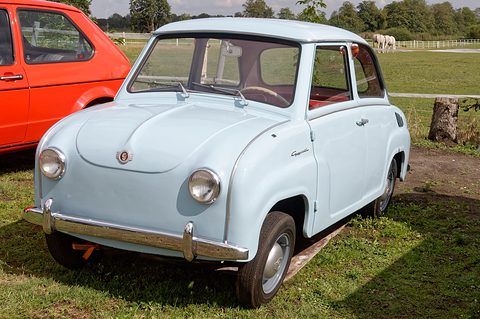
Three prototypes of different designs began trials on 22 July 1957. NAMI’s passenger-car testers measured them against a West German Goggomobil, with a Lloyd 600 and a Citroën 2CV alongside, over roads that were half cobbles and gravel. The Goggomobil weighed only 2 kg more, but had a 293 cc twin of 14 hp against the Soviet car’s 7.3 hp single, and it won on almost every count. The Soviet engines overheated until the iron cylinder gave way to an aluminium one, their pistons seized, and their rings coked after 2,900 km (1,800 miles). They drank 6.58 and 7.23 litres per 100 km where the factory had promised 4.5. Wheel discs broke, and so did one car’s frame, at 4,000 km. From 50 km/h (31 mph) the S‑3A needed 31.5 m (103 ft) to stop; the Goggomobil needed 8.5 m.source 3
«…указанные величины тормозного пути колясок С3А являются весьма великими и не могут обеспечить безопасного движения как в городском, так и в загородном режимах, в связи с чем тормозные качества мотоколясок не могут быть признаны удовлетворительными».
Several disabled people took part in the trials as experts, mostly on ergonomics, and what they asked for above all was a proper roof, a heater and less noise and vibration. Before production the front coil springs gave way to torsion bars. When the full cycle of 15,000 km ended on 21 December 1957, NAMI recommended production “after elimination of all defects”, a formula, drom.ru observes, that bound the factory to nothing.source 3
What it was
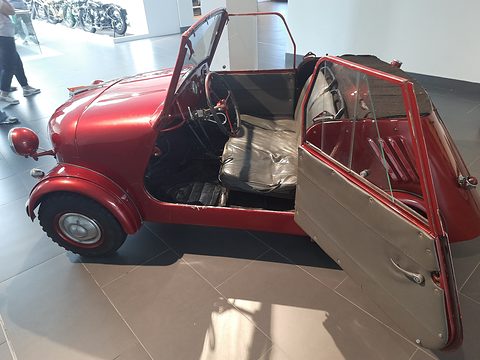
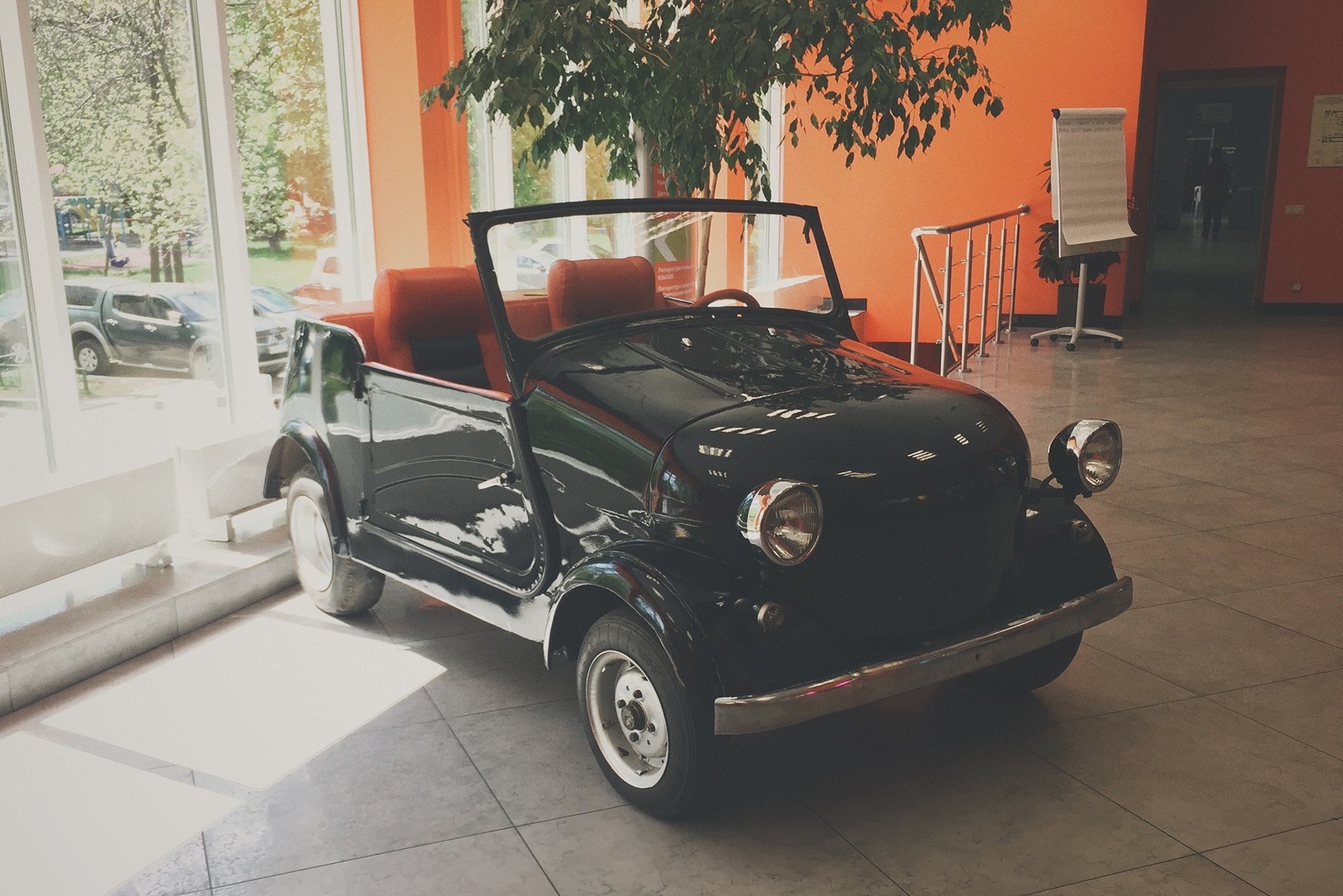
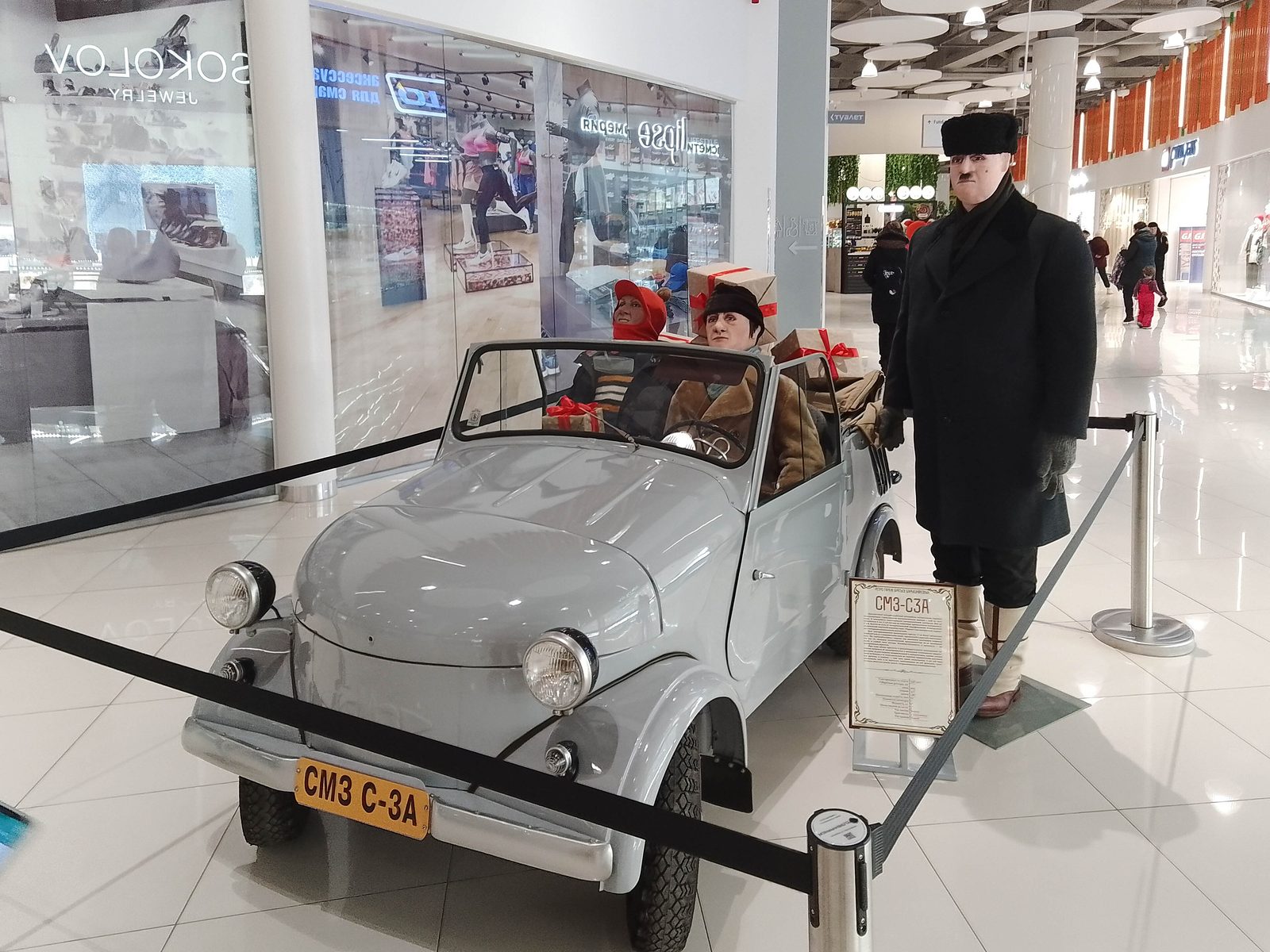
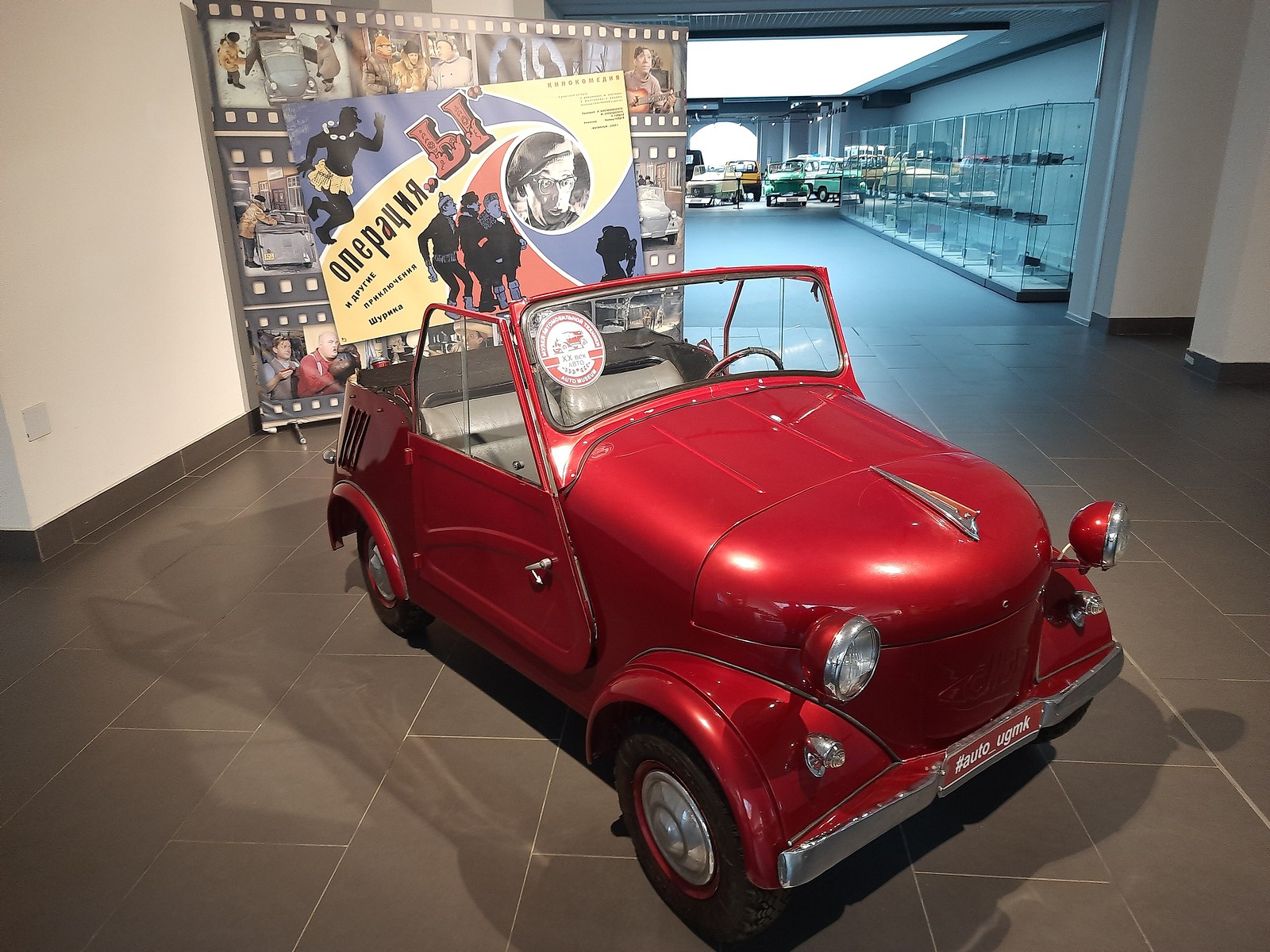
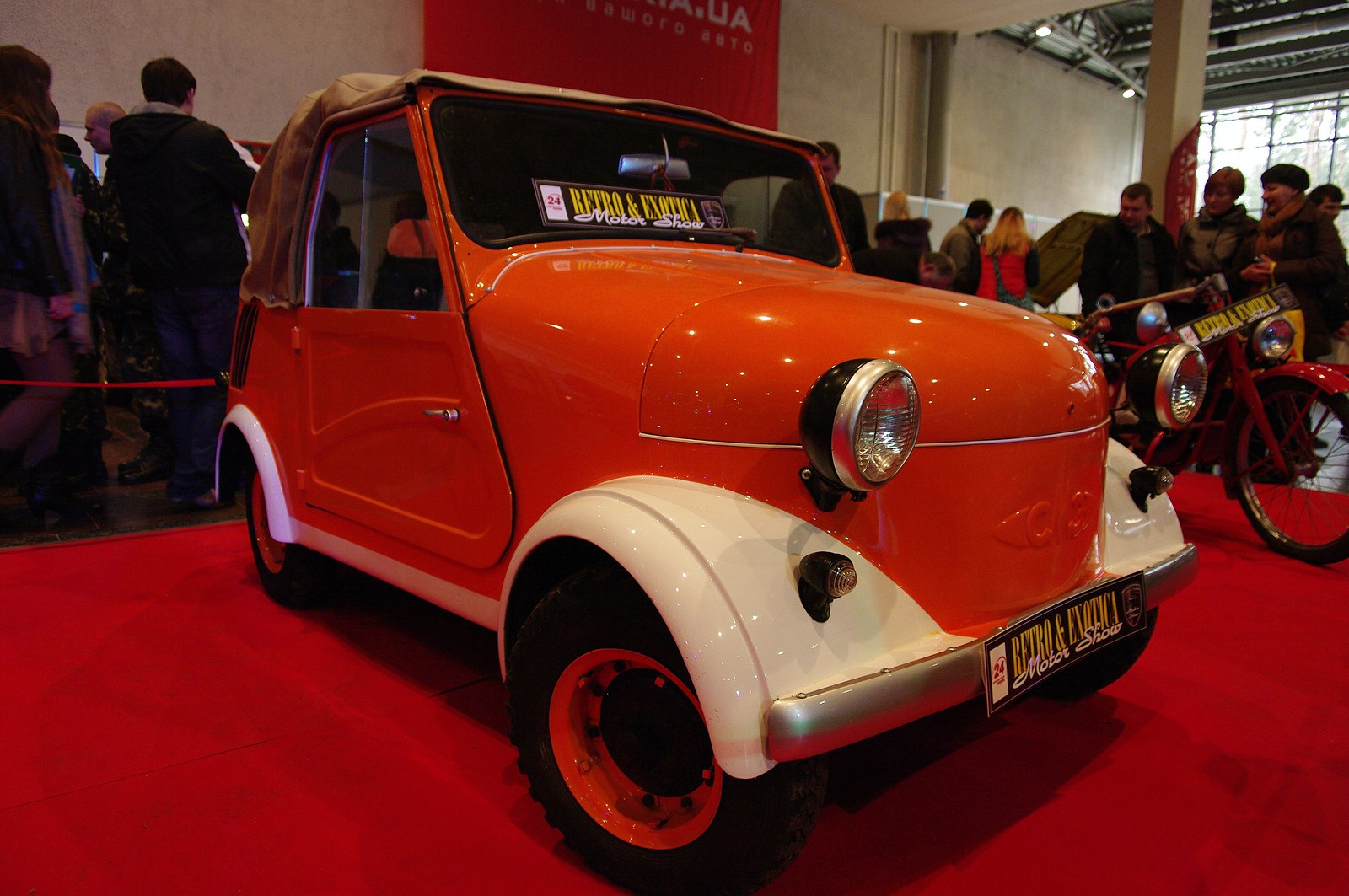
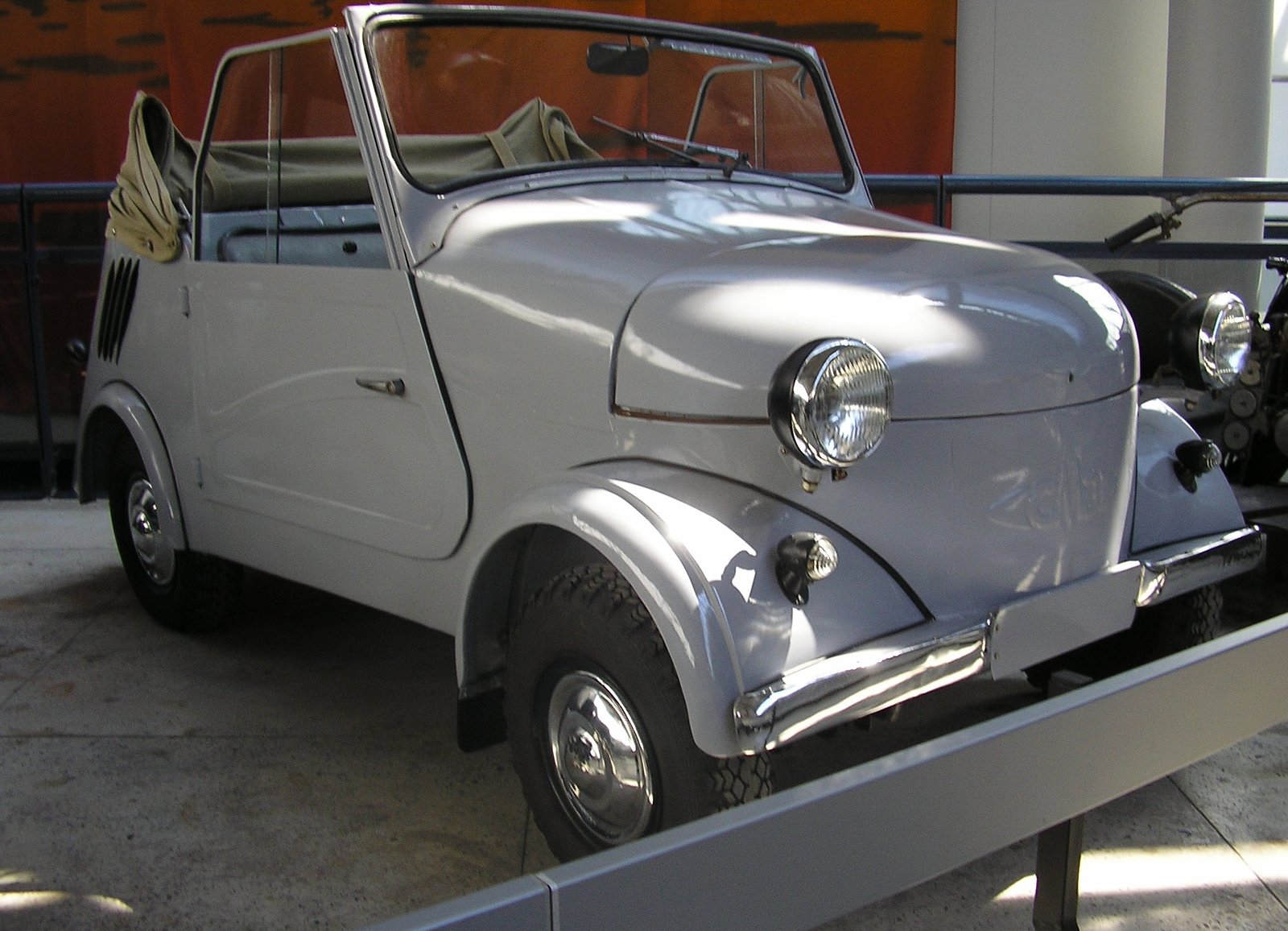
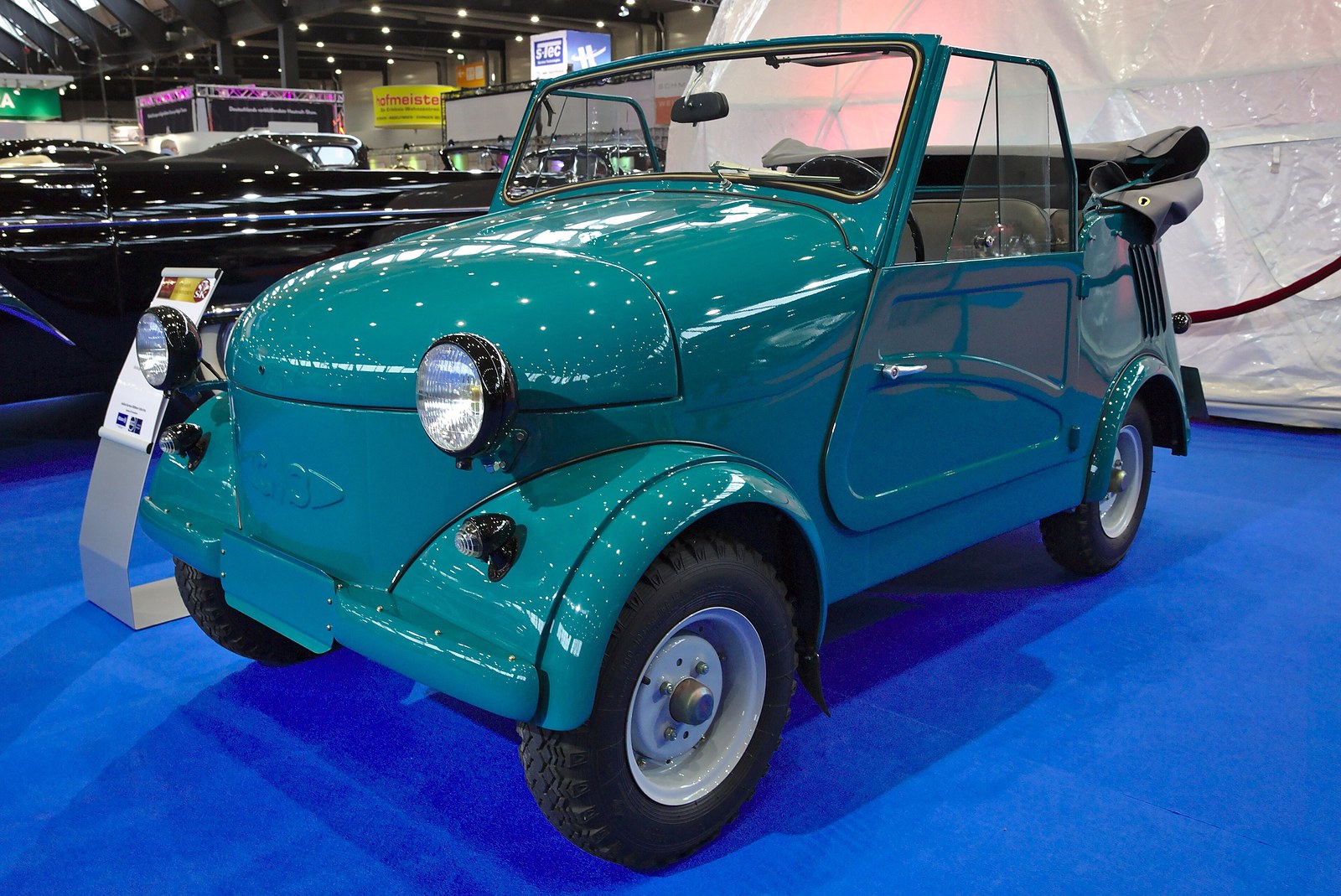
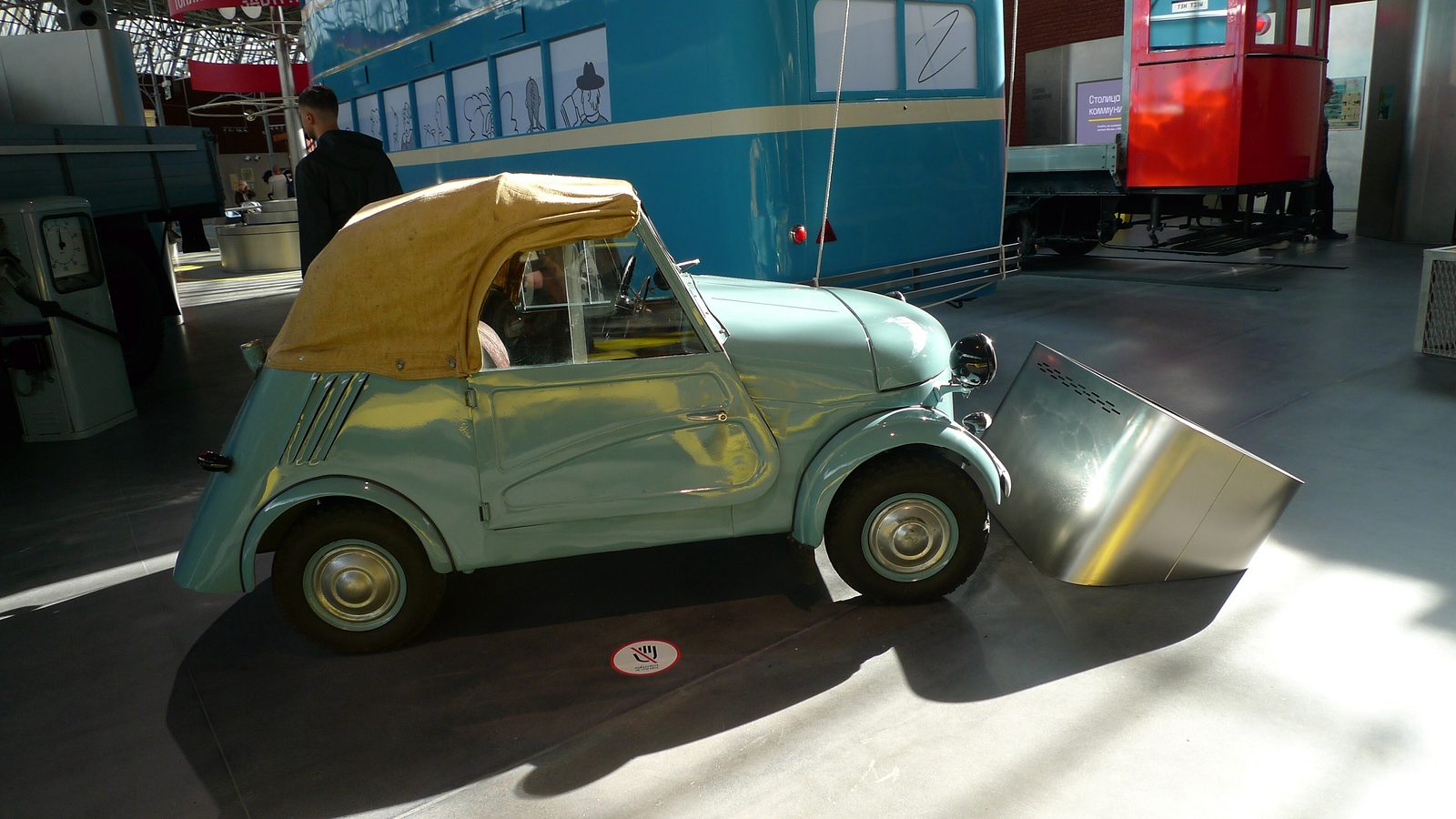
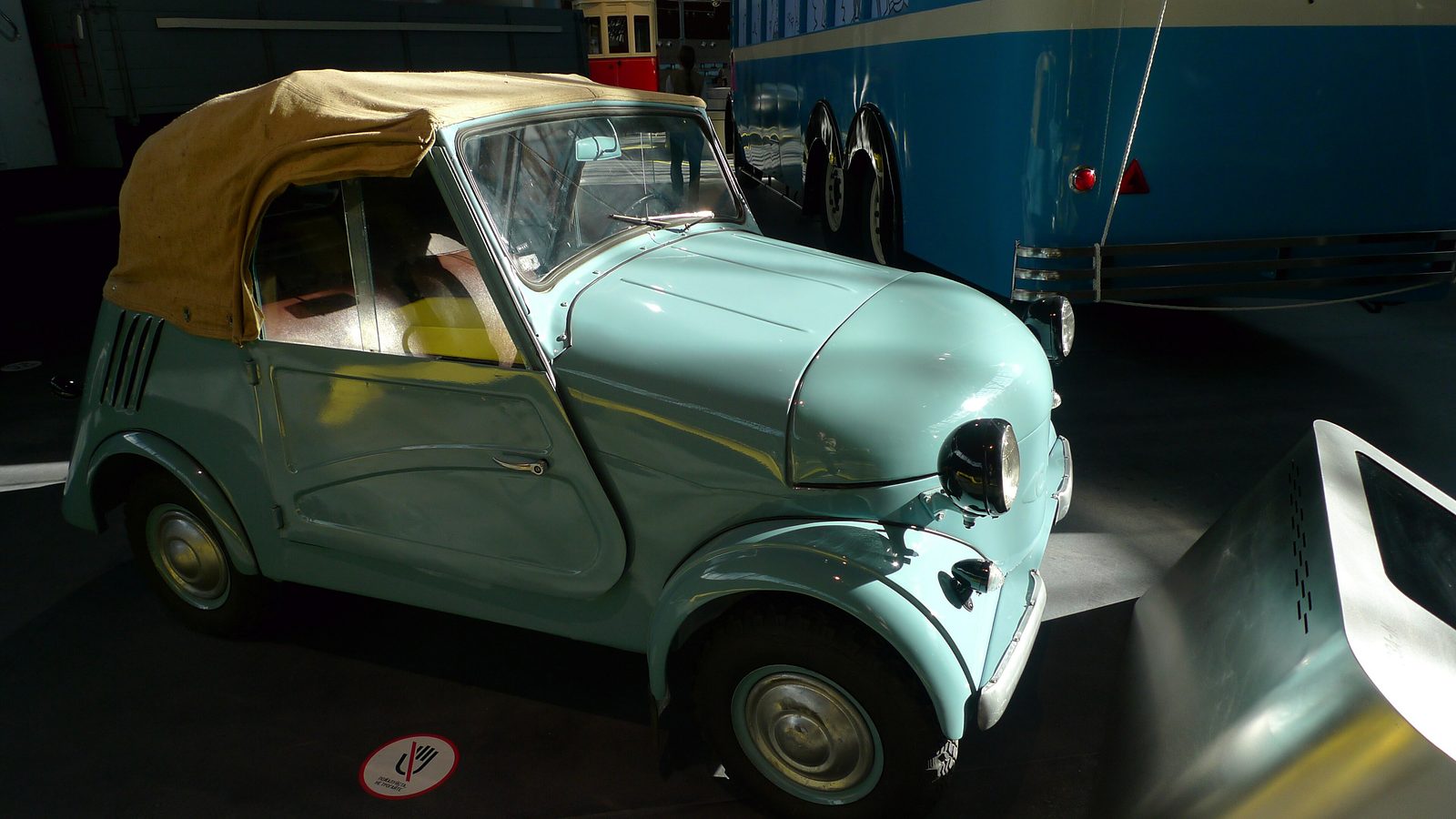
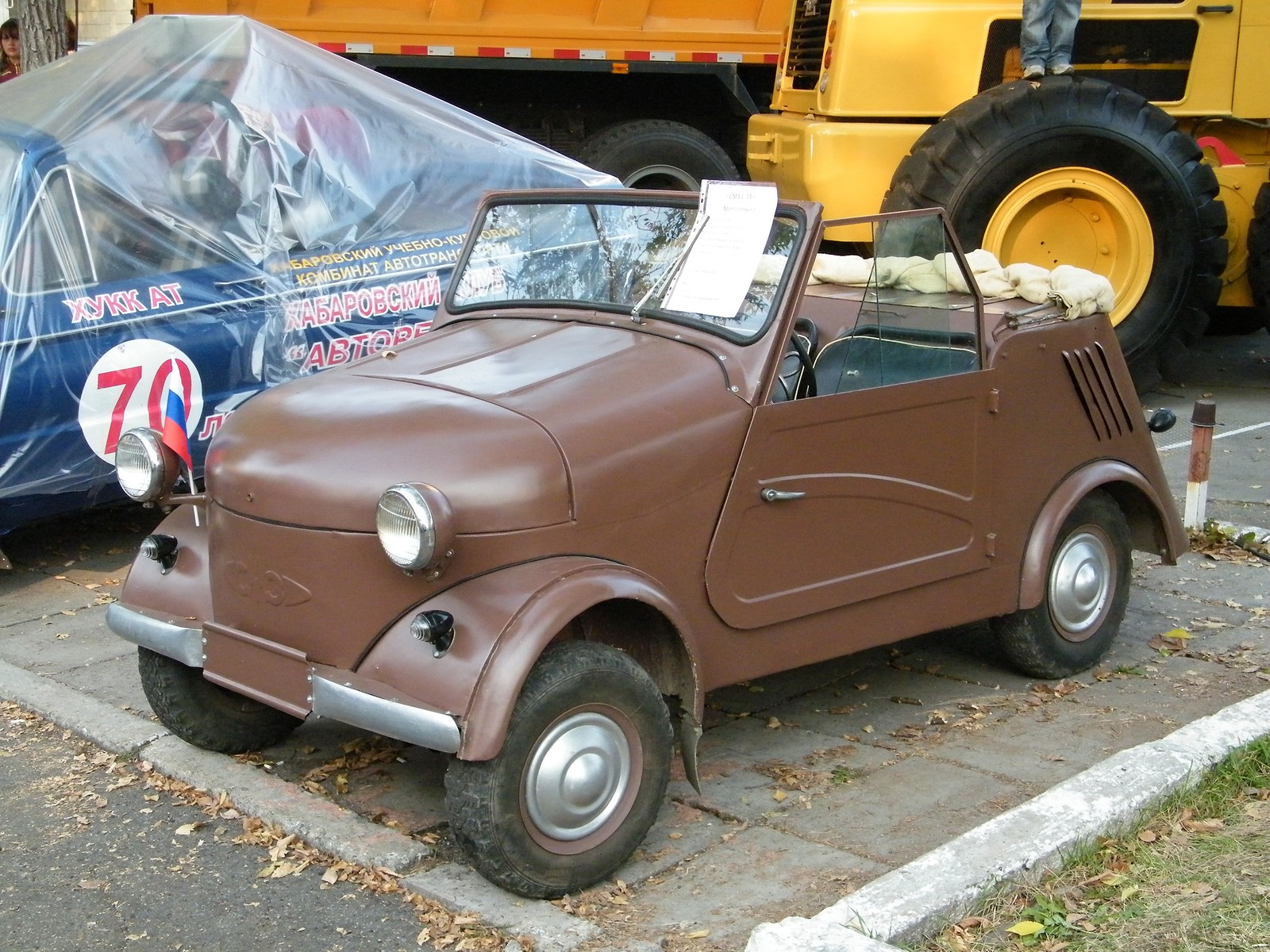
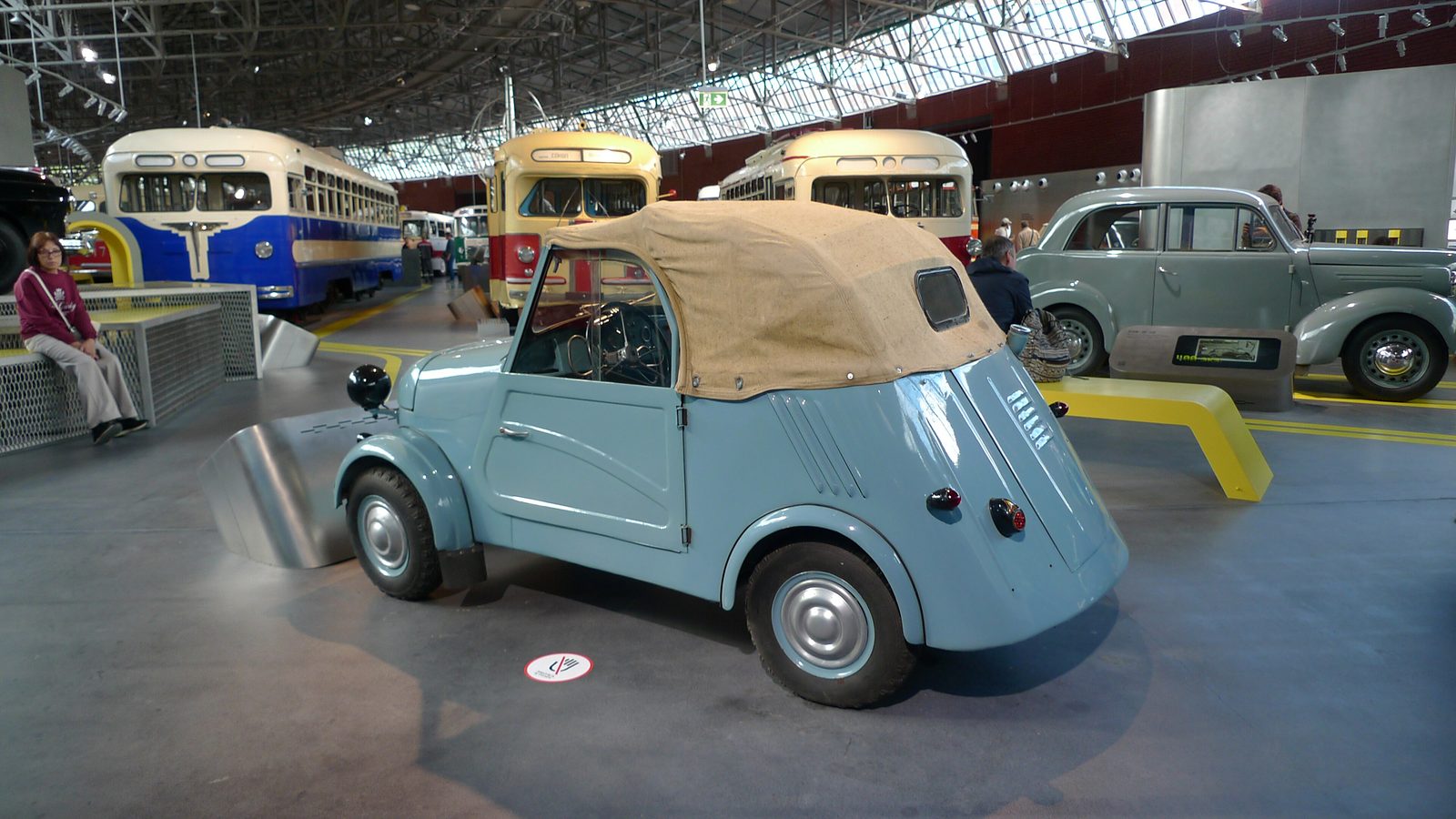
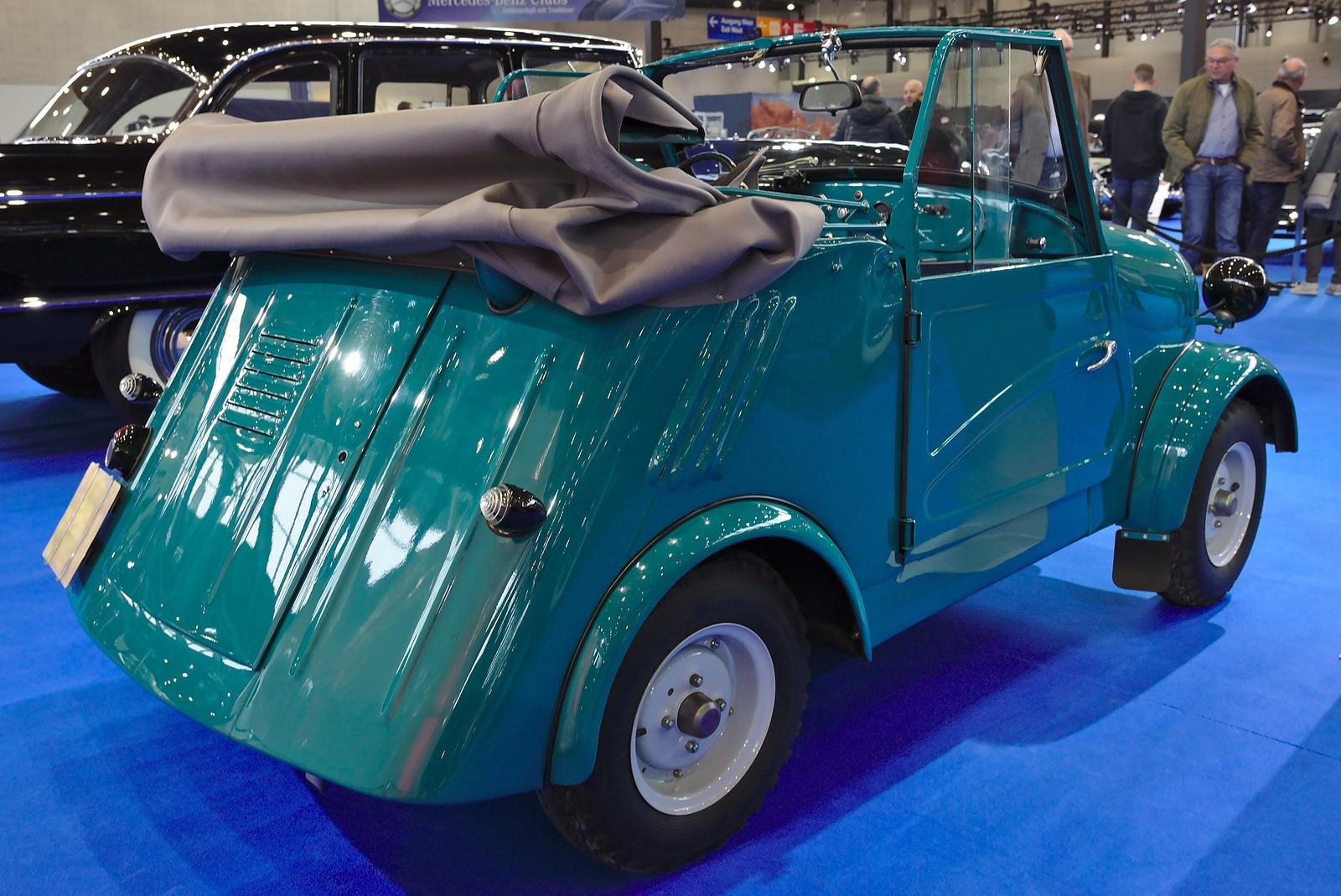
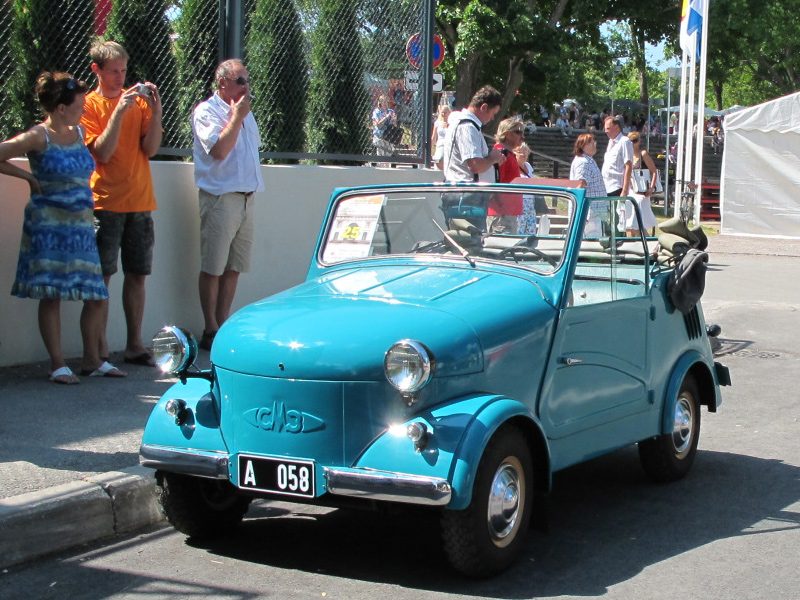
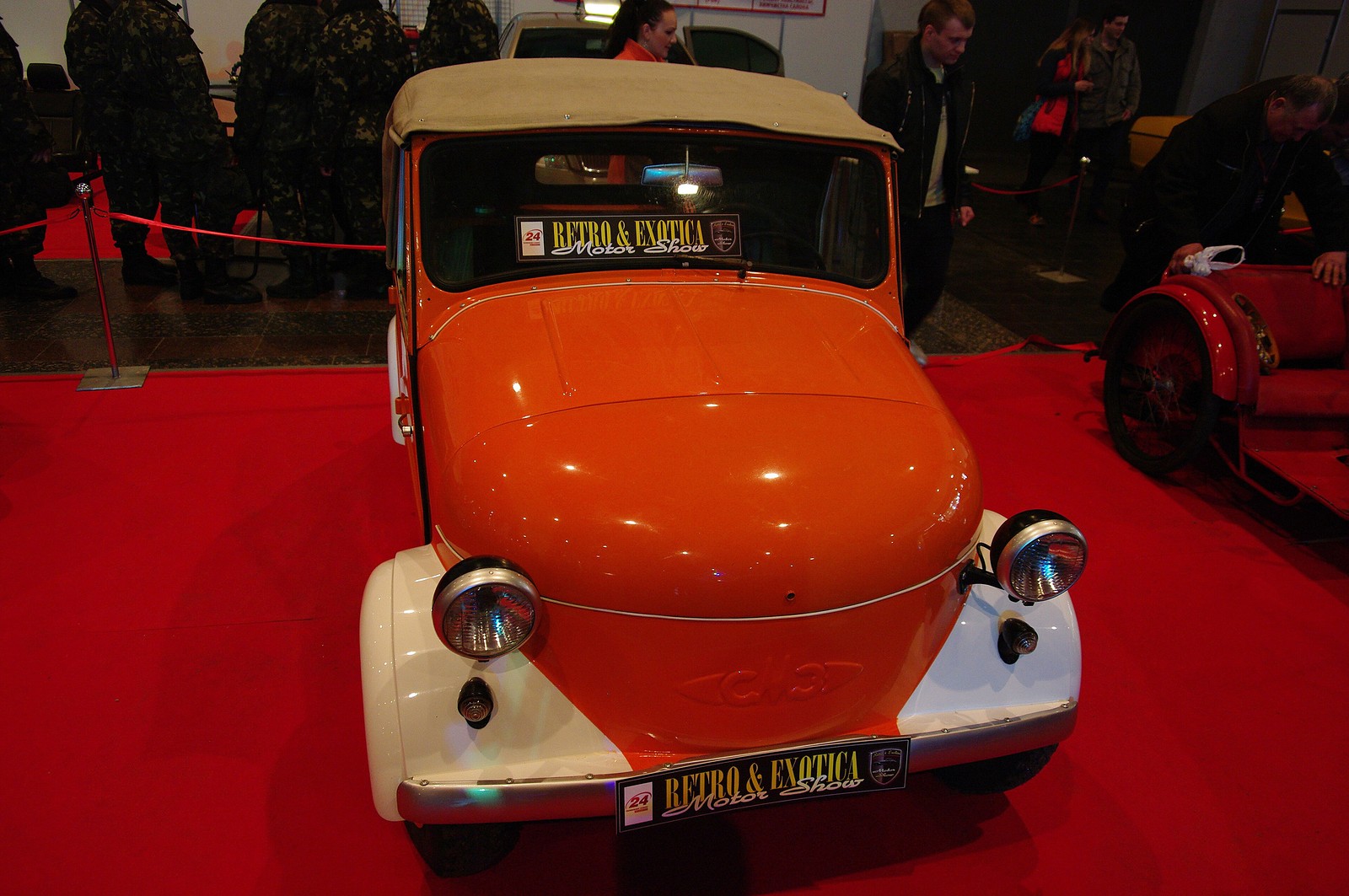
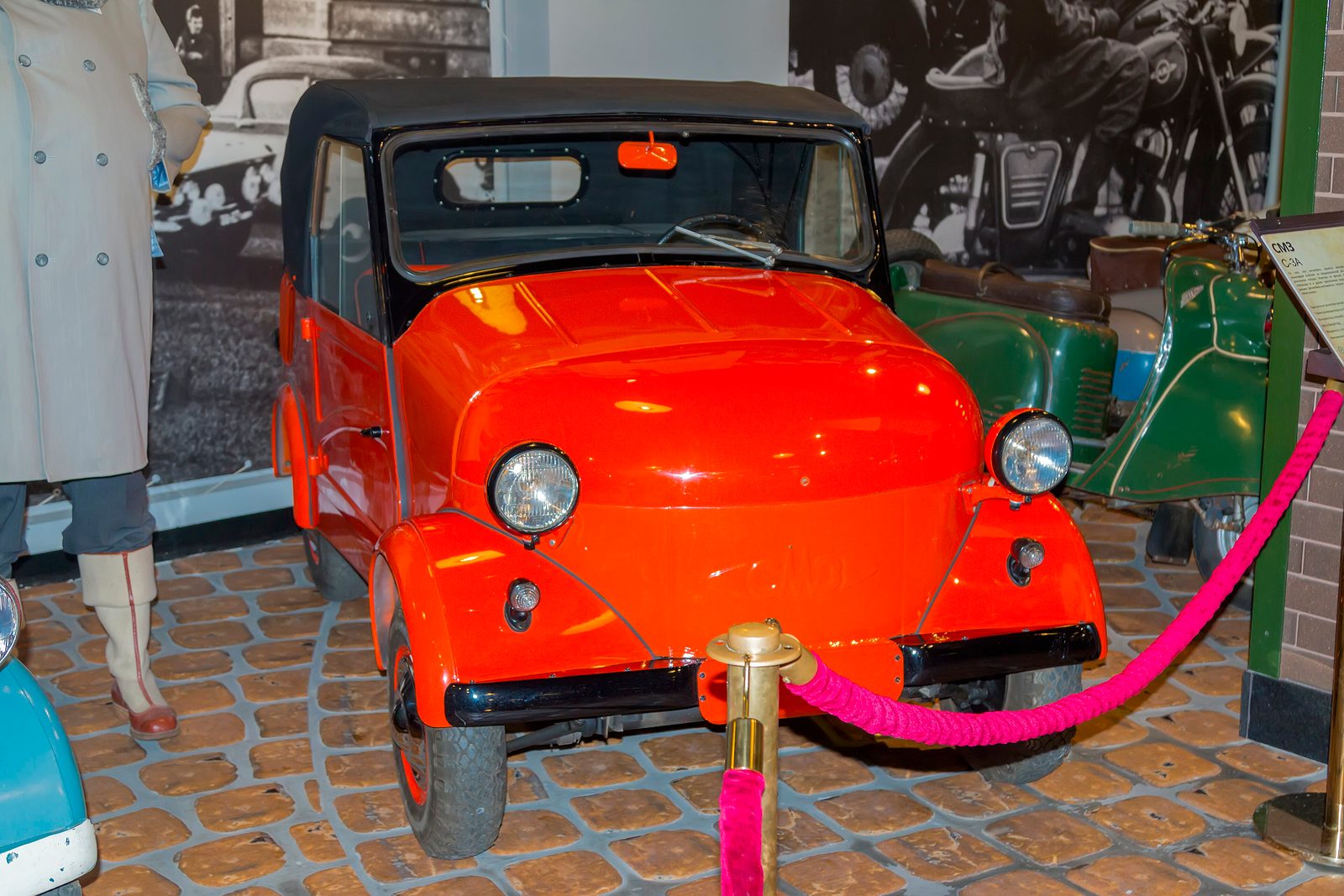
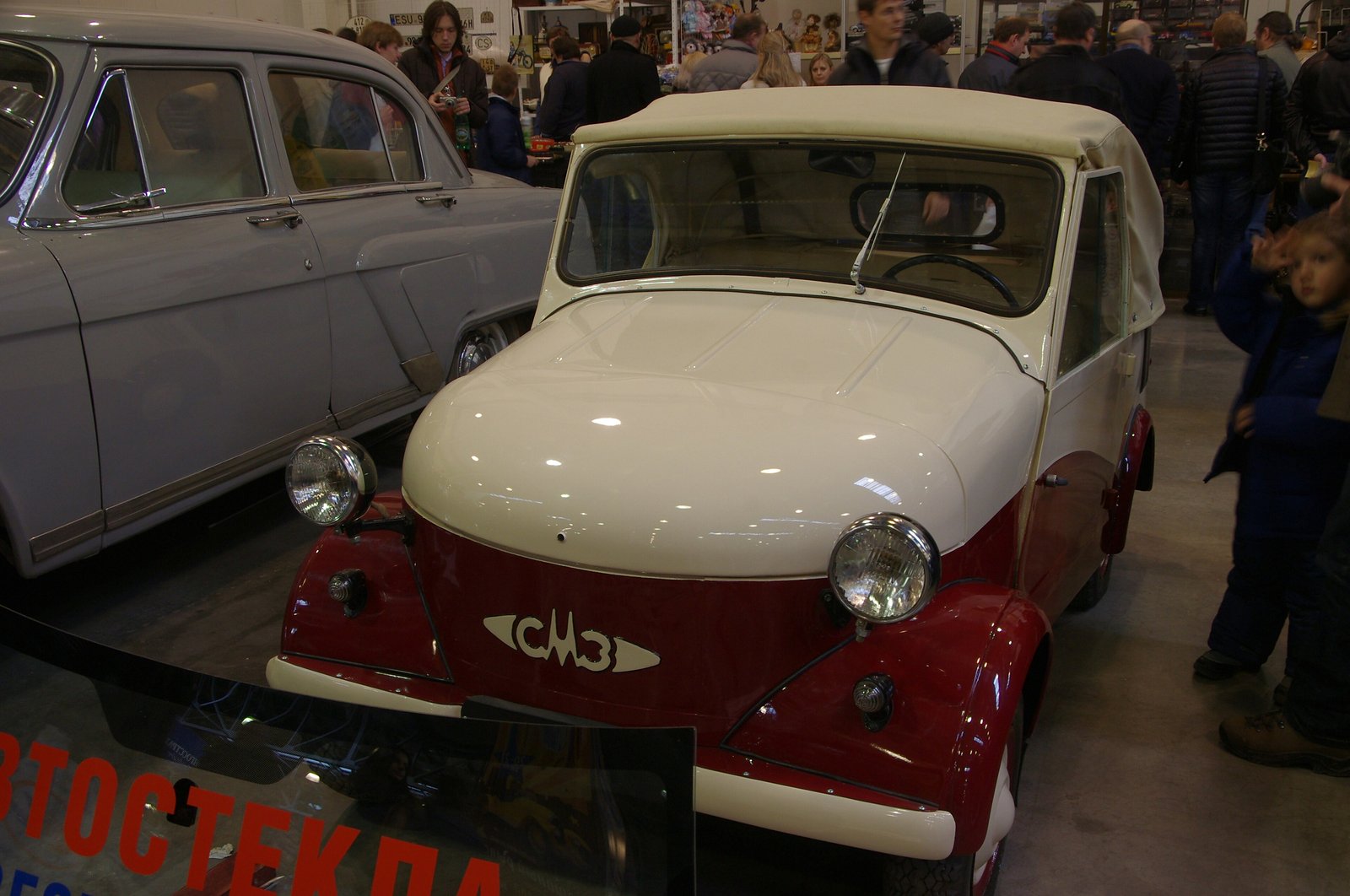
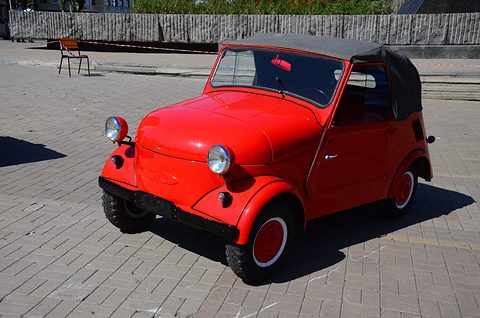
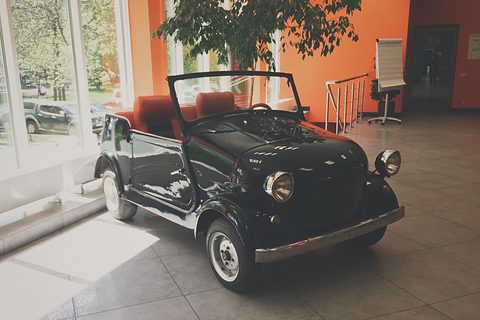
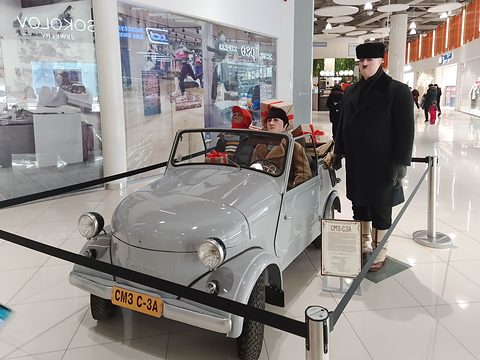
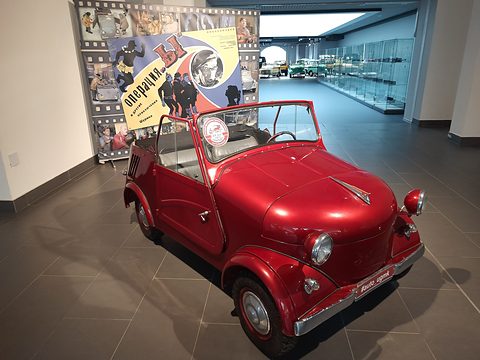
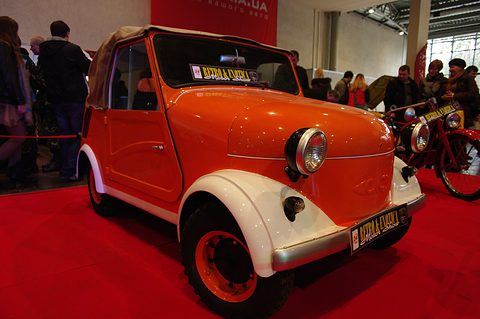
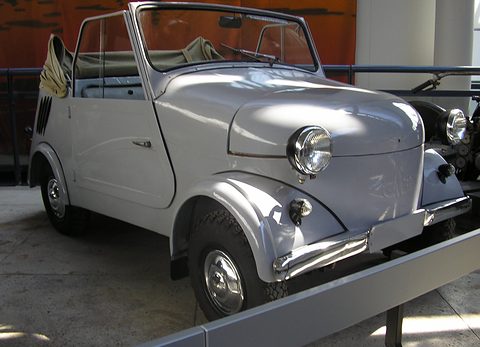
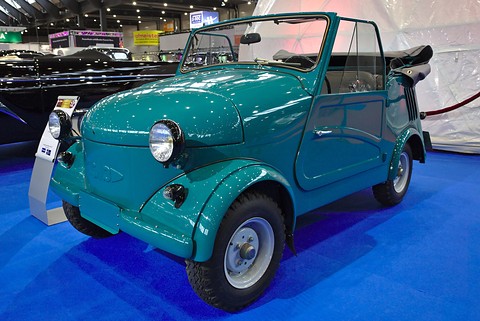
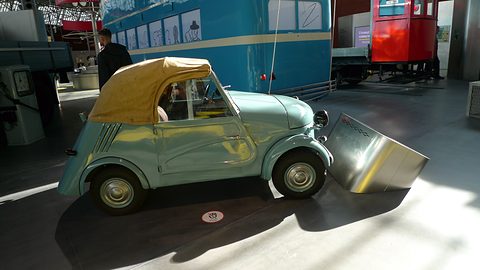
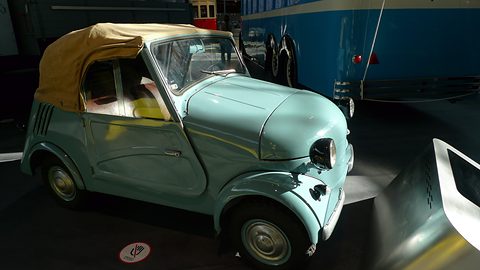
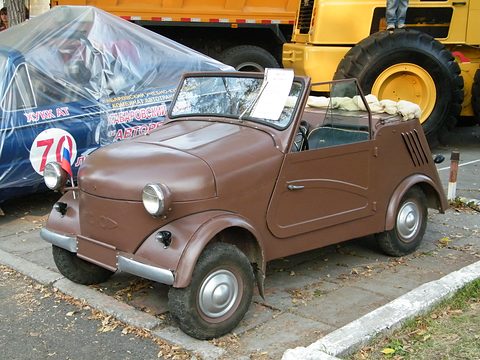
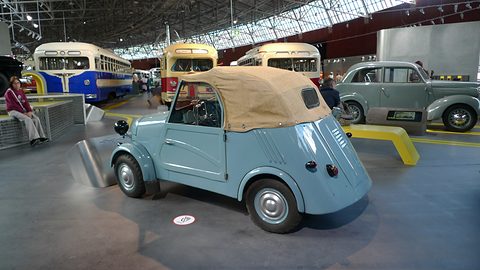
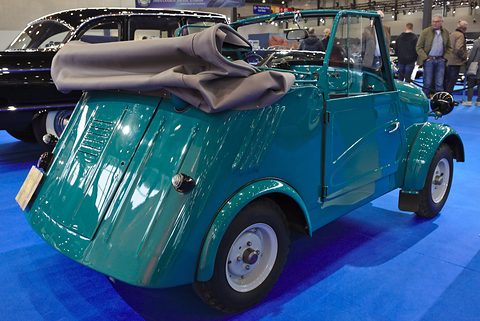
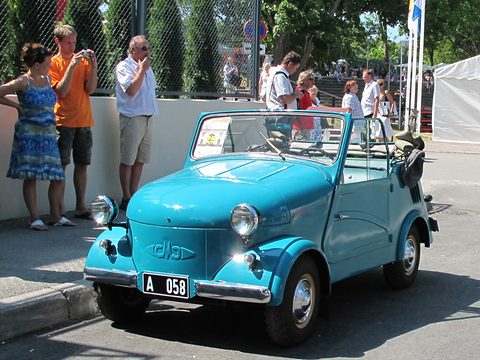
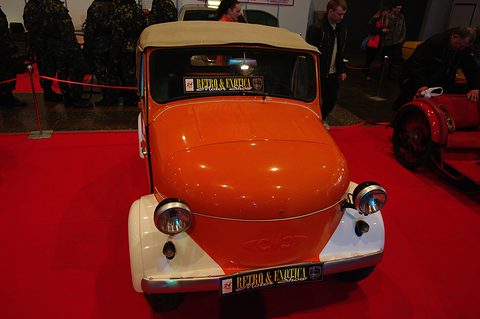
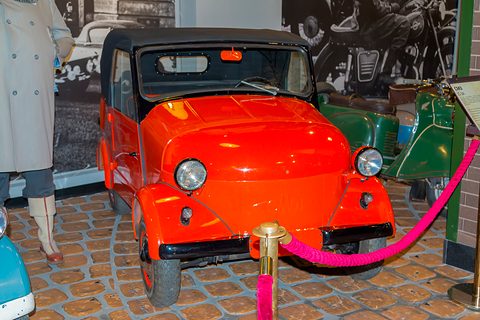
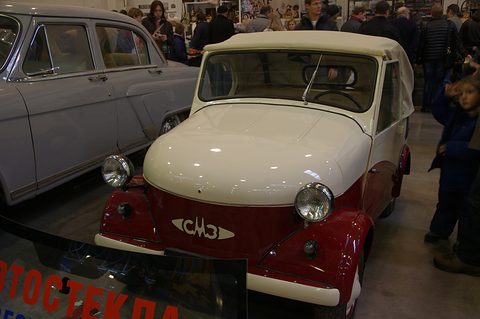
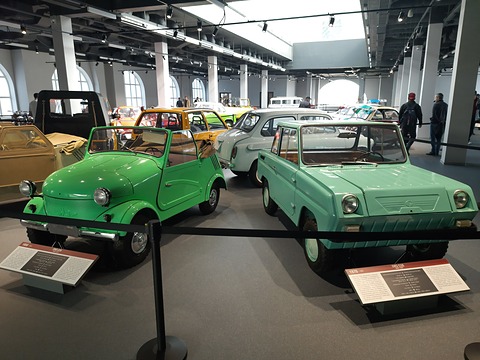
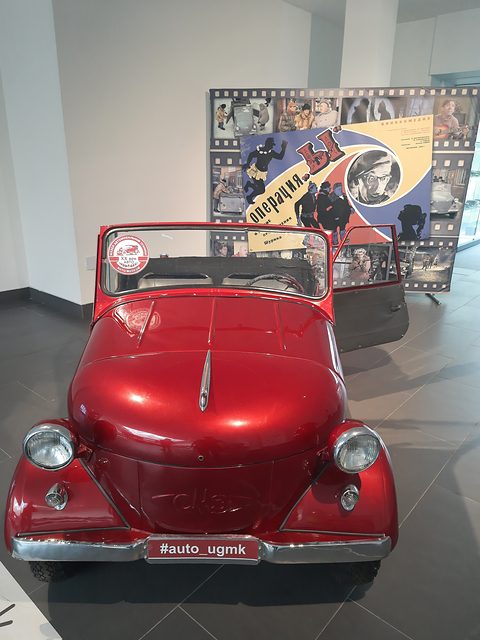
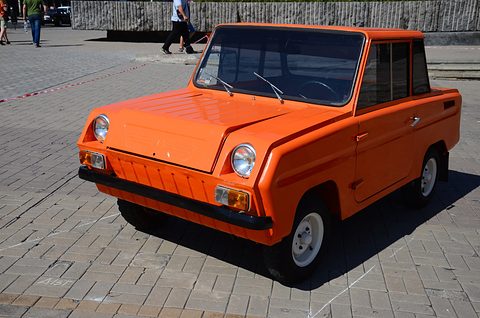
The S‑3A that went into production in 1958 was, in drom.ru’s reading of the archive, essentially a four-wheeled S‑3L with an electric starter.source 3 Its open two-door body was steel sheet on a tubular space frame, under a fabric hood. Behind the two seats was room for 10 kg of luggage and the rear-mounted engine, the fan-cooled IZh-49 motorcycle single.source 5source 1source 3 In place of pedals there were levers behind a car-type steering wheel, so that it could be driven entirely by hand.source 3source 2
Underneath, it was more modern than it looked. Kanunnikov counts it the first Soviet production car with rack-and-pinion steering, which no Soviet car used again until the VAZ-2108 of 1984, and the first with independent front suspension on transverse torsion bars, of the Volkswagen and Porsche kind; the rear was independent too.source 1source 2 The rest was primitive. The brakes were mechanical drums on the rear wheels only, the fabric roof barely kept out the weather, there was no heater, and more than 50 points needed grease.source 5source 1source 3
It was issued, not sold. Veterans in disability groups I and II received an S‑3A free from the social-security offices for five years, with an obligatory overhaul after two and a half, and could neither buy nor sell one; the state also paid for fuel, servicing and repairs, by Za Rulyom’s account.source 2source 3 drom.ru says that for many drivers the little Serpukhov car became not only a way to fit into normal life but the very meaning of life, and Kanunnikov counts the carriages among the most humane things the Soviet state did for its citizens.source 3source 2
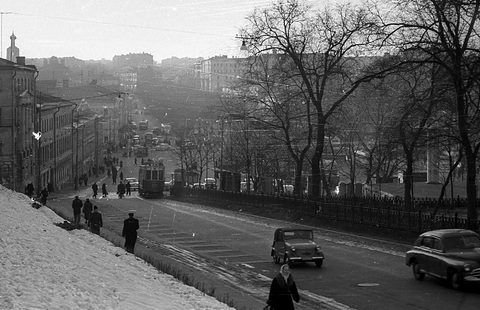
«Мотоколяски были далеки от вершин автомобильного прогресса почти так же, как биплан У‑2 от современного истребителя. Но главное — они были!»
Twelve years at Serpukhov
The S‑3B of 1959–62 (or 1960–61), for drivers with one arm and one leg, accounted for 7,819 cars.source 5 In 1962 the S‑3AM brought rubber joints in the half-shafts, a better silencer and hydraulic telescopic dampers, and an IZh-56 engine went in.source 5source 1 Its power is a muddle. Sources give 7.3 to 8.5 hp for the S‑3A and about 10 for the S‑3AM; the 11.5 and 13 hp in one 2023 article look like the motorcycle’s own ratings rather than the carriage engine’s, which is our reading.source 5source 6source 2source 1 In 1965 production stopped, partly because the car took so much hand labour that it cost almost as much to make as a Moskvich-407, and because hand-controlled Zaporozhets cars were now available. But the Zaporozhye works could not build enough of them, and demand brought the S‑3A back on 1 January 1966.source 2source 3
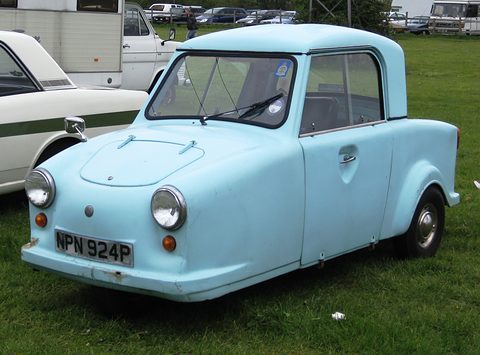
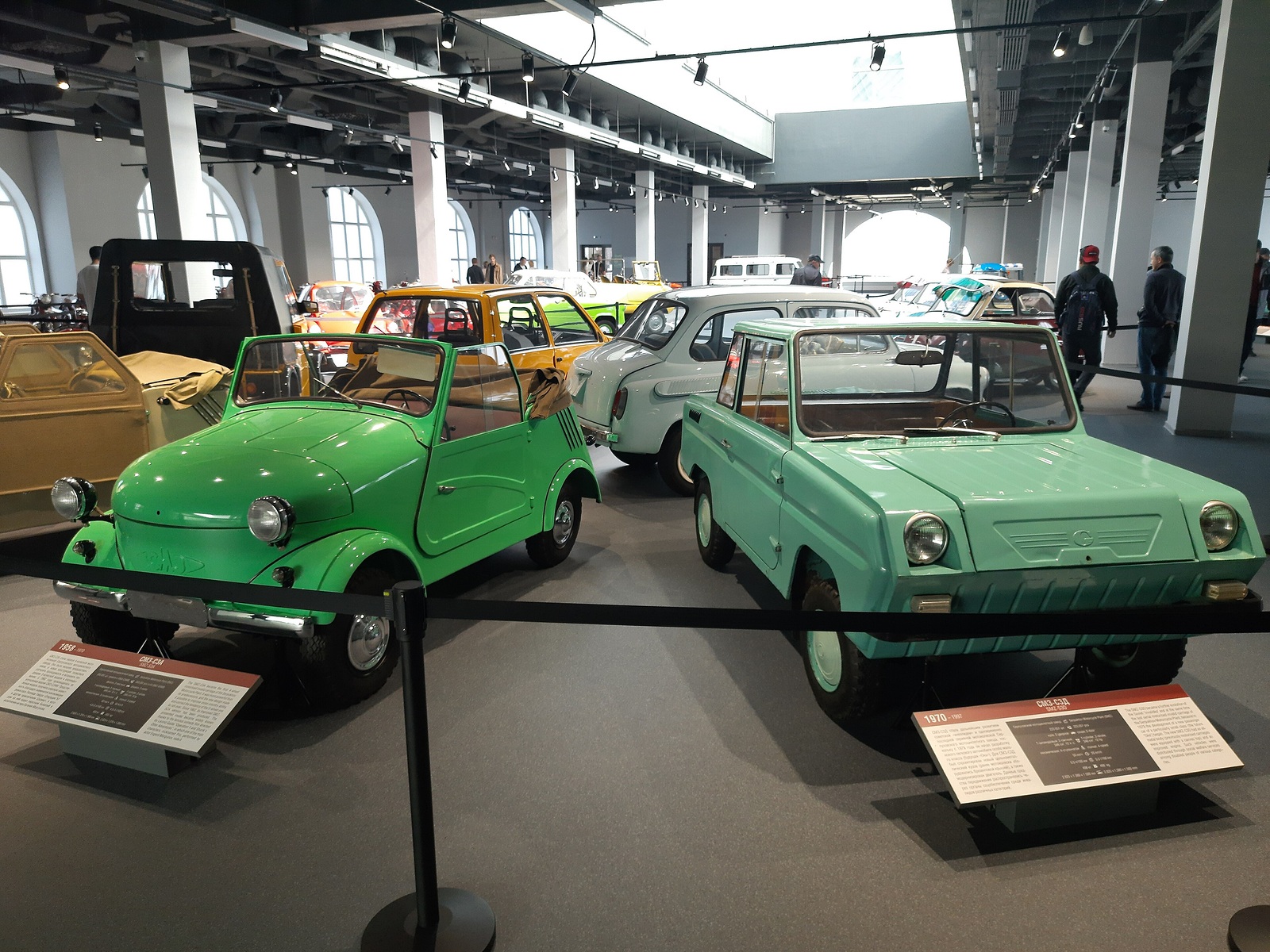
Closed successors were tried and dropped: the hard-roofed S‑4A of 1959, the S‑4B coupé and the glass-fibre S‑5A of 1960, and in 1962 the SMZ-NAMI-086 “Sputnik”, with its engine across the tail.source 5source 2 None went into production, and in 1970 the S‑3A gave way to the closed, steel-bodied SMZ S‑3D.source 5source 2
It drove, one writer says, but not very well: its small wheels made it useless off the road, side glazing came only later, and at 50–60 km/h the engine was literally deafening.source 7 Russian Wikipedia judges it an unhappy compromise, too heavy and costly at 425 kg for a motorised wheelchair and too slow and rough for a car, though it gives no source for most of that verdict.source 5
“Morgunovka”
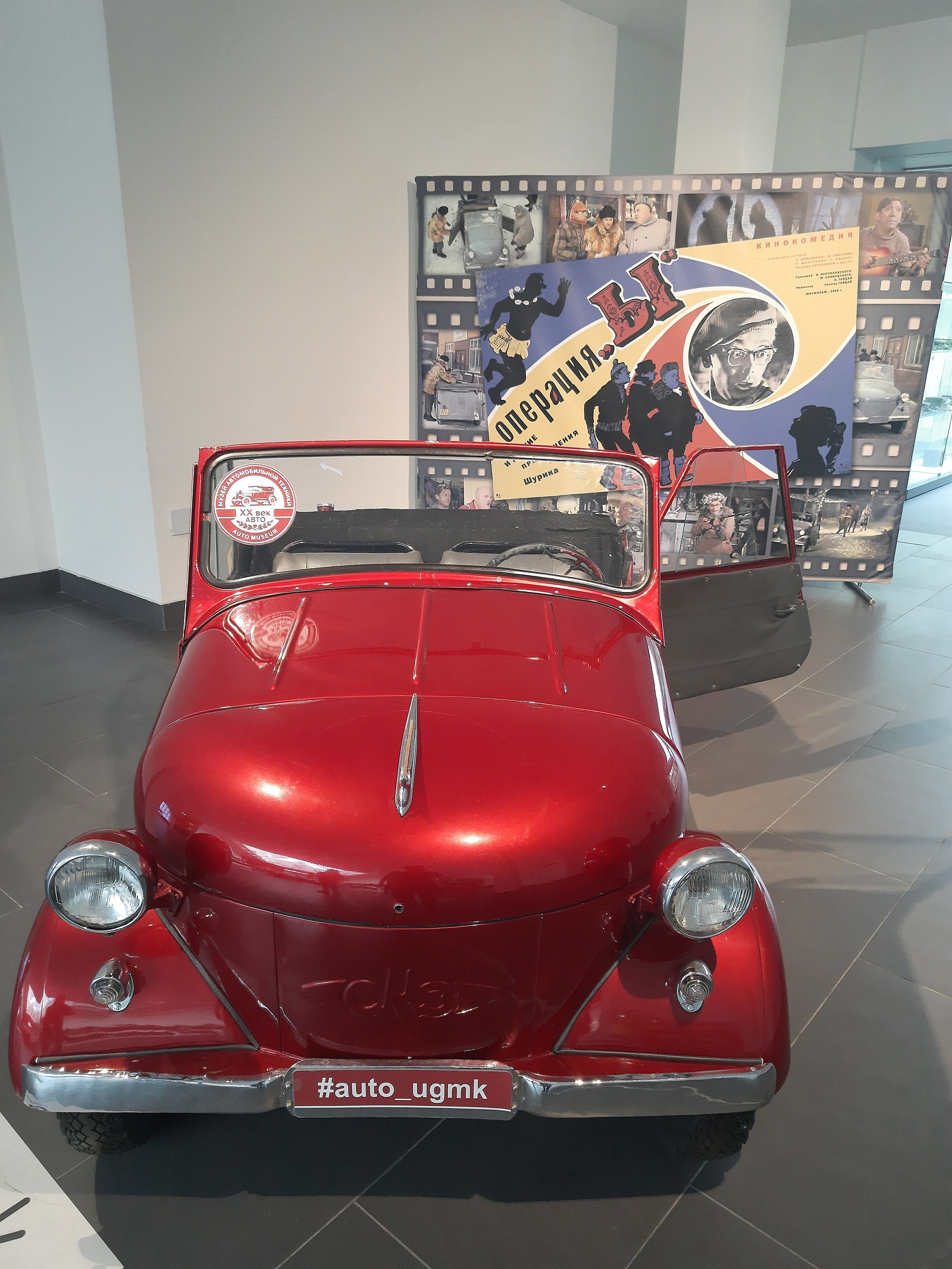
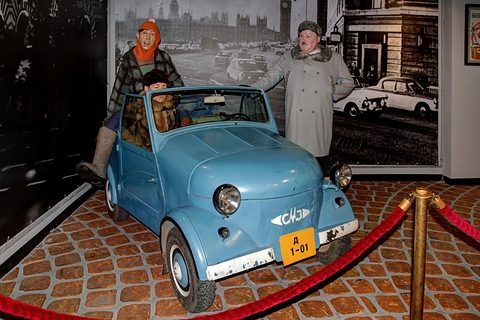
The name it is known by today comes from a comedy, one of the microcars on screen that tens of millions saw. In Leonid Gaidai’s Operation Y and Shurik’s Other Adventures of 1965, three rogues ride in a grey S‑3A, and the stout Byvaly, played by Yevgeny Morgunov, lifts it and turns it round by hand before all three climb in and drive off.source 2source 3source 7 Za Rulyom says the carriages were mocked “especially after” the film.source 2 Whether anyone in the Soviet years called the car a morgunovka is doubted: a drom.ru reader recalled the word as the name of a motorcycle helmet, and the nickname may be a later one.source 3 The everyday word was invalidka, used for all the Serpukhov carriages.source 5