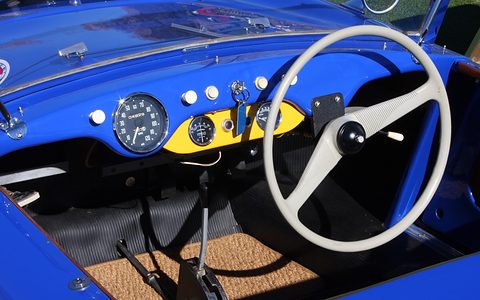
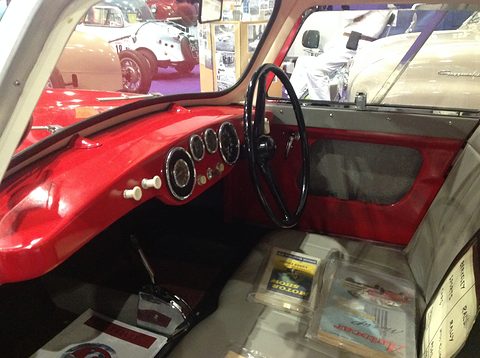
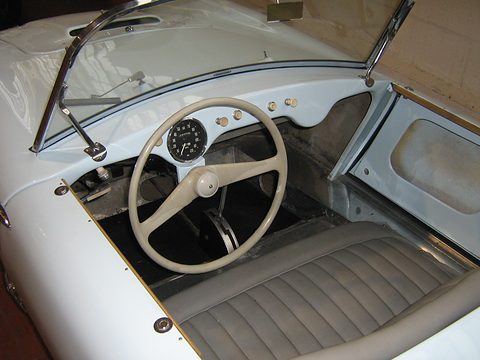
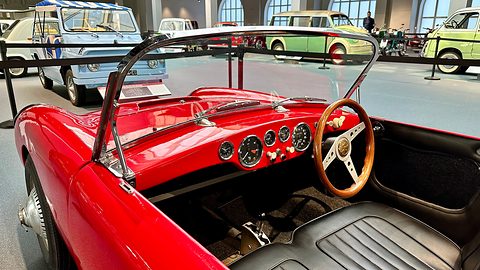
The story
History
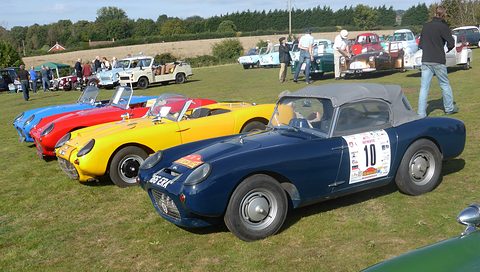
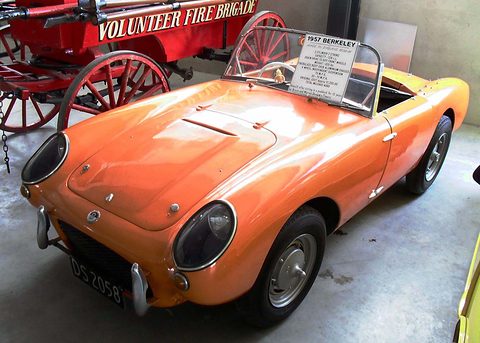
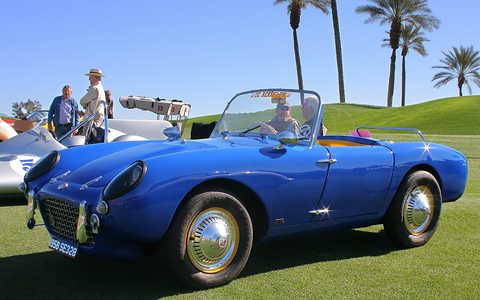
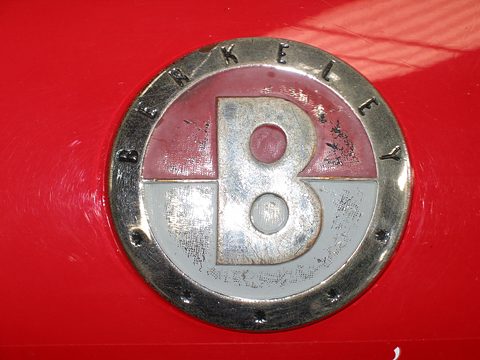
Charles Panter’s Berkeley Coachworks of Biggleswade, in Bedfordshire, built caravans, and was said to be one of the largest caravan makers in Europe. Caravans sell in the spring and summer, and Panter wanted something to fill the rest of the year.source 1source 2 The firm already knew how to mould glass fibre. In 1956 he teamed up with Lawrie Bond, the designer of the Bond Minicar and one of the outsiders who shaped the British microcar (see the designers).source 1source 2
something good enough to win World 750cc races... but cheap, safe, easily repairable and pretty.
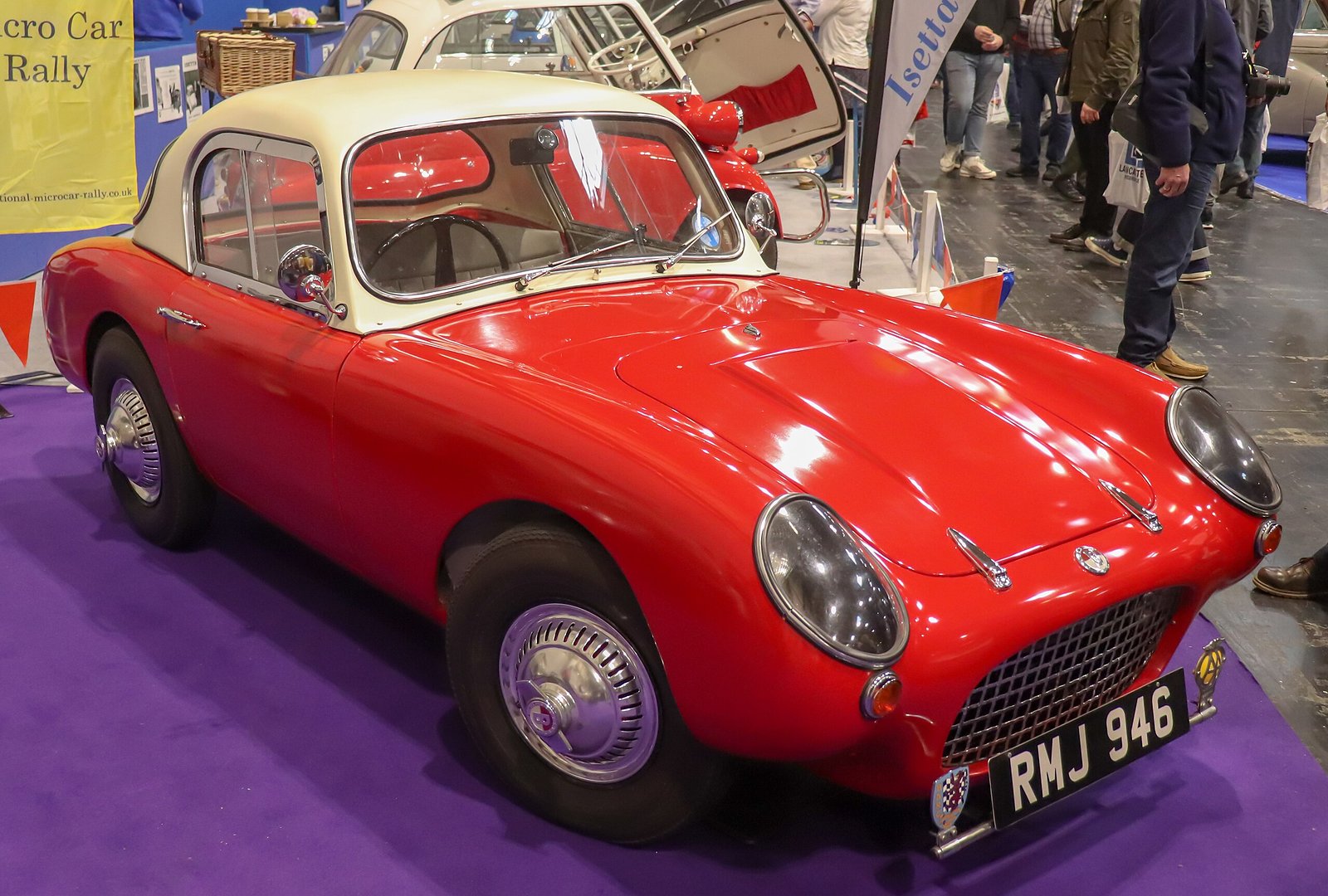
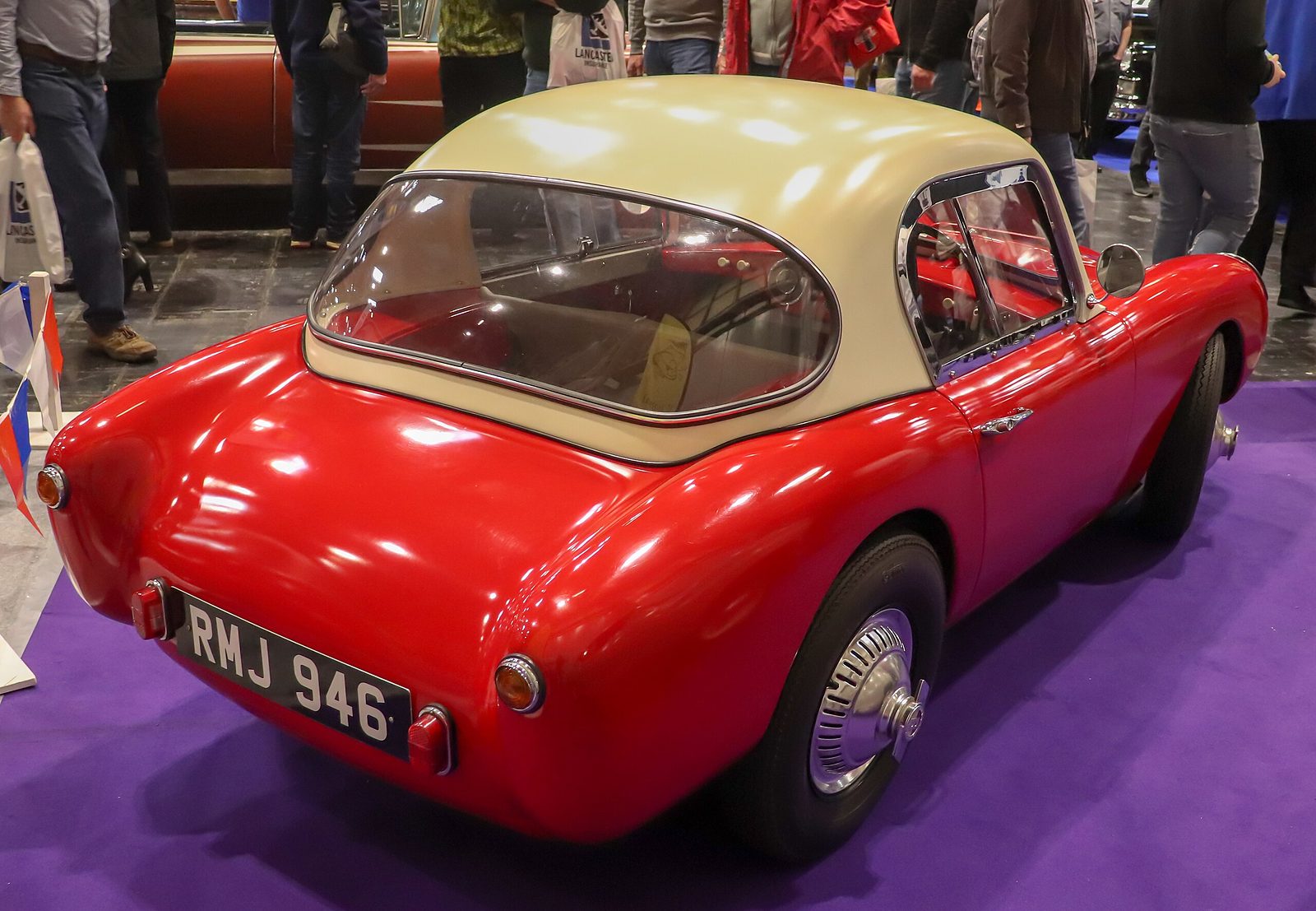
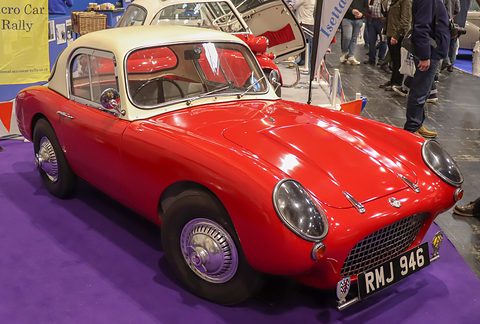
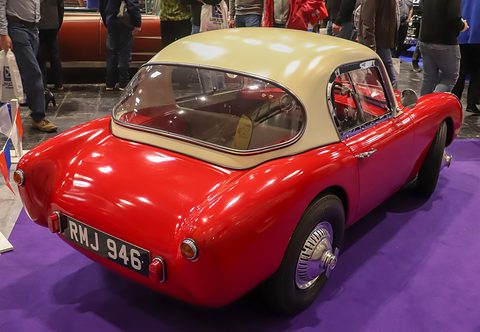
Prototypes ran round Biggleswade in the late summer of 1956: two, registered RMJ 395 and RMJ 946, by one account, or three by the Weiner museum’s.source 1source 2 In September Stirling Moss drove one at Goodwood. The car was announced the same month and shown to the public at the London Motor Show at Earls Court in October.source 1source 2
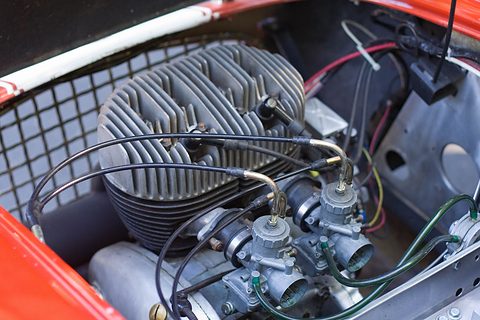
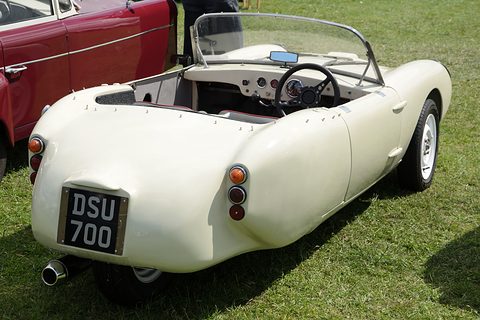
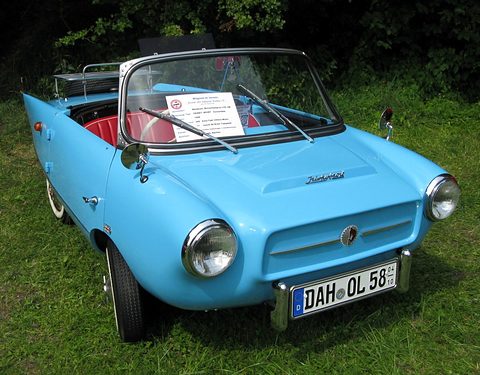
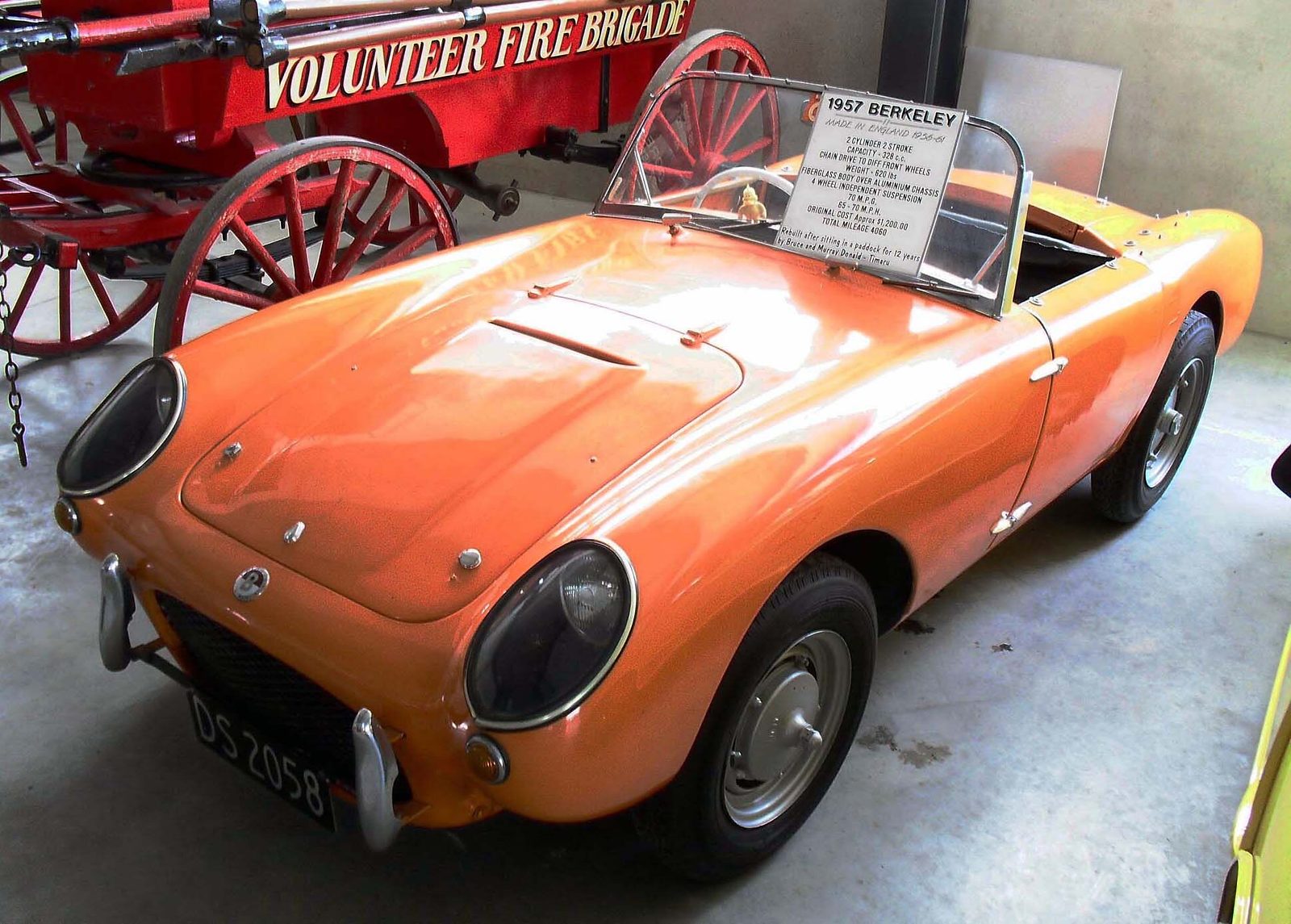
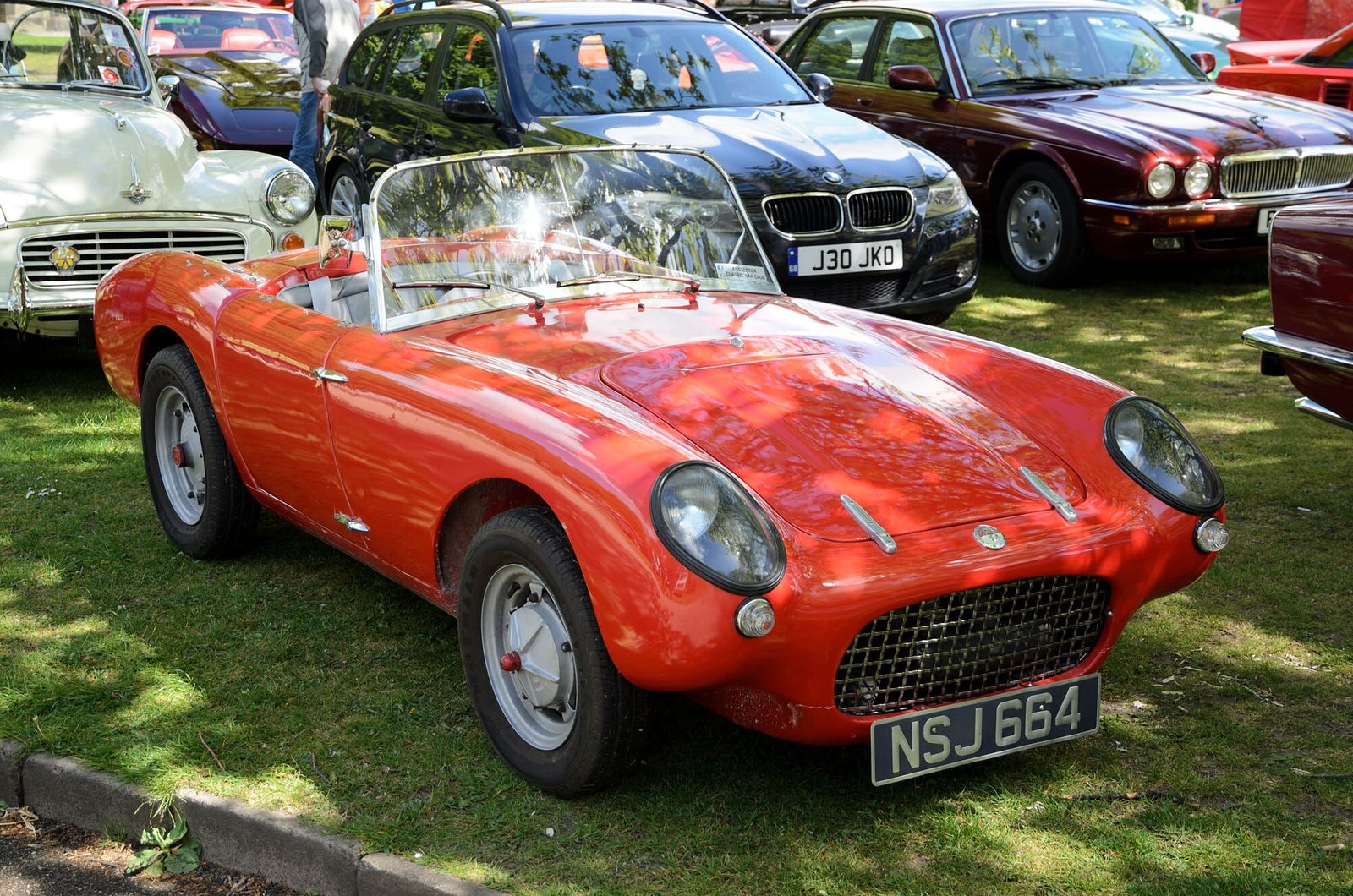
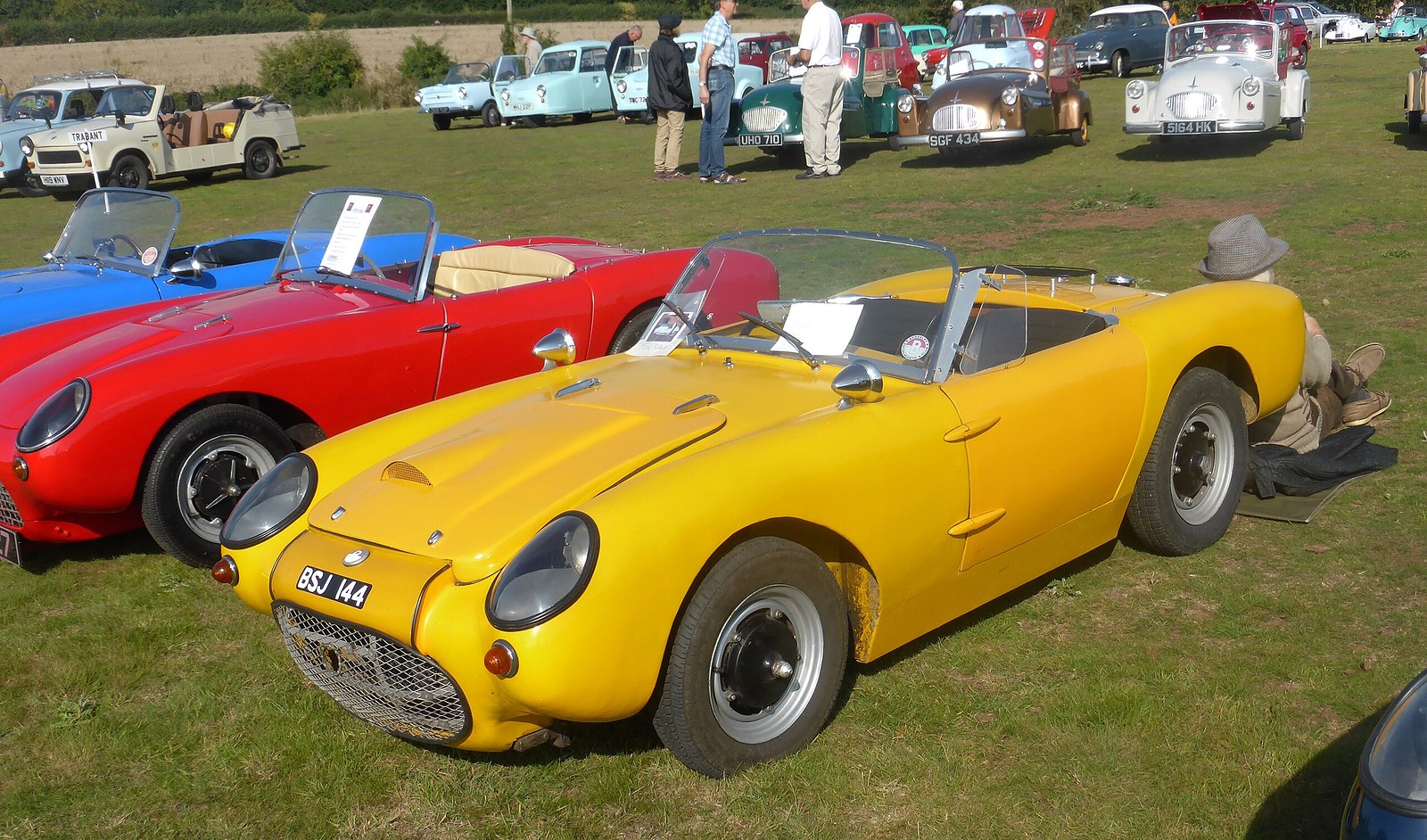
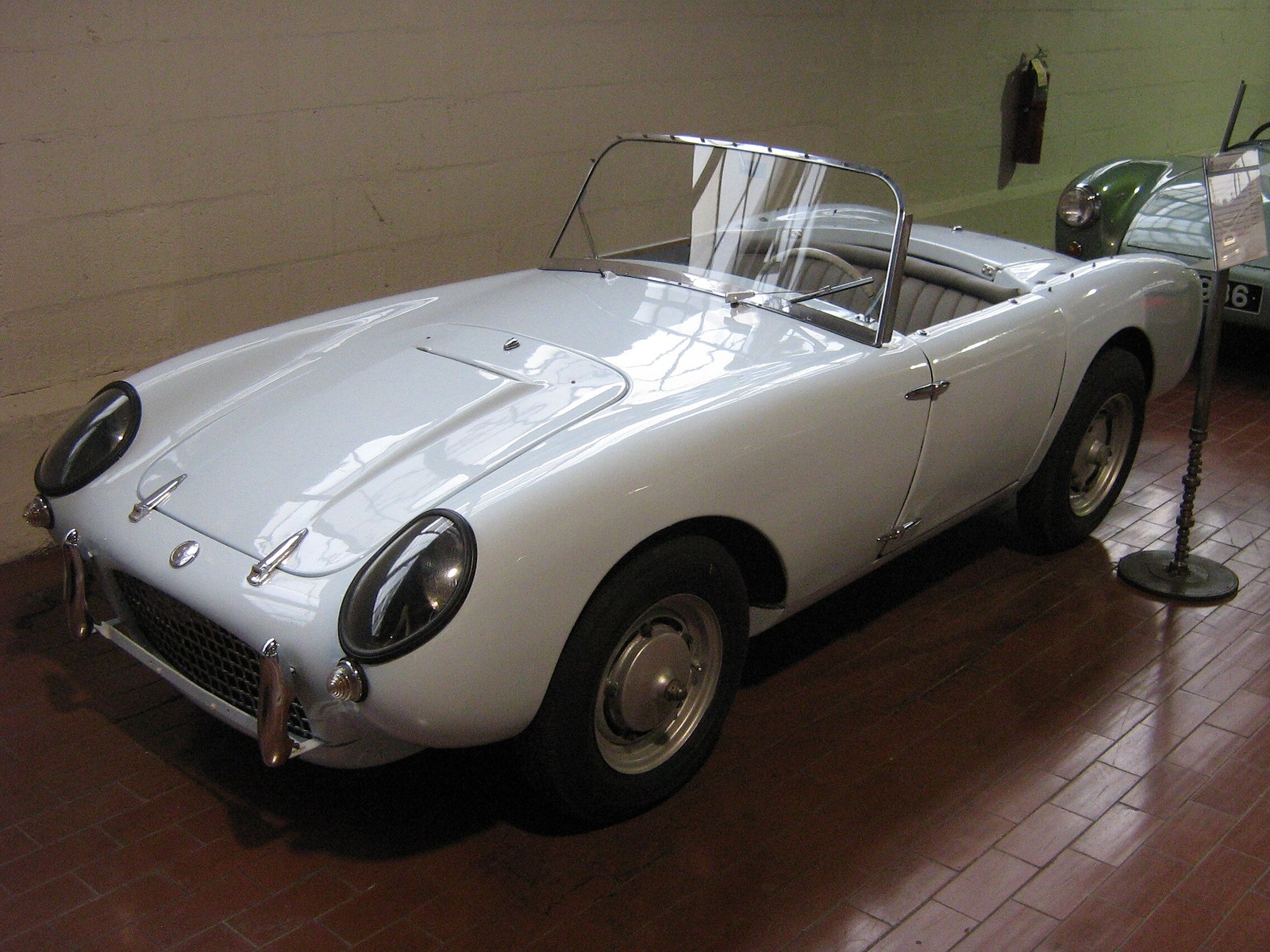
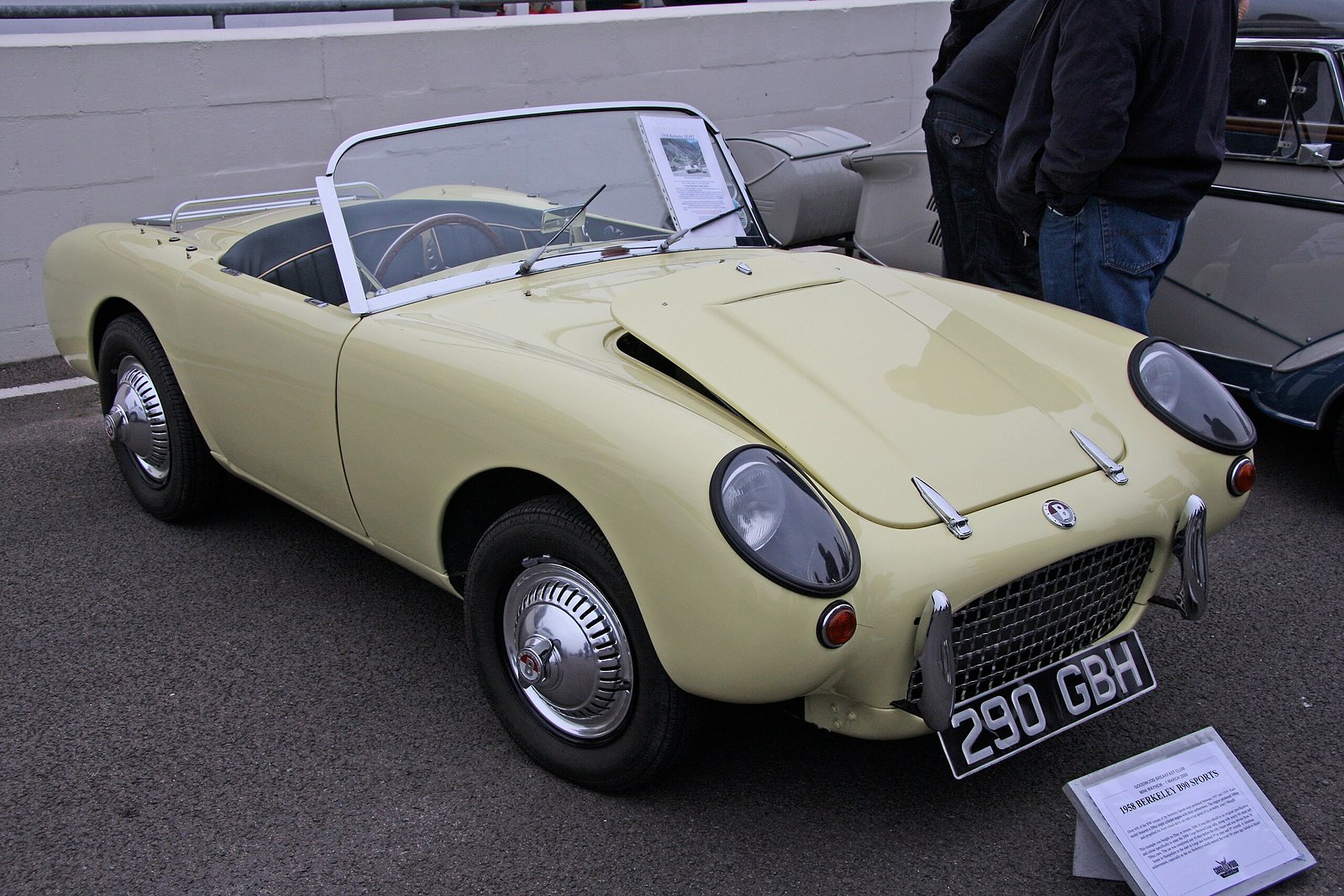
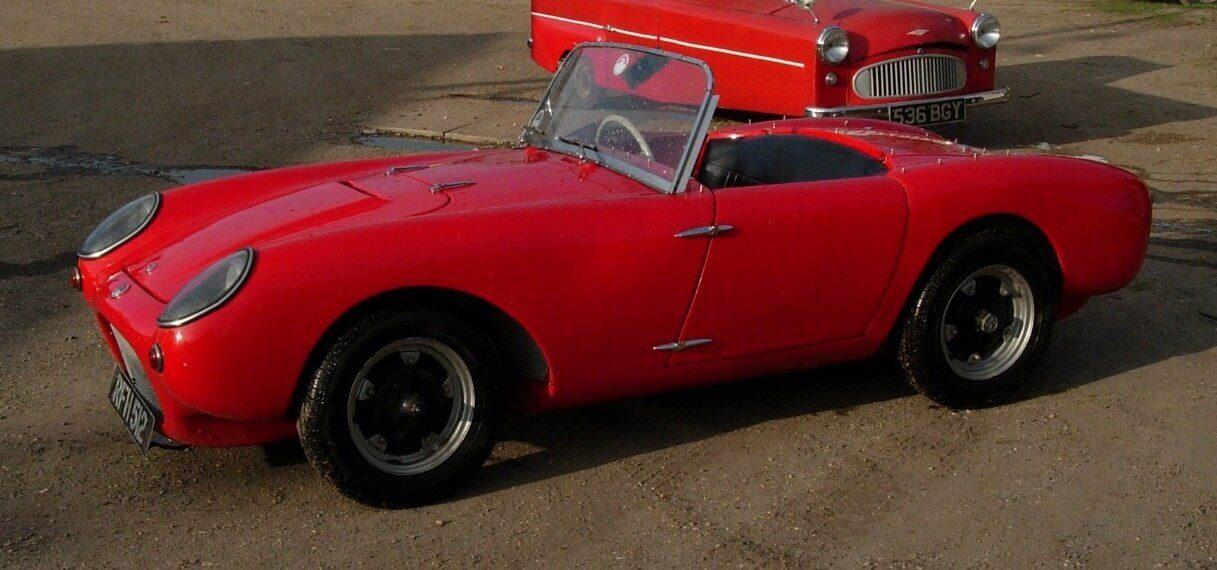
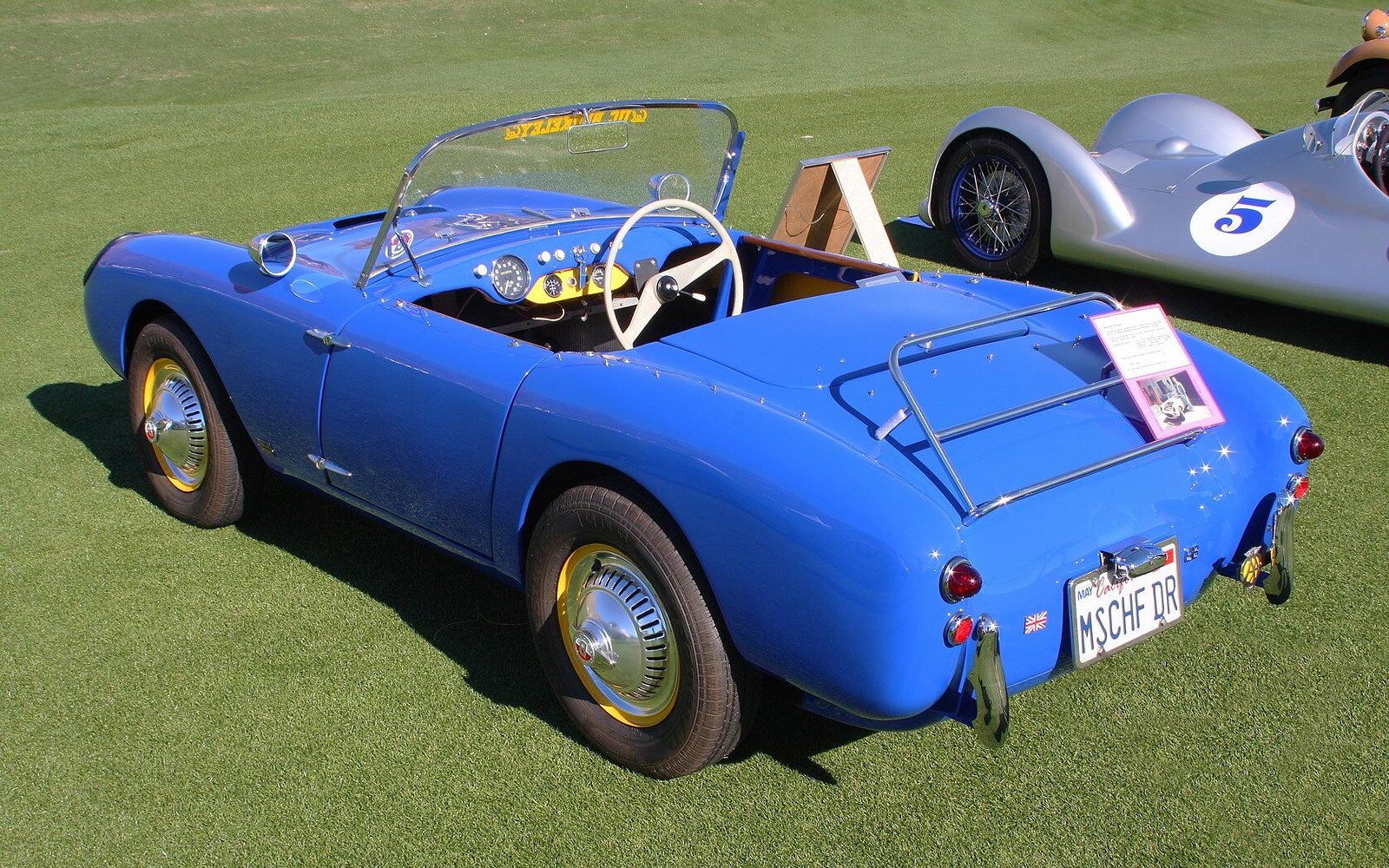
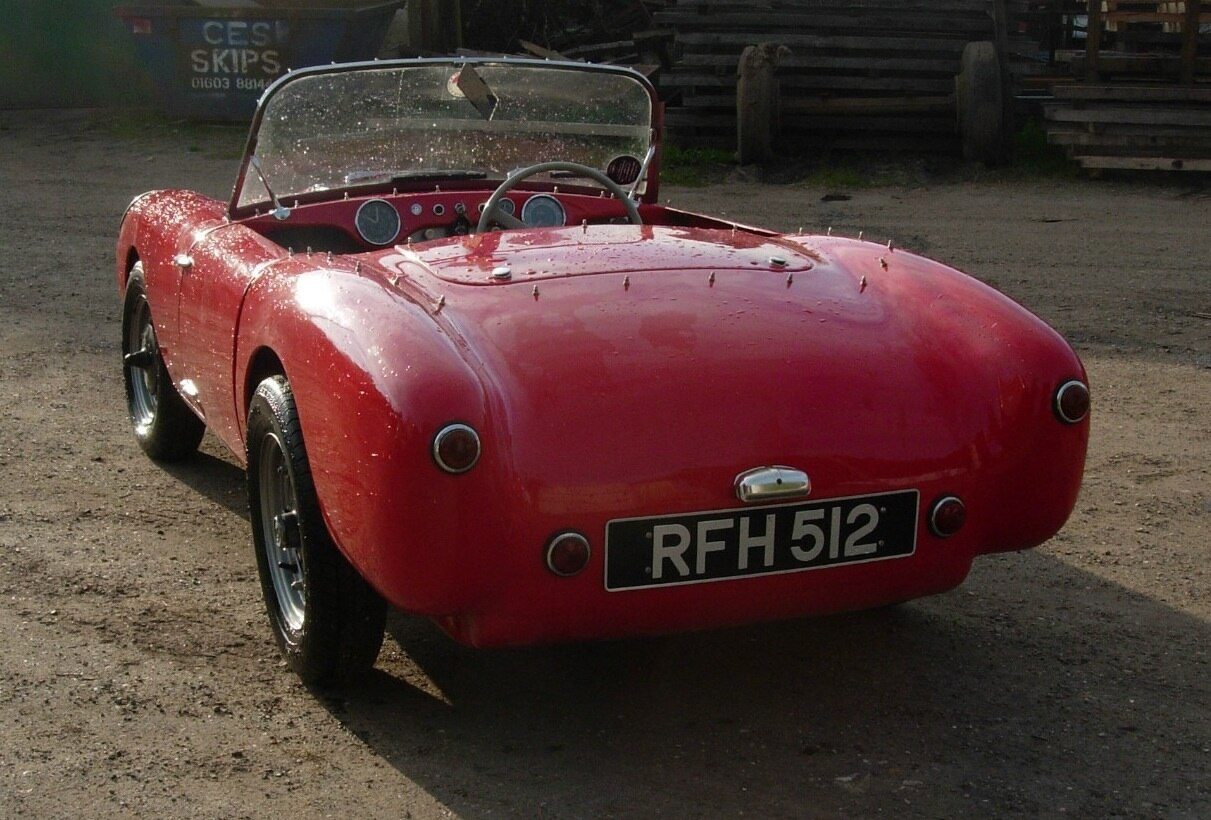
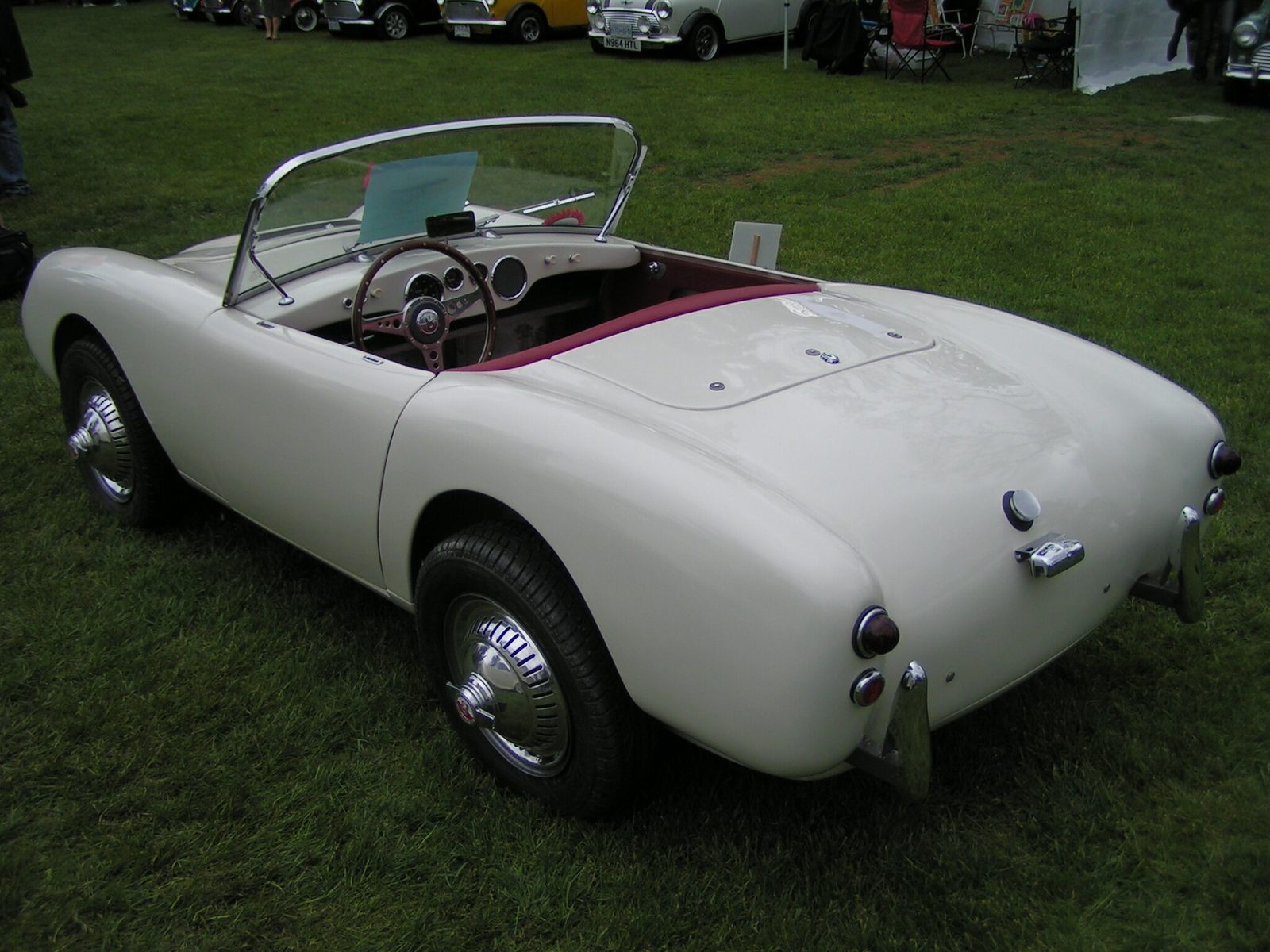
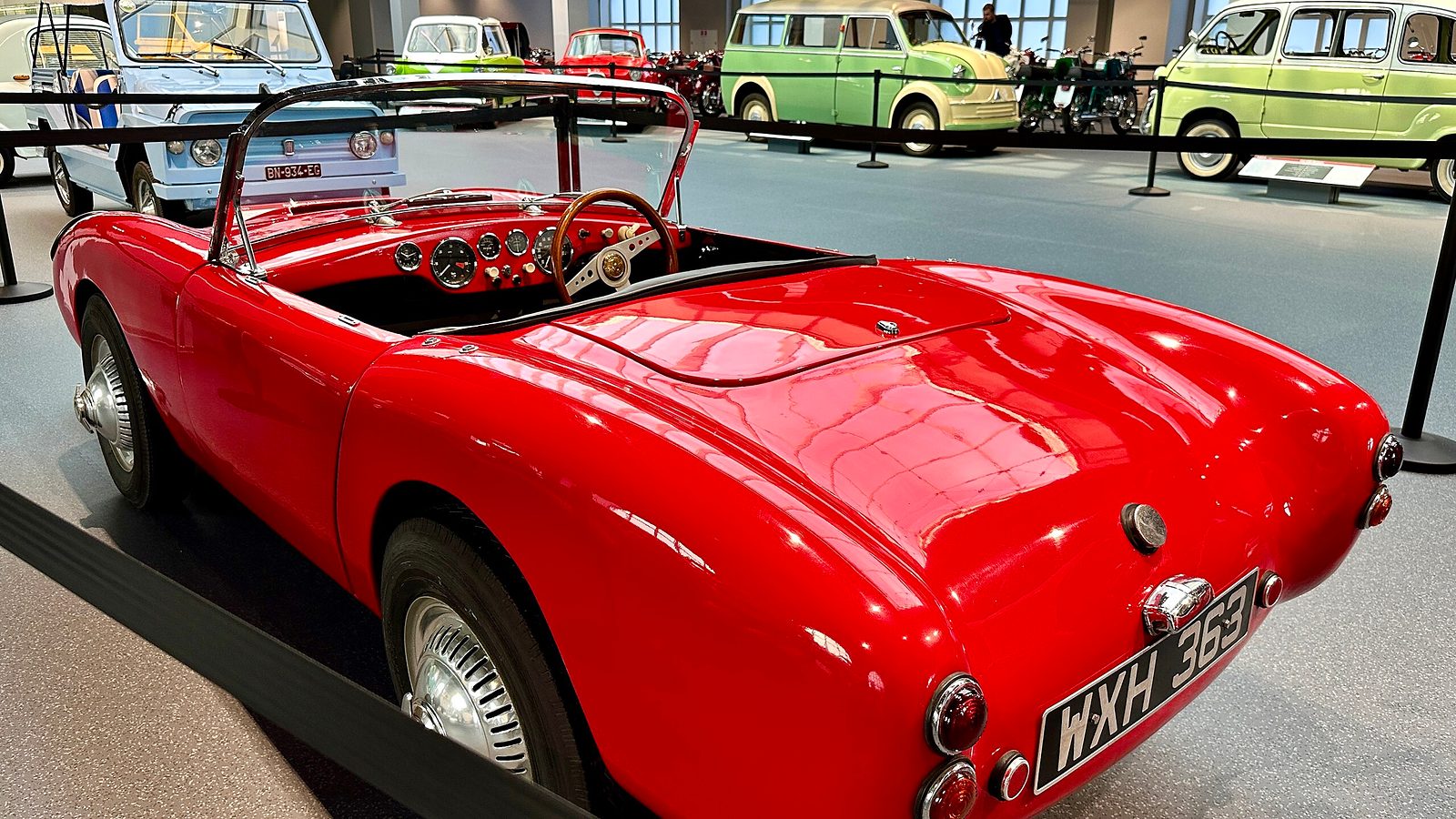
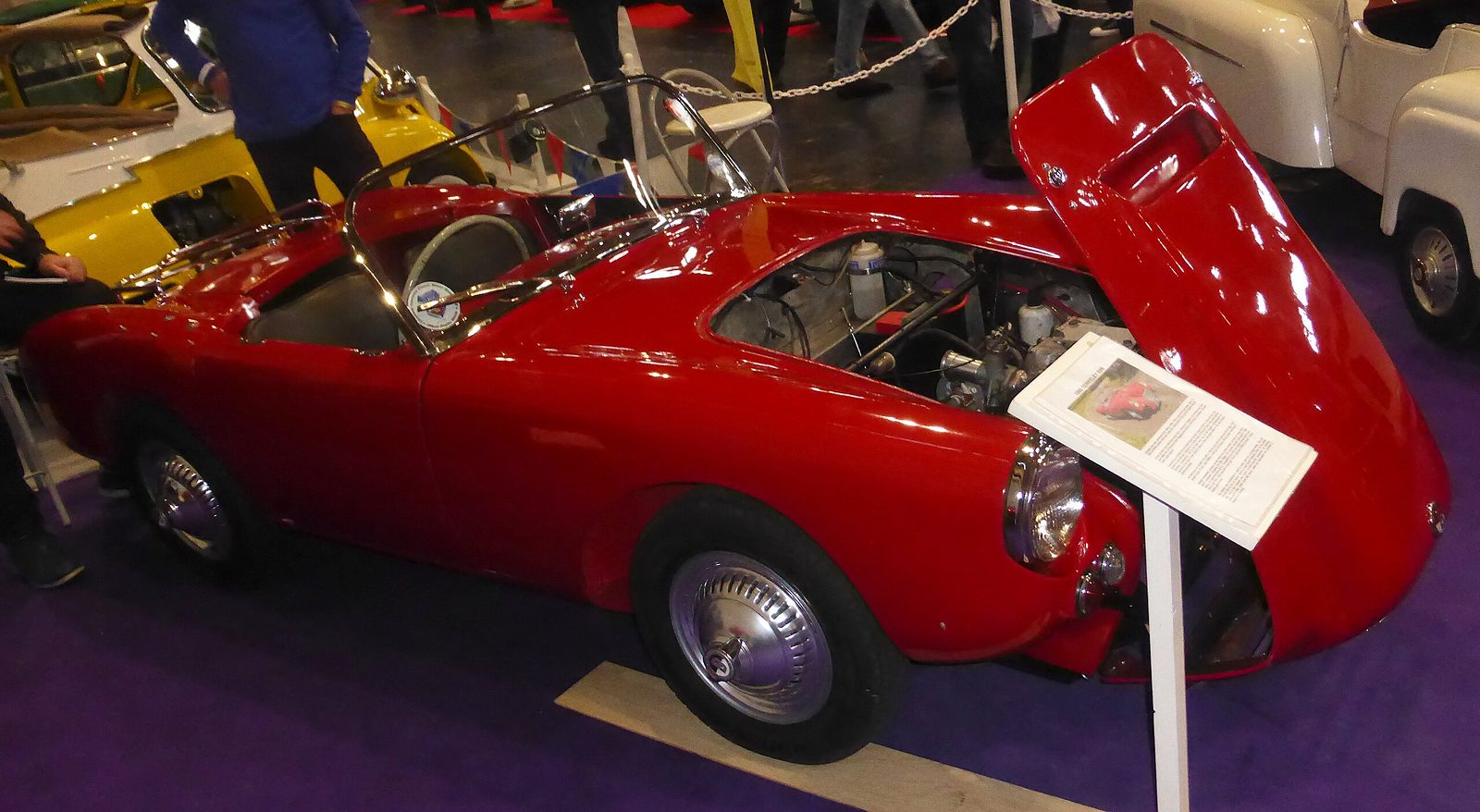
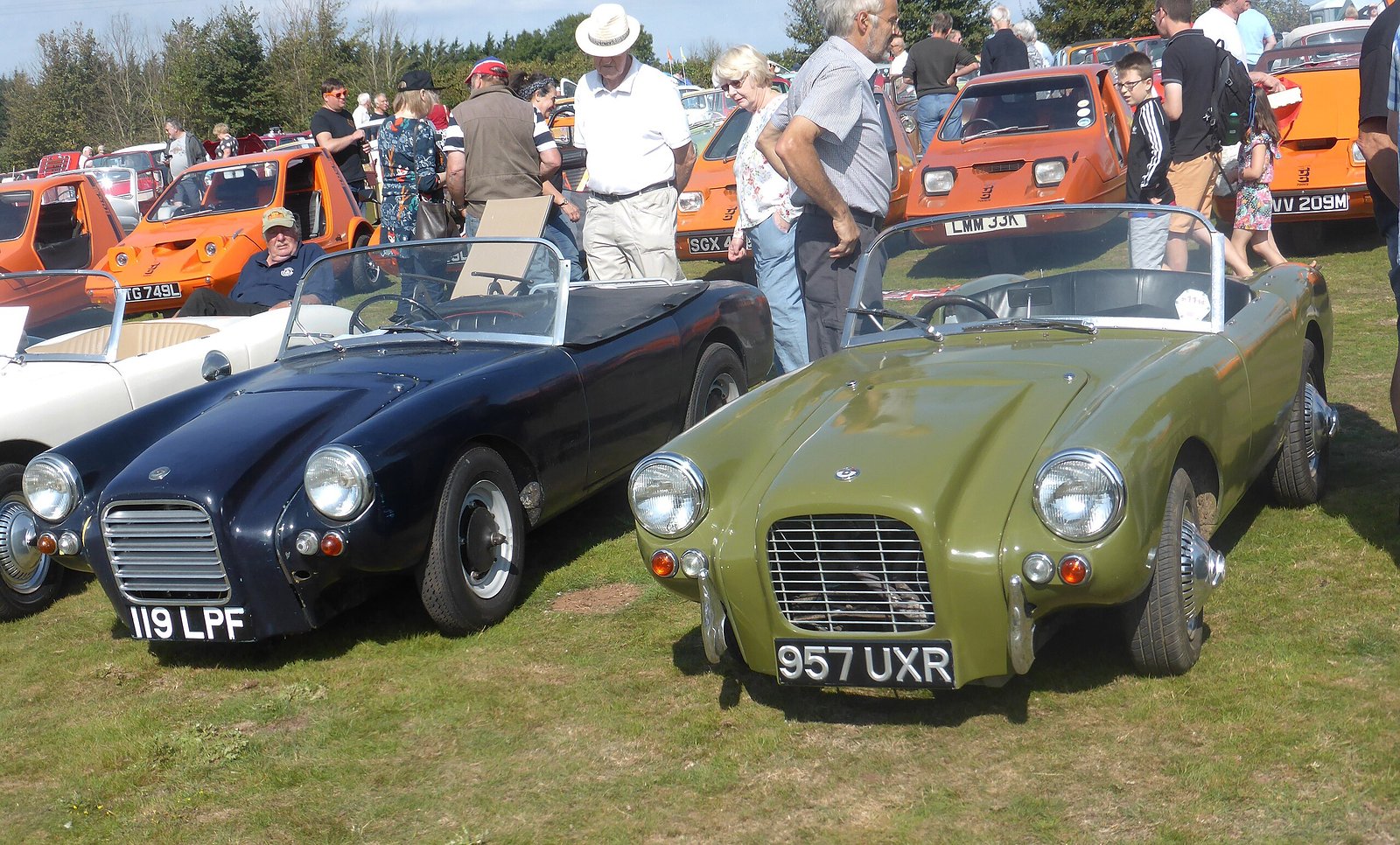
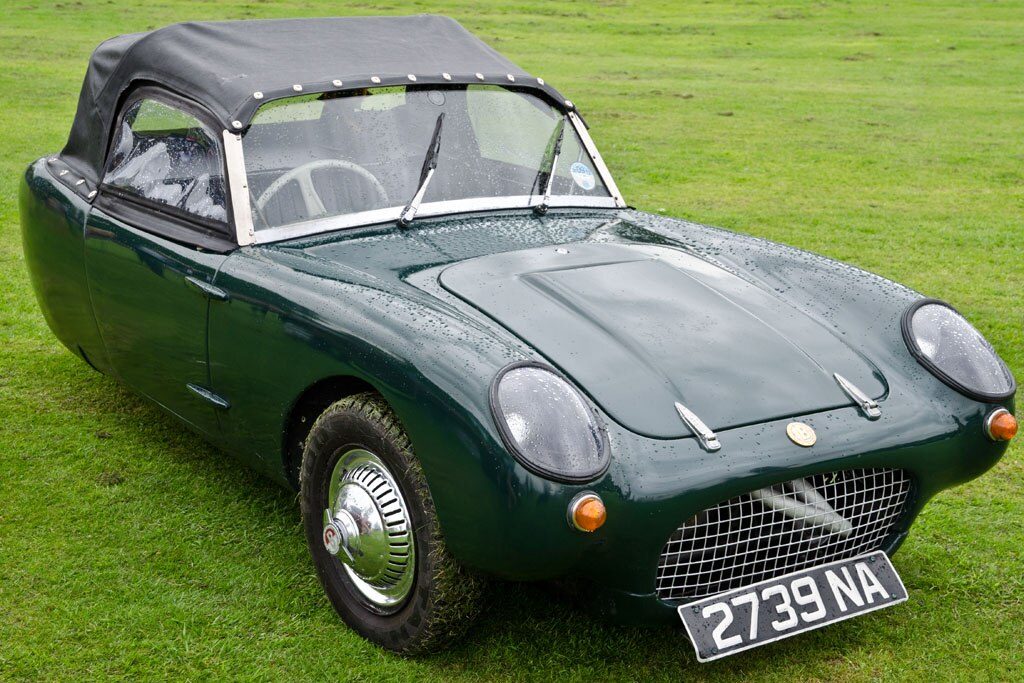
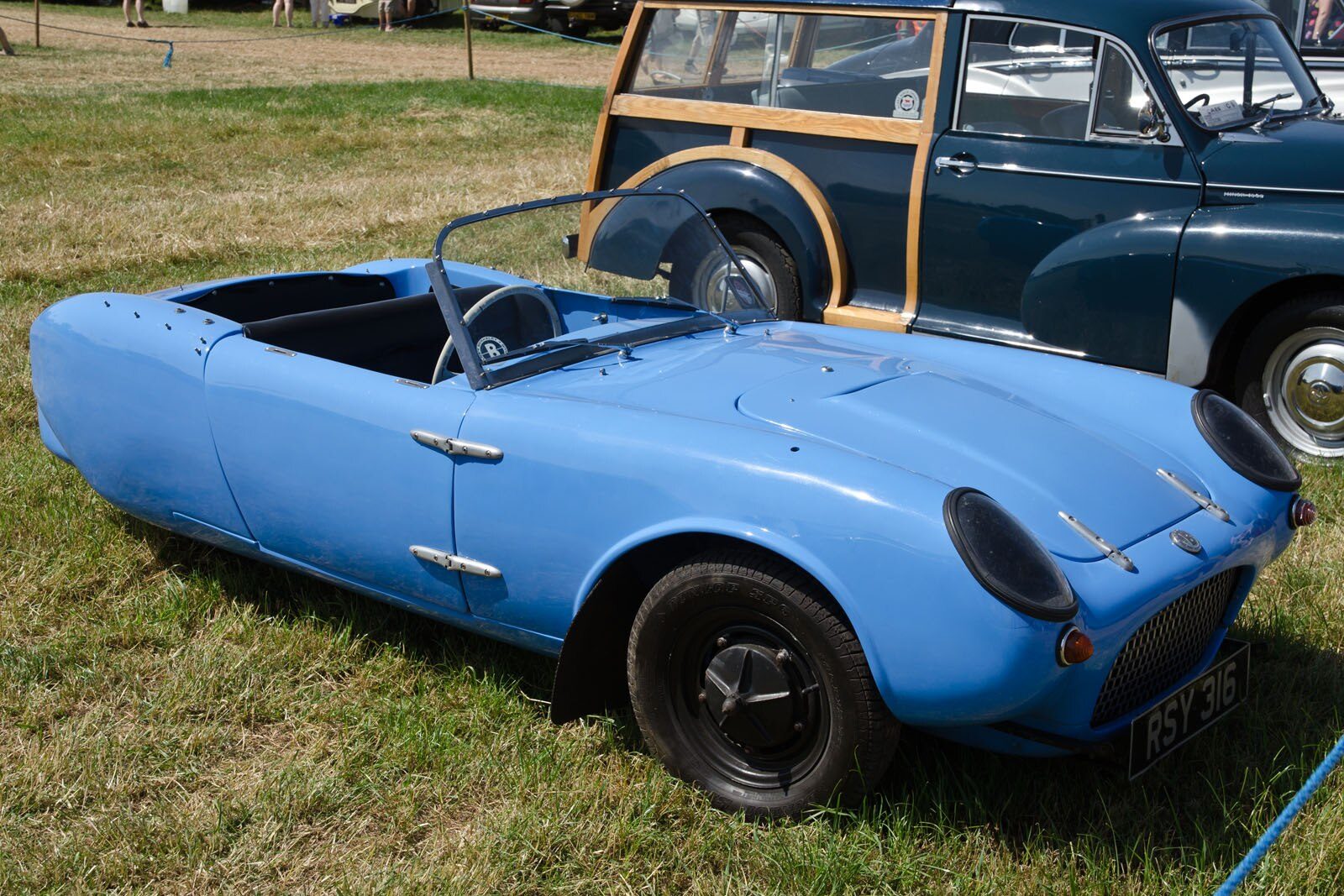
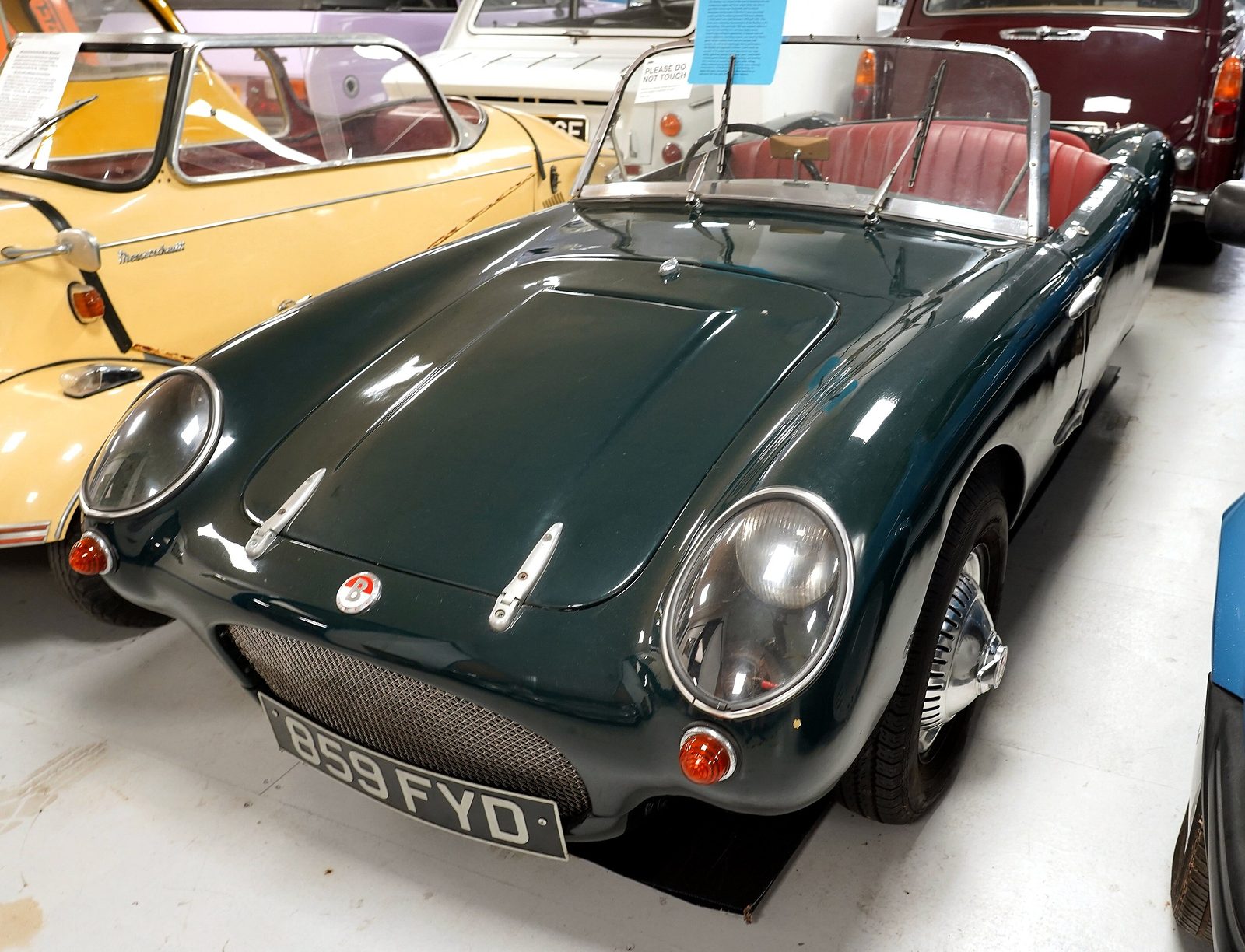
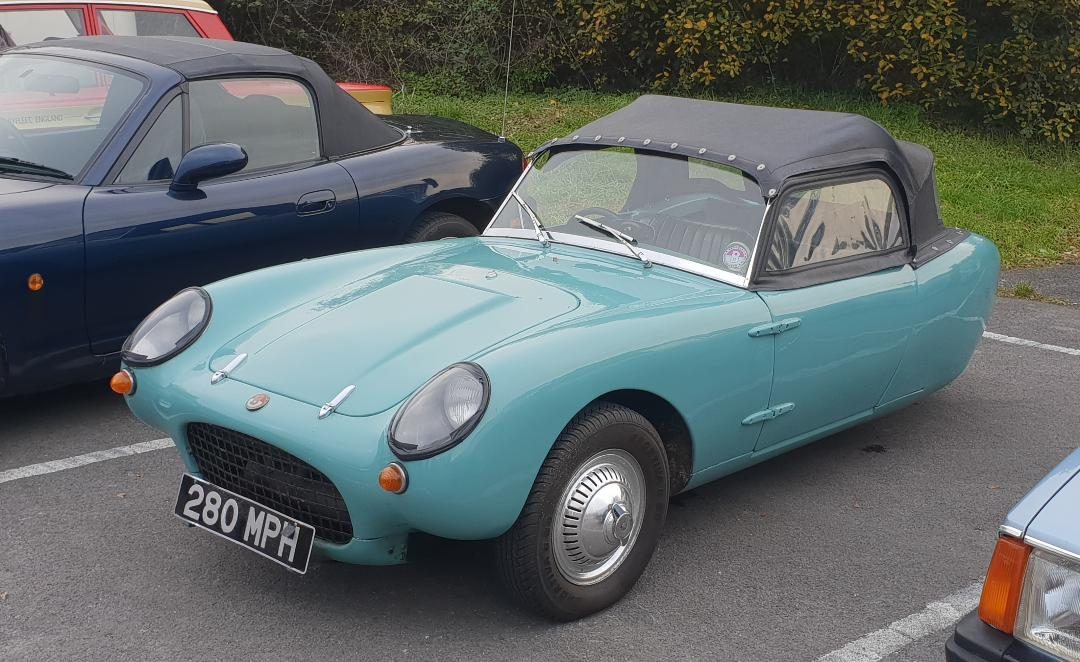
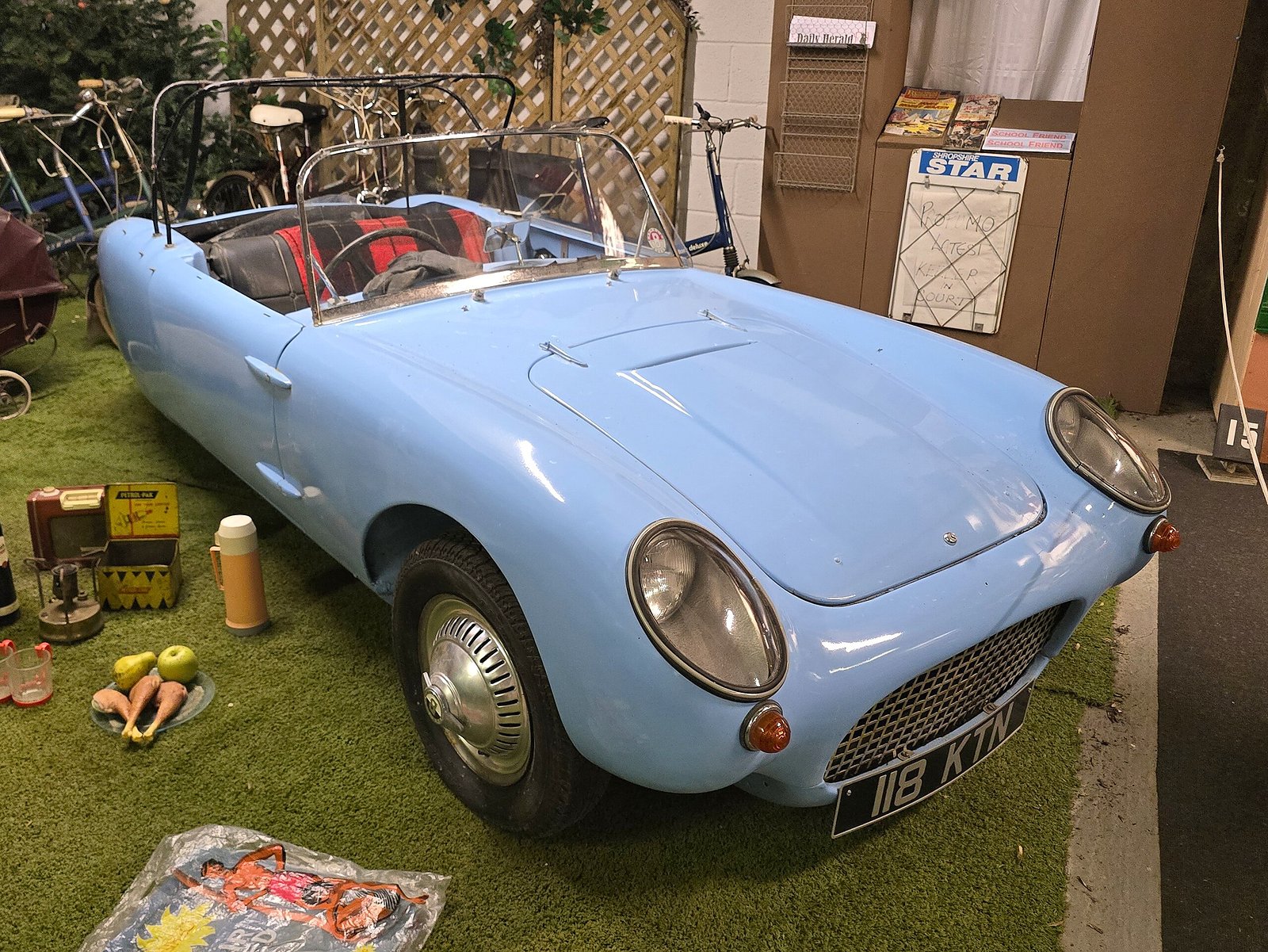
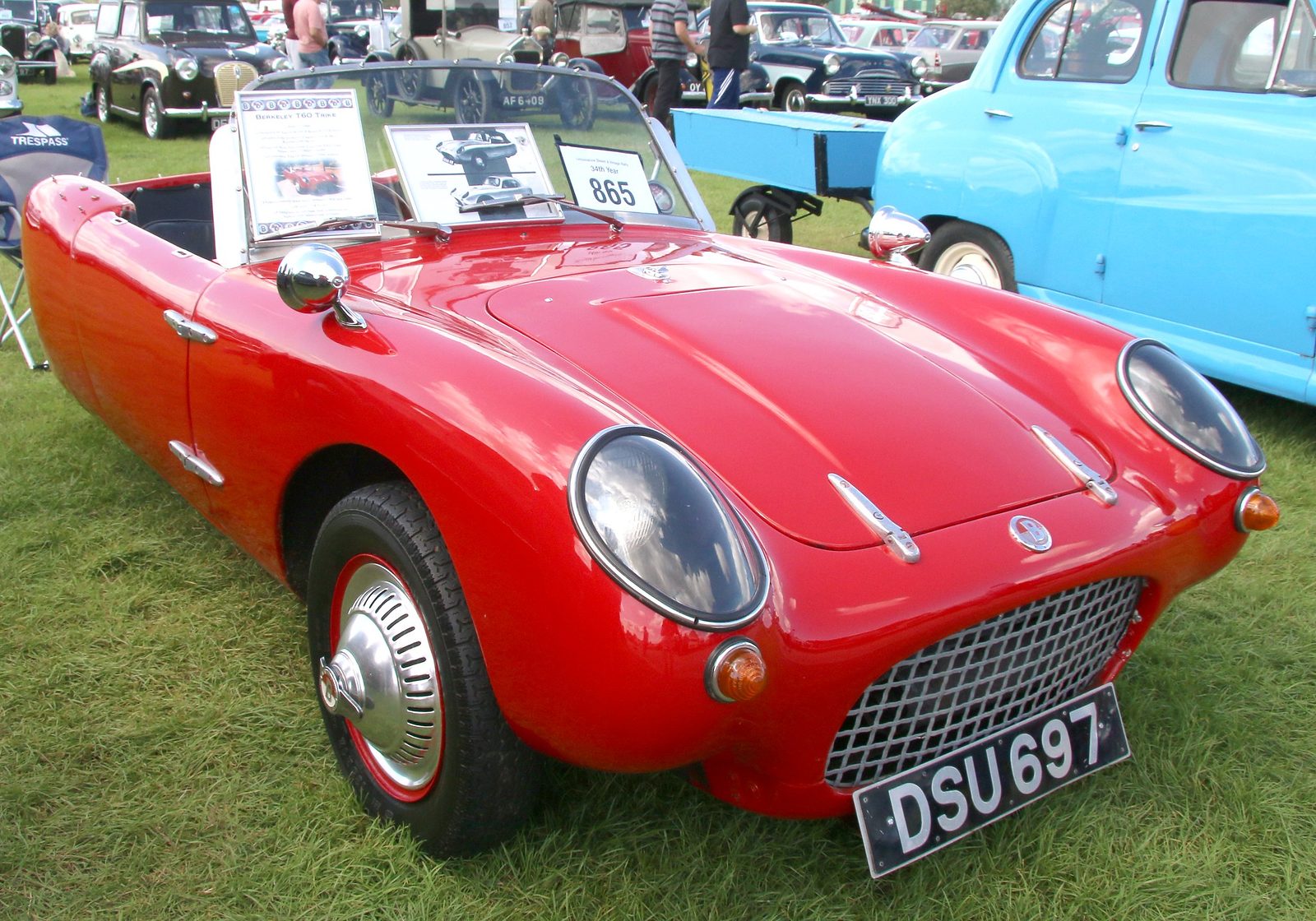
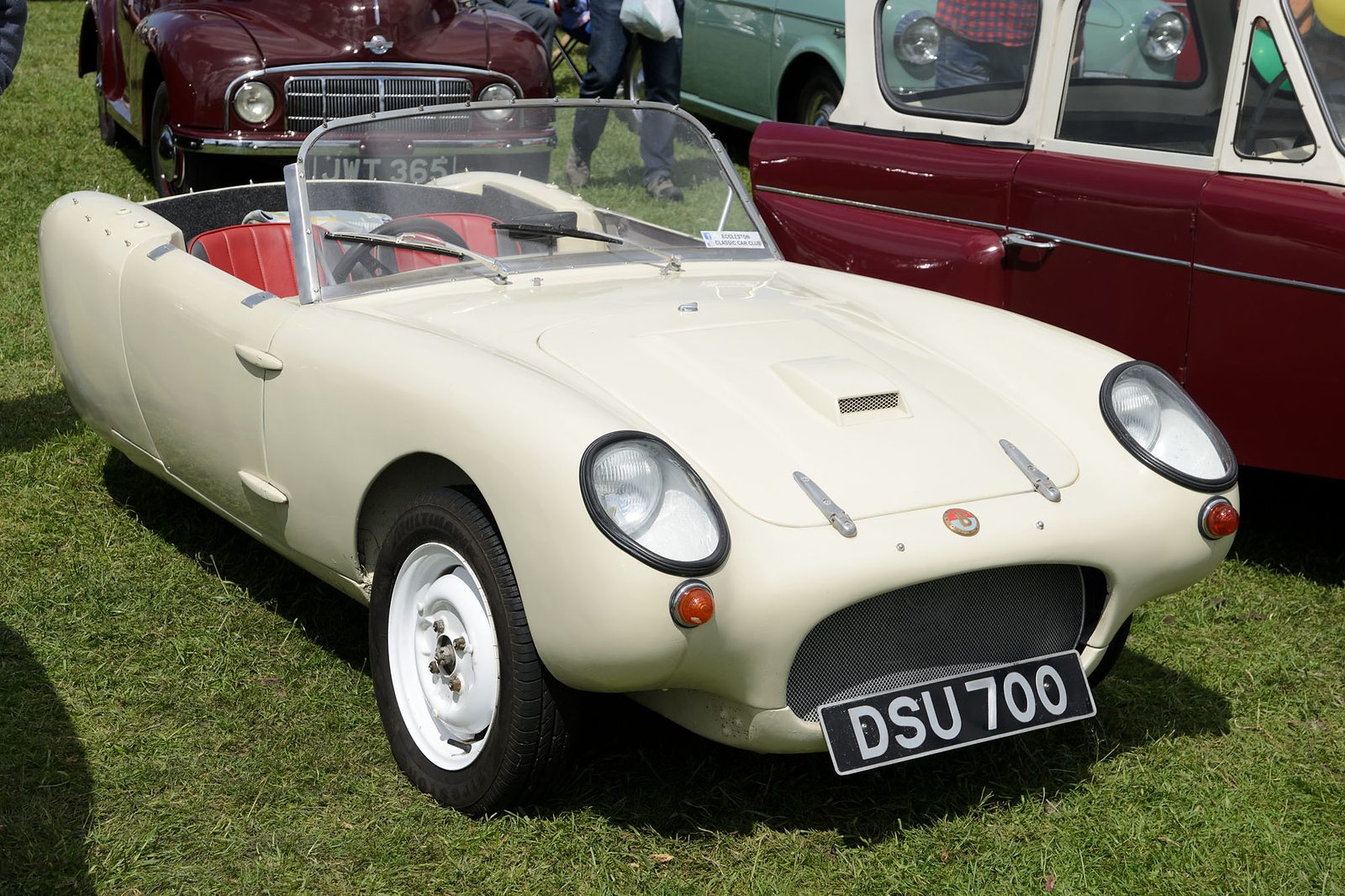
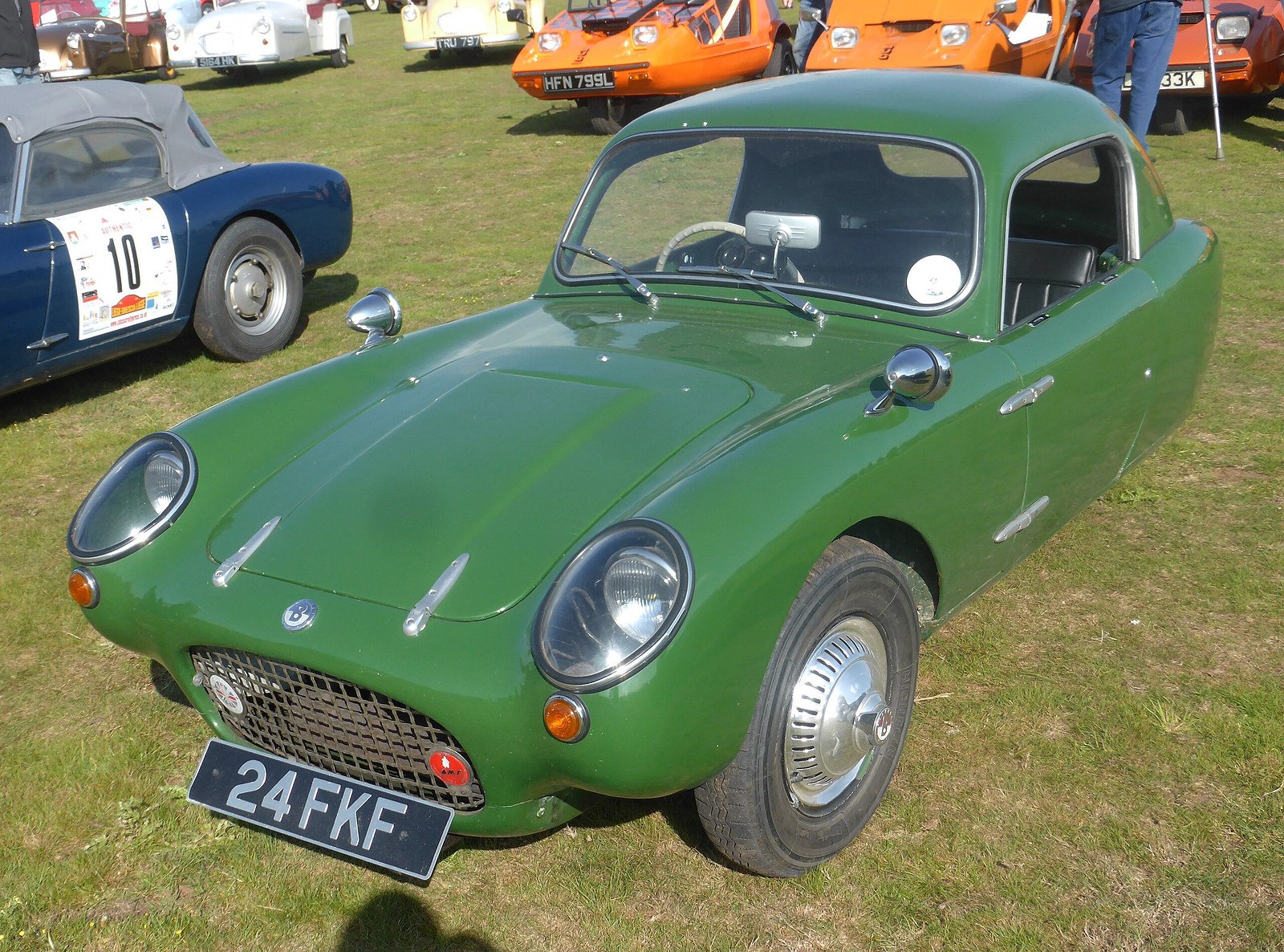
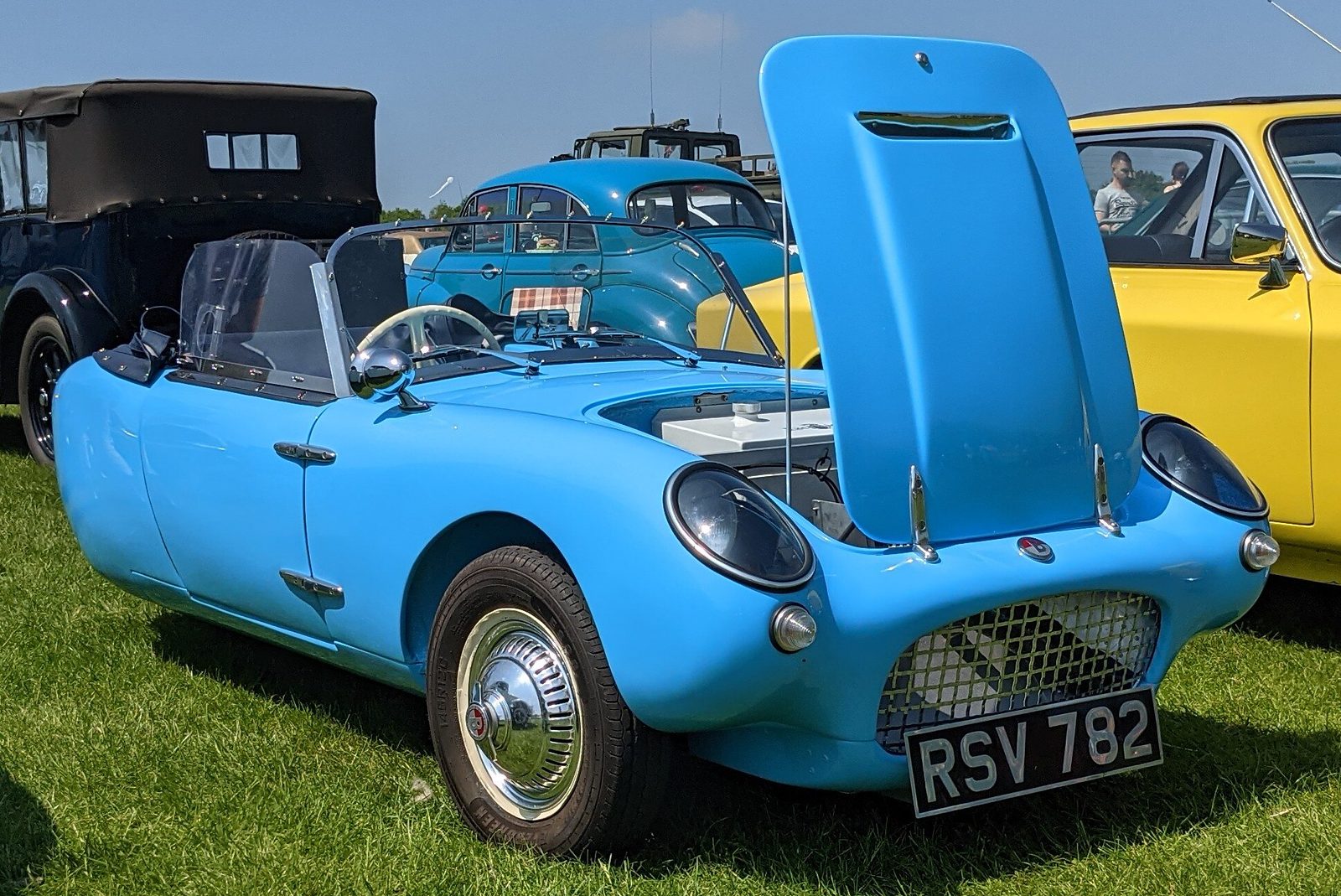
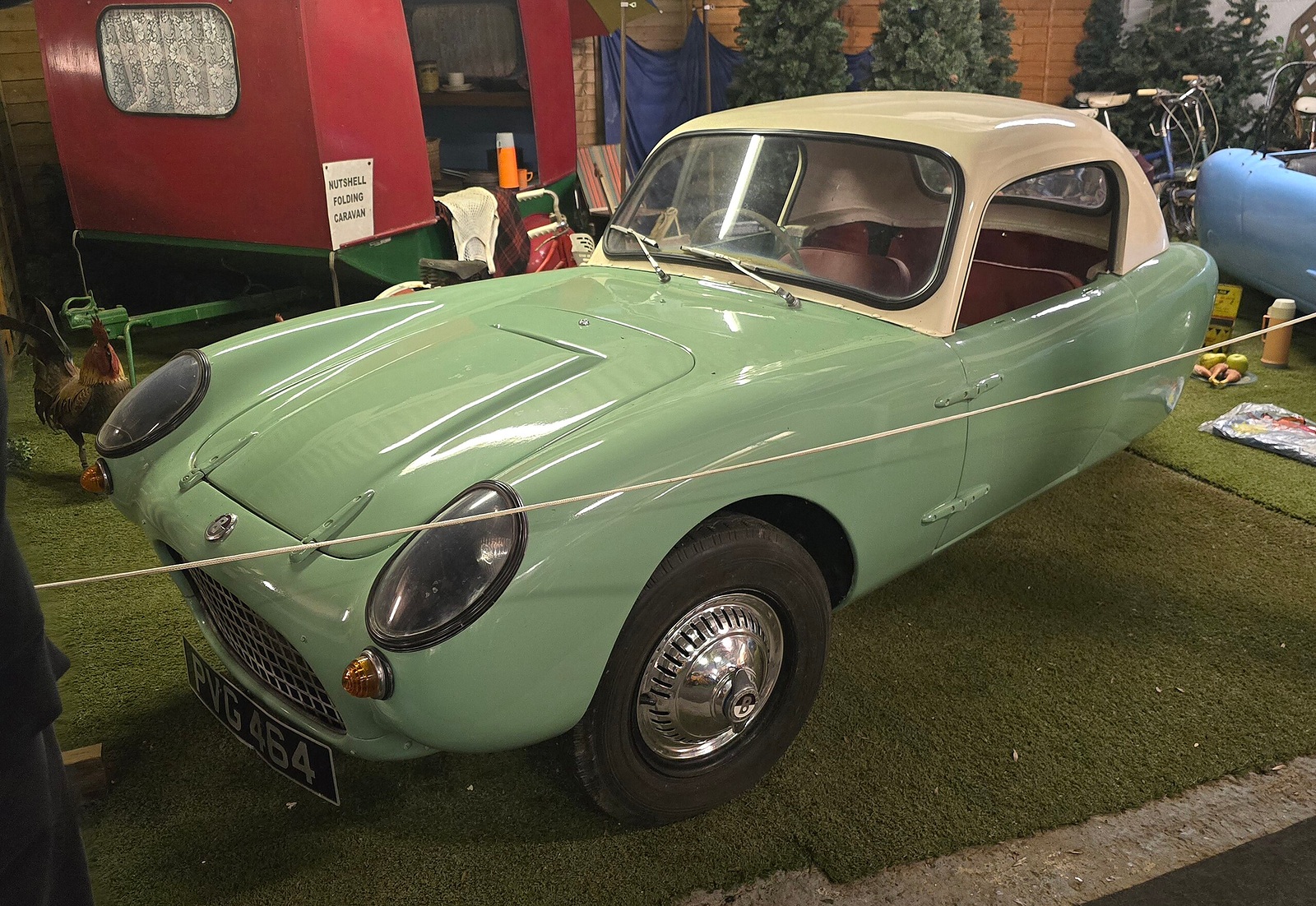
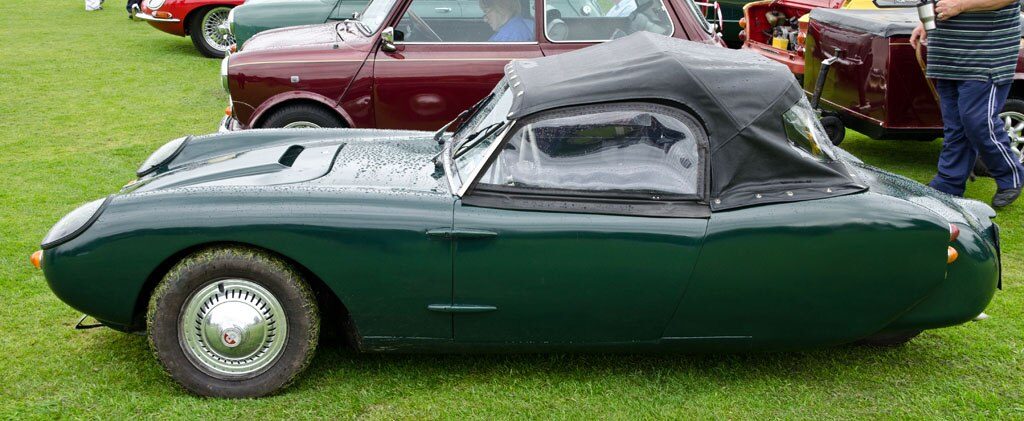
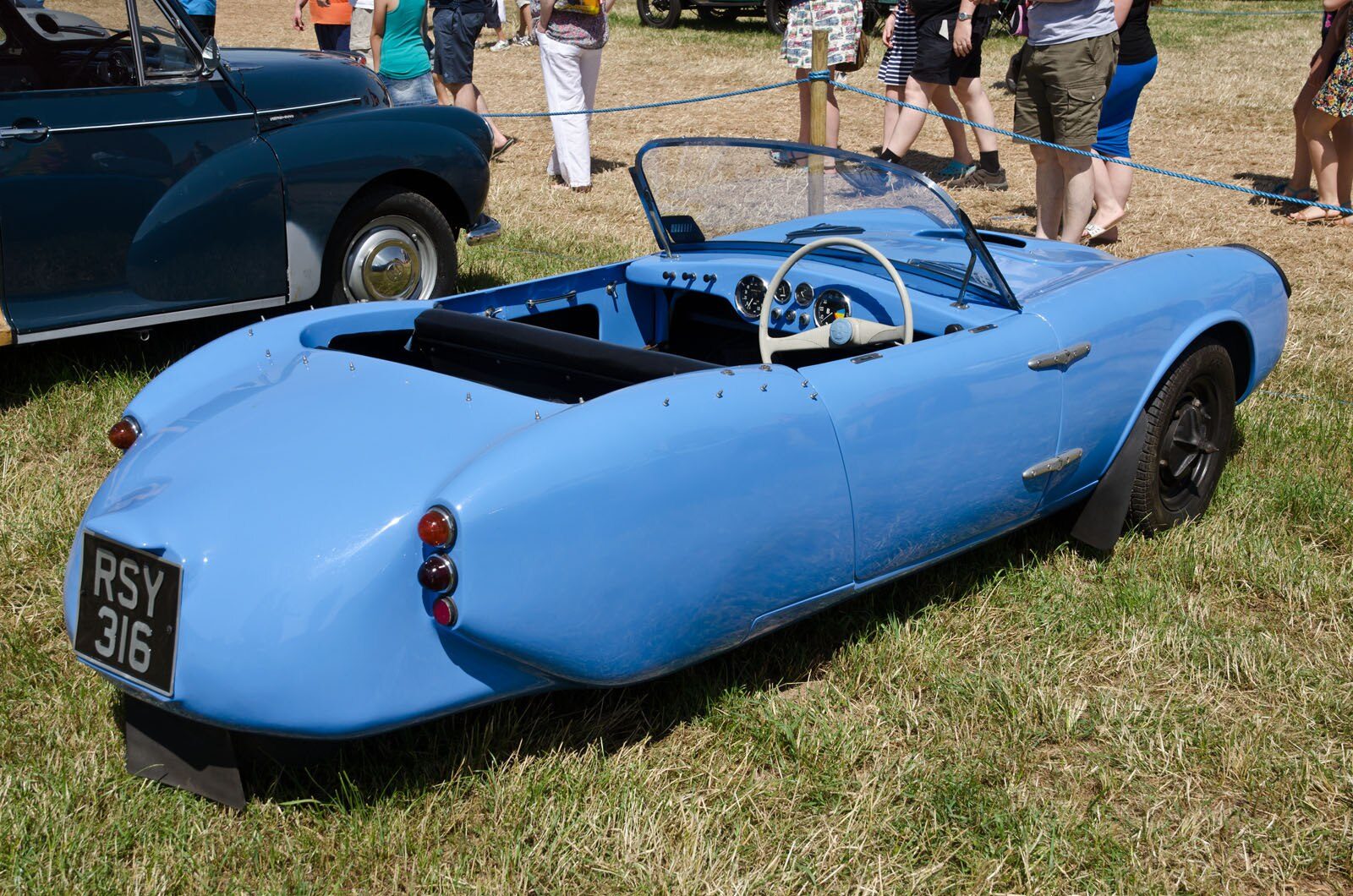
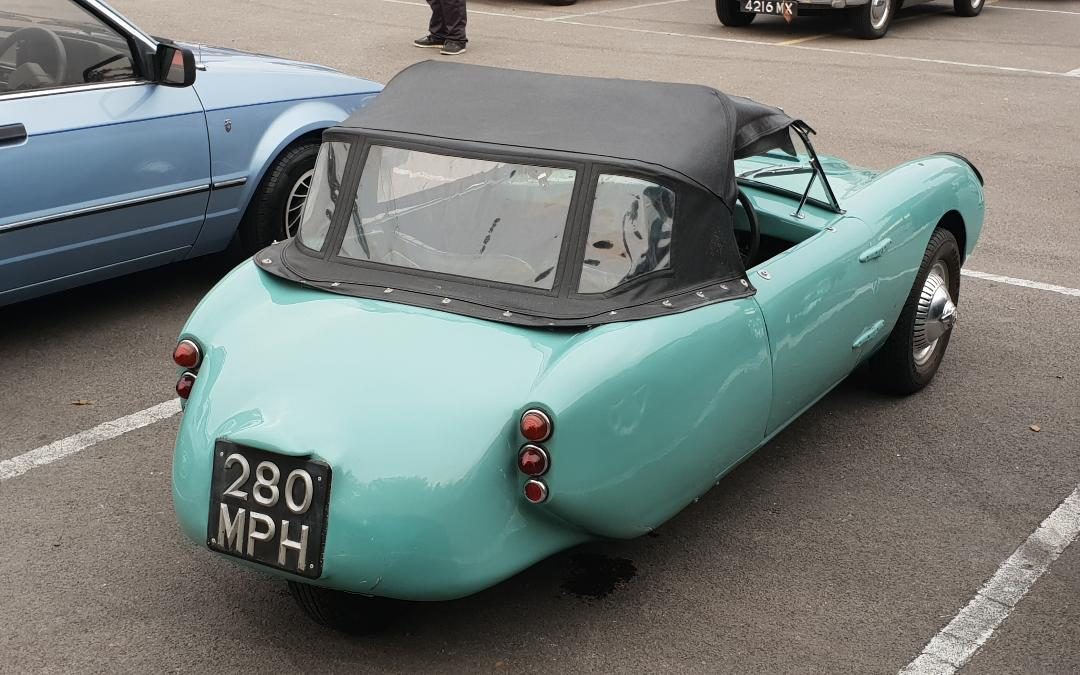
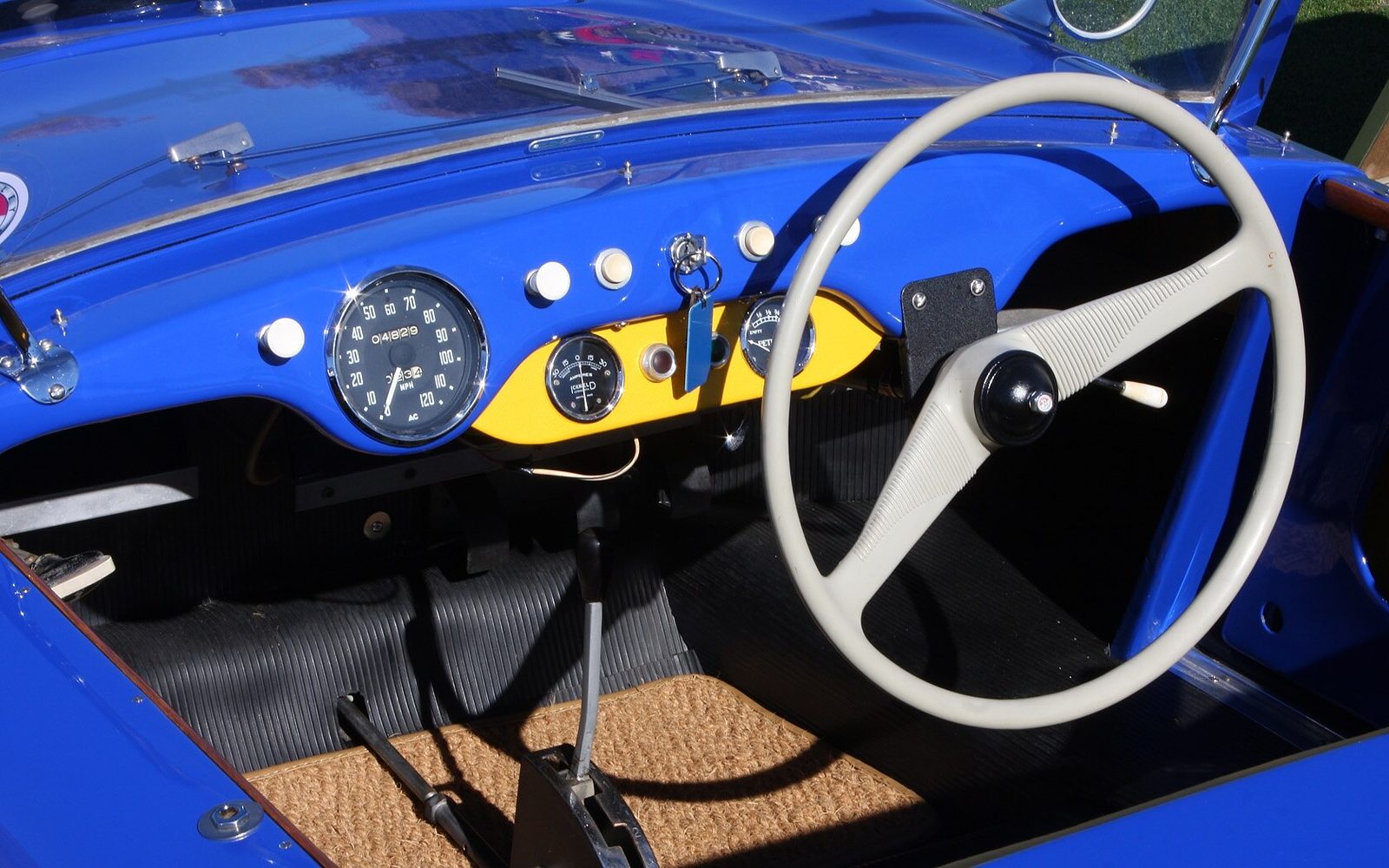
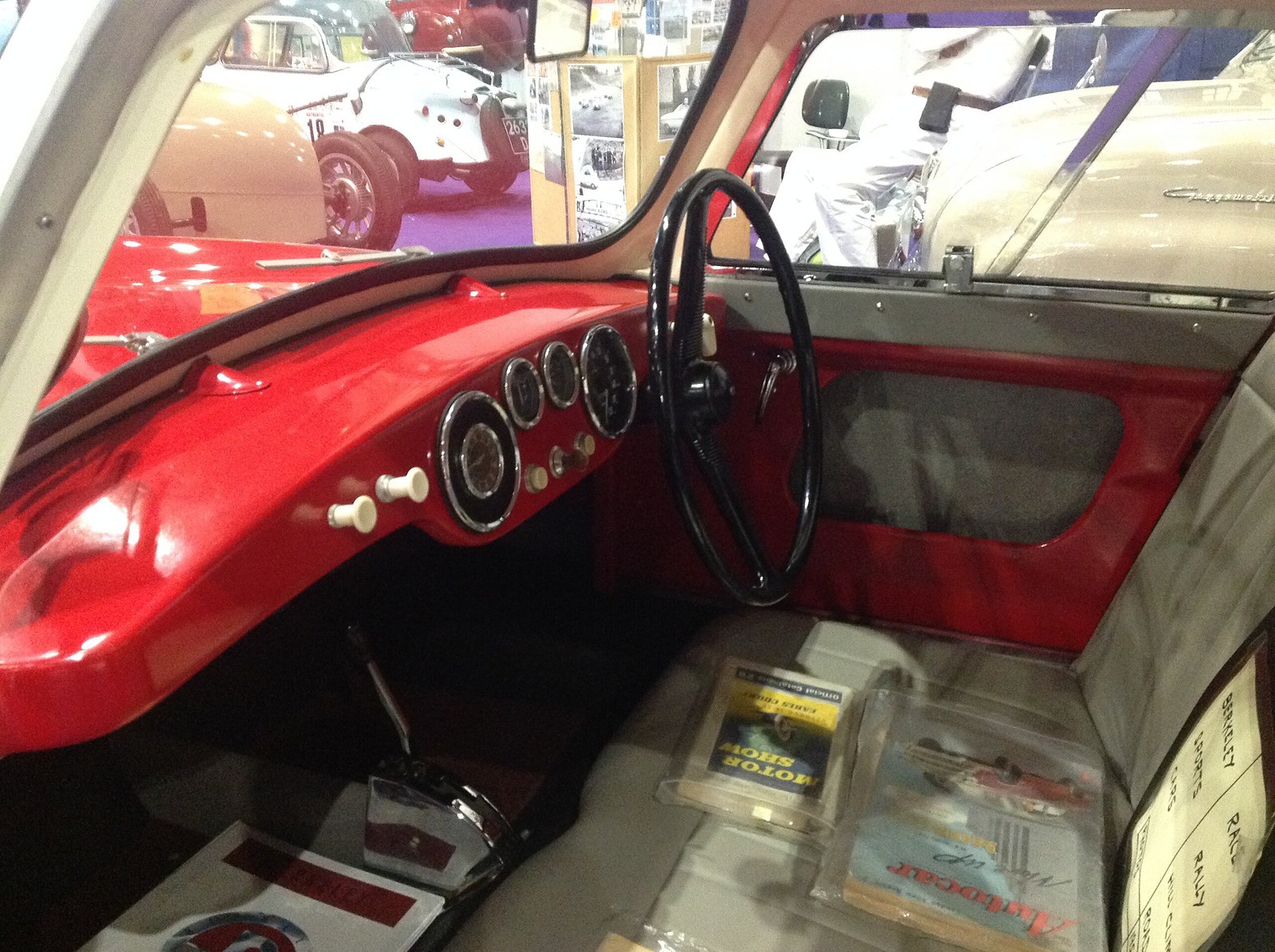
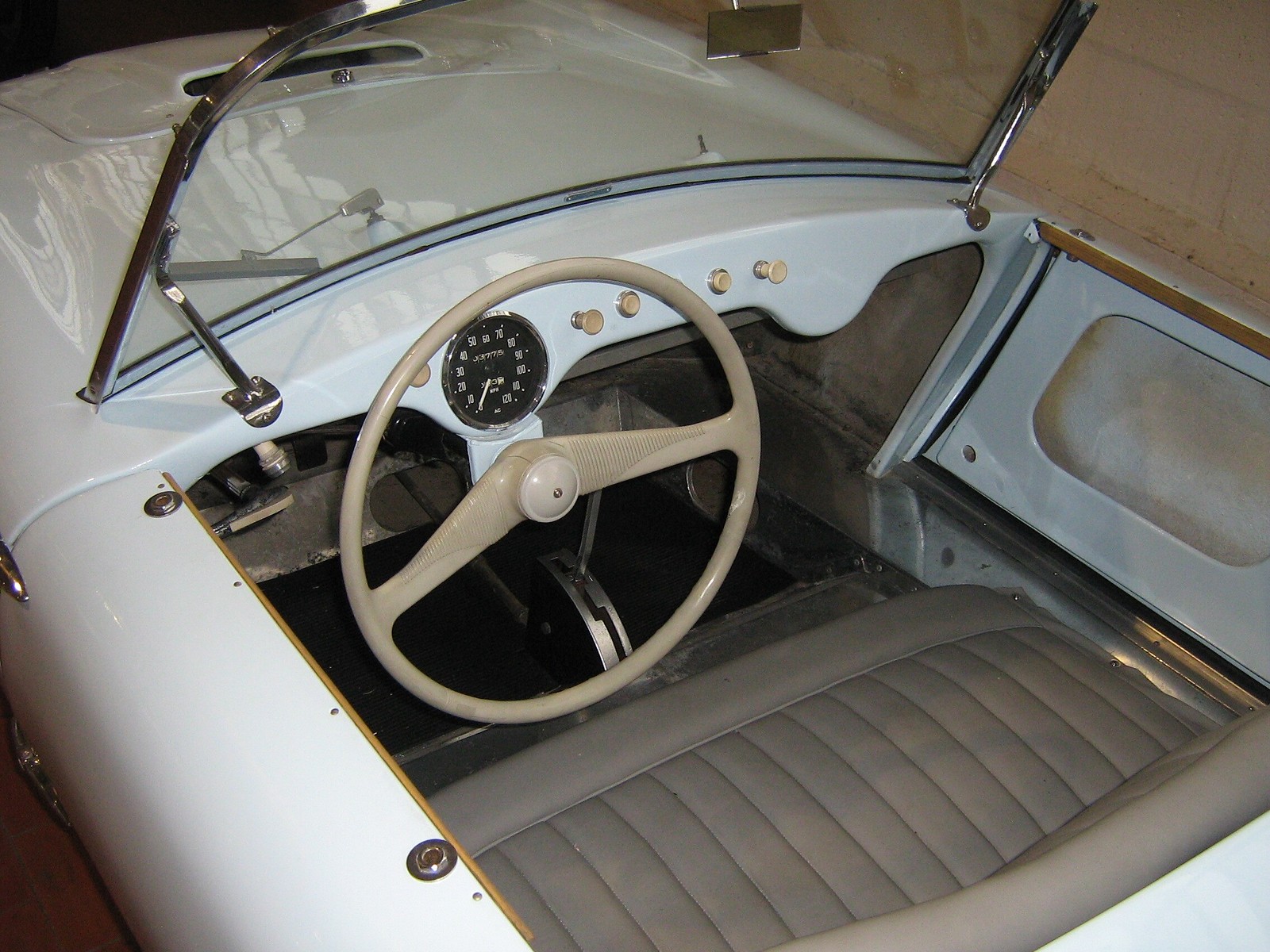
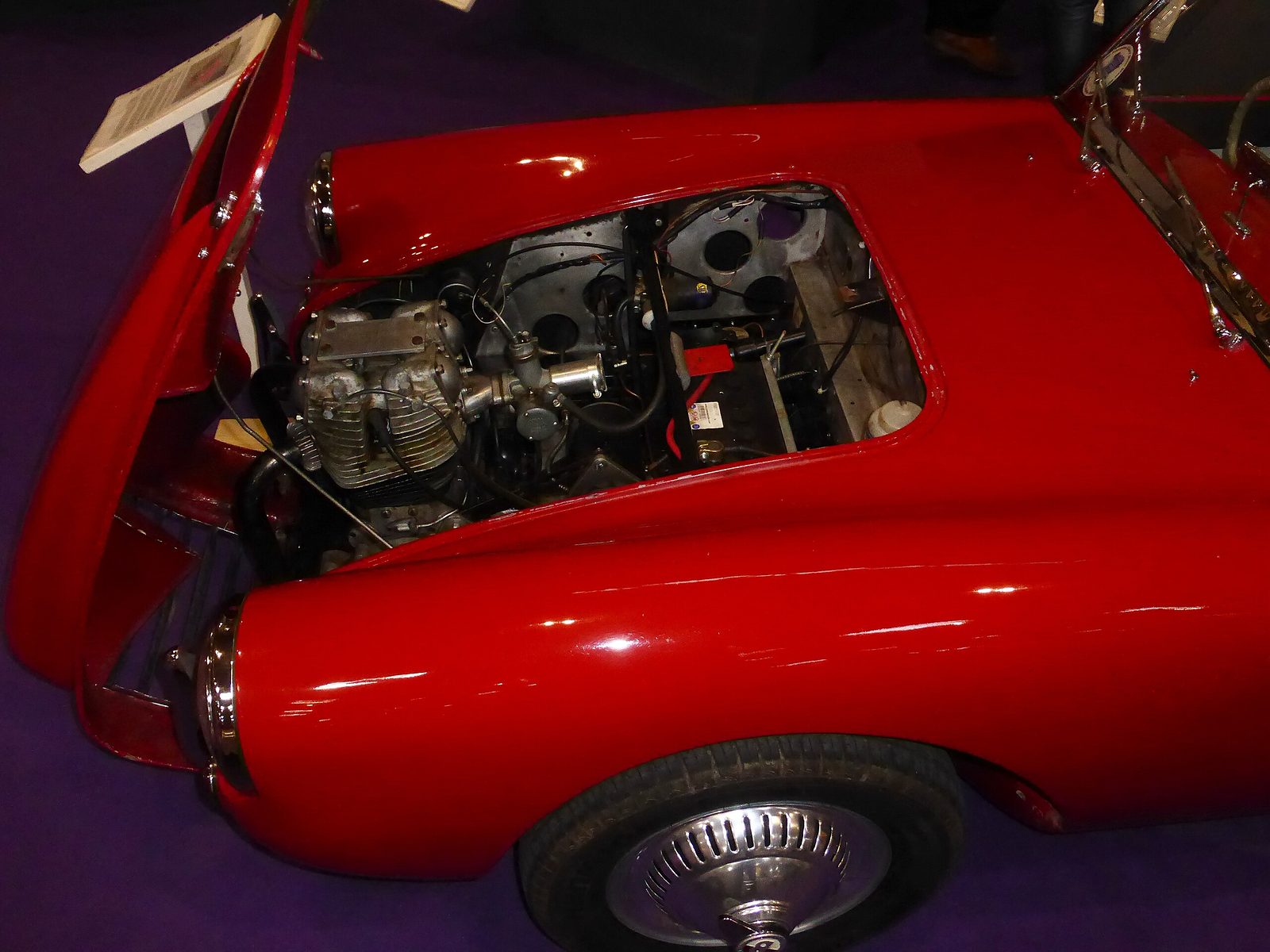
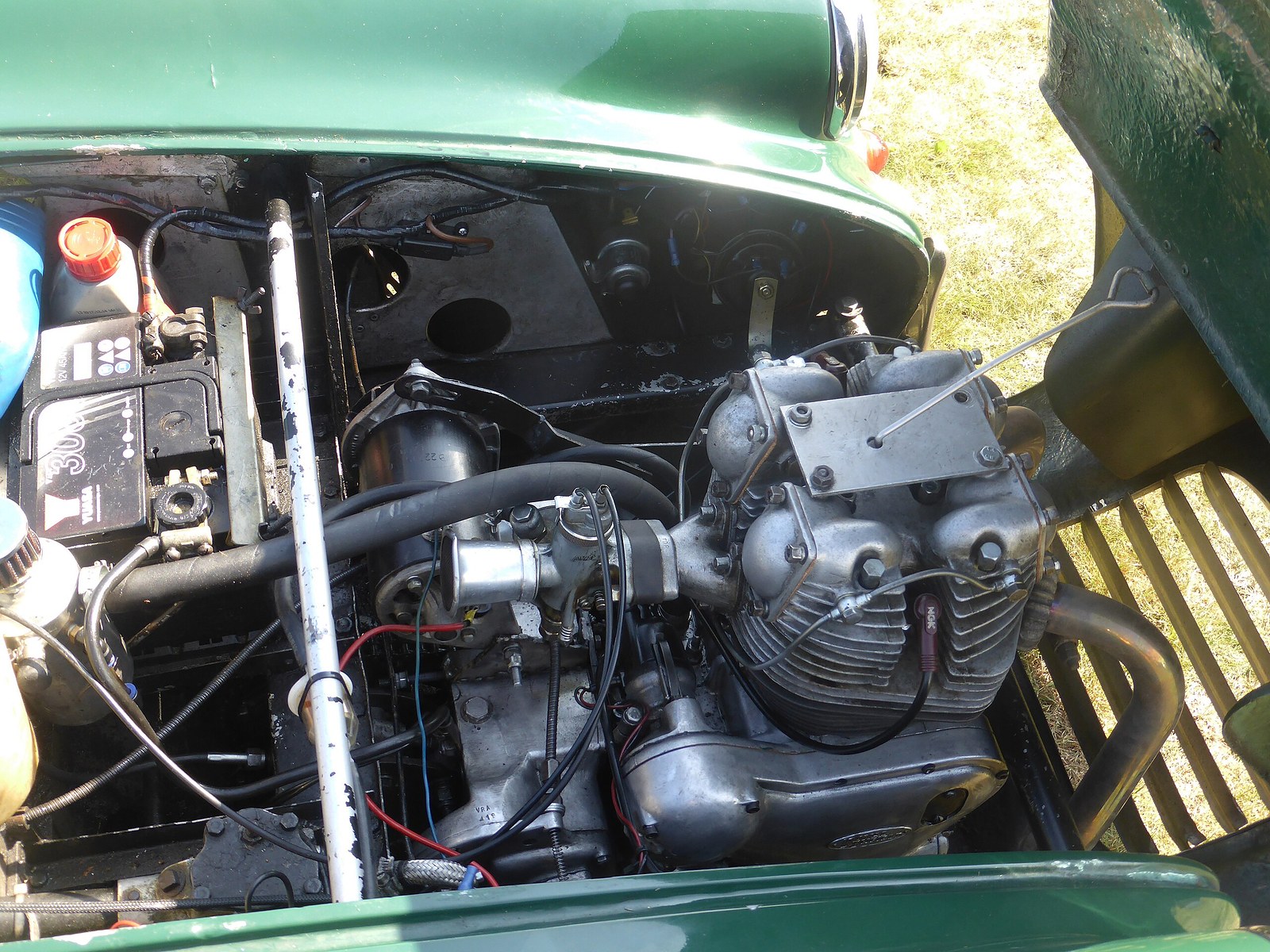
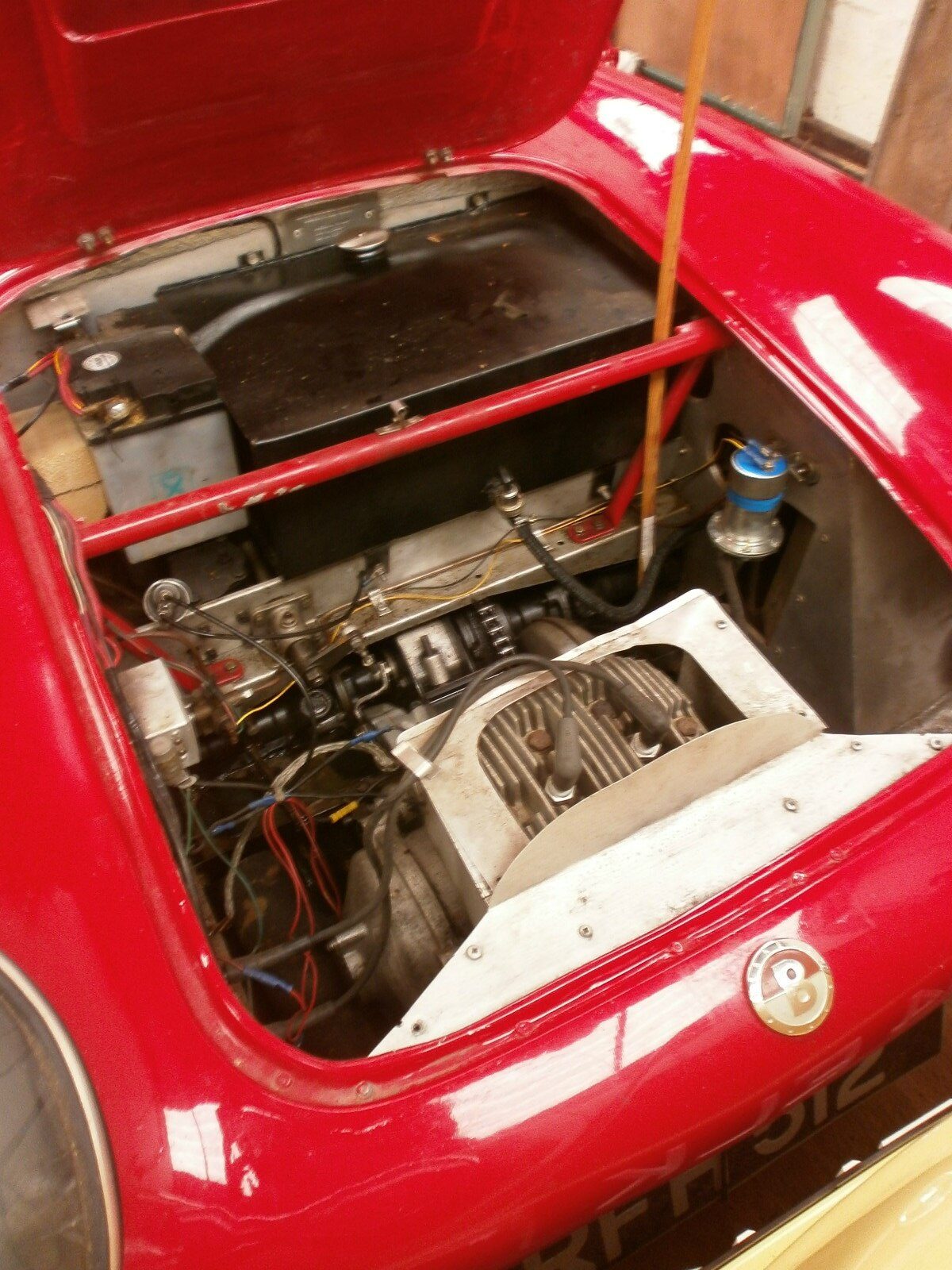
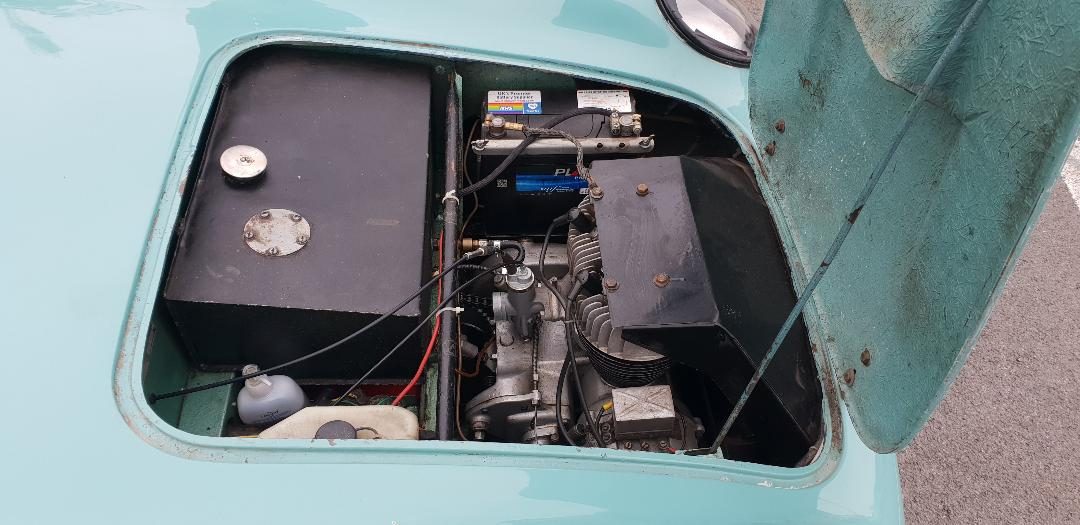
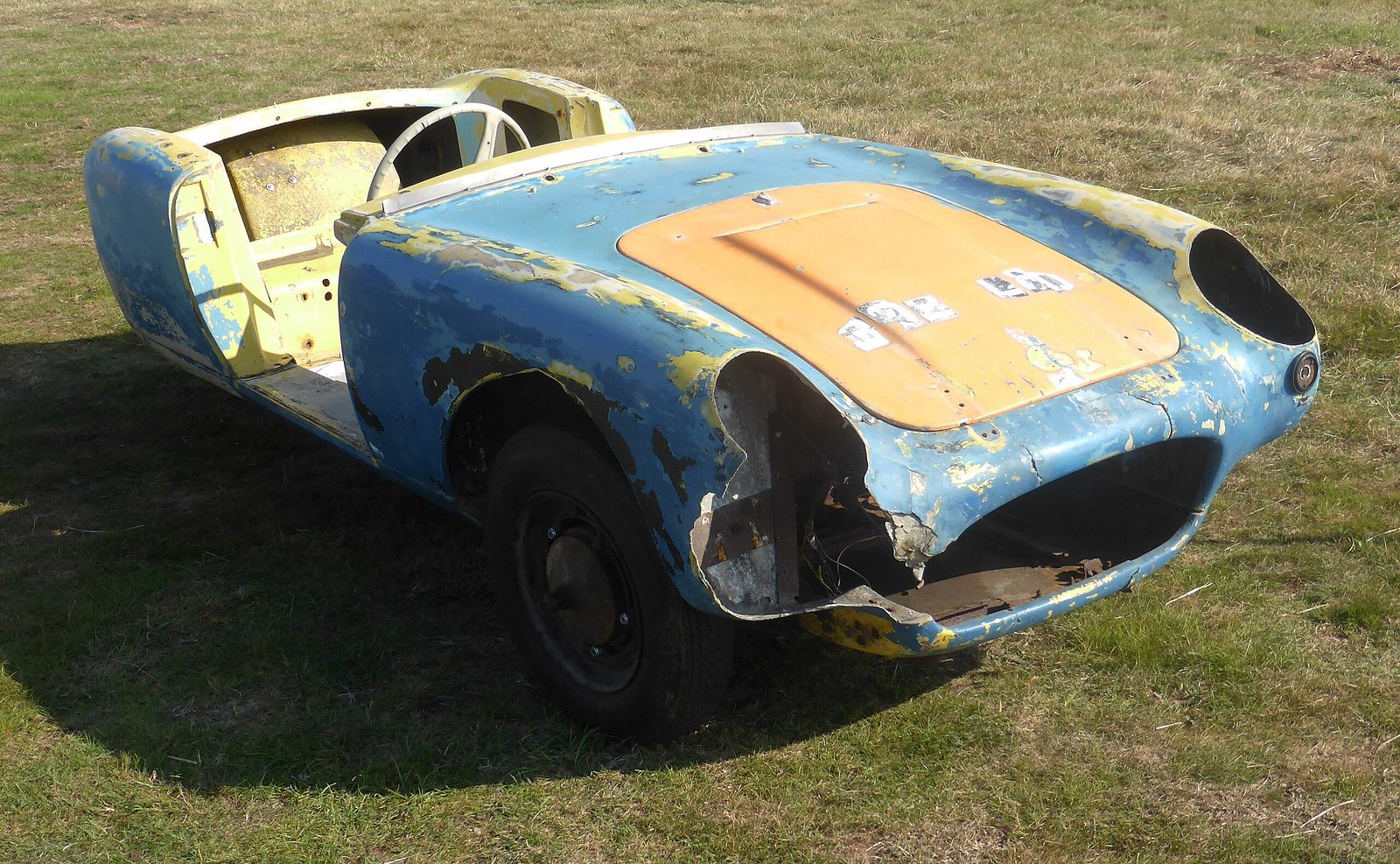
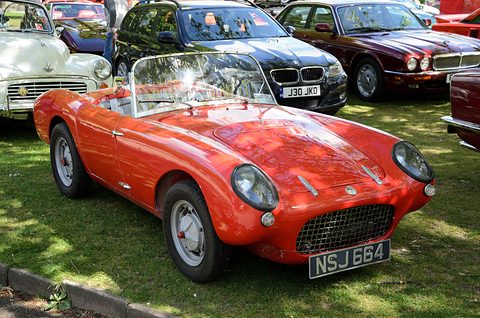
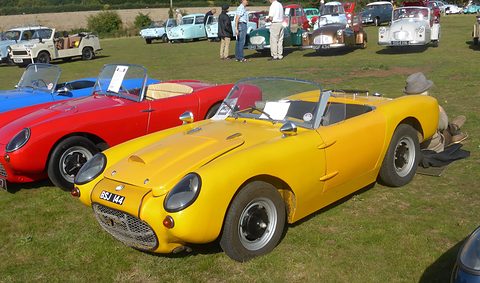
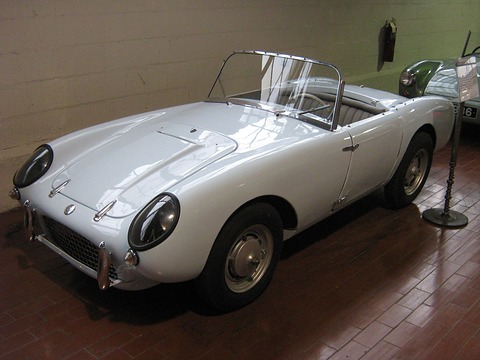
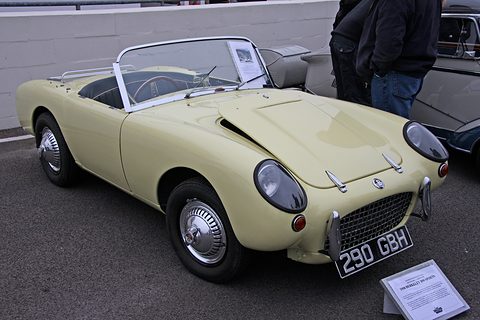
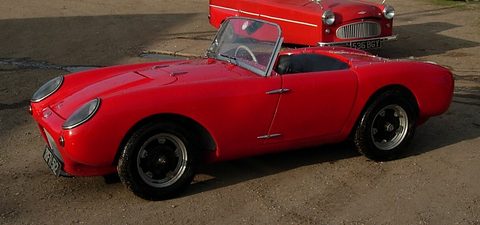
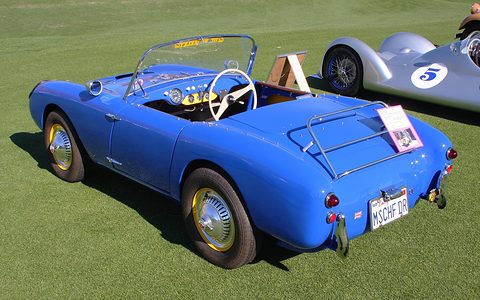
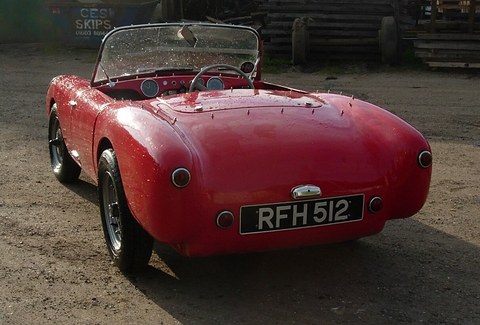
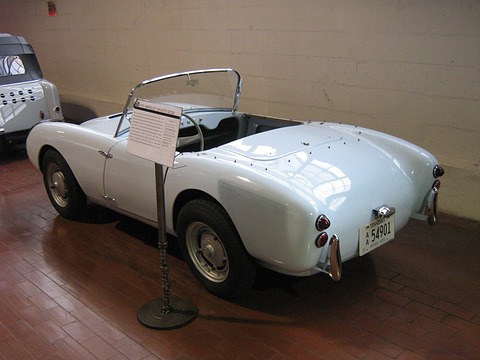
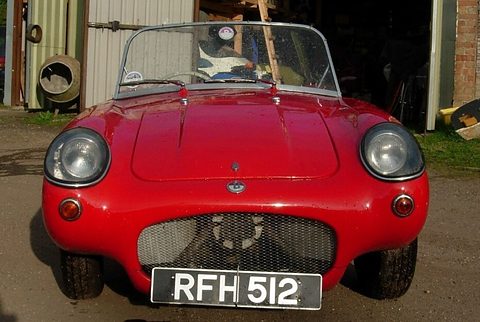
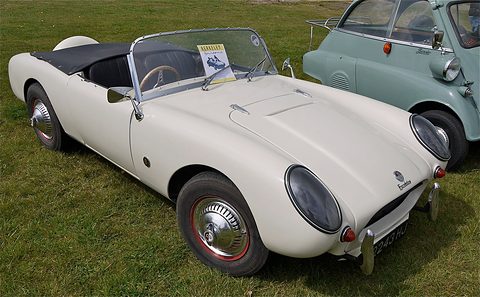
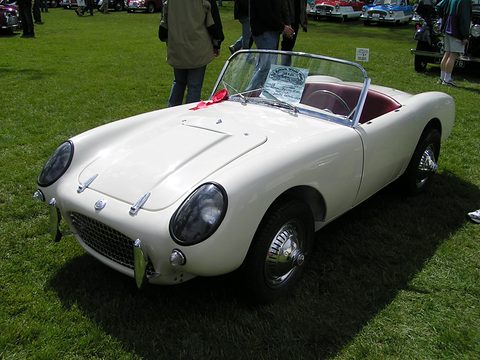
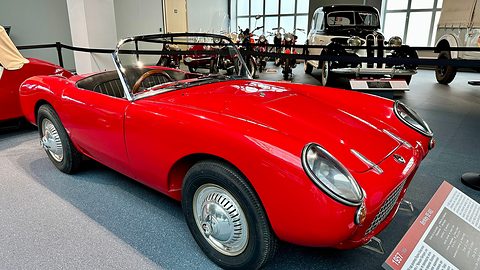
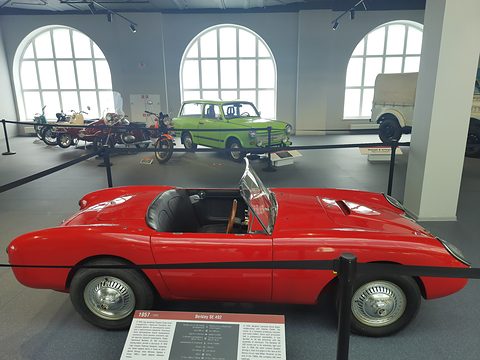
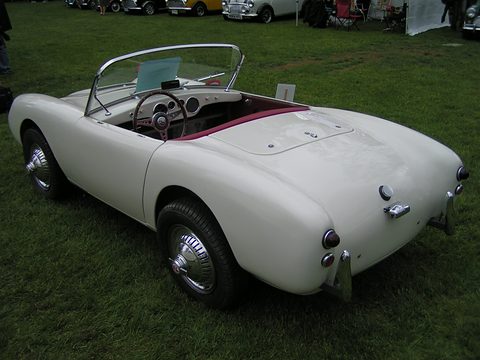
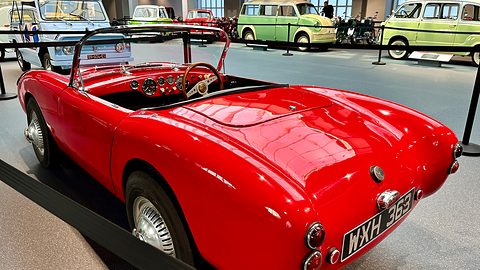
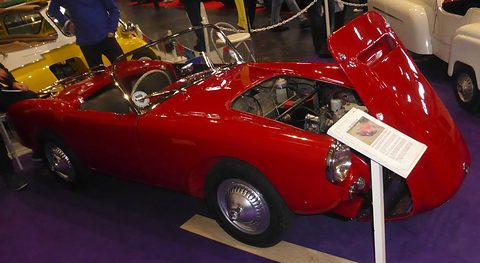
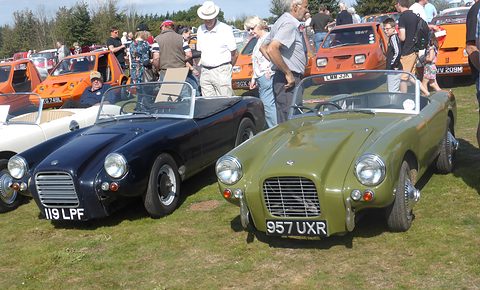
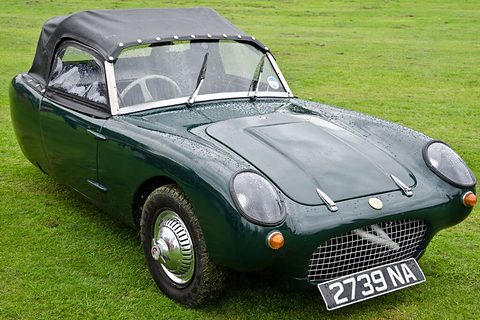
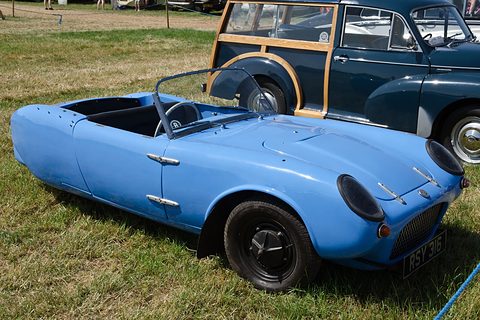
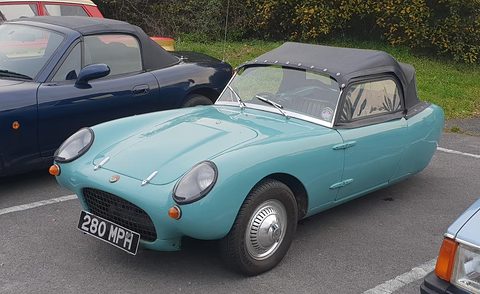
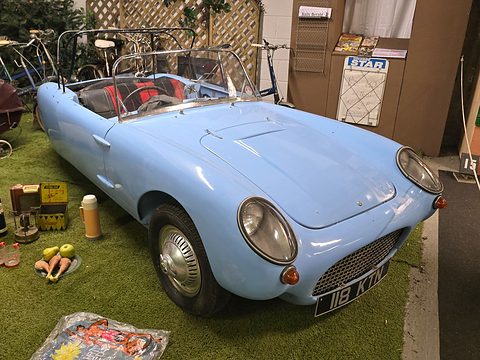
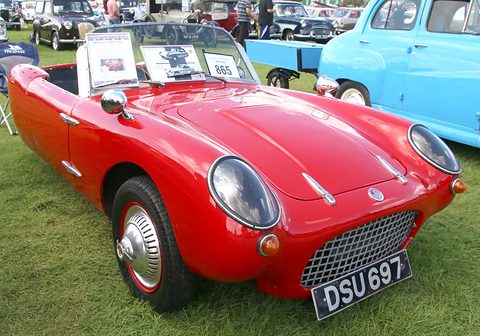
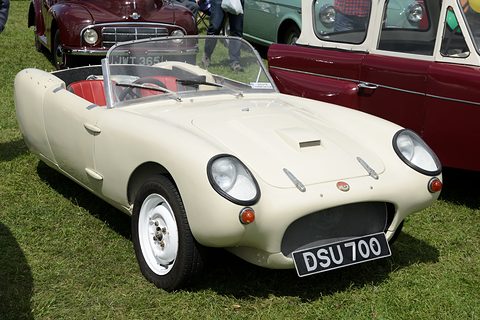
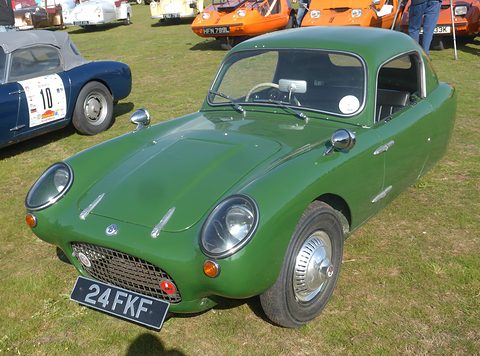
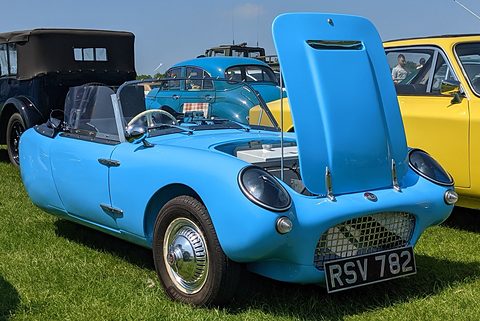
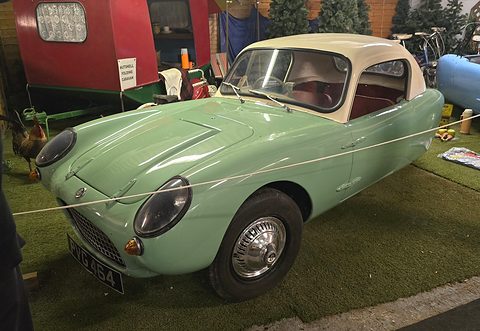
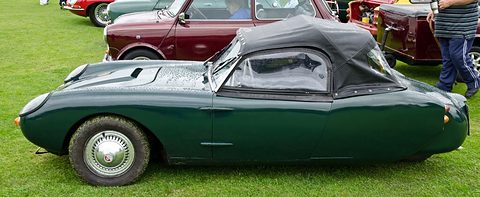
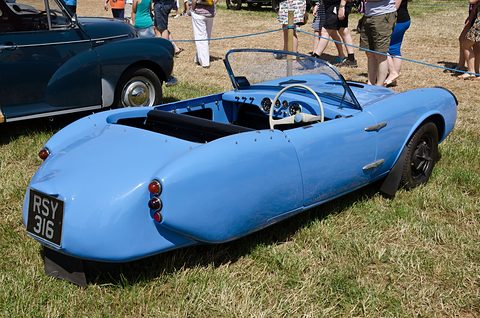
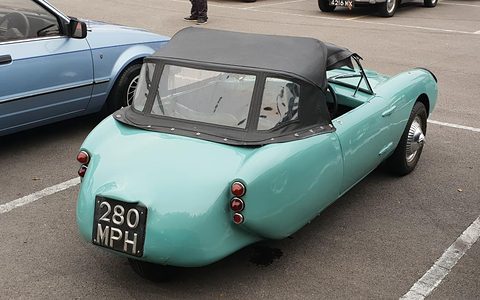
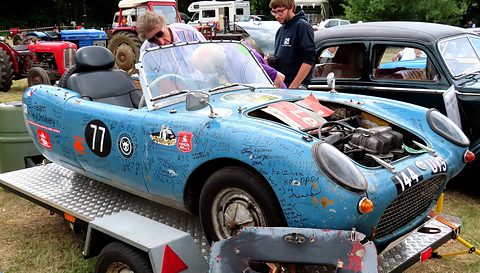
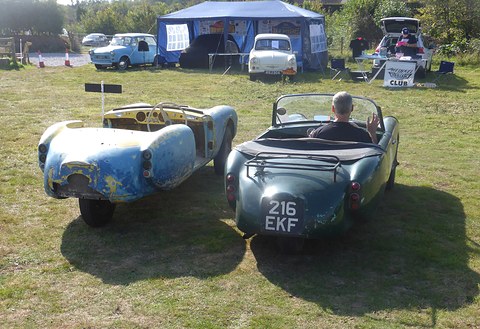
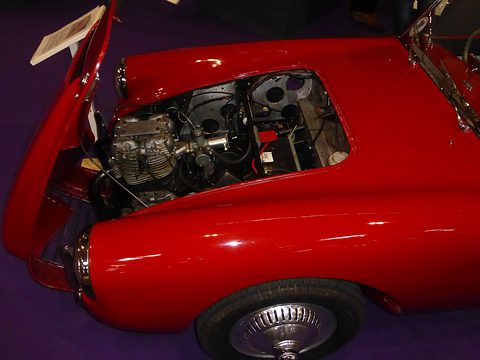
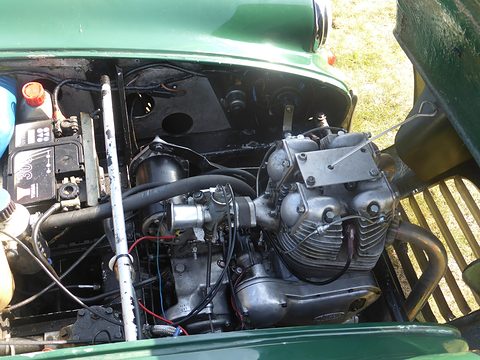
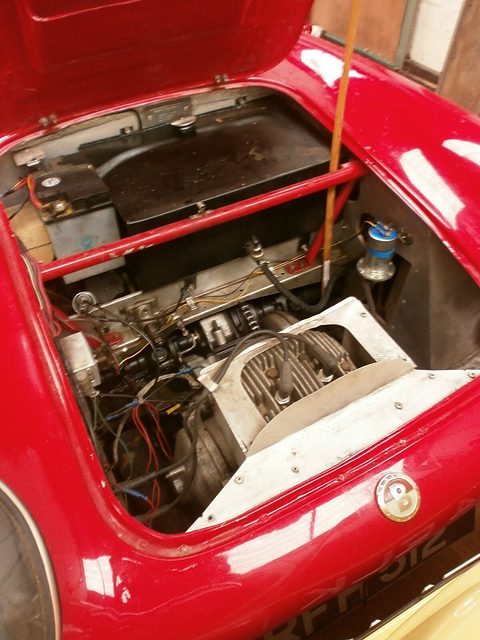
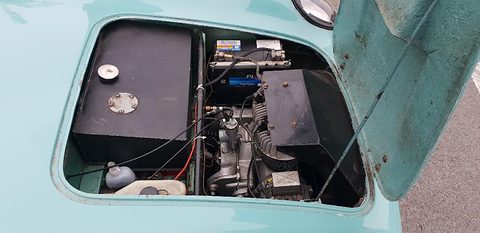
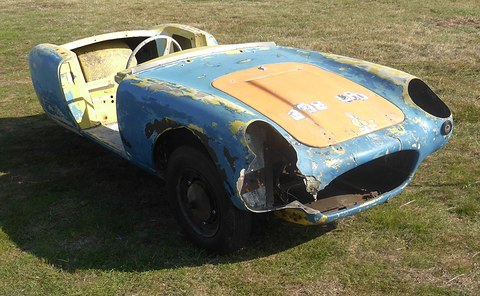
Its construction was unusual for a small car of its day. The body was a glass-fibre monocoque, made of three main mouldings, a floor “punt”, a nose and a tail, stiffened with aluminium, with no separate chassis.source 1source 2source 3 A two-stroke motorcycle engine sat across the front and drove the front wheels by chain.source 1source 2source 3 English Wikipedia points out that the car went on sale a year before the Lotus Elite, another glass-fibre monocoque, and the club calls its engine and drive layout unique at the time, three years before the Mini.source 1source 3 The first doors had forward-sloping front edges, so they hinged upwards and swung shut by themselves, and a fuel gauge cost extra.source 1
More and more engine
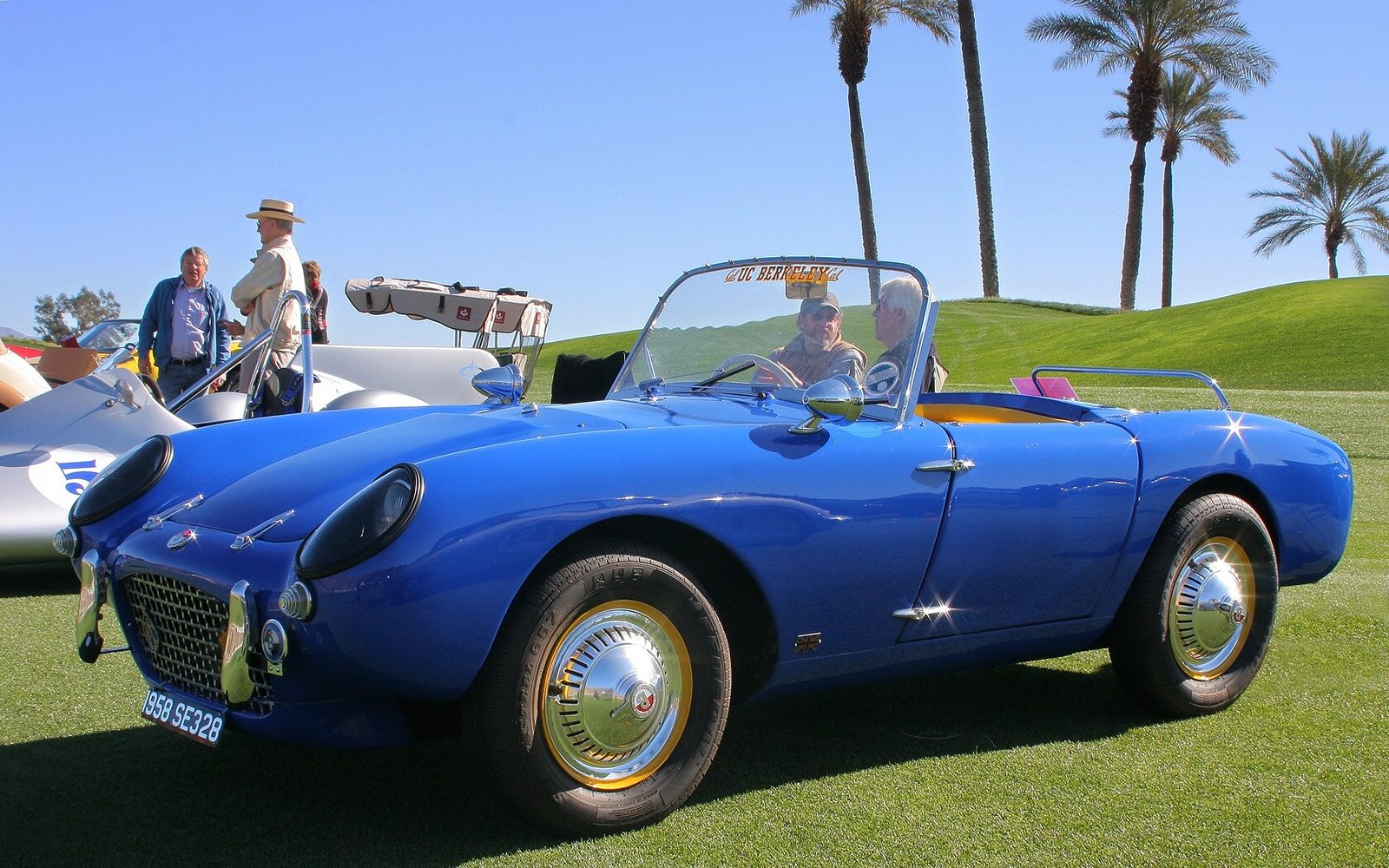
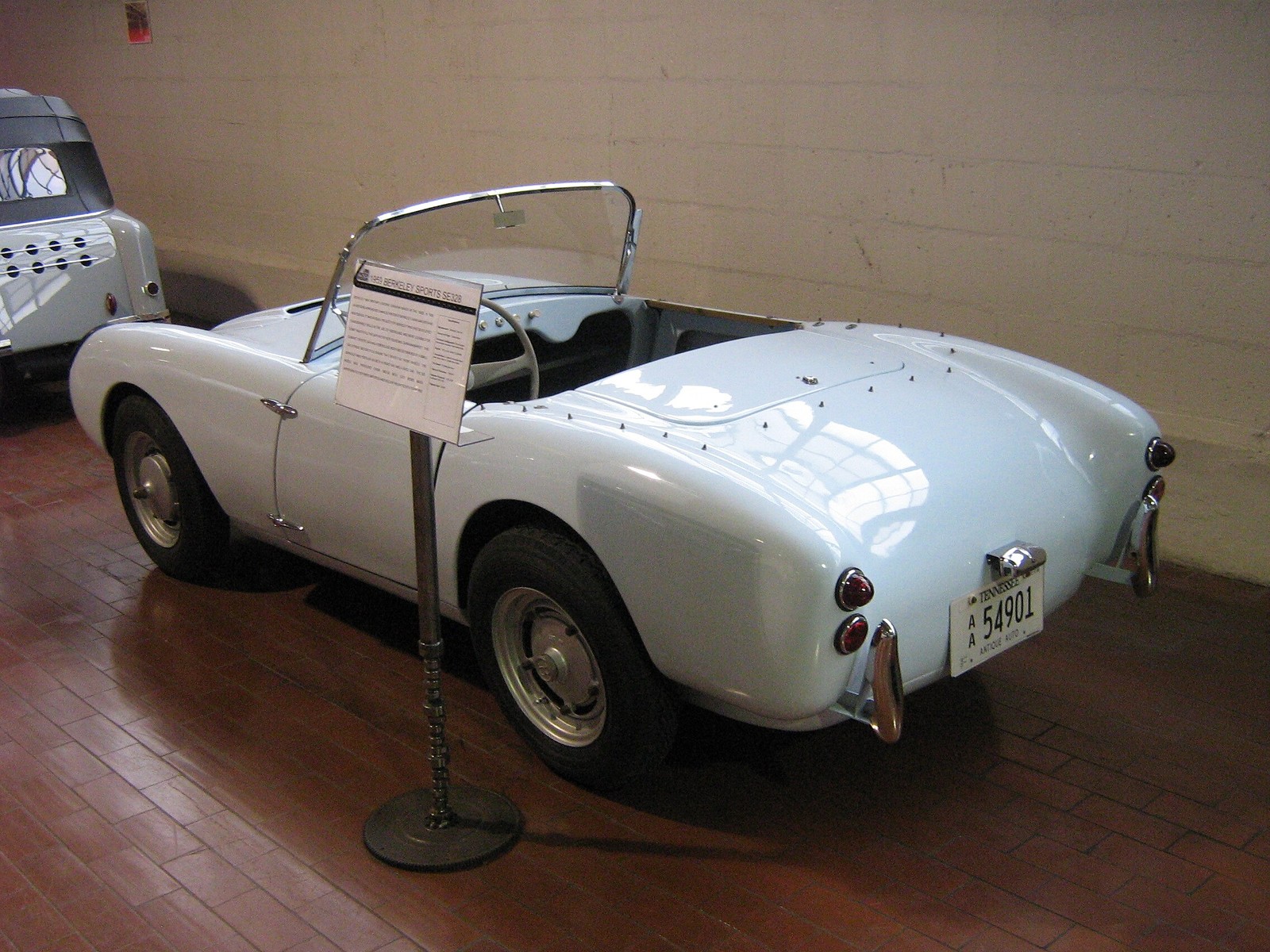
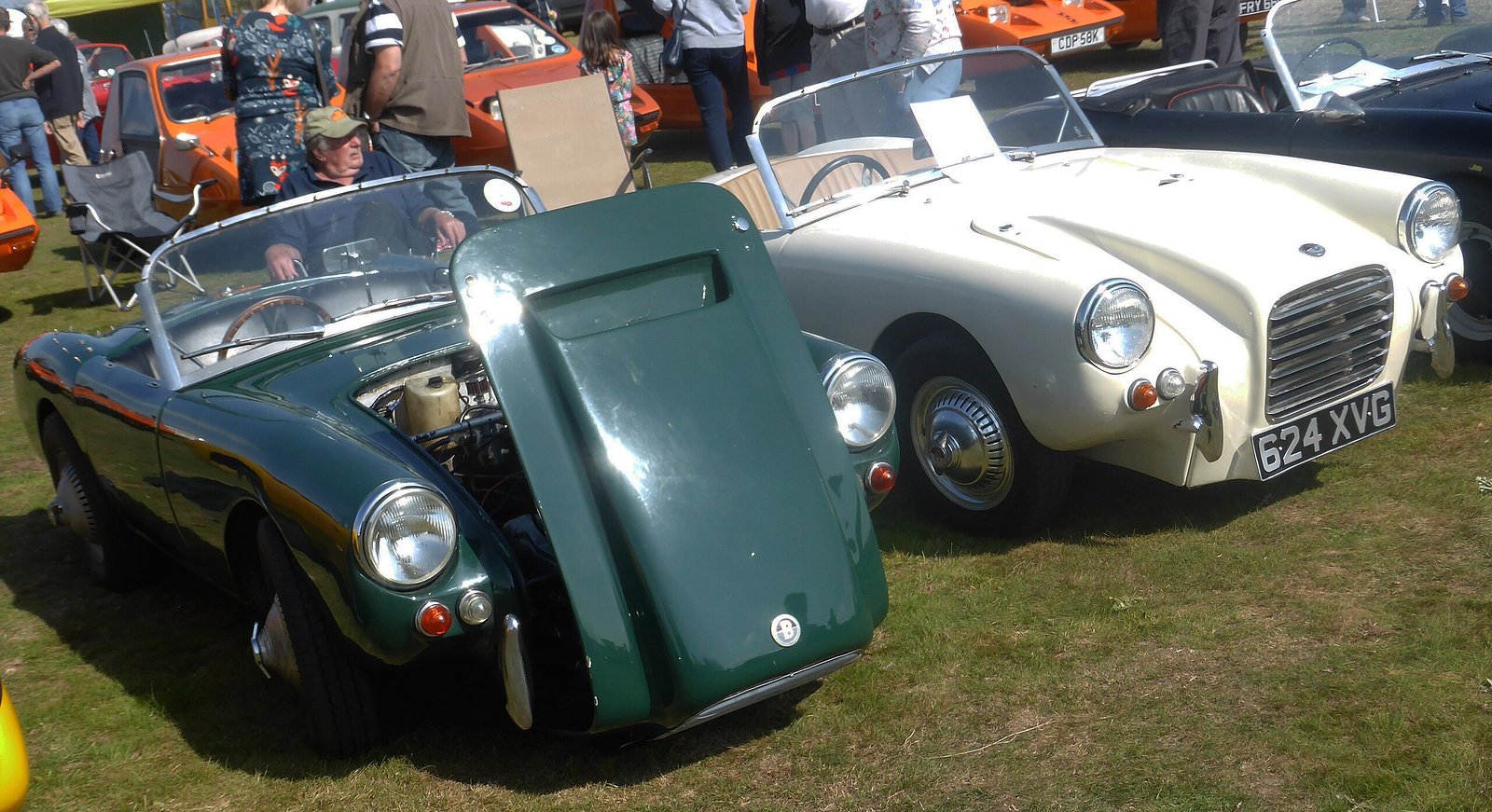
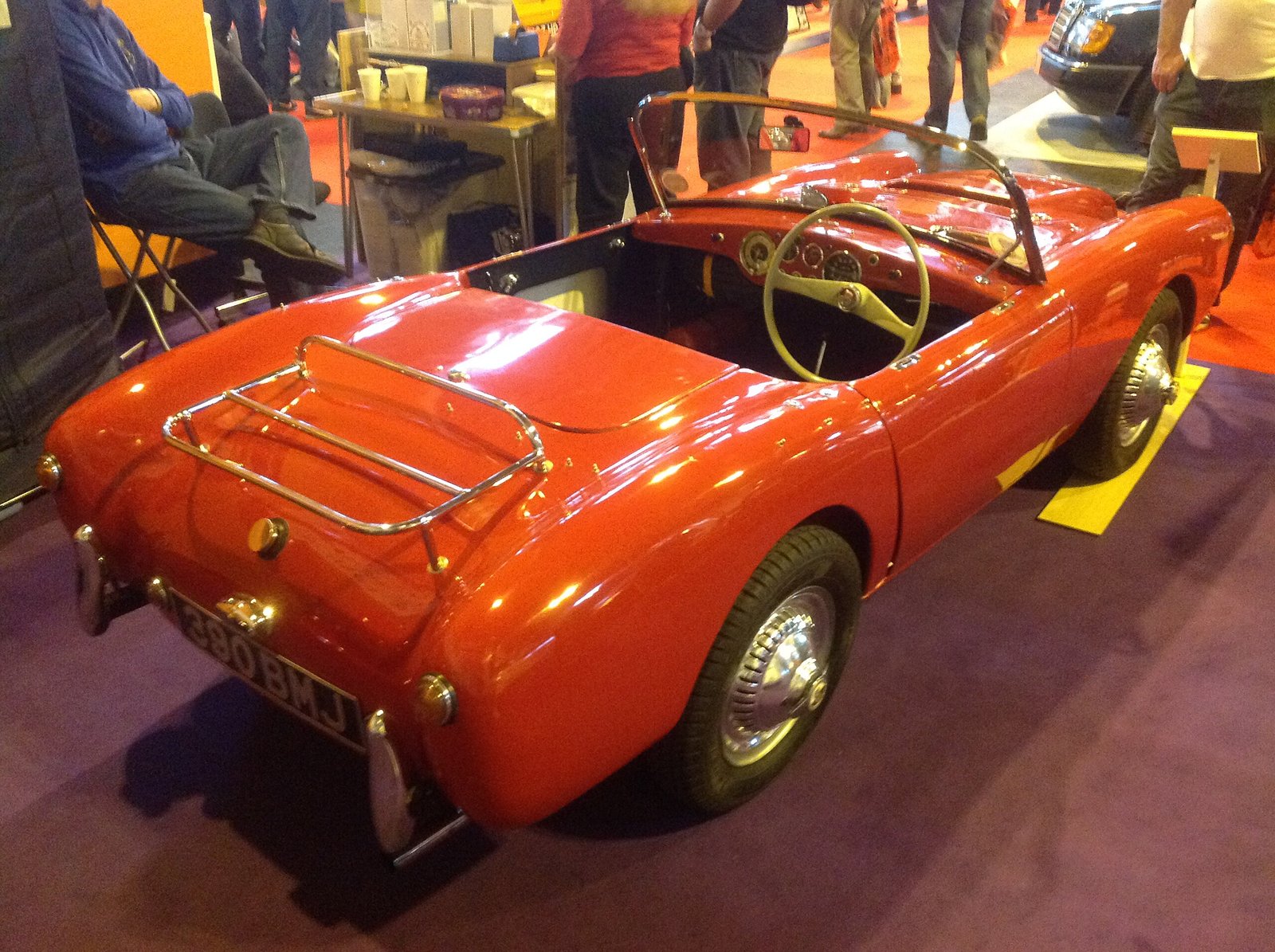
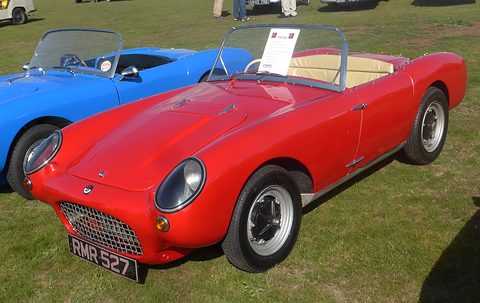
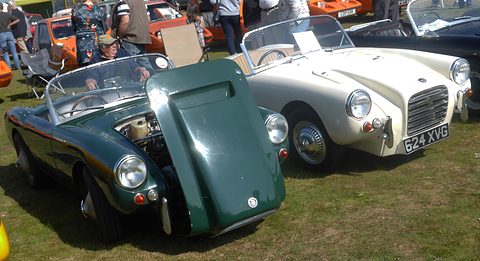
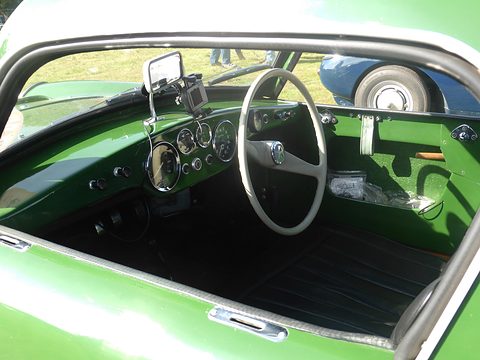
The first SA322 had a 322 cc British Anzani twin of 15 bhp, and only 163 were built before supply, performance and reliability problems ended it in January 1957.source 1source 2source 3 The SE328 that replaced it used the 328 cc Excelsior Talisman twin, 18 bhp, and about 1,259 were made. The Motor tested one in April 1957: 100 km/h (62.1 mph), 0–50 mph in 30.6 seconds and 58.3 miles per gallon, for £574 including £152 of purchase tax.source 1 Export cars had separate headlamps, and a De Luxe had twin carburettors and a rev counter.source 1
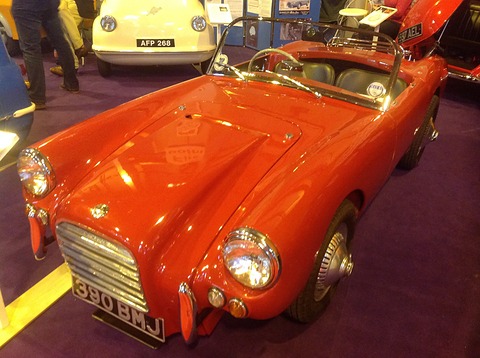
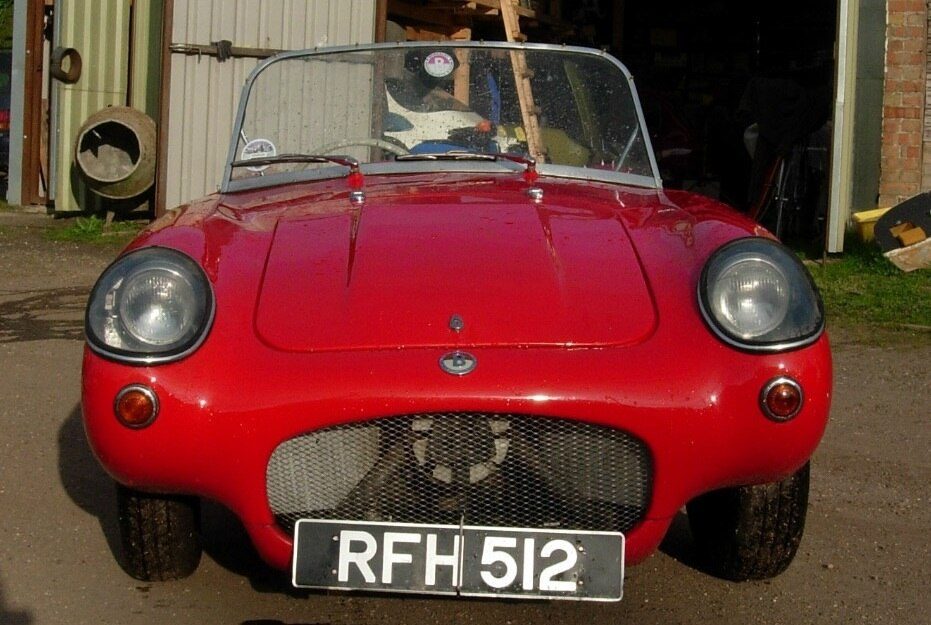
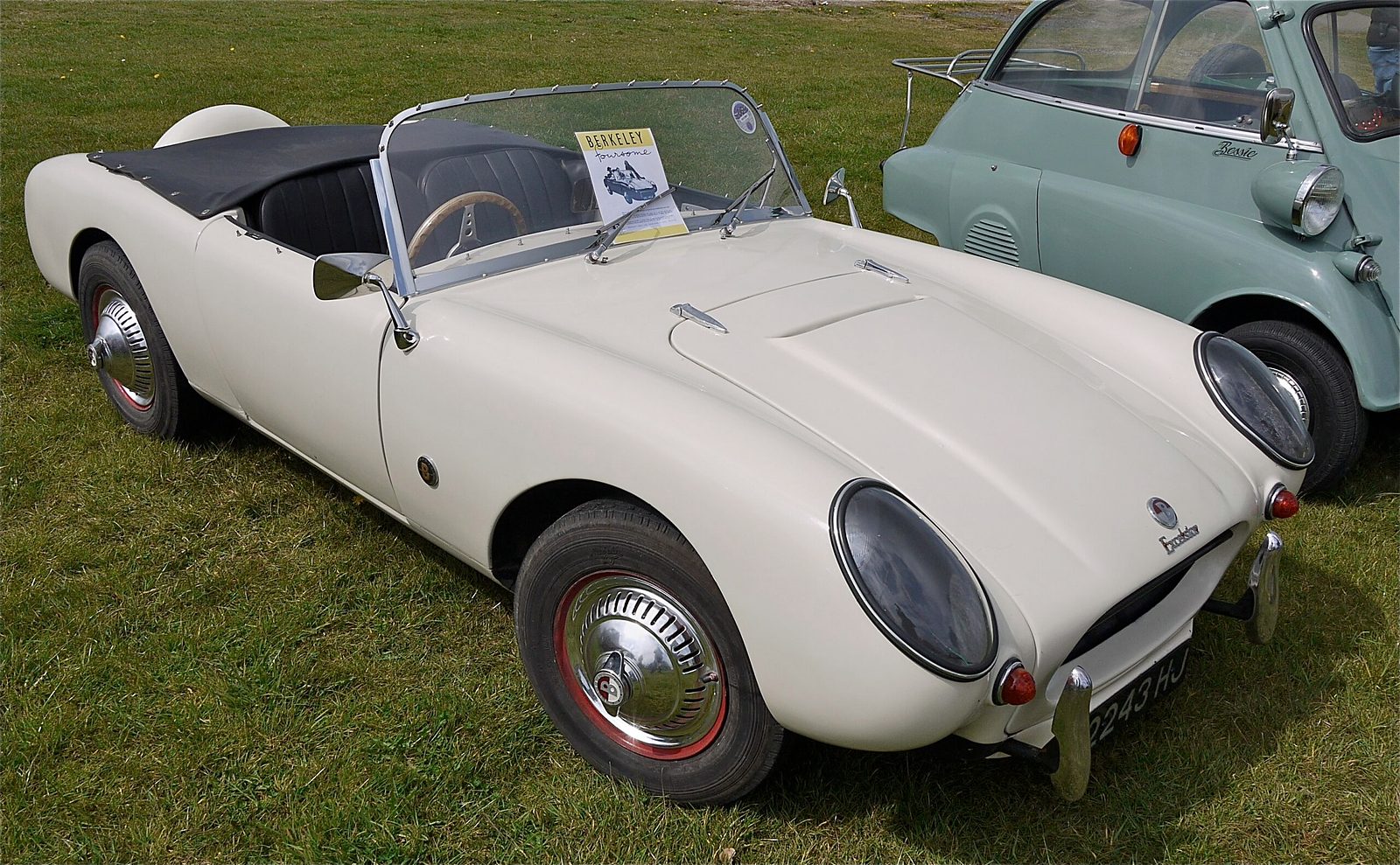
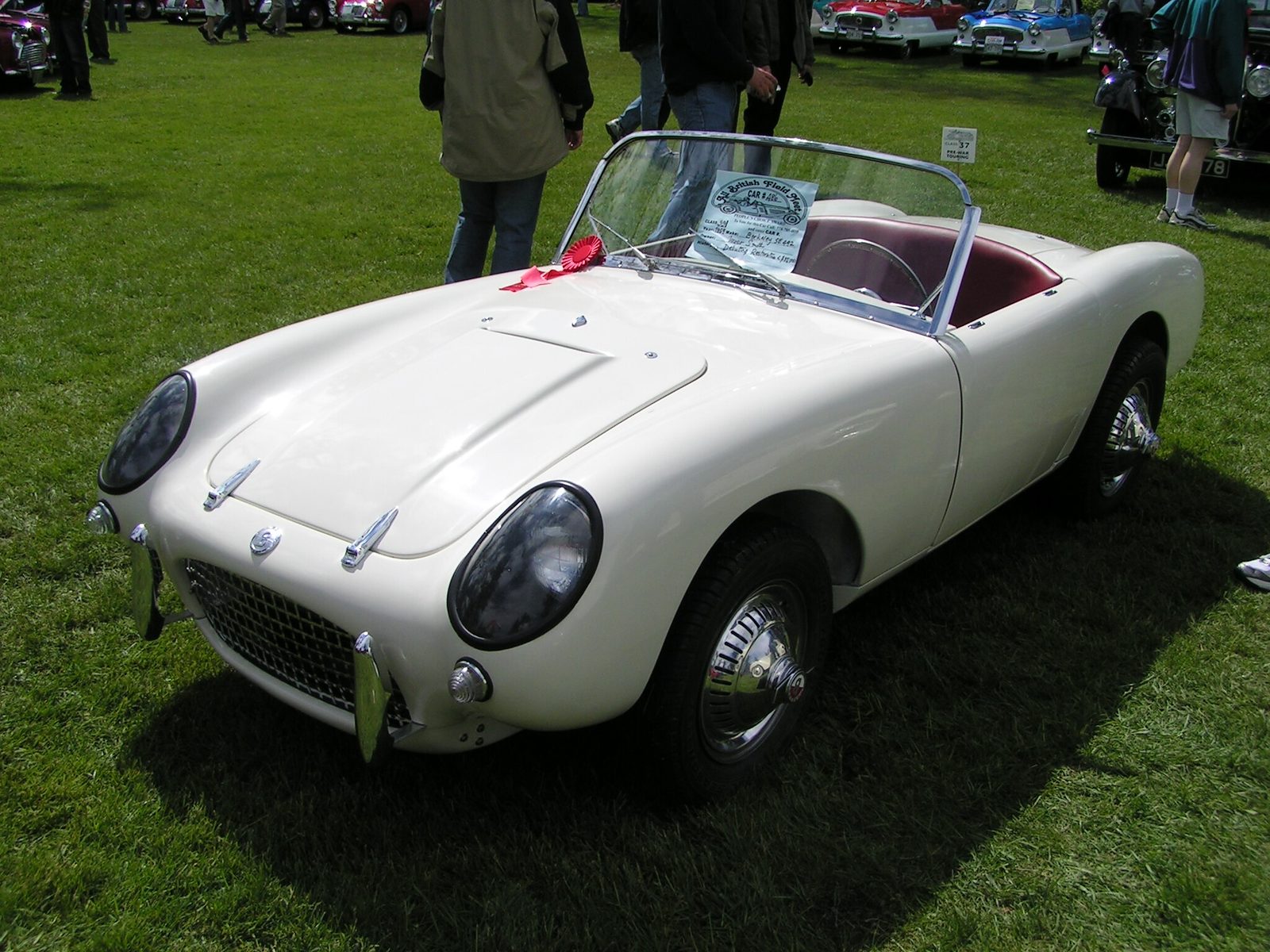
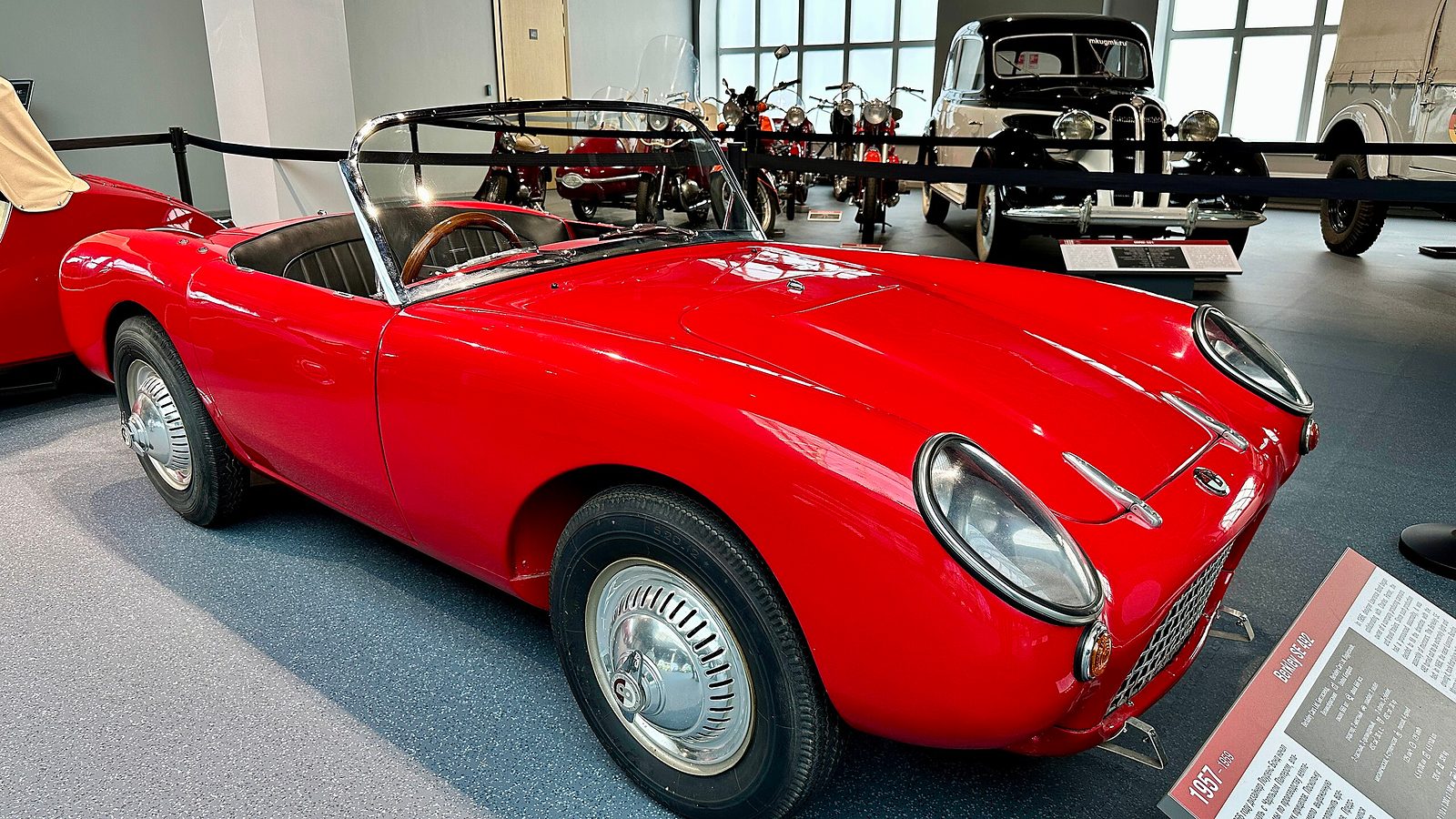
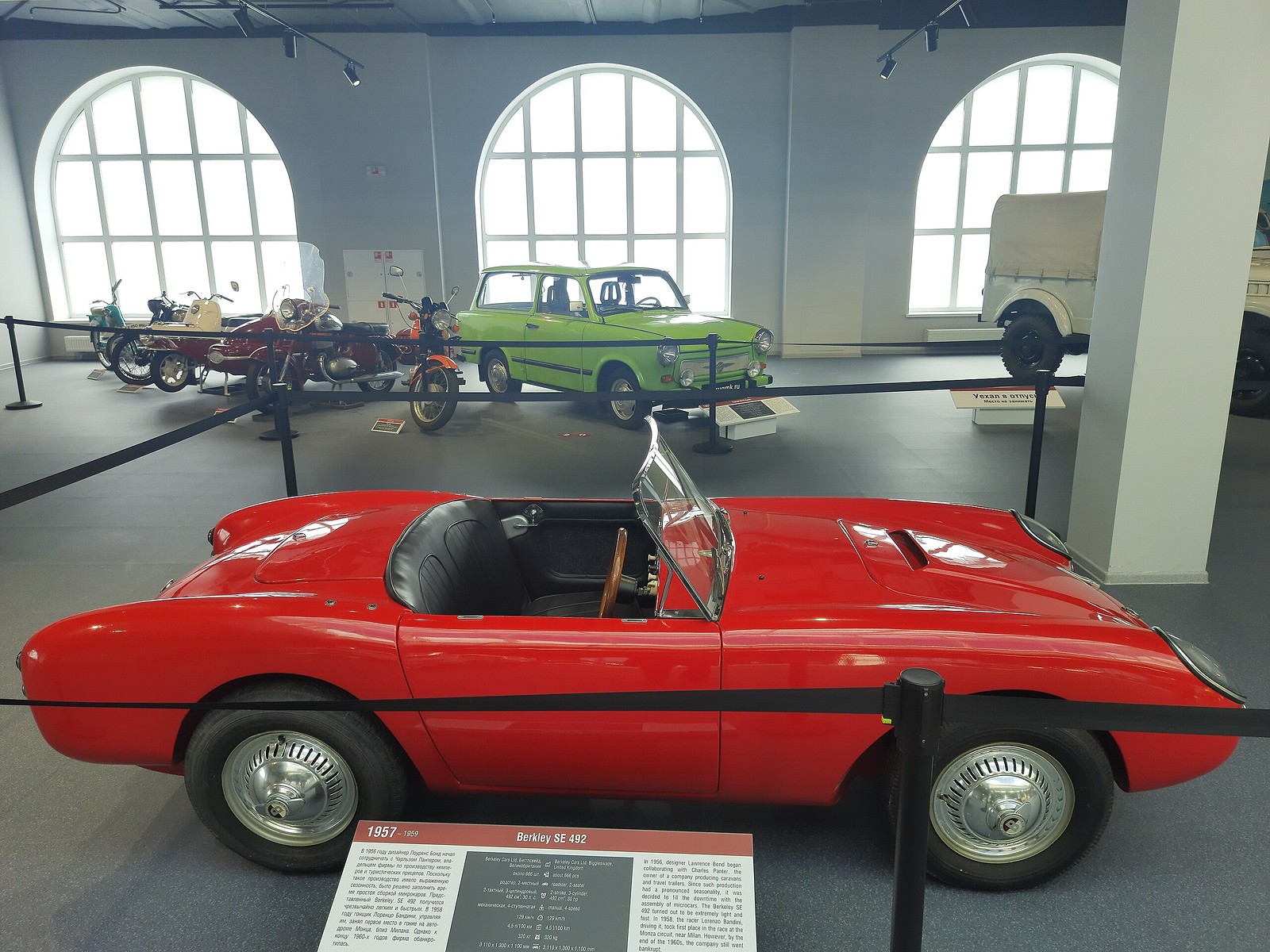
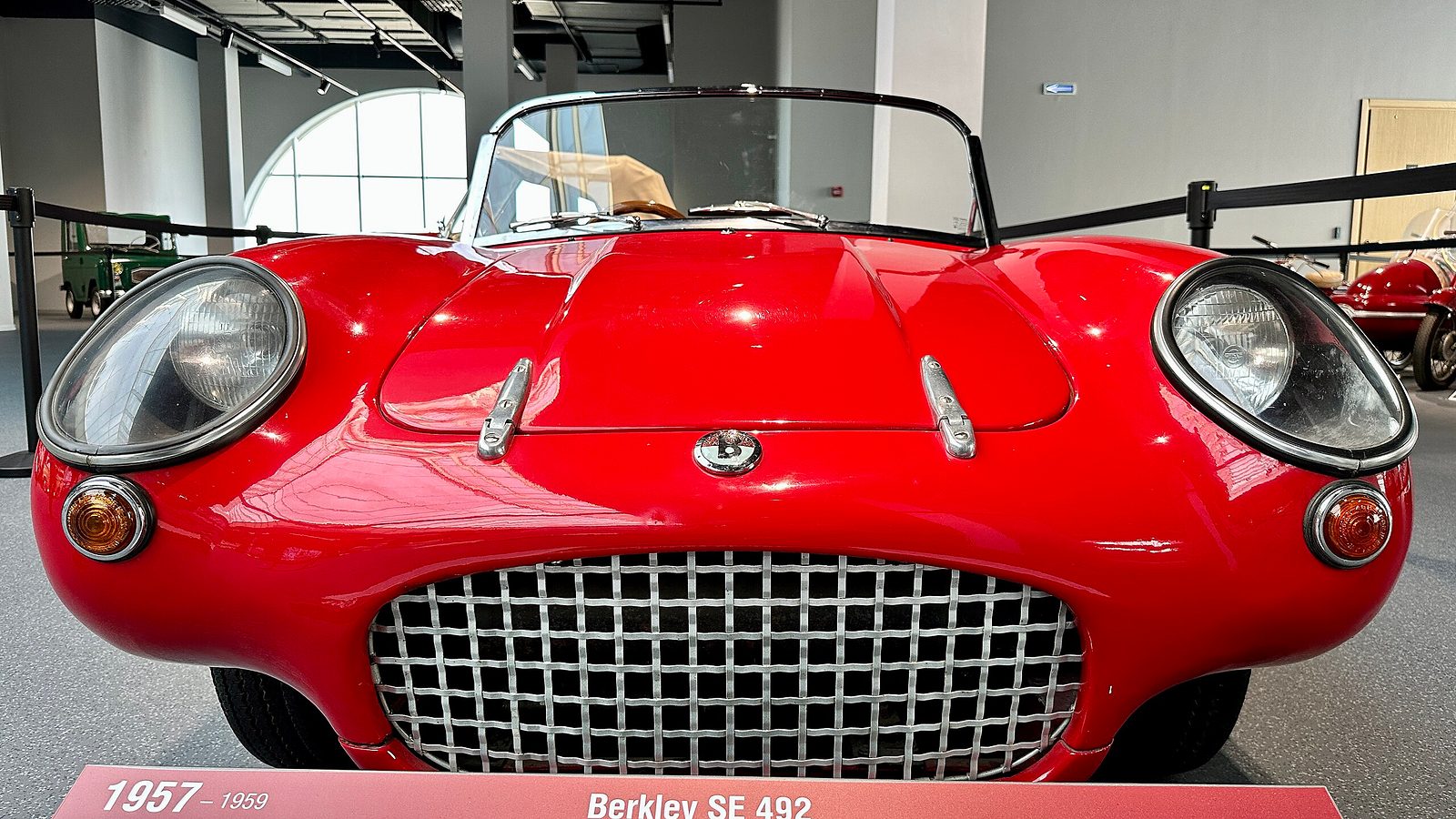
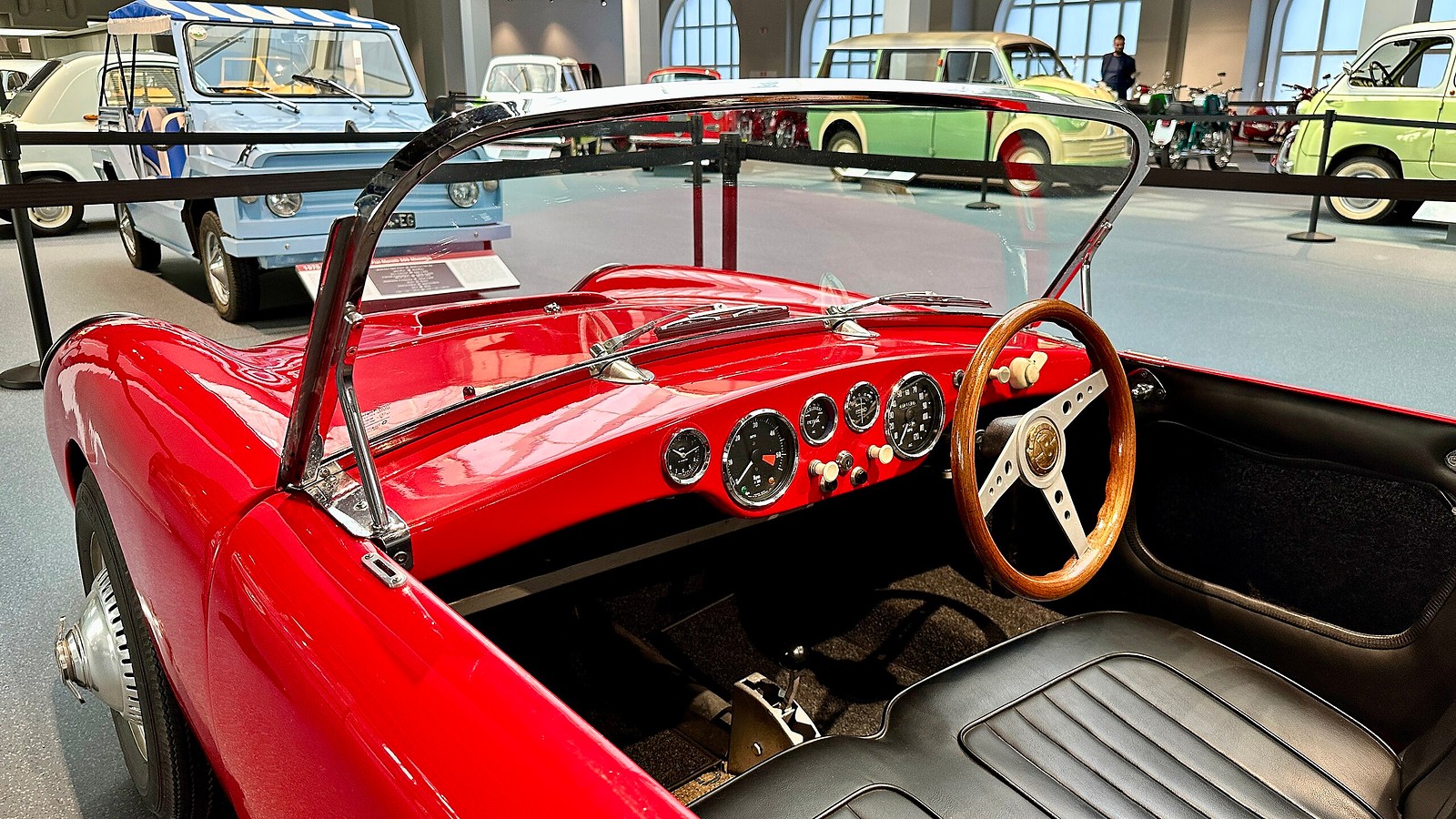
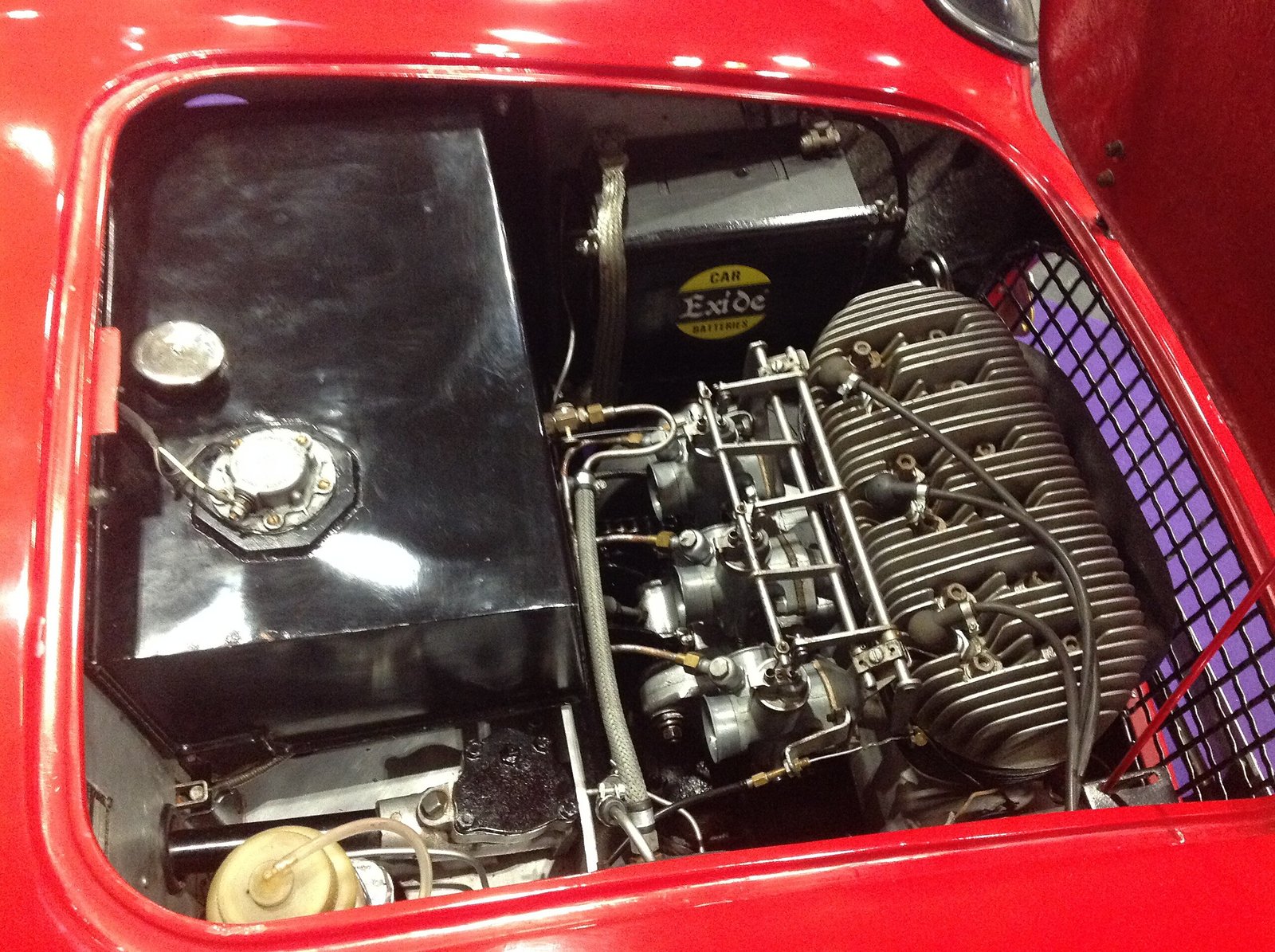
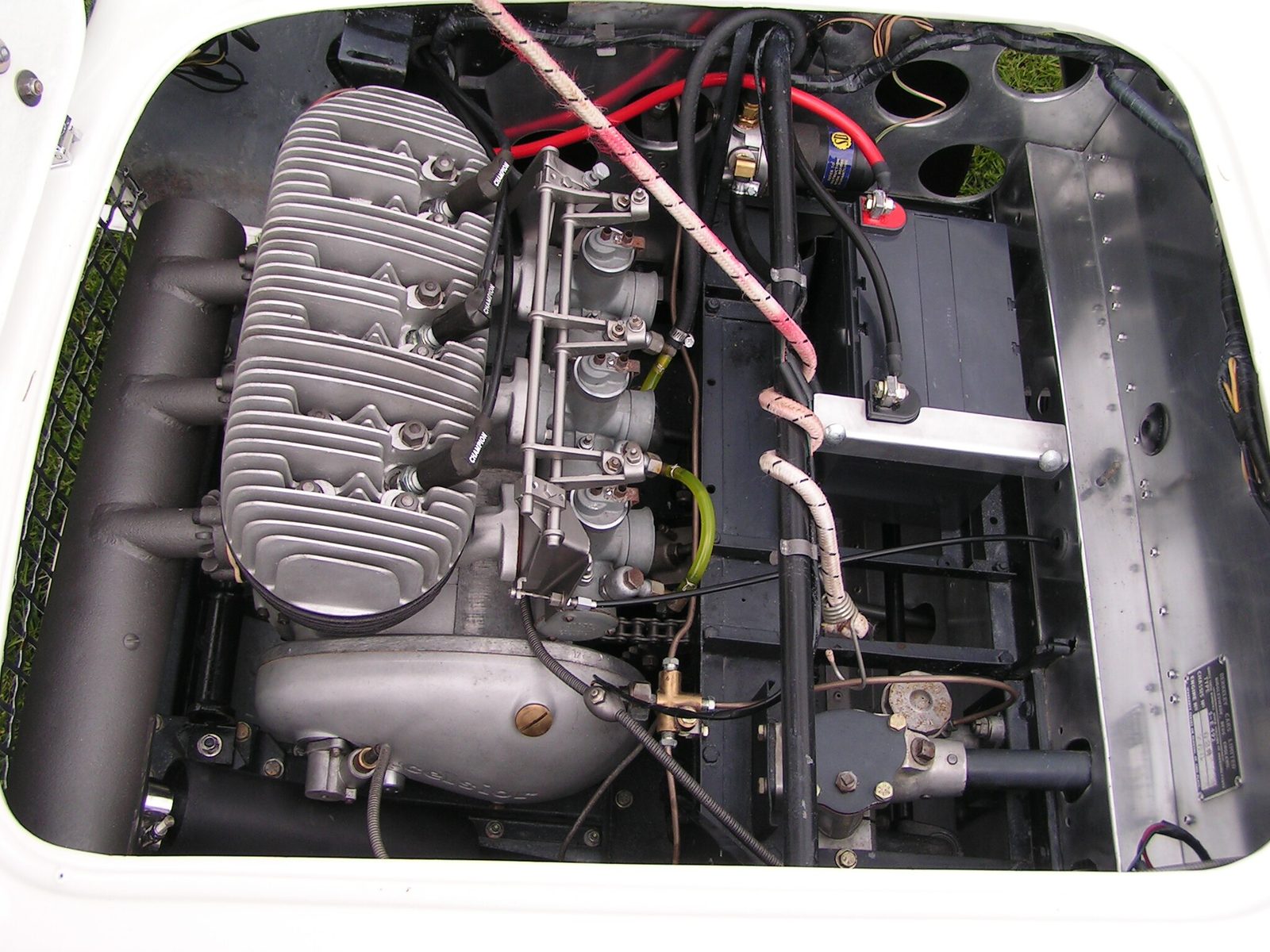
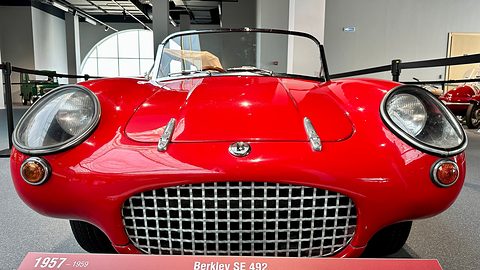
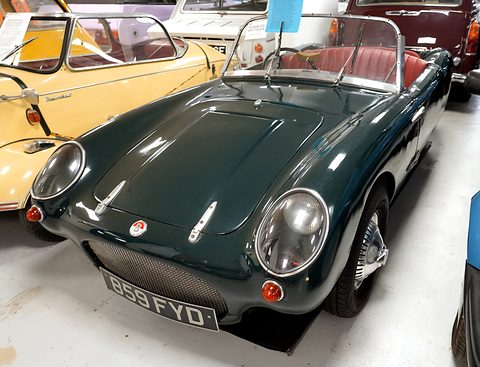
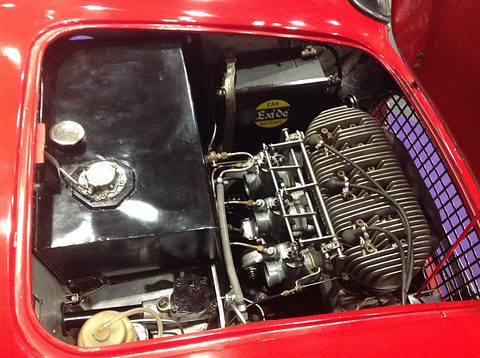
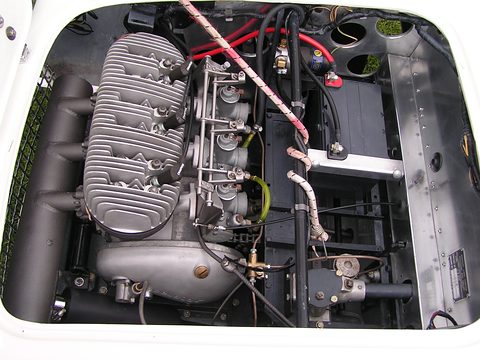
In October 1957 a third cylinder was added to the Excelsior’s modular design, and the 492 cc SE492 gave 30 bhp, four speeds and about 129 km/h (80 mph). The heat of the triple made reliability worse.source 1source 3 It became the Twosome in 1958, beside a four-seat Foursome of which about 20 were made.source 1source 3 At that year’s Earls Court show Motor Sport counted the Berkeley among the modern cyclecars, a breed it said refused to lie down.source 4 From the Geneva show of March 1959 came the four-stroke B95 and B105, with 692 cc Royal Enfield twins of 40 and 50 bhp, a taller bonnet and a grille. The B105 could reputedly pass 161 km/h (100 mph); about 178 of the two were built.source 1source 3
Three wheels, and a licence loophole
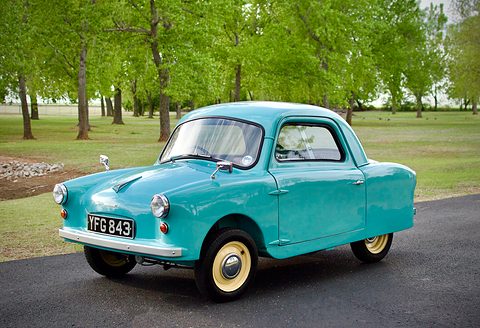
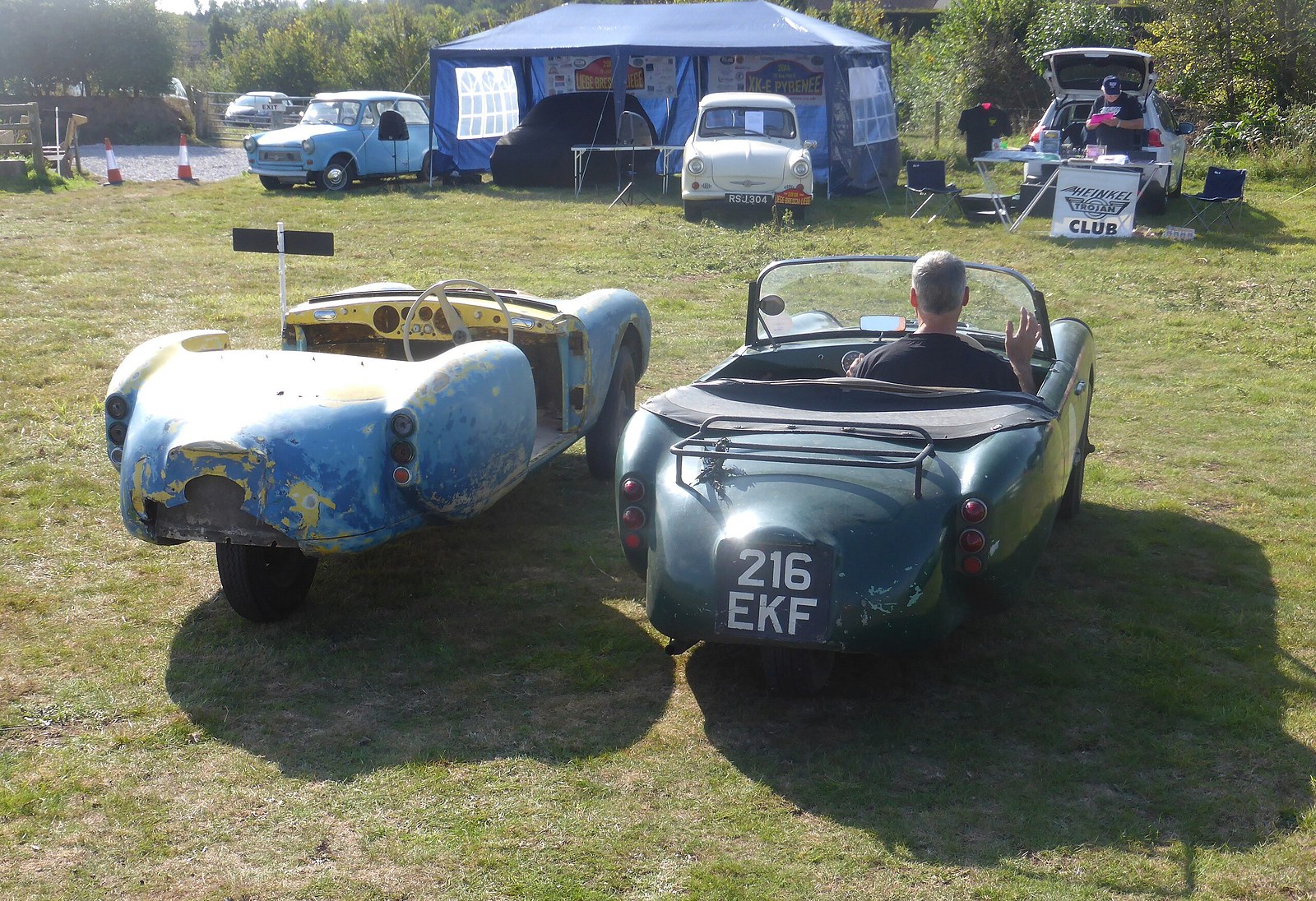
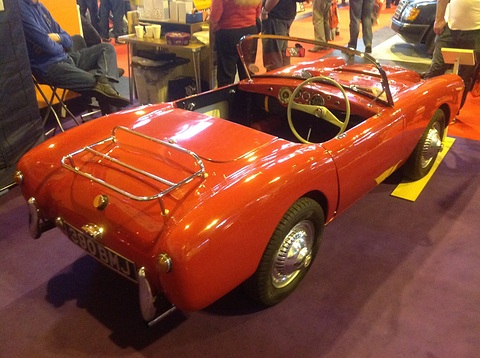
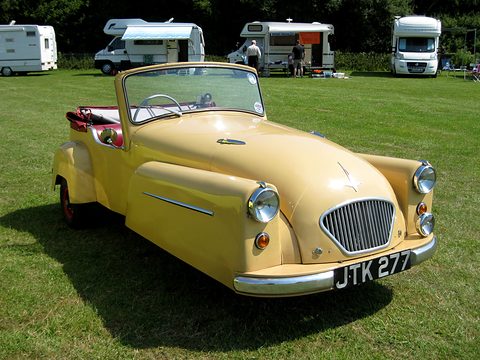
The best seller had only three wheels. The T60, launched in September 1959, kept the 328 cc twin and the front-wheel drive, put the single rear wheel on a trailing arm, and gained a fourth forward speed.source 1source 5 As a three-wheeler it could be driven on a motorcycle licence and paid less tax, and about 1,800 were made, more than any other Berkeley.source 1source 3 It cost £399 19s 11d with purchase tax.source 5 The Motor Cycle tested one in October 1959 and found the accelerator too close to the brake, the seat thin and the rear suspension bottoming with a passenger aboard. It never felt like a three-wheeler.source 5
No matter what antics I performed there was never any indication that I was driving a three-wheeler.
Giant-killers
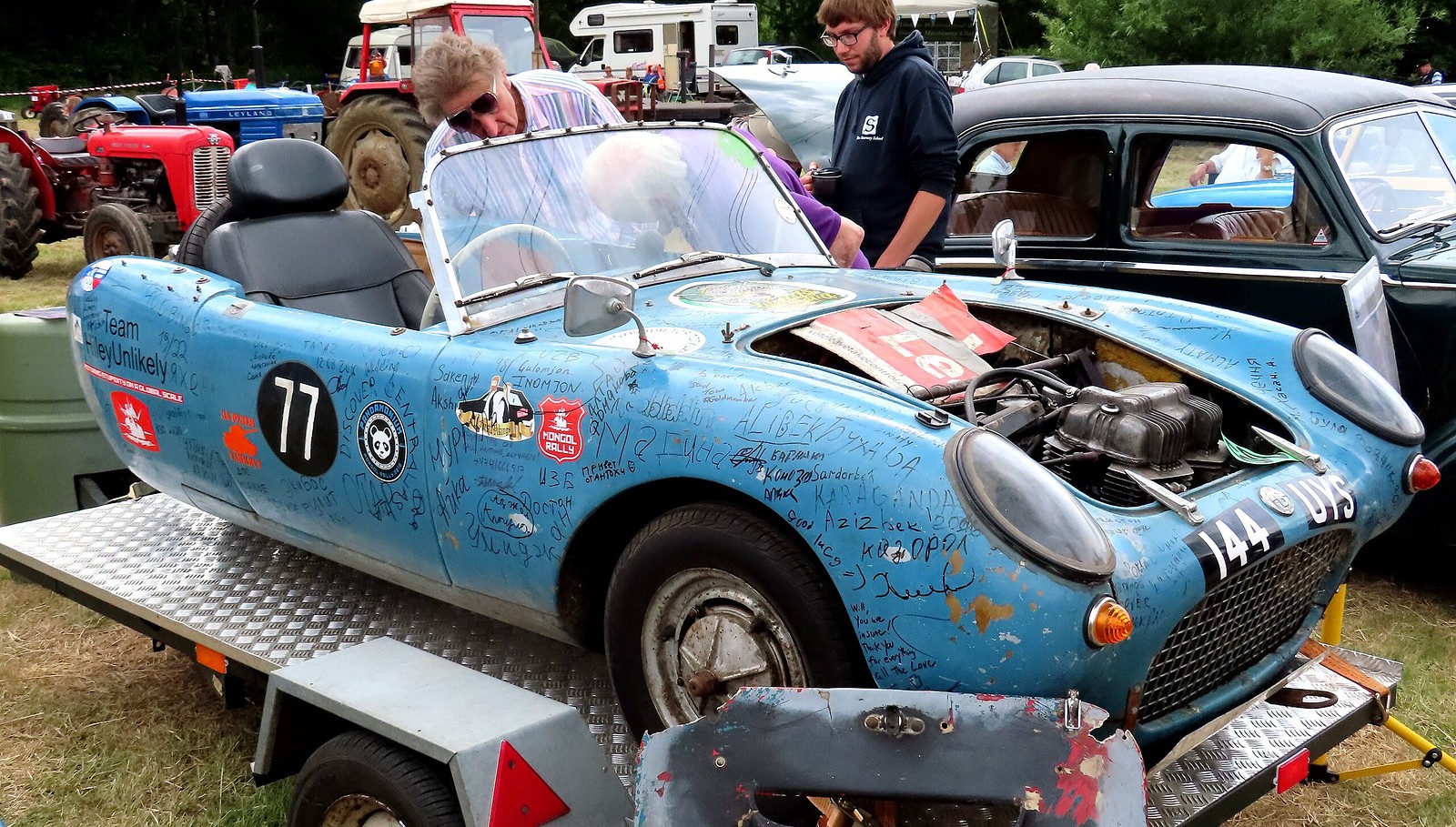
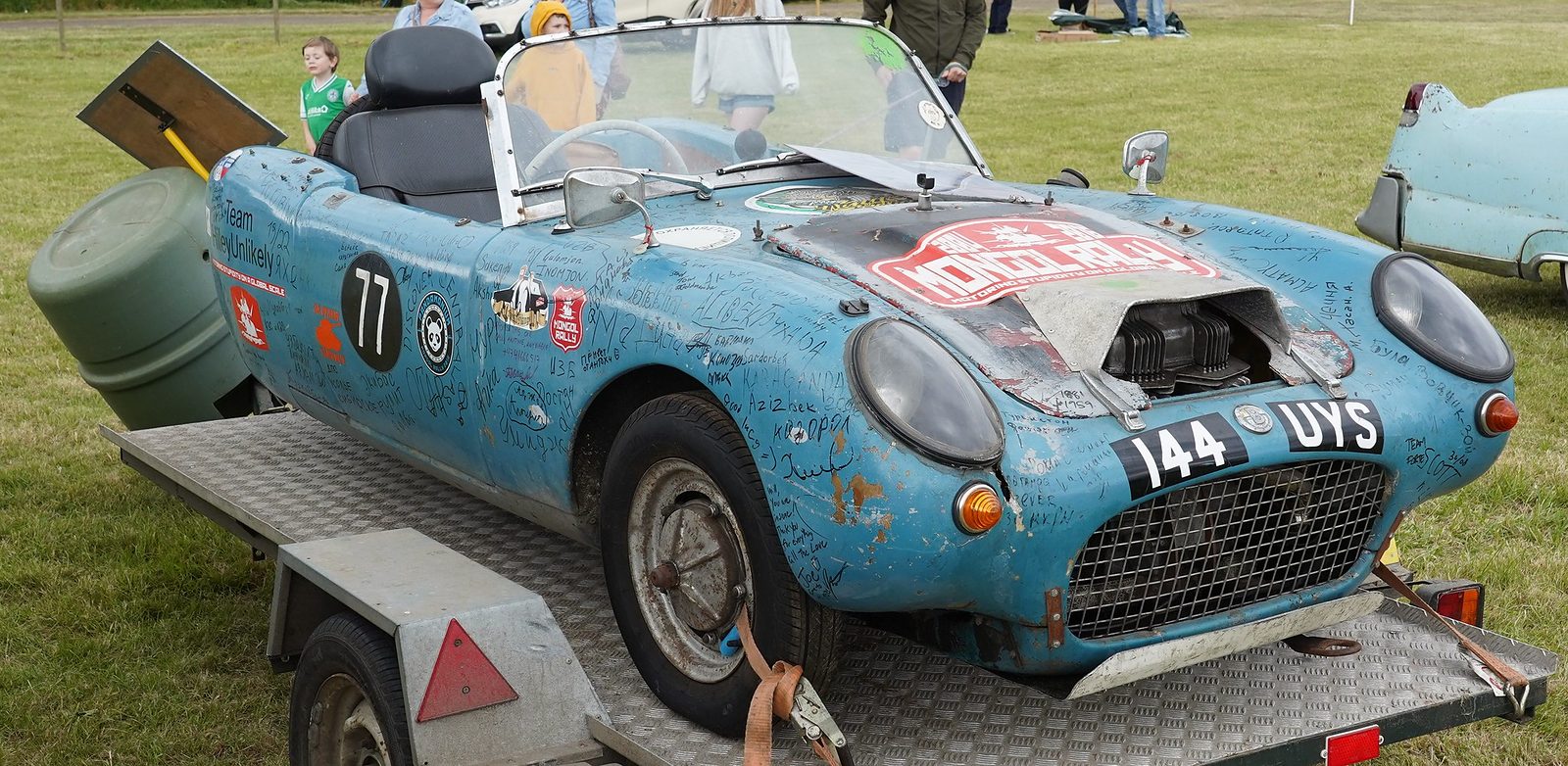
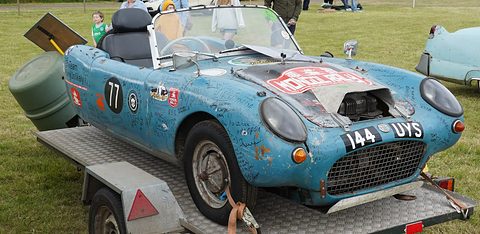
The club claims the little Berkeleys beat every handicapper they met, and at Goodwood on 14 June 1958 one did: Ashby’s 328 cc car won the final five-lap handicap at the BARC members’ meeting at 94.4 km/h (58.68 mph), a result Motor Sport said the handicappers had virtually handed him before the start.source 3source 6 That summer a works-supported team of six SE328s, Pat Moss among the drivers, ran in the Liège–Brescia–Liège rally for cars up to 500 cc. They led as far as Slovenia, but climbing slowly in the heat exposed them, and none finished.source 1 Motor Sport blamed overheating and seized engines; not a single British car completed the course.source 7 In Italy Count Giovanni Lurani ran a team of 492 cc cars, with his own hardtops, in the 750 cc GT class. More on these in racing and rallying.source 1
The end
Late in 1960 the caravan market collapsed. The banks were unsympathetic and credit was tight, and on 12 December 1960 Berkeley went into liquidation; the workforce was laid off before Christmas.source 1source 3 An attempt to sell the business to Sharp’s Commercials, the makers of the Bond, came to nothing.source 1source 8 The Bandit, a steel-chassis sports car designed by John Tojeiro around a 997 cc Ford Anglia engine, would have cost £798; it came too late, and only two prototypes were built.source 1source 3 The Weiner museum blames the Austin-Healey Sprite for the end, but the club and English Wikipedia put it down to money.source 9source 1source 3 The works were later used by Kayser Bondor to make women’s underwear, and were demolished in 2002.source 1source 8