The story
History
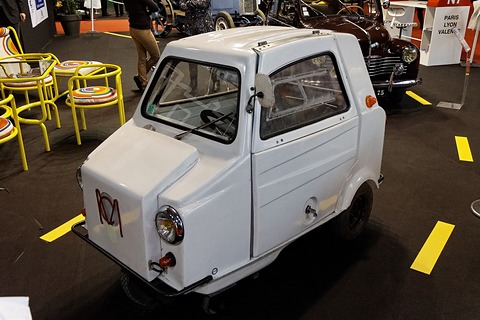
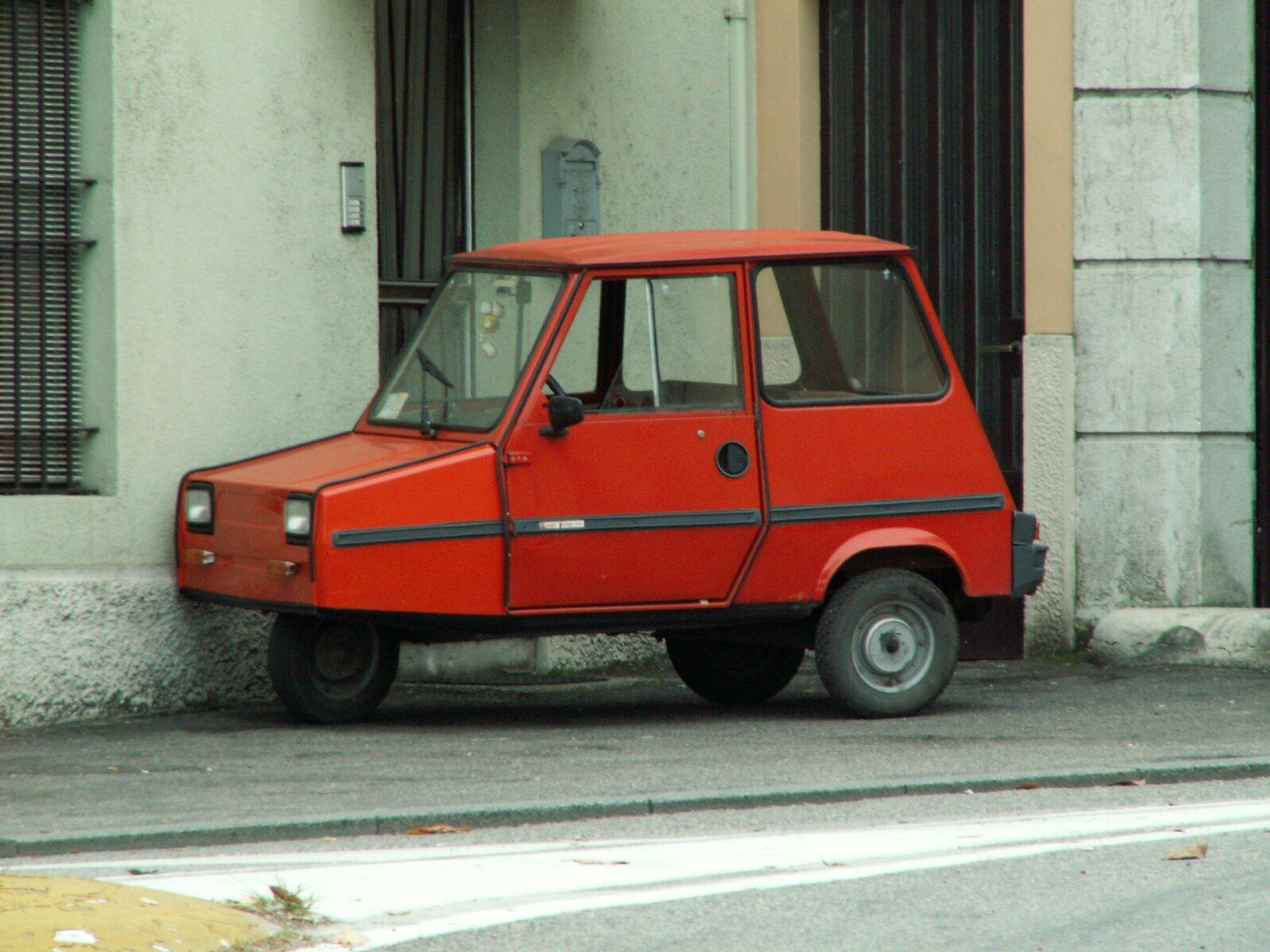
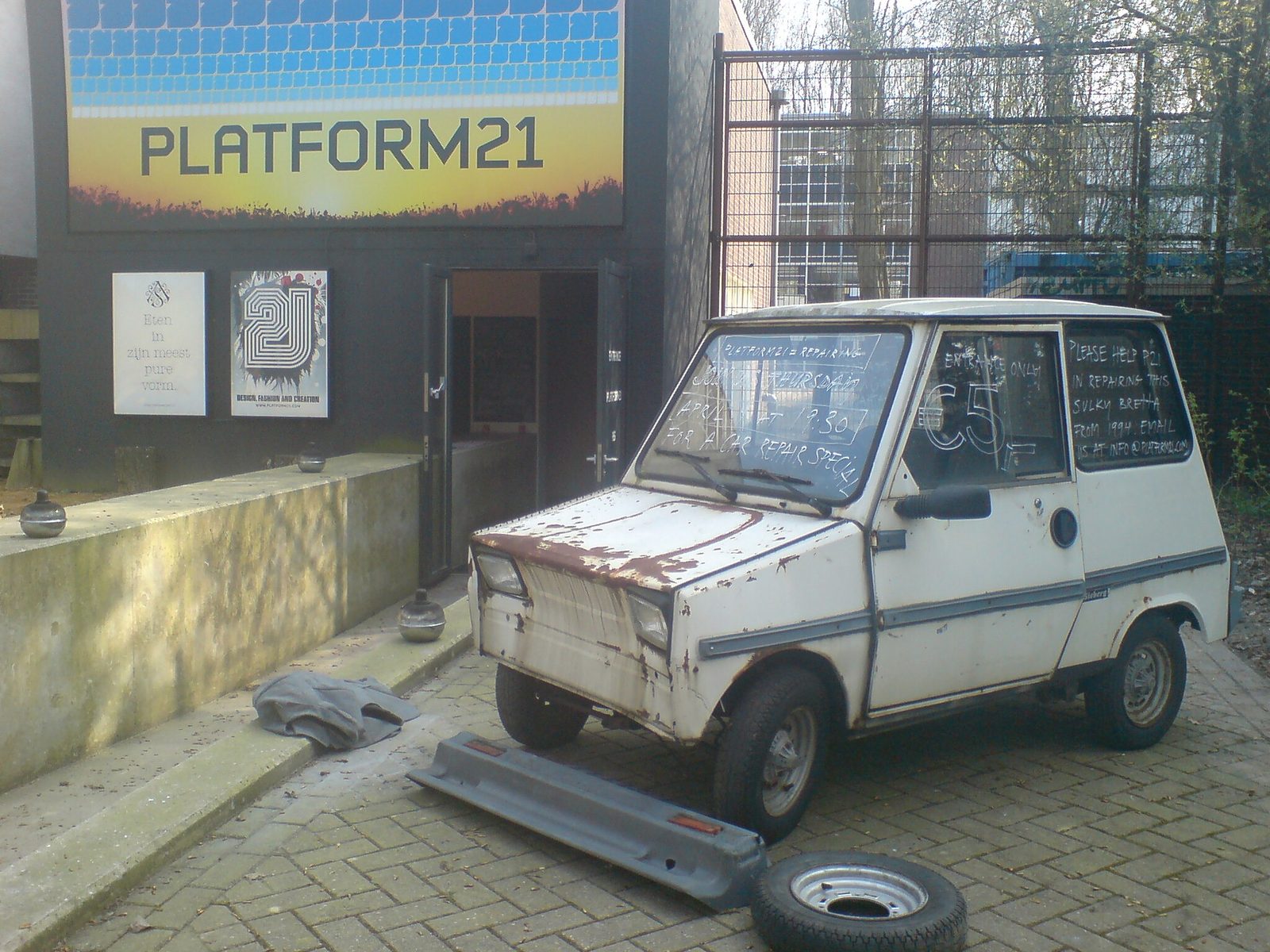
Giovanni Casalini founded his company at Piacenza in 1939.source 1source 2 For its first decades it made things to do with transport but not cars: in the 1950s a moped, the David, and then, because customers asked for them, motor tricycles.source 1source 2 The Sulky was presented at the Milan Cycle and Motorcycle Show in 1969.source 1 The German Wikipedia says production began in 1971; both can be true if the show car came first.source 3
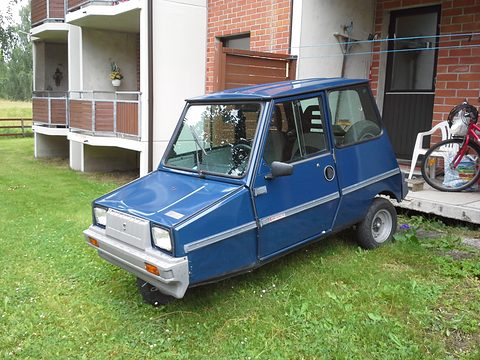
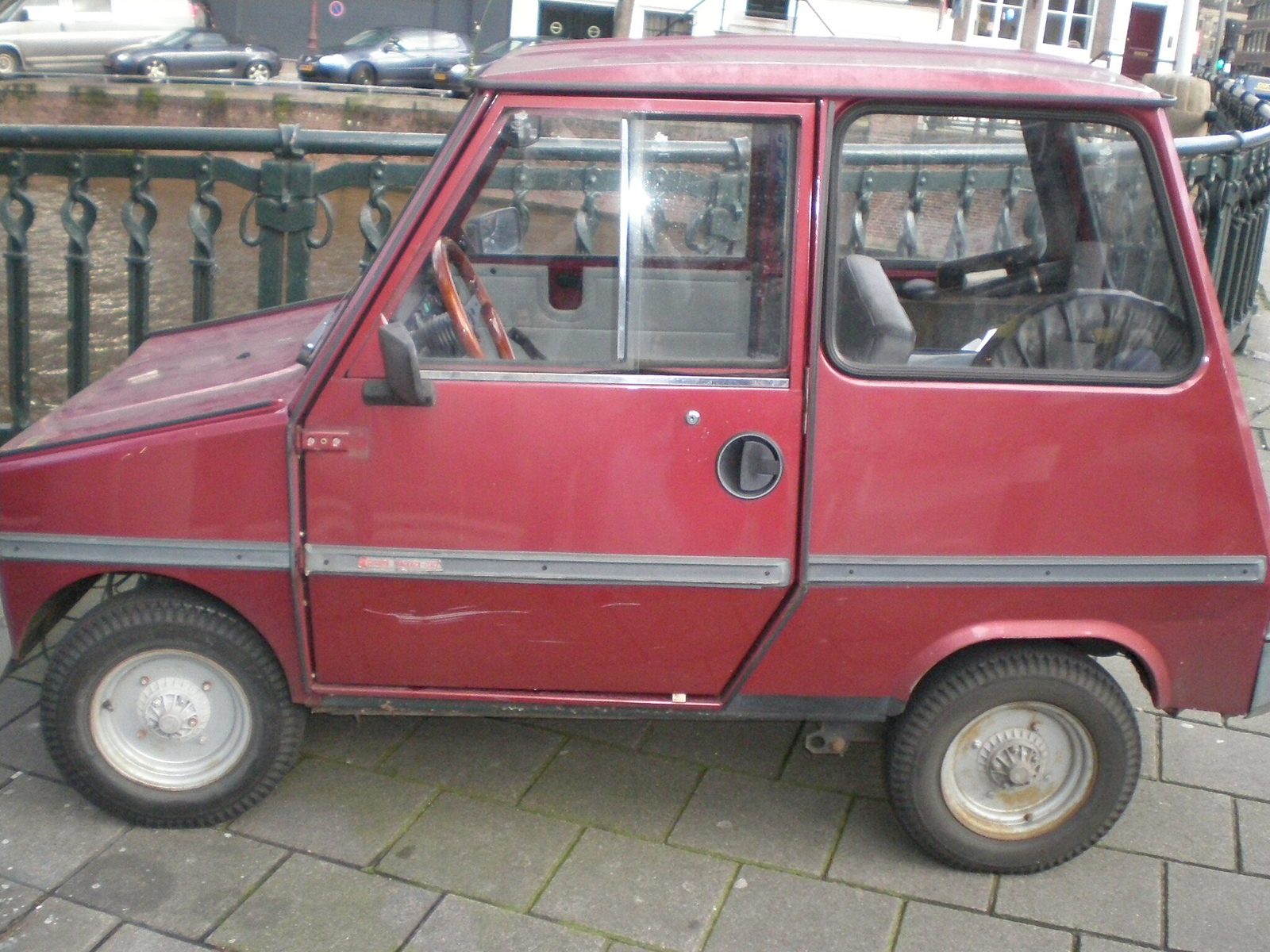
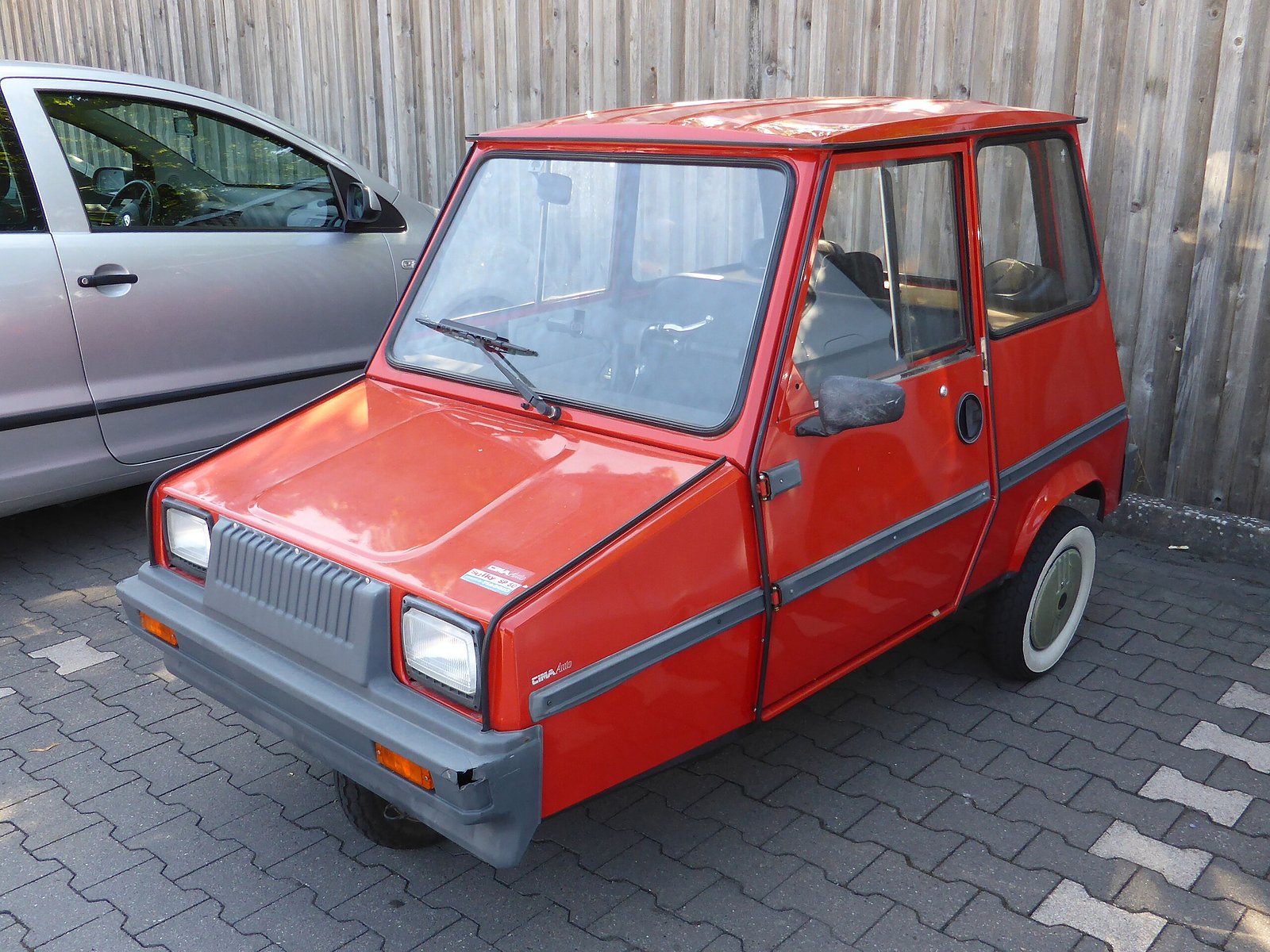
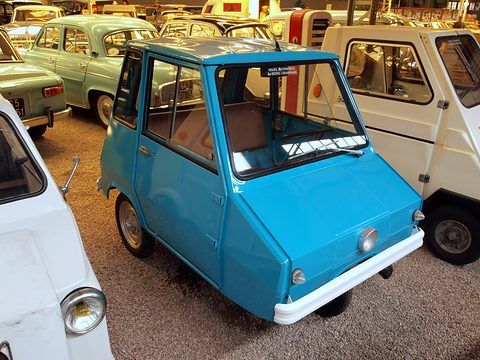
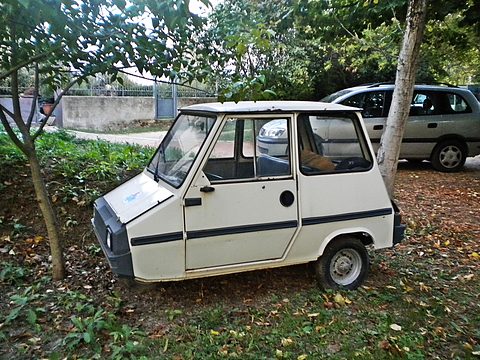
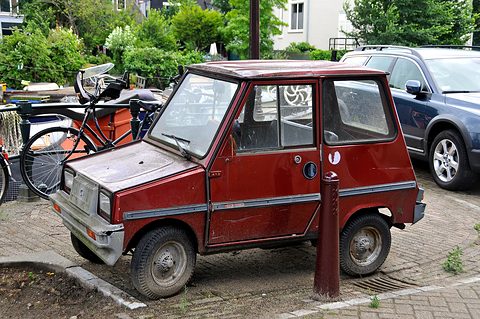
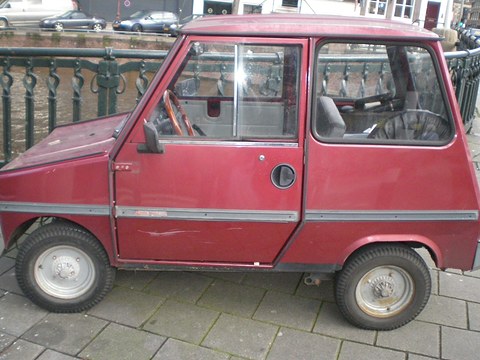
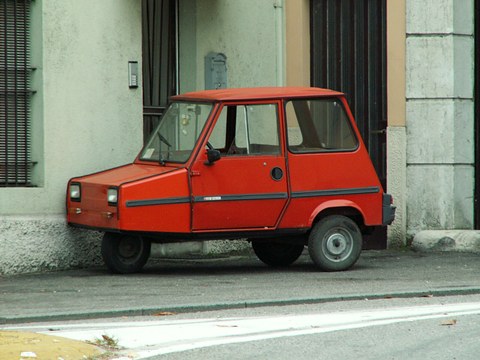
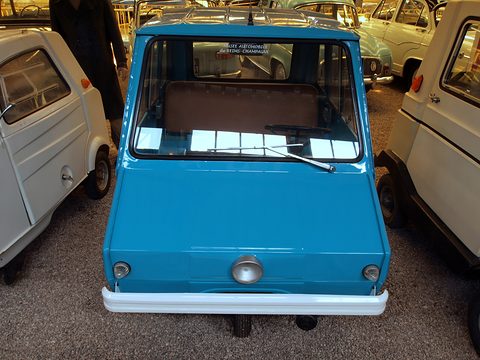
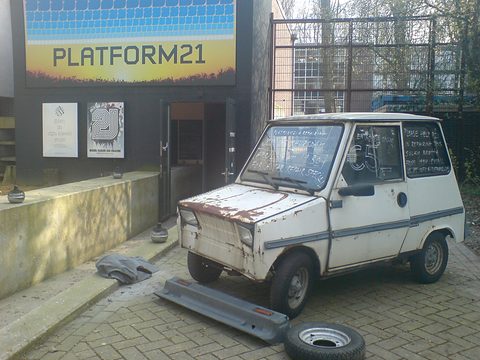
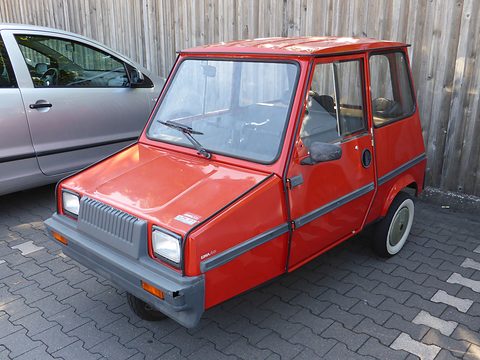
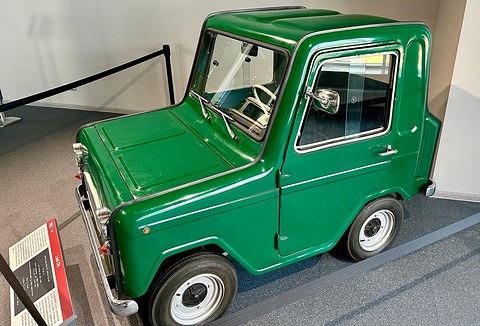
It was an Italian microcar sold in France as a voiturette sans permis, a licence-free car, and almost everything else in that class was glass fibre; the Sulky had a self-supporting body of sheet steel.source 1source 2 The first one seated one person, with a generous boot, on 12-inch wheels. A 50 cc or 60 cc Minarelli two-stroke hung out behind the rear axle and drove both rear wheels through a three-speed gearbox, started with a pull cord. The driver turned a steering wheel, and a chain and sprockets turned the single front wheel. The brakes were hydraulic.source 1 The English Wikipedia gives the first engine as a 49.6 cc Vespa TL3 instead, but two sources say Minarelli.source 2source 4
A Willam in France
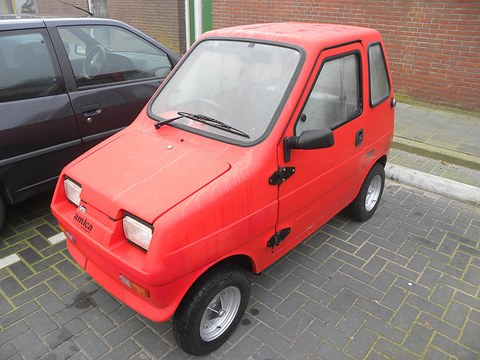
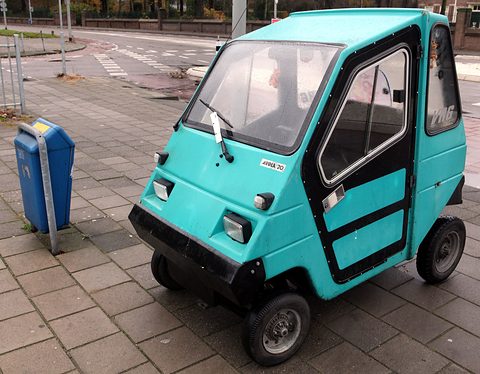
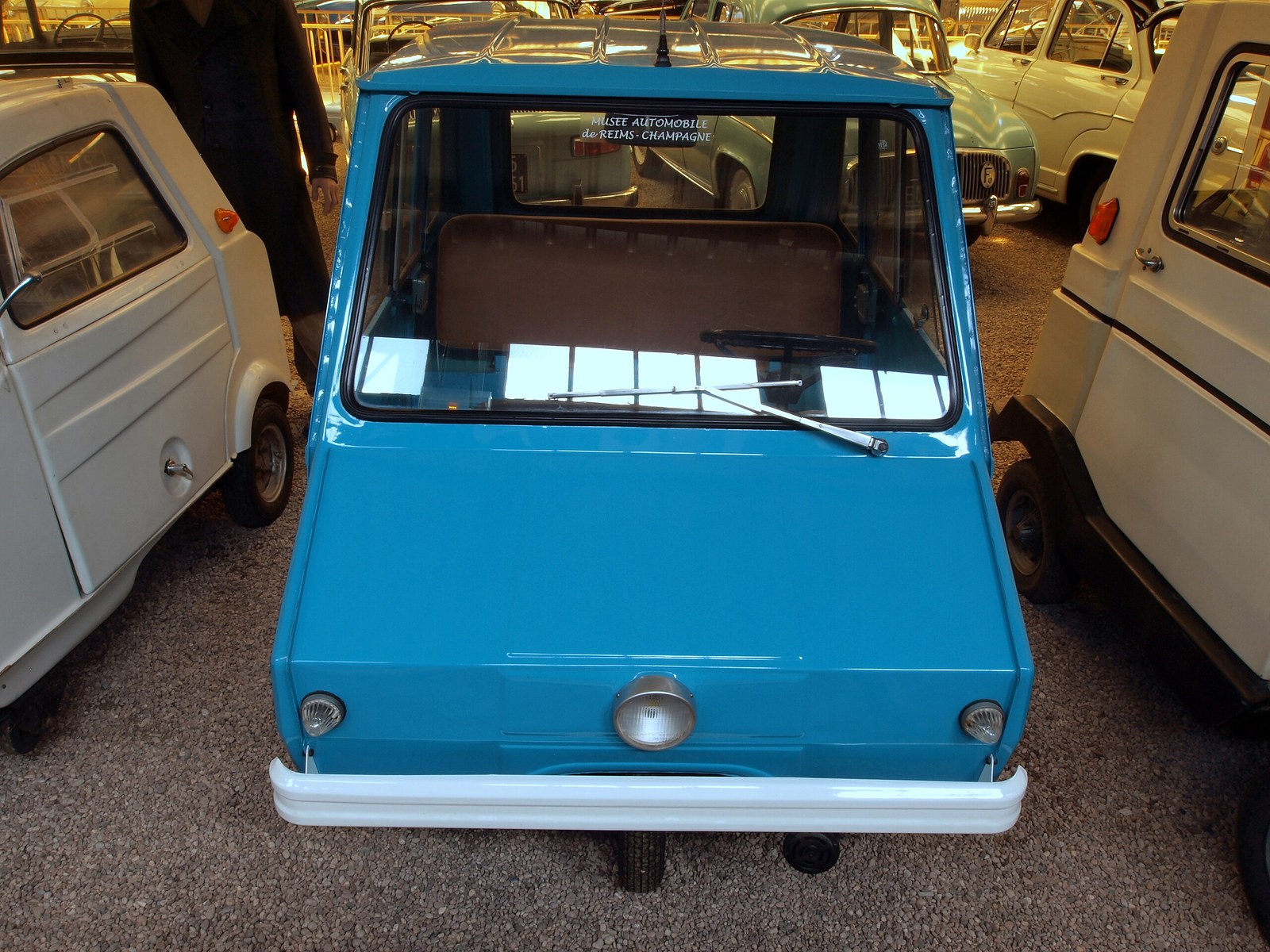
Most Sulkys were sold in France, Austria, the Netherlands and Portugal.source 1 In France it is a familiar car because Willam, the Lambretta importer who also sold the Willam City, put its own name on it.source 1source 4 The English Wikipedia says a four-wheeled “Willam Lambretta” was built for export only; the Weiner museum says that four-wheeler, from 1980, was called the Bretta or the David in France, and came as a Break as well.source 2source 4
With sales of 1000 per year, Casalini long outlived the other Italian makes.
Growing a second seat
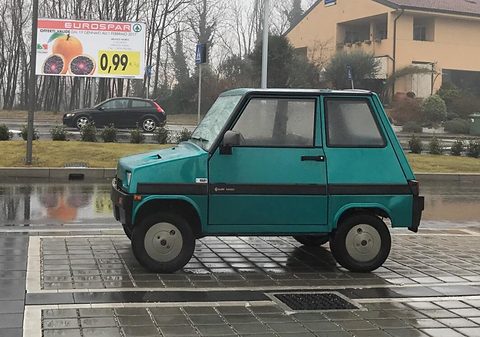
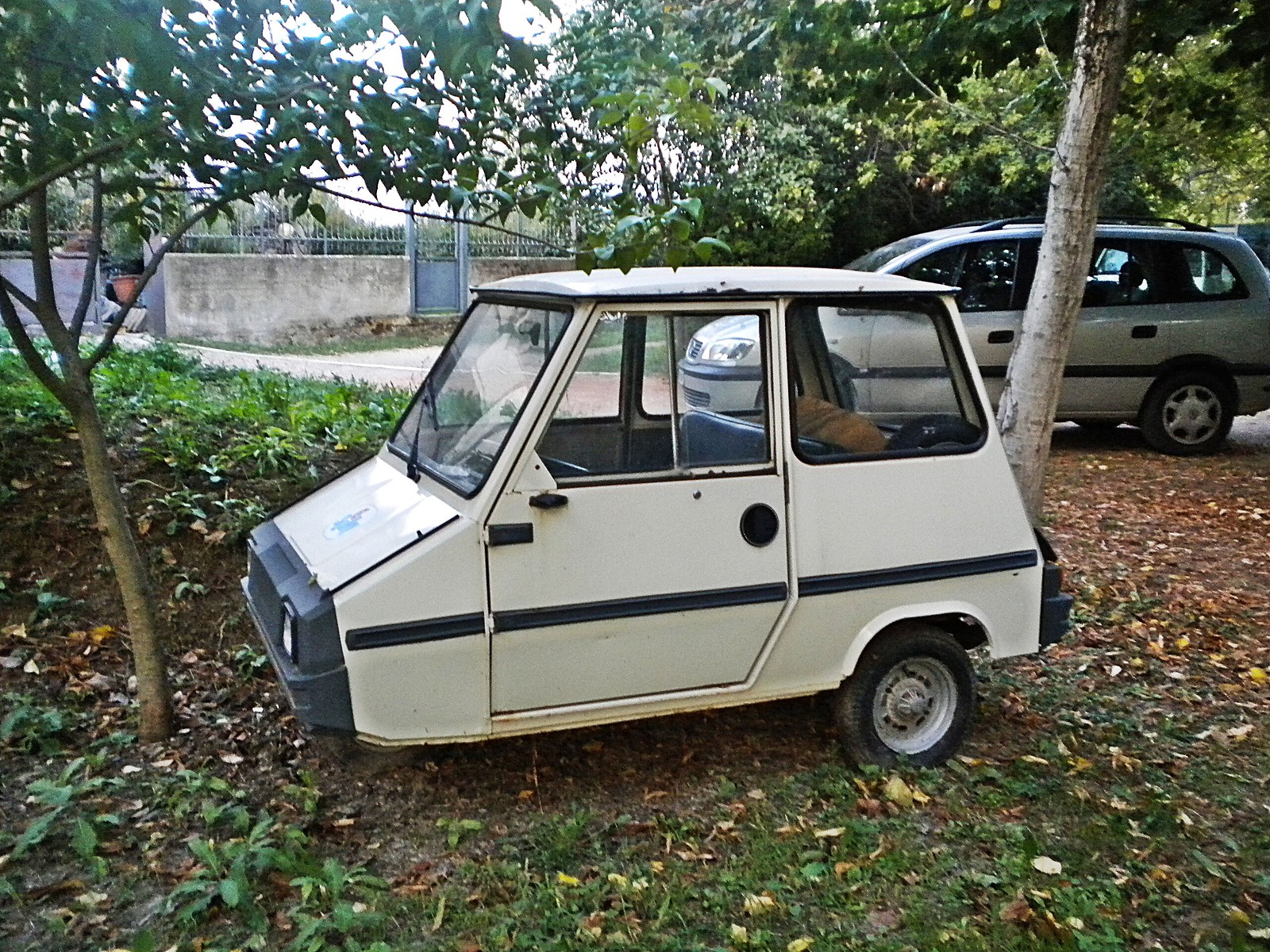
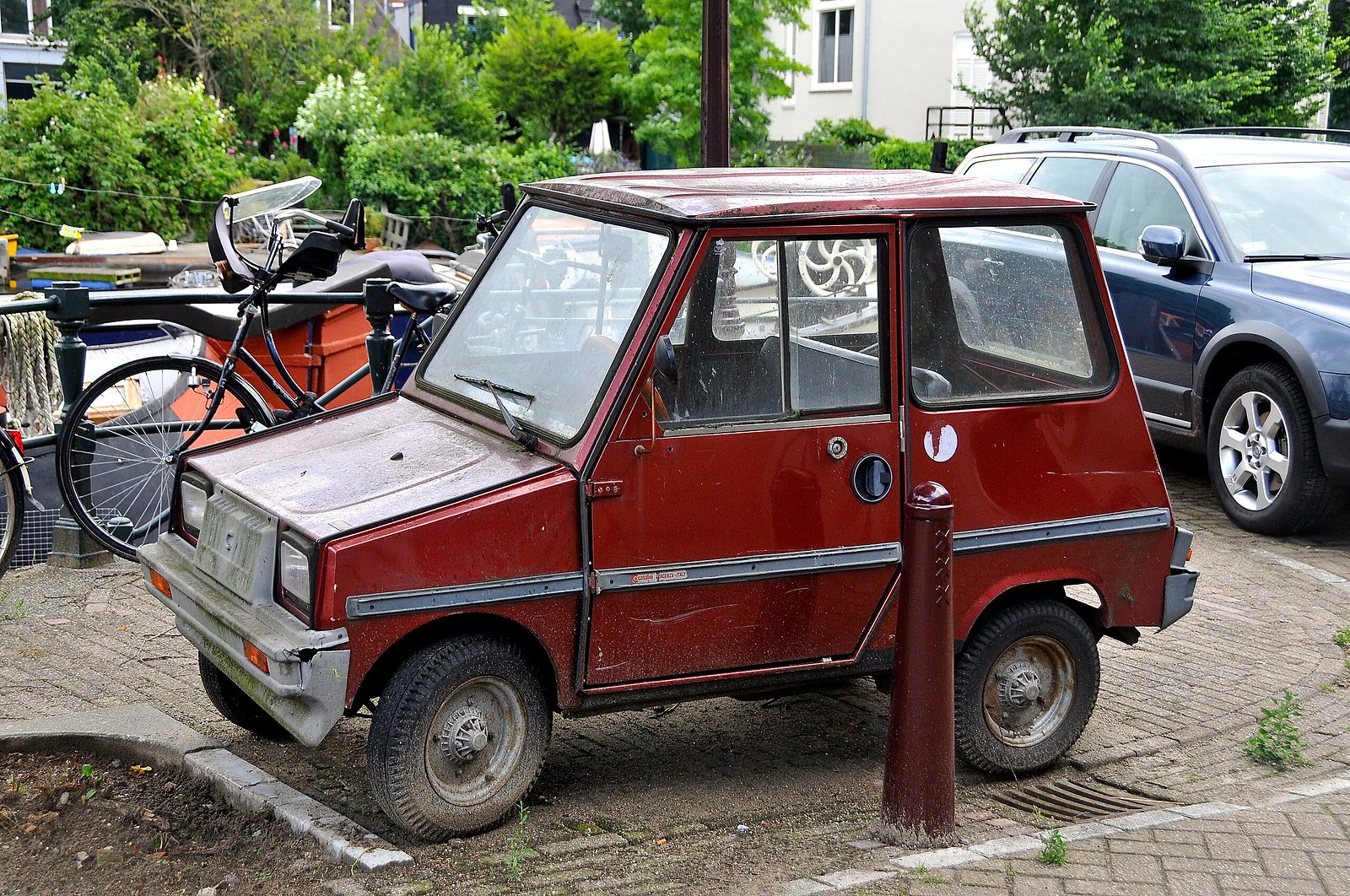
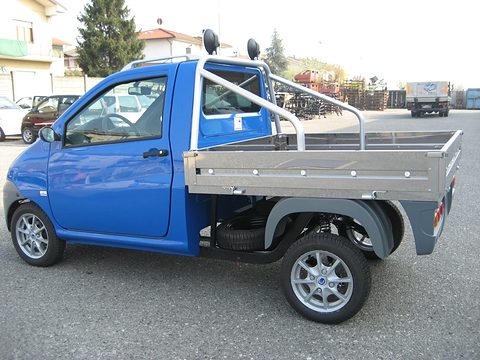
The first and biggest change, the old site says, was to make the Sulky bigger without changing its name and hardly its profile. It gained a real second seat, and the steering wheel moved to a more usual position.source 1 The bigger body made room for a fourth wheel. The three-wheeler stayed in the catalogue with the new body, but the four-wheeler took most of the sales.source 1 Engines came from BCB, Minarelli and Sachs at 50 cc, with 125 cc units too, manual or automatic, and finally a 325 cc Lombardini diesel. The late cars had plastic bumpers and a dummy grille, separate seats, outsize rear lamps and the door handles of a Fiat Ritmo.source 1
The collector behind the original microcarfan.com put its long life down to good timing, sound construction, classic shapes and keeping up with fashion.source 1
25 ans de carrière et 20000 véhicules vendus !
After the Sulky
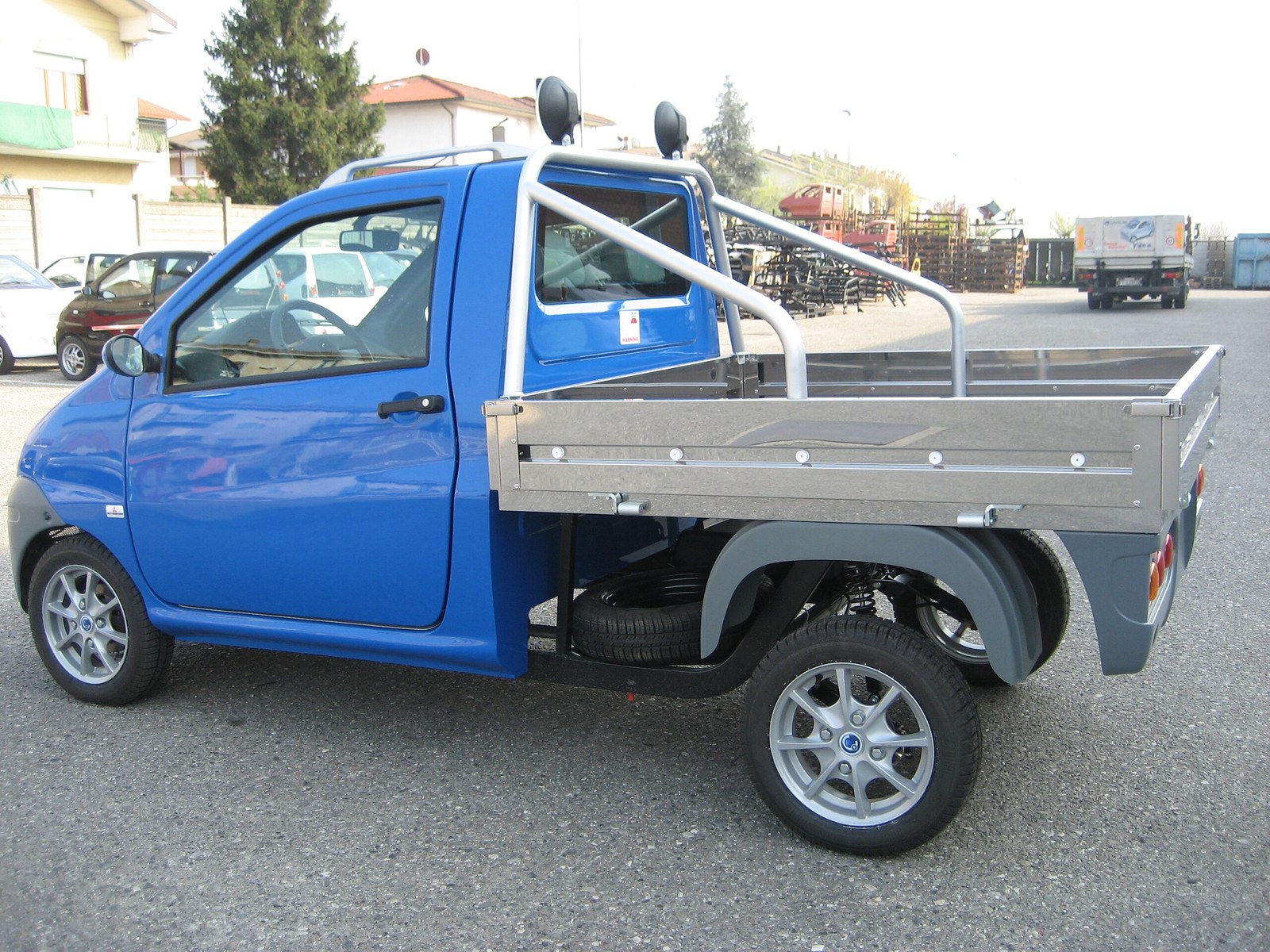
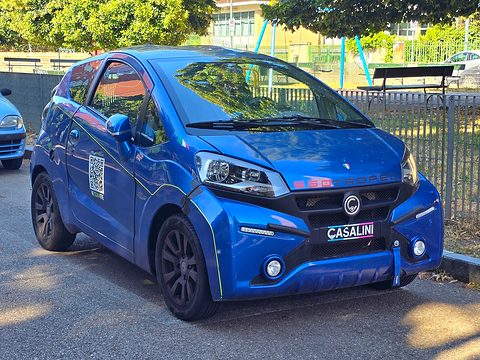
The last Sulky left the line in 1994. Its replacement, the Kore 500, was built to suit Europe’s ever stricter rules.source 1source 2 Italy adopted the European quadricycle directive that year, and Casalini went on to the Sulkydea (1996), the Ydea (2000), a new car called Sulky (2008), the M10 (2010) and the Kerry utility.source 2 The German Wikipedia lists a later M20 range, including an M20 Speciale of 2021 limited to 11 cars.source 3 Casalini still trades, and calls itself one of the oldest microcar makers in the world.source 2