Built under licence
Poland built more than twice as many Fiat 126s as Fiat did. From Léon Bollée’s tricar to the Polski Fiat, the microcar travelled by licence, from firms with designs and no factory to factories with halls and no design, and the deals did not always go to plan.
The copy that outsold the original
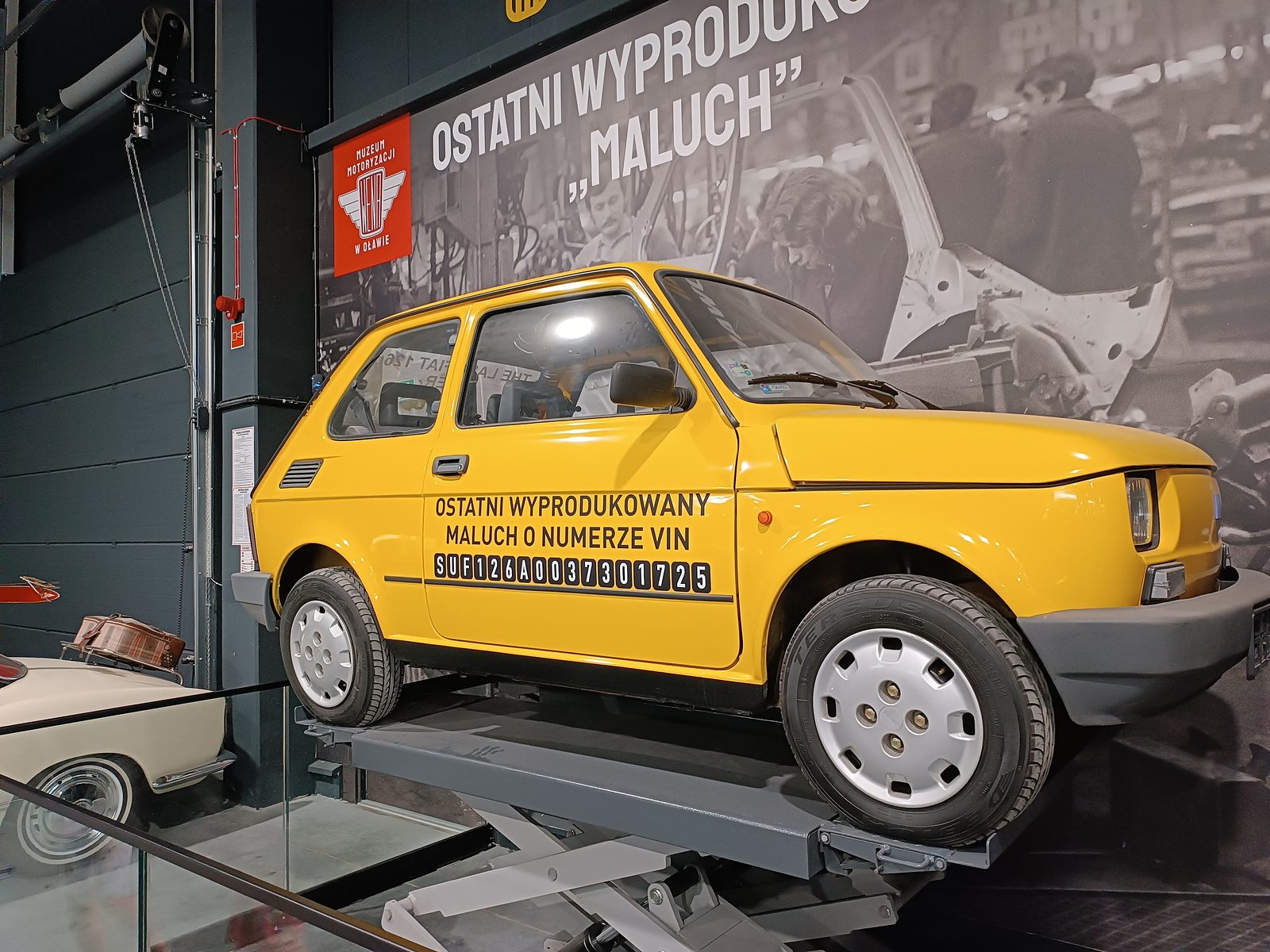
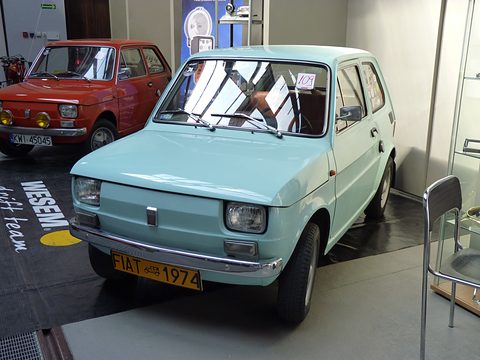
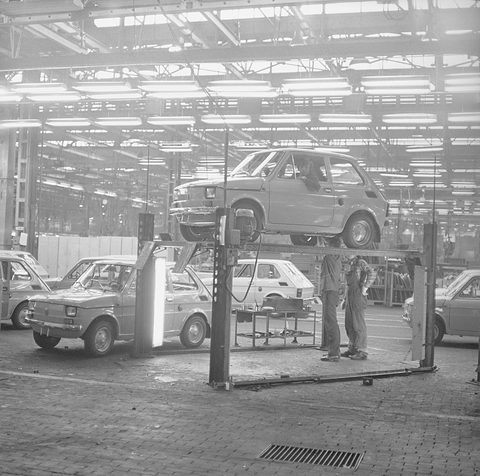
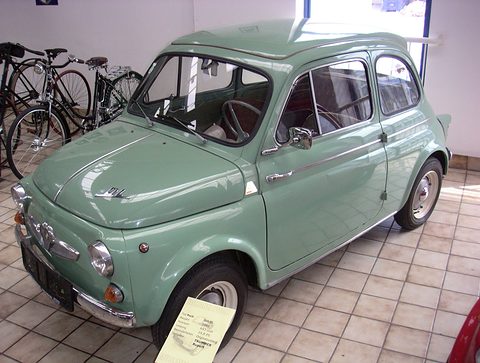
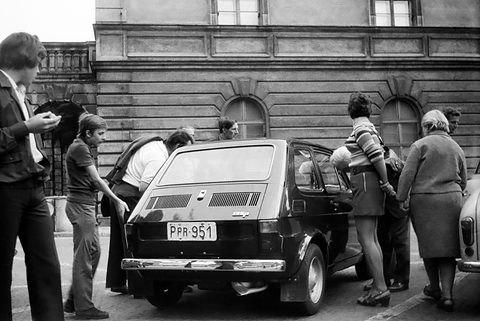
On 6 June 1973 the first Polski Fiat 126p was assembled at FSM in Bielsko-Biała. When Polish production ended on 22 September 2000, 3,318,674 had been built there and at Tychy, against 1,352,912 of the Fiat 126 made in Italy, so the Polish licensee built more than twice as many as the firm whose car it was.source 1source 2 It is the biggest licence build of all.
Licensing was the ordinary way for a small car to travel. The men with designs often had no factory, and the factories with spare halls often had no design: a railway works in Brighton, an aircraft works in Northern Ireland, a machine-tool maker in Brazil, a bicycle maker in Sweden all built someone else’s microcar. Where duties and rules kept imported cars out, a licence was the way in. Licences took the voiturette, the cyclecar, the Austin Seven, three generations of small Fiat and many of the bubble cars across borders, and they did not always go to plan.
Before 1930: licensed from the start
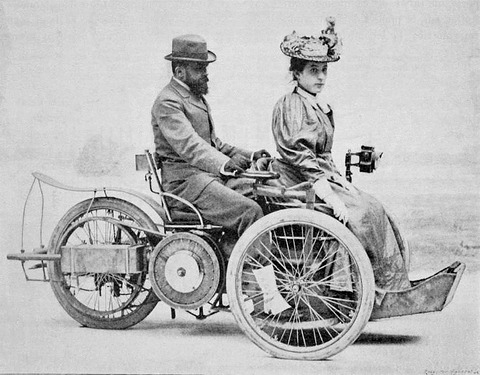
The car that made the word voiturette was a licence product almost from the start. Léon Bollée coined the word for his tandem tricar and registered it,source 3 but Le Mans made only the prototypes: the several hundred production cars of the Léon Bollée Voiturette were built for him by Hurtu & Diligeon. A British firm, the British Motor Company, bought the rights for Britain in 1896, and from 1900 Darracq used Bollée’s engine under licence.source 4source 5source 6
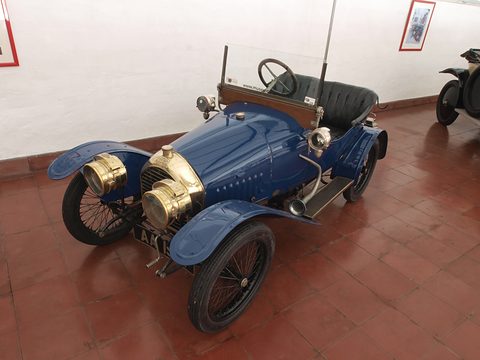
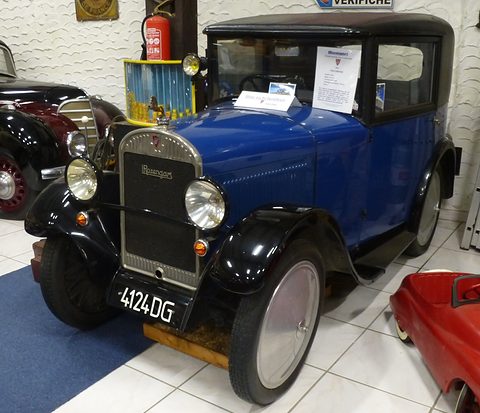
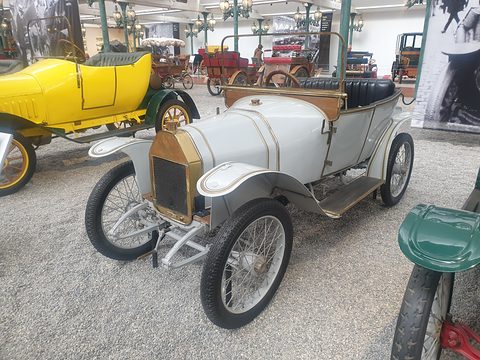
The Peugeot Bébé of 1913 was Ettore Bugatti’s design, built under licence at Peugeot’s Beaulieu works: 3,095 were made by 1916, the first Peugeot to pass 3,000 and more than any other car Bugatti designed.source 7source 8source 9
Bugatti, qui avait conçu cette petite voiture, proposa à Peugeot de lui en céder sa licence de fabrication. Les usines de Beaulieu commencent sa fabrication en 1913…
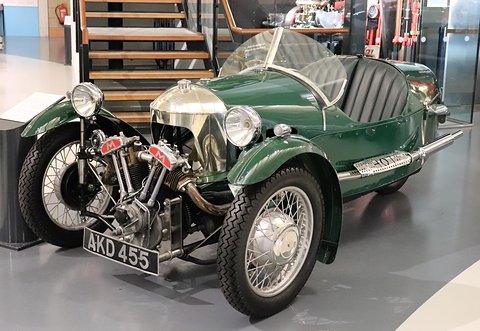
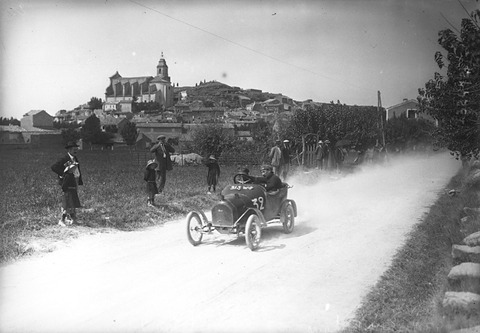
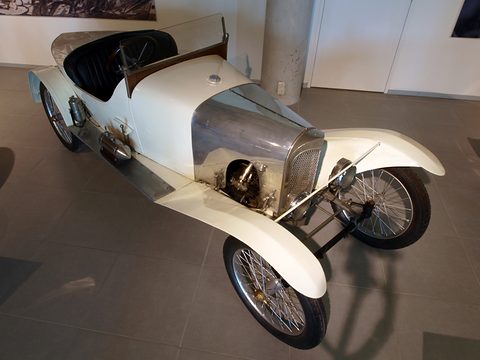
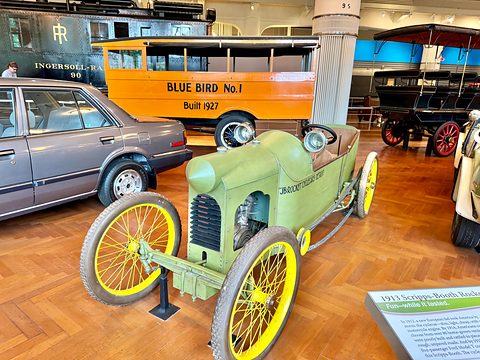
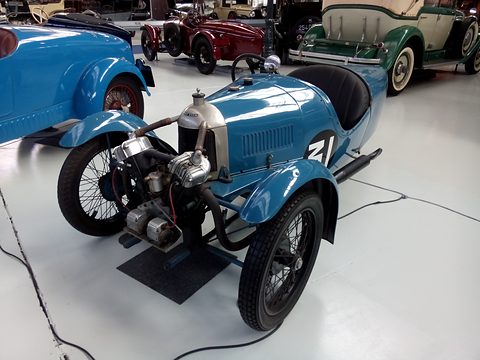
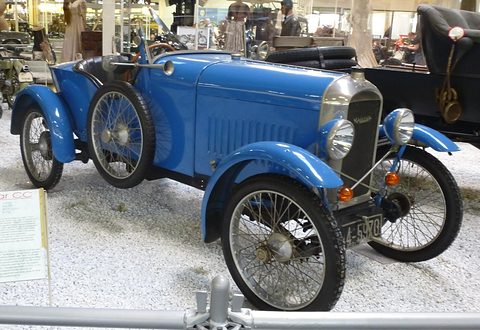
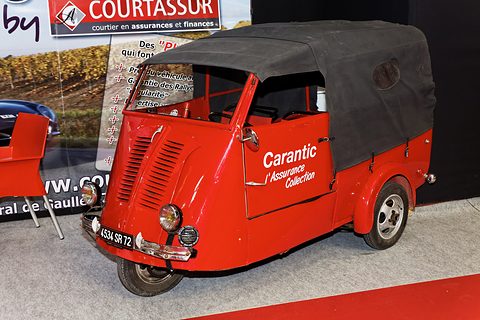
The cyclecars of the 1920s crossed borders the same way. Salmson, at Billancourt, began its car business after the war by building the British GN cyclecar under licence from 1919, for France and the Latin countries: about 1,600 by Grace’s Guide, or about 3,000 in two years by Godfrey.source 11source 12 Amilcar, the French maker of the Amilcar CC, had its cars licence-built by Pluto in Germany (more on German cyclecars), by Grofri in Austria and by Amilcar Italiana,source 13source 14 and the Dart of Toronto was a Scripps-Booth Rocket built under licence (more on cyclecars elsewhere).source 15source 16source 17 The French Monotrace of 1924–30 was a near-identical version of the German Mauser Einspurauto, licensed or simply copied.source 18source 19 And Morgan’s Paris agents, Darmont et Baudelocque, built the Morgan Three-Wheeler at Courbevoie as the Darmont. The Morgan histories date the agreement to 1919; a French magazine dates the start of manufacture to 1923, and quotes a specialist who calls the licence moral rather than legal.source 20source 21source 22
One design, four badges: the Austin Seven
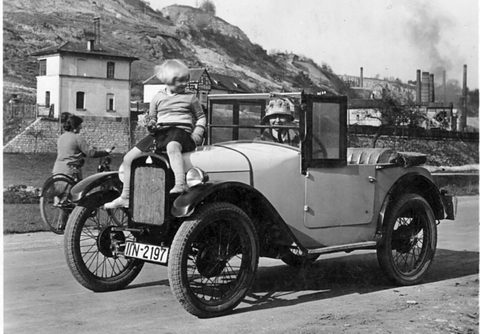
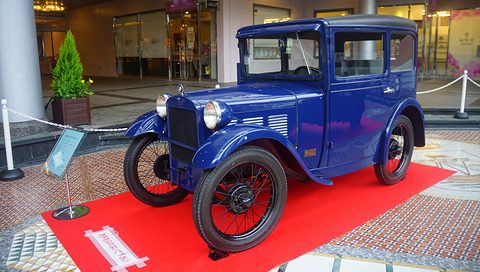
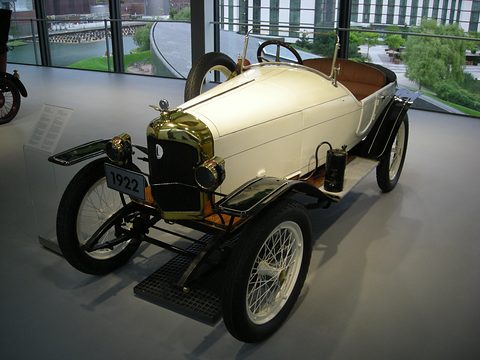
The Austin Seven was licensed three times, and a fourth car was long taken for a licence build. In Germany the Dixi works at Eisenach took a licence from Austin to build and sell the car for six years from 1 January 1927, and began with kits sent from England.source 23 BMW, which had built aero engines, motorcycles and truck engines until then, bought the works in the autumn of 1928, and the licensed Seven became BMW’s first car, the BMW 3/15.source 24source 25 Eisenach built 9,307 as Dixis; for the BMWs one count gives 18,976, the sums do not agree, and about 25,000 in all is the safest figure. BMW let the licence lapse in 1932, a few weeks before launching a car of its own.source 26source 23
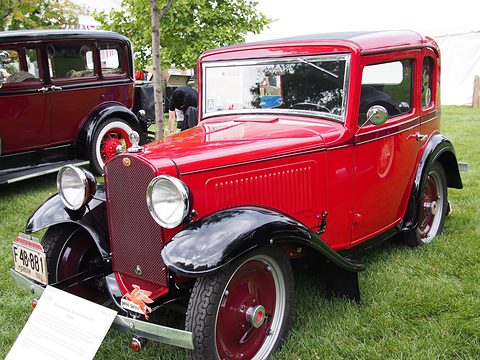
In France Lucien Rosengart, with the engineer Jules Salomon, set up to build the Seven in 1927–28, and the Rosengart LR2 appeared at the Paris Salon of October 1928.source 27source 28 No production figure for it has been found. In America, on New Year’s Day 1929, Herbert Austin sailed for New York on the Berengaria with four Sevens, looking for a licensee,source 29 and the American Austin Car Company, incorporated that February, built the car at Butler, Pennsylvania, restyled by Count Alexis de Sakhnoffsky of the Hayes body company. About 20,000 American Austins were built by the end of 1934, and the firm was later reorganised as American Bantam.source 30source 31source 29
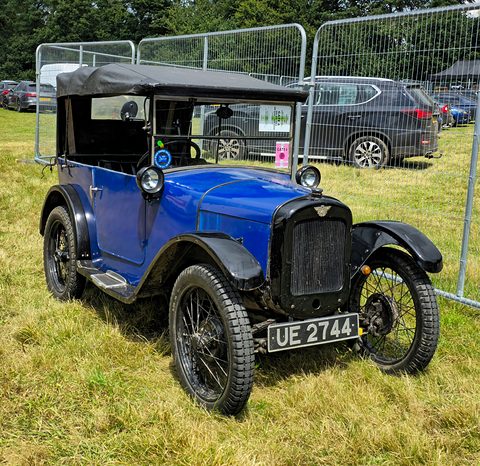
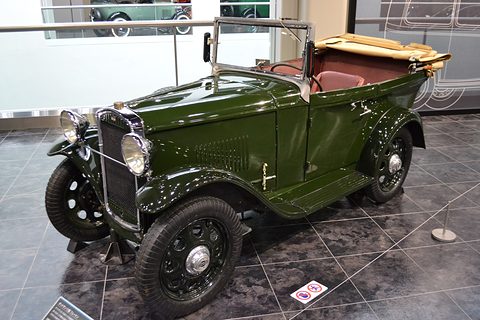
The fourth badge was not a licence. The Datsun Type 11 of 1932 looked like a Seven and was laid out like one, but it had its own 495 cc engine, and no licence existed.source 32source 33 In 1935 Herbert Austin had a later Datsun, a Type 14, shipped to England; his company studied it for any infringement of its patents and took no action, and that same car is now at the National Motor Museum at Beaulieu.source 34source 35
Fiat’s licences: Topolino, 500 and 126
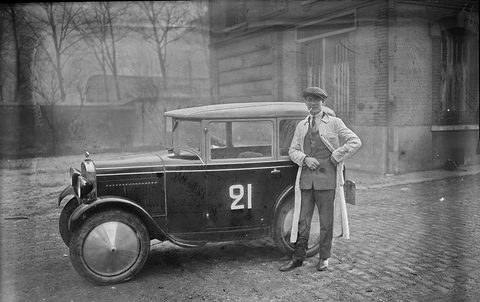
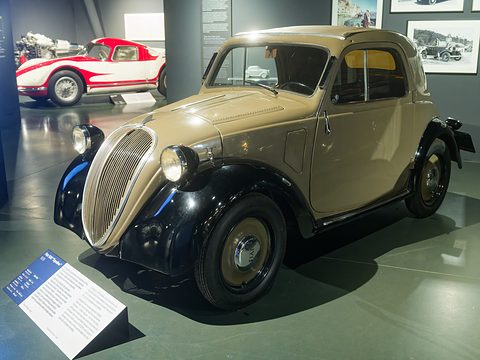
Fiat licensed each of its small cars as it came. The French Simca, newly founded by Henri Théodore Pigozzi, showed its Simca 5 on 10 March 1936 at Nanterre, a full three months ahead of Fiat’s launch of the Fiat 500 Topolino in Italy; Fiat had sent drawings and pre-series cars, and Simca built 46,472.source 36source 37 In Heilbronn the Fiat-controlled NSU Automobil AG, a different company from the NSU of Neckarsulm, built about 4,000 by 1939 and 9,064 of the 500 C between 1951 and 1955.source 38source 39
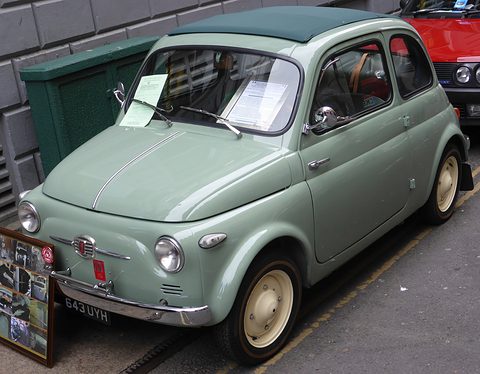
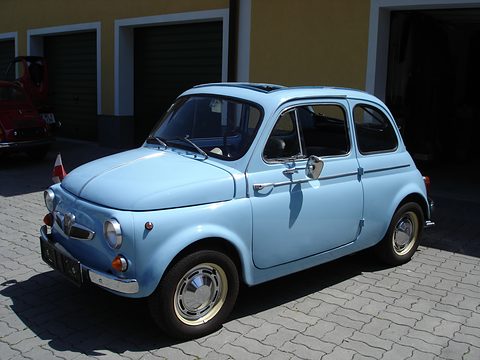
The Fiat Nuova 500 became Austrian. Steyr-Daimler-Puch bought the body unpainted from Fiat and fitted its own flat-twin engine, gearbox and running gear; the result was the Steyr-Puch 500, and Fiat’s licence terms restricted its exports.source 40source 41 The Italian figure of 57,871 Steyr-Puch cars is exactly 2,069 short of the Austrian count of 59,940, and 2,069 is the number of Fiat 126s that Puch finished, so the two figures probably agree.source 42source 41 Sobiesław Zasada won the 1966 European Rally Championship for touring cars (Group 2) in a Steyr-Puch, the smallest-engined car ever to win it (more on racing and rallying).source 41source 43 The Nuova 500 was also assembled at Heilbronn, as the NSU-Fiat Weinsberg 500, and in New Zealand, about 6,190 and 5,000 by Italian Wikipedia’s figures, which it calls unofficial.source 42 The 5,231,518 sometimes quoted as the 500’s production is the chassis number of the last car; Fiat’s own total is 3,893,294.source 42source 44source 45
Poland’s licence was the largest of all, and it was paid for in kind. Talks began in July 1970; Fiat offered a choice of the 127 or the 126; the Poles took the 126 because Fiat would accept payment in power units and finished cars. The licence was signed on 29 October 1971, for 820,000 power units to go into Italian-built cars, plus 50,000 finished cars for Fiat’s dealers.source 1 The Tychy works opened on 18 September 1975,source 1source 2 in May 1979 FSM finished paying for the licence two years early, and on 8 June 1979 a new agreement made it Fiat’s only supplier of the 126.source 1 In Austria, meanwhile, Steyr-Puch had fitted its own 643 cc flat-twin to 2,069 engineless Italian bodies in 1973–75.source 1source 46
The Isetta in France and Brazil
A pair
The Isetta family, 1953–1964
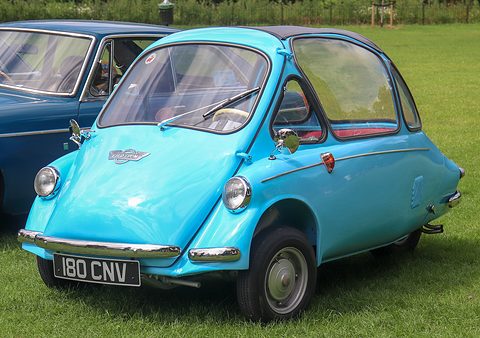
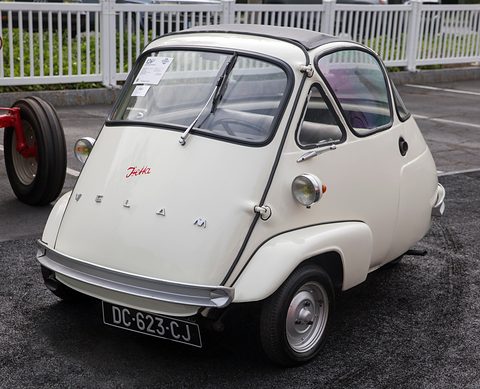
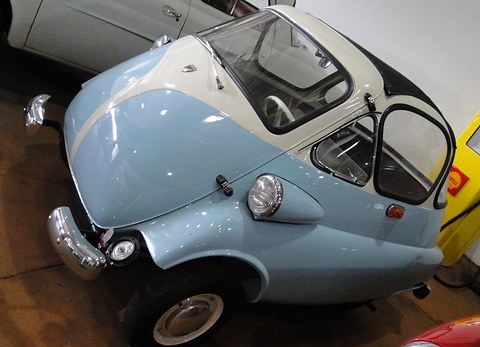
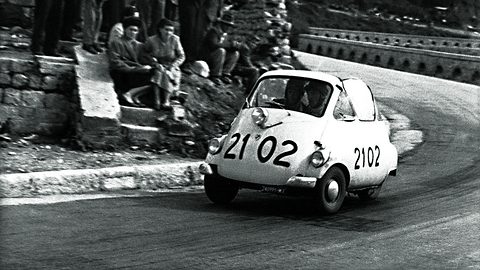
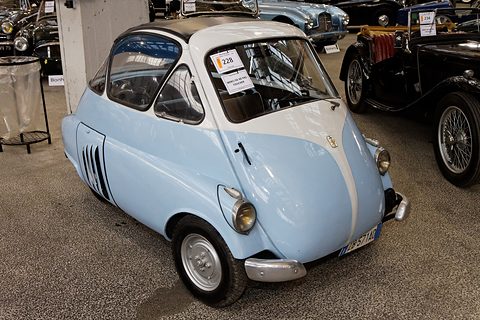
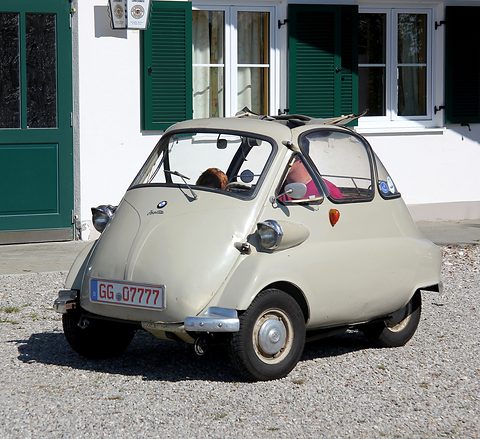
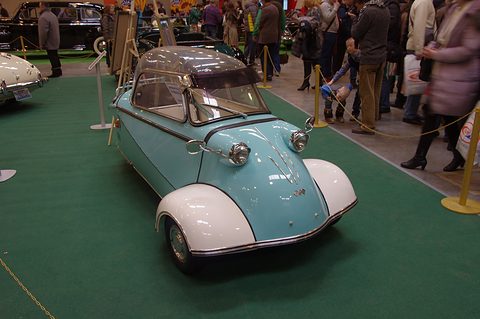
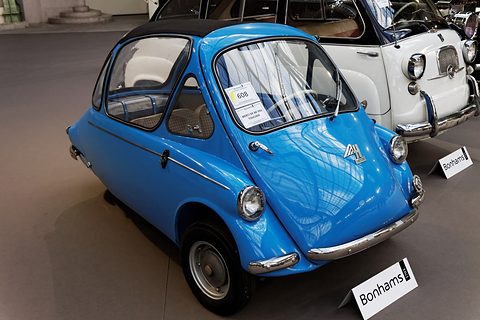
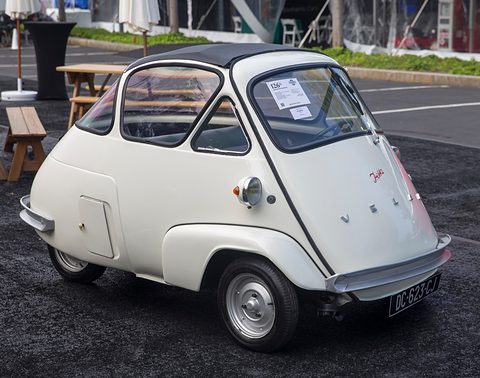
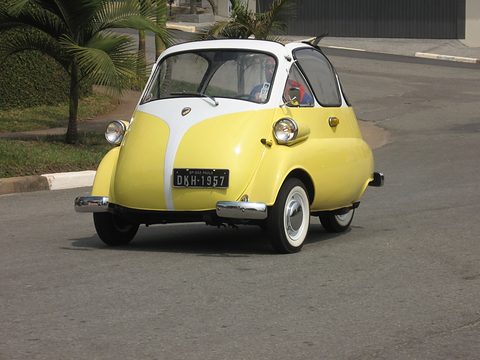
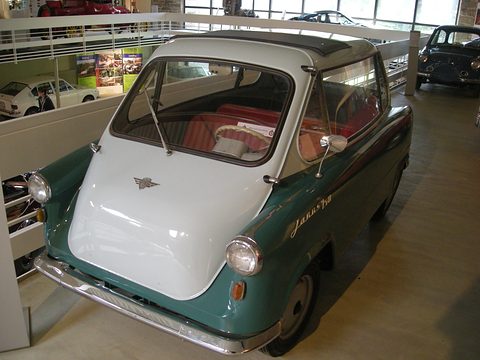
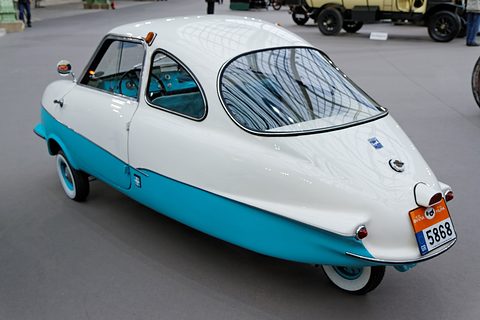
The Iso Isetta sold poorly in Italy, and Renzo Rivolta wanted licence deals.source 47source 48 In 1954 BMW bought the licence and the body tooling, fitted its own four-stroke engine, and from 1955 to 1962 built 161,728 of the BMW Isetta, which BMW calls the best-selling single-cylinder car in the world; at the 50,000th it wrote Iso a letter of thanks.source 48source 49source 47 Since BMW had the tooling, VELAM in France designed its own body and kept the Iso engine; its Velam Isetta was built in a rented corner of the former Talbot factory in Suresnes: 7,115, from 1955 to 1958.source 50source 51source 52 In Brazil, Indústrias Romi, a machine-tool maker, launched the Romi-Isetta on 5 September 1956; about 3,000 were made.source 51source 53source 54 Iso’s Spanish company in Madrid made 4,900 Iso Isettacarro trucks by the Weiner museum’s count, though another account gives about 1,000 vehicles of all kinds,source 55source 56source 57 and BMW licensed the car again to Brighton, where Isetta of Great Britain took part of the railway works in 1957 to build the Brighton-built Isetta: the works had no road access, so parts came in and cars went out by rail.source 51 A blue plaque near the site says some 30,000 were built there, a figure no other source confirms.source 58 When Hoffmann announced a cabin car of its own in 1954, the Hoffmann Auto-Kabine 250, auto motor und sport called it plain plagiarism, and by early 1955 it was dead.source 59source 60 Even the Messerschmitt had an Italian cousin: Mi-Val of Brescia assembled the Messerschmitt KR175 from imported parts with its own 172 cc engine and sold it as the Mi-Val Mivalino.source 61source 62 And Dornier’s design for a back-to-back four-seater was built under licence by a motorcycle firm as the Zündapp Janus.source 63source 64
Fuldamobil, Heinkel and Brütsch, 1954–1975
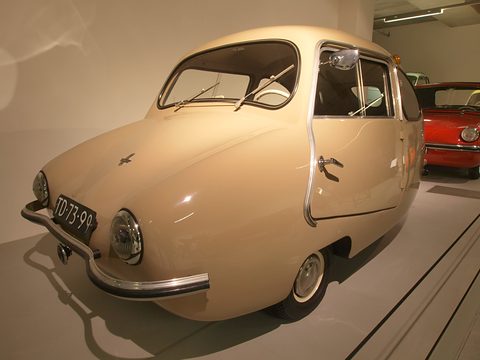
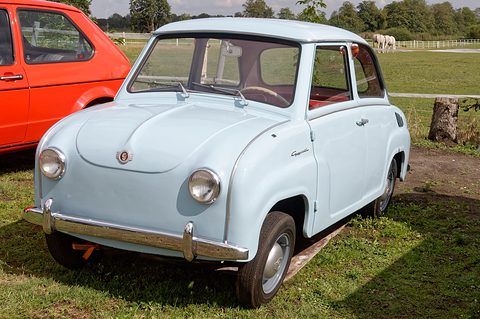
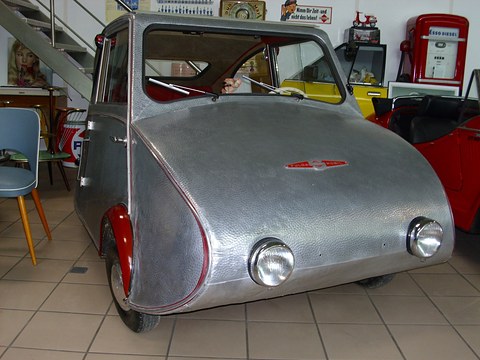
The Fuldamobil went further. Only about 2,900 were built in Germany, NWF’s 701 included, but it was licensed or assembled in more countries than any of its rivals among the bubble cars.source 65source 66 NWF of Wilhelmshaven went bankrupt in 1955,source 67 and in the Netherlands the Bambino 200 was sold as assembled at Veghel, though some think the cars were German-built.source 68source 69source 70 In Sweden a bicycle maker in Helsingborg built 411 as the Fram King Fulda, renamed King when SKF, the bearing company, objected to the initials FKF.source 71source 72 In Britain it became the Nobel 200, assembled by Short Brothers & Harland (more on aircraft makers).source 73 In Argentina the Bambi was in production from 12 May 1960 and, priced at 140,000 pesos, undercut every other car in the country; 500 were made by 1966.source 74source 75 In Greece, which taxed three-wheelers as motorcycles, Bioplastic built about 100 as the Attica 200 by one account, several hundred by another; it also built about 100 of the Reliant-based Carmel 12 under licence from Israel’s Autocars, Reliant’s partner there (more on the Reliant Regal).source 76source 77source 78 Licences are also reported, though not confirmed, in South Africa, Rhodesia, Turkey and India; the firm that succeeded Fuldamobil in Fulda says licence production went on until 1975.source 65source 79
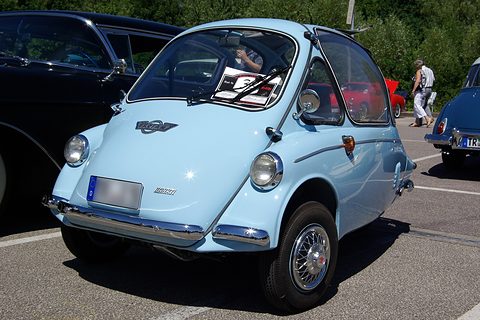
The Heinkel Kabine passed from hand to hand. After 11,975 German cars, Heinkel sold the rights to Dundalk Engineering in Ireland in 1958.source 80source 81 The Weiner museum says the Irish firm built only 200 before its licence was revoked for poor workmanship; the Heinkel Trojan Club answers that a Trojan memo puts the last Irish chassis at number 6486.source 82source 80 Trojan of Croydon, bought in 1959 by Britain’s Lambretta importer, Peter Agg, took over the tooling, 100 complete cars and 2,674 kits of parts, and built about 6,000 Trojan 200s, by its chassis numbers if the sequence has no gaps.source 80source 83 In Argentina Los Cedros built the Argentine Heinkel Kabine, though in March 1958 the Argentine central bank had stopped imports of parts for assembling cars, Heinkel’s among them.source 80source 81
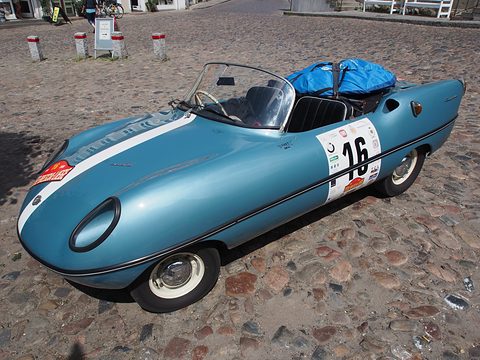
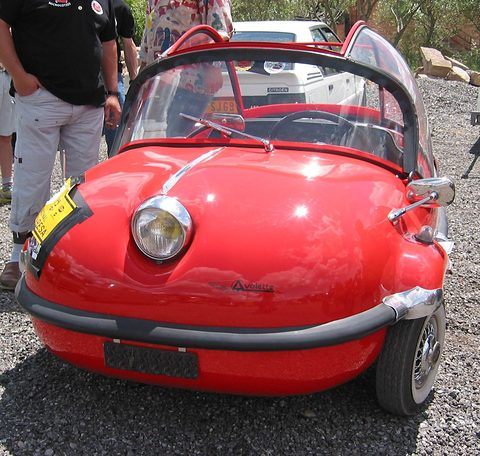
For one designer licensing was the whole business. Brütsch sold designs to Spatz in Germany, to the Swiss firm that built the Belcar and to Air Tourist in France, and many of the deals ended in quarrels.source 84source 85 The Spatz maker paid DM 25,000 in 1954 for a three-wheeler to build; when Egon Brütsch demanded fees on the four-wheeler it became, it won an interim injunction in 1956 forbidding him to call himself the Spatz’s designer.source 85source 86source 87 Air Tourist built about 30 of its version, the Avolette.source 88source 89
He was more successful at licensing his concept to various European firms than he was at building them himself.
Spain, Egypt, Korea and Greece
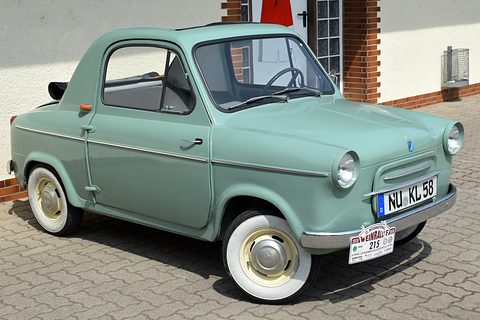
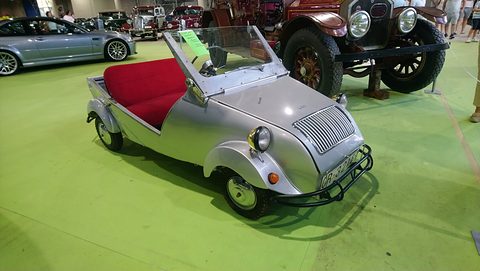
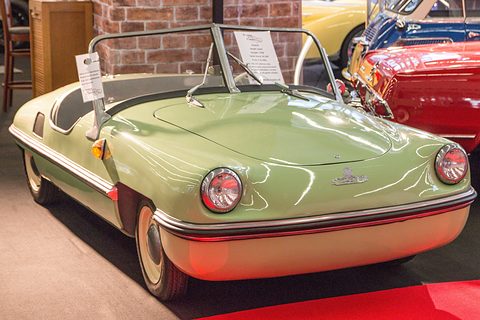
Licences took the small car to markets that could not import one. Gabriel Voisin’s Voisin Biscooter found no maker in France, and a group of Barcelona businessmen formed Autonacional and bought the licence; the Biscúter, shown in 1953, became Spain’s best-selling microcar until the SEAT 600 ended it from 1957.source 90source 91source 92 The Goggomobil was built in Spain, as the Goggomobil (Spain), by Munisa from 1962, about 5,000 or 8,000 by different accounts, and in Sydney by Buckle Motors, about 5,000 of all kinds including some 700 of the Goggomobil Dart roadster.source 93source 94source 95source 96source 97source 98 Piaggio’s Vespa 400 was built not in Italy but in France, by ACMA at Fourchambault, 30,976 by L’Argus’s count,source 99 and the French Solyto had a Spanish version, the Delfín, licensed by one account and only inspired by it by another.source 100source 101source 90source 102
Egypt’s small car began as a British licence that never happened. In 1959 President Nasser approved an Egyptian-built Frisky, to be called Ramses, and 25 cars were shipped for the Revolution Day celebrations that July; then London refused to license the export, the President of the Board of Trade answering Egypt’s slowness over British property in kind.source 103 Egypt turned to NSU. The first parts arrived in June 1960, and the Ramses, an NSU Prinz built under licence by Eltramco at the foot of the Giza pyramids, was made until July 1973, when the Prinz 4 itself ended; by 1965 some 1,700 had been made.source 104source 105
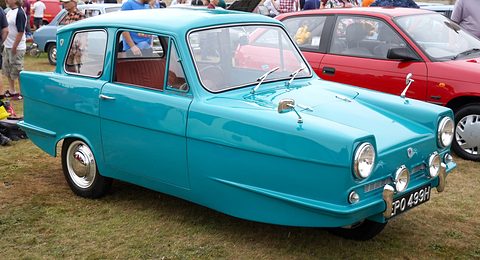
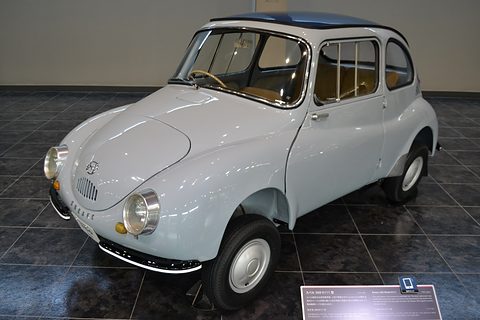
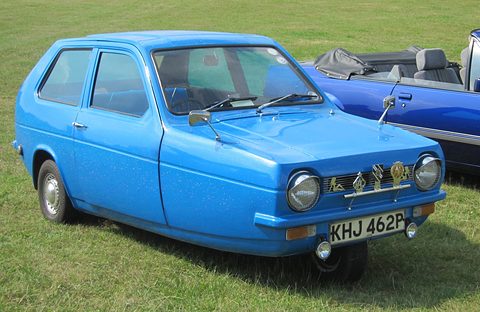
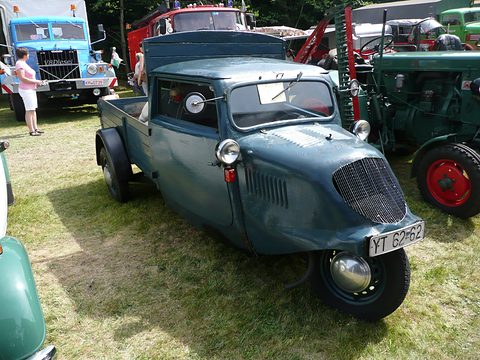
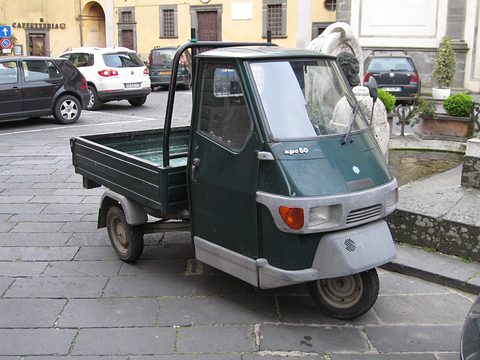
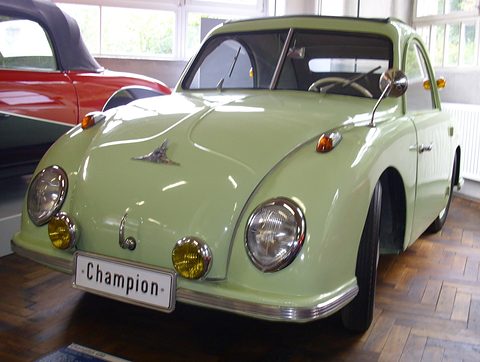
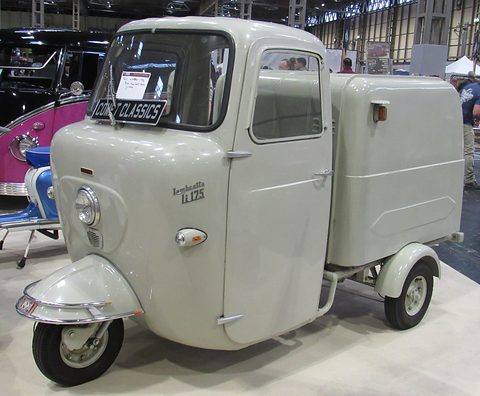
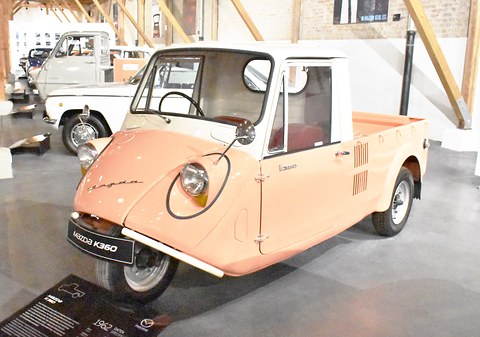
The German Champion was licence-built in Austria by Perl, about 100 of them between 1951 and 1954.source 106 In South Korea Kia began licence assembly of the Mazda K360 three-wheeled truck in 1962, Korea’s first three-wheeled vehicle, and in 1973 the state firm MADI took over Mazda’s tooling in Burma.source 107source 108source 109 The Piaggio Ape became Moto Vespa’s Vespacar in Spain from 1961;source 110 India bought the tooling of the Lambretta Lambro and built it as the Vikram from about 1977;source 111 and of the Tempo three-wheelers, the A 400 was built under licence by Gutbrod in 1938, and Bajaj built Tempos in India from 1962 (more on three-wheelers).source 112source 113 Taiwan began assembling Subaru 360 kits in October 1967 and made 9,900 in the first year.source 114 The Reliant Robin was built under licence in Greece by MEBEA from 1974 to 1978, and its last makers, B&N Plastics, built about 40 under licence in 2001–02.source 115source 116source 117
Not every look-alike was licensed. The Mikrus MR-300 took the Goggomobil’s general layout, but its engineers changed the wheelbase, track, body, suspension and engine, and in 1959 the Polish magazine Motor went out of its way to deny that it was a faithful copy.source 118 A licence was a contract, and it often outlasted the idea behind it: the Fiat 126 that Poland chose partly for the way it could be paid for was still being built in Bielsko-Biała in 2000, two decades after Italy had stopped.
Smallest to largest
48 cars and 5 maker groups, to scale
Each bar is the car’s length on a 3.5 metre track; the red notch is a Fiat 500.
-
Brütsch1951–1958 · West Germany · 3 wheels
2.20 m -
Iso Isetta1953–1956 · Italy · 4 wheels
2.25 m -
BMW Isetta1955–1962 · West Germany · 4 wheels
2.29 m -
Romi-Isetta1956–1961 · Brazil · 4 wheels
2.29 m -
Velam Isetta1955–1958 · France · 4 wheels
2.38 m -
Avolette1955–1958 · France · 3 wheels
2.40 m -
Solyto1952–1974 · France · 3 wheels
2.45 m -
Léon Bollée Voiturette1895–1899 · France · 3 wheels
2.50 m -
Heinkel Kabine1955–1958 · West Germany · 3 wheels
2.55 m -
Biscúter1953–1960 · Spain · 4 wheels
2.56 m -
Voisin Biscooter1949–1957 · France · 4 wheels
2.57 m -
Peugeot Bébé1905–1916 · France · 4 wheels
2.62 m -
Trojan 2001961–1965 · Britain · 3 wheels
2.66 m -
Piaggio Ape1948– · Italy · 3 wheels
2.68 m -
Datsun Type 111931–1938 · Japan · 4 wheels
2.71 m -
Austin Seven1922–1939 · Britain · 4 wheels
2.79 m -
Messerschmitt KR1751953–1955 · West Germany · 3 wheels
2.82 m -
Fuldamobil1950–1969 · West Germany · 3 wheels
2.85 m -
Vespa 4001957–1961 · France · 4 wheels
2.85 m -
Frisky1958–1961 · Britain · 4 wheels
2.86 m -
Zündapp Janus1957–1958 · West Germany · 4 wheels
2.89 m -
Morgan Three-Wheeler1910–1952 · Britain · 3 wheels
2.90 m -
Goggomobil1955–1969 · West Germany · 4 wheels
2.90 m -
Lambretta Lambro1949–1972 · Italy · 3 wheels
2.92 m
24 more cars and 5 more maker groupsFewer
-
Fiat Nuova 5001957–1975 · Italy · 4 wheels
2.97 m -
Steyr-Puch 5001957–1975 · Austria · 4 wheels
2.97 m -
Mazda K3601959–1969 · Japan · 3 wheels
2.98 m -
Subaru 3601958–1970 · Japan · 4 wheels
2.99 m -
BMW 3/151927–1932 · Germany · 4 wheels
3.00 m -
Mauser Einspurauto1921–1927 · Germany · 2 wheels
3.00 m -
Mikrus MR-3001957–1960 · Poland · 4 wheels
3.02 m -
Goggomobil Dart1959–1961 · Australia · 4 wheels
3.05 m -
Fiat 1261972–2000 · Italy · 4 wheels
3.05 m -
American Austin1930–1941 · United States · 4 wheels
3.09 m -
Champion1949–1954 · West Germany · 4 wheels
3.17 m -
Nobel 2001958–1962 · Britain · 3 wheels
3.20 m -
Fiat 500 Topolino1936–1955 · Italy · 4 wheels
3.21 m -
Spatz1956–1958 · West Germany · 4 wheels
3.30 m -
Reliant Robin1973–2002 · Britain · 3 wheels
3.33 m -
Reliant Regal1952–1973 · Britain · 3 wheels
3.43 m -
Amilcar CC1921–1925 · France · 4 wheels
length unknown -
Attica 2001962–1971 · Greece · 3 wheels
length unknown -
Darmont1919–1939 · France · 3 wheels
length unknown -
GN cyclecar1910–1925 · Britain · 4 wheels
length unknown -
Ramses1960–1973 · Egypt · 4 wheels
length unknown -
Rosengart LR21928–1939 · France · 4 wheels
length unknown -
Scripps-Booth Rocket1913–1914 · United States · 4 wheels
length unknown -
Tempo three-wheelers1928–1943 · Germany · 3 wheels
length unknown -
Cyclecars elsewhere: Austria, Poland, Scandinavia and beyond1913–1939 · Several countries · 4 wheels
24 makers -
Dutch and Belgian microcars1951–1958 · Several countries
7 makers -
French cyclecars: the minor makers1913–1936 · France · 4 wheels
13 makers -
German cyclecars and Kleinwagen: the minor makers1919–1933 · Germany · 4 wheels
10 makers -
Scandinavian microcars1956–1994 · Several countries · 3 wheels
4 makers
Pictures
Seven photographs
Built under licence 7
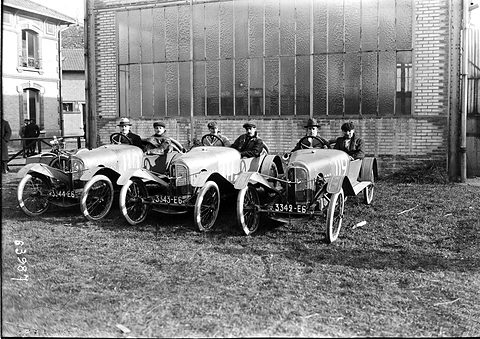
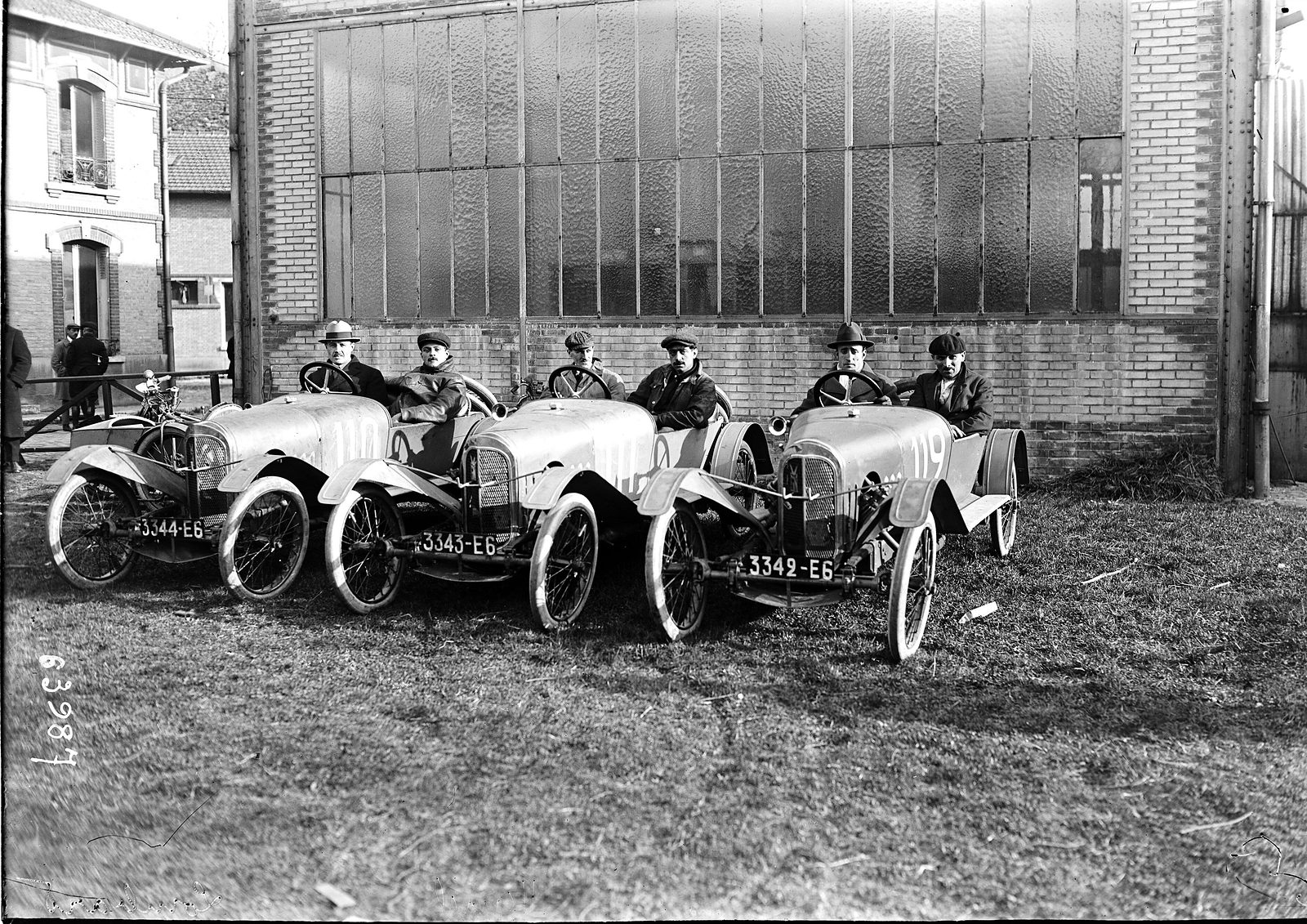
1 Lombard (110), Honel (111) and Ramón Bueno (112) seated in their GN-type cyclecars on the grass before a hangar for the 1921 Paris–Nice cyclecar trial.
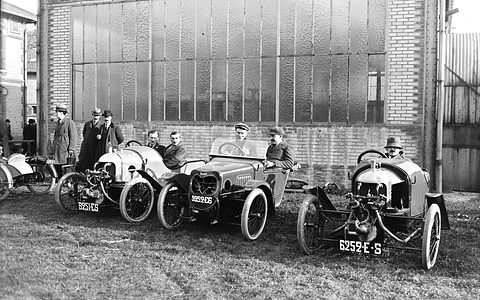
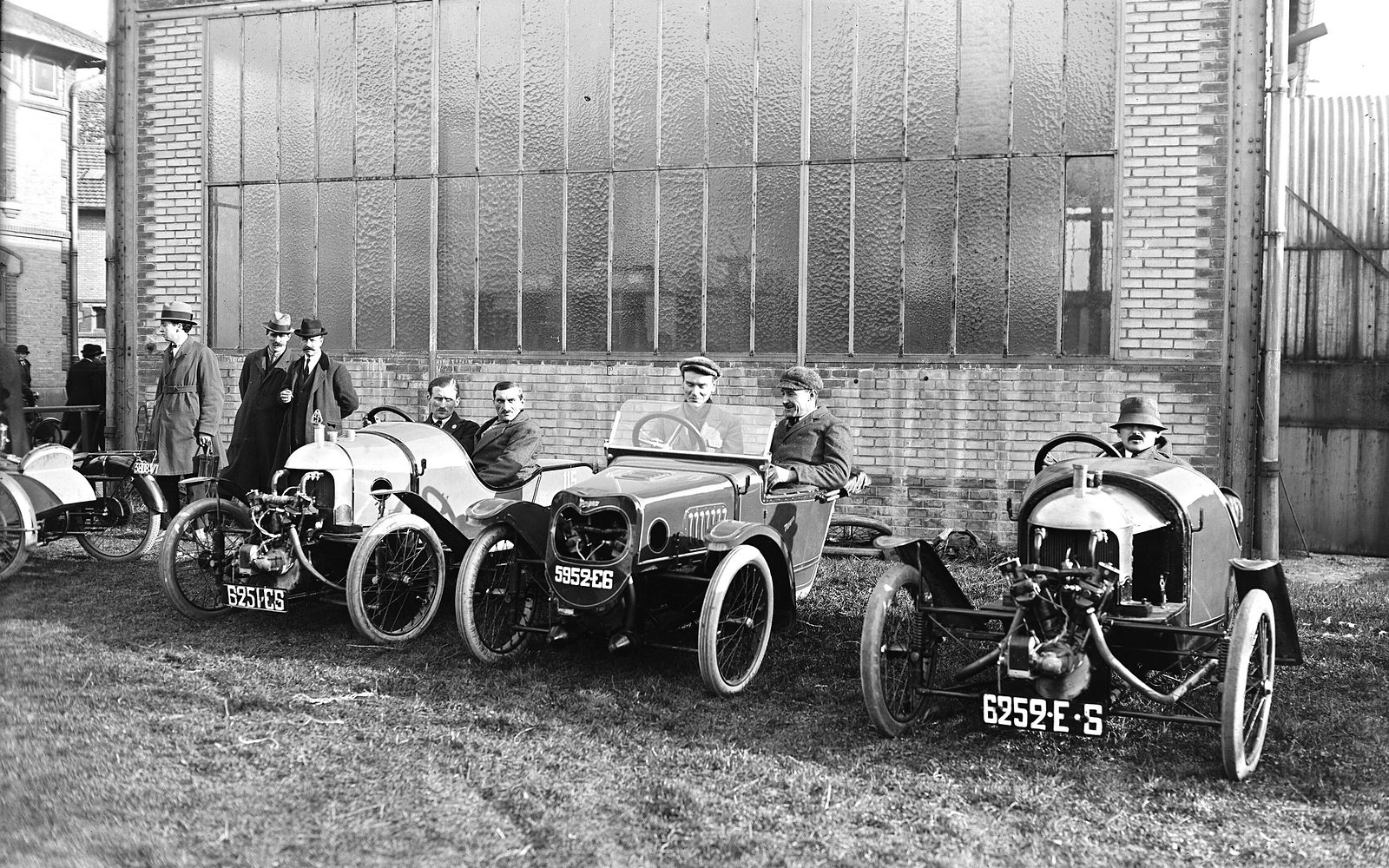
2 Morgans of Darmont, Casse and Sandford lined up before a hangar for the Paris–Nice cyclecar trial in 1921.
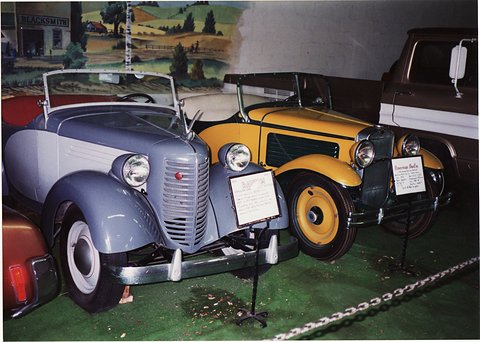
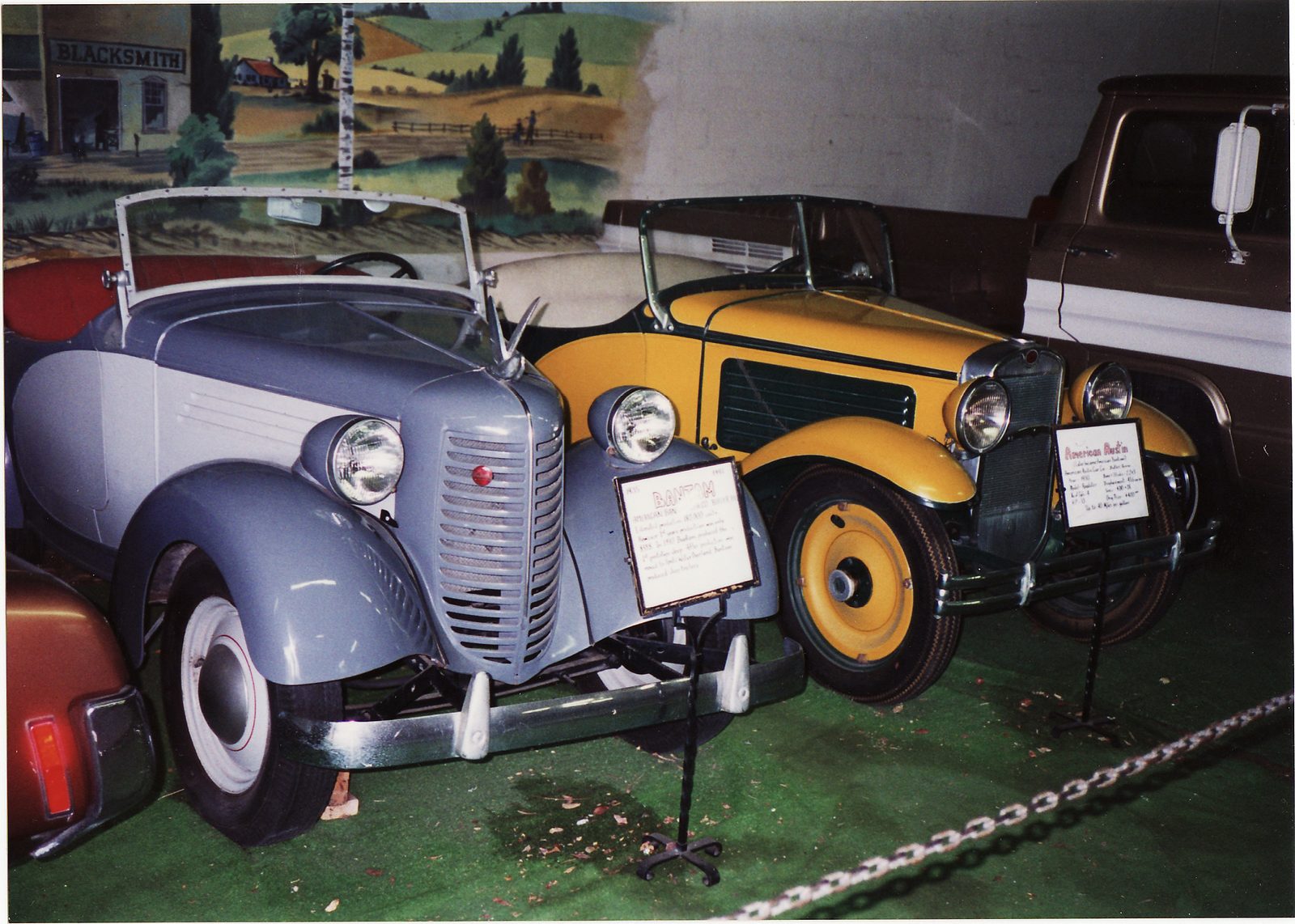
3 An American Austin of about 1931 beside an American Bantam of about 1937–38, photographed in April 2015.
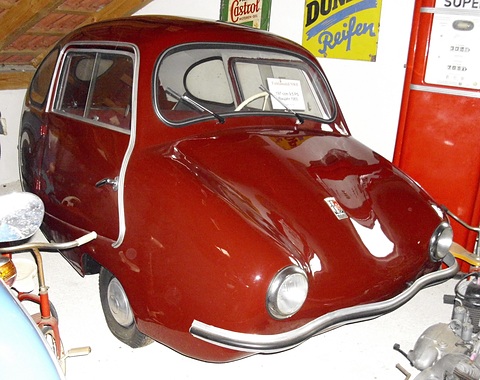
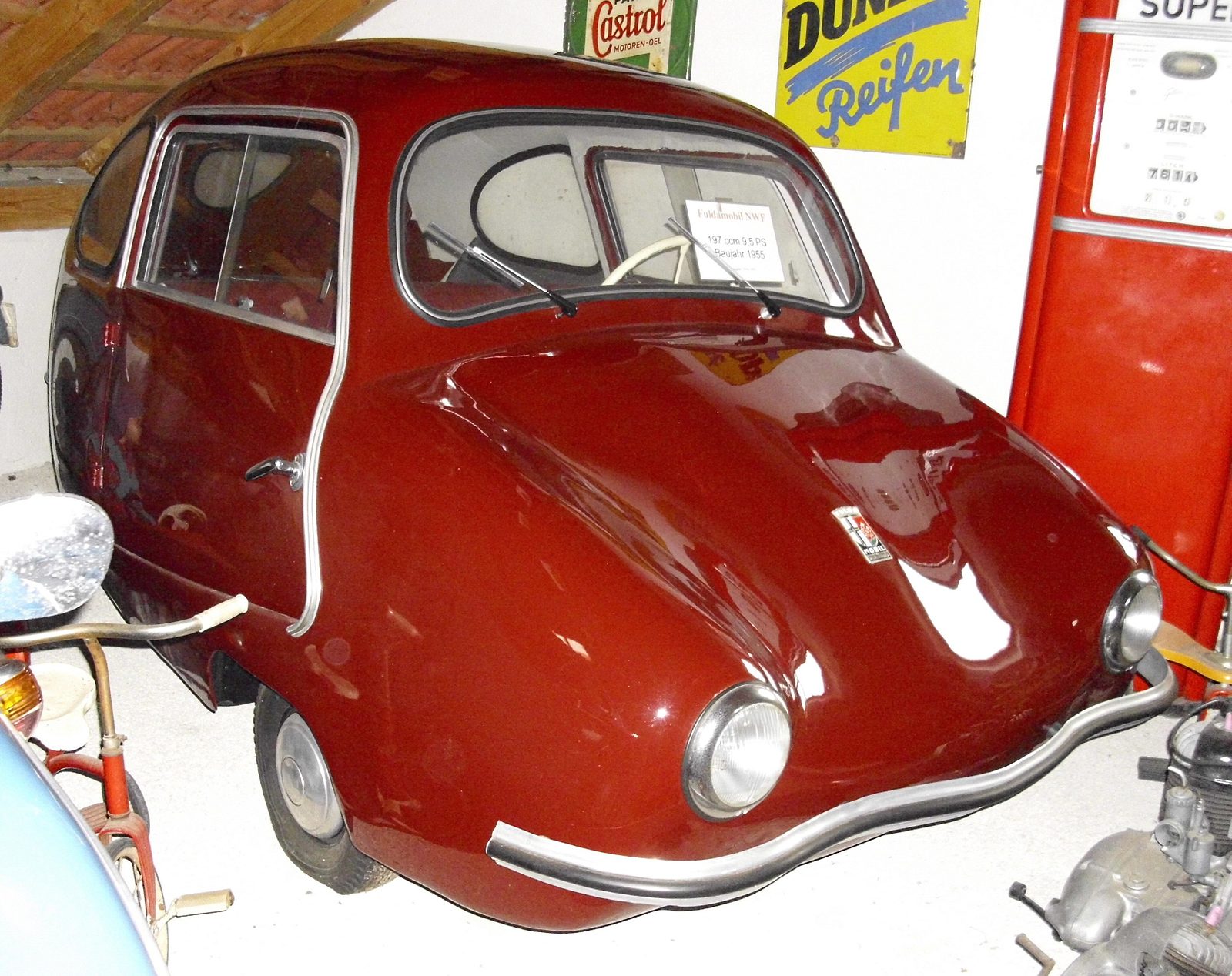
4 A red 1955 Fuldamobil NWF 200, photographed in 2013.
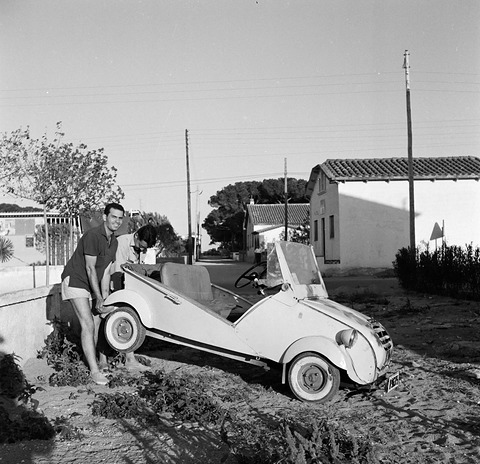
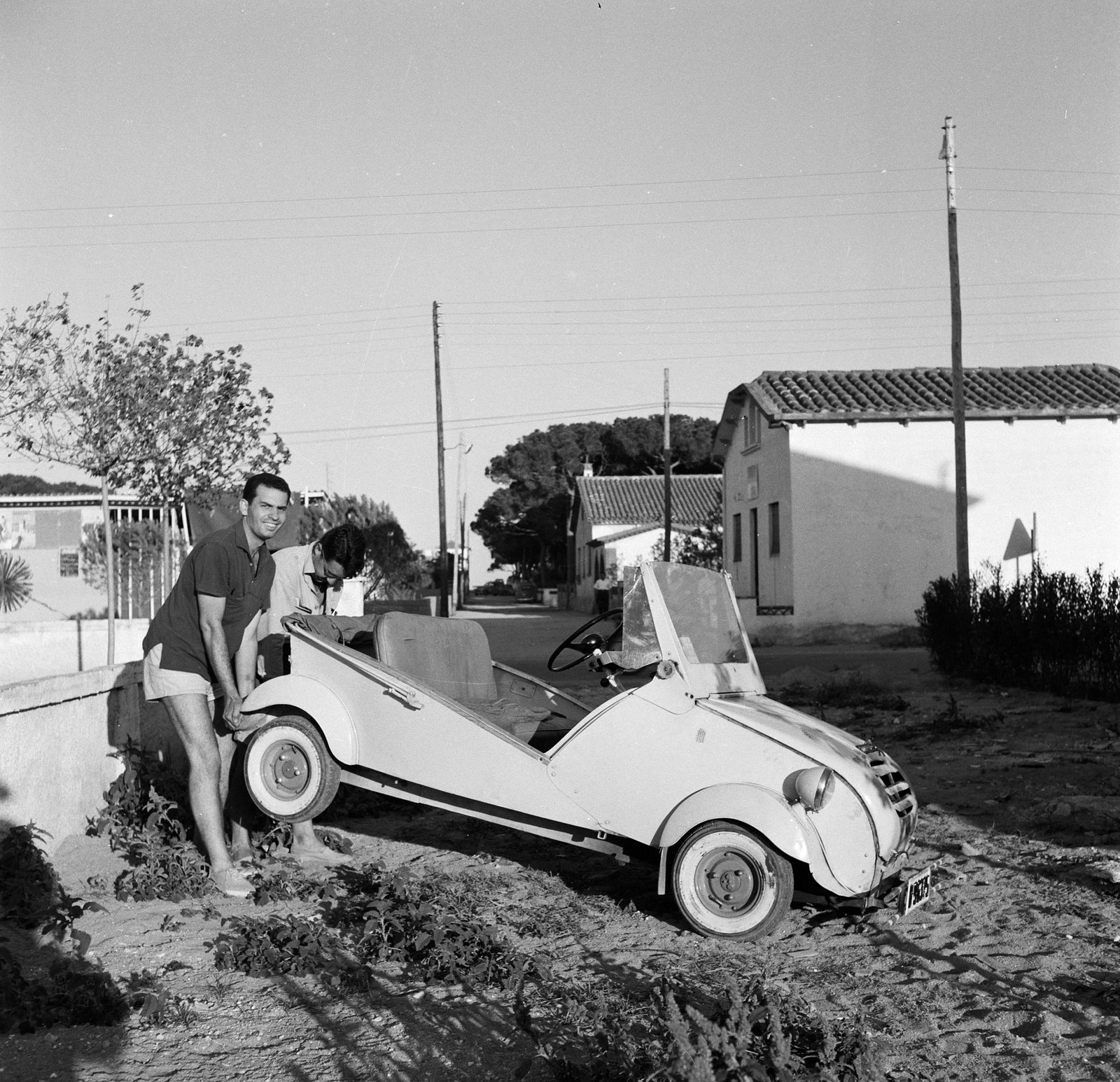
5 Lifting a Biscúter by hand in Spain, 1958: the car weighed under 300 kg.
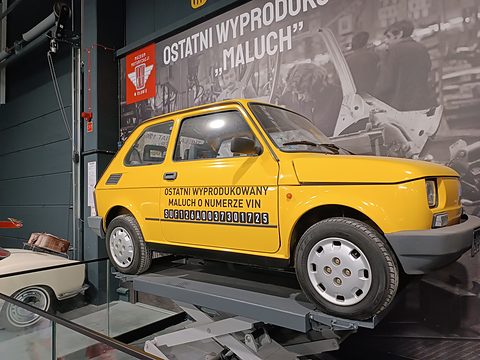
6 The last 126p built, a yellow car of 2000, when it was officially the Maluch, at the Wena Motoring Museum, Oława, in 2024.
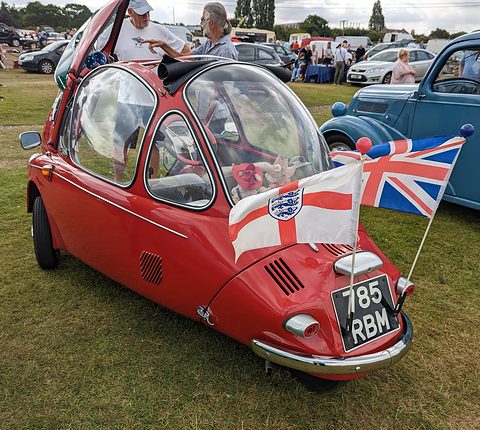
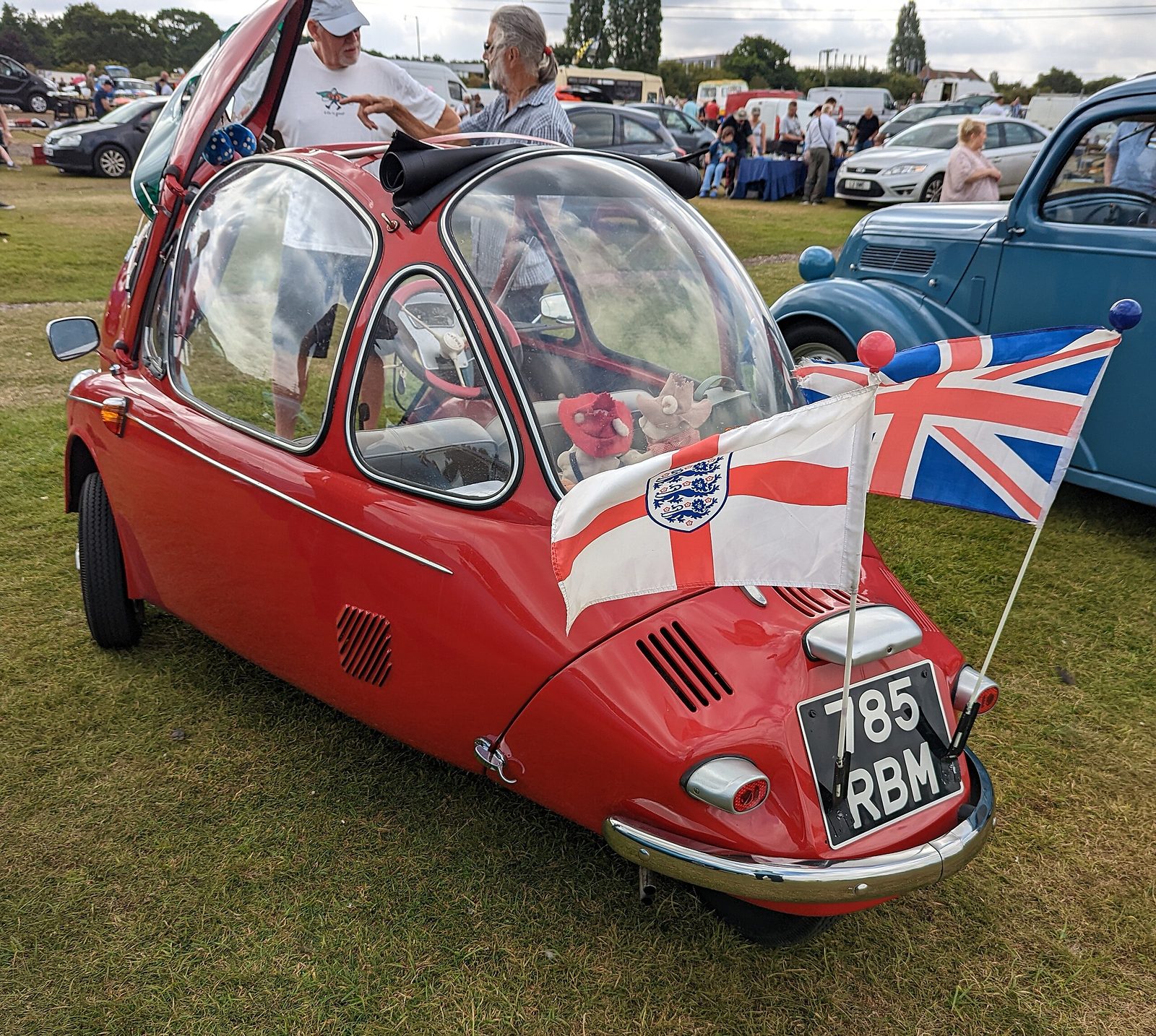
7 A red 1962 Trojan 200 with flags, its door open and roof rolled back, 2022.
Picture credits (7)
- 1 Agence Rol, Bibliothèque nationale de France, Public domain
- 2 Agence Rol, Public domain
- 3 Andrew Bone from Weymouth, England, CC BY 2.0
- 4 Buch-t, CC BY-SA 3.0 de
- 5 Willem van de Poll / Nationaal Archief, CC0
- 6 Yurek88, CC BY 4.0
- 7 Calreyn88, CC BY-SA 4.0
The cars
Profiles
36 more cars and 5 more maker groupsFewer
-
-
-
-
-
-
-
-
-
-
-
-
-
-
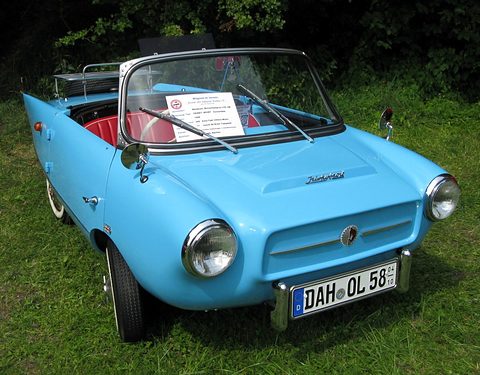
-
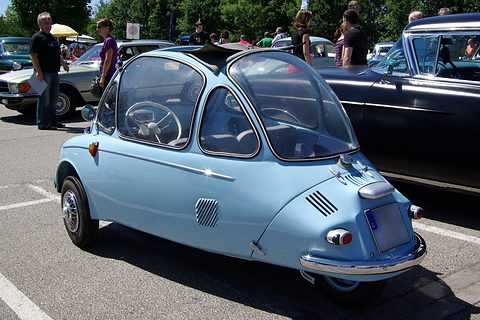
-
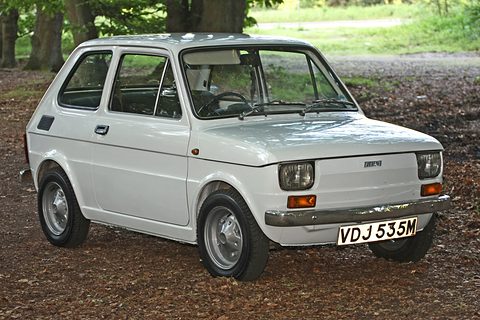
-
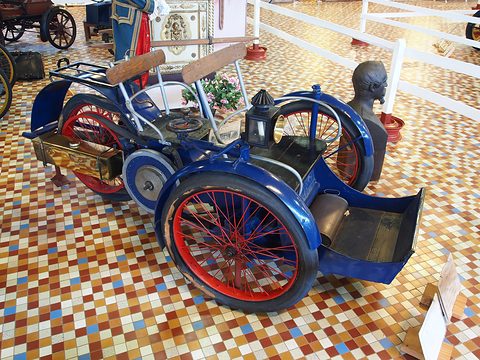
-
-
-
-
-
-
-
-
-
-
-
-
-
-
-
-
-
-
-
-
-
Cyclecar
Cyclecars elsewhere: Austria, Poland, Scandinavia and beyond
1913–1939 · Several countries · 24 makers
-
-
-
Sources
Numbered as in the text
Sources are given as plain text; the links are on the Credits page.
- Polish Wikipedia, Fiat 126, read in full on 7 October 2026. It cites Zdzisław Podbielski, Polski Fiat 126p, czyli Maluch (2011); Marek Kuc, Samochody ze Śląska 1971–2018 (2019); Włodzimierz Bukowski, Samochody PRL-u (2018); Aleksander Sowa, Fiat 126 Mały Wielki Samochód (2008); and Szelichowski, Sto lat polskiej motoryzacji (2003).
- Italian Wikipedia, Fiat 126, read in full. It cites l’Unità (1972–77), La Repubblica (1986–2000), the Quattroruote road test of February 1973 and Alessandro Sannia, Il grande libro delle piccole Fiat (2008).
- French Wikipedia, Léon Bollée, read in full. Used as a lead.
- English Wikipedia, Léon Bollée Automobiles, read in full. Used as a lead; it cites Rendall, The Chequered Flag (1997), and The Times.
- Grace’s Guide, “Leon Bollee”, read in full: text drawn from Wikipedia and Hasluck (1906), picture captions and early British registrations.
- German Wikipedia, Automobiles Léon Bollée, read in full. Used as a lead; it cites The Automotor and Horseless Vehicle Journal (November 1896), La Locomotion automobile (1896–97), The Horseless Age (October 1896), Le Sport universel illustré (December 1898) and Georgano.
- Peugeot, “A century of models: 1913 Bébé Type BP 1”, peugeot.com, archived 2011, read in full.
- French Wikipedia, Peugeot Type BP 1, read in full. Used as a lead.
- Dennis Simanaitis, “What a sweet little Bébé”, Simanaitis Says, 12 August 2018, read in full. It quotes Hugh Conway’s Bugatti Magnum (1989) and Karslake via Road & Track, August 1969.
- English Wikipedia, Peugeot Bébé, read in full. Used as a lead; it quotes the Musée de l’Aventure Peugeot’s exhibit label of 2012.
- Cecil Clutton with H. R. Godfrey, “A history of the G.N.”, Motor Sport, August 1949, read in full (some model headings lost in the archive’s text).
- Grace’s Guide, “GN Car Co”, read in full; it cites The Autocar of 10 February and 12 May 1912, The Engineer of 19 November 1920, and Wikipedia.
- English Wikipedia, Amilcar, read: the licences to Pluto, Grofri and Amilcar Italiana.
- German Wikipedia, Grofri, summary read. Used as a lead; it cites Linz and Schrader (2008) and Gilles Fournier, Amilcar (1994).
- “A Canadian Cyclecar Announced”, Motor Age, 4 December 1913, snippet only.
- Cyclecar directory, entry “C.B.C., Canadian Baby Car Co., Montreal”, Motor Age, 15 January 1914, entry read.
- G. N. Georgano (ed.), The New Encyclopedia of Motorcars 1885 to the Present (1982), entries Scripps-Booth, Dart and Da Vinci, snippets only.
- German Wikipedia, Einspurwagen, read in full. It cites Linz and Schrader, Die Internationale Automobil-Enzyklopädie.
- English Wikipedia, Monotrace (automobile), read in full. It cites Georgano (1968) and Toutes les voitures françaises 1927 (Automobilia, 2006).
- Morgan (1994), on the 1919 agreement and the crankcase lettering, snippets only.
- Three Wheelers (2003), on the 1919 licence, snippet only.
- “Darmont Étoile de France: star parmi les stars”, Gazoline no. 261, December 2018, pp. 66–69, read in full.
- German Wikipedia, Fahrzeugfabrik Eisenach. It cites Oswald and Kittler, Alle BMW-Automobile seit 1928, and Paul Hogl in Der Motor.
- Lane Motor Museum, “BMW Dixi – 1930”, collection page, read in full.
- BMW Group Classic, “BMW 3/15 PS DA 2”, model page, read in full; the page says its text was created with AI help.
- English Wikipedia, BMW 3/15.
- French Wikipedia, Rosengart.
- French Wikipedia, Lucien Rosengart.
- Kit Foster, automotive historian, “Carport” blog, post 2744, read in full.
- English Wikipedia, American Austin Car Company.
- Lane Motor Museum, “American Austin – 1930”, collection page, read in full.
- English Wikipedia, Datsun Type 11.
- Wilhelm Lutjeharms, “Oldest in South Africa: 1932 Datsun Type 11”, CAR (South Africa), 13 January 2019, read in full.
- English Wikipedia, Datsun Type 14, which quotes the National Motor Museum.
- National Motor Museum, Beaulieu, museum blog, May 2016, on its Datsun Type 14, read in full.
- German Wikipedia, Simca 5, read in full. Used as a lead.
- French Wikipedia, Simca 5, read in full. Used as a lead; it cites René Bellu, Toutes les Simca, and the Le Mans museum.
- German Wikipedia, Fiat 500 Topolino, read in full. Used as a lead.
- German Wikipedia, NSU-Fiat, read in full. Used as a lead; it cites Werner Oswald, Deutsche Autos.
- German Wikipedia, Steyr-Puch 500, read in full. Used as a lead; it cites Kraftfahrzeugtechnik 5/1958, Ehn, Die Puch-Automobile 1900–1990, and Marschik and Krusche (2012).
- English Wikipedia, Puch 500, read in full. Used as a lead; its production table is from Friedrich F. Ehn (ed.), Das Puch Automobil Buch (2019), p. 286, and its Adria TS from Austro Classic 3/2017.
- Italian Wikipedia, Fiat Nuova 500, read in full.
- FIVA, “Heroes of motoring history: Sobieslaw Zasada”, read in full.
- English Wikipedia, Fiat 500, read in full. It cites Fiat: Tutti i modelli del Novecento, Autocar of 17 April 1969, La Stampa of 25 August 1968 and Webster, Assembly: New Zealand Car Production 1921–98.
- Christian Bouchat, “Fifty years since the launch of the Fiat 500 (Part II)”, automania.be, 19 June 2007, read in full from the archived copy.
- Steyr-Puch-Freunde Oberkärnten, “Puch Kleinwagen: Puch 126”, the Austrian club’s page, read in full.
- Italian Wikipedia, Iso Isetta, read in full; its bibliography includes Flavio Campetti, Da ISO a Iso Rivolta (2004), and Ruoteclassiche no. 59 (1993).
- BMW Group PressClub, “50 Years of BMW Isetta”, press release of 25 February 2005, and its long version “50 years of the BMW Isetta”, with technical data. Read in full.
- German Wikipedia, BMW Isetta, read in full. Used as a lead; it cites sales brochures, Motor Klassik and Der Spiegel 46/1955.
- RM Auctions, The Bruce Weiner Microcar Museum, Madison, Georgia, 2013, lot 546, “1956 Isetta Velam”, catalogue text, read in full.
- English Wikipedia, Isetta, section on the VELAM Isetta; it cites Revue Technique Automobile no. 119 (1956), not seen.
- German Wikipedia, Vélam, read in full; it cites Linz and Schrader for the yearly production, and Georgano’s Beaulieu Encyclopedia for the TA 6, not seen.
- Portuguese Wikipedia, Isetta, the sections on the technical details and the Romi-Isetta, read in full; it cites the 1959 Romi-Isetta owner’s manual (Máquinas Agrícolas Romi S.A.).
- Pesquisa FAPESP no. 362, April 2026, “Há 70 anos nascia o primeiro carro brasileiro”, read in full.
- Bruce Weiner Microcar Museum, “1957 Isettacarro”, tour page (archived), read in full.
- RM Auctions, The Bruce Weiner Microcar Museum, Madison, Georgia, February 2013, lot 561, “1957 Iso Isettacarro”, catalogue text, read in full.
- German Wikipedia, Iso España, read in full; it cites Walter Zeichner, Kleinwagen International (1999).
- Brighton sources as summarised by a web search: Lancaster Insurance (2020), brightontoymuseum.co.uk and Sussex Industrial Archaeology Society News 186, with the blue plaque near Isetta Square. Not read in full; weak.
- Werner Oswald, “BMW-Isetta für 2550 Mark!”, auto motor und sport 8/1955, p. 11, with a comparison table.
- “Rollermobile brauchen Leistung und Sicherheit”, auto motor und sport 5/1955.
- English Wikipedia, Messerschmitt KR175, read in full. Used as a lead; its data come from Carl Wagner, Automobile Quarterly 11 (2), 1973, and the Weiner museum.
- Bruce Weiner Microcar Museum, “1954 Messerschmitt KR-175” (the white Series 1 car), tour page.
- German Wikipedia, Zündapp Janus, read in full. Used as a lead; its production table is from Oswald, Deutsche Autos 1945–1975 (1979), and it cites Rauch (1977) and Small Cars, January 1958.
- English Wikipedia, Zündapp Janus, read in full; used as a lead.
- German Wikipedia, Fuldamobil, read in full with its model table. It cites Schermer, Das dritte Rad (1998), and Rosellen, Deutsche Kleinwagen (1991).
- English Wikipedia, Fuldamobil, read in full; used as a lead, but detailed, citing Das Auto, auto motor und sport and club and museum sites.
- Förderverein Gemeinschaftsplatz Rüstersiel, “Der Nordwestdeutsche Fahrzeugbau – ein Stück Wilhelmshavener Industriegeschichte”, notice of a lecture by Bernd Coldewey, 2018, archived.
- German Wikipedia, Bambino (Automarke), read in full; it cites Linz and Schrader (1986) and Georgano (1975).
- Dutch Wikipedia, Hostaco, read in full; it cites a 1957 Hostaco-Mobiel advertisement and Het Motorrijwiel no. 115 (2012).
- English Wikipedia, List of microcars by country of origin: N, Bambino entry, citing Georgano’s Complete Encyclopedia of Motorcars (1982) and Tony Marshall’s More Microcars.
- Arne Granfoss, “Fram King Fulda – Cars made in Sweden”, Konditori 100, 2000, archived, read in full.
- Swedish Wikipedia, Fram-King-Fulda, read in full.
- English Wikipedia, Nobel (automobile), read in full. Used as a lead; it cites Moore, Motor Makers in Ireland (1982); Who’s Who in the Motor Industry (1958); The Autocar (10 October 1958, 27 February 1959); the Daily Herald (7 October 1958); The Guardian; the Belfast News-Letter; and Glass’s guide.
- auto-historia.com.ar, “Bambi la microcupé de Fuldamobil”, archived 2016, read in full.
- Spanish Wikipedia, Fuldamobil Bambi, read in full; it cites Clarín and Argentine enthusiasts’ sites.
- English Wikipedia, Attica (automobiles), read in full. It cites Skartsis and Avramidis, Made in Greece (Typorama, 2003), Skartsis (2012) and Georgano, The New Encyclopedia of Motorcars (1982).
- Small Cars Club, “Attica 200”, 19 October 2019, read in summary; an enthusiast site.
- Reliant Motor Club, “A (very) brief history of Reliant”, read in full.
- FEGA & Schmitt, company history.
- Heinkel Trojan Club, “Cabin Cruisers”: German, Irish, Argentine and English production and the British imports, archived 2015, read in full.
- News: “Die Heinkel-Kabine wird in Deutschland nicht mehr gebaut”, and Argentina’s ban on imported parts, auto motor und sport 6/1958.
- Bruce Weiner Microcar Museum, “1963 Trojan 200” (Type 601), tour page (2002), read in full.
- English Wikipedia, Trojan (automobile), read (the bubble-car and Lambretta sections). Used as a lead; it cites Georgano’s Beaulieu Encyclopedia and the Trojan Owners Club.
- German Wikipedia, Brütsch (Automobilhersteller), read in full. It cites Rosellen, Deutsche Kleinwagen (1991), pp. 176–197, and Automobilchronik 5/1977.
- Report from the IFMA show: the Spatz coupé and the Brütsch dispute, auto motor und sport 22/1956.
- German Wikipedia, Spatz (Auto), read in full. Used as a lead; its production table is from Oswald, Deutsche Autos 1945–1975 (1979), and it cites Rosellen and Lintelmann.
- RM Auctions, the Bruce Weiner Microcar Museum sale, Madison, Georgia, February 2013, lot 601, “1956 B.A.G. Spatz”.
- Bruce Weiner Microcar Museum, “1956 Avolette Record De Luxe”, tour page (© 2002), read in full.
- RM Auctions, The Bruce Weiner Microcar Museum, Madison, Georgia, 2013, lot 604, “1956 Avolette Record Deluxe”, catalogue text, read in full.
- Albert Cubeles and Joan Roca, L’enginy de postguerra. Microcotxes de Barcelona, Llibrets de sala 11, Museu d’Història de Barcelona (MUHBA), 2012, consultants Jordi Catalan and Manuel Garriga. Read in full, in Catalan.
- Spanish Wikipedia, Biscúter, read in full; it carries a banner asking for references.
- English Wikipedia, Biscúter, read in full.
- German Wikipedia, Goggomobil, read in full with its technical and production tables. Used as a lead; it cites Werner Oswald, Deutsche Autos, Rosellen (1991) and Covello, Standard Catalog of Imported Cars.
- English Wikipedia, Goggomobil, read in its source text. Used as a lead.
- JustCars, “Vale Bill Buckle”, 2023, read in summary.
- Marque News, Goggomobil feature, read in summary.
- Bruce Weiner Microcar Museum, “1958 Goggomobil DART”, read in full from a copy archived about 2015.
- Jack Stewart, “1959 Goggomobil Dart”, Collectible Automobile, February 2015, read in summary.
- ma-vespa-400.com, “Caractéristiques techniques de la Vespa 400”, read in full; its production table is credited to L’Argus de l’Automobile.
- English Wikipedia, New-Map, largely without sources.
- German Wikipedia, New-Map and Rolux; they cite Linz and Schrader, and Georgano, not seen.
- Toni Solans, La web de los microcoches (grupo7.com): the index of makers and the pages on AISA, Barrio, Cimera, Electrociclo, IMFAP, Lambretta Locomociones, Movilutil, Mymsa, Rieju, Samoes and Simó, read in full (Spanish).
- John Meadows, “A Car for Egypt”, April 2012, on the Meadows Frisky club’s website, read in summary.
- Audi AG, “Drive like an Egyptian: the NSU Ramses”, press release, 31 August 2023, in English and German, read in summary.
- German Wikipedia, Egyptian Automotive Company and Egyptian Light Transport Manufacturing Company, read in full. They cite Linz and Schrader, Die Internationale Automobil-Enzyklopädie; Georgano, The Beaulieu Encyclopedia of the Automobile, vol. 3, p. 1296; and Die Chronik des Automobils (1994), p. 347.
- German Wikipedia, Champion 250, read in full.
- Kia Heritage Archive, “K‑360”, read in summary.
- Kia Heritage, history, chapter 1, with search-result summaries on the Shiheung line; not read in full.
- Japanese Wikipedia, Mazda B360, the section on Myanmar, read in full.
- Toni Solans, La web de los microcoches (grupo7.com), “Vespa”, read in full (Spanish).
- Scooternova, “Has Scooters India Ltd finally finished?”, 22 January 2021.
- German Wikipedia, Vidal & Sohn Tempo-Werk, read in full with its model table. It cites Werner Oswald, Deutsche Autos 1920–1945 (10th edition, 1996), ATZ 7/1952 and the Kraftfahrt-Bundesamt (2008).
- Tempo-dienst, “1928 – 1978: 50 Jahre Vidal + Sohn”, the firm’s history by a specialist parts firm, read through a summary.
- Japanese Wikipedia, Subaru 360, read in full on 7 October 2026. It cites Katsuragi Yōji, Tentōmushi ga hashitta hi (Grand Prix Shuppan, 1987 and 1995); Fuji Jūkōgyō sanjūnen-shi (1984); 360cc kei-jidōsha no subete (San’ei Shobō, 2013); NHK’s Project X (2001); and the Meisha Bunka Kenkyūjo.
- English Wikipedia, Reliant Robin, read in full. Used as a lead; it cites Motor of 3 November 1973 for the dimensions, Skartsis’s Modern Greece’s Machines and BBC programme pages.
- German Wikipedia, Reliant Robin, read in full. Used as a lead; it cites Culshaw and Horrobin (1997) and Pither (2001).
- Reliant Motor Club, “Reliant Robin History: Mk I, Mk II, Mk III and BN1/BN2 (1973–2002)”, read in full.
- Eugeniusz Guliński (WSK Mielec), “MIKRUS a GOGGOMOBIL”, Motor 16/1959, transcribed on mikrus.net.pl (20 June 2018), read in full.