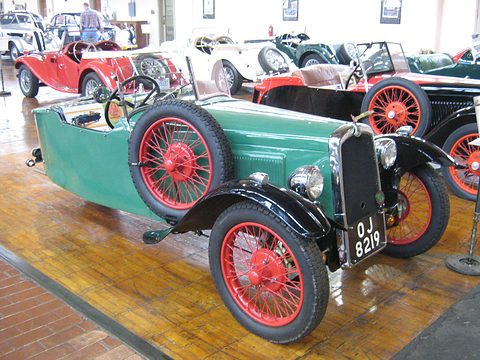
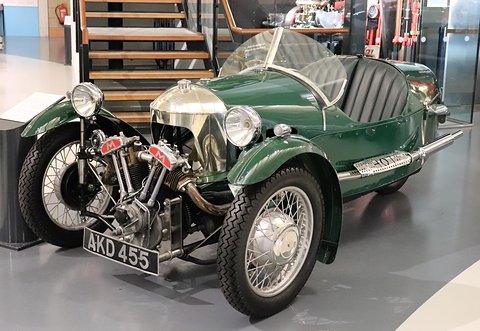
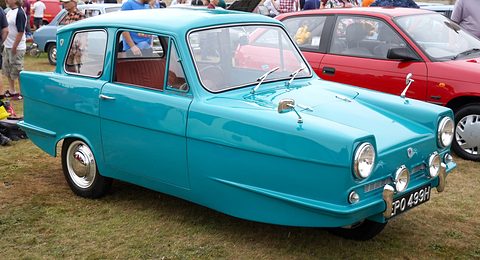
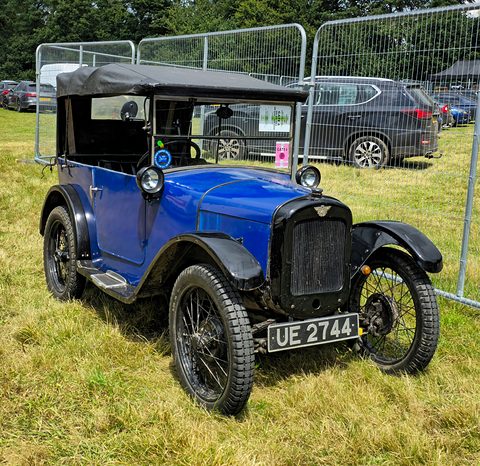
Also known as Coventry-Victor Midget, BSA three-wheeler, Raleigh Safety Seven, Reliant 7 cwt van
Between the wars a British three-wheeler that weighed under 8 cwt paid tax as a motorcycle. Four makers built cars and micro vans to that rule: an engine firm in Coventry, BSA’s cycle company in Birmingham, a bicycle maker in Nottingham, and the designer who took the Nottingham firm’s leftover parts to Tamworth and started Reliant.
Built1926 –1939Several
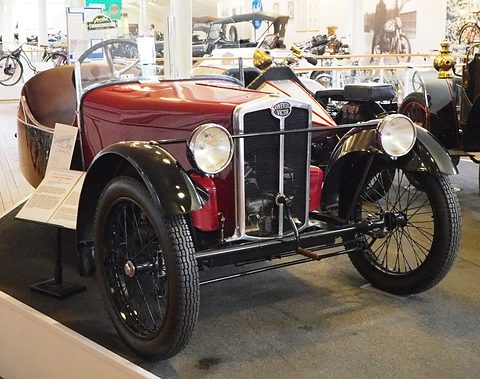
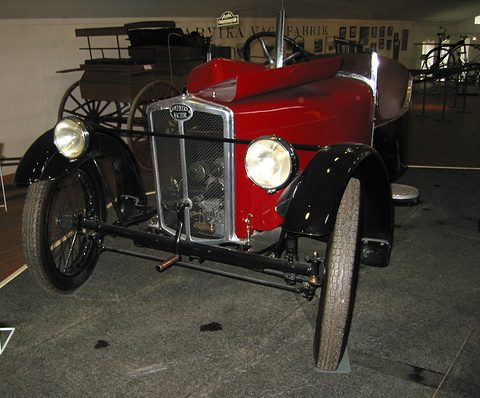
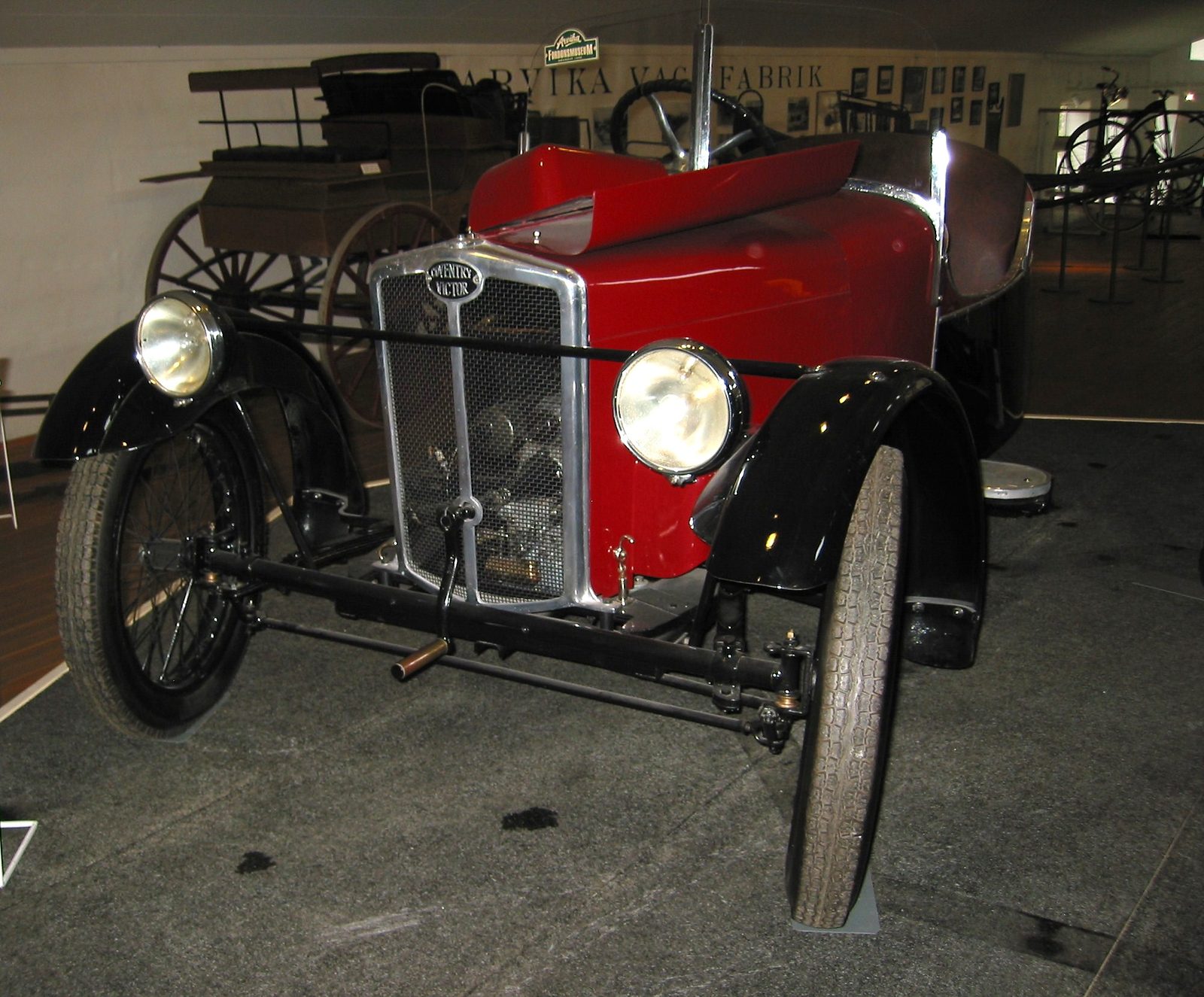
Red Coventry-Victor Midget three-wheeler of 1933 at the Arvika Fordonsmuseum, Sweden, in July 2019.Photo: Herranderssvensson, CC BY-SA 3.0, via Wikimedia Commons
1
At a glance
The spec plate
British three-wheelers of the 1920s and 1930s
Four makers · Britain
Built
1926–1939The Coventry-Victor Midget from 1926; Reliant vans to 1939
Country
BritainCoventry, Birmingham, Nottingham and Tamworth
Engine
598 cc to 1,075 ccRaleigh and JAP singles, Coventry-Victor flat-twins, BSA, Raleigh and JAP V-twins, and BSA and Austin fours
Seats
2 to 4Two in the Coventry-Victor and the BSA; four in the Raleigh Safety Seven
Wheels
3Two in front and one behind (Coventry-Victor, BSA), or one in front and two behind (Raleigh, Reliant)
Price new
from £75The Coventry-Victor Midget in 1926; the Luxury Sports £110 in 1932; a Raleigh Safety Seven 99 guineas in 1935
Top speed
89km/h89 km/h55 mph
Not yet recordedpower.
2
The story
History
When the cyclecar boom ended, the three-wheeler kept a market, because in Britain a three-wheeler under 8 cwt (406 kg) was taxed as a motorcycle.source 1 The Morgan Three-Wheeler has its own page; this one is about the others, who kept the idea alive from 1926 until the war and handed it on to Reliant.
3
Coventry-Victor, 1926–1938
Thomas Morton and William Arthur Weaver founded Morton & Weaver in 1904 as engineers and toolmakers in Hillfields, Coventry, and built horizontally opposed engines from the start; the firm became the Coventry-Victor Motor Co. in 1911.source 2source 3 One of their engines powered Weaver’s Ornithoplane. Grace’s Guide dates that to 1906, while English Wikipedia, which counts the earlier attempts as short hops, has the Ornithoplane No. 2 flying a quarter of a mile at Hampton-in-Arden on 17 May 1910, the first monoplane to fly in Britain.source 2source 3 Coventry-Victor sold engines to motorcycle and cyclecar makers, Grahame-White especially, and built flat-twin motorcycles of its own from 1919.source 2source 3 In December 1919 The Motor Cycle described a prototype four-wheeler with a 750 cc water-cooled flat-twin and a body of aeroplane fabric over wooden laths.source 3
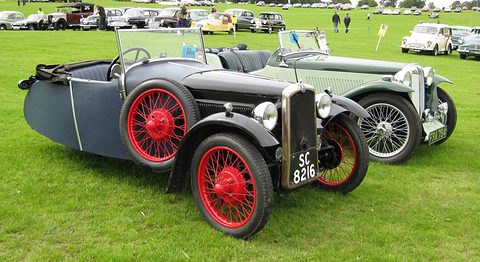
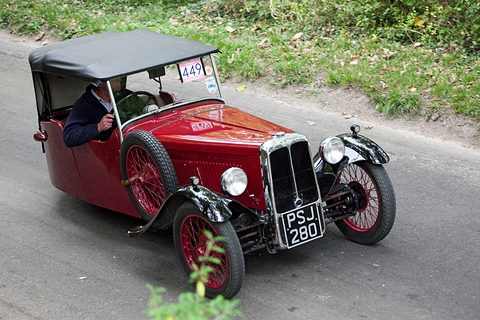
The car that went on sale, in 1926, was the Midget: a two-seat three-wheeler from £75, with its two wheels in front, a flat-twin at the front and a chain to the single wheel at the back. There was a two-speed gearbox, and early cars had a single foot brake, on the transmission. Over the years the twin grew from 688 cc to 749, 850 and finally 998 cc, with side valves or overhead valves, air- or water-cooling, and the range ran to Standard, Sports, Super Sports, De-luxe and a Parcelcar. Later sports models gained front brakes, electric starting and reverse.source 2source 3 A. G. F. Nash controlled the company in 1927, and at Olympia in 1929 its advertising made the case for the whole class.source 3
… provide car comfort at motorcycle cost.
Coventry-Victor’s advertising for the Olympia show of 1929, as quoted by Grace’s Guide.source 3
In 1932 came the Luxury Sports, styled by C. F. Beauvais, with three speeds, from £110; the older models carried on beside it, and car production ended in 1938.source 2source 3 After the war Coventry-Victor built a prototype with a 747 cc flat-four, the Venus. Six were reportedly made and all were ordered destroyed, but one survives. The company was wound up in January 1971.source 2
4
BSA, 1929–1936
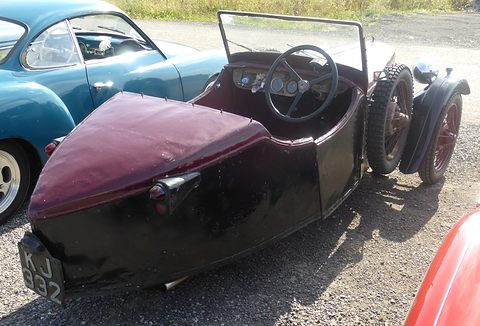
BSA Cycles of Birmingham, part of the Birmingham Small Arms group, had built cars before the First World War and a V-twin light car in 1921.source 4source 5 Its three-wheeler of 1929 had an air-cooled V-twin, based on a Hotchkiss design, driving its two front wheels, which were independently sprung; there was reverse, an electric starter and full weather protection, and the whole was kept under the 8 cwt limit.source 1source 6 How big the twin was is not settled: sources give 900, 1,021 and 1,039 cc.source 1source 6source 4 A van, the TW-5, followed in 1931, and a four-wheeled version, the FW32, lasted only through 1932.source 4source 5
In September 1932 BSA’s directors announced a four-cylinder three-wheeler with an engine “identical in essential details” to that of the firm’s open four-seater.source 4 The water-cooled 1,075 cc four arrived in 1933, in the models known as the TW-33-10 and TW-34-10, and BSA dropped its three-wheelers in 1936.source 4source 5source 1 About 5,200 are said to have been built from 1930, but that figure comes only from a search-result summary.source 6
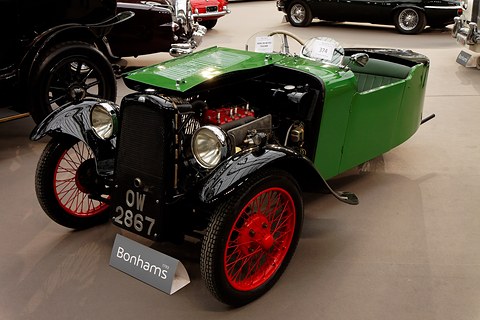
A BSA TW-33-10 with its bonnet open on the water-cooled four that drives the front wheels, at the Bonhams sale at the Grand Palais, Paris, in February 2011.Photo: Thesupermat, CC BY-SA 3.0, via Wikimedia Commons
5
Raleigh, 1930–1936
Raleigh, the Nottingham bicycle maker founded in 1885, had built a tricar before, the Raleighette of 1903–08.source 7 In 1930 it bought the rights to the Ivy Karryall (Grace’s Guide also says it came from the James Karryall) and built it as the Light Delivery Van, designed by T. L. Williams: a single front wheel, a 598 cc single, chain drive and a payload of 5 cwt. It was made for three years, and a version for two passengers followed in 1933.source 8source 9
Raleigh’s first three-wheeled car, the Safety Seven of 1933, put its single wheel at the front. It was an aluminium-bodied four-seat convertible tourer with a 742 cc air-cooled V-twin, three speeds and reverse, and shaft drive to the rear wheels; it would do 55 mph (89 km/h).source 8source 7source 10 A Sports Tourer followed in 1934 and a saloon was planned.source 8source 7 In 1935 one cost 99 guineas.source 11 Search results credit Raleigh with 3,000 Safety Sevens, a figure not checked against the page it comes from.source 10 But Raleigh wanted to make bicycles. Its commercial vehicles ended in 1935 and its cars in 1936.source 8source 12
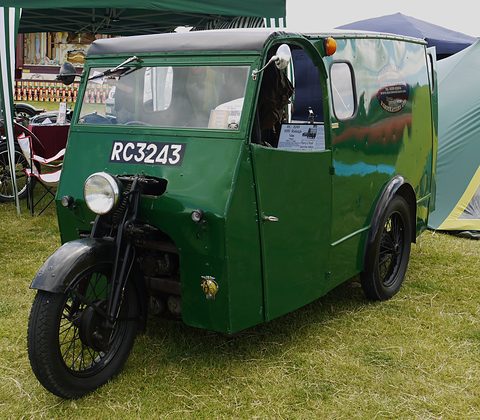
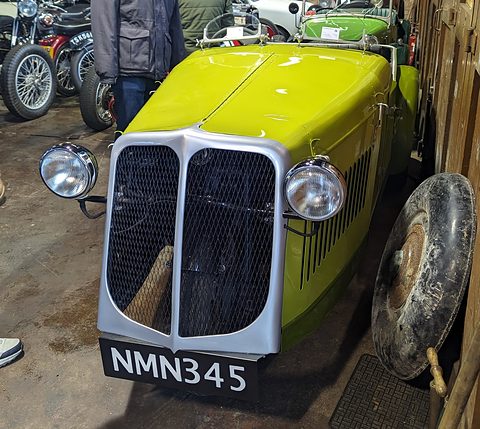
A Raleigh three-wheeled van of 1935, its single front wheel on a motorcycle fork, at a show in 2009.Photo: Mick, CC BY 2.0, via Wikimedia CommonsA Raleigh Safety Seven of 1936, Raleigh’s four-seat three-wheeler, at Bicester Heritage in January 2024.Photo: Calreyn88, CC BY 4.0, via Wikimedia Commons
6
Reliant, 1935–1939
Williams, by then chief designer of Raleigh’s motor department, left in the summer of 1934 and set up a design office in his garden shed in Tamworth, where the foreman E. S. “Tommo” Thompson joined him.source 9 When Raleigh shut its motor department he took its equipment and its leftover parts, and the parts carried an R, which gave the new firm its name: Reliant.source 8source 7source 9 A prototype van ran in the autumn of 1934, and The Commercial Motor, testing it in 1935, got 54.4 mpg. In the spring of 1935 the works moved to a former Midland Red bus garage at Two Gates, and in June the first Reliant was delivered: a 7 cwt van with a 600 cc JAP single, by Dan Lockton’s account, though Grace’s Guide says the first design had a 750 cc V-twin.source 9source 8
Williams’s rule, as Lockton reports it, was not to pay anyone else to make what Reliant could make itself.source 9 A 10 cwt van with a 747 cc water-cooled JAP V-twin of 18 bhp came in March 1936. Output rose from three to five vehicles a week that year to eight to ten in 1937.source 9 In 1938, or 1939 by Grace’s Guide, the vans took the four-cylinder engine of the Austin Seven, and Reliant’s own 747.5 cc side-valve copy of it first ran on 3 September 1939. Eighty were built before war work took over.source 9source 8 Reliant’s four-seat car, the Reliant Regal, came after the war, in 1952–53.source 8
7
Pictures
More photographs, old and new
The car 2
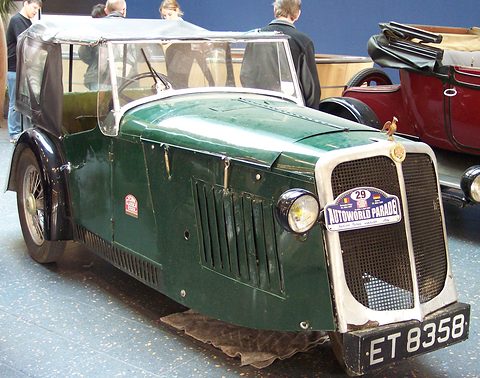
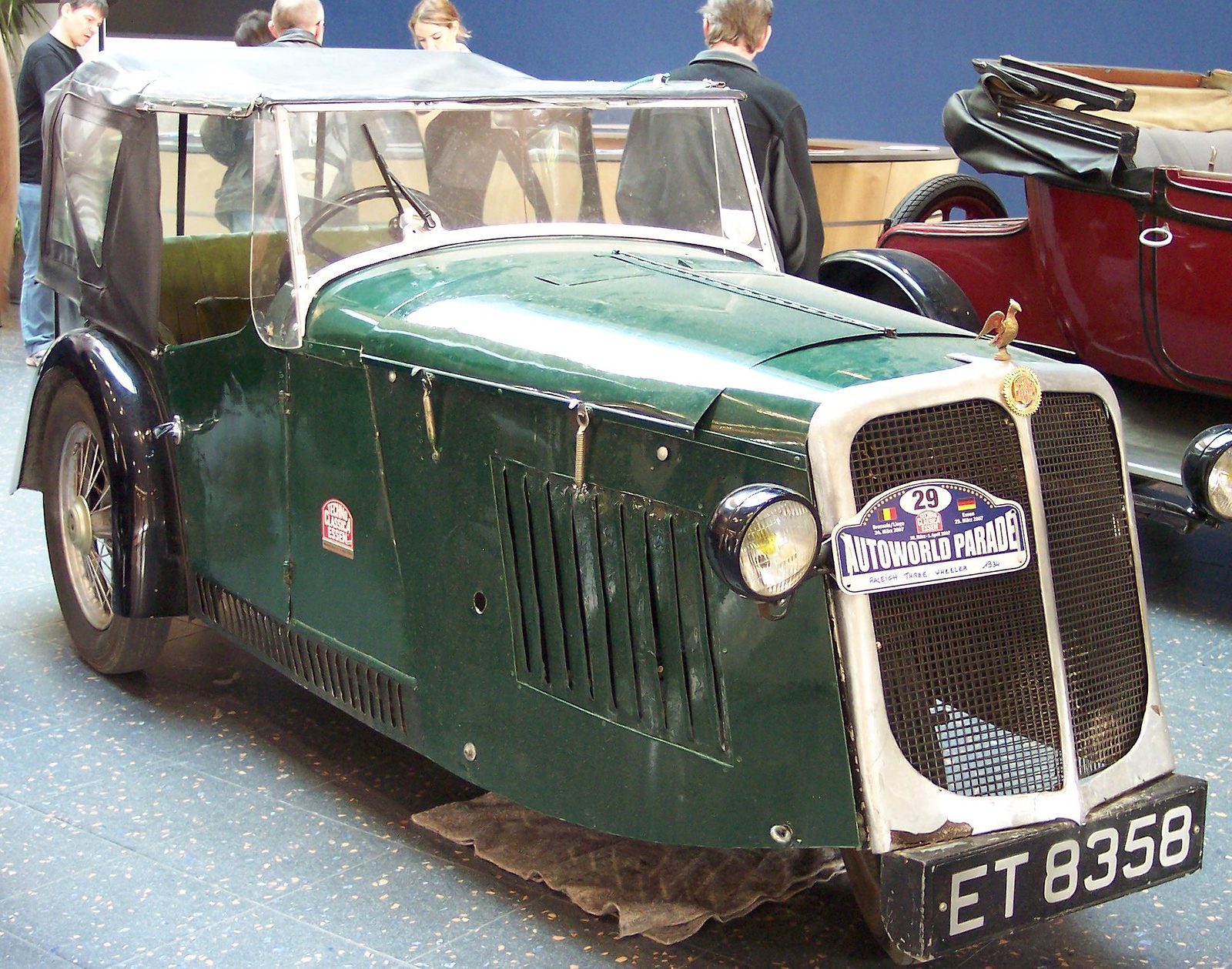
1 Green Raleigh Safety Seven three-wheeler of 1934, ET 8358, with its hood up at Techno-Classica, Essen, Germany, in 2007.
2 Red Coventry-Victor three-wheeler of 1933 head-on at the Arvika Fordonsmuseum, Sweden, in 2007.
The car: BSA three-wheeler (twin) 7
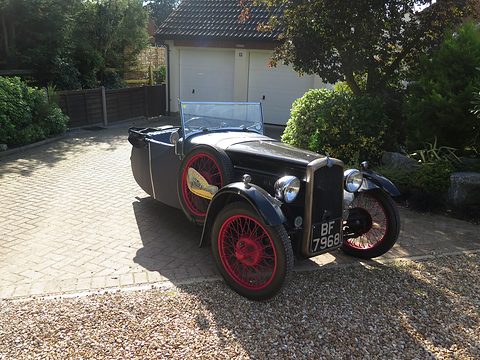
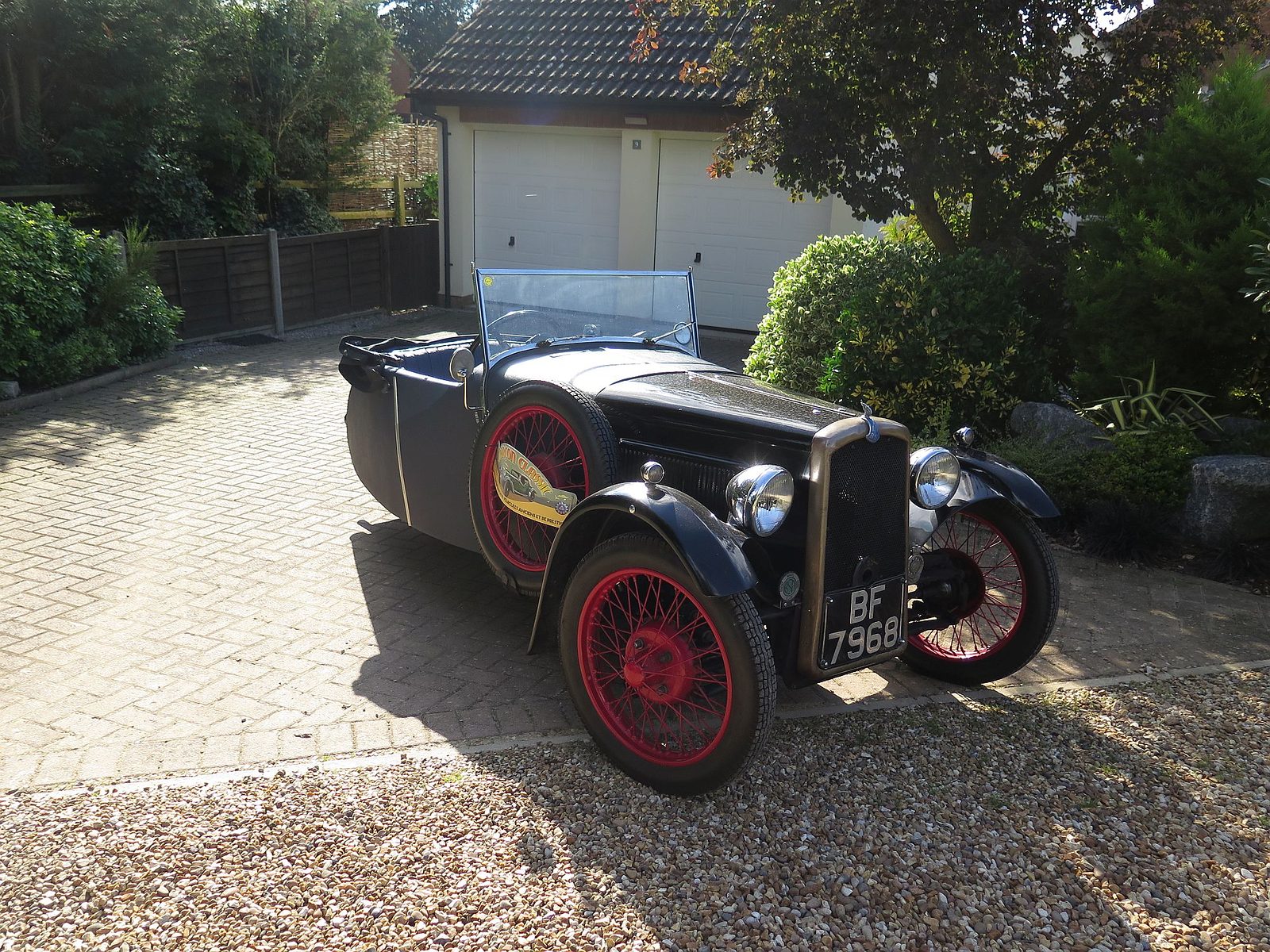
3 Black BSA V-twin three-wheeler of 1930, 1,039 cc, on a driveway in Britain in September 2020.
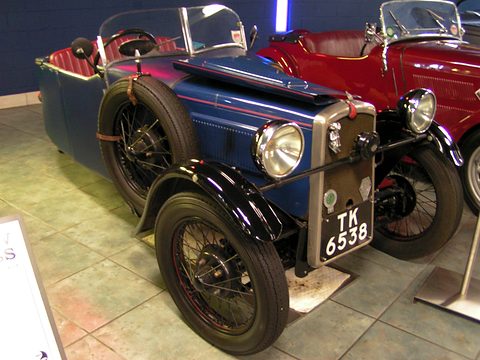
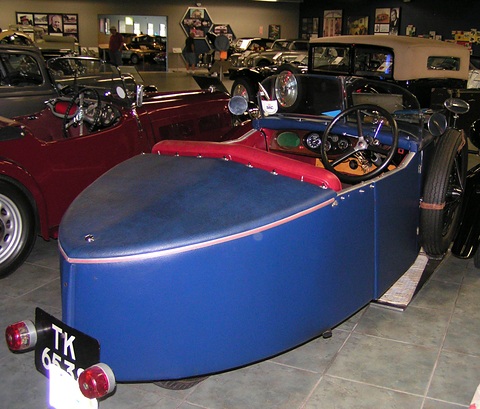
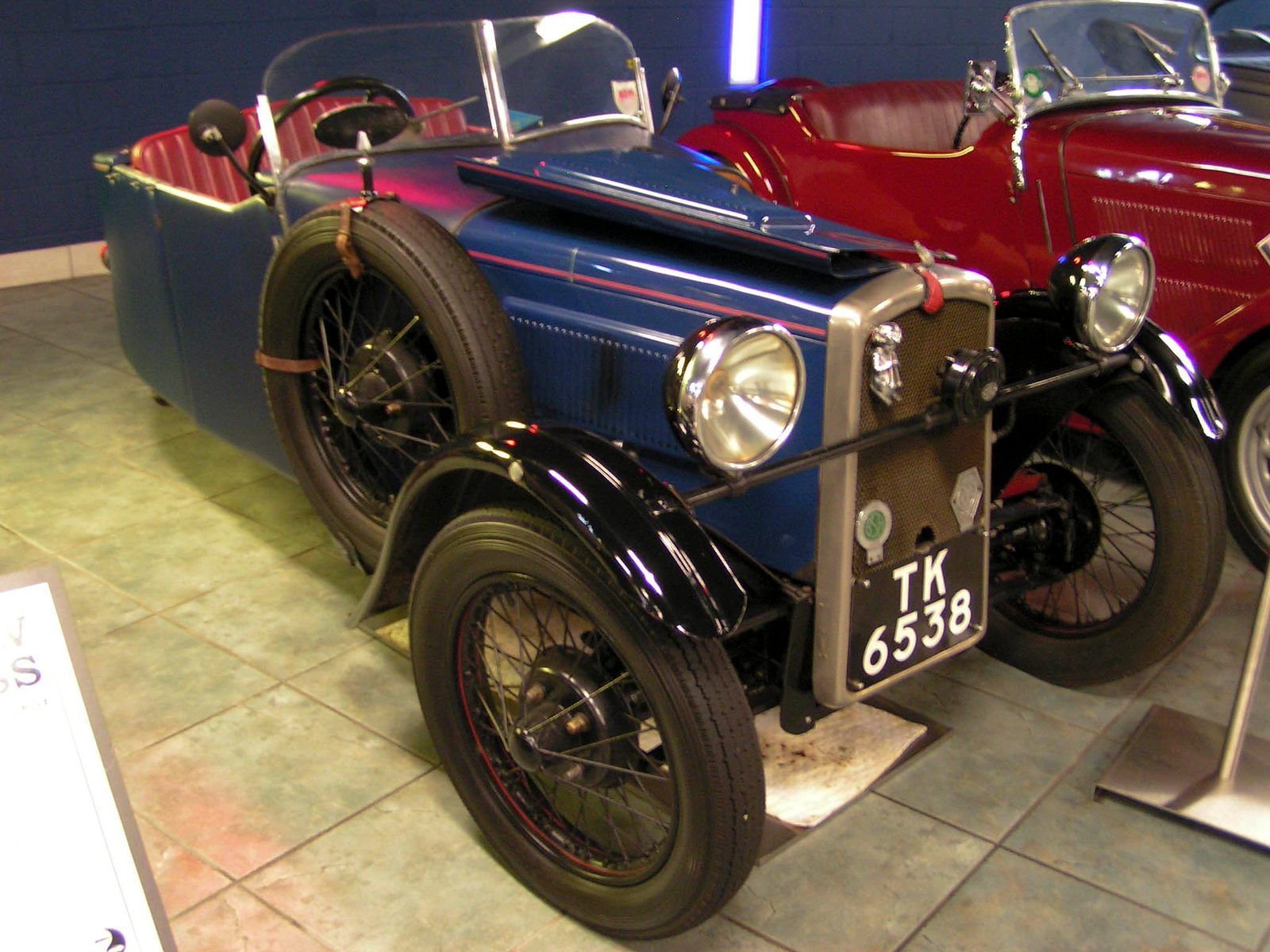
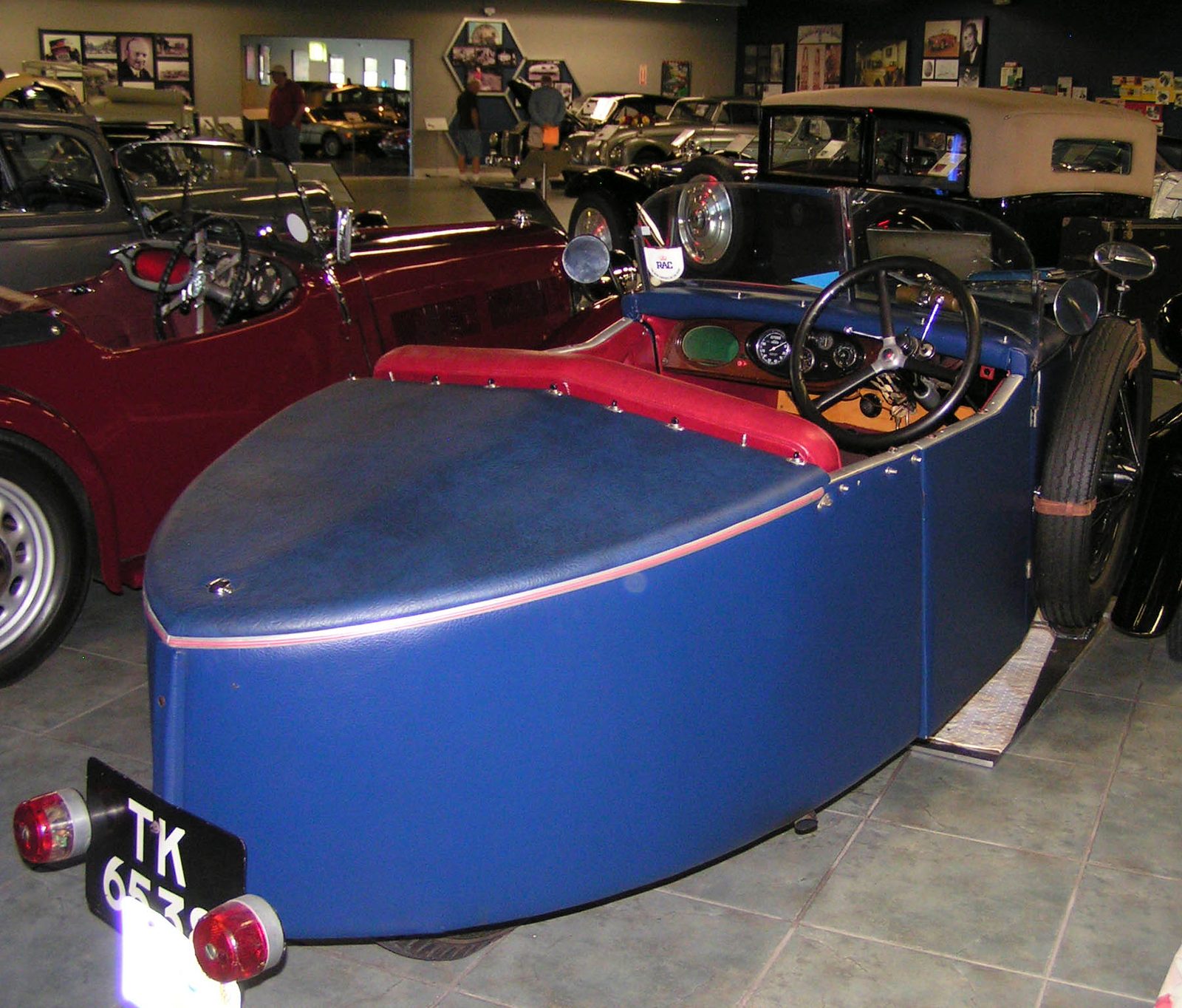
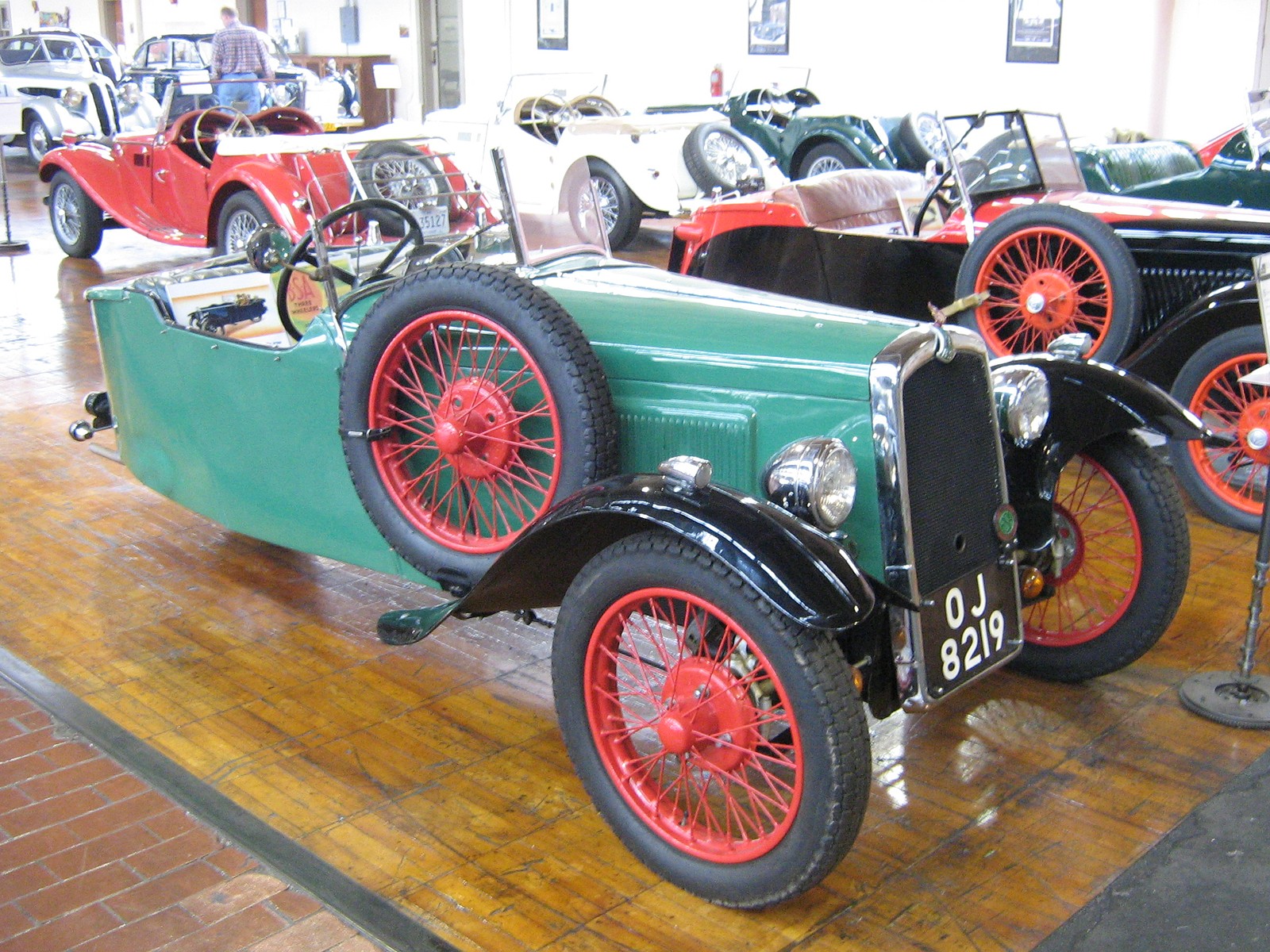
4 Blue BSA V-twin three-wheeler of 1931, registered TK 6538, at the Tampa Bay Automobile Museum, Pinellas Park, Florida, in February 2008.
5 BSA V-twin three-wheeler, 1,039 cc, at the Knebworth Classic Car Show in August 2010.
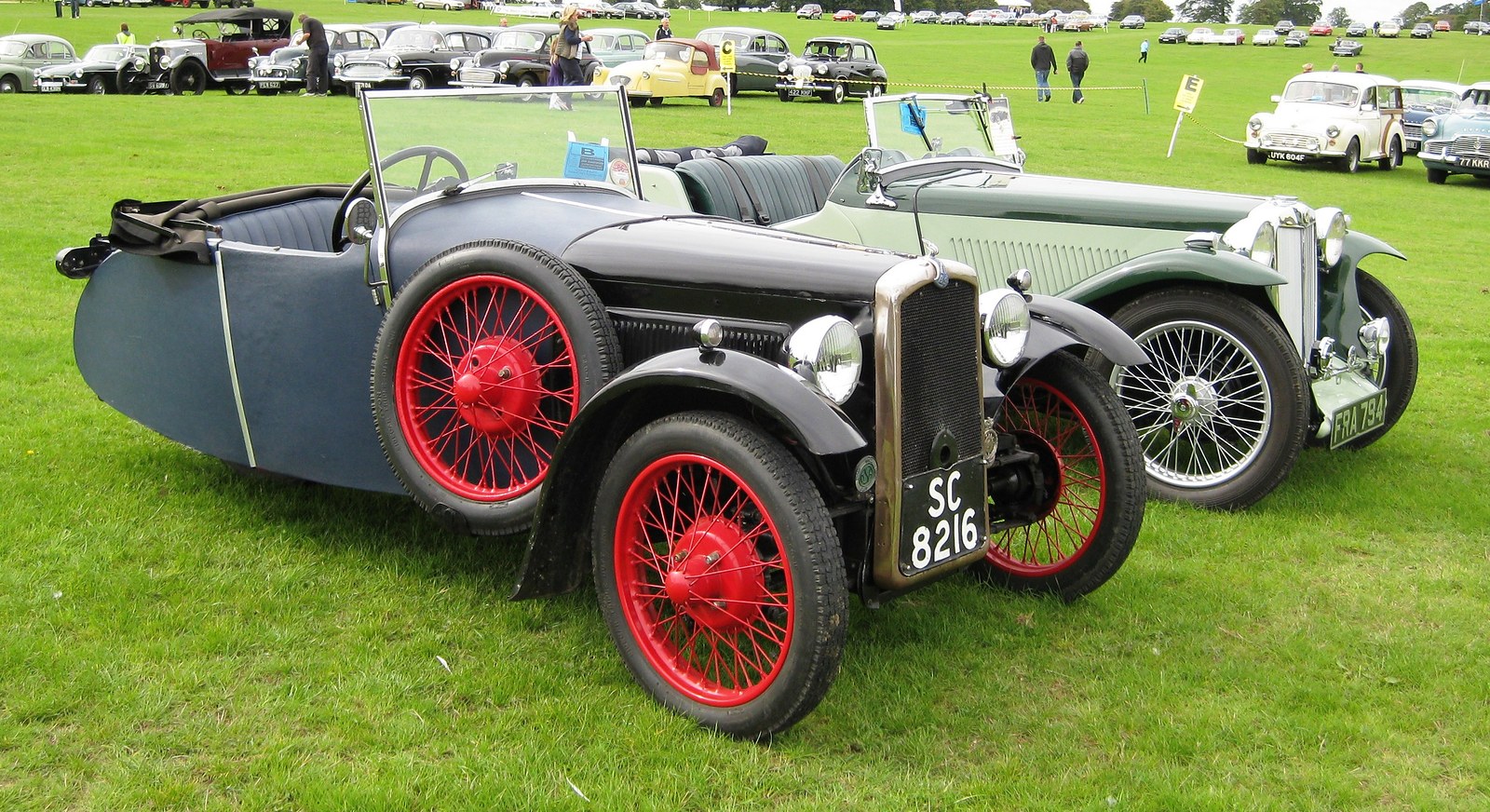
6 BSA V-twin three-wheeler of 1931 with a tonneau over its tail at Wings & Wheels, Henstridge, in August 2019.
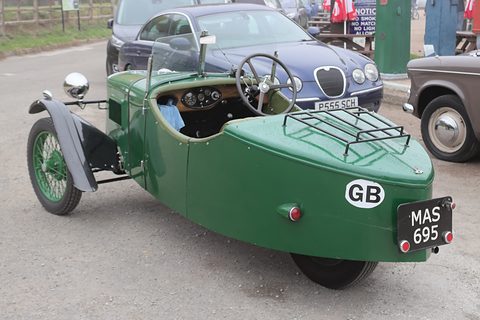
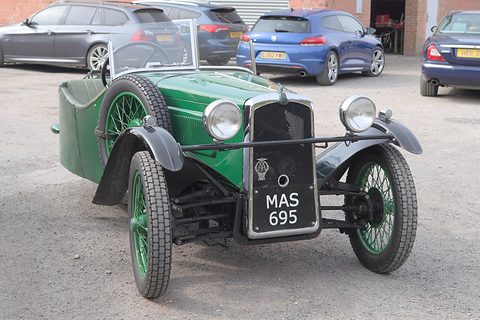
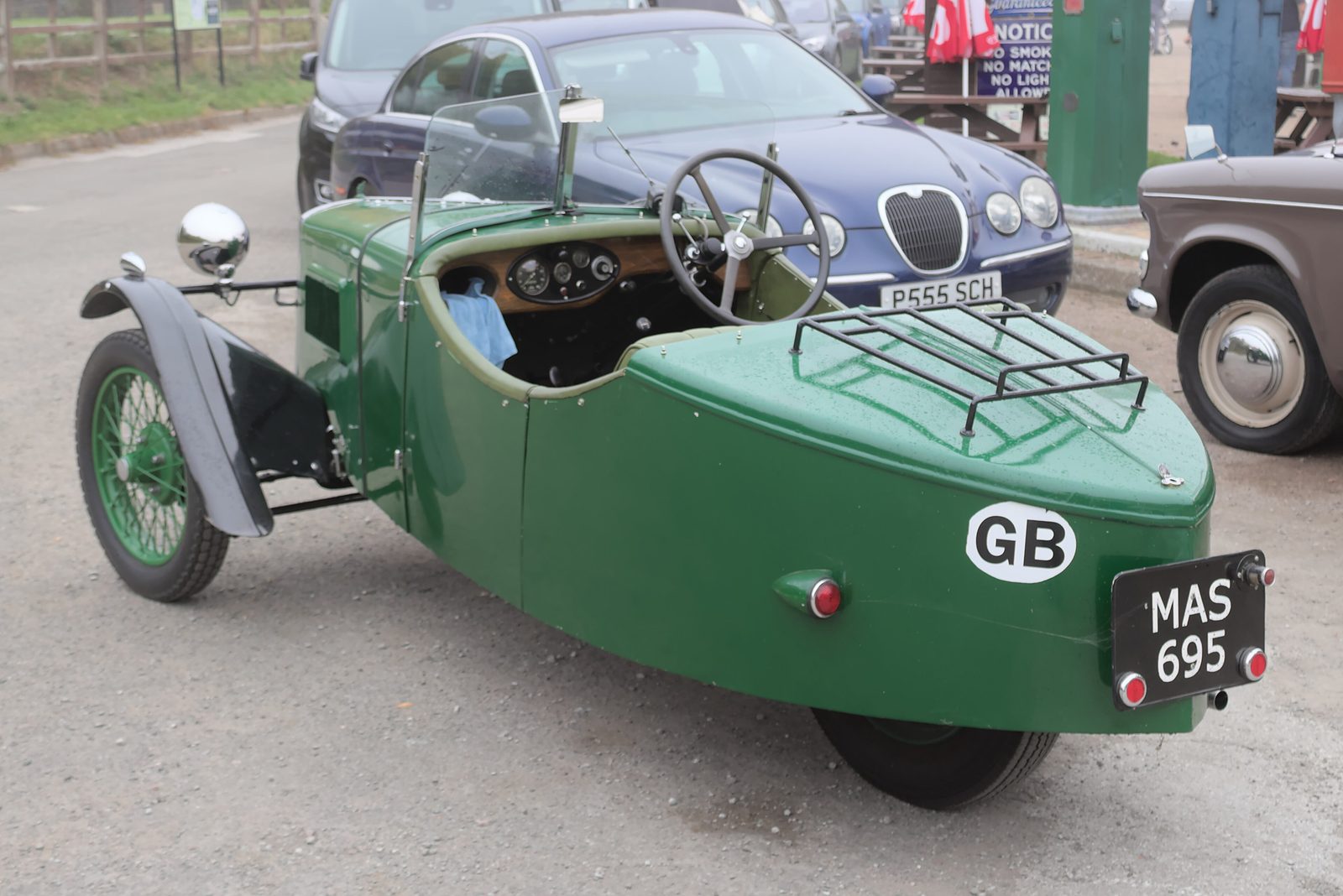
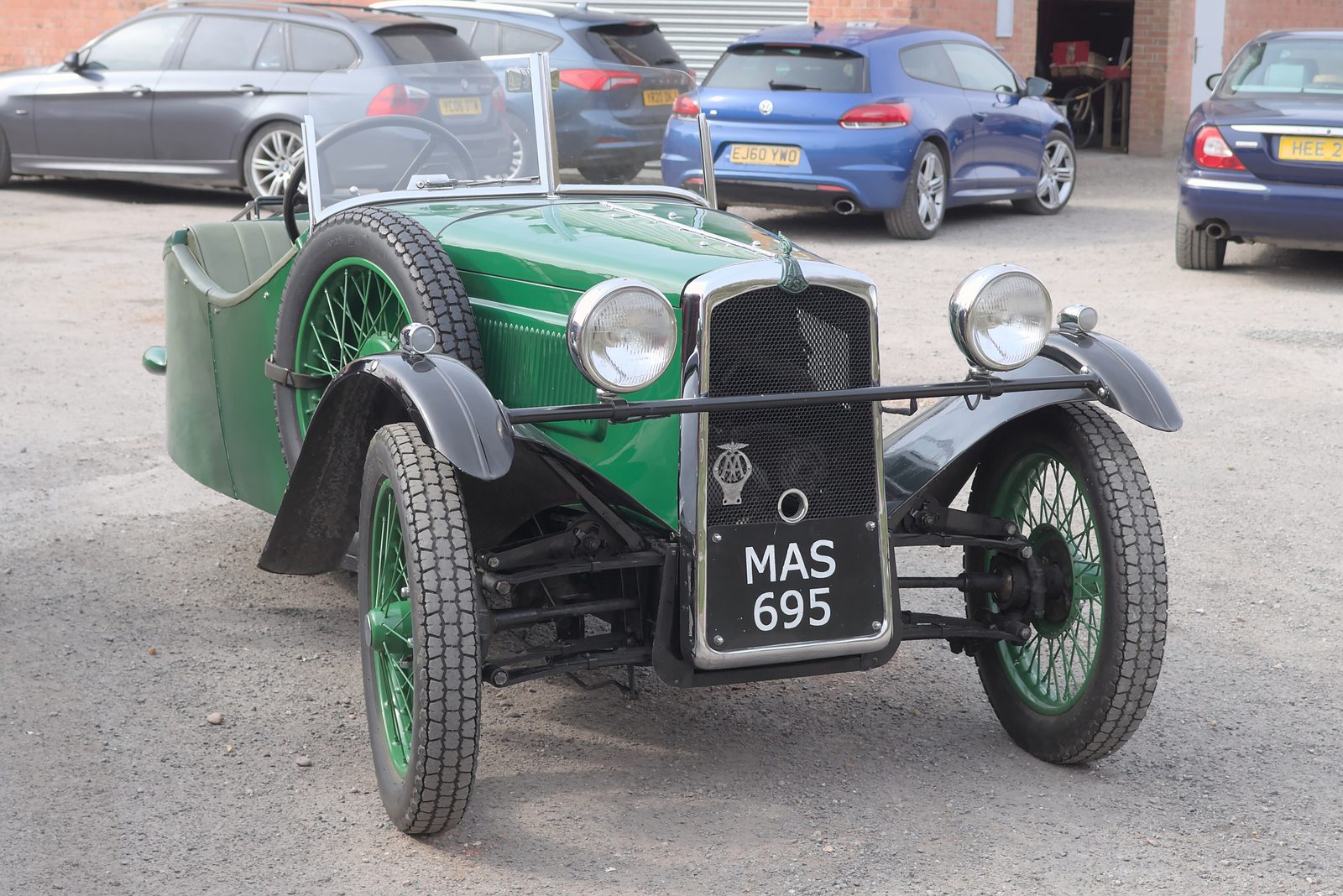
7 Green BSA three-wheeler, registered MAS 695, from behind at Ruddington, Nottinghamshire, in October 2025.
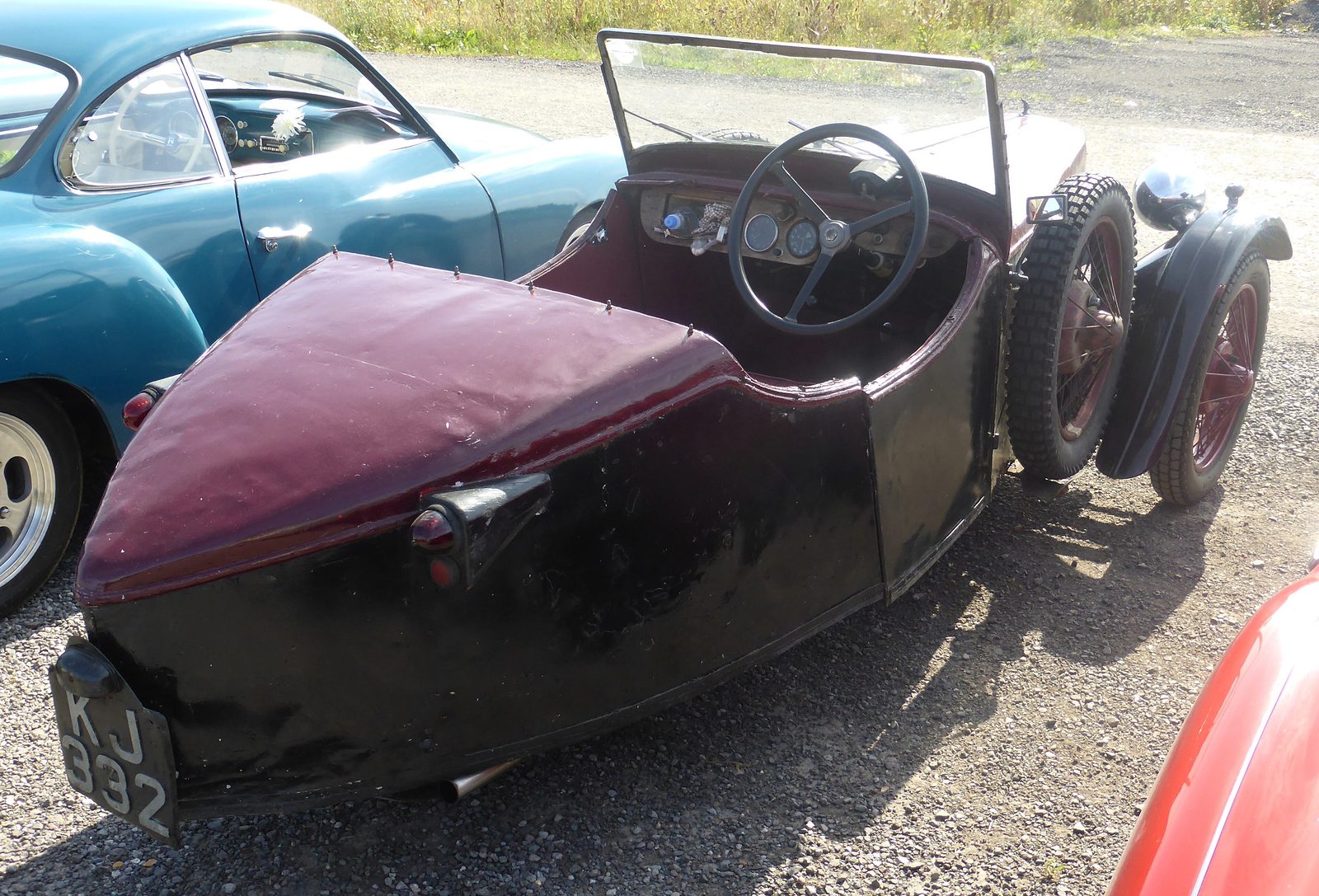
8 Blue BSA V-twin three-wheeler of 1931 from behind at the Tampa Bay Automobile Museum, Pinellas Park, Florida, in February 2008, showing its pointed tail.
9 Green BSA three-wheeler, registered MAS 695, head-on at the Nottingham Transport Heritage Centre, Ruddington, in March 2026.
The car: BSA TW-33 / TW-34 (four) 17
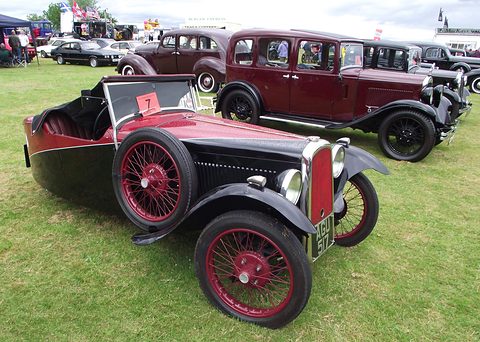
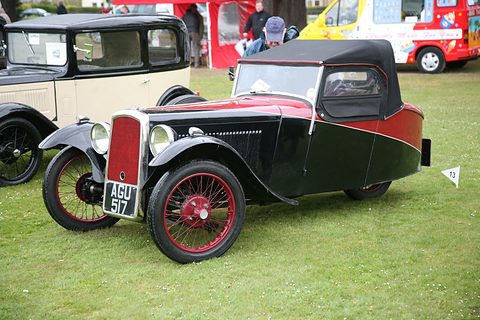
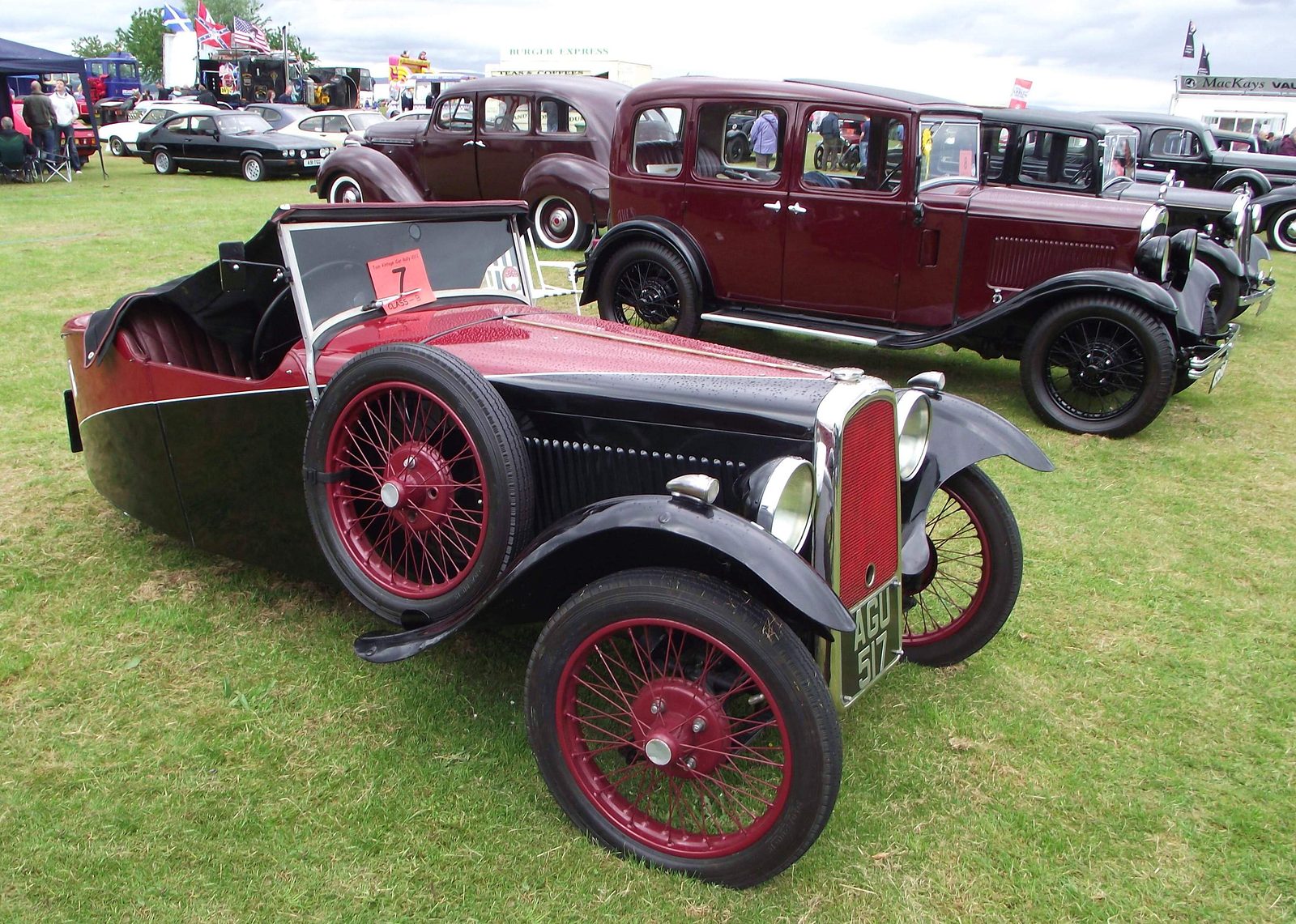
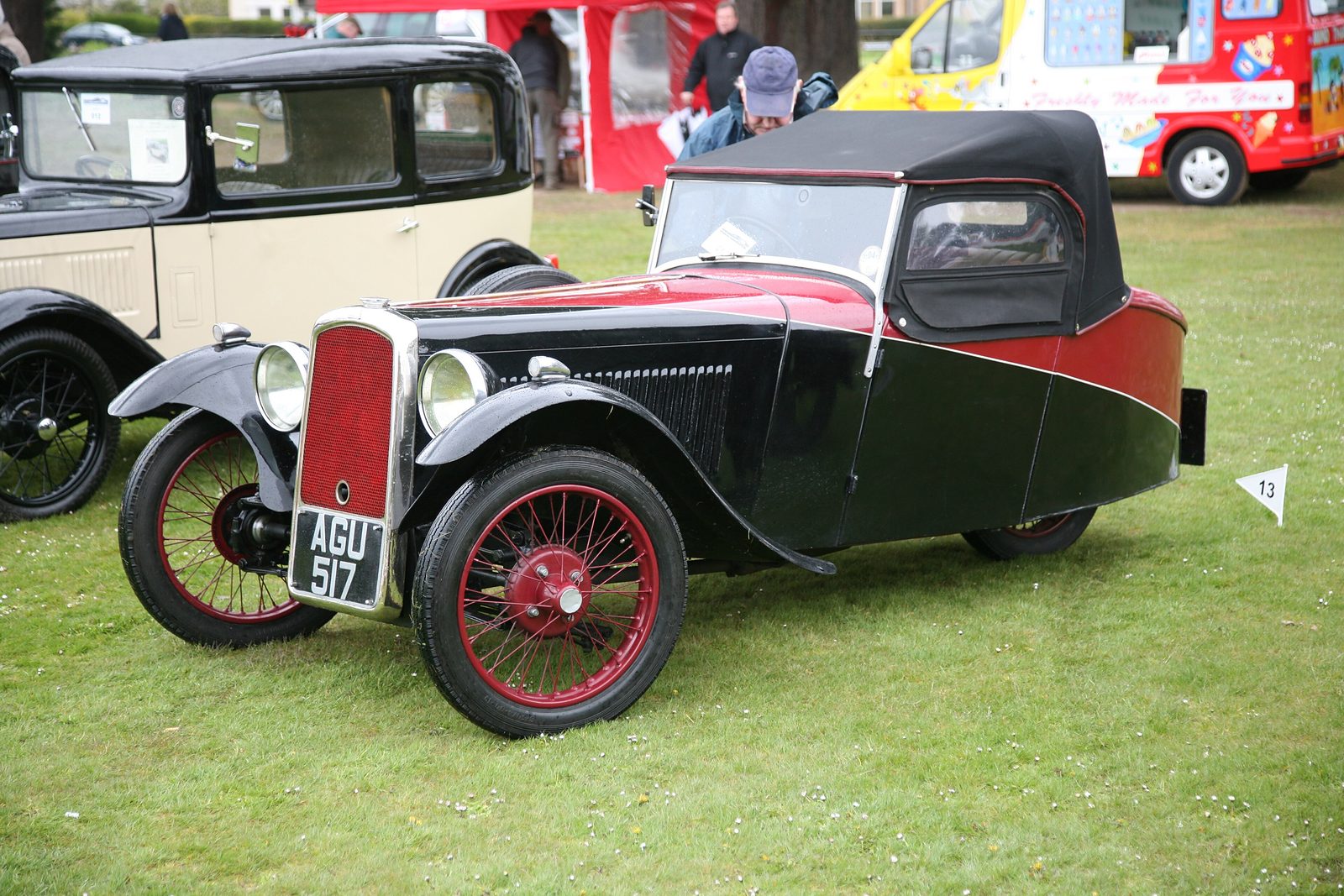
10 Black and red BSA TW33 four-cylinder three-wheeler, registered AGU 517, at The Links, Tain, Ross-shire, in June 2011.
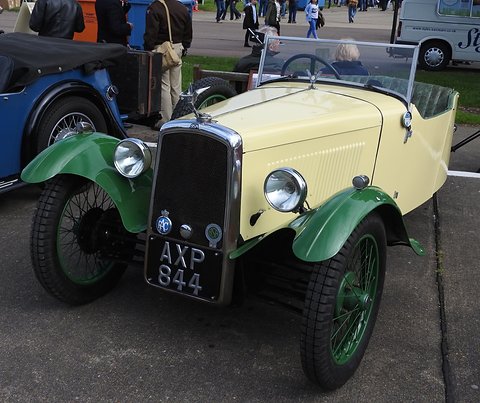
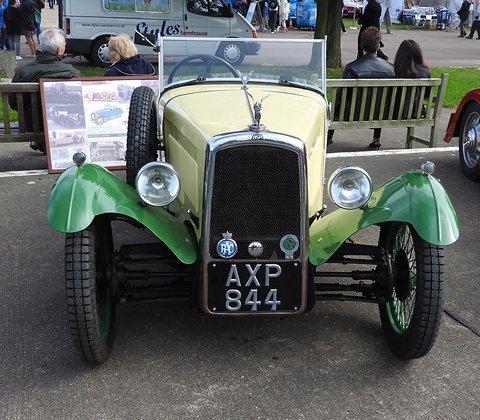
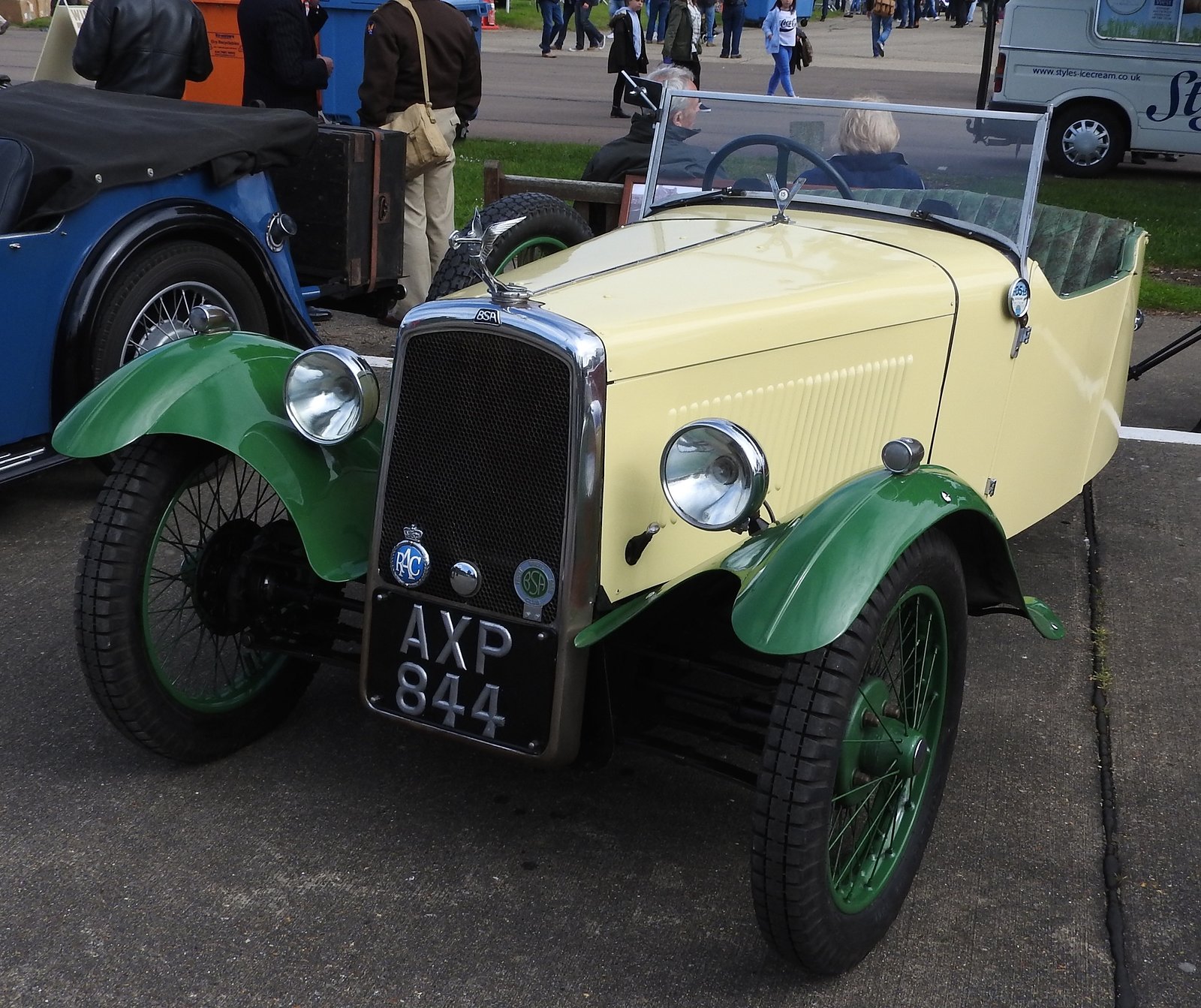
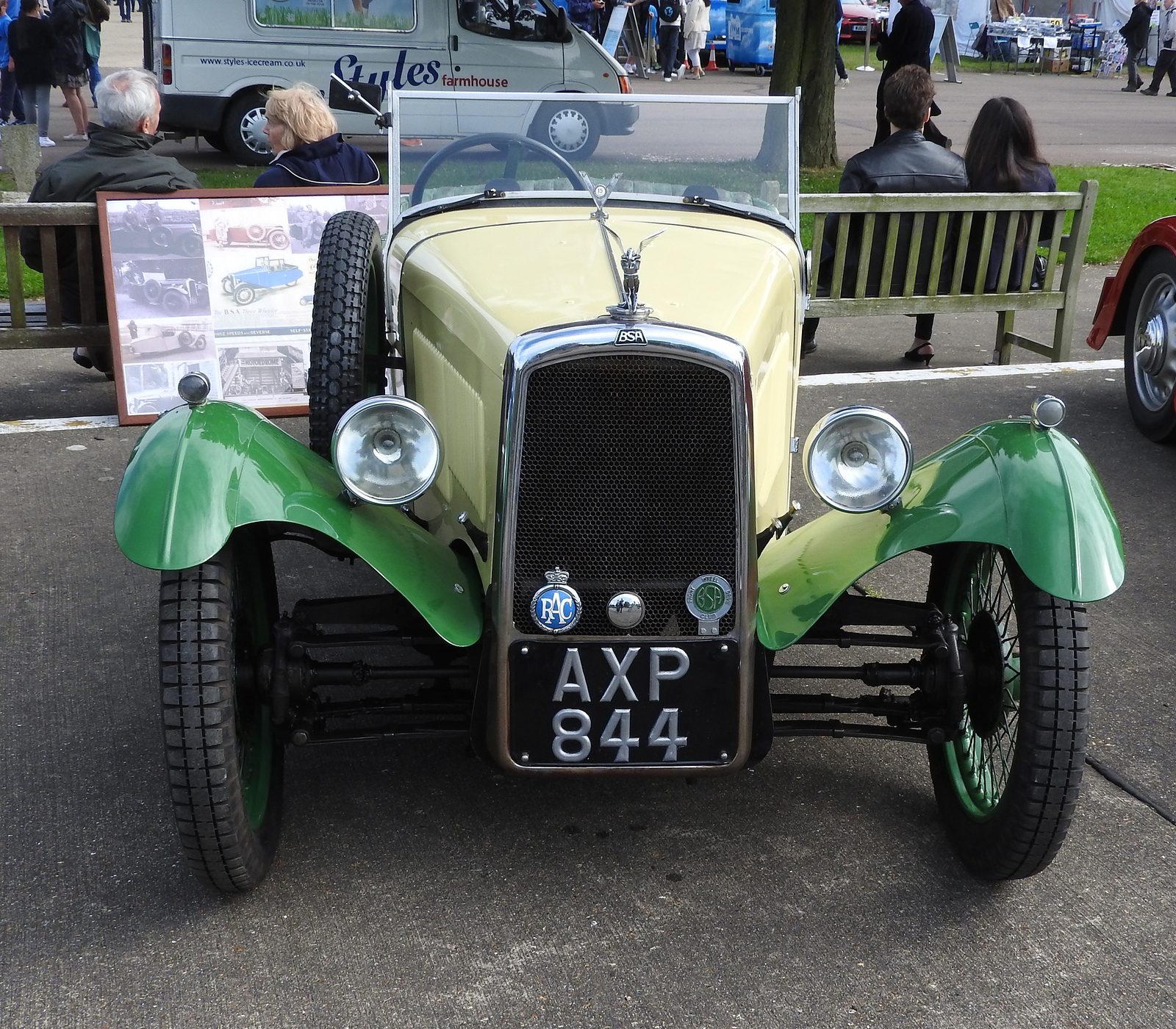
11 Cream and green BSA TW33 three-wheeler of 1934, registered AXP 844, at the Duxford VE Day Air Show in May 2015.
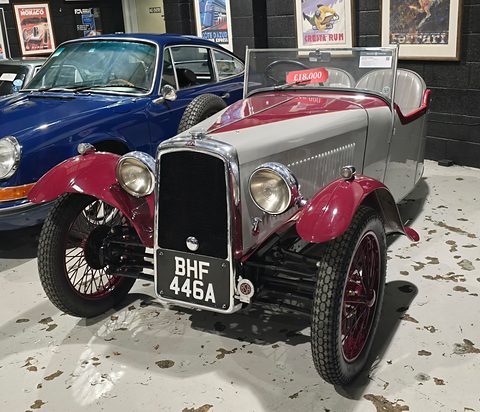
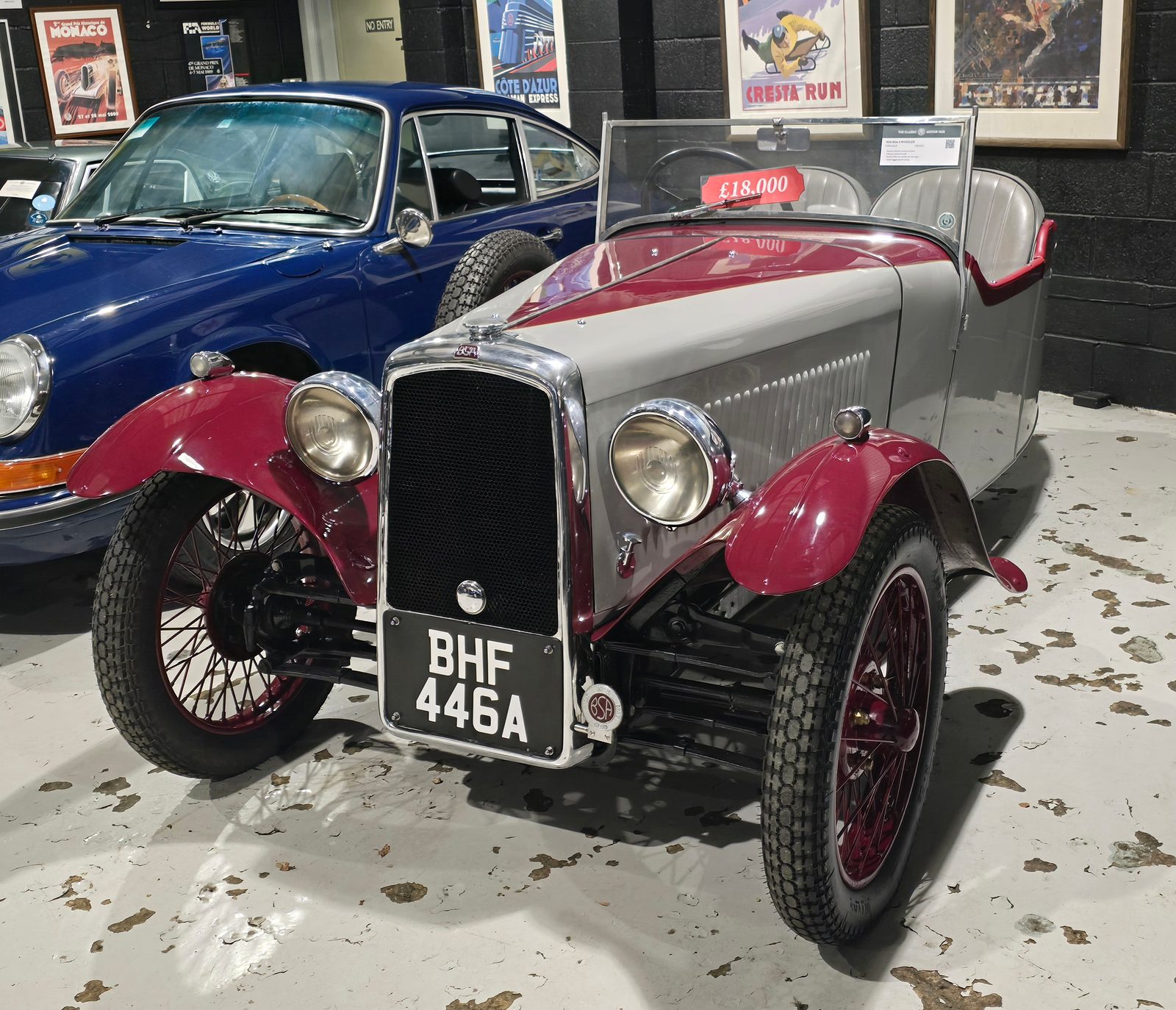
12 Grey and maroon BSA three-wheeler of 1934 at the Bicester Heritage Scramble in January 2025.
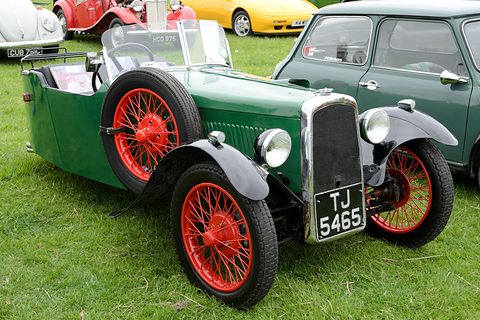
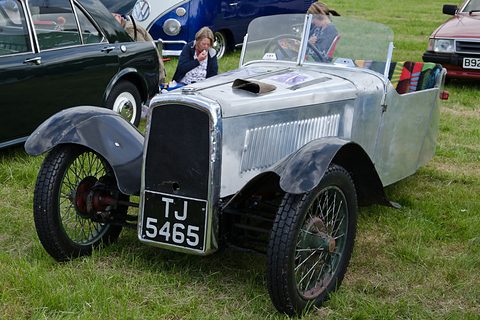
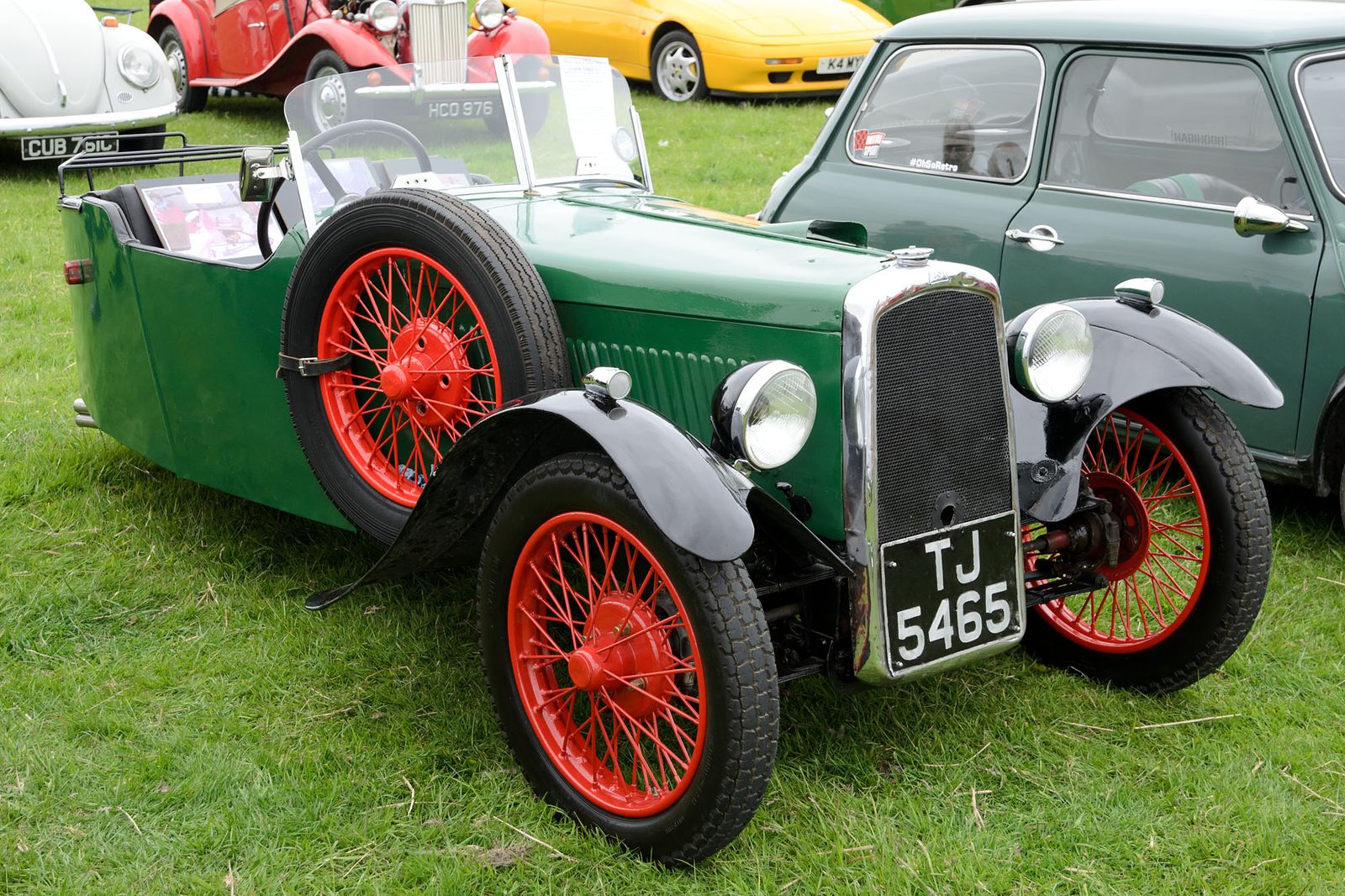
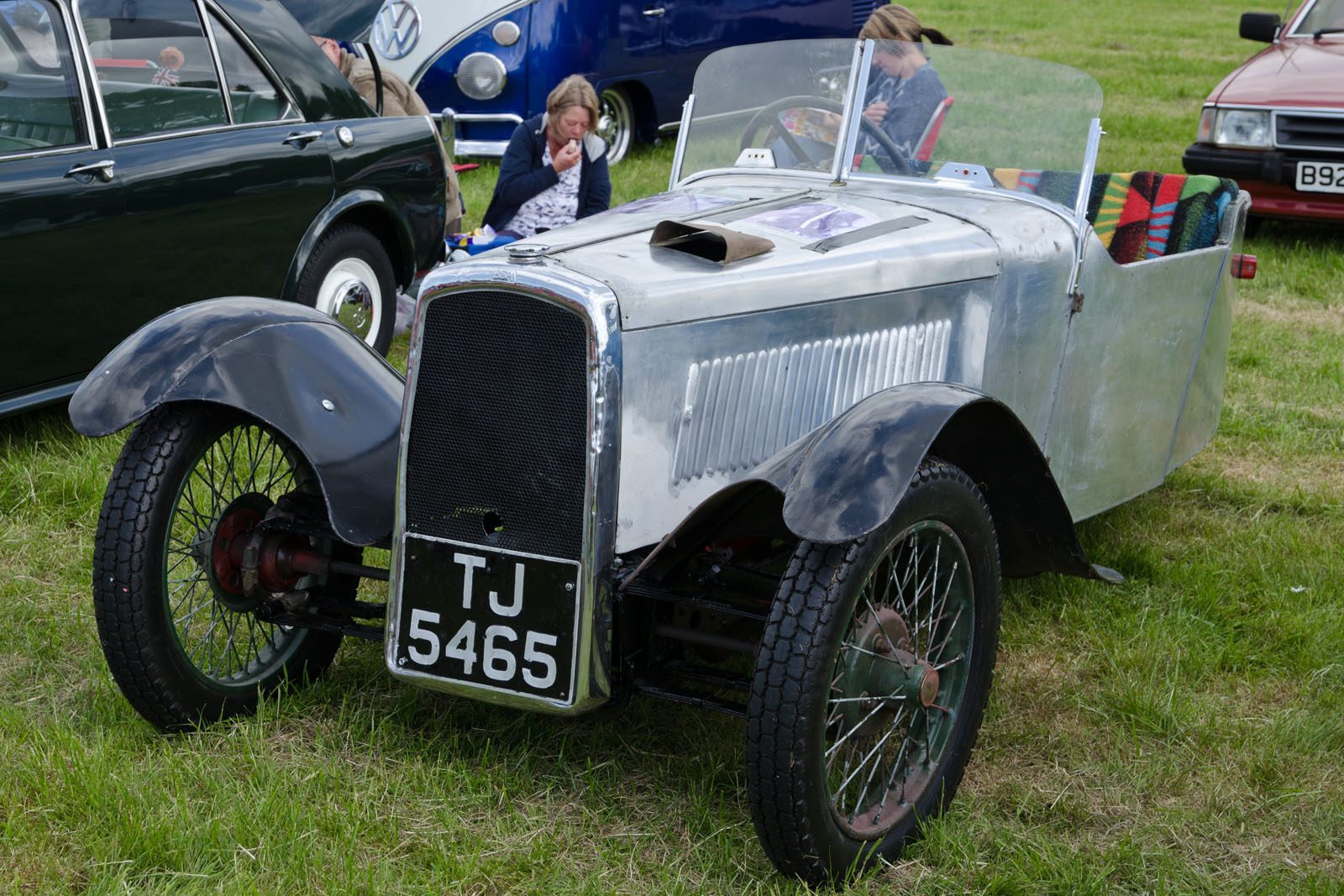
13 Green BSA three-wheeler of 1934, registered TJ 5465, at the Heskin Hall Steam Fair, Lancashire, in June 2016.
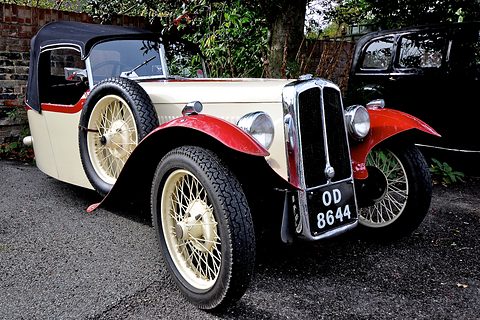
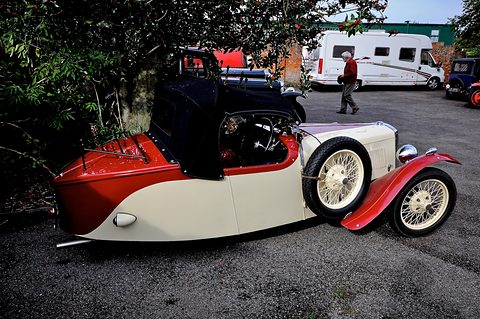
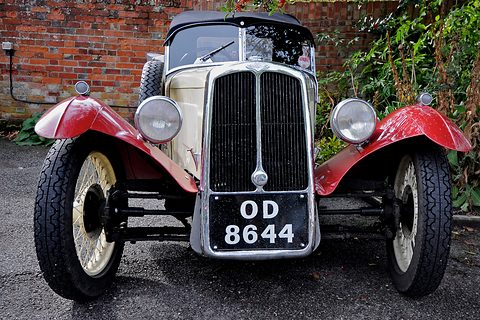
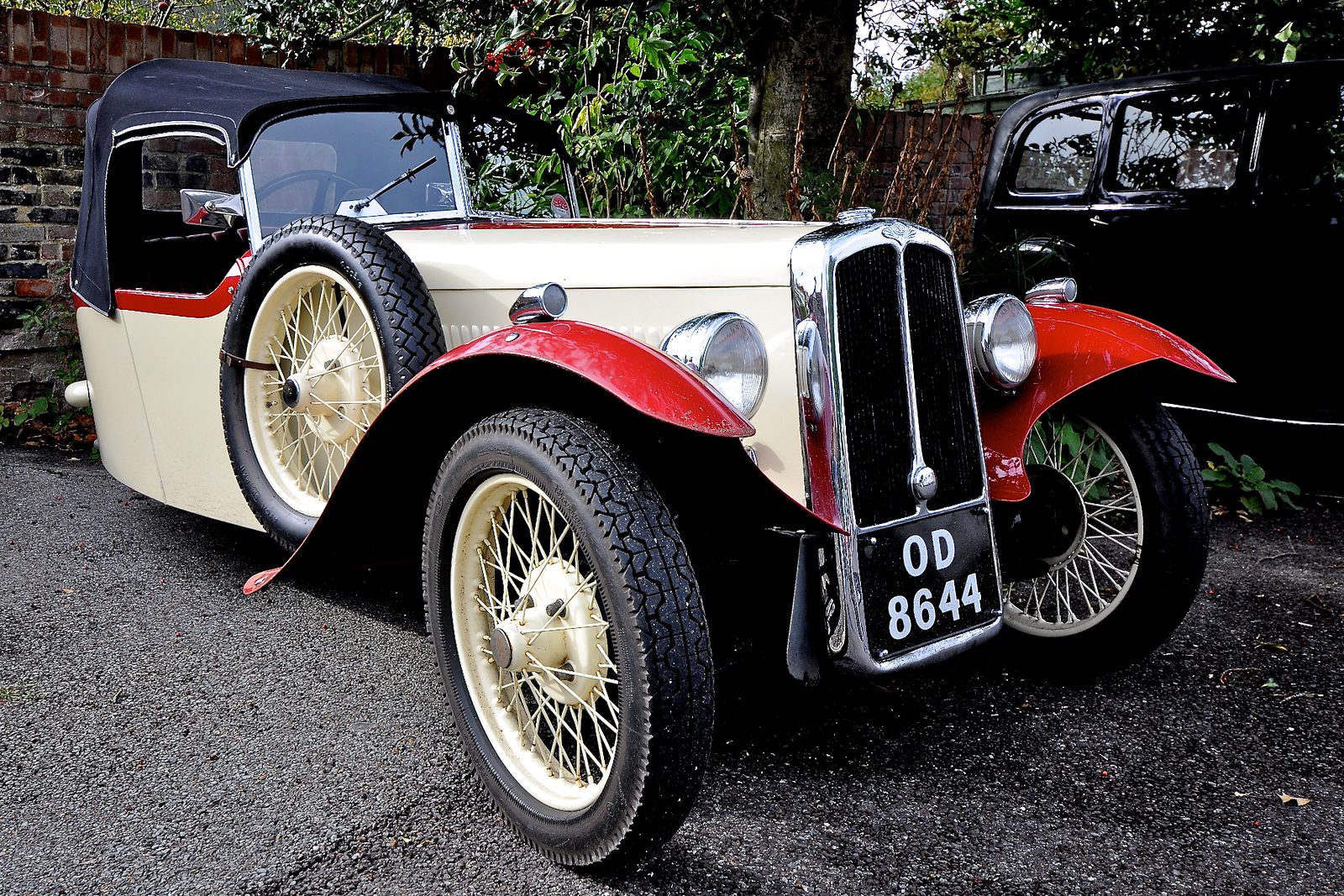
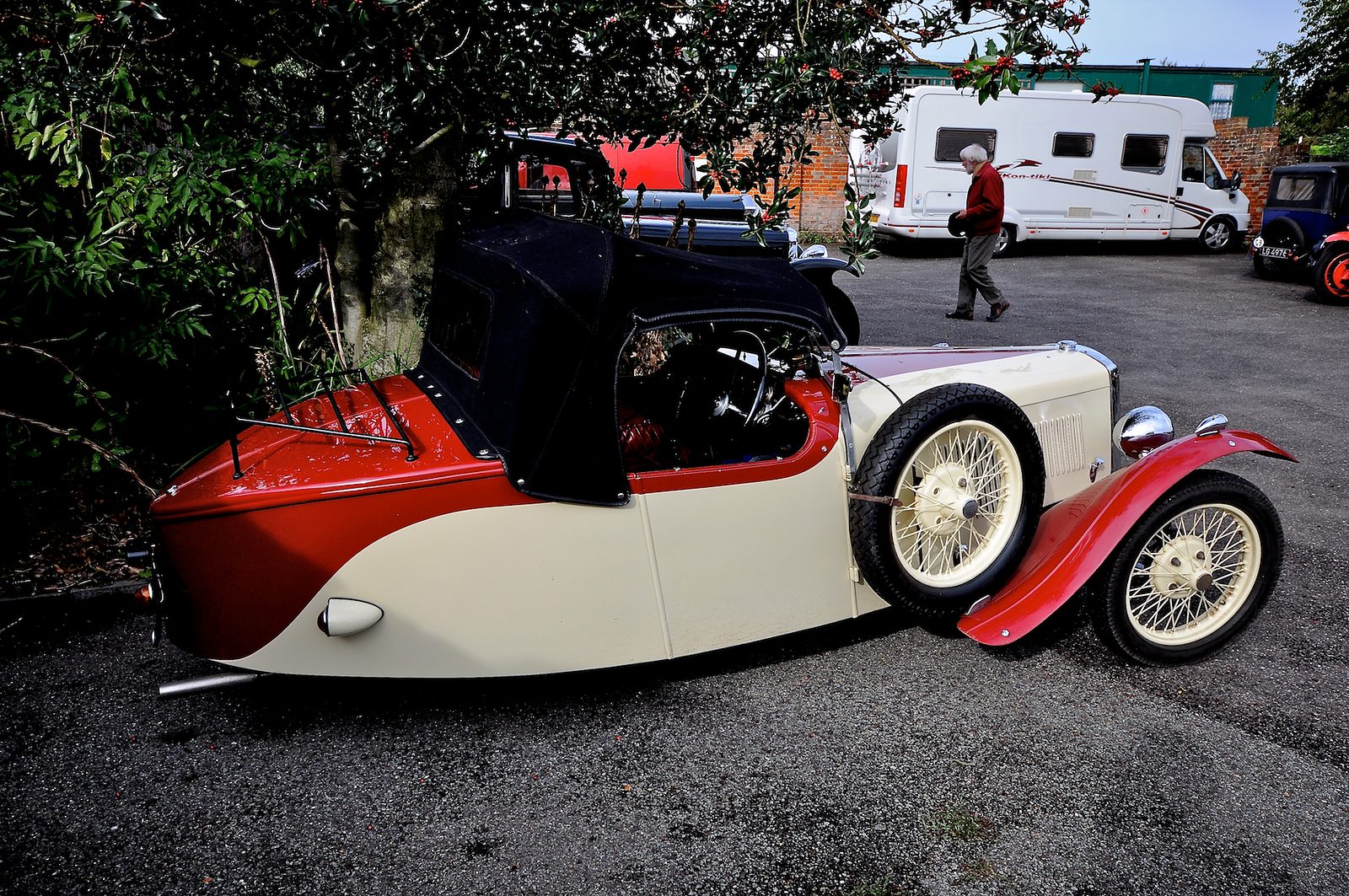
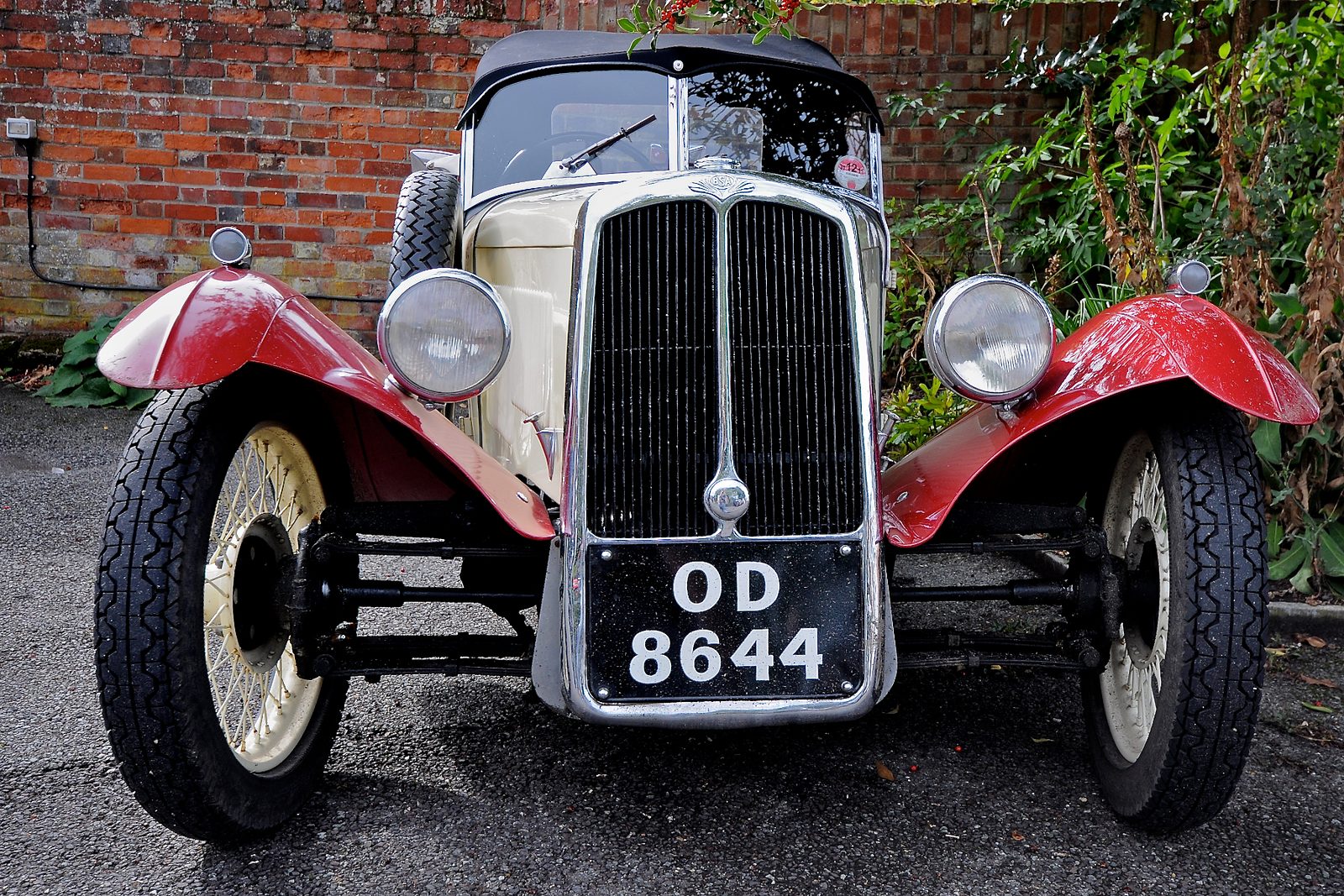
14 Cream and red BSA three-wheeler of 1934, registered OD 8644, with its hood up at Chedburgh, Suffolk, in October 2011.
12 more picturesFewer pictures
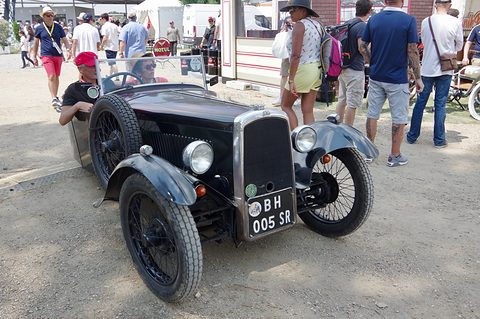
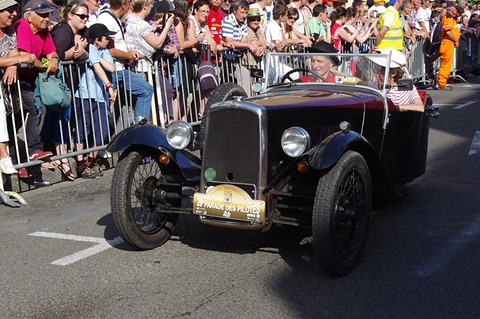
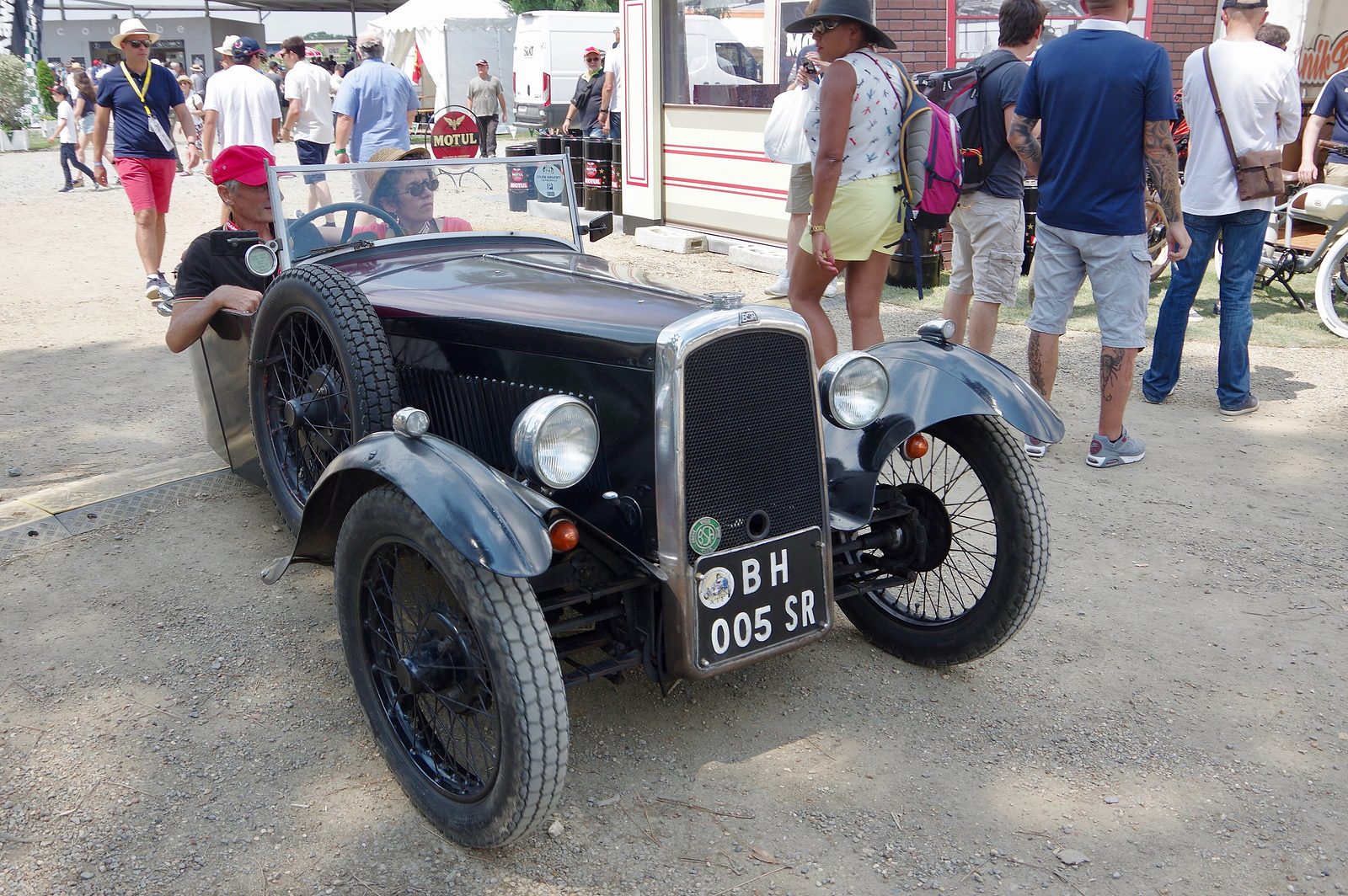
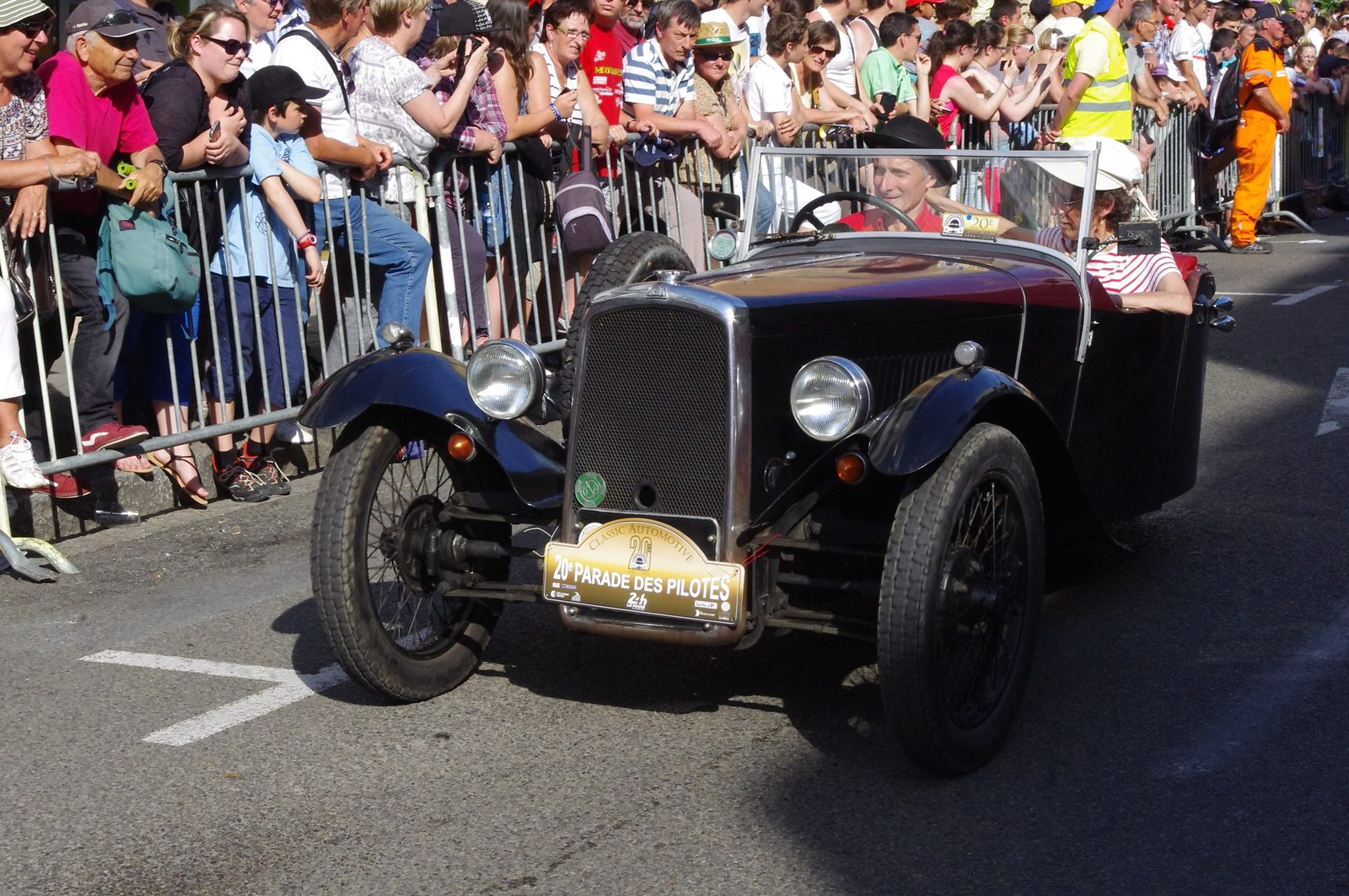
15 Black BSA three-wheeler of 1935 at Le Mans Classic in July 2018.
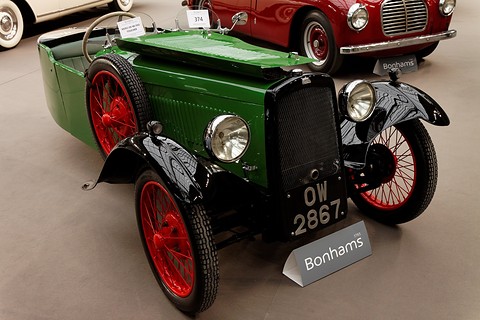
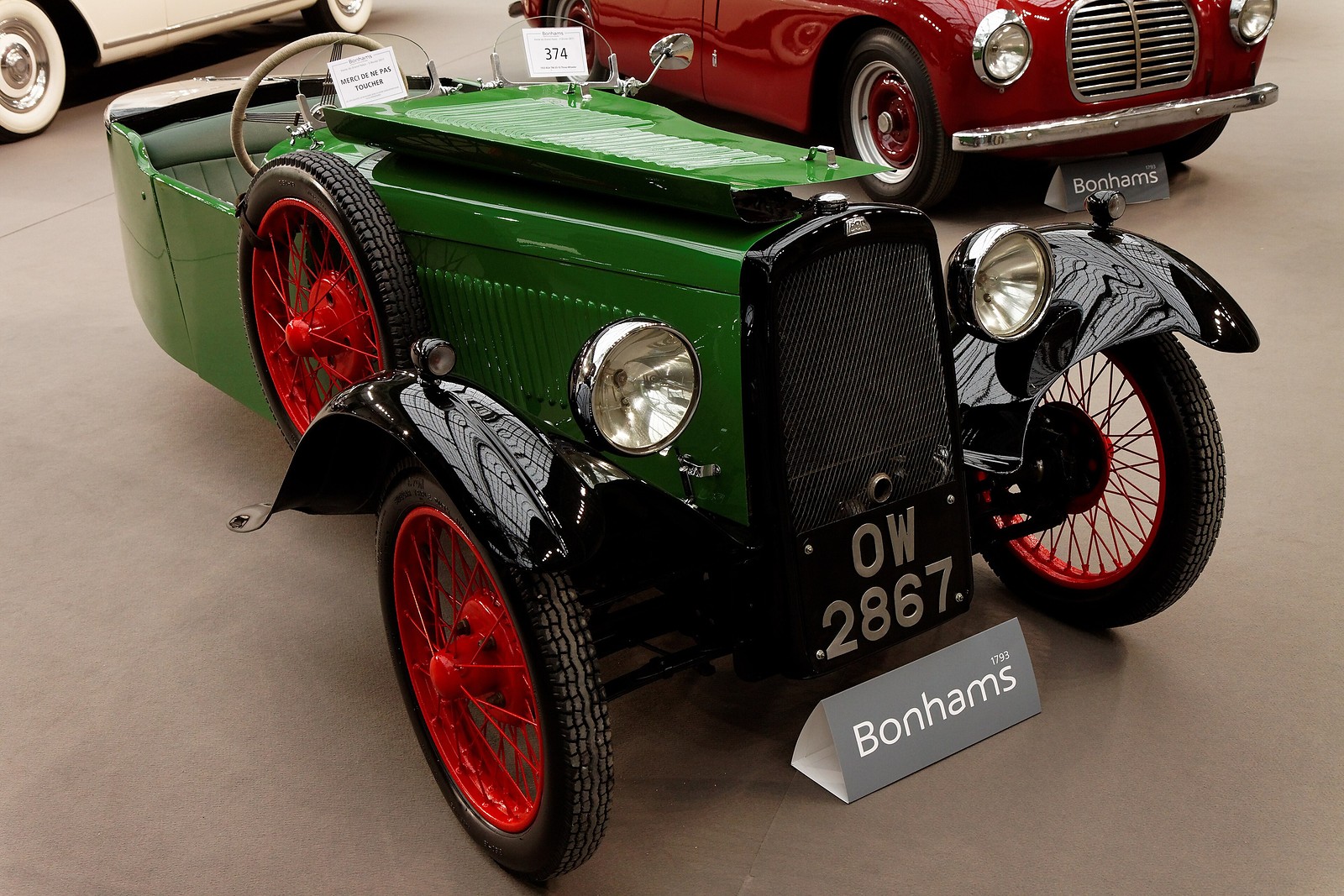
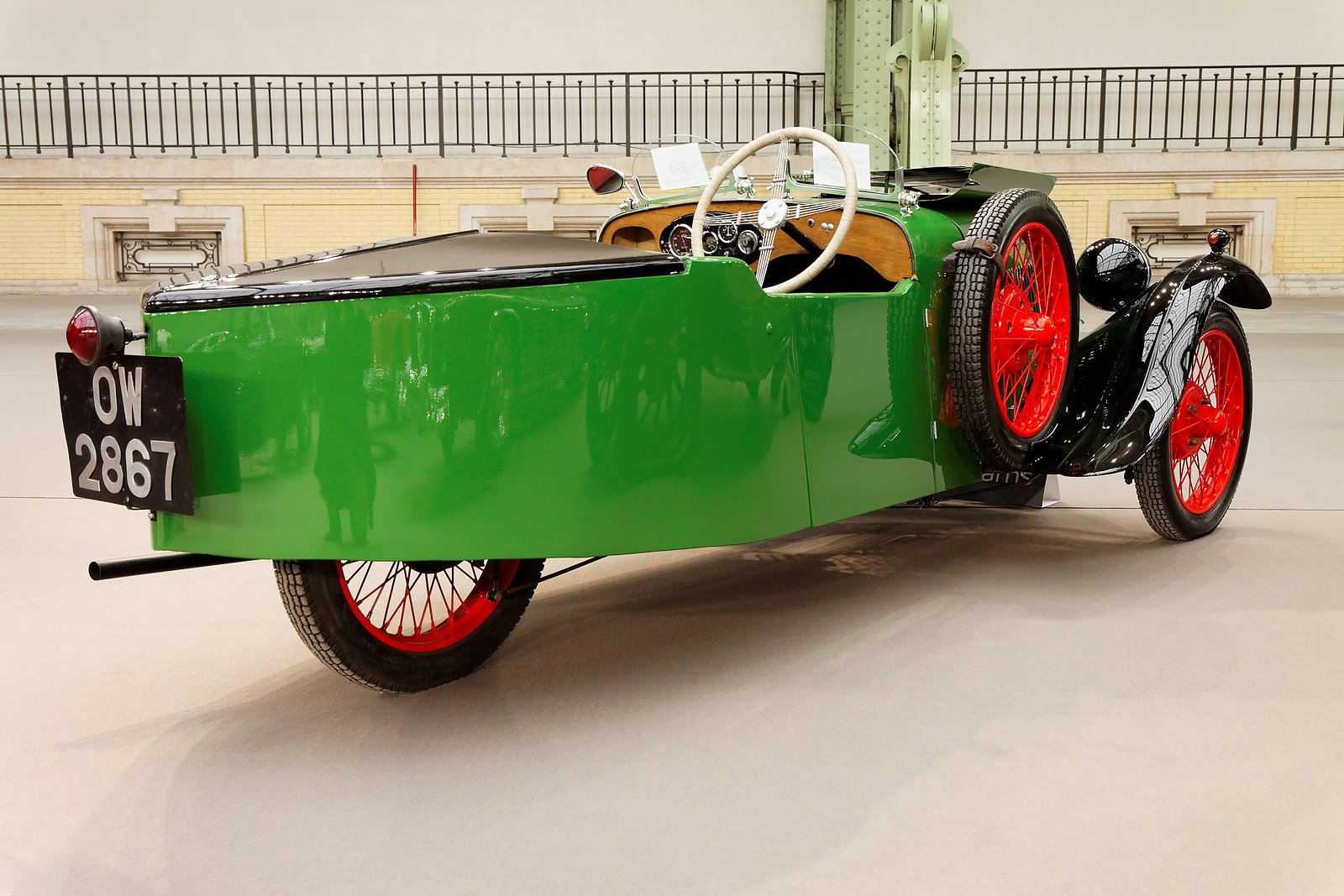
16 Green BSA TW33-10 four-cylinder three-wheeler, registered OW 2867, at the 110 ans de l’automobile exhibition at the Grand Palais, Paris, in February 2011.
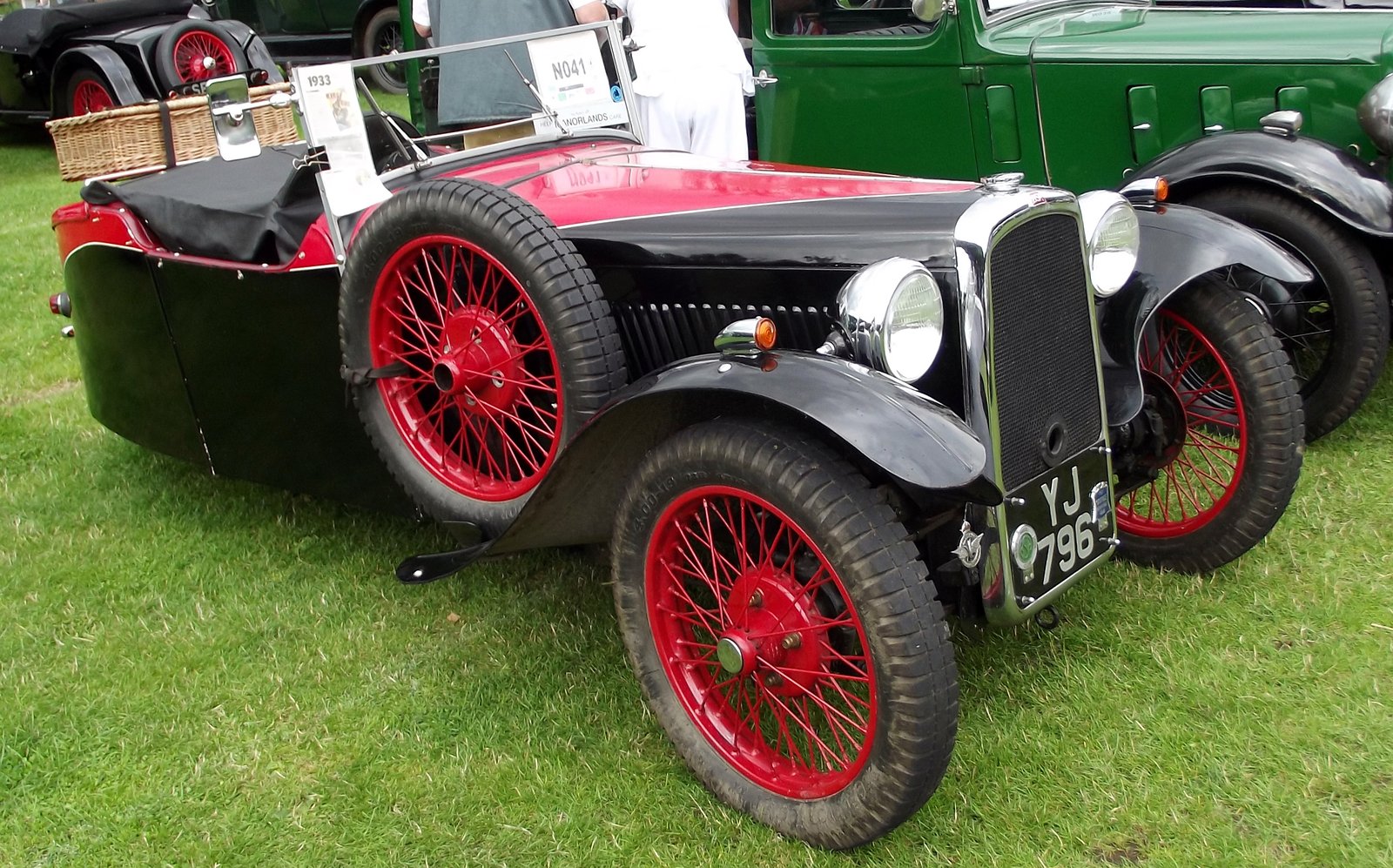
17 Black and red BSA TW33 four-cylinder three-wheeler of 1933 at the Hebden Bridge Vintage Weekend in 2013.
18 Black and red BSA TW33 four-cylinder three-wheeler, registered AGU 517, with its hood up at a show in May 2015.
19 Cream and red BSA three-wheeler of 1934, registered OD 8644, from behind at Chedburgh, Suffolk, in October 2011.
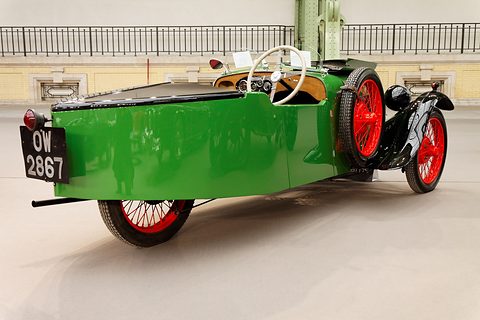
20 Green BSA TW33-10 three-wheeler, registered OW 2867, from the rear quarter at the 110 ans de l’automobile exhibition at the Grand Palais, Paris, in February 2011, its single rear wheel under the tail.
21 Cream and green BSA TW33 three-wheeler of 1934, registered AXP 844, head-on at the Duxford VE Day Air Show in May 2015.
22 BSA three-wheeler of 1934 in bare aluminium, registered TJ 5465, at the Heskin Hall Steam Fair, Lancashire, in June 2013.
23 Cream and red BSA three-wheeler of 1934, registered OD 8644, head-on at Chedburgh, Suffolk, in October 2011.
24 BSA three-wheeler of 1935 in the drivers’ parade at the Le Mans 24 Hours in June 2014.
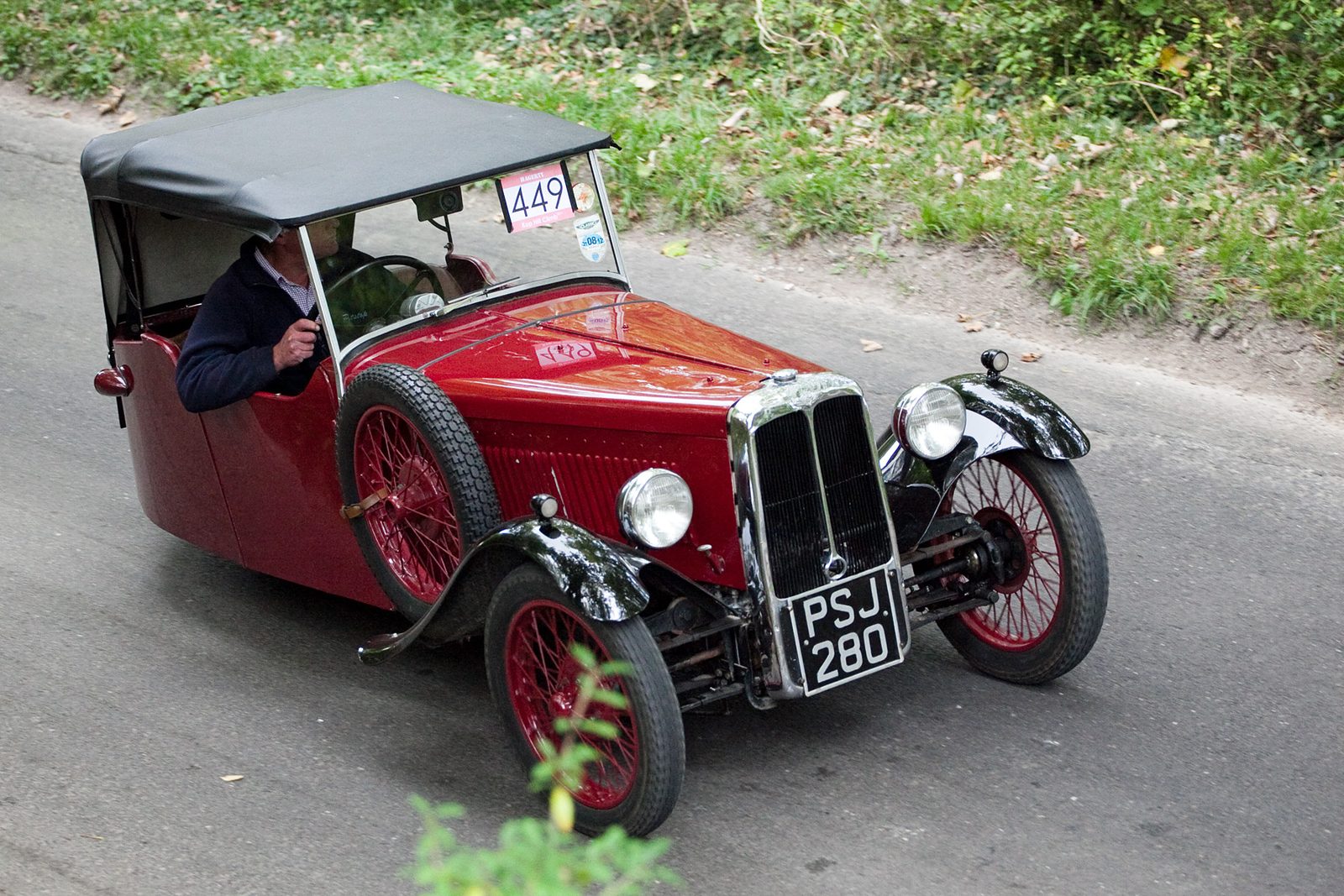
25 Red BSA TW33 four-cylinder three-wheeler of 1933 on the Kop Hill Climb, Princes Risborough, in September 2011.
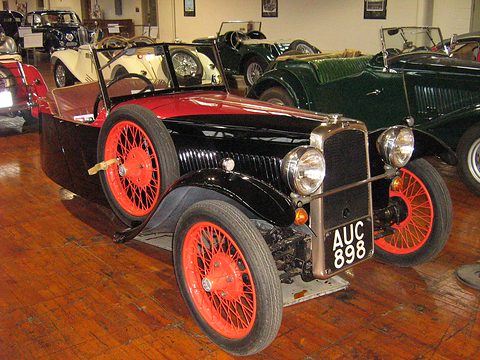
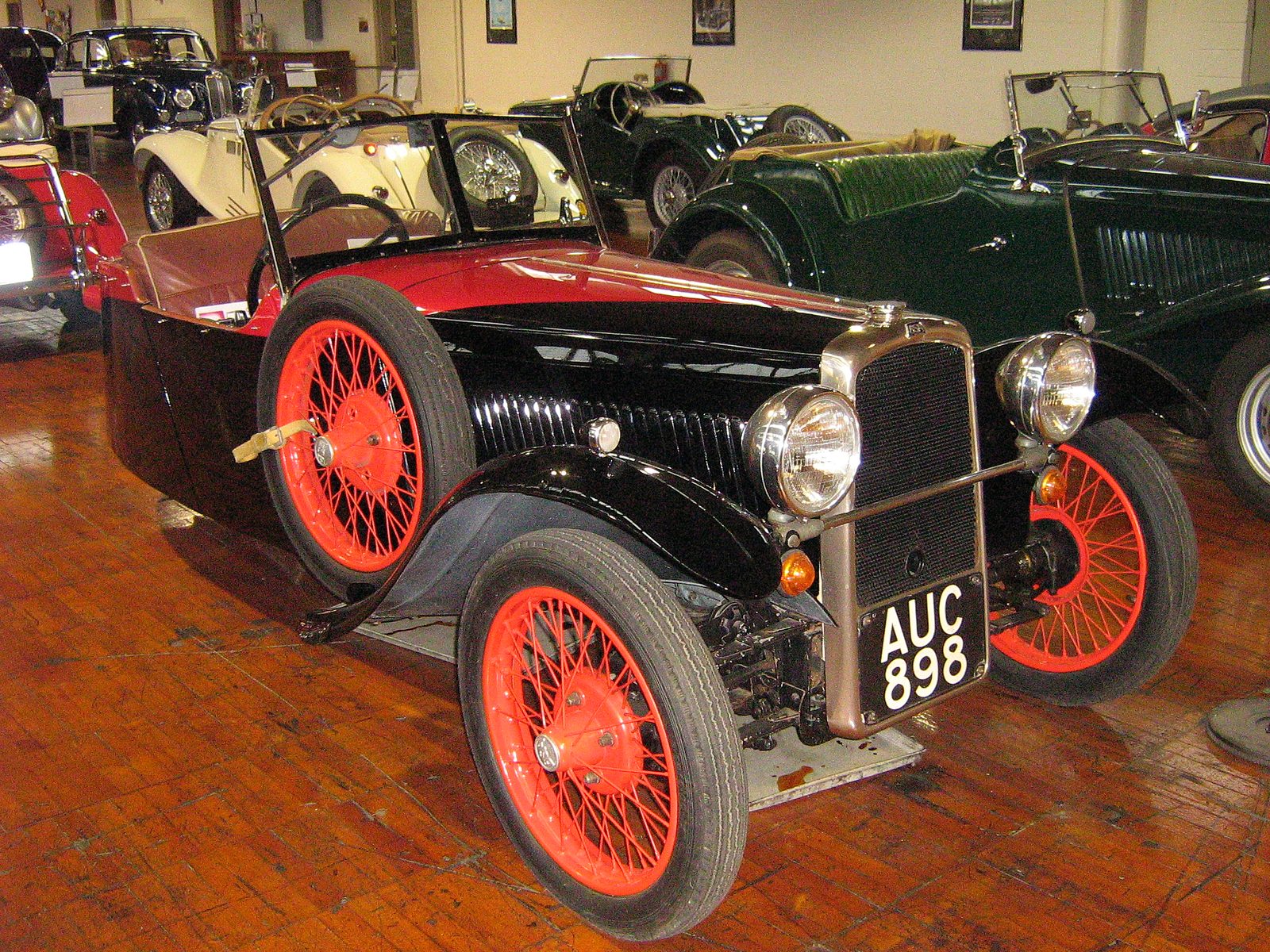
26 Red and black BSA TW33-10 four-cylinder three-wheeler of 1934 at the Lane Motor Museum, Nashville, in April 2009.
Inside and details 3
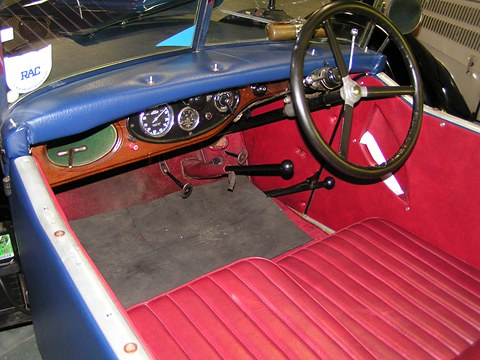
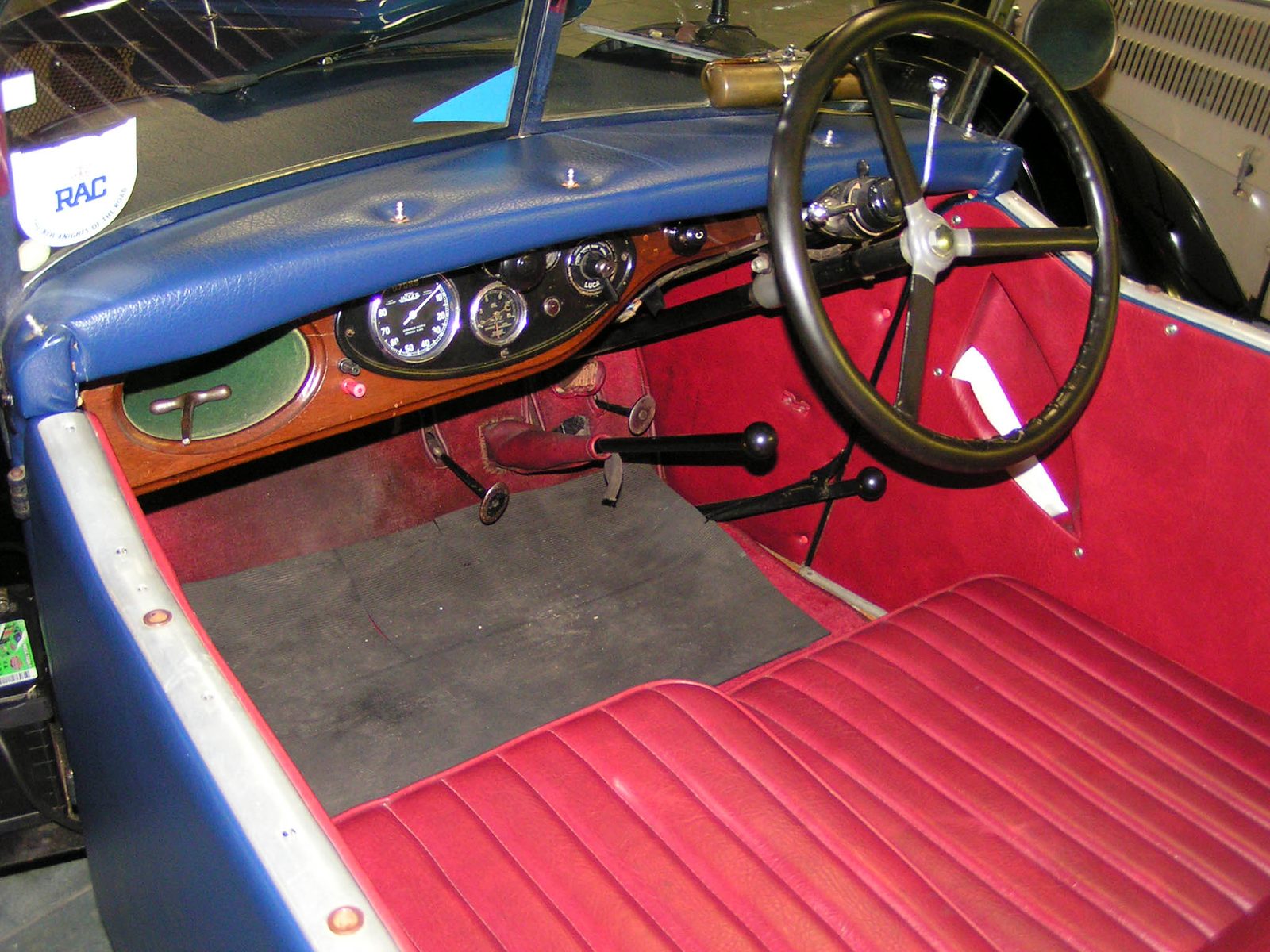
27 Cockpit of the blue 1931 BSA V-twin three-wheeler at the Tampa Bay Automobile Museum, Pinellas Park, Florida, in February 2008.
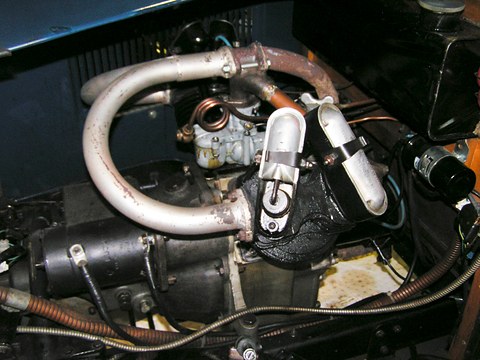
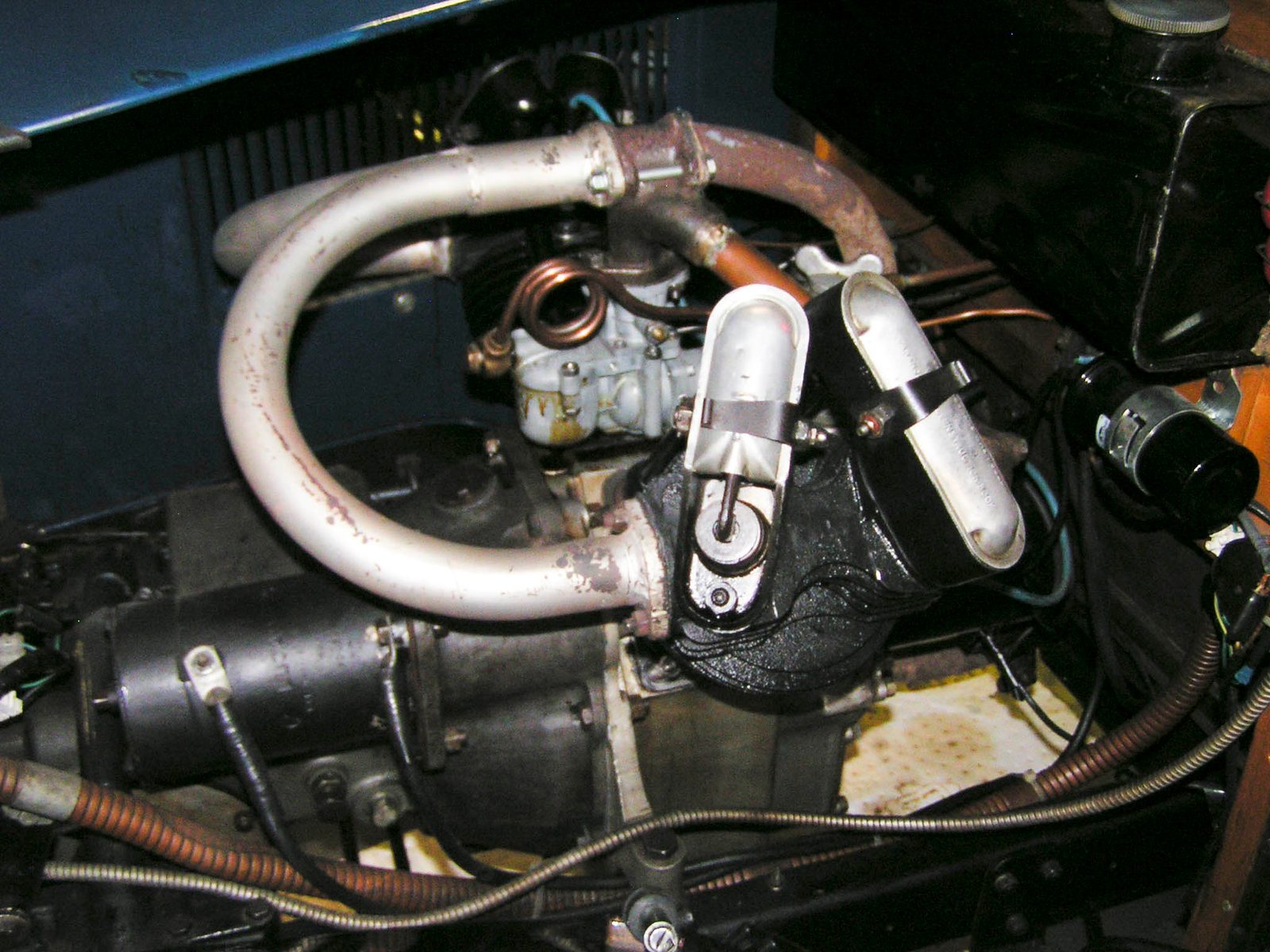
28 The air-cooled V-twin under the bonnet of the blue 1931 BSA three-wheeler at the Tampa Bay Automobile Museum, Pinellas Park, Florida, in February 2008.
29 Green BSA TW33-9 Special Sports three-wheeler of 1933 at the Lane Motor Museum, Nashville, in April 2009.
Picture credits (29)
1 Stahlkocher, CC BY-SA 3.0
2 Buch-t, Public domain
3 Andrew Fogg, CC BY 2.0
4 dave_7, CC BY-SA 2.0
5 Charles01, CC BY-SA 3.0
6 Andrew Bone, CC BY 2.0
7 Aethonatic, CC0
8 dave_7, CC BY-SA 2.0
9 Aethonatic, CC0
10 Dave Conner, CC BY 2.0
11 Rob Mitchell, Public domain
12 Calreyn88, CC BY-SA 4.0
13 SG2012, CC BY 2.0
14 Martin Pettitt, CC BY 2.0
15 David Merrett, CC BY 2.0
16 Thesupermat, CC BY-SA 3.0
17 Thomas’s Pics, CC BY 2.0
18 Graham Robertson, CC BY 2.0
19 Martin Pettitt, CC BY 2.0
20 Thesupermat, CC BY-SA 3.0
21 Rob Mitchell, Public domain
22 Steve Glover, CC BY 2.0
23 Martin Pettitt, CC BY 2.0
24 David Merrett, CC BY 2.0
25 dawarwickphotography, CC BY 2.0
26 dave_7, CC BY 2.0
27 dave_7, CC BY-SA 2.0
28 dave_7, CC BY-SA 2.0
29 dave_7, CC BY 2.0
8
Variants
Four makers
The models, maker by maker
Variant
Years
What differs
How many
Coventry-Victor Midget
1926–38
Single chain-driven rear wheel, two speeds; flat-twins of 688, 749, 850 and 998 cc; Standard, Sports, Super Sports, De-luxe and Parcelcar
Not found
Coventry-Victor Luxury Sports
1932–38
Styled by C. F. Beauvais, three speeds, from £110
Not found
BSA three-wheeler, twin
1929–33
Front-wheel drive, independent front suspension, an air-cooled V-twin of disputed size
About 5,200 BSA three-wheelers in all, unconfirmed
BSA TW-5 van
1931–
The van version
Not found
BSA FW32
1932
A four-wheeled version of the three-wheeler, for one year
Not found
BSA TW-33-10 and TW-34-10
1933–36
A water-cooled 1,075 cc four
In the 5,200
Raleigh Light Delivery Van
1930–35
From the Ivy Karryall; single front wheel, 598 cc single, chain drive, 5 cwt payload
Not found
Raleigh Safety Seven
1933–36
Four-seat tourer, aluminium body, 742 cc V-twin, shaft drive; a Sports Tourer in 1934
3,000, unconfirmed
Reliant 7 cwt van
1935–
Reliant’s first vehicle, with a 600 cc JAP single
Not found
Reliant 10 cwt van
1936–
A 747 cc water-cooled JAP V-twin of 18 bhp
Not found
Reliant 8 and 12 cwt vans
1938 or 1939–
The Austin Seven’s 747 cc four, then Reliant’s own copy
80 Reliant engines before the war
9
Specification
Lengths and weights were not found for any model
Coventry-Victor Midget
Coventry-Victor Midget
Engine
Flat-twin at the front, 688 cc, later 749, 850 and 998 cc; side valves or overhead valves, air- or water-cooledsource 2source 3
Drive
Two-speed gearbox and chain to the single rear wheel; three speeds on the Luxury Sportssource 2source 3
Brakes
A single foot brake on the transmission at first; front brakes on later sports modelssource 2
Price
From £75 in 1926; the Luxury Sports from £110 in 1932source 2source 3
BSA three-wheeler
BSA three-wheeler
Engine
Air-cooled V-twin based on a Hotchkiss design; from 1933 a water-cooled 1,075 cc foursource 1source 4The twin is given as 900, 1,021 or 1,039 cc
600 cc JAP air-cooled single (7 cwt); 747 cc water-cooled JAP V-twin, 18 bhp (10 cwt); Austin Seven four from 1938source 9Grace’s Guide gives a 750 cc V-twin for the first design, and 1939 for the Austin engine
Layout
Single front wheel, shaft drive to the rearsource 8
Economy
54.4 mpg in the 1935 test of the prototypesource 9
10
How many were built?
The few figures there are
No reliable totalsNo maker’s output has been confirmed. The two totals that circulate, for BSA and Raleigh, are known only from search-result summaries and are shown as unconfirmed. For Reliant there are weekly rates: three to five vehicles a week in 1936 and eight to ten in 1937. For Coventry-Victor no figure has been found.
02,0004,000
about 5,200BSA three-wheelers, 1930–36Unconfirmed
conceptcarz.com, known only from a search-result summarysource 6
3,000Raleigh Safety Sevens, 1933–36Unconfirmed
Classic & Sports Car and 3-wheelers.com, known only from search-result summariessource 10
Two sources agreetwo good sources give the figure
One sourcea good source, alone
Unconfirmeda lead only, not yet checked
11
Famous for
Three points
Motorcycle tax, car comfort
Built to stay under 8 cwt, they paid tax as motorcycles while carrying two or four people.
Front-wheel drive in 1929
BSA’s three-wheeler drove its two front wheels and sprung them independently.
R for Reliant
Reliant took its name from the R stamped on the Raleigh parts it began with.
12
Survivors and collecting
Today
No count of survivors has been found for any of the four makers. The one Coventry-Victor Venus that escaped destruction is in the Coventry Transport Museum.source 2 A BSA TW-33-10 was shown at the exhibition “110 ans de l’automobile” at the Grand Palais in Paris, and Grace’s Guide pictures a 1934 TW 34-10 registered GL 1362.source 4source 5 A Raleigh Safety Seven of 1935 has stayed in its first owner’s family and was restored in 1998. Its owner, Martin Strange, tells the family story of climbing Birdlip Hill in it in reverse, because first gear was too high, and is frank about its handling.source 11
It’s a real death-trap. I’ve lifted a rear wheel just going gently round a corner, and the steering column is 1/2″ of solid steel.
Martin Strange, owner of a 1935 Raleigh Safety Seven, interviewed by Hagerty UK.source 11
Most of this page rests on Grace’s Guide and English Wikipedia. Several sources were read only through summaries, and the BSA and Raleigh totals only through search results; no period road test of a Coventry-Victor or a BSA was found. Sources are given as plain text; the links are on the Credits page.
Society of Automotive Historians in Britain, “Snapshot 458: 1933 B.S.A. F.W.D. 9 h.p.”, read through a summary.
English Wikipedia, Coventry Victor, read in full.
Grace’s Guide, “Coventry-Victor Motor Co”, read in full. It quotes The Motor Cycle, 11 December 1919, and Roy Bacon and Ken Hallworth, The British Motorcycle Directory (2004).
English Wikipedia, BSA cars, read in part.
Grace’s Guide, “BSA: Cars”, citing The Autocar, 1908–14.
conceptcarz.com, BSA TW-34 and BSA three-wheeler pages; known only from a search-result summary.
English Wikipedia, Raleigh Bicycle Company, the section on motor vehicles.
Grace’s Guide, “Raleigh: Cars” and “Reliant Motor Co”.
Dan Lockton, “Reliant: the early years”, a history of the firm, read through a summary.
Search-result summaries of a Classic & Sports Car article and the 3-wheelers.com Raleigh page; neither page was read.
Hagerty UK, “The Raleigh Safety Seven”, an owner feature, read through a summary.
Grace’s Guide, “Raleigh Cycle Co”, the firm’s timeline.
Green Raleigh Safety Seven three-wheeler of 1934, ET 8358, with its hood up at Techno-Classica, Essen, Germany, in 2007.Photo: Stahlkocher, CC BY-SA 3.0, via Wikimedia Commons
Blue BSA V-twin three-wheeler of 1931, registered TK 6538, at the Tampa Bay Automobile Museum, Pinellas Park, Florida, in February 2008.Photo: dave_7, CC BY-SA 2.0, via Wikimedia Commons
BSA V-twin three-wheeler of 1931 with a tonneau over its tail at Wings & Wheels, Henstridge, in August 2019.Photo: Andrew Bone, CC BY 2.0, via Wikimedia Commons
Blue BSA V-twin three-wheeler of 1931 from behind at the Tampa Bay Automobile Museum, Pinellas Park, Florida, in February 2008, showing its pointed tail.Photo: dave_7, CC BY-SA 2.0, via Wikimedia Commons
Green BSA three-wheeler, registered MAS 695, head-on at the Nottingham Transport Heritage Centre, Ruddington, in March 2026.Photo: Aethonatic, CC0, via Wikimedia Commons
Black and red BSA TW33 four-cylinder three-wheeler, registered AGU 517, at The Links, Tain, Ross-shire, in June 2011.Photo: Dave Conner, CC BY 2.0, via Wikimedia Commons
Cream and green BSA TW33 three-wheeler of 1934, registered AXP 844, at the Duxford VE Day Air Show in May 2015.Photo: Rob Mitchell, Public domain, via Wikimedia Commons
Green BSA three-wheeler of 1934, registered TJ 5465, at the Heskin Hall Steam Fair, Lancashire, in June 2016.Photo: SG2012, CC BY 2.0, via Wikimedia Commons
Cream and red BSA three-wheeler of 1934, registered OD 8644, with its hood up at Chedburgh, Suffolk, in October 2011.Photo: Martin Pettitt, CC BY 2.0, via Wikimedia Commons
Green BSA TW33-10 four-cylinder three-wheeler, registered OW 2867, at the 110 ans de l’automobile exhibition at the Grand Palais, Paris, in February 2011.Photo: Thesupermat, CC BY-SA 3.0, via Wikimedia Commons
Black and red BSA TW33 four-cylinder three-wheeler of 1933 at the Hebden Bridge Vintage Weekend in 2013.Photo: Thomas’s Pics, CC BY 2.0, via Wikimedia Commons
Black and red BSA TW33 four-cylinder three-wheeler, registered AGU 517, with its hood up at a show in May 2015.Photo: Graham Robertson, CC BY 2.0, via Wikimedia Commons
Cream and red BSA three-wheeler of 1934, registered OD 8644, from behind at Chedburgh, Suffolk, in October 2011.Photo: Martin Pettitt, CC BY 2.0, via Wikimedia Commons
Green BSA TW33-10 three-wheeler, registered OW 2867, from the rear quarter at the 110 ans de l’automobile exhibition at the Grand Palais, Paris, in February 2011, its single rear wheel under the tail.Photo: Thesupermat, CC BY-SA 3.0, via Wikimedia Commons
Cream and green BSA TW33 three-wheeler of 1934, registered AXP 844, head-on at the Duxford VE Day Air Show in May 2015.Photo: Rob Mitchell, Public domain, via Wikimedia Commons
BSA three-wheeler of 1934 in bare aluminium, registered TJ 5465, at the Heskin Hall Steam Fair, Lancashire, in June 2013.Photo: Steve Glover, CC BY 2.0, via Wikimedia Commons
Cream and red BSA three-wheeler of 1934, registered OD 8644, head-on at Chedburgh, Suffolk, in October 2011.Photo: Martin Pettitt, CC BY 2.0, via Wikimedia Commons
Red BSA TW33 four-cylinder three-wheeler of 1933 on the Kop Hill Climb, Princes Risborough, in September 2011.Photo: dawarwickphotography, CC BY 2.0, via Wikimedia Commons
Red and black BSA TW33-10 four-cylinder three-wheeler of 1934 at the Lane Motor Museum, Nashville, in April 2009.Photo: dave_7, CC BY 2.0, via Wikimedia Commons
Cockpit of the blue 1931 BSA V-twin three-wheeler at the Tampa Bay Automobile Museum, Pinellas Park, Florida, in February 2008.Photo: dave_7, CC BY-SA 2.0, via Wikimedia Commons
The air-cooled V-twin under the bonnet of the blue 1931 BSA three-wheeler at the Tampa Bay Automobile Museum, Pinellas Park, Florida, in February 2008.Photo: dave_7, CC BY-SA 2.0, via Wikimedia Commons
Green BSA TW33-9 Special Sports three-wheeler of 1933 at the Lane Motor Museum, Nashville, in April 2009.Photo: dave_7, CC BY 2.0, via Wikimedia Commons