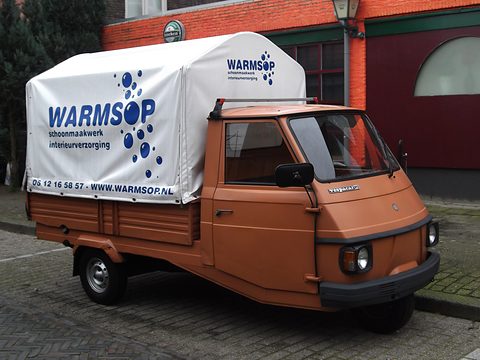
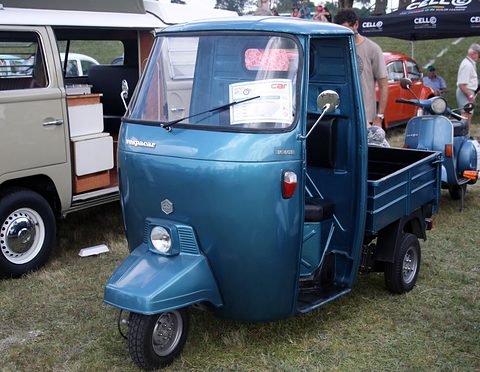
microcarfan
  • Microcar utility
  • Italy
  • Three wheels
  • Still in production

Piaggio Ape

Also known as VespaCar, TriVespa, Apecar

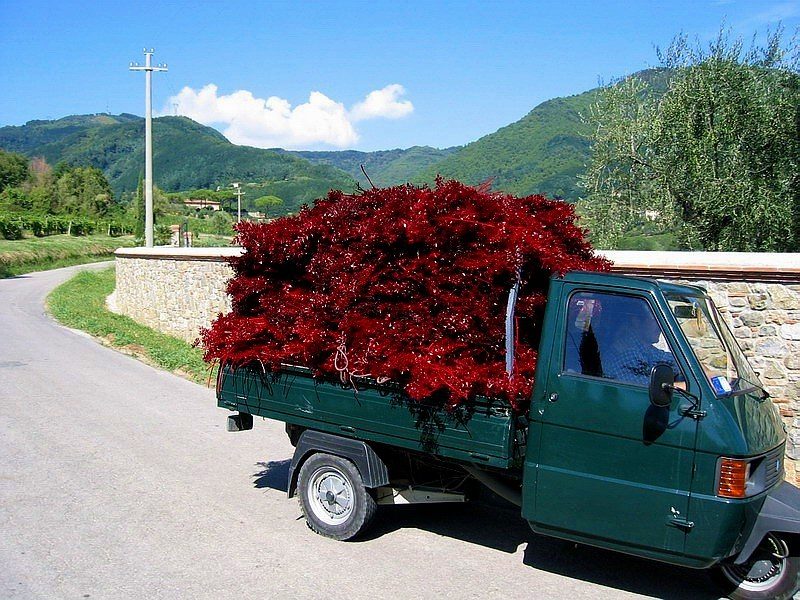
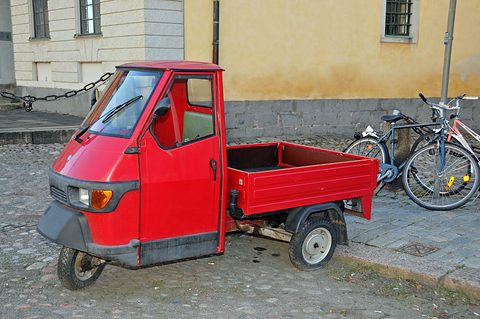
Take a Vespa scooter, swap its back wheel for an axle with two, and build a load bed over them. That was the first Ape, in 1948. The name is Italian for bee, and this three-wheeler has been Italy’s village micro-van ever since: Piaggio says it has distributed about six million around the world.

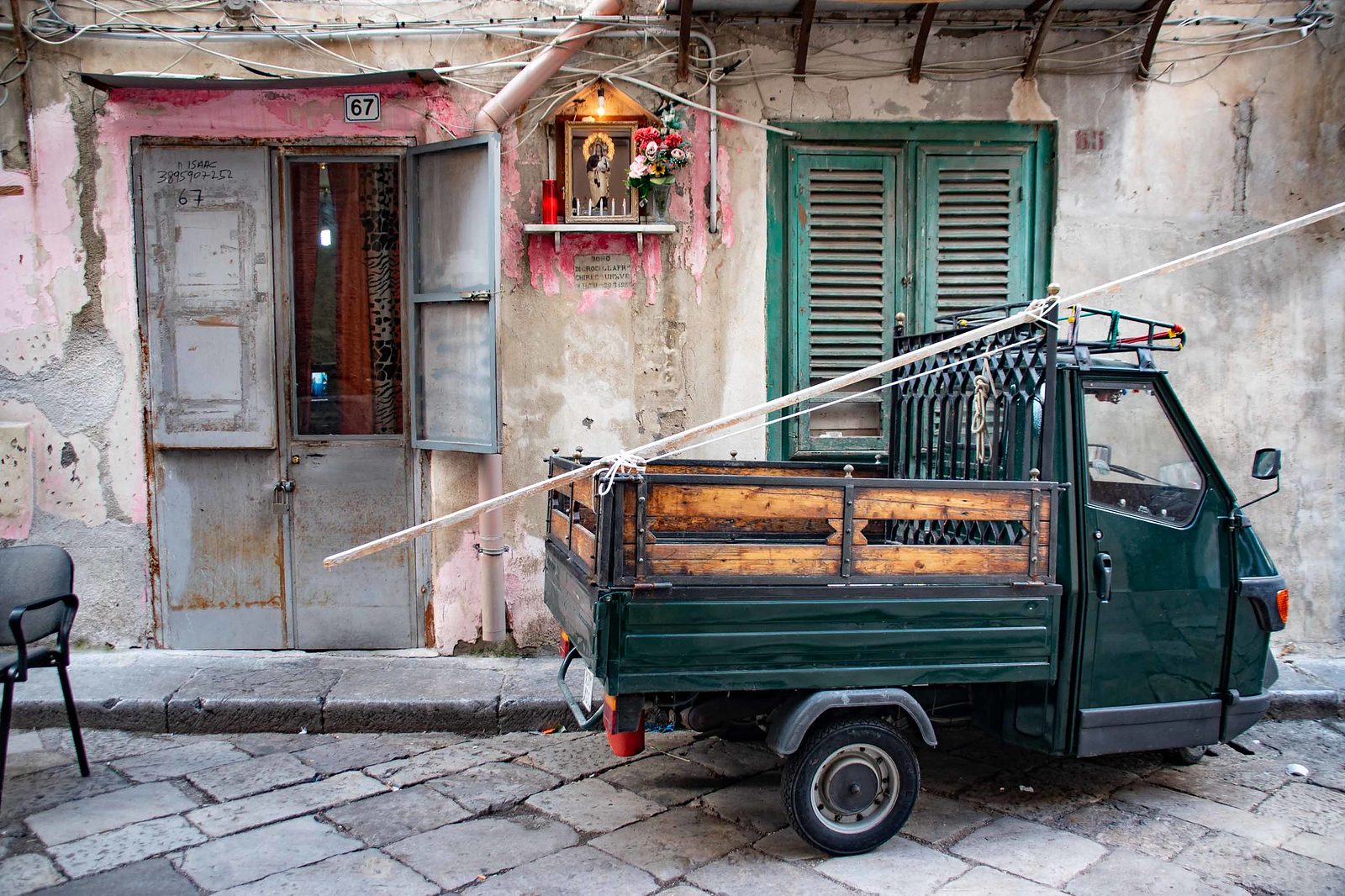
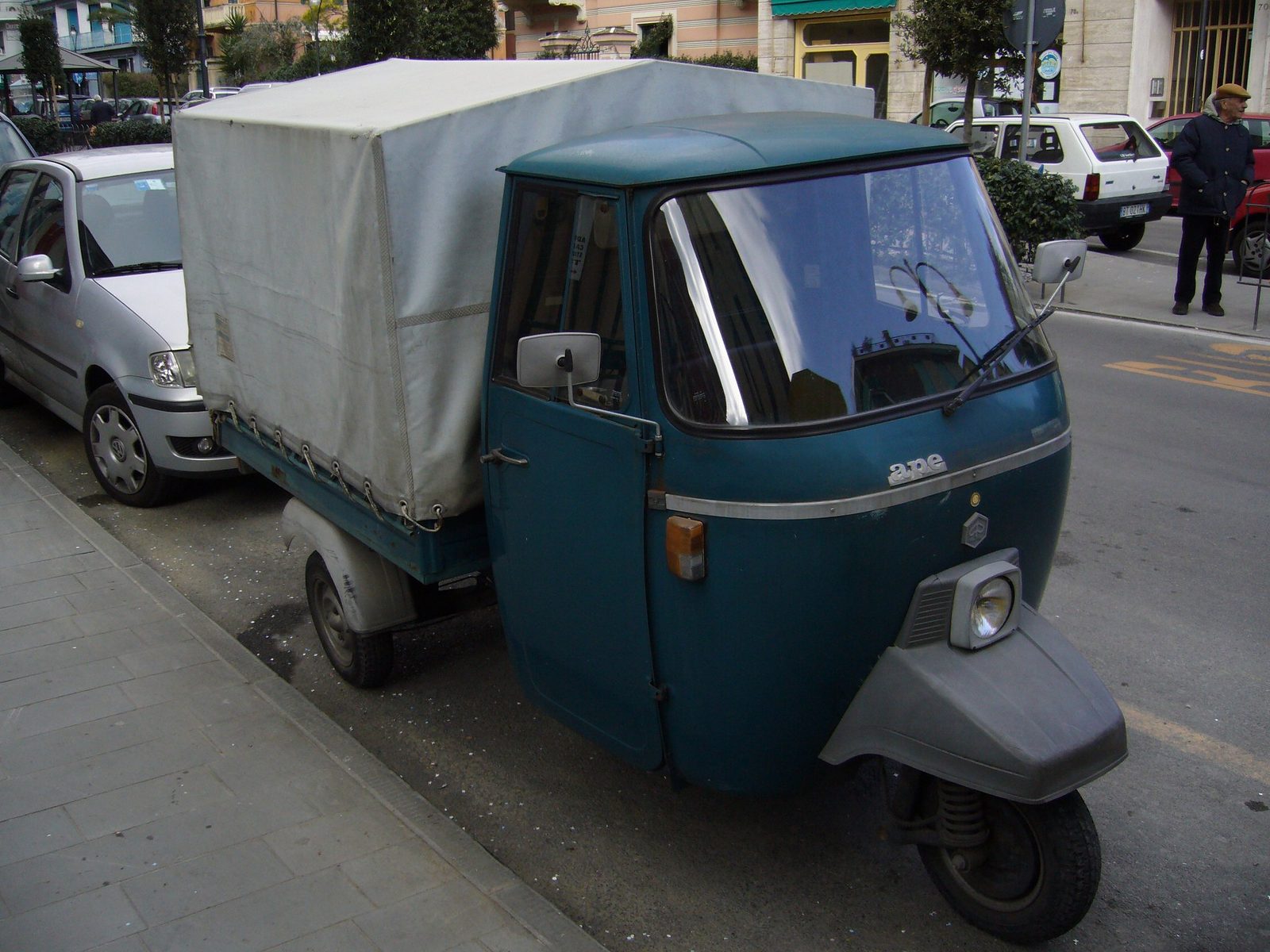
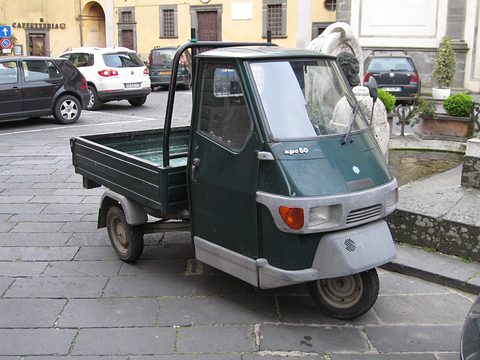
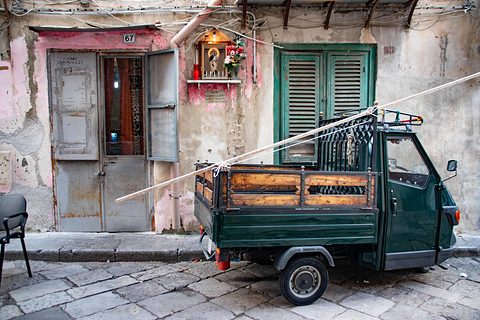
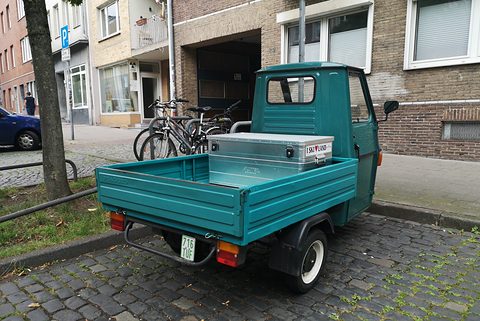
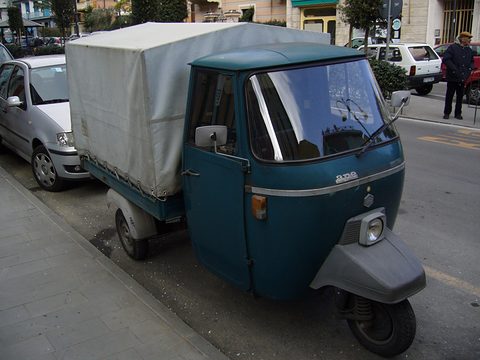
Dark green three-wheeled pick-up with a grey front cowl and an Ape 50 badge, parked on stone paving among cars.
A dark green Ape 50 pick-up in an Italian piazza, 2010.Photo: Andrew Childs, CC BY 2.0, via Flickr

At a glance

The spec plate

Piaggio Ape

Ape A to Ape Classic · Pontedera

Built
1948–From 1948; still in production
Country
ItalyPontedera, Pisa; today built mainly in India
Maker
Piaggio, PontederaToday mainly Piaggio Vehicles in India; under licence by Moto Vespa in Spain
Engine
50 cc to 435 cc singles, petrol or diesel; one electric125 cc two-stroke in 1948; 145.5 or 150 cc, 170 or 175 cc and 190 cc later; 50 cc from 1969; 220 cc Apecar; 218 cc petrol and 422 cc diesel; 200 cc petrol Calessino; 435 cc Greaves Cotton diesel; an electric Calessino
Power
5.8 hpAbout 4.3 kW; the 1963 Ape C, by the Weiner museum
Length
2,680 mm1,280 mm wide
Weight
395 kgThe 1963 Ape C, by the Weiner museum
Seats
1Perhaps two at a squeeze; the 2007 Calessino, a driver and three, by one source
Wheels
3One steered at the front, two at the back
Price new
about 170,000 lireThe Ape A, 1948
Production
about 6 millionPiaggio’s own count of Apes distributed worldwide, to 2018
Survives
YesStill in production; no count of old ones has been found
Top speed
45km/h45 km/h28 mph; 60 km/h for the petrol Ape TM, 63 km/h for the diesel

How big is it?

True proportion

2.68 m

It is 290 mm shorter than a Fiat 500, about 1.5 adults laid end to end, and twice the length of a Peel P50.

  • 1.28 m wide
  • 395 kg: about five adults
  • One seat, perhaps two at a squeeze
  • A load bed behind the cab
Drawn at true proportion. The track is 3.6 metres long; the adult stands at the same scale. The Peel P50 is the smallest production car, on every page for comparison.

The story

History

Post-war Italy had goods to move and little money to move them with. In 1947 Corradino D’Ascanio, the aeronautical engineer who had designed the Vespa scooter for Piaggio, conceived a light and simple three-wheeled commercial vehicle, and Piaggio took it up.source 1source 2 What he drew was a Vespa without a cab, its single rear wheel replaced by a two-wheeled axle with a flat load bed above it.source 1source 3 Piaggio’s own history gives his purpose in a phrase.

“… colmare una lacuna nei mezzi di locomozione utilitaria del dopoguerra.”

Corradino D’Ascanio on the Ape’s purpose, as quoted in Piaggio’s press history “APE (1948–⁠2019): una storia italiana”, 2018, which gives no date or occasion. In English: “… to fill a gap in the utilitarian means of transport of the post-war period.”source 2

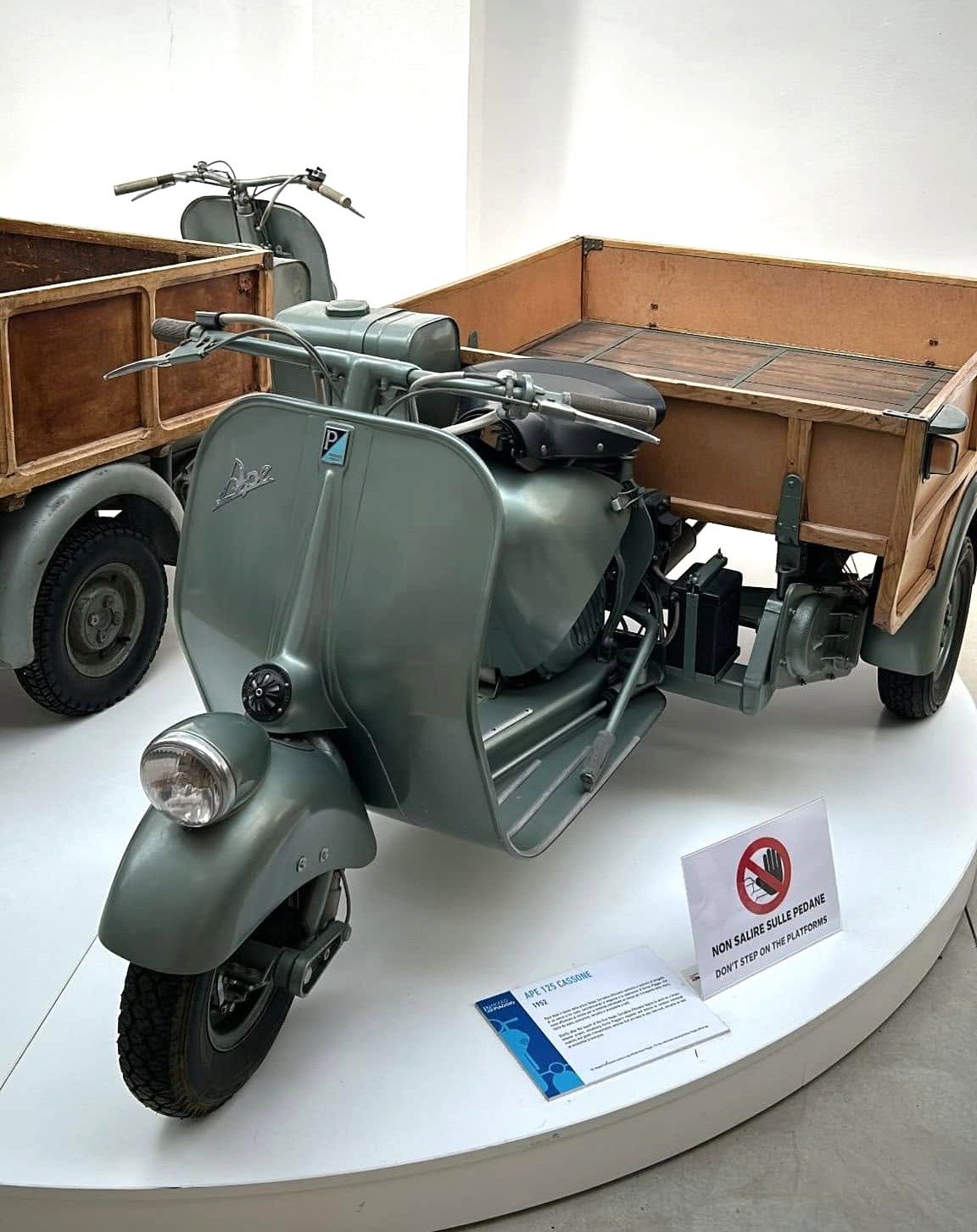
The Ape A went on sale in 1948 at about 170,000 lire.source 3source 2 The name is said “AH-peh”, and in some markets the first two series were sold as the VespaCar or the TriVespa, which is close to what they were: Vespas with a two-wheeled rear axle carrying the box.source 1source 3 The Weiner museum notes the front hub mounted on the left of the fork, a gear change worked by rods and three body styles.source 4 The same year brought a passenger version, the Calessino, with a sofa where the load should be.source 5 The magazine Motociclismo was impressed.

“È una macchina modernissima, di costo e consumi assai limitati.”

Motociclismo on the first Ape, about 1948, as quoted in Piaggio’s press history of 2018, which gives no issue date. In English: “It is a very modern machine, of very limited cost and consumption.”source 2

In 1952 the engine grew from 125 to 150 cc and the payload from 200 kg (441 lb) to 350 kg (772 lb): this was the Ape B, with a pressed-steel bed in place of wood, though Piaggio’s timeline puts the steel platform in 1954.source 1source 3source 2 The museum adds a cable gear change and four body styles.source 4 Piaggio also made Apes in France. ACMA, its subsidiary at Fourchambault, which later built the Vespa 400, had turned out more than 240,000 Vespa scooters and 4,000 Ape three-wheelers by the end of 1956.source 6

A cab, then the engine moves back

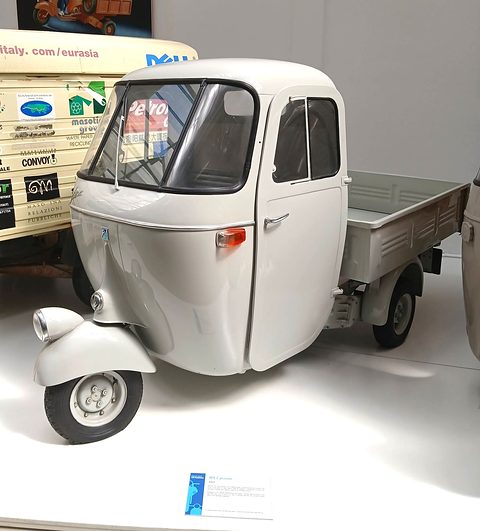
The Ape C of 1956 was the first with an enclosed cab and doors.source 1source 3 Its structure no longer depended on the Vespa’s, though it kept many of its parts, the handlebar and the hand gear change among them; the doors were optional at first and standard within a few years.source 3 The engine, running on a 5 per cent oil mix, sat in the cab under the driver’s seat and was kick-started, with an electric starter as an option.source 1source 3 The museum speaks of a “cabin” or “half cabin” in eight body styles.source 4 Piaggio dates the Ape C to 1954, against 1956 in three other sources.source 2 The Weiner museum’s 1963 car shows what it was: 145.5 cc and 5.8 hp, four speeds changed by twist grip, 395 kg (871 lb), 2,680 mm (106 in) long and 45 km/h (28 mph) flat out.source 4 That was enough for light deliveries, with torque for the hills, and on bigger roads Ape drivers learned to keep close to the kerb and let the traffic by.source 1

The family spread. The Pentarò, built from 1960 to 1968, was a cab unit towing a small semi-trailer, a five-wheeled articulated mototrattore; Piaggio gives 1961 and a payload of 700 kg (1,543 lb).source 1source 3source 2 The Ape D brought 175 cc, rotary-valve induction on a 2 per cent mix, a headlamp on the legshield and a heater in the cab, though nobody agrees when: 1964–⁠67 by the English Wikipedia, 1967–⁠74 by the Italian, and 1958, with 170 cc, by Piaggio.source 1source 3source 2 The 150 cc Ape E ran from 1965 to 1973.source 1source 3 Then the MP, for motore posteriore, moved the engine out of the cab and under the bed to spare the driver its vibration, from 1968 to 1978 (Piaggio says 1966, with 190 cc and hydraulic suspension), and the MPV of 1968 offered a steering wheel.source 1source 3source 2 In 1969 came the first 50 cc Ape, a moped in Italian law, which Piaggio says covered 33 km on a litre (93 mpg).source 3source 2

Wheels, Giugiaro and a very small diesel

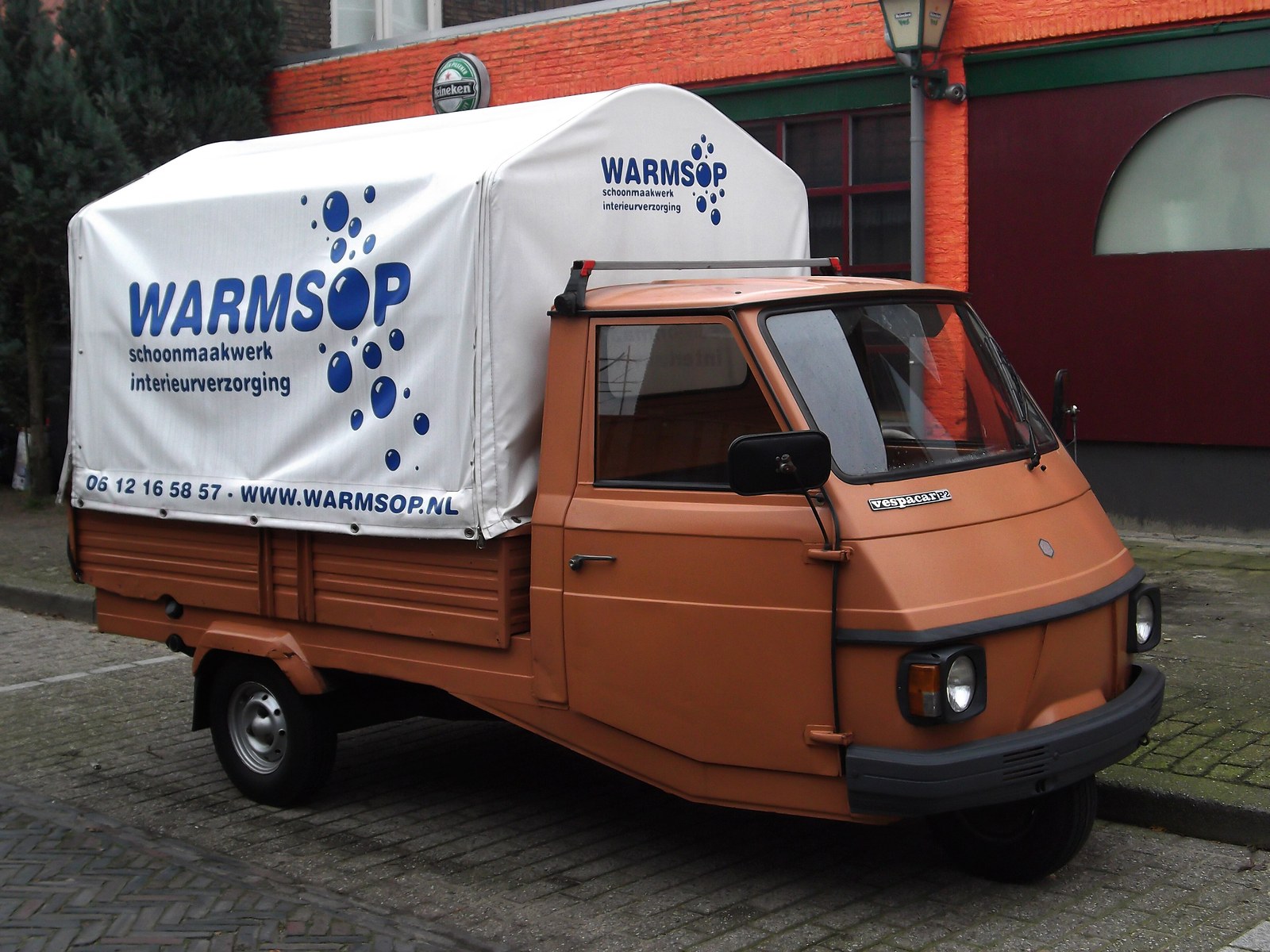
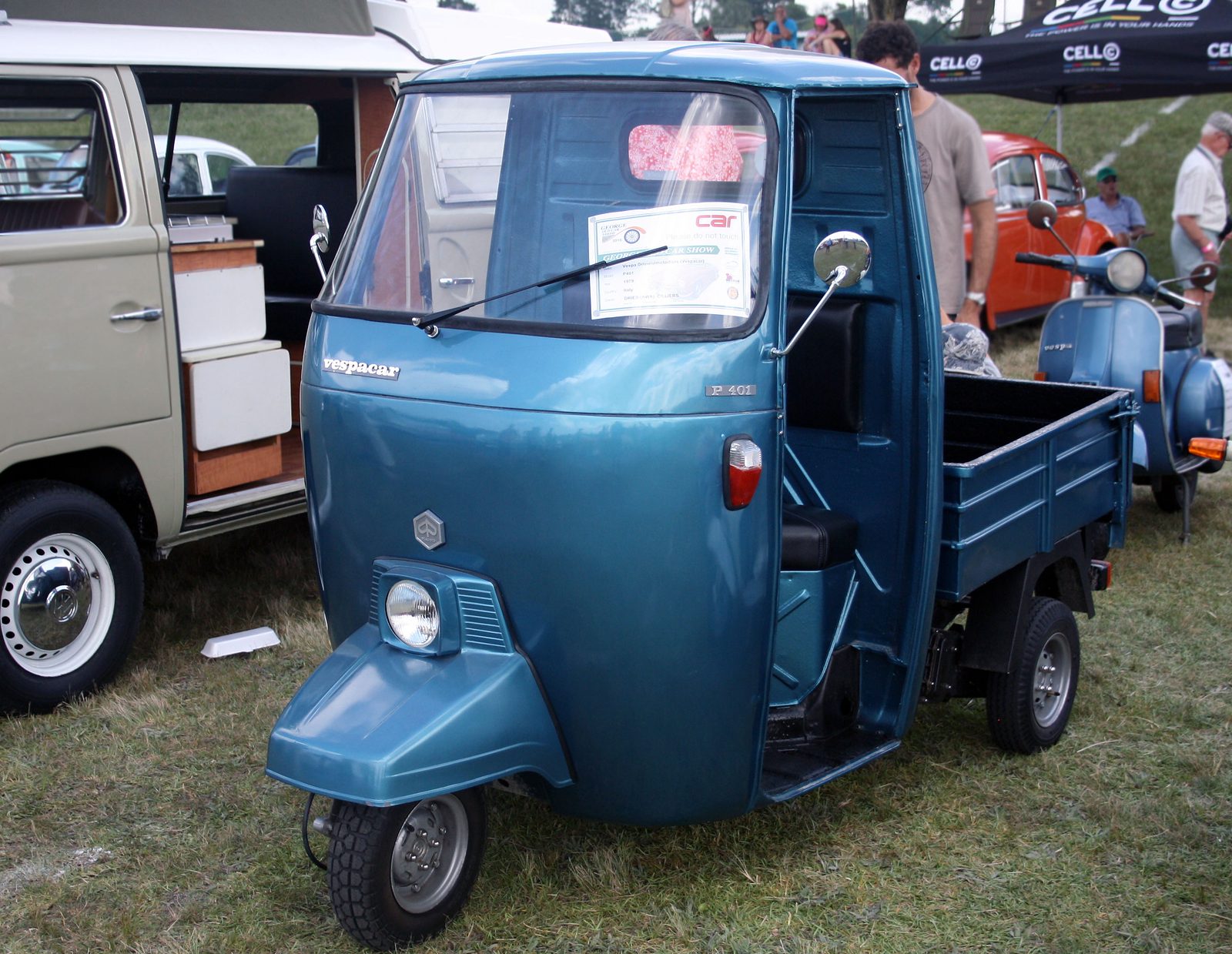
The Apecar of 1971 was the first Ape without handlebars. It had a much larger cab, a steering wheel and a 220 cc engine at the back, and it grew into the P2 and P3. Strictly, “Apecar” is this model’s name, though people use it for them all.source 3source 2 The Ape 500 of 1981–⁠93 had a 175 cc engine and a new front with twin headlamps on its sides.source 1source 3 In 1982 the Ape TM followed, with a car-like cab styled by Giugiaro and 12-inch wheels; the Italian Wikipedia has it built from 1983 to 2016.source 2source 1source 3 It came with a 218 cc petrol engine, good for 60 km/h (37 mph), or a 422 cc diesel at 63 km/h (39 mph), and carried 700 to 805 kg.source 1 That diesel arrived in the Apecar in 1984, with direct injection, and Piaggio called it the smallest direct-injection diesel in the world.source 2 The Ape Max D that followed was nicknamed “9 quintali” for its payload of 900 kg (1,984 lb).source 3

Later Apes reached in every direction. The Ape Poker of 1991 or 1993 to 2005 was an Apecar with four wheels. The 50 cc Ape Web and Ape Cross of 1994–⁠99 were youth models with roll bars, a new Ape 50 and Furgone 50 arrived from 1996, and the Cross Country from 2000.source 1source 3 The Ape 50 reached Euro 4, with LED lamps, in 2019.source 3source 2

Spain, India and the end in Italy

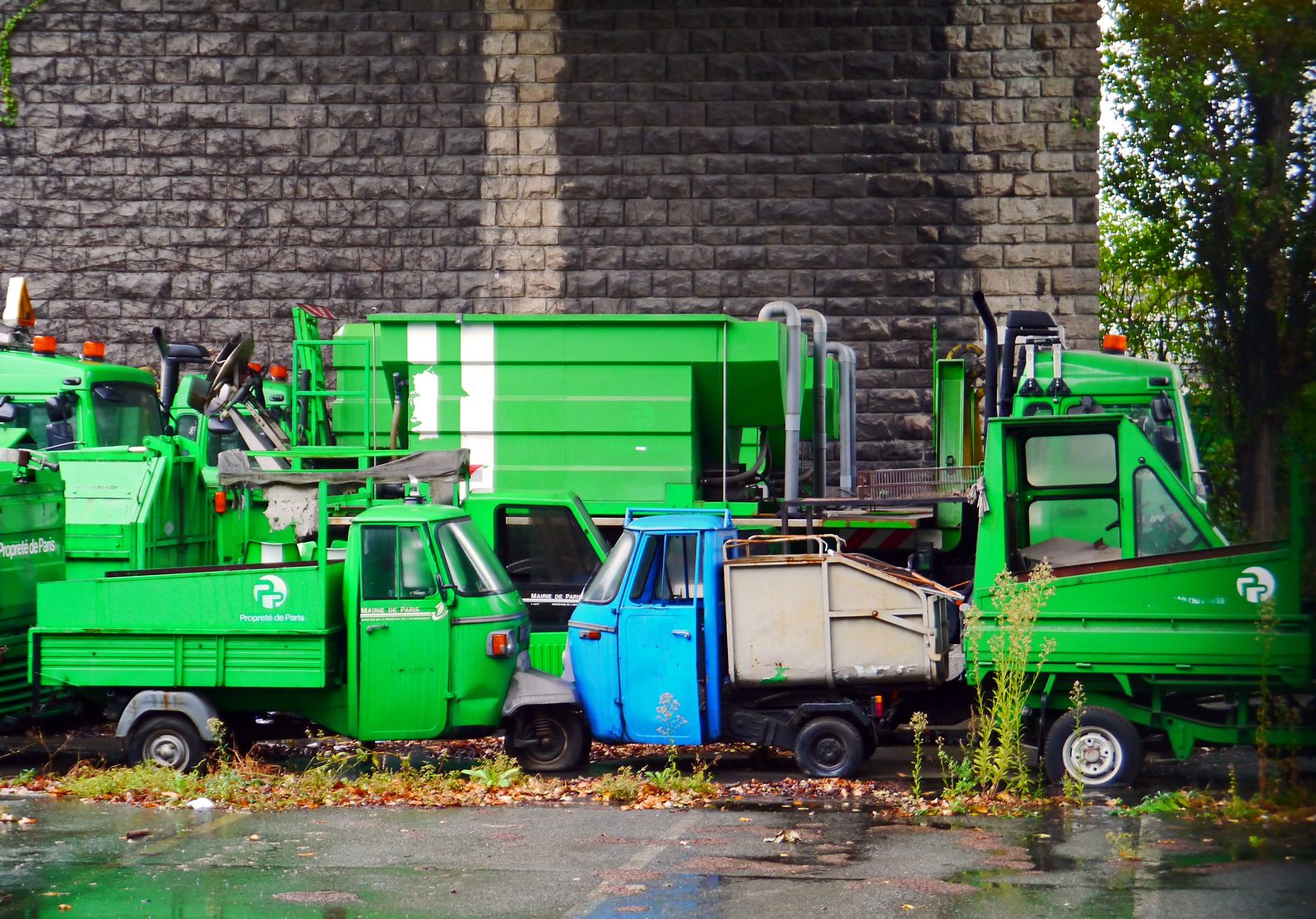
In 1961 Moto Vespa presented the Vespacar in Spain, under licence, with open or closed bodies, and by the account of the Spanish microcar historian Toni Solans it filled the country’s streets in the 1960s and 70s. He recalls how readily it would lift onto two wheels.source 7 Britain had Apes too, imported by Reliant, the maker of the Reliant Robin.source 8 In France the post office ran a large fleet of them, which it once considered replacing with the JS10, a longer utility version of the Ligier JS4; no evidence has been found that it did.source 9

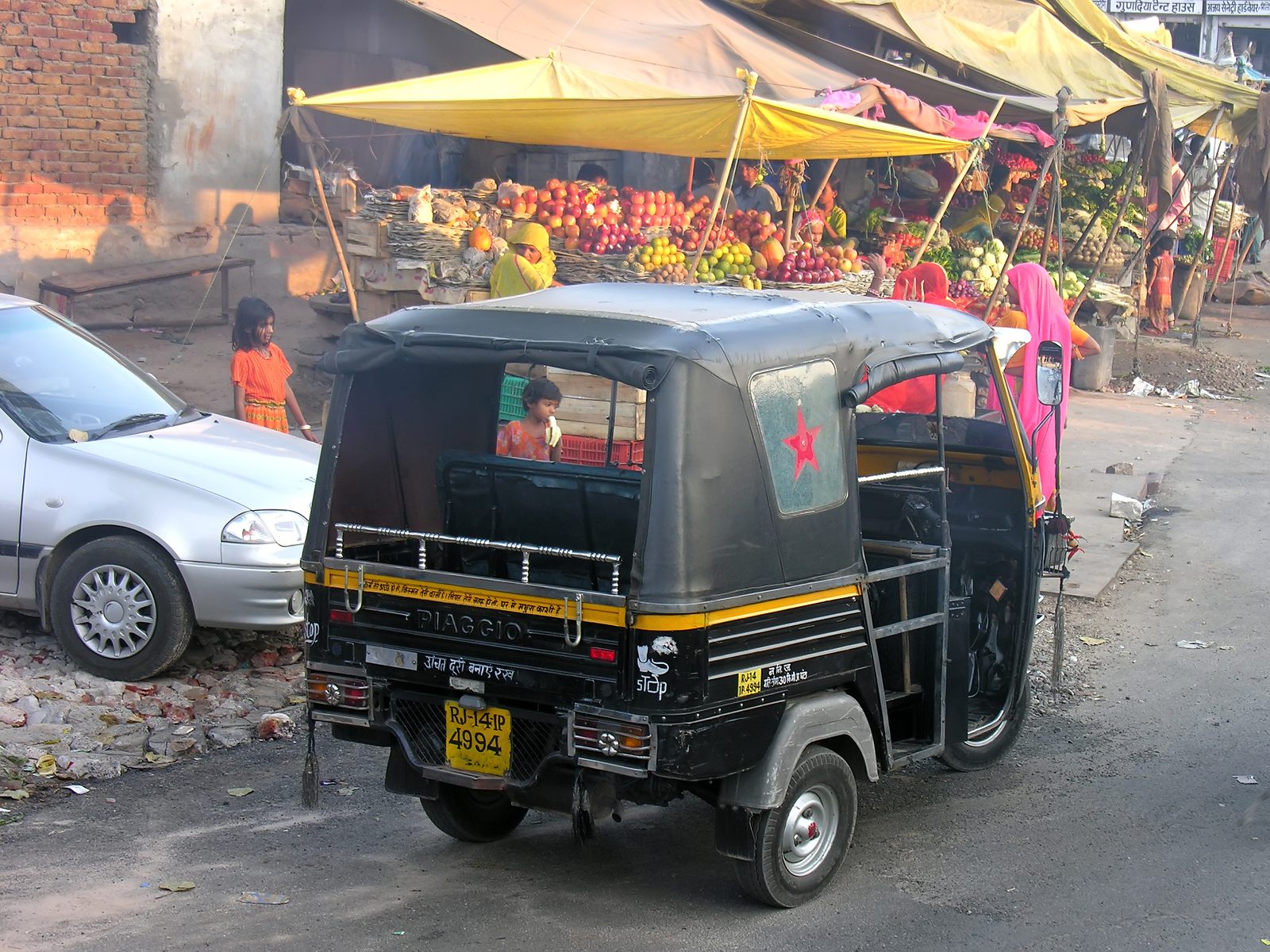
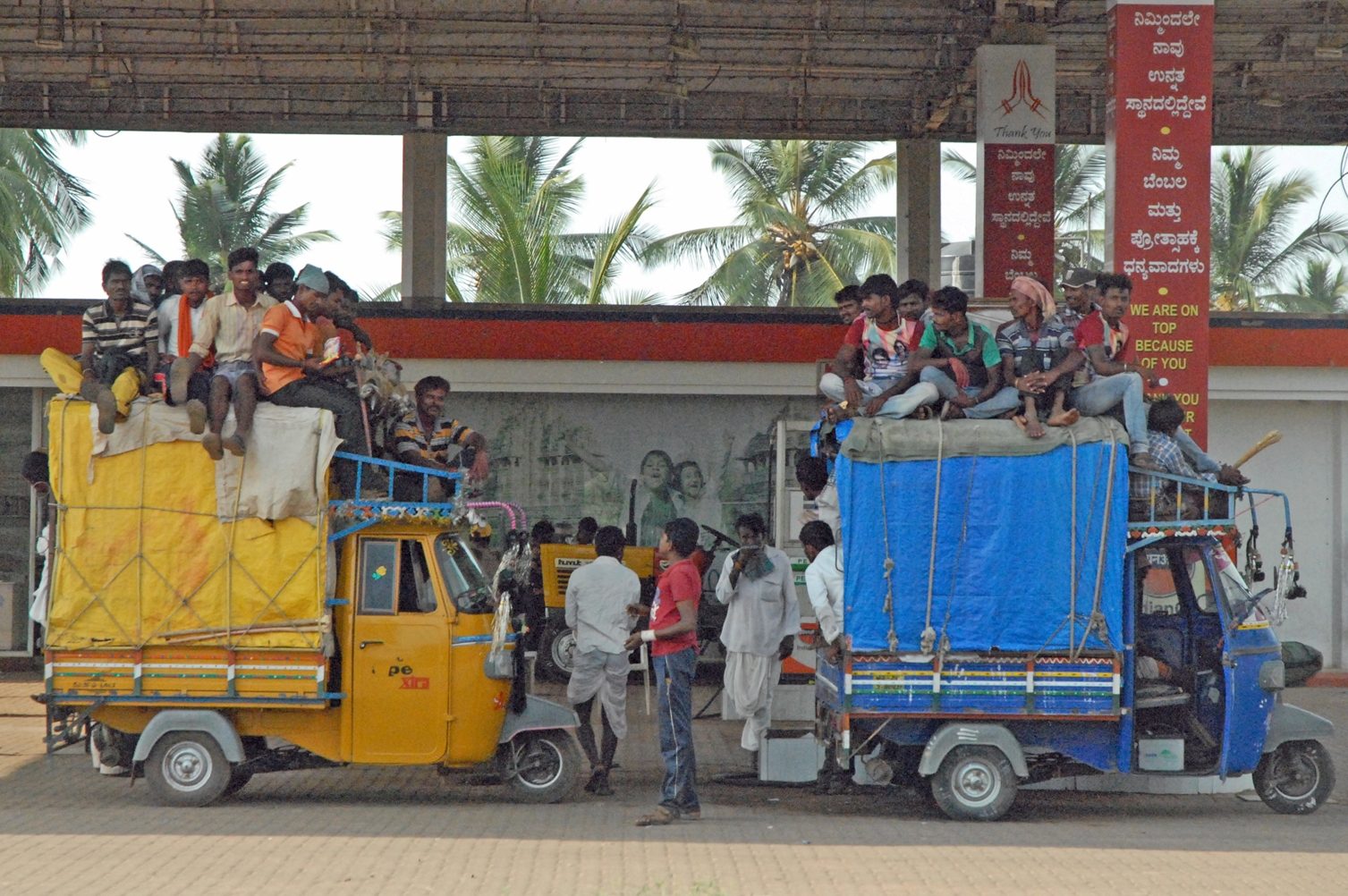
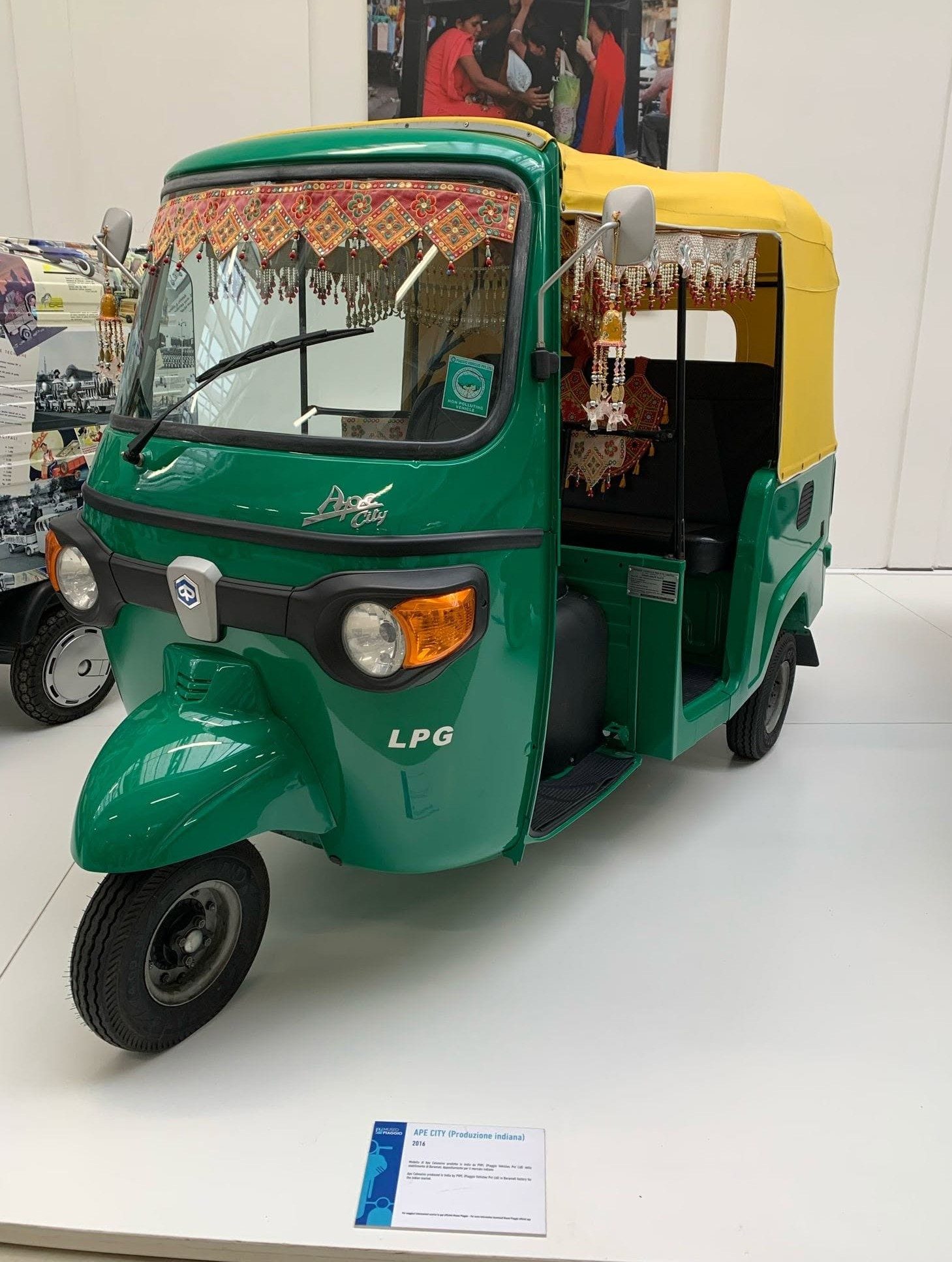
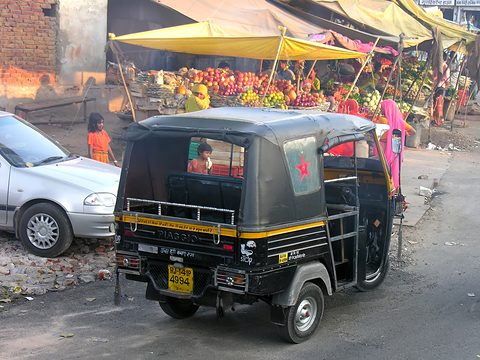
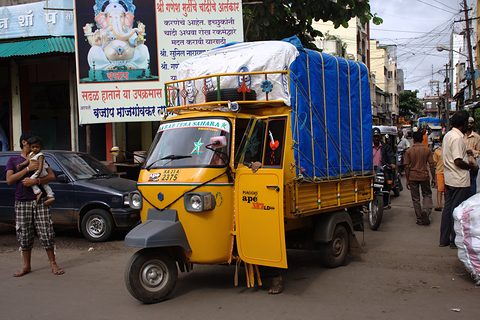
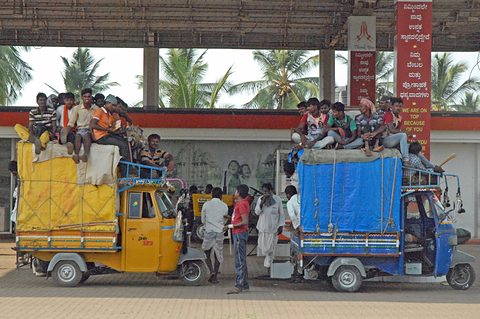
India imported the Ape until the mid-1950s and then built it under licence, by the Italian Wikipedia’s account.source 5 Most Apes are now built there by Piaggio’s Indian company, chiefly as autorickshaws; Piaggio places the factory at Baramati, the English Wikipedia at Pune.source 1source 2 The Indian-built Ape Classic 400, with a 435 cc Greaves Cotton diesel, was homologated for Europe.source 1 On 16 October 2013 Piaggio announced that Italian production would end and move wholly to India, yet the Italian Wikipedia lists Ape 50s for the Italian market into the 2020s; whether they were built in India or in a partial continuation at home is not settled.source 1source 3 In 2018 Piaggio sold more than 200,000 Apes, entered Cambodia and claimed 45 per cent of the Indian market, and assembly began in the Philippines in 2020.source 2source 3

Market stall, builder’s truck, billboard

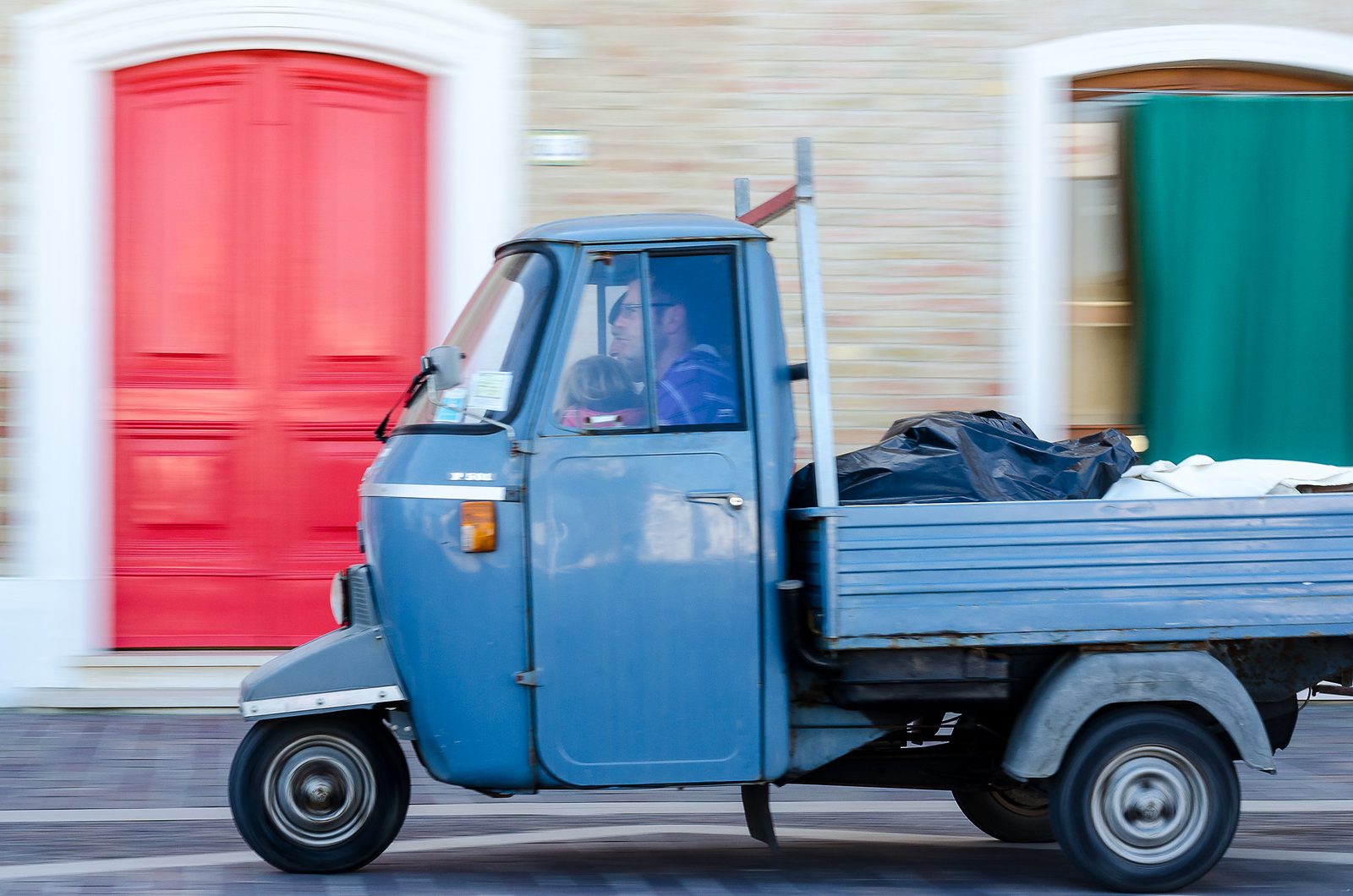
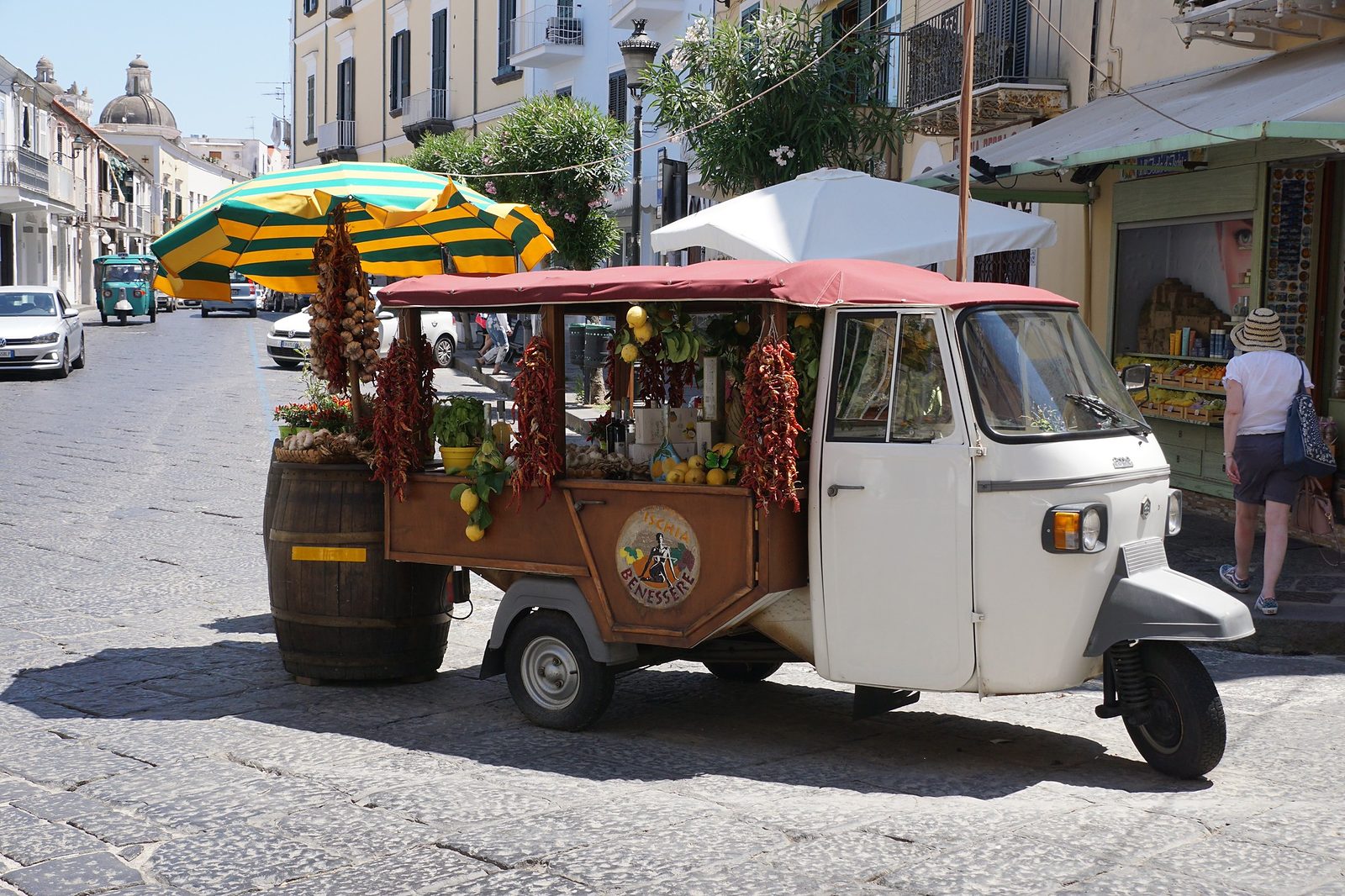
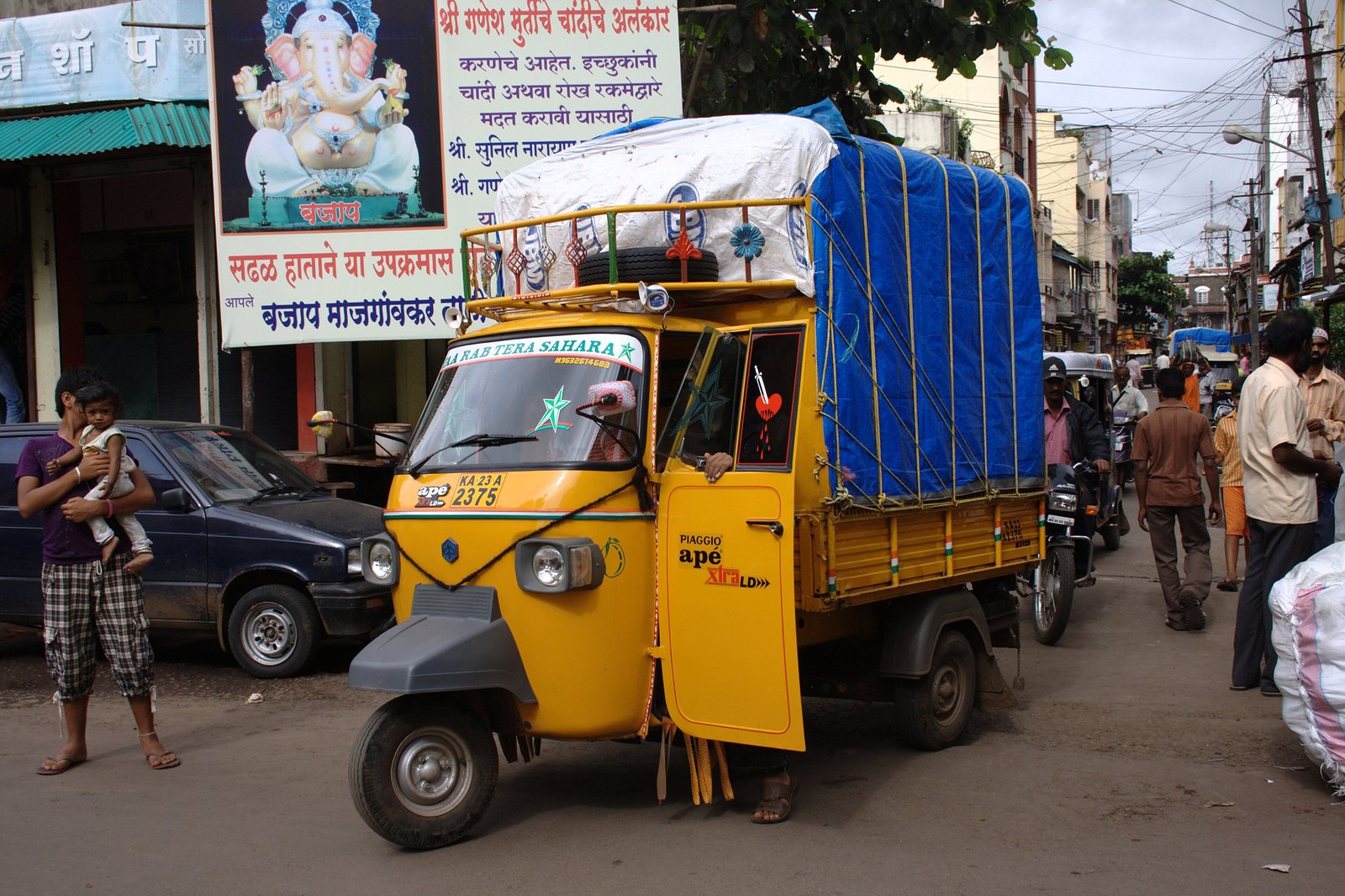
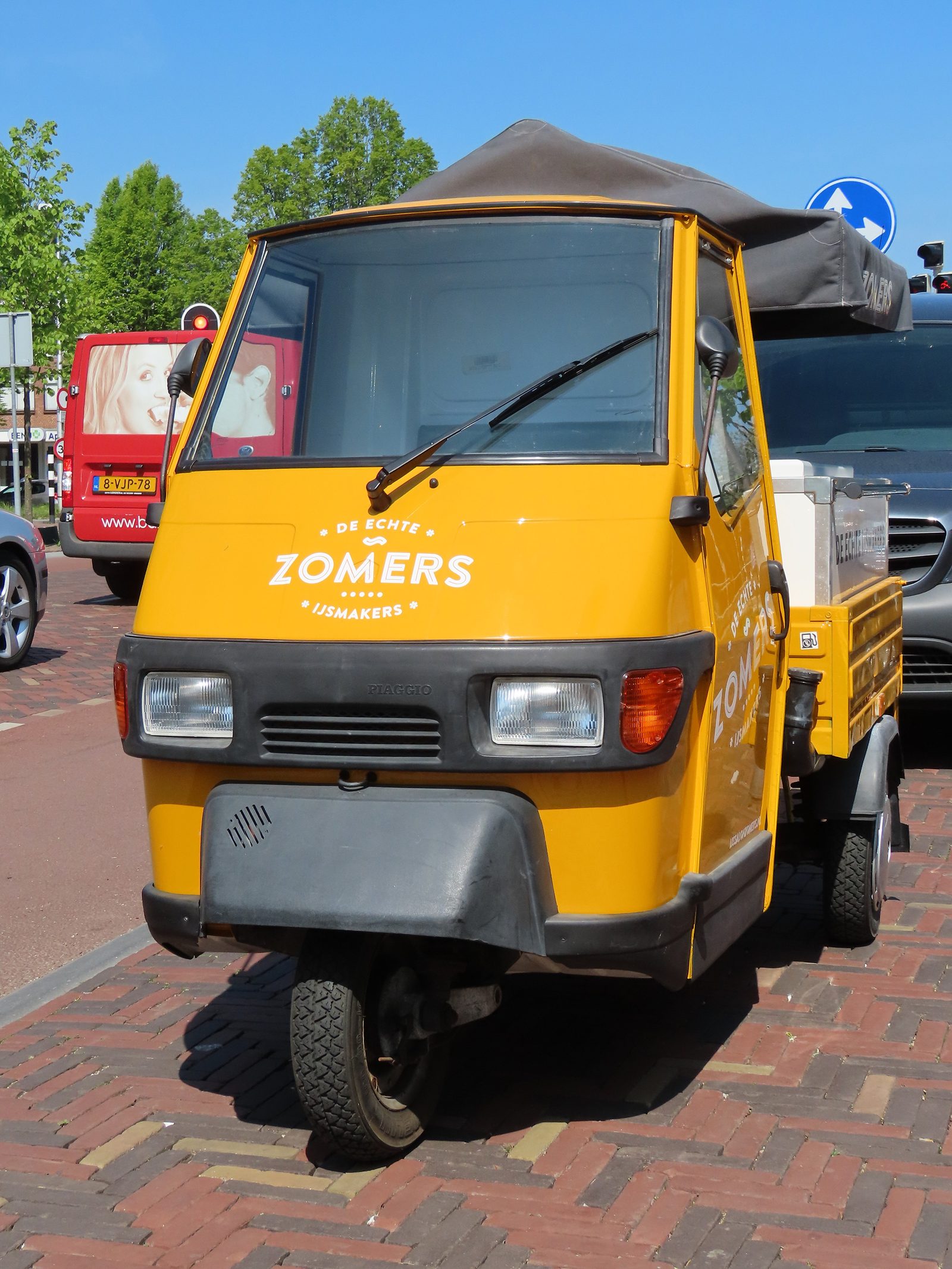
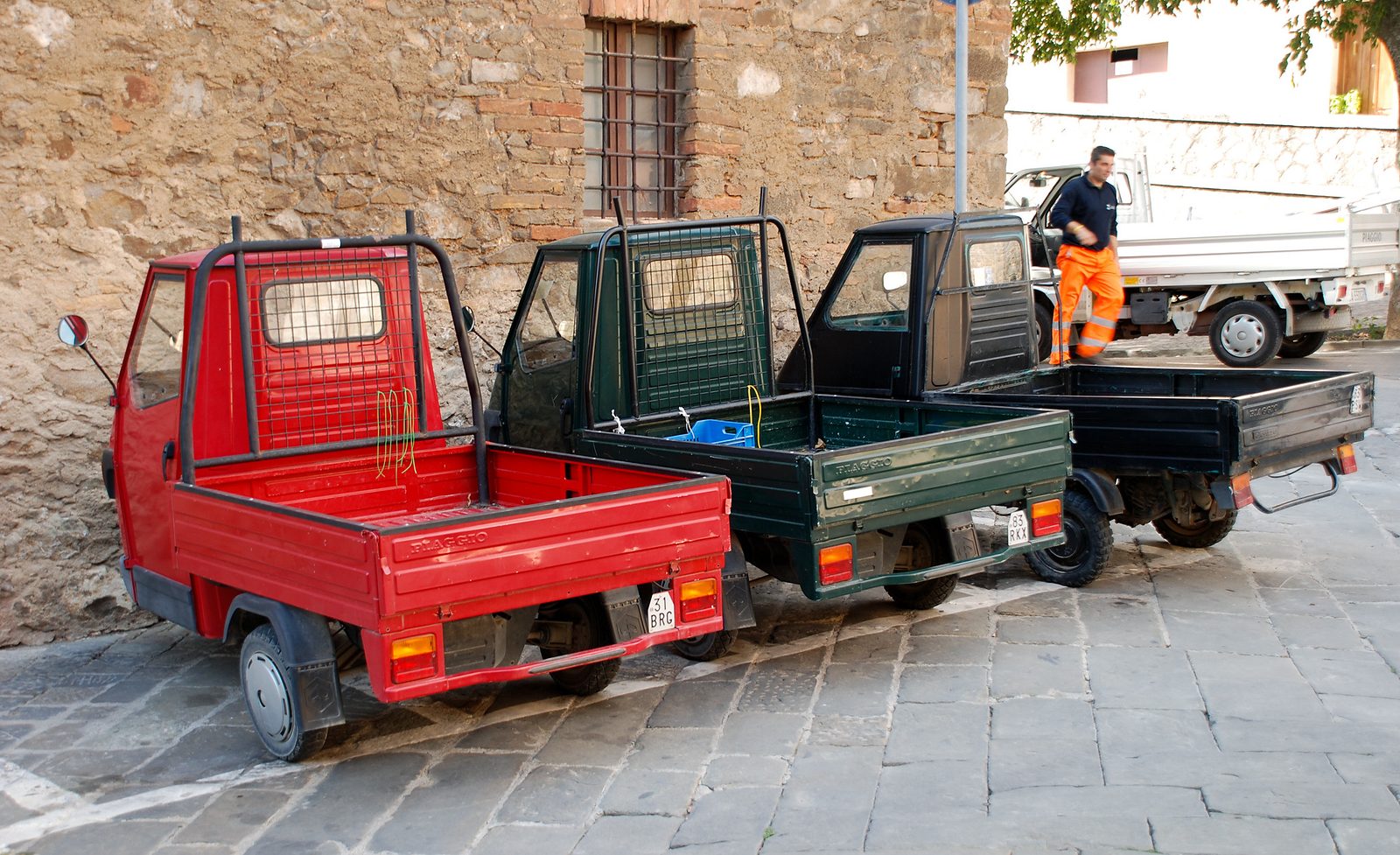
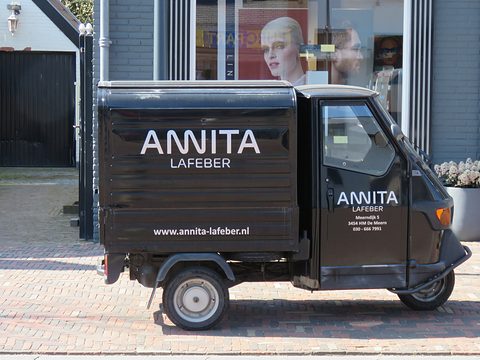
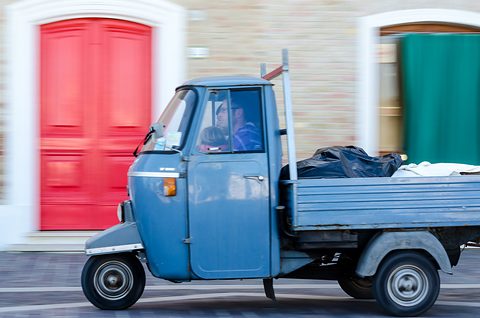
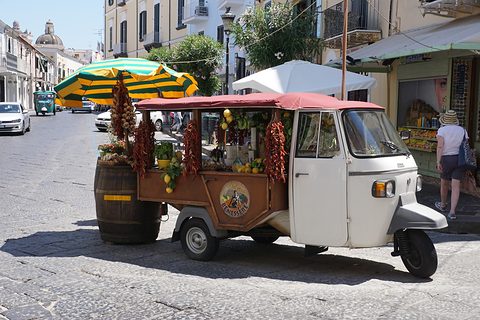
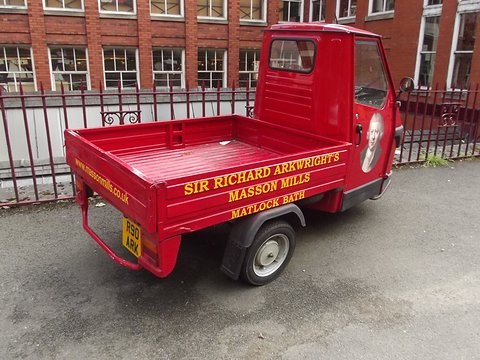
In Italy the Ape is the village delivery van, the market stall and the builder’s truck, and it is widely used as a mobile advertising board.source 1 The Italian Wikipedia counts it a symbol of Italian design around the world, and Italy’s national archive system holds Piaggio’s papers on the “Motofurgone Ape”.source 3 It has even gone racing: hand-built Ape Proto racers are modified for drifting and speed, for events such as the Ape RR Show in San Marino.source 1 No competition history from the period has been found.
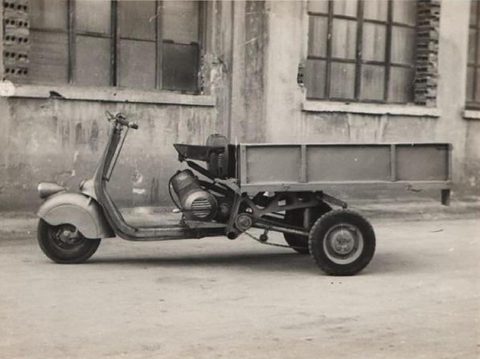
A sepia side view of a three-wheeler made from a scooter front with a wooden flat bed on two rear wheels.
Plate I · 1948 The Ape A in Piaggio’s technical report of 1948: a Vespa’s front half, its engine in the open, and a load box over a two-wheeled rear axle.Photo: Piaggio (1948), Archivio di Stato di Pescara, Public domain, via Wikimedia Commons
Pale grey three-wheeler with a rounded closed cab, a single front wheel under a scooter-style mudguard and a flat load bed.
A 1957 Ape C flatbed in the Museo Piaggio at Pontedera: the first Ape with a cab and doors, still steered by a handlebar.Photo: Guzzista76, CC BY-SA 4.0, via Wikimedia Commons
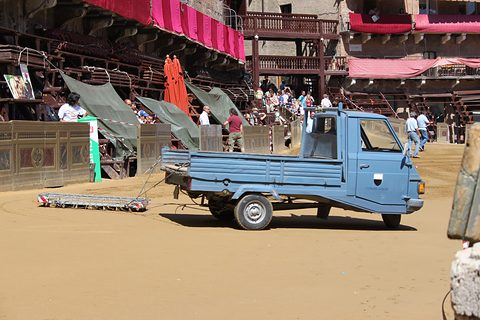
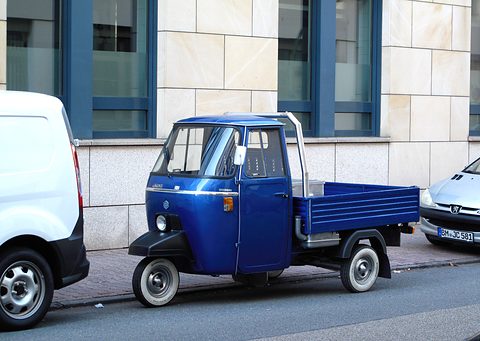
Blue three-wheeled pick-up towing a harrow over the sandy track of a great square, wooden grandstands and spectators behind.
A blue Ape TM of the Comune di Siena raking the sand track of the Piazza del Campo during the preparations for the Palio of 2011.Photo: Marco Assini, CC BY-SA 2.0, via Flickr

Piaggio Ape Calessino

2007– · a record on this page

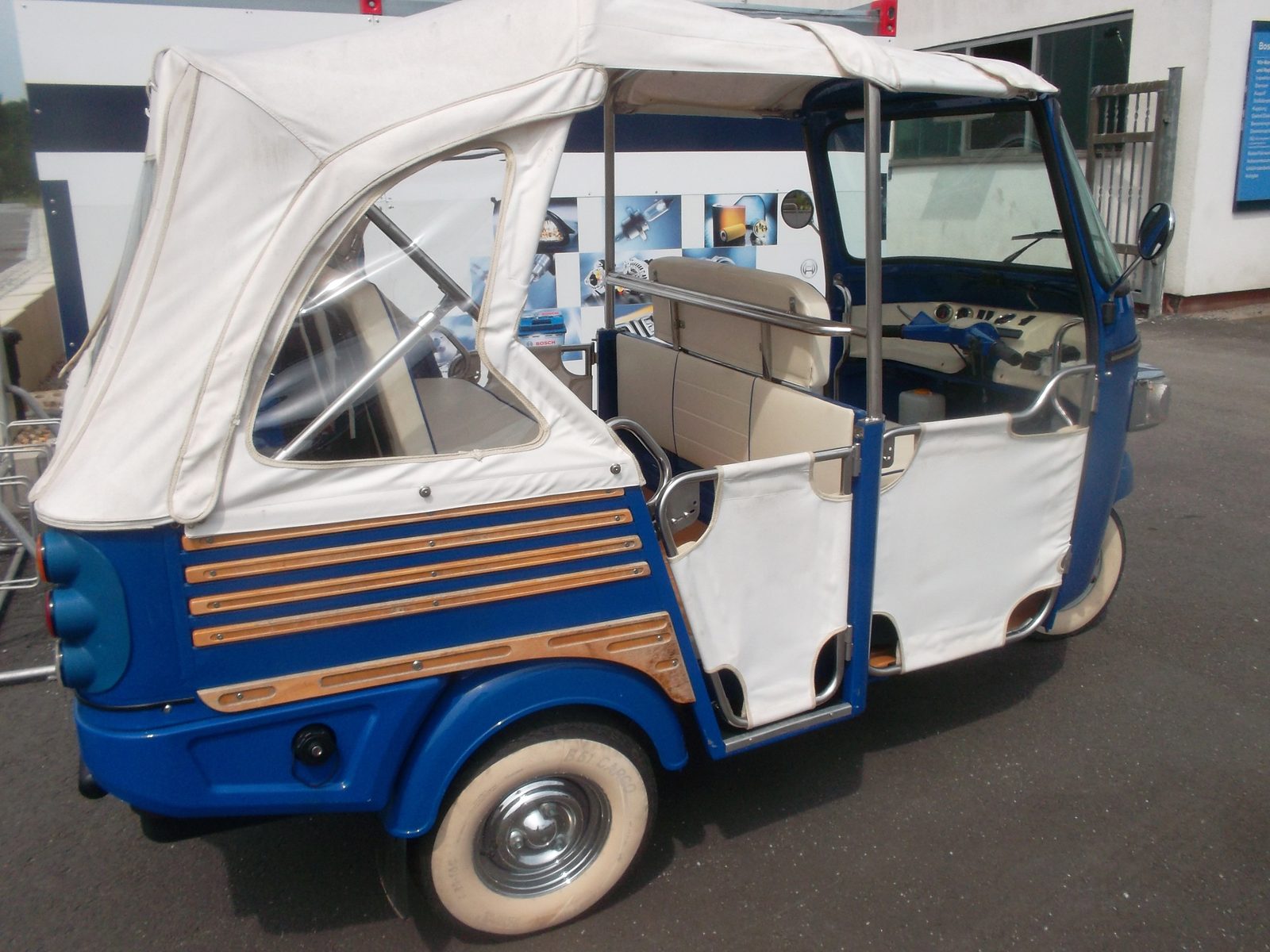
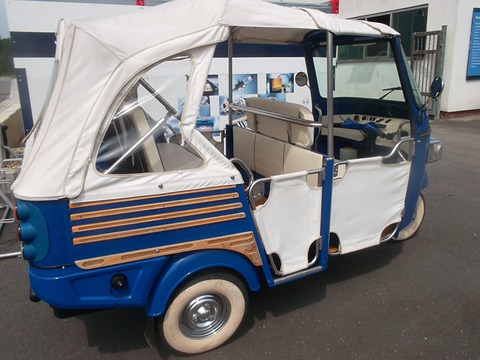
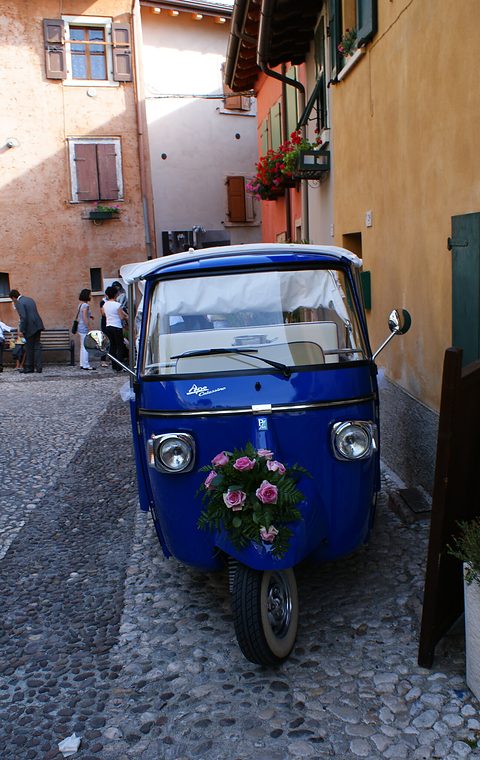
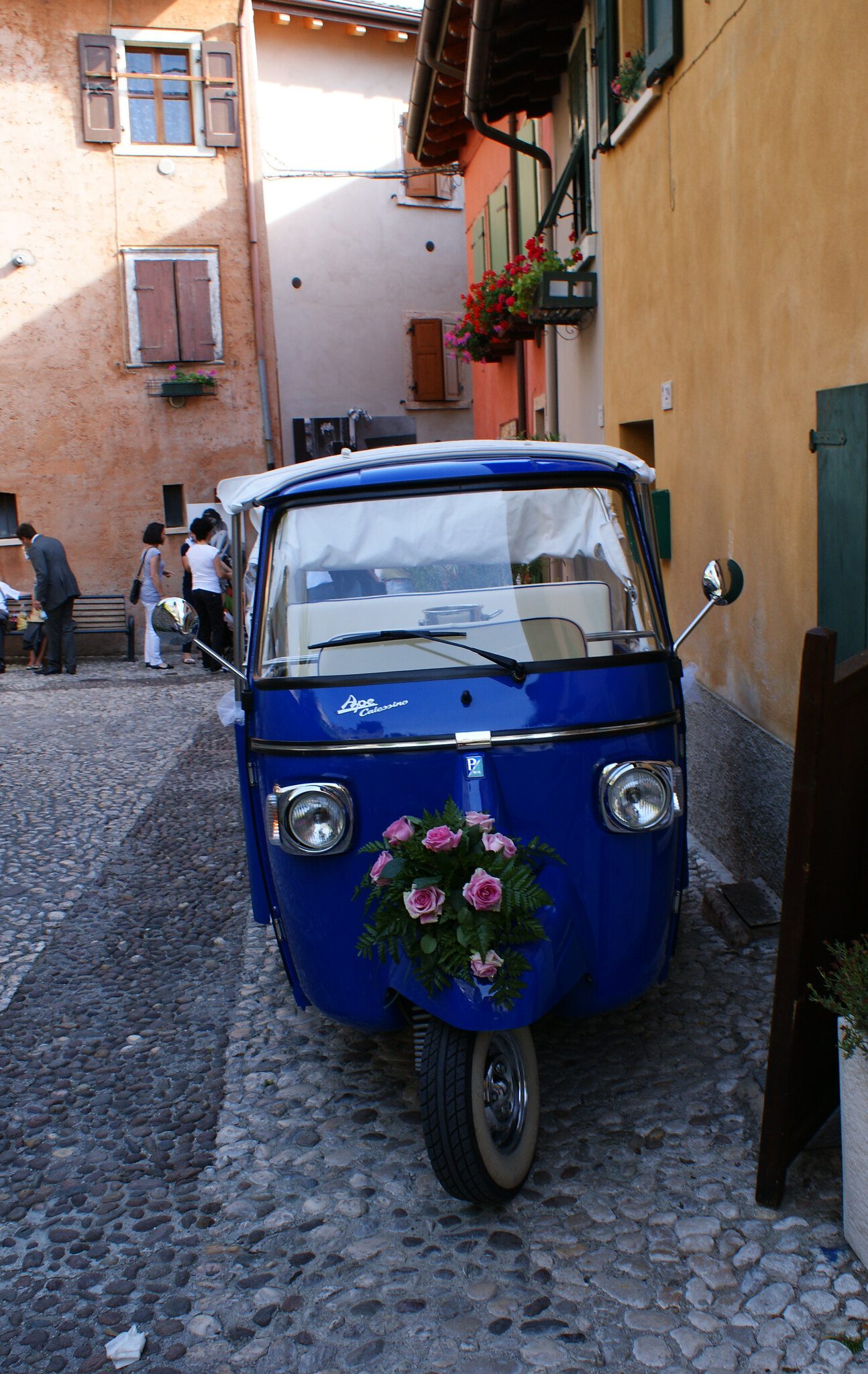
The Calessino began in 1948 as the Ape for people. By the Italian Wikipedia’s account, a normal Vespa front was coupled to a fixed sofa on two wheels, inside a sheet-metal shell finished in wood and under a semicircular folding hood. It looked very like a horse-drawn calesse, a gig, and took its name from it.source 5 Piaggio meant it as cheap short-range transport for Italy’s resorts, which were filling again with visitors from northern Europe and America. Small enough for the narrow, steep lanes of seaside villages, it became part of the dolce vita on the Ligurian Riviera, in Versilia, on the Amalfi coast, on Capri and on the Phlegraean islands, through the 1960s and after the people’s car had come; the same source has the original ending in the late 1970s.source 5

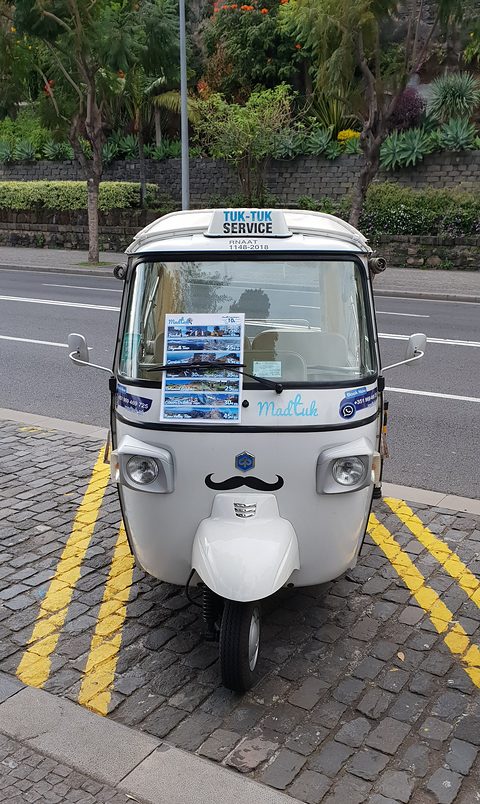
The same article makes it the ancestor of the tuk-tuk, a bestseller as public transport across south-east Asia and one of the symbols of Bangkok, named for the two-stroke’s beat at idle.source 5 That rests on the Italian Wikipedia alone. The Thai line is better documented for the Daihatsu Midget: about half of its exports went to south-east Asia, above all to Thailand, where most became tuk-tuk taxis.source 10 Both may be true; the Midget is the surer root for Thailand.

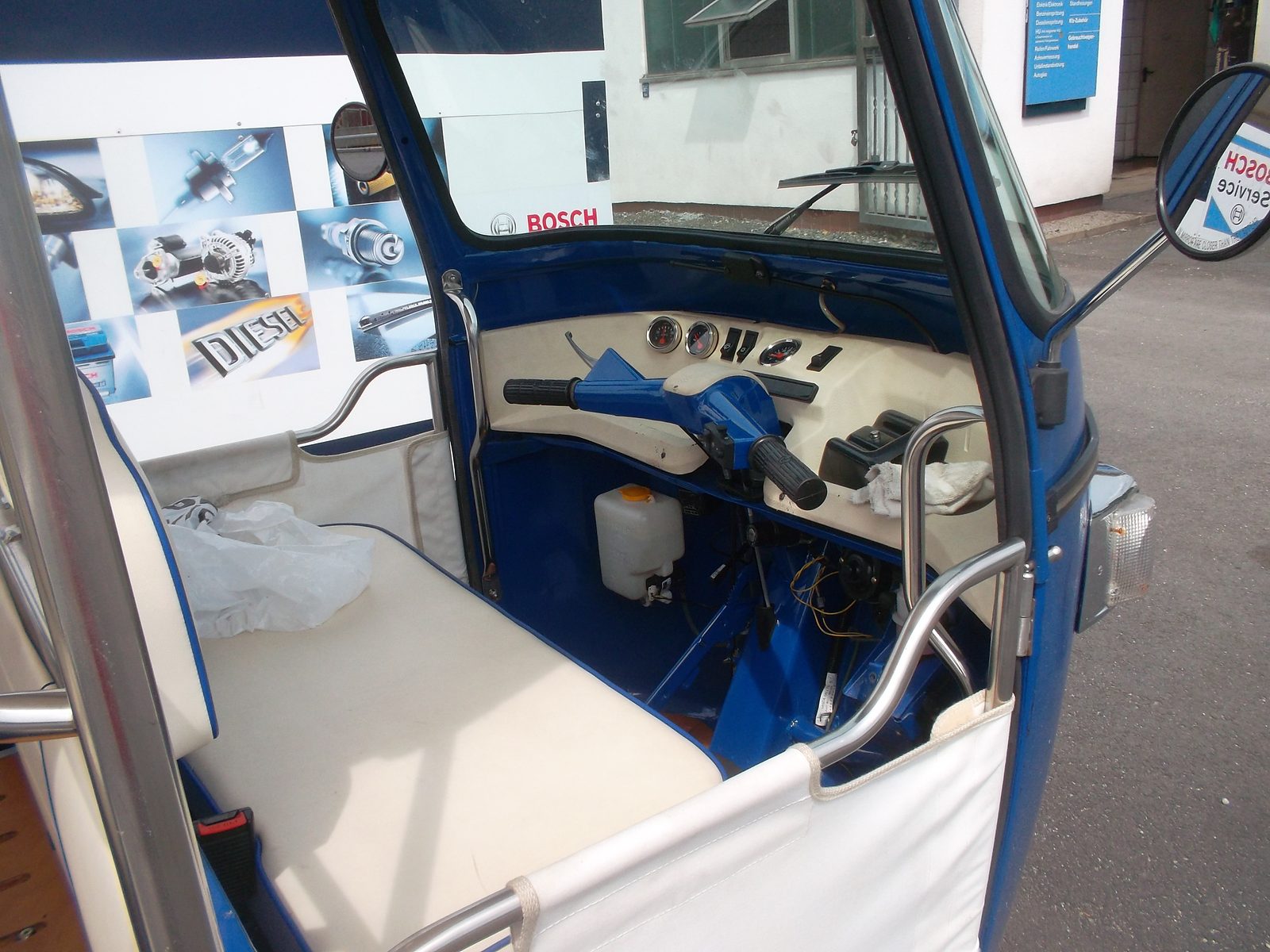
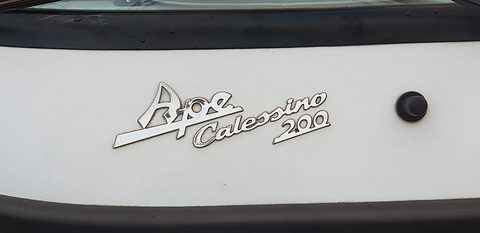
In 2007 Piaggio brought it back as a limited edition of 999 blue cars, with the old styling, a 422 cc Lombardini diesel and a price of €8,590, which the Italian Wikipedia thought steep for such a vehicle.source 1source 5 Its table gives 7.5 CV (5.5 kW), four speeds changed by twist grip, 594 kg (1,310 lb), 56 km/h (35 mph), 2,980 mm (117 in) and seats for a driver and three.source 5 It was meant as a single run, but 600 white diesels followed from 2009, and 100 Electric LVs the same year, by the English Wikipedia’s count.source 1 Auto123 described the Electric Lithium in 2009: electric drive and lithium batteries in place of the diesel, a blue-and-white body and hood, cream upholstery with blue piping, whitewall tyres on chromed wheels and inserts of tropical wood.source 11

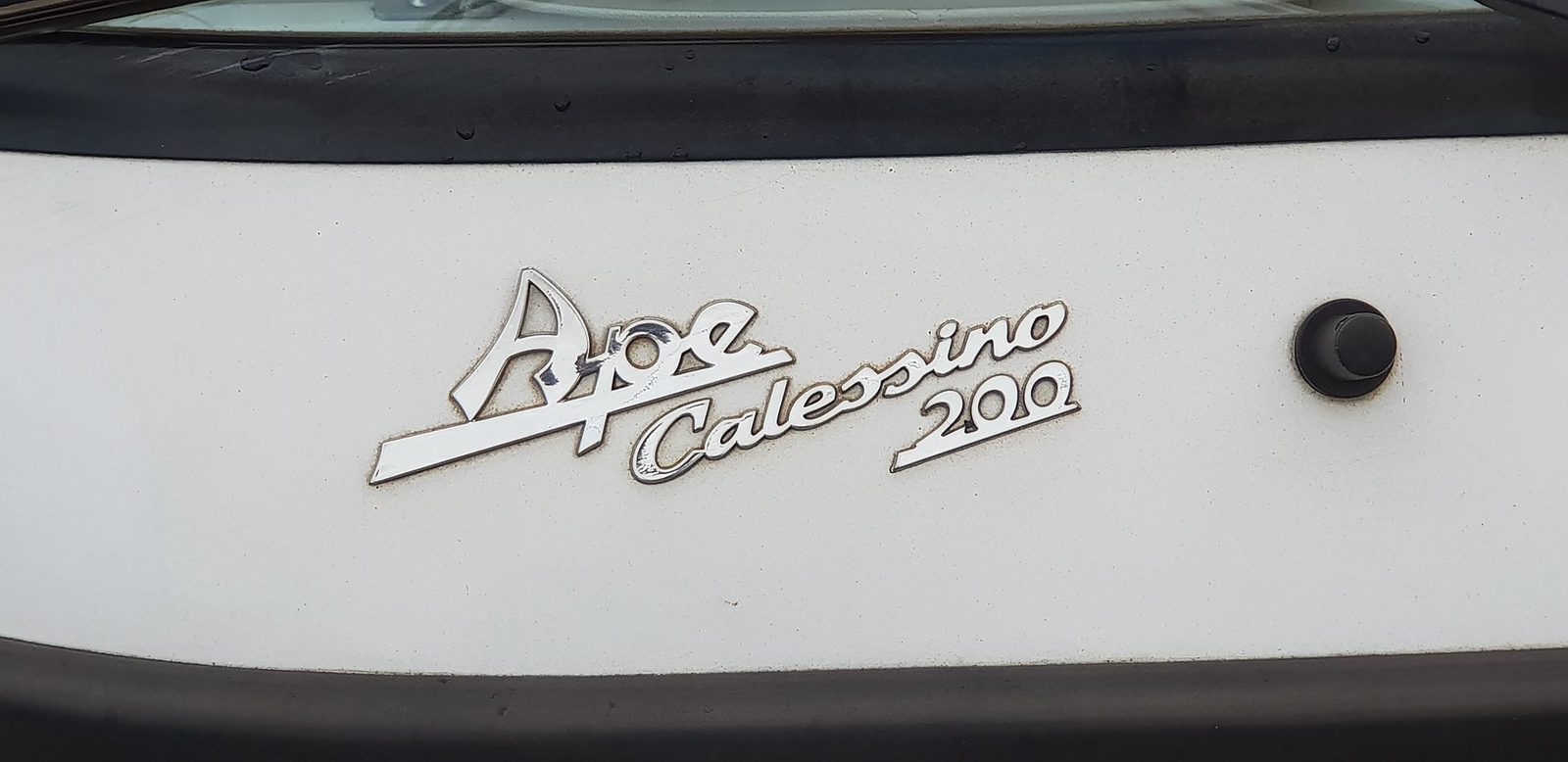
According to the Italian Wikipedia, Pope Benedict XVI received two personalised Calessinos, light grey with white hoods and the papal arms, on 25 June 2008, and President Giorgio Napolitano a dark-blue one with the presidential insignia on 16 September 2008. The same article puts one on television in 2006, in the TV version of the comedy trio Aldo, Giovanni e Giacomo’s stage show Anplagghed, with Giovanni Storti at the wheel through Modena.source 5 In July 2013 came the Calessino 200, based on the Indian tuk-tuk, with Piaggio’s 200 cc petrol single and room for a driver and two; it could be driven at 16 on an A1 licence.source 1source 5source 2 No production figure for the original Calessino has been found, and no museum survivor was identified for the revival.

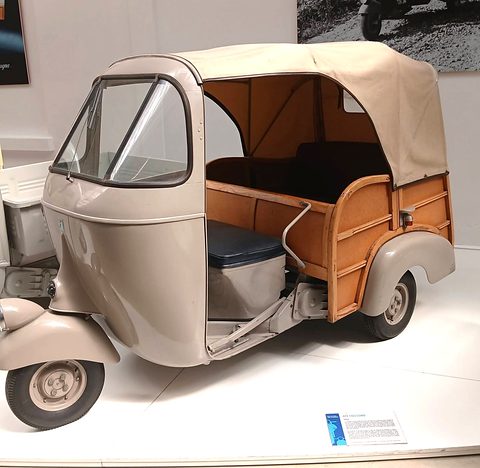
Pale grey three-wheeler with an open passenger body trimmed in wood, a dark bench seat and a beige folding canvas top.
A 1957 Ape Calessino in the Museo Piaggio, with its canvas hood and the wood-trimmed passenger body behind the driver.Photo: Guzzista76, CC BY-SA 4.0, via Wikimedia Commons

Italian motocarri: Iso Isocarro, Moto Guzzi Ercolino and others

1954– · a record on this page

The Ape was never Italy’s only motocarro, or three-wheeled light truck. Moretti of Turin, founded in 1925, followed its first motorcycle of 1926 with motocarri, by the Italian Wikipedia’s account.source 12 Innocenti’s Lambretta Lambro was the Ape’s main Italian rival: its FB of February 1949 carried the load between two front wheels, and the FD of December 1952 turned the layout round to one wheel in front and the load behind, as on the Ape. The range was built until January 1972.source 13source 14

Renzo Rivolta’s Iso, a maker of refrigerators, turned to scooters in three versions, the Isoscooter, the Isomoto and the three-wheeled Isocarro, before it built the Iso Isetta.source 15 The motorcycle-type Isocarro was built in 1950–⁠53, and the Isetta later lent its cab to a truck of its own, the Iso Isettacarro.source 16 Iso’s Madrid company built Isocarros from 1954, and Toni Solans writes that in Spain “isocarro” came to mean any three-wheeled load-carrier; Spain’s own makers are told under Spanish motocarros.source 17source 18 Casalini of Piacenza, later the maker of the Casalini Sulky, also built motor tricycles before it built cars.source 19

No account of the Moto Guzzi Ercolino has been found.
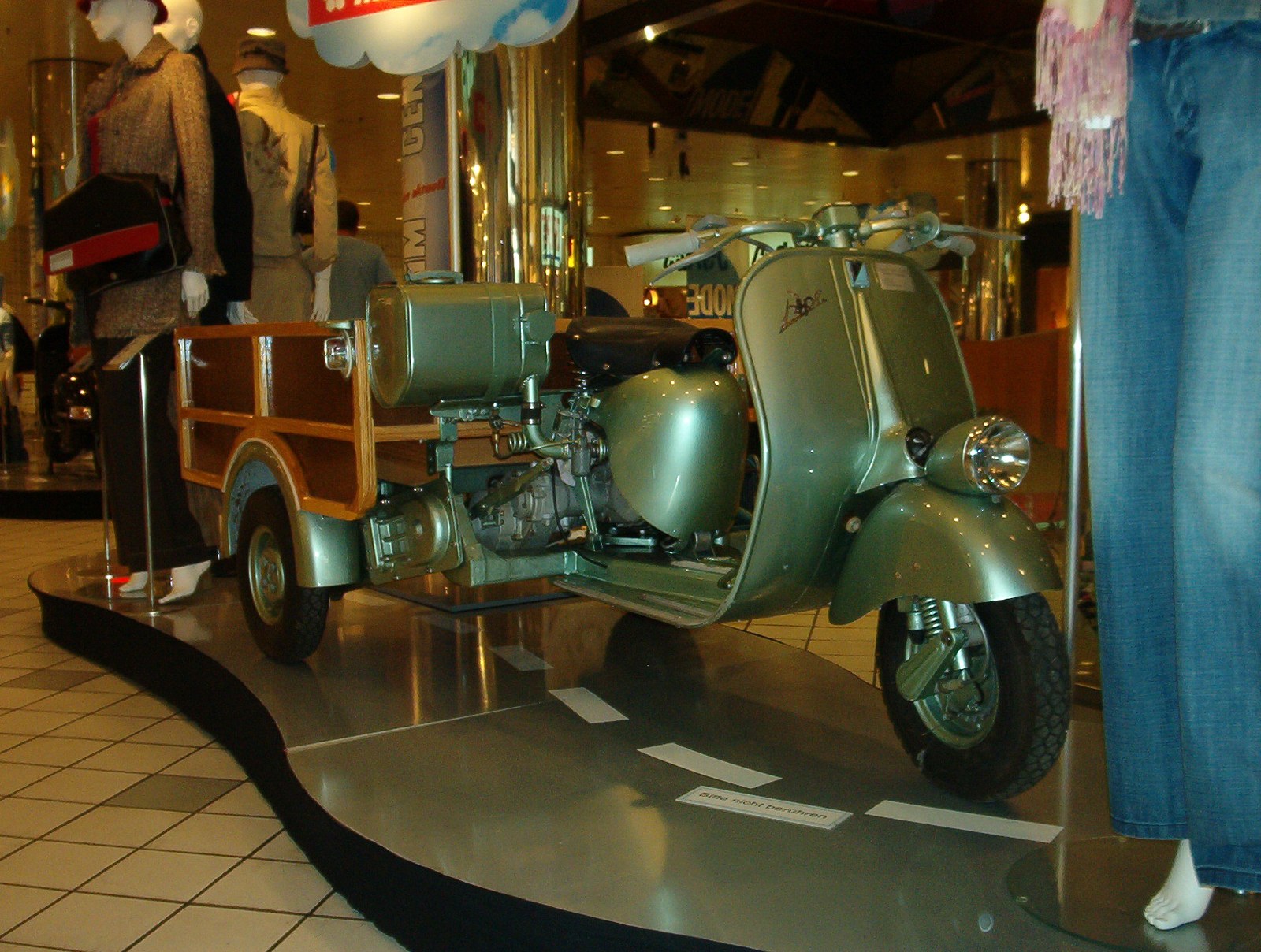
Pictures

More photographs, old and new

Variants

Seventy-odd years of bees

The Ape family
VariantYearsWhat differsHow many
Ape A1948–⁠52A Vespa front and a wooden bed; rod gear change; three body styles. The Weiner museum dates it 1948–⁠54Not found
Calessino1948–70sPassenger body: a sofa on two wheels under a folding hoodNot found
Ape B1952–⁠56150 cc, a pressed-steel bed, 350 kg payload, cable gear change. The museum says 1955–⁠56Not found
Ape C1956–⁠67The first cab and doors; engine under the seat; eight body styles. 1956–⁠63 by the museum, 1954 by PiaggioNot found
Pentarò1960–⁠68Five wheels: a cab unit towing a semi-trailer; 700 kg by Piaggio, which dates it from 1961Not found
Ape D1964–⁠67175 cc with rotary valve, headlamp on the legshield, cab heater. Also dated 1967–⁠74, and 1958 with 170 ccNot found
Ape E1965–⁠73150 ccNot found
Ape MP and MPV1968–⁠78Engine moved back under the bed; the MPV with a steering wheel as an option. Piaggio dates the MP from 1966, with 190 ccNot found
Ape 501969–50 cc, a moped in Italian lawNot found
Apecar (P2, P3)1971–A much larger cab, a steering wheel and a 220 cc rear engine; a 422 cc diesel from 1984Not found
Ape E/400R and Ape P1970sDetail changes; 175 ccNot found
Ape 5001981–⁠93A new front with twin headlamps on the sides; 175 ccNot found
Ape TM (P601, P703)1982 or 1983–⁠2016Giugiaro’s cab, handlebar or wheel; 218 cc petrol or 422 cc diesel. The Italian Wikipedia starts it in 1983Not found
Ape Poker1991–⁠2005Four wheels; 1993 in some sourcesNot found
Ape Web and Cross1994–⁠9950 cc youth models with a roll bar; the Cross Country followed in 2000Not found
Calessino revival2007–⁠09The old passenger body on a 422 cc Lombardini diesel; then white diesels and an electric999 blue, 600 white, 100 electric
Calessino 2002013–200 cc petrol, a driver and two passengersNot found
Ape Classic 4002013–Built in India and homologated for Europe; 435 cc Greaves Cotton dieselNot found
Vespacar (Moto Vespa)1961–Built under licence in Spain, open or closedNot found

Specification

The Weiner museum’s 1963 Ape C unless noted

Engine and drive

Engine and drive
EnginePiaggio single-cylinder two-stroke, 145.5 ccsource 4150 cc in the other sources
Power5.8 hpsource 4
FuelPetrol with 5 per cent oil; 2 per cent in the rotary-valve Ape Dsource 1source 3
GearboxFour speeds, changed by a twist grip on the handlebarsource 4
StarterKick; electric start was an optionsource 4source 1
Later engines218 cc petrol and 422 cc direct-injection diesel (Ape TM); 435 cc diesel (Classic 400)source 1source 2

Body and chassis

Body and chassis
BodySteel cab and chassissource 4
Front suspensionForksource 4
Rear suspensionSwing armsource 4
SteeringHandlebarsource 4A steering wheel offered on the 1968 MPV, standard on the 1971 Apecar
BrakesCable-operatedsource 4
Wheels and electricsThree, 4.40 × 8 in, as the museum prints it; 6 Vsource 4

Dimensions

Dimensions
Length2,680 mmsource 42,490 mm for the short Ape 500
Width1,280 mmsource 41,260 mm for the Ape 500
Height1,550 mm for the Ape 500source 1
Wheelbase1,590 mm for the Ape 500source 1
Weight395 kgsource 4
2007 Calessino2,980 × 1,500 × 1,810 mm, 594 kgsource 5The Italian Wikipedia’s table, which cites no source

Performance and running

Performance and running
Top speed45 km/hsource 460 km/h for the petrol Ape TM, 63 km/h for the diesel
Payload200 kg (Ape A); 350 kg (Ape B); 700–805 kg (Ape TM); 900 kg (Ape Max D)source 1source 3
Ape 50175–205 kg payload; about 30 km per litresource 133 km per litre in Piaggio’s and the Italian Wikipedia’s figures
Price newAbout 170,000 lire for the Ape A in 1948source 3source 2

How many were built?

Every figure, with its source

About 6 million distributed, by Piaggio’s countPiaggio’s own figure for Apes distributed worldwide by 2018. No other source gives a total, so it stands as the maker’s claim; no figure by model or for Italy alone has been found.
  1. about 6 millionApes distributed worldwide, 1948–⁠2018One source

    Piaggio Group press history, 2018: the maker’s own claimsource 2

  2. over 200,000Apes sold in 2018 aloneOne source

    Piaggio Group press history, 2018source 2

  3. 4,000Apes built by ACMA in France by the end of 1956One source

    Jean Goyard, Automobilia, 1999source 6

  4. 999blue Calessinos of the 2007–⁠09 limited editionTwo sources agree

    English and Italian Wikipediasource 1source 5

  5. 600white Calessino diesels from 2009One source

    English Wikipediasource 1

  6. 100Calessino Electric LVs, 2009One source

    English Wikipediasource 1

  • Two sources agreetwo good sources give the figure
  • One sourcea good source, alone
  • Unconfirmeda lead only, not yet checked

Famous for

Three points

  1. A Vespa with a load bed

    D’Ascanio’s 1948 Ape was a cabless Vespa with two rear wheels, and it has been in production ever since.

  2. The smallest diesel

    In 1984 Piaggio called the Ape’s 422 cc engine the smallest direct-injection diesel in the world.

  3. Five wheels

    The Pentarò of the 1960s turned the Ape into an articulated truck, towing a semi-trailer.

Survivors and collecting

Today

No count of surviving old Apes has been found. The Ape has never stopped: it is still in production, and very many are still at work. No owners’ club has been found, and no sale by a major auction house has turned up. For chassis lists, the Italian Wikipedia points to mondoape.com.source 3
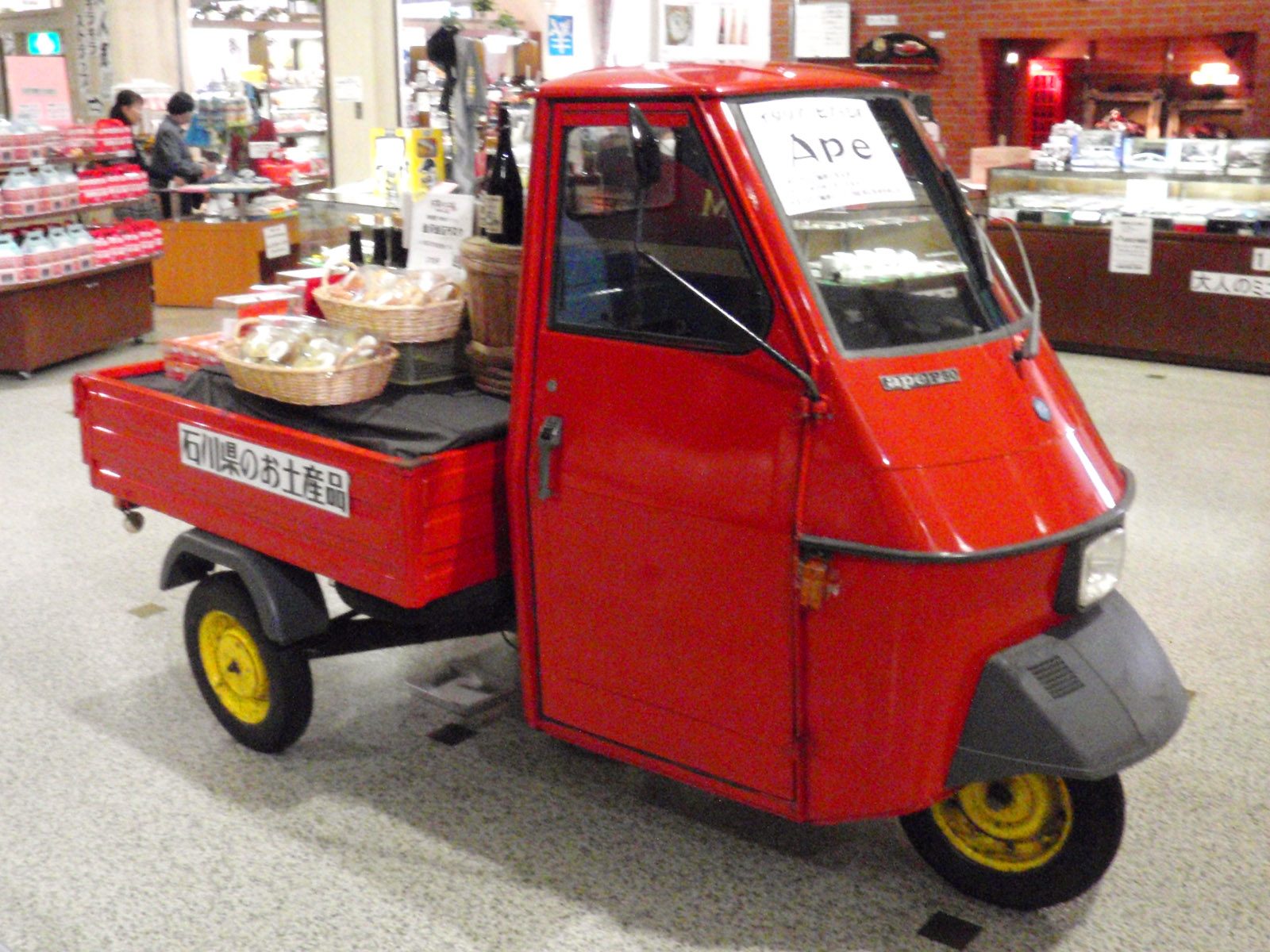
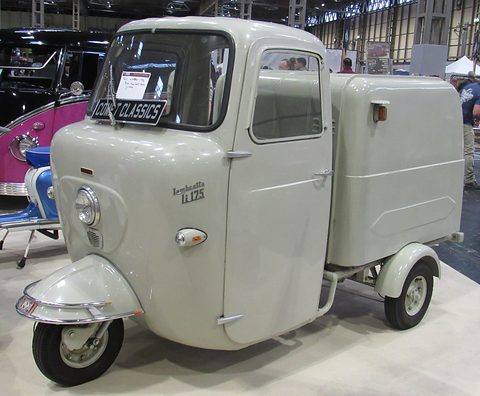
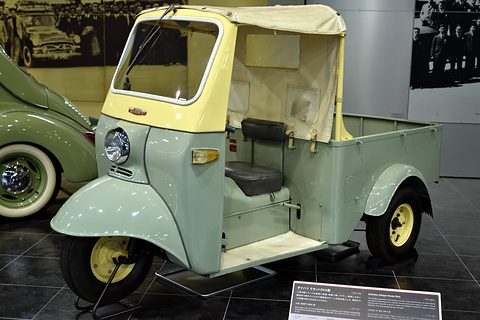
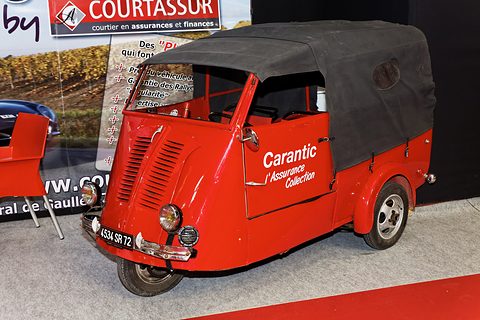
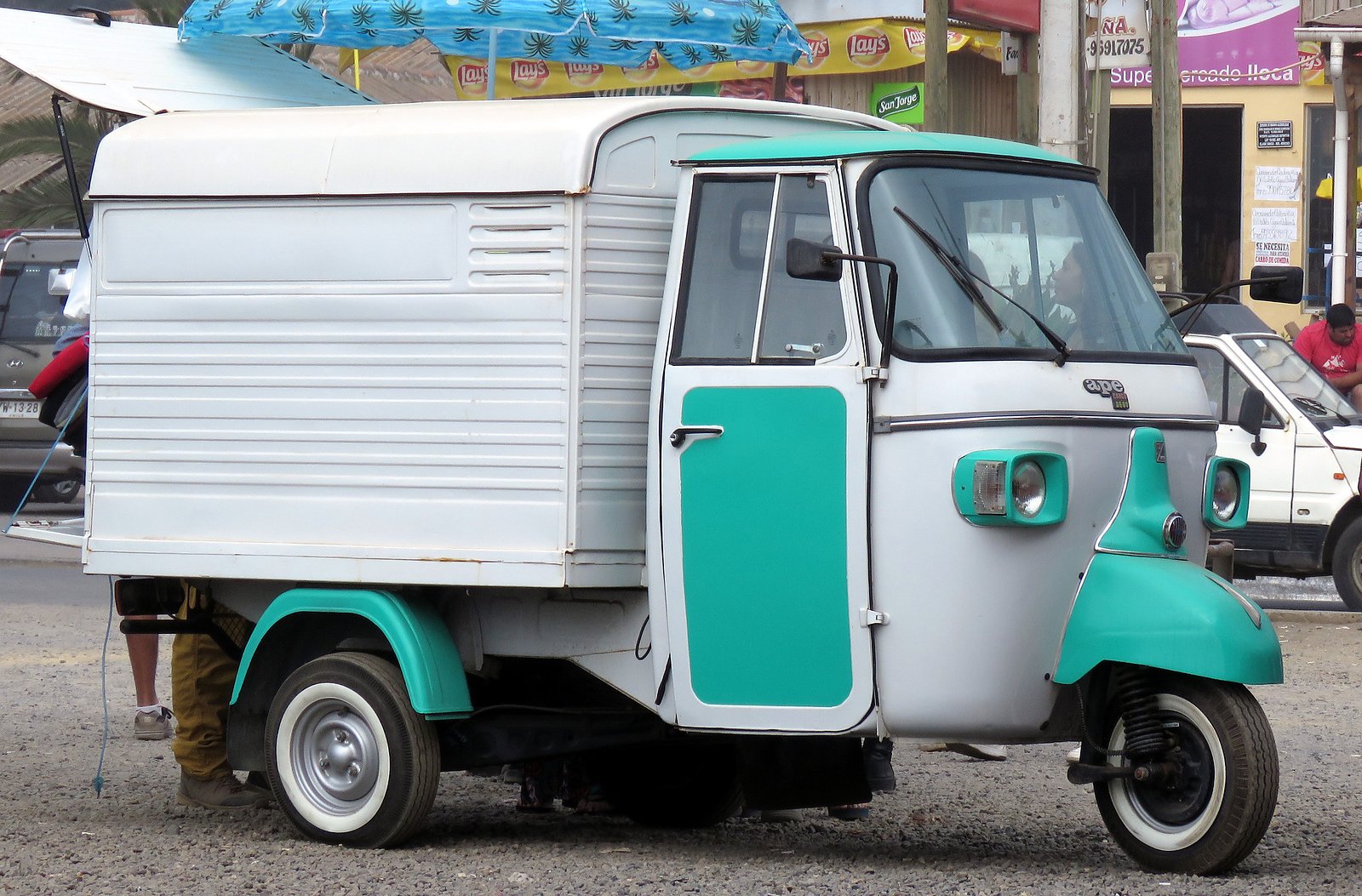
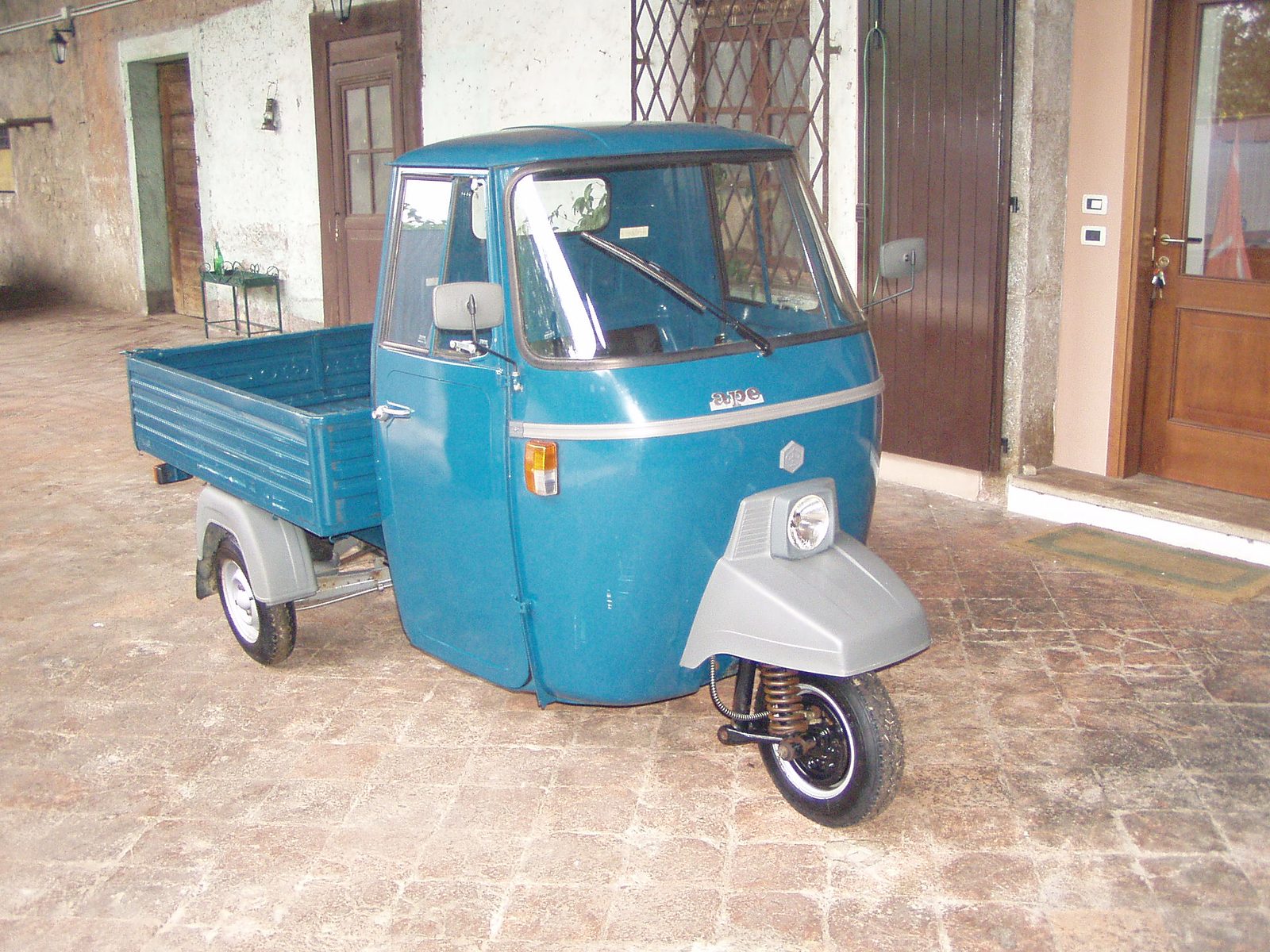
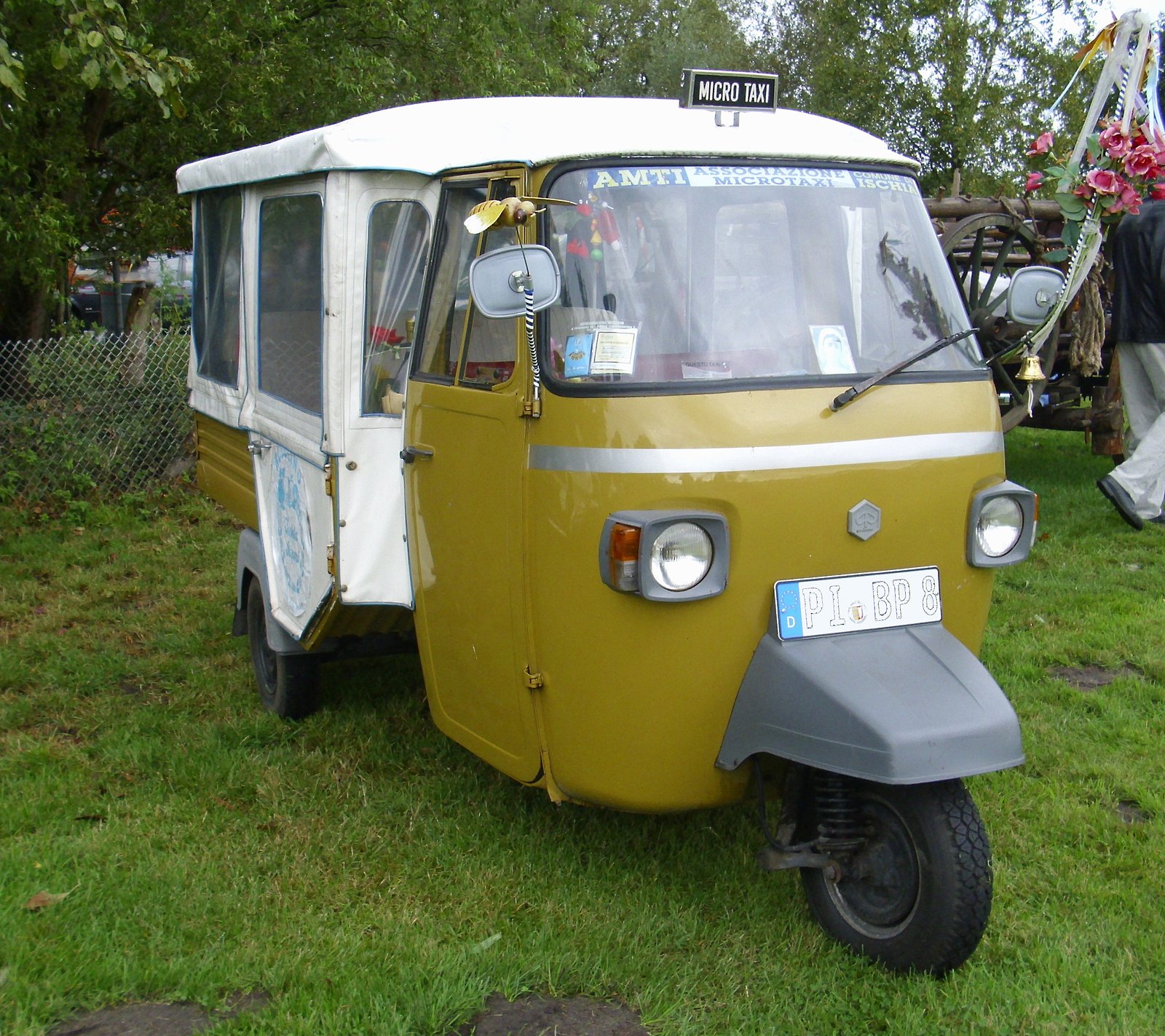
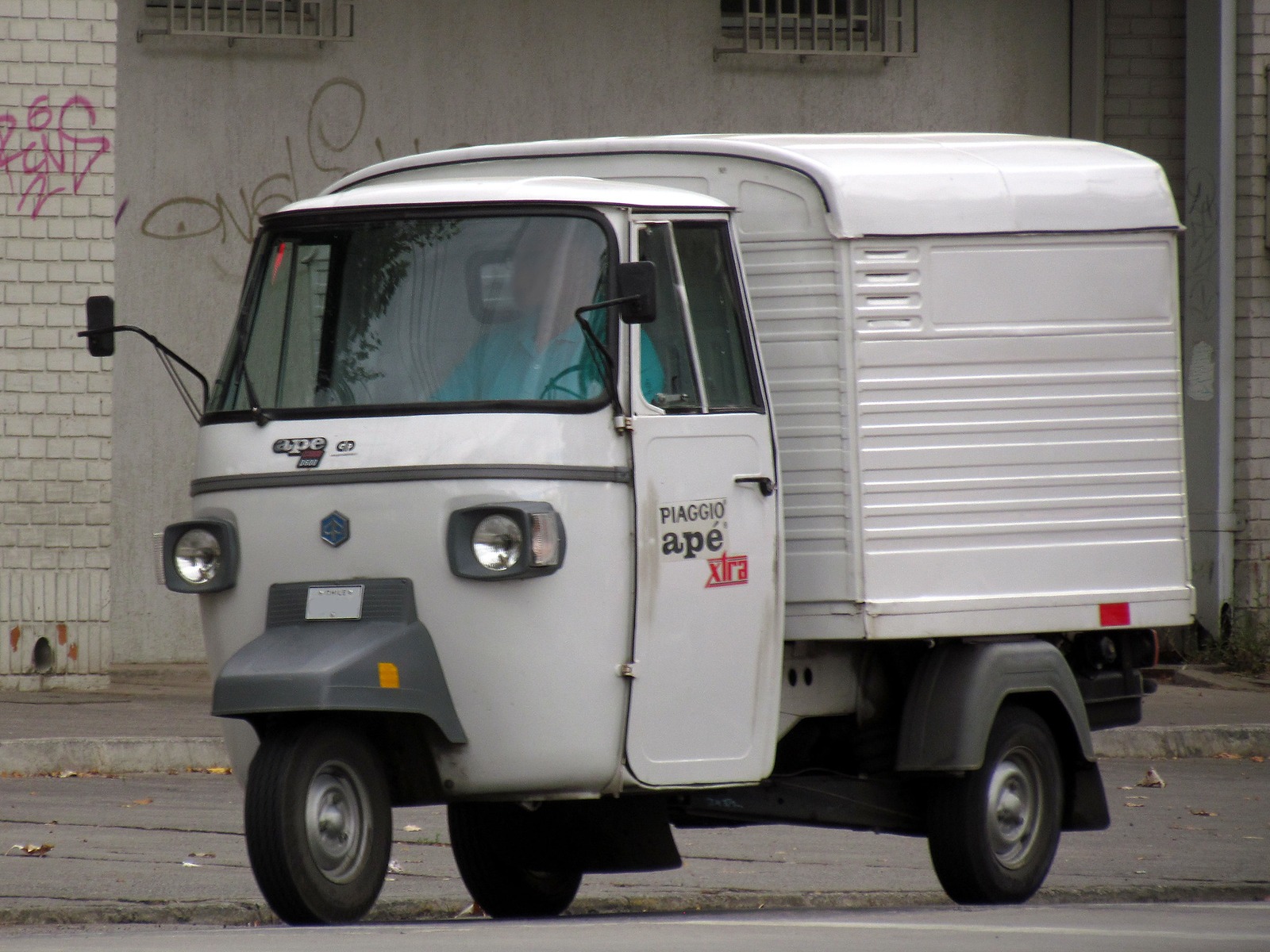
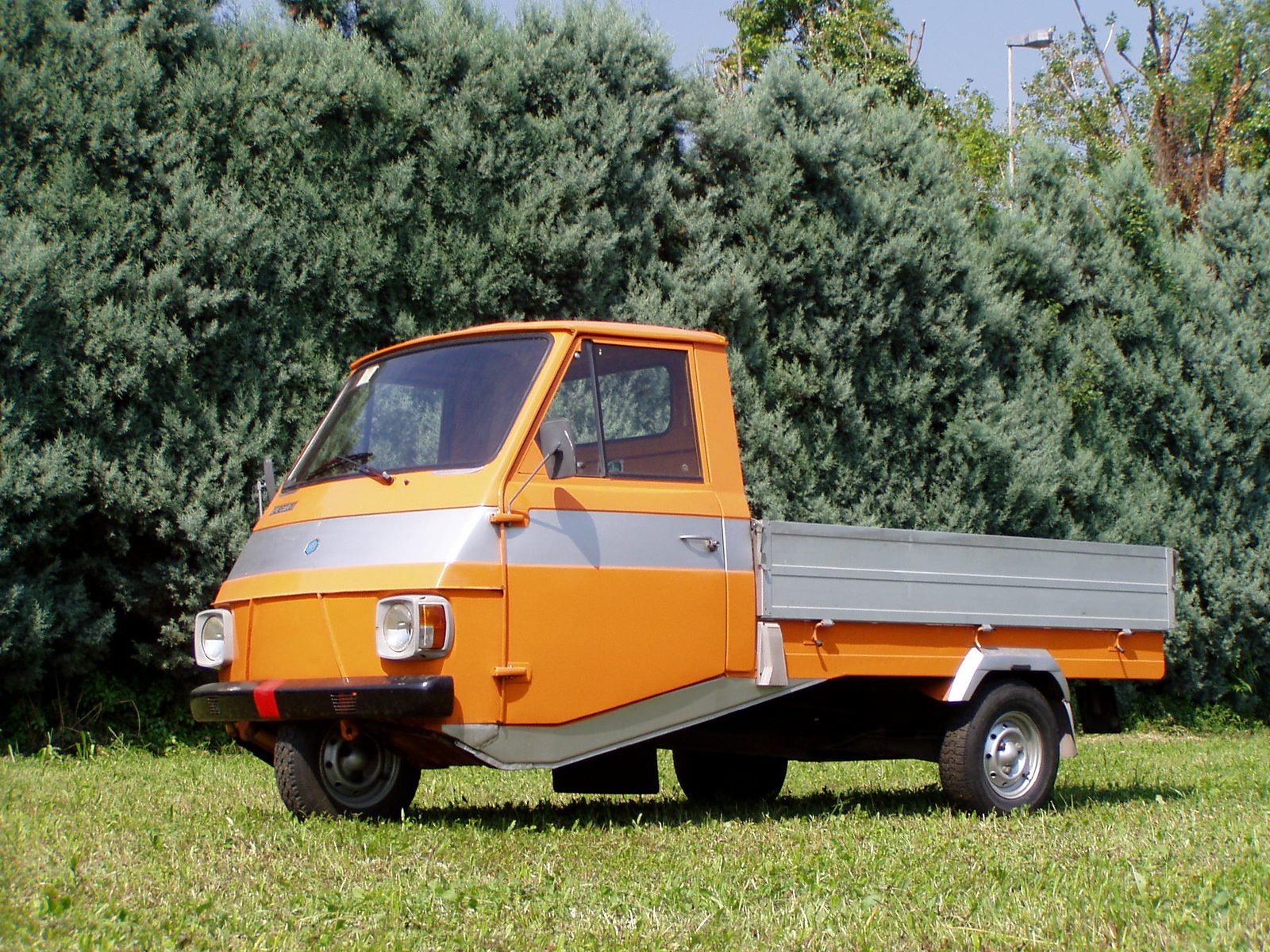
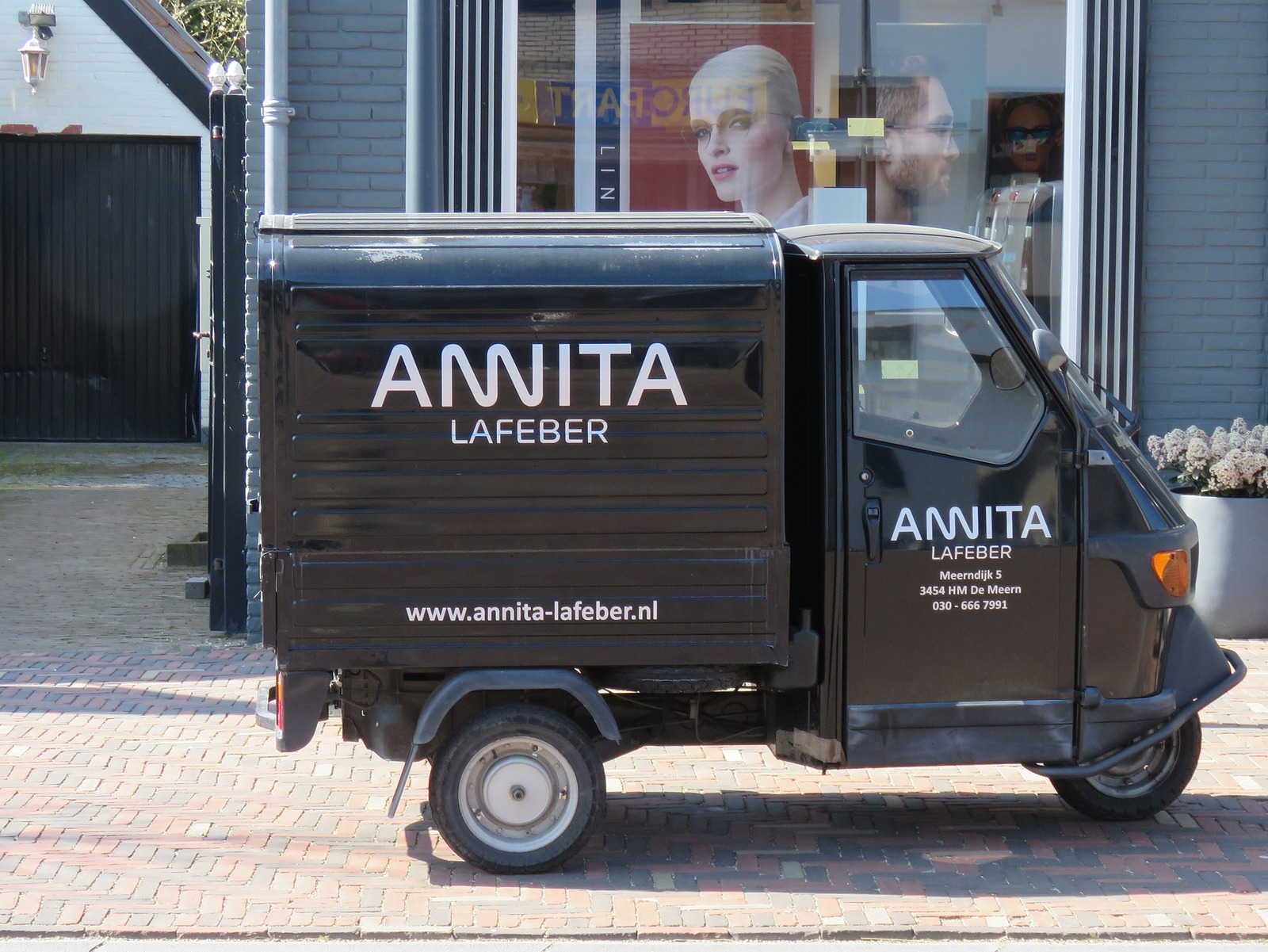
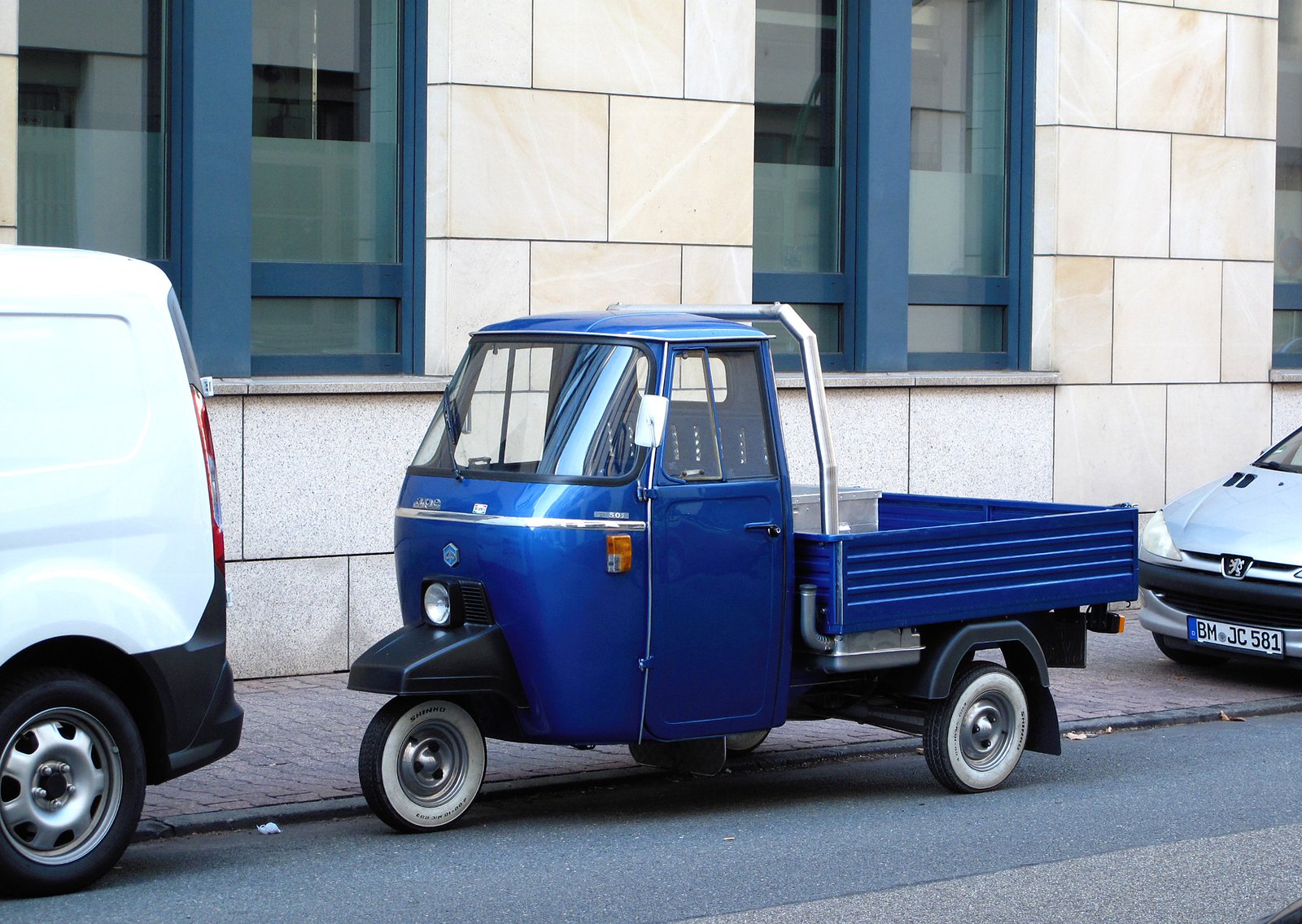
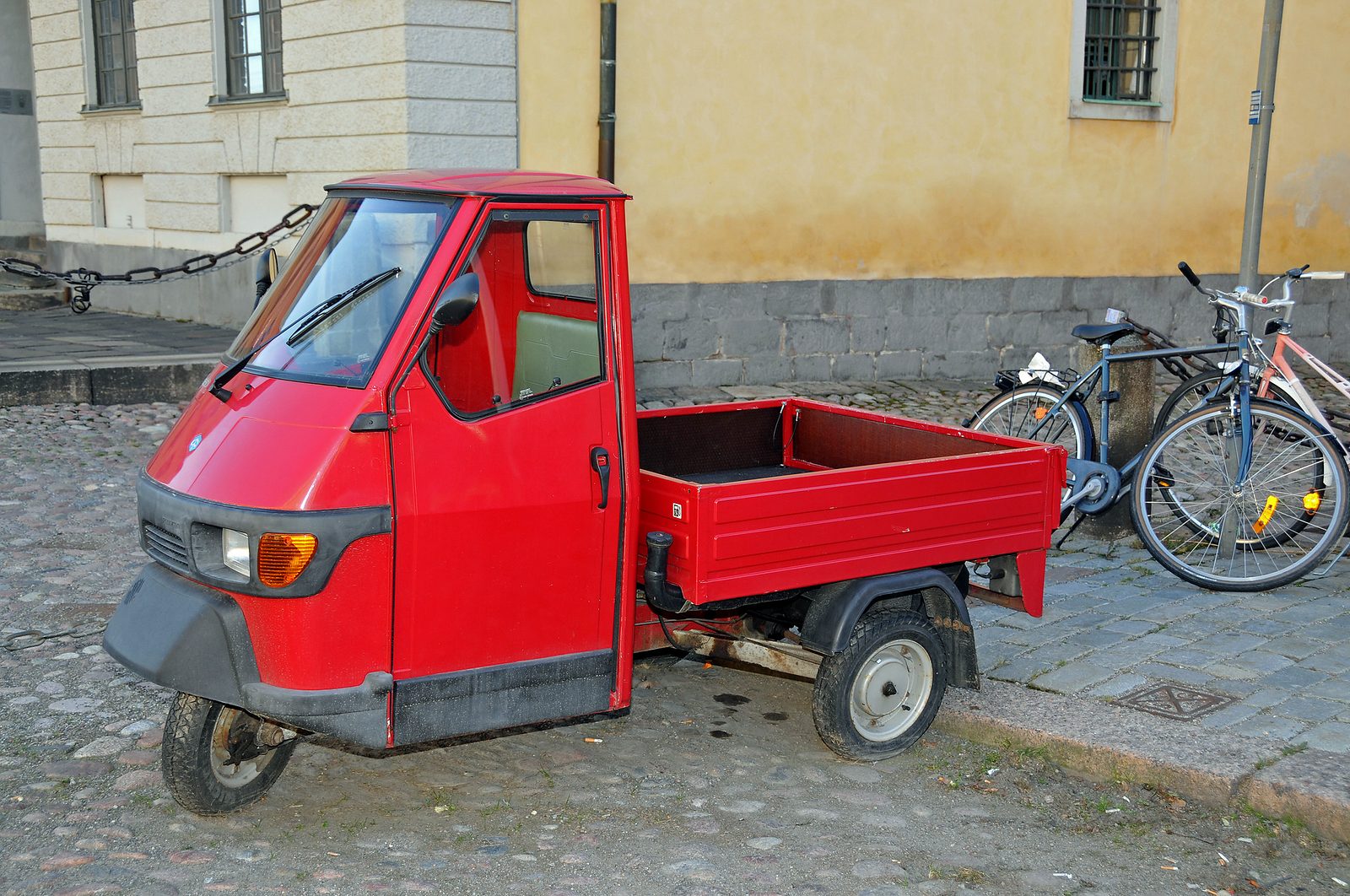
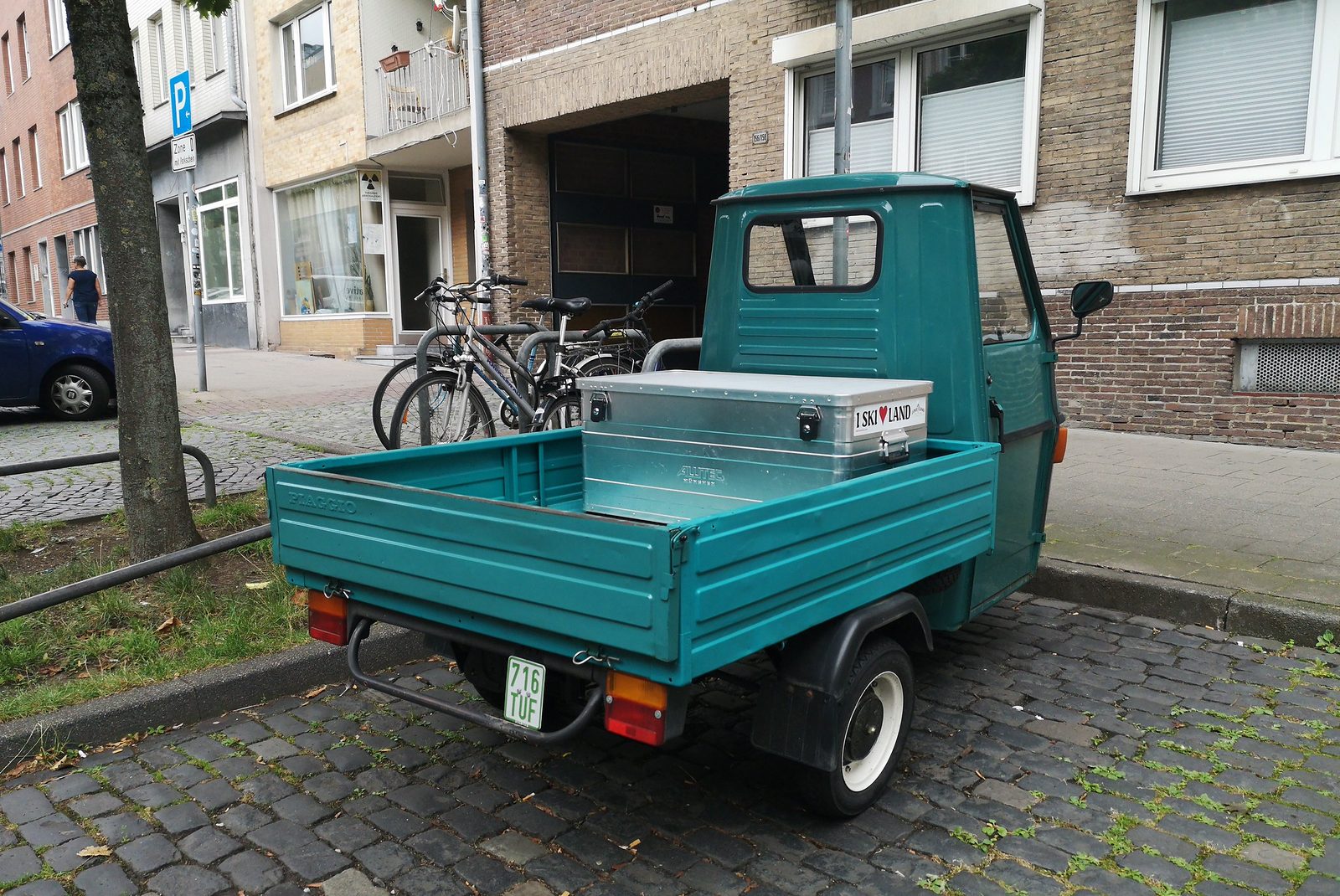
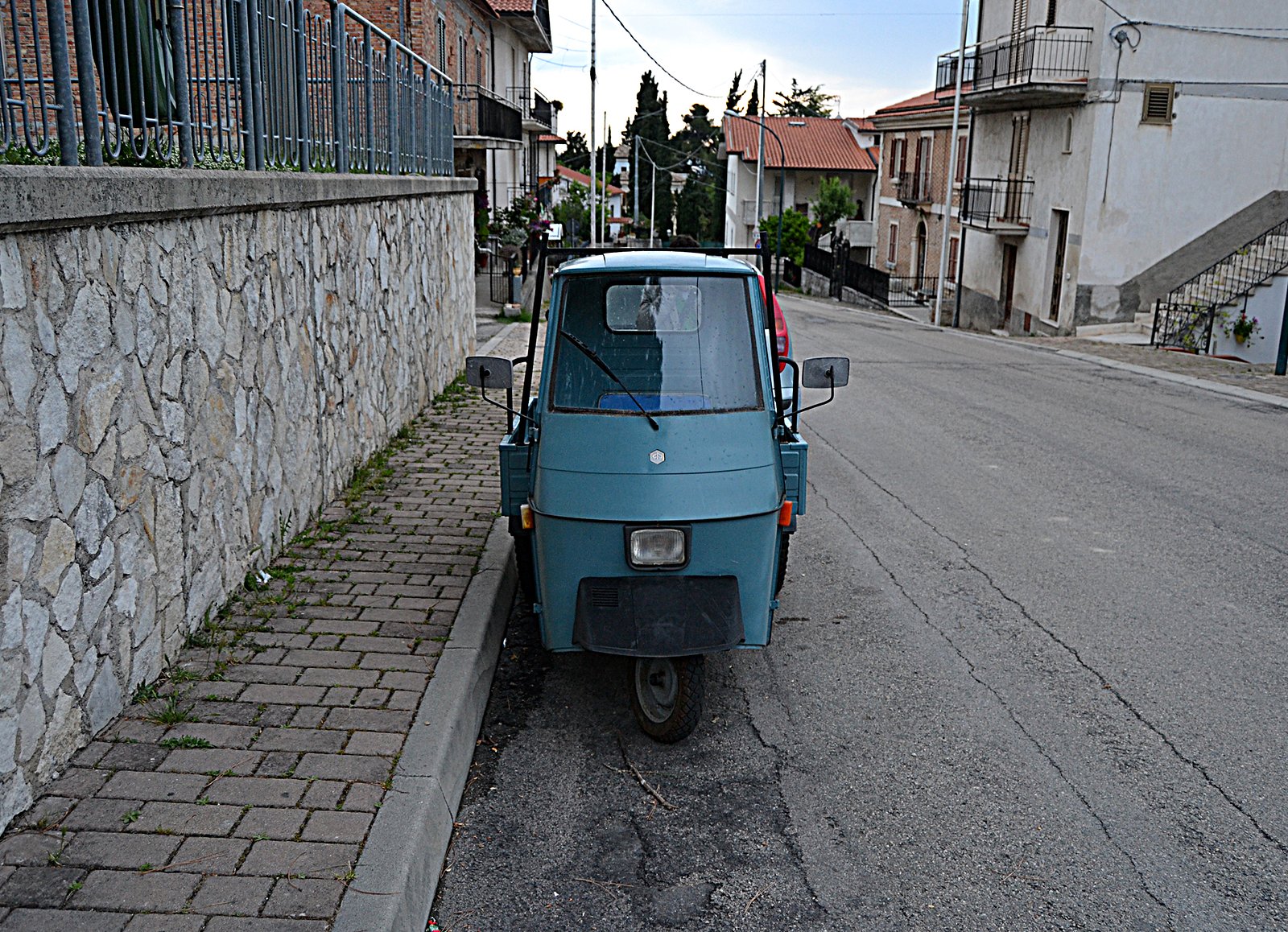
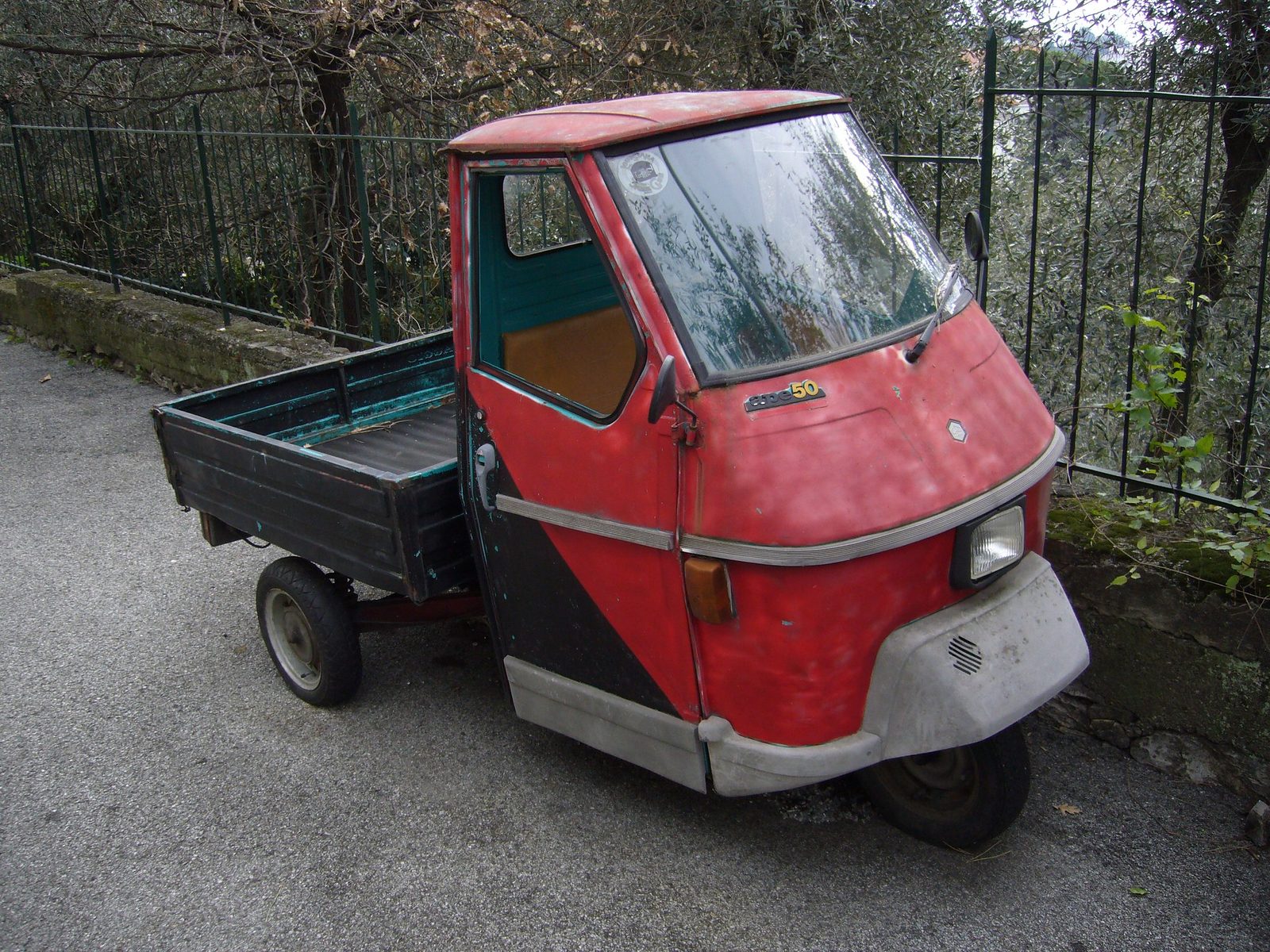
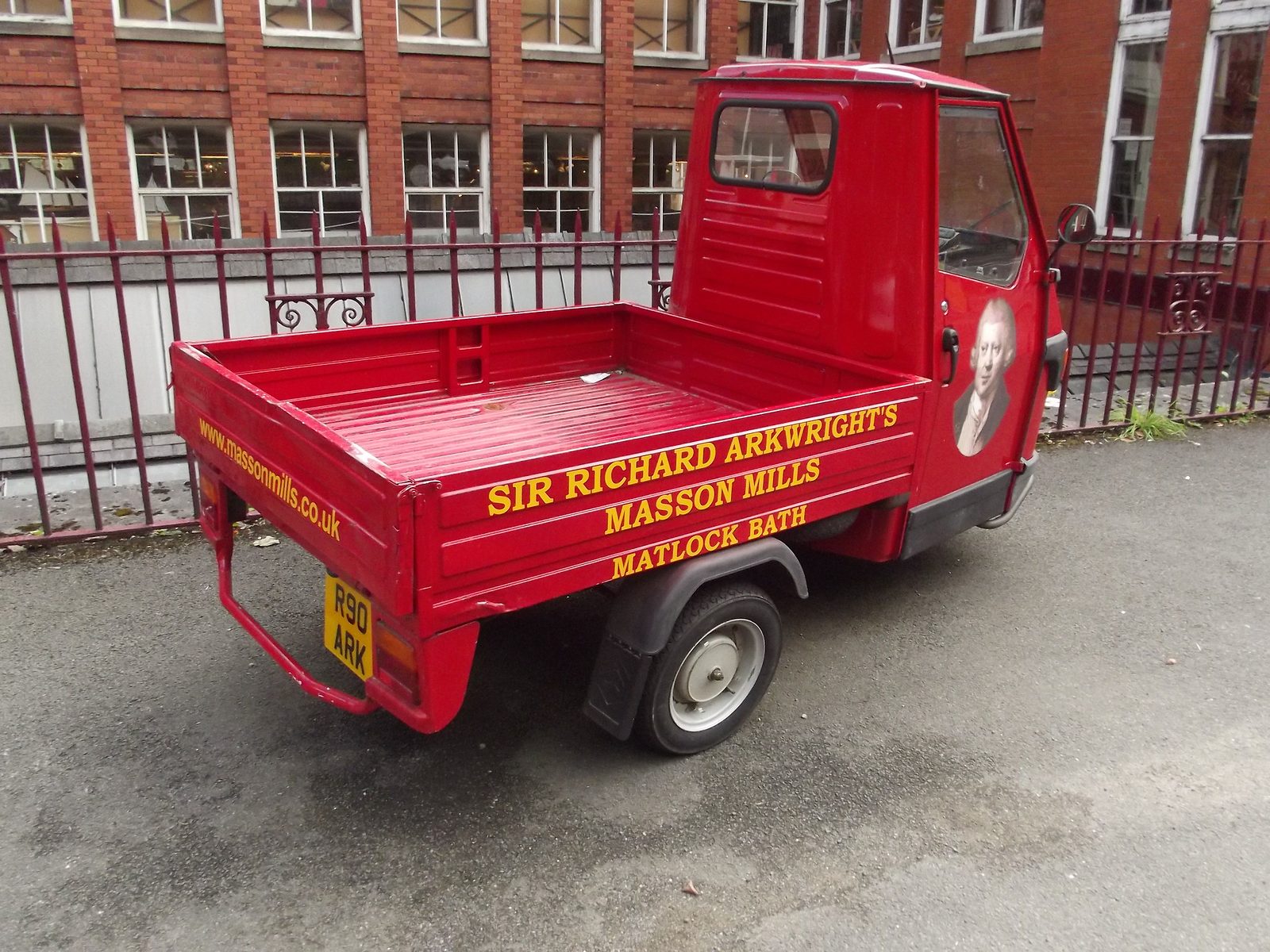
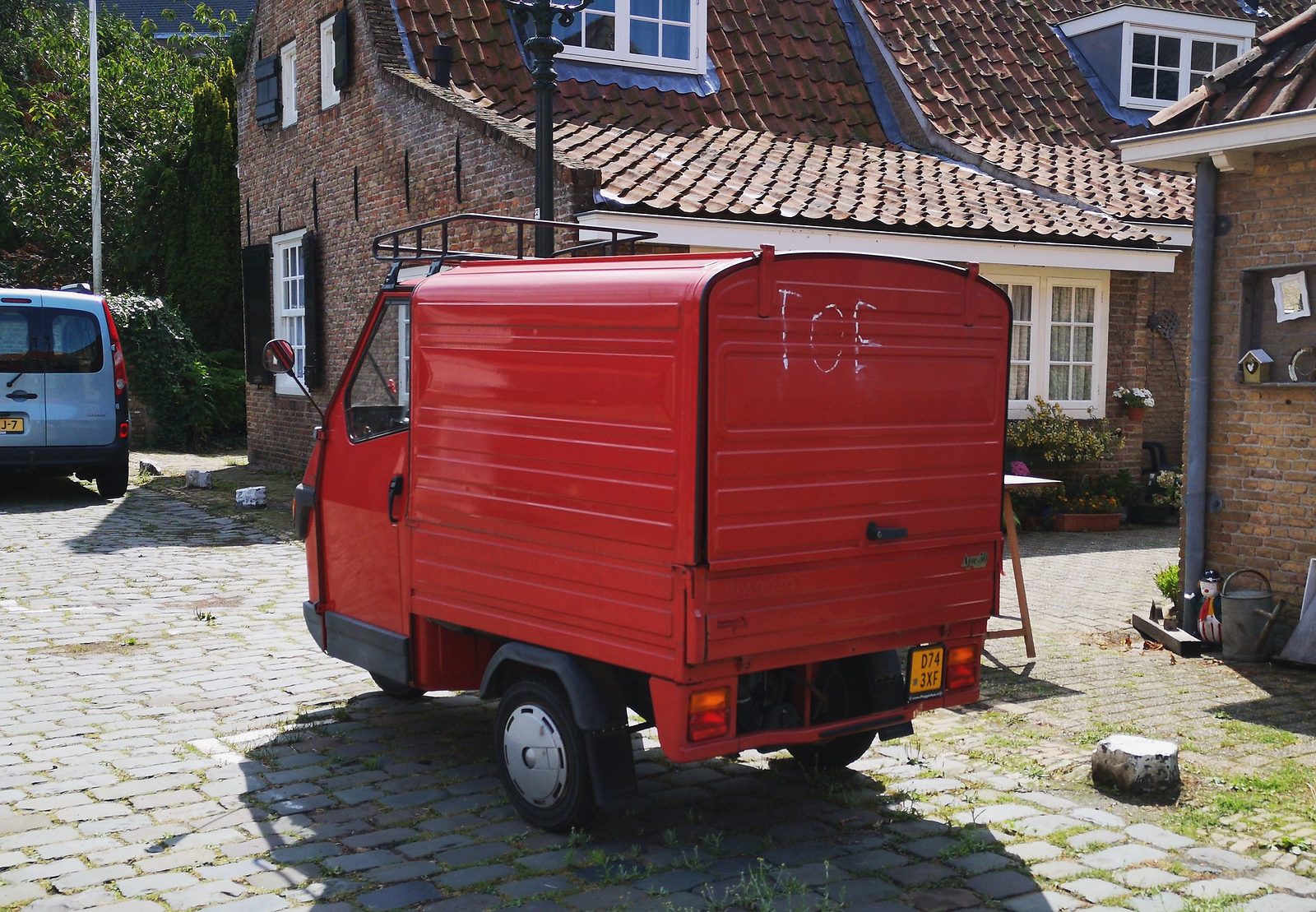
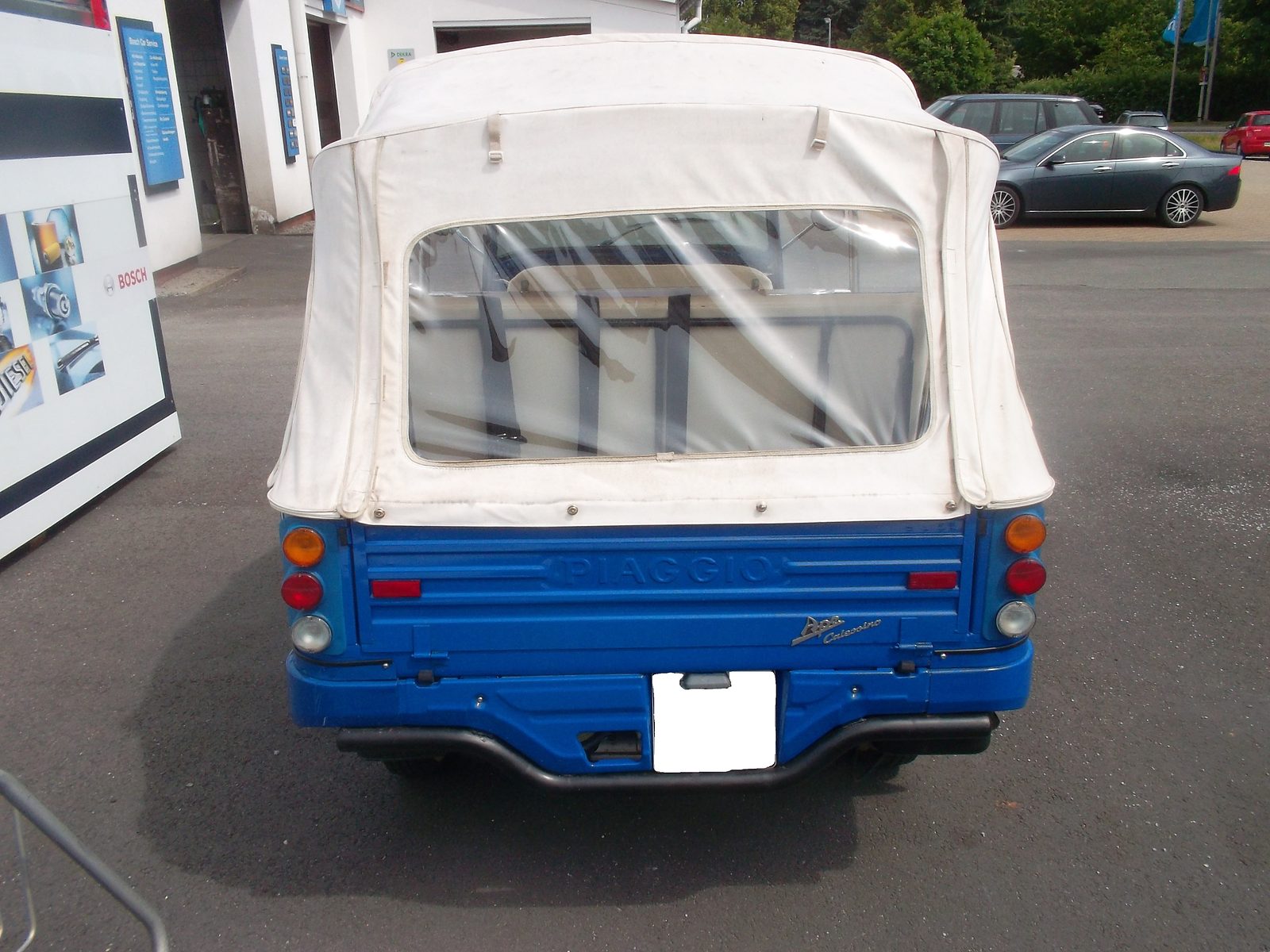
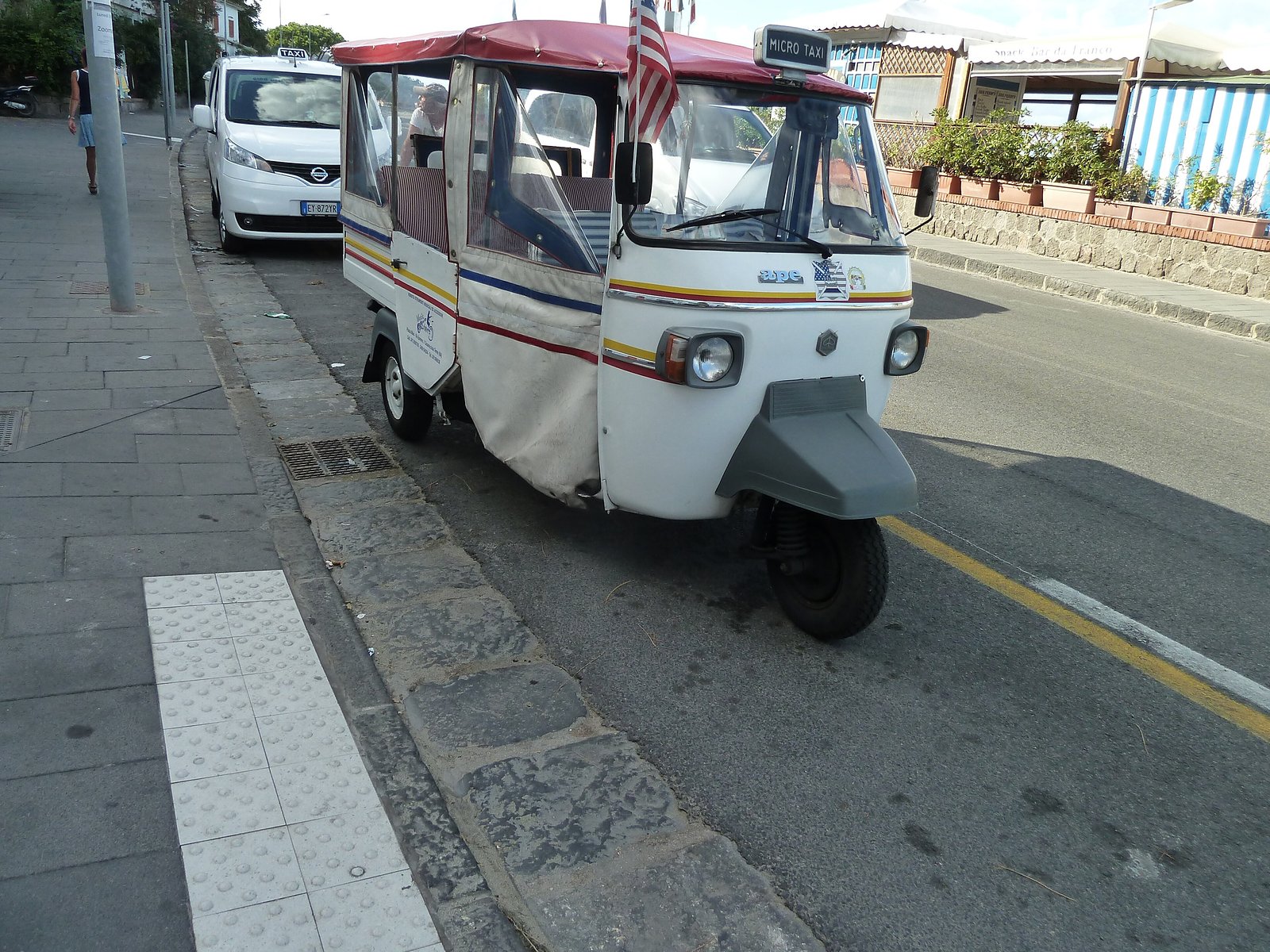
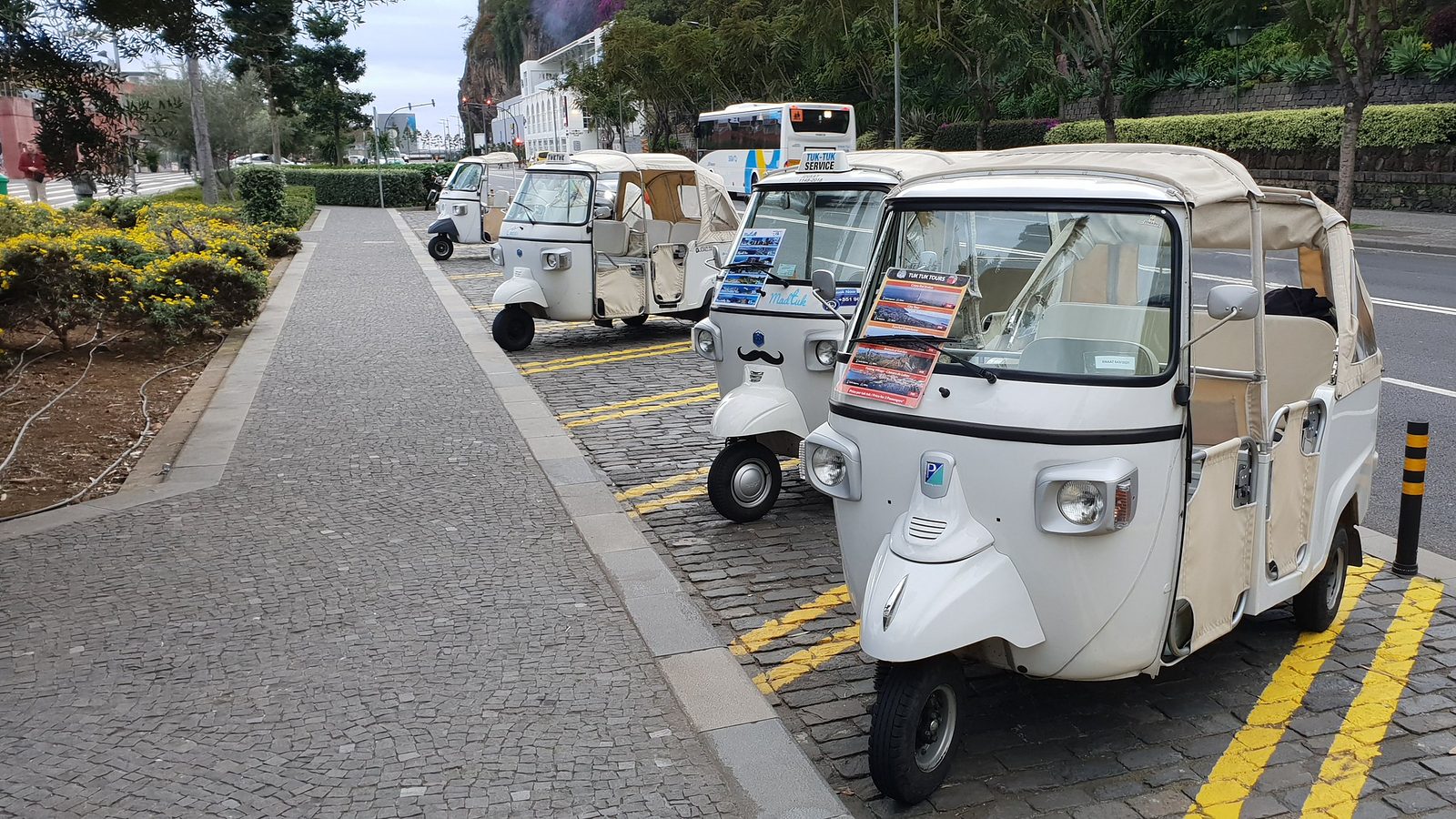
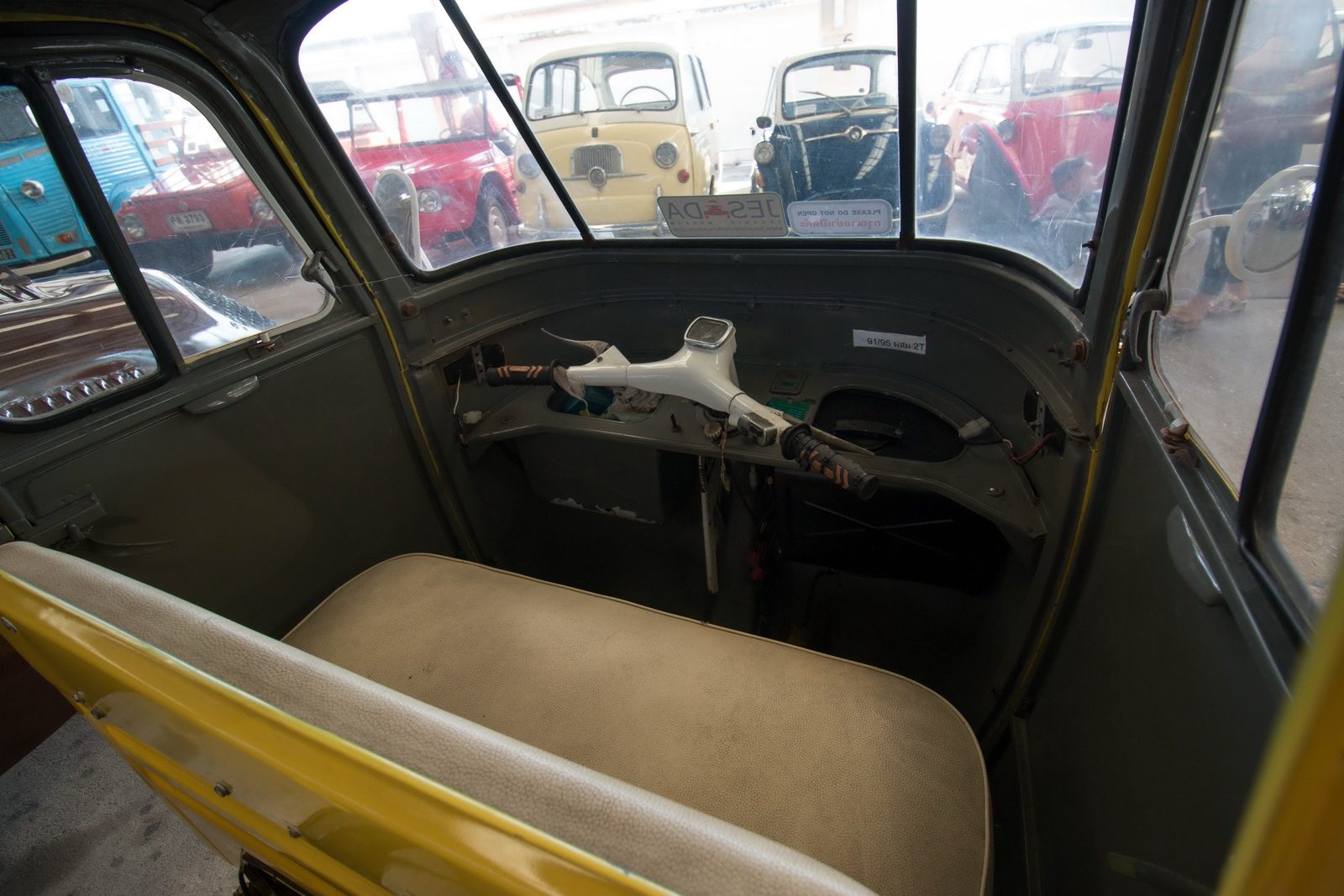
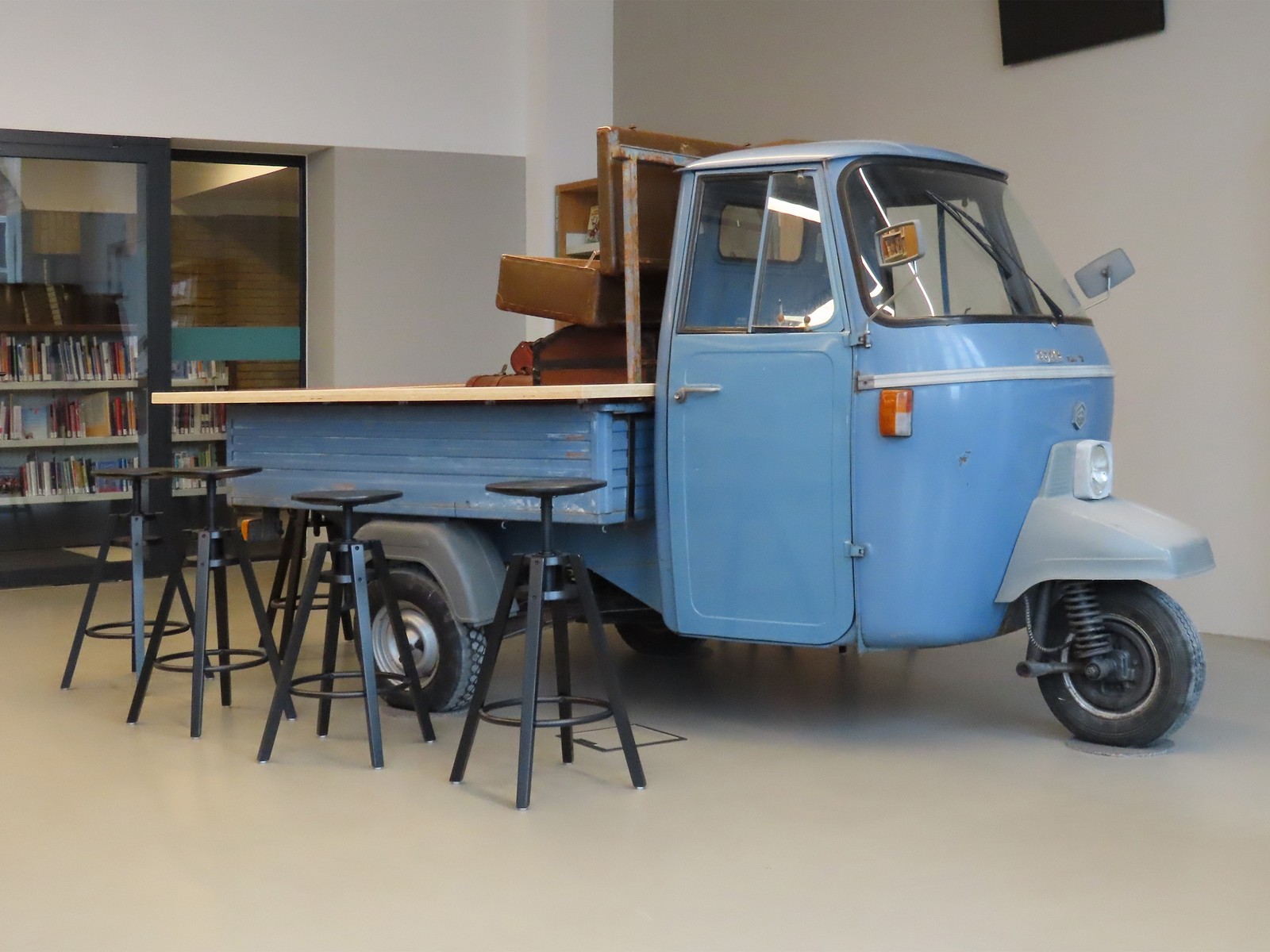
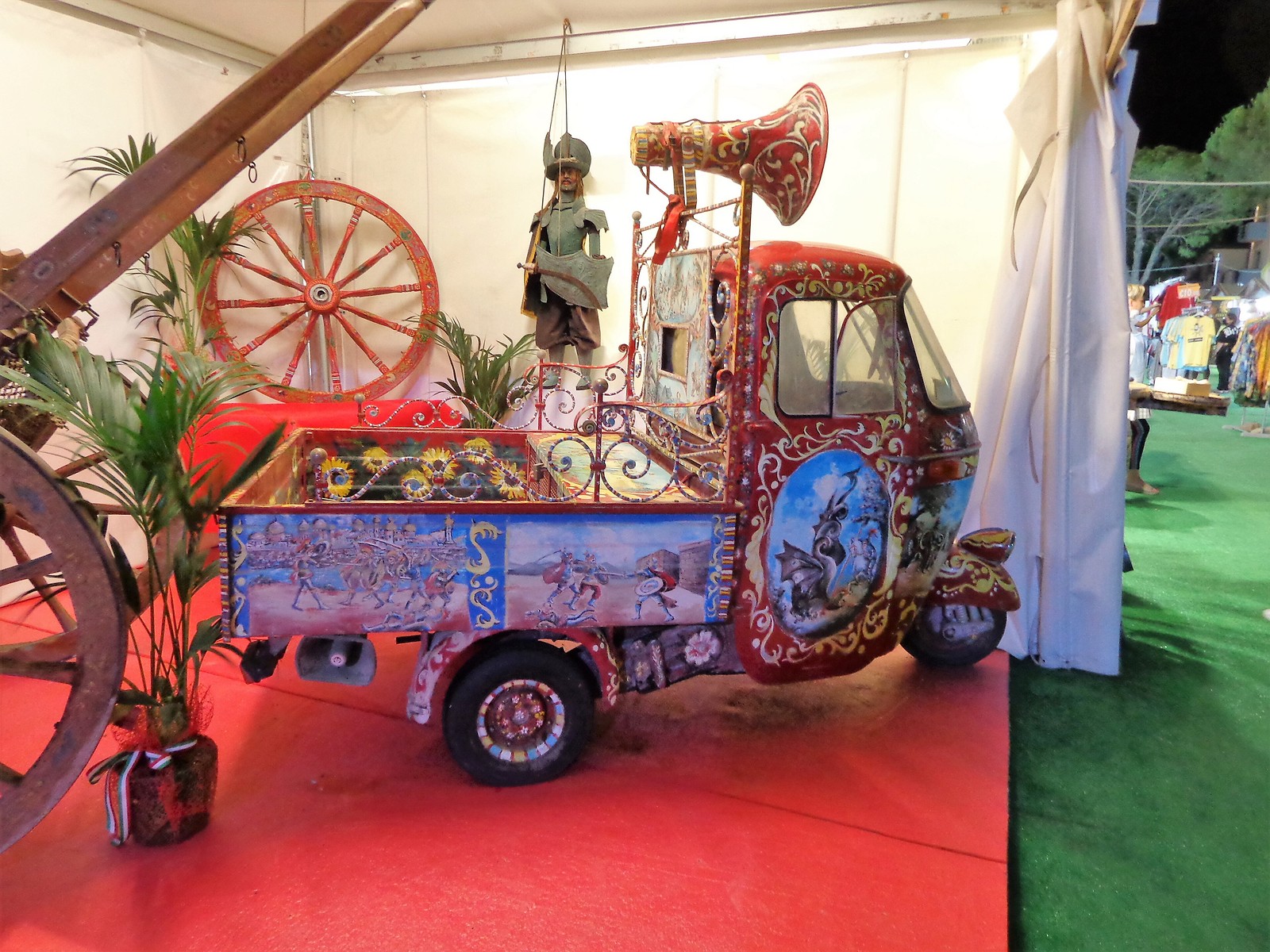
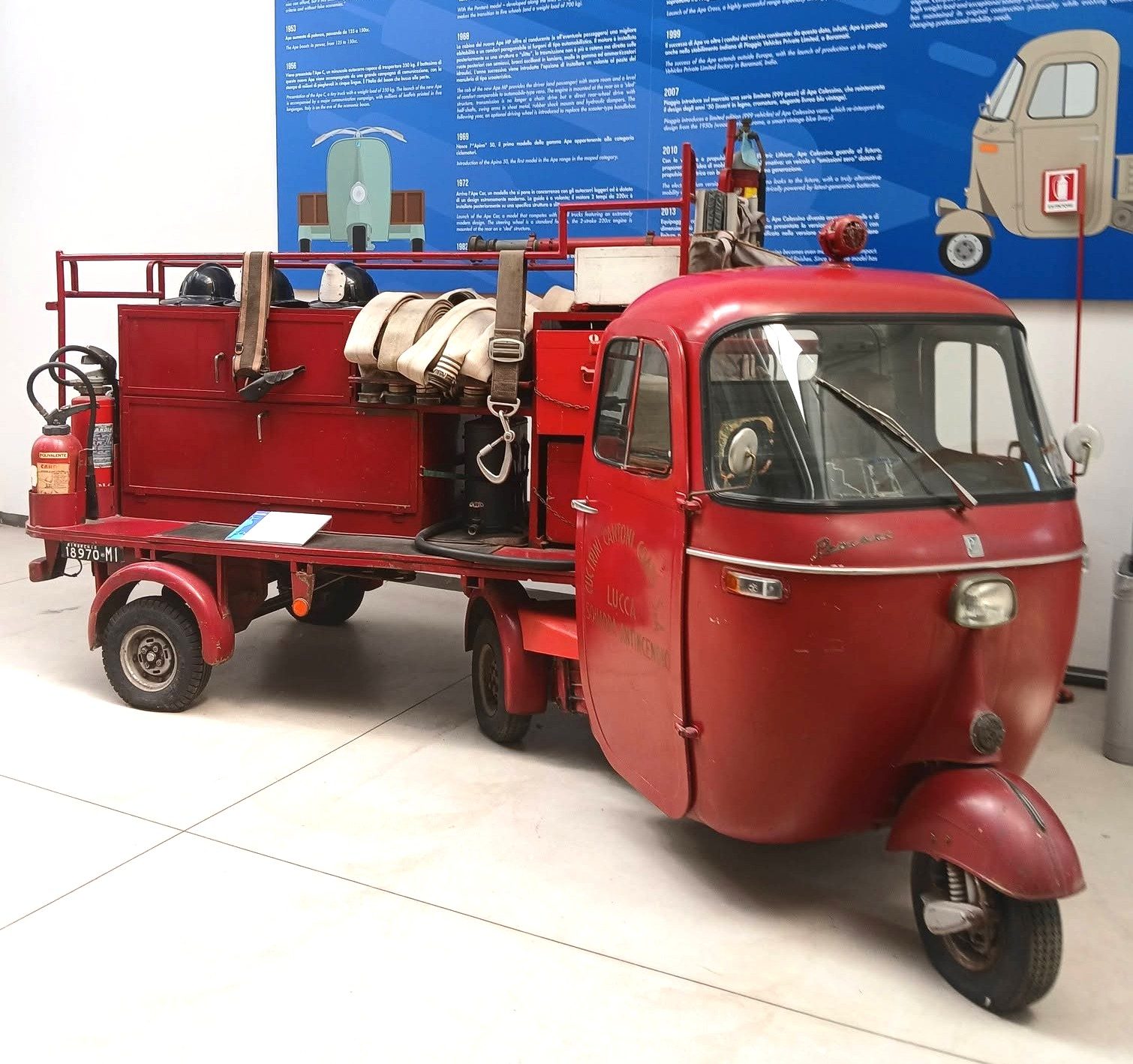
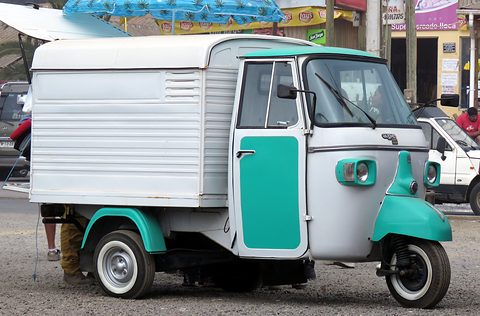
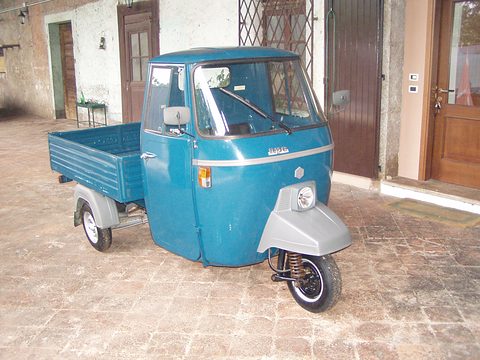
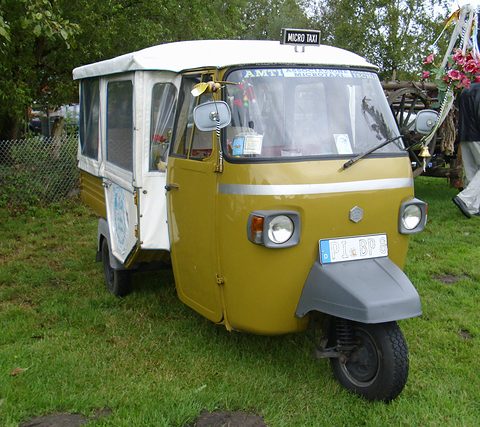
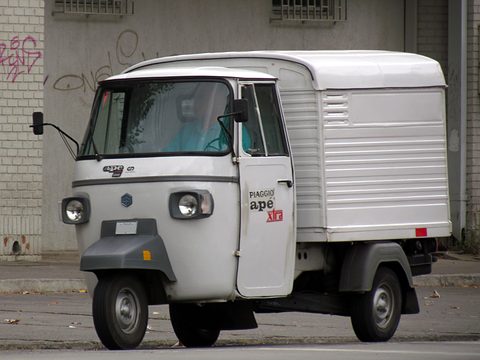
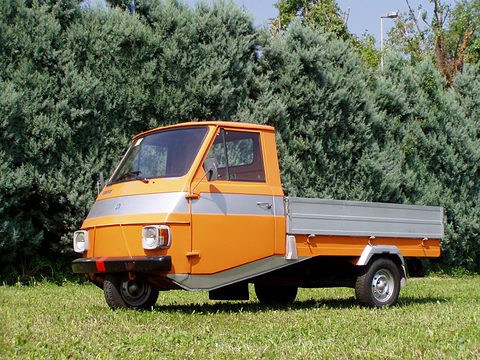
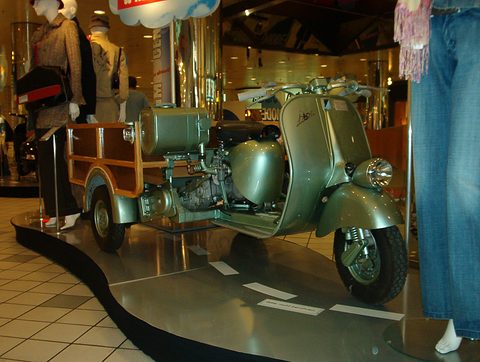
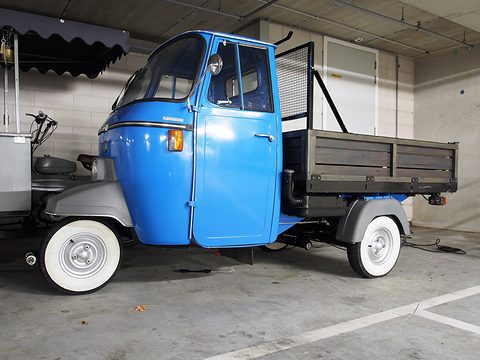
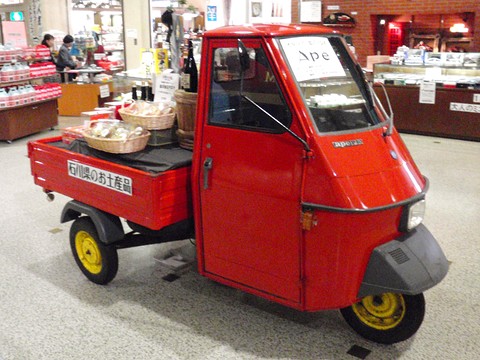
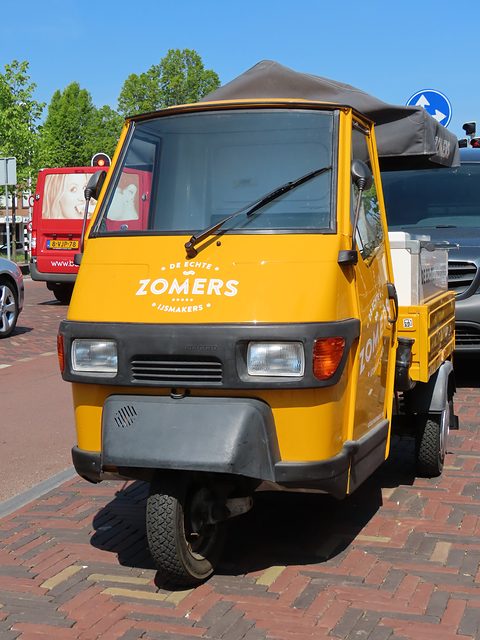
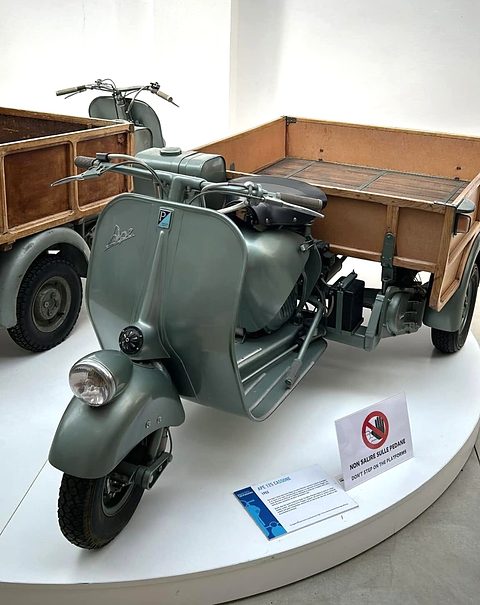
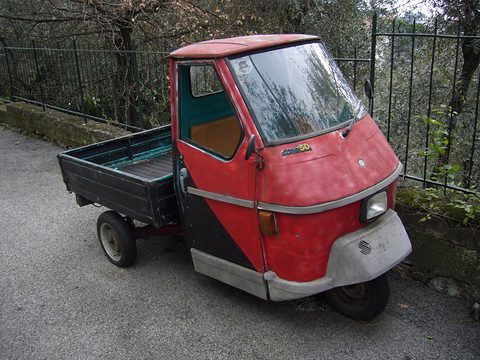
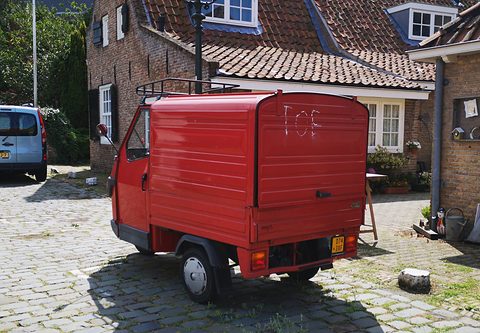
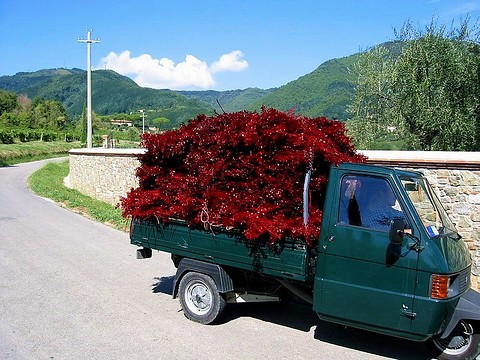
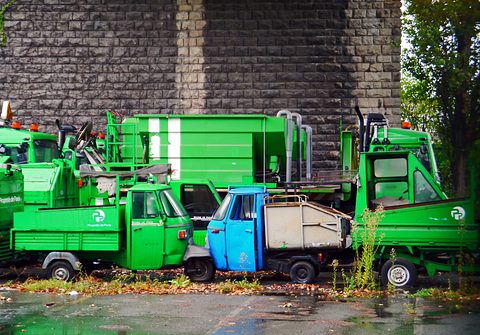
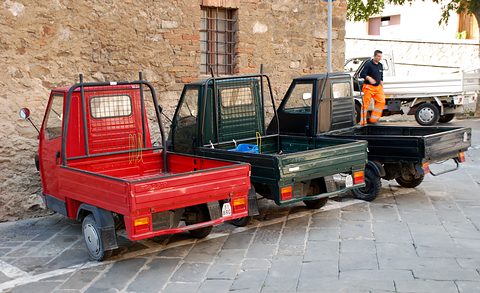
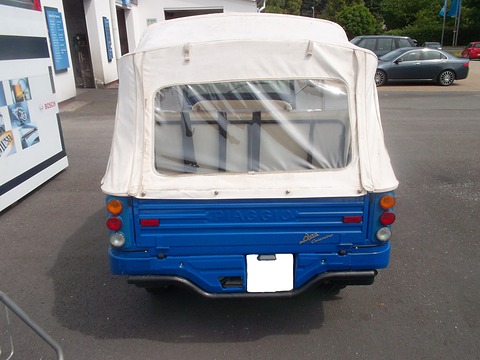
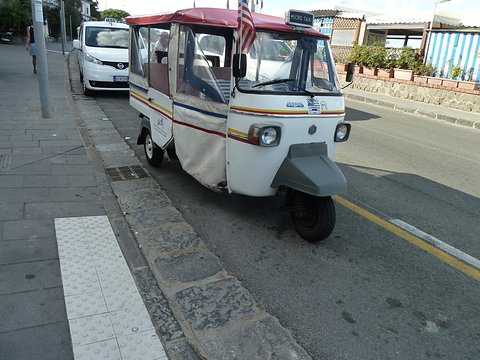
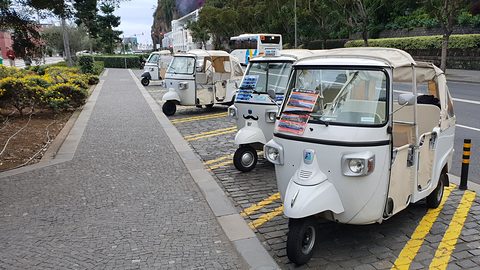
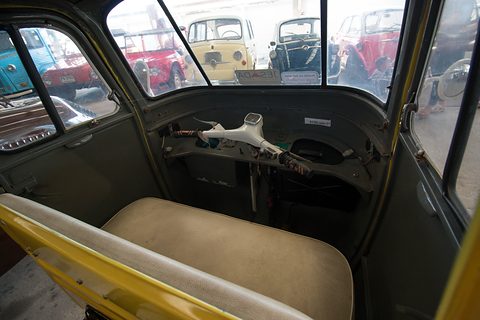
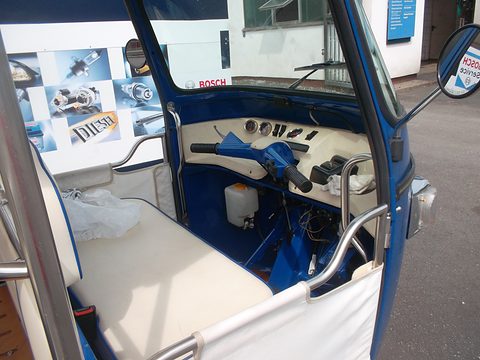
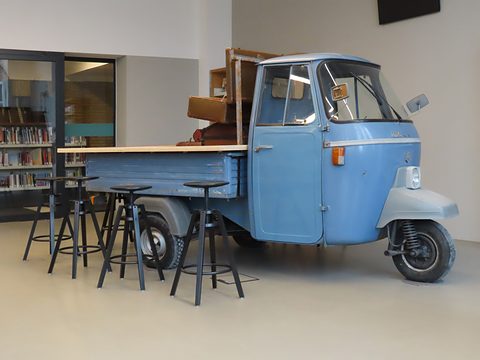
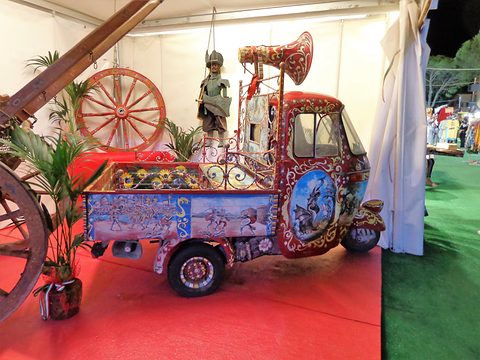
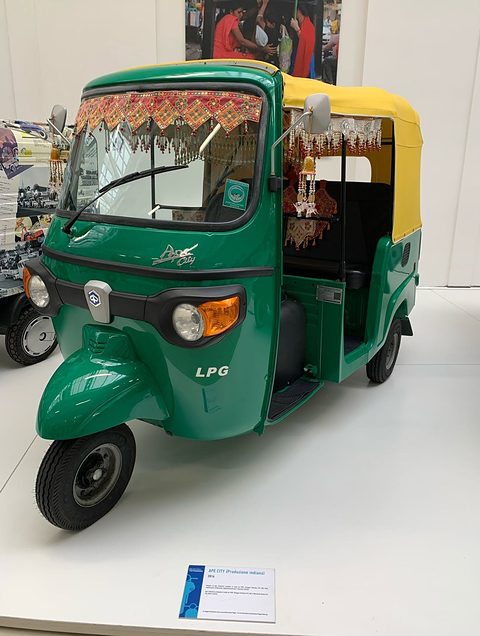
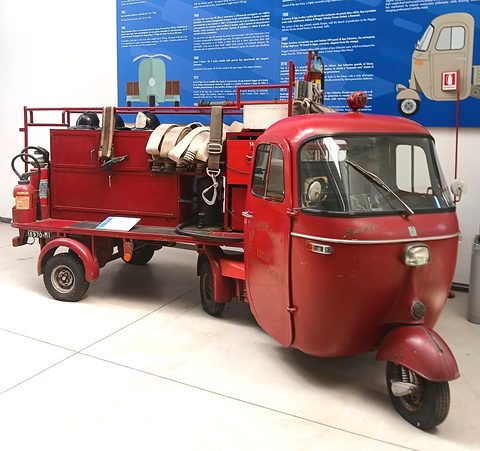
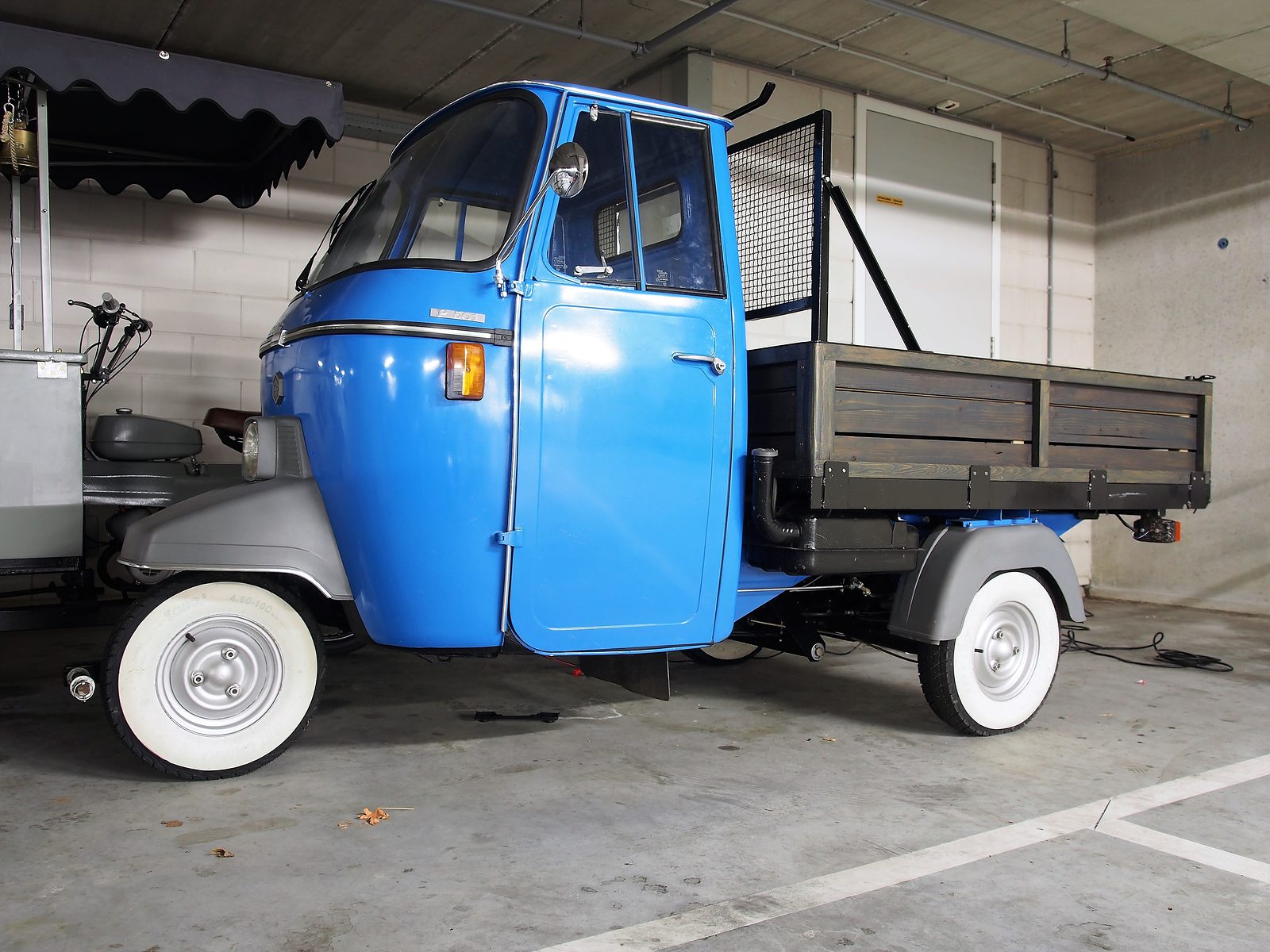
The Bruce Weiner Microcar Museum had a 1963 Ape C, a tipper with a full cab and the twin headlamps of the German export models; its figures fill the specification on this page.source 4 The photographs on this page show an Ape C, a Calessino, a 1952 Ape and an Indian Ape City of 2016 in the Museo Piaggio at Pontedera, and Ape pick-ups on show in The Hague, at the Louwman Museum, and in the Motorcar Museum of Japan.

Sources

Numbered as in the text

Much of this page rests on the English and Italian Wikipedias, used as leads, and on Piaggio’s own press history. Their model dates disagree, by up to ten years, and are given here with their sources. Sources are given as plain text; the links are on the Credits page.

  1. English Wikipedia, Piaggio Ape, read in full. Used as a lead.
  2. Piaggio Group press office, “APE (1948–⁠2019): una storia italiana”, 21 September 2018, read via a summary of the page.
  3. Italian Wikipedia, Piaggio Ape, read in full. Used as a lead; it cites l’Unità (1978, 1991), la Repubblica (1986, 1994) and Piaggio press material.
  4. Bruce Weiner Microcar Museum, “1963 Vespa Ape”, tour page, archived copy read in full.
  5. Italian Wikipedia, Piaggio Ape Calessino, read in full. Used as a lead; it carries a “needs sources” banner and cites none for its figures.
  6. Jean Goyard, “La Vespa 400: la petite auto de Fourchambault”, Automobilia no. 34, February 1999, pp. 44–49 (ACMA’s output to 1956).
  7. Toni Solans, La web de los microcoches (grupo7.com), “Vespa”, read in full (Spanish).
  8. Reliant Motor Club, “A (very) brief history of Reliant”.
  9. English Wikipedia, Ligier JS4, read in full. Used as a lead.
  10. Japanese Wikipedia, Daihatsu Midget, read in full; it cites 360cc軽自動車のすべて (2013) and Nostalgic Hero, August 1991.
  11. Luc Gagné, “Piaggio Ape Calessino Electric Lithium: an electrifying Dolce Vita!”, Auto123, 28 August 2009 (page 1 read).
  12. Italian Wikipedia, Moretti (azienda), read in full. Used as a lead.
  13. theLambro.com, “History of the Lambro”, read in full.
  14. theLambro.com, “Lambretta 3 Wheeler: FA, FB, FC and FD Models”, read in full; it credits Bruno Strigini.
  15. Bruce Weiner Microcar Museum, “1955 Iso Isetta”, tour page, archived copy read in full.
  16. Bruce Weiner Microcar Museum, “1957 Isettacarro”, tour page, archived copy read in full.
  17. cybermotorcycle.com, “Iso Motor Italia, Spain”, read via a summary; it cites vehiculosclasicos.com.
  18. Toni Solans, La web de los microcoches (grupo7.com), “Iso Isetta”, read in full (Spanish).
  19. English Wikipedia, Casalini, read via a summary. Used as a lead; it cites Mobil & Motor (Indonesia), 23 November 1981.