The story
History
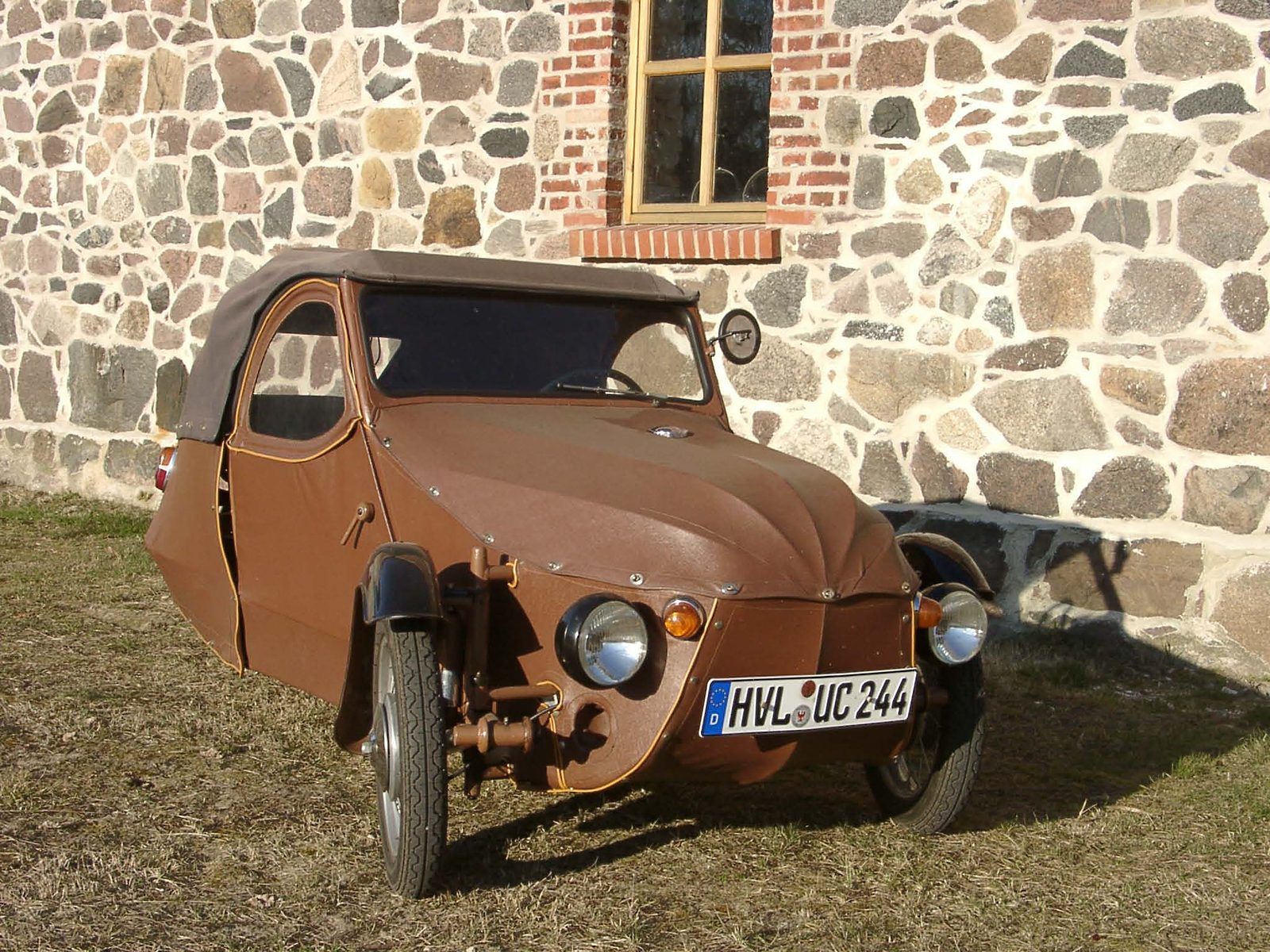
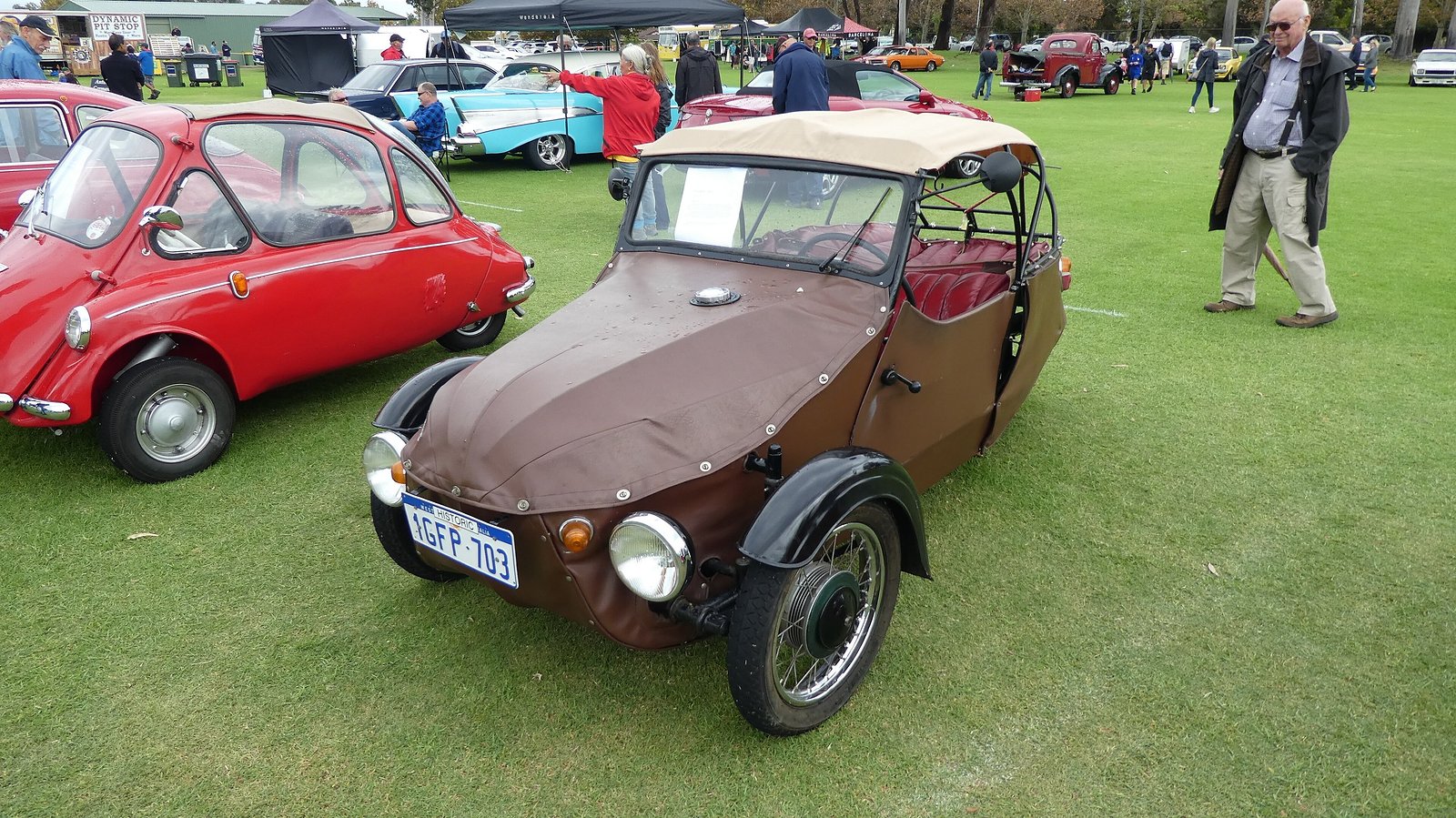
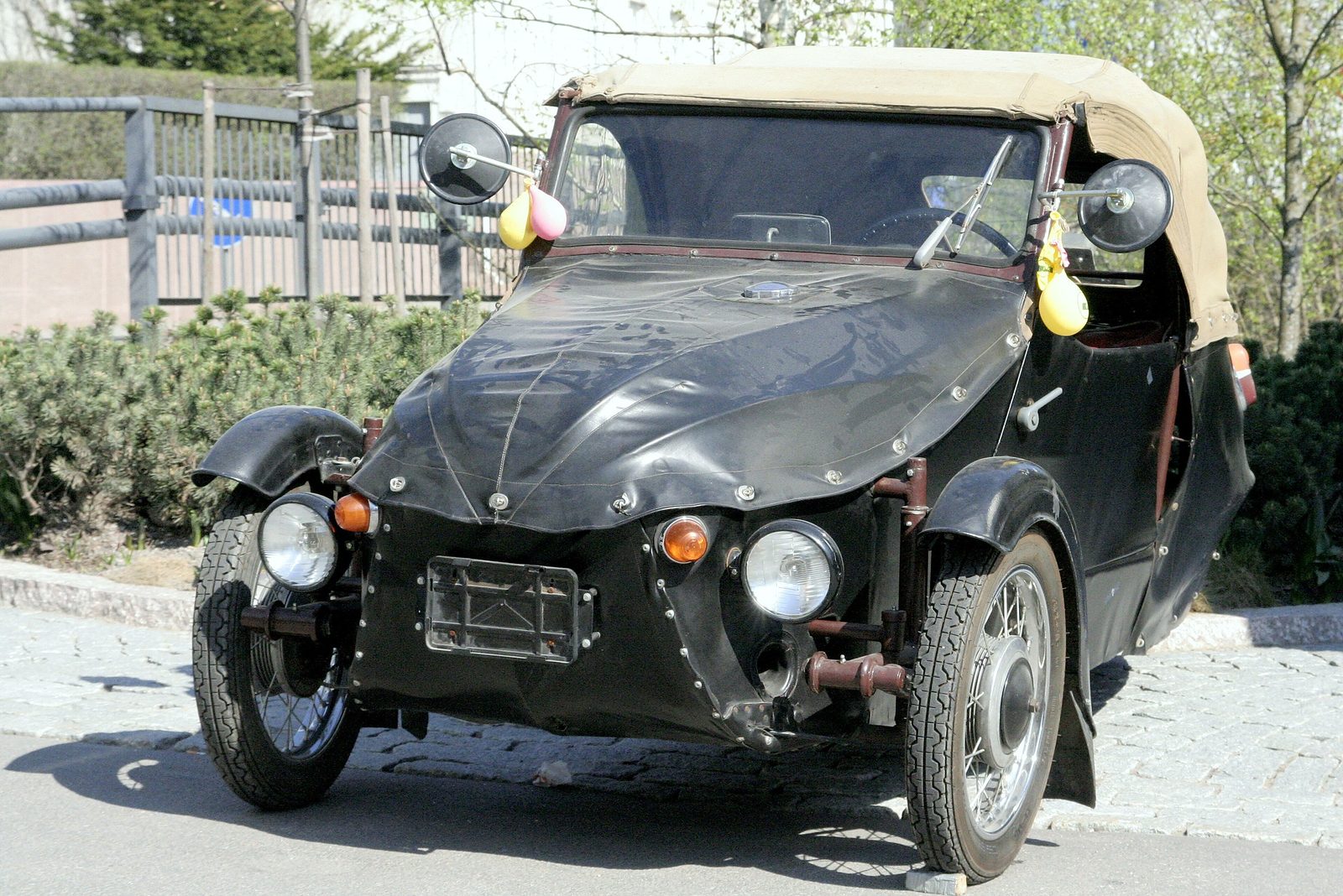
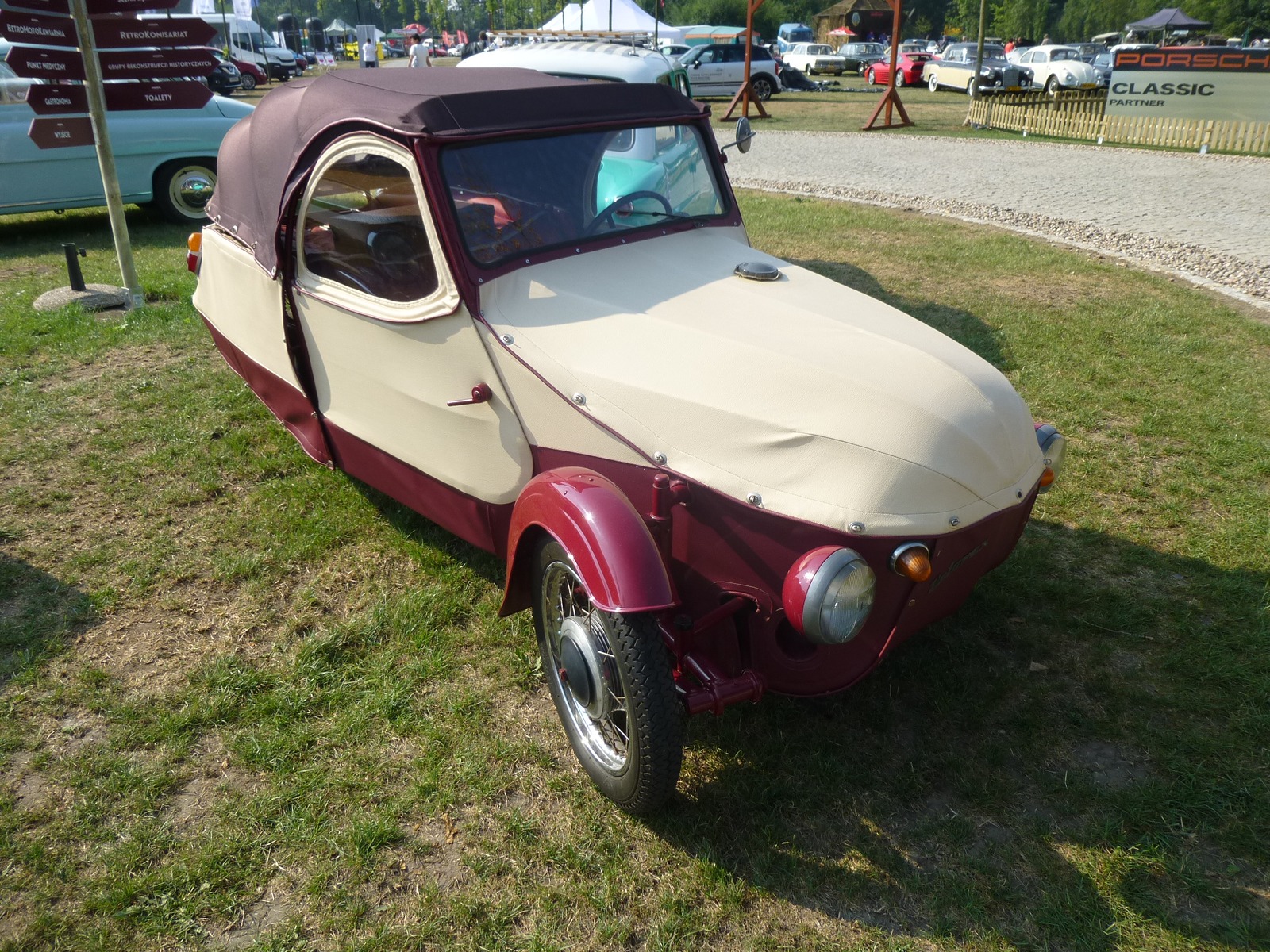
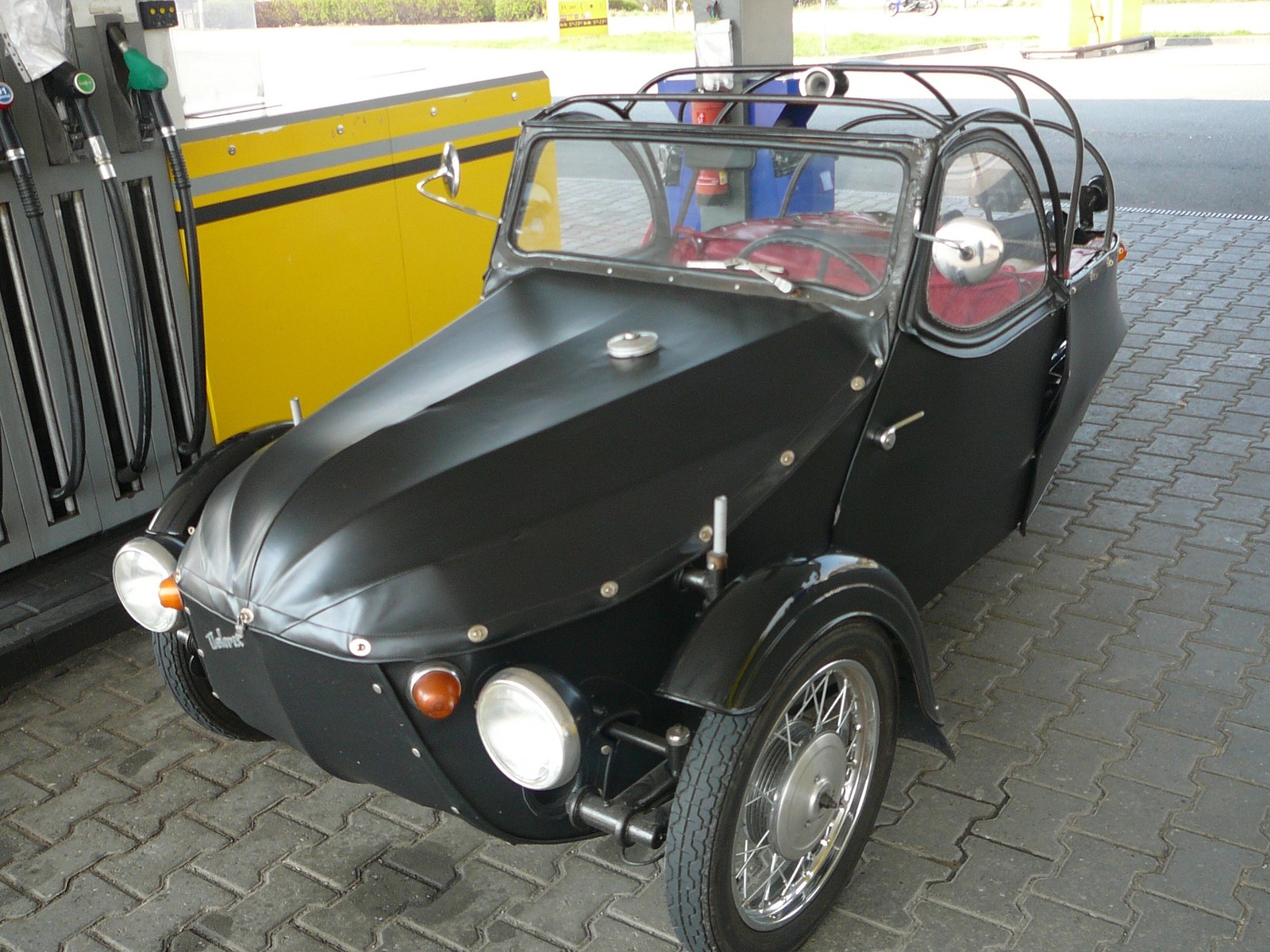
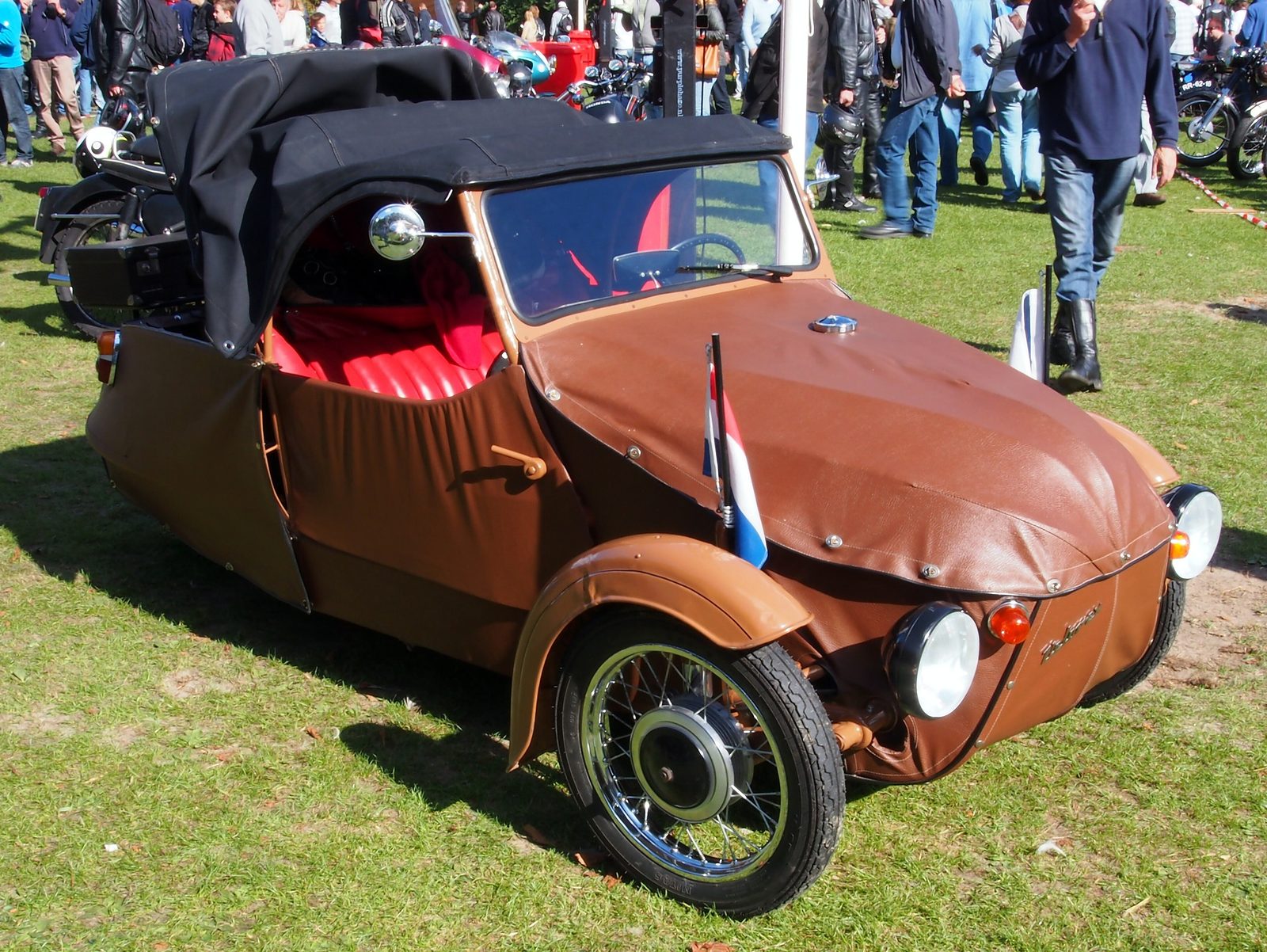
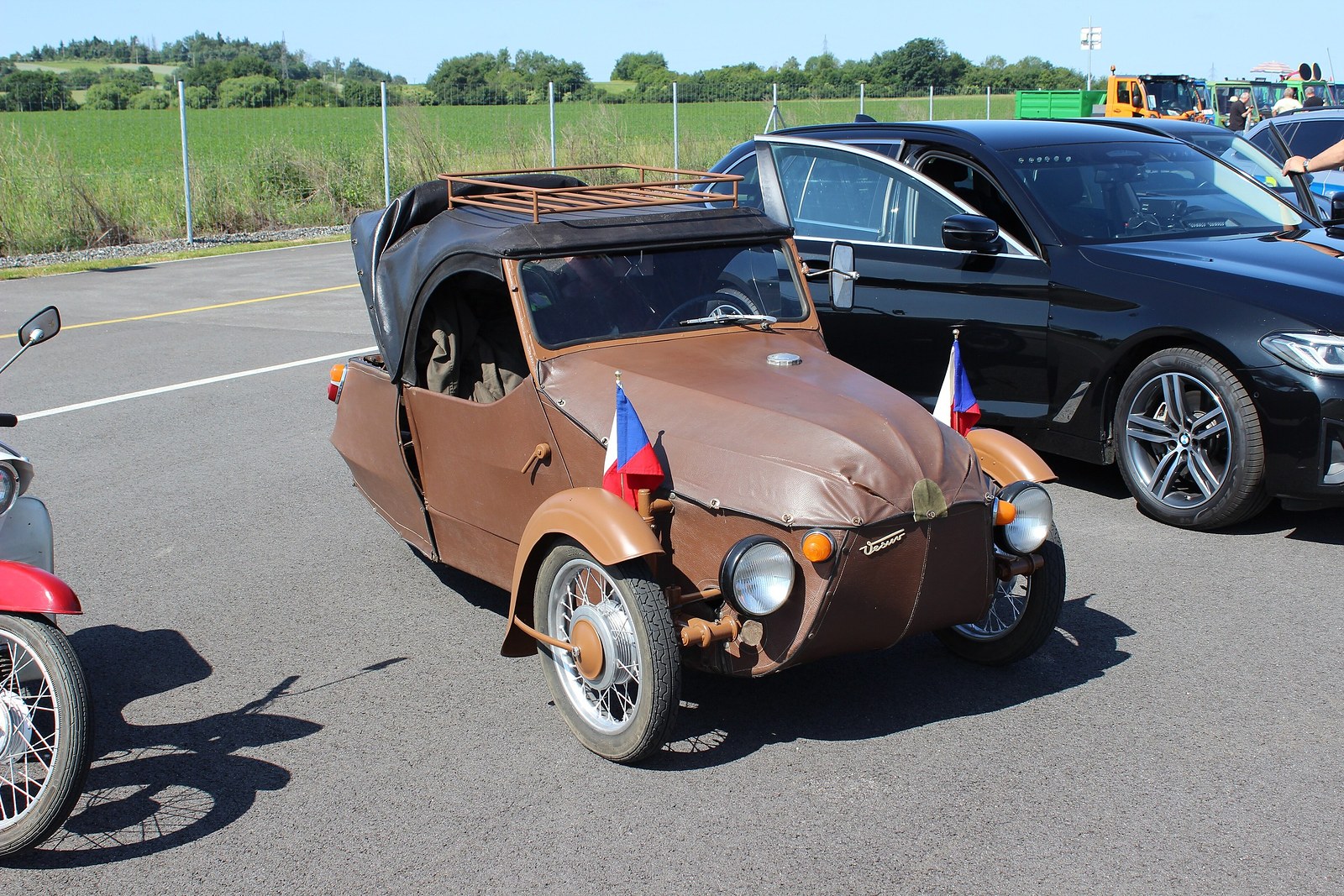
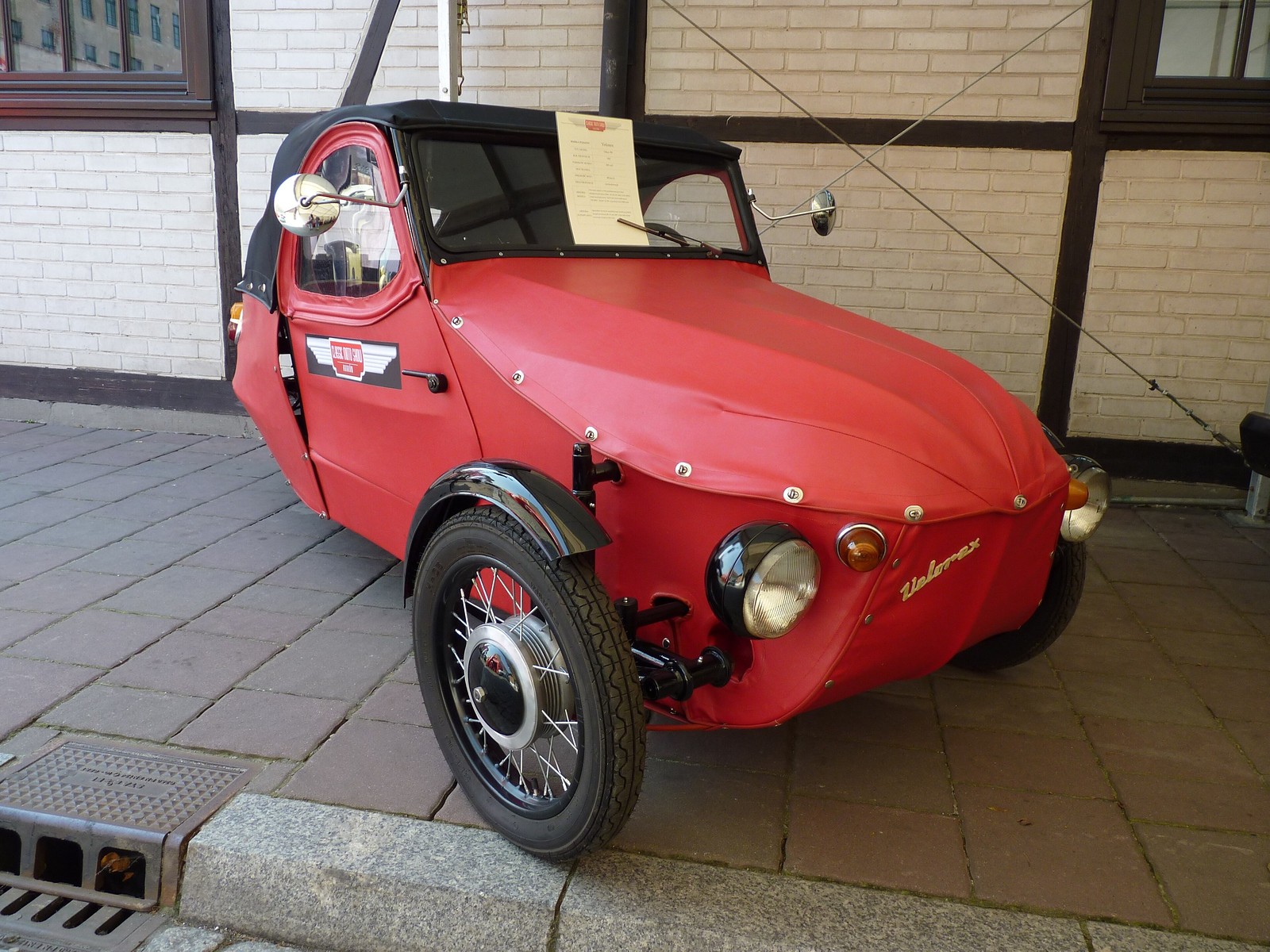
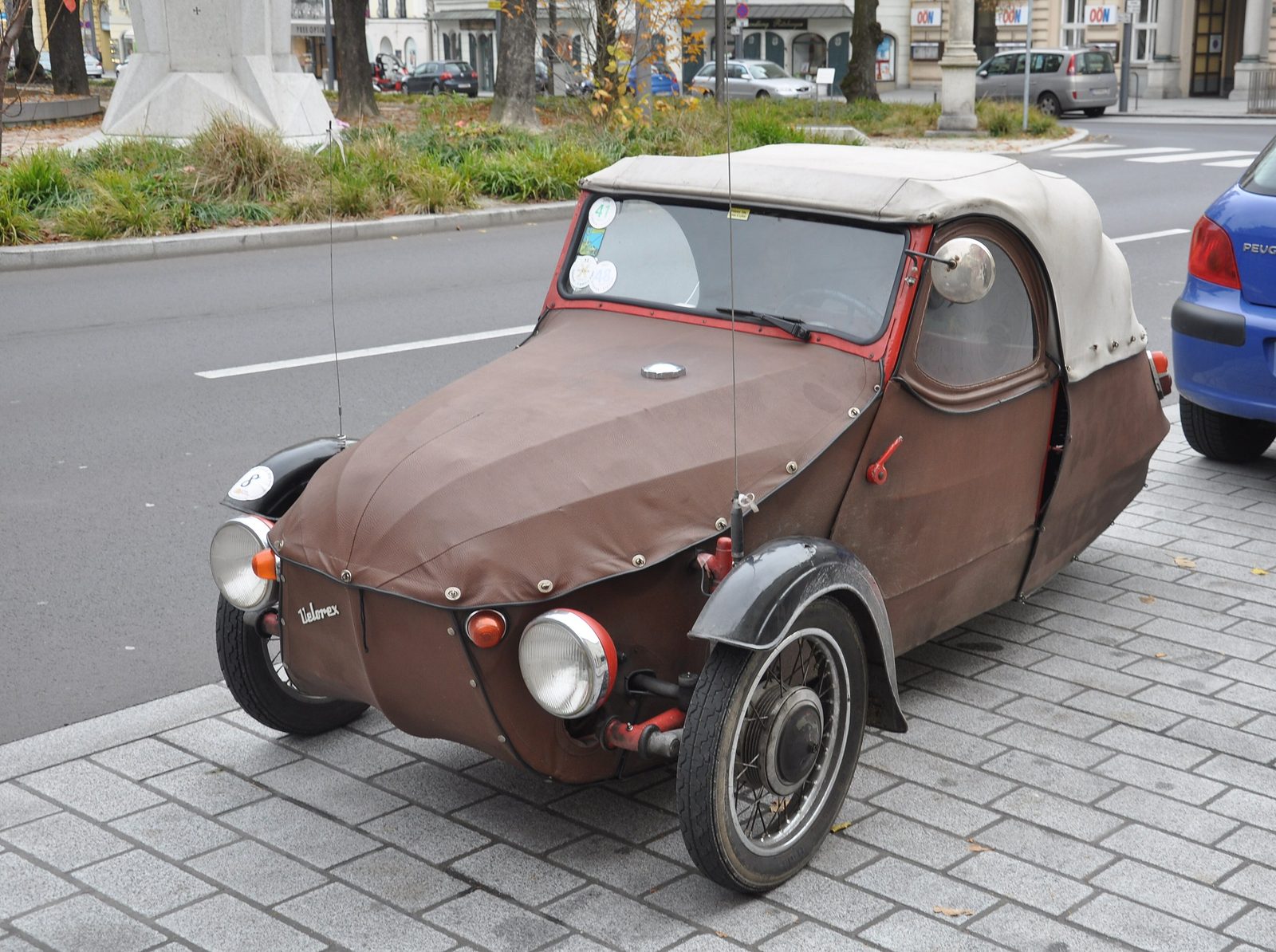
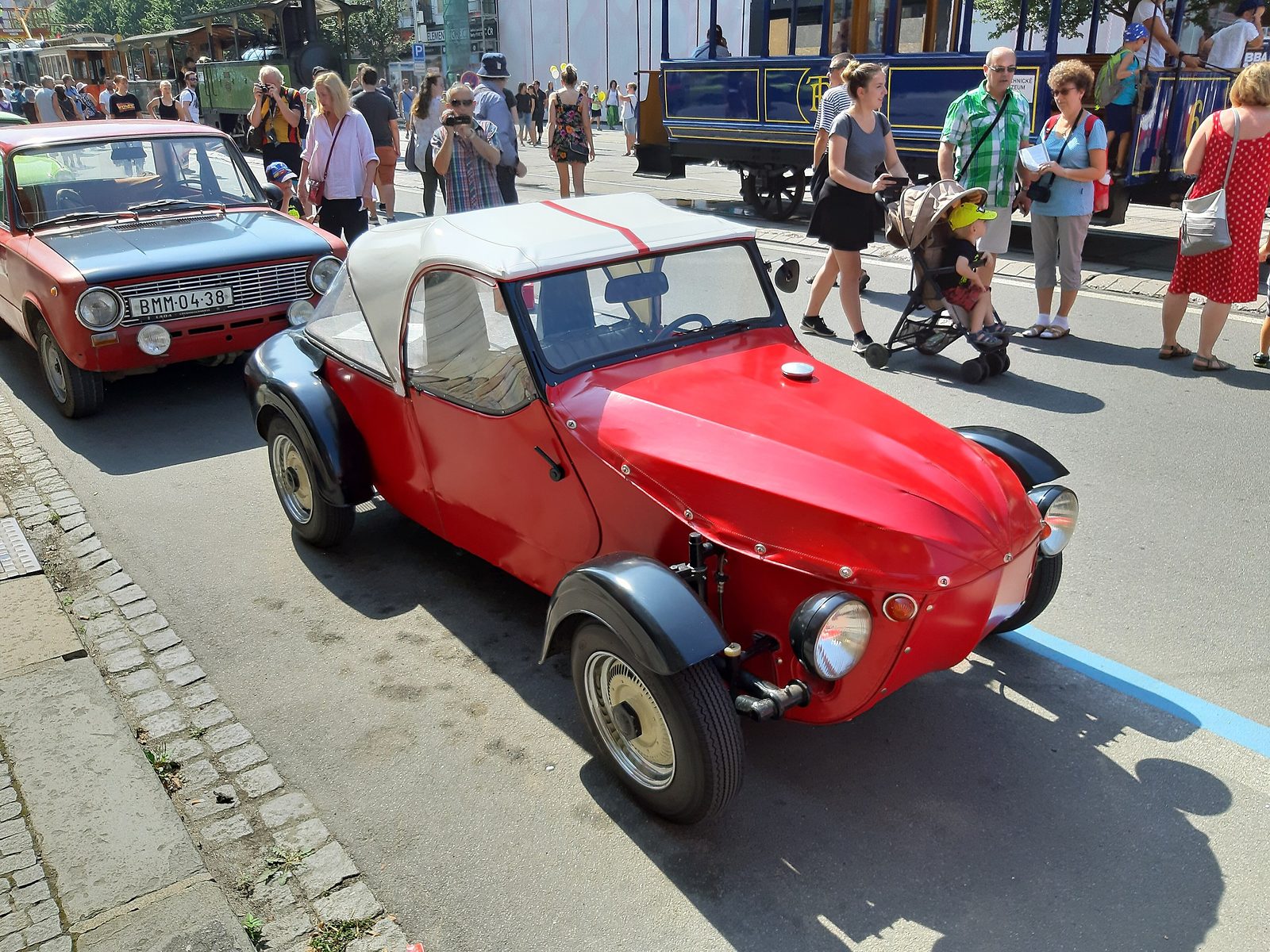
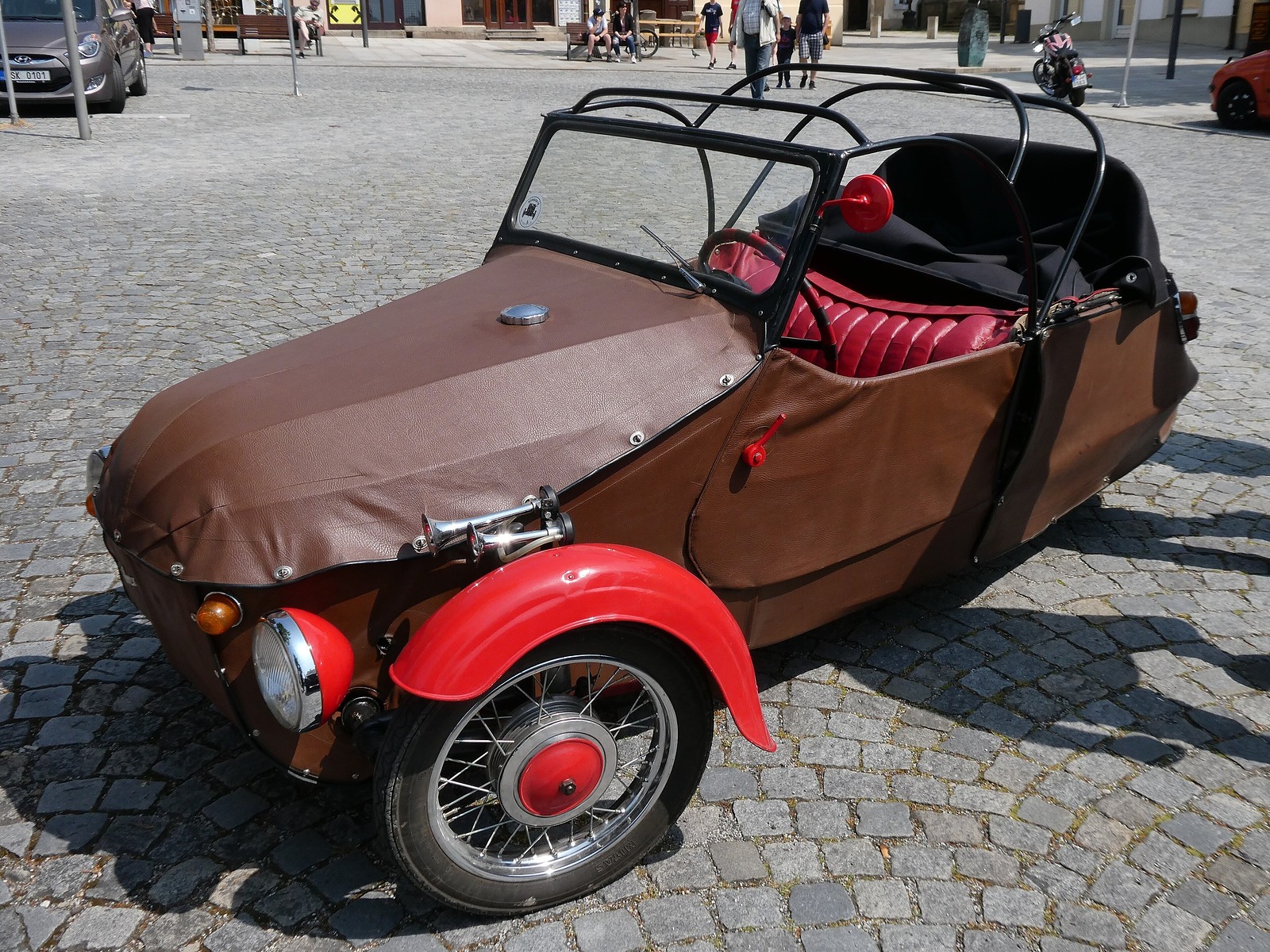
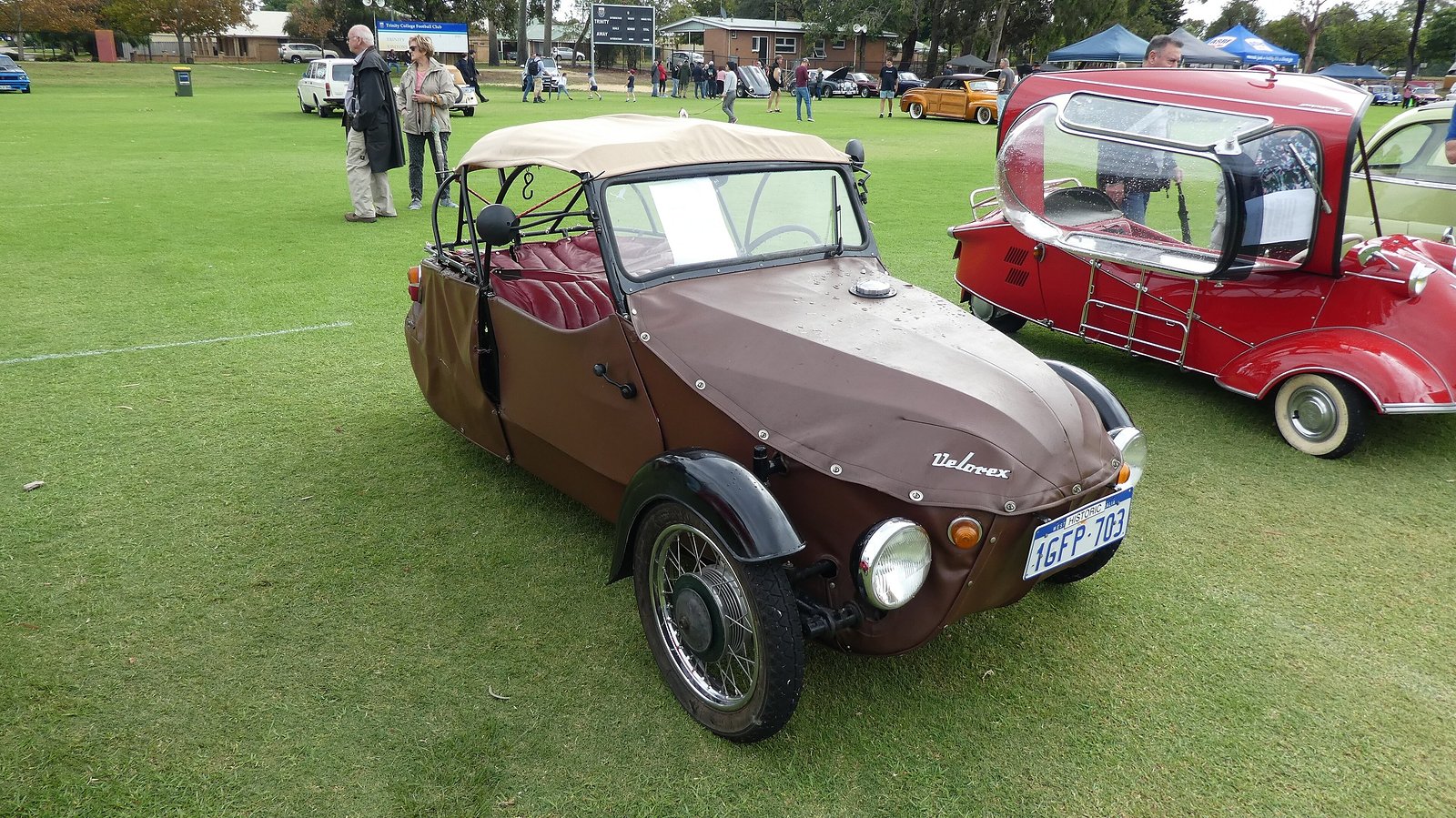
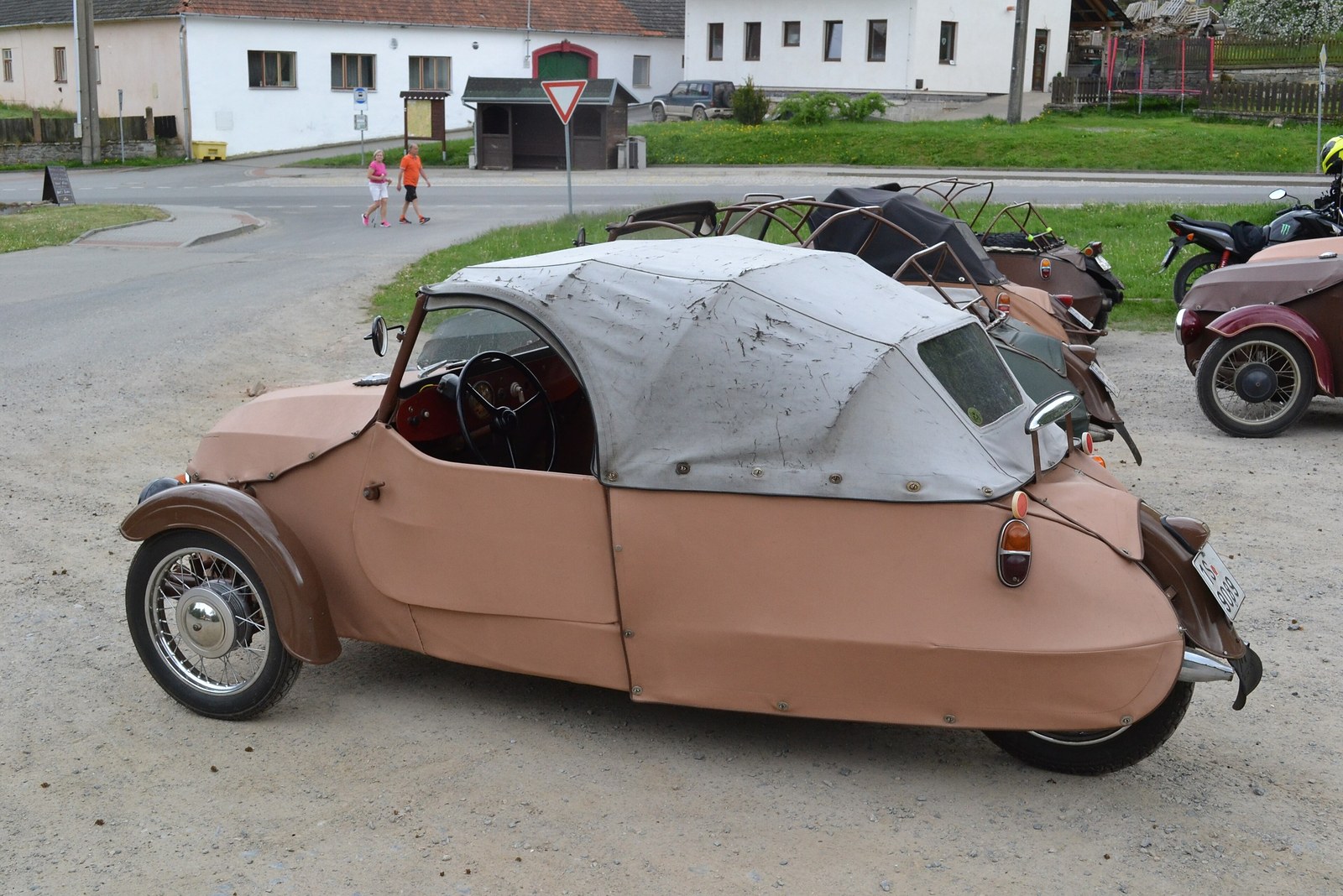
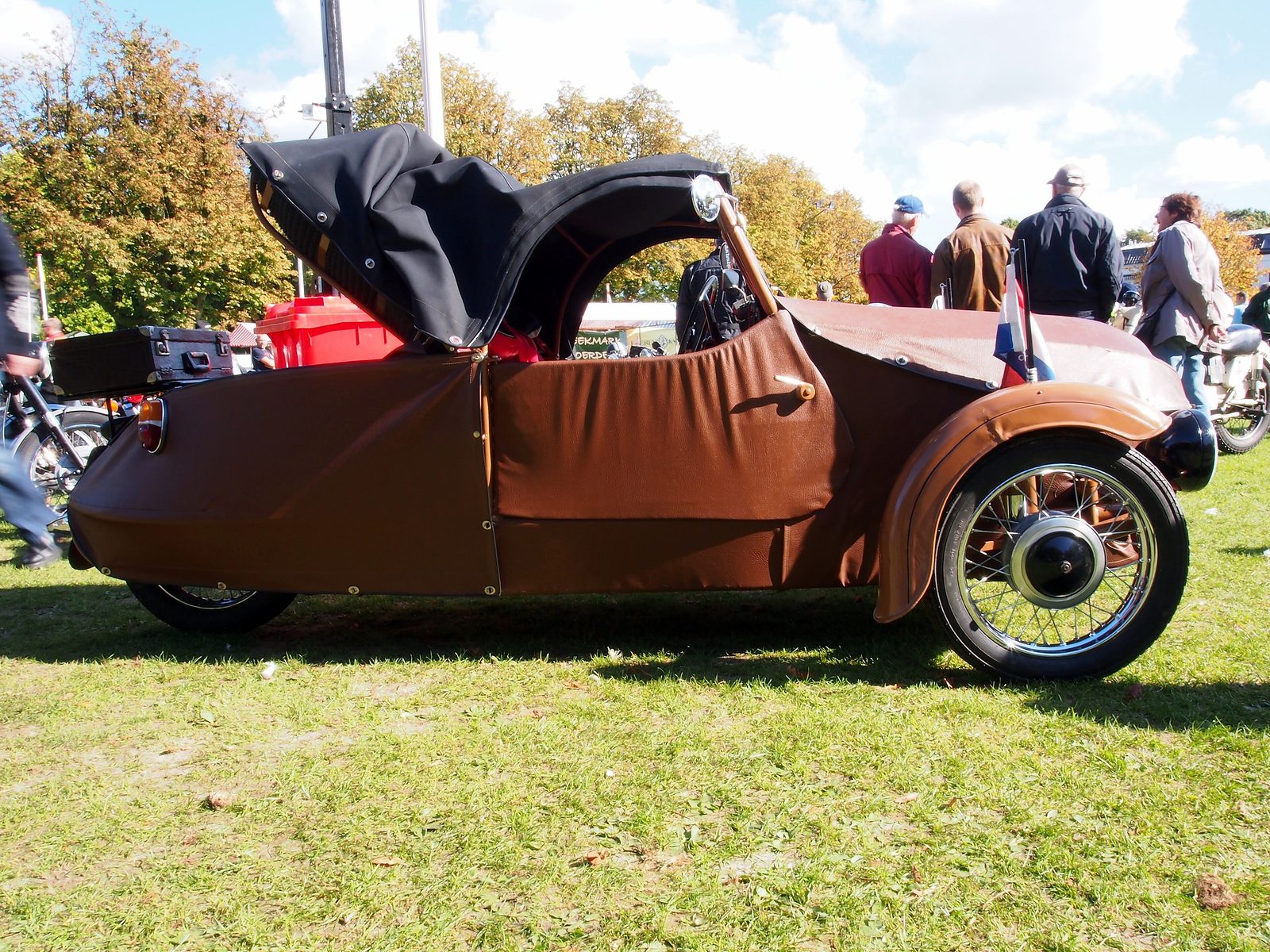
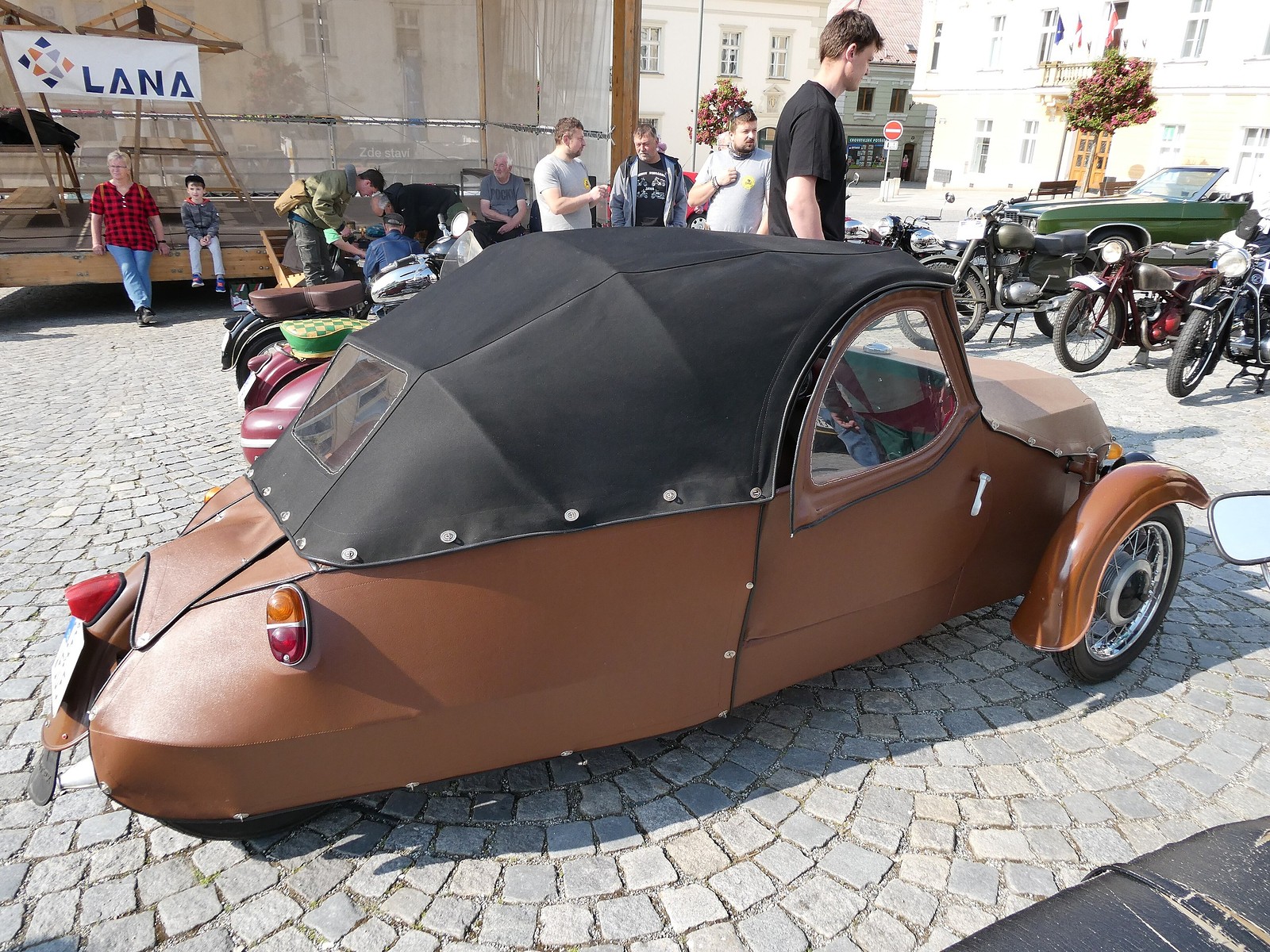
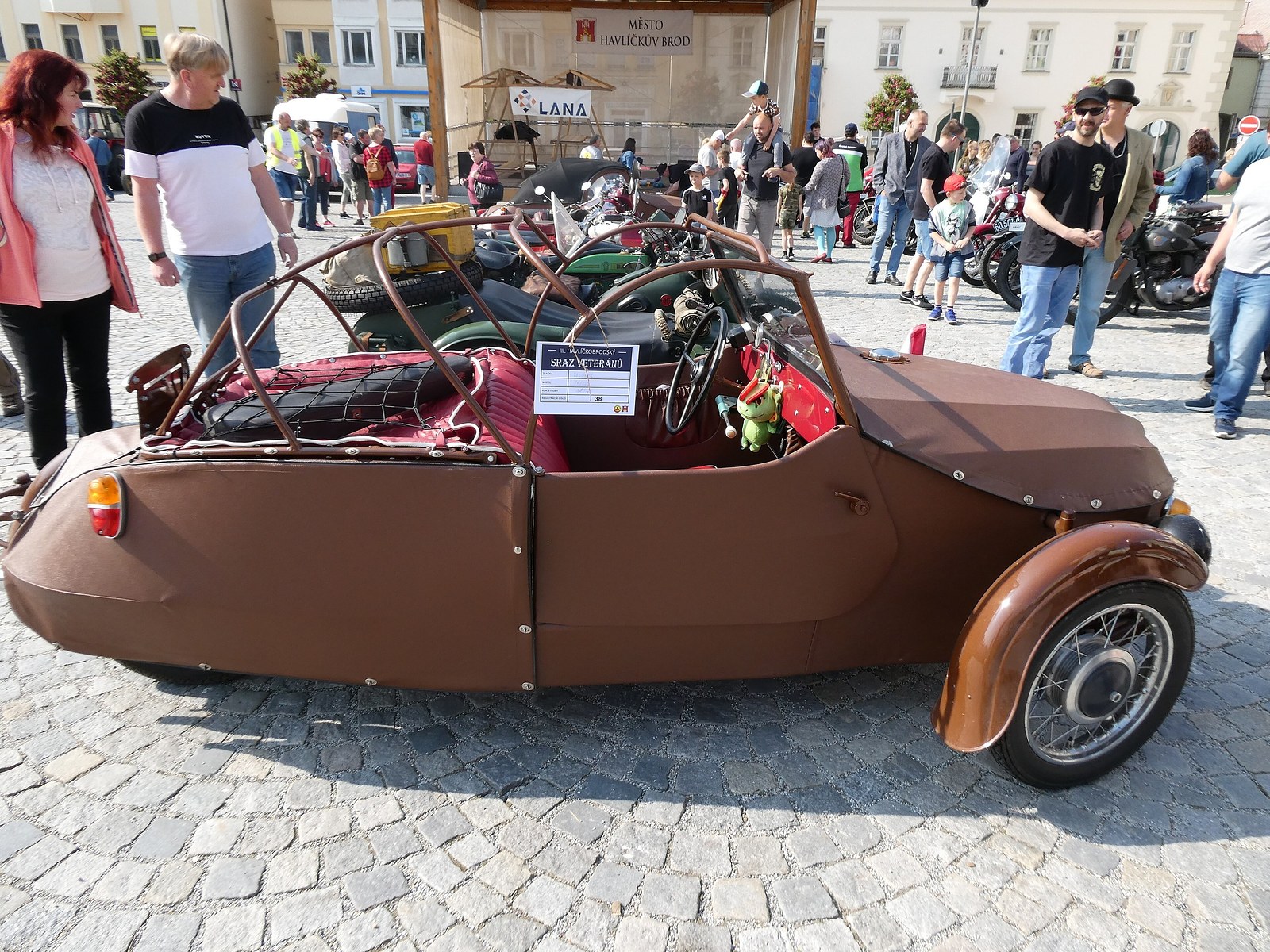
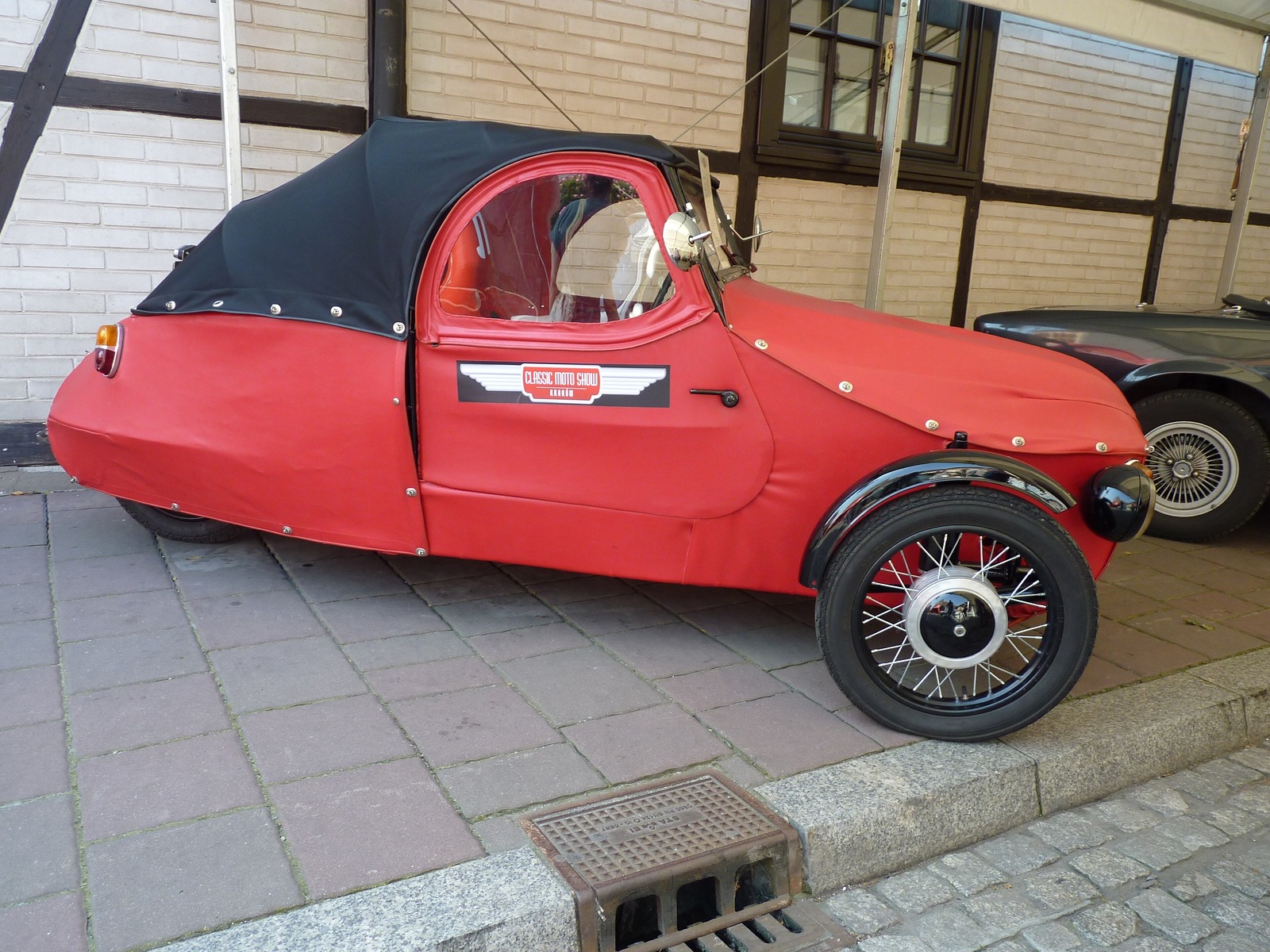
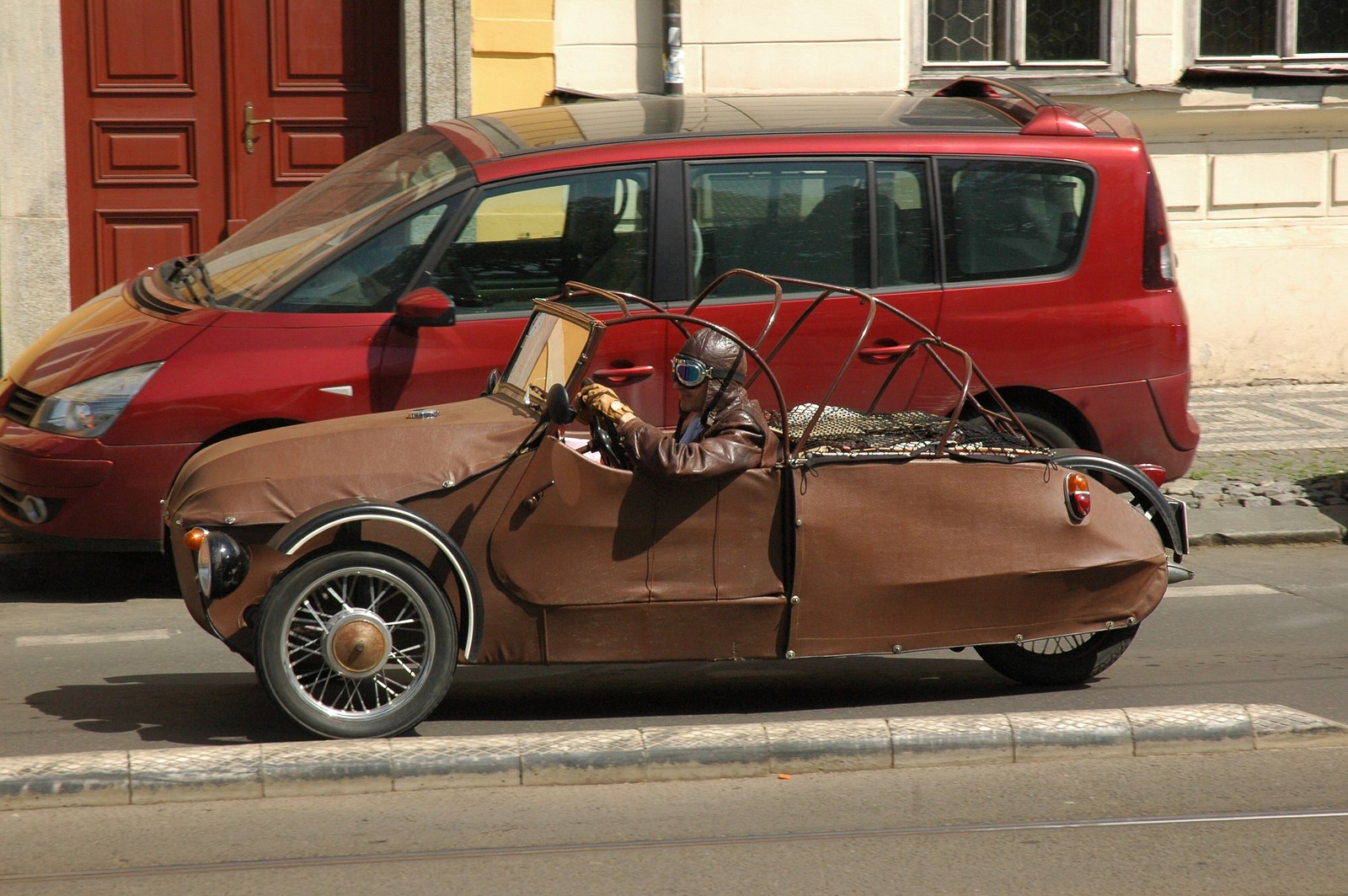
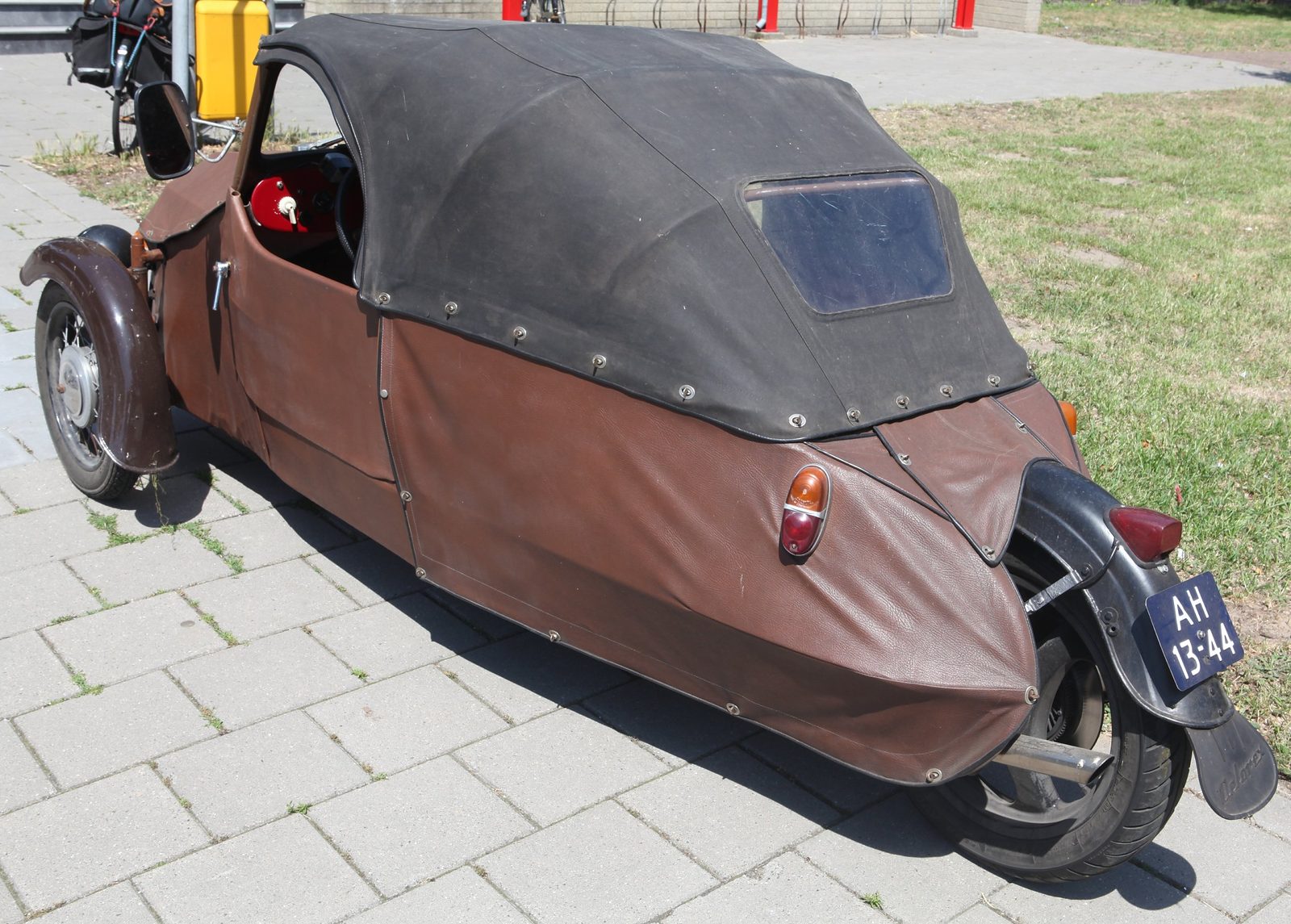
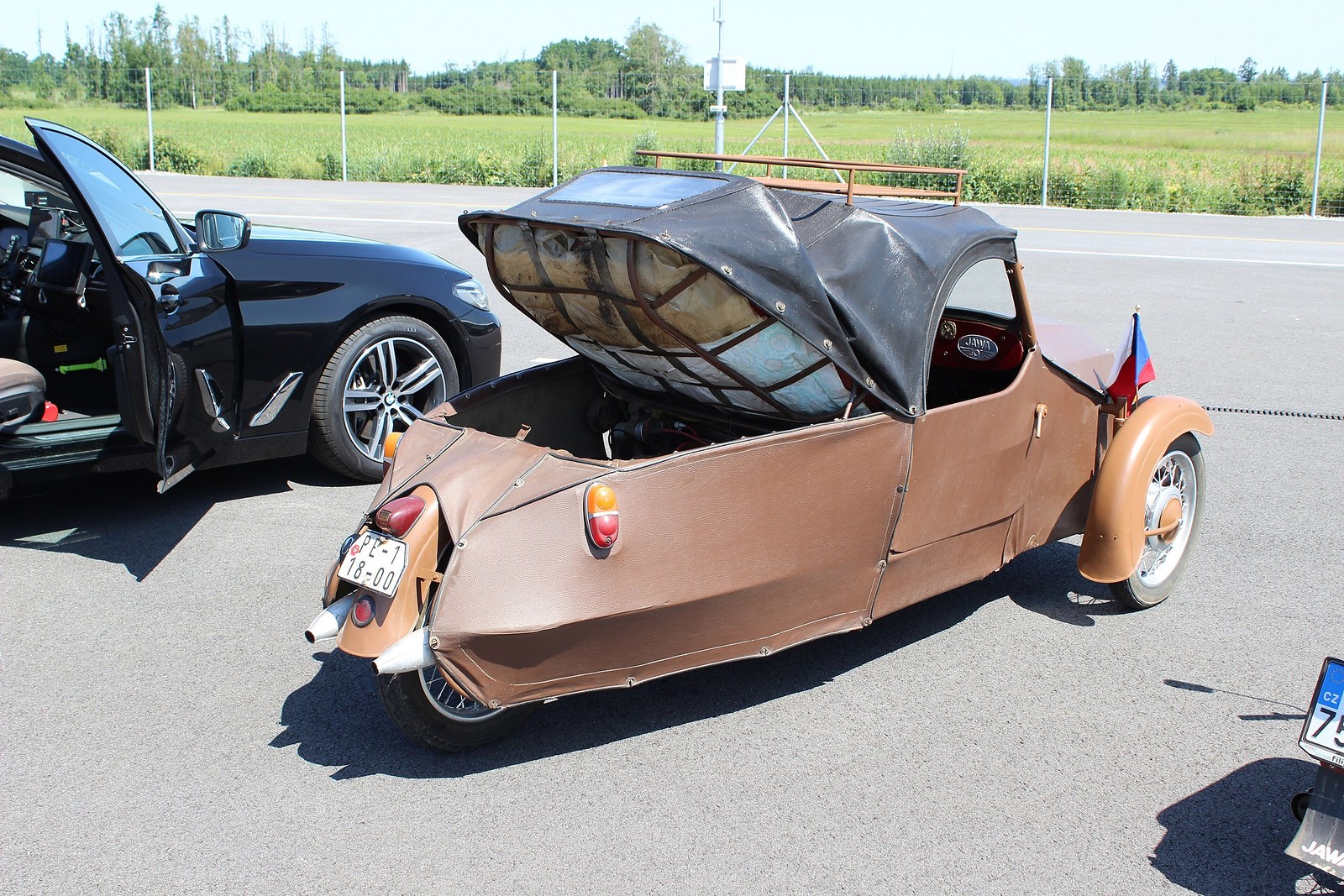
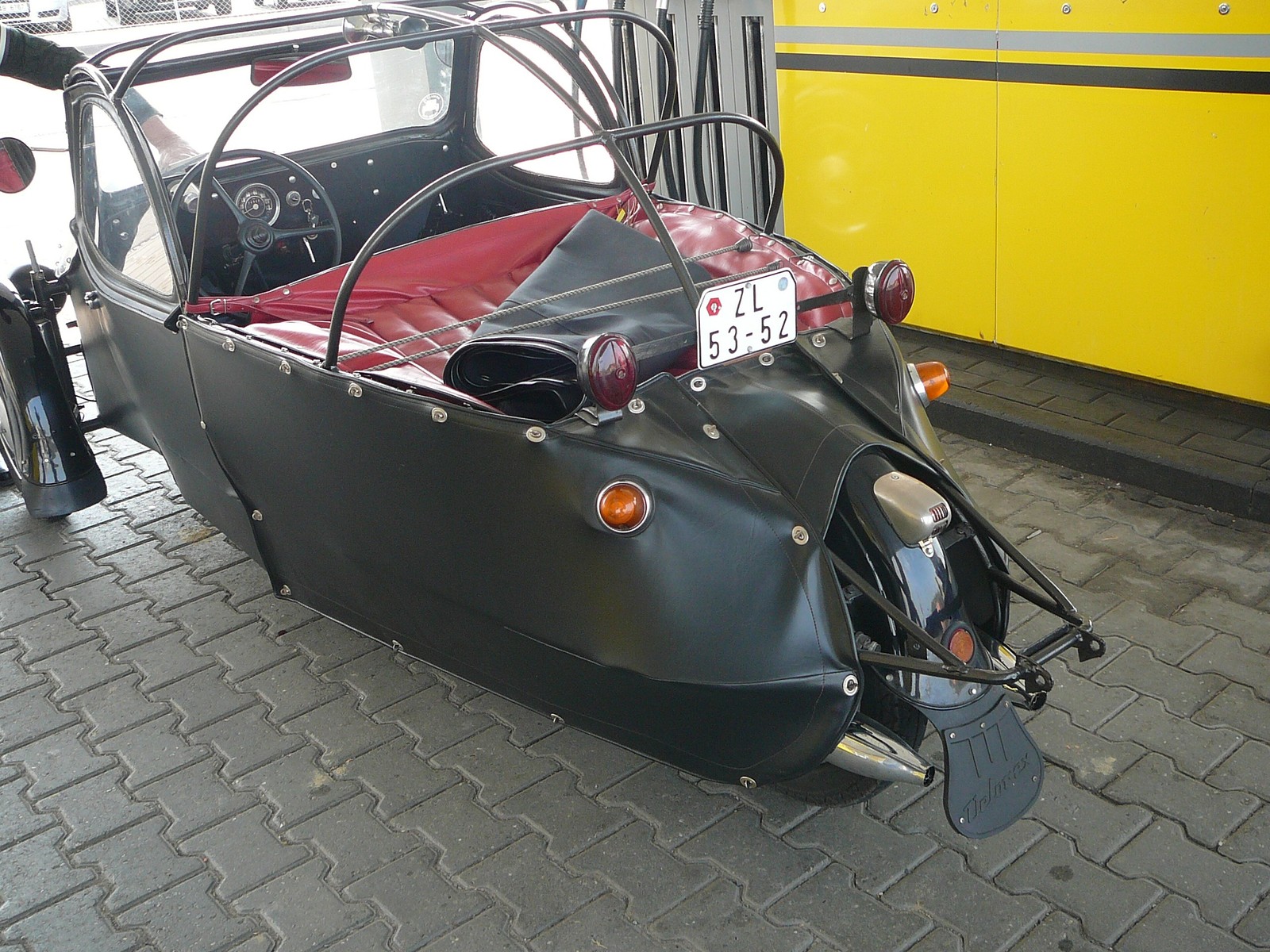
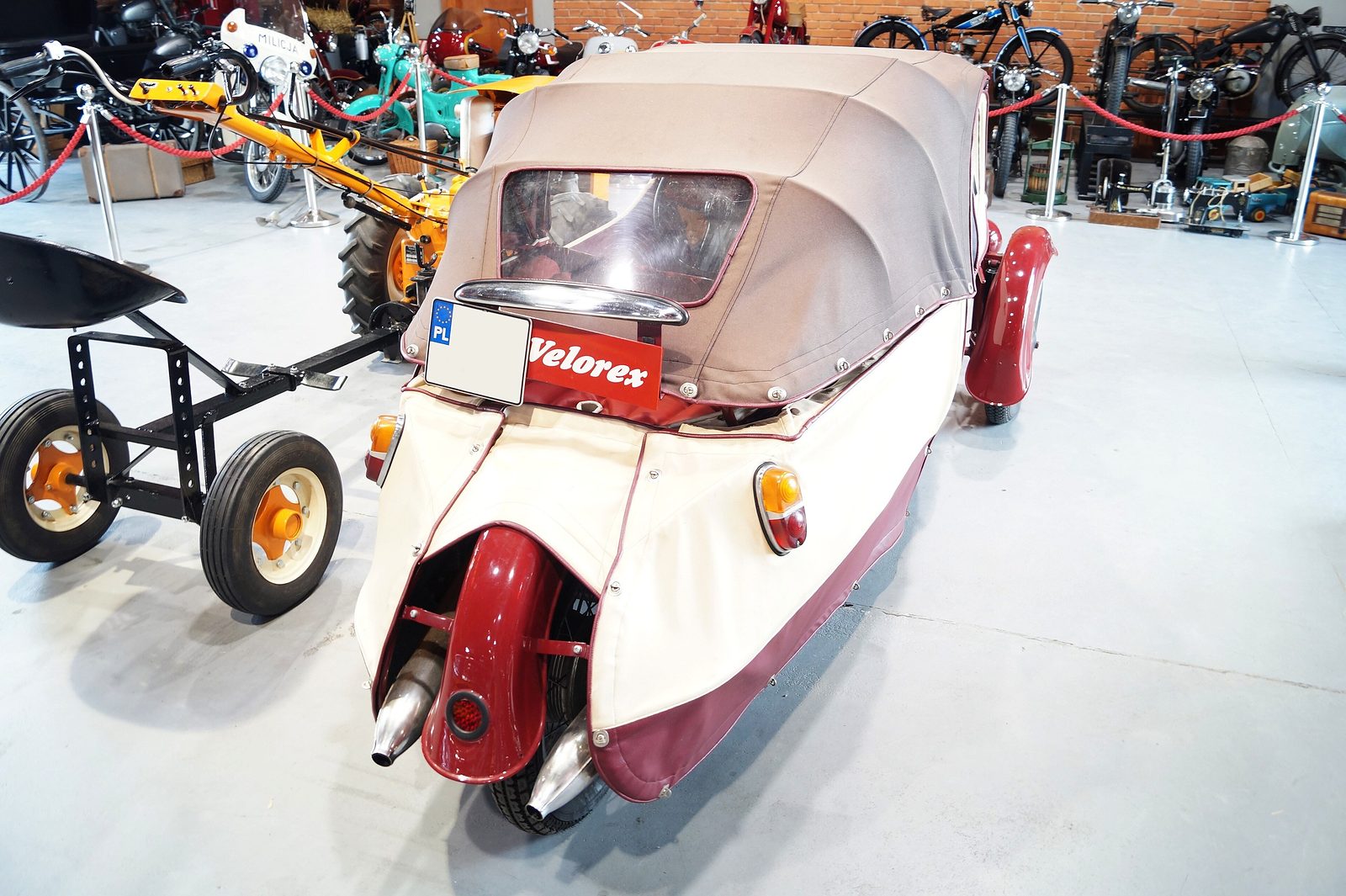
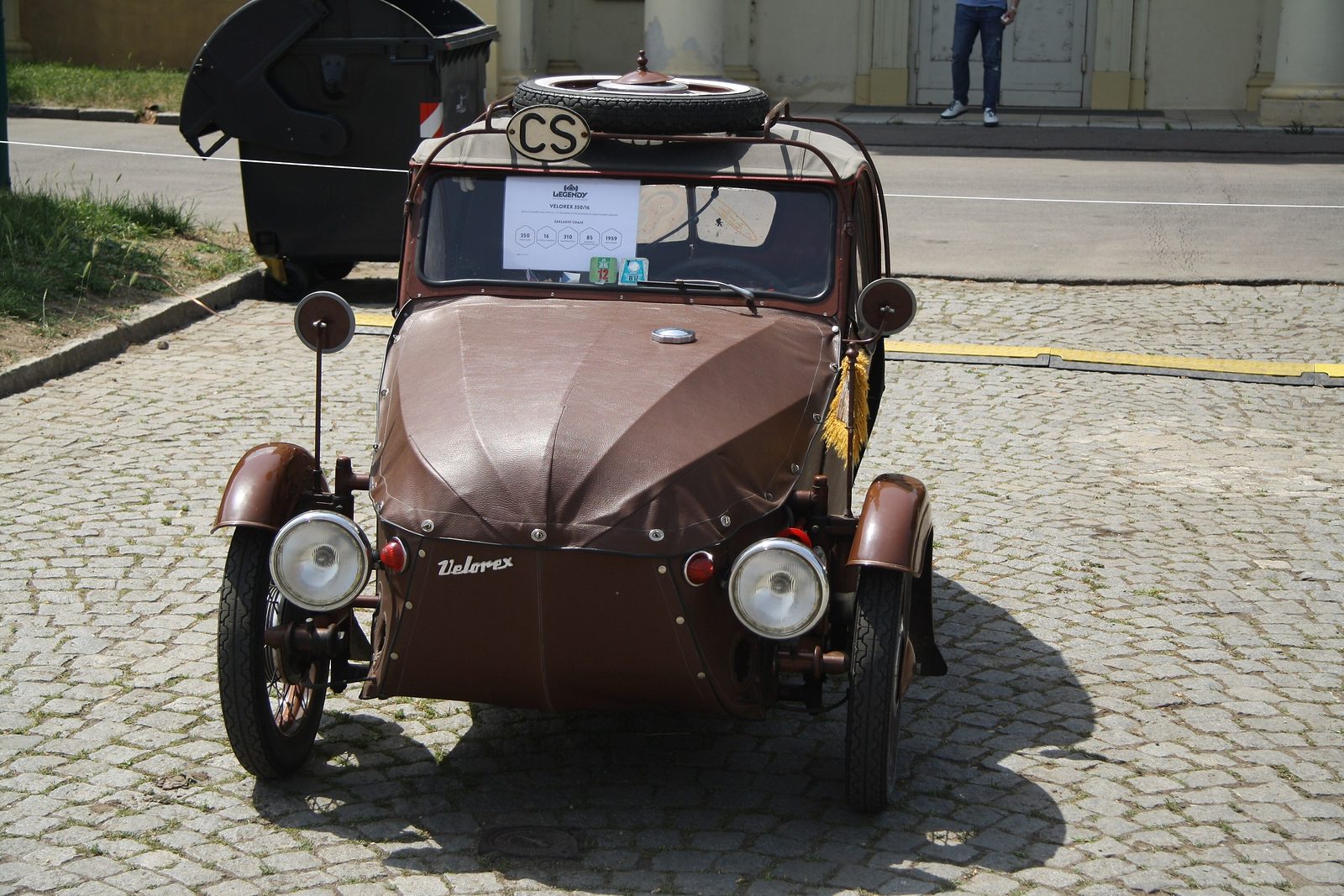
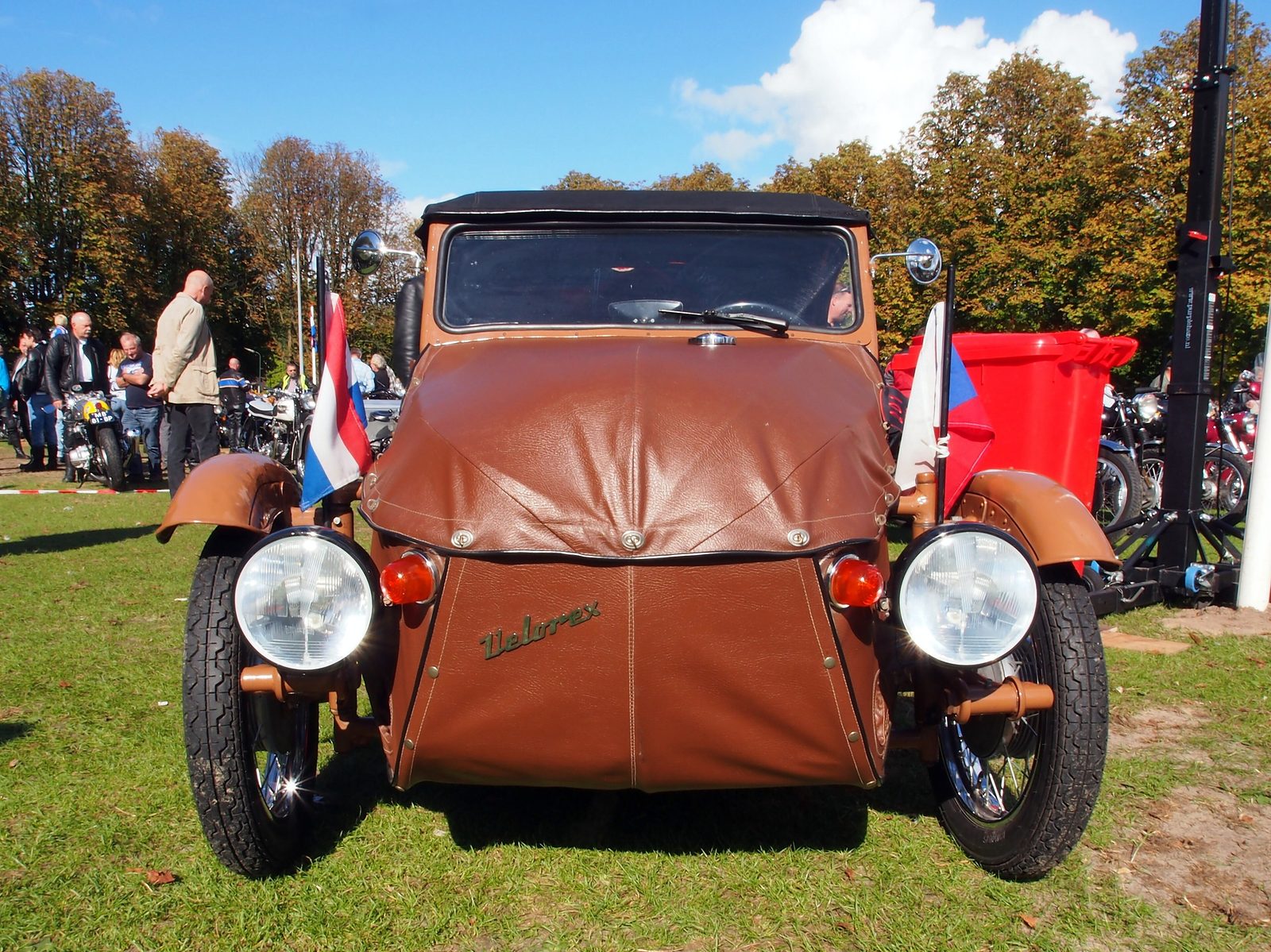
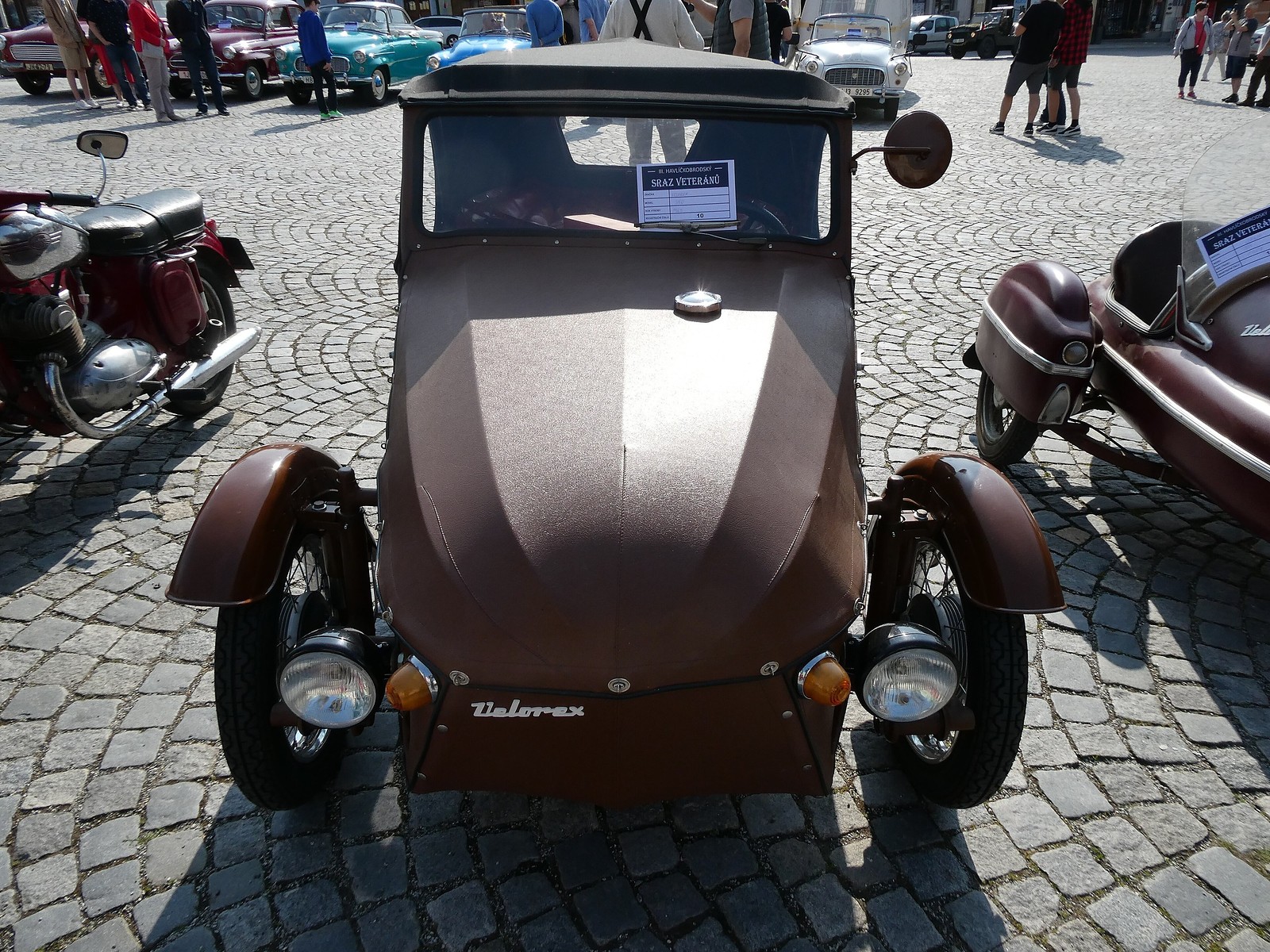
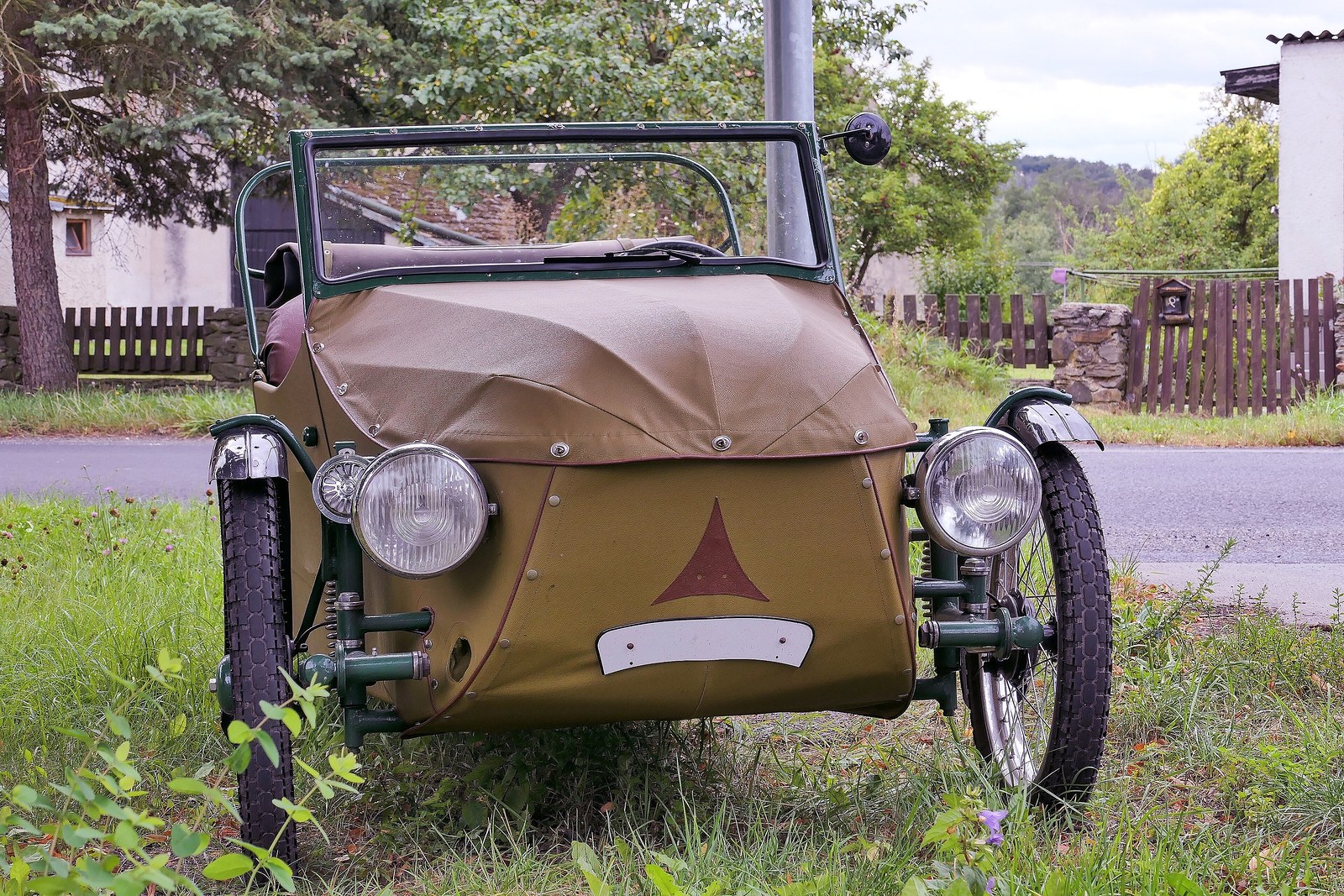
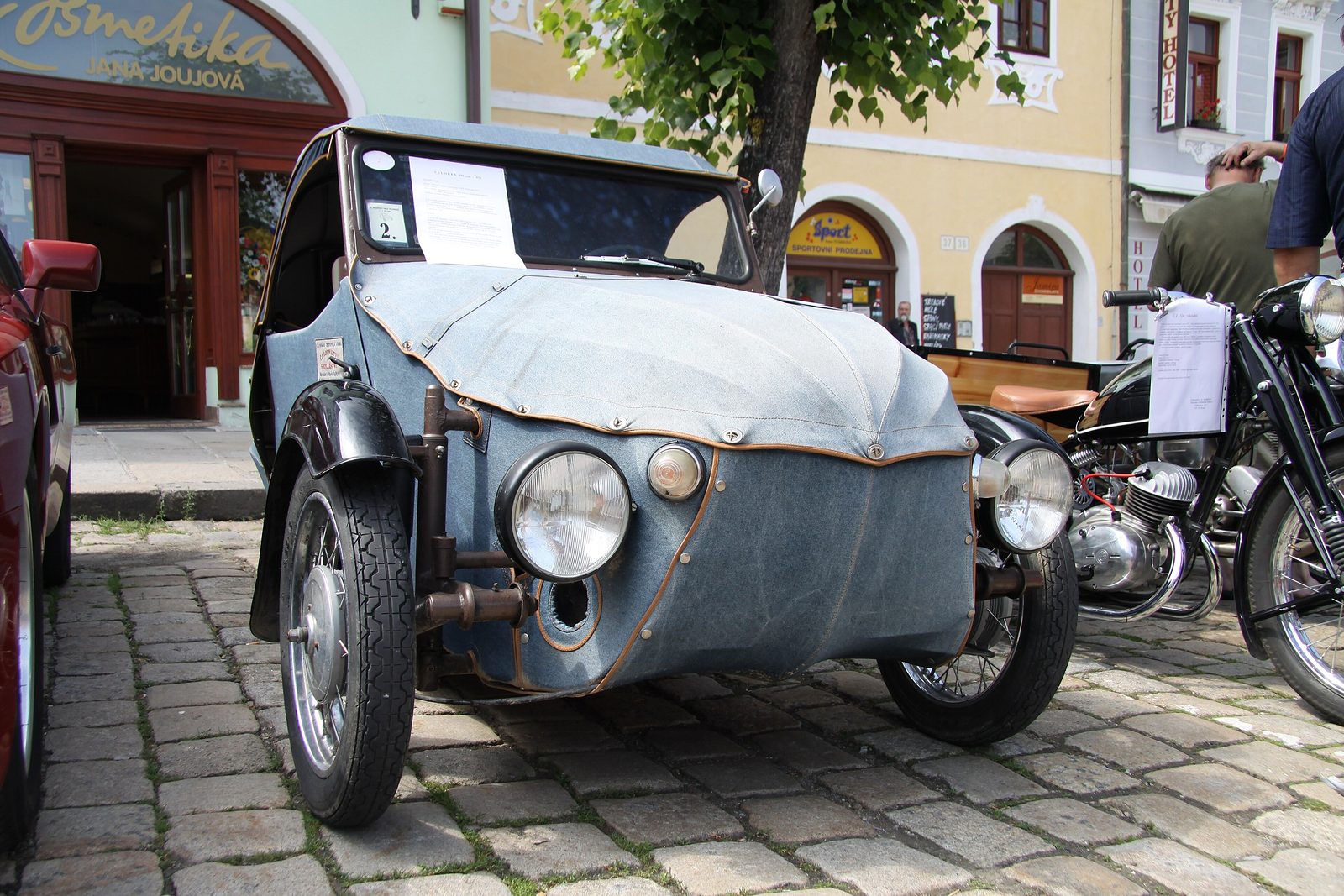
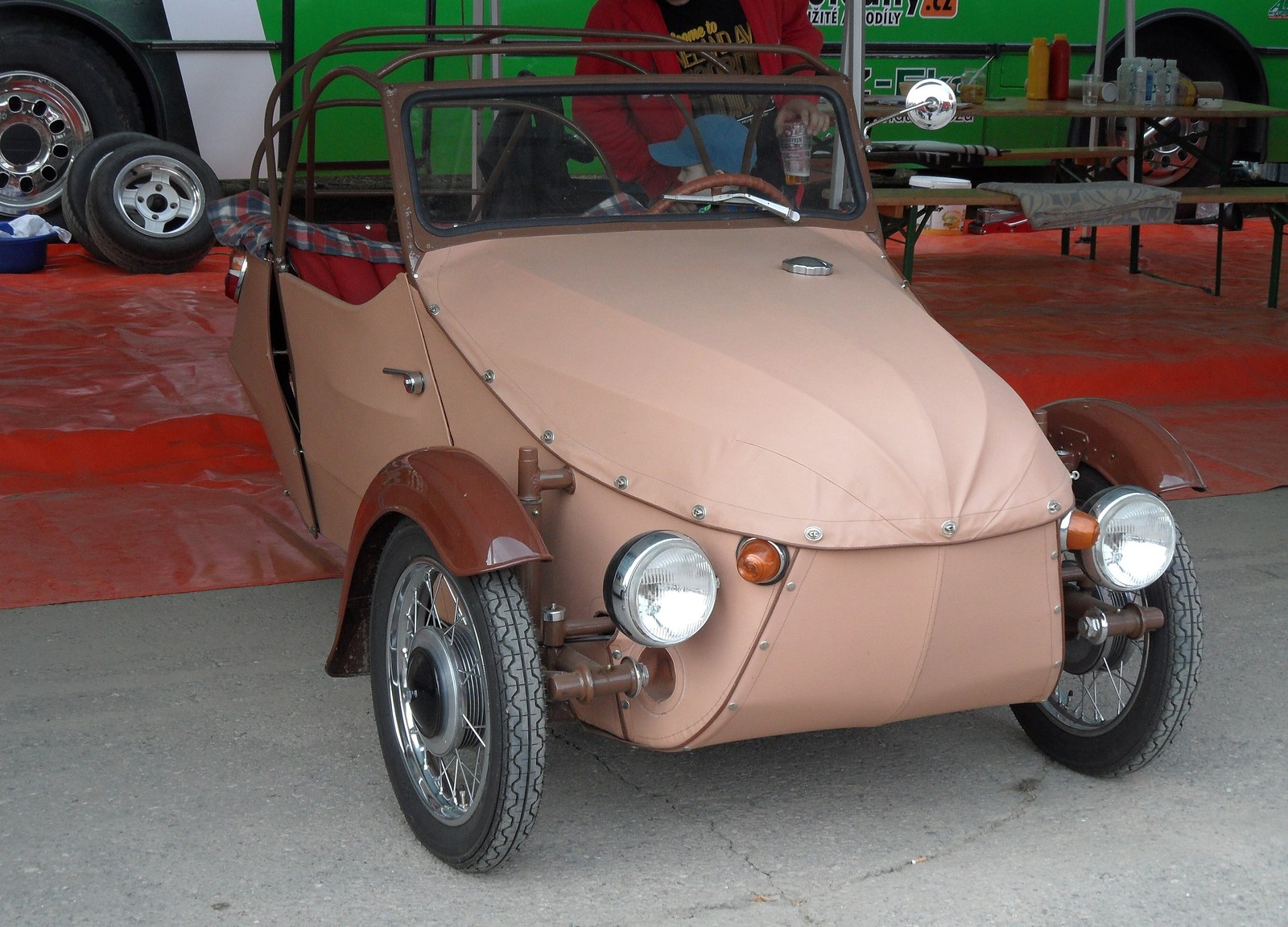
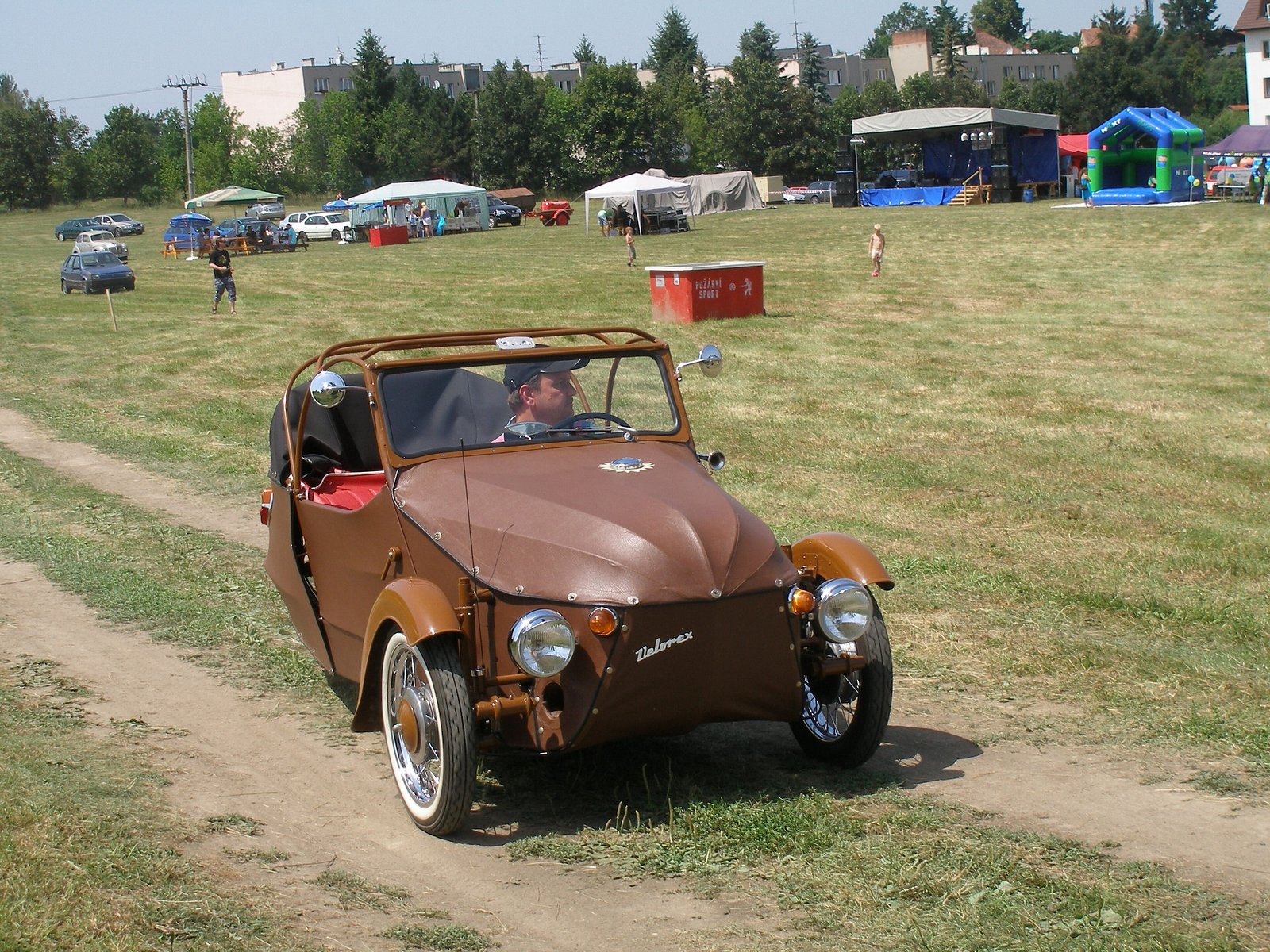
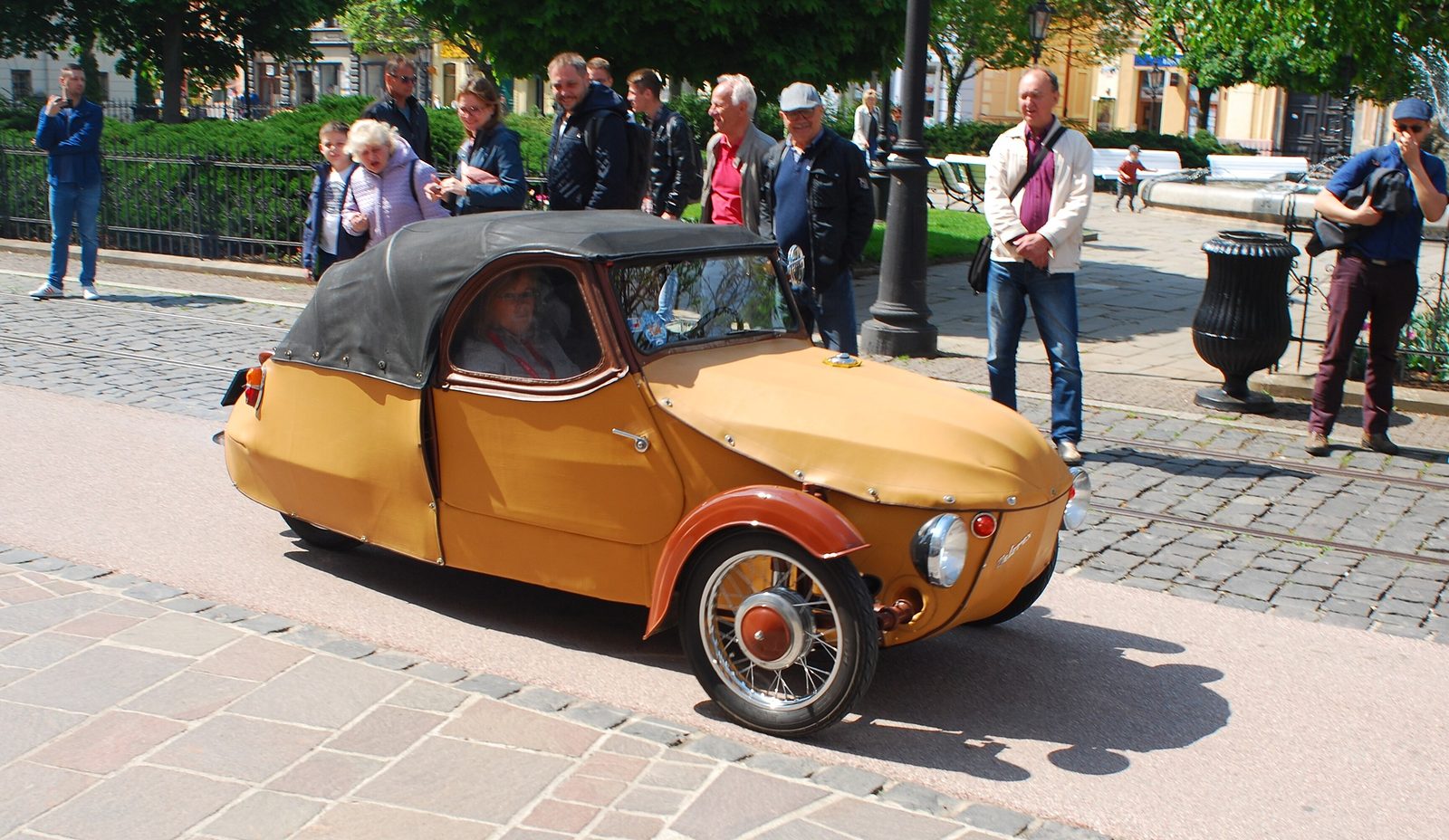
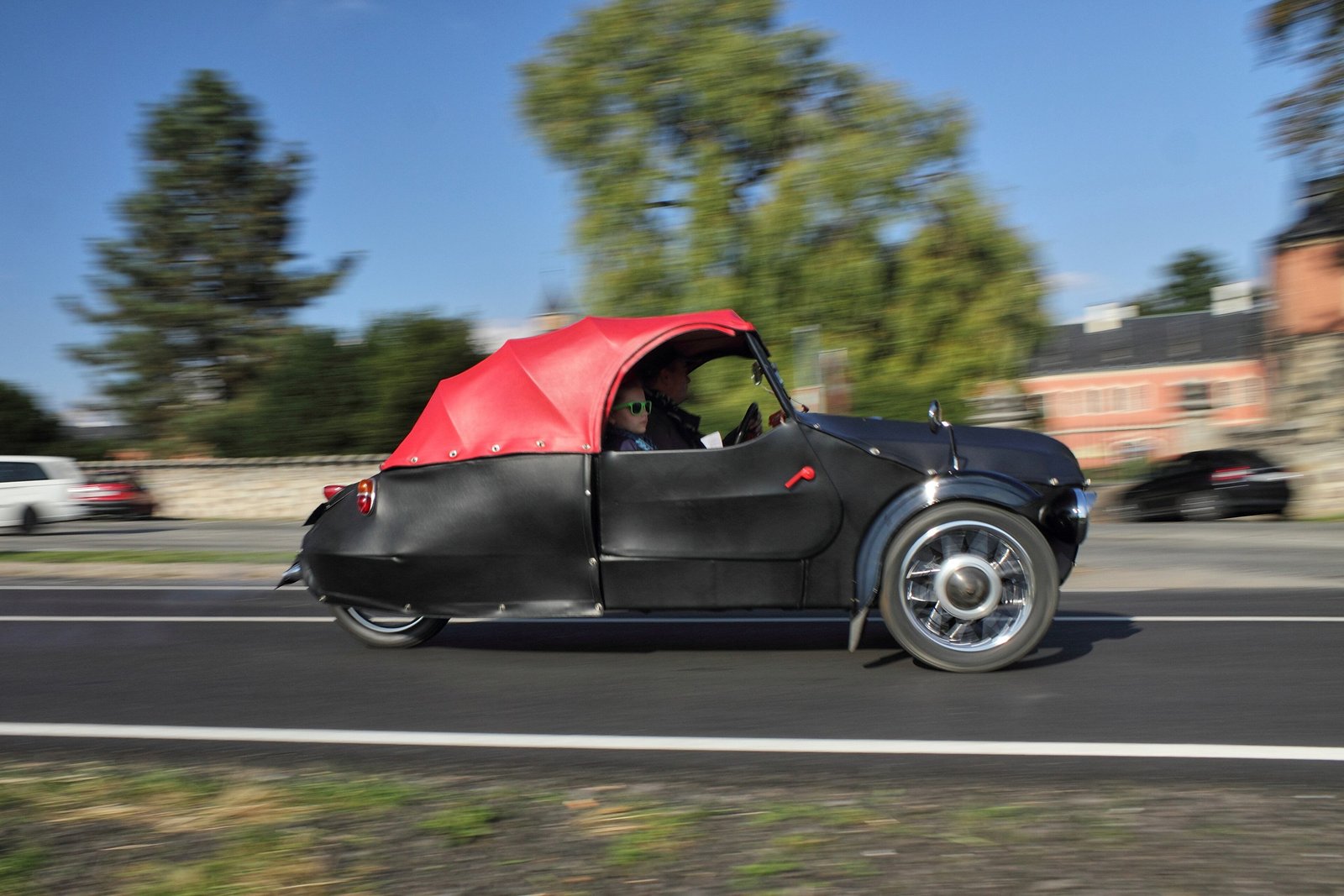
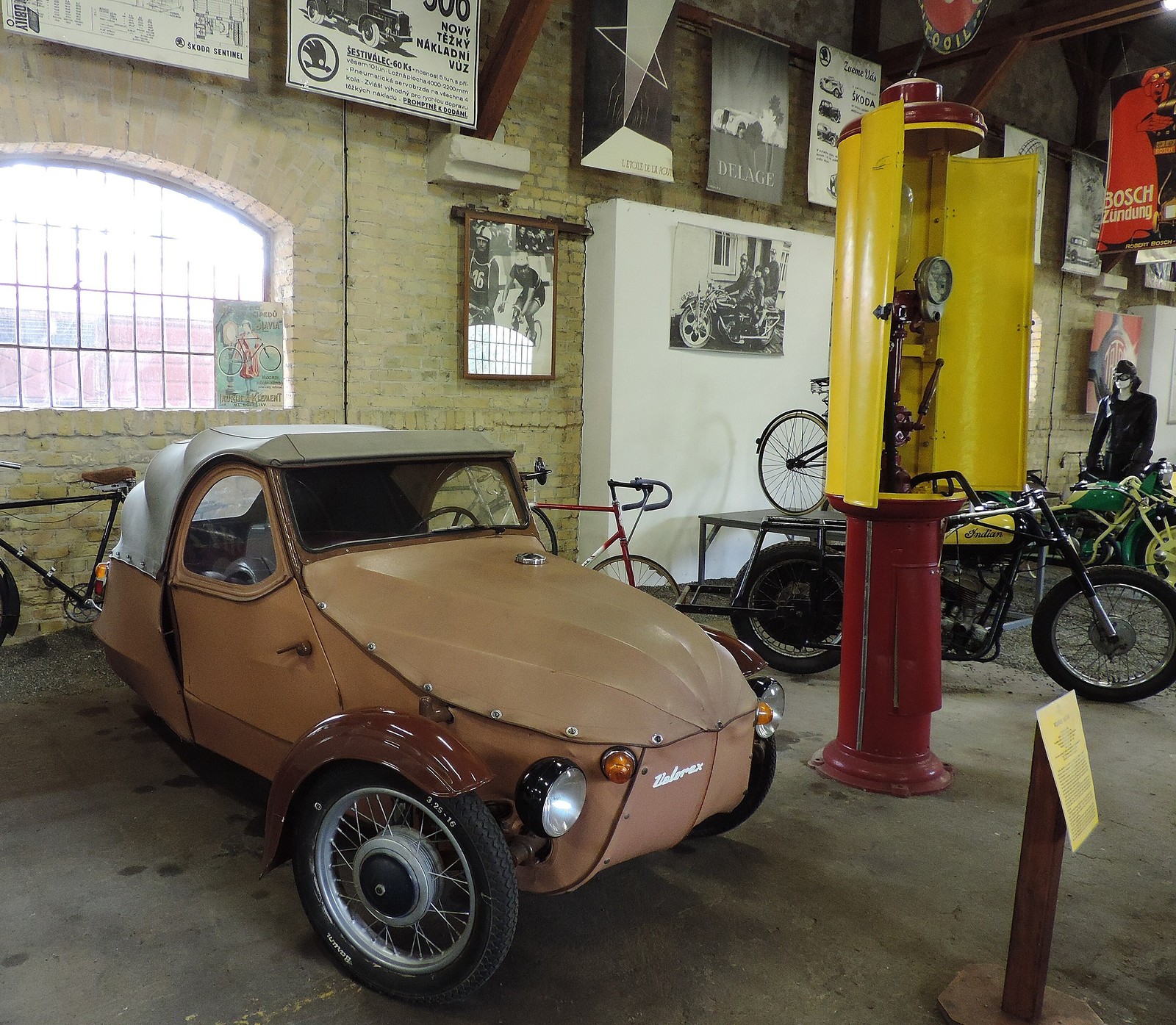
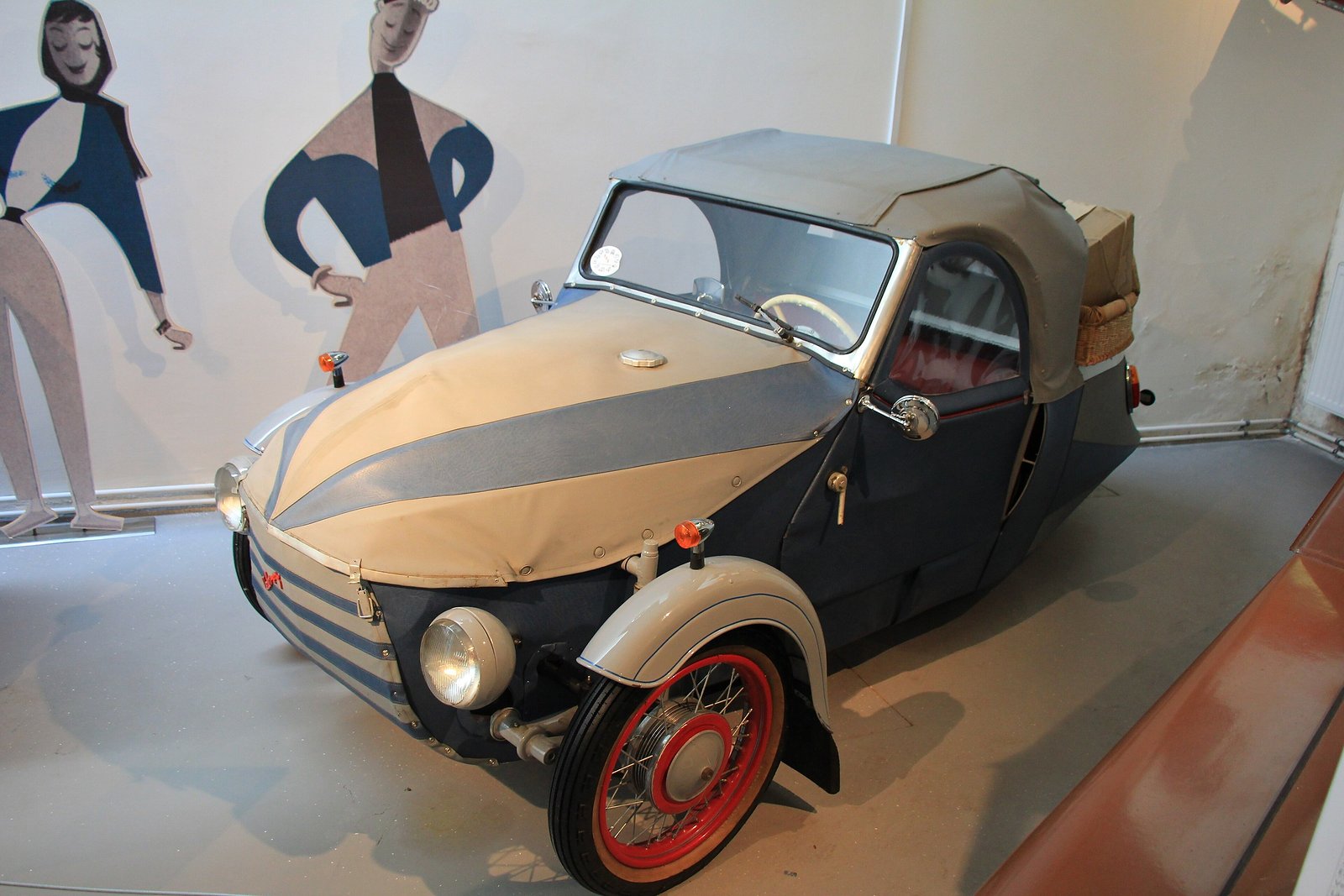
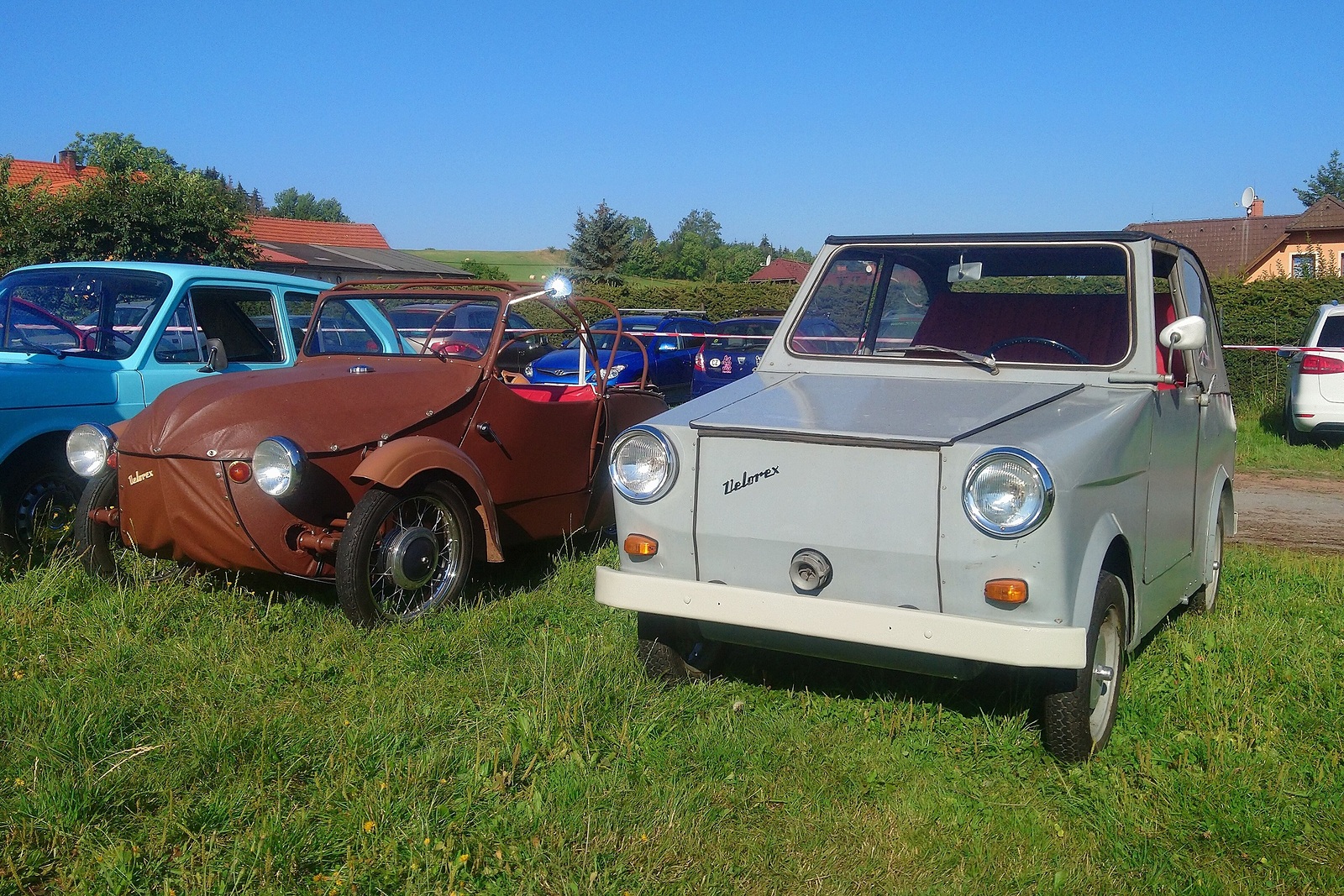
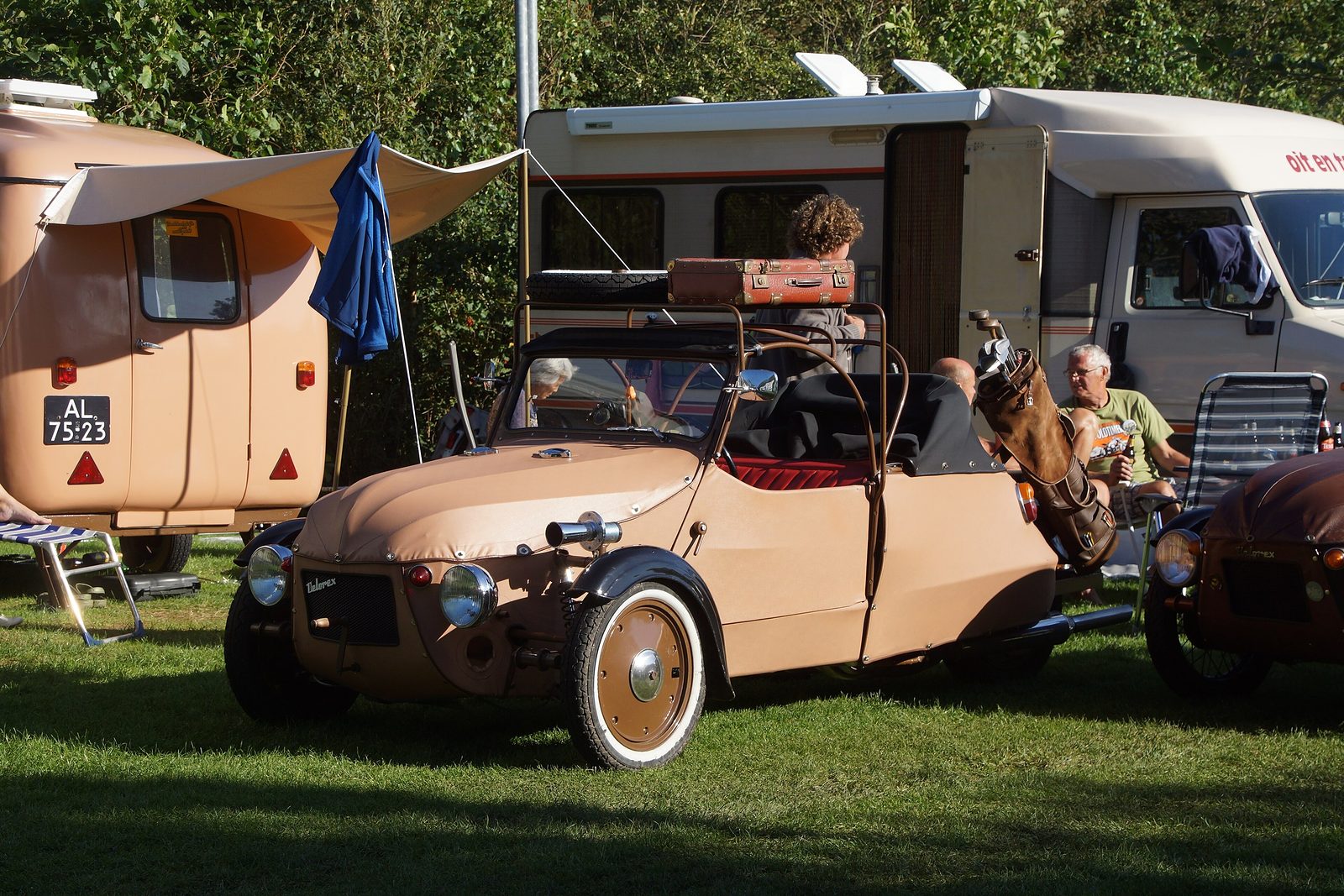
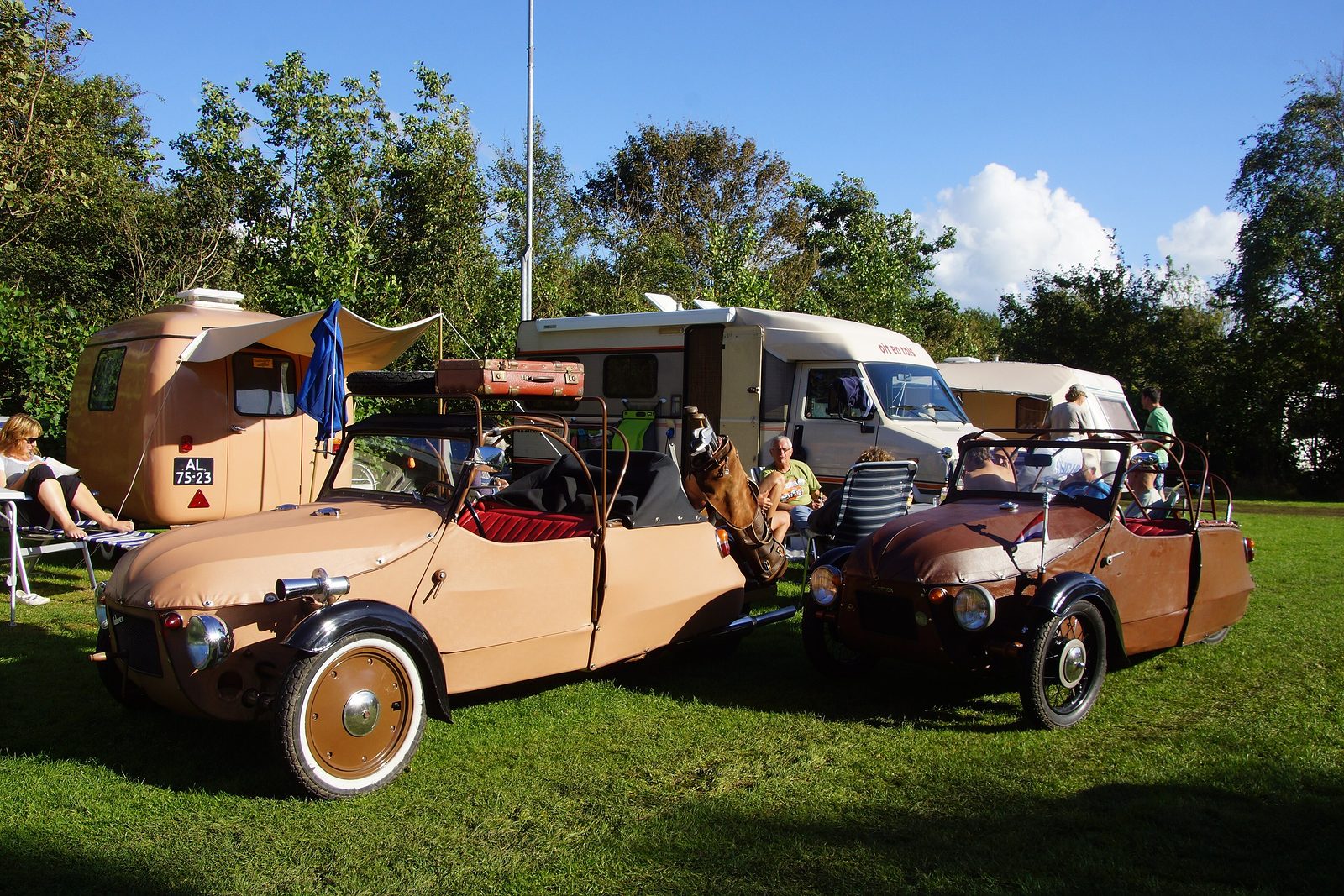
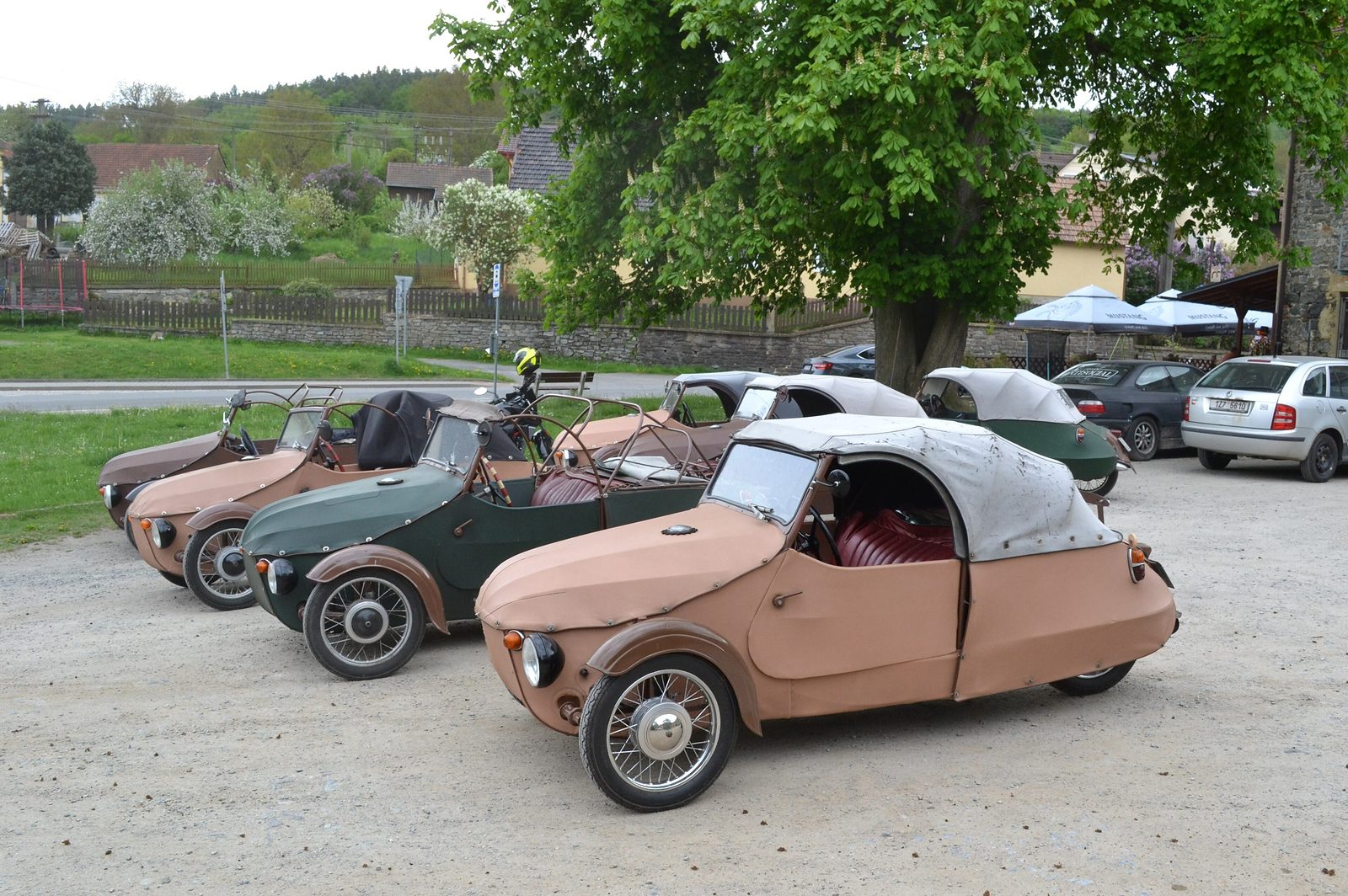
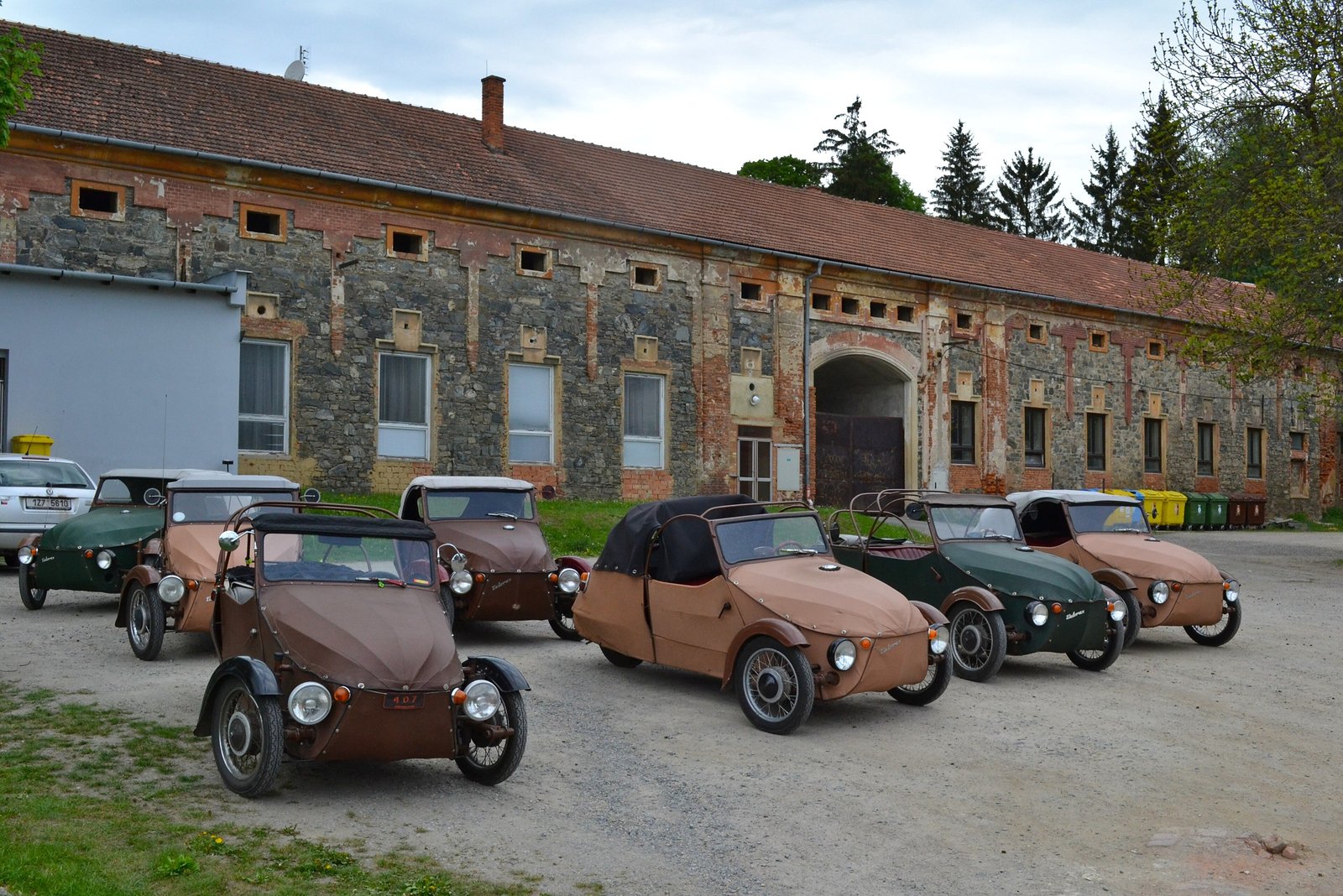
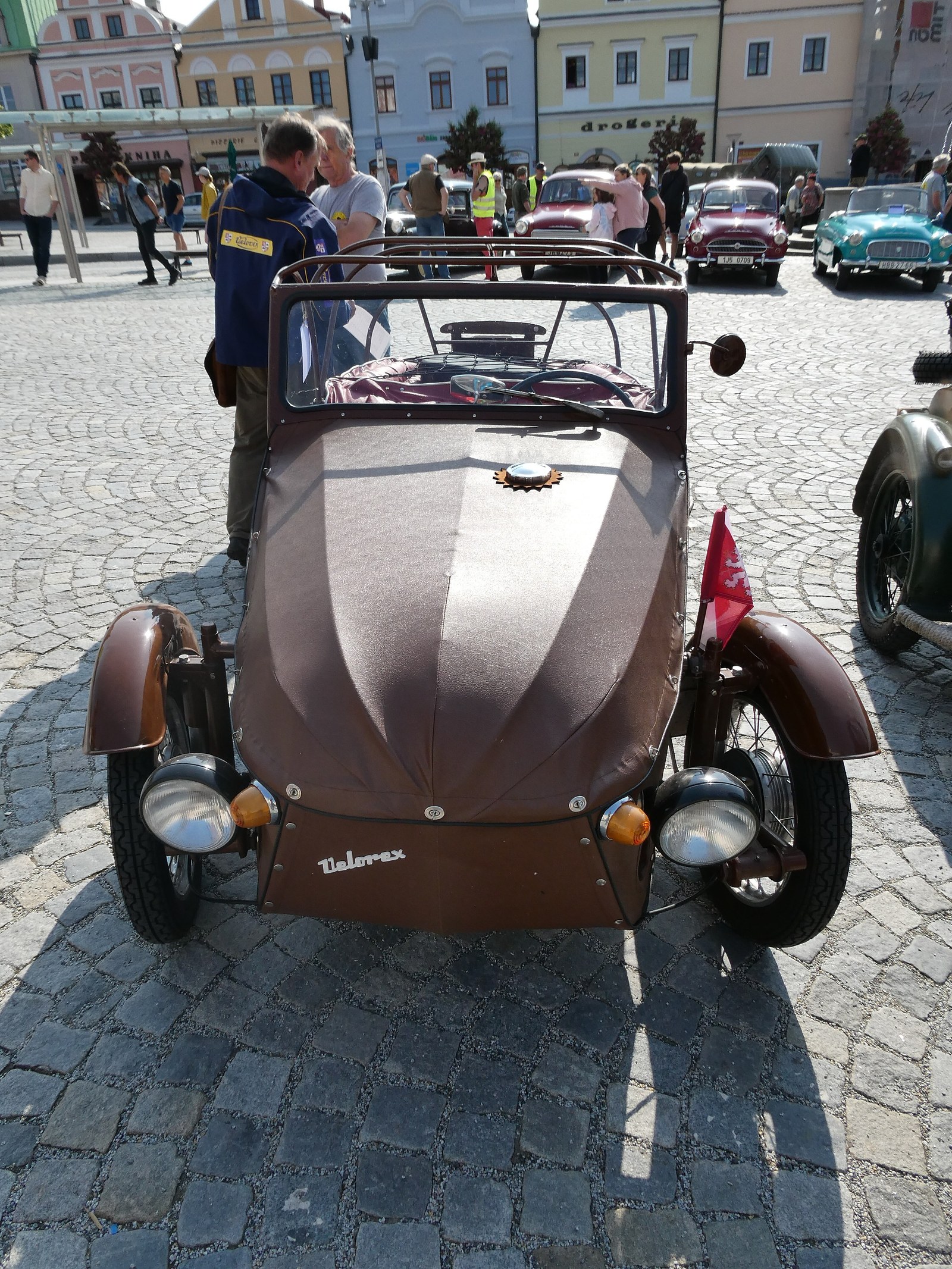
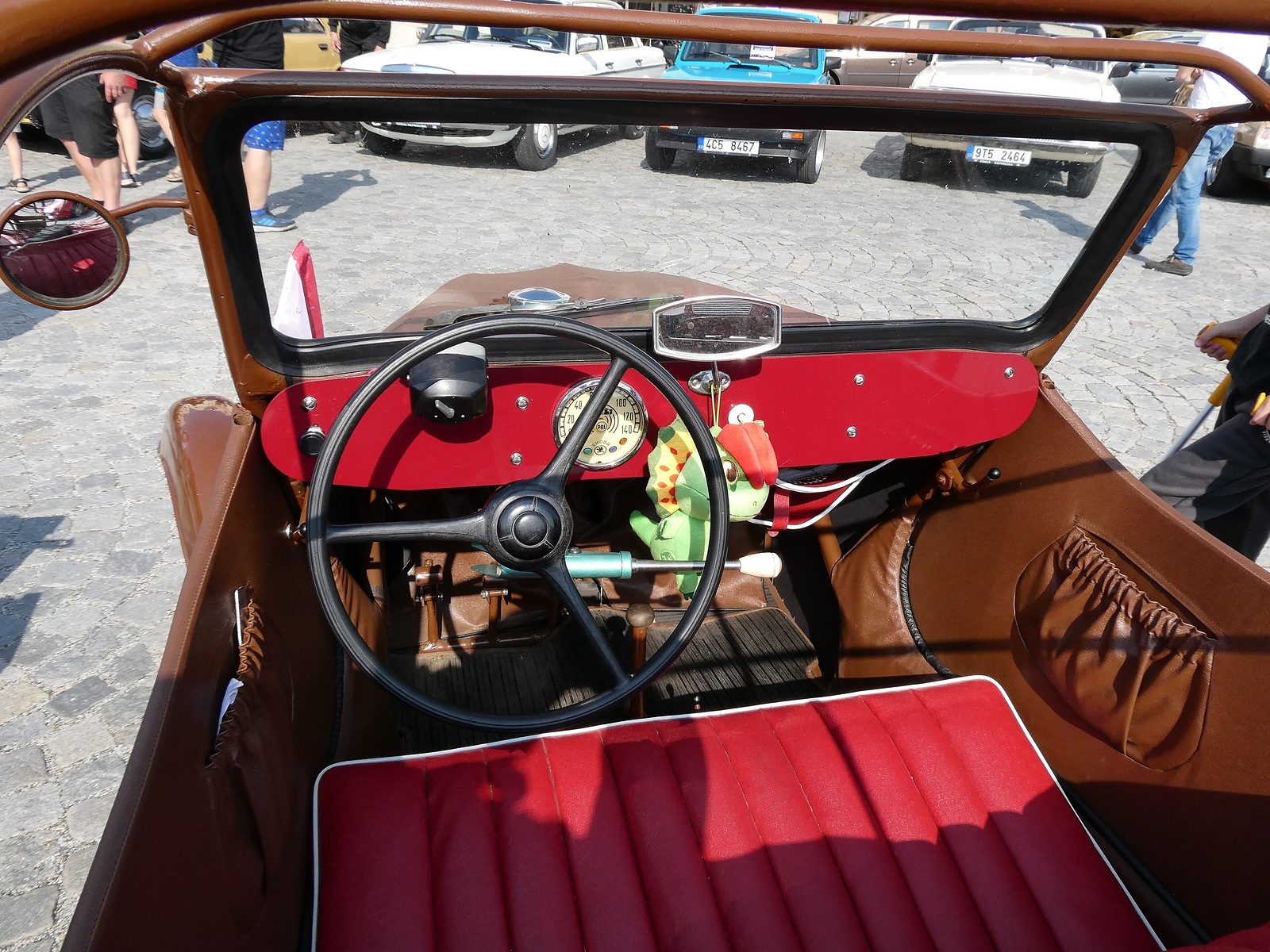
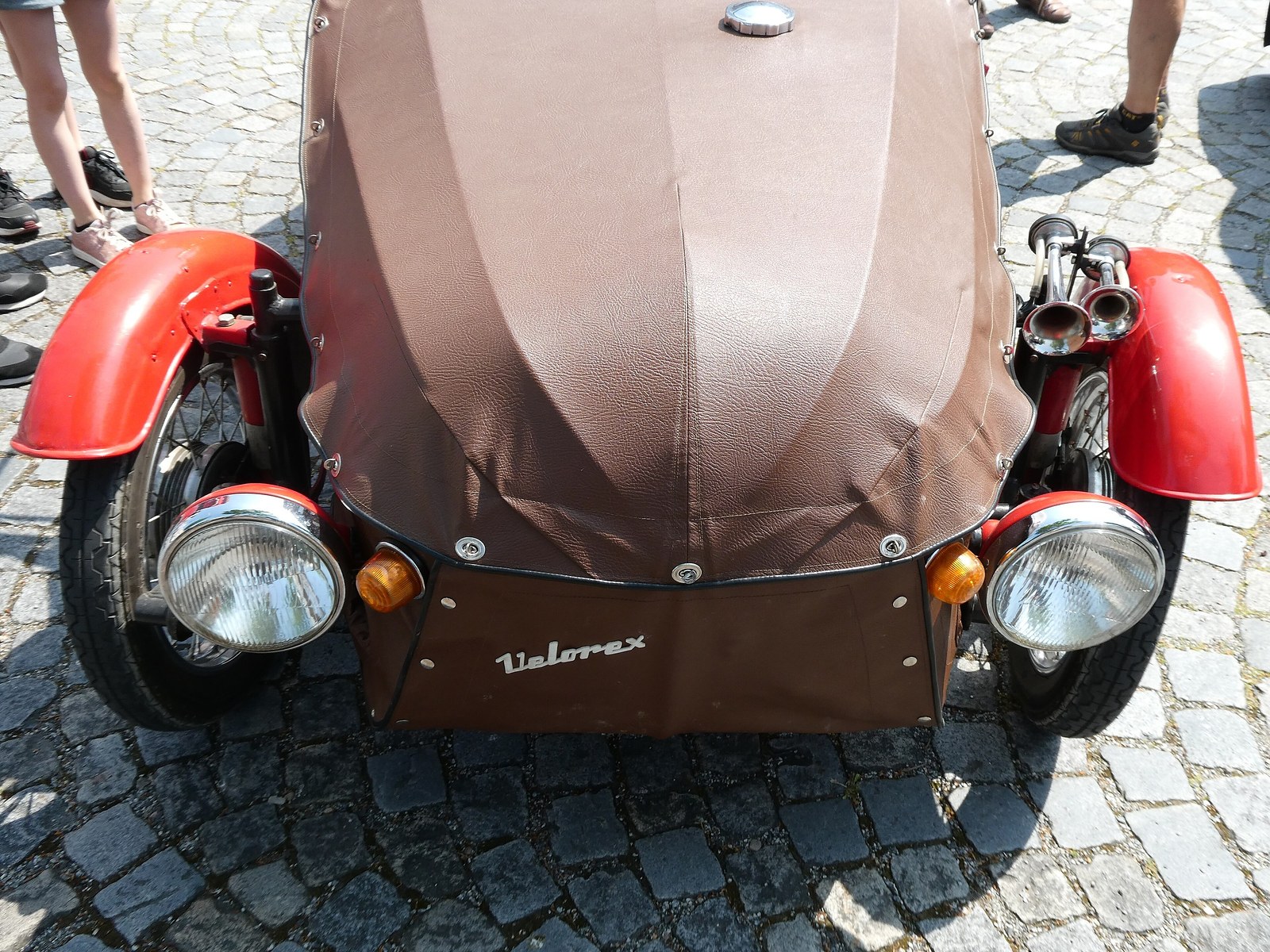
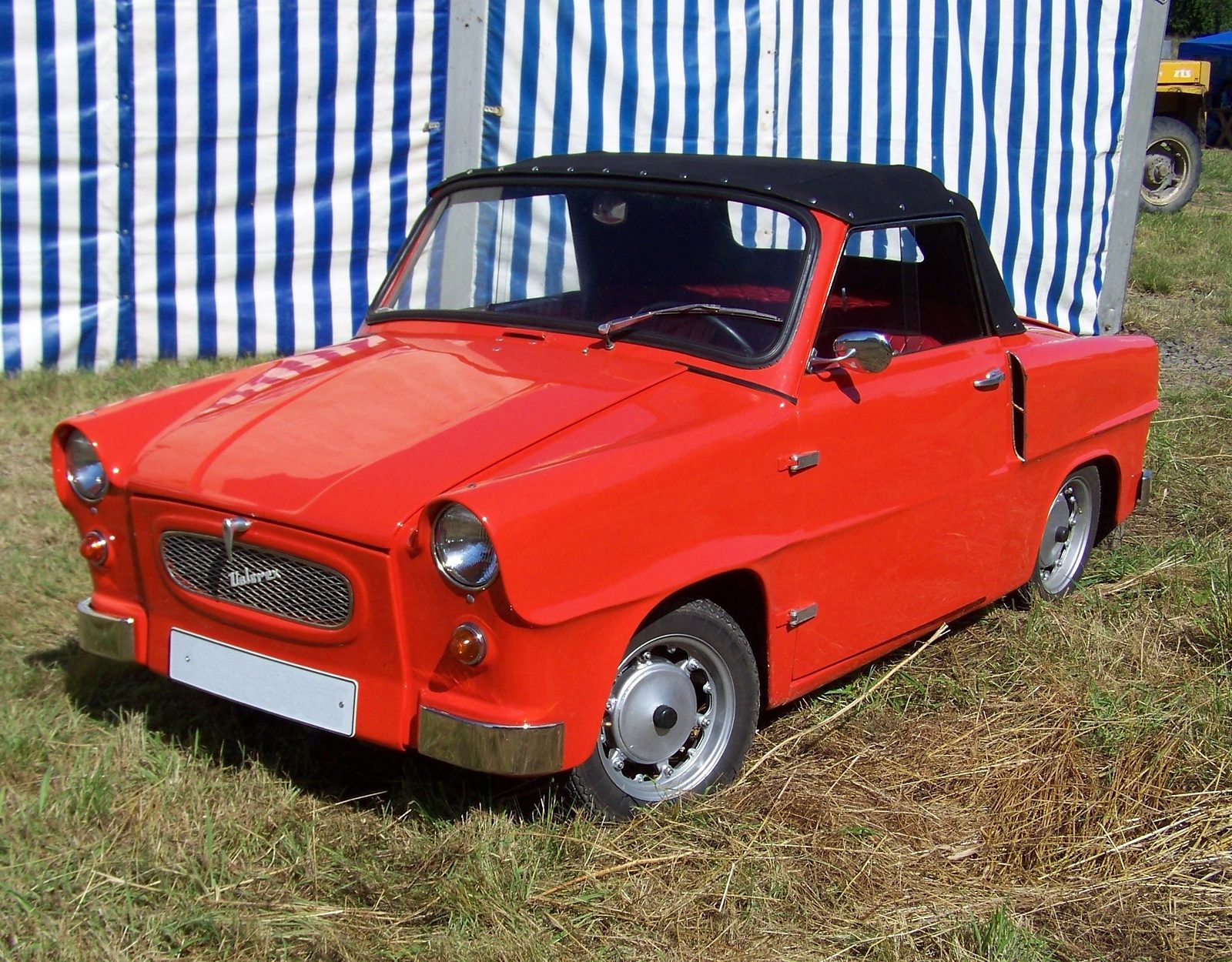
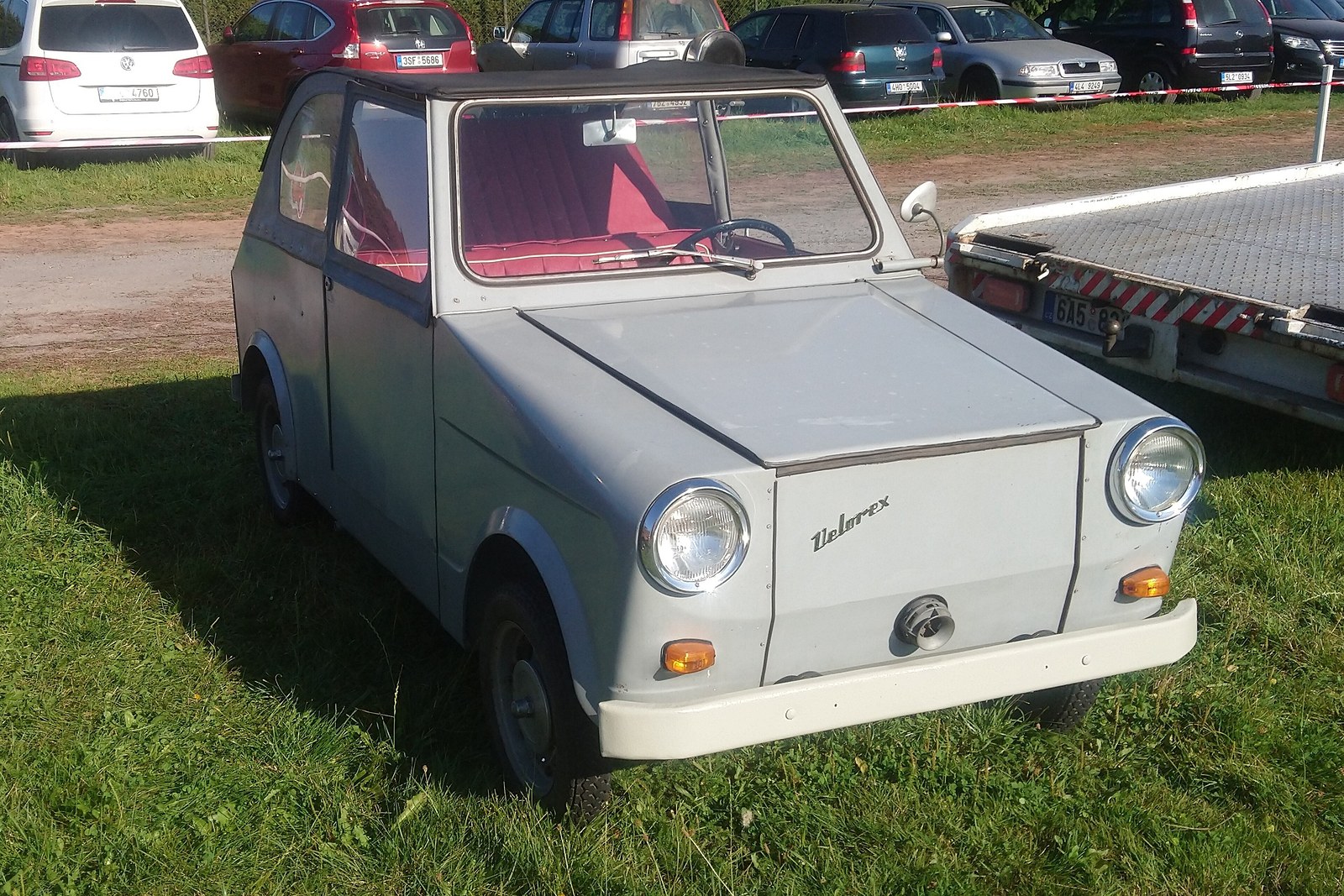
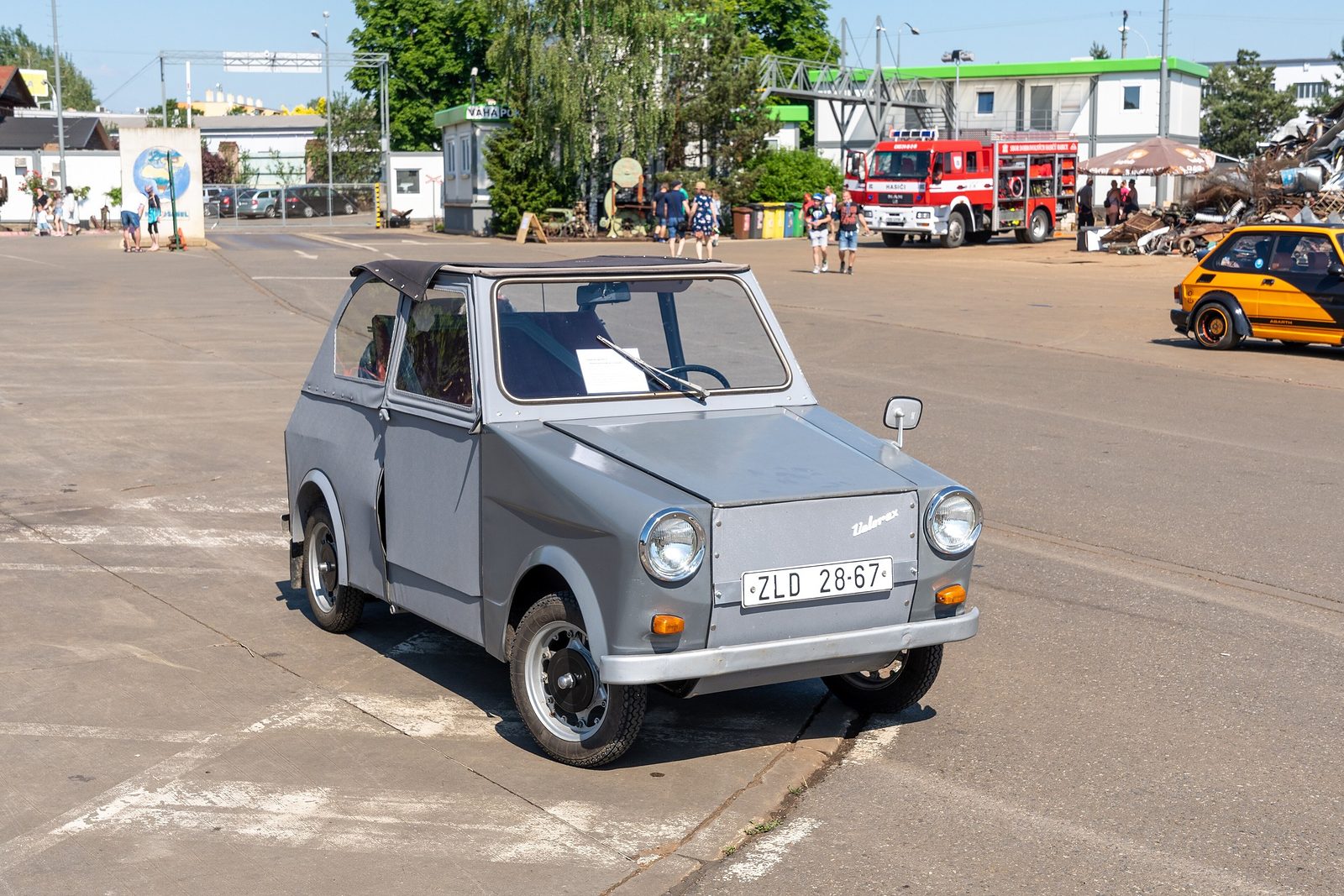
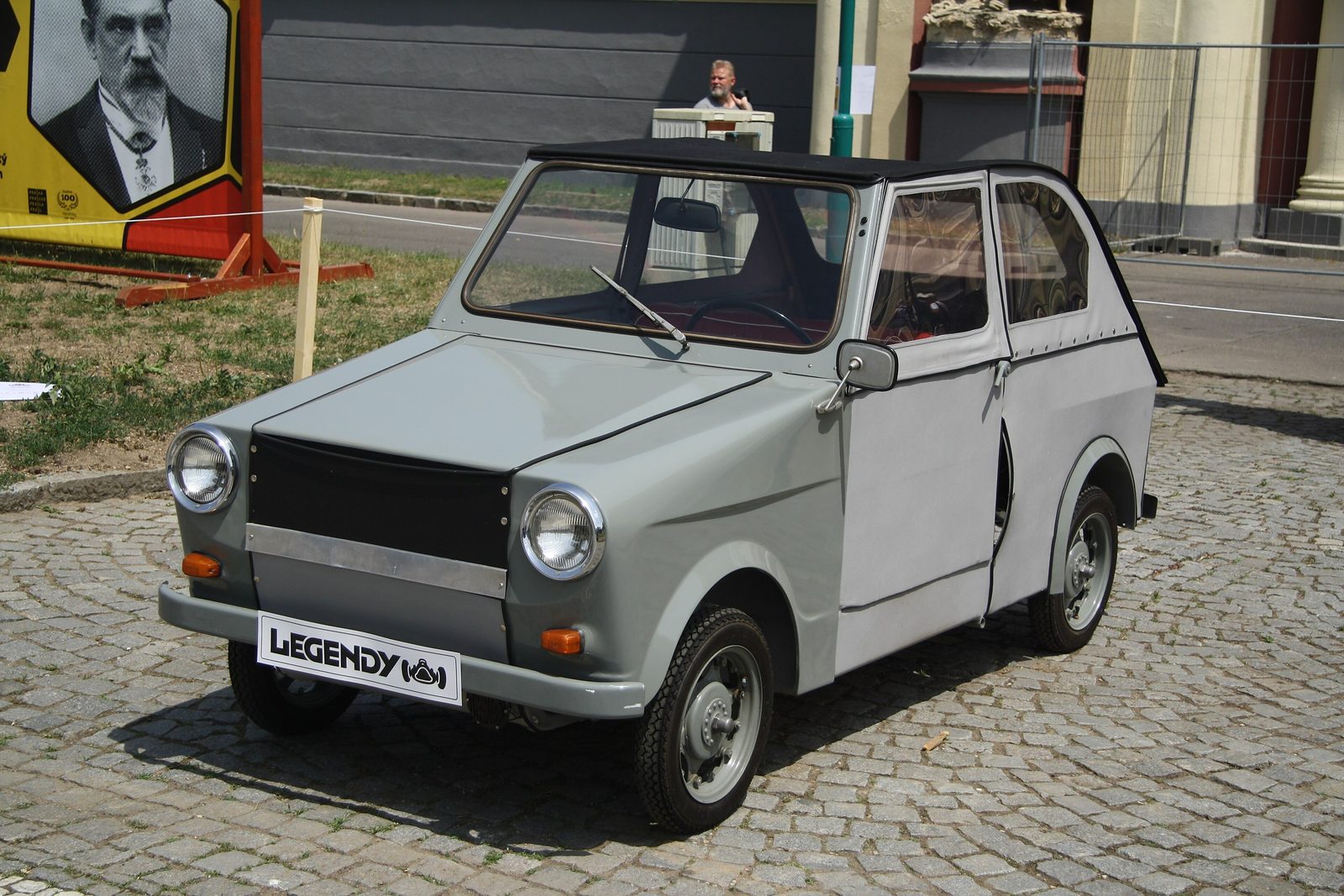
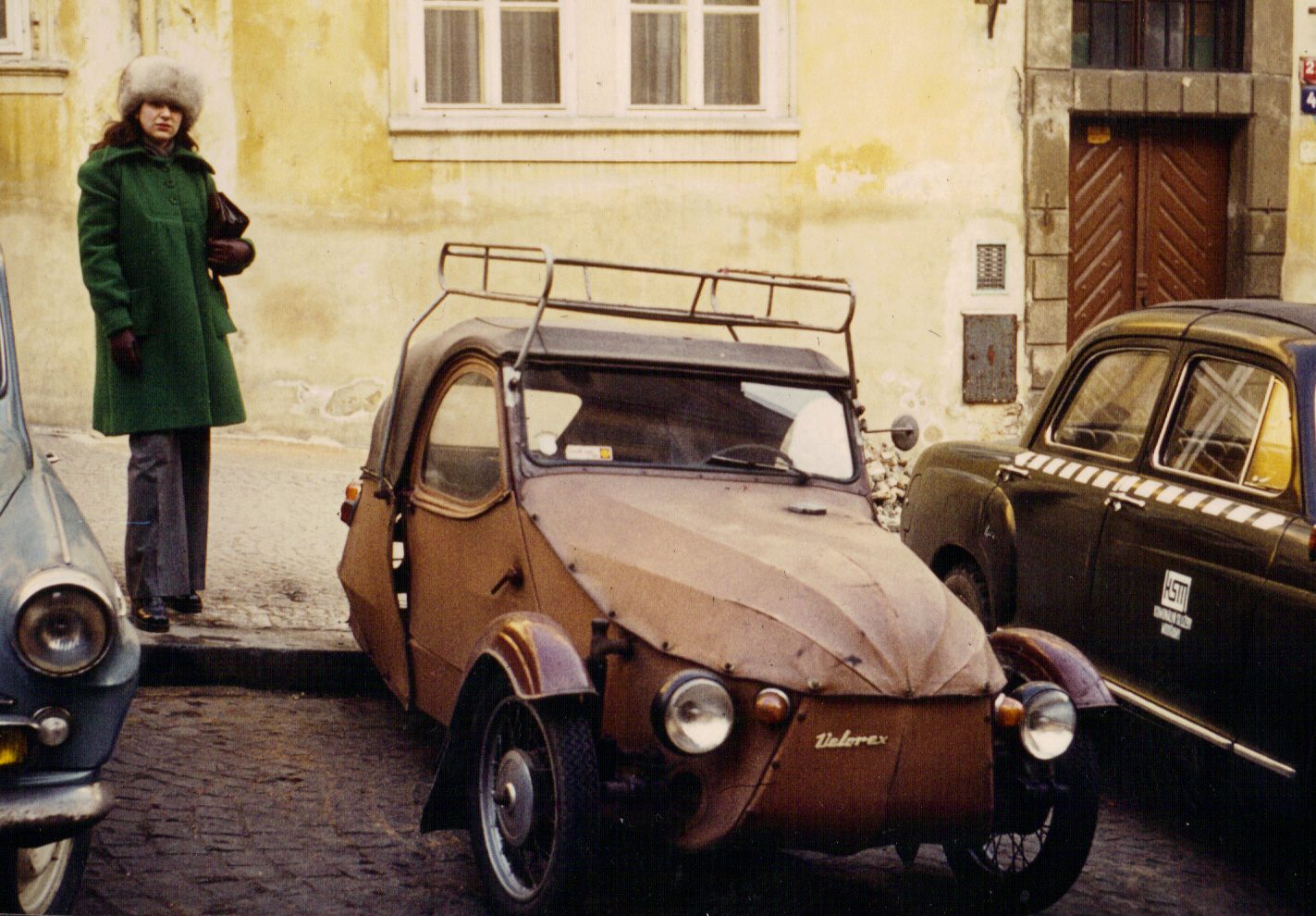
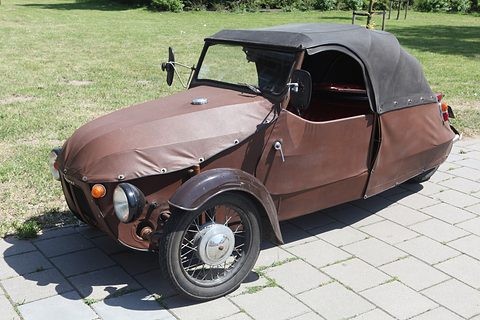
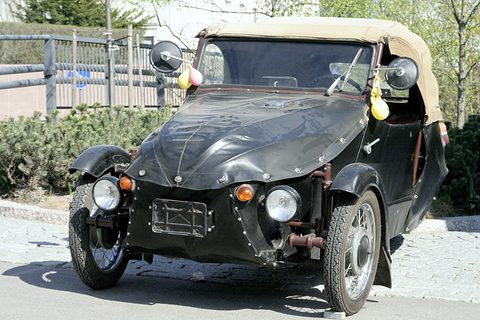
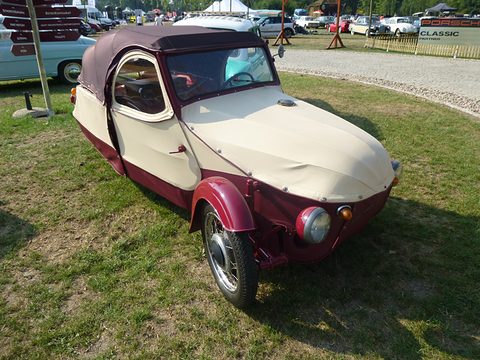
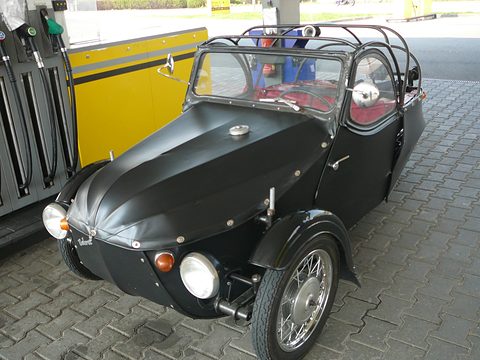
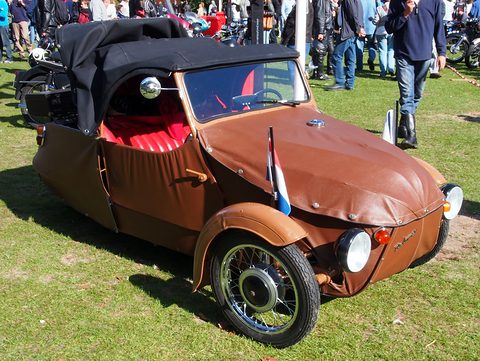
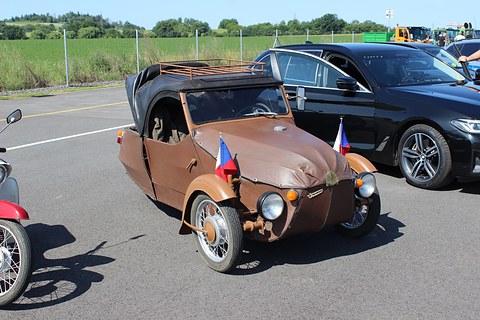
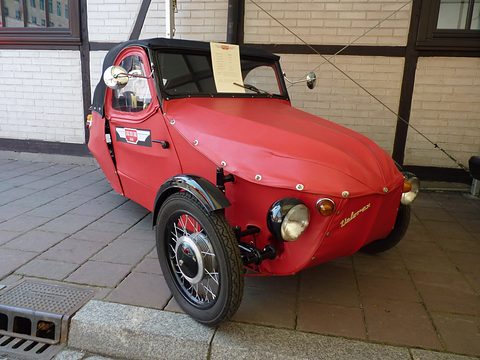
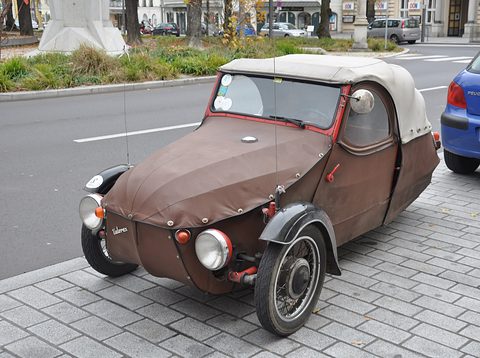
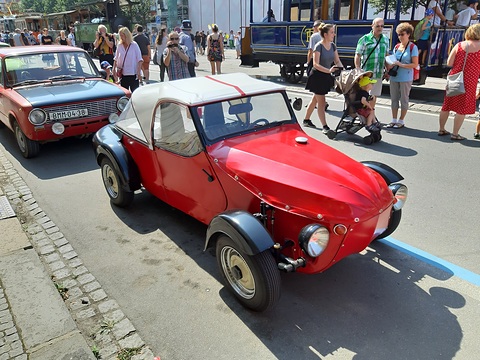
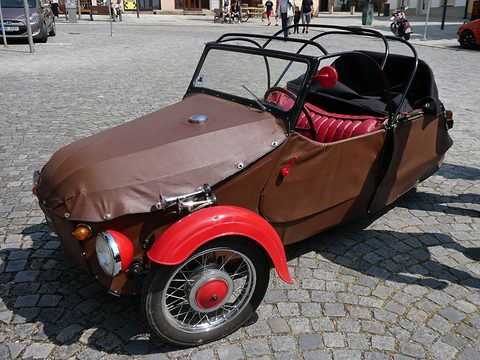
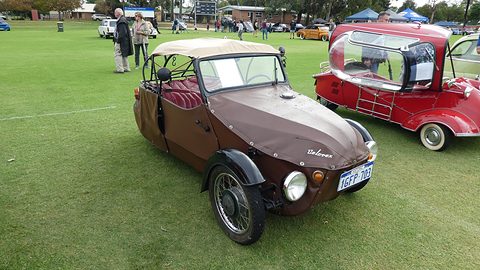
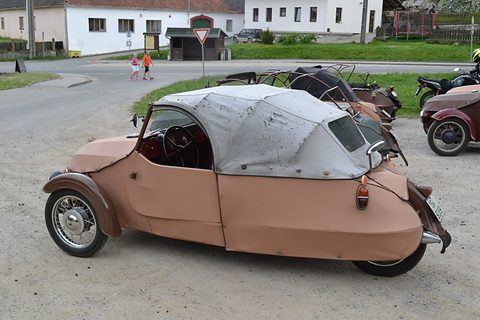
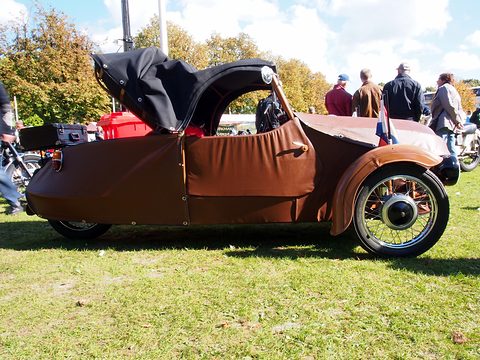
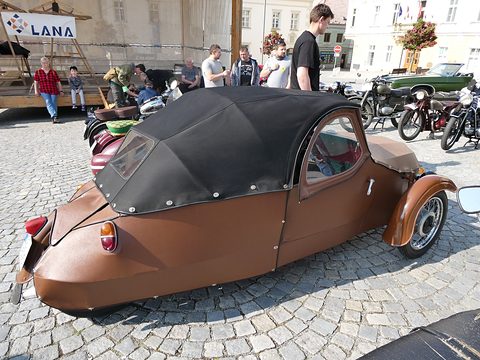
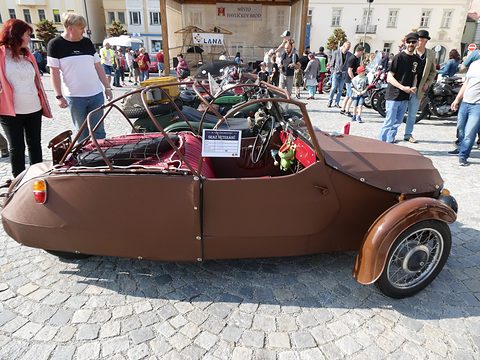
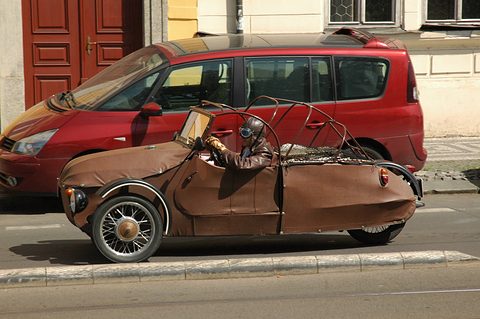
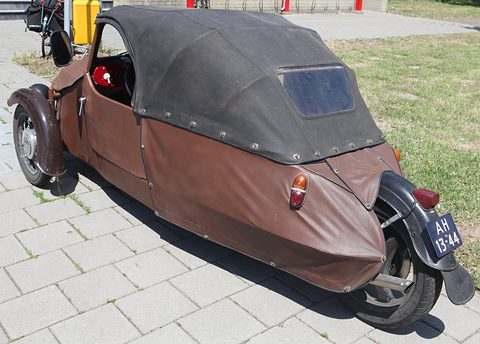
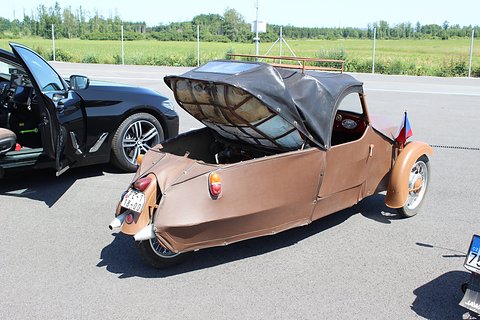
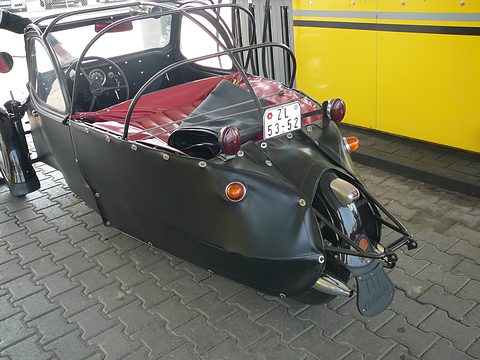
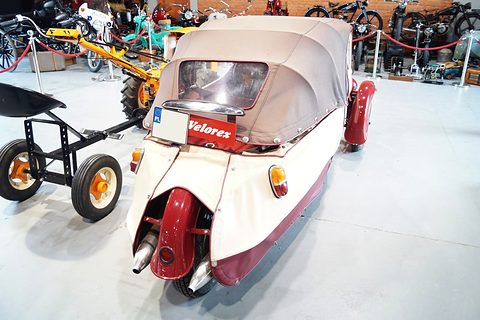
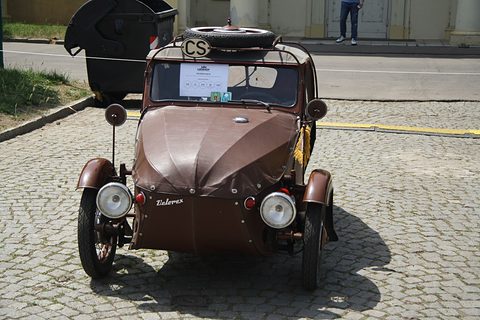
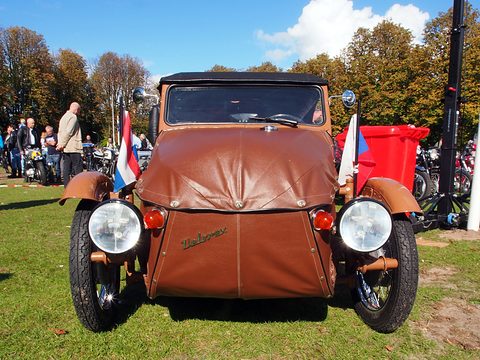
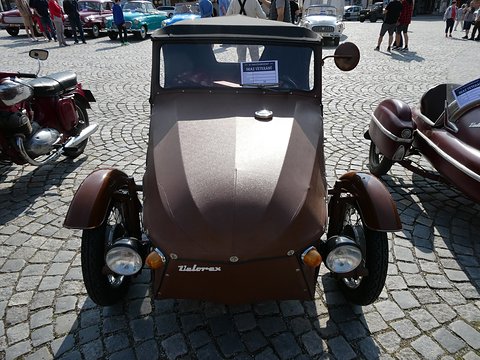
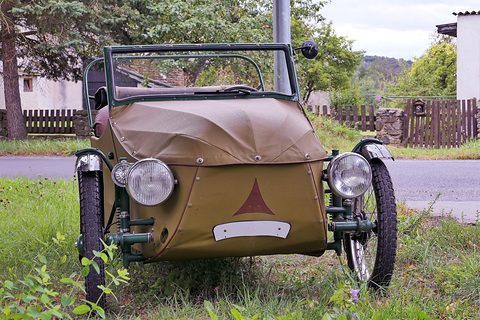
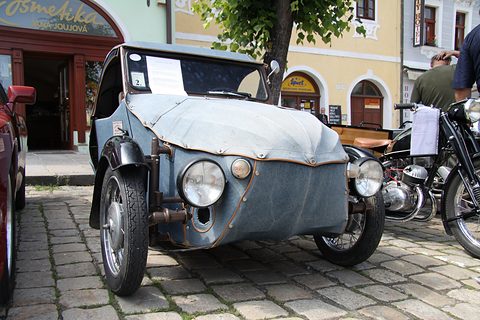
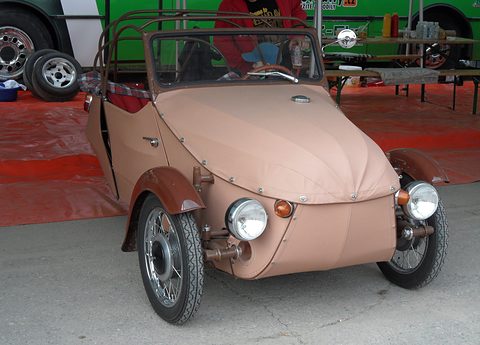
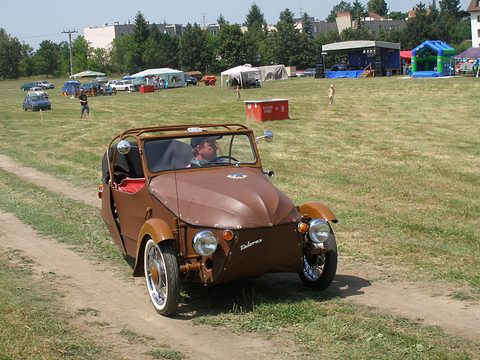
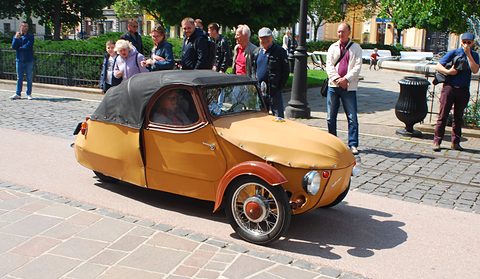
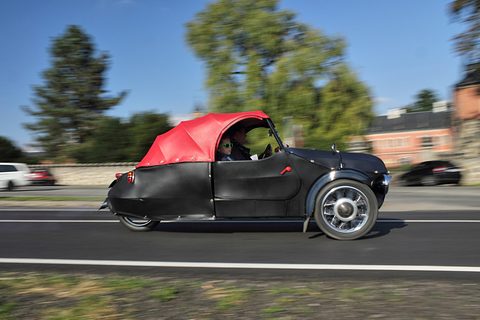
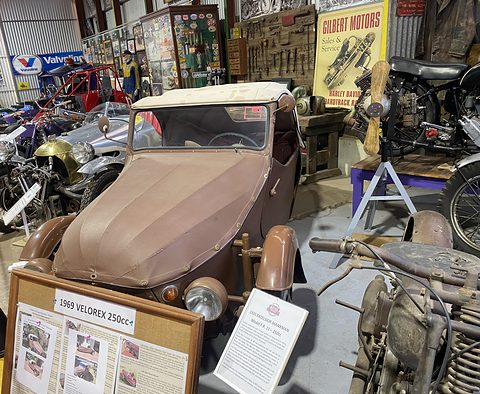
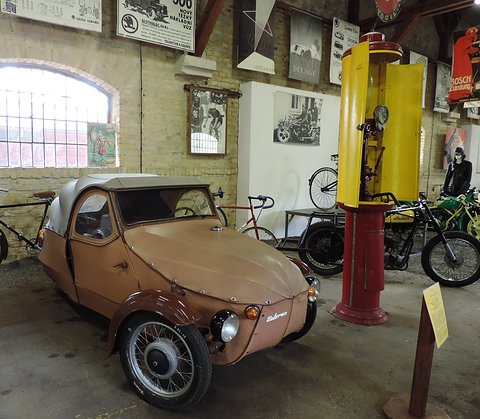
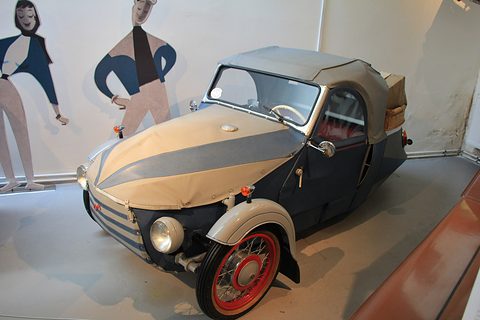
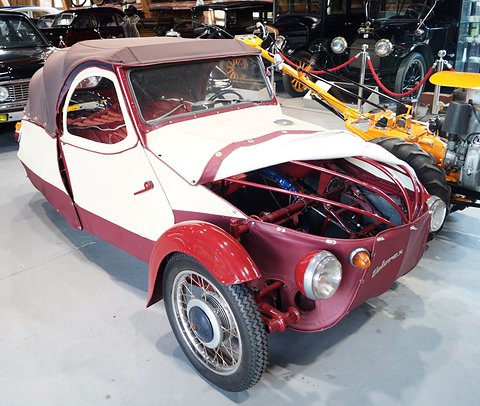
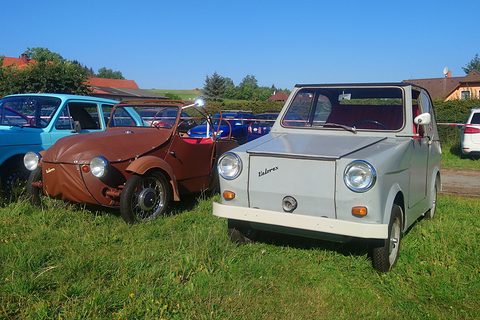
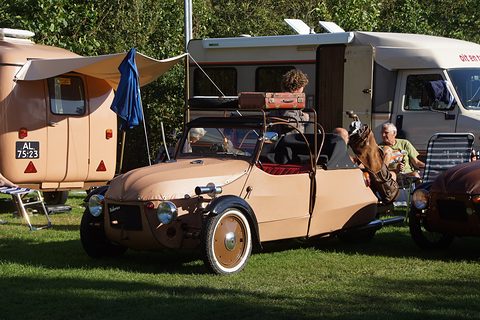
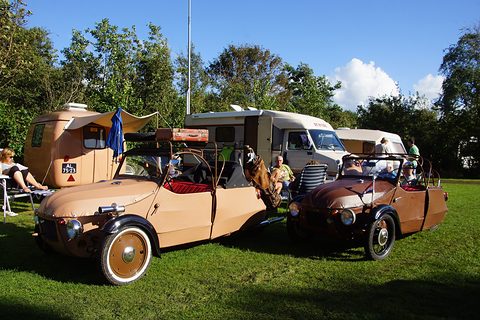
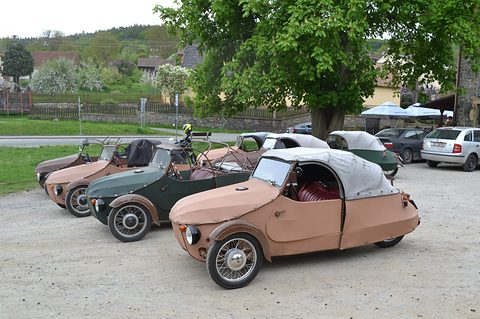
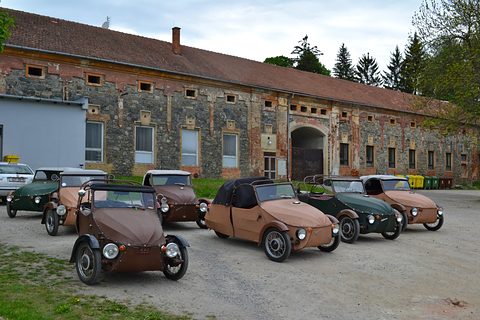
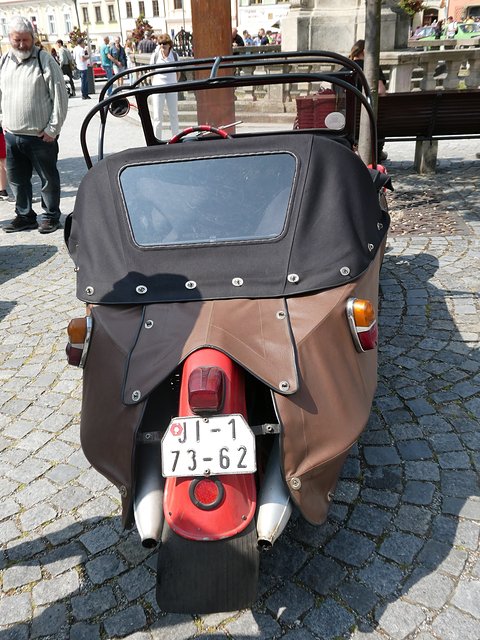
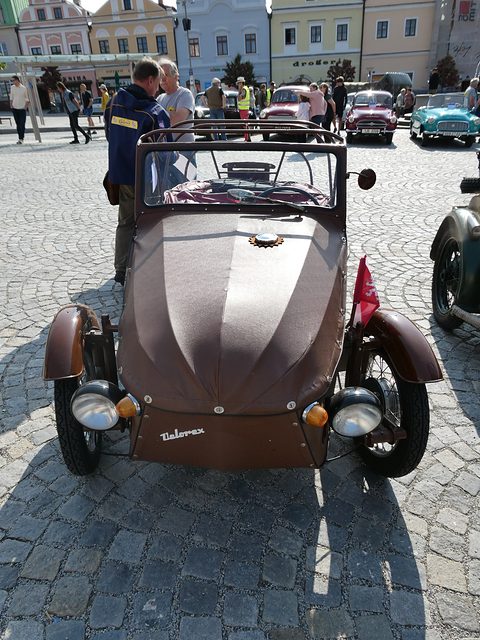
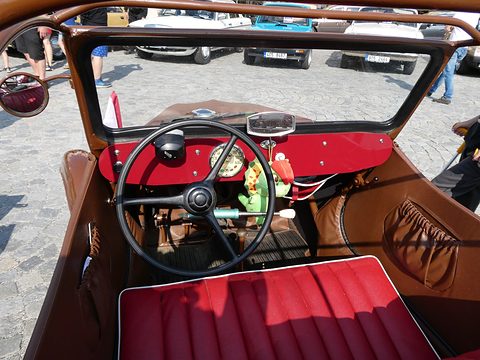
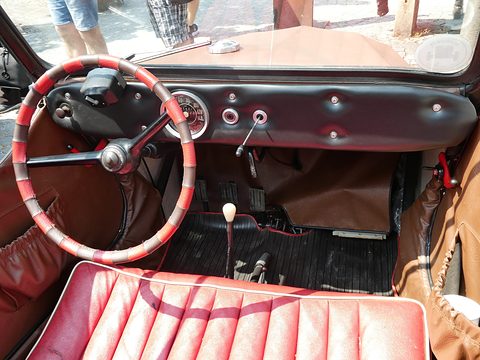
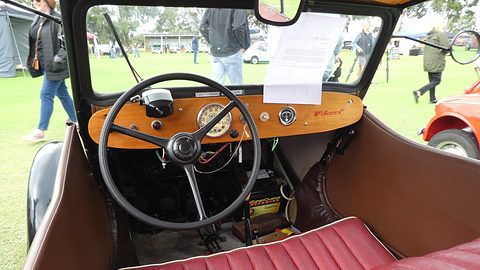
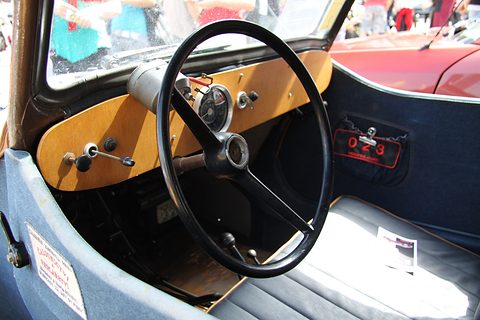
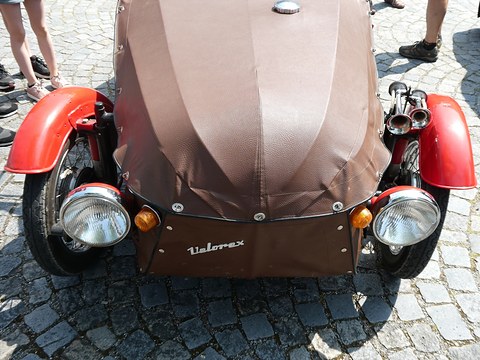
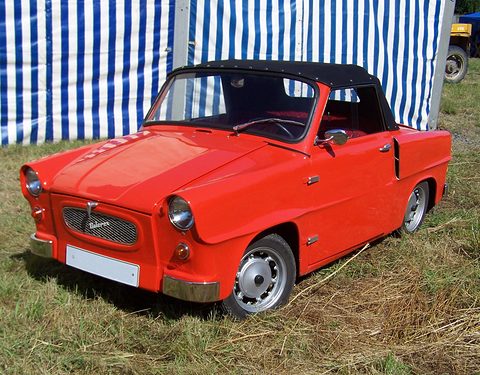
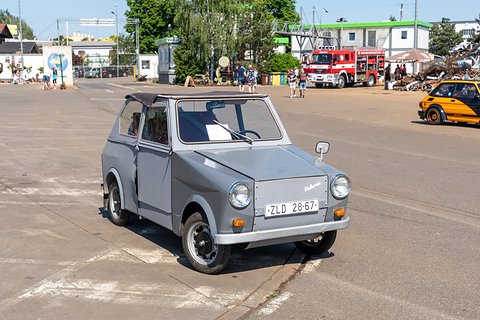
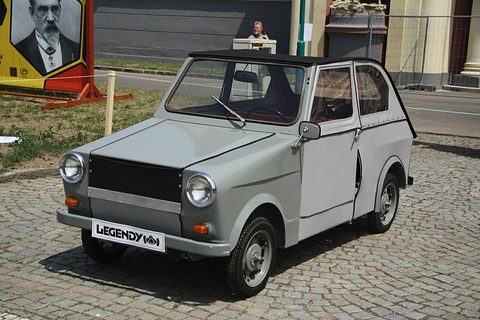
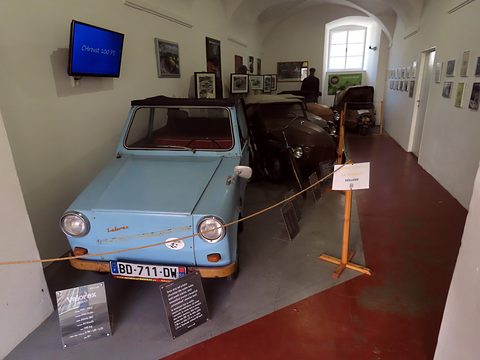
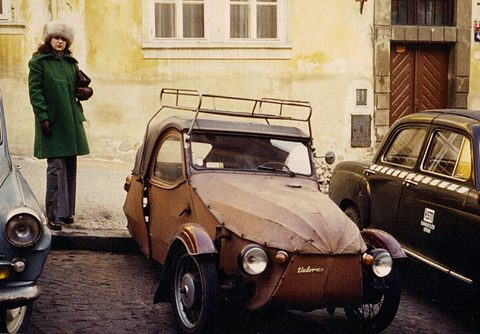
At first sight the Velorex suggests the result of a union between a frame tent and a flying helmet.
Czech drivers were less polite. Their names for it included hadraplán, roughly the rag-plane, chroust, the cockchafer, netopýr, the bat, prchající stan, the runaway tent, and pytel na mrzáky, the cripples’ sack.source 2 The last is cruel, and it points at the truth: under the cooperative, a new Velorex went in Czechoslovakia only to someone a medical commission had found disabled.source 3source 4
It began with two brothers in a village near Česká Třebová. From 1939 František Stránský ran a workshop, MOTO-VELO-SPORT, at Parník, mending prams, bicycles and motorcycles, with his younger brother Mojmír as his apprentice.source 3source 5 František commuted by motorcycle to work in Plzeň, and wanted something steadier than a motorcycle, cheaper and simpler than a car, and with at least some shelter from the weather.source 5 During the war they built a bare chassis with an engine, then, in about 1942, a prototype from bicycle parts with a 98 cc Sachs engine and an extra BSA gearbox, panelled in duralumin.source 3source 5 After the war came more prototypes for small tradesmen and disabled customers; workman’s canvas was tried as a covering, and then leatherette.source 3source 5 English Wikipedia counts a first batch of 12 in 1945, with ČZ 150 cc, PAL 300 cc and Jawa 250 cc engines, at about a quarter of the price of a typical car.source 4 They called it the OS-KAR, a play on kára na ose, a cart on an axle.source 2source 3source 5
The Communist takeover of February 1948 blocked any larger plans. In 1950 the brothers applied for type approval of a special motor tricycle for invalids and the war-disabled, and drove their cars in Prague, to good reviews.source 3 To keep the business from being nationalised, Mojmír negotiated with Velodružstvo, a cooperative based in Hradec Králové.source 3source 5
Inside the cooperative
On 22 January 1951 the workshop became Závod 09 Parník, works No. 9 of Velodružstvo. Cars were put together in batches of six, and Mojmír’s wife, Oldřiška, taught the women to stitch the leatherette covers. A car cost about 60,000 Kčs, and both brothers resisted pressure to join the Communist Party.source 3source 5 In the summer of 1952 production moved to a former joinery at Solnice, with about 30 staff. The OS-KAR had a Jawa 250 on 19-inch wheels, and the staff drove them in demanding motor-sport events and in May Day parades.source 3source 5 German Wikipedia counts about 36 of the first series and about 130 of the second.source 6
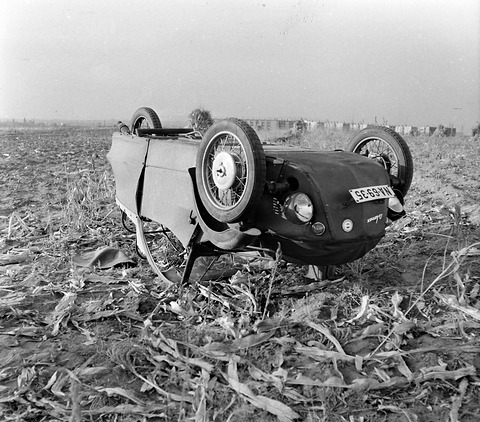
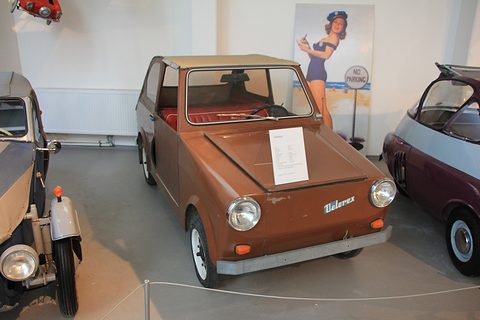
On 23 January 1954 František crashed one of the tricycles on an icy road, and he died two days later, by the club historians’ account; English Wikipedia gives 21 January and German Wikipedia 25 June.source 3source 5source 4source 6 That year’s Velorex Oskar 54 carried its roof back over the engine, cost 10,650 Kčs and was the first to use the name Velorex, explained as a Latin-sounding “king of wheels”.source 3source 5source 2 Mojmír worked on a new front axle at Parník, but political pressure and quarrels with the cooperative’s management ended with his expulsion on 31 October 1955. About 600 cars had been built by the end of the year.source 3source 5
Tube and leatherette
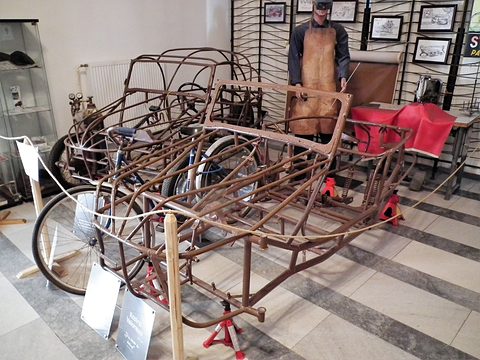
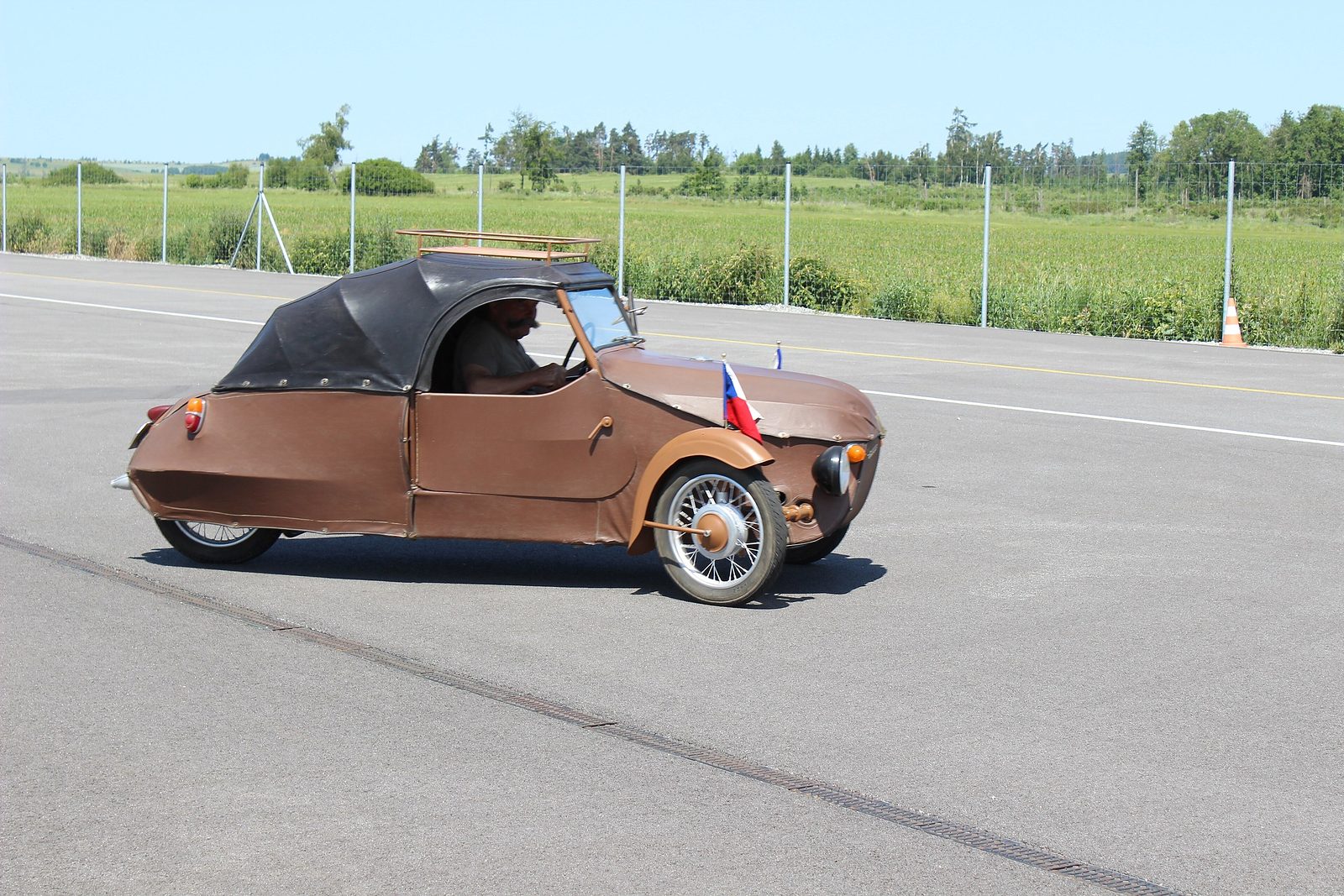
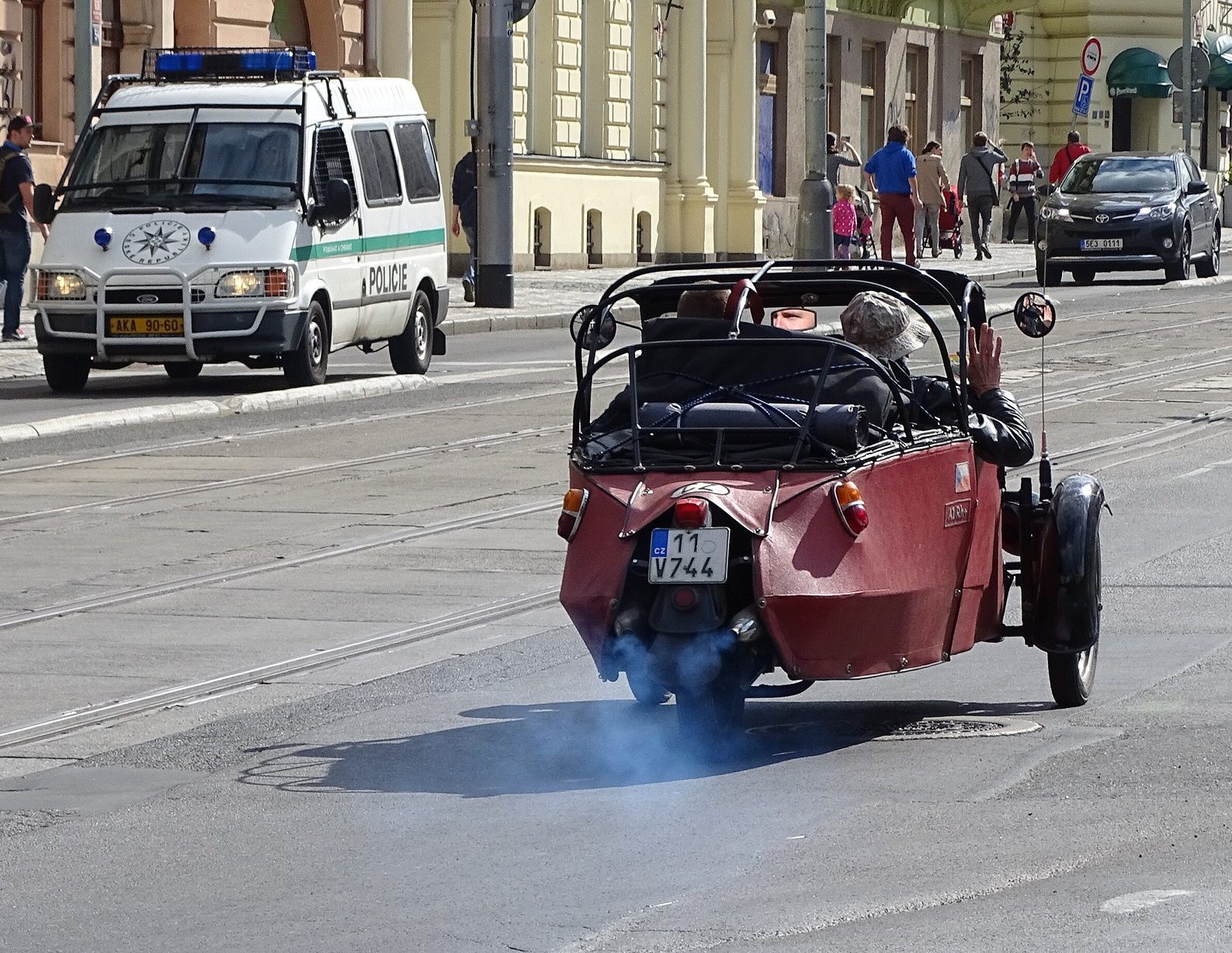
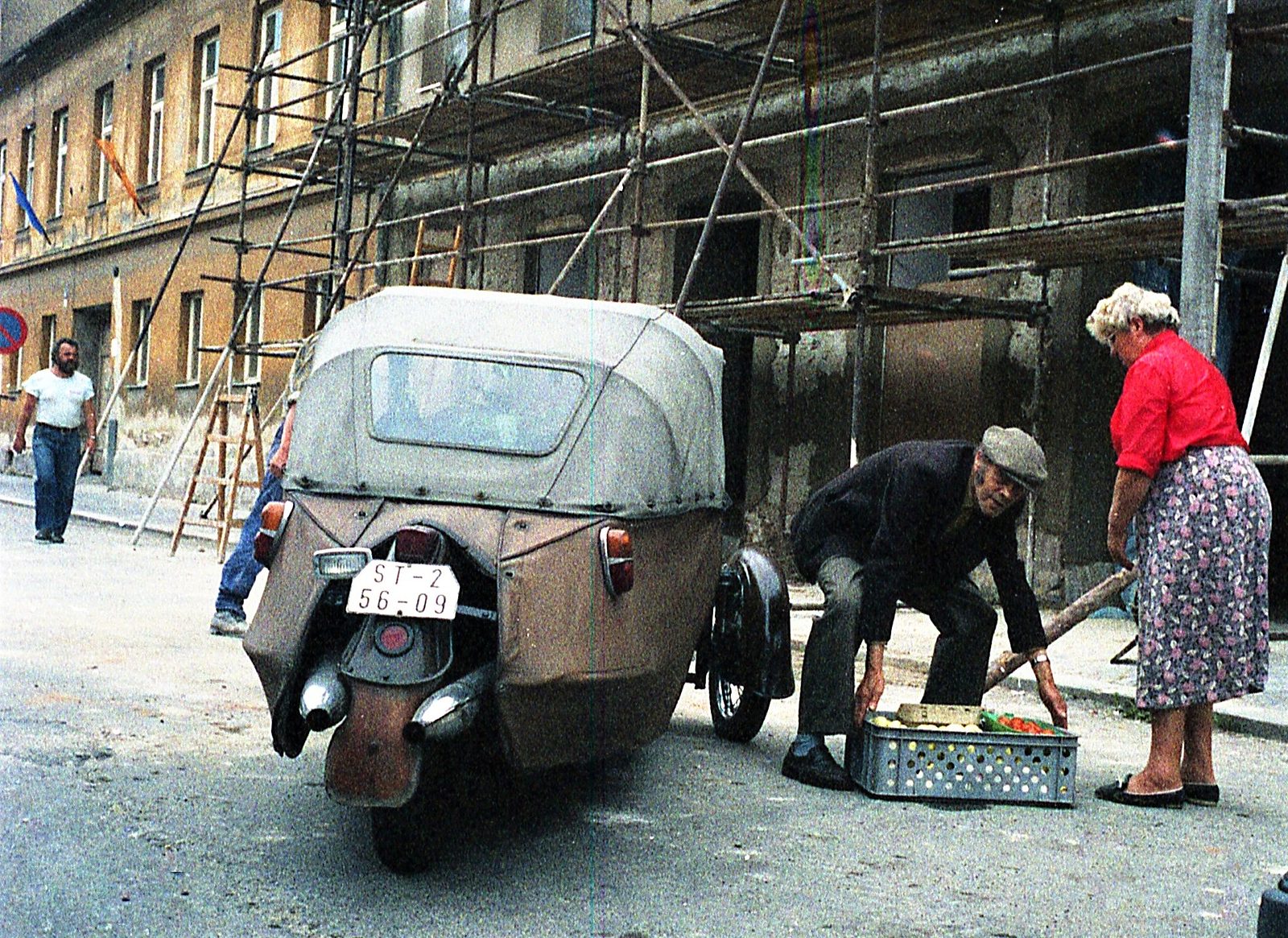
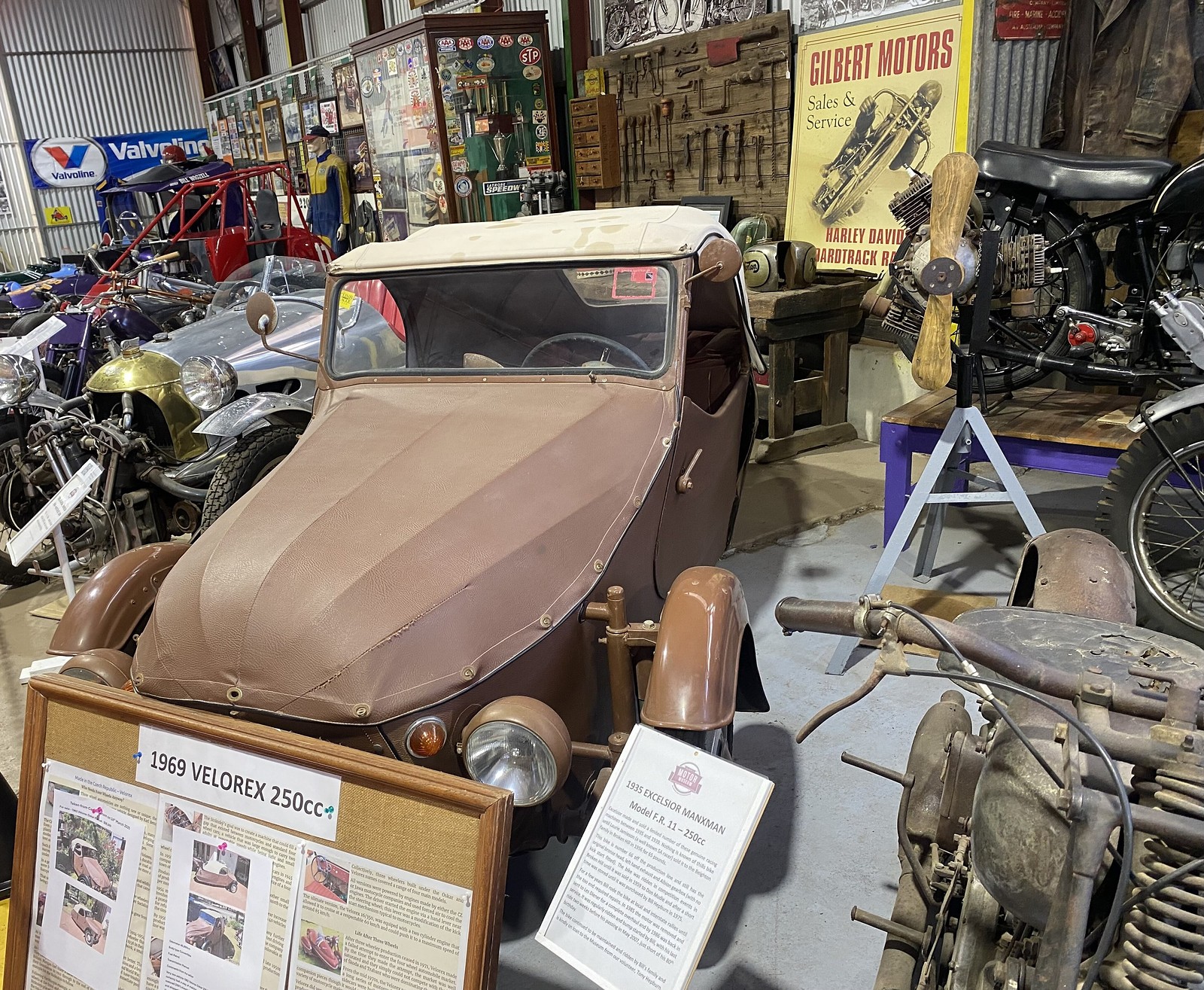
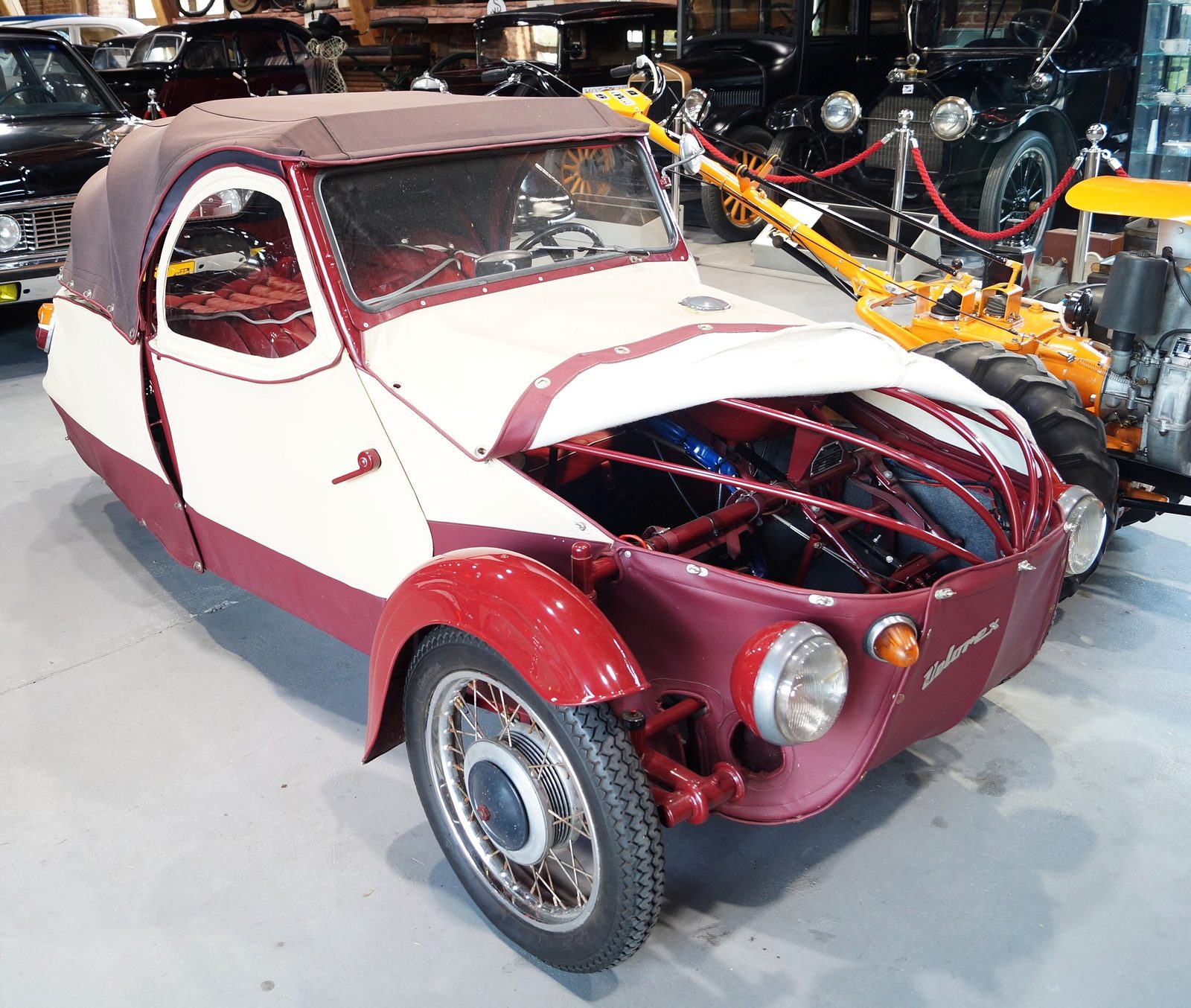
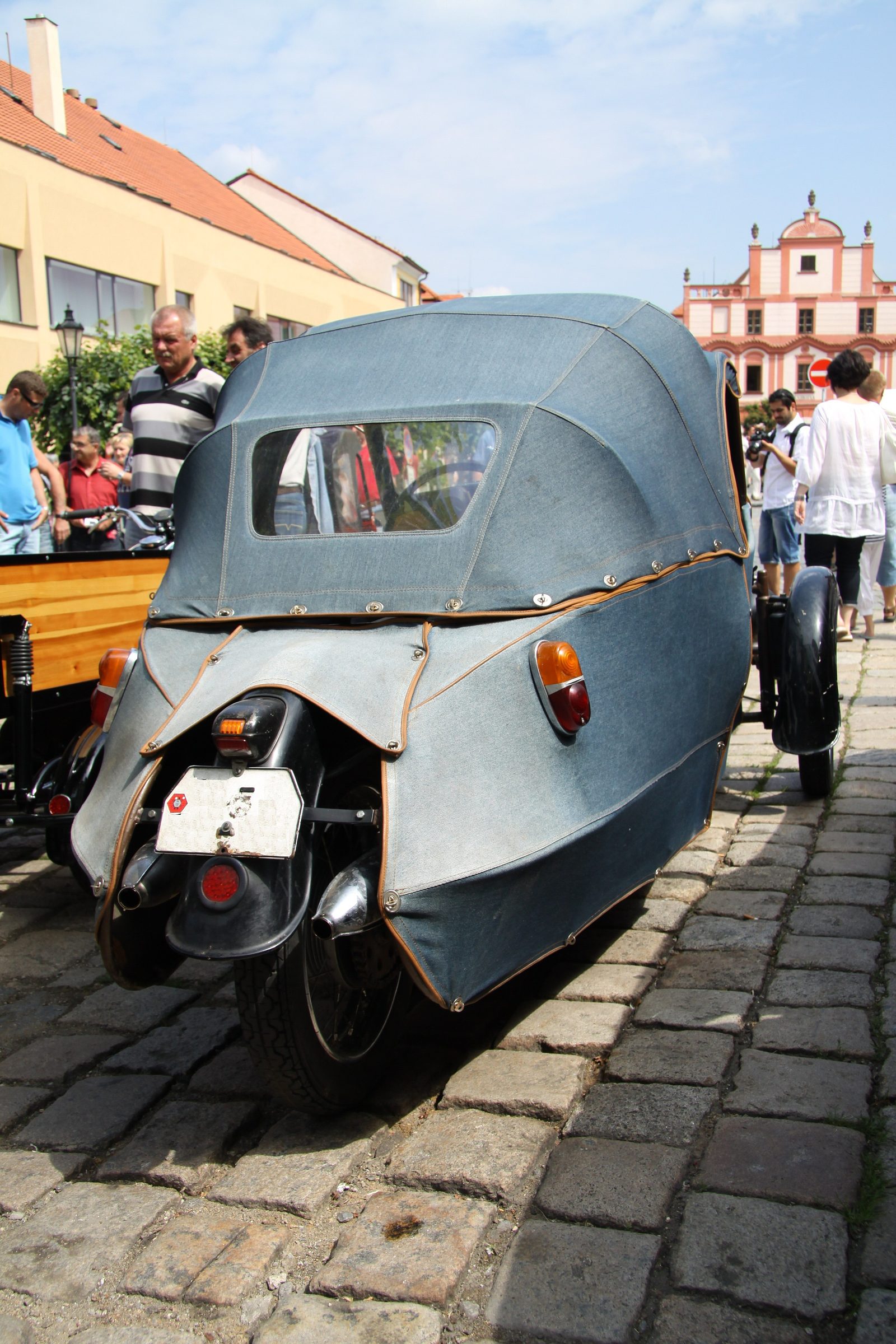
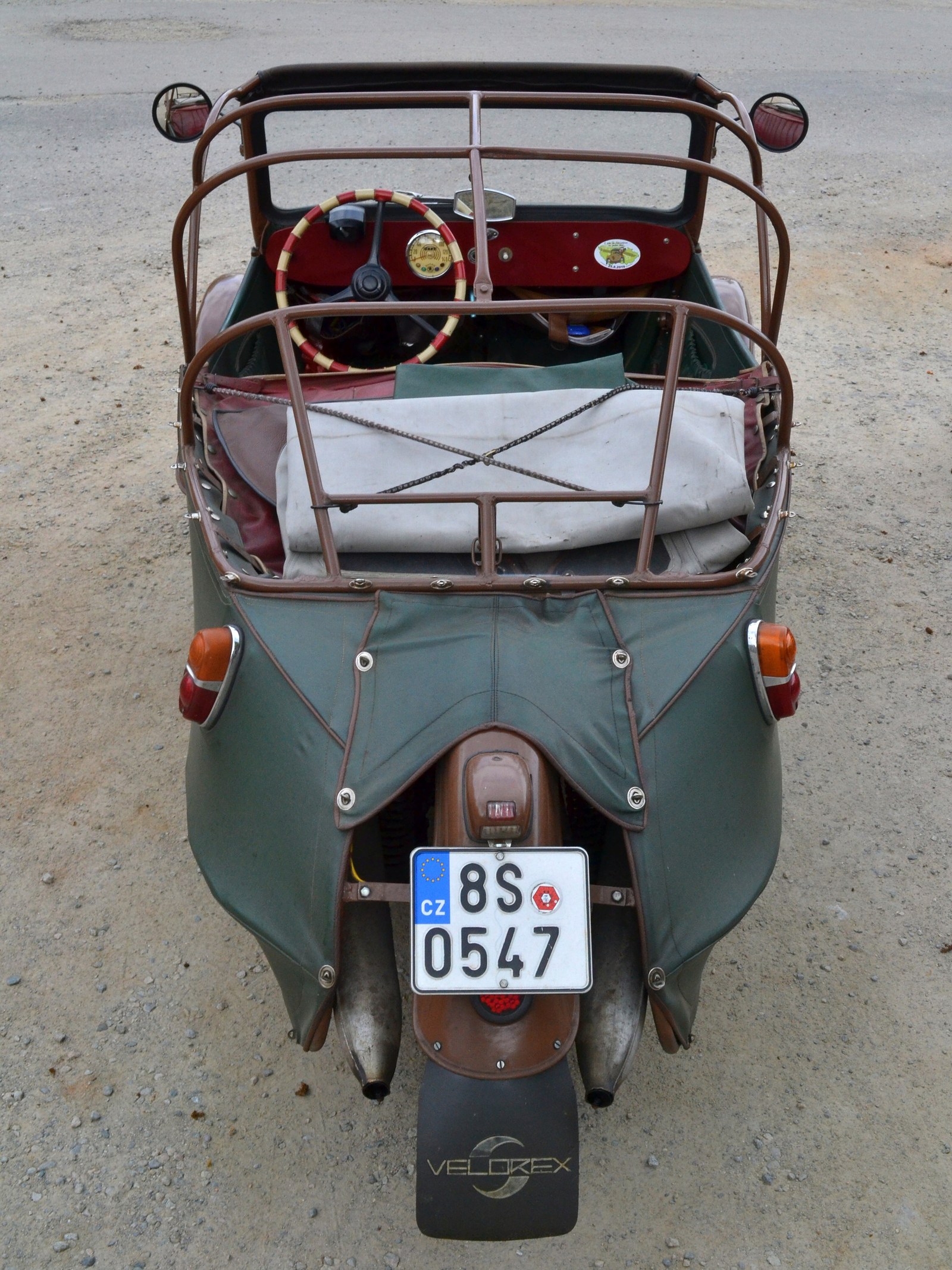
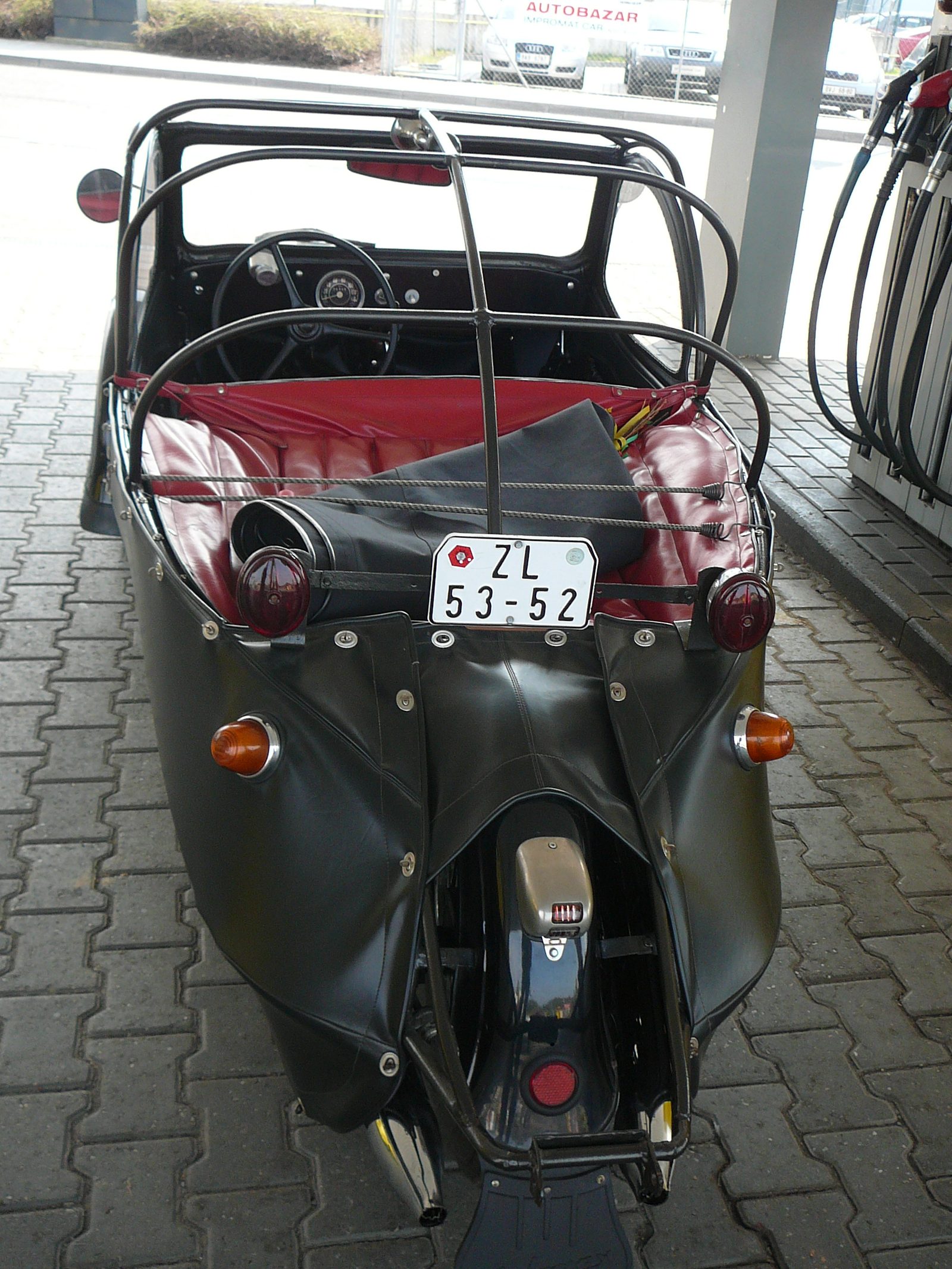
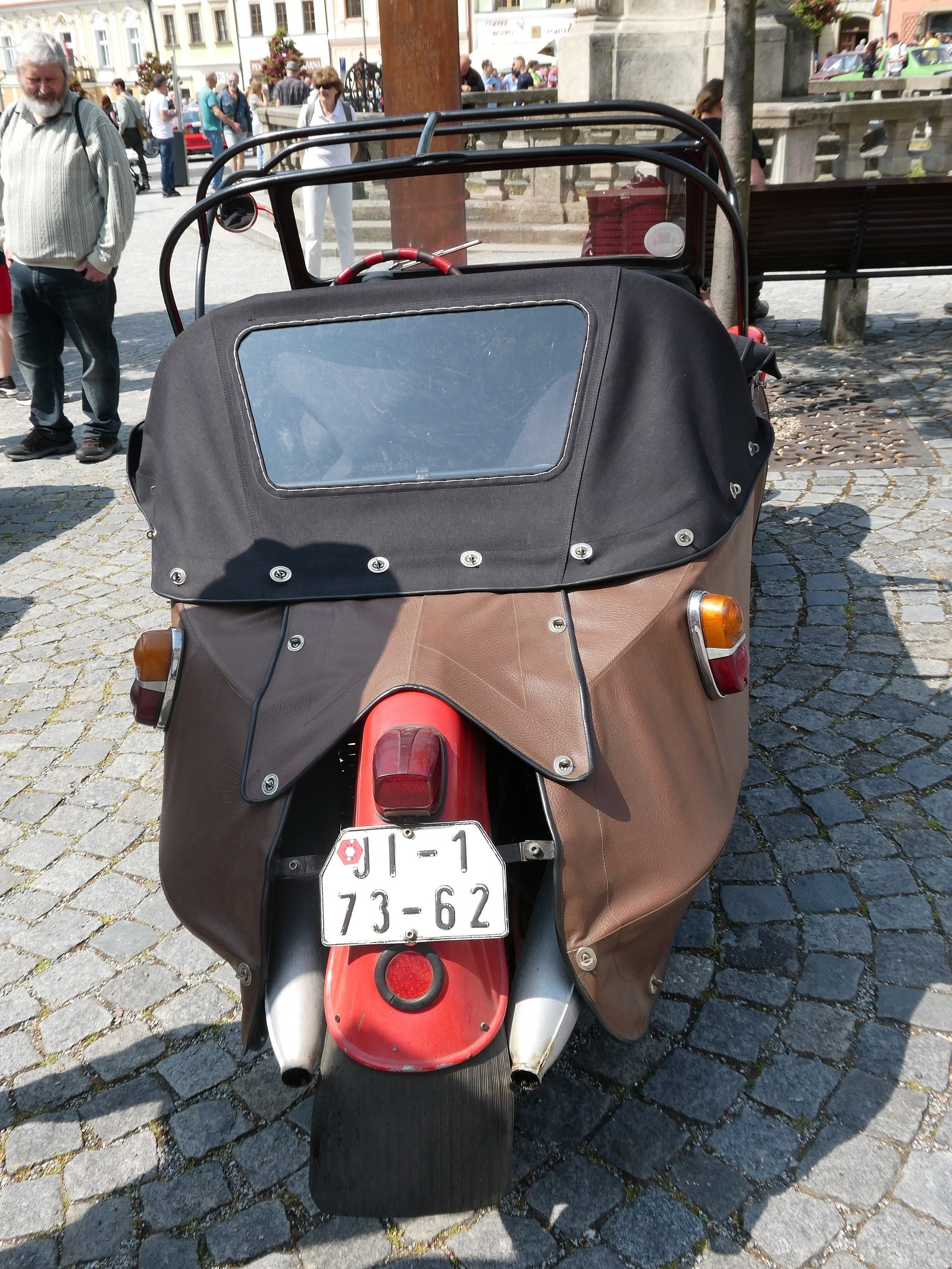
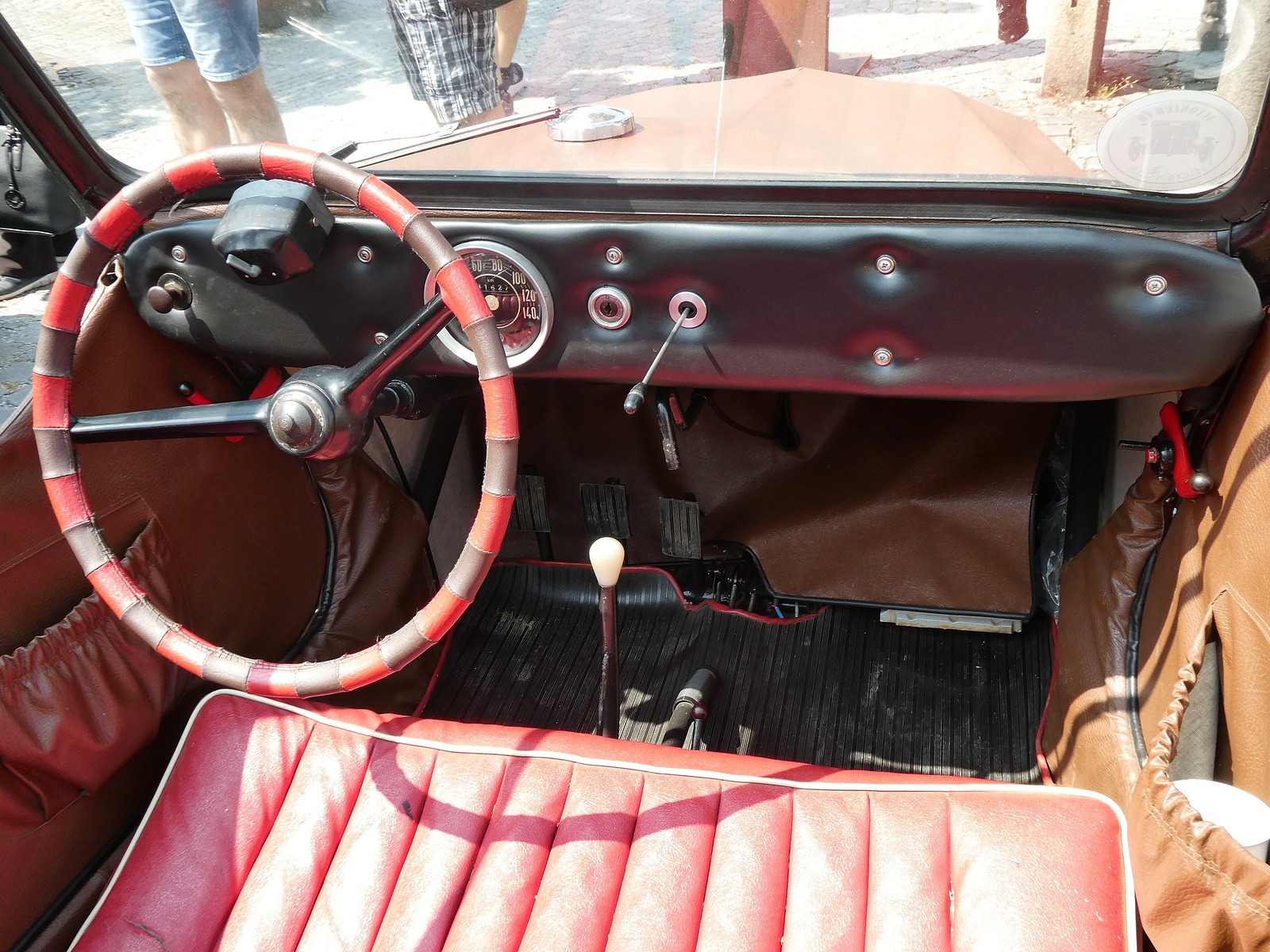
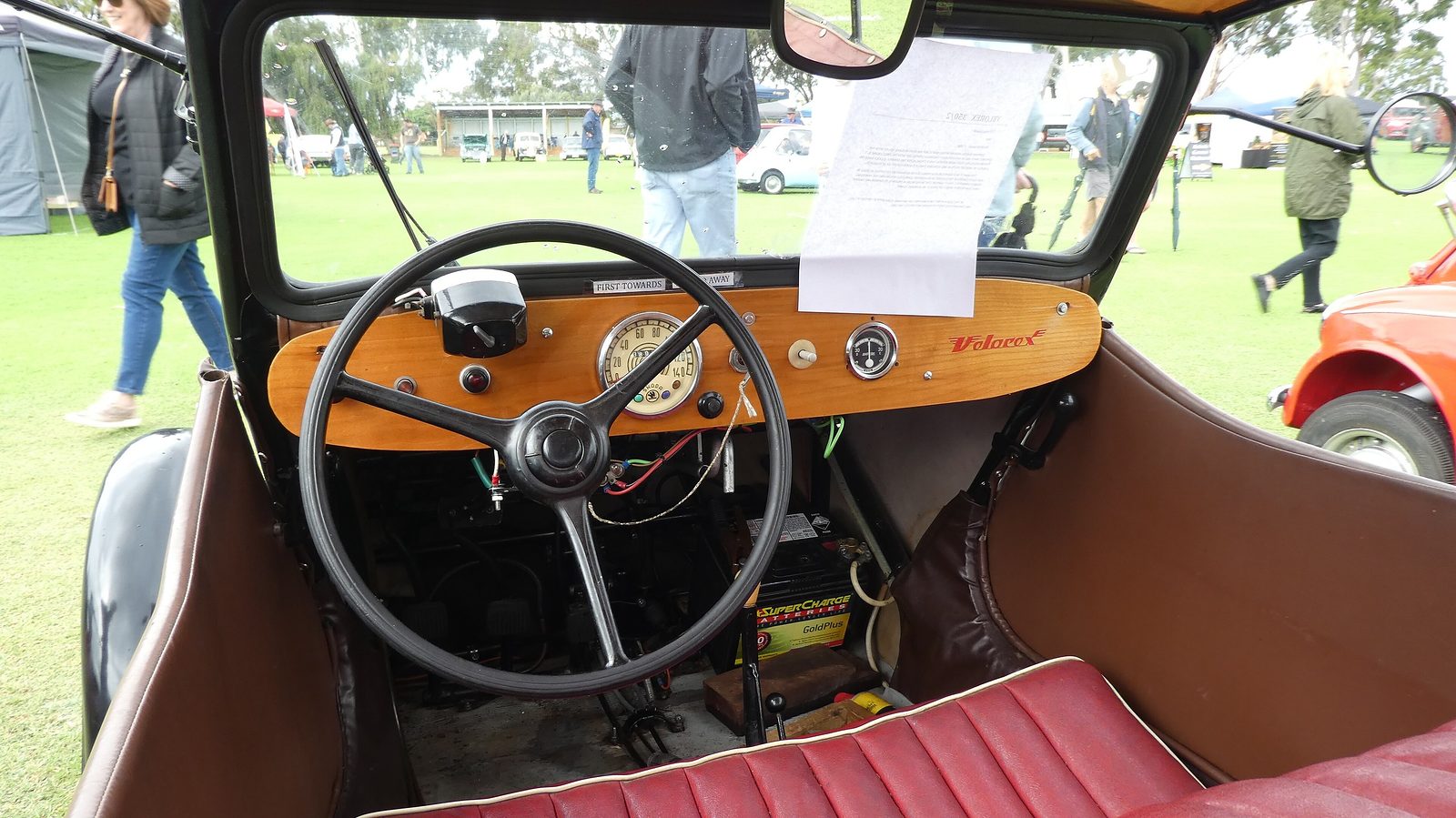
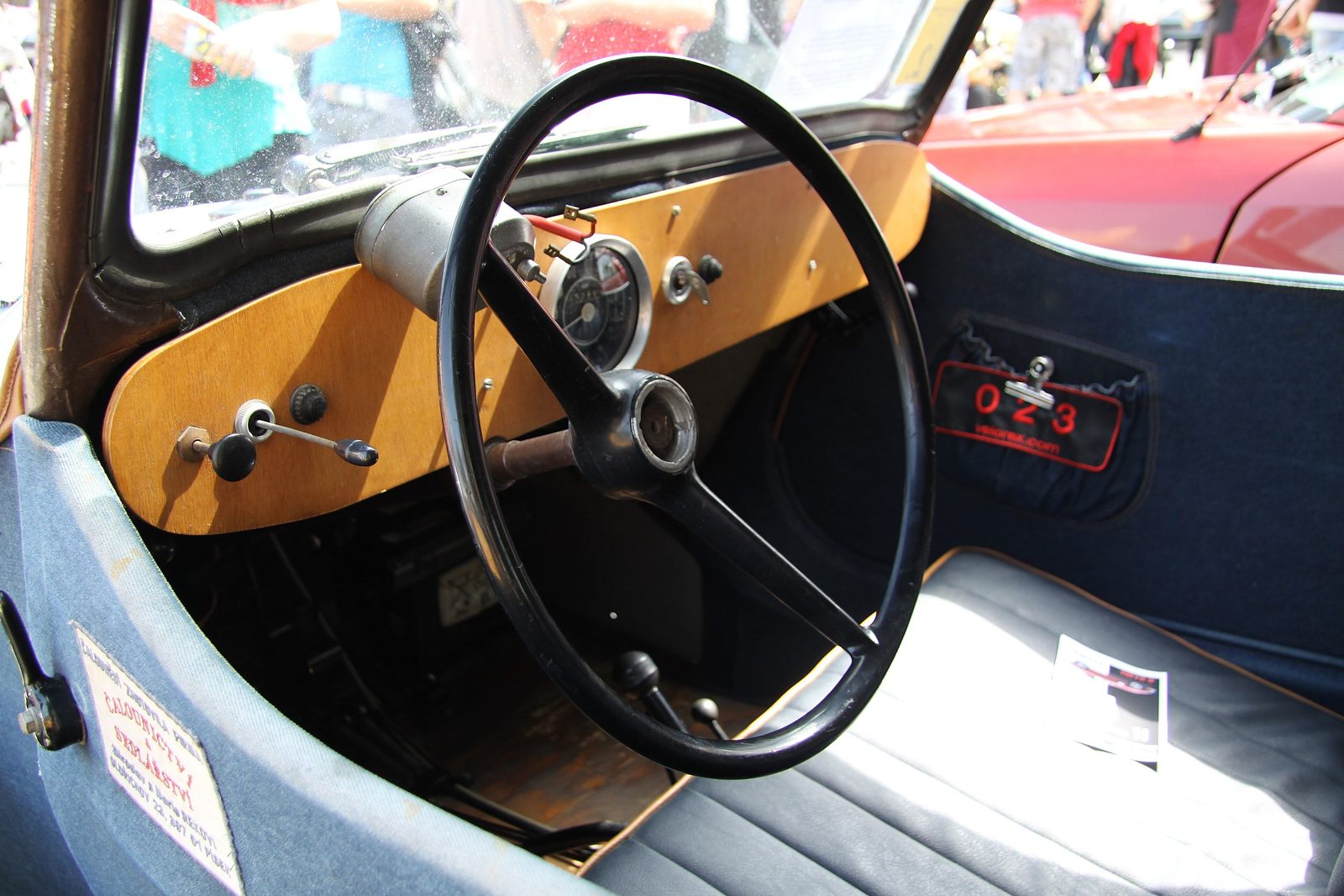
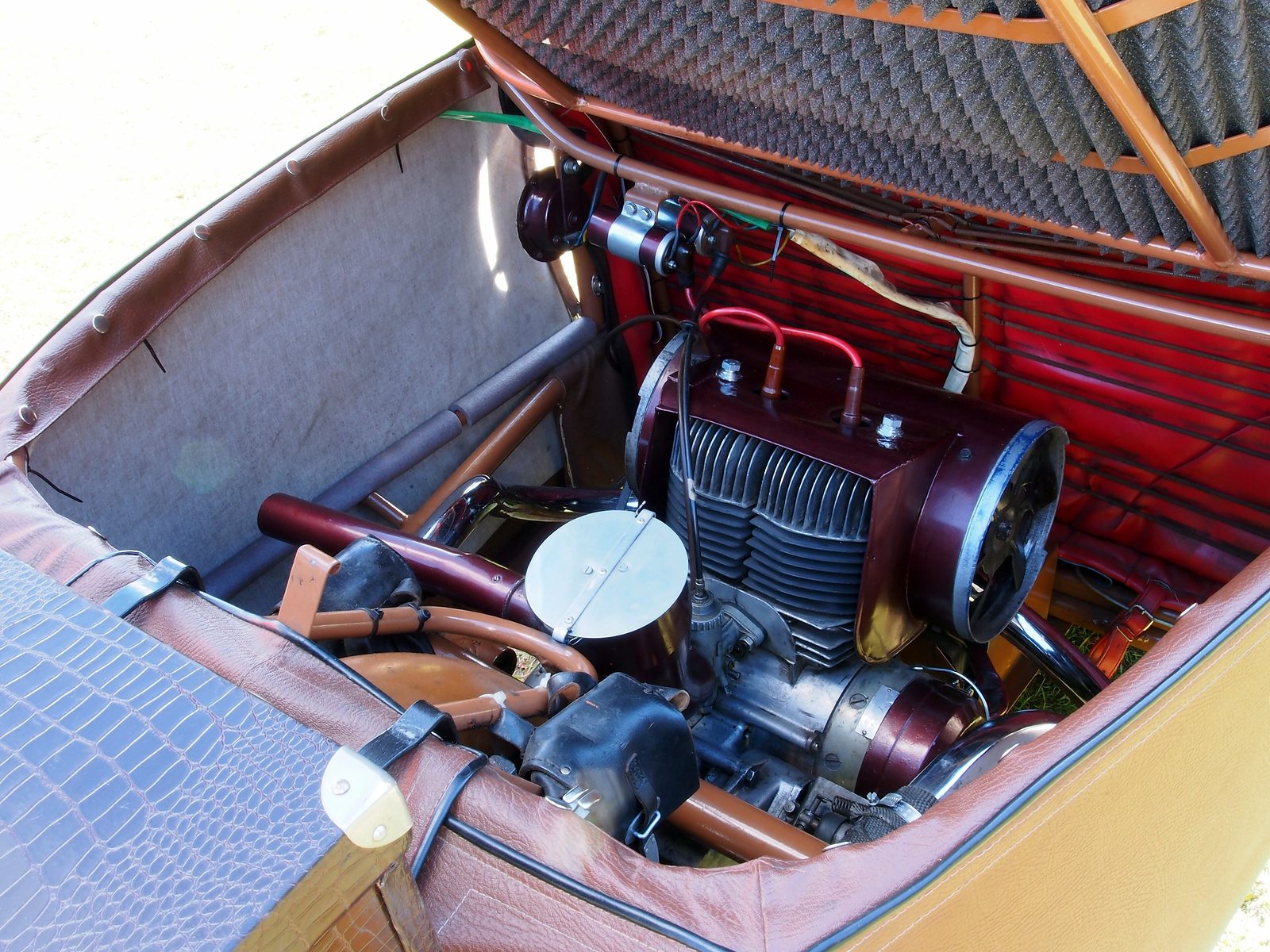
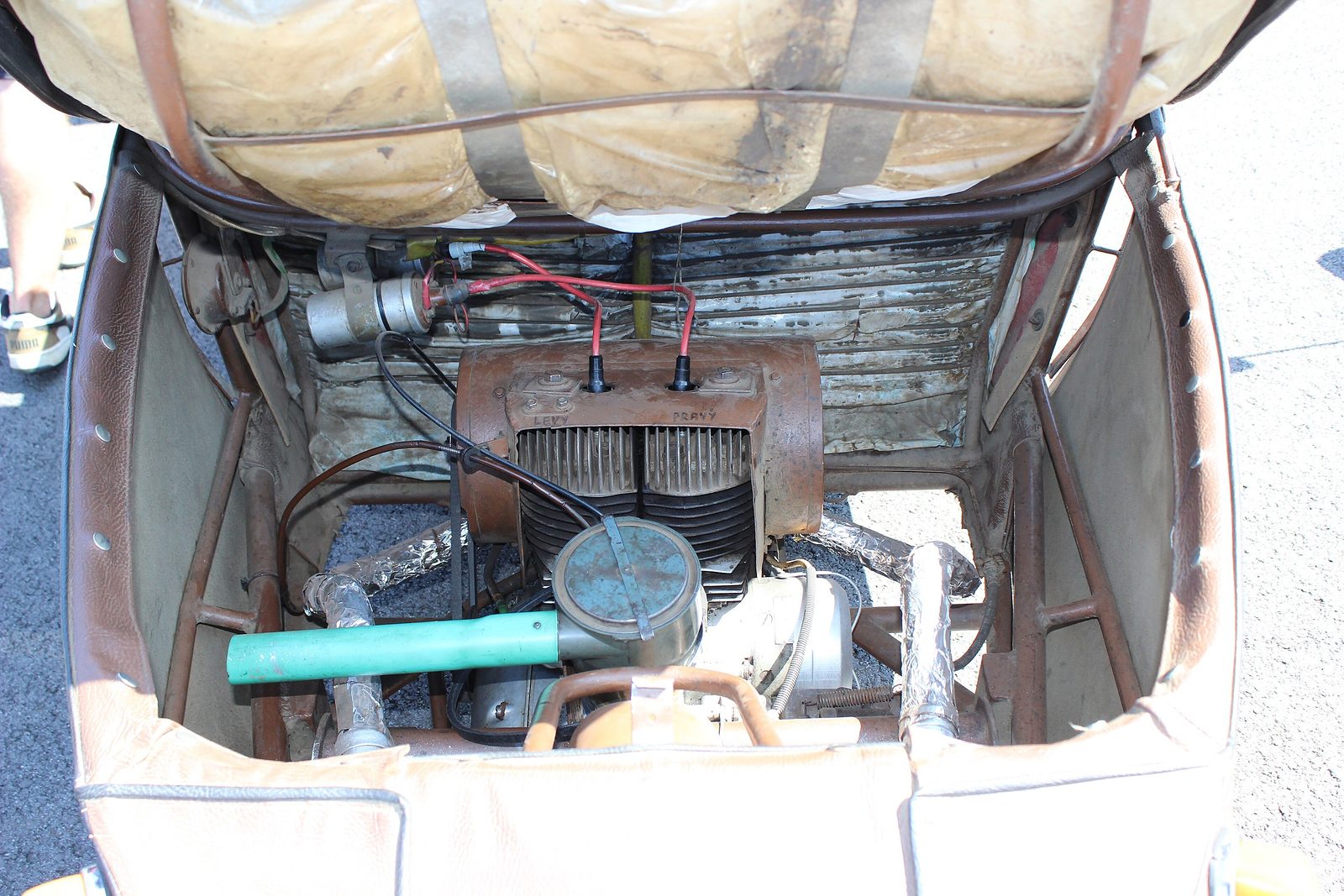
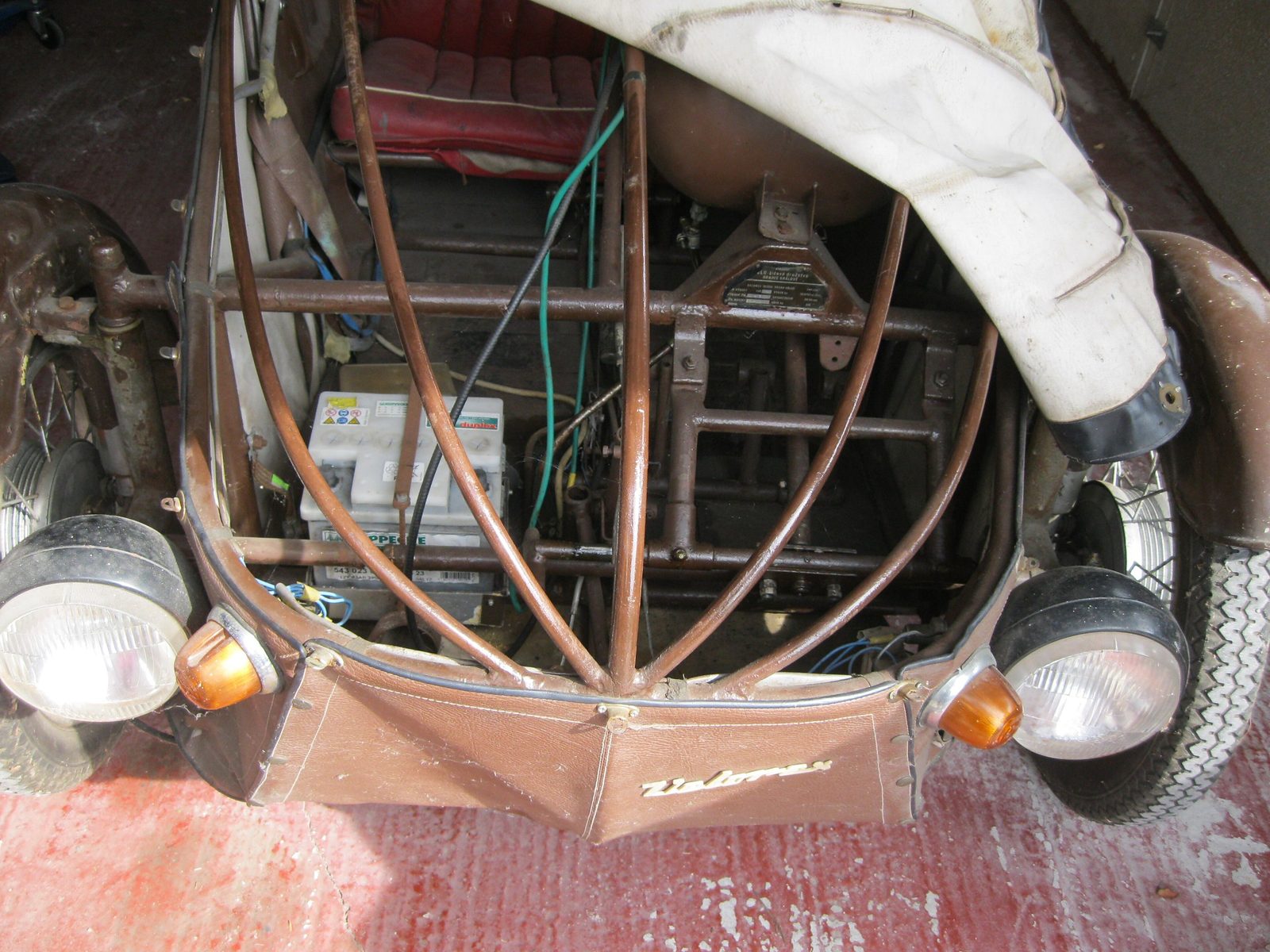
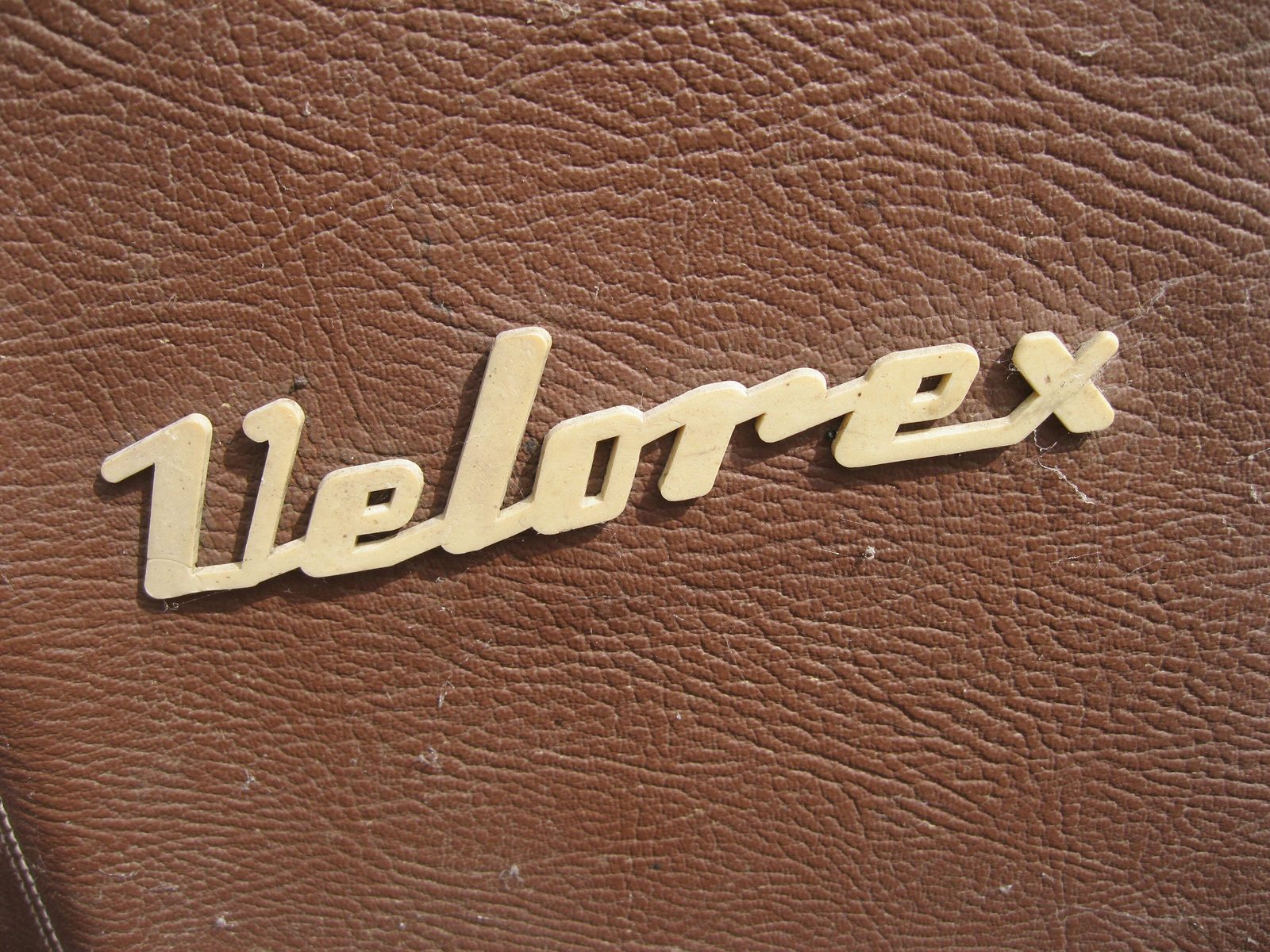
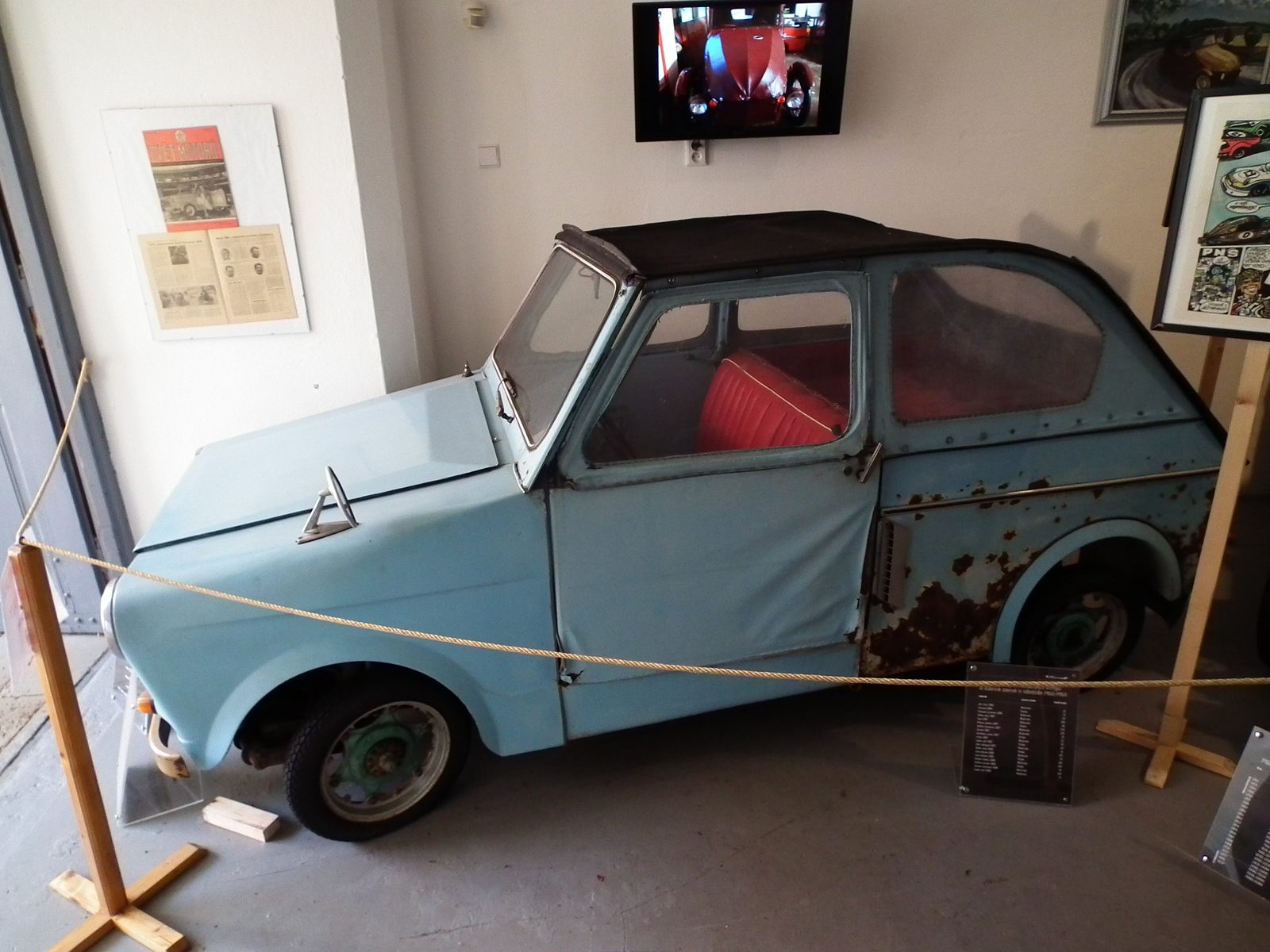
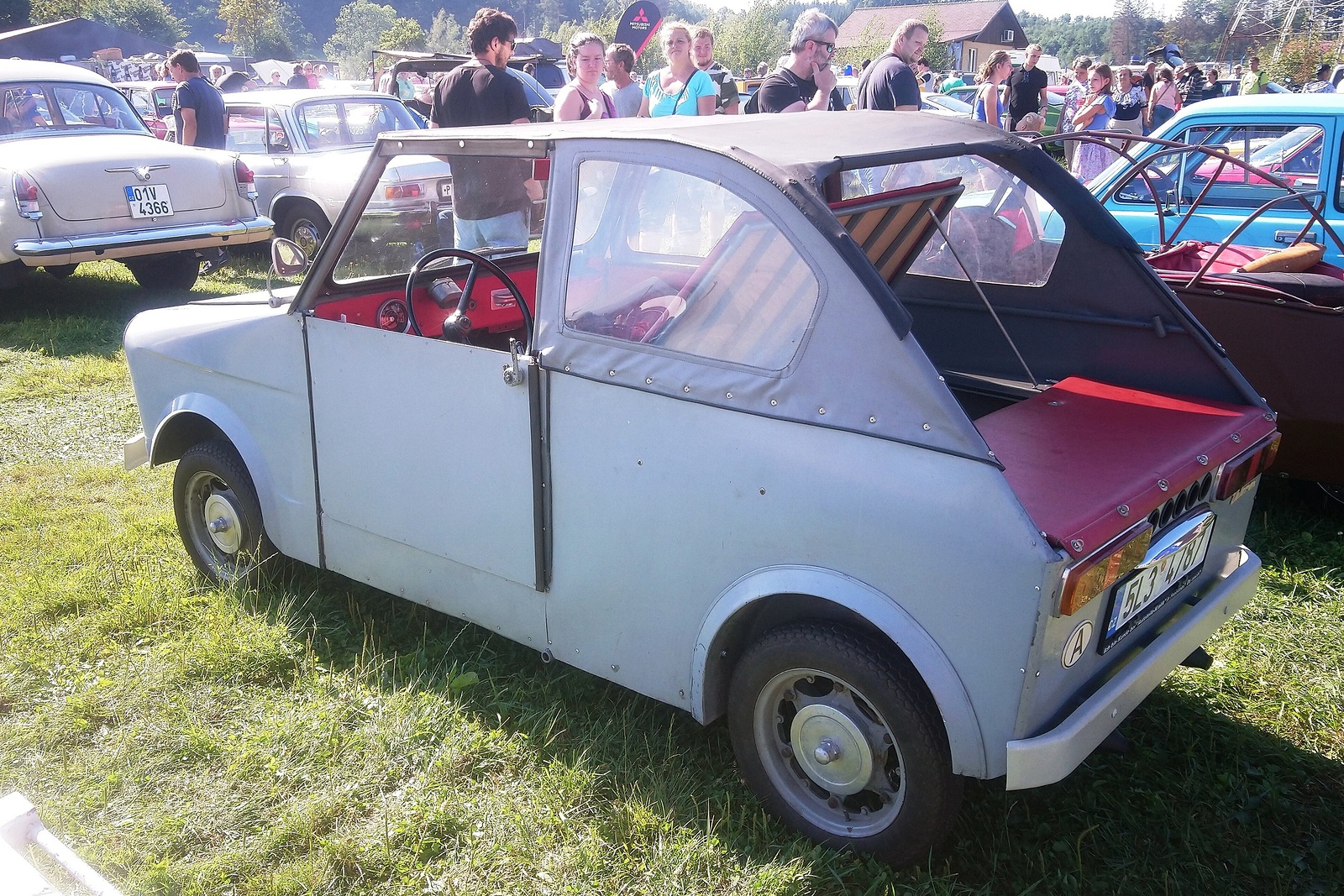
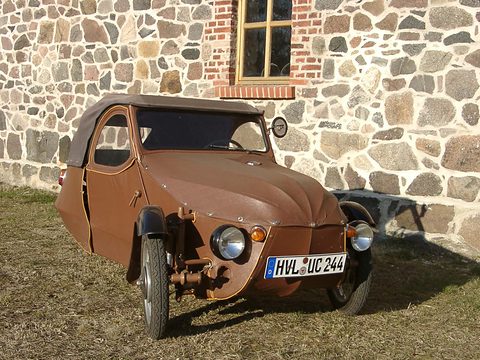
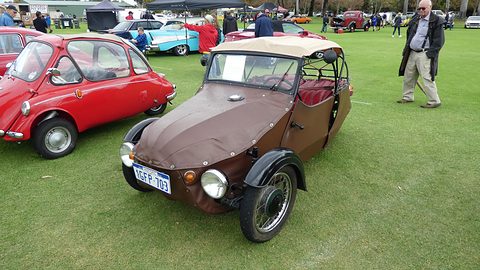
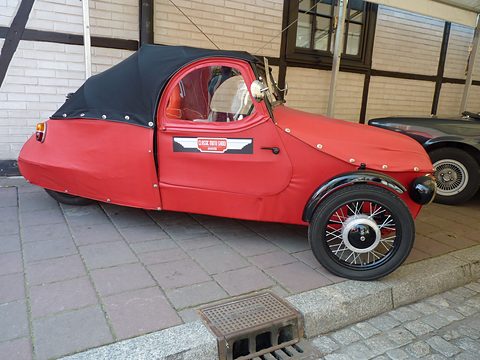
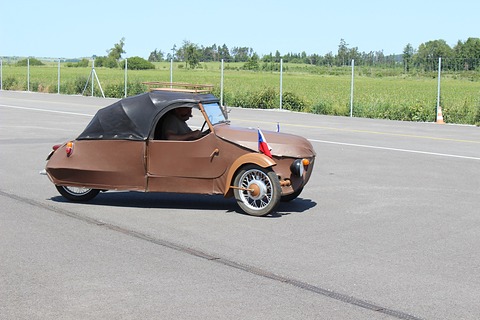
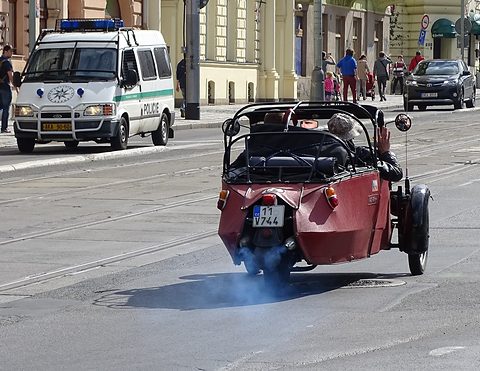
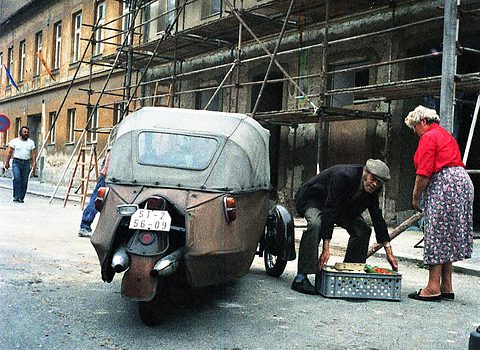
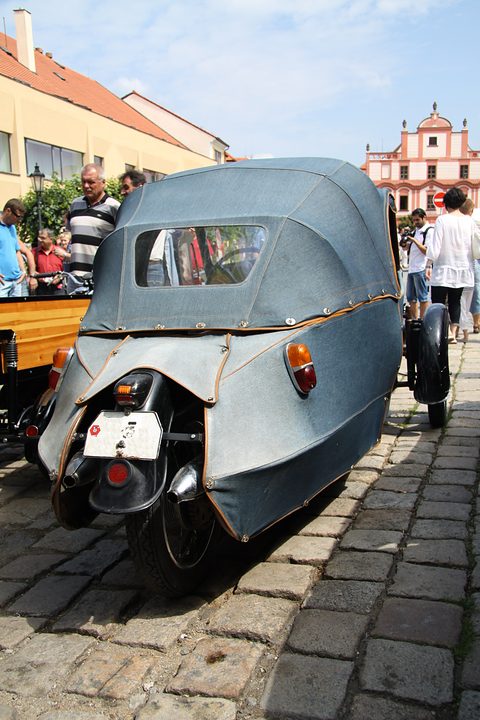
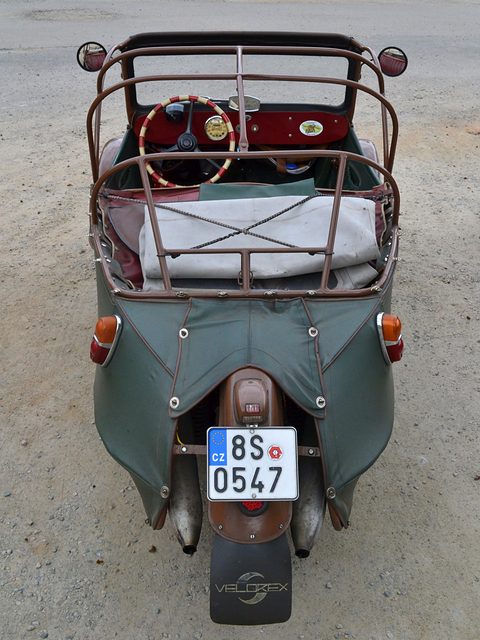
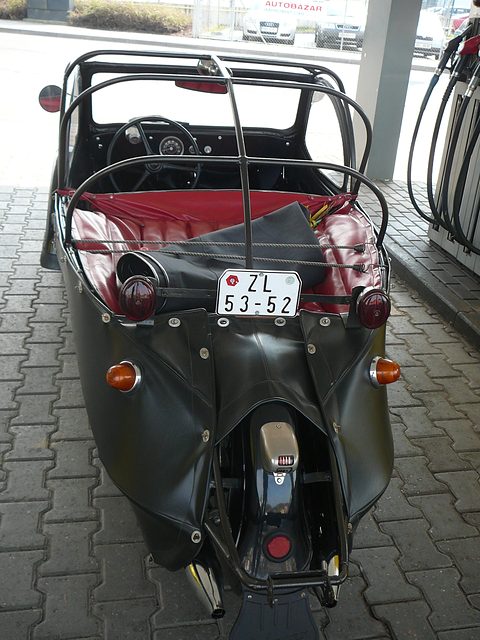
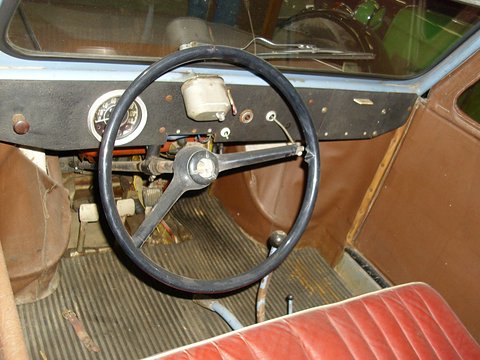
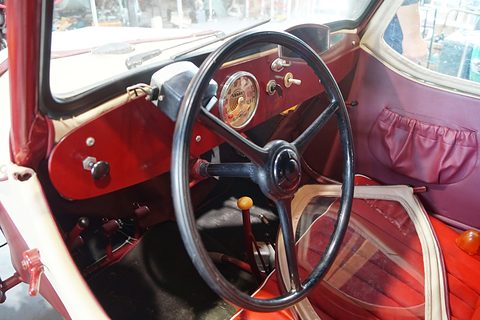
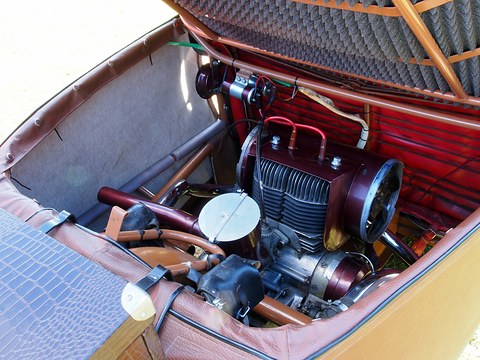
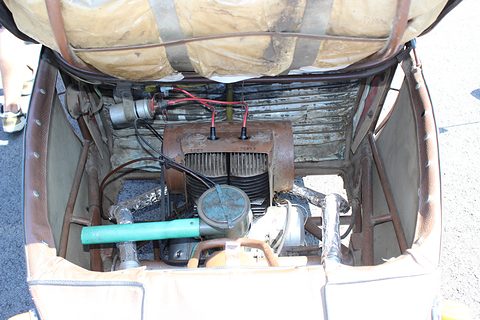
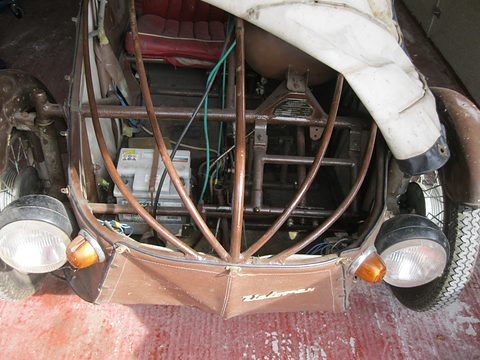
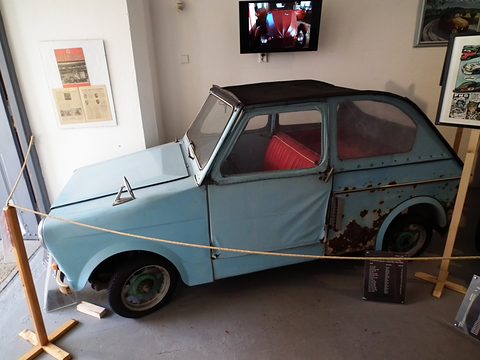
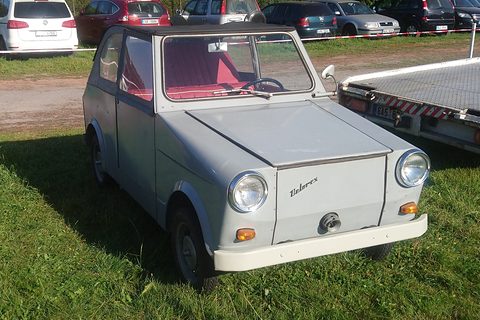
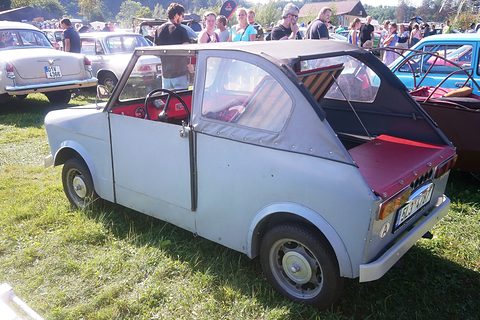
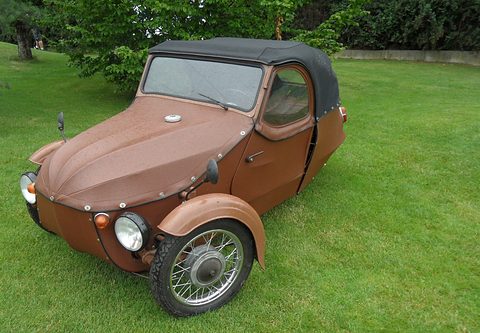
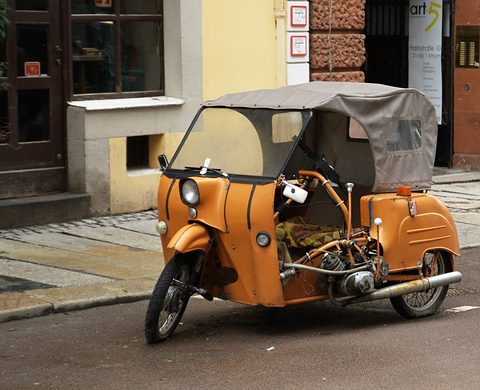
The structure is a welded steel-tube cage. Over it goes a leatherette skin (“Igelit”), held on by turnbutton fasteners, with metal wings.source 4source 1 Czech Wikipedia calls it the world’s only type-approved car with a cloth body.source 2 That cannot be checked, and the Lloyd LP300 and the early Fuldamobil also wore leatherette, though over plywood rather than a frame of tubes, so it is safer to call it one of very few. Two wheels steer at the front, and the Jawa engine at the back drives the single wheel behind; the kick-start of the motorcycle engine was worked by a hand lever.source 6source 4source 2source 1 In the type names the first number is the wheel size in inches and the second the engine size.source 2
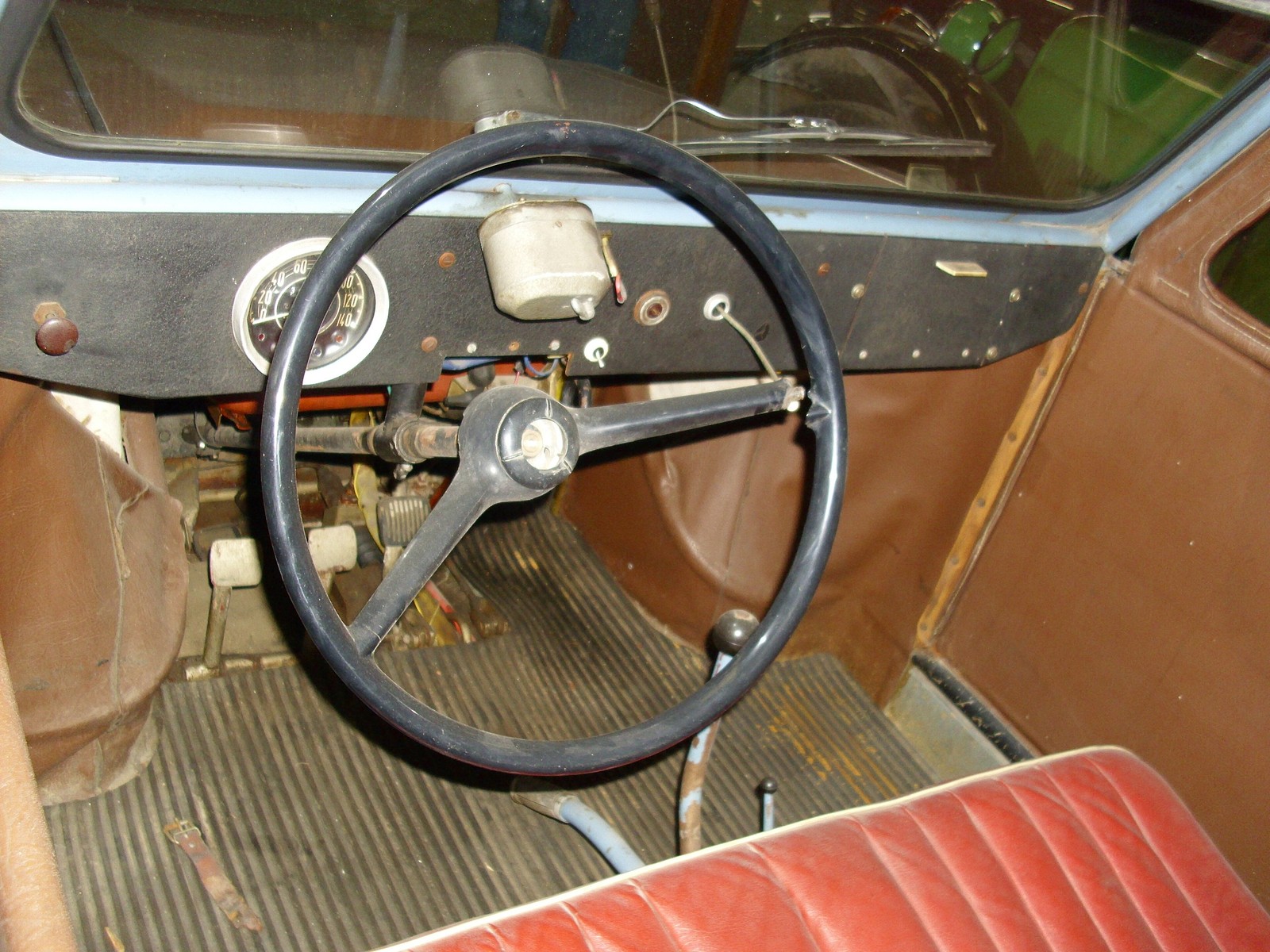
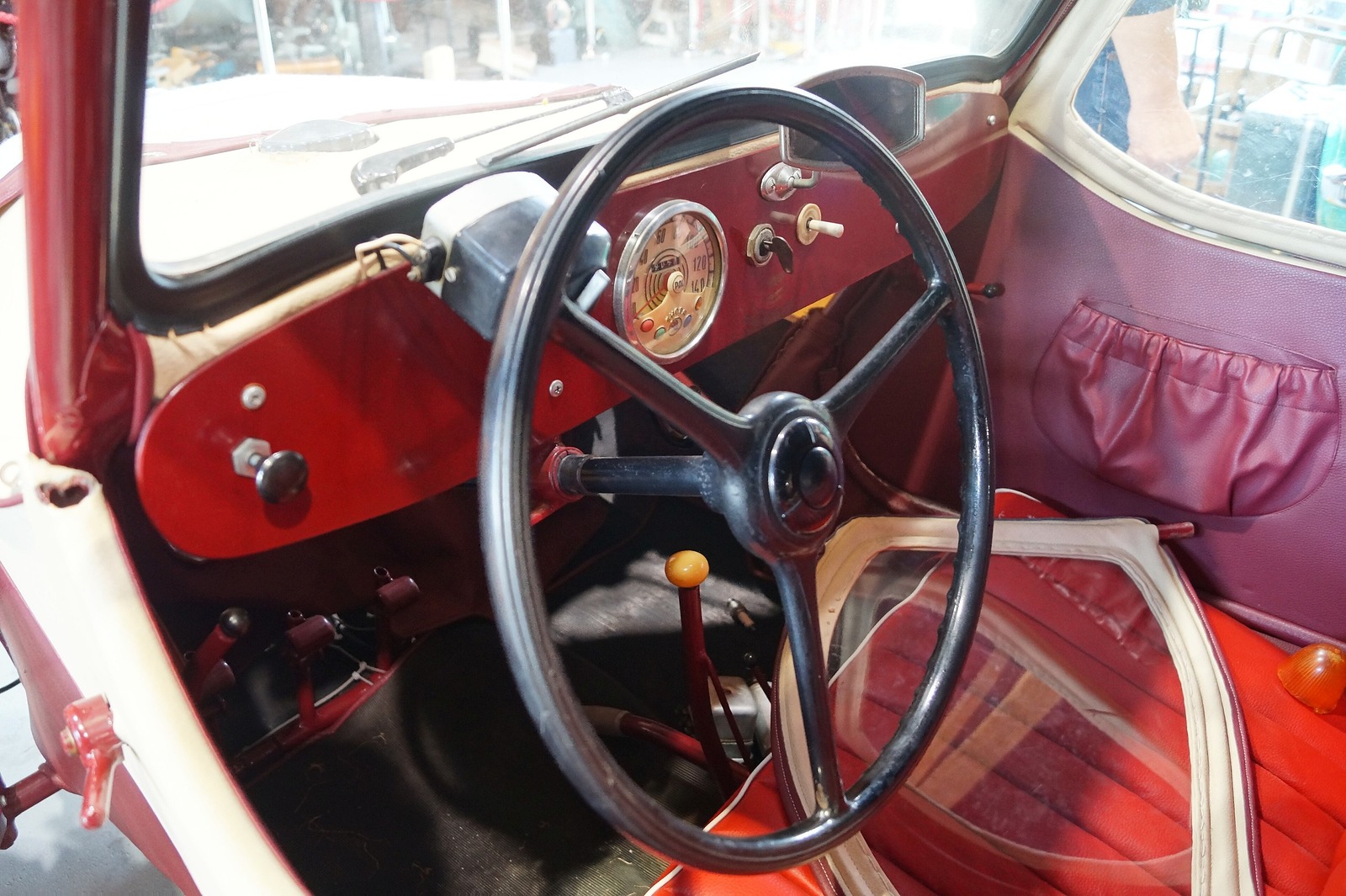
The Oskar 16 of 1955, renamed 16/250 in 1956, ran on 16-inch wheels and had the Jawa 353 engine.source 3source 5source 6 It weighed 205 kg (452 lb), was 3,250 mm (128 in) long and could reach 85 km/h (53 mph).source 4source 1 Year by year it changed: straps over the ventilation behind the doors in place of cooling slots, a gearbox with reverse in 1956, a new exhaust and standard indicators in 1957, a hinged luggage lid in 1959, Škoda Octavia tail-lamps in 1962.source 7 The Weiner museum says the twin, with its electric starter, reversed by running its engine backwards, giving four reverse speeds; that may be true only of the later Dynastart cars, and needs a manual to settle.source 1source 7
In 1960 it cost about 9,500 Kčs, and the state trader Motokov sold it abroad, mostly to Hungary, Poland and Bulgaria. A second plant opened at Rychnov nad Kněžnou.source 3source 5 Political meddling in 1961–62 made the manager, Jaroslav Ehl, resign, and several staff left in protest; Josef Kosek took over in the summer of 1962.source 3source 5 In 1963 the 16/250 gave way to two models: the 16/175, with the ČZ engine of the Čezeta scooter-truck, dropped the next year for want of power, and the 16/350, with a Jawa twin. A simple line with more than 60 staff then built up to 1,200 cars a year, and the 16/350 cost about 13,000 Kčs.source 3source 5source 2 From 1968 it had a hydraulic clutch, and in 1971 the three-wheelers came to an end, after about 15,200.source 3source 5
Who could have one
The Czechoslovak Union of Invalids sold most of them and kept the waiting lists, which puts the Velorex among the invalid carriages, though small tradesmen had bought the early ones too.source 3source 4 About half, 7,540 cars, went to other Eastern Bloc countries: Hungary, Poland, Bulgaria and East Germany.source 4 Until 2000 a motorcycle licence was enough to drive one.source 2
Four wheels, and a telegram
The cooperative tried four wheels more than once. A Jawa offer led to a development centre in 1956 and a prototype, the Motorex, which ran in the winter of 1957; Jawa finished four more chassis as the Jawamobil, and none went into series.source 3source 5 A four-wheeler shown at the first Brno engineering fair in 1959 was well liked but uneconomic: seven were built in a pilot batch, one more from leftover parts, and it was dropped in 1963.source 3source 5 A light van, the 435 D, with a glass-fibre cab, followed in 1965–69. The cost of its plastic parts killed it, and in 1969 the cooperative’s chairman, Otomar Mach, even wrote to the Communist Party leader Gustáv Husák for money, without result.source 3source 5
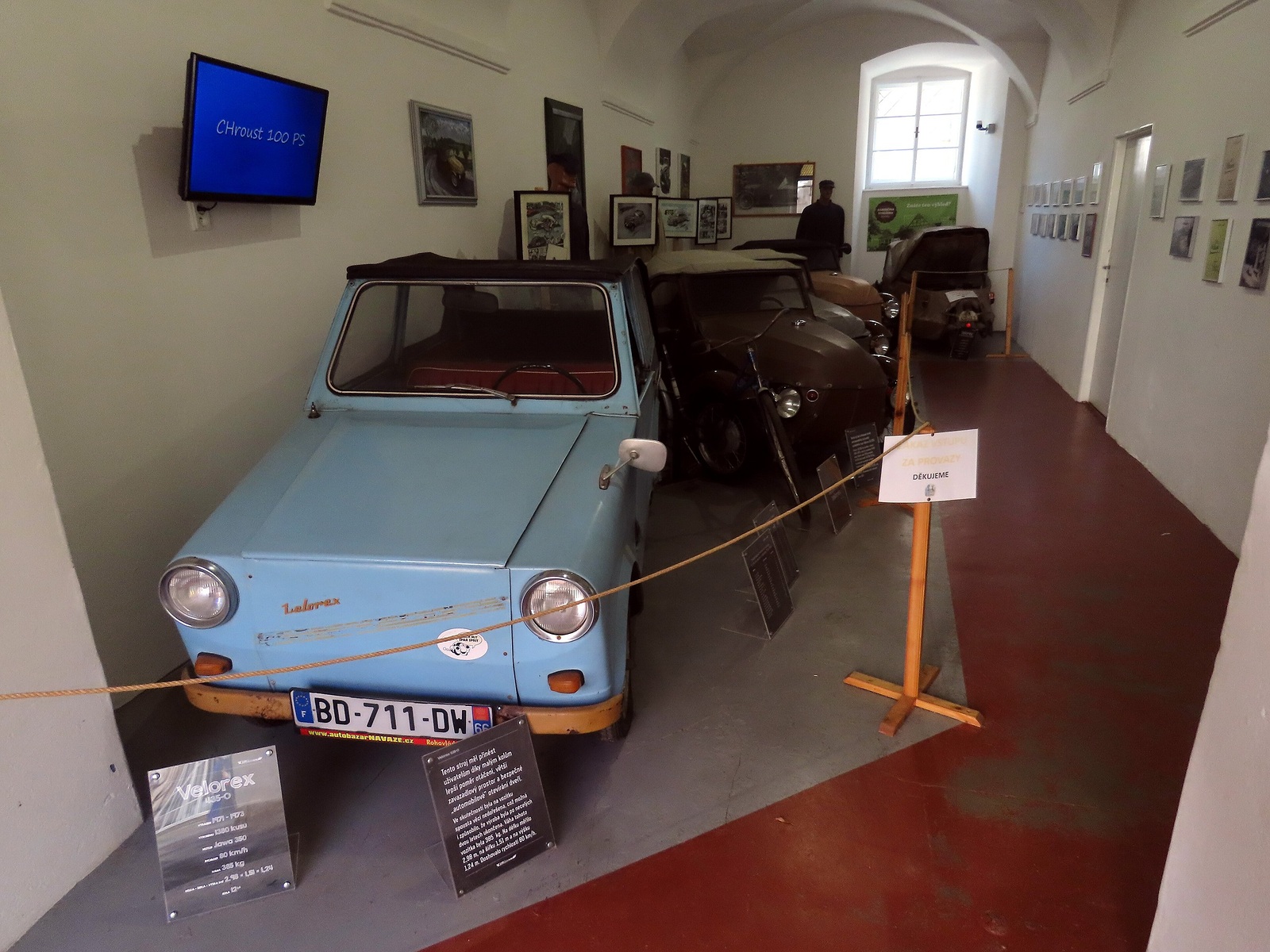
The four-wheeler that did reach production, the 435-0 of November 1971, was a disaster. Its designer, Rudolf Chytra, worked to tight cost limits, and the Union of Invalids, its main customer, reported exhaust fumes in the cabin, doors that opened and fell off on the move, and brake drums that overheated. On 31 October 1972 the Ministry of Transport withdrew its approval by telegram. It was patched, approved again and withdrawn again; owners went to court to return their cars and won their money back, and the Union began finding its members Trabants, about 6,000 Kčs dearer than the 435-0’s 19,000 to 20,000.source 3 Production stopped in September 1973 after 1,380, and the last were sold off until 1976 through the used-car lots of the Klenoty chain.source 3source 2source 5source 6 That was the end of making vehicles at Solnice. The repair shop carried on, and made bespoke leatherette covers until 2001.source 3source 5 In the mid-1980s India asked for a licence to build the three-wheeler, but the tooling no longer existed.source 4