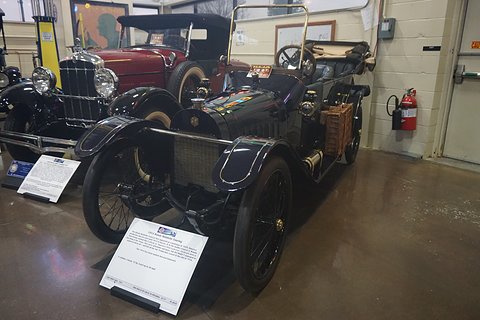
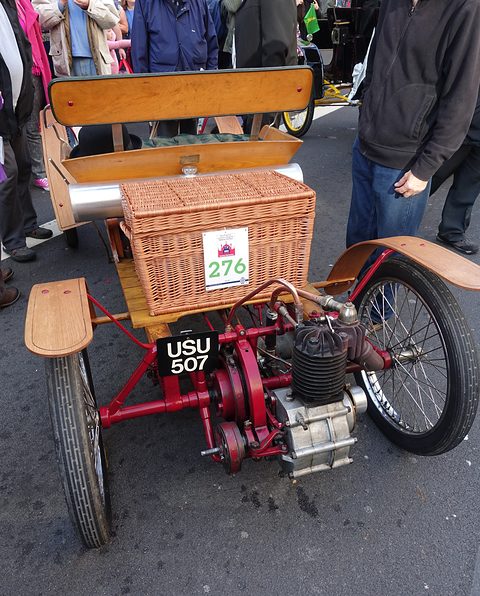
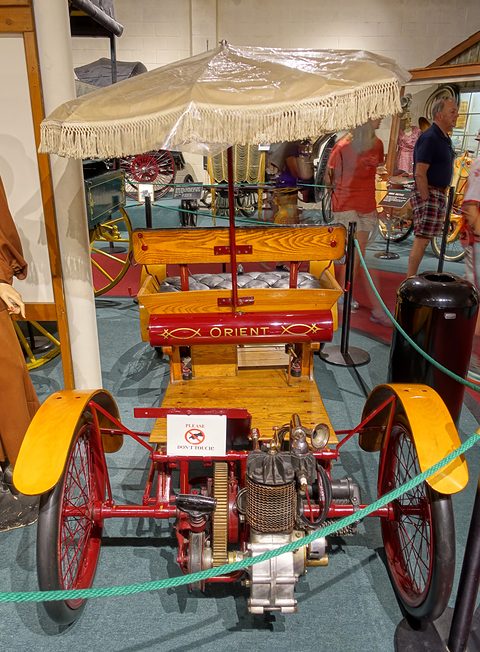
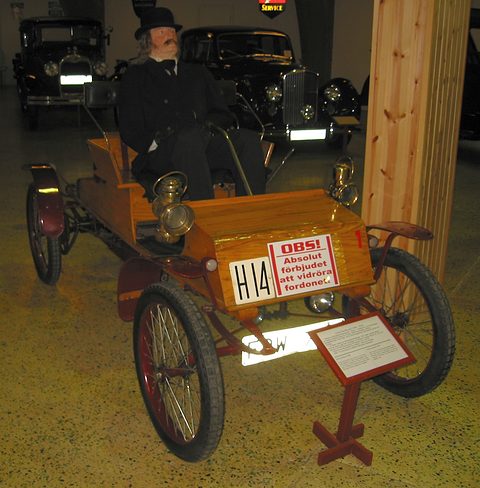
The story
History
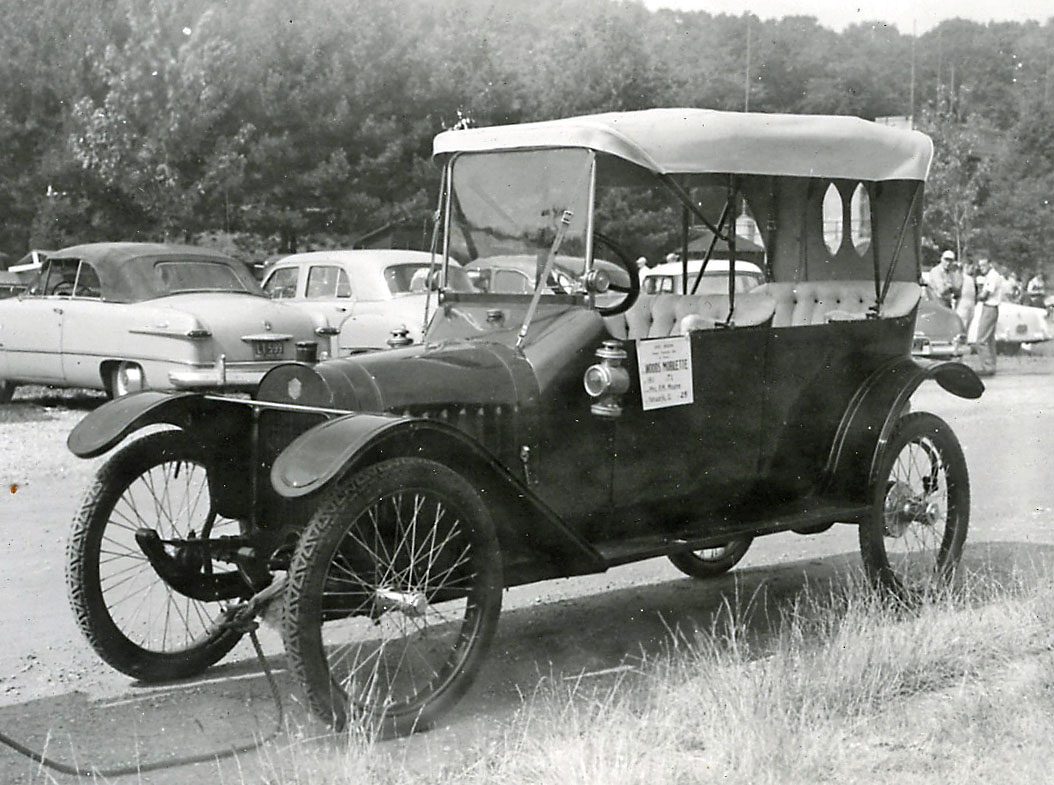
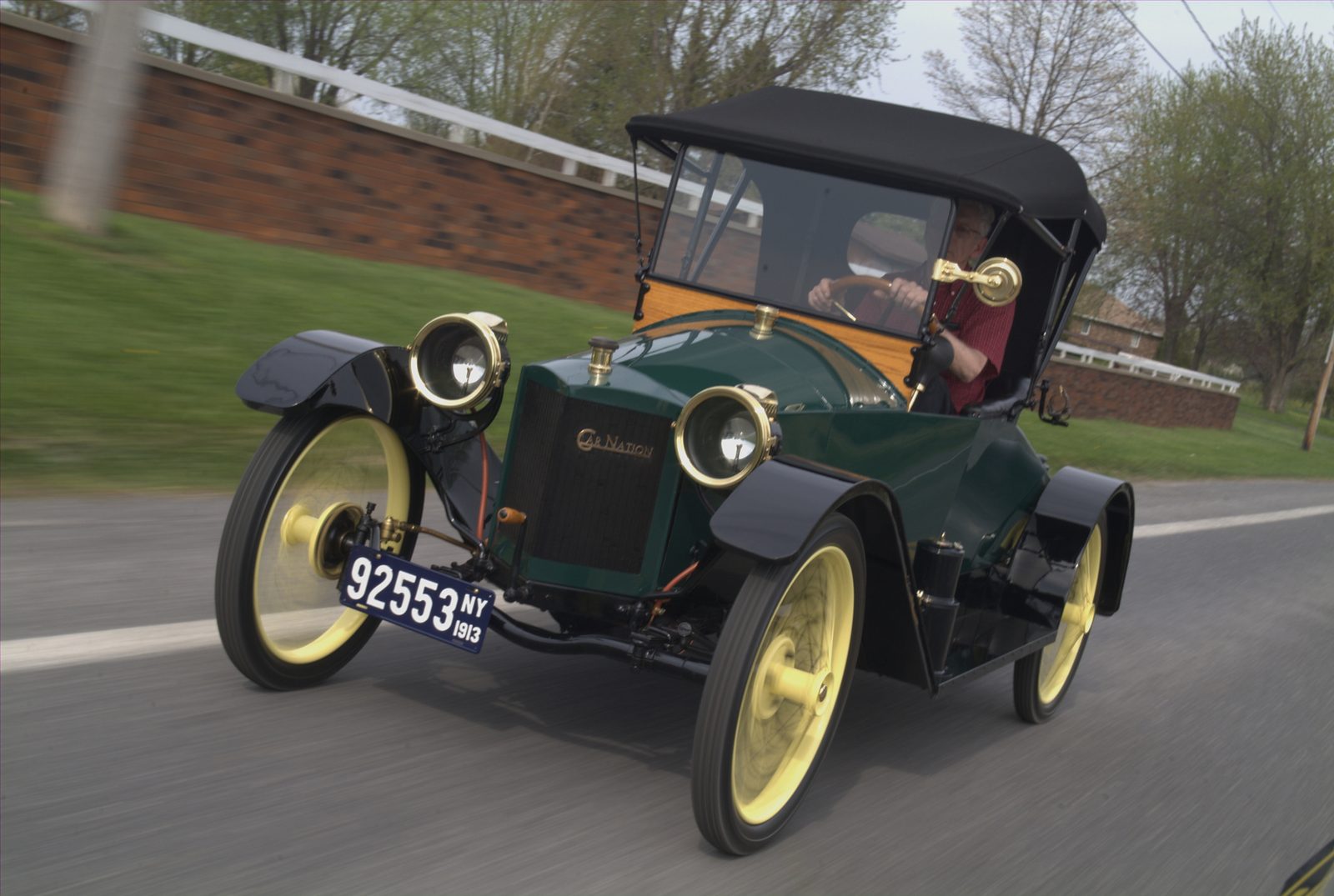
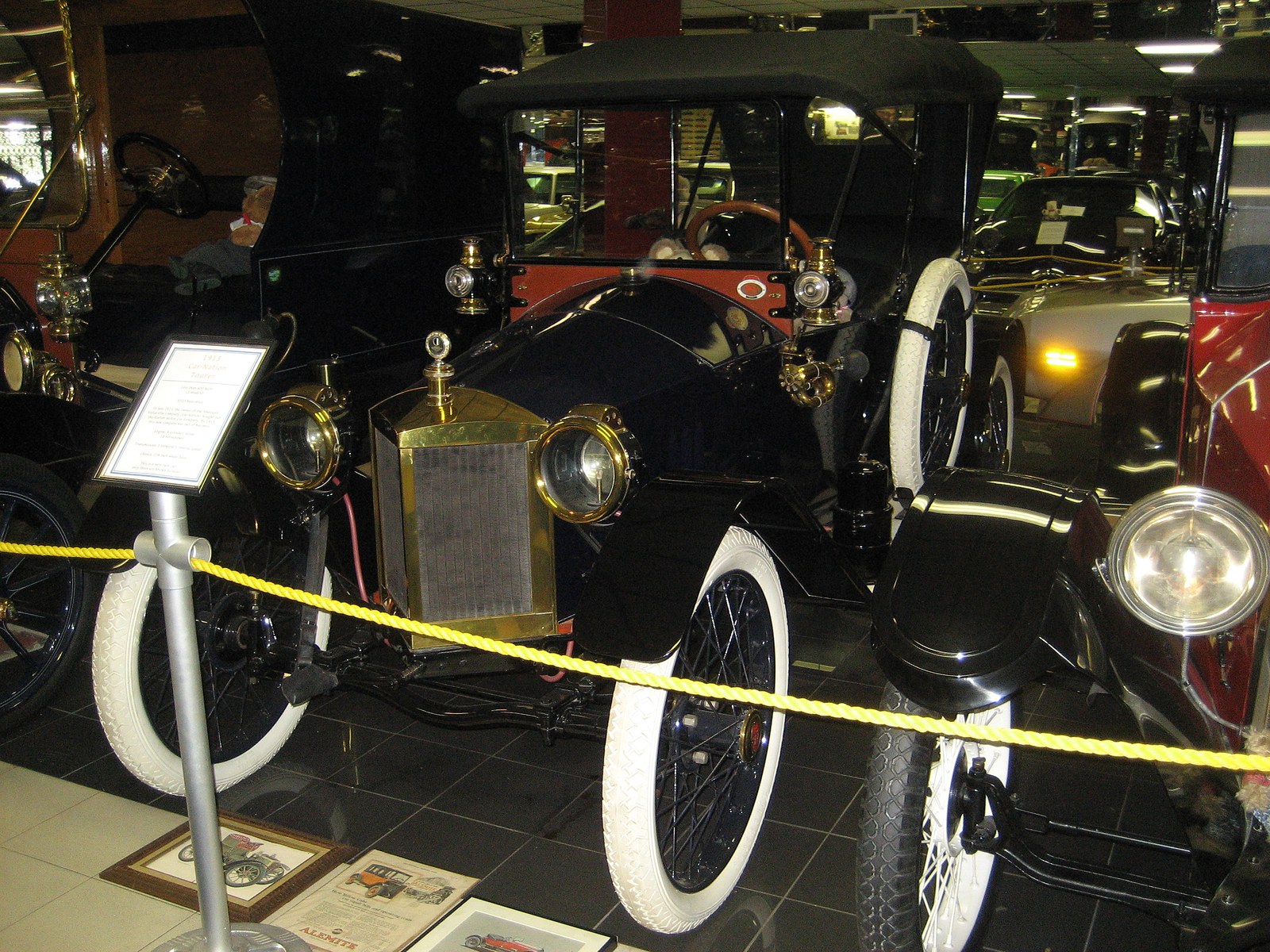
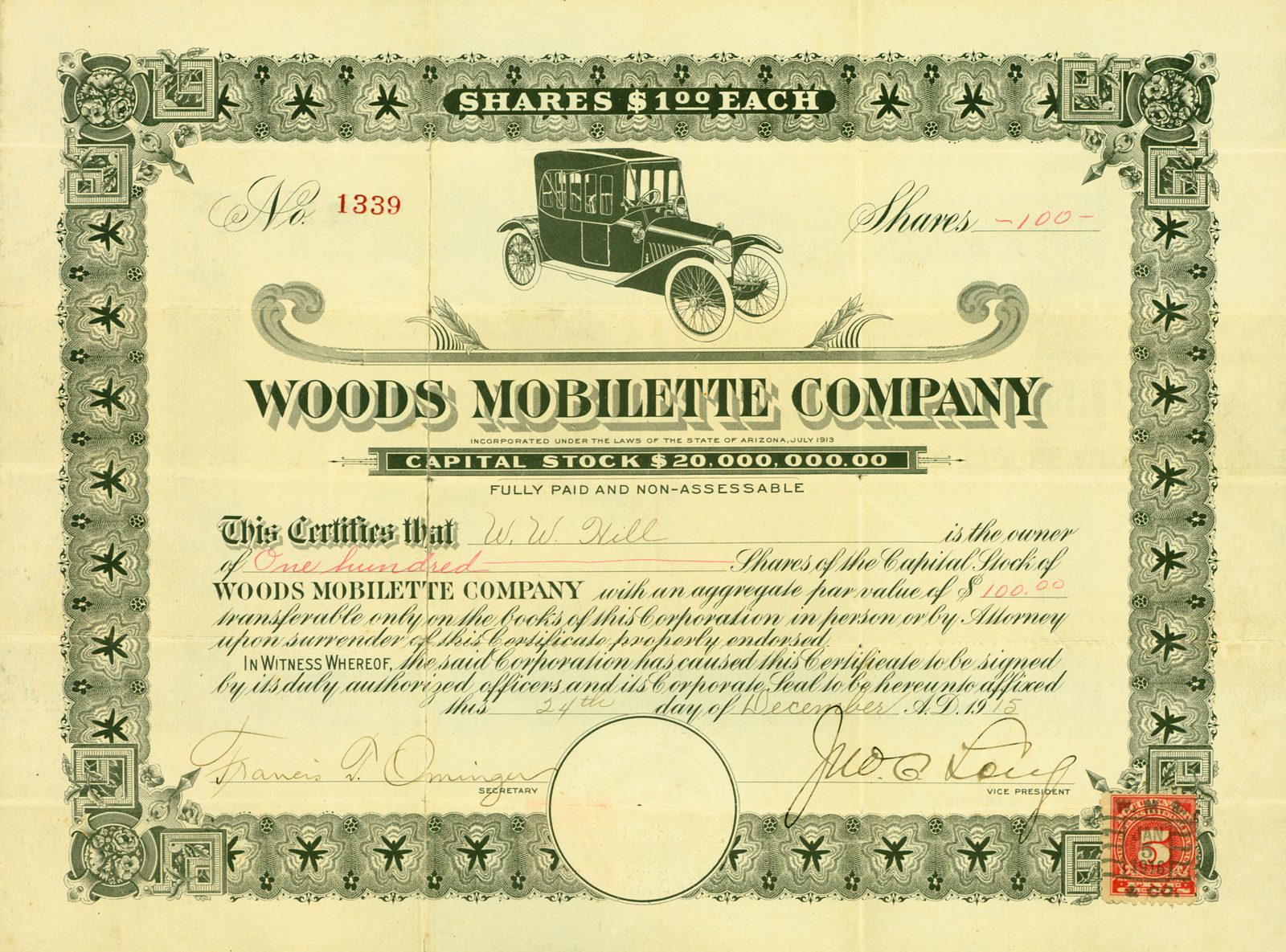
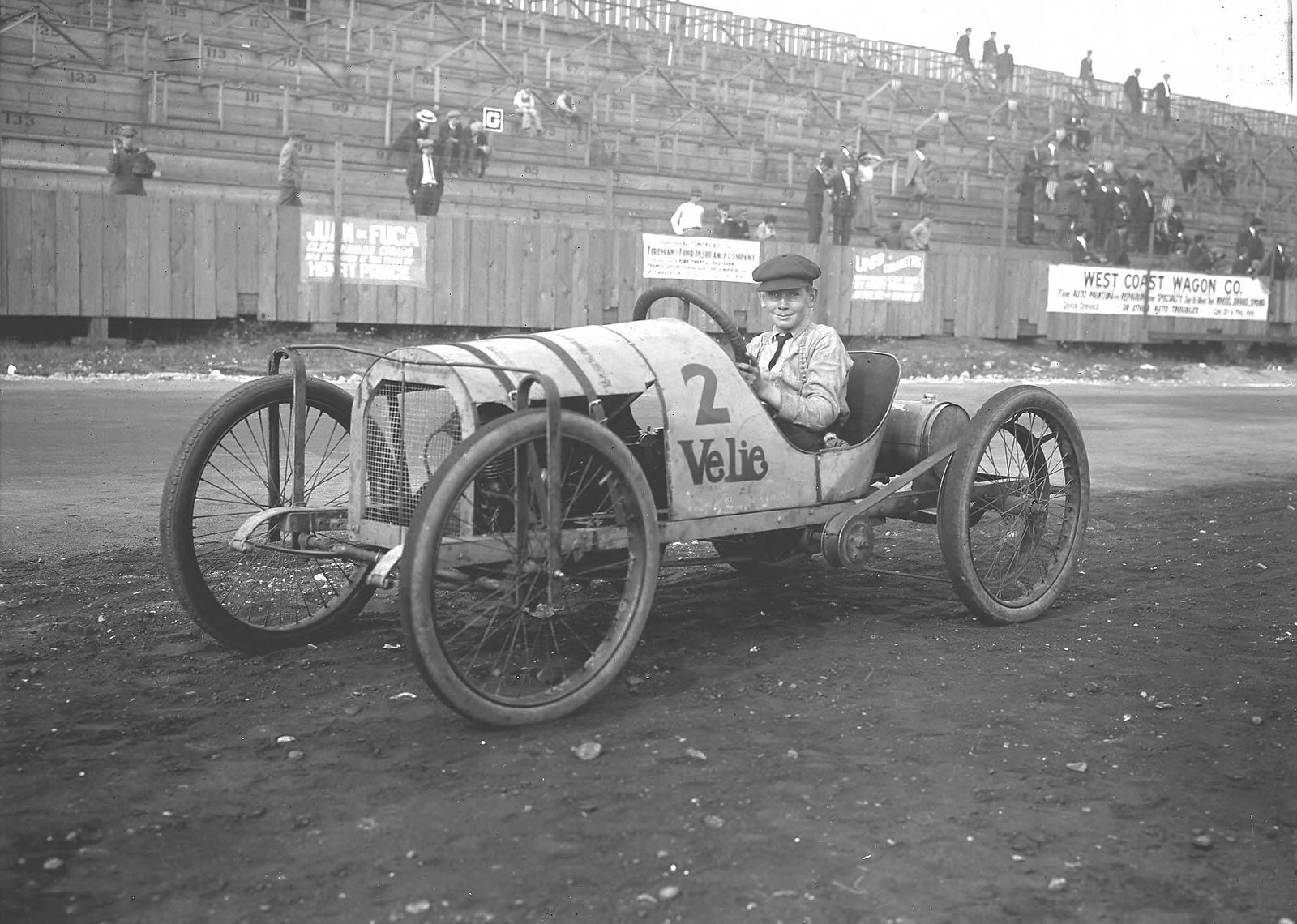
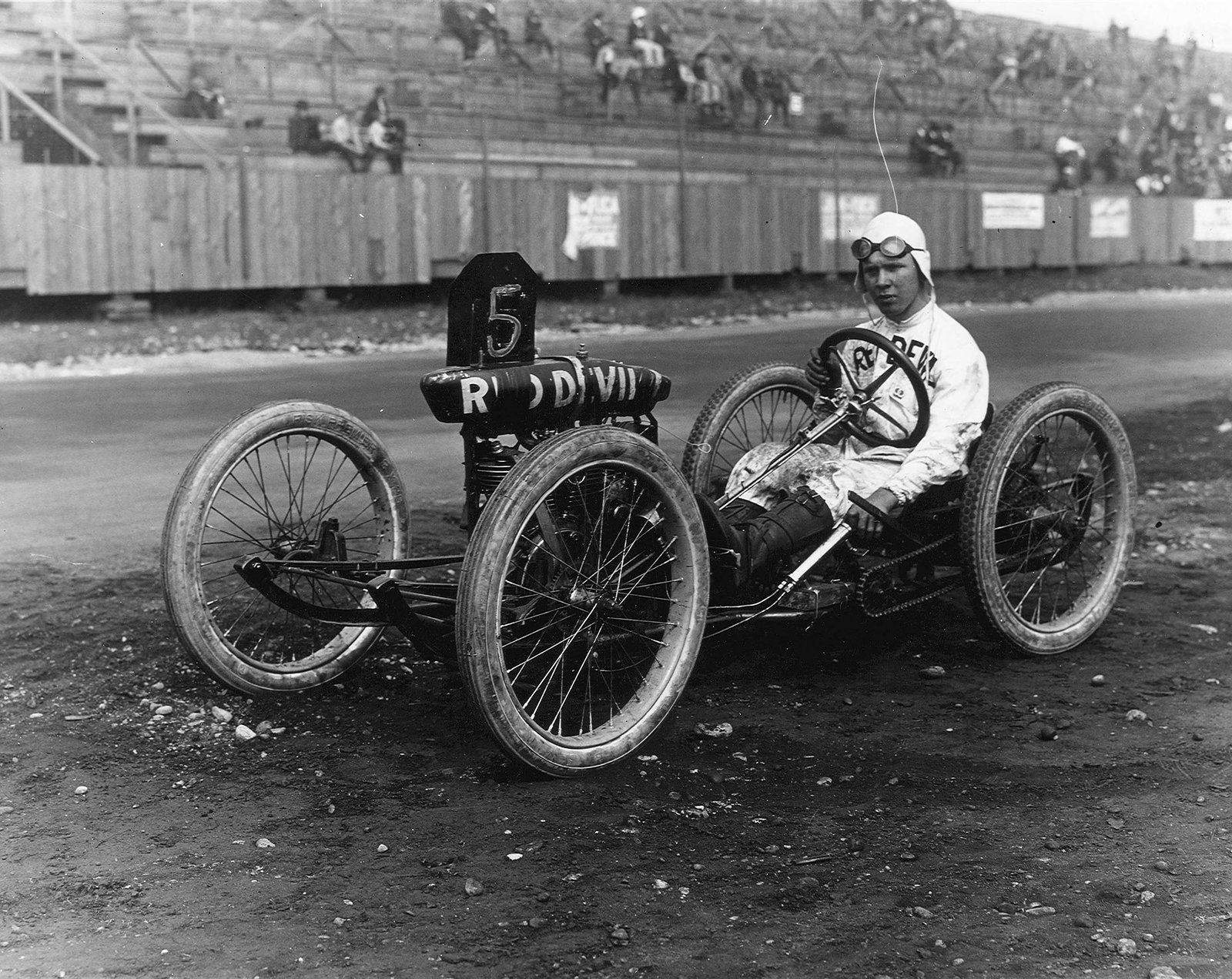
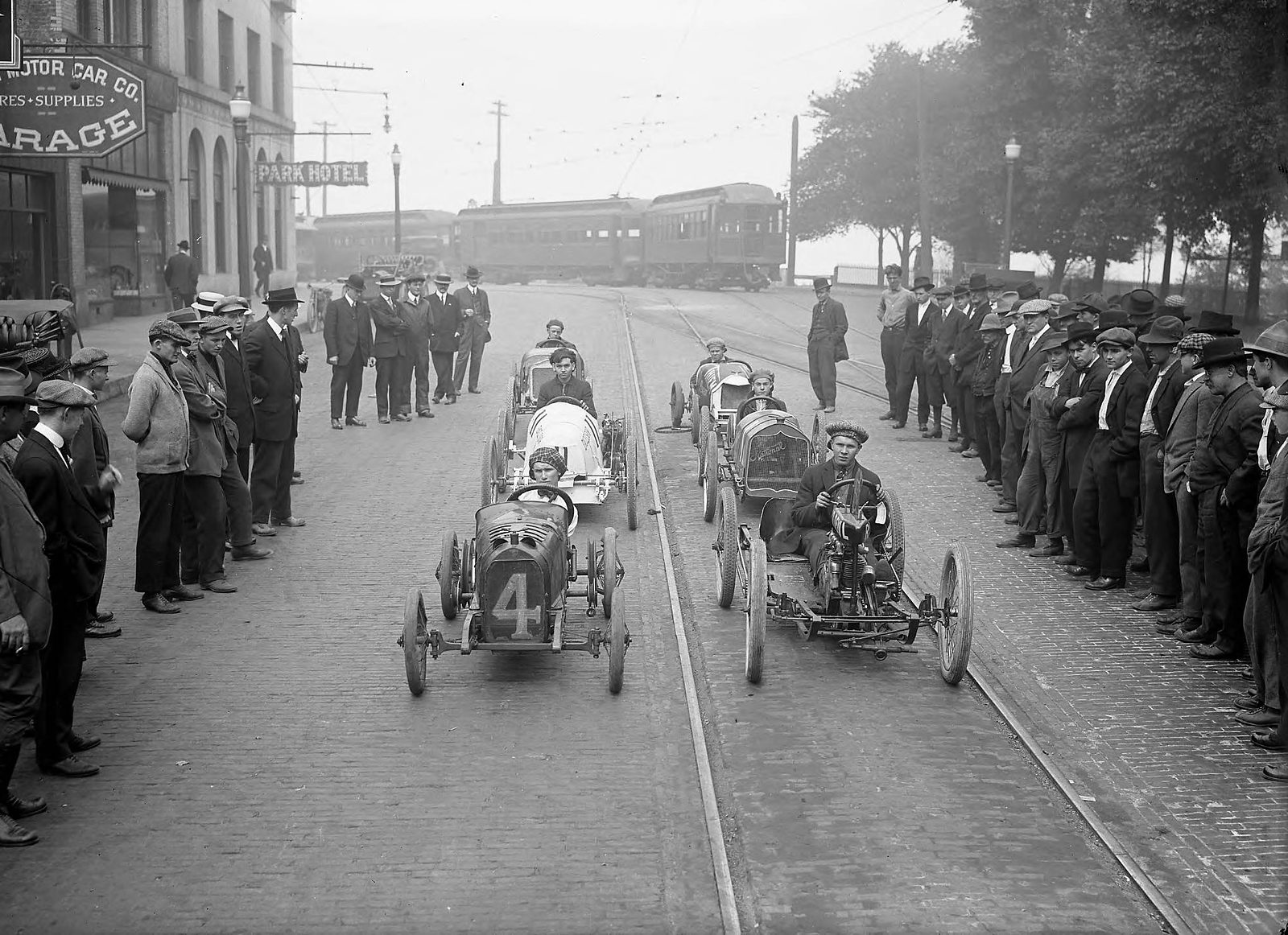
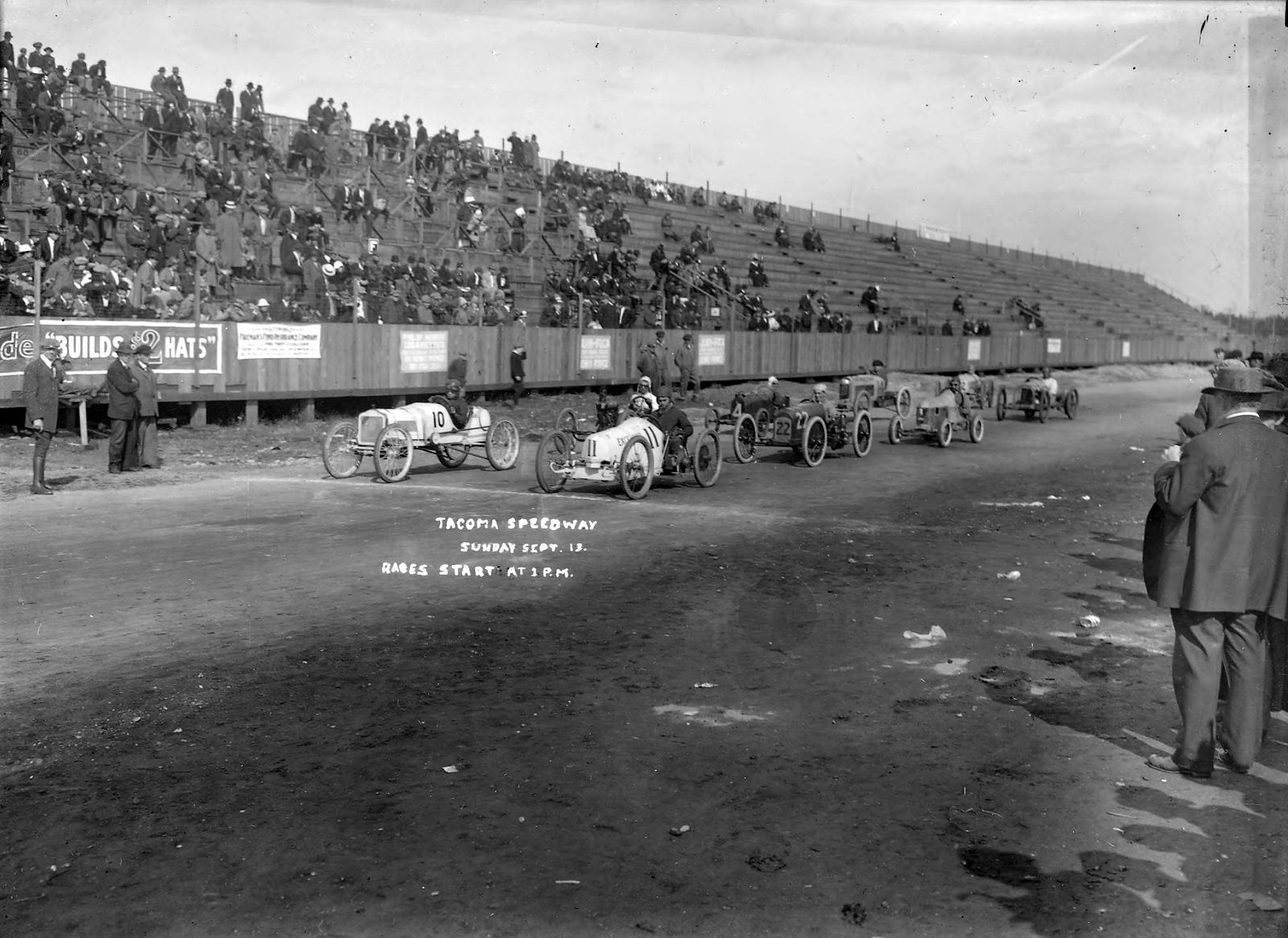
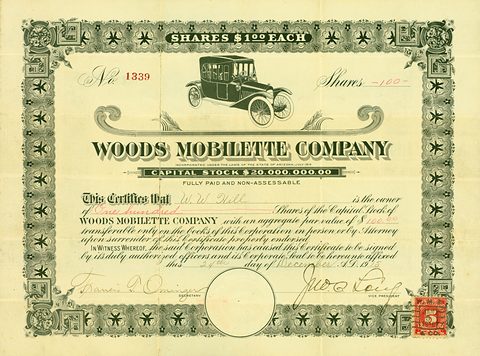
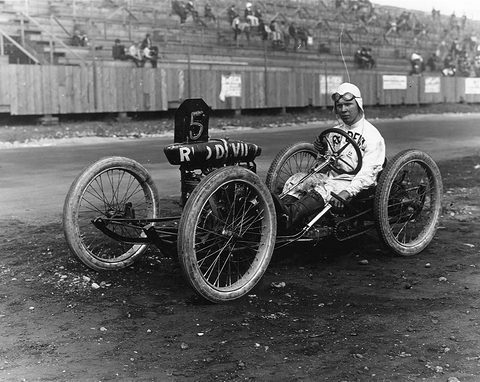
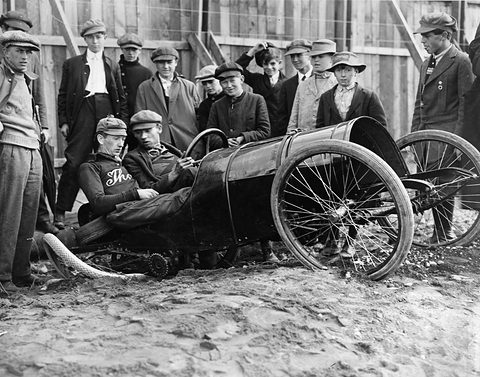
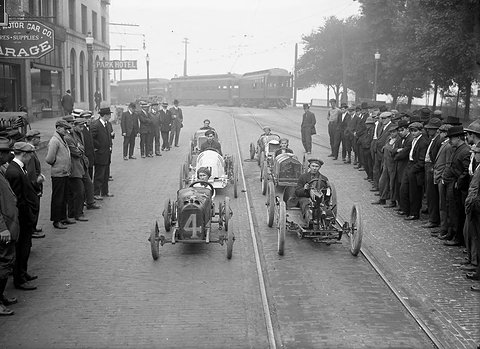
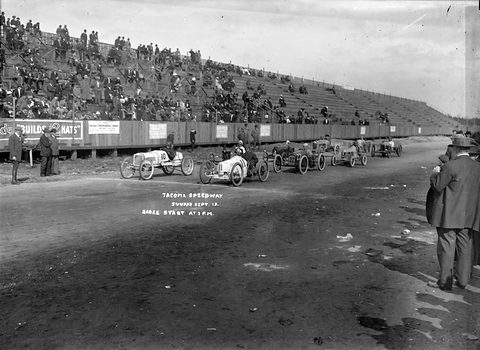
Britain’s weekly The Cyclecar had appeared in late 1912,source 1 and the cyclecar reached America from Britain and France in 1913. The American trade went at it hard. By 15 January 1914 Motor Age’s directory listed more than 50 makes, from Arrow, Auto-Tricar and Blood Bros. to Ward, Woods Mobilette and Zip, and a trade writer of the day counted “some fifty manufacturers who have announced their intention of building this type of vehicle”.source 2source 3 The paper split them by engine size, into cyclecars of 71 cubic inches and under and “light cars or cyclecars” of more.source 2
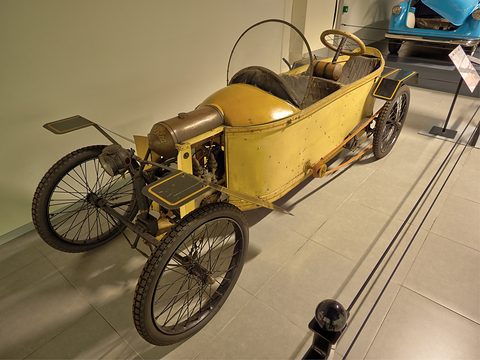
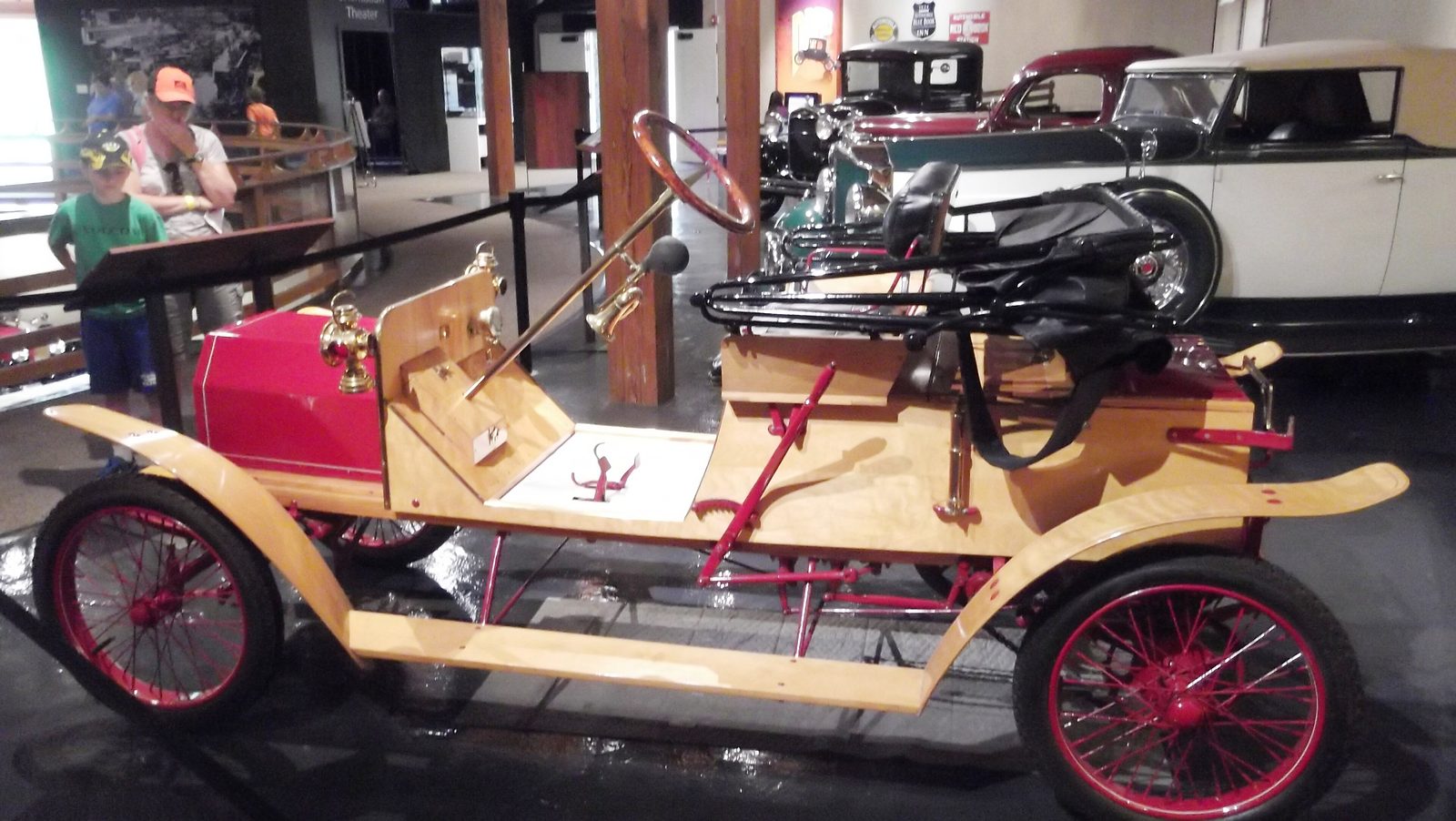
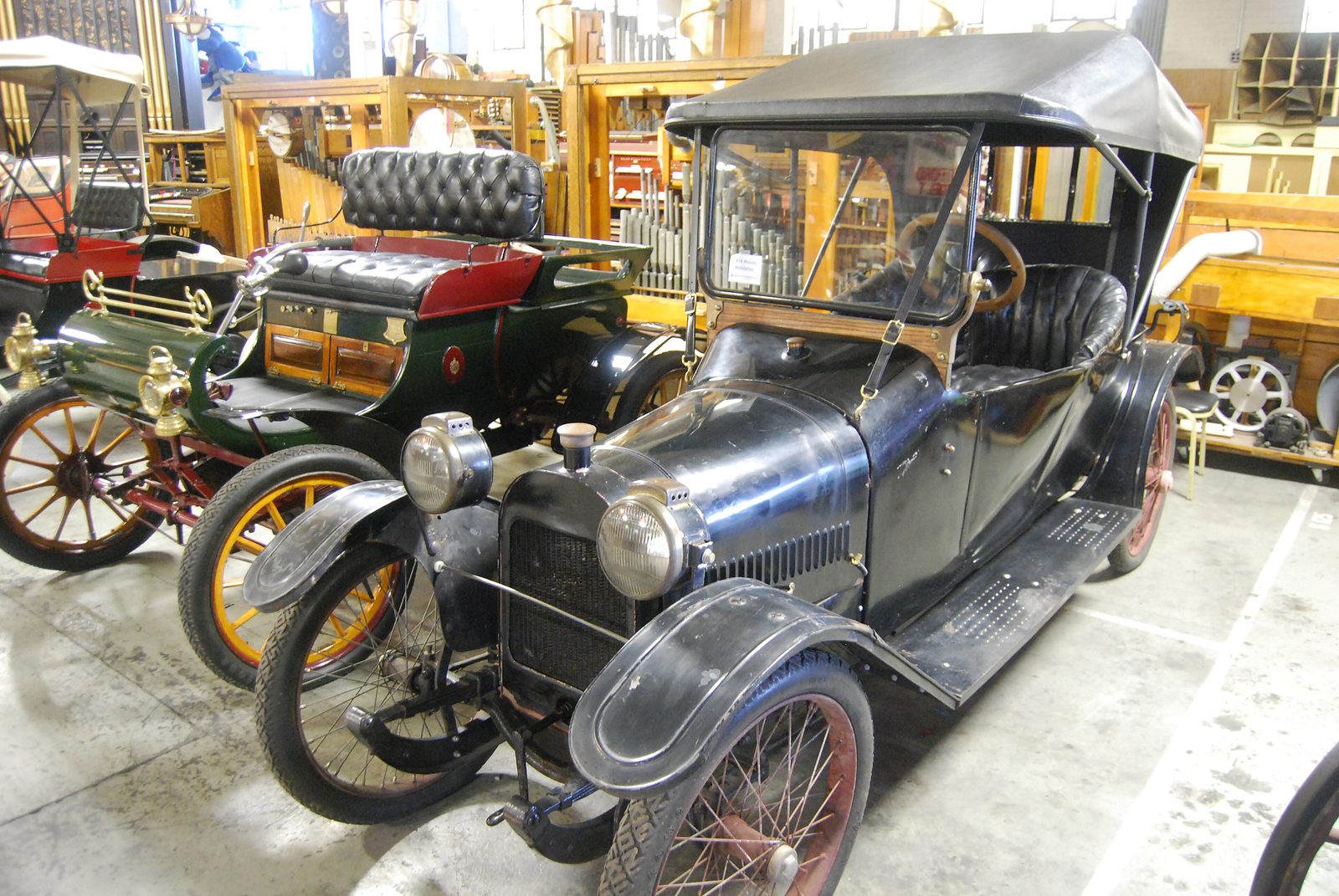
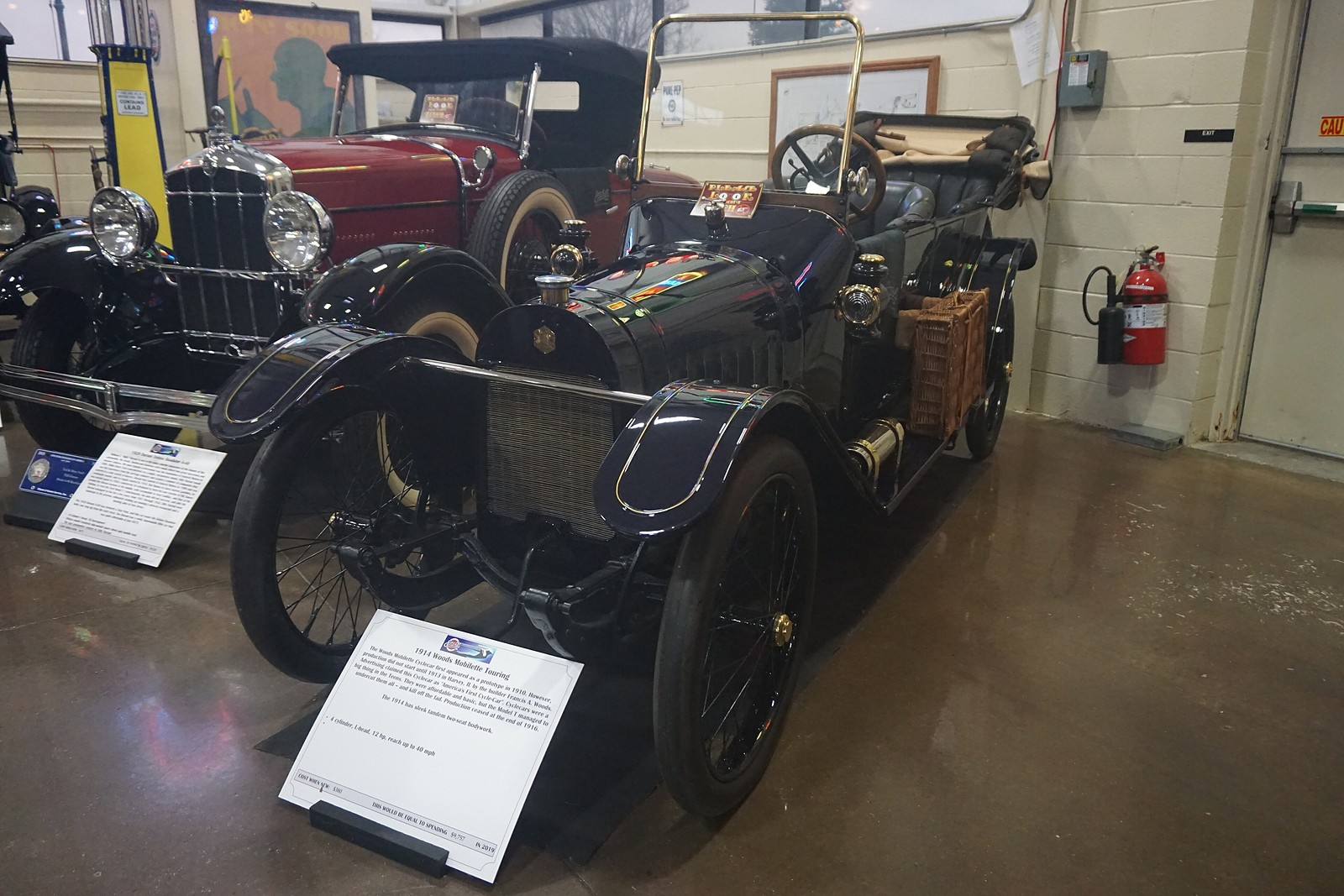
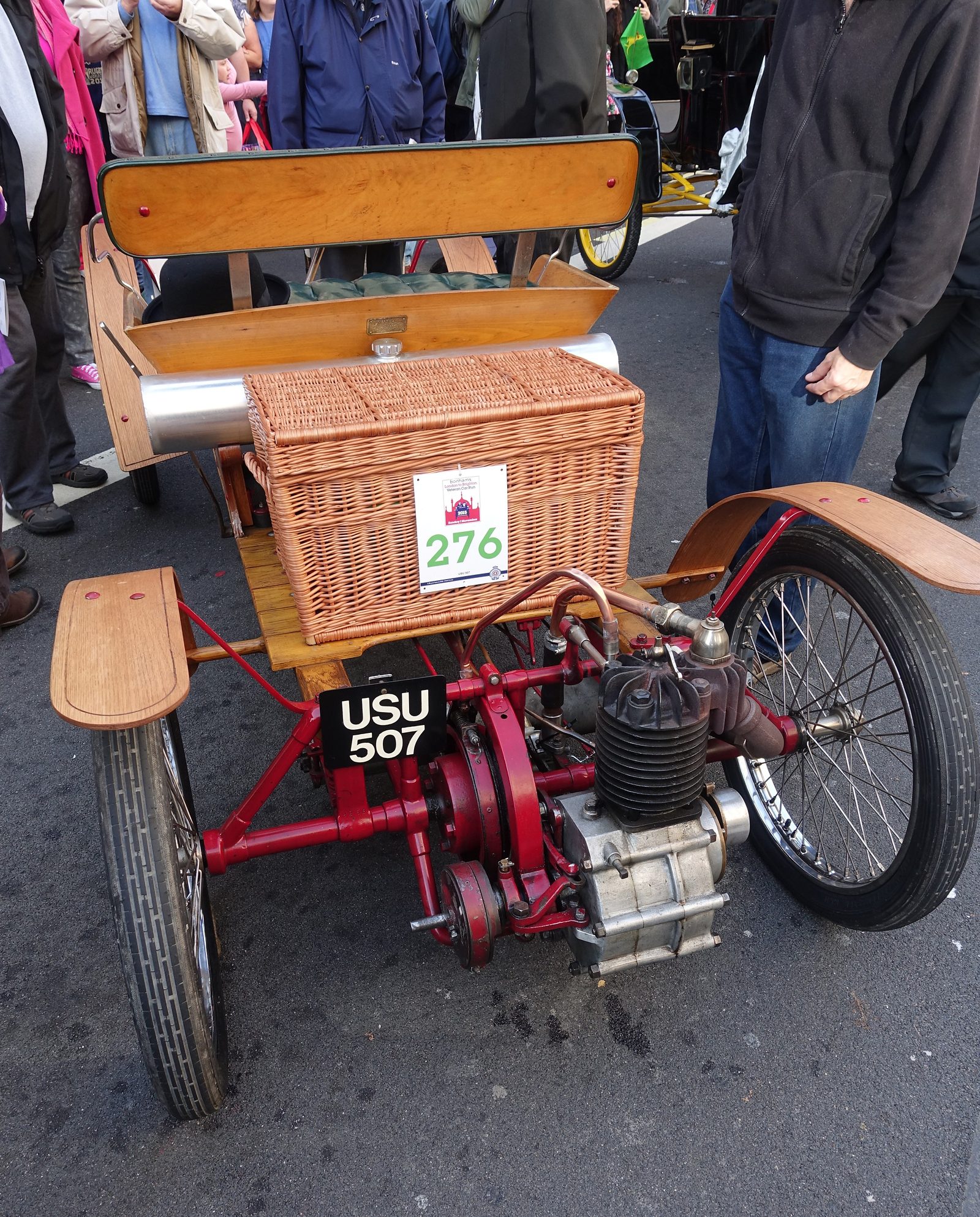
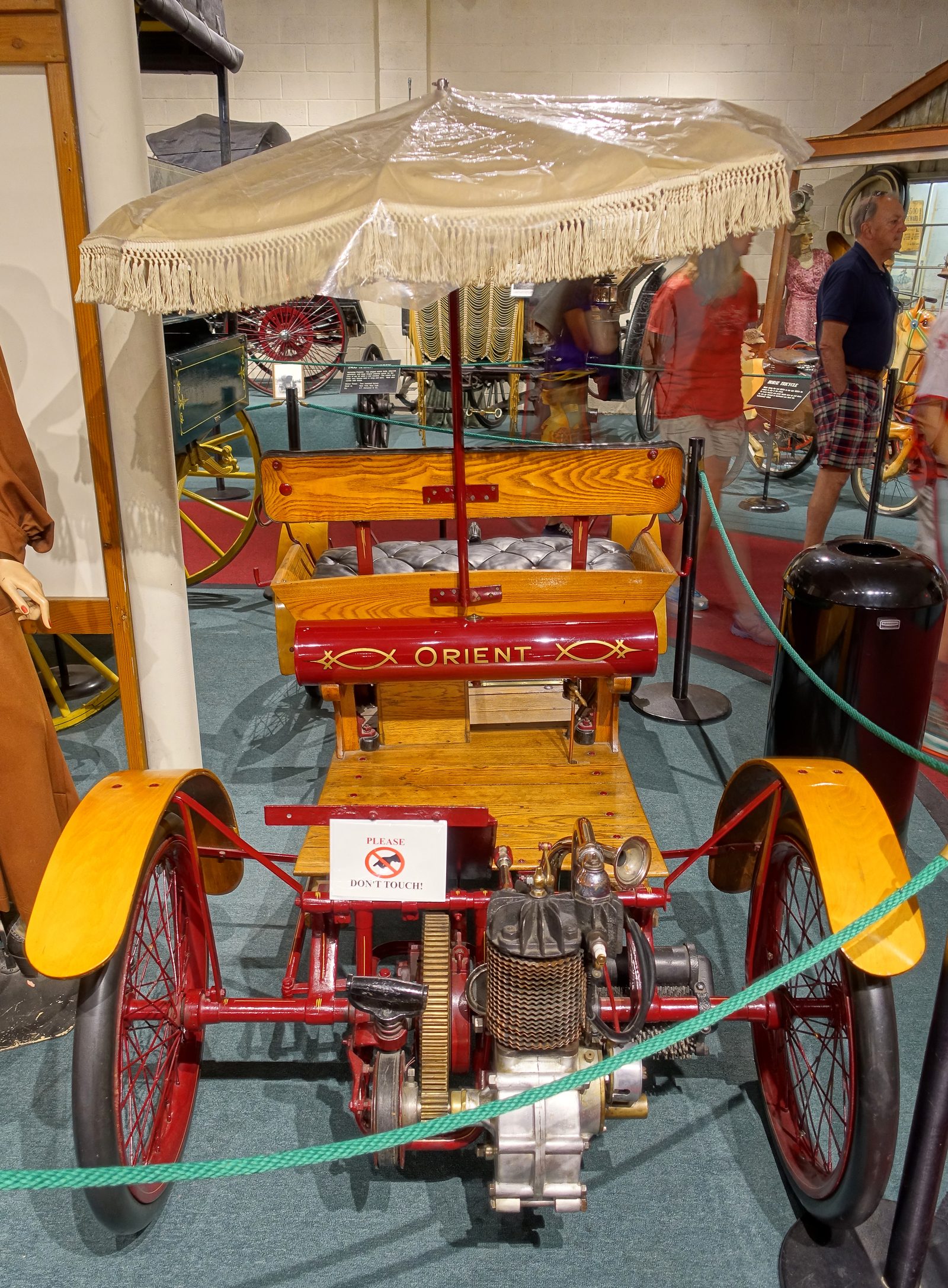
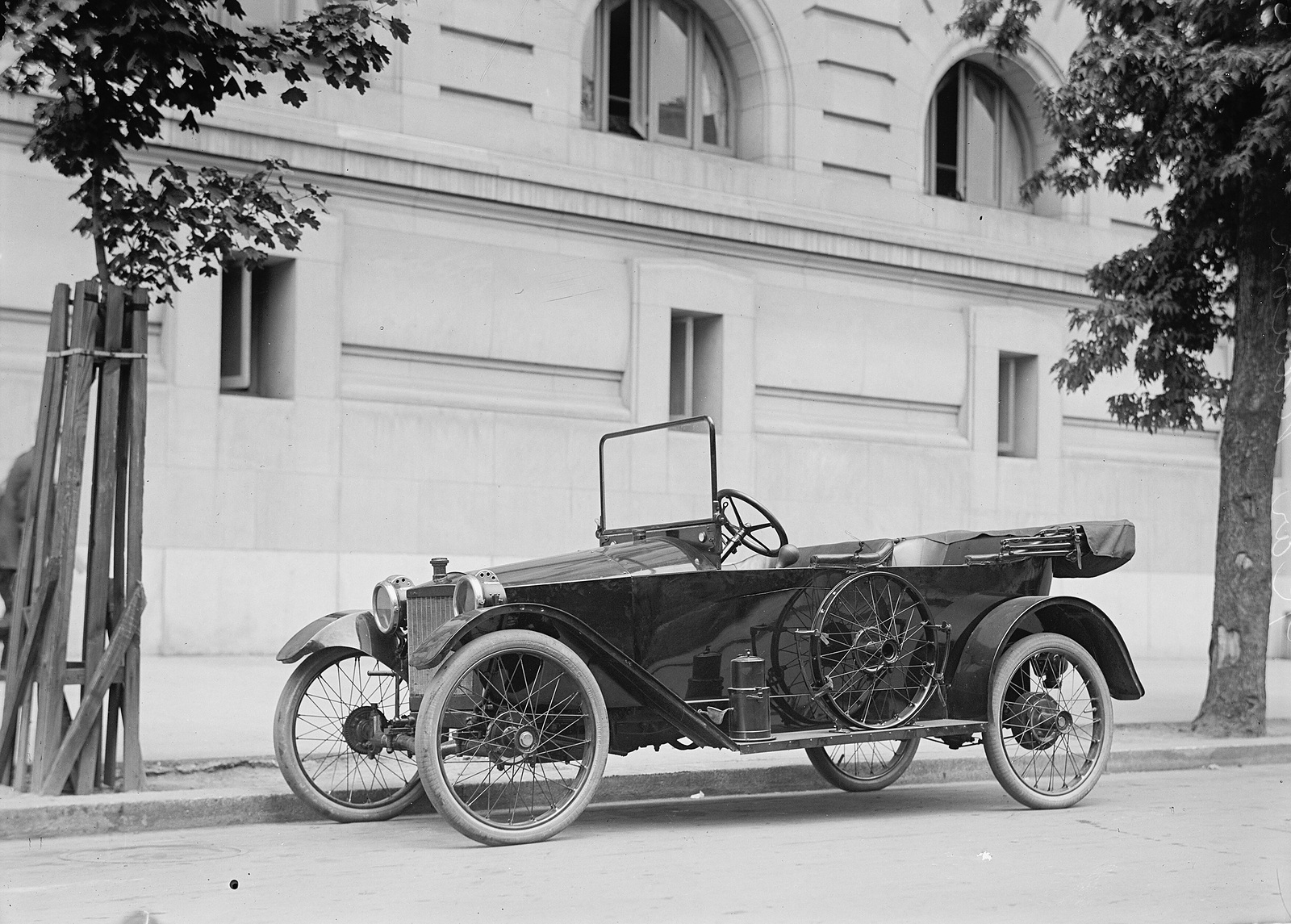
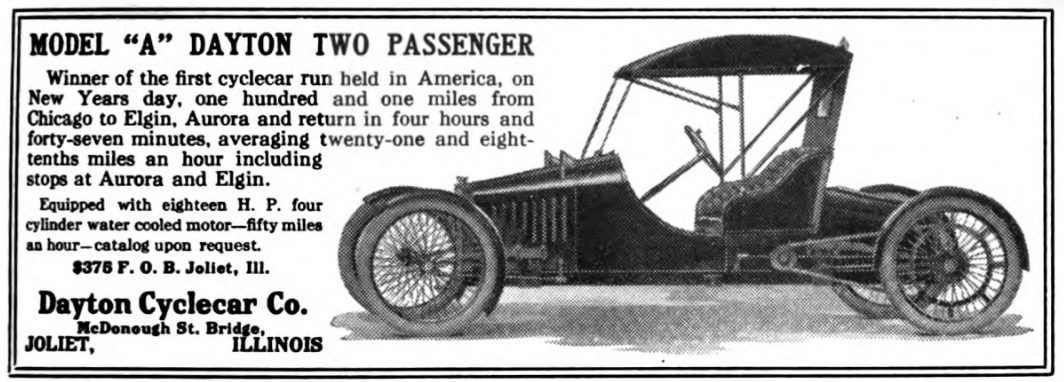
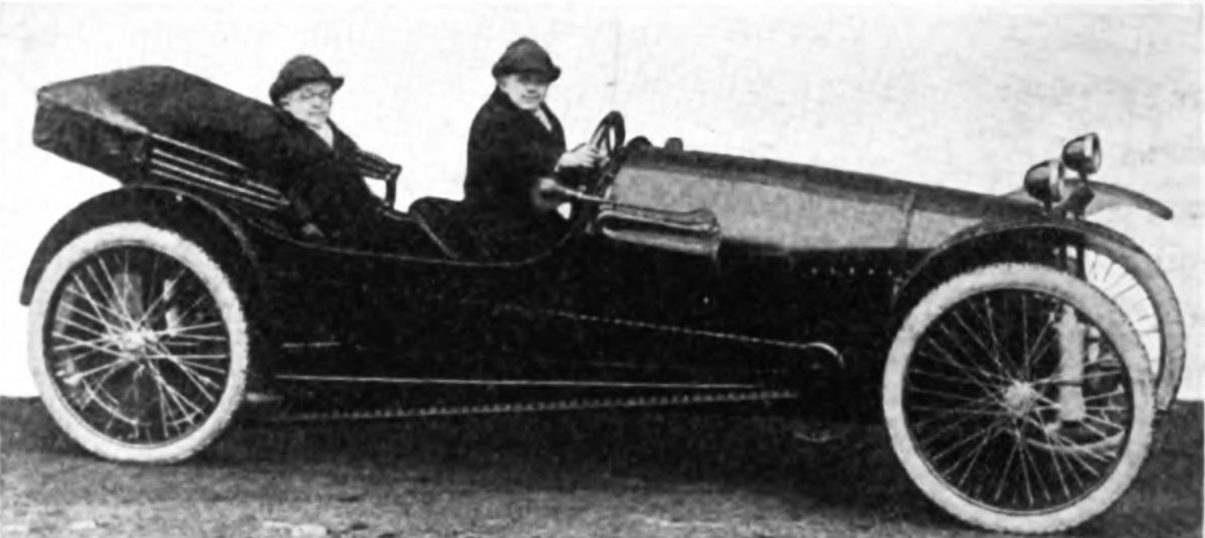
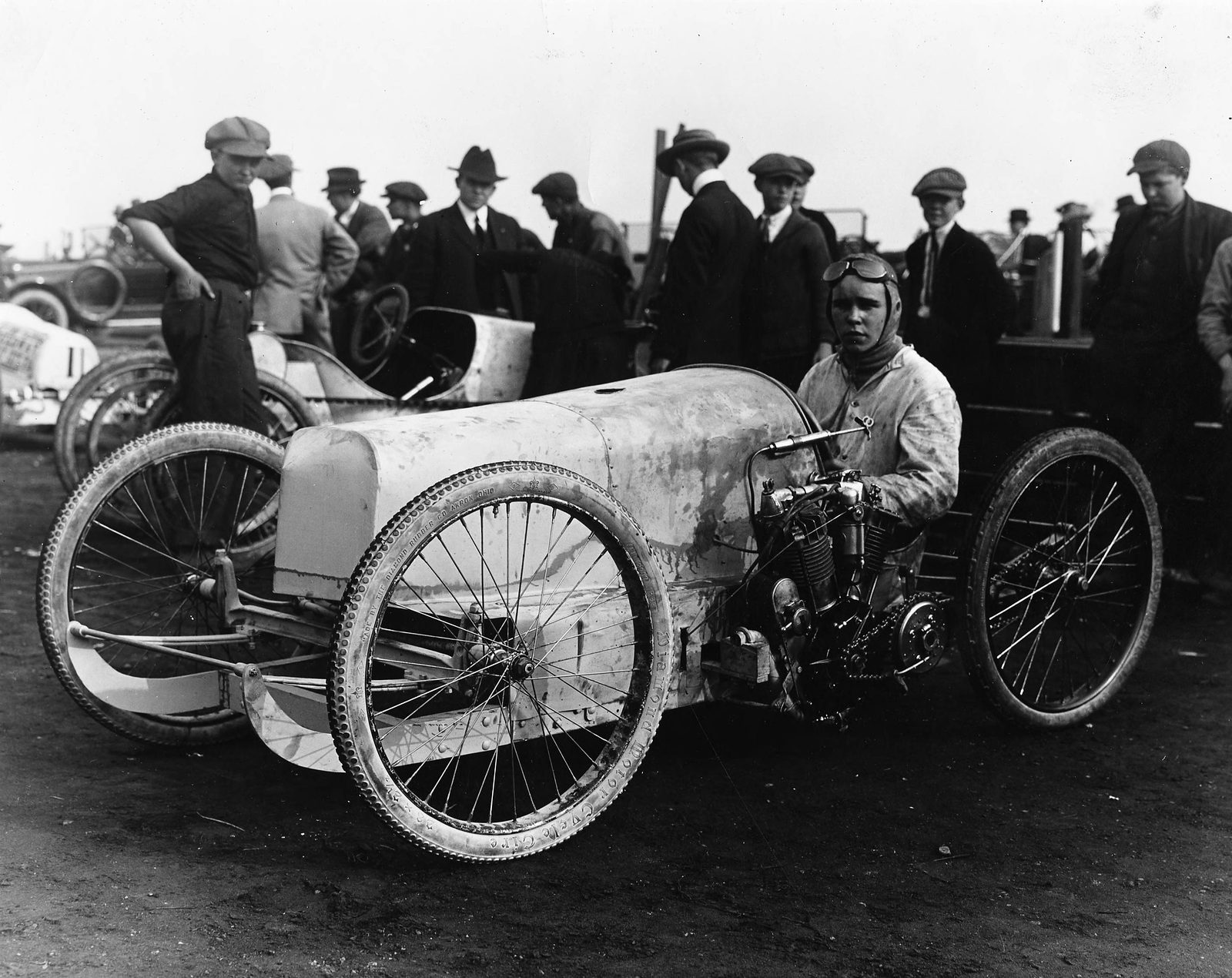
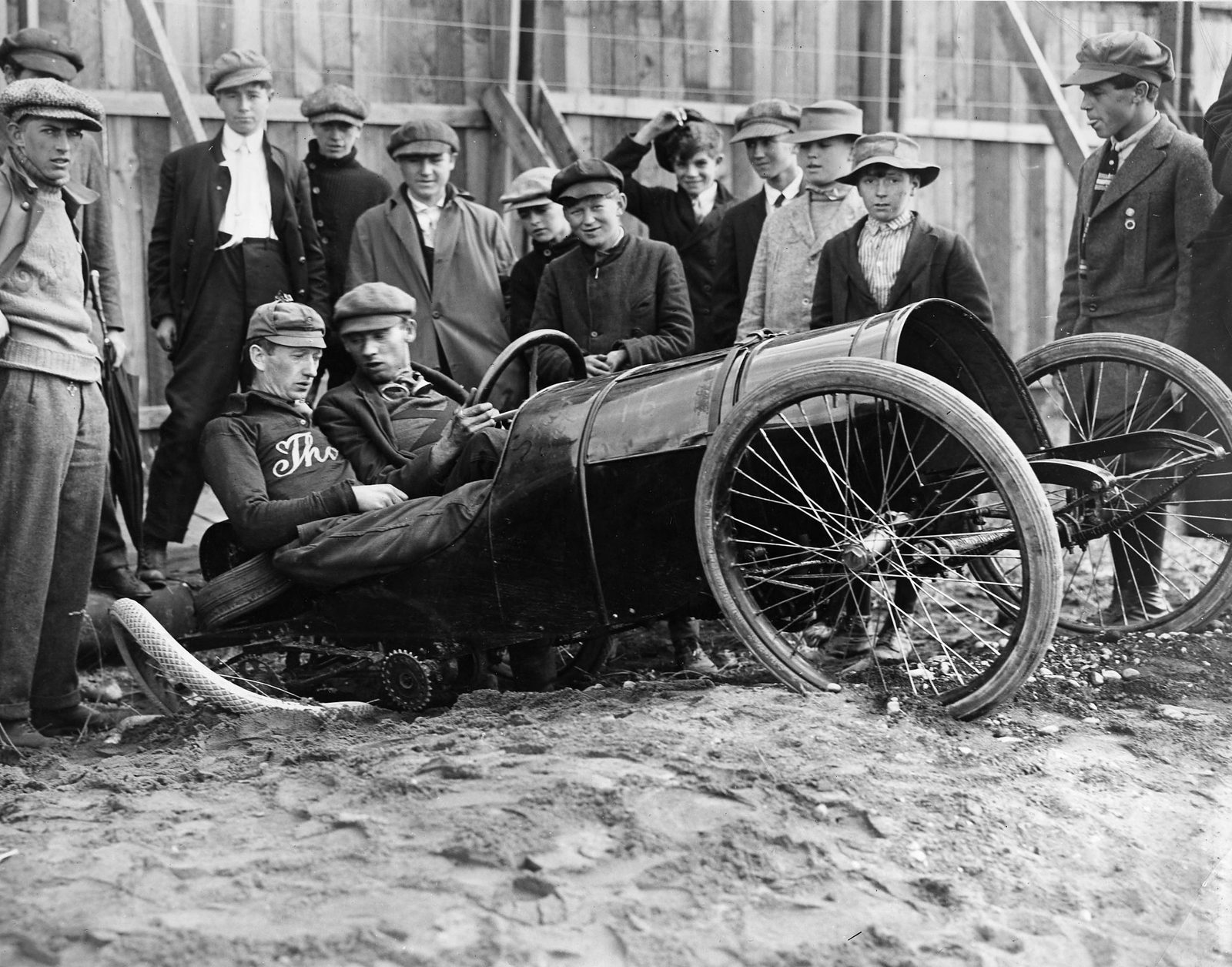
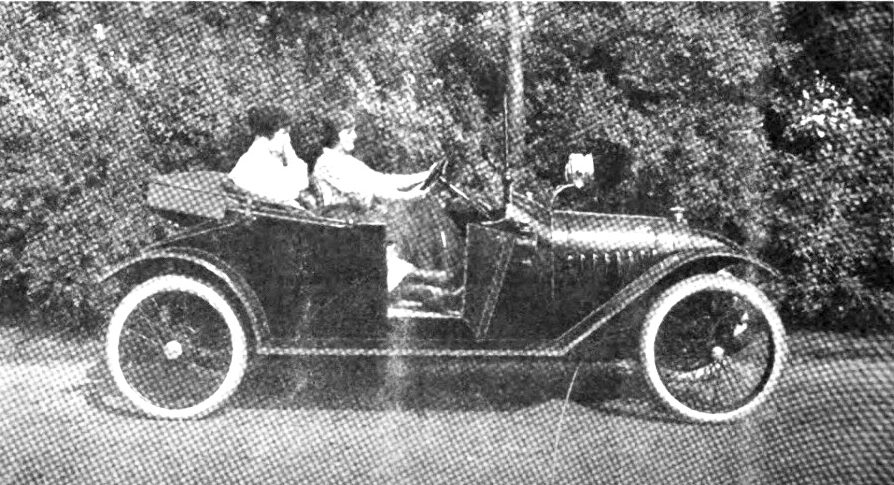
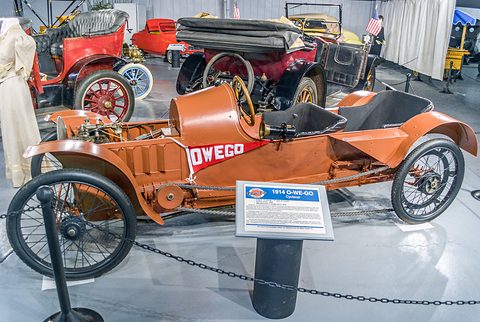
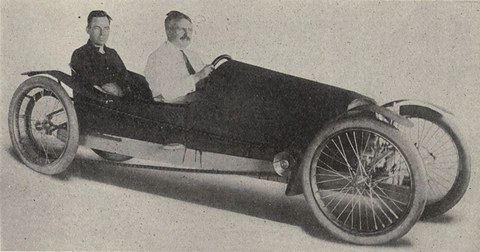
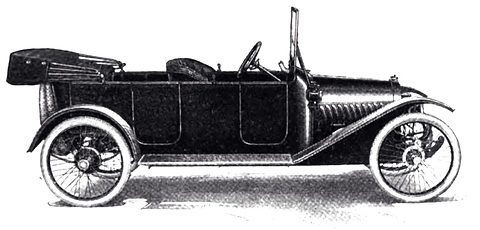
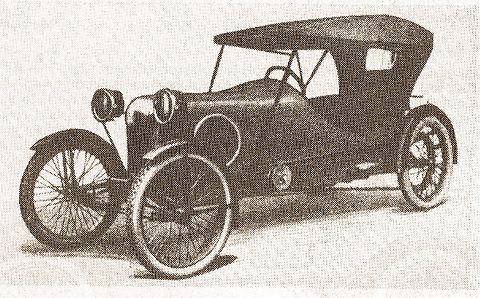
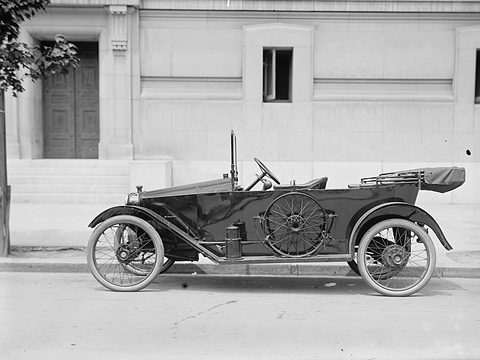
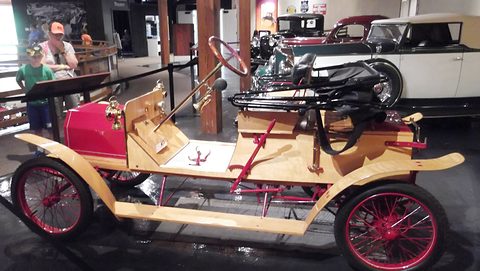
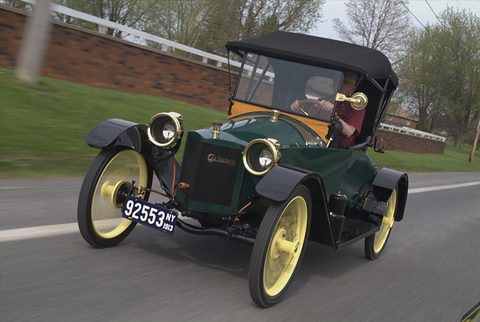
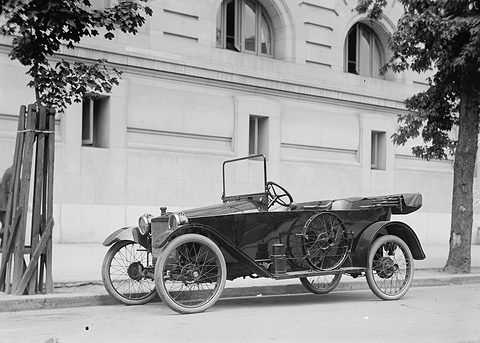
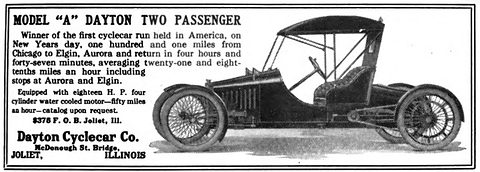
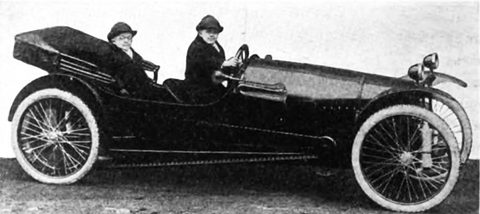
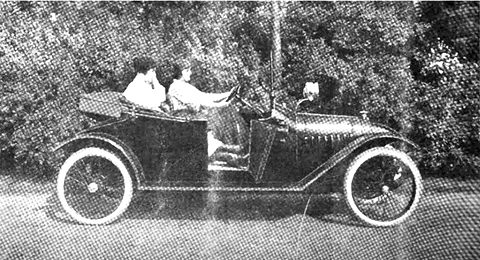
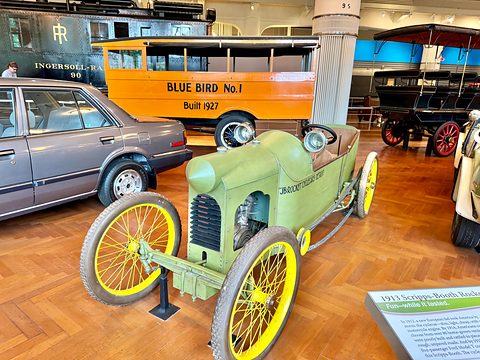
The American recipe hardly varied: an air-cooled V-twin at the front, often a proprietary Spacke, De Luxe, Mack or Wizard; a friction disc or a two-speed planetary gearbox; long V-belts or chains to the rear wheels with no differential; and a track of 914 mm (36 in). It weighed 270–410 kg (600–900 lb), sat on a wheelbase of 2,286–2,642 mm (90–104 in) and cost $350–500, most often $375–395.source 2source 3 The narrow track was defended on American terms: a car that ran in the crown of the road, or straddled a rut, need not follow the 1,422 mm (56 in) wagon ruts of the country roads.source 3
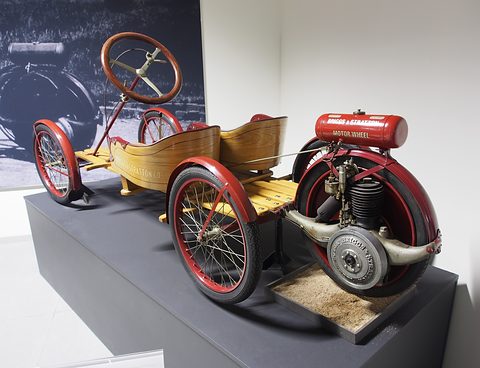
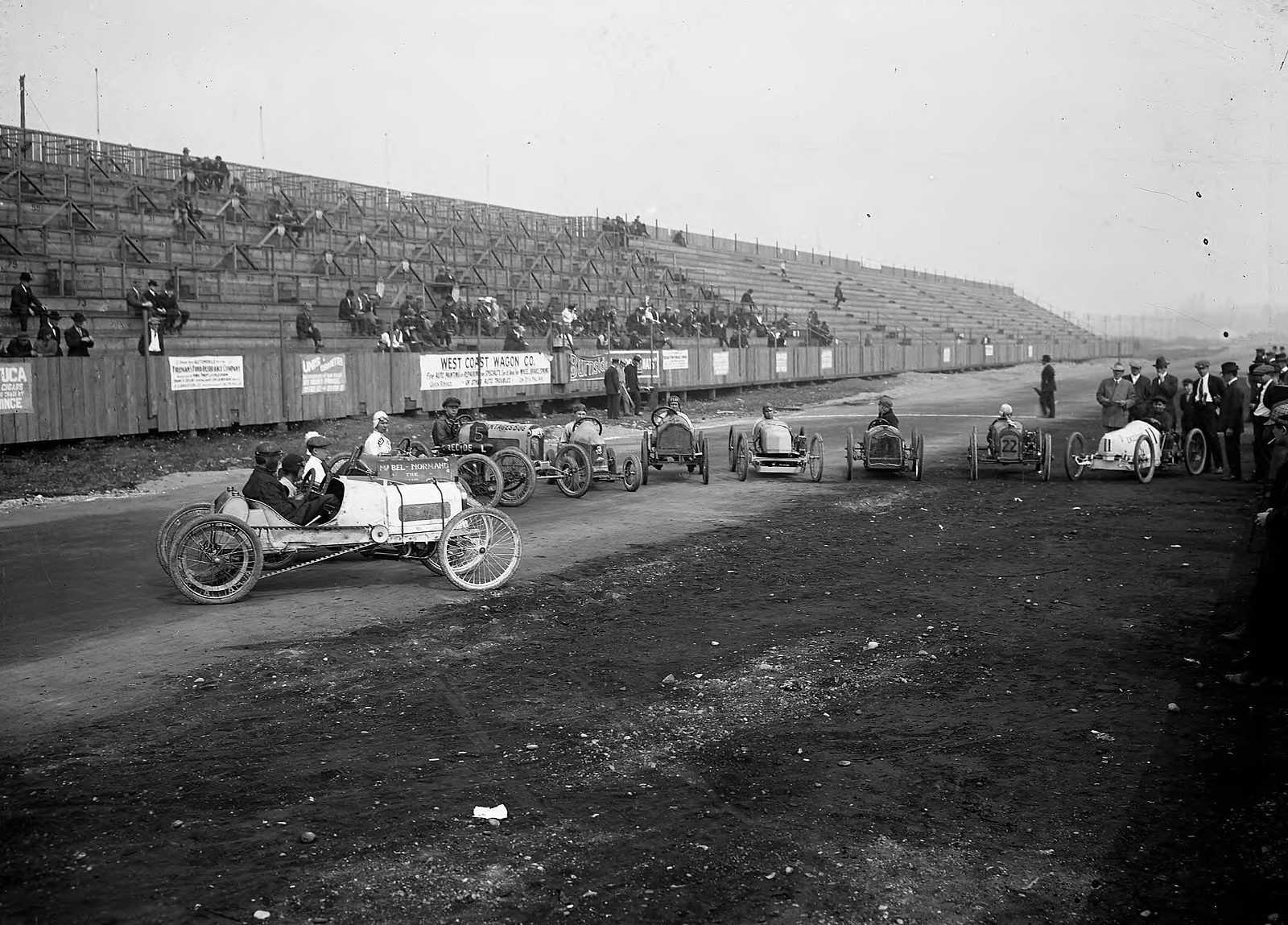
Detroit was the centre. Scripps-Booth’s Rocket, the Mercury, Davis, Downing, J.P.L., Malcolm-Jones, Princess and others were all there, and a Detroit Cyclecar and Motorette Club was formed at the end of 1913, with James Scripps Booth on its board.source 2source 4 A Cyclecar Association of America sanctioned what was billed as the first American cyclecar reliability run, about 483 km (300 miles) from Newark to Philadelphia and Atlantic City and back, set for 5–7 September 1914.source 5 The Rocket and the Briggs & Stratton Flyer have their own pages; the makers below follow by date.
How it ended
The trouble was visible at the peak. As early as January 1914 a trade writer noted that the cheapest cyclecar cost barely $100 less than the cheapest real cars, and some cost more.source 3 By July the Princess Cyclecar Company had been dissolved and replaced by a firm making a light car, and Ford’s Model T kept getting cheaper; by 1915 the boom was over.source 5source 6source 7 The McIntyre history counts over fifty companies formed during the craze, with sales ending by 1914.source 7
But every American is, at heart, an aristocrat; if his neighbor owns a $3,000 automobile, he too wants a ‘real automobile’… and in the minds of many, an automobile must run on four wheels.