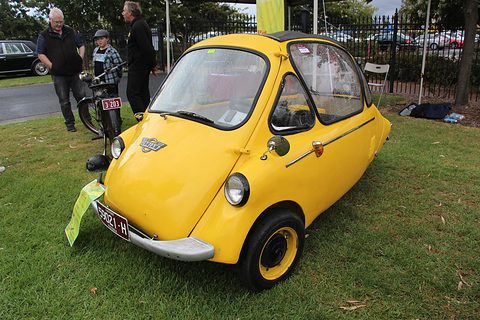
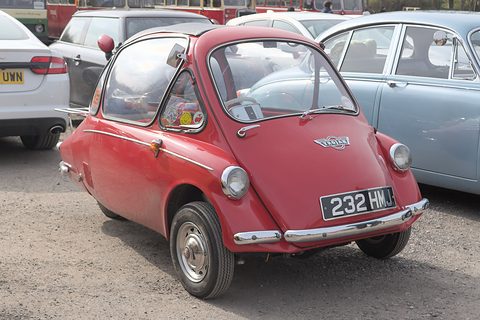
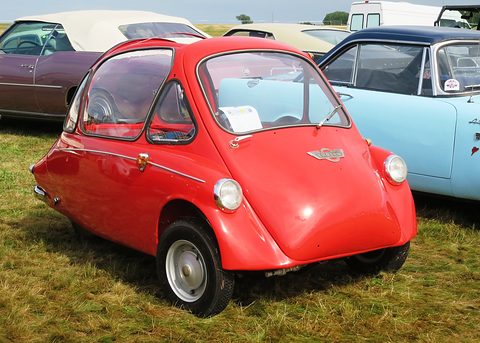
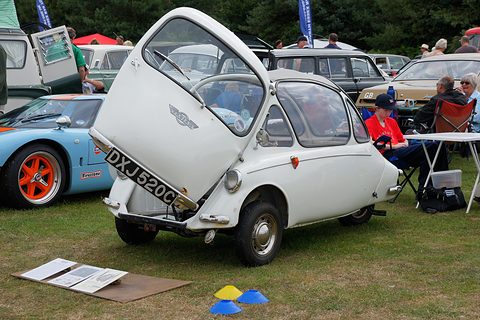
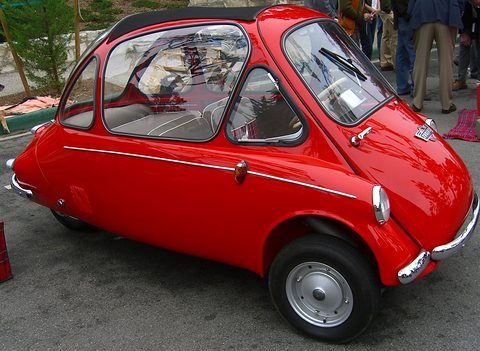
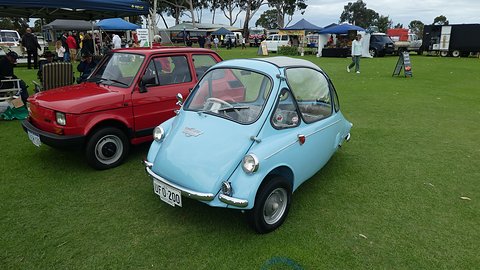
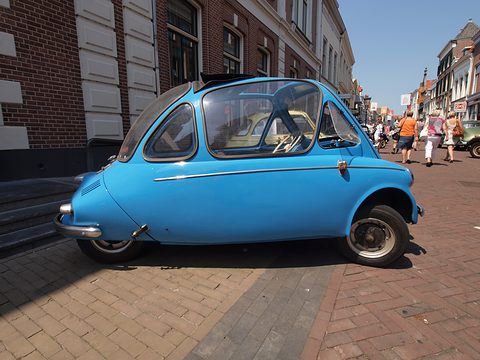
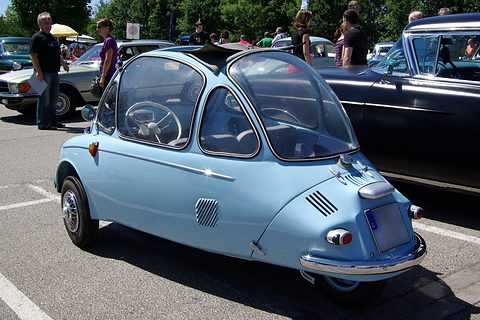
The story
History
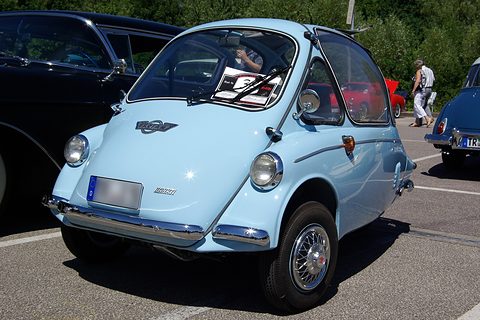
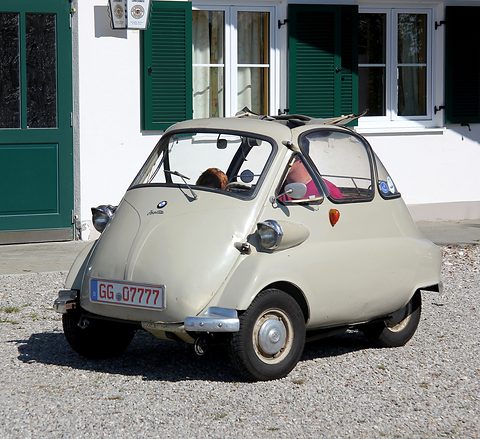
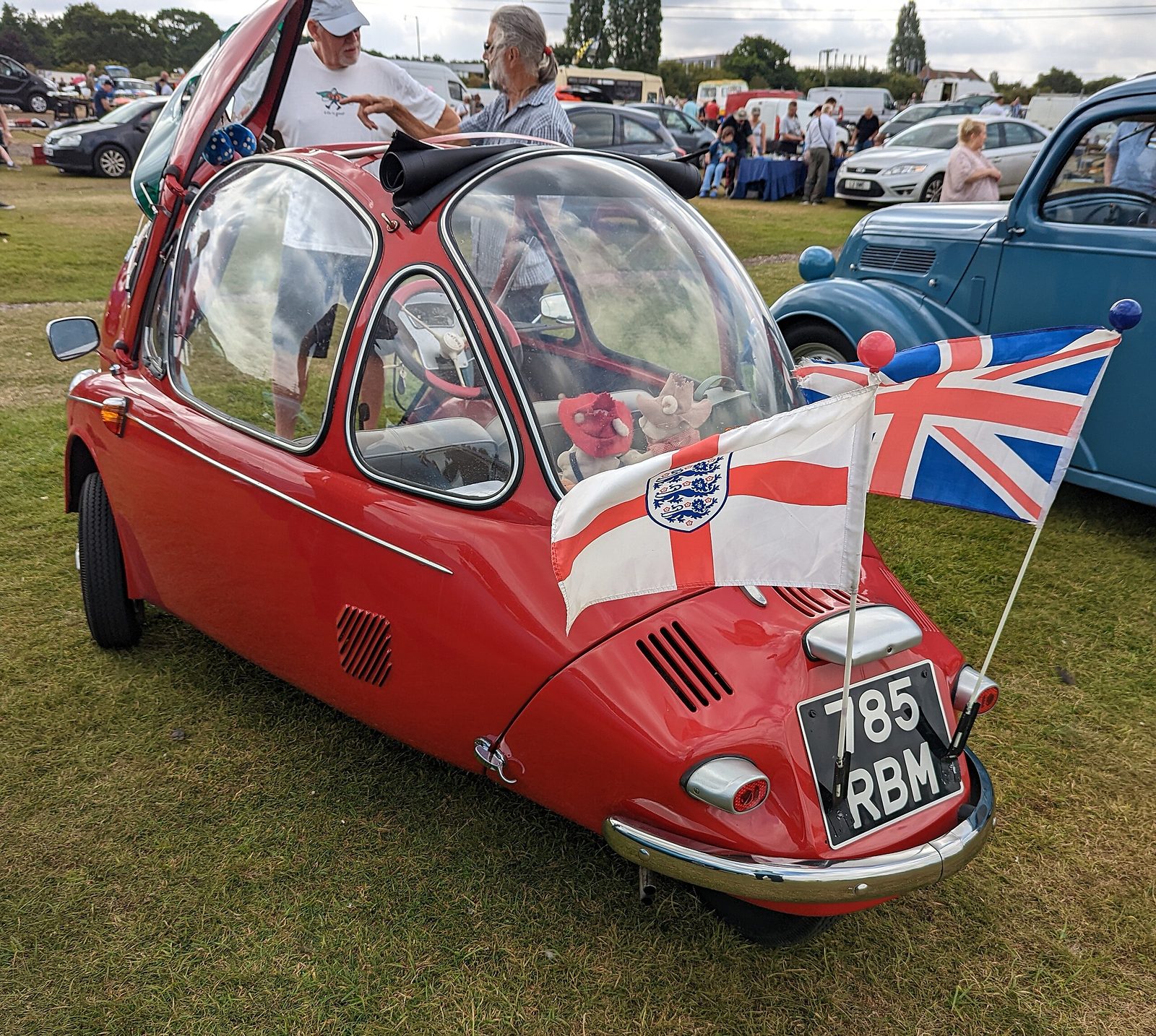
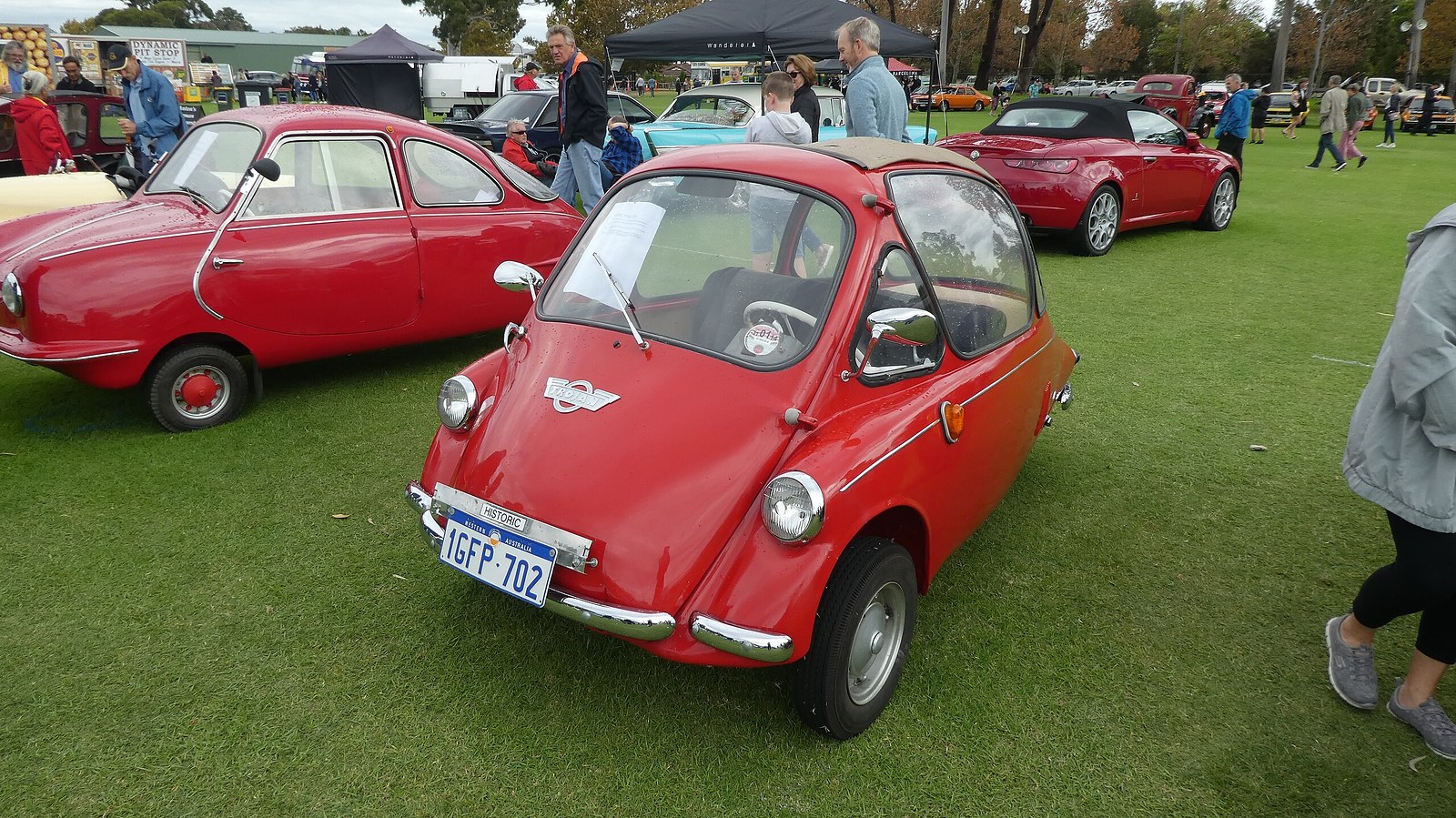
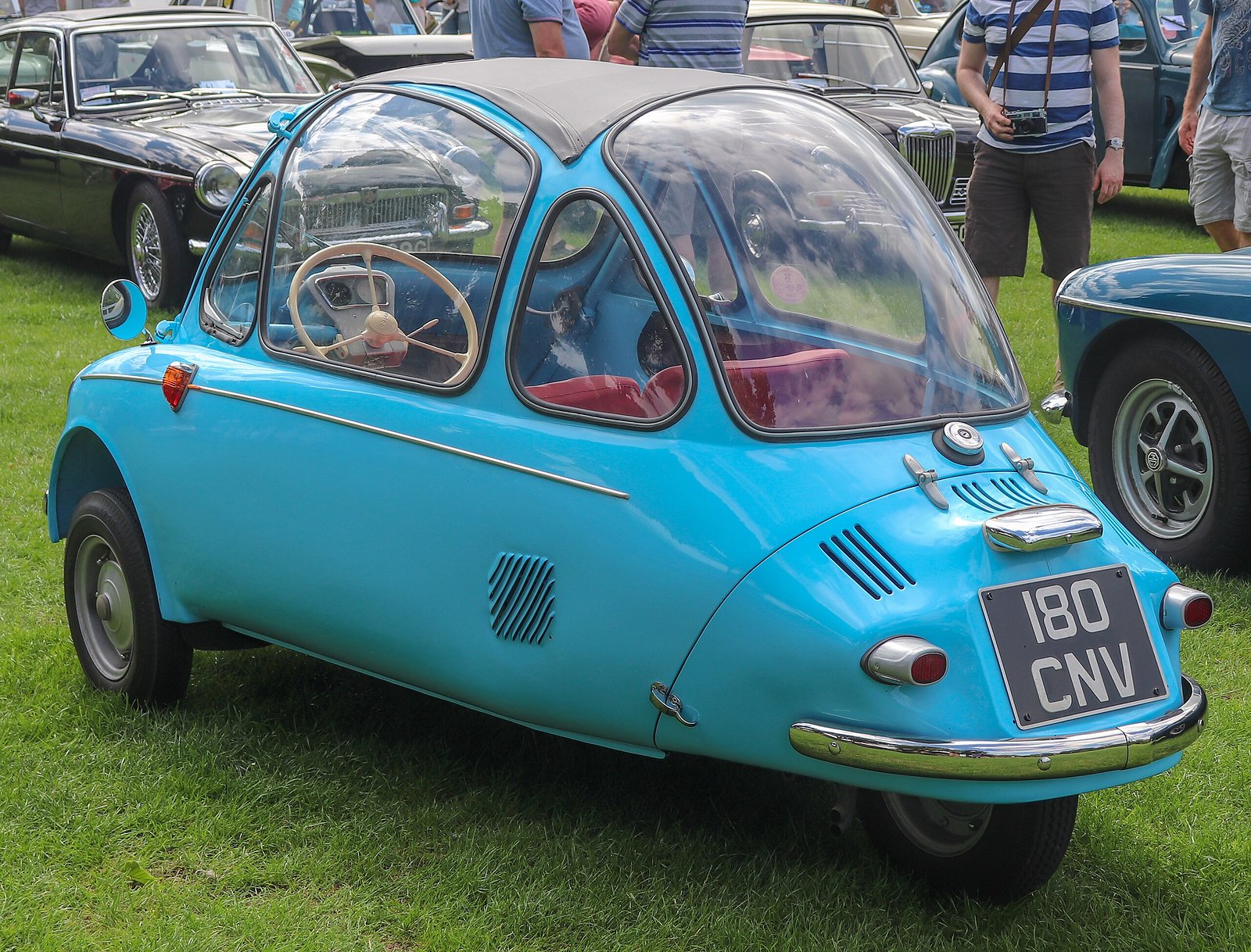
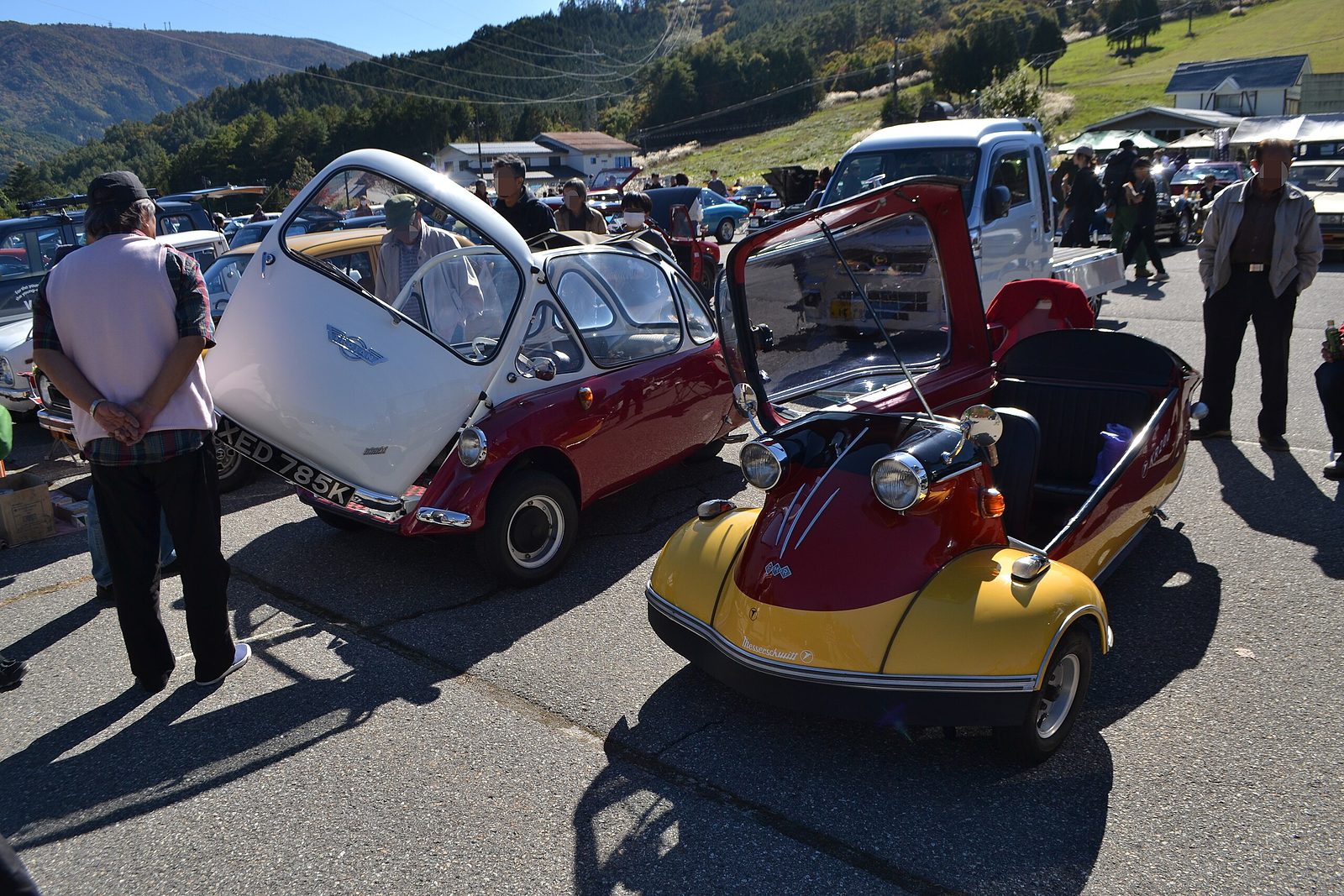
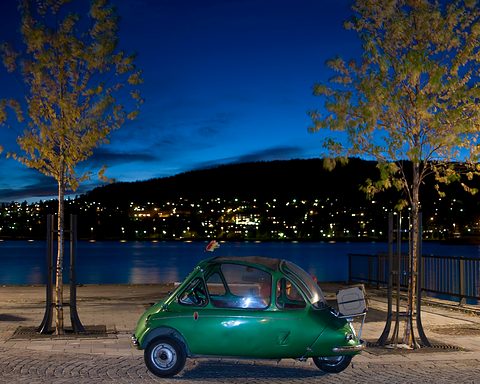
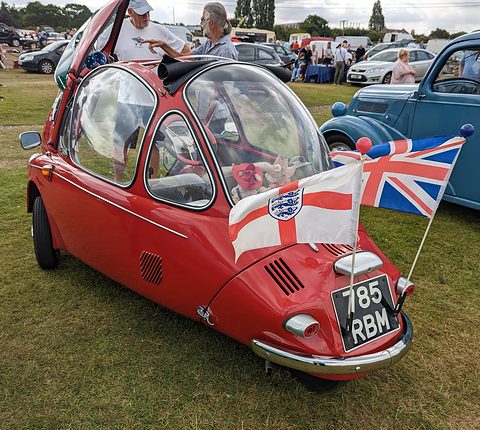
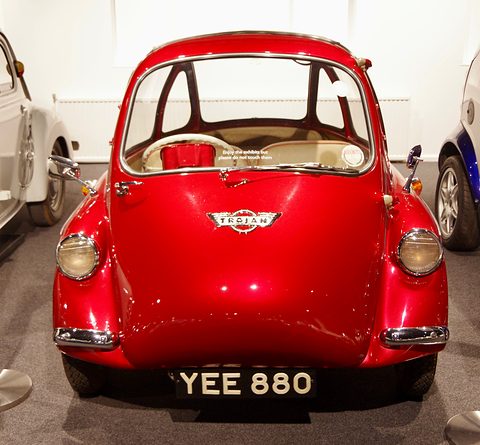
The design was Ernst Heinkel’s. His company built the Heinkel Kabine at Speyer from late 1955, and made about 11,975 of them in Germany by June 1958.source 1source 2 Britain took to it quickly. Noble Motors of 211 Piccadilly, York Noble’s firm, imported it from July 1956 at £398 15s, and after the Suez crisis brought petrol rationing demand took off: cars were flown from Hanover to Croydon in a Dakota, and 60-car loads came through Rotterdam every 10 to 12 days until the summer of 1957.source 1 As a three-wheeler it paid £5 a year in road tax against £12 10s for a car, and a learner could drive one alone if its reverse gear was disabled, because it then counted as a motorcycle.source 1
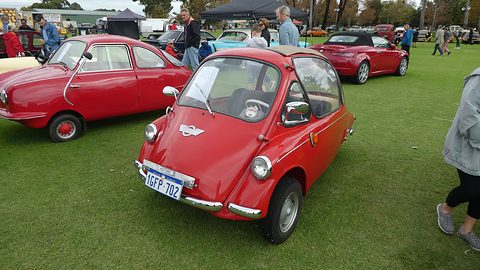
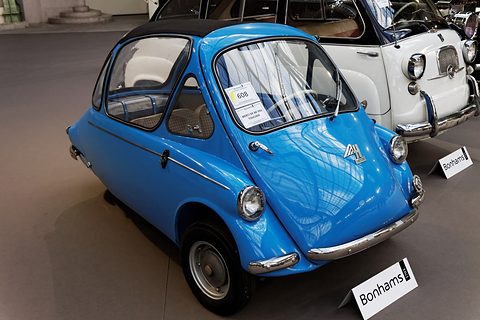
In 1958 Heinkel was allowed to build aircraft again, and the Weiner museum says that made the Kabine no longer worth its while, so a licensee was found (see aircraft makers).source 3 The tooling went to Dundalk Engineering Works in Ireland, which built the car as the Heinkel-I from about October 1958 into early 1961, with engines still sent from Germany. The firm is linked to Lincoln & Nolan, the Dublin assemblers of Austins; some of the first cars were put together in Ireland from German parts, worldwide sales passed to International Sales Ltd of Dublin, and Sweden became an important market.source 1source 2 Dundalk also made two or three convertible prototypes, and German Wikipedia says a cabriolet of 1959 stayed a one-off.source 1source 2 Irish cars are reported to have been less well built than German or English ones.source 2source 3 How many there were is disputed. The Weiner museum says the Irish made only 200 before their licence was revoked for shoddy work; the Heinkel Trojan Club points to a Trojan memo that gives the last Irish chassis number as 6486.source 3source 1
To Croydon
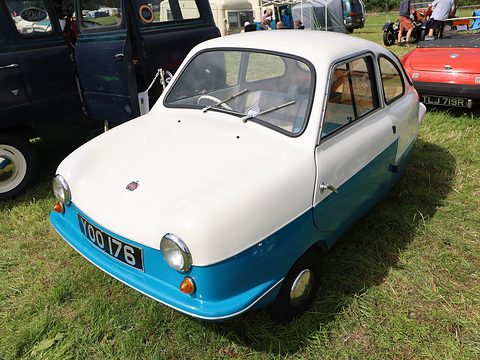
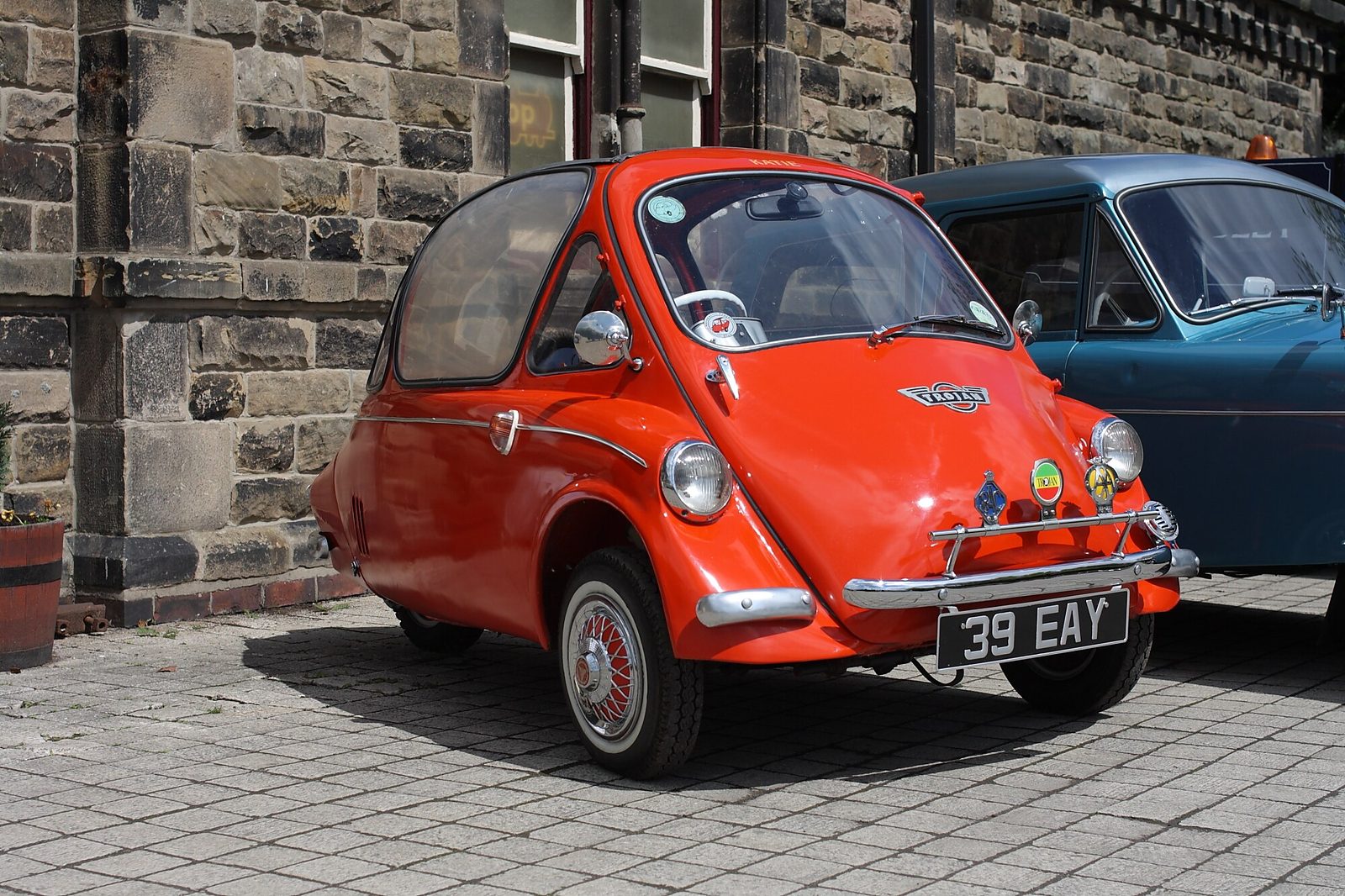
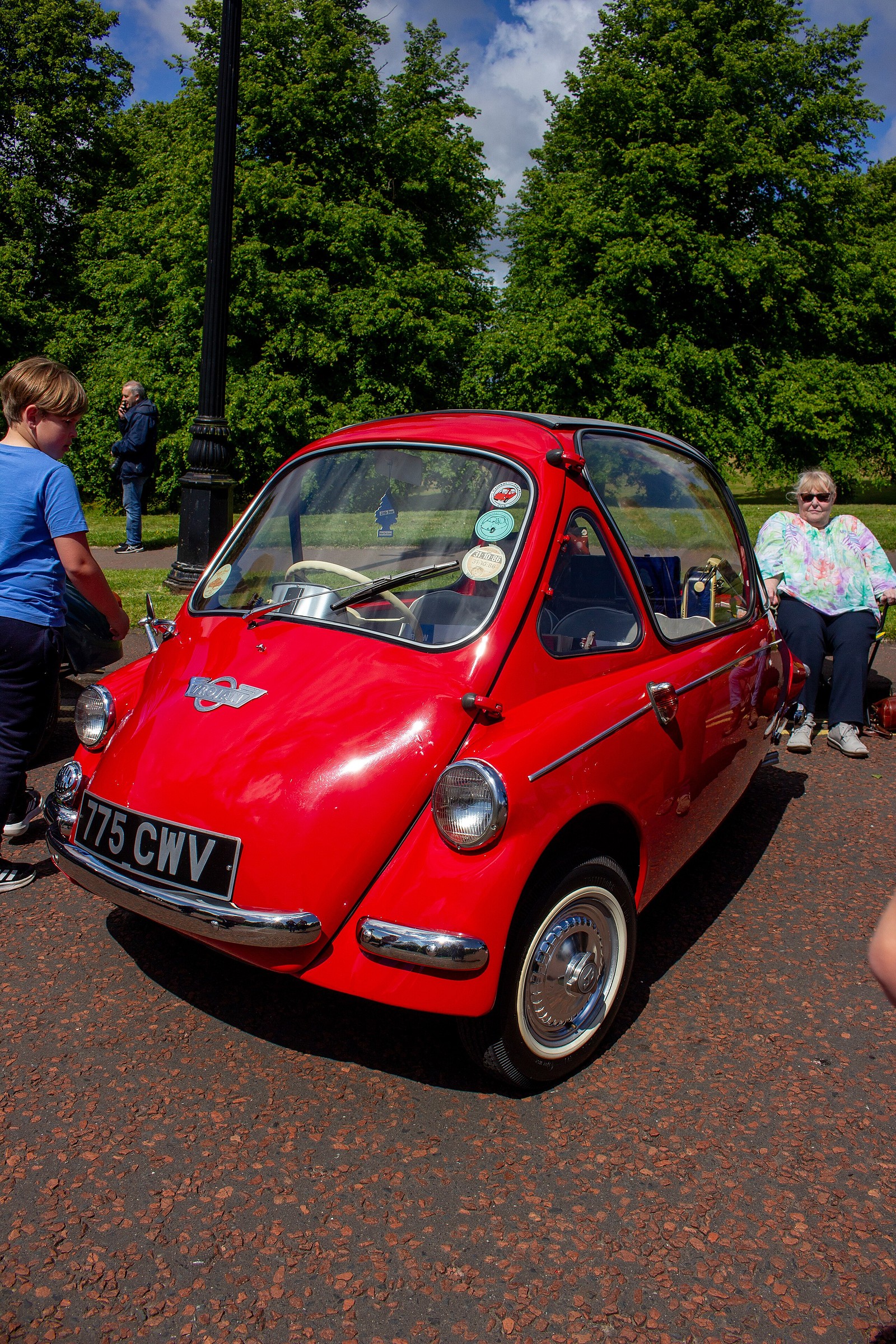
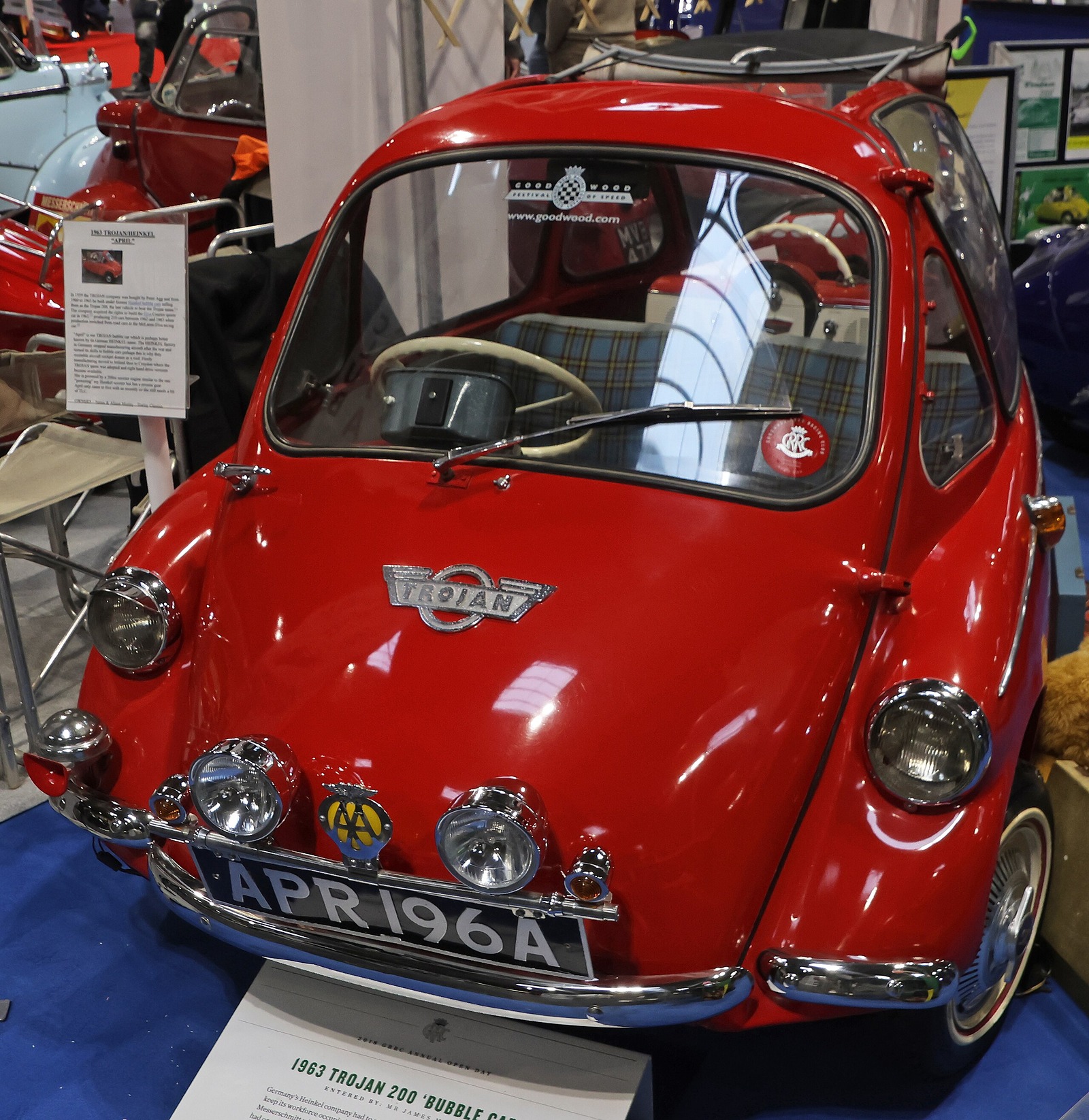
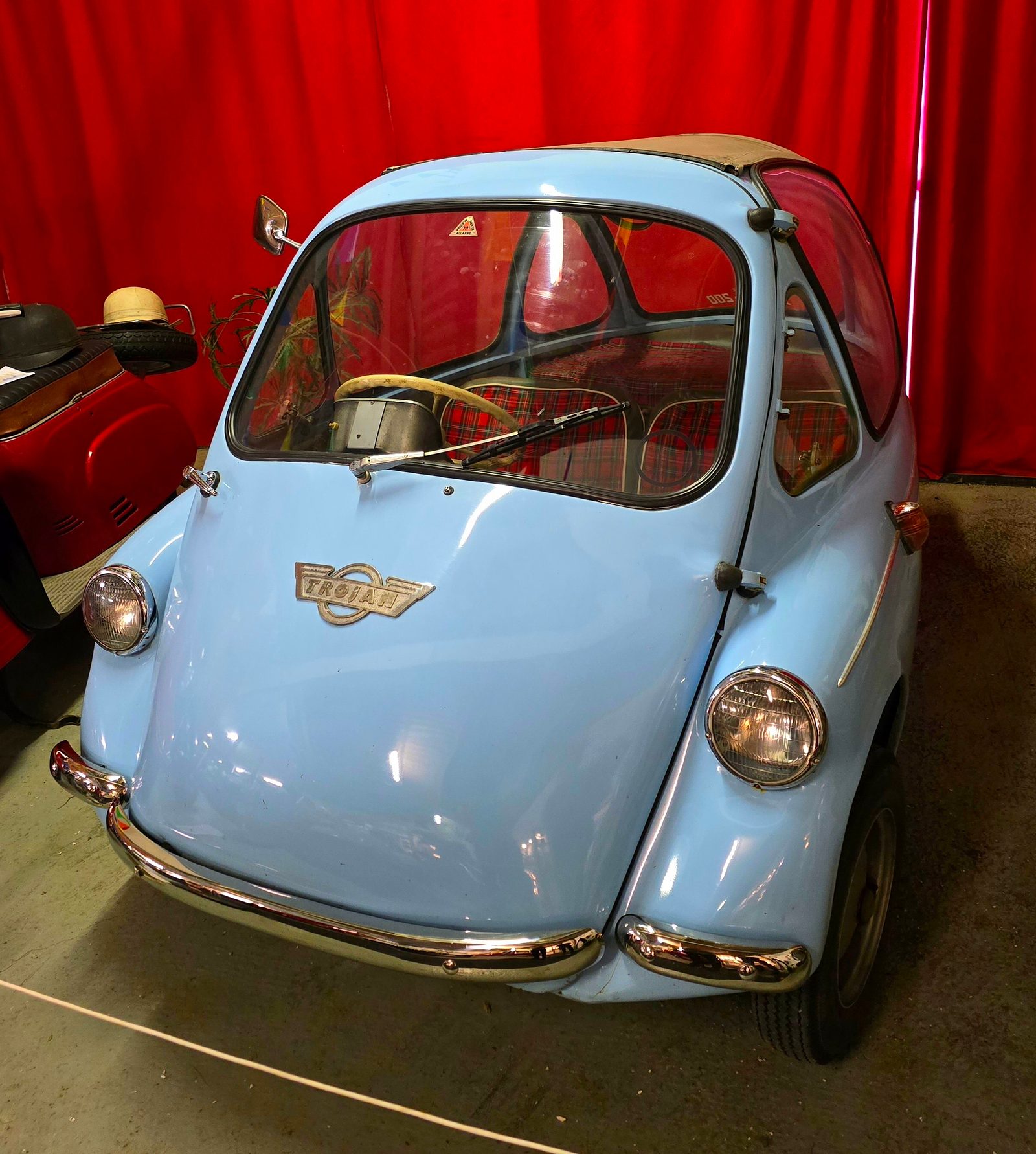
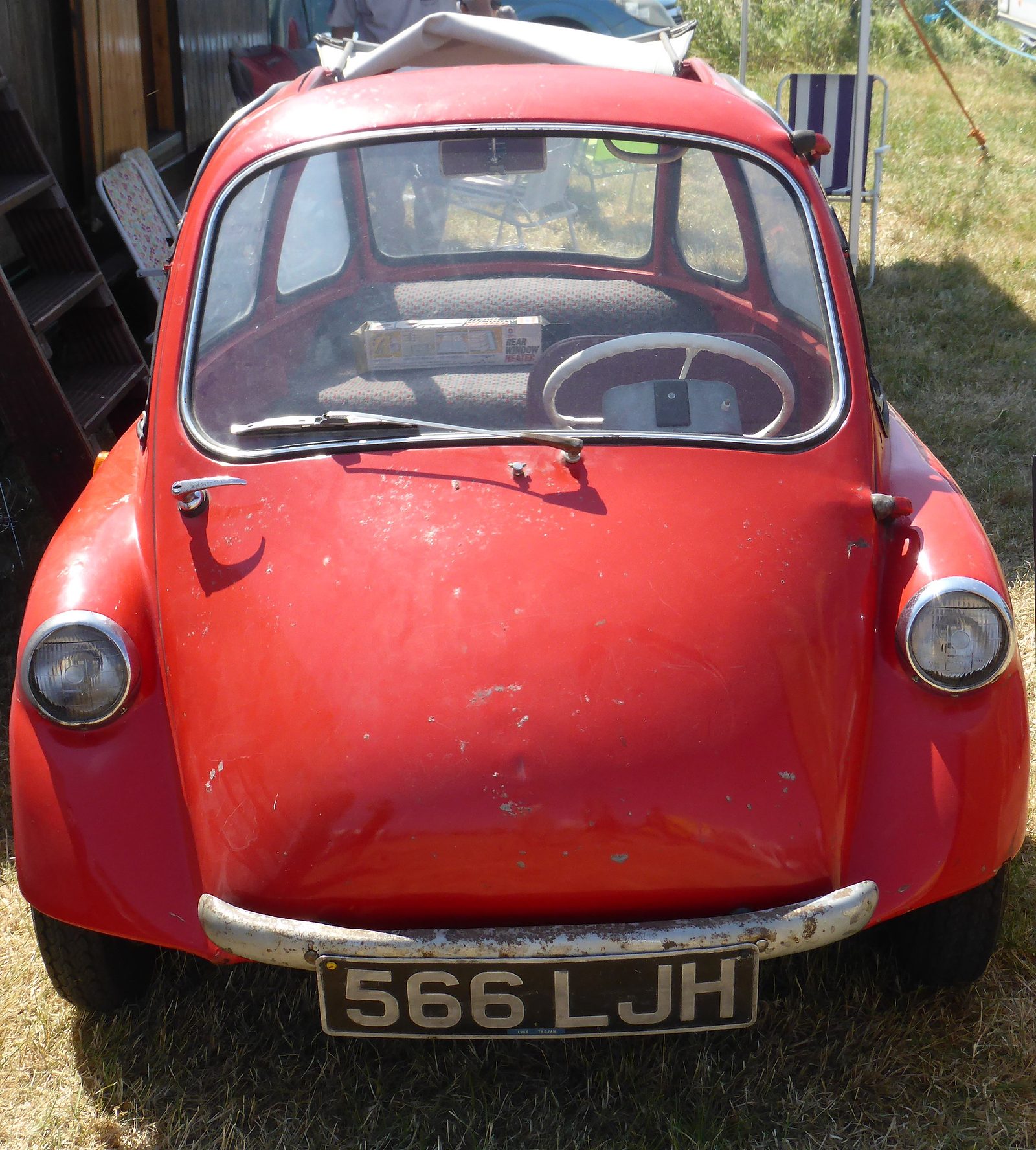
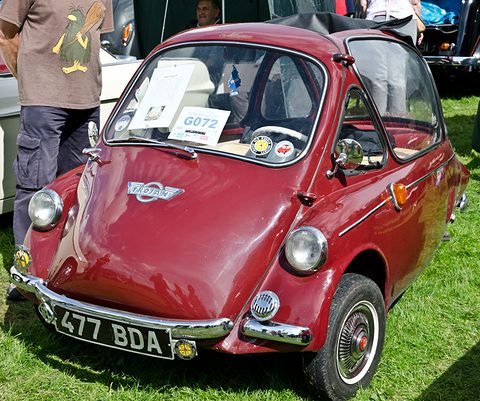
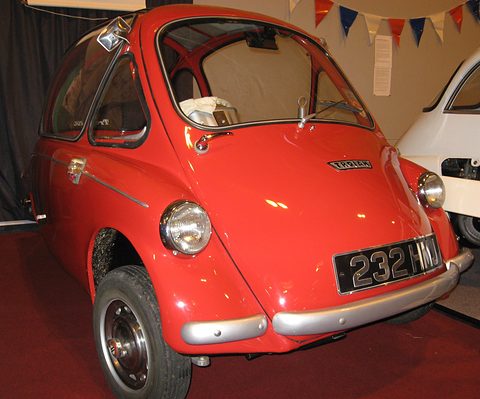
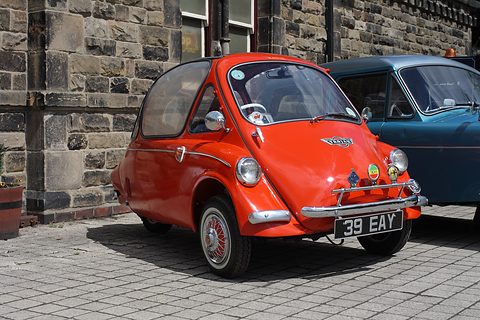
Trojan Ltd of Purley Way, Croydon, had made the Trojan Utility Car of the 1920s. In 1959 it was bought by Peter Agg, whose Lambretta Concessionaires had imported the scooters into Britain since 1950.source 4source 5source 6 Trojan took over the Heinkel licence (see built under licence): the club says it bought the worldwide marketing rights in 1961, though not those for Heinkel’s scooter, which would have competed with the Lambrettas.source 1 It also bought the Irish production line, 100 finished cars that had been stored in the open, and 2,674 kits of parts.source 1 The Weiner museum and Grace’s Guide date the licence to autumn 1960; German Wikipedia dates the takeover to August 1961, and production began towards the end of that year in the factory that also built Lambretta scooters; by November it had tooled up for what it called the Trojan Cabin Cruiser.source 3source 6source 2source 1source 5 The first brochures showed left-hand-drive cars, perhaps to use up Irish parts, and right-hand drive began at chassis 8182.source 1
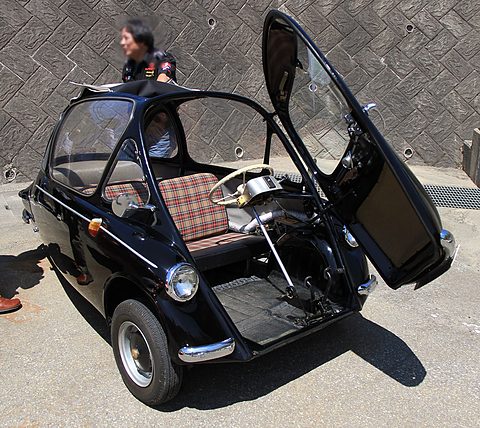
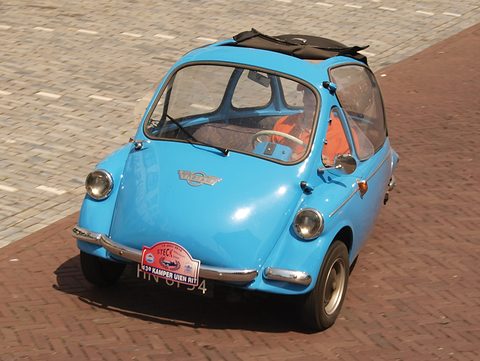
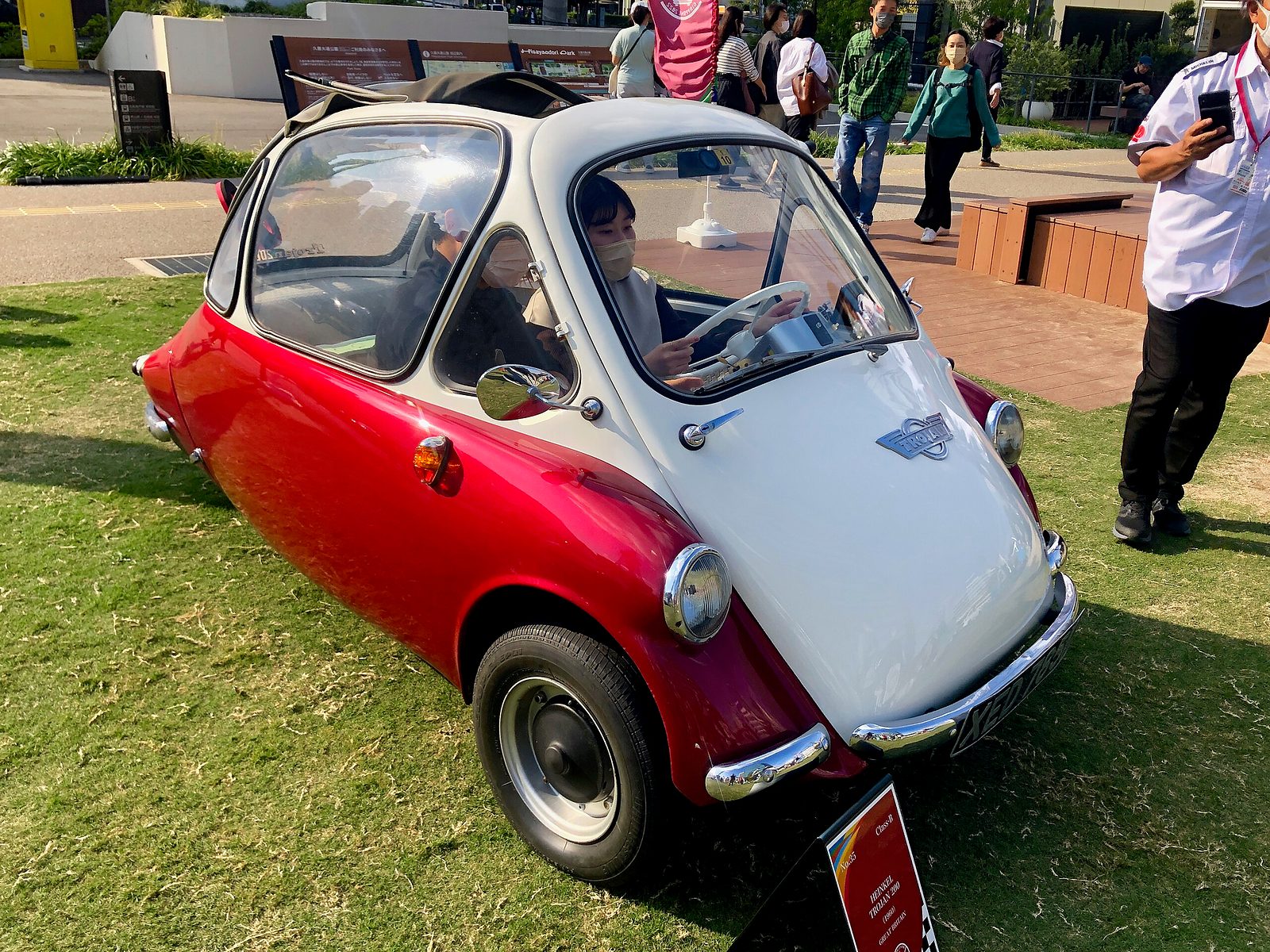
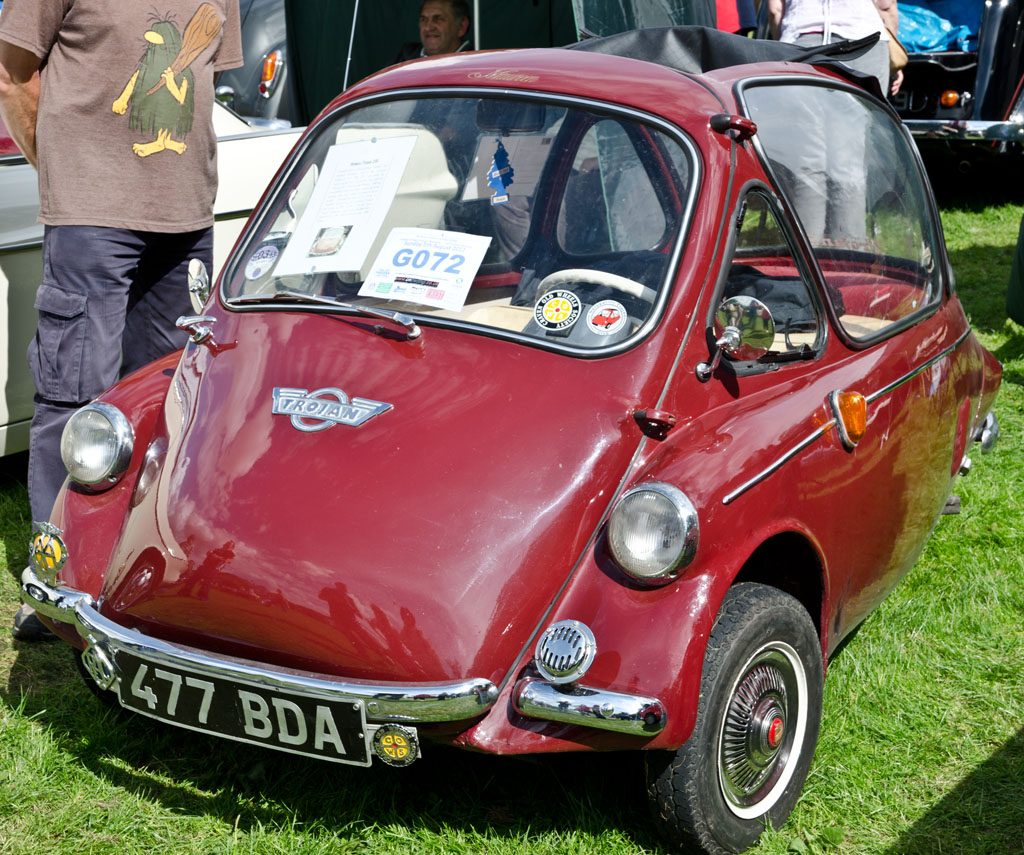
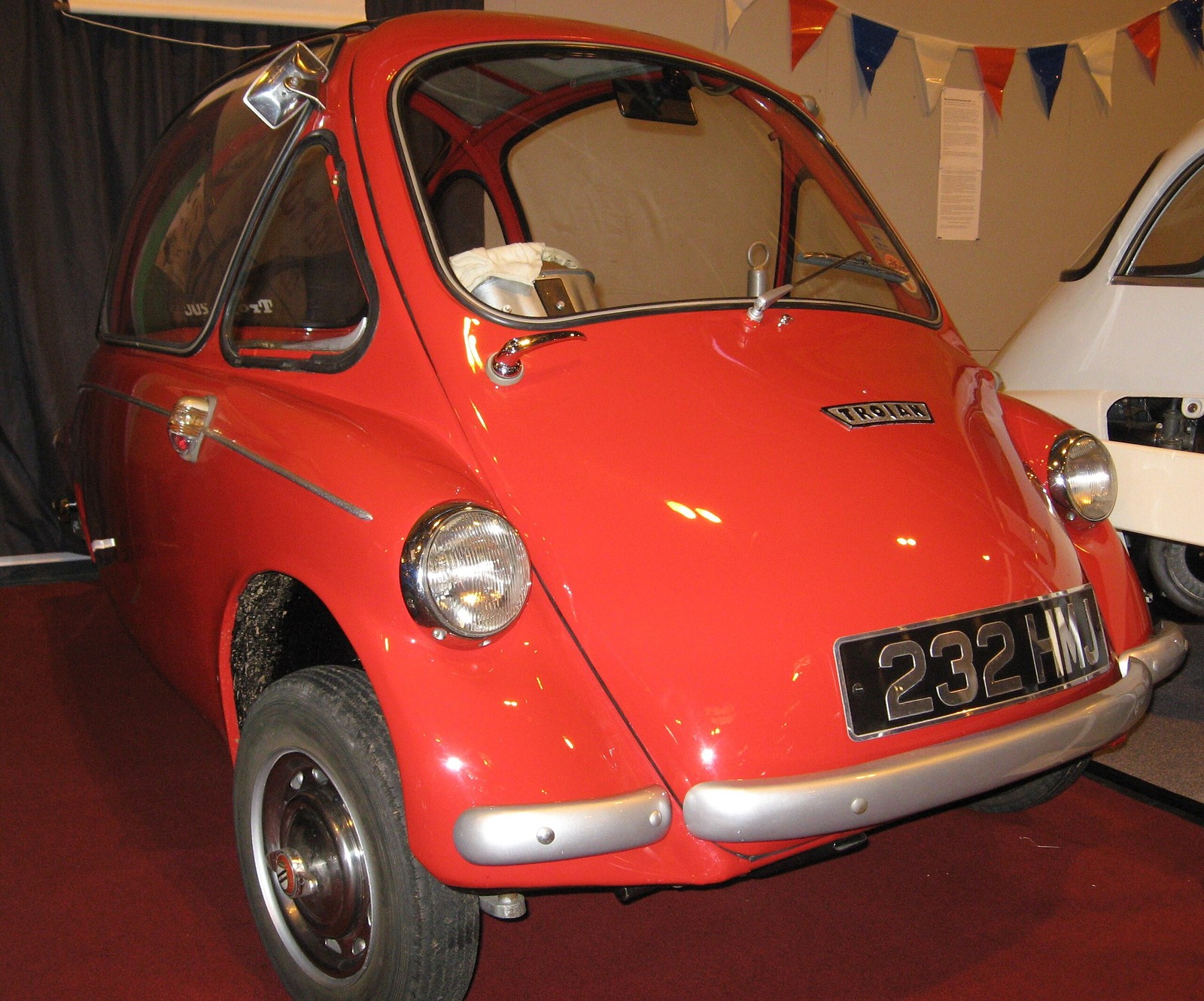
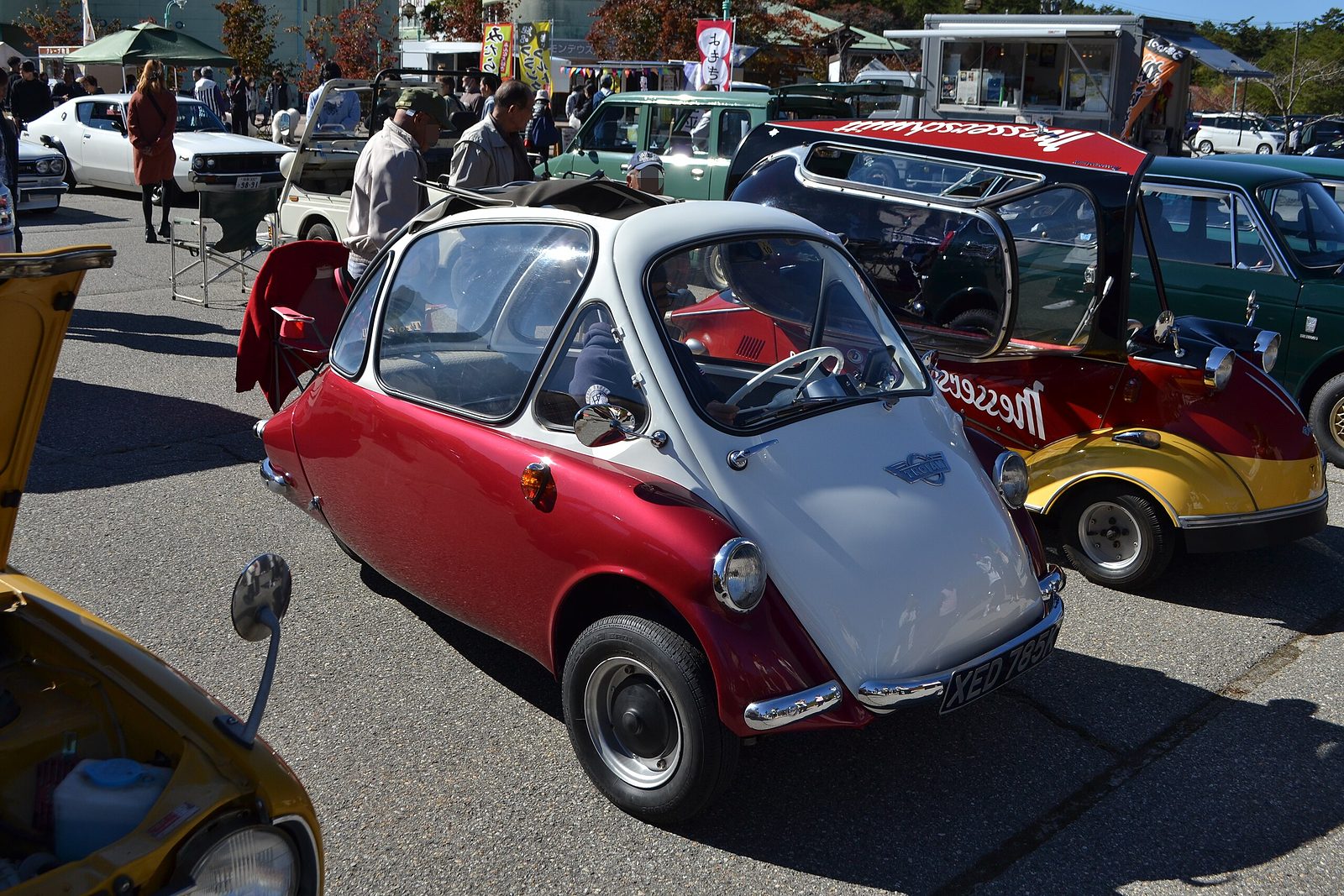
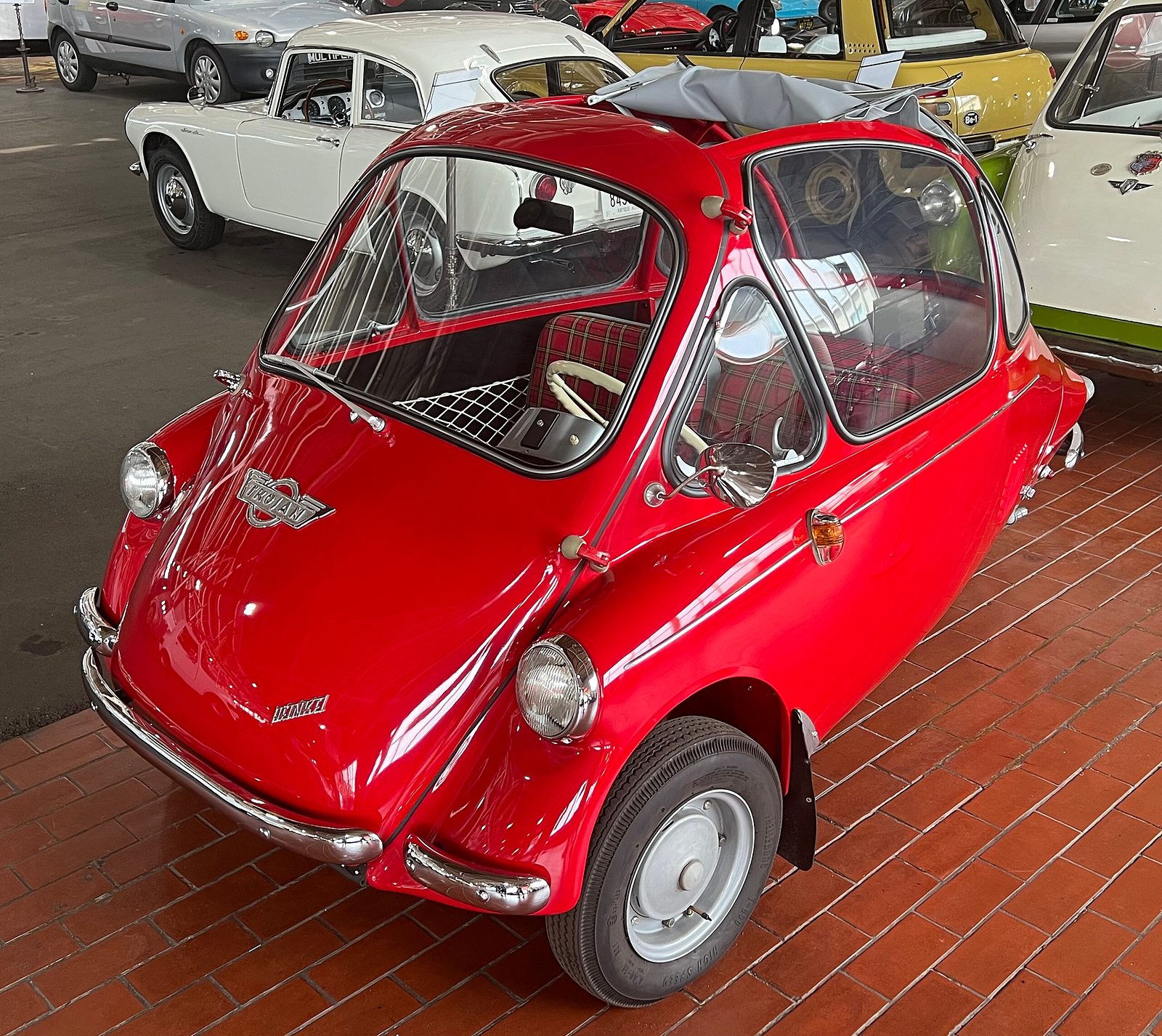
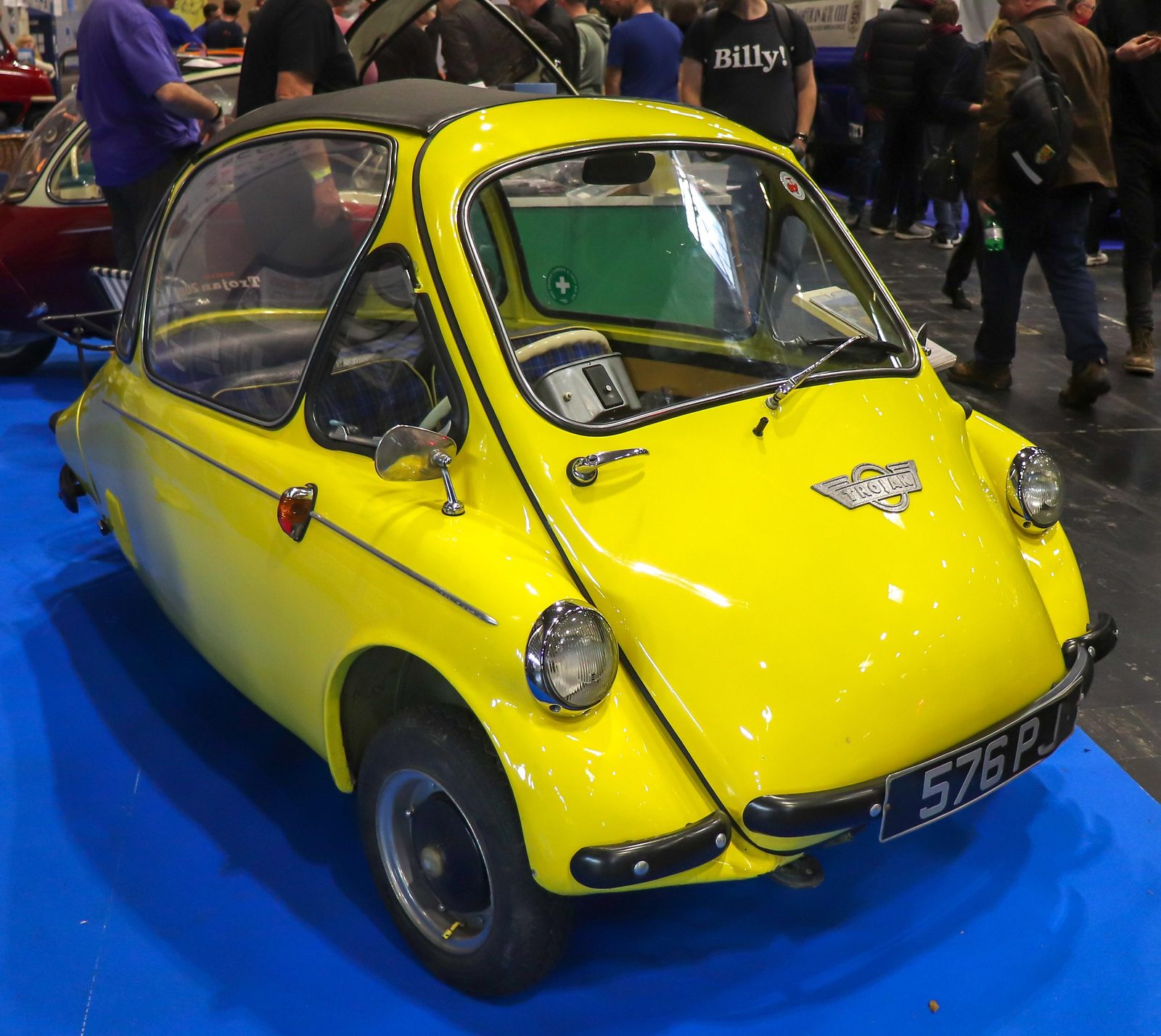
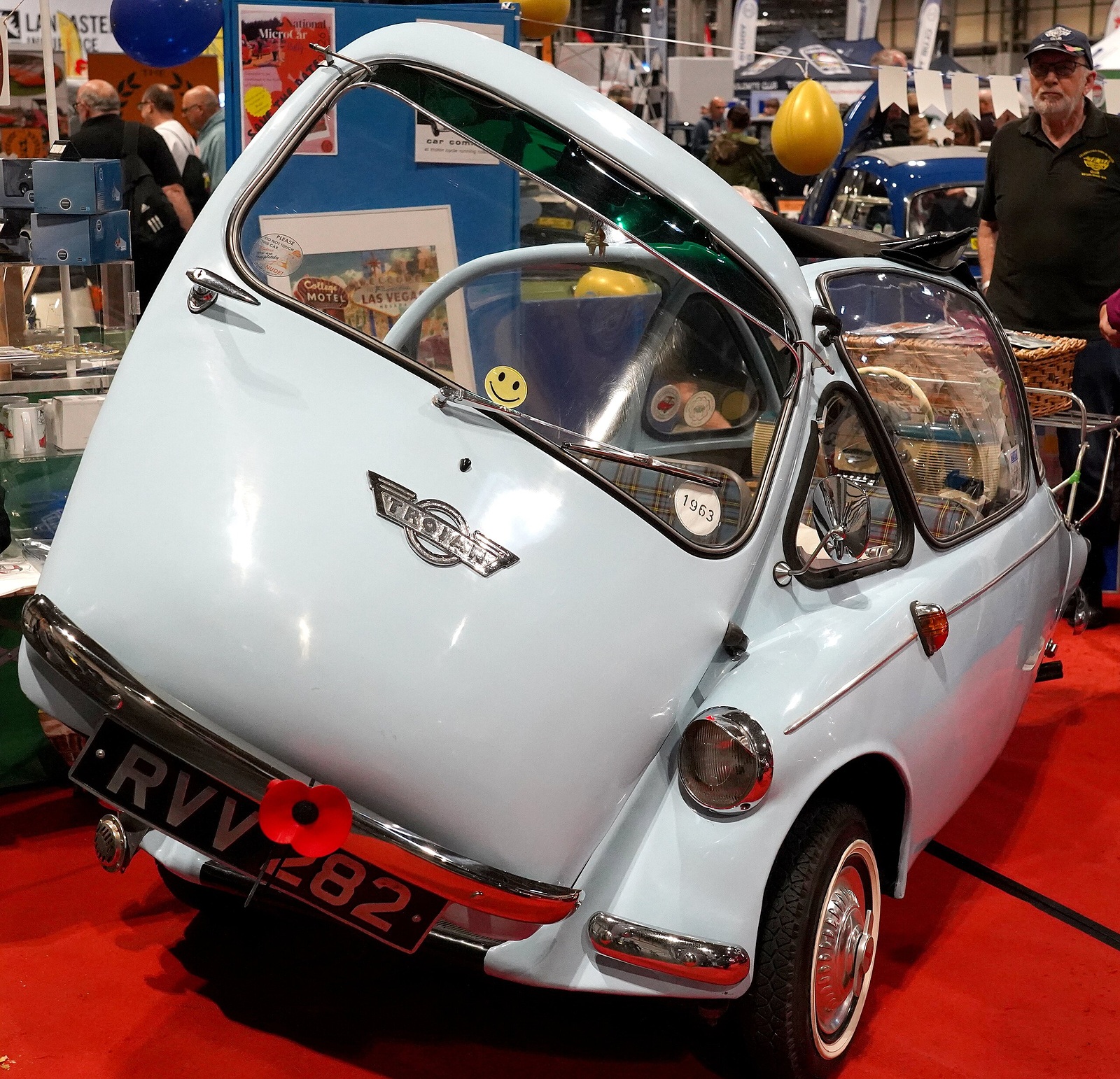
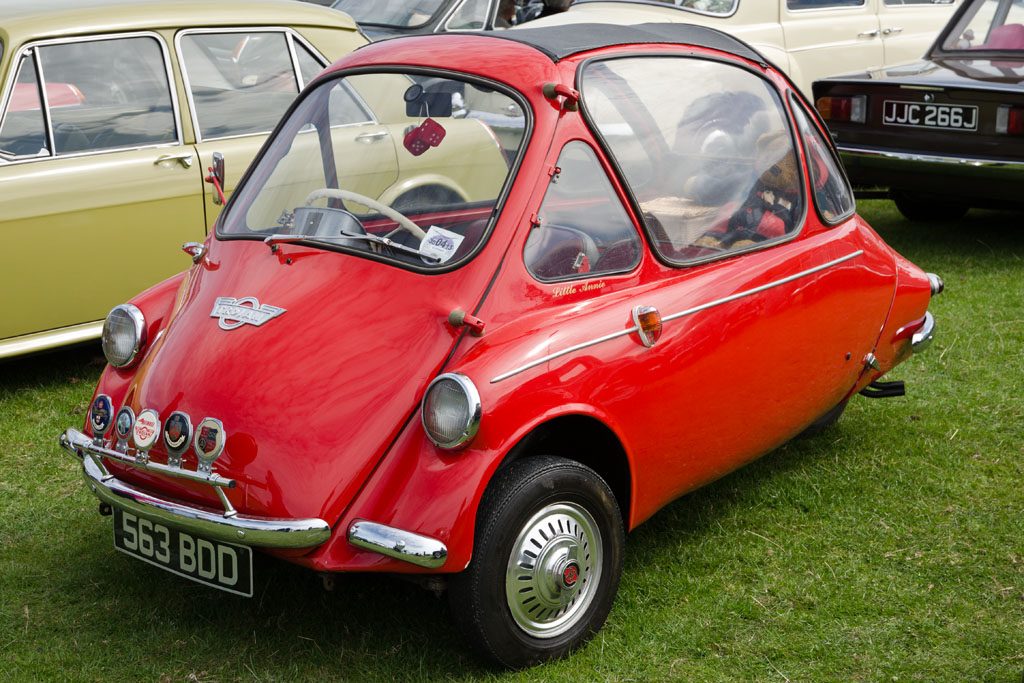
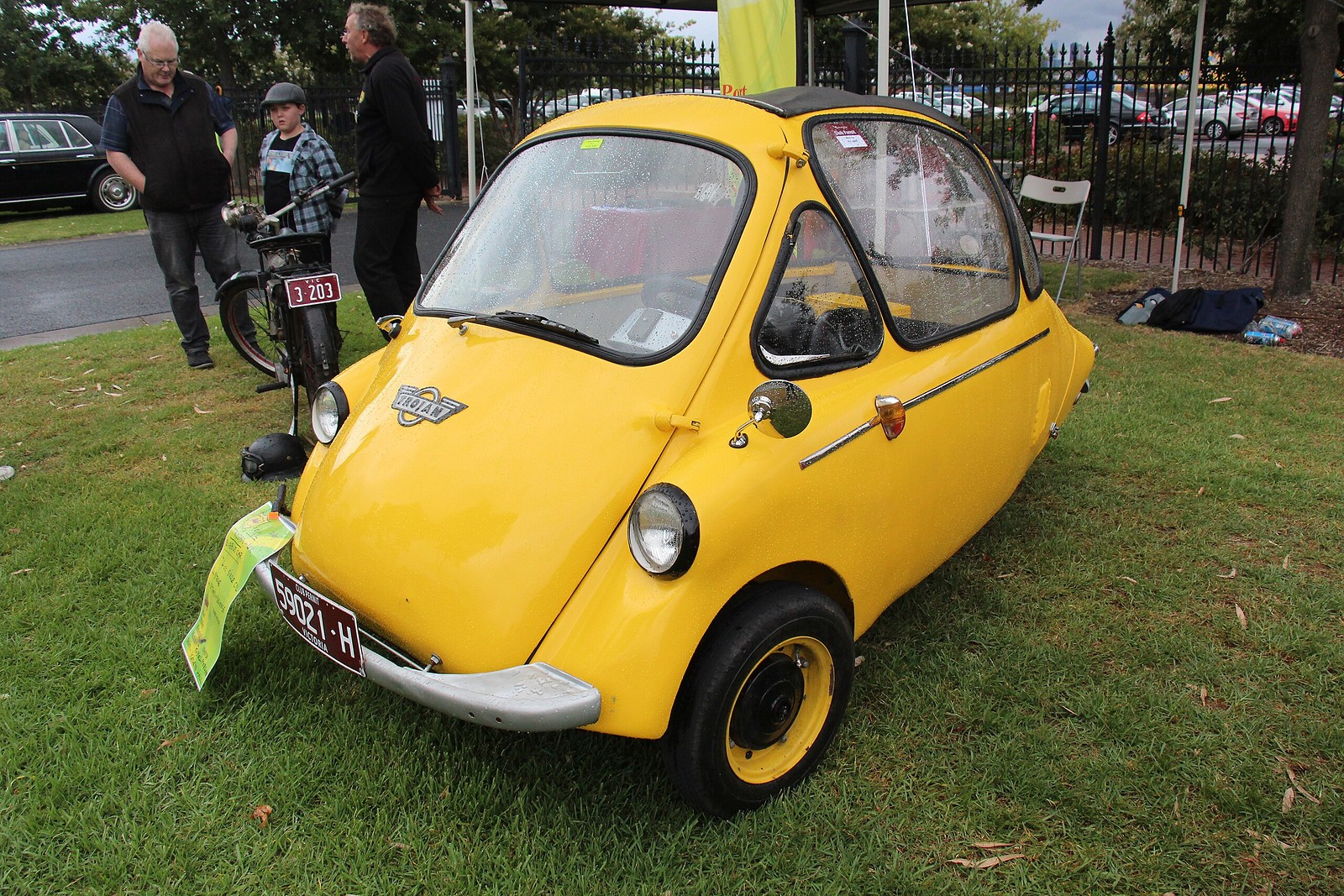
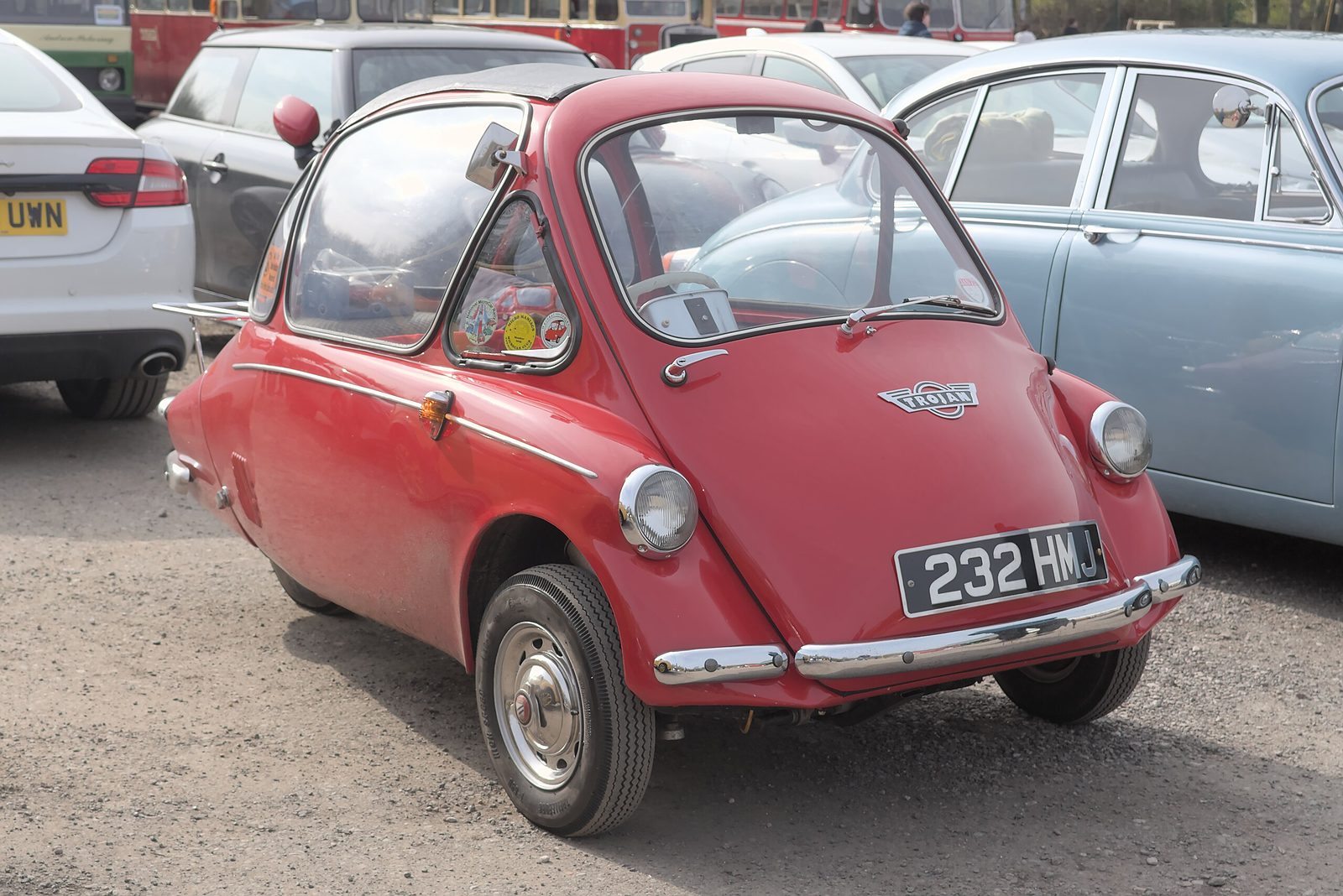
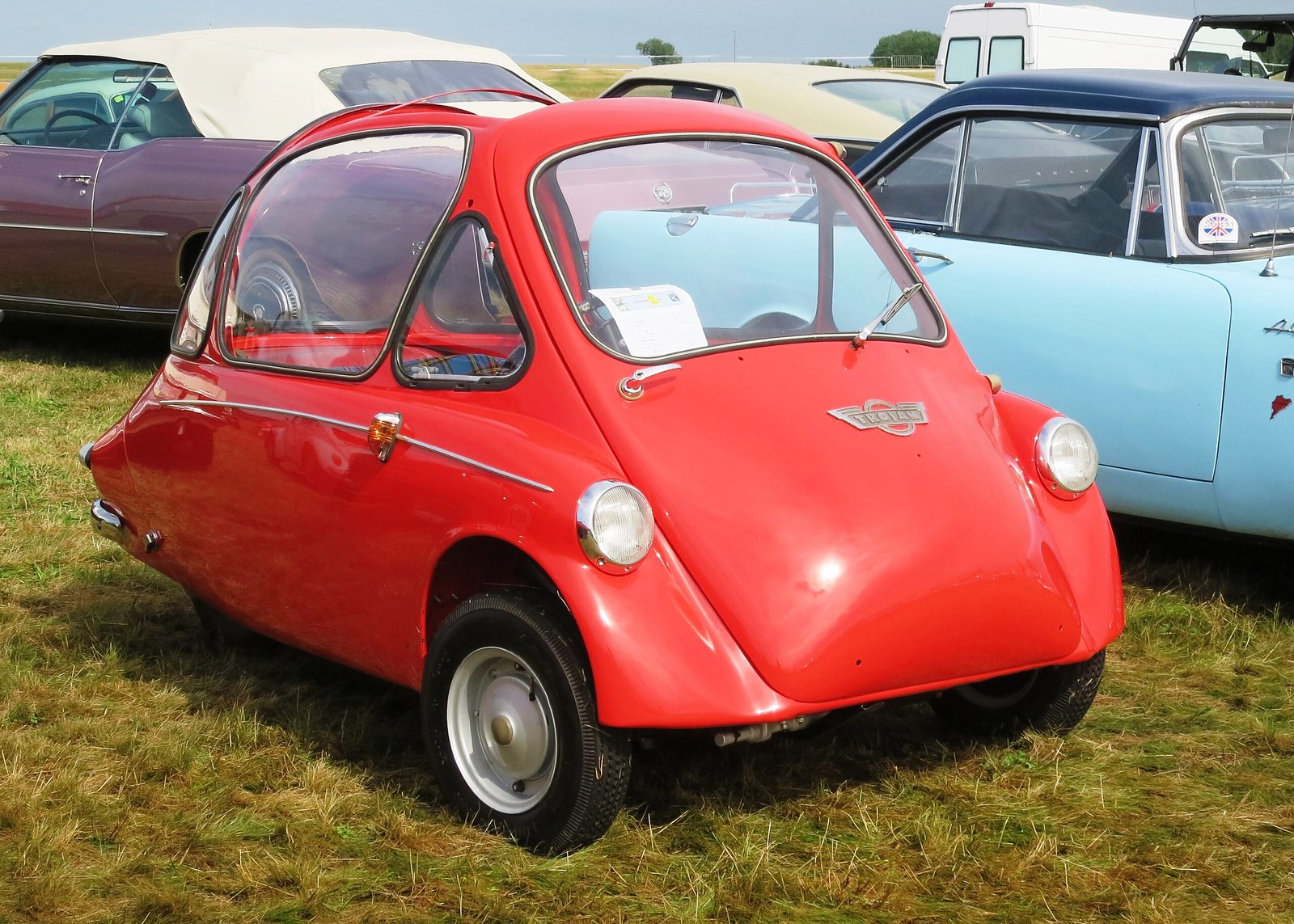
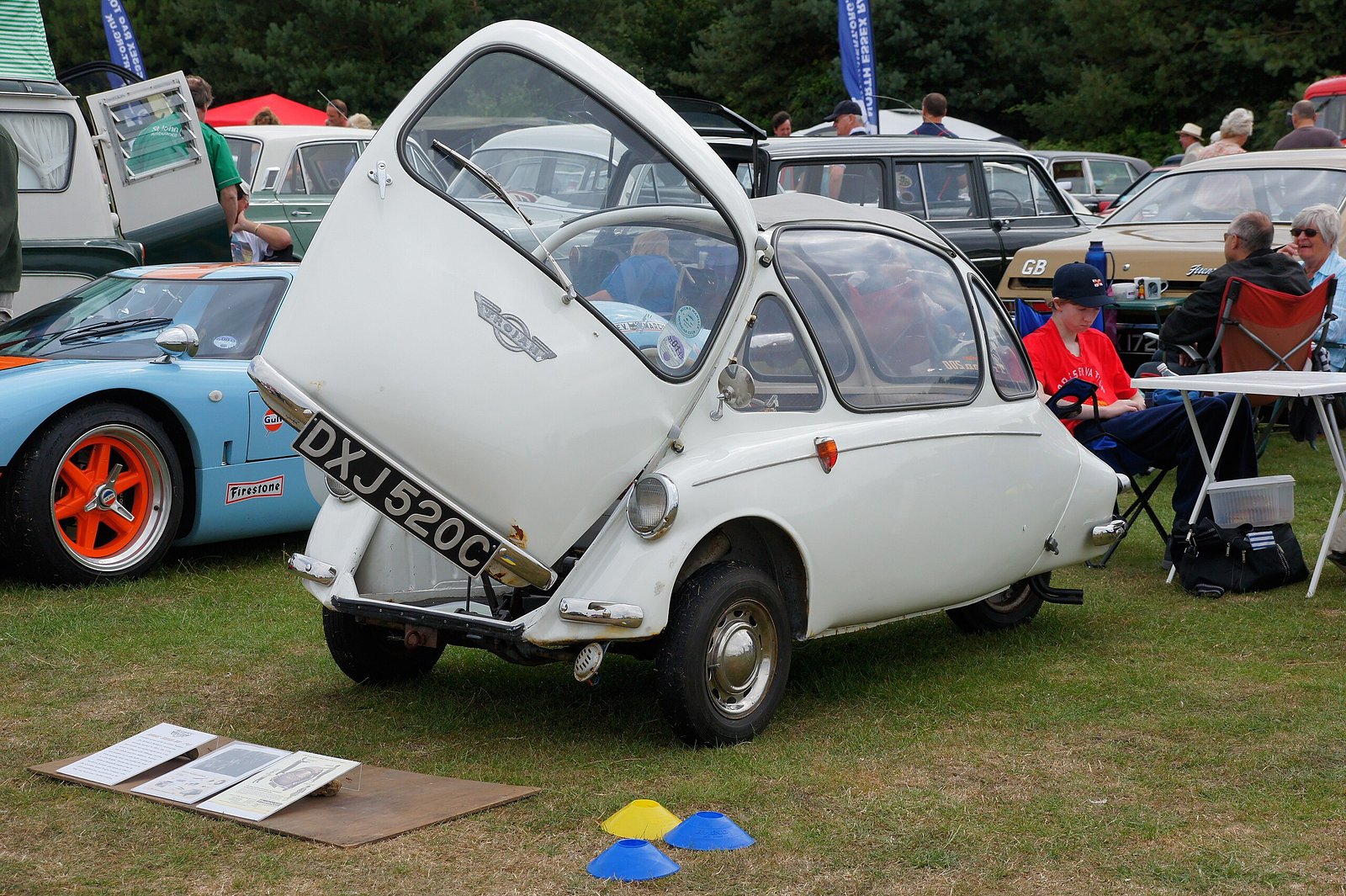
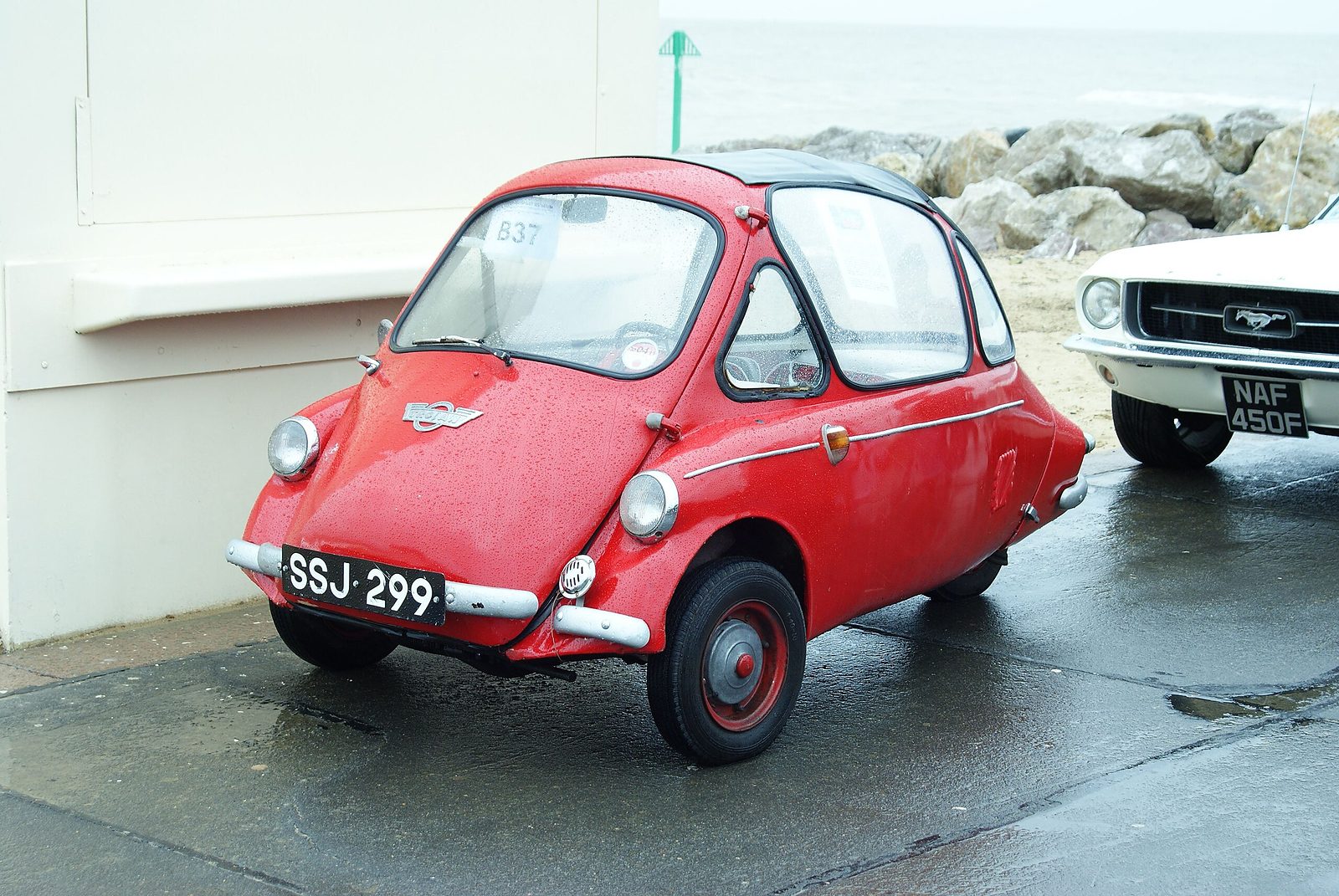
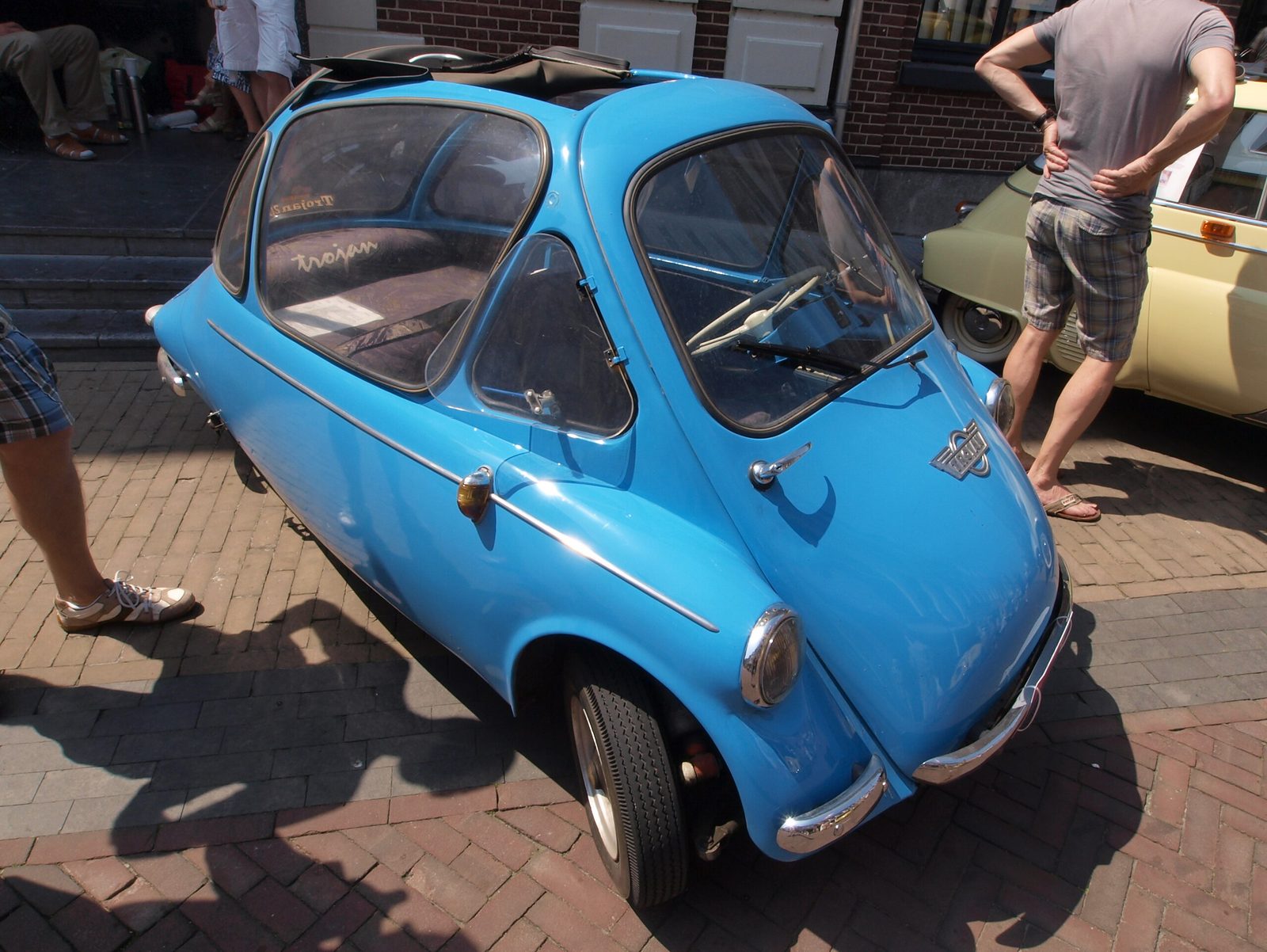
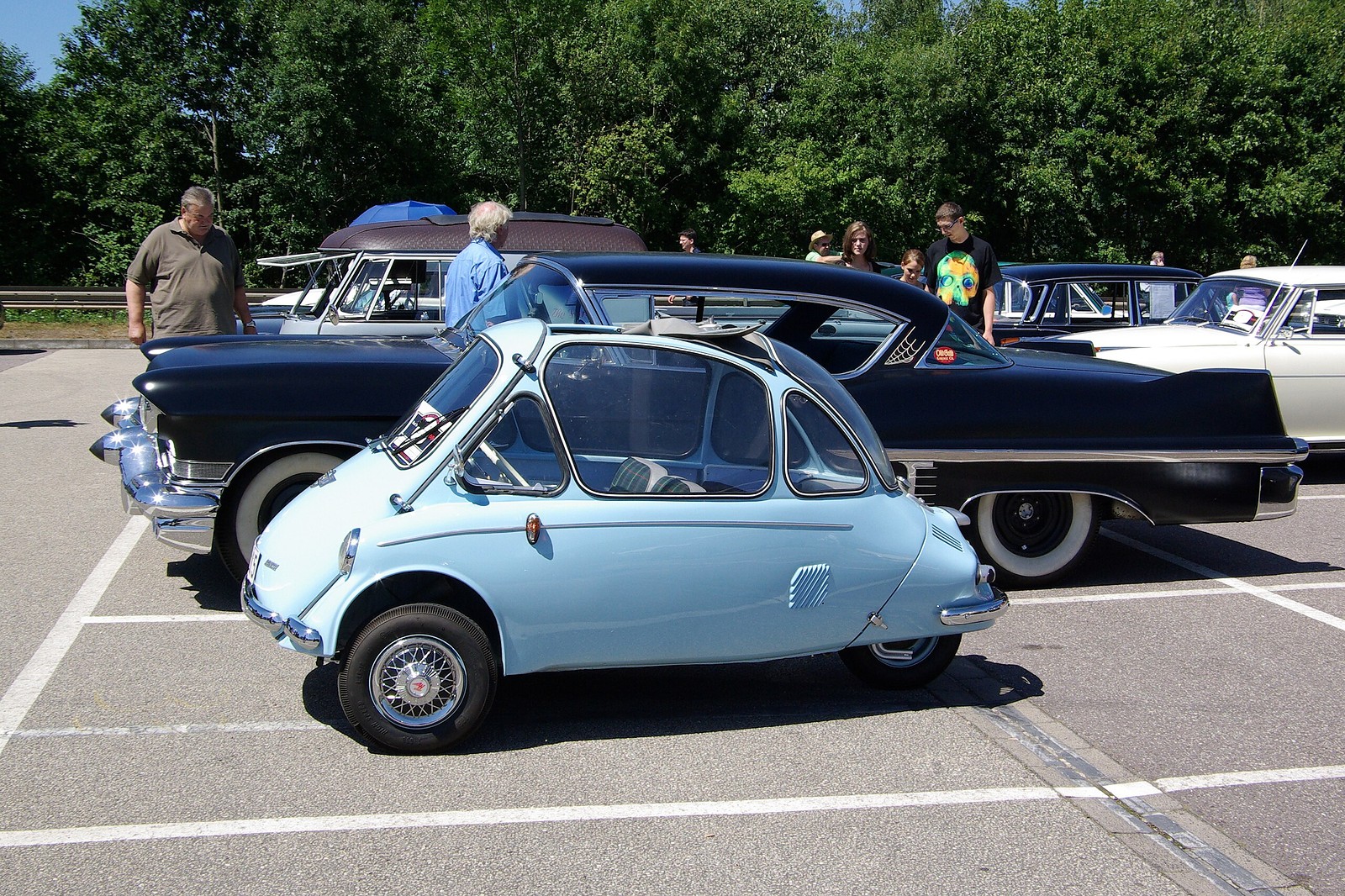
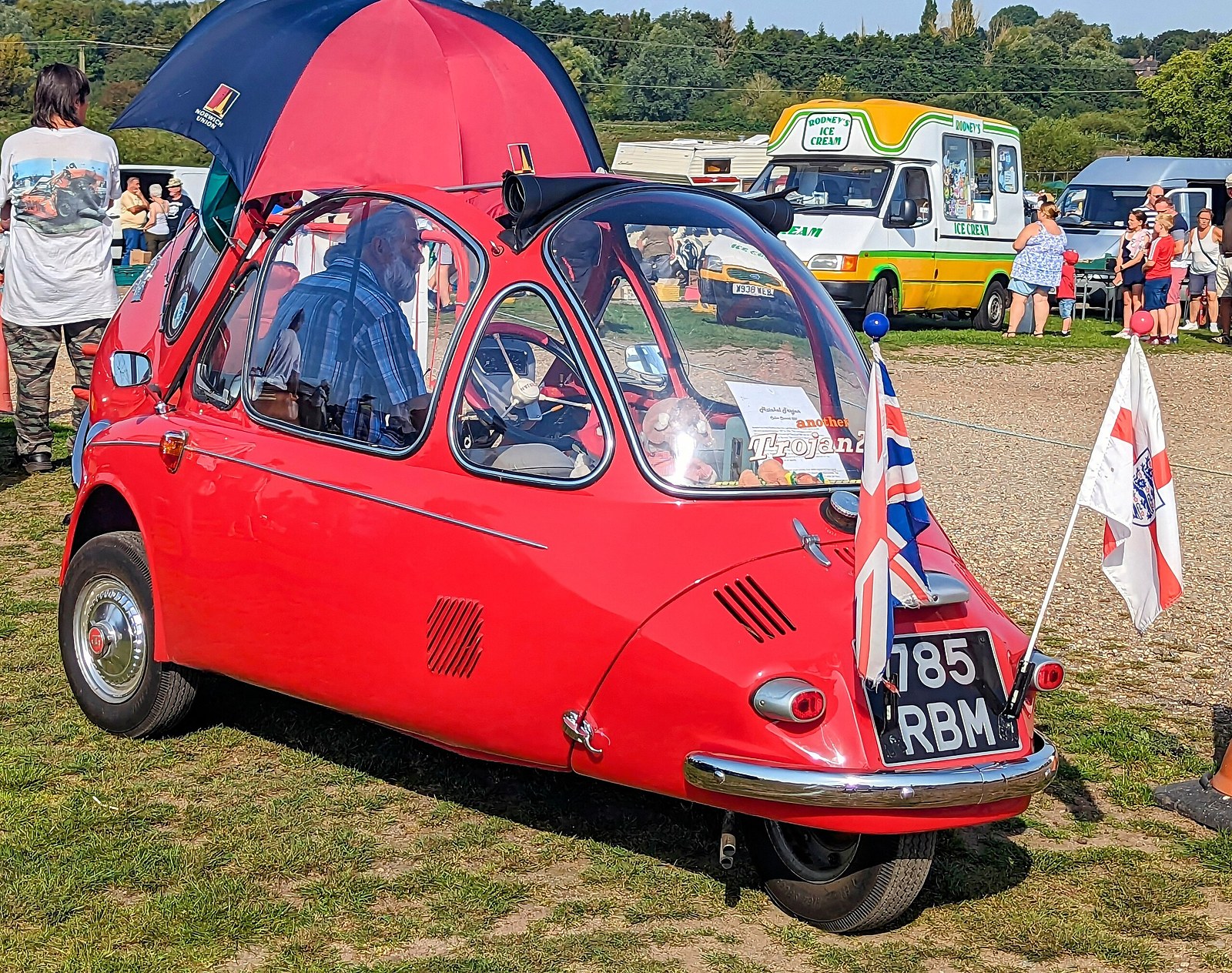
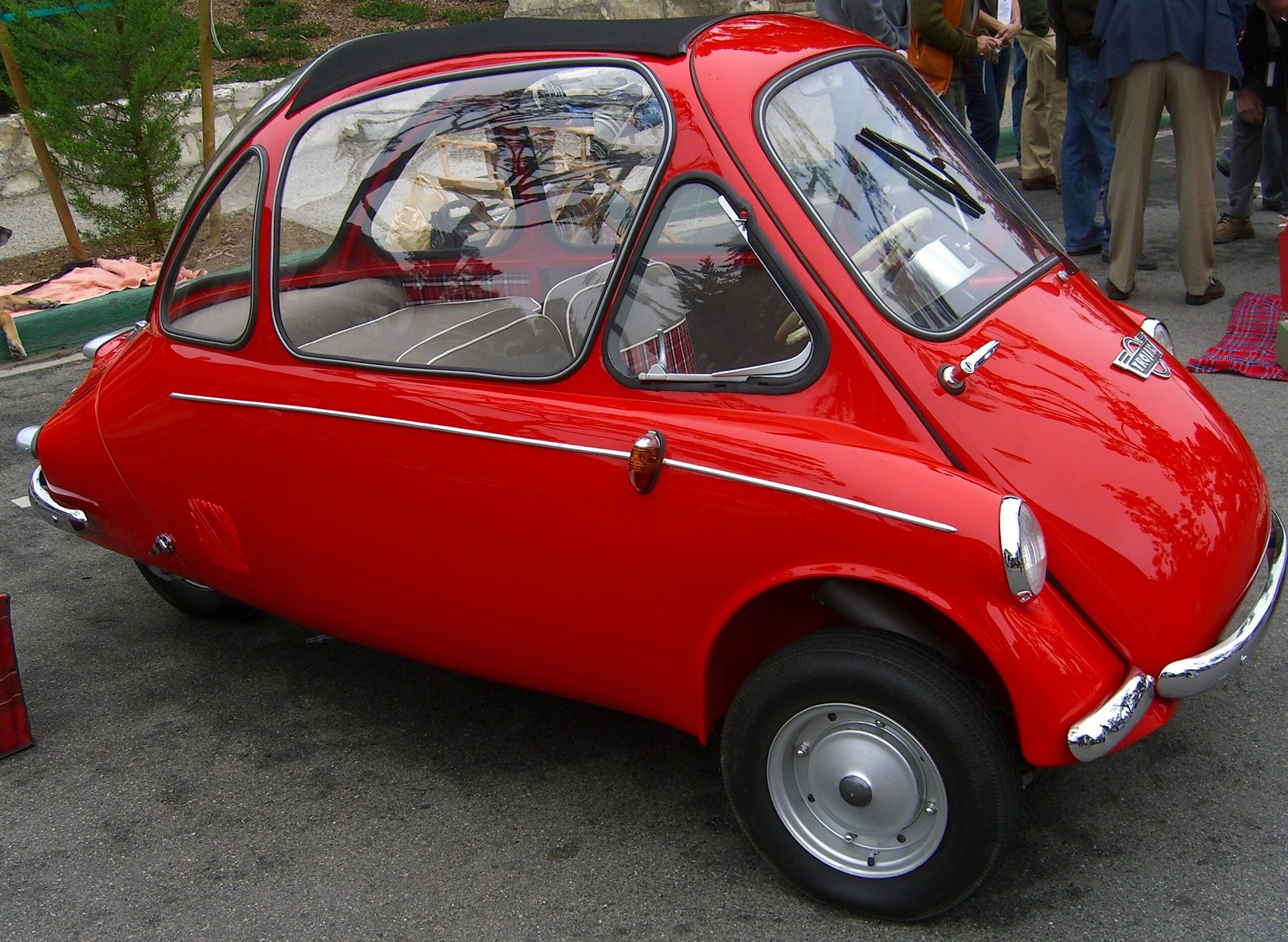
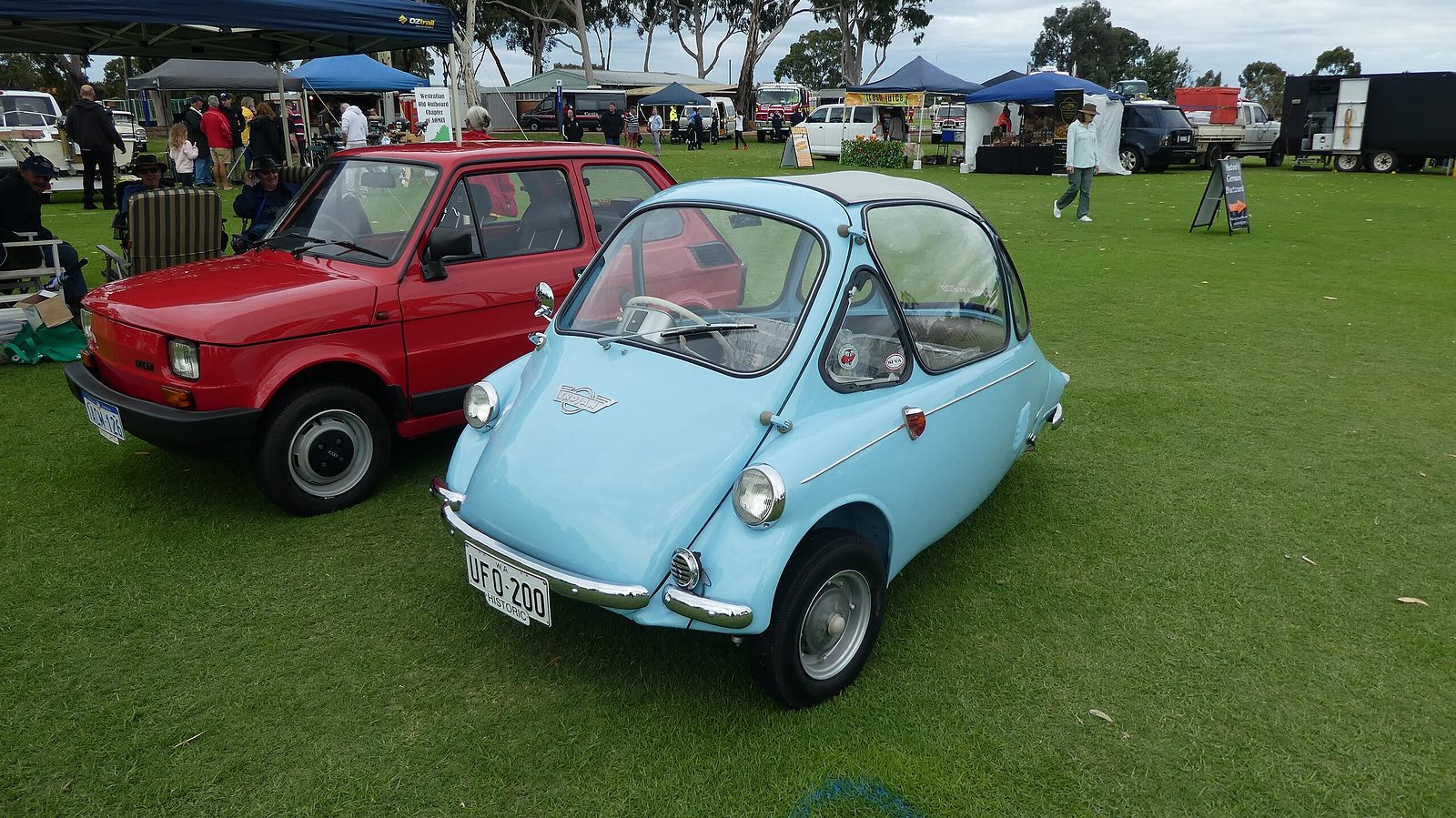
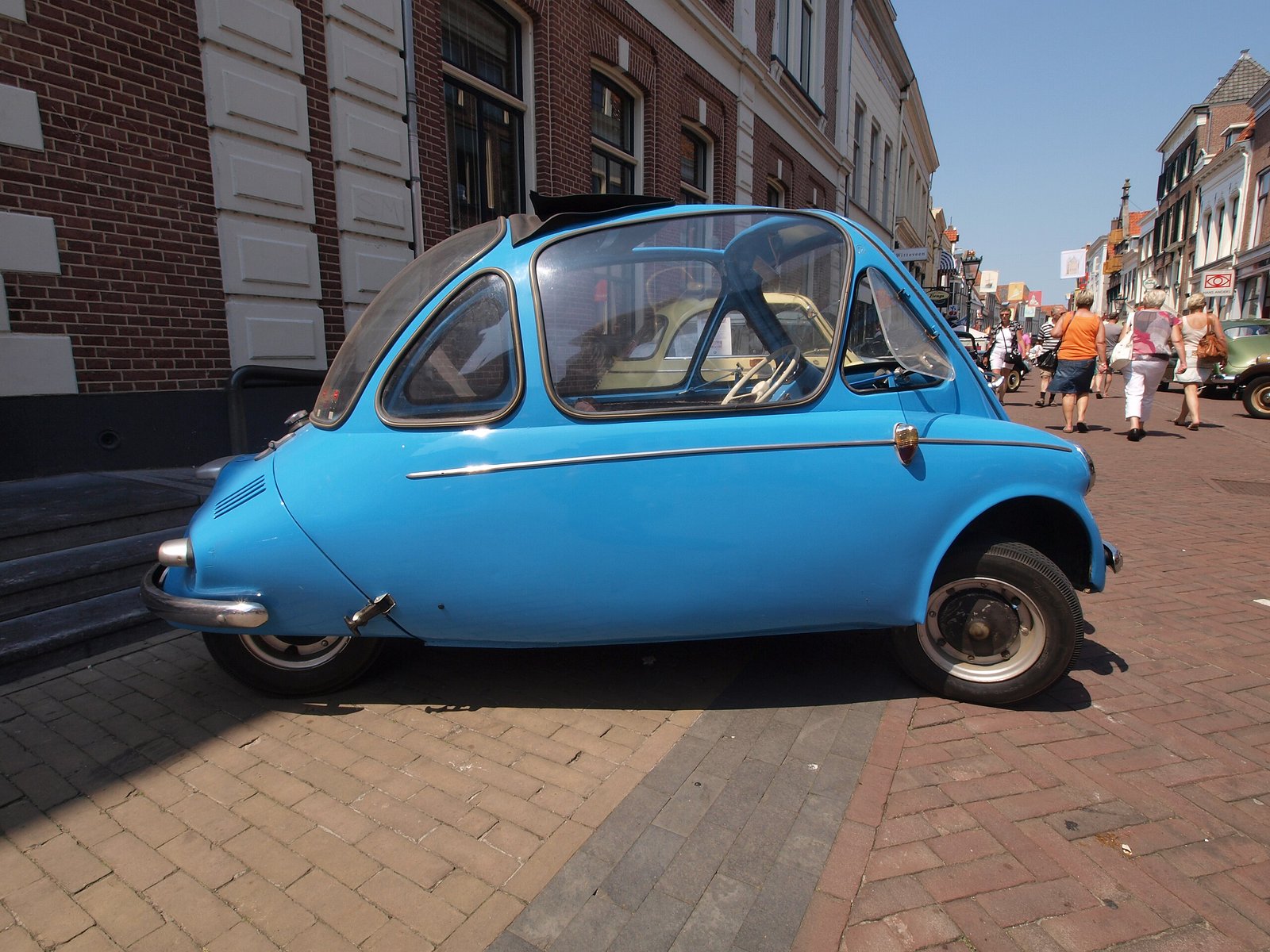
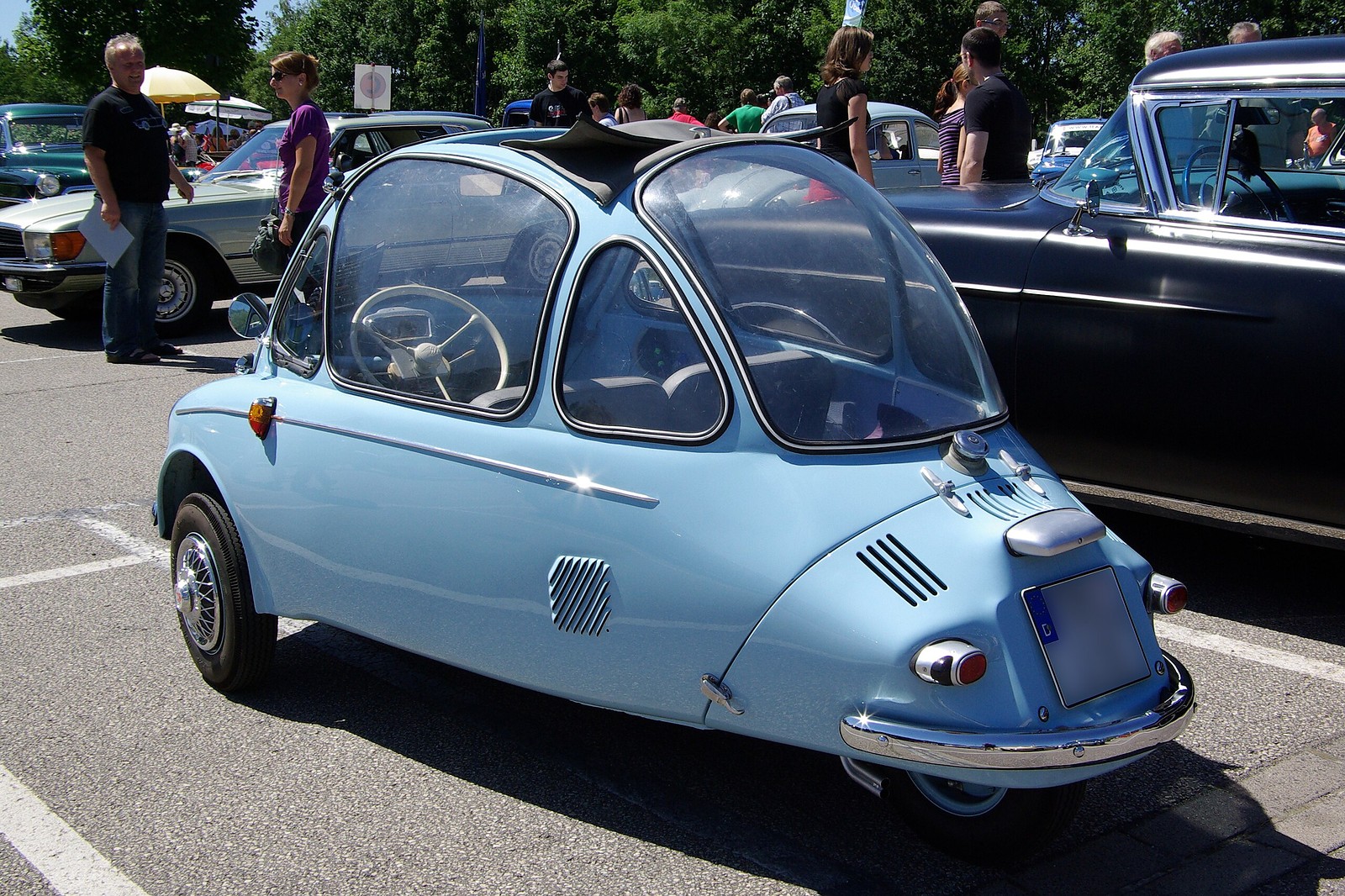
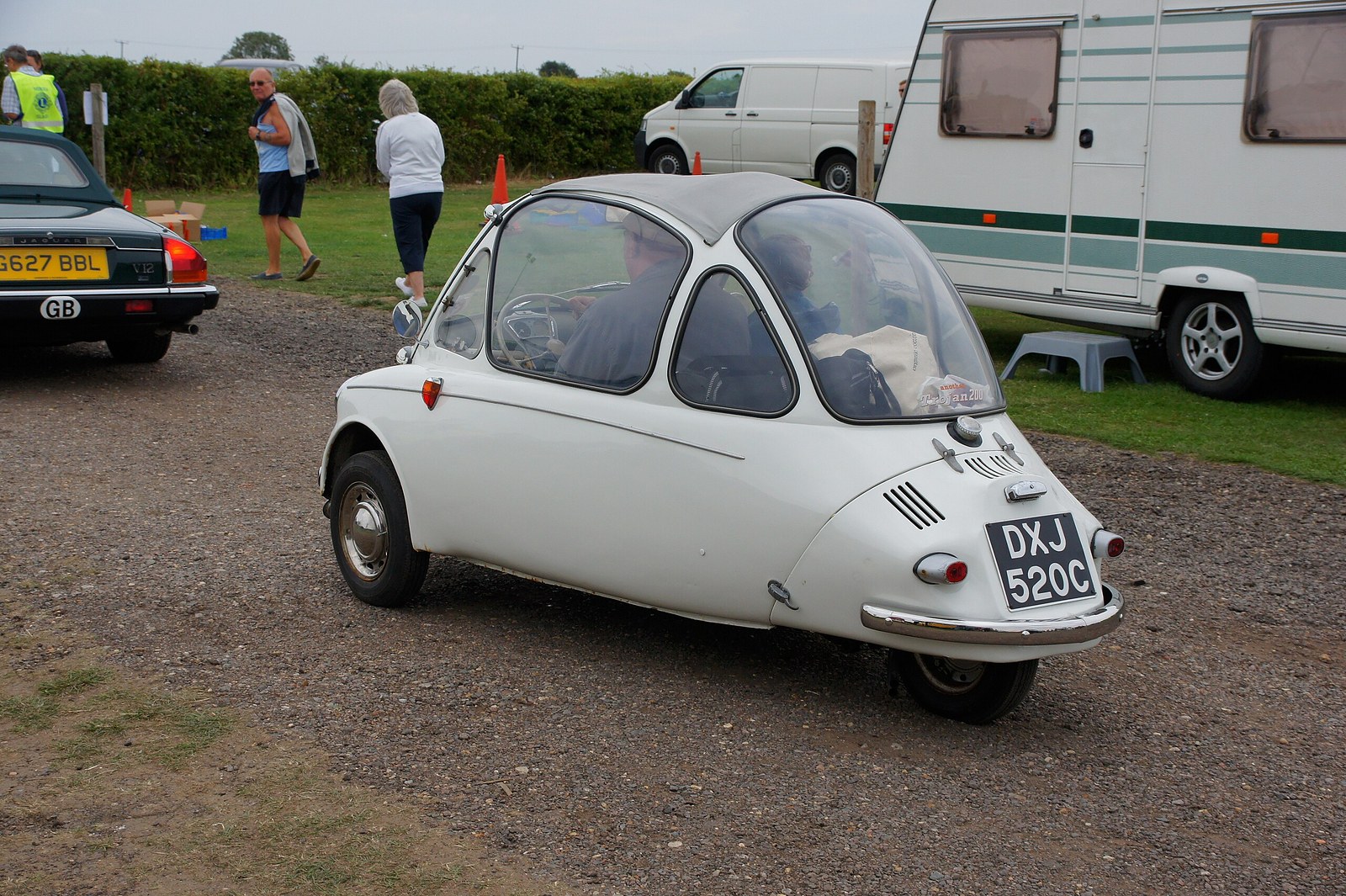
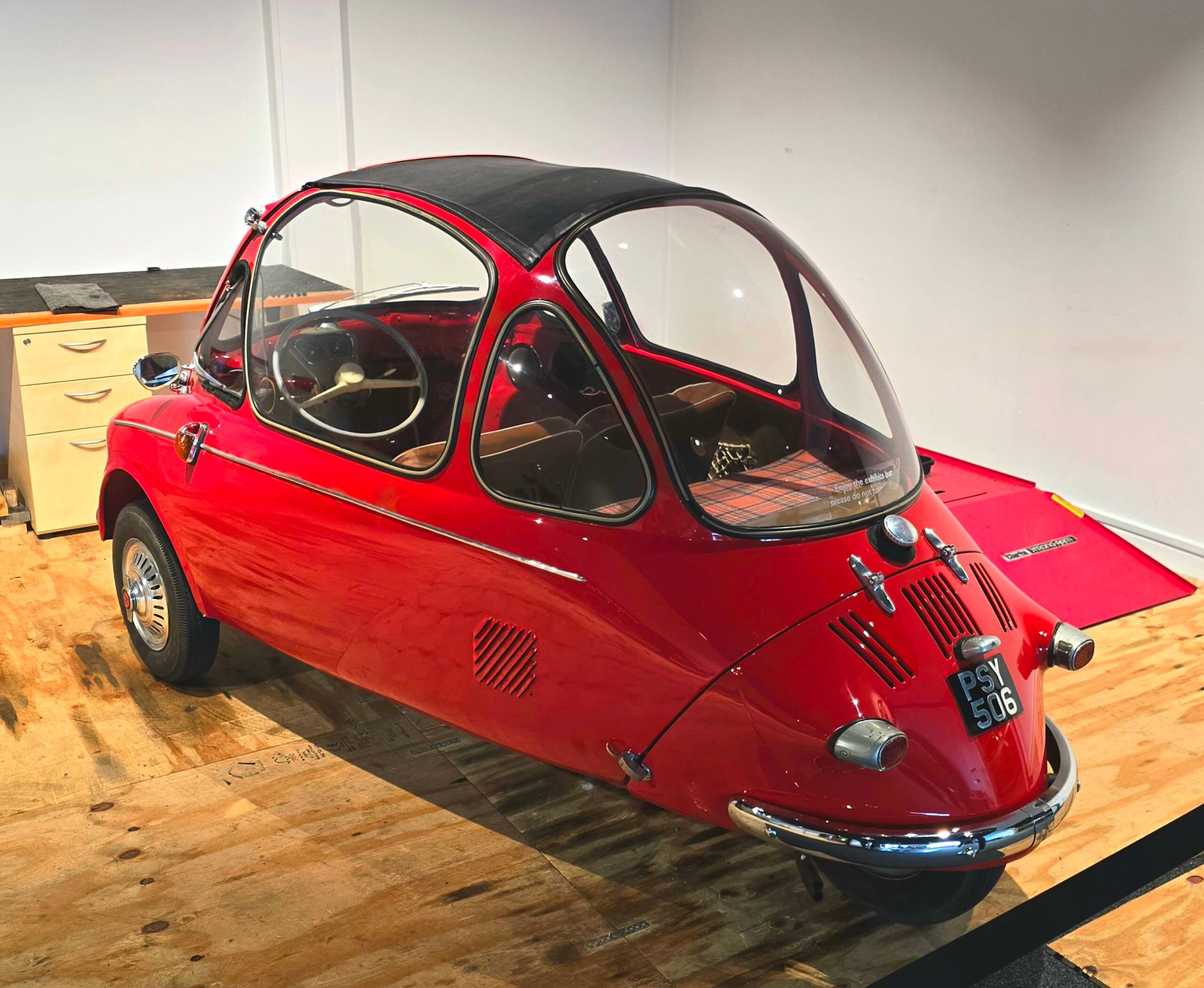
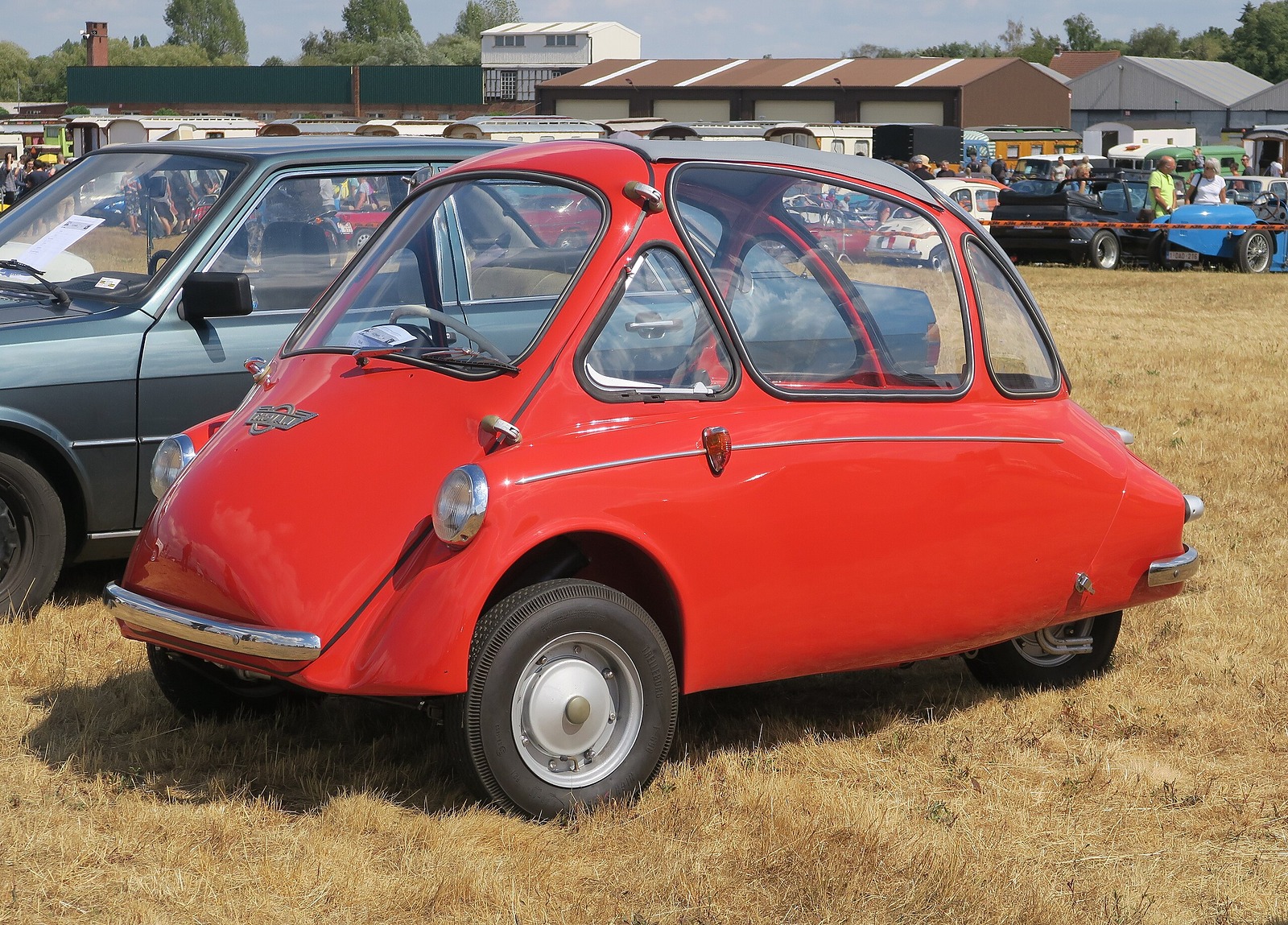
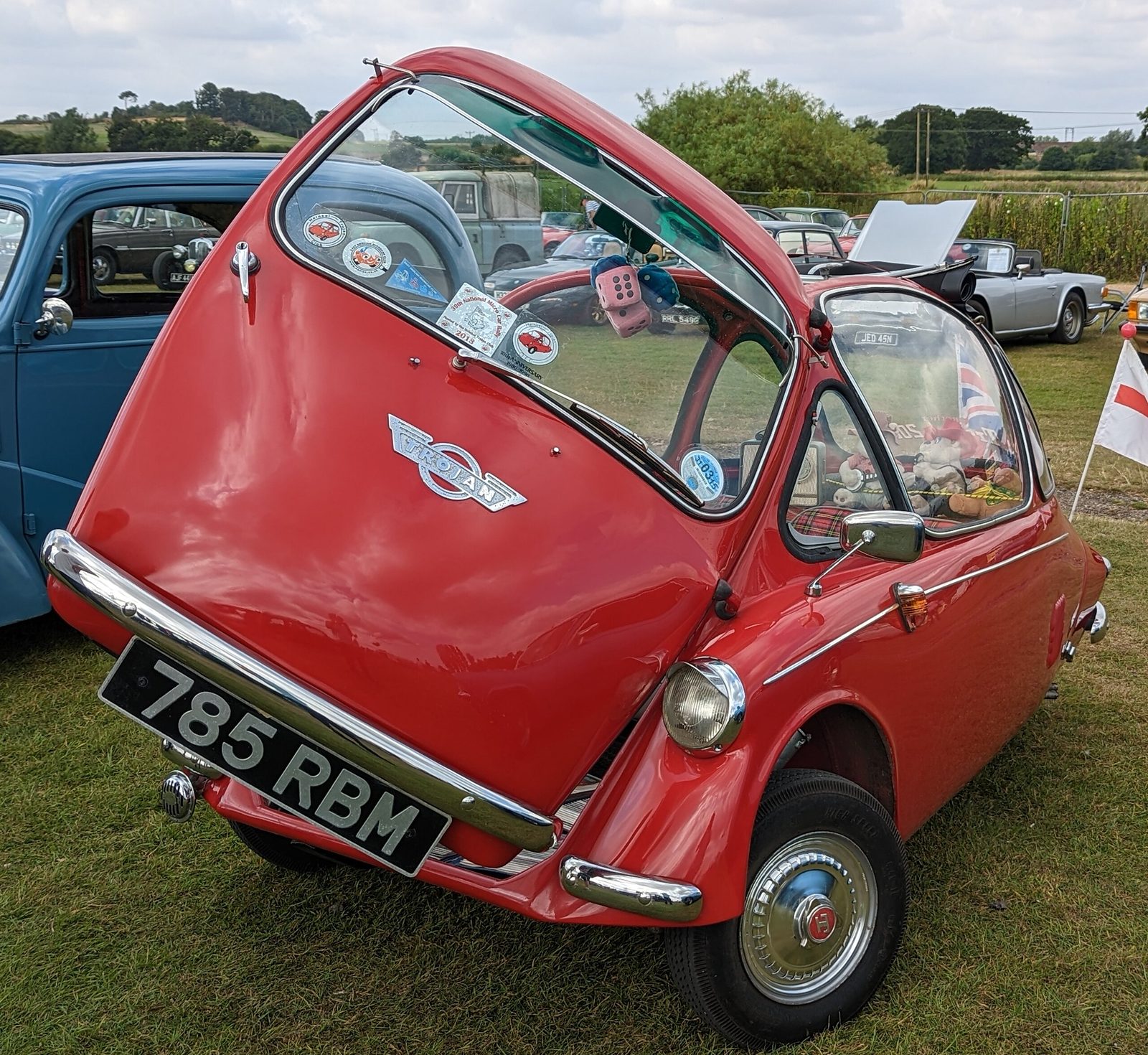
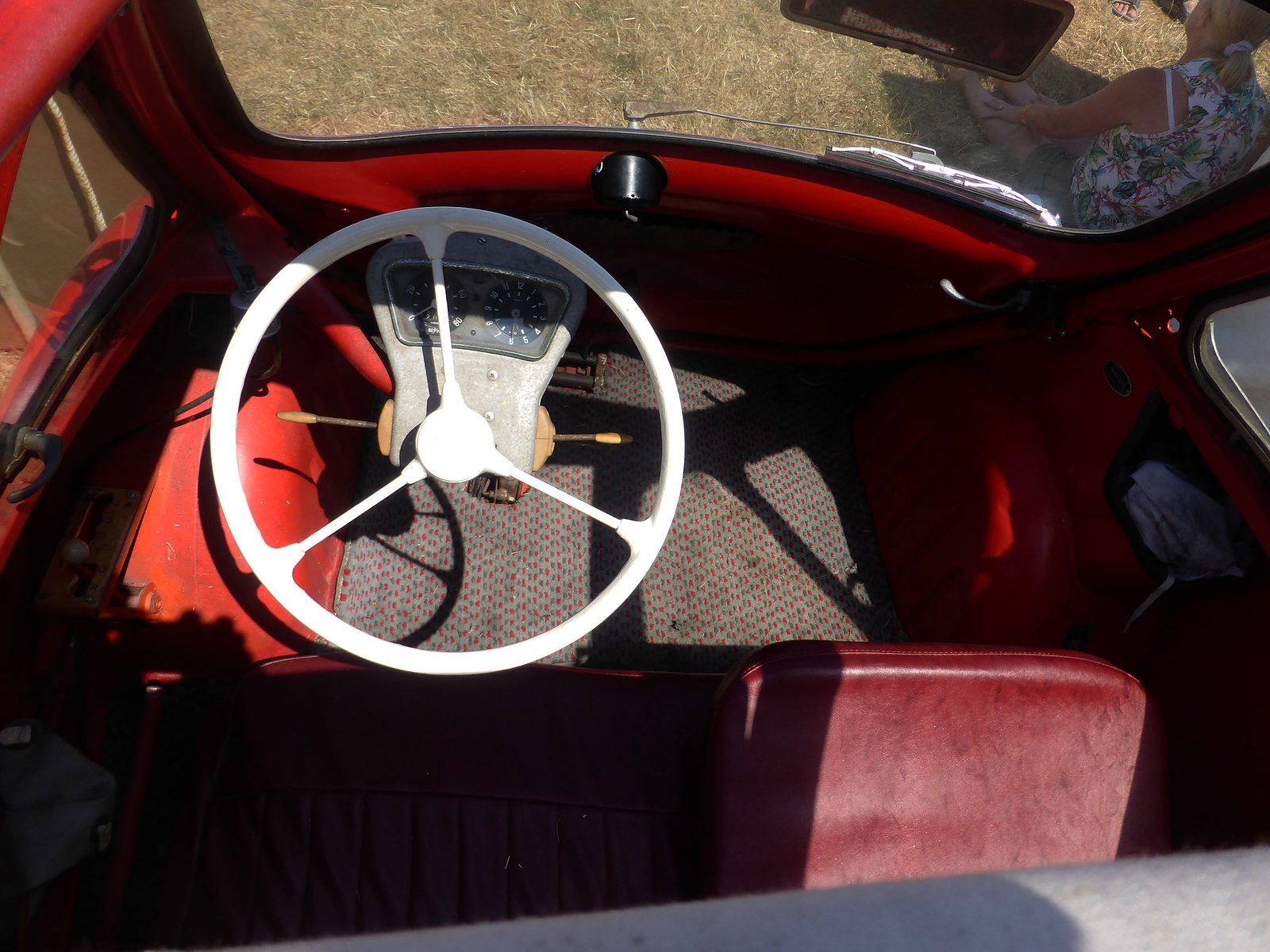
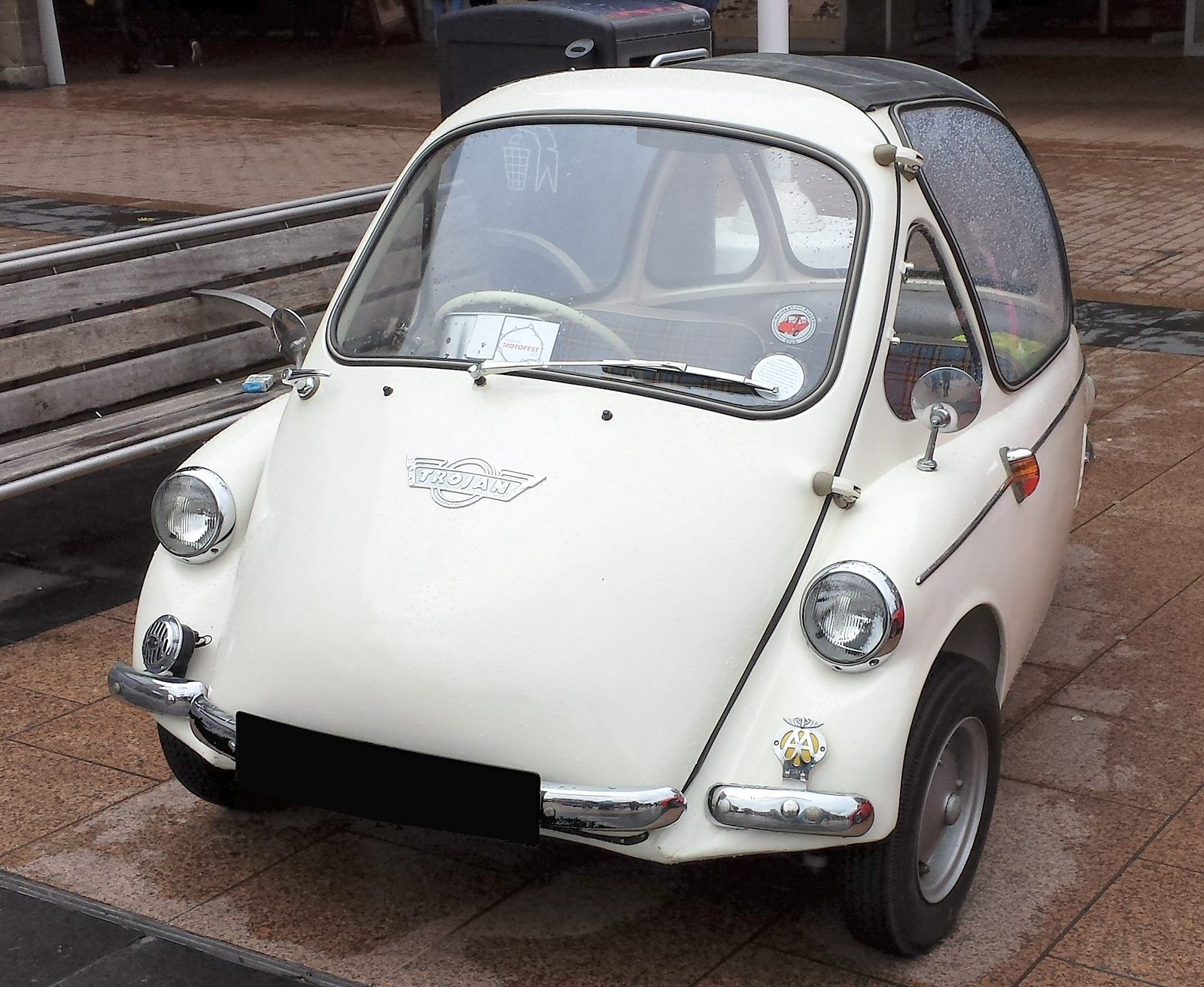
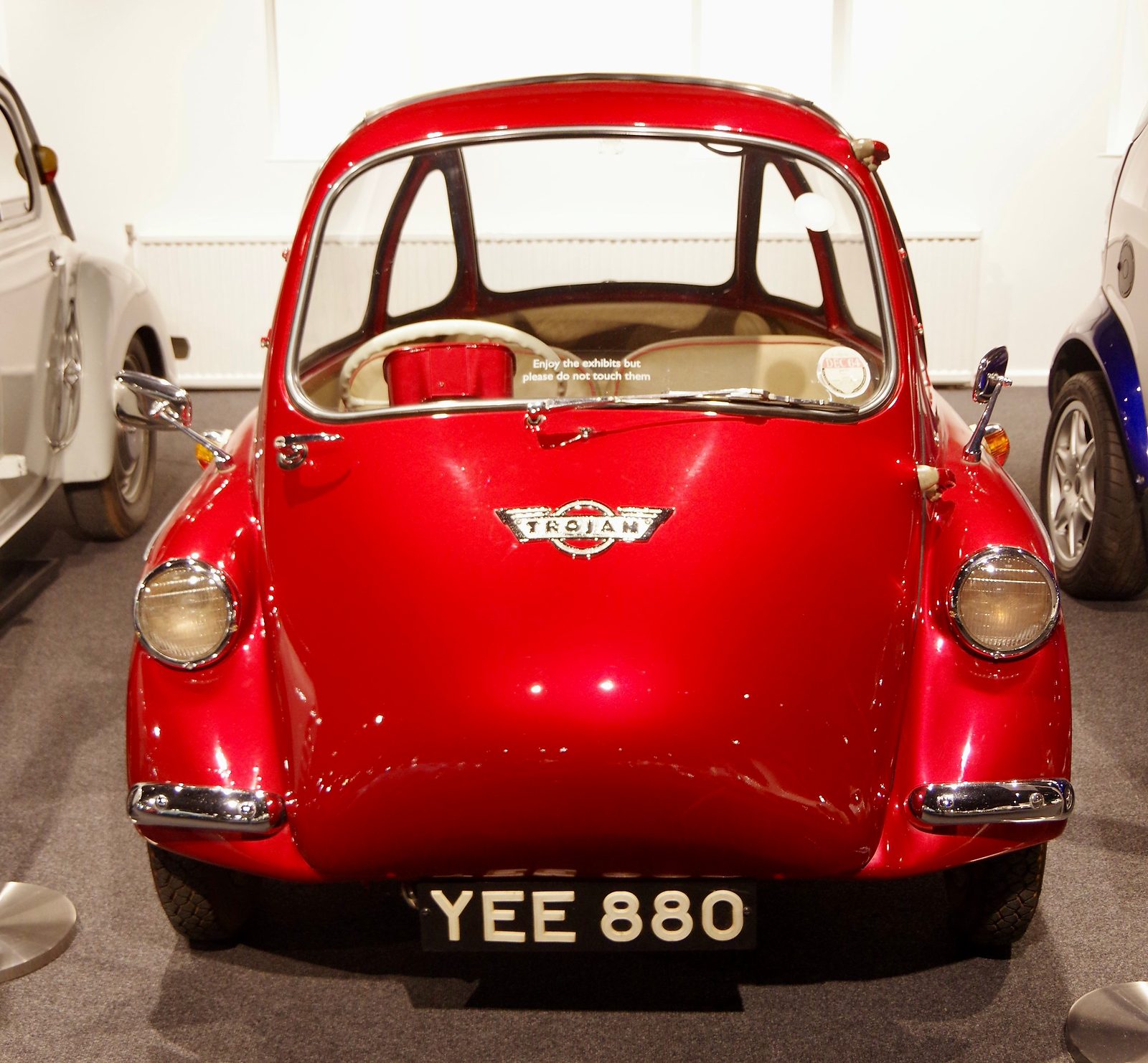
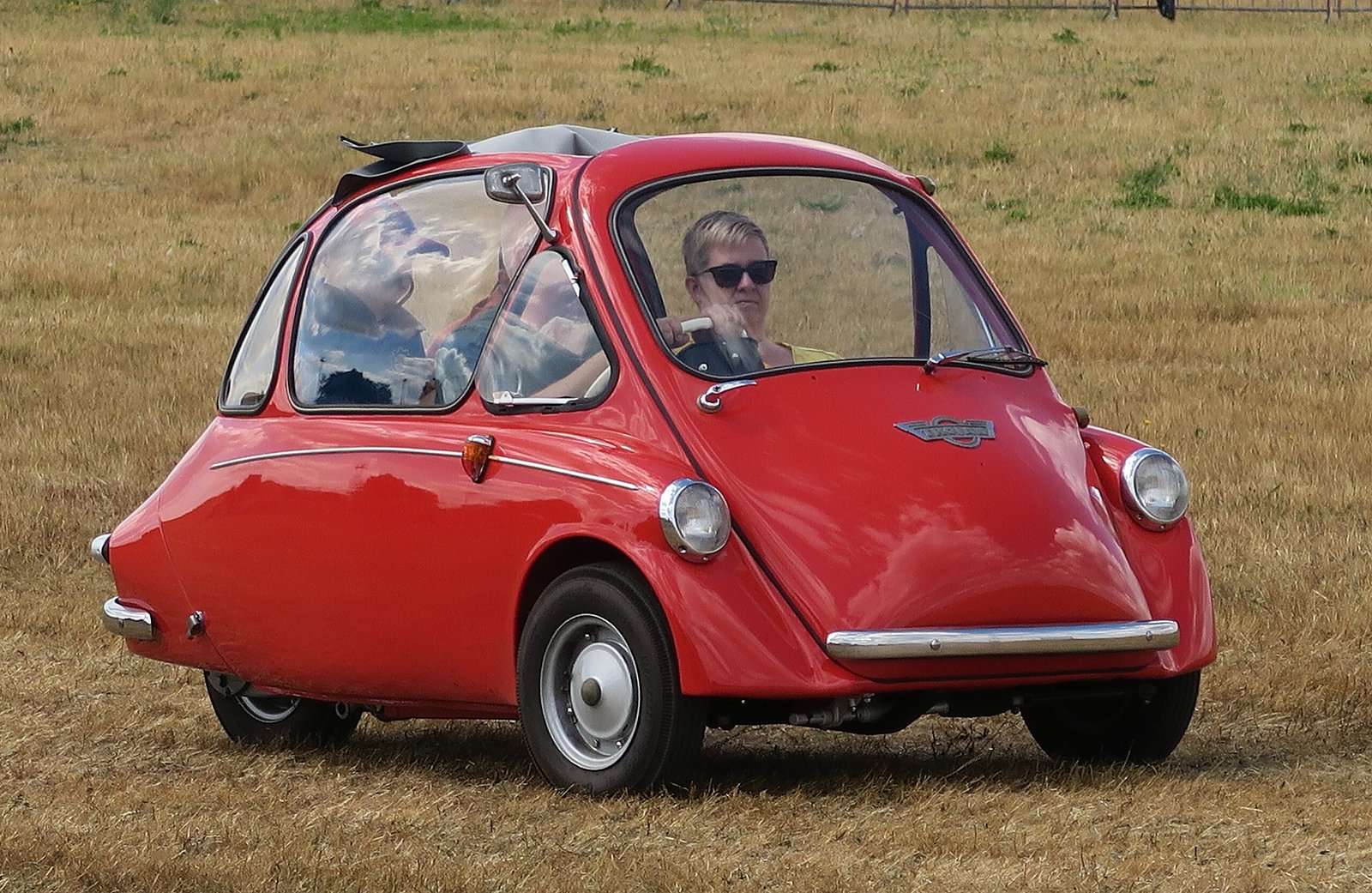
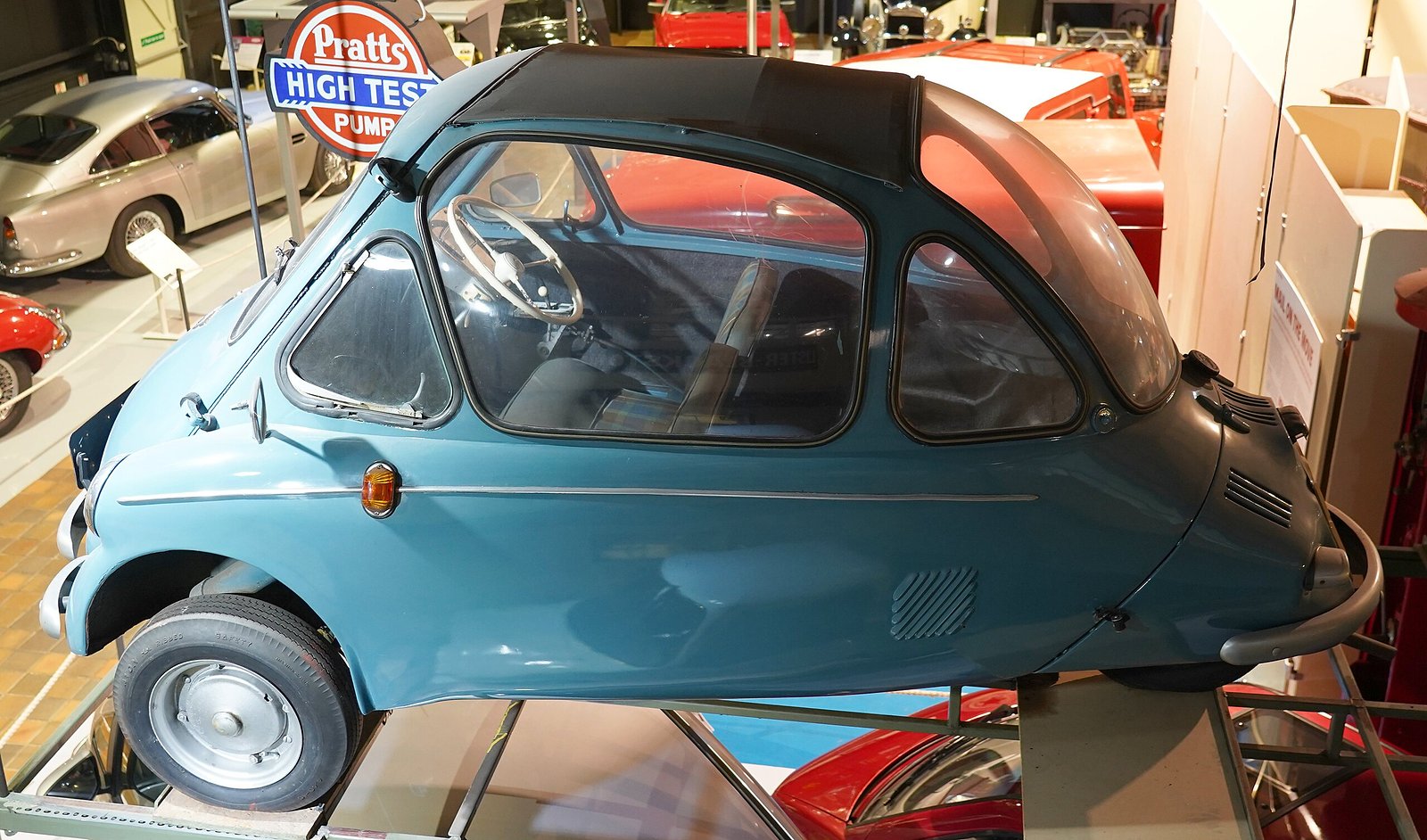
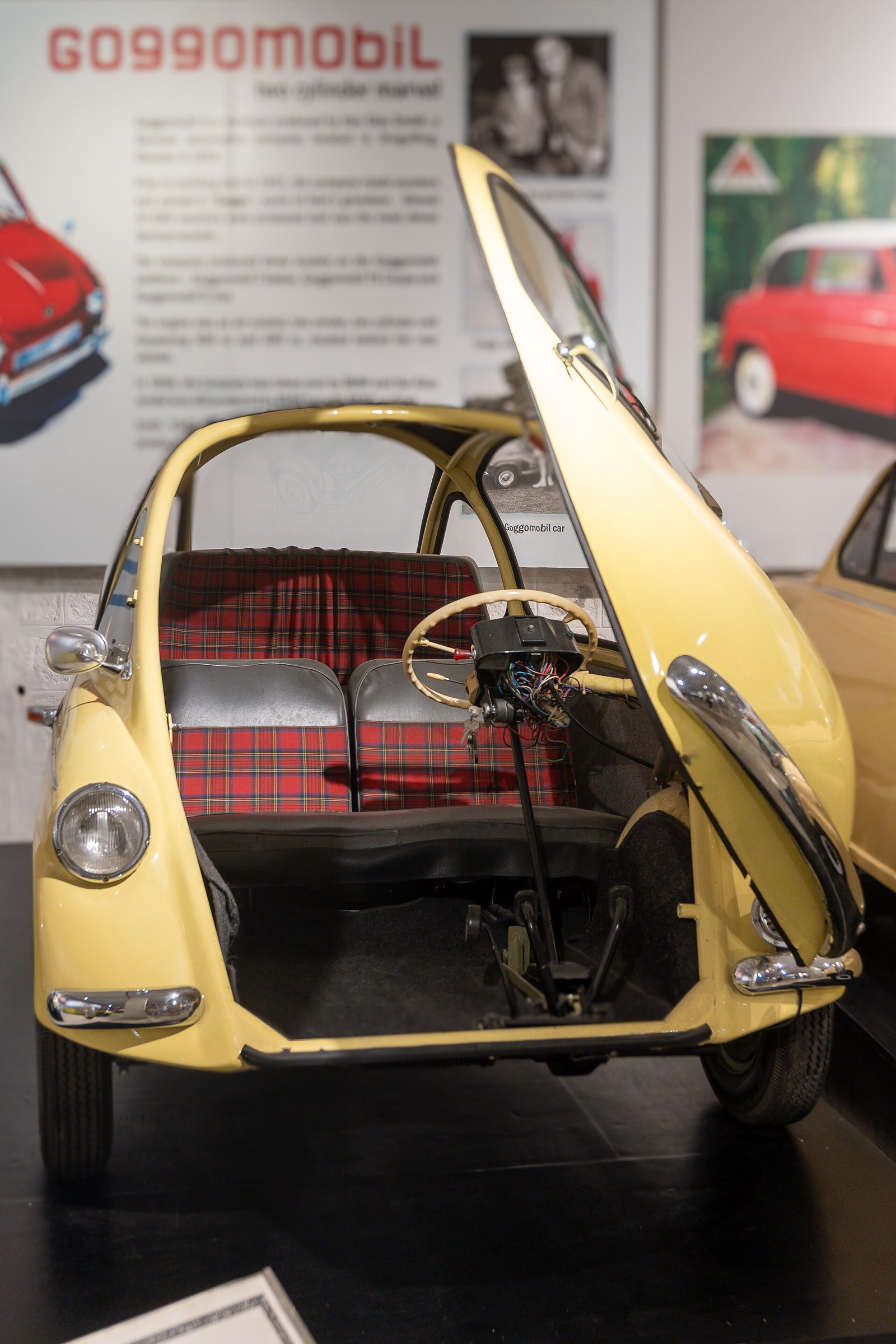
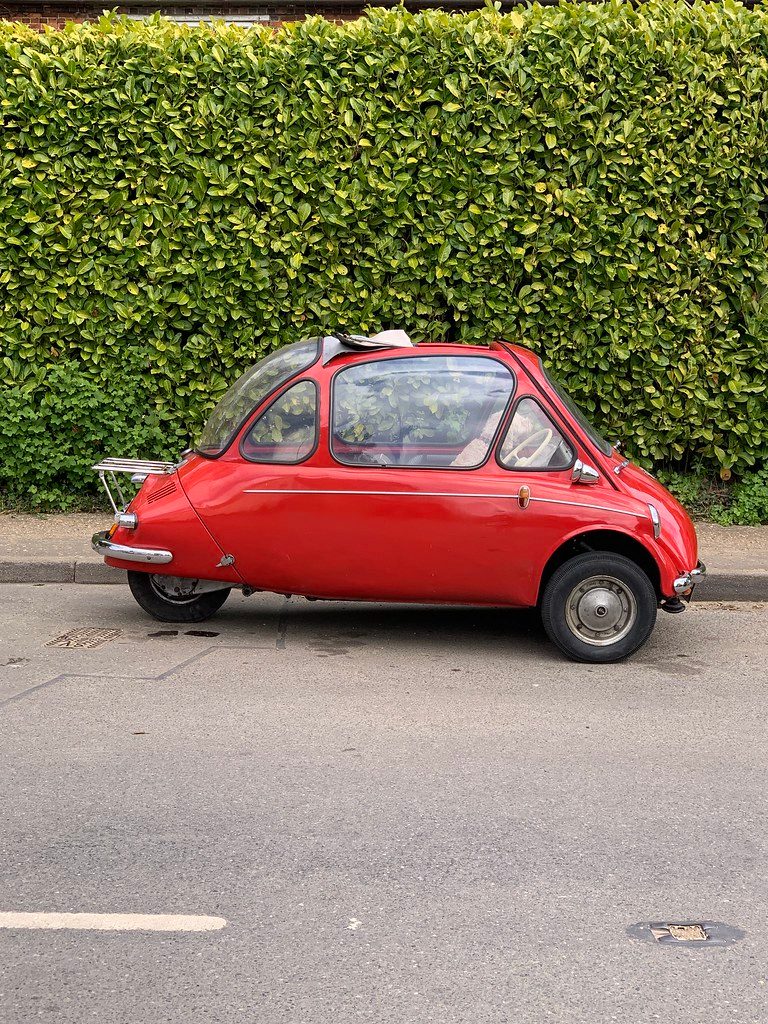
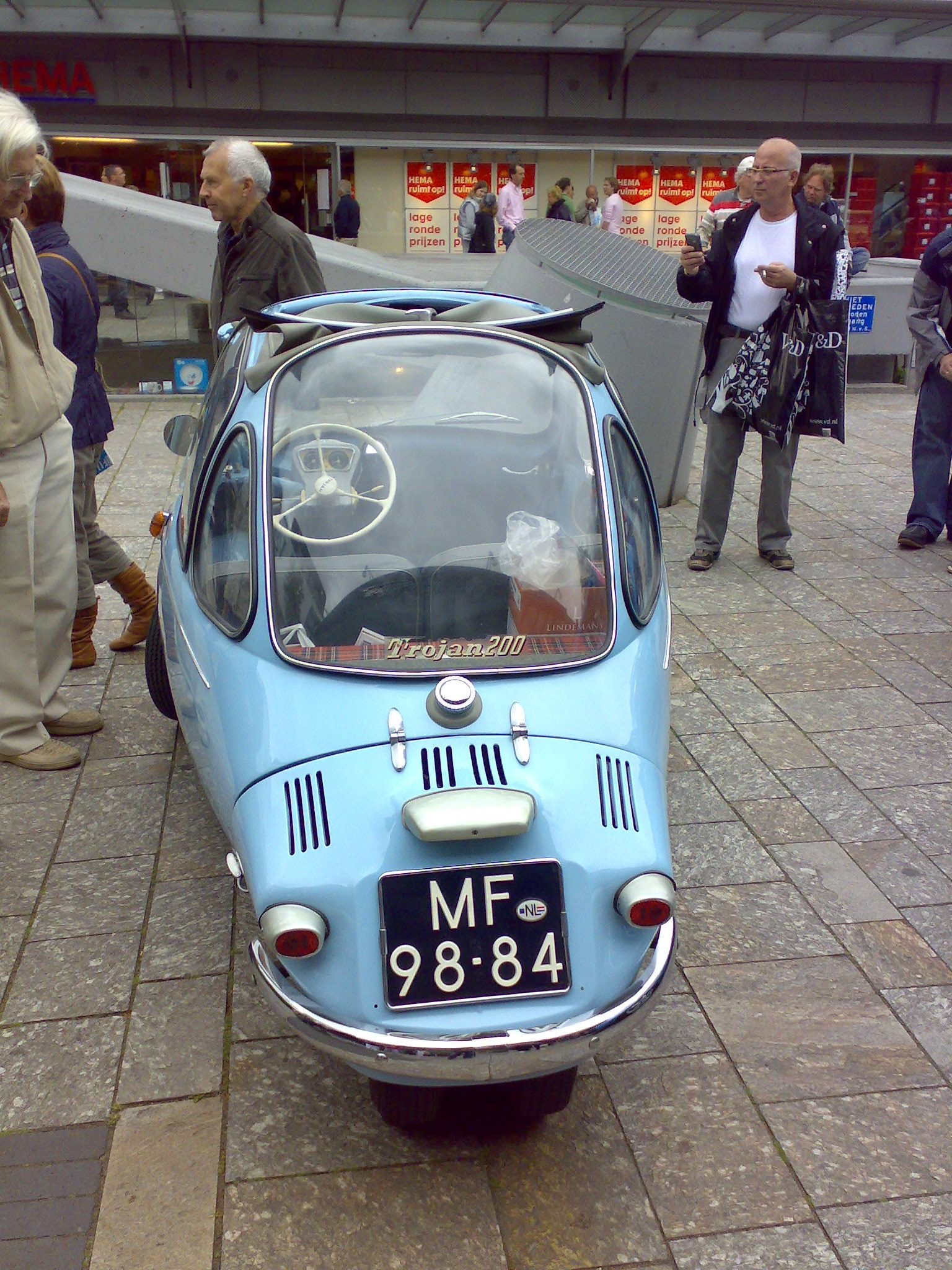
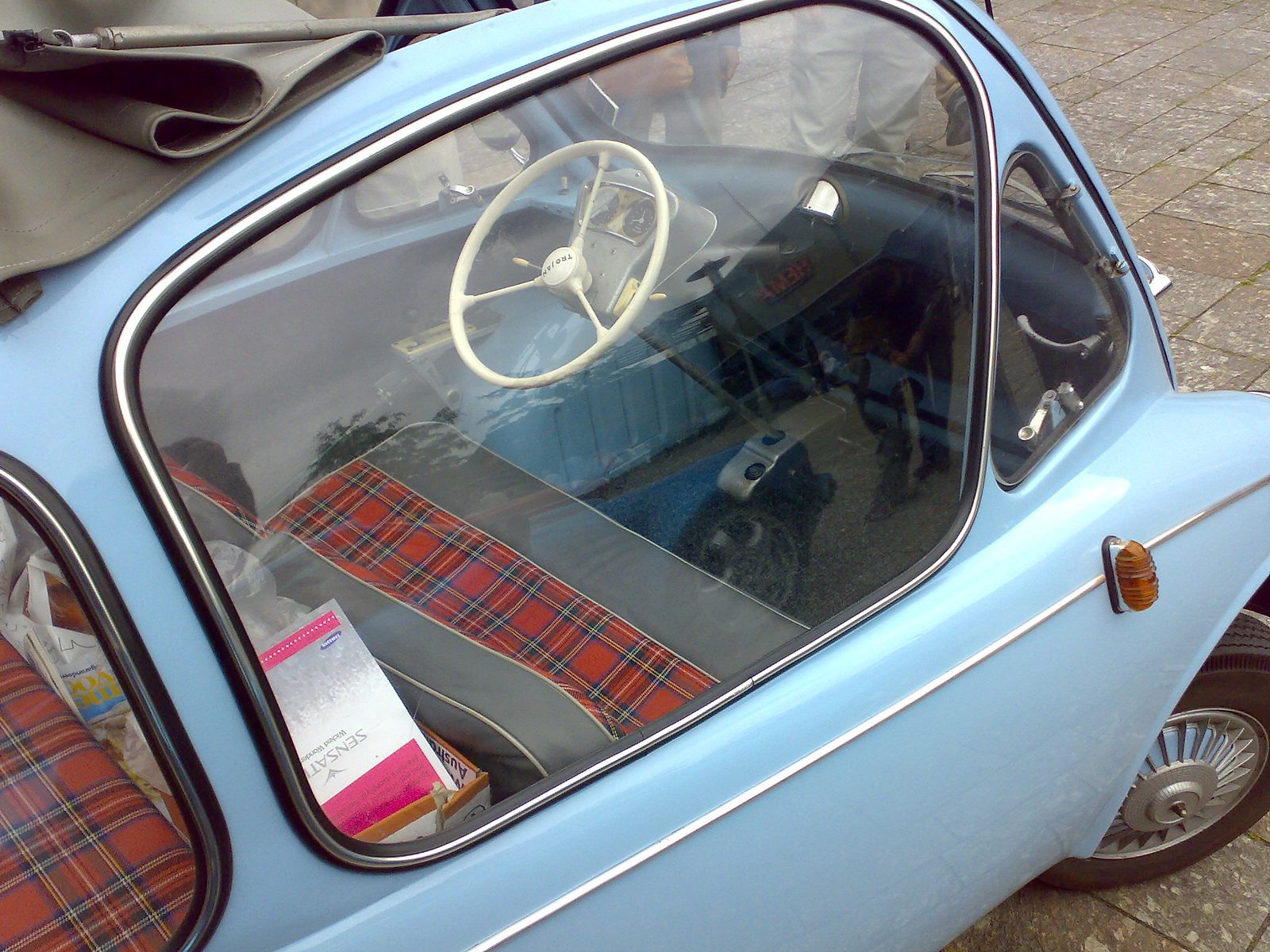
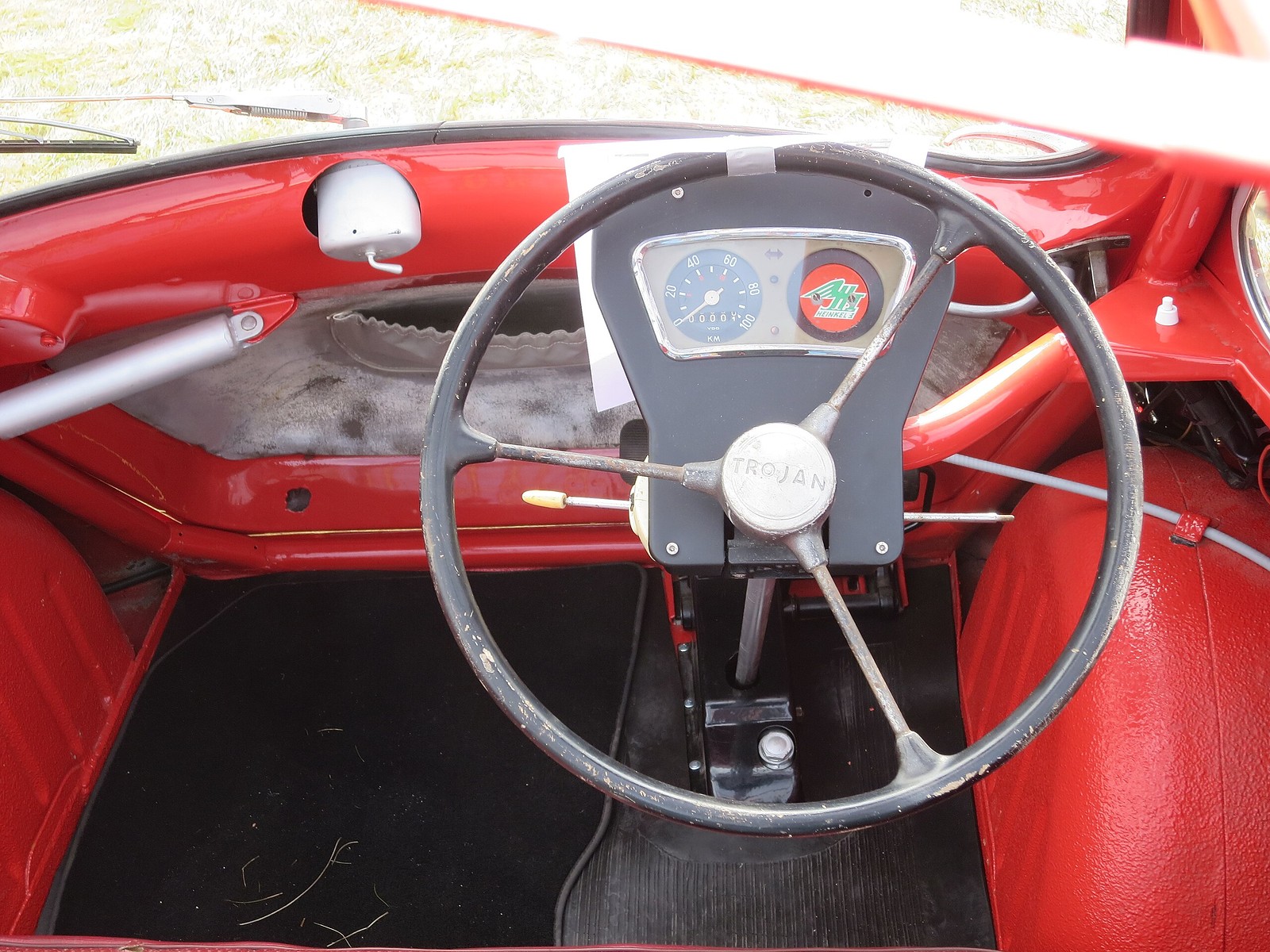
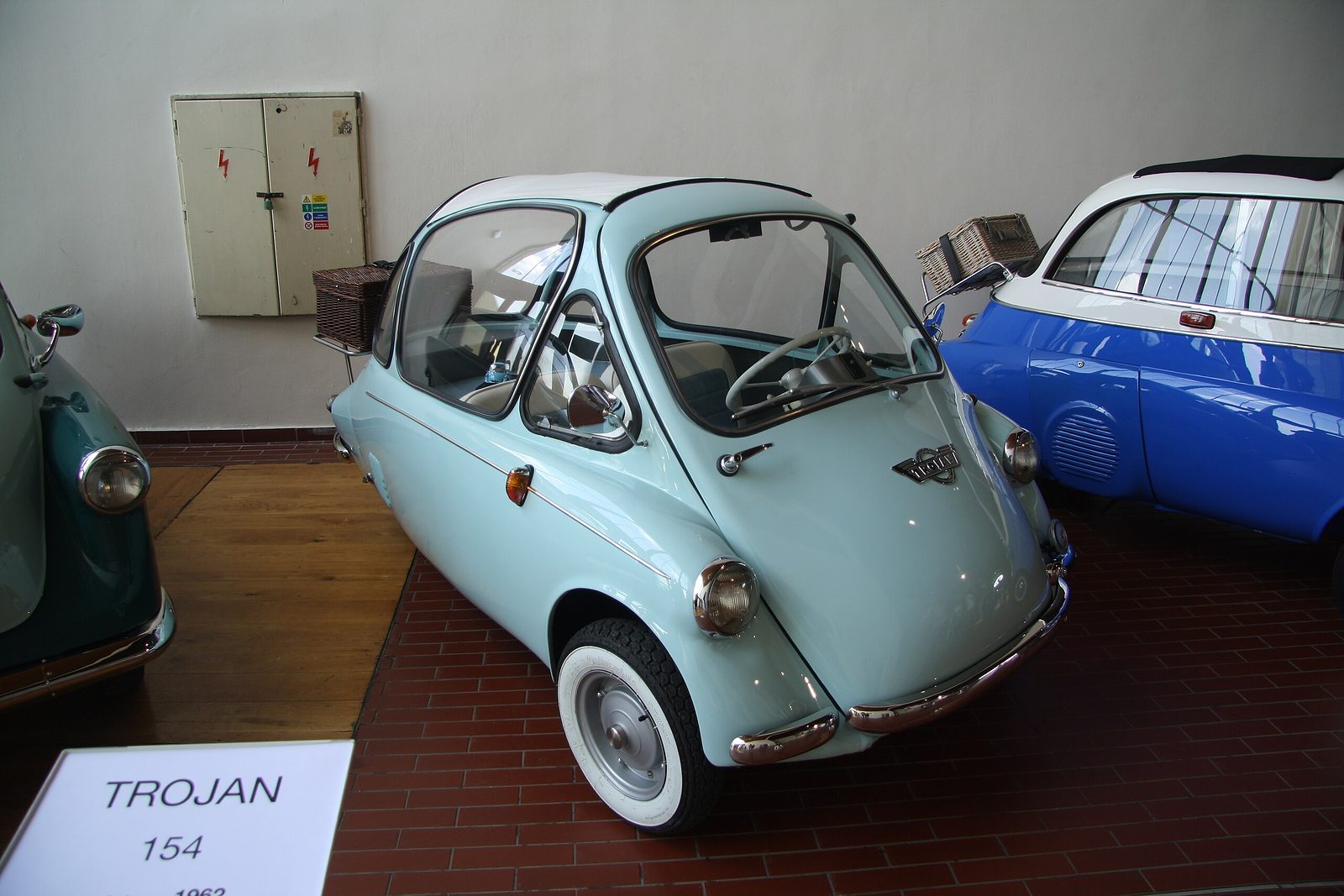
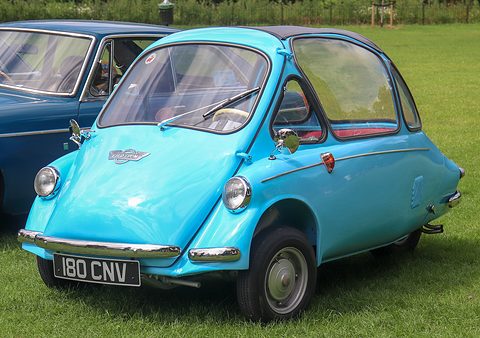
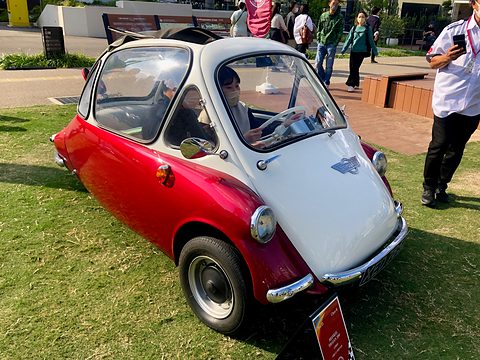
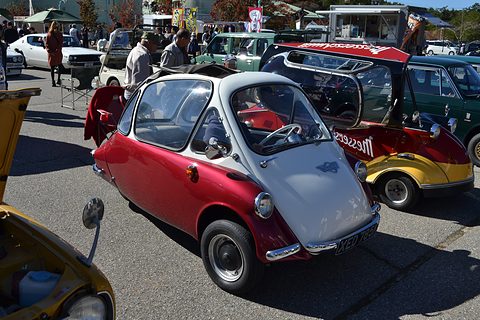
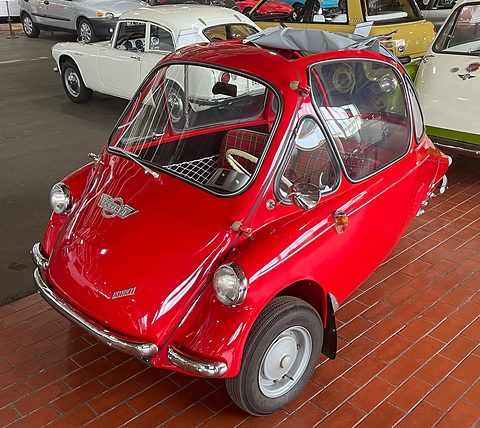
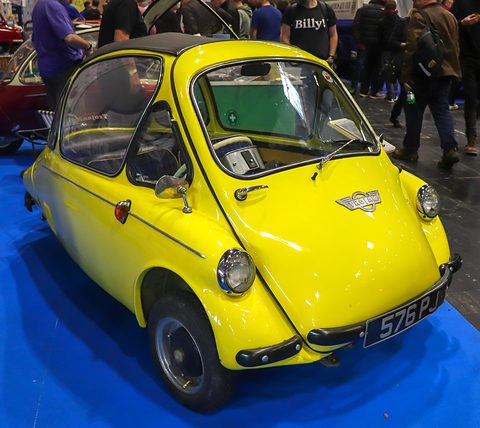
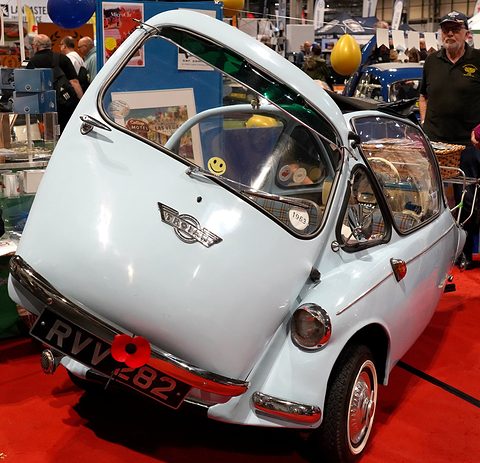
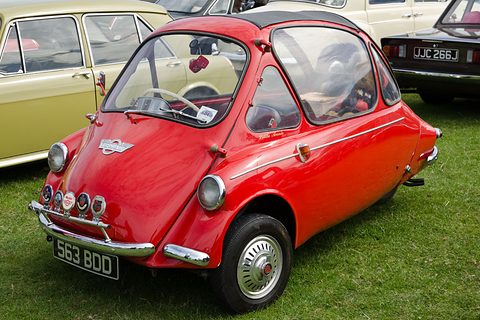
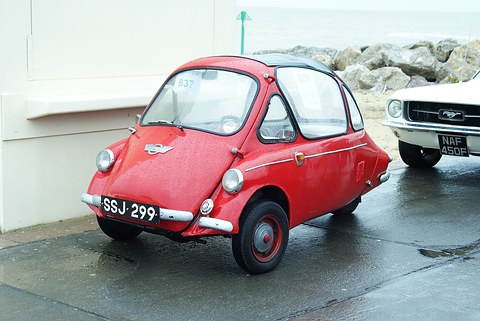
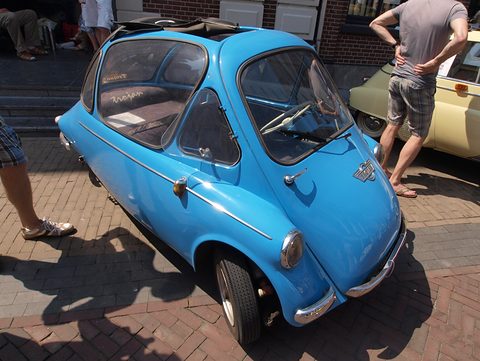
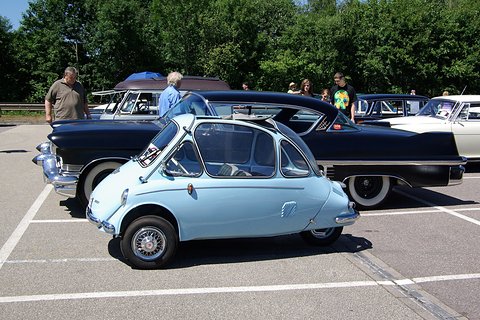
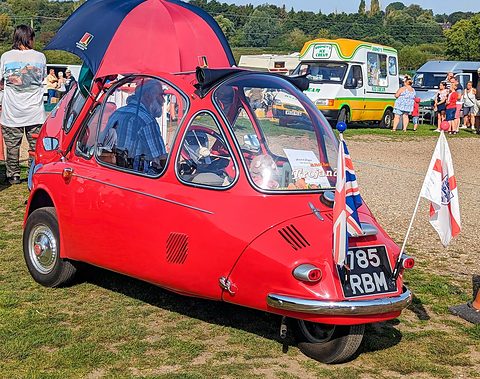
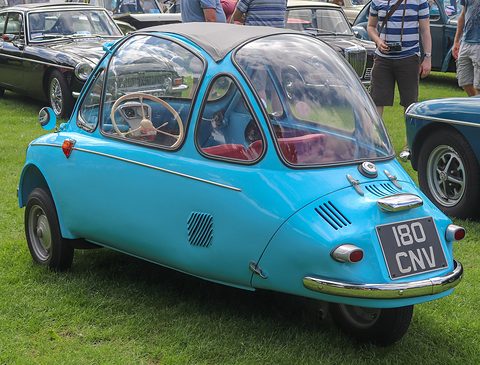
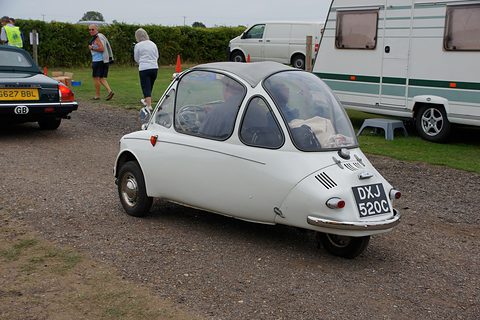
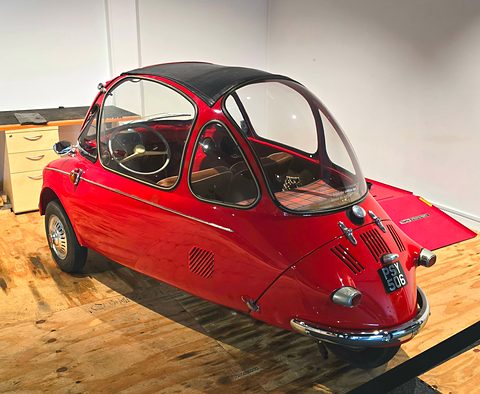
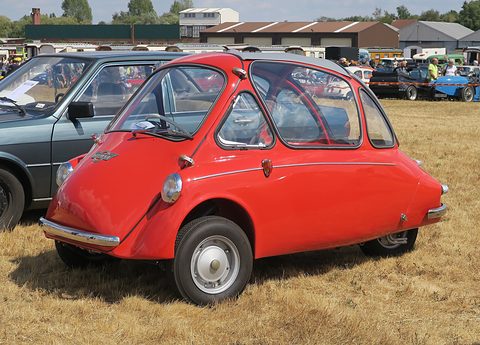
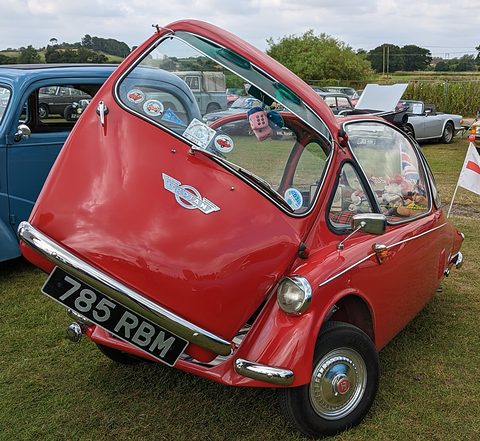
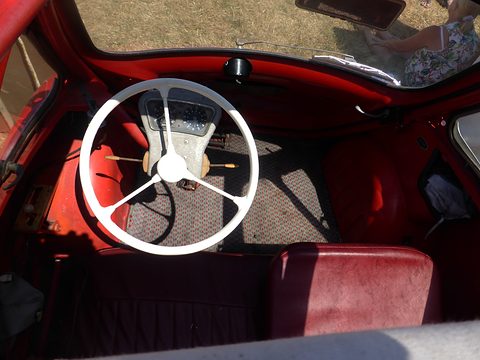
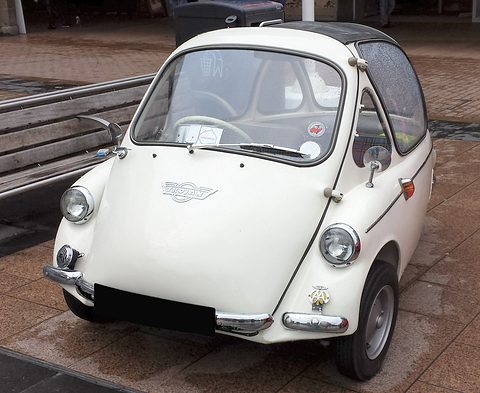
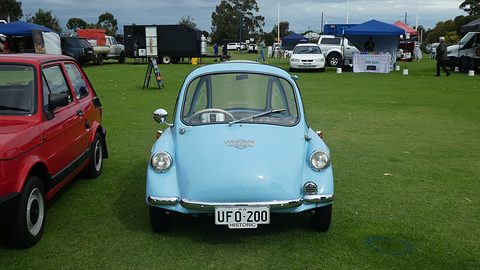
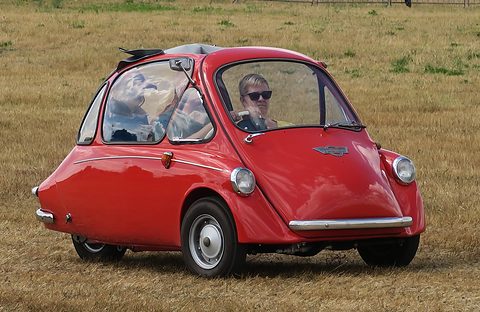
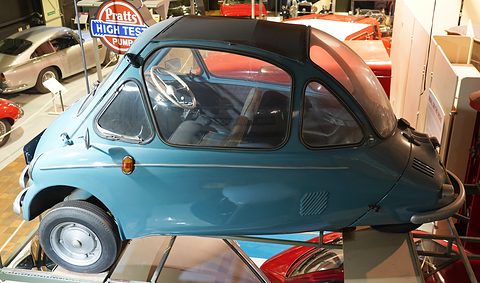
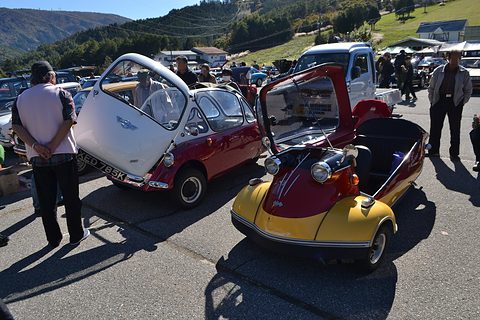
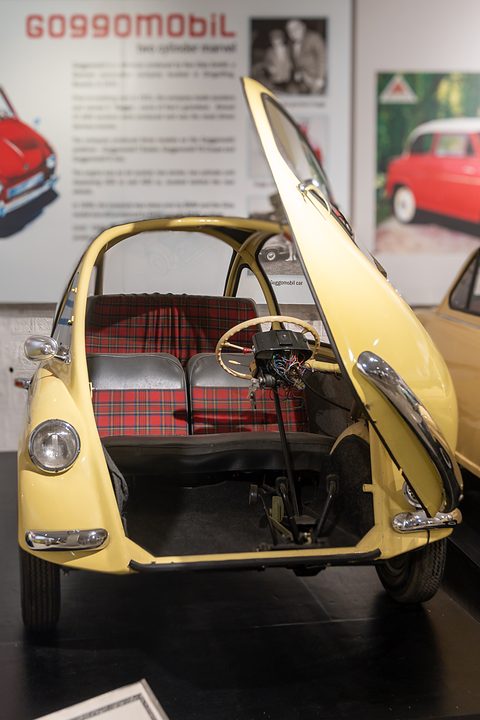
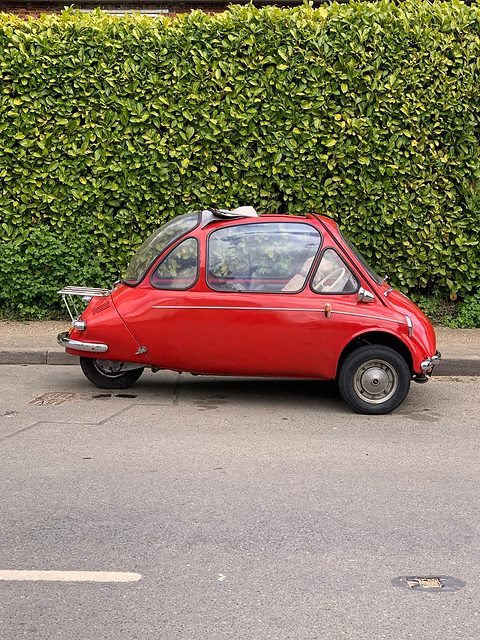
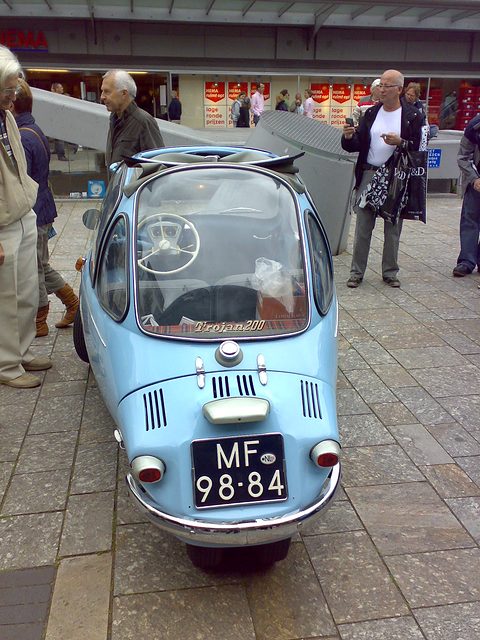
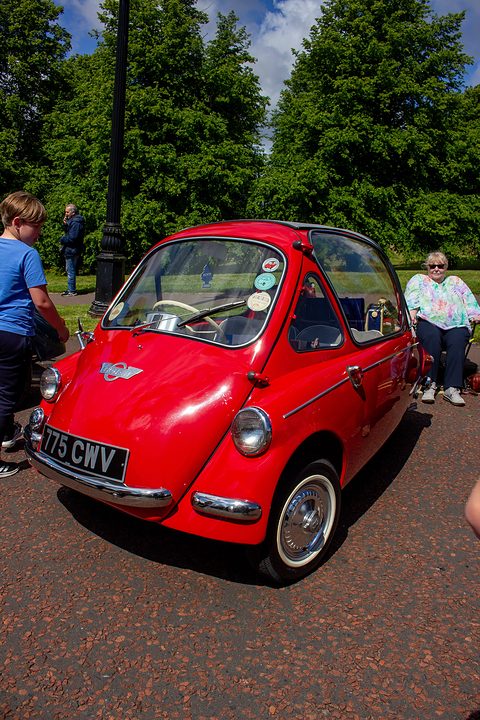
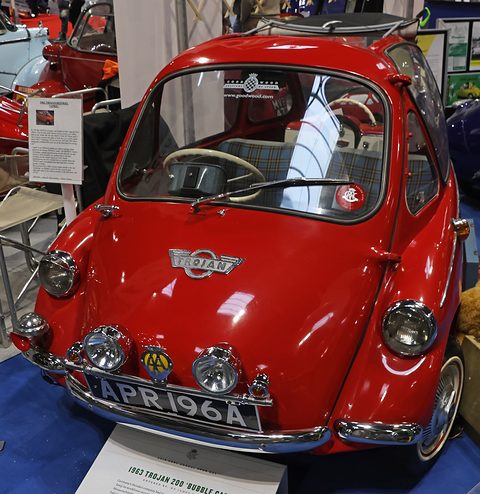
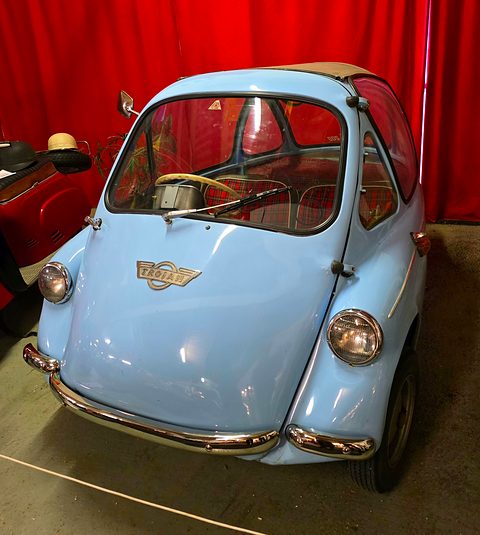
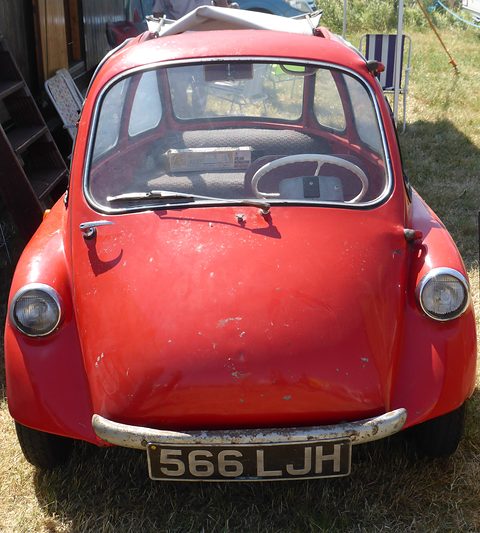
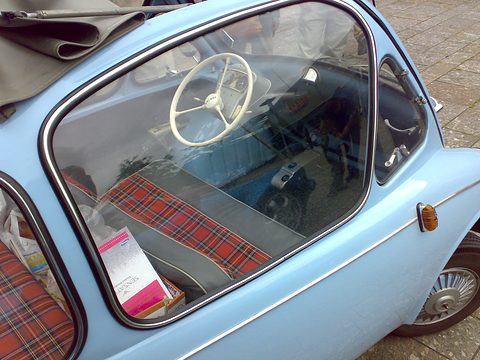
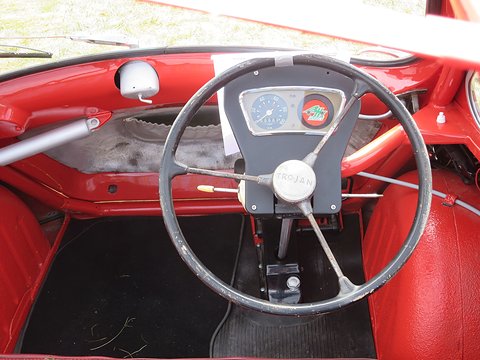
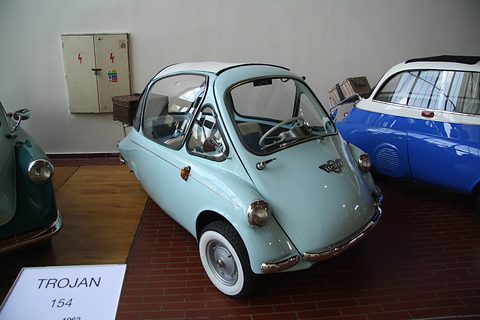
The car was the Kabine with British parts: Armstrong dampers, Wilmot-Breeden latches, and Wipac or Miller lamps.source 4source 7 Trojan bought its engines directly from Heinkel, but brought back the Siba Dynastart and changed parts of the gearbox, and Heinkel’s engineers disapproved so strongly that they would not guarantee the engines; Trojan took on the warranty itself.source 1 The 198 cc four-stroke single gave 10 hp, four speeds and a real reverse gear, and about 90 km/h (55 mph).source 4source 3source 1 As in the BMW Isetta, you climbed in through a door in the front, but here the steering column stayed where it was.source 3source 2 On right-hand-drive cars the door still hinged on the left.source 4 The fabric sunroof rolled back, and doubled as the emergency exit.source 2 The Weiner museum calls the design Heinkel’s better Isetta: lighter and faster with a smaller engine, and able to carry four.source 3
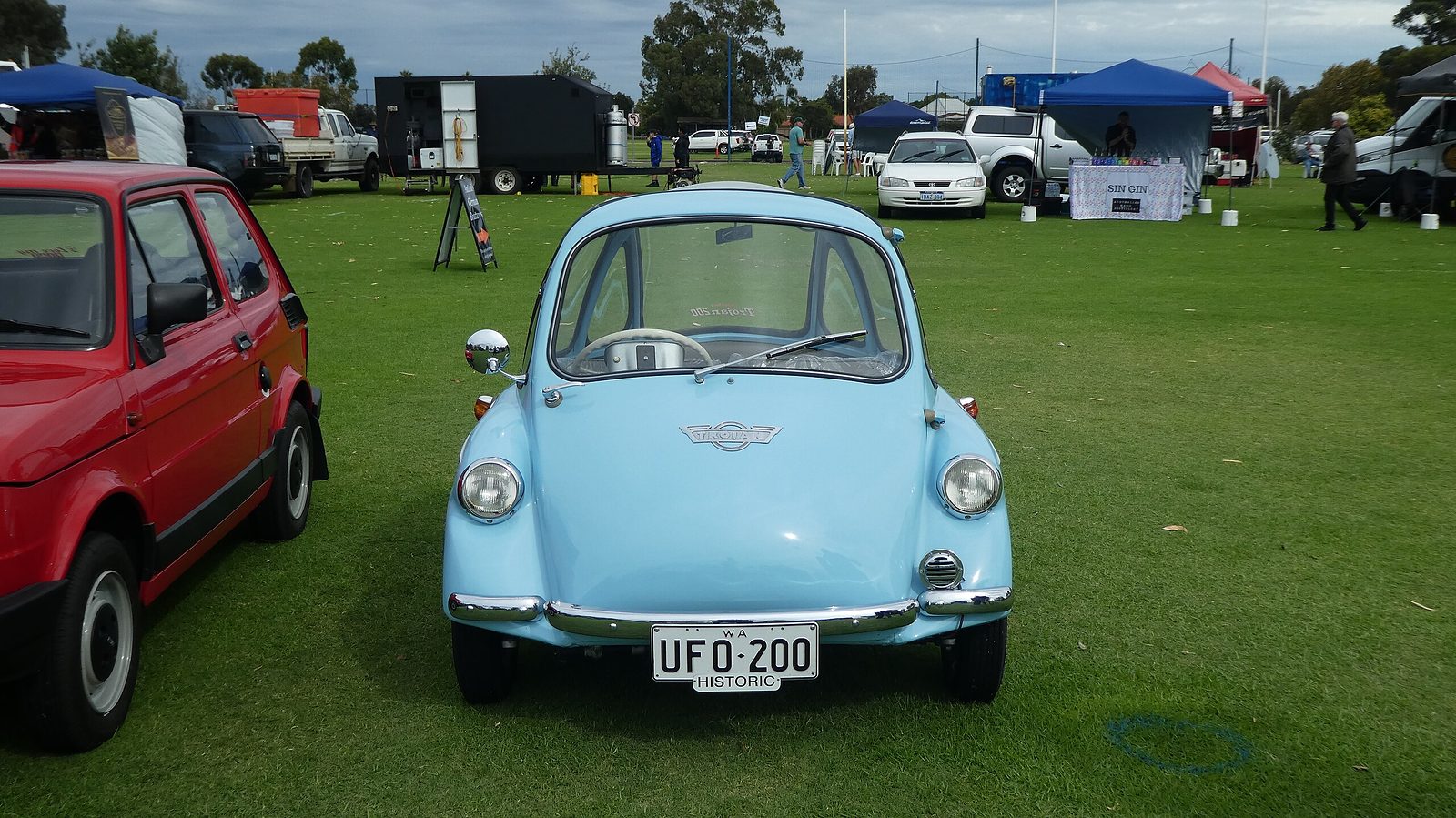
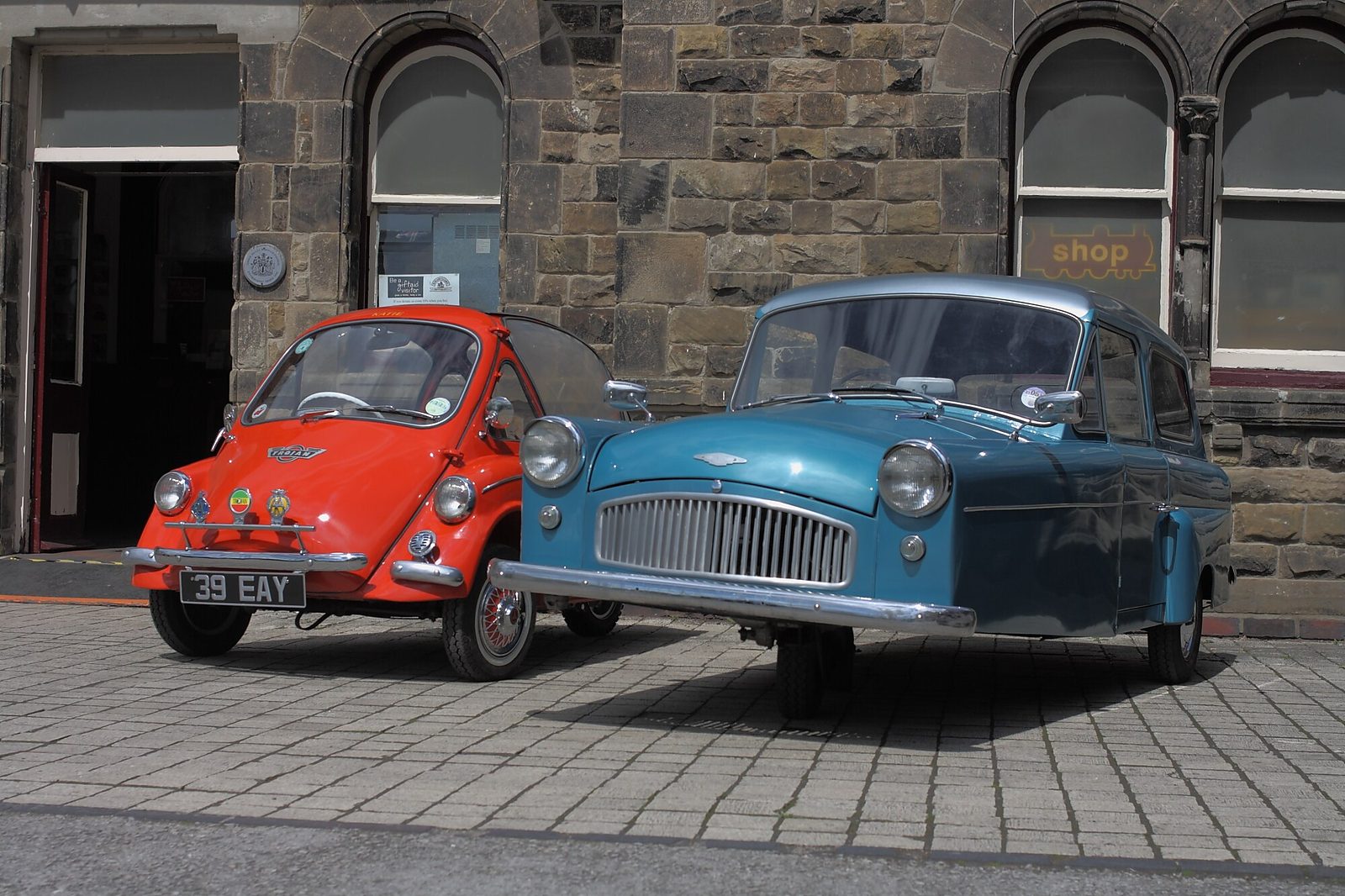
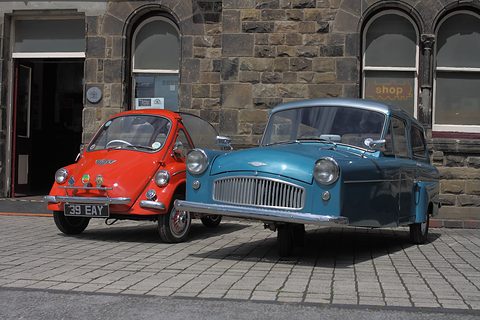
Almost all Trojans were three-wheelers. Only five right-hand-drive four-wheelers, the Type 602, were made: two went to New Zealand and one each to Britain, South Africa and Singapore, and one turned up again in New Zealand in 1995.source 1 Trojan also tried a van (below) and offered a convertible, of which at least one prototype existed.source 1
£1 15s
Then came the Mini. In March 1963 Motor Cycle worked out that a Mini van, exempt from purchase tax, would cost £368, against £369 15s for a right-hand-drive Trojan.source 1 The cars became very hard to sell, and production stopped at the works’ summer shutdown in 1964; the Weiner museum says a few cars a week went on until early 1965, and some were not registered until 1966.source 1source 4 Trojan had already moved on, building the Elva Courier sports car from 1962, 210 of them by 1965, and then McLaren-Elva racing cars.source 5source 6 Trojan Ltd, incorporated in 1914, was struck off the register on 19 March 2013.source 5 The Weiner museum calls it the longest surviving true bubble car, and it is often described as the last one built in Britain.source 3