microcarfan
  • Electric microcar
  • Japan
  • Three wheels
  • It leans
  • Never sold

Toyota i-Road

Also known as i-ROAD

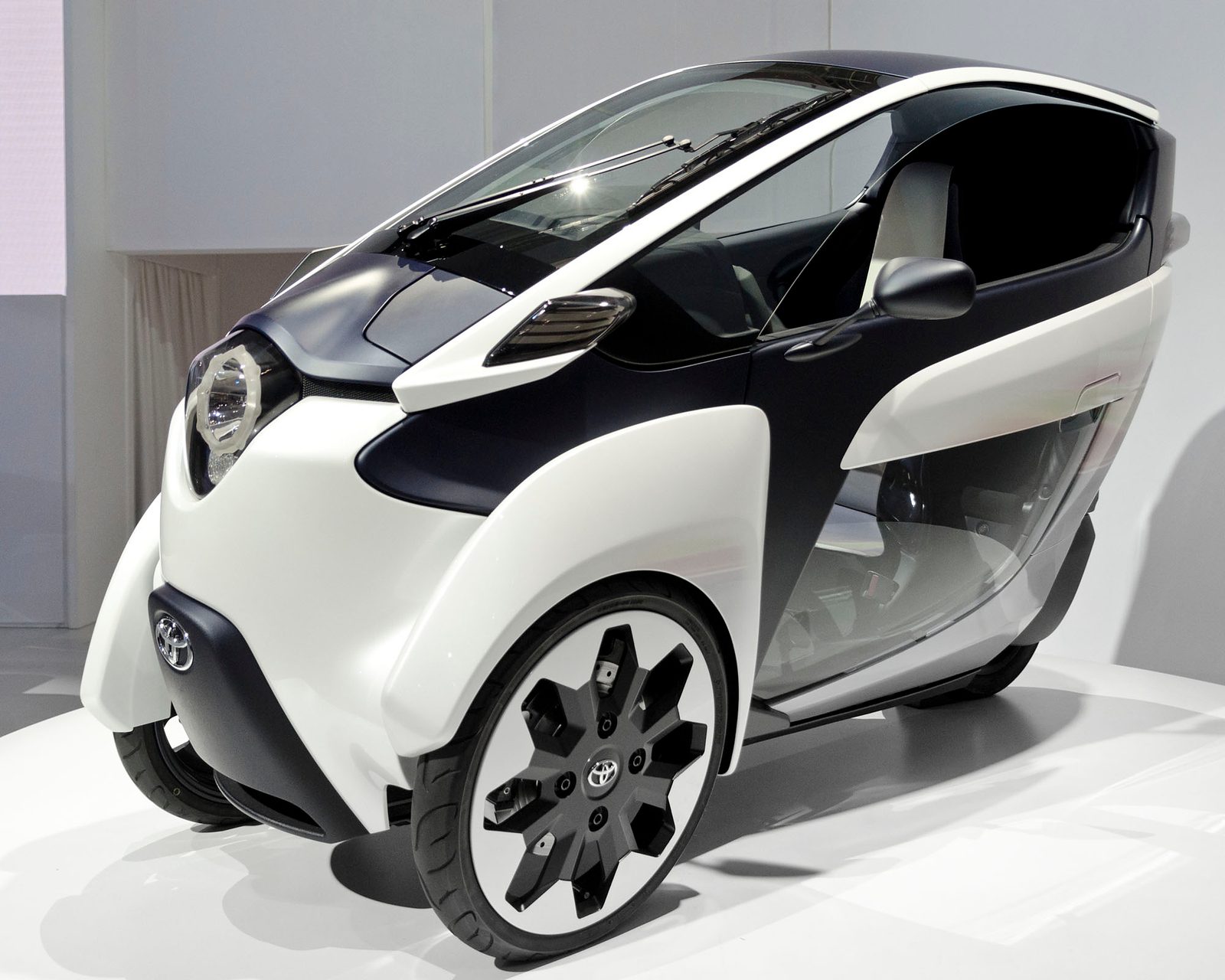
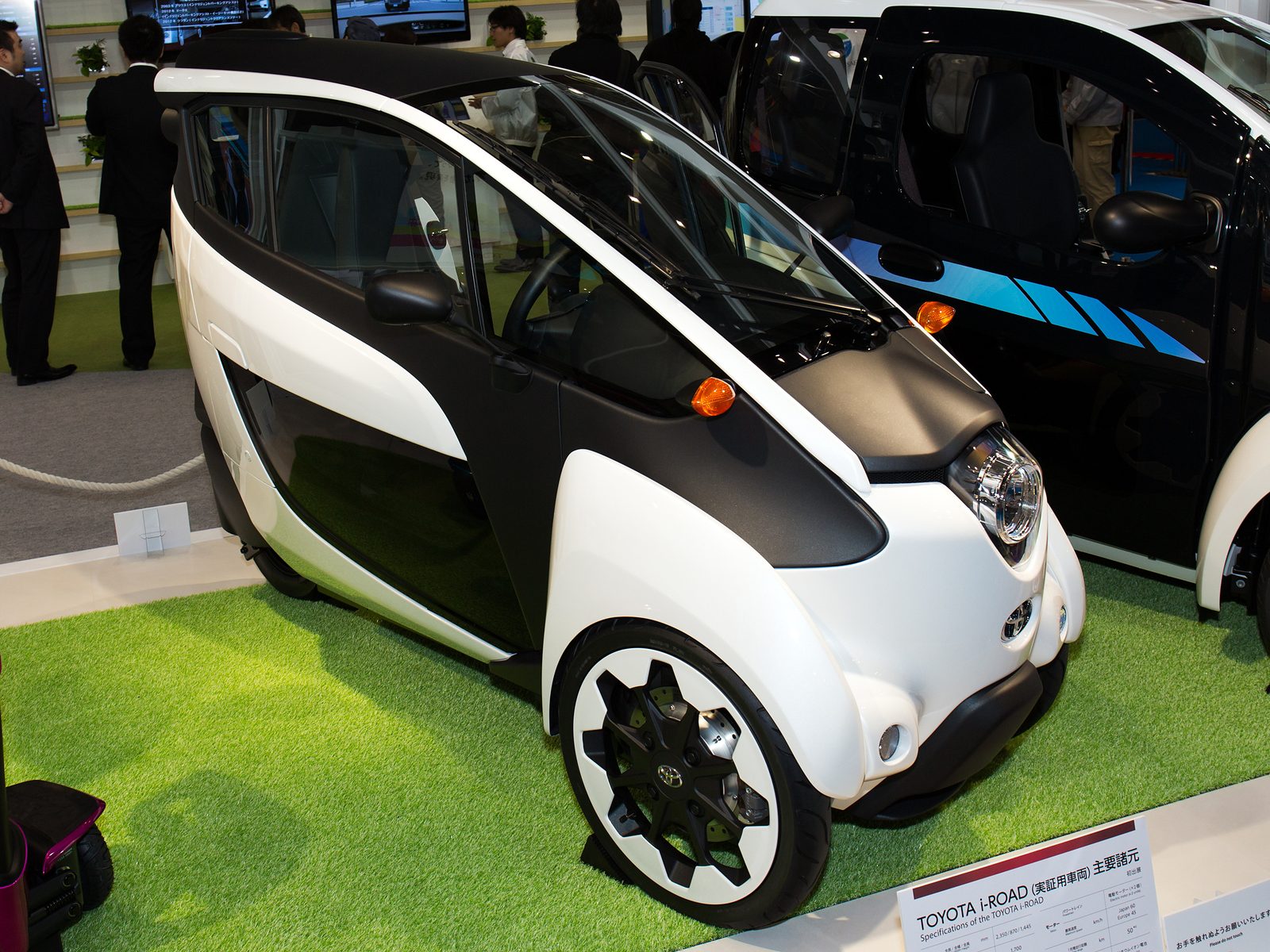
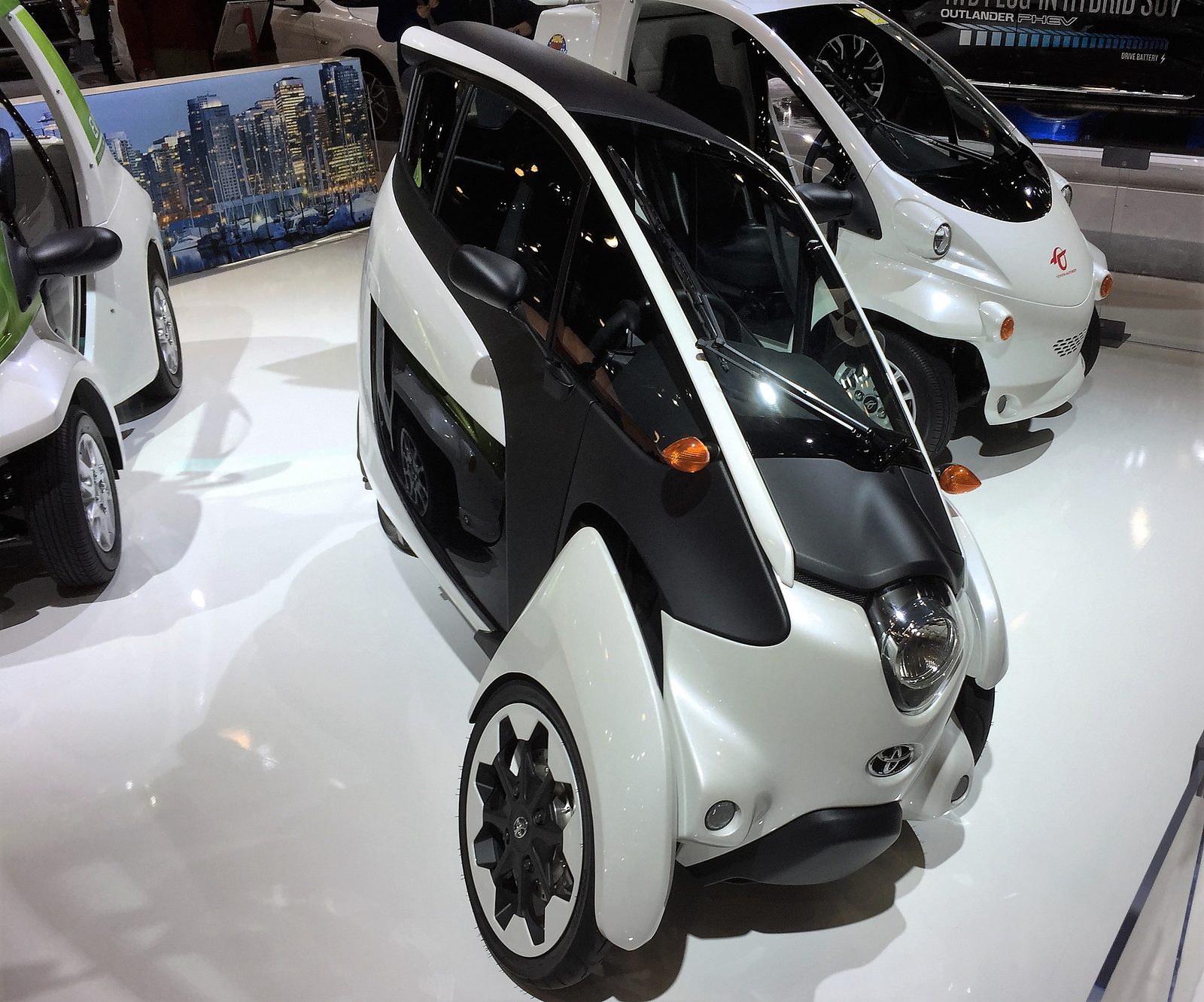
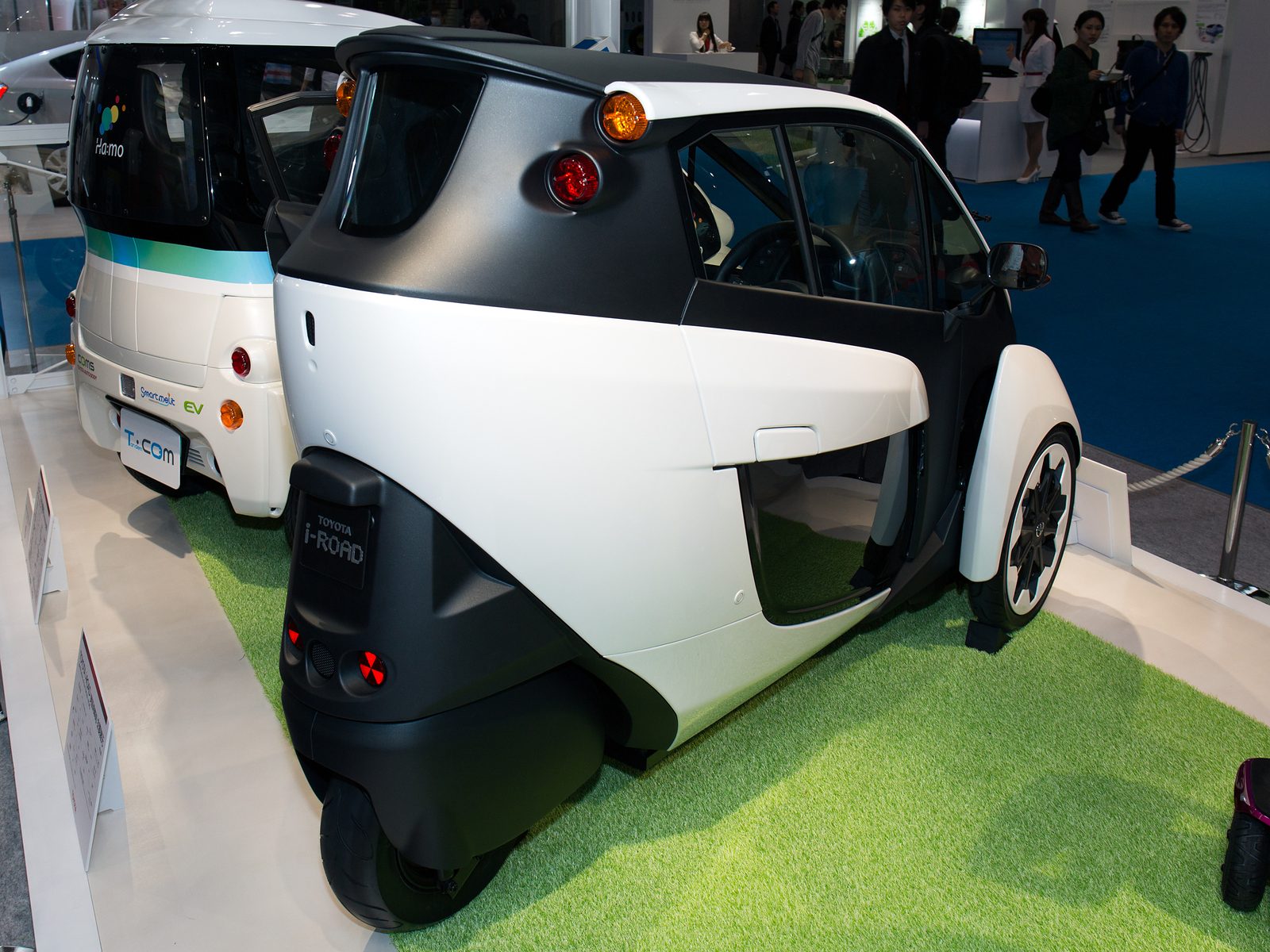
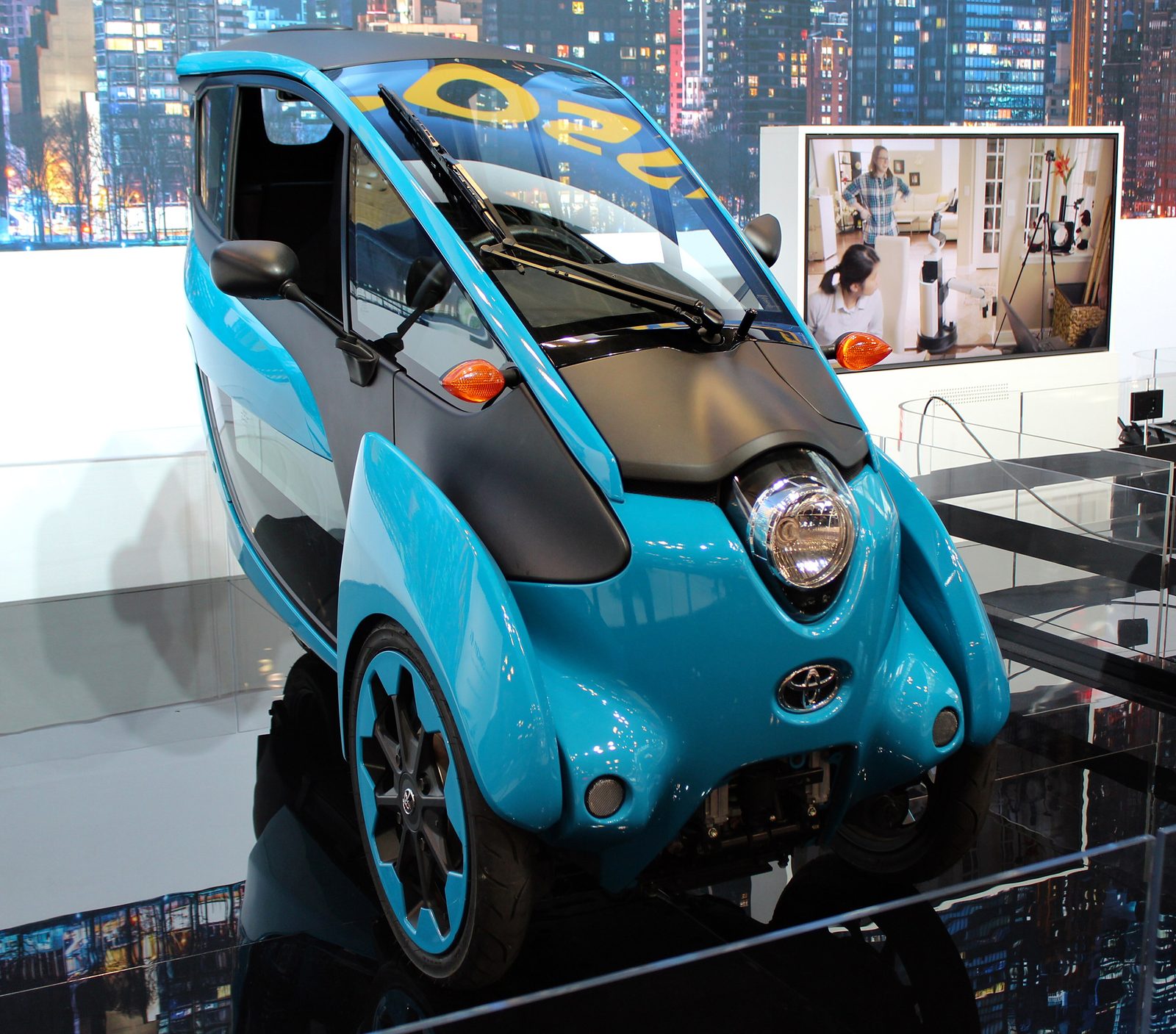
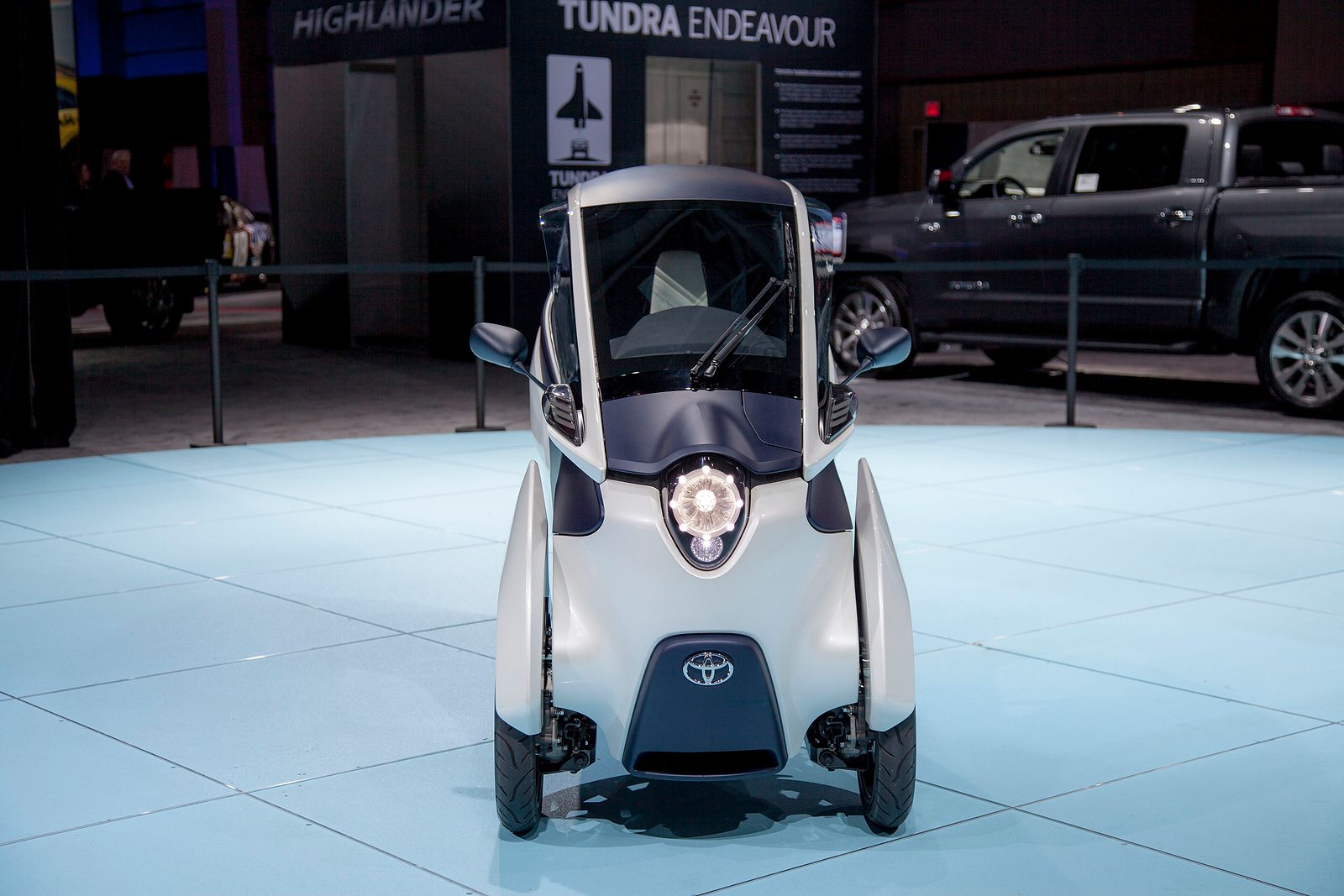
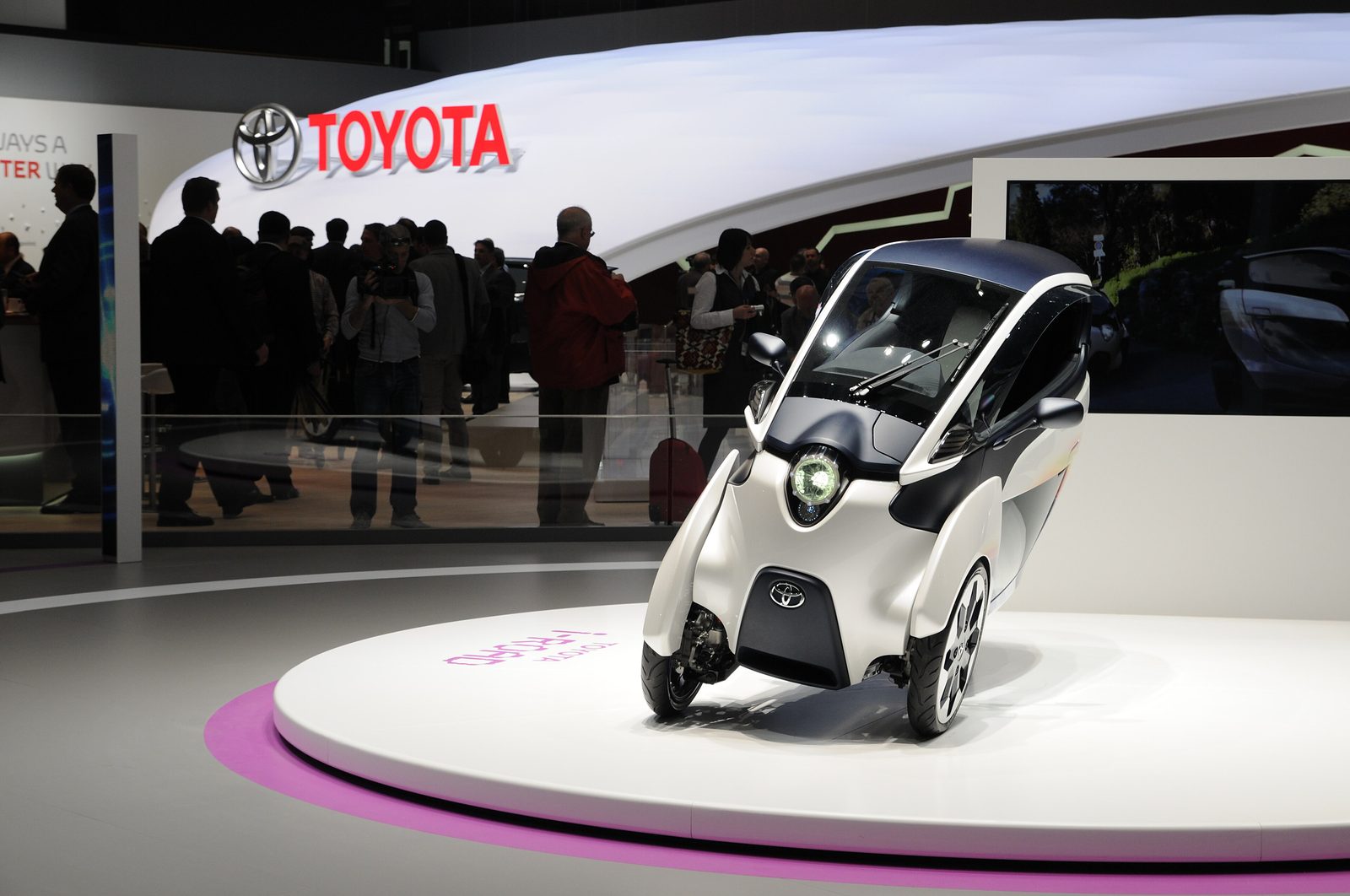
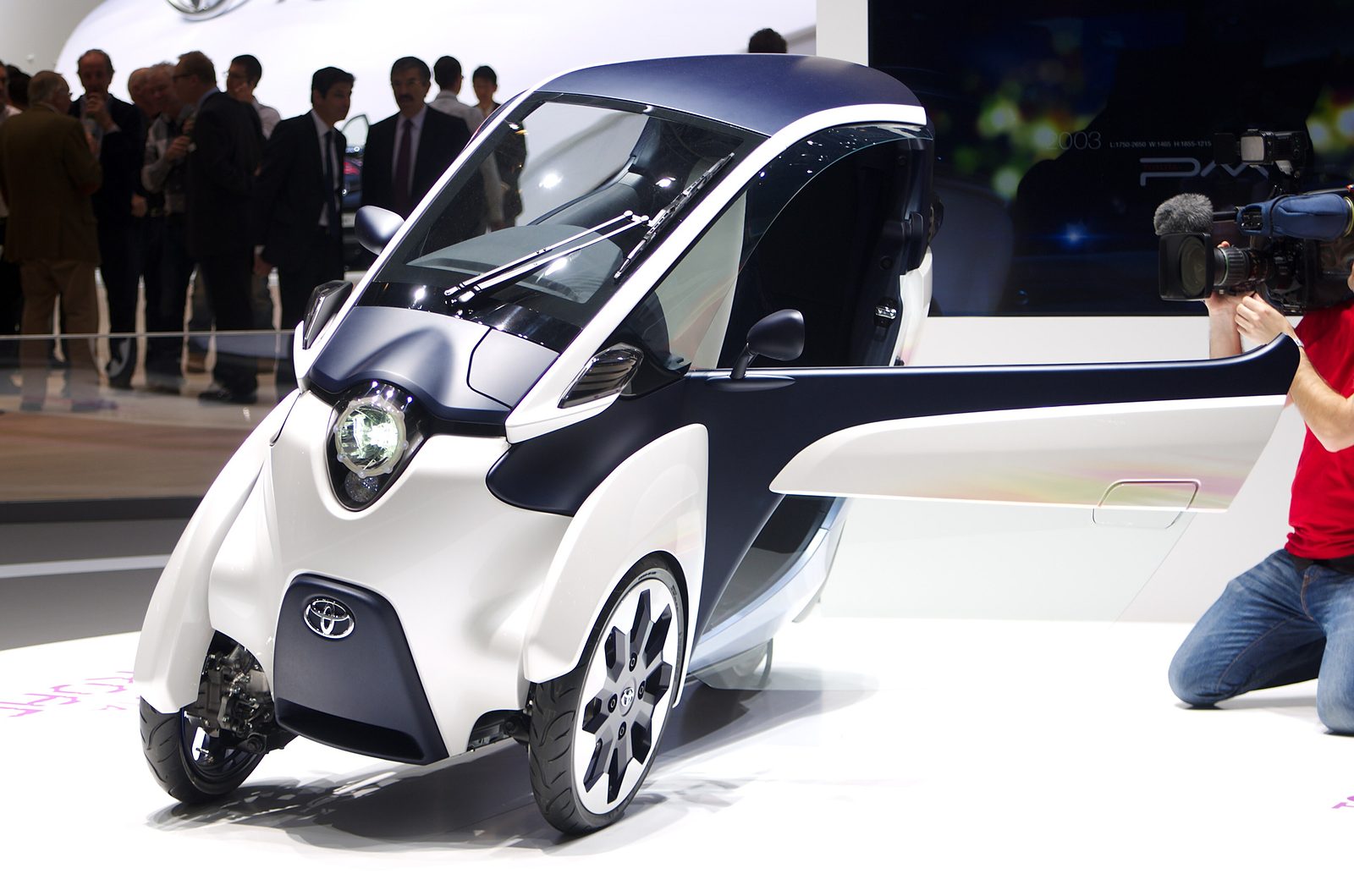
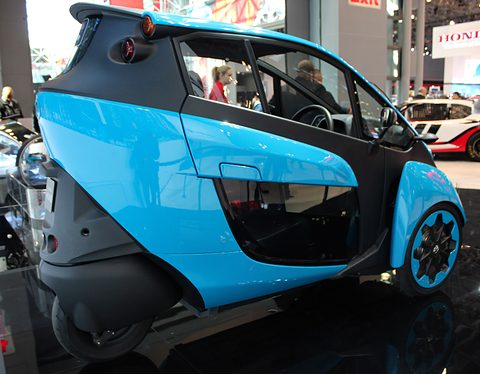
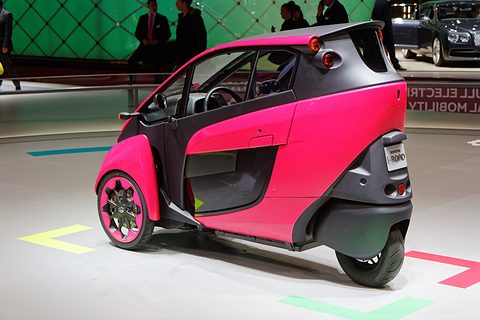
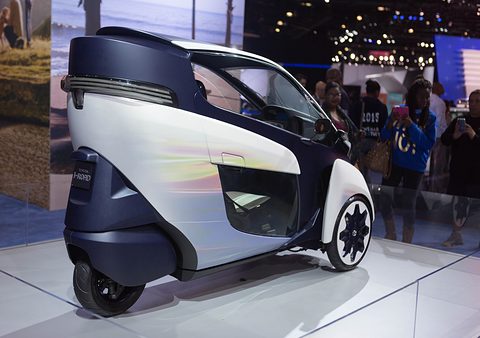
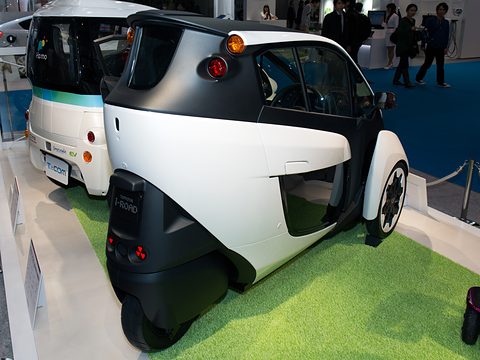
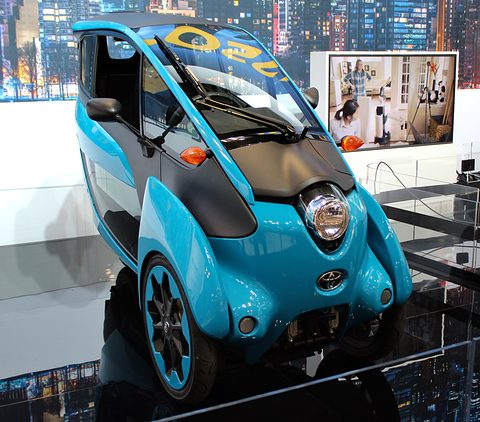
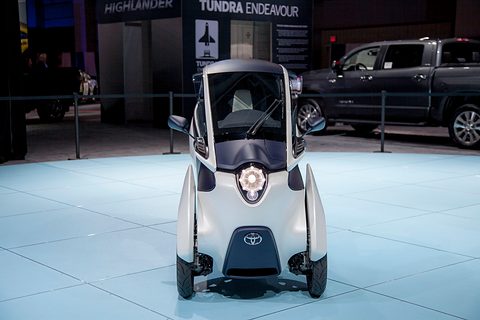
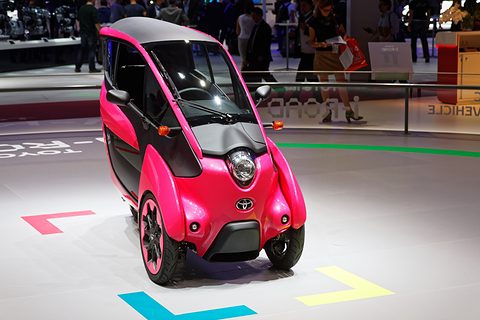
An electric three-wheeler 850 mm (33 in) wide, as narrow as a motorcycle, with a roof, doors and two seats in tandem. It banks into bends by itself and steers with its back wheel, like a forklift truck. Toyota tried it on the public in Tokyo, Toyota City and Grenoble, and never sold one.

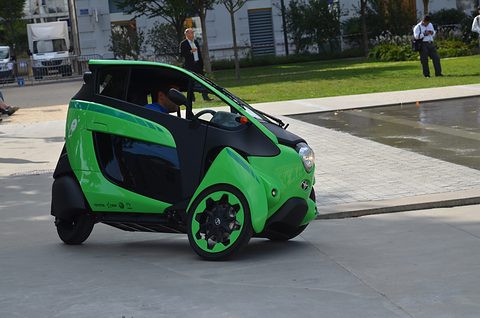
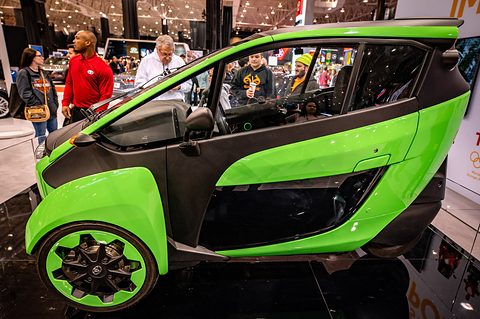
Green and black narrow three-wheeler with a driver aboard, crossing a paved square by a lawn.
A green Toyota i-Road being driven in Grenoble, France, in September 2014.Photo: Maskrosen, CC BY-SA 4.0, via Wikimedia Commons

At a glance

The spec plate

Toyota i-Road

Personal Mobility Vehicle · Geneva 2013

Built
2013–⁠2015Concept and trial cars only, from March 2013; a two-seat test car from November 2015, and trials until 2020; never sold
Country
Japan
Maker
Toyota Motor Corporation
Engine
Two electric in-wheel motorsIn the front wheels; a lithium-ion battery; capacity not found
Power
2 × 2 kW2.7 PS each
Length
2,350 mm850 mm wide, 1,445 mm high
Weight
300 kgBy Japanese Wikipedia
Seats
1 + 1In tandem; the first Japanese test cars had one seat
Wheels
3Two driven at the front, which lean; one at the back, which steers
Production
Trial fleets35 in Grenoble and 10 in Tokyo’s Open Road Project; no total found
Top speed
45km/h45 km/h60 km/h for the Japanese test car

How big is it?

True proportion

2.35 m

It is 620 mm shorter than a Fiat 500, about 1.3 adults laid end to end.

  • 0.85 m wide
  • 300 kg: about four adults
  • Two seats, one behind the other
  • Four fit in one car parking bay, by Toyota’s account
Drawn at true proportion. The track is 3.6 metres long; the adult stands at the same scale. The Peel P50 is the smallest production car, on every page for comparison.

The story

History

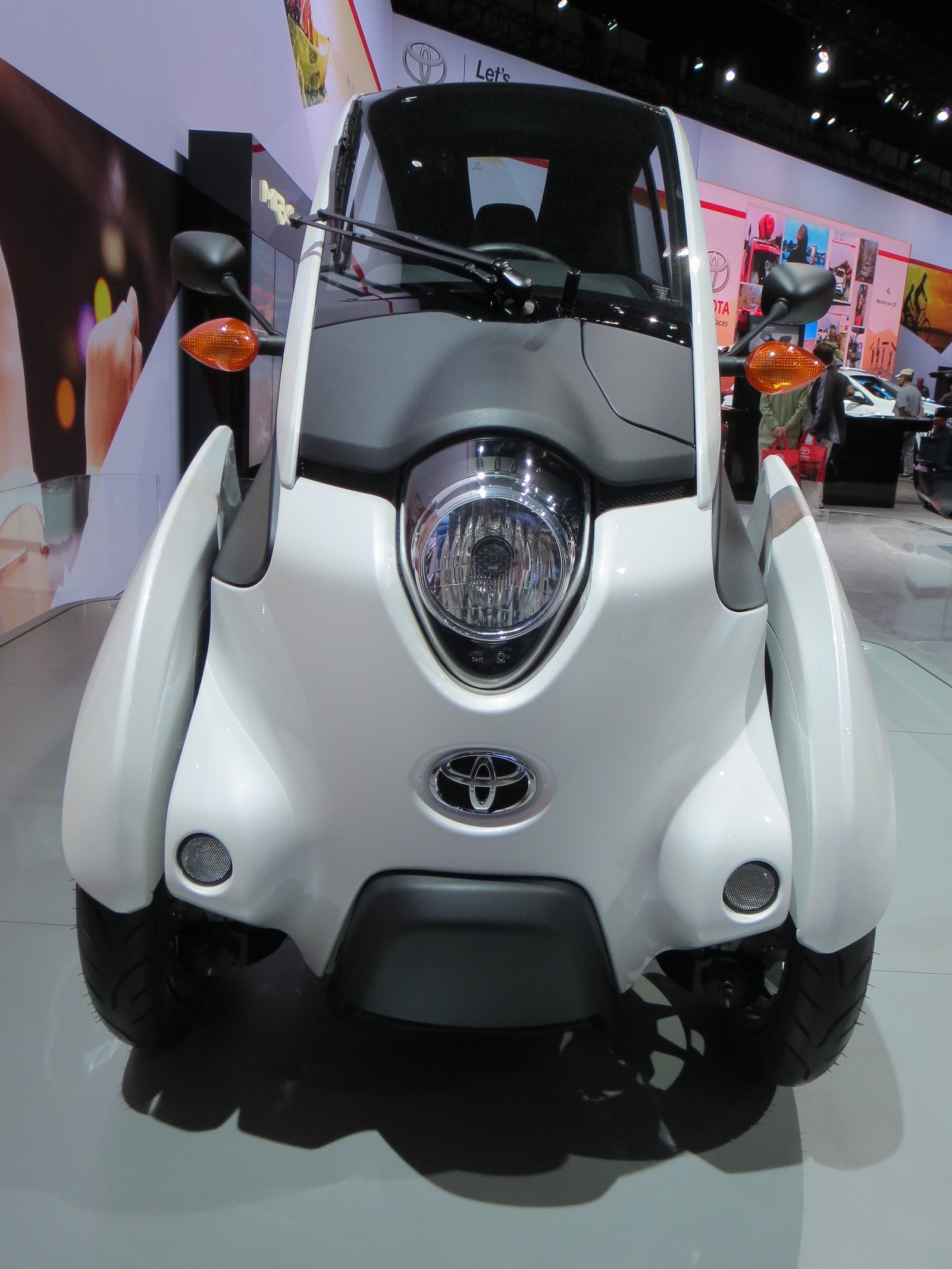
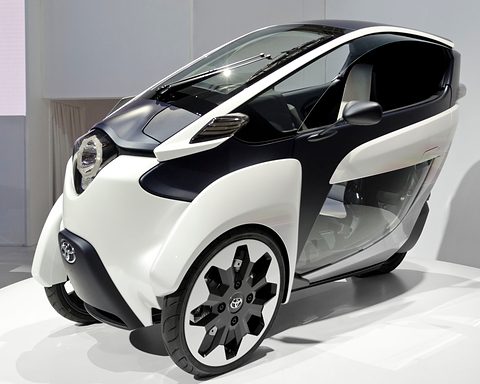
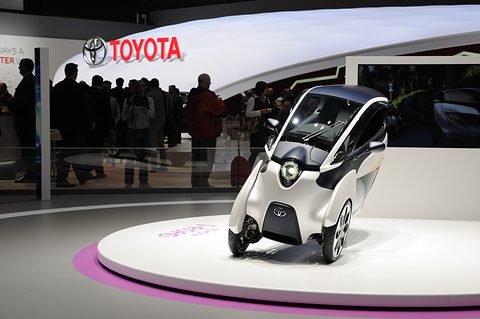
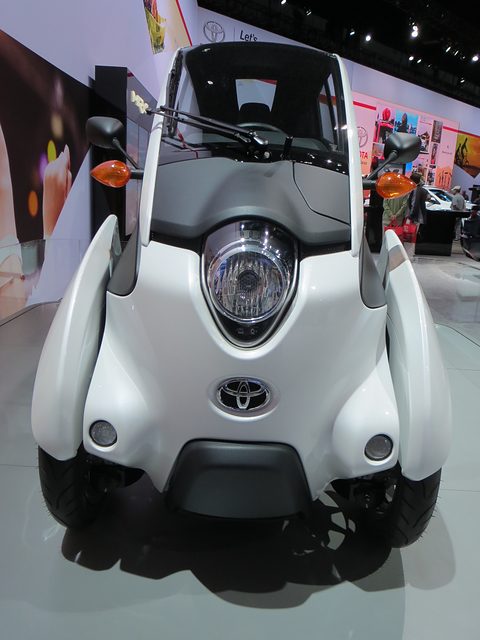
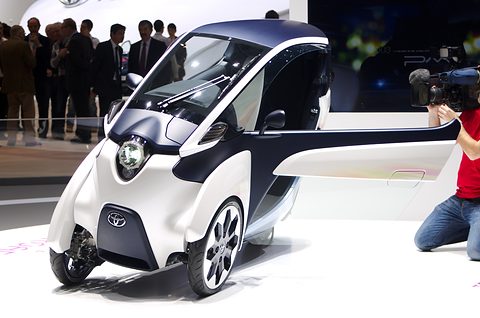
Toyota showed the i-ROAD, as it styles the name, at the Geneva Motor Show on 4 March 2013, and called it a Personal Mobility Vehicle.source 1source 2 Japanese Wikipedia places it in a line of Toyota personal-mobility concepts, the PM, i-unit, i-swing and i-REAL, and English Wikipedia names the Insect, shown at CEATEC in 2011, as its basis.source 2source 3 It is a small electric microcar with a pair of wheels ahead of a single one, and a fully enclosed cabin with doors, so that no helmet is needed.source 1source 2source 3 At 850 mm wide it is the width of a motorcycle, and Toyota said that four would fit in one car parking bay.source 1source 3

Active Lean

The i-Road leans into bends without the driver having to balance it. Toyota’s release described the mechanism.source 1

The system features a lean actuator motor and gearing mounted above the front suspension member, linked via a yoke to the right and left front wheels.

Toyota Motor Europe, release for the Geneva Motor Show, 4 March 2013.source 1

The actuator moves the two front wheels up and down in opposite directions, banking them and the cabin into the corner by an amount worked out from the steering angle, a gyro sensor and the speed.source 1source 3 The front wheels carry the motors, one of 2 kW (2.7 PS) in each, and the single rear wheel does the steering, as on a forklift, for a turning circle of 3.0 m (9 ft 10 in) by Toyota’s figure.source 1source 4source 3 The lithium-ion battery, whose capacity has not been found, gave 50 km (31 miles) at a steady 30 km/h (19 mph) and charged from a household socket in about three hours.source 1source 4source 2 Japanese Wikipedia gives a weight of about 300 kg (661 lb), and repeats Toyota’s claim that its windscreen glass was the thinnest automotive glass in the world.source 2

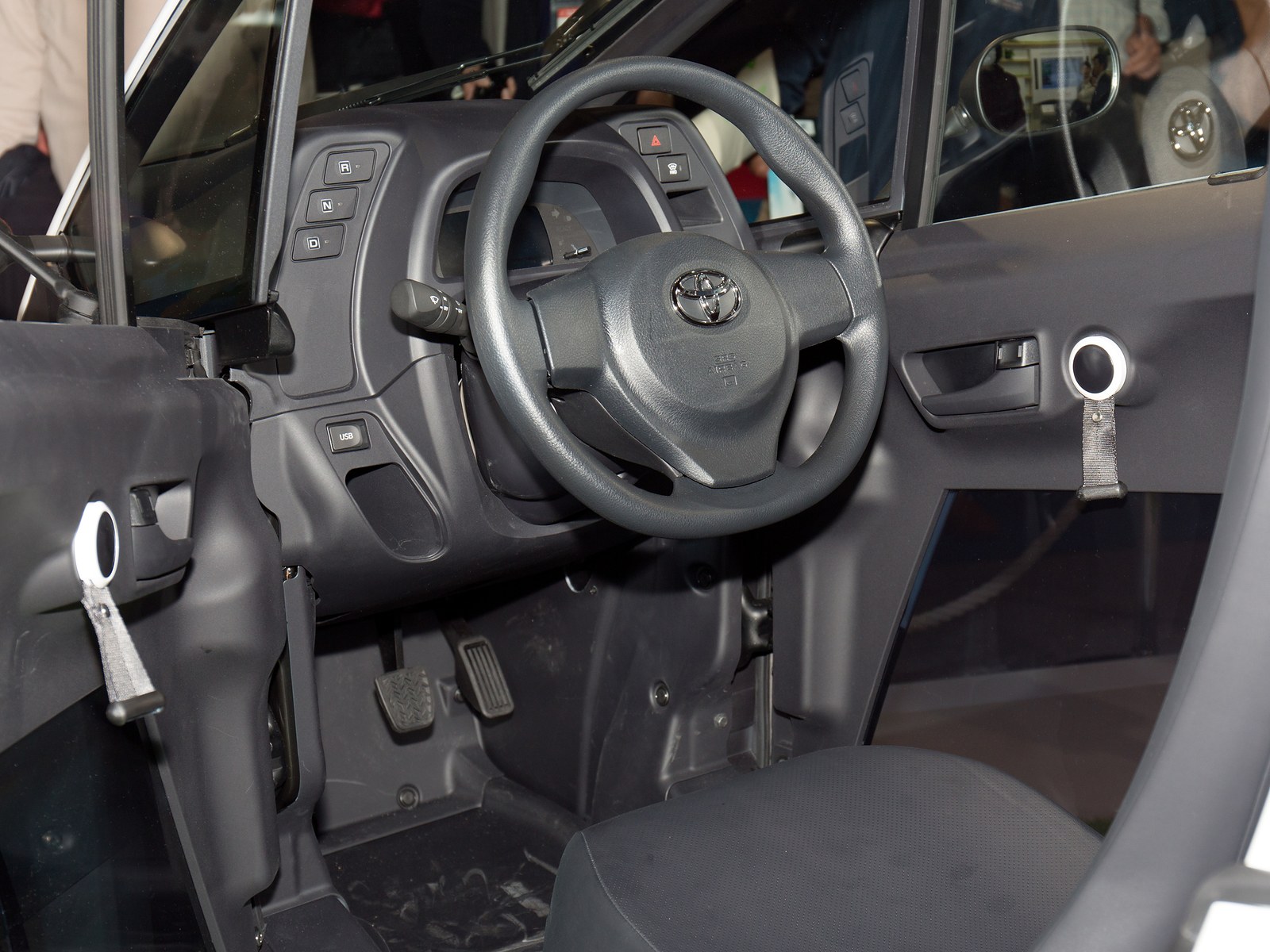
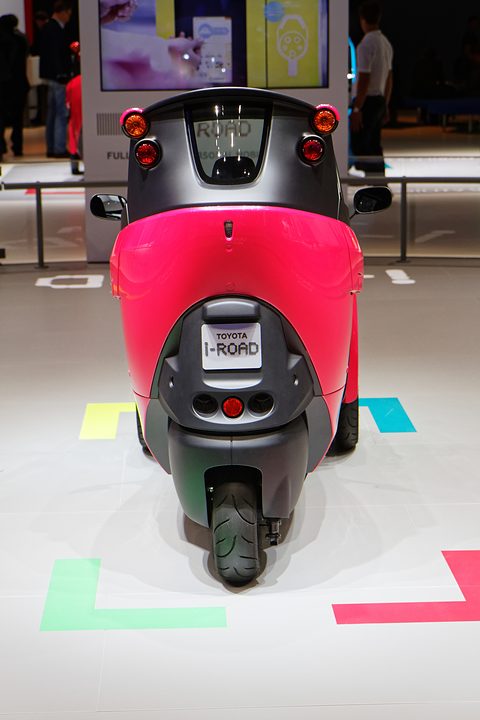
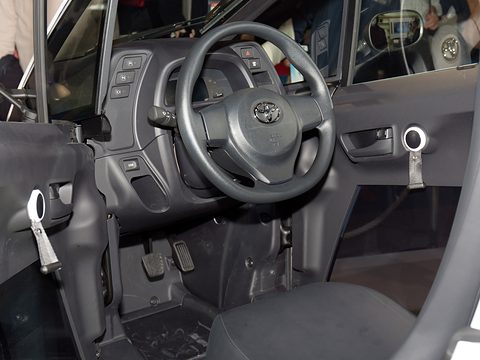
The passenger sits behind the driver with legs either side of the driver’s seat, and German Wikipedia notes there is little room between the passenger’s back and the rear wall.source 4 Two magazines tried to say what it was.

something of a cross between a car, a motorcycle, and a fancy golf cart

Car and Driver, 2013, as quoted by English Wikipedia.source 3

allows you to bomb through the bends without tipping over

Wired on the Active Lean system, 2013, as quoted by English Wikipedia.source 3

On trial

The day after Geneva, on 5 March 2013, Toyota, the city of Grenoble and their partners announced a car-sharing scheme for the “last mile”, linked to public transport, with about 70 ultra-compact electric cars, i-Roads and the Toyota COMS.source 2source 3 In Japan the i-Road joined Toyota’s Ha:mo trials of “harmonious mobility” in Toyota City.source 4source 2 A road-test version, a single-seater limited to 60 km/h (37 mph), was shown at the Tokyo Motor Show in November 2013, and the i-Road won a Gold Award in Japan’s Good Design Awards that year.source 2

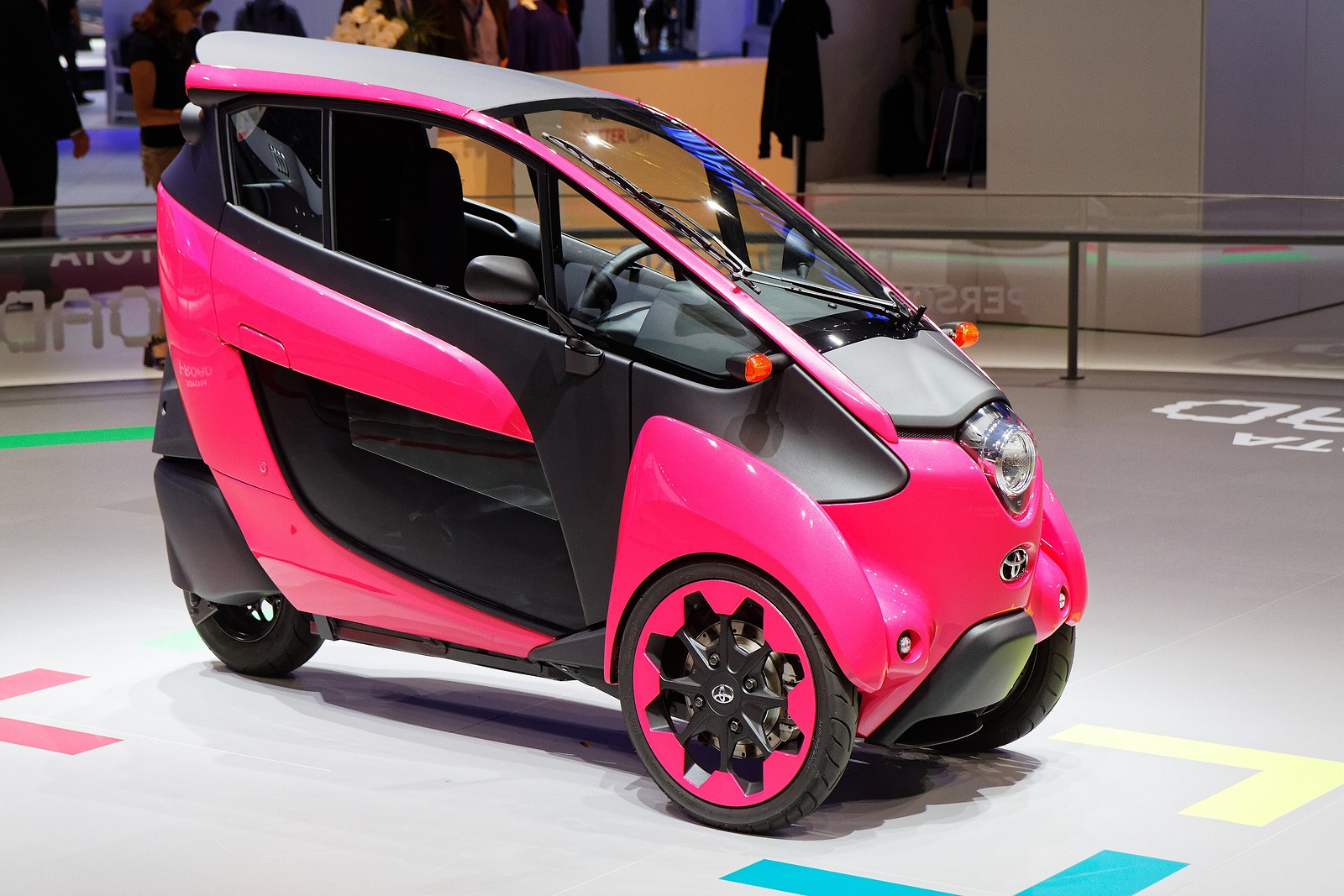
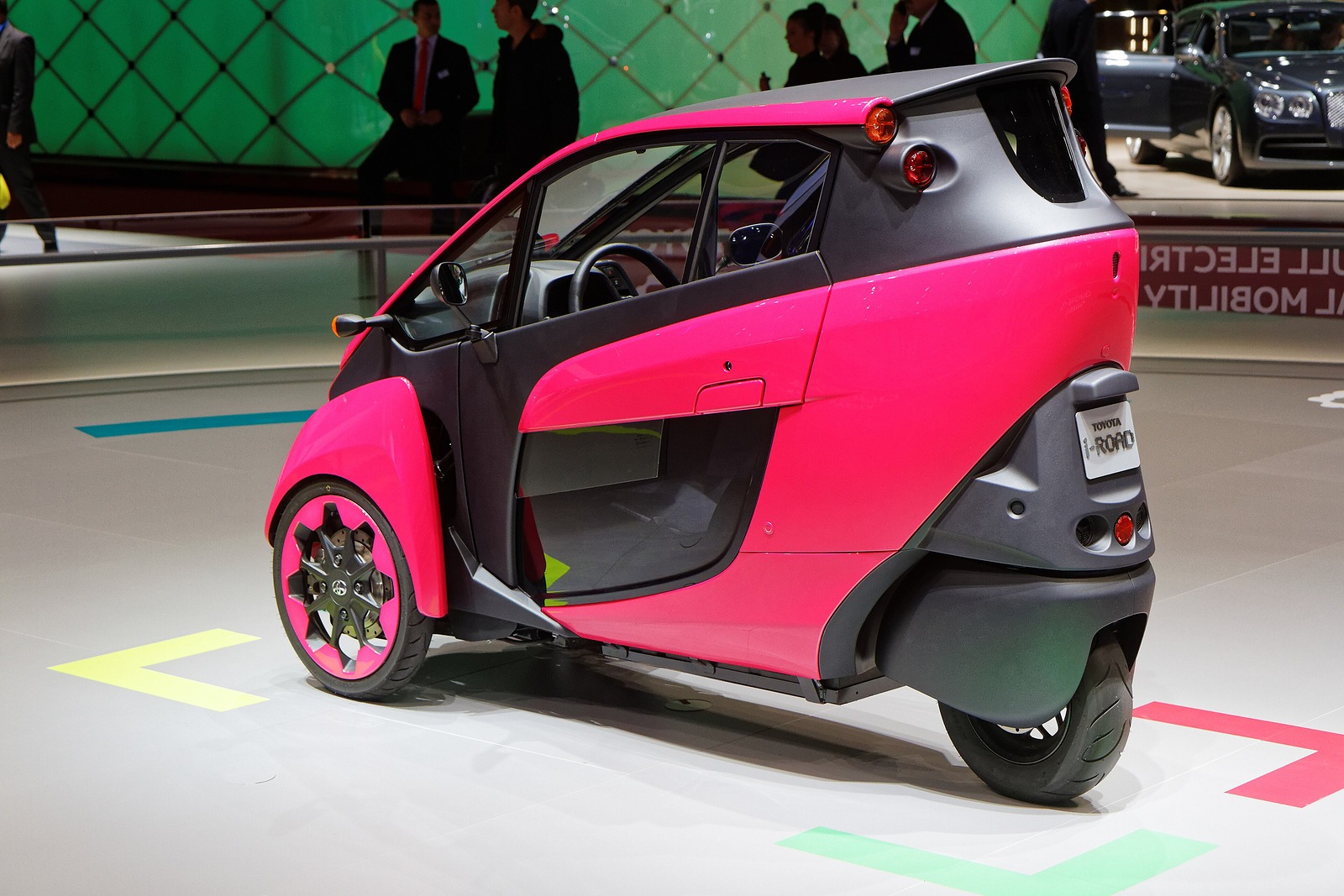
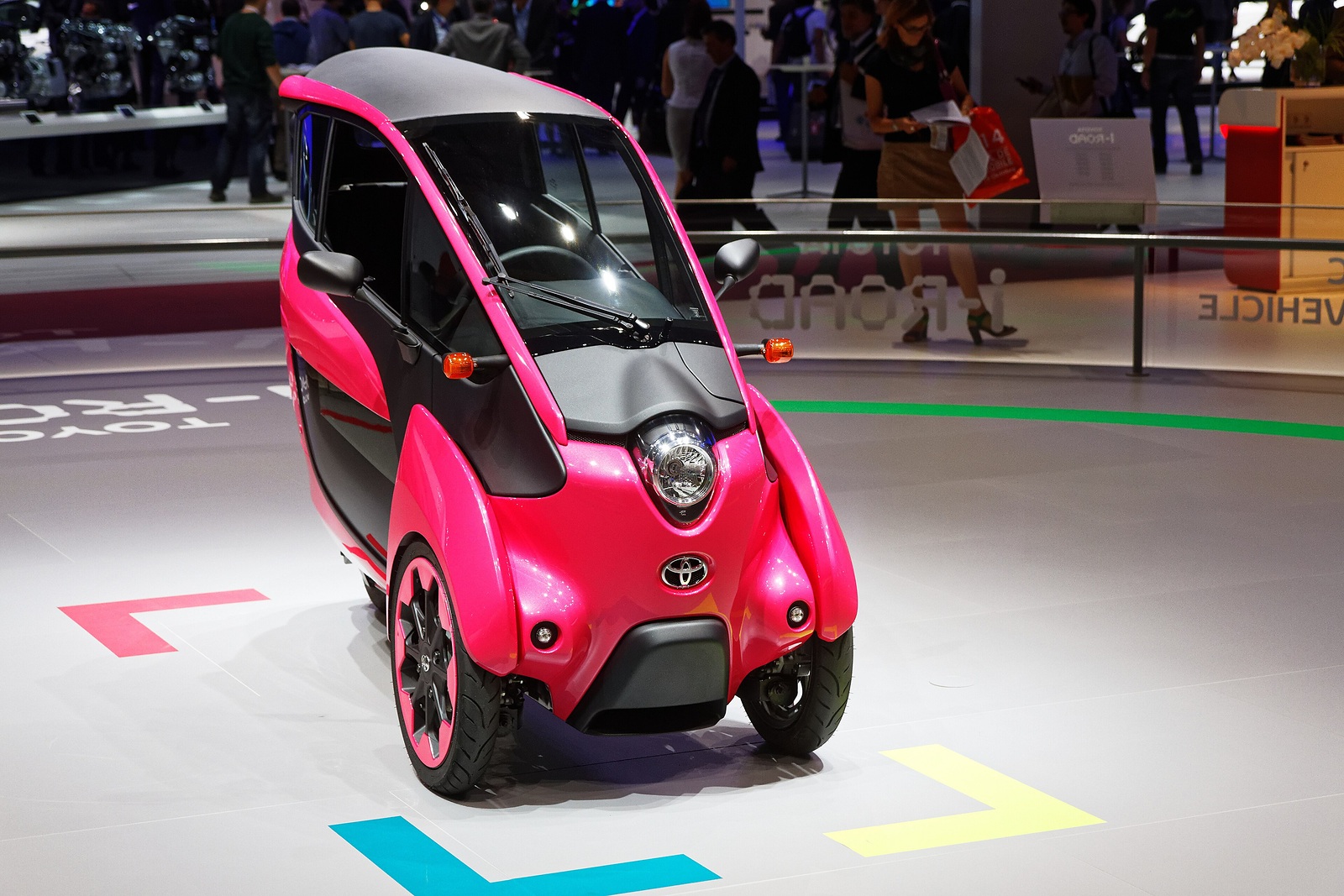
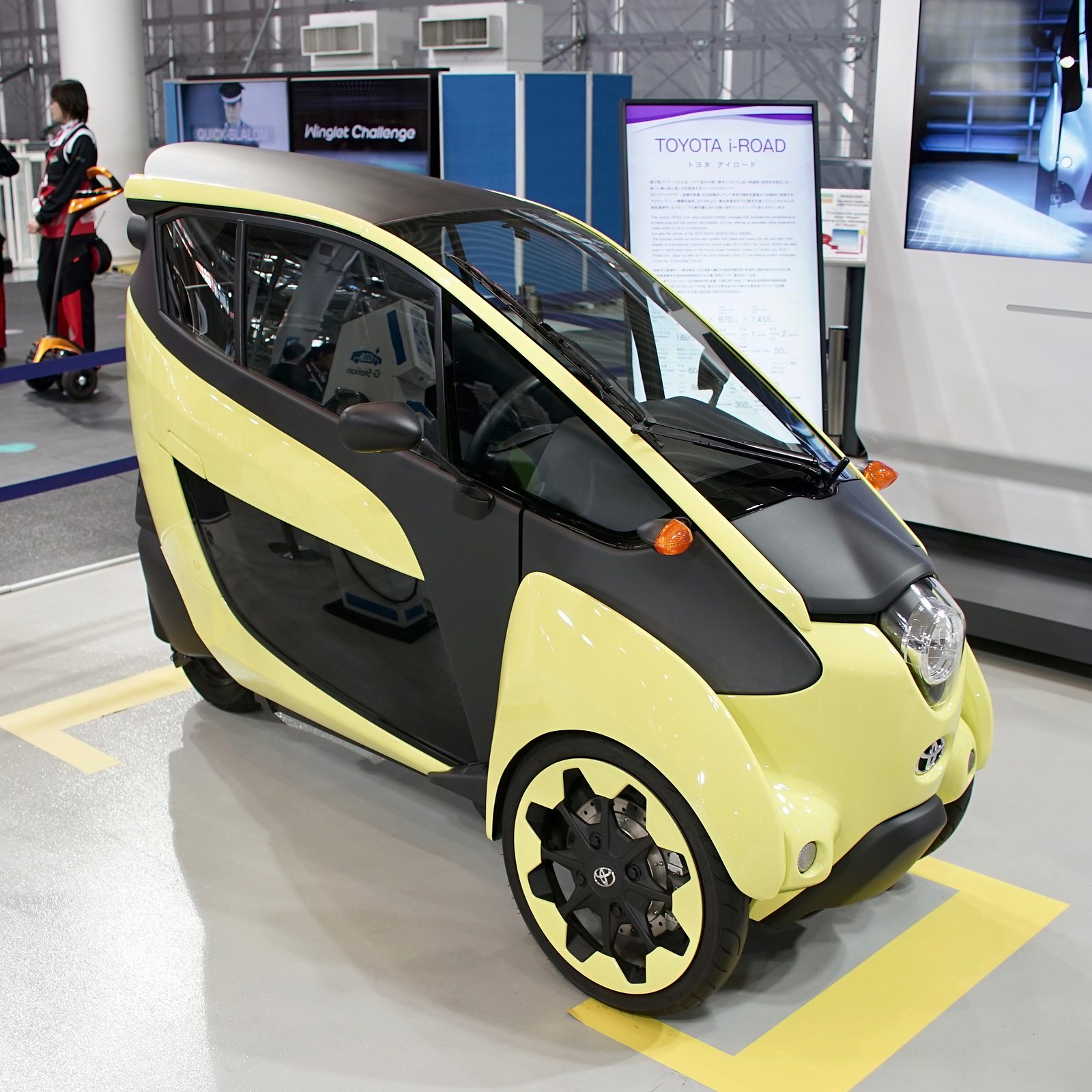
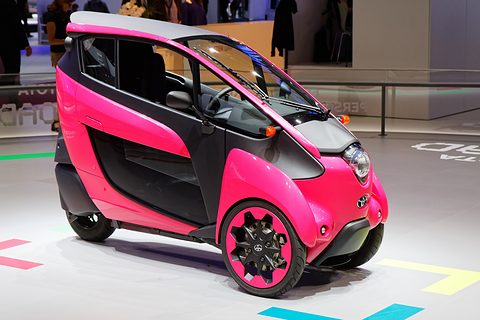
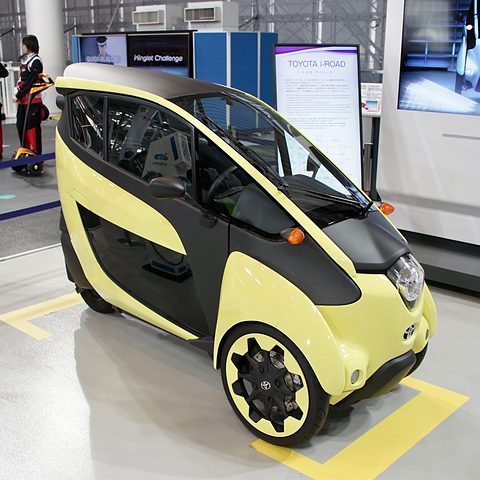
Grenoble’s scheme, Cité lib, opened on 1 October 2014 for three years. German Wikipedia counts 35 i-Roads in it, and says that every user first had to take a 45-minute course, because the leaning, and above all reversing, took practice.source 2source 4 In Europe the cars were held to 45 km/h (28 mph), which meant that in Germany they could be driven on an AM licence from 15 or 16, depending on the state.source 4 In Tokyo, from 25 February 2015 to March 2018, Park24 offered i-Roads for one-way hire from about 30 of its Times Car Plus stations, and on 7 May 2015 Toyota began its Open Road Project: 10 cars, lent to about 100 people for about a month each. A two-seat test car followed on 20 November 2015.source 2 The cars came in blue, yellow, pink, green and white.source 2

On 23 July 2018 i-Roads were announced for carrying staff at the Tokyo 2020 Olympics.source 2 After Grenoble there were smaller trials in Europe, and in 2020 home-care services in Berlin and Cologne were using them on evaluation runs.source 4 There the story stops. German Wikipedia says that Toyota found the i-Road too expensive to put into series production.source 4
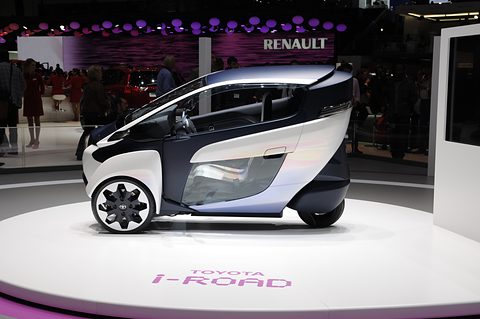
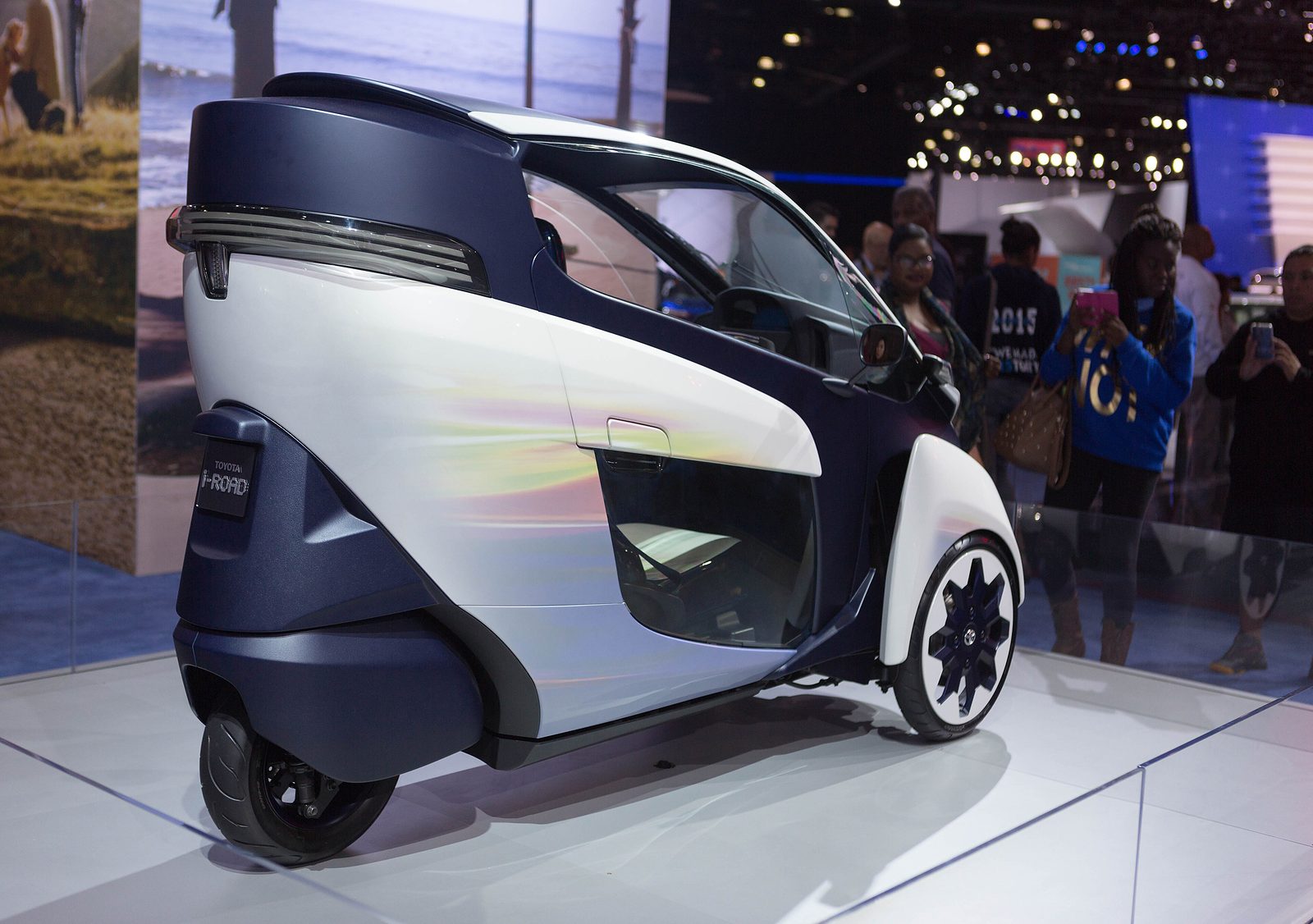
Side view of a white and navy narrow three-wheeler on a white turntable lettered Toyota i-Road.
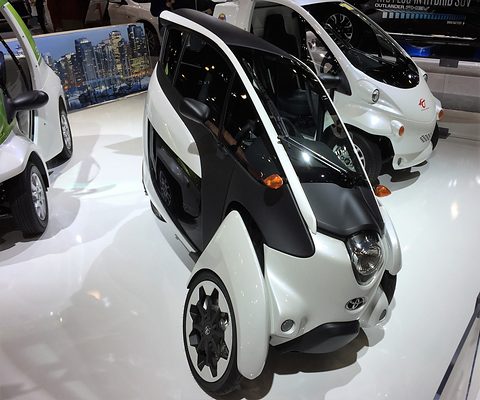
The Toyota i-Road in profile on its turntable at its world debut, the Geneva Motor Show, Switzerland, in March 2013.Photo: Norbert Aepli, CC BY 3.0, via Wikimedia Commons
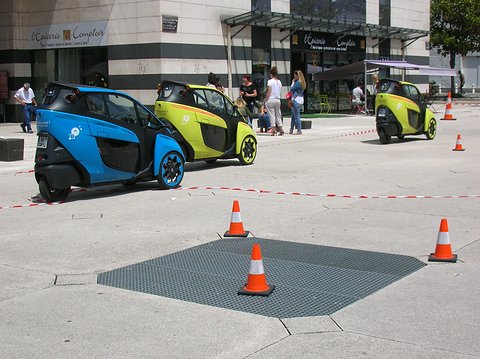
Blue and green narrow three-wheelers on a square marked out with traffic cones, people waiting behind.
Three Cité lib i-Roads on a coned training course for new users in Grenoble, France, in May 2017.Photo: Patafisik, CC BY-SA 4.0, via Wikimedia Commons
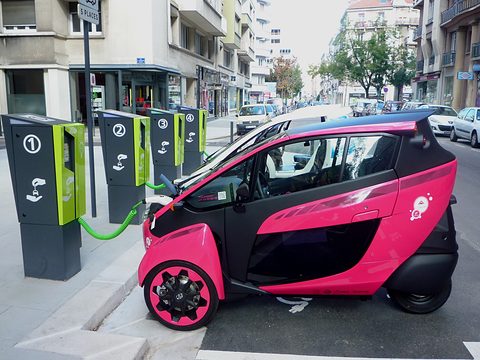
Pink and black narrow three-wheeler connected by a green cable to a row of numbered charging posts in a street.
A pink Cité lib i-Road plugged in at a numbered charging post in a Grenoble street, France, in October 2014.Photo: Milky, CC BY 3.0, via Wikimedia Commons

Pictures

More photographs, old and new

Variants

Show car to test fleet

The i-Road family
VariantYearsWhat differsHow many
Geneva concept2013Two seats in tandem, 45 km/hShow car
Japanese test car2013–⁠15One seat, 60 km/h; 2,345 mm long, 870 mm wide10 in the Tokyo Open Road Project; others not known
Two-seat test car2015–A tandem two-seater again, from 20 November 2015Not known
European trial car2014–⁠20Limited to 45 km/h35 in Grenoble, by German Wikipedia

Specification

The Geneva concept of 2013 unless noted

Motors and battery

Motors and battery
MotorsTwo in-wheel motors in the front wheels, 2 kW (2.7 PS) eachsource 1source 4source 3
BatteryLithium-ion; capacity not givensource 1source 4
ChargingAbout three hours from a household socketsource 1source 4
Range50 km at a constant 30 km/hsource 1source 4source 2

Body and chassis

Body and chassis
BodyEnclosed cabin with doors; no helmet neededsource 1source 3
LeaningActive Lean: an actuator above the front suspension banks the front wheels and cabinsource 1source 3
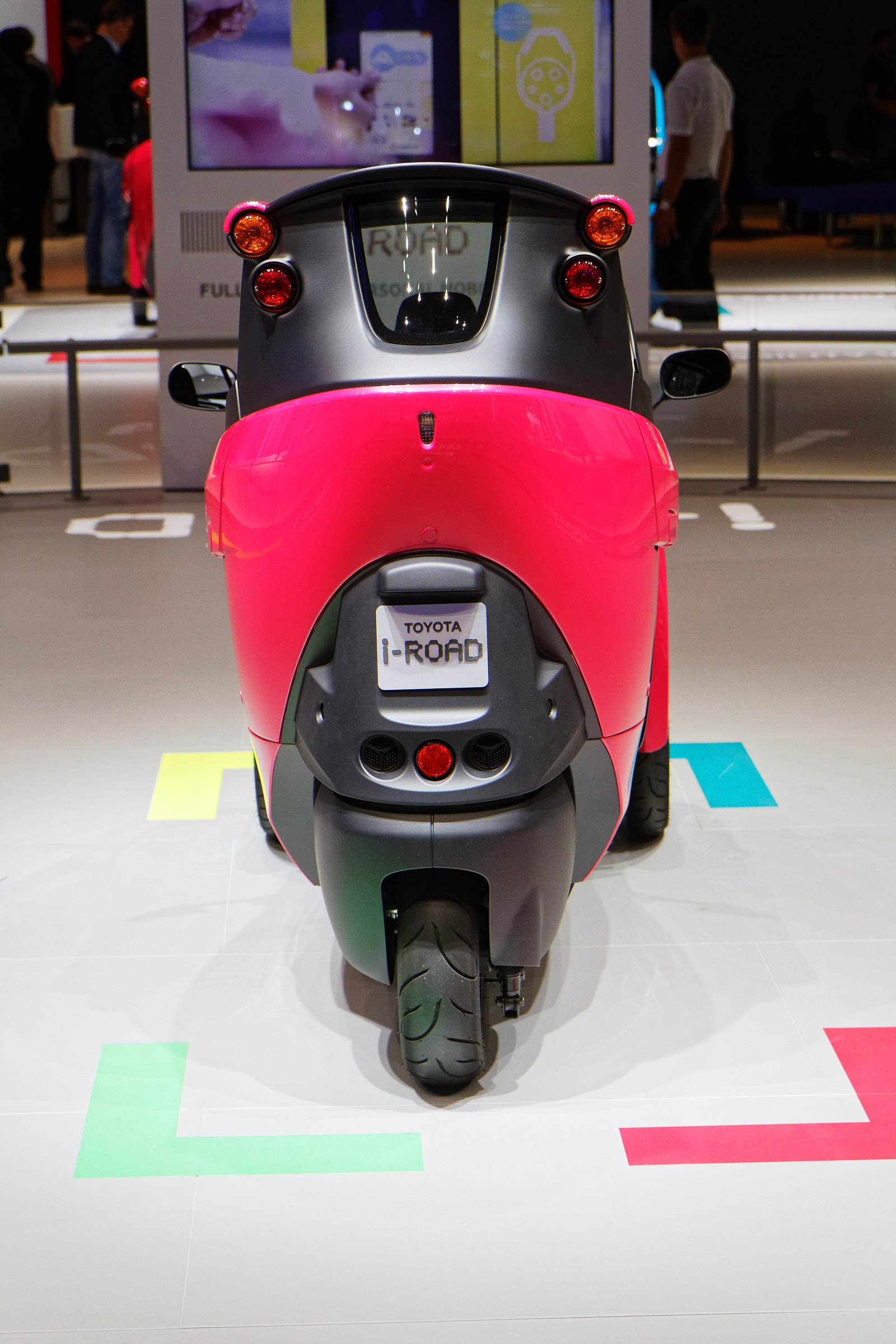
SteeringBy the single rear wheelsource 4
Turning circle3.0 m minimumsource 1English Wikipedia gives a radius of about 2.7 m

Dimensions

Dimensions
Length2,350 mmsource 1source 22,345 mm for the Japanese test car
Width850 mmsource 1source 3870 mm for the test car
Height1,445 mmsource 1source 21,455 mm for the test car
Wheelbase1,700 mmsource 1source 21,695 mm for the test car
Weight300 kgsource 2

Performance and running

Performance and running
Top speed45 km/h (concept and Europe); 60 km/h (Japanese test car)source 4source 2
PriceNever soldsource 4

How many were built?

The fleets that are counted

Trial fleets onlyThe i-Road was never put into series production, and no total of cars built has been found. Two fleets are counted; how many i-Roads ran in Grenoble is told two ways.

  1. about 70i-Roads in Grenoble, as English Wikipedia words it; the scheme as announced had about 70 small cars, COMS includedUnconfirmed

    English and Japanese Wikipediasource 3source 2

  2. 35i-Roads in Grenoble’s Cité lib scheme, 2014–⁠17One source

    German Wikipediasource 4

  3. 10cars in Tokyo’s Open Road Project, 2015One source

    Japanese Wikipediasource 2

  • Two sources agreetwo good sources give the figure
  • One sourcea good source, alone
  • Unconfirmeda lead only, not yet checked

Famous for

Three points

  1. It leans by itself

    Active Lean banks the front wheels and cabin into a bend, worked out from the steering, a gyro and the speed.

  2. Steered from behind

    The single rear wheel steers, as on a forklift truck.

  3. Four to a bay

    At 850 mm wide, four fit in one car parking space, by Toyota’s account.

Survivors and collecting

Today

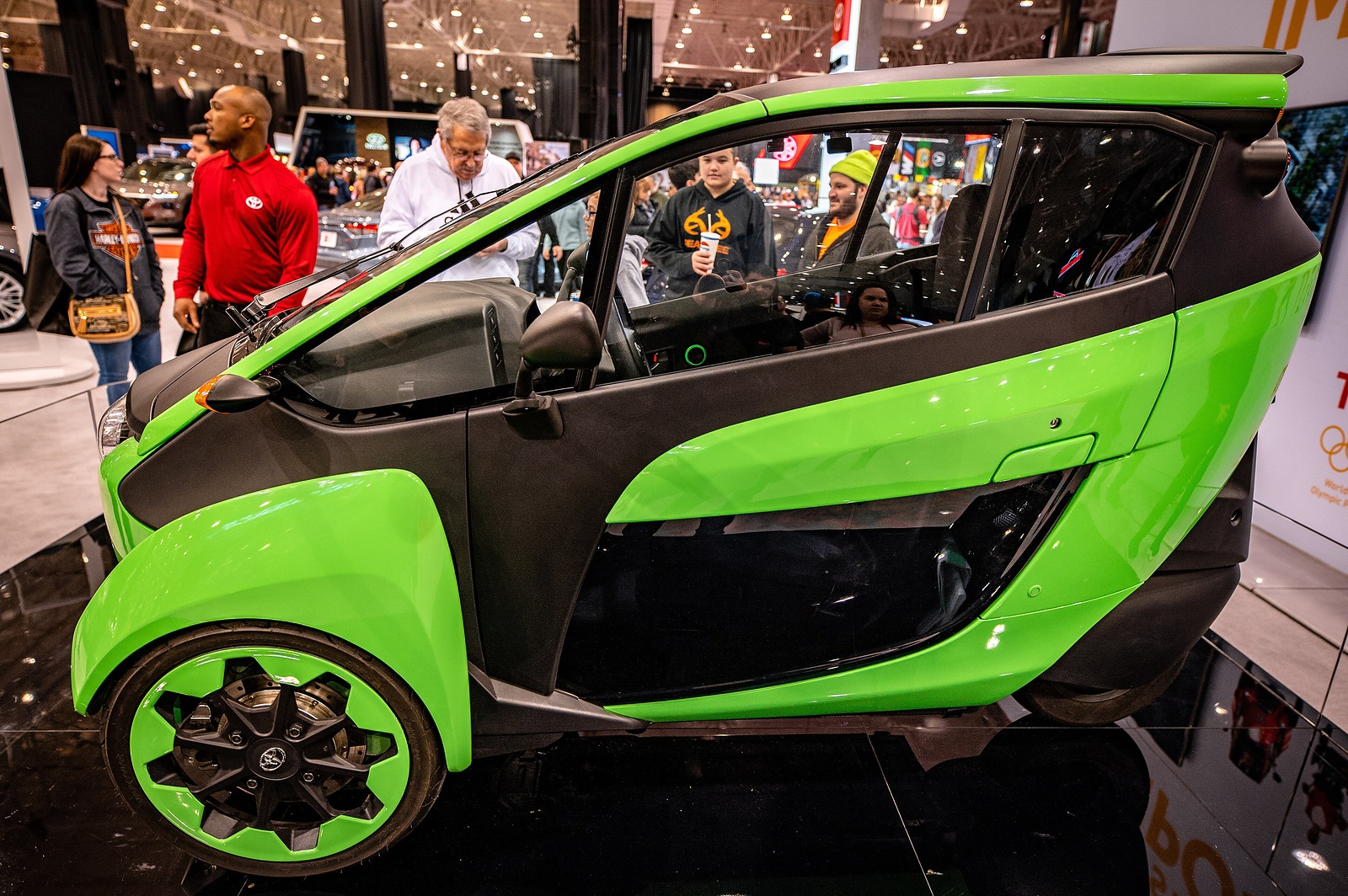
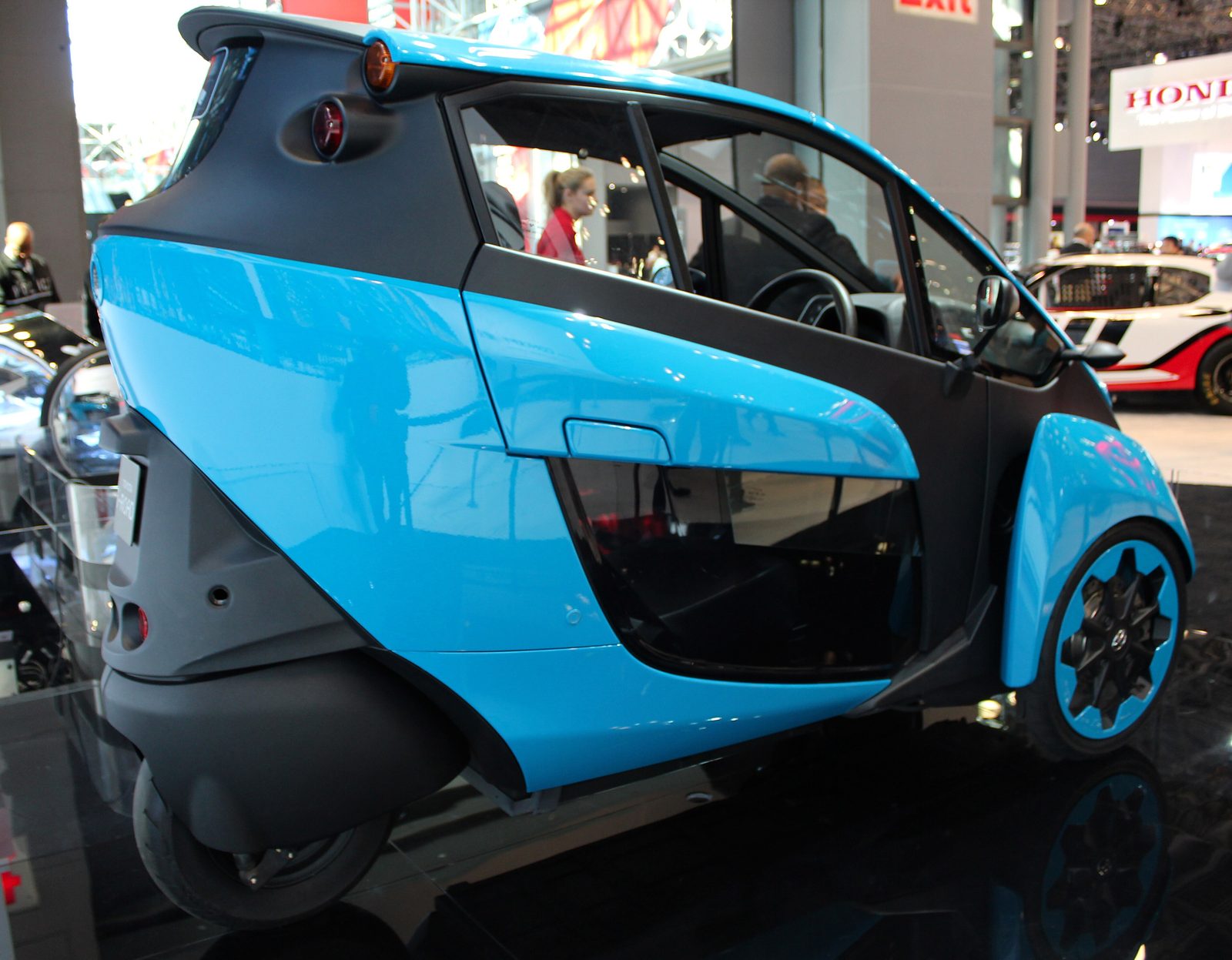
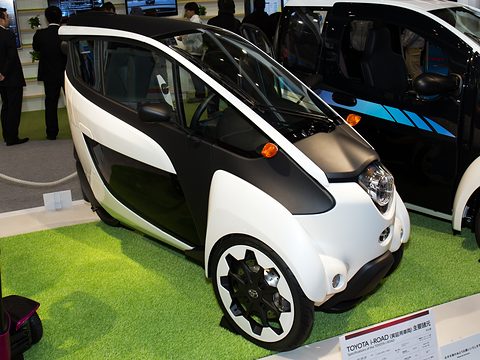
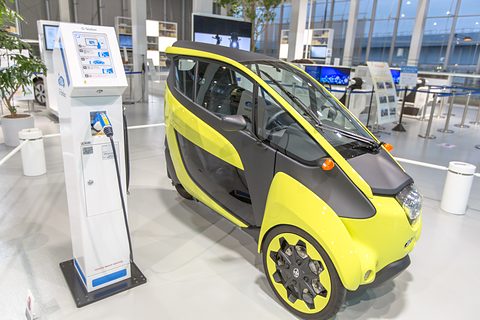
The trial cars belonged to Toyota, and no private owner, club or auction sale has been found. Photographs show i-Roads on display in Toyota’s Mega Web showroom at Odaiba, Tokyo, in 2015, and at the New York and Cleveland motor shows in 2019.

Yellow and black narrow three-wheeler next to a white charging post in a bright showroom.
A yellow i-Road beside a charging post at Toyota’s Mega Web showroom, Odaiba, Tokyo, Japan, in April 2015.Photo: IQRemix, CC BY-SA 2.0, via Wikimedia Commons

Sources

Numbered as in the text

The account rests on Toyota’s release for the Geneva show and on three Wikipedia articles, in German, Japanese and English. Sources are given as plain text; the links are on the Credits page.

  1. Toyota Motor Europe, “2013 Geneva Motor Show: Toyota i-ROAD”, press release, 4 March 2013.
  2. Japanese Wikipedia, 「トヨタ・i-ROAD」 (Toyota i-ROAD). Used as a lead.
  3. English Wikipedia, Toyota concept vehicles (2010–⁠2019), the i-Road and Insect sections. Used as a lead.
  4. German Wikipedia, Toyota i-Road, read in full. Used as a lead.