Licence-free cars
The French voiture sans permis has been a 125 cc car you could have in six weeks, a one-seat shell with a 50 cc engine and a pedal, and a battery box sold in electrical shops. For decades its typical driver was a pensioner in the country who had never had a licence or had given up driving.
A footnote in the Code de la route
It began as a footnote. The French Code de la route of 20 August 1939 gave a light motorised bicycle its own place in the law: at most 35 kg (77 lb), at most 100 cc, unable to pass 30 km/h (19 mph) on the level, and still able to be pedalled. Beneath the article came one line.source 1
Le conducteur d’une telle bicyclette à moteur est dispensé du permis de conduire.
Everything that followed grew from that exemption. The voiture sans permis, the licence-free microcar, also called a voiturette, has never been a class of car in French law. It has been a vehicle the law treated as something smaller: a 125 cc car sold to people with no licence after the war, an enclosed moped in the 1970s, and since 1992 a European light quadricycle that, in the words of the directive, shall be considered to be a moped.source 2
When an insurers’ survey counted about 60,000 voiturettes in use in 1988, 52.7 per cent were driven in the country and 50.6 per cent of their drivers were 65 or over.source 3 Its buyers were above all pensioners in the country.source 3source 4
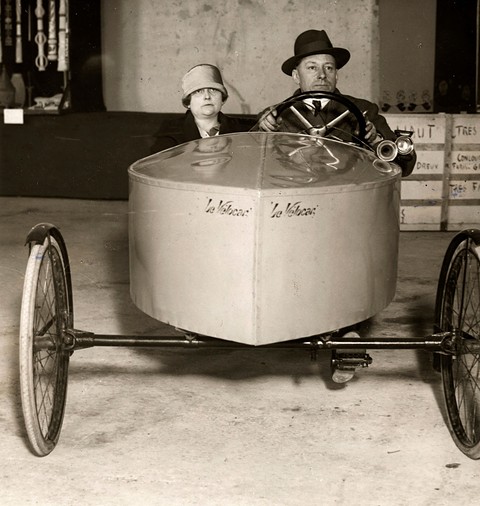
The 125 cc cars, 1945–1958
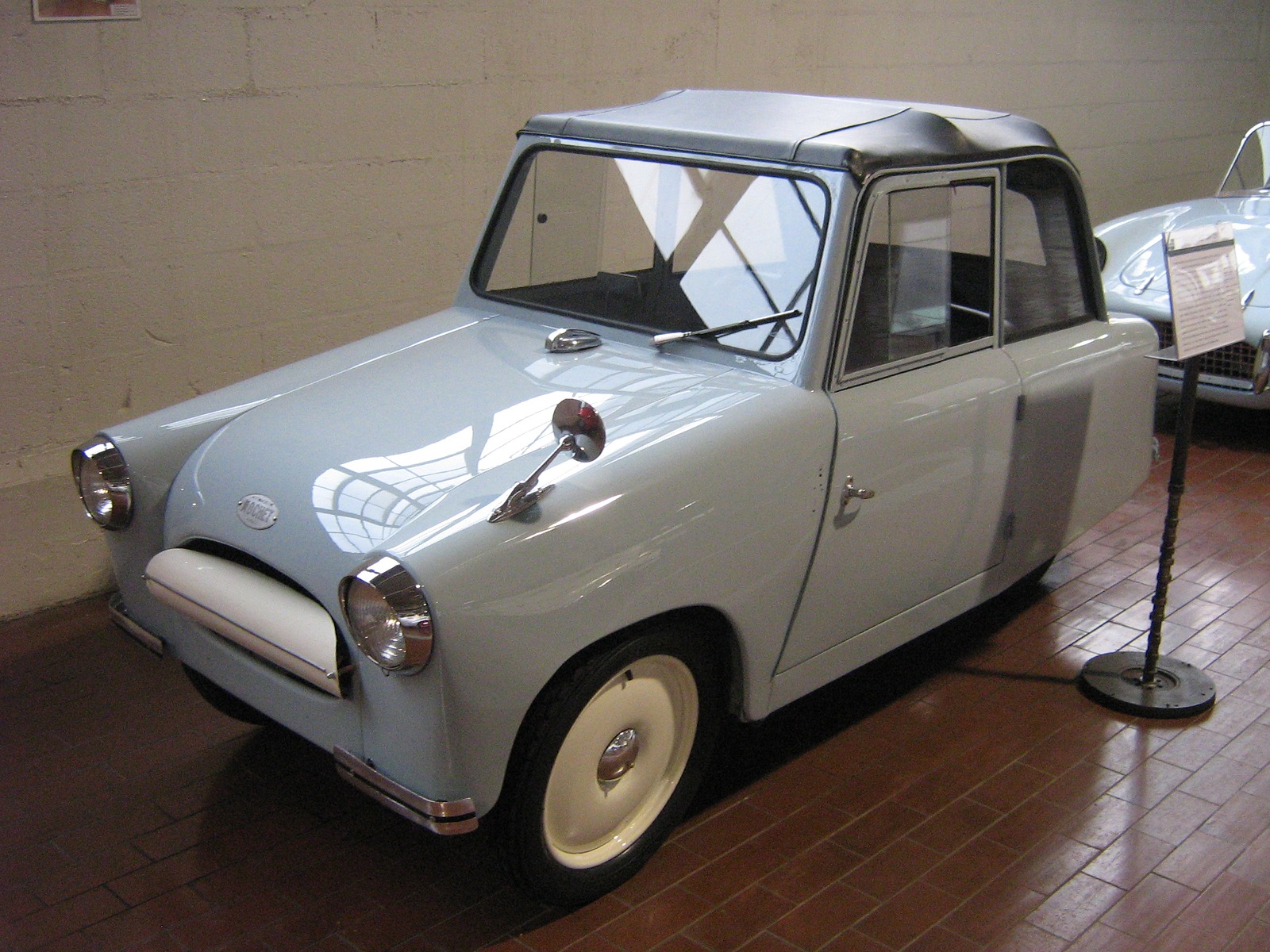
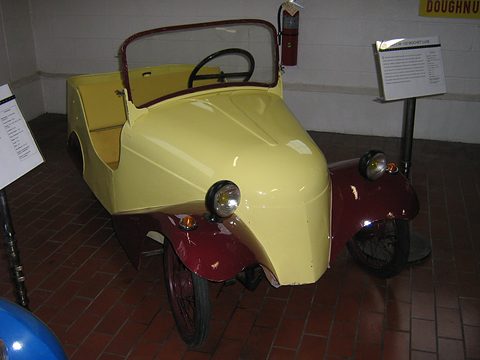
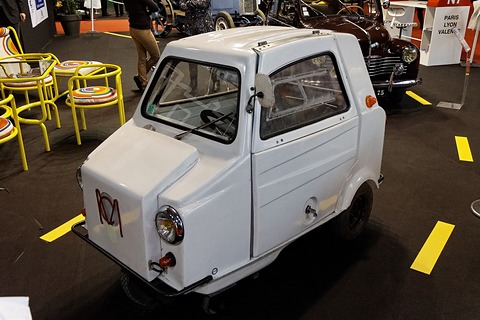
After the war France was short of steel, petrol and cars, and a Citroën 2CV meant years on a waiting list. Georges Mochet of Puteaux could deliver a car in six weeks.source 5source 6 His family had built the pedal Mochet Vélocar, and under the Occupation more and more of them had been given engines by their owners.source 7source 5 Now Mochet built small cars with 125 cc two-stroke engines, Zürcher at first and Ydral later, and sold them to people who had no licence.source 5
Beaucoup d’automobilistes se tournent vers la « petite Mochet » car elle ne nécessite pas de permis de conduire.
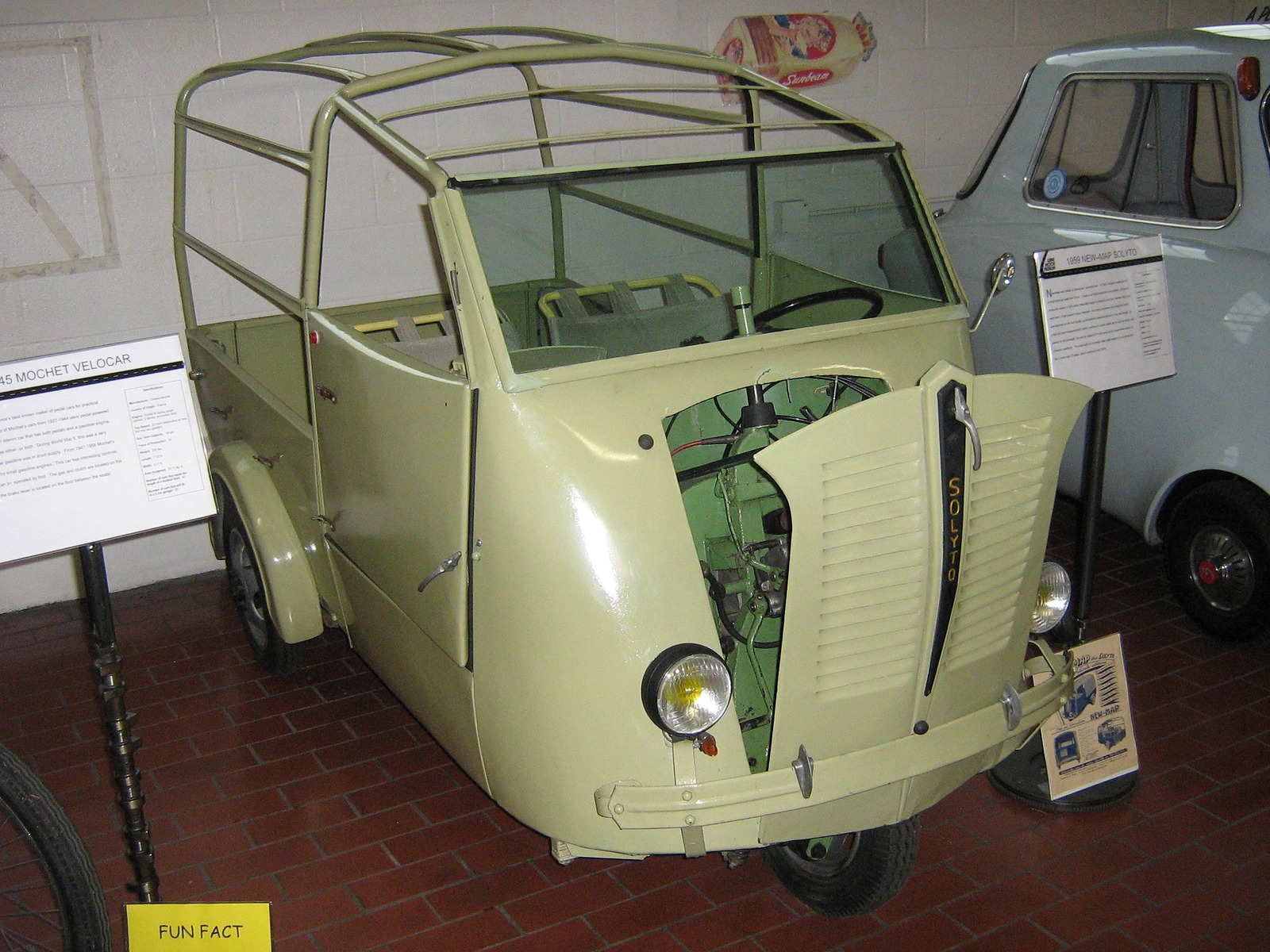
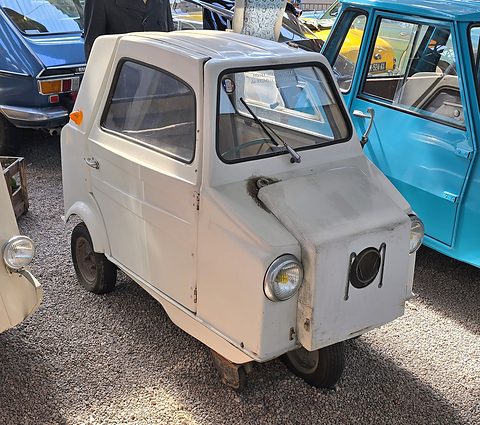
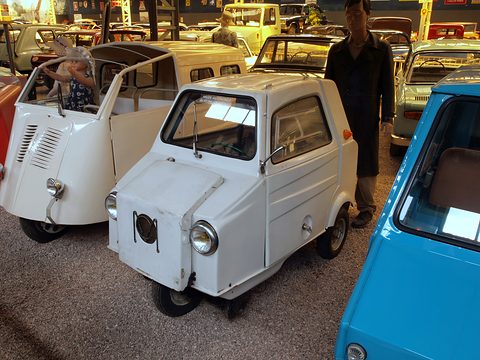
The Mochet CM-125 and its successor, the CM-125Y, were built by 20 or 30 workers at 30 to 40 cars a month at the peak; the CM-125Y could also be had with a 175 cc engine for drivers who held a licence. The Puteaux archives put Mochet’s total at about 3,000 cars.source 5source 8source 6 Others did the same, offering a licence-free 125 cc version beside a 175 cc one for licence holders: the Avolette, a French-built Brütsch design, in its basic Normale form, and the three-wheeled P. Vallée Chantecler.source 9source 10source 11source 12 The Solyto delivery three-wheeler, with a 125 cc Ydral on its front fork, could be driven without a licence too.source 13
Then the door closed, or half closed. The Puteaux archives say that a decree of 1957 requiring a driving licence for engines between 50 and 125 cc led to Mochet’s closure; the Weiner museum and RM Auctions date the change to 1958.source 6source 5source 8 The decree itself has not been found. What the record does show is narrower. An arrêté of 6 September 1957 dealt with the licences de circulation issued to people who held no driving licence, and the Code later recognised such a licence only if it had been issued before 1 April 1958, for two-wheelers of up to 125 cc.source 14source 15 How far the change reached beyond two wheels is still not clear.
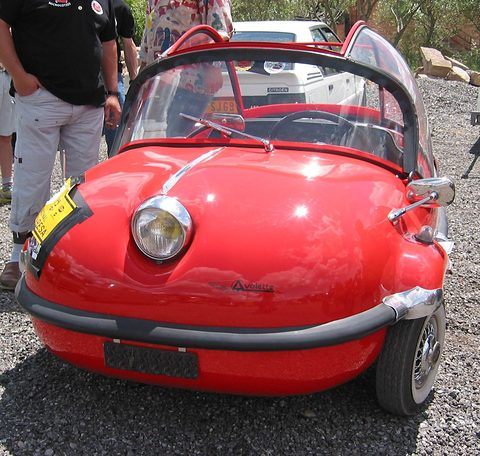
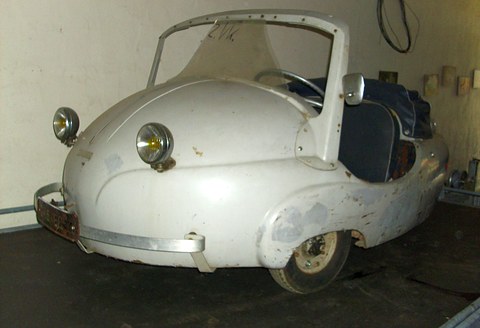
The 125 cc puzzle, 1958–1970
If 1958 ended the 125 cc licence-free car, nobody told the makers. In April 1967 Henri Willame, head of Lambretta-France, and Carlo Lavezzari presented the Willam City: a four-wheeler only 1.78 m (70 in) long, on Lambretta three-wheeler mechanicals of 125 cc, licence-free, or 175 cc. The bigger engine was dropped in 1970.source 16source 17
Cette seconde version qui ne correspondait pas réellement à un besoin puisque nécessitant le permis de conduire, fut retirée du catalogue en 1970.
In 1966 Jean-Pierre Ponthieu’s Pussycar, a small doorless polyester runabout, was classed as a cyclomoteur.source 18 In January 1970 the Solyto’s makers launched the Mini 1, which Gazoline describes as licence-free, with a 125 cc engine and a variator, for drivers of 16 and over.source 13 Willam went on to sell Italian licence-free cars under its own name.source 17source 19
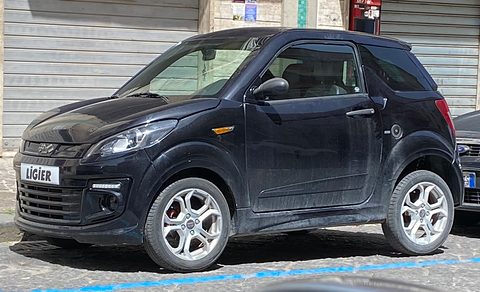
The law caught up in stages that are only partly visible now. By 1985 the Code defined a three- or four-wheeled tricycle or quadricycle à moteur of up to 125 cc, 400 kg (880 lb) and 75 km/h (47 mph), and any driving licence covered it.source 20source 15 In 1988 a minister set out the two classes: a voiturette of 50 to 125 cc needed a licence with only a theory test, while one under 50 cc needed nothing but a minimum age.source 21 Ligier’s 125 cc JS8 of 1982 already needed the tricycle and quadricycle licence.source 22 So by the early 1980s, at the latest, a 125 cc voiturette needed a licence. Whether it did in the 1960s and 1970s, or whether the makers’ sans permis was loose advertising for a theory-only document, remains unsettled.
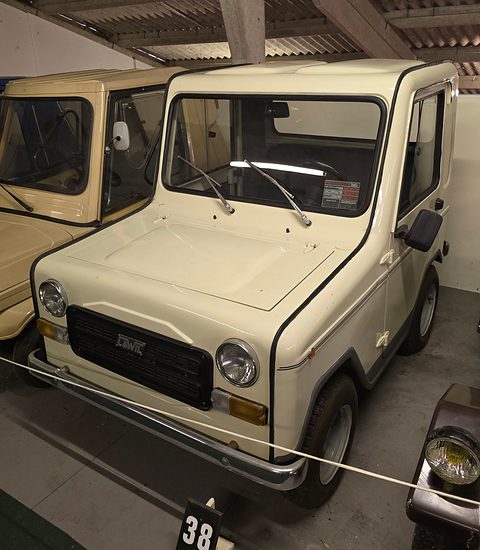
The enclosed moped, 1970–1980
What made the boom was the 50 cc car, the cyclomoteur carrossé: legally a moped with a body round it. It had one seat and a moped’s speed limit, which an arrêté set at 50 km/h (31 mph) in 1962 and cut to 45 km/h (28 mph) in December 1975.source 14 The moped’s legal definition, in its wording of 1980, required les caractéristiques normales des cycles, the normal characteristics of a bicycle, which is probably where the pedals came from.source 23 On Bellier’s C10, by the old microcarfan.com’s account, the pedals gave way to a single emergency lever that the driver worked back and forth to move the car, a fitting then compulsory on every enclosed moped.source 24 The Acoma Mini Comtesse had a foot pedal that drove a rear wheel through a chain and a ratchet.source 25 The Minicat kept the pedals of the Peugeot moped inside it, and was started by lifting it onto a stand and pedalling.source 26
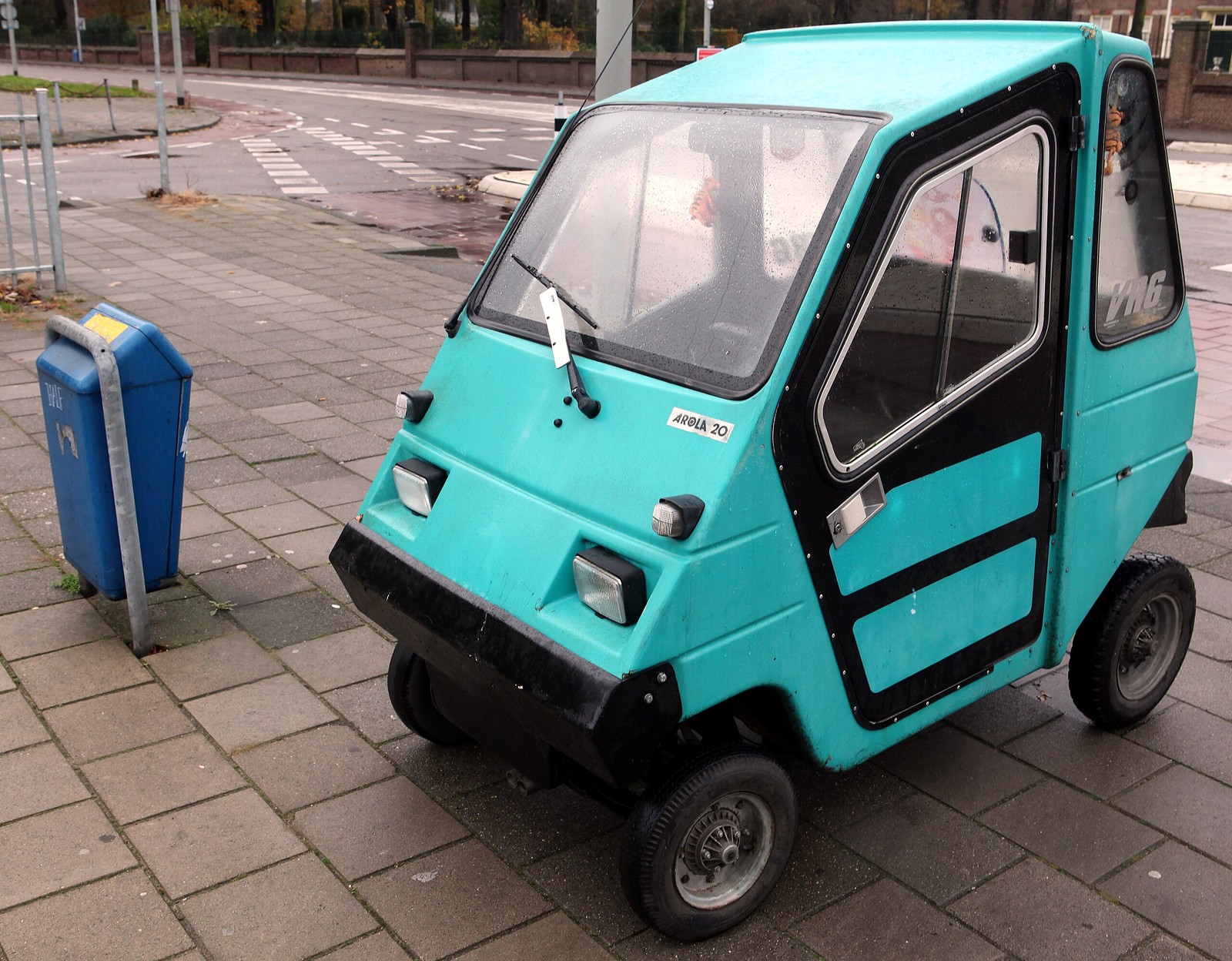
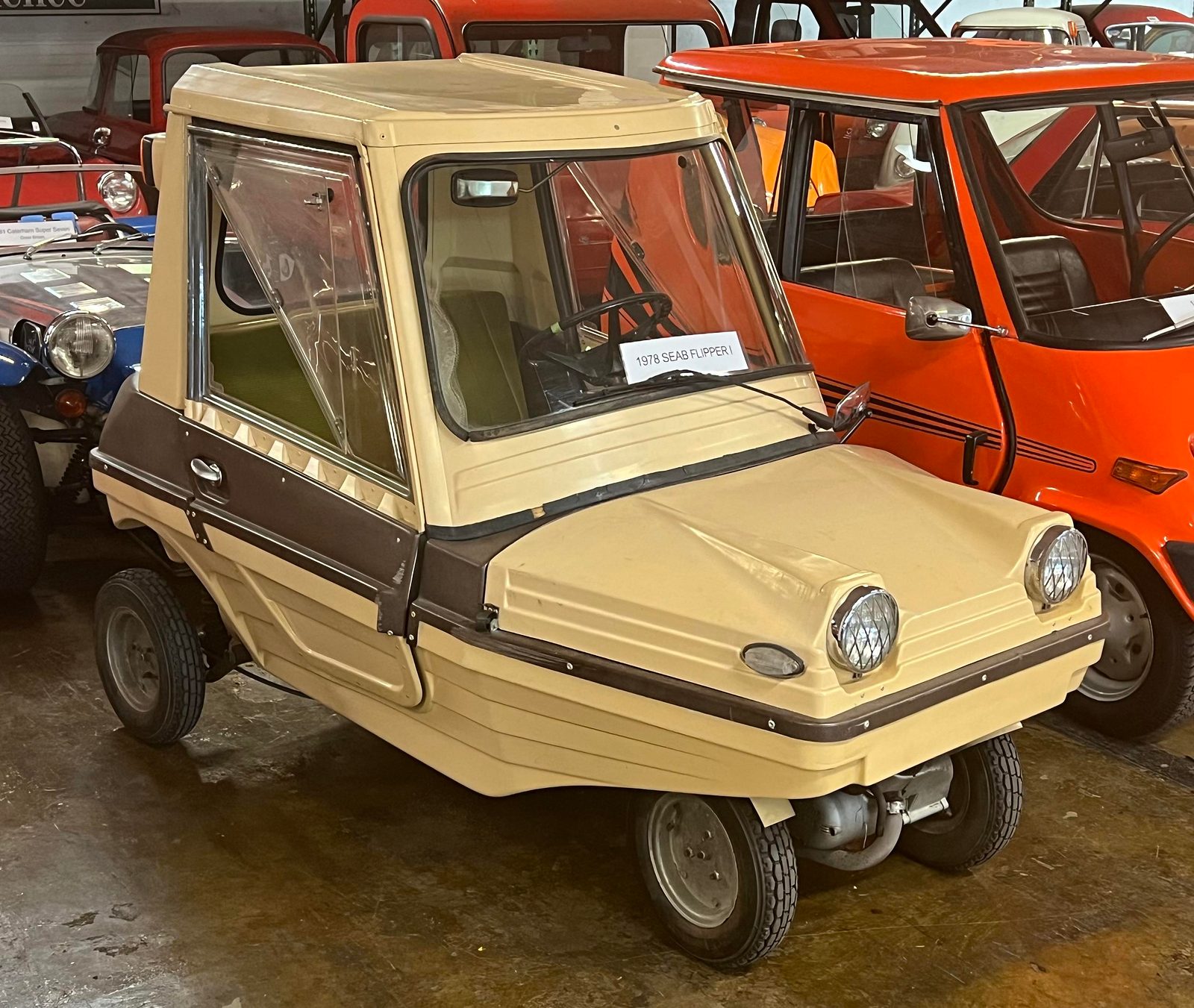
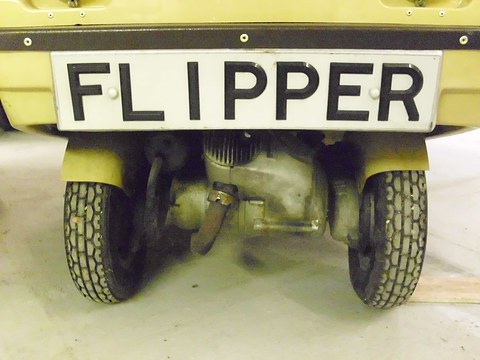
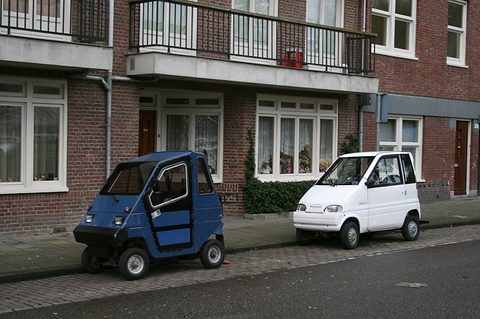
The Weiner museum says some 30 companies took up the 50 cc car in the decade after 1970.source 27 In January 1976 Daniel Manon’s Arola appeared, a little enclosed moped with handlebars and moped controls, and by the same museum’s account it became the model for many more; it gives 18,000 built, a figure no second source has confirmed.source 28source 29 Acoma was the largest: it sold 3,500 cars of all types in 1979, about 30 per cent of the market.source 30source 31 Erad made almost 2,400 cars in 1979 and some 2,640 the year after.source 32source 33 Some were very simple. The SEAB Flipper I had no reverse gear: its whole front axle, engine and all, pivoted, so to back up you kept turning the wheel until the front faced the other way.source 34source 35
For years these cars carried one person. To take two adults, Acoma’s boxy Comtesse Break of 1979 had to be homologated as a special vehicle with a top speed of 25 km/h (16 mph), until that limit was lifted late in 1980.source 36 Bellier’s pedal-assisted Bellier Véloto was for some years the one licence-free car allowed to carry two adults, and was aimed, by the Weiner museum’s account, at retired people who had given up driving.source 24source 37 Anyone over 14, the museum says, could drive such a car.source 27
Ligier, 1980 and 2017
Two Ligiers
Factories and diesel, 1980–1995
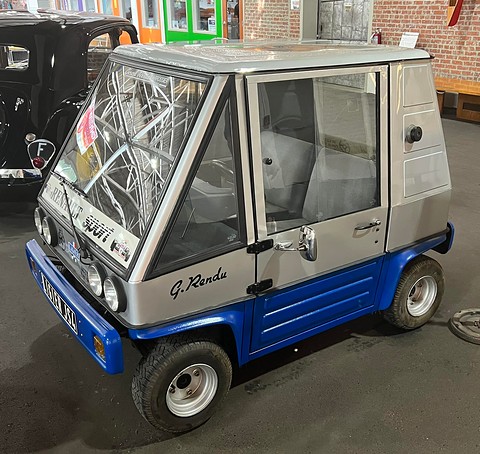
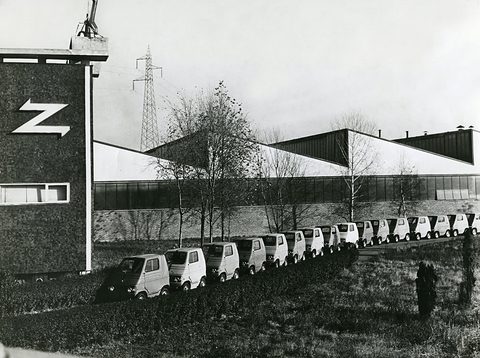
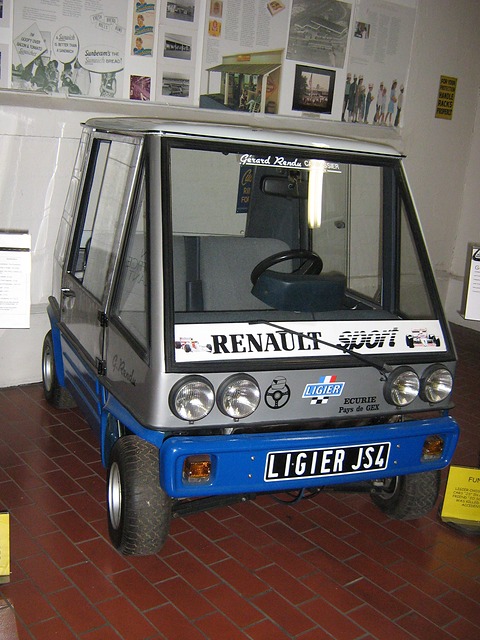
In 1980 the industry arrived. Ligier, the Formula 1 constructor, had been building tractor cabs for Renault since 1978; on 25 July 1980 it showed the Ligier JS4, designed round one of those cabs and powered by a 49 cc Motobécane. It sold 6,941 in 1981, more than any other voiturette in France.source 22source 38 In October 1980 the boat-builder Jeanneau launched the glass-fibre Microcar RJ49, with the Le Mans driver Jean Rondeau as its technical adviser.source 39 By 1987, by the old microcarfan.com’s account, Microcar had sold more than 20,000 voiturettes.source 40
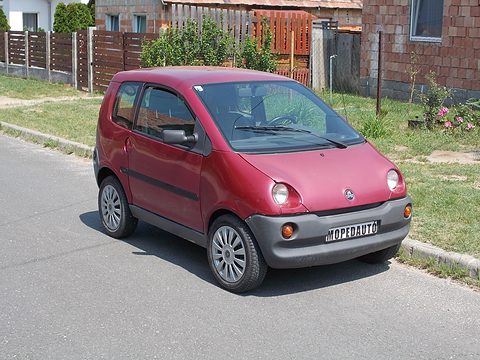
Diesels followed. Erad offered a 290 cc Farymann diesel from 1981.source 32source 33 Arola went bankrupt in 1983, and Georges Blain took it over as Aixam, after Aix-les-Bains. By the French Wikipedia’s account, Blain and his president, Philippe Colançon, pressed the transport ministry to make an exception for diesel engines, and that let the market grow.source 41 Not every sans permis was one: Arié announced its Arié Hopi as a licence-free car, but with a 125 cc engine and 75 km/h it needed a licence.source 42 The Acoma factory closed in March 1984.source 36
The texts of the period are mostly known only by their titles. A decree of 9 January 1980 amended the Code, and the moped article in force from that month defined an engine of no more than 50 cc, a design speed of no more than 45 km/h and the normal characteristics of a bicycle; only two-wheeled mopeds were barred from a clutch and a manual gearbox.source 43source 23 Arrêtés of 29 May 1986, published in the Journal officiel of 25 June, set out the voiturette’s technical rules, and the Senate was told in 1989 that voiturettes defined by them belonged to the moped class because they did not exceed 50 cc.source 14source 44source 3 In 1988 Aixam says it became the first maker to have a licence-free car pass a frontal crash test to car standards, though the law did not require one.source 45 From 1 March 1992 the enclosed mopeds had to carry a rear number plate, black on orange.source 46
The deputy Jean Rigal had complained in 1988 of their proliferation on country roads. The minister’s answer quoted the insurers’ survey: voiturettes were involved in injury claims in 9.6 per cent of cases, against 12.3 for cars, 13 for mopeds and 27 for motorcycles.source 3
Les voiturettes apparaissent donc, comme nettement moins dangereuses que les autres véhicules et répondent à une réelle nécessité sociale.
Italy and Spain
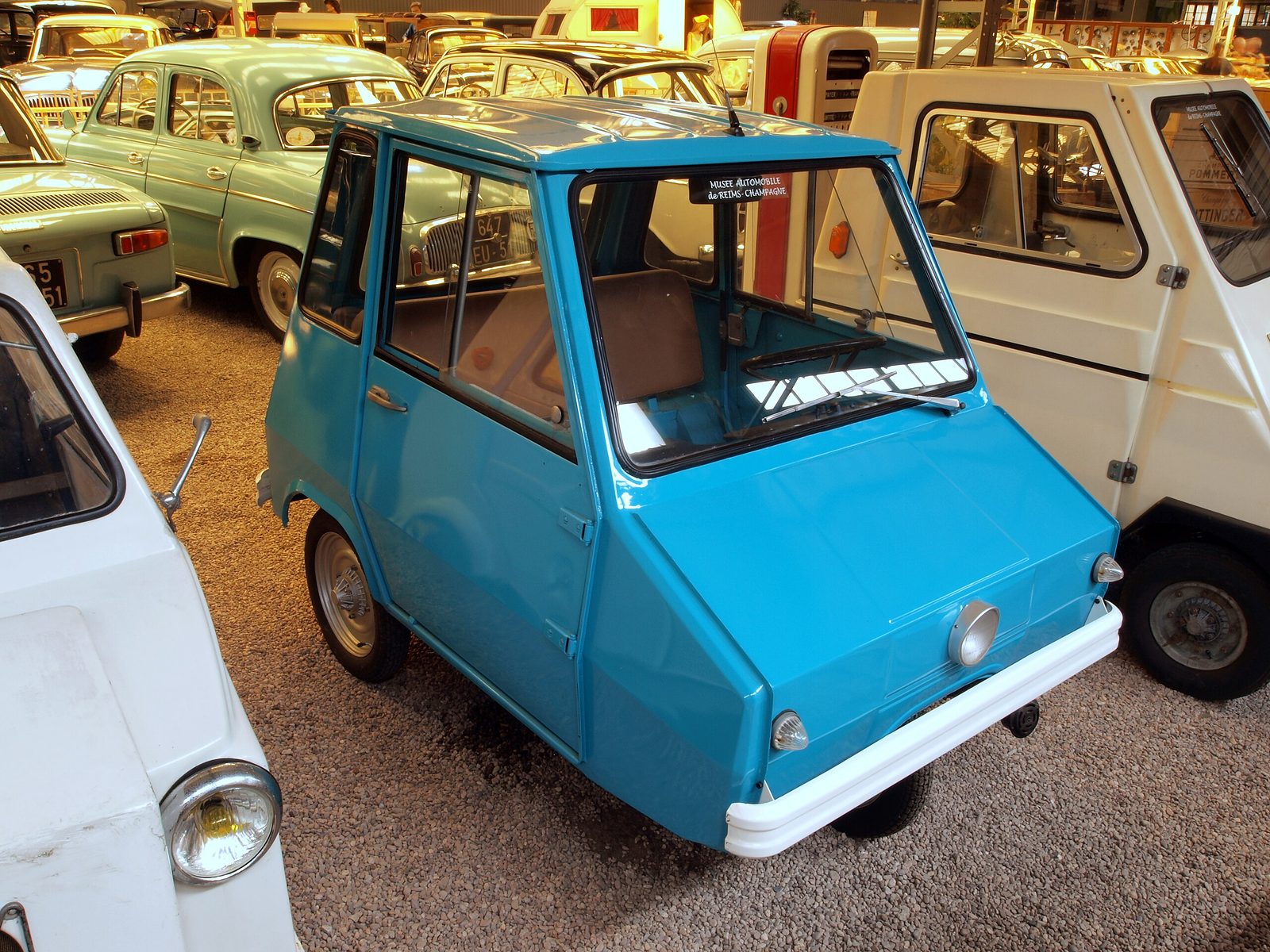
Italy’s licence-free car grew out of its moped and three-wheeler trade. Casalini of Piacenza, founded in 1939, showed the Casalini Sulky at the Milan show in 1969, with a steel body in a class that would mostly be glass fibre; in France Willam sold it.source 47source 48source 19 Others followed, and Willam’s imports also included the Baldi Frog, the Zagato Zele, the BMA Amica and the cars of Decsa.source 17source 19 When Italy adopted the European quadricycle rules in 1994, the Sulky gave way to Casalini’s Kore 500.source 48source 49 In 2024 Italy registered 21,442 light quadricycles, 25.78 per cent more than the year before, which makes it Europe’s second market after France; they can be driven from 14 with the AM licence.source 50source 51
Spain calls them coches sin carné, cars without a licence, though the Spanish Wikipedia calls the name no more than a marketing strategy. A driver needs a moped-class licence, obtainable from 15 after a medical, a psychotechnical test and a theory test, with no practical test, and this is now the AM category.source 51
The European quadricycle, 1992 to today
On 30 June 1992 the European Community wrote the voiturette into its own law. Directive 92/61/EEC created the light quadricycle.source 2
… light quadricycles whose unladen mass is less than 350 kg, not including the mass of batteries in case of electric vehicles, whose maximum design speed is not more than 45 km/h and whose engine cylinder capacity does not exceed 50 cm3 for spark-ignition engines (or whose maximum net power is no more than 4 kW for other types of engines); these shall be considered to be mopeds.
The 4 kW for other types of engine was what let the diesels in. France followed on 1 May 1995 with a quadricycle léger à moteur of 350 kg (772 lb) unladen, and from then on the moped had only two or three wheels: the voiturette was no longer legally a moped.source 52source 23 In July 1996 a decree set the minimum age for driving one at 16.source 53 In 1999 there were about 65,000 voiturettes among 28 million vehicles, and the government accepted in principle that their drivers should have some minimal training.source 54 It came in a decree of 2002: from 1 January 2004 anyone turning 16 needed the road-safety certificate, the BSR, with a quadricycle option, or a licence, so that anyone born from 1988 needed training and anyone born before needed nothing.source 55 Directive 2002/24/EC kept the limit at 350 kg, now “not more than”, and named the class L6e.source 56 European type approval became compulsory for voiturettes in June 2003.source 57source 58
The cars had a reputation to live down. A law of 2003 let courts ban offenders from licence-free vehicles too, and a deputy wrote in 2009 that some drivers who had lost their licence had turned to them.source 4source 58 Another ministerial answer said they were used above all by retired people living in the country, rather than by those who had failed their test or lost their licence.source 4 Injury accidents involving a voiturette fell from 371 in 1993 to 203 in 2004.source 57 In 2009 a deputy put the number in use in Europe at about 300,000, half of them in France.source 58
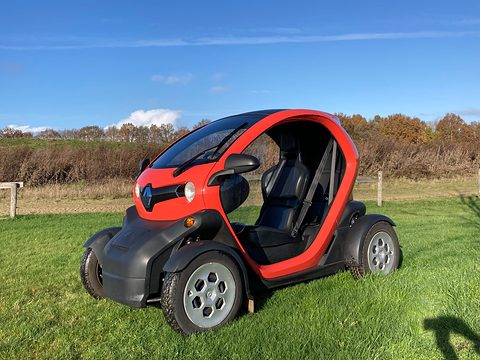
From 19 January 2013 the AM licence replaced the BSR, and the training rose from five hours to seven.source 55 Regulation (EU) No 168/2013 then raised the light quadricycle’s limit to 425 kg (937 lb) in running order, from 1 January 2016; the often-repeated idea that the 2002 directive already allowed 425 kg is wrong.source 59source 60source 56 The Renault Twizy had to be approved again under the new rules, and German orders stopped from June 2016 to March 2017.source 61 From 1 January 2018 licence-free cars were limited to 3 m (118 in) in length, and Chatenet dropped its CH26, which was longer.source 62source 63
The Ami and the new buyers
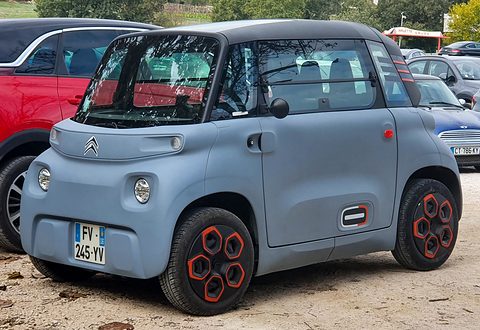
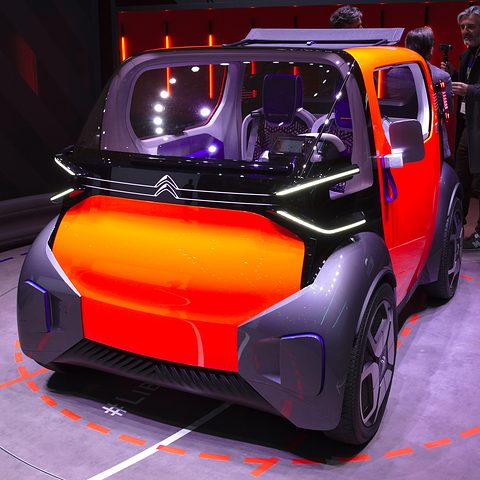
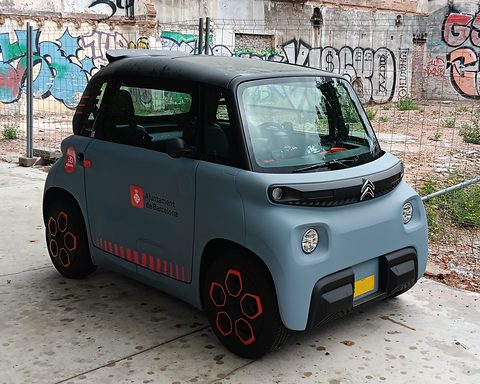
Aixam says it has led the market since 1987, and in 2009 it claimed nearly 43 per cent.source 45 Then came the Citroën Ami. Unveiled on 27 February 2020 and built at Kenitra in Morocco, it cost €6,000 after the French green bonus, ran on batteries at 45 km/h and was sold online and in the Fnac and Darty electrical shops.source 64source 65source 66 In France anyone born before 1988 may drive it without a licence, and anyone else from 14 with the AM licence; Citroën said 40 per cent of its users were under 18.source 64 In 2023, in a French market of about 26,000, Aixam had 39 per cent, Citroën 37 and the Ligier group 21.source 67 In 2024 the Ami alone took 9,197 of 16,002 registrations of electric licence-free cars.source 68 The voiture sans permis had found a new driver as well, and it still keeps to a moped’s 45 km/h.source 64
Smallest to largest
32 cars and 3 maker groups, to scale
Each bar is the car’s length on a 3.5 metre track; the red notch is a Fiat 500.
-
Minicat1978–1980 · France
1.58 m -
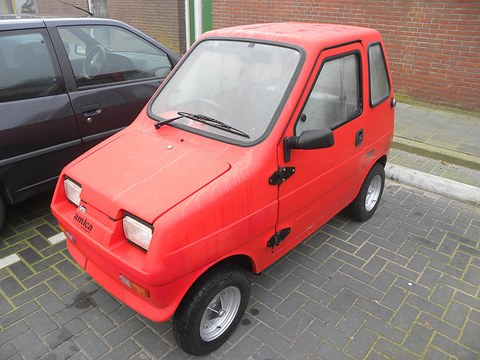
Acoma Mini Comtesse1972–1984 · France · 3 wheels
1.68 m -
Erad1978–1997 · France · 4 wheels
1.69 m -
Willam City1967–1988 · Italy · 4 wheels
1.78 m -
Arola1976–1983 · France · 3 wheels
1.84 m -
Delsaux Modulo1979–1983 · France · 4 wheels
1.84 m -
Casalini Sulky1969–1994 · Italy · 3 wheels
1.85 m -
Ligier JS41980–1987 · France · 4 wheels
1.97 m -
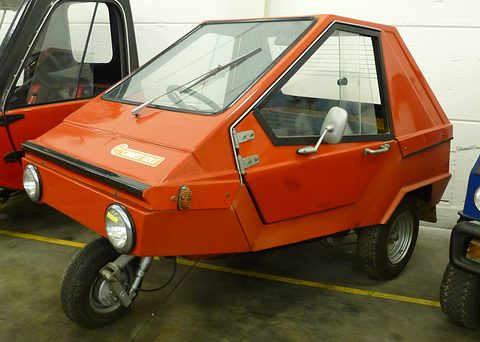
All Cars Snuggy1974–1985 · Italy · 3 wheels
2.10 m -
Bellier Véloto1974–1980 · France · 4 wheels
2.10 m -
BMA Amica1971–1994 · Italy · 3 wheels
2.13 m -
Zagato Zele1974–1976 · Italy · 4 wheels
2.13 m -
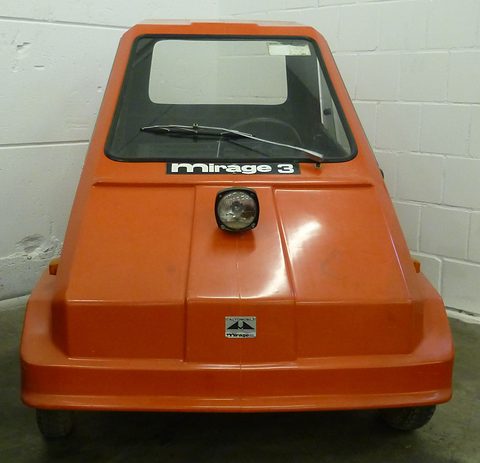
Auto Mirage Mirage 31976–1985 · Italy · 3 wheels
2.15 m -
Baldi Frog1973–1975 · Italy · 4 wheels
2.15 m -
Arié Hopi1983–1985 · France
2.32 m -
Renault Twizy2012–2023 · France · 4 wheels
2.32 m -
Avolette1955–1958 · France · 3 wheels
2.40 m -
Mochet CM-1251945–1958 · France · 4 wheels
2.40 m -
Citroën Ami2020– · France · 4 wheels
2.41 m -
Mobilize Duo2024–2025 · France · 4 wheels
2.43 m -
Solyto1952–1974 · France · 3 wheels
2.45 m -
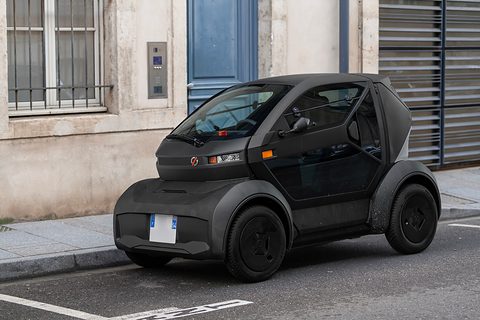
Microlino2022– · Switzerland · 4 wheels
2.52 m -
Voisin Biscooter1949–1957 · France · 4 wheels
2.57 m -
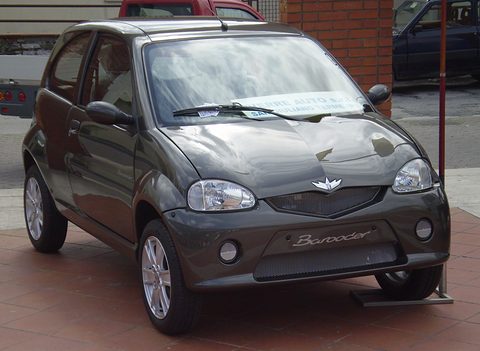
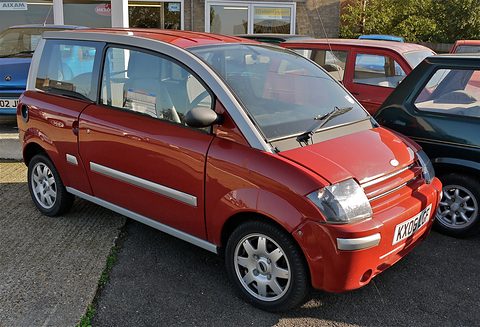
Microcar MC1 and MC22003–2008 · France · 4 wheels
2.80 m
8 more cars and 3 more maker groupsFewer
-
Ligier JS502012– · France · 4 wheels
2.83 m -
Chatenet1984– · France · 4 wheels
3.06 m -
P. Vallée Chantecler1956–1958 · France · 3 wheels
3.10 m -
Aixam1984– · France · 4 wheels
length unknown -
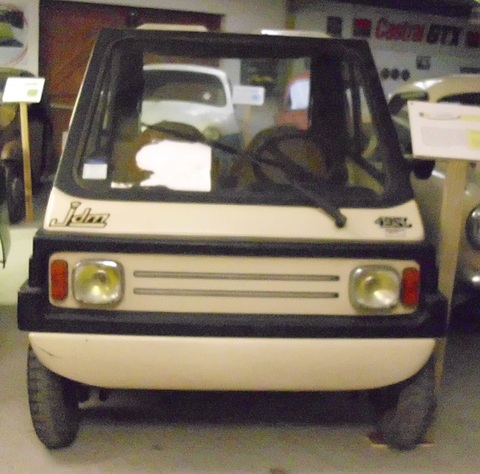
JDM1981–2014 · France · 4 wheels
length unknown -
Microcar RJ491980–1985 · France · 4 wheels
length unknown -
Pussycar1966–1968 · France
length unknown -
SEAB Flipper1978–1984 · France · 4 wheels
length unknown -
Europe’s small electric microcar makers since 19901993– · Several countries
10 makers -
French licence-free car makers of the 1970s and 1980s1970–1994 · France
14 makers -
Scandinavian microcars1956–1994 · Several countries · 3 wheels
4 makers
Pictures
12 photographs
Licence-free cars 12
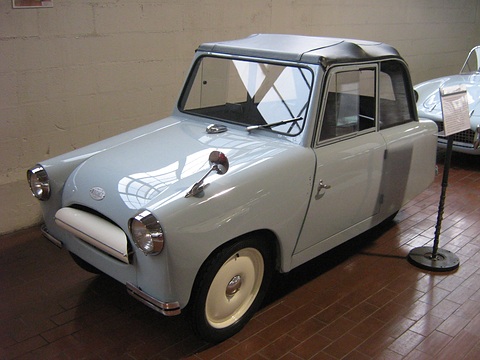
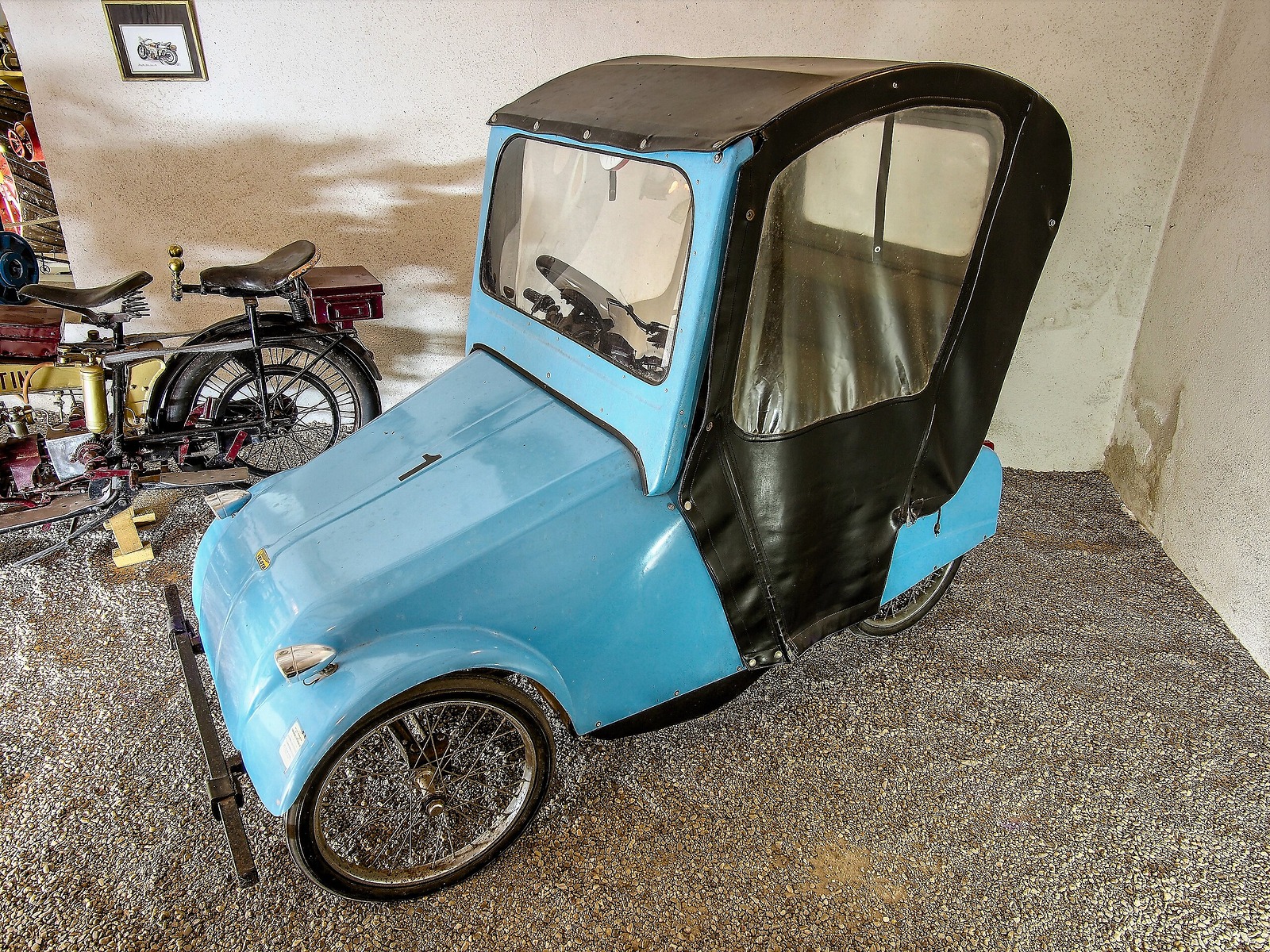
1 The pale blue 1956 Mochet CM-125Y Berline with cream wheels in the Lane Motor Museum.
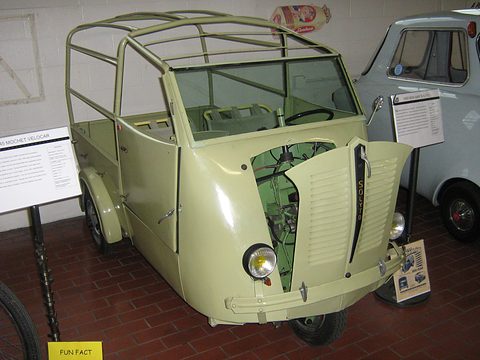
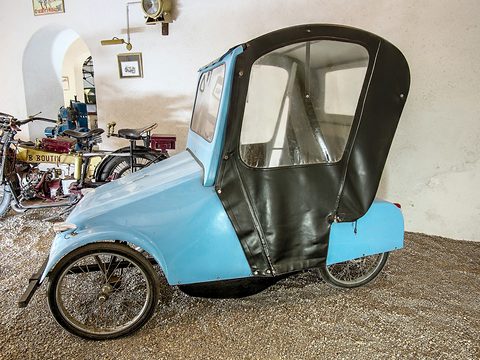
2 A pale green 1959 Solyto with an open cab frame on museum display in 2009.
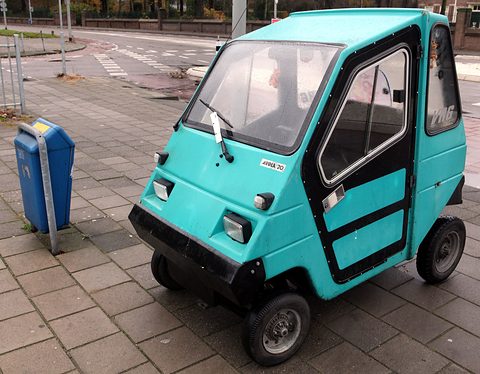
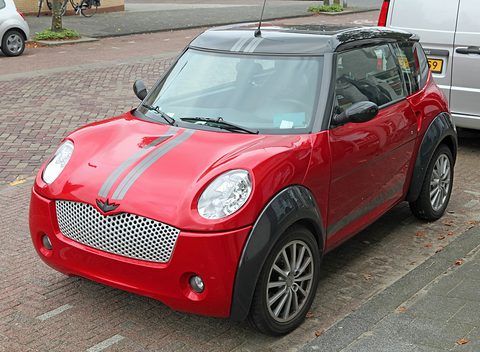
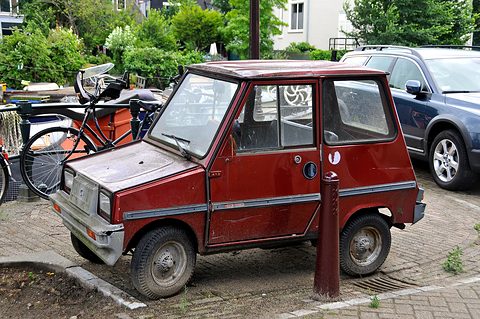
3 A turquoise Arola 20, one of the last four-wheeled Arolas of the early 1980s, on a Dutch pavement in 2010.
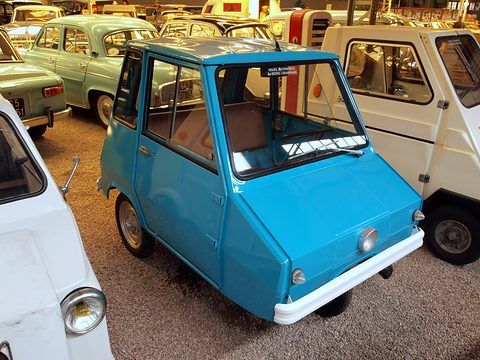
4 A 1979 Willam Sulky, the French-market Casalini Sulky, at the Musée Automobile Reims Champagne in 2010.
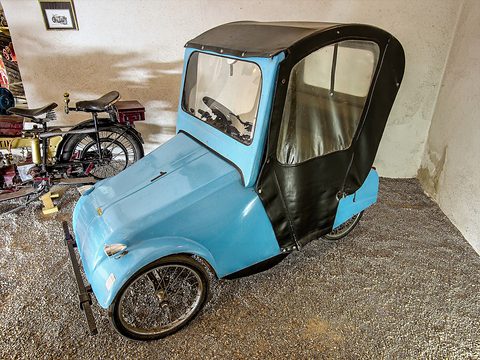
5 A Bellier Véloto with soft top and roll-up doors at the Musée Maurice Dufresne, Azay-le-Rideau, in 2017.
7 more picturesFewer pictures
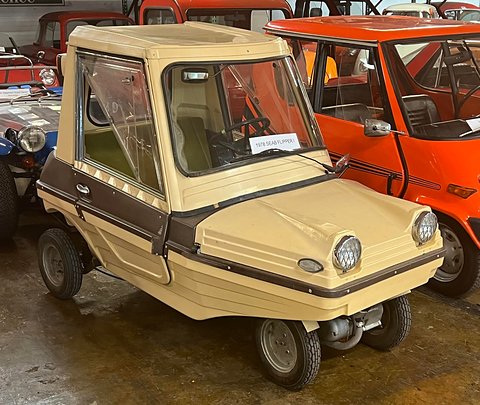
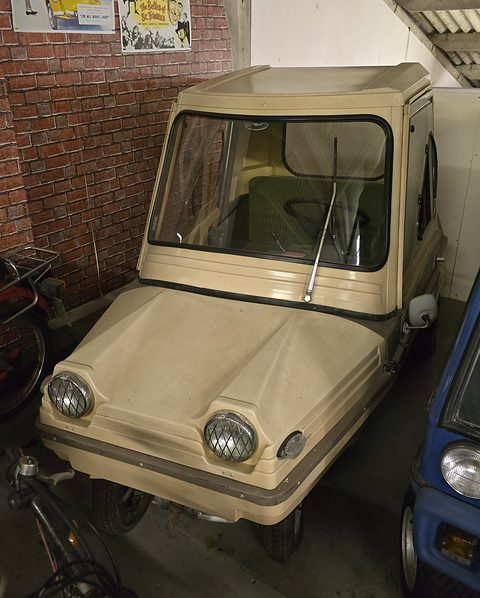
6 A beige and brown 1978 SEAB Flipper I in the Lane Motor Museum, Nashville, in 2024.
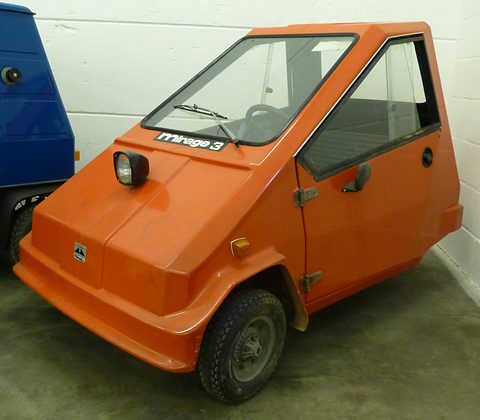
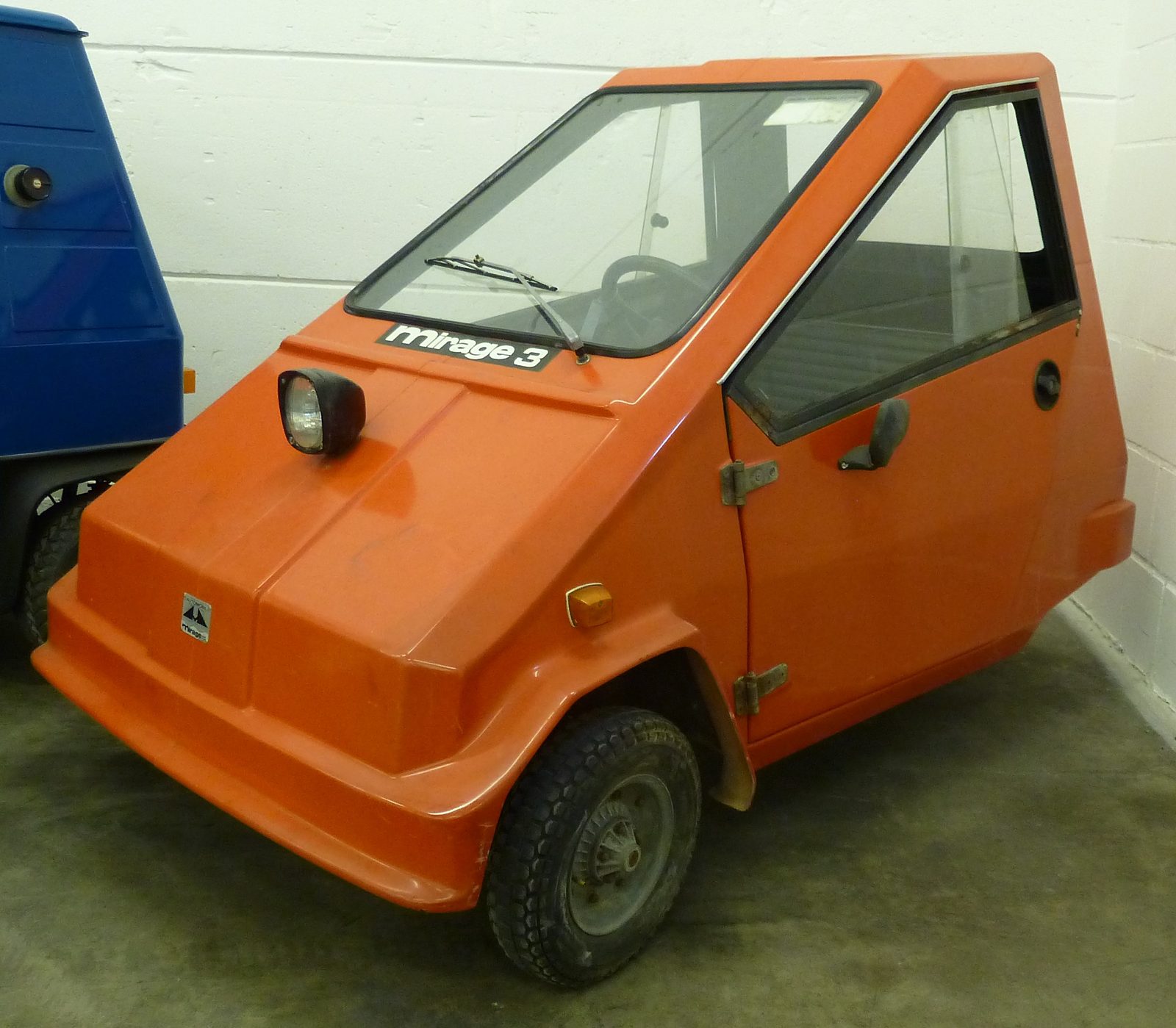
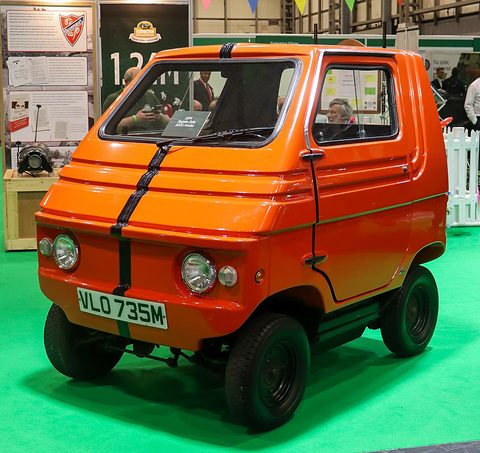
7 An orange Auto Mirage Mirage 3 from the front left in 2018, its mirage 3 decal on the scuttle.
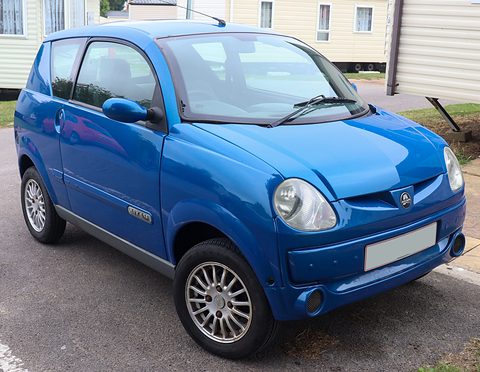
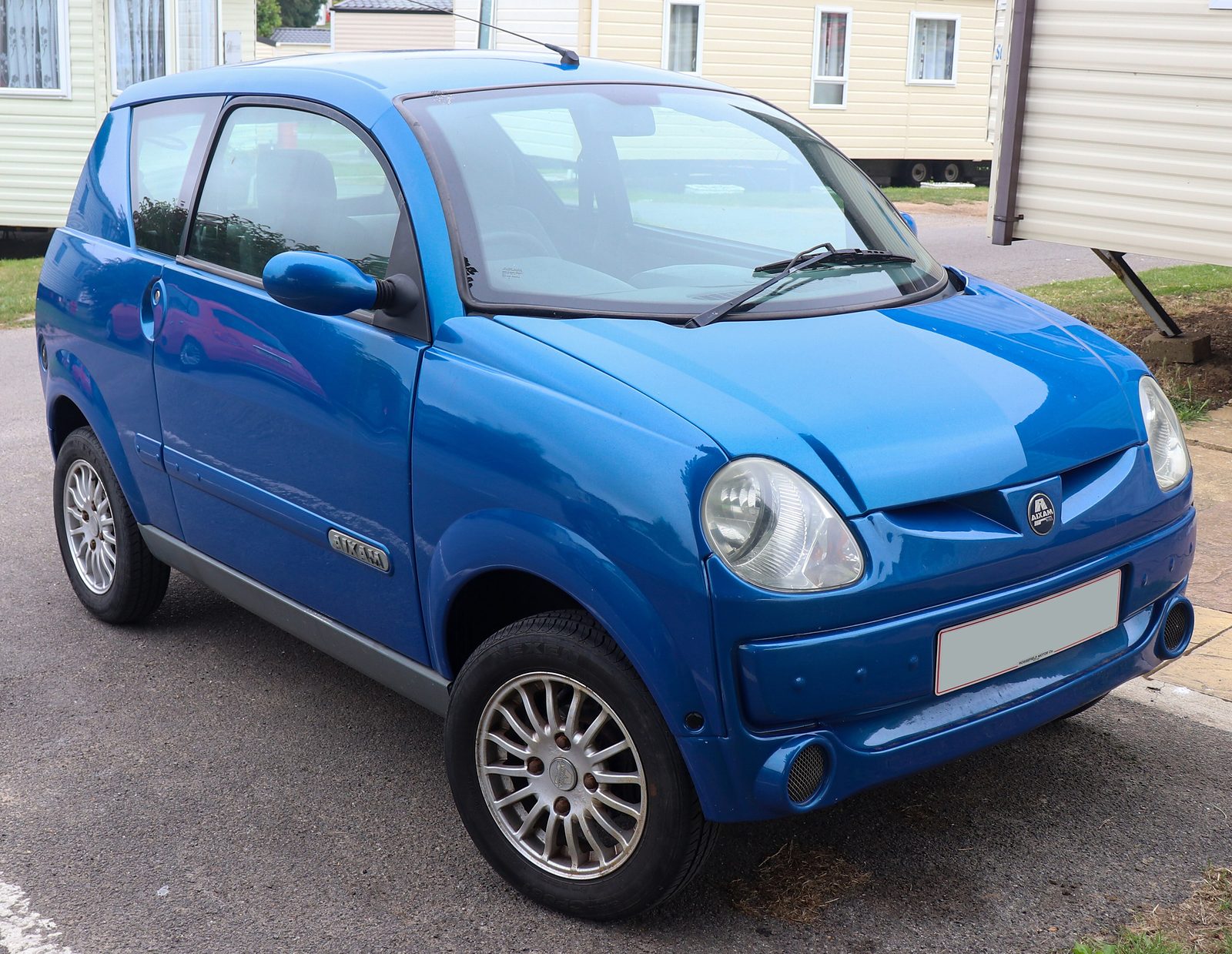
8 A blue 2006 Aixam A751 Super Luxe at Preston, Dorset, in 2019.
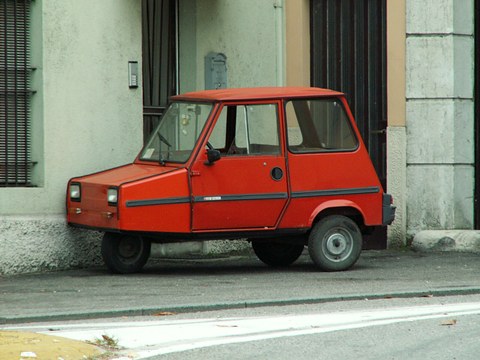
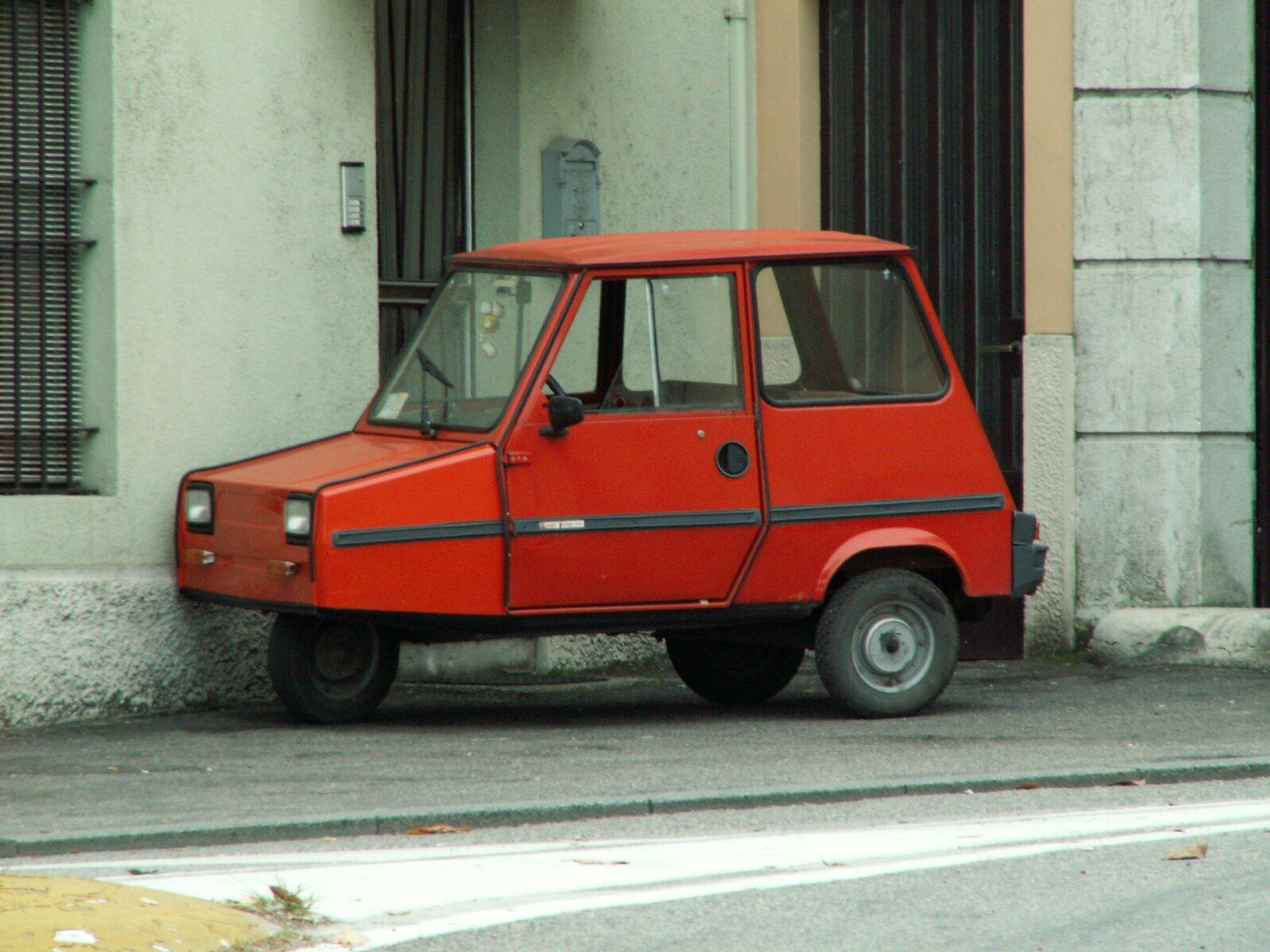
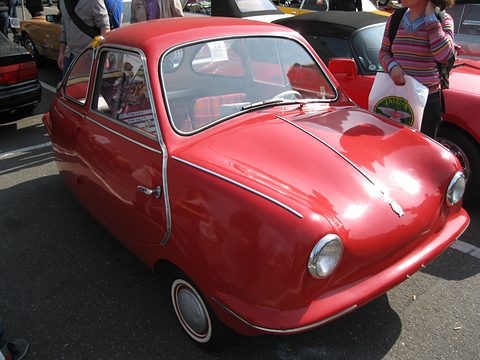
9 Red three-wheeled Casalini Sulky parked against a wall in an Italian street in May 2005.
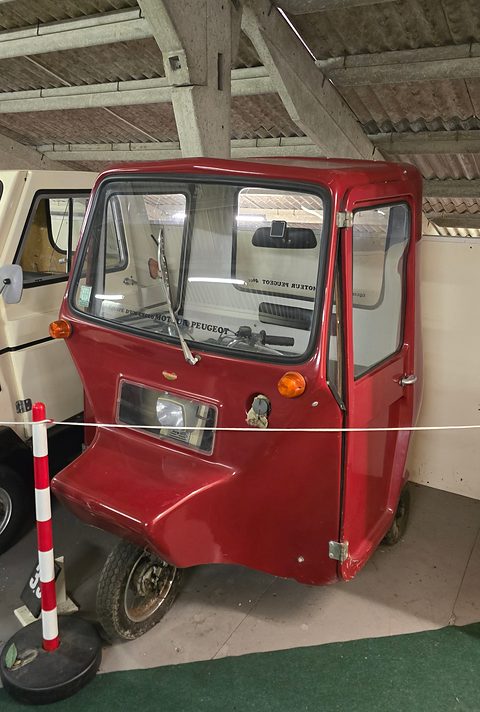
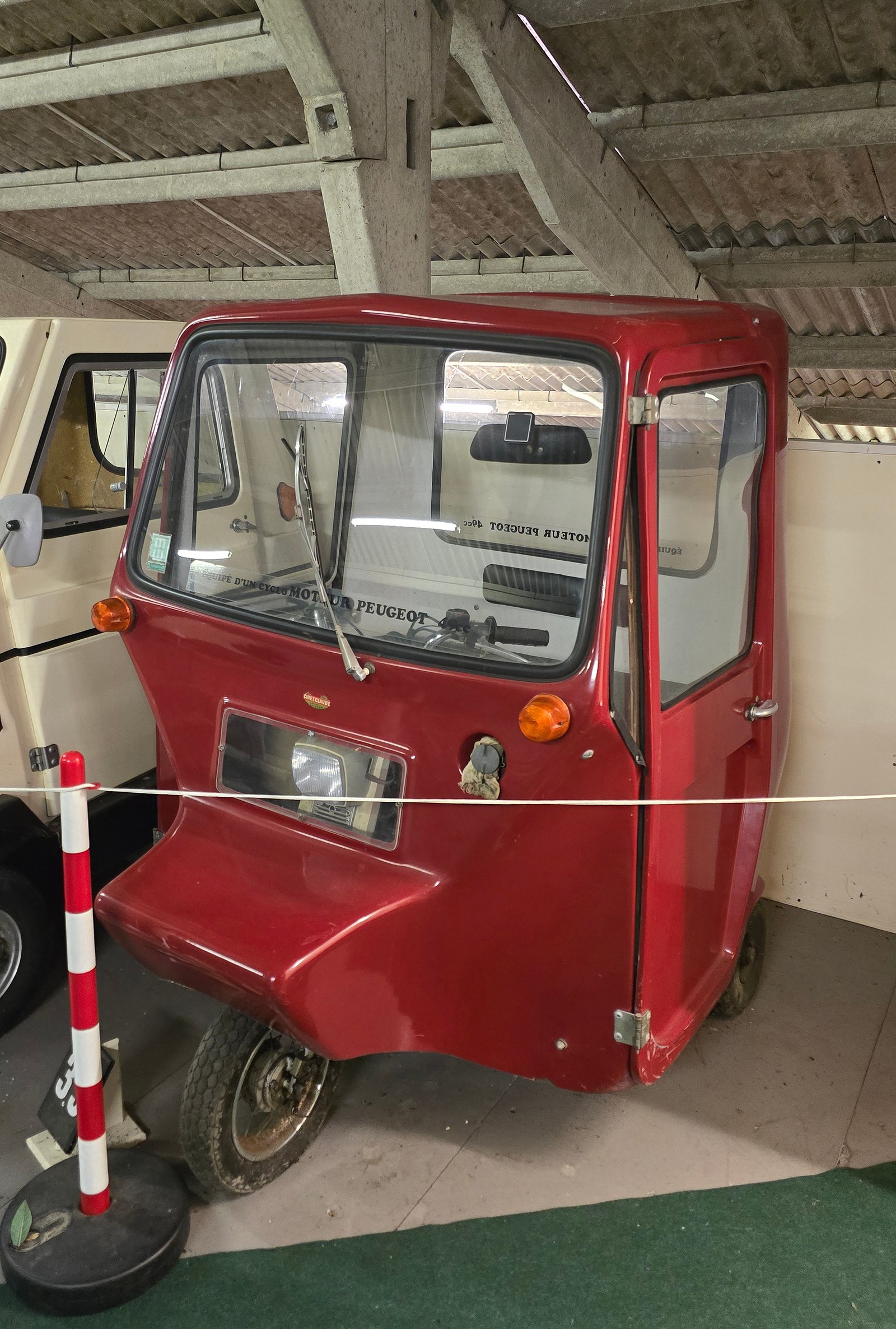
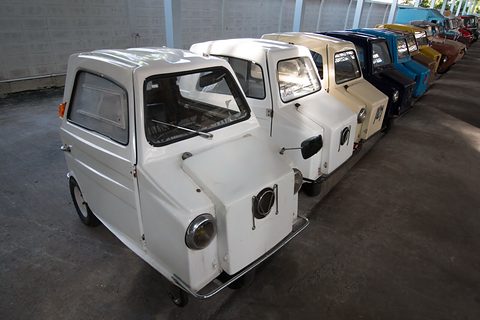
10 A red Minicat in a museum line-up in 2024.
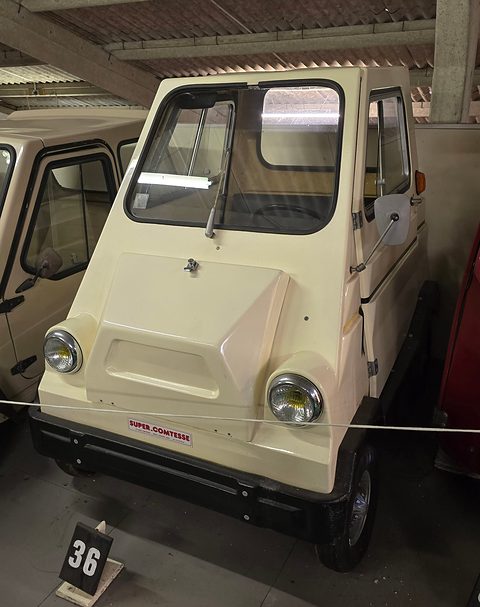
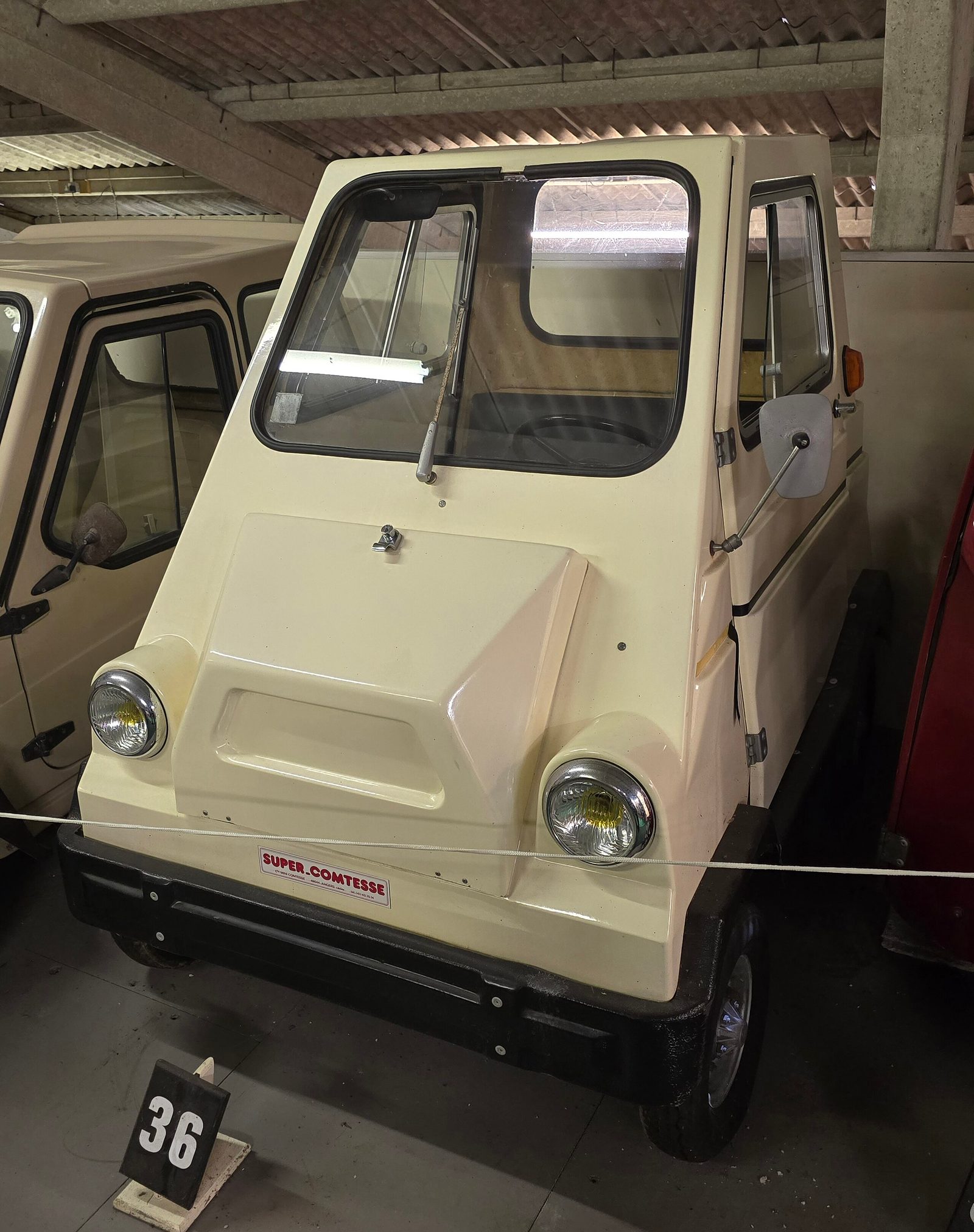
11 A cream Super Comtesse on show at the Festival of the Unexceptional in 2024.
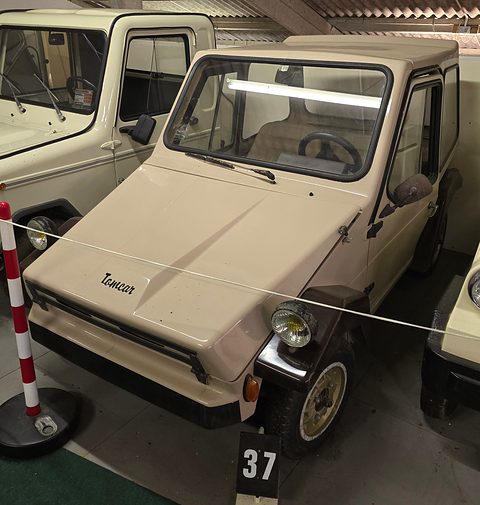
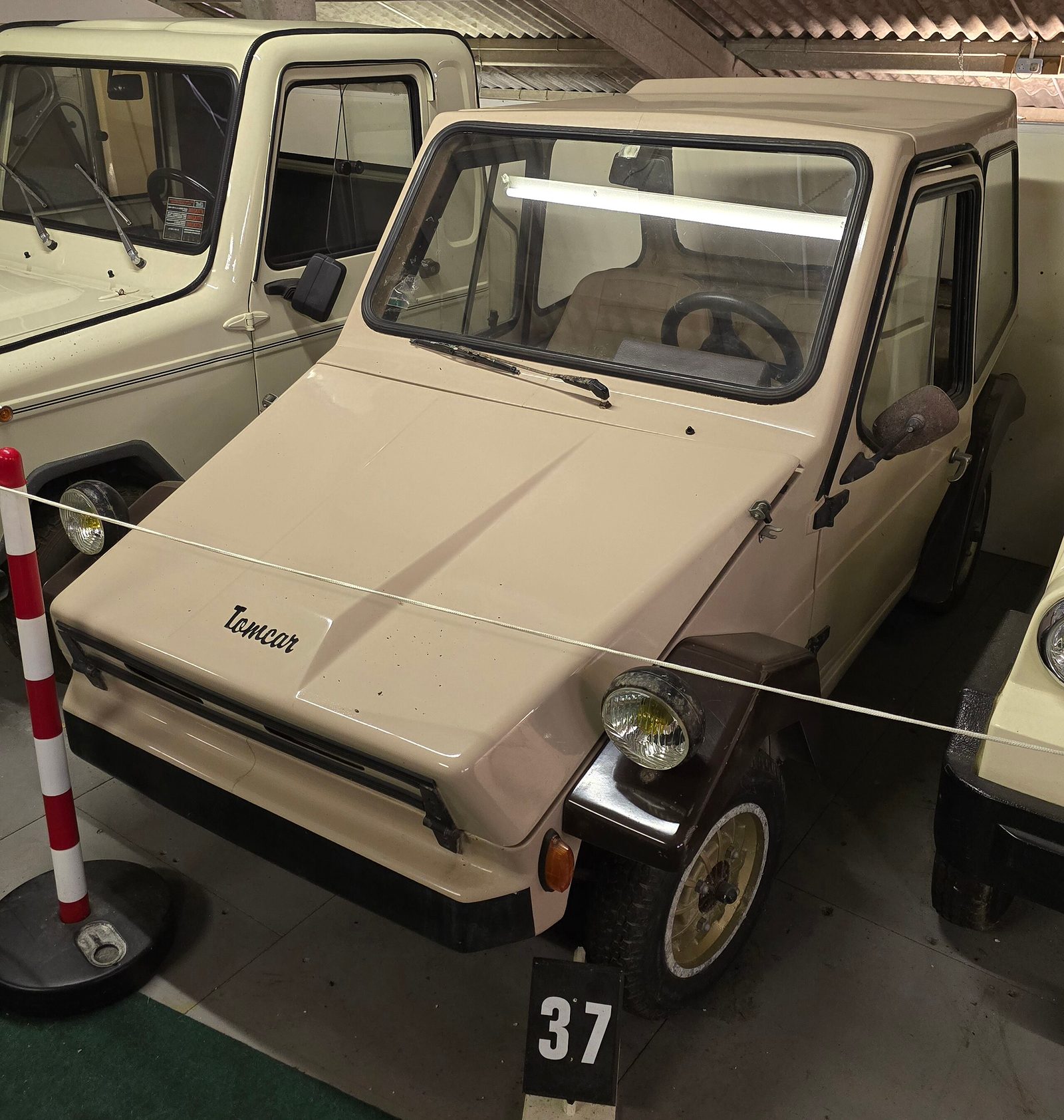
12 A cream Tomcar, a licence-free car built in the Oise in the early 1980s, on display in 2024.
Picture credits (12)
- 1 dave_7, CC BY 2.0
- 2 dave_7, CC BY 2.0
- 3 Joost J. Bakker from IJmuiden, CC BY 2.0
- 4 AlfvanBeem, CC0
- 5 Alf van Beem, Public domain
- 6 TaurusEmerald, CC BY-SA 4.0
- 7 Buch-t, CC BY-SA 3.0 de
- 8 Vauxford, CC BY-SA 4.0
- 9 Christian Späth, Public domain
- 10 Calreyn88, CC BY-SA 4.0
- 11 Calreyn88, CC BY-SA 4.0
- 12 Calreyn88, CC BY-SA 4.0
The cars
Profiles
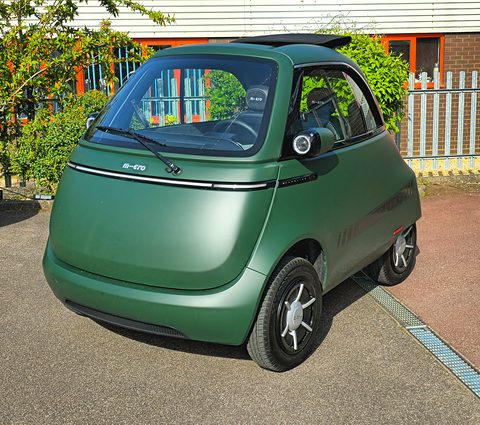
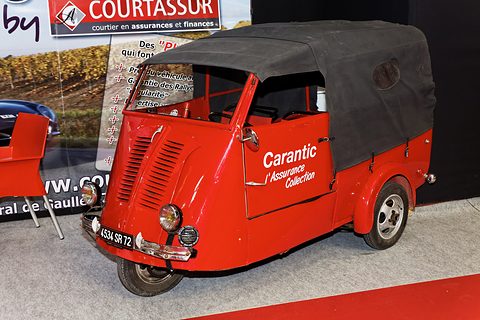
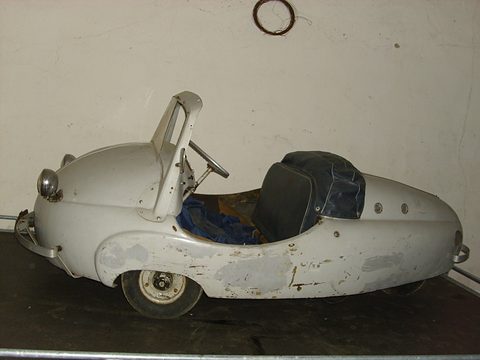
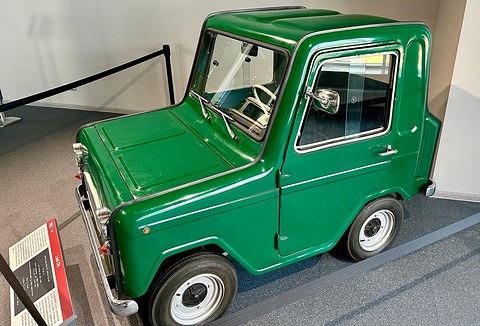
20 more cars and 3 more maker groupsFewer
-
-
-
-
-
-
-
-
-
-
-
-
-
-
-
-
-
-
-
-
-
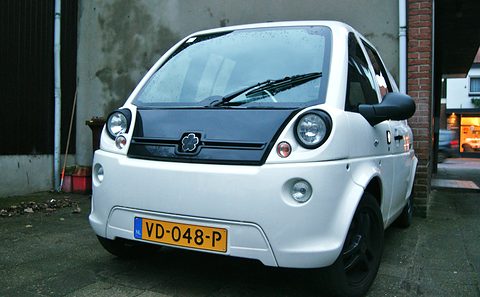
Electric microcar
Europe’s small electric microcar makers since 1990
1993– · Several countries · 10 makers
-
-
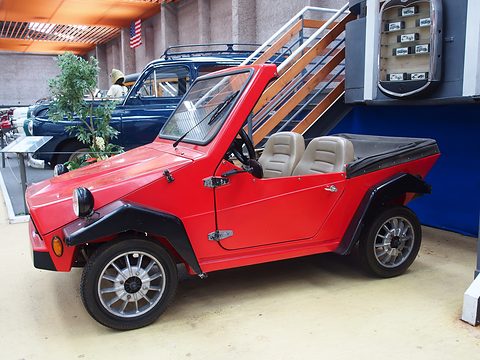
Licence-free car
French licence-free car makers of the 1970s and 1980s
1970–1994 · France · 14 makers
Sources
Numbered as in the text
Sources are given as plain text; the links are on the Credits page.
- AMLGC17, “Évolution administrative des BMA”, a motorcycle club’s compilation of period texts, including the Code de la route of 20 August 1939, art. 48, as printed in Colonel Vohl, Code de la route et police de la circulation (1941).
- Council Directive 92/61/EEC of 30 June 1992, OJ L 225, 10 August 1992, art. 1(3).
- Assemblée nationale, written question no. 7321 (Jean Rigal), Journal officiel, 26 December 1988, and the minister’s answer of 1989.
- Assemblée nationale, written question no. 108210 (Philippe Folliot), with the minister’s answer (13th legislature).
- Bruce Weiner Microcar Museum, tour pages on the Vélocar Type H à moteur and the Mochet Type K, CM, CM-125 Luxe and CM-125Y Berline.
- Archives de la ville de Puteaux, “Les usines Mochet”, 14 August 2024.
- Georges Mochet, Charles Mochet et le Vélocar, January 2001, compiled by Alexandre Pépin, on velorizontal.com.
- RM Auctions, The Bruce Weiner Microcar Museum sale, February 2013, lot 602, “1956 Mochet CM-125Y Camionette”, catalogue text.
- The original microcarfan.com (2006–2016), marque page “AVOLETTE”, one collector’s account, read from the archived copy.
- RM Auctions, The Bruce Weiner Microcar Museum, 2013, lot 604, “1956 Avolette Record Deluxe”, catalogue text.
- RM Auctions, The Bruce Weiner Microcar Museum, 2013, lot 284, “1956 Paul Vallée”, catalogue text.
- German Wikipedia, P. Vallée; it cites Linz and Schrader, and Georgano.
- Eric Favre, article on New-Map, Solyto and KVS, Gazoline, web version archived in 2006.
- Légifrance, titles of texts in the Journal officiel, among them the arrêtés of 6 September 1957 (licences de circulation), 29 October 1962 and 8 December 1975 (moped speed limits) and 29 May 1986 (voiturettes); titles only, the texts being scans.
- Légifrance, Code de la route (former), arts R124 to R124-2, version of 1985–88.
- German Wikipedia, Lawil, citing Linz and Schrader, Die Internationale Automobil-Enzyklopädie (2008).
- The original microcarfan.com (2006–2016), marque page “WILLAM”, one collector’s account, read from the archived copies of 2007 and 2013.
- The original microcarfan.com (2006–2016), marque page “PUSSYCAR”, one collector’s account, read from the archived copies of 2010 and 2013.
- Bruce Weiner Microcar Museum, “1977 Willam Sulky”, tour page, read via the Internet Archive.
- Légifrance, Code de la route (former), art. R169-1, version in force from 1 January 1985 to 1 May 1995.
- Assemblée nationale, written question no. 4661 (François Léotard), Journal officiel, 31 October 1988, p. 3091, with the answer.
- English Wikipedia, Ligier JS4, text and infobox.
- Légifrance, Code de la route (former), art. R188, versions of 1980–95 and 1995–2001.
- The original microcarfan.com (2006–2016), marque page “BELLIER”, one collector’s account, read from the archived copies of 2007 and 2015.
- Lane Motor Museum, “ACOMA Mini Comtesse – 1972”, collection page.
- The original microcarfan.com (2006–2016), marque page “MINICAT”, one collector’s account, read from the archived copy.
- Bruce Weiner Microcar Museum, “1971 Cicostar”, tour page, read via the Internet Archive.
- Bruce Weiner Microcar Museum, “1977 Arola”, tour page, read via the Internet Archive (2015).
- The original microcarfan.com (2006–2016), marque page “AROLA”, one collector’s account, read from the archived copies of 2007 and 2013.
- Bruce Weiner Microcar Museum, tour pages “1975 Mini Comtesse”, “Comtesse Super Mini” and “1979 Mini Comtesse Break”, read via the Internet Archive (2015).
- German Wikipedia, Mini Comtesse, citing Linz and Schrader (2008) and Georgano (2001).
- English Wikipedia, Automobiles ERAD, citing Les Échos.
- German Wikipedia, Automobiles Erad, citing Linz and Schrader, Georgano and René Bellu’s Automobilia.
- The original microcarfan.com (2006–2016), marque page “SEAB”, one collector’s account, read from the archived copy.
- Lane Motor Museum, “SEAB Flipper I 1978”, collection page.
- The original microcarfan.com (2006–2016), marque page “ACOMA”, one collector’s account, read from the archived copies of 2007 and 2013.
- Bruce Weiner Microcar Museum, “1976 Veloto”, tour page, read via the Internet Archive.
- Lane Motor Museum, “Ligier JS4 – 1980”, collection page.
- Lane Motor Museum, “Microcar RJ 49E – 1985”, collection page.
- The original microcarfan.com (2006–2016), marque page “MICROCAR”, one collector’s account, read from the archived copy.
- French Wikipedia, Aixam, citing among others an interview with Philippe Colançon in Les Échos.
- The original microcarfan.com (2006–2016), marque page “ARIE”, one collector’s account, read from the archived copy.
- Légifrance, Journal officiel: décret n° 80-14 of 9 January 1980, title only.
- Sénat, written question no. 05977 (Albert Voilquin), Journal officiel (Sénat), 10 August 1989, answer of 21 December 1989.
- Aixam Mega, Dossier de presse 2010, the maker’s press kit, read via the Internet Archive (2011).
- Légifrance, arrêté of 30 October 1991 on the registration of cyclomoteurs carrossés with more than two wheels.
- The original microcarfan.com (2006–2016), marque page “CASALINI” (2007), one collector’s account, read from the archived copy.
- English Wikipedia, Casalini, citing Mobil & Motor, 23 November 1981.
- Italian Wikipedia, Casalini (azienda), read on 7 October 2026; used as a lead.
- Italian Wikipedia, Microcar, read on 7 October 2026; used as a lead.
- Spanish Wikipedia, Cuadriciclo a motor, read on 7 October 2026; used as a lead.
- Légifrance, décret n° 95-398 of 12 April 1995 (Journal officiel, 15 April 1995).
- Légifrance, décret n° 96-601 of 4 July 1996 on the driving of mopeds and quadricycles (Journal officiel, 5 July 1996).
- Assemblée nationale, written question no. 25927 (Maurice Leroy), Journal officiel, 1 March 1999, answer of 2 August 1999.
- Assemblée nationale, written question no. 32894 (Isabelle Le Callennec), answer of February 2014.
- Directive 2002/24/EC of 18 March 2002, OJ L 124, 9 May 2002, art. 1(3).
- Assemblée nationale, written question no. 8876 (Christian Ménard), 30 October 2007, answer of 26 February 2008.
- Assemblée nationale, written question no. 64839 (Bernard Carayon), 24 November 2009, answer of 2 March 2010.
- Regulation (EU) No 168/2013, Annex I.
- Regulation (EU) No 168/2013, art. 82.
- German Wikipedia, Renault Twizy; used as a lead.
- French Wikipedia, Automobiles Chatenet.
- Nicolas Meunier, “Chatenet CH46 : une CH26 remixée”, Génération Sans Permis, March 2019, read via the Internet Archive.
- French Wikipedia, Citroën Ami (2020); used as a lead.
- English Wikipedia, Citroën Ami (electric vehicle); used as a lead.
- Florian Chopin, “Citroën Ami (2020) : à bord de la citadine électrique à 6 000 €”, L’argus, 27 February 2020.
- Christophe Bourgeois, “Les voitures sans permis disent merci à l’Ami”, Journal de l’Automobile, 26 June 2024.
- Cleanrider, “Ventes de voitures électriques sans permis 2024 : l’insolente domination de la Citroën AMI”, read as a search summary.