The story
History
Daihatsu, founded in Osaka in 1907 as Hatsudōki Seizō, built its first three-wheeler, the HA, in December 1930.source 1 After the war it made three-wheeled trucks of 750 to 1,000 cc. Small makers began building three-wheeled kei trucks from about 1952, while the big firms were busy with demand from the Korean War; after the armistice of 1953 the market sagged, and Toyota’s cheap one-ton four-wheeler, the Toyopet SKB, squeezed the three-wheelers.source 2
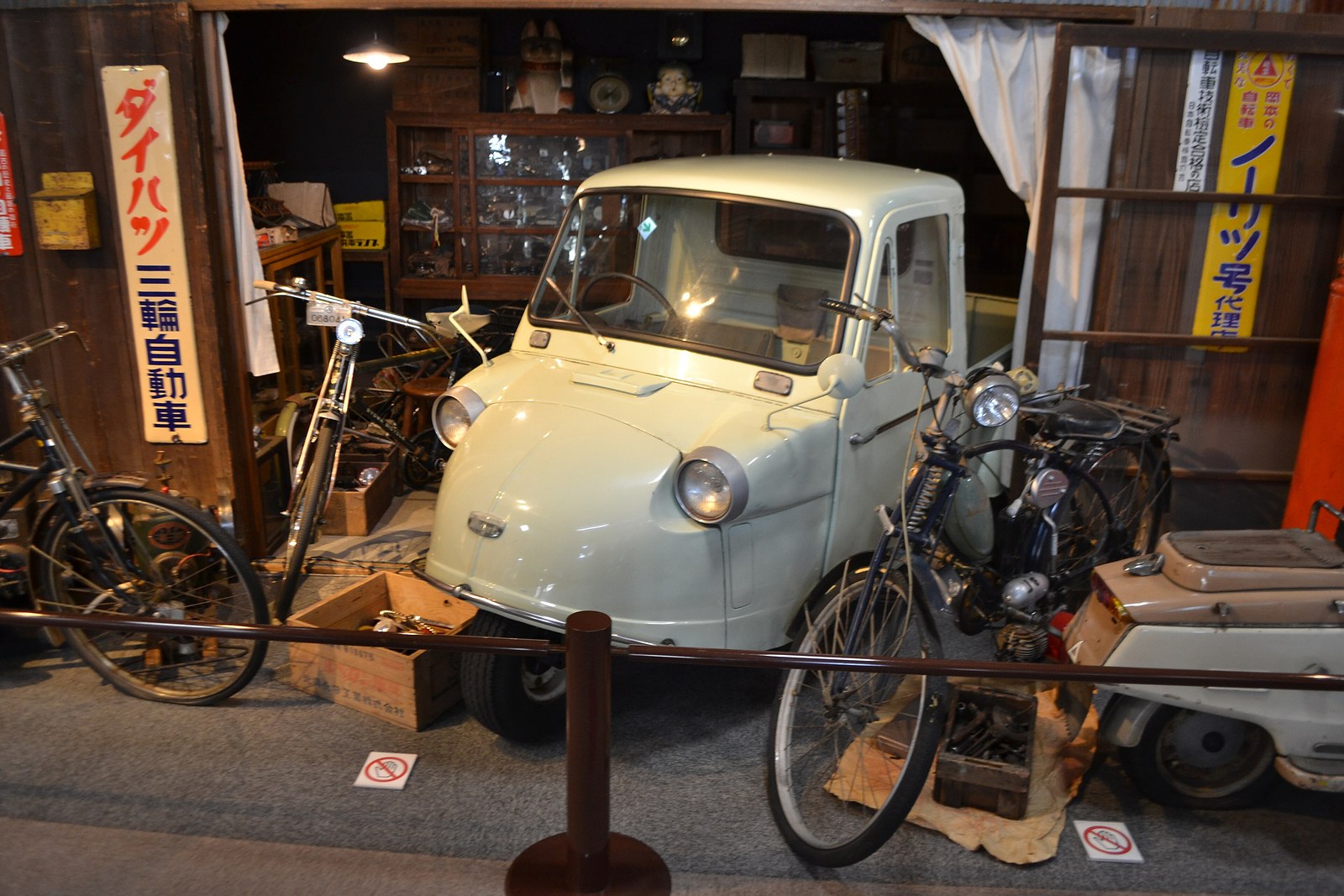
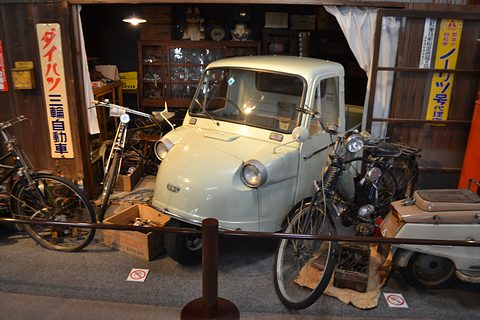
Daihatsu looked for new customers. A survey by the Japan Management Association showed that firms with ten or more staff used small three-wheelers, but the 93 per cent of businesses with nine or fewer did not: they still delivered by bicycle or motorcycle.source 2 JSAE says Daihatsu studied how sake shops and grocers sold and delivered their goods, and sold the methods along with the vehicle.source 3 A kei truck suited them: it was then exempt from the vehicle inspection, it was lightly taxed, and it could be driven on the old kei licence.source 2 Development began in 1954, and the prototype was finished in 1956. Unlike the small makers’ trucks, put together from bought-in parts, the Midget was engineered entirely in-house for mass production at a low price, and sold through Daihatsu’s national dealers on instalments.source 2
Ōsuga Jirō, a former vice-president of Daihatsu, put the case simply in a 1996 interview. A shopkeeper collected orders by bicycle in the morning and delivered in the afternoon; with a Midget he could deliver while he took the orders, and spend the free afternoon canvassing the new housing estates.source 2 The name meant something very small, chosen for a small vehicle, by Daihatsu’s account.source 2
A motorcycle with a load bed
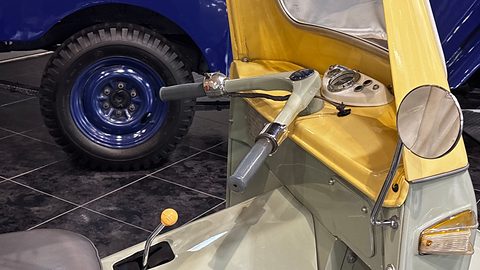
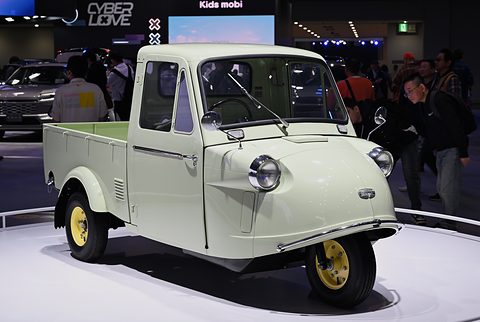
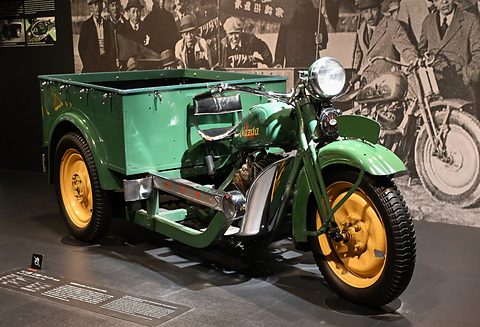
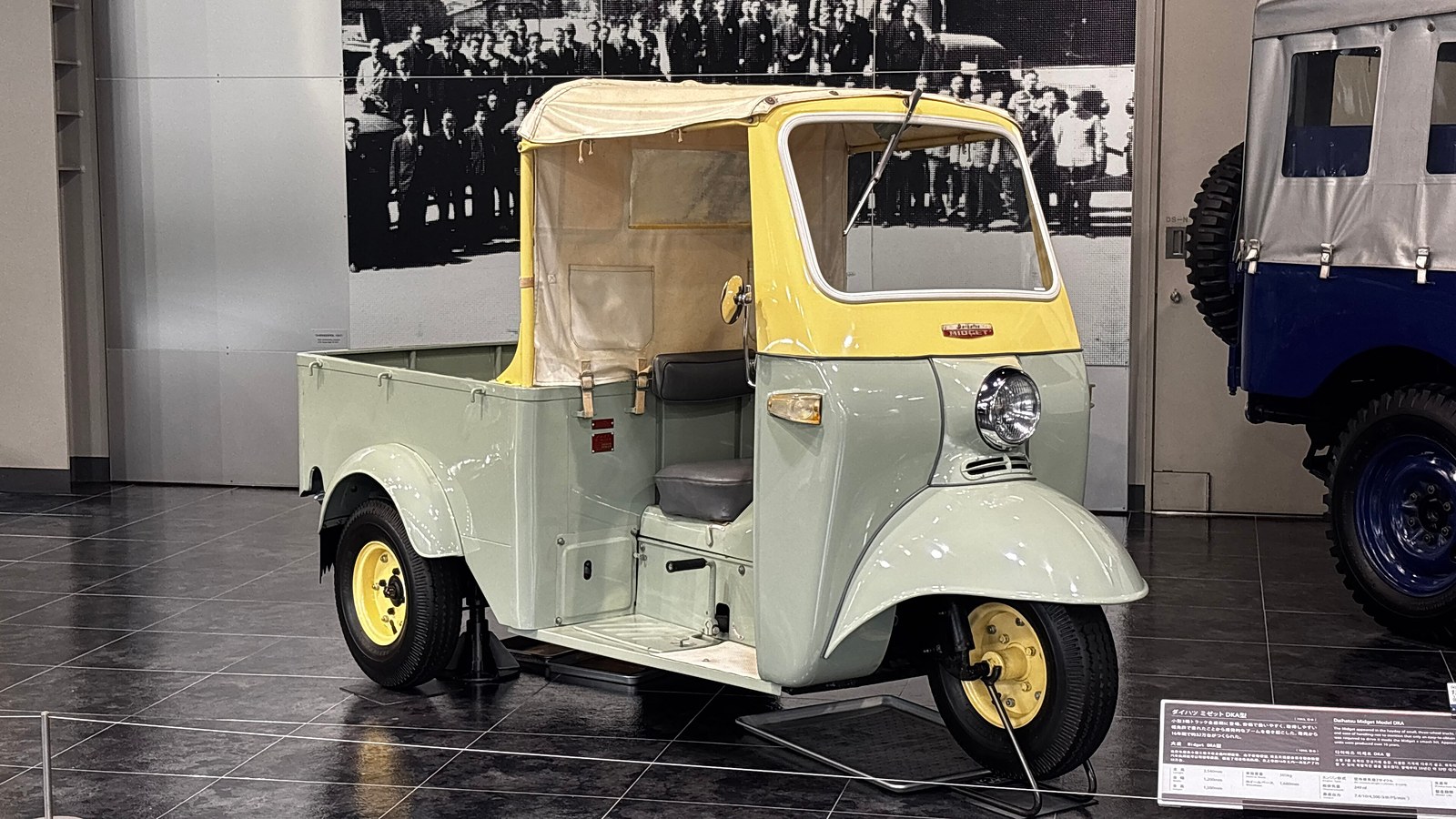
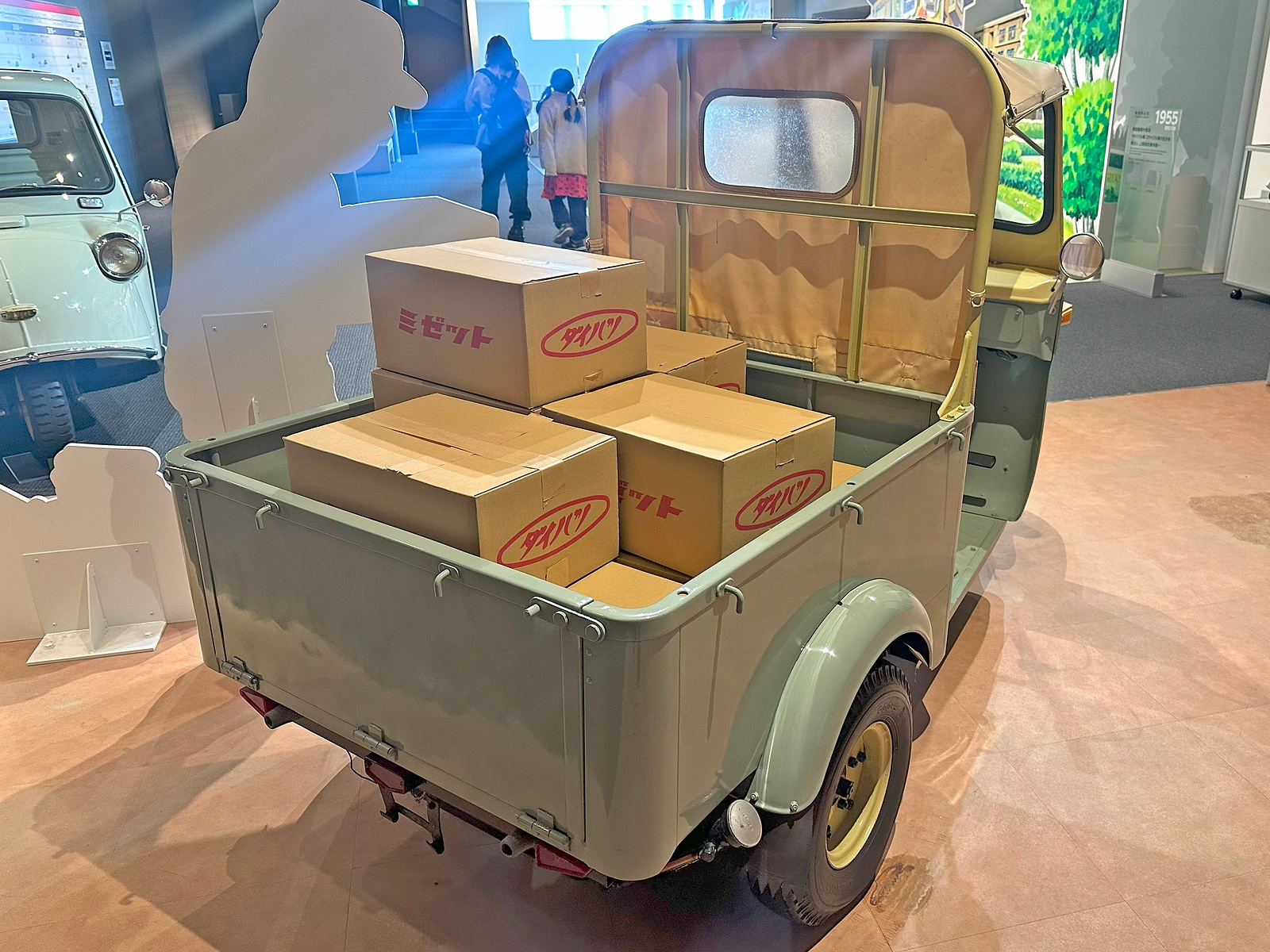
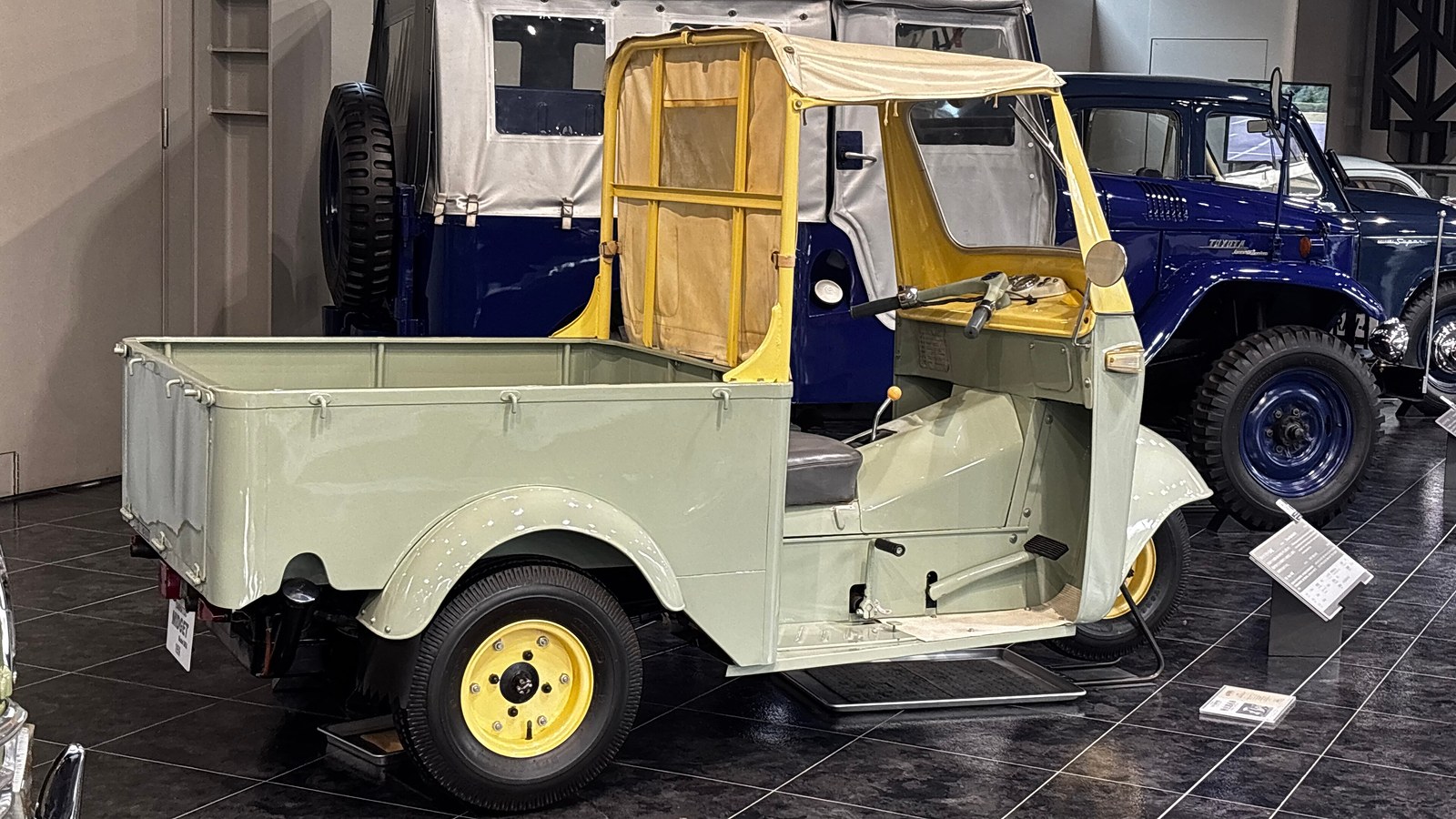
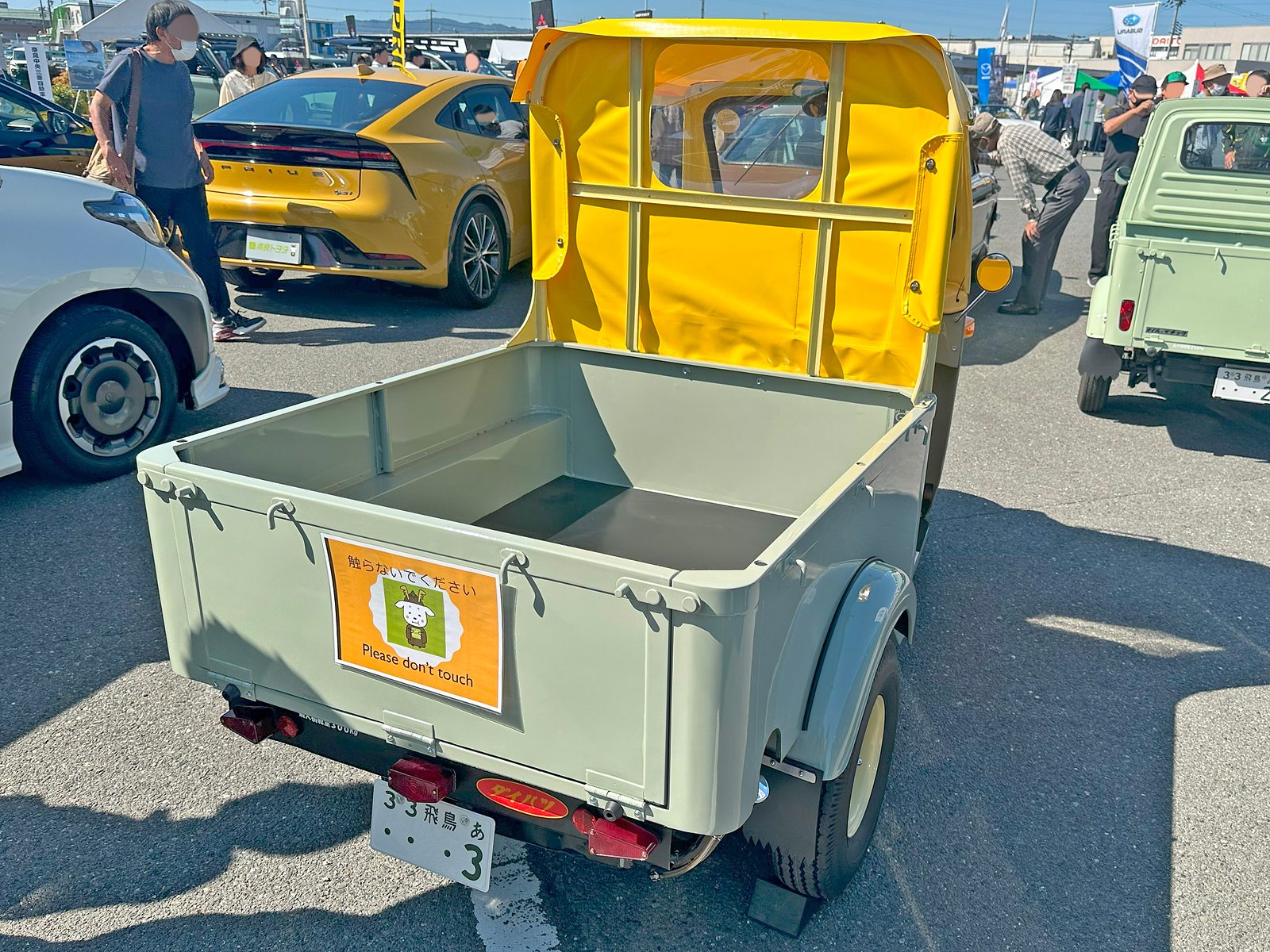
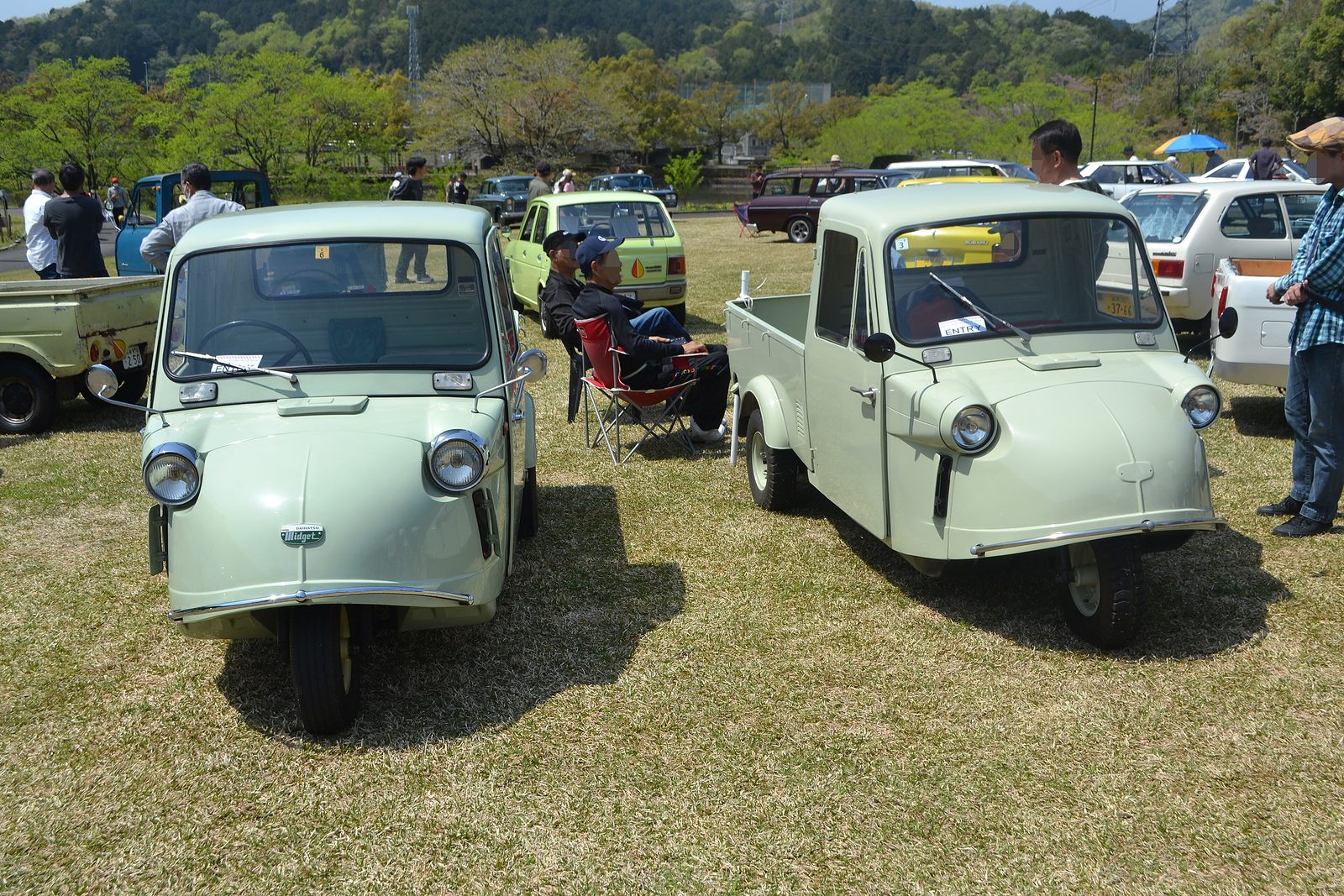
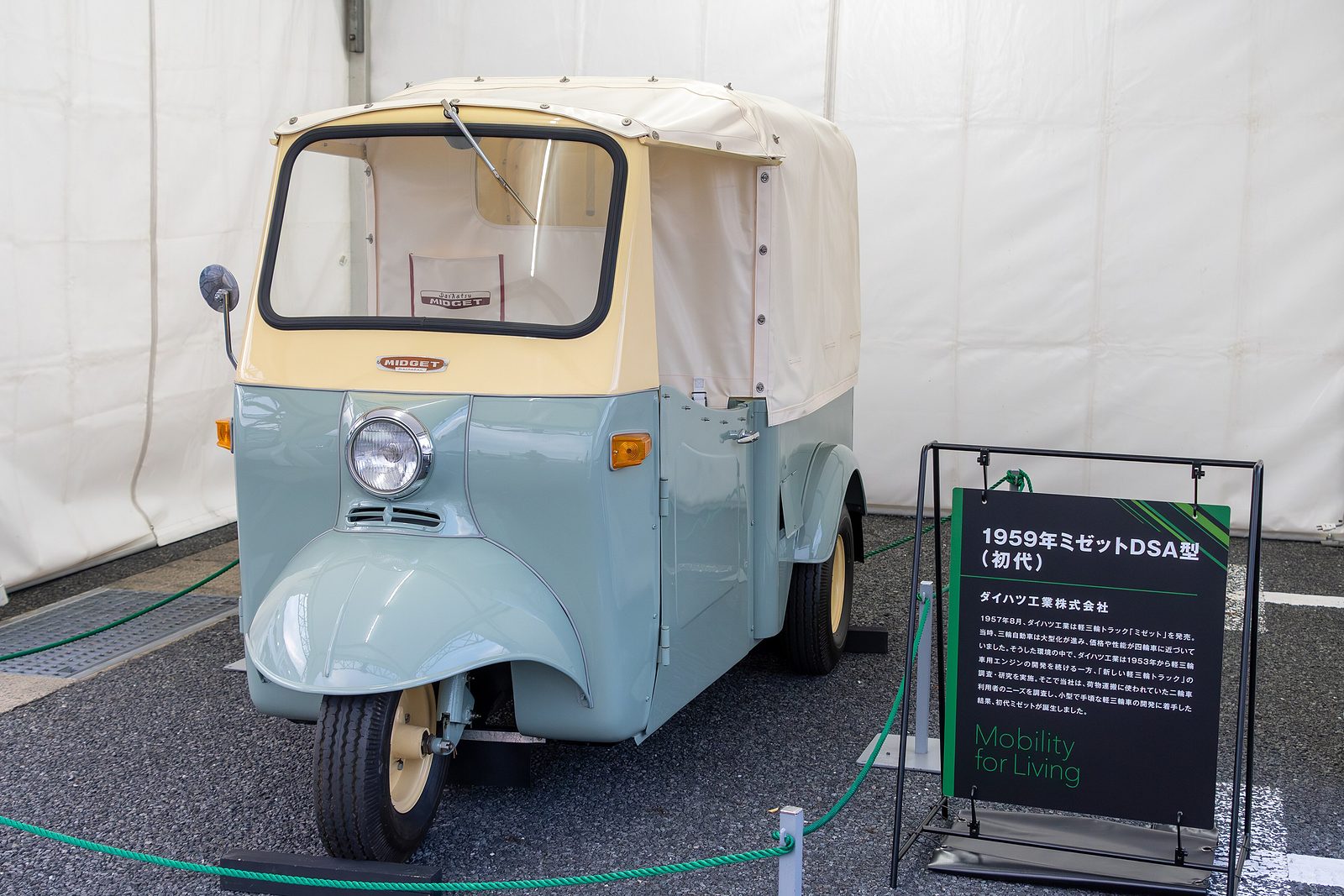
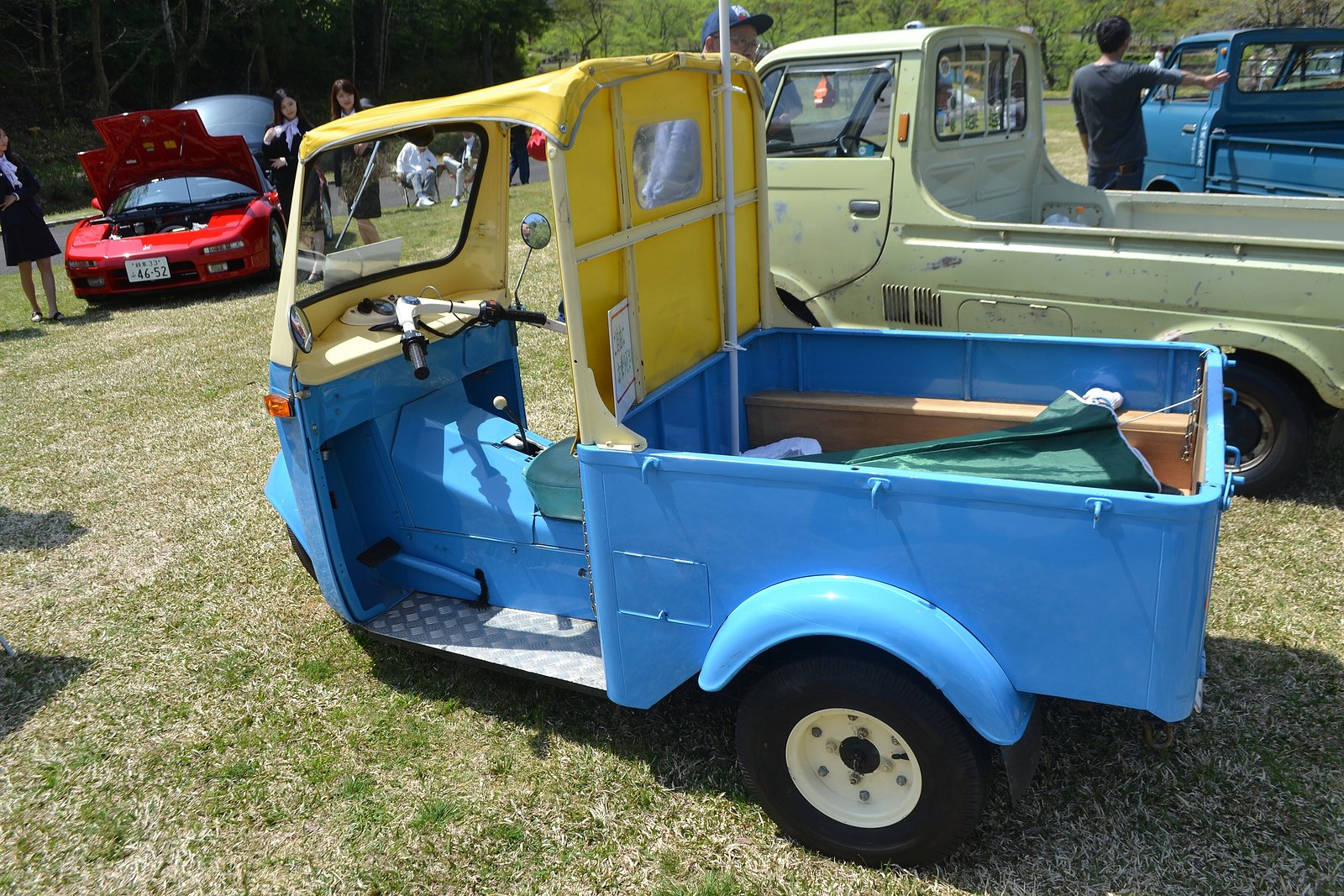
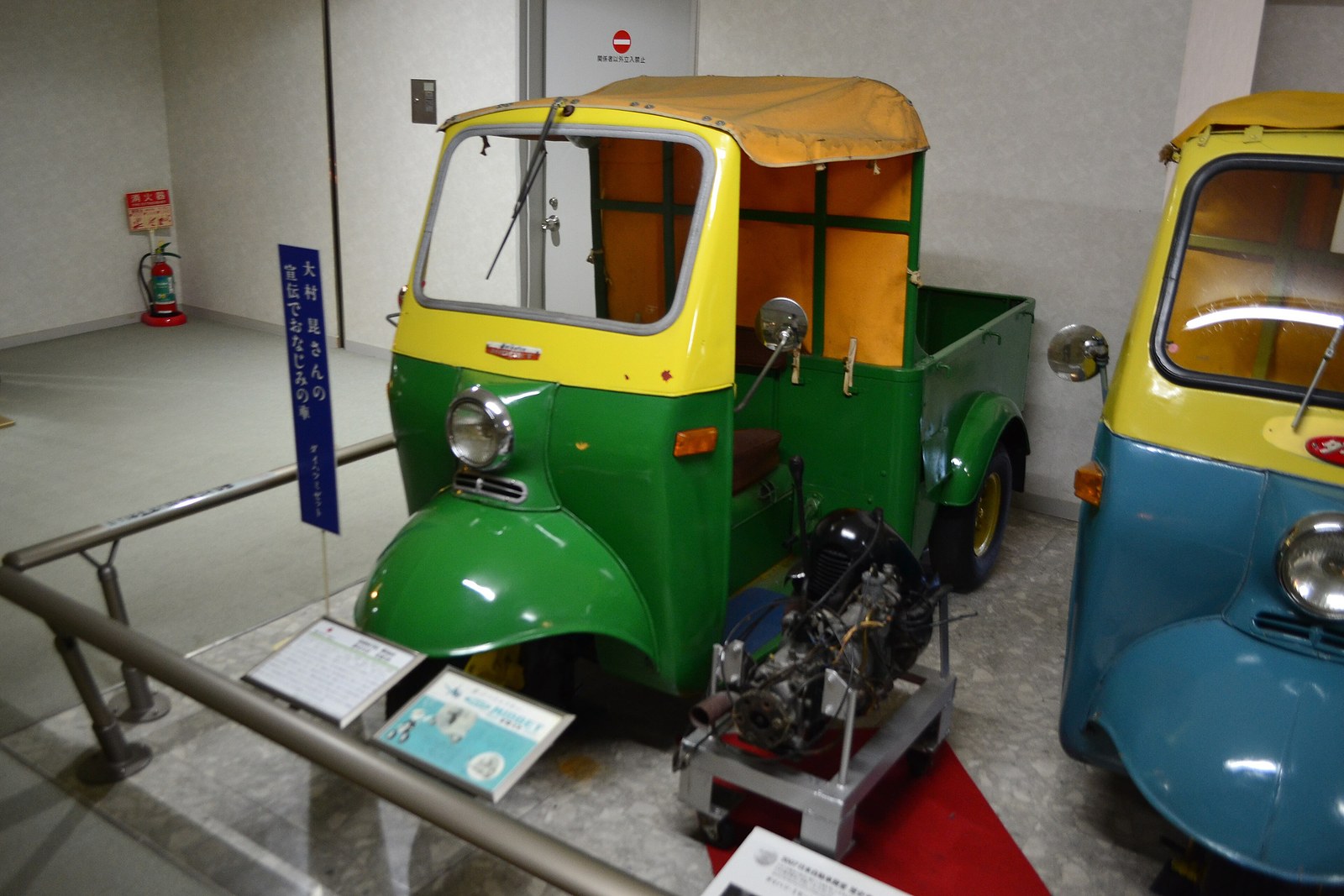
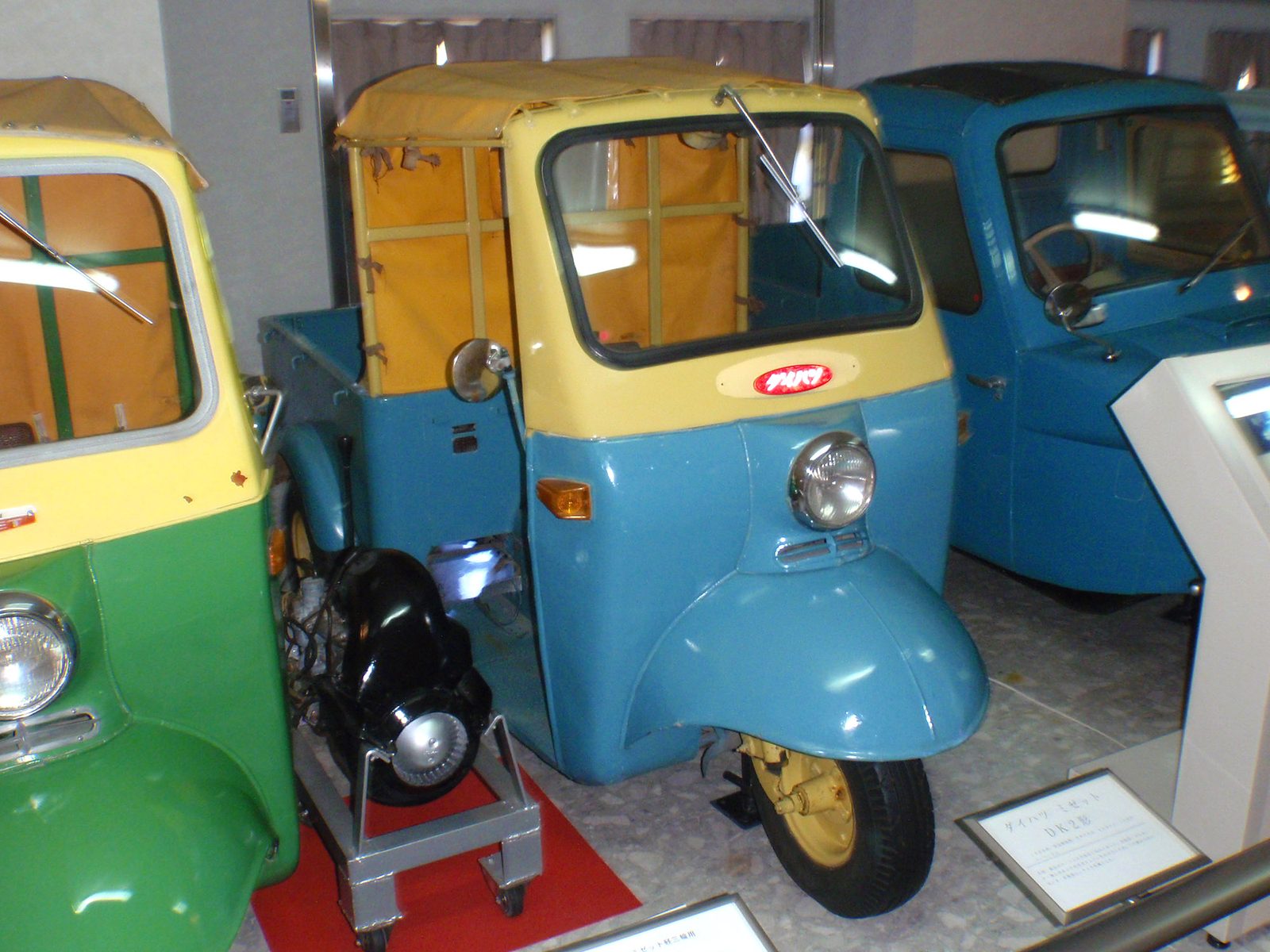
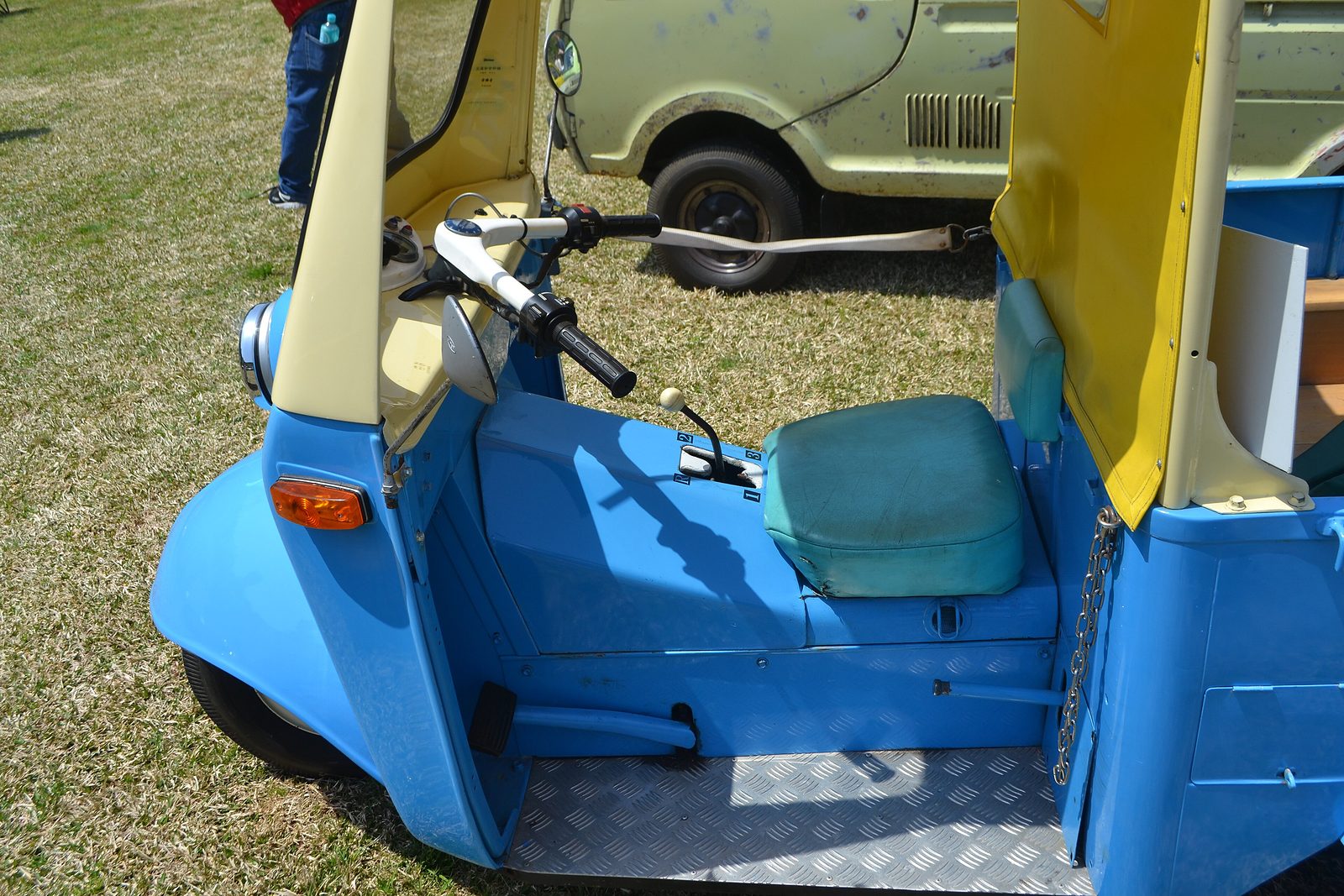
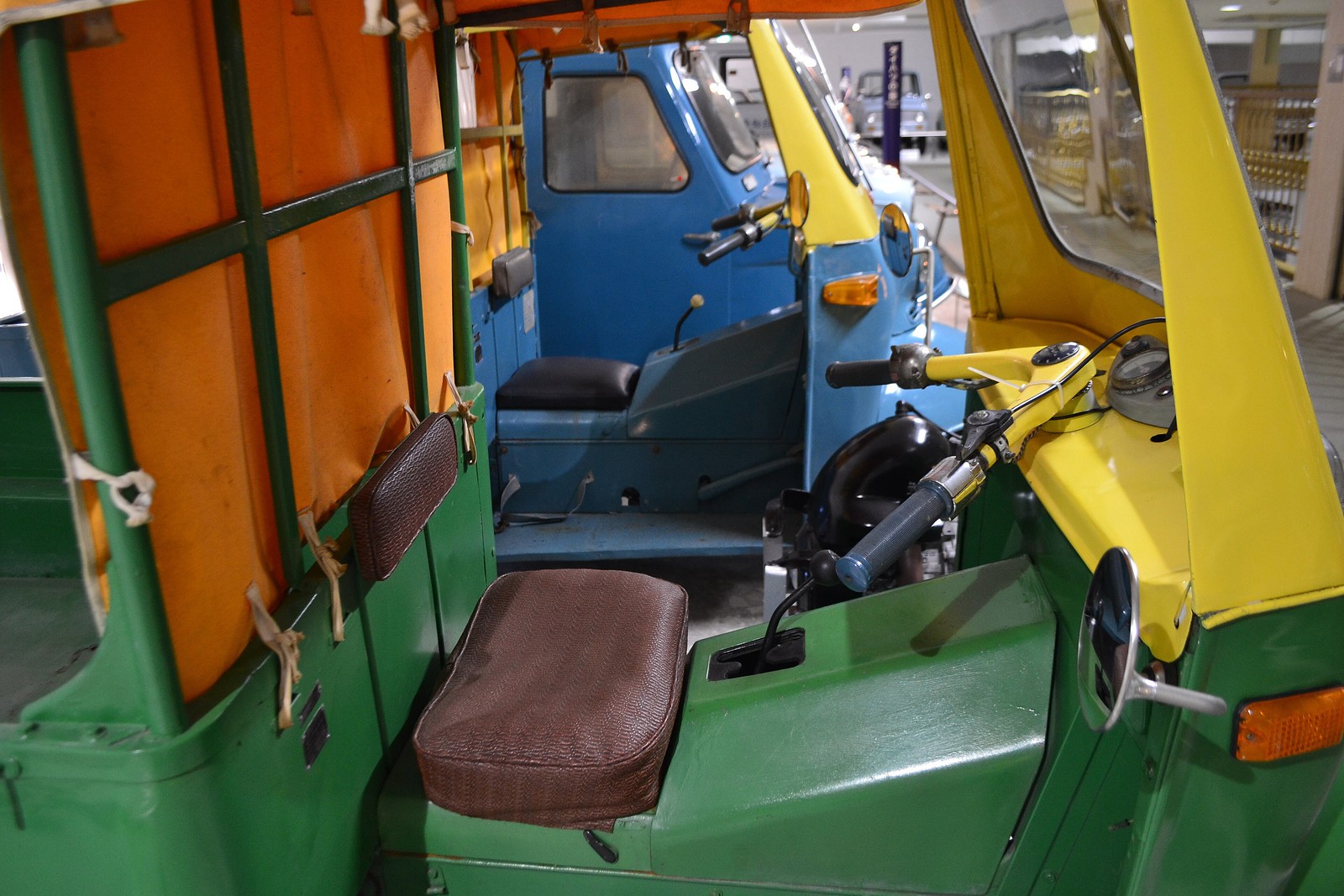
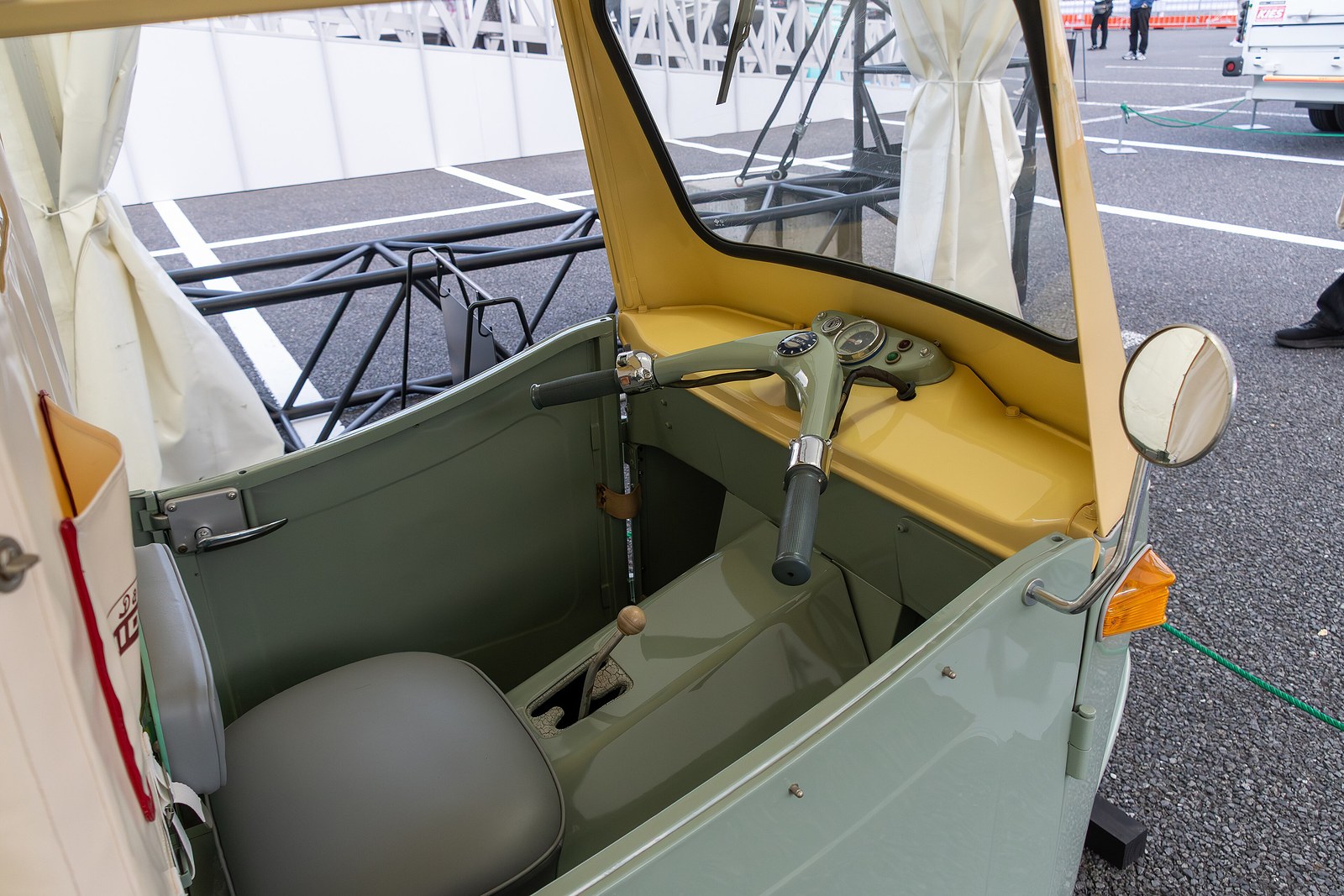
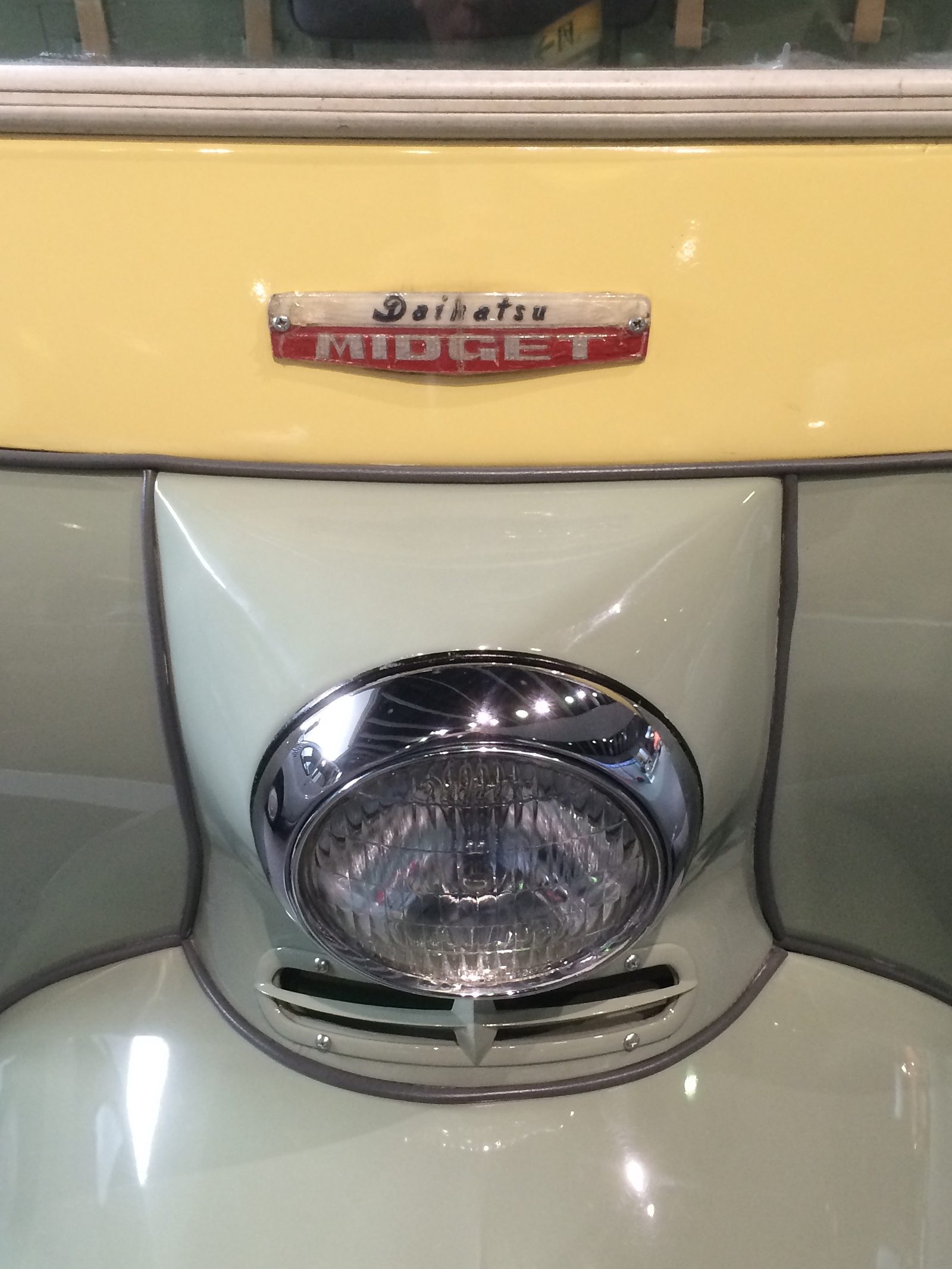
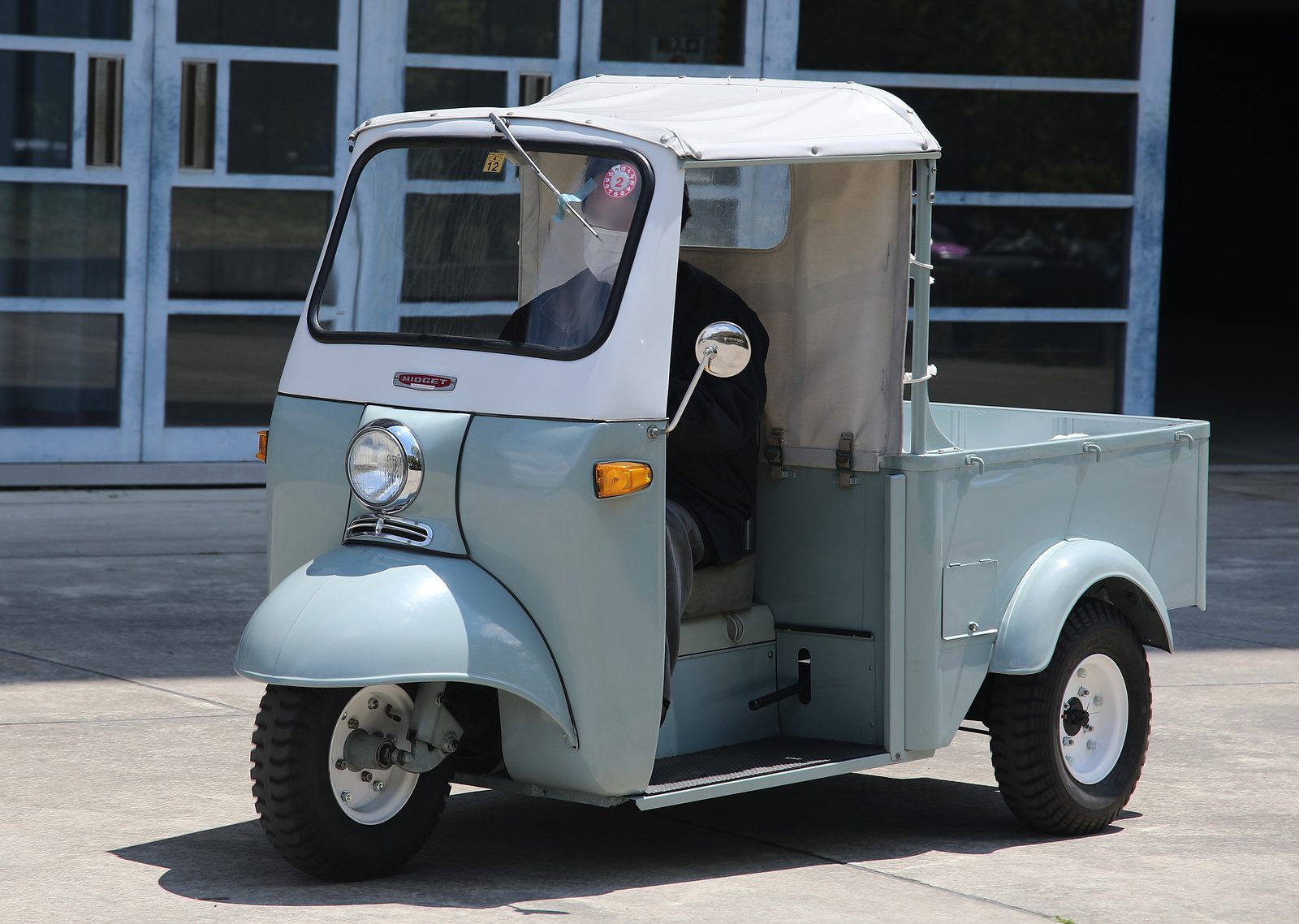
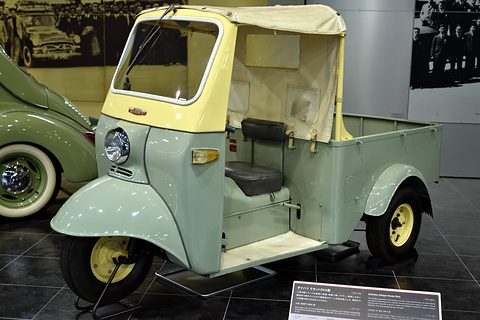
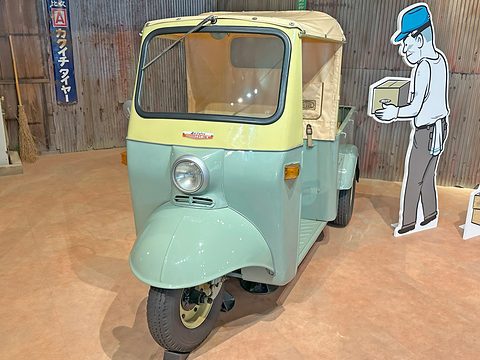
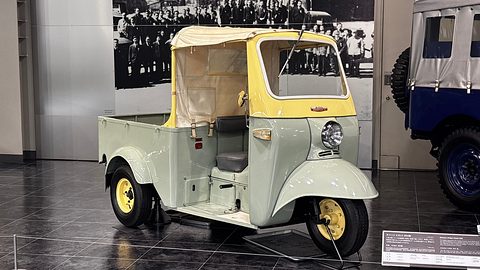
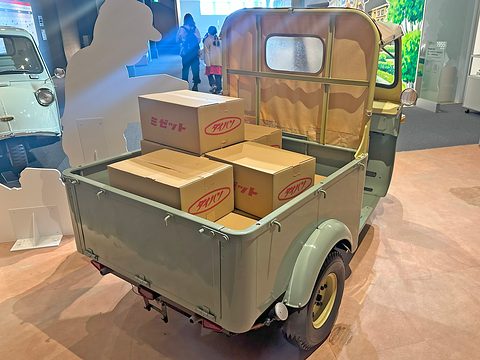
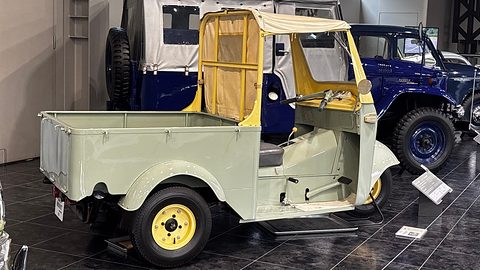
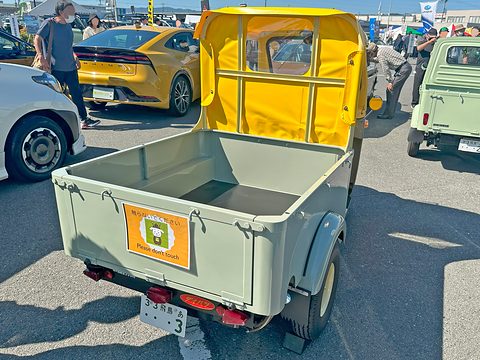
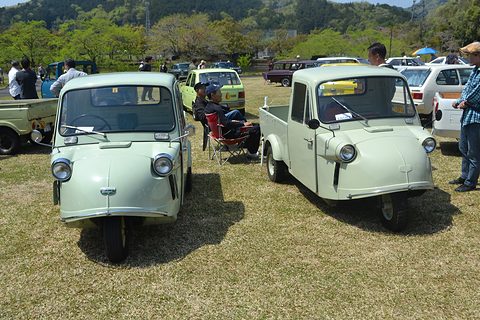
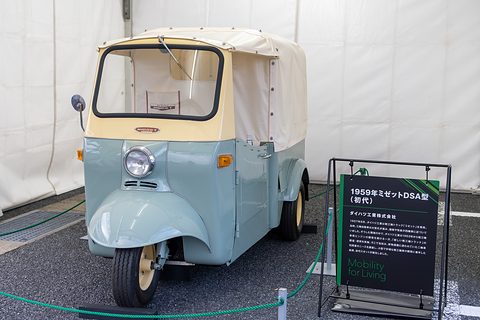
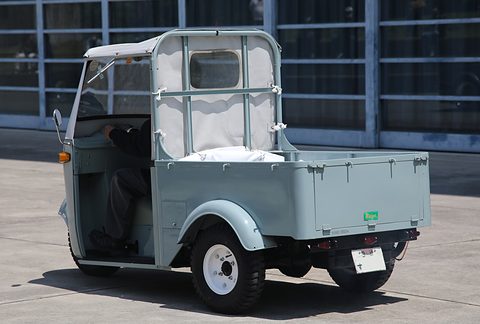
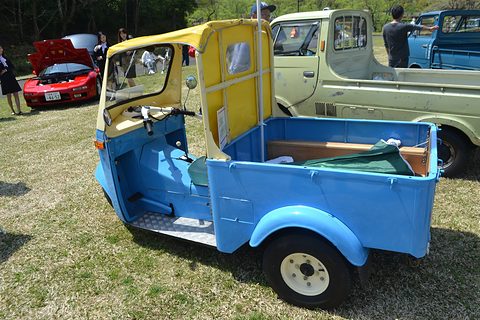
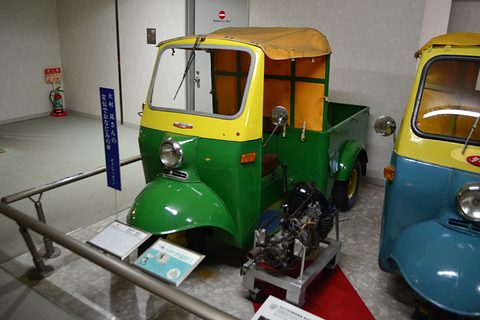
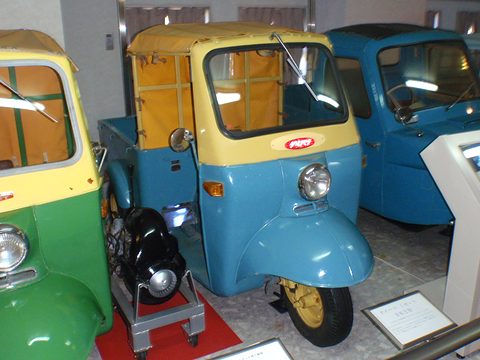
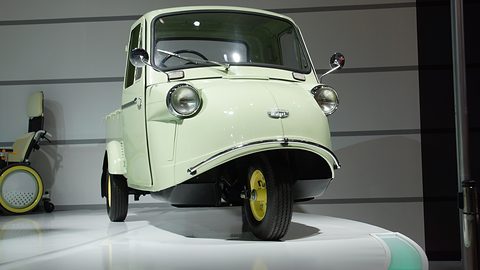
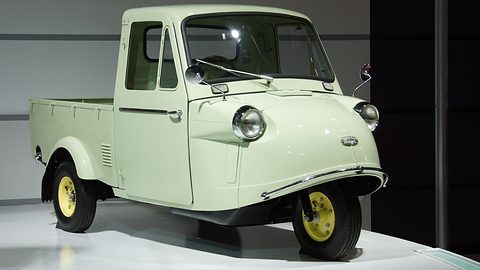
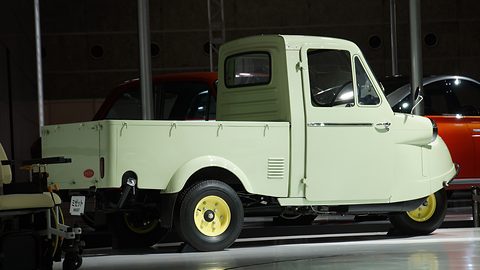
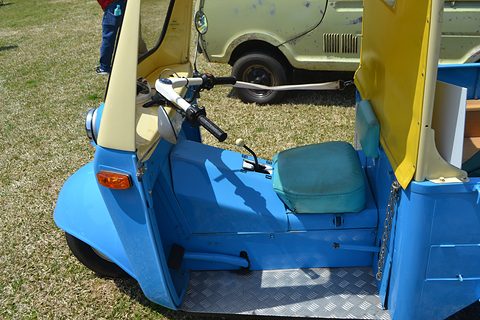
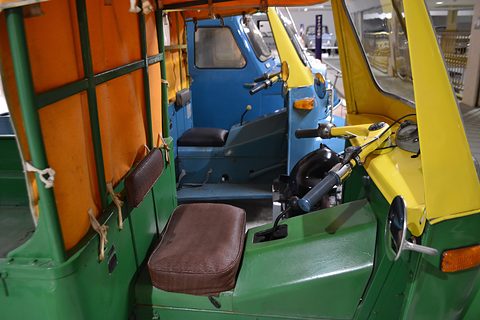
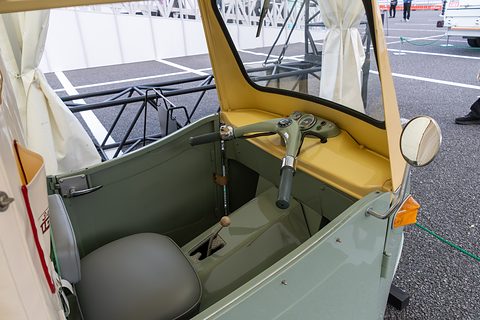
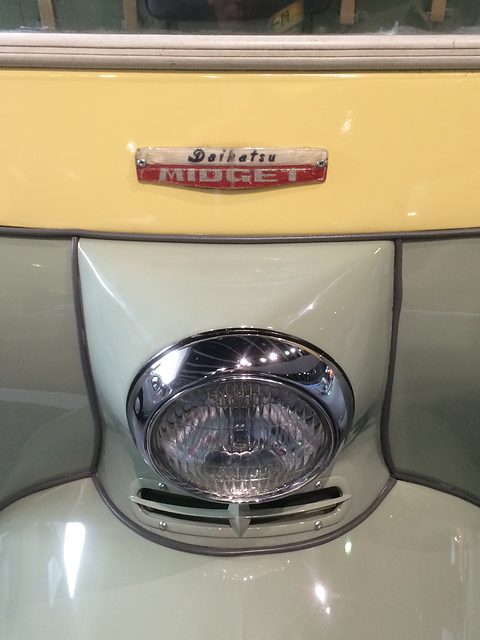
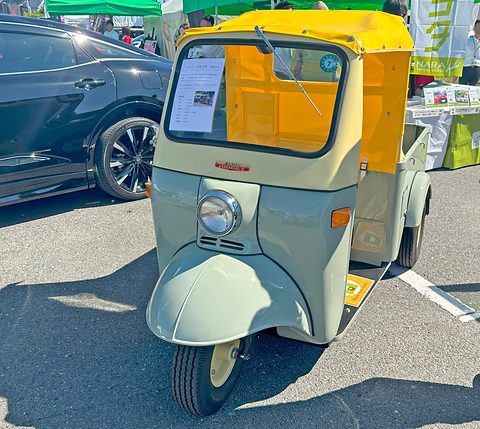
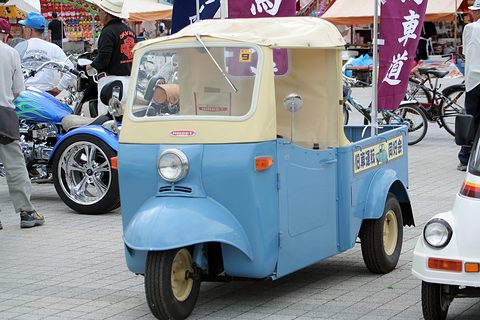
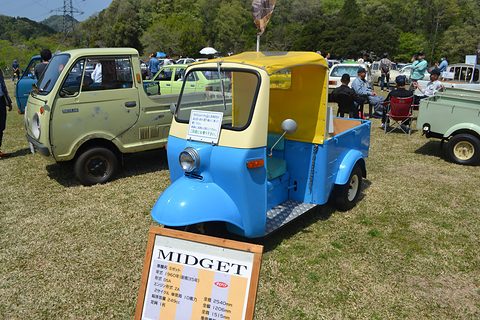
The DKA went on sale on 1 August 1957.source 2source 1 It had one seat, motorcycle handlebars, a kick-starter, one headlamp, no doors, just two guard bars, and a canvas roof.source 2source 3source 4 Its 249 cc two-stroke single gave 10 PS by JSAE’s and the Toyota museum’s figures, 8 PS by others’, enough for 60 km/h (37 mph); it carried 300 kg, and the catalogue promised 28 km per litre.source 2source 3source 4 The DKII added an electric starter.source 2
The inaugural DKA model had motorcycle-like features such as a kickstarter and a handlebar, indicating the manufacturer’s resolve to cut down costs by any means necessary.
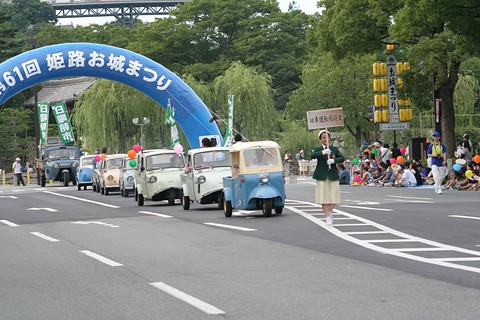
The advertising made it. Daihatsu called the Midget a helicopter for the town; Kusunoki Toshie sang the jingle, “Min-min Midget”; and at the end of Yarikuri Apāto, a comedy Daihatsu sponsored from 1958 to 1960, the comedian Ōmura Kon shouted the truck’s name, twice over, in live commercials, waving his arms like a fan.source 2source 3 JSAE names Sassa Jūrō beside him and calls the commercials a big hit, and the Midget became a best-seller.source 2source 3 Other three-wheeler makers rushed into the kei class, and the boom lasted until about 1960, when four-wheeled kei trucks took over; the firm’s own Daihatsu Hijet came in November 1960.source 2source 1 (Their story is told in micro-vans.)
A wheel and a beak
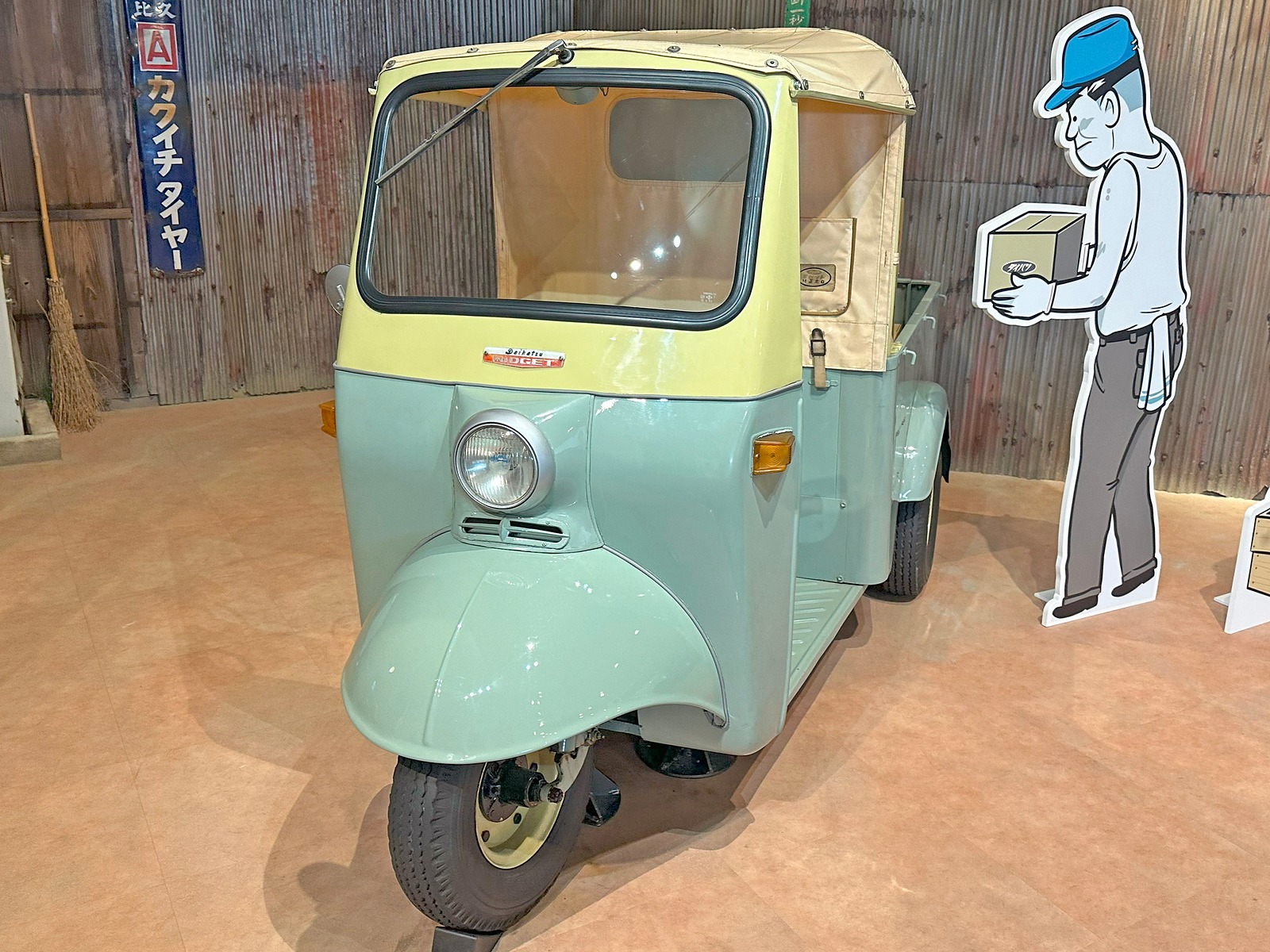
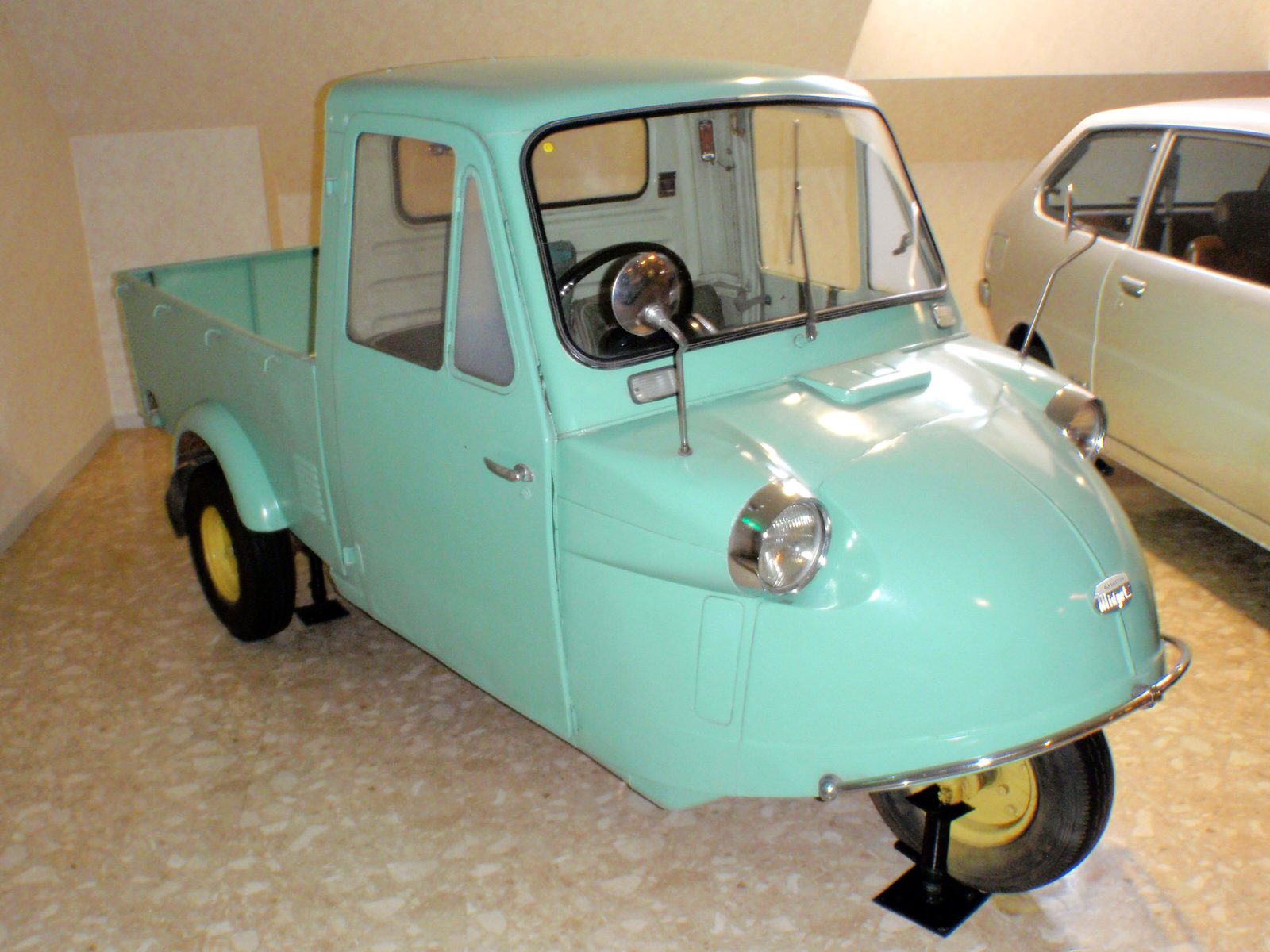
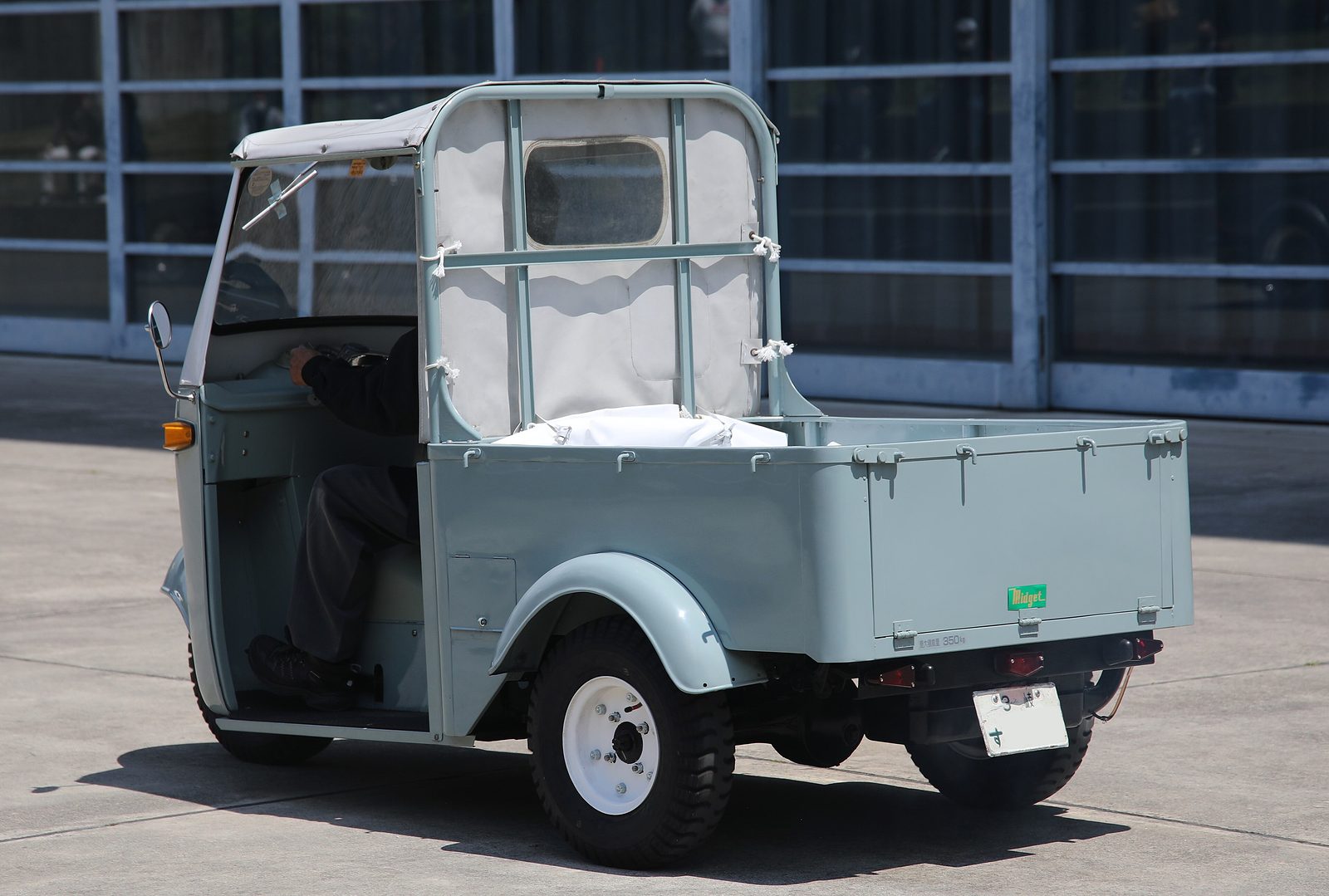
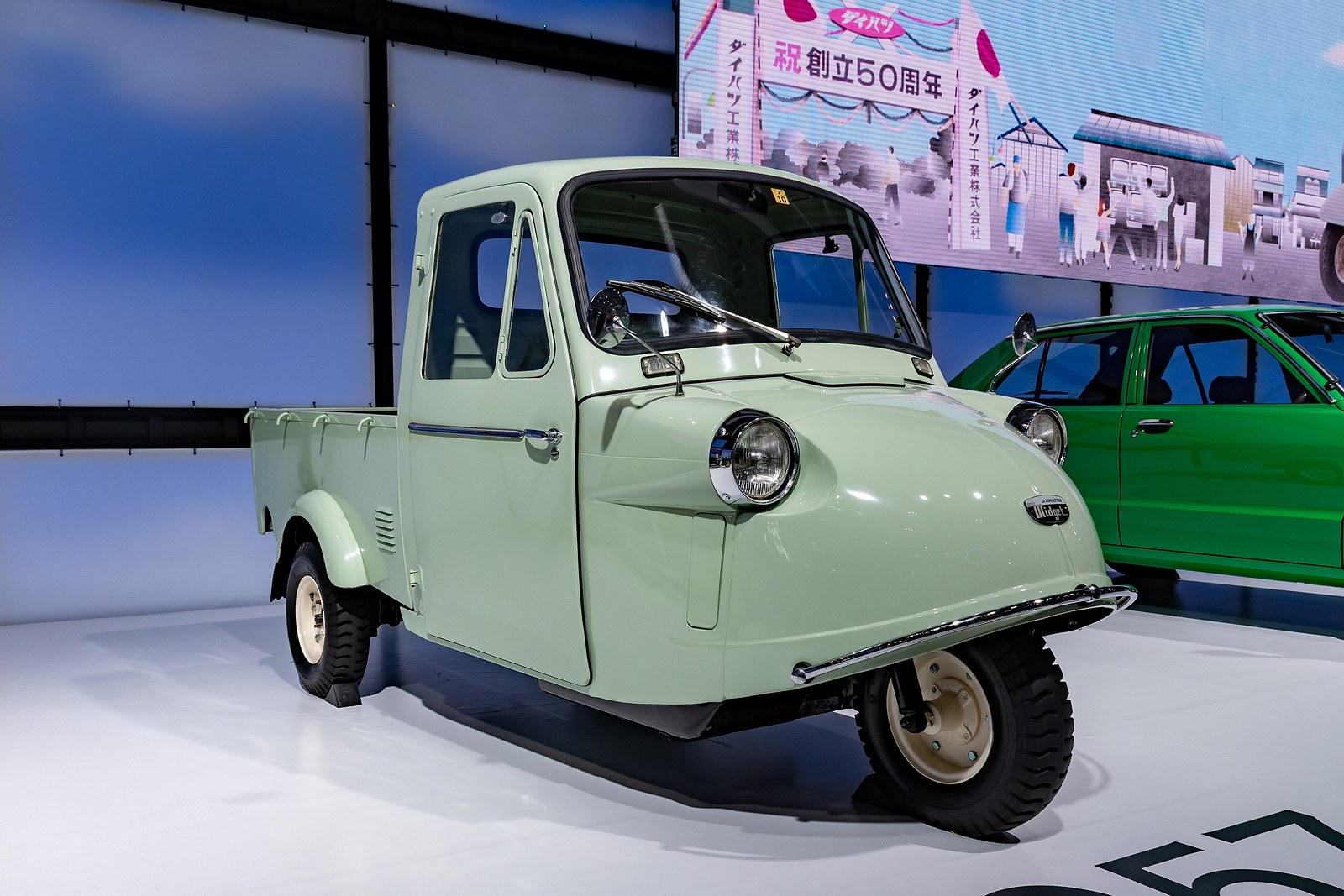
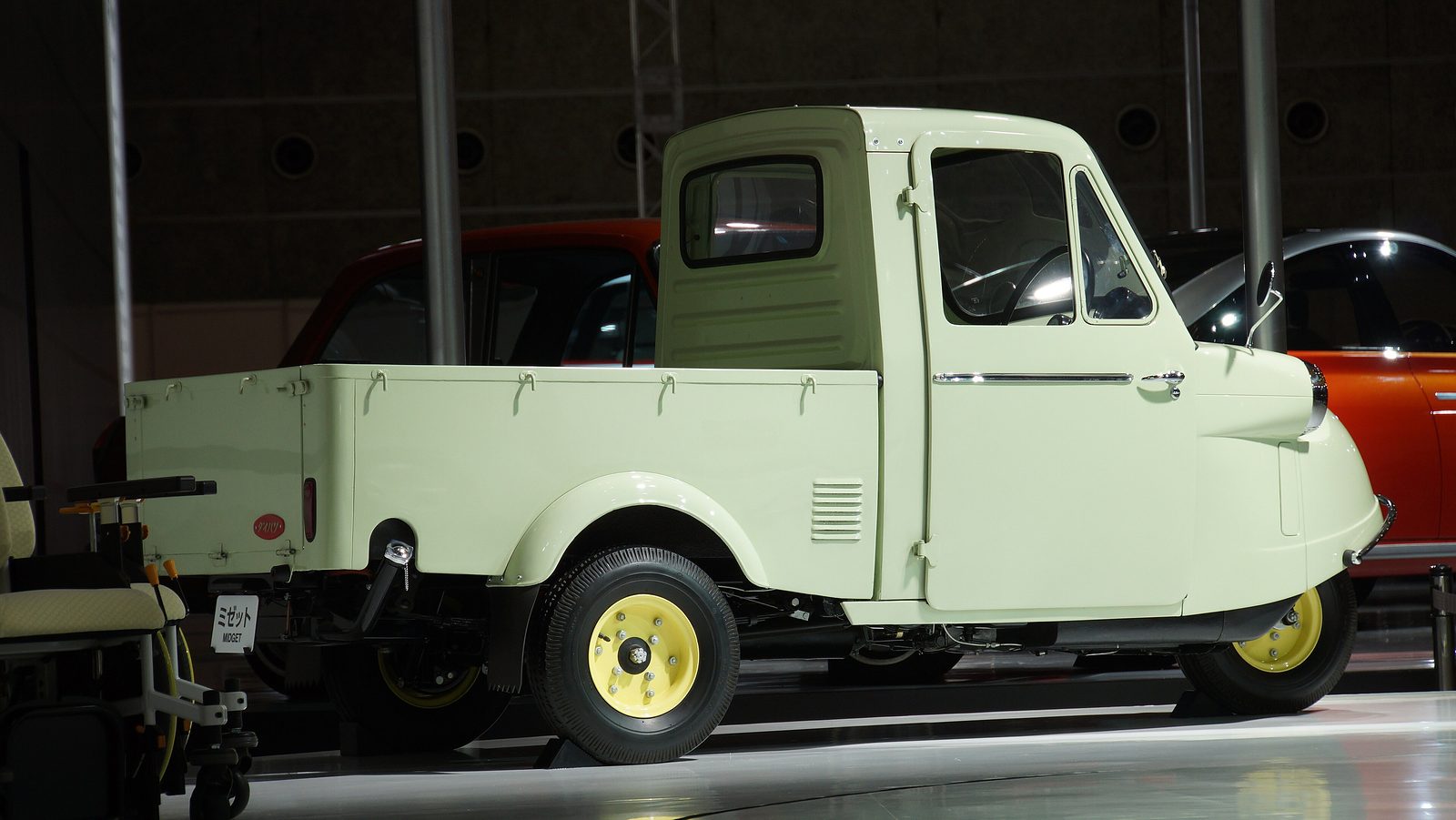
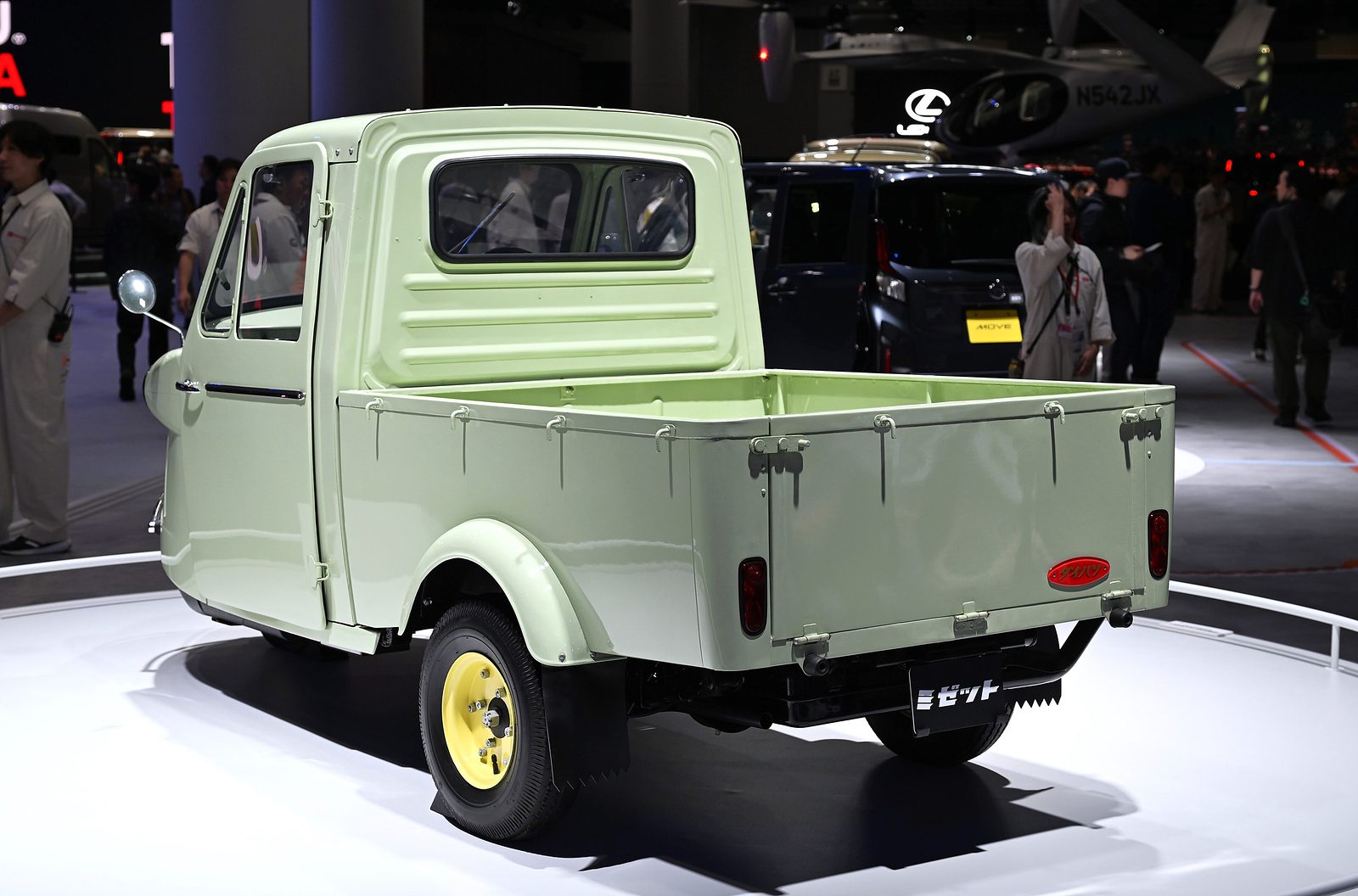
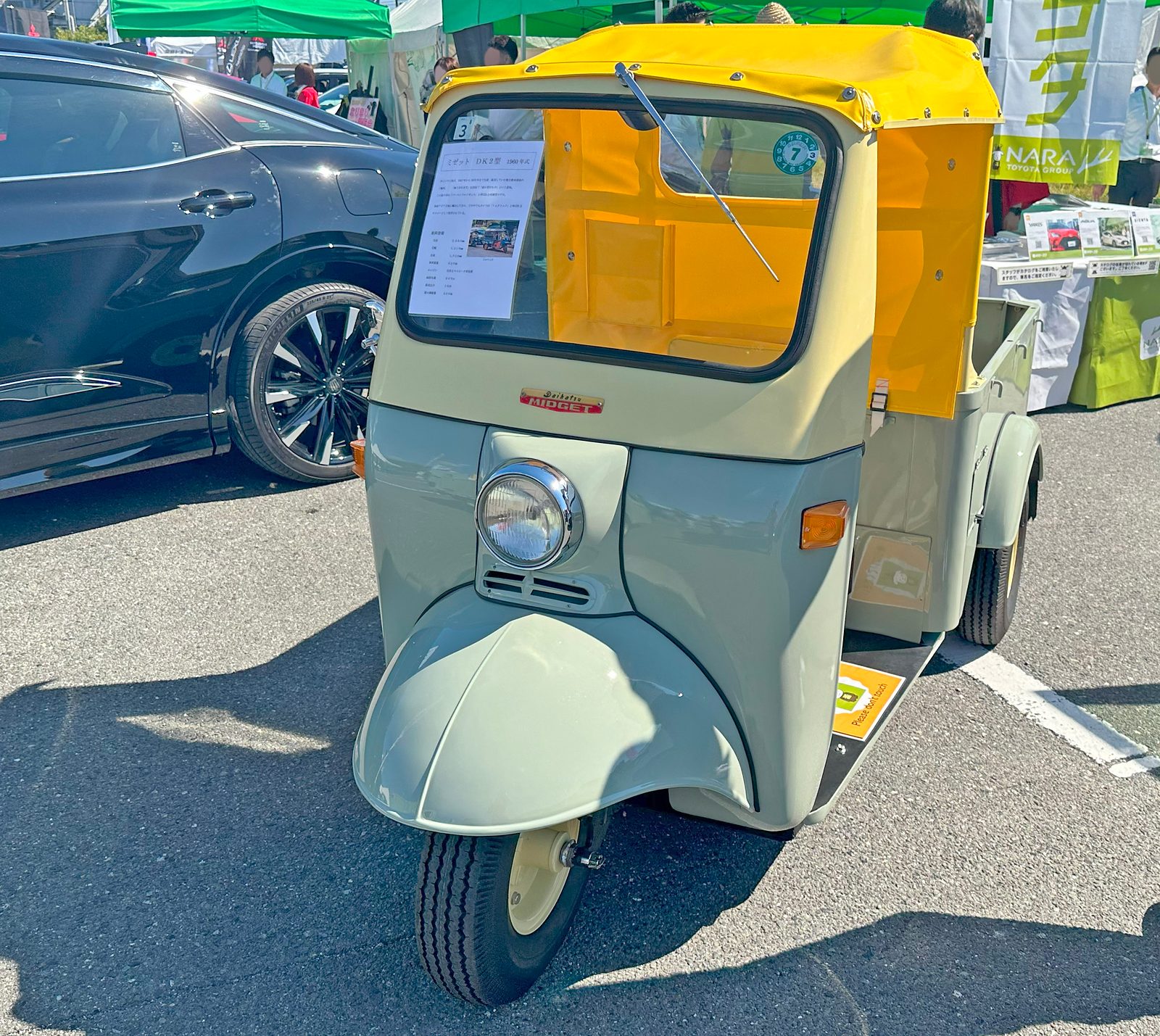
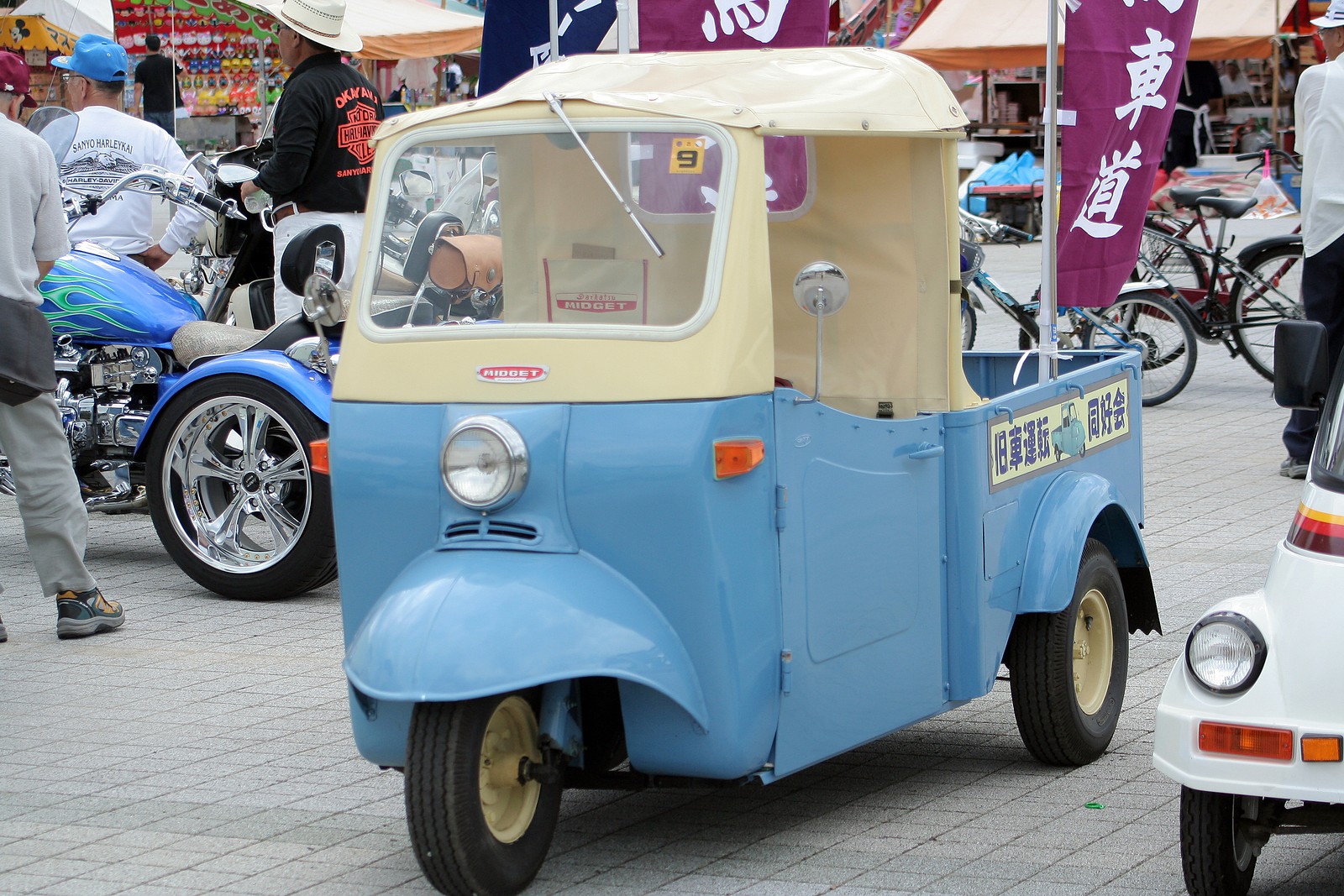
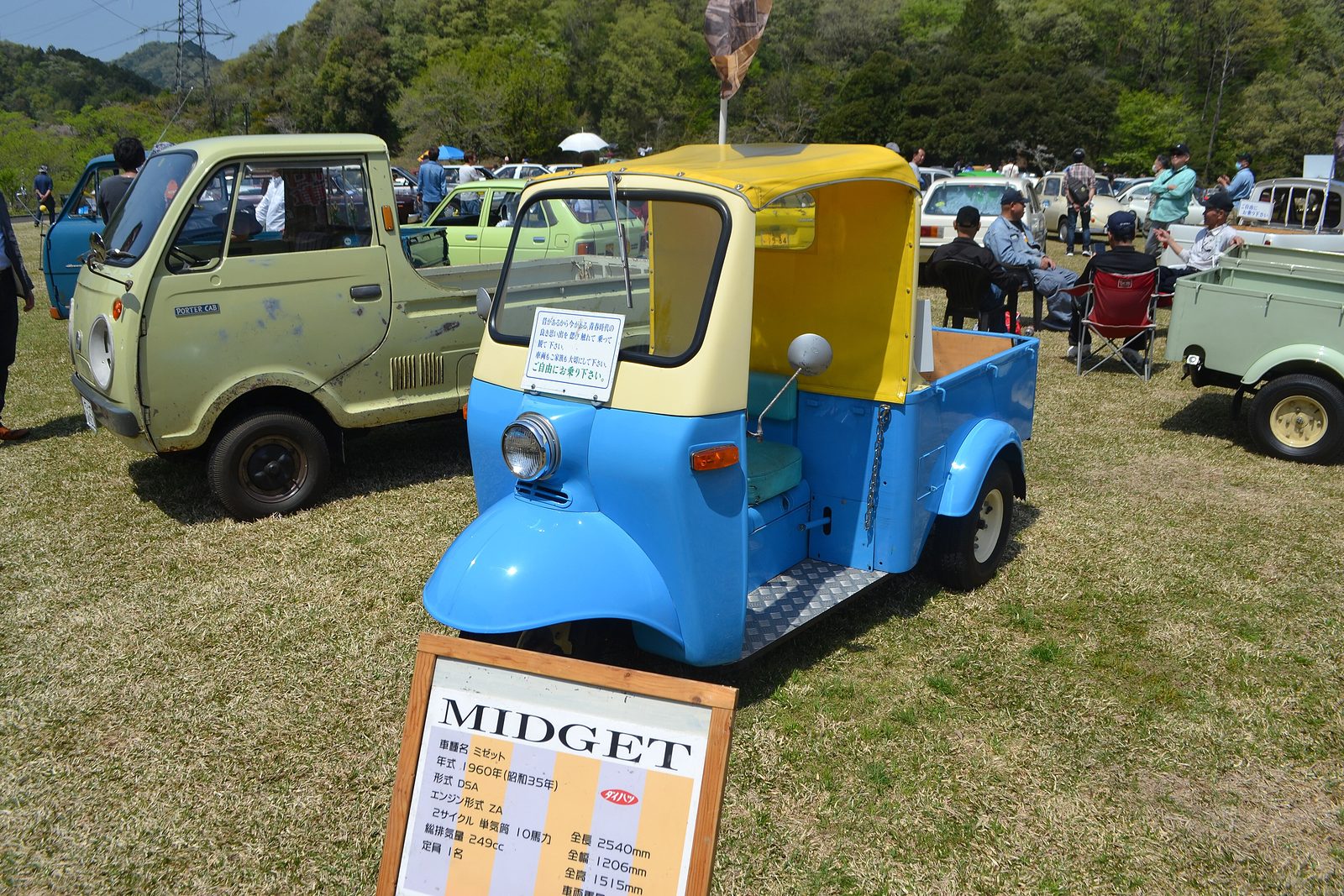
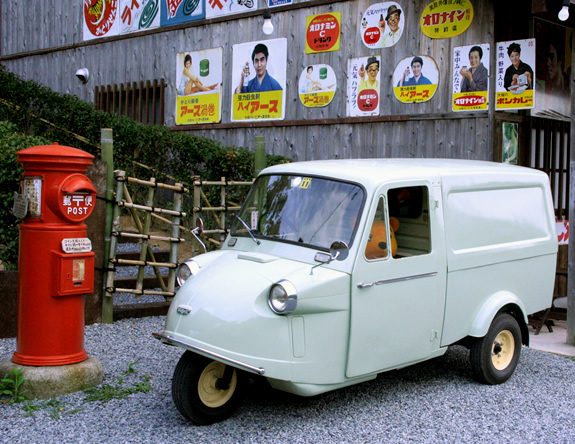
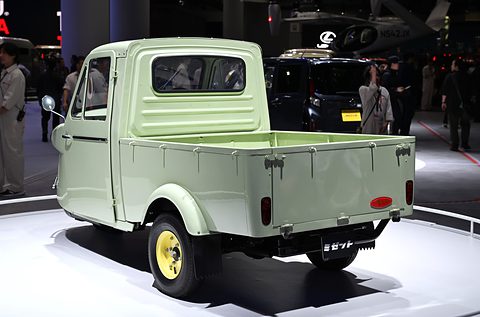
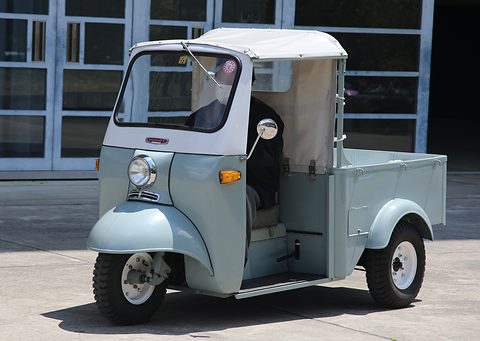
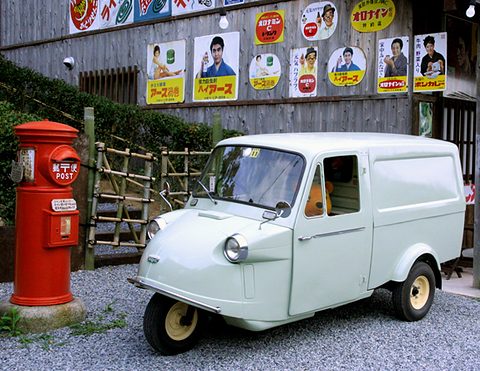
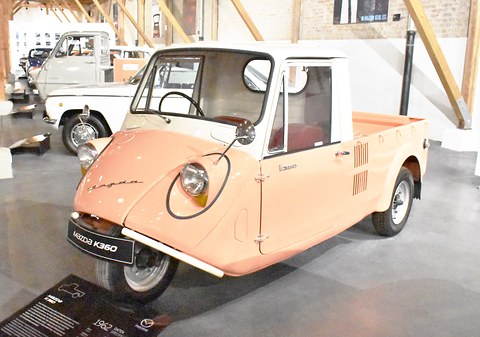
In 1959 the DSA brought 10 PS and a cab with side doors, the DSV a panel van, and the DSAP a second seat, behind the driver and to the left.source 2source 5 That April the MPA appeared, for export: left-hand drive, a round steering wheel and a high canvas roof, for North America, where 800 were sold as the Tri-Mobile, and for Okinawa, then under American administration.source 2source 5 The Weiner museum says it was popular there because its driver sat as in a real car, not on an adapted motorcycle.source 6
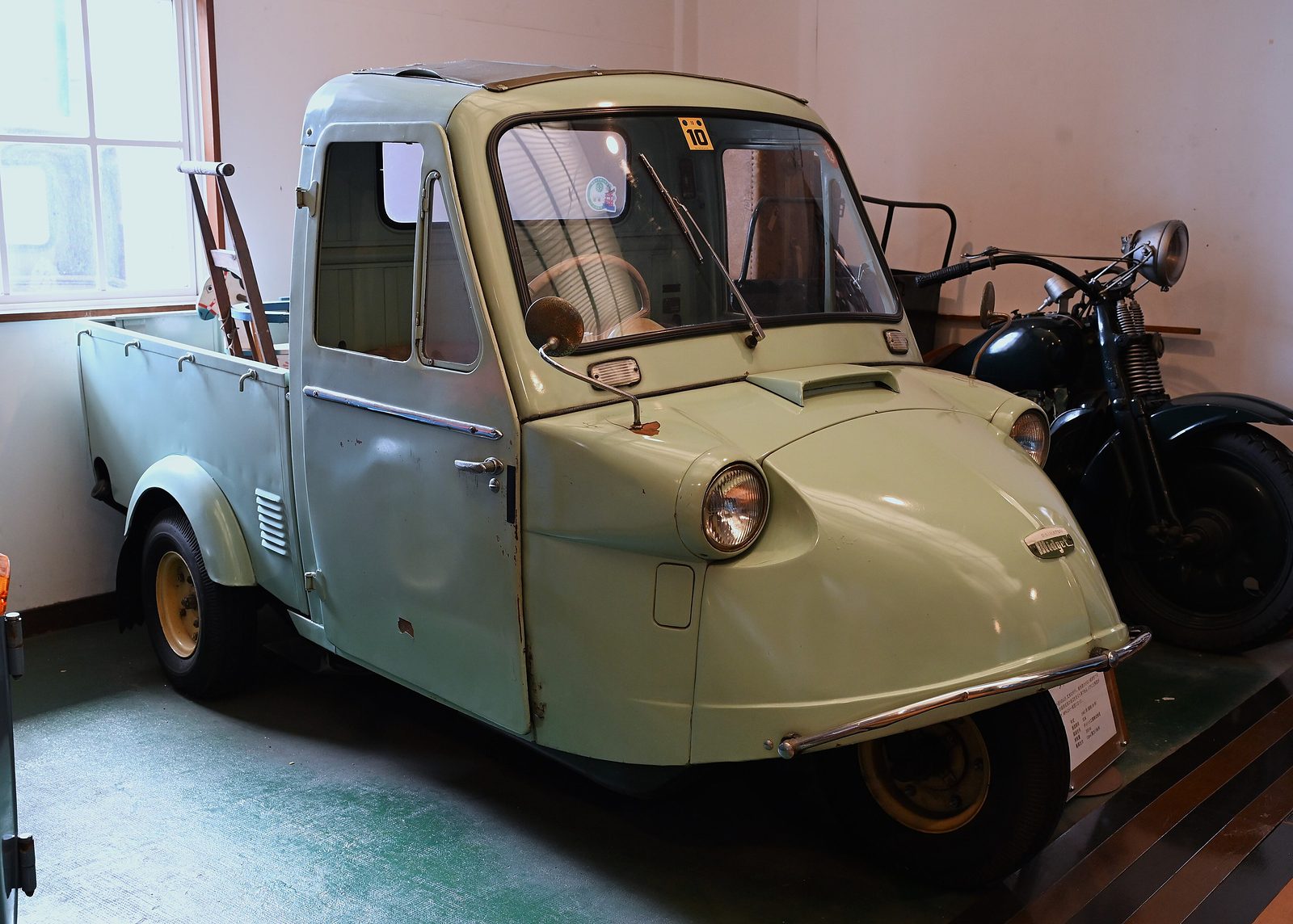
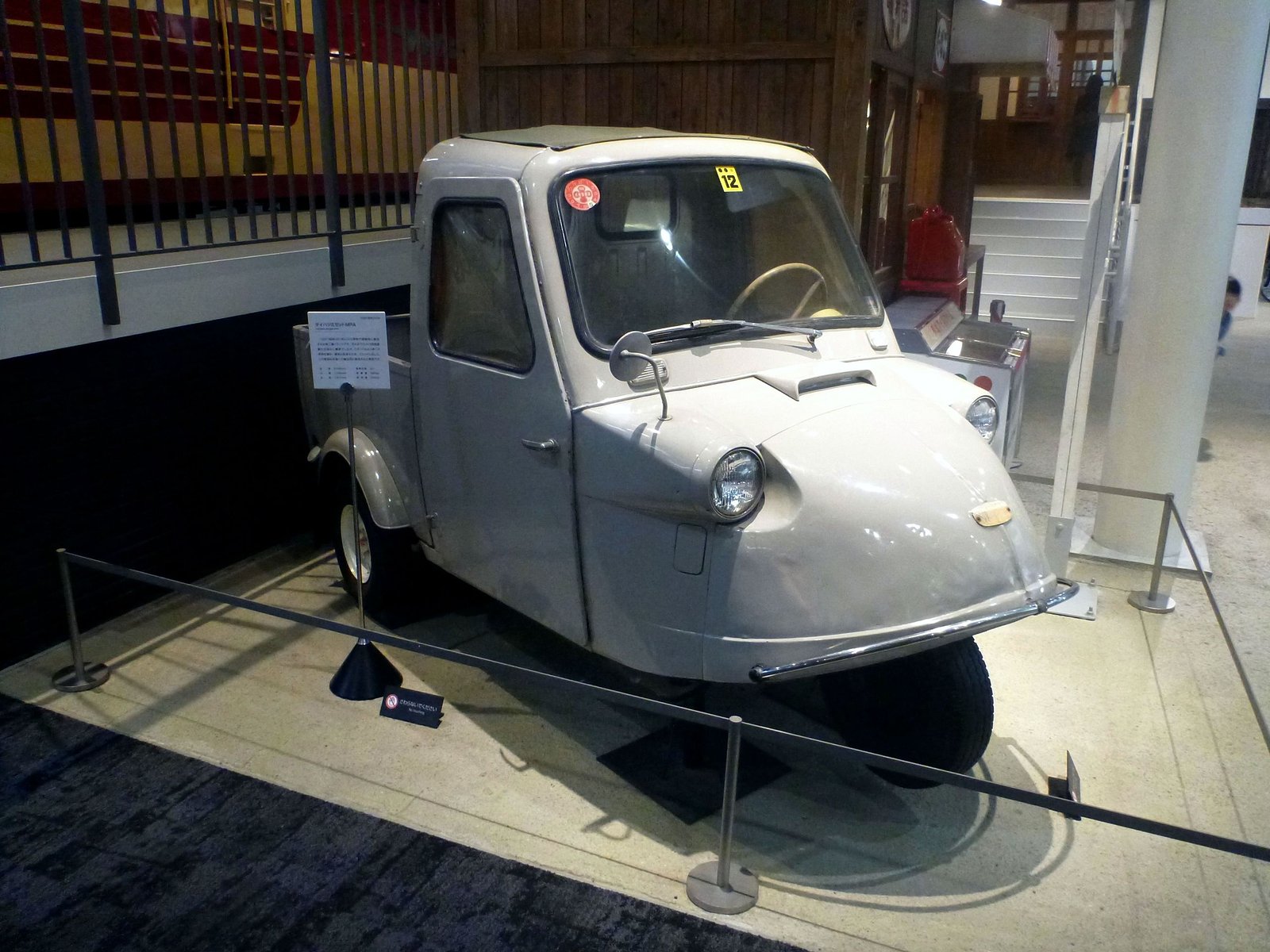
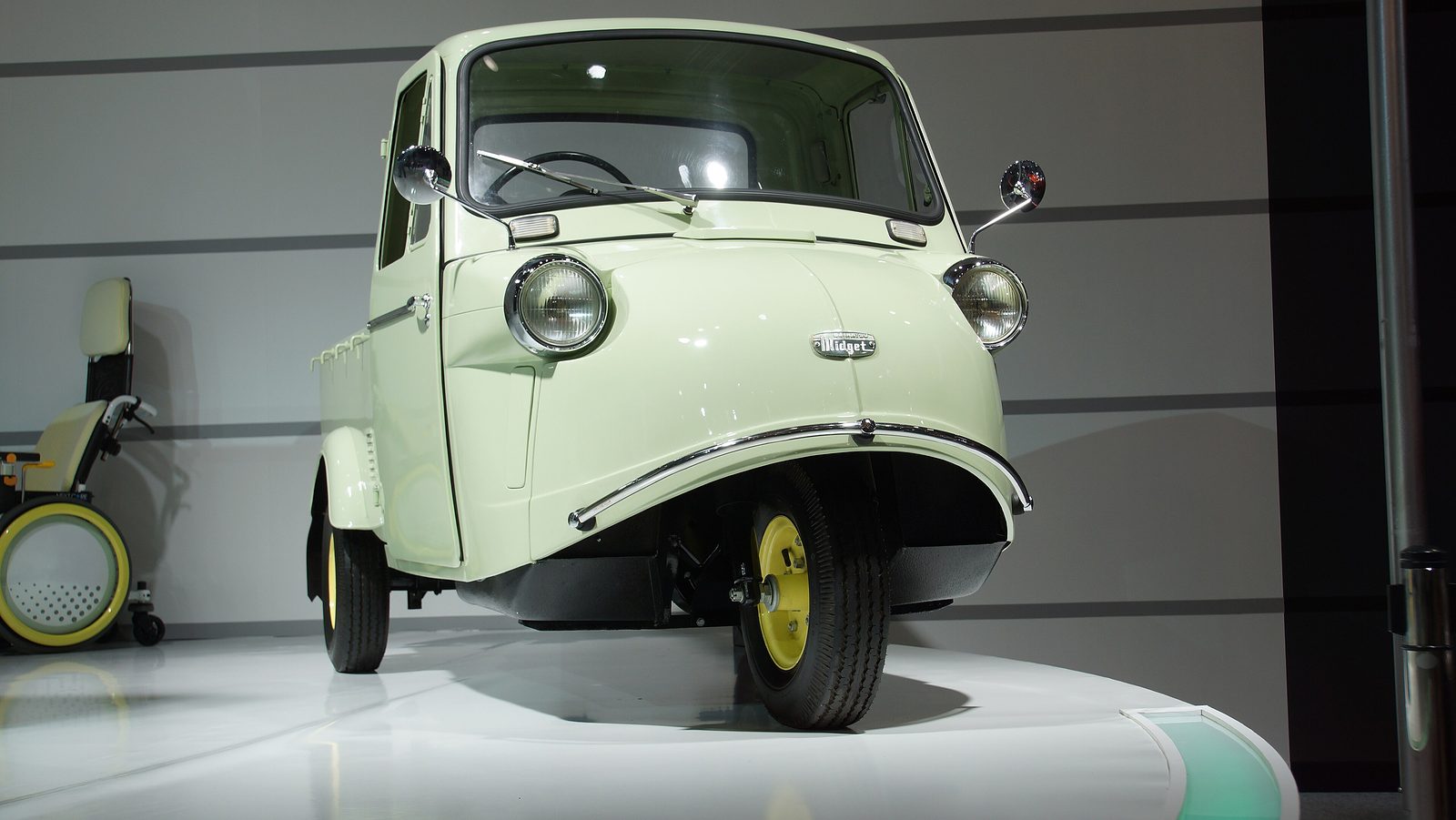
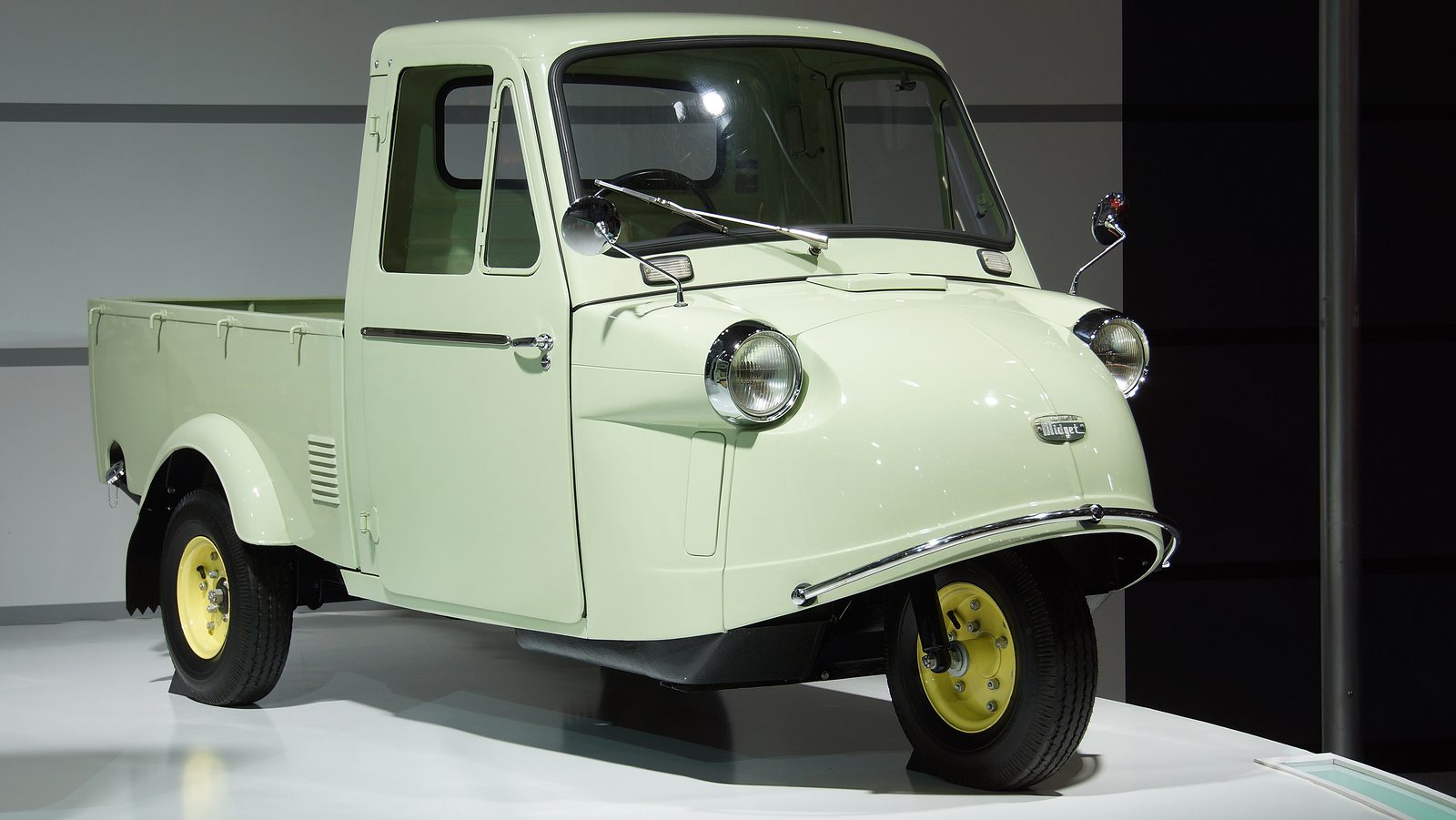
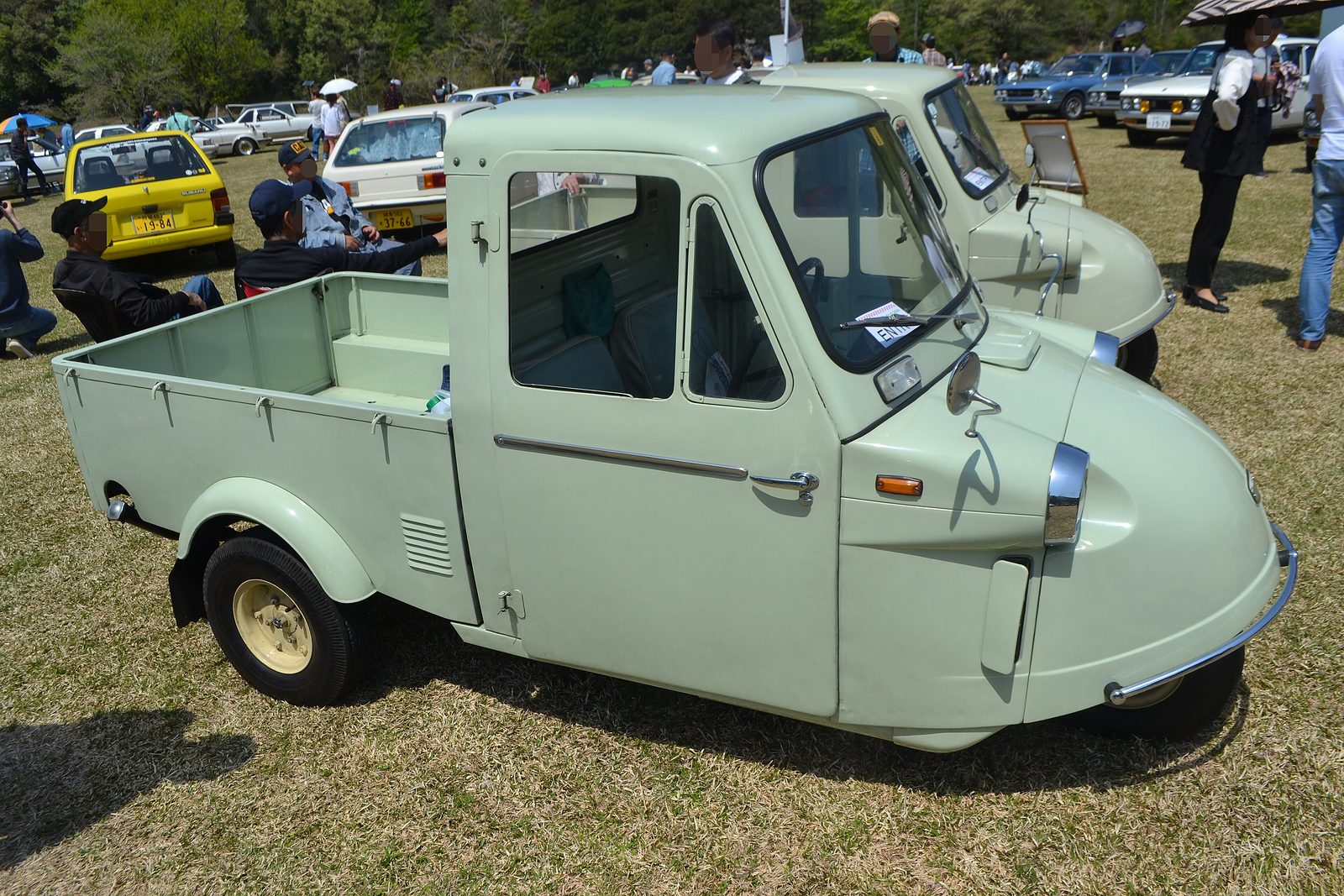
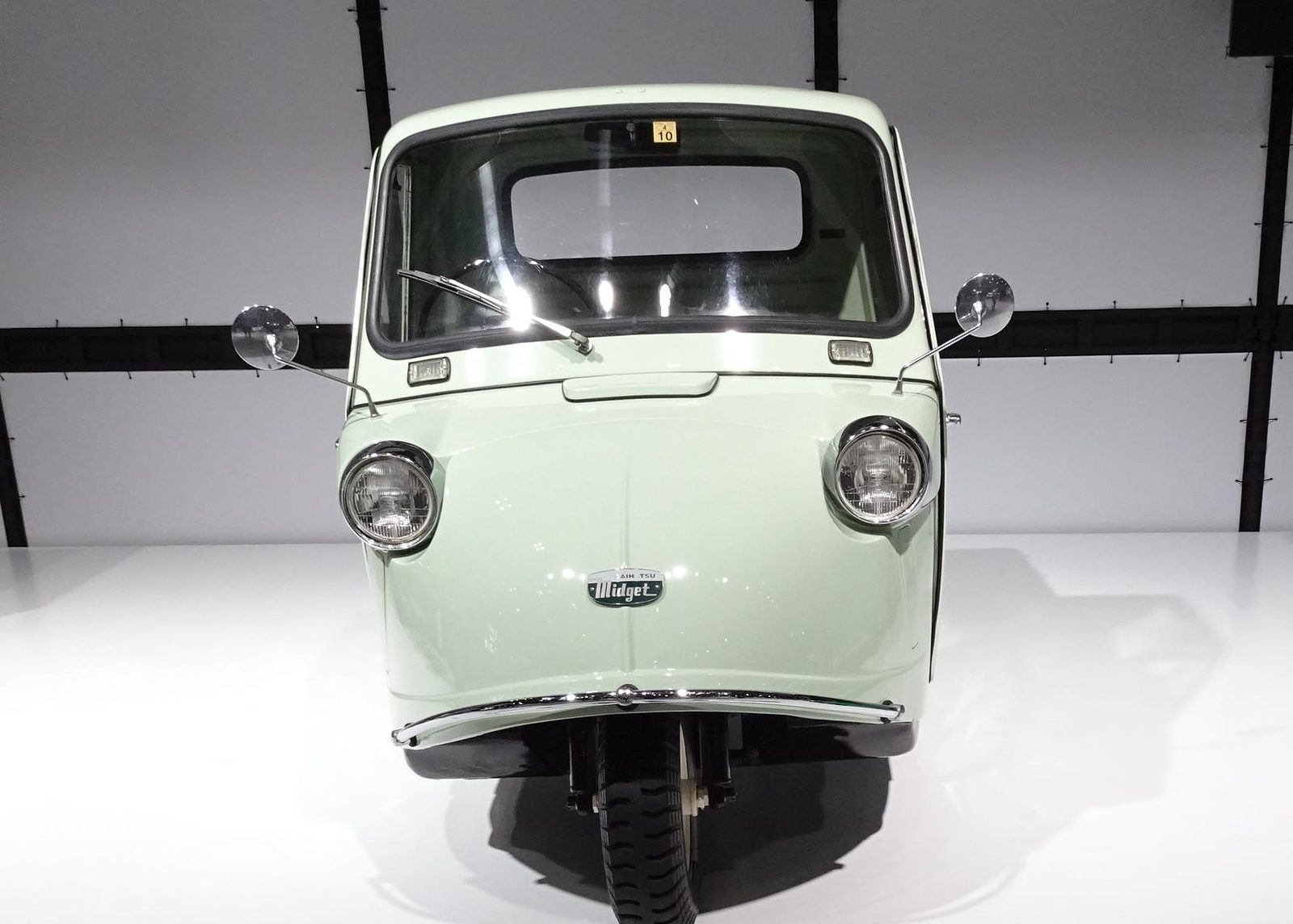
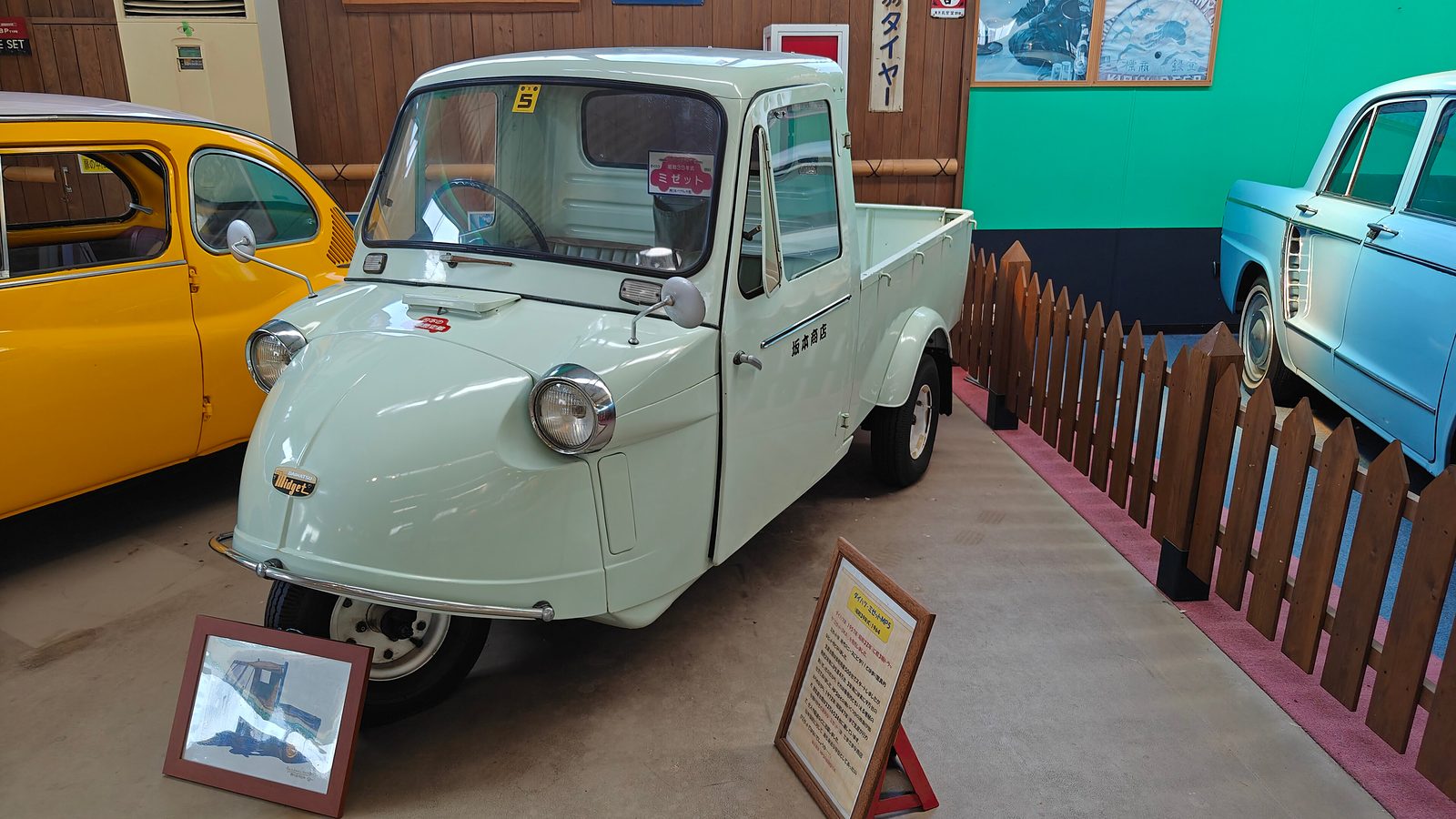
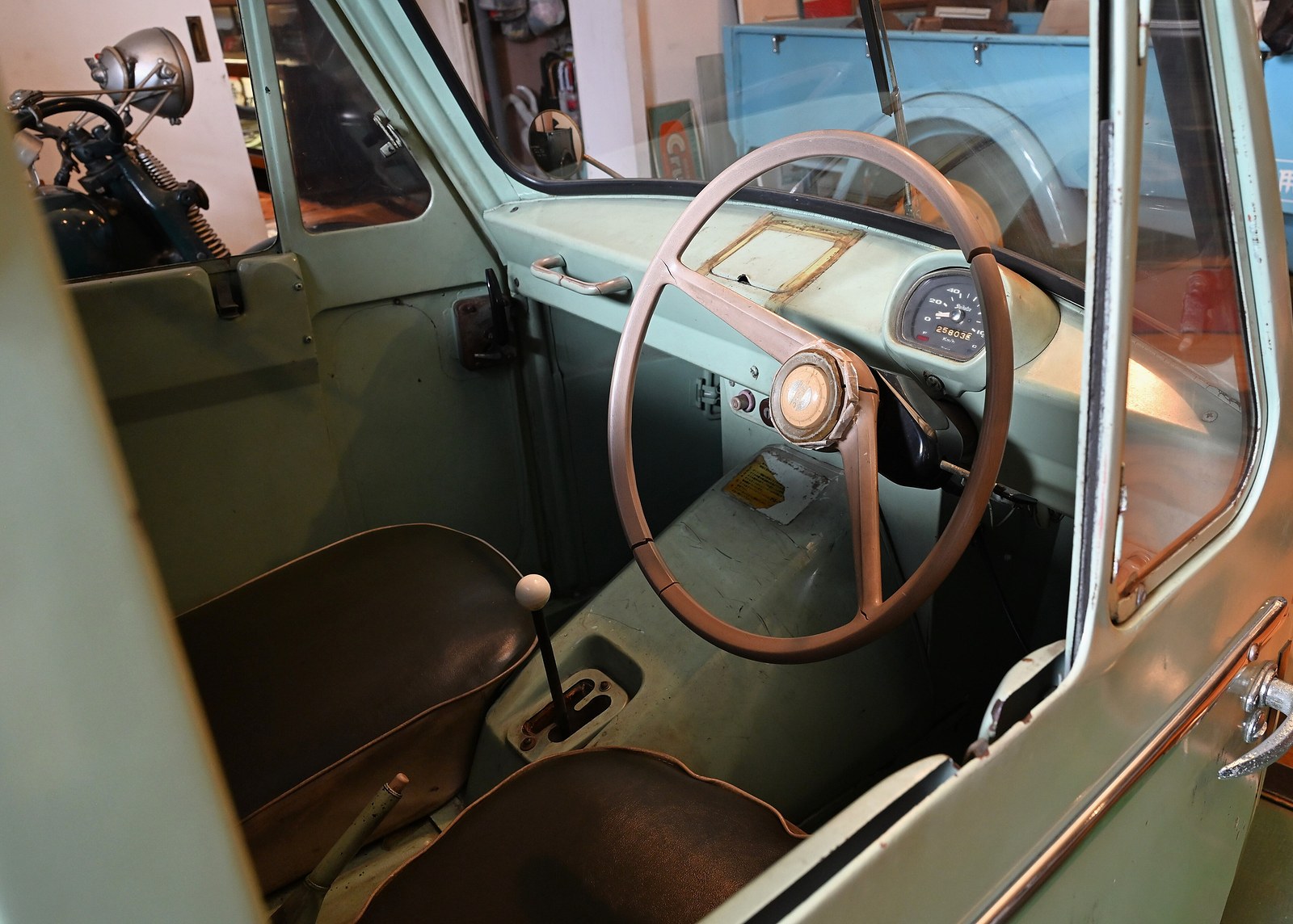
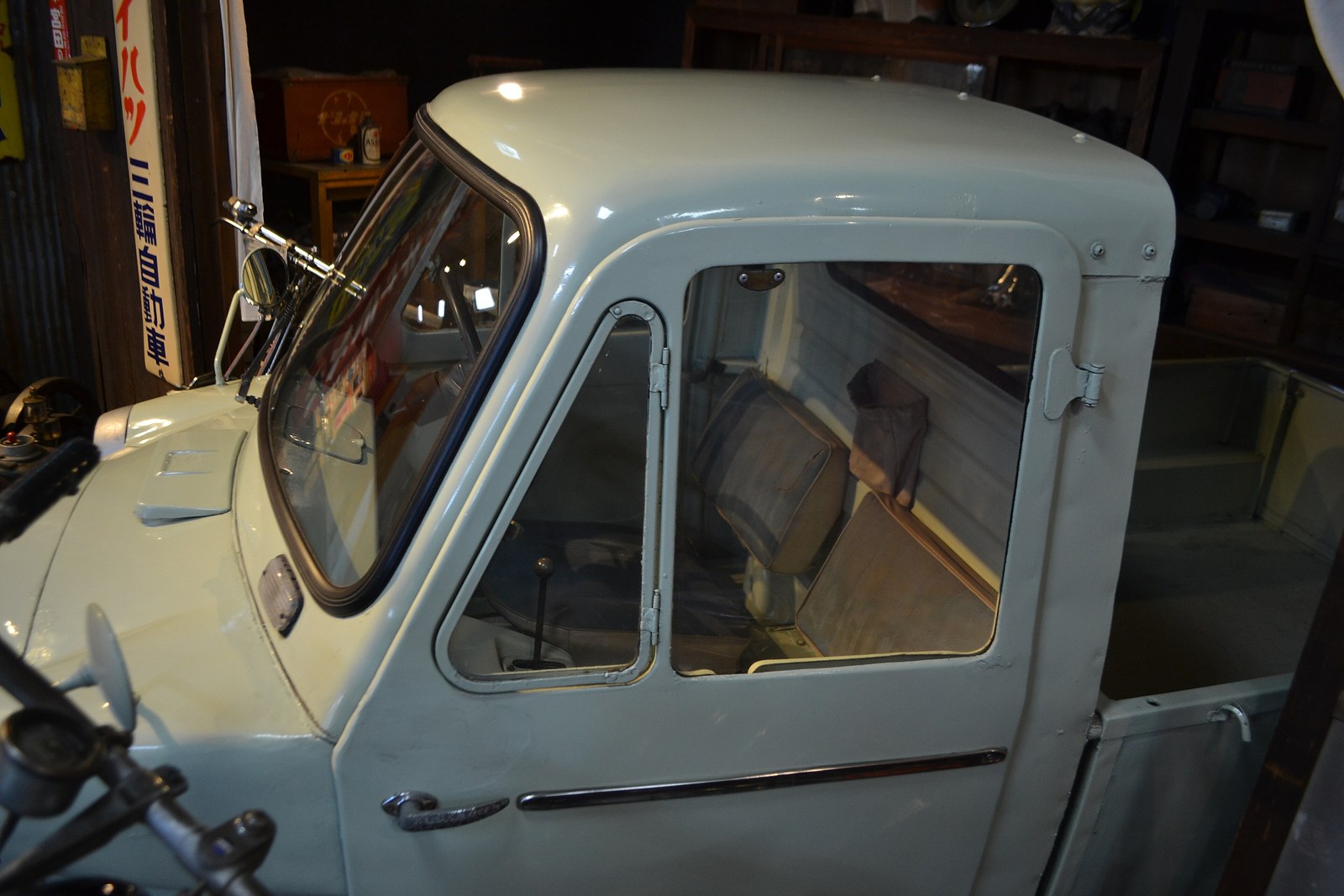
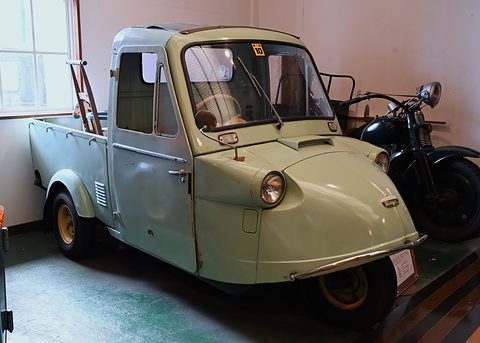
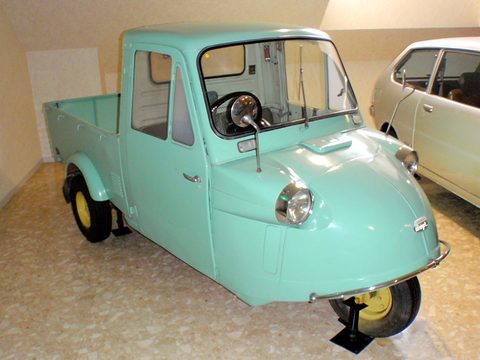
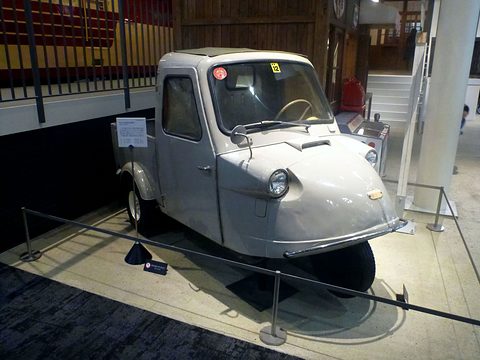
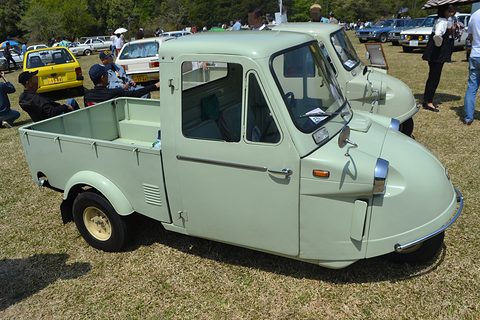
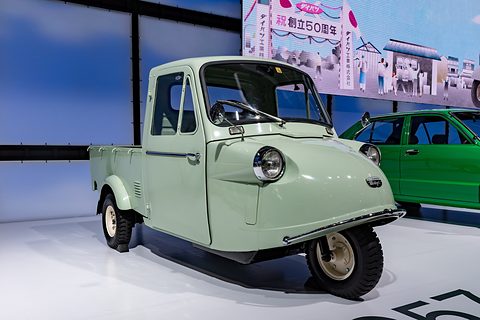
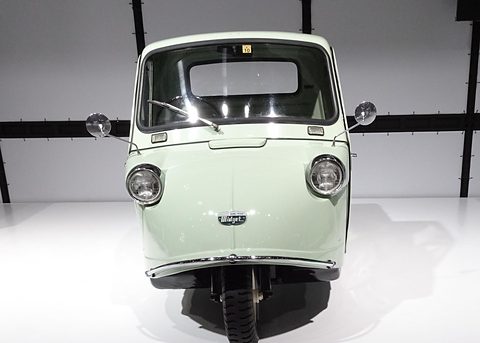
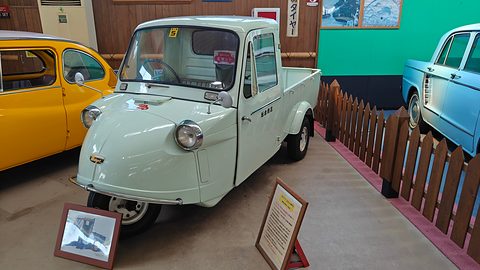
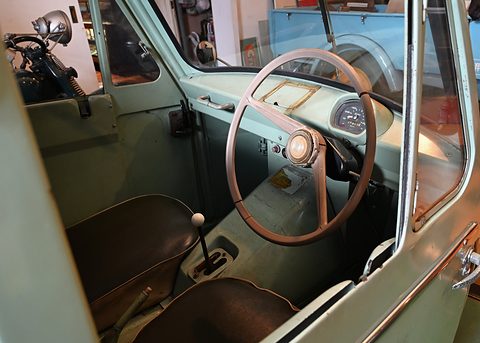
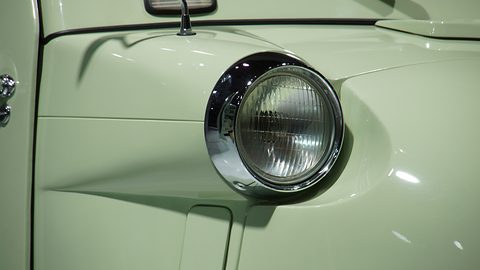
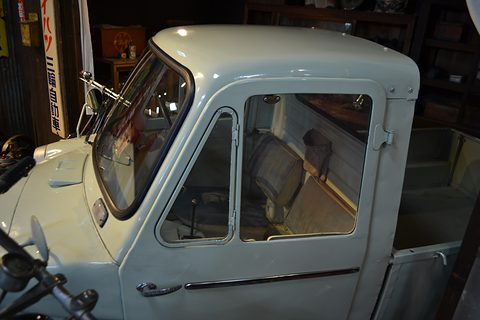
Japan got the MP2 in October 1959: a beak-like nose joined to the cab, doors, a steering wheel and separate seats for two. On the old engine it was nearly 100 kg heavier than the DS, owners complained, and within two months the MP3 had the new 305 cc ZD engine.source 2 The MP4 of May 1960 was 200 mm longer, with a bigger bed for 350 kg and wind-up windows.source 2source 5 The bar-handle models, cut in price, were sold alongside until the end of 1961.source 2 The MP5, of December 1962 by Japanese Wikipedia (September by English Wikipedia), had a longer bed, a new nose, a steel roof and Oilmatic, separate lubrication that JSAE counts among its landmarks in its own right.source 2source 5 Side repeaters, seat belts and a driver’s headrest came in August 1969.source 2
By then the market belonged to the four-wheeled Hijet. The last orders were completed in December 1971 and sales ended on 31 January 1972. It was Daihatsu’s last three-wheeler, and the last true kei three-wheeler built in Japan.source 2 The Weiner and Lane museums give its years as 1955 to 1975, which fits neither its launch nor its end.source 6source 7source 2
The tuk-tuk
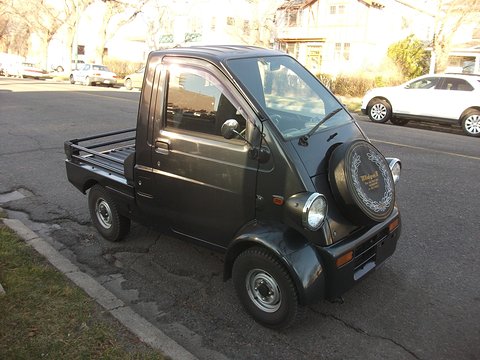
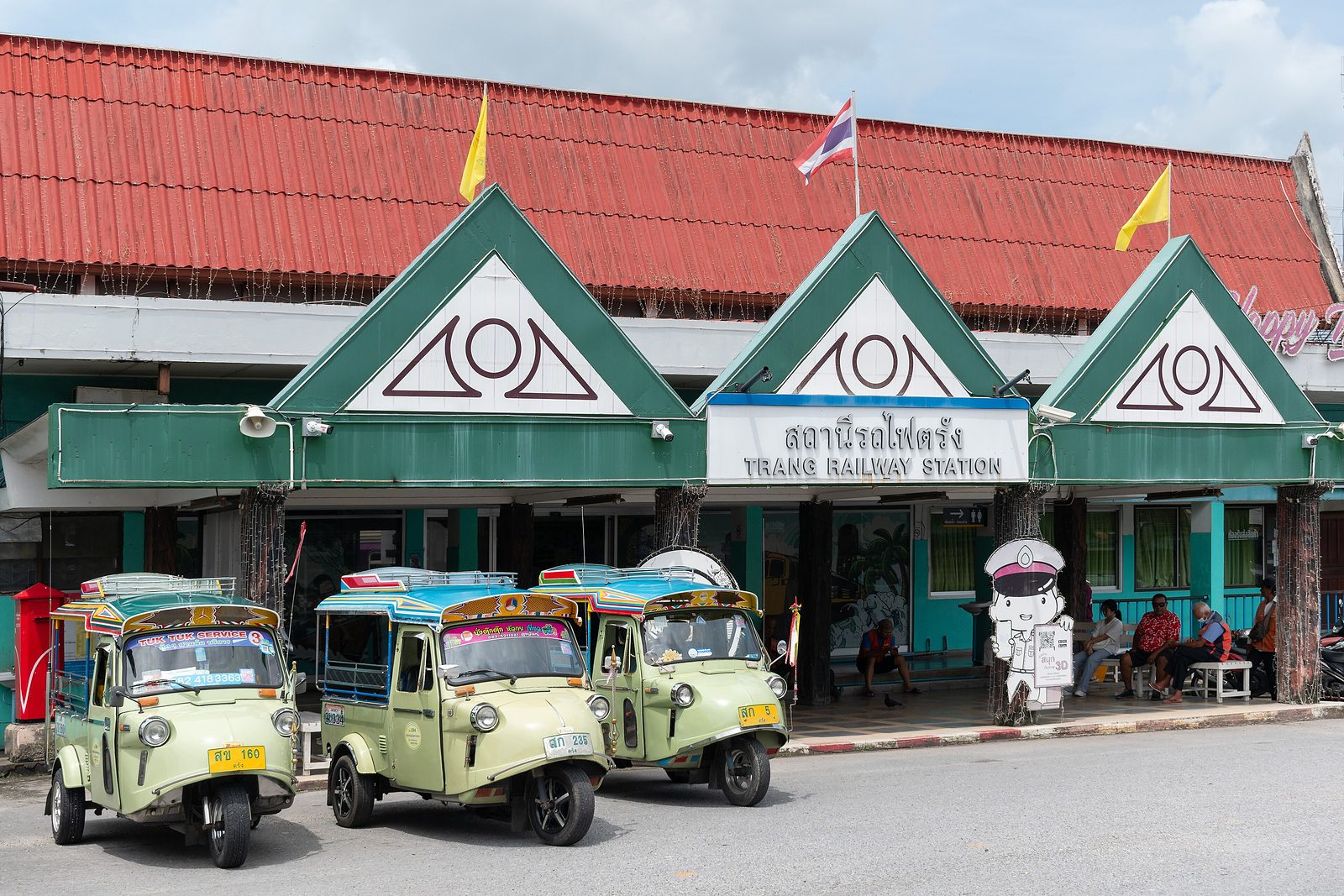
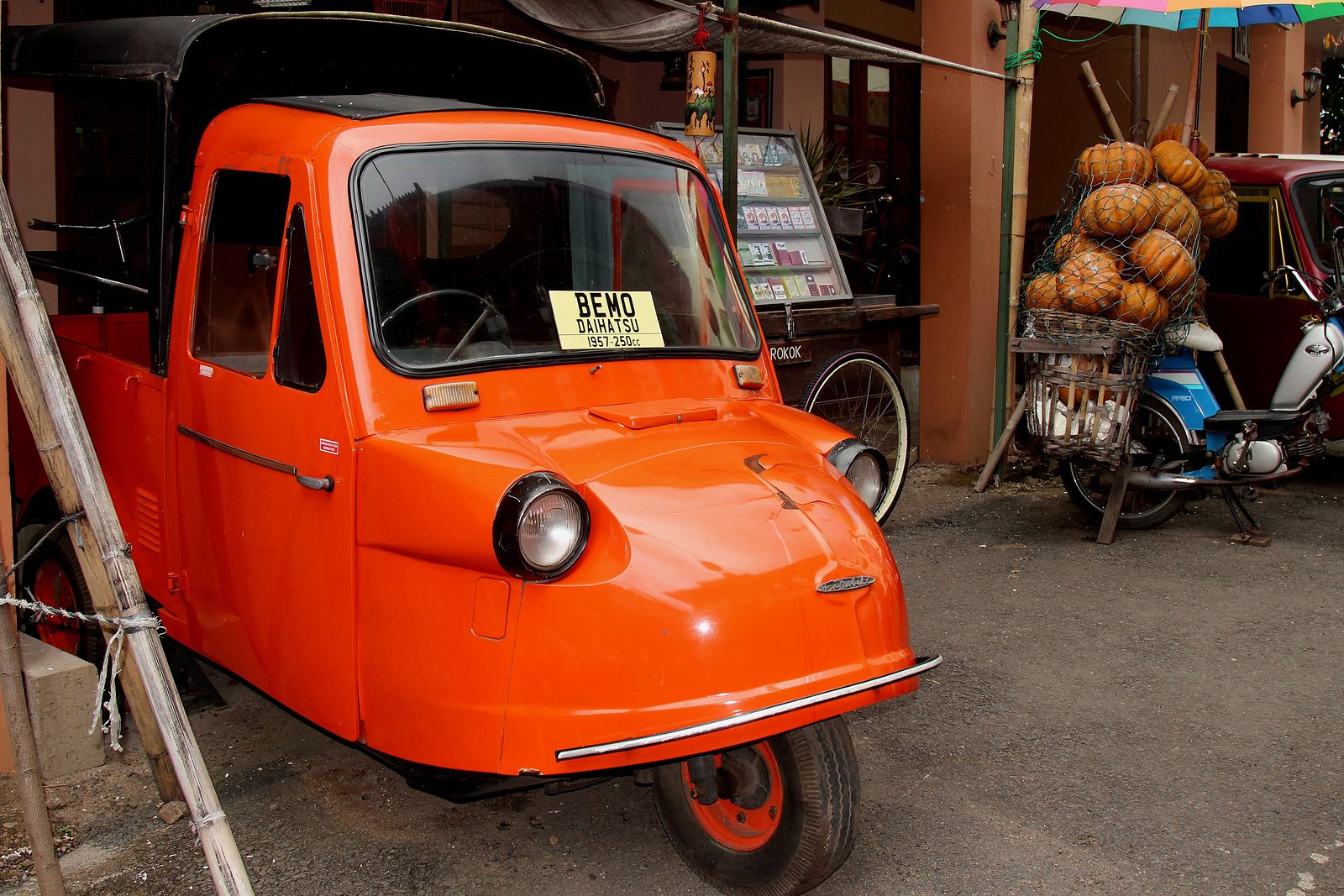
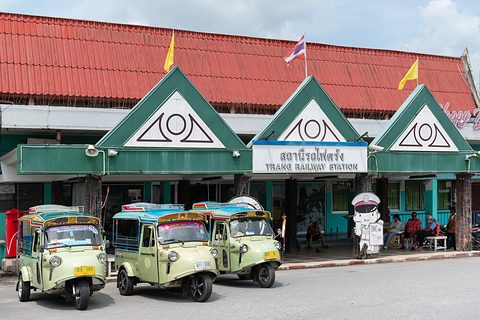
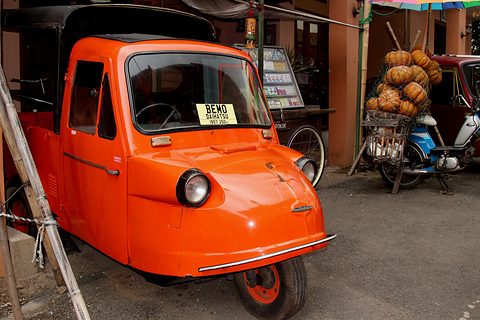
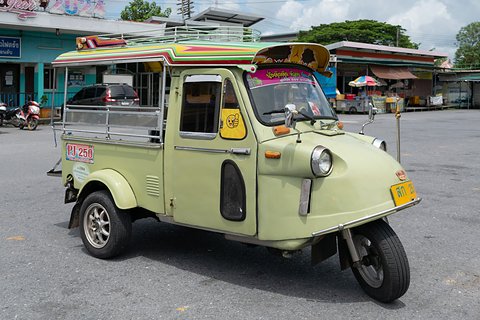
About half of all exports went to South-East Asia, Thailand above all, where most became tuk-tuk taxis; knocked-down kits were assembled in Pakistan from 1961.source 2 In Indonesia the Midget became the bemo, a shared taxi.source 5 In 1996 Daihatsu revived the name on a four-wheeler, the Daihatsu Midget II.source 2source 5