The story
History
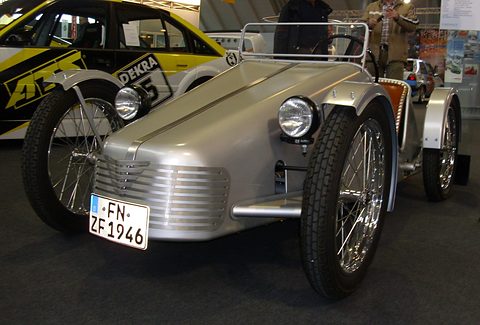
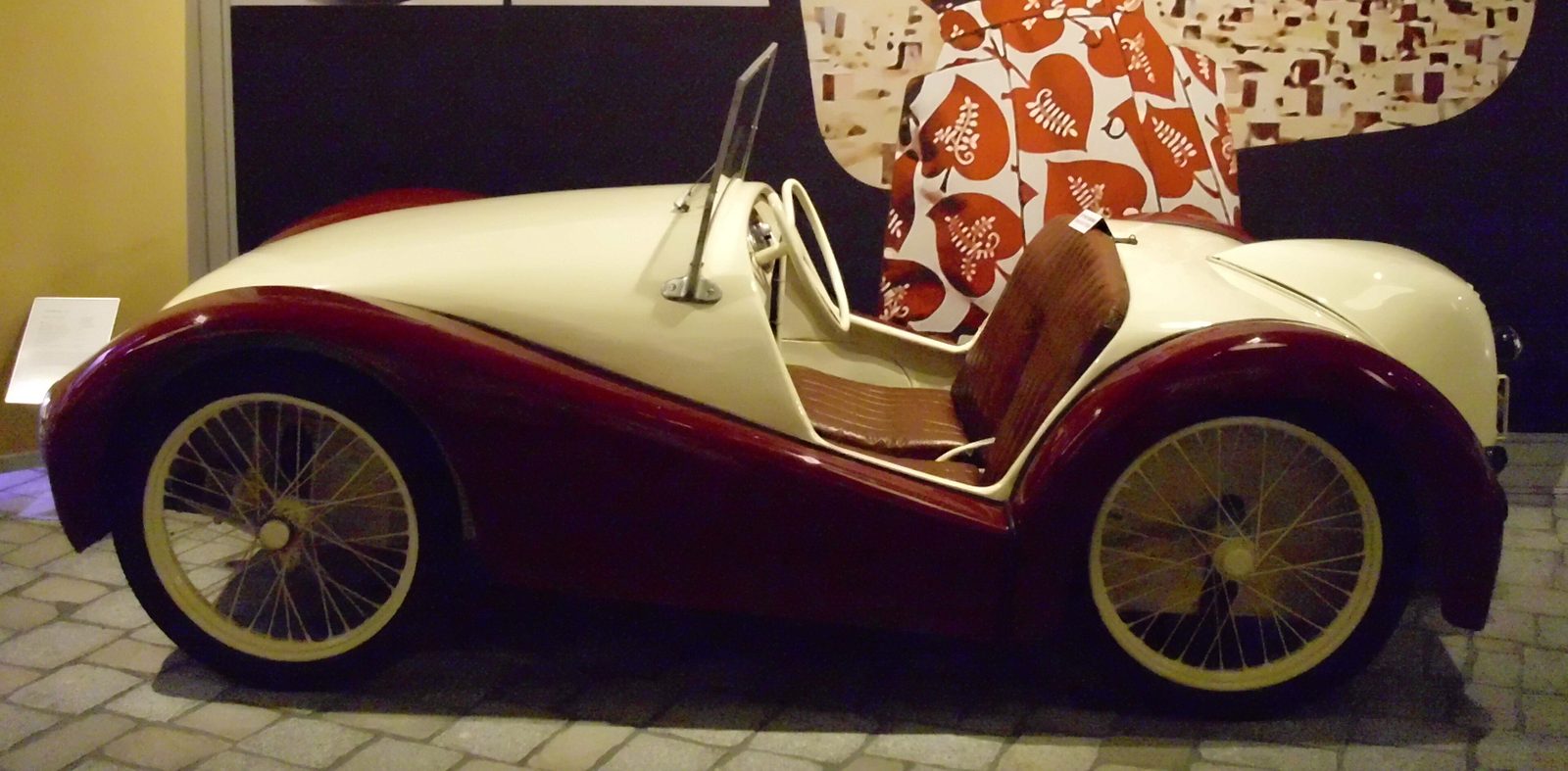
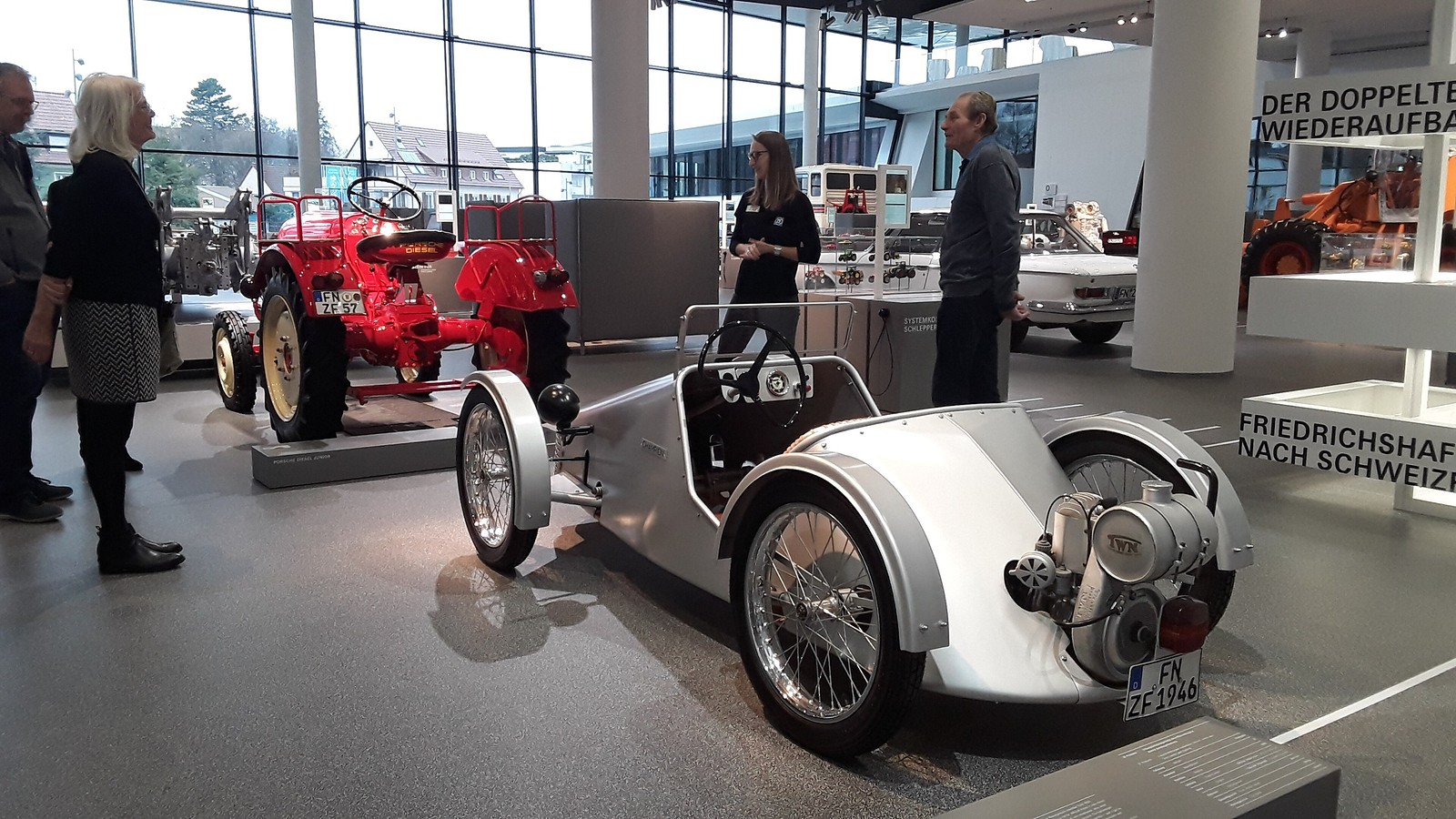
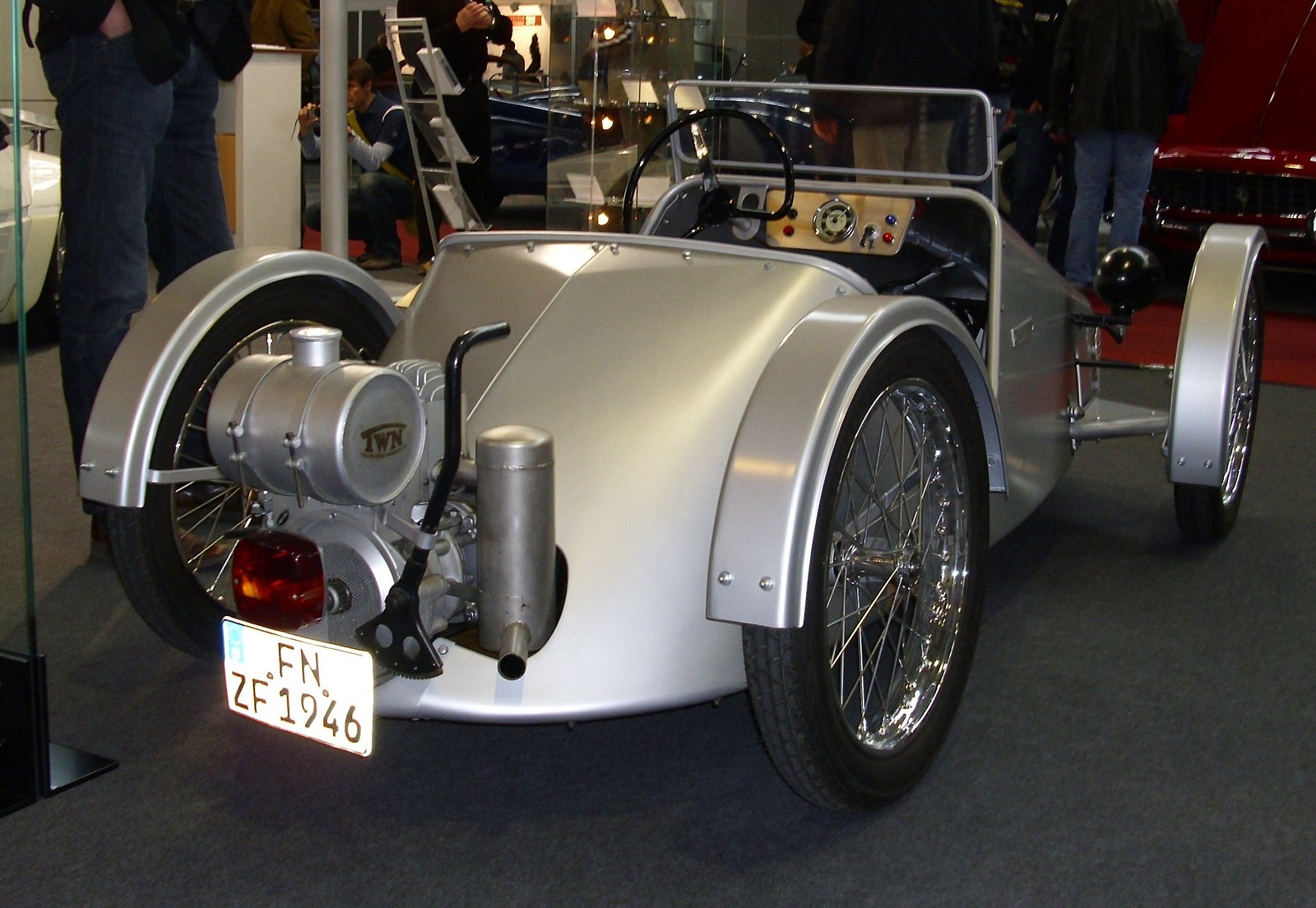
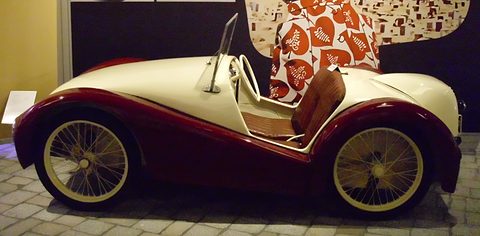
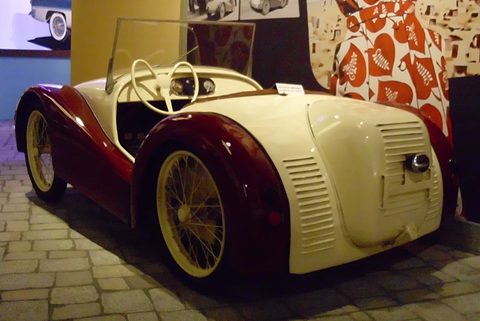
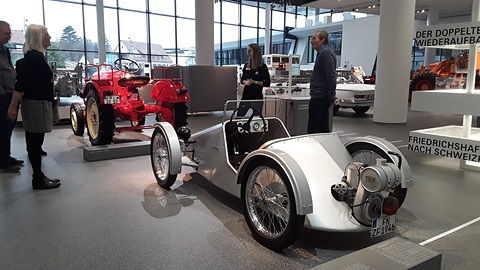
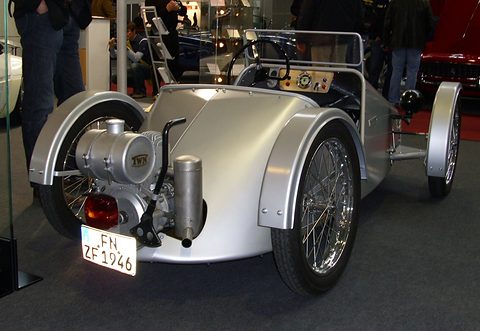
Zahnradfabrik Friedrichshafen, ZF, was, as its name says, a gear works. In the summer of 1946 its chief engineer, Albert Maier, drew up a small car: a doorless two-seat roadster 1,980 mm (78 in) long, weighing 170 kg (375 lb), with a Triumph two-stroke single from Nuremberg of nominally 196 cc, though its 65 × 61 mm bore and stroke actually give 202 cc. It had 5 PS (3.7 kW), a two-speed gearbox and a rear axle with no differential, and it did more than 50 km/h (31 mph). Three to five were built, and it was one of the first small-car projects of post-war Germany.source 1 An ILO engine had been planned; the motoring press reported that the Triumph Gemo 200 had proved itself in testing, thanks to its flat torque curve.source 1
„Hierdurch soll auch der günstige Norm-Verbrauch von 4,5 l/100 km erreicht sein.“
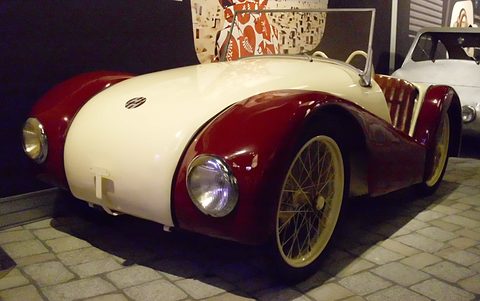
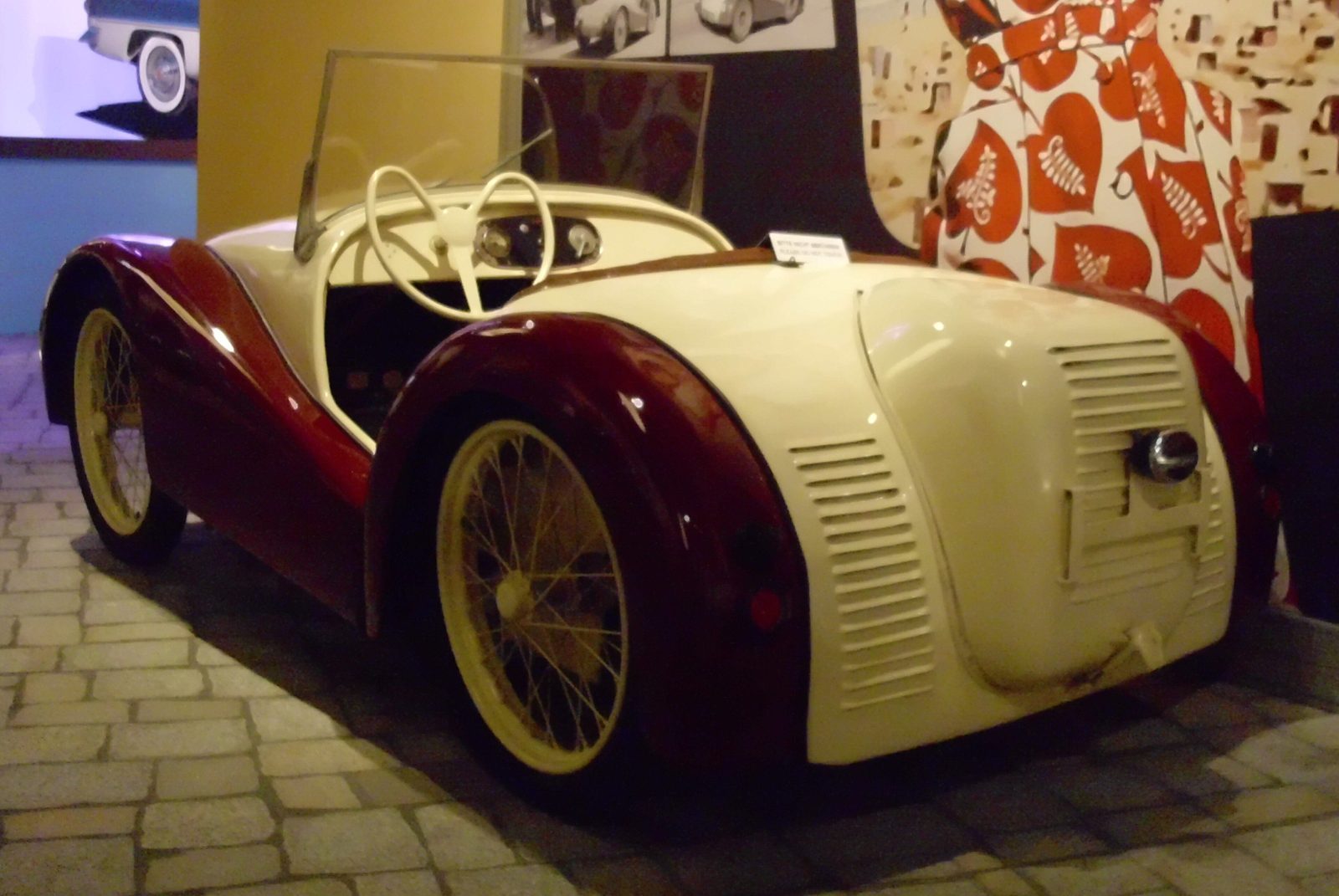
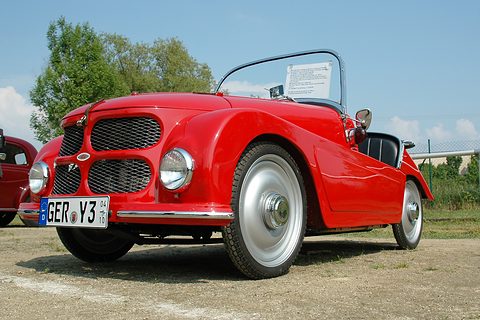
ZF did not want to develop or build the car itself, so Hermann Holbein took it over, by a contract of 12 January 1949.source 2 German Wikipedia calls him a racing driver; the Weiner museum, a former BMW man who, when BMW in Munich closed its gates after the war, decided to design a car for the masses. Both may be true; no biography of him has been found.source 3source 4 His Hermann-Holbein-Fahrzeugbau, at Herrlingen near Ulm, built a single CH-1 in April 1949: 2,420 mm long, 190 kg, a 198 cc Triumph of 5 PS, still two speeds and no differential, for 50 km/h and 3 litres per 100 km (94 mpg). Its body needed no special tooling, and its wheels came from motorcycles.source 5source 4
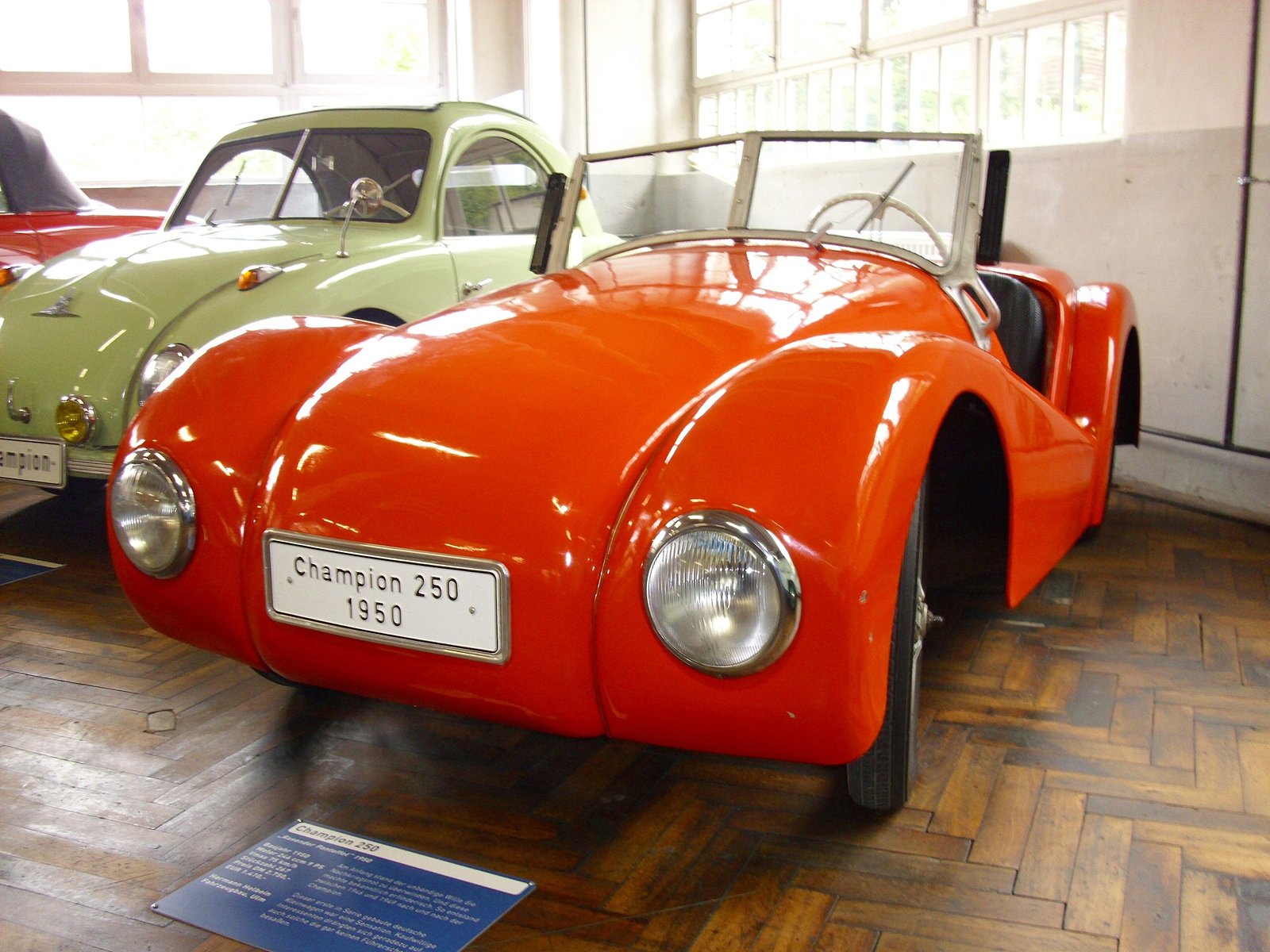
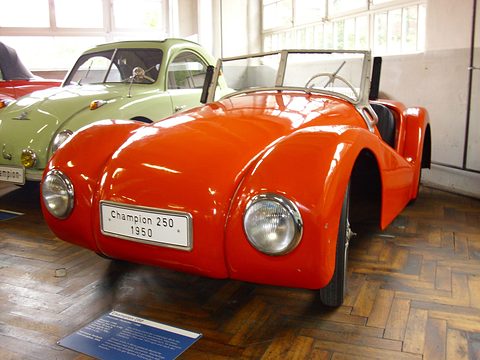
The CH-2 followed, two prototypes in June 1949 and a revised series from November: a 248 cc Triumph of 6.5 PS (4.8 kW), three speeds, a body by Karosseriebau Böbel of Laupheim, 2,800 mm and 220 kg, 60 km/h (37 mph), DM 2,650. Eleven were built, and when the first cars developed gearbox trouble Holbein recalled them all for repair.source 6source 4 The 250 and 250 S roadsters of March 1950 to March 1951, 2,850 mm long, with 6.5 or 10 PS, made 267 more.source 7source 8 In Austria Perl built about 100 Champion 250s under licence between 1951 and 1954.source 7
Paderborn and the 400
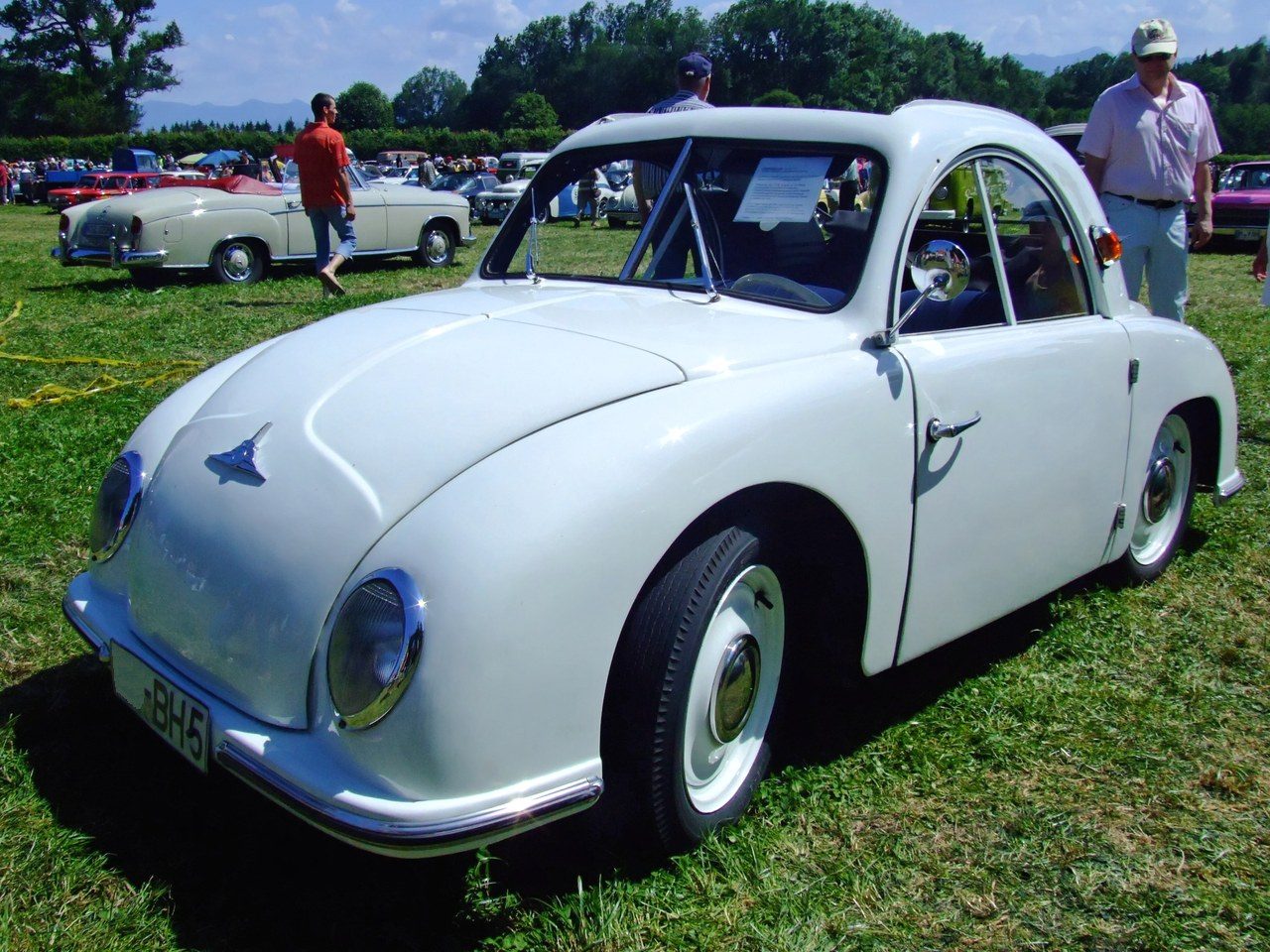
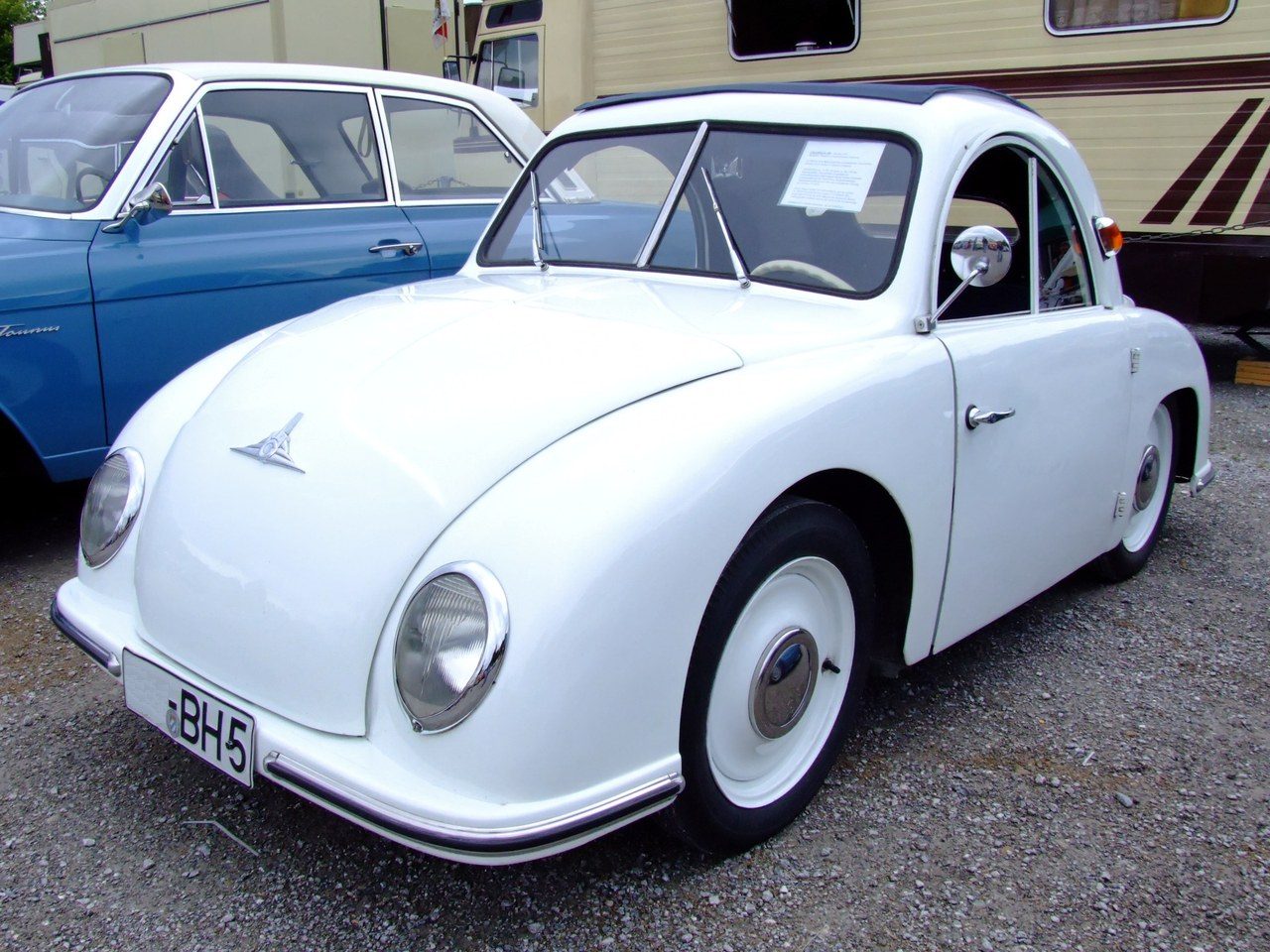
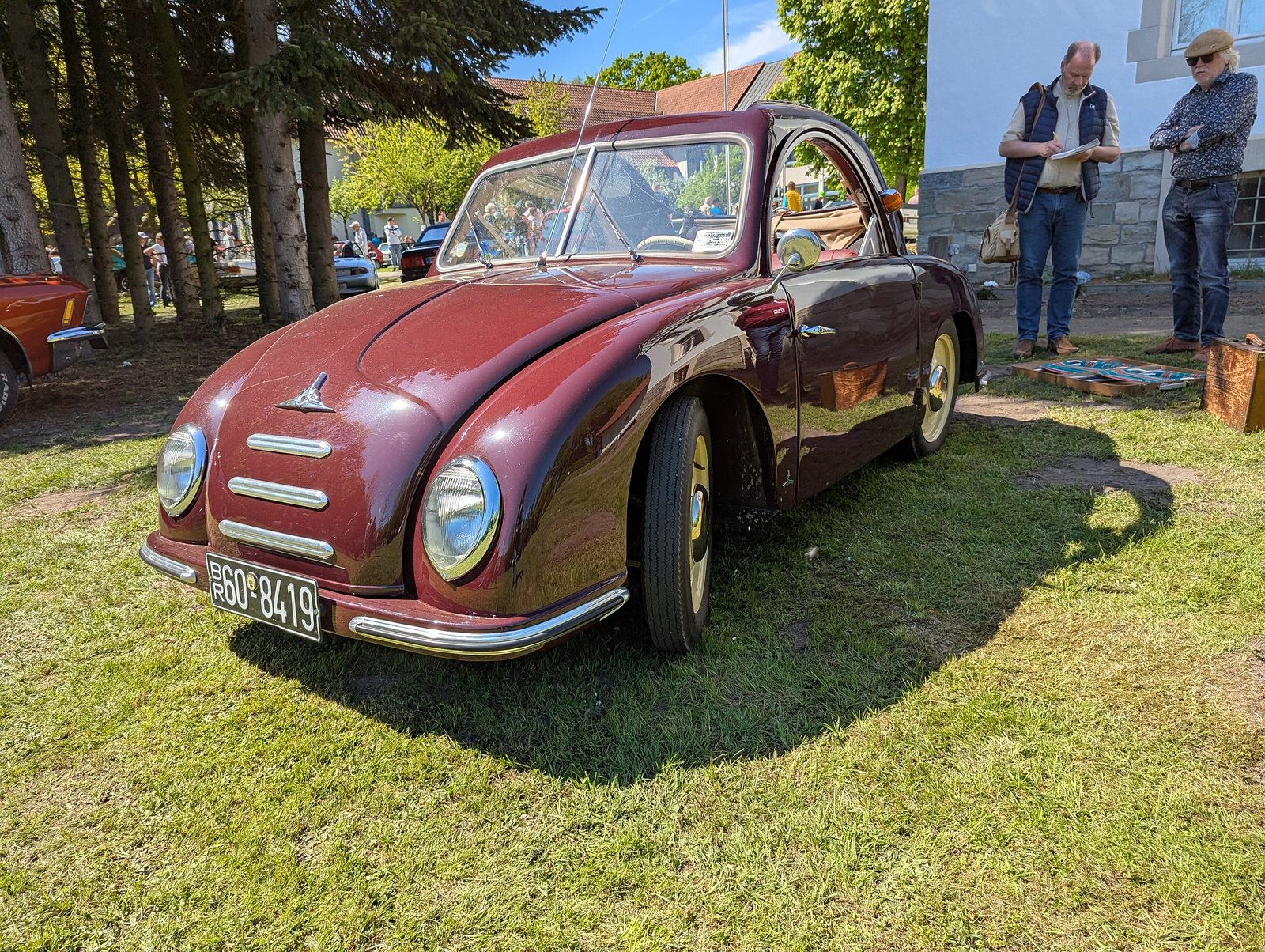
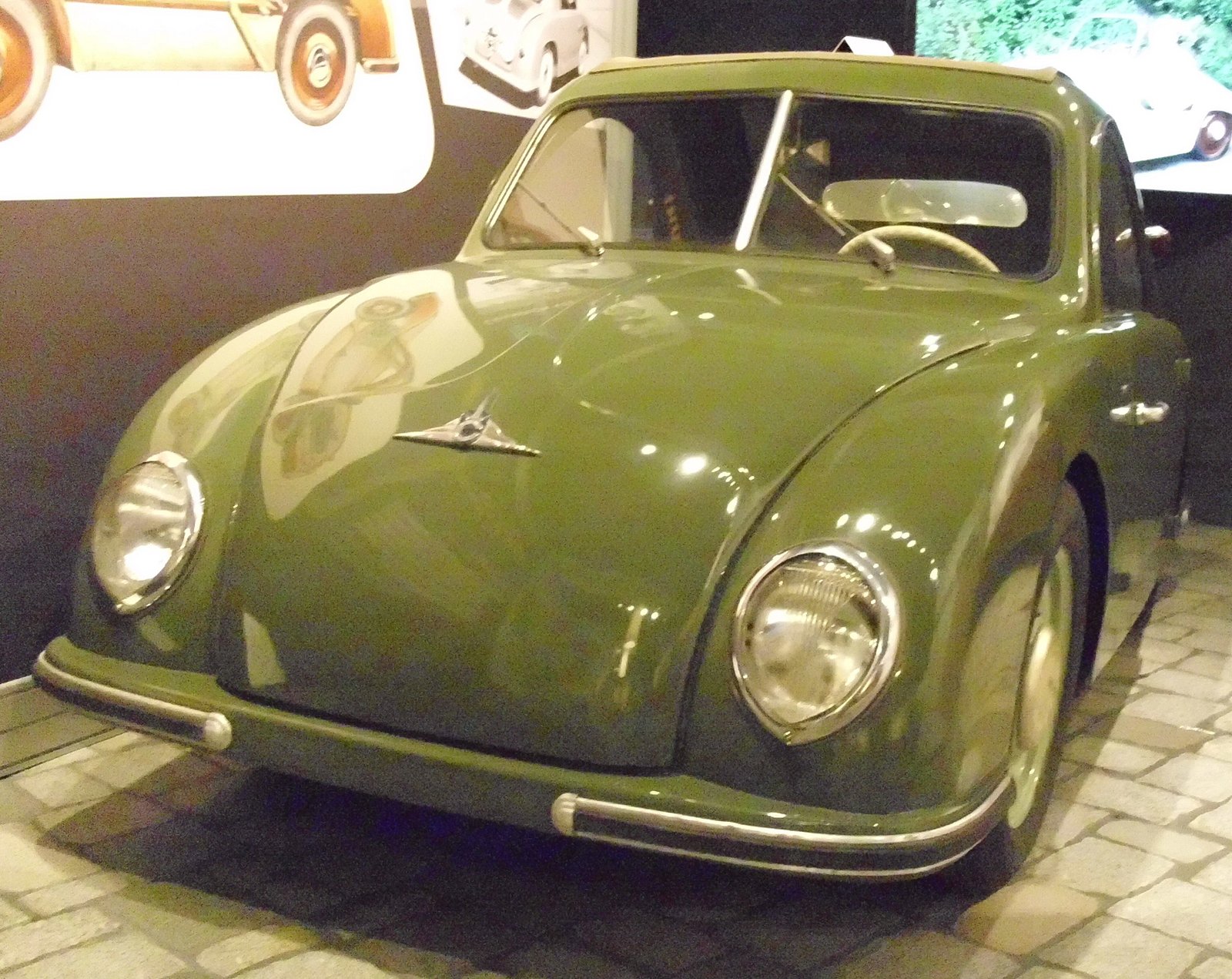
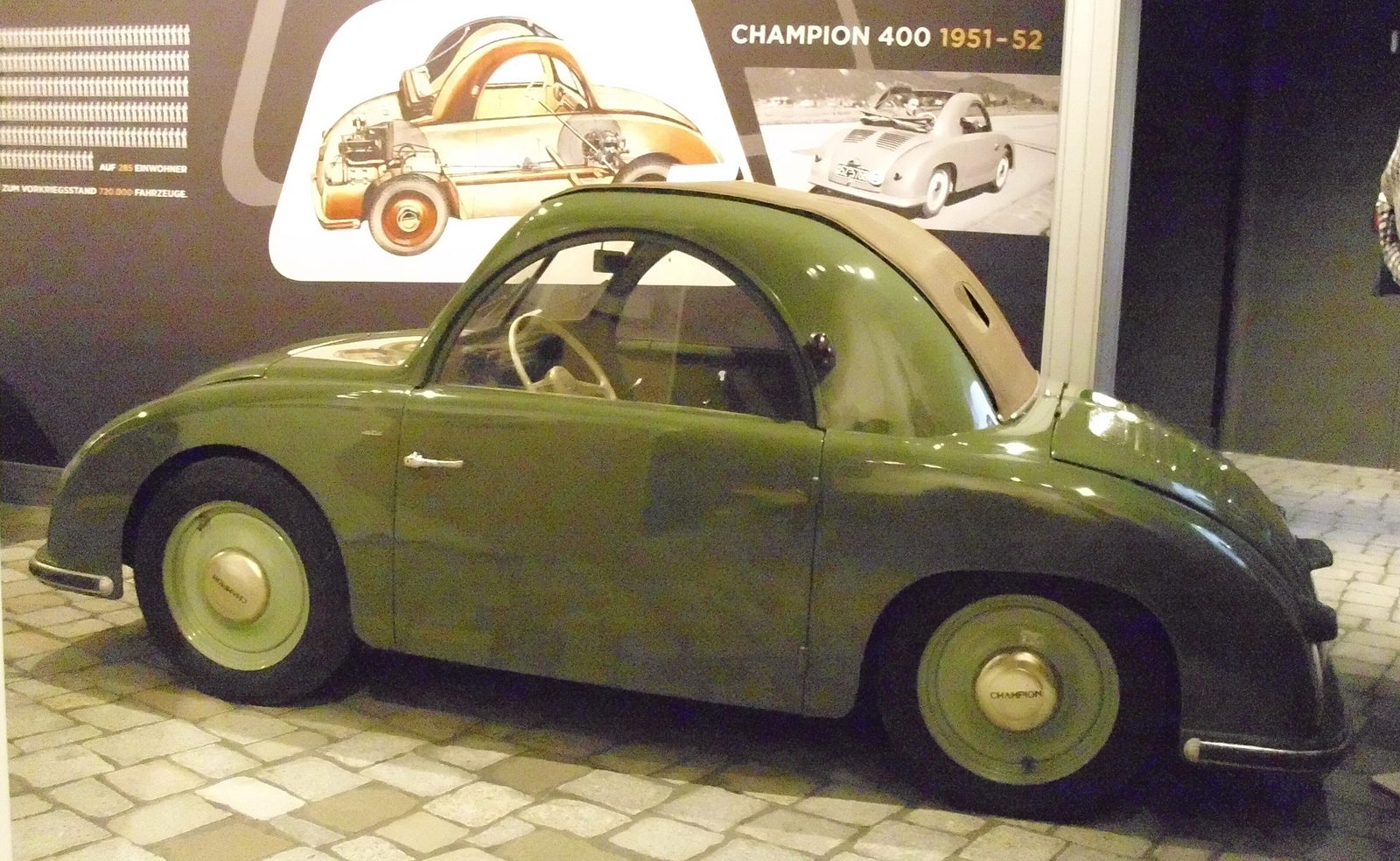
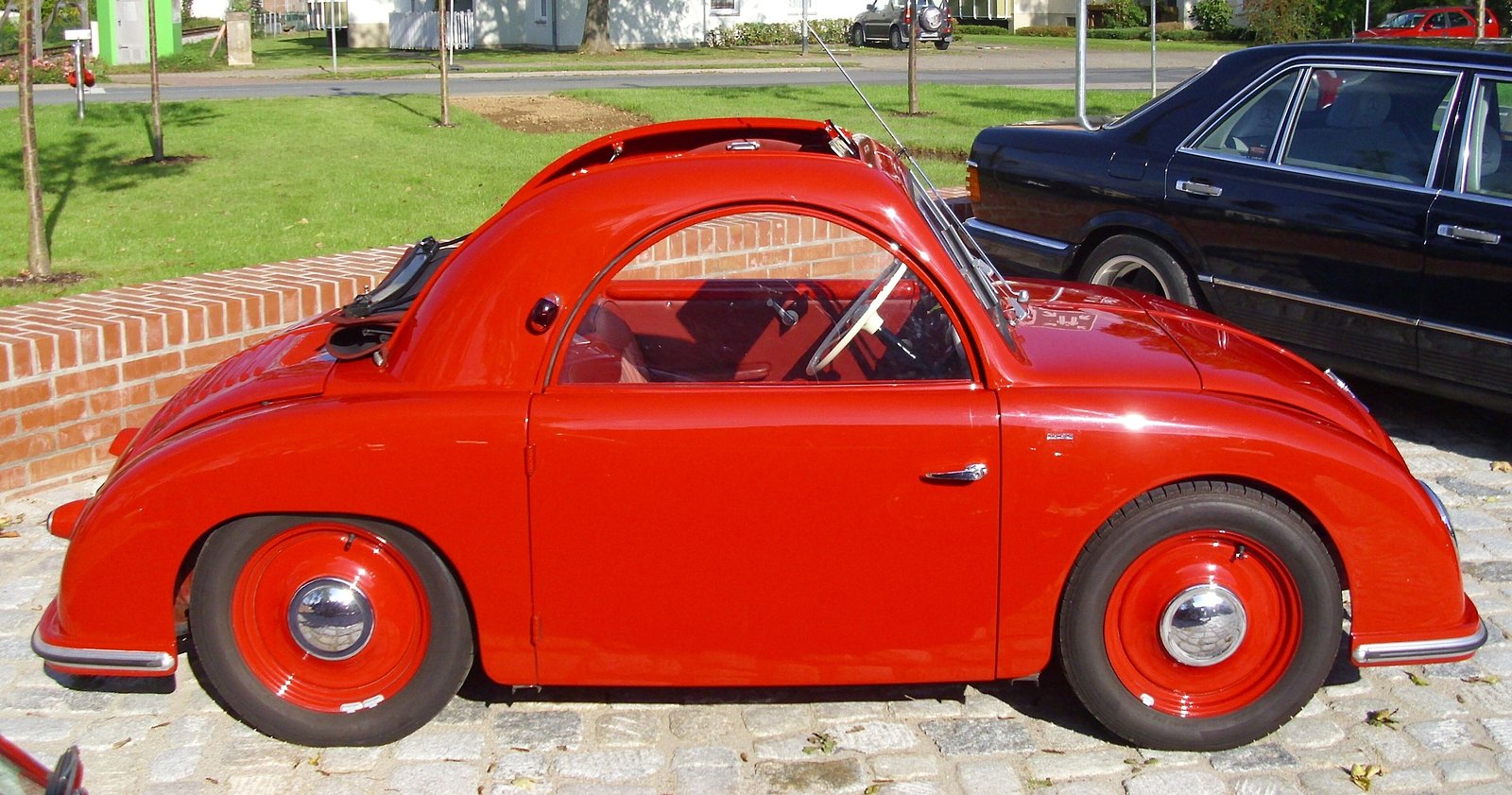
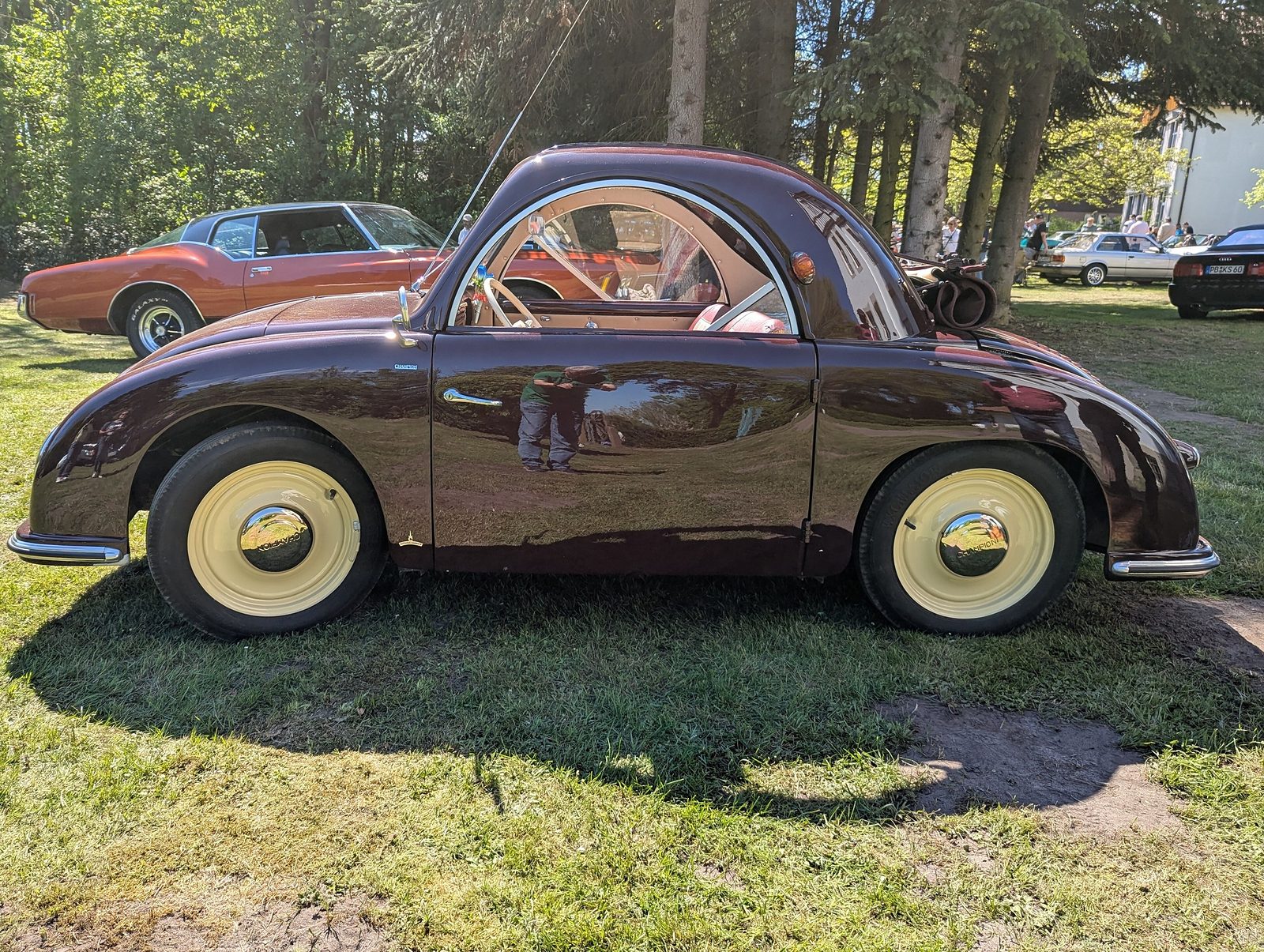
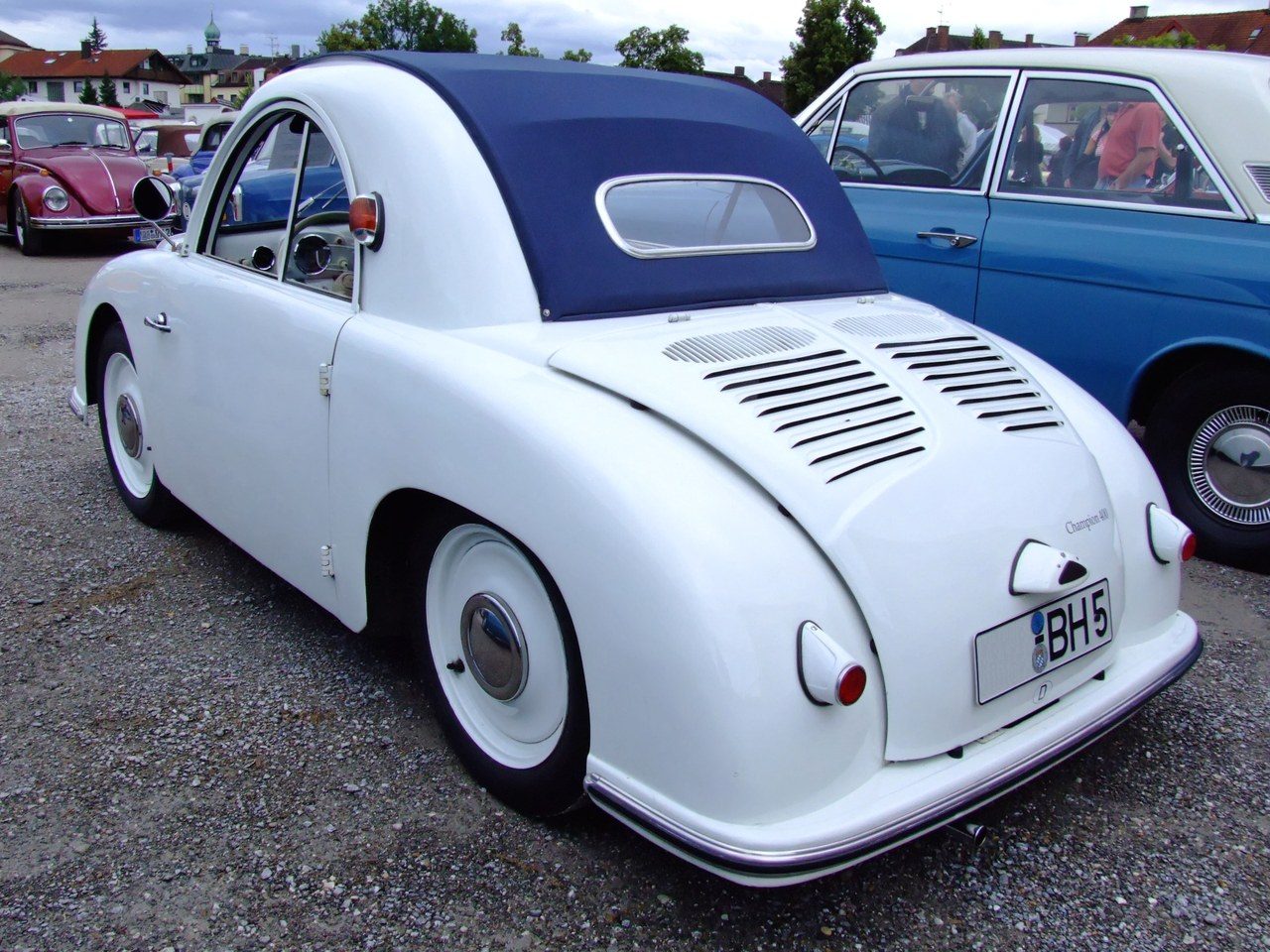
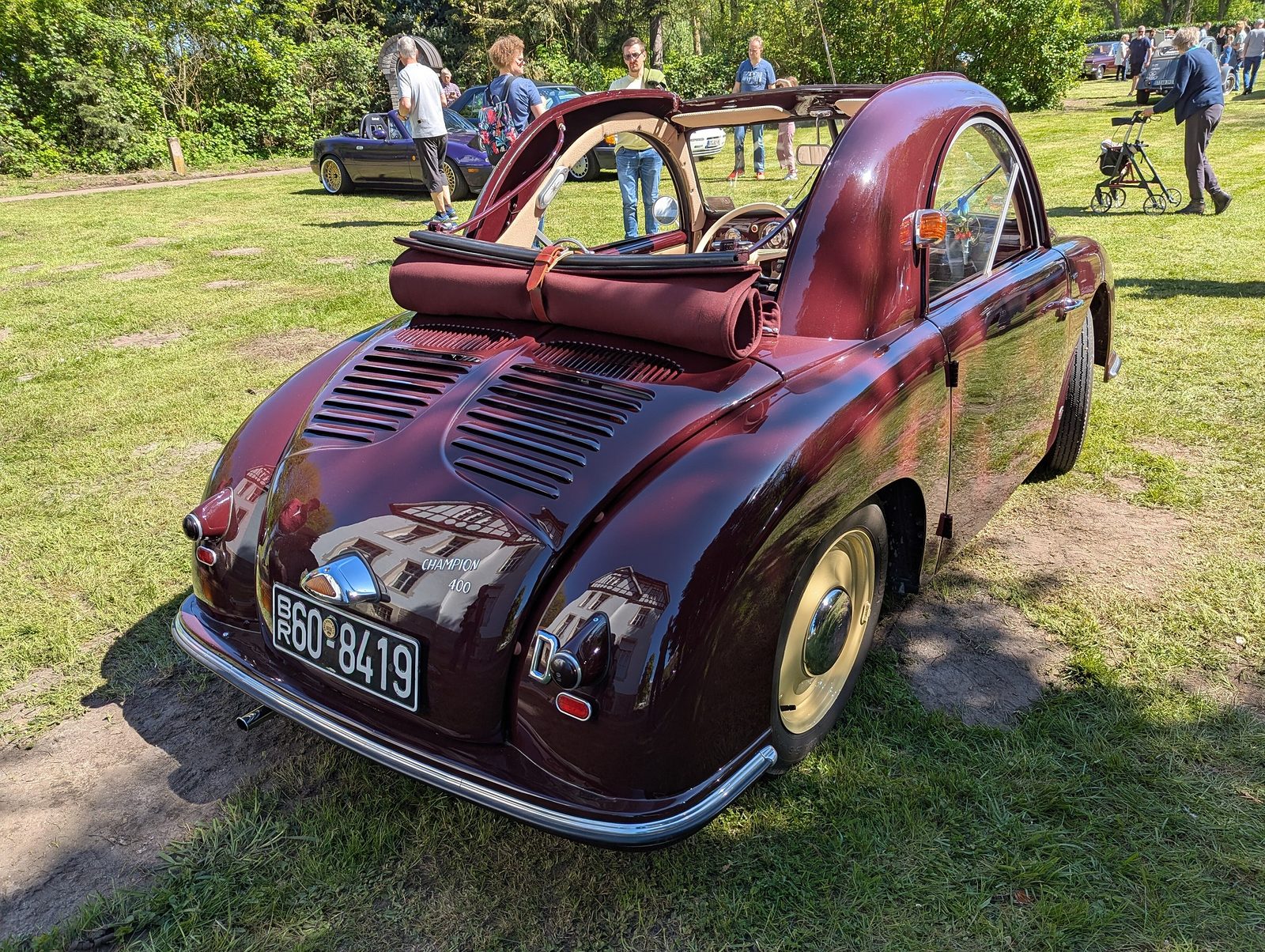
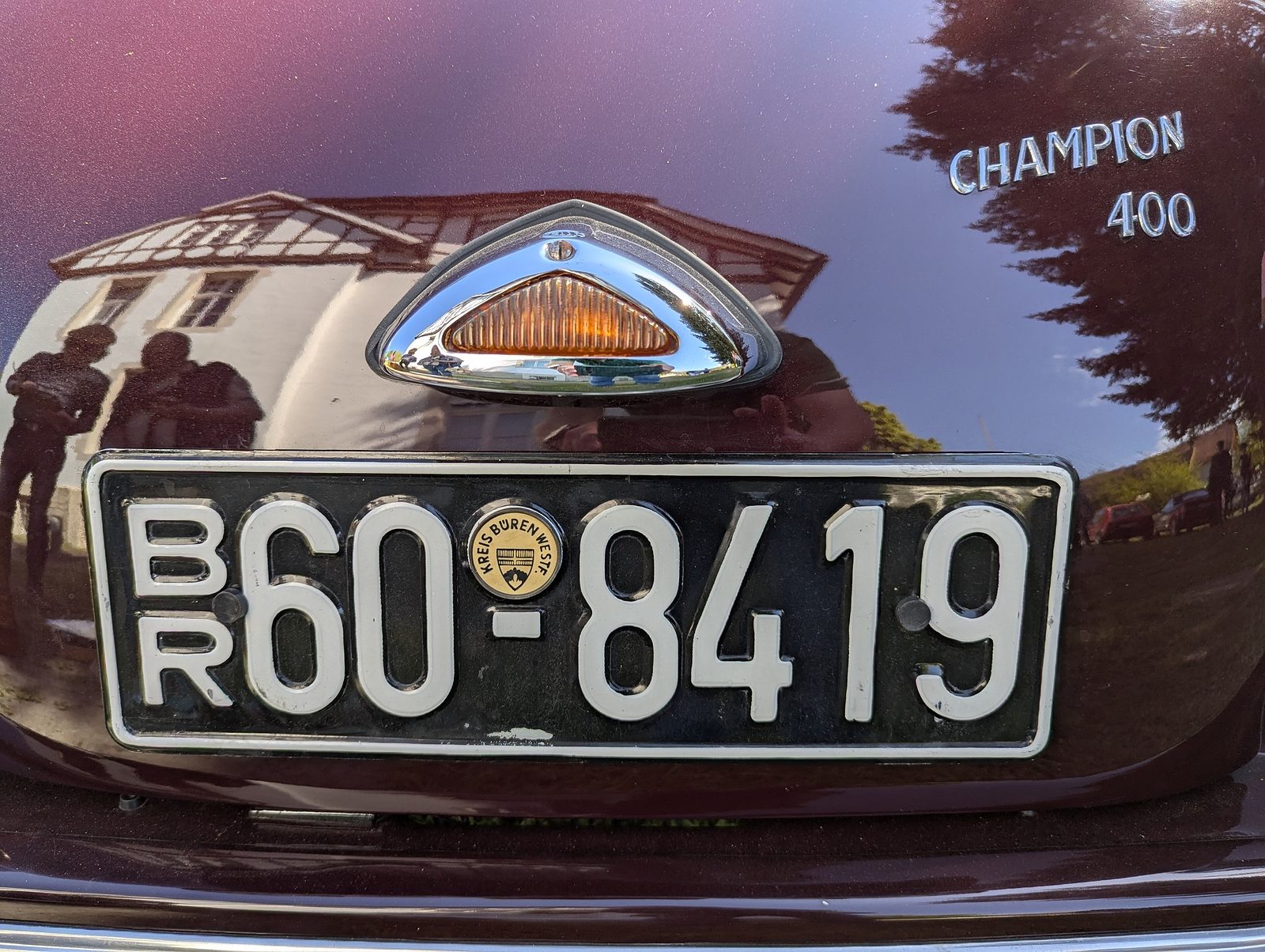
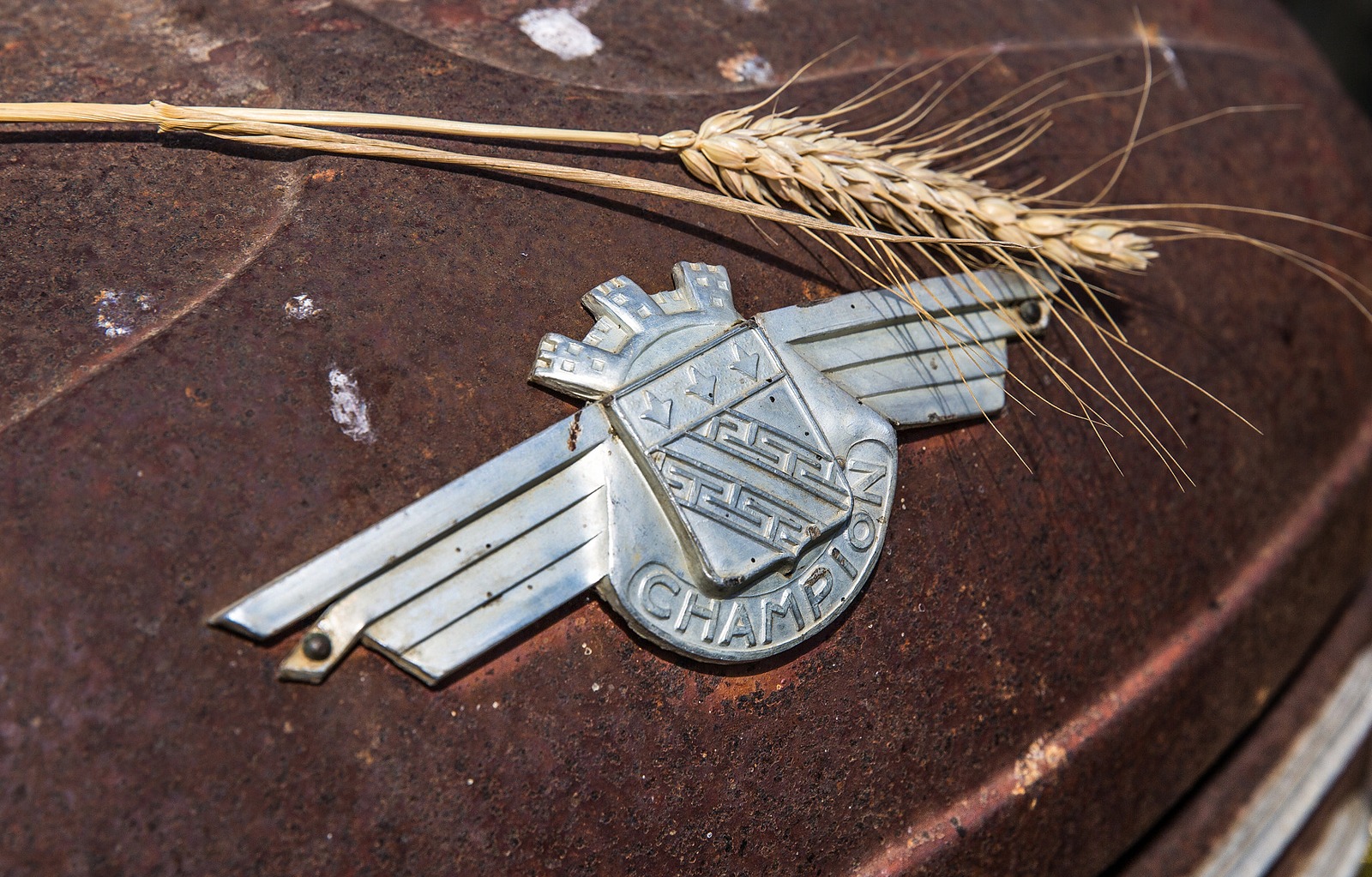
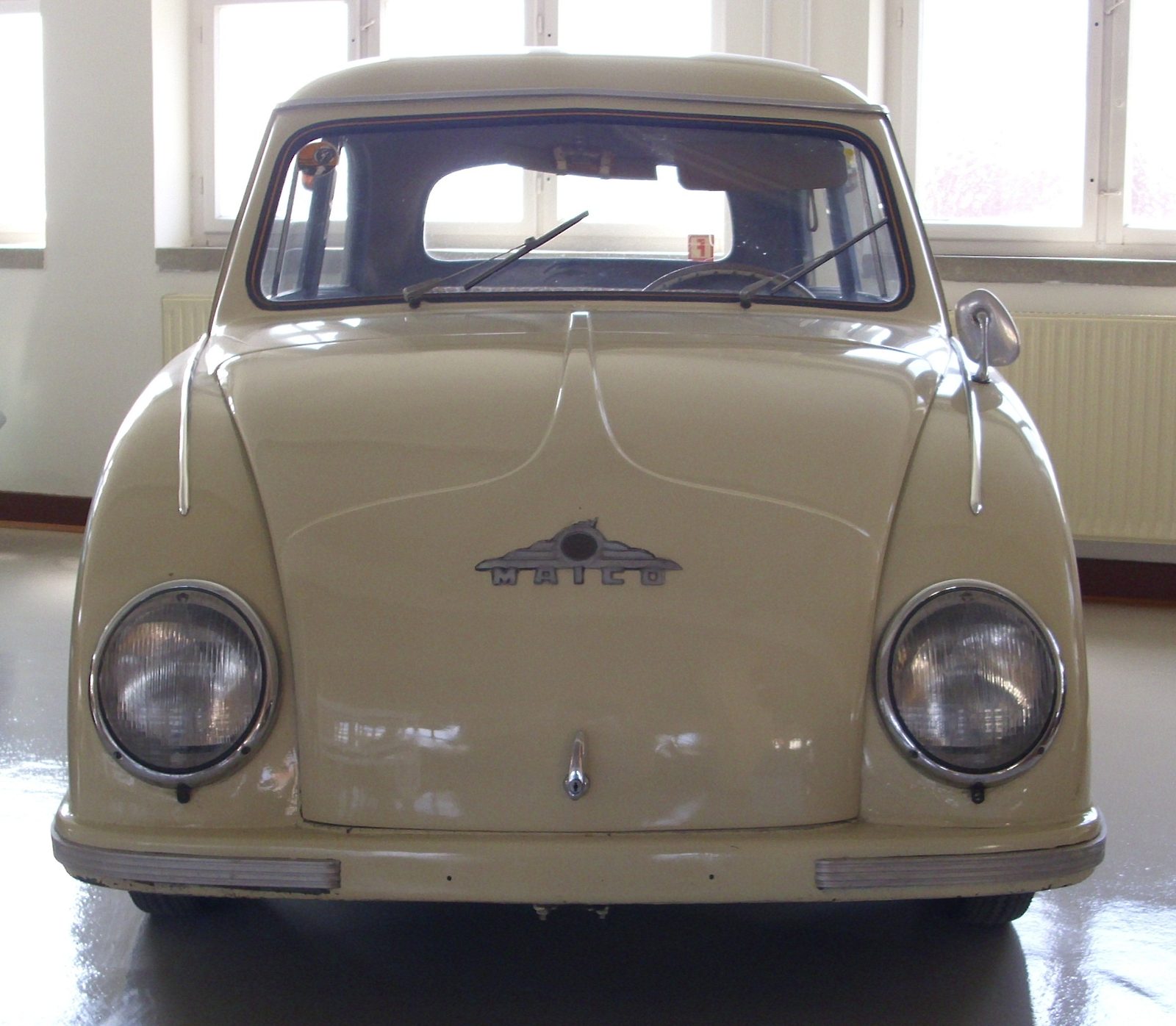
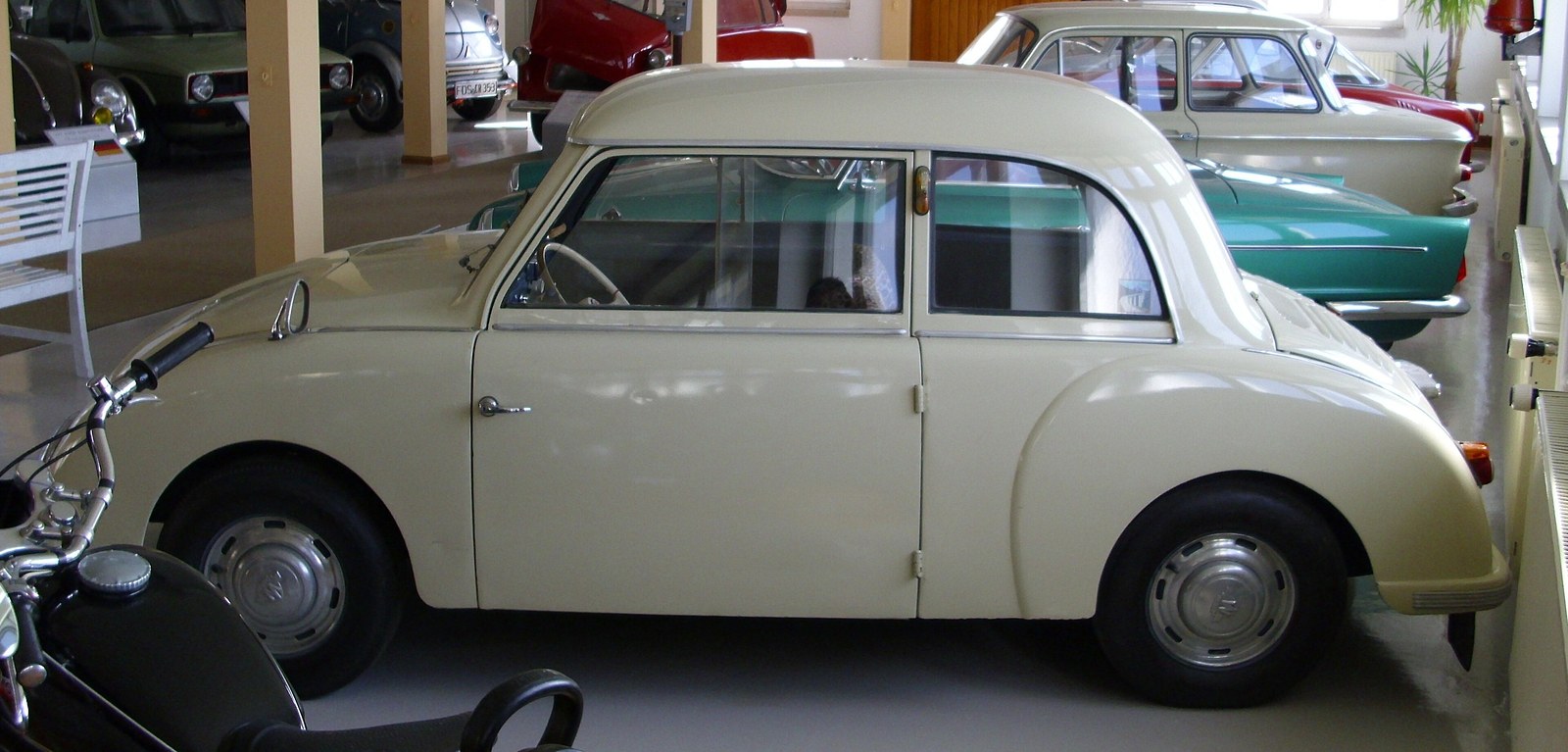
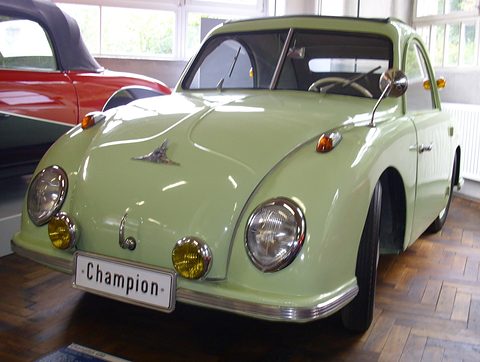
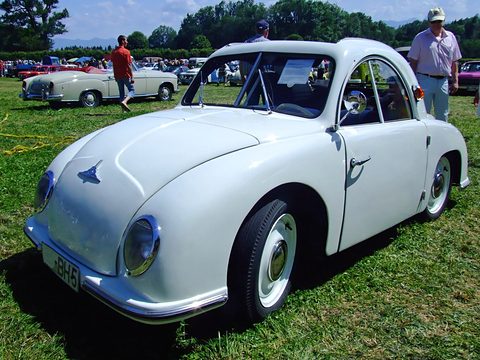
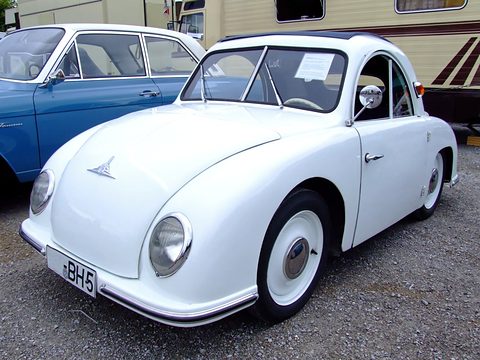
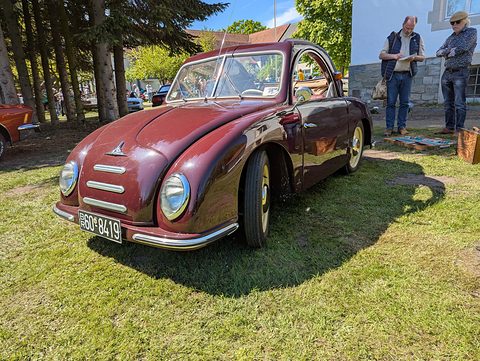
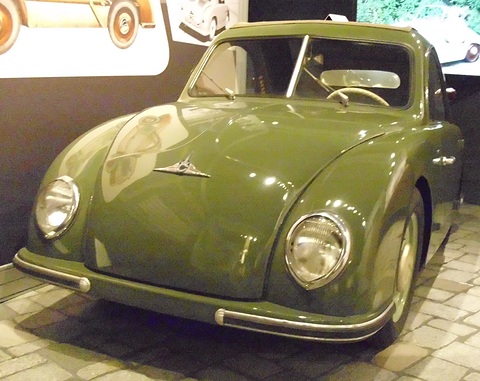
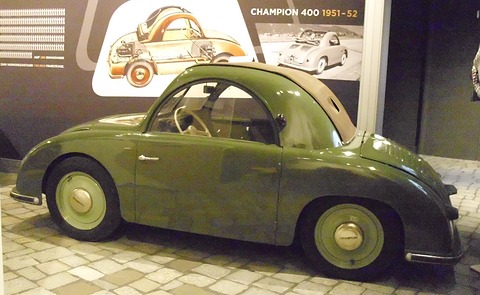
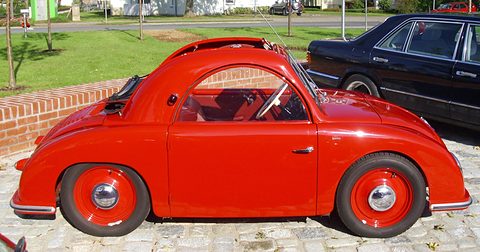
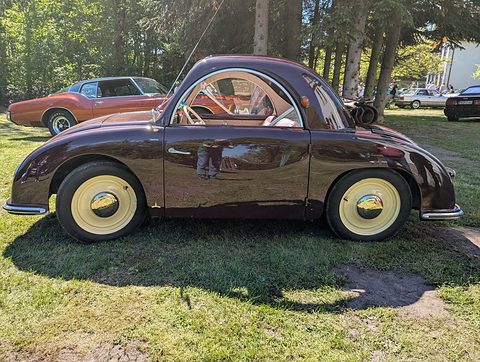
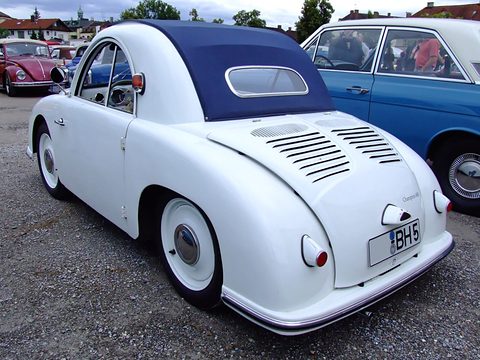
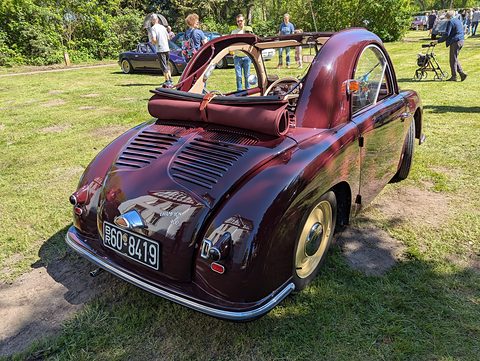
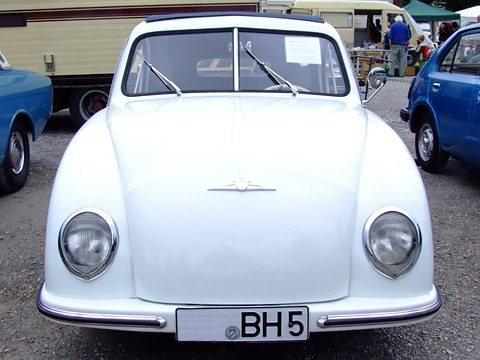
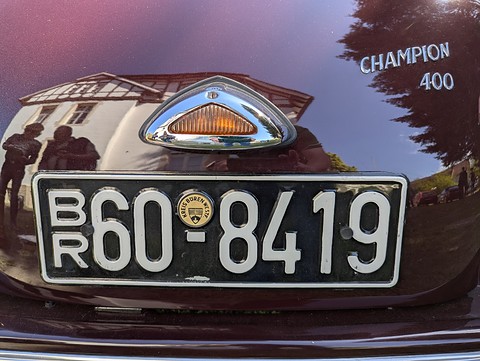
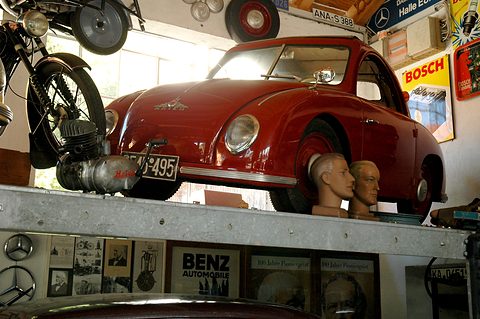
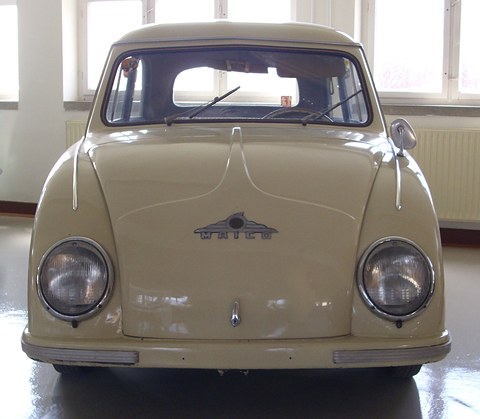
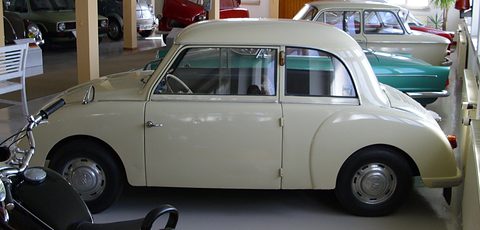
Holbein’s firm was too small to survive alone. In July 1950 he and Benteler, a steel-tube maker from Bielefeld, founded Champion-Automobilbau GmbH, in a factory on a former military airfield at Mönkeloh, near Paderborn, with about 70 staff.source 3source 2 That May the Berlin motor show had seen the car that would carry the name on: the 400, a two-door convertible saloon with a body by Drauz of Heilbronn and a 396 cc Triumph single of 10 PS. Four prototypes were built.source 9 The Weiner museum describes the result as modern and almost symmetrical, with half-moon side windows that wound down into the doors.source 10
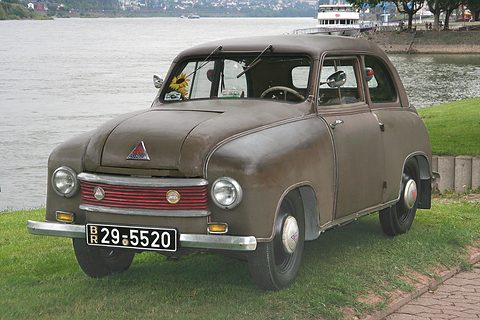
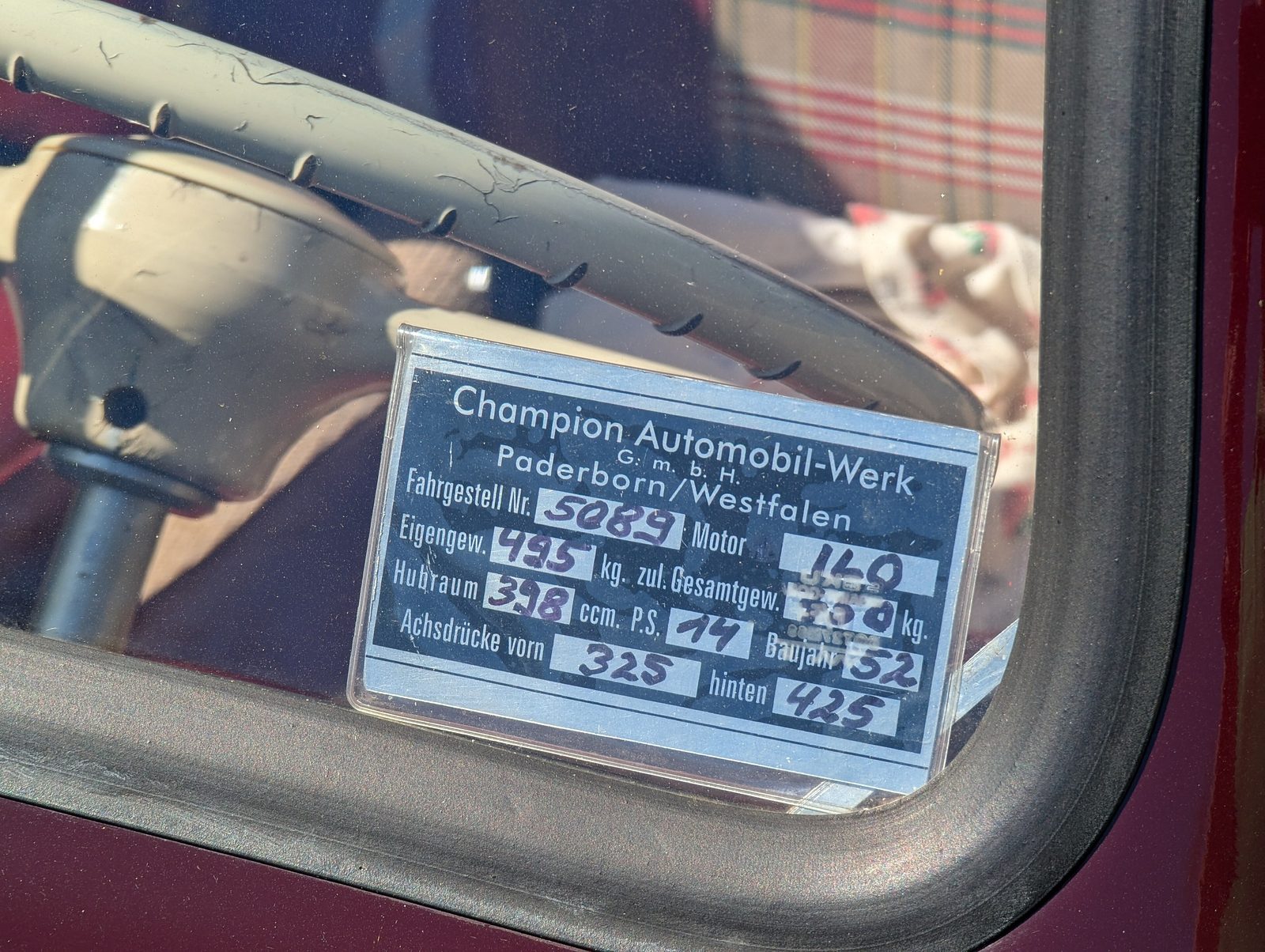
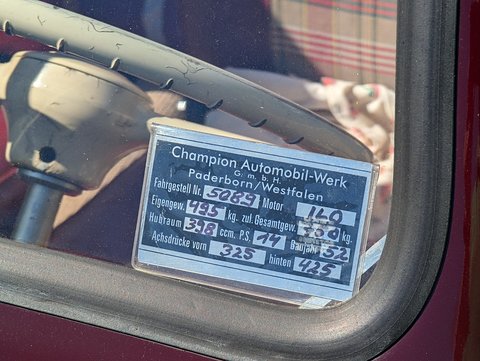
Production began in February 1951, and the car suffered on the way. Benteler wanted to supply as many parts as it could, and the changes to the chassis made the car tail-heavy, spoiling its road-holding and ride. Triumph would no longer supply engines without security, so the series 400 had a water-cooled ILO 398 cc twin of 14 PS.source 11 It cost DM 3,750, then DM 3,995 from July 1952, and 1,904 were built by May 1953.source 11 Rumours of bankruptcy made suppliers fear for their money, and the Weiner museum says a deal with the owner of the Delta refrigerator firm kept things going.source 10
Ludwigshafen, and a disappearance
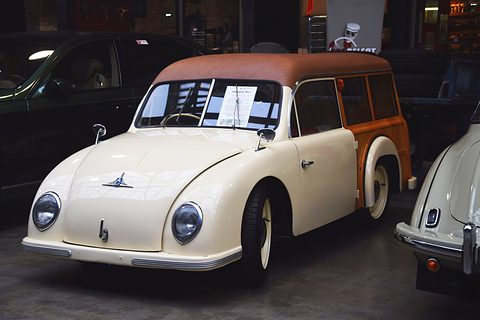
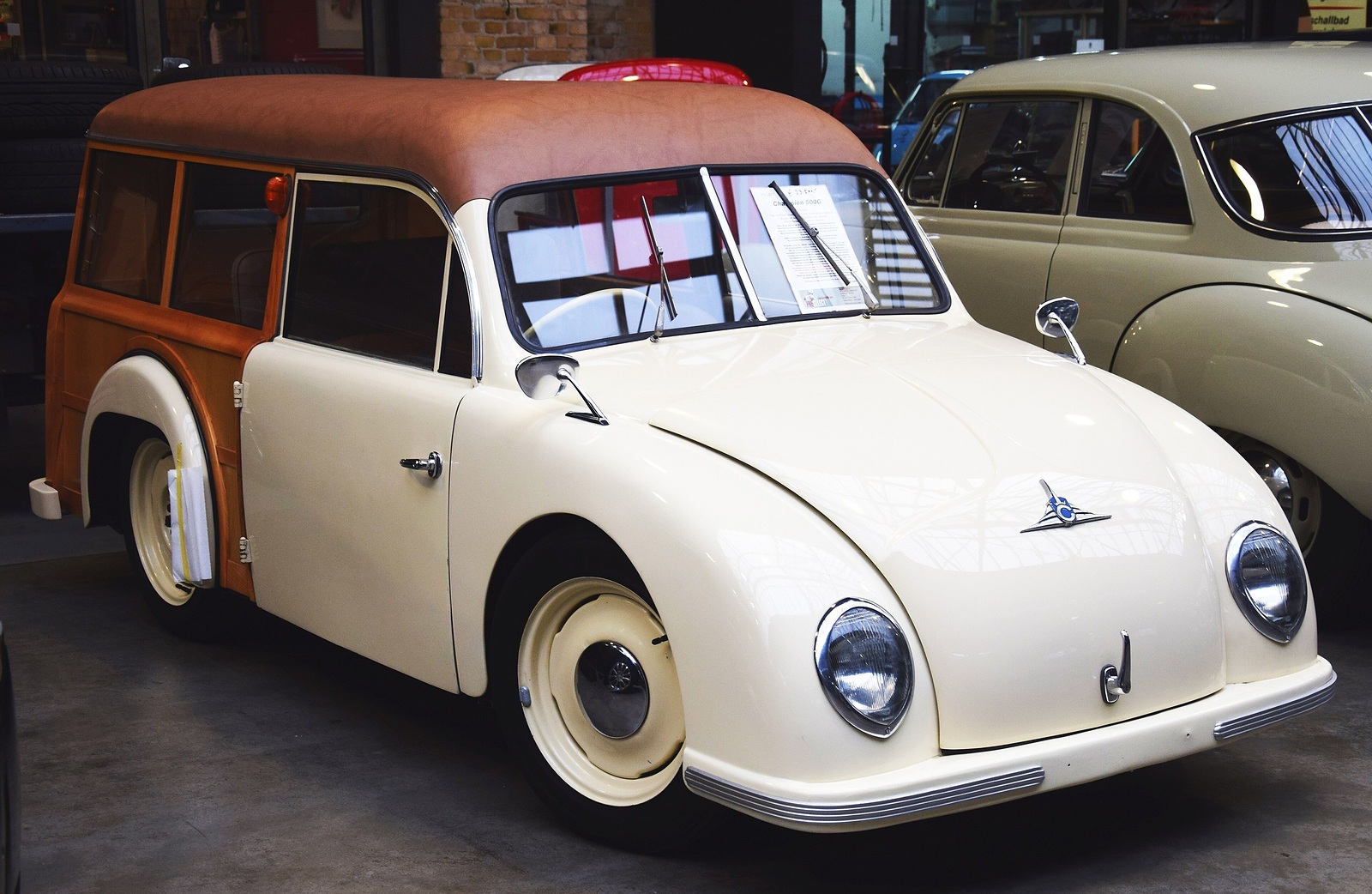
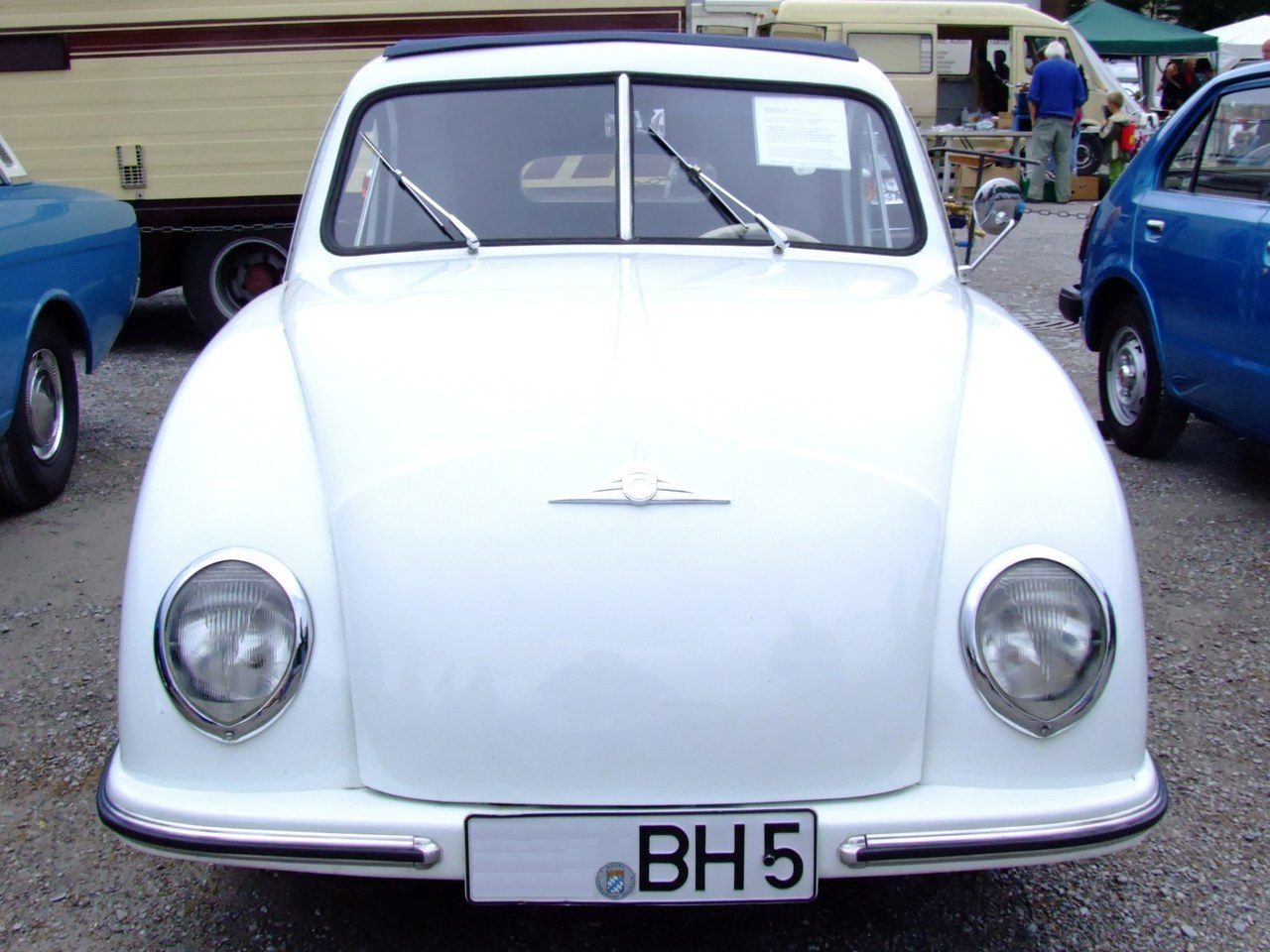
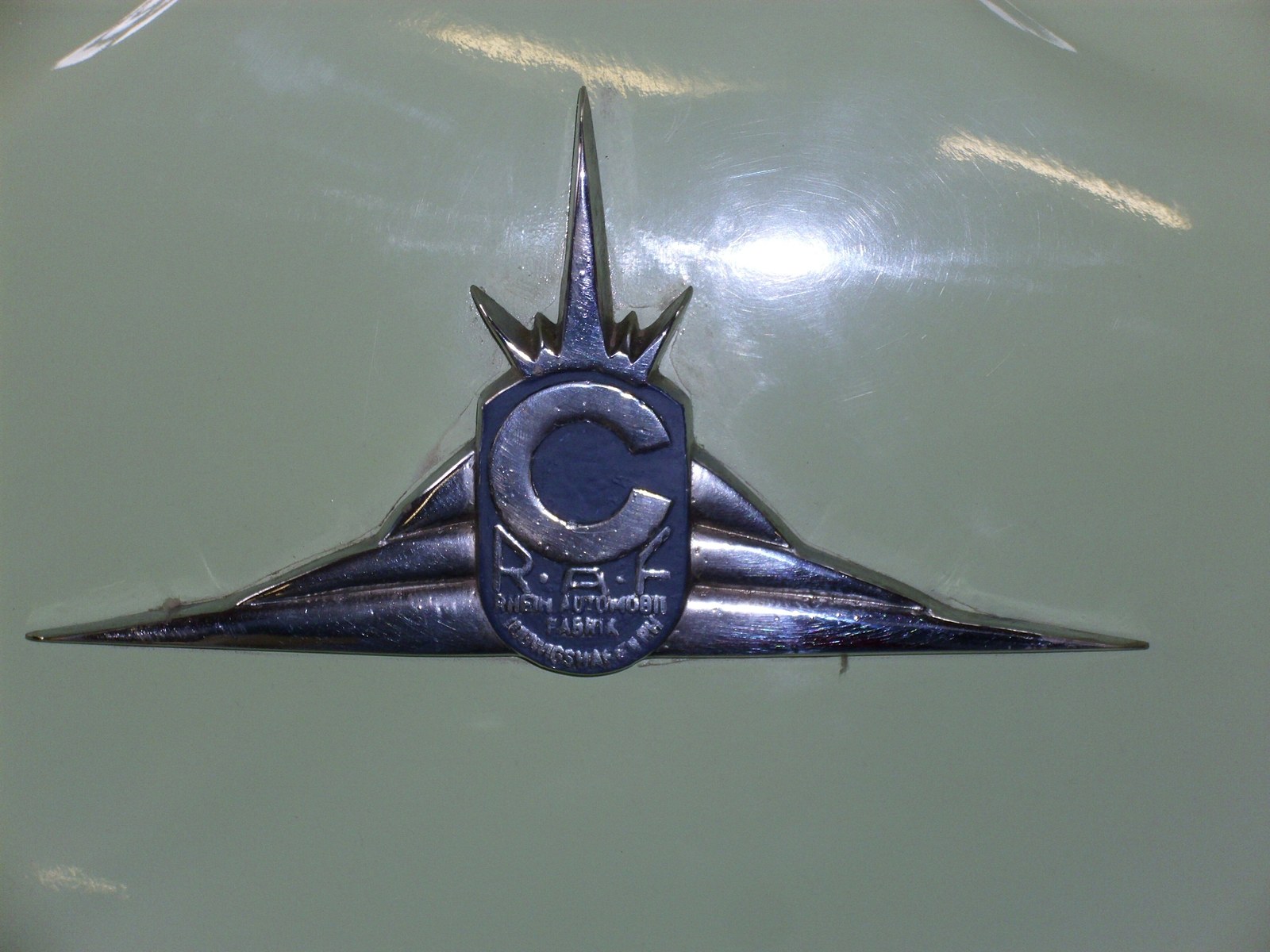
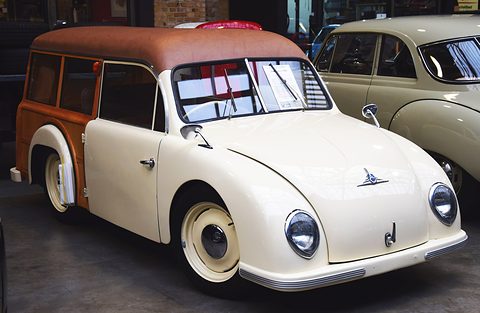
In December 1952 a Champion dealer, Hennhöfer & Co. of Ludwigshafen, took over the tooling as the Rheinische Automobil-Fabrik.source 3source 12 When ILO stopped making the engine, the 400 H of June 1953 took a water-cooled twin from Heinkel, maker of the Heinkel Kabine, of 396 cc and 15 PS, with hydraulic brakes.source 13source 10 In July came the first Champion with four seats, the 500 G estate, with a wooden rear body and a 452 cc Heinkel twin tilted at 60 degrees to keep the load floor low.source 14 Hennhöfer stopped in November 1953 after 1,681 cars, owing DM 1.18 million.source 12
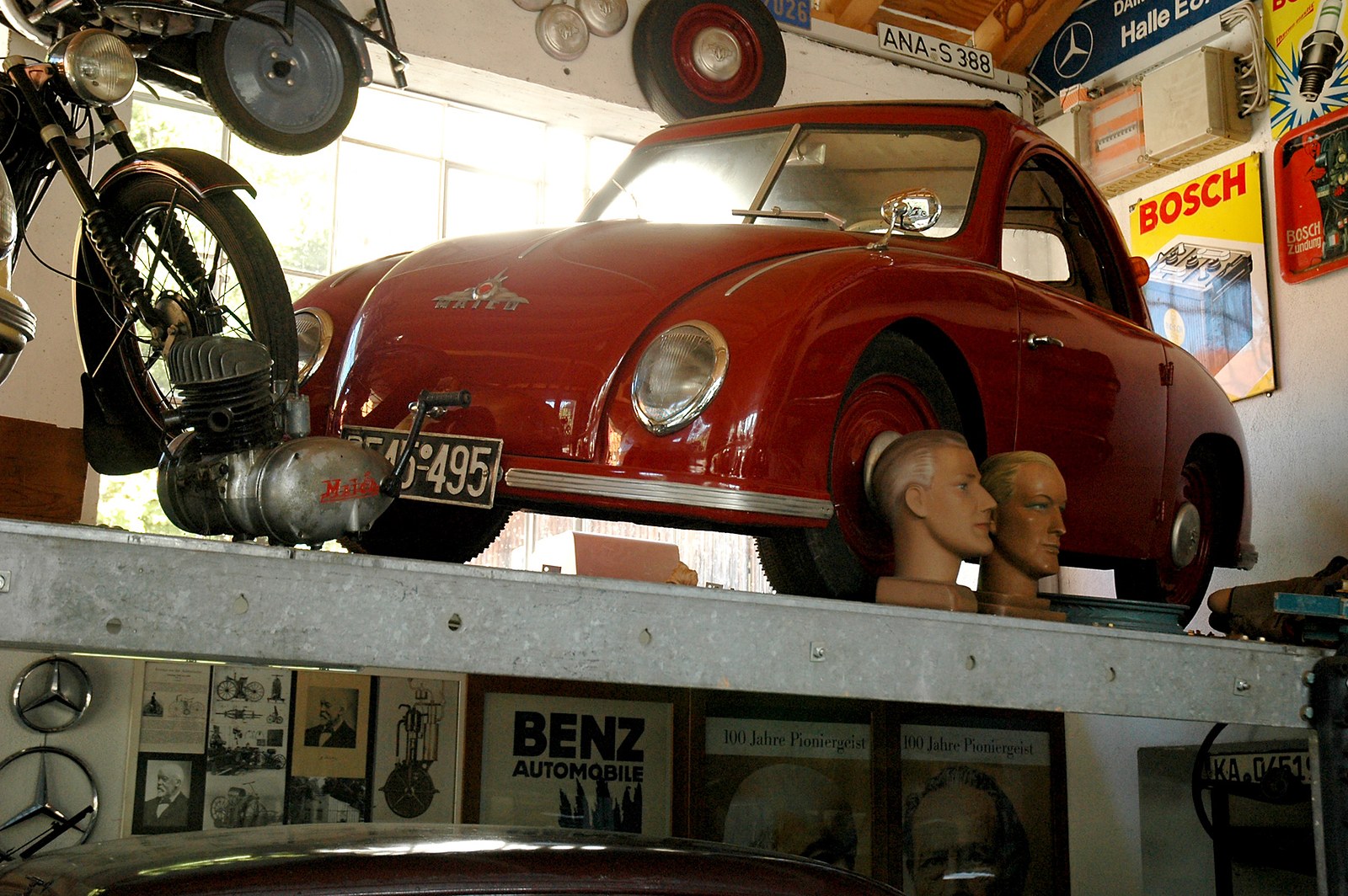
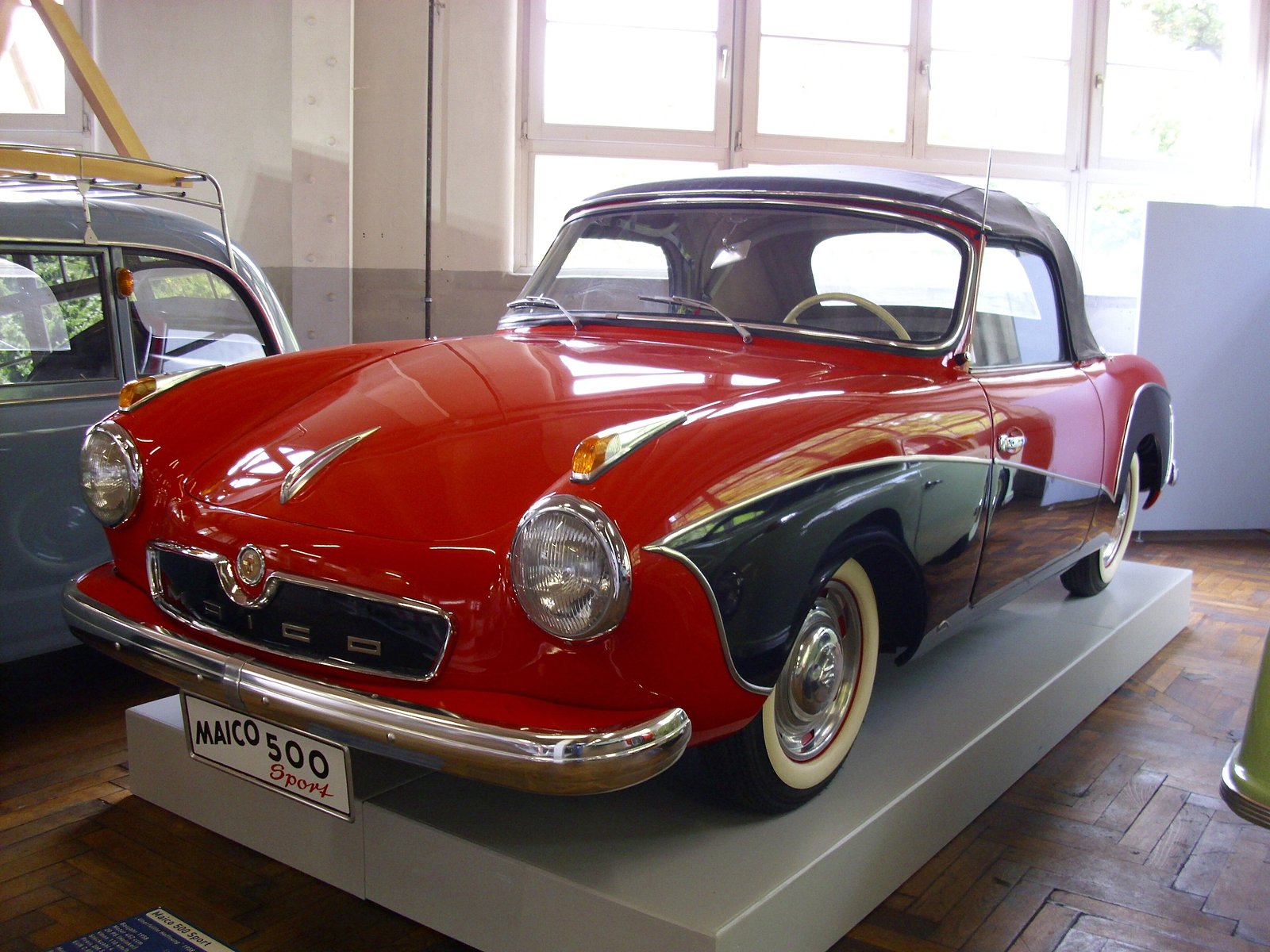
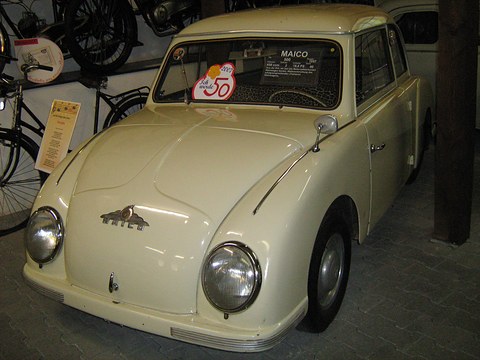
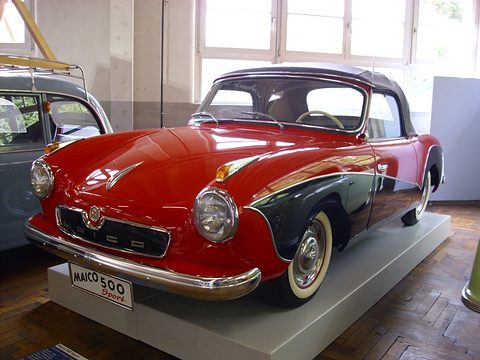
Henning Thorndal took over in mid-1954 and built about 300 more by November, meaning to start again in February 1955. Instead he vanished, leaving DM 6 million of debts. In October 1954 a four-seat prototype with its engine in front, driving the front wheels, had been shown; it never went into production.source 15 On the last day of 1954 Ostner Fahrzeugwerke of Sulzbach-Rosenberg, which had hoped to merge Thorndal’s firm with Champion, applied to the court for composition proceedings, as auto motor und sport reported in February 1955.source 16 German registrations of the car had climbed from 106 in 1950 to 1,685 in 1953, and fell to 428 in 1954.source 3 In June 1955 the receiver sold the rights, the assembly equipment, the tools and the stock to Maico, for about DM 300,000.source 3source 15