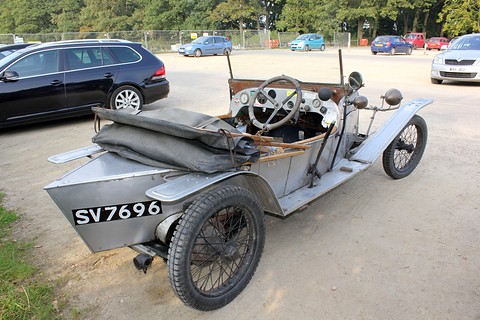
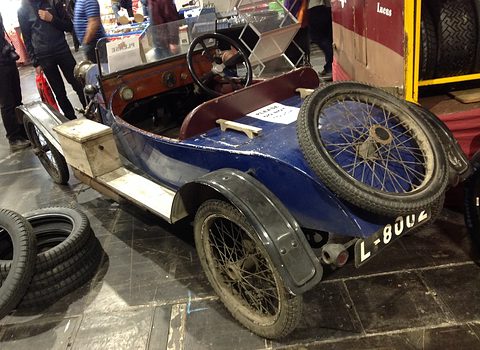
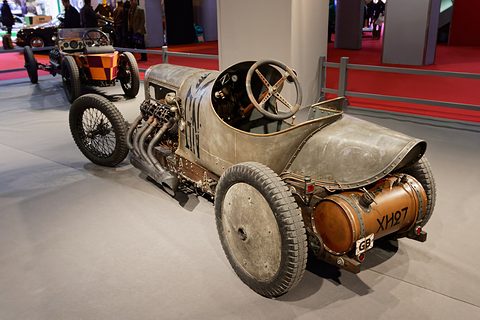
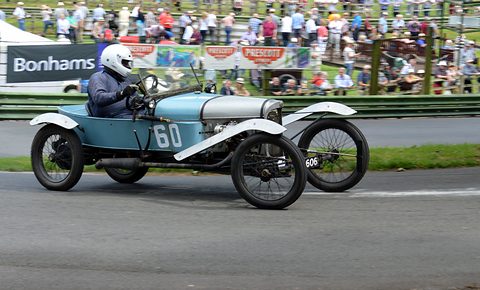
The story
History
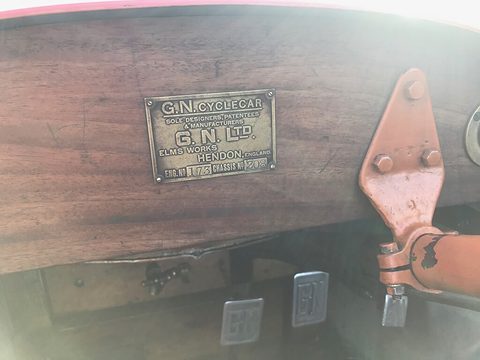
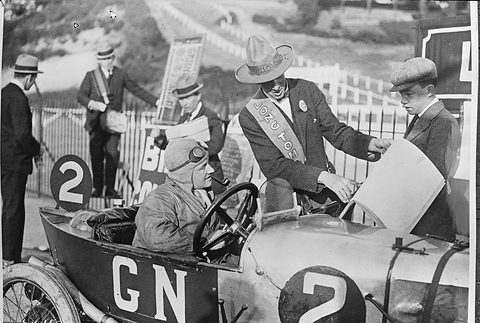
Henry Ronald Godfrey and Archibald Frazer-Nash met in 1905 as students of mechanical engineering at the City and Guilds college in Finsbury, and served their apprenticeships together at Willans & Robinson in Rugby. From 1906 they built “several machines”, separately and together, that tried to join a motorcycle’s liveliness to the stability of four wheels.source 1 In the autumn of 1910 they joined forces on a more complete car, and named it from the initials of their surnames. The Motor Cycle described their machines that December, and “hundreds of letters” followed.source 1source 2 The coach-house and stables behind Nash’s family home, near Hendon, were theirs rent-free; the first catalogue brought eight or so orders, each with a deposit of a third, and they laid down a batch of six “de luxe” chassis.source 1 English Wikipedia dates the start to 1909 and Grace’s Guide to 1910; Godfrey’s own account points to late 1910.source 1source 2source 3
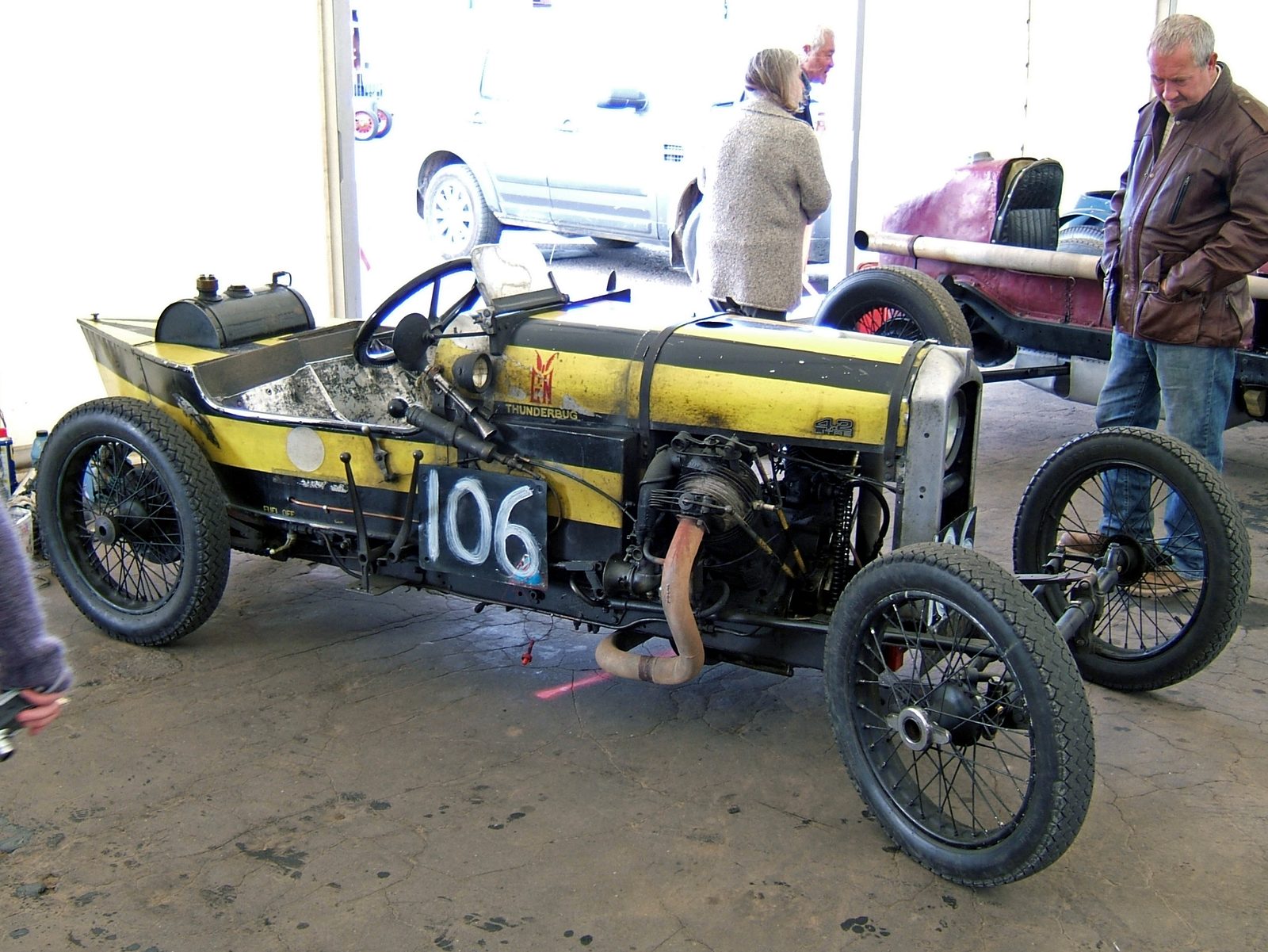
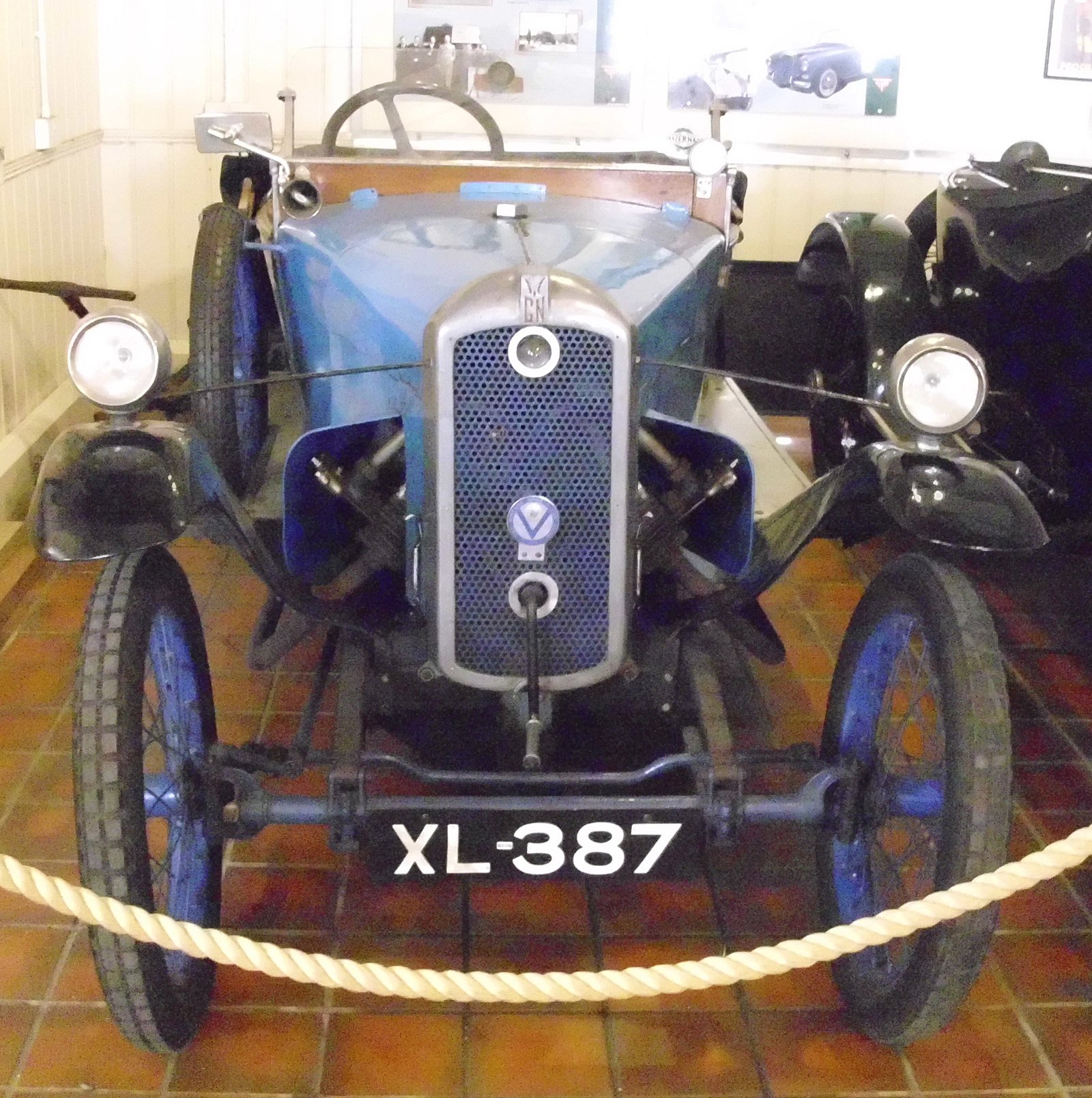
The first GN was improvised. Proprietary car parts for something so light did not exist, so it had a wooden frame, a JAP or Peugeot V-twin, belts and chains, and steering by wire and bobbin.source 1source 2 Godfrey remembered the troubles well. Motorcycle engines would not idle, so owners ran them fast, shook the wings off and overheated them; cooling fans shed blades that stabbed the petrol tank and started fires; a backfire on the wire-and-ratchet starter could throw its operator into the dummy radiator; and the twin primary belts often ran crossed, “without ill-effect”.source 1 Early in 1911 the partners moved to a small workshop at The Burroughs, Hendon, the Elms Works, its machines driven at first by a motorcycle engine and then by gas engines. That summer a customer, Cecil Whitehead, put in £1,000, and G.N. Ltd was formed.source 1
An engine of their own
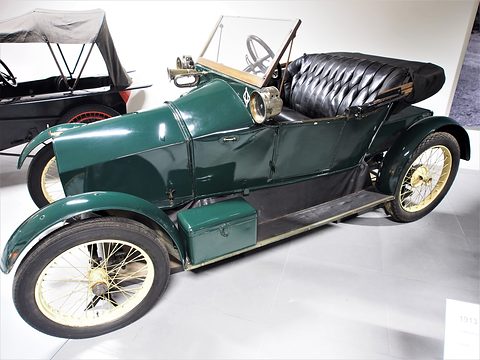
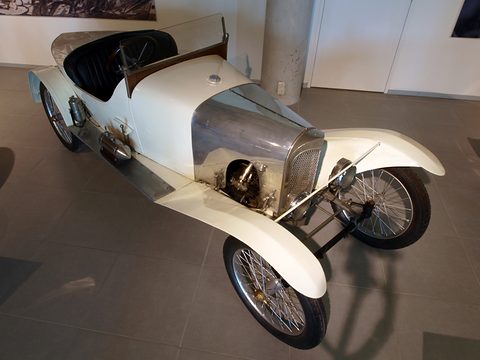
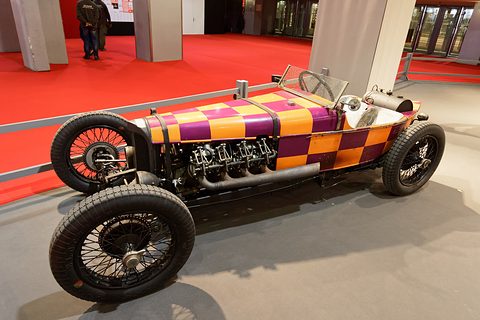
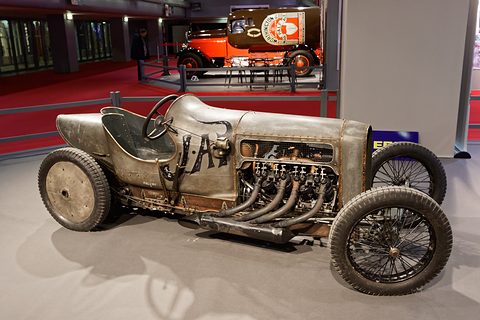
In early 1912 GN began making its own engine, an answer to the vibration and stalling: an air-cooled 90° V-twin with a large flywheel, automatic inlet valves and an overhung crank, to which “very spindly push-rods were added as a concession to fashion”. It idled well, allowed a chain primary drive, and made the car, in Godfrey’s words, “pleasant to drive and handle in every way”.source 1source 2 The Autocar described the GN in February 1912, and F. W. Berwick & Co. sold it in London.source 2 For 1913 the engine was redesigned at 84 × 98 mm, 1,087 cc, with deeper fins, and set across the frame with both exhausts facing forward; a clutch on the flywheel drove a bevel cross-shaft, two chains and dogs gave two speeds, and belts took the drive to the rear wheels, for 80–89 km/h (50 to 55 mph).source 1source 2source 4 In November 1913 the firm moved to new premises, the Etna Works in Bell Lane, Hendon, of about 930 m² (10,000 sq ft). By early 1914 it built about two cars a week, everything, bodies included, made in-house.source 1
Amiens, 1913
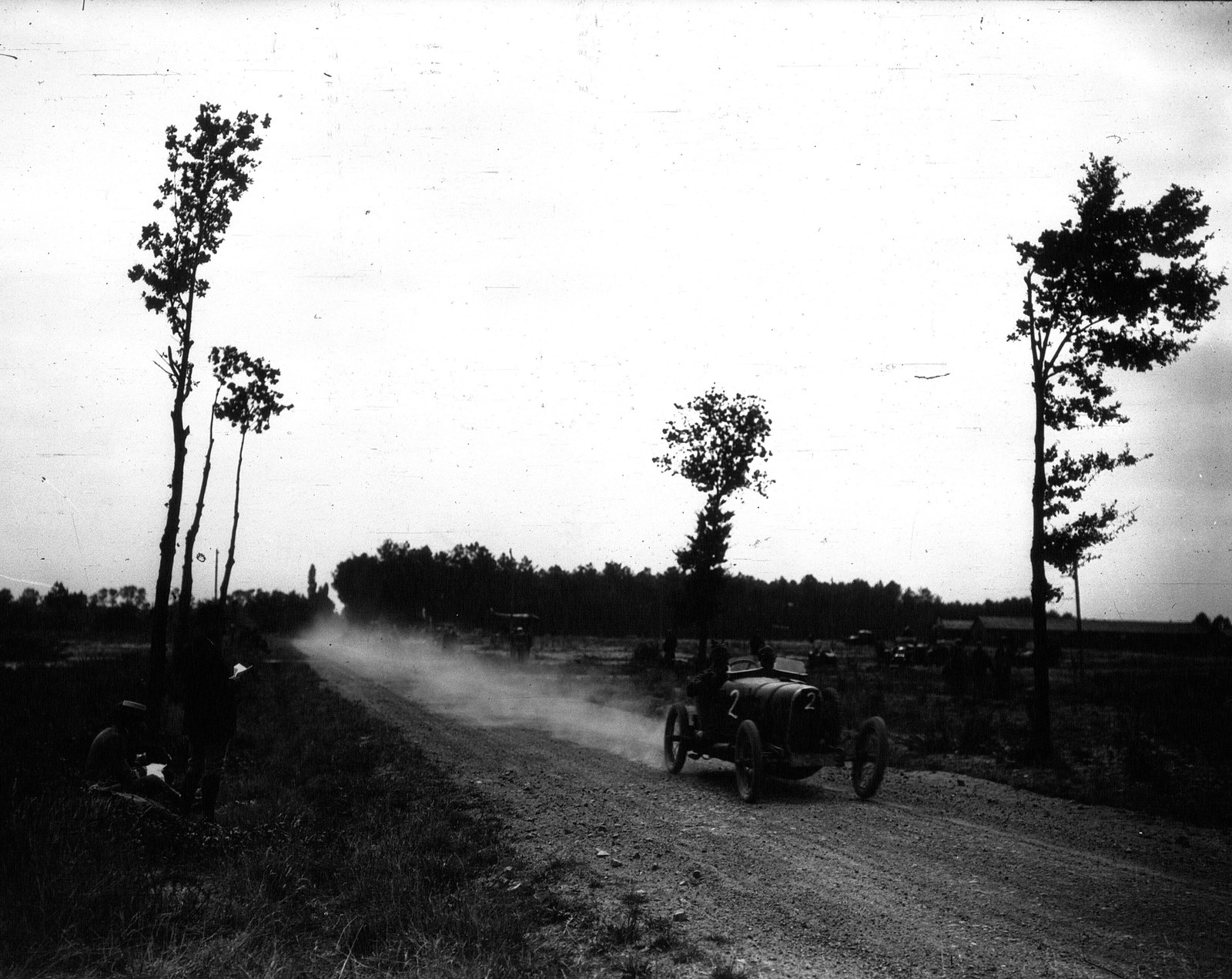
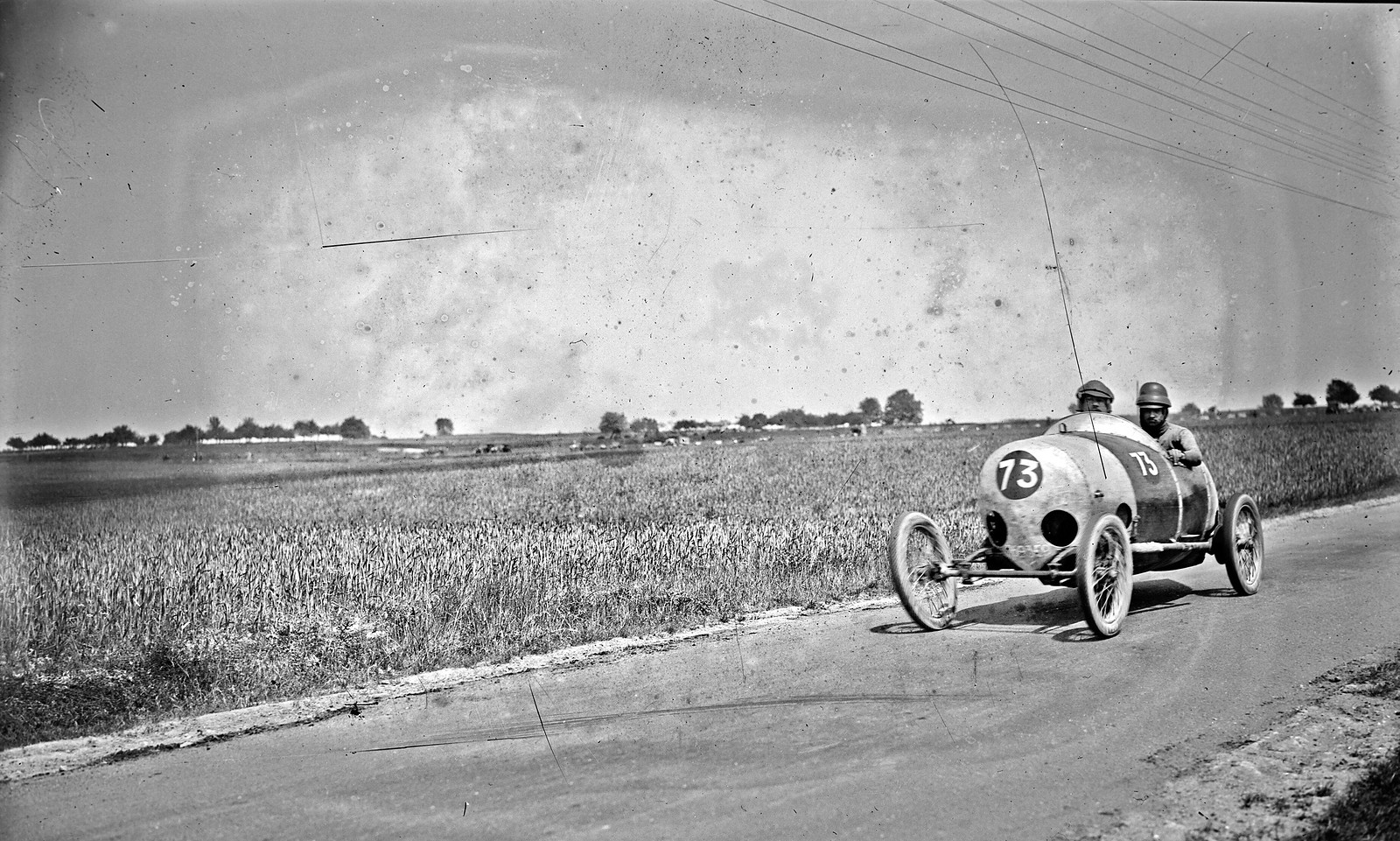
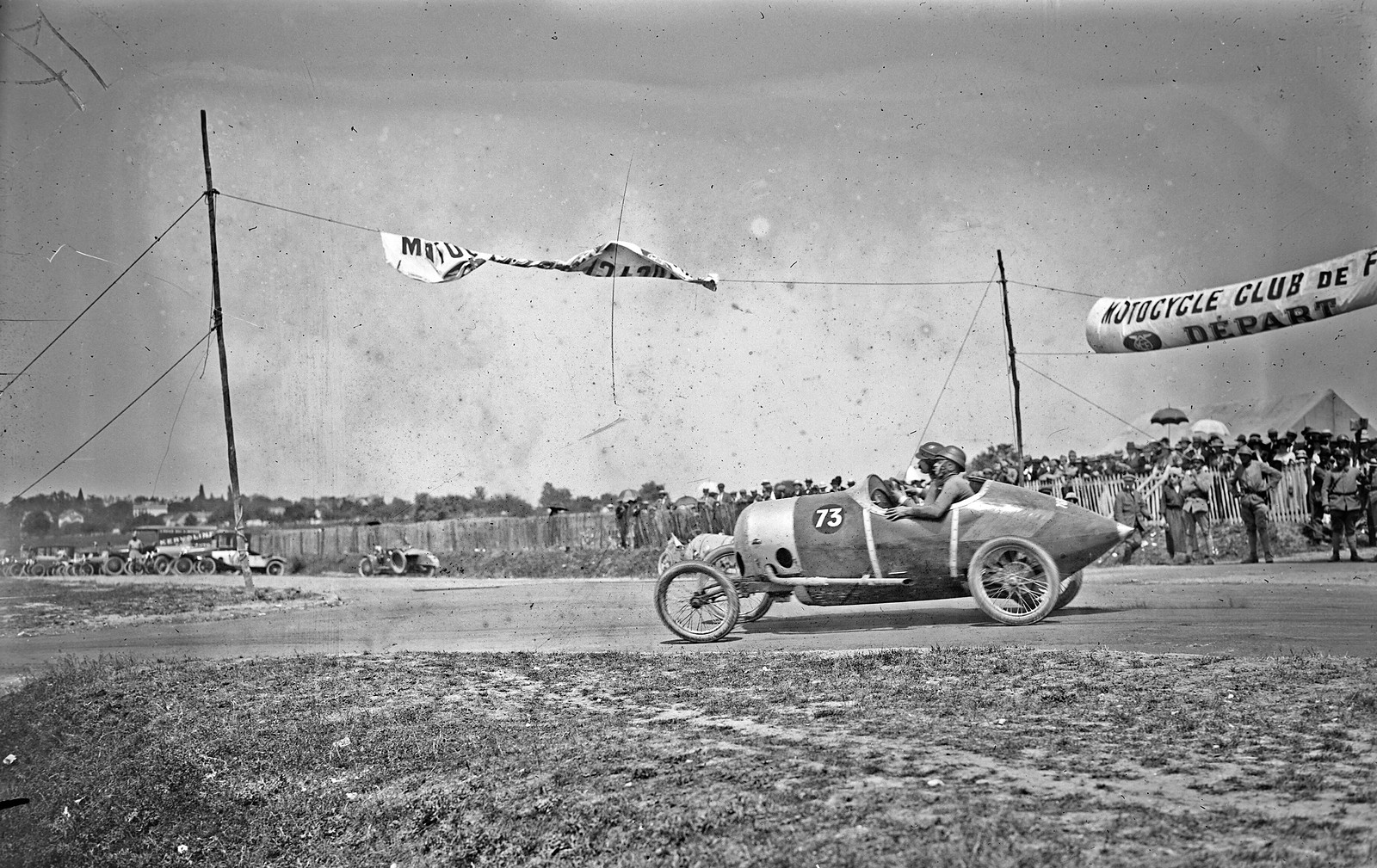
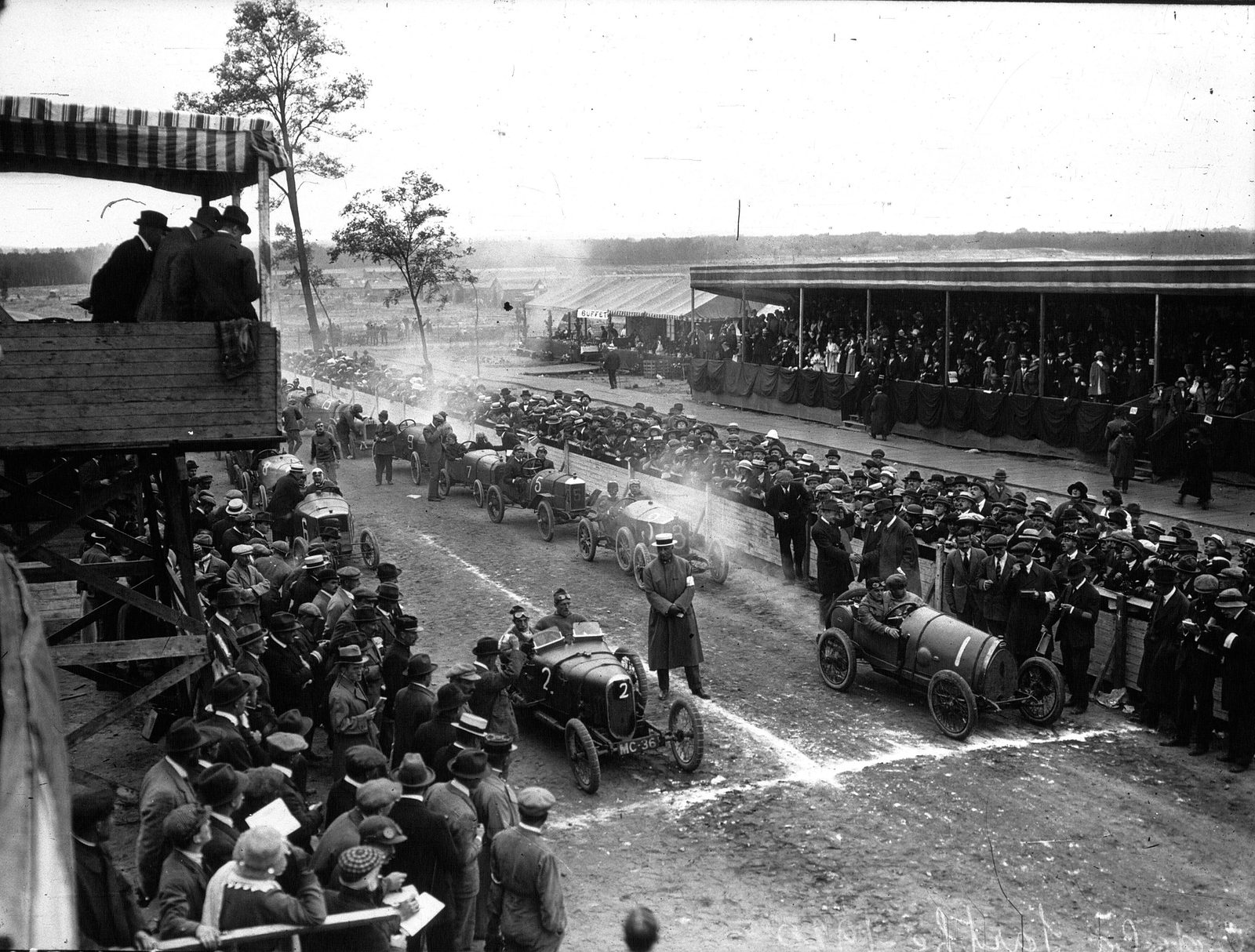
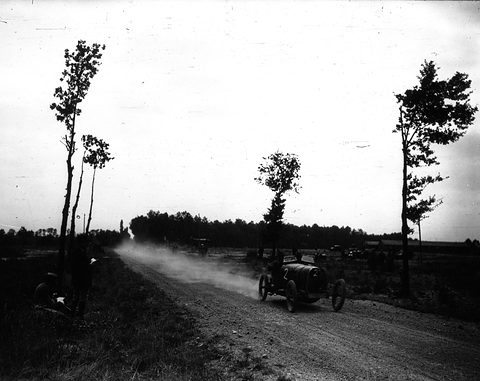
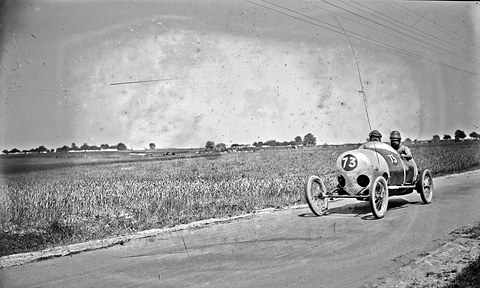
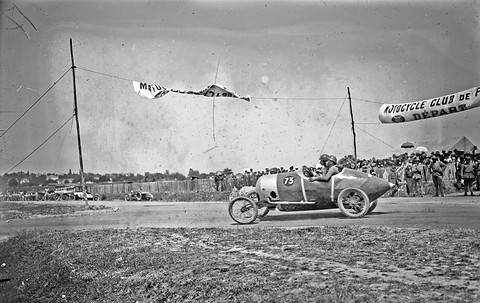
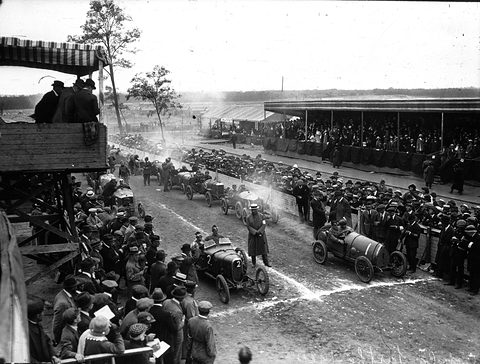
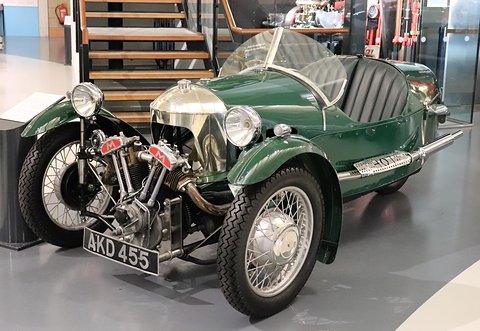
Two GNs ran at Amiens in July 1913, in the first Cyclecar Grand Prix, driven by Nash and Whitehead, with cable steering and belt final drive.source 5source 4 Both GNs blew their cylinder heads early on. Nash had set the second-fastest first lap, 14 min 13 s, behind McMinnies’s Morgan, and at a pit stop he was told, wrongly, that he had to carry his bonnet, which cost him about eight minutes. Neither GN was among the eight cars classified.source 5 McMinnies’s Morgan was fastest and first across the line, but as a three-wheeler it ran as a sidecar, and the class for cyclecars went to Bourbeau’s Bédélia.source 5
The disappointment of the race was the performance of the G.N.s, which, owing to excessive compression, blew off the cylinder heads early on. Mr. Nash’s machine was travelling very fast indeed, and might have won but for this mishap.
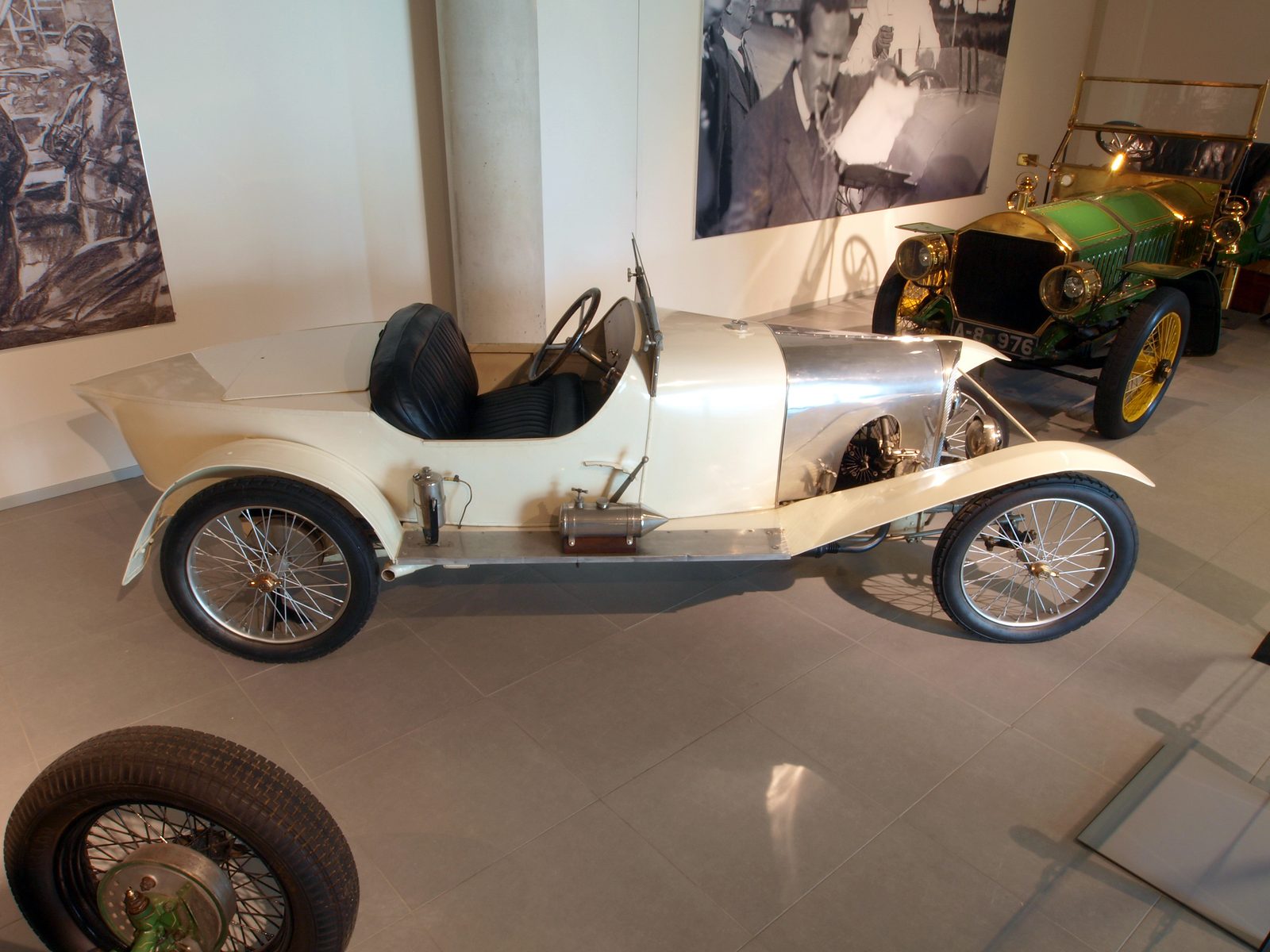
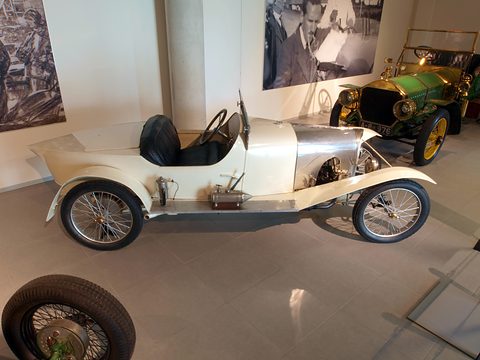
Writing 30 years later, Kenneth Neve thought the 1913 GNs very fast and that they handled “as one would expect the forerunners of the incomparable Frazer-Nash to do”.source 4 The race gave GN its Grand Prix model, 381–406 kg (7½–8 cwt), 90 km/h (56 mph) and 99 guineas; cars made late in 1914 had four chains, for four speeds or three and reverse.source 1source 2 For the Dangerfield Trophy race in the Isle of Man, set for September 1914 and cancelled by the war, Nash built “Kim”, with what was probably the first air-cooled hemispherical bronze cylinder head.source 1 In 1915 came a light tourer at 88 guineas and a tuned Vitesse guaranteed to do 100 km/h (62 mph), at £155, and then car making stopped for war work. Between 150 and 200 GNs had been built.source 1source 2 Only one car was built in the war years: the chain-driven prototype of the post-war GN.source 1
Four chains and no differential
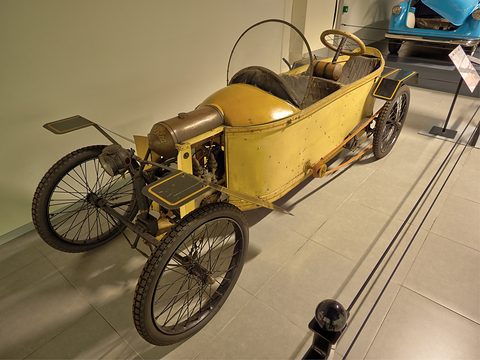
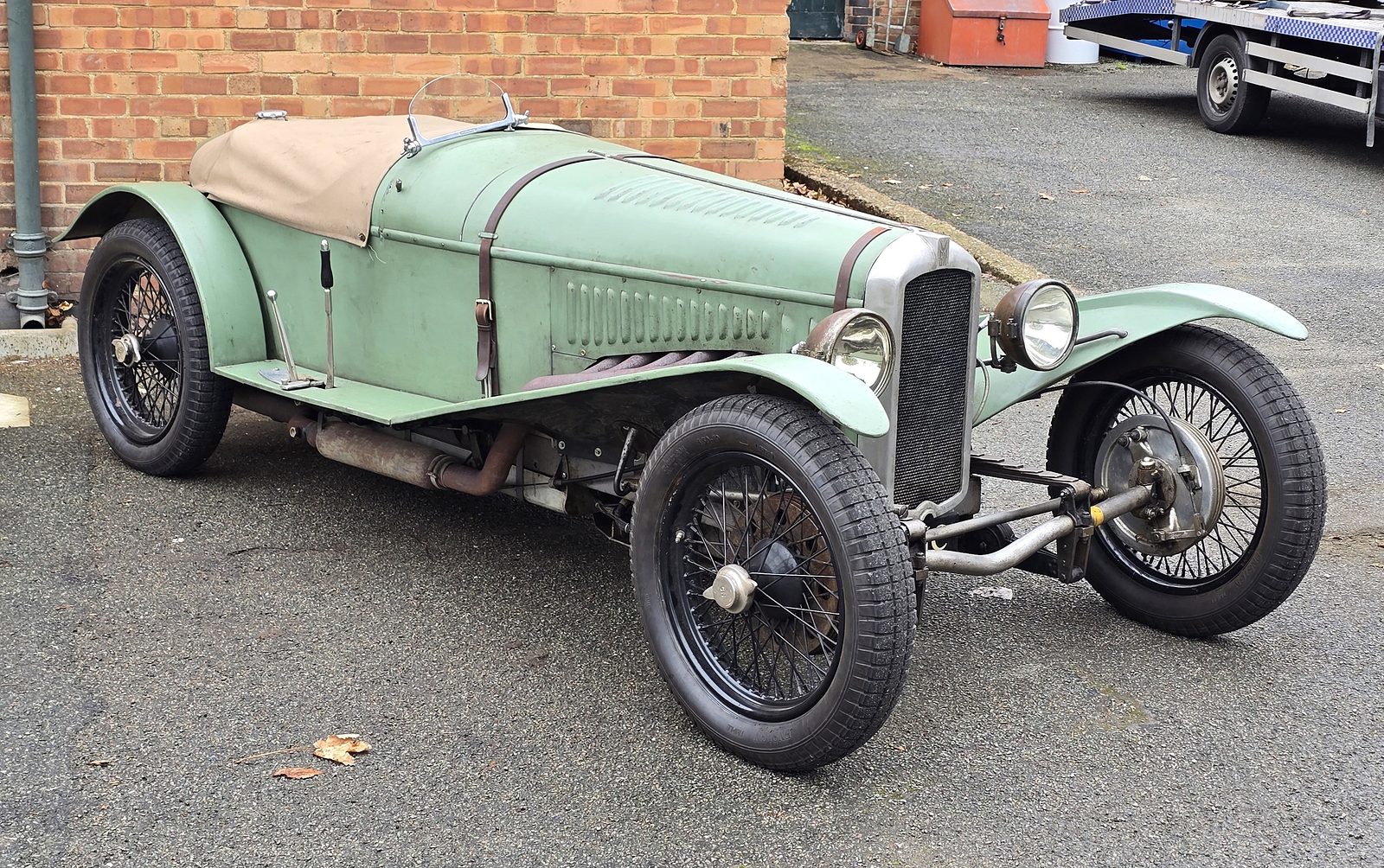
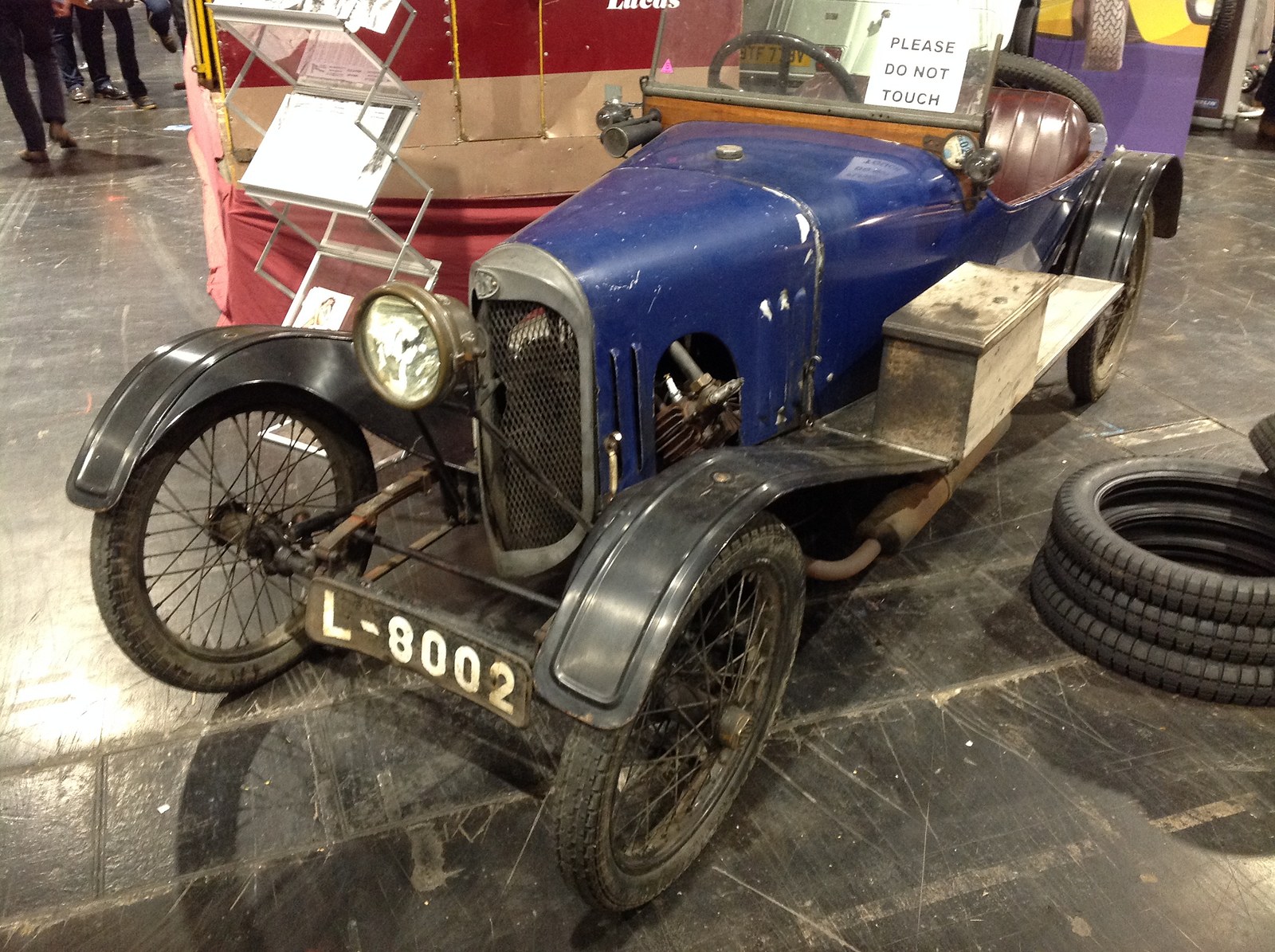
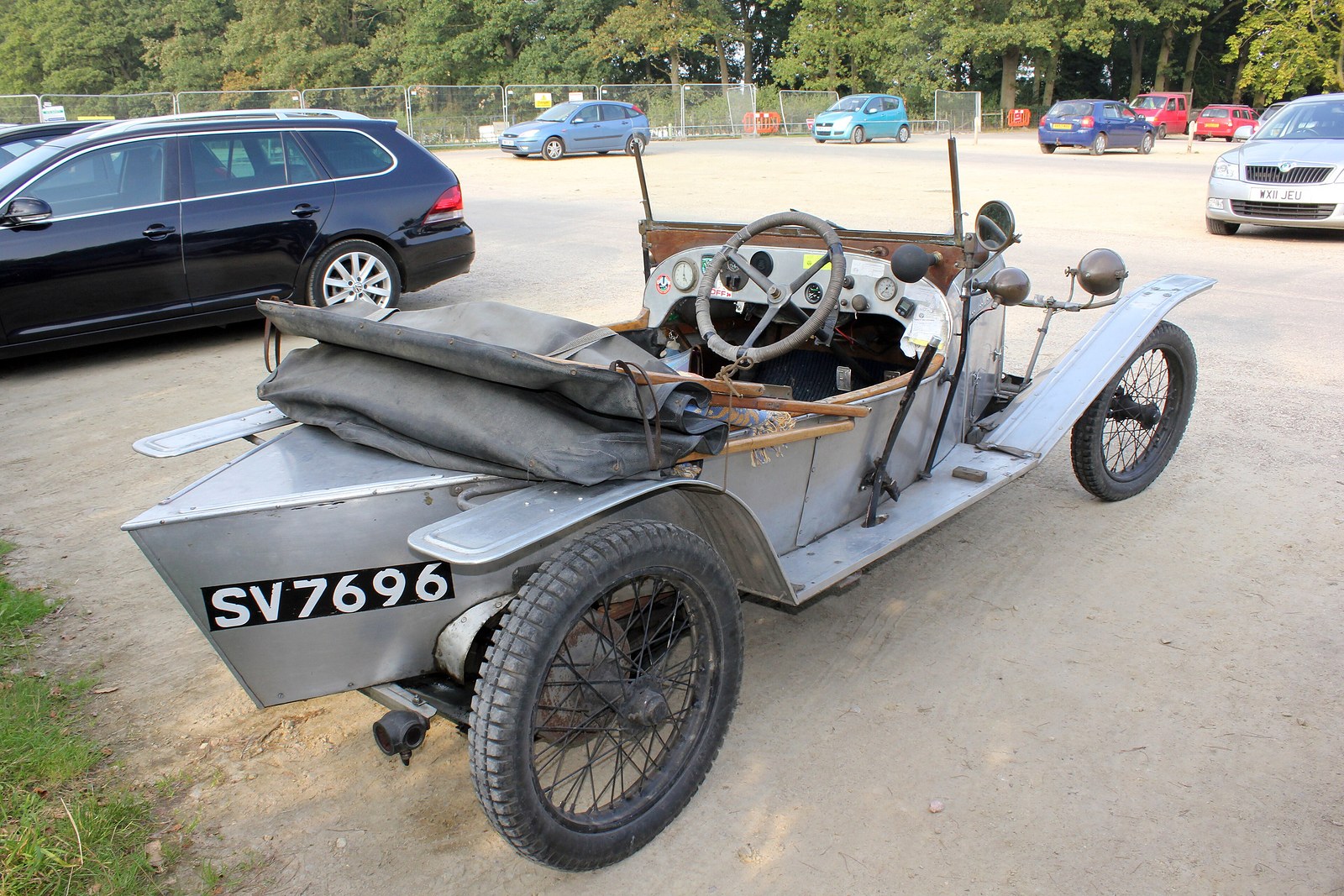
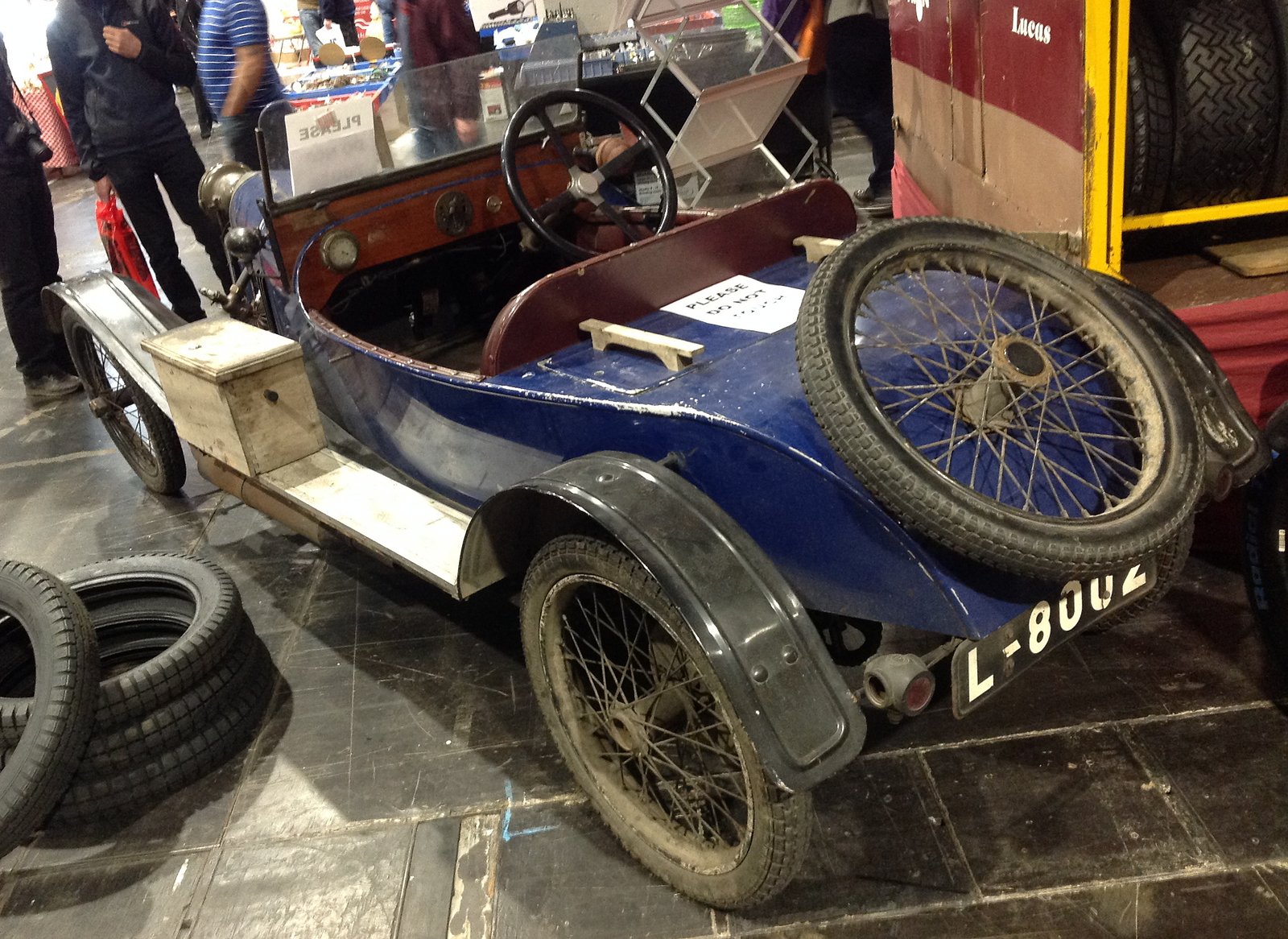
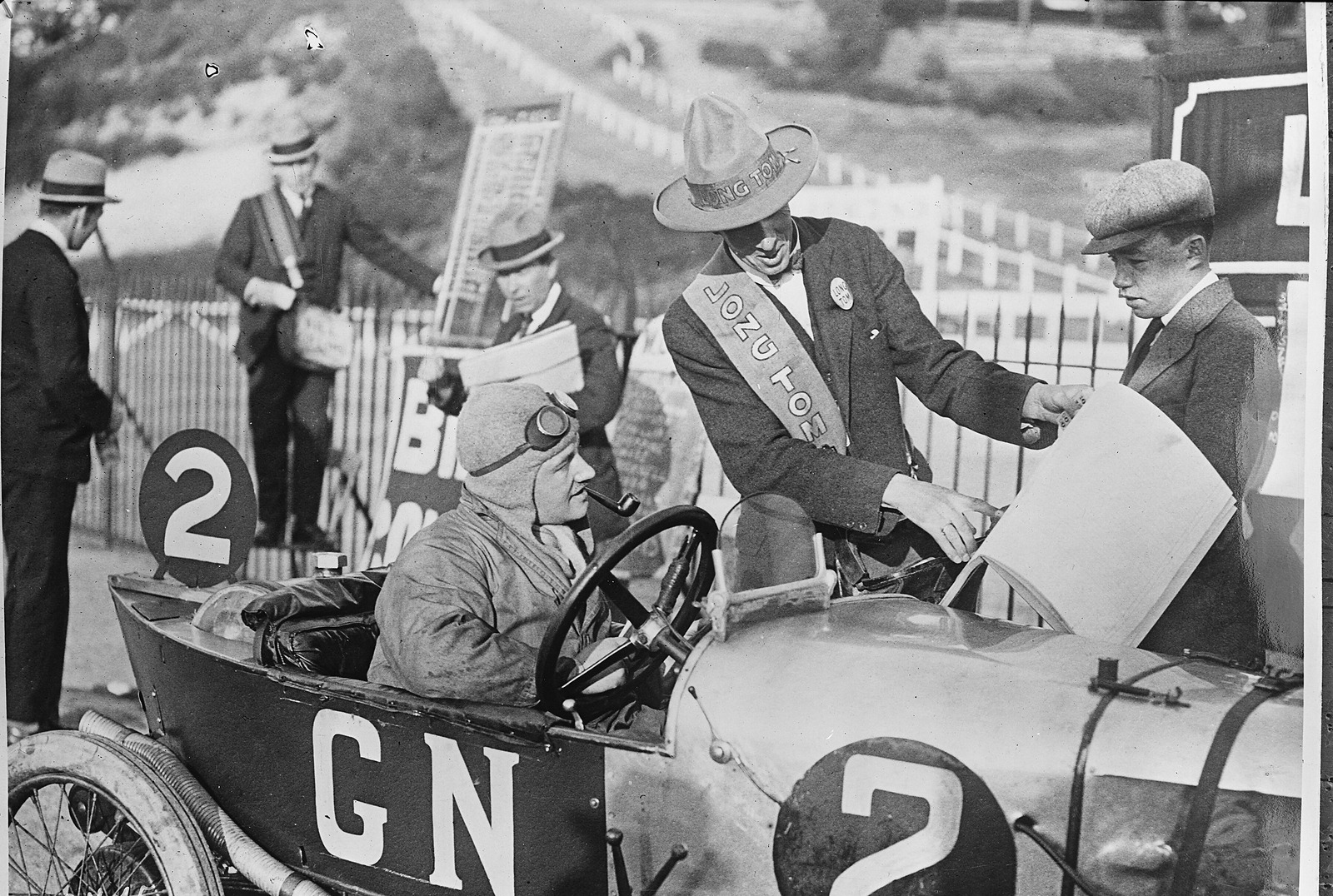
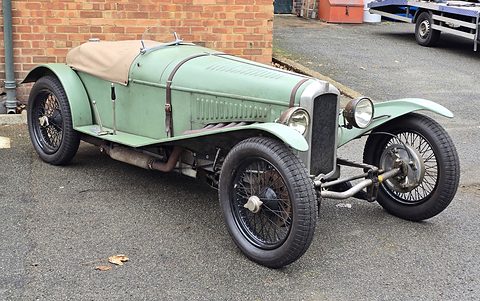
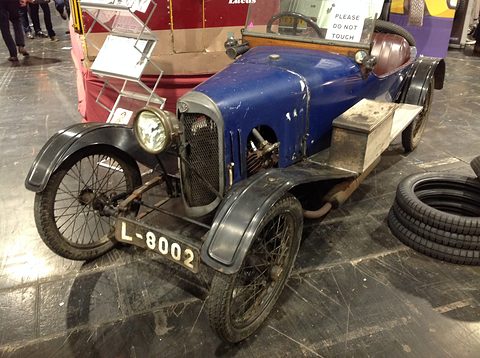
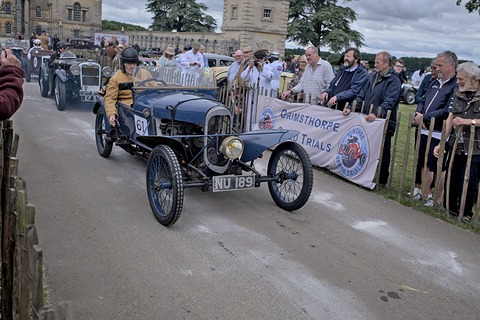
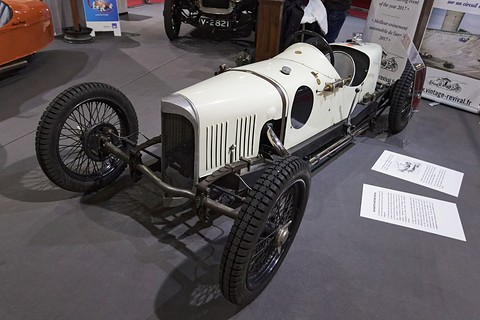
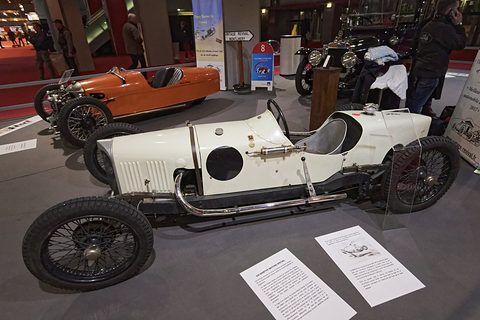
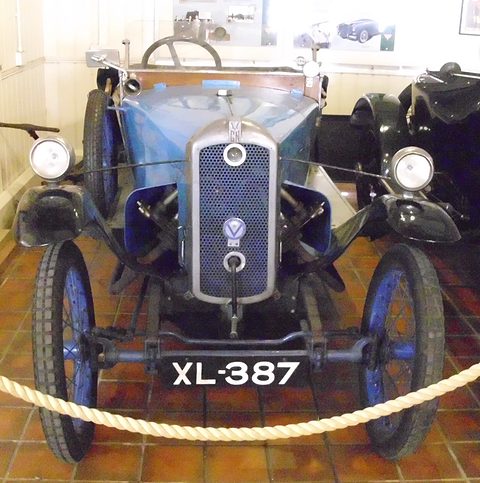
The four-chain car went into production at the Etna Works at the end of 1918. Late in 1919 GN merged with the British Grégoire agency, which brought money and a large factory at East Hill, Wandsworth, and Hendon was sold.source 1source 2 The frame was now channel steel, the steering a bevel-geared box and the brakes internal-expanding, and four chains and dog clutches drove a solid back axle with no differential.source 1source 2 Shown at Olympia and the White City in November 1920, the light two-seater weighed 432 kg (8½ cwt).source 2 It became one of the best-selling and most successful sporting cyclecars. Godfrey recalled 50 cars a week and about 500 staff in 1920–21; Grace’s Guide and English Wikipedia say 55 a month.source 1source 2source 3 In economy tests in 1921 GNs used 3.1 and 3.0 litres per 100 km (91 and 94 mpg).source 1
It was a loud car. When visitors at Olympia complained of the noise, Godfrey remembered, the demonstrator Wilkinson had an answer ready.source 1 A. C. Armstrong, the founding editor of The Cyclecar, drove two GNs some 48,300 km (30,000 miles) without a serious breakdown and called the GN, crude as it was, “the most practical and simple type of cyclecar evolved”.source 1
Anyway, what are you worrying about, you have only been in the thing five minutes and I have had to put up with it all day.
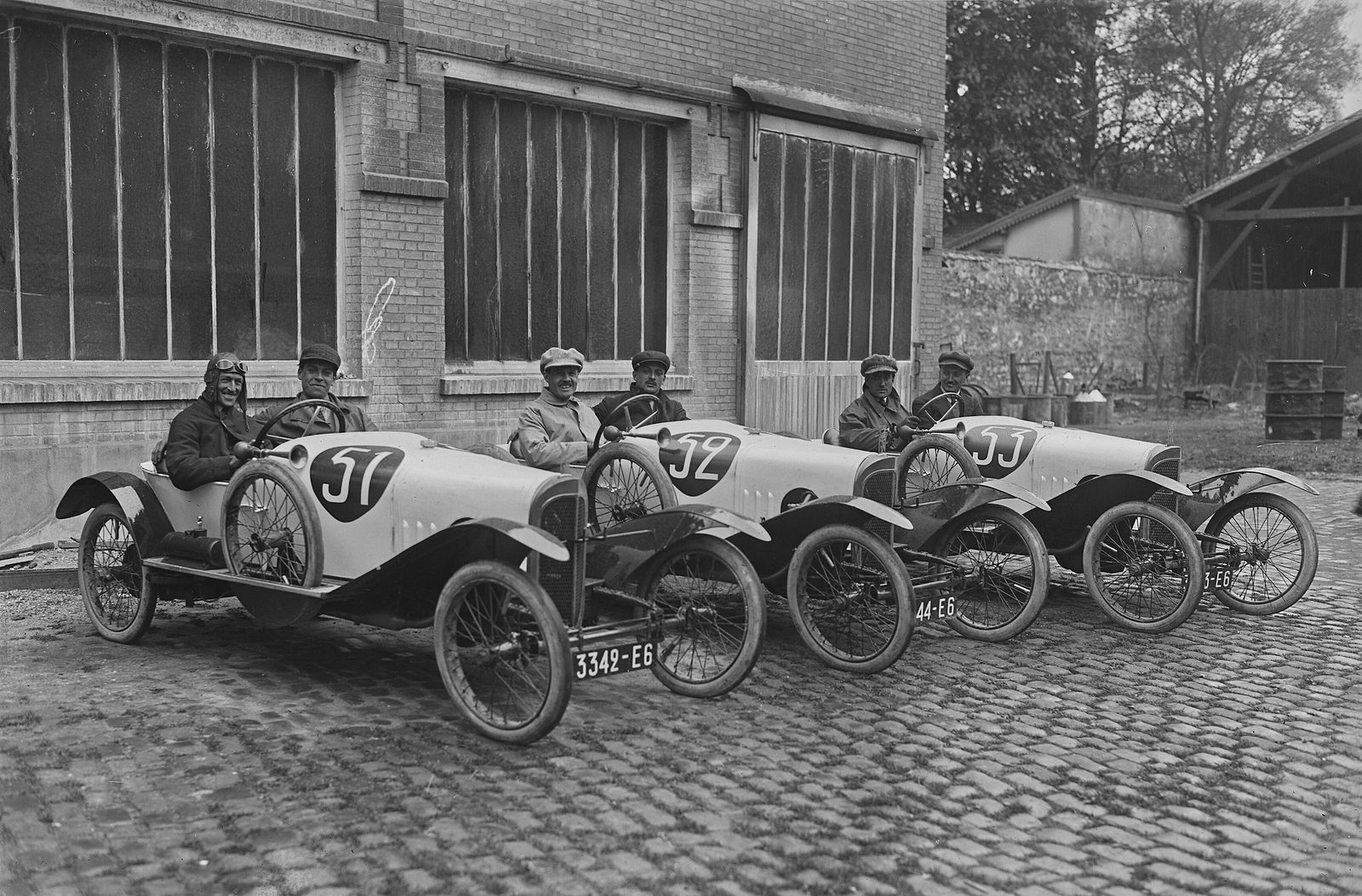
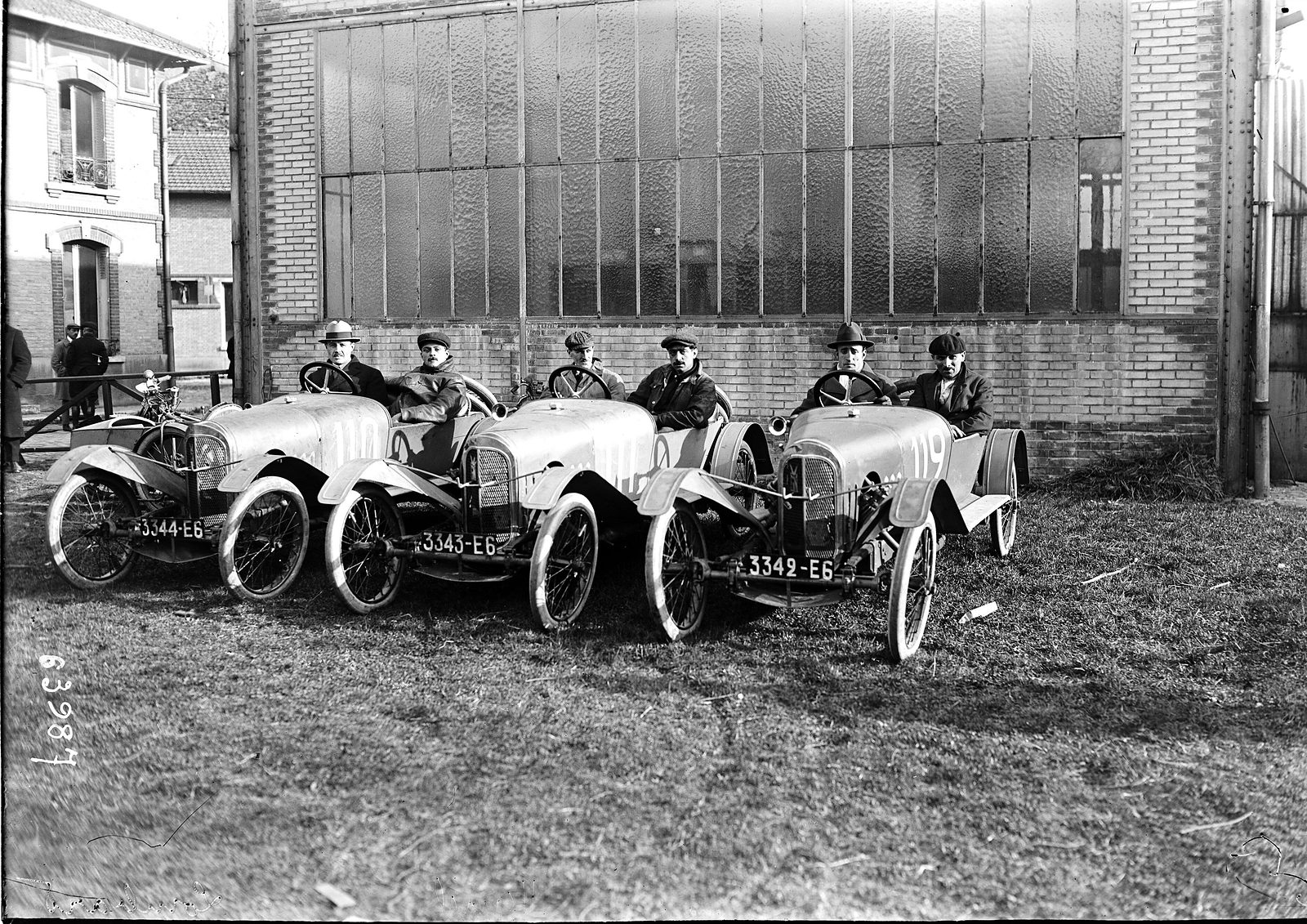
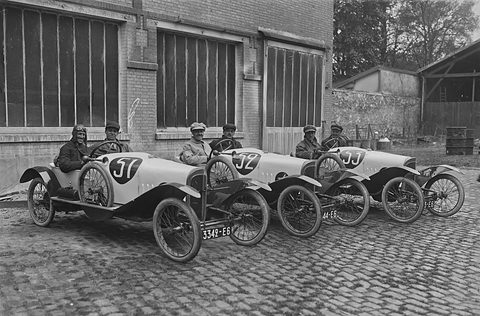
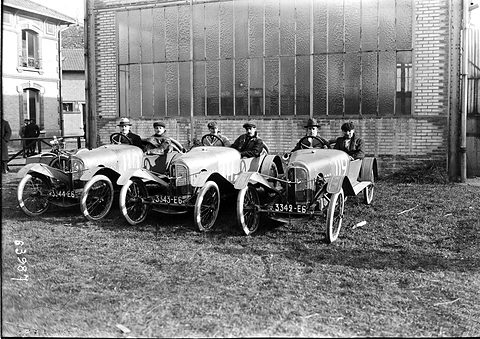
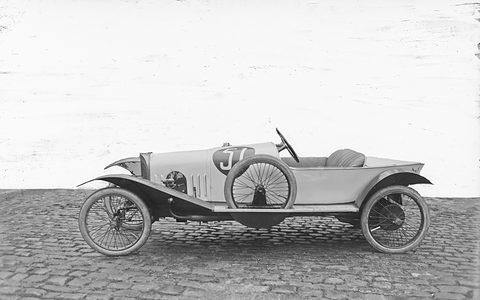
In France, Salmson of Billancourt had no car of its own ready after the war, so it built GNs under licence for France and the “Latin countries”, and showed them at the 1919 Paris Salon. It was the start of Salmson’s car business (more in built under licence and French cyclecars).source 1source 2source 6 Godfrey put the French output at about 3,000 in two years, Grace’s Guide at about 1,600.source 1source 2
Kim, Mowgli and the hill-climbs
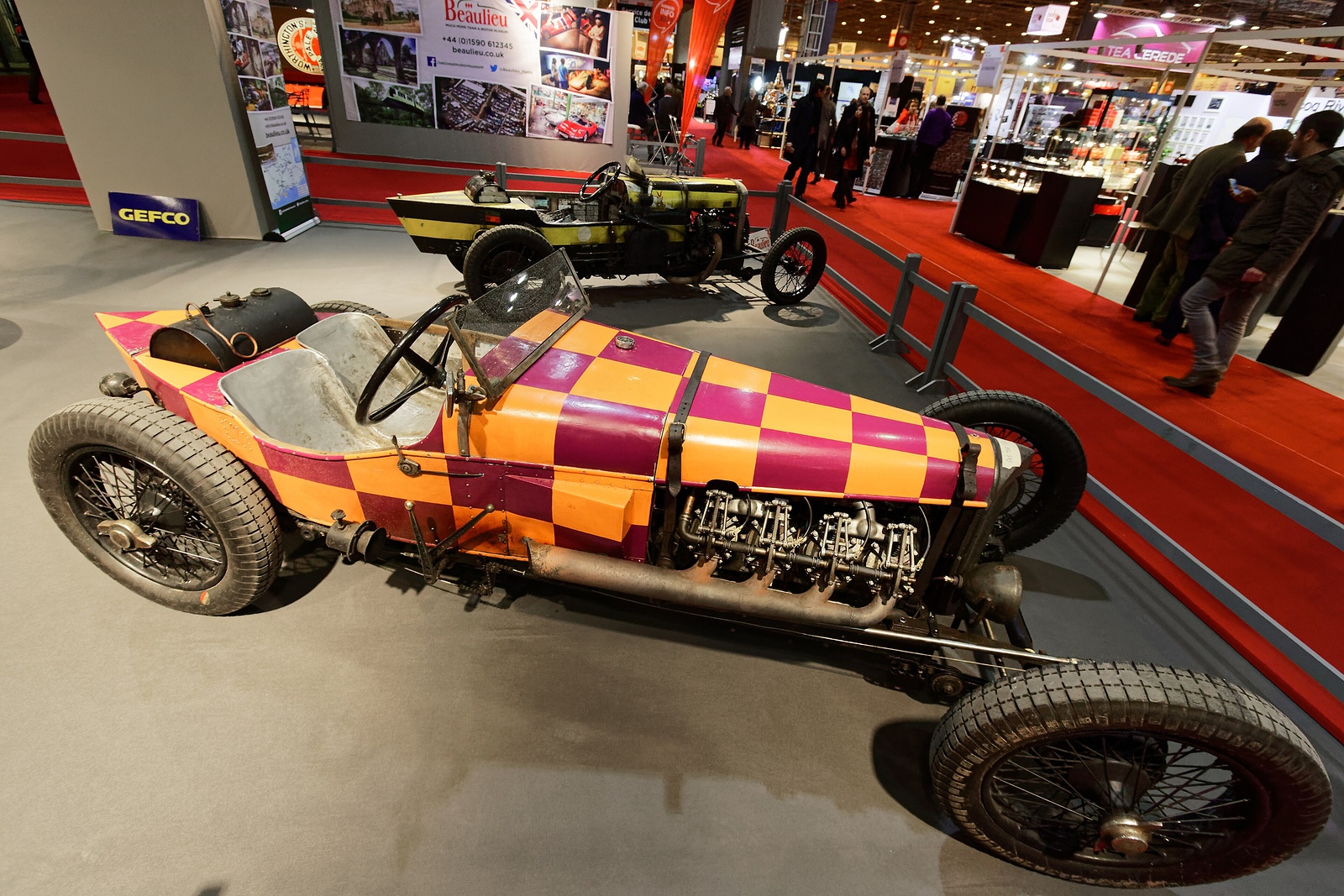
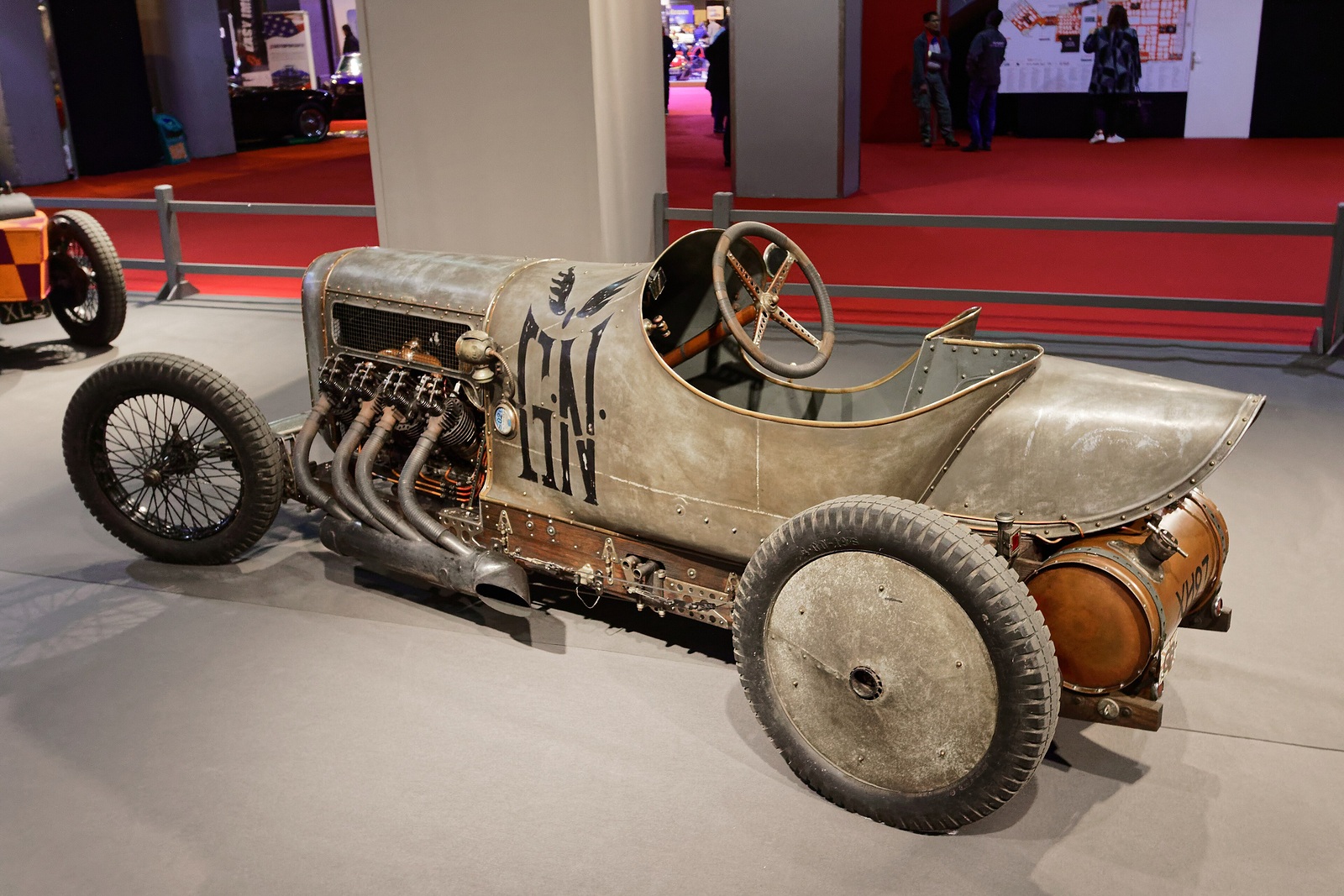
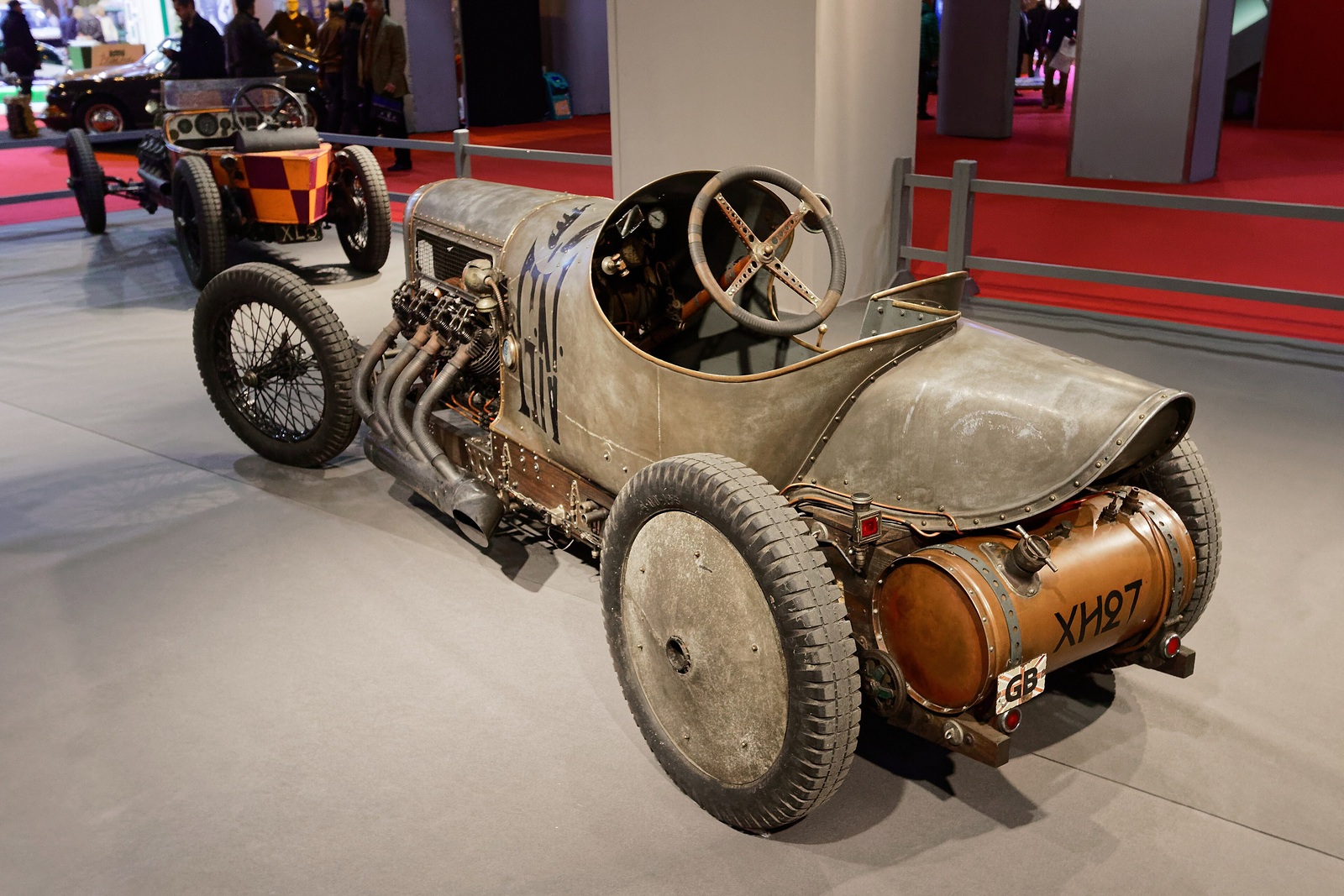
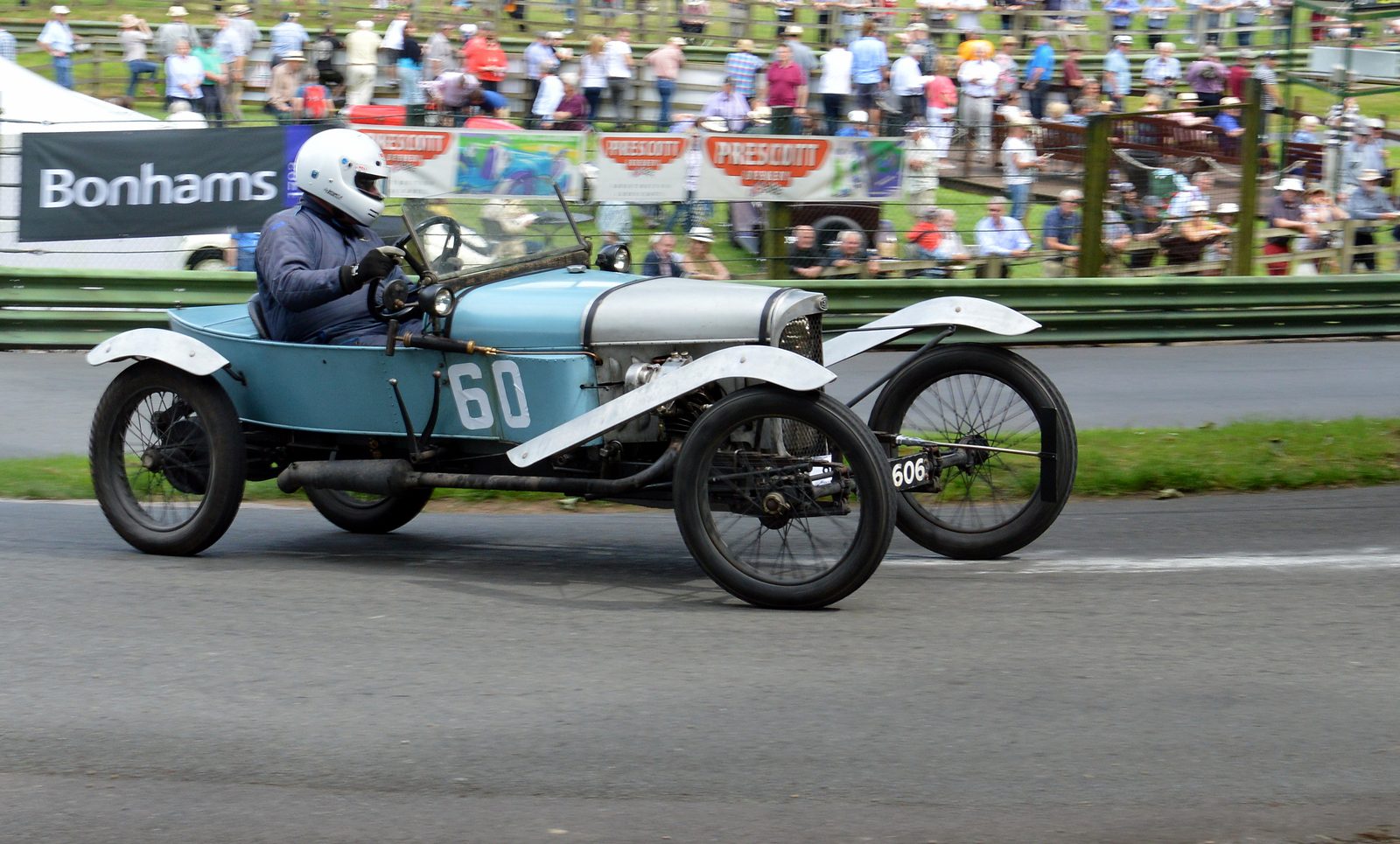
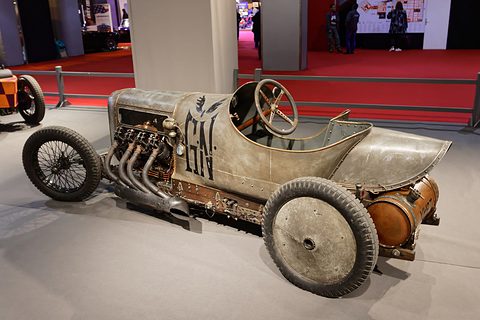
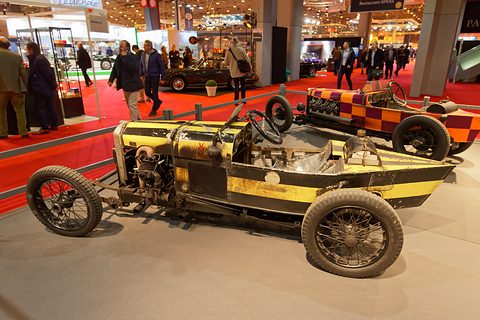
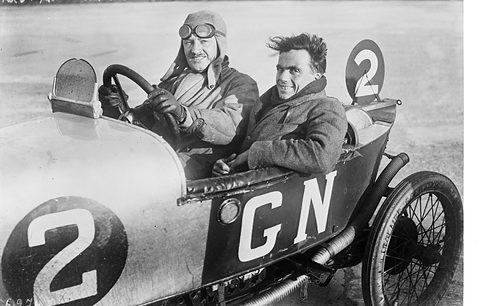
From 1919 to 1922 Nash’s “Kim” was unbeatable in sprints and hill-climbs, with fastest time of the day at many climbs on public roads; it crashed at Brooklands in the autumn of 1920 and was rebuilt as “Kim II”.source 1 In December 1920 “Mowgli”, bored to 89 mm and over 1,100 cc, took the 1,500 cc class records for the flying half-mile, kilometre and mile at about 142 km/h (88 mph).source 1 Not every day was GN’s: at Brooklands that year Hawkes’s Morgan beat Godfrey’s GN, and the “Land Crab” Morgan beat Mowgli.source 7 In 1921 GNs scored 112 first places in speed trials, fastest time of the day at eleven of them and 28 gold medals in trials. In the JCC 200-Mile Race of 1922 three GNs with the racing Akela engine, of four valves a cylinder and an overhead camshaft, finished with Godfrey third, Hawkins fourth and Nash fifth after changing a piston; whether overall or in the 1,100 cc class, the account does not say.source 1 In the JCC General Efficiency Trial of 1923 Nash was second, to Ware’s Morgan.source 8
The end, and what came after
The cyclecar boom waned in 1921, and the company went into receivership and was sold.source 2 Bigger bodies added weight, Rover and Morris pressed on price, and Godfrey thought afterwards that the firm should have stuck to high-performance sports cars.source 1 In the autumn of 1922 he and Nash left. The new owners turned to a four-cylinder car with shaft drive, its engine a 1,098 cc DFP by Grace’s account or GN’s own overhead-camshaft unit by Godfrey’s, then a Chapuis-Dornier; car production stopped in May 1923.source 1source 2 In 1924–25 a reconstructed company assembled a few more from leftover four-chain parts, with a 1½-litre side-valve Anzani and highly cambered springs; Godfrey said that “converted a good roadholder into a most uncontrollable device with unmanageable over-steer”. From 1925 the firm was a General Motors dealer.source 1source 2
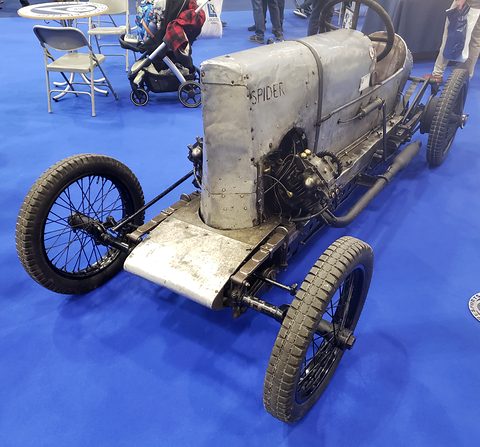
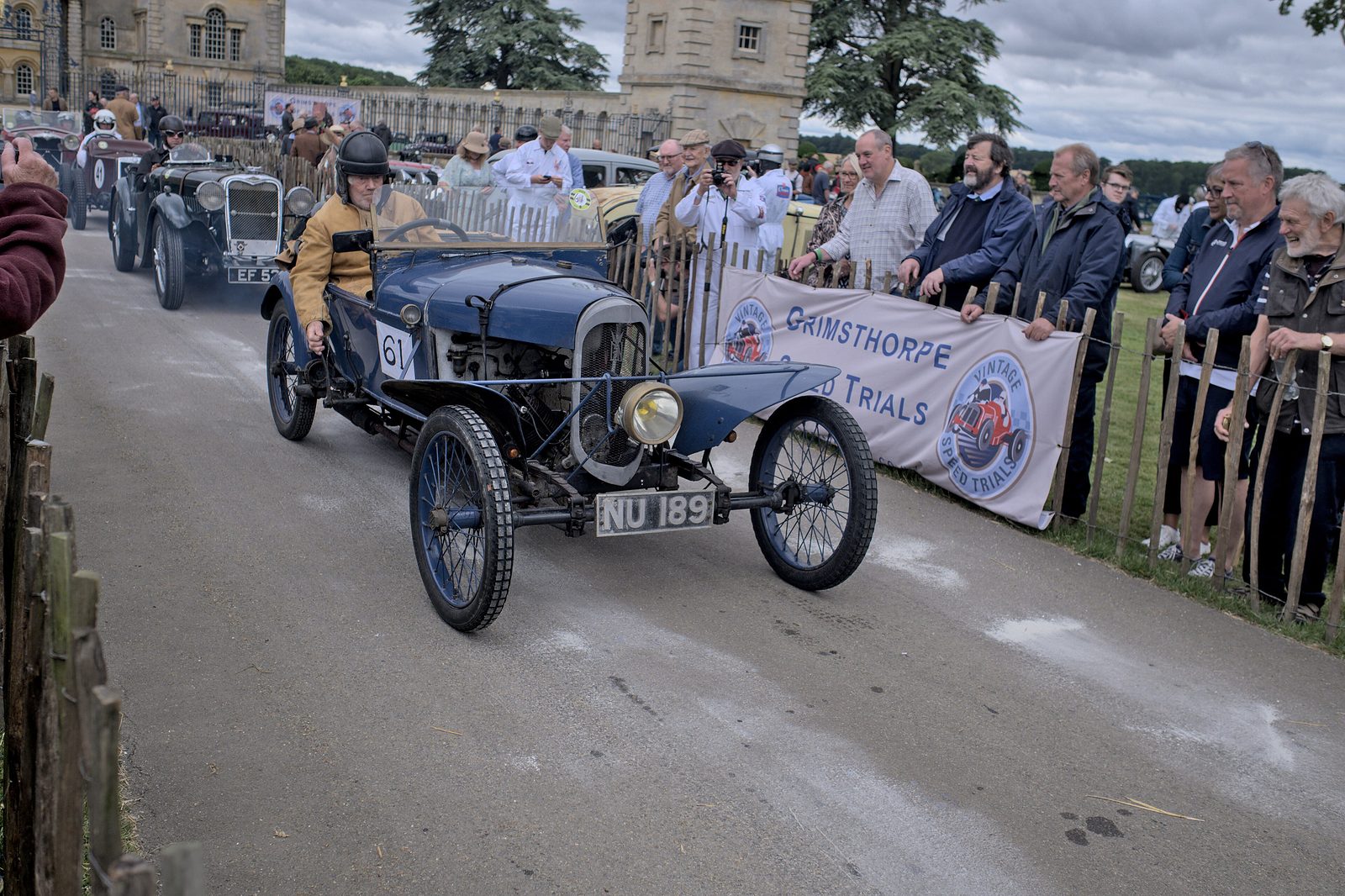
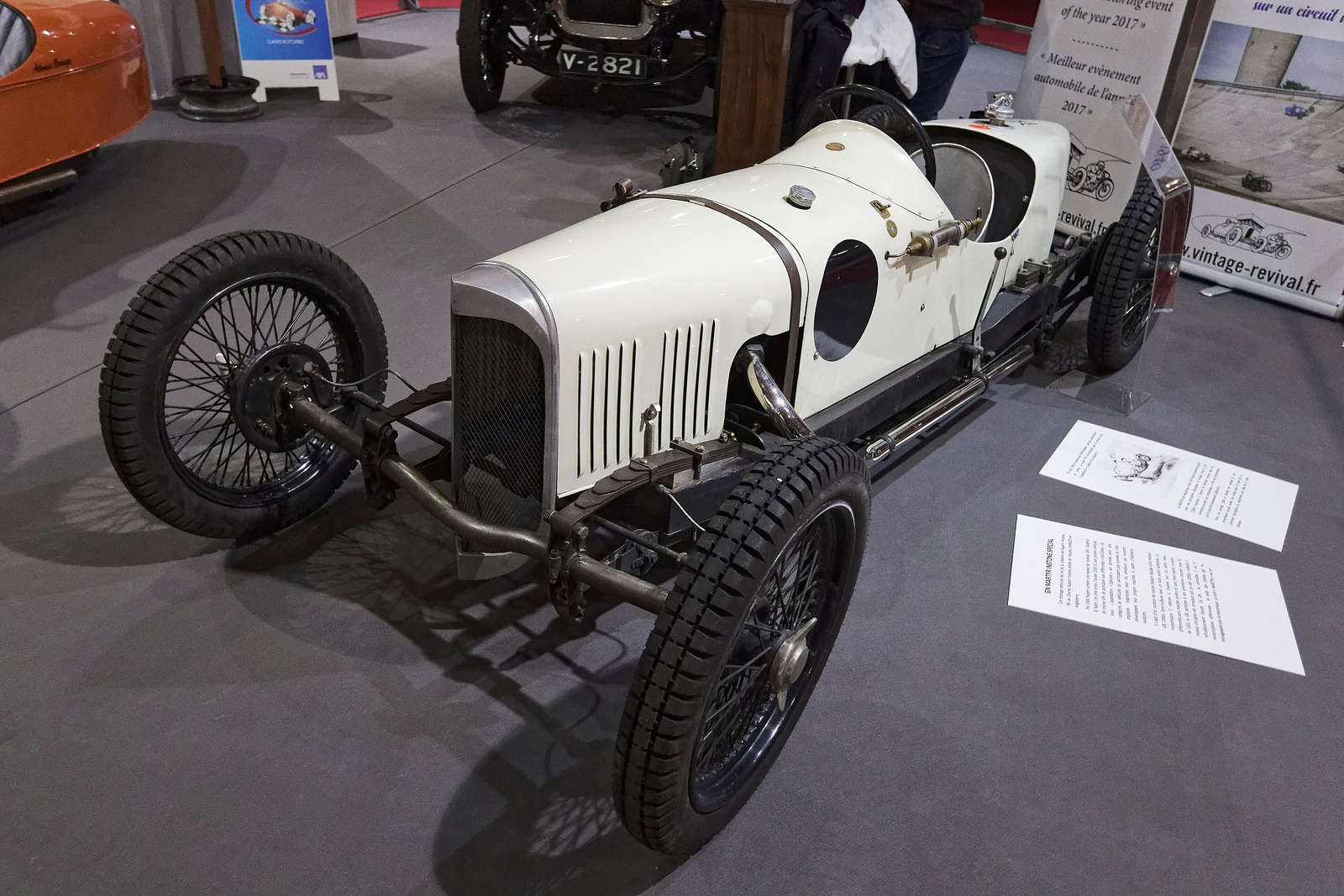
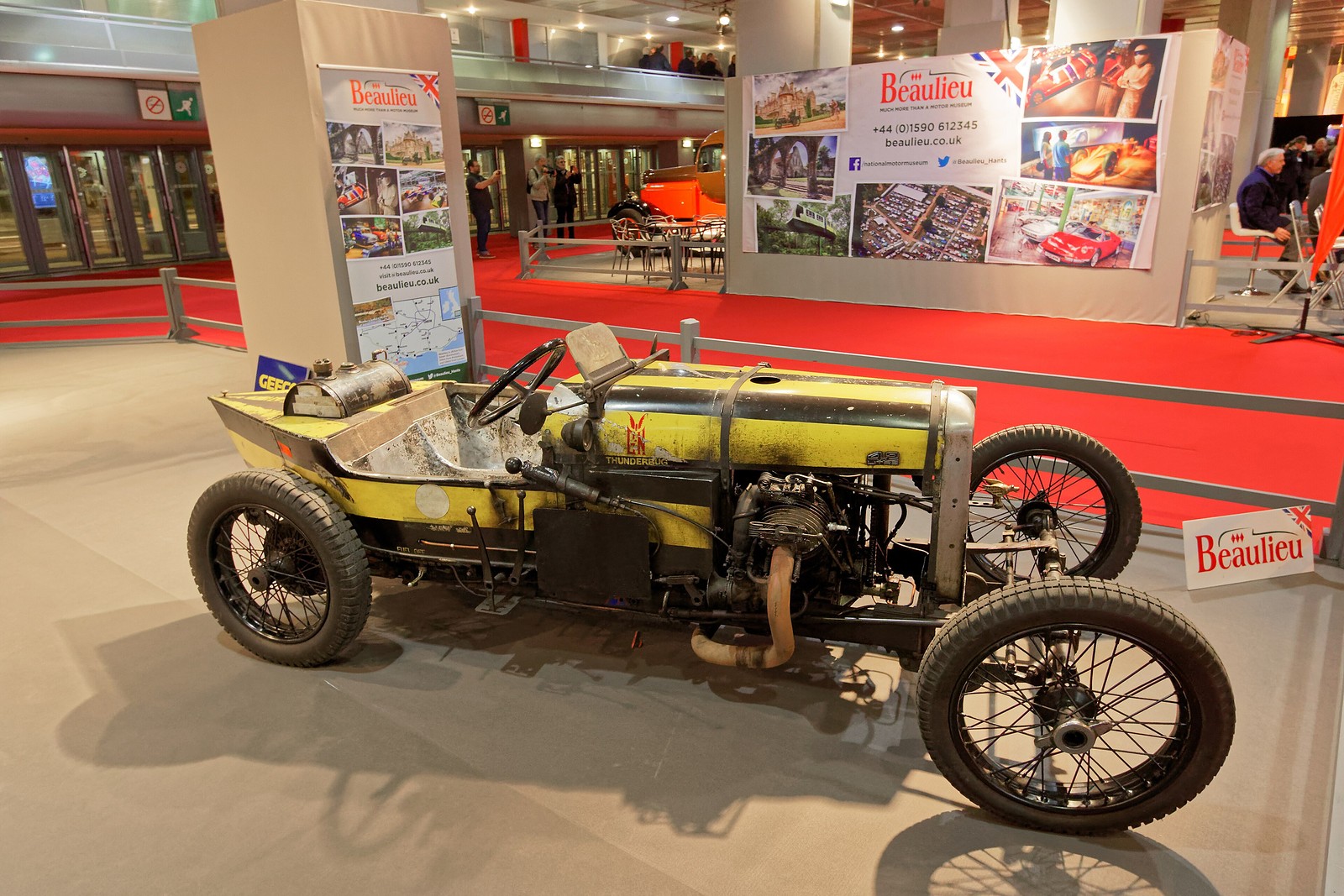
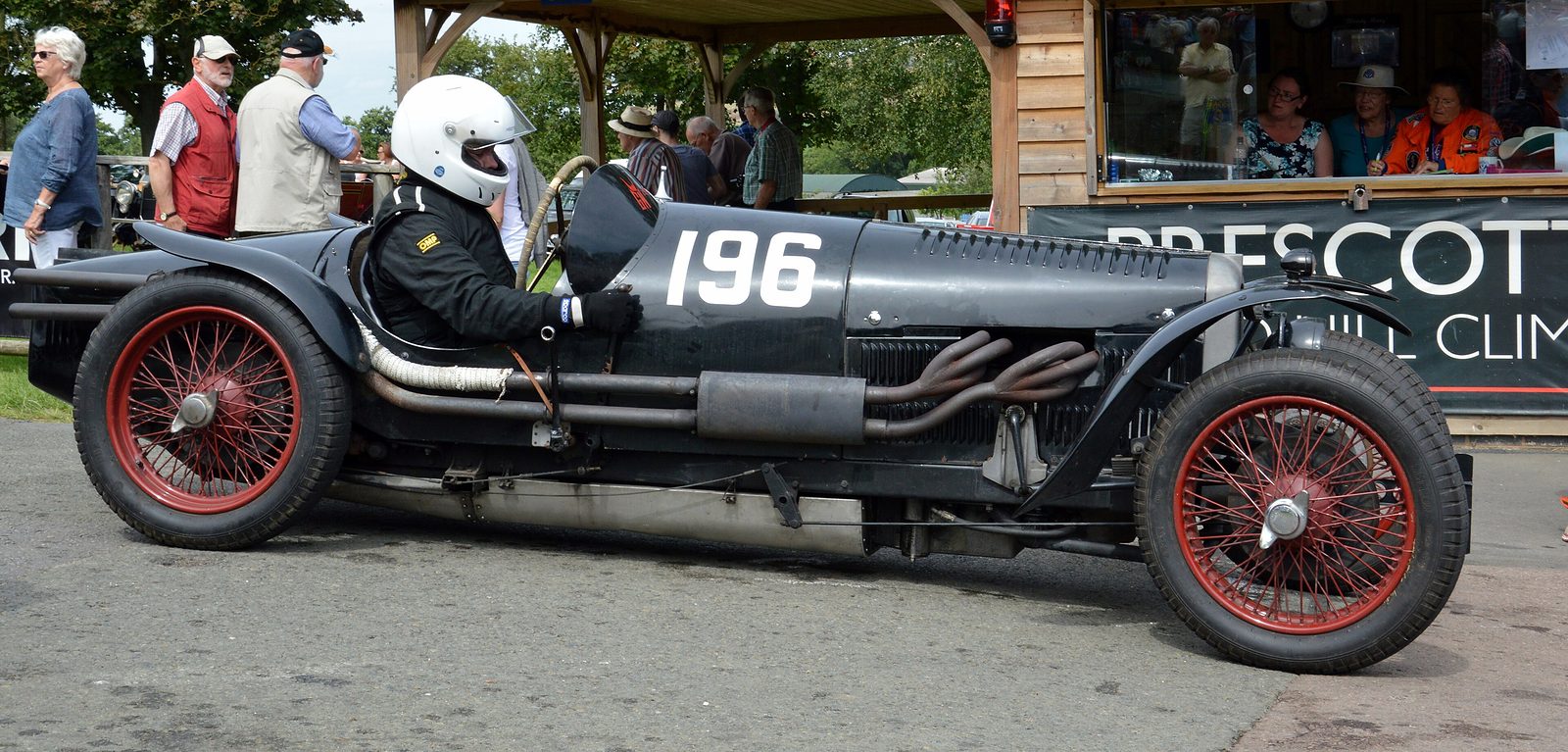
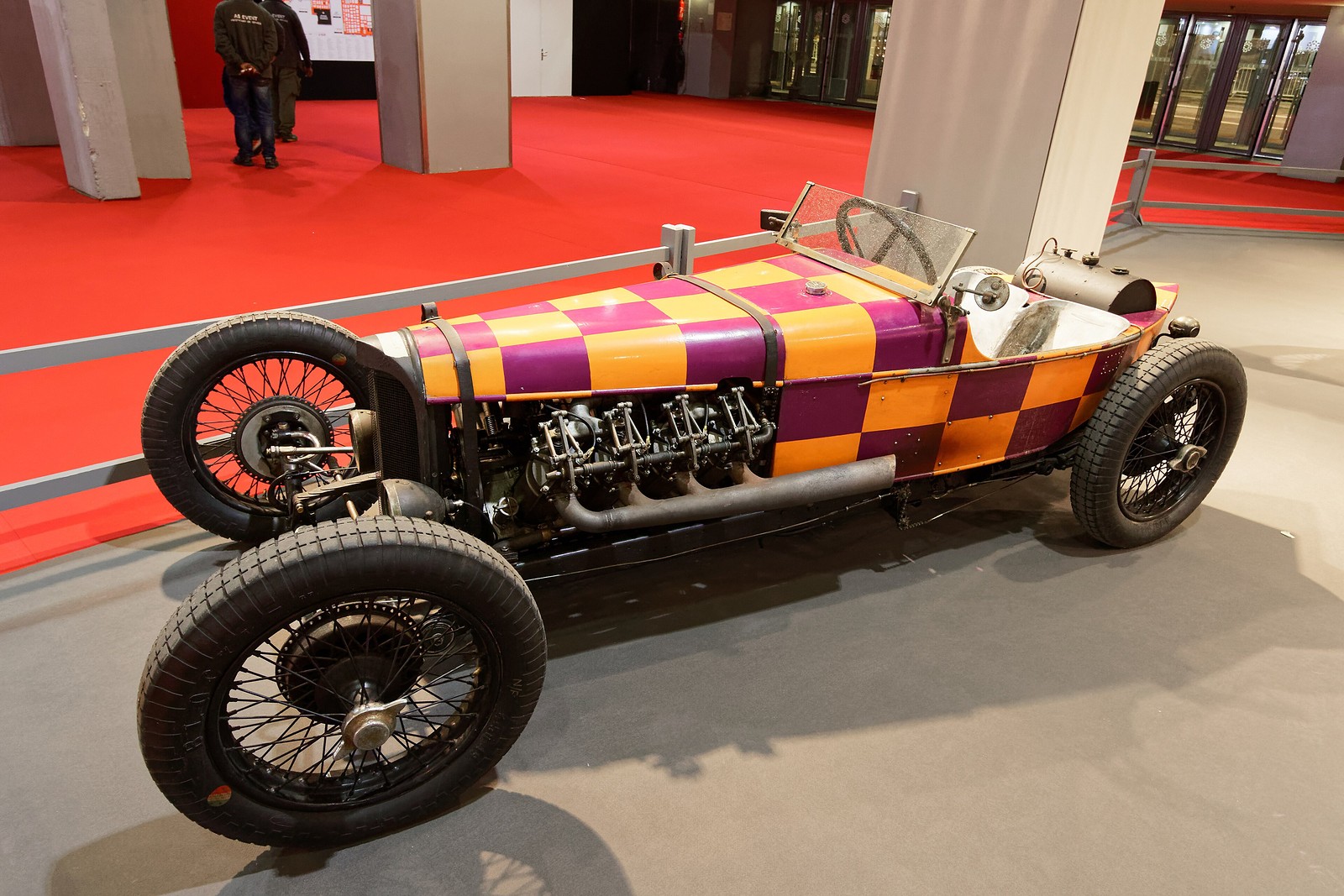
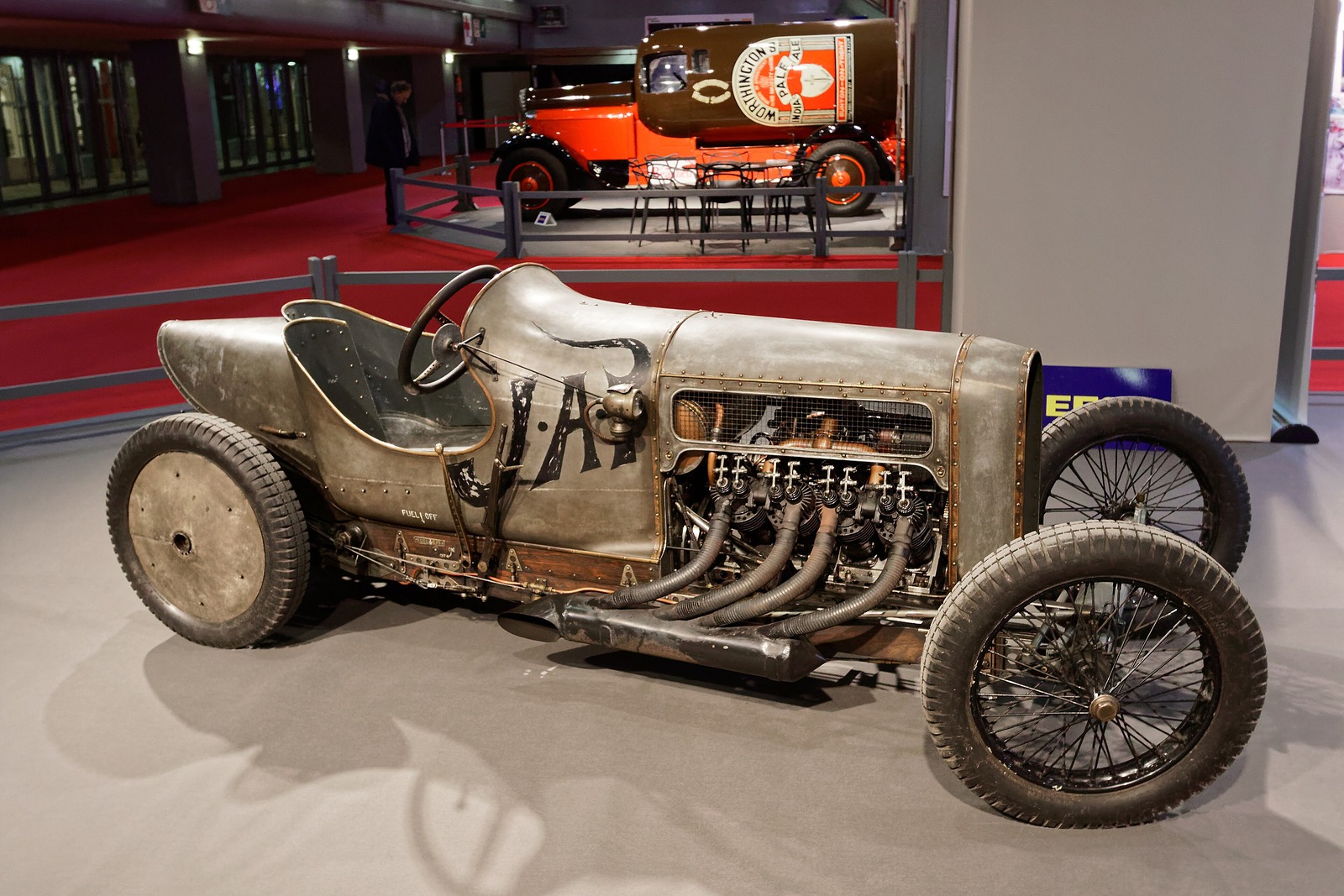
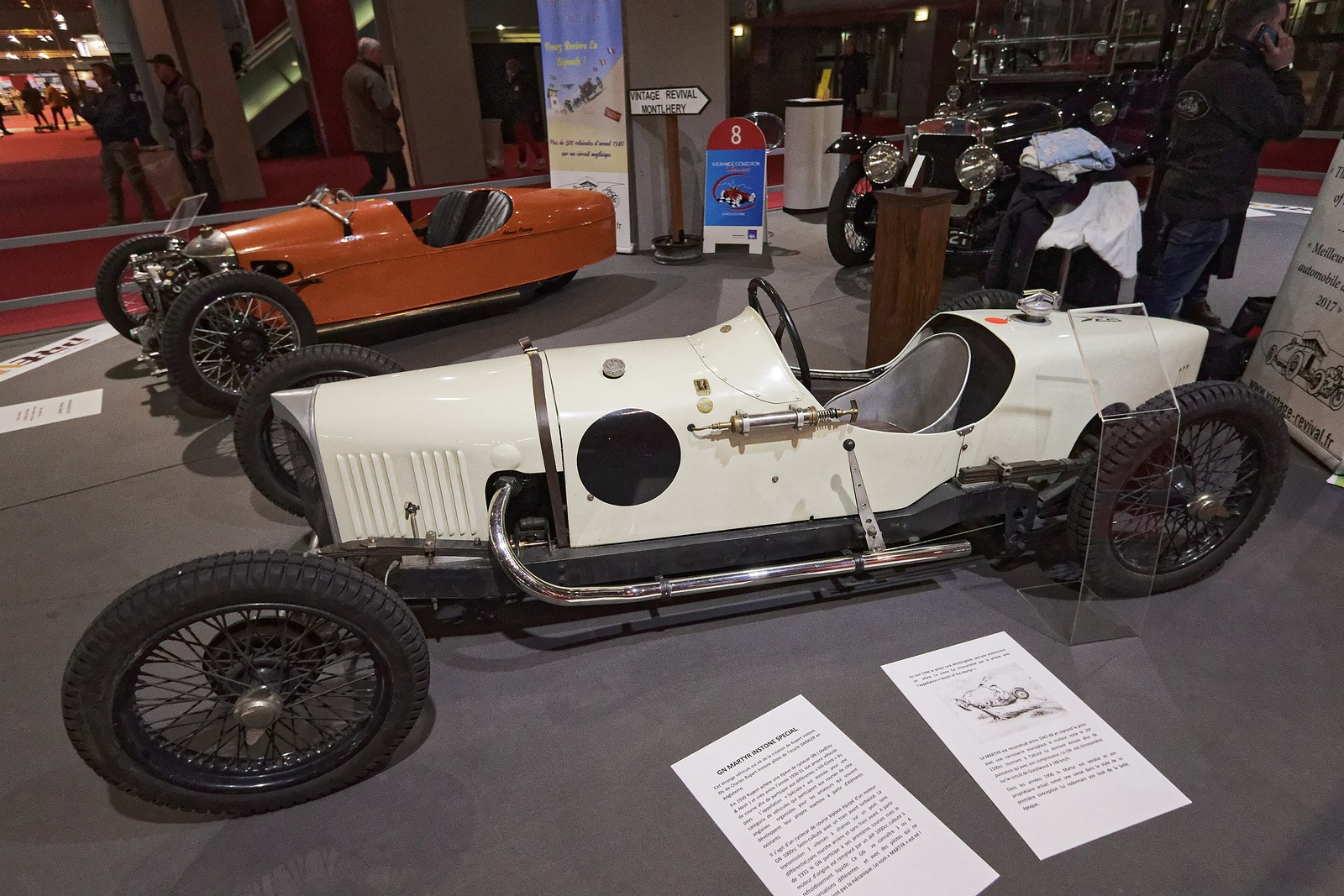
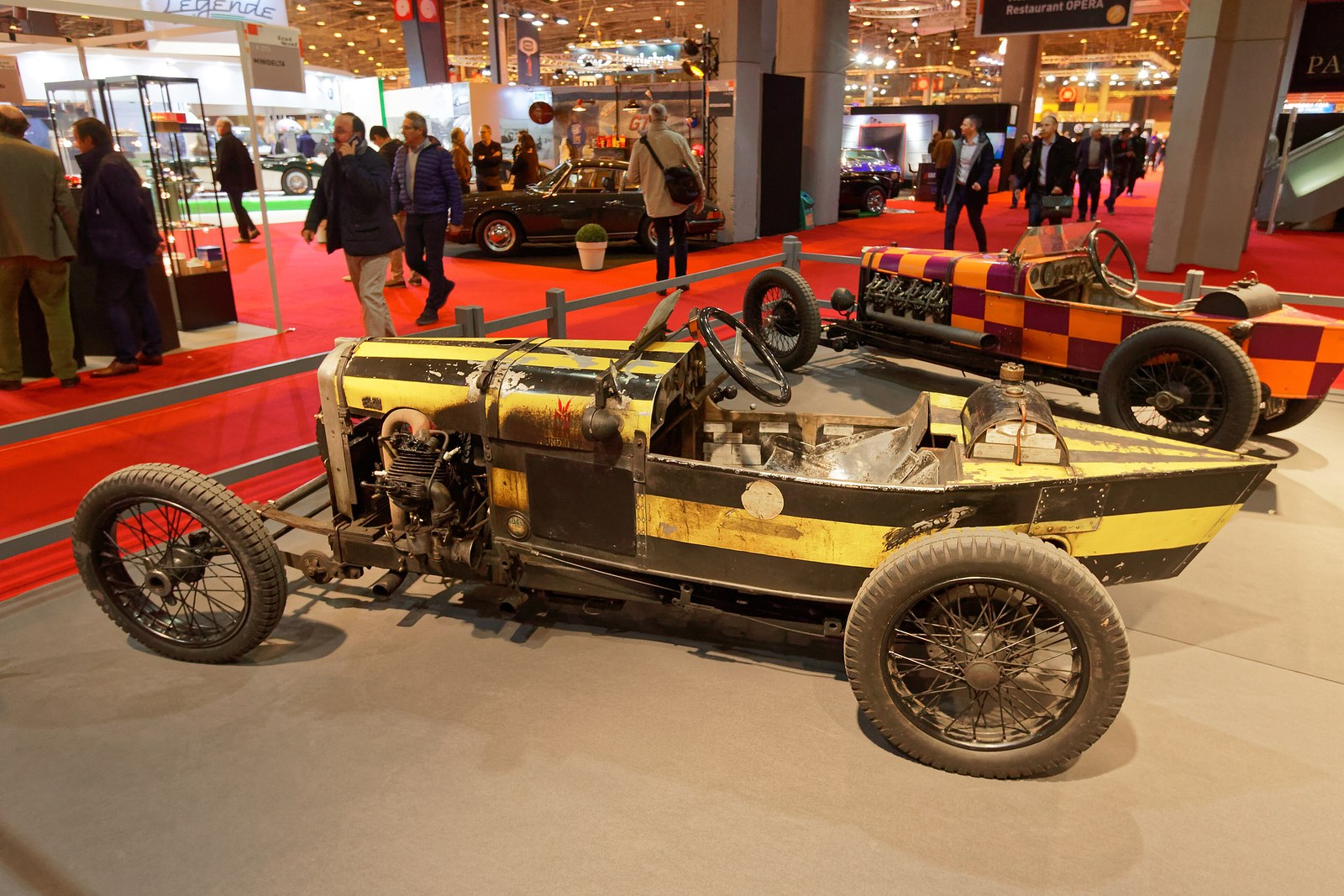
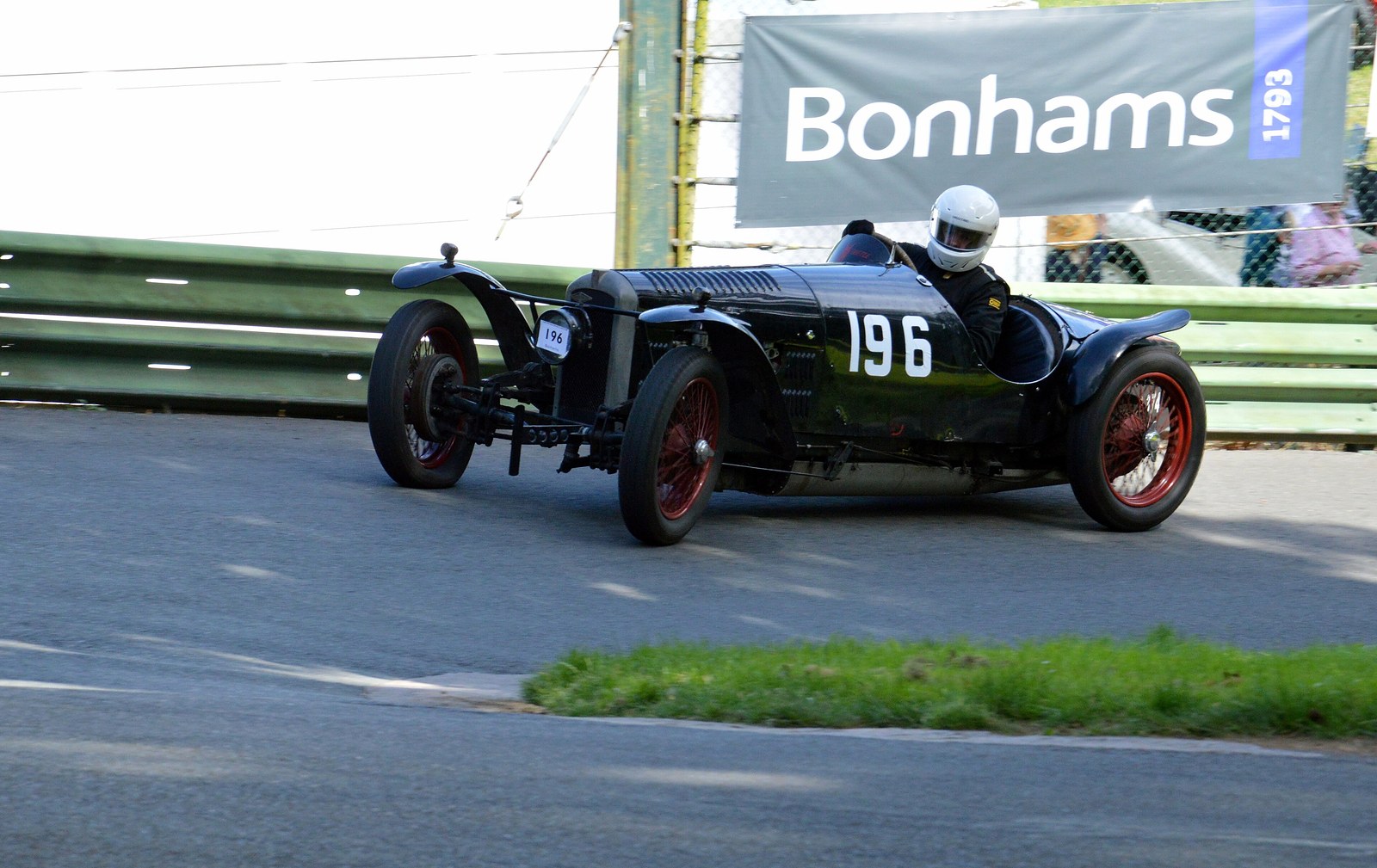
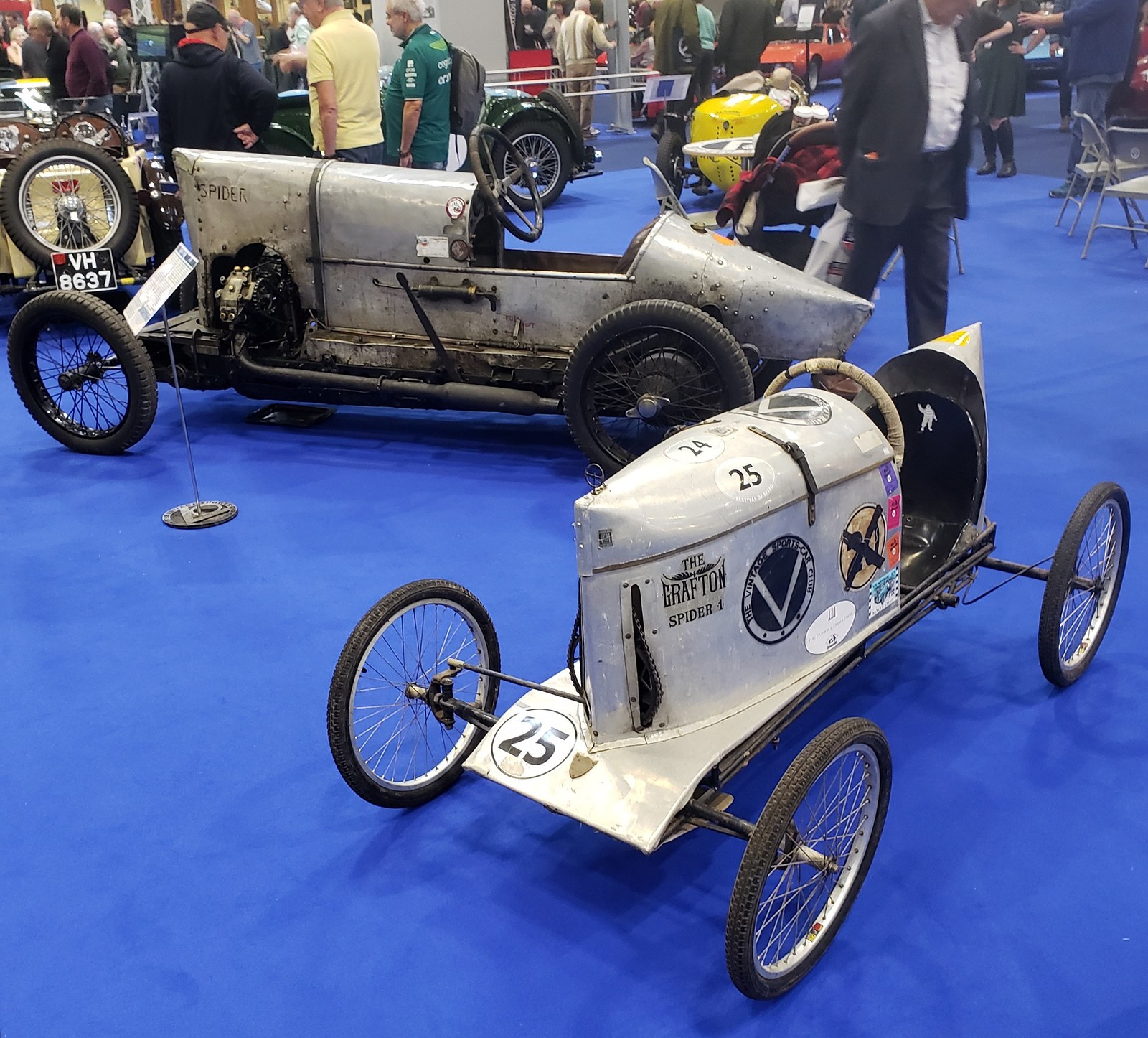
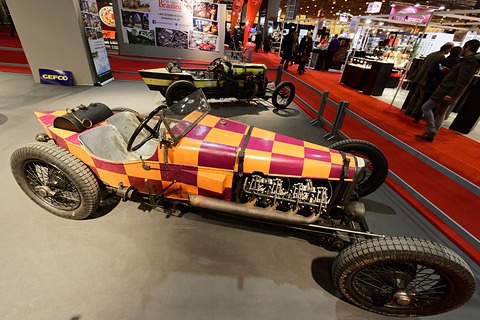
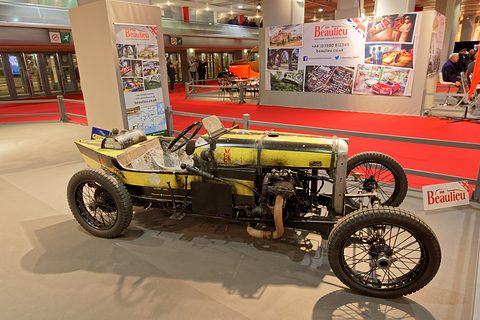
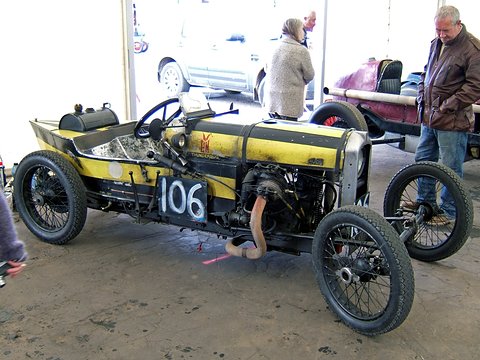
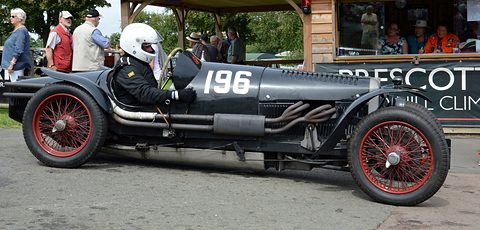
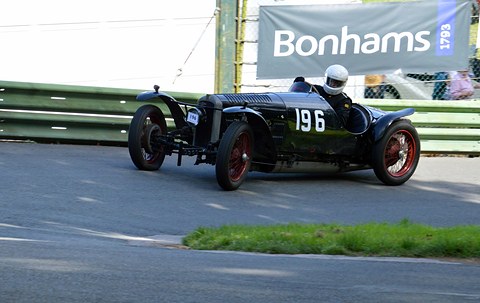
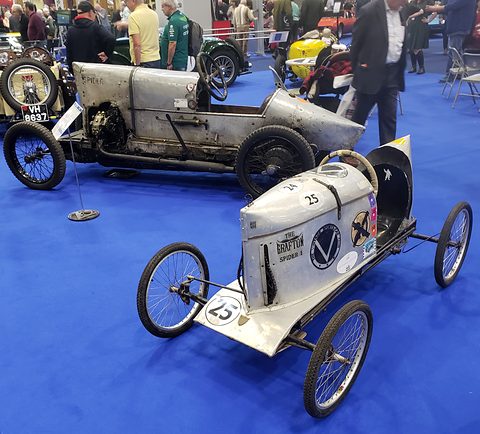
The two founders took the GN’s ideas with them. Nash founded Frazer Nash and kept the chain-and-dog transmission; Godfrey, after running a GN repair business at Richmond and four years of illness, later co-founded HRG with Halford and Robins.source 1source 2 The cars themselves found a second life. In 1926 Ted Paxman bought a GN for 15 shillings and won a gold medal in the London–Edinburgh trial: “15s. car wins London–Edinburgh race”, ran the headline.source 1 And the GN chassis became the standard base for the British sprint and hill-climb special of the 1920s and 1930s: “Spider”, “Wasp”, “GNat”, “Martyr”, “Cognac” and others (more in racing and rallying).source 1source 3 Basil Davenport built “Spider” from Mowgli’s engine, of 89 × 120 mm, in a standard GN chassis, broke the Shelsley Walsh record with it three times, and was still competing in it in 1949, its engine by then 2,000 cc.source 1source 3 John Bolster rated the GN and the 30/98 Vauxhall the two outstanding cars of the vintage years.source 1