microcarfan
  • Sports microcar
  • Australia
  • Four wheels
  • No doors
  • Over the yardstick

Goggomobil Dart

Also known as Buckle Dart, Goggo Dart

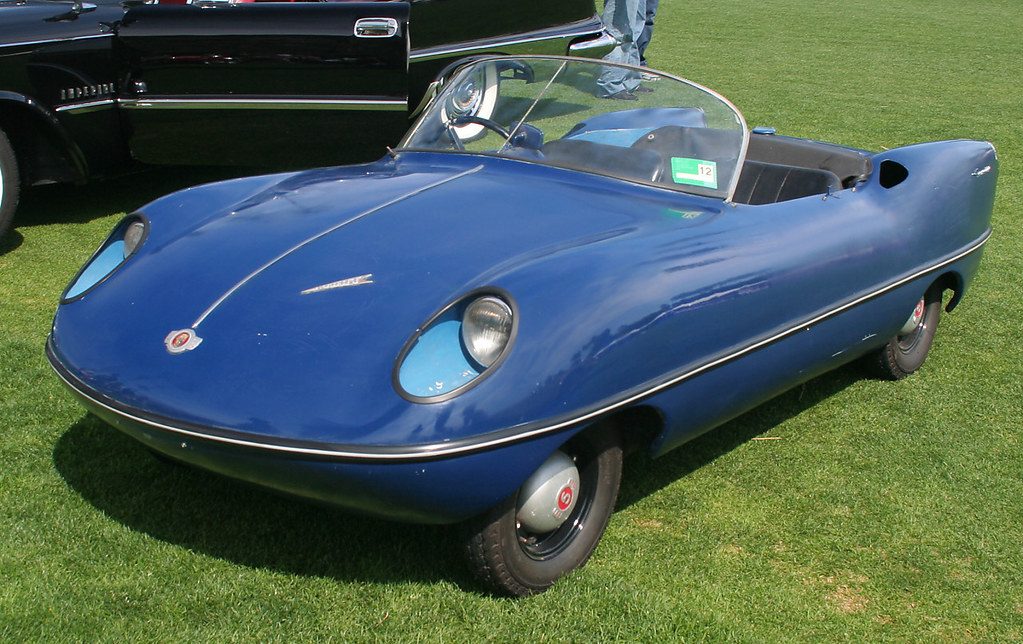
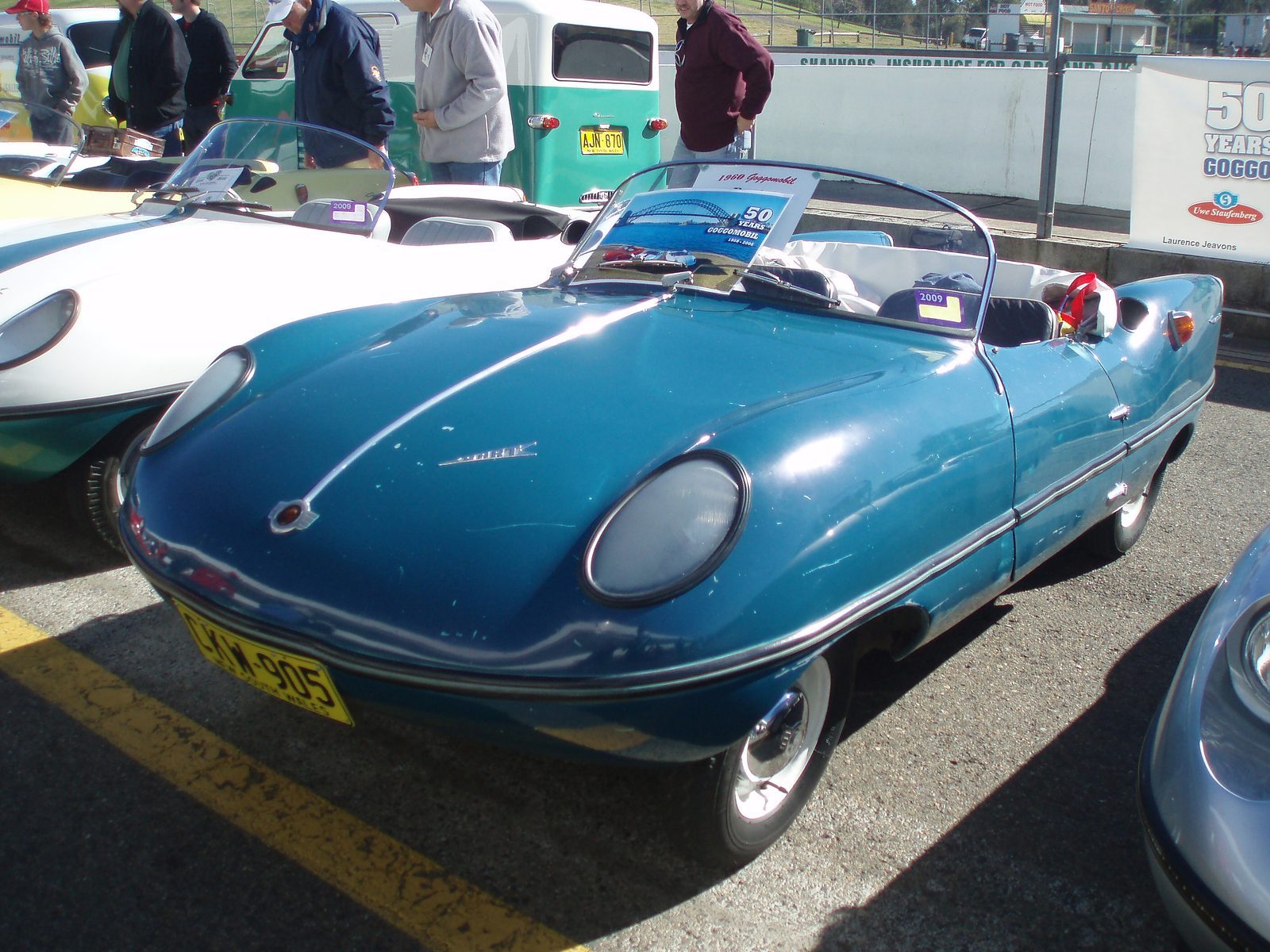
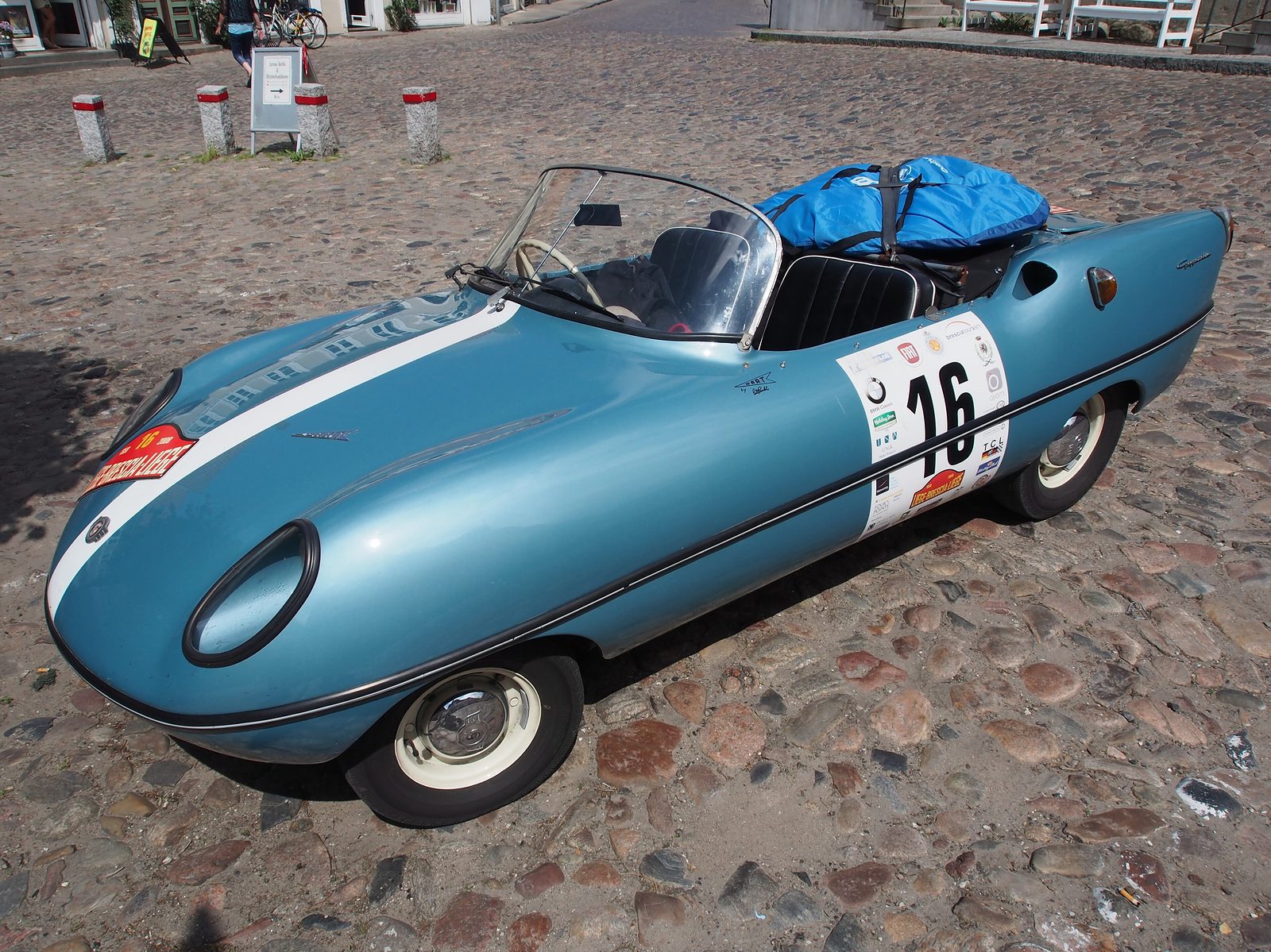
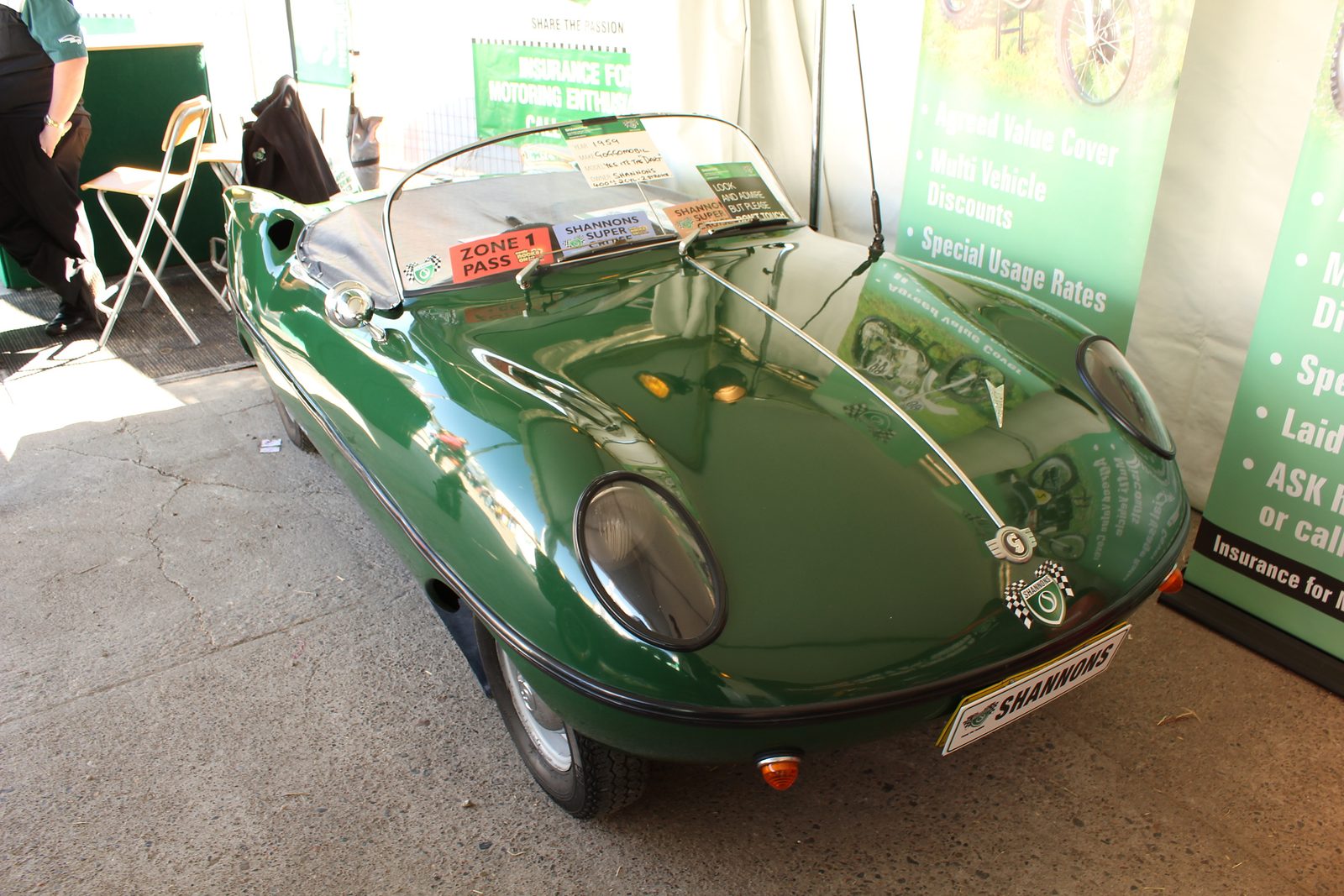
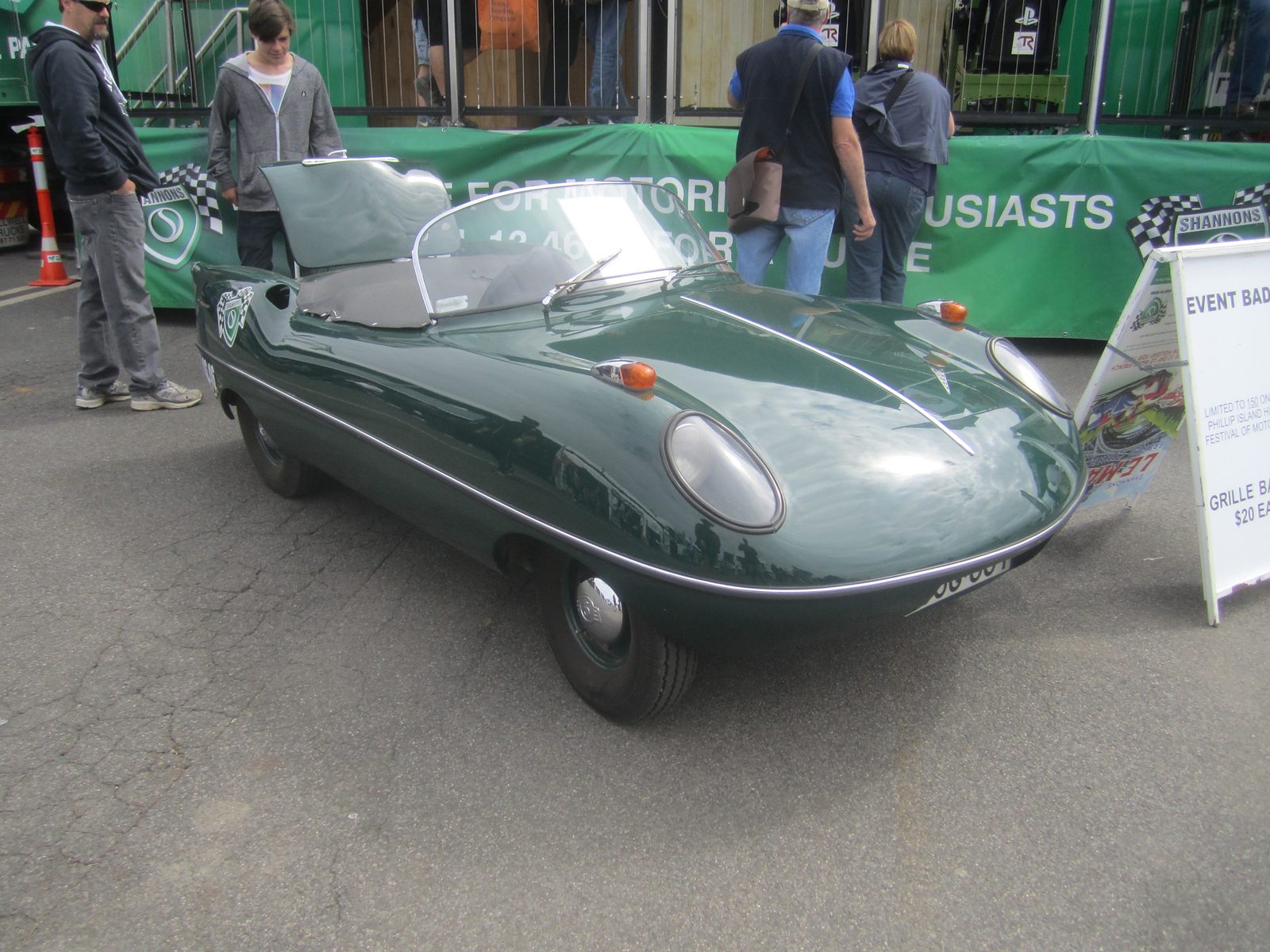
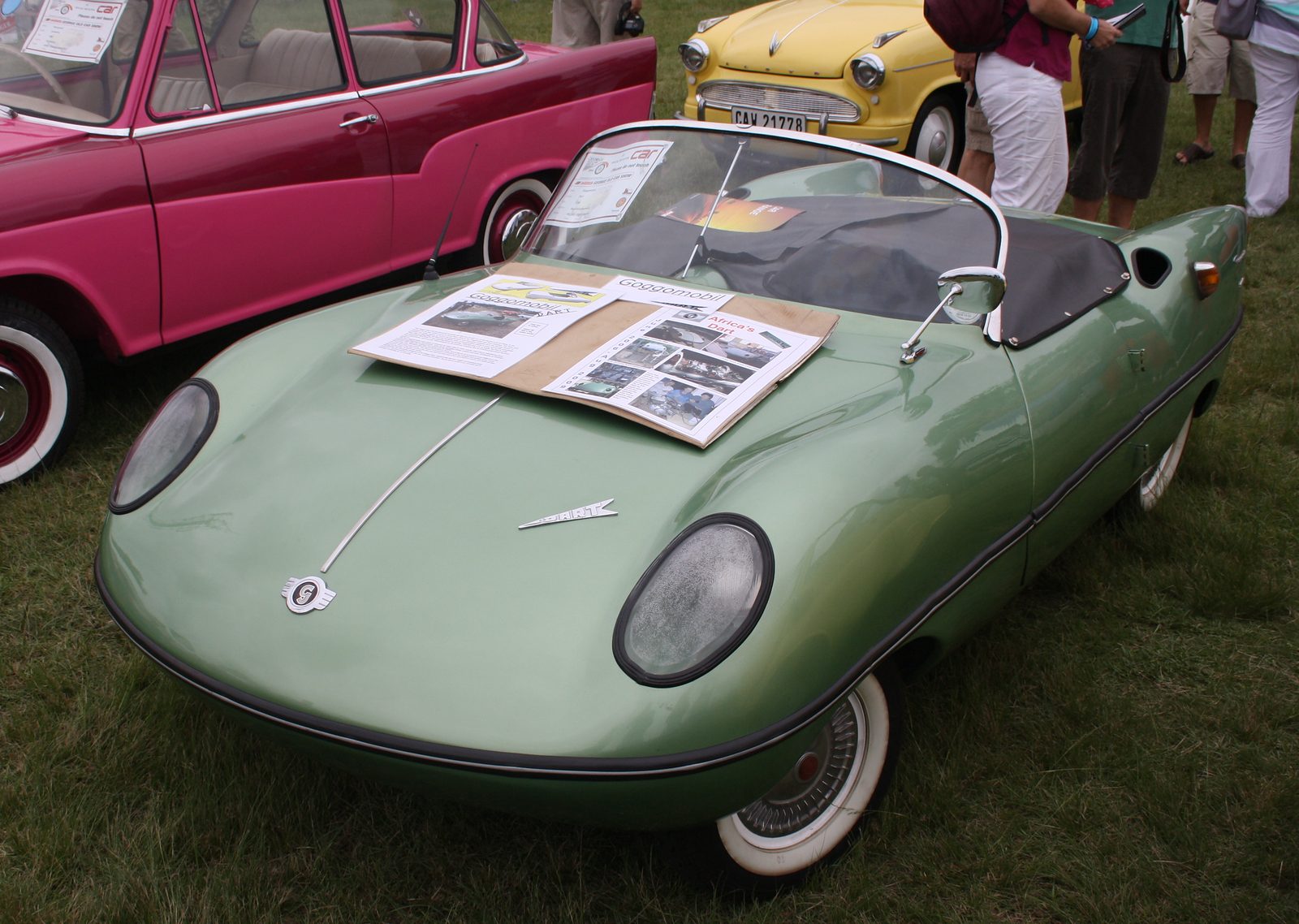
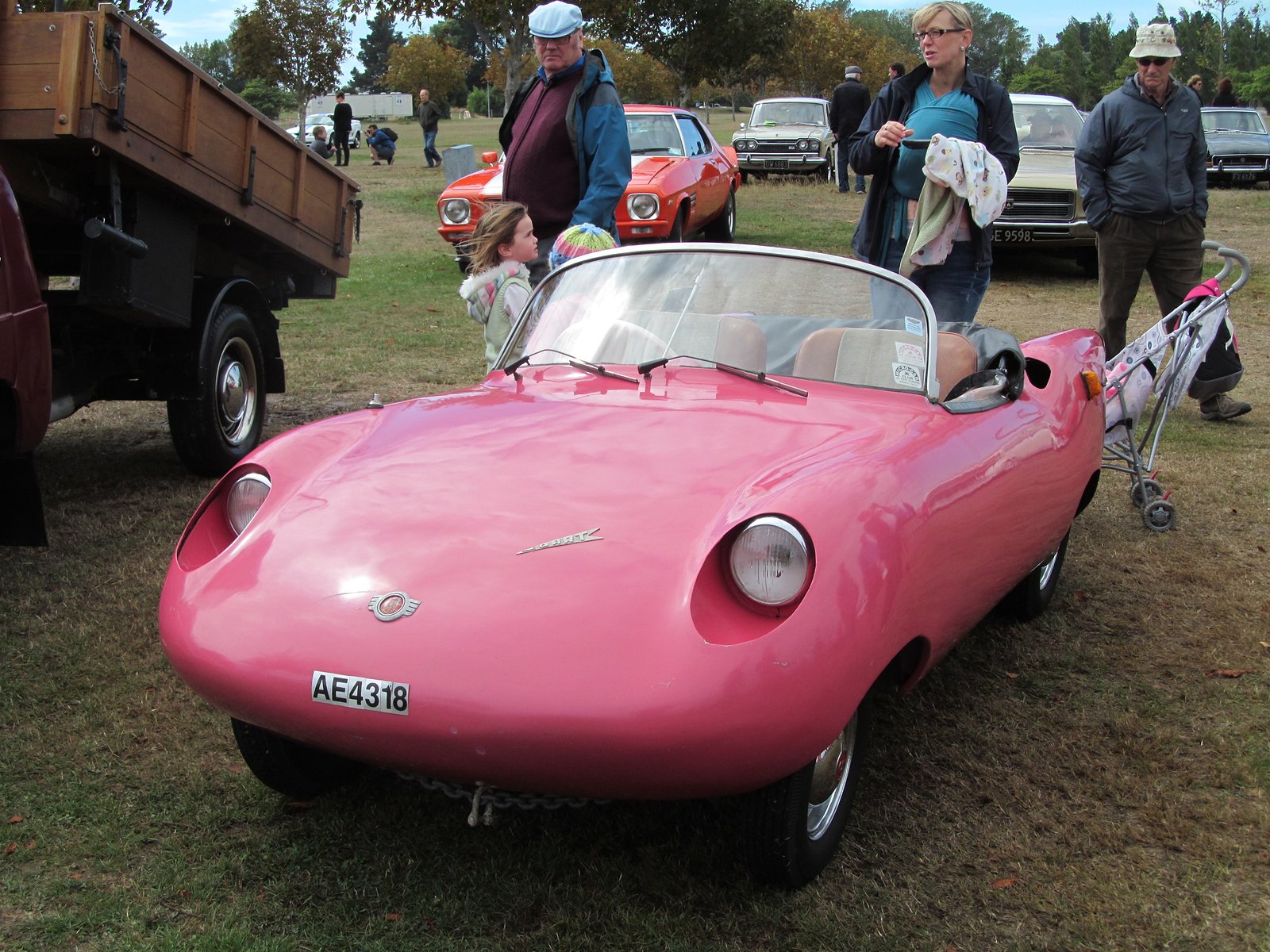
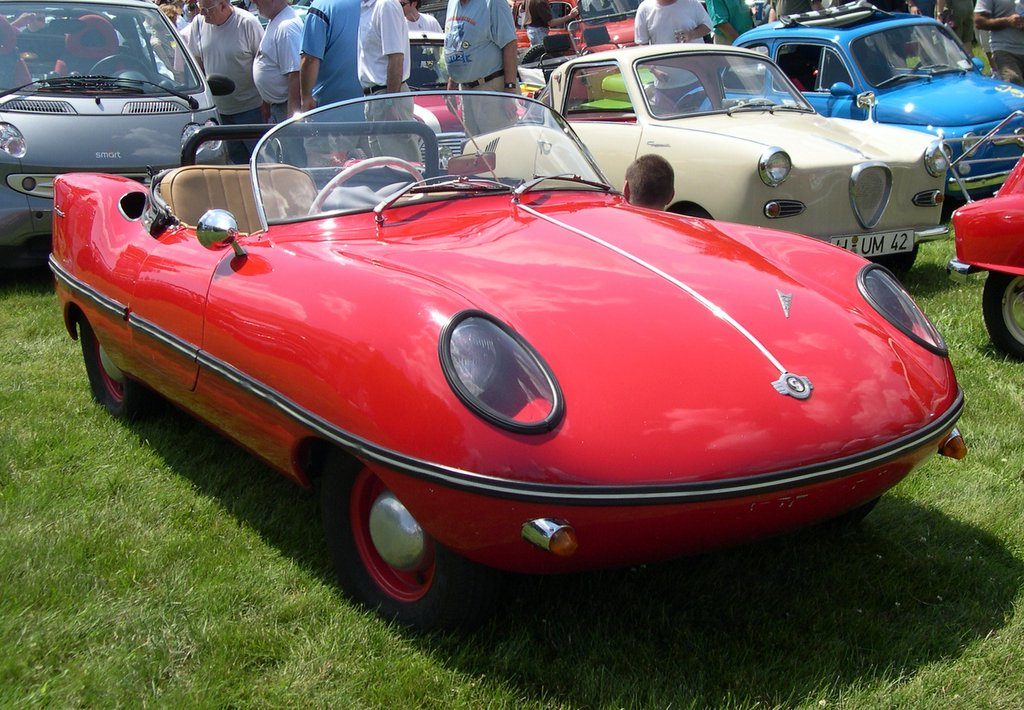
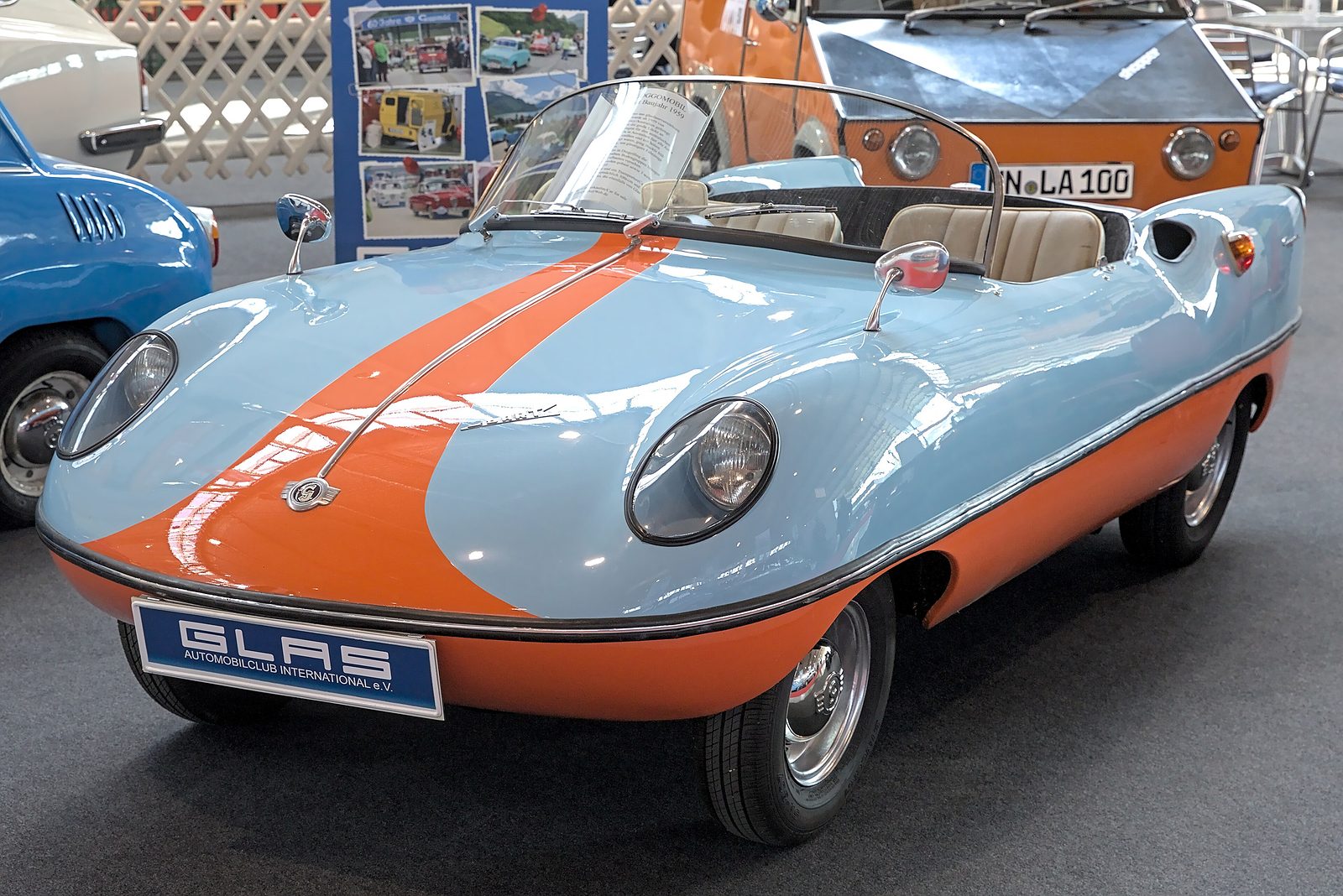
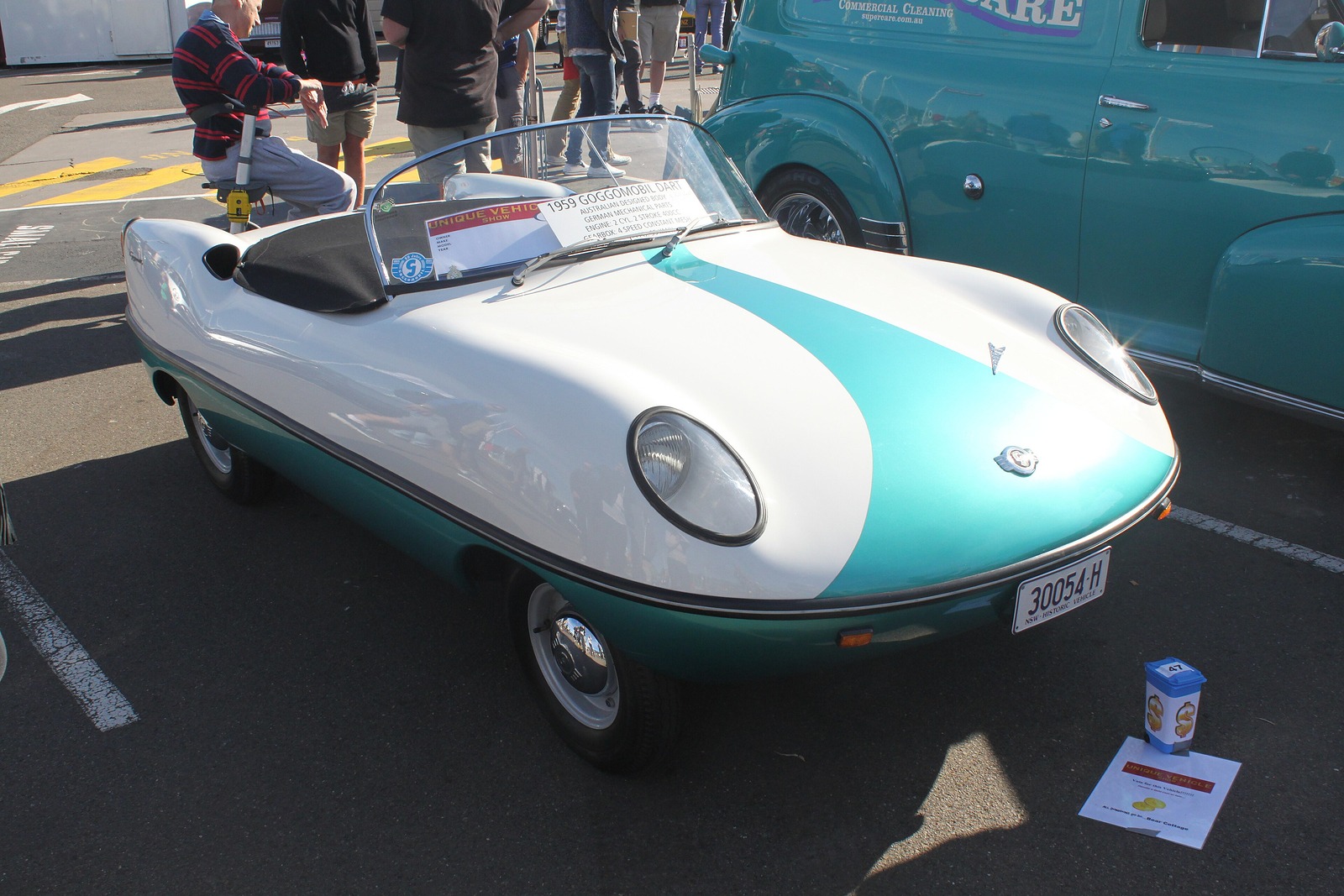
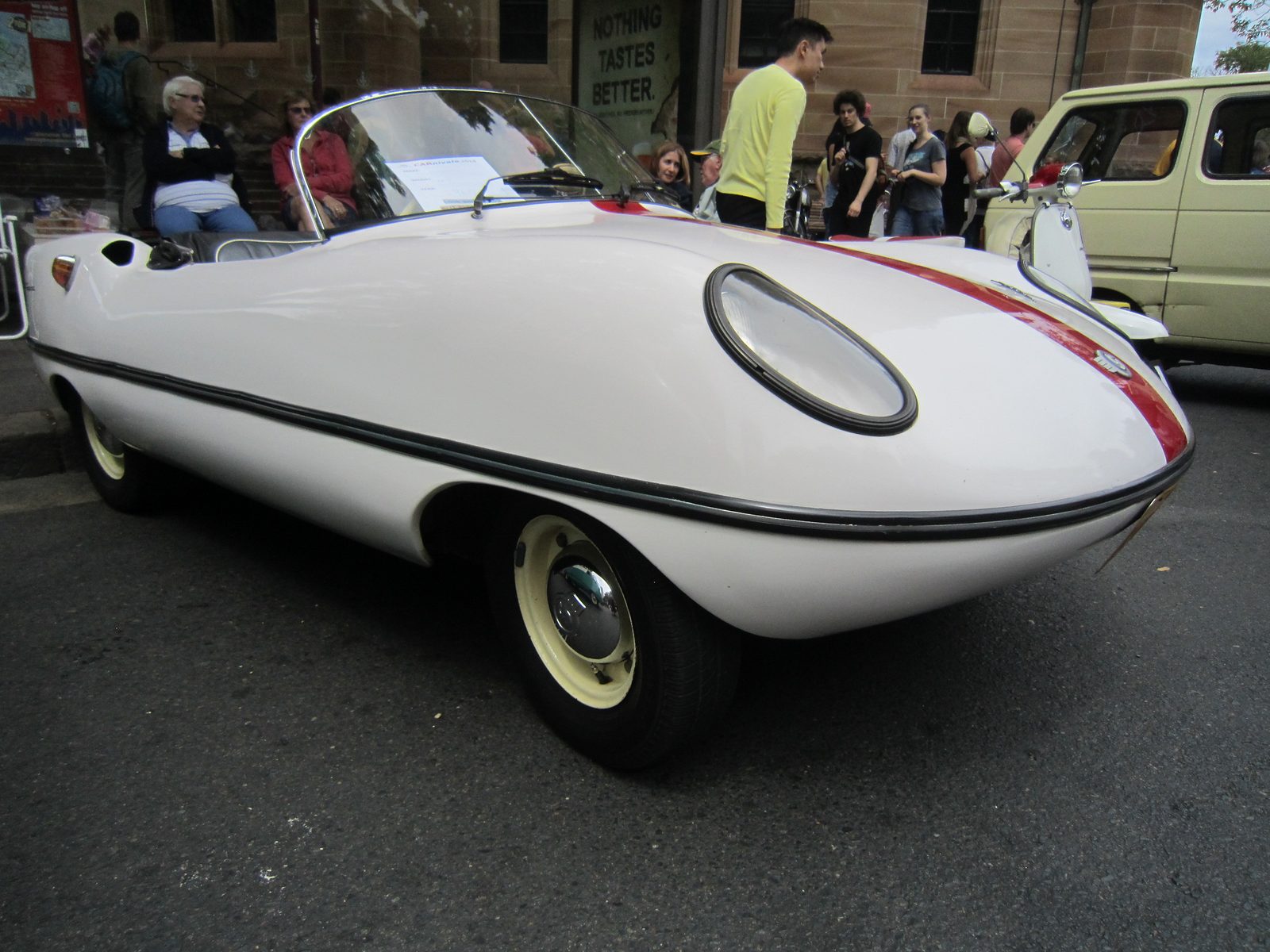
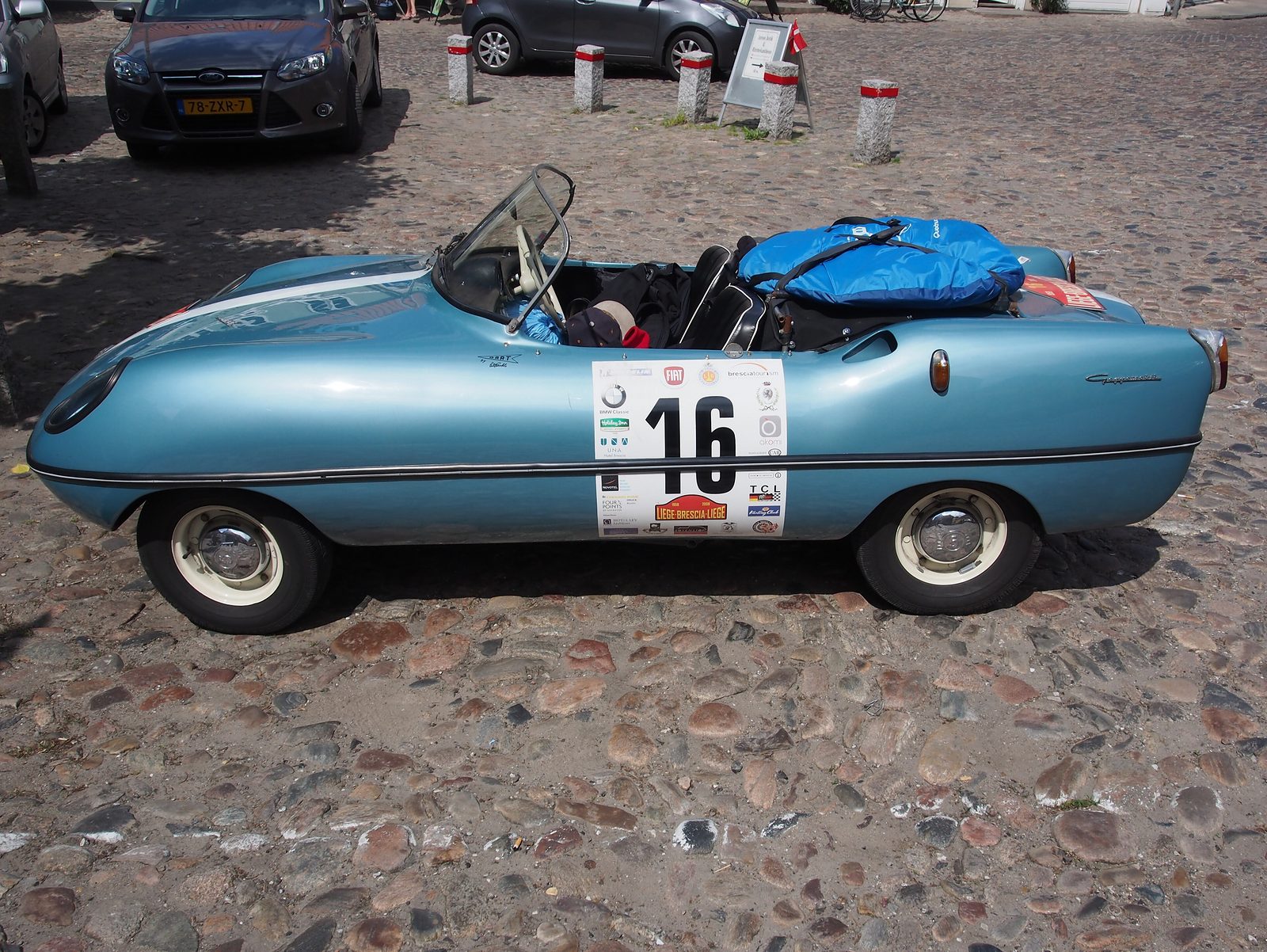
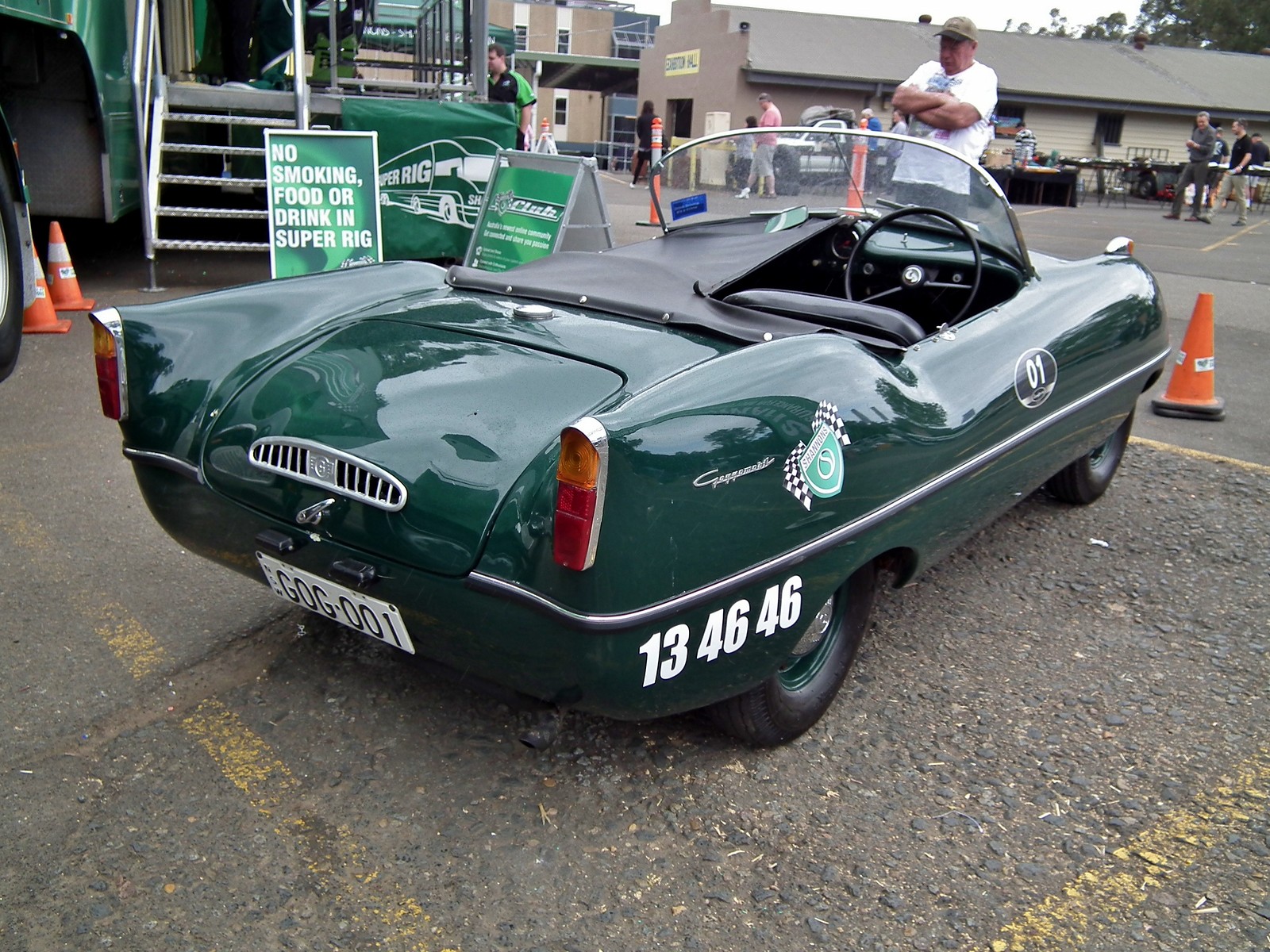
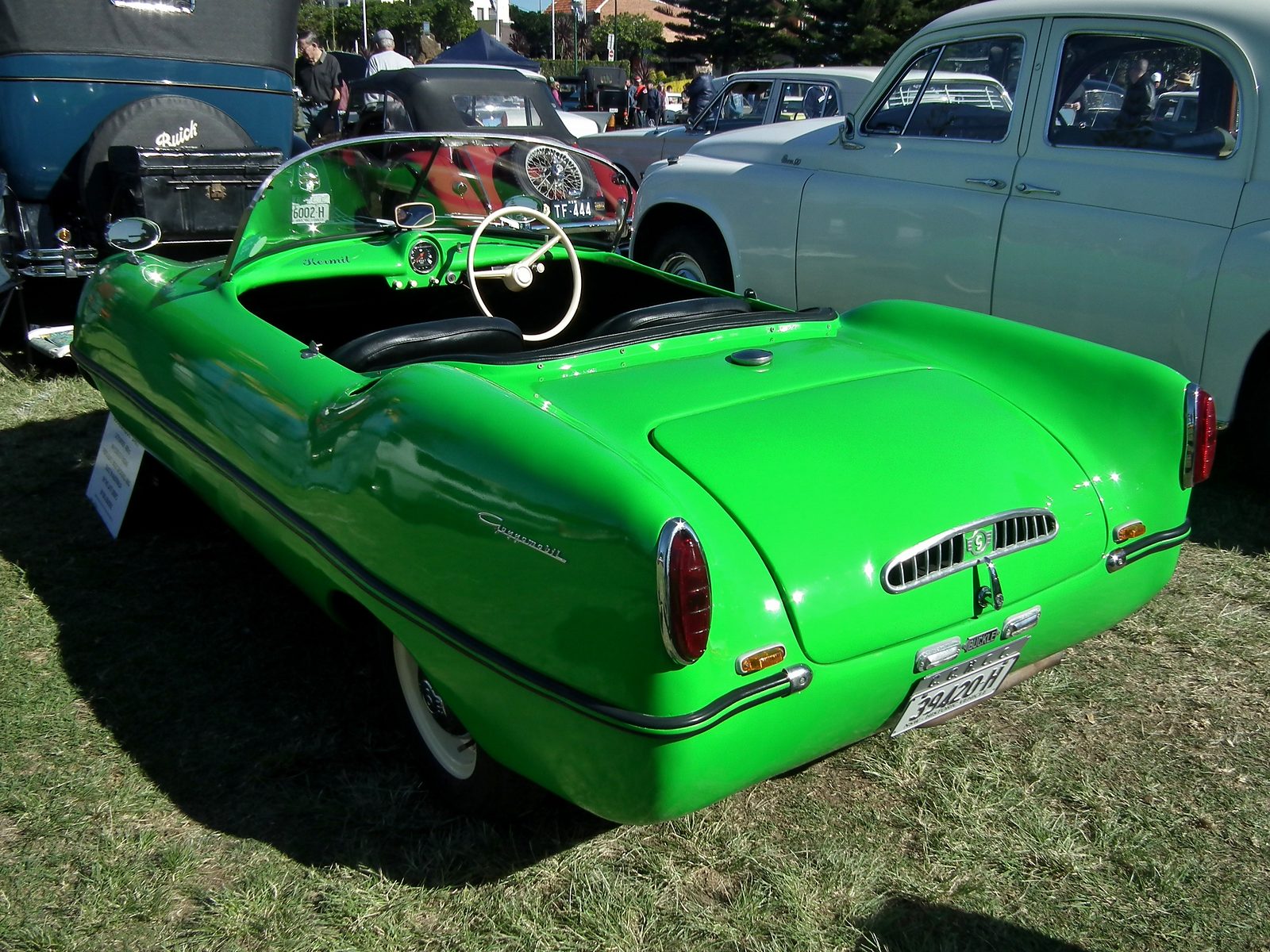
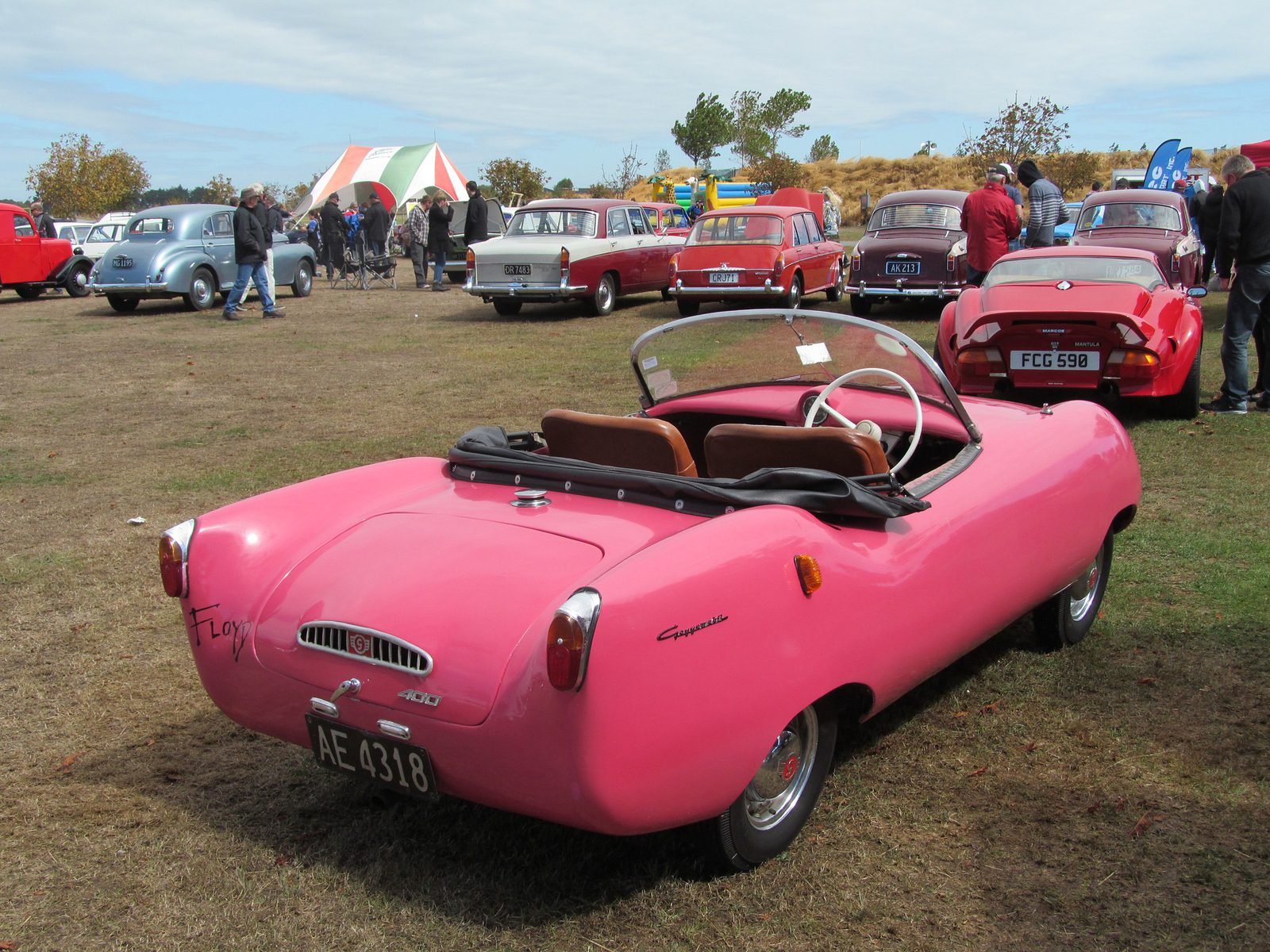
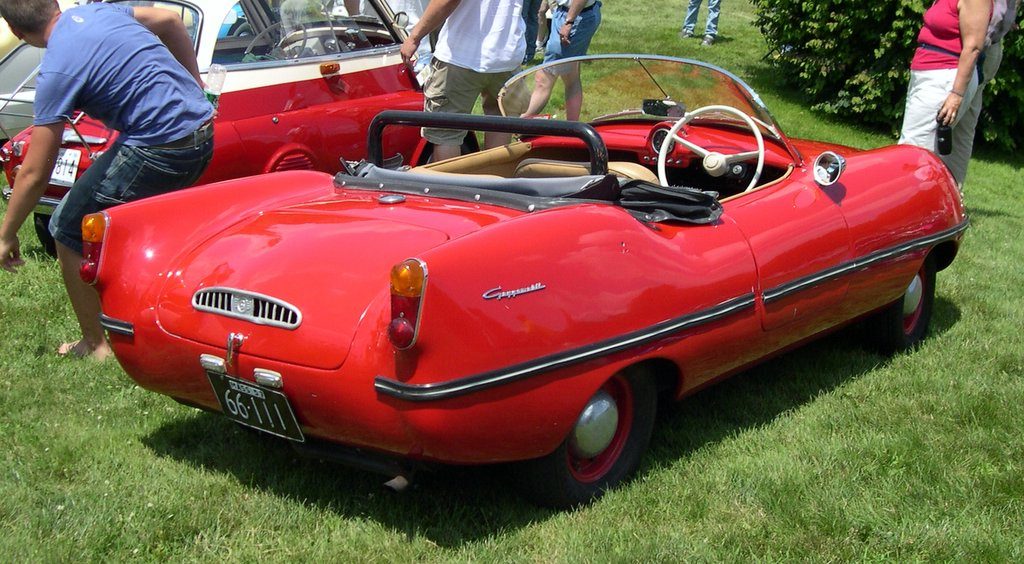
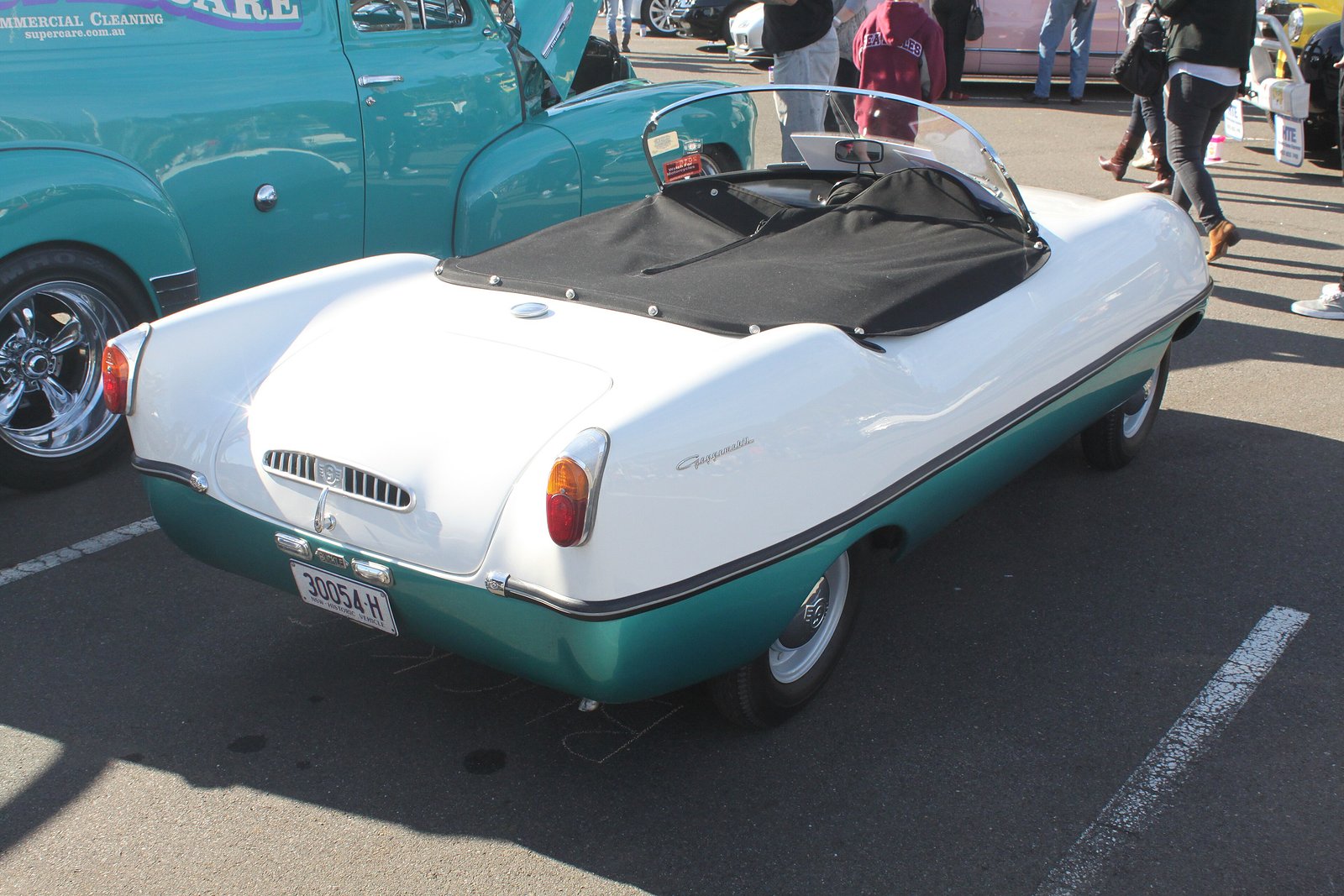
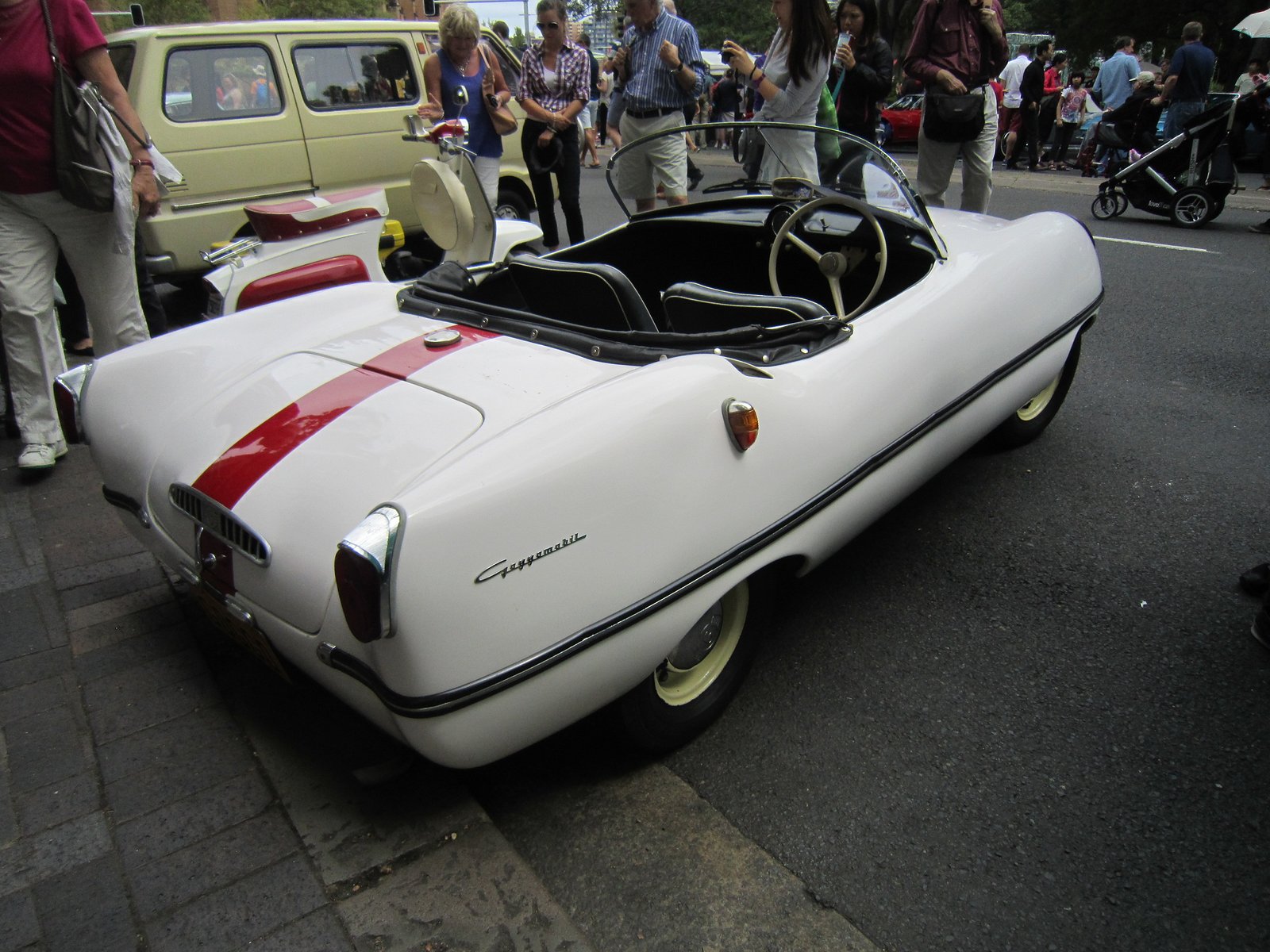
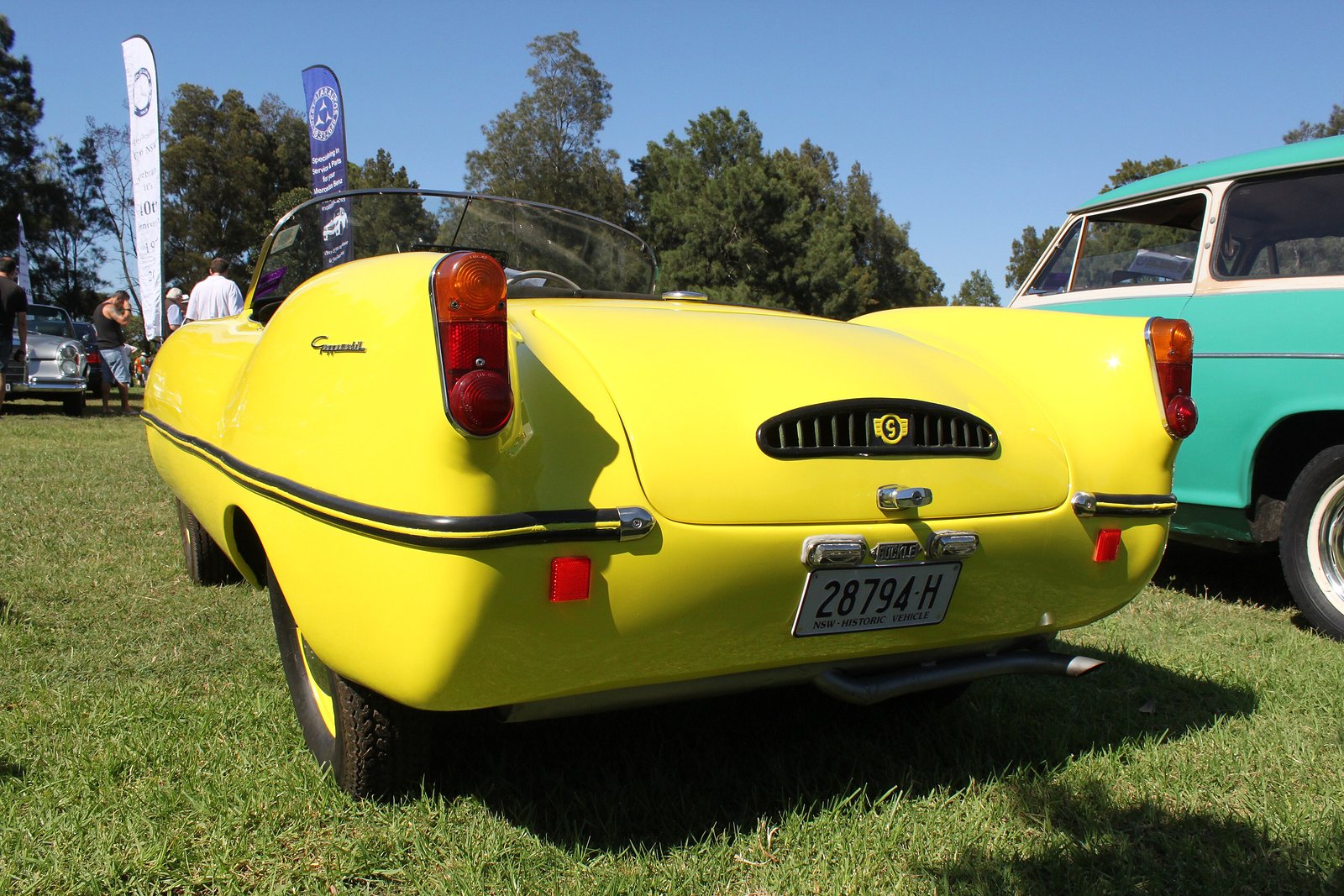
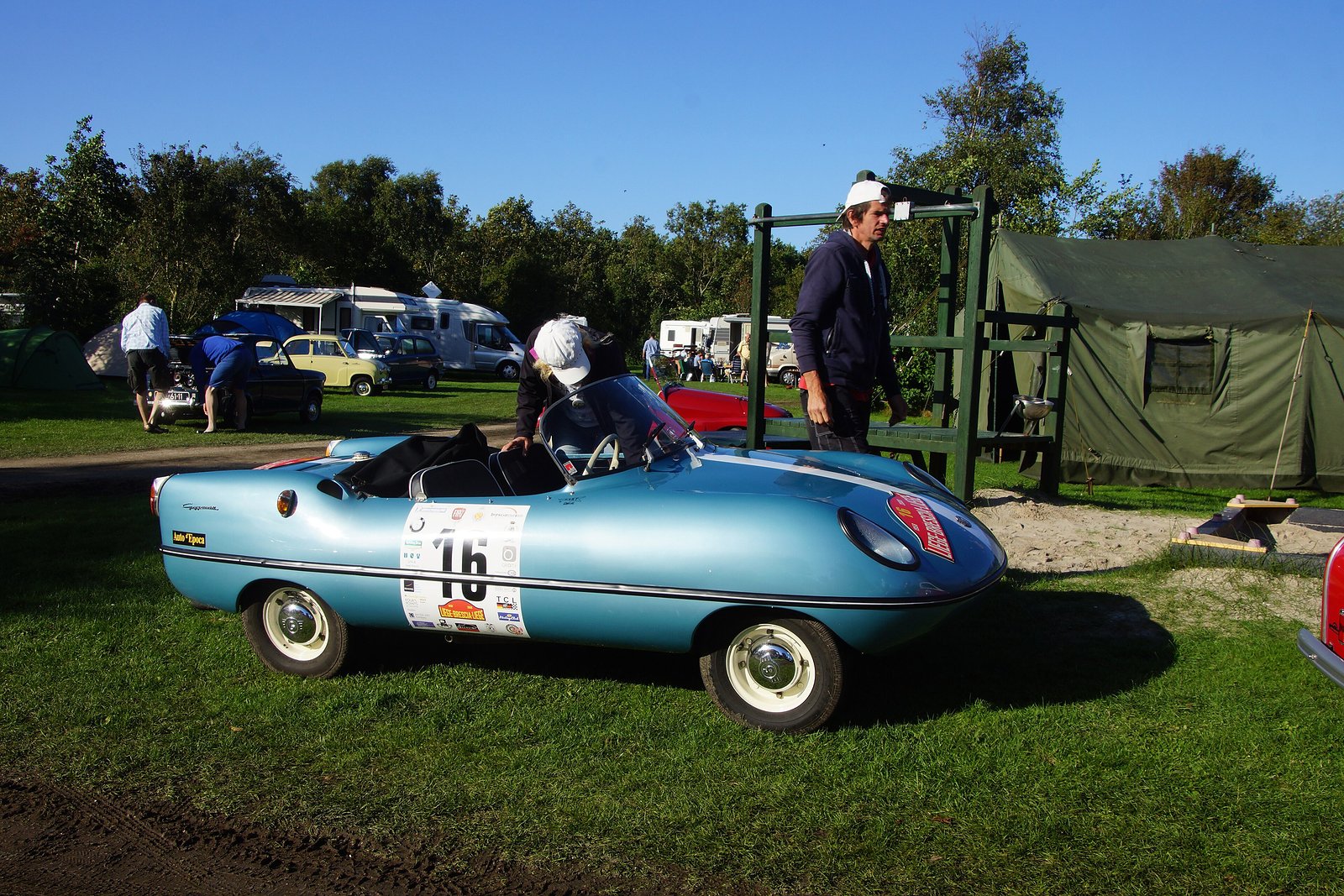
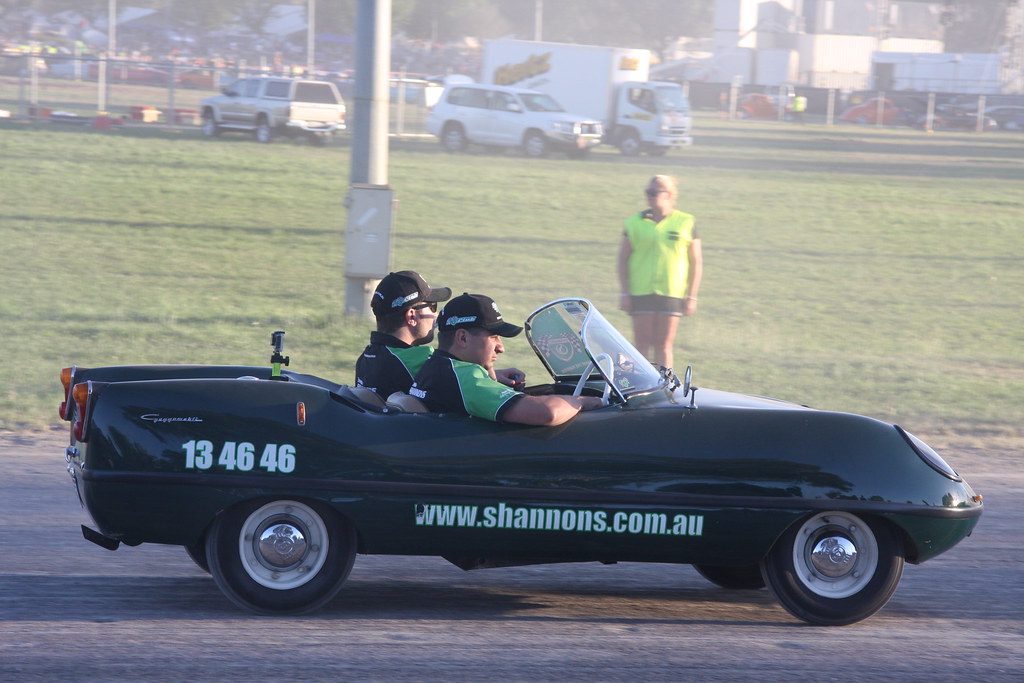
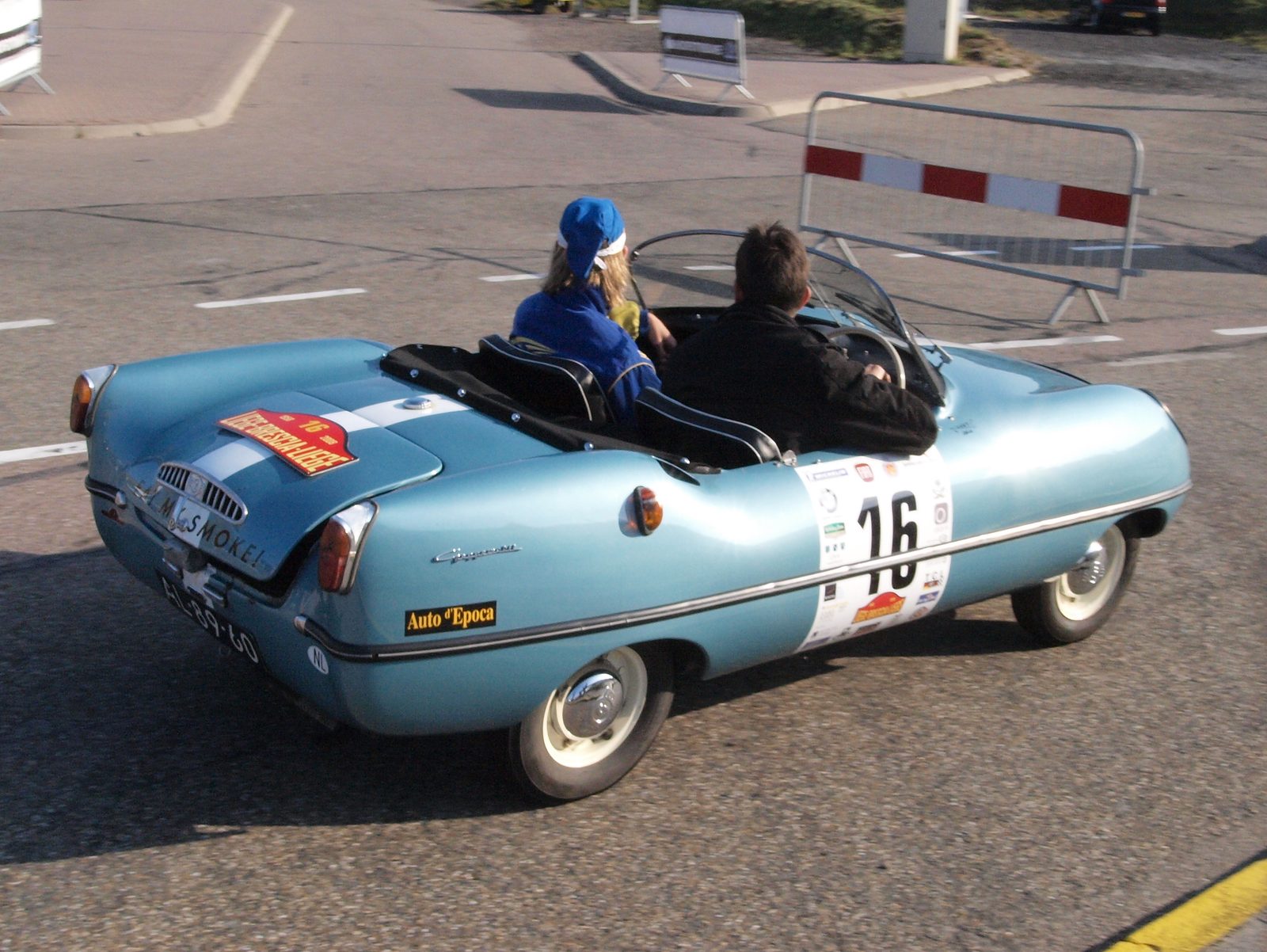
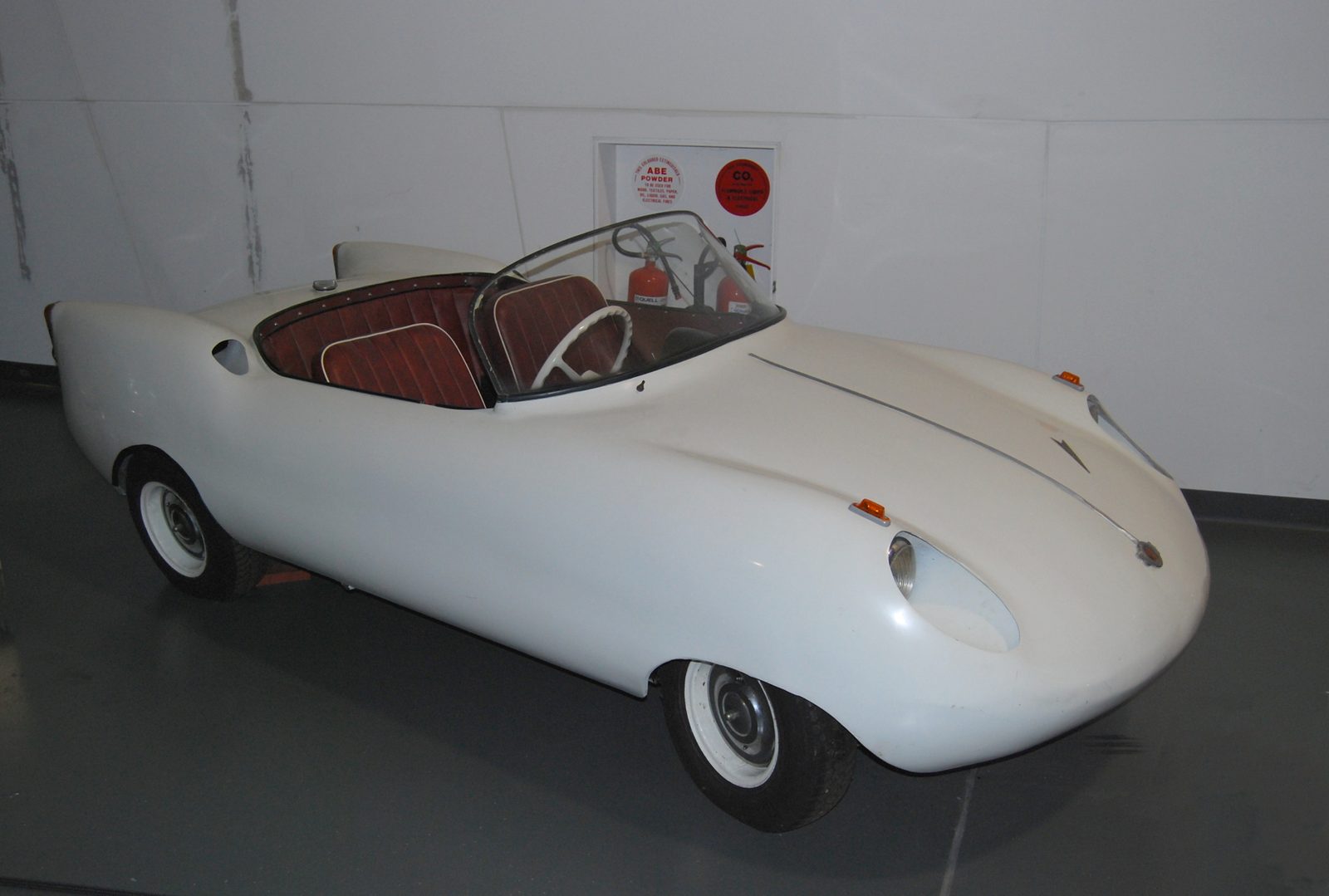
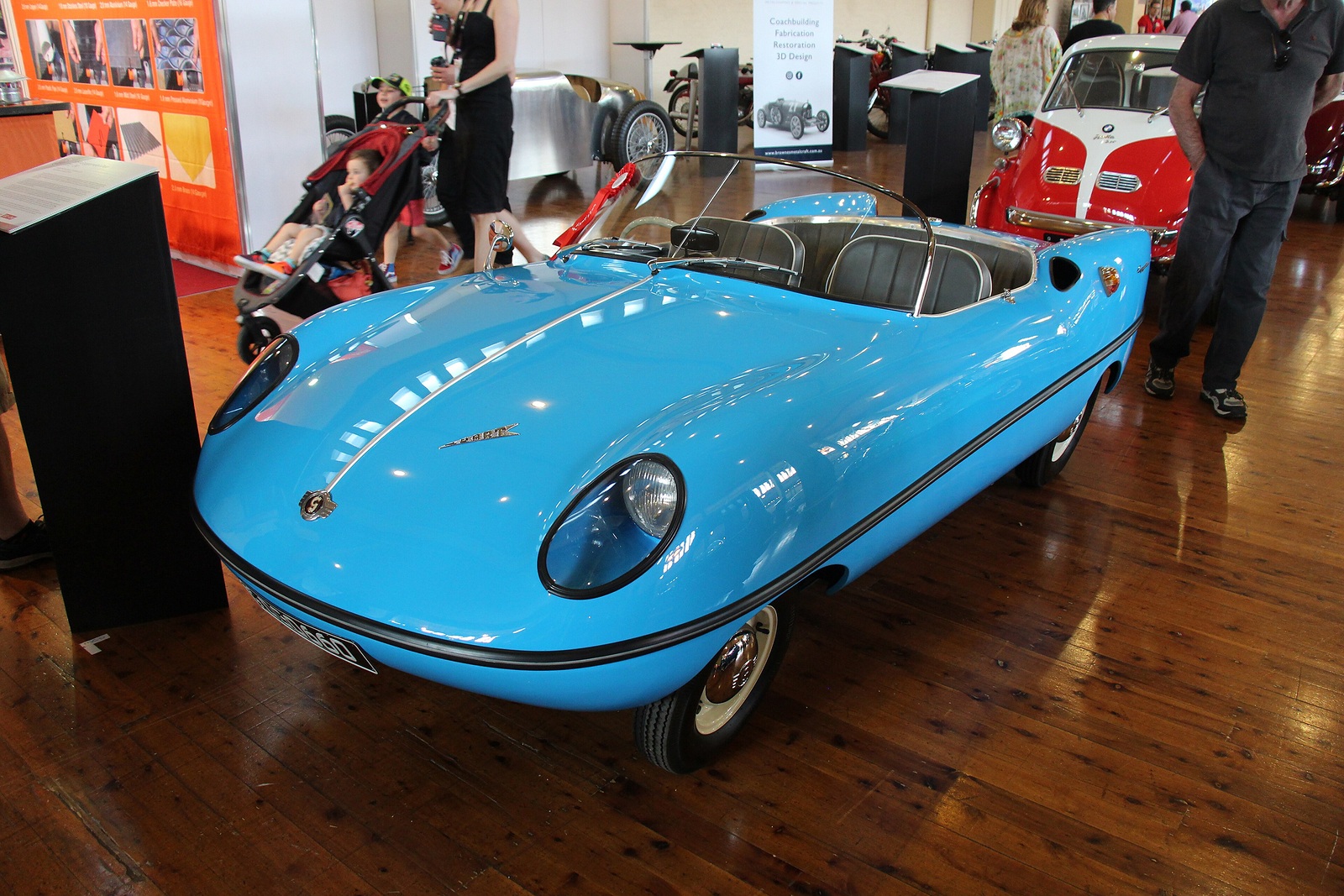
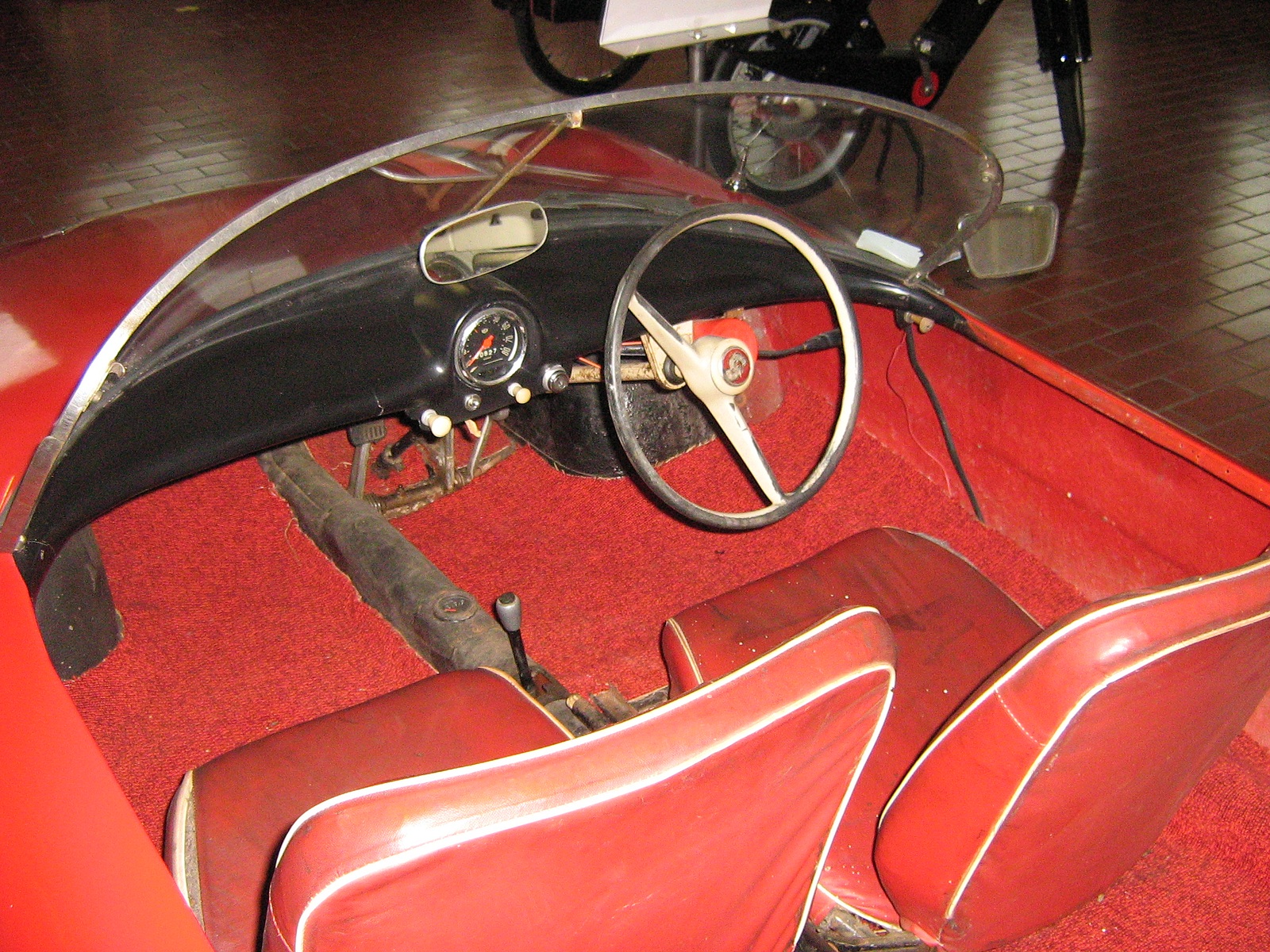
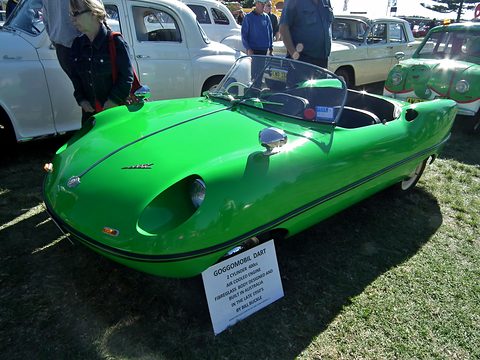
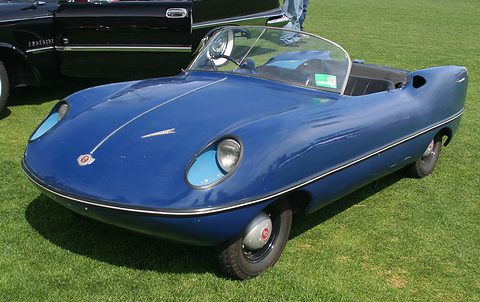
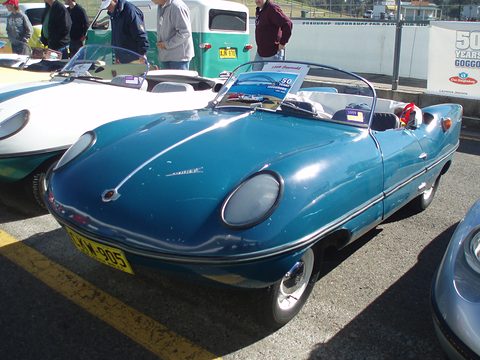
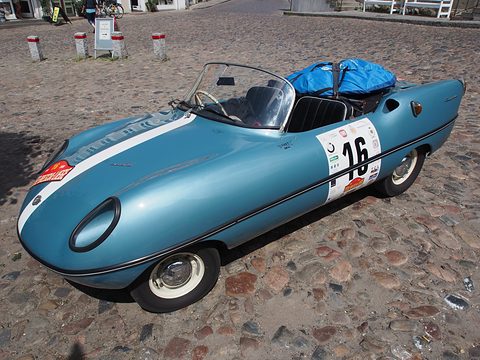
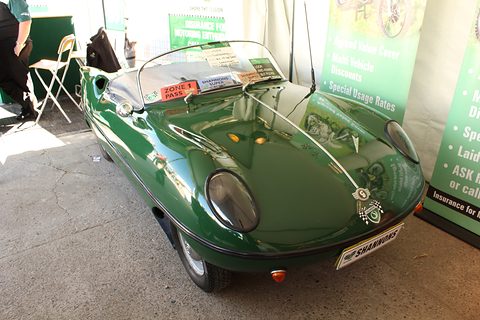
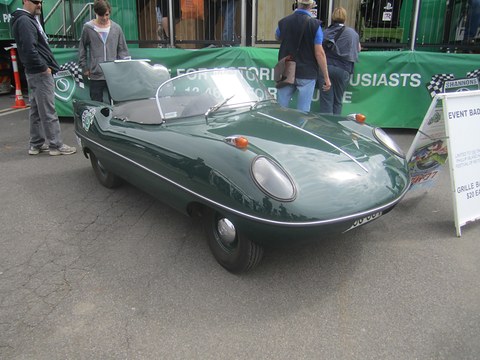
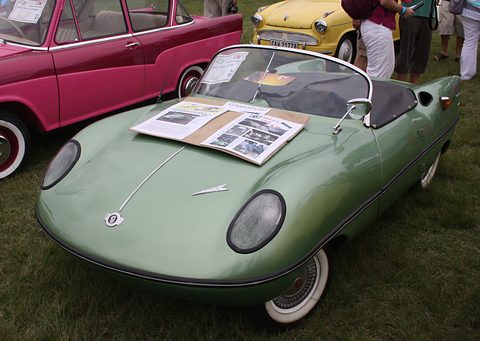
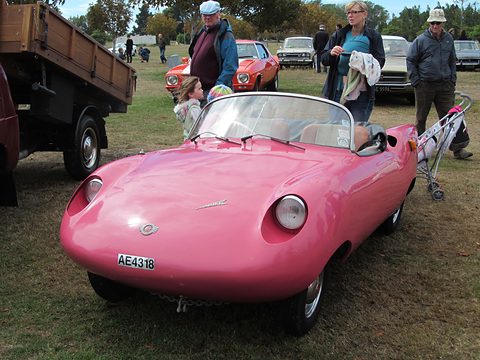
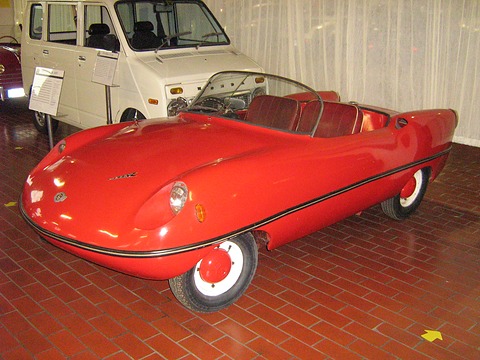
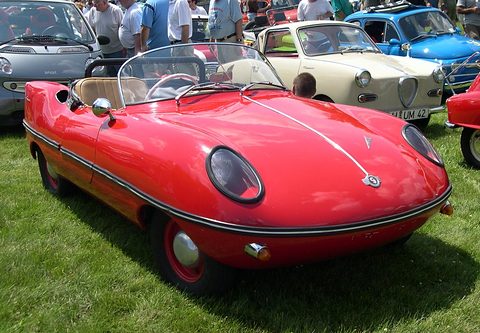
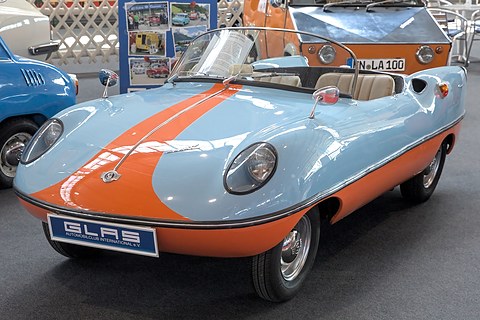
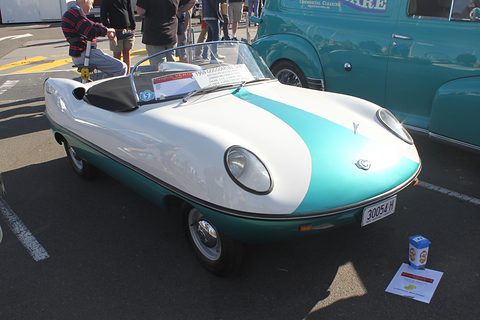
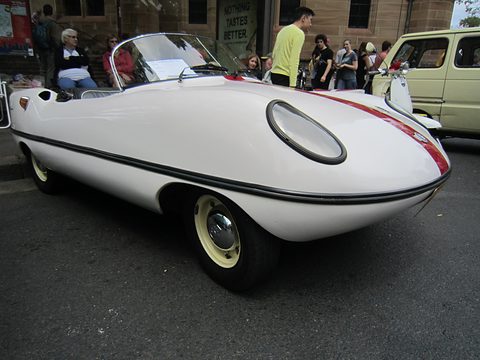
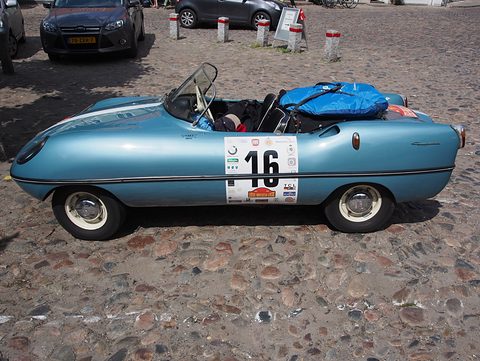
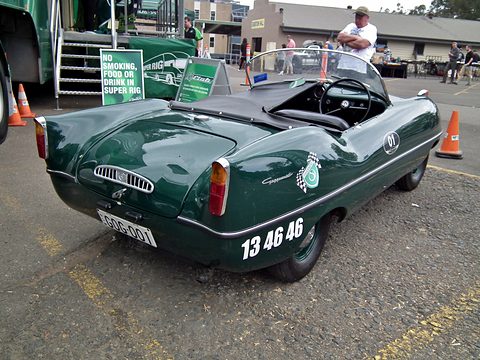
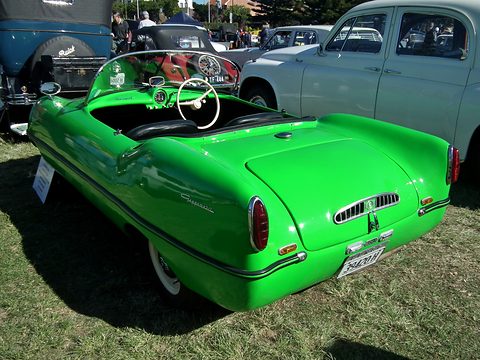
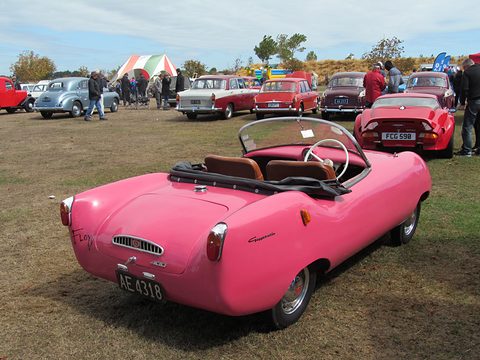
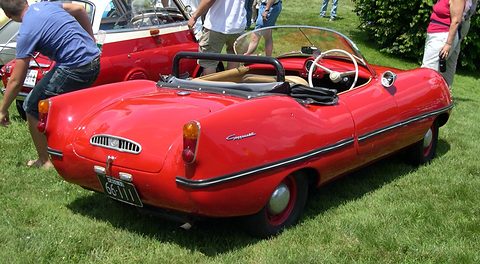
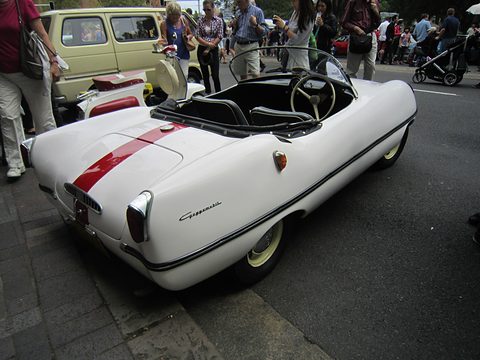
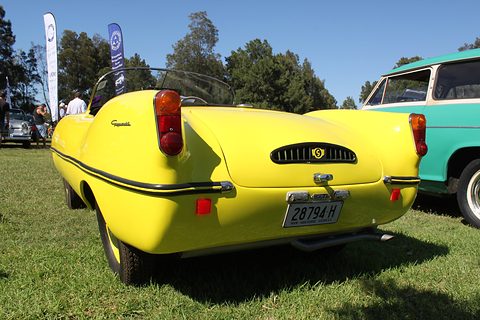
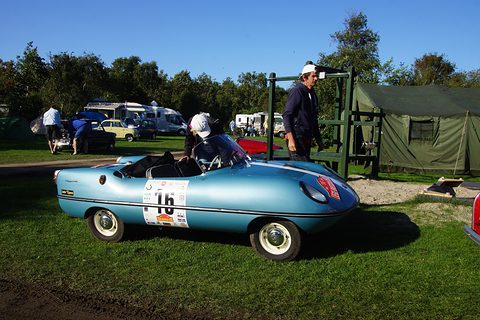
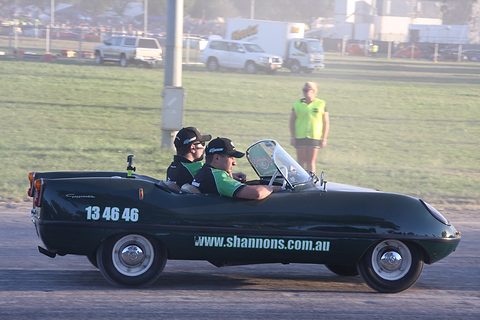
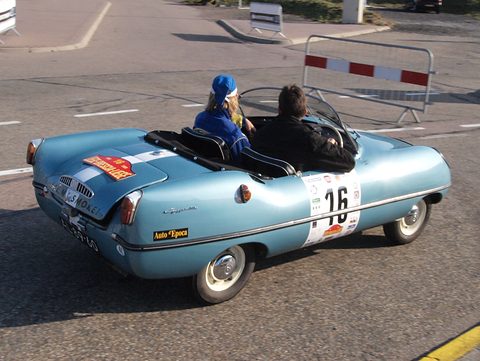
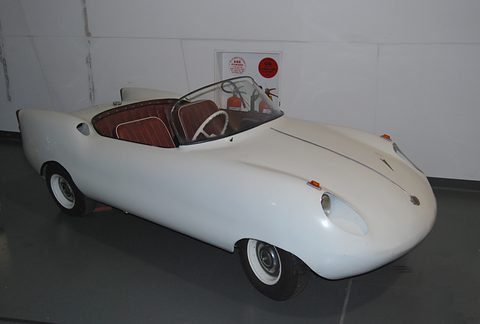
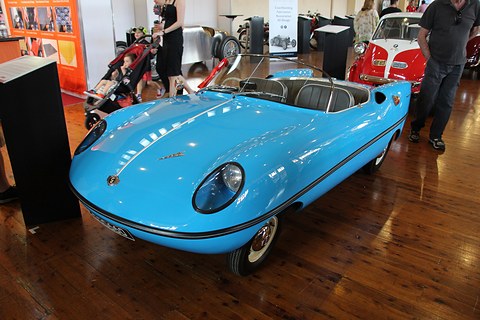
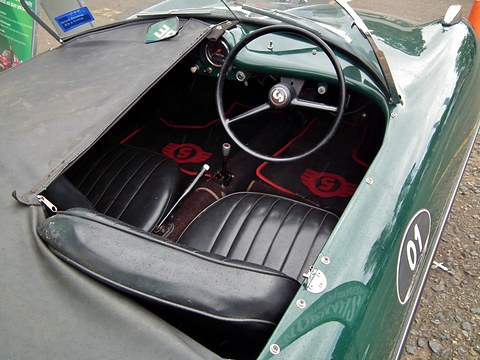
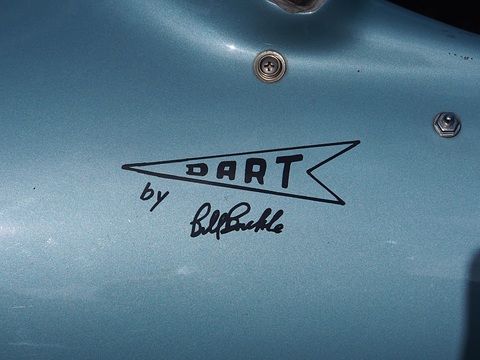
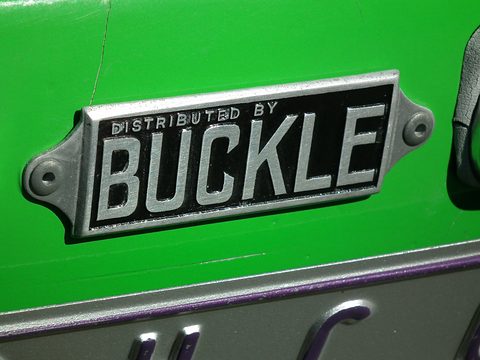
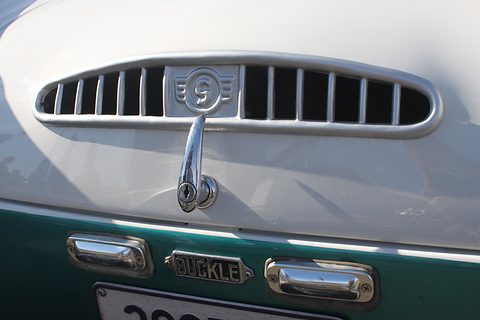
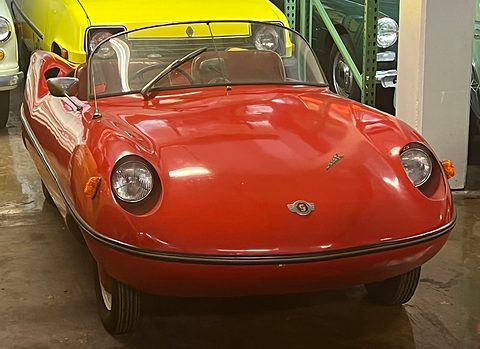
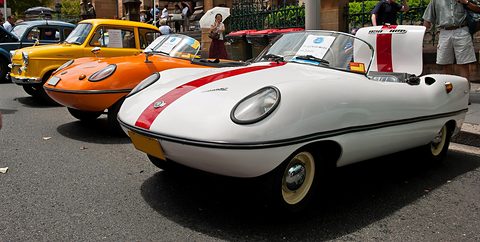
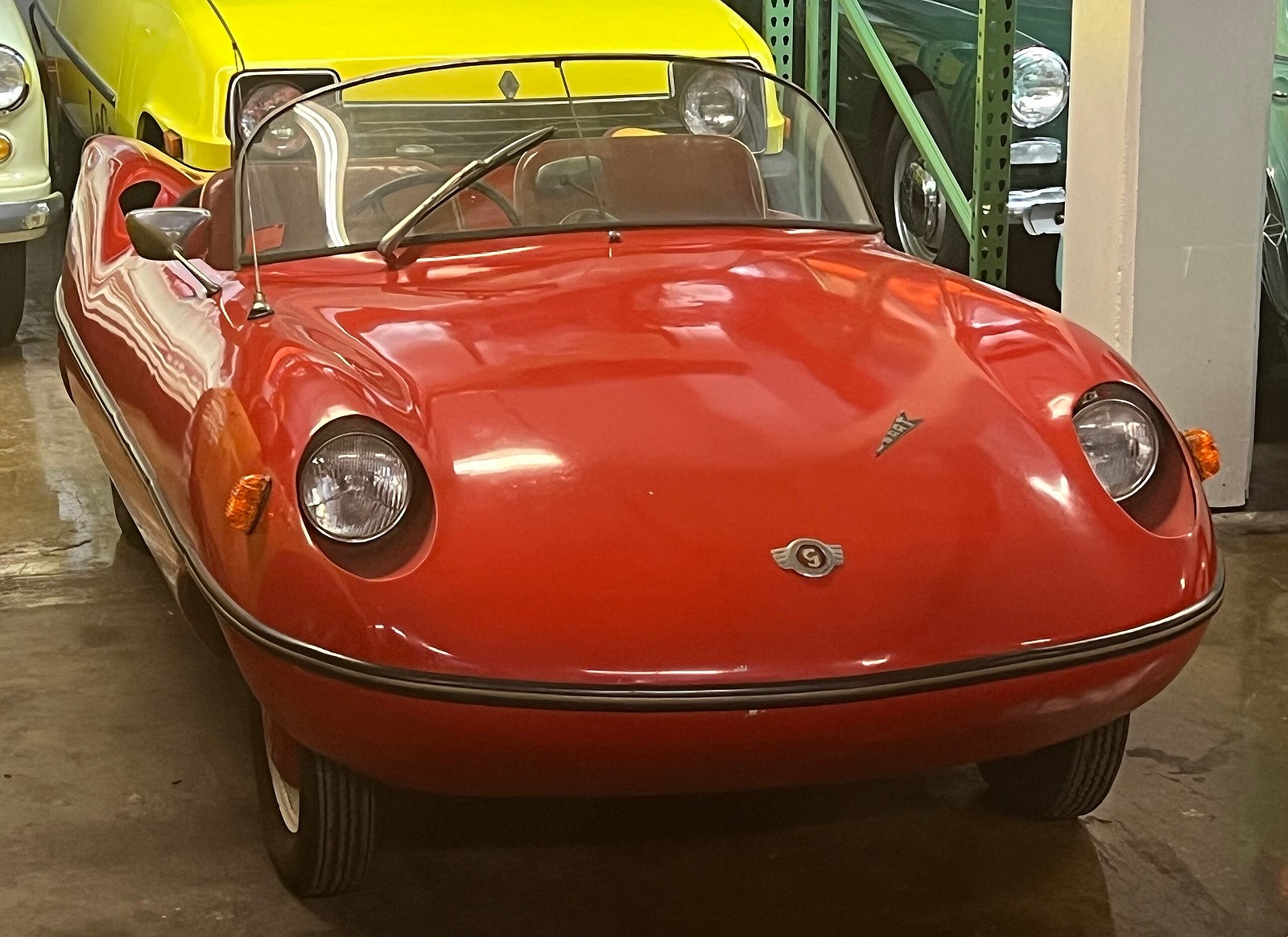
You got into a Goggomobil Dart by stepping over the side, because at first it had no doors. Bill Buckle of Sydney built about 700 of these glass-fibre roadsters on German Goggomobil chassis, with the rear window of a Renault Dauphine for a windscreen, and some thirty years later a television advertisement made its name a national catchphrase.

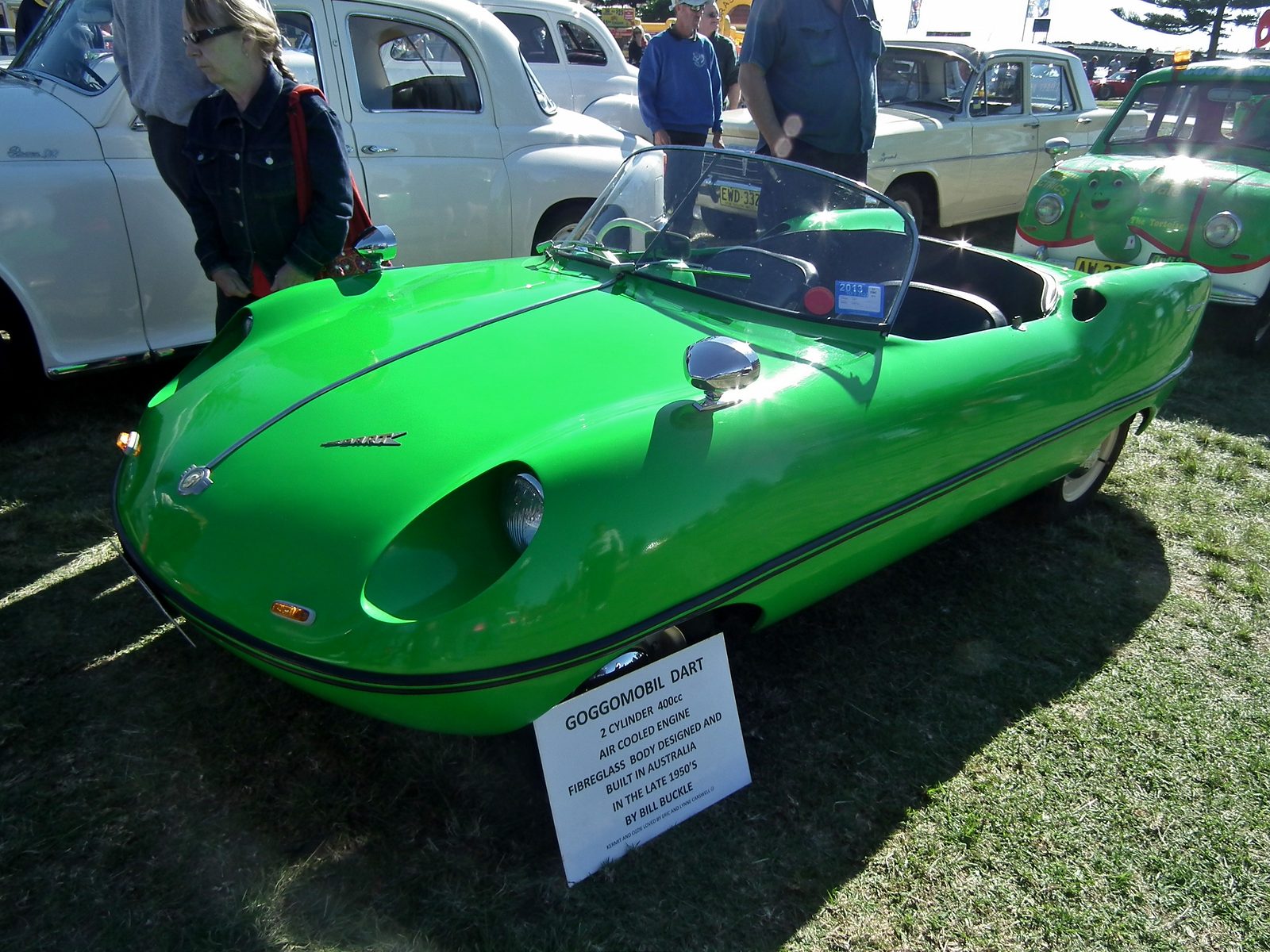
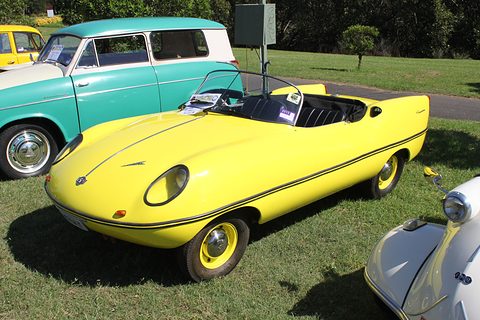
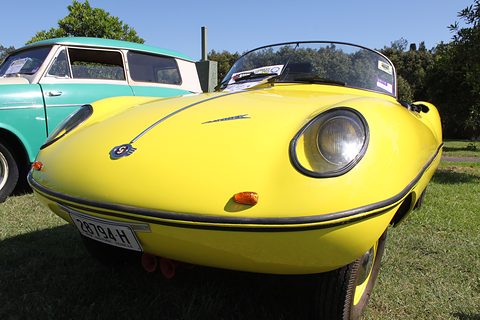
Yellow open roadster on grass with yellow wheels, a turquoise car parked behind.
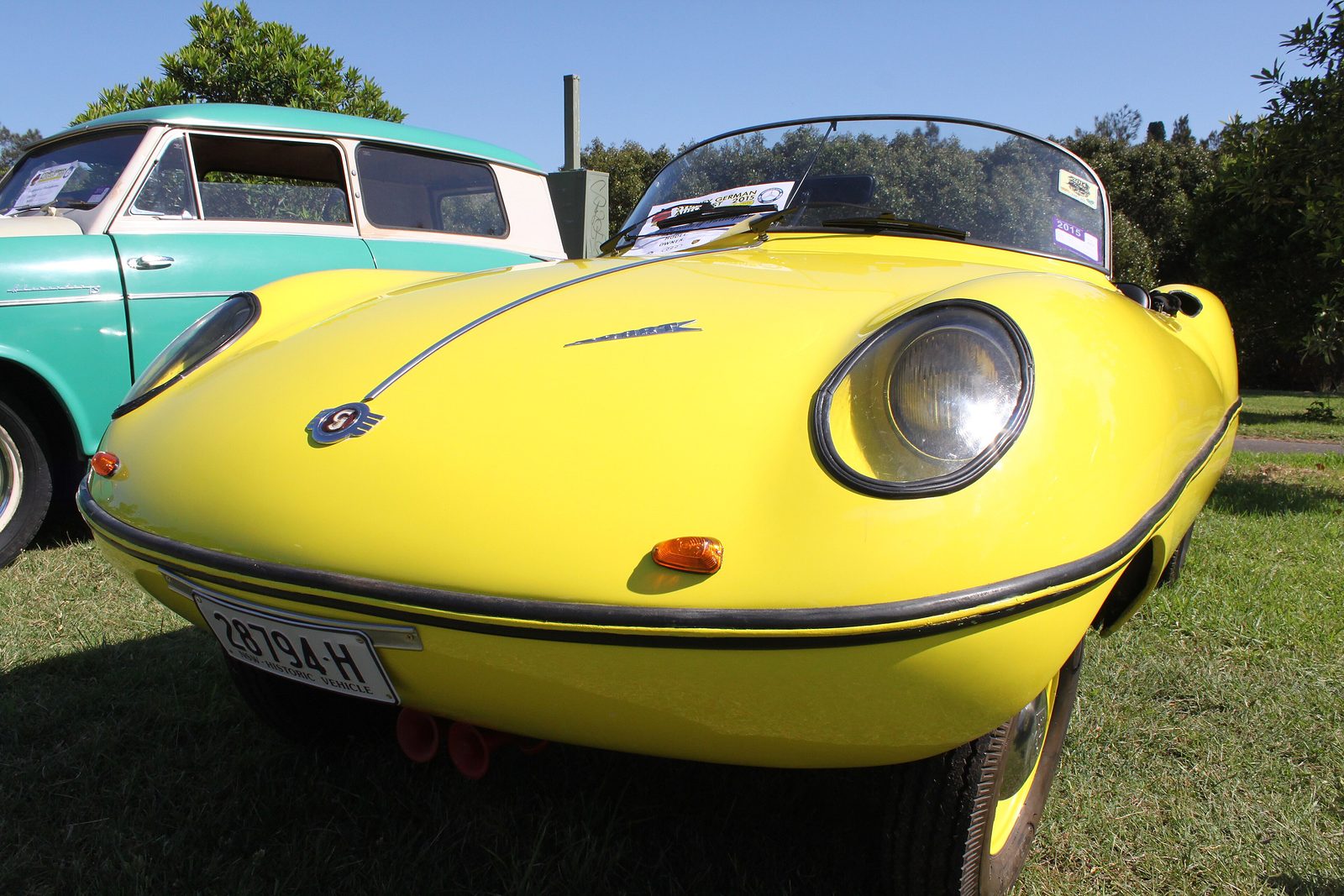
A yellow Goggomobil Dart from the front three-quarter at the German Auto Fest, Earlwood, New South Wales, in 2015.Photo: Jeremy, CC BY 2.0, via Wikimedia Commons

At a glance

The spec plate

Goggomobil Dart

Dart · Punchbowl, Sydney

Built
1959–⁠1961June 1959 to September 1961
Country
AustraliaBuckle Motors, Punchbowl, Sydney, on chassis from Hans Glas of Dingolfing
Maker
Buckle MotorsSydney; chassis and engines from Hans Glas, Dingolfing
Engine
293 cc air-cooled two-stroke twinGlas, at the back; or the 400, given by different sources as 392 to 395 cc
Power
15 bhp11 kW; the 400 18.5 or 20 bhp
Length
3,050 mm1,370 mm wide
Weight
380 kgThe Weiner museum’s figure; 381 kg in Collectible Automobile, 345 kg in three other sources
Seats
2
Wheels
4Engine at the back, driving the rear wheels
Price new
about £A685At launch, roughly half the price of an Austin-Healey Sprite
Production
about 700697 by one count
Survives
YesFewer than 100 by one estimate, 30 to 100 by another
Top speed
105km/h105 km/h65 mph; Below the Radar gives 60 and 70 mph for the two engines

How big is it?

True proportion

3.05 m

It is 80 mm longer than a Fiat 500, about 1.7 adults laid end to end.

Drawn at true proportion. The track is 3.6 metres long; the adult stands at the same scale. The Peel P50 is the smallest production car, on every page for comparison.

The story

History

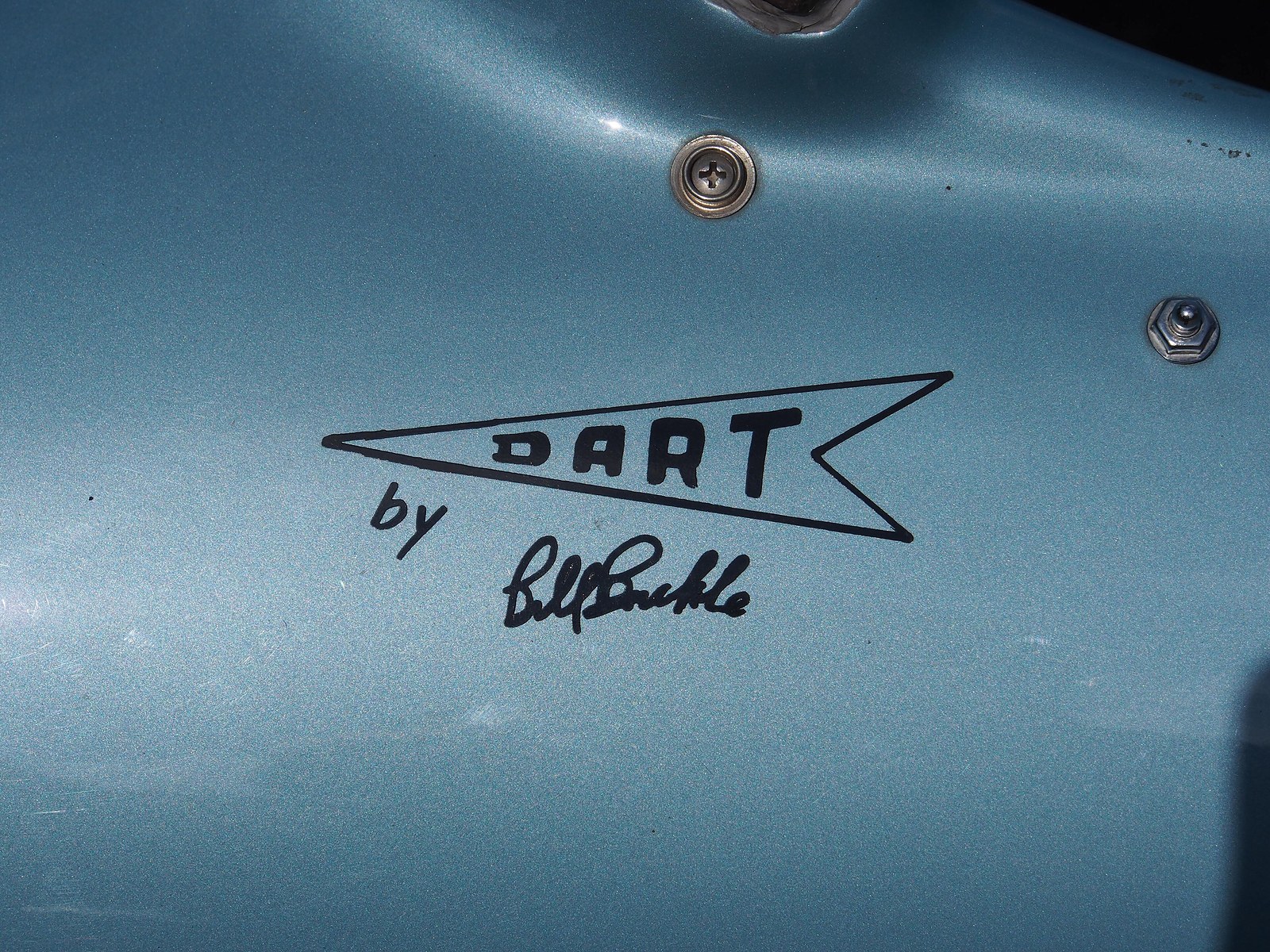
Bill Buckle (1926–⁠2023) was the son of the founder of Buckle Motors of Sydney, a dealer whose franchises included Citroën, Borgward, Triumph and Humber. He was a racing driver too, in the Redex Trial and the Australian GT Championship, with five starts in the 1960s in the race JustCars calls the Armstrong/Gallaher 500.source 5 Before the Dart came the Buckle Coupe, shown as a prototype at the Sydney Motor Show of 1955 on a chassis by Ron Tauranac, with the mechanical parts of a six-cylinder Ford Zephyr; 20 were built, and all but three survive.source 5source 1 It did well in racing.source 1 The Weiner museum tells the story another way: a roadster prototype on Zephyr parts in 1955, then the 2.5-litre coupé of 1957.source 1

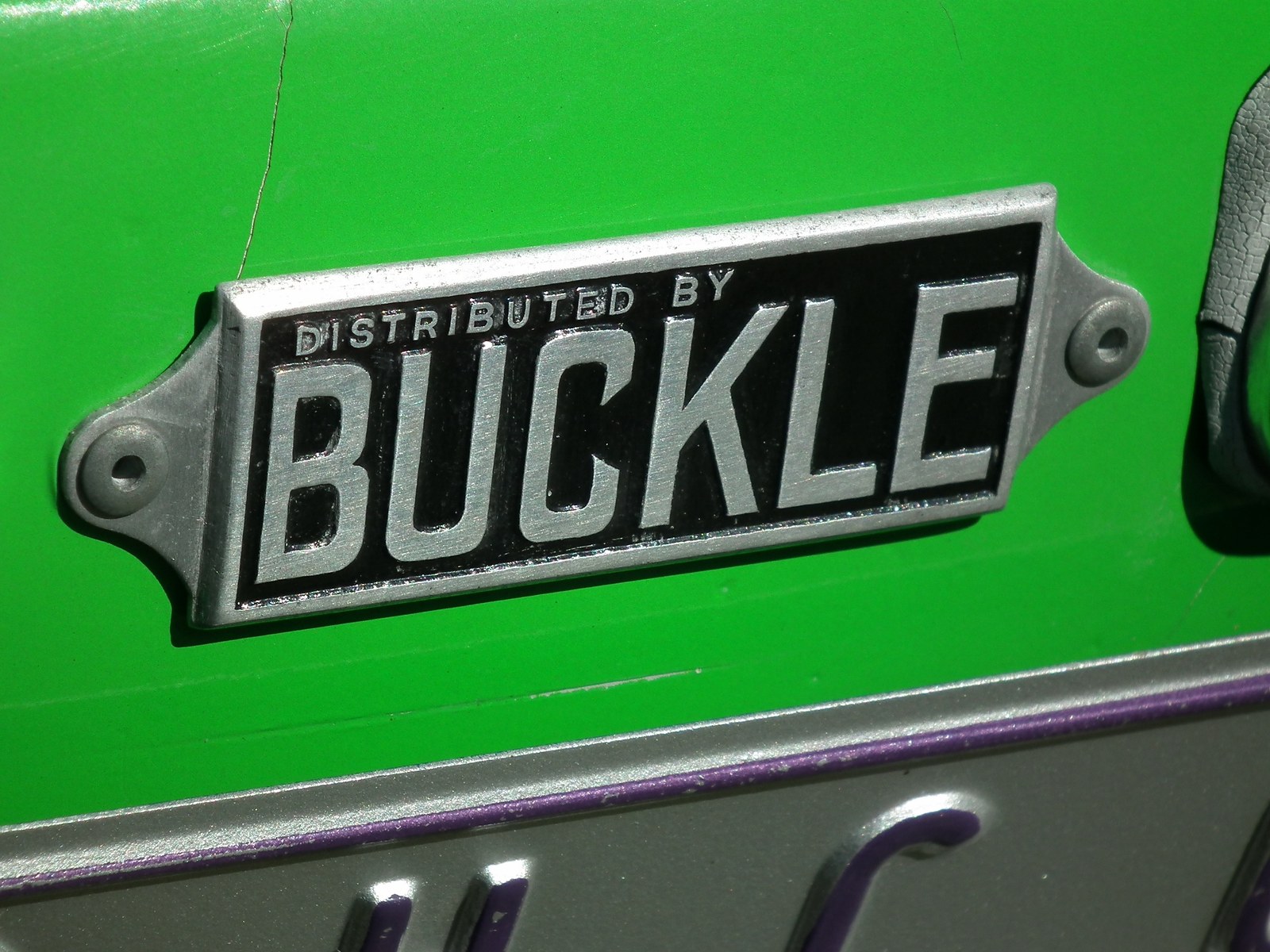
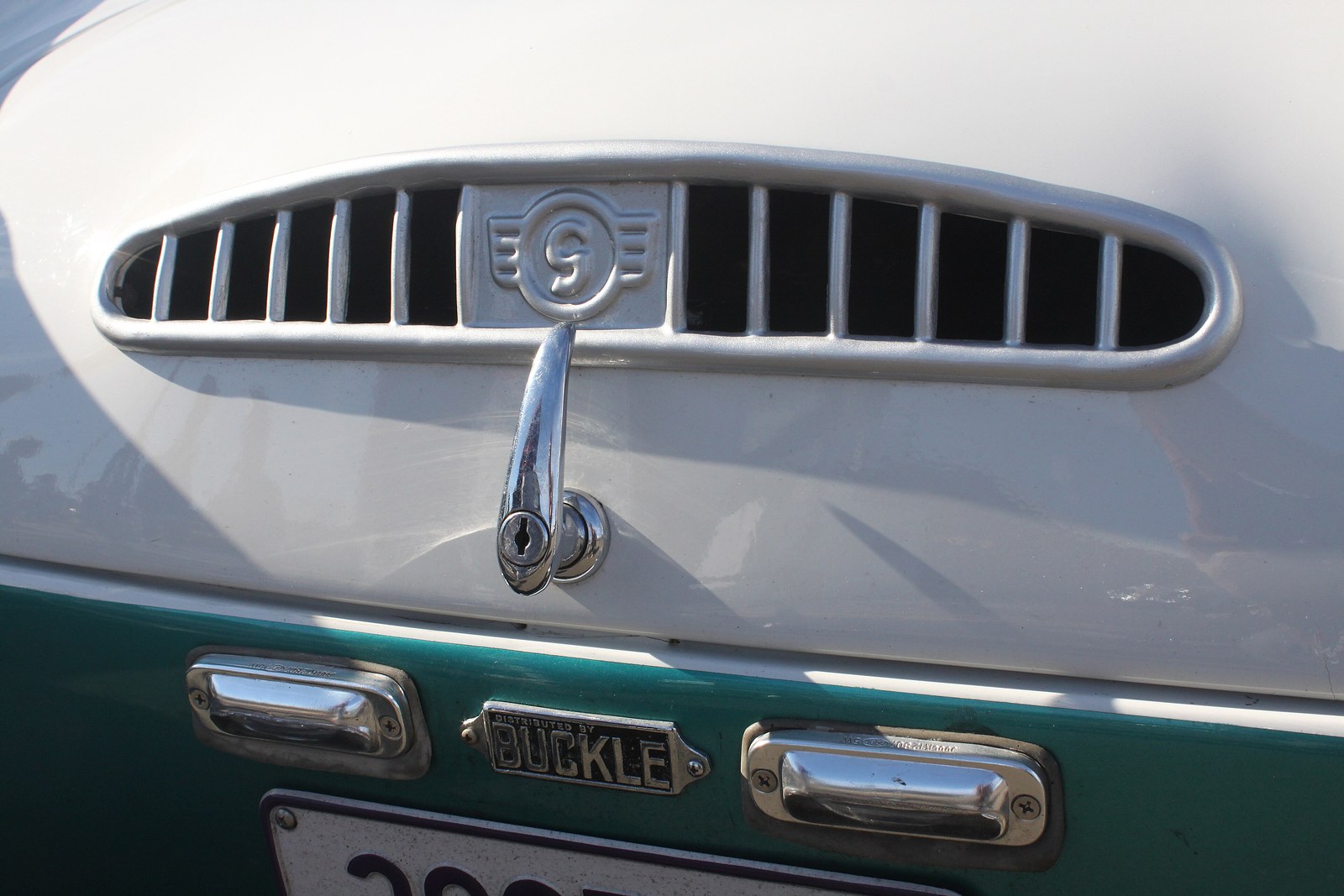
In 1958 Buckle signed an agreement with Hans Glas of Dingolfing to build the Goggomobil in Australia.source 5source 6 Import duty was far lower on a bare chassis than on a whole car, so Buckle brought chassis in by the boatload and made glass-fibre copies of the steel bodies in Sydney (see built under licence).source 1source 7 About 5,000 Australian Goggomobils were built in all: saloons, coupés, vans and Darts.source 5source 3source 7

A sports car without doors

By Below the Radar’s account, Buckle drew the Dart himself in 1958, a prototype was ready within five months of the first sketches, and Stan Brown, a panel beater, built it in aluminium.source 6 The Weiner museum tells it differently: Buckle passed the idea to Brown, whom it calls a local engineer and race-car designer.source 1 Its lines owed something to the Lotus Eleven.source 1source 2 (Buckle’s place among the designers is on our page of the designers.)

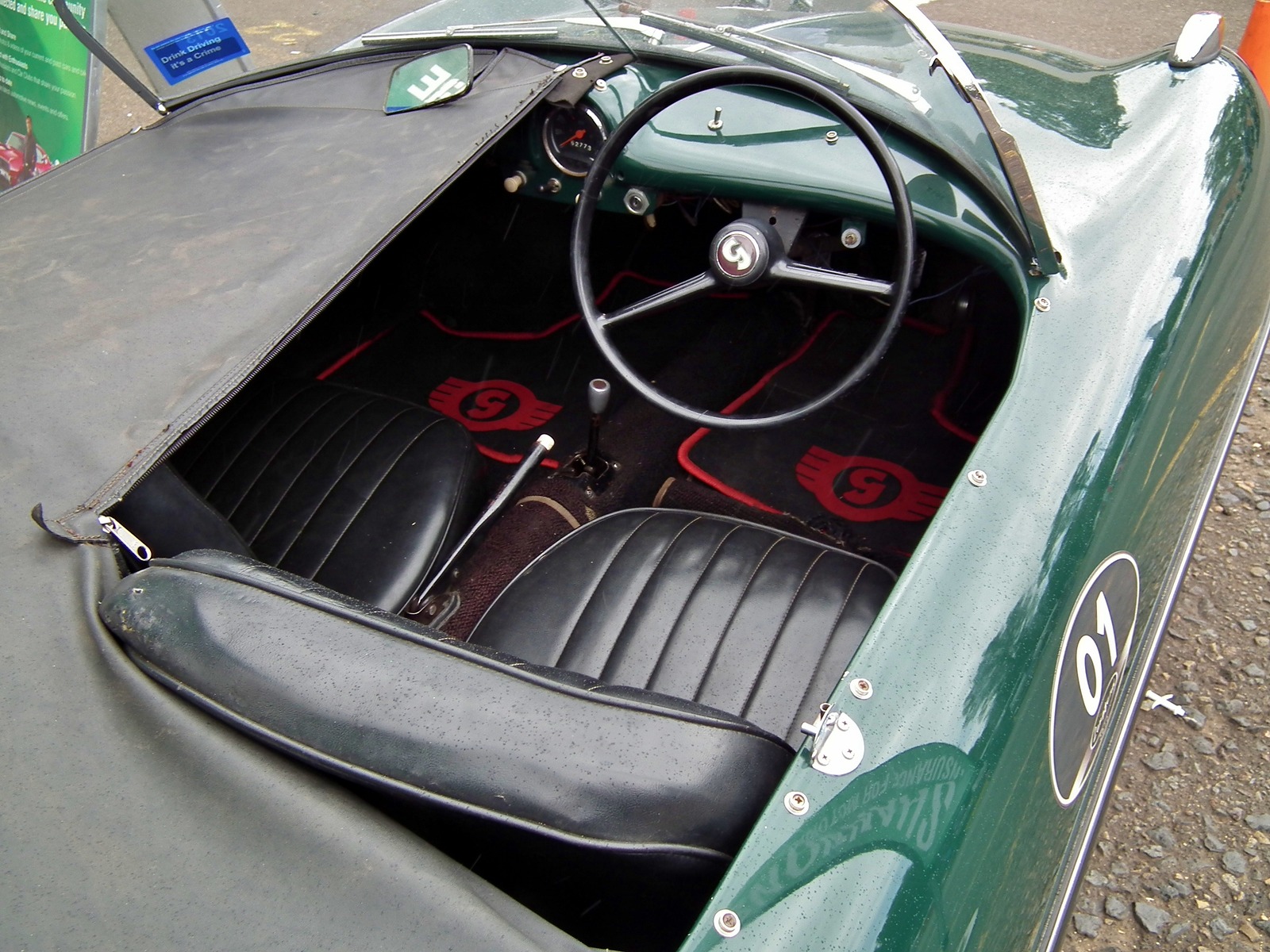
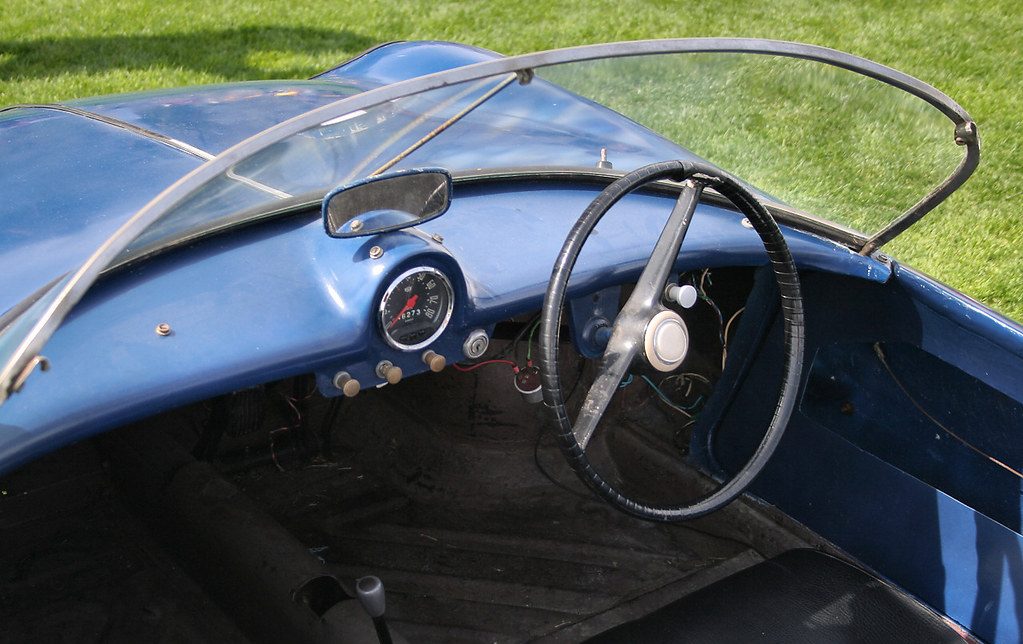
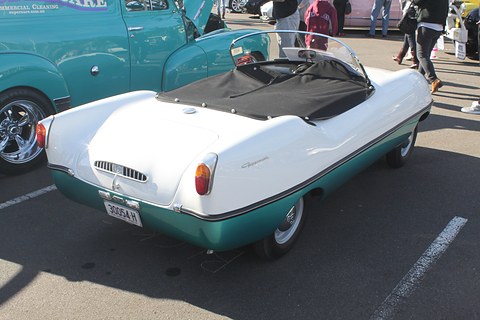
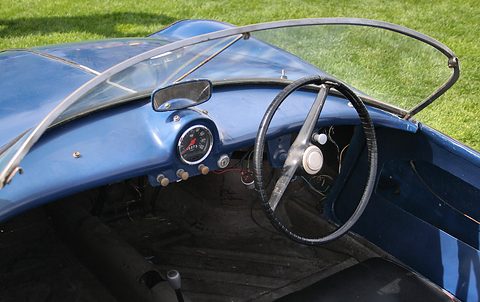
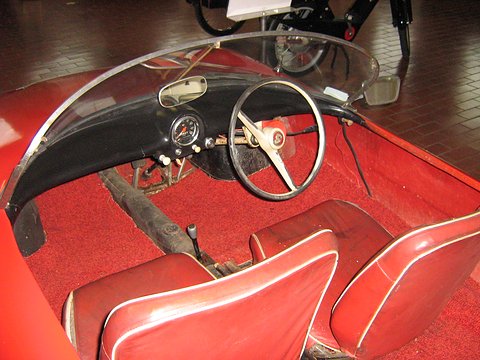
The body was glass fibre, moulded in an upper and a lower half and joined at the waist under a strip of rubber or chrome.source 2source 4source 3 Leaving out the doors kept the moulds simple and made the shell stiffer.source 6 The windscreen was the rear window of a Renault Dauphine.source 1source 2source 4 Later a single small door was offered on the driver’s side, and there was a hardtop hinged at the back.source 1source 2source 3 The only instrument was a speedometer; the driver checked the fuel through the translucent tank.source 7

Underneath was the Glas platform with its air-cooled two-stroke twin at the back, started by a Dynastart: 293 cc and 15 bhp (11 kW), or the larger 400 of 18.5 to 20 bhp. It had four speeds, coil springs, swing axles, rack-and-pinion steering and 10-inch drums.source 1source 2source 4source 6

Half the price of a Sprite

The Dart was built from June 1959 to September 1961.source 6 At launch it cost about £A685, roughly half the £1,174 of an Austin-Healey Sprite, and at its peak the factory at Punchbowl made seven a day.source 5source 6 Collectible Automobile gives the years as 1957–⁠61, and RM and the Weiner museum titled their cars 1958, but the Glas agreement and the drawings both date from 1958, so a Dart dated earlier than 1959 is a quirk of its papers.source 2source 1source 4source 6

It reached 50 mph from rest in 27 seconds, and 65 mph (105 km/h) with the larger engine; Marque News credits it with remarkable acceleration despite its low gearing.source 6source 1source 2source 3 RM Auctions’ catalogue says its designer remembered it as quick, that reviewers of the day loved it and that motoring writers bought them.source 4 Below the Radar, looking back, found it tremendous fun, but noted that the Mini was a lot more usable.source 6

The Mini was one of three things that finished it. A 40% sales tax arrived in 1960, the recession of the early 1960s followed, and the Mini offered more car for similar money.source 2source 3source 6 Goggomobil production ended in 1961. Buckle sold Buckle Motors that year and set up Bill Buckle Autos, took a Toyota franchise in 1964 and became a major dealer. He was awarded the OAM, the Medal of the Order of Australia, in 2014, for services to the motor industry as a designer and retailer, and died on 9 May 2023, aged 96.source 5source 6

Not the Dart.
The character played by Tommy Dysart, in a Yellow Pages television advertisement in Australia in the 1990s, as reported by RM Auctions and English Wikipedia.source 4source 8
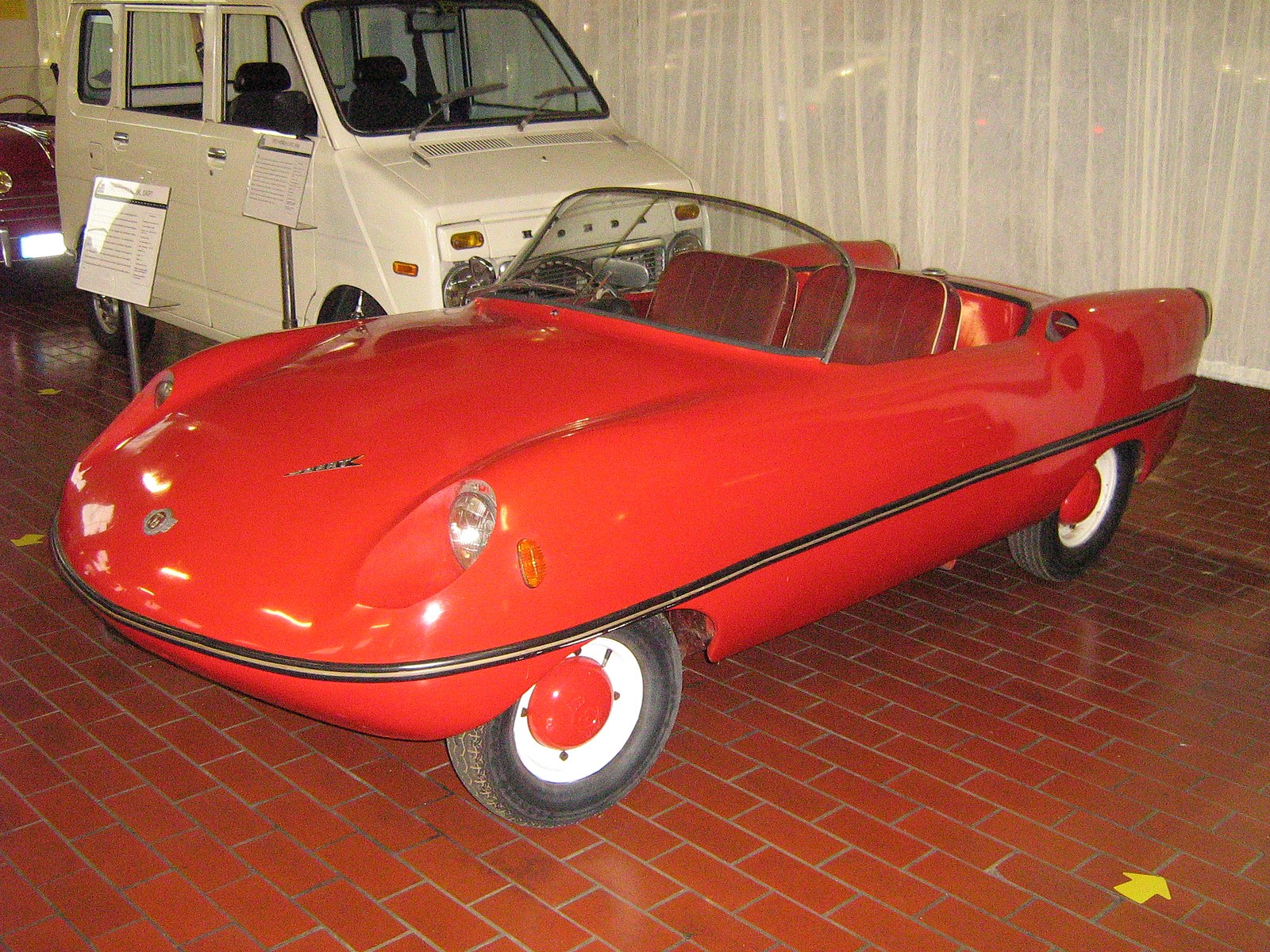
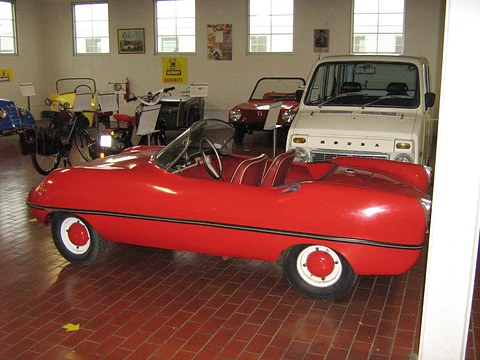
Side view of a red doorless roadster on a brick-red tiled floor, a white van behind.
A red Dart of 1960 in profile: the step-in sill, and the strip where the two halves of the body meet.Photo: dave_7, CC BY 2.0, via Wikimedia Commons
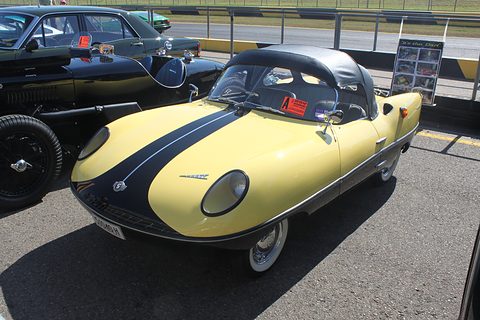
Yellow roadster with a black centre stripe and a black hardtop, parked on tarmac.
A yellow Dart of 1960 wearing its hardtop, at Eastern Creek in 2015.Photo: Jeremy, CC BY 2.0, via Wikimedia Commons

Pictures

More photographs, old and new

Variants

One body, two engines

The Dart, 1959–⁠61
VariantYearsWhat differsHow many
Dart, 293 cc1959–⁠61The doorless step-in roadster with a folding top; 15 bhpMost of about 700
Dart 400To 1961The larger Glas twin, 392 to 395 cc by source, 18.5 or 20 bhpNot found
Driver’s doorLater carsOne small door on the driver’s sideNot found
HardtopOptionA hardtop hinged at the backNot found

Specification

The 293 cc Dart unless noted

Engine and drive

Engine and drive
EngineGlas air-cooled two-stroke twin at the back, with a Dynastartsource 1source 4
Capacity293 ccsource 1source 2source 4295 cc in JustCars; the larger engine 392 cc (Below the Radar), 393 cc (Collectible Automobile), 394 cc (JustCars) or 395 cc (Marque News)
Power15 bhp (11 kW)source 1source 2source 4The larger engine 18.5 bhp (Below the Radar) or 20 bhp (Collectible Automobile)
GearboxFour speeds and reversesource 1source 2source 4

Body and chassis

Body and chassis
BodyGlass fibre, in upper and lower halves joined at the waist by a rubber or chrome strip; no doors at firstsource 2source 4source 3
WindscreenA Renault Dauphine’s rear windowsource 1source 2source 4
ChassisSteel platformsource 1source 4
SuspensionCoil springs front and rear, swing axles, telescopic damperssource 1source 4source 6
SteeringRack and pinionsource 1source 6
BrakesHydraulic drums, 10-inchsource 1source 6
Tyres4.80 × 10source 1
Electrics12 voltssource 1

Dimensions

Dimensions
Length3,050 mm (120 in)source 1source 2120 in (3,048 mm) in Collectible Automobile
Width1,370 mm (54 in)source 1
Wheelbase1,800 mmsource 2source 4
Weight380 kg (838 lb)source 1840 lb (381 kg) in Collectible Automobile; 761 lb (345 kg) from RM, Below the Radar and Marque News

Performance and running

Performance and running
Top speed65 mph (105 km/h) with the larger enginesource 1source 2Below the Radar: 60 and 70 mph for the two engines
Acceleration0–50 mph in 27 secondssource 6
Consumption40–45 mpgsource 2Up to 60 mpg claimed; 55 mpg by Below the Radar
InstrumentsA speedometer only; the fuel showed through a translucent tanksource 7
Price newAbout £A685 at launchsource 5source 6

How many were built?

Every figure, with its source

About 700 builtFour sources give about 700 (JustCars says “over 700”), and we state that. Below the Radar’s 697 is more exact, but it is not tied to a register. The Dart was a small part of Buckle’s output of about 5,000 Australian Goggomobils.
  1. about 5,000Australian Goggomobils of every type, the Darts includedTwo sources agree

    JustCars, Marque News and the Lane Motor Museumsource 5source 3source 7

  2. about 700Darts, 1959–⁠61Two sources agree

    the Weiner museum, Collectible Automobile, RM Auctions and JustCarssource 1source 2source 4source 5

  3. 697DartsOne source

    Below the Radarsource 6

  • Two sources agreetwo good sources give the figure
  • One sourcea good source, alone
  • Unconfirmeda lead only, not yet checked

Famous for

Three points

  1. No doors

    You stepped over the side: leaving the doors out kept the moulds simple and the shell stiff.source 6

  2. A Dauphine’s rear window

    The windscreen came from the back of a Renault Dauphine.source 1source 2source 4

  3. “Not the Dart”

    A Yellow Pages advertisement put the car’s name into an Australian catchphrase.source 4source 8

On screen

Confirmed appearances only

Survivors and collecting

Today

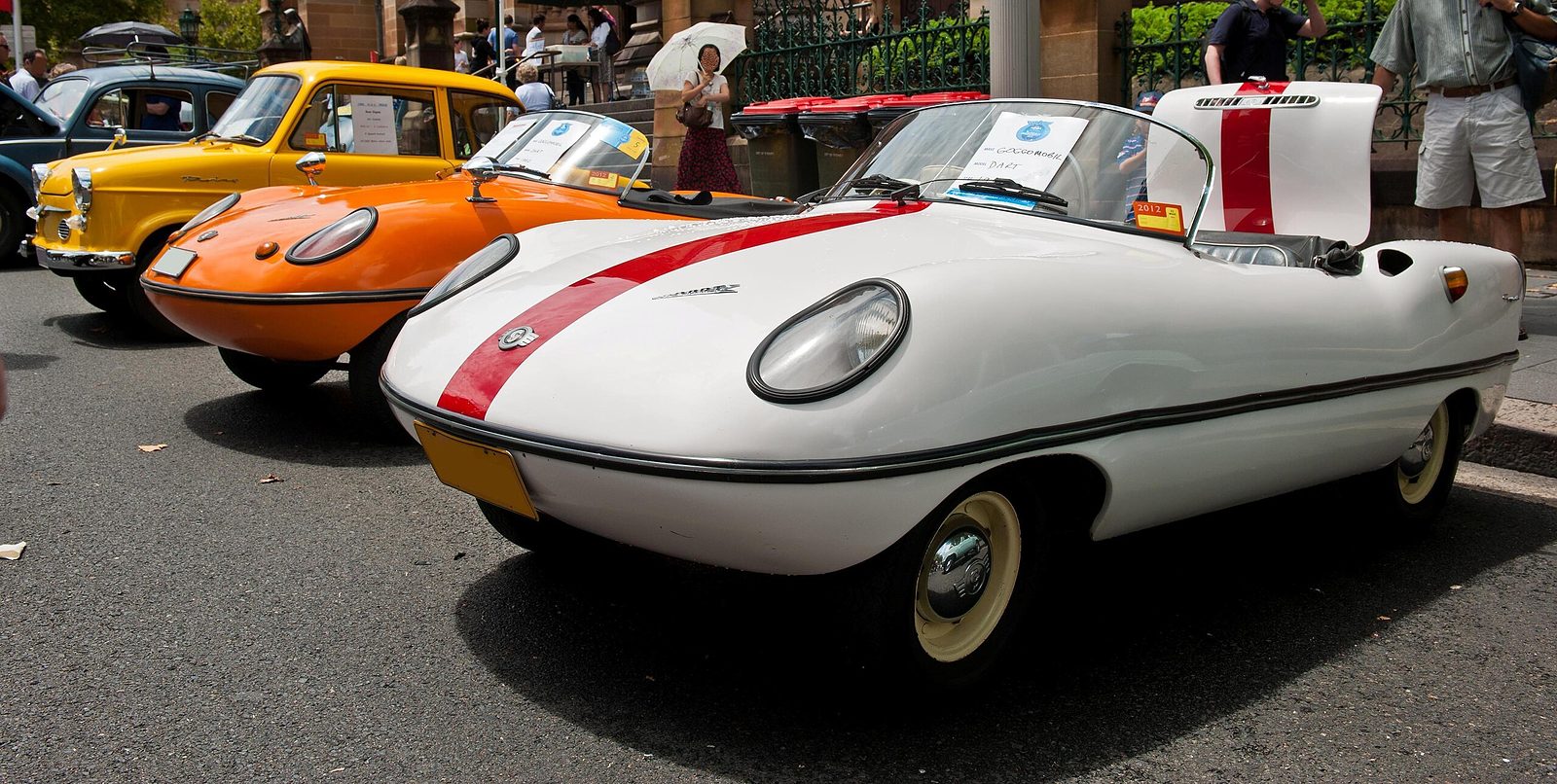
Fewer than 100 Darts survive by JustCars’ estimate, and between 30 and 100 by Collectible Automobile’s; the Weiner museum said only that few did.source 5source 2source 1 Nashville’s Lane Motor Museum owns a Dart of 1959, and in February 2015 Collectible Automobile featured a restored car in pearl orange and white.source 7source 2 (See also museums and meets.)

At auction
CarSalePrice
1959 Dart, lot 216RM Auctions, Amelia Island, 2012source 9US$27,500
Dart catalogued as 1958, lot 550RM Auctions, Weiner museum sale, Madison, Georgia, 15–16 February 2013source 4US$54,050

Sources

Numbered as in the text

No period Australian road test was read, and several sources were read only in summary. The figures for engine size and weight differ from source to source and are shown as they stand. Sources are given as plain text; the links are on the Credits page.

  1. Bruce Weiner Microcar Museum, “1958 Goggomobil DART”, read in full from a copy archived about 2015.
  2. Jack Stewart, “1959 Goggomobil Dart”, Collectible Automobile, February 2015, read in summary.
  3. Marque News, Goggomobil feature, read in summary.
  4. RM Auctions, The Bruce Weiner Microcar Museum, Madison, Georgia, February 2013, lot 550, “1958 Goggomobil Dart”, read in summary.
  5. JustCars, “Vale Bill Buckle”, 2023, read in summary.
  6. Below the Radar, “Goggomobil Dart”, read in summary.
  7. Lane Motor Museum, “Goggomobil Dart 1959”, read in summary.
  8. English Wikipedia, Goggomobil, the Dart section; used as a lead.
  9. RM Auctions, Amelia Island, 2012, lot 216, “1959 Goggomobil Dart”, read in summary.