microcarfan
  • Cyclecar
  • Germany
  • Two wheels
  • Outriggers

Mauser Einspurauto

Also known as Mauser Einspurauto 2/6 PS, Monotrace (the French version)

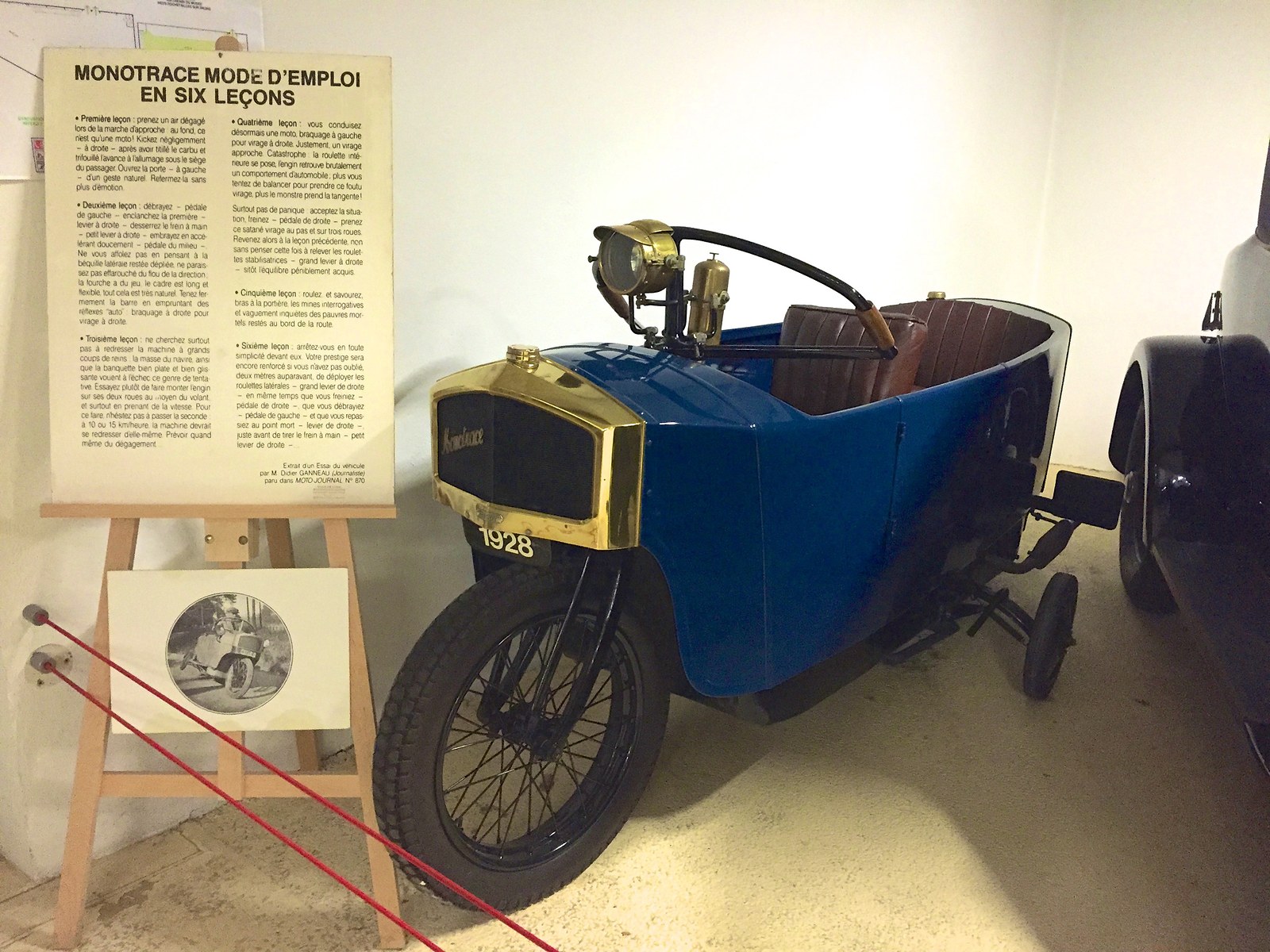
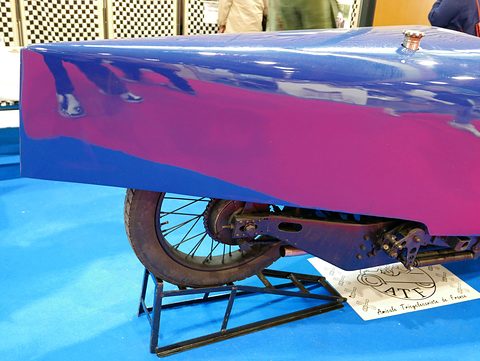
It has a radiator, a steering wheel, two seats and a door, and only two wheels, one behind the other. At speed it balanced like a motorcycle. Before stopping, the driver let down a pair of little wheels so that it would not fall over.

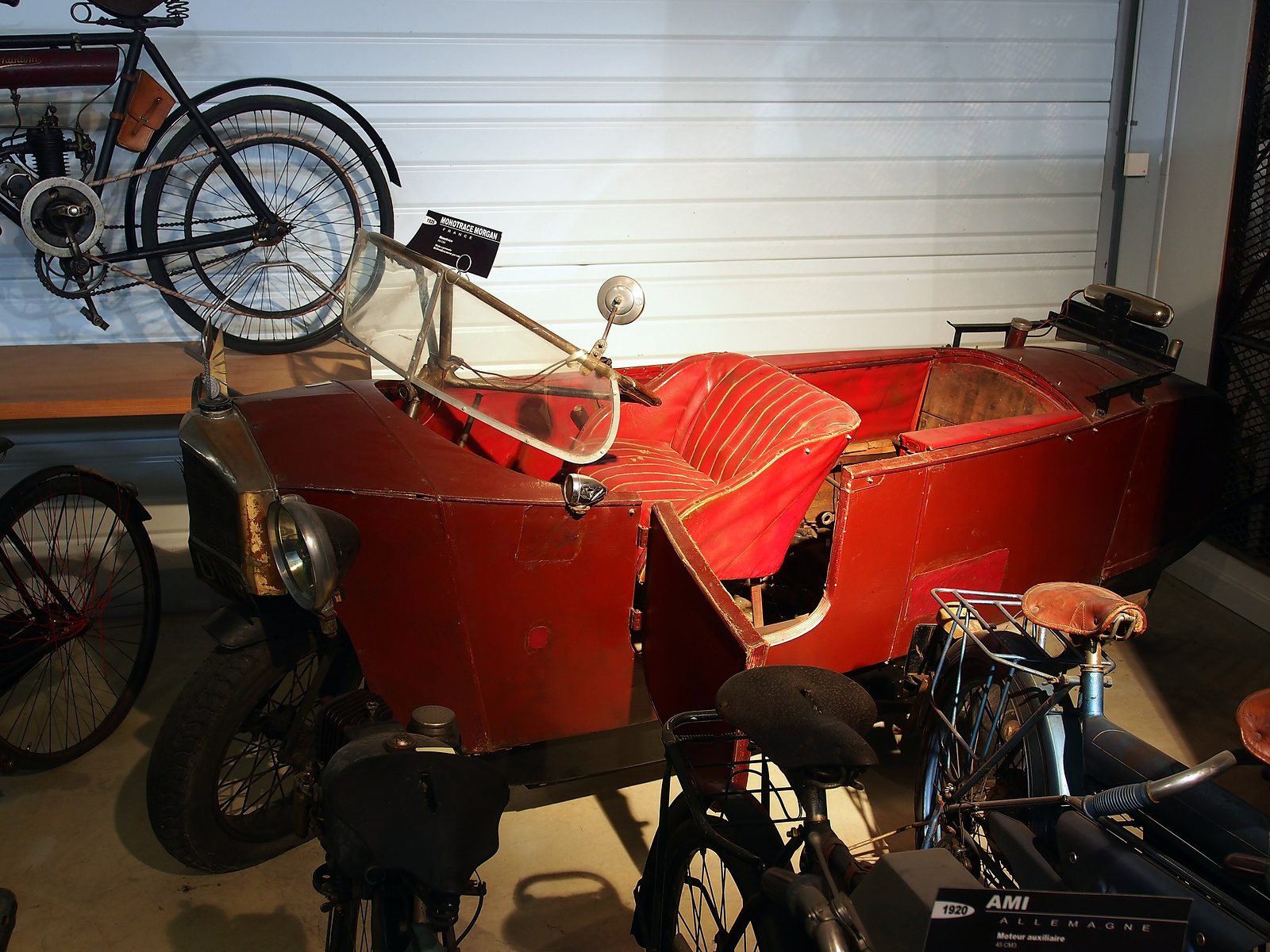
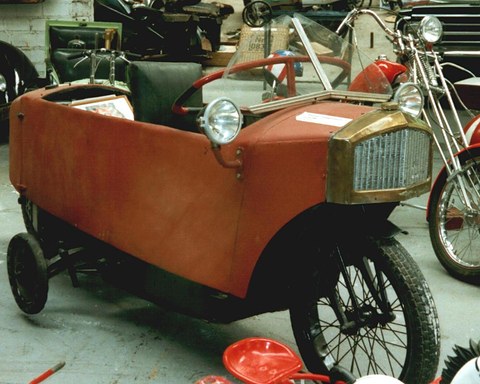
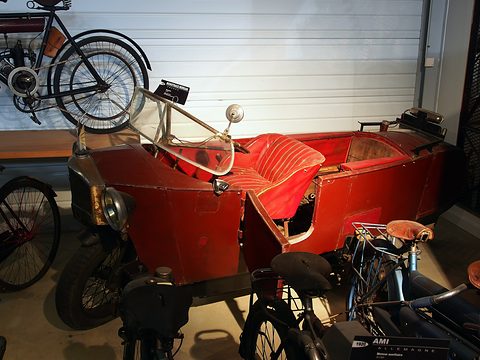
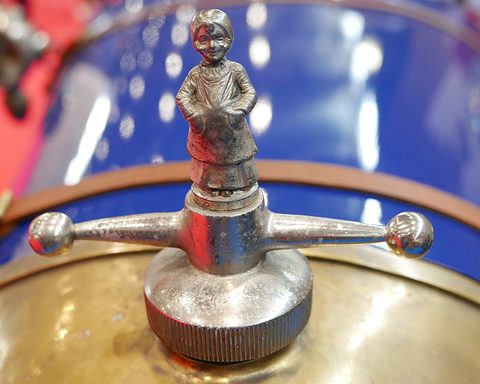
A narrow, faded red single-track car with a brass radiator in its nose, a large spoked front wheel and a small outrigger wheel at the back.
Unrestored Mauser Einspurauto of 1923 among motorcycles at the Fahrzeugmuseum Marxzell, Germany, in 1999.Photo: Buch-t, Public domain, via Wikimedia Commons

At a glance

The spec plate

Mauser Einspurauto

Einspurauto 2/6 PS · Oberndorf

Built
1921–⁠1927Shown in 1921; built in series 1923–⁠25, a few until 1927
Country
GermanyMauser-Werke, Oberndorf am Neckar; the Monotrace in France
Maker
Mauser-Werke AGThe rifle maker, from Gustav Winkler’s prototype; Winkler carried it on, and Monotrace built it in France
Engine
510 cc water-cooled single496 cc at first; late cars 573 cc with overhead valves
Power
6 PSAs the type name 2/6 PS says; one source gives 10 PS
Length
3,000 mm1,200 mm wide, 1,100 mm high
Weight
295 kgEmpty; it could carry 200 kg
Seats
2One behind the other
Wheels
2Two in line, the front steered and the rear driven by chain; two small outrigger wheels let down when stopping
Production
about 100–150The figure for Mauser’s own cars; no total for the Winkler and Monotrace versions
Survives
No count foundOne is in the museum at Oberndorf
Top speed
60km/h60 km/h

How big is it?

True proportion

3.00 m

It is 30 mm longer than a Fiat 500, about 1.7 adults laid end to end.

  • 1.20 m wide
  • 295 kg: about four adults
  • Two seats, one behind the other
  • Two wheels in line, and two little ones to stand on
Drawn at true proportion. The track is 3.6 metres long; the adult stands at the same scale. The Peel P50 is the smallest production car, on every page for comparison.

The story

History

Mauser, of Oberndorf am Neckar, made rifles. After the First World War it looked for other things to make: cars, and from 1920 measuring tools.source 1 A familiar story says that the arms makers turned to vehicles because the peace treaty banned them from making arms; the sources read for this page do not tie the Einspurauto to any ban, only to a firm finding new work after the war.

The idea was not new. Single-track cars with outrigger wheels had been tried before 1914: Kent’s Pacemaker, the Rabe-Mobil and Scripps-Booth’s Bi-Autogo.source 2 In 1920 Gustav Winkler of Berlin built a prototype of his own, and Mauser took it up and improved it; one source names a different Berlin designer, Reinhold Böhm.source 1source 3source 2 As the Mauser Einspurauto 2/6 PS, the “single-track car” was shown at the Berlin motor show in 1921.source 1source 2 A Motor Sport correspondent wrote in 1976 that it was exhibited at the Berlin show of 1926, perhaps a later appearance, perhaps a slip.source 4
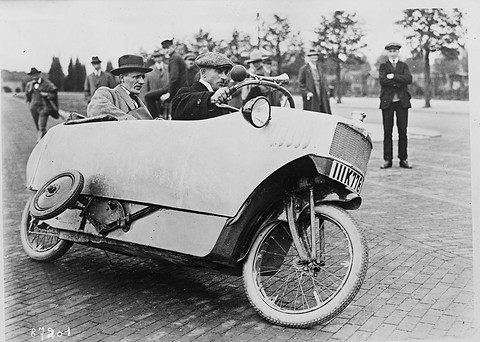
A pale, boat-shaped single-track car on a brick square, a raised outrigger wheel at its side and bystanders behind.
Plate I · 1923 A Mauser Einspurauto, registered IIIK 778, with two men aboard one behind the other, in Berlin at the time of the motor show of October 1923; an outrigger wheel is raised at its side.Photo: Agence Rol, Bibliothèque nationale de France, Public domain, via Wikimedia Commons

A motorcycle in a car’s clothes

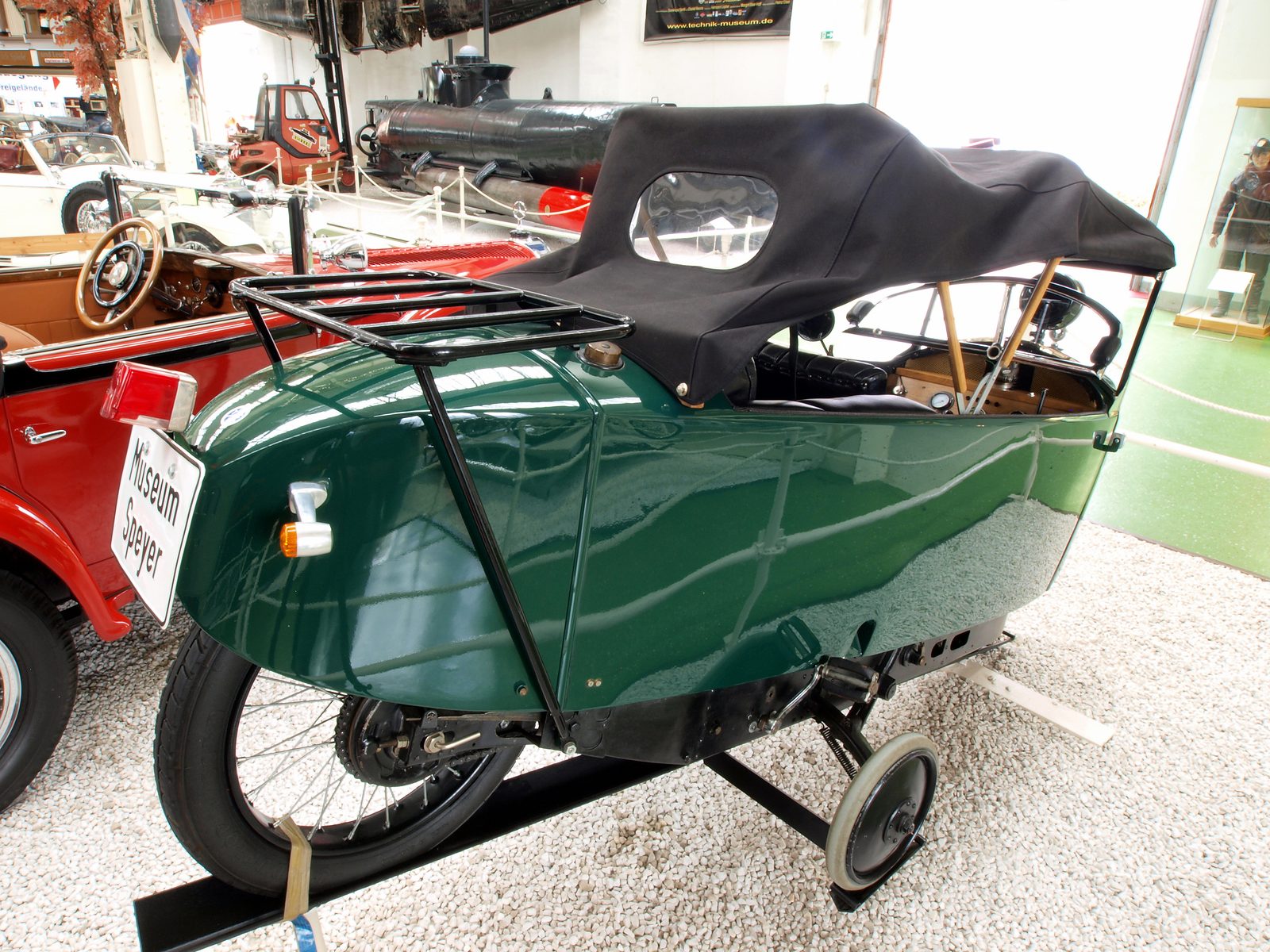
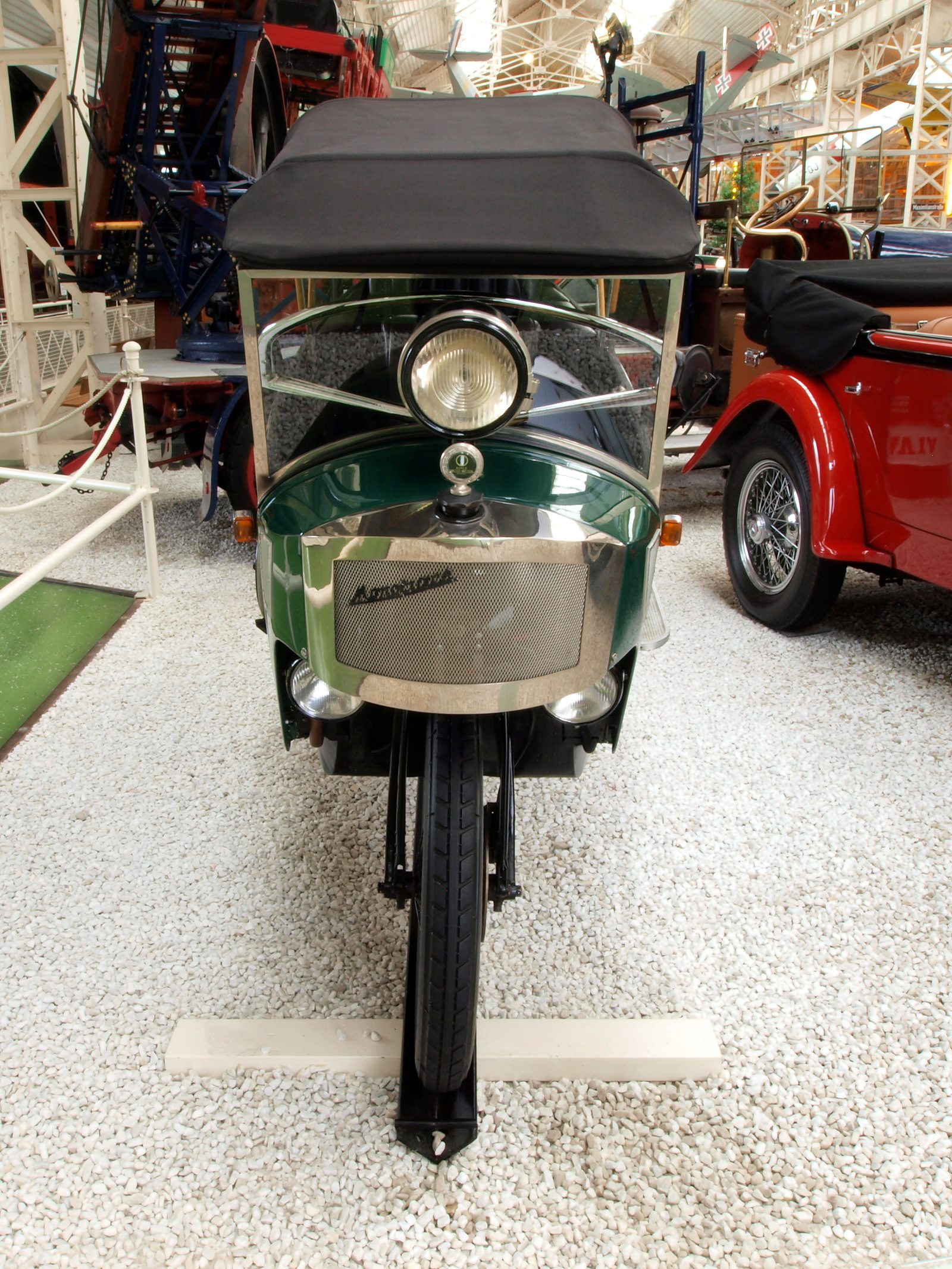
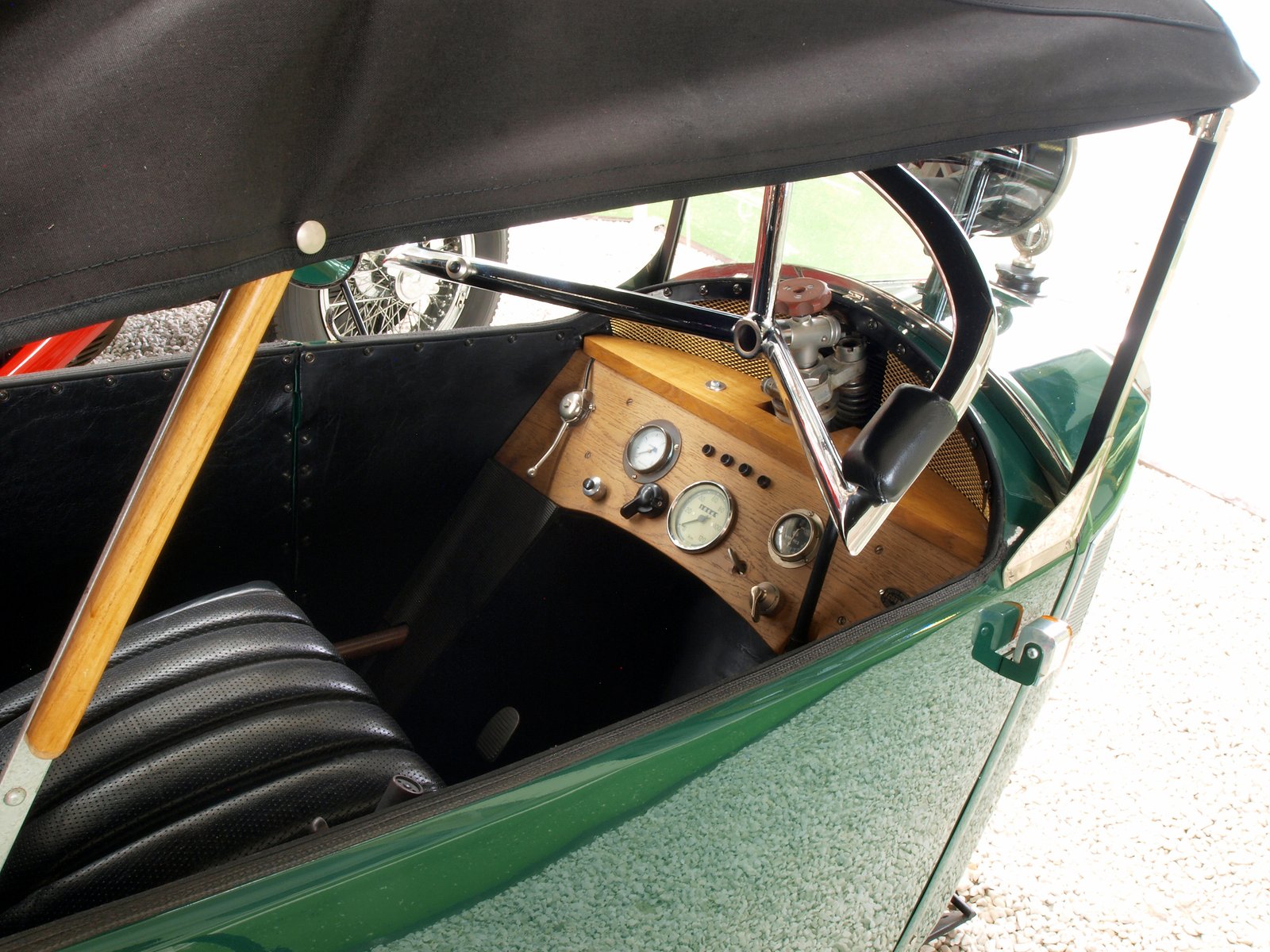
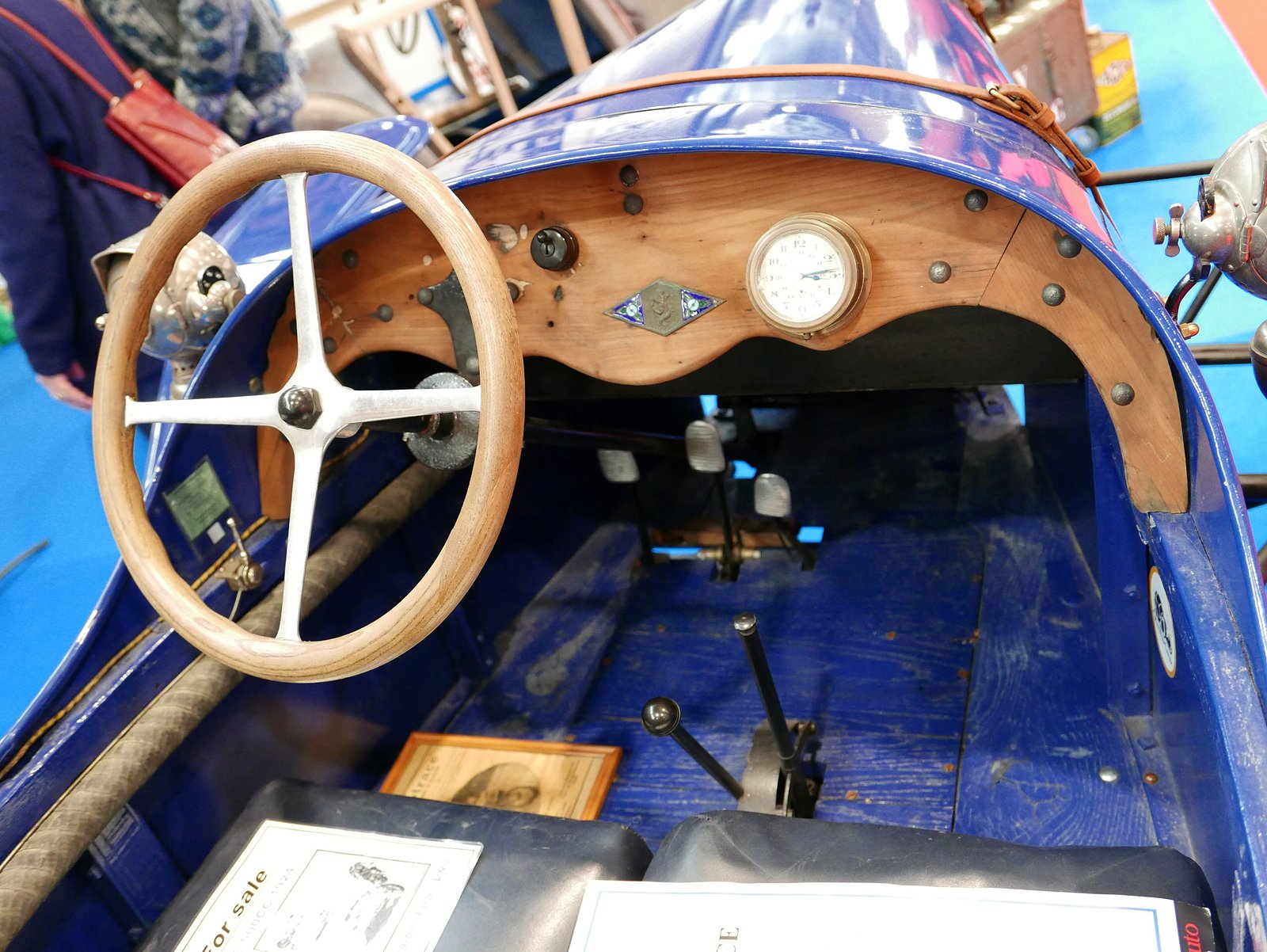
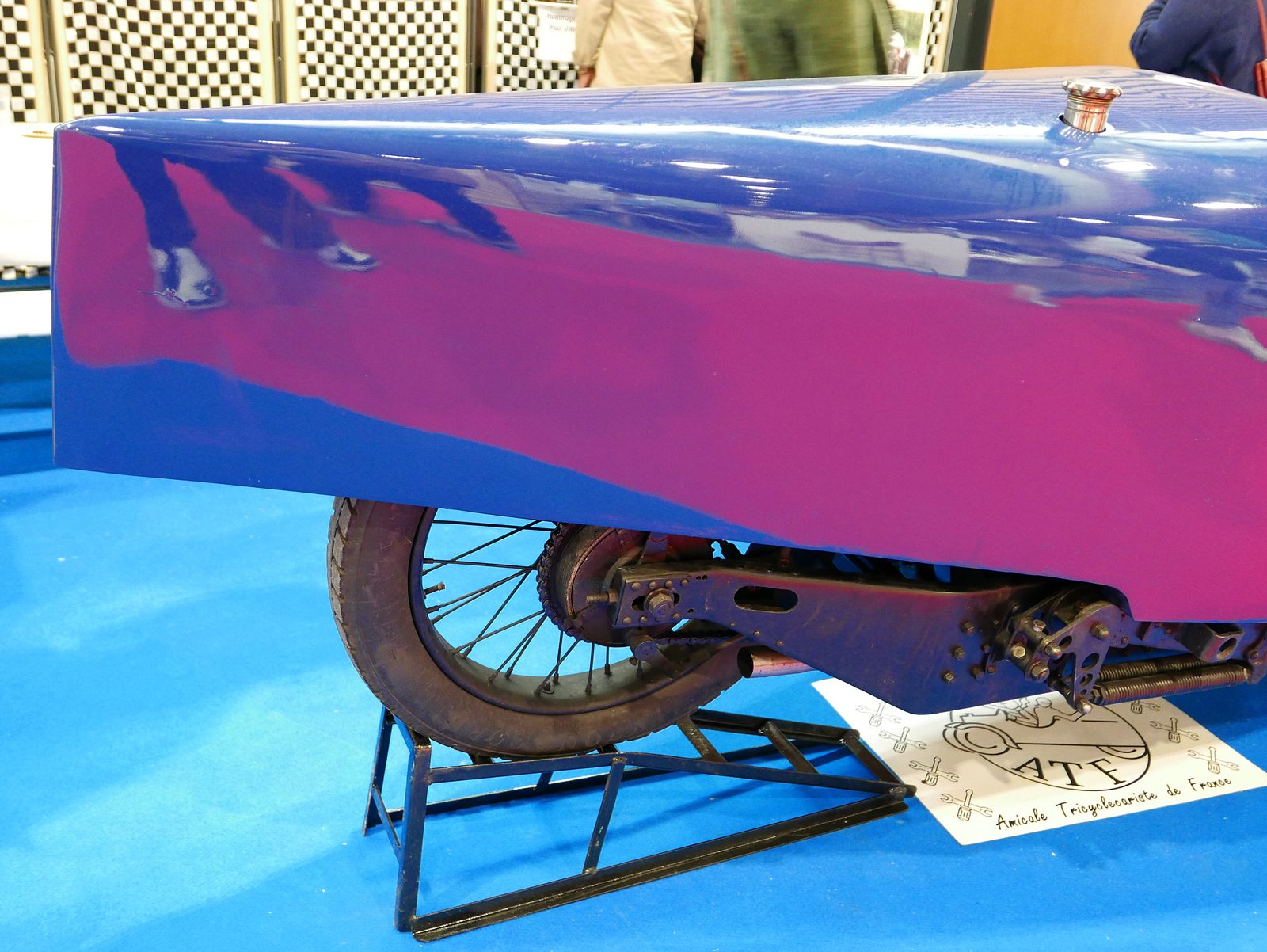
The body was a long, narrow tub of plywood covered in leathercloth, with one door on the left, a full-width windscreen fixed to the steering, and a rear panel that lifted off for maintenance. Two people sat one behind the other.source 3 Underneath was a pressed-steel box frame with forks front and rear, like a motorcycle’s. The front wheel steered and the rear wheel was driven by chain from a water-cooled single-cylinder engine of about 500 cc under the rear seat; the radiator sat in the nose, joined to the engine by long hoses.source 1source 3source 4 The engine started with a kick, and its three-speed gearbox lived in the crankcase.source 3

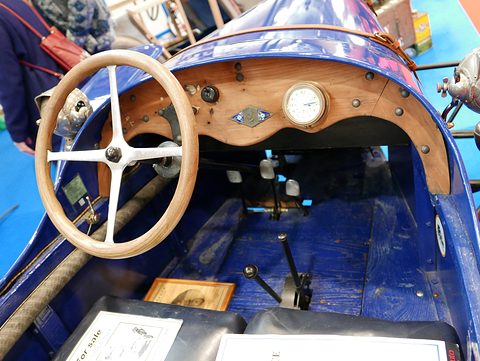
The driver steered with a wheel and worked car pedals for the clutch, brake and accelerator, but balanced the thing like a motorcycle.source 1 The two small outrigger wheels were the trick. Lowered, they held the car upright at a standstill; on the move, a lever raised them out of the way. The driver had to remember to let them down before stopping and to raise them again on moving off.source 1source 3source 2 The handbook asked for every moving part to be greased, and the radiator topped up, every 300 km.source 1 The maker gave the top speed as 60 km/h (37 mph).source 1
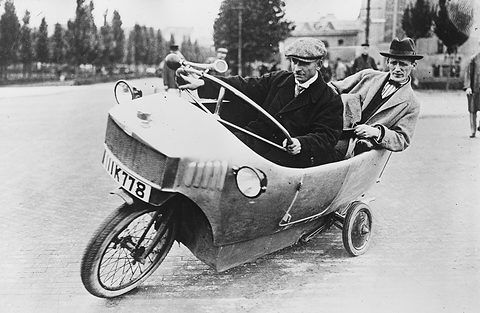
A narrow single-track car leaning into a turn on a paved square, a horn on its steering wheel and a small wheel at the rear.
Plate II · 1923 The same car leaning into a turn in Berlin in October 1923, driver and passenger in tandem, with a small outrigger wheel at the back.Photo: Agence Rol, Bibliothèque nationale de France, Public domain, via Wikimedia Commons

Series production ran at Oberndorf from 1923 to 1925, with a few more cars until 1927.source 1source 2 German Wikipedia puts the total at about 100 to 150, and the same encyclopaedia’s article on single-track cars calls Mauser the most successful maker of them.source 1source 2 Over those years the engine grew: 496 cc at first, then 510 cc, and on late cars 573 cc with overhead valves. The sources disagree about the details and about the power, which is given as 6 PS and as 10 PS.source 1source 3 Mauser built a conventional four-cylinder car alongside it, the 6/24 PS Typ M 6 of 1923–⁠26 and the M 7 of 1926–⁠27.source 1 It is counted among the German cyclecars of the 1920s, though it ran on two wheels.source 2

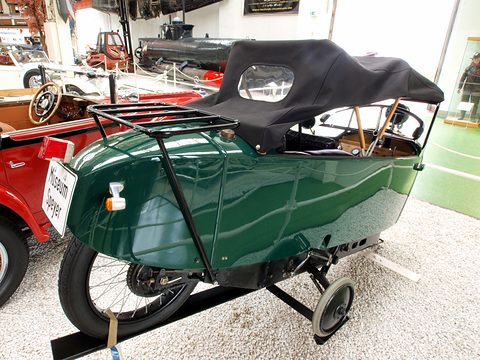
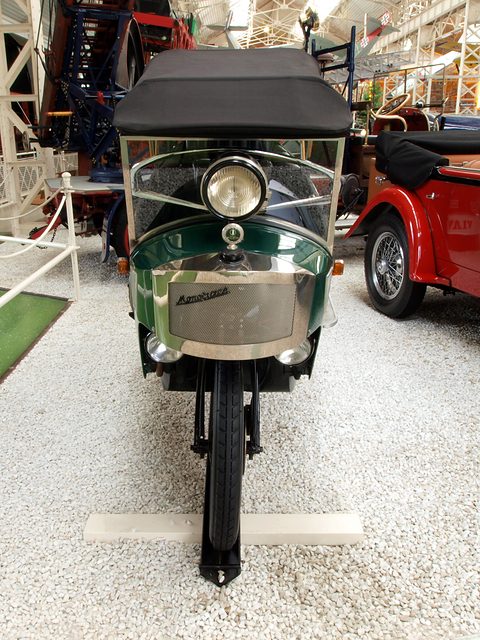
Winkler carries on

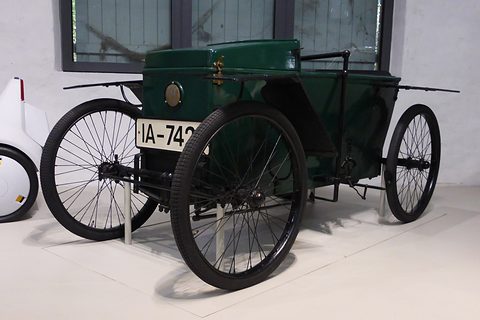
When Mauser stopped, in 1926 or 1927, Gustav Winkler bought the remaining parts and went on building the car himself, first in part of the Mauser factory and later in Berlin. He cut 12 cm from the wheelbase and lowered the car by 10 cm to make it handle better, and called it the Typ EA 2.source 3 It took either a 510 cc single or a BMW flat twin of 493 cc. Winkler production ended in 1929.source 1source 3

The French Monotrace

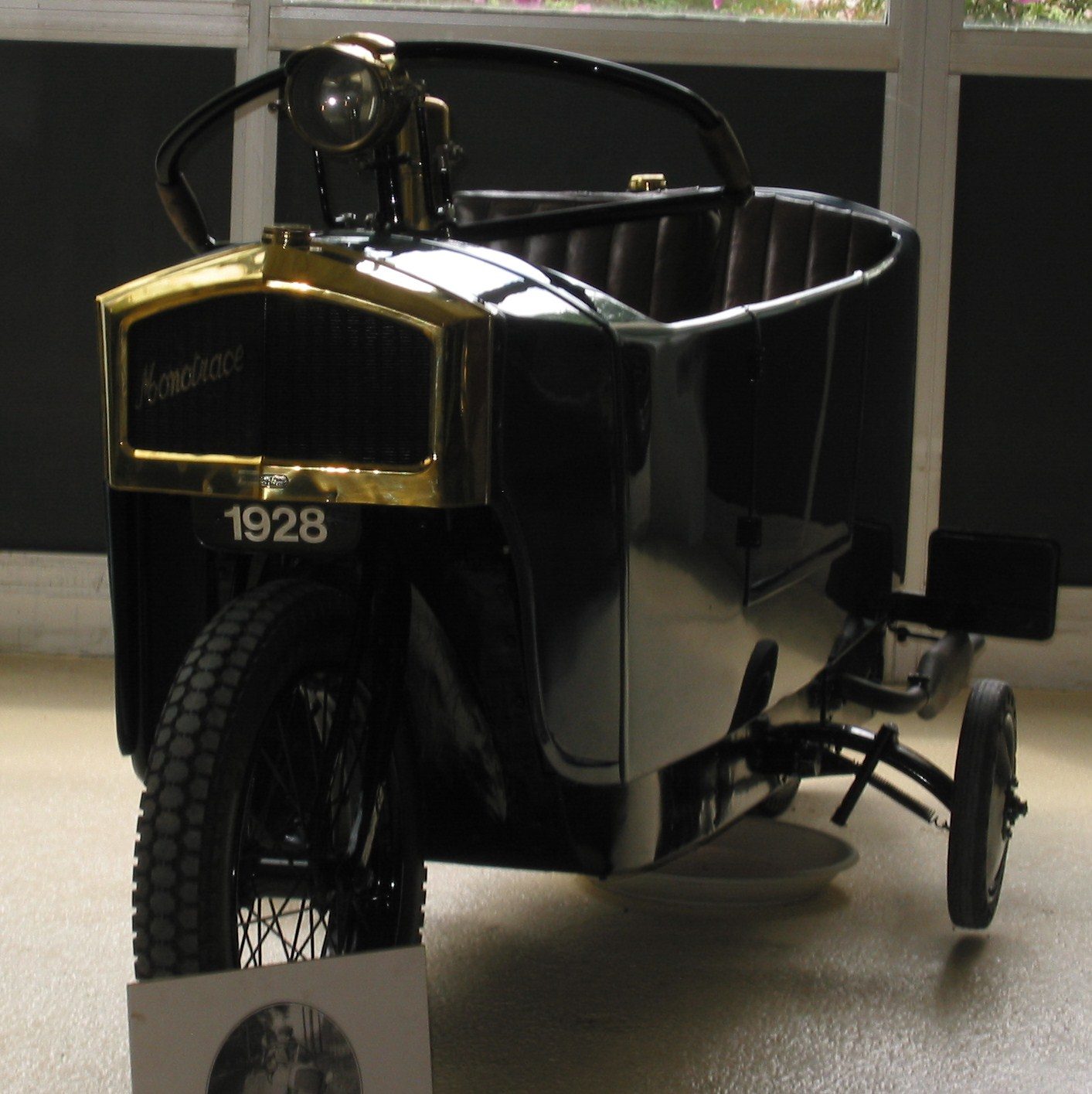
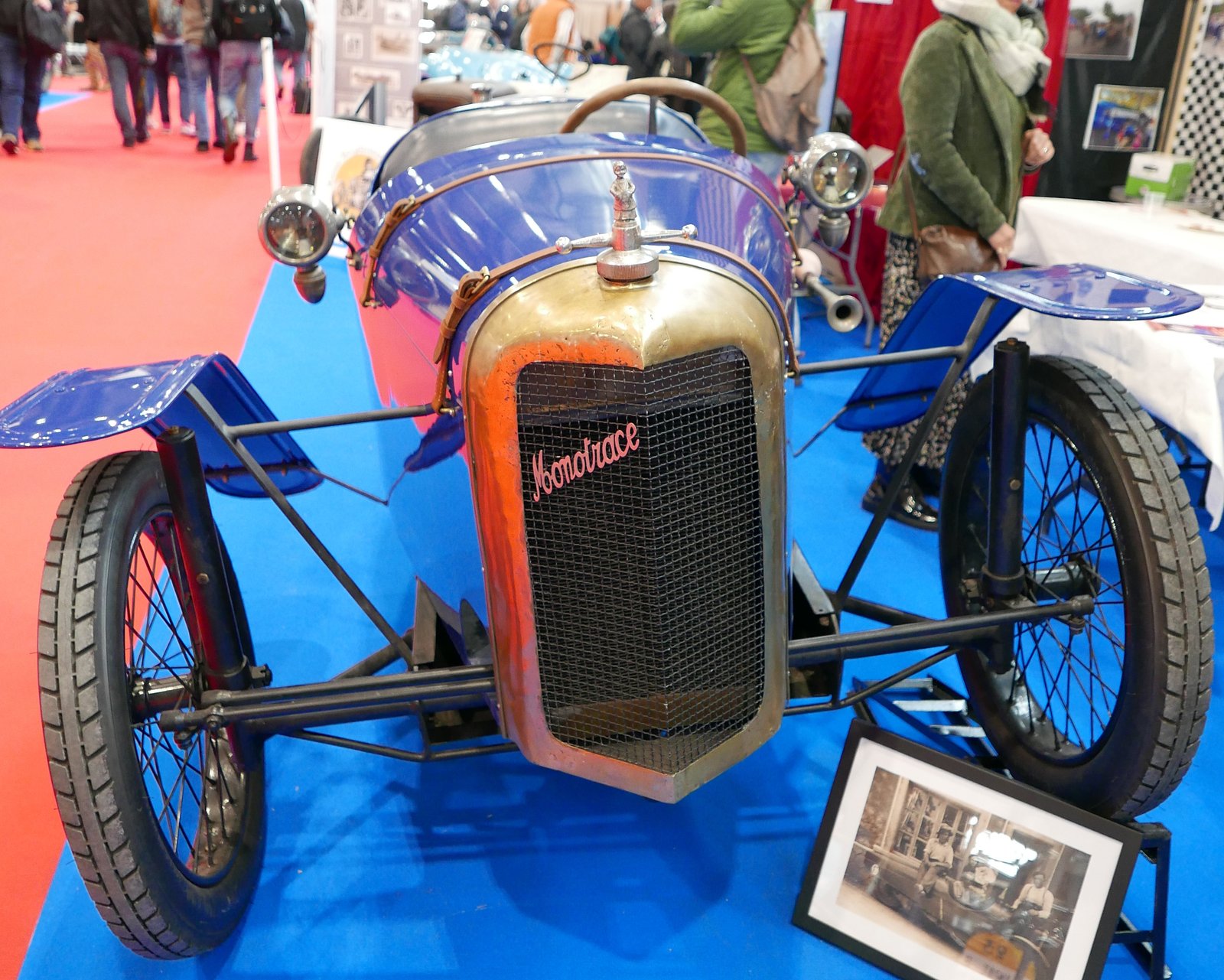
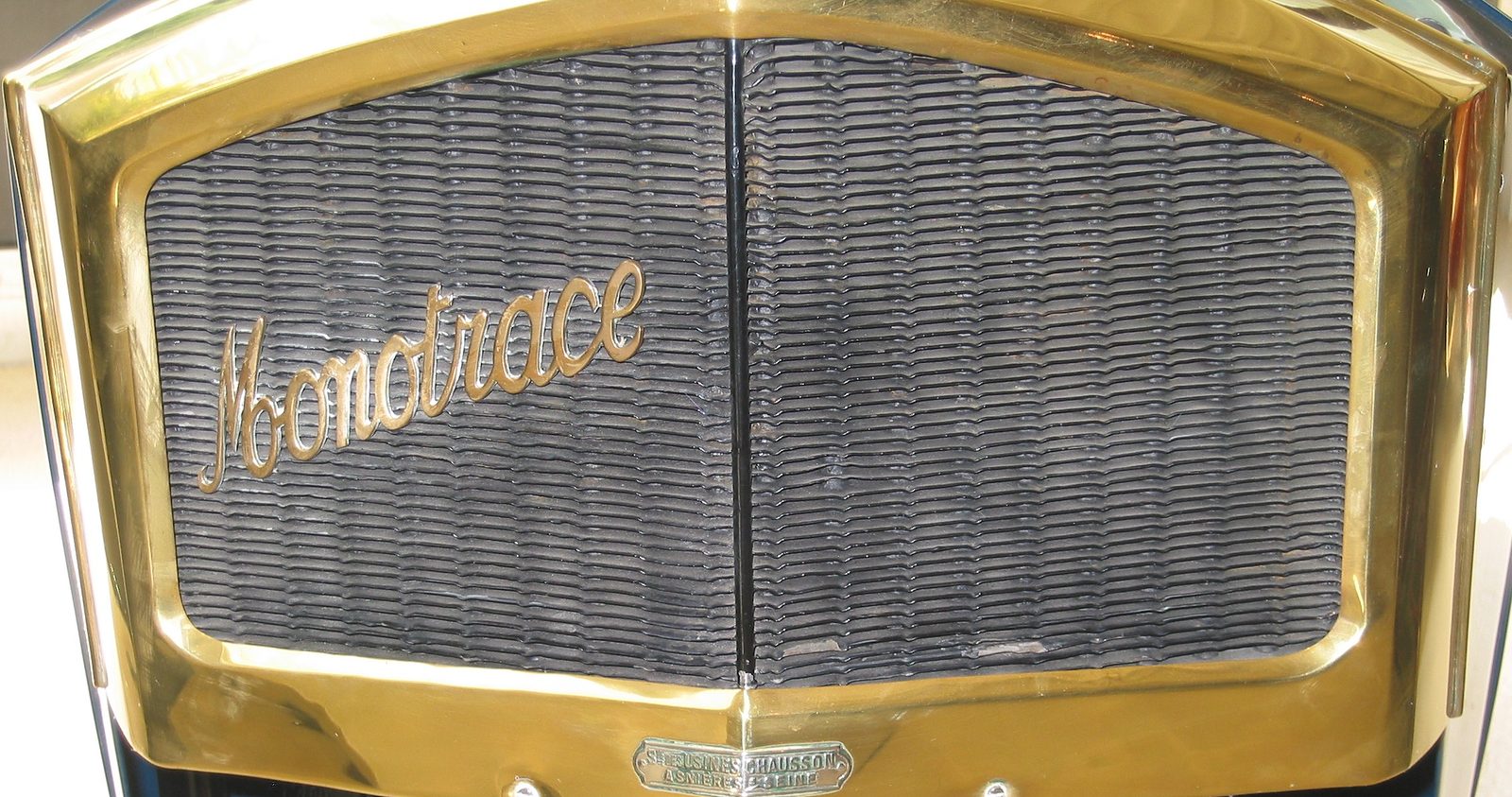
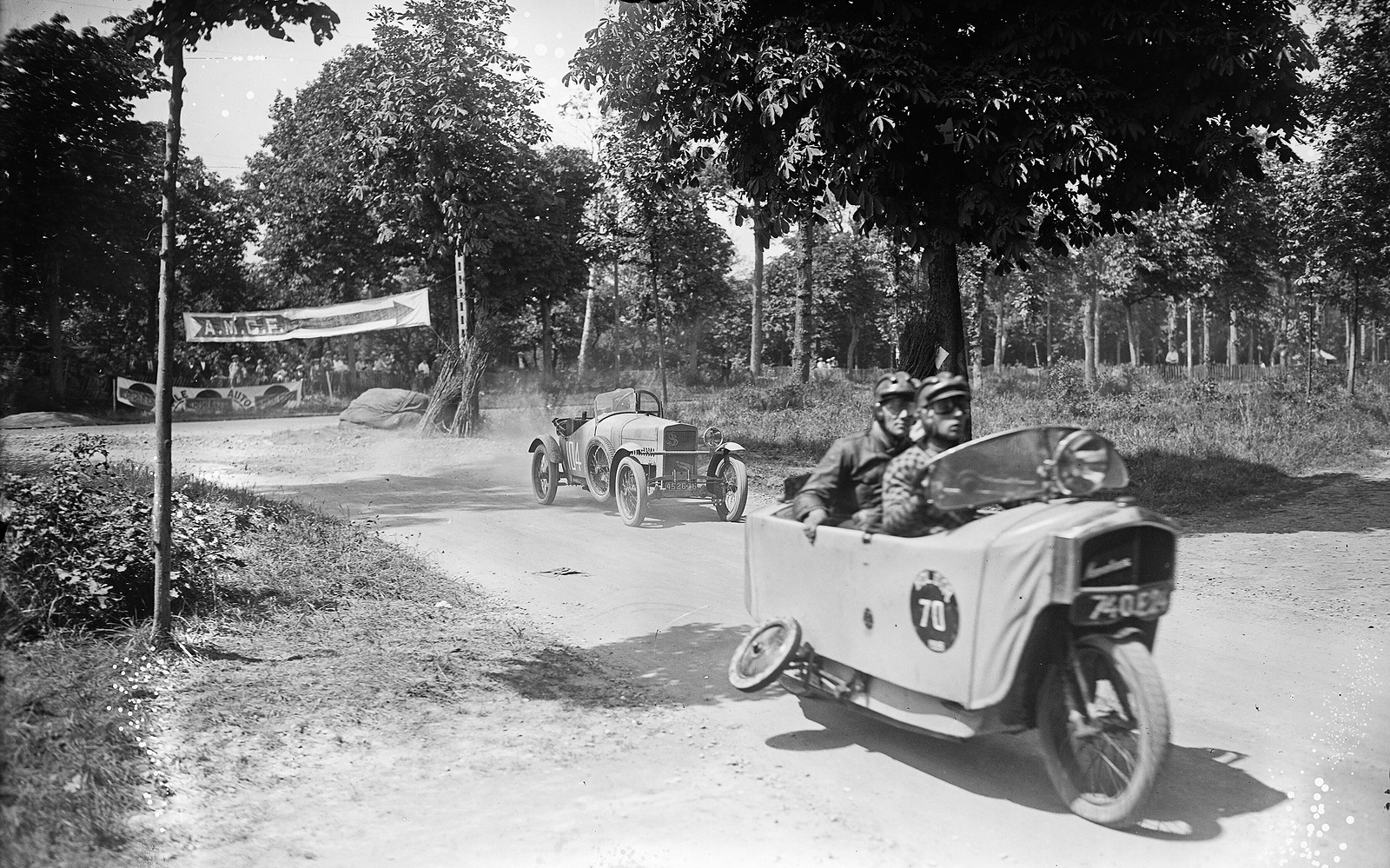
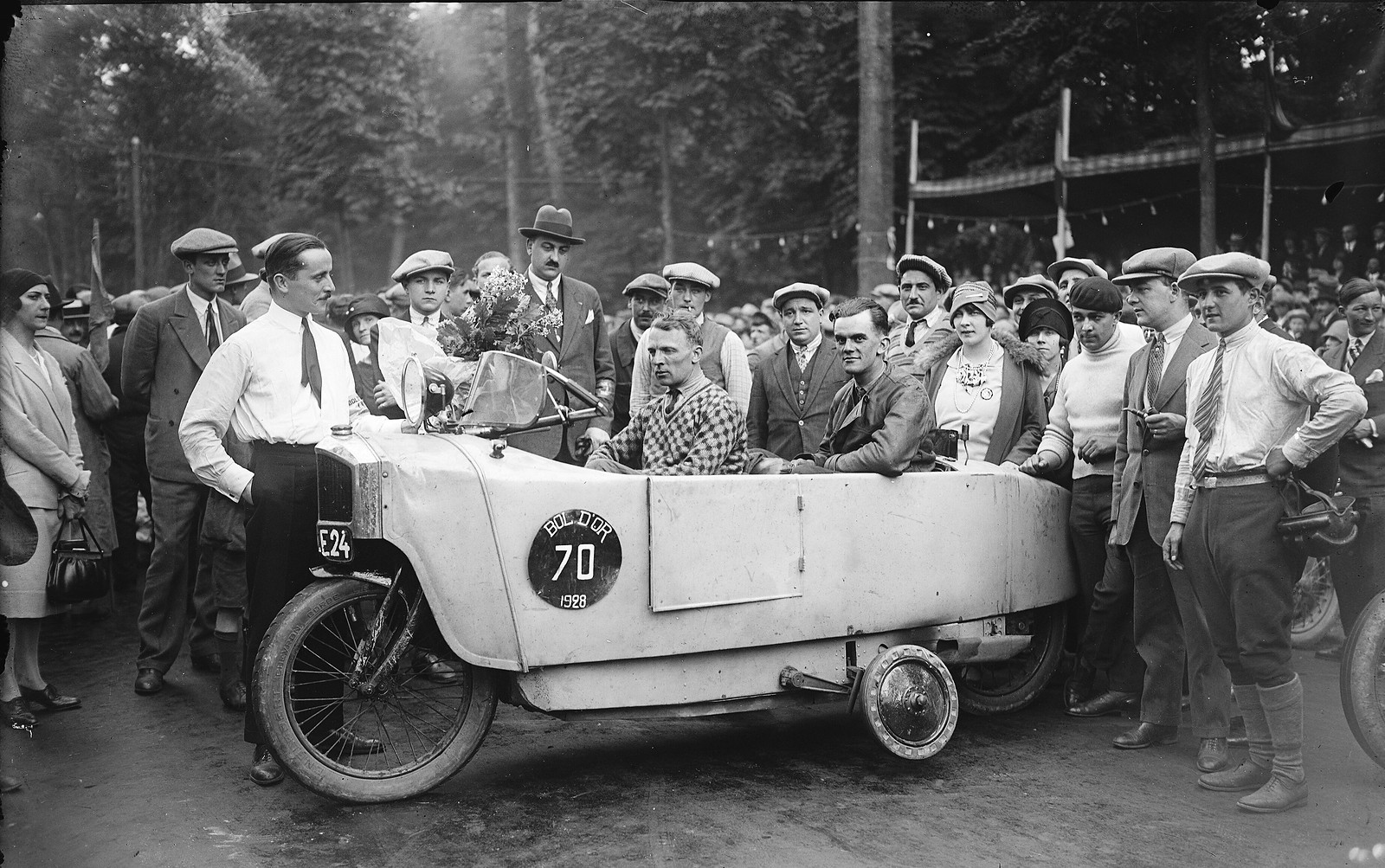
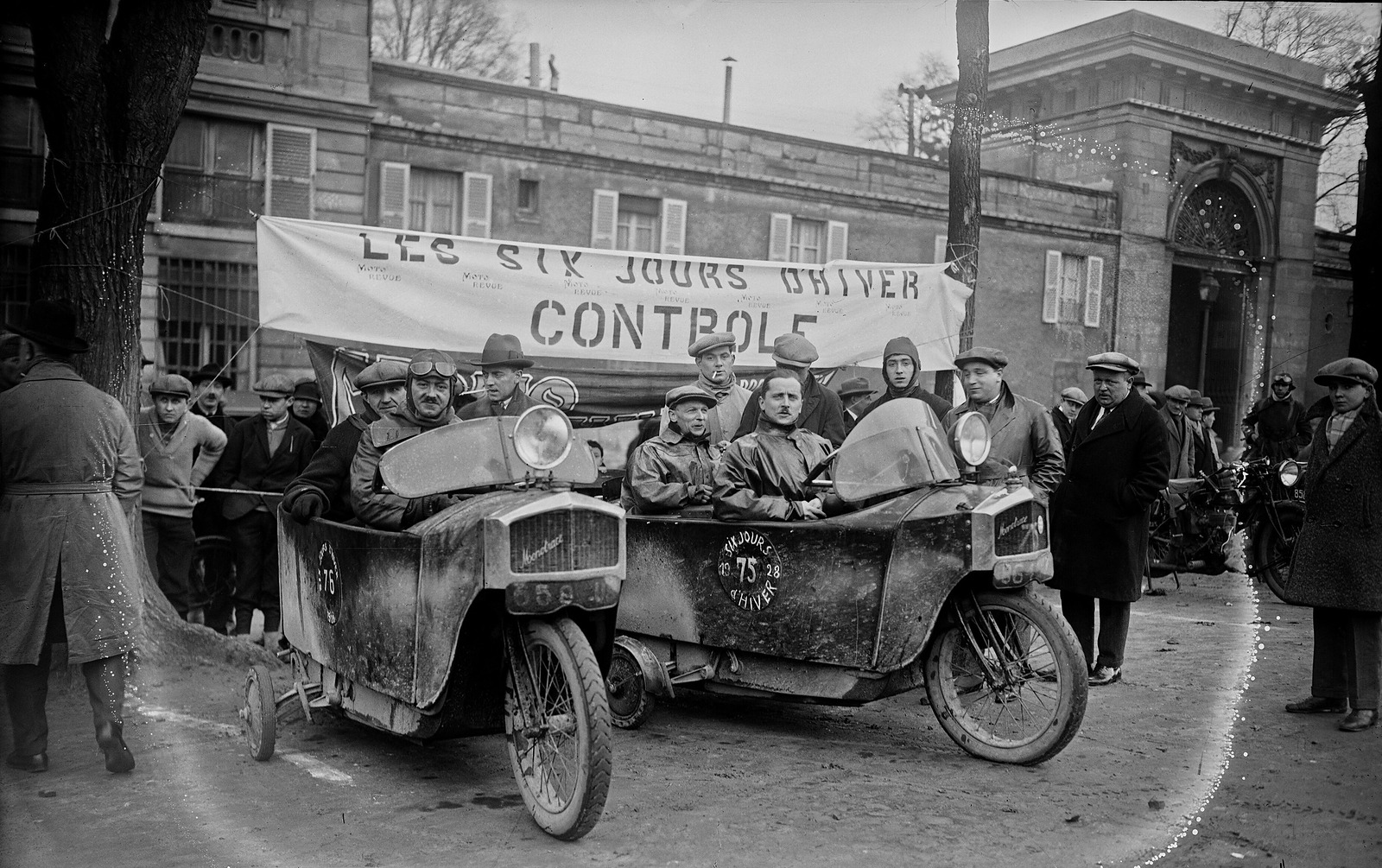
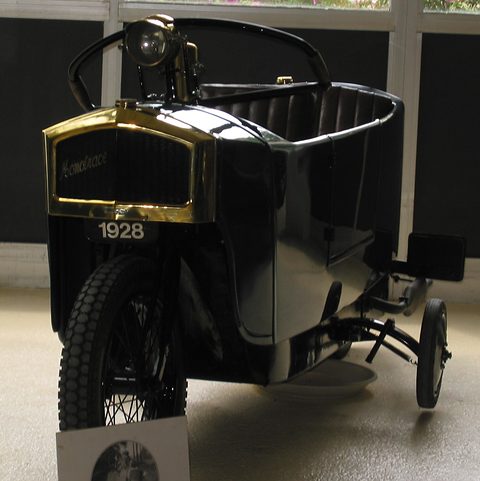
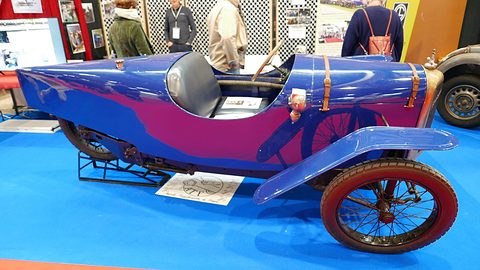
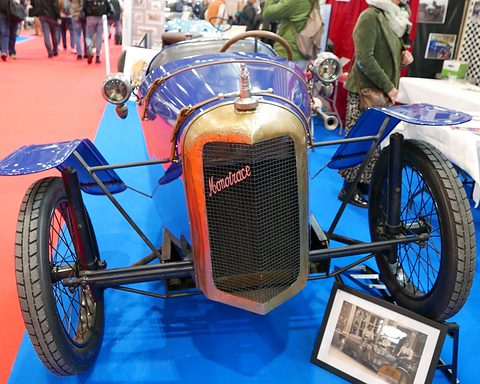
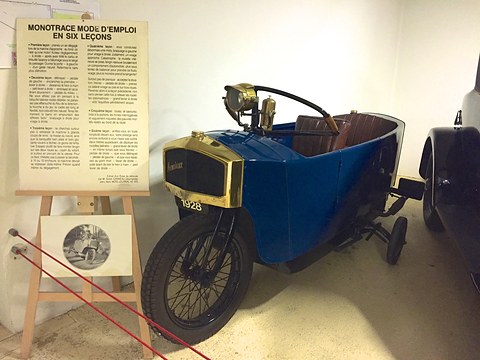
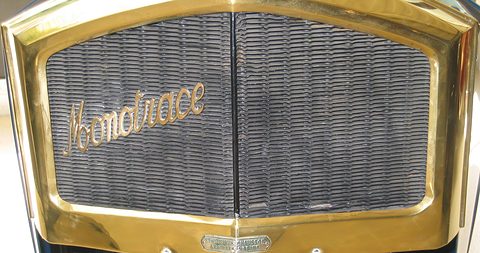
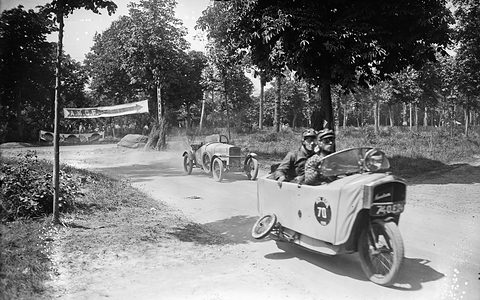
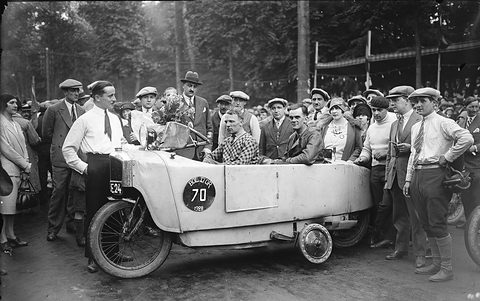
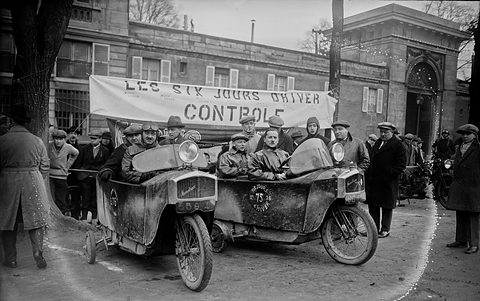
France had its own version, built from 1924 to 1930. The Ateliers du Rond Point in Saint-Étienne began it, and from 1926 Établissements Monotrace SA of Courbevoie, under Joseph-August Roten, built it on the Mauser pattern, with a 510 cc water-cooled single of about 12 hp, three speeds and chain drive.source 5 The sources call it licensed or copied; either way it is one of the cars on our page about cars built under licence.source 2source 5 At the Paris Salon of October 1925 it cost 8,900 francs, and a delivery van followed in 1926 and a single-seat sports model in 1929.source 5 A reader of Motor Sport who had a photograph of the German car compared the two in 1976:

in all other respects the Einspurauto, of which I have a photograph, was identical to the Monotrace Type Luxe
R. F. Currie, Midland Editor of Motor Cycle, in a letter to Motor Sport, October 1976.source 4
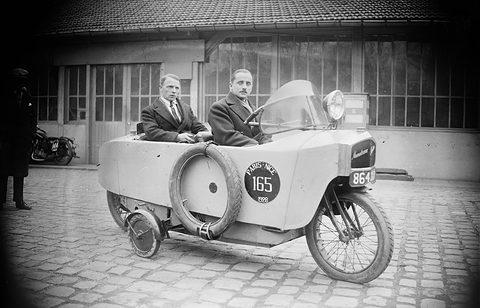
Two men in overcoats sit one behind the other in a narrow car with a spare tyre and a small side wheel.
Plate III · 1928 Roten’s Monotrace, number 165, at the weighing-in for the Paris–Nice trial at Levallois in March 1928.Photo: Agence Rol, Public domain, via Wikimedia Commons

Others tried the idea too. In Berlin the Atlantic Einspurwagen, a separate make with a BMW flat twin, was built in about 100 examples in 1921–⁠22; later came the Whitwood Monocar of Portsmouth, of which six were built in 1934–⁠36, the Czechoslovak Dálnik of 1936–⁠42 and, in 1984, the Peraves Ecomobile.source 2
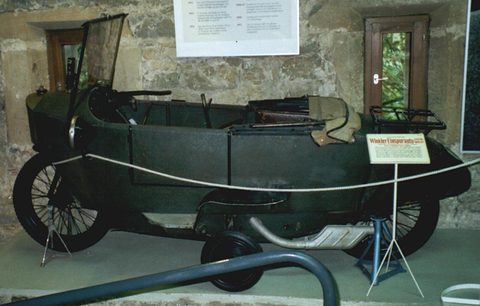
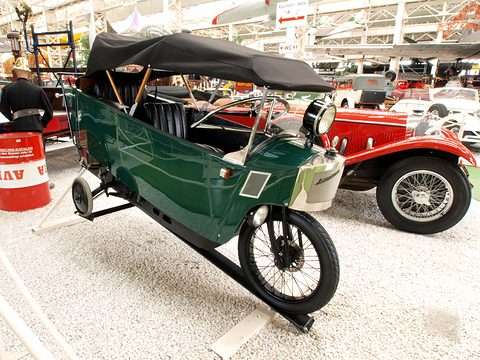
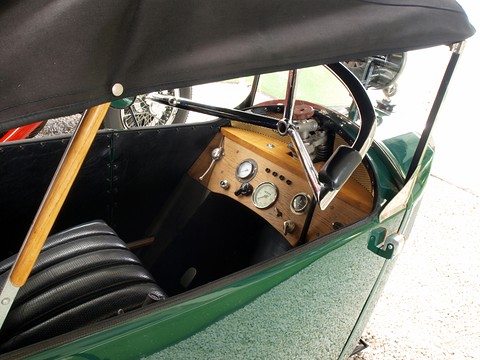
A long dark green narrow car with a folding windscreen and spoked wheels behind a rope, an information placard beside it.
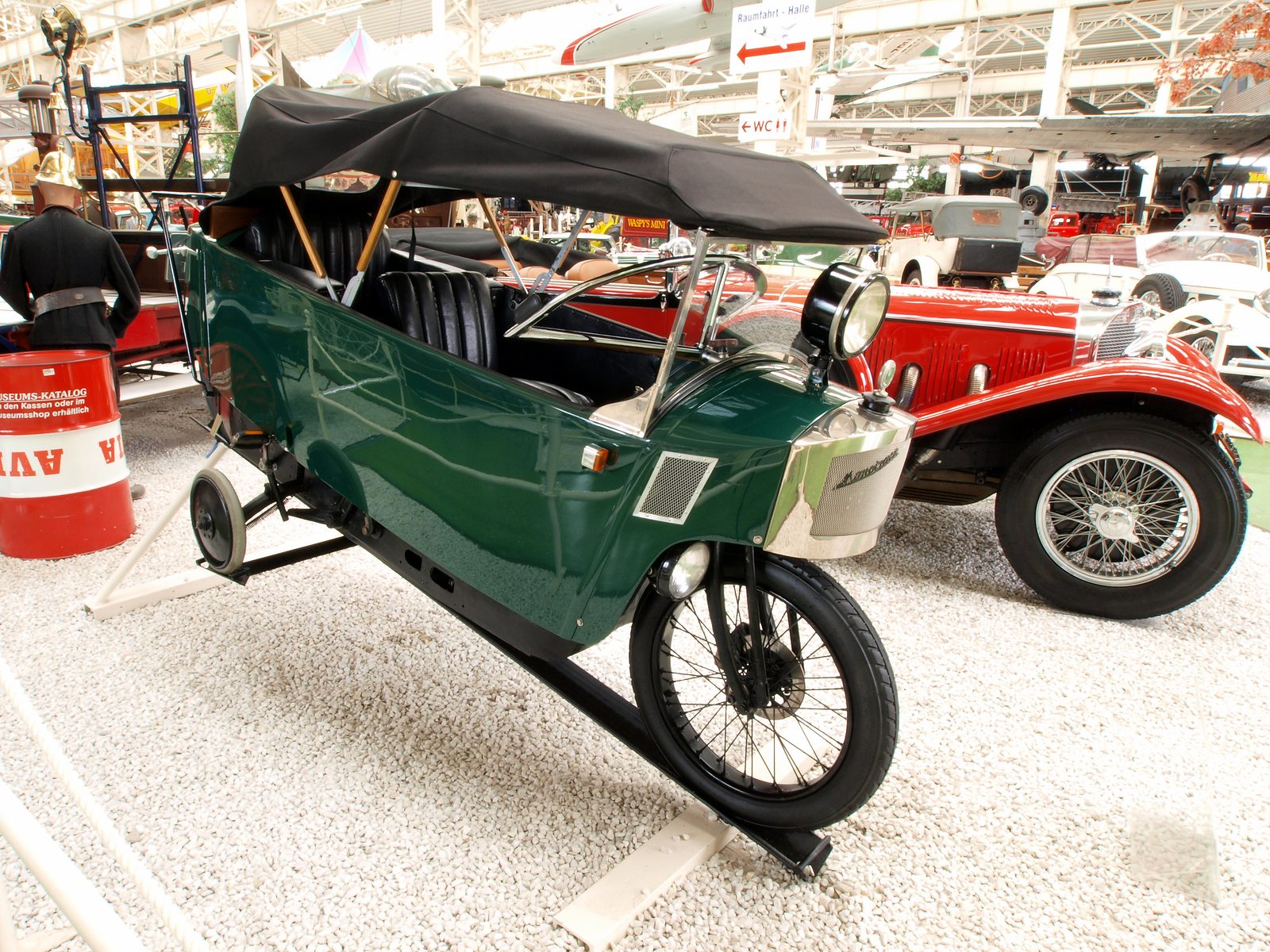
Winkler’s Einspurauto, built after Mauser stopped, at the Deutsches Automuseum, Schloss Langenburg, in 1998.Photo: Buch-t, Public domain, via Wikimedia Commons

Pictures

More photographs, old and new

Variants

Mauser, Winkler and the French copy

The Einspurauto family
VariantYearsWhat differsHow many
Mauser Einspurauto 2/6 PS1921–⁠27The original: water-cooled single under the rear seat; a few with air suspensionAbout 100–150
Winkler Einspurauto EA 21926/27–29Wheelbase 12 cm shorter and the car 10 cm lower; a 510 cc single or a BMW flat twinNot found
Monotrace1924–⁠30Built in France on the Mauser pattern: 510 cc single of about 12 hp; a van from 1926 and a single-seat sports model from 1929Not found

Specification

The Mauser Einspurauto 2/6 PS, unless noted

Engine and drive

Engine and drive
EngineSingle cylinder, four-stroke, T-head side valves, water-cooled, under the rear seatsource 3Late cars: 573 cc with overhead valves
Capacity496 cc at first, later 510 ccsource 1source 3The sources give several other figures
Power6 PS at 3,200 rpmsource 310 PS in another sourcesource 1
GearboxThree speeds, in the crankcase; steel multi-plate clutchsource 3
DriveChain to the rear wheelsource 3source 4
StartingKick-startersource 3
CoolingThermosiphon, the radiator in the nose with long hosessource 3source 4

Body and chassis

Body and chassis
FramePressed-steel box frame, forks front and rear; coil springs and air cushionssource 3source 4
BodyPlywood covered in leathercloth, one door on the left; the rear panel lifts offsource 3
OutriggersTwo small 15 in disc wheels, let down when stopping and raised by a lever on the movesource 1source 3source 2
BrakesOn the rear wheel only: an external band for the handbrake, internal shoes for the foot brakesource 3
Wheels710 × 90 spoked wheels, interchangeablesource 3

Dimensions

Dimensions
Length3,000 mm (9 ft 10 in)source 3
Width1,200 mm (3 ft 11 in)source 3
Height1,100 mm (3 ft 7 in)source 3
Wheelbase2,230 mm (7 ft 4 in)source 3
Weight295 kg (650 lb) empty; 200 kg payloadsource 3

Performance and running

Performance and running
Top speed60 km/h (37 mph), the maker’s figuresource 1
ServicingGrease every moving part and top up the radiator every 300 km, says the handbooksource 1
Price newNot foundThe Monotrace cost 8,900 francs in 1925source 5

How many were built?

Every figure, with its source

About 100–150 built by MauserAbout 100 to 150, the figure German Wikipedia gives for Mauser’s own cars. Another account says the first 200 cars had the 510 cc engine, which would mean more were built; it is not confirmed, and the two cannot both be right. No total has been found for the Winkler or the Monotrace.

  1. at least 200implied: “the first 200” had the 510 cc engineUnconfirmed

    German Wikipedia, Winkler (Automarke)source 3

  2. about 100–150Mauser EinspurautosOne source

    German Wikipedia, Mauser (Waffenhersteller)source 1

  • Two sources agreetwo good sources give the figure
  • One sourcea good source, alone
  • Unconfirmeda lead only, not yet checked

Famous for

Three points

  1. A car from a rifle maker

    The Einspurauto was built by Mauser, the arms firm of Oberndorf.source 1source 4

  2. Two wheels and two more

    It balanced on two wheels in line and stood on two small outriggers when it stopped.source 1source 2

  3. A clean veteran

    In 1977 an East German magazine tested a survivor and found only 3.0 per cent carbon monoxide in its exhaust.source 1

Survivors and collecting

Today

Oberndorf’s local history museum, the Heimatmuseum, has an Einspurauto, and one was shown in 1998 at the Deutsches Automuseum at Schloss Langenburg.source 3 In 1977 the East German magazine Kraftfahrzeugtechnik tested a survivor’s exhaust, in an article titled Abgasgünstiger Veteran, a low-emission veteran.source 1 No count of the survivors and no auction result has been found. Of the pictures on this page, the hero and the two Berlin photographs of 1923 show Mauser-built cars; the rest show Monotraces and Winkler’s car.

Sources

Numbered as in the text

No period road test was found, and the German primary sources (a Mauser brochure of about 1925, Oswald’s Deutsche Autos 1920–⁠1945) were not read; the account rests on three German Wikipedia articles that draw on them. Sources are given as plain text; the links are on the Credits page.

  1. German Wikipedia, Mauser (Waffenhersteller), section on vehicles. It cites “Abgasgünstiger Veteran”, Kraftfahrzeugtechnik 2/1977, pp. 56–57.
  2. German Wikipedia, Einspurwagen, read in full. It cites Linz and Schrader, Die Internationale Automobil-Enzyklopädie.
  3. German Wikipedia, Winkler (Automarke). It cites Reese, Automobil- und Motorradchronik 4/1978; Tragatsch, Oldtimer Markt 12/1984; Oswald; and a Mauser brochure of about 1925.
  4. R. F. Currie, “The Monotrace”, letter to Motor Sport, October 1976.
  5. English Wikipedia, Monotrace (automobile), read in full. It cites Georgano (1968) and Toutes les voitures françaises 1927 (Automobilia, 2006).