microcarfan
  • Cyclecar
  • France
  • 13 makers

French cyclecars: the minor makers

Also known as Cyclecars français

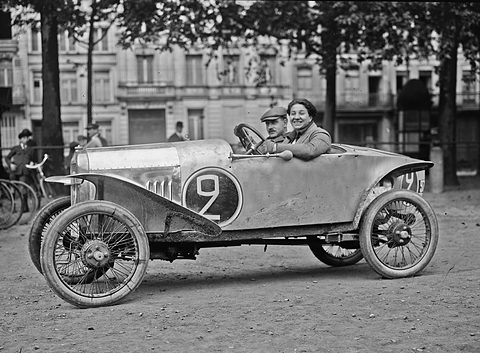
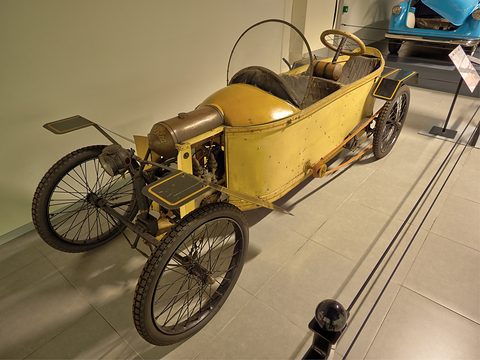
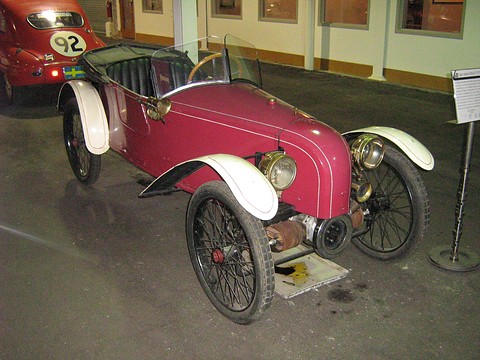
A friction disc instead of a gearbox, an engine that turned with the steering, a car that ran on two wheels in line and another built of wood in eight days. None of these French cyclecars became famous, but between them they tried almost everything.

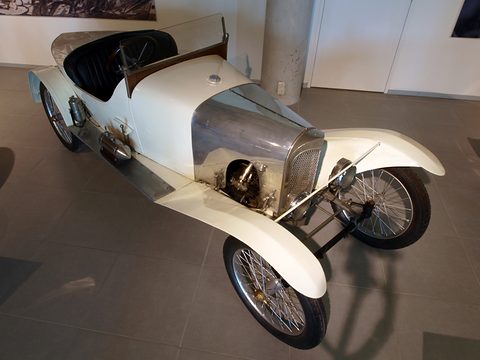
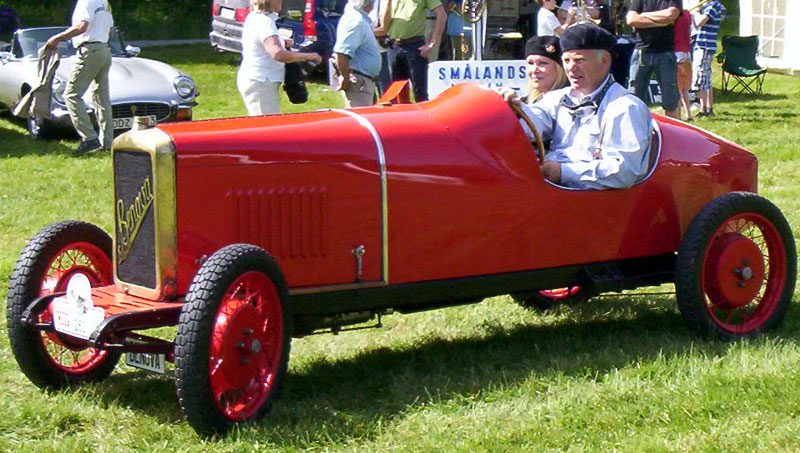
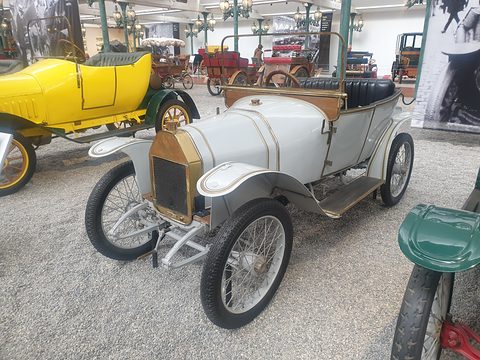
A grey two-seater with a brass radiator and lamps, wire wheels and a folded black hood, among yellow and red veteran cars.
Grey 1913 Violet-Bogey Type A torpedo from the front quarter at the Cité de l’Automobile, Mulhouse, France, in March 2026.Photo: Andy Dingley, CC BY-SA 4.0, via Wikimedia Commons

At a glance

The spec plate

French cyclecars: the minor makers

Thirteen makers · France

Built
1913–⁠1936Cyclecars from 1913 to the late 1920s; Ronteix made small cars from 1906, and Le Carabe was a one-off of 1936
Country
FranceParis and its suburbs, Saint-Étienne and Compiègne
Engine
50 cc to 1,460 cc, by makerFrom Le Carabe’s Motobécane single to Ronteix’s larger four
Seats
1 or 2Side by side, staggered or in tandem
Wheels
4Most had four; Le Favori and Le Carabe three, and the Monotrace two in line with outriggers

Not yet recordedpower and top speed.

The story

History

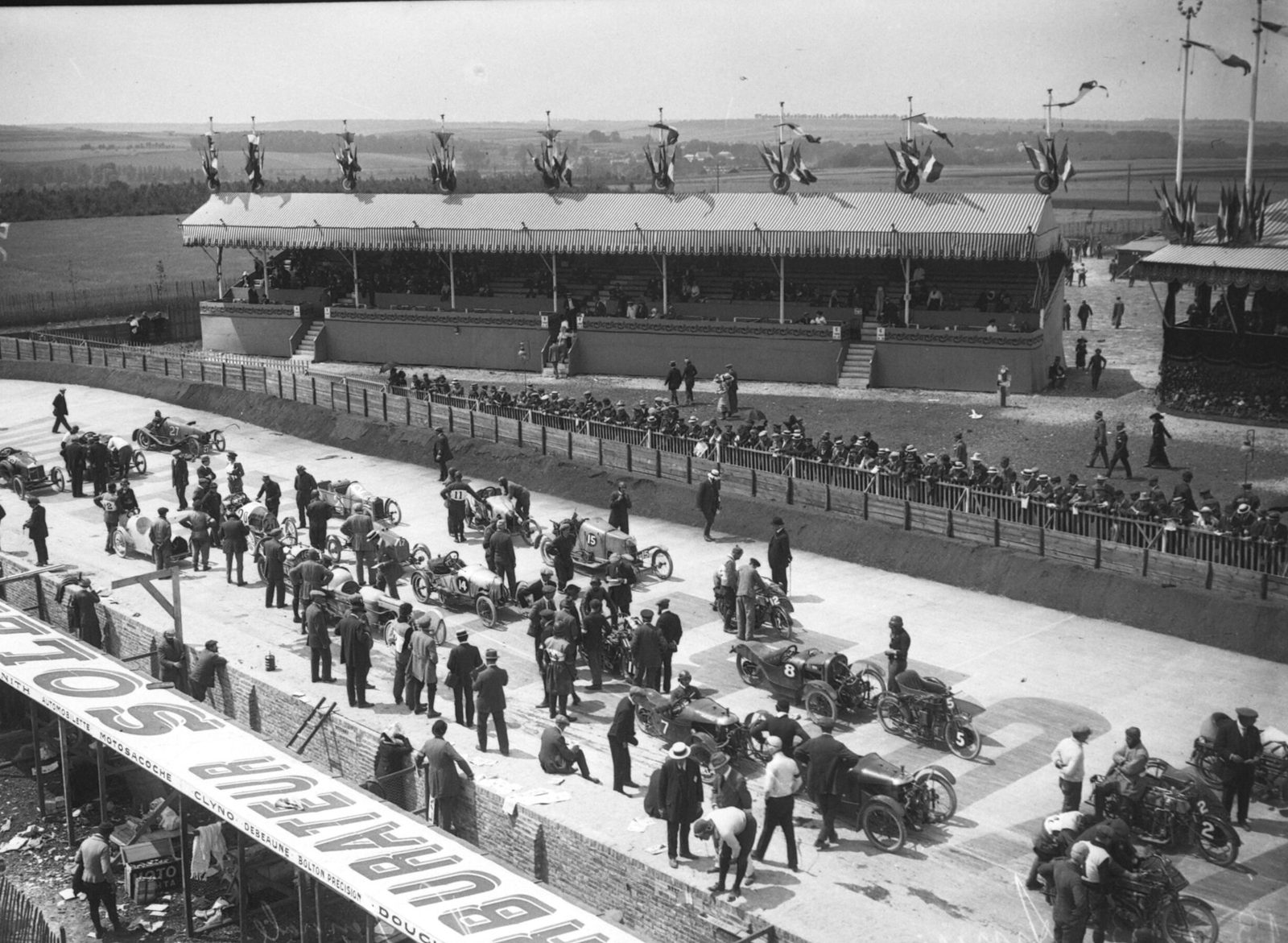
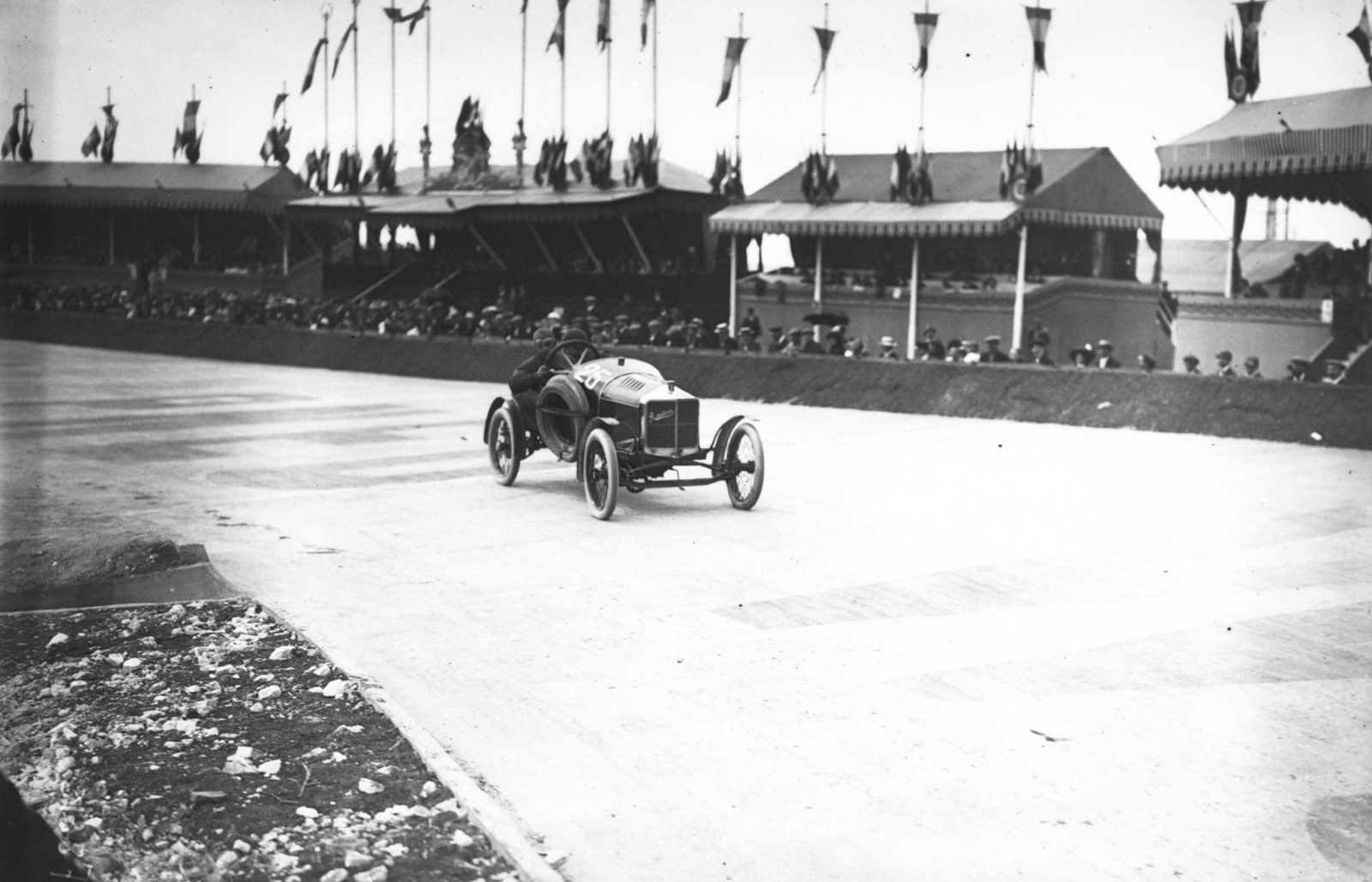
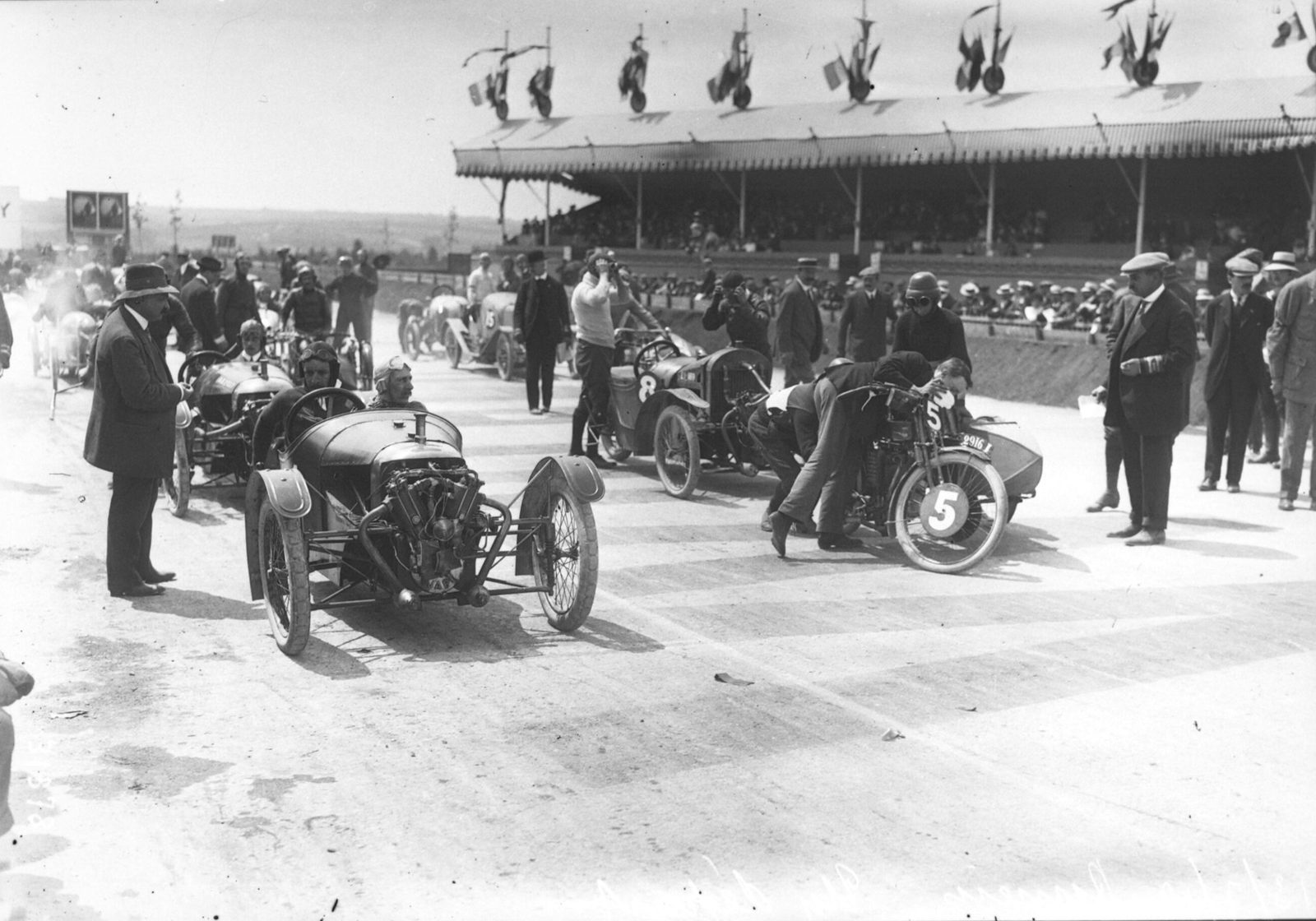
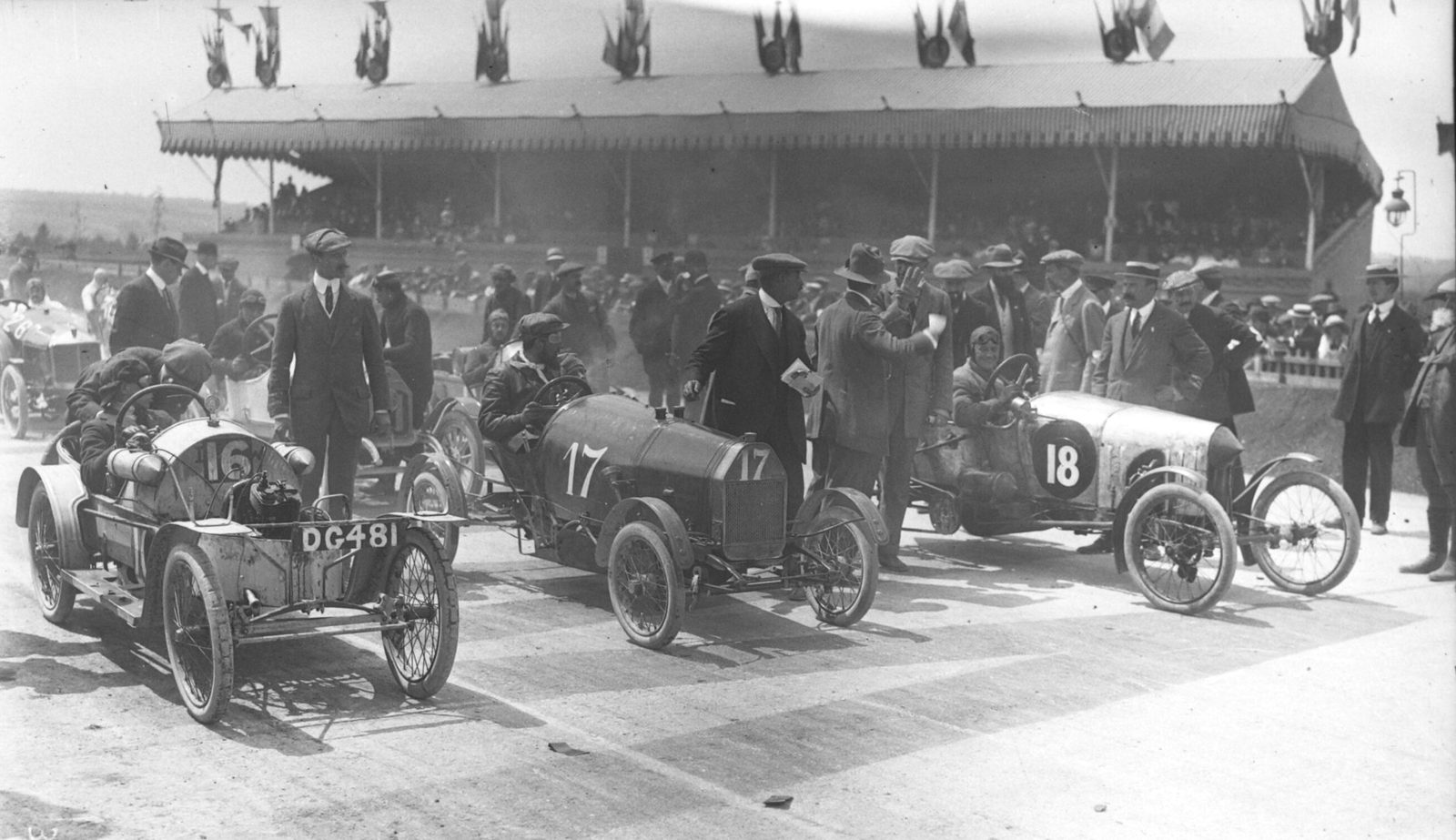
The first great road race for cyclecars, the Cyclecar Grand Prix at Amiens on 13 July 1913, was a French event, and its French field is a cross-section of the small makers: Bédélia, Violet-Bogey, Sphinx-Globe, Ronteix, Super and Automobilette, with Noël, La Rouelle and Du Guesclin.source 1source 2 Their designs could hardly have differed more.source 1source 2 After the war a second wave served the boom, and in the mid-1920s came real oddities. Then cheap full-size cars, the Citroën 5HP, the Austin Seven and their French rivals, ended it in the mid to late 1920s.source 3source 4 The bigger names, such as the Amilcar CC, Le Zèbre, Darmont and the Leyat Hélica, have their own pages; these are the rest, in the order they began.
Ronteix, 1906–⁠14

J. Ronteix of Levallois-Perret made small cars from 1906, and in 1913 offered two cyclecars, a four of 966 cc (62 × 80 mm) and one of 1,460 cc, with shaft drive as standard and chain drive for less. In England they were built as the Cummikar, by Cumming & Wright.source 5 At Amiens two red Ronteix fours with side-by-side seats, “very carefully finished”, finished fourth and eighth.source 1source 2

Violet-Bogey, 1913–⁠14

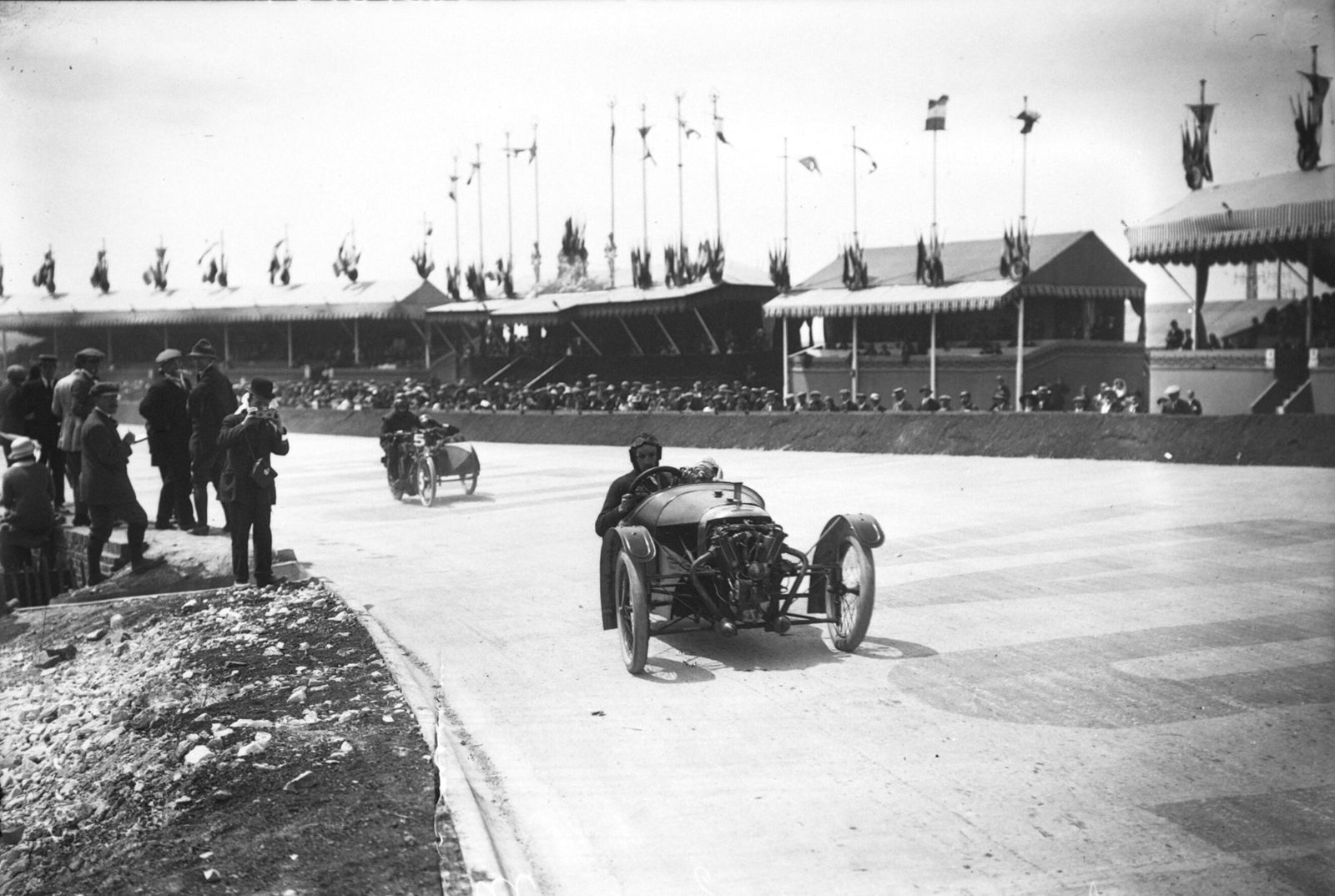
Marcel Violet was a newcomer in 1913, and he entered three cars at Amiens, driving one himself. The Violet-Bogeys were the only cars in the race with friction drive: a propeller shaft to a friction disc, then a countershaft and a chain to a solid axle with no differential.source 1source 2source 6 Neve gives the engine as a 73 × 130 mm vertical twin, water-cooled, of “just over 22 bhp”; German Wikipedia, citing a magazine of July 1913, as an air-cooled V-twin of 1,088 cc.source 2source 6 Violet, “dubbed the dare-devil”, crossed the line third, under a minute after the Bédélia, only to be disqualified because his car had no mudguards; a second Violet-Bogey, Pouliez’s, was placed seventh.source 1 The Cyclecar noticed that the Ronteix and the Violet-Bogey, both with chain drive to a solid axle, “took corners faster than any other competitors”, and that the missing differential made no difference to their steering.source 1 Violet went on to found Sima-Violet, and the Violet-Bogey has its own section on that page too.source 6

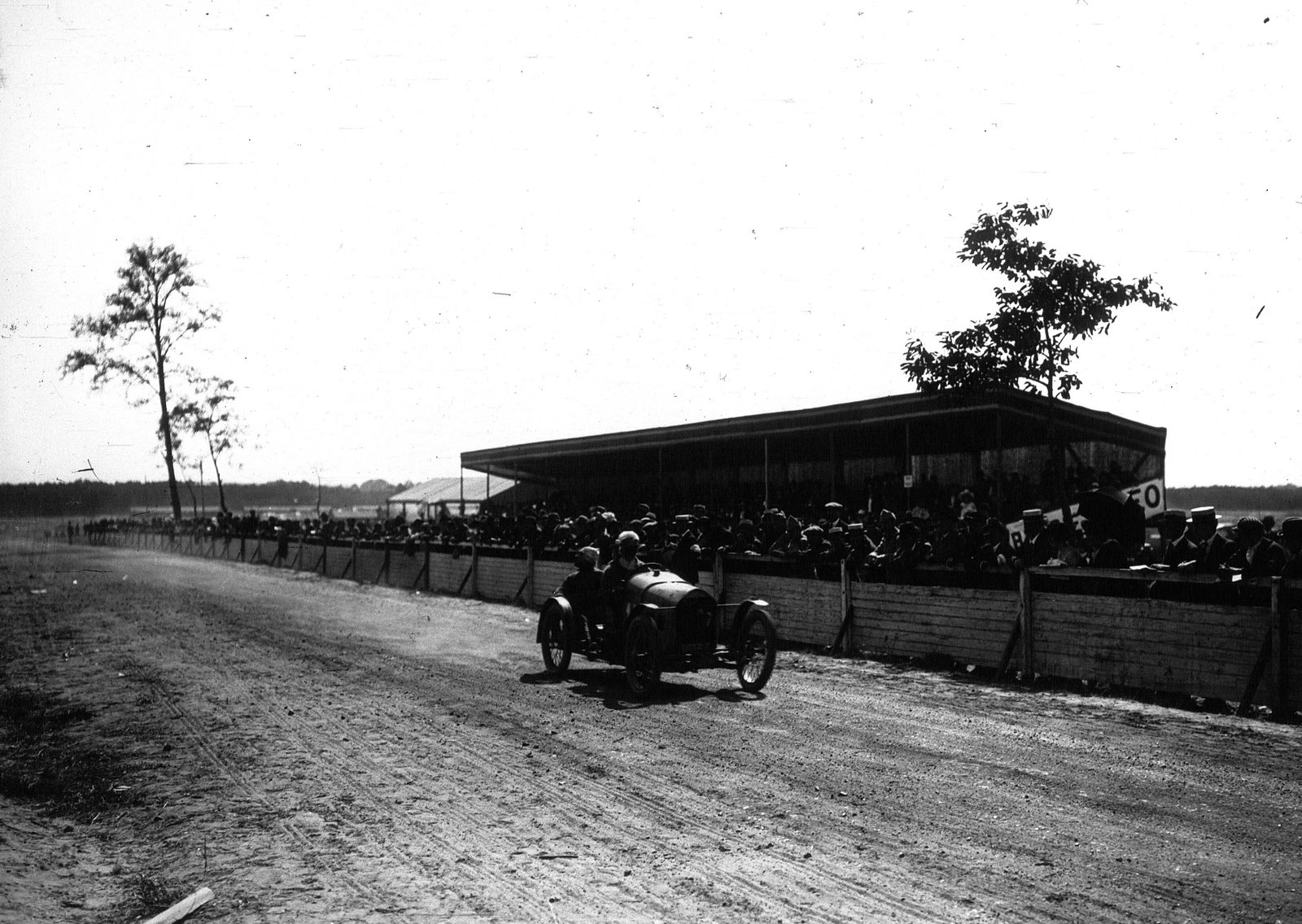
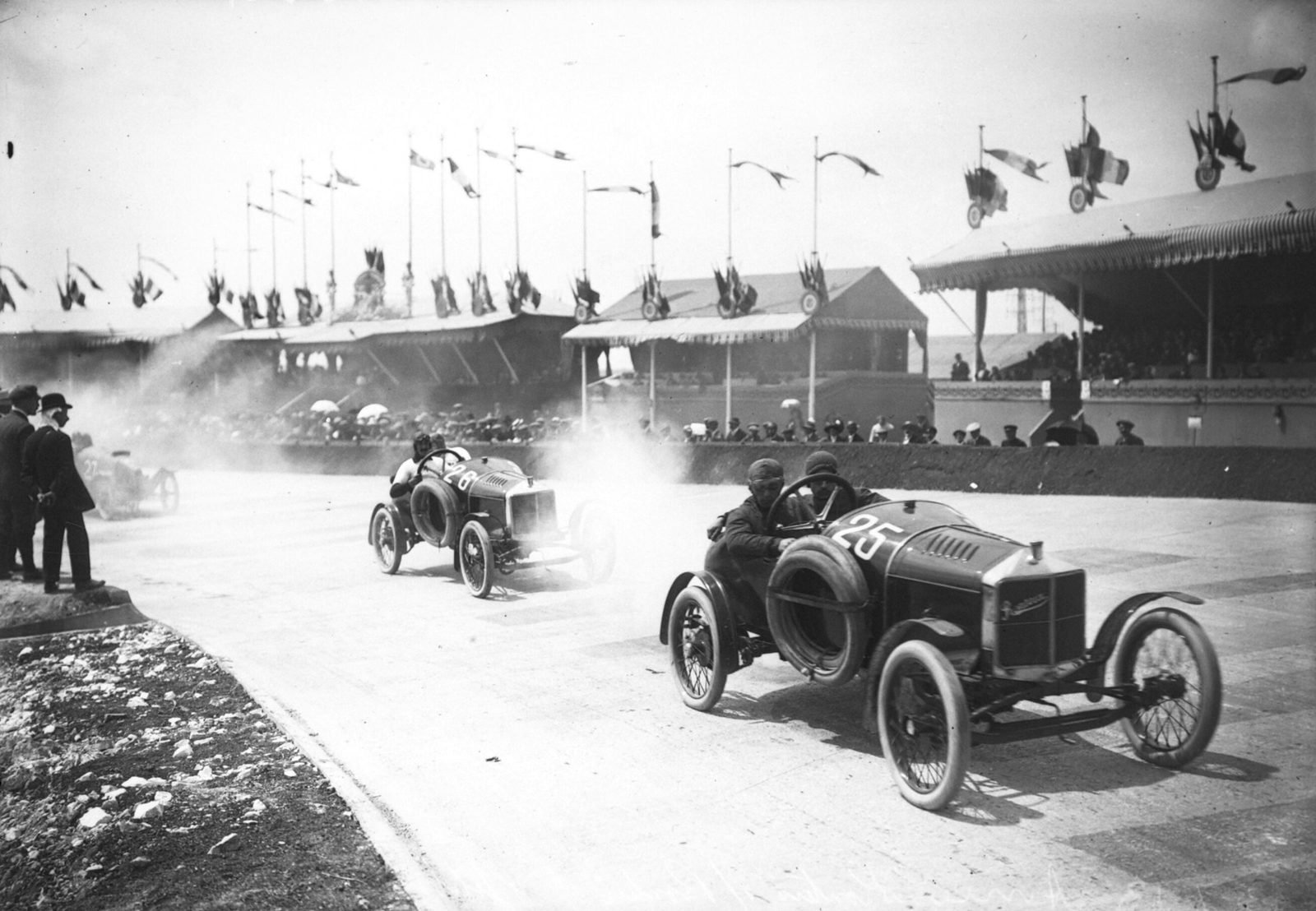
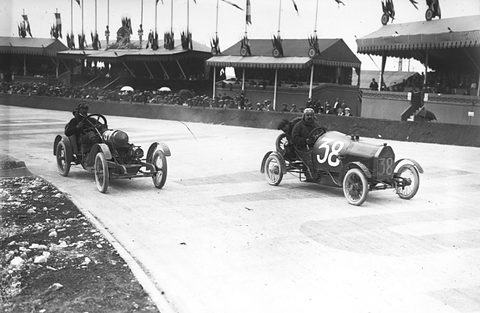
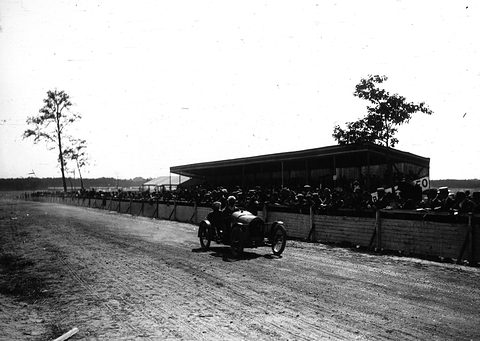
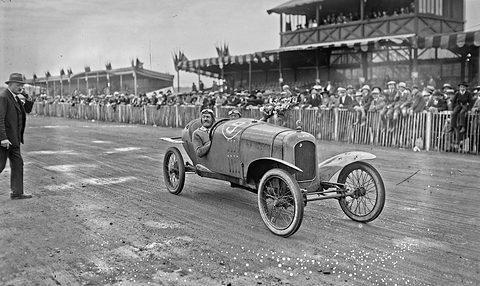
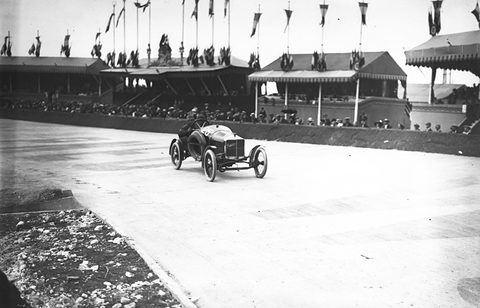
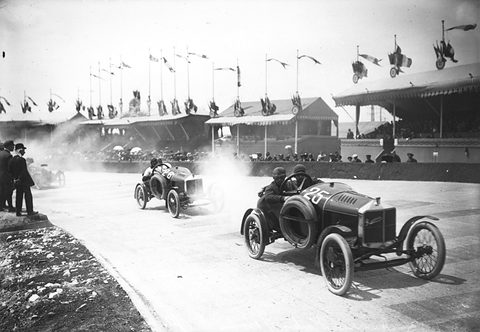
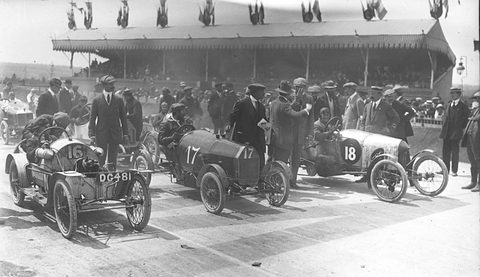
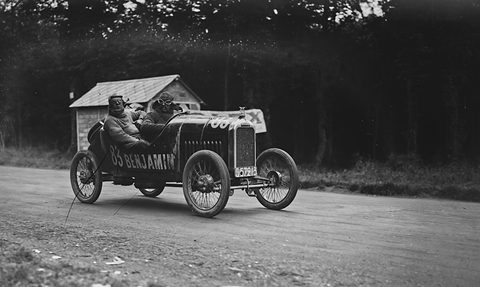
Two small racing cyclecars with goggled drivers on a pale road curve, flag-hung grandstands behind.
Plate I · 1913 Pouliez’s Violet-Bogey and Canouel’s Sphinx-Globe side by side before the grandstands in the Cyclecar Grand Prix at Amiens, 13 July 1913.Photo: Agence Rol, Public domain, via Wikimedia Commons

Sphinx-Globe, 1913

The Sphinx was sold in Britain as the Globe. At Amiens Canouel’s air-cooled single-cylinder car was classified third, while Forster’s, with a water-cooled JAP twin, burst its crankcase.source 1 Neve gives the single as an Anzani of 103 × 132 mm, and says the production Globes had singles of about one litre. His summary credits third place to the twin, but The Cyclecar, reporting that week, gives it to the single.source 2source 1

The air-cooled, single-cylindered Sphinx, which over here is known as the Globe, was a signal example of the efficiency of a single-cylinder and air-cooling, for it was placed third, after the Morgan and Bedelia.

The Cyclecar, 16 July 1913.source 1

Super, 1913

Lévêque’s Super finished sixth at Amiens.source 1 Like the Bédélia it was a tandem, but the other way round: the driver sat in front and the mechanic above and behind him, with a cylindrical tank behind the driver’s head, so that he sat, Neve wrote, “as if he were in a barber’s chair”.source 2

Automobilette, 1913

Automobilette sent two cars to Amiens, Simon’s and another, a four and a light twin; the twin drove a countershaft by chain and the rear wheels by belts over expanding pulleys. Long bonnets, pointed radiators, staggered seats and rounded tails were, to Neve, “anticipating by some ten or twelve years the Amilcar and Senechal”. Neither was among the eight classified.source 2source 1

Tholomé, 1919–⁠22

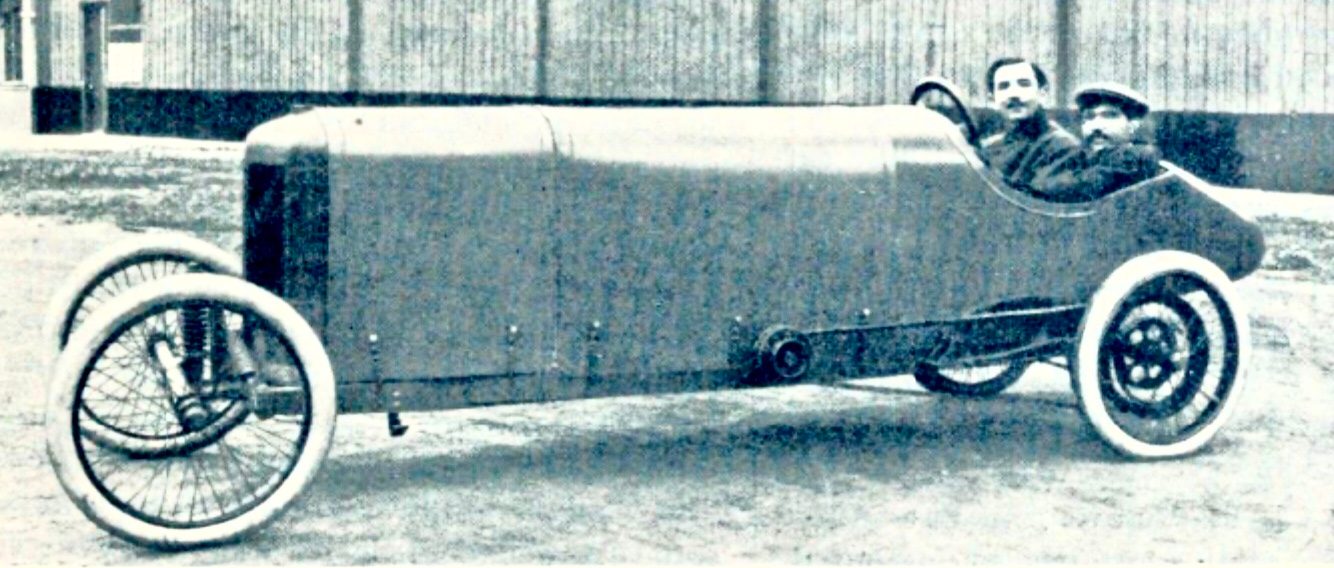
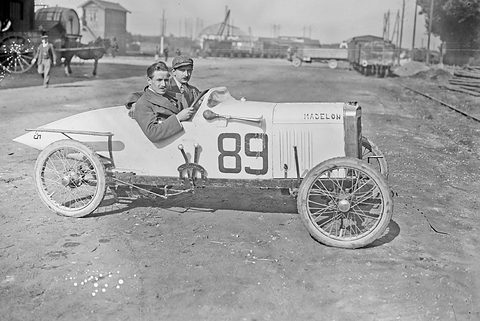
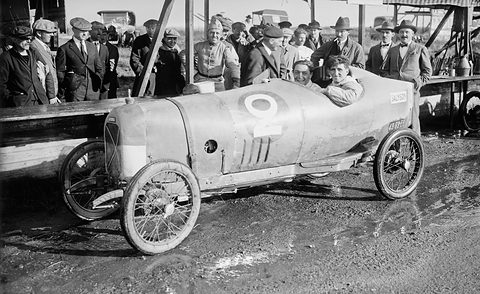
M. Tholomé of 27 rue Godillot, Saint-Ouen, showed his cyclecars at the Paris Salon of October 1919: open two-seaters with Ruby engines, a 900 cc twin or a 1,095 cc four, or a Train twin of 750 cc. In 1919 the cheapest, a 7 CV V-twin, cost 5,350 francs. Production ended in 1922. The firm had nothing to do with the post-war Tholomé microcar of Aubagne.source 7

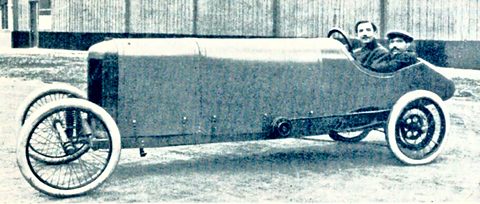
Two men in caps in a pale pointed-tail cyclecar numbered 89 on a dusty yard, railway wagons and sheds behind.
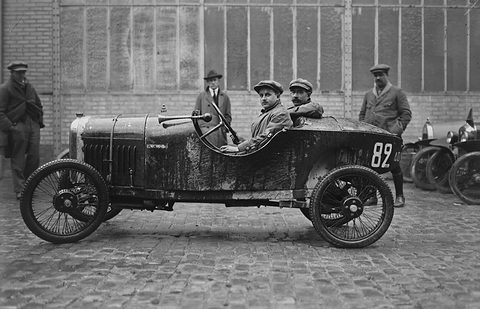
Plate II · 1921 M. Tholomé in his own cyclecar, No. 89, at Gaillon in Normandy for the hill-climb of October 1921.Photo: Agence Rol, Public domain, via Wikimedia Commons

Salmson, 1919 to about 1921

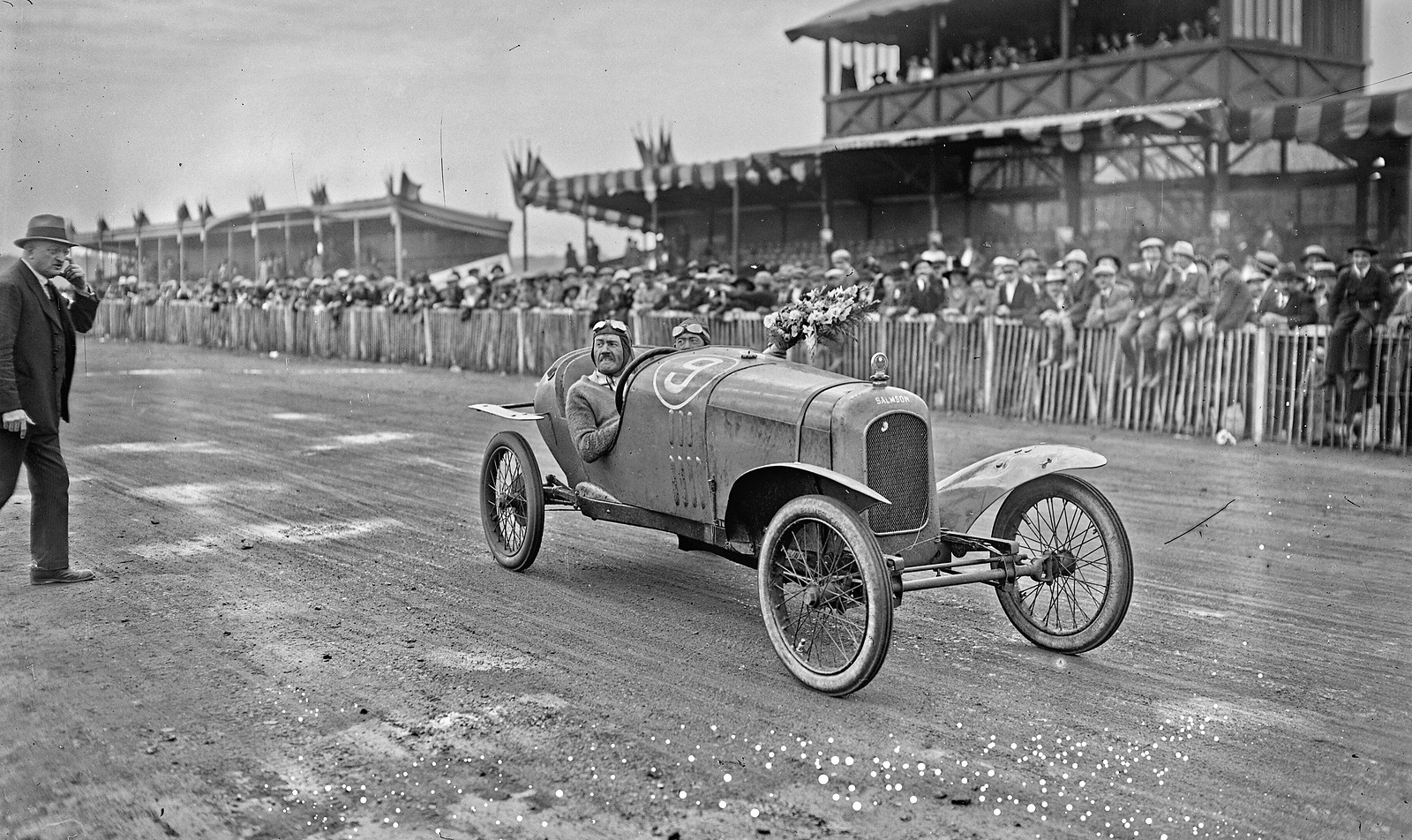
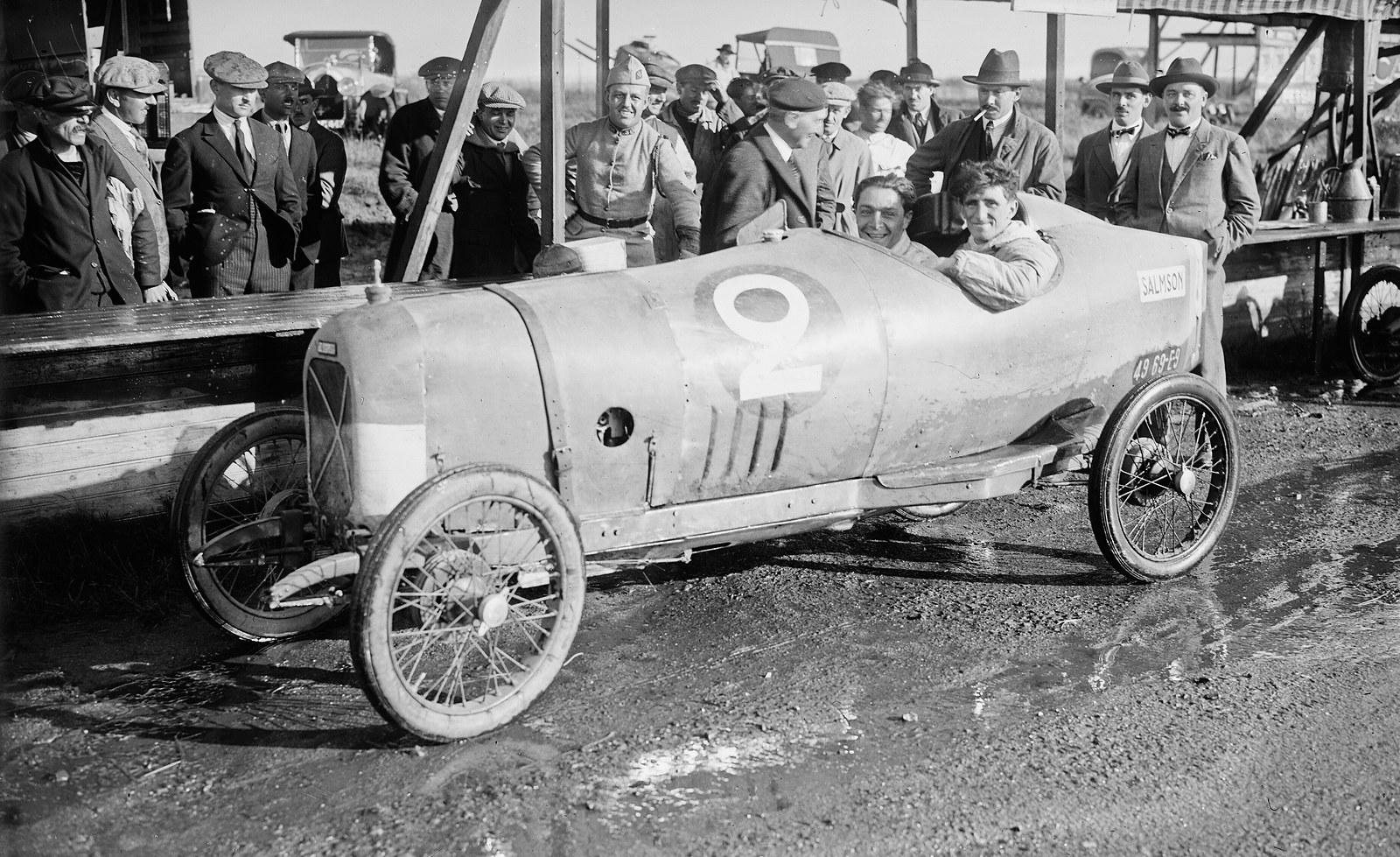
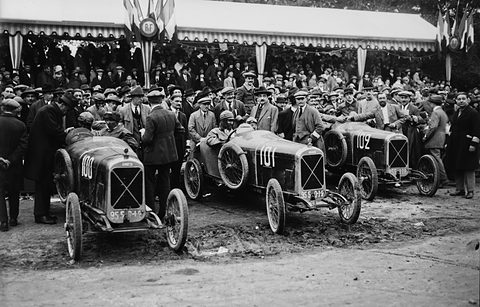
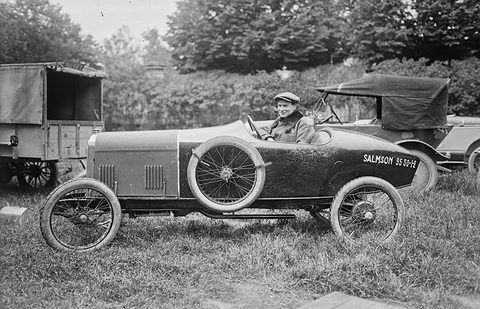
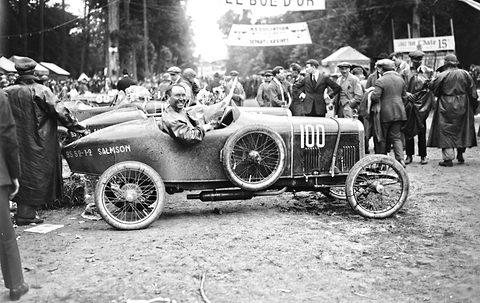
The Société des Moteurs Salmson of Billancourt made aero engines and had no car of its own after the war. It began, under Émile Petit, by building the British GN under licence, and showed it at the 1919 Paris Salon (more in built under licence). Its own Petit-designed cyclecar, the AL of 1920–⁠21, followed, and Salmsons became famous racers.source 8source 9 How many GNs it built is disputed: about 1,600 by Grace’s Guide, about 3,000 in two years by GN’s co-founder, H. R. Godfrey.source 9source 10

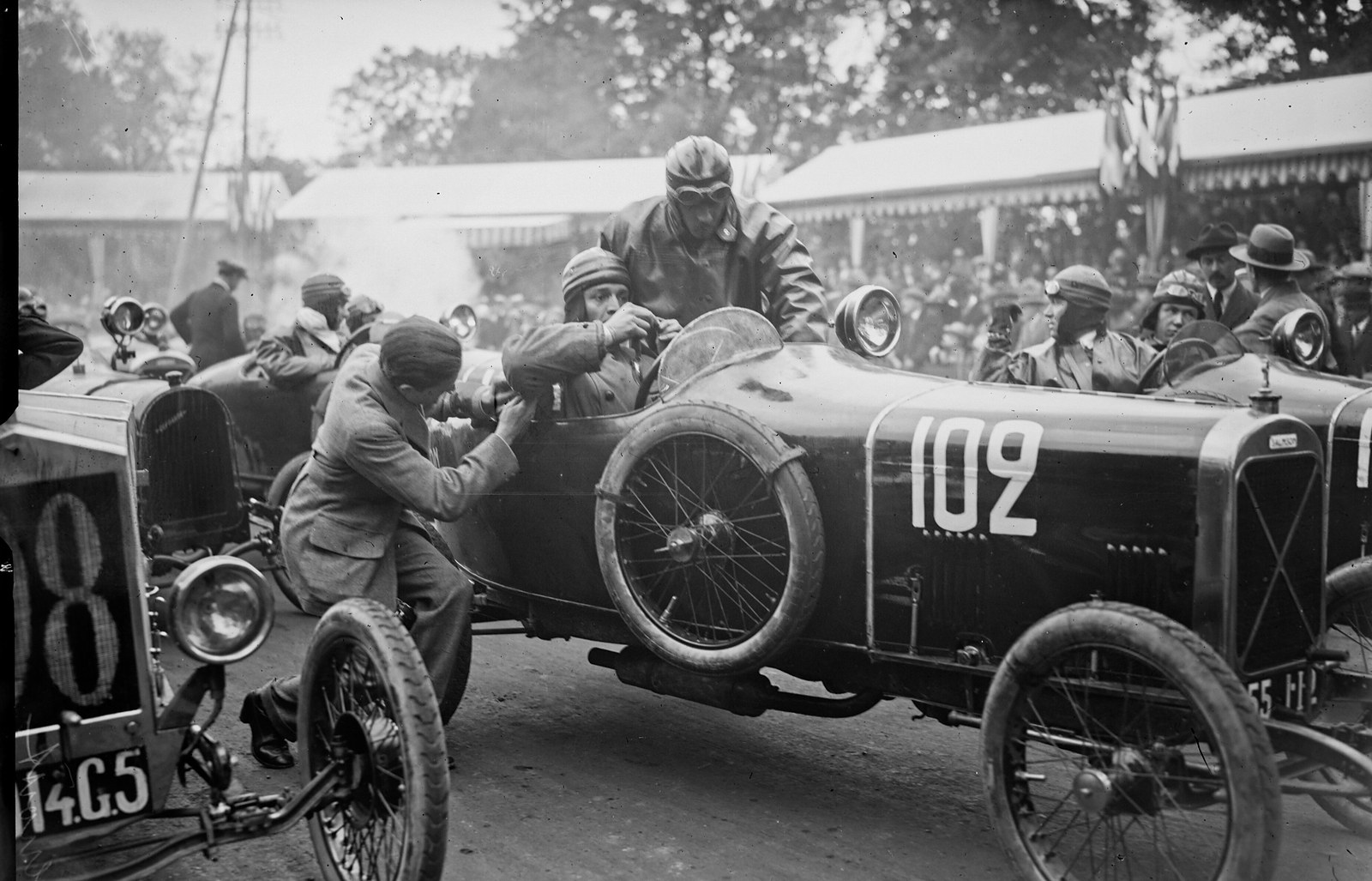
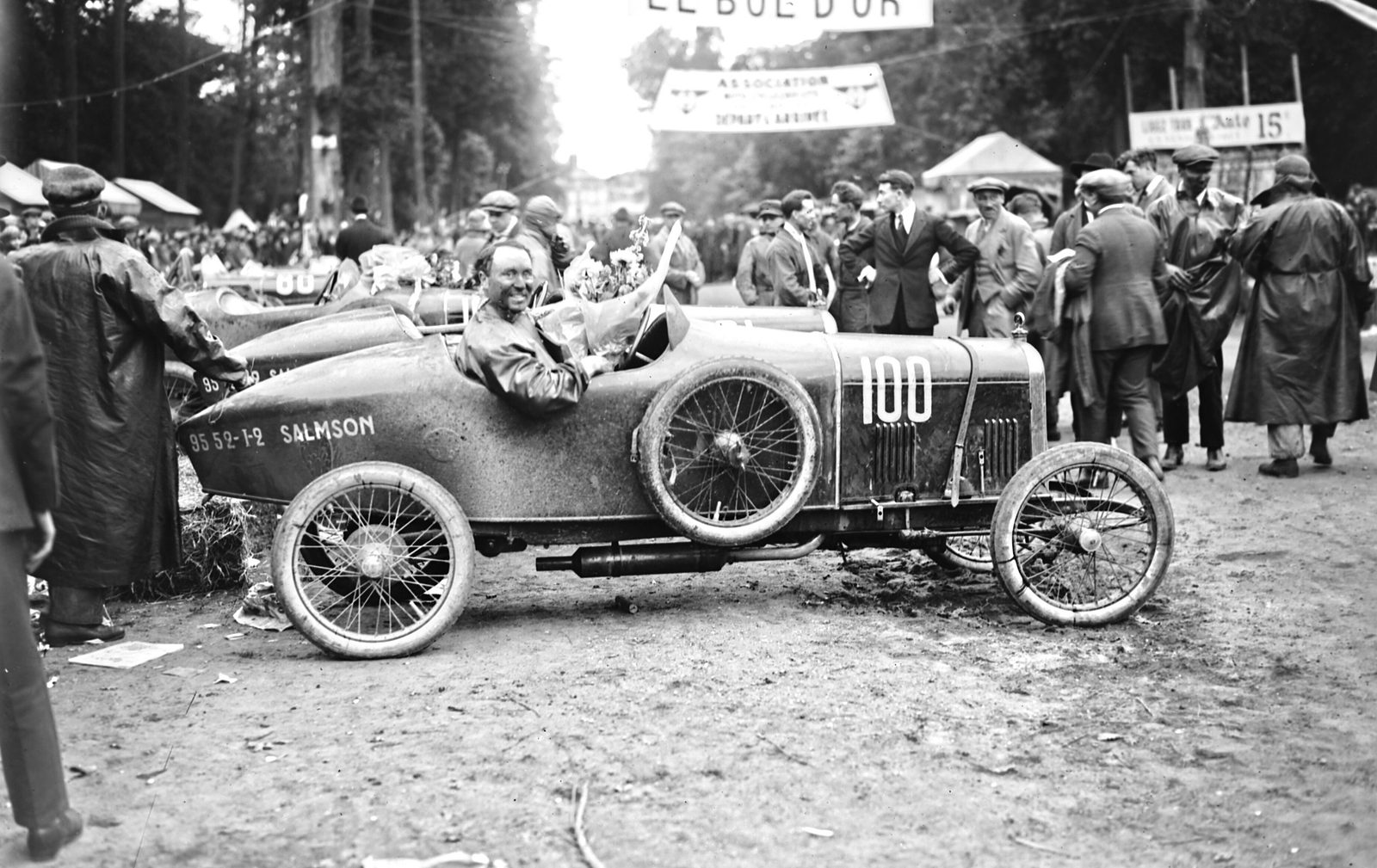
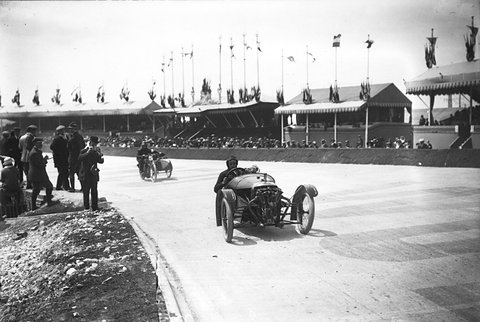
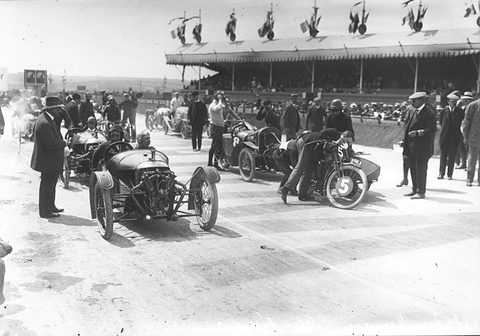
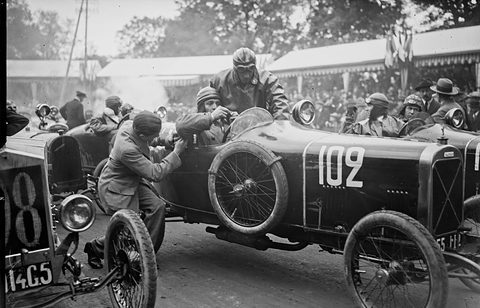
Three racing cyclecars numbered 100, 101 and 102 before a dense crowd under a striped awning.
Plate III · 1923 The Salmson team of Benoist, Casse and Desvaux lined up at the Bol d’Or, Saint-Germain-en-Laye, in May 1923.Photo: Agence Rol, Public domain, via Wikimedia Commons

Le Favori, 1921–⁠23

Le Favori of Paris made a three-wheeled cyclecar with a 987 cc twin.source 11 Whether its single wheel was at the front or the back has not been found.

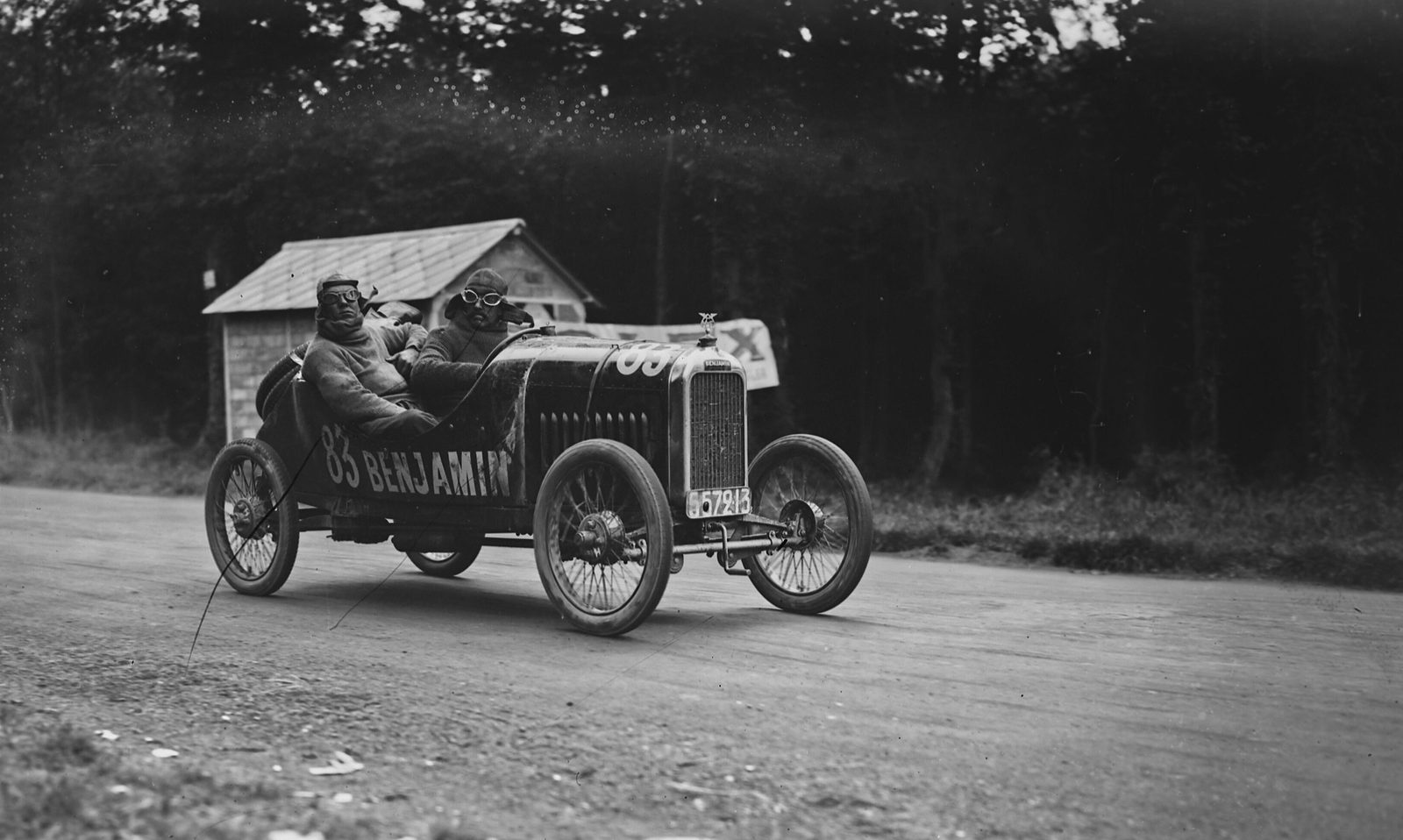
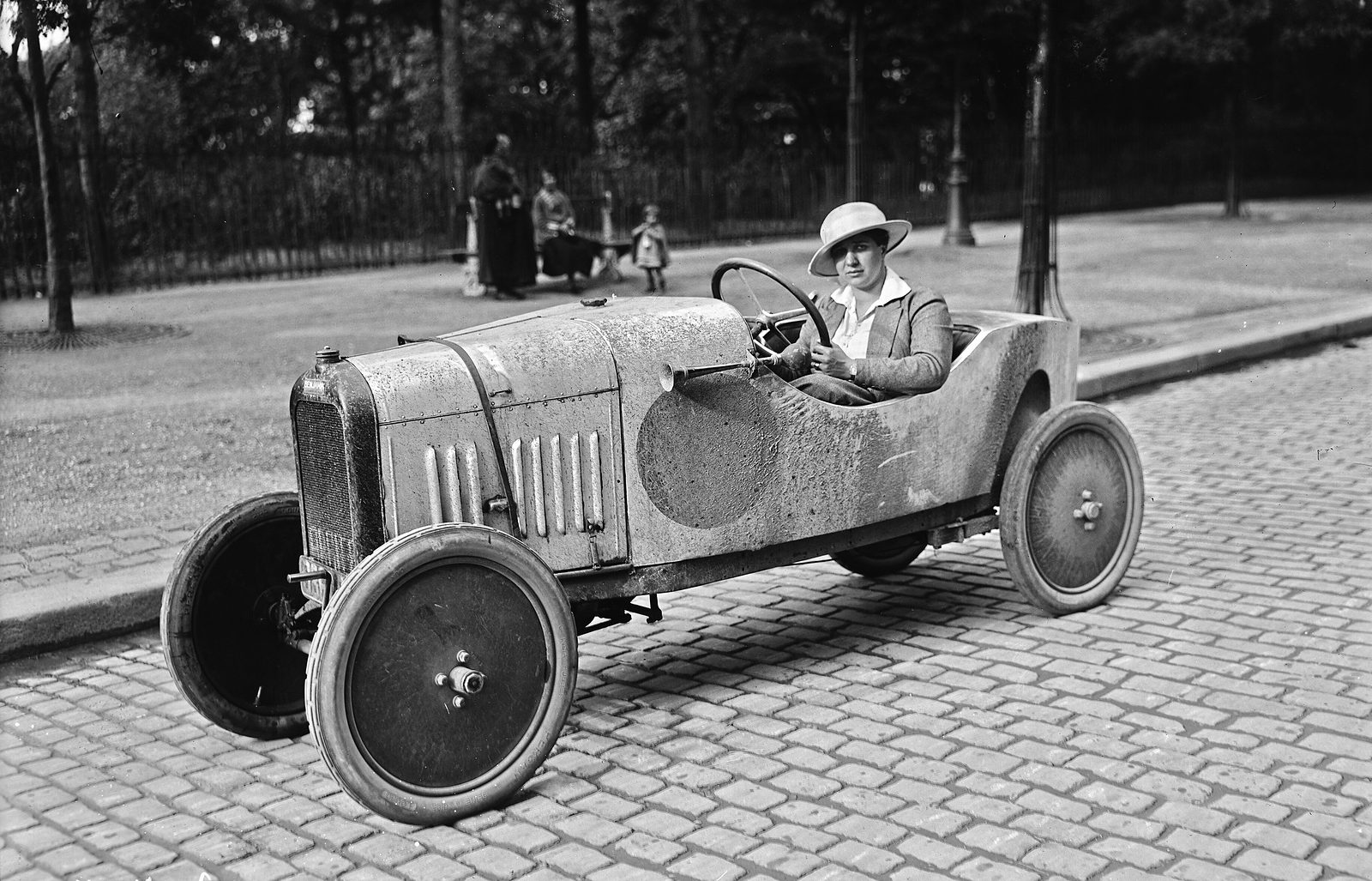
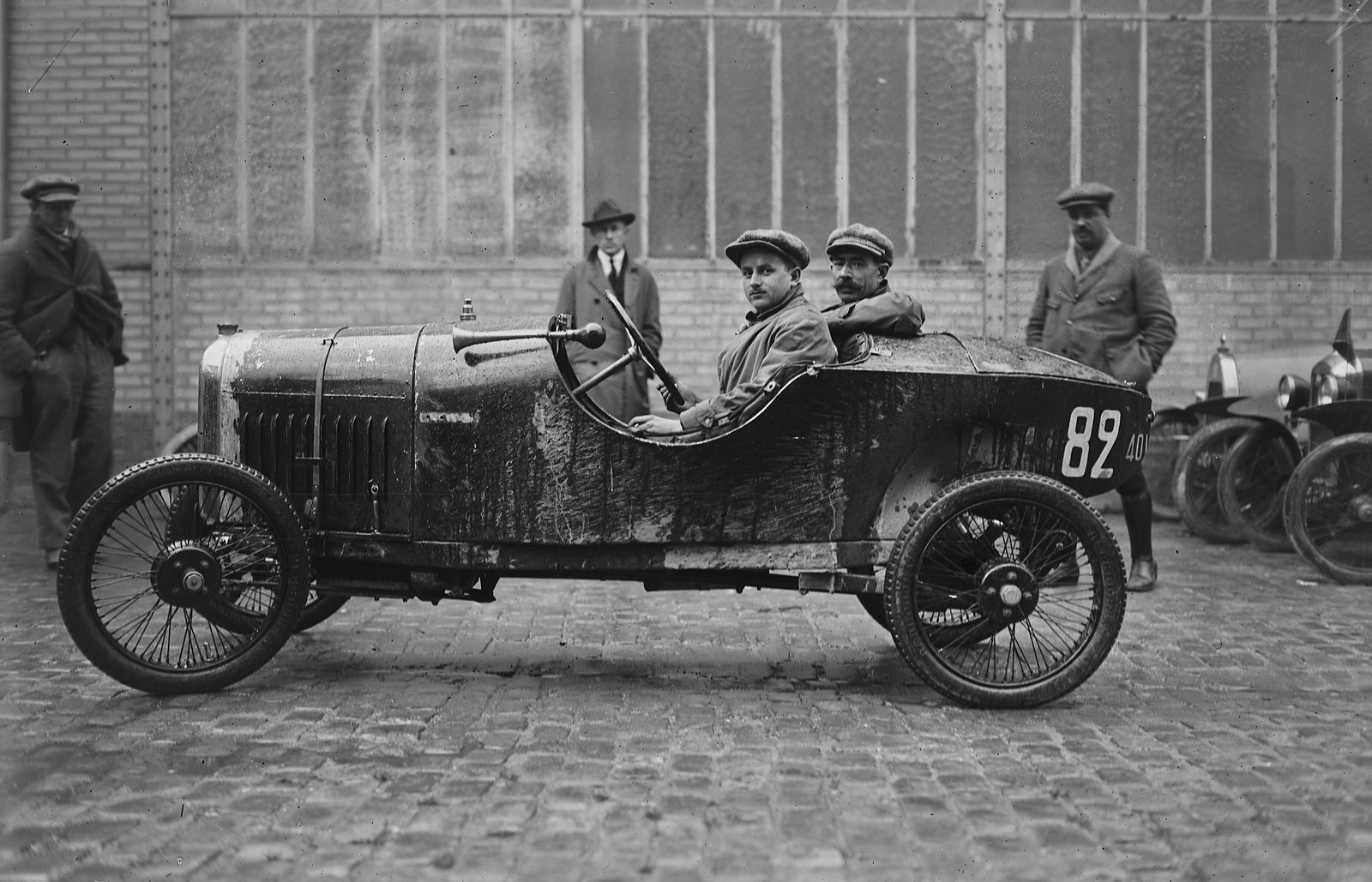
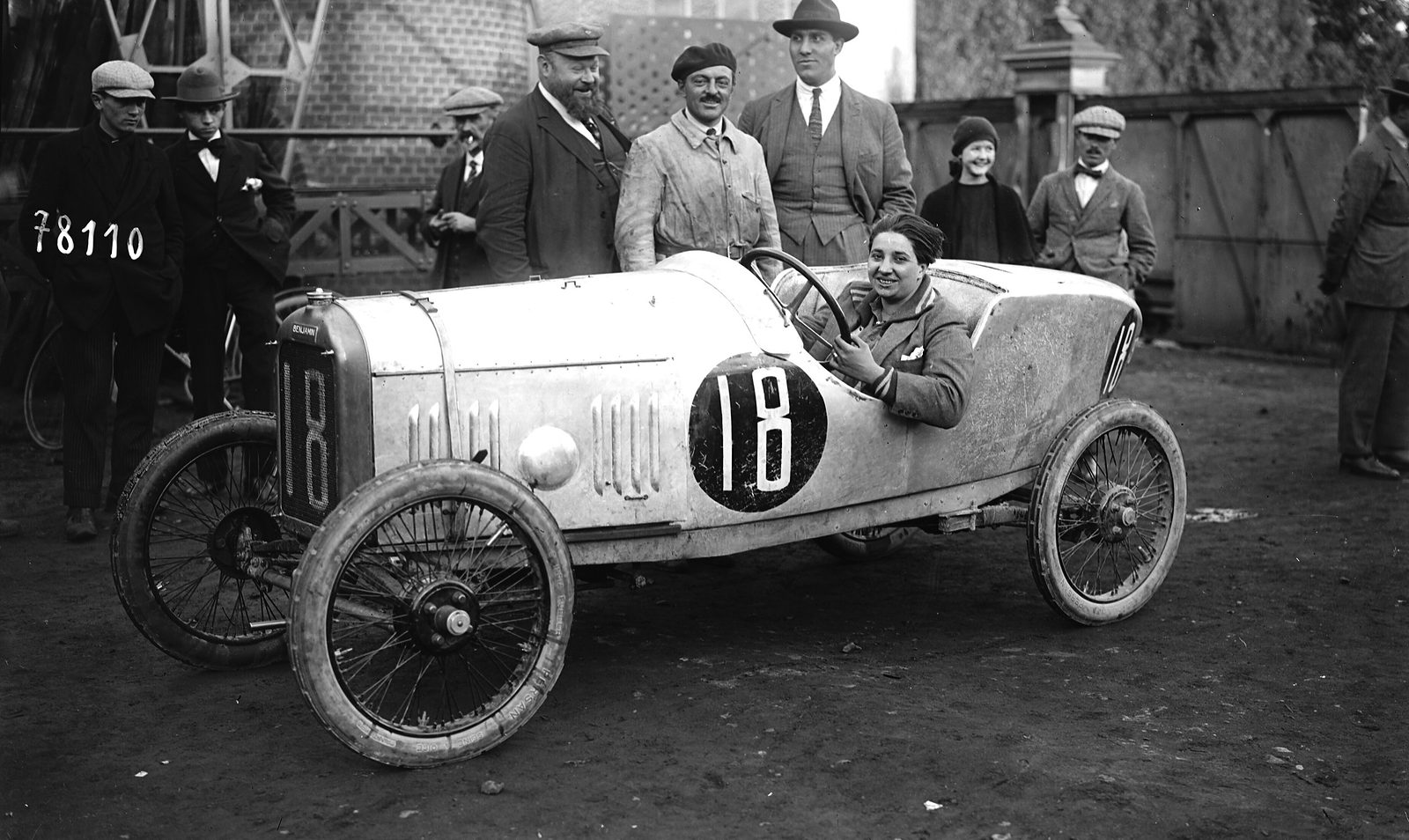
Benjamin and Benova, 1921–⁠29

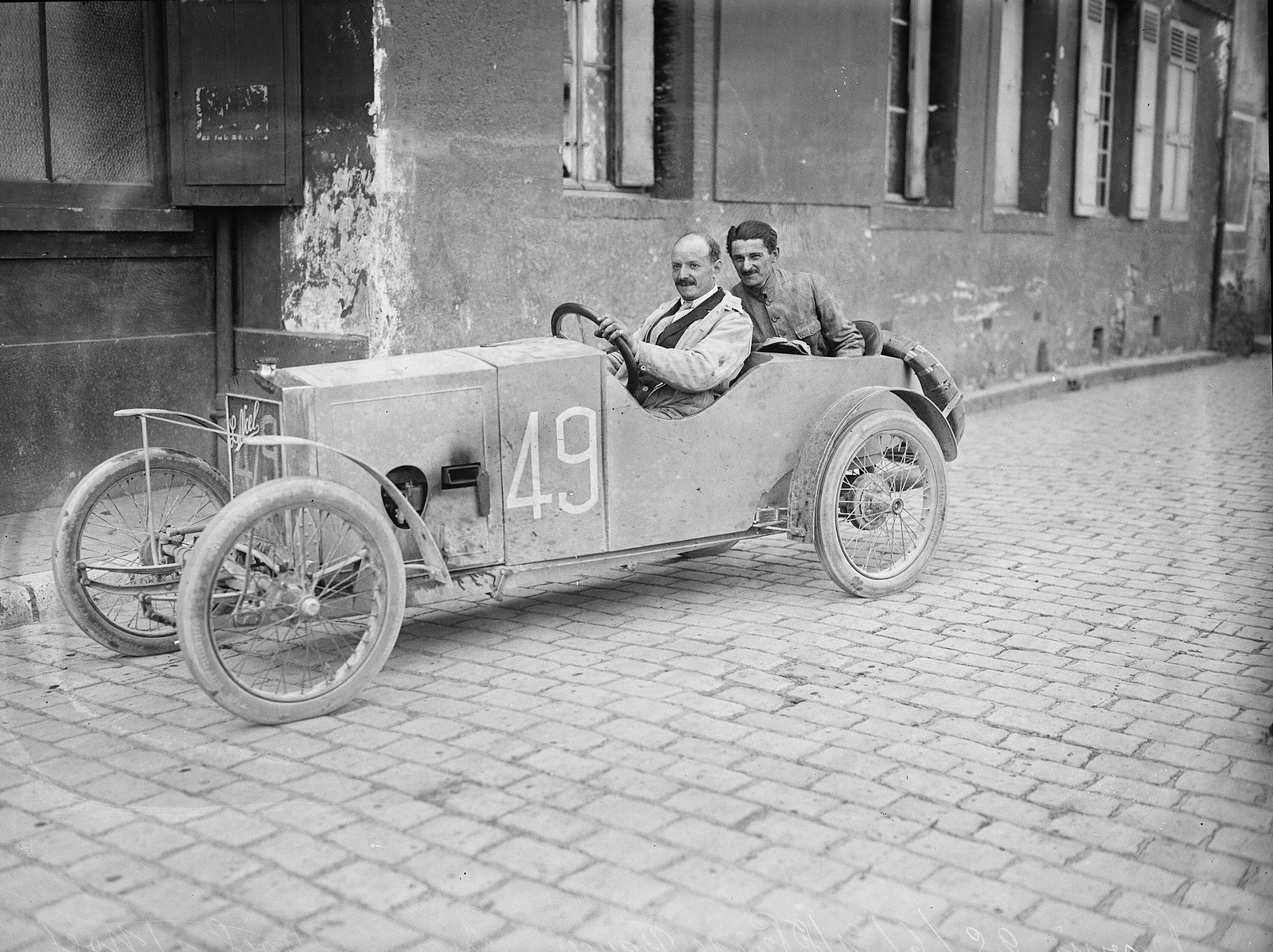
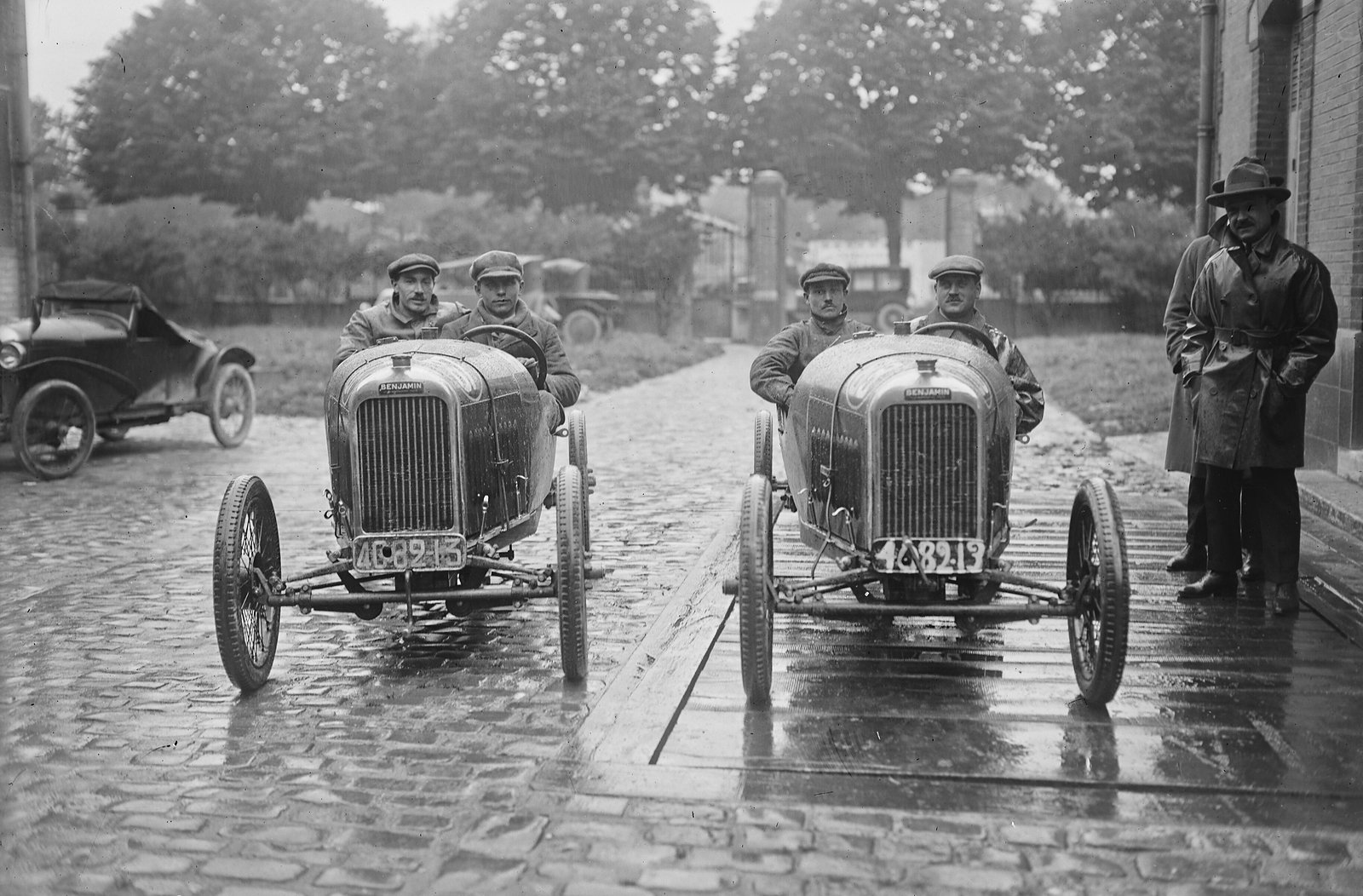
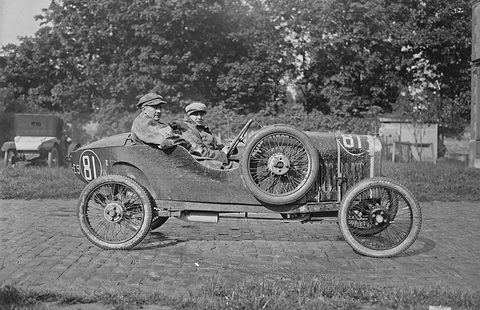
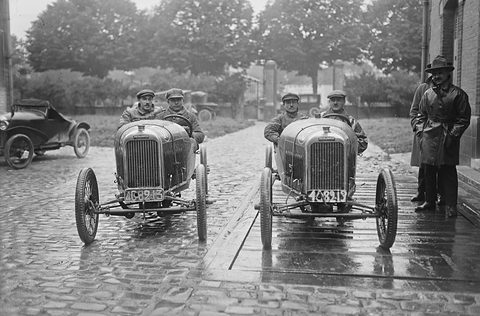
Maurice Jeanson founded Benjamin at 139 boulevard Voltaire, Asnières, and later added a second factory at Gennevilliers. The Type A had a 751 cc four and weighed under 350 kg, inside the cyclecar tax class; the Type B had a 547 cc twin and the sporting Type C 817 cc. From 1924 came the rear-engined Type AR, with a two-stroke twin of 450 or 525 cc, at 5,500 francs for a two-seater, then the P2, a two-stroke twin of 550 cc, and the three-cylinder P3.source 3 In 1927 the firm became Benova and moved up to bigger cars with Chapuis-Dornier engines, and by the 1928 Salon even a small straight-eight, the Type G, with a SCAP engine. Production ended in 1929.source 3

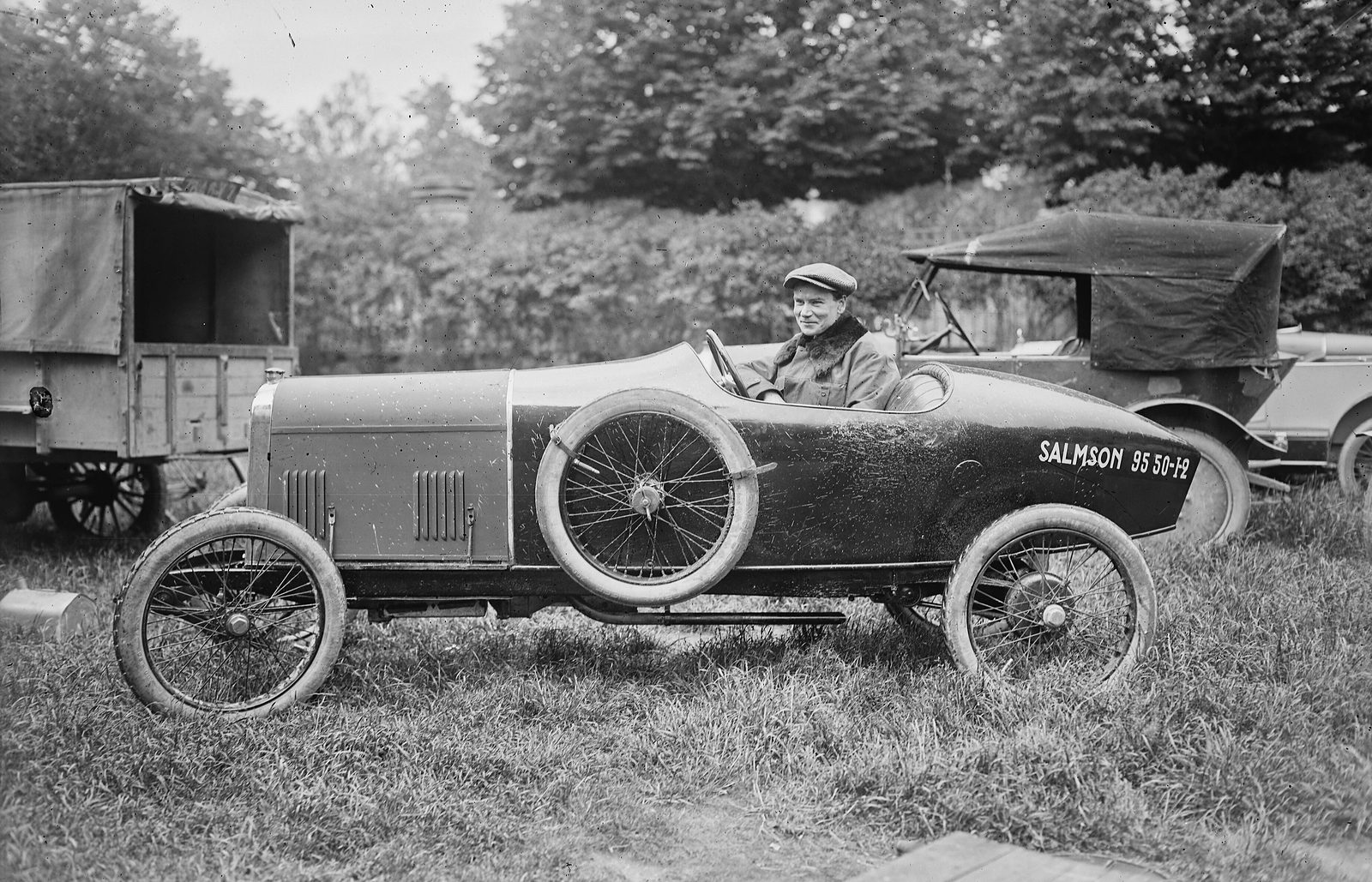
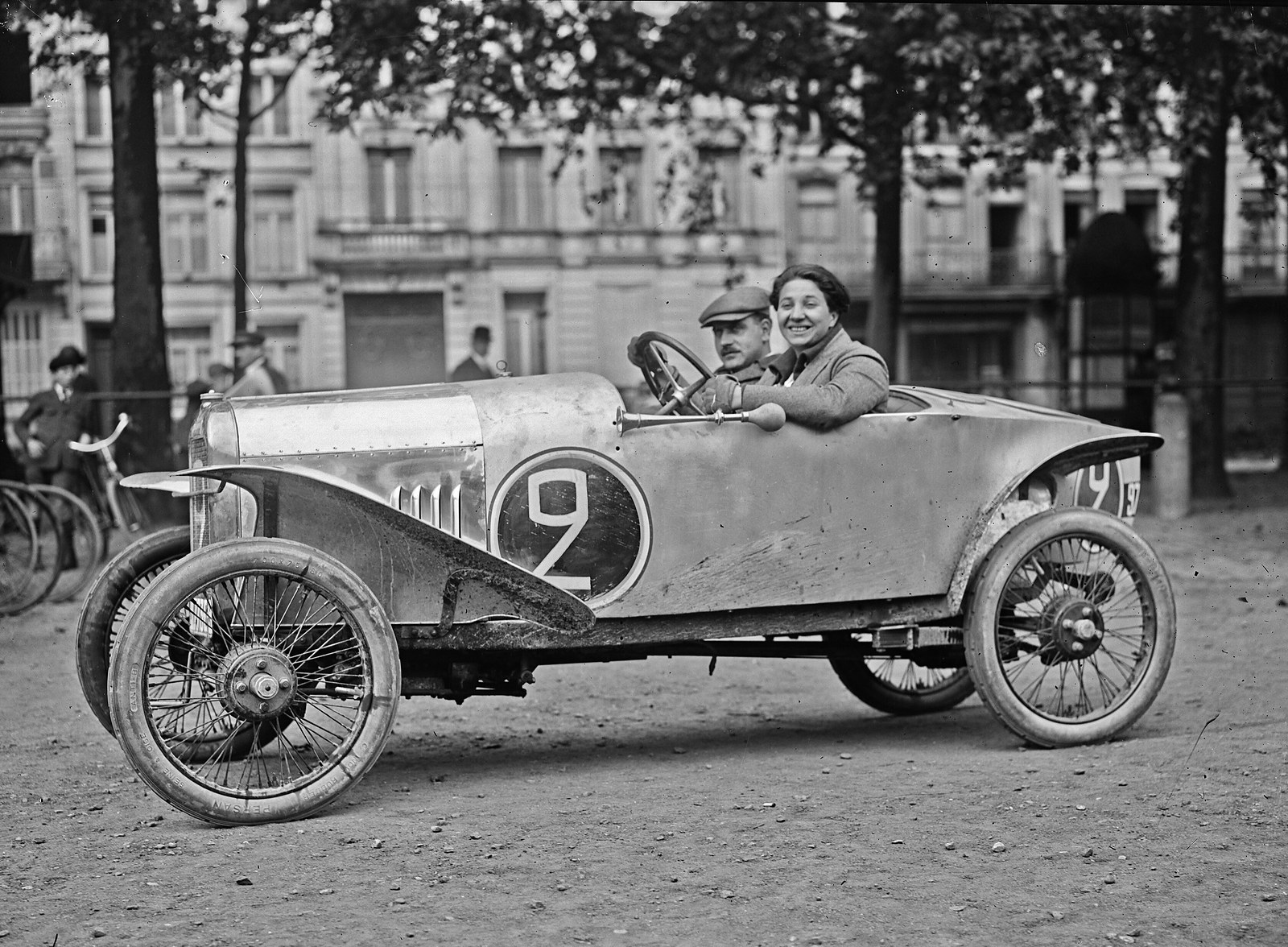
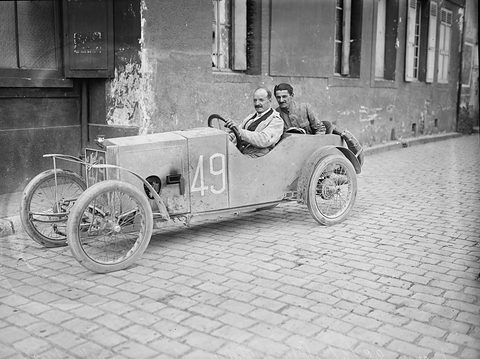
Side view of a small cyclecar with a spare wheel on its flank and two people aboard on cobbles before trees.
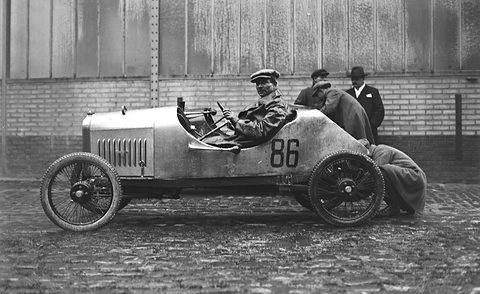
Plate IV · 1923 Violette Morris in Benjamin No. 81 at the weigh-in for the Bol d’Or, Saint-Germain-en-Laye, in May 1923.Photo: Agence Rol, Public domain, via Wikimedia Commons

Micron Monocar, 1924–⁠27

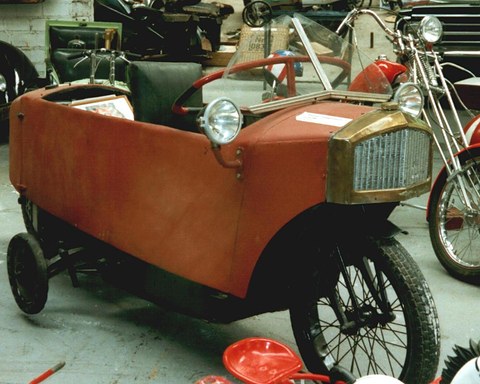
Henri Jany designed and made the Micron Monocar from February 1924 to October 1927, with a head office in Toulouse and the works at Compiègne. Most were single-seaters. The Lane Motor Museum’s car has a water-cooled two-stroke of 350 cc and 3.5 hp and drives its front wheels: radiator, engine and differential swing together as part of the steering. It has two speeds and reverse and does 48 km/h (30 mph).source 12 Four Microns were entered in the Bol d’Or 24-hour race, in a year not given, and all completed it. In the early 1930s Jany emigrated to Canada, founded Monocar Ltd, and in 1933 built a winter version with skis at the back, of which one survives.source 12

Monotrace, 1924–⁠30

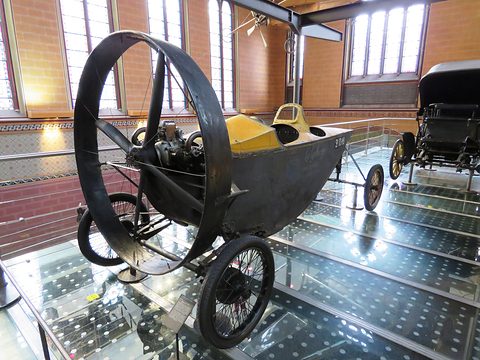
The Monotrace was a French version, under licence, of the German Mauser Einspurauto, the “single-track car”: two wheels in line, with two outrigger wheels lowered when it stood still. It had a water-cooled single of 510 cc and about 12 PS, a chain to the rear wheel, three speeds and two seats in tandem. The Ateliers du Rond-Point of Saint-Étienne built it from 1924, and Établissements Monotrace of Courbevoie from 1926; a van and a single-seat sports model followed.source 13

Max, 1927–⁠29

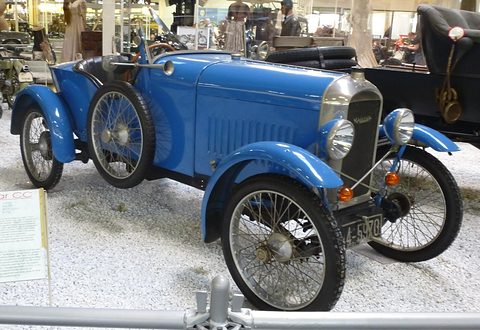
Max Williams-Mourlot founded Mourlot & Cie at Billancourt in 1926, and built the Max from 1927 to 1929. Its air-cooled 350 cc two-stroke single sat at the front and drove the rear wheels through a friction drive: a wheel, moved across a flat disc by a lever, then a chain. Moving the wheel to the far side of the disc gave reverse, “but has a stop so the car doesn’t go too fast!”, as the Lane Motor Museum puts it.source 4 In 1947 Mourlot published plans for building cyclecars and small cars at home.source 4

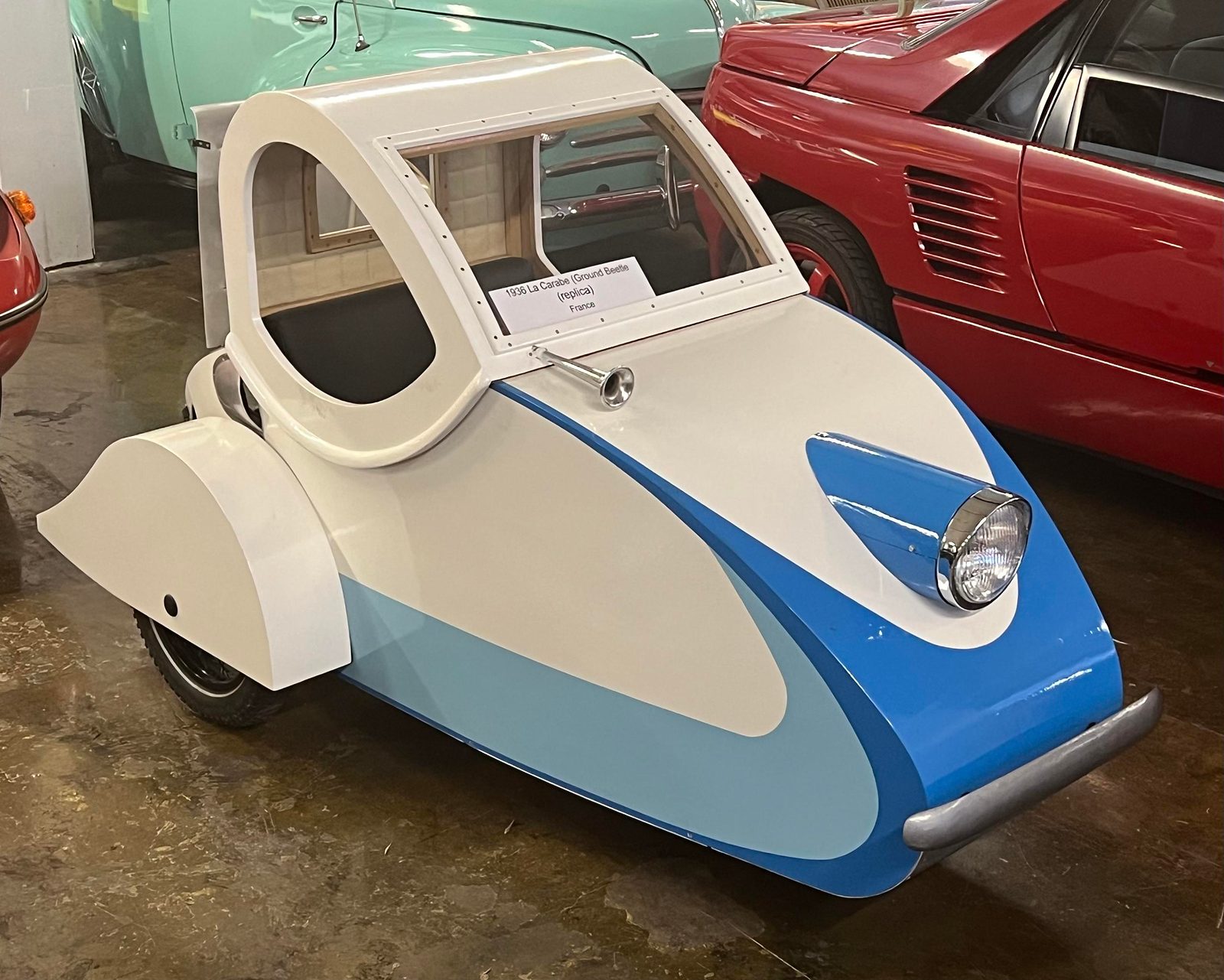
Le Carabe, 1936

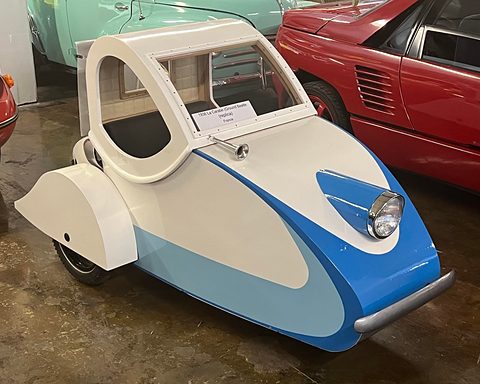
The last echo came long after the boom. Hippolyte Delimal built Le Carabe, “the ground beetle”, in eight days from 13 July 1936, finishing the body the day after, and showed it at the Concours Lépine in Paris that August. It won no prize and never went into production. It was a single-seat wooden three-wheeler of 91 kg (200 lb), with a 50 cc Motobécane two-stroke at the back and bicycle handlebars to steer it; 2.4 litres per 100 km (118 mpg) was claimed for it.source 14 His handwritten manuscript of 1937, 63 pages long, presents it as “designed specifically for amateur construction. No special tools or machines.”source 14

Pictures

More photographs, old and new

Variants

Thirteen makers, in date order

The minor French cyclecar makers
VariantYearsWhat differsHow many
Ronteix1906–⁠14Small fours of 966 cc and 1,460 cc, shaft or chain drive; built in England as the CummikarNot found
Violet-Bogey1913–⁠14Friction drive and chain to a solid axleNot found
Sphinx-Globe1913An air-cooled single of about one litreNot found
Super1913Tandem seats, the driver in frontNot found
Automobilette1913Belt final drive over expanding pulleys; staggered seatsNot found
Tholomé1919–⁠22Open two-seaters; Ruby twin or four, or a Train twinNot found
Salmson-GN1919 to about 1921The British GN, built under licenceAbout 1,600 or about 3,000
Le Favori1921–⁠23A three-wheeler with a 987 cc twinNot found
Benjamin, then Benova1921–⁠29Type A four of 751 cc; the rear-engined Type AR from 1924Not found
Micron Monocar1924–⁠27Front-wheel drive, the engine turning with the steeringNot found
Monotrace1924–⁠30Two wheels in line, with outriggers lowered at restNot found
Max1927–⁠29Friction drive; a 350 cc two-strokeNot found
Le Carabe1936A wooden single-seat three-wheeler of 50 cc1

Specification

What is known, maker by maker

Violet-Bogey, 1913

Violet-Bogey, 1913
EngineWater-cooled vertical twin, 73 × 130 mm, “just over 22 bhp”source 2German Wikipedia, citing a magazine of July 1913: an air-cooled V-twin of 1,088 cc
DrivePropeller shaft, friction disc, countershaft, then a chain to a solid axle with no differentialsource 2source 6

Tholomé, 1919

Tholomé, 1919
EnginesRuby twin of 900 cc or four of 1,095 cc, or a Train twin of 750 ccsource 7
7 CV V-twin5,350 francs; 320 kg (705 lb)source 7
10 CV Ruby four6,660 francs with two speeds, 7,250 francs with fivesource 7

Micron Monocar, the Lane car

Micron Monocar, the Lane car
EngineWater-cooled two-stroke, 350 cc, 3.5 hpsource 12
DriveTo the front wheels; radiator, engine and differential turn together with the steeringsource 12
GearsTwo speeds and reversesource 12
Top speed48 km/h (30 mph)source 12

Le Carabe, 1936

Le Carabe, 1936
EngineMotobécane two-stroke, 50 cc, at the rear; chain drive, two speedssource 14
SteeringBicycle handlebars and a telescopic forksource 14
Weight91 kg (200 lb)source 14
Running40 km/h (24 mph); 2.4 litres per 100 km (118 mpg) claimed; about 450 francs of materialssource 14

How many were built?

The only figures found

Not found for most makersNo production figure has been found for any of these makers except the Salmson-built GNs, for which two accounts are far apart, and Le Carabe, of which one was built.

  1. about 3,000Salmson-GNs “during these two years”One source

    H. R. Godfrey, GN’s co-founder, 1949source 10

  2. about 1,600Salmson-GNsOne source

    Grace’s Guidesource 9

  3. 1Le Carabe, 1936One source

    Lane Motor Museumsource 14

  • Two sources agreetwo good sources give the figure
  • One sourcea good source, alone
  • Unconfirmeda lead only, not yet checked

Famous for

Three points

  1. Two friction drives

    The Violet-Bogey of 1913 and the Max of the late 1920s both did without a gearbox.

  2. An engine that steered

    The Micron Monocar’s radiator, engine and differential turned with its front wheels.

  3. Eight days

    Hippolyte Delimal built Le Carabe in eight days from 13 July 1936, for the Concours Lépine.

Racing and records

Amiens, 1913

The official results of the 1913 race at Amiens are the best period record of these makers. The fastest car was a Morgan, classed as a sidecar; Bourbeau’s Bédélia won the class for cyclecars (more in racing and rallying).source 1

3rd
Canouel’s single-cylinder Sphinx-Globe, 4 h 5 min 11 s.source 1
4th
Ronteix in his own Ronteix, 4 h 11 min 16 s; Jolibois’s Ronteix was eighth, in 4 h 30 min 15 s.source 1
6th
Lévêque’s Super, 4 h 12 min 32 s, just behind de Peyrecave’s British Duo.source 1
7th
Pouliez’s Violet-Bogey, 4 h 16 min 47 s; Violet’s own car, third on the road, was disqualified for lacking mudguards.source 1

Survivors and collecting

Today

No production totals have been found for these makers, but some of their cars survive (more in museums and meets). Three belong to one American museum, the Lane Motor Museum of Nashville: a 1924 Micron Monocar, a 1926 Max and a replica of Le Carabe, built by Janda Garage in the Czech Republic from Delimal’s manuscript; no original Carabe is known.source 12source 4source 14 Mulhouse’s Cité de l’Automobile keeps a 1913 Violet-Bogey, and a Monotrace is in the Musée Henri Malartre at Rochetaillée-sur-Saône.source 6source 13 A Benova B3 of 1927 appears in a photograph on Wikimedia Commons.source 3

Sources

Numbered as in the text

Most makers here rest on one source each, often a German Wikipedia article used as a lead or a Lane Motor Museum page; only the Amiens entries have a period witness, The Cyclecar of 16 July 1913. French period magazines could not be reached. Lambert, Tic-Tac and Gabriel Voisin’s Sulky of 1919 have not yet been researched and are left out. Sources are given as plain text; the links are on the Credits page.

  1. The Cyclecar, 16 July 1913, the Cyclecar Grand Prix reports and official results, read in full from Grace’s Guide’s scan.
  2. Kenneth Neve, “An account of the 1913 Cyclecar Grand Prix”, Motor Sport, January 1943, read in full.
  3. English Wikipedia, Benjamin (automobile), read in full. Used as a lead; it cites Georgano (1968) and Automobilia of 1925 and 1929.
  4. Lane Motor Museum, “Mourlot et Cie Max cyclecar – 1926”, collection page, read in full.
  5. German Wikipedia, Ronteix, read in full. Used as a lead.
  6. German Wikipedia, Violet-Bogey, read in full. Used as a lead; it cites Linz and Schrader, Georgano and La Revue de l’Automobile of 10 July 1913.
  7. German Wikipedia, M. Tholomé, read in full. Used as a lead; it cites Bellu in Automobilia no. 31 and Le Tourisme moderne of 1921.
  8. German Wikipedia, Salmson, relevant section read. Used as a lead; it cites Georgano (2000).
  9. Grace’s Guide, “GN Car Co”, read in full.
  10. Cecil Clutton with H. R. Godfrey, “A history of the G.N.”, Motor Sport, August 1949, read in full.
  11. German Wikipedia, Le Favori, read in full. Used as a lead; it cites Burgess Wise (2004).
  12. Lane Motor Museum, “Micron Monocar cyclecar – 1924”, collection page, read in full.
  13. German Wikipedia, Monotrace, read in full. Used as a lead; it cites Linz and Schrader and Georgano.
  14. Lane Motor Museum, “Le Carabe replica – 1936”, collection page, read in full.