The story
History
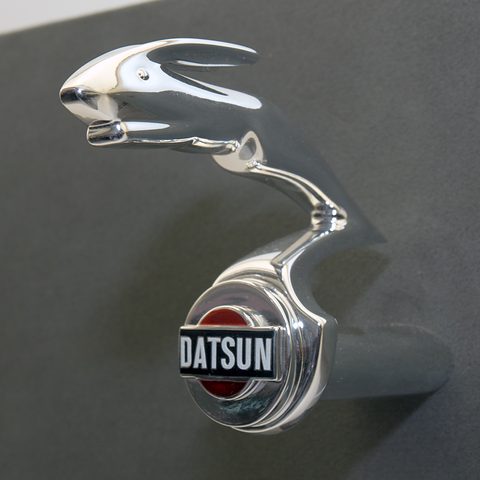
DAT took its name from the initials of the men who had backed Kaishinsha’s car of 1914, Den, Aoyama and Takeuchi; the word can also be read as datto, “like a fleeing hare”.source 1source 2 In 1926 Kaishinsha and an Osaka firm, Jitsuyō Jidōsha, which had built the Gorham, merged as DAT Jidōsha Seizō, in Osaka. It was a lorry maker.source 1source 2
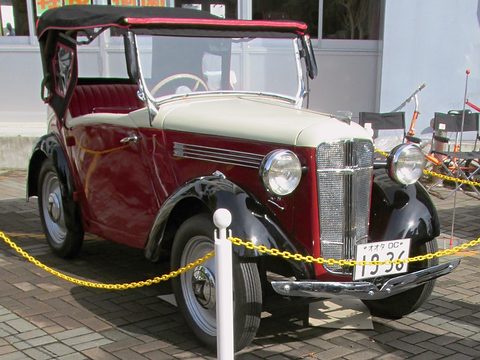
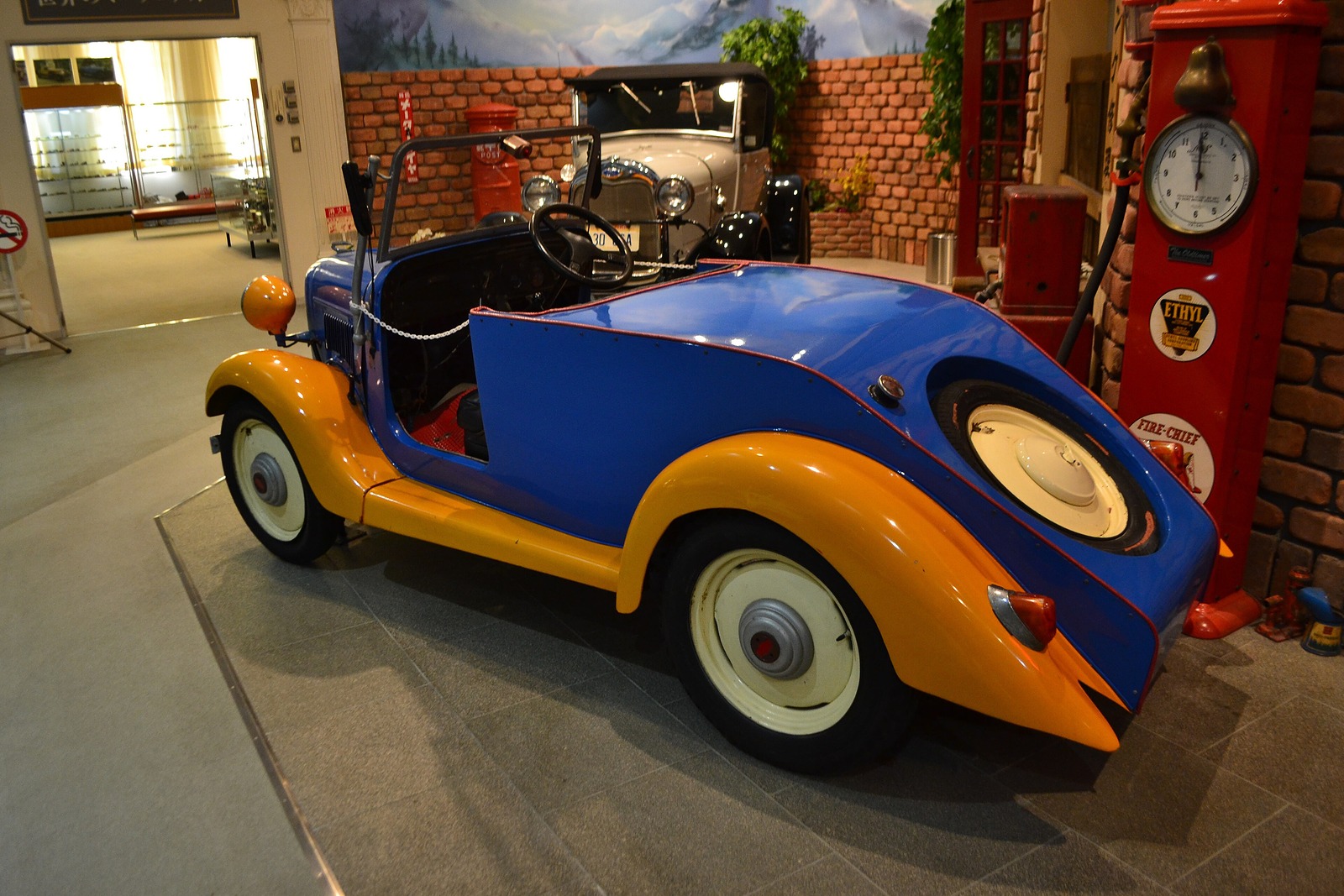
A change in the law gave it a reason to build a small car. A ministerial ordinance of 1930 let cars with engines of up to 500 cc be driven without a driving licence, and taxed them less.source 3source 4source 5 From about 1929 an engineer who had come from Kubota, Noriyoshi Gotoh, as English Wikipedia gives his name, led the work on a car for that class; how his given name should be read is not settled.source 1source 3 The prototype, the Datson, is dated to 1930 by Japanese Wikipedia and to 1931 by a Japanese motoring site, and it had a 495 cc engine of 10 hp.source 1source 6source 4 For the sales launch of 1932 it was renamed: son sounded like “loss”, and Datsun took the sun of the flag instead.source 3source 6source 5 Japan’s licence-free class was a forerunner of the later kei cars, and the Datsun a kei car before the word.
The Type 11
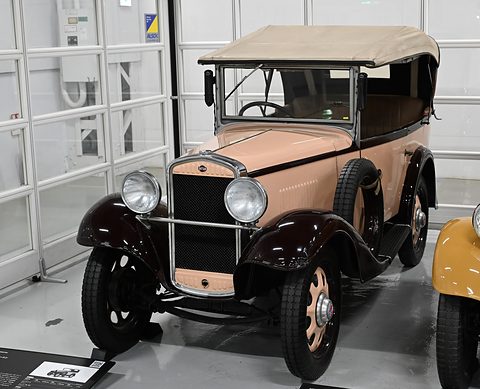
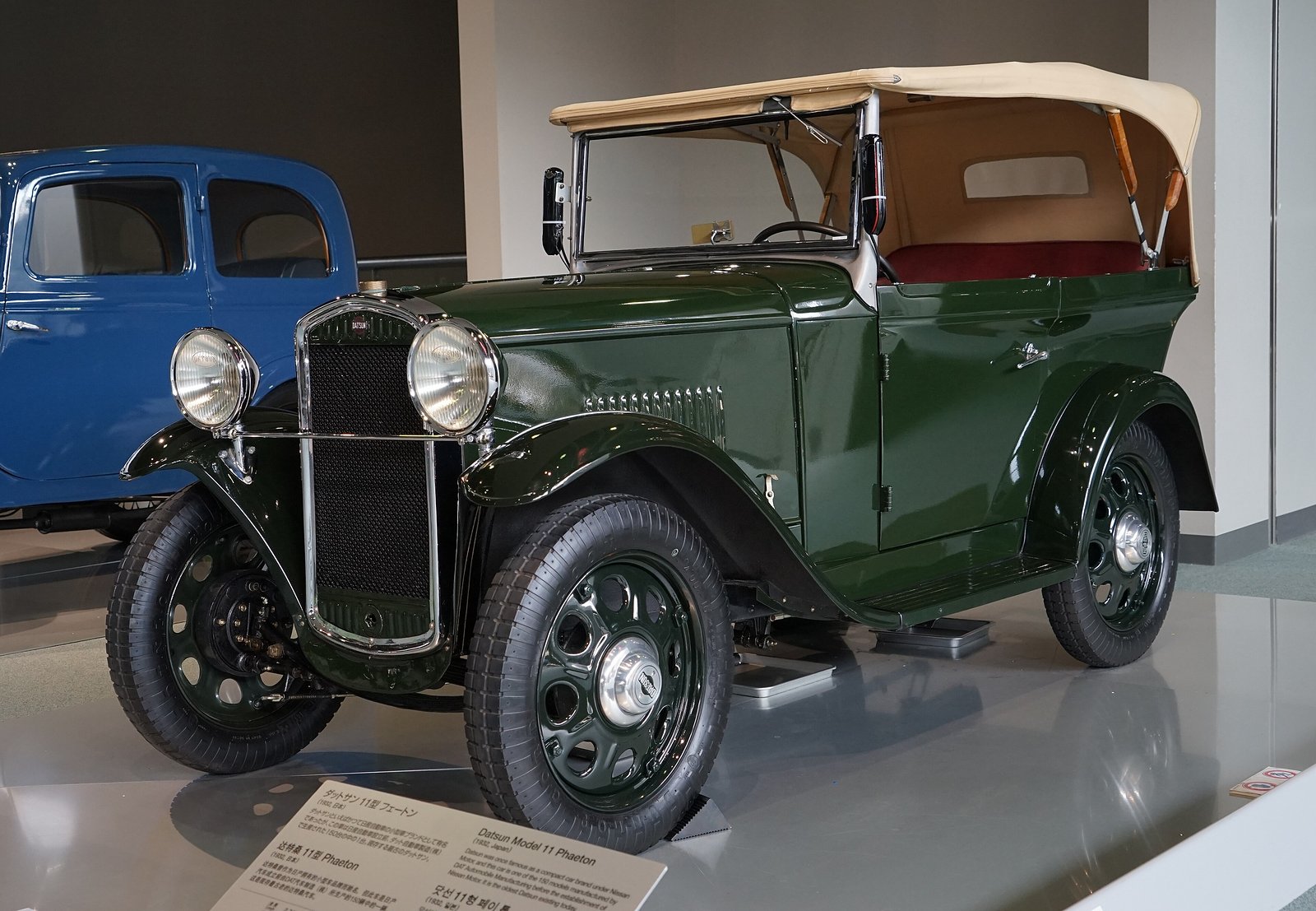
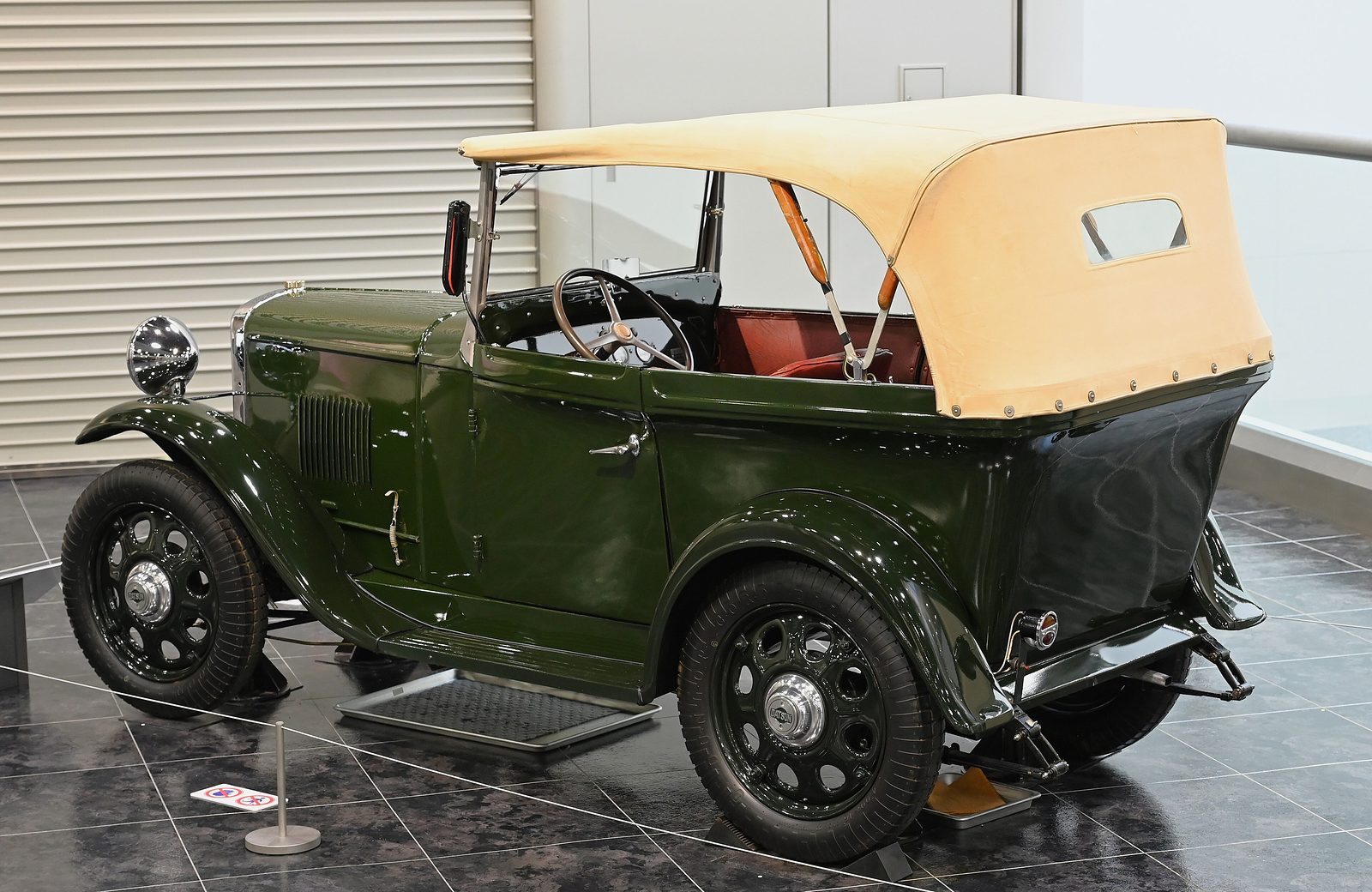
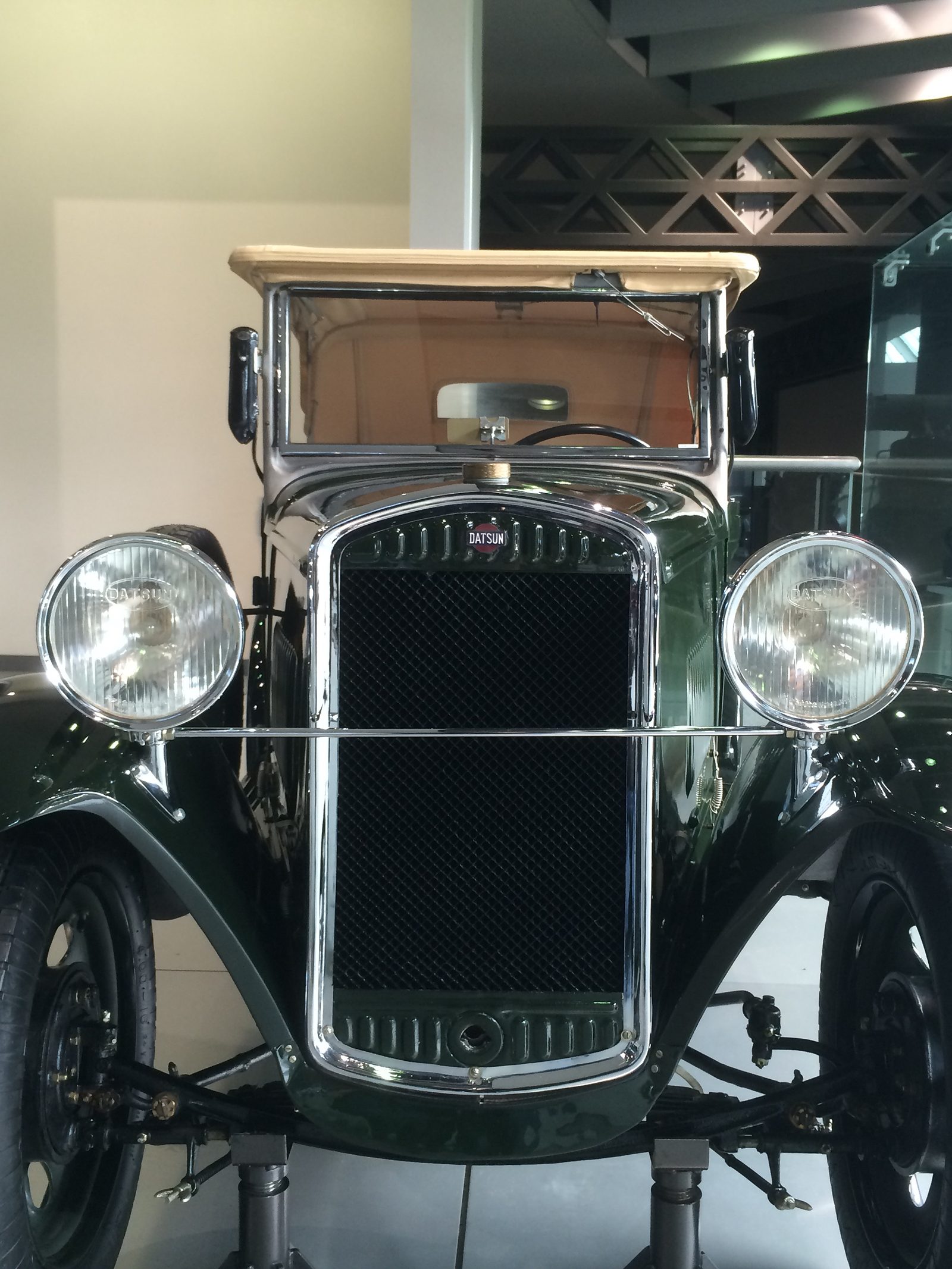
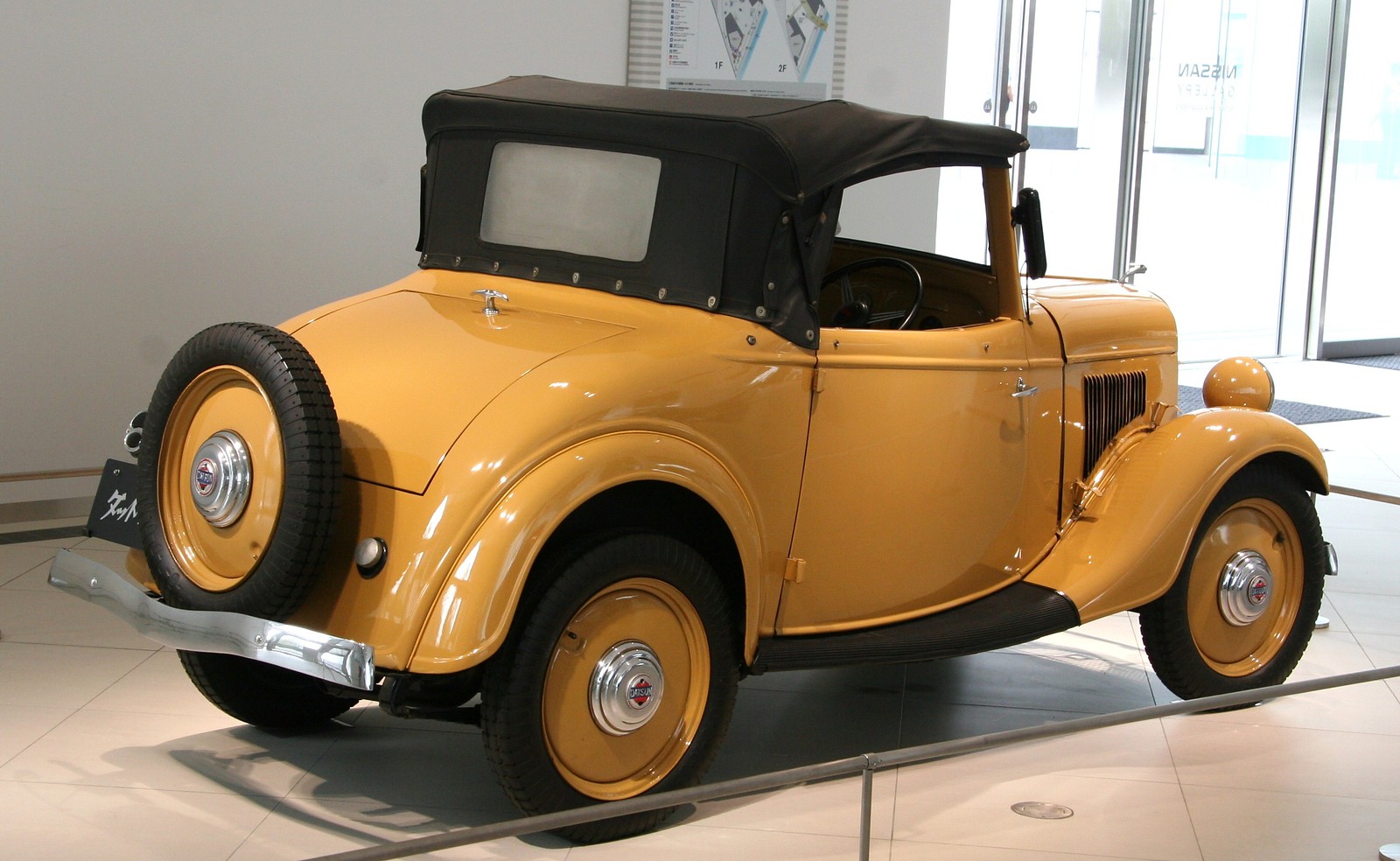
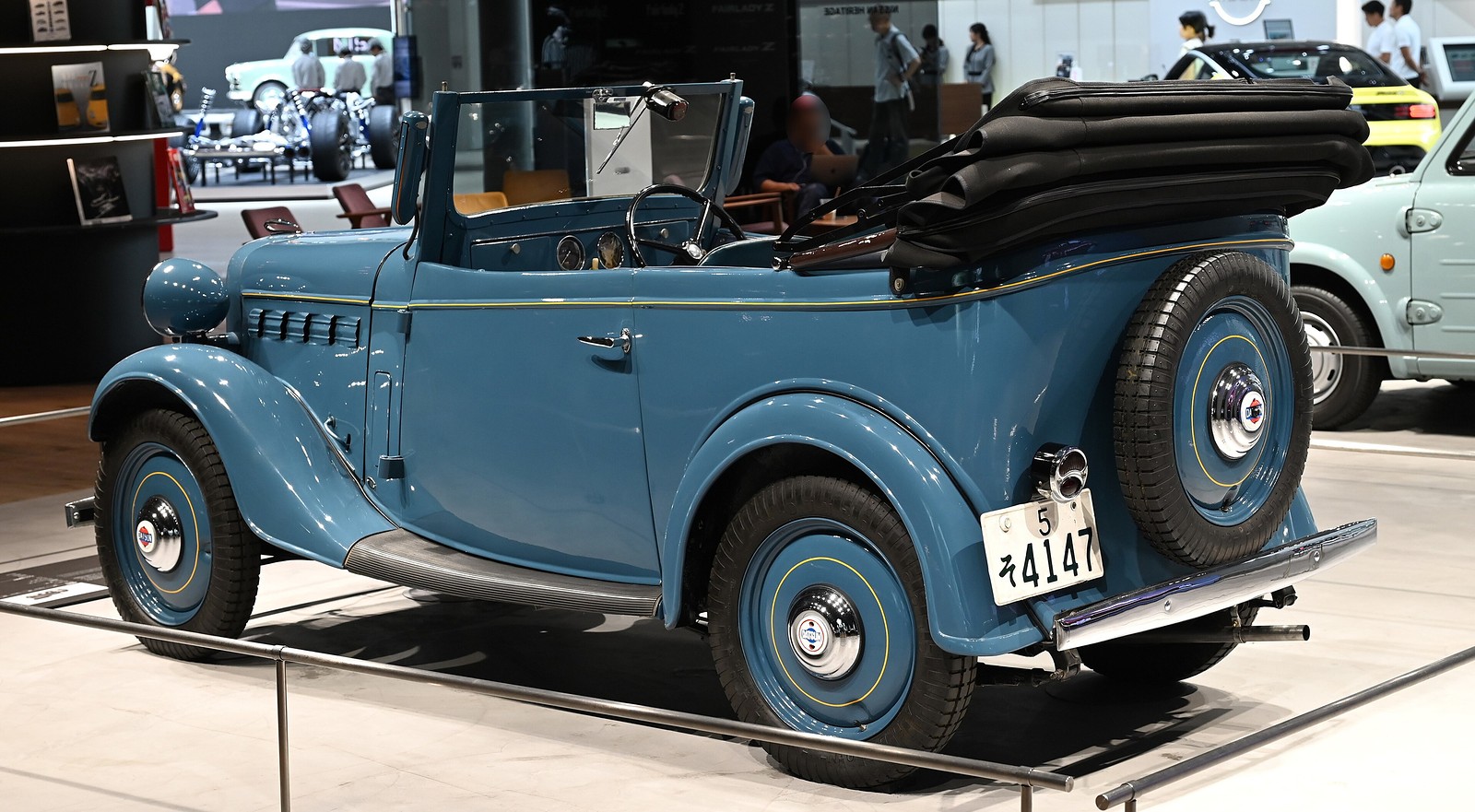
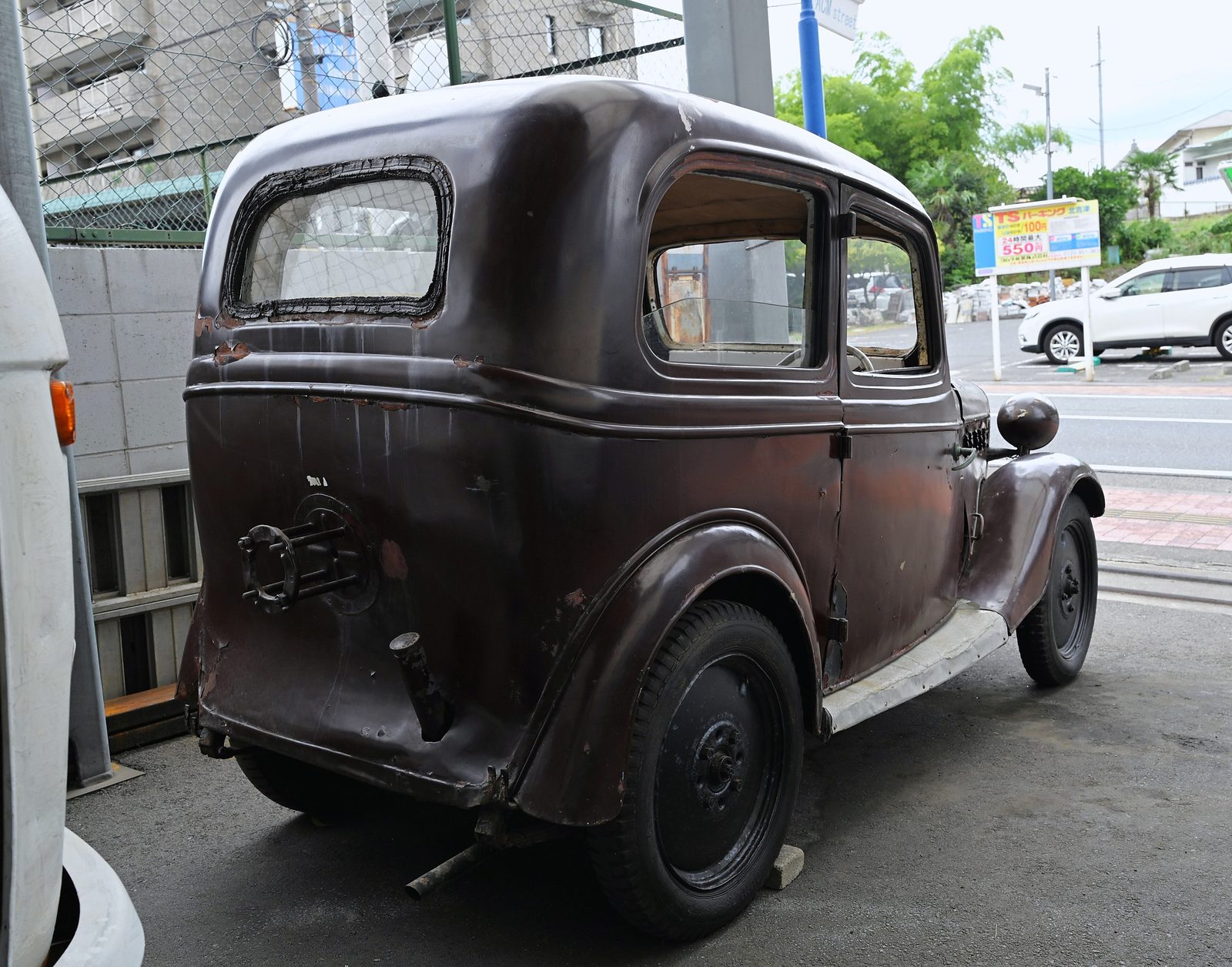
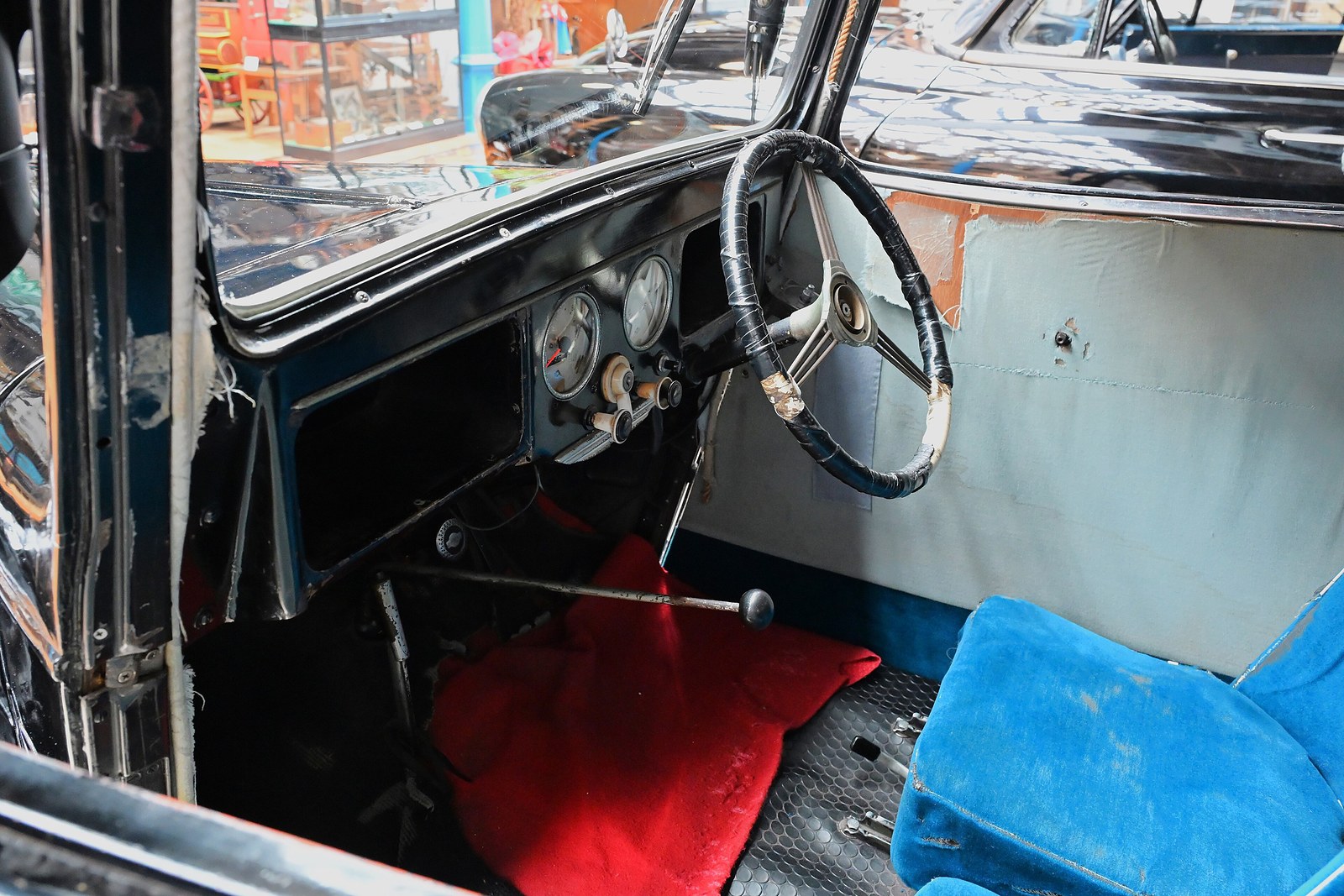
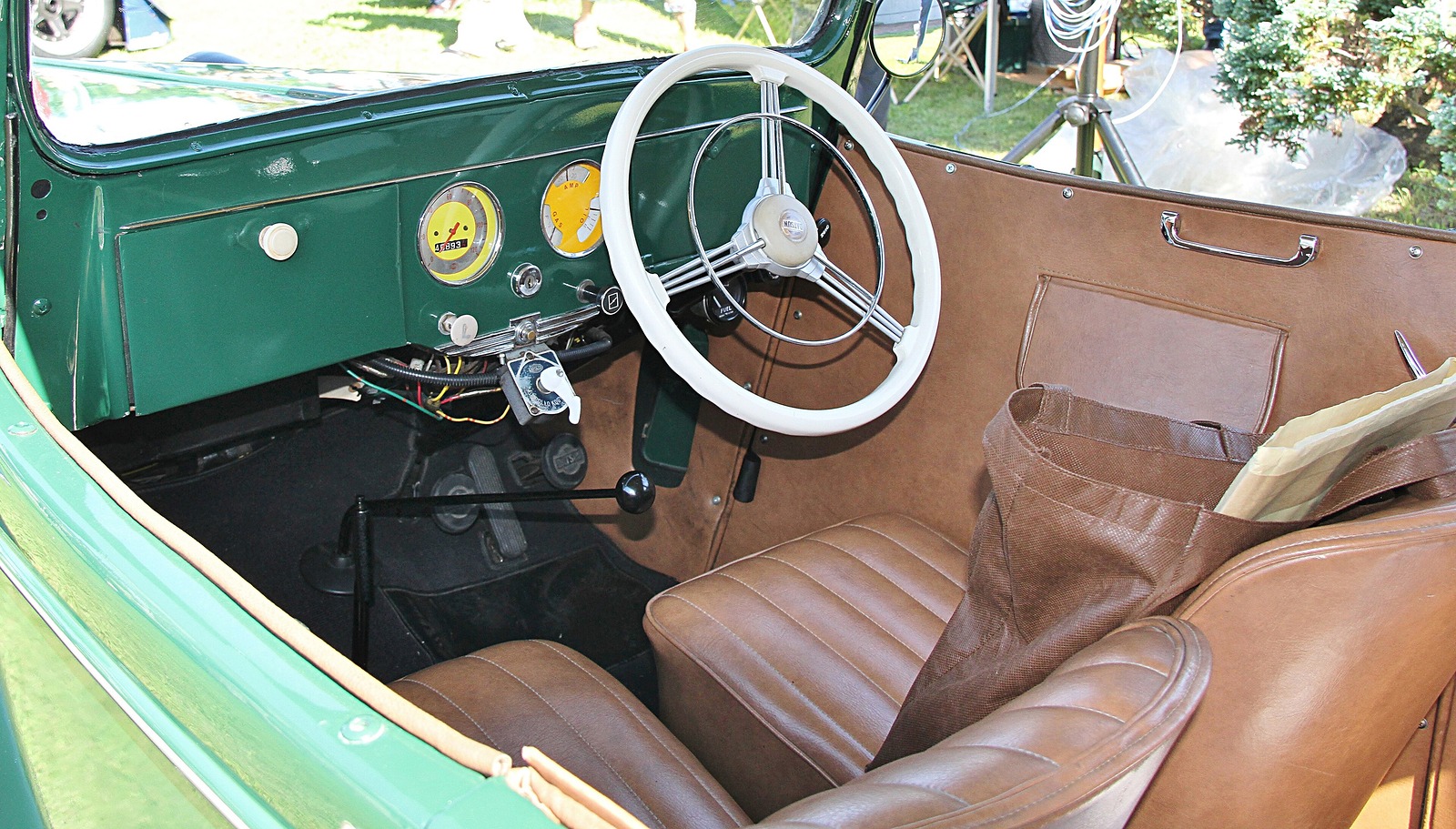
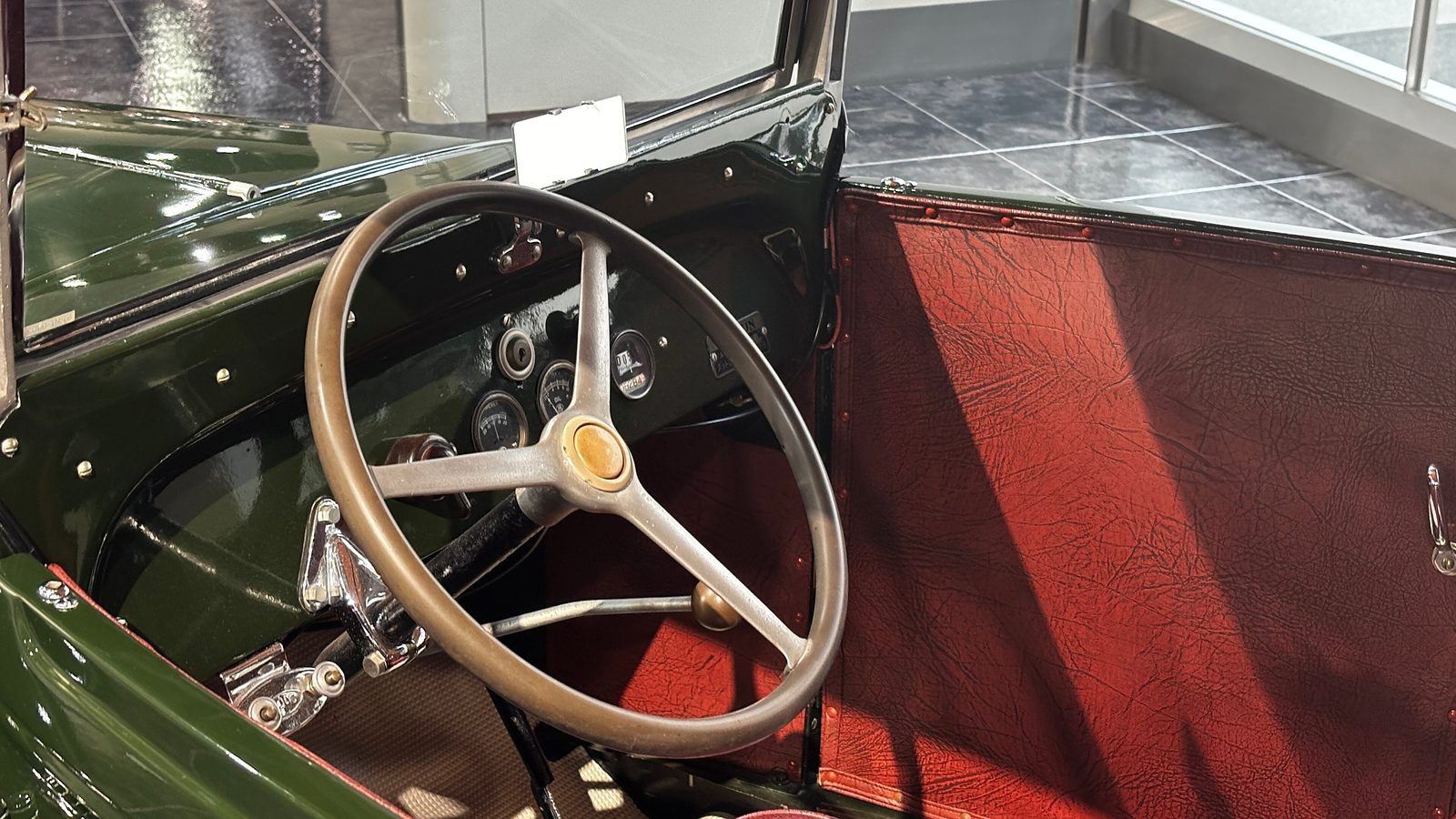
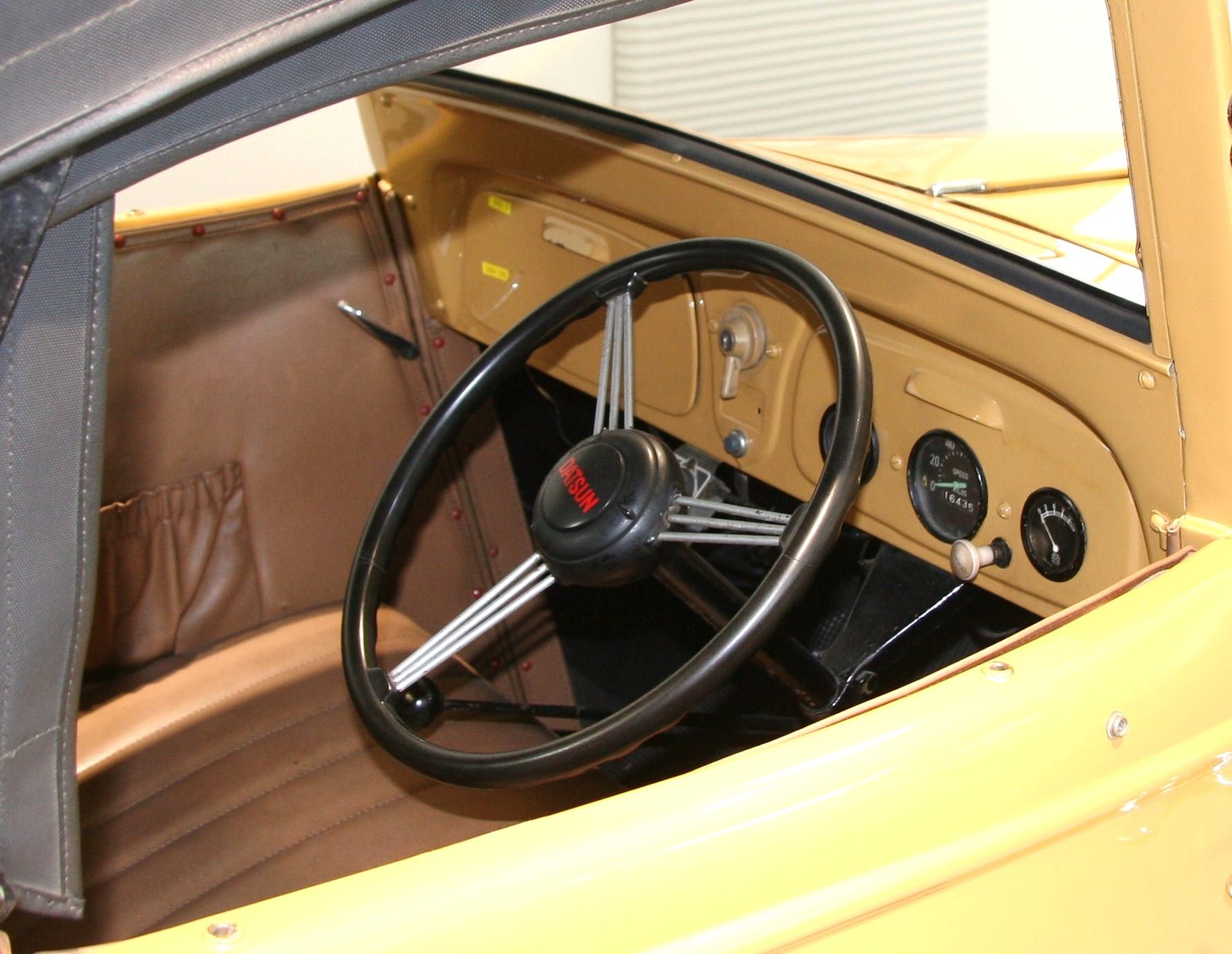
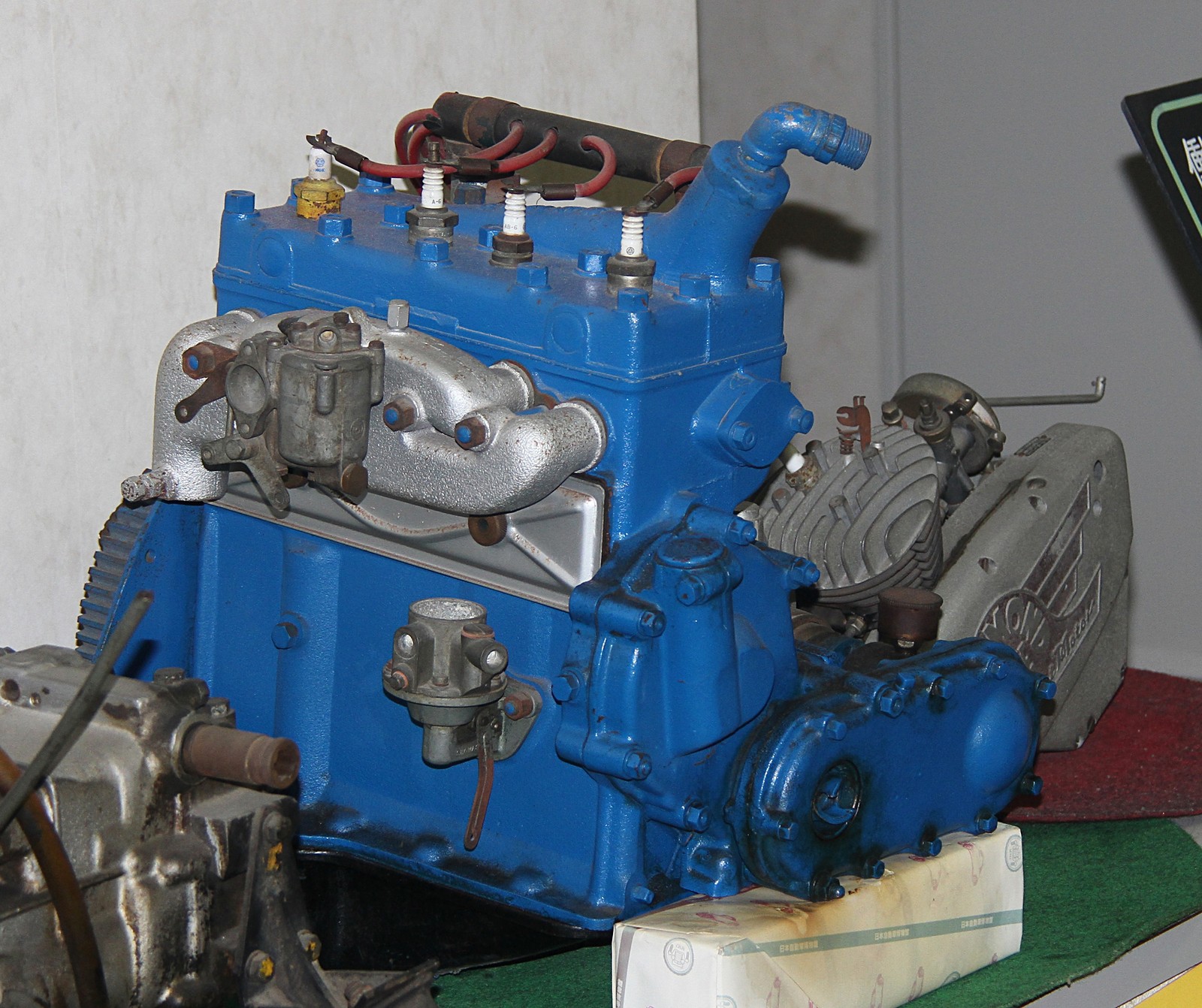
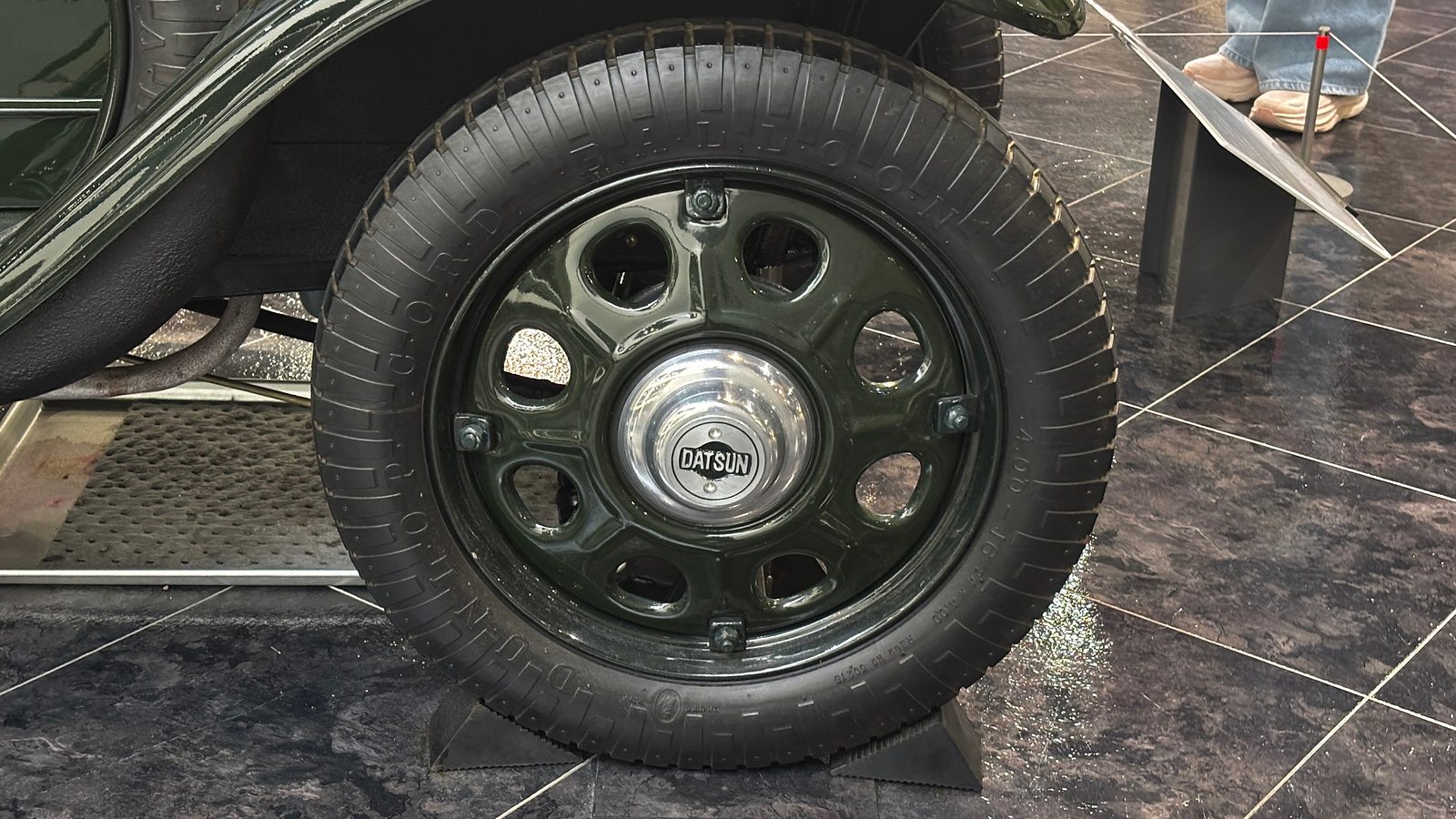
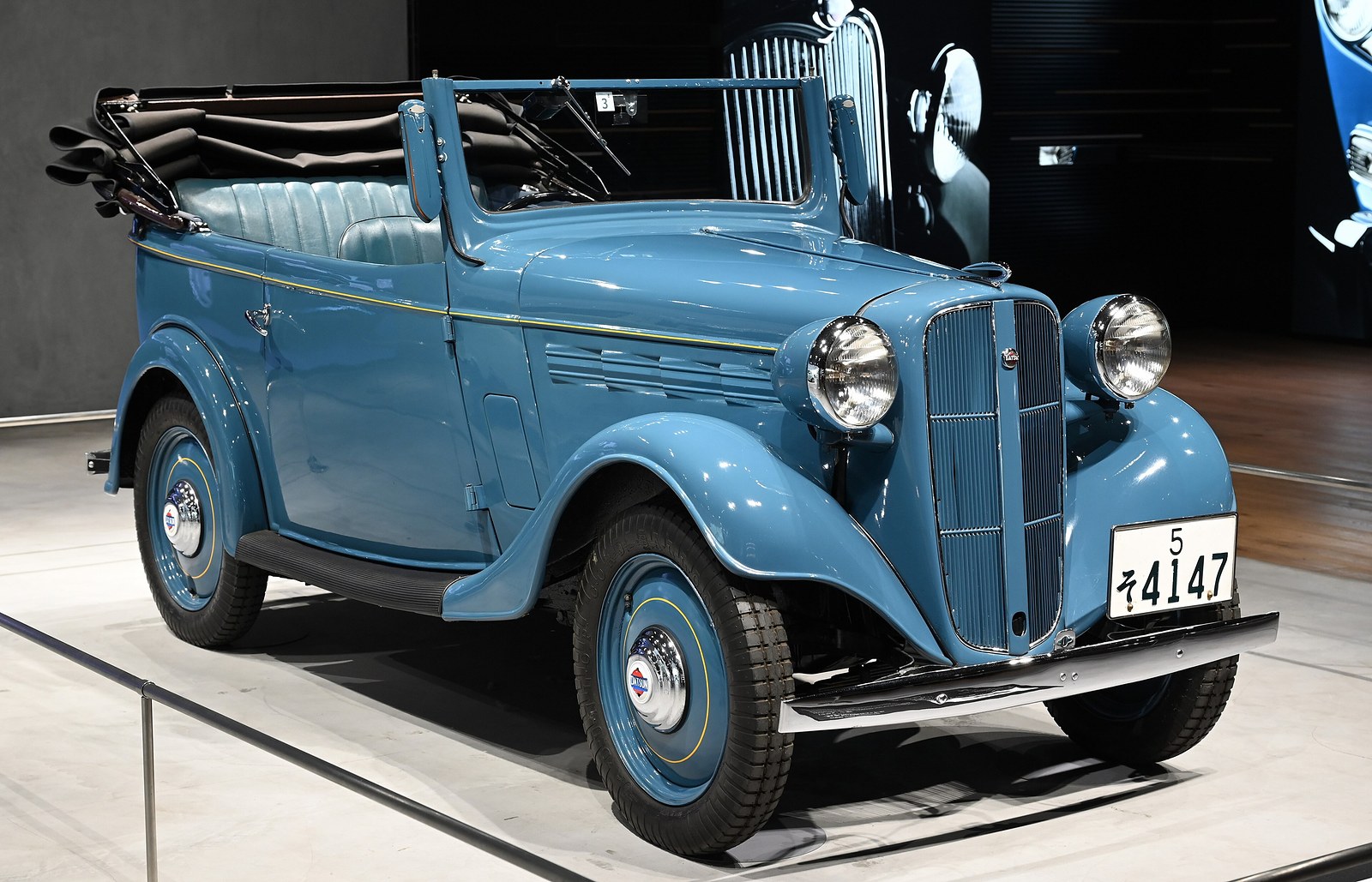
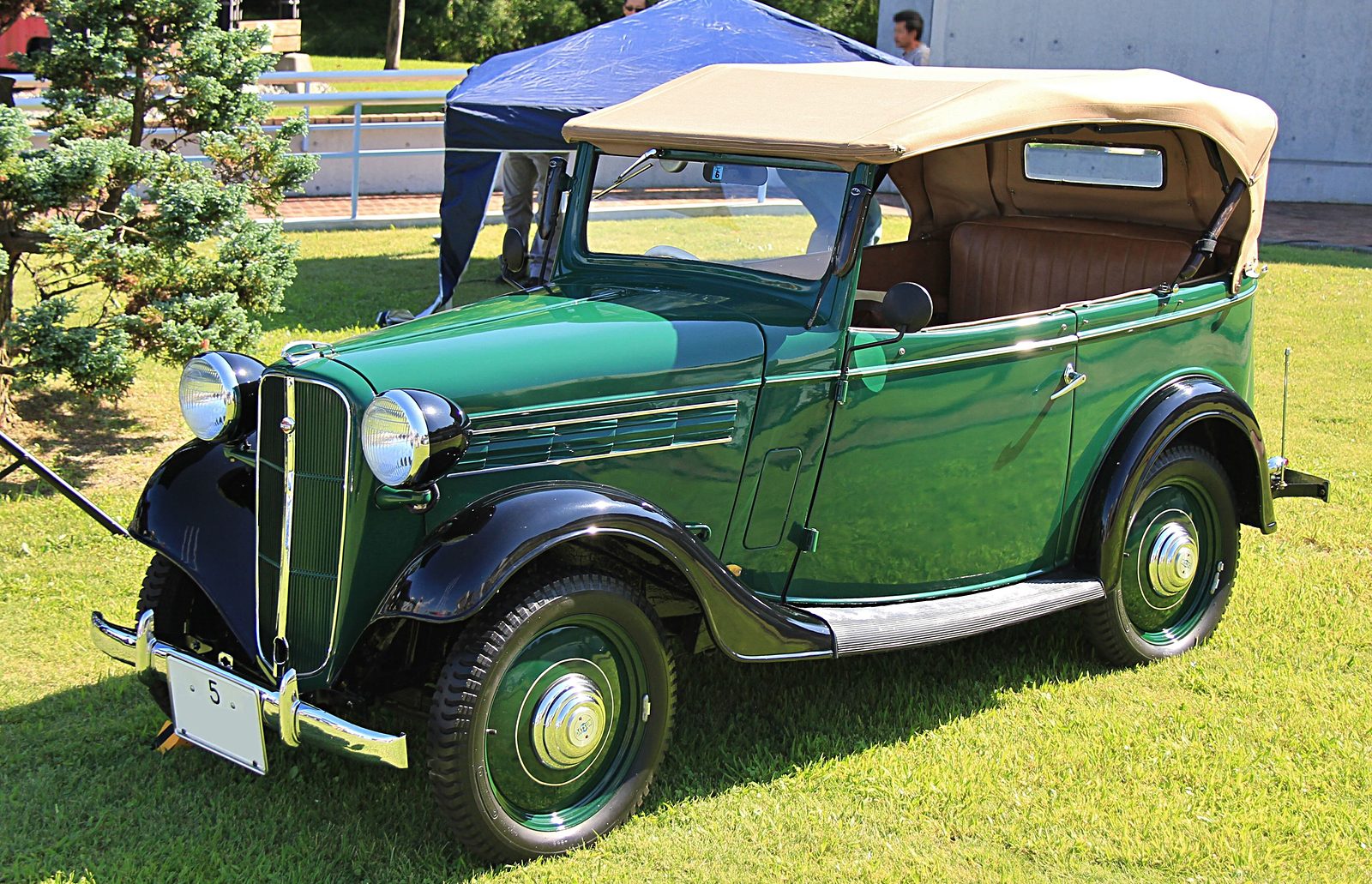
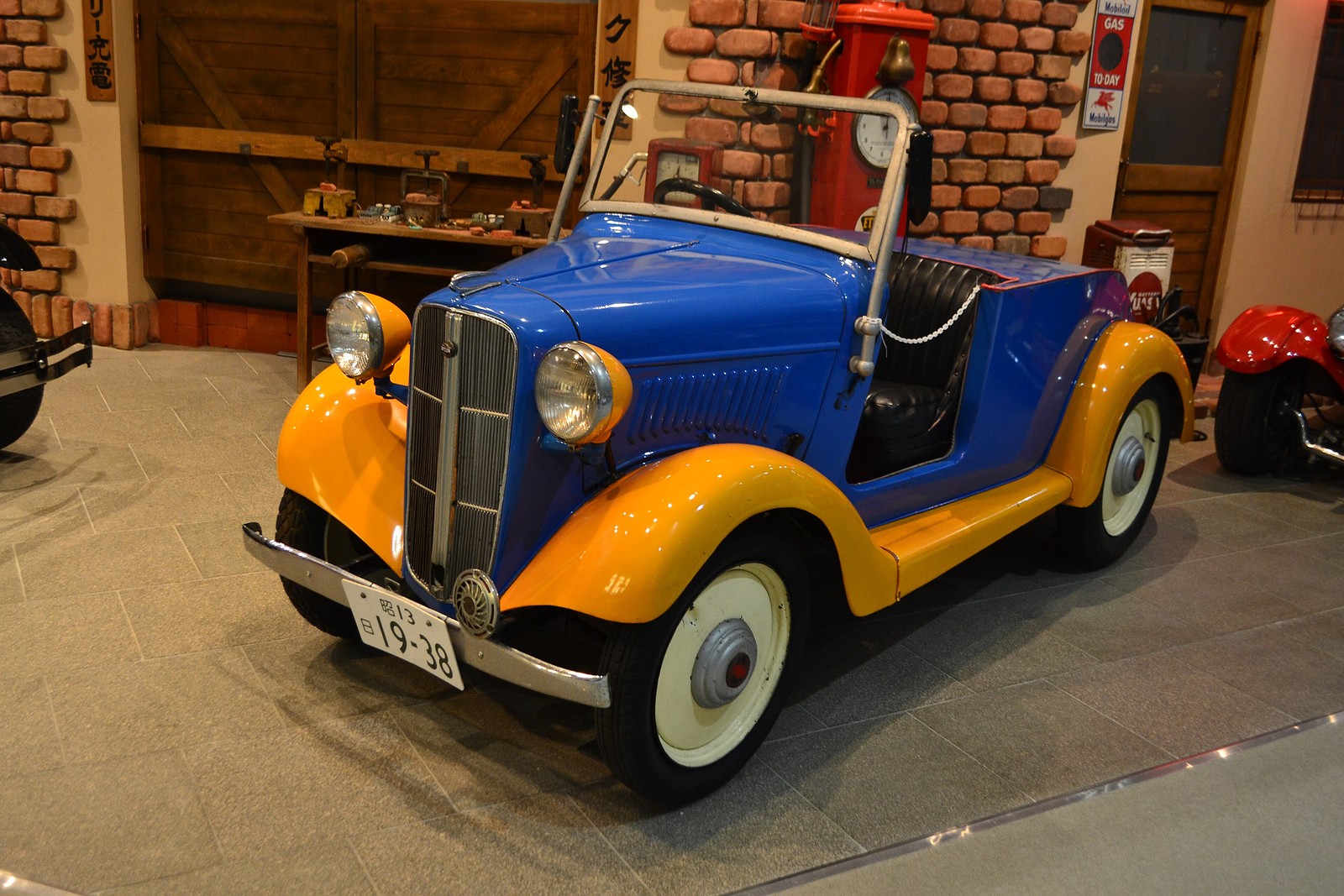
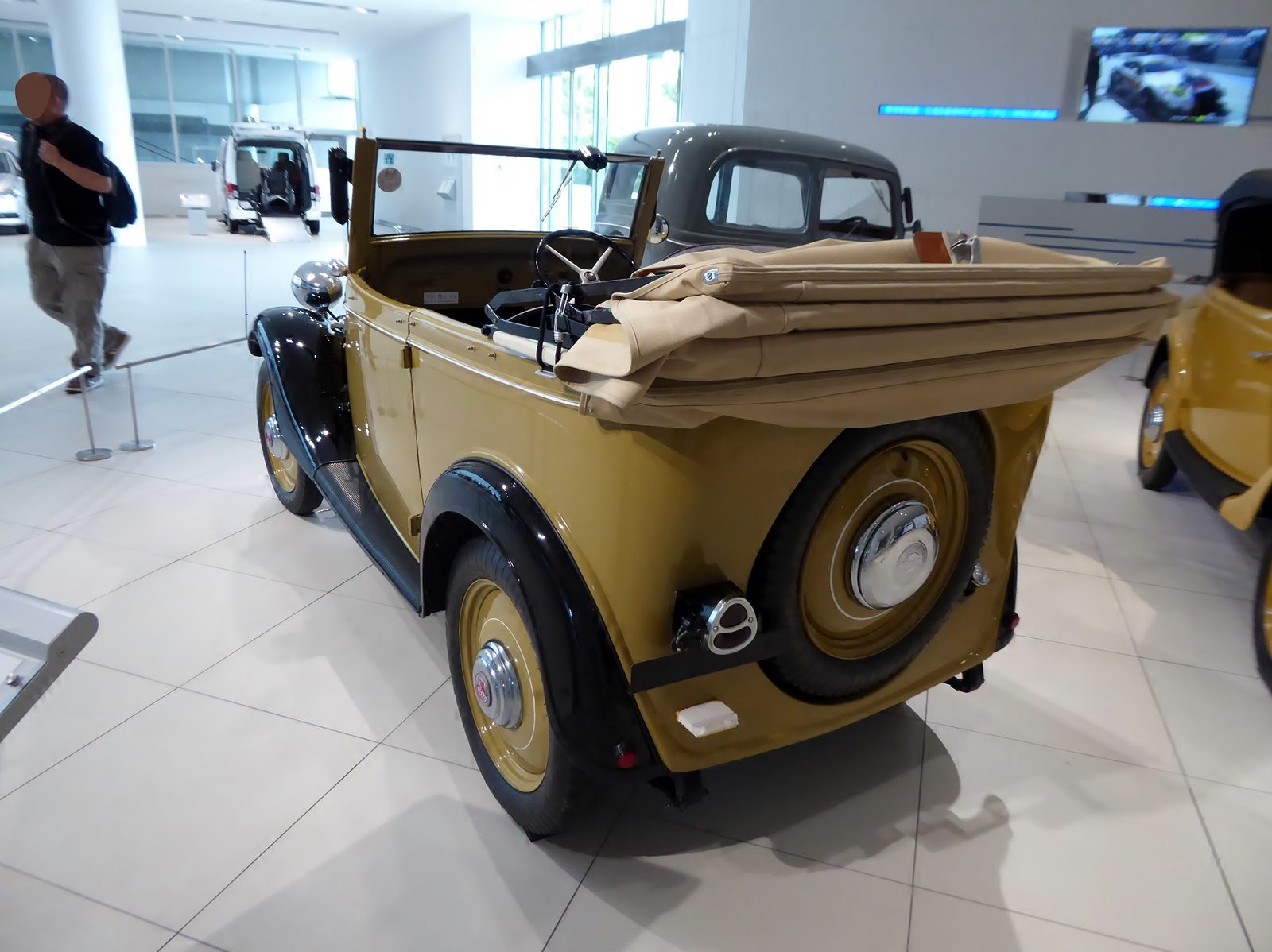
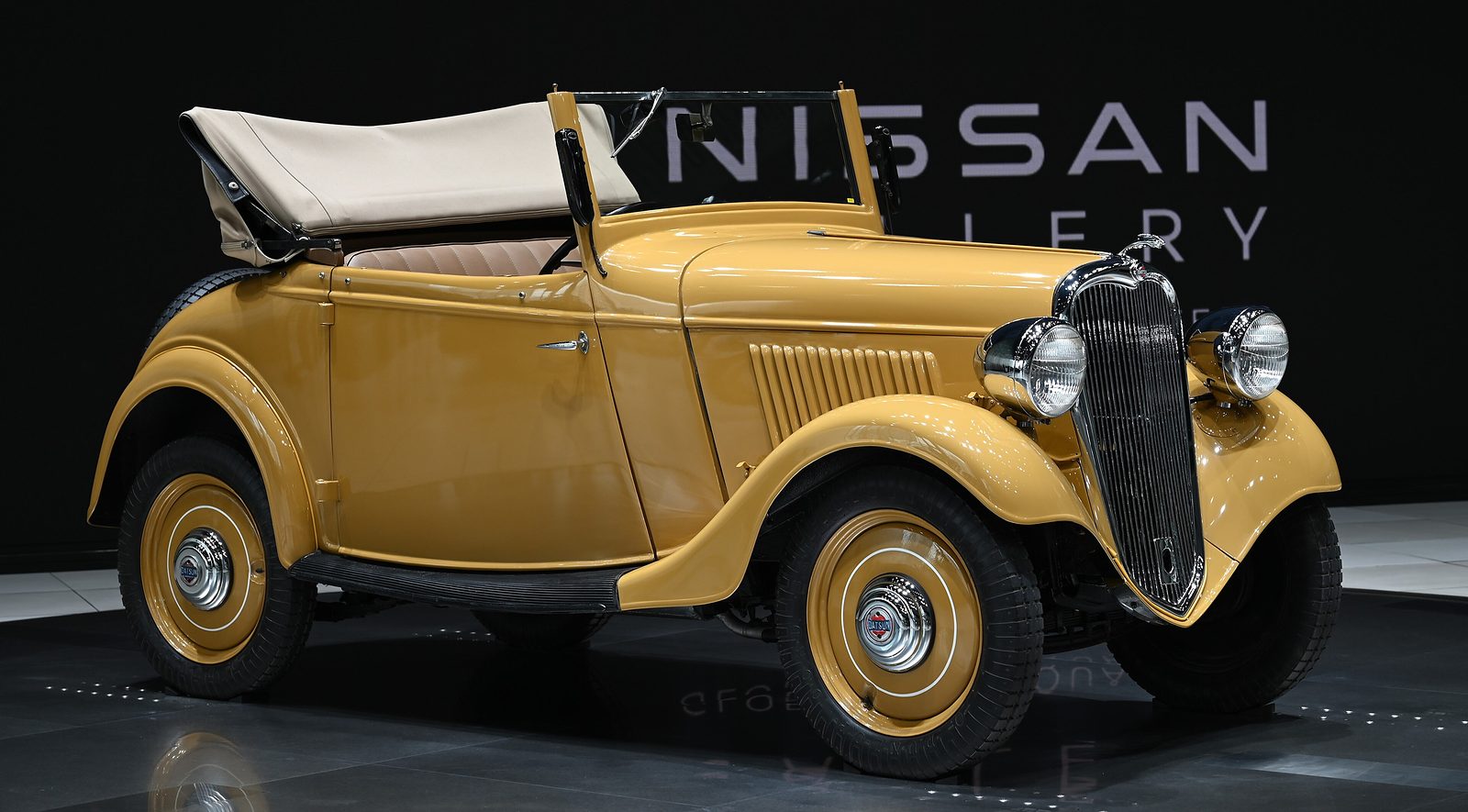
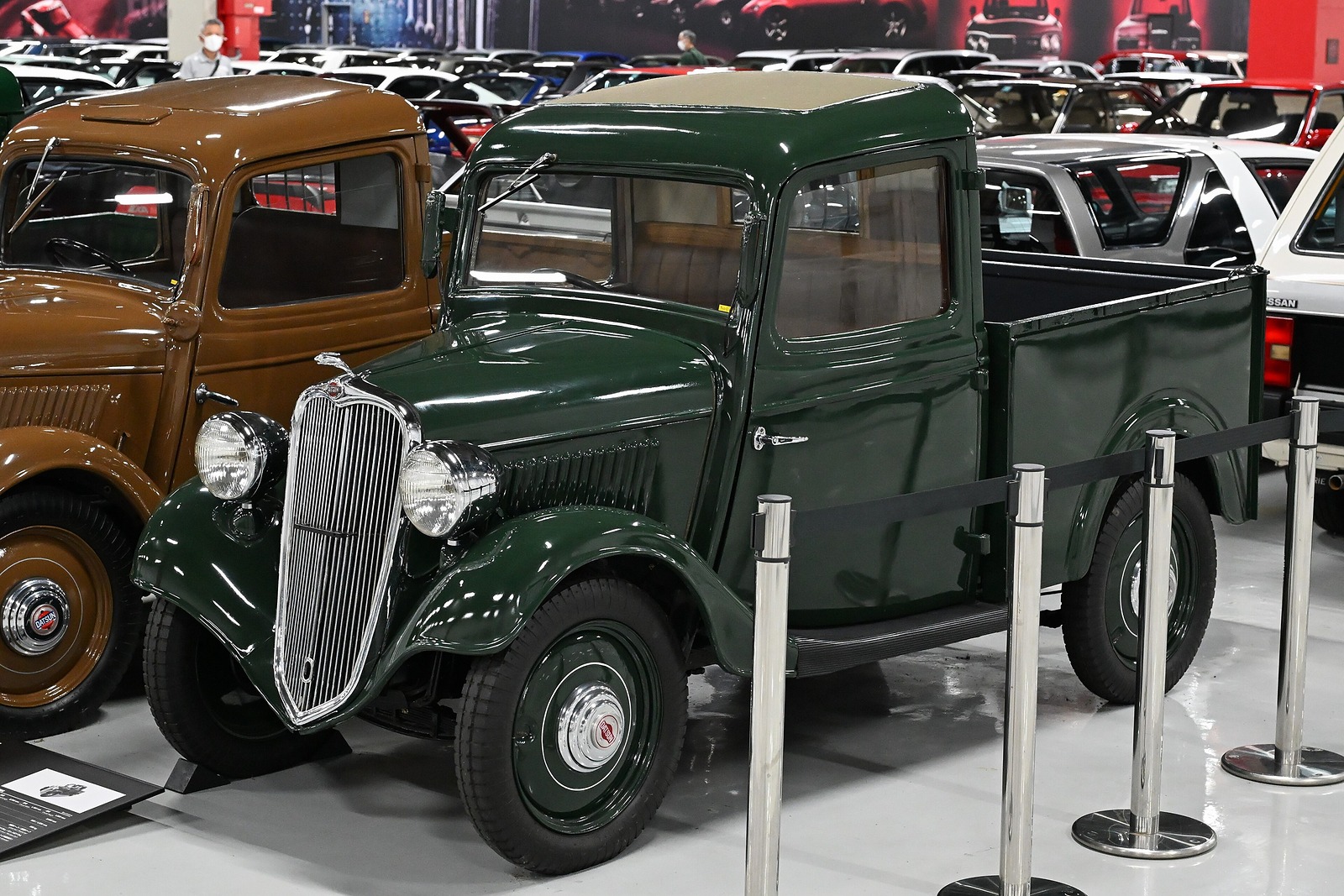
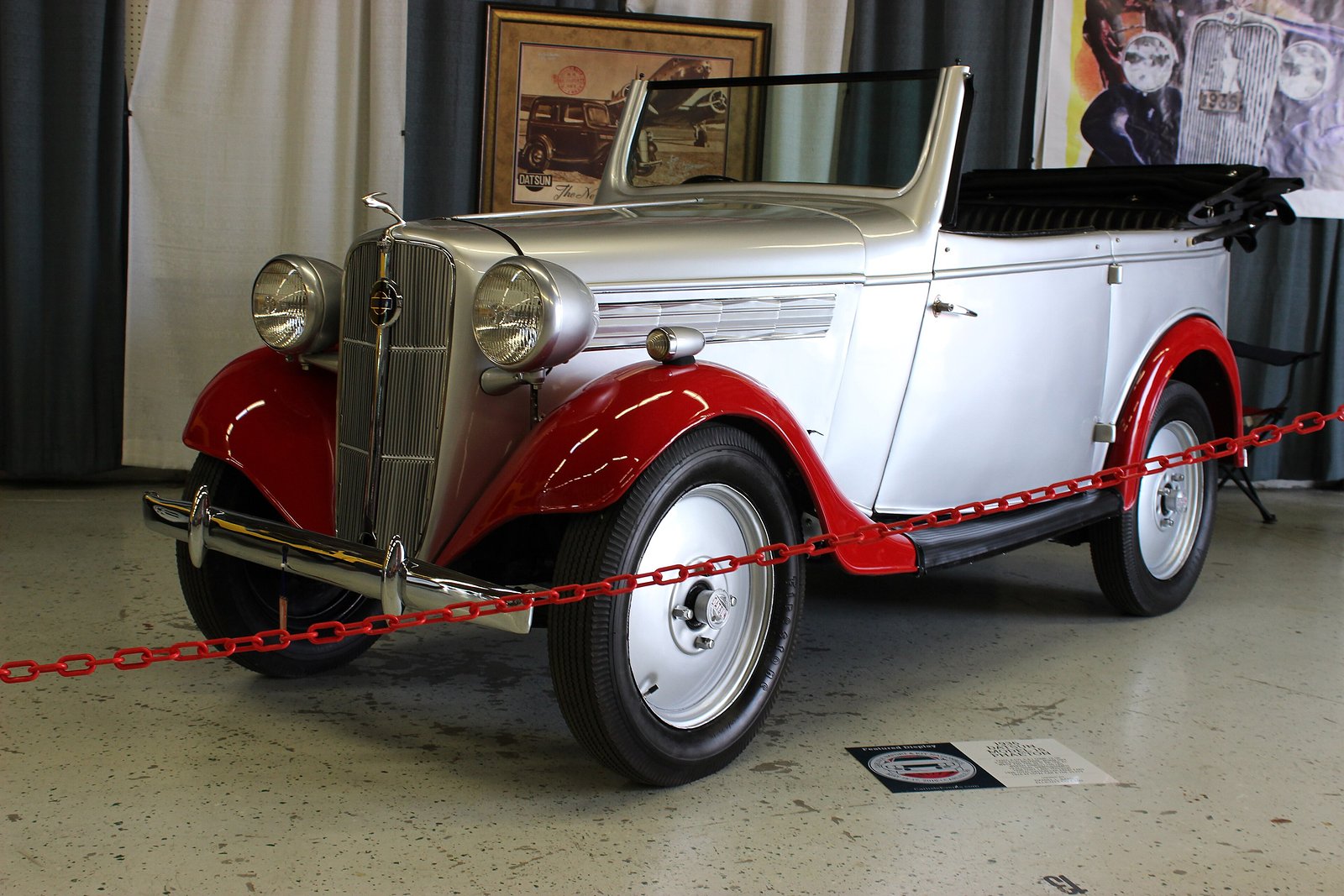
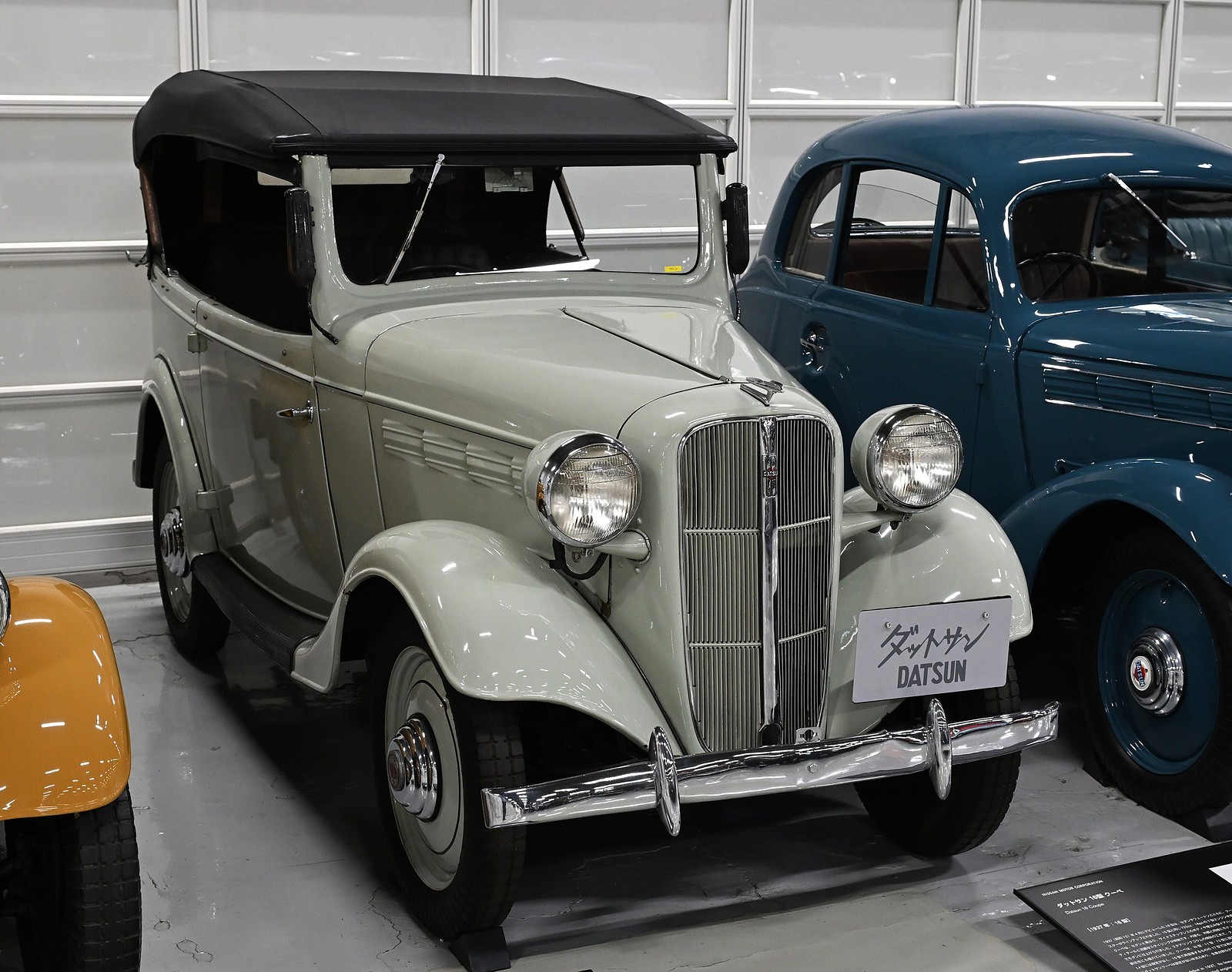
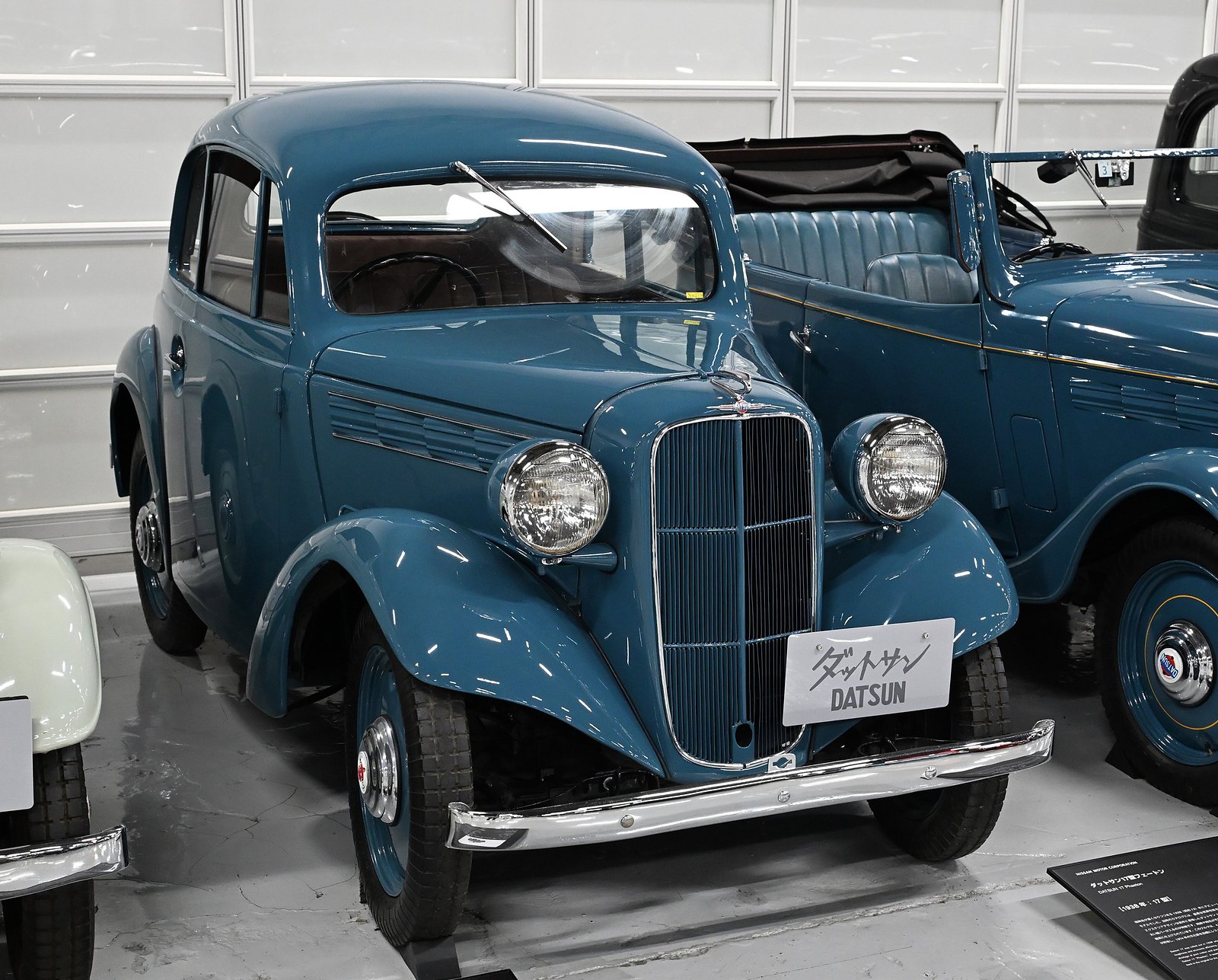
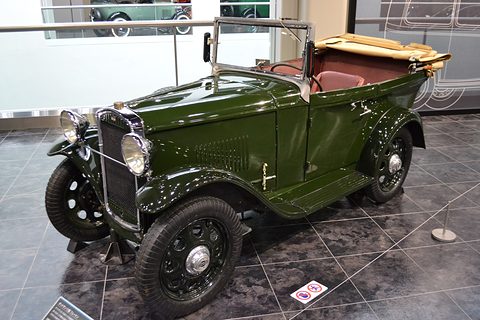
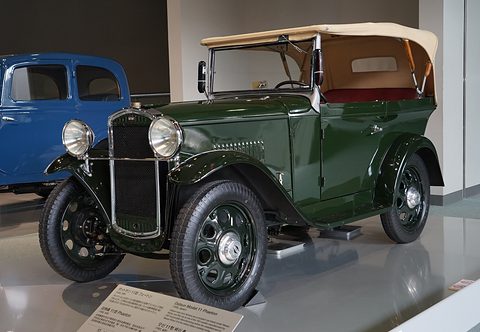
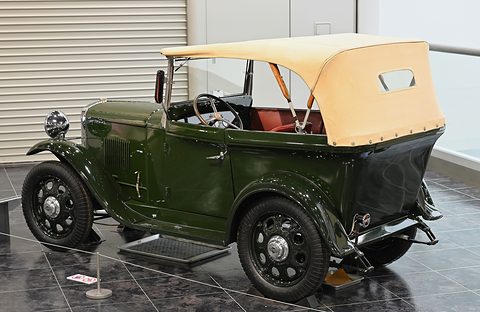
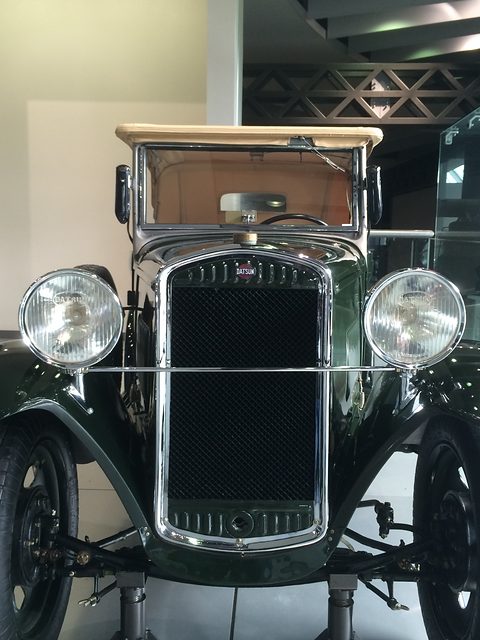
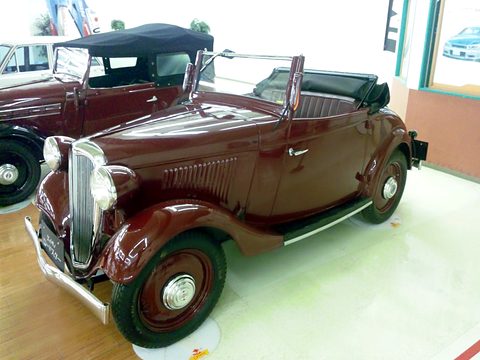
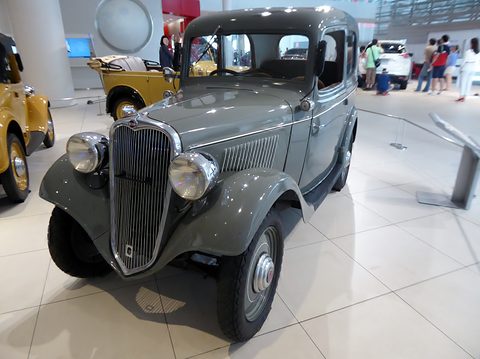
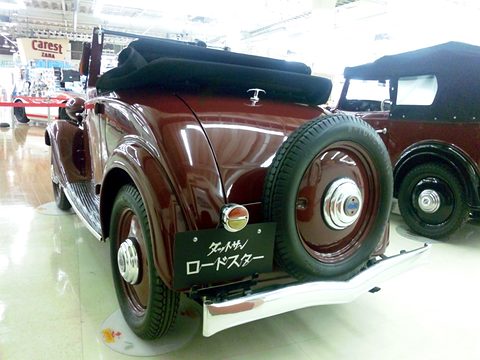
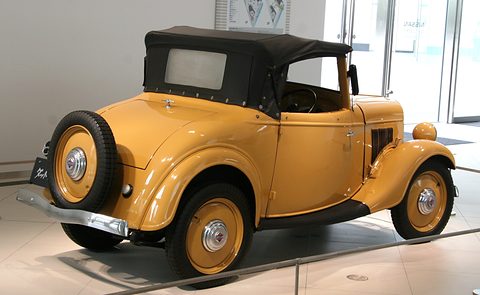
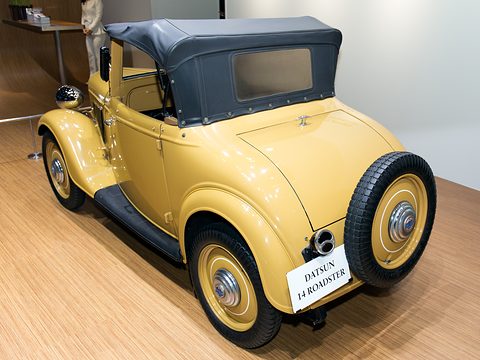
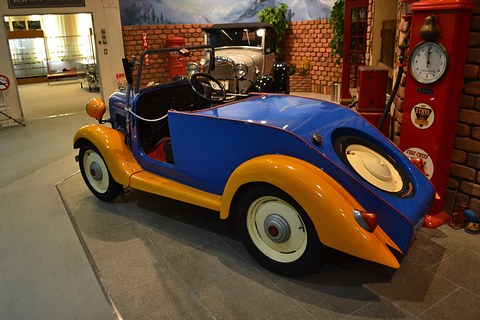
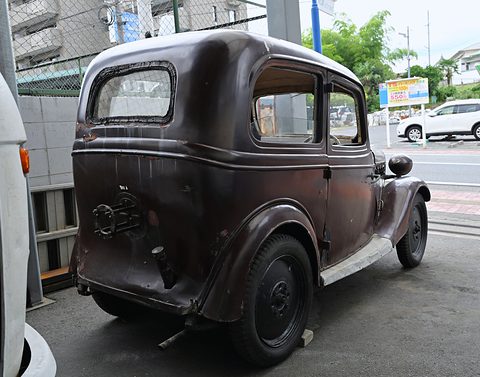
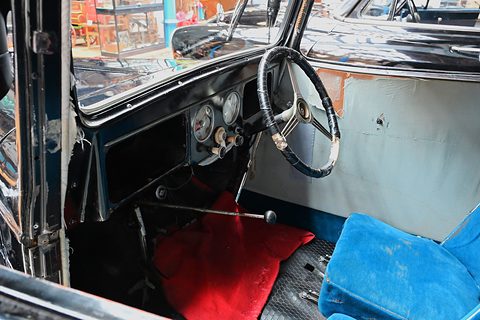
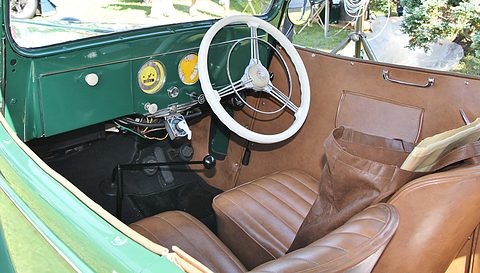
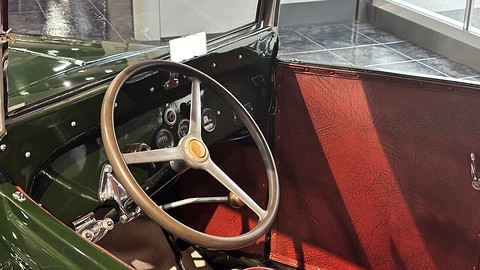
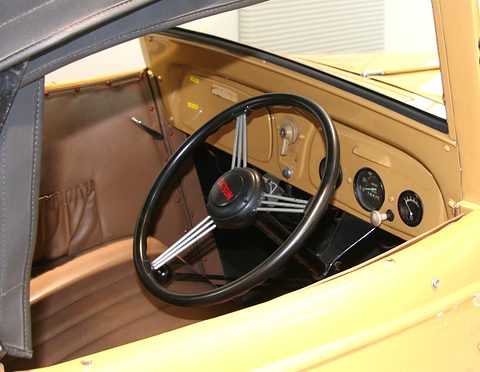
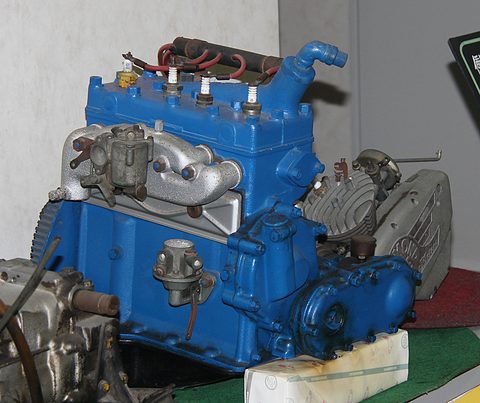
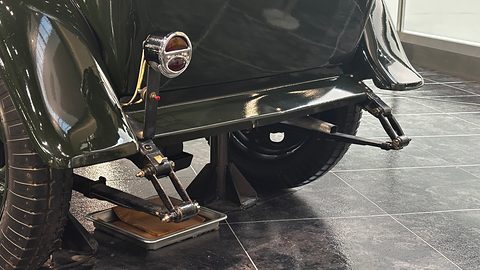
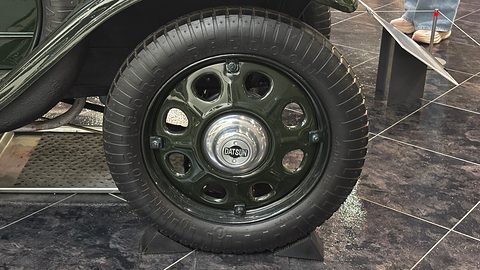
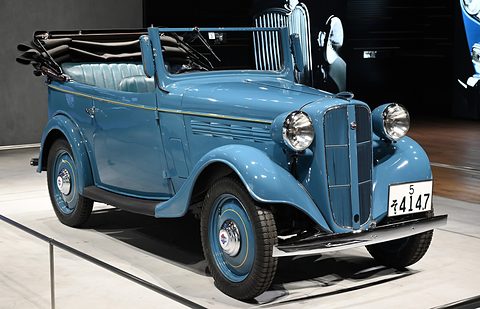
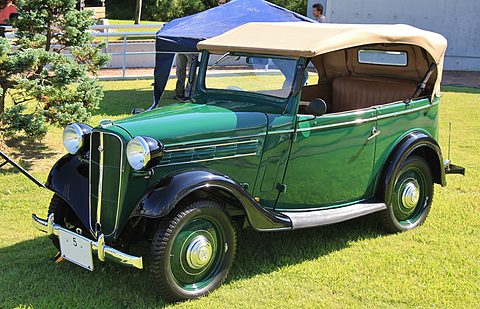
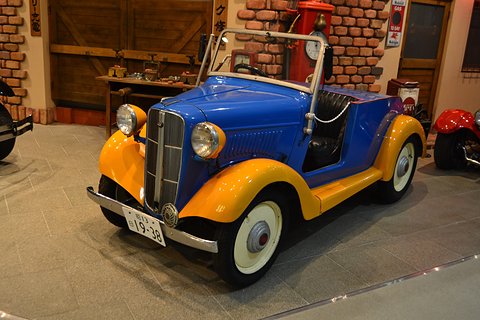
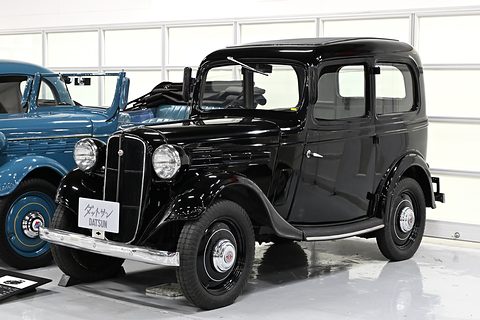
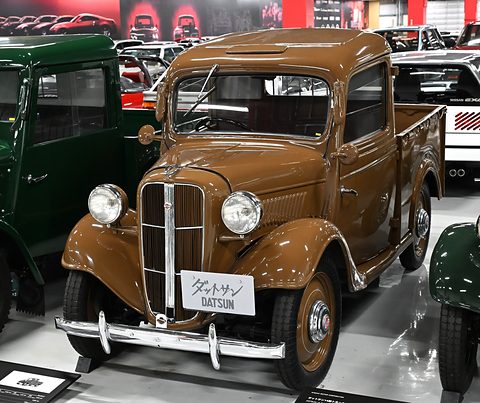
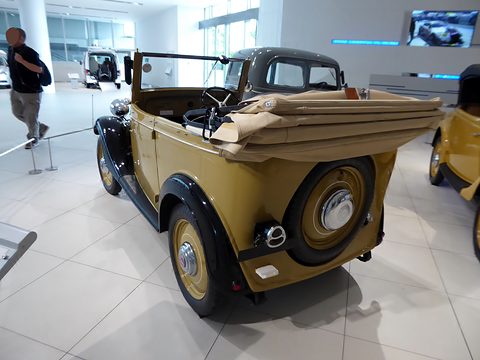
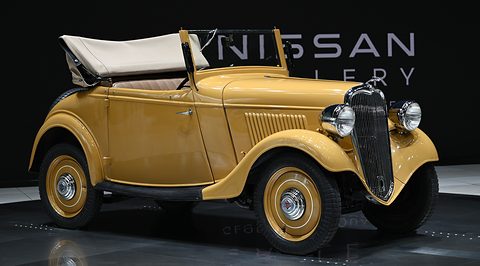
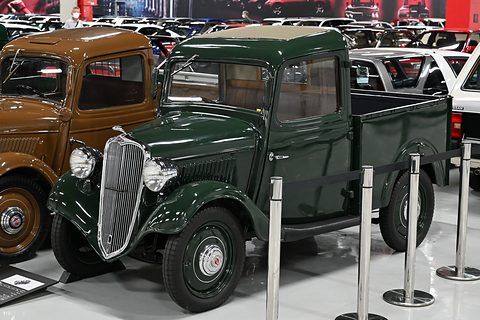
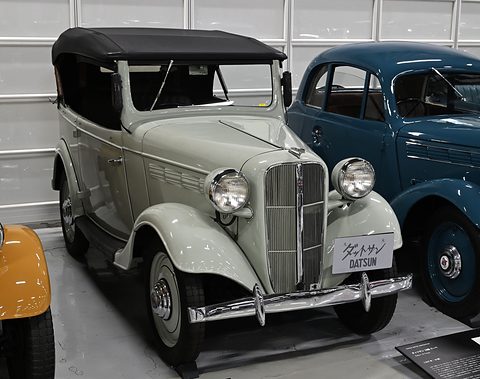
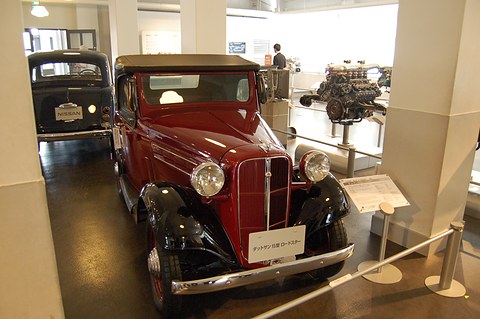
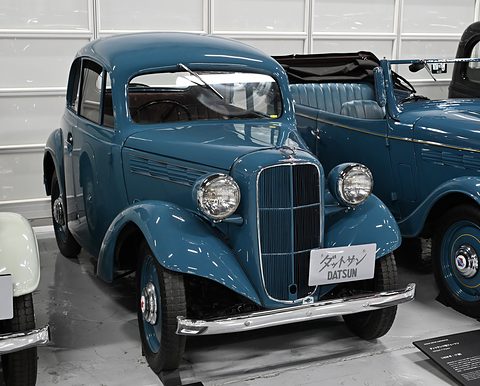
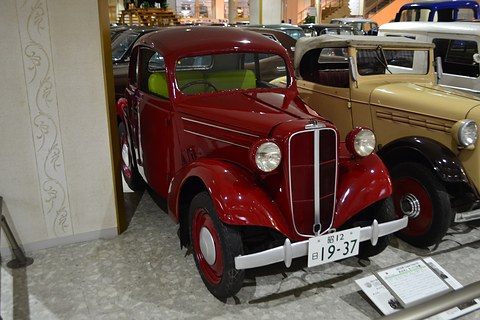
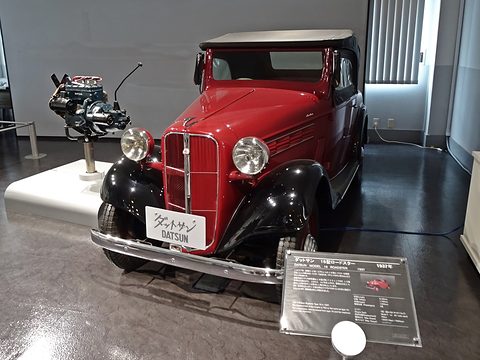
The Type 11 of 1932 had a slightly larger body than the Type 10 and came as a phaeton, a coupé, an open car, a light van and a truck; many were used as taxis.source 3source 6 DAT’s own side-valve four of 495 cc gave 10 hp through three speeds. The car was 2,710 mm (107 in) long and 1,175 mm (46 in) wide, on a wheelbase of 1,880 mm, and weighed 400 kg (880 lb).source 3 About 150 were built in 1932.source 3source 4
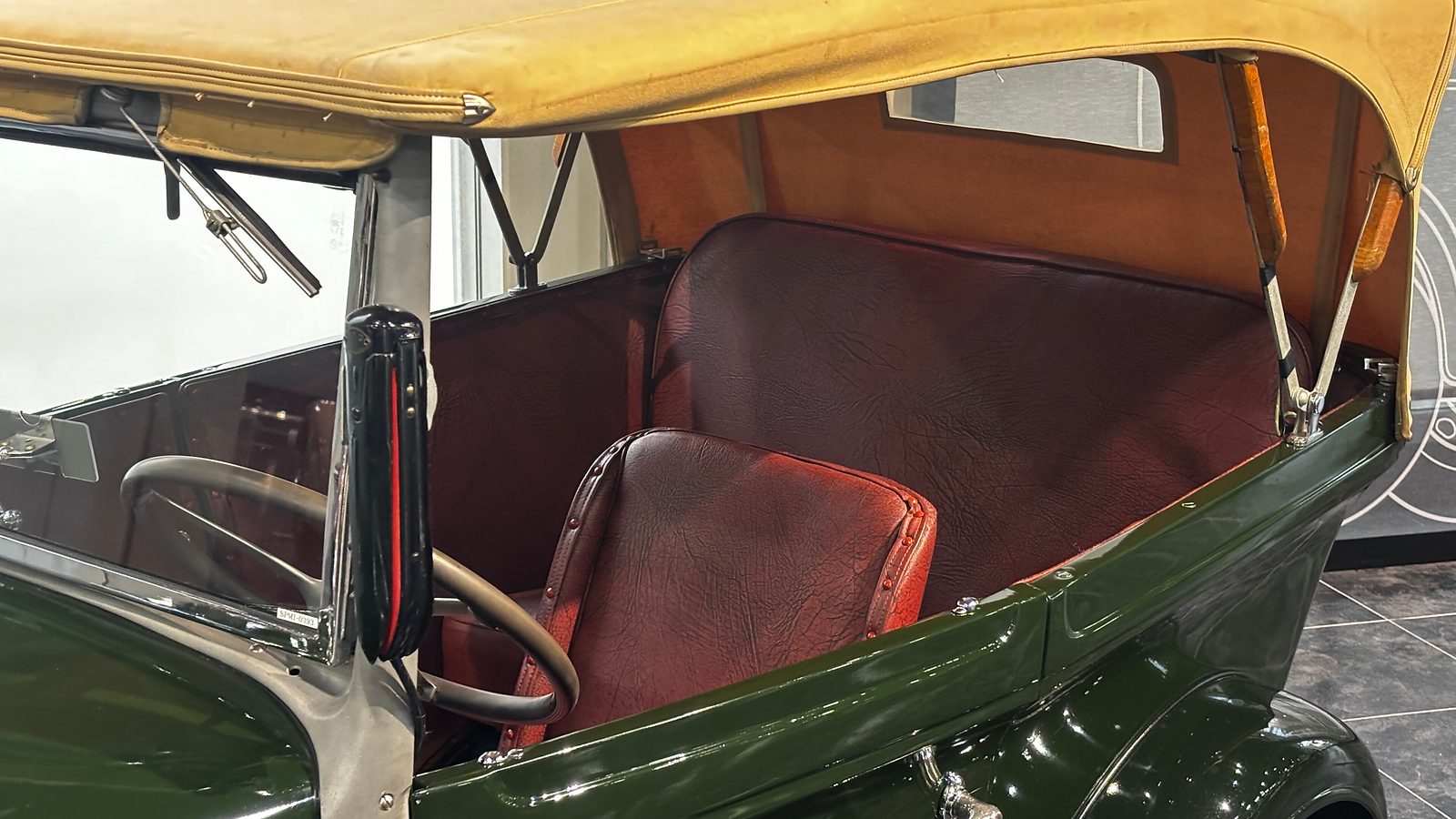
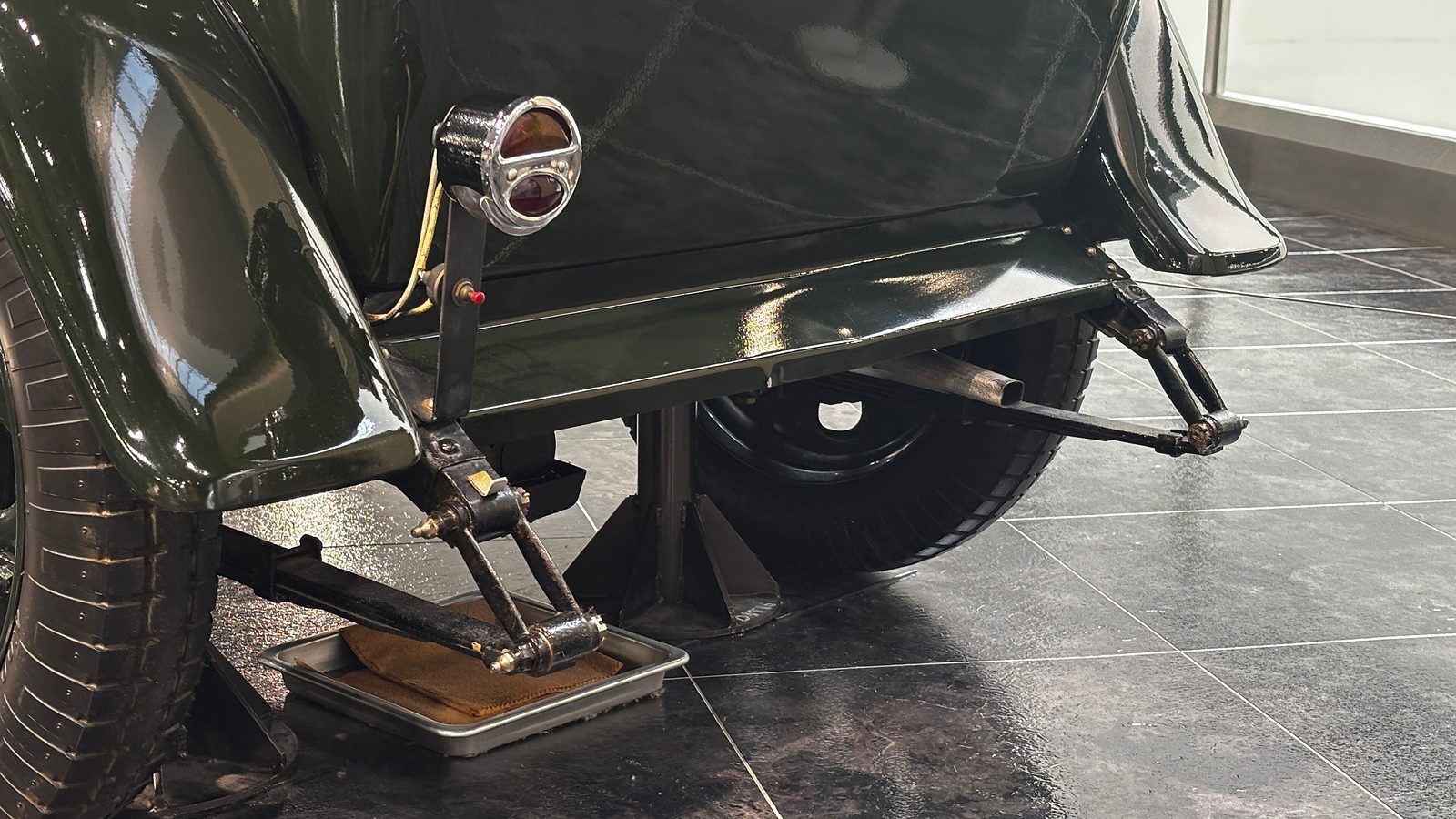
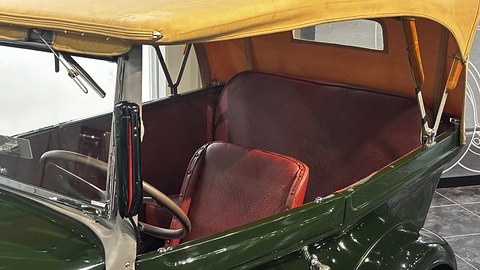
Wilhelm Lutjeharms drove a 1932 Type 11 in South Africa for CAR in 2019. The front seats tilt to let people into the back, there is one wiper, and the hood can be lowered on the move if the passenger helps.source 5
acceleration is leisurely but steady as the car bobs across the road. Cruising at a gentle 30 km/h makes for a pleasurable, although decidedly pre-War, drive.
From DAT to Nissan
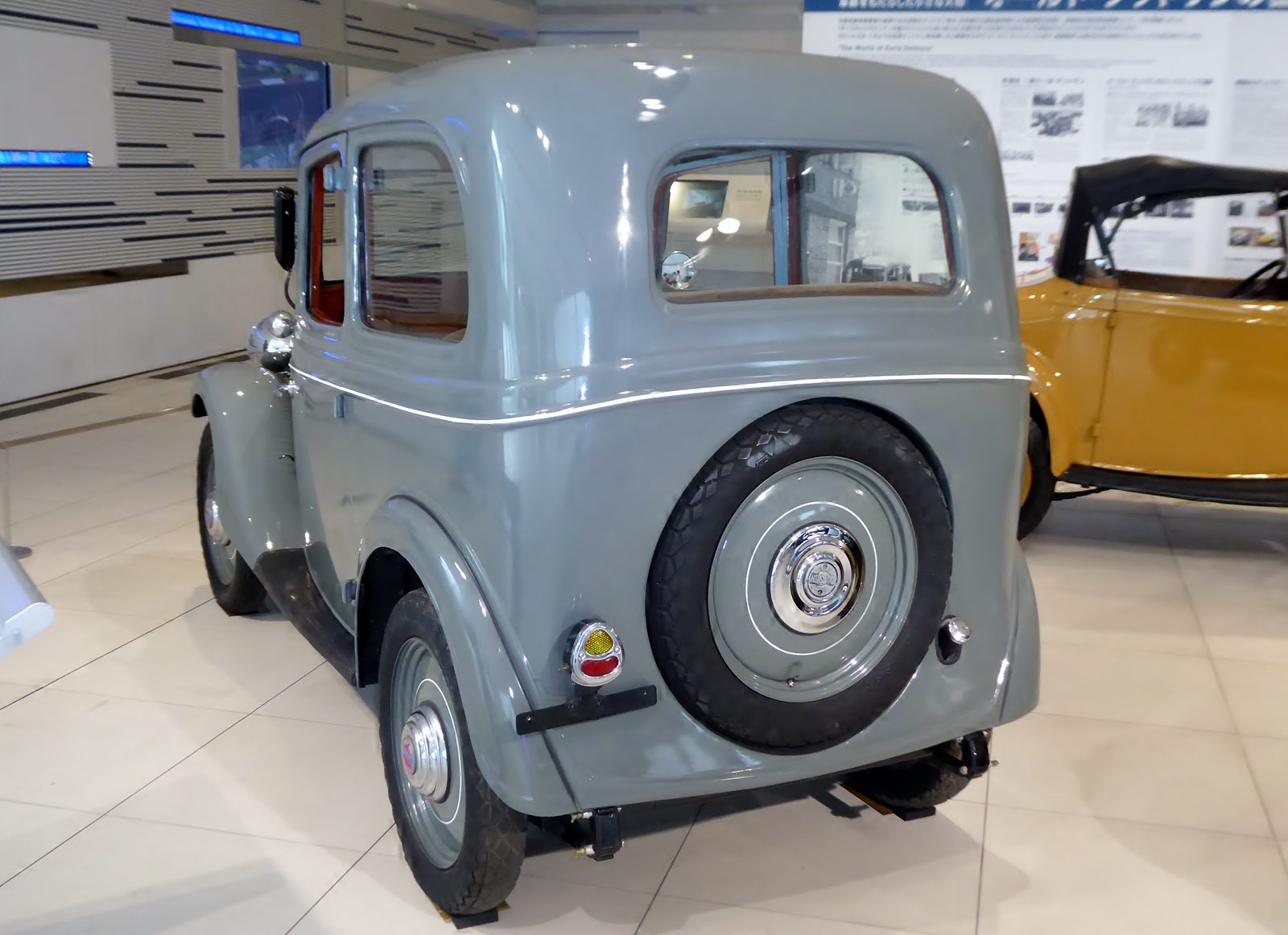
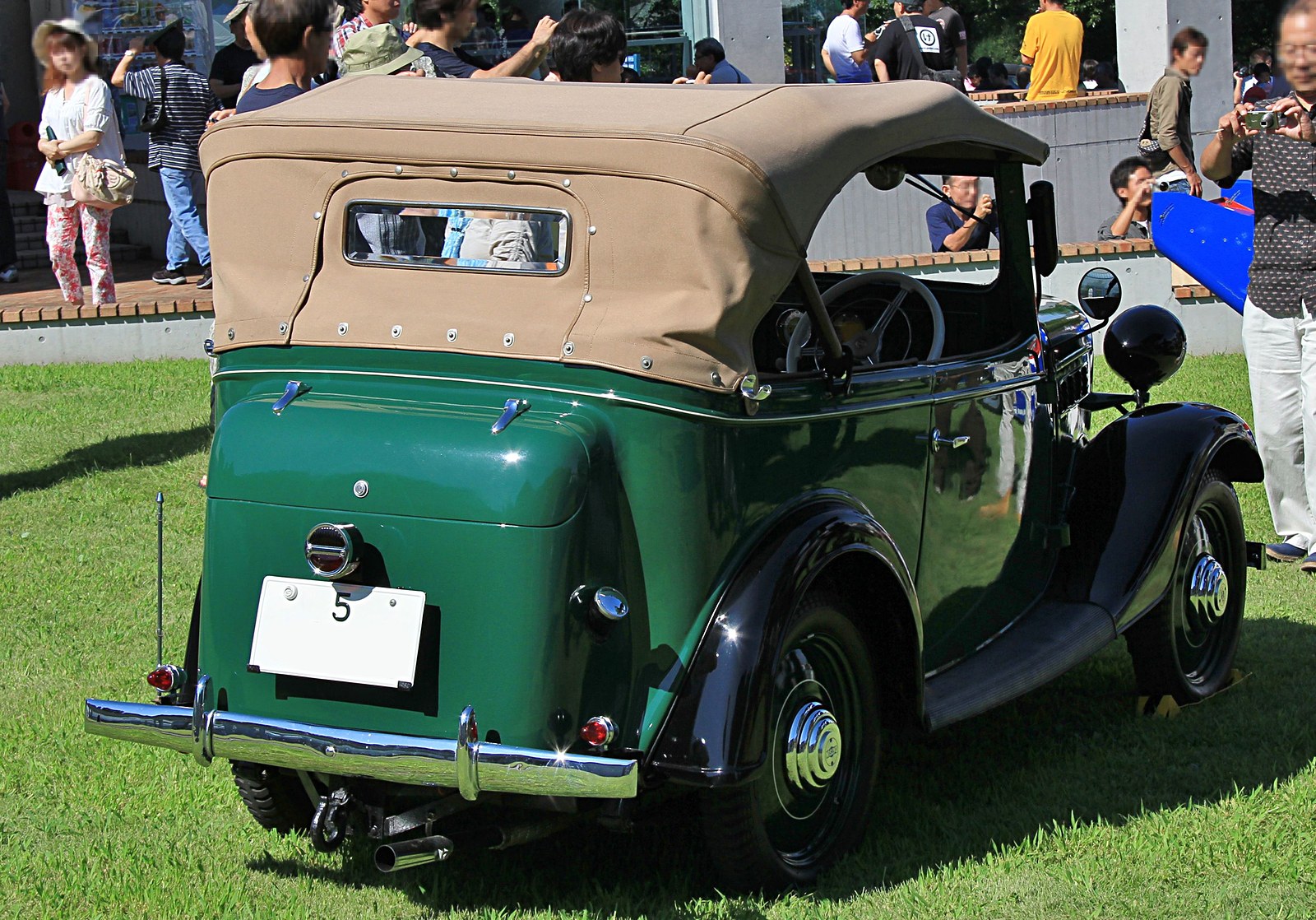
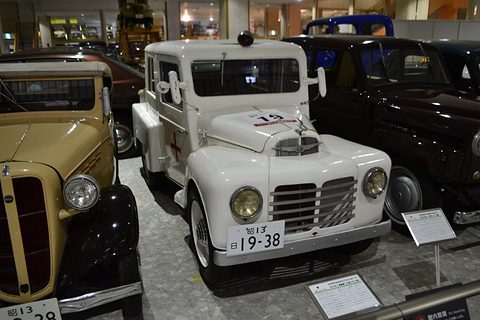
In 1933 the limit was raised to 750 cc and the limits on passengers were lifted. The Type 12 took the new room with a 748 cc engine of 12 hp.source 3source 4source 6source 5 The same year Yoshisuke Aikawa’s Tobata Imono took over the car business, and the company was divided: DAT’s lorries went with Ishikawajima, later Isuzu, while the small car and the Datsun name went to Jidōsha Seizō, founded in Yokohama in December 1933 with a capital of ¥10 million. In June 1934 it became the Nissan Motor Co.source 2source 7 The Type 13 followed in April 1934, and that June Nissan exported its first Datsuns, 44 of them, to Asia and Central and South America.source 7
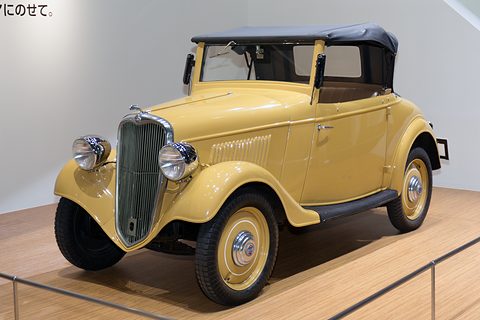
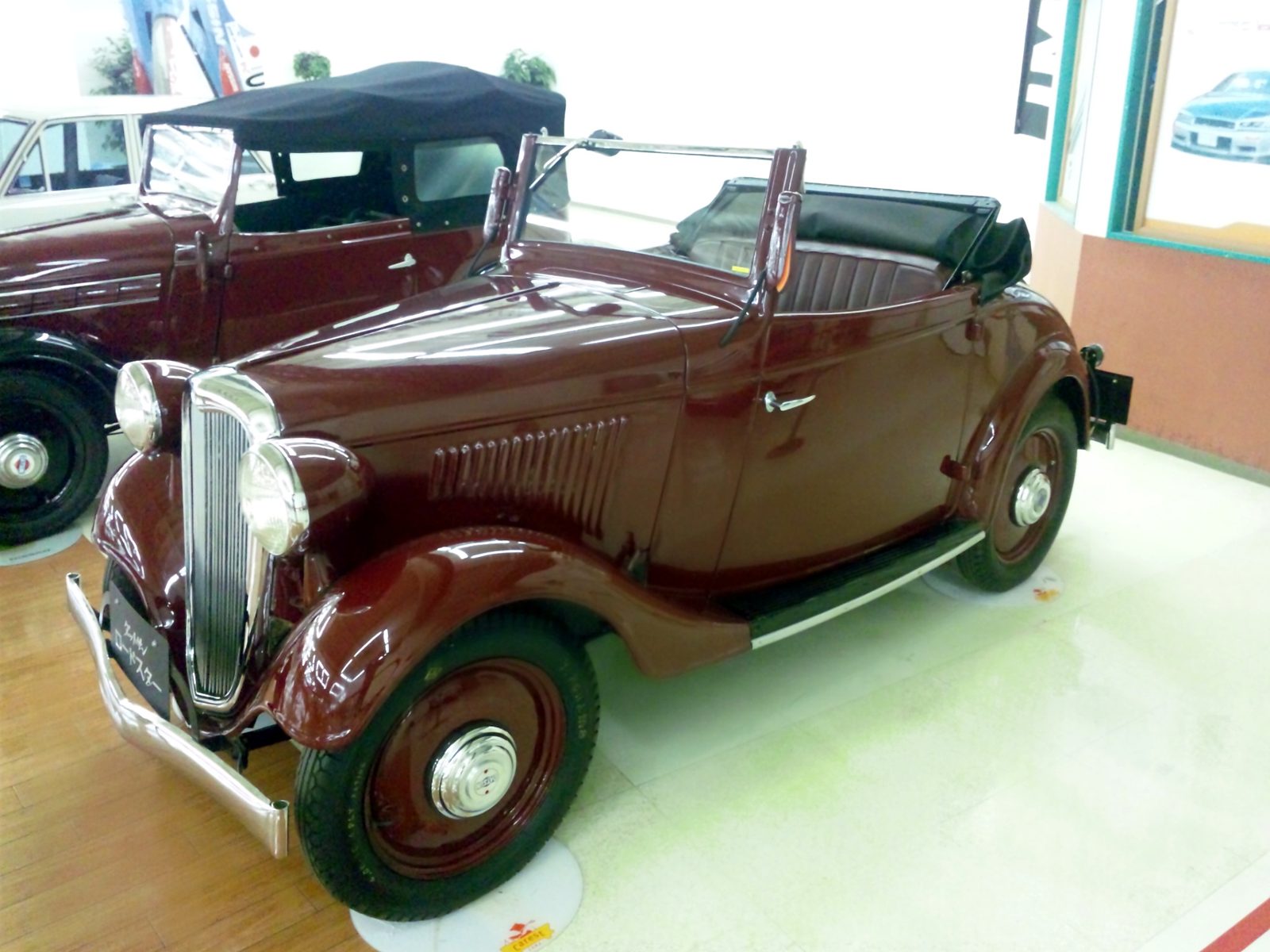
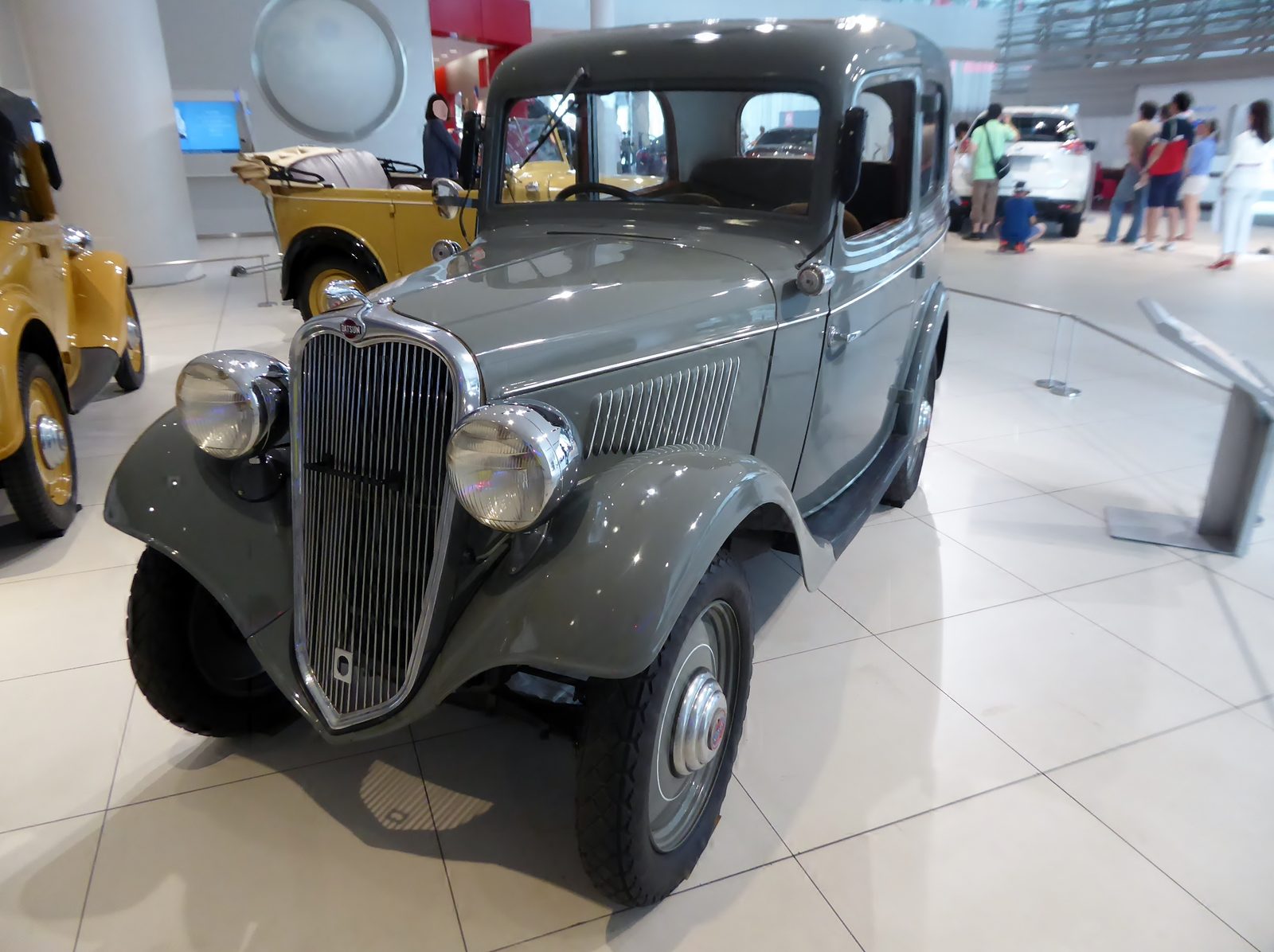
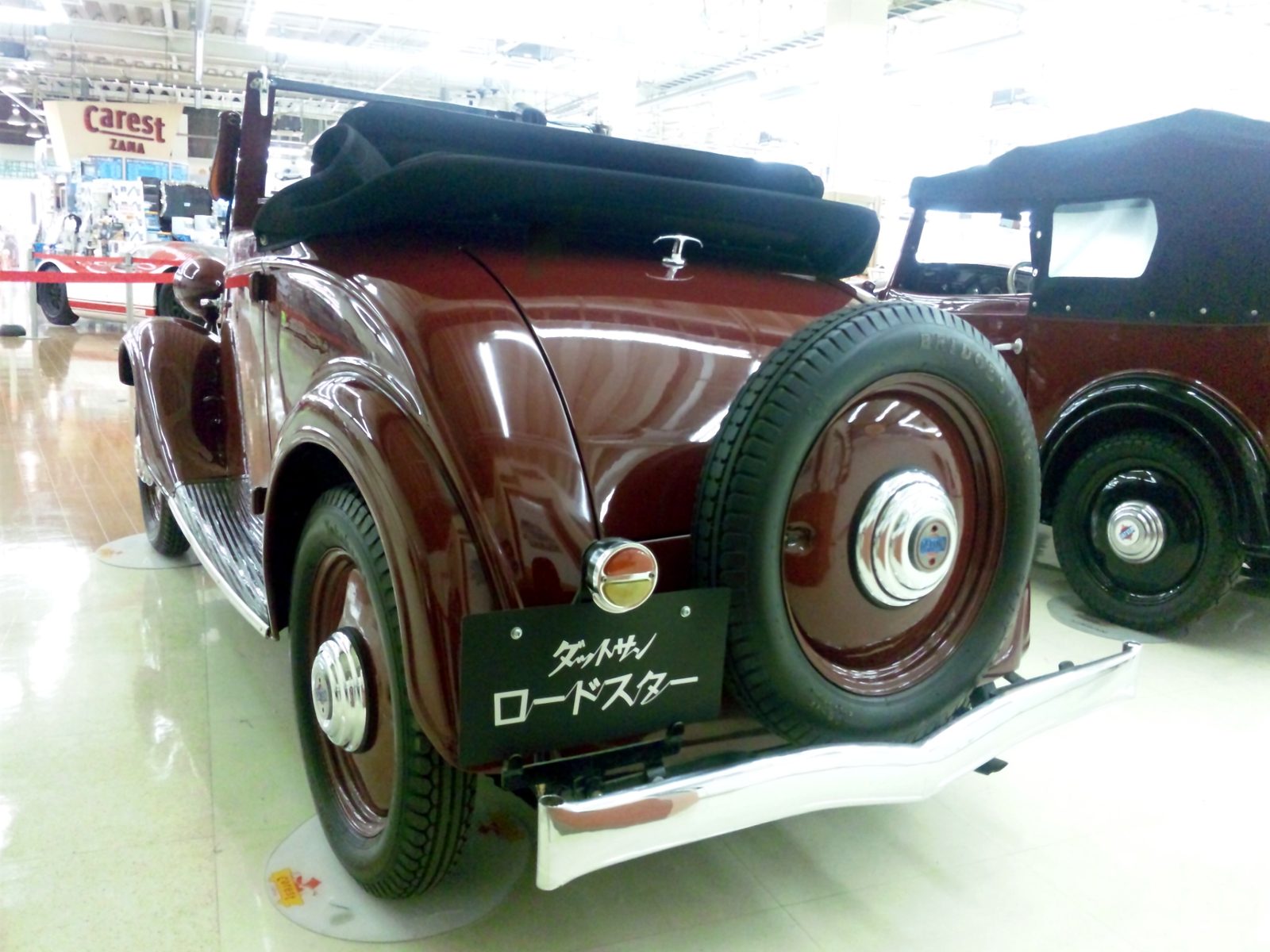
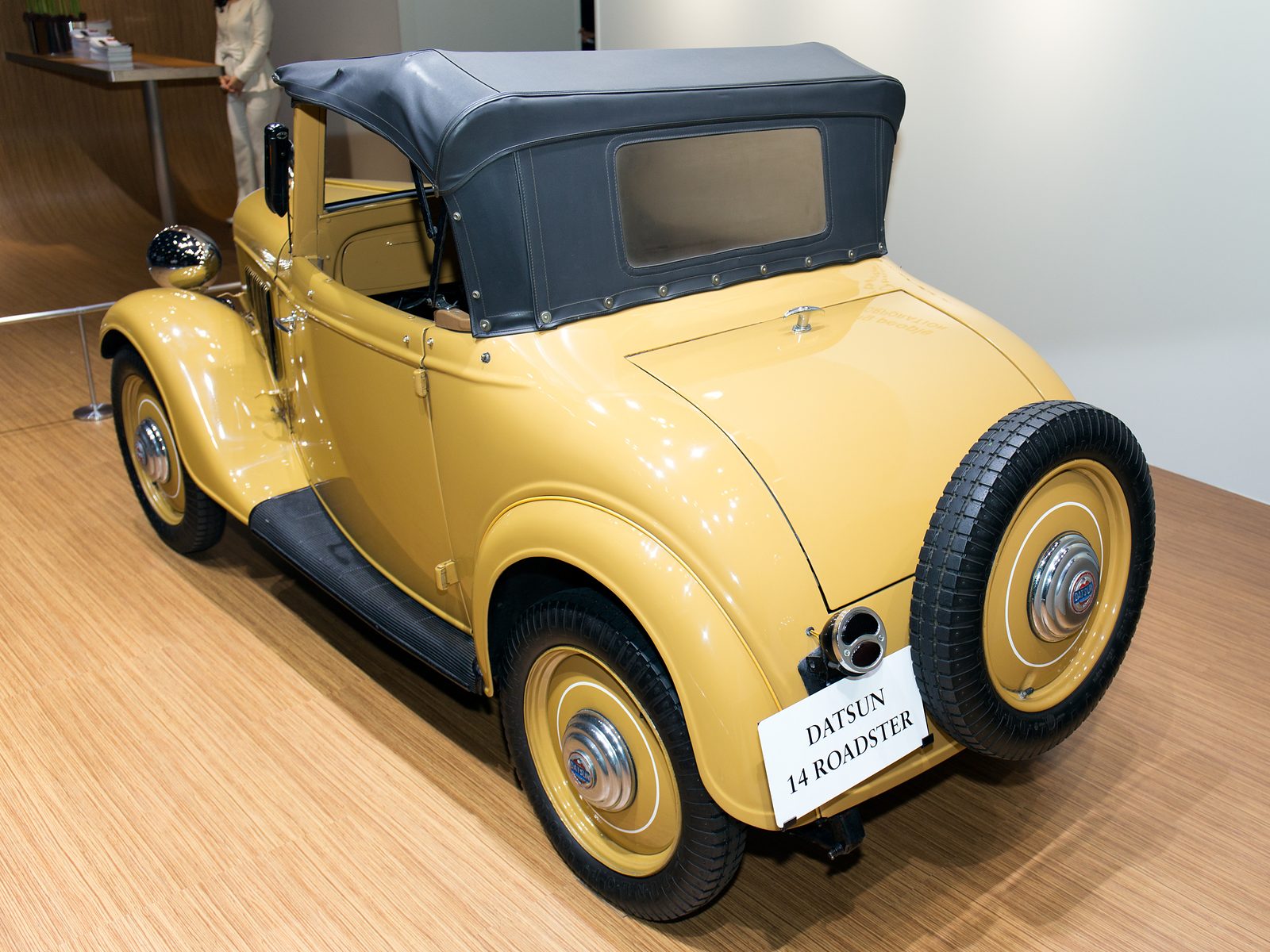
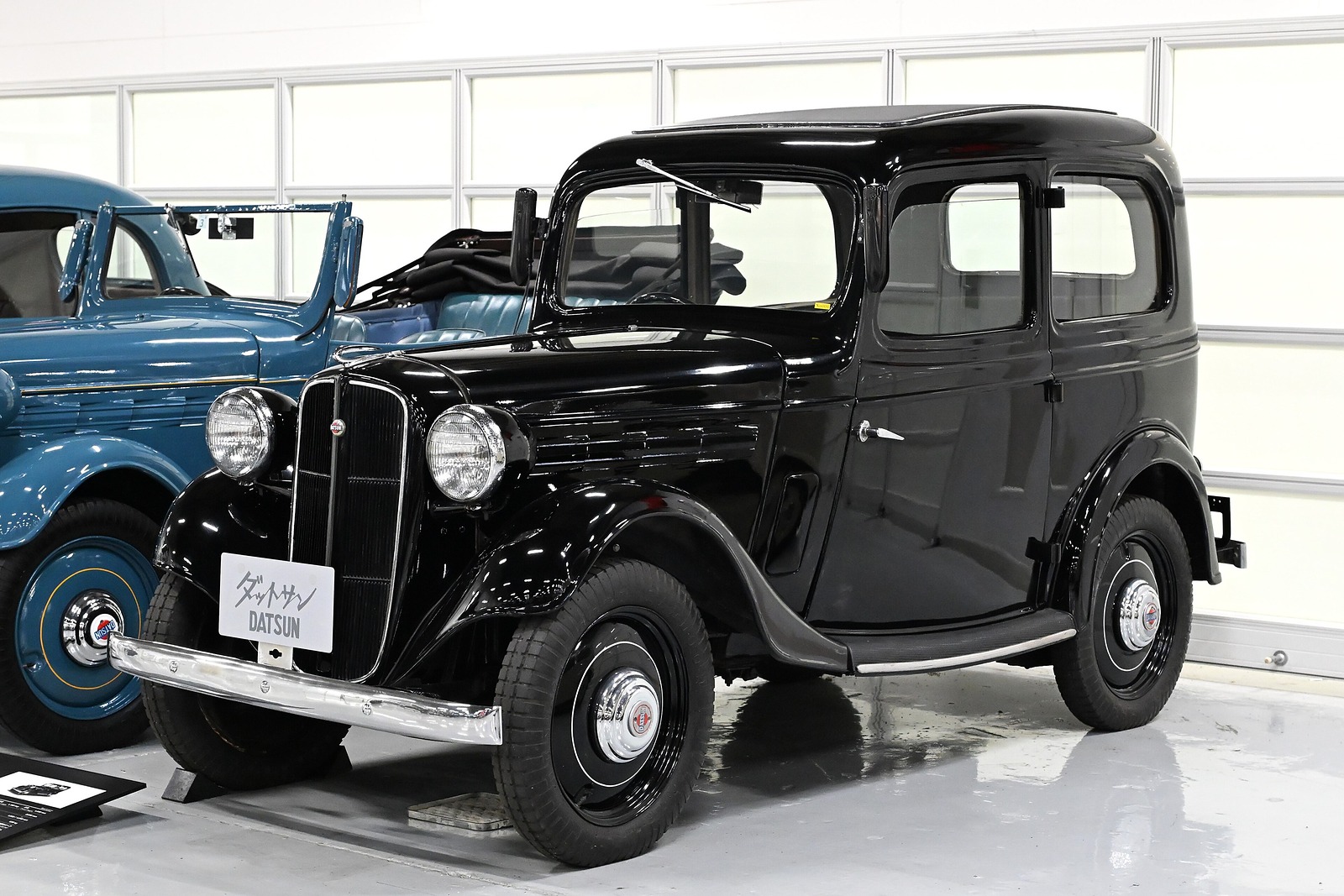
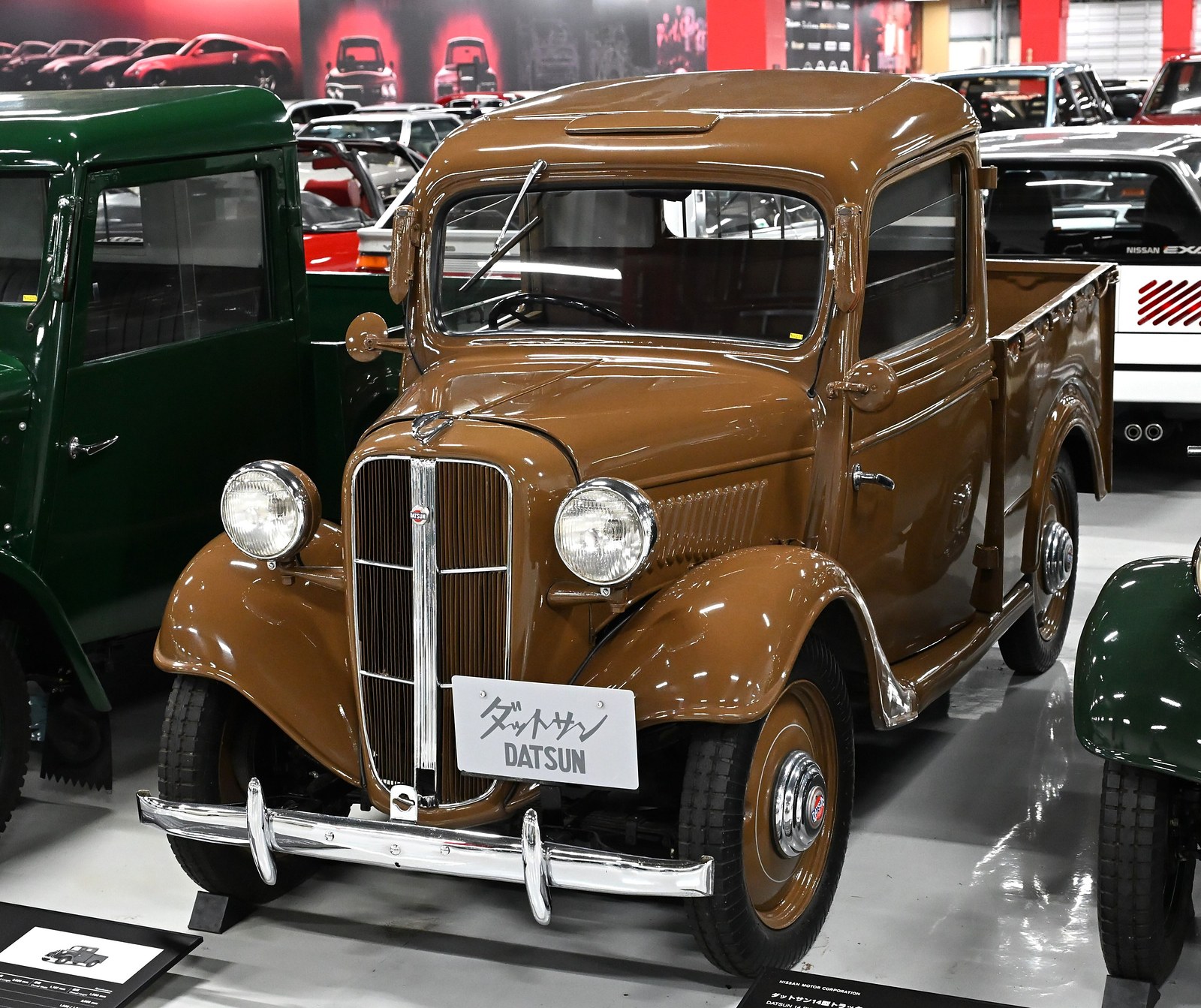
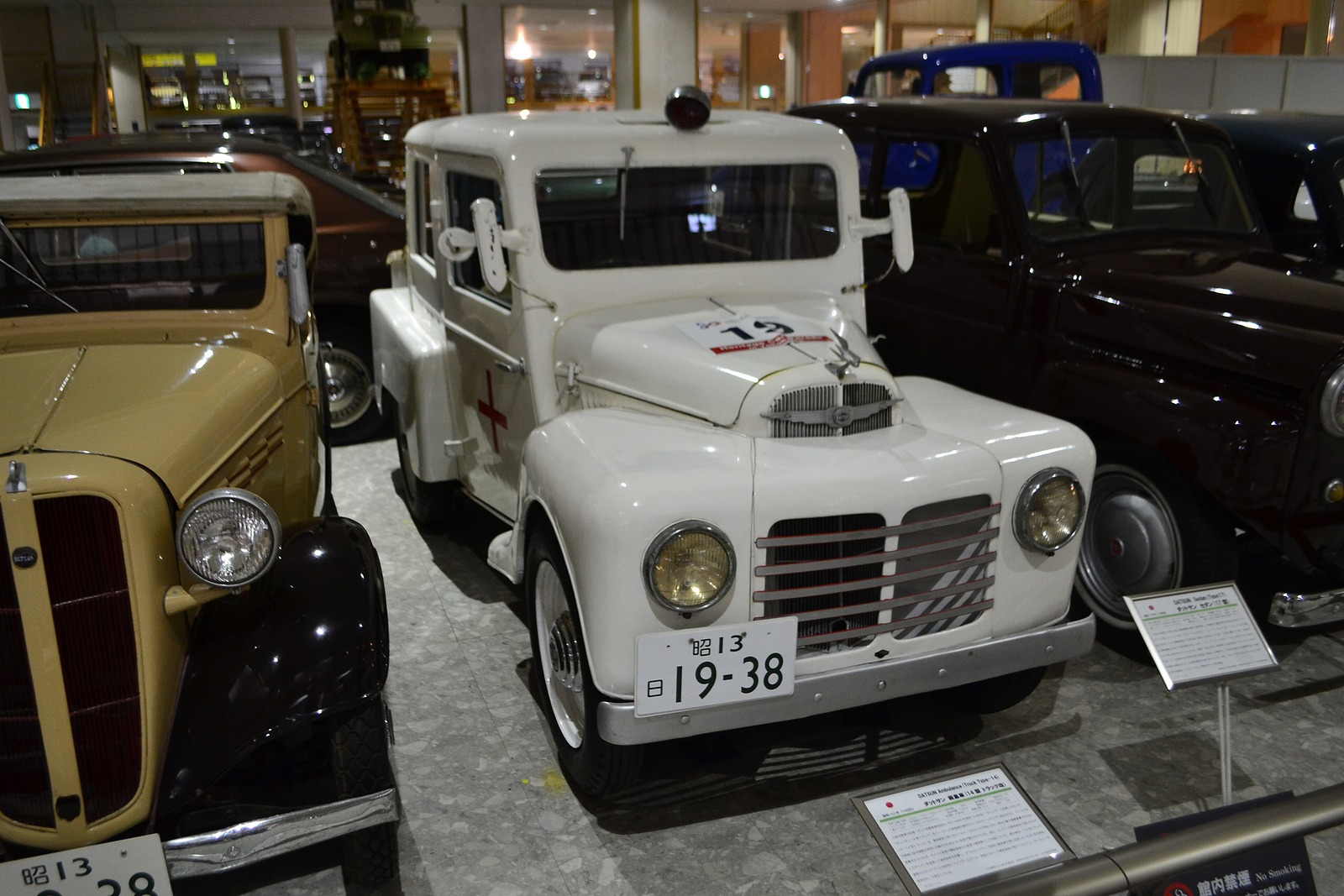
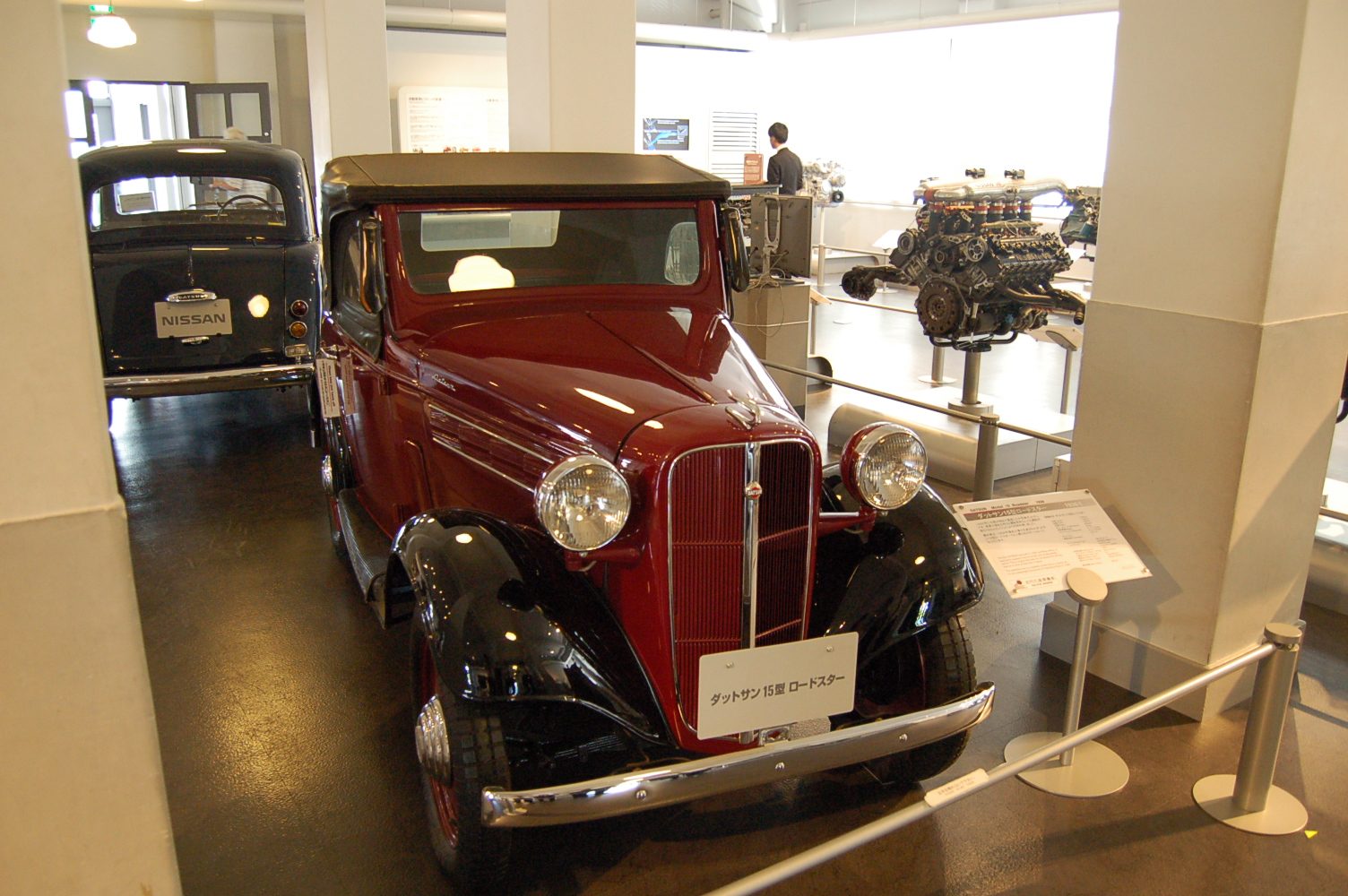
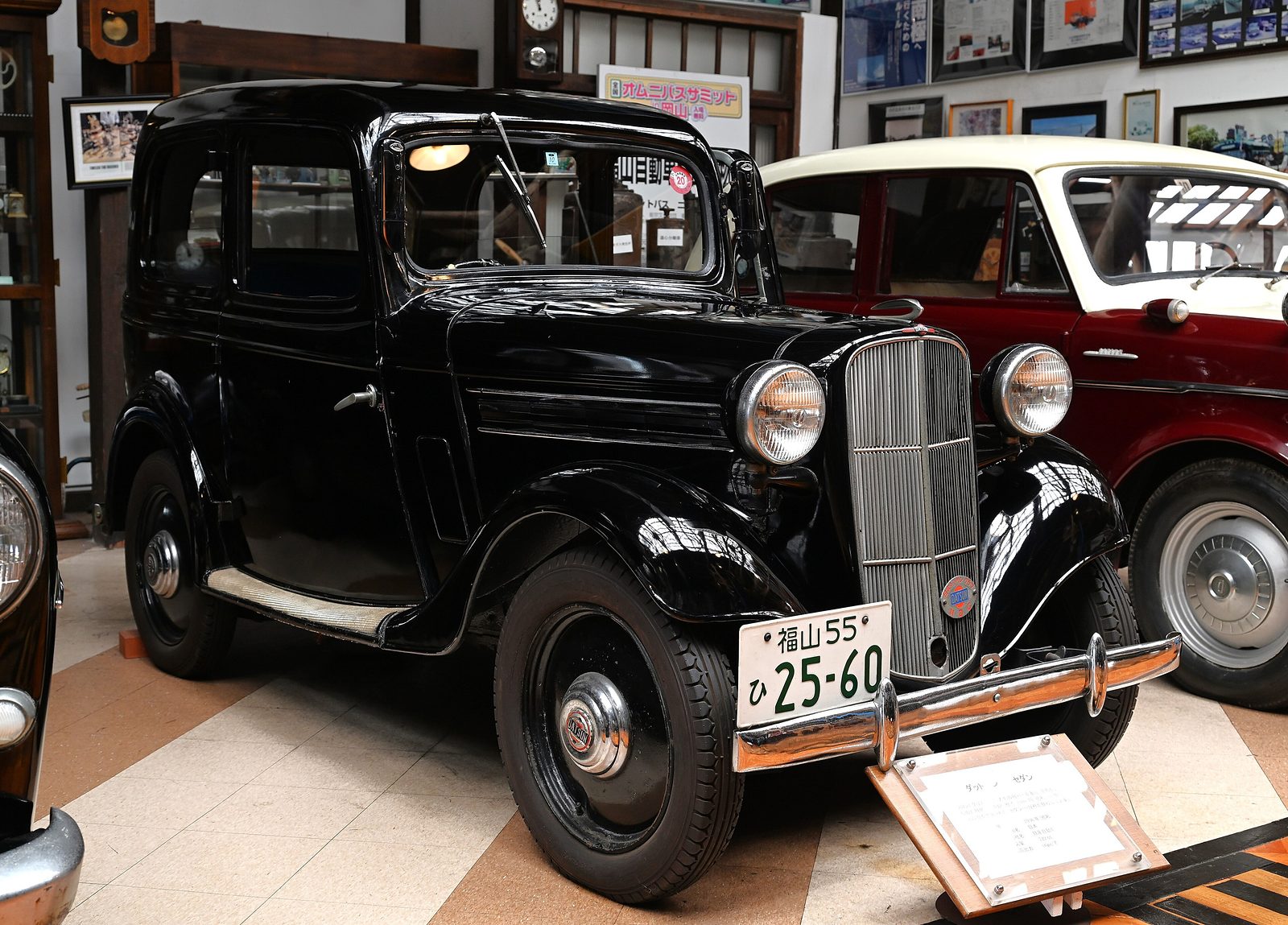
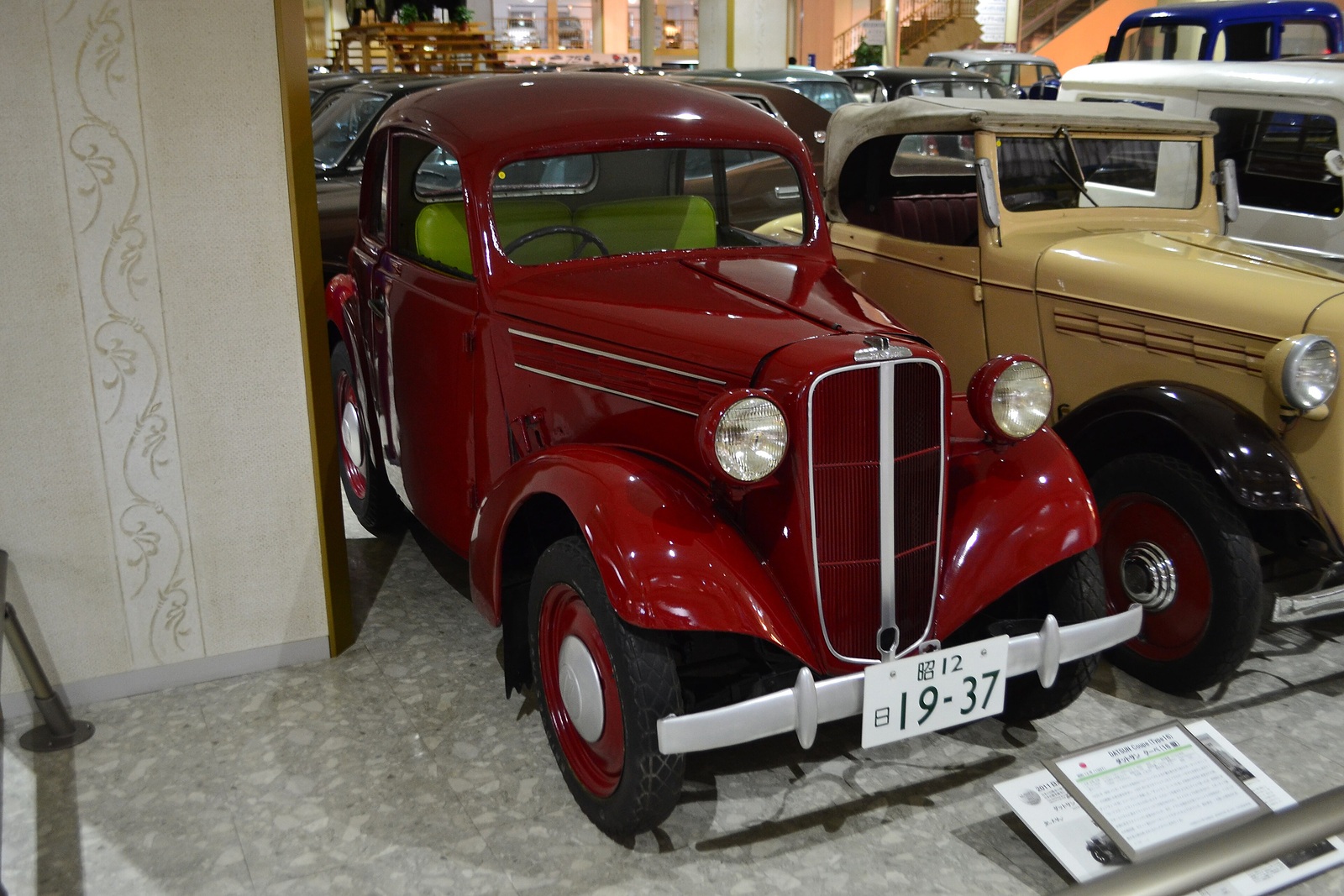
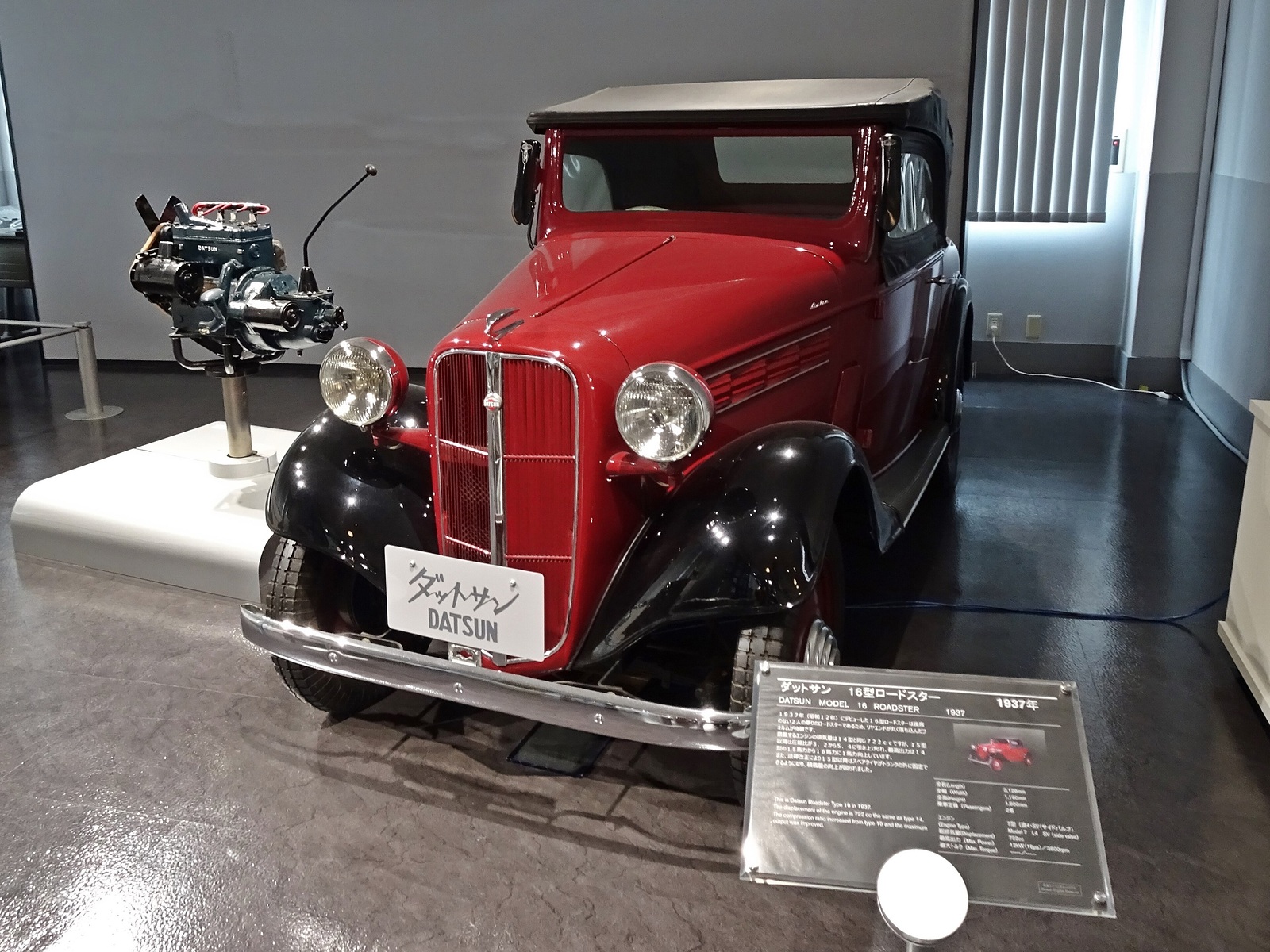
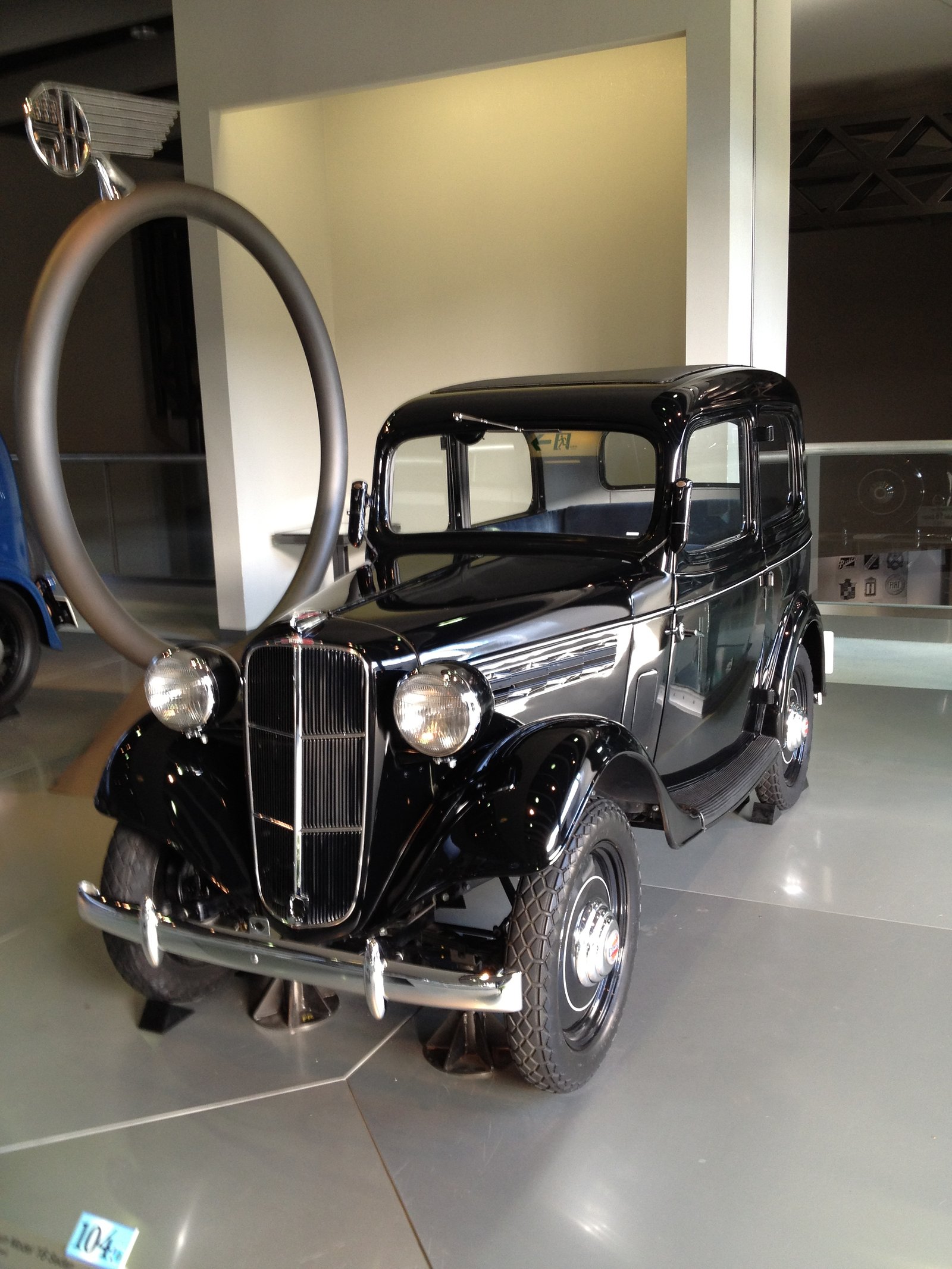
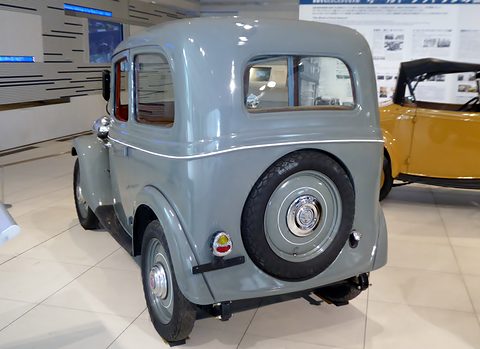
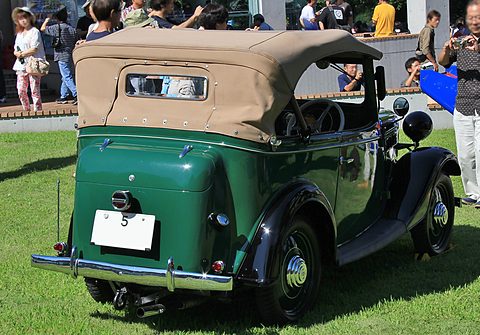
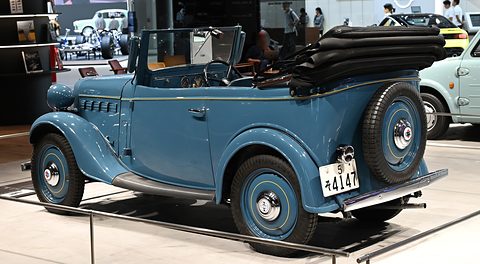
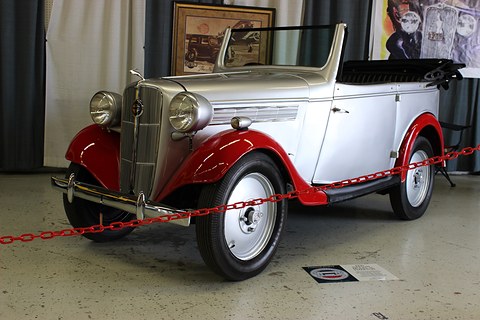
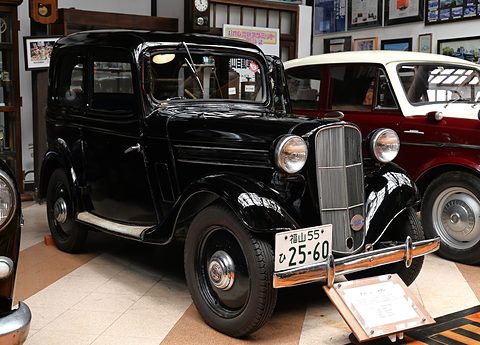
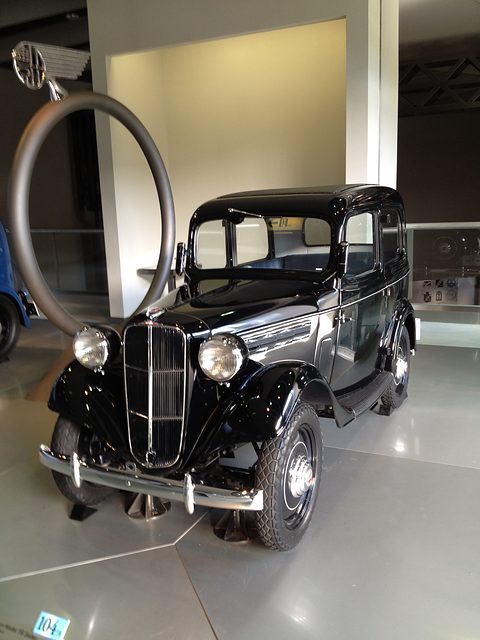
The new Yokohama works, Japan’s first car factory built for mass production, opened in 1934.source 7 The first car off its line, on 12 April 1935, was a Type 14, with Gotoh’s new “Type 7” side-valve engine of 722 cc and 15 PS, good for 80 km/h (50 mph), and a leaping-hare mascot by Ryūichi Tomiya. There were 3,800 of them and 53 were exported; the Type 14 reached Australia in 1935 and New Zealand in 1936.source 8 The Type 15 of May 1936 raised the compression for 16 PS and grew to 3,187 mm (125 in); 87 were exported.source 9 The Type 16 came in April 1937 and the Type 17 in April 1938.source 7
A copy of the Austin?
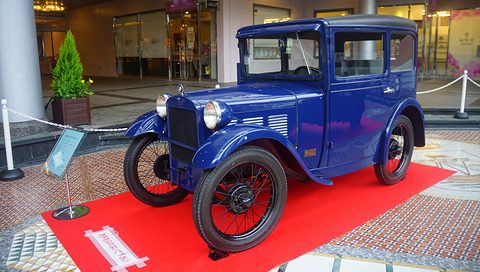
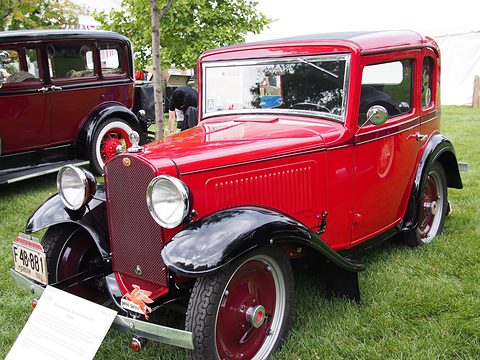
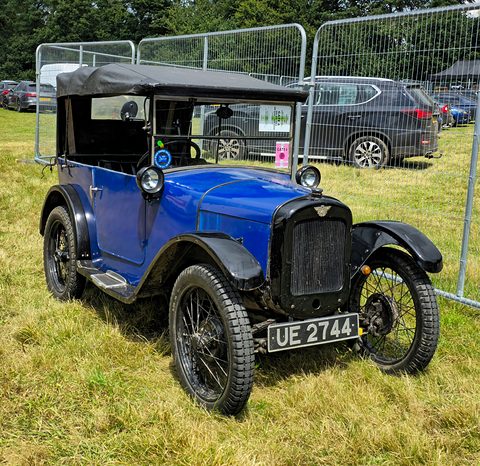
The small Datsuns looked like the Austin Seven and were laid out like it, and they are often called copies, or even licence builds. They were neither. No licence existed before the war: the Seven’s licence builds were the BMW 3/15 in Germany, the American Austin in America and the Rosengart LR2 in France, and Dennis Simanaitis calls the Datsun only heavily influenced by the Seven (see built under licence).source 10 The Type 11’s engine was 495 cc, not the Seven’s 747 cc, so English Wikipedia is wrong to say it shared the Austin’s displacement; the Type 14 had Gotoh’s own engine.source 3source 8 And Austin itself looked and let it be. In 1935 Herbert Austin had a Type 14 shipped from Japan.source 8source 11
studied the car carefully for possible patent infringement, although no action was taken.
So the fairest description is a design influenced by the Seven and built independently. Whether any parts were copied from one is unproven.source 8source 11source 10 The licence that Nissan did take from Austin, to assemble the A40 and A50, came after the war; German Wikipedia dates it to 1955.source 4