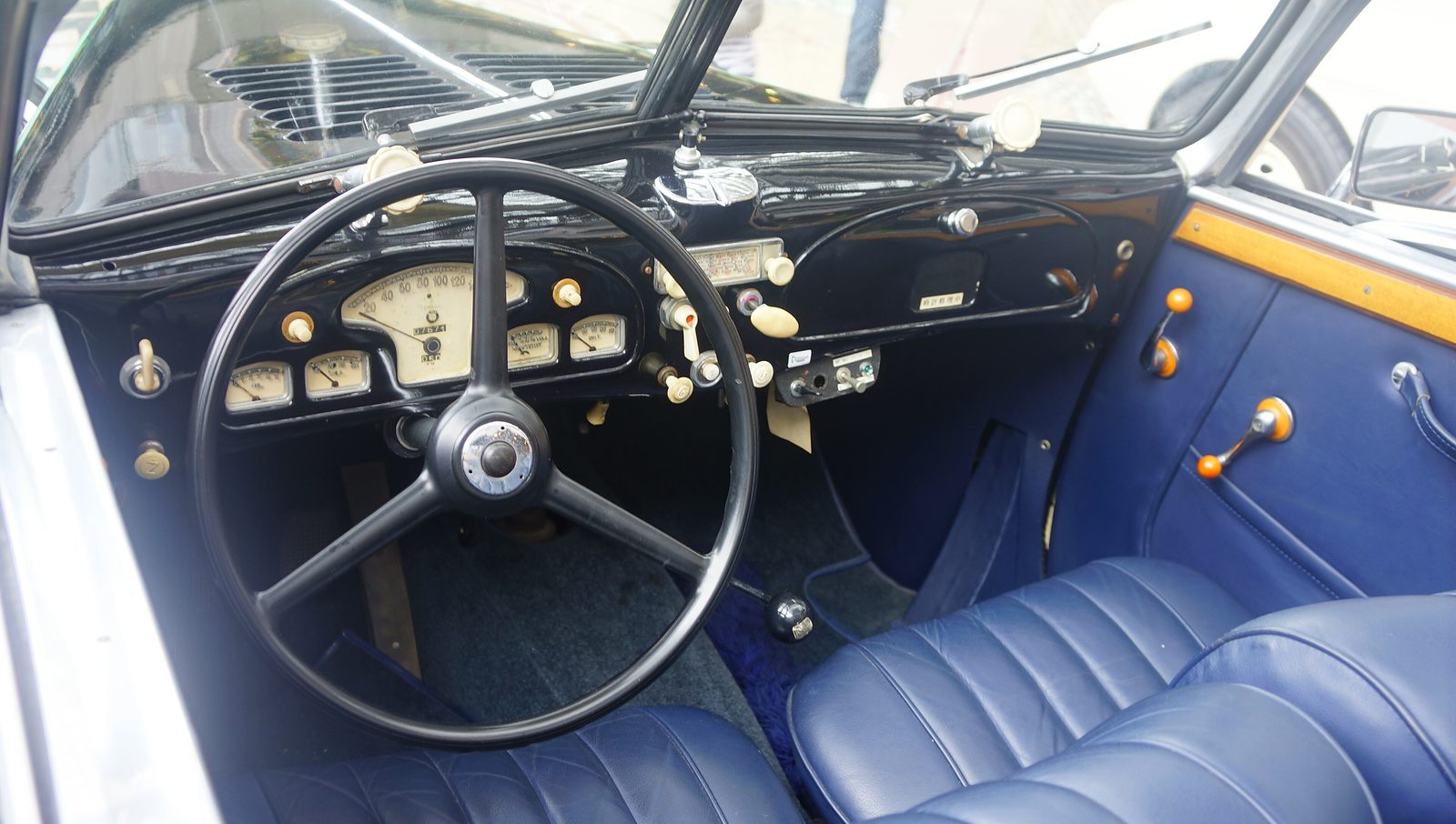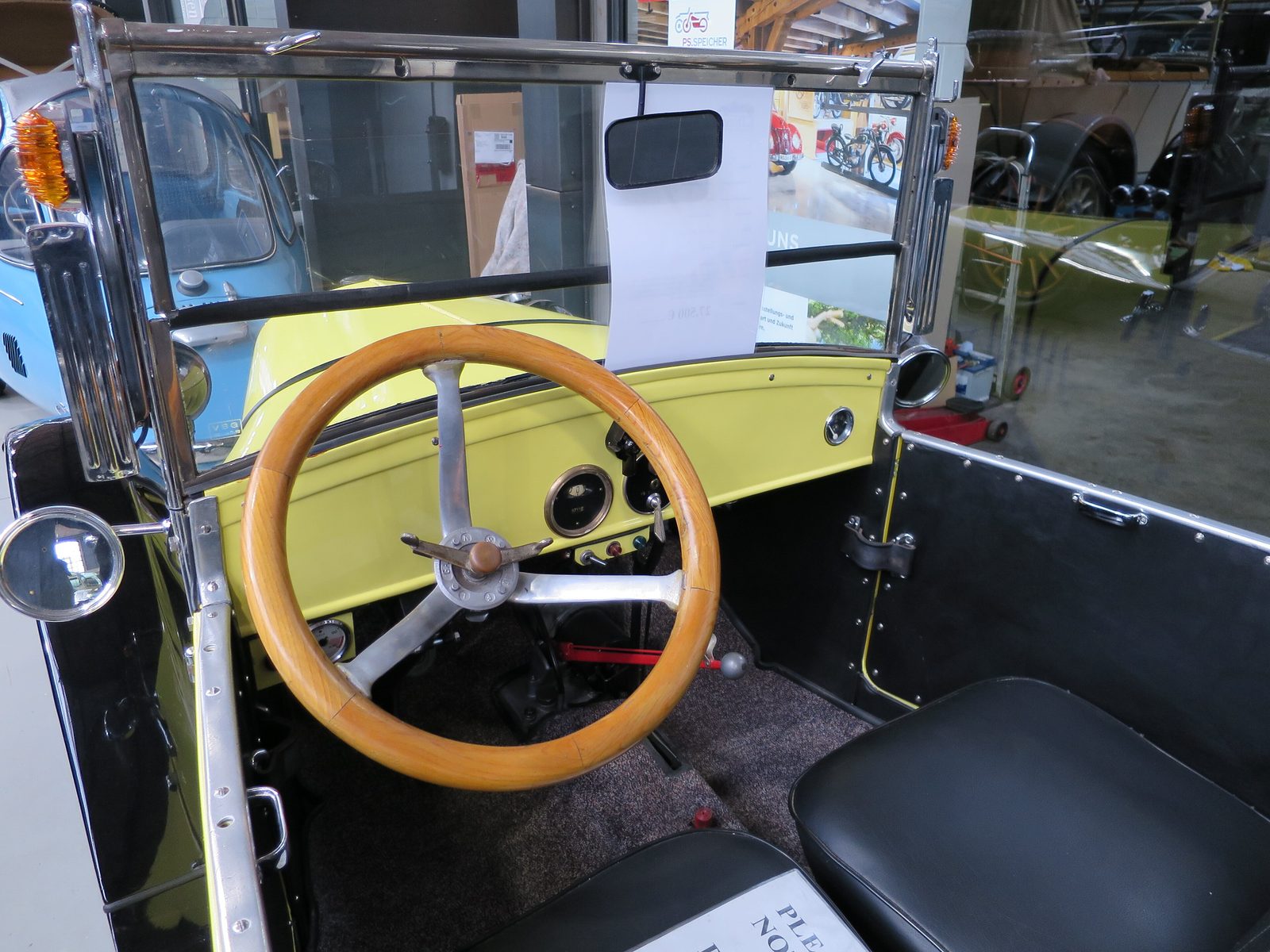
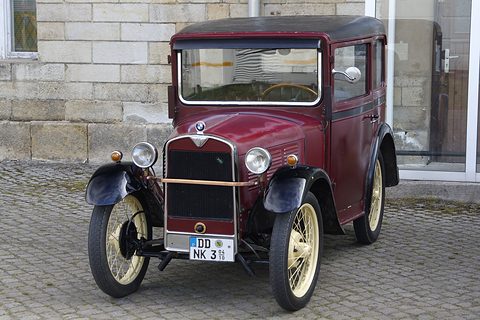
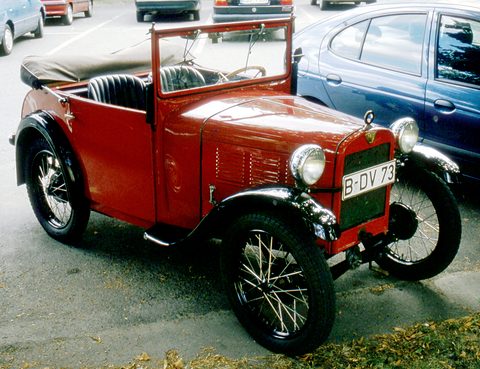
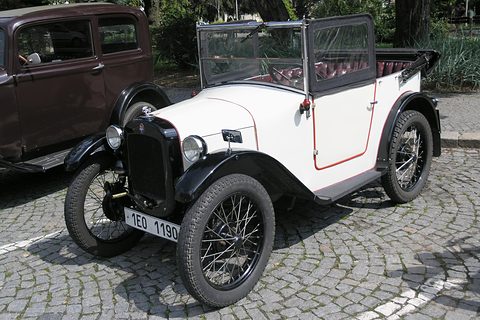
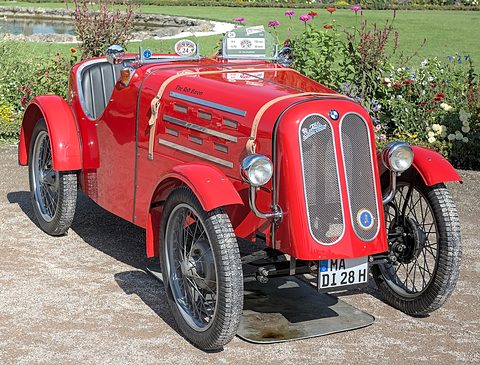
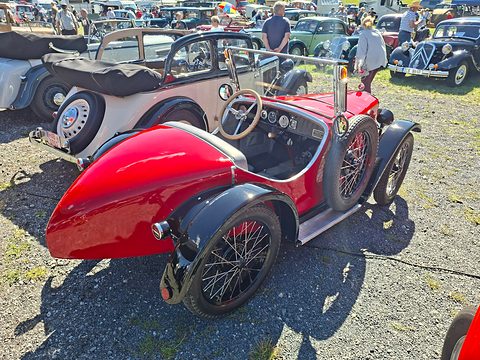
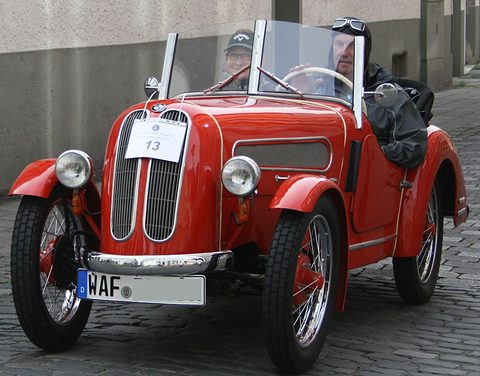
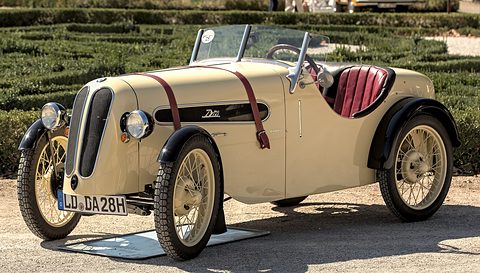
microcarfan
  • Pre-war voiturette
  • Germany
  • Four wheels
  • Built under licence

BMW 3/15

Also known as Dixi 3/15, Dixi DA-1, BMW 3/15 DA-2, BMW 3/15 DA-3 Wartburg, BMW 3/15 DA-4

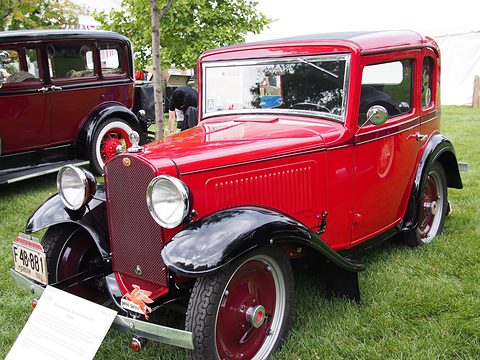
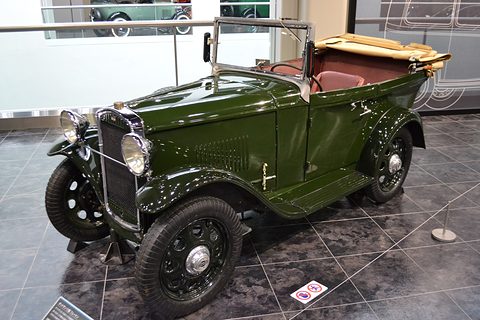
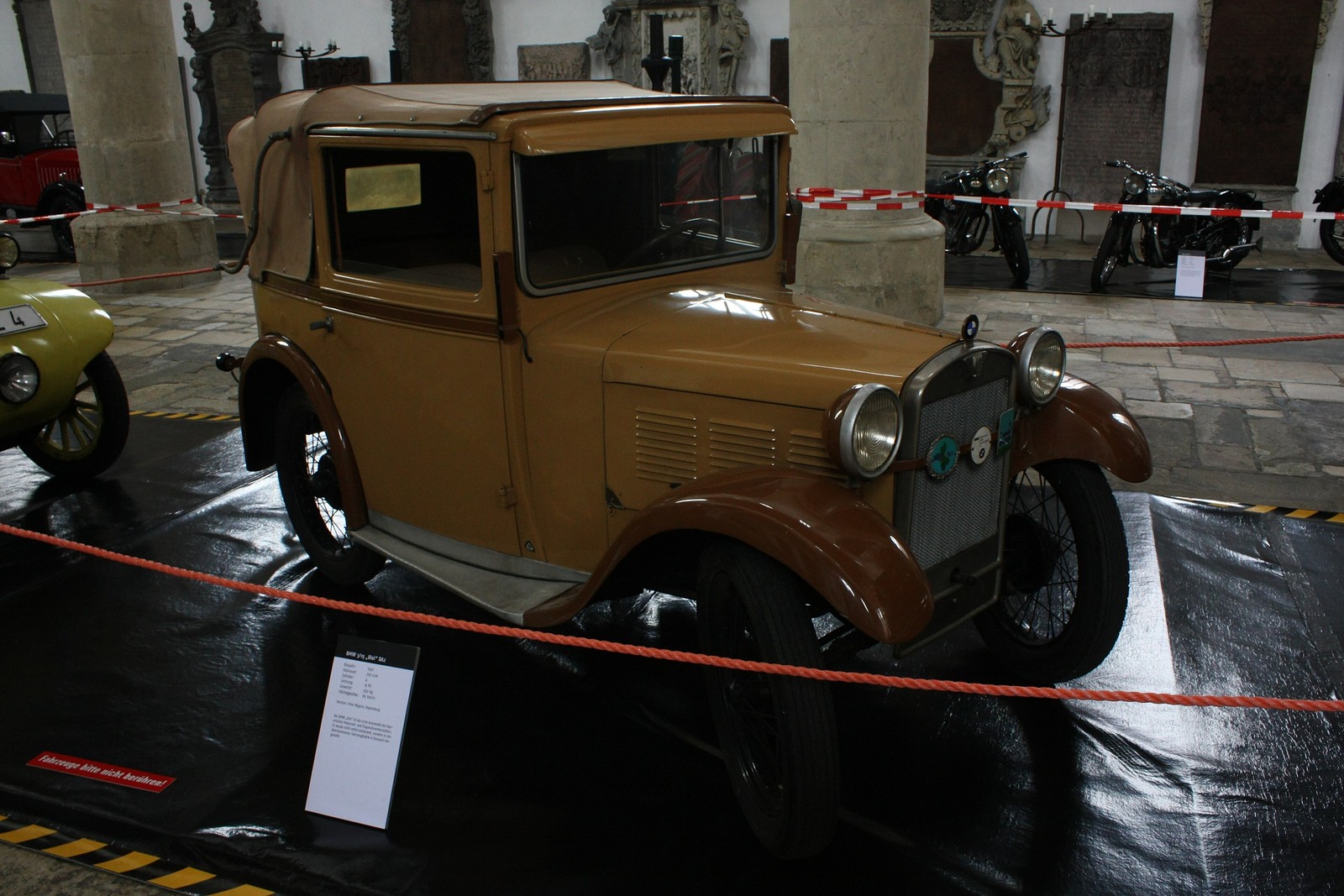
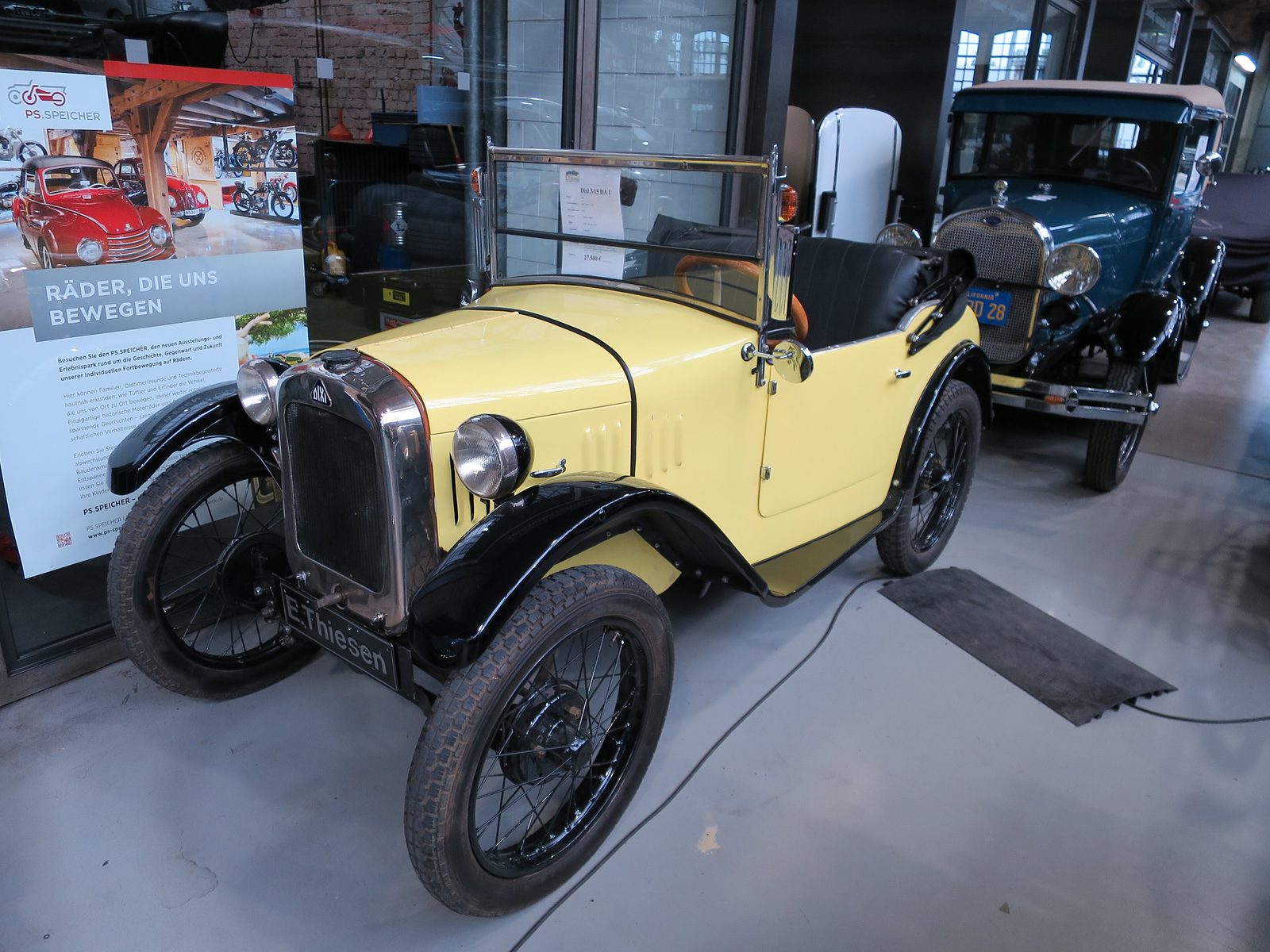
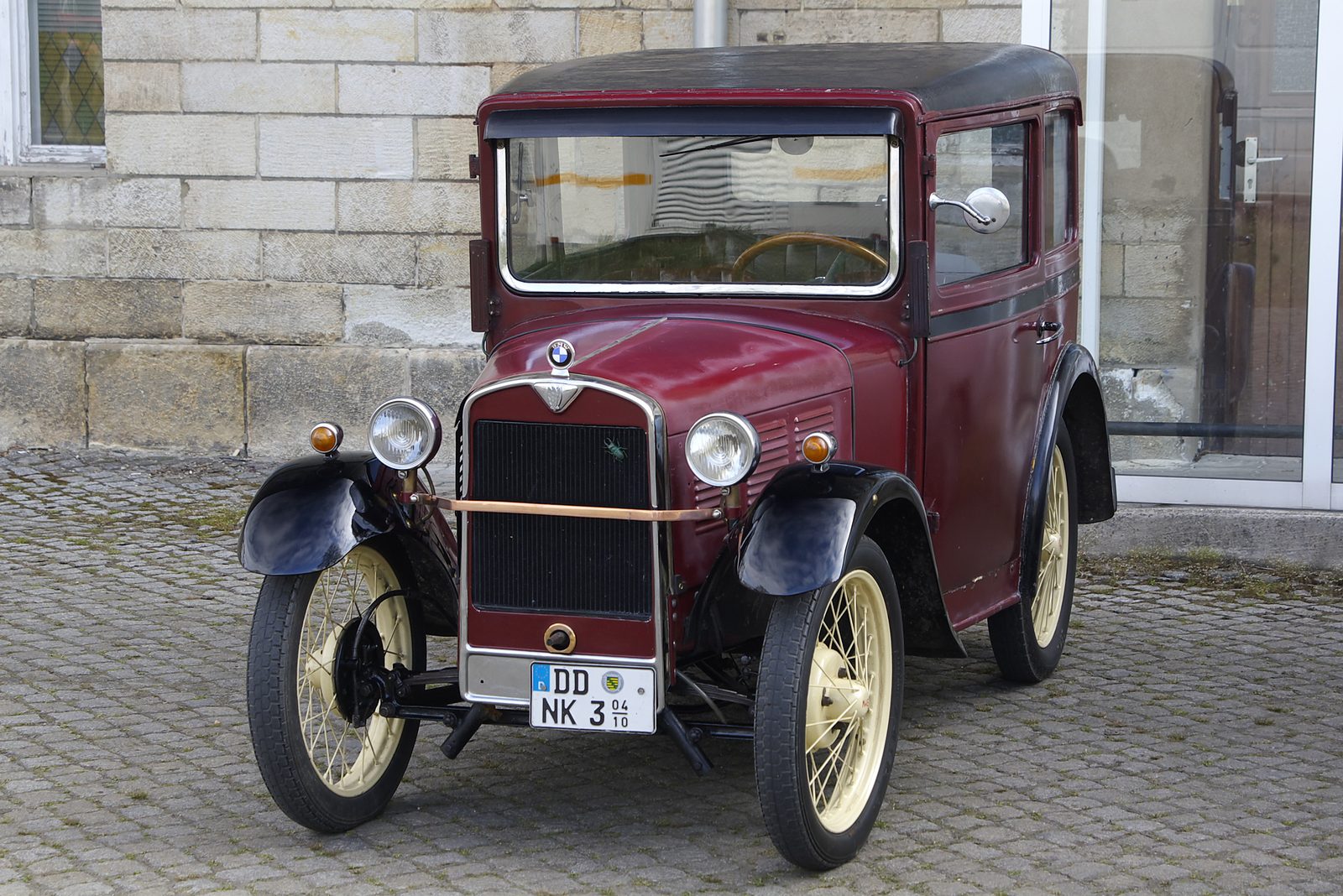
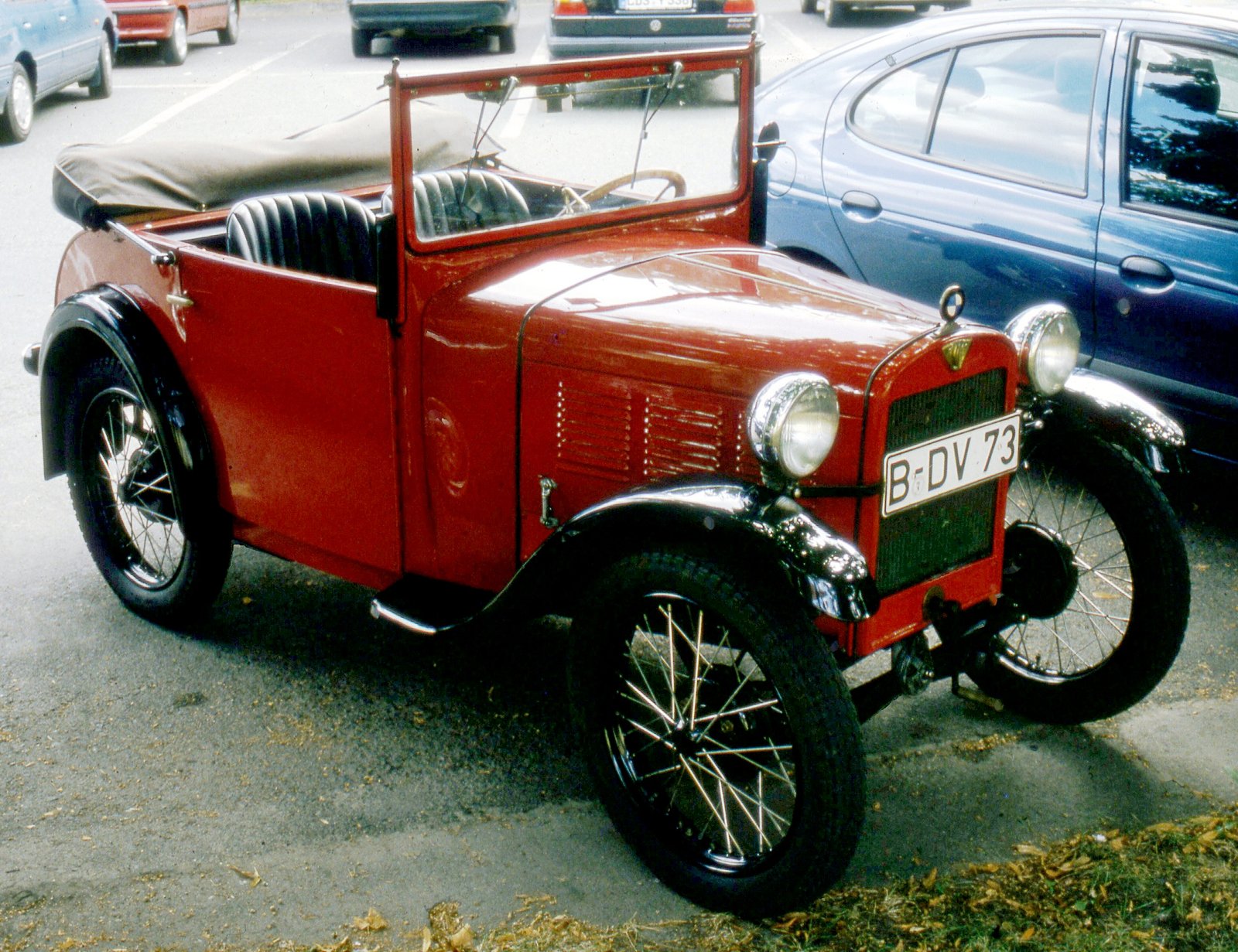
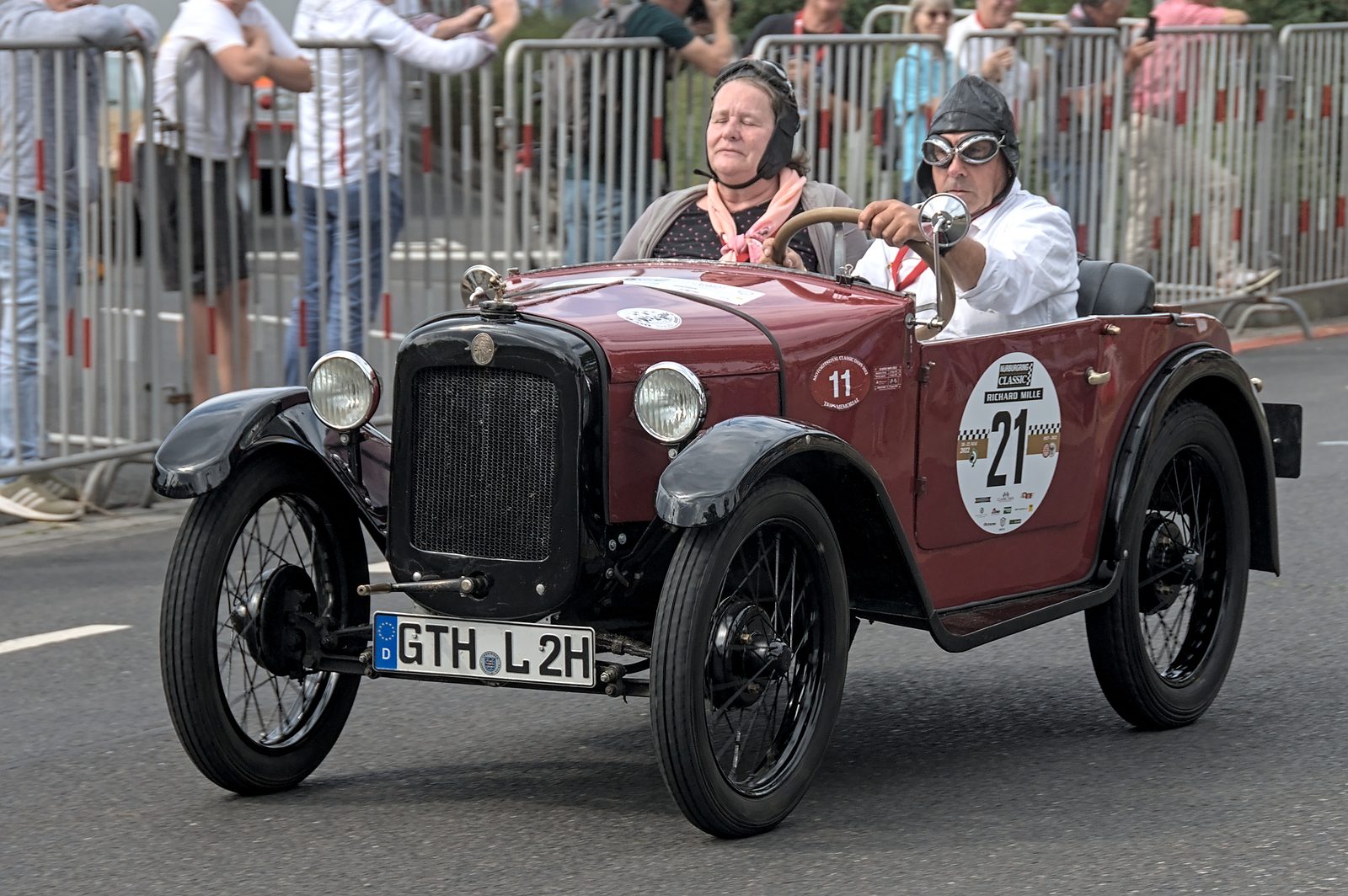
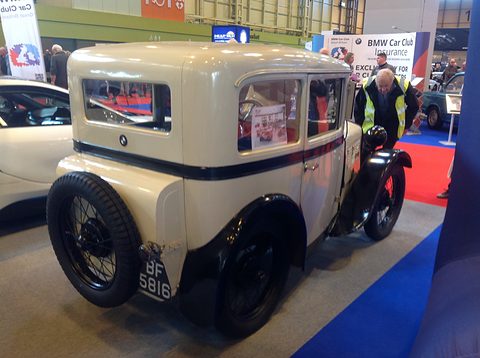
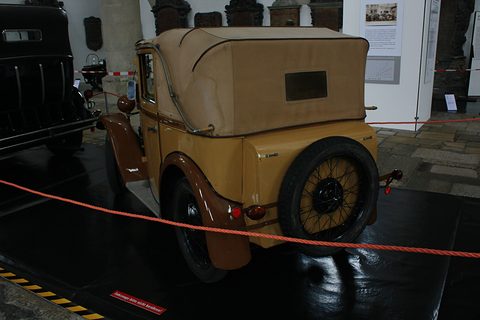
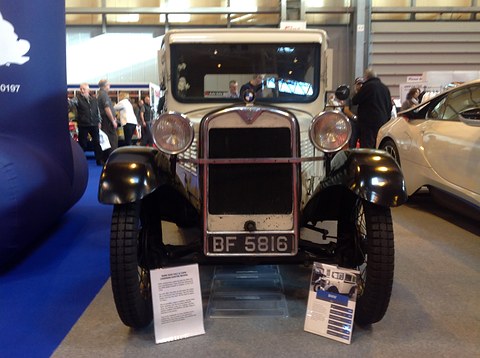
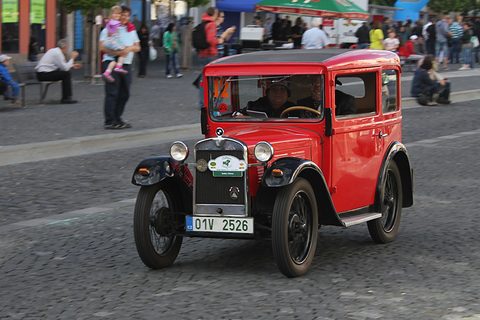
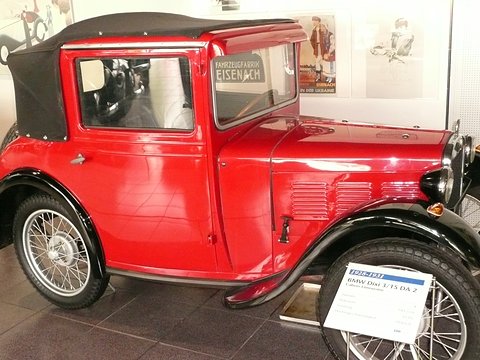
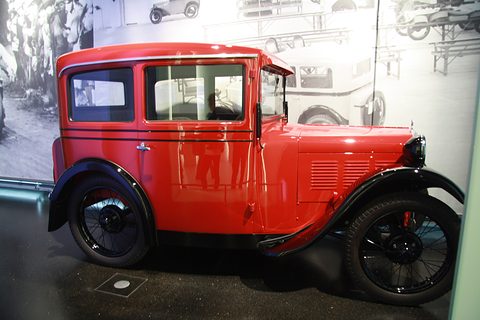
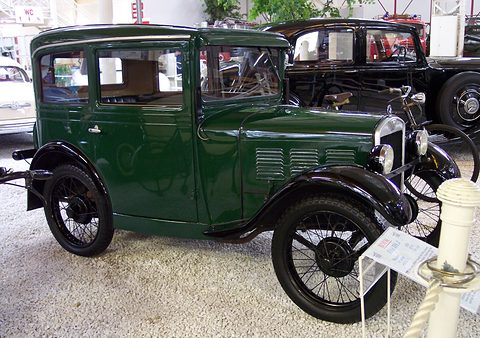
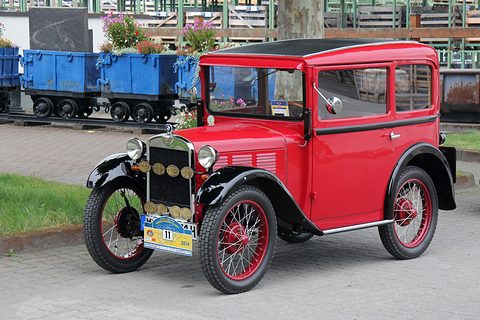
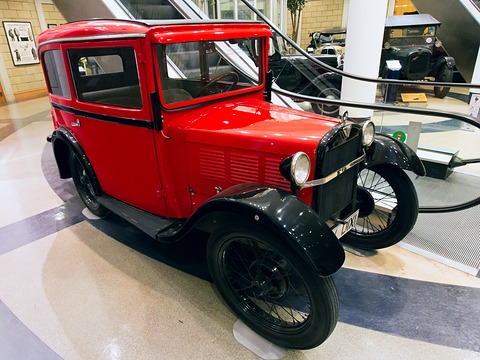
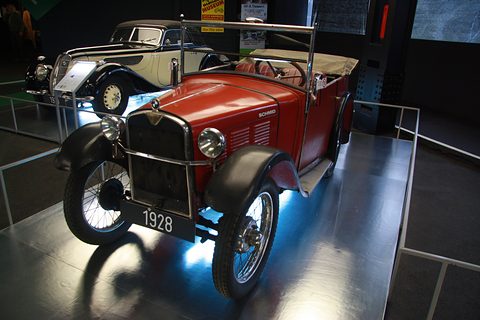
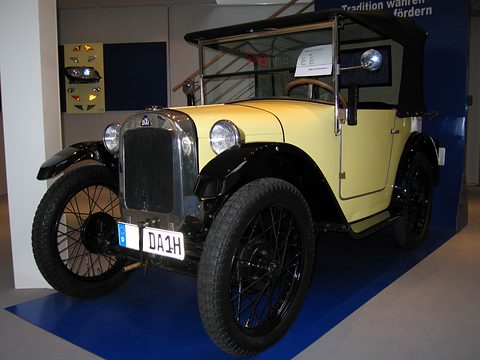
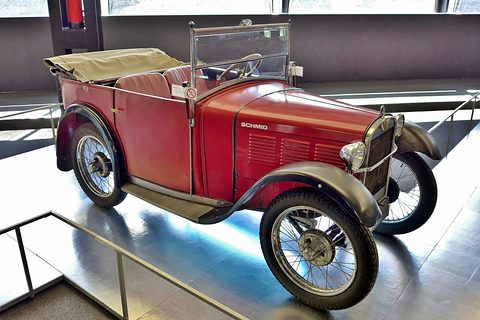
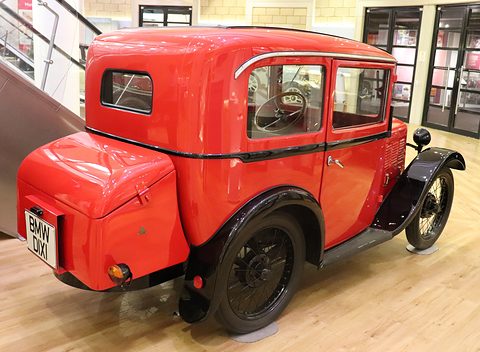
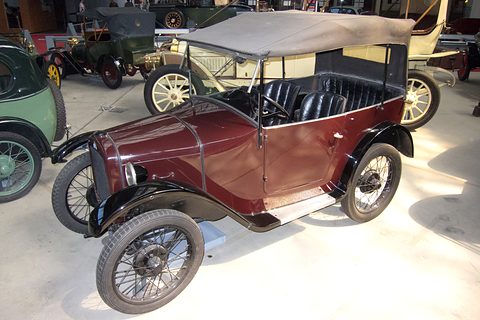
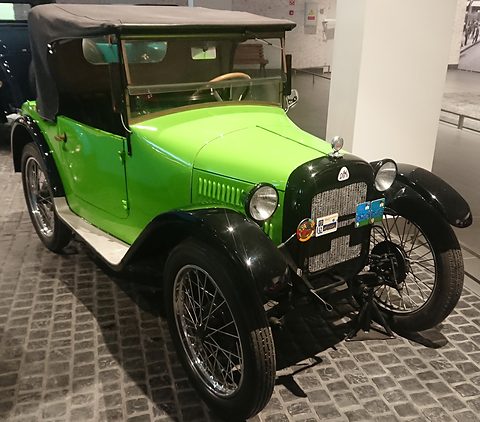
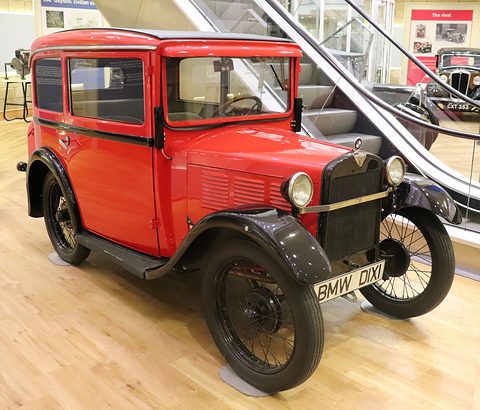
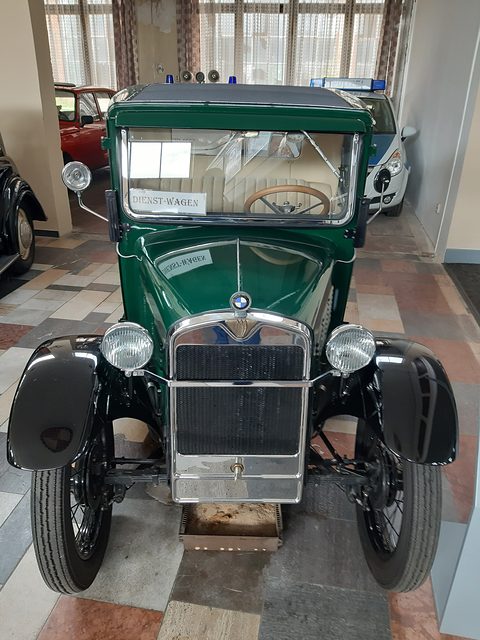
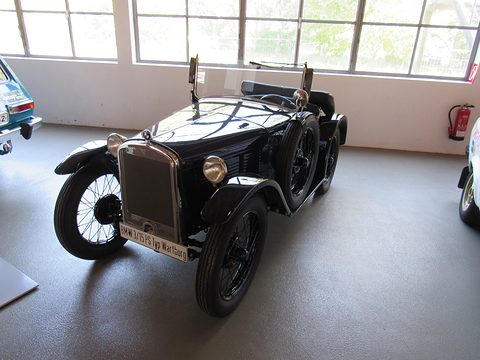
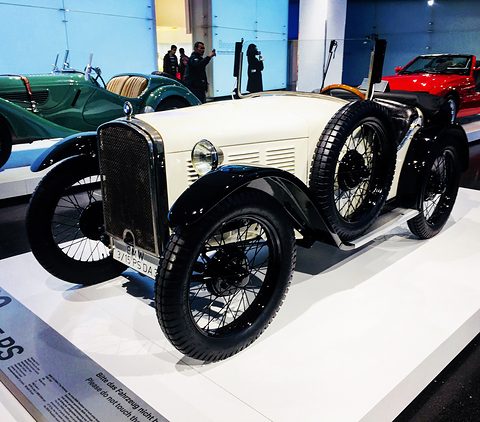
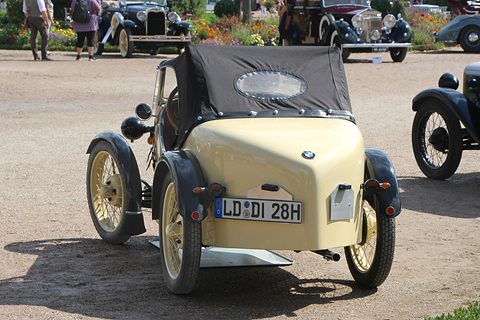
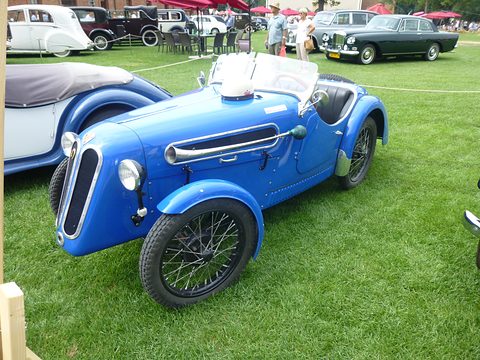
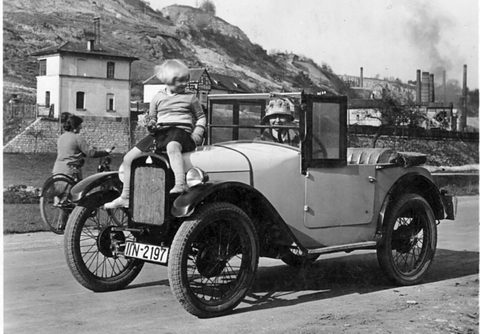
BMW’s first car was designed in England. It was the Austin Seven, made at Eisenach under licence as the Dixi, and BMW, until then a maker of aero engines and motorcycles, got it in 1928 by buying the factory that made it.

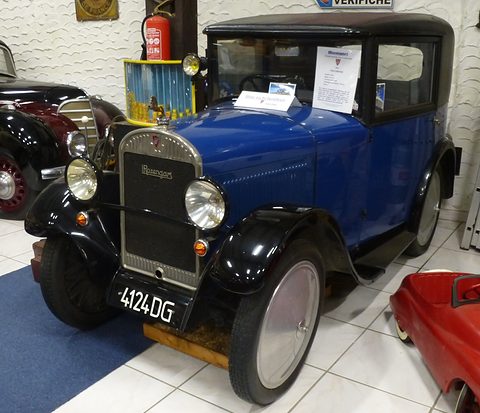
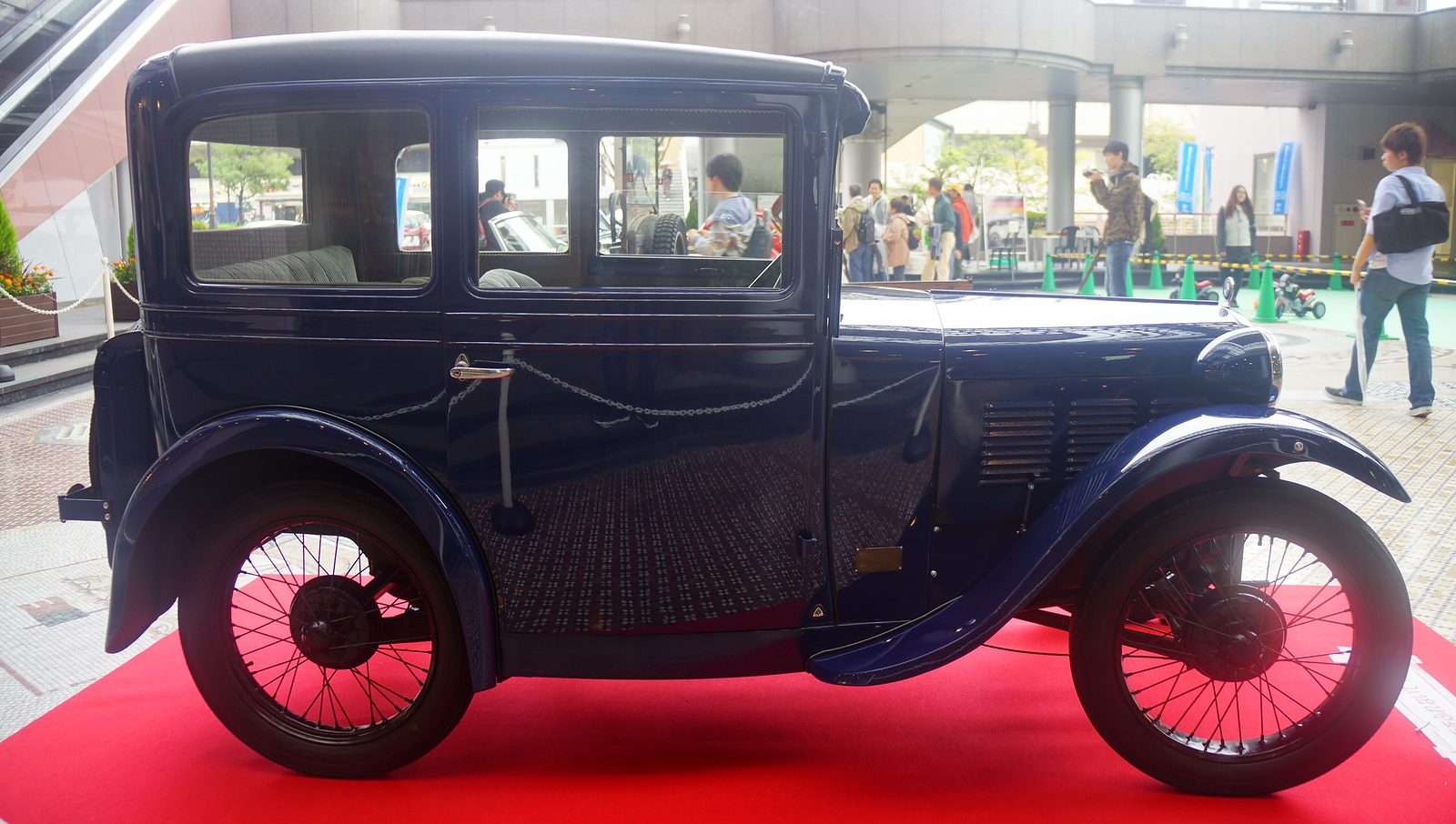
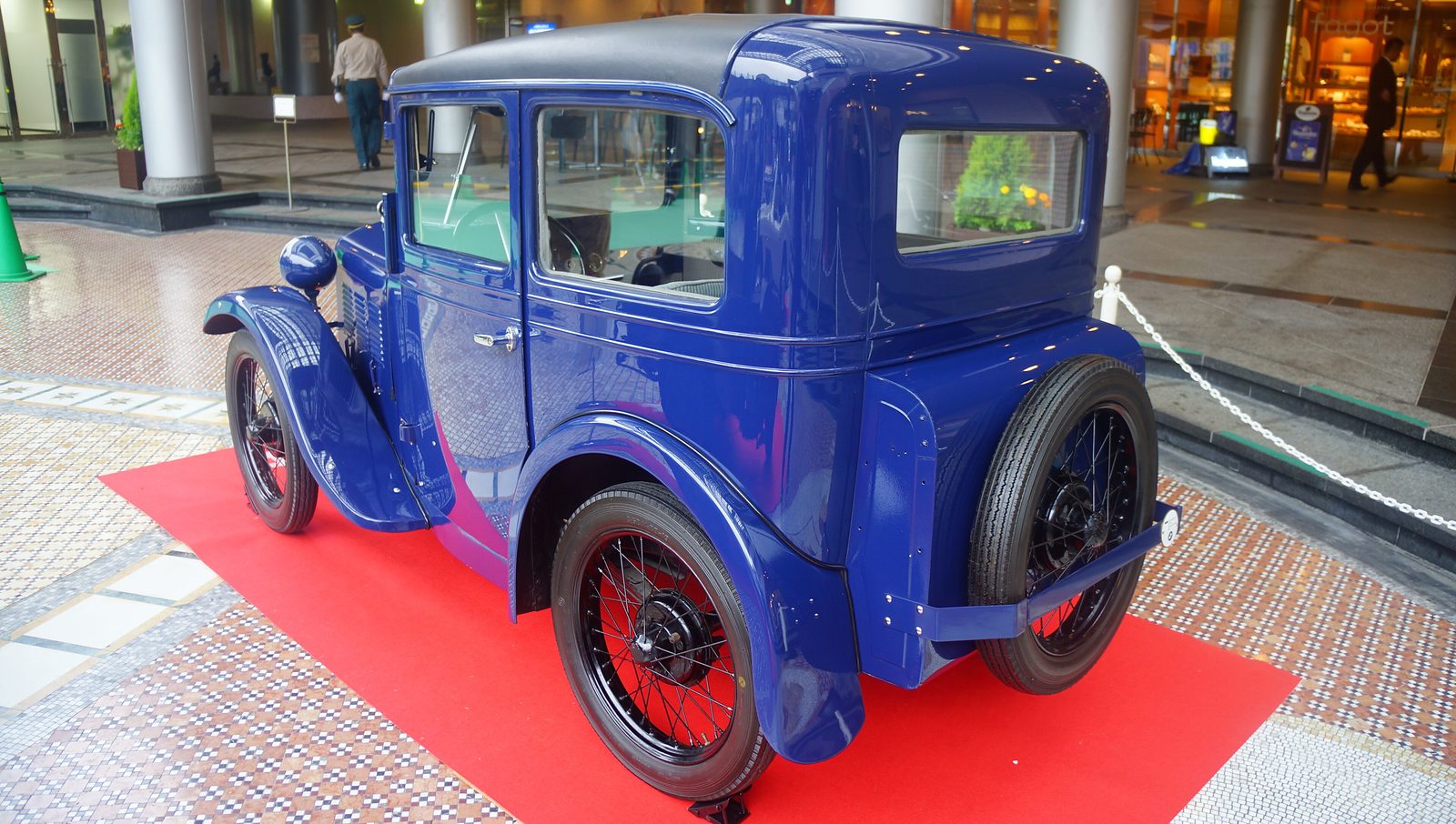
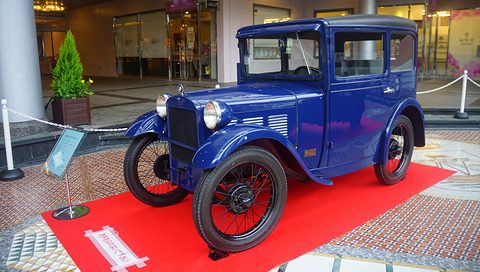
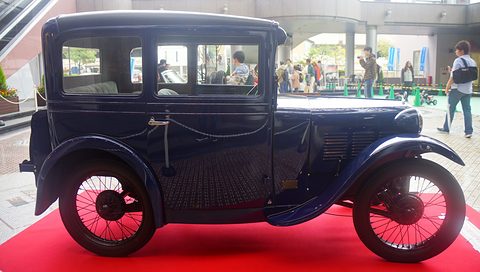
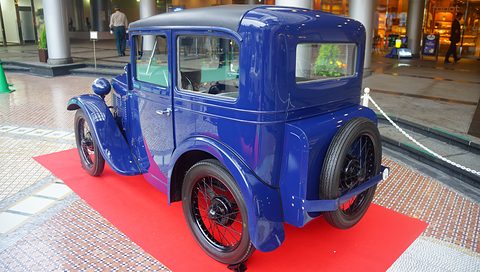
A dark blue small saloon with black wire wheels standing on a red carpet in a shopping-centre atrium.
Blue BMW 3/15 DA-2 saloon on display at the Sakai City Historic Car Collection, Japan, in October 2013.Photo: Hunini, CC BY-SA 3.0, via Wikimedia Commons

At a glance

The spec plate

BMW 3/15

3/15 PS · Eisenach

Built
1927–⁠1932As the Dixi from 1927; as the BMW from March 1929 to early 1932
Country
GermanyEisenach, Thuringia; the first BMW bodies pressed in Berlin
Maker
Fahrzeugfabrik Eisenach (Dixi)Bayerische Motoren Werke from October or November 1928
Engine
748.75 cc side-valve fourAustin’s design, water-cooled; also given as 747, 749 and 750 cc
Power
15 PS11 kW at 3,000 rpm; 18 PS in the DA-3 Wartburg
Length
3,000 mm1,275 mm wide, 1,625 mm high
Weight
400 kgAbout 400 kg, by English Wikipedia
Seats
2 to 4By body: two-seater, three-seat cabriolet, four-seat tourer and saloon
Wheels
4Engine at the front, the rear wheels driven
Price new
RM 2,200The DA-2’s base price at its launch, July 1929
Production
about 25,00025,356 by German Wikipedia; the 25,000th was built in 1931
Top speed
75km/h75 km/h47 mph; 80 km/h for the DA-3 Wartburg by the Lane museum

How big is it?

True proportion

3.00 m

It is 30 mm longer than a Fiat 500, about 1.7 adults laid end to end.

  • 1.27 m wide
  • 400 kg: about five adults
  • Wheelbase 1,905 mm (75 in), the Austin Seven’s
Drawn at true proportion. The track is 3.6 metres long; the adult stands at the same scale. The Peel P50 is the smallest production car, on every page for comparison.

The story

History

BMW began by building aero engines. After 1918 the restrictions of the Treaty of Versailles pushed it into engines for motorcycles and lorries, and its first motorcycle came in 1923.source 1 It is often said that BMW turned to cars because it was banned from aviation. That is too simple: when it did take up cars, in 1928, it did so by buying a going concern with a licensed product, not by starting from nothing (more on our page on the aircraft makers).source 1source 2

Dixi of Eisenach

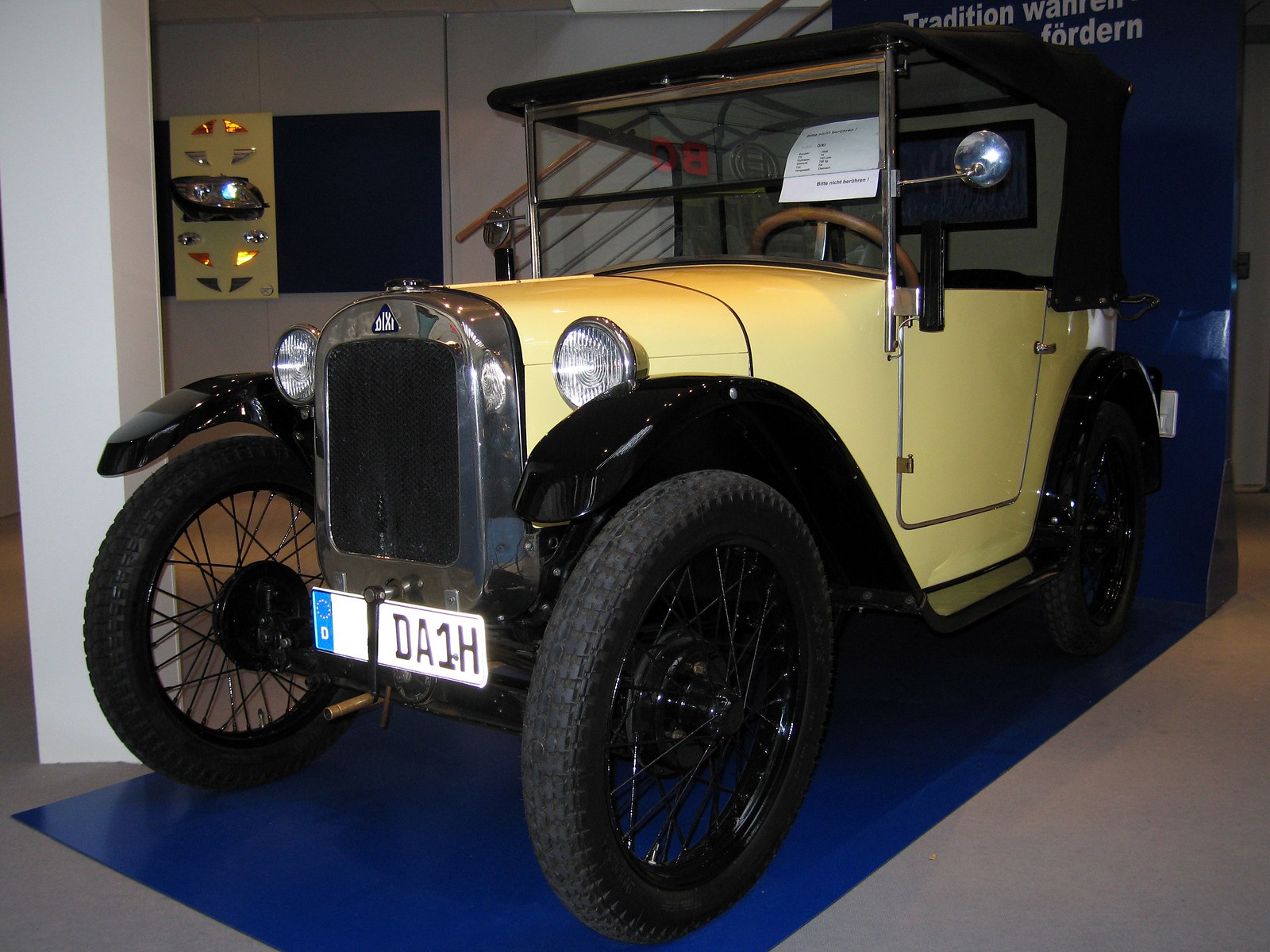
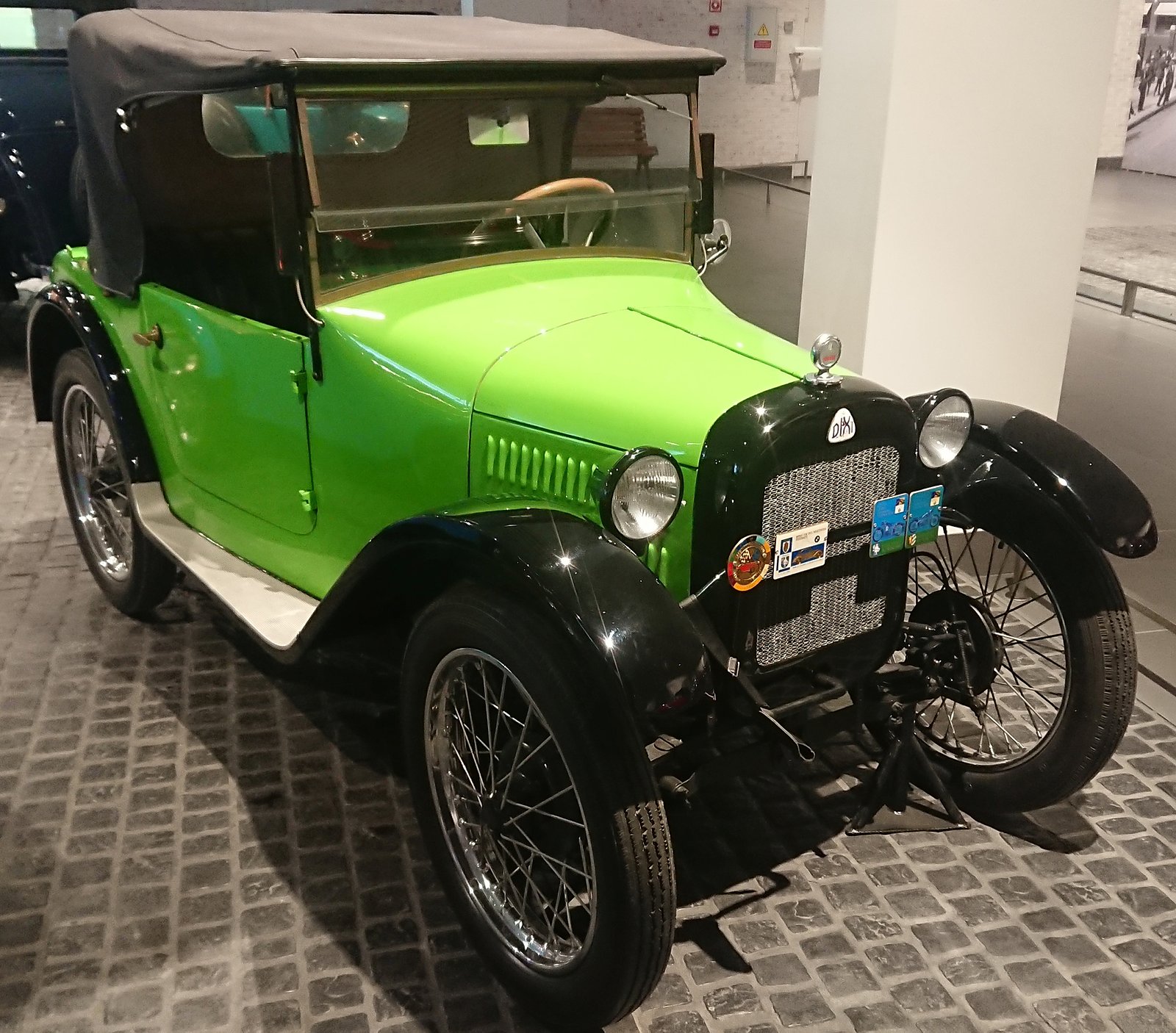
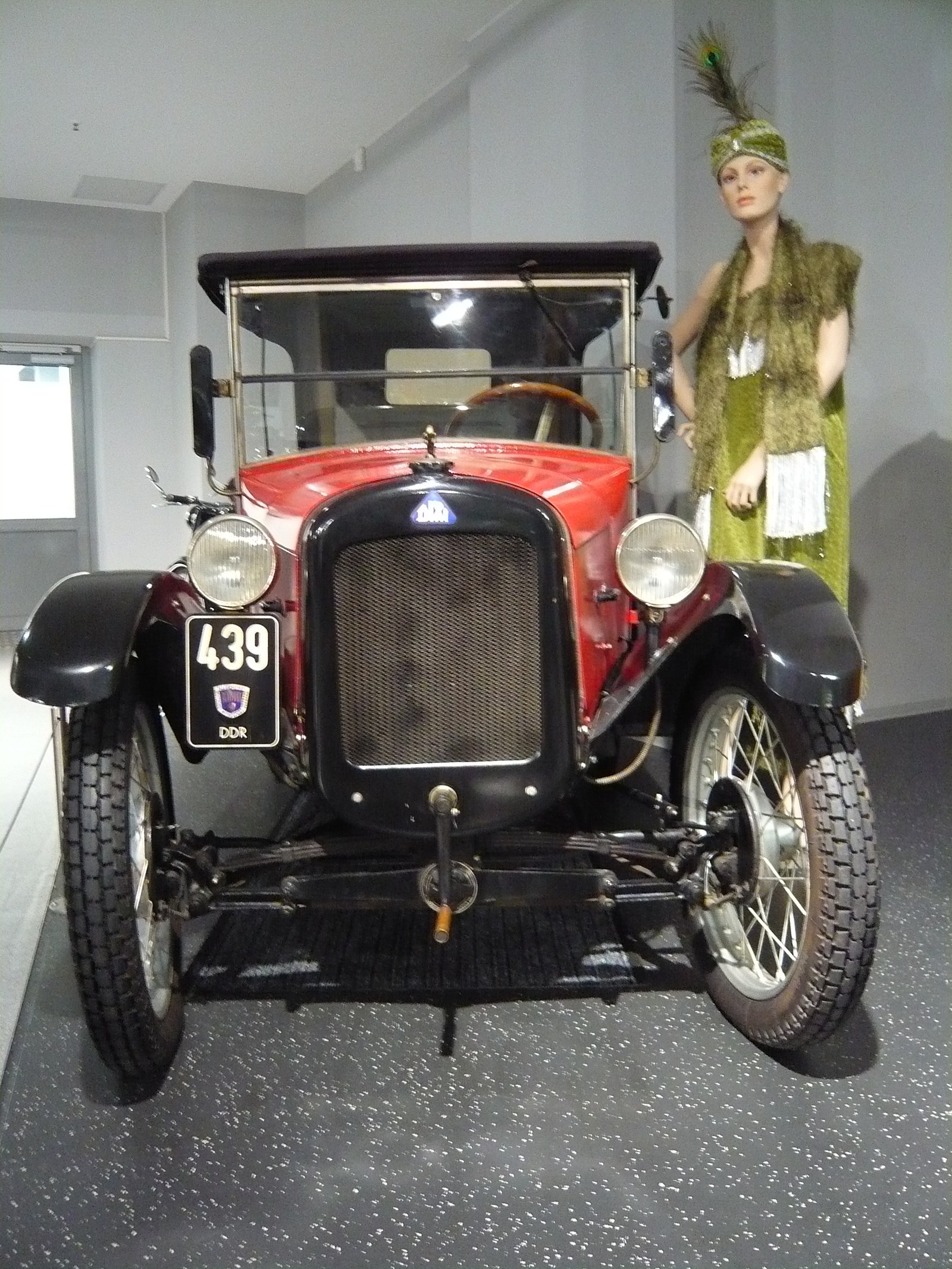
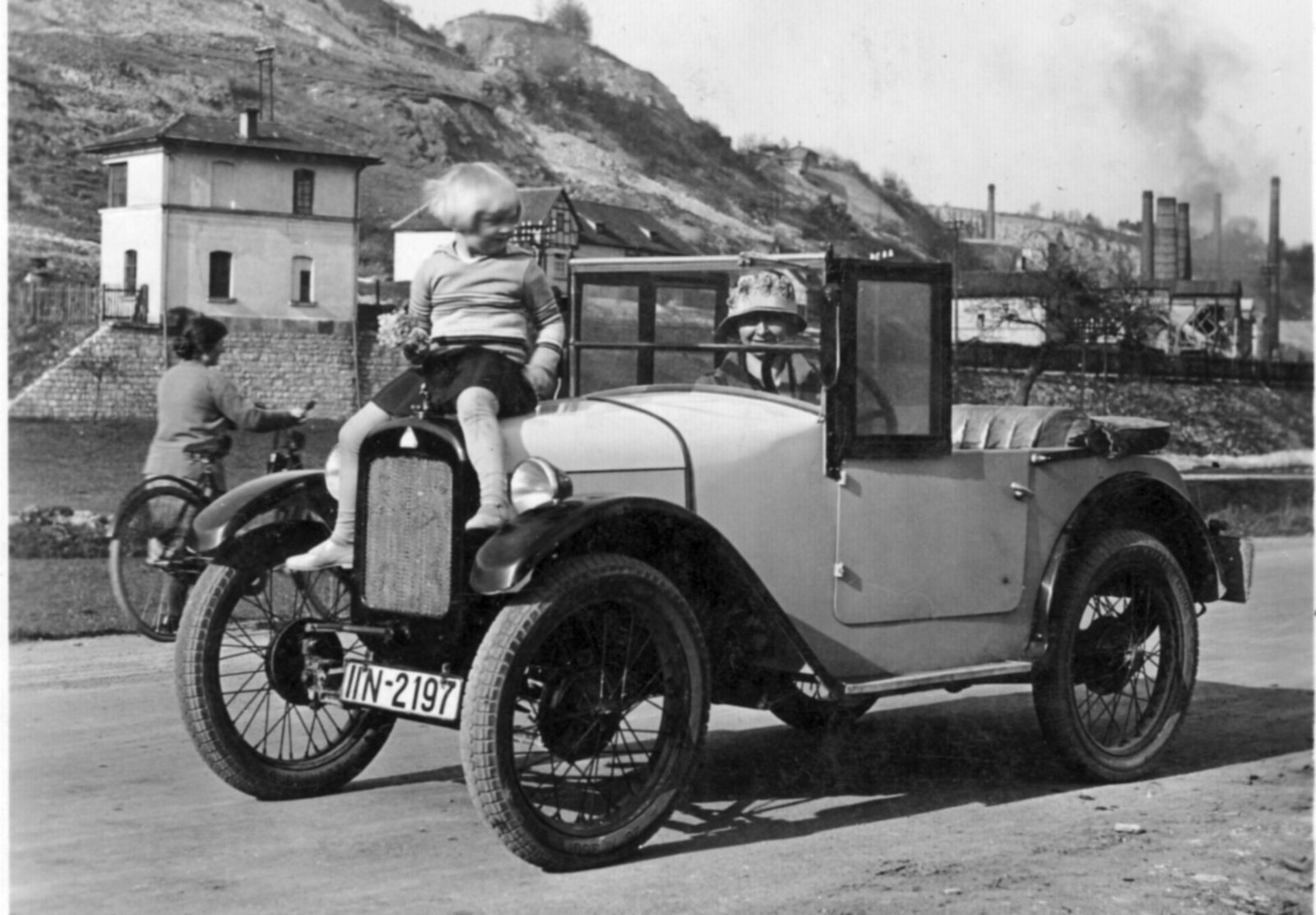
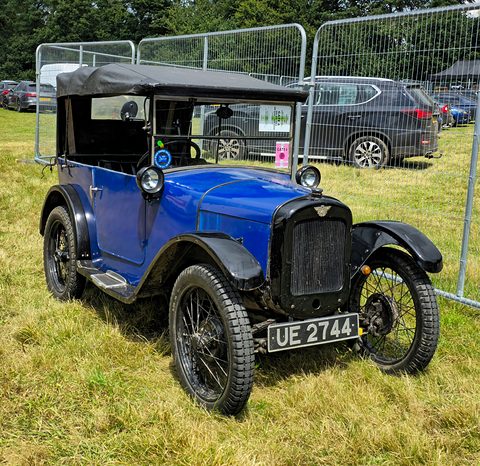
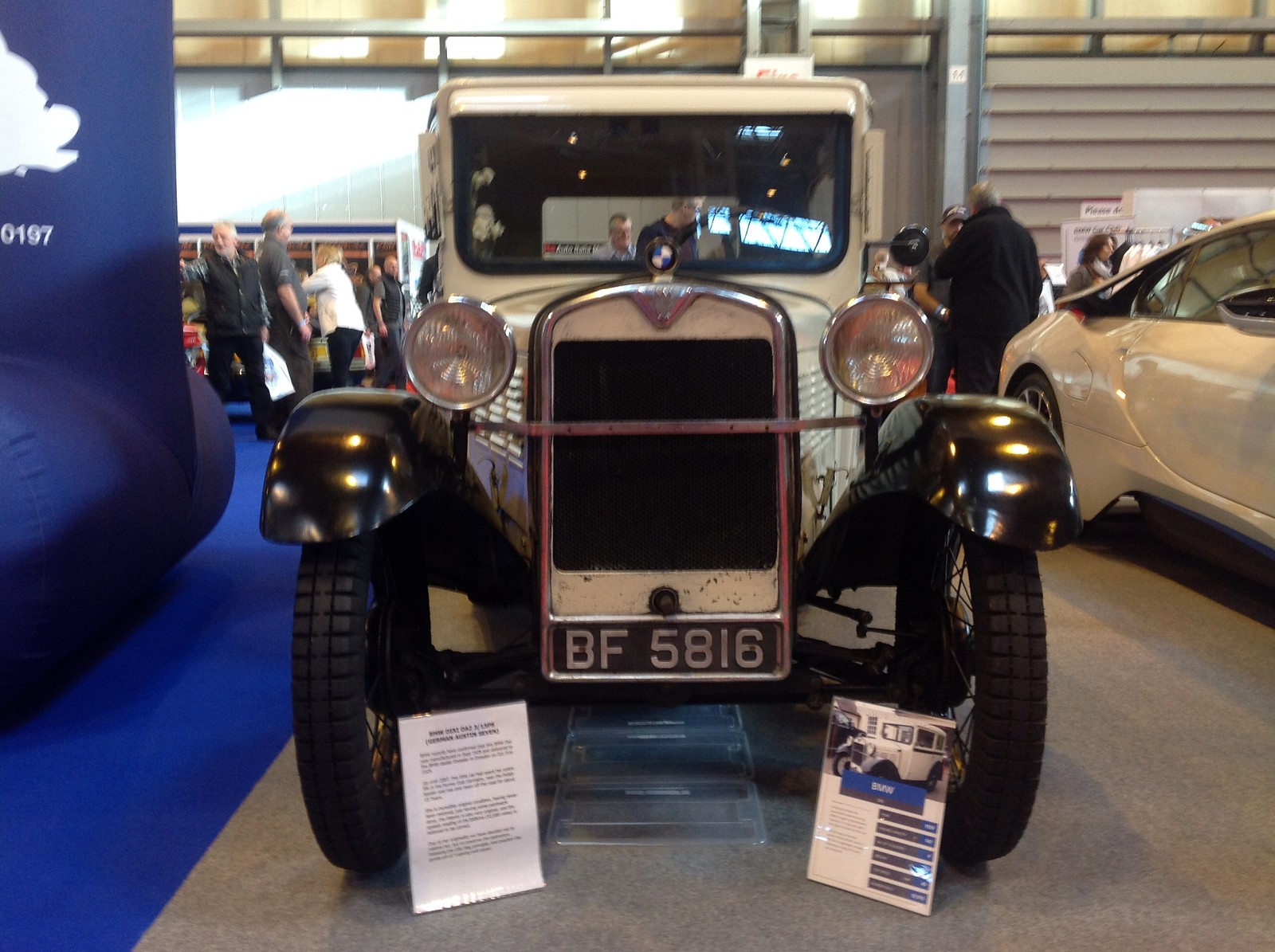
The Fahrzeugfabrik Eisenach, in Thuringia, had built cars under the names Wartburg and Dixi. The Gothaer Waggonfabrik bought it in 1921, and in the financial crisis of the late 1920s it was controlled by the speculator Jacob Schapiro. To survive, it turned to a small, cheap car, and took a licence from the Austin Motor Company to build and sell the Seven from 1 January 1927 to 31 December 1932.source 2 The first cars were assembled at Eisenach from kits of parts shipped from England; then the works built the car itself.source 2 It was sold as the Dixi 3/15 DA-1.source 3source 2 The 3/15 was the German formula of taxable horsepower over actual horsepower, and DA stood for Deutsche Ausführung, the German version.source 4source 5source 6 The Seven was also built under licence in France, as the Rosengart LR2, and in America, as the American Austin (see built under licence).

Then BMW bought the works and the Dixi brand. BMW Group Classic dates the purchase to 1 October 1928, English Wikipedia to October and German Wikipedia to November; the price was 800,000 BMW shares and 800,000 Reichsmarks in cash by German Wikipedia, or “approximately one million marks” by the Lane Motor Museum.source 5source 3source 2source 1 BMW dropped Eisenach’s two larger models and kept the small one.source 1

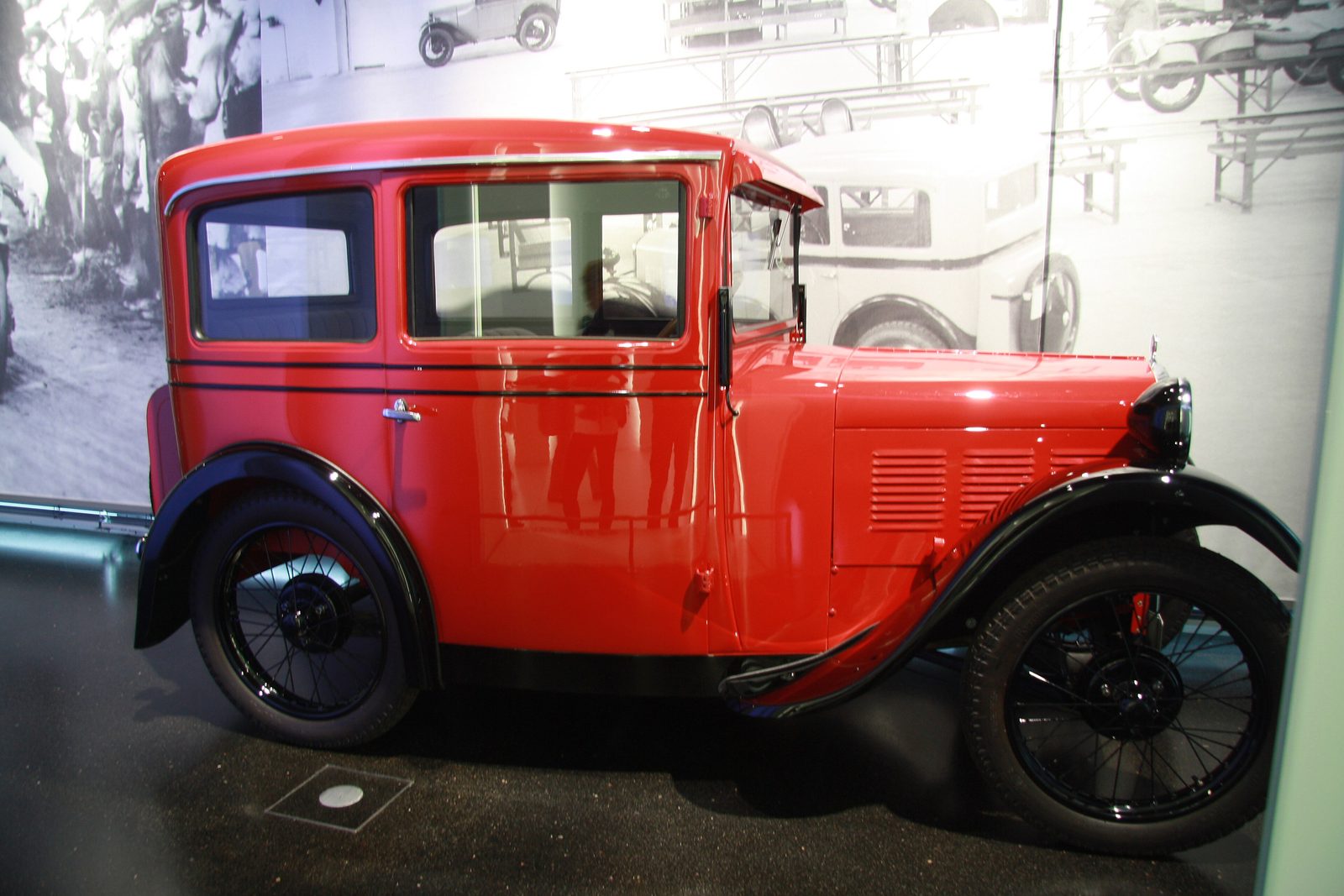
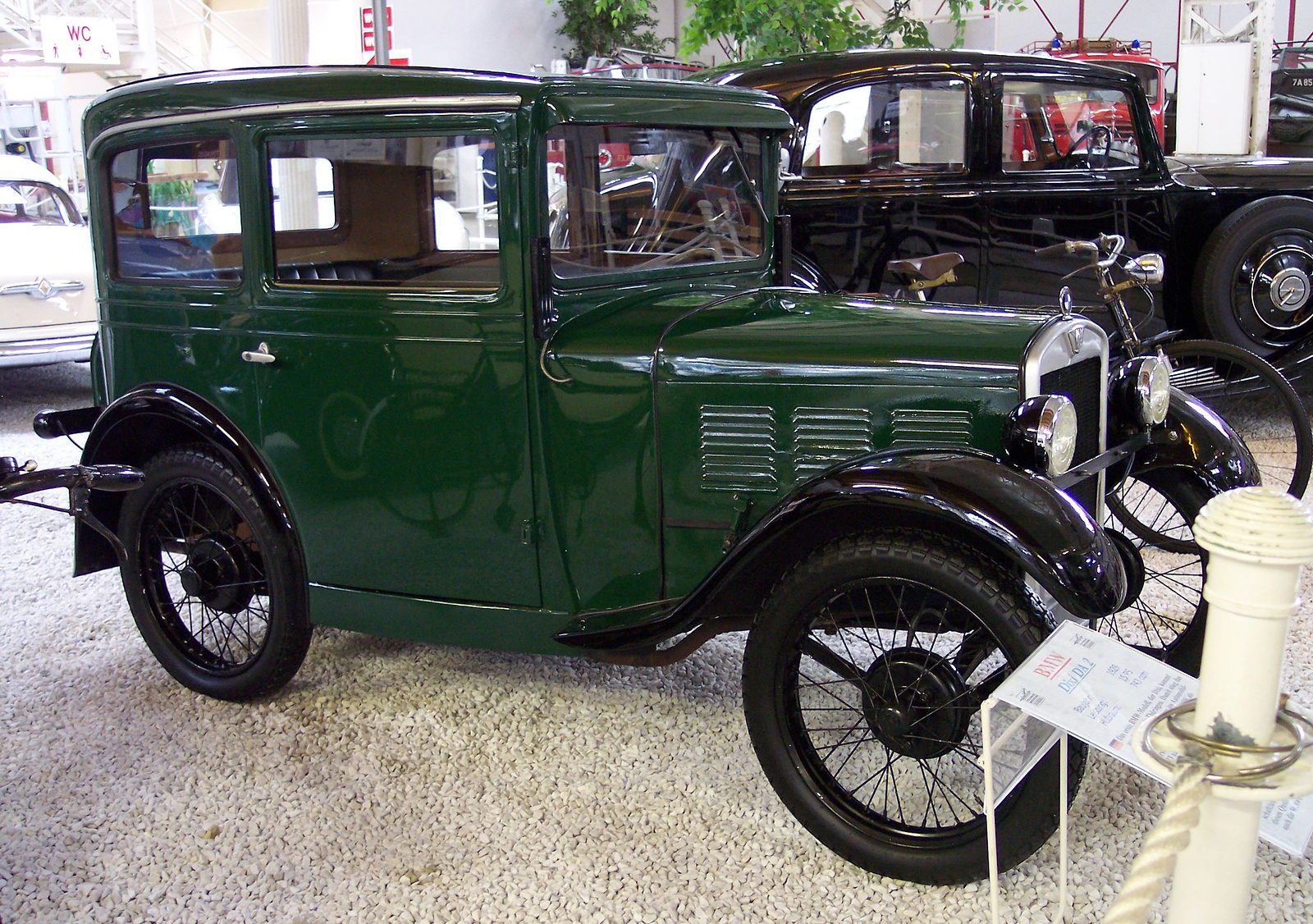
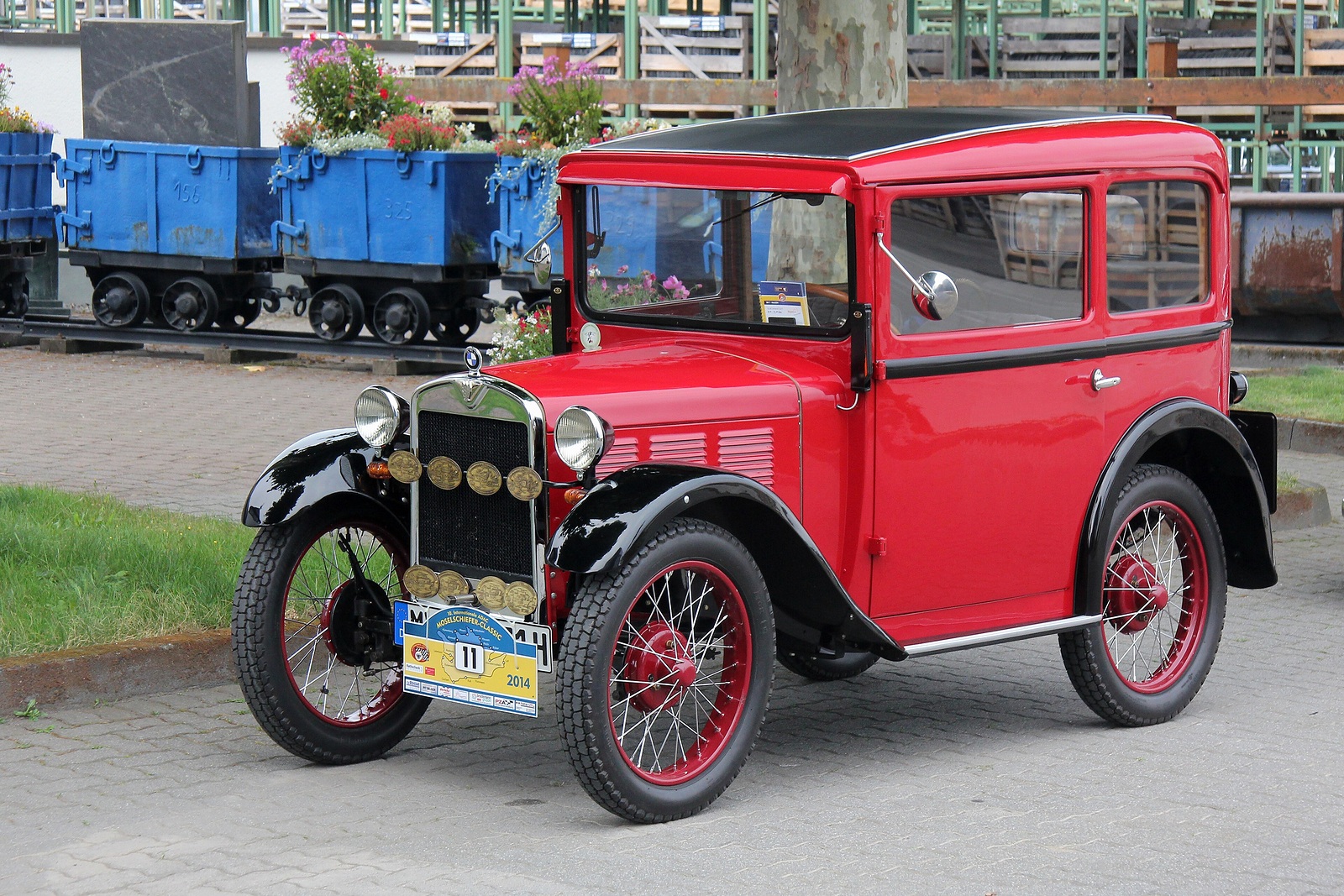
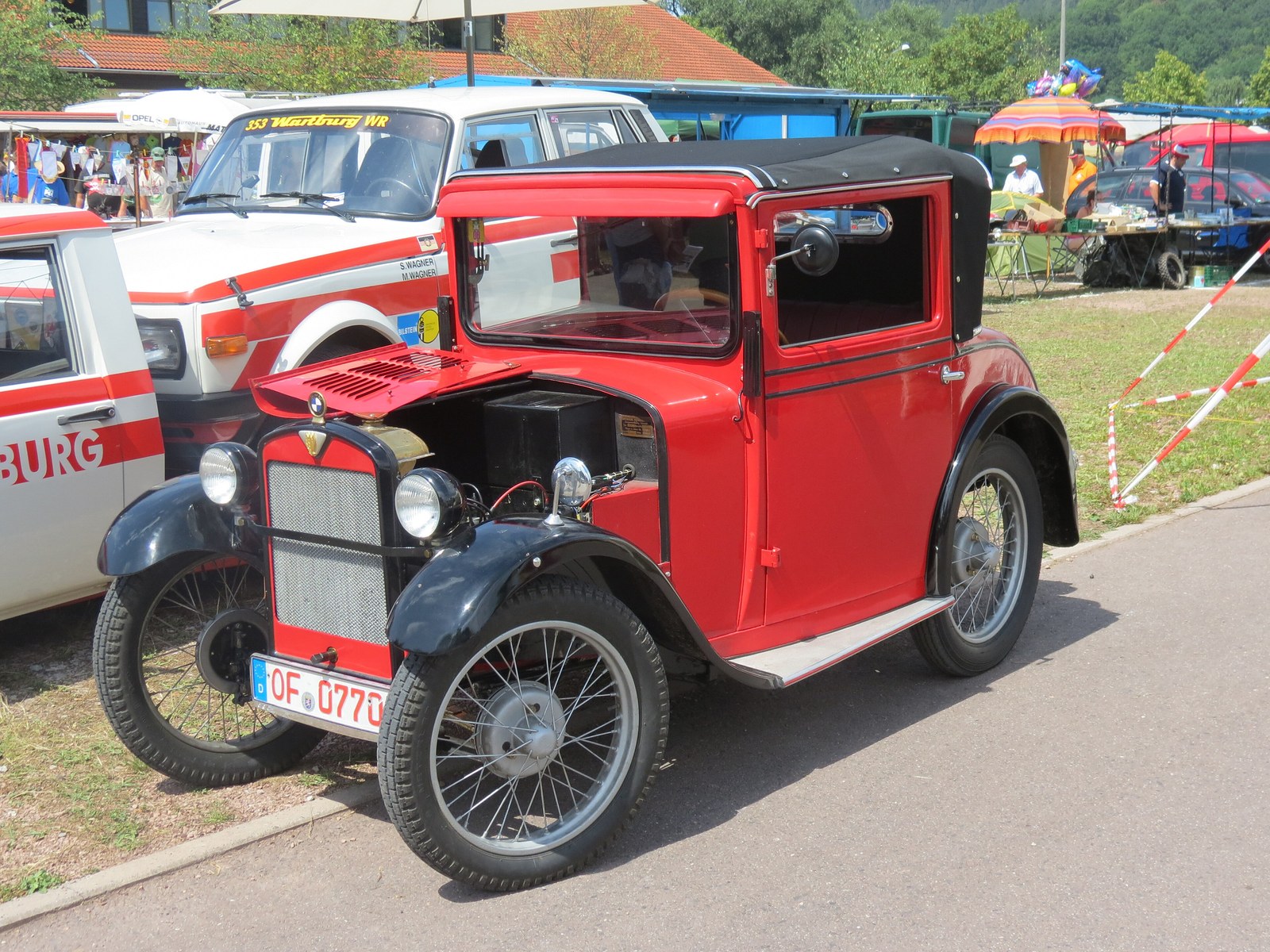
The DA-2: a BMW in steel

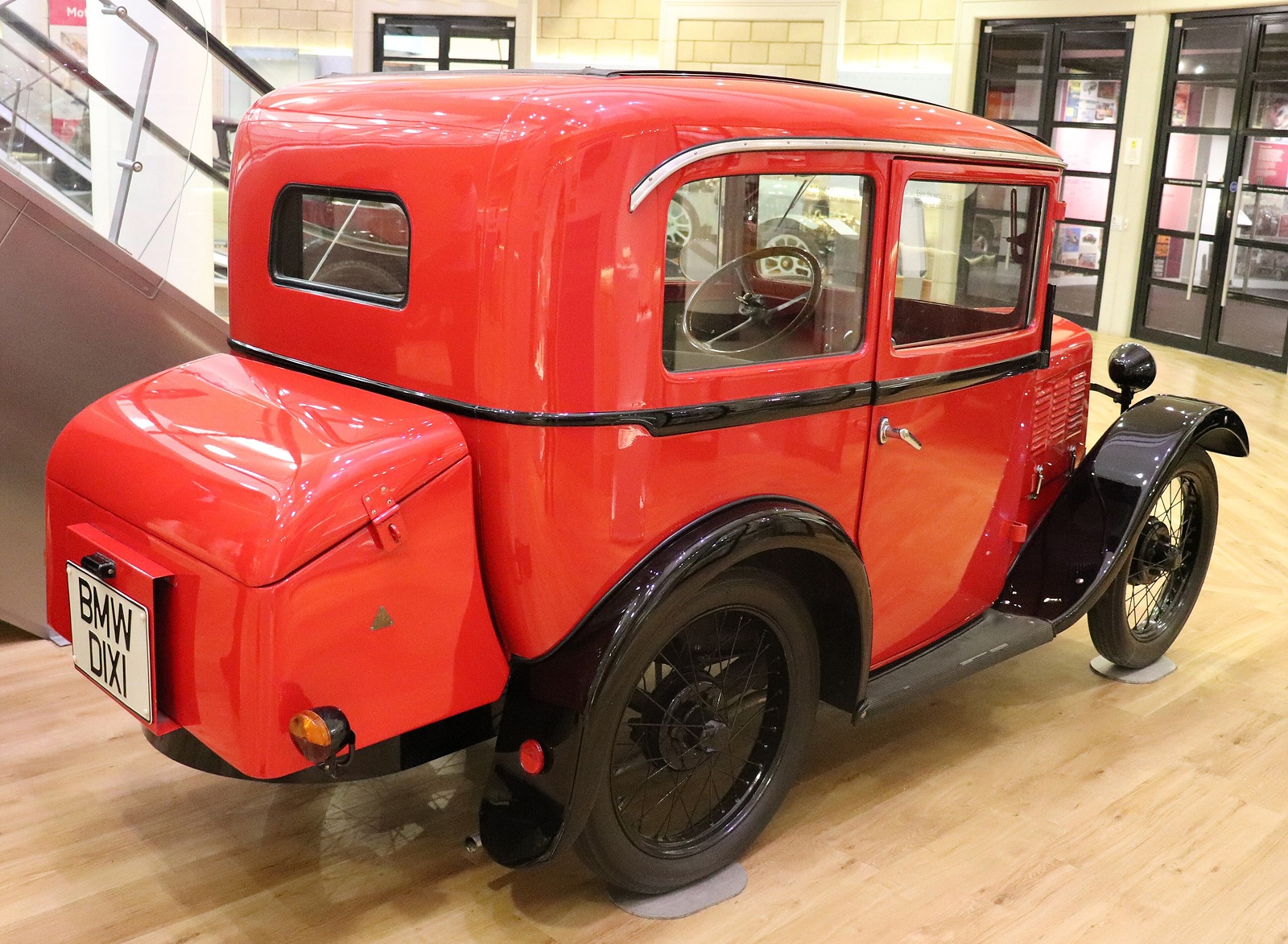
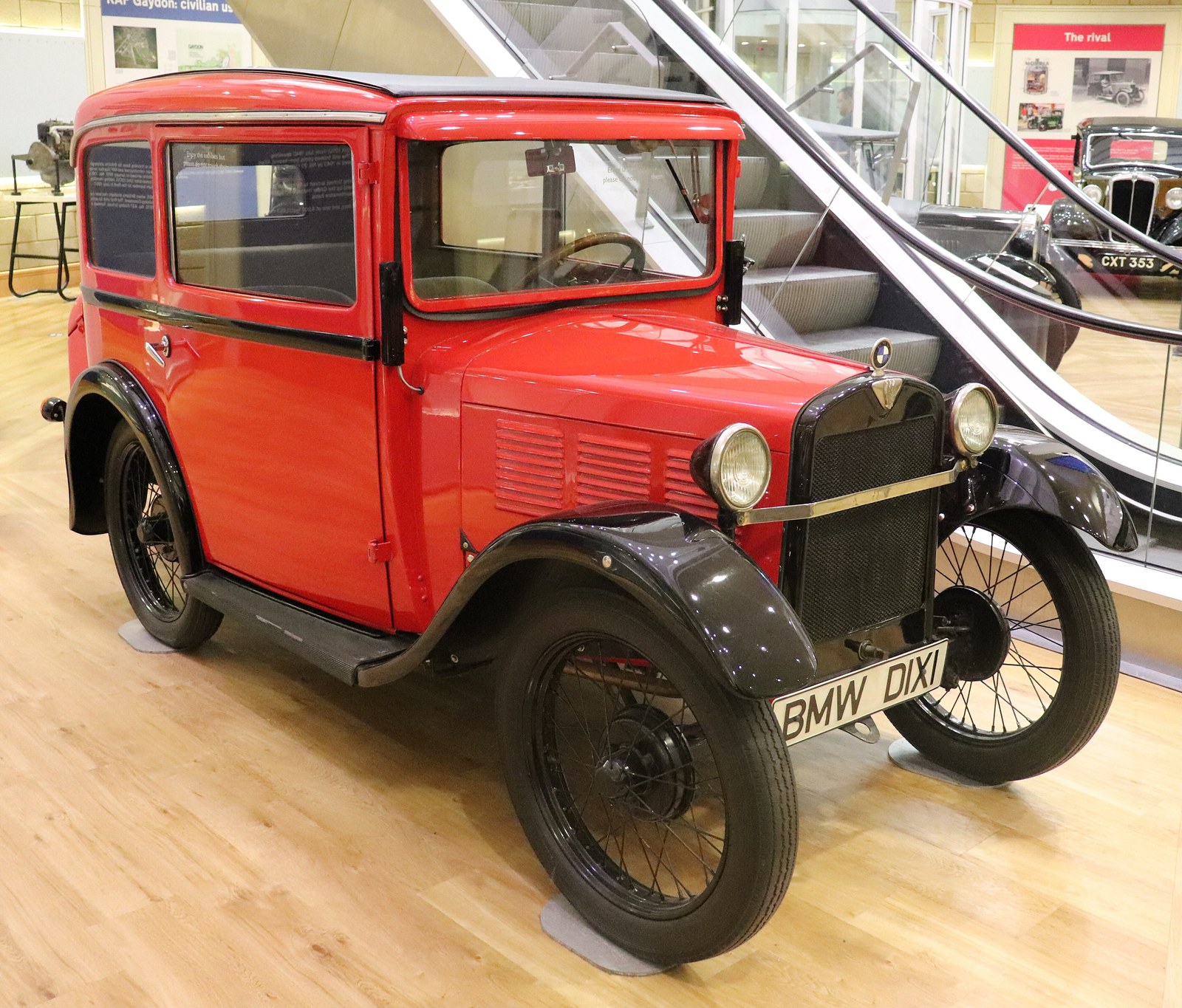
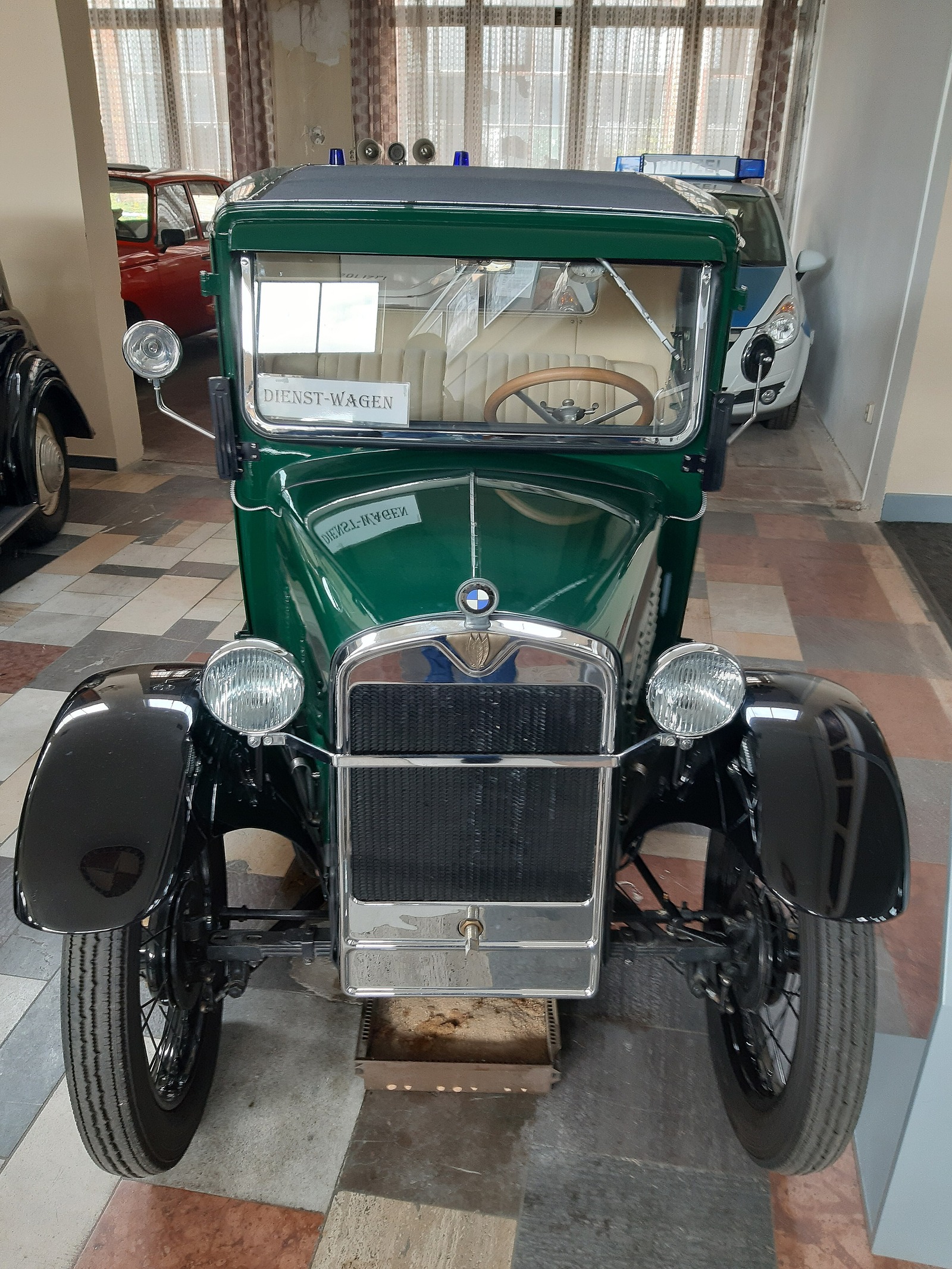
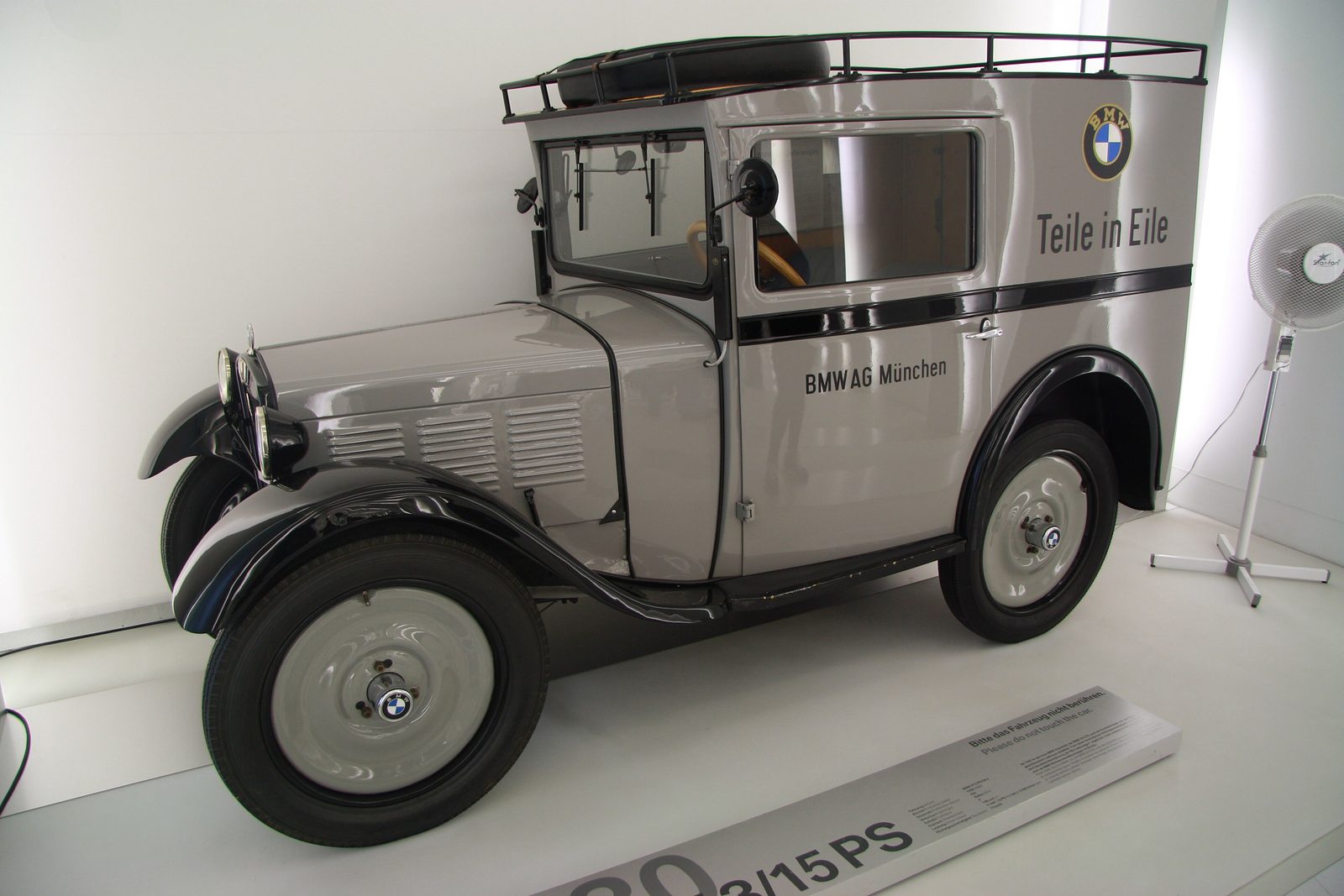
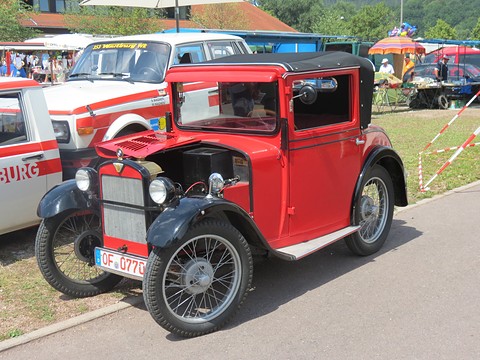
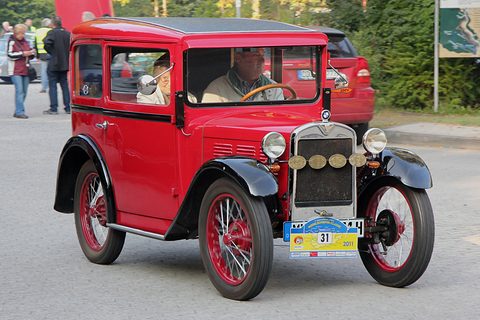
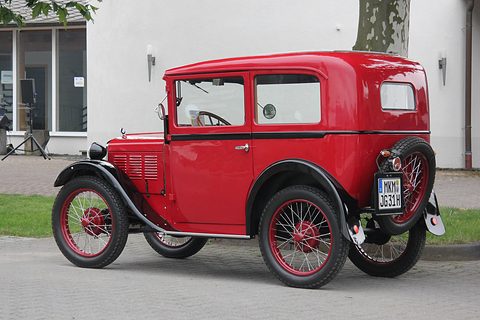
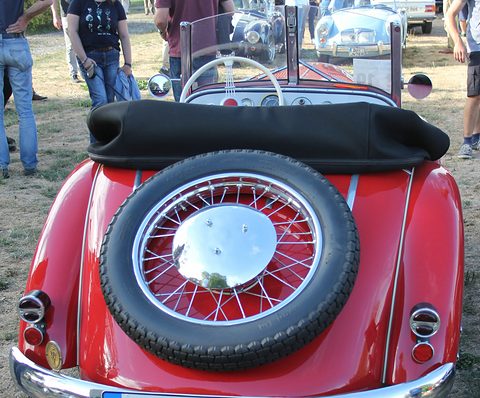
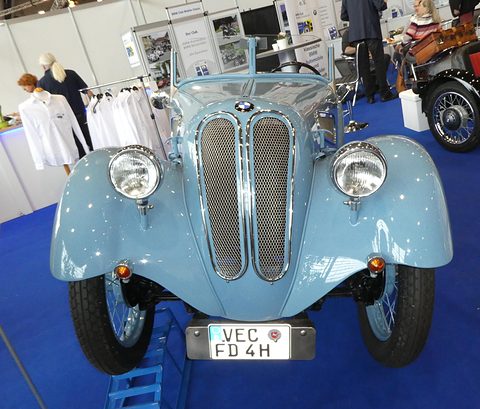
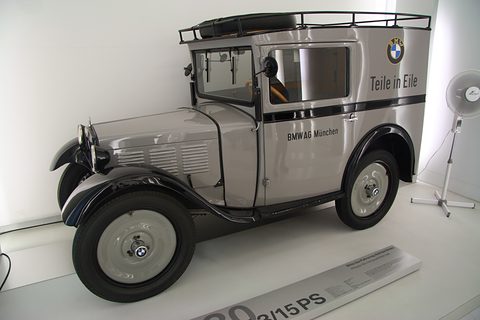
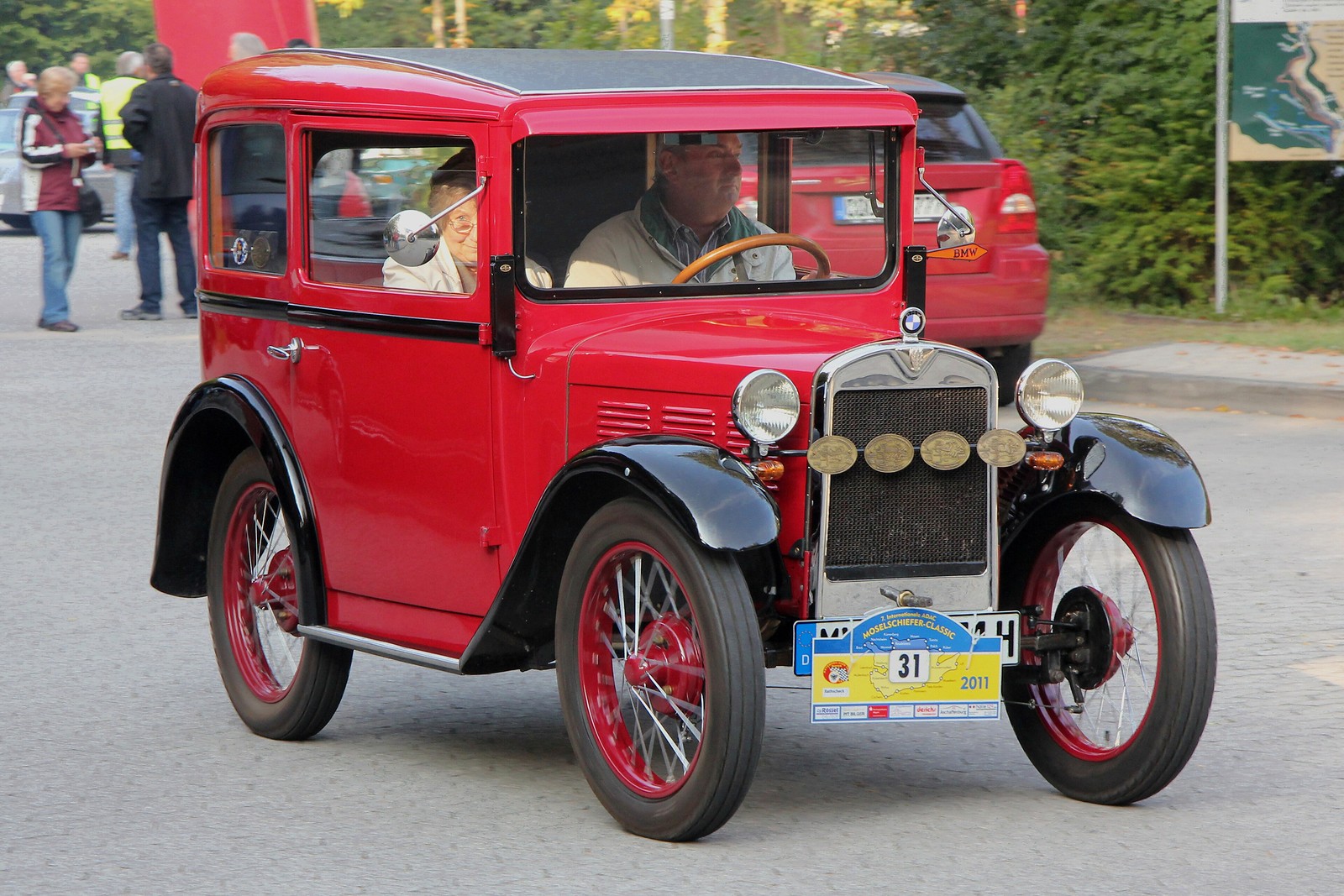
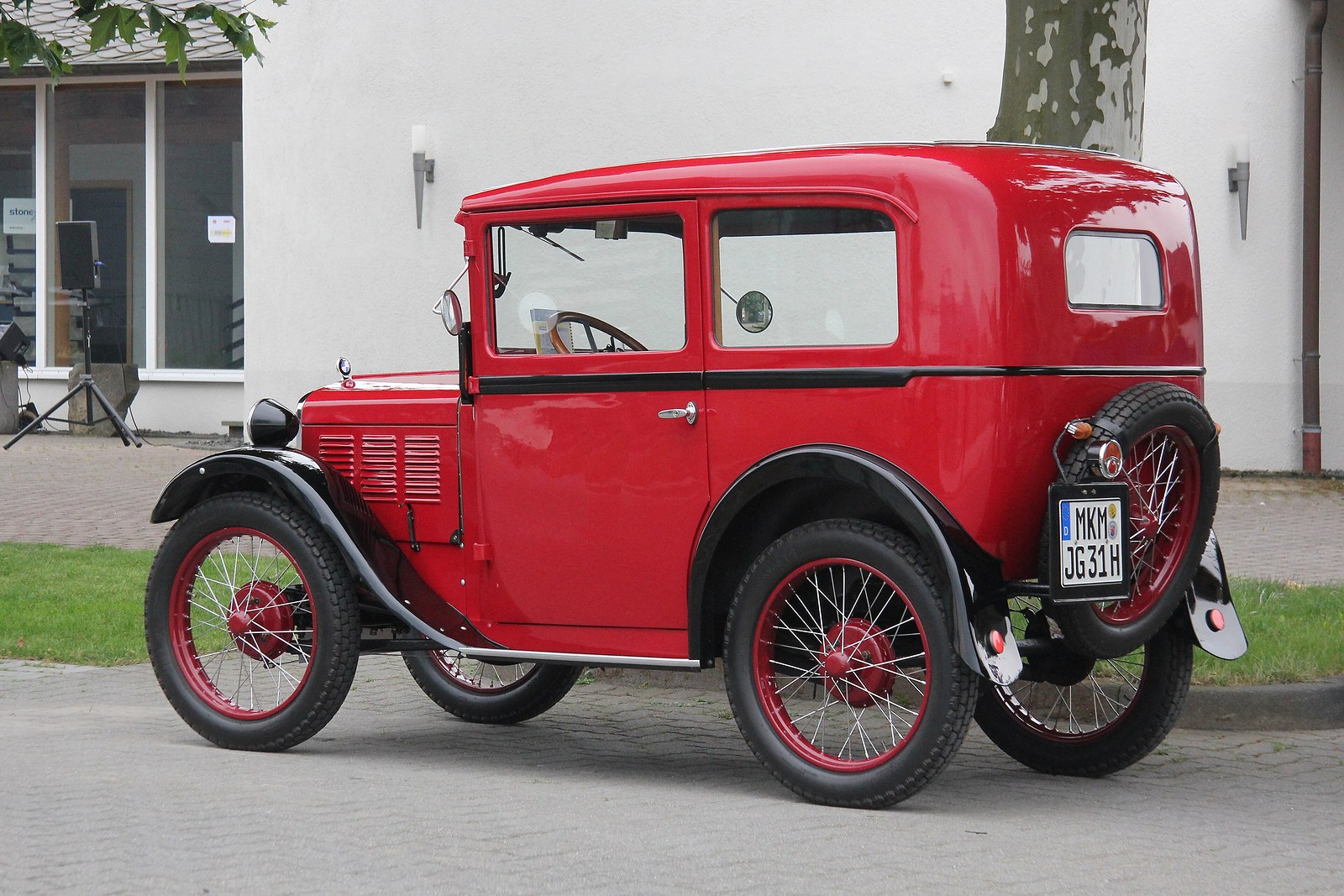
Under the chief engineer Gotthilf Dürrwächter the car was reworked. The first series car, the 3/15 PS DA 2, was completed on 22 March 1929 at Berlin-Johannisthal, where Ambi-Budd pressed its body entirely in steel.source 4source 6 Where the Dixi had braked only its rear wheels, the DA-2 had brakes on all four; it also had larger tyres, a lower final drive, wind-up windows, adjustable seats and a luggage space at the back.source 3source 5 English Wikipedia says it went on sale in April 1929,source 3 but the public launch was on 9 July, with full-page advertisements, the opening of BMW’s showroom in Berlin and a press presentation.source 4source 6 The base price was RM 2,200, and it could be bought on hire purchase.source 6source 1 BMW pitched it against Hanomag’s small car and the Opel Laubfrosch, and today’s company account says it was presented as cheaper to run than travelling by rail. BMW counts the DA 2 as its first production car.source 6

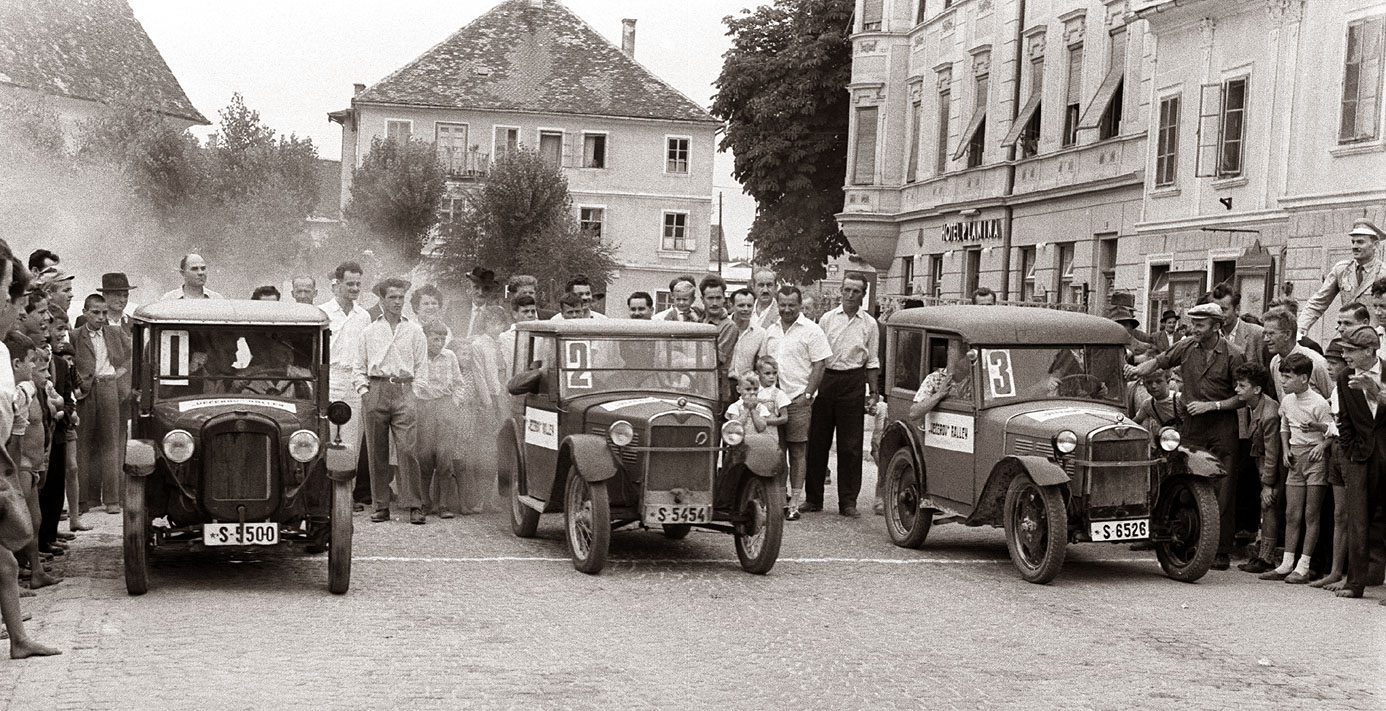
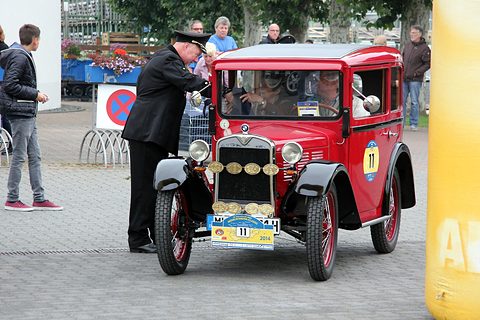
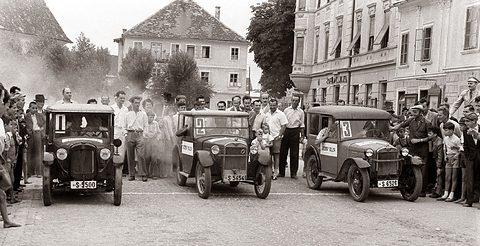
It went straight into competition (see racing and rallying). In August 1929 three pre-production 3/15s ran in the second International Alpine Trial and took the team award, BMW’s first win as a car maker.source 6 BMW’s own histories, known here only from summaries, add five stages of 465 to 629 km (290 to 390 miles), a start from Munich on 7 August with 80 cars leaving at one-minute intervals, and all the great passes. The drivers’ names are often given, but they have not been confirmed.

The Dixi bridged the gap between motorcycle and full-size car. It was simple and achieved acceptable performance and good economy because of its light weight.

Lane Motor Museum, Nashville: its web page on a 1930 BMW Dixi.source 1

It had one weakness: the crankshaft ran in only two main bearings. Depending on how a car was used it lasted from 5,000 to 50,000 km (3,100 to 31,000 miles), and sustained running above about 75 km/h (47 mph) could break it by vibration.source 4

The slump, the Wartburg and the DA-4

The world economic crisis struck from late 1929 and sales collapsed. In 1930 production moved from Berlin back to Eisenach.source 4 By September 1930 an open two-seater cost RM 2,175, a three-seat cabriolet RM 2,625, and a bare chassis for coachbuilders RM 1,900.source 4

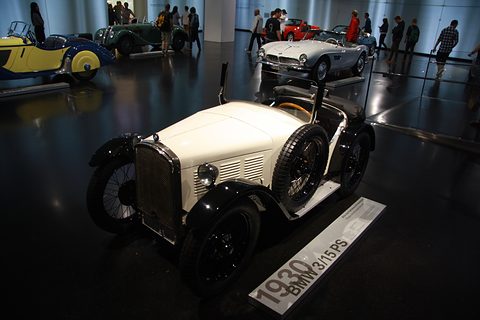
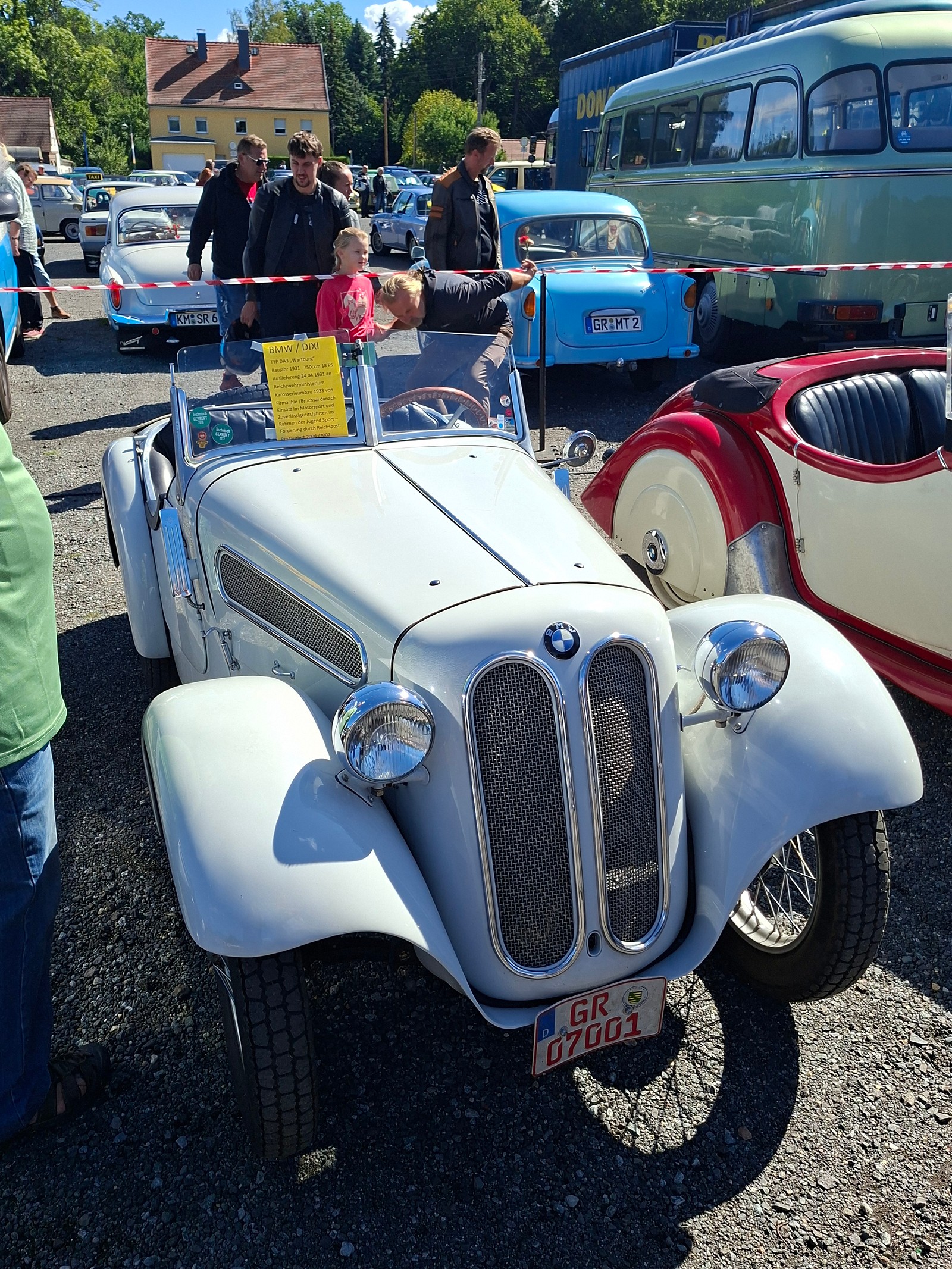
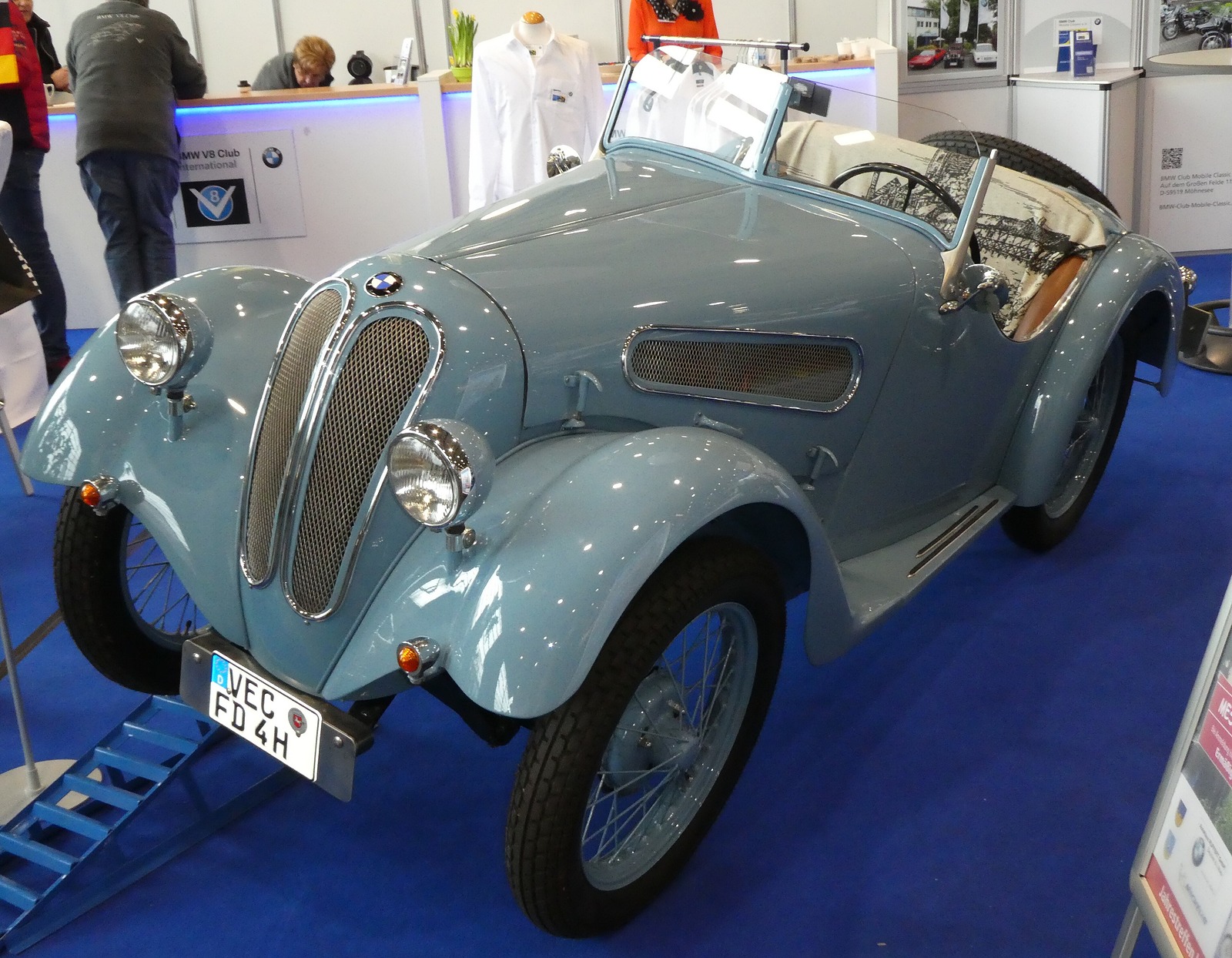
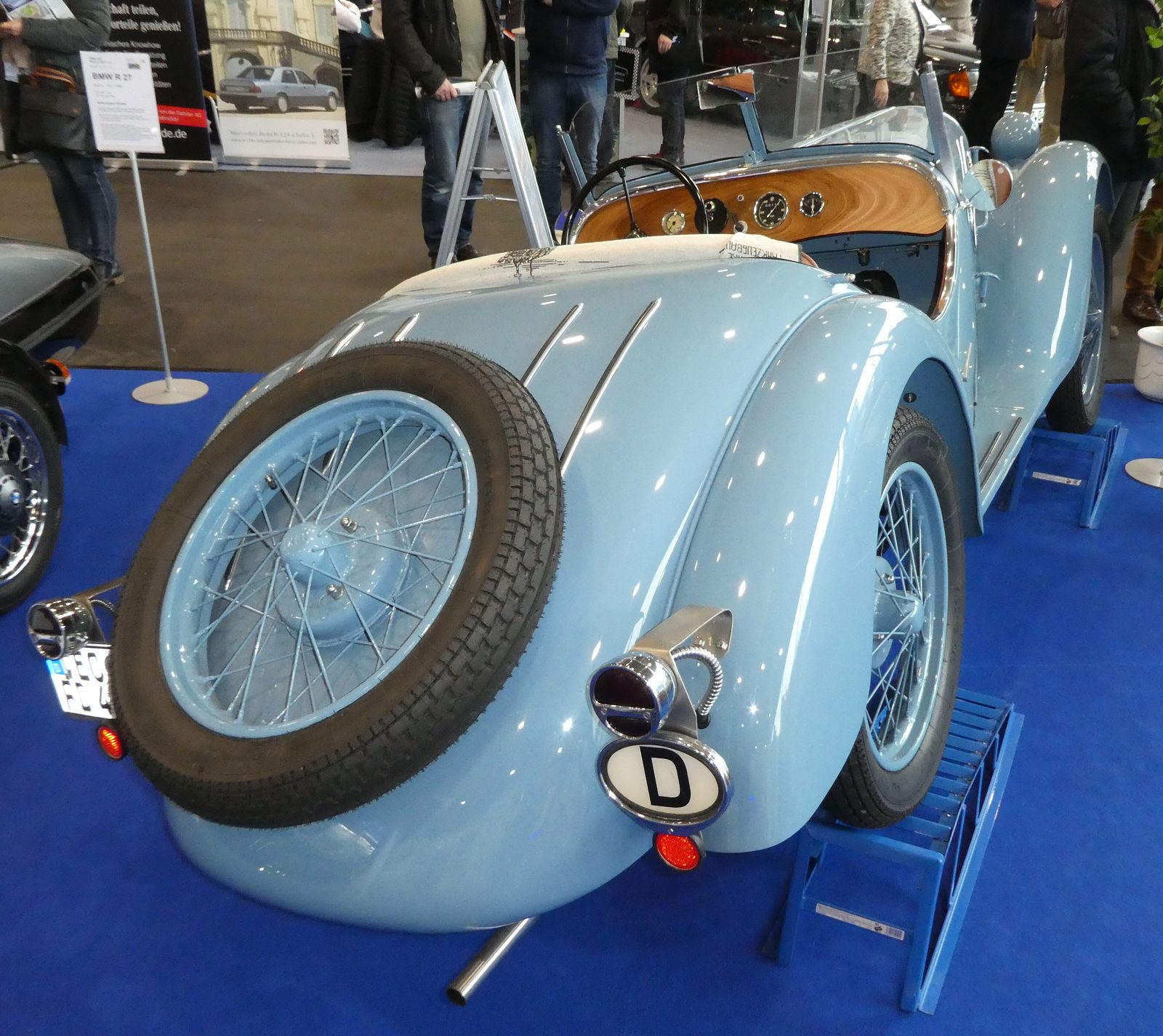
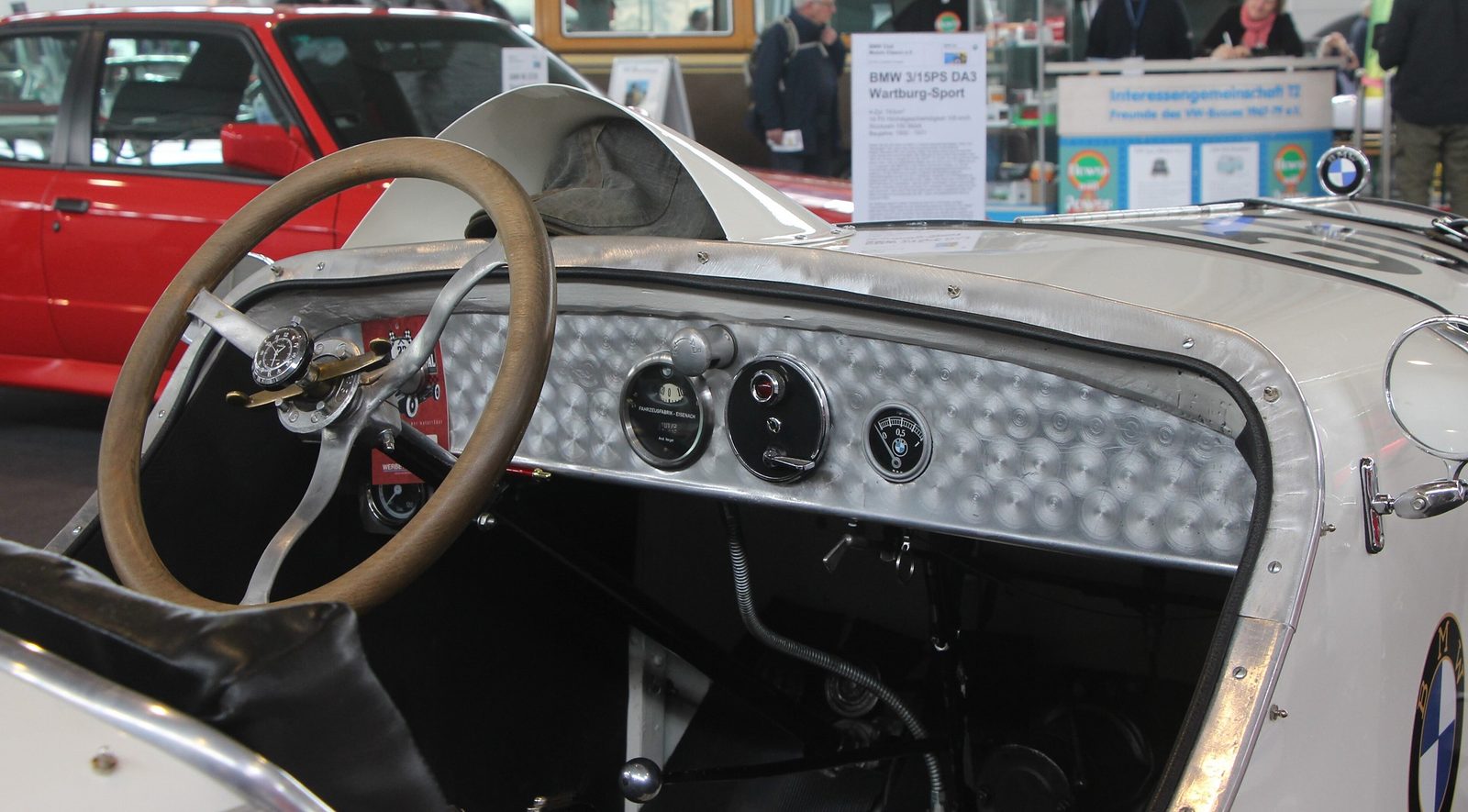
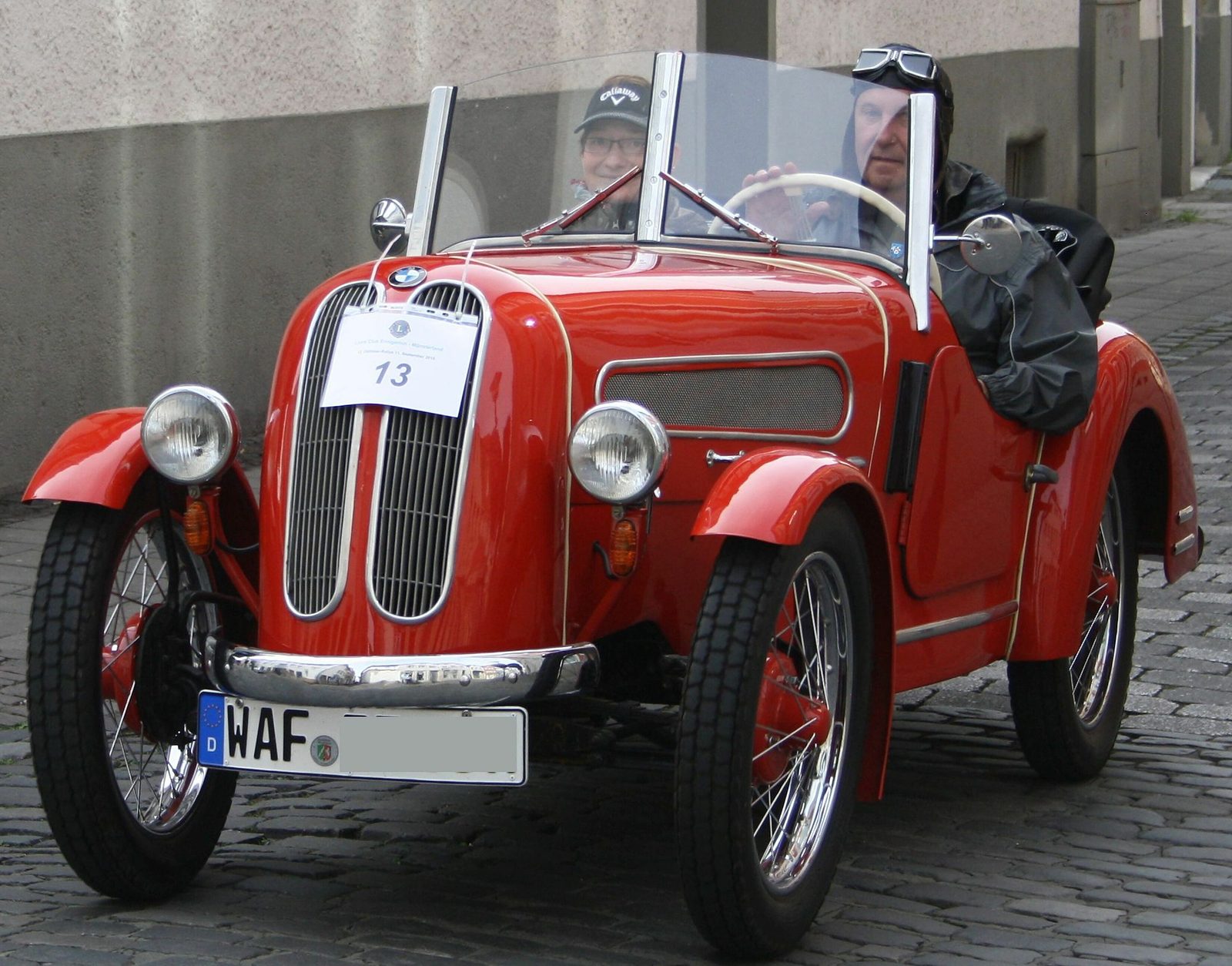
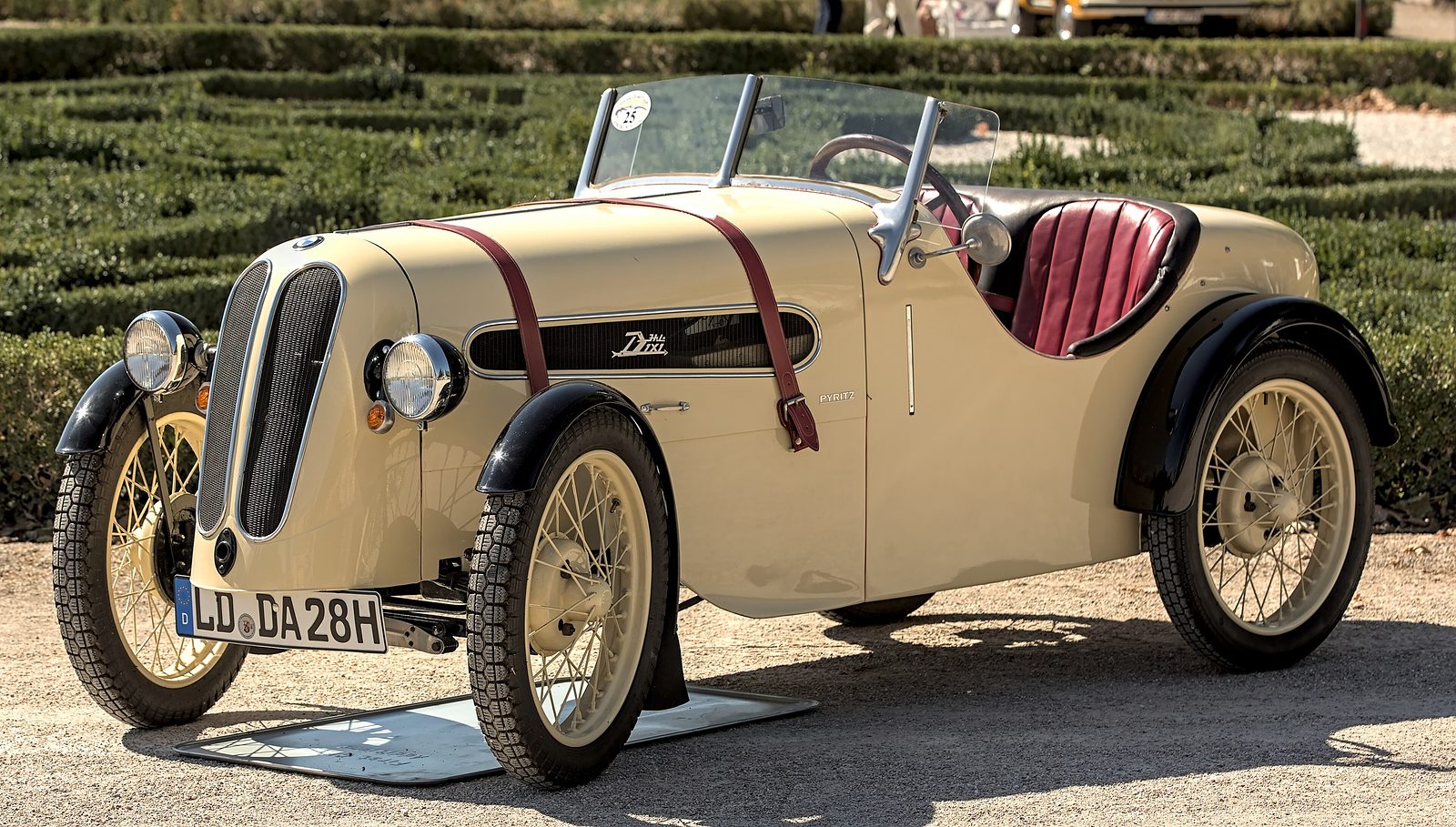
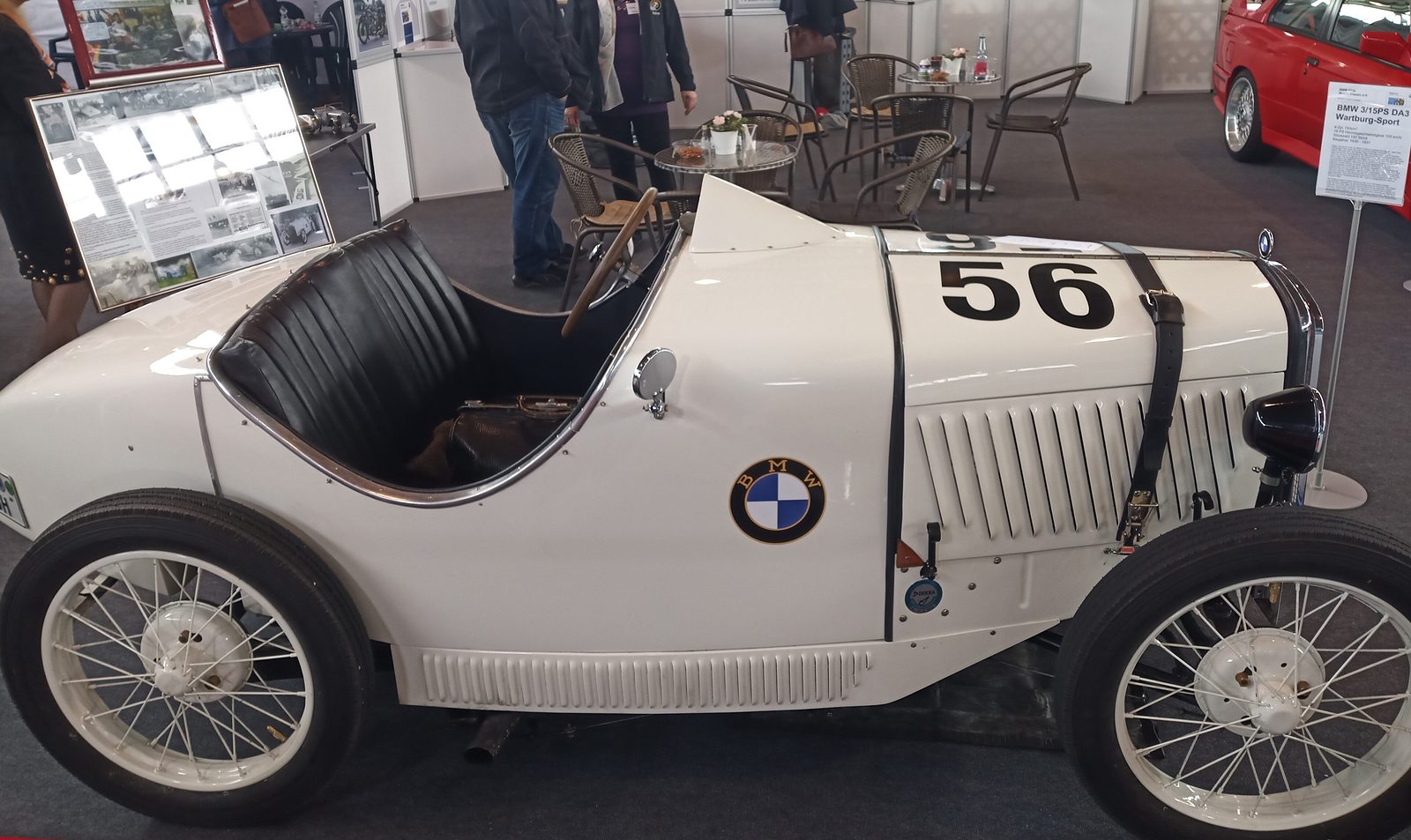
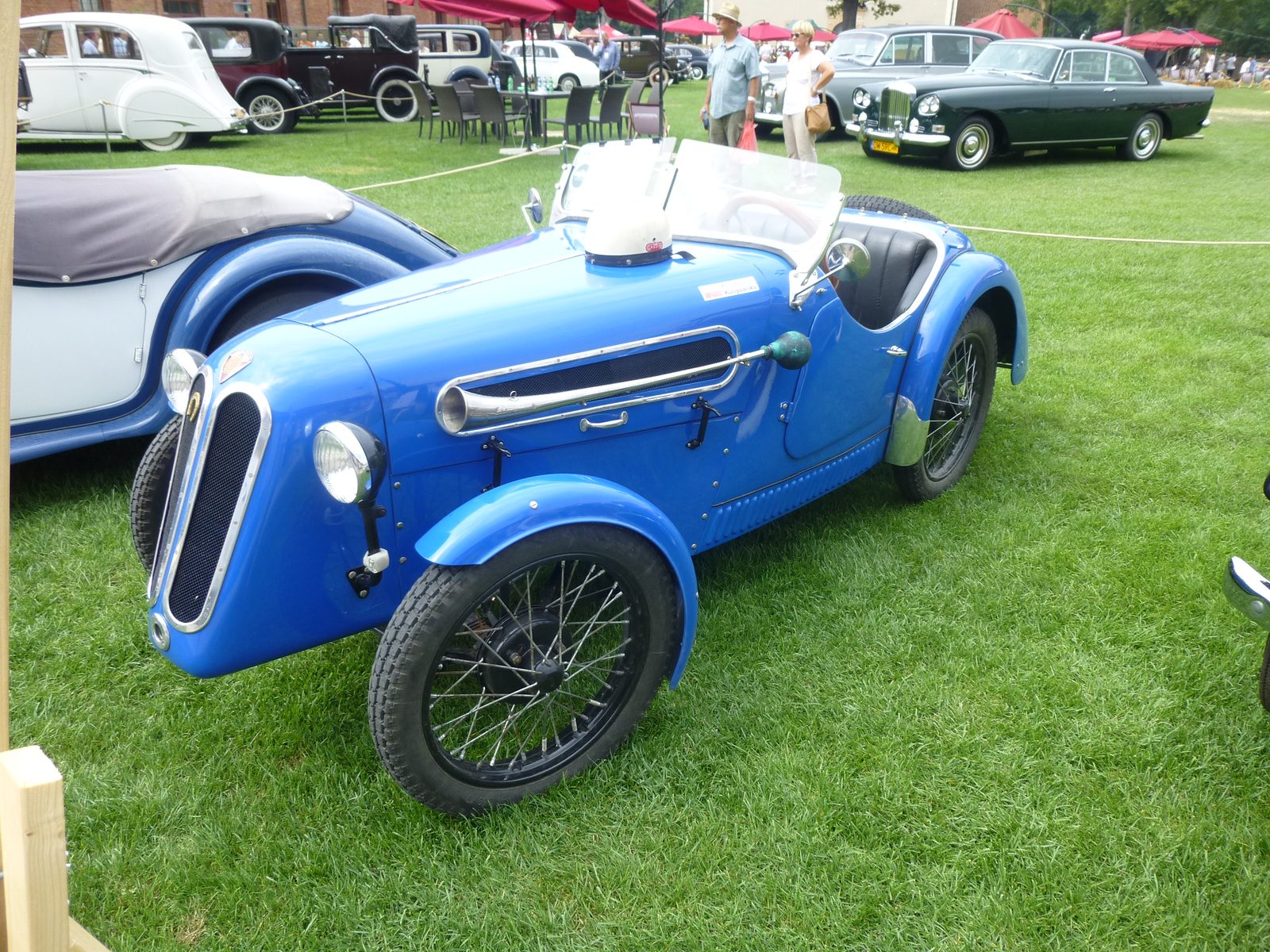
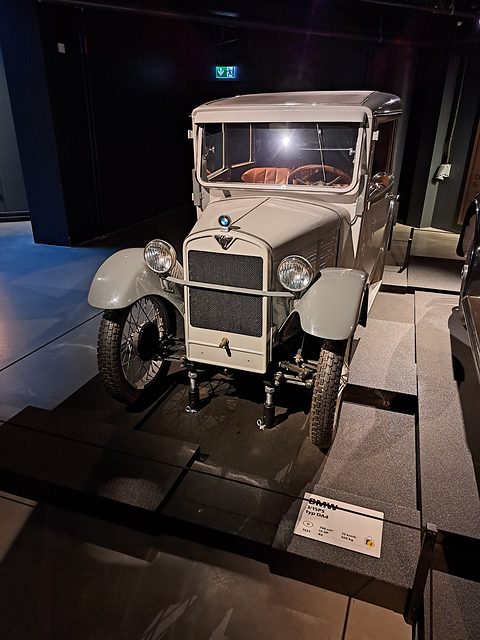
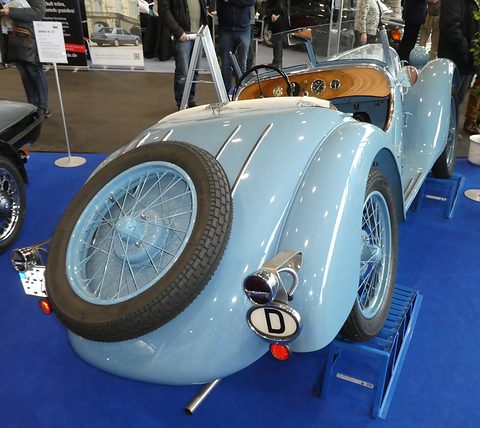
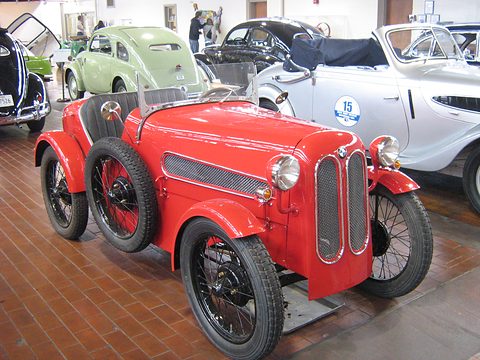
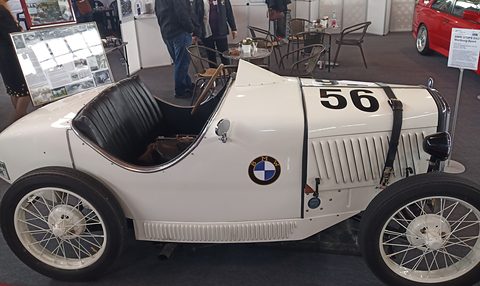
The DA-3 Wartburg of April 1930 to January 1931 was BMW’s first sports car: a two-seater with a lowered, drop-centre front axle, the compression raised from 5.6:1 to 7.0:1 and 18 PS at 3,500 rpm. It stood 1,300 mm (51 in) high, against the saloon’s 1,625 mm, and cost RM 3,100. Only 150 were built.source 4source 3source 1 German Wikipedia says it won many hill climbs and circuit races in 1930–⁠33, without naming them.source 4

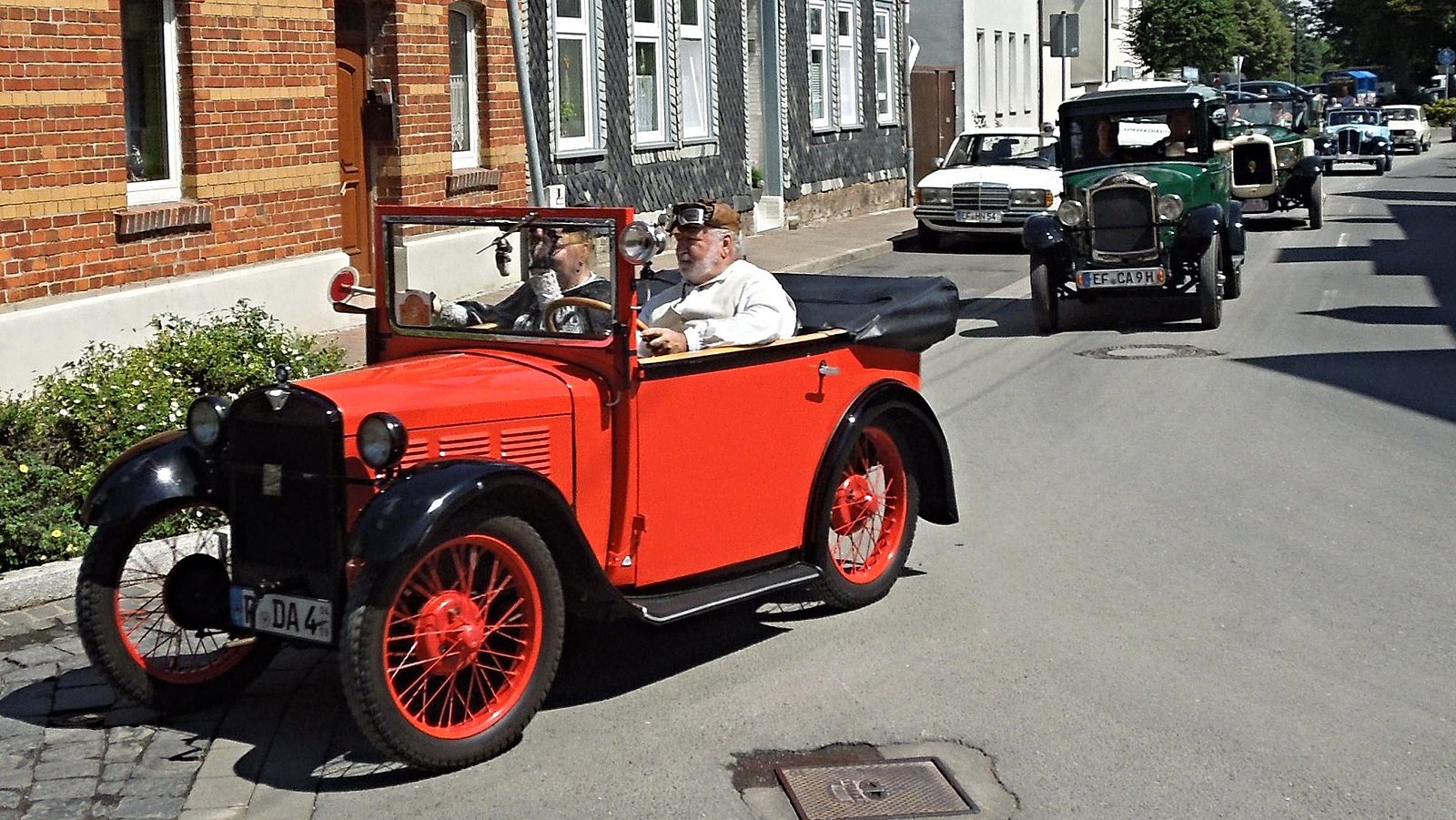
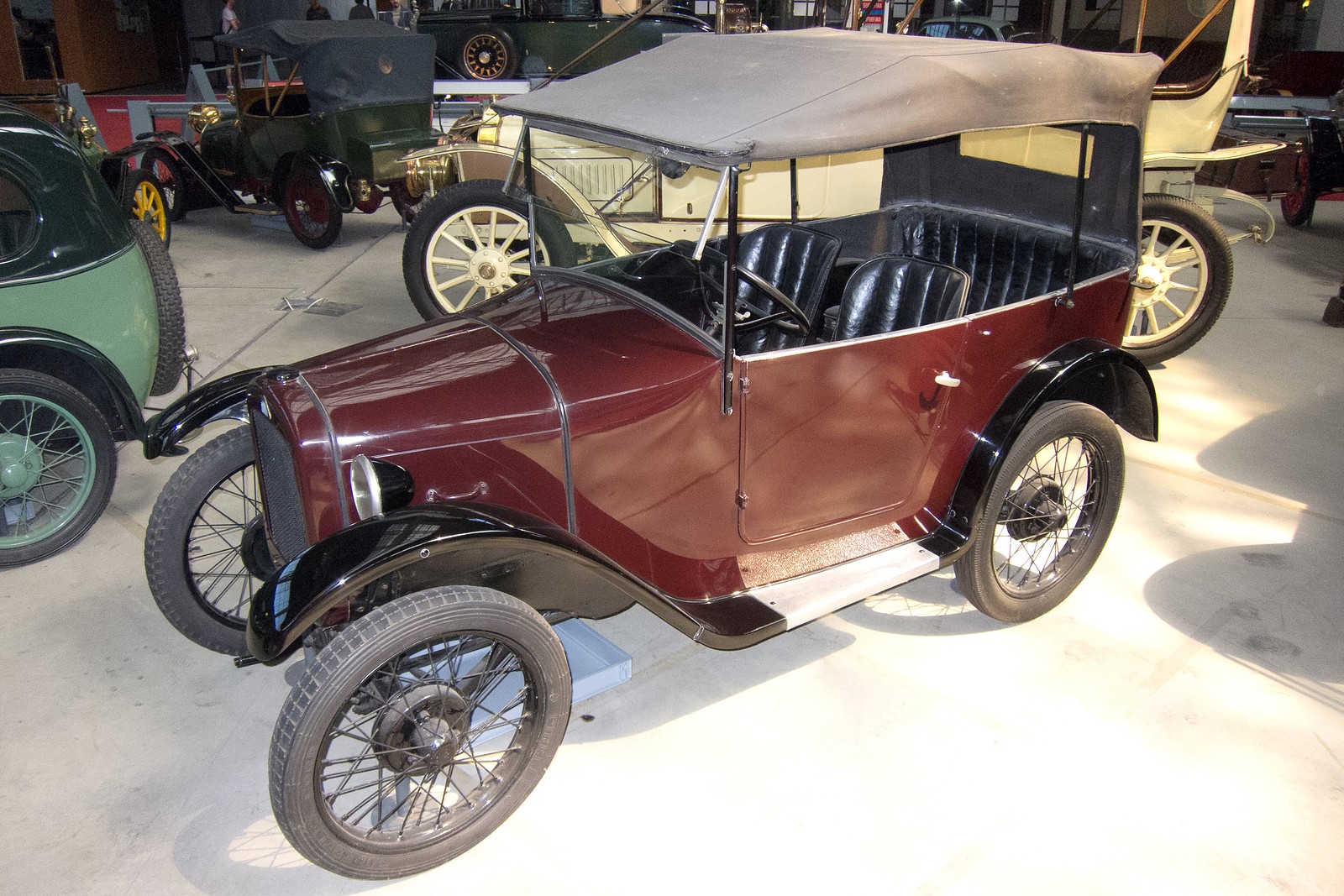
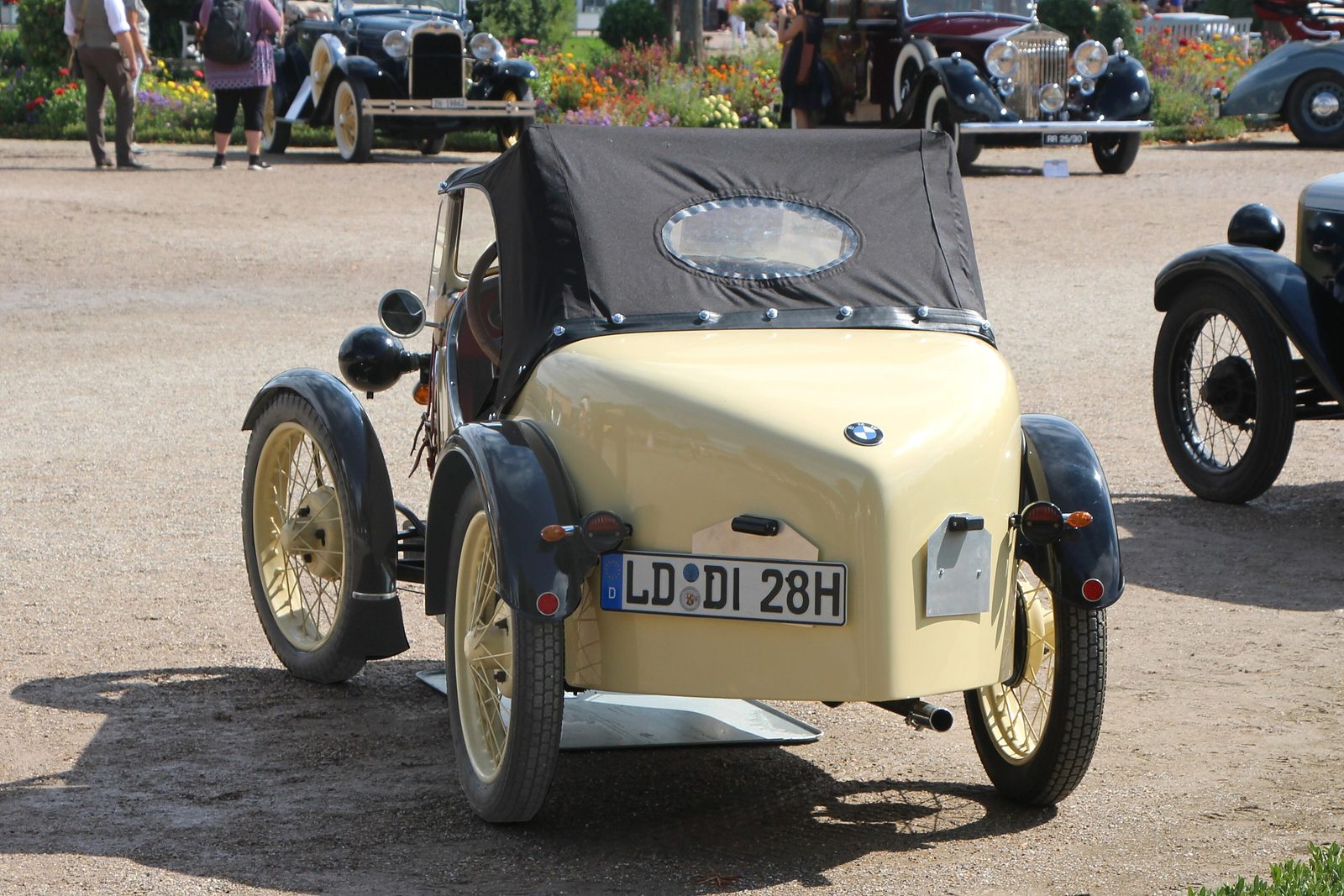
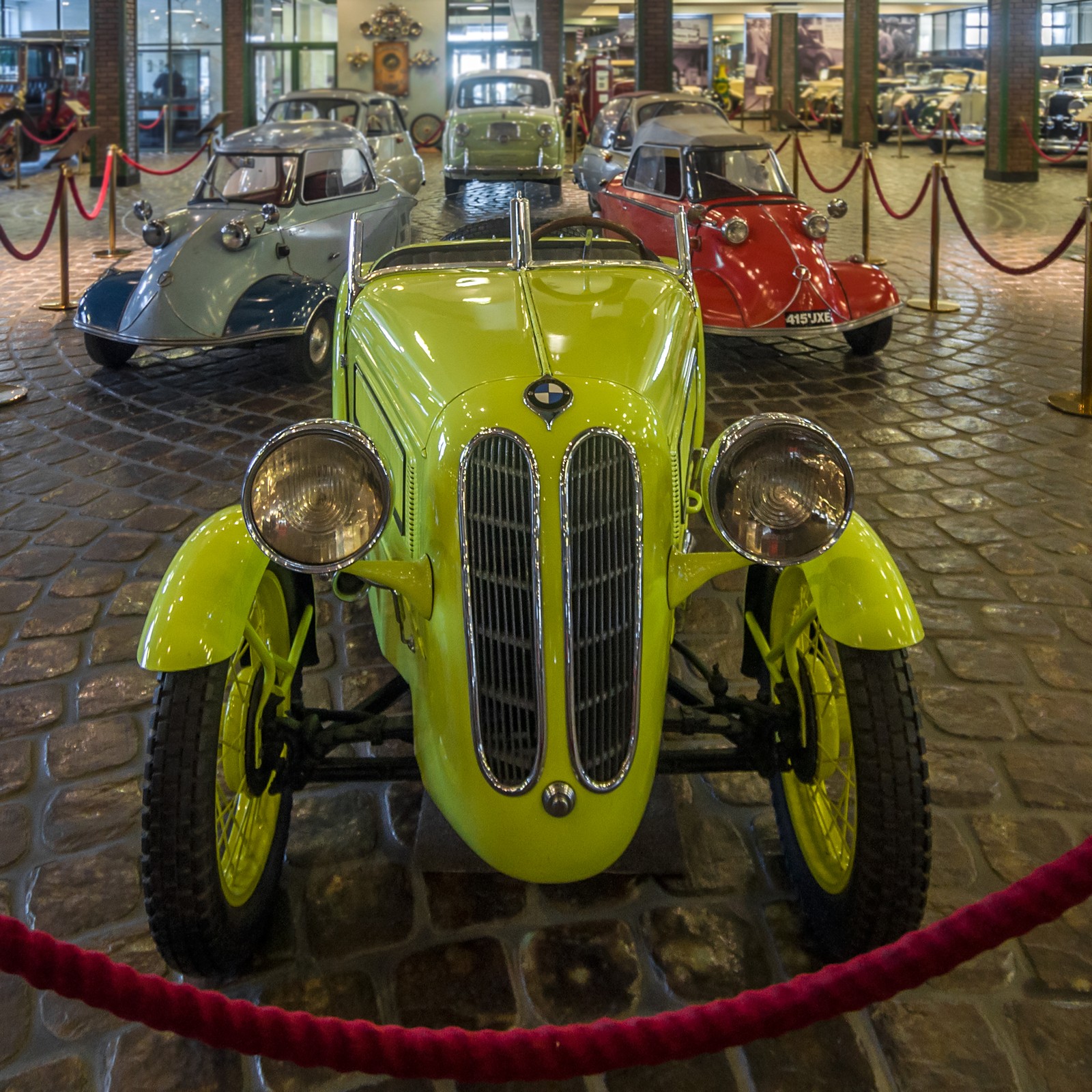
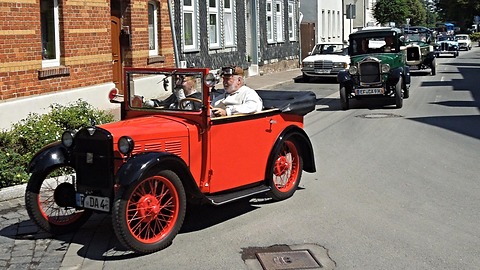
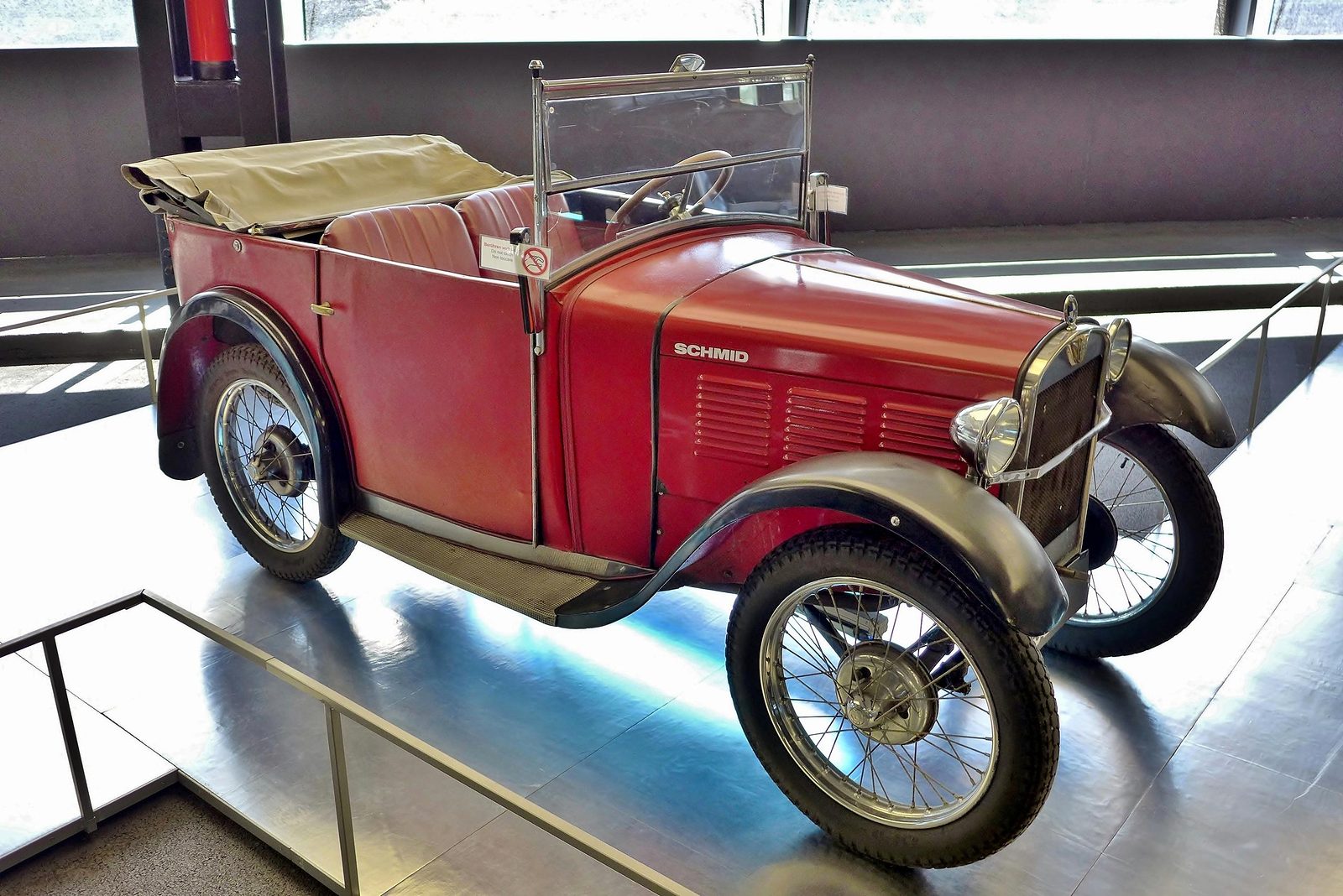
The DA-4, from early 1931, carried its front stub axles straight on the transverse leaf spring as a swing axle, BMW’s first independent front suspension, under a larger body; it came as a saloon, an open two-seater, a coupé and an open four-seater, or as a chassis.source 4source 3

The Reichswehr took about 300 of the cars in 1928–⁠29, most of them as machine-gun carriers with the gun at the front and some as signals cars, the Kfz. 2. They were retired by the mid-1930s.source 4

Licence lapsed

In 1932 BMW let the Austin licence lapse, a few weeks before launching its own 3/20 AM-1.source 2 The last 3/15s were built in February or March 1932.source 4source 3
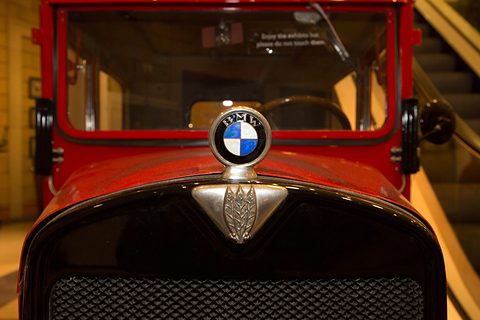
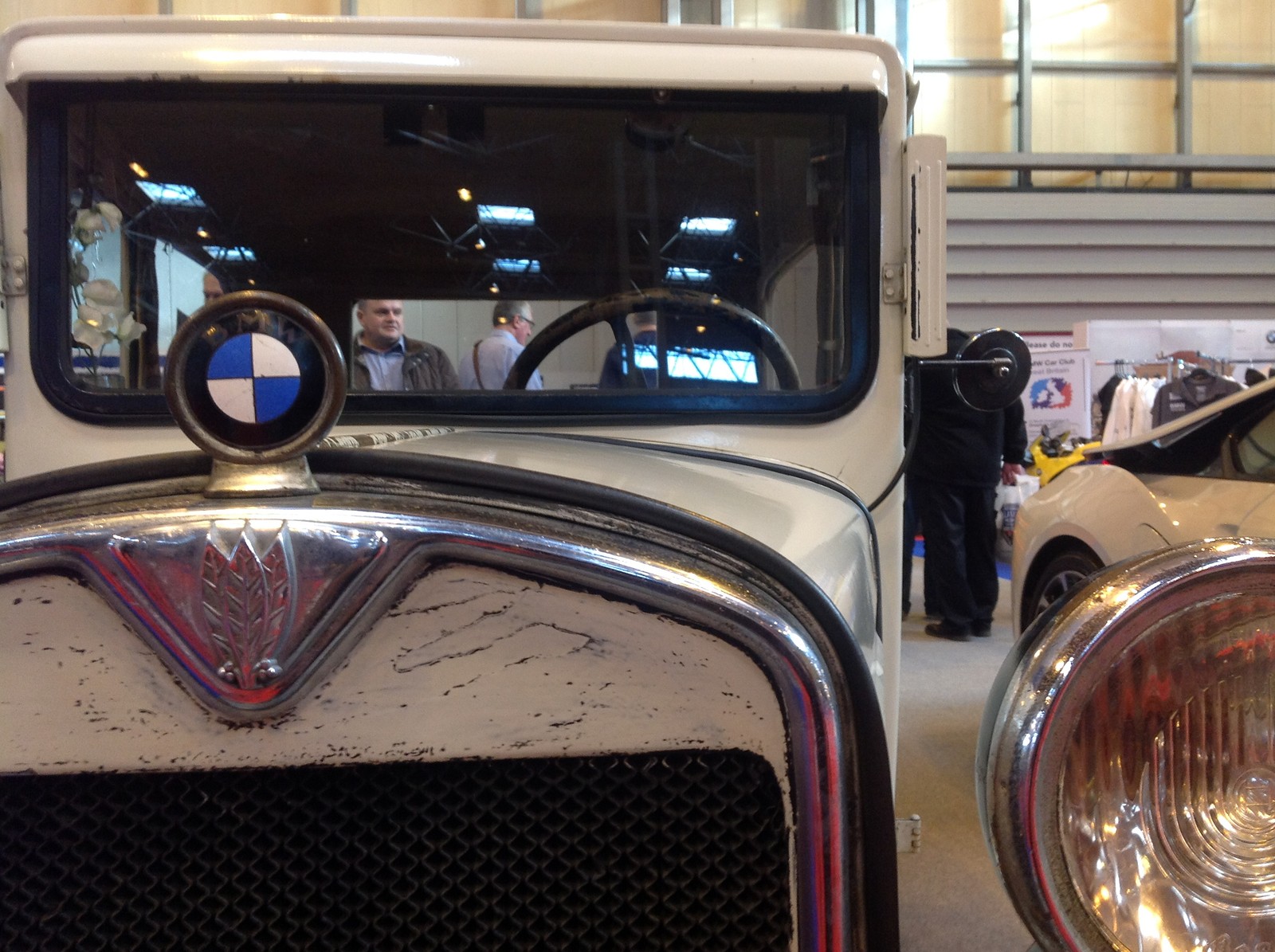
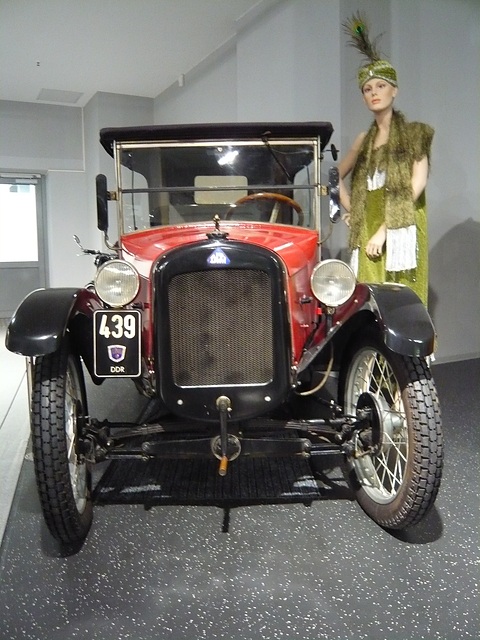
A blue and white roundel on a stalk above a triangular radiator emblem on a red car with a black mesh grille.
BMW’s roundel above the Dixi emblem on the radiator of a 1928 Dixi 3/15 at the British Motor Museum, Gaydon.Photo: Morio, CC BY-SA 3.0, via Wikimedia Commons
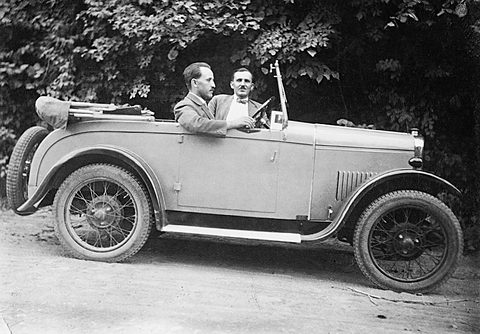
Two men in suits sit in a small open tourer with wire wheels, parked on a gravel road before dense ivy.
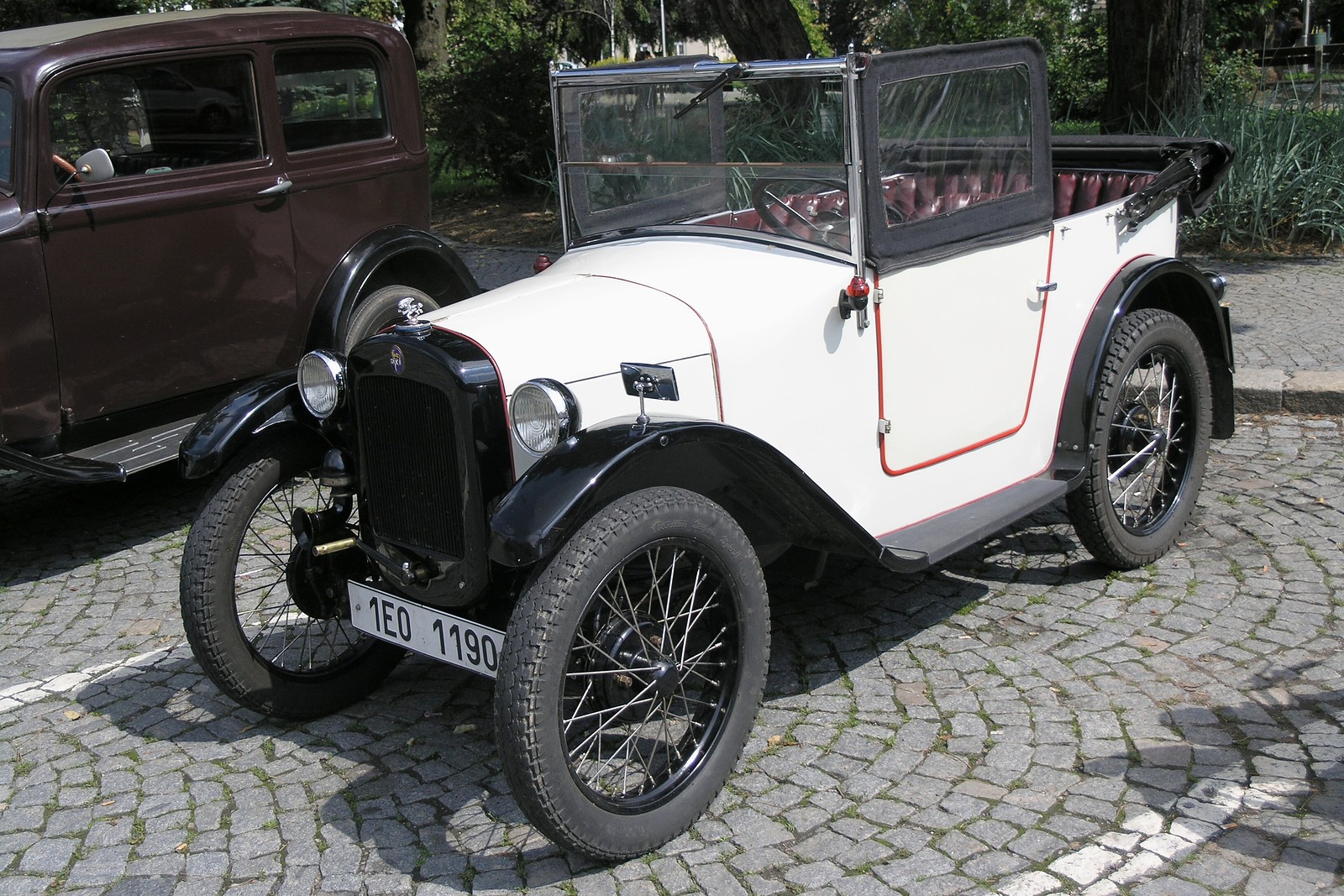
Plate I · 1931 A BMW 3/15 open tourer working as a driving-school car in Dombóvár, Hungary, in 1931.Photo: Fortepan / Erky-Nagy Tibor, CC BY-SA 3.0, via Wikimedia Commons
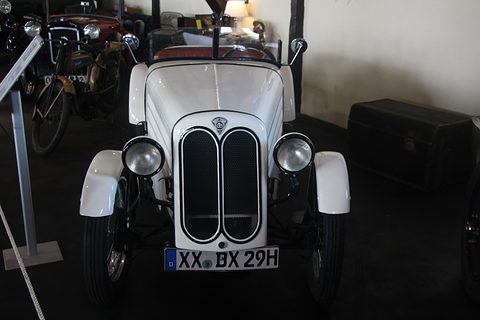
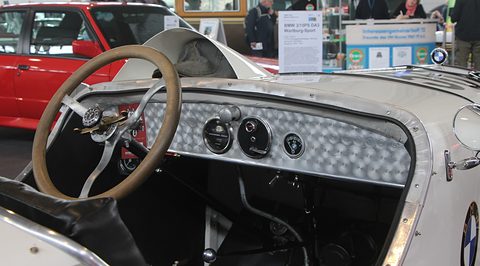
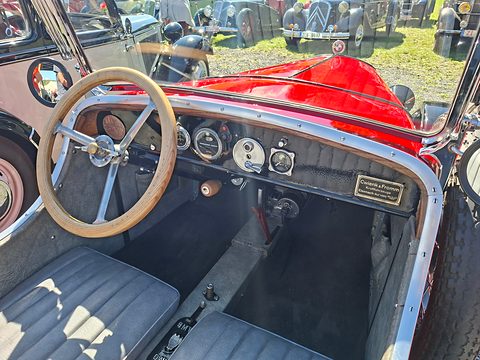
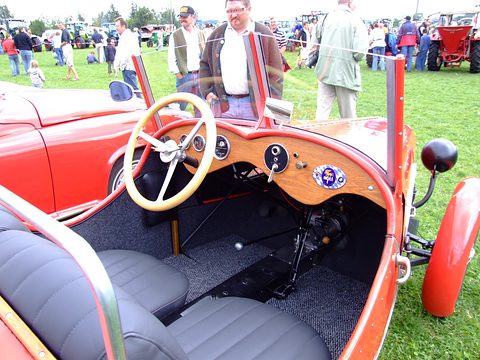
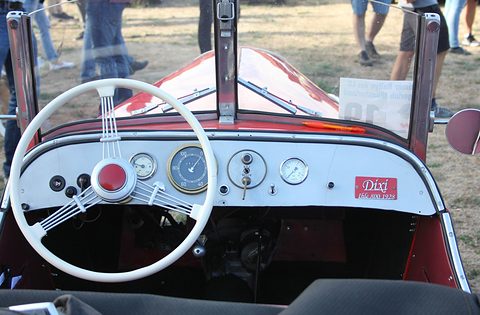
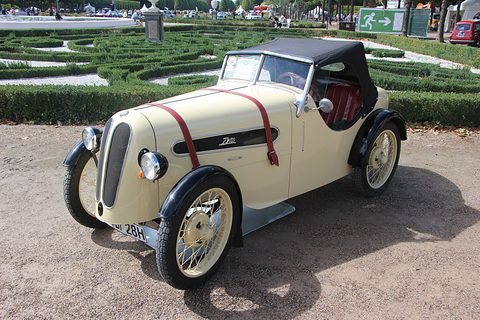
A white two-seater with black wings on a dark floor beside a sign reading 1930 BMW 3/15 PS.
A DA-3 Wartburg of 1930, BMW’s first sports car, at the BMW Museum, Munich, in 2014.Photo: Jiří Sedláček, CC BY-SA 4.0, via Wikimedia Commons
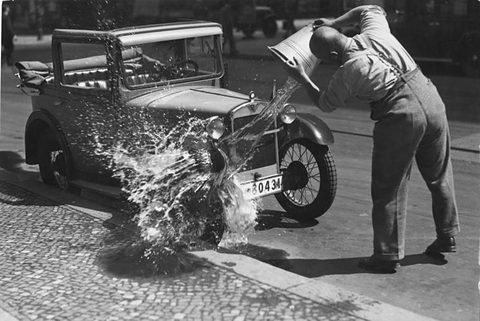
A man in shirtsleeves empties a bucket of water over the bonnet of a small car with its roof folded back parked at a cobbled kerb, spray flying.
Plate II · 1935 A Berlin motorist cools a BMW 3/15 cabriolet with a bucket of water on a hot day, about June 1935.Photo: Bundesarchiv, Bild 183-2004-0729-508 / Scherl, CC BY-SA 3.0 de, via Wikimedia Commons

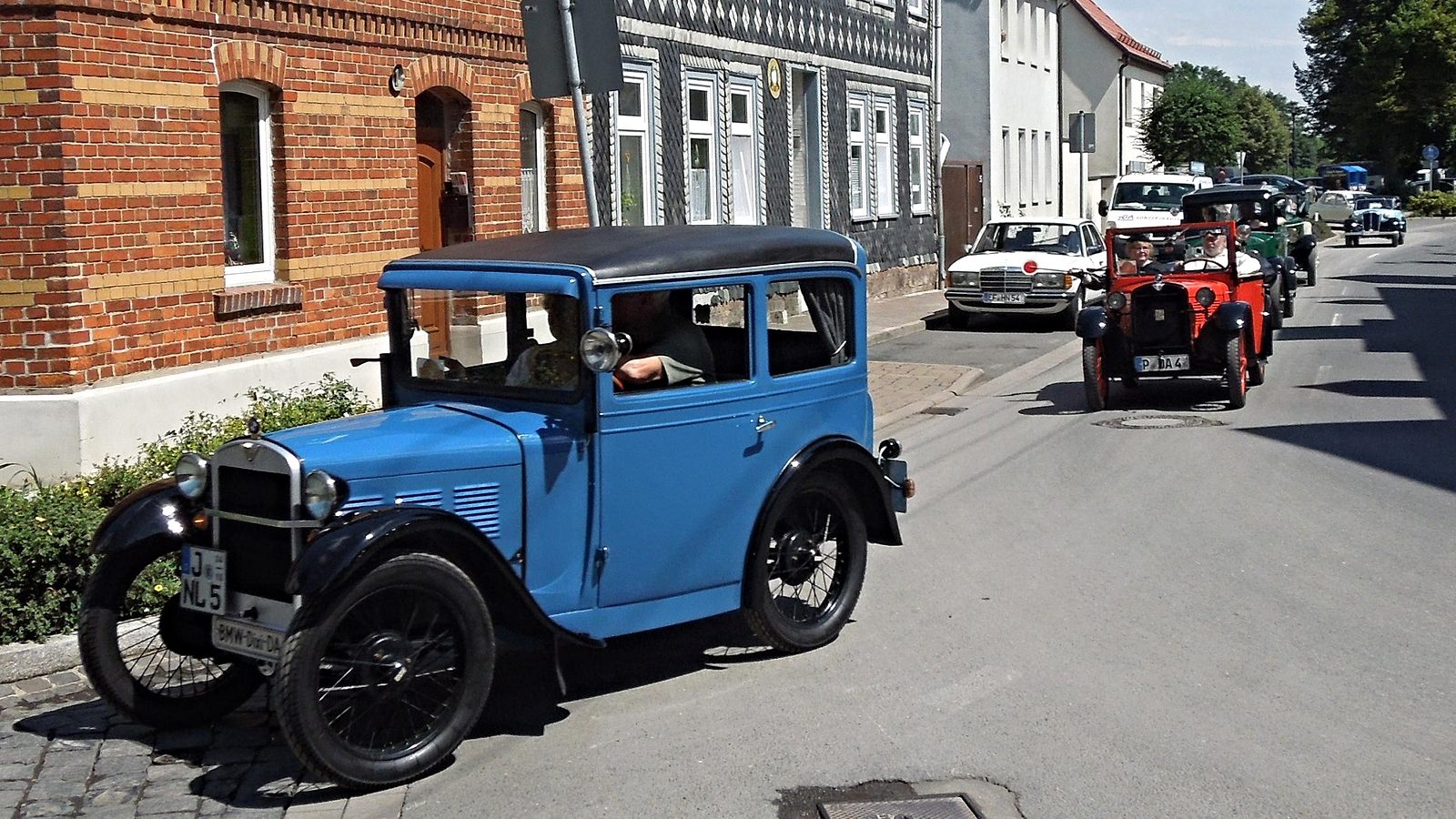
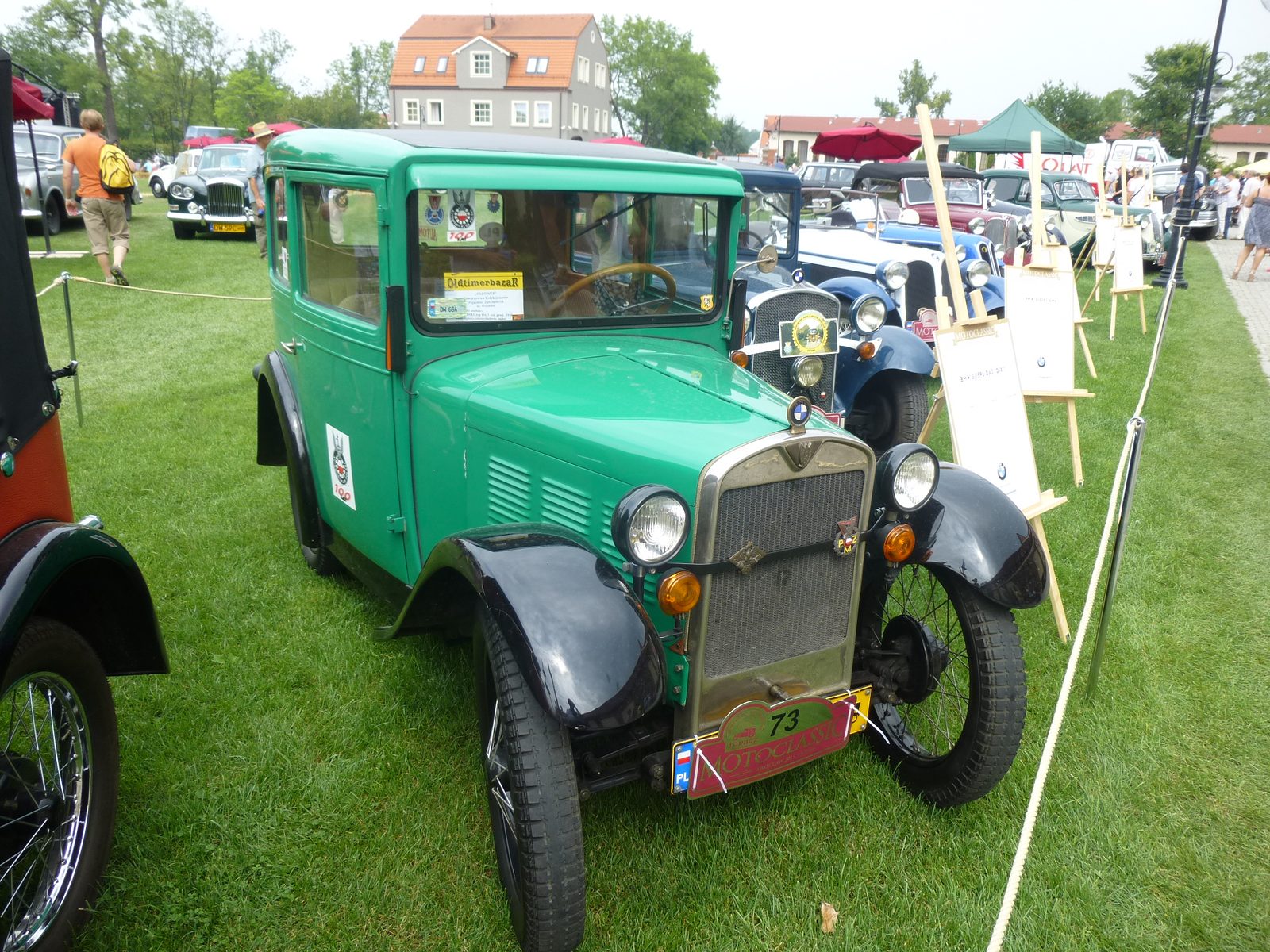
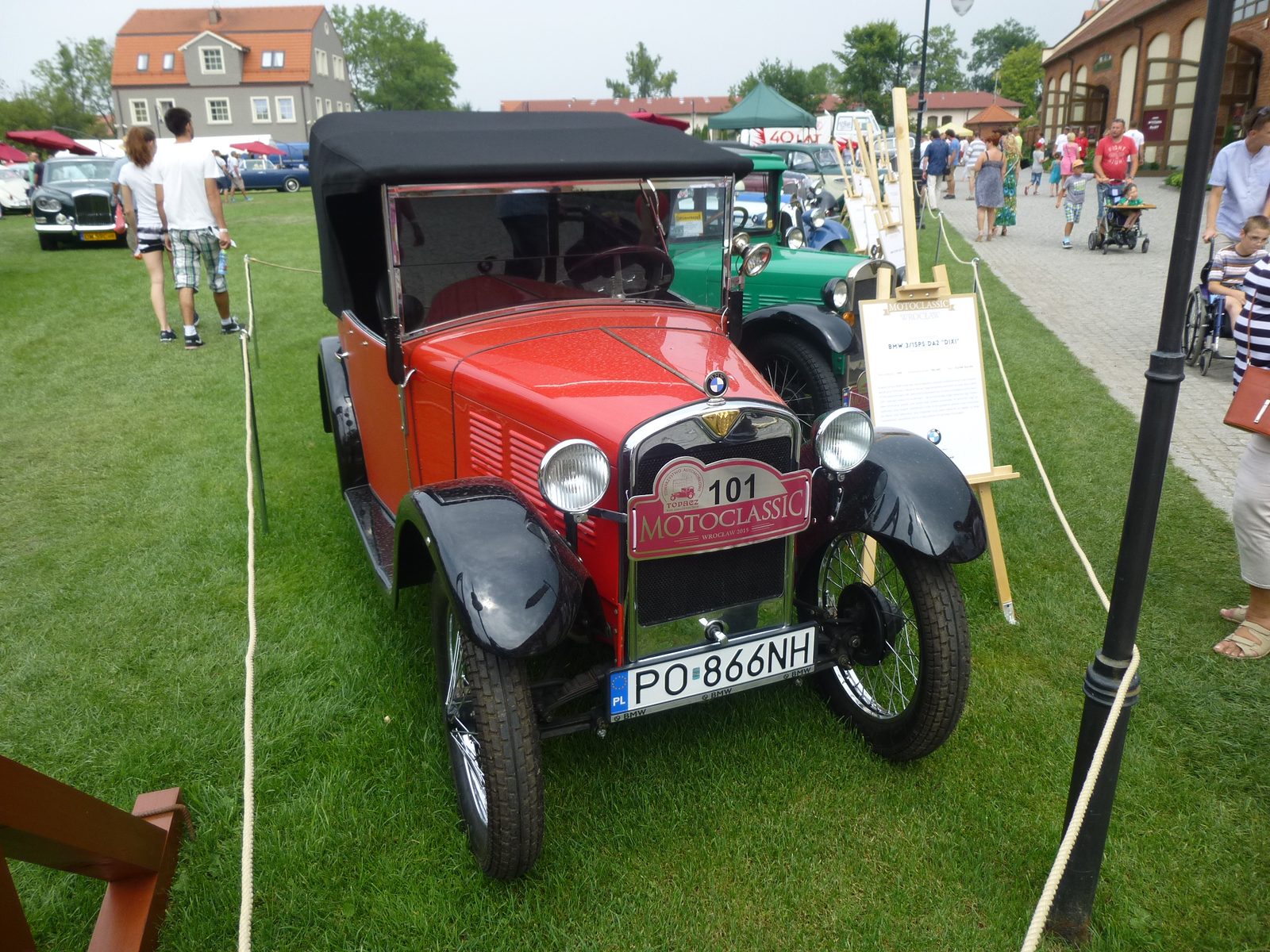
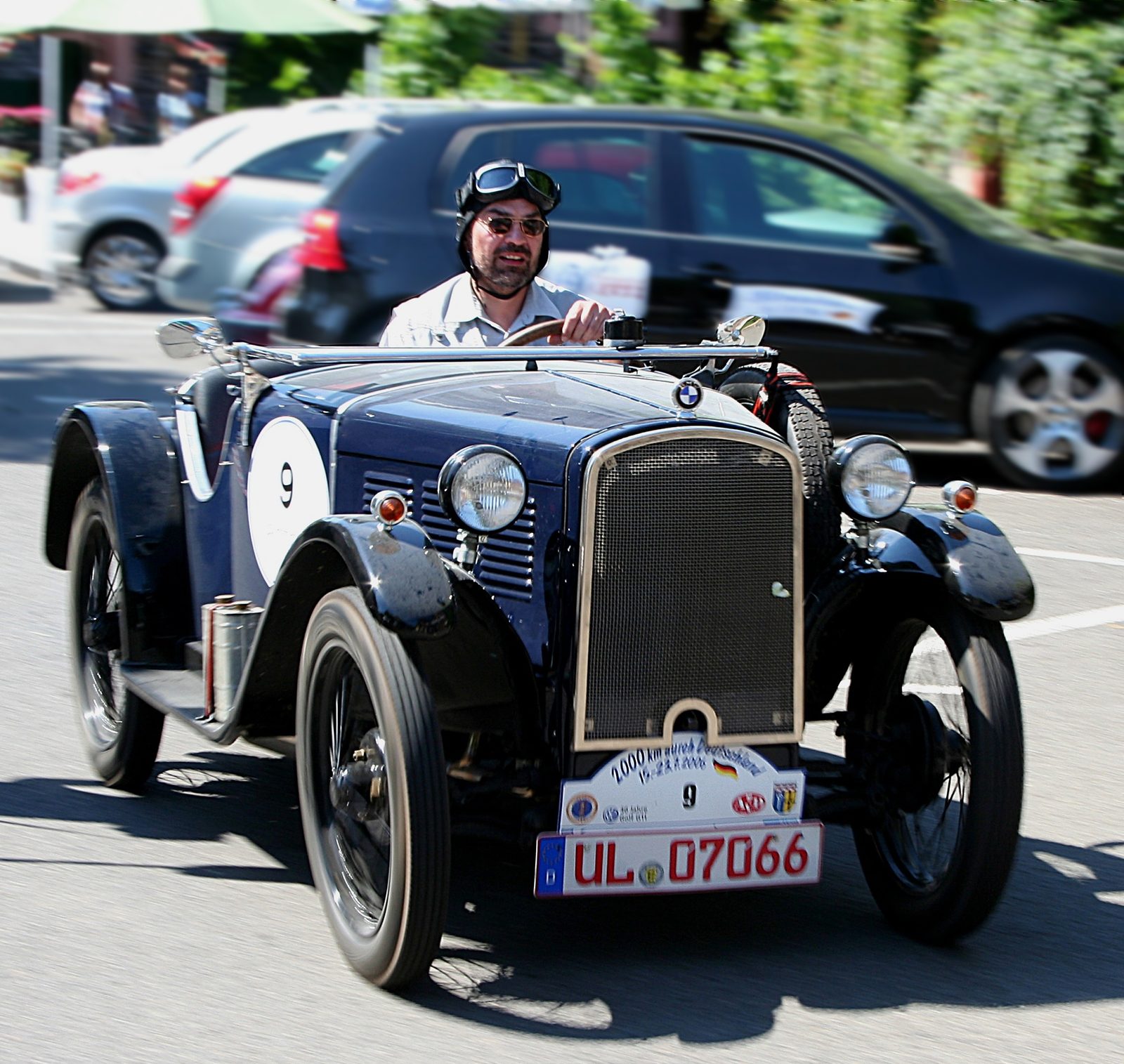
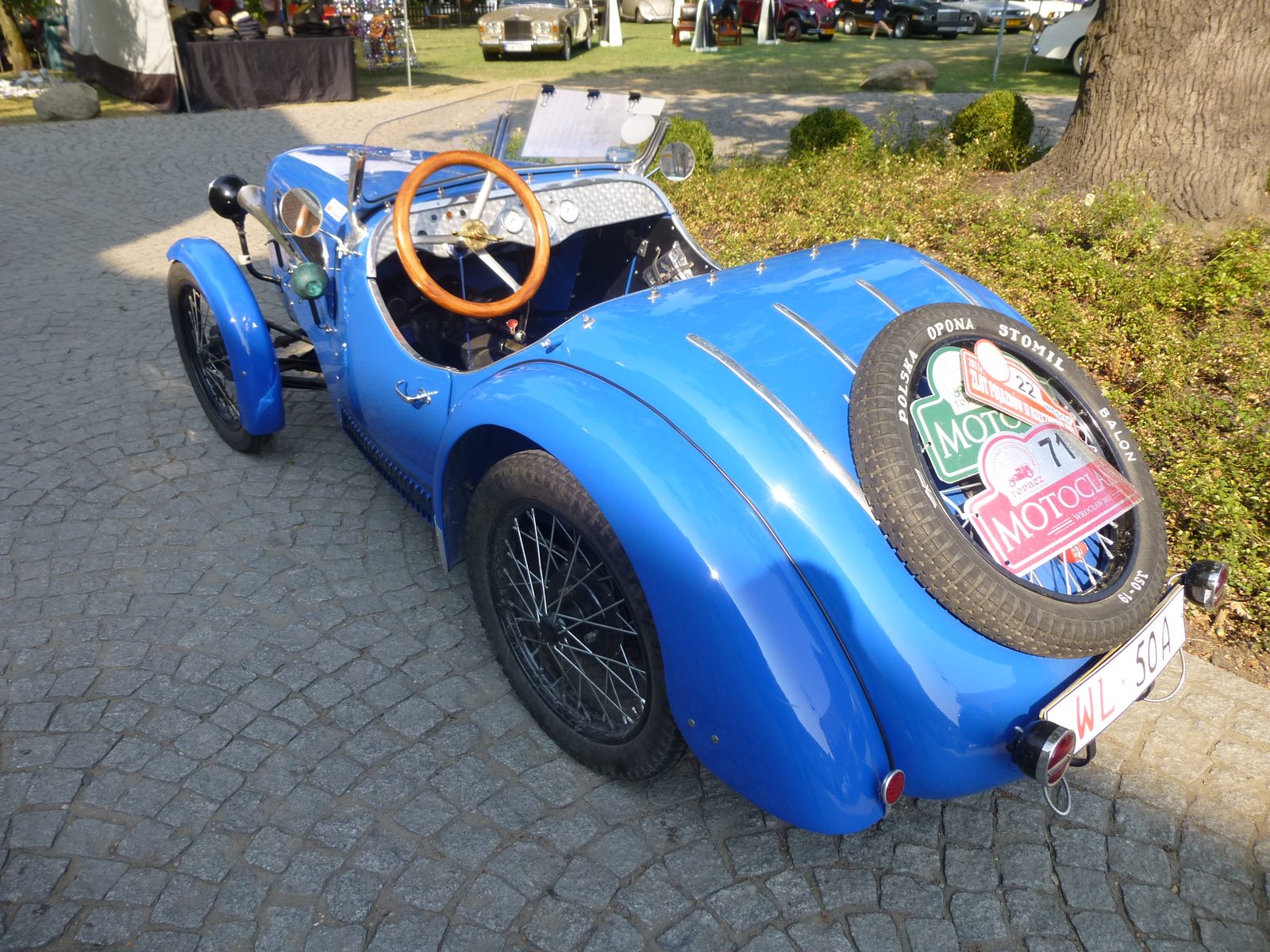
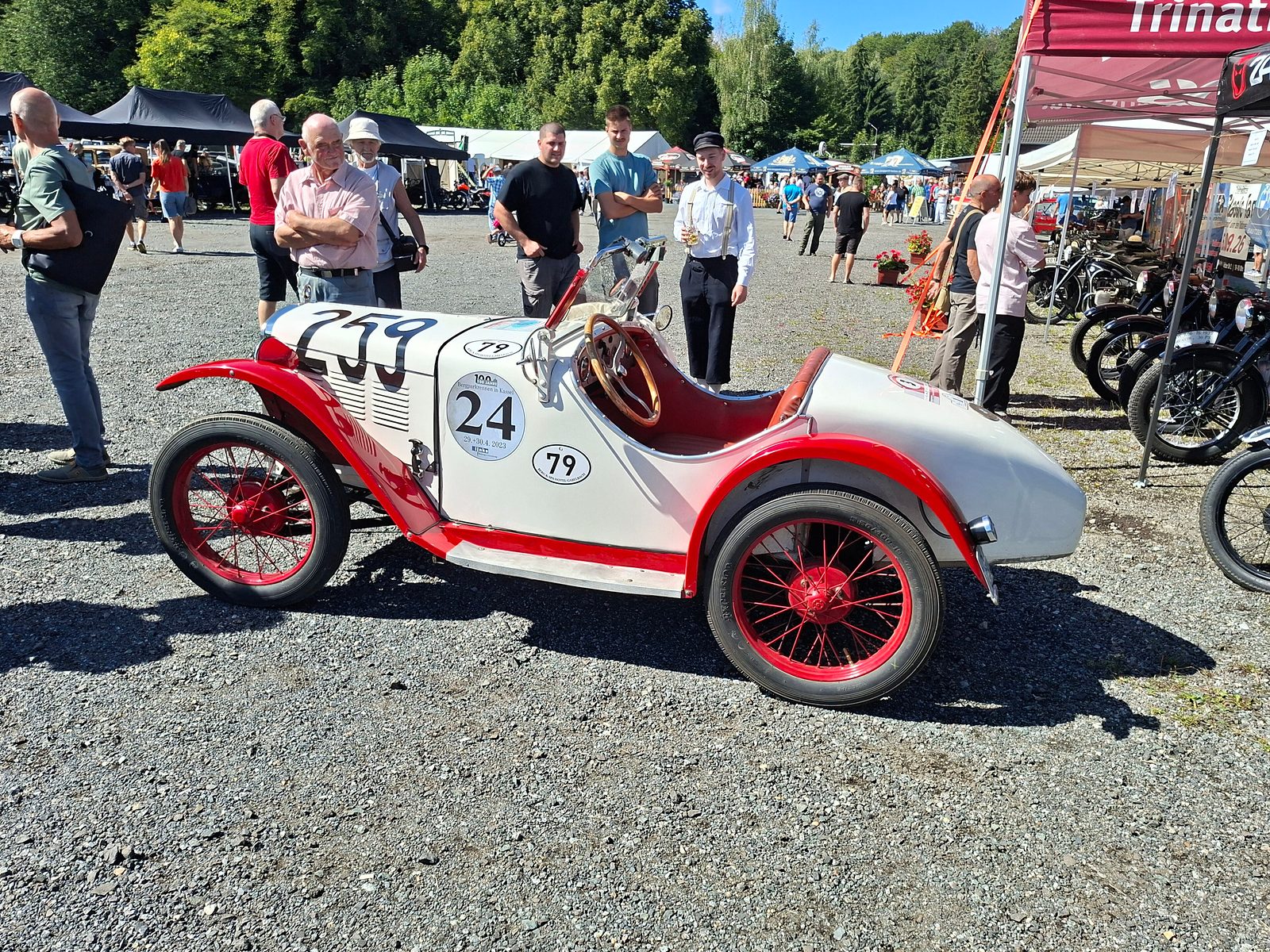
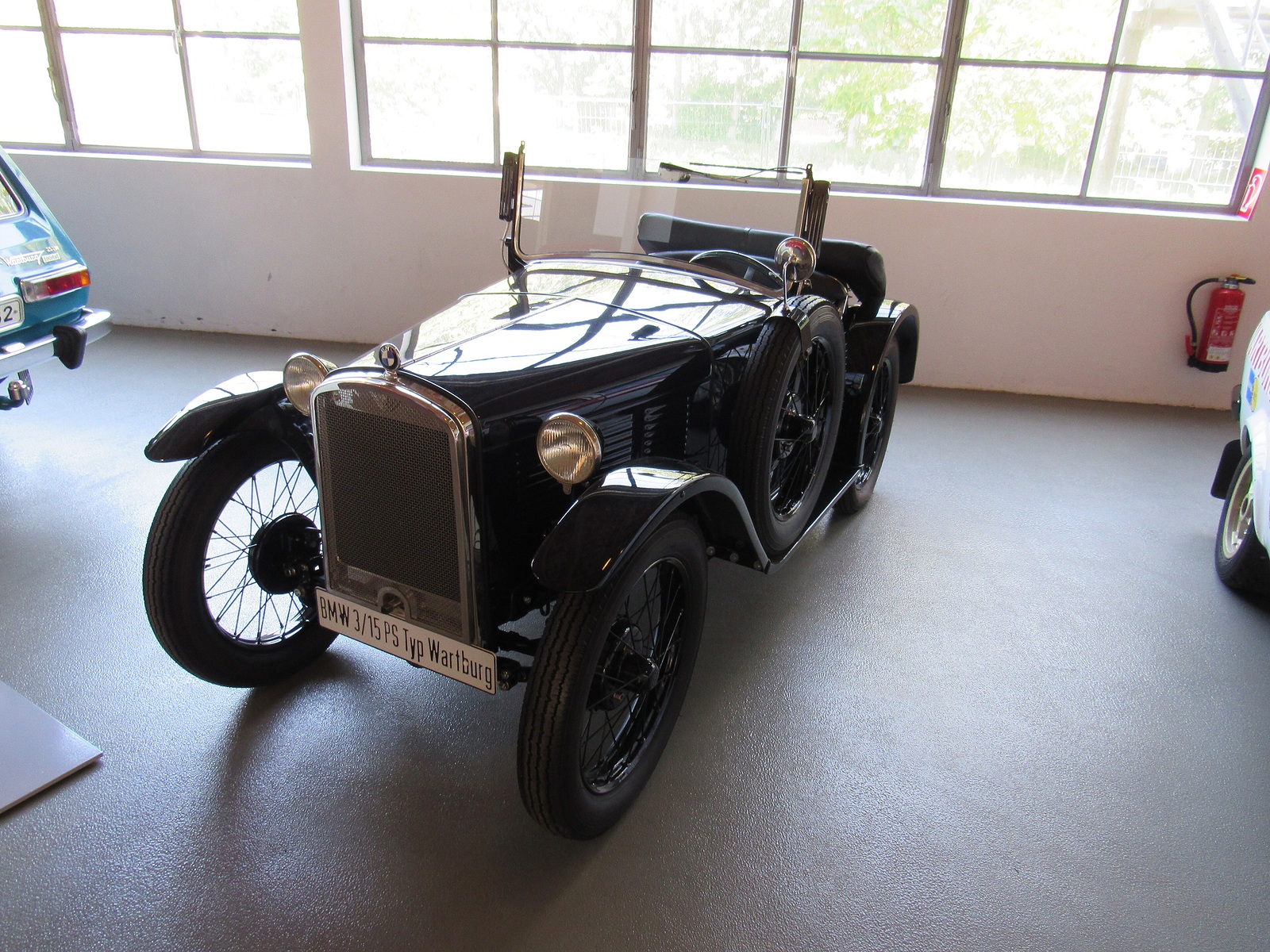
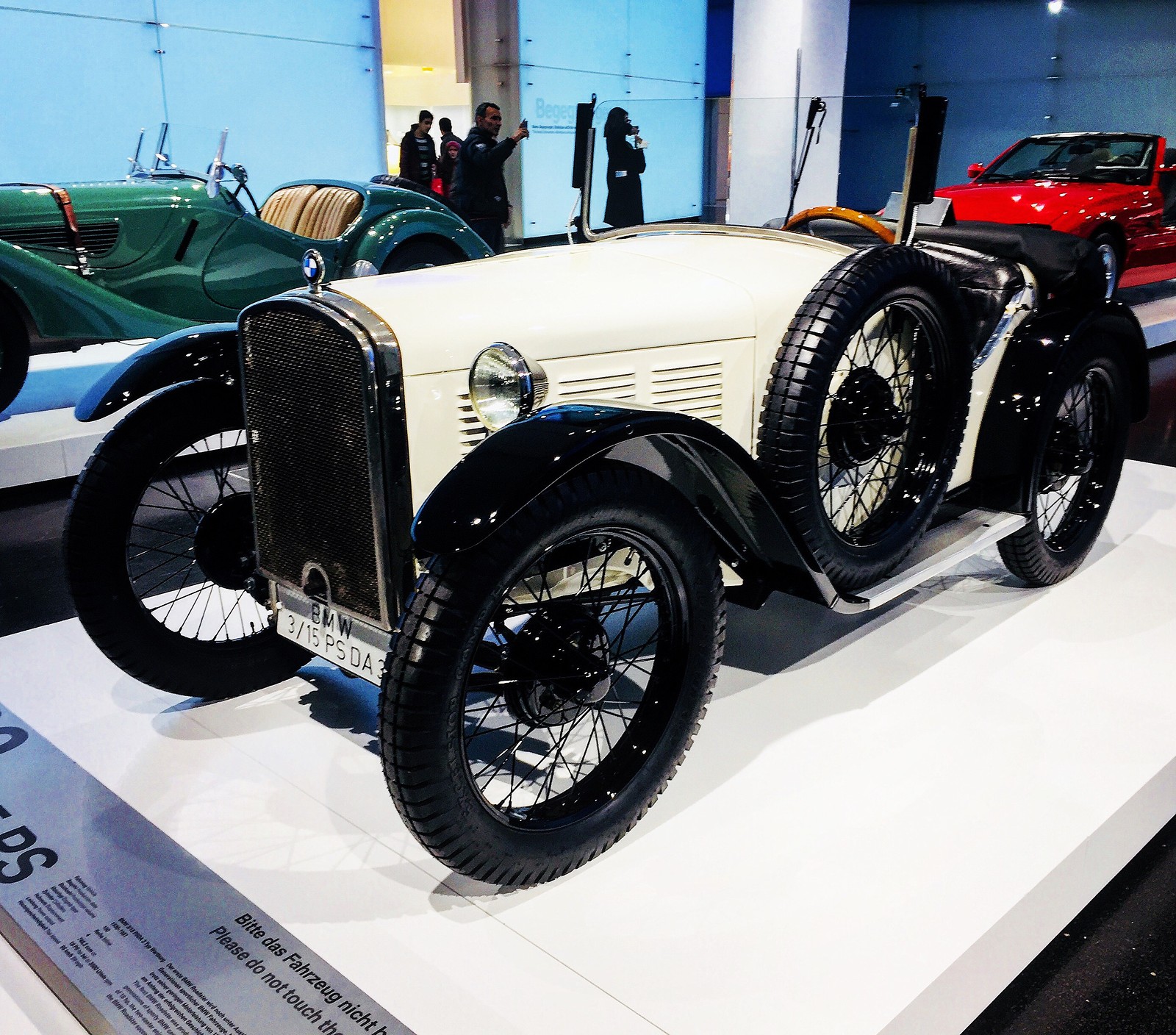
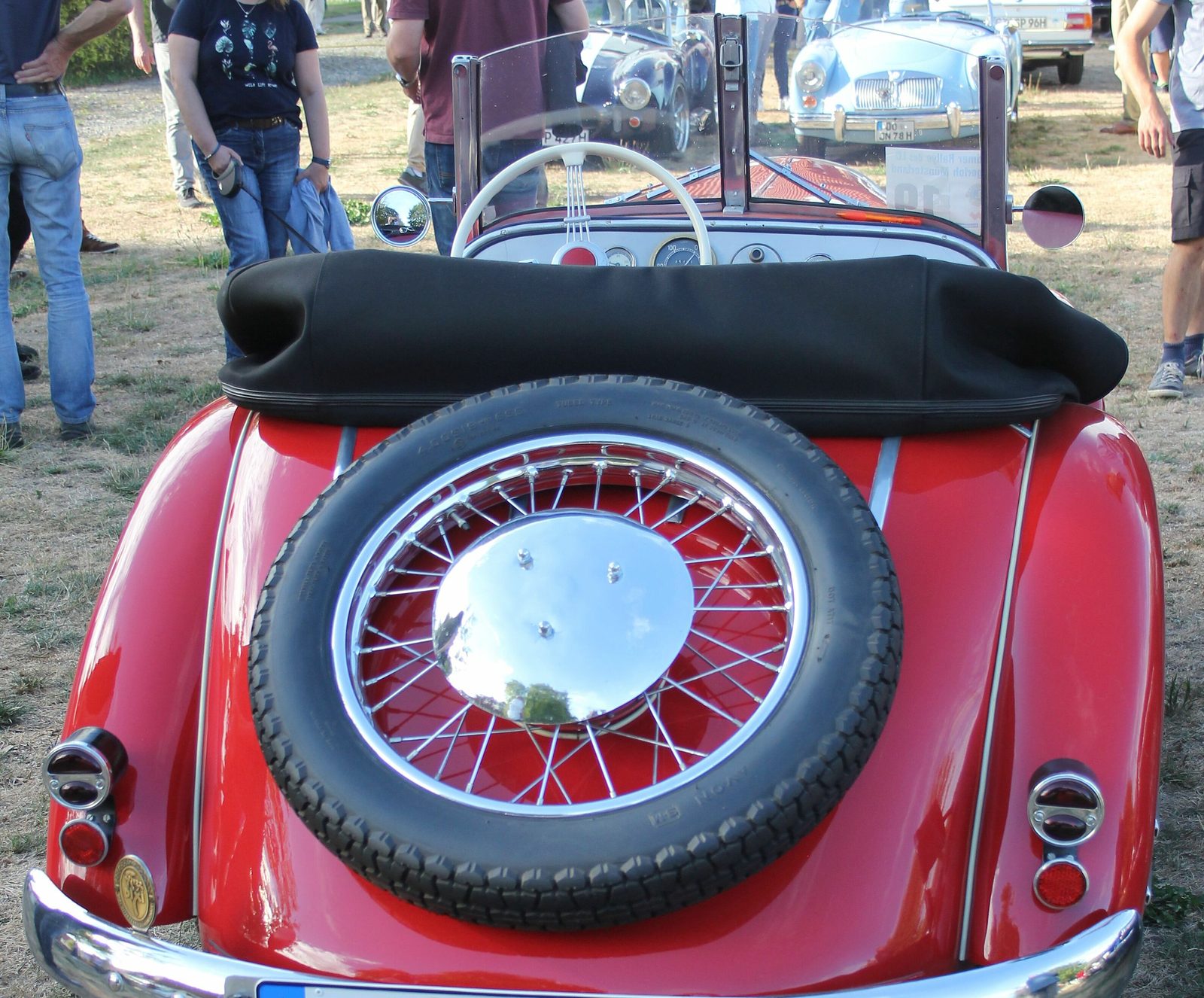
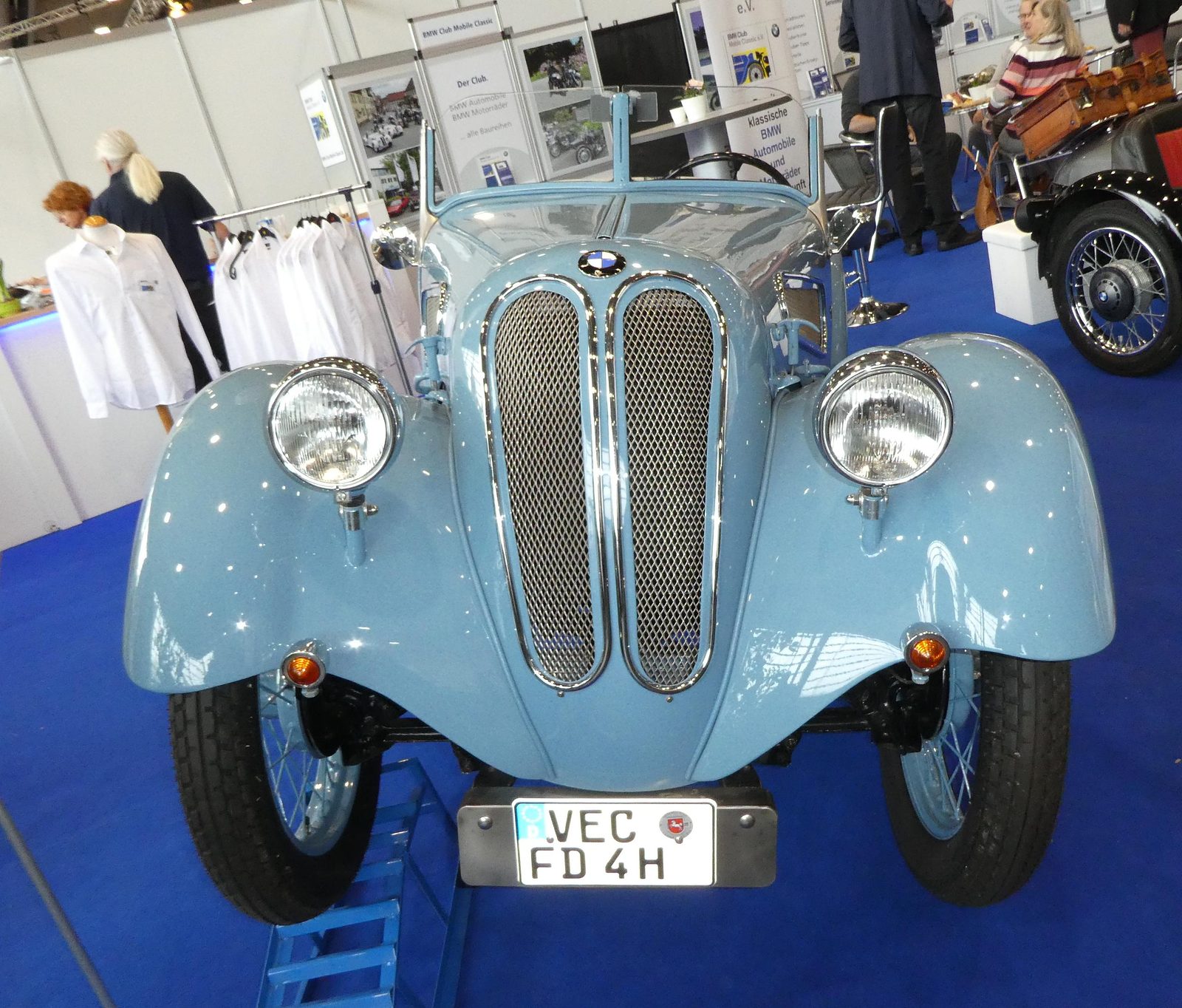
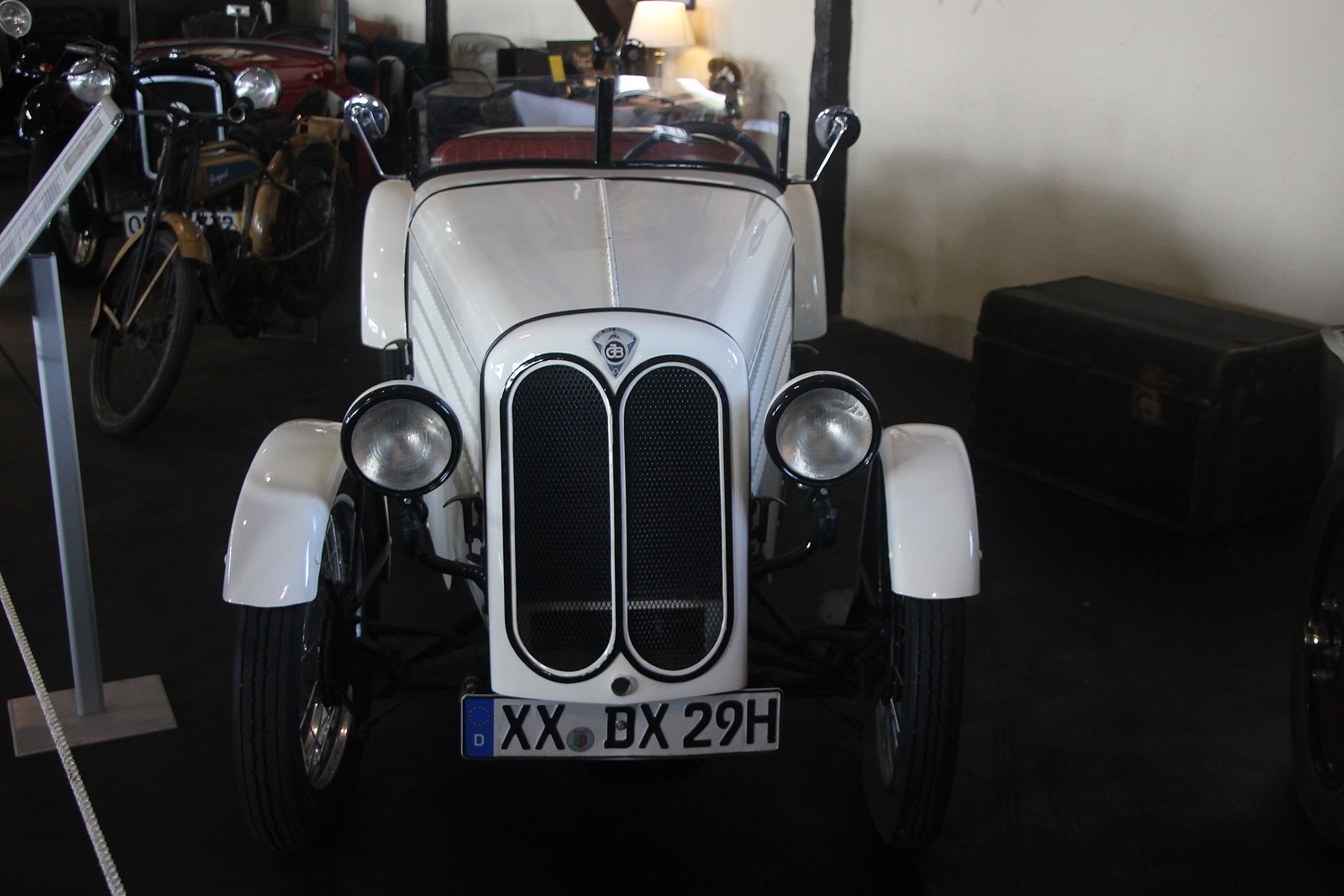
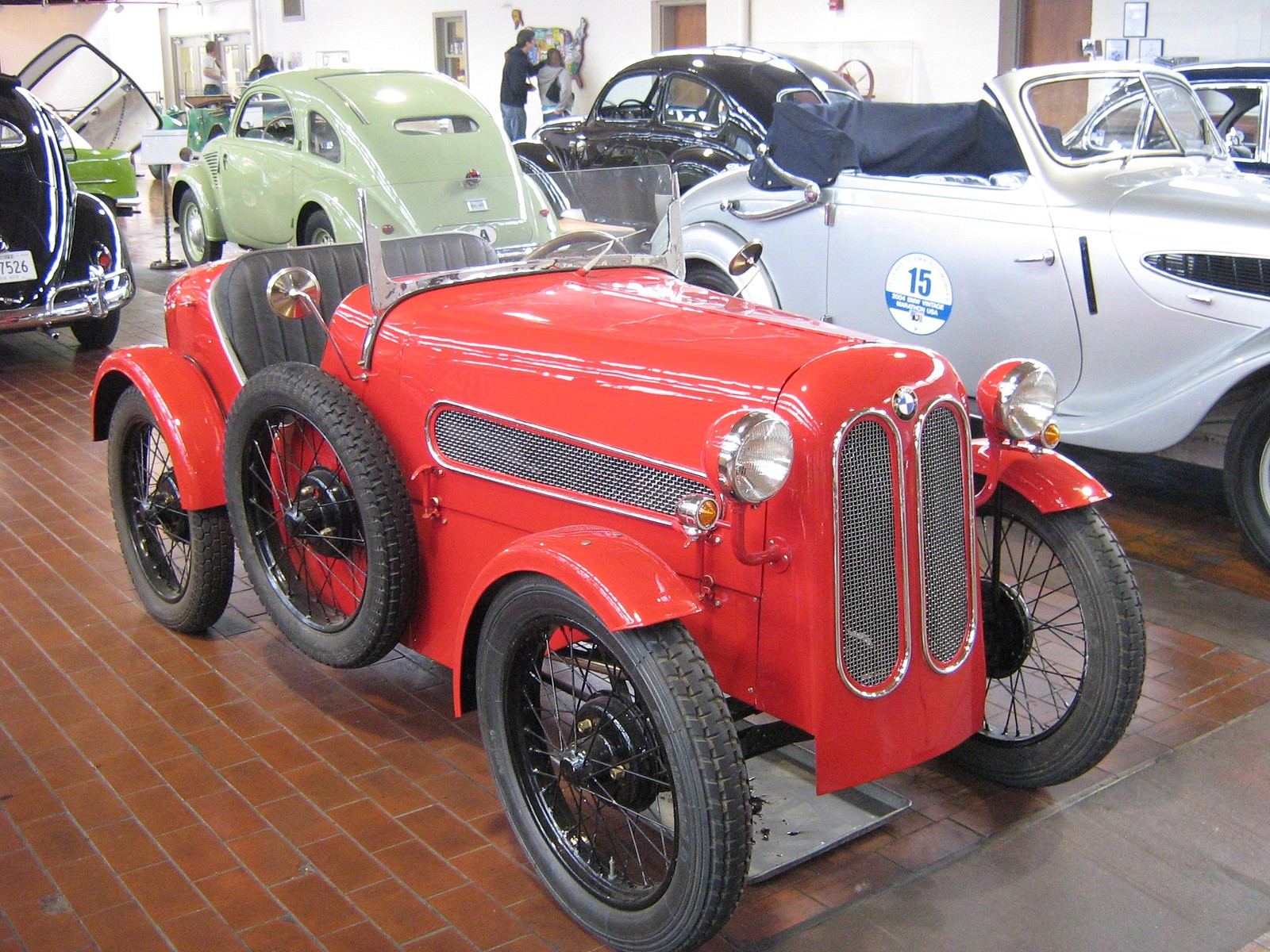
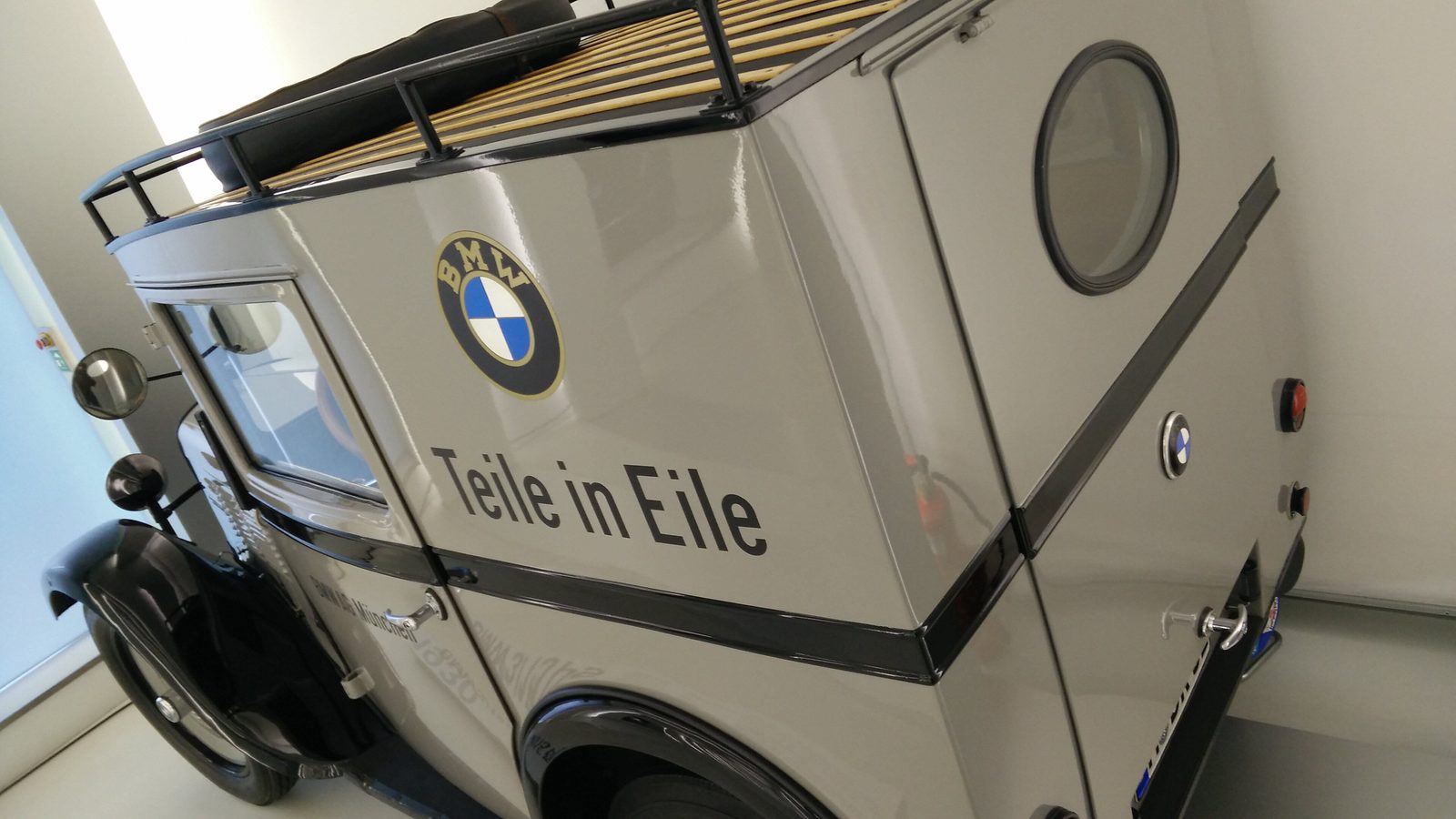
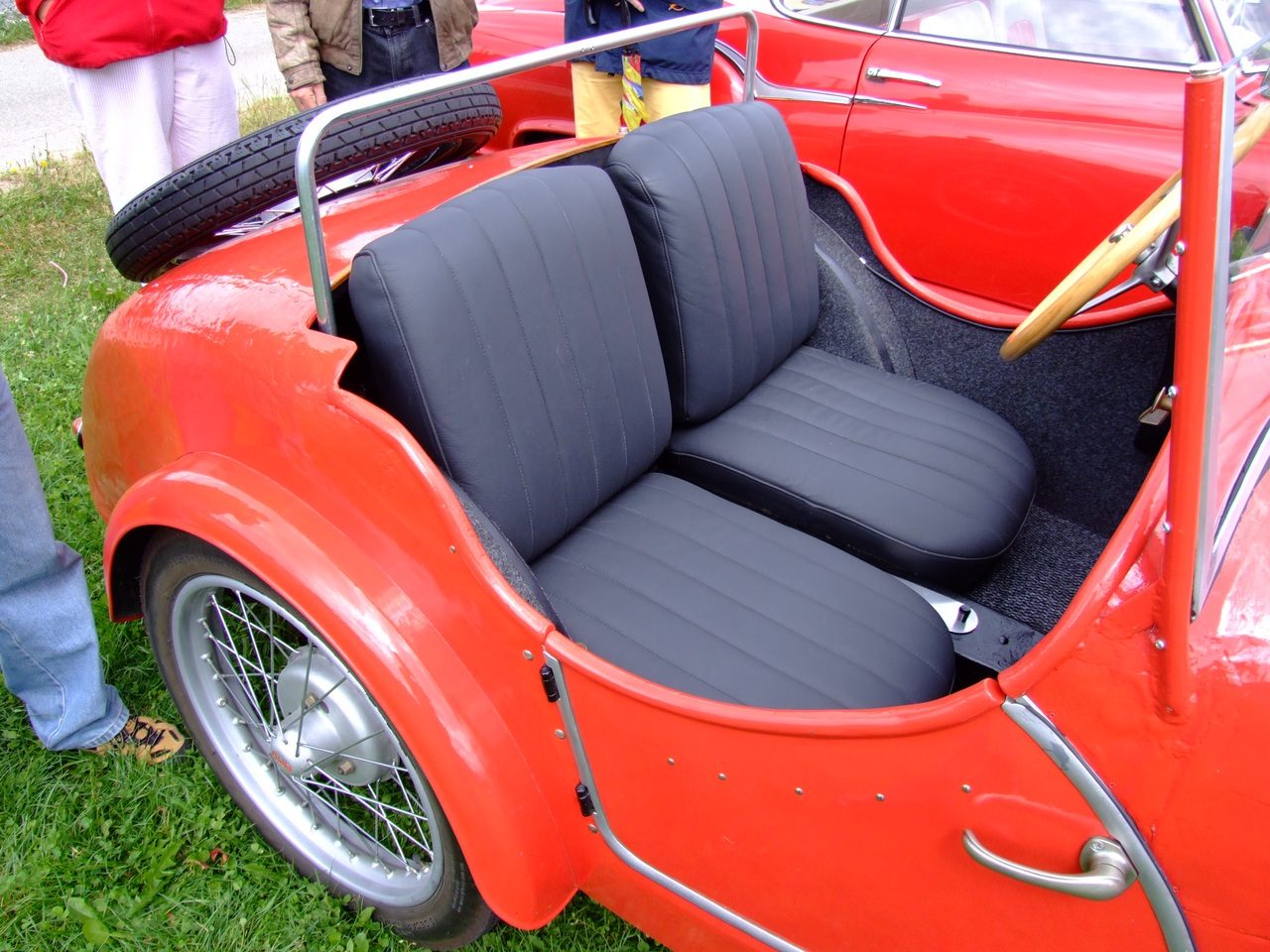
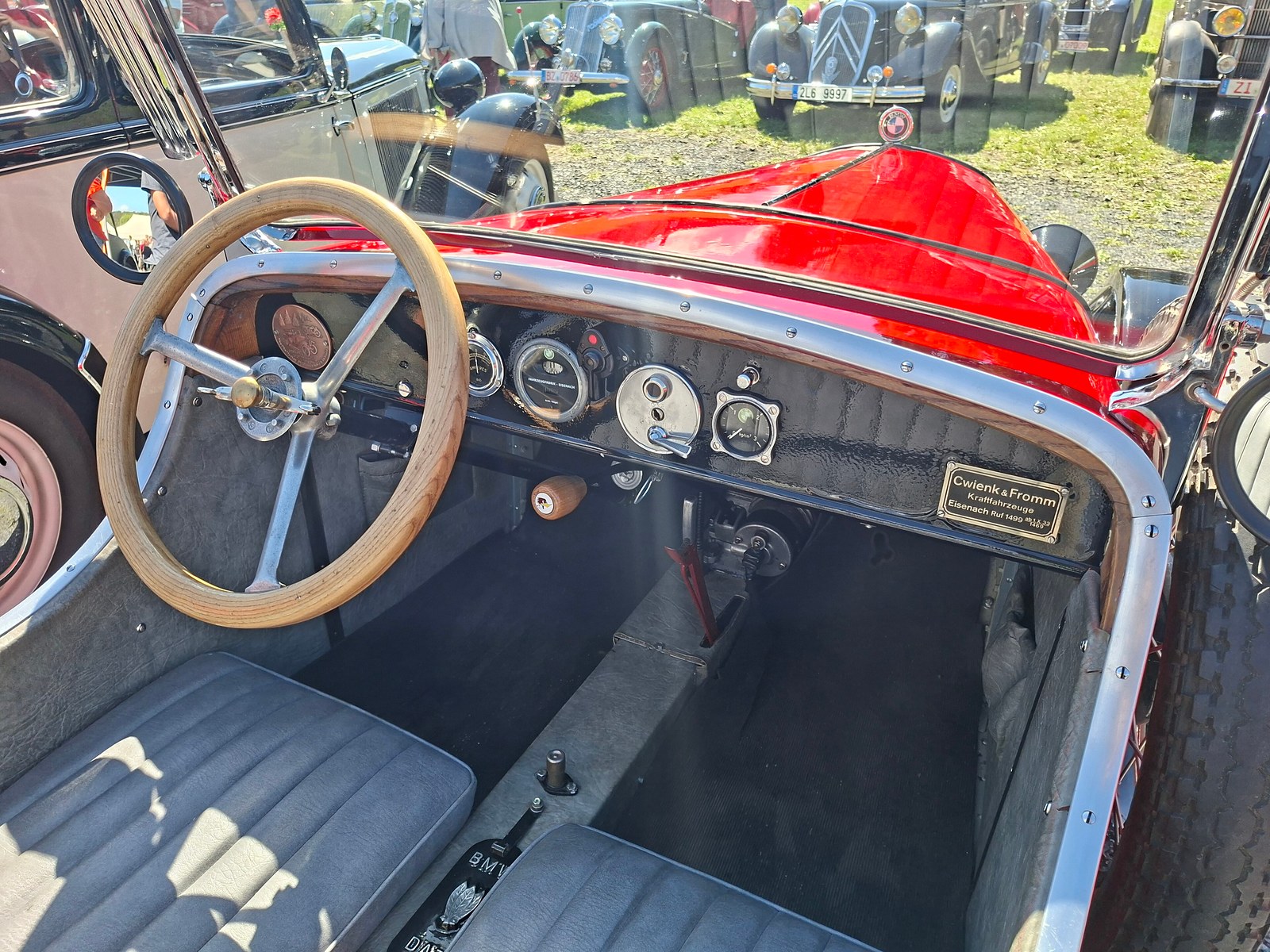
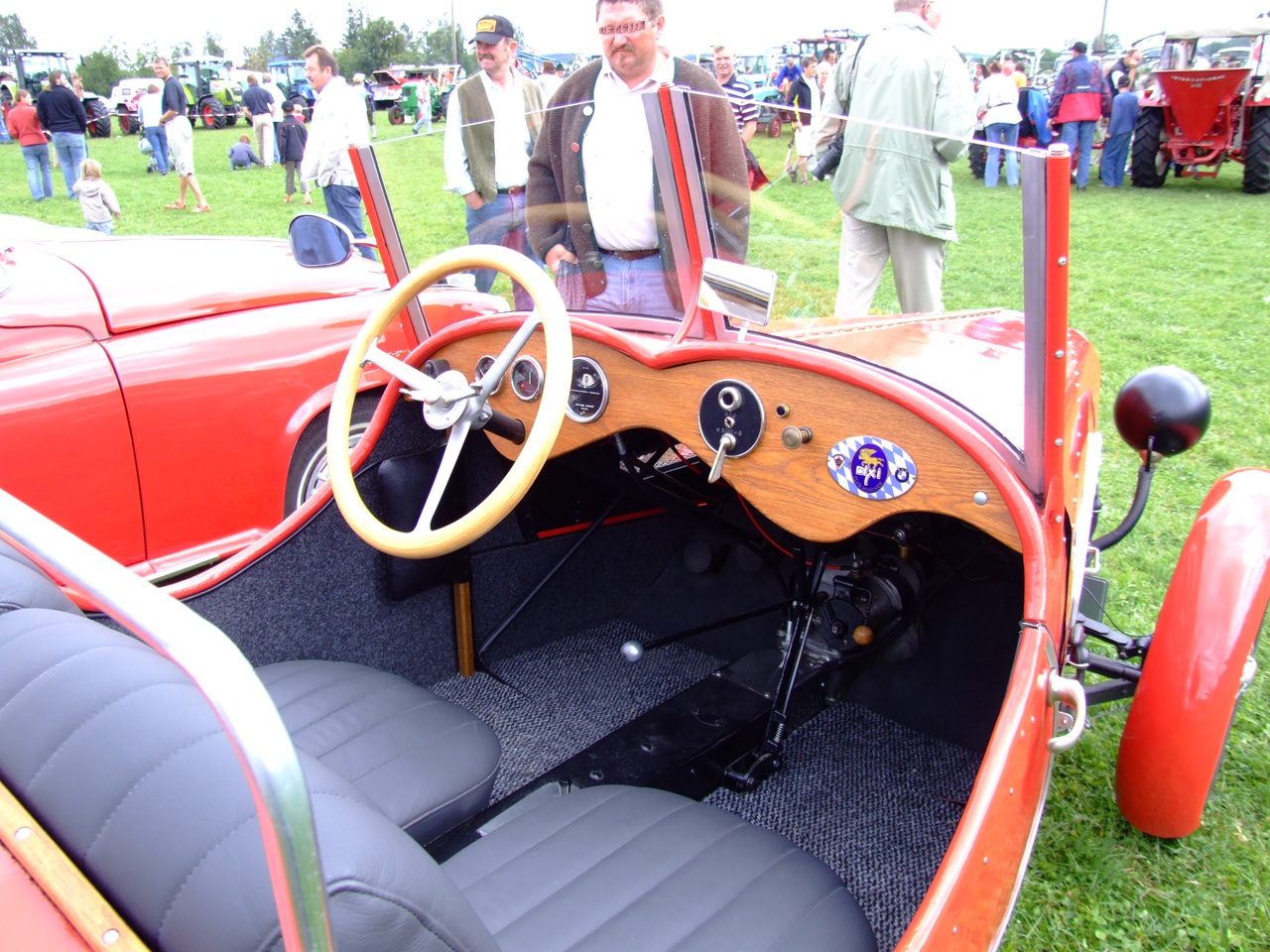
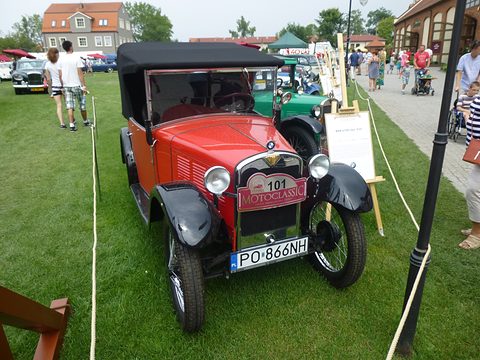
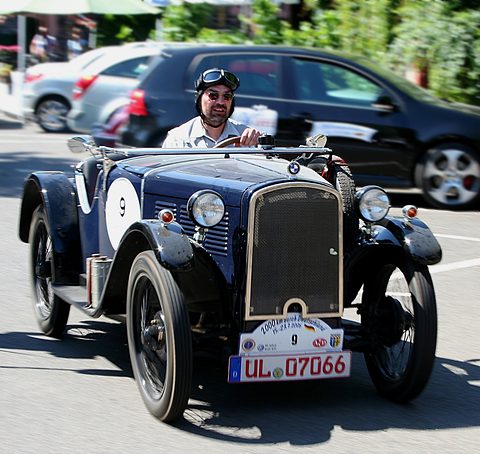
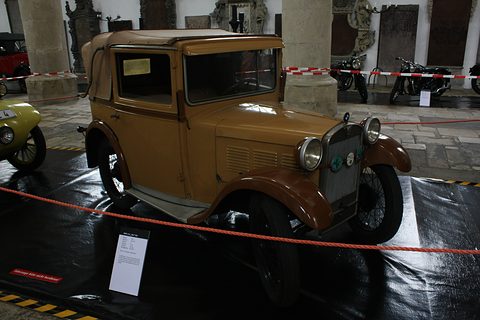
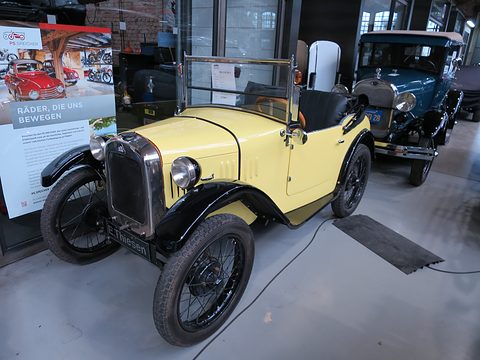
Pictures

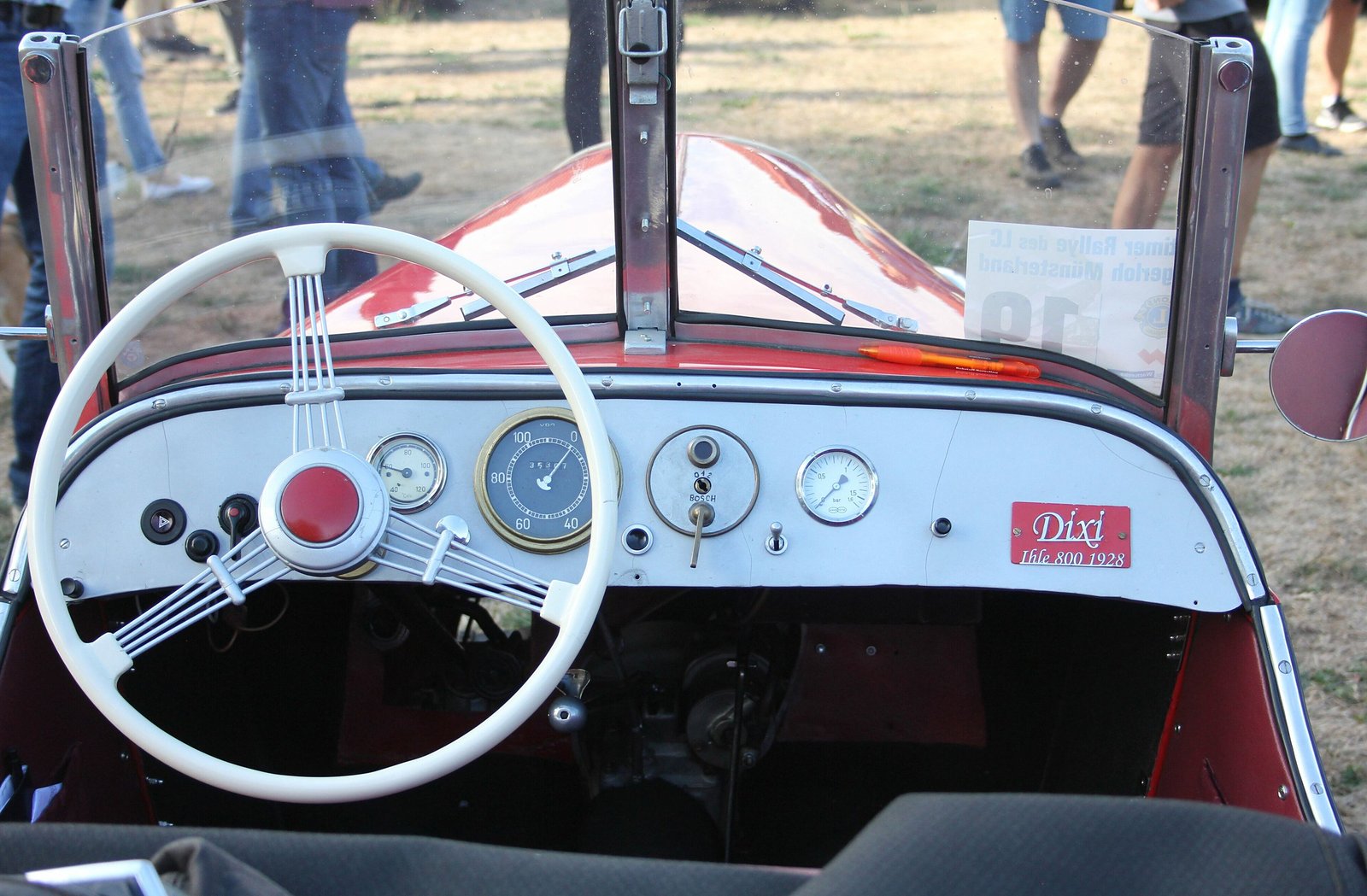
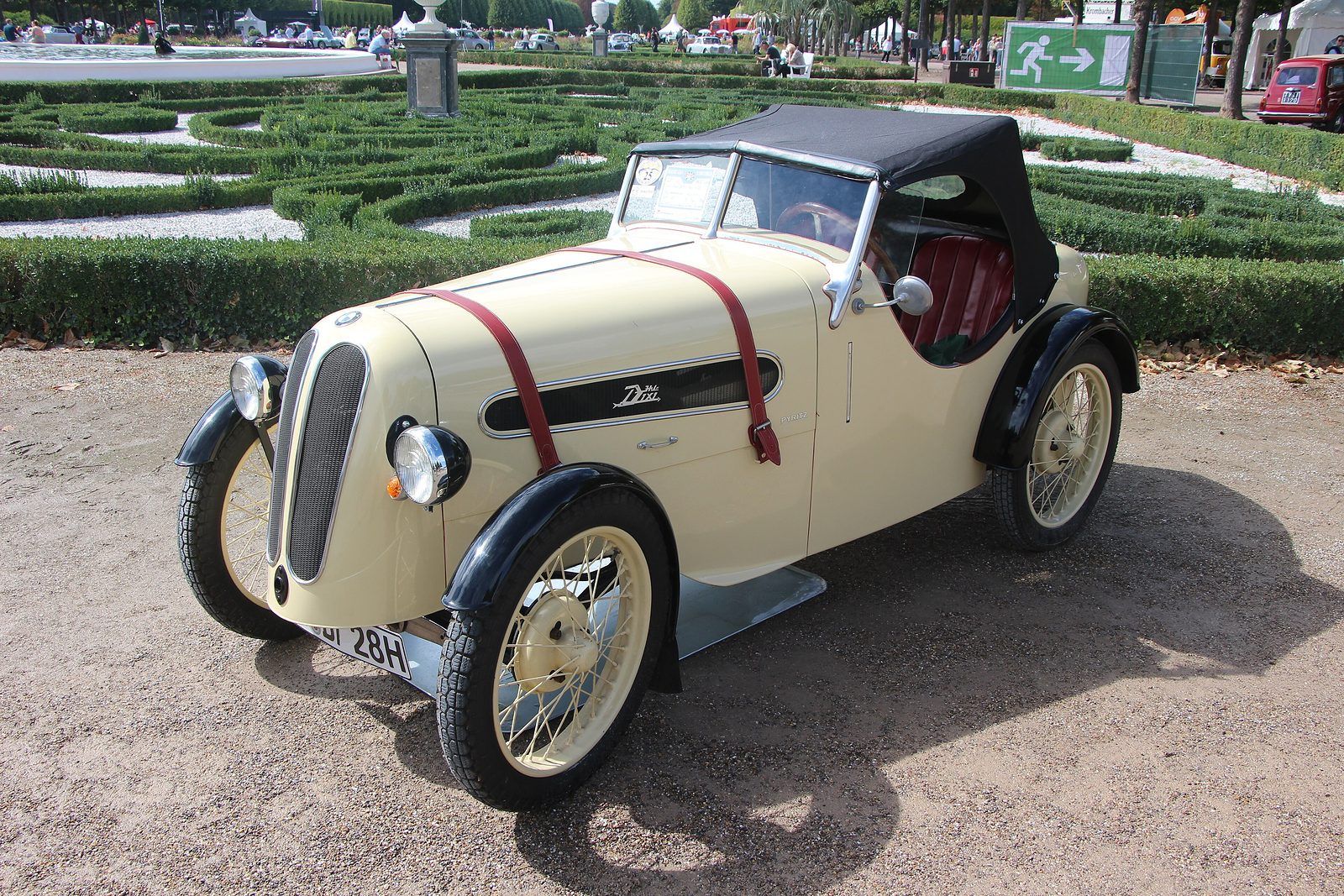
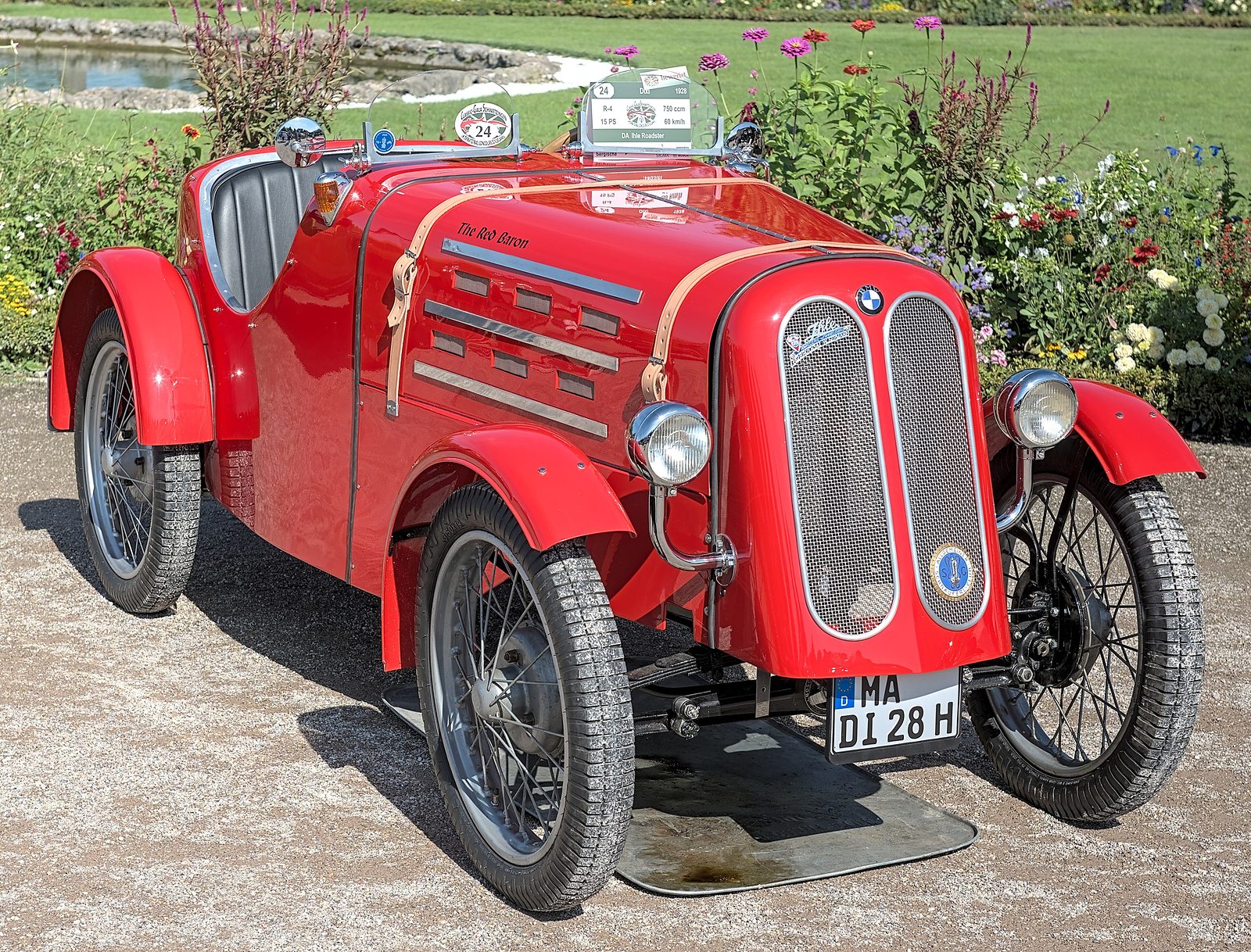
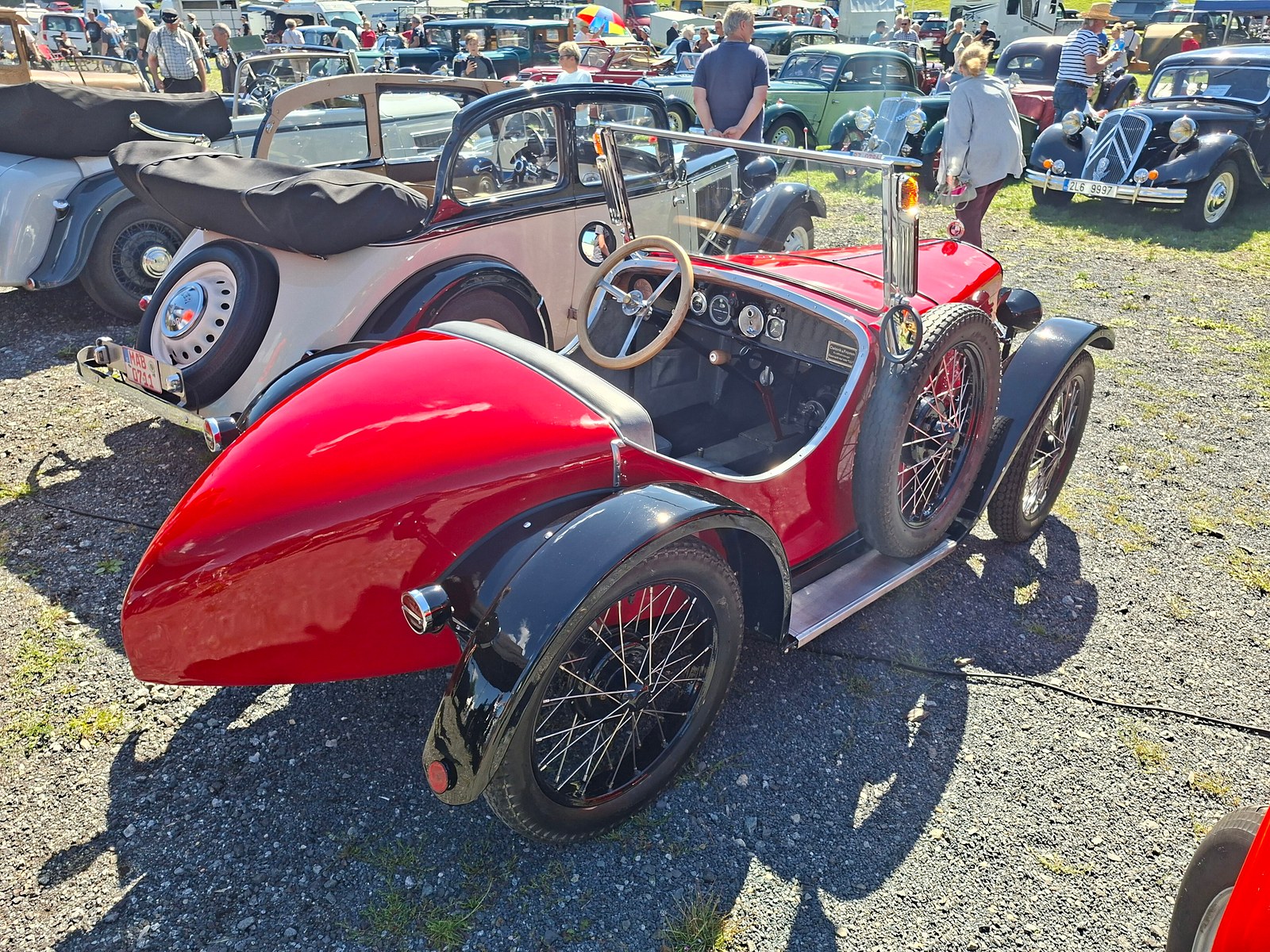
More photographs, old and new

Variants

Four versions and an army car

The 3/15 family
VariantYearsWhat differsHow many
Dixi 3/15 DA-11927–⁠29The Austin Seven as licensed, at first assembled from English kits; brakes on the rear wheels only9,307, or about 9,308
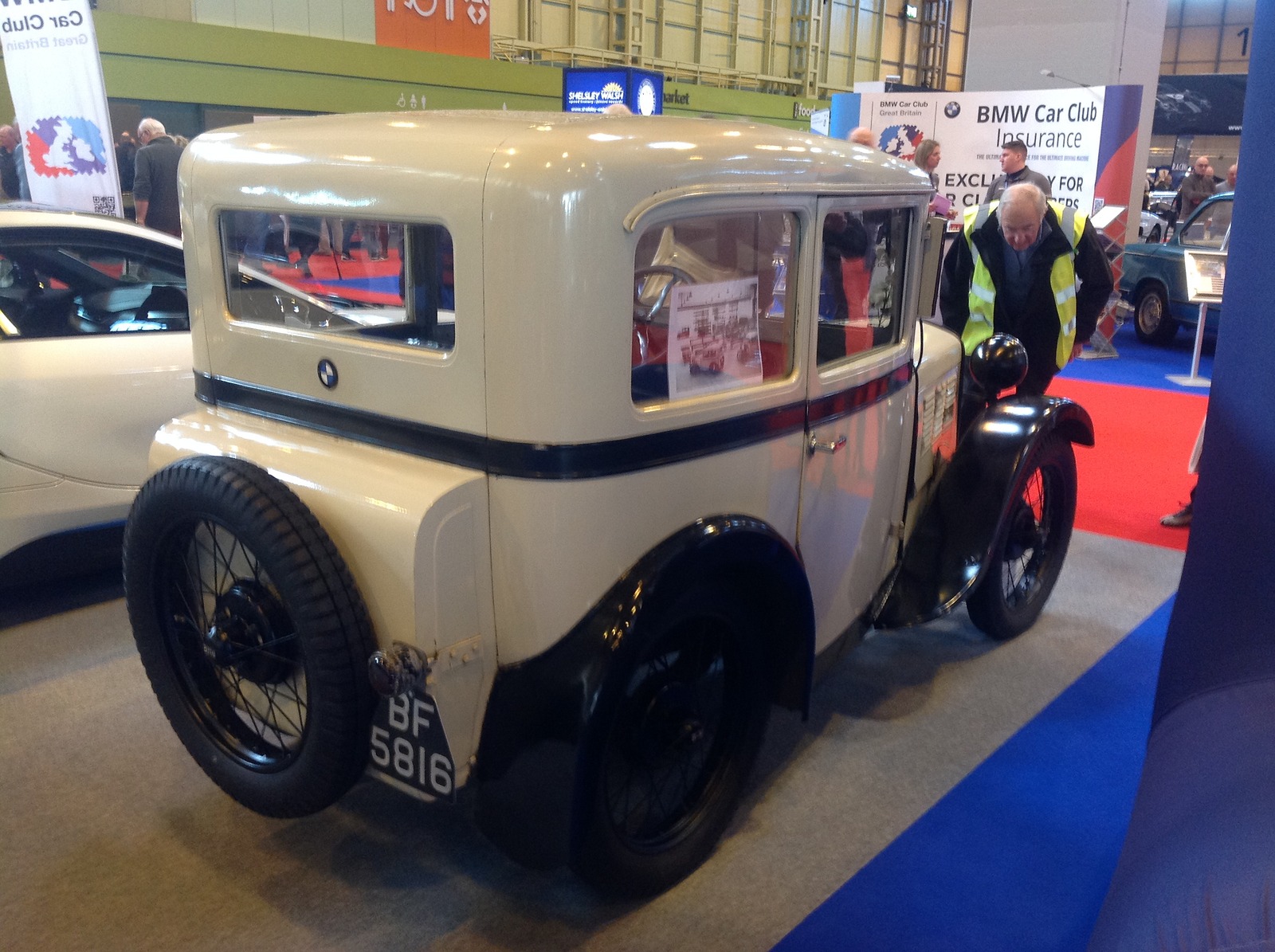
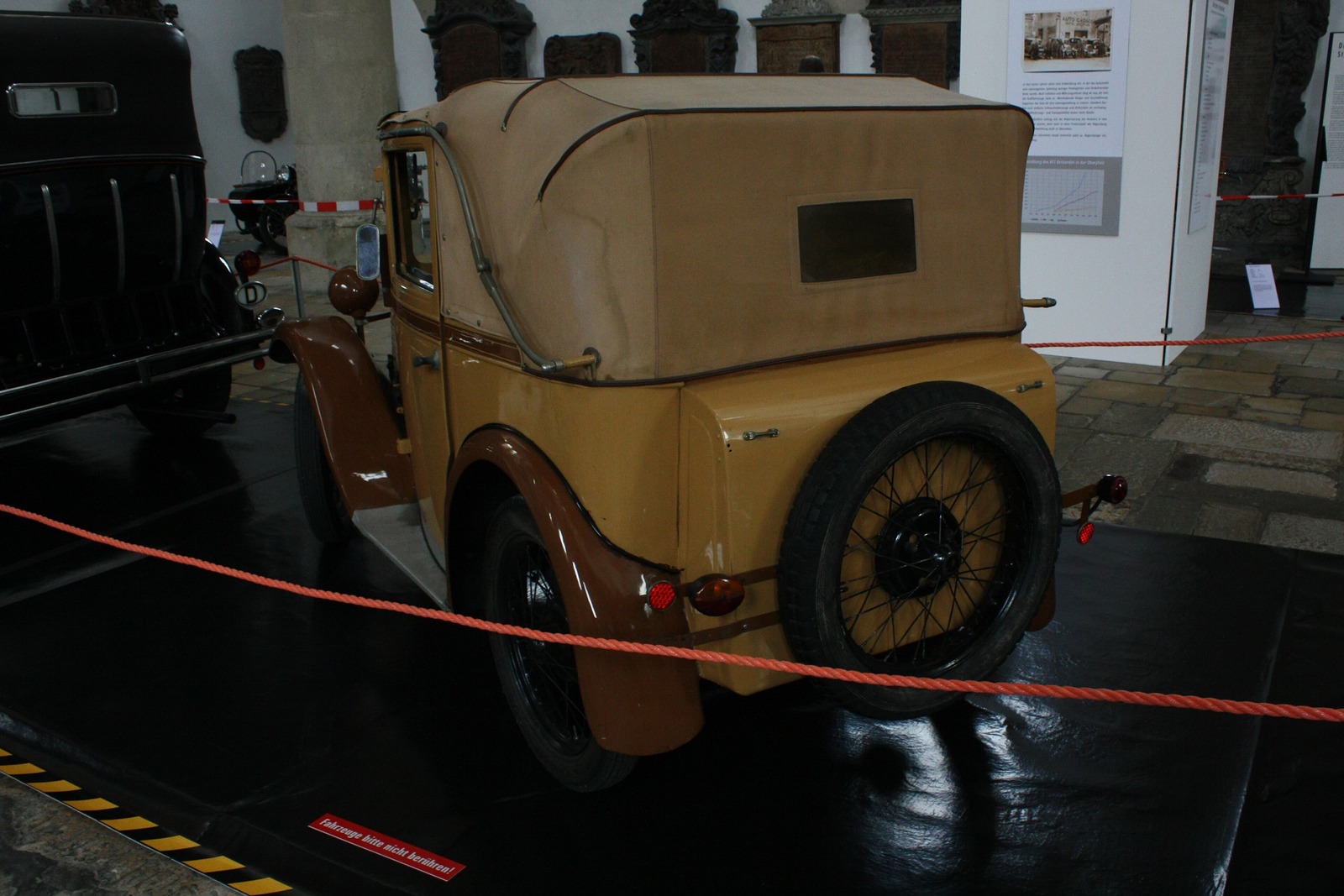
BMW 3/15 DA-21929–⁠32All-steel body pressed by Ambi-Budd, four-wheel brakes, larger tyres, wind-up windows, a luggage space; saloons, tourers, two-seaters, cabriolets, vans12,318, about 6,600 of them saloons
BMW 3/15 DA-3 Wartburg1930–⁠31Lowered two-seat sports car, drop-centre front axle, compression 7.0:1, 18 PS150
BMW 3/15 DA-41931–⁠32A front swing axle on the transverse leaf spring, BMW’s first independent front suspension, and a larger body3,480
Reichswehr cars1928–⁠29Mostly machine-gun carriers, some signals cars (Kfz. 2)About 300

Specification

The DA-2, unless noted

Engine and drive

Engine and drive
EngineFour cylinders in line, side valves, water-cooled; a two-bearing crankshaftsource 4
Capacity748.75 ccsource 5747, 749 and 750 cc in other sources: the same engine, rounded differently
Power15 PS (11 kW) at 3,000 rpmsource 5source 4source 3DA-3: 18 PS (13 kW) at 3,500 rpm
Compression5.6:1; 7.0:1 in the DA-3source 3source 4
GearboxThree speeds and reversesource 3source 1

Body and chassis

Body and chassis
BodyAll steel, pressed by Ambi-Budd in Berlinsource 4source 5
Front suspensionBeam axle on a transverse leaf spring; a swing axle on the leaf in the DA-4source 4source 3
BrakesOn all four wheels; the rear wheels only on the DA-1source 3source 5

Dimensions

Dimensions
Length3,000 mm (118 in), the DA-2 and DA-4source 33,000–3,100 mm in German Wikipedia
Wheelbase1,905 mmsource 3
Width1,275 mmsource 3
Height1,625 mm for the saloon; 1,300 mm for the DA-3source 3
WeightAbout 400 kg (880 lb)source 3
Performance and running

Performance and running
Top speed75 km/h (47 mph)source 5source 350 mph (80 km/h) for the DA-3, by the Lane museumsource 1
Acceleration0–40 km/h in 10 seconds, the DA-1source 3
ConsumptionAbout 5.5 litres per 100 kmsource 36 litres in BMW’s figuressource 6
Price newRM 2,200 in 1929; DA-3 RM 3,100source 6source 4

How many were built?

Every figure, with its source

About 25,000 builtAbout 25,000 of all versions, 1927–⁠32: German Wikipedia gives 25,356, and the 25,000th car was built in 1931. Every detailed figure goes back to Werner Oswald’s books, so the Wikipedias’ agreement is one source, not two, and the figures for each version do not add up exactly.

  1. 25,356all versions, 1927–⁠32One source

    German Wikipedia, citing Werner Oswaldsource 4

  2. 25,000th carbuilt in 1931One source

    German Wikipedia, on the Eisenach workssource 2

  3. 18,976all BMW-badged 3/15s, 1929–⁠32One source

    English Wikipedia, citing Norbye and Oswaldsource 3
  4. 12,318DA-2sOne source

    German Wikipediasource 4

  5. 9,307Dixi DA-1s, 1927–⁠29; “about 9,308” in the article on the Eisenach worksOne source

    English and German Wikipedia, both from Oswaldsource 3source 2

  6. 3,480DA-4sOne source

    German Wikipediasource 4

  7. about 300cars for the Reichswehr, 1928–⁠29One source

    German Wikipedia, citing Oswaldsource 4

  8. 150DA-3 WartburgsTwo sources agree
    German and English Wikipedia and the Lane Motor Museumsource 4source 3source 1

  • Two sources agreetwo good sources give the figure
  • One sourcea good source, alone
  • Unconfirmeda lead only, not yet checked

Famous for

Three points

  1. BMW’s first car

    BMW counts the DA-2 of 1929 as its first production car, though the design was Austin’s.

  2. A win at once

    Three pre-production cars took the team award in the 1929 International Alpine Trial, BMW’s first win as a car maker.

  3. Firsts for BMW

    An all-steel body, its first sports car in the DA-3 Wartburg and its first independent front suspension in the DA-4.

Survivors and collecting

Today

Neither a survivor count nor a dated auction result has been found. In Nashville, the Lane Motor Museum has a 1930 BMW Dixi with a one-off special body, which it catalogues as a DA-3, and BMW Group Classic keeps DA-2s of its own.source 1source 5 The Lane museum’s page, which gives 150 built and production years of 1928–⁠32, mixes the Wartburg’s figure with the years of the whole range.source 1

Sources

Numbered as in the text

No period road test was found, and BMW Group Classic says its model page was written with AI help; its facts agree with both Wikipedias. Sources are given as plain text; the links are on the Credits page.

  1. Lane Motor Museum, “BMW Dixi – 1930”, collection page, read in full.
  2. German Wikipedia, Fahrzeugfabrik Eisenach. It cites Oswald and Kittler, Alle BMW-Automobile seit 1928, and Paul Hogl in Der Motor.
  3. English Wikipedia, BMW 3/15, read in full. It cites Jan P. Norbye, BMW – Bavaria’s Driving Machines (1984), and Oswald, Deutsche Autos 1920–⁠1945 (2001).
  4. German Wikipedia, BMW 3/15, read in full through a summary. It cites Werner Oswald, Alle BMW-Automobile 1928–⁠1978 (1980) and Kraftfahrzeuge und Panzer der Reichswehr, Wehrmacht und Bundeswehr (1982).
  5. BMW Group Classic, “BMW 3/15 PS DA 2”, model page, read in full; the page says its text was created with AI help.
  6. BMW Group PressClub, article T0022917EN, on BMW’s first car, its launch on 9 July 1929 and the Alpine Trial, read in full.