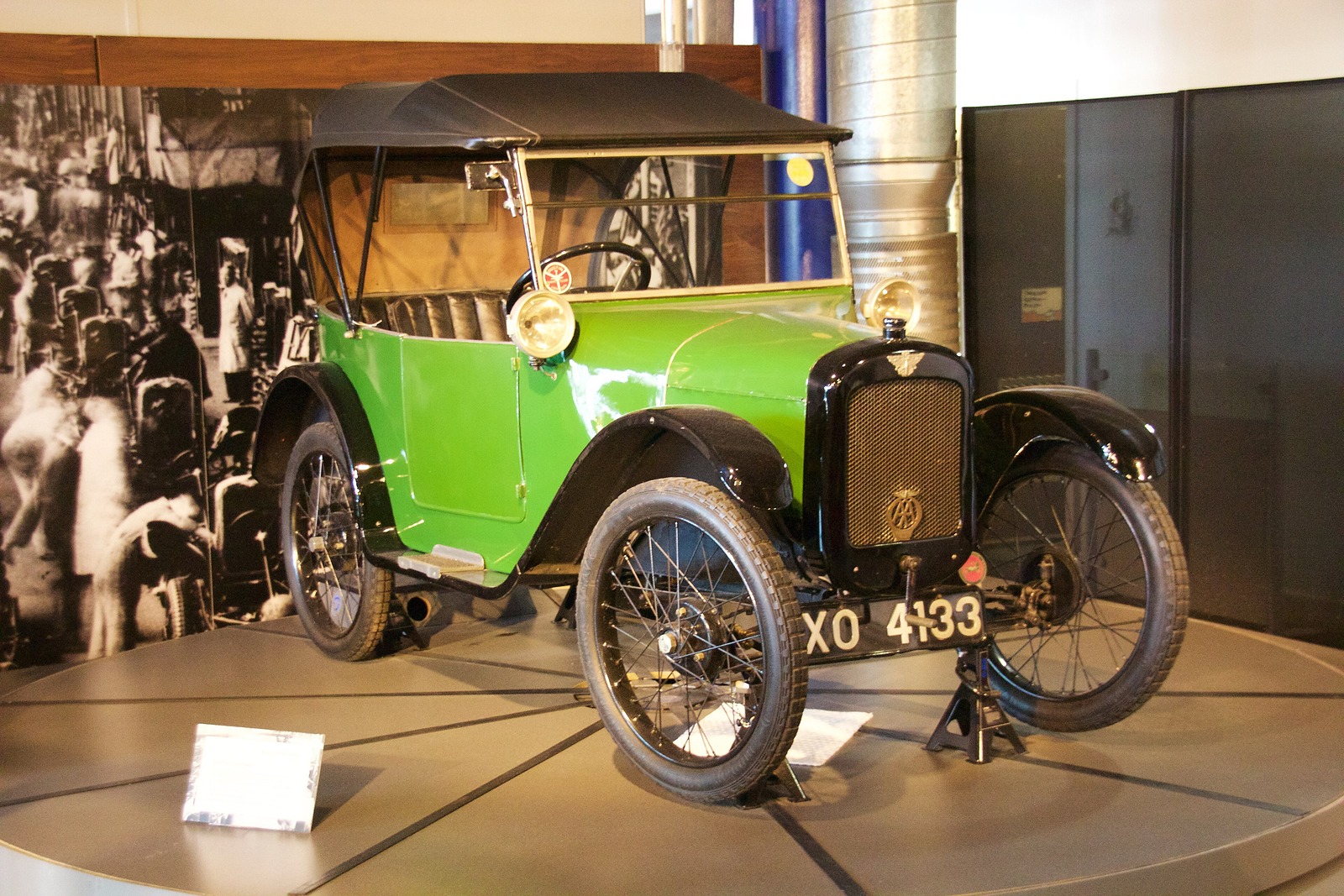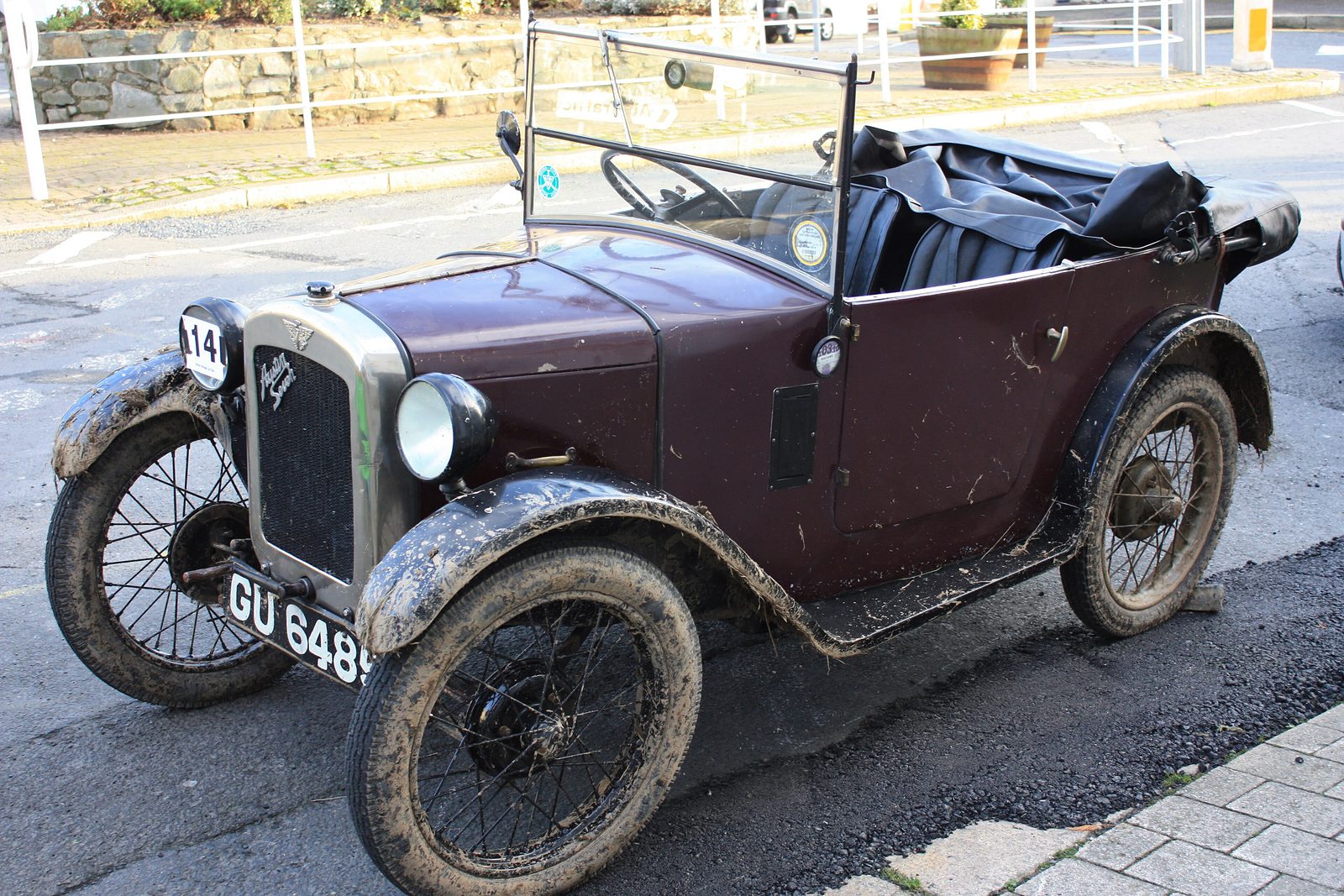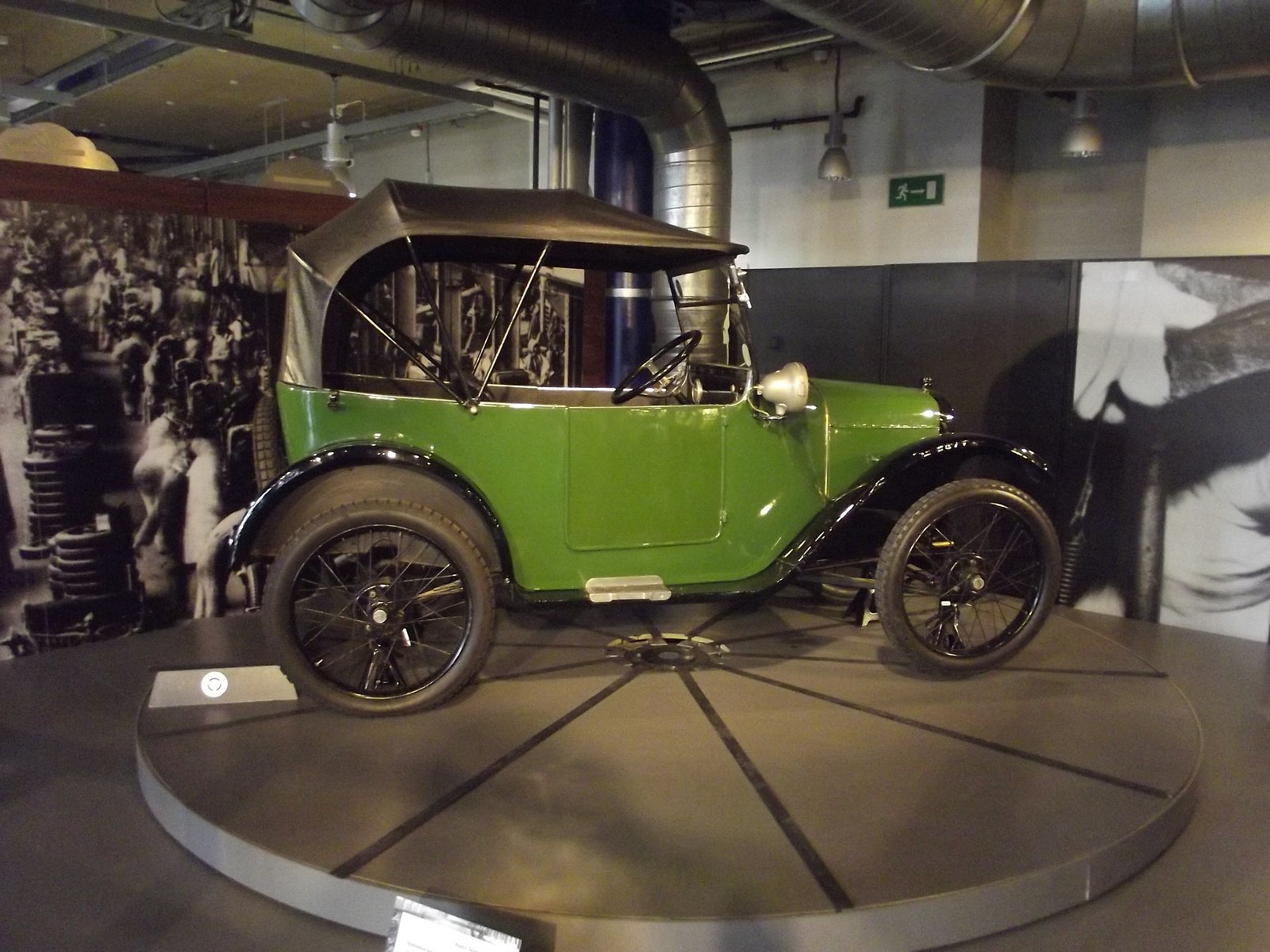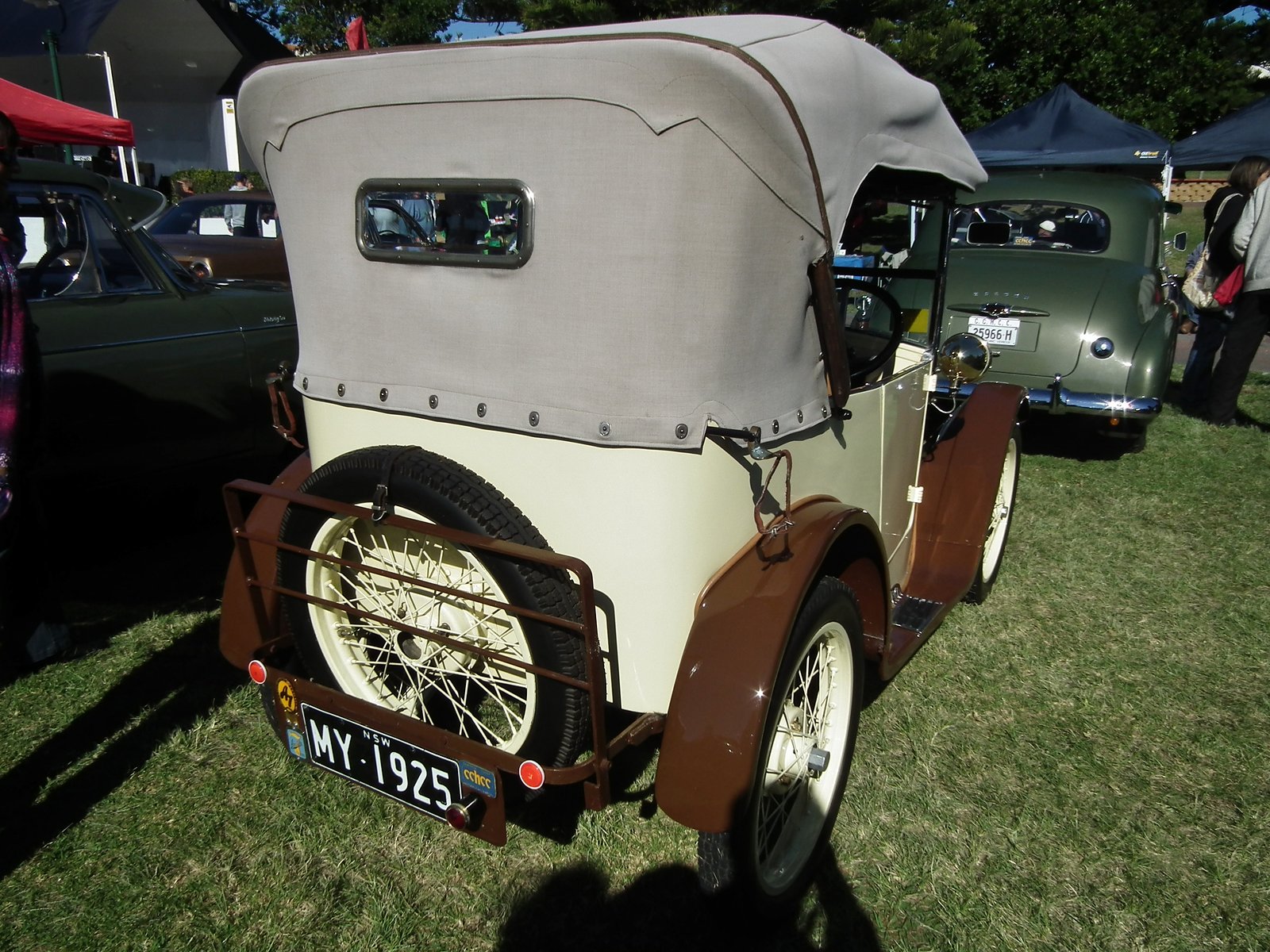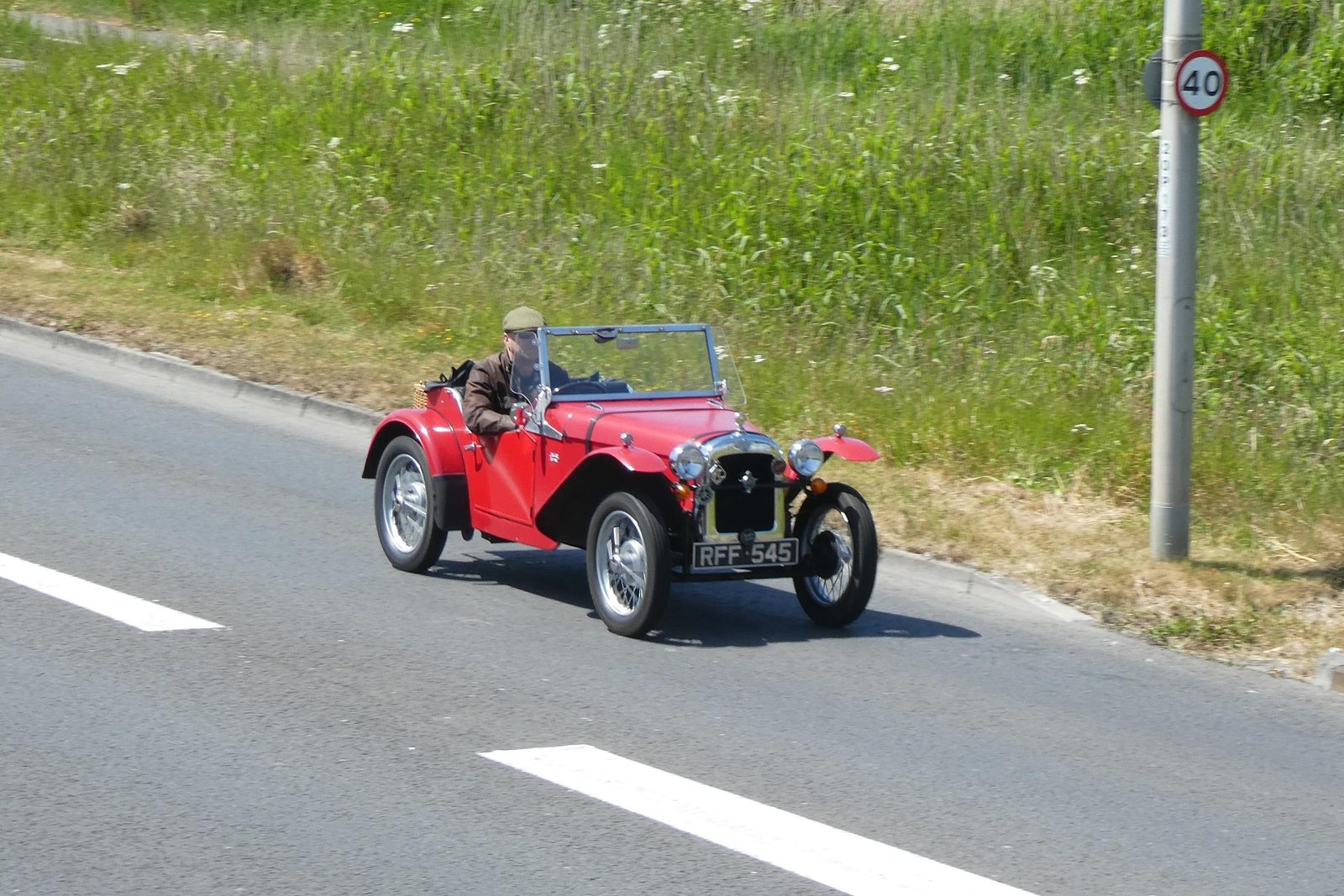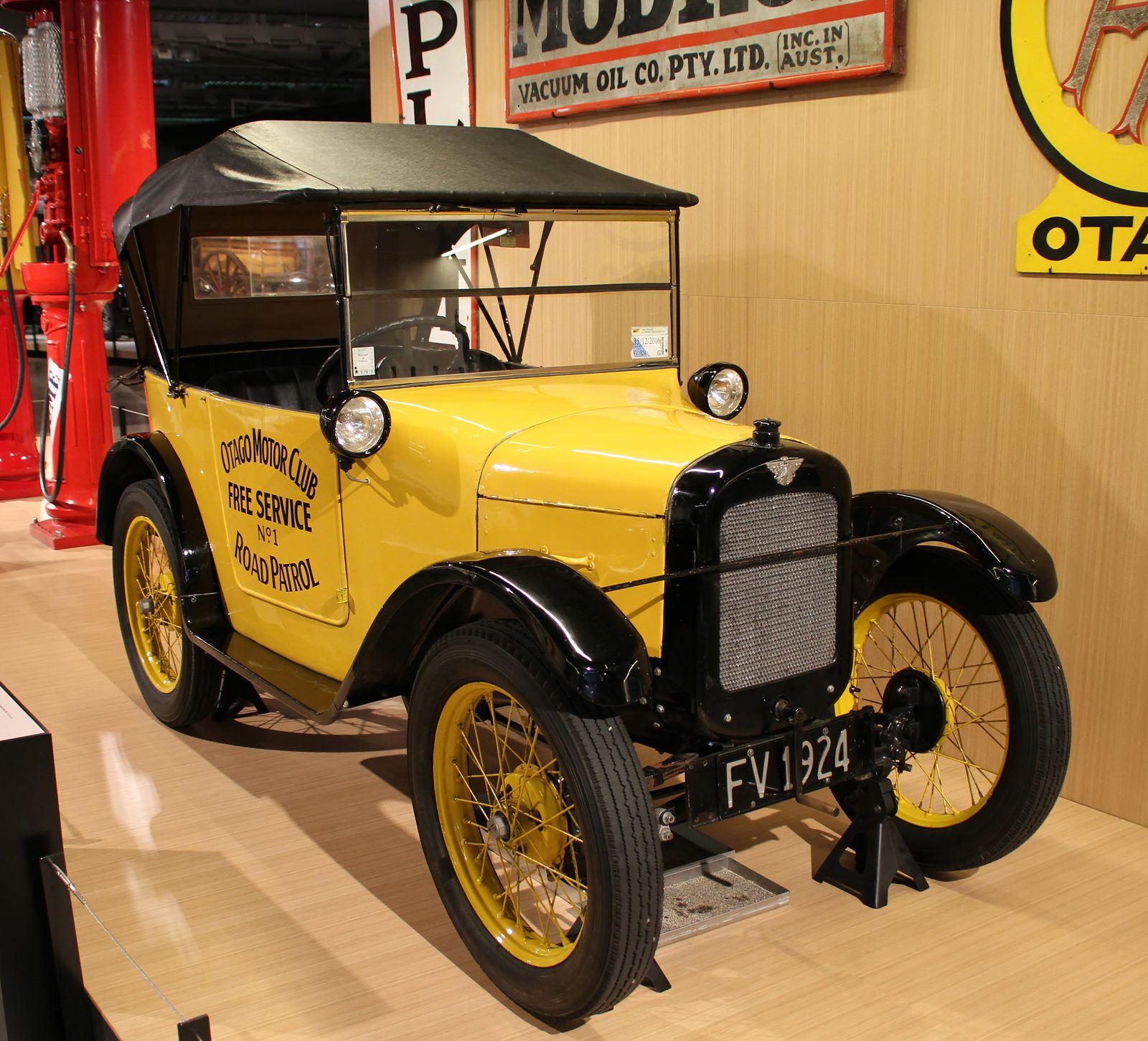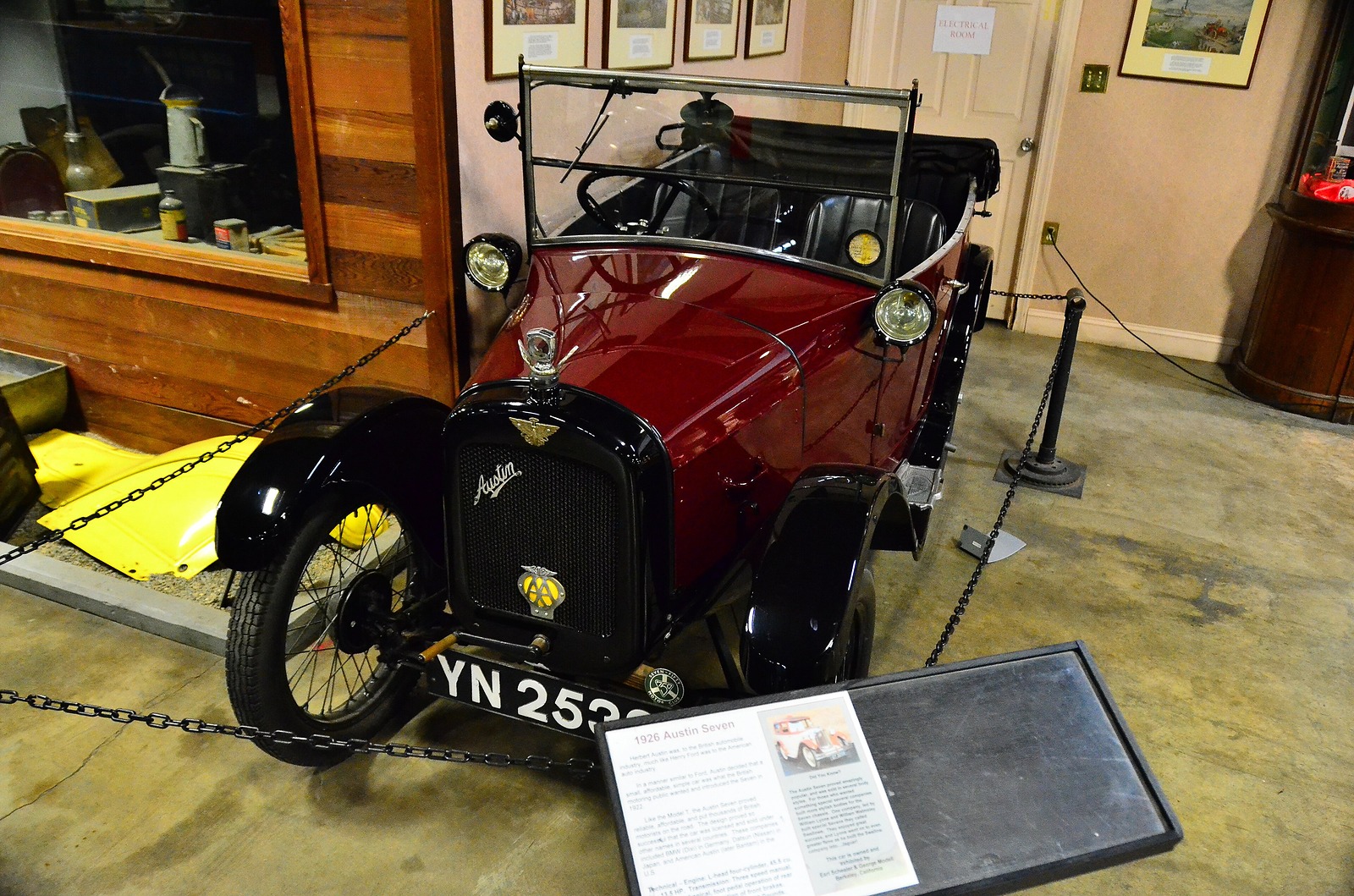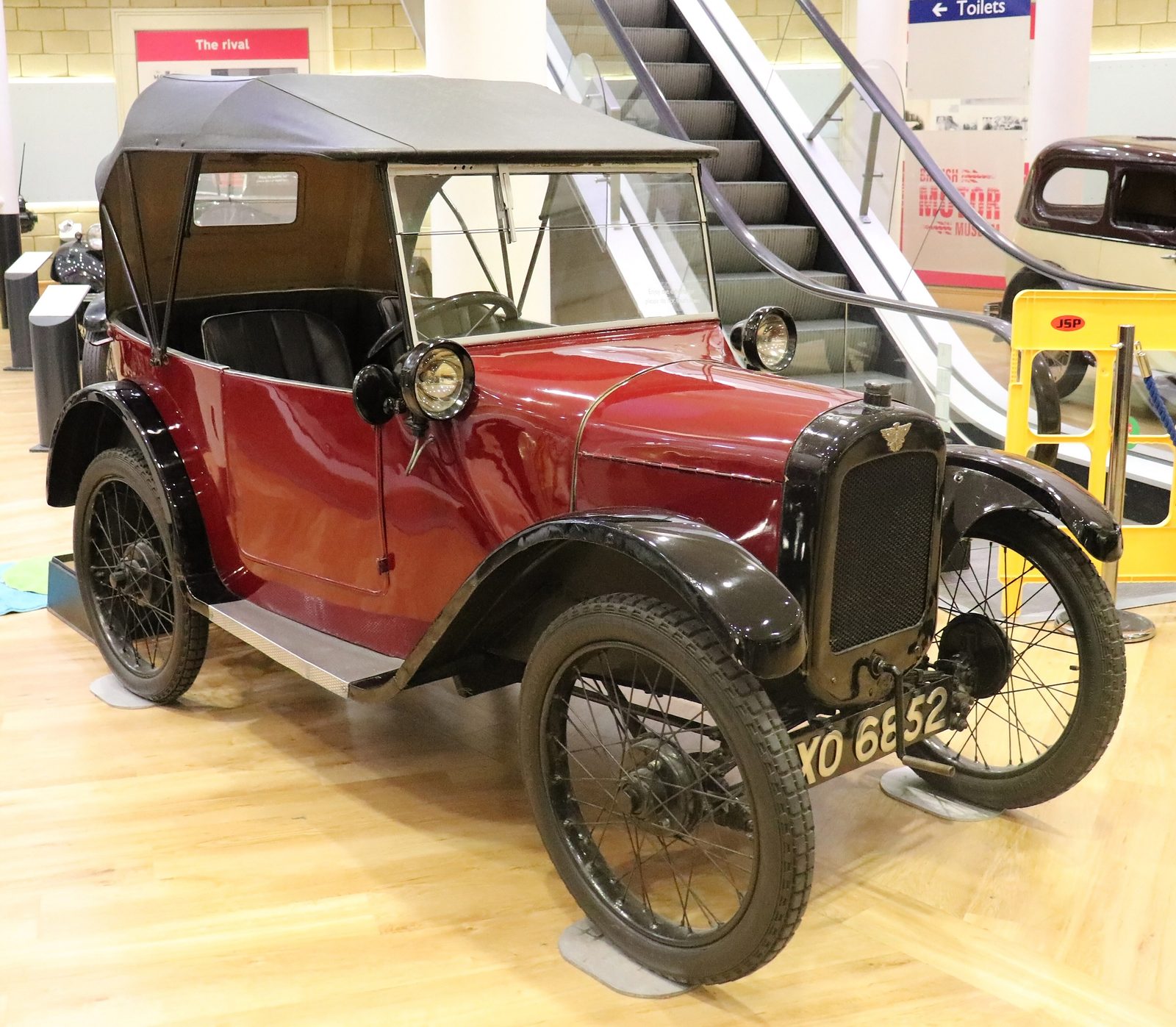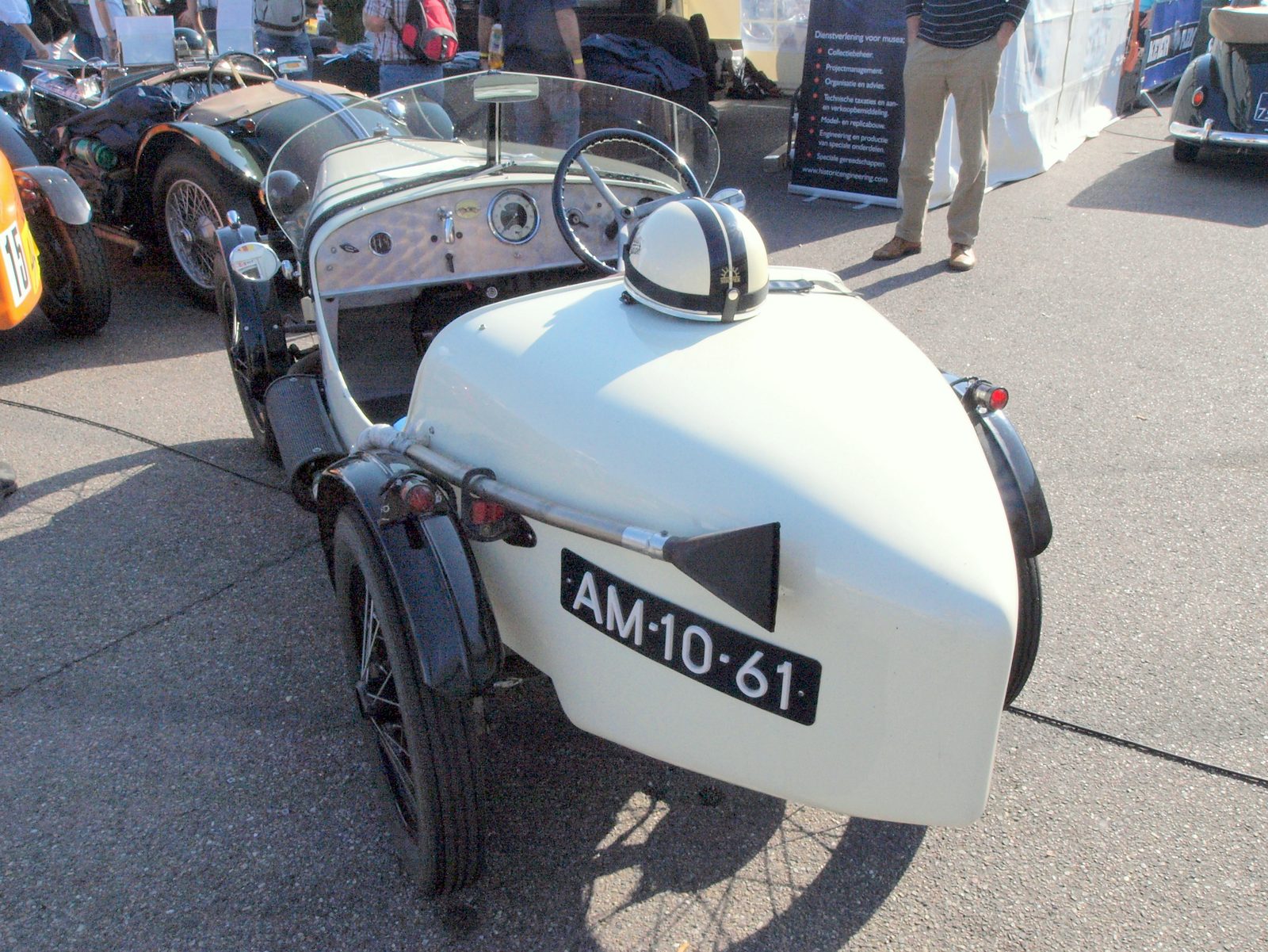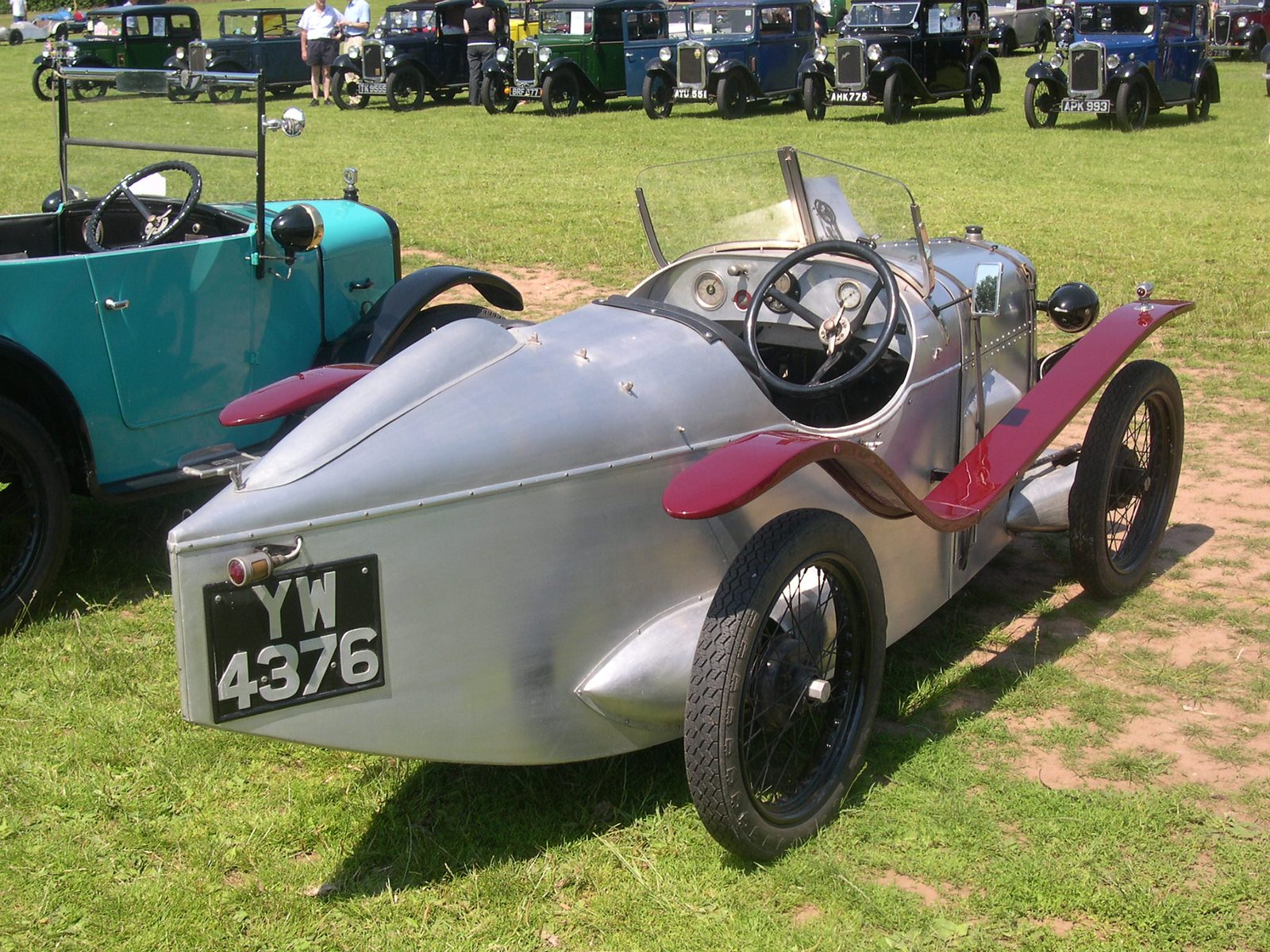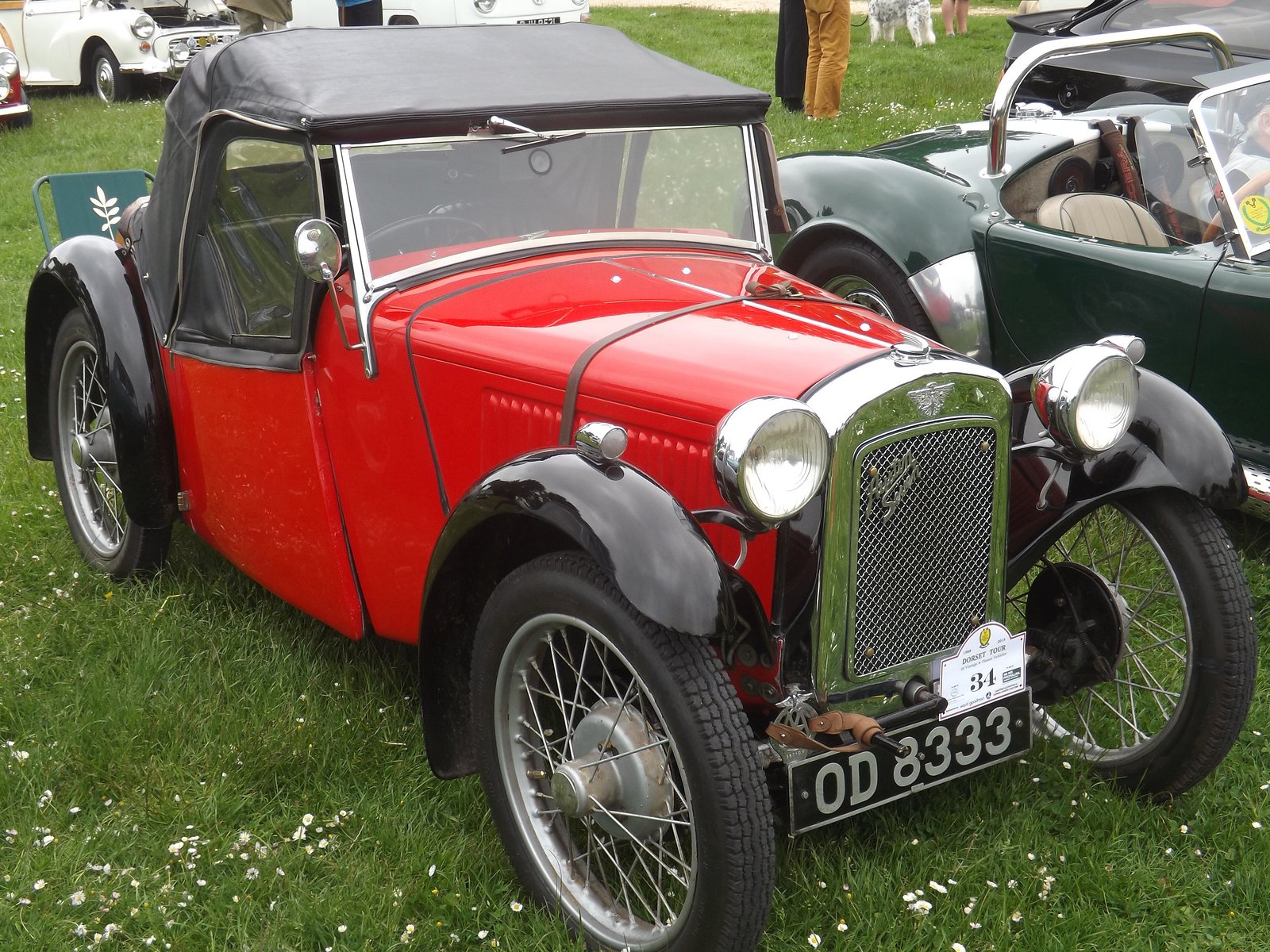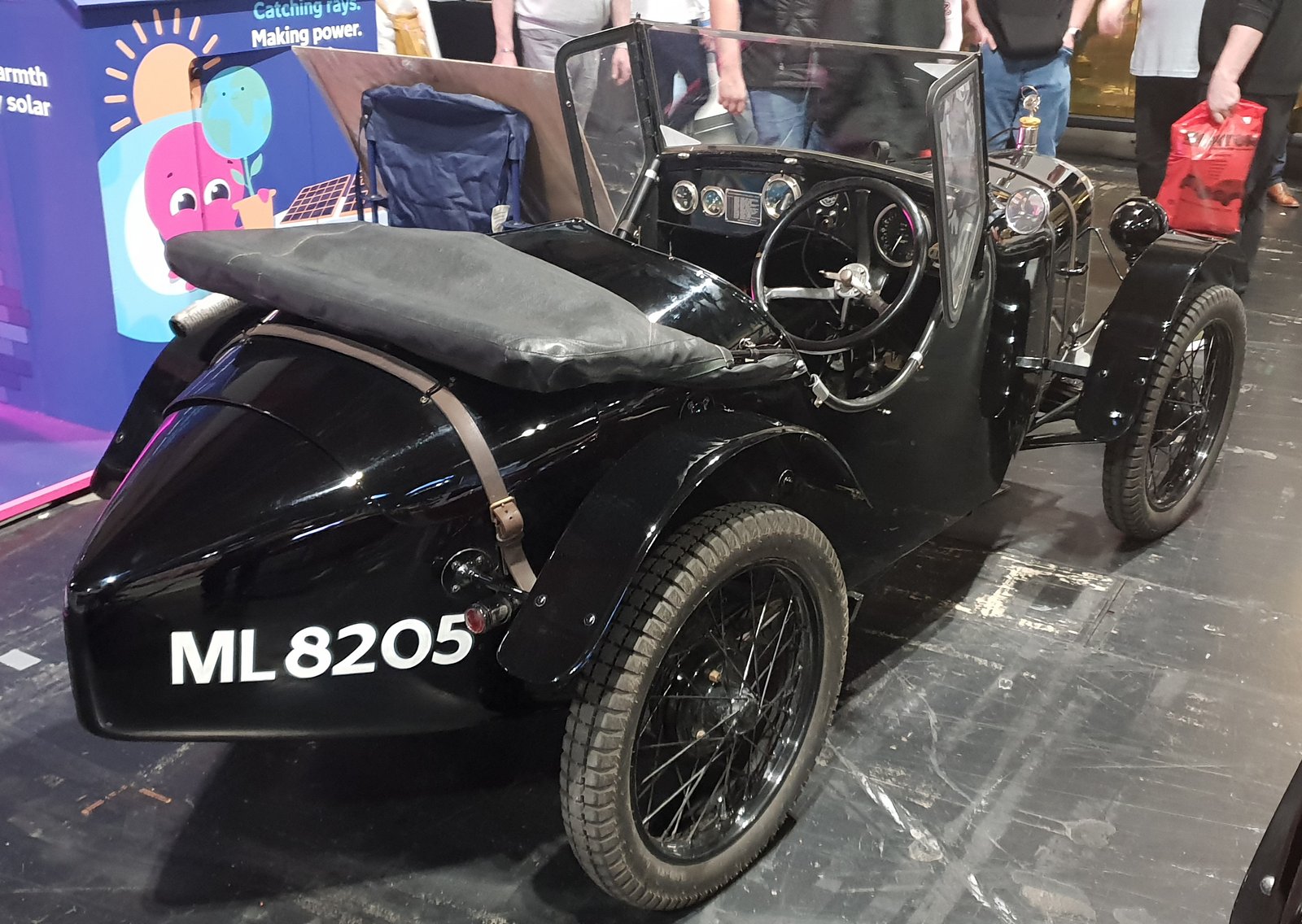
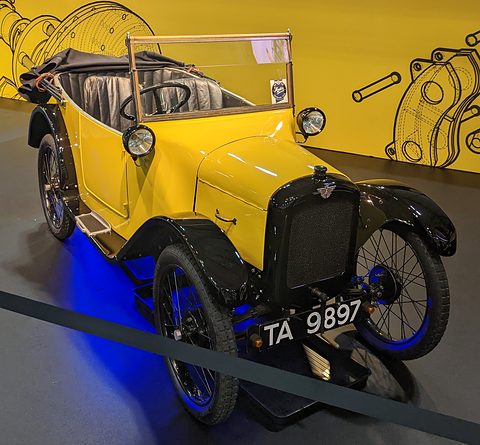
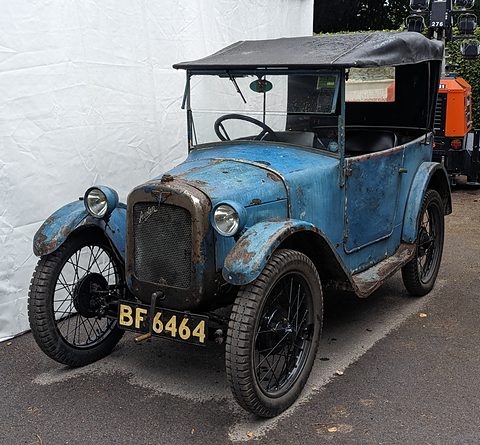
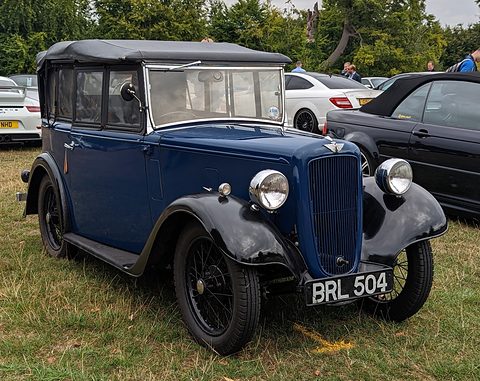
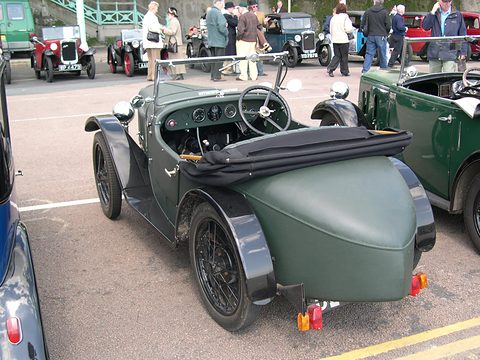
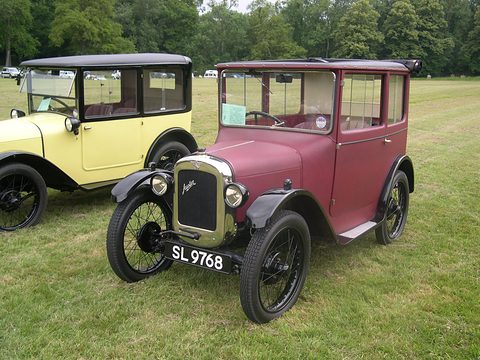
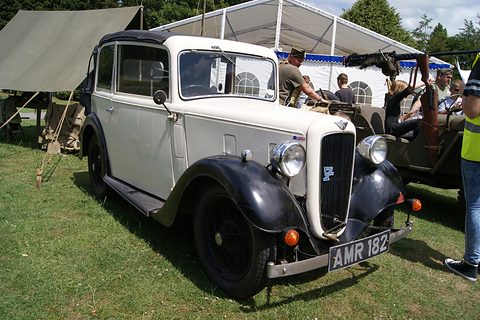
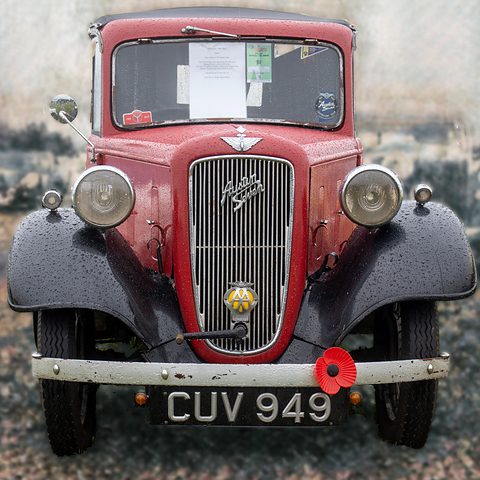
microcarfan
  • Pre-war voiturette
  • Britain
  • Four wheels
  • Four seats

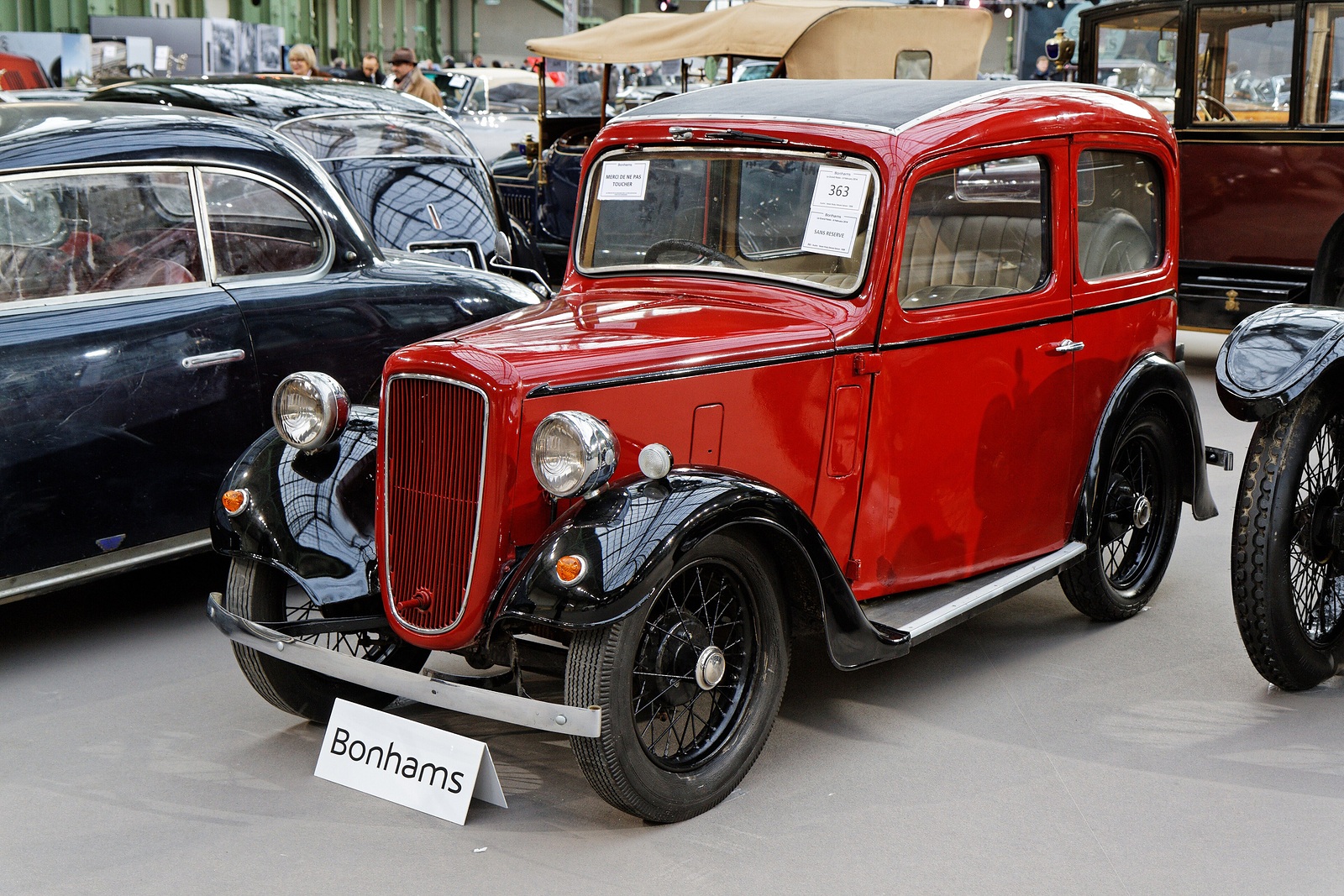
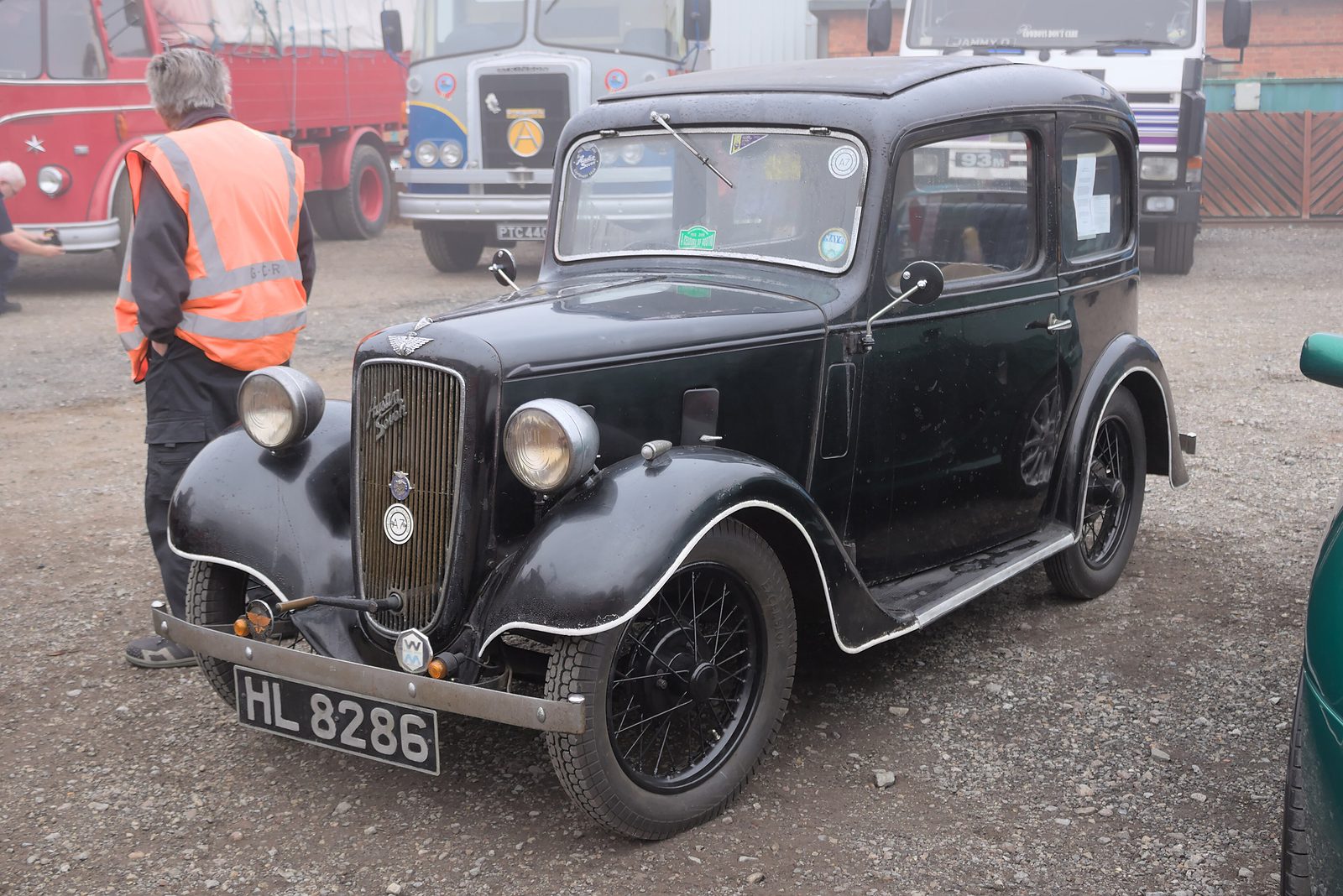
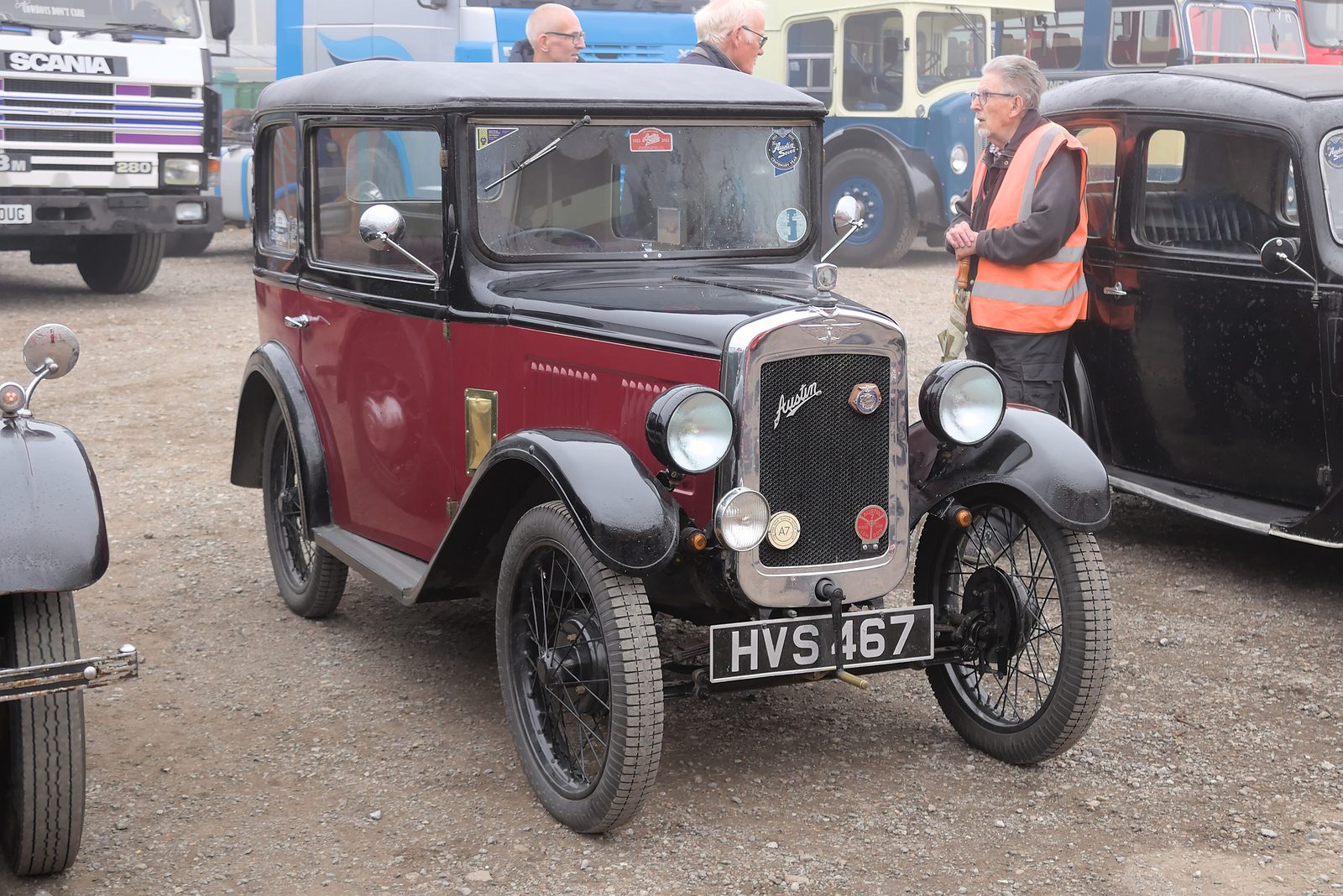
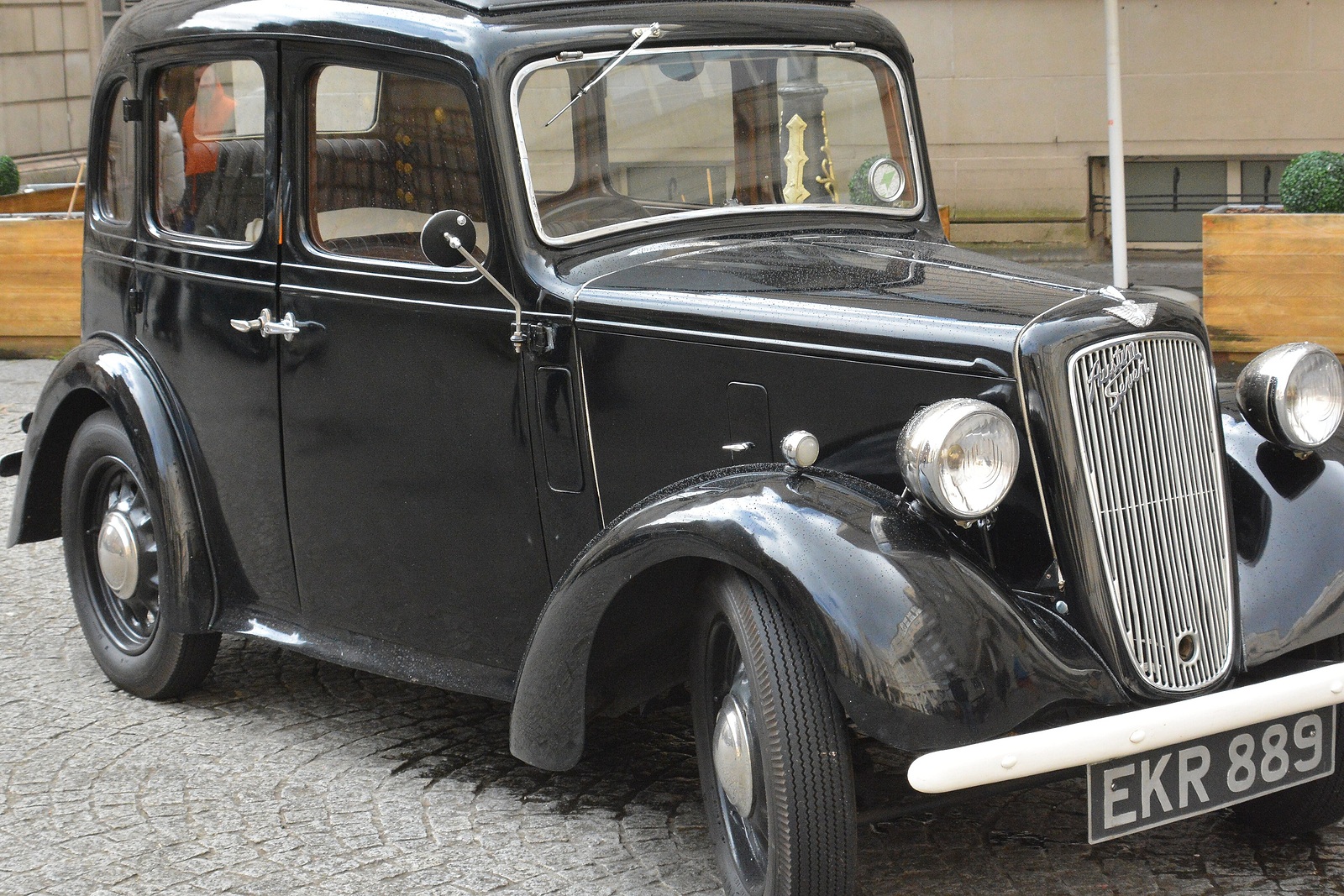
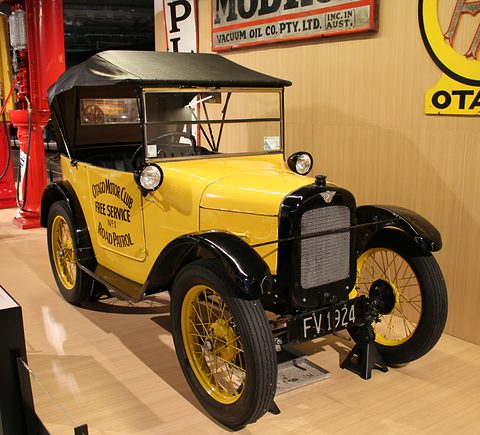
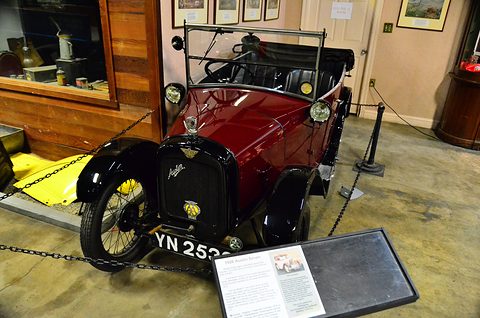
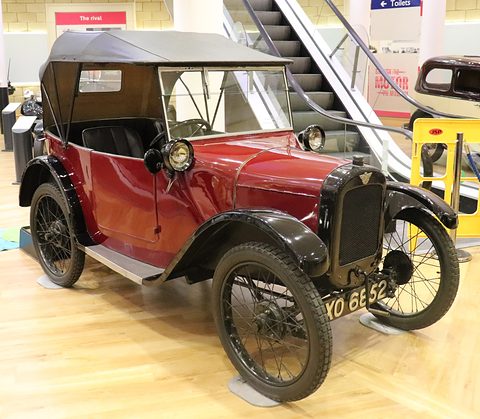
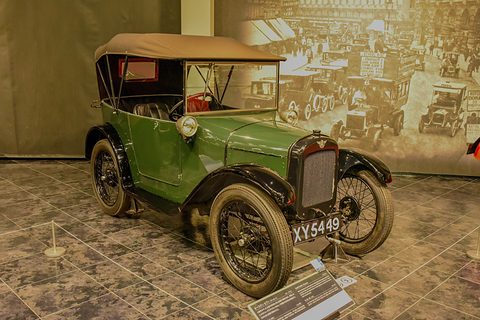
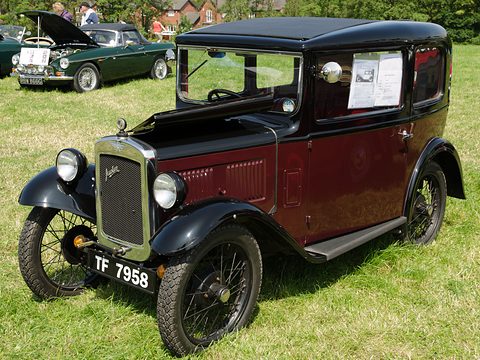
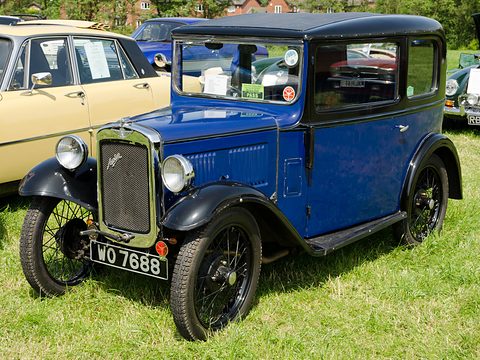
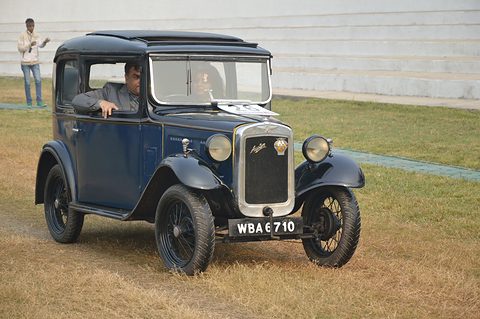
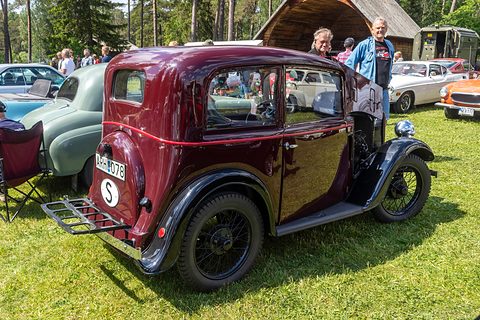
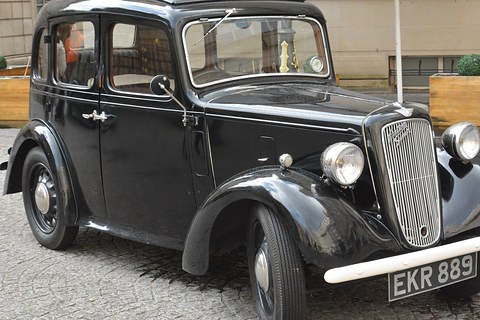
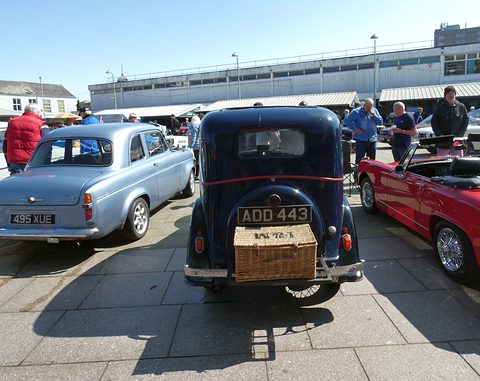
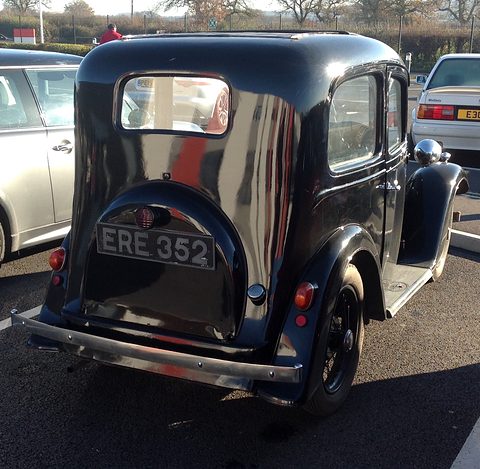
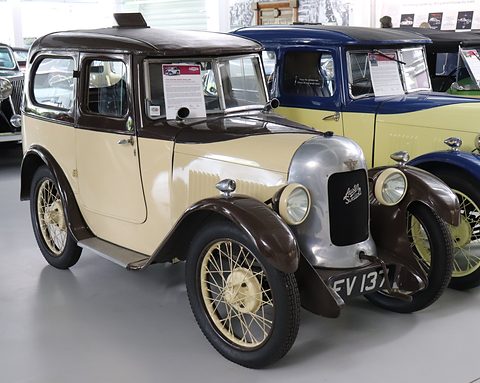
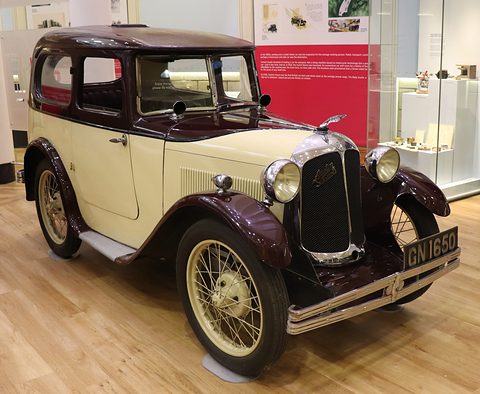
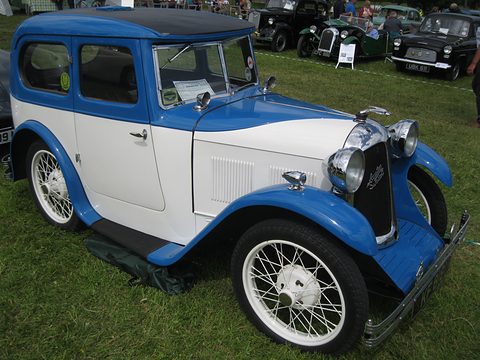
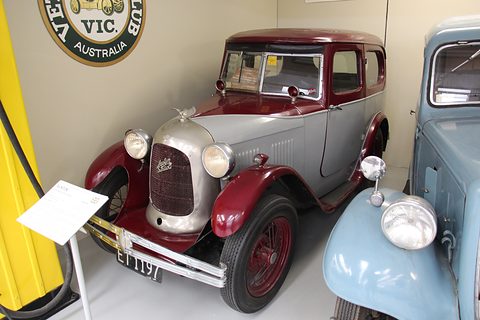
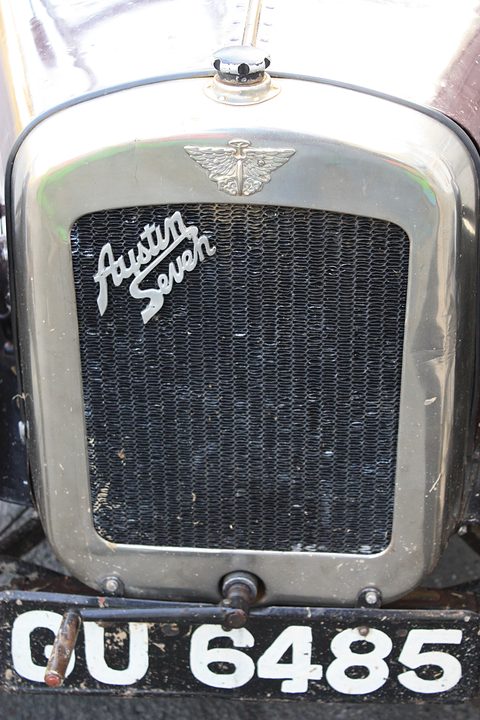
Austin Seven

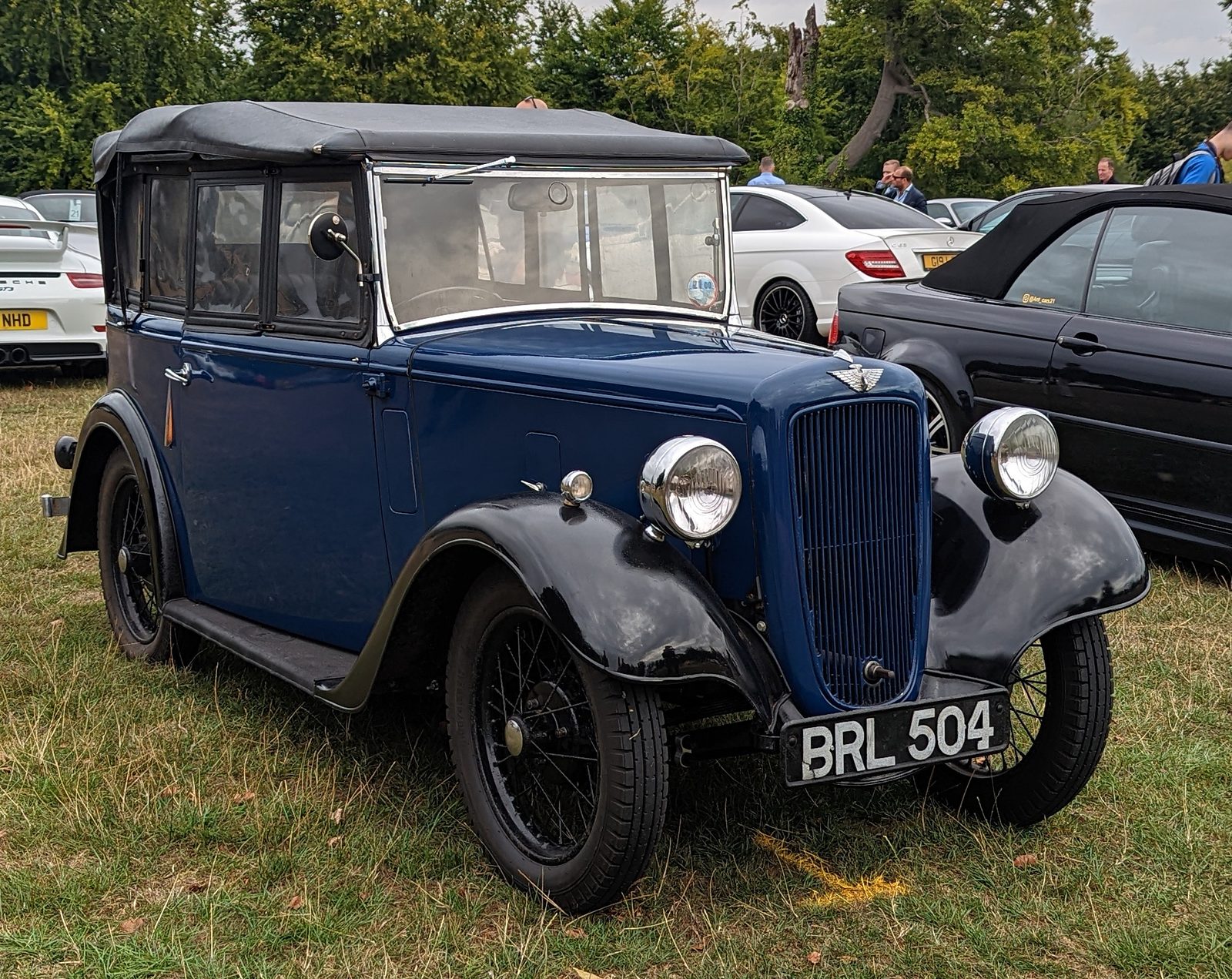
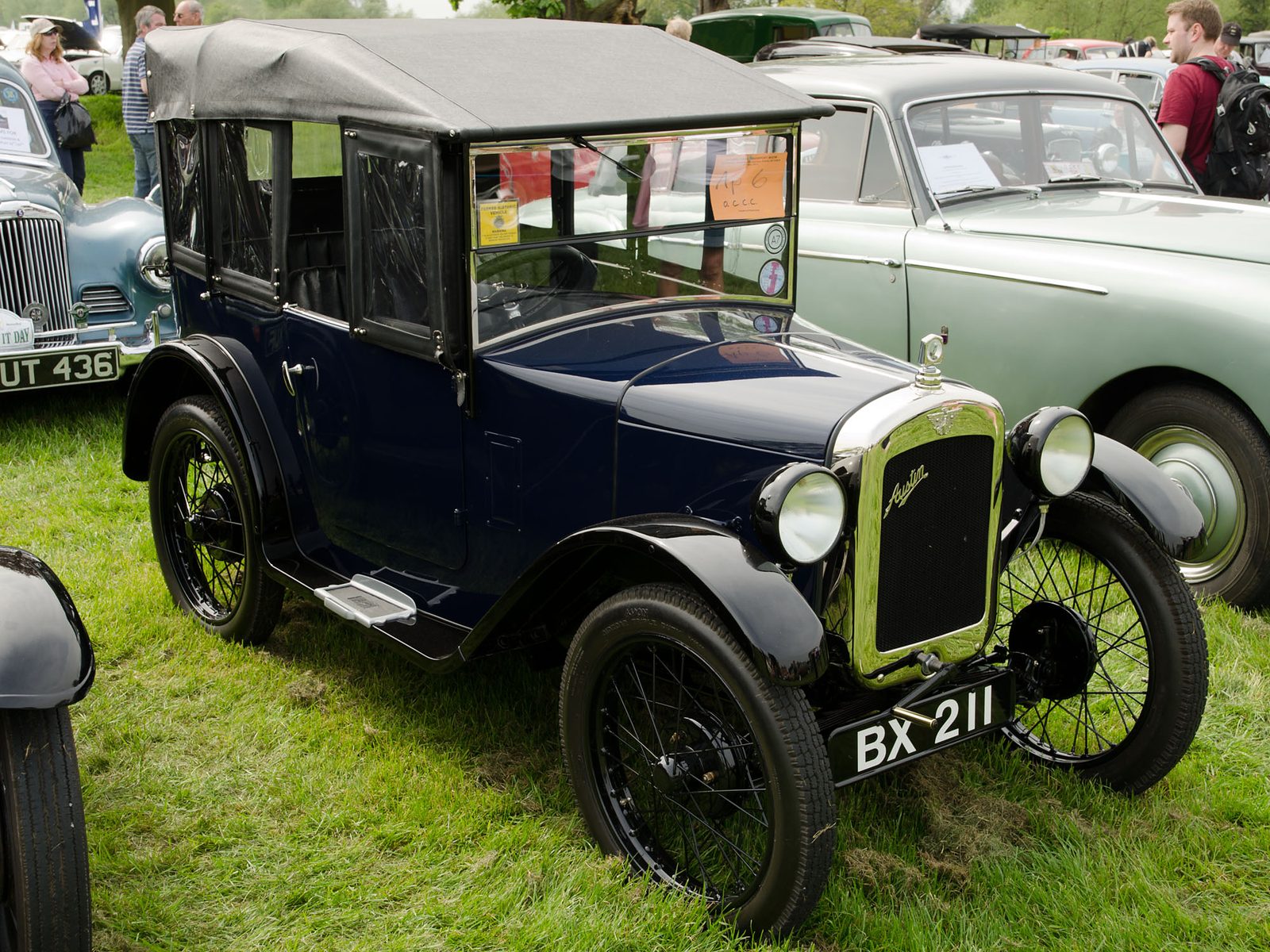
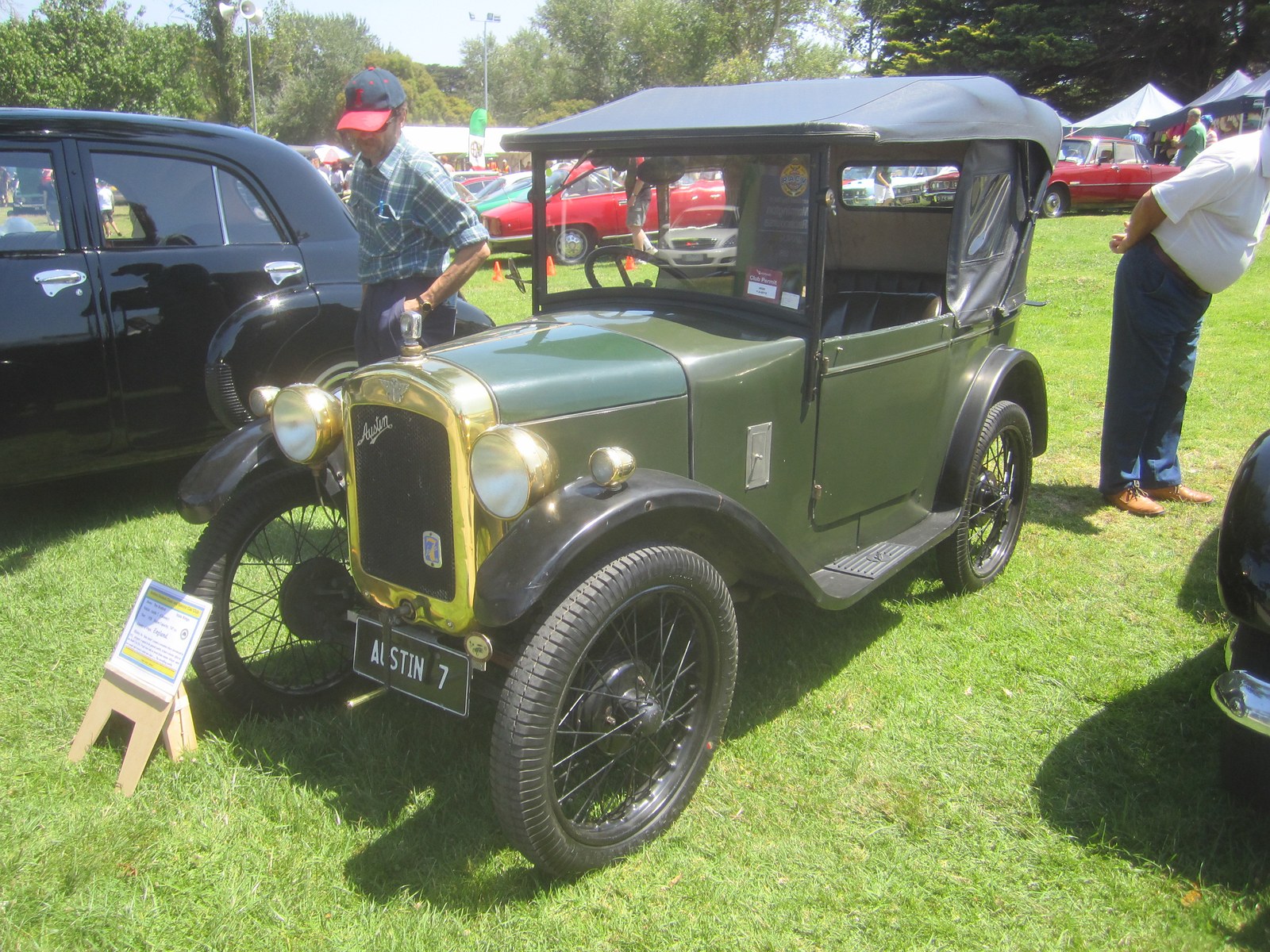
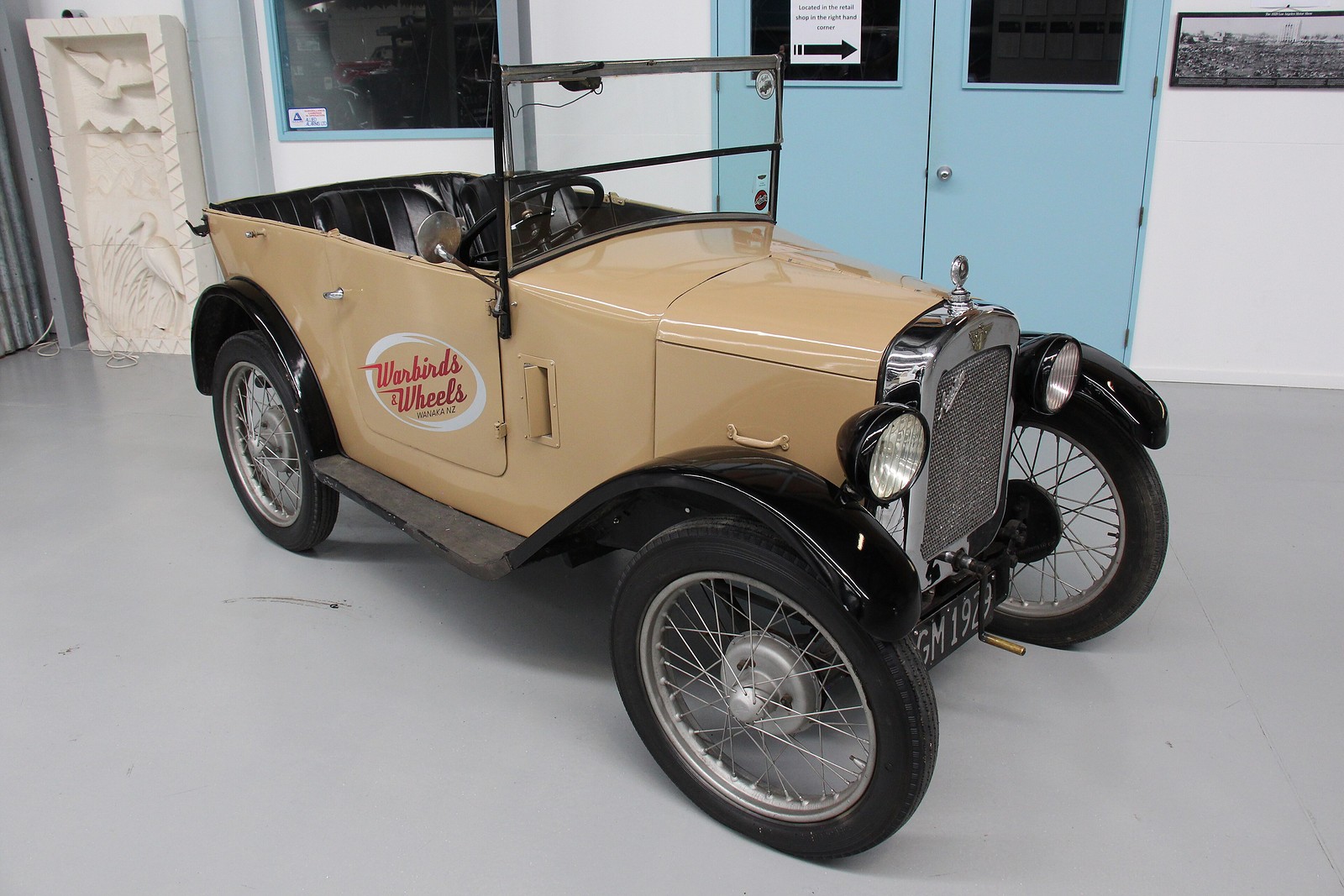
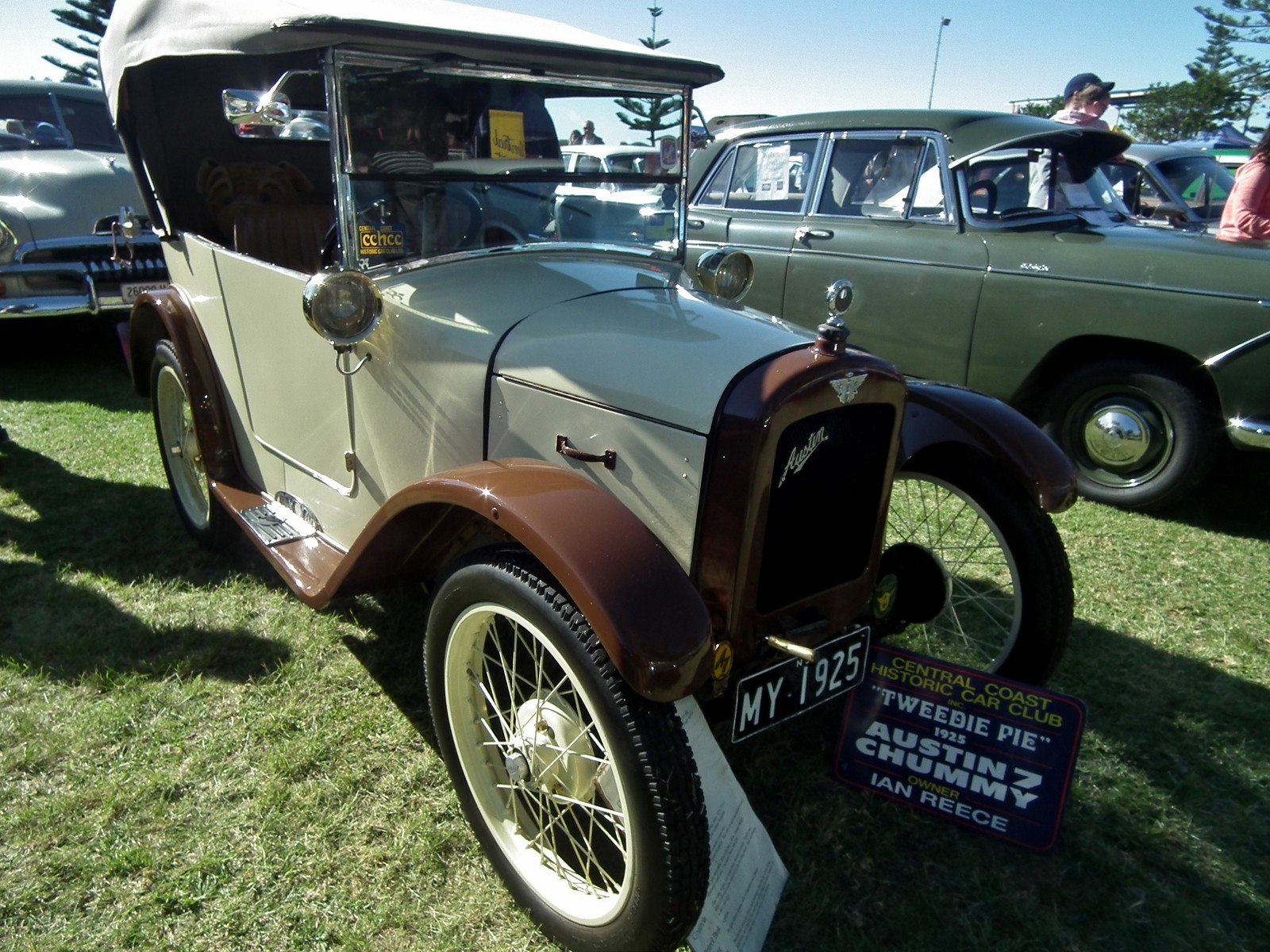
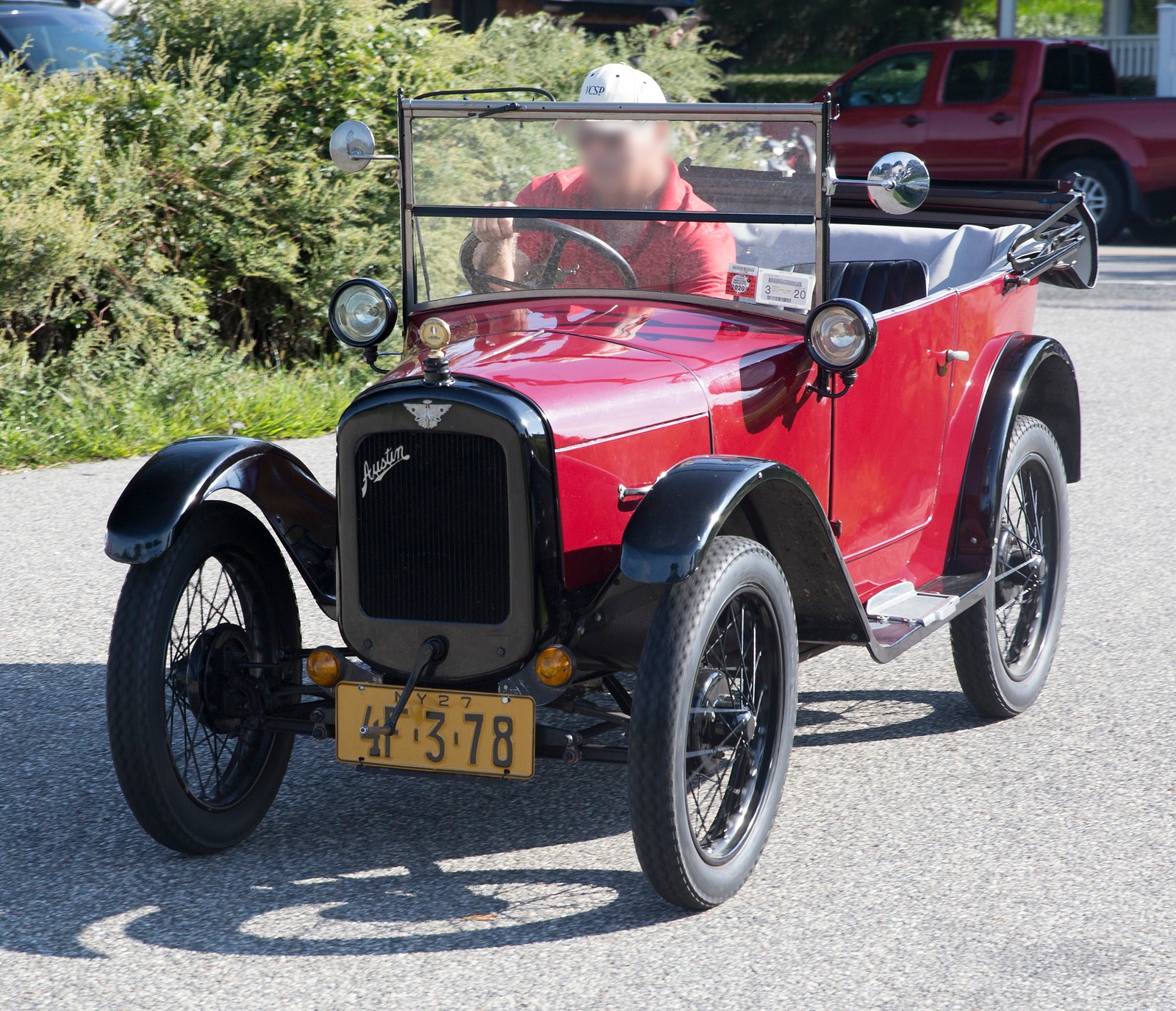
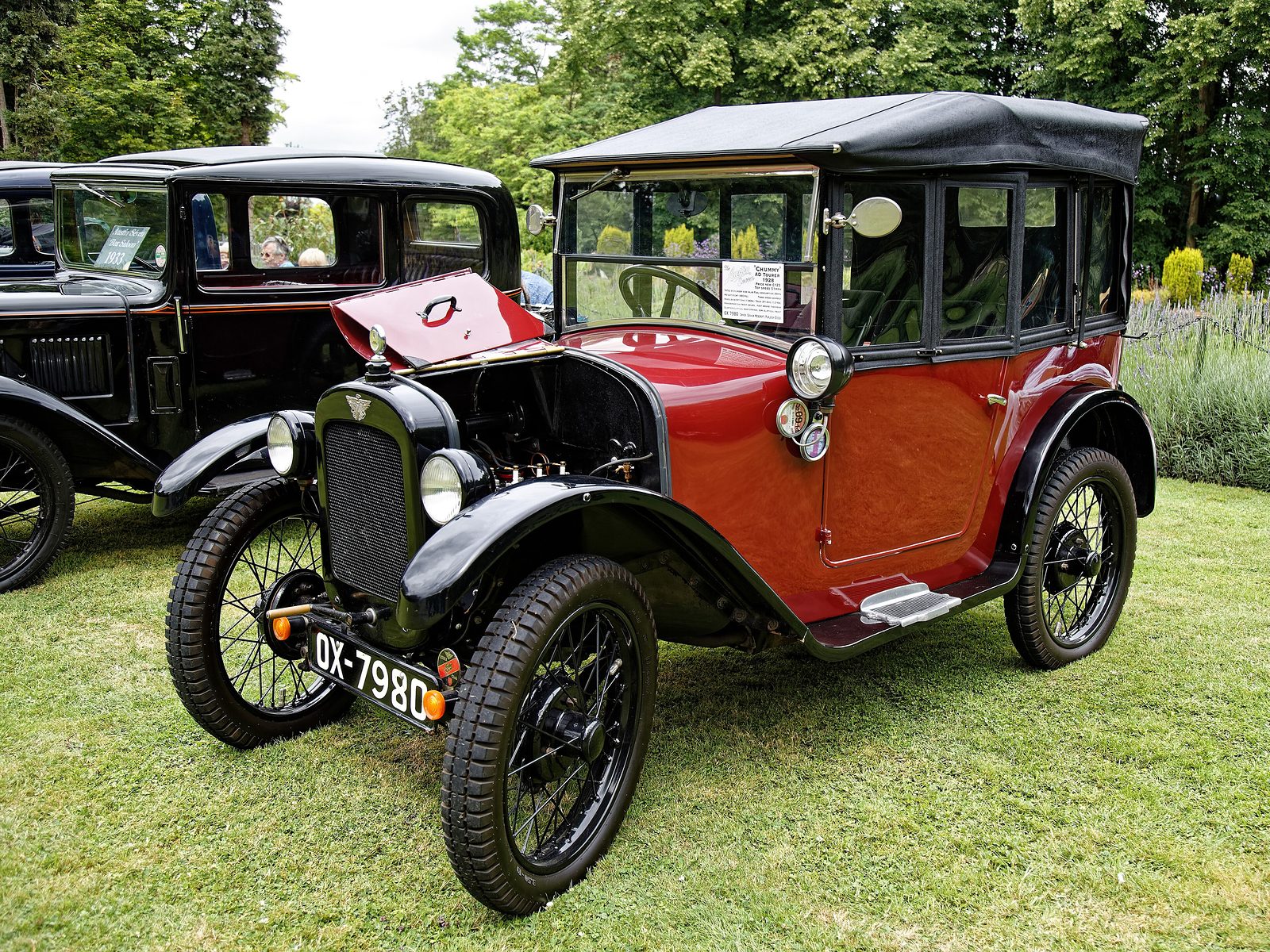
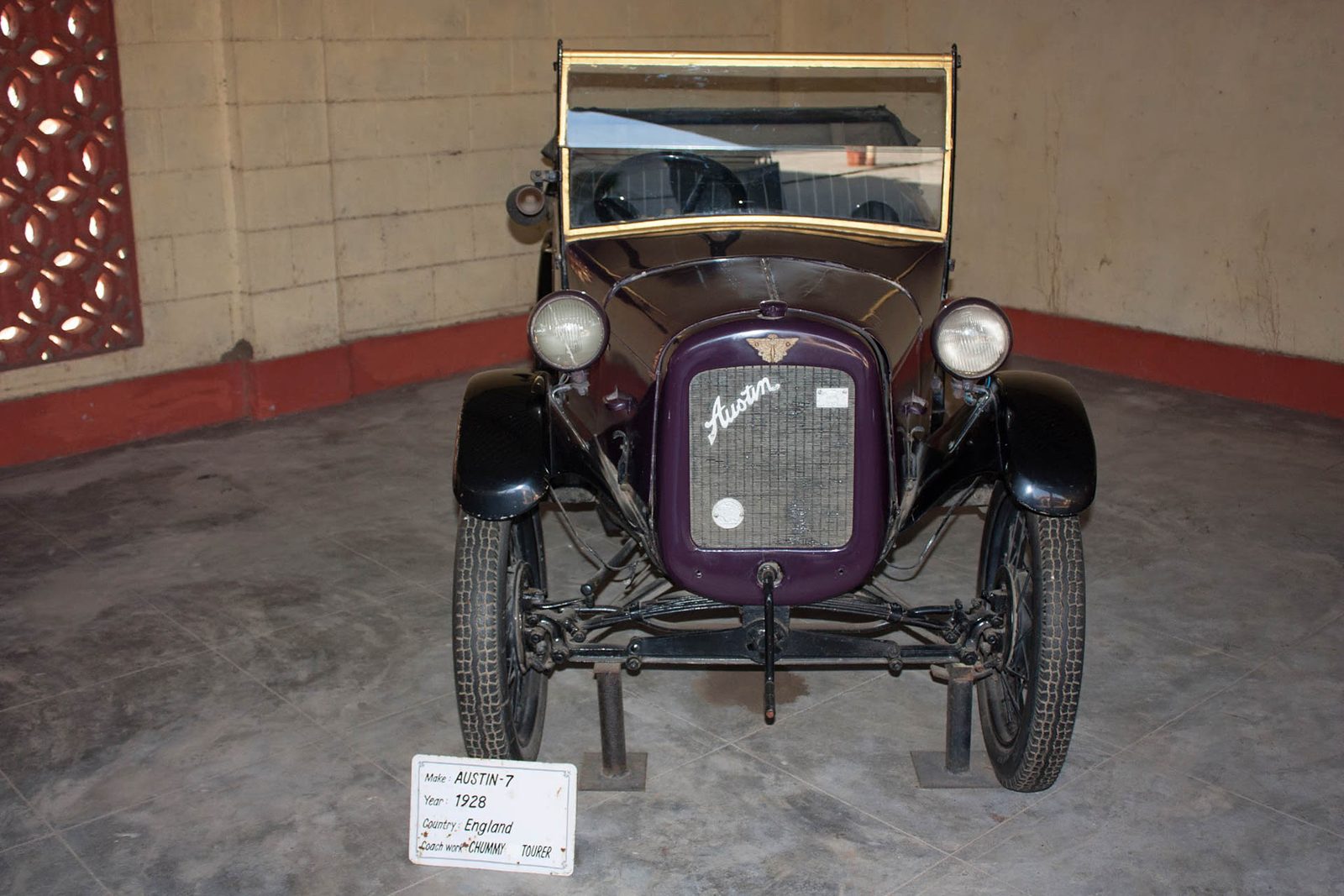
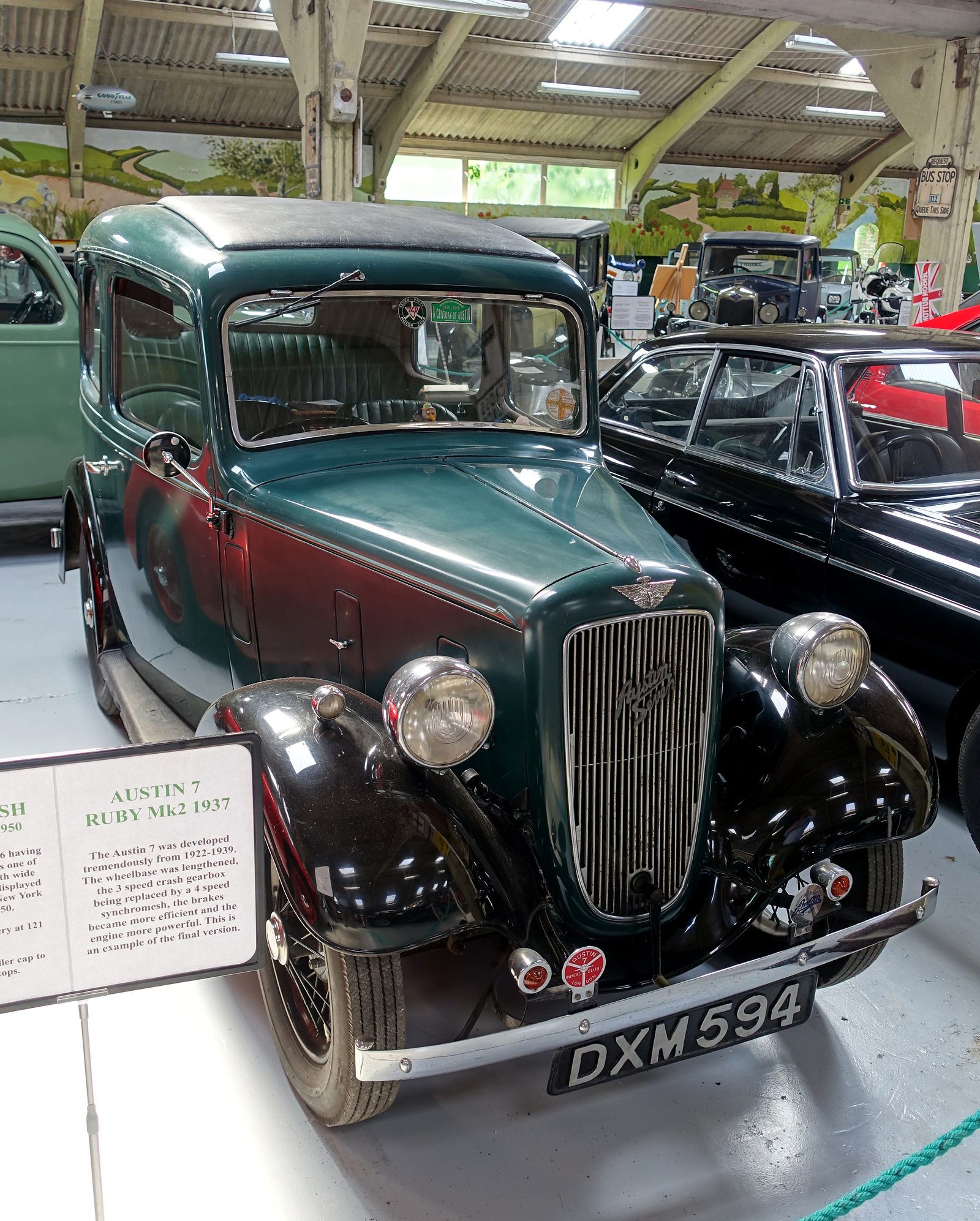
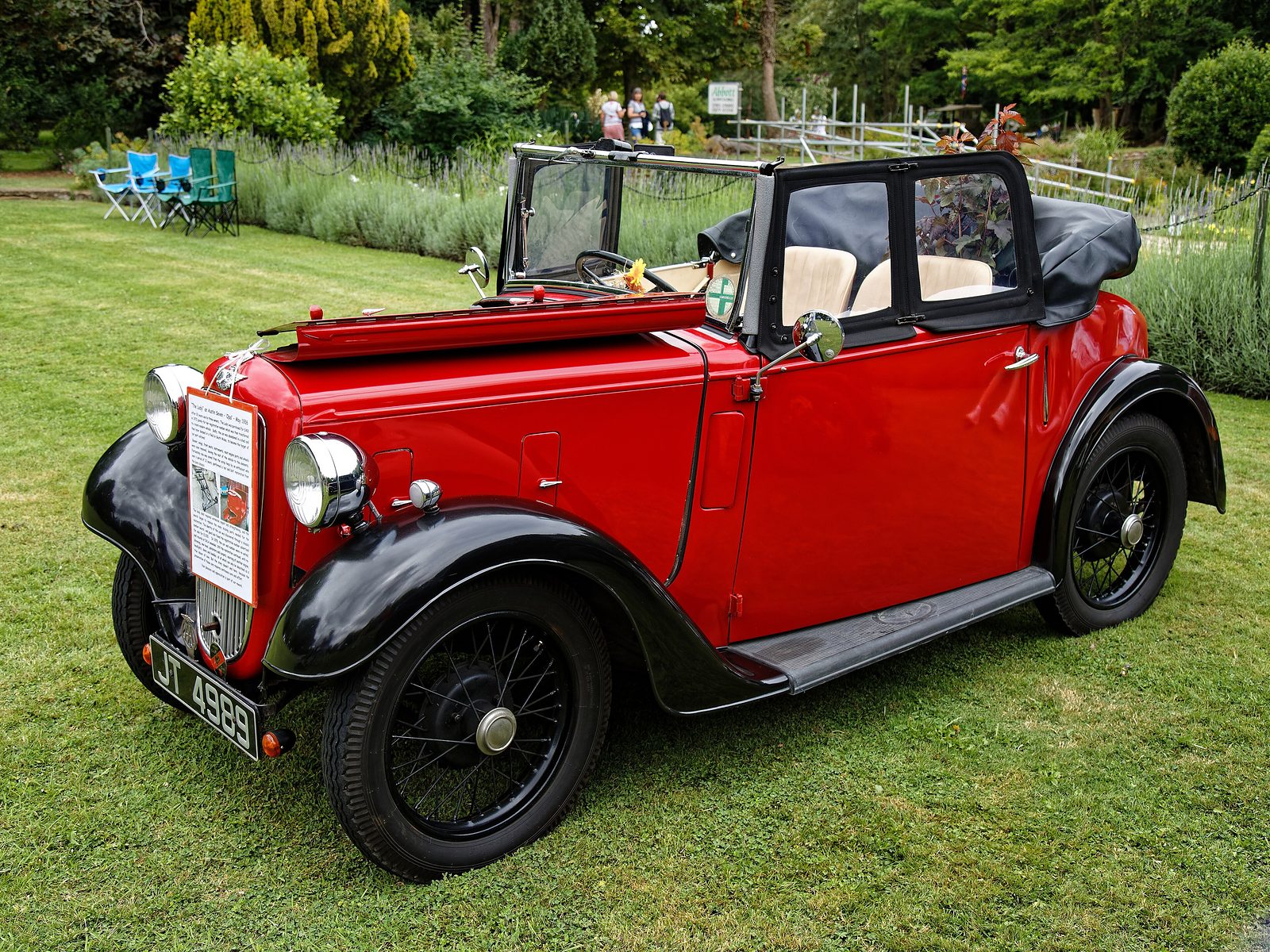
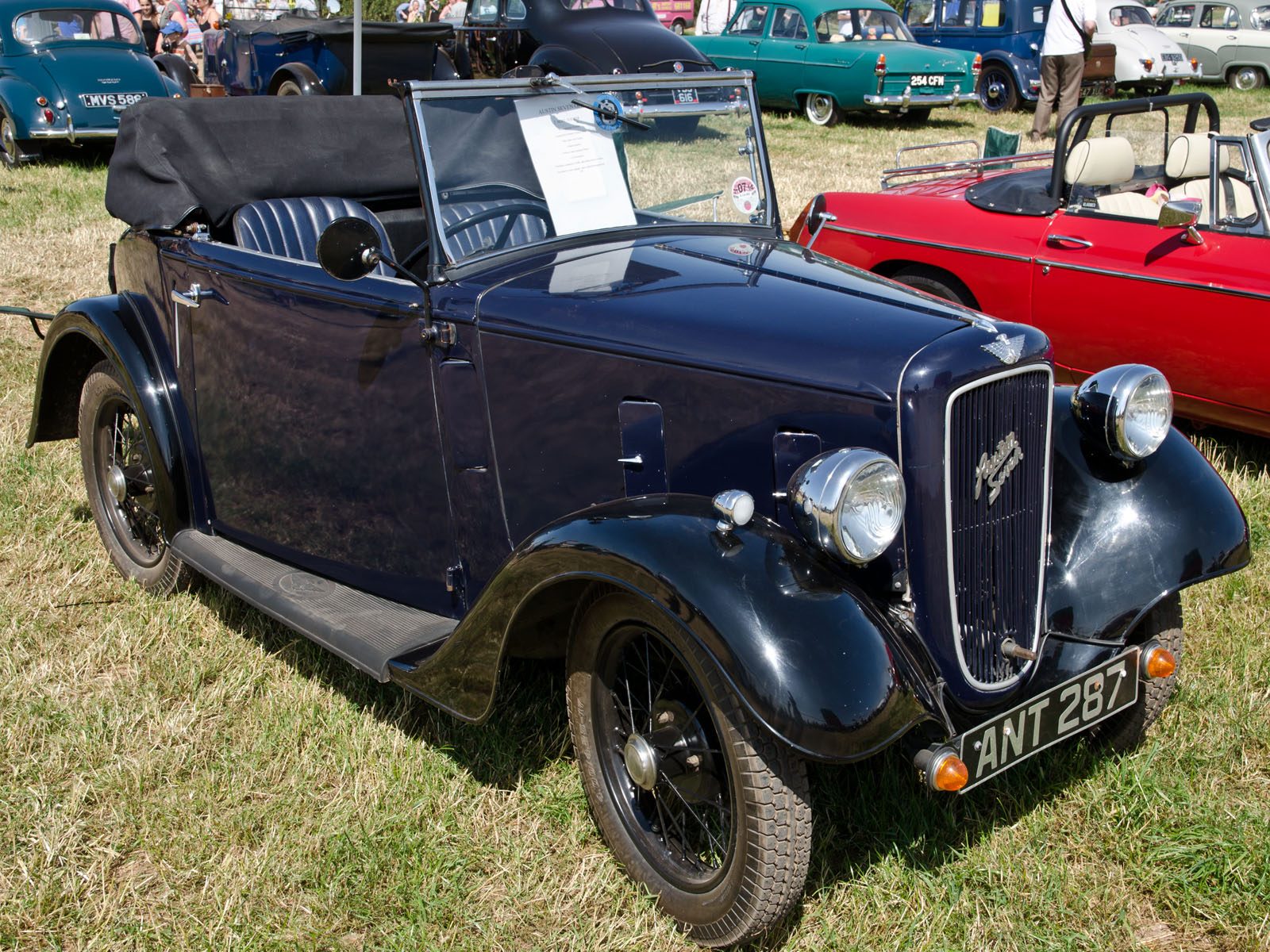
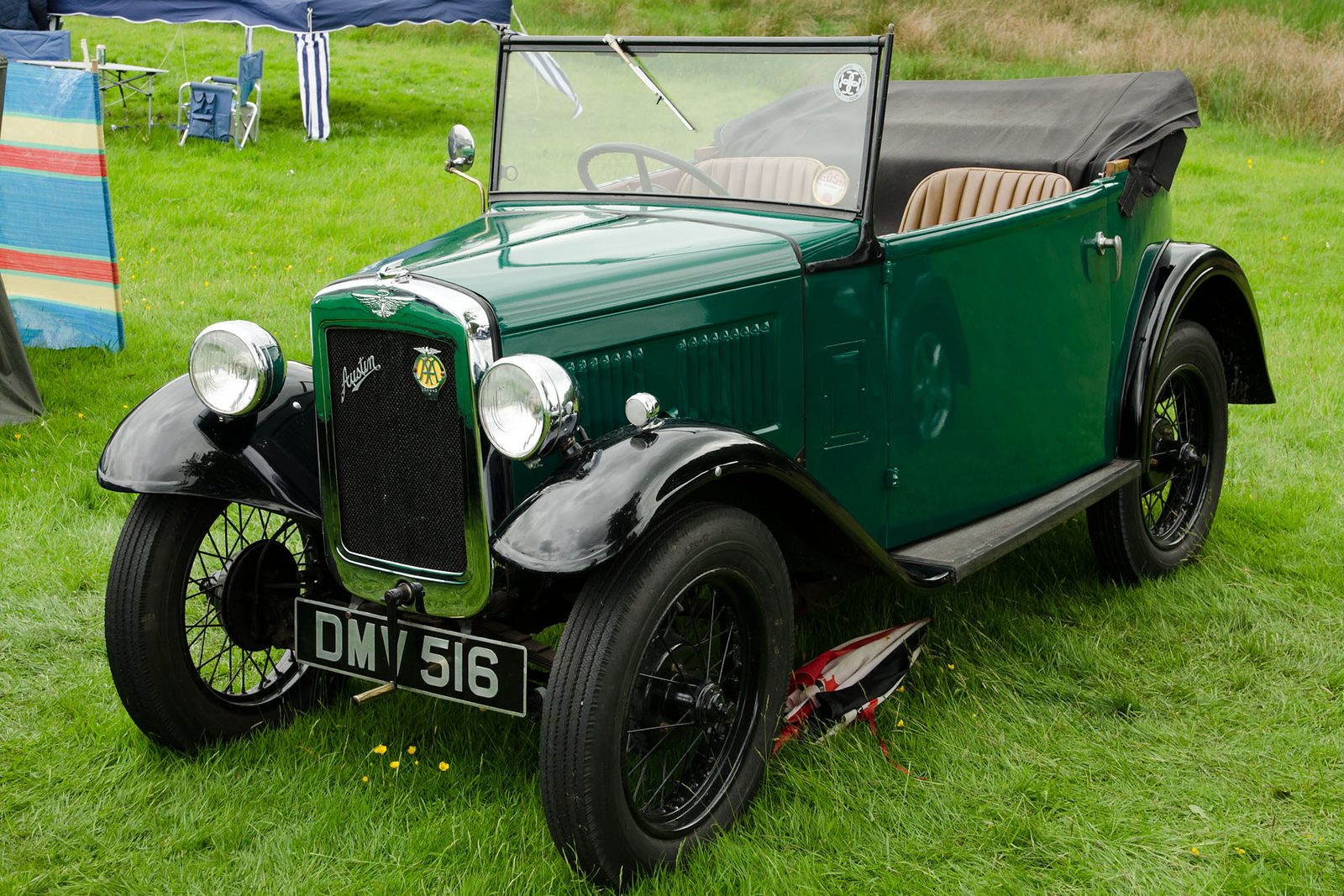
Also known as Austin 7, “Baby Austin”, “Chummy” (the early tourer)

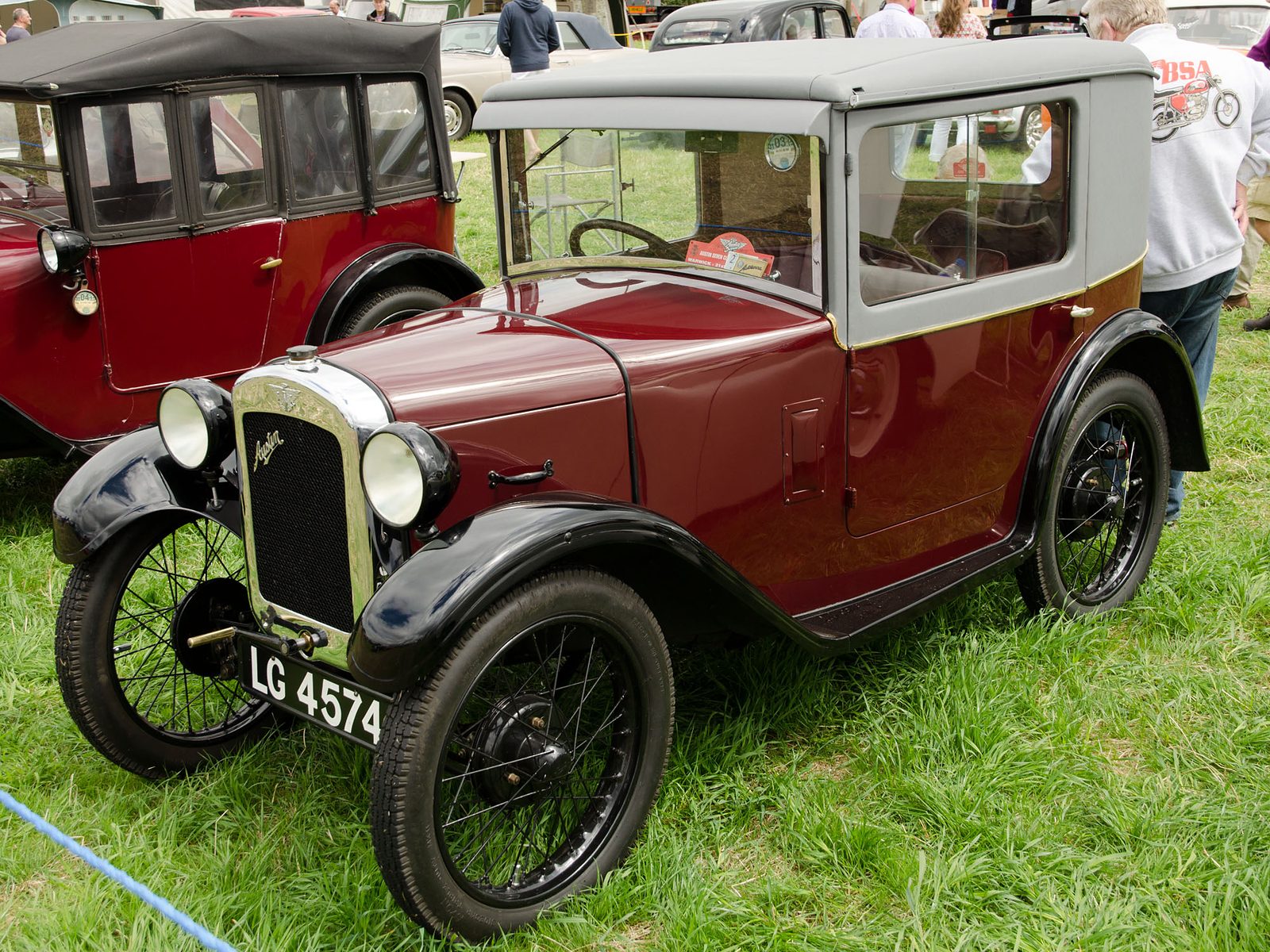
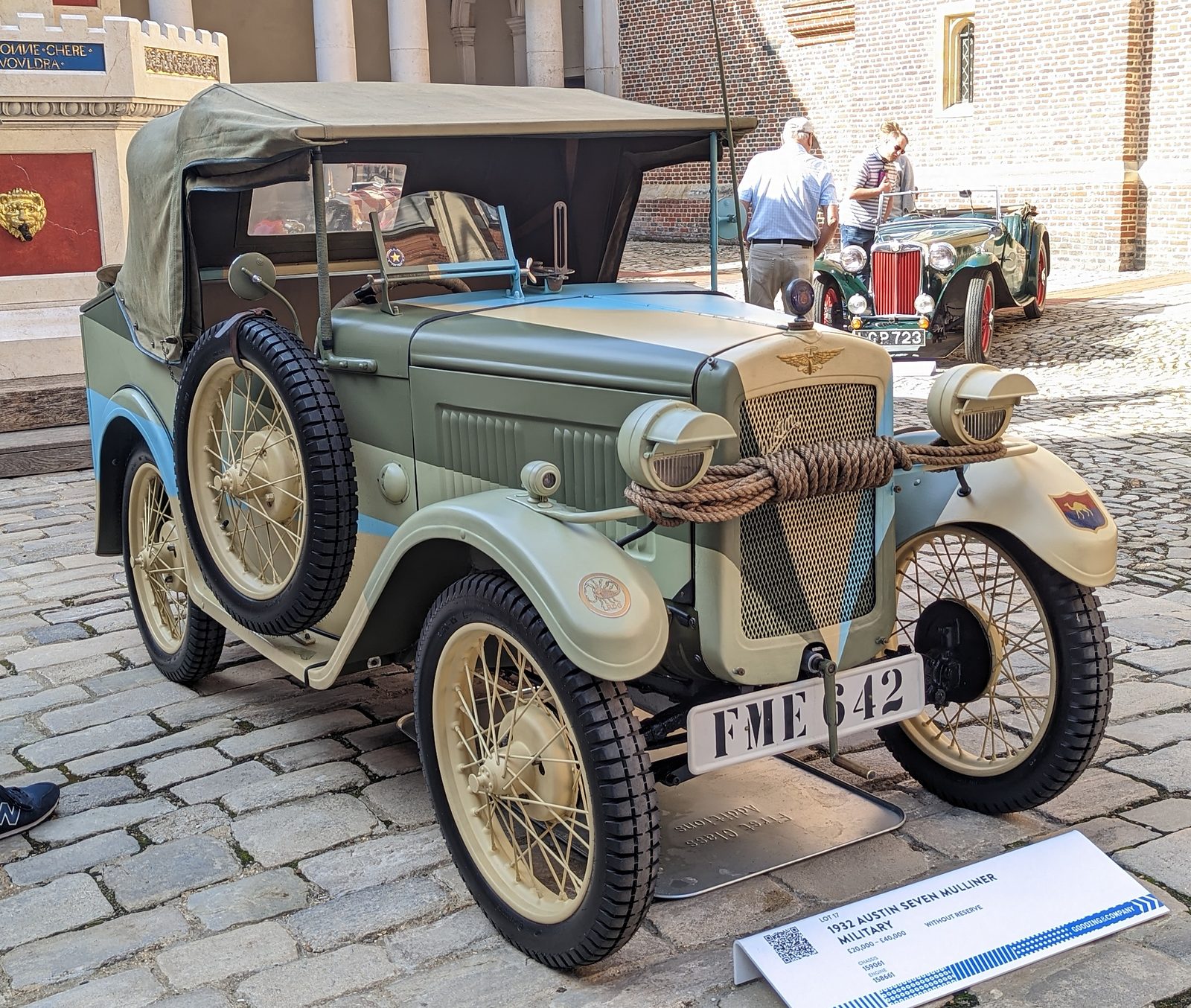
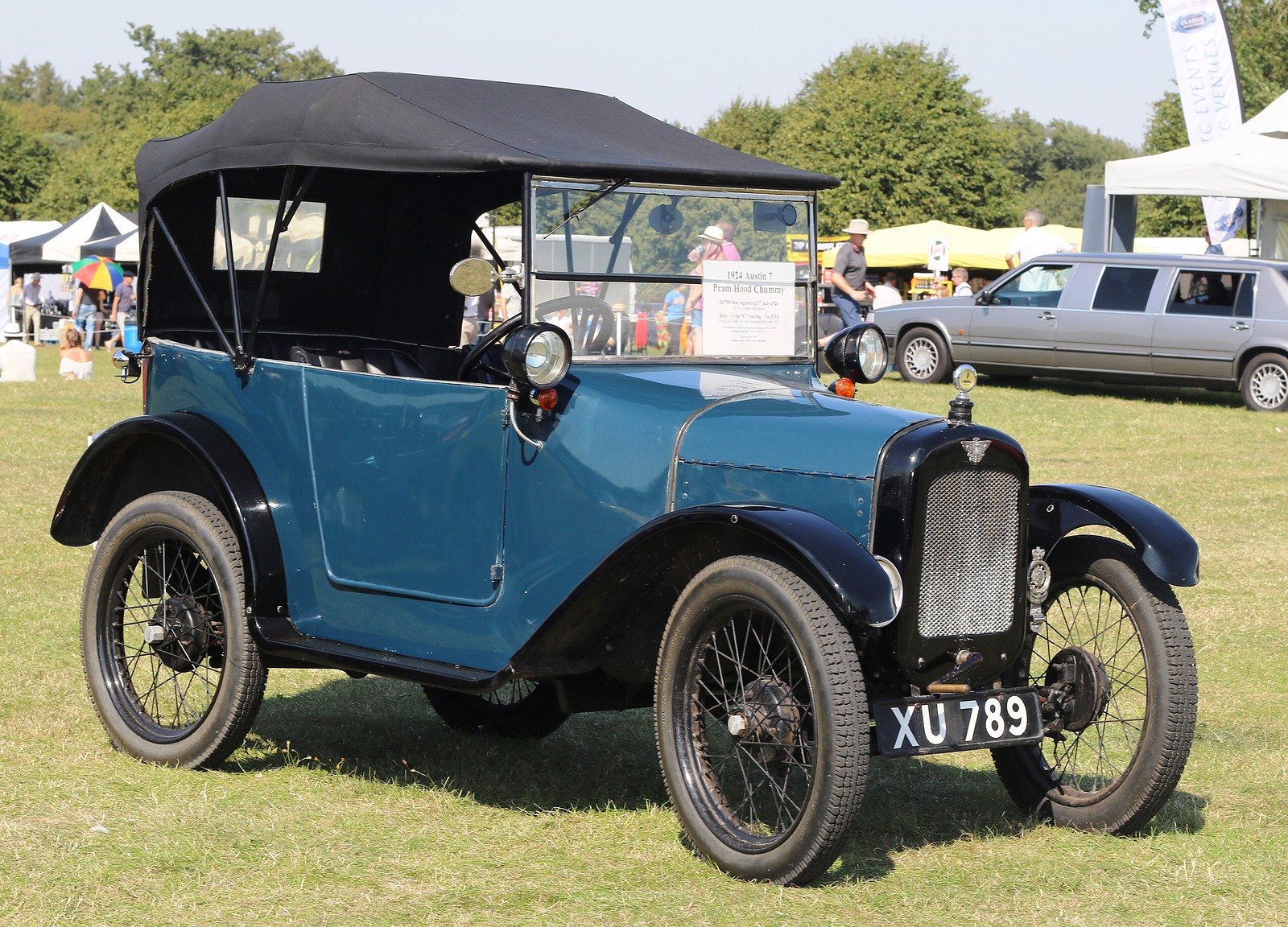
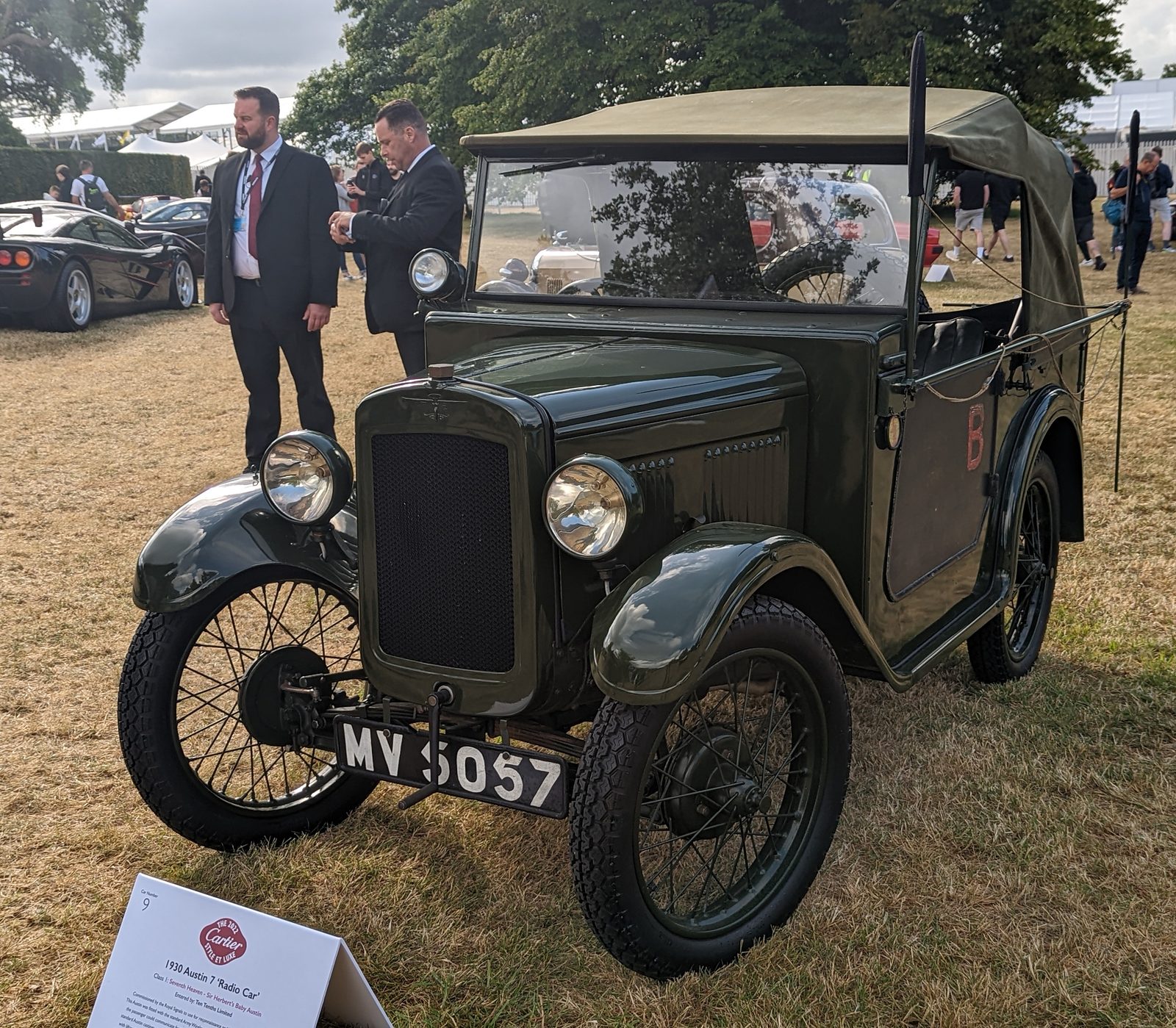
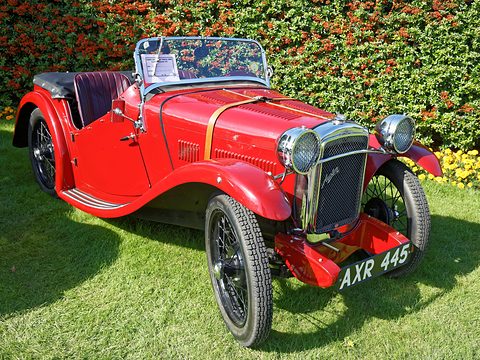
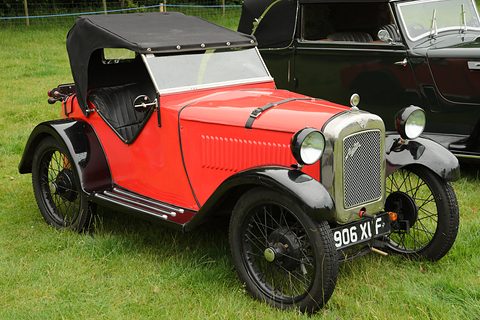
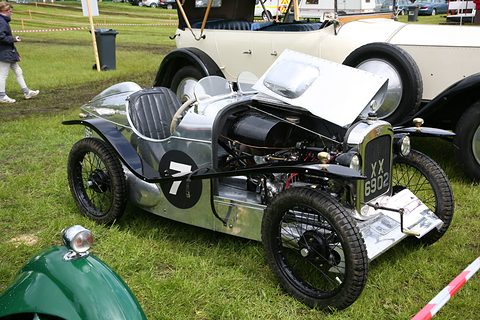
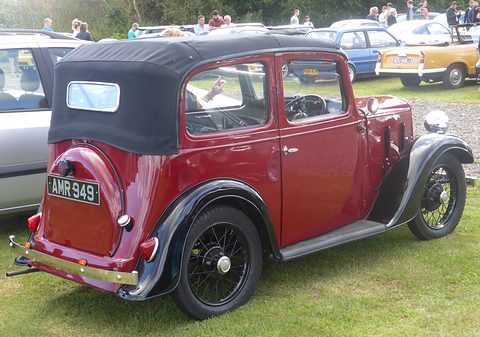
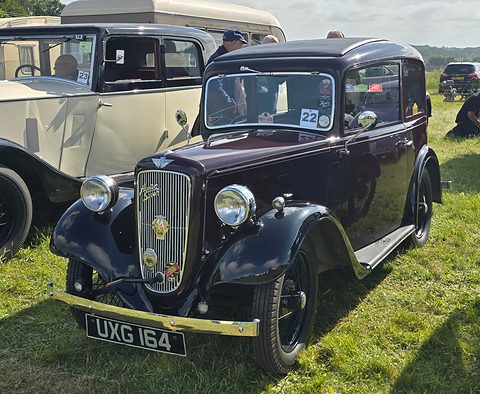
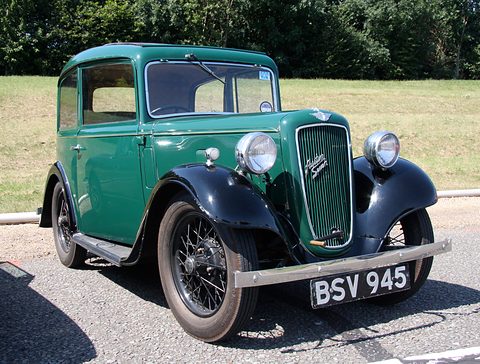
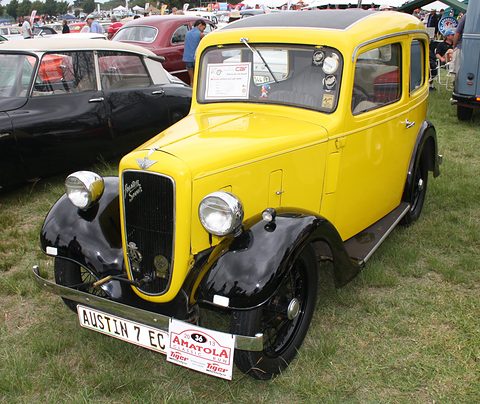
Herbert Austin’s board did not want it, so he paid for it himself and had it drawn by an 18-year-old in the billiard room of his house. It became the “Baby Austin”, the car that put British families on four wheels, and it earned Austin two guineas of royalty on every one of about 290,000.

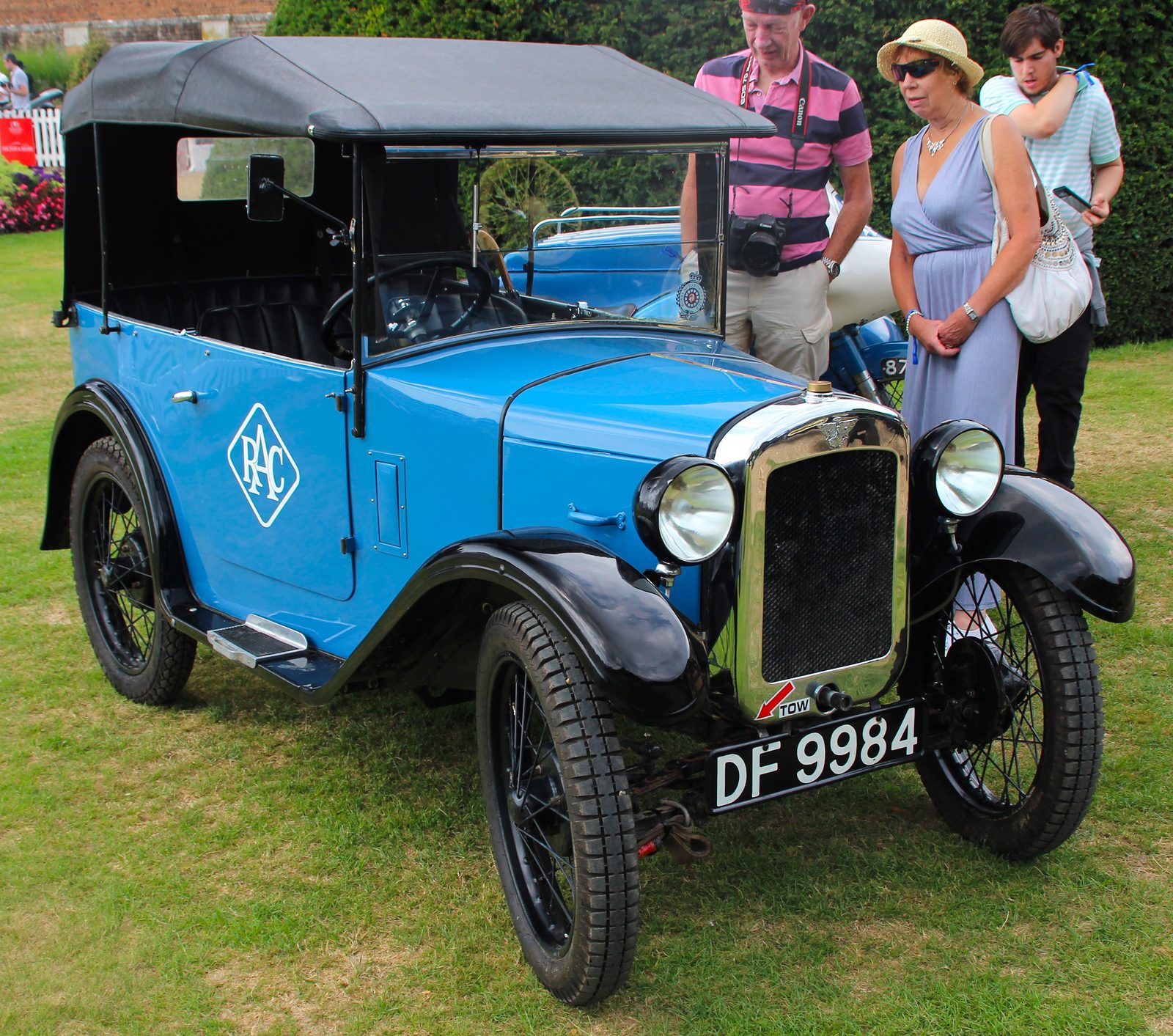
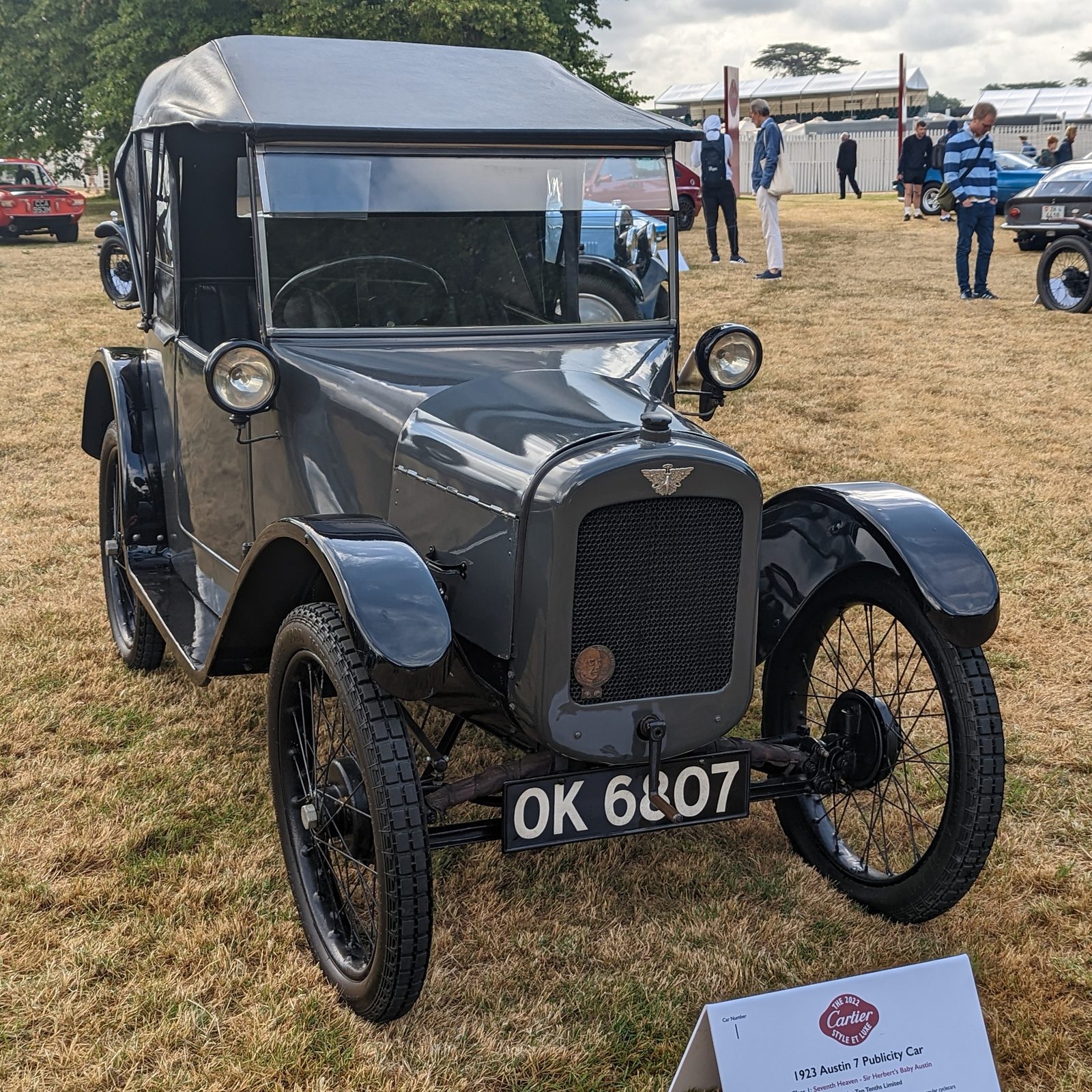
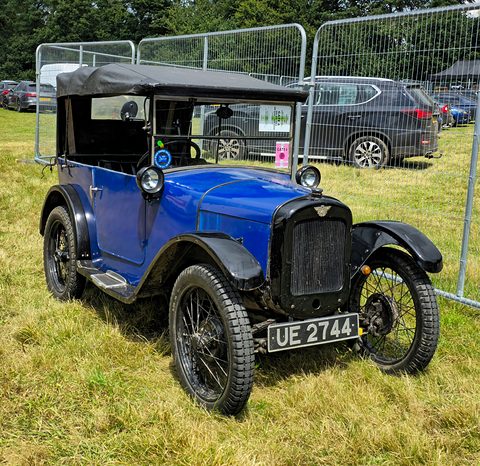
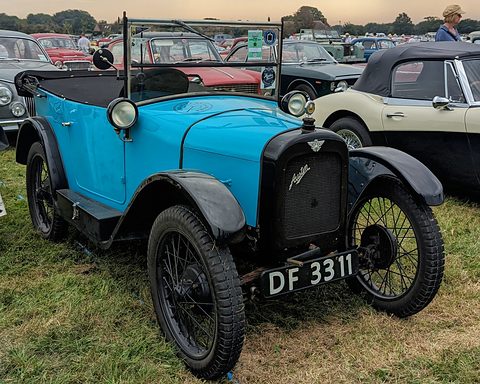
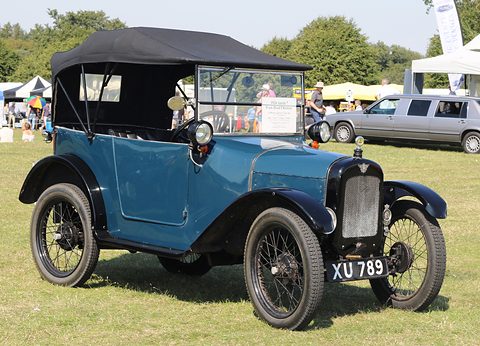
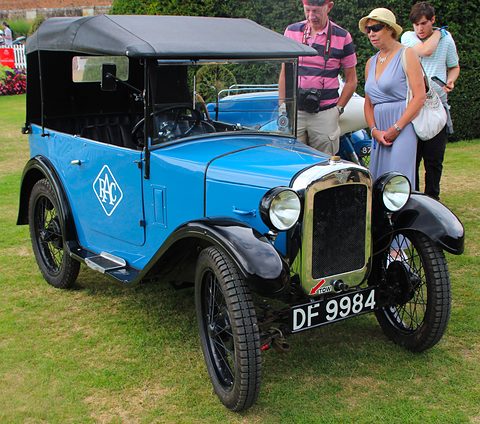
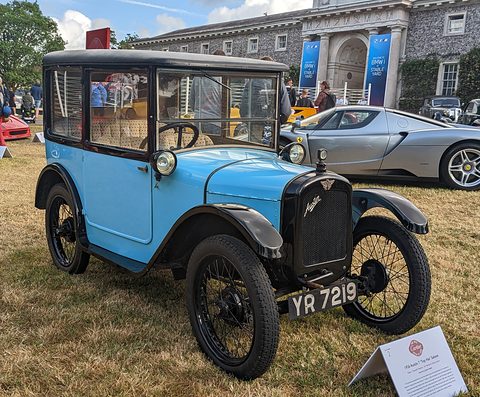
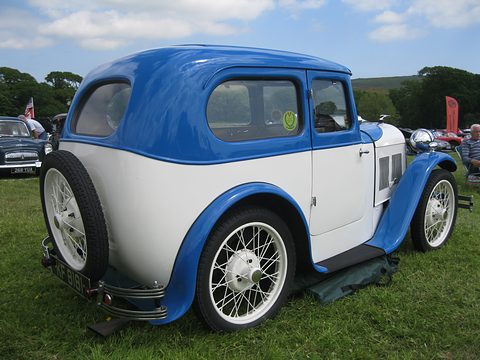
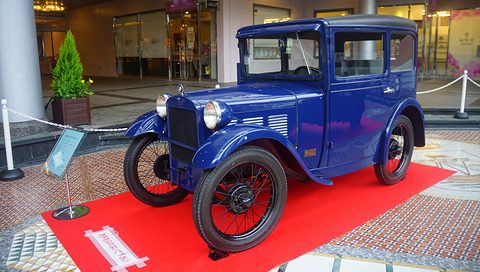
A small royal-blue open tourer with black wings, black hood and wire wheels on grass by a fence.
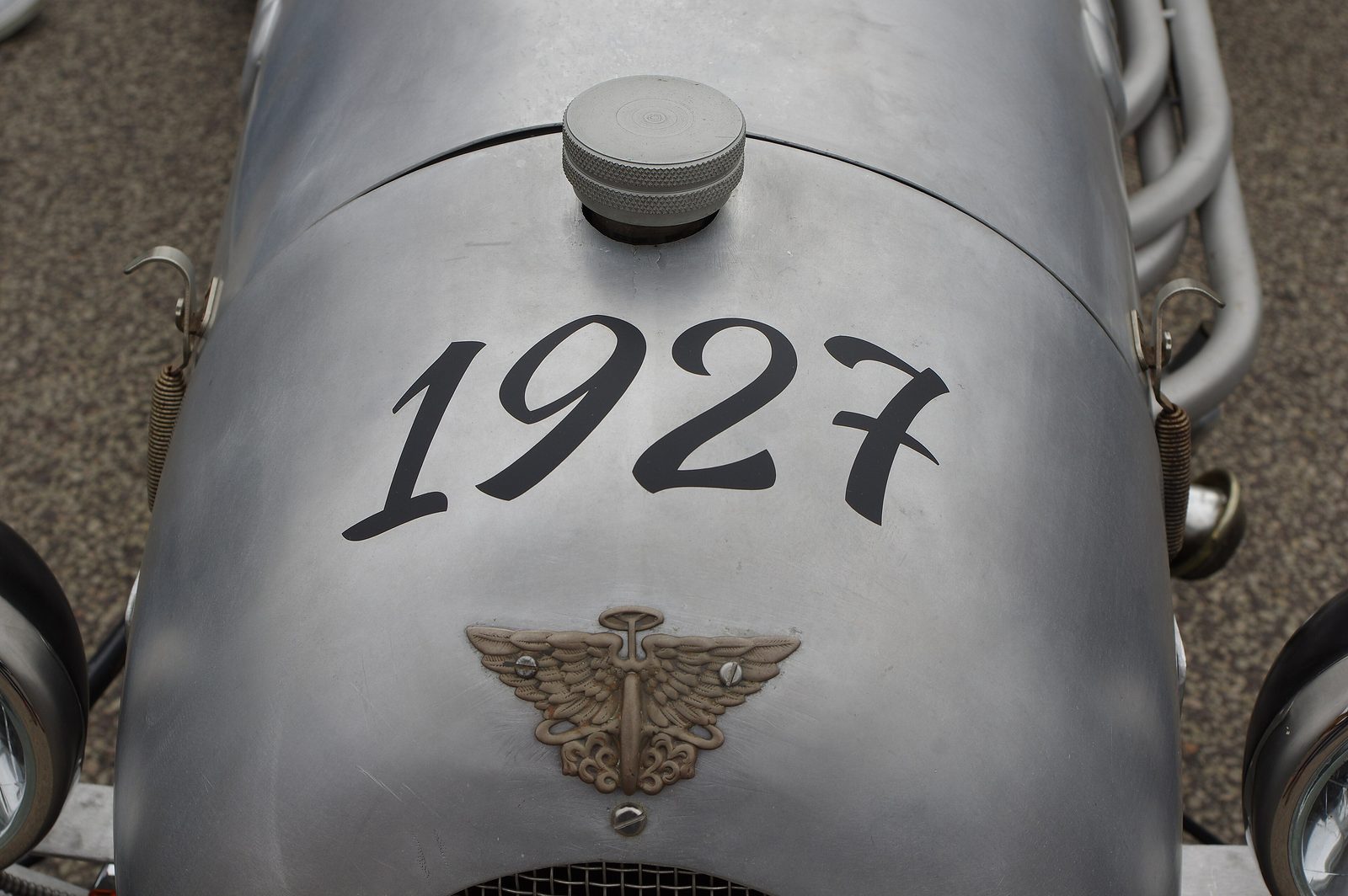
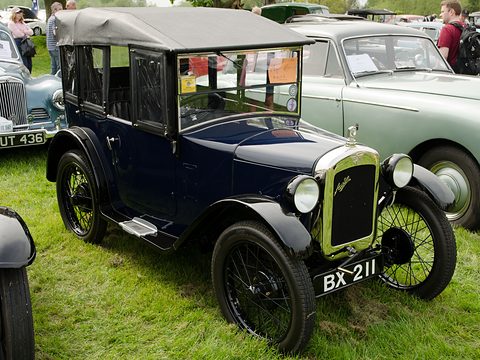
A blue 1927 Austin Seven Chummy tourer with its hood up at the Goodwood Festival of Speed, West Sussex, in July 2024.Photo: Calreyn88, CC BY-SA 4.0, via Wikimedia Commons

At a glance

The spec plate

Austin Seven

Seven · Longbridge

Built
1922–⁠1939Announced in July 1922; in series from 1923 to 1939
Country
BritainLongbridge, Birmingham; built under licence in Germany, France and the United States
Maker
Austin Motor CompanyDesigned by Herbert Austin and Stanley Edge
Engine
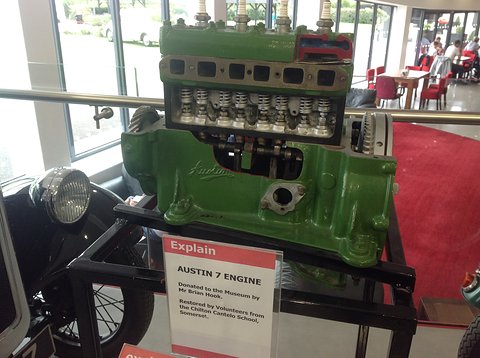
747 cc side-valve four696 cc until March 1923; water-cooled by thermosiphon
Power
about 10 hpFigures of 10 to 12 hp are given; the RAC tax rating was 10.5 hp
Length
2,794 mm
Weight
360 kg794 lb in English Wikipedia’s text; 375 kg in its table
Seats
4Two adults and two children in the Chummy; two in the sports models
Wheels
4Engine at the front, the rear wheels driven through a short torque tube
Price new
£165At launch, 1922; the bare chassis cost £112 in the mid-1920s
Production
about 290,000Cars and vans, 1923–⁠39; licence builds not included
Survives
No count foundThe Austin Seven Clubs’ Association keeps a register
Top speed
84km/h84 km/h48–52 mph (77–84 km/h)

How big is it?

True proportion

2.79 m

It is 176 mm shorter than a Fiat 500, about 1.6 adults laid end to end, and twice the length of a Peel P50.

  • 360 kg: about five adults
  • Four seats in 2.8 metres
  • Wheelbase 1,905 mm (75 in)
Drawn at true proportion. The track is 3.6 metres long; the adult stands at the same scale. The Peel P50 is the smallest production car, on every page for comparison.

The story

History

Herbert Austin made his name at Wolseley before founding his own company at Longbridge, Birmingham, and before the First World War his cars were mostly large and of high quality.source 1source 2 (The single-cylinder Austin 7 hp of 1909–⁠11, built for him by Swift of Coventry, is no relation.source 2source 3) In the war the works made everything from aeroplanes to artillery shells.source 1 Peace went badly. Austin staked the company on one model, the Austin 20. It failed, and in 1921 the company went into receivership.source 1source 2 The same year, a new Horsepower Tax began to favour cars with a small RAC rating.source 2

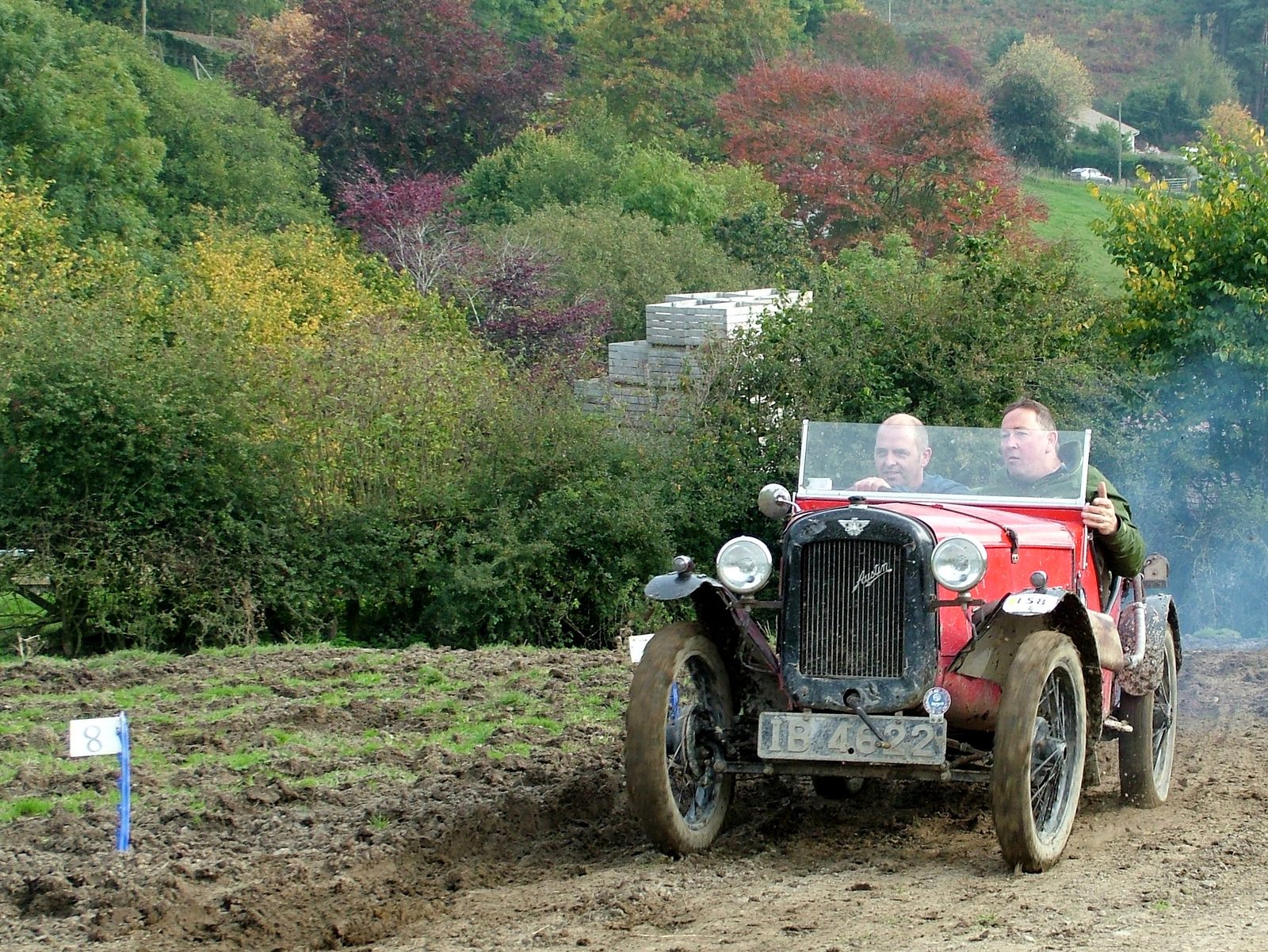
Austin had been thinking since 1920 of a small car for young families, people who could otherwise afford only a motorcycle and sidecar or a cyclecar. What he wanted was a big car in miniature.source 1source 2source 3

Drawn in the billiard room

His board and his creditors were against it, so Austin carried on privately. He hired Stanley Edge, an 18-year-old draughtsman from Longbridge, and the two worked on it from 1921 into 1922 in the billiard room of Lickey Grange, Austin’s house; Hagerty says Edge spent eight months there.source 2source 4source 5 Edge said later that he had talked Austin into a tiny four-cylinder engine instead of a twin, and that he designed the gearbox and the clutch. The styling was largely Austin’s.source 2 Both are among the designers. The Seven is often said to owe something to the Peugeot Quadrilette, but it has never been shown.source 2source 3

Austin put a great deal of his own money in and patented many of the features in his own name. In return he took a royalty of two guineas (£2 2s) on every Seven sold.source 2source 4 Three prototypes were built in a special area of the Longbridge factory.source 2

A big car in miniature

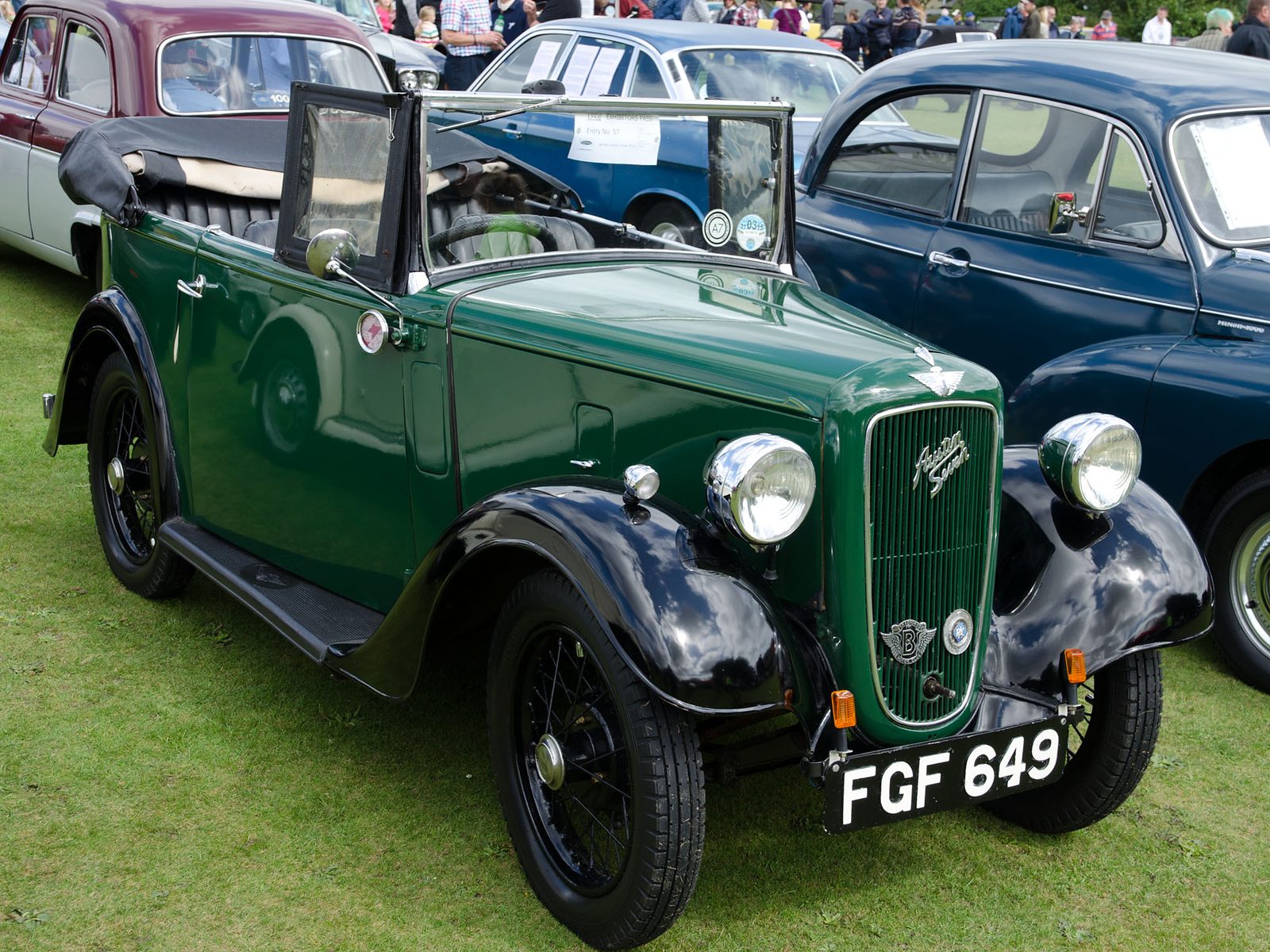
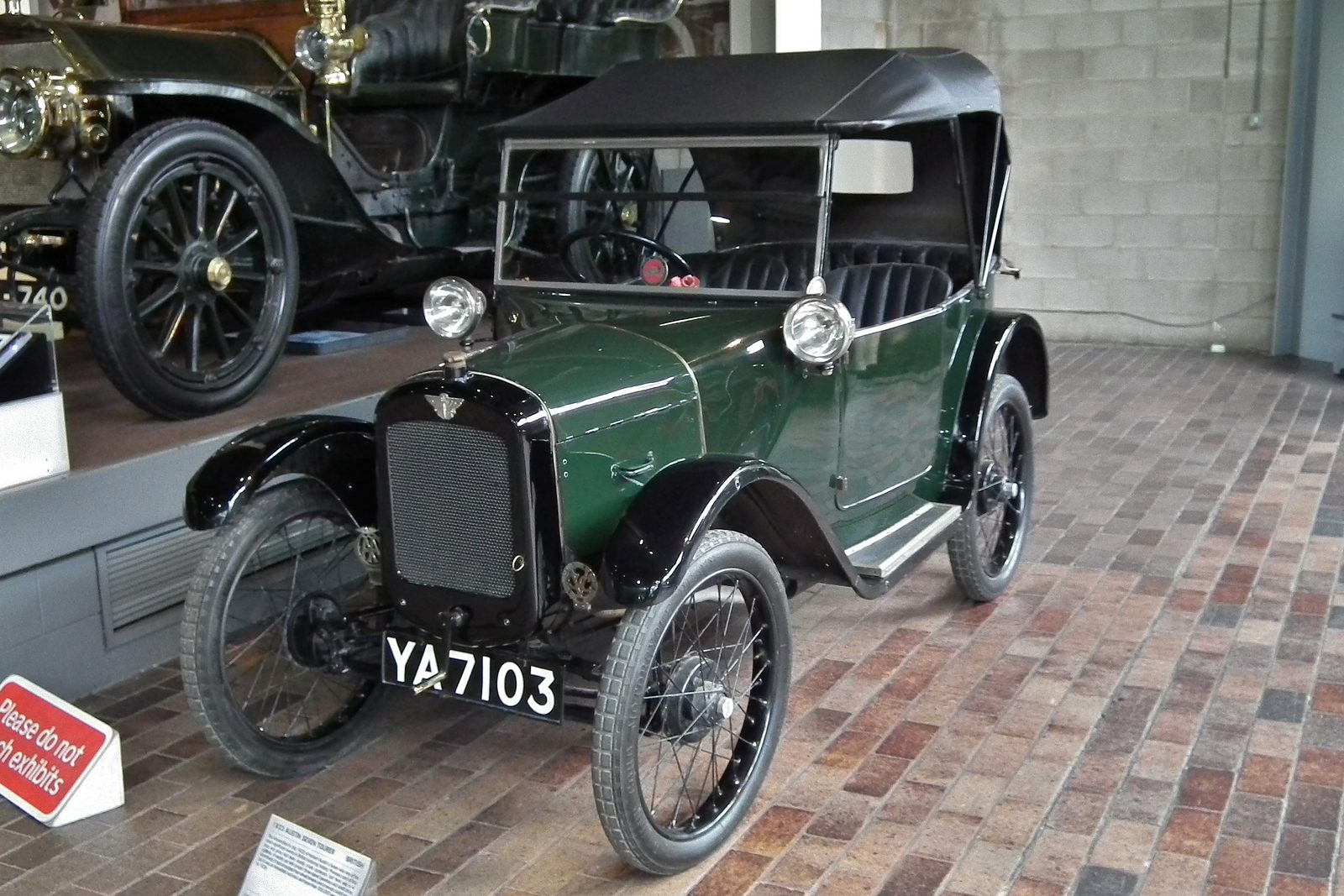
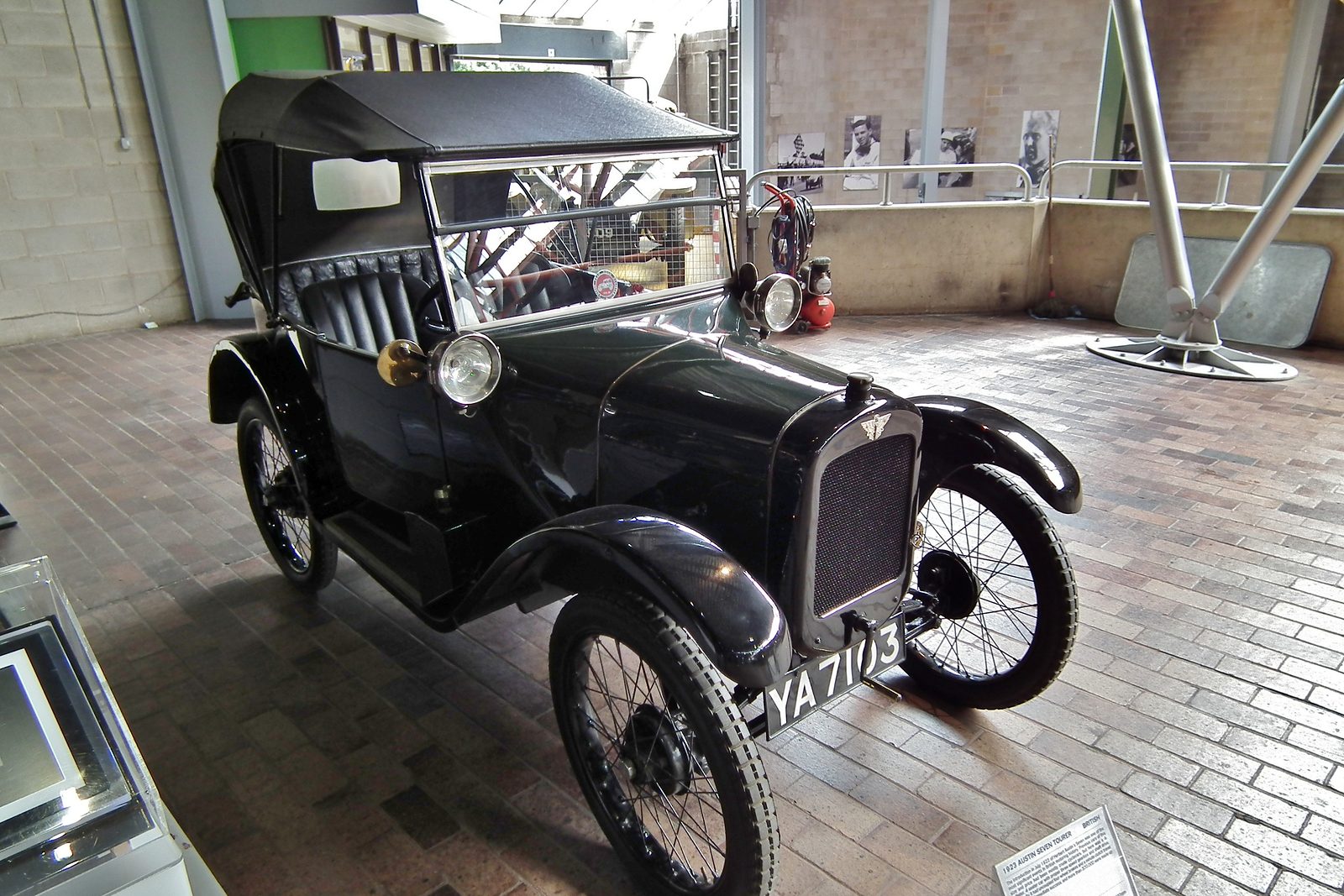
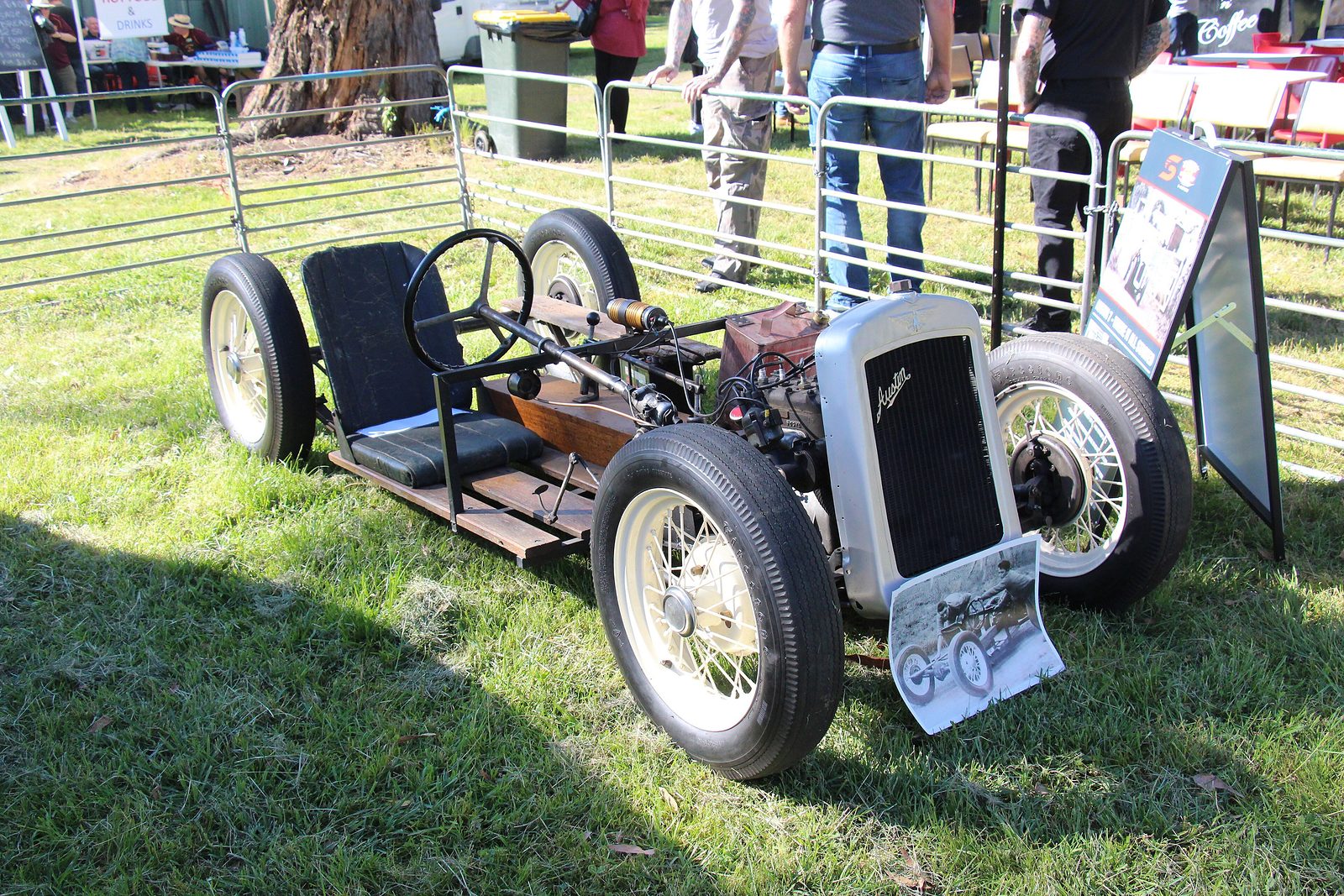
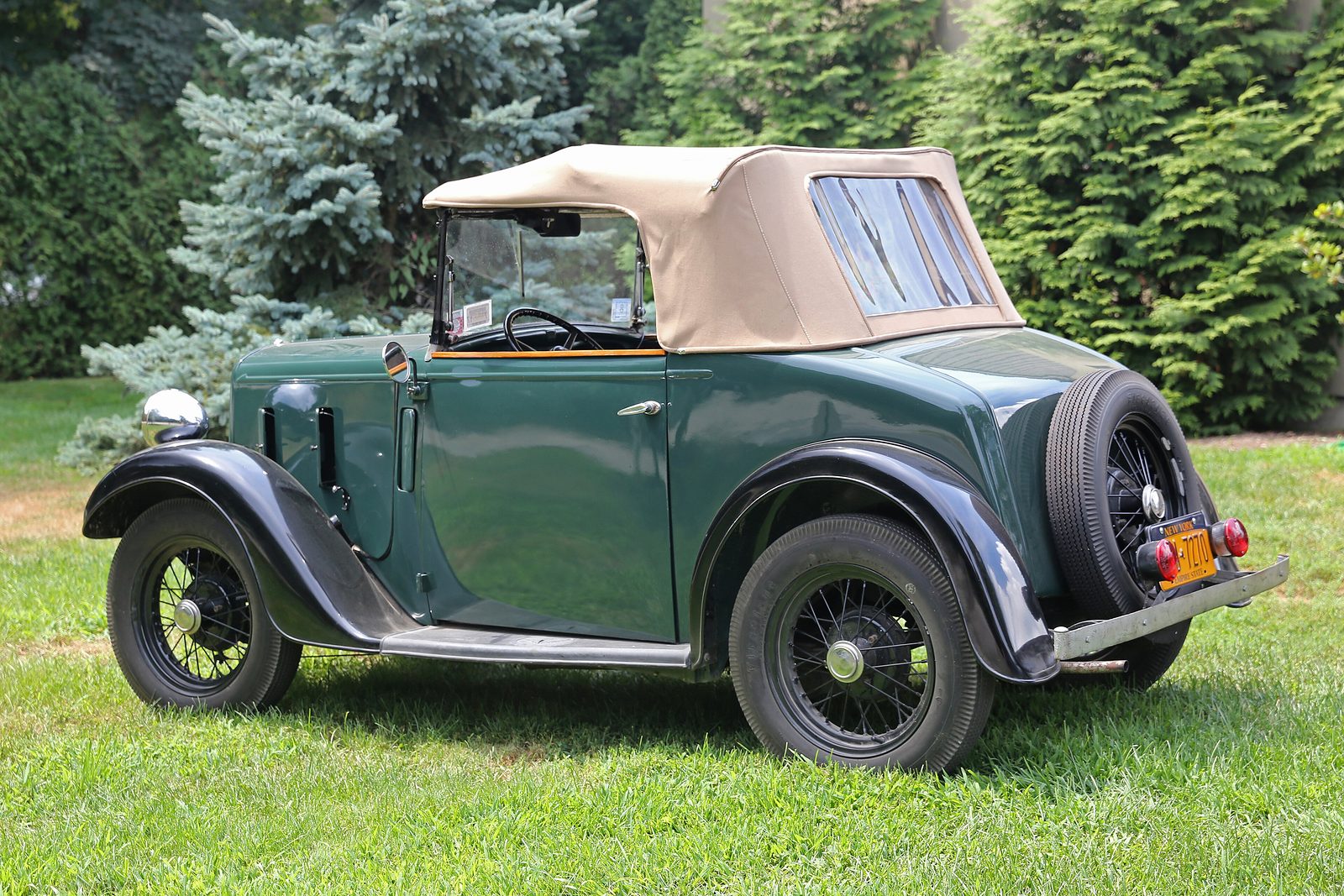
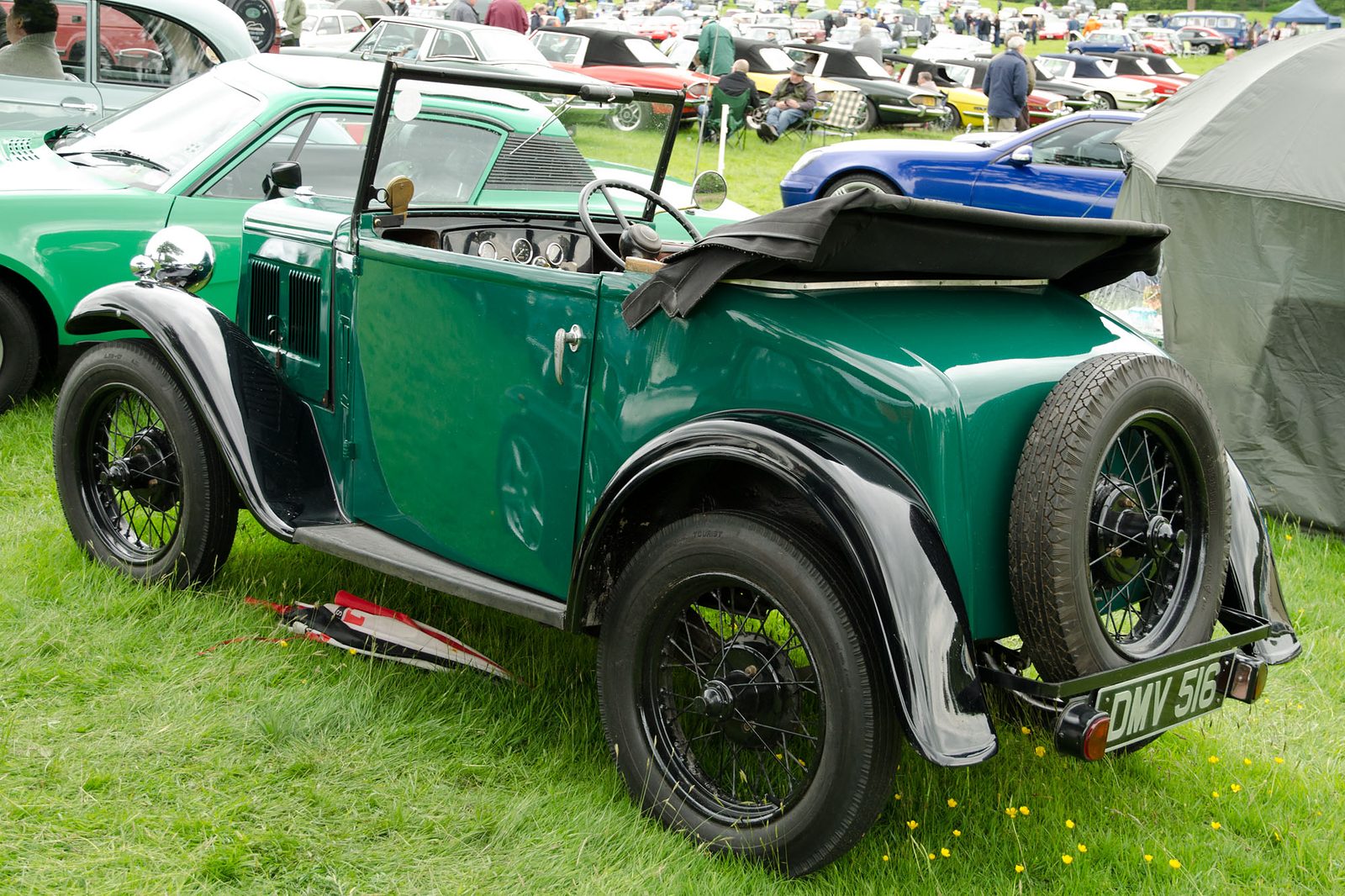
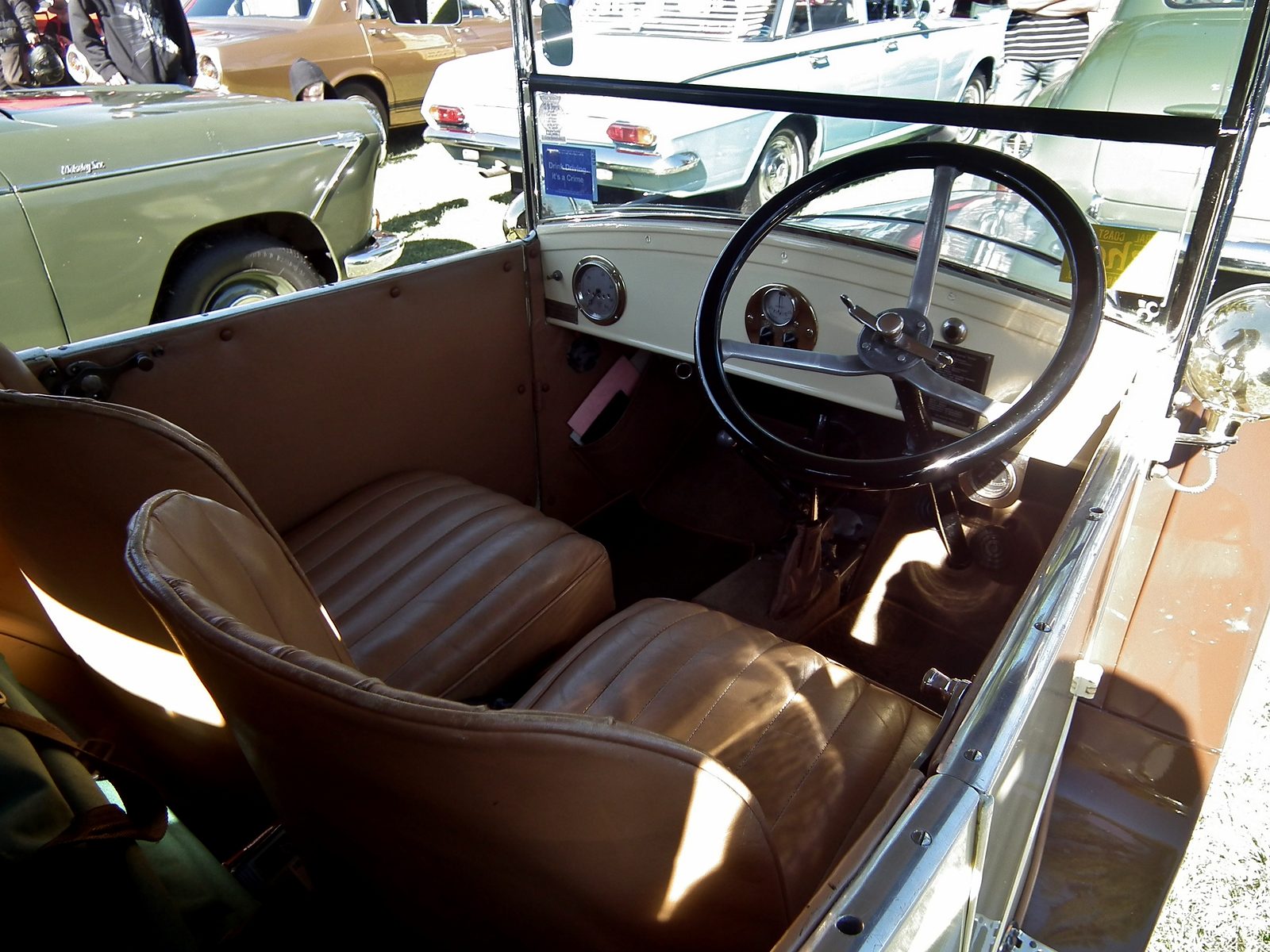
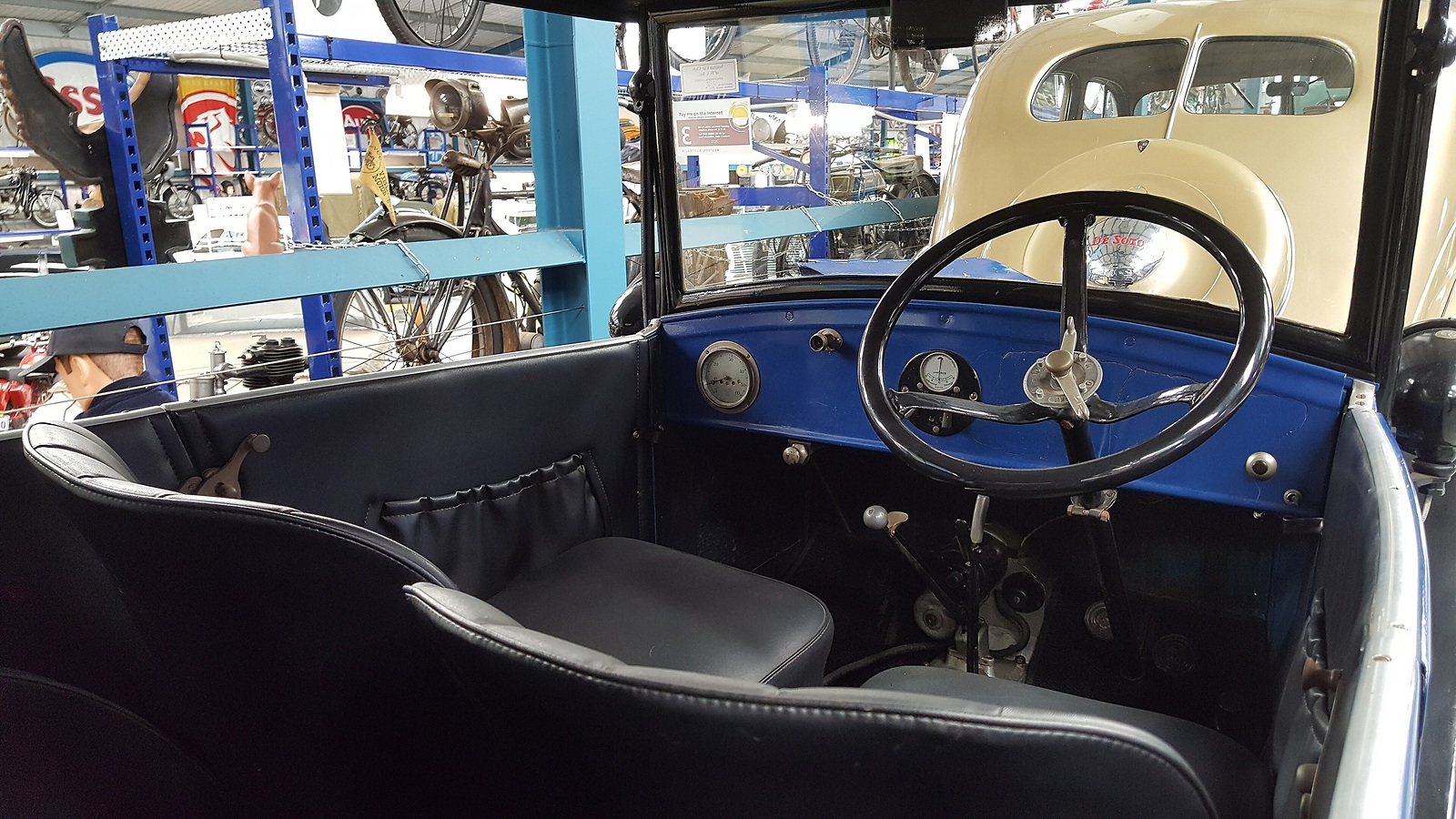
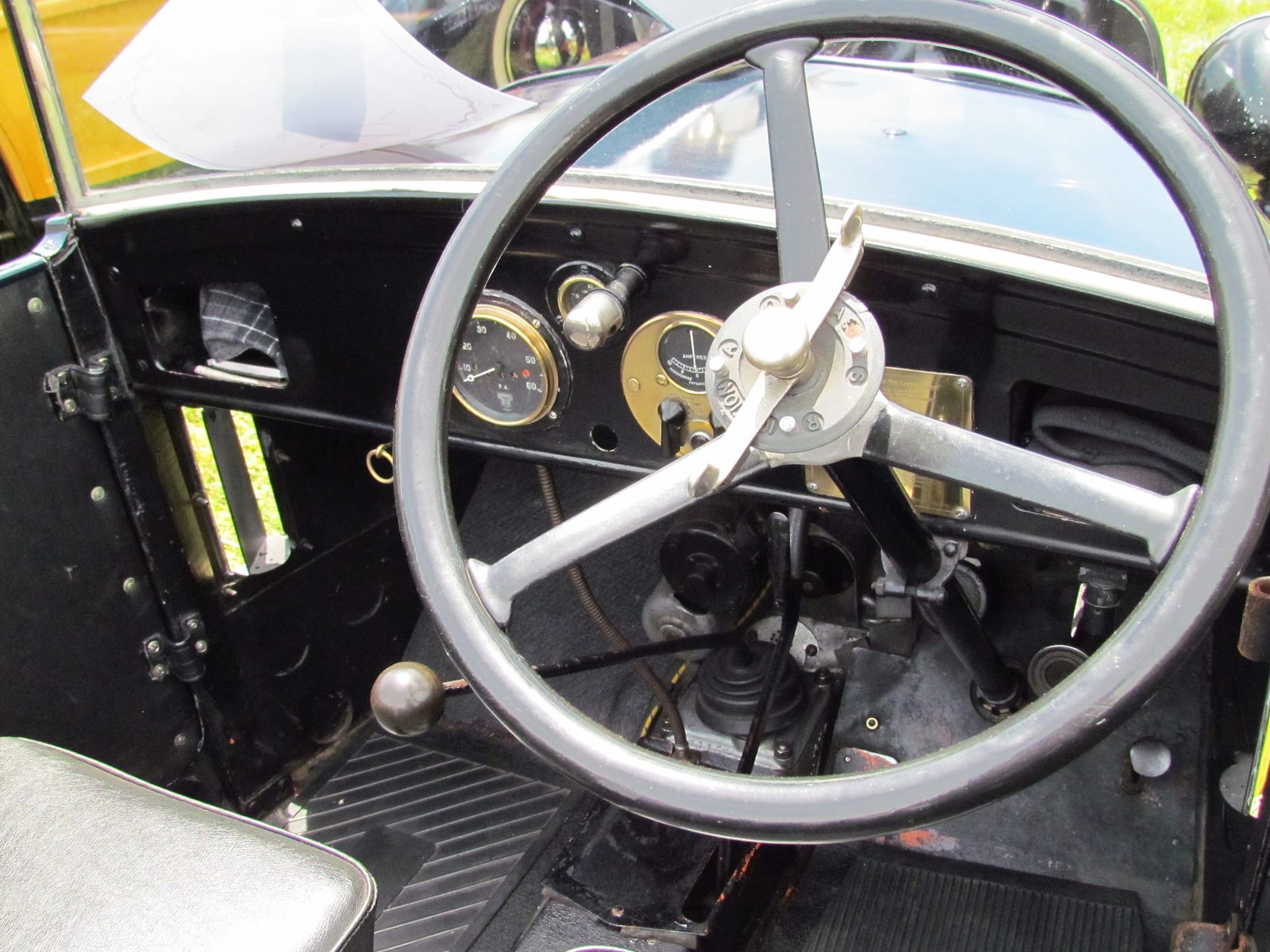
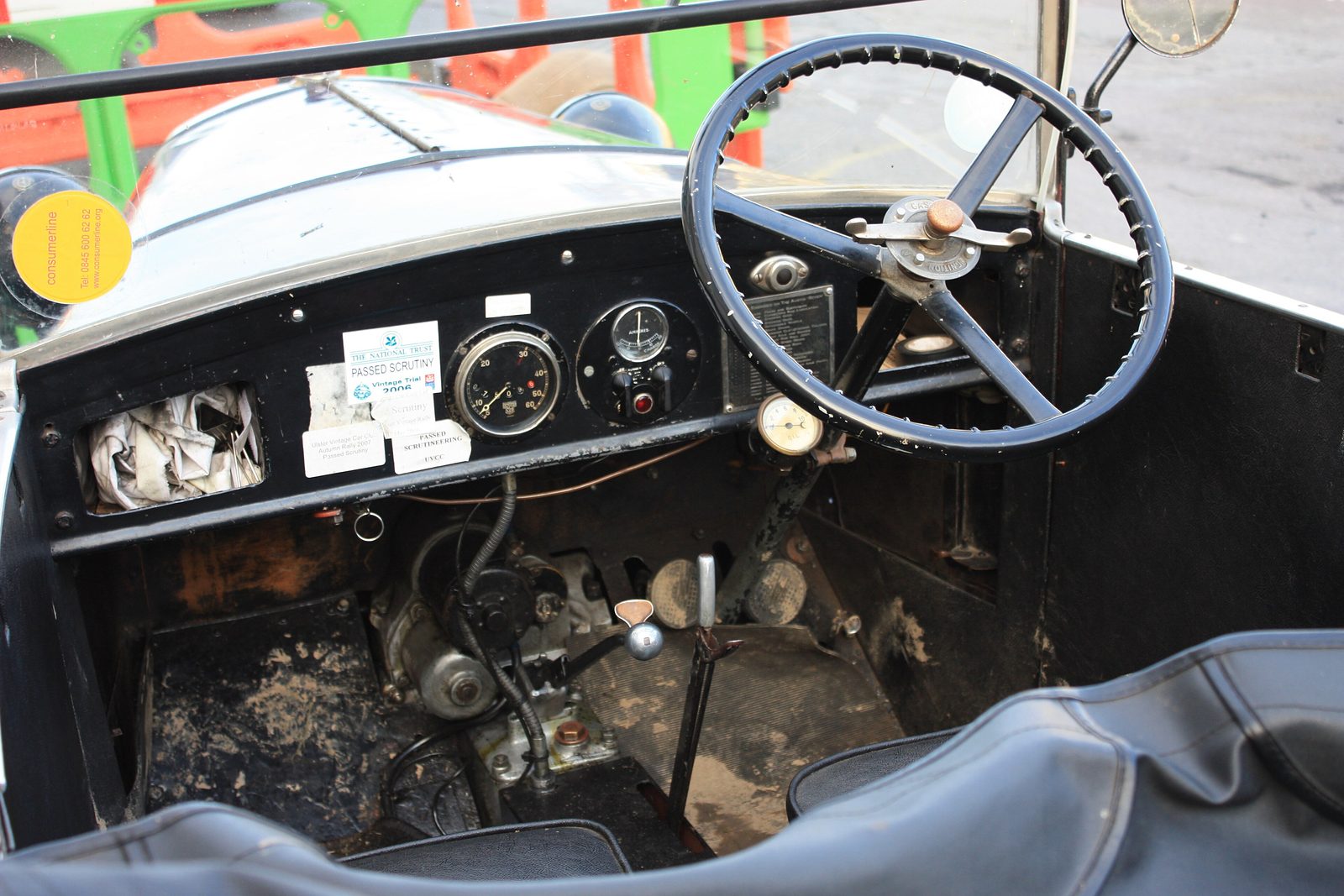
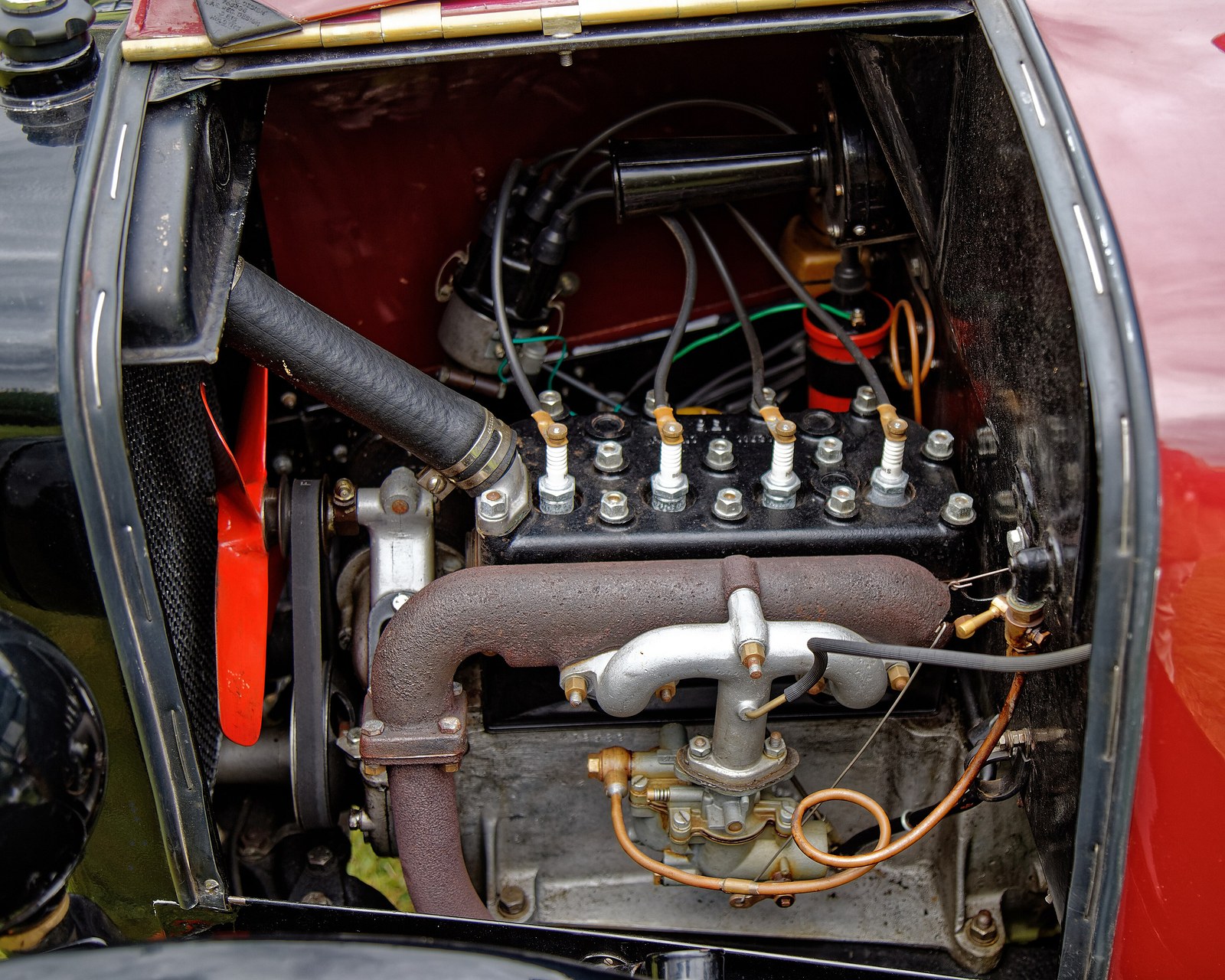
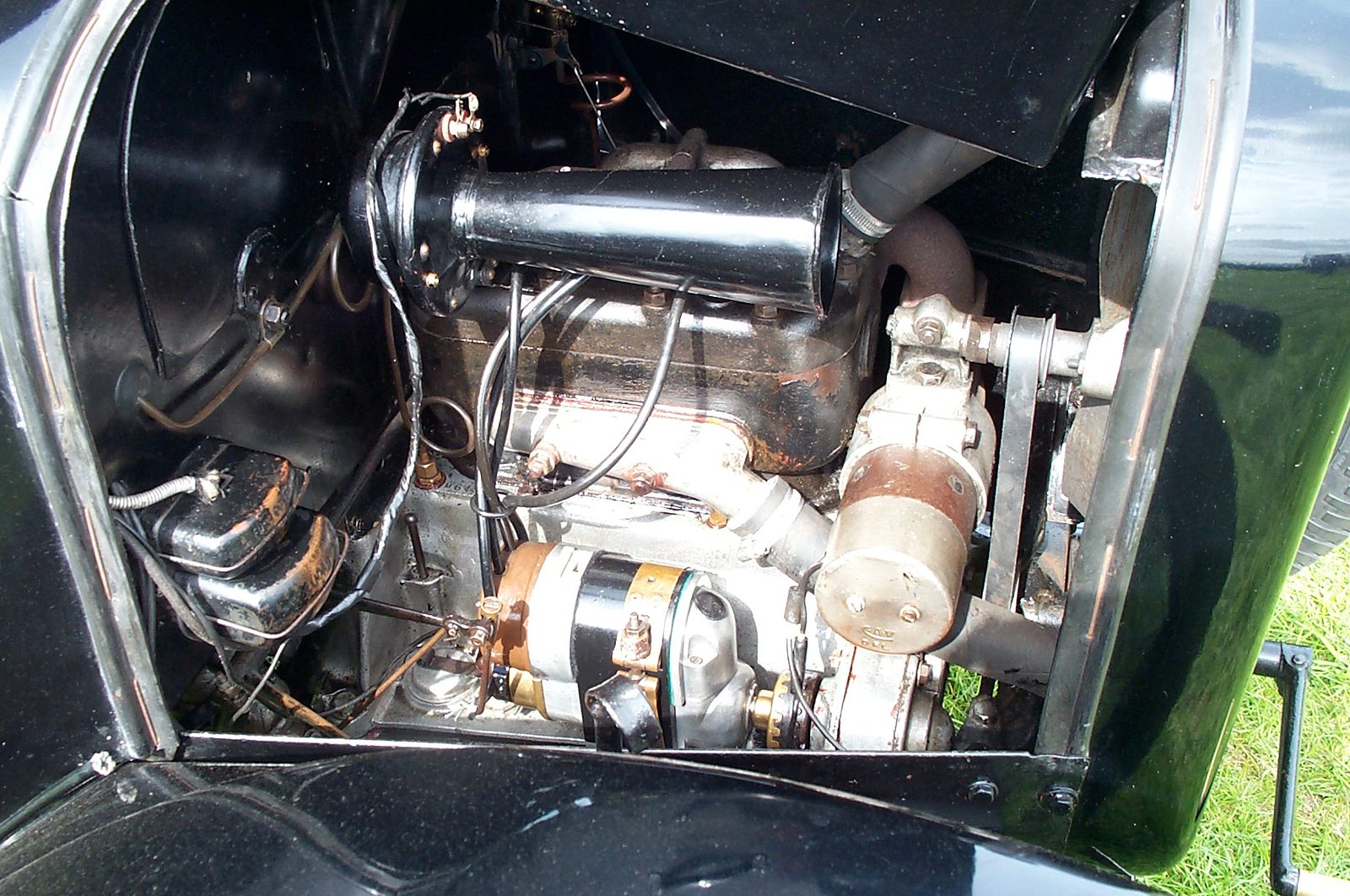
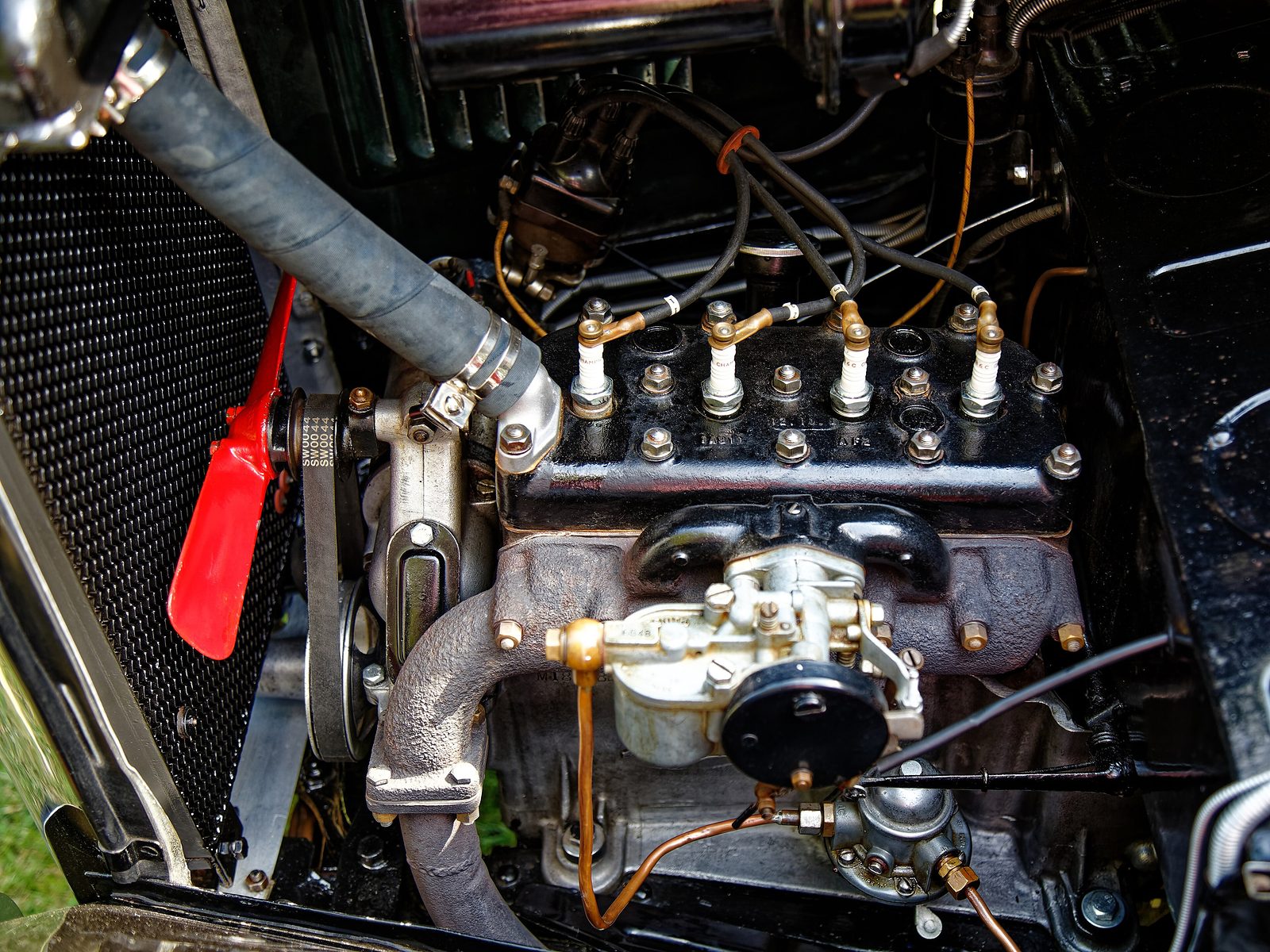
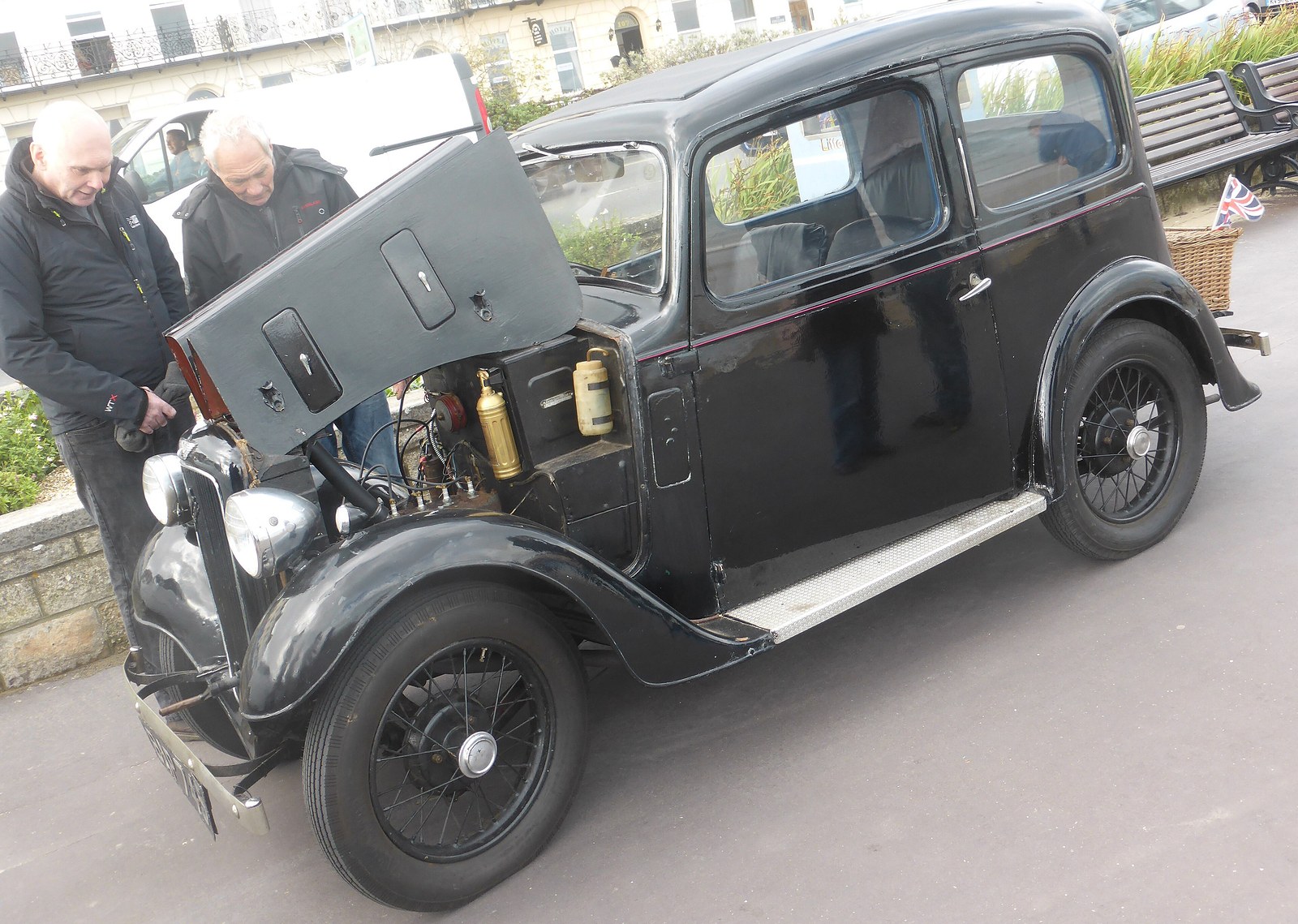
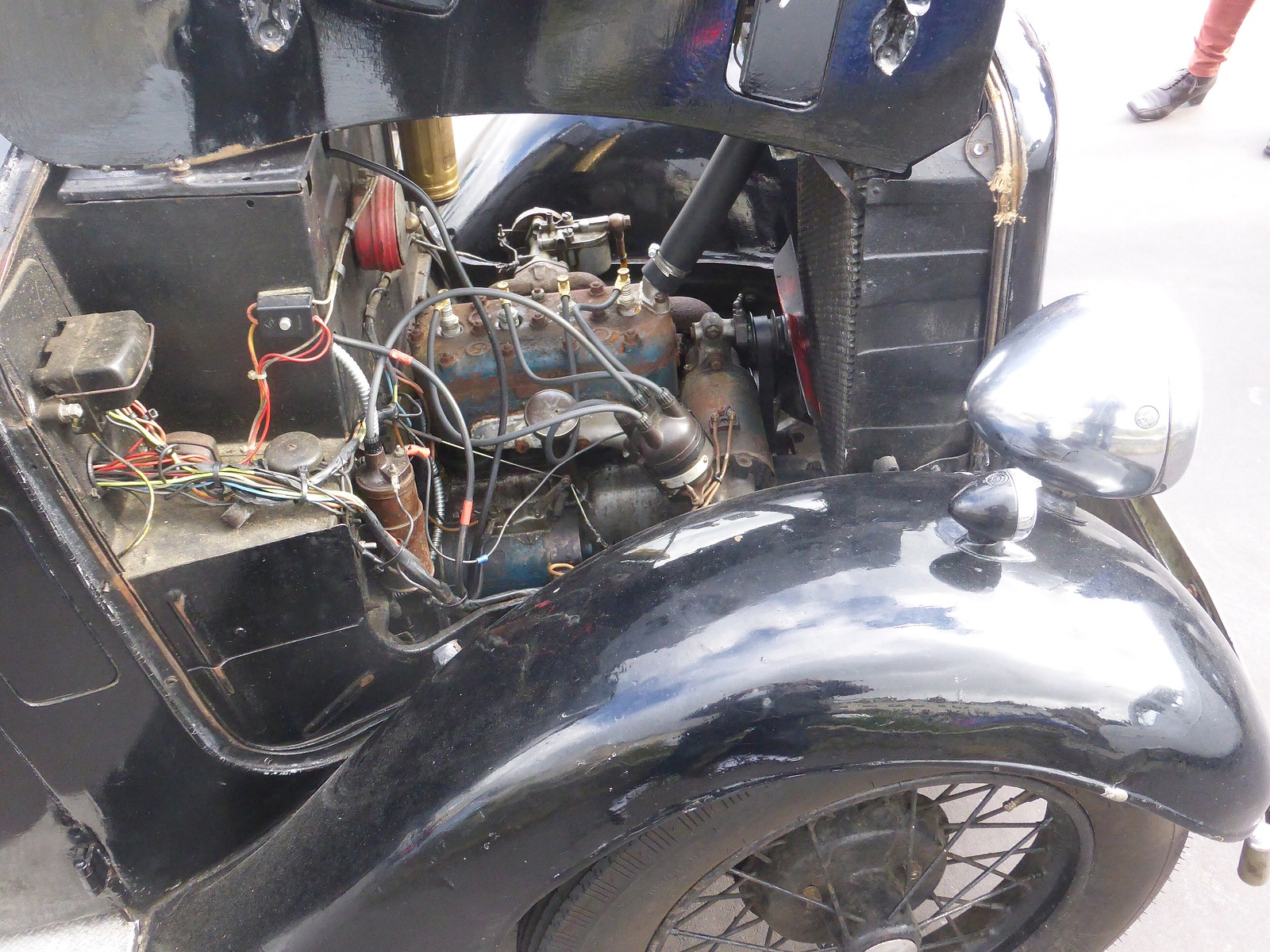
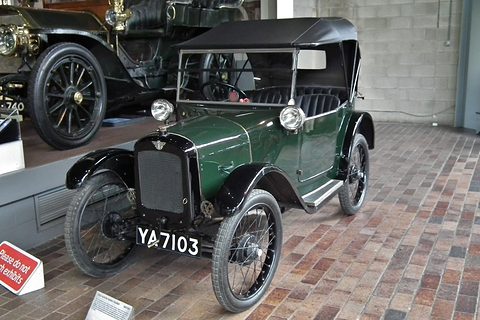
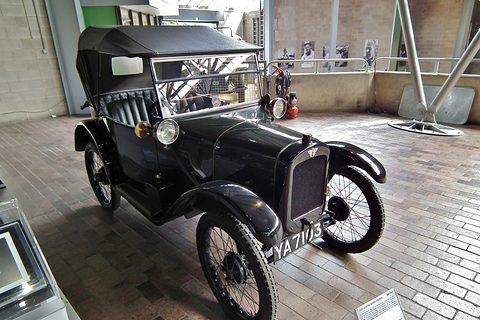
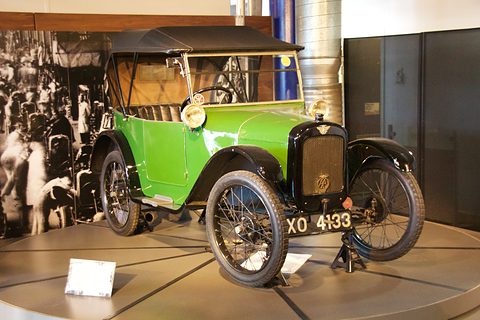
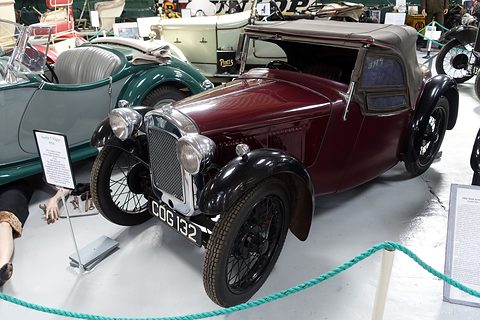
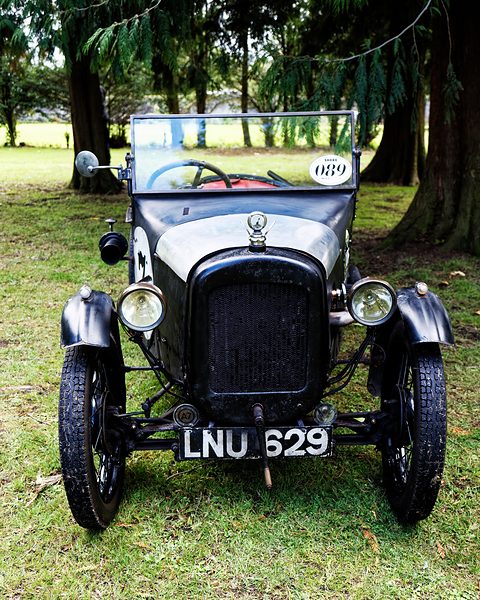
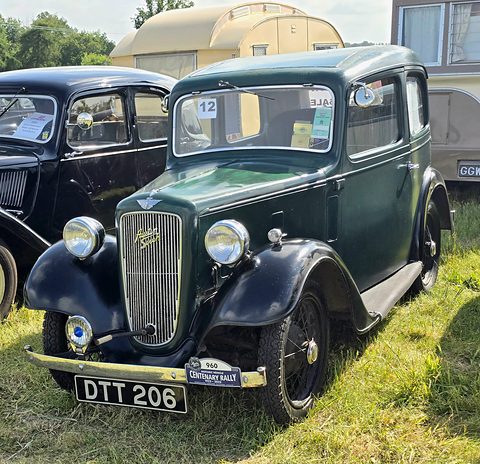
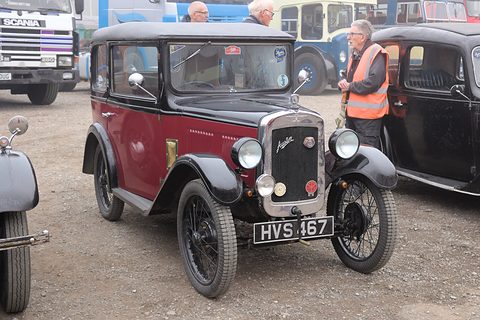
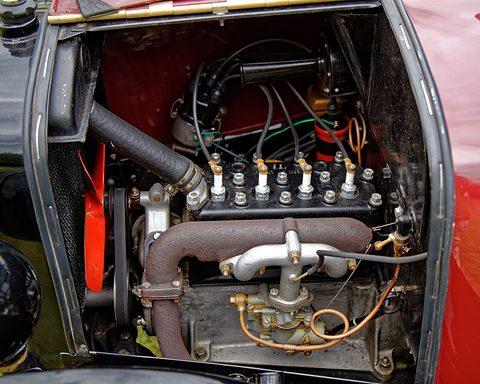
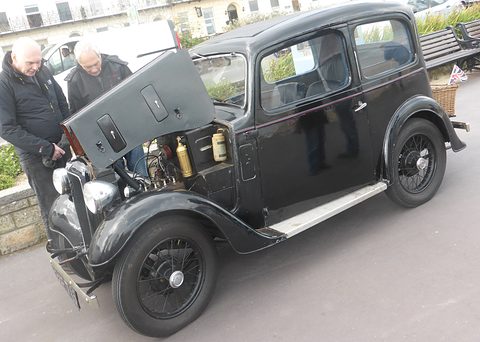
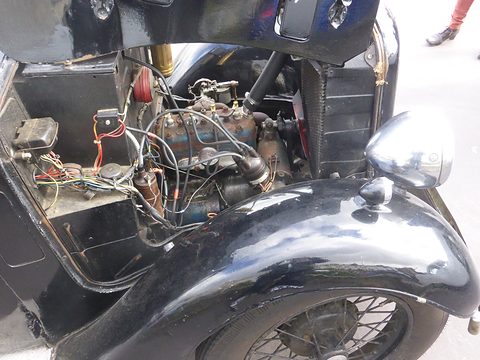
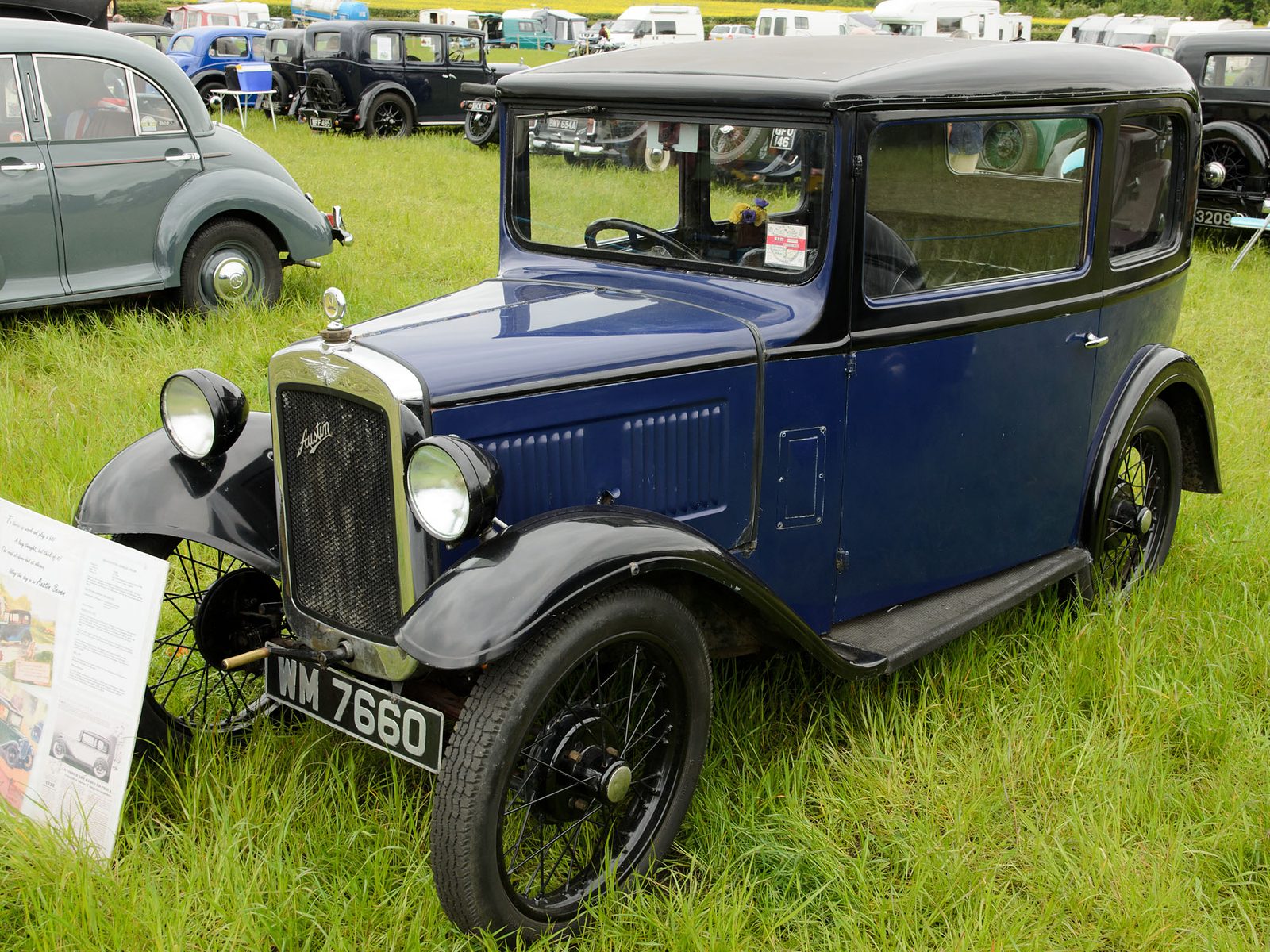
The Seven was announced in July 1922.source 2source 4source 5 Hagerty gives its price at launch as £165, and £167 for 1923.source 5 What it offered for the money was a proper car, scaled down. The frame was shaped like the letter A, with the engine held between the channels at the narrow front, a single transverse spring for the front axle and quarter-elliptic springs cantilevered out behind.source 2 The engine was a water-cooled four with side valves, cooled without a water pump, and it drove the rear wheels through a three-speed gearbox and a short torque tube.source 1source 2 The car had brakes on all four wheels from the start, oddly arranged: the pedal worked the rear brakes and the hand lever the front, until 1930.source 2 It was 2,794 mm (110 in) long, by Austin’s own handbook of 1925, on a wheelbase of 1,905 mm (75 in).source 2source 3 The open four-seat tourer took two adults and two children, and was called the “Chummy”.source 2

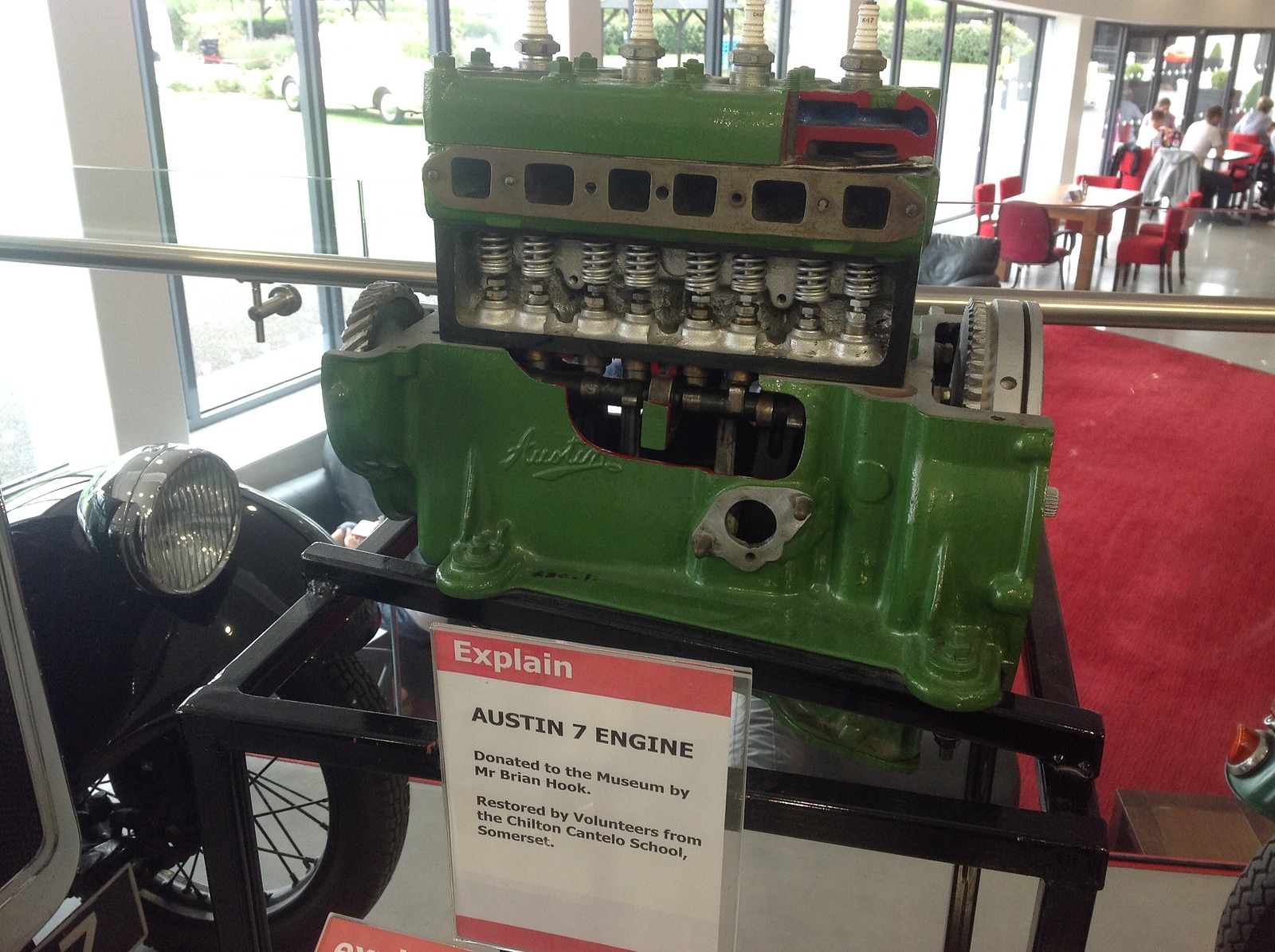
The first engine was 696 cc. In March 1923 its bore was widened from 54 to 56 mm (2.125 to 2.2 in), which made 747 cc and raised the RAC rating from 7.2 to 10.5 hp, and an electric starter followed in November 1923, or in 1924 by Grace’s Guide.source 2source 4 Series production really began in 1923. Wyatt, in his history of the firm, counts 1,936 cars that year, and from there the numbers climbed: 4,700 in 1924, 14,000 in 1926, 26,447 in 1929.source 3
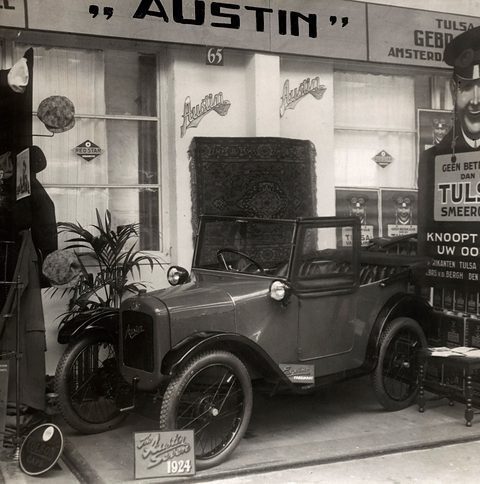
Black and white photograph of a small open tourer on a show stand under an Austin sign, a poster beside it.
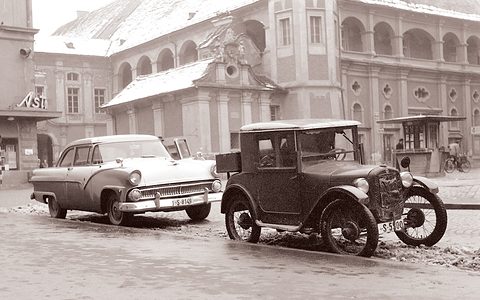
Plate I · 1924 A Seven tourer on the stand of Riemer, the Hague dealer, at the Amsterdam motor show in 1924.Photo: Spaarnestad Photo, Public domain, via Wikimedia Commons

The Seven finished off the British cyclecar trade within a few years, and it turned Austin’s fortunes round.source 2source 4 In France the Citroën 5HP did the same, and the cyclecar boom ended between them.source 2 It has been called the British Model T.source 2source 3

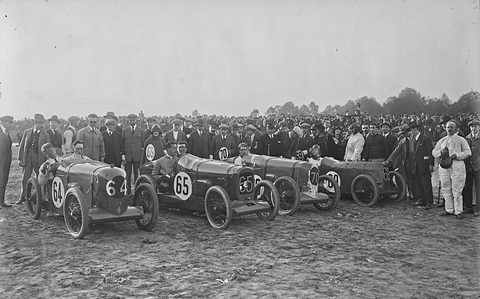
Racing from the start

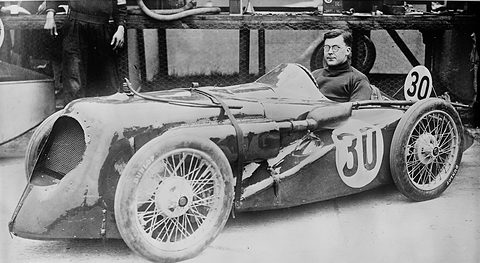
The Seven was racing within months of its launch. Arthur Waite, Austin’s son-in-law, had his first successes at Brooklands in March 1923, and on 29 April, in the cyclecar Grand Prix at Monza, he won the 750 cc class at 89.88 km/h (55.85 mph).source 2source 6 Not everything went so well. At the 1923 Grand Prix de Boulogne all three Sevens retired, two with failed big ends, part of a run of failures from lubrication that could not cope with racing.source 2source 6 At Le Mans on 23 September, in the 750 cc race, Waite was third and Roddis fourth.source 6
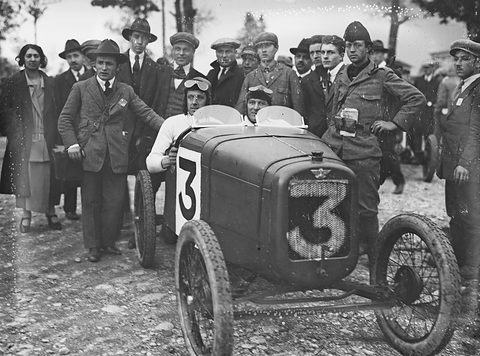
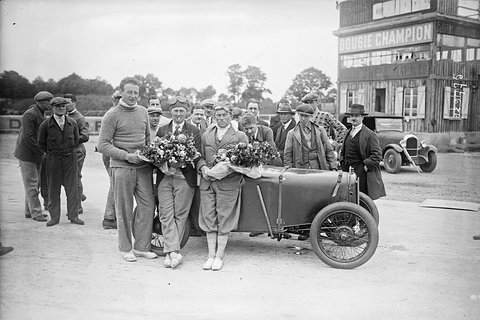
Black and white photograph of a small racing car numbered 3 with its driver, a crowd of men in hats behind.
Plate II · 1923 Arthur Waite in his Austin Seven, number 3, at Monza in April 1923, where he won the 750 cc class.Photo: Agence Rol, Public domain, via Wikimedia Commons

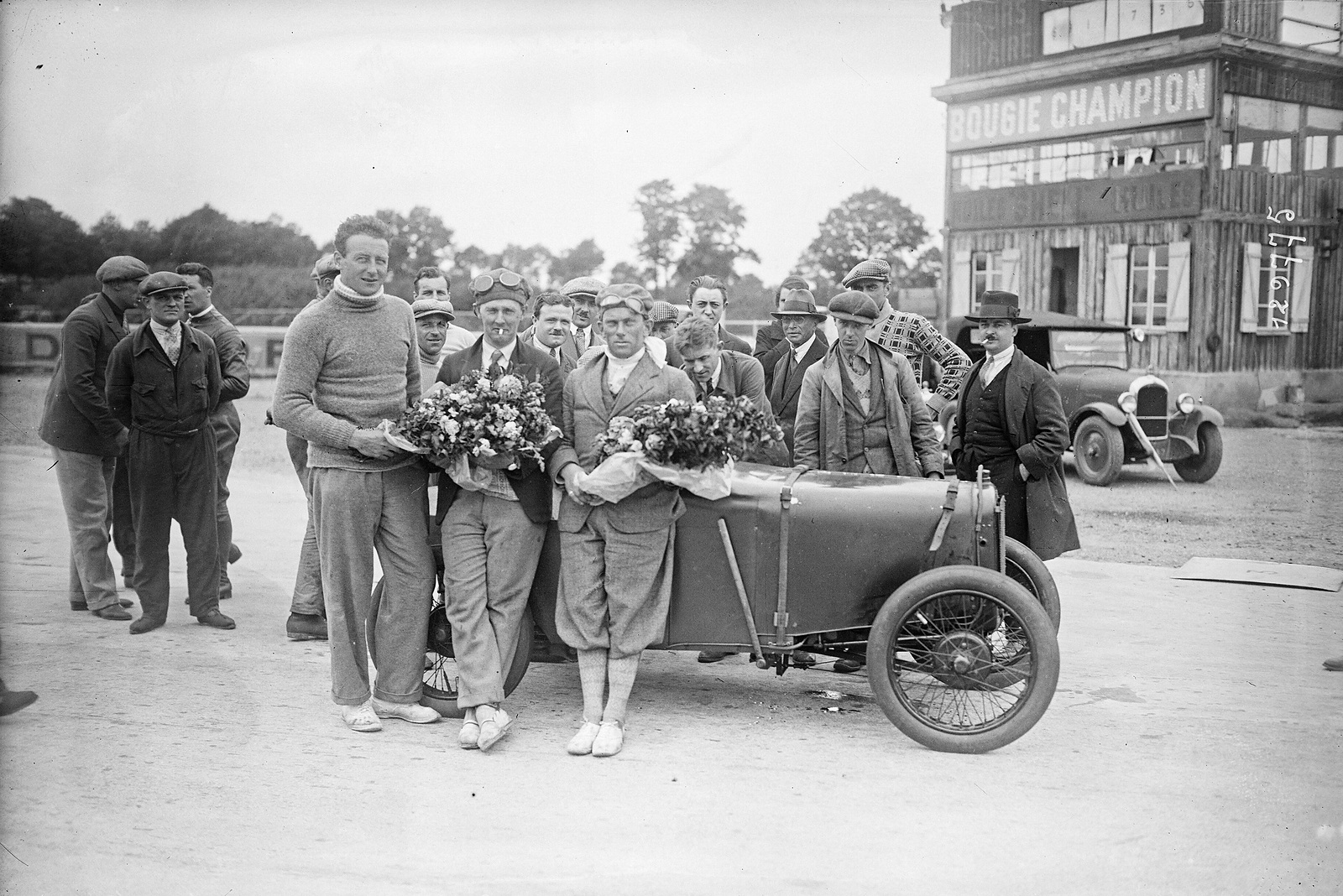
E. C. Gordon England took six class records at Brooklands in 1923, and on 13 October, in the JCC 200 Miles, he finished second behind Ramon Bueno’s Salmson in the 1,100 cc class, in a Seven with a two-seat body weighing 9 kg (20 lb). He took five more class records during the race.source 2source 6 By 1925 he held 19 class records for 750 cc cars.source 2 In January 1924 Austin put replicas on sale, the Sports and the Brooklands Super Sports; each Super Sports came with a Brooklands certificate for 129 km/h (80 mph).source 2
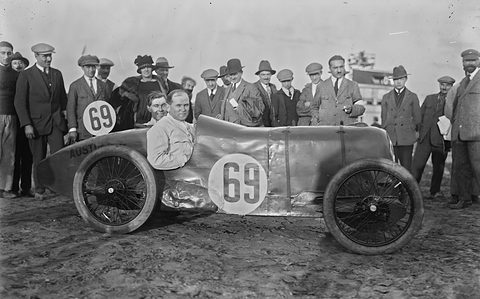
Black and white photograph of a dented streamlined racing car numbered 69, its driver smiling, onlookers behind.
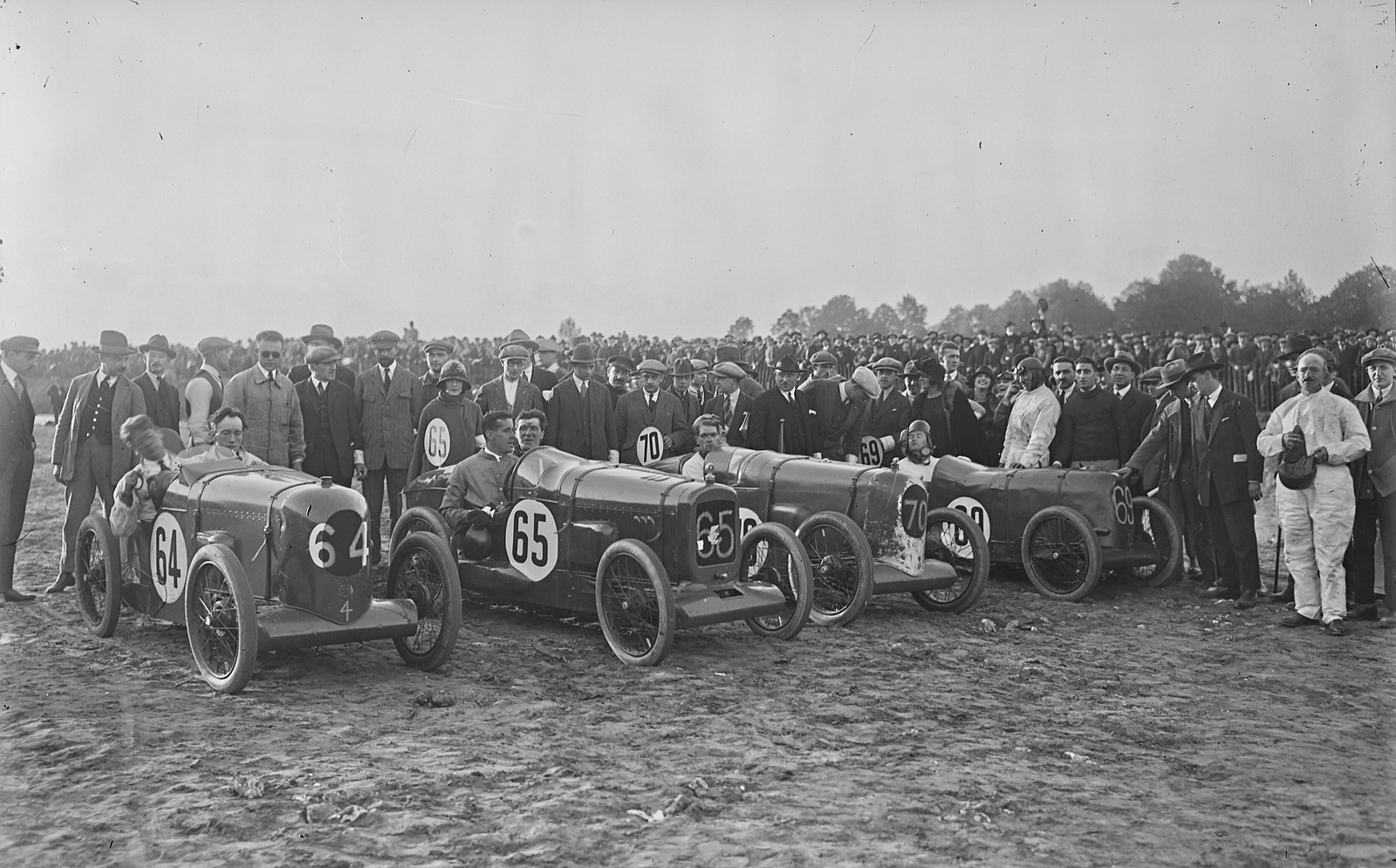
Plate III · 1924 E. C. Gordon England in his Seven, number 69, at Montlhéry in October 1924.Photo: Agence Rol, Public domain, via Wikimedia Commons

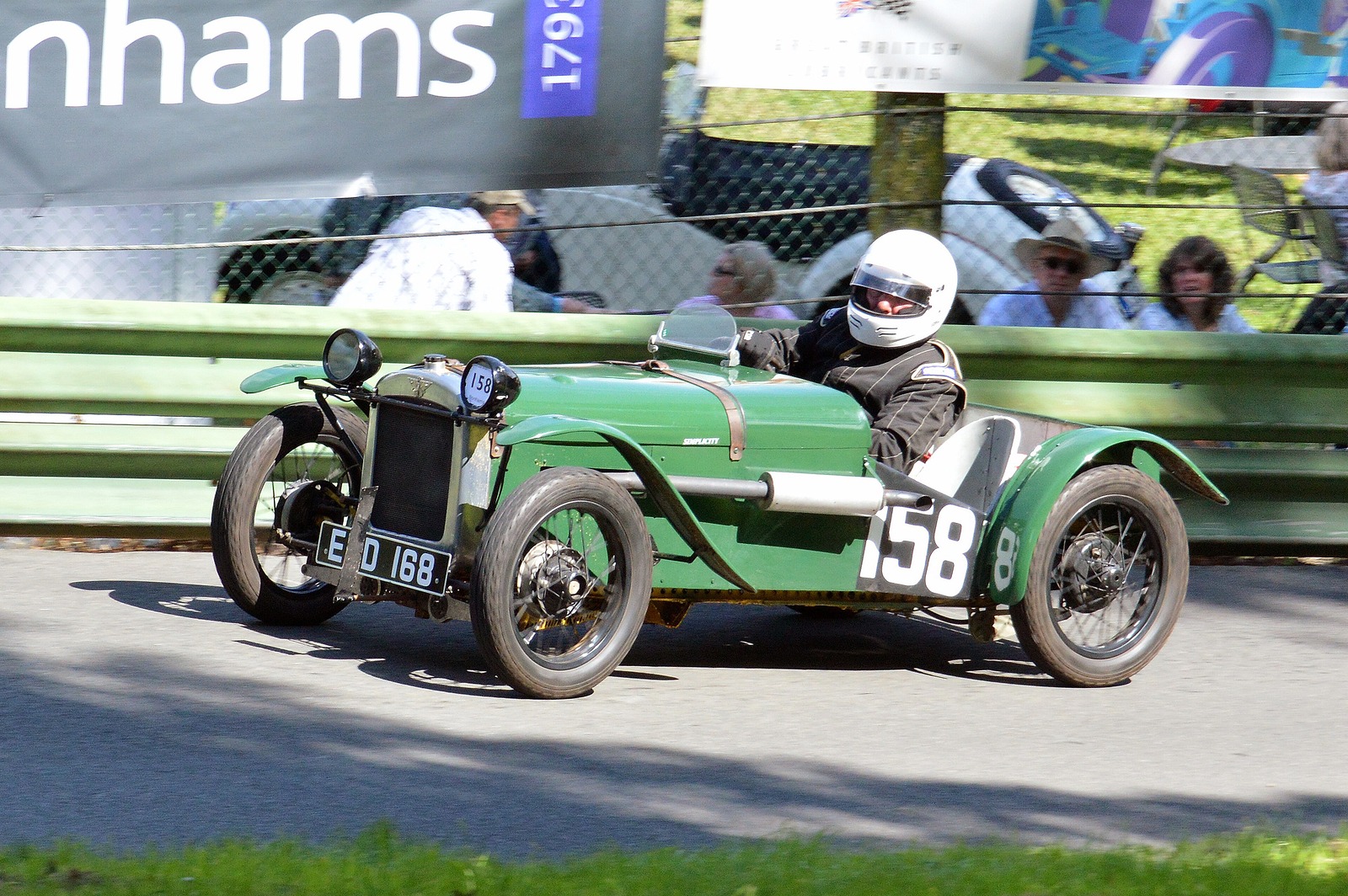
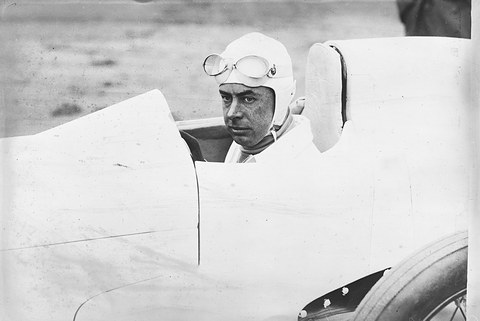
The class wins kept coming. Zubiaga won the 750 cc race at Miramas on 27 June 1926, and Francis Samuelson was sixth overall at Boulogne that August.source 7 In 1928 Waite won the 100 Miles Road Race at Phillip Island, later counted as the 1928 Australian Grand Prix, and at the 1929 Tourist Trophy at Ards Archie Frazer-Nash was third and S. V. Holbrook fourth, which is how the sports model came to be called the Ulster.source 2
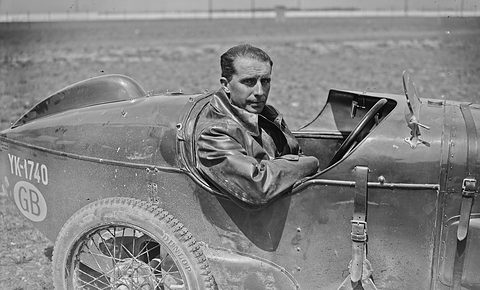
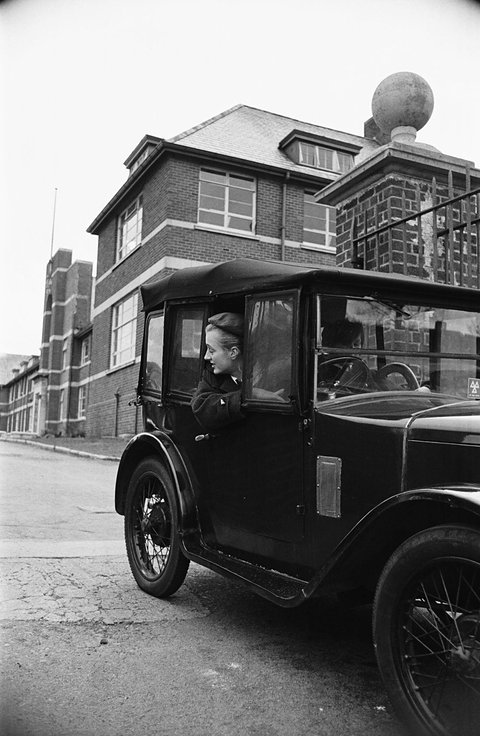
Black and white photograph of a driver in a leather coat sitting in a streamlined racer with GB and number plates.
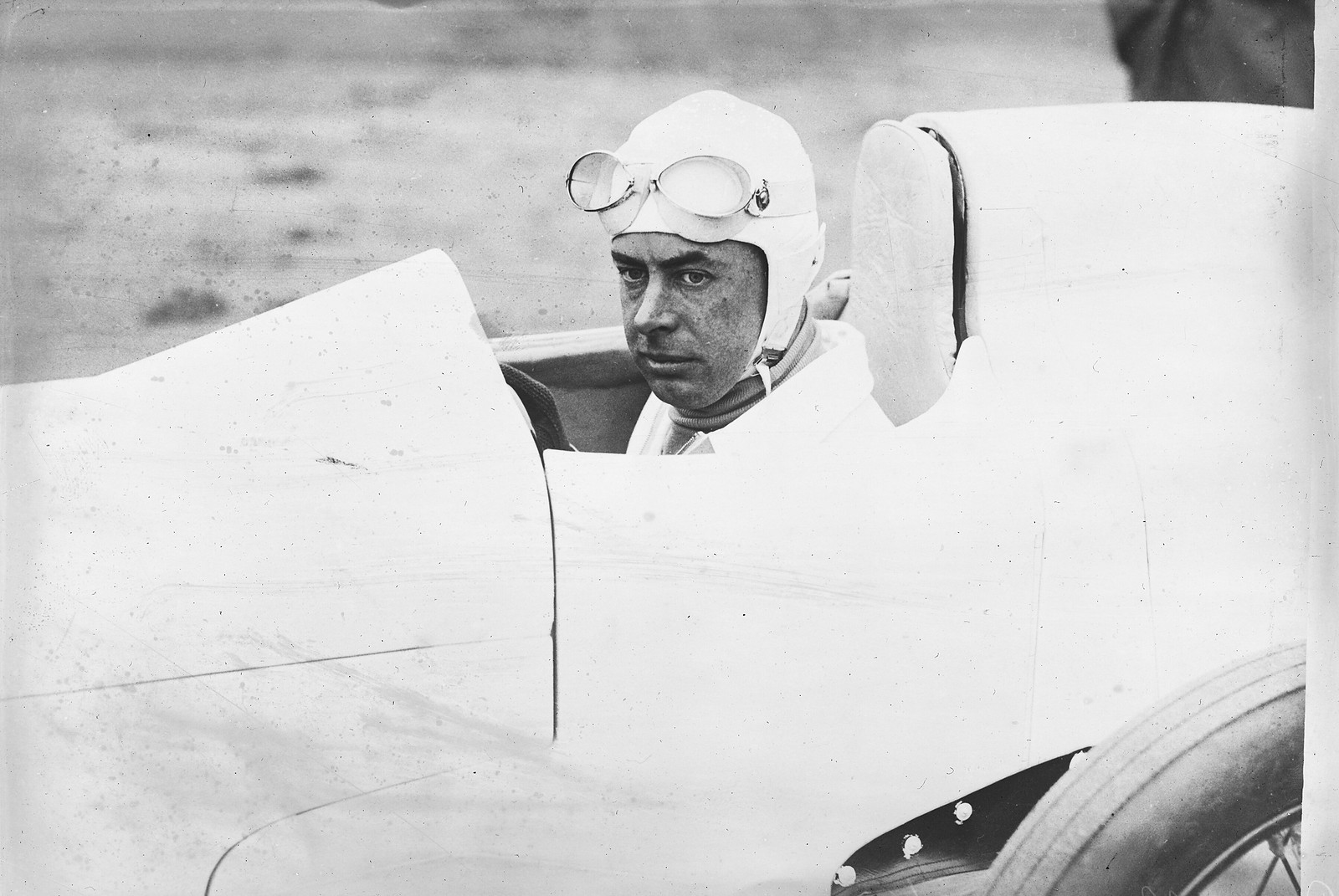
Plate IV · 1926 Zubiaga in his Seven before the 750 cc race at Miramas, June 1926, which he won.Photo: Agence Rol, Public domain, via Wikimedia Commons

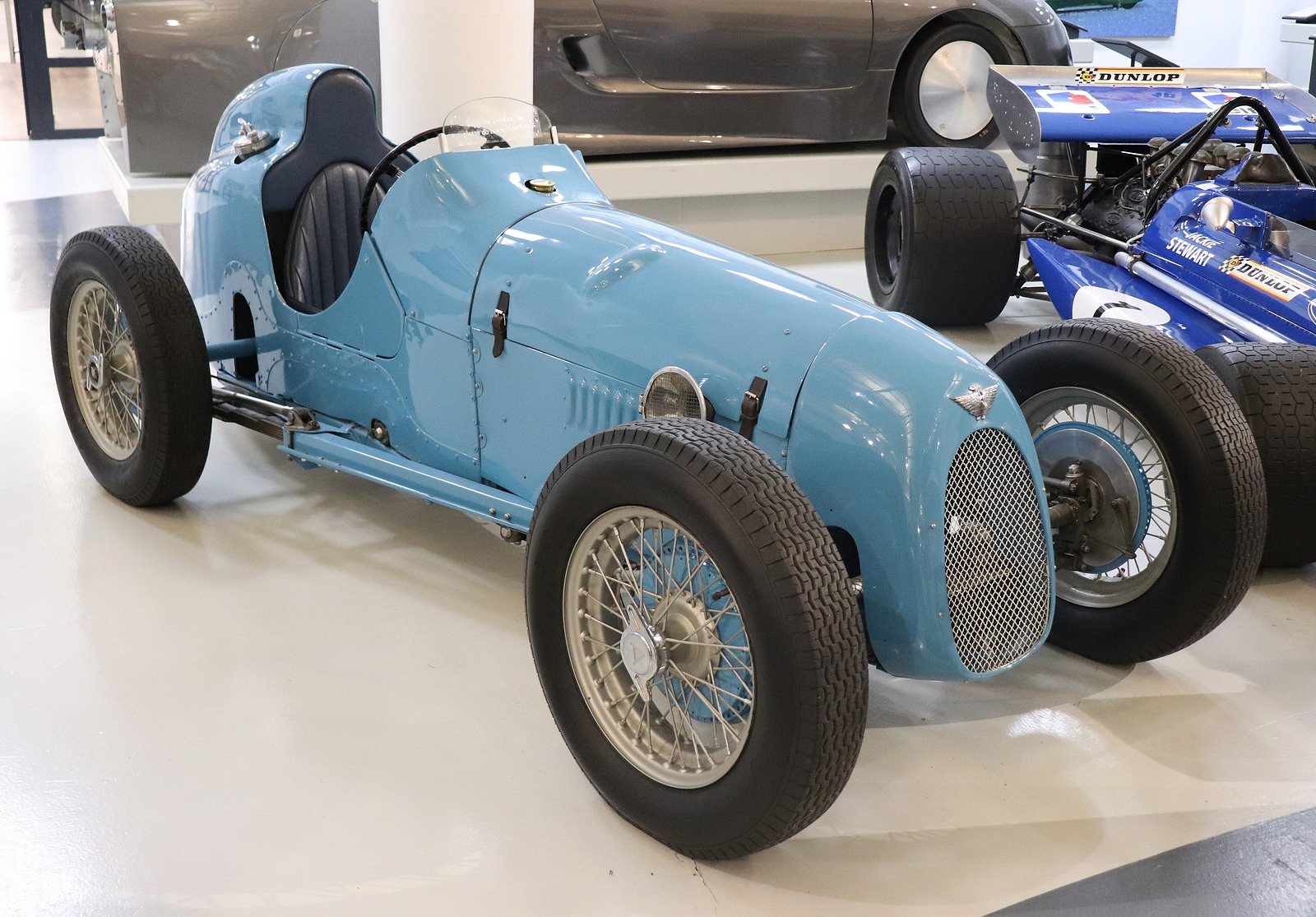
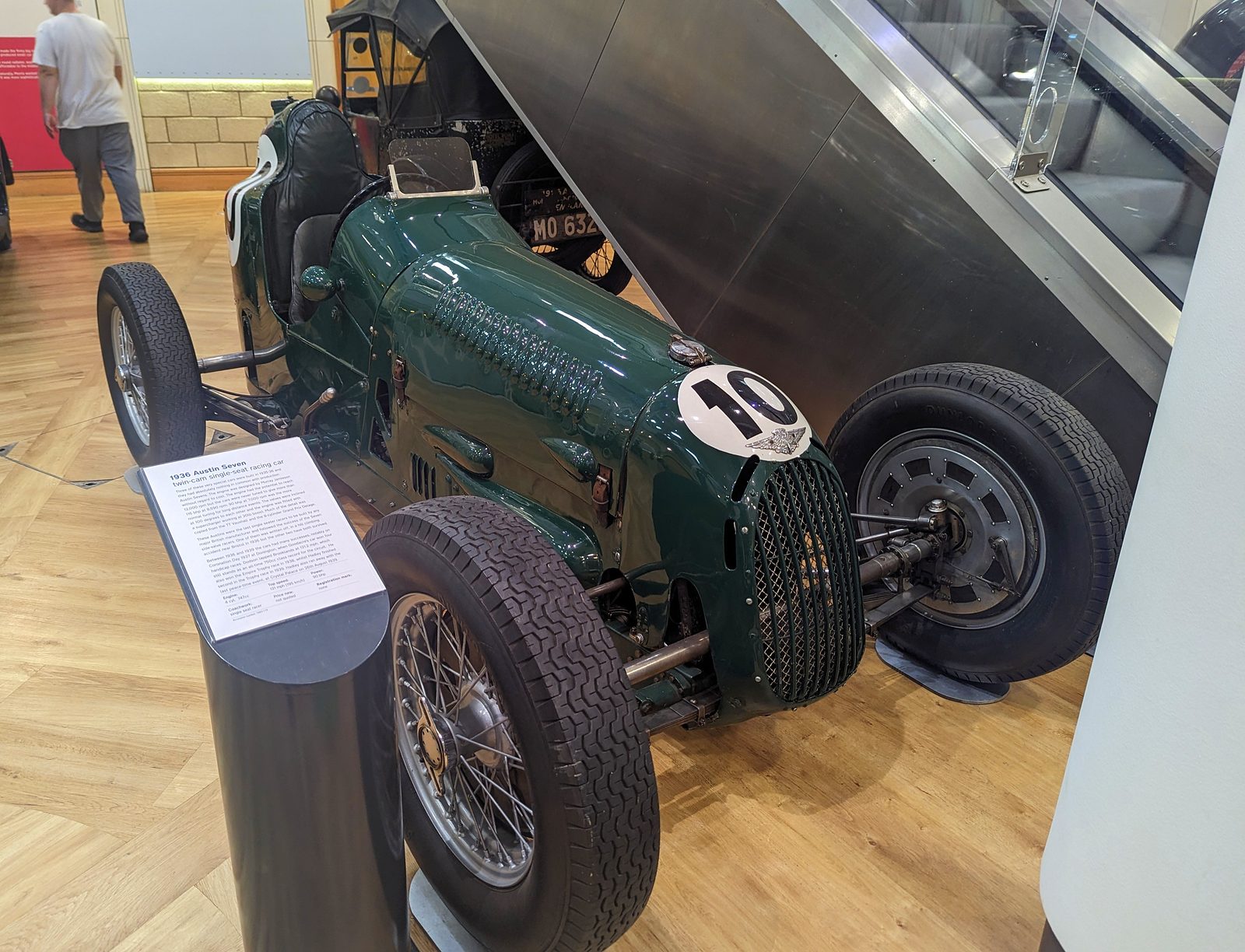
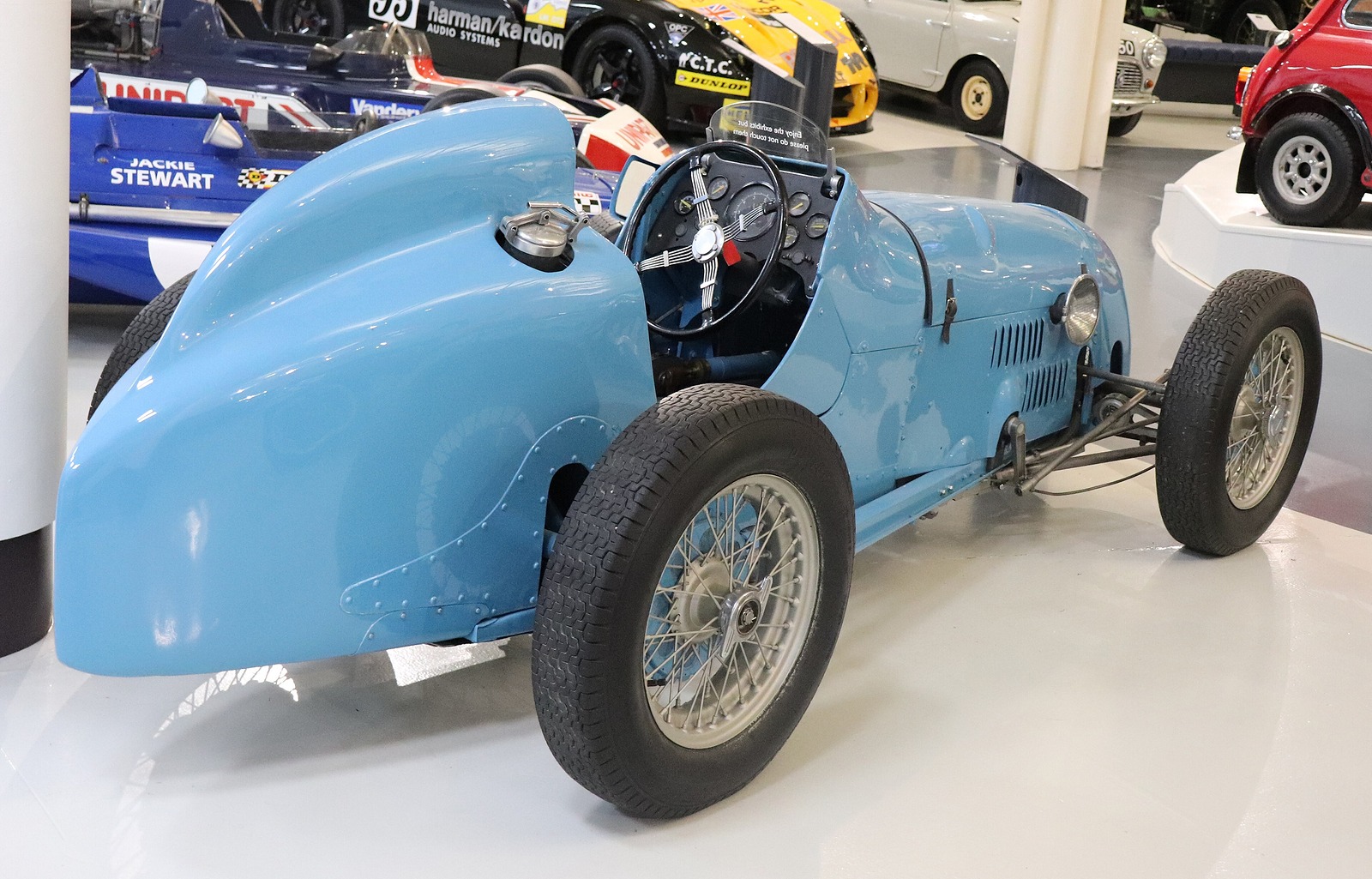
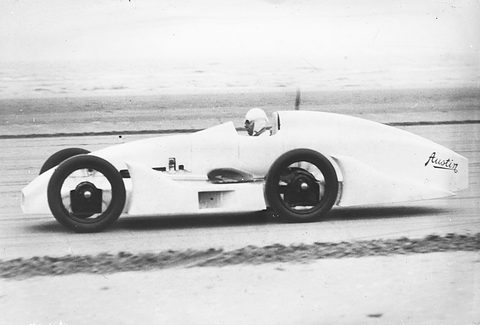
In the 1930s the works cars ran with superchargers and chased records. Malcolm Campbell took a class mile at Daytona at 151.3 km/h (94.03 mph) in 1931, and Leon Cushman went past 100 mph at Brooklands the same year. Gwenda Stewart set records from 5 km to 10 miles at Montlhéry at about 175 km/h (109 mph), and Pat Driscoll lapped the Brooklands outer circuit at 180.1 km/h (111.92 mph) at Easter 1934. In 1936 came Murray Jamieson’s twin-cam single-seaters, and at Shelsley Walsh a side-valve Seven driven by Baumer beat all three of them. Charles Dodson won the 1938 Empire Trophy at Donington in a twin-cam, and Kay Petre set the ladies’ record at Shelsley Walsh in a works Austin.source 8 In 1947, with the twin-cams standing idle, Bill Boddy pleaded for them in print:

We earnestly beseech the Austin Motor Co. Ltd., to run them in this season’s races and sprints, that British prestige may receive the uplift it so badly needs.

W.B. (Bill Boddy), “The Development of the Racing Austin Seven”, Motor Sport, April 1947.source 8

Closed cars and coachbuilders

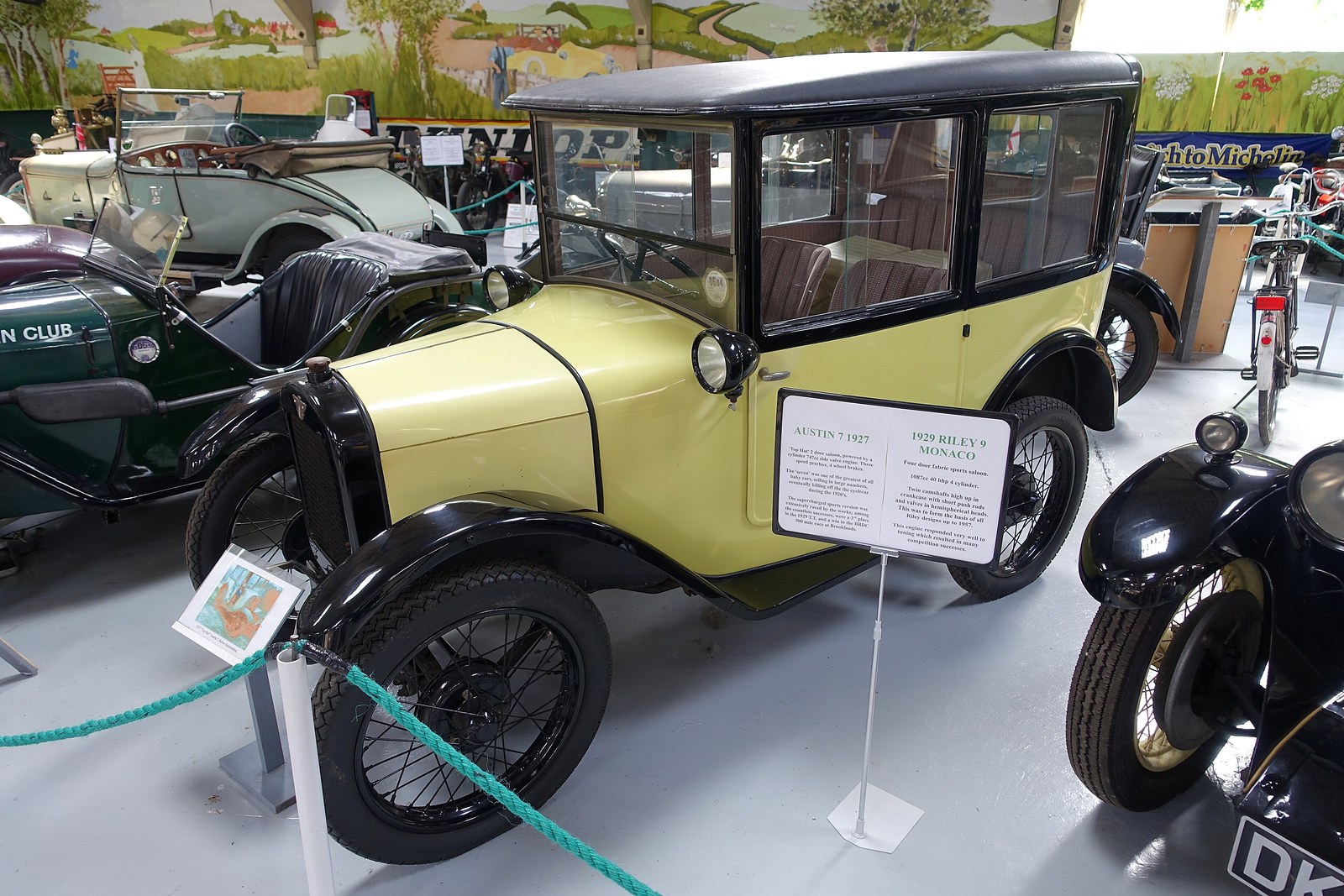
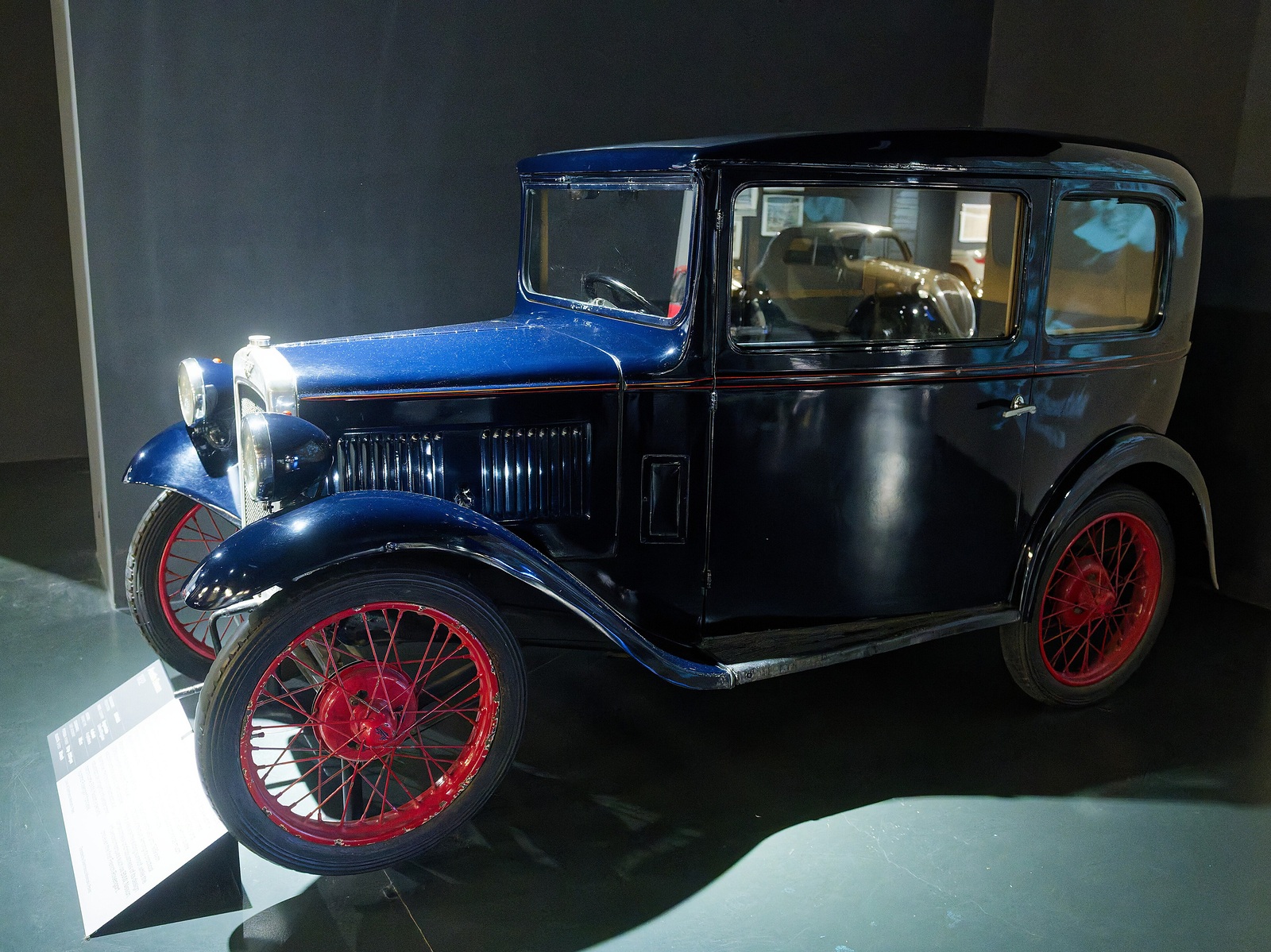
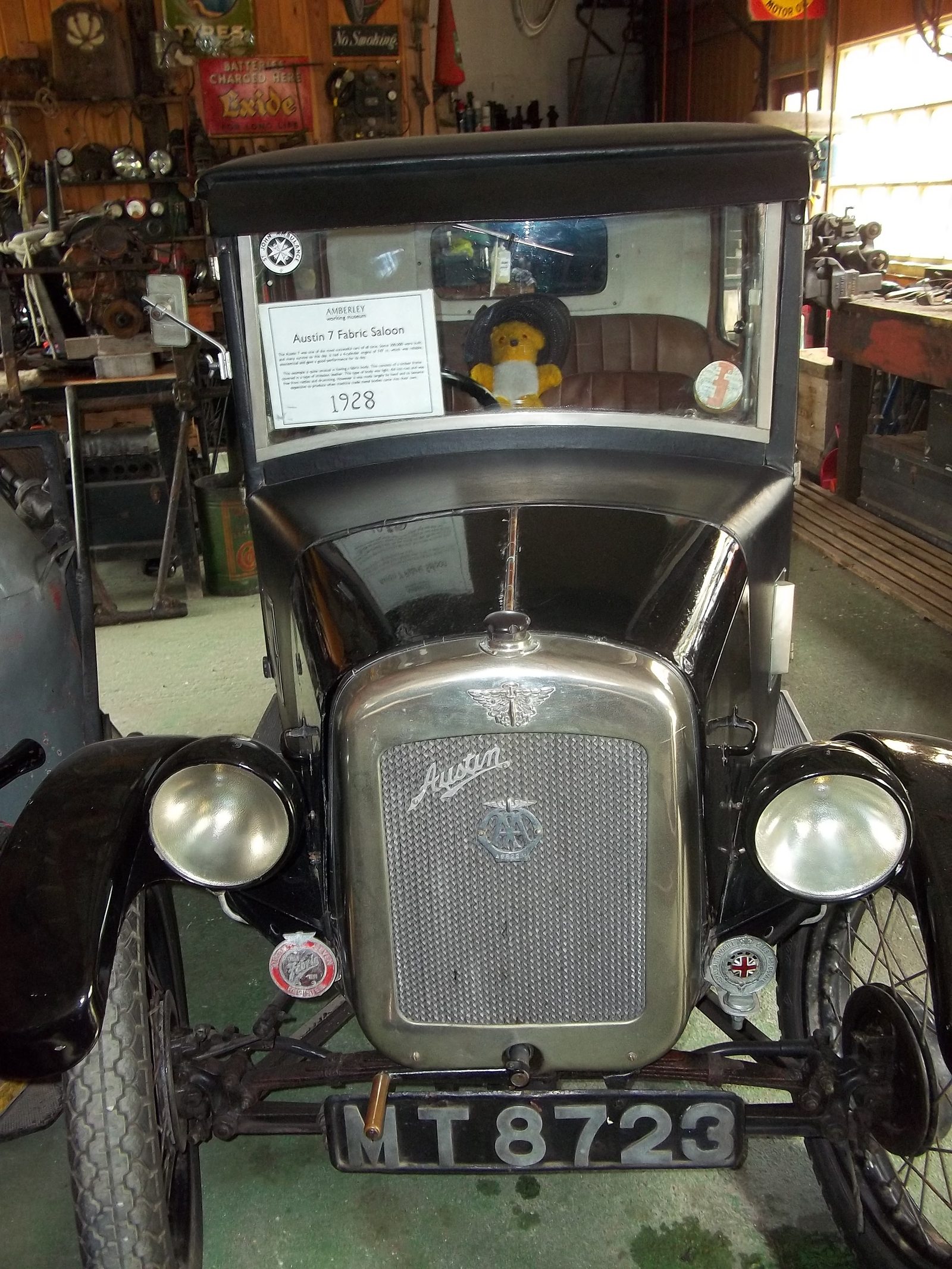
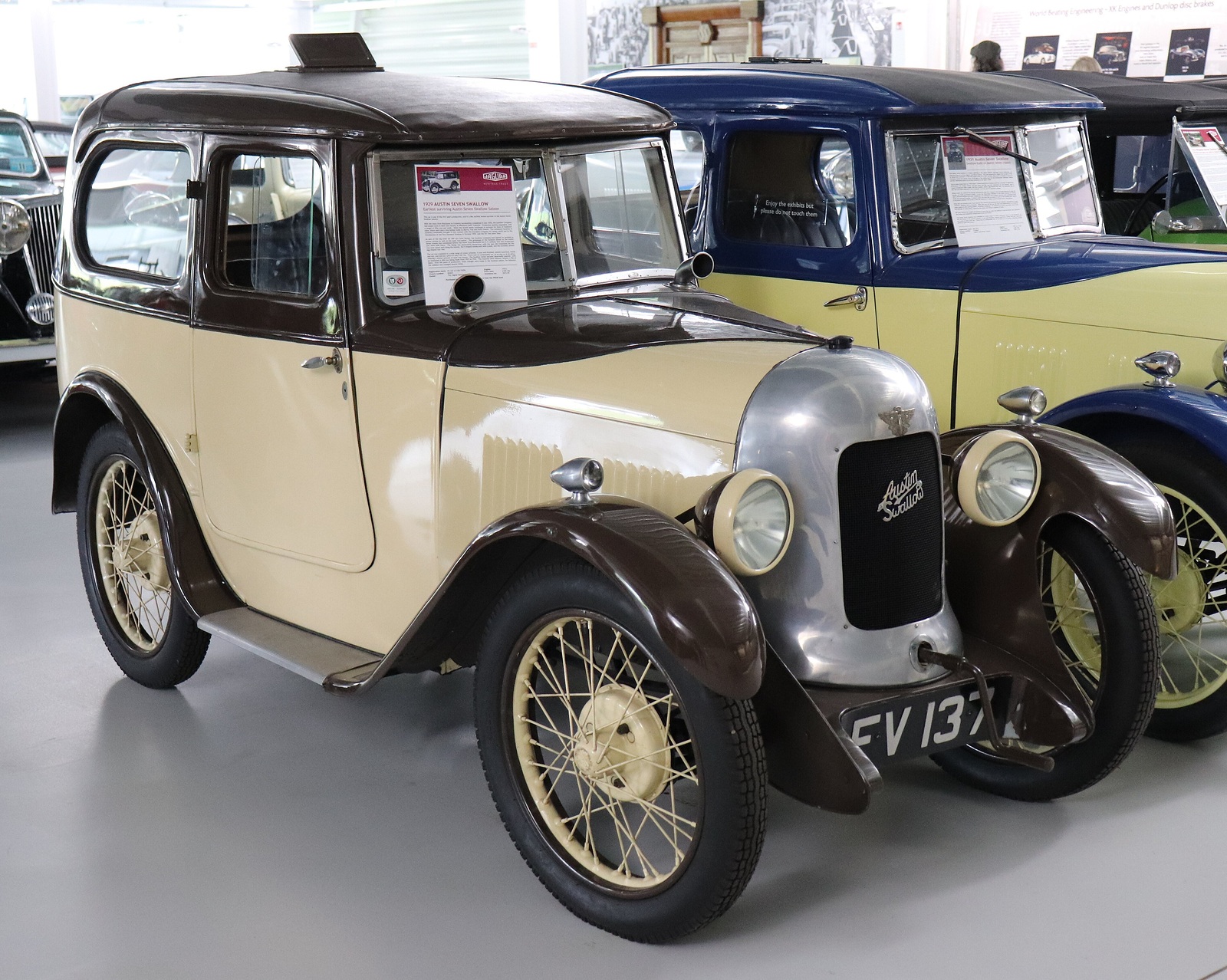
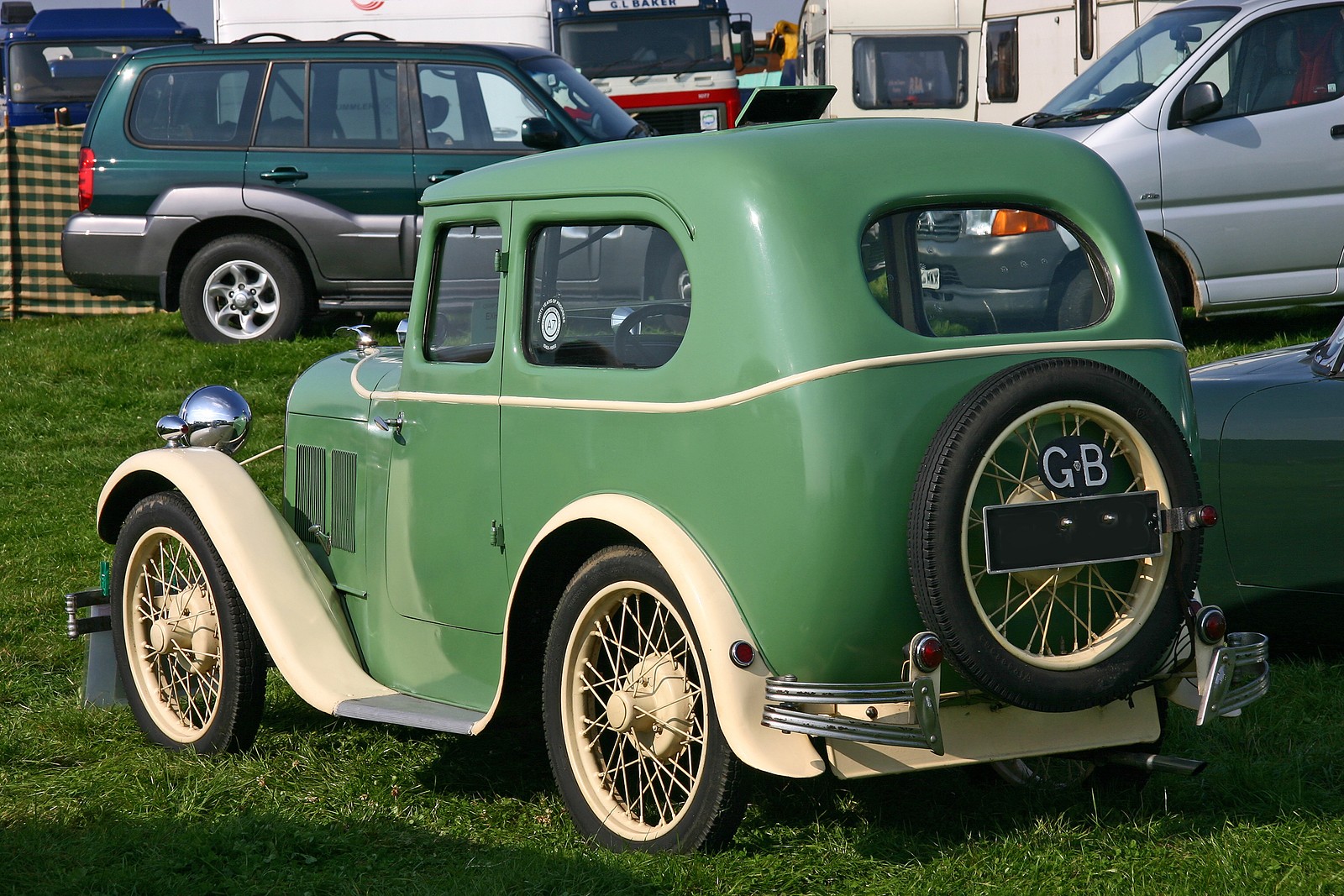
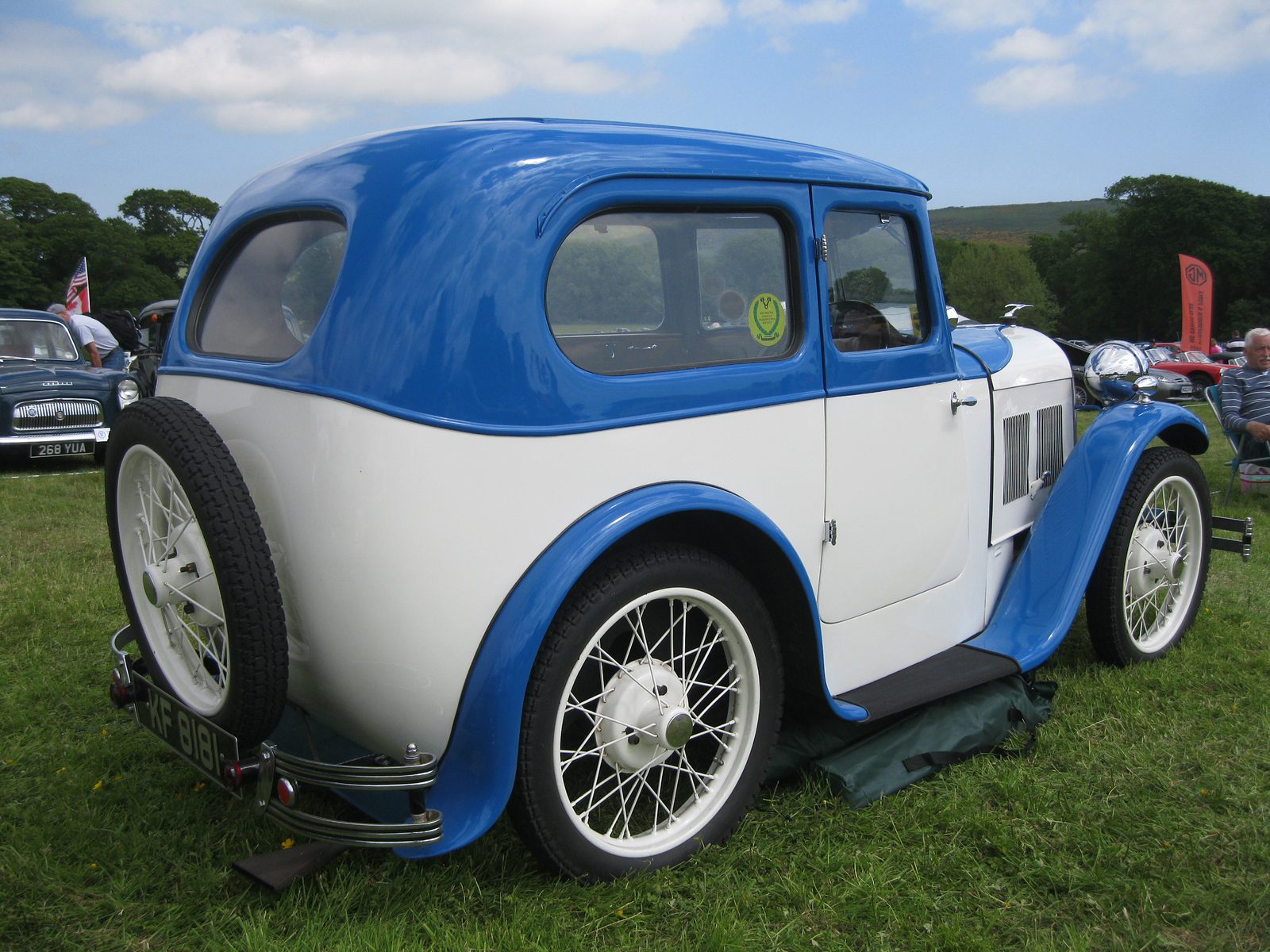
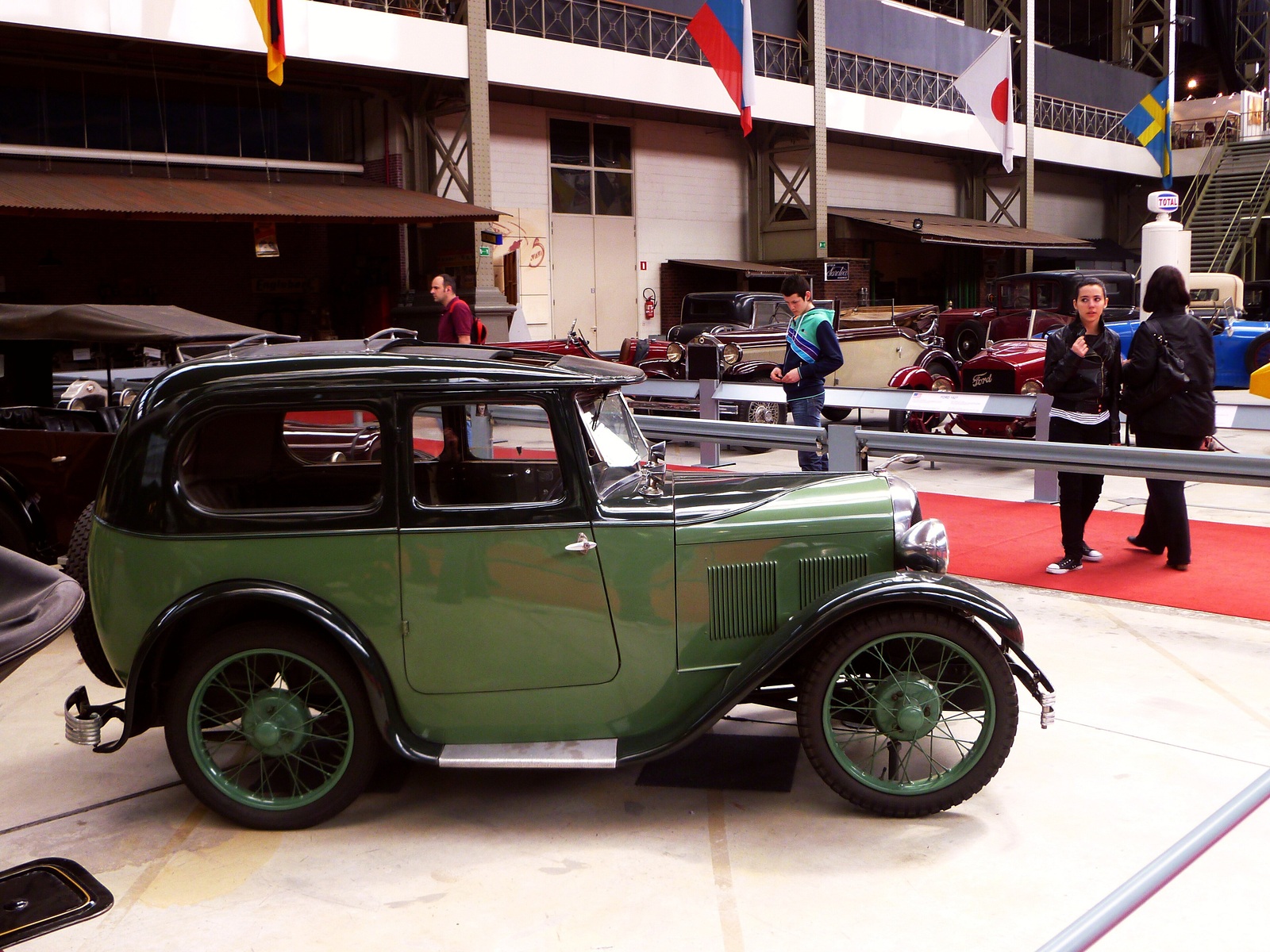
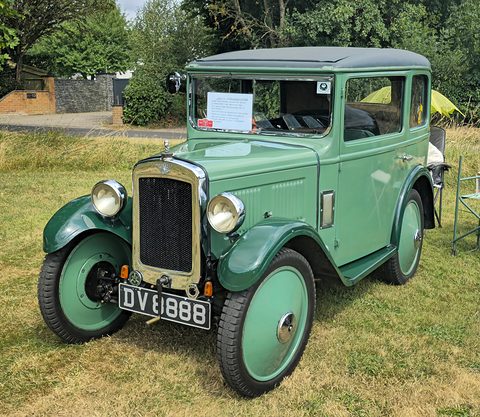
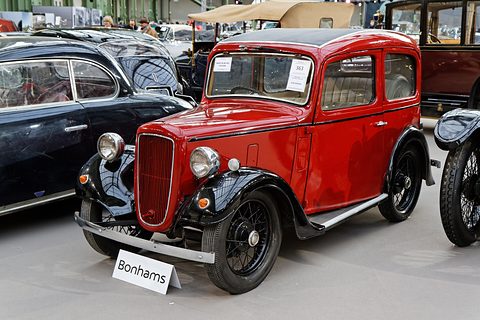
Gordon England was also an aircraft builder, and he built bodies on aircraft principles, in Rexine over a wooden frame (more on the aircraft makers page). His fabric saloon, often called the Doctor’s Saloon and said to be the smallest closed car in the world, showed in 1926 that people wanted a Seven with a roof.source 1source 2 Austin’s own saloon followed in September 1926 at £165, steel-panelled by English Wikipedia’s account, though the same article’s table of body types lists the first R and RK saloons as aluminium or fabric. A fabric saloon stayed in the catalogue at £20 more until fabric went out of fashion in the early 1930s.source 1source 2

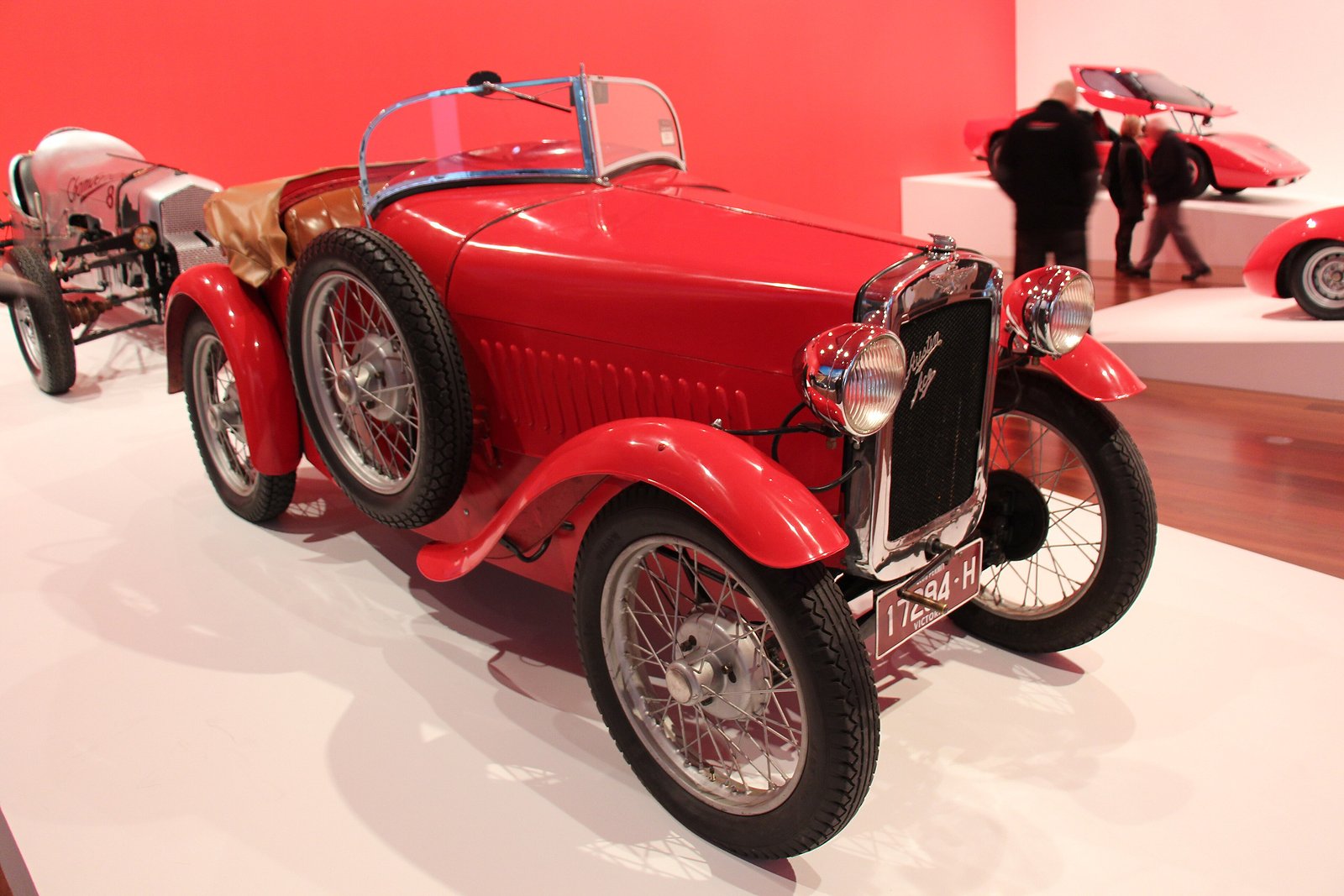
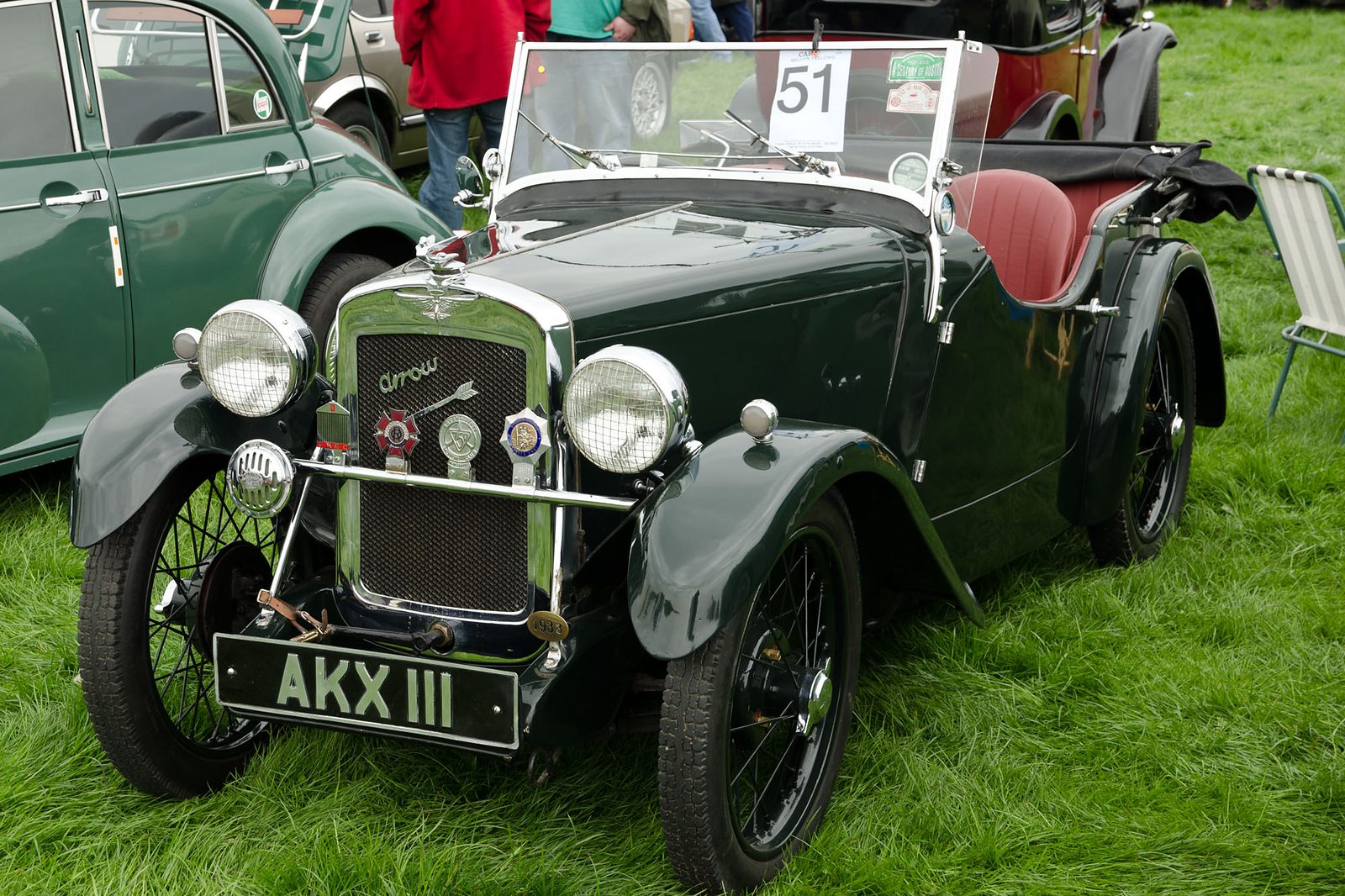
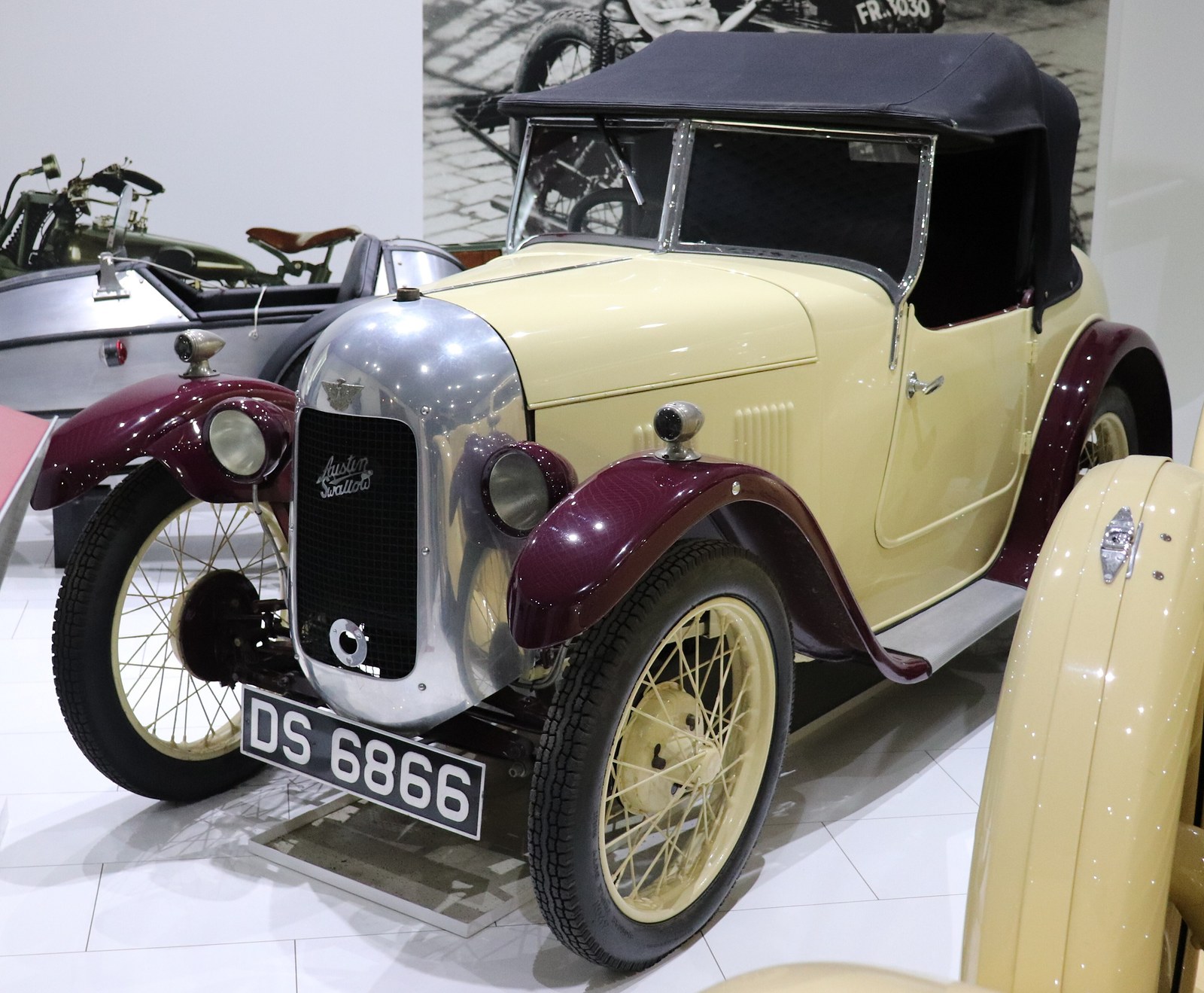
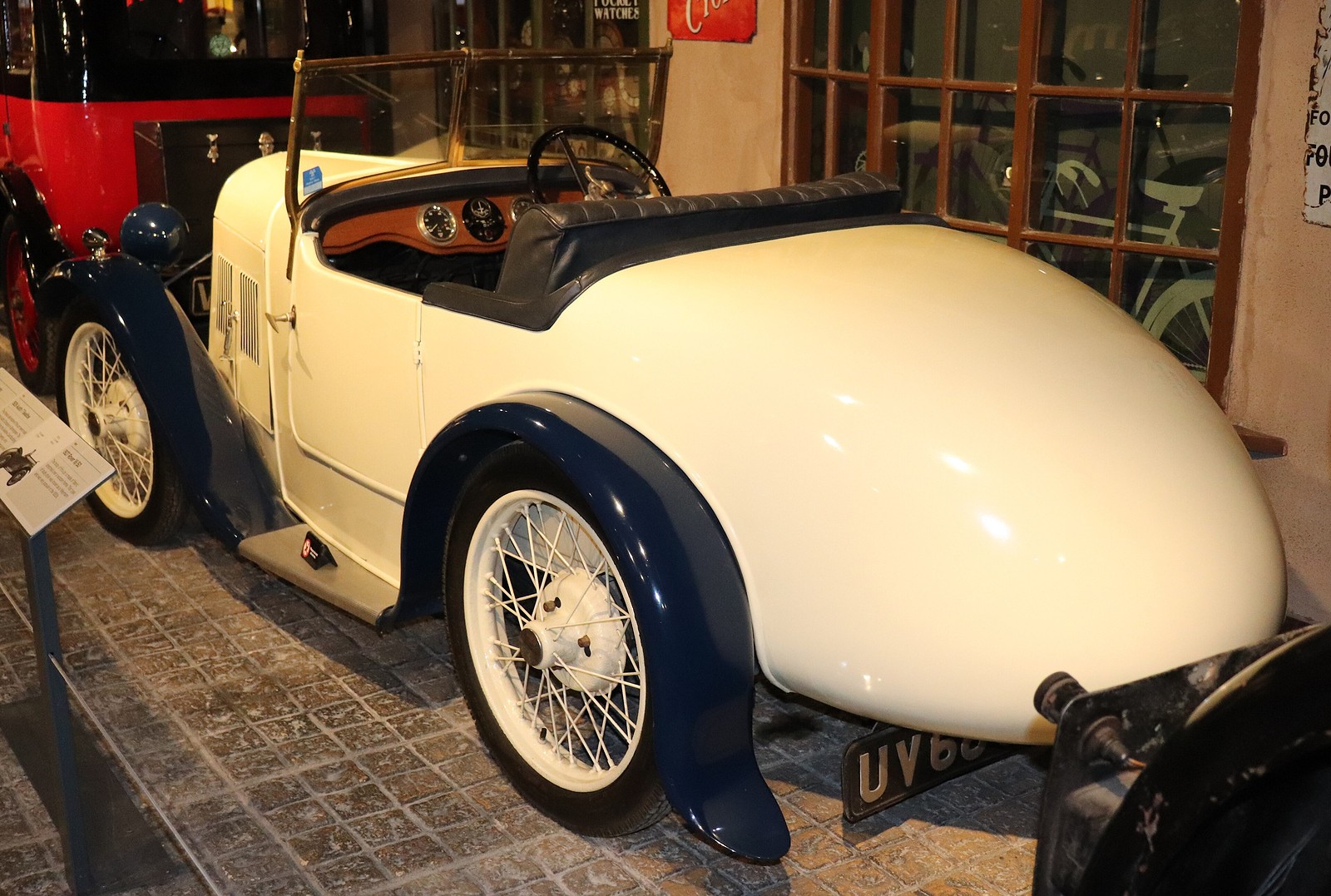
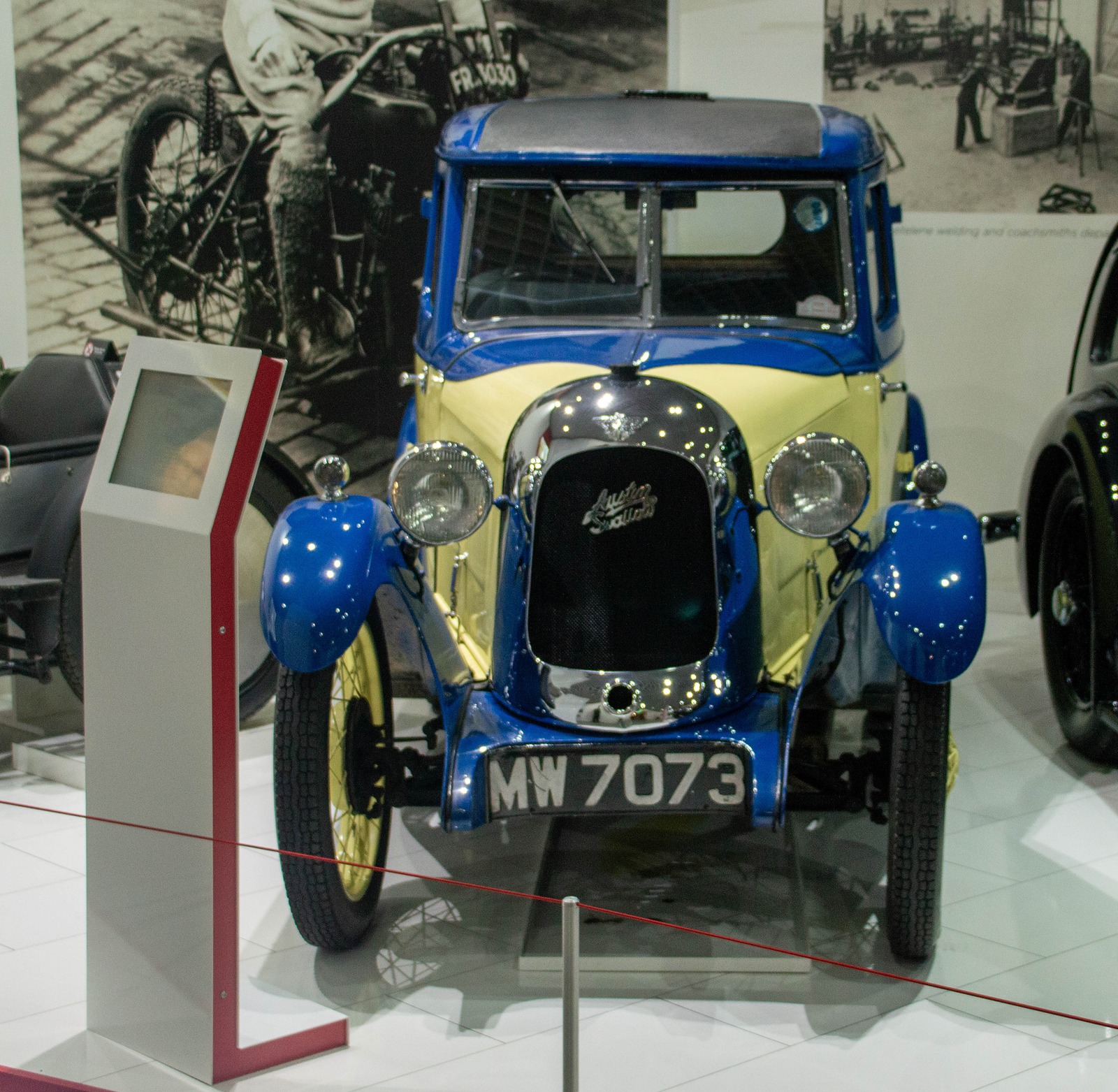
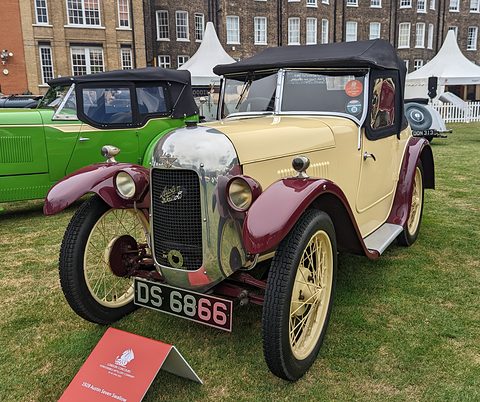
In 1927 William Lyons of the Swallow Sidecar Company bought a Seven chassis from Parkers of Bolton and had Cyril Holland build a two-tone open two-seater on it, the Austin Seven Swallow, at £175. A Swallow saloon followed in 1928. About 3,500 Swallow bodies were made until 1932, and the demand forced the firm to move from Blackpool to Coventry in 1928, a step on the road to SS and Jaguar.source 2 Compton Sons & Terry built a sports coupé body called the Arrow.source 3 In Australia, Sevens arrived as rolling chassis and were bodied locally, Holden’s Motor Body Builders the largest of the firms.source 2

The first BMW, and others

The Seven was built under licence in Germany, France and the United States, and emulated in Japan (see built under licence). In Germany, Dixi of Eisenach began building it in September 1927 as the Dixi 3/15; the first 50 were right-hand-drive cars made from Austin parts, the rest left-hand drive. From 1929 it was built as the BMW 3/15, the first BMW car, until March 1932: 9,307 Dixis and 18,976 BMWs.source 1source 2source 9 In France the Rosengart LR2 followed from 1928, the LR4 in 1931 and the Supercinq in 1935; François Lecot drove a production car 900 km a day for more than three and a half months, 100,000 km in all.source 10 In the United States the American Austin of Butler, Pennsylvania, with a body styled by de Sakhnoffsky, made about 20,000 between 1930 and 1934.source 11

Japan is a different case. The Lane museum and English Wikipedia say Nissan based the first Datsuns, the Type 10 and the Datsun Type 11 of 1931–⁠32, on the Seven, although not under licence; other authors call them licensed copies, and the question is disputed. Their engine was a 495 cc DAT, sized for Japan’s licence-free class of 1930, up to 500 cc, not the Seven’s 747 cc. Herbert Austin is said to have imported a Datsun in 1935, examined it and decided not to complain.source 1source 2source 12 Nissan’s agreement to build Austins came later, in 1952, and is a separate story.source 2

Ruby, and the end

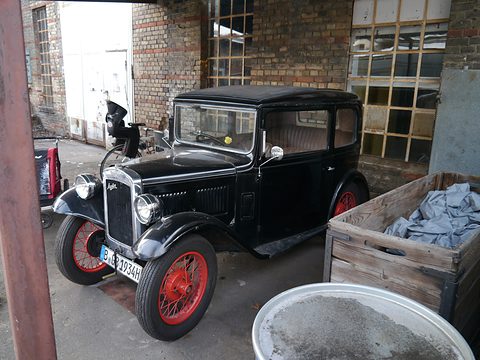
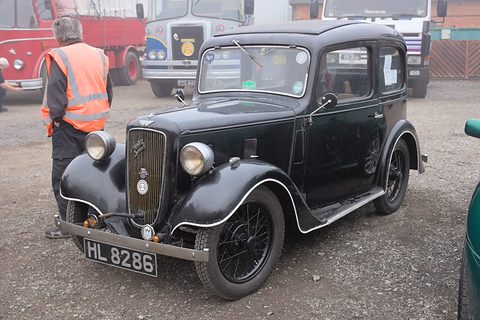
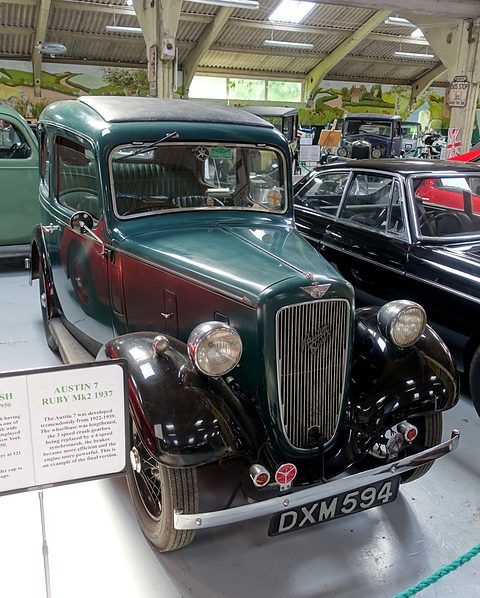
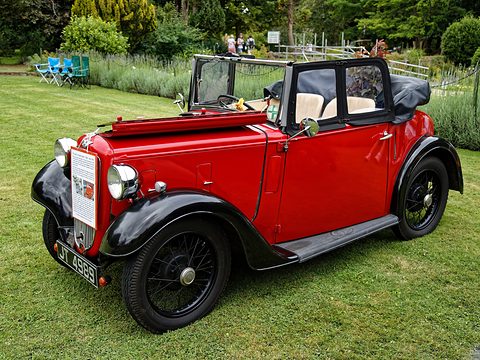
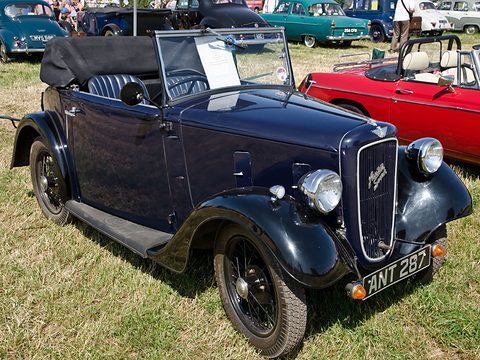
The Seven kept changing. Coil ignition came in 1928 and coupled brakes in 1930. Late in 1931 the chassis was lengthened by 152 mm (6 in), with a wider track at the back, and a four-speed gearbox followed in 1932, with synchromesh on third and top in 1933 and on second in 1934.source 2 The definitive 1930s Seven, the Ruby saloon, came in 1934, with a cabriolet, the Pearl, the Opal two-seater and the Nippy sports car; in 1936 the engine got a three-bearing crankshaft, and the Ruby became the New Ruby.source 2source 3 Output peaked at 27,280 in 1935.source 3
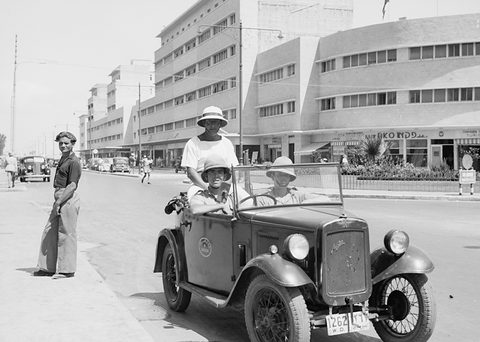
Black and white photograph of a small open tourer with uniformed men aboard on a wide street of modern buildings.
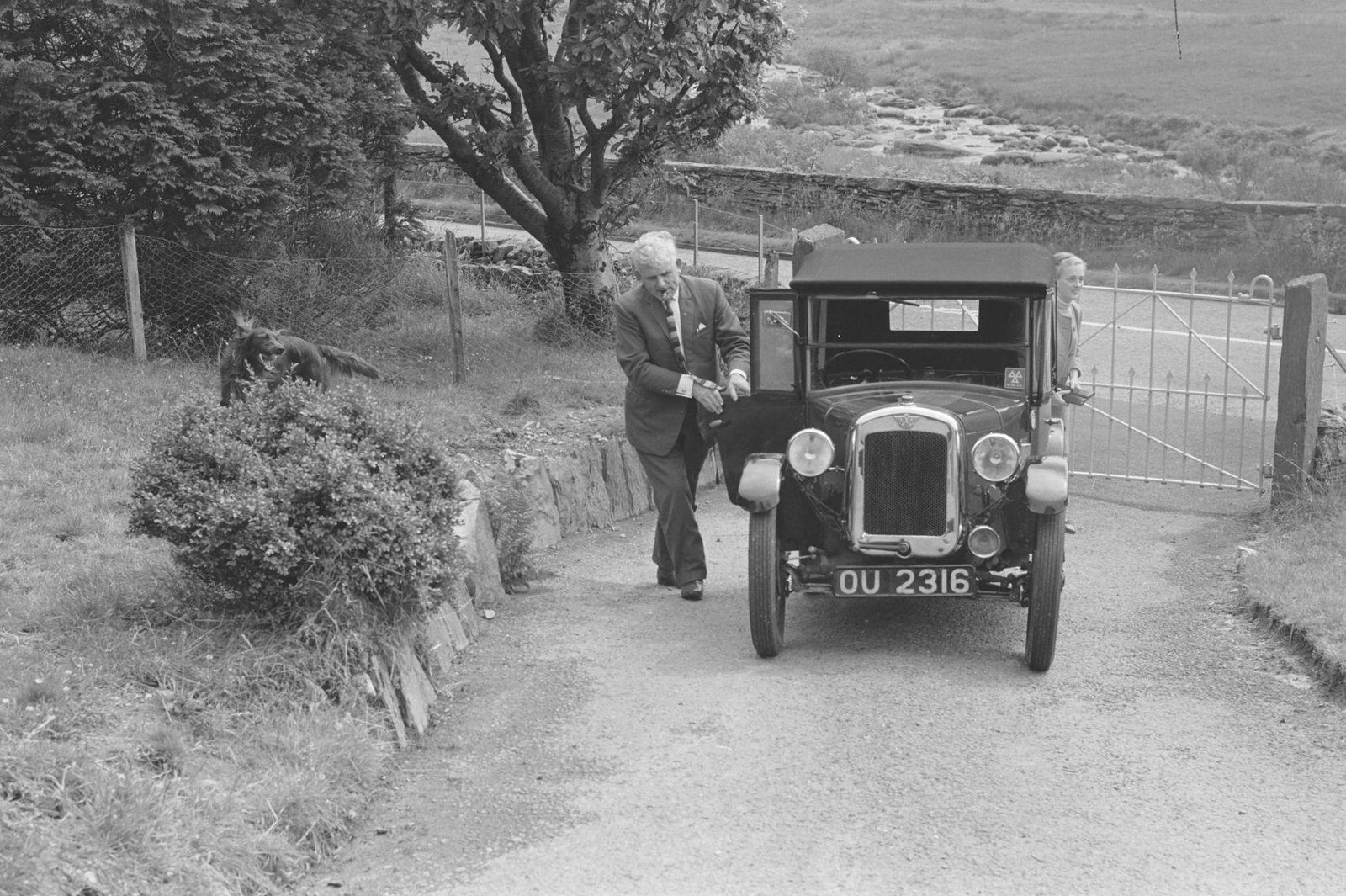
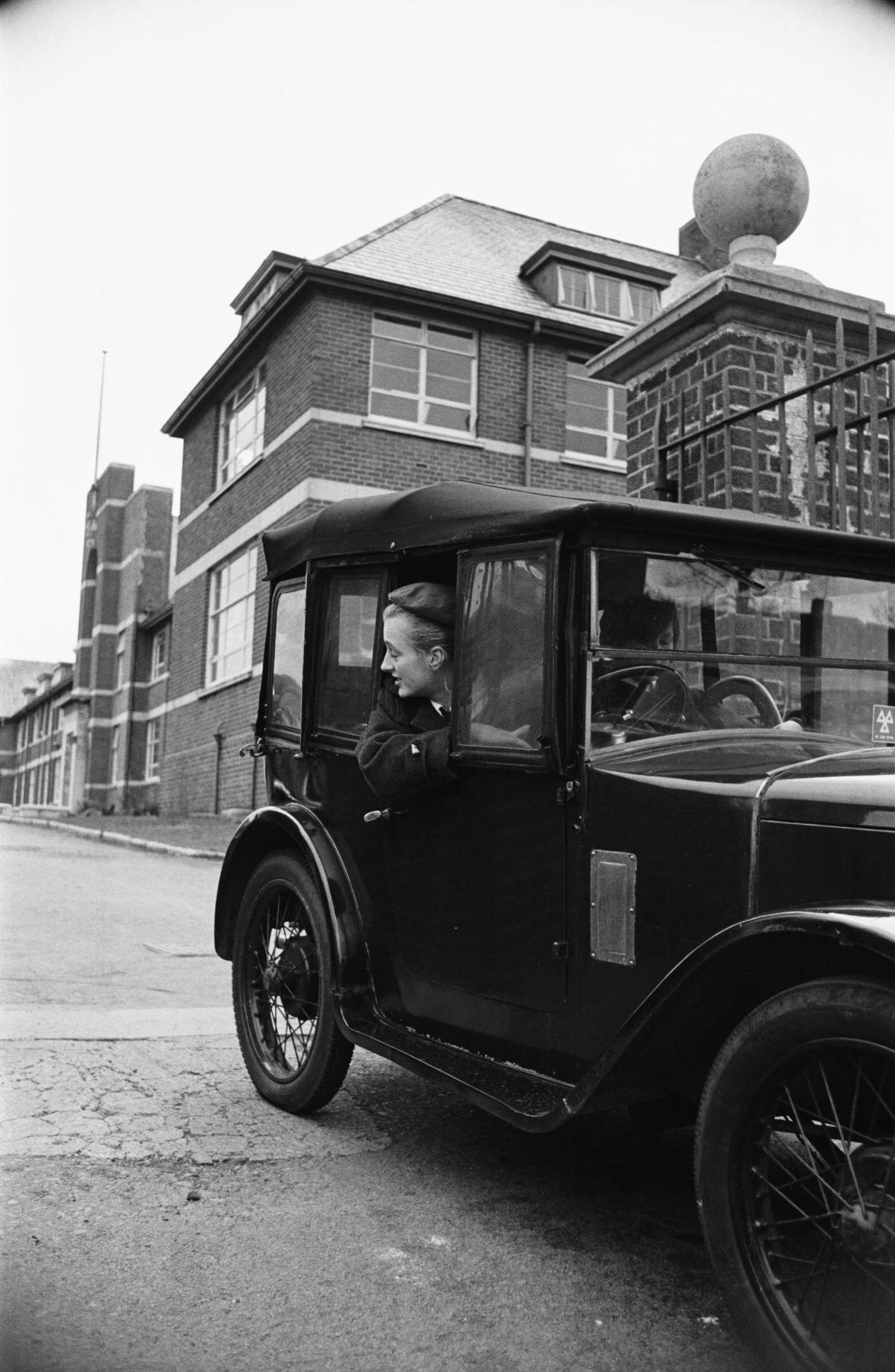
Plate V · 1938 A Seven tourer on Kings Way, Haifa, during a patrol in 1938.Photo: American Colony Photo Department (Matson Collection), Public domain, via Wikimedia Commons

Then it fell away: 8,500 in 1938, 1,000 in 1939, and production stopped.source 3 The Big 7 and the Austin 8 took its place.source 2 The engine lived on, at first in a derivative and then in a copy that Reliant built for its three-wheelers until about 1962–⁠63.source 2source 3 Austin brought back the name twice, for the A30 in 1951 and for the Mini, sold at first as the Austin Seven, in 1959.source 2

The 750 Motor Club

Even before production stopped, the Seven had found its next life. In February 1939 Bill Boddy proposed in Motor Sport a club for owners of Austin Sevens and other 8 hp cars, and 19 replies came within a week.source 13source 14

The obvious cure seems to be to found the Seven-Fifty Club exclusively for Austin Seven owners, and run sensible trials for these fascinating babies.

Bill Boddy, Motor Sport, February 1939, as quoted in the same magazine in September 1989.source 13

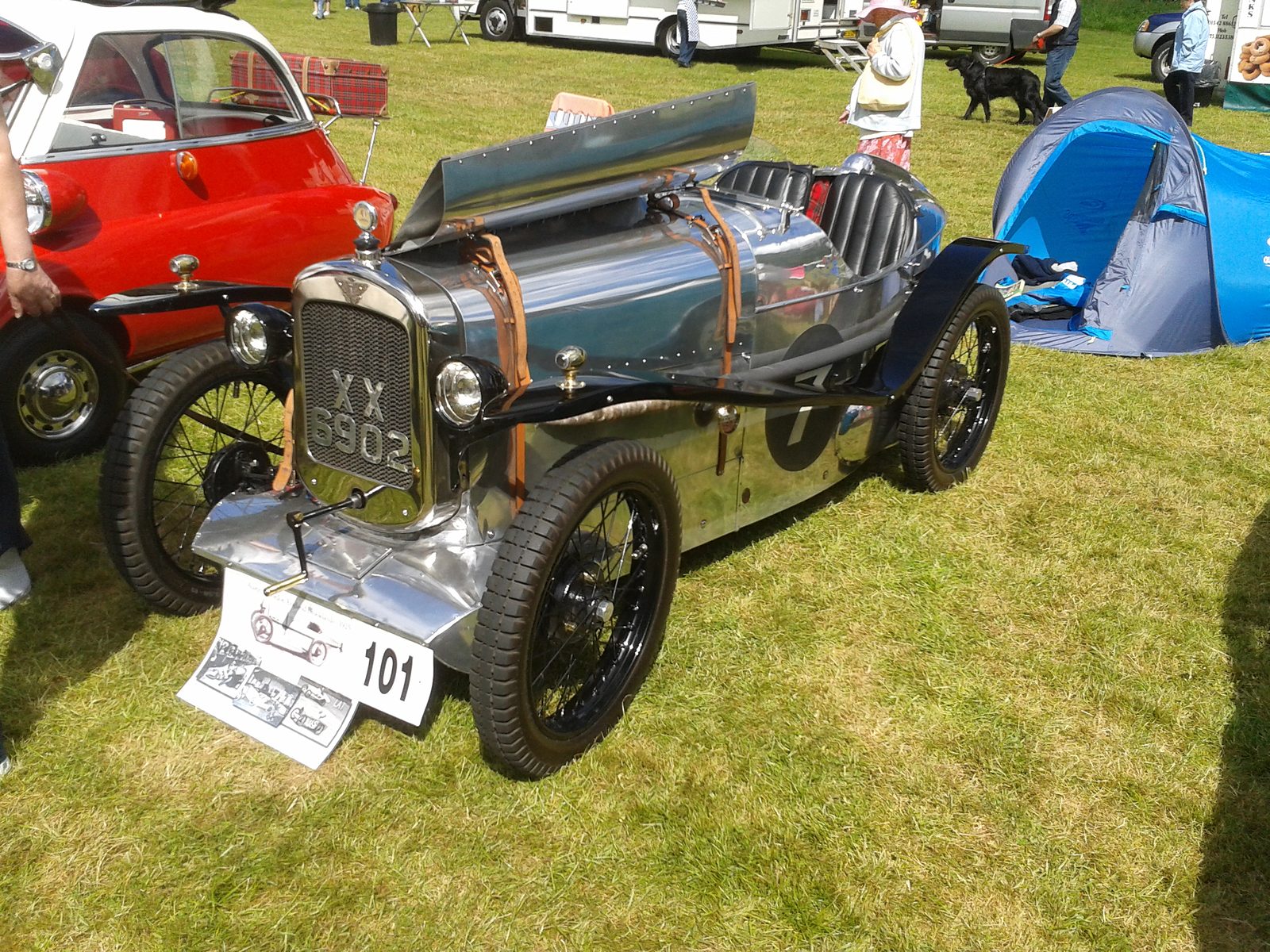
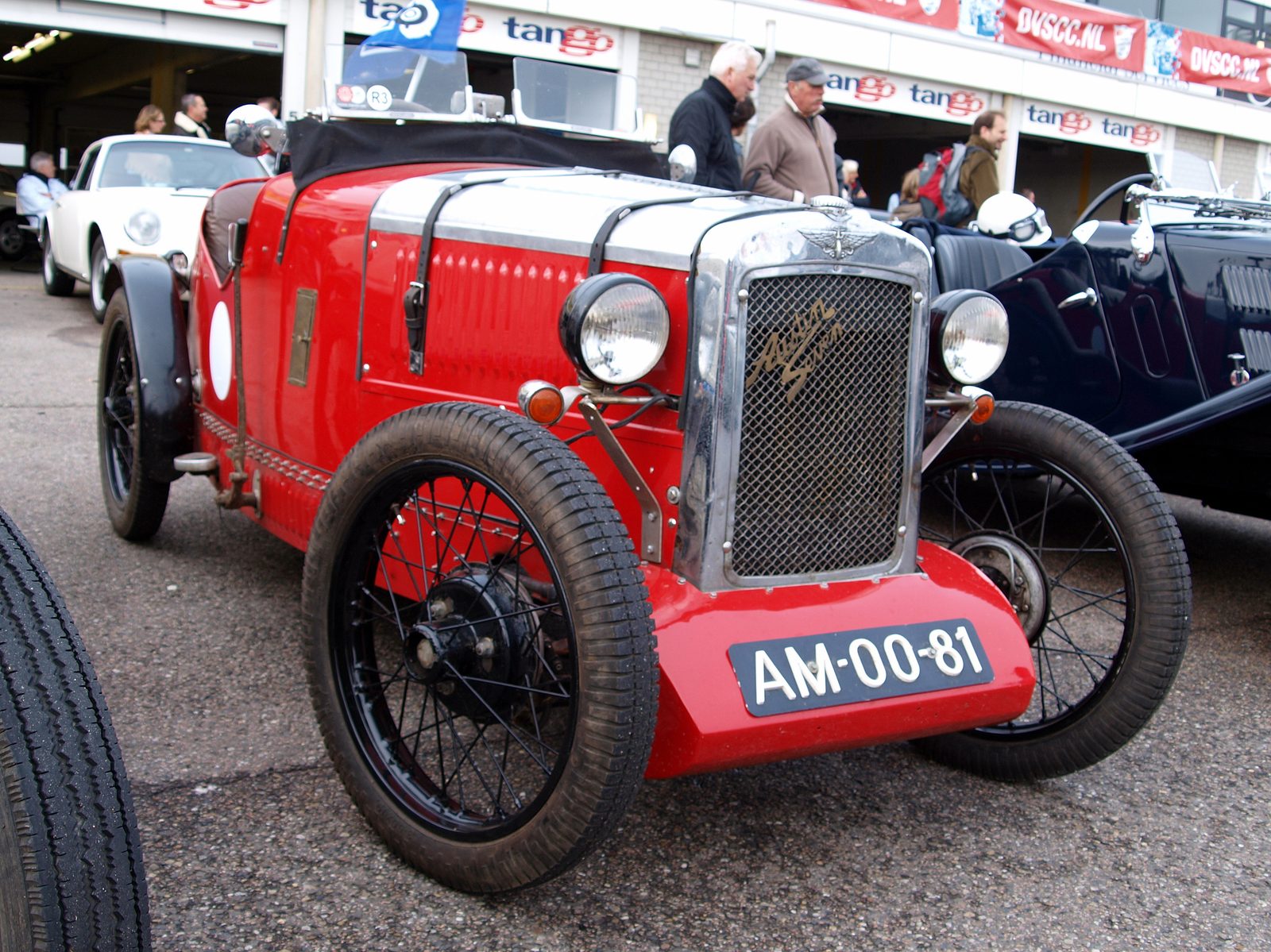
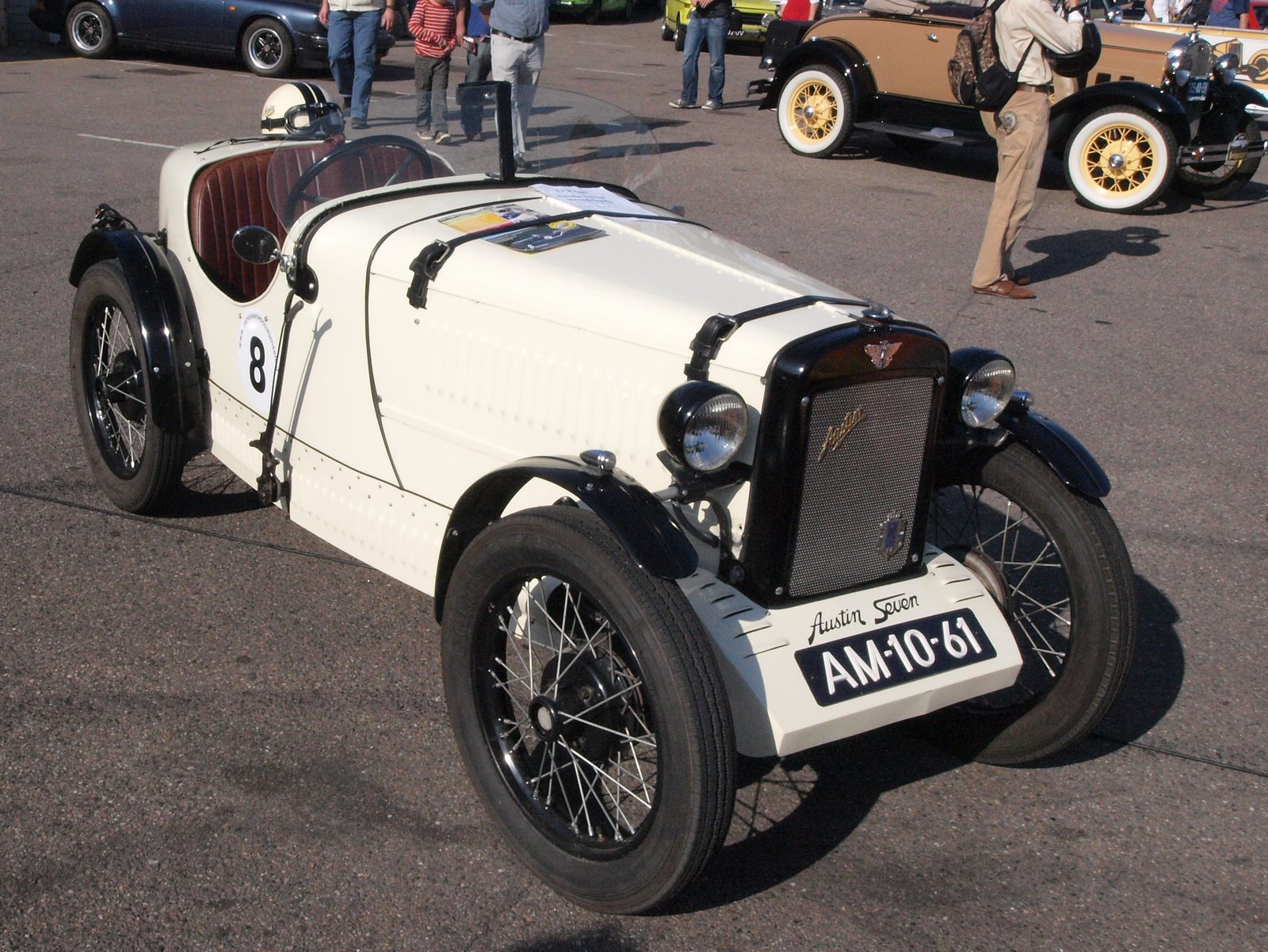
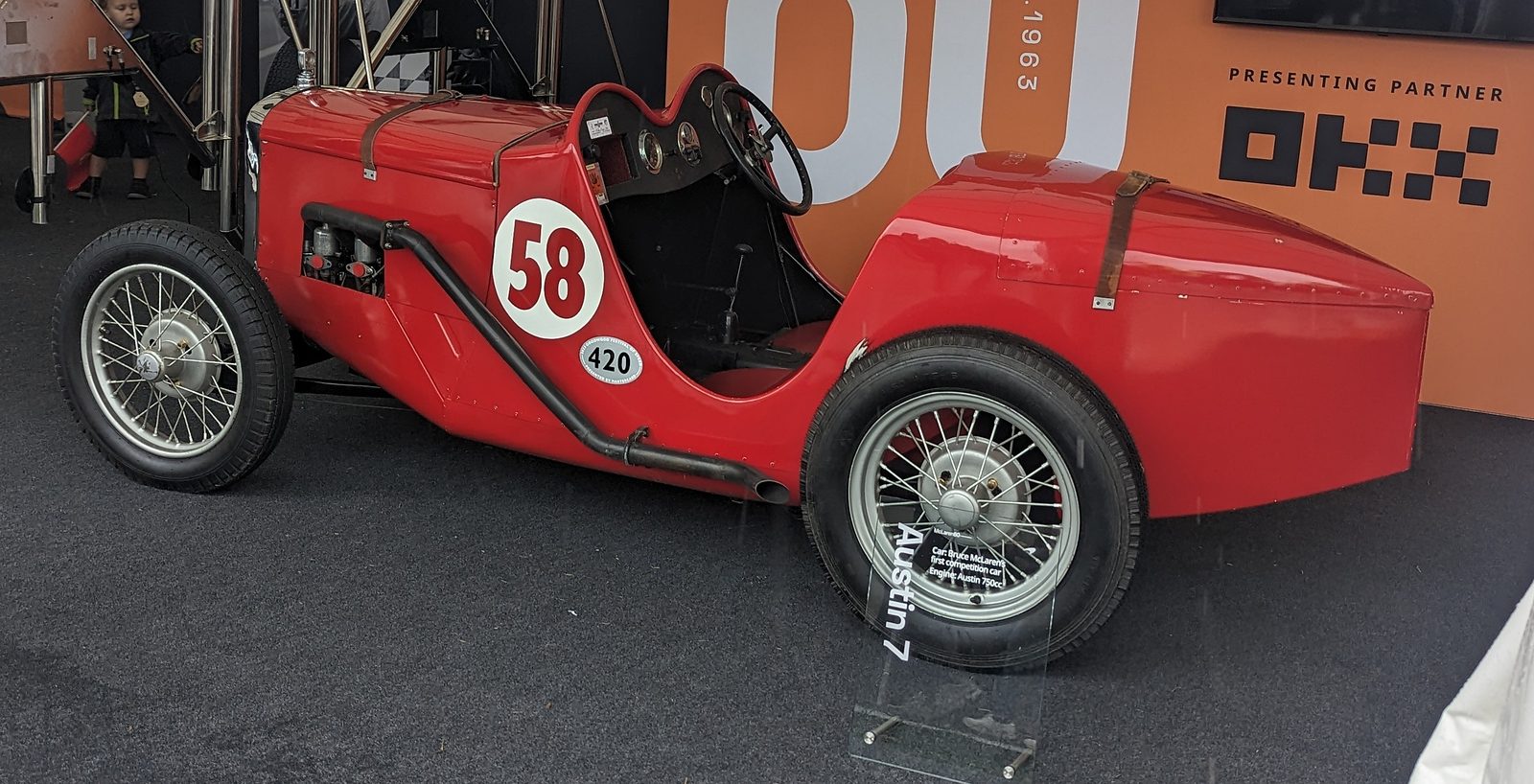
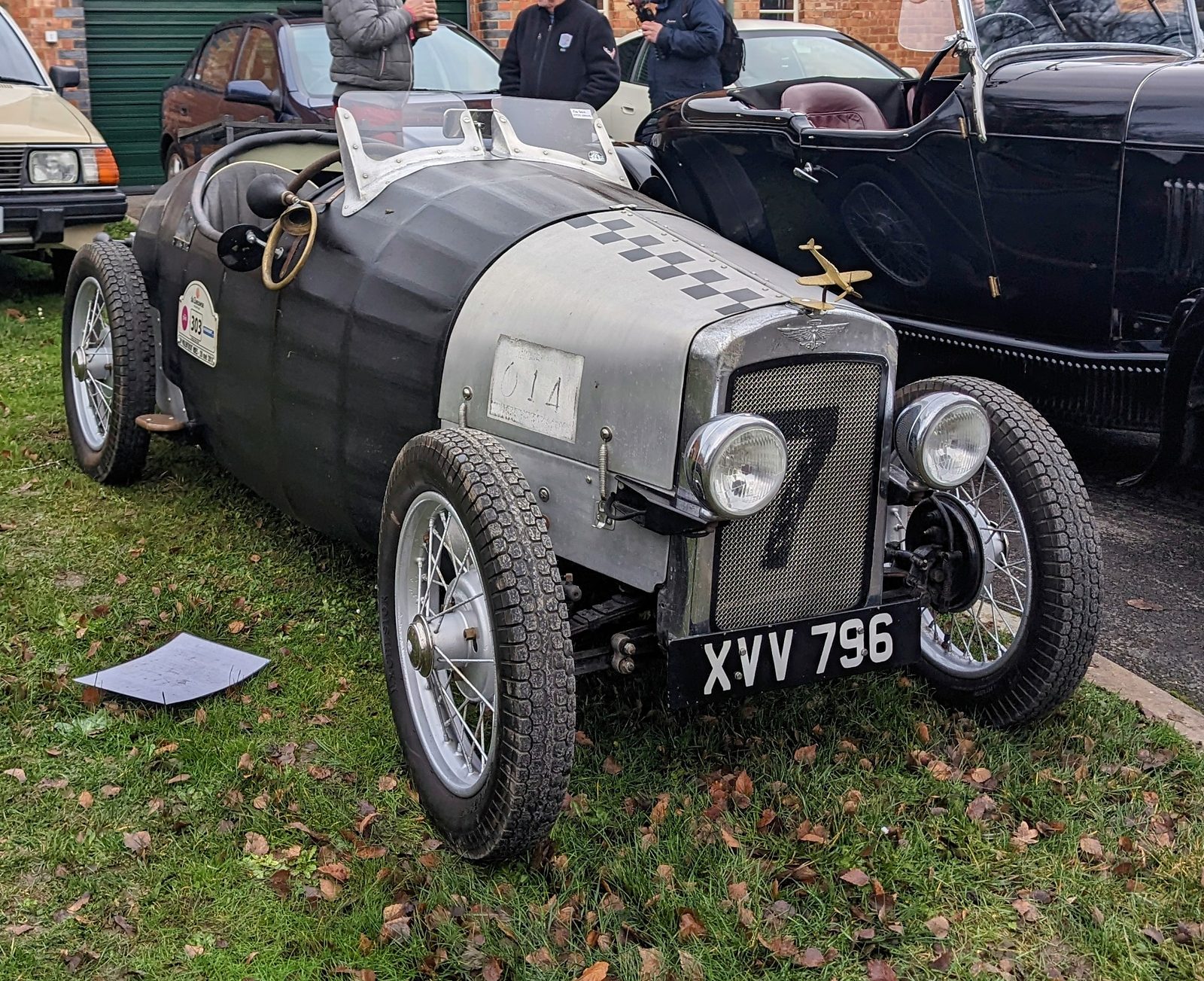
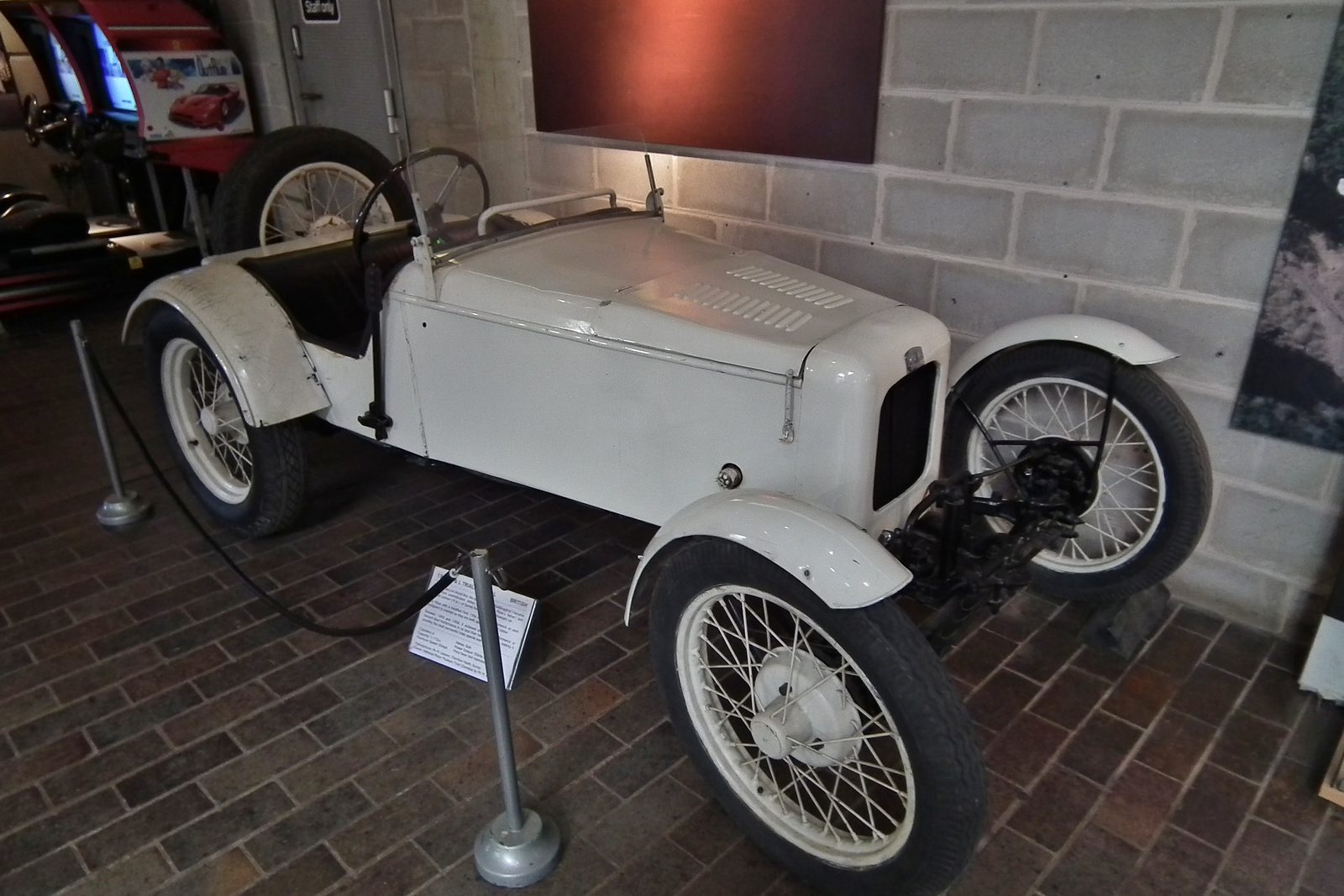
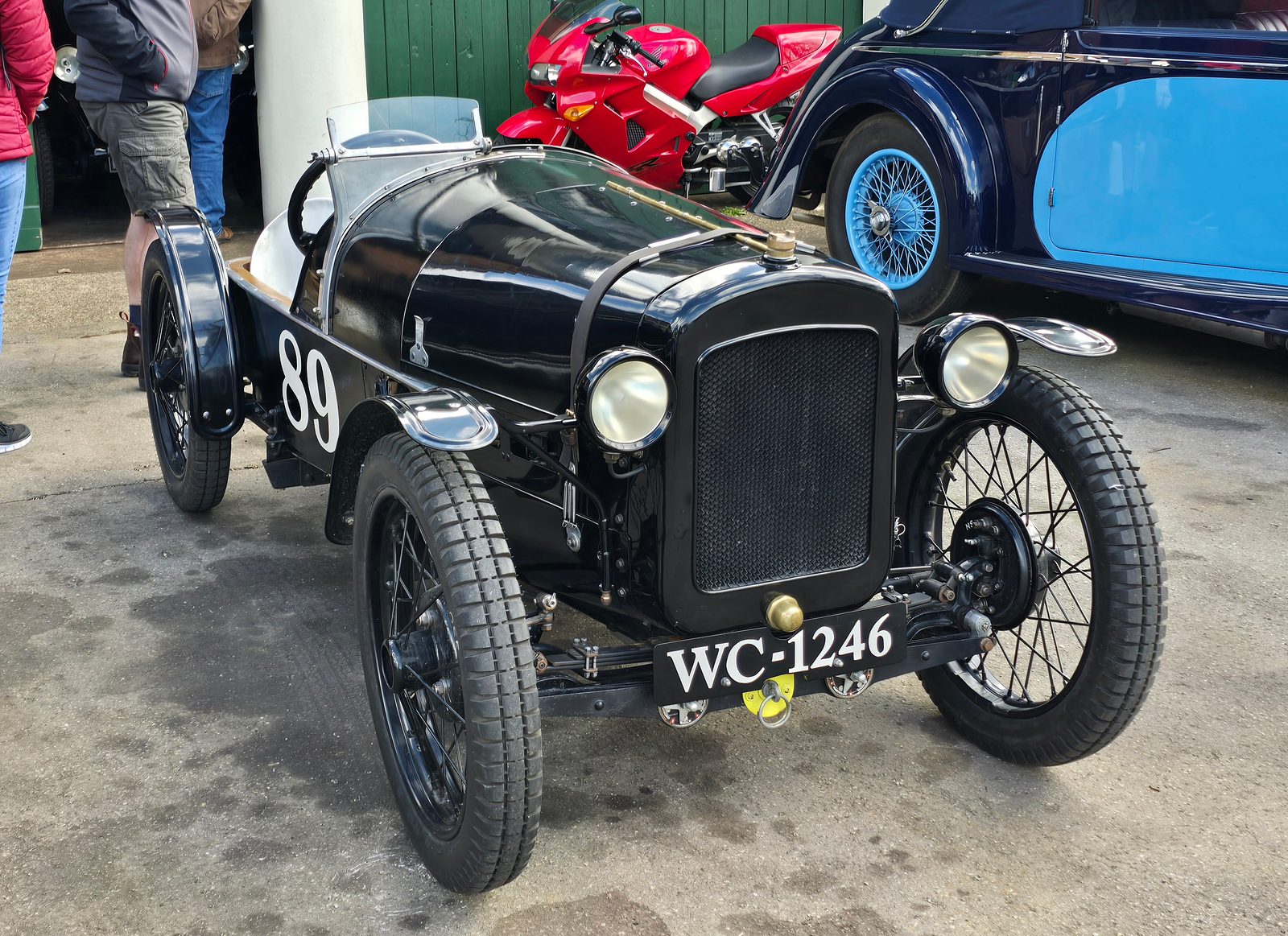
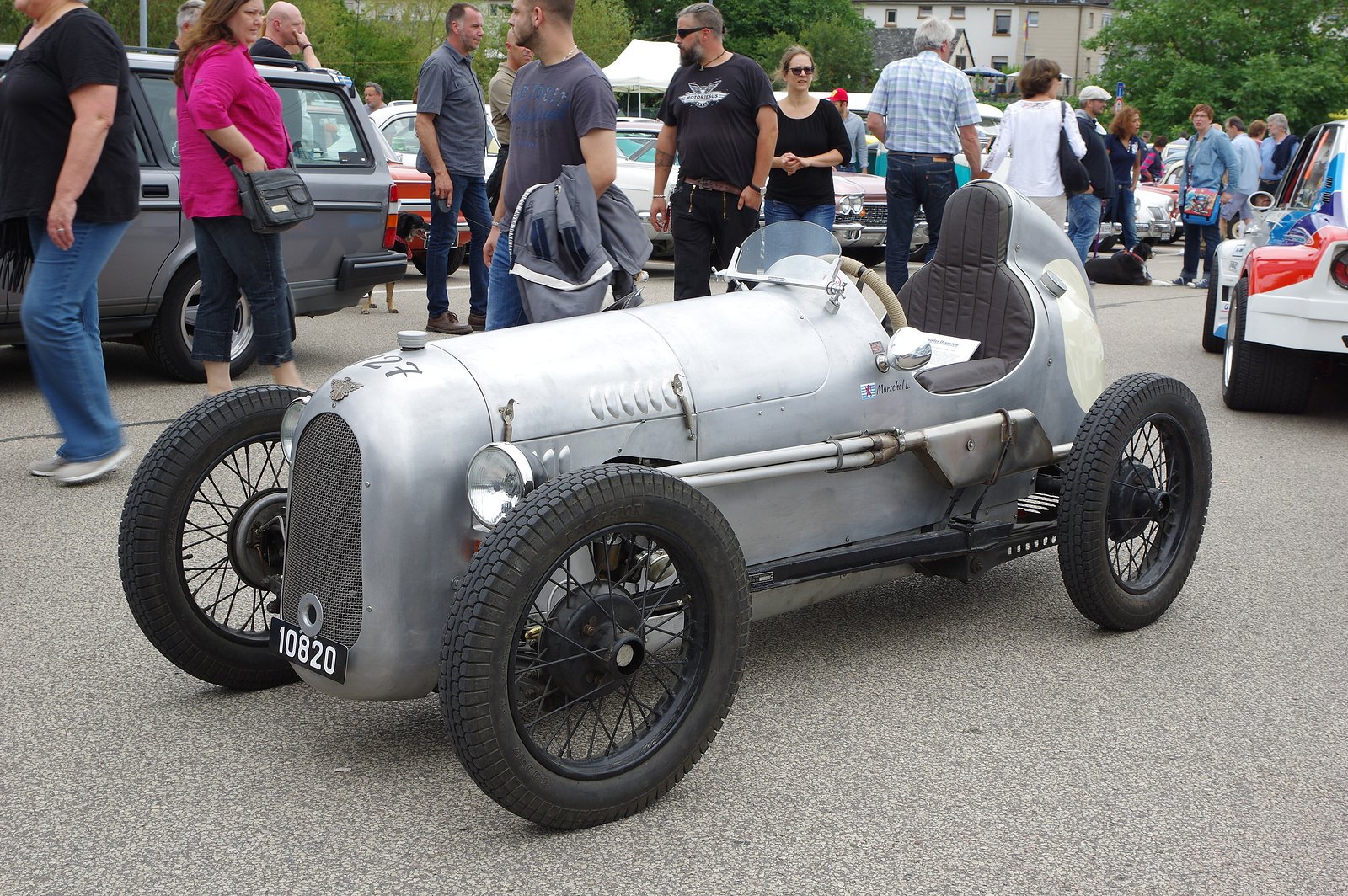
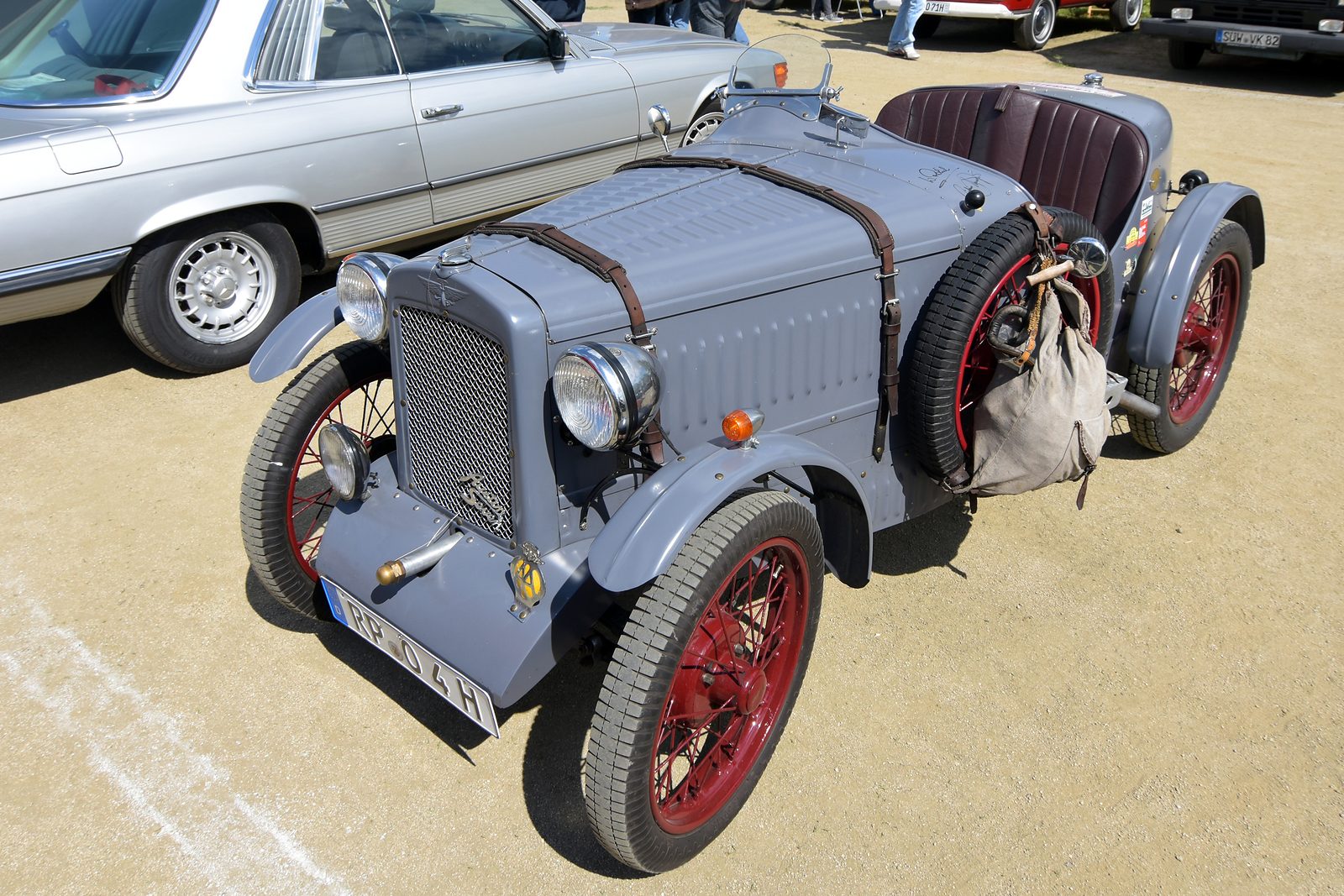
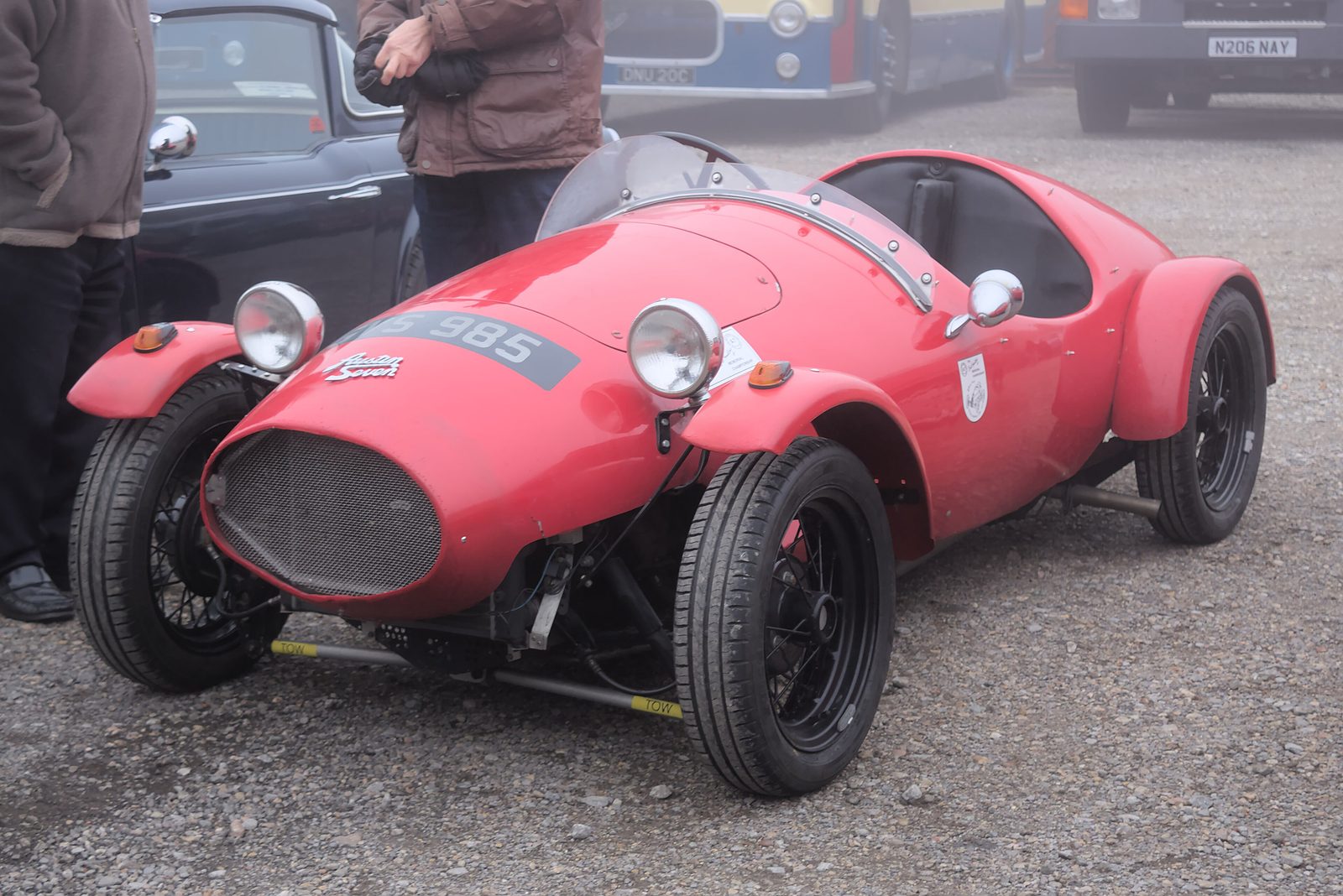
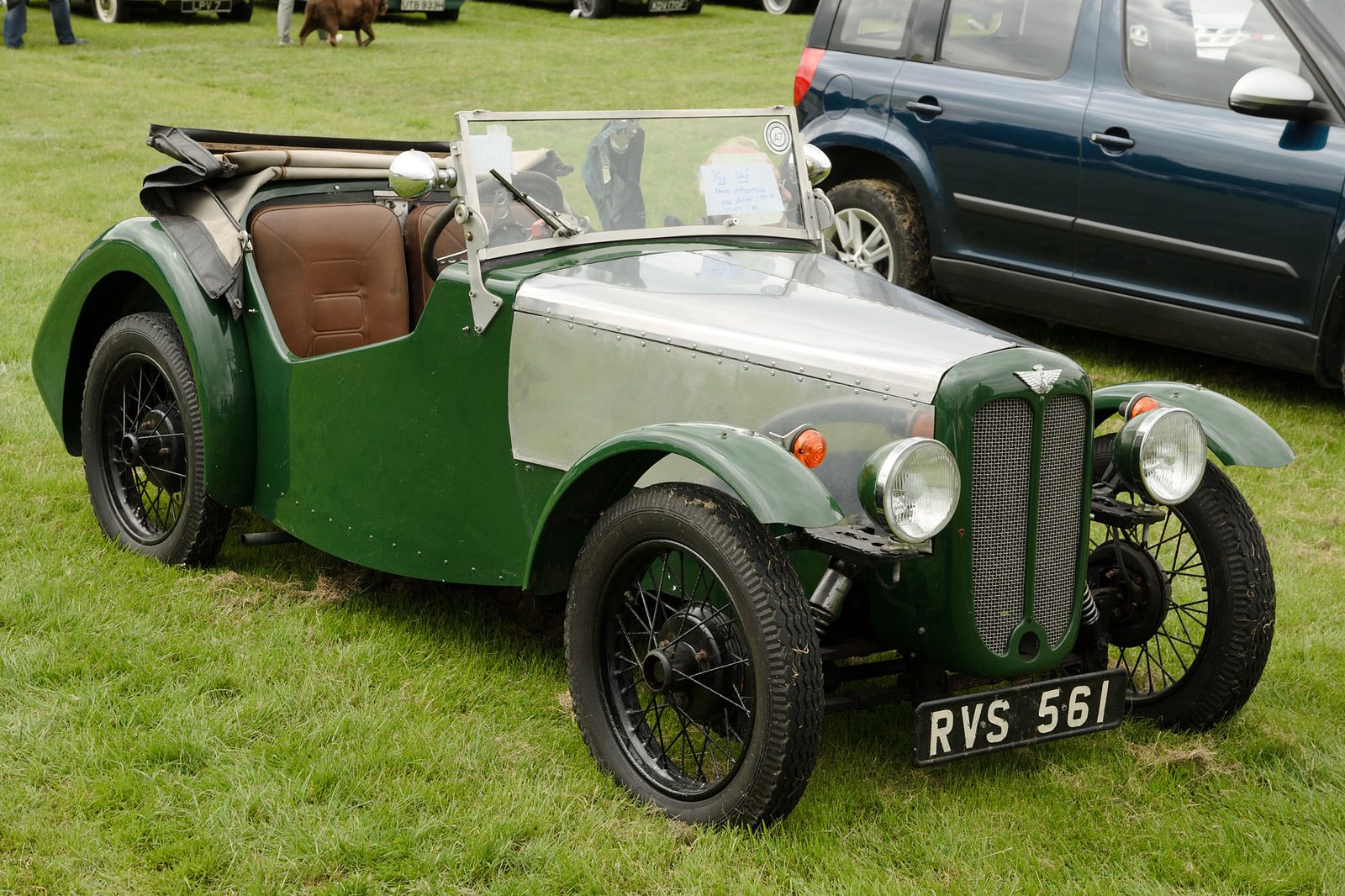
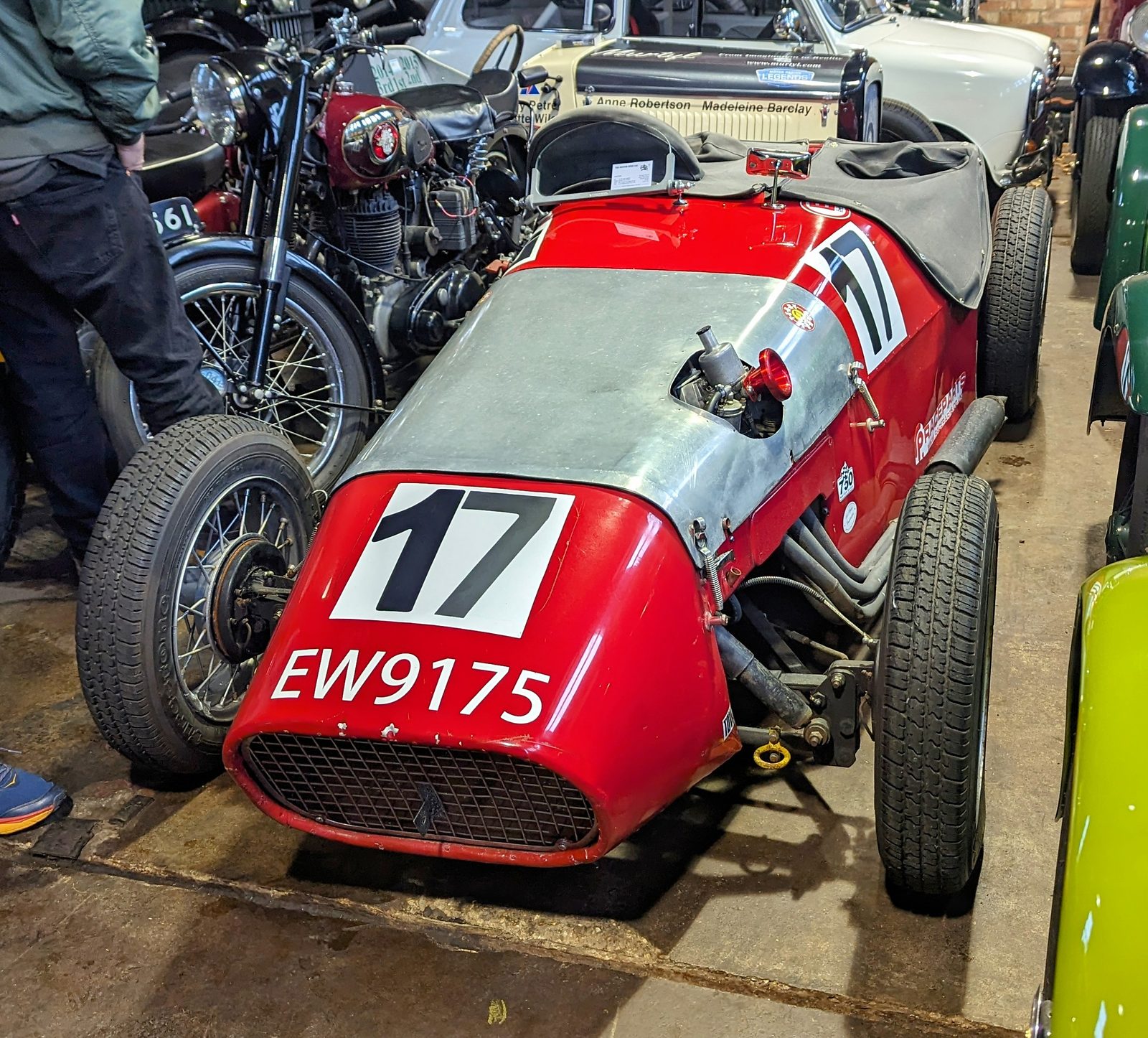
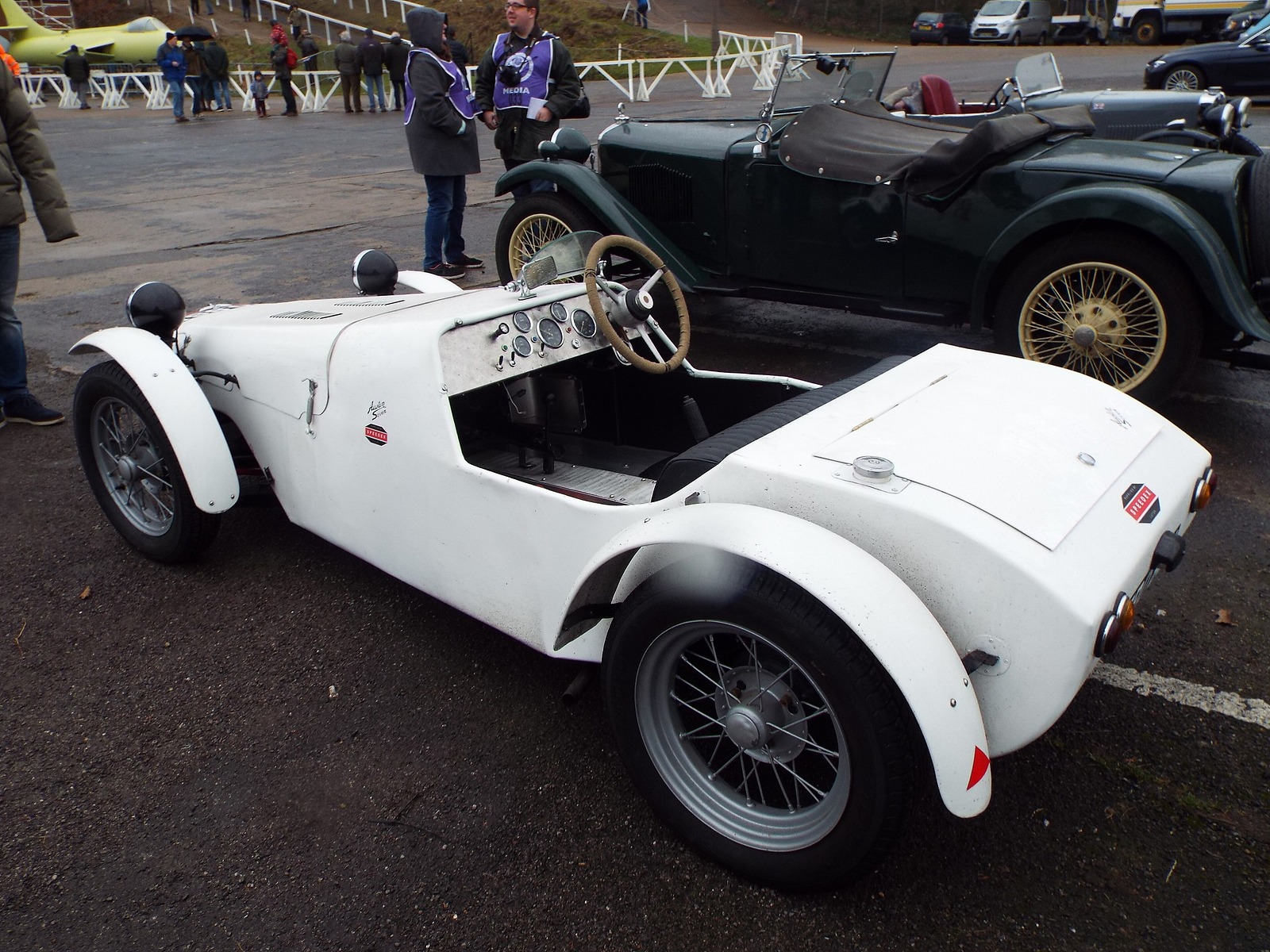
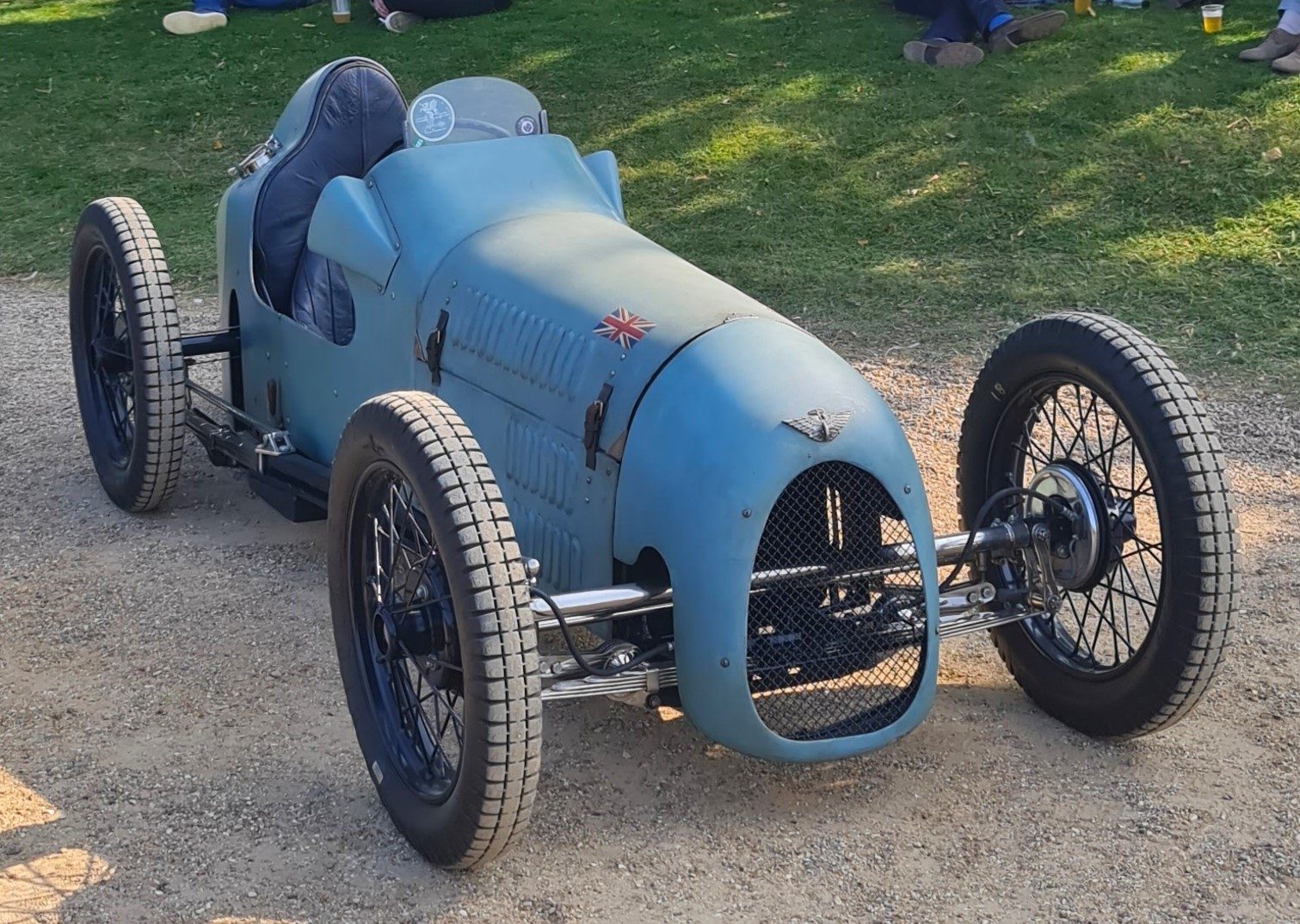
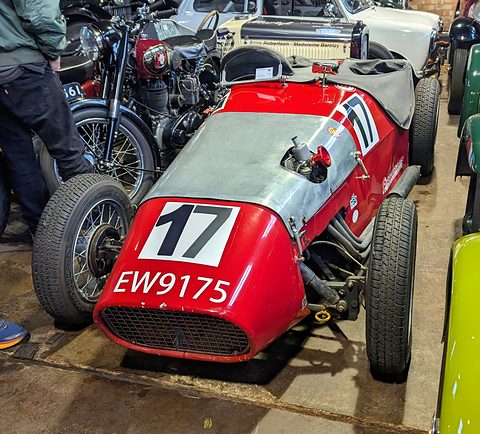
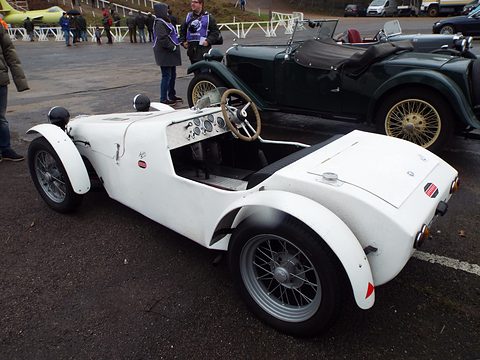
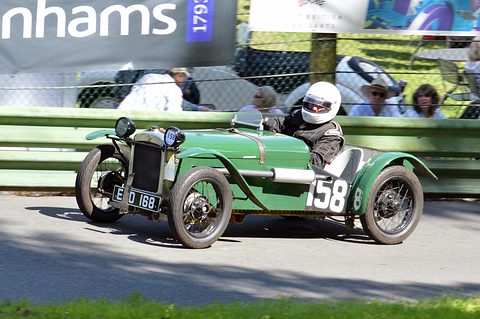
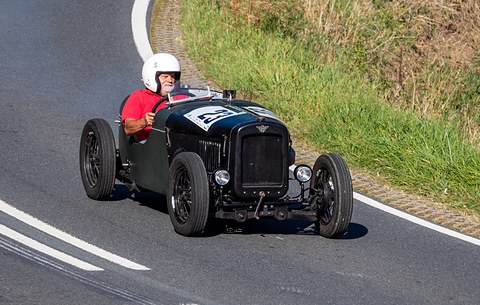
The 750 Motor Club held its first rally at Virginia Water on 16 April 1939, with 28 cars, all but four of them Sevens.source 13 After the war the Seven’s chassis, cheap and plentiful, became the standard base for amateur specials. In 1949 the club’s chairman, Holland “Holly” Birkett, wrote the 750 Formula for Seven-based sports specials, with limits on tuning to keep the costs down. The first race, at Silverstone in June 1950, drew 16 cars and was won by Charles Bulmer in Tom Lush’s Ulster, and the formula is called the oldest for sports-prototypes in the world.source 13source 15 Colin Chapman’s first Lotus was built on a Seven, and Bruce McLaren’s first racing car was a Seven Ulster, in 1952. Eric Broadley of Lola, Derek Bennett of Chevron, Jem Marsh of Marcos, Gordon Murray and Adrian Reynard all came through the same world.source 2source 5source 13source 15 By 1956 the club had more than 2,000 members.source 13
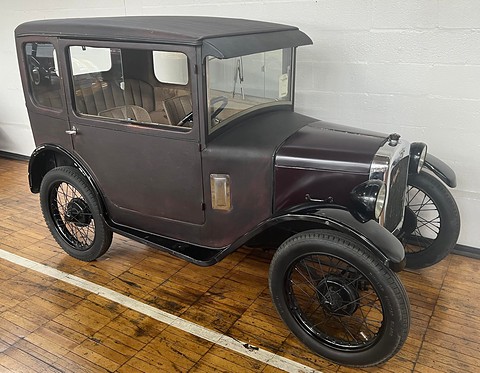
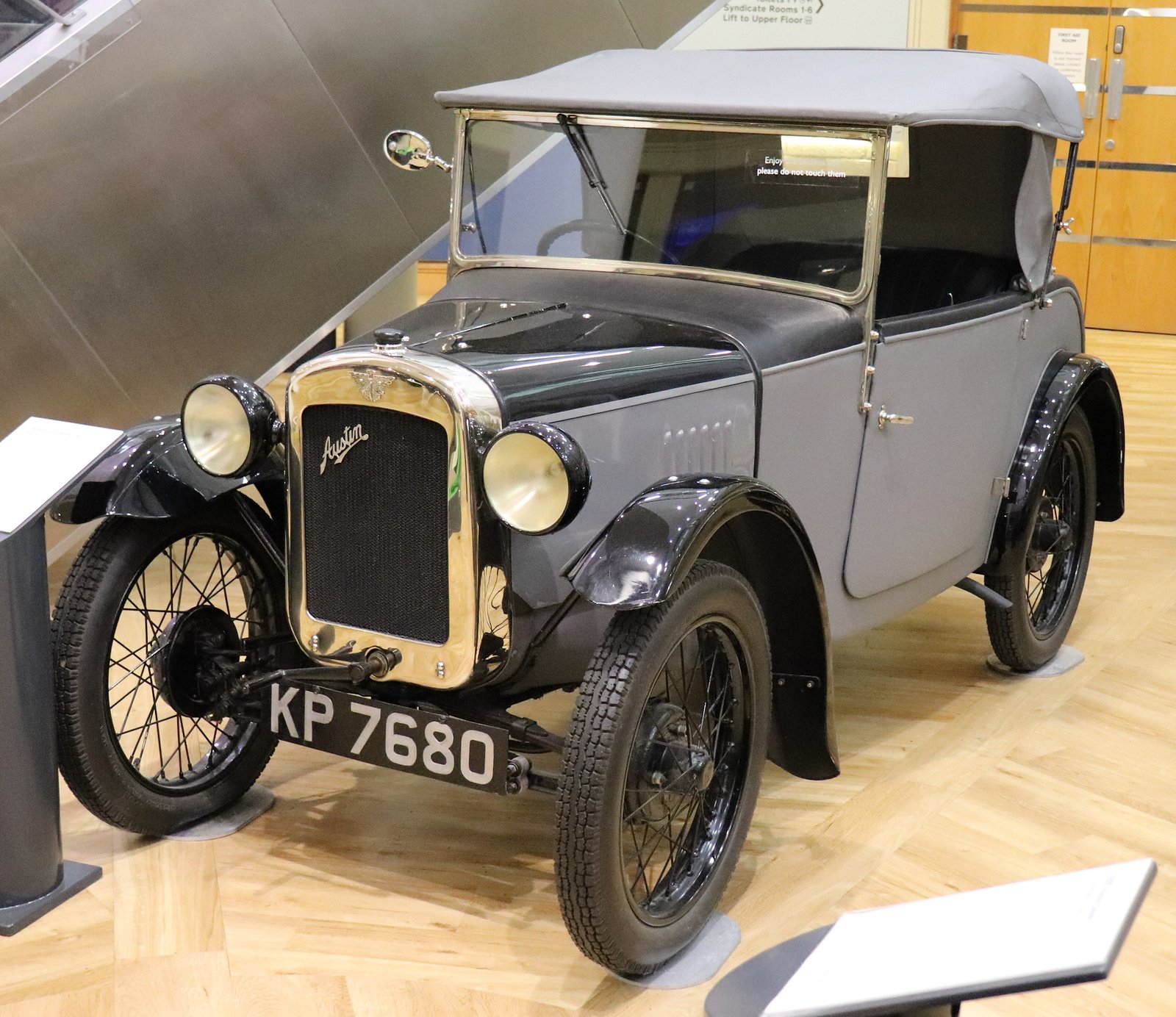
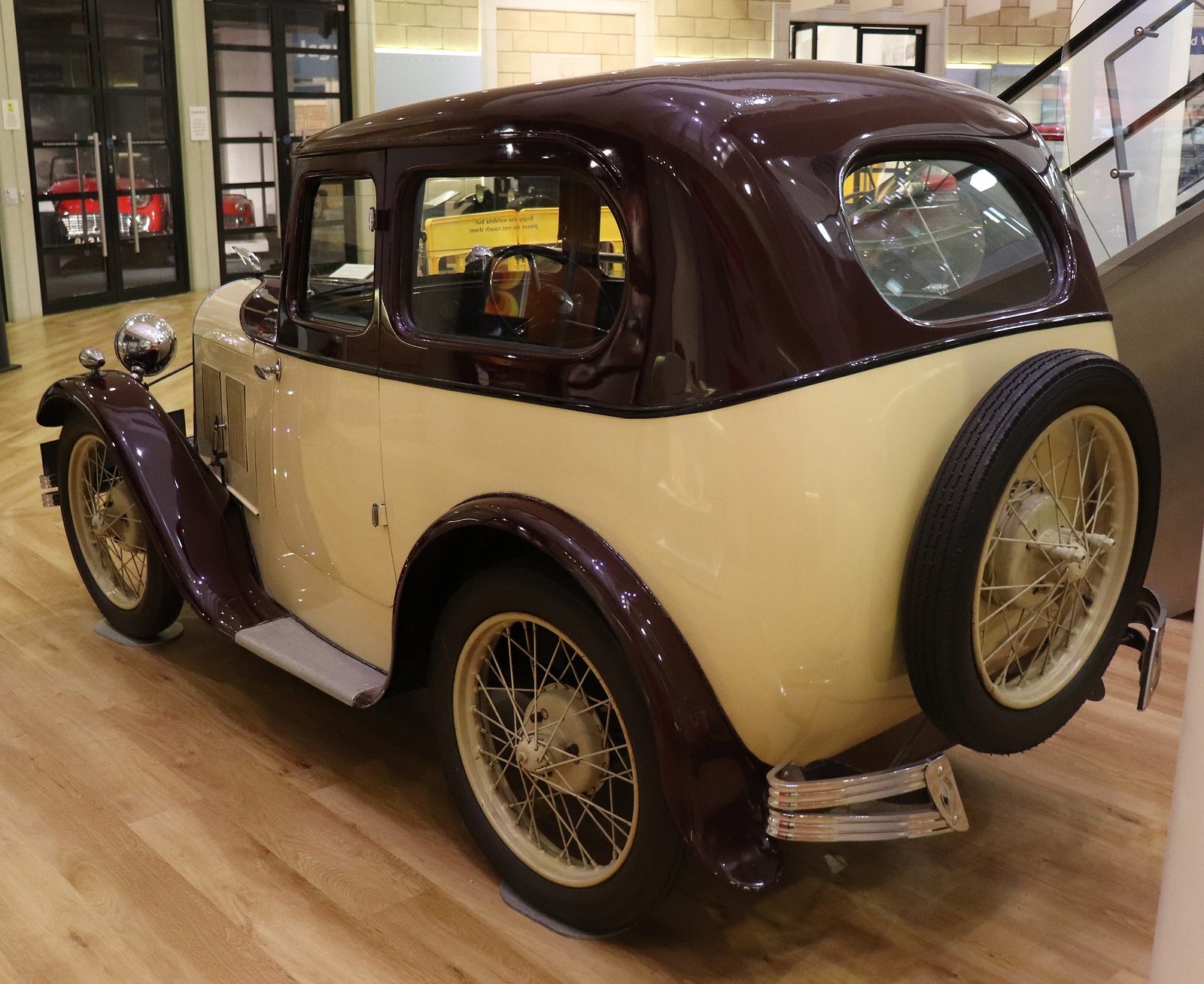
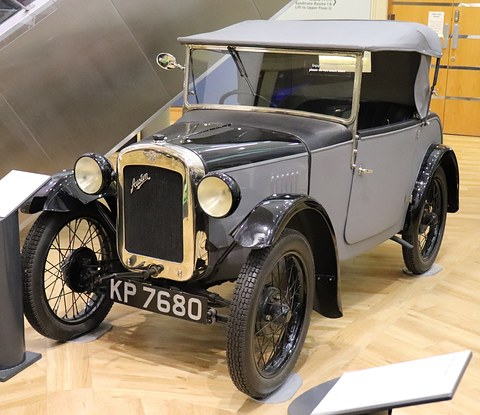
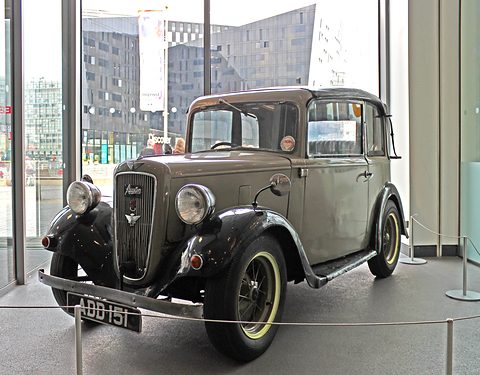
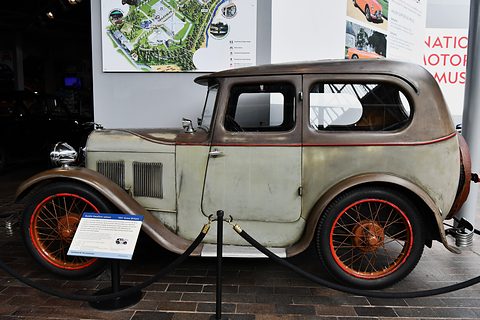
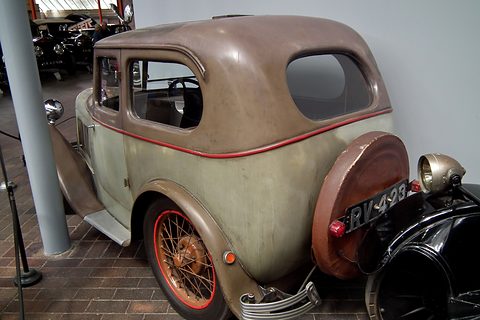
A grey fabric-covered small saloon with black wire wheels on a wooden museum floor.
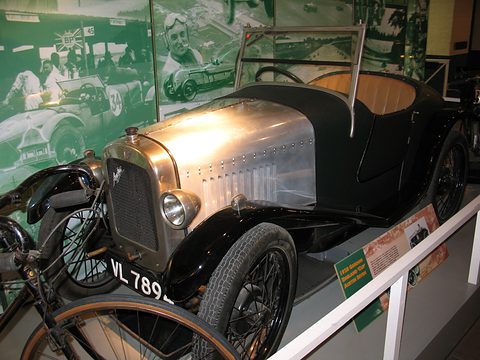
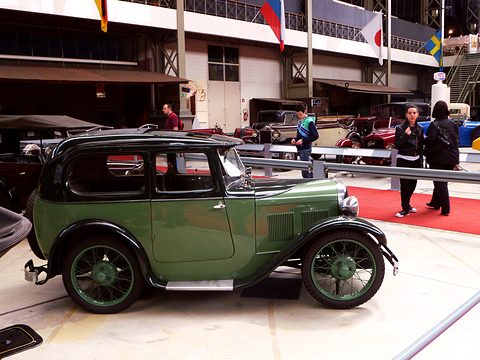
The Lane Motor Museum’s 1929 fabric saloon: fabric over a wooden frame, so few originals survive.Photo: TaurusEmerald, CC BY-SA 4.0, via Wikimedia Commons
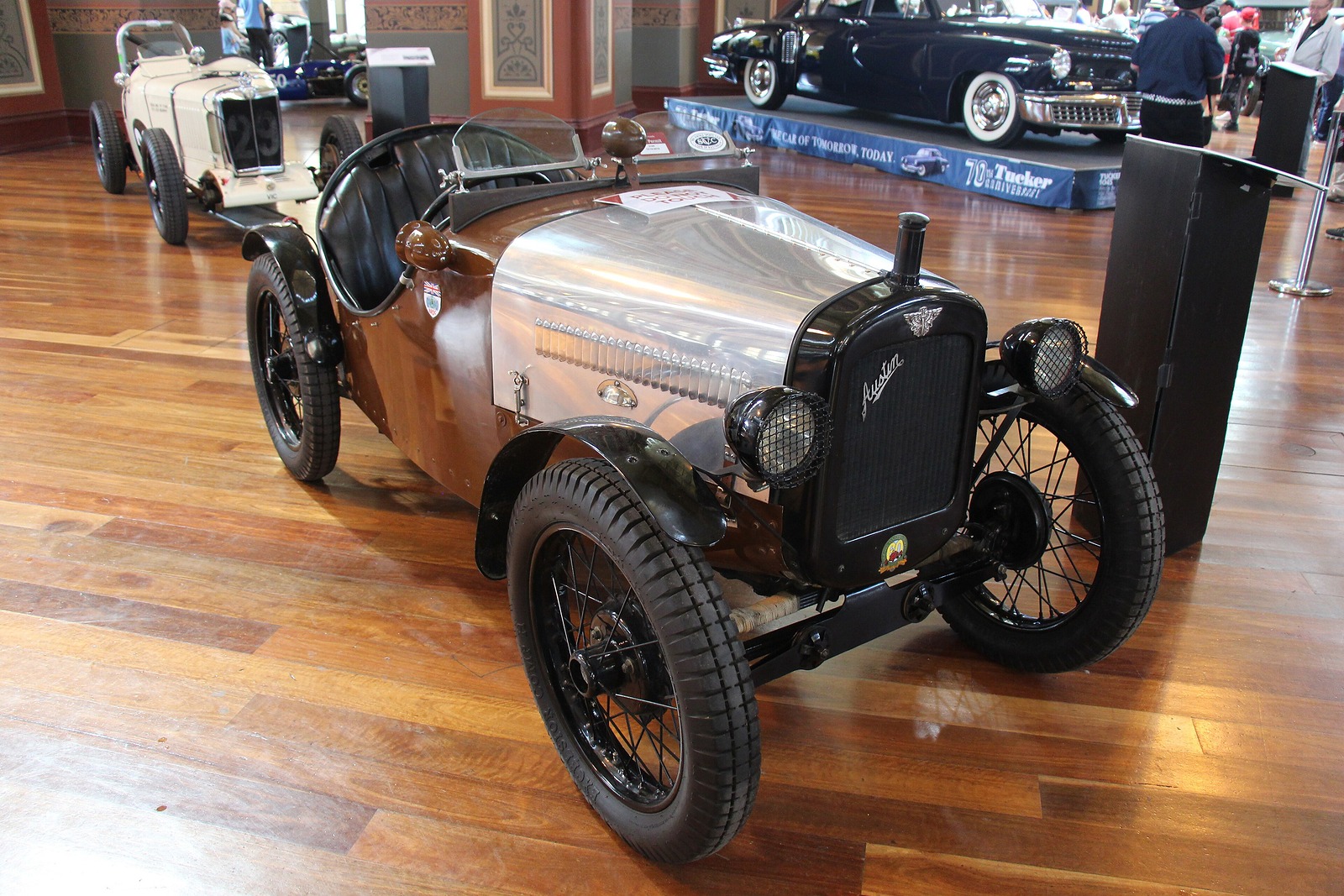
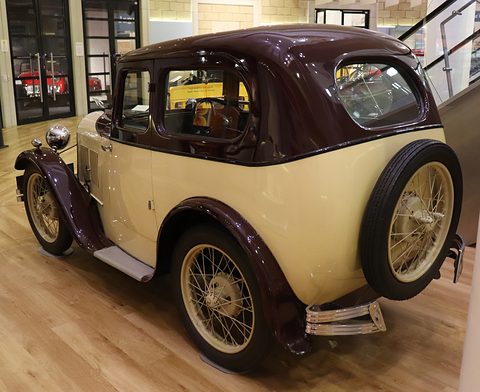
A cream two-seater with maroon wings, a polished radiator cowl and wire wheels on grass, marquees behind.
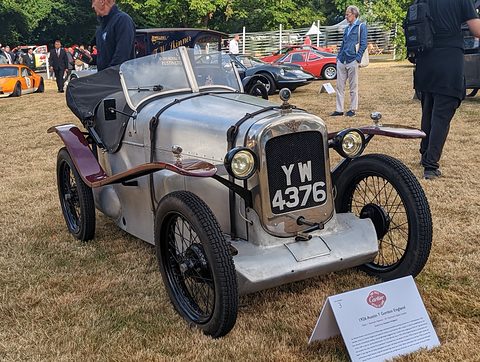
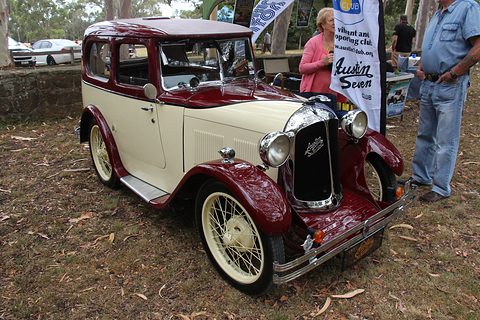
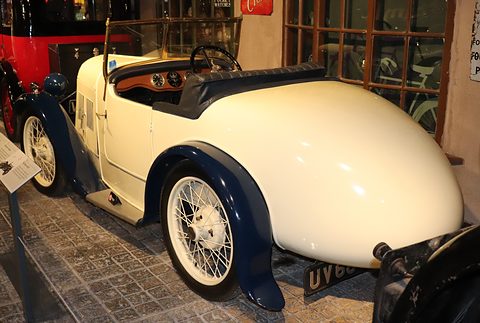
A 1928 Swallow two-seater, the body with which William Lyons set out on the road to Jaguar.Photo: Calreyn88, CC BY-SA 4.0, via Wikimedia Commons
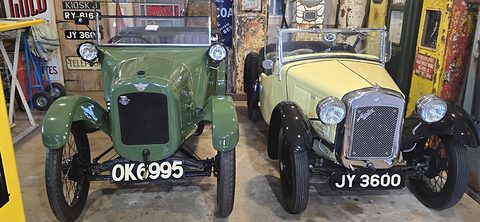
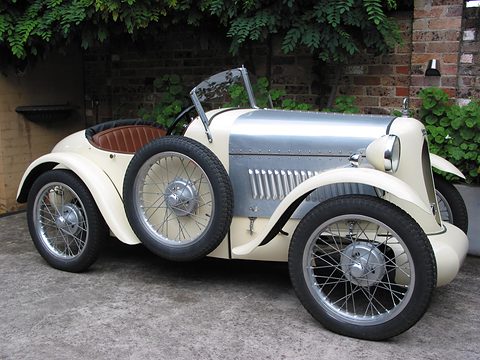
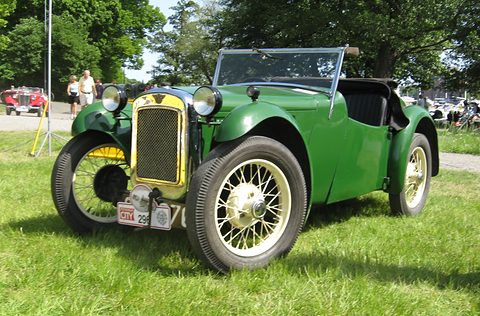
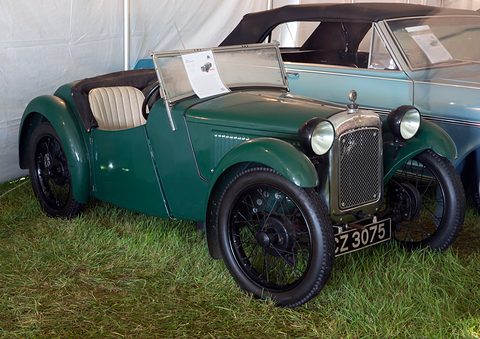
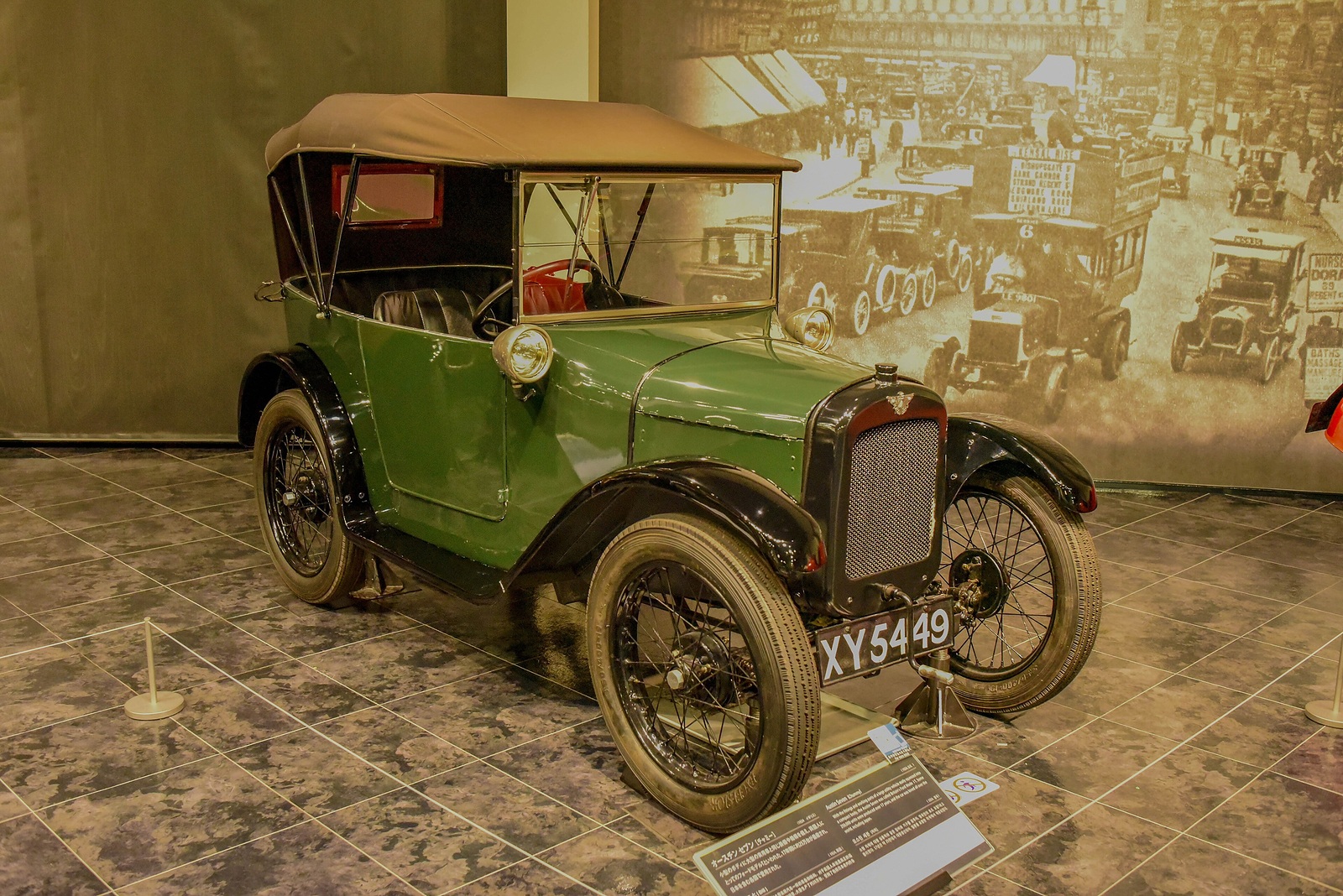
A green early open tourer and a cream later tourer side by side in a garage hung with signs.
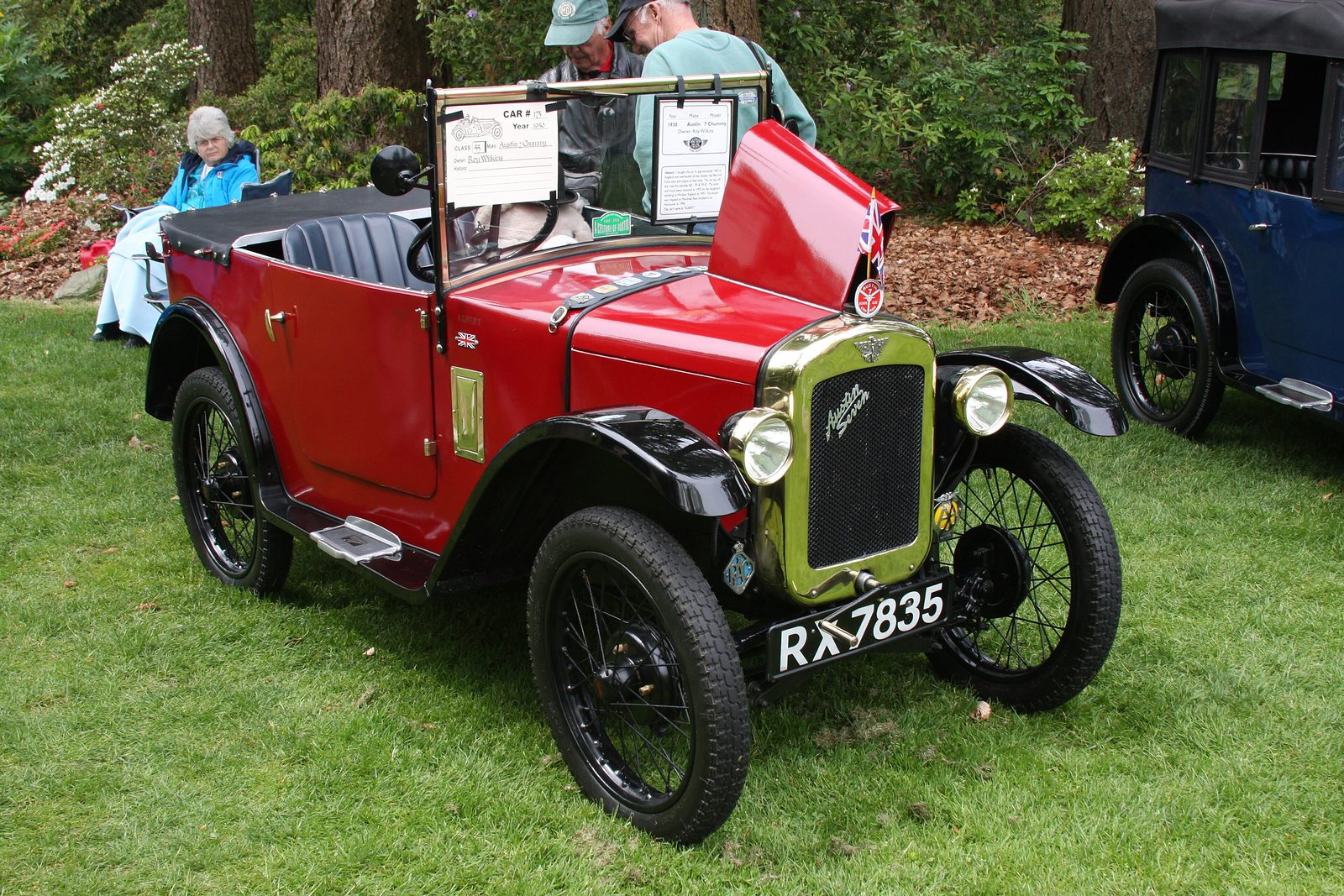
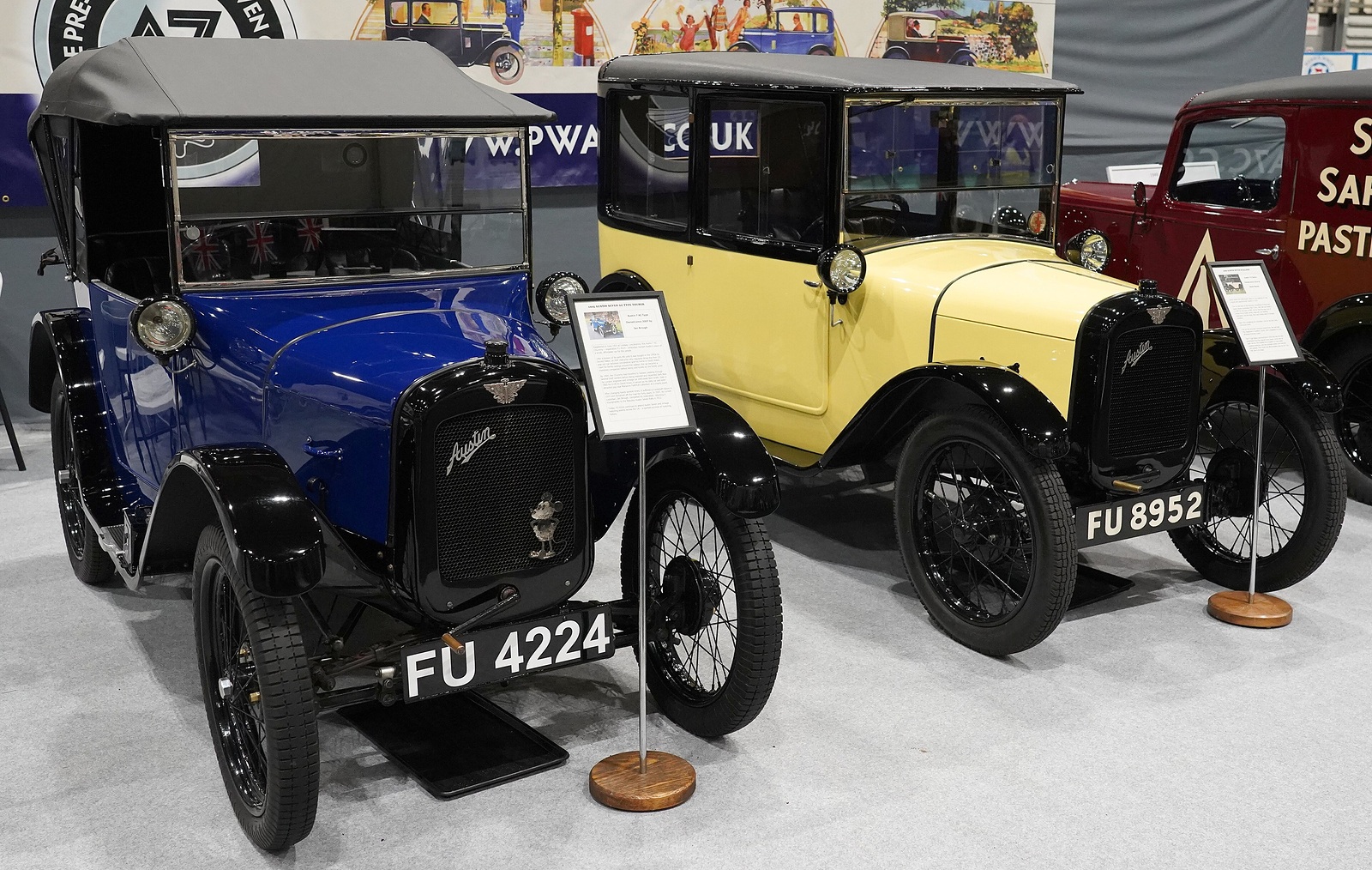
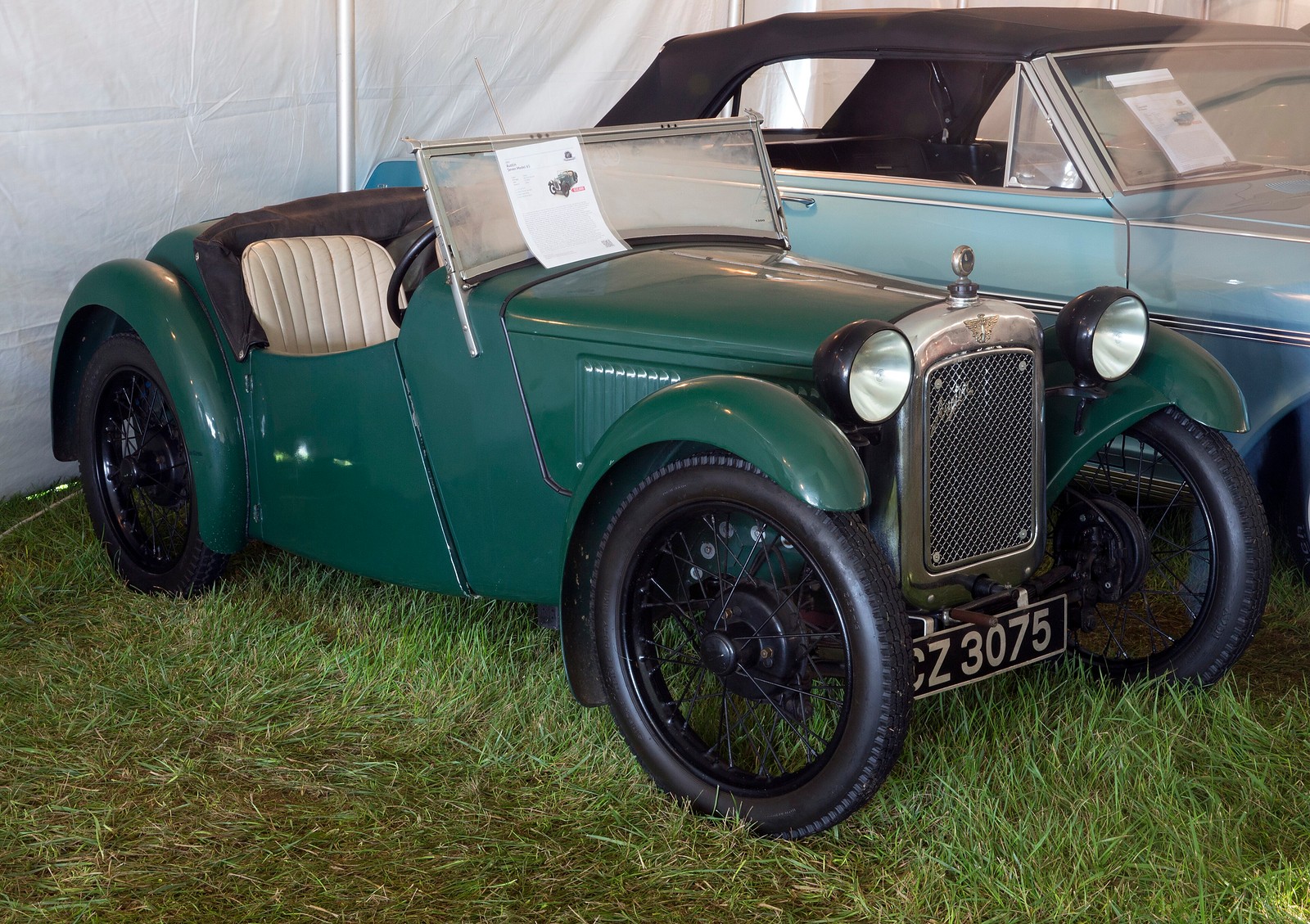
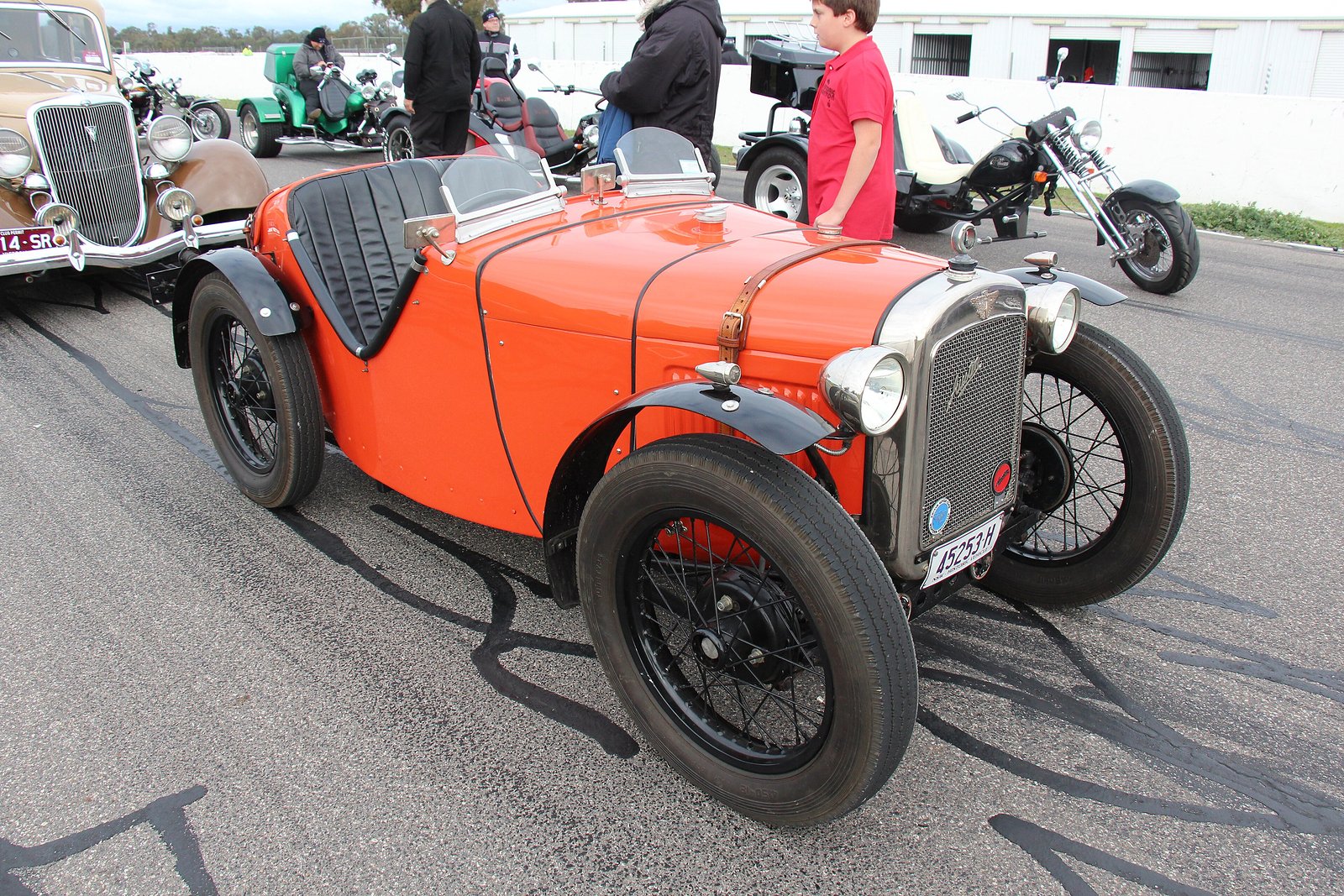
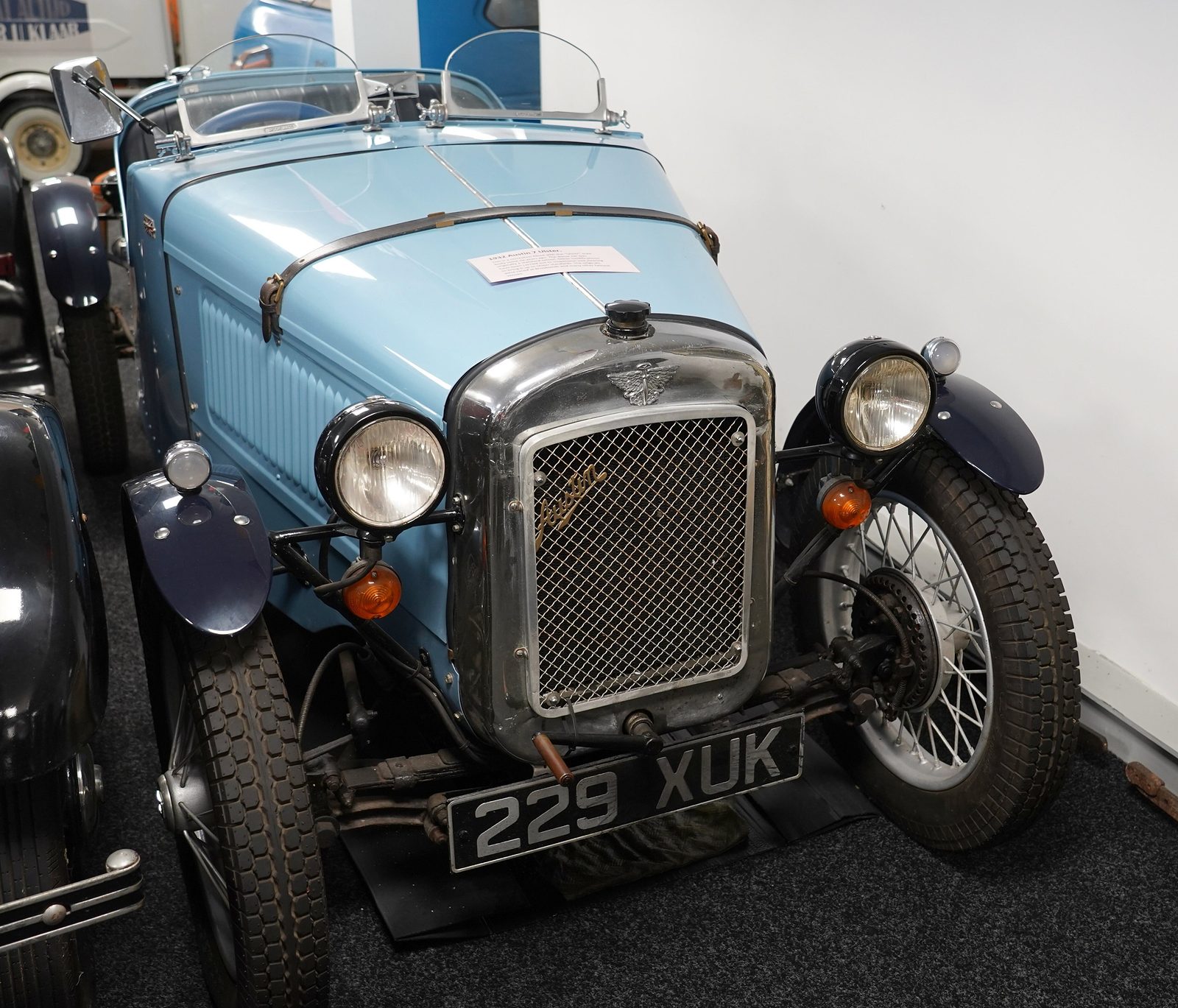
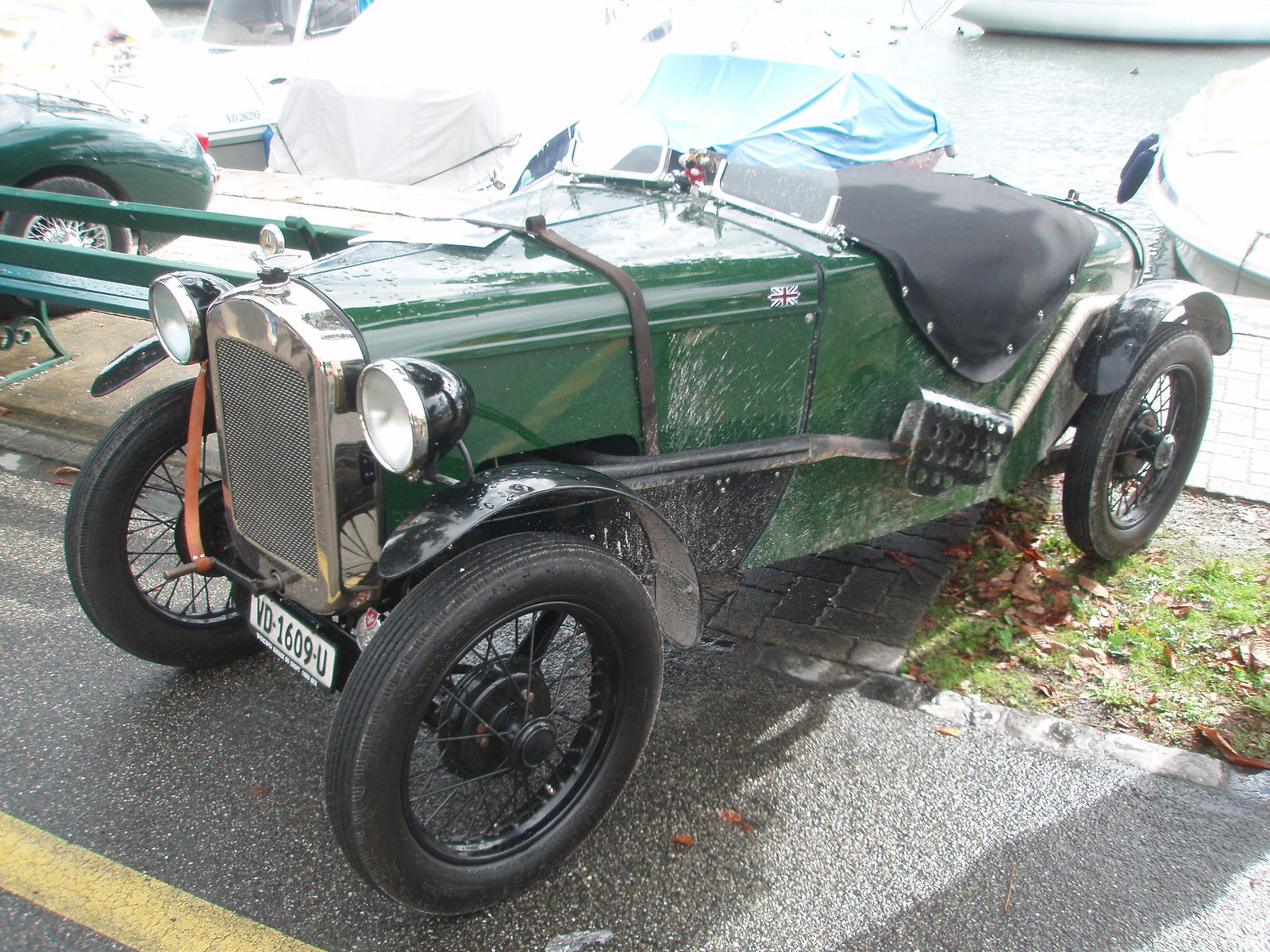
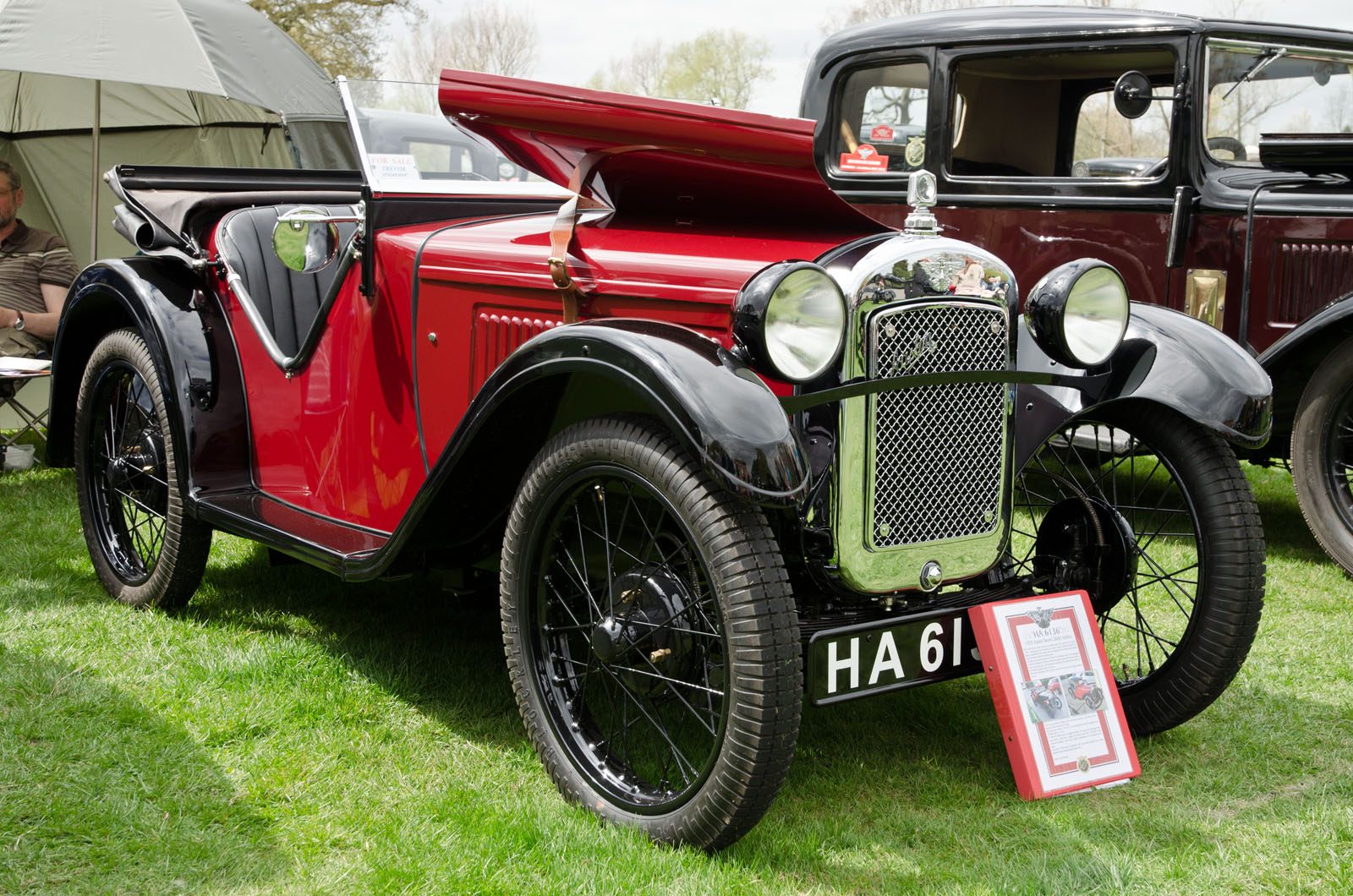
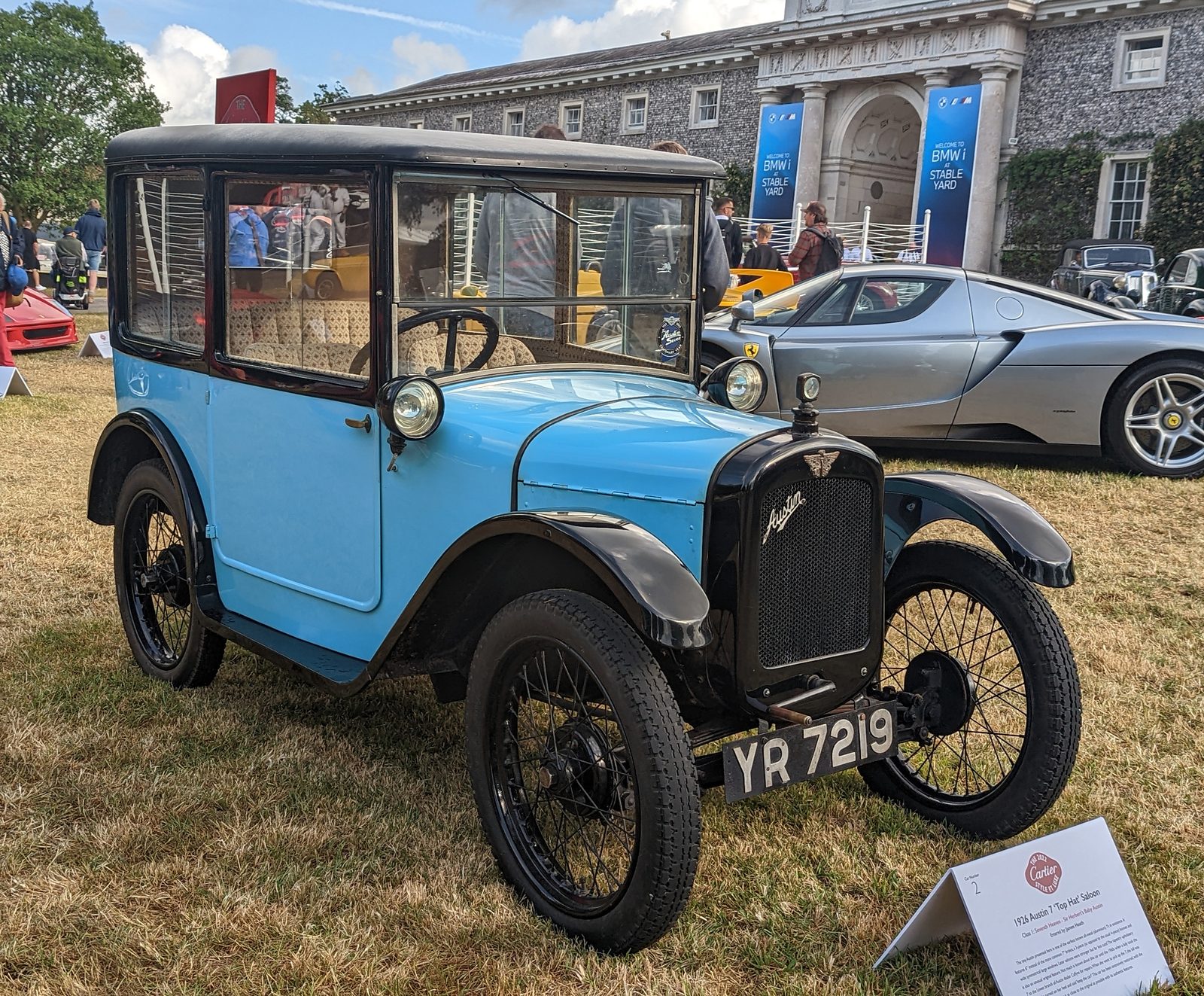
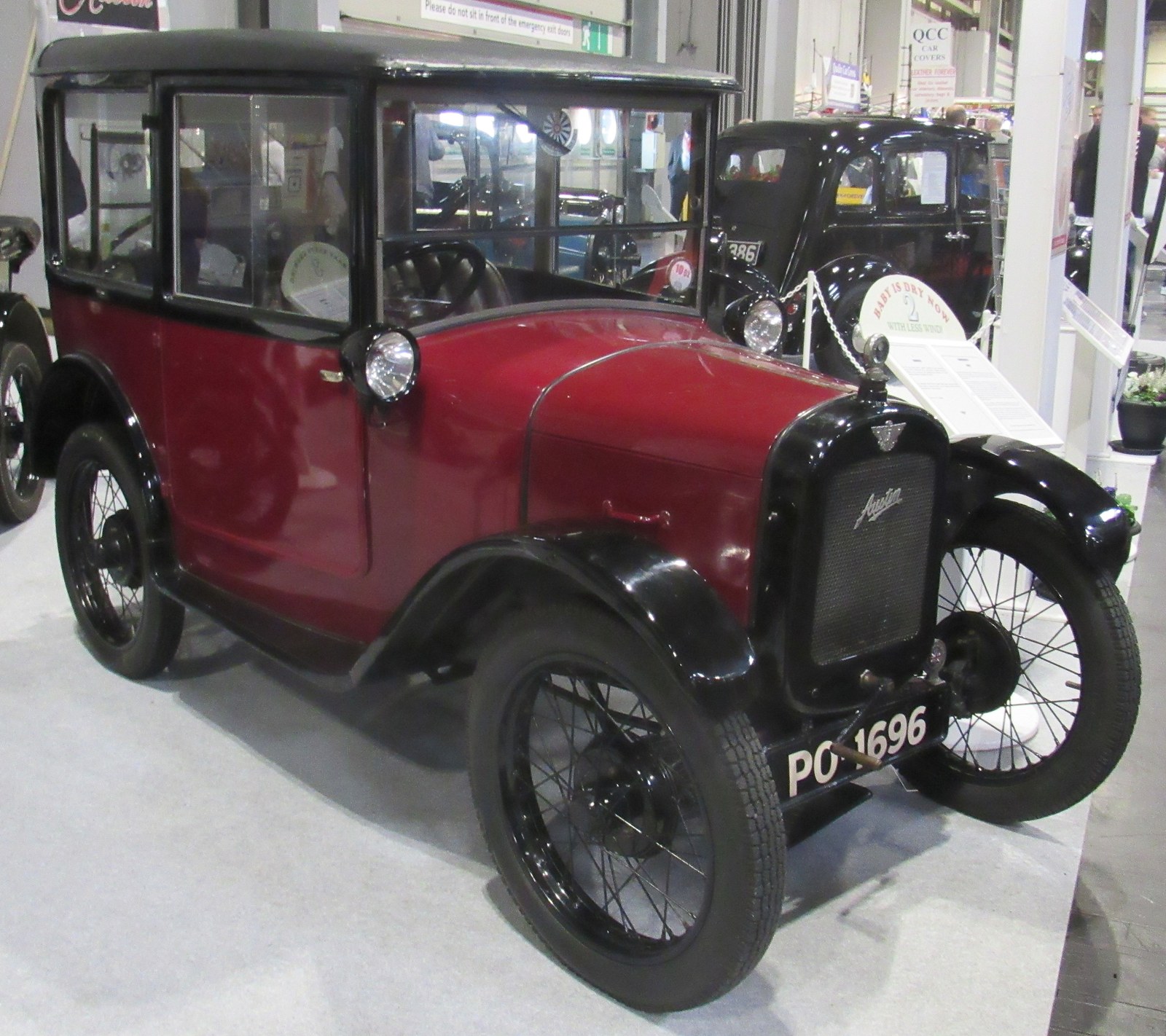
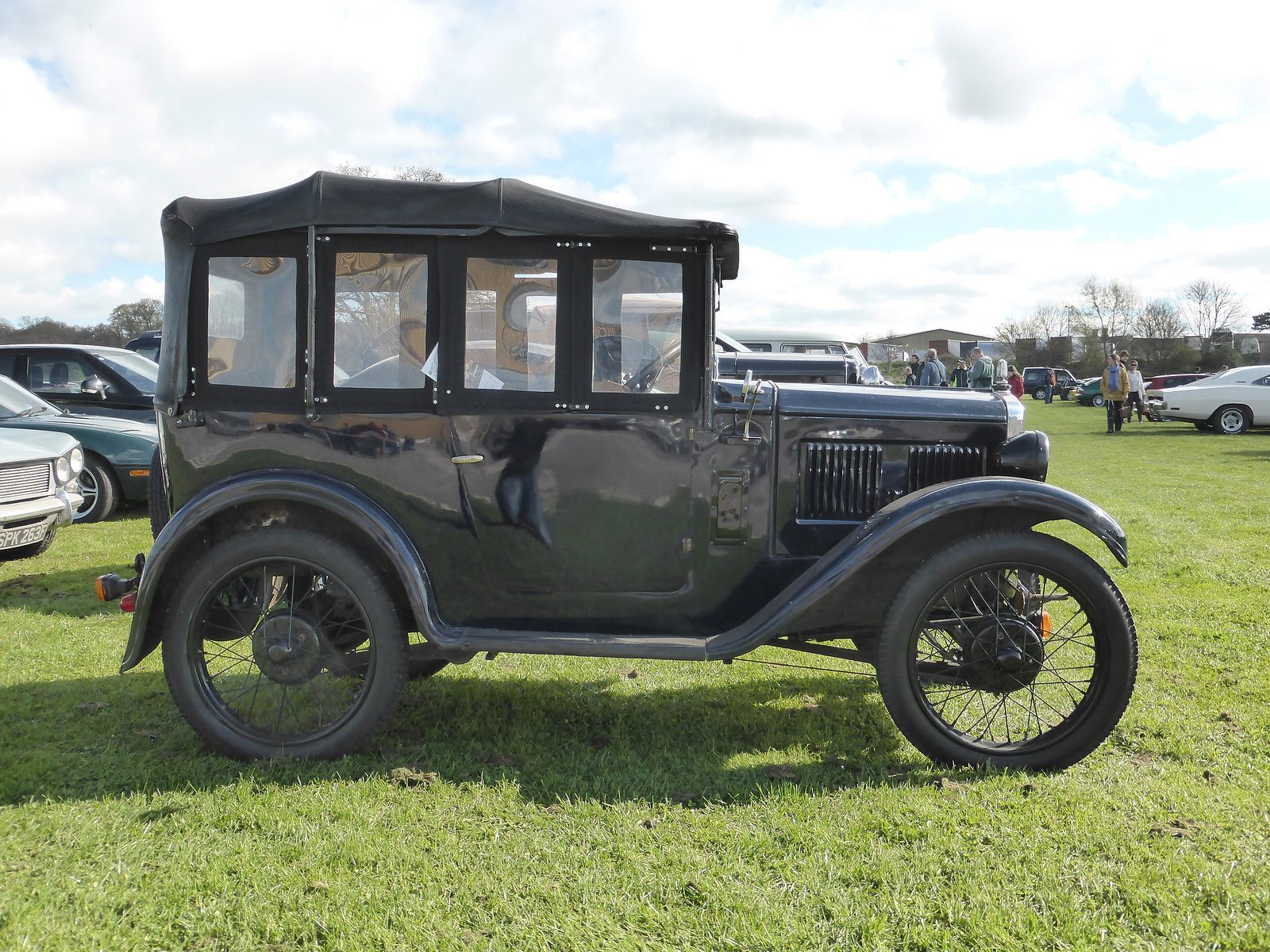
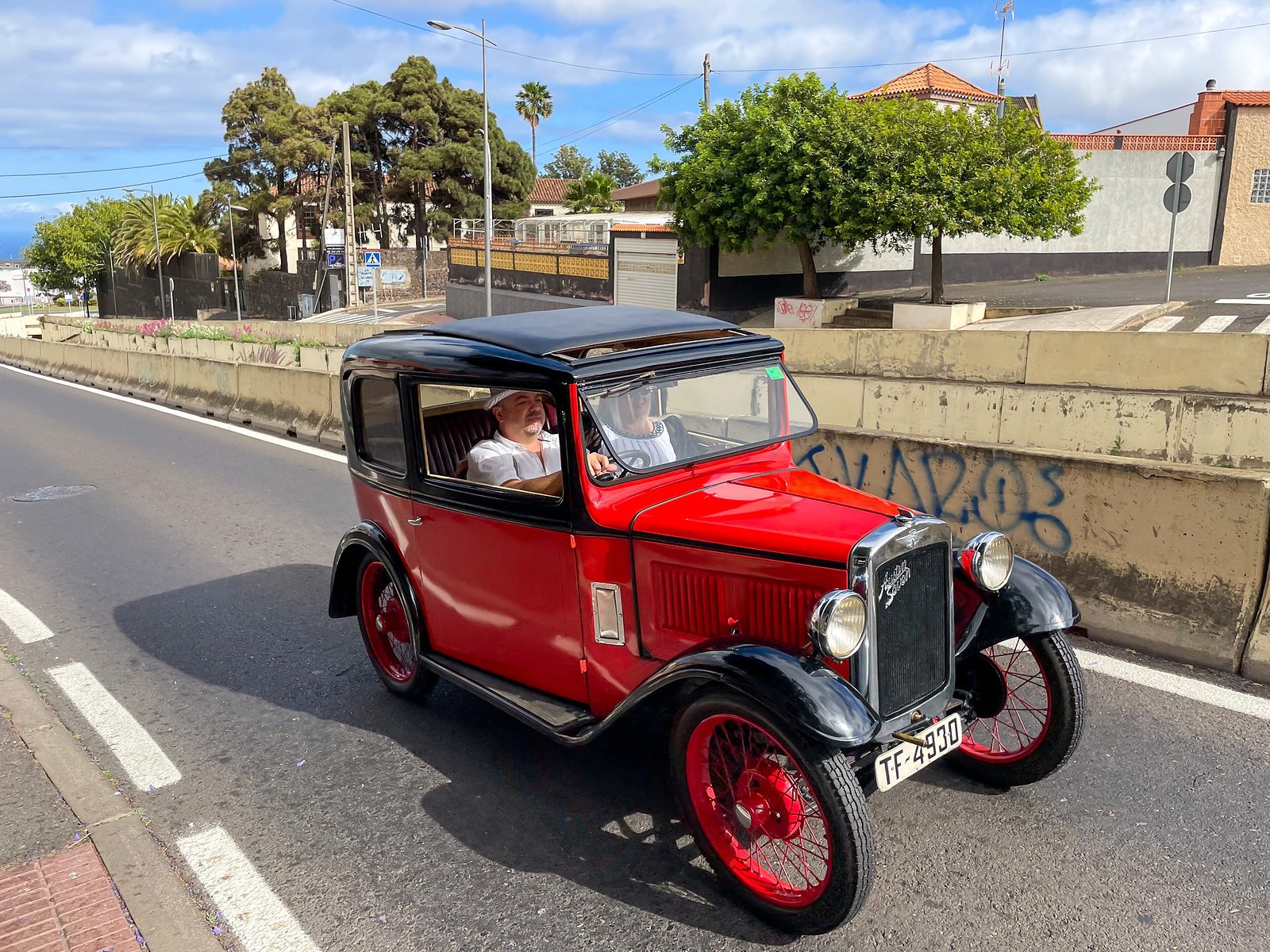
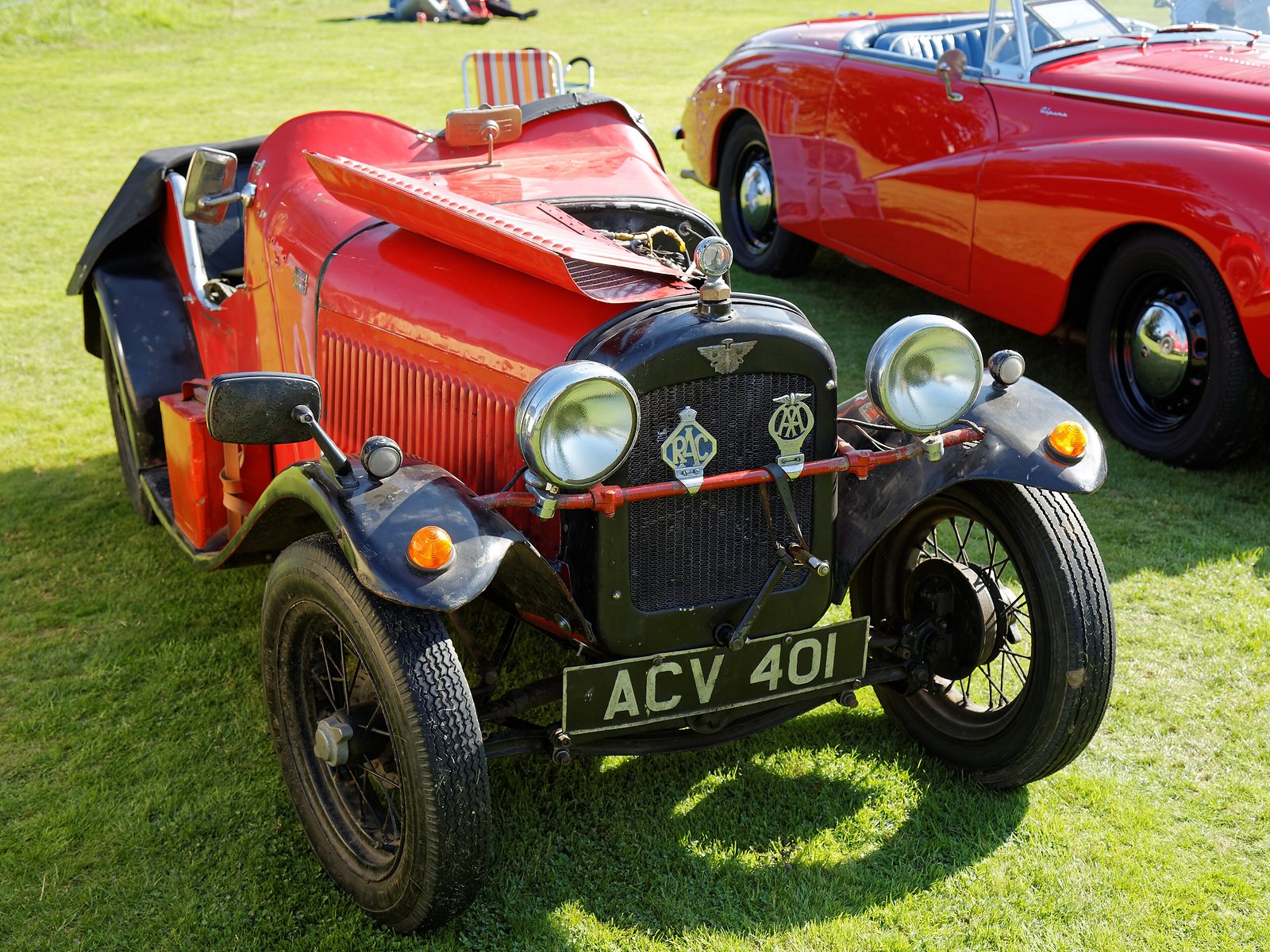
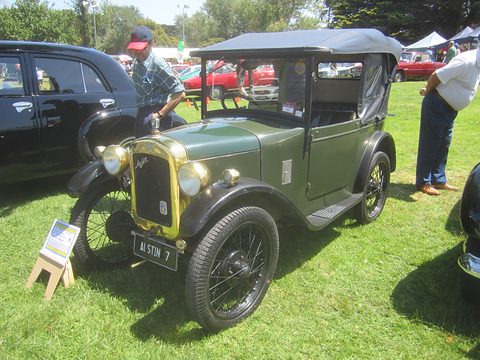
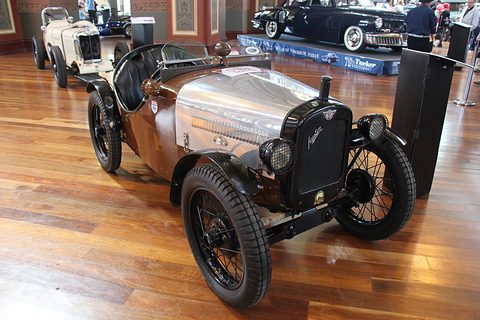
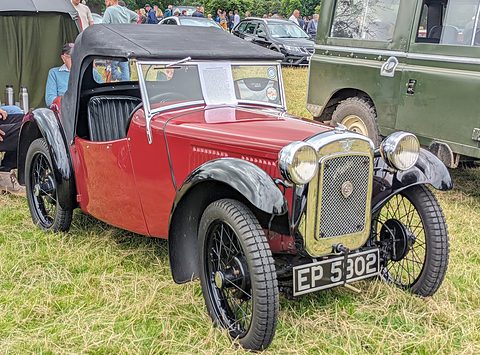
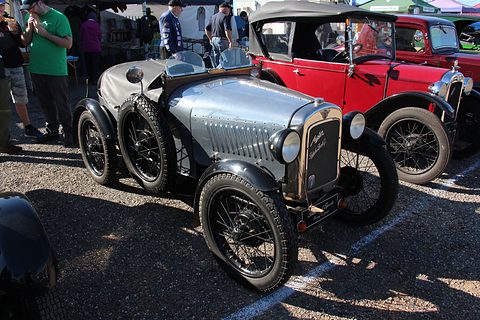
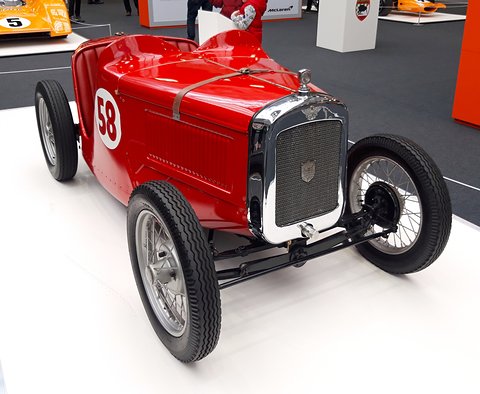
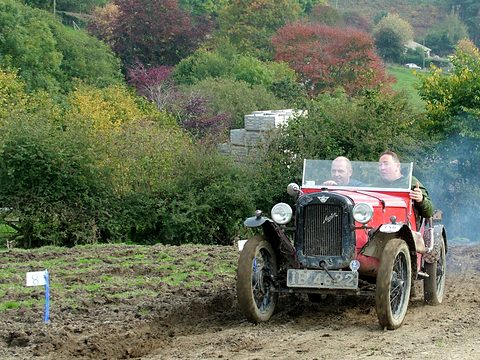
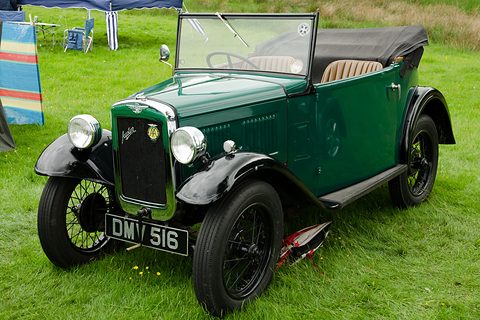
A 1922 Seven tourer beside a tourer of 1934, in a private collection in Norfolk in 2025: twelve years of the same car.Photo: Steve Knight, CC BY 4.0, via Wikimedia Commons

Pictures

More photographs, old and new

Variants

Tourers, saloons, sports cars and licence builds

The Seven family, in outline
VariantYearsWhat differsHow many
Tourer AB (“Chummy”), then AC–AE1922–⁠29The open four-seater; the AB aluminium-bodied; 696 cc, then 747 ccNot found
Saloons R and RK1926–⁠27; 1927–Austin’s first closed cars: aluminium or fabric bodies in the type table; English Wikipedia’s text calls the 1926 saloon steel-panelledNot found
Gordon England fabric saloonc.1926–⁠30Rexine over a wooden frame, built on aircraft principlesNot found
Box saloons RL–RP1930–⁠32Steel or fabric, some on the long chassisNot found
Ruby and Pearl1934–⁠39The 1930s saloon (ARQ, then the New Ruby ARR) and its cabrioletNot found
Sports models1924–⁠37Brooklands Super Sports with an 80 mph certificate; Ulster; 65; Nippy; SpeedyNot found
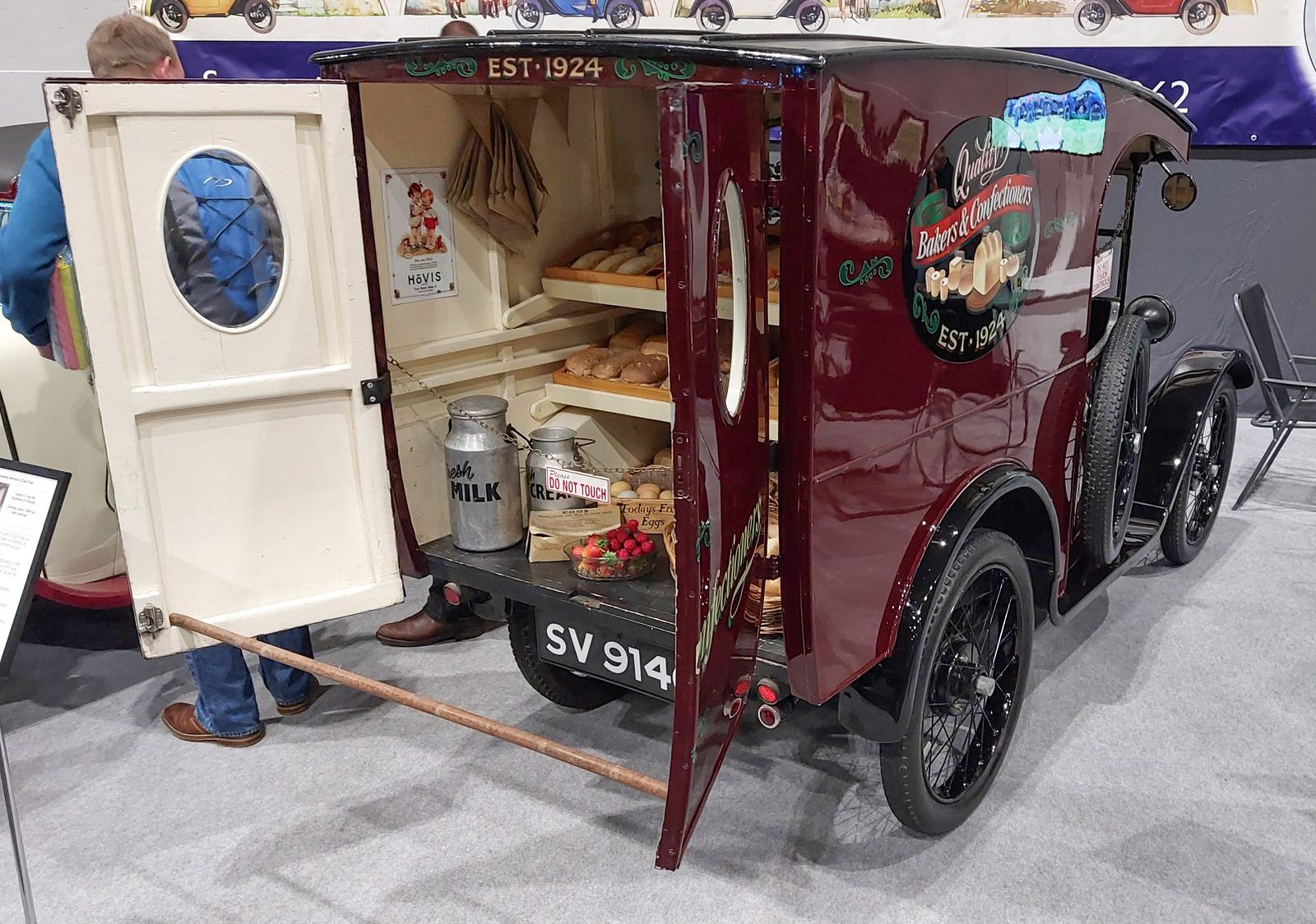
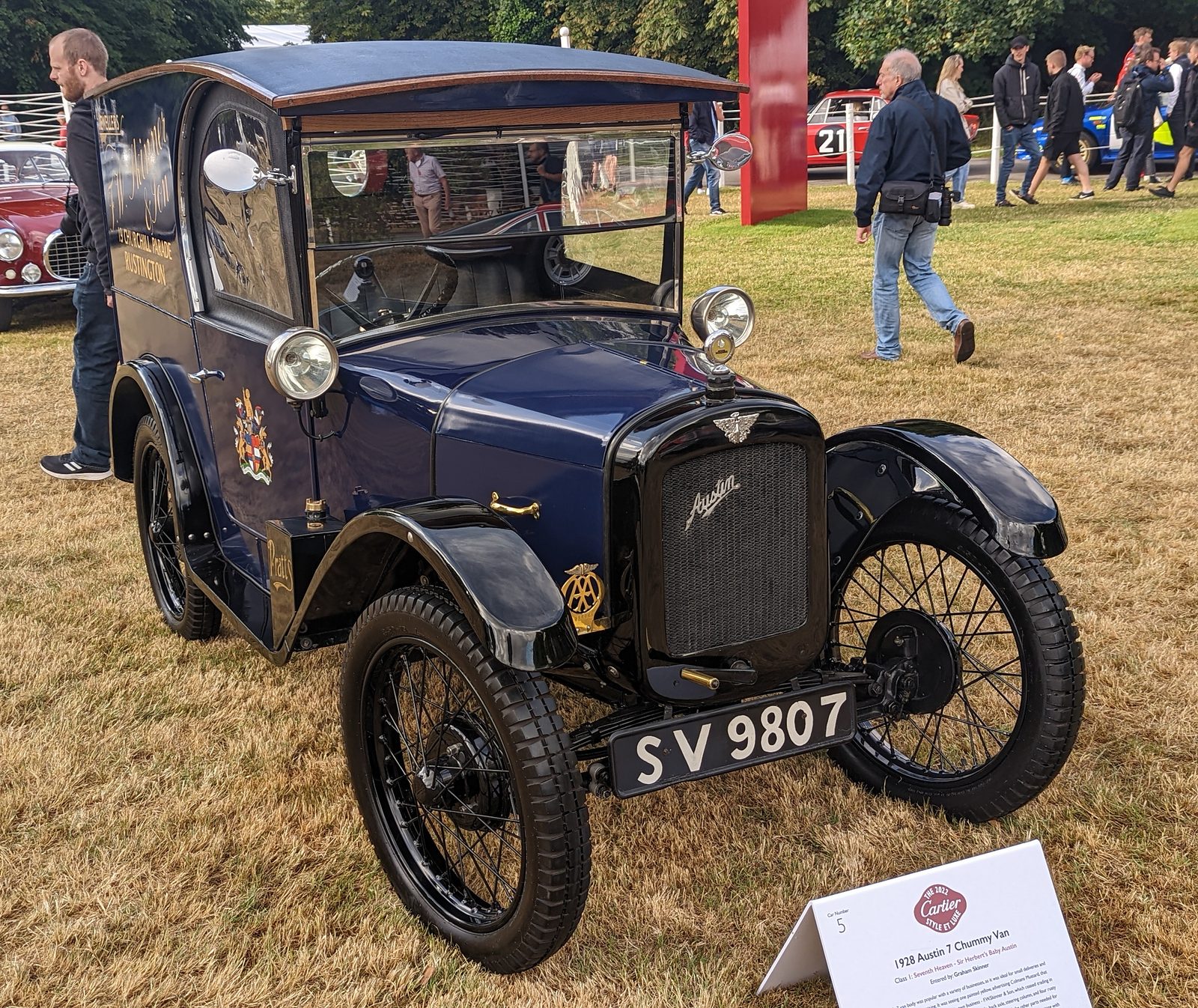
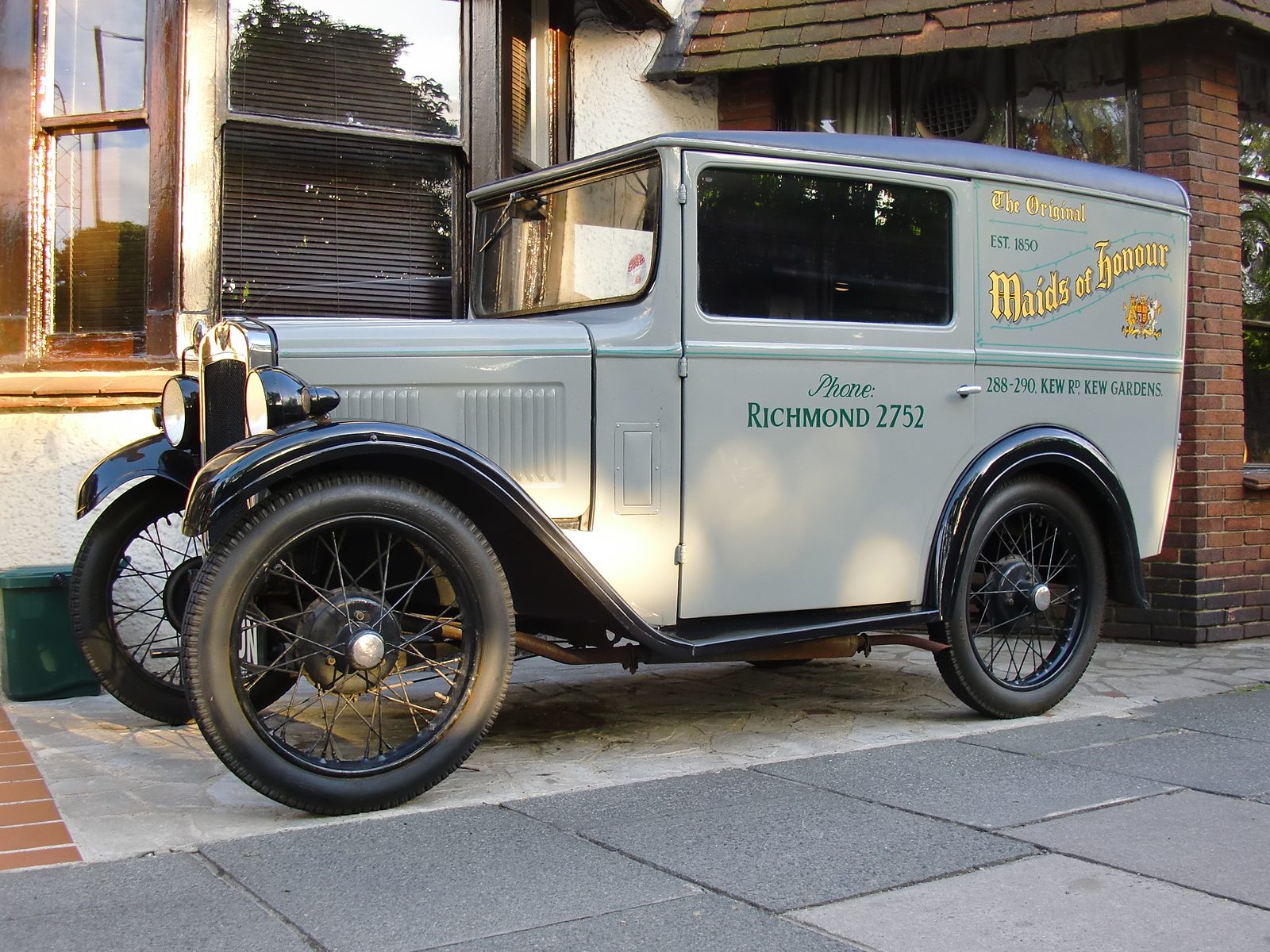
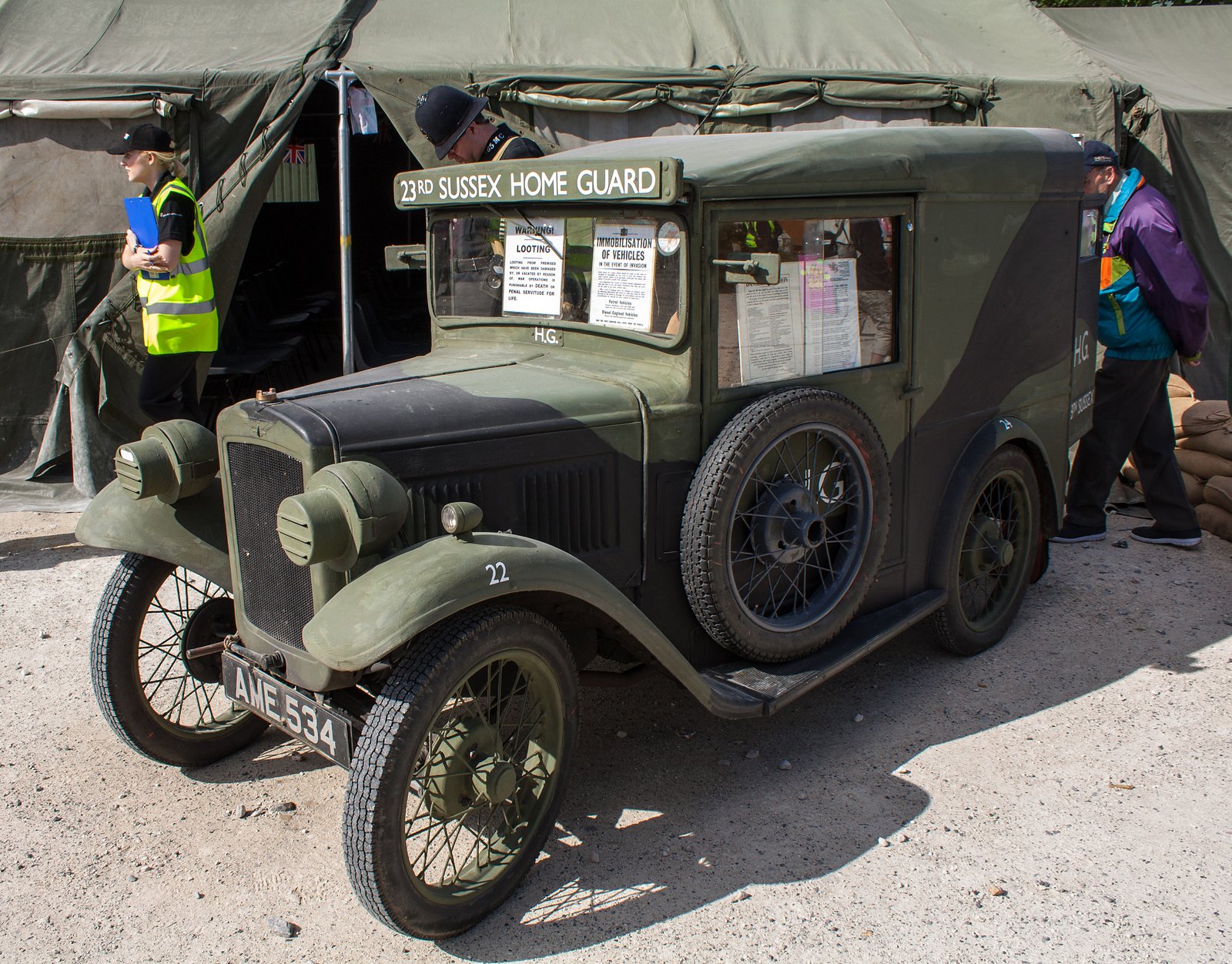
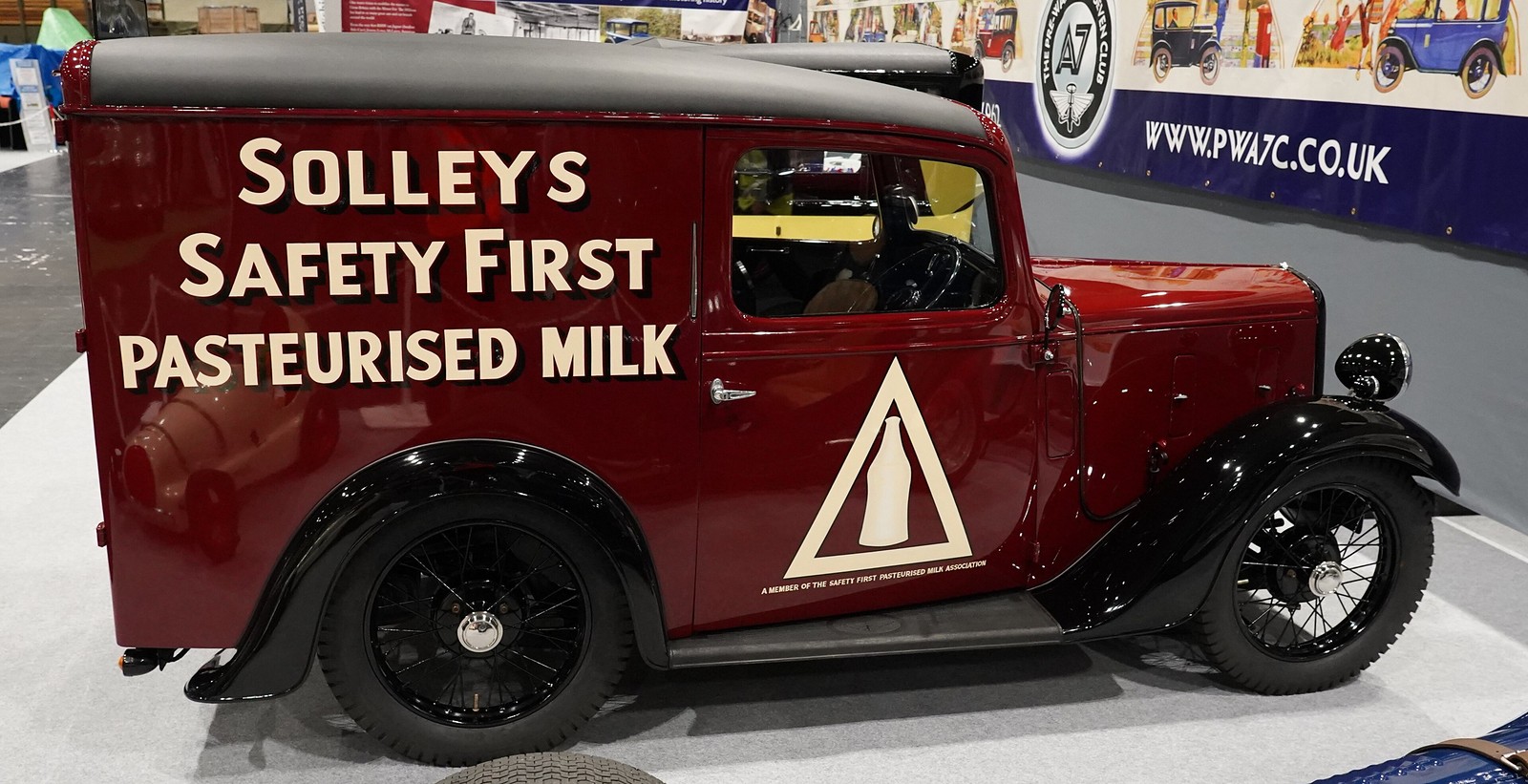
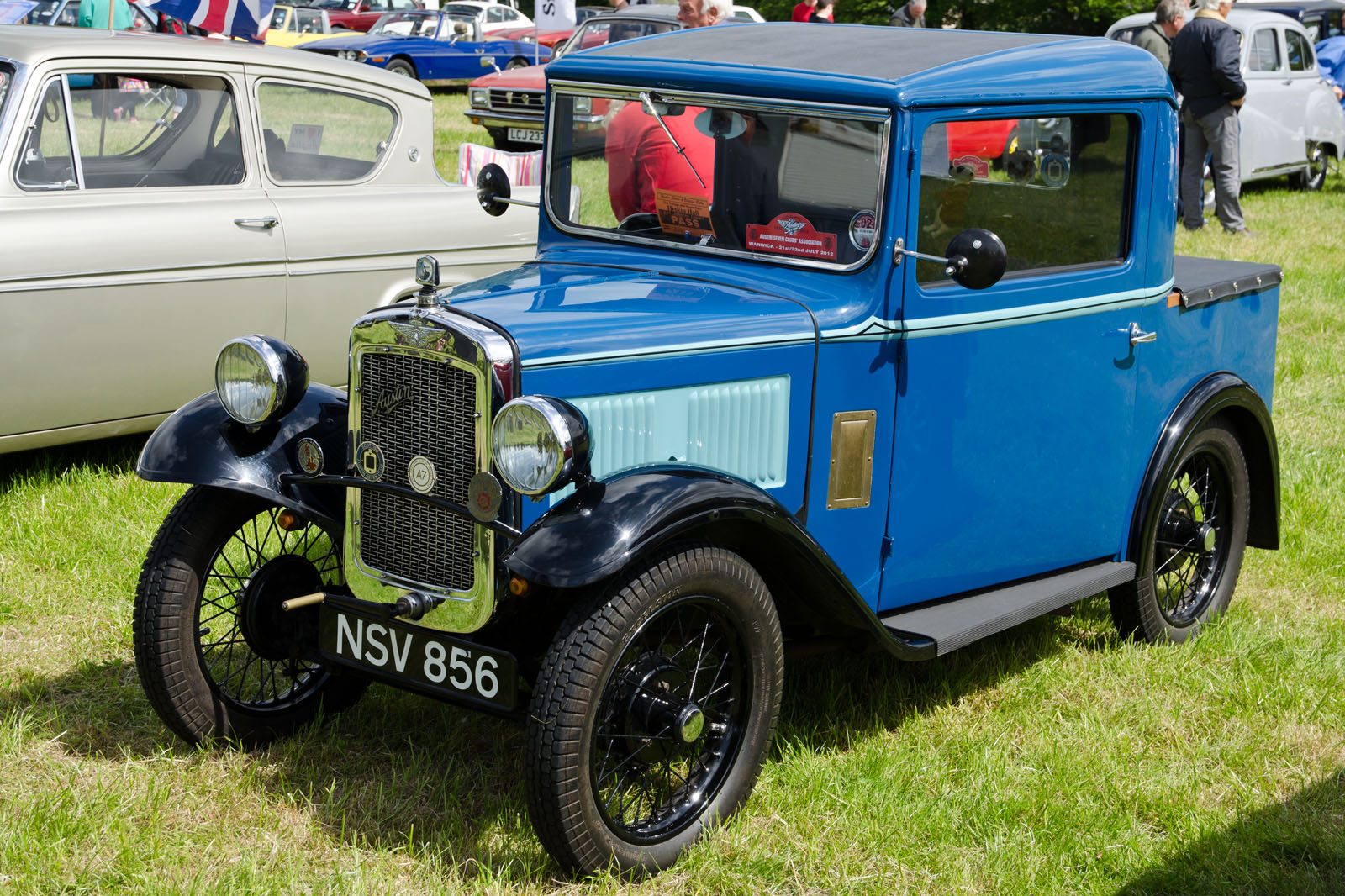
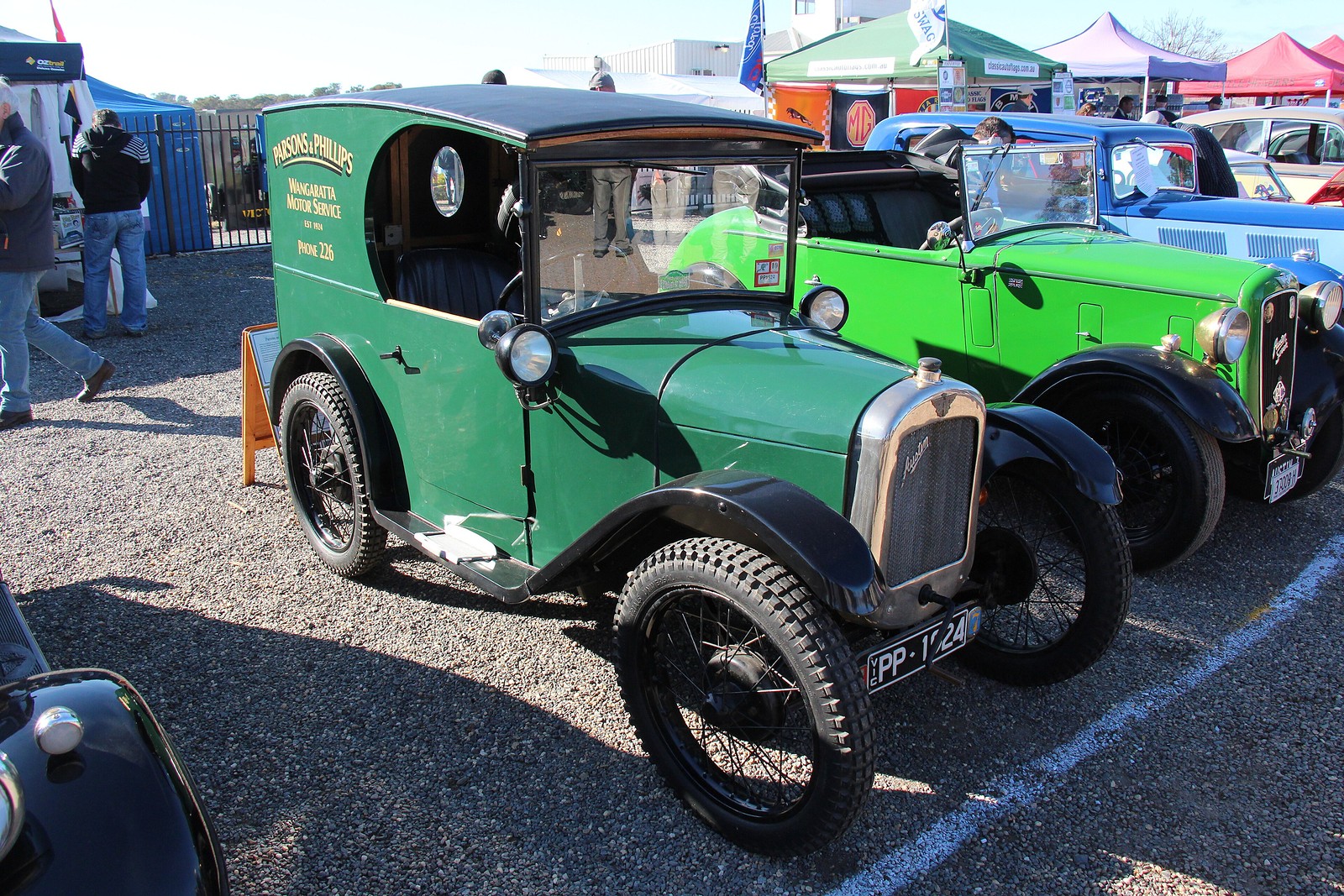
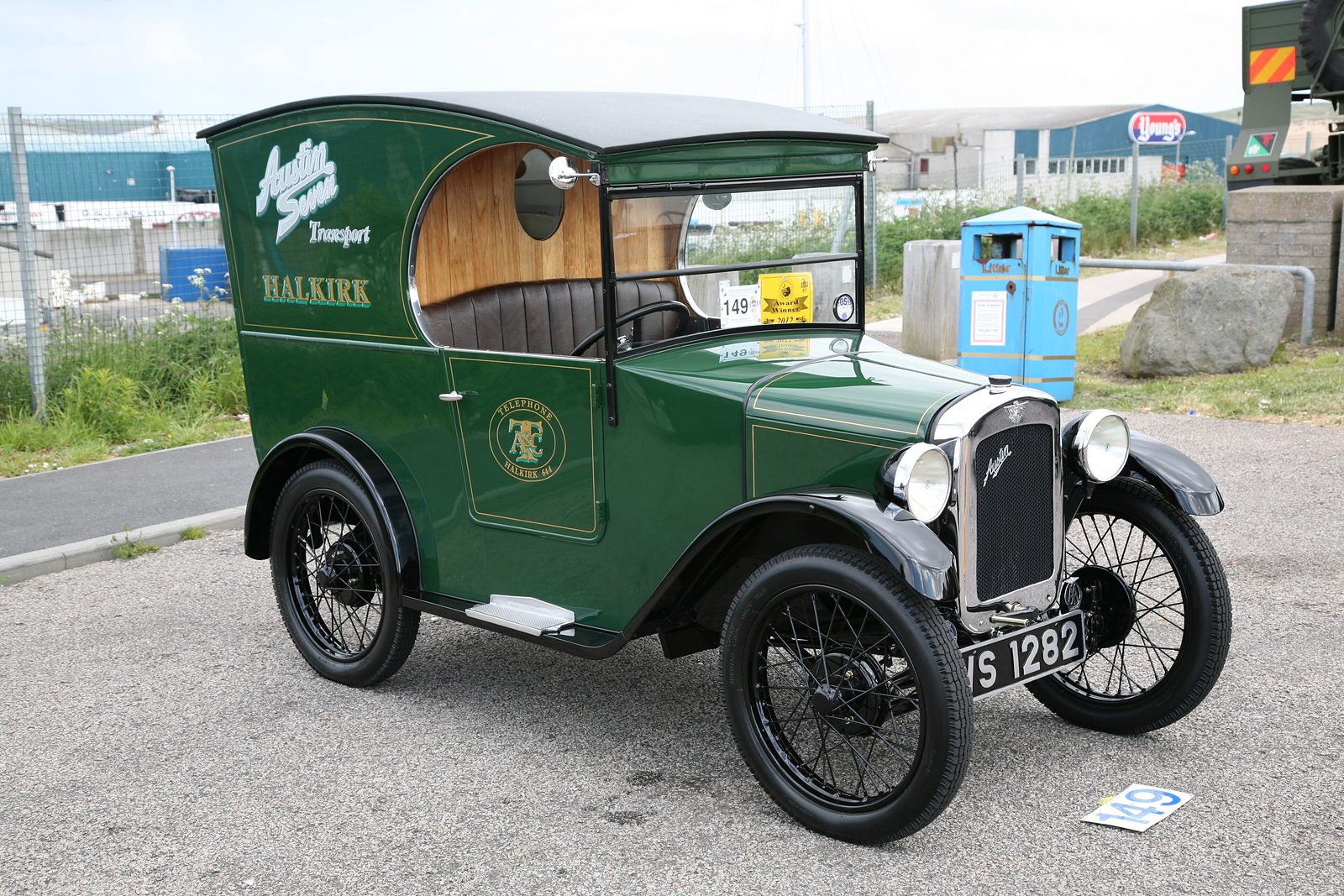
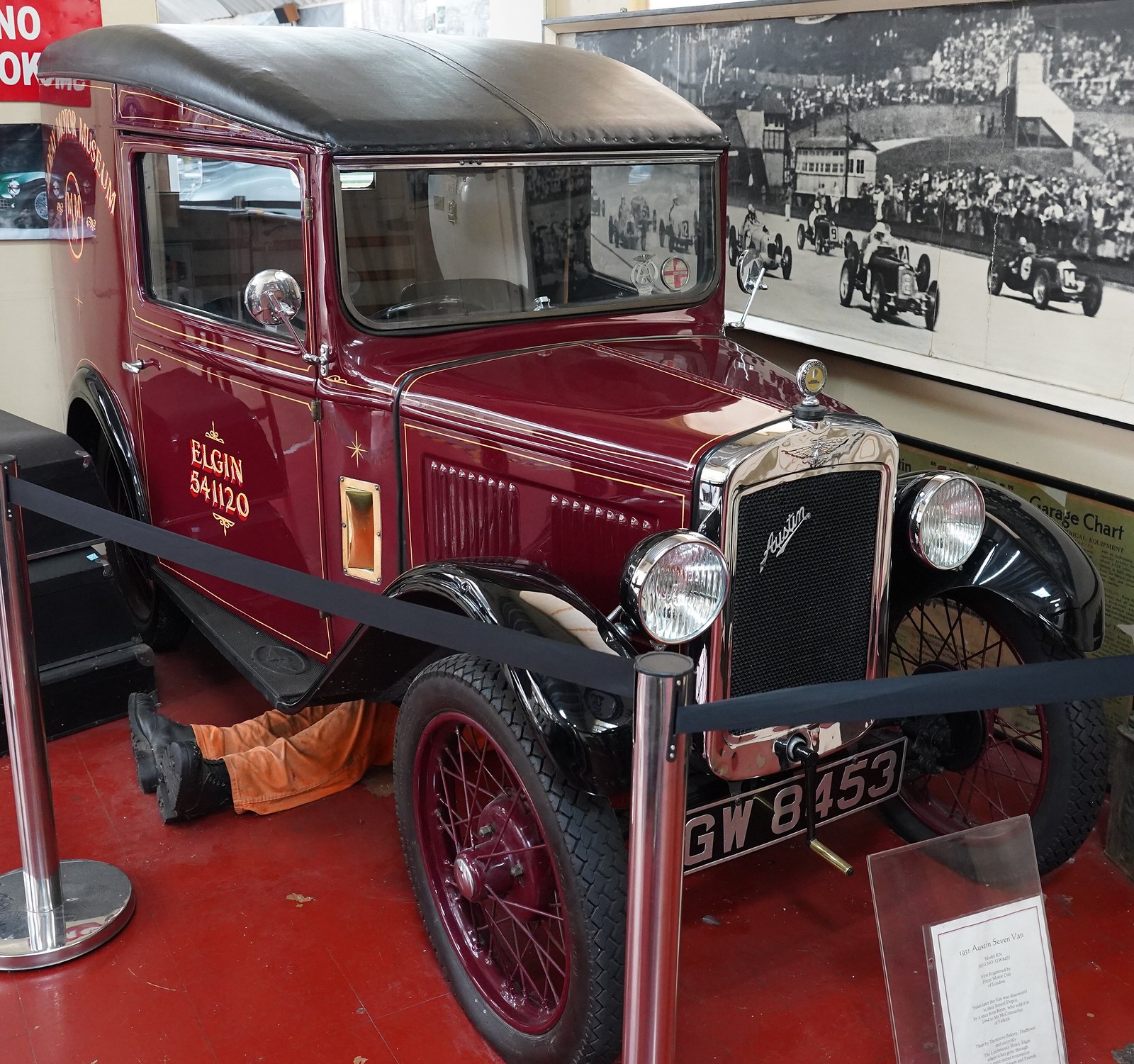
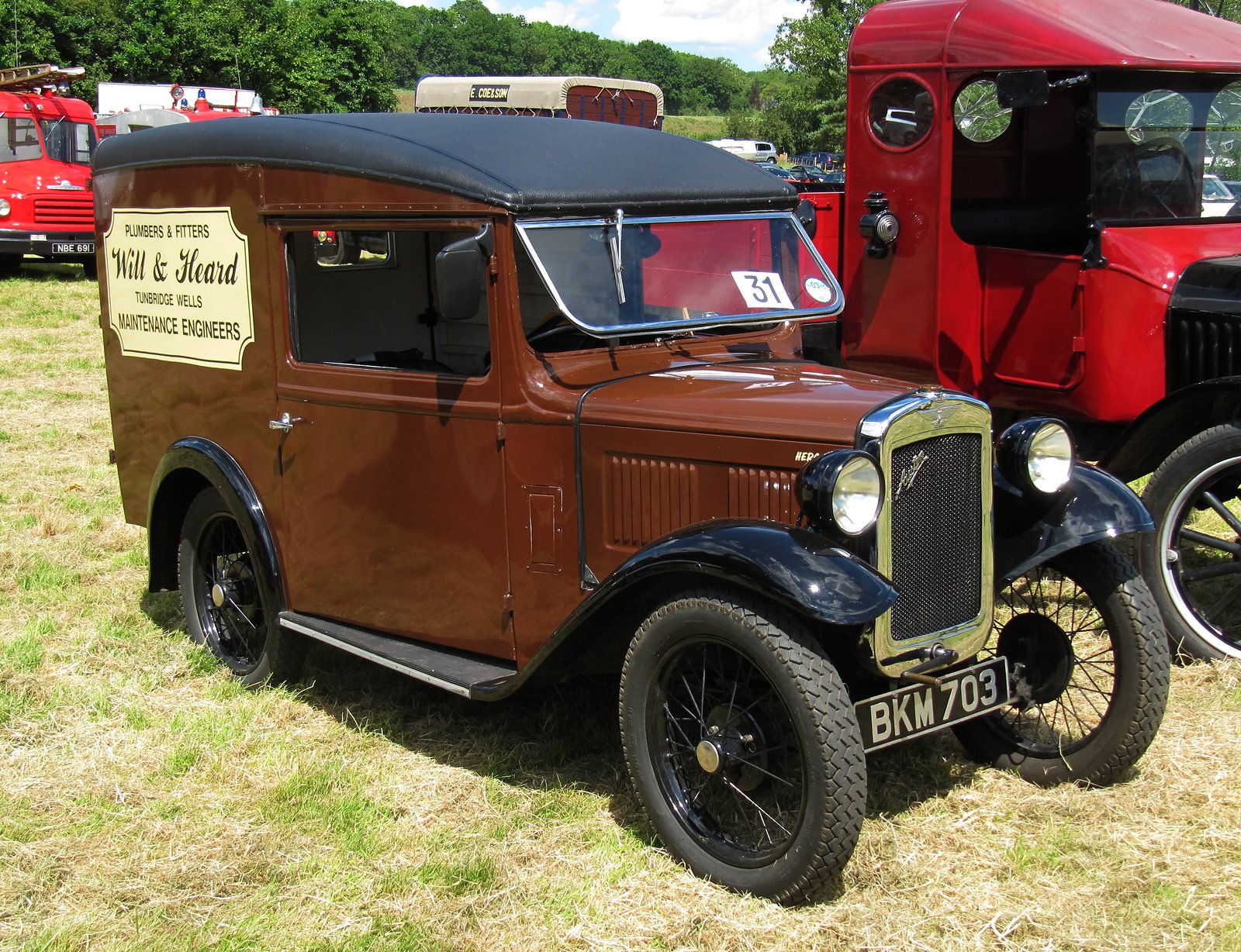
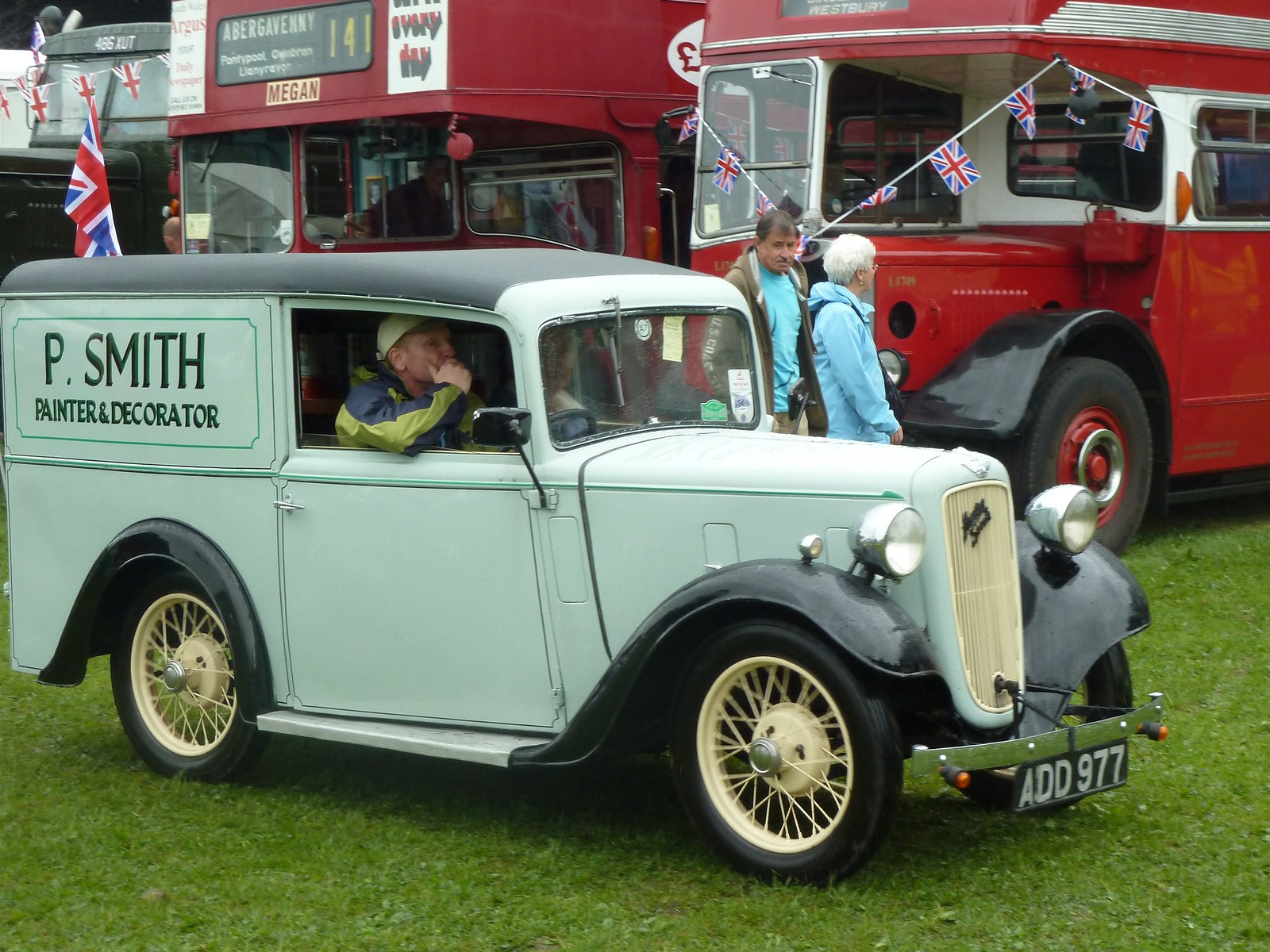
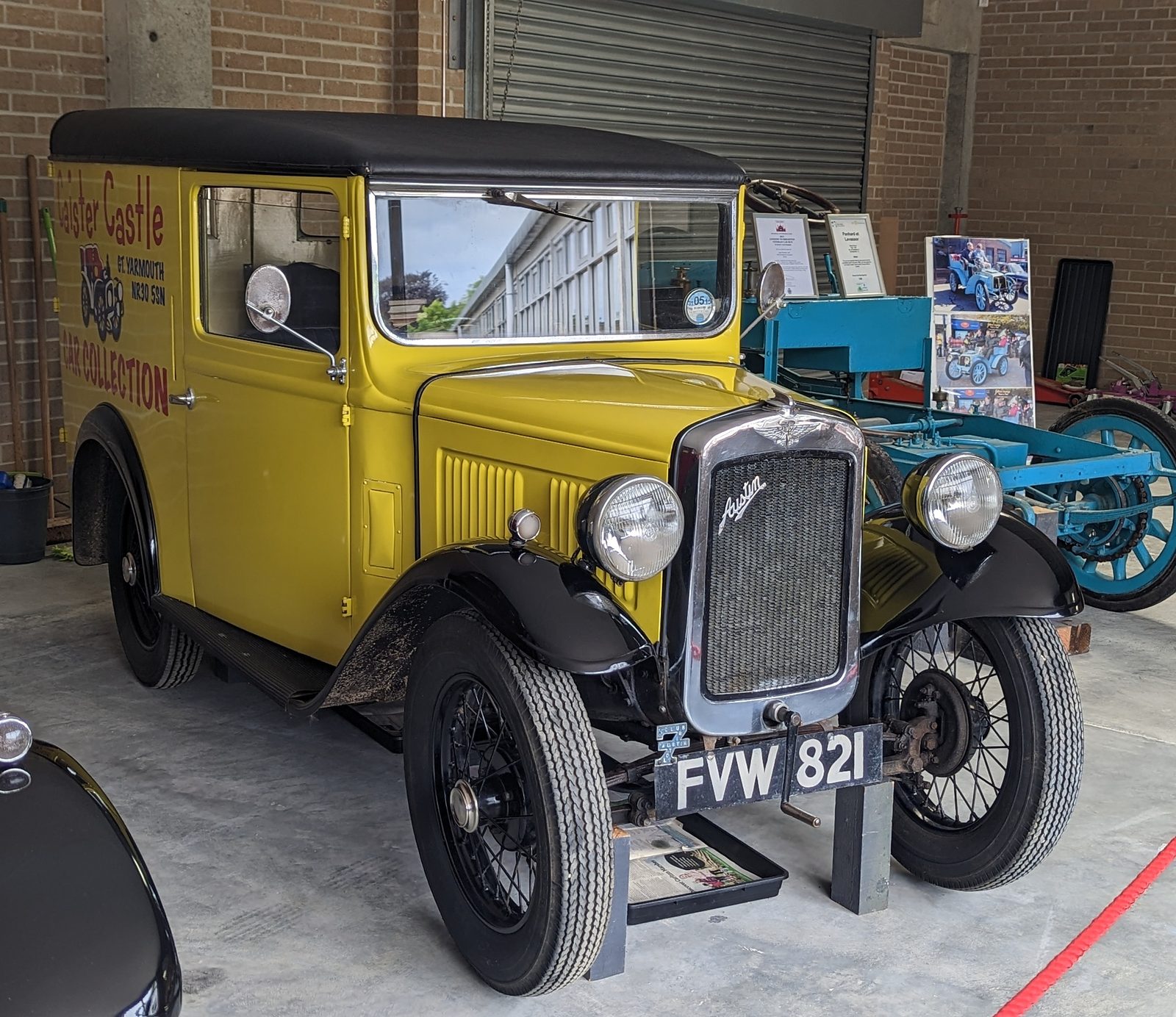
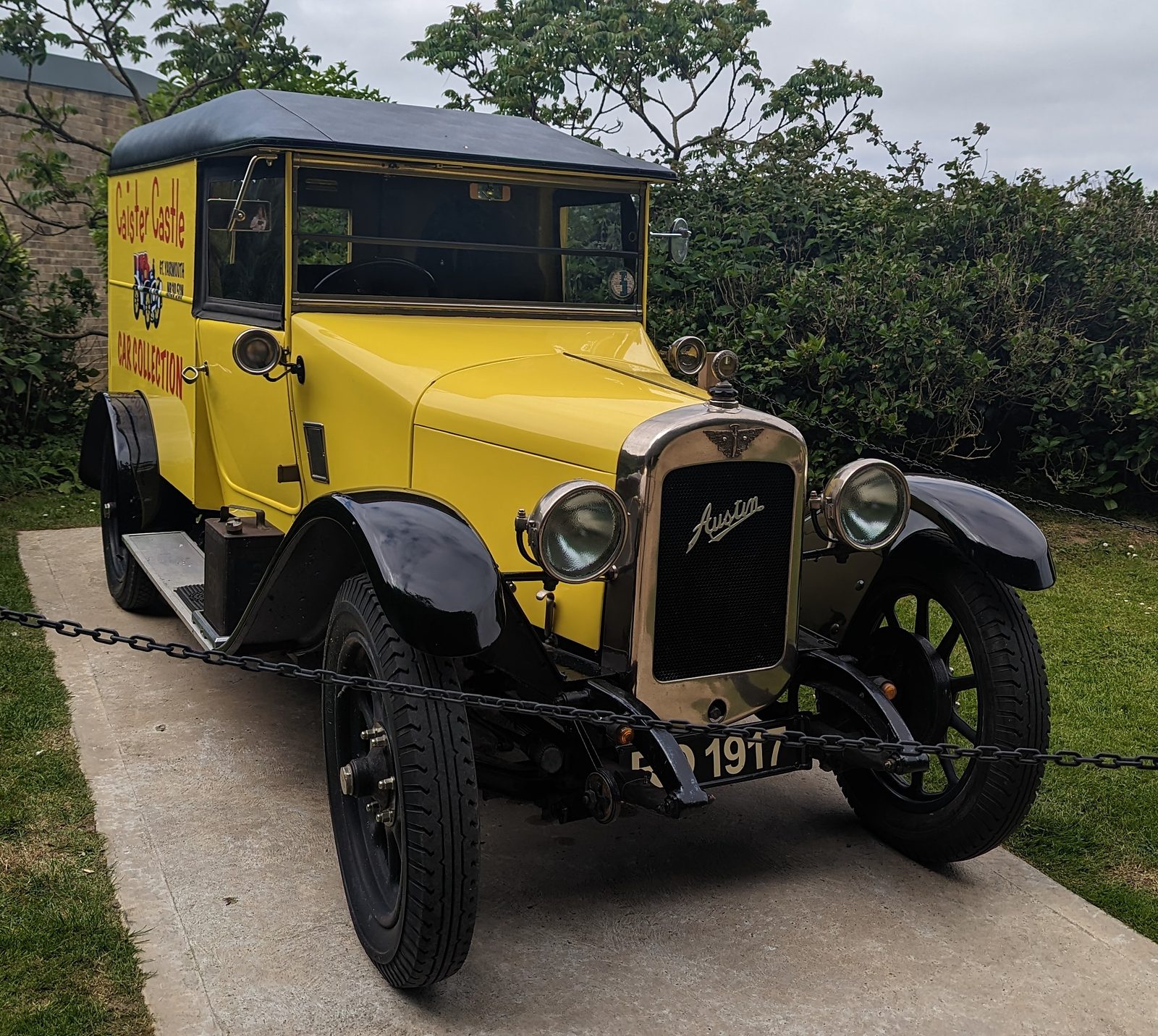
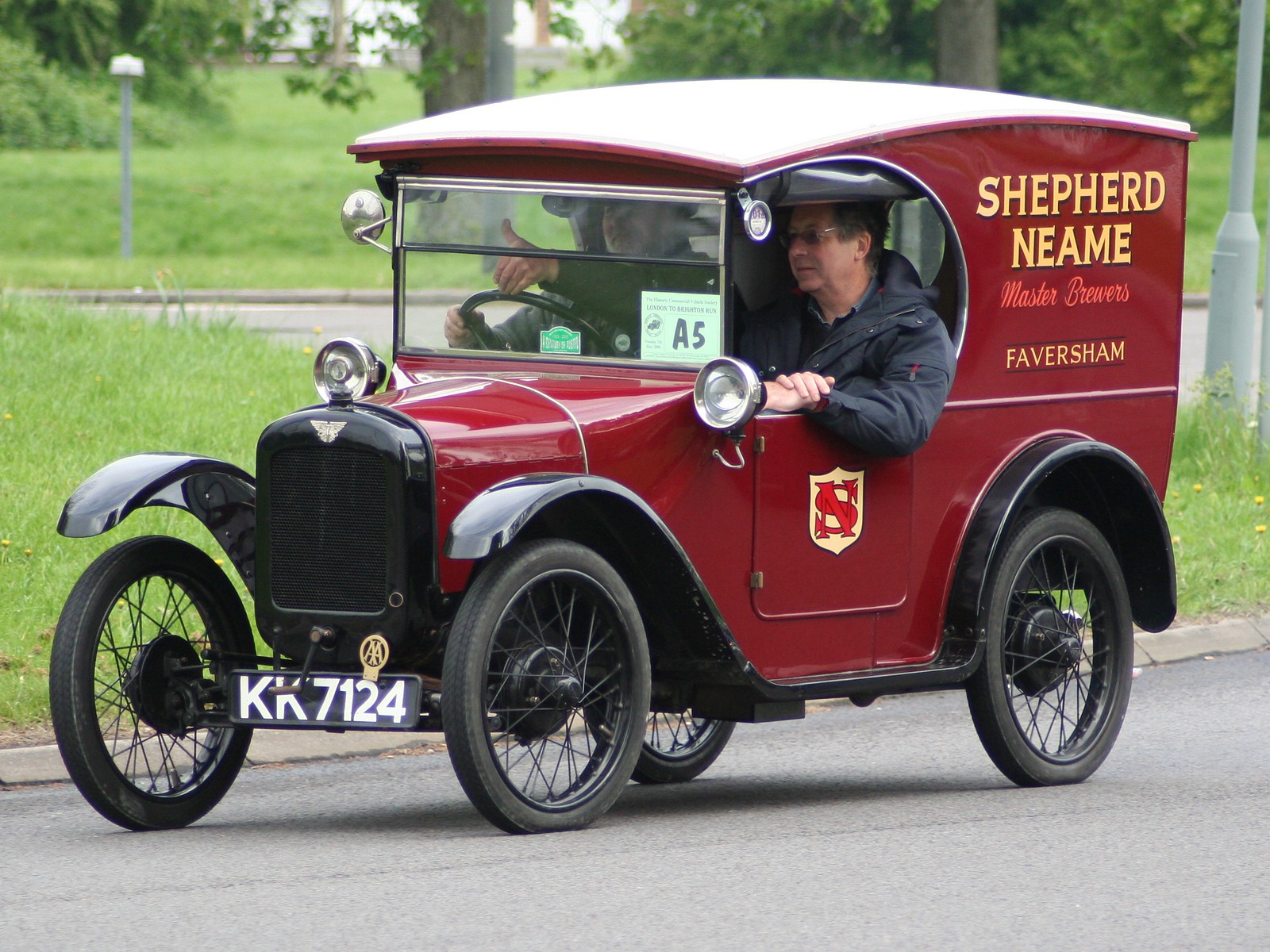
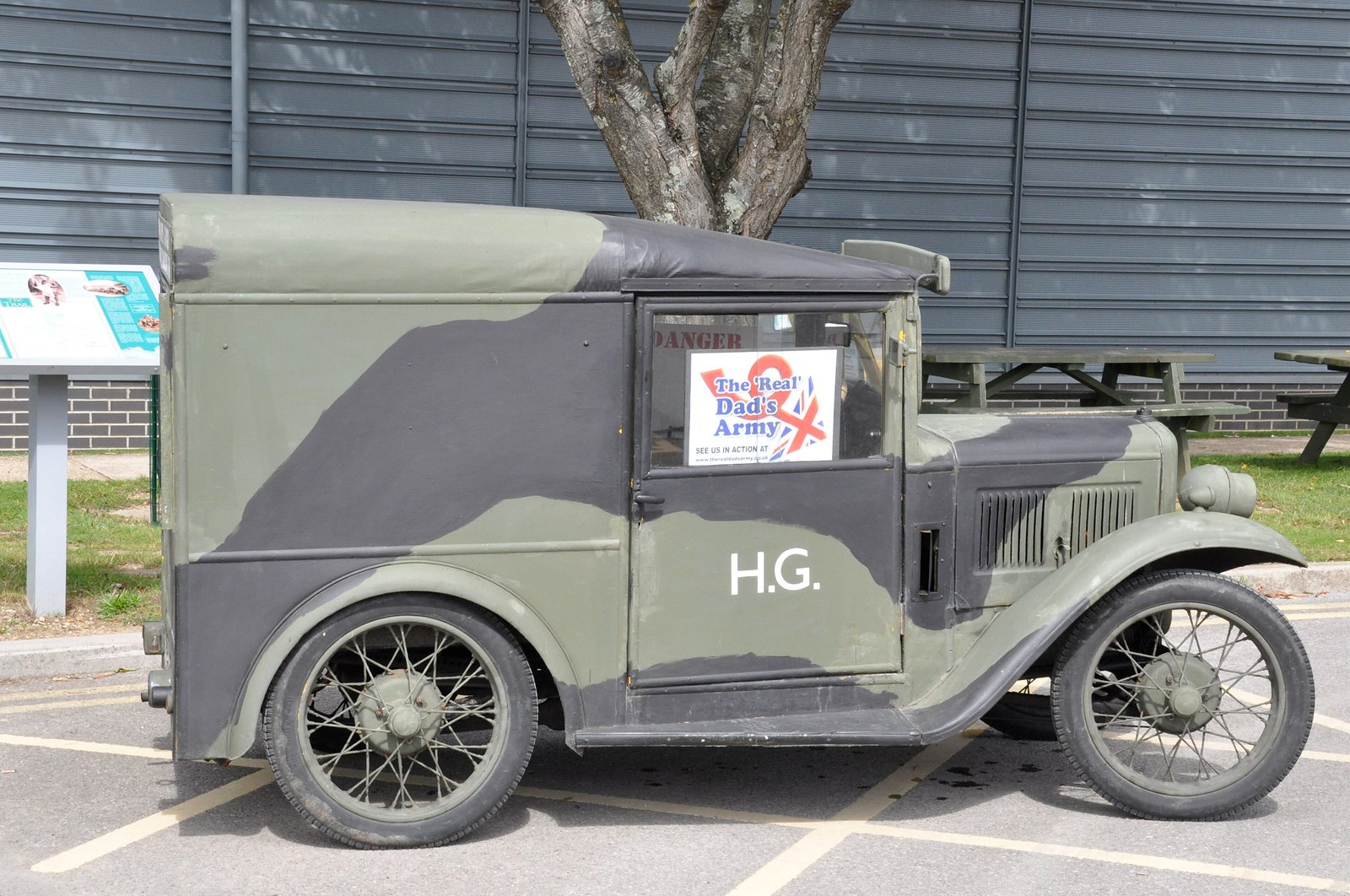
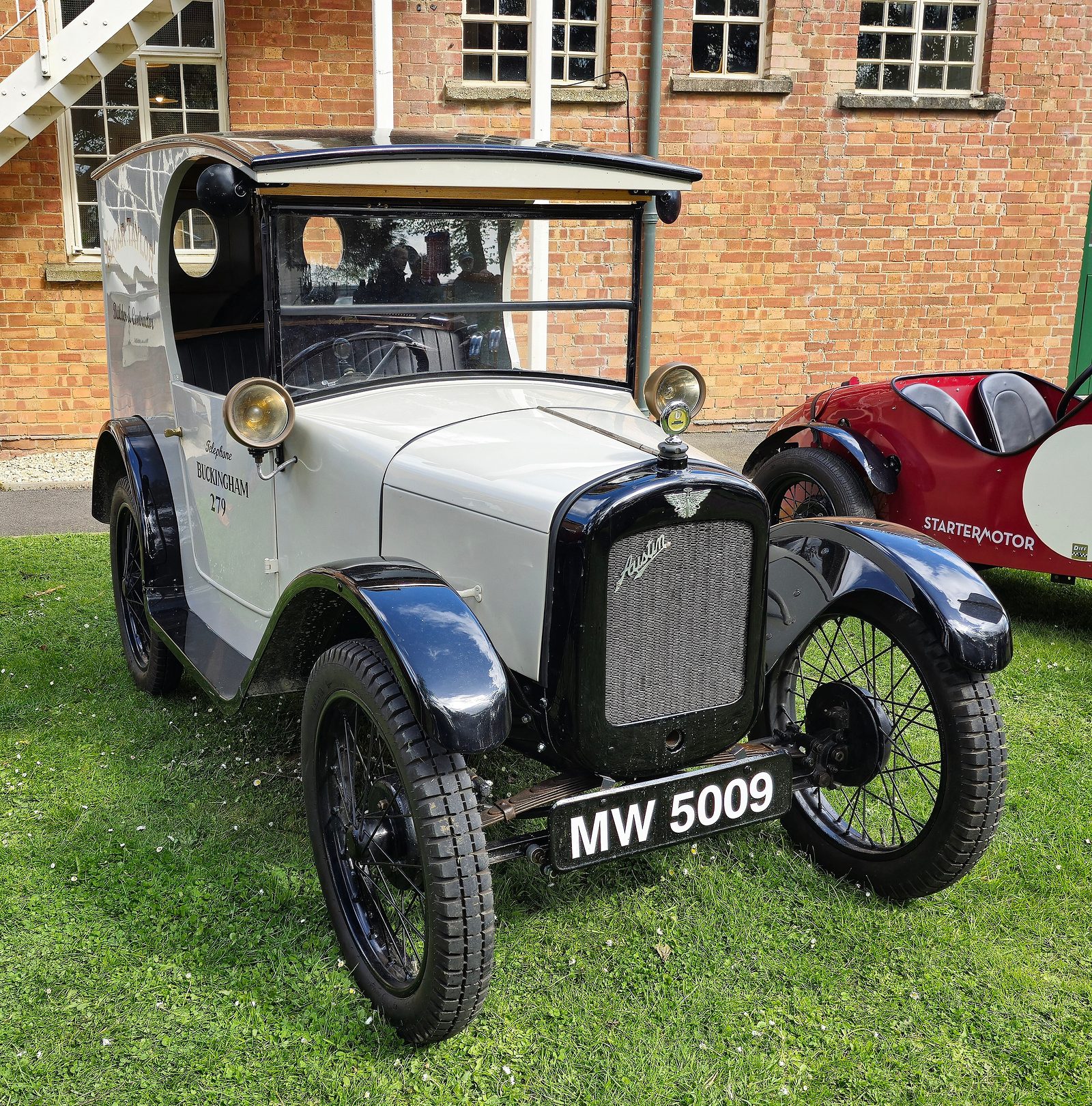
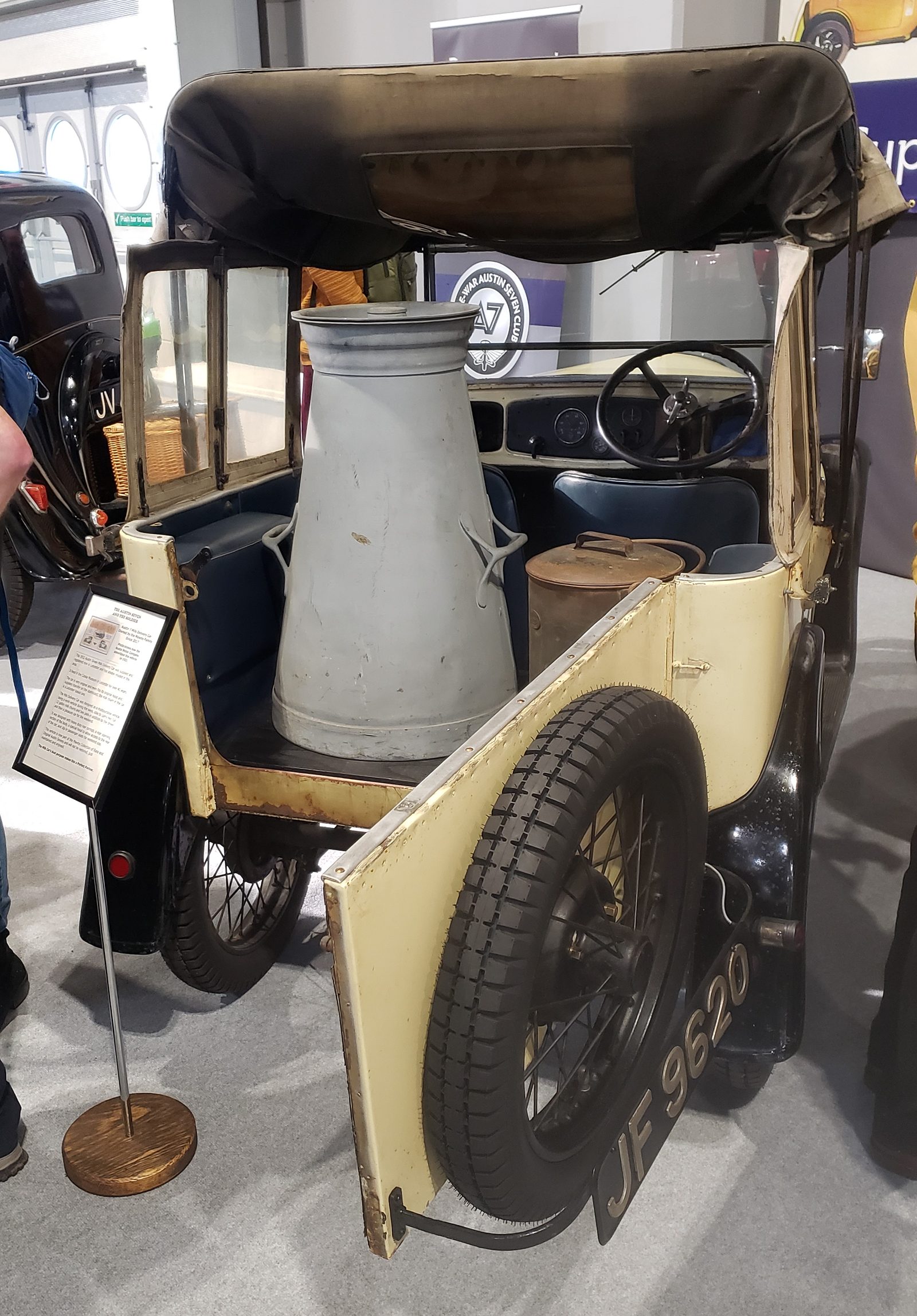
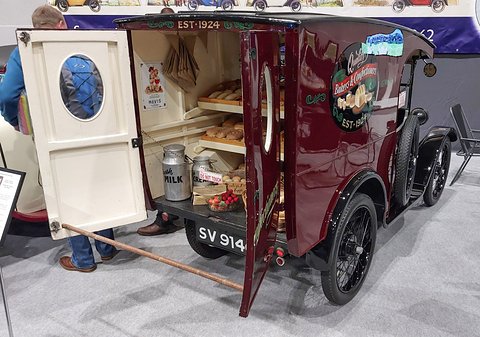
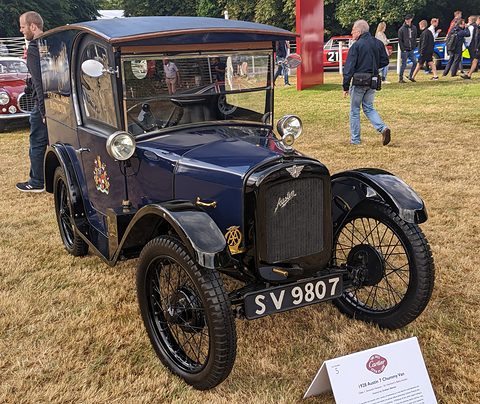
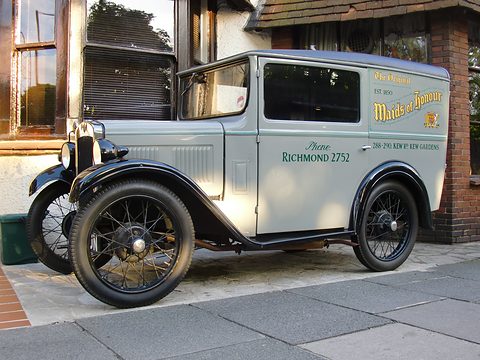
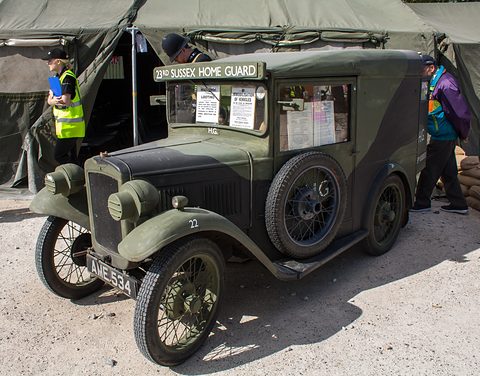
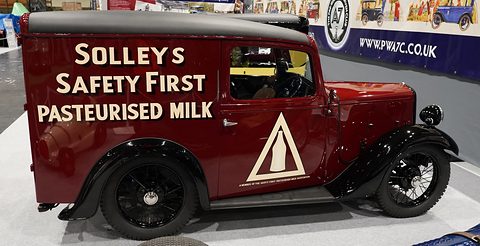
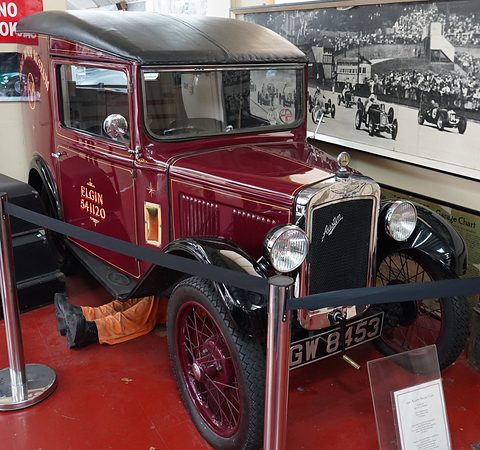
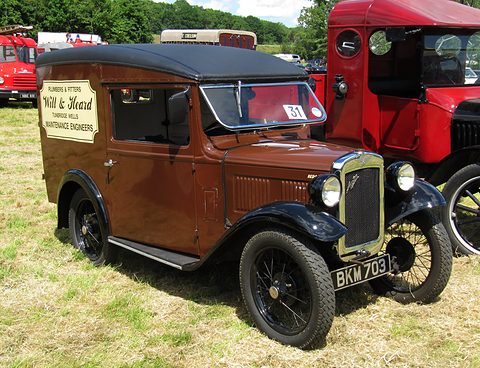
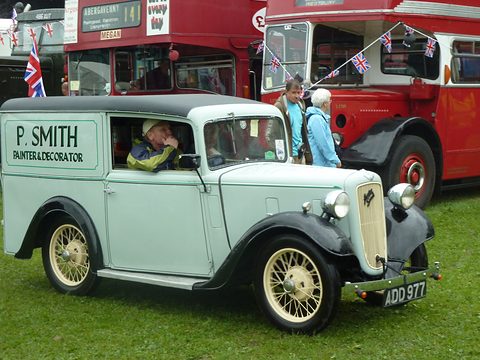
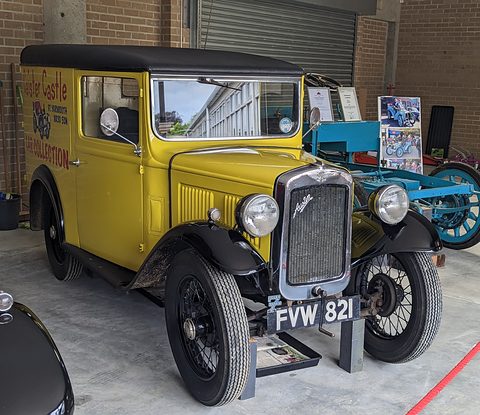
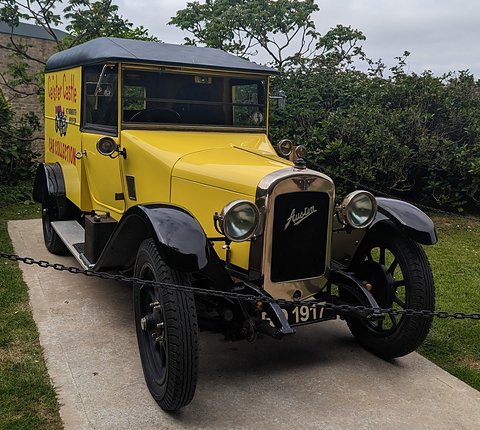
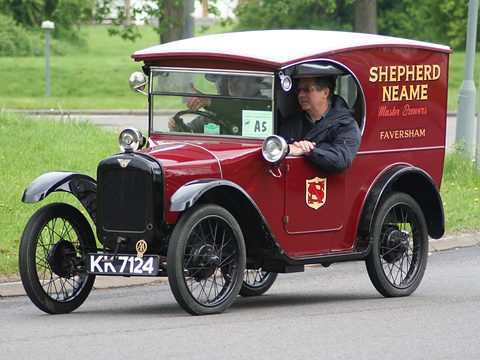
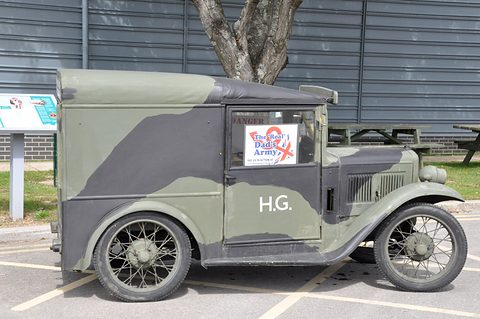
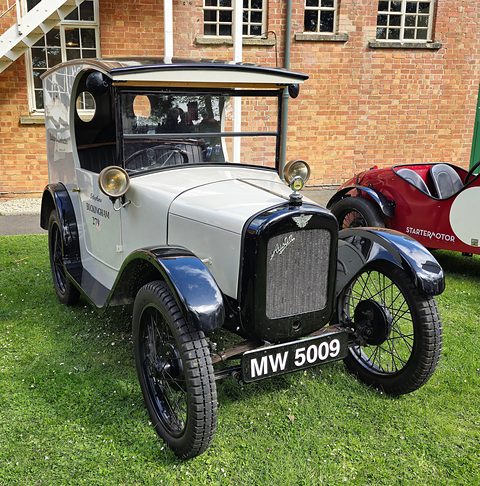
Vans1923–⁠39Built from the tourers, the saloons and the RubyNot found
Swallow two-seater and saloon1927–⁠32William Lyons’s coachwork, two-tone paintAbout 3,500 bodies
Dixi 3/15 and BMW 3/151927–⁠32Built under licence at Eisenach, left-hand drive after the first 509,307 Dixis and 18,976 BMWs
Rosengart LR2 and successors1928–1930sBuilt under licence in FranceNot found
American Austin1930–⁠34Built under licence at Butler, Pennsylvania, with a body by de SakhnoffskyAbout 20,000

Specification

The short-wheelbase Seven, 1923–c.1931, unless noted

Engine and drive

Engine and drive
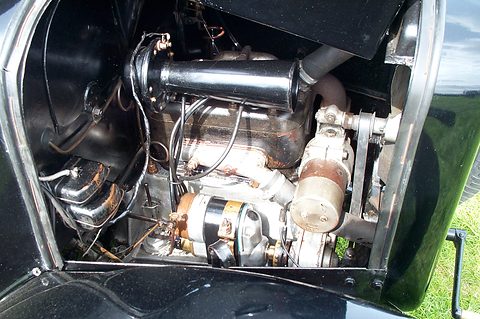
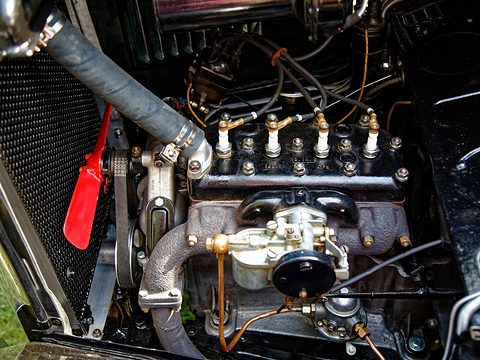
EngineFour cylinders in line, side valves, water-cooled; aluminium crankcase, cast-iron block and detachable headsource 2
Capacity696 cc (54 × 76.2 mm) until March 1923; 747 cc (56 × 76.2 mm) aftersource 2source 4
RAC rating7.2 hp, then 10.5 hpsource 2
PowerAbout 10 hpsource 2source 512 bhp (8.8 kW) for the later engine, in German Wikipediasource 3
CrankshaftTwo bearings, ball at the front and roller at the back, until 1936; three aftersource 2
CoolingThermosiphon, no water pumpsource 2
IgnitionMagneto; coil from 1928source 2
GearboxThree speeds and reverse, in unit with the engine; four speeds from 1932source 1source 21933 in Grace’s Guide; synchromesh on third and top in 1933, on second in 1934
Final driveSpiral bevel, 4.9:1 the commonest ratio; short torque tubesource 2

Body and chassis

Body and chassis
FrameA-shaped, the engine held between the channels at the narrow frontsource 2
Front suspensionBeam axle on a transverse semi-elliptic springsource 2
Rear suspensionQuarter-elliptic springs cantilevered from the back of the framesource 2
SteeringWorm and wheelsource 2
BrakesOn all four wheels from the start: the pedal for the rear, the hand lever for the front, coupled from 1930source 2

Dimensions

Dimensions
Length2,794 mm (110 in), by Austin’s handbook of 1925source 22,870 mm for 1922–⁠32 and 3,023 mm for 1933–⁠39 in German Wikipediasource 3
Wheelbase1,905 mm (75 in); 2,057 mm (81 in) on the long chassissource 2source 3
Track1,016 mm (40 in)source 2
WidthNot settled46 in (1,168 mm) in English Wikipedia; German Wikipedia’s 1,588 mm looks wrong for a 40 in track
Weight360 kg (794 lb)source 2375 kg in the same article’s table; the chassis alone 249 kgsource 3

Performance and running

Performance and running
Top speed77–84 km/h (48–52 mph), the 1929 fabric saloonsource 1
Price new£165 at launch; £167 for 1923source 5The bare chassis £112 in the mid-1920ssource 2

How many were built?

Every figure, with its source

About 290,000 builtAbout 290,000 cars and vans, 1923–⁠39, the figure every source gives. Wyatt’s year-by-year table, as German Wikipedia prints it, totals 290,806, though its yearly figures add up to 290,861; several of his later years are round numbers, so treat the last digits as estimates. The licence builds abroad are not in the total.

  1. 290,806cars and vans, 1923–⁠39: the table’s total; its years add up to 290,861One source

    Wyatt, The Austin 1905–⁠1952, as tabulated in German Wikipediasource 3

  2. about 290,000cars and vansTwo sources agree

    The Lane Motor Museum, English Wikipedia, Grace’s Guide and Hagertysource 1source 2source 4source 5

  • Two sources agreetwo good sources give the figure
  • One sourcea good source, alone
  • Unconfirmeda lead only, not yet checked

Famous for

Three points

  1. Motorising Britain

    A big car in miniature for families who could otherwise run only a motorcycle and sidecar, it finished off the British cyclecar.source 1source 2source 4

  2. The first BMW

    Built under licence at Eisenach, the Dixi 3/15 and BMW 3/15 were BMW’s first car.source 1source 2source 9

  3. The nursery

    Its specials and the 750 Motor Club started Colin Chapman, Bruce McLaren and a generation of designers.source 2source 13source 15

Racing and records

Class wins and records, 1923–⁠34

A 747 cc family car became a record car within months of launch (see racing and rallying and records and feats).

89.88 km/h
to win the 750 cc class of the cyclecar Grand Prix at Monza, 29 April 1923, by Arthur Waite.source 6
19 records
in the 750 cc class held by E. C. Gordon England by 1925.source 2
1928
Arthur Waite won the 100 Miles Road Race at Phillip Island, later counted as the 1928 Australian Grand Prix.source 2
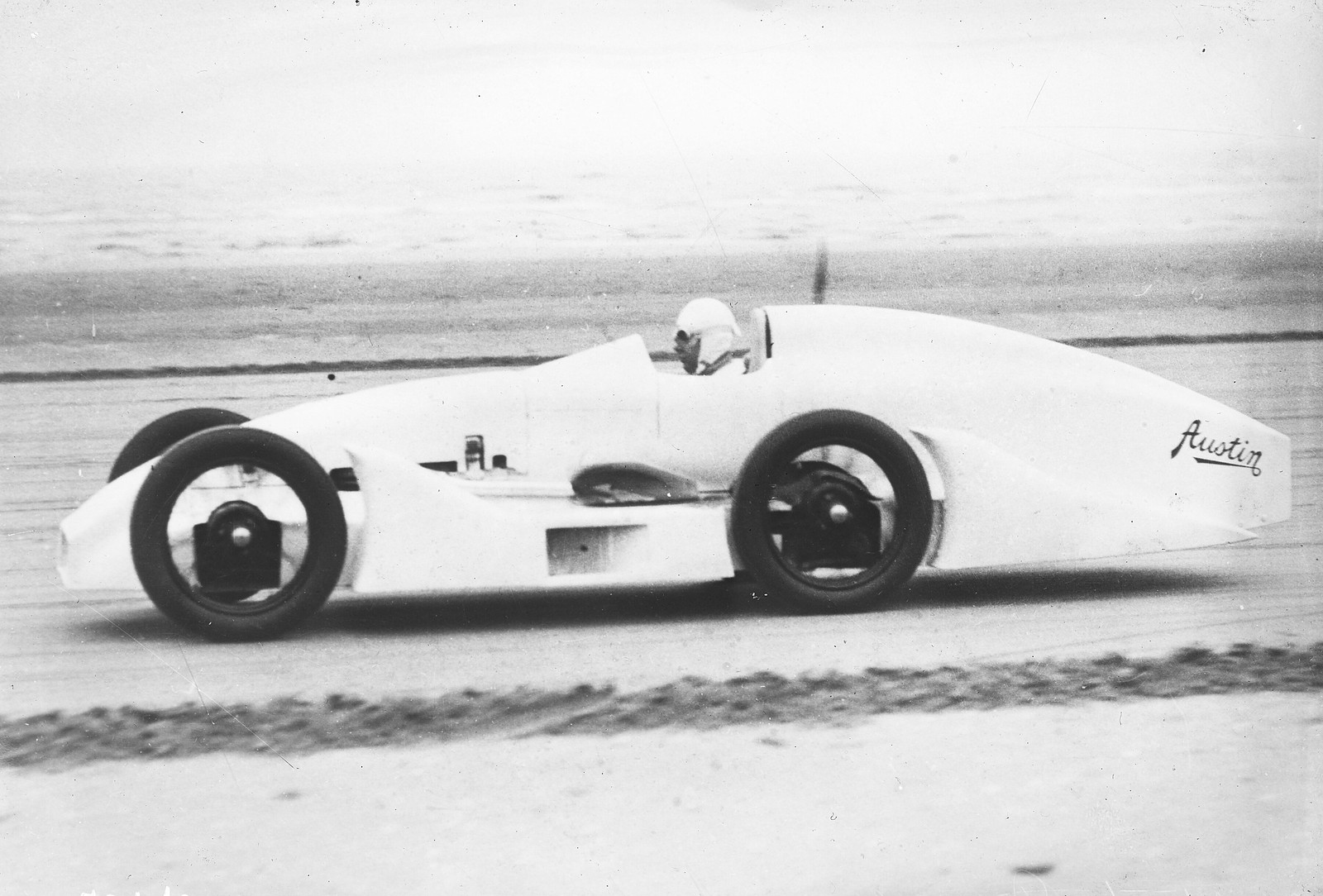
197.5 km/h
(122.74 mph) over the flying kilometre, a two-way mean, by Pat Driscoll on Southport Sands in March 1934.source 8

On screen

Confirmed appearances only

Survivors and collecting

Today

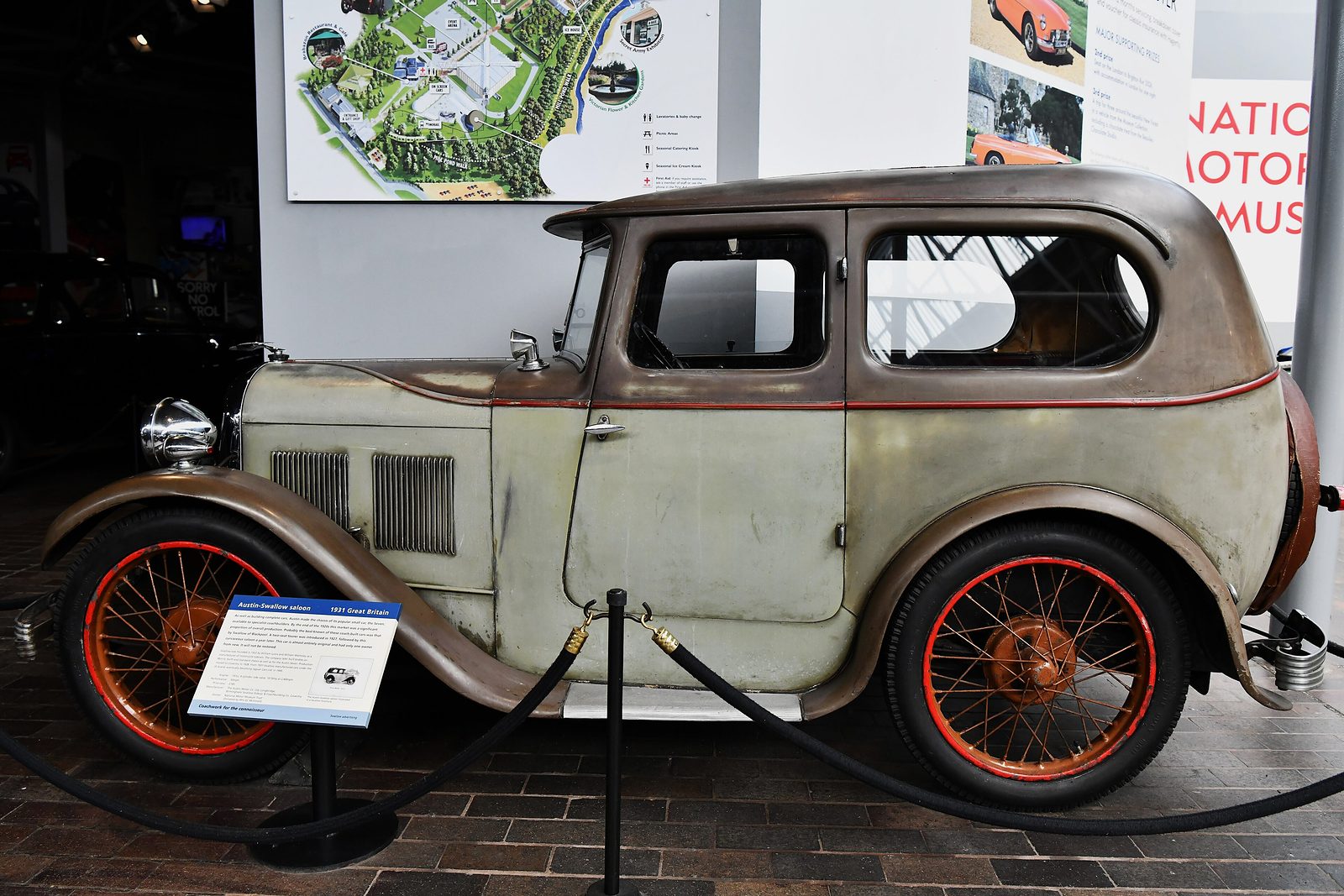
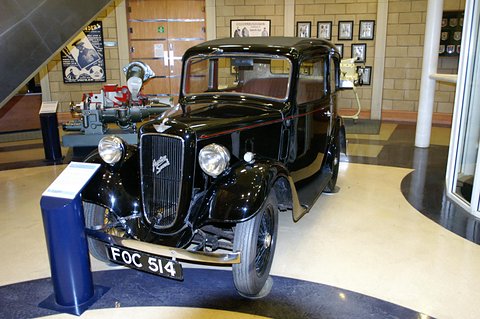
No count of surviving Sevens has been found. The Austin Seven Clubs’ Association keeps an archive and a register of surviving cars. Other clubs include the Pre-War Austin 7 Club, the largest for the Seven alone, the Austin Seven Owners Club for London and the Home Counties, the Austin Seven Special Register, and the 750 Motor Club itself.source 2source 15 A 1929 fabric saloon belongs to the Lane Motor Museum in Nashville, a rare thing, because so few fabric bodies lasted.source 1 English Wikipedia shows a 1922 car in the Shanghai Automobile Museum and a 1931 Swallow saloon at the British Motor Museum, Gaydon, and a photograph of 1993 of what remained of the Dalai Lama’s Baby Austin in Lhasa.source 2 The railways borrowed the nickname: the LMS’s Class 7F 0-8-0 locomotives were called Baby Austins after the car.source 2 No dated auction result from a major sale has been found.

Sources

Numbered as in the text

No period road test, survivor count or dated auction result has been found. Sources are given as plain text; the links are on the Credits page.

  1. Lane Motor Museum, “Austin 7 ‘Fabric Saloon’ – 1929”, collection page, read in full.
  2. English Wikipedia, Austin 7, read in full. It cites Wyatt, The Austin 1905–⁠1952 (David & Charles, 1981); Mills, Original Austin Seven (Bay View, 1996); Cheetham, Vintage Cars (2004); Baldwin, A–Z of Cars of the 1920s (1994); and Austin’s Austin Seven handbook of 1925.
  3. German Wikipedia, Austin 7, read in full; its production table is from Wyatt, p. 287.
  4. Grace’s Guide, “Austin: Seven”.
  5. Hagerty UK, “Austin Seven: power to the people, 100 years on”.
  6. teamdan.com race-results archive, 1923, archived copy; the relevant parts read.
  7. teamdan.com race-results archive, 1926, archived copy; the relevant parts read.
  8. W.B. (Bill Boddy), “The Development of the Racing Austin Seven”, Motor Sport, April 1947.
  9. English Wikipedia, BMW 3/15.
  10. English Wikipedia, Automobiles L. Rosengart.
  11. English Wikipedia, American Austin Car Company. It cites Popular Mechanics, September 1930.
  12. English Wikipedia, Datsun Type 11, read in full. It cites the Nissan Heritage Collection and Ken Togo, “Infant Industry Policy”.
  13. “Grass roots”, Motor Sport, September 1989.
  14. “Joined the forces”, Motor Sport, May 1945; partly read.
  15. English Wikipedia, 750 Motor Club, introduction read.