The story
History
Edmond Moyet designed the car at home, in the evenings, while he was working at Citroën with Jules Salomon on the 5 CV, the Citroën 5HP.source 3source 4 The club tells that the first sketch was made on the corner of a tablecloth at the Excelsior brasserie at the Porte Maillot.source 3 André Morel, then sales manager for southern France at Le Zèbre, took Moyet to two of Le Zèbre’s men, the investor Émile Akar and the commercial director Joseph Lamy, and they agreed to put up the money for a new company.source 3source 4
Four founders and an anagram
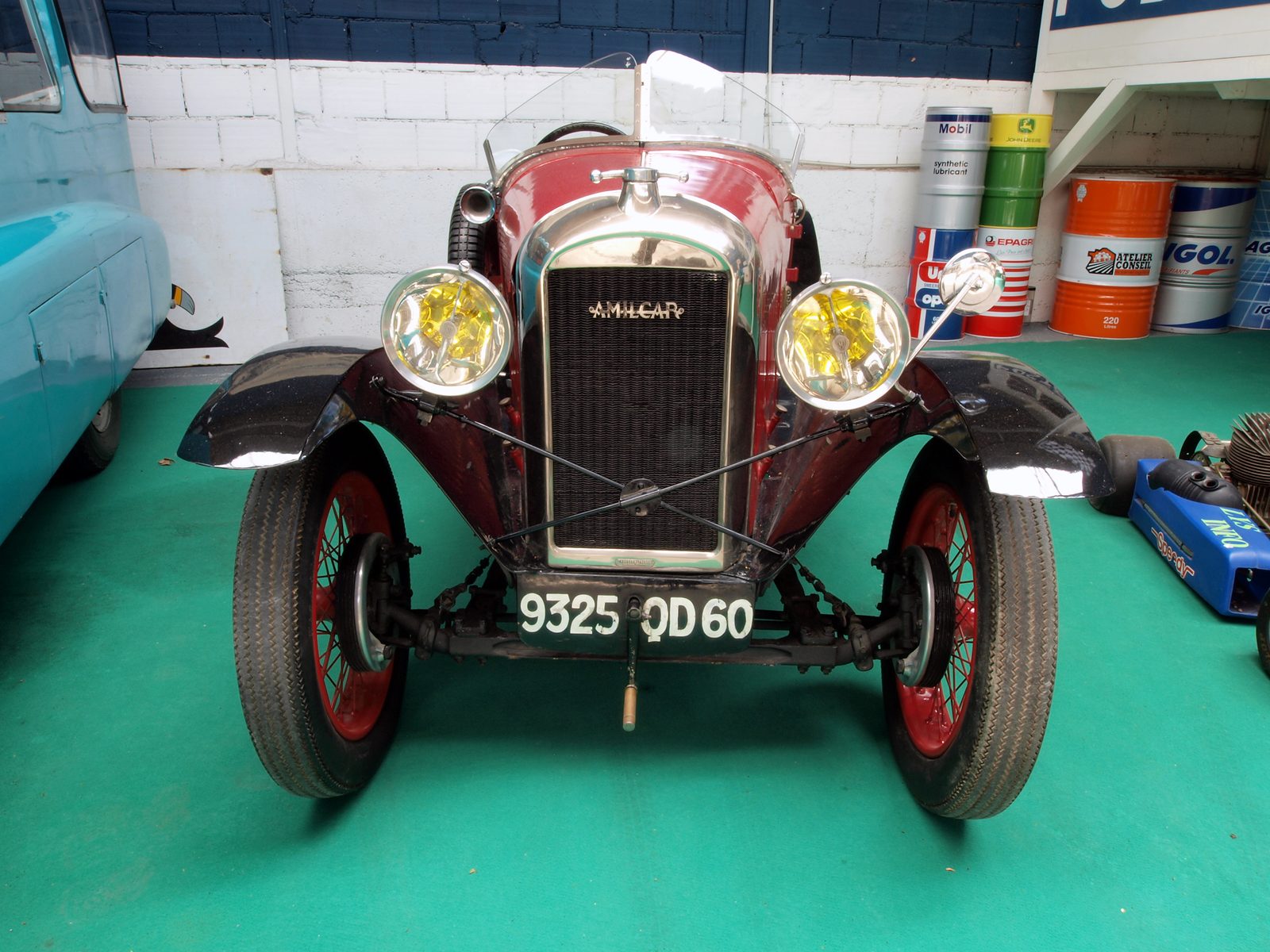
Morel, born at Troyes in 1884, had been Berliet’s chief tester and a wartime pilot; Akar, a graduate of HEC, worked in his father-in-law’s coffee business; Lamy had taught French in St Petersburg, written for L’Ouest-Éclair and run the taxis of Monaco.source 3 Akar became director general, Lamy took charge of sales, Morel became sales manager and Moyet chief engineer, and Le Zèbre agents led by Dumond of Lyon joined the capital.source 3 The name Amilcar, registered on 19 July 1921, is an imperfect anagram of Lamy and Akar; other theories exist, among them the British pun “A Lamy Car”.source 3source 5source 4 The engine’s layout, one encyclopedia notes, was typical of Salomon, and English Wikipedia credits Salomon with Moyet for the design.source 6source 5
Built to the 350 kg rule
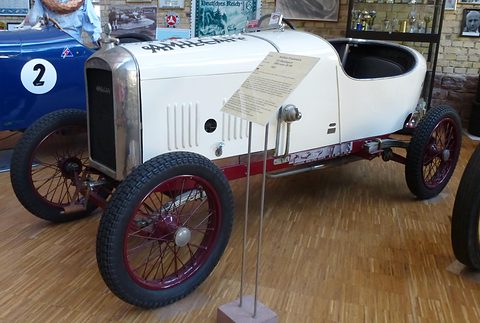
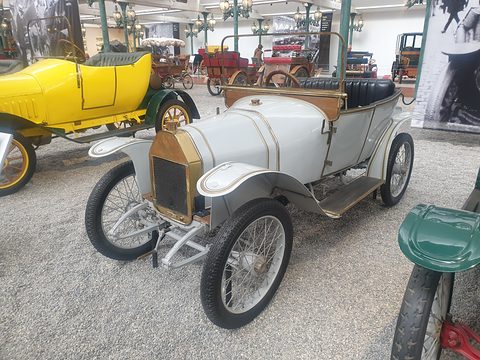
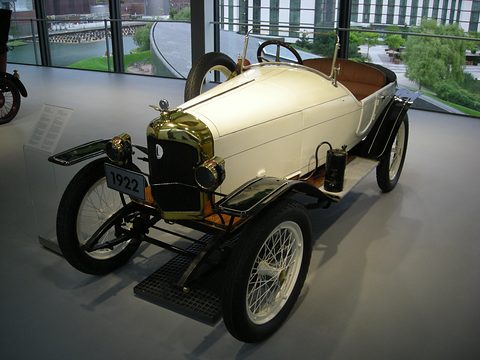
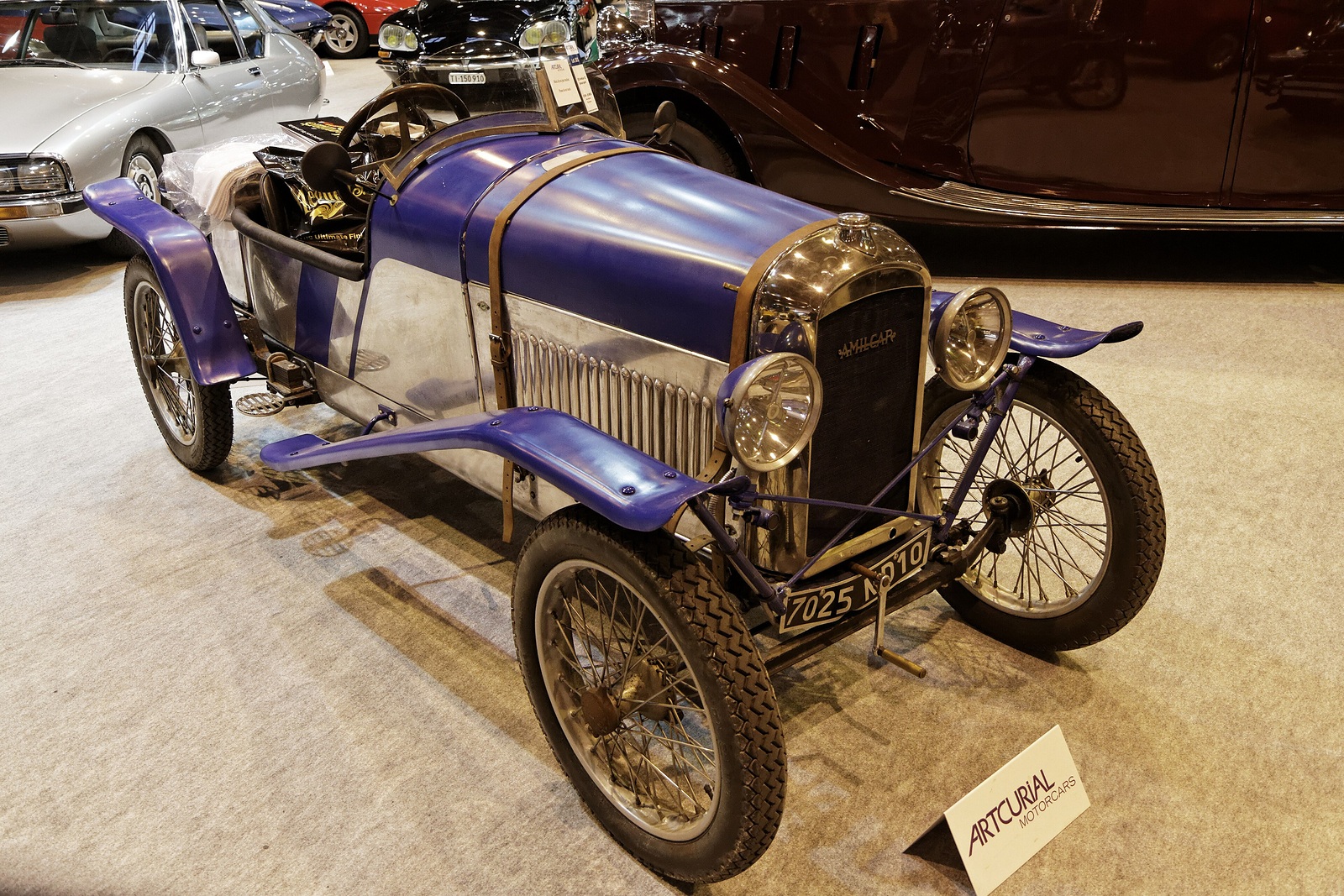
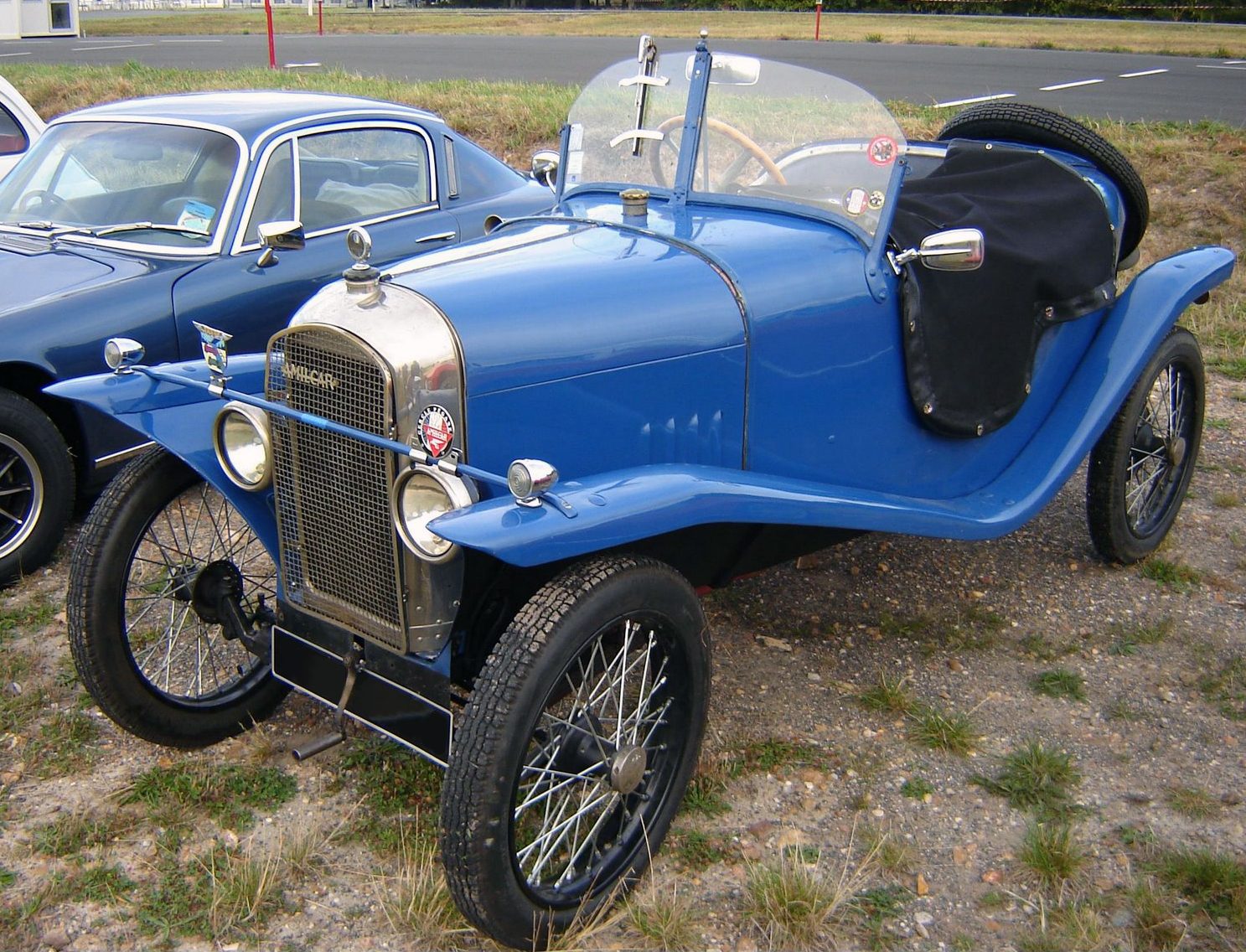
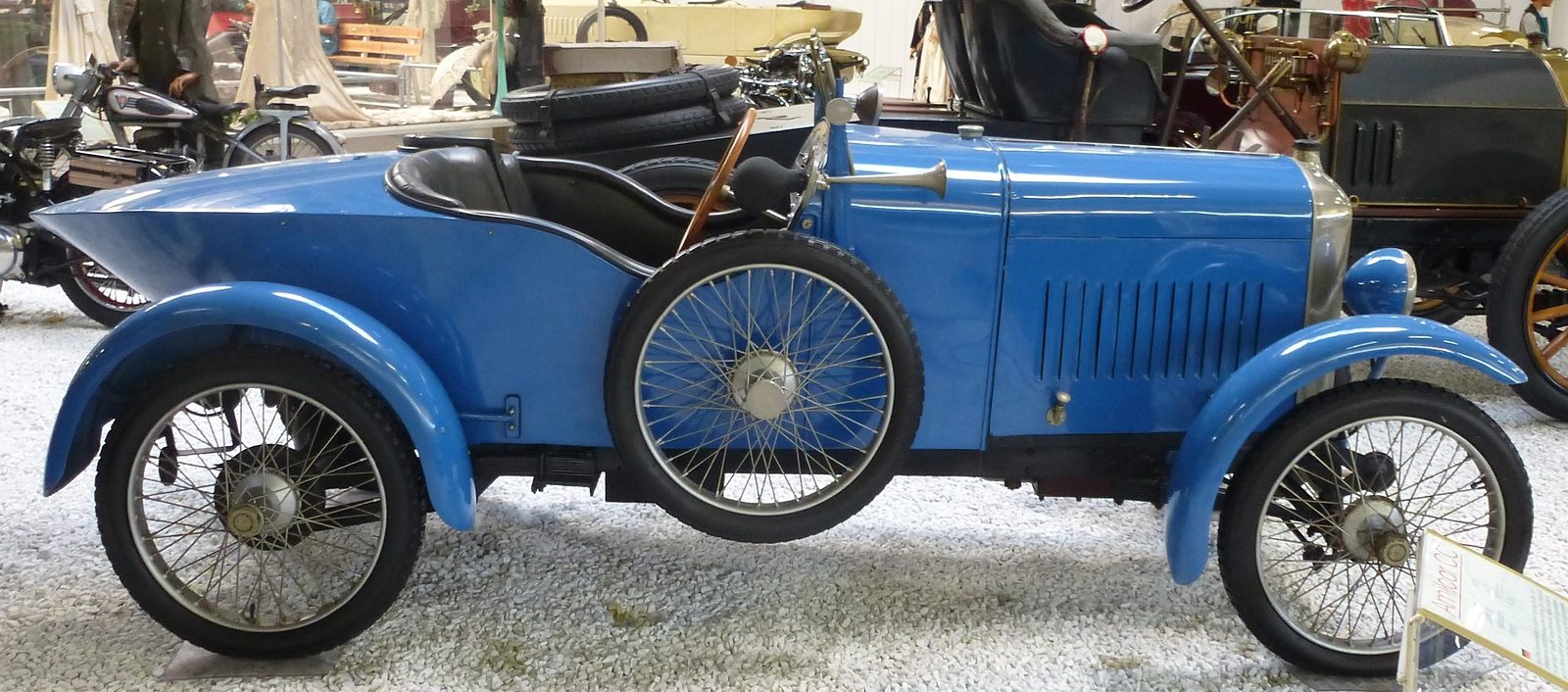
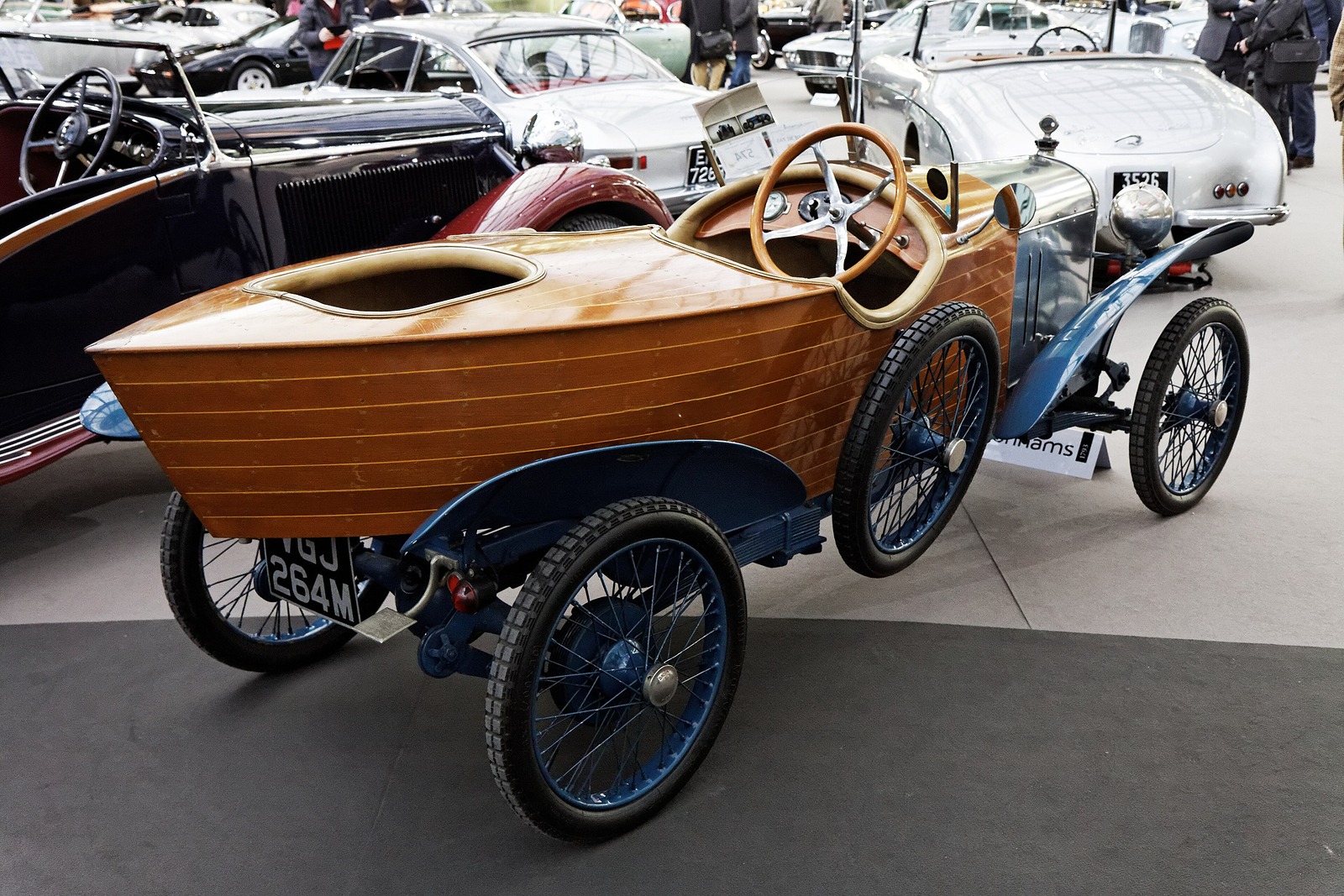
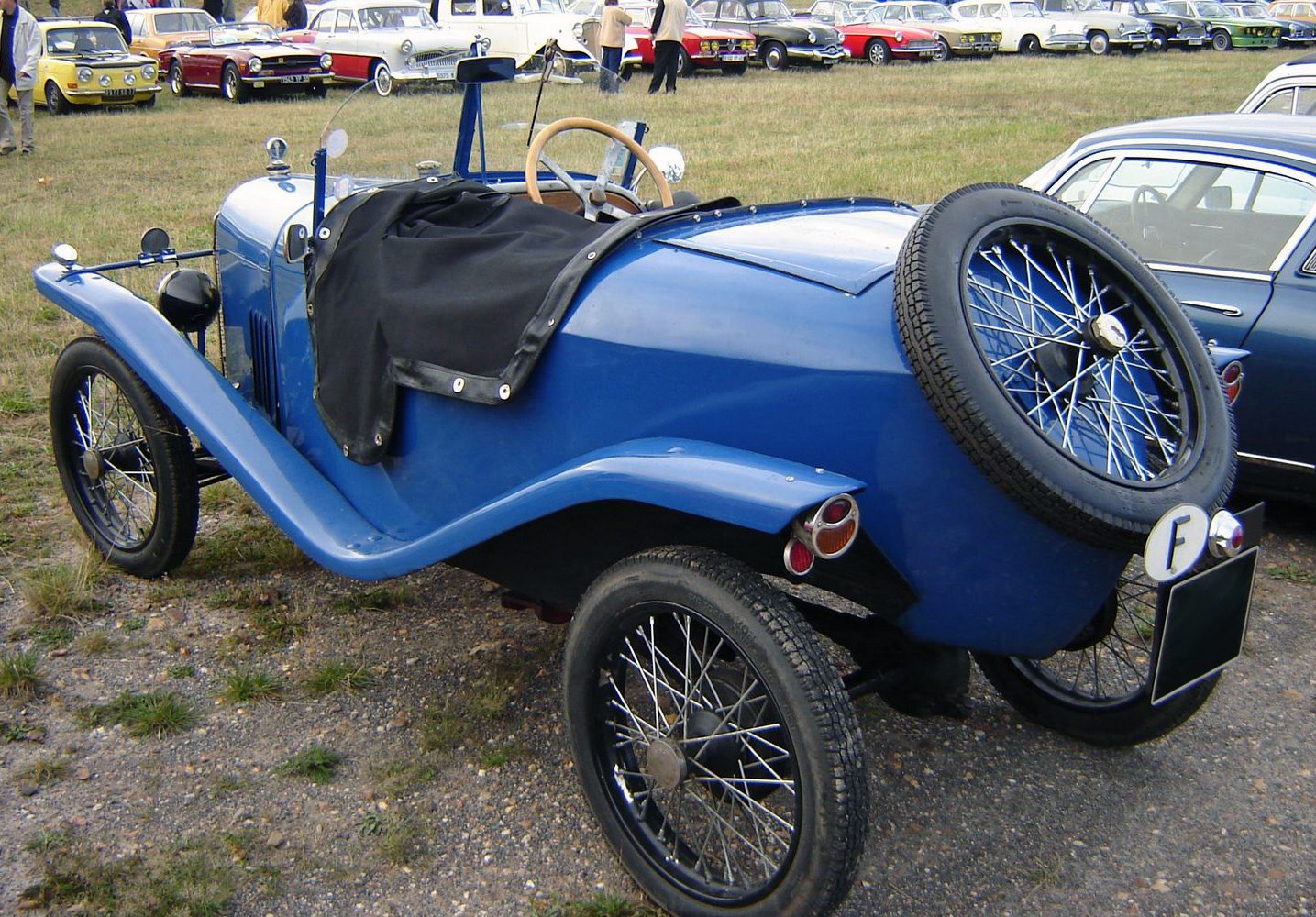
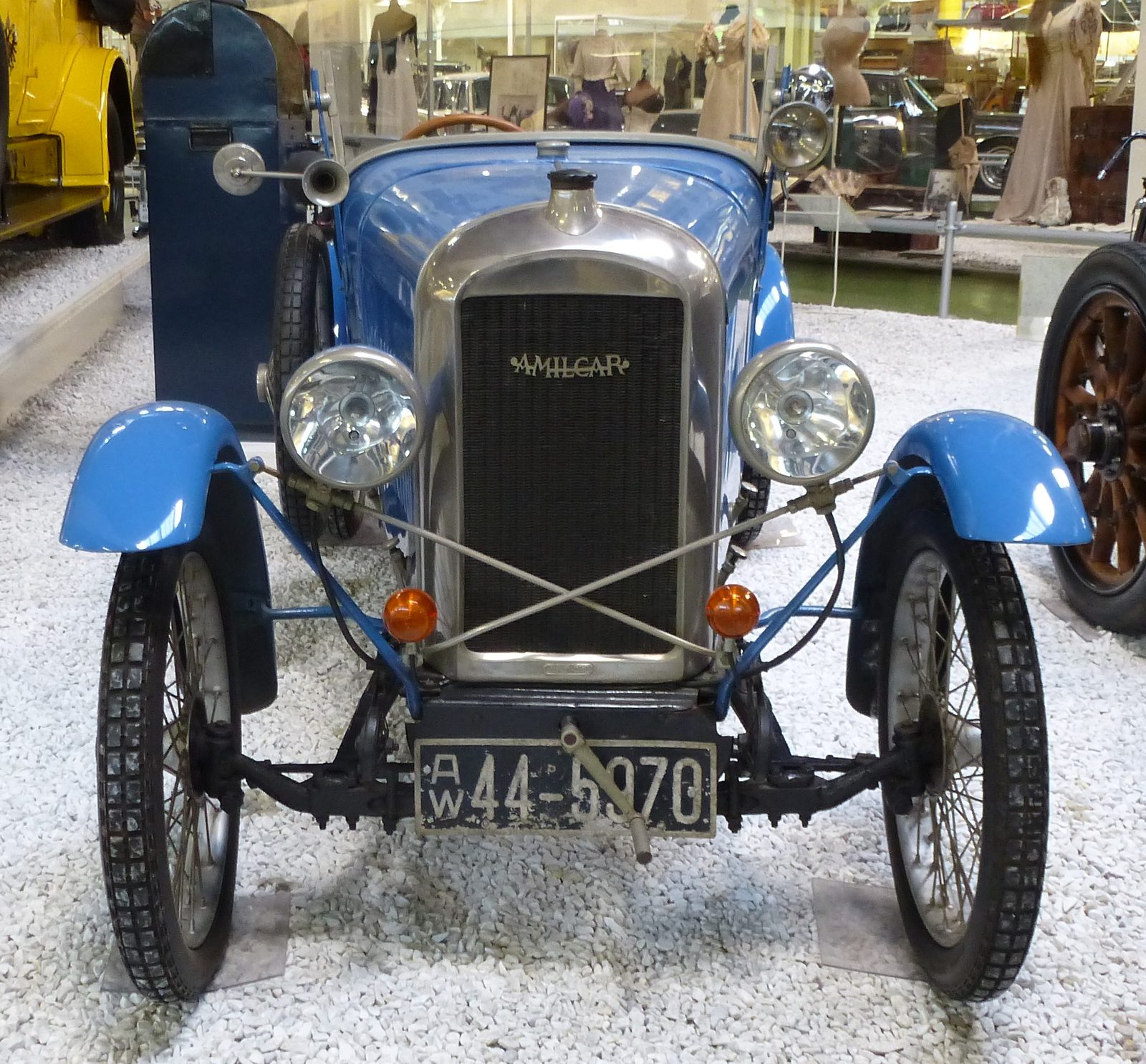
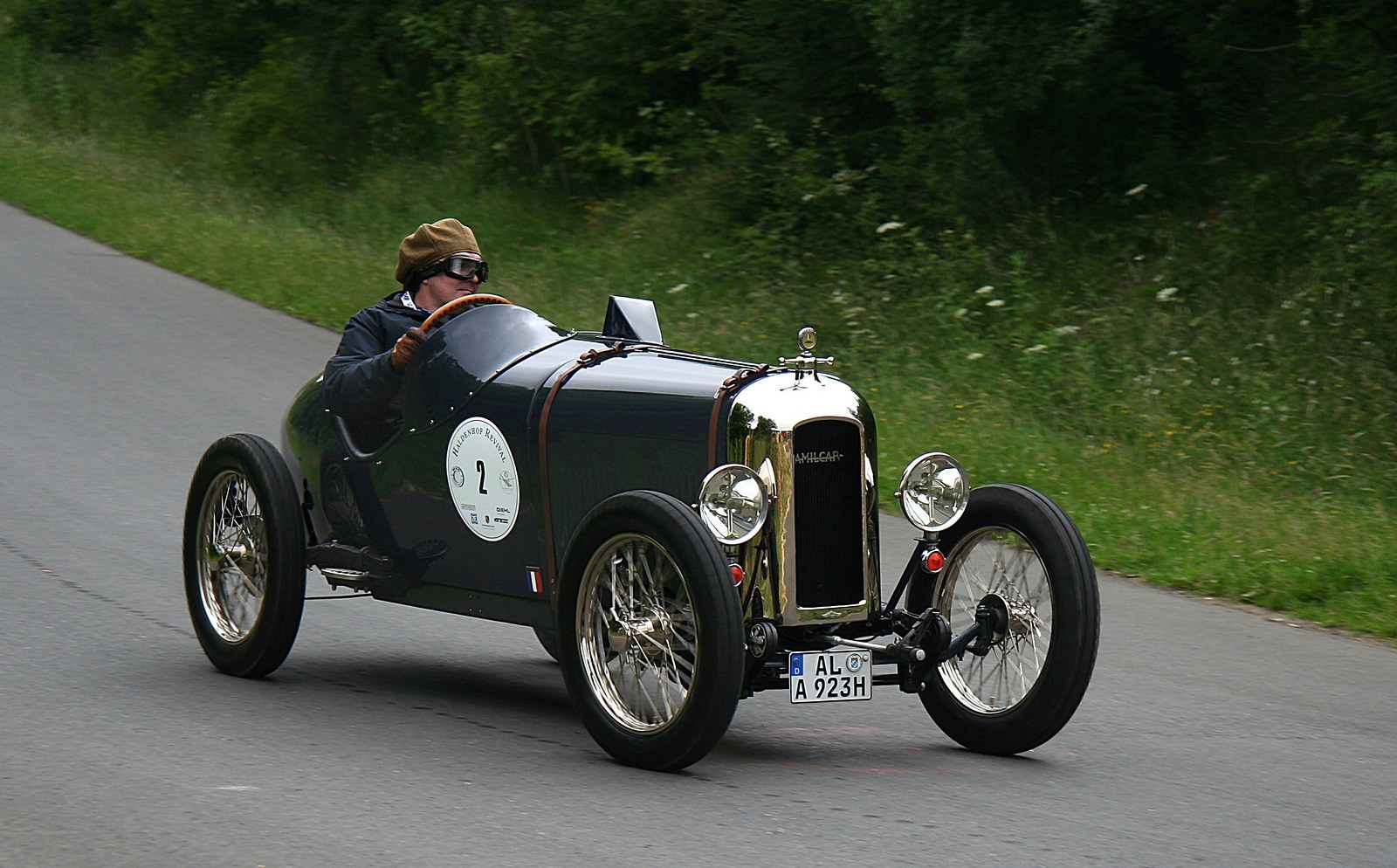
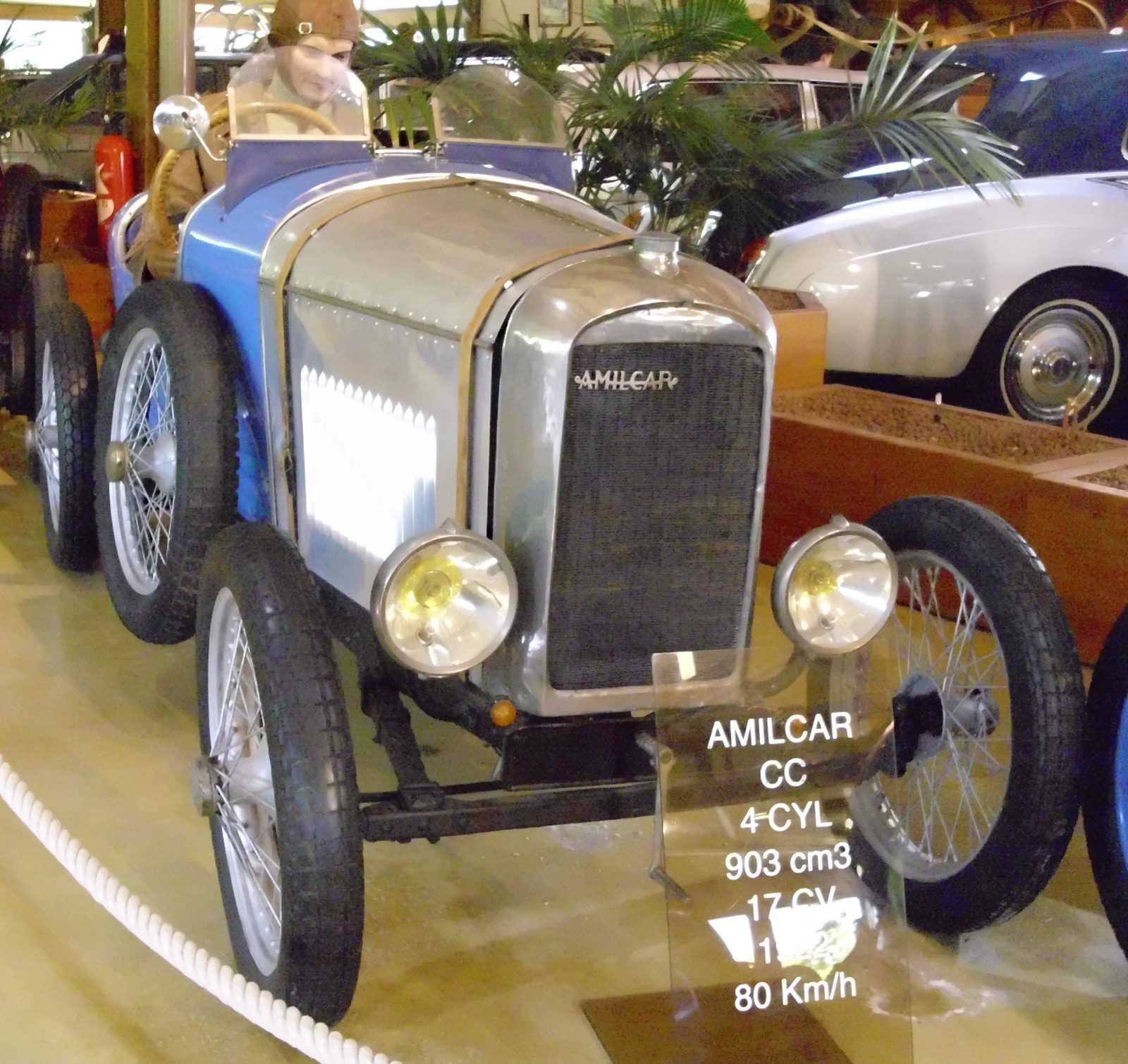
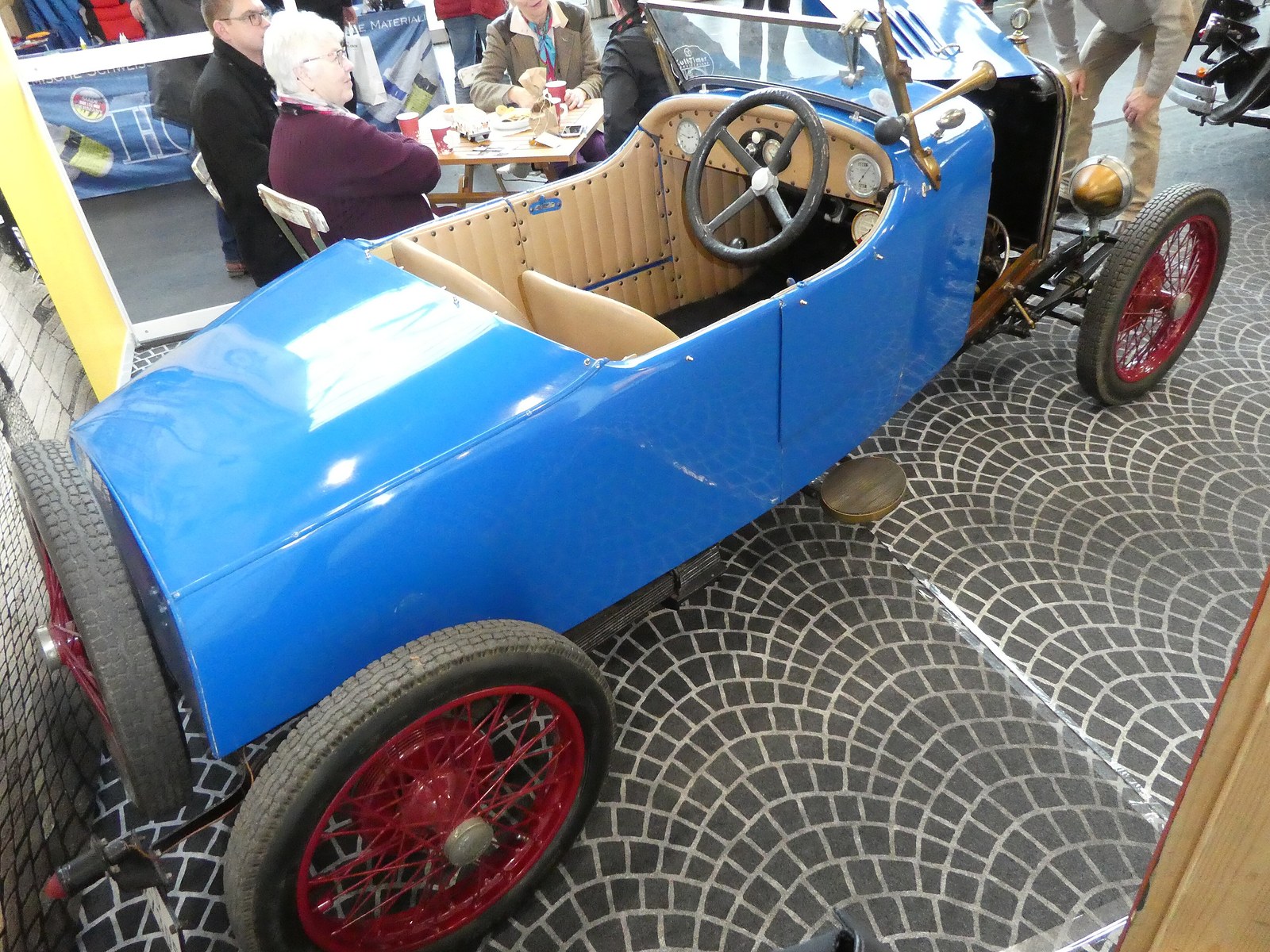
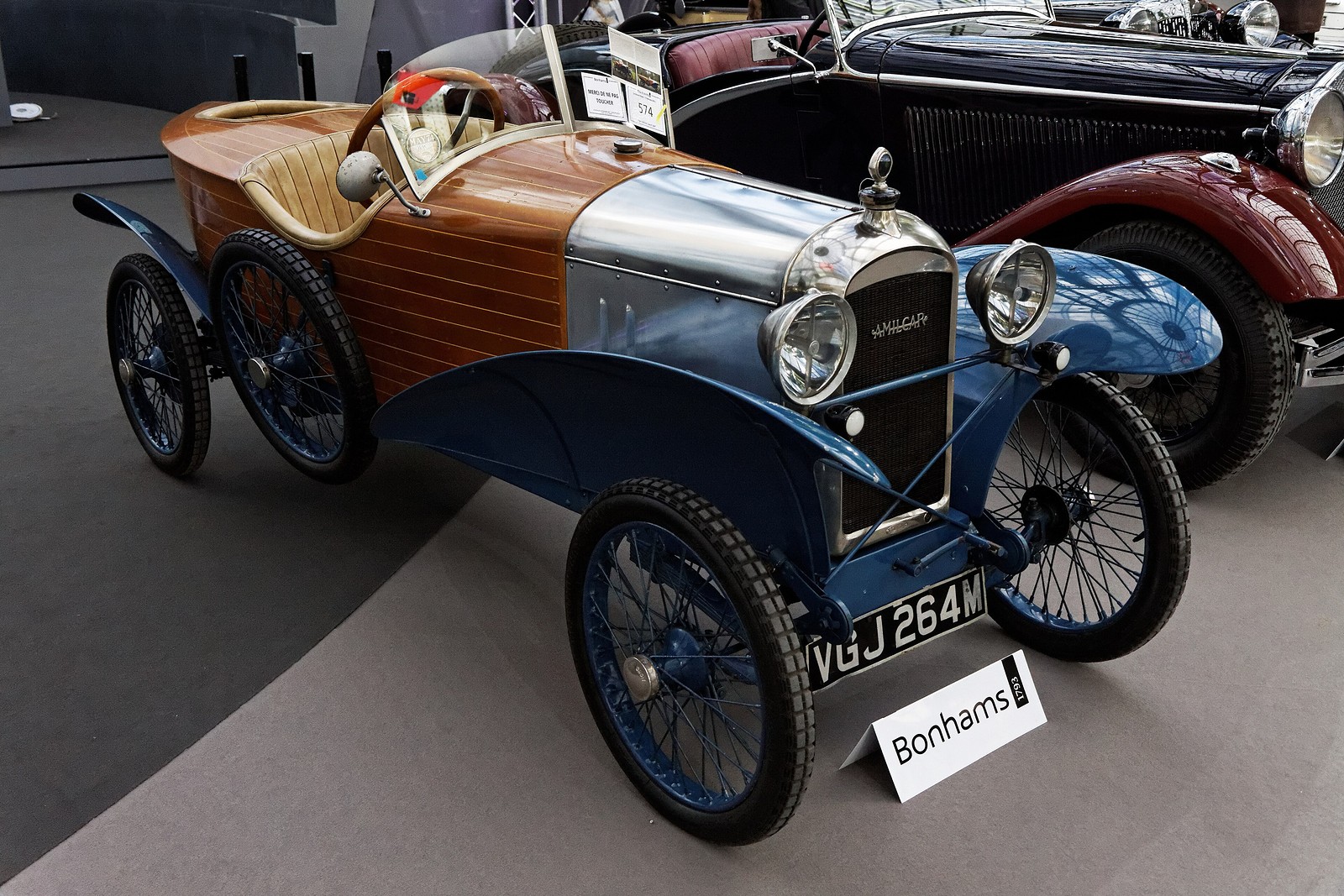
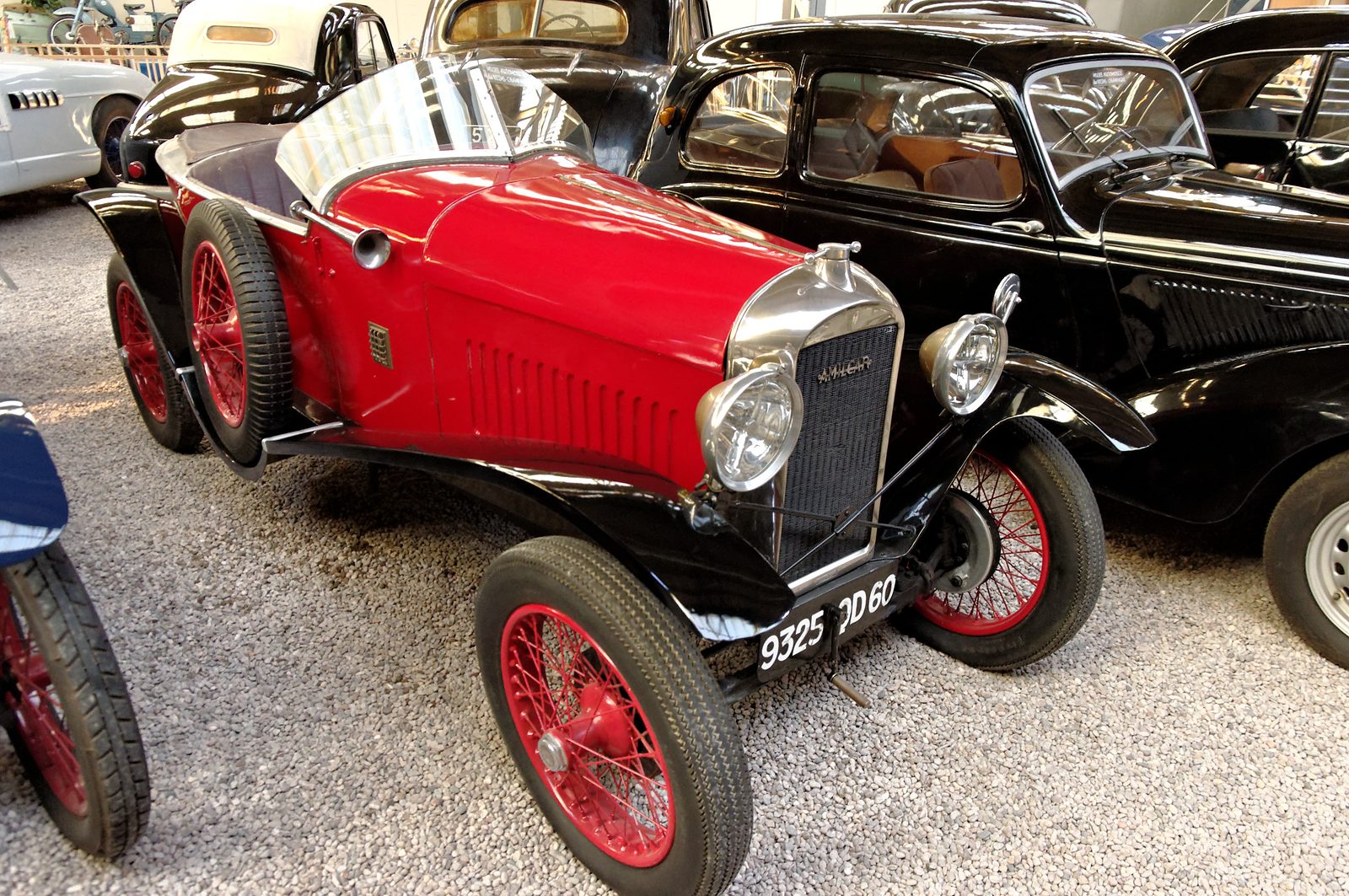
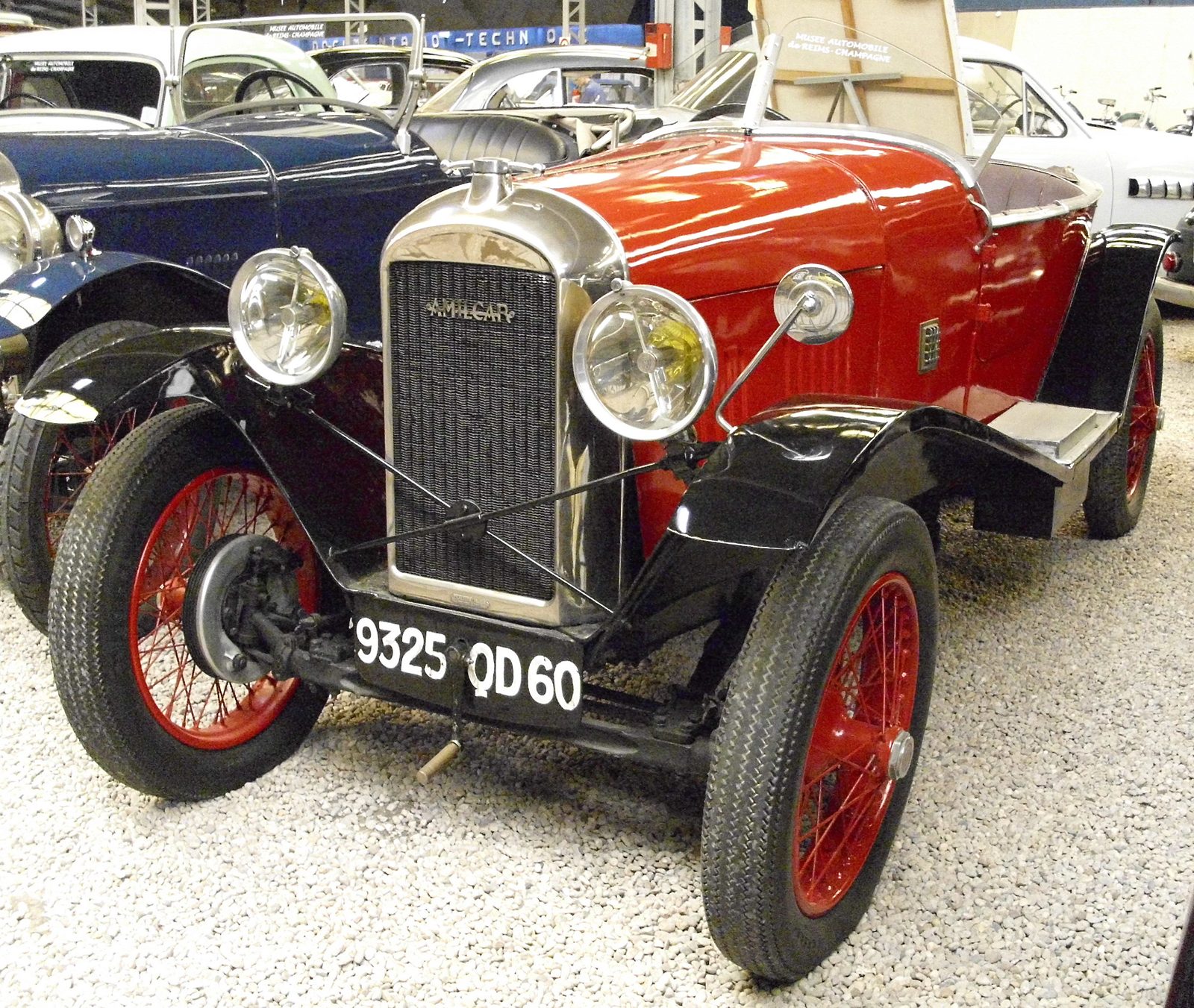
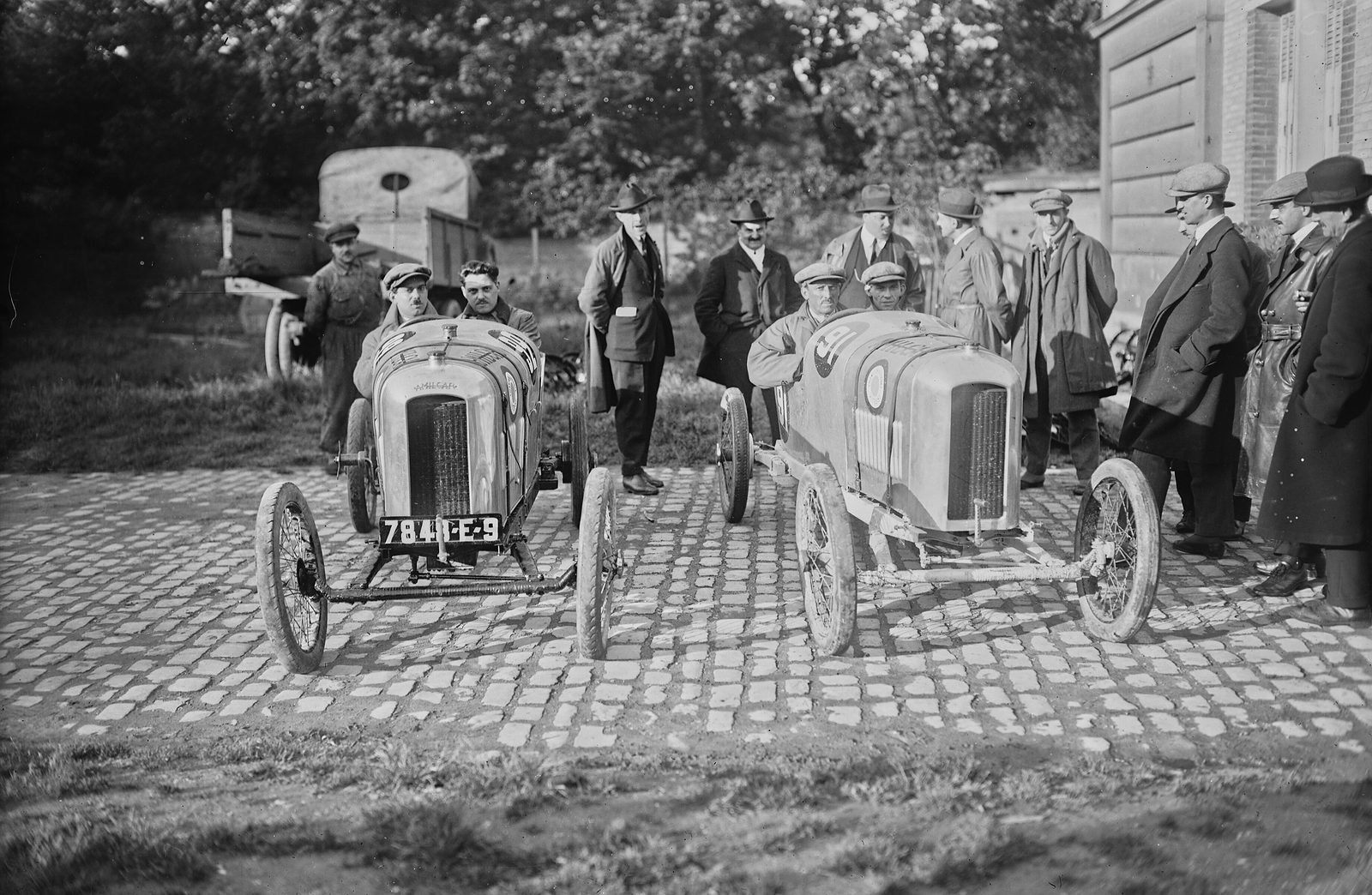
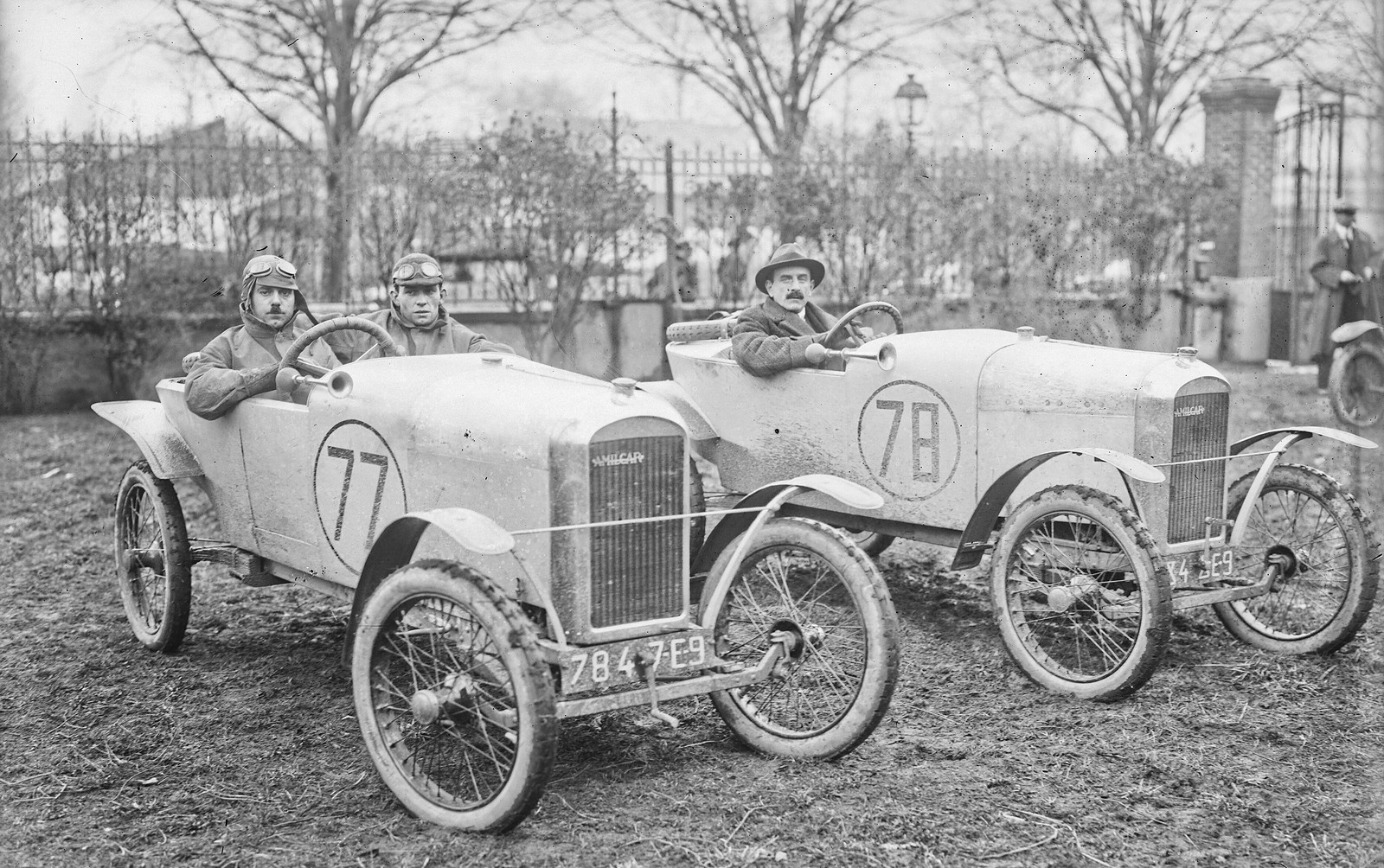
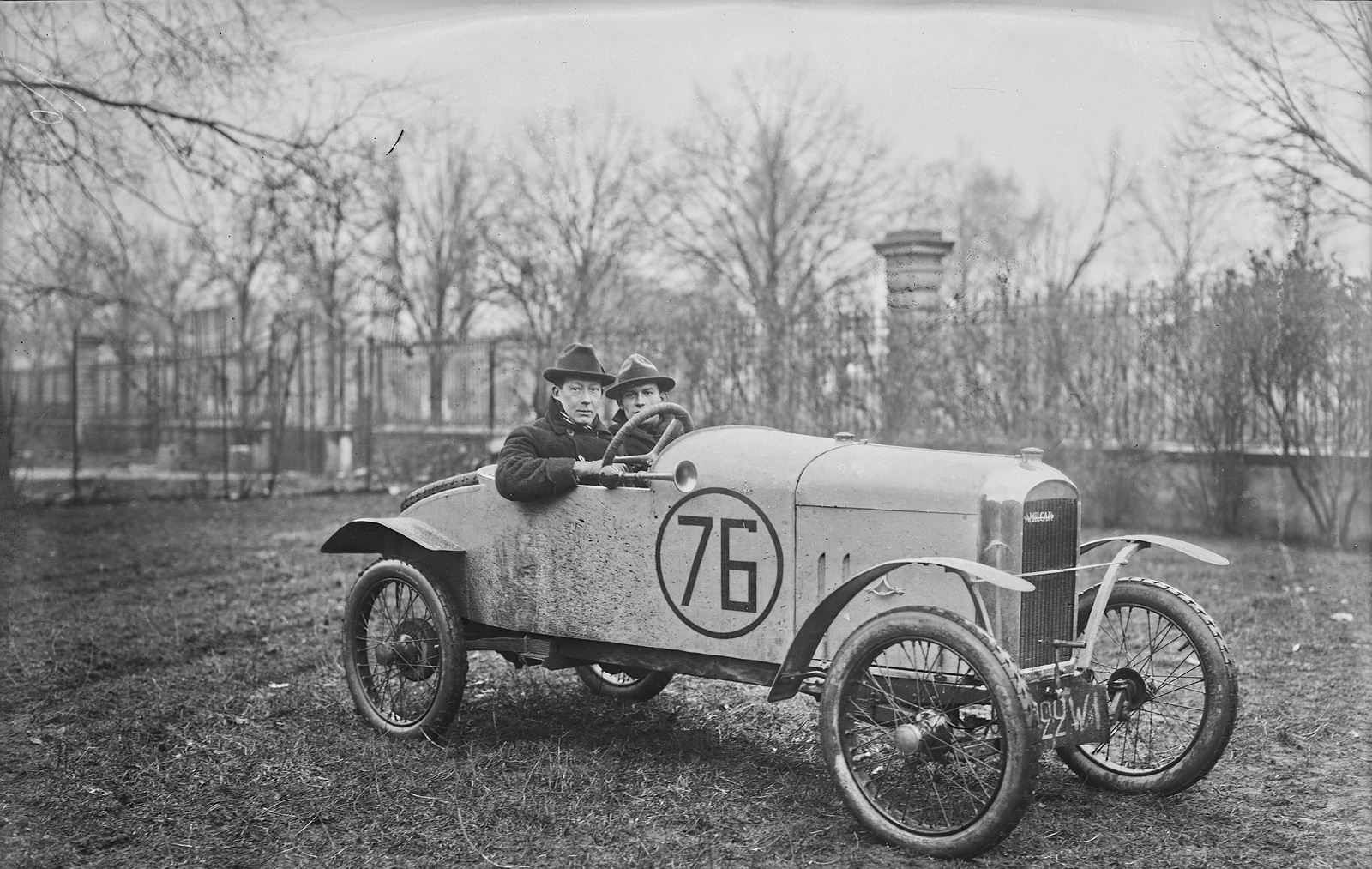
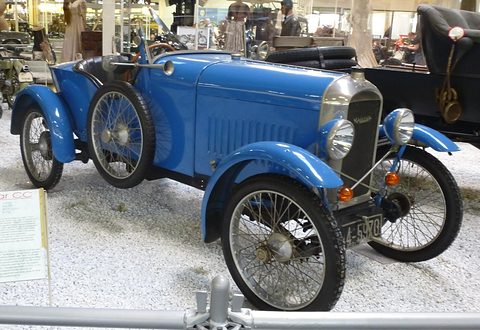
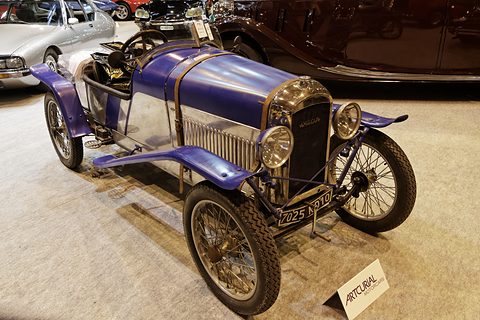
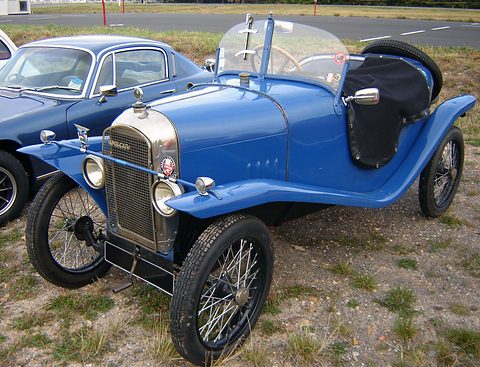
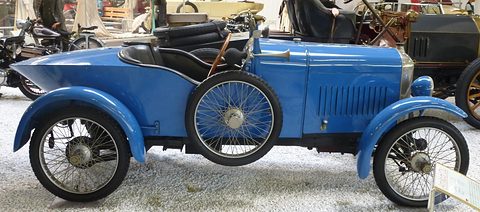
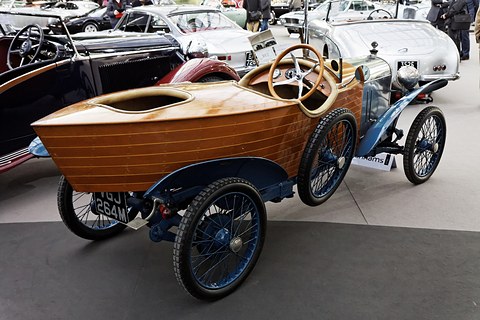
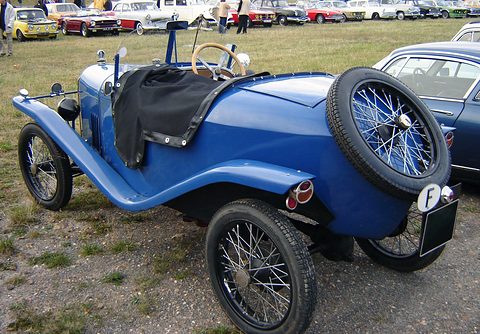
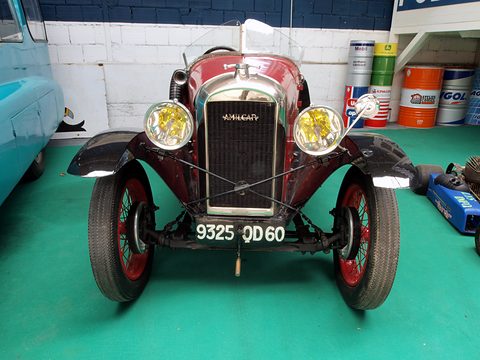
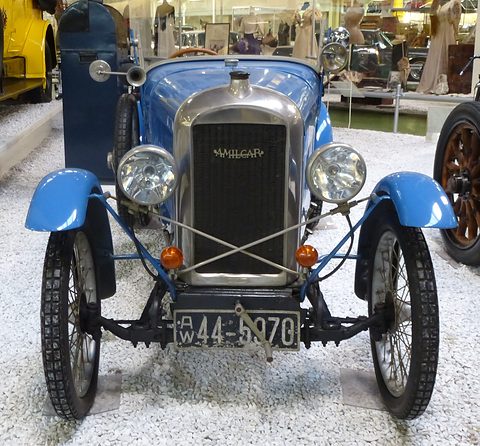
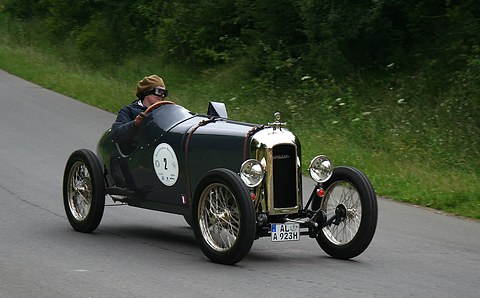
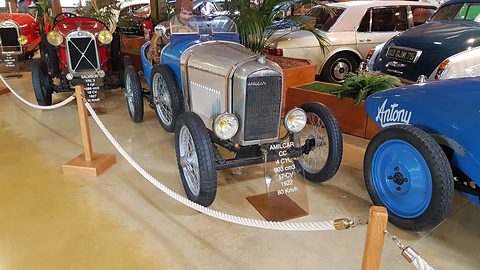
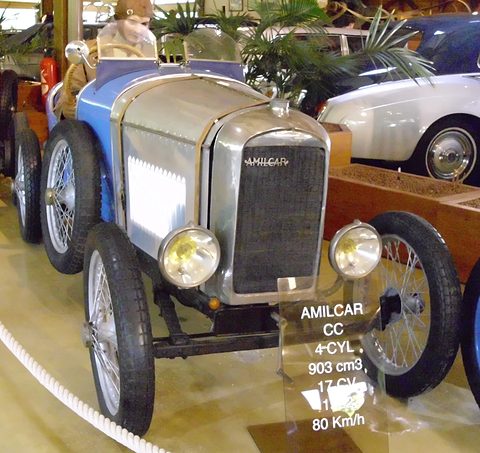
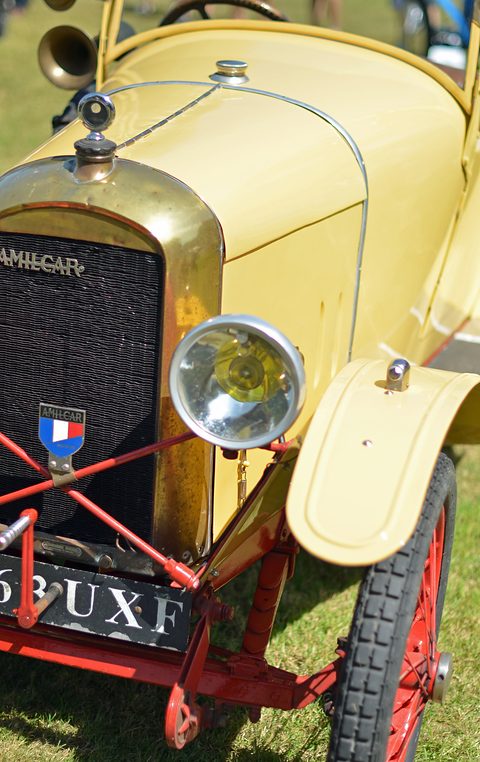
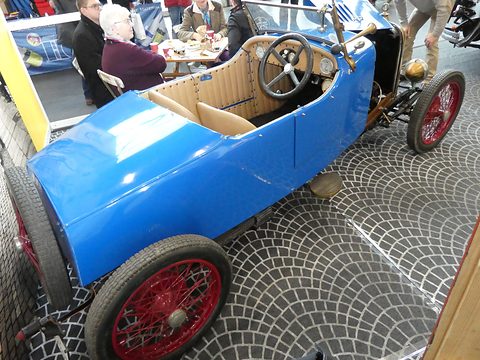
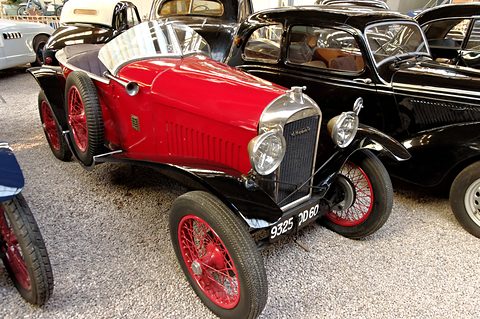
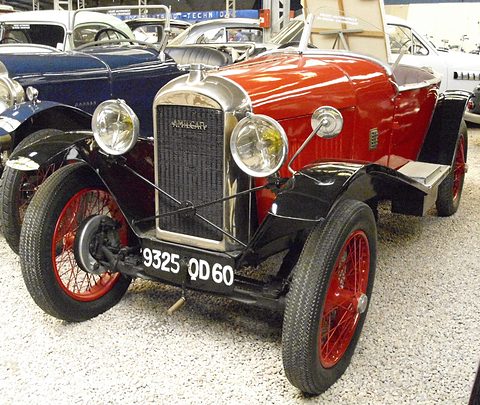
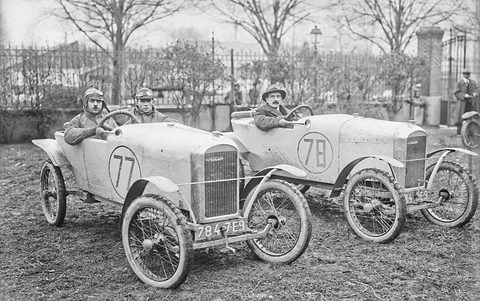
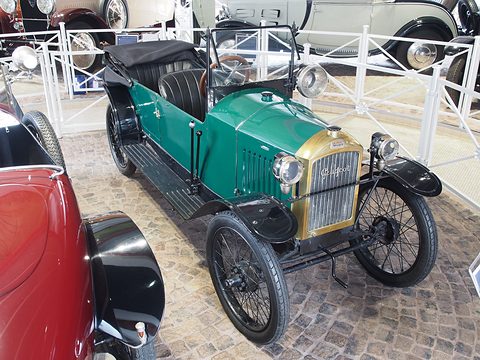
A finance law passed in France on 30 July 1920 taxed a cyclecar at only 100 francs a year if it seated two, had no more than 1,100 cc and weighed no more than 350 kg bare.source 3source 2 Moyet’s car was built to that rule. The Société Nouvelle pour l’Automobile Amilcar filed its statutes on 29 September 1921, and three chassis were ready for the Paris Salon at the Grand Palais in October.source 3 The “Touriste” two-seater cost 9,200 francs, less than the Peugeot Quadrilette’s 9,900. It had staggered seats, a folding windscreen, a door on the left, a spare wheel on the right, flat wings, small running boards and a tail shaped like a duck’s bill.source 1source 2 A few days after the Salon, on 23 October 1921, Morel won his class in the flying kilometre at Lyon at over 90 km/h in one of the very first Amilcars.source 3source 4
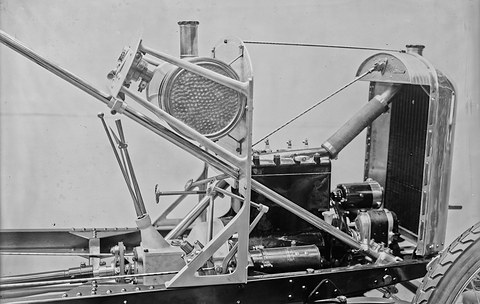
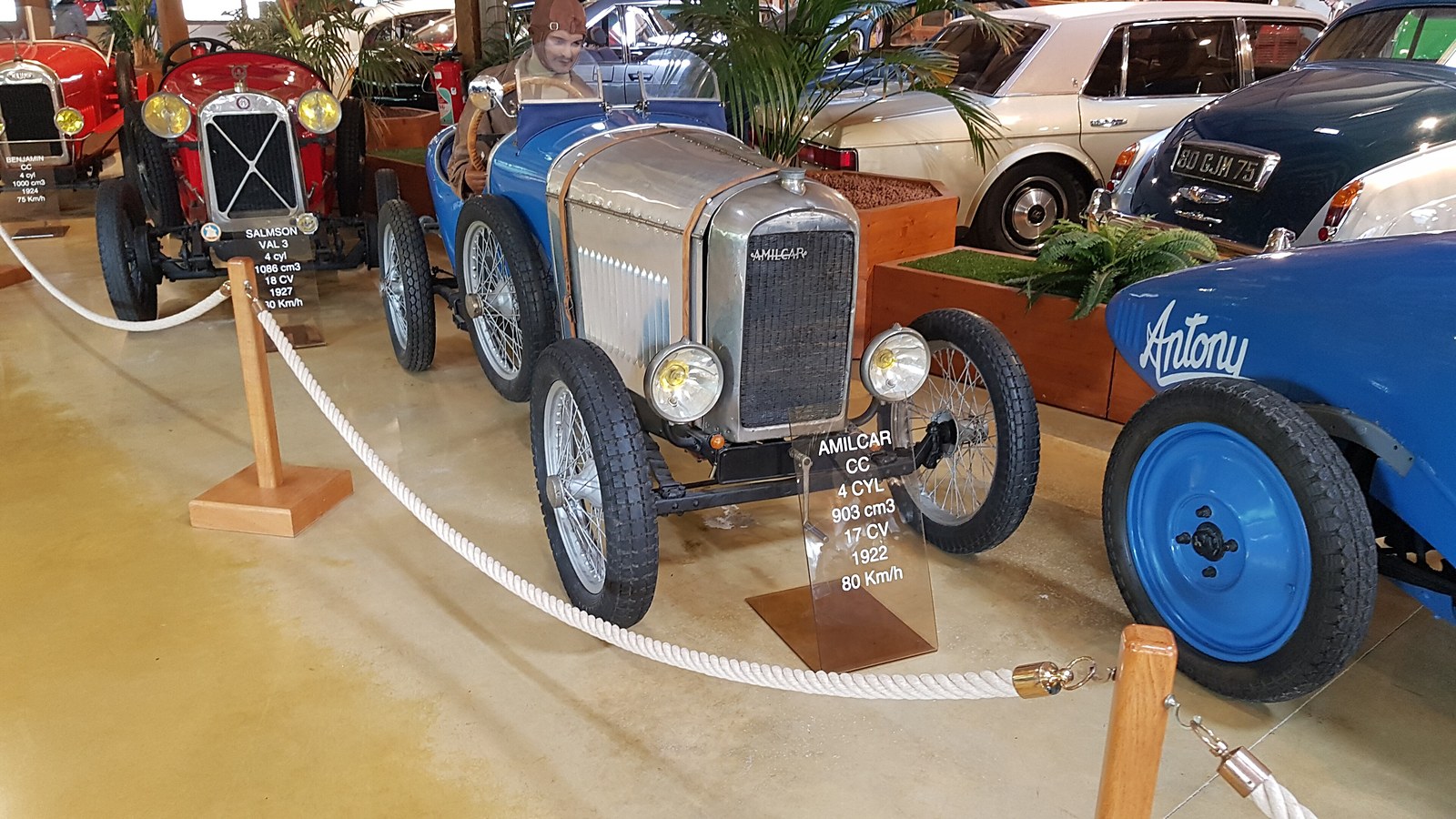
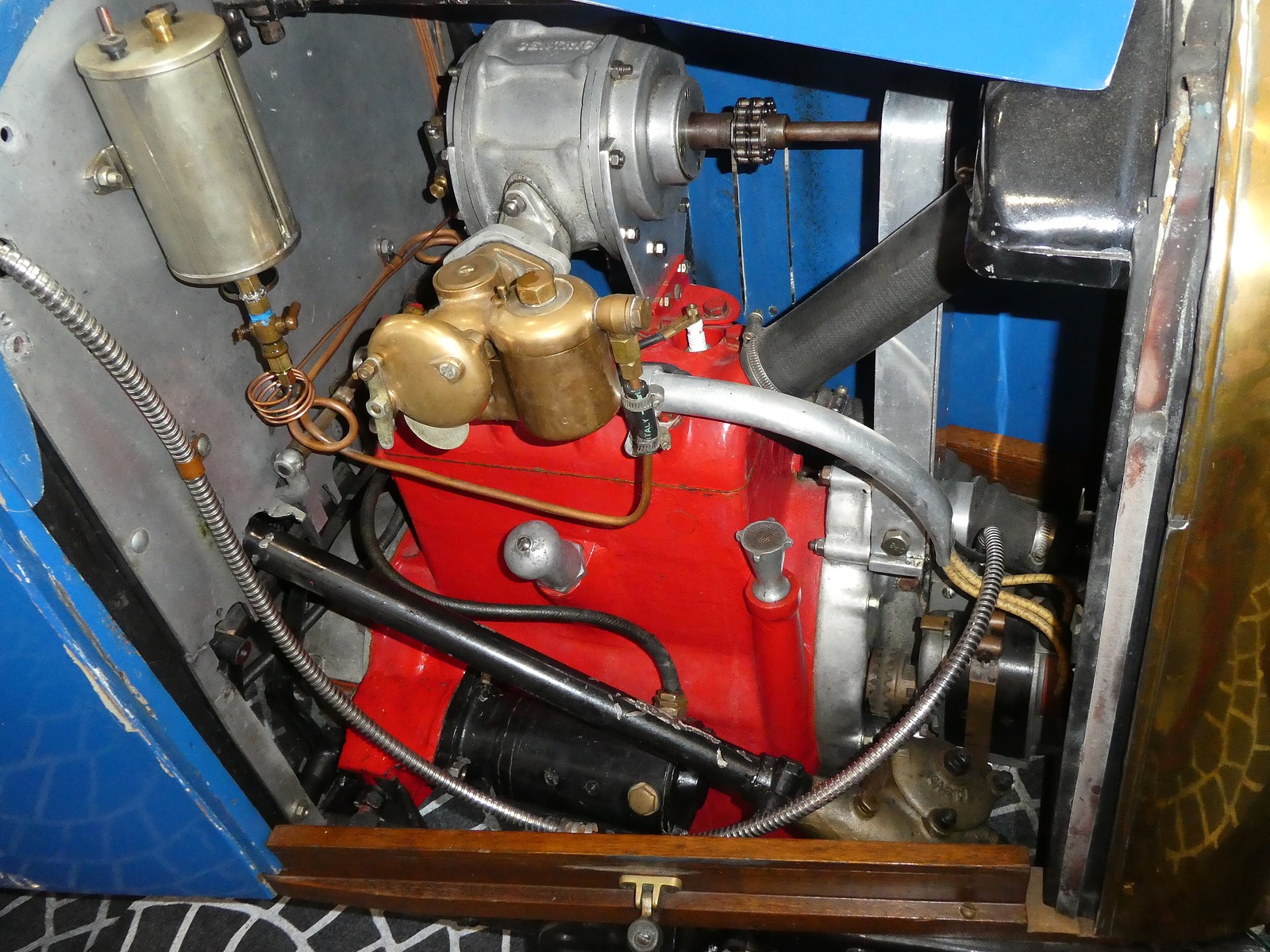
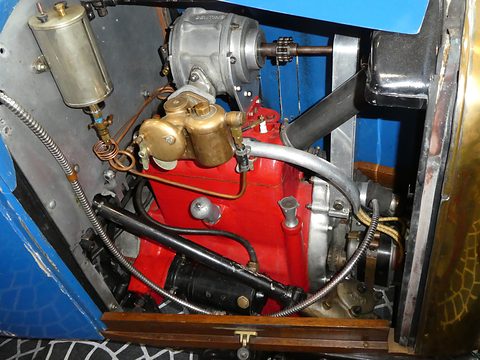
Under the bonnet was a monobloc side-valve four of 903 cc, 55 × 95 mm, giving 17 hp at 2,300 rpm; with its gearbox it weighed 90 kg and measured only 15 by 30 by 43 cm. A clutch of metal discs ran in the engine oil, three speeds and reverse fed a torque tube to a differential-less rear axle, and the brakes acted on the rear wheels alone. Four half-cantilever springs, set obliquely, and four friction dampers held the road, and the irreversible worm-and-sector steering was very precise. It would do 75 km/h (47 mph) with two aboard, and cruised at 60 km/h at 2,000 rpm on under 7 litres per 100 km.source 1source 2 The club, which still looks after the cars, finds the gearbox sturdy and a little noisy in second, and the tyre wear insignificant without a differential, thanks to the narrow track of 1.10 m. It also warns of a trap: unless a scaled-up water passage between the exhaust valves of the middle cylinders is drilled out, the car will burn valves and head gaskets.source 1
Avec moins de 350 kg entièrement carrossé (mais sans dynamo, ni batterie, ni démarreur !) le CC est un cyclecar simple à entretenir, robuste, économique…
Too heavy for its class
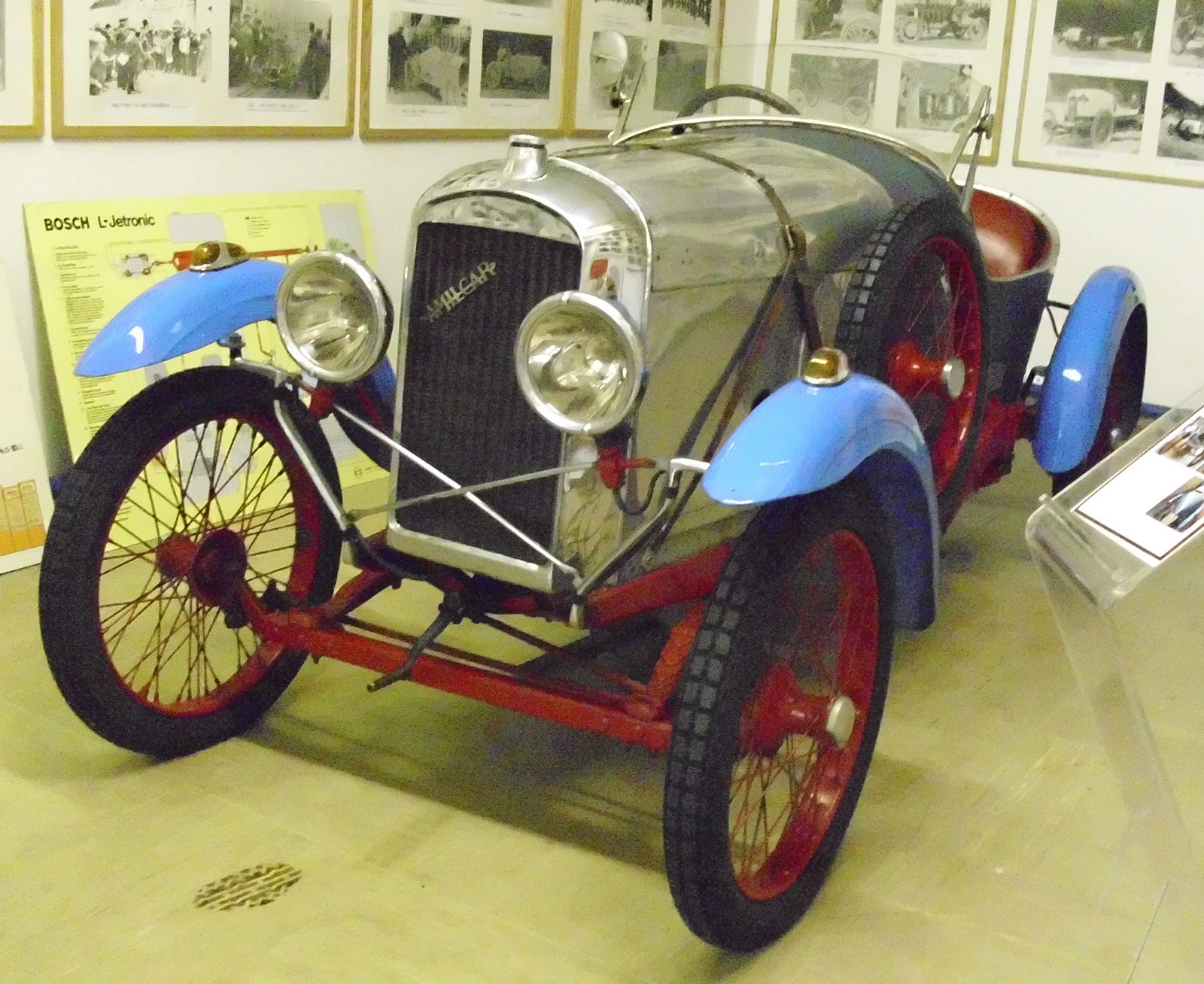
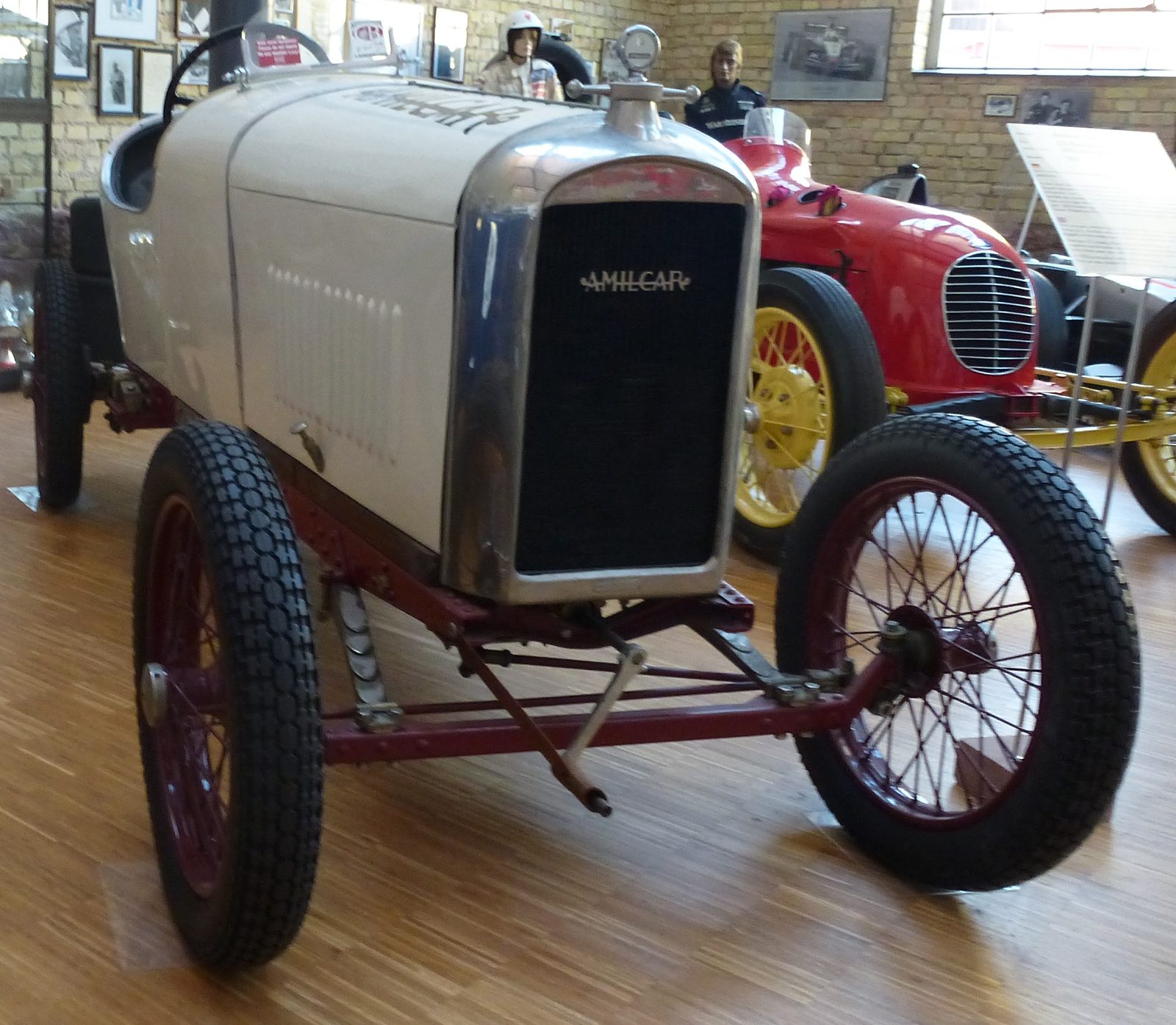
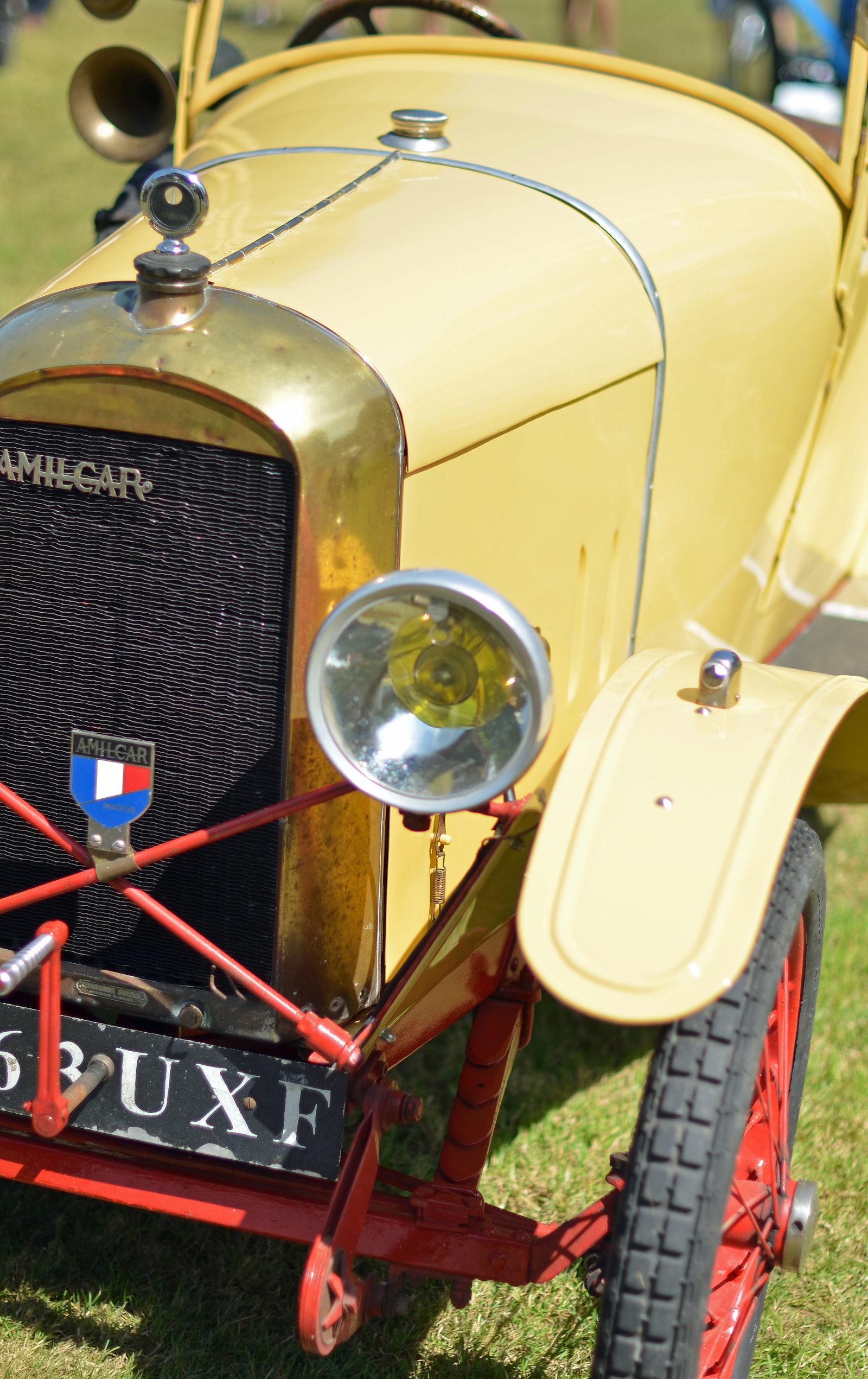
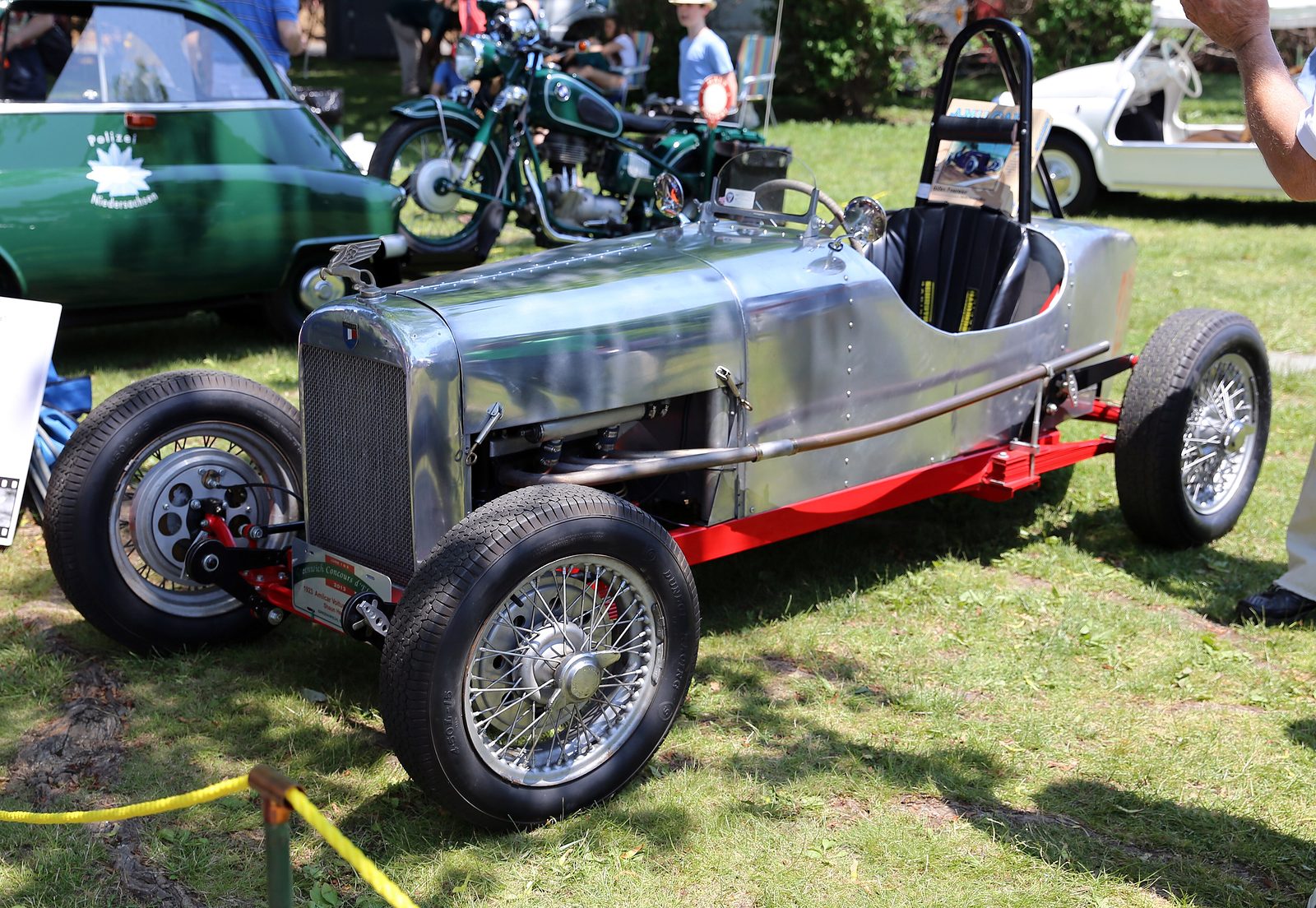
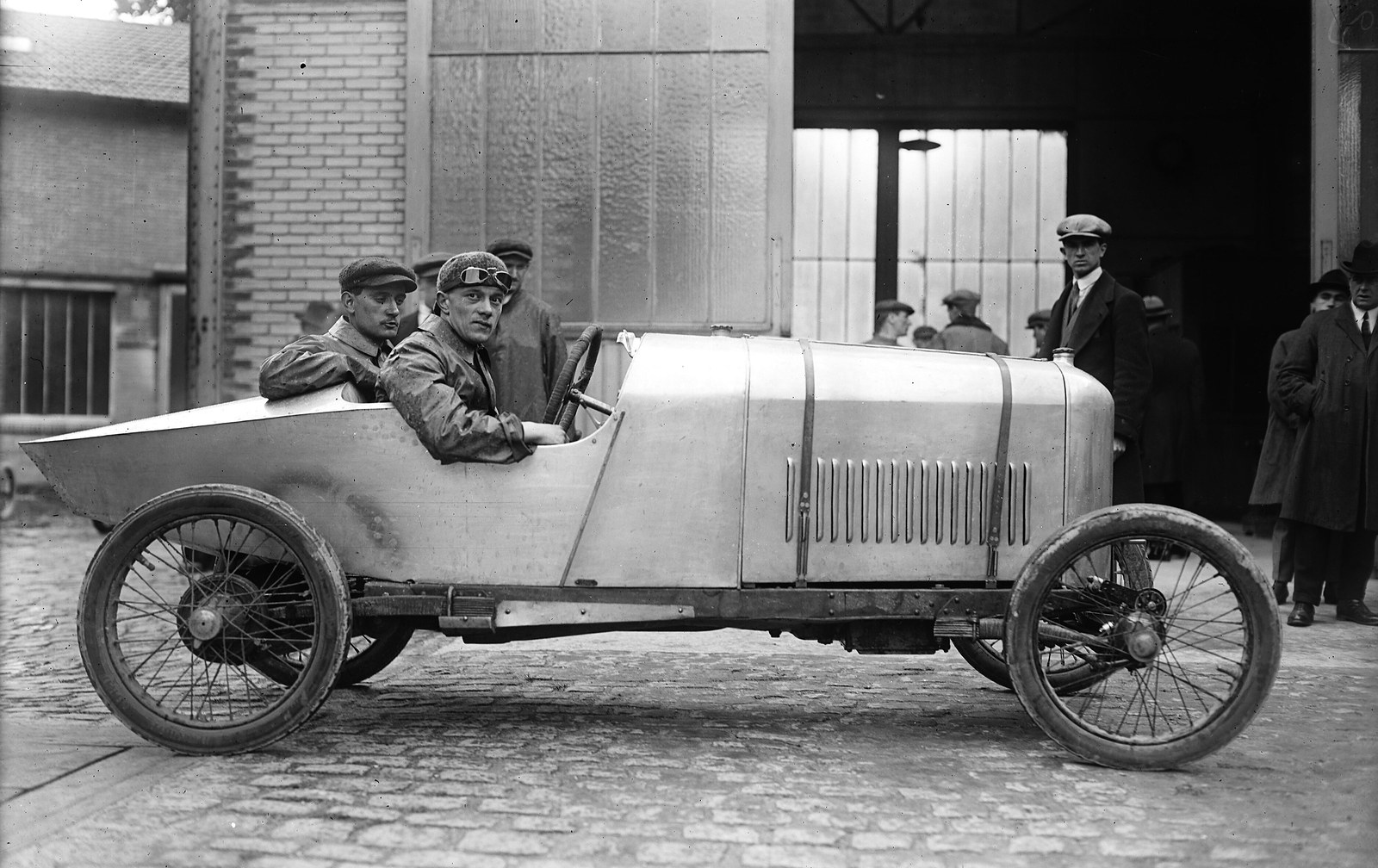
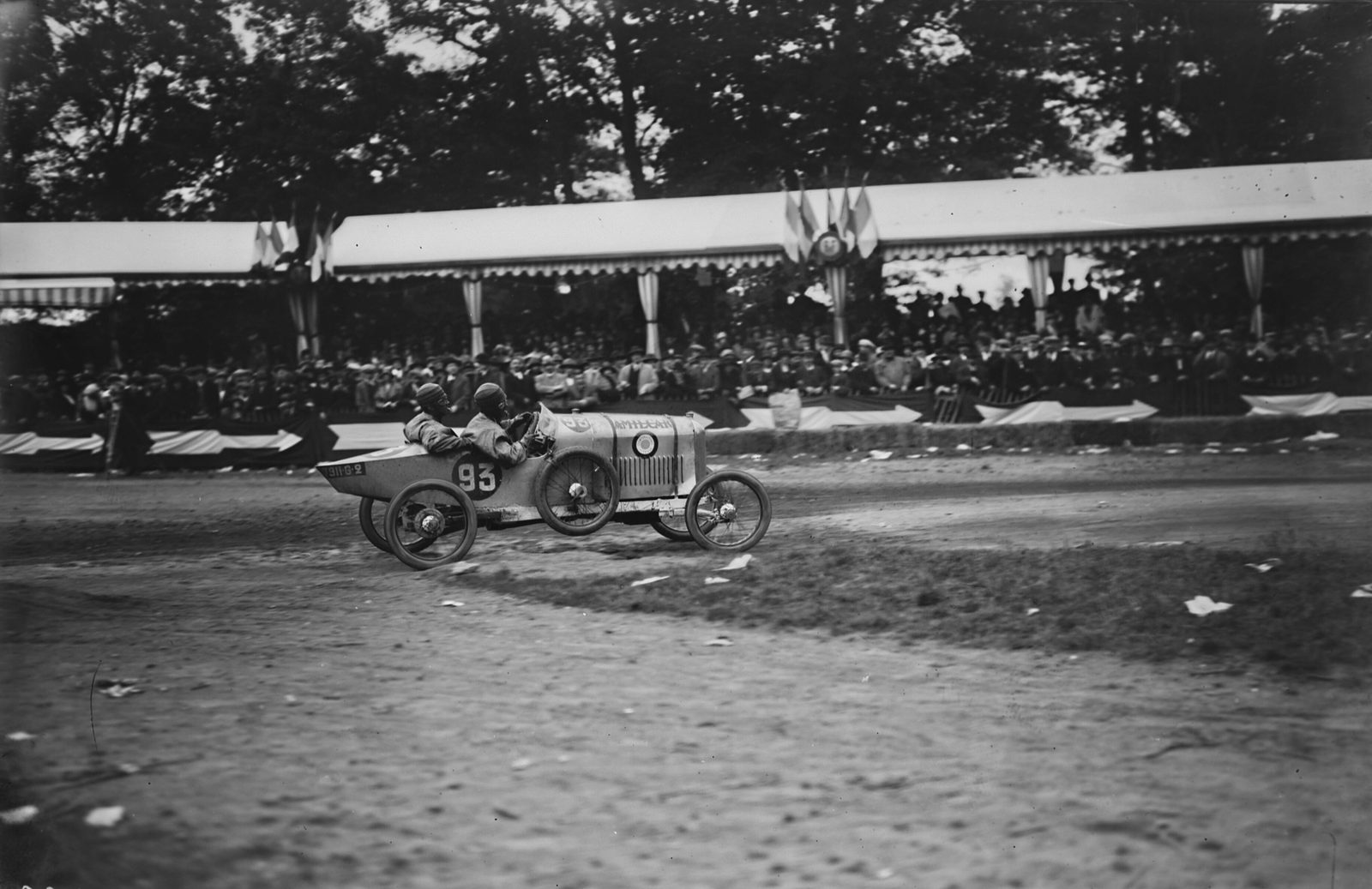
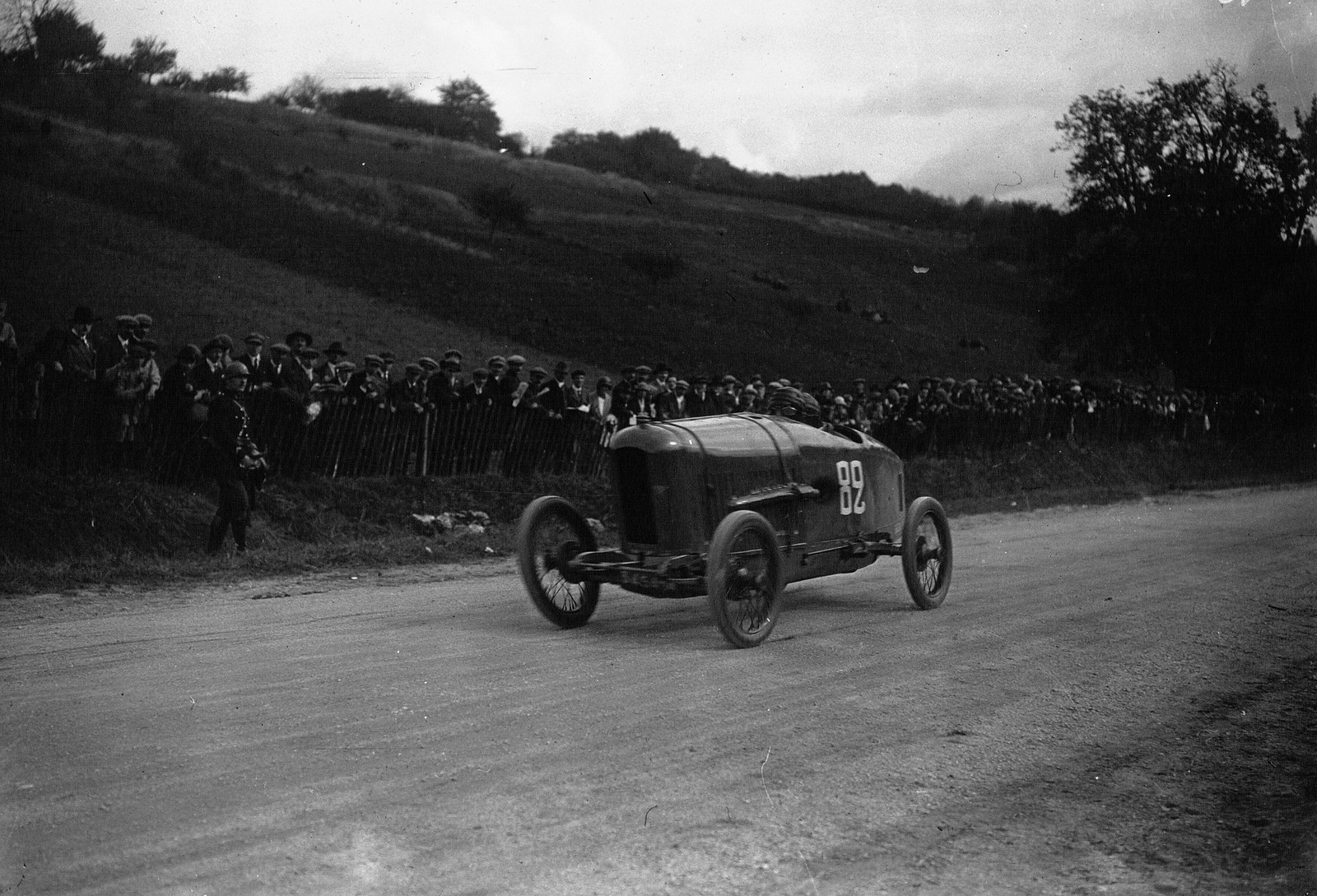
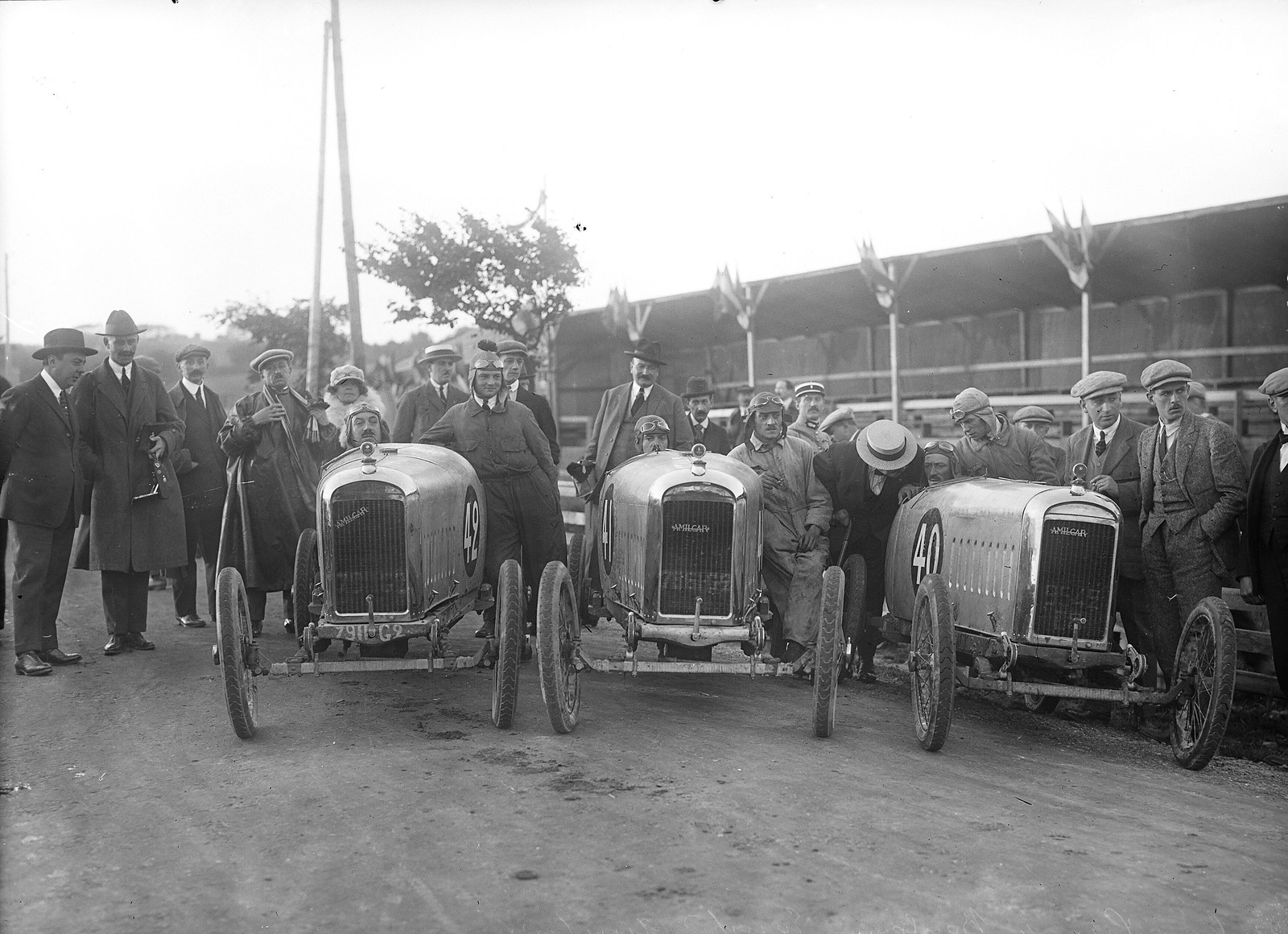
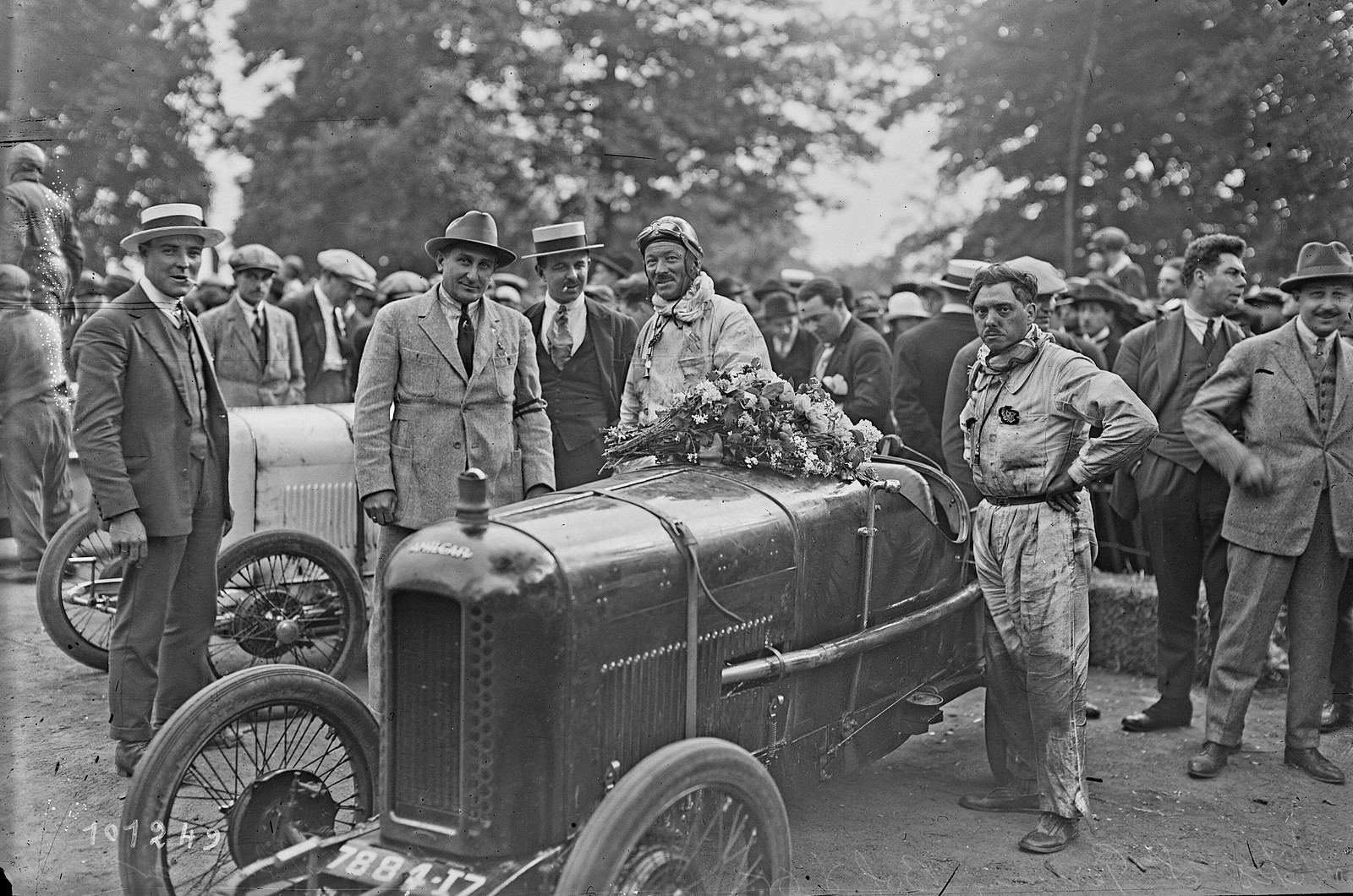
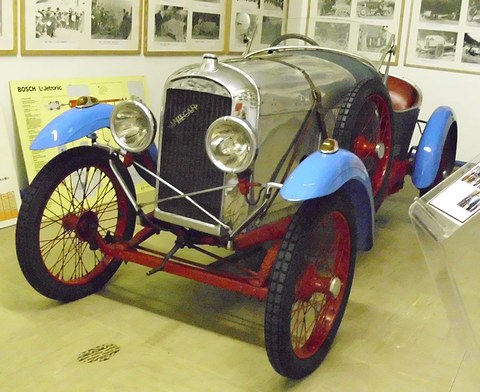
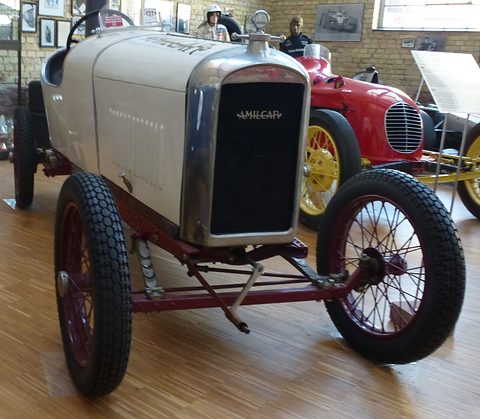
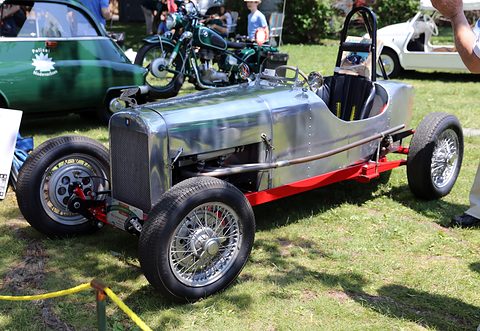
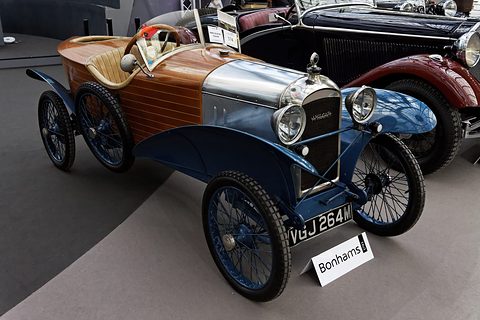
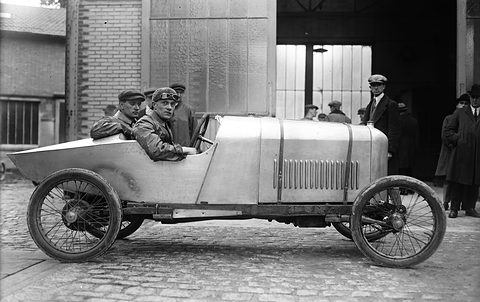
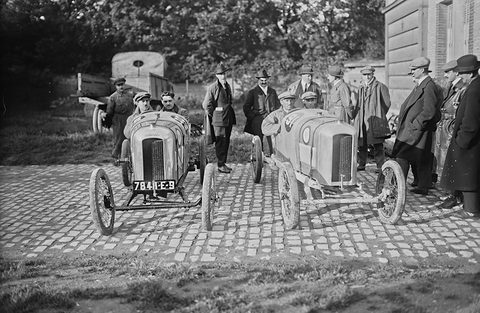
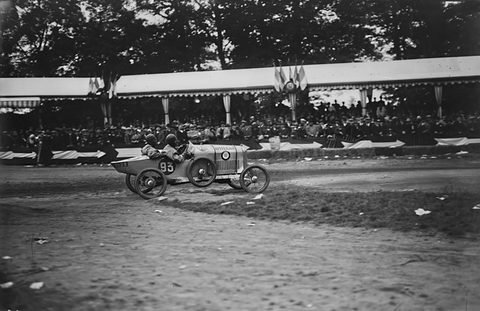
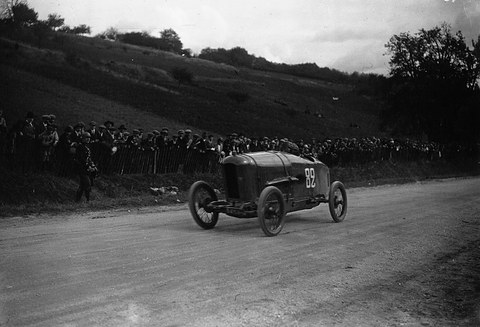
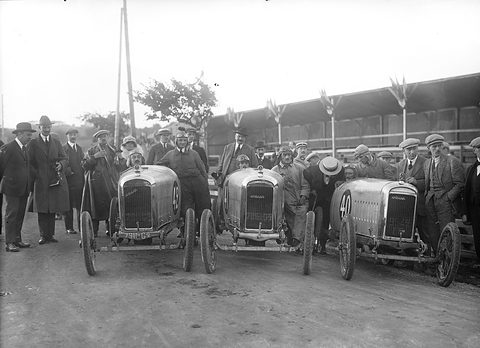
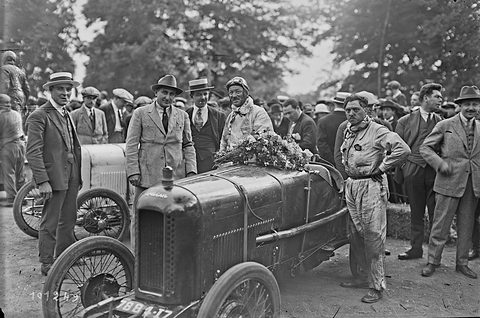
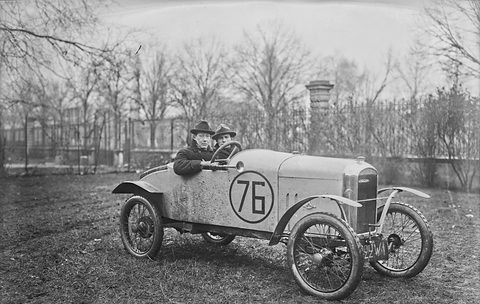
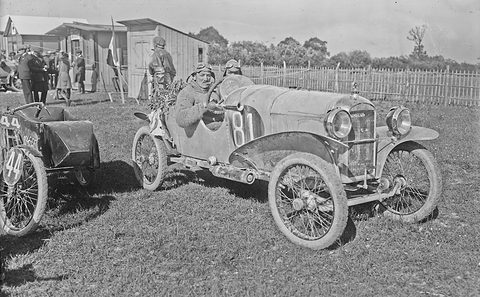
In 1922 the sporting CV, with 18 hp at 2,500 rpm, joined the CC, and so did the longer four-seat C4 of 1,004 cc, a separate type; Duval built sports bodies with pointed aluminium tails for Morel’s racing cars.source 1source 7source 2source 4 An Amilcar driven by Morel won the first Bol d’Or that year, though which model is not recorded (more in racing and rallying).source 8 From the 1922 Salon the dynamo was standard, and from the end of the year a starter could be had at extra cost.source 1source 2 The equipment that buyers wanted took the CC over 350 kg in 1923, and it became a voiturette, taxed at 280 francs. Some owners registered their cars bare and bolted the extras on afterwards.source 1source 2 That year the wider Touriste large, with a bench seat, replaced the Touriste, a landaulet was shown at the Salon, and a pressed-steel banjo axle took the place of the aluminium one, still without a differential.source 1source 2
Dès 1923, la chronique du cyclecar ne concerne plus Amilcar, dont tous les modèles du fait de l’augmentation du poids ne peuvent plus être considérés comme des cyclecar.
In April 1924 a new finance law raised the cyclecar tax to 120 francs and cut the voiturette tax to 180, and the factory moved from the rue du Chemin-Vert, behind the Bastille, to Saint-Denis.source 3source 2source 5 In 1925 the cyclecar category was abolished, and the CC ended with no direct successor.source 3source 2source 1 Its sporting offspring, the CS and the CGS Grand Sport, followed, and the firm itself lasted until 1939–40; Georgano calls the Amilcar the most famous and successful of all the French cyclecars of the post-war years.source 1source 5source 9 Abroad, Grofri built Amilcars under licence in Austria with 903 cc and 1,047 cc engines, Pluto built the C4 and CGS in Germany, and Amilcar Italiana built them in Italy (more in built under licence).source 10source 11source 5