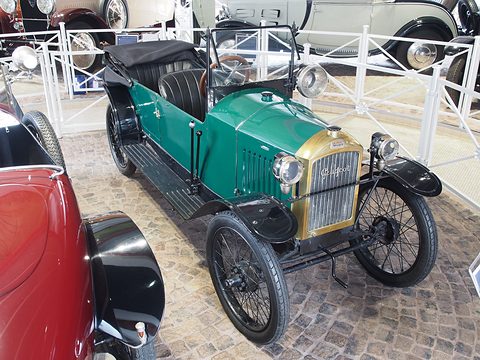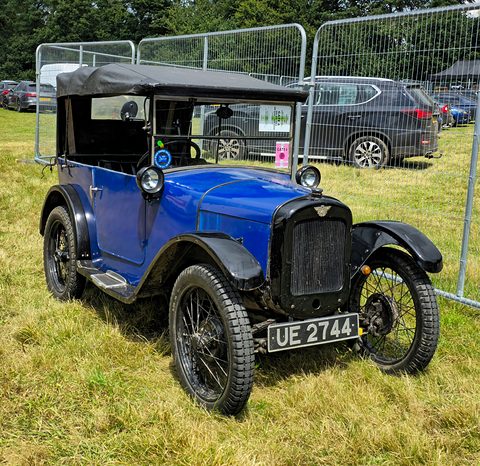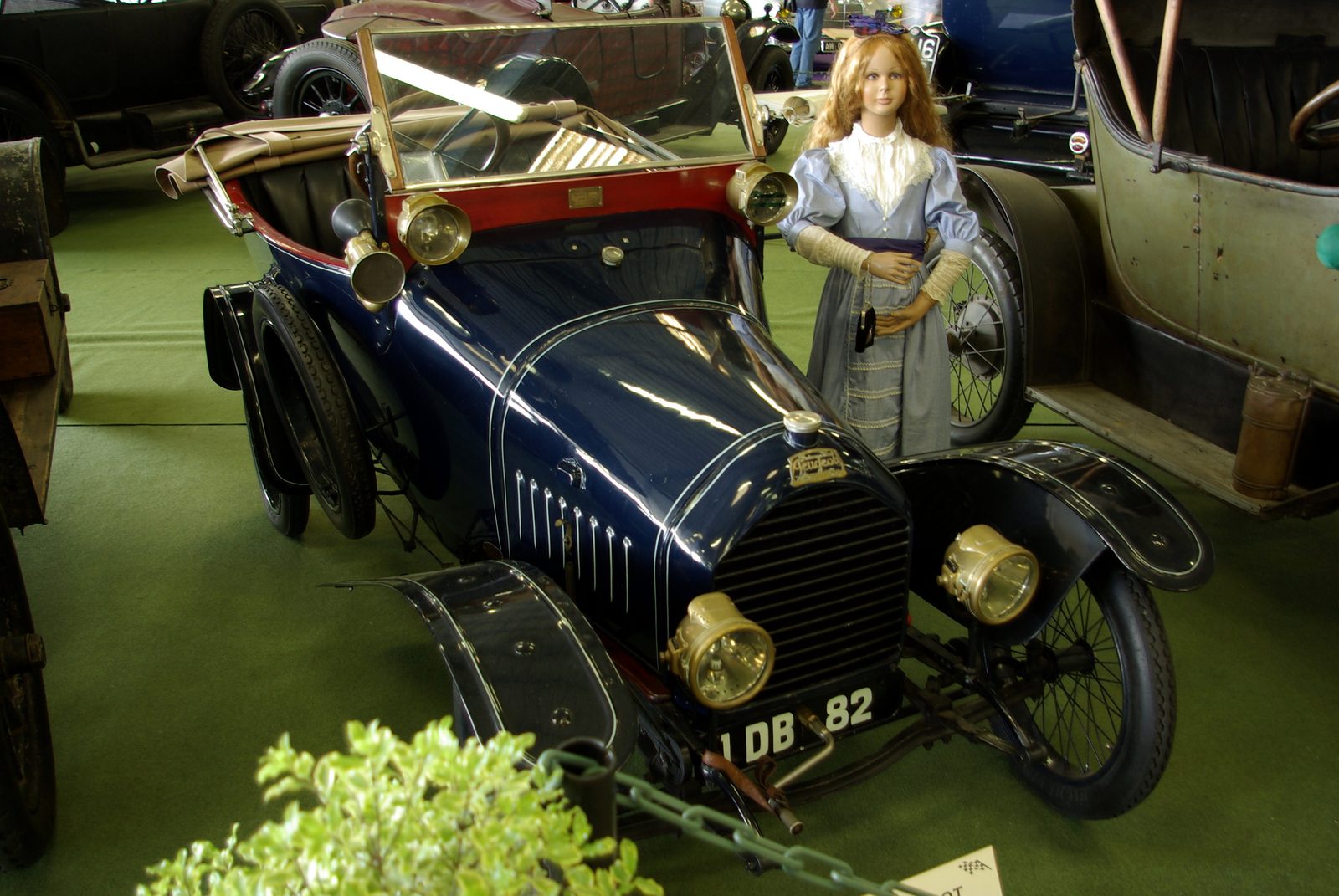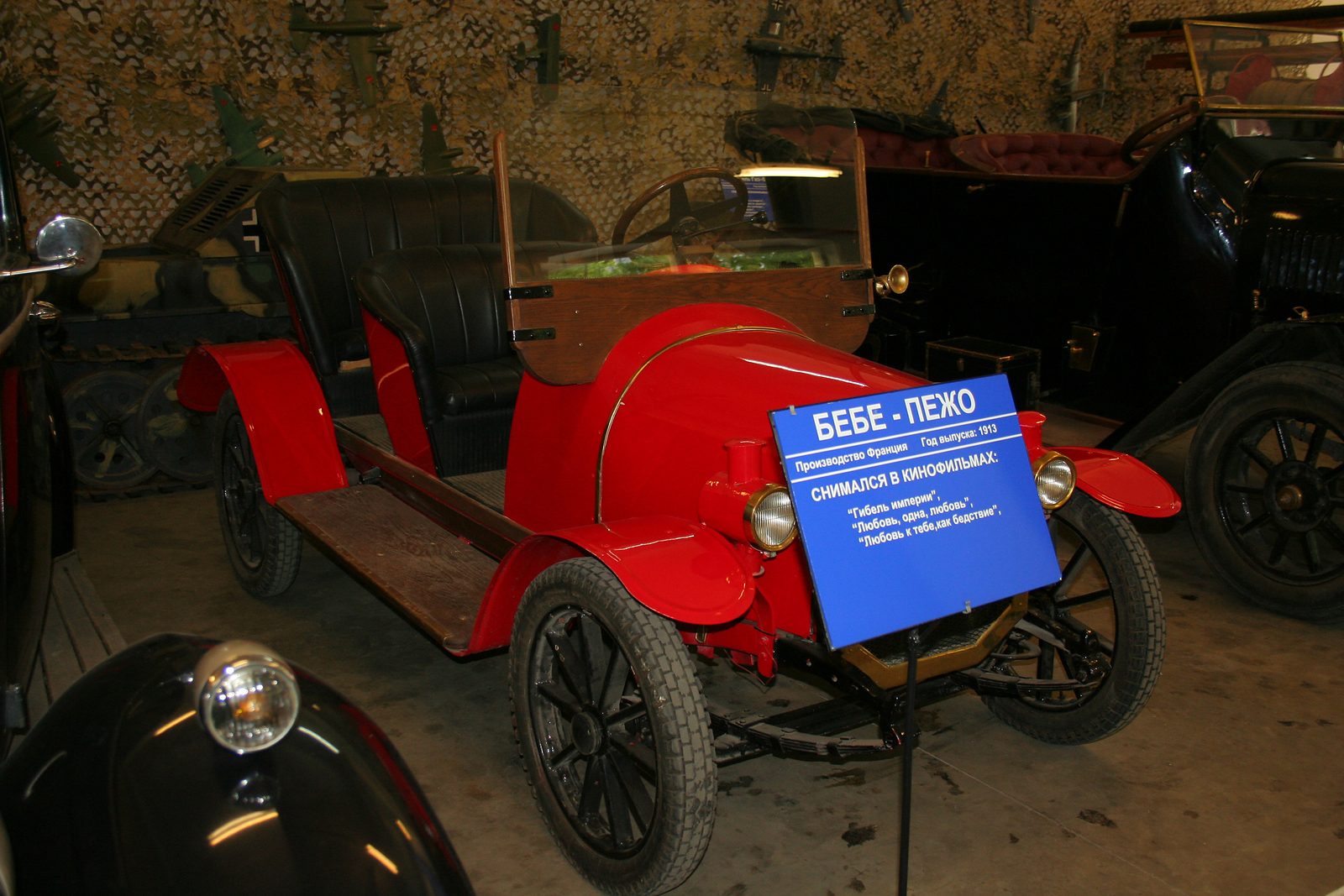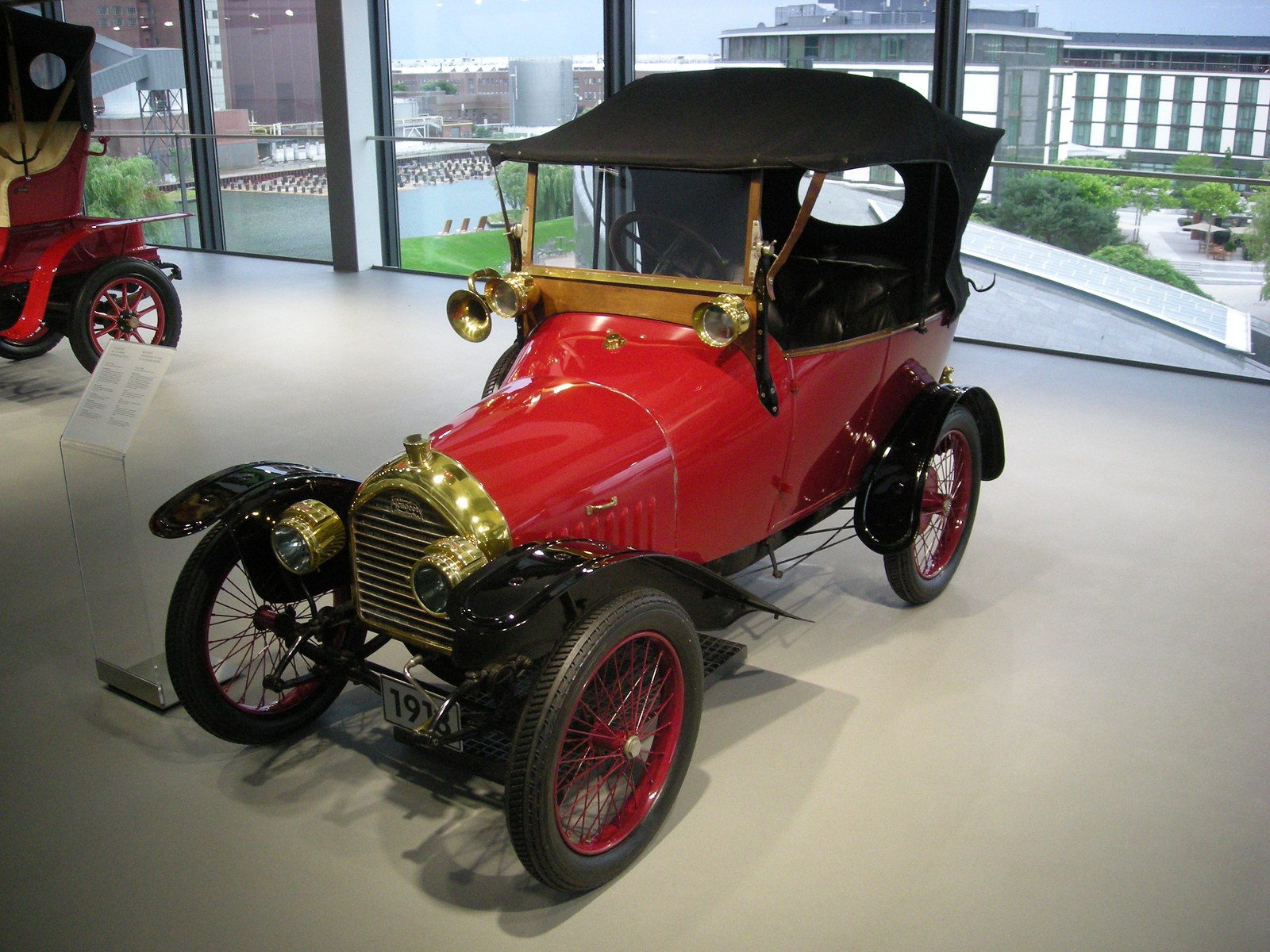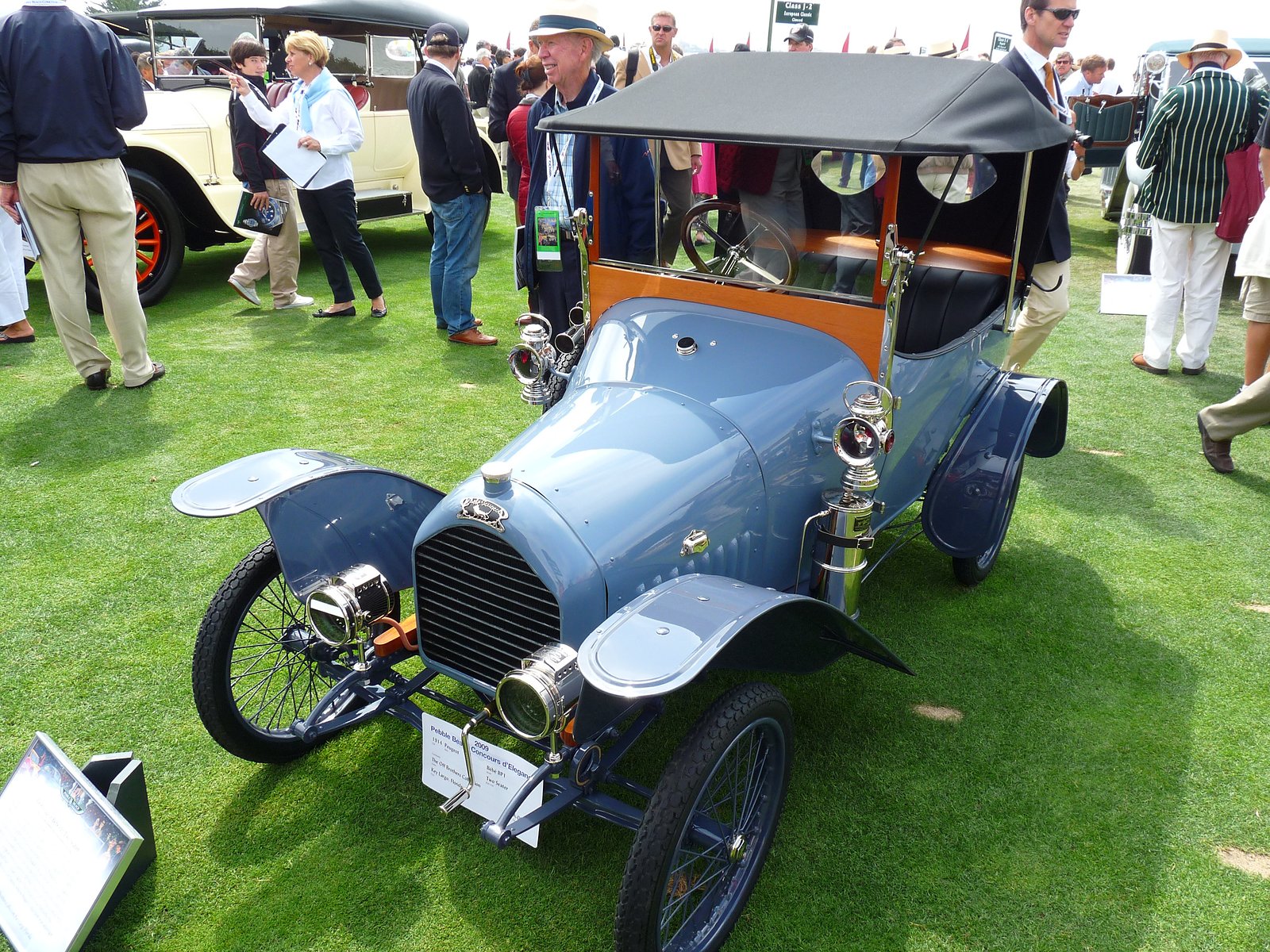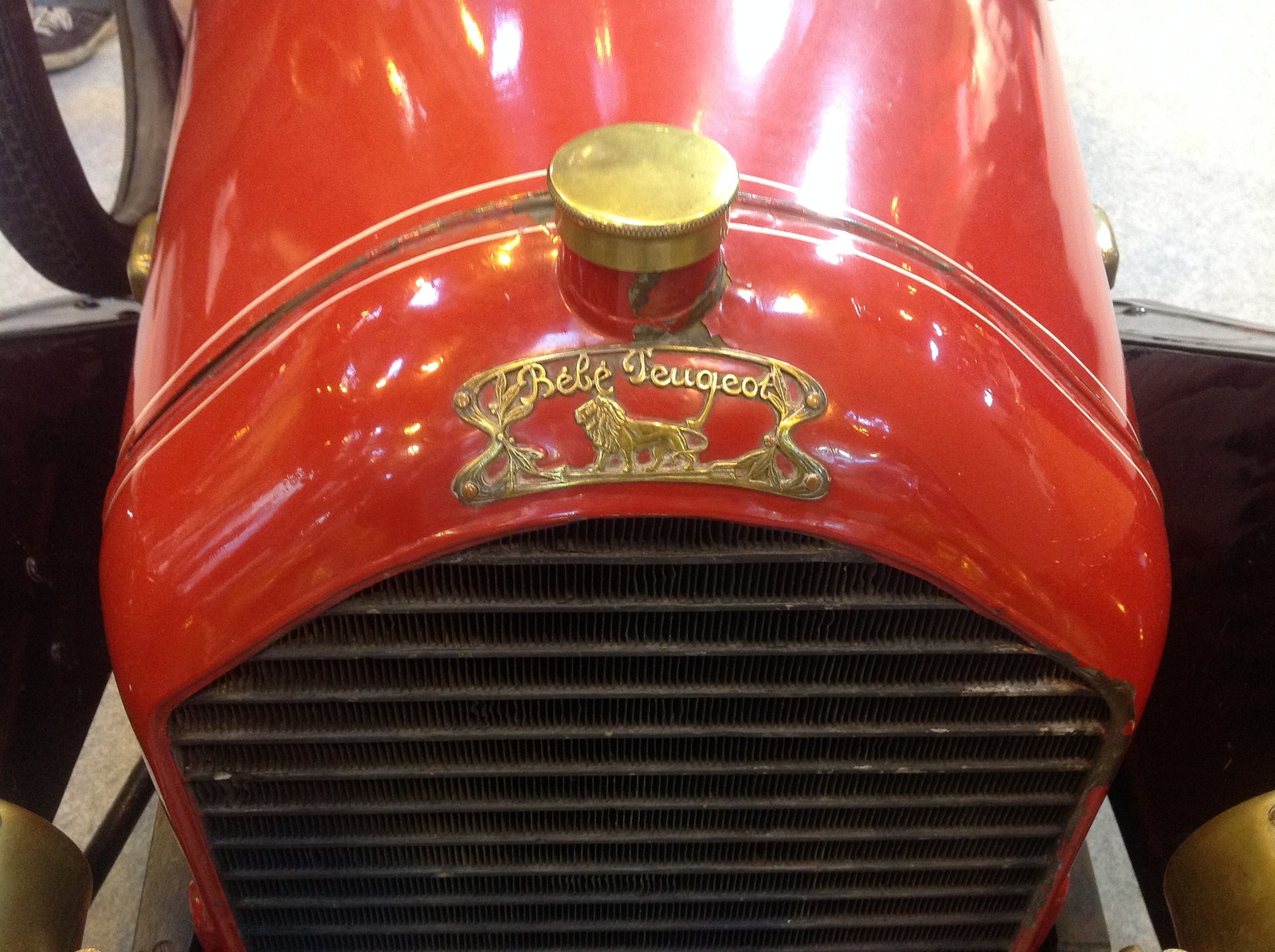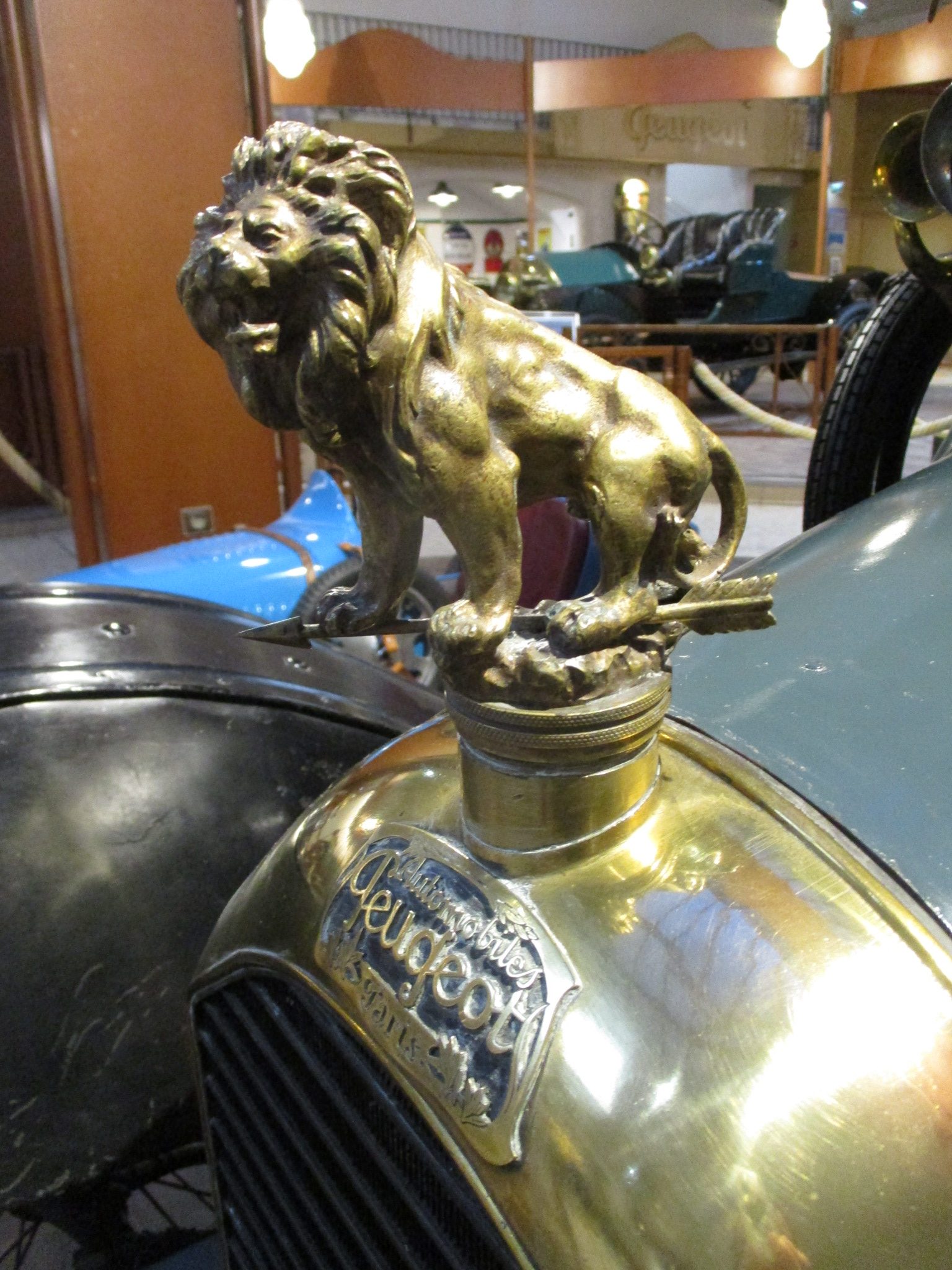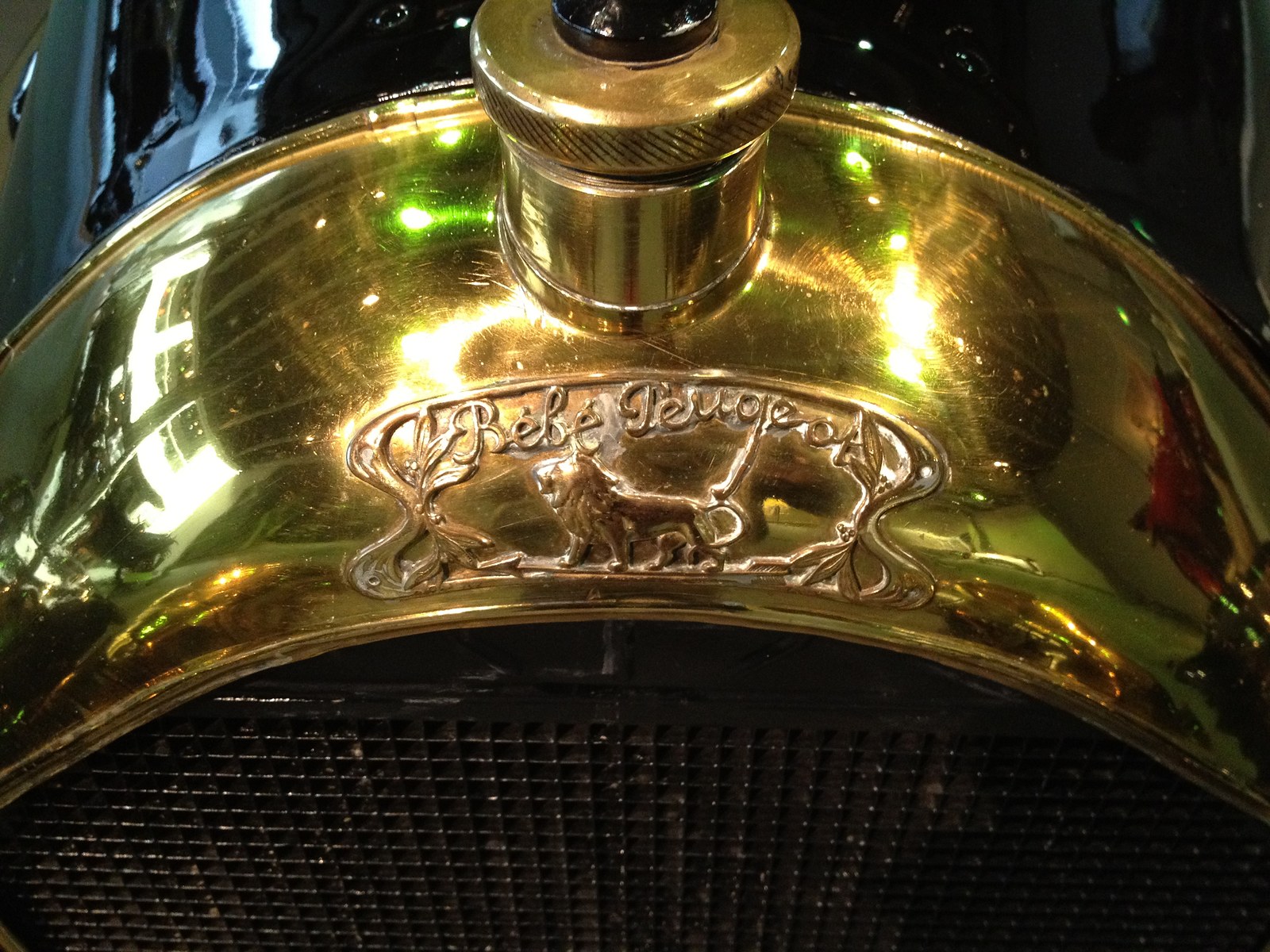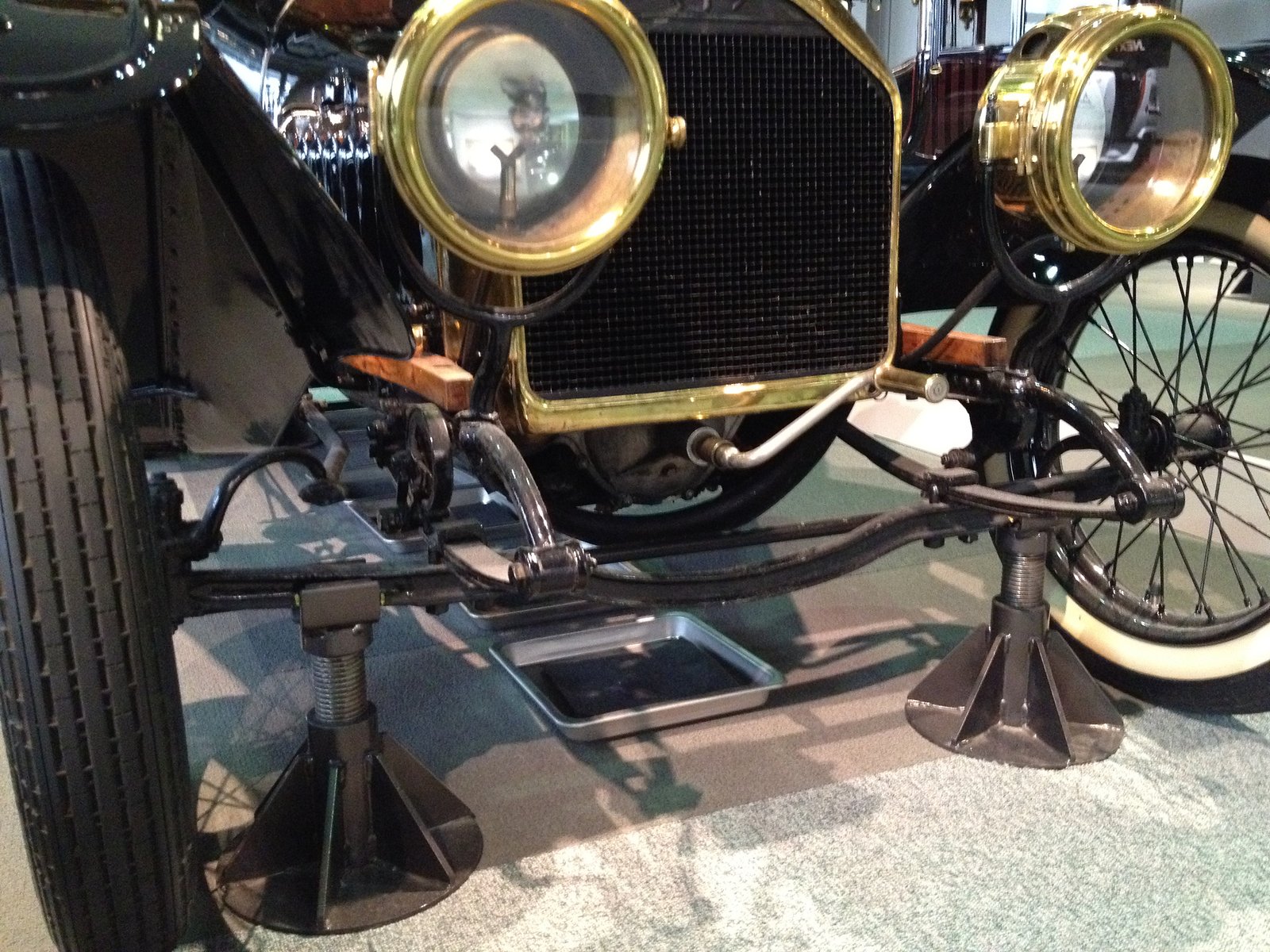
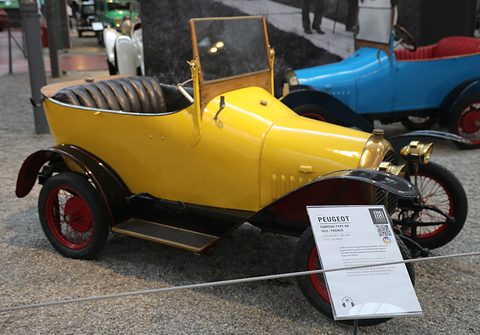
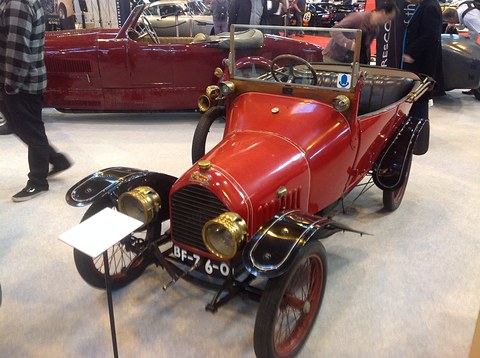
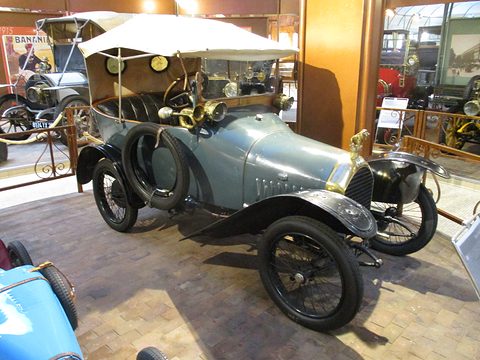
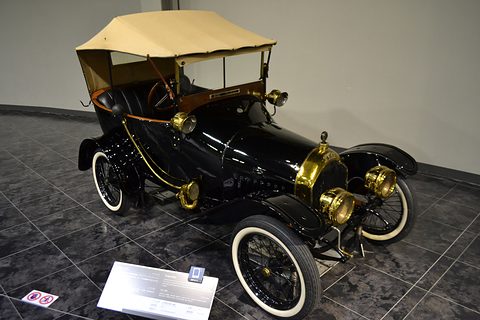
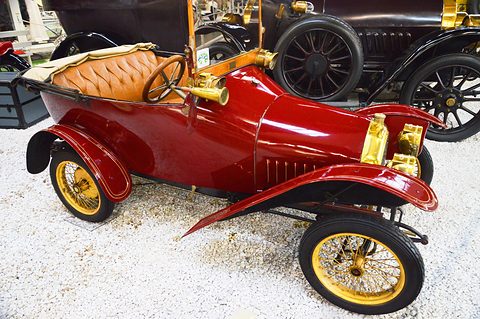
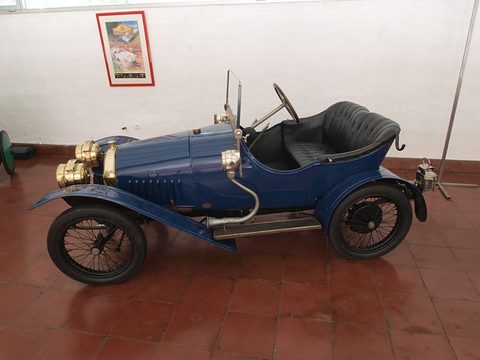
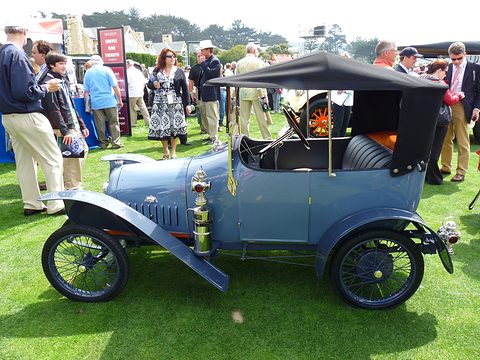
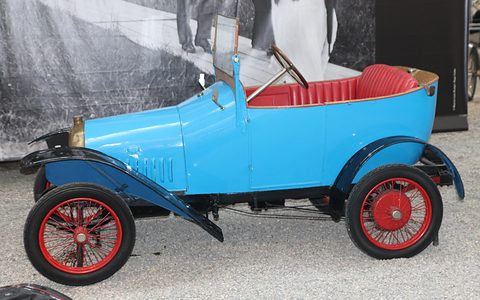
The story
History
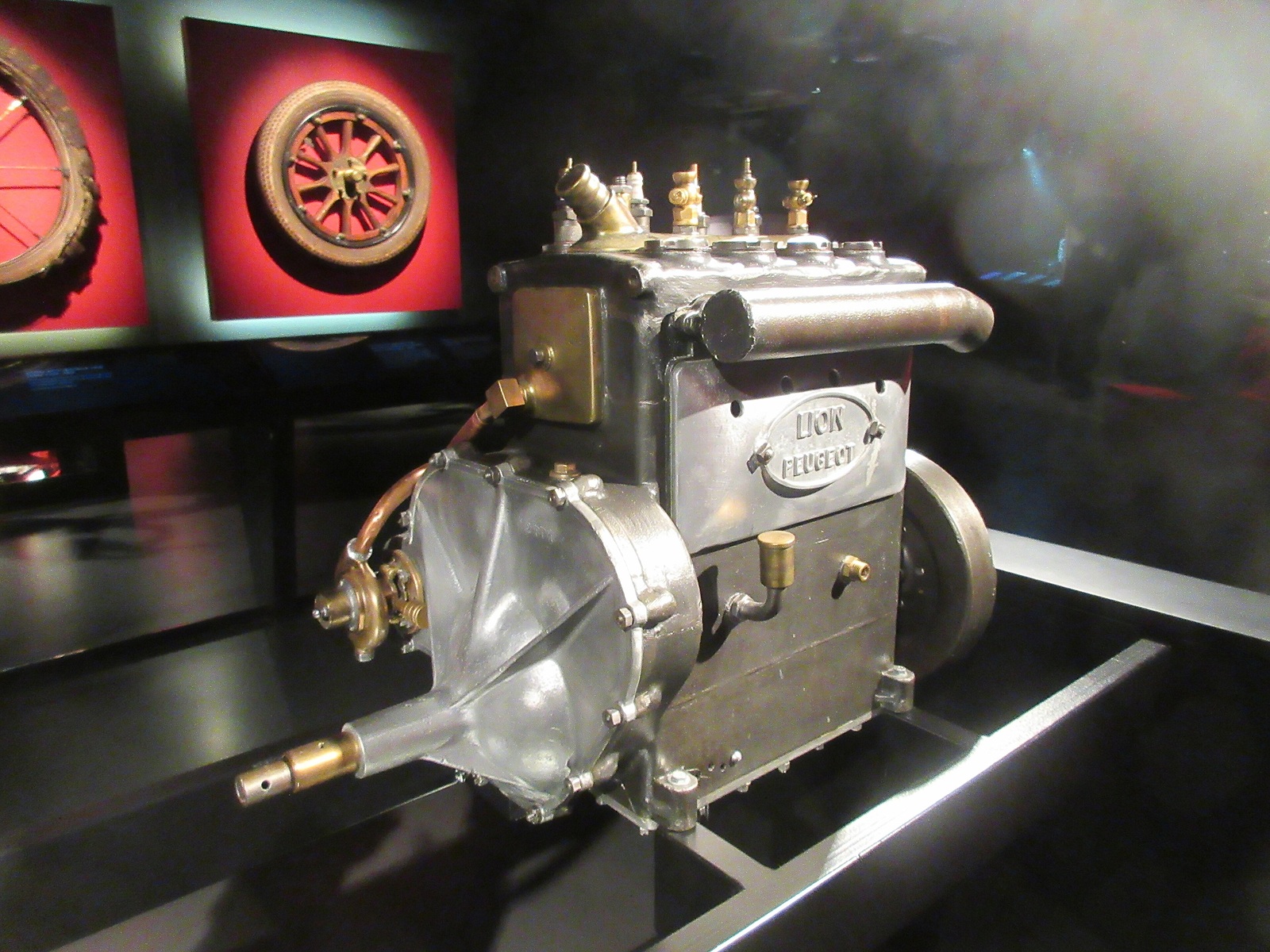
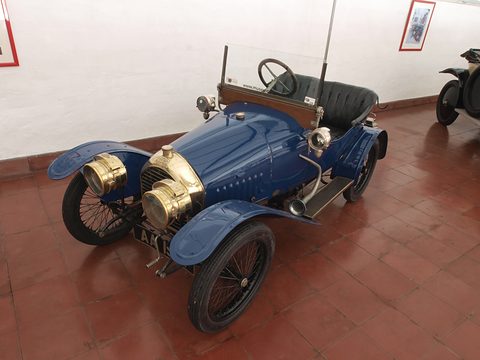
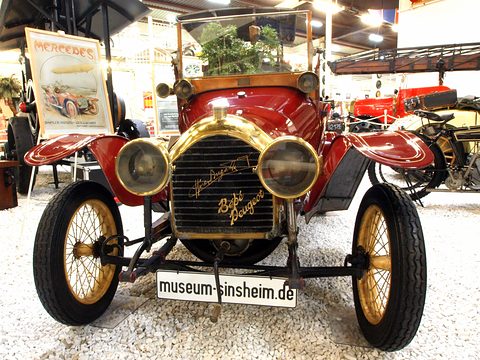
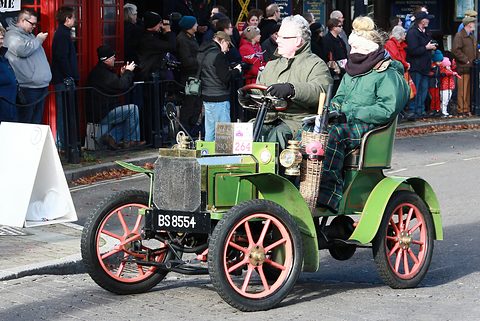
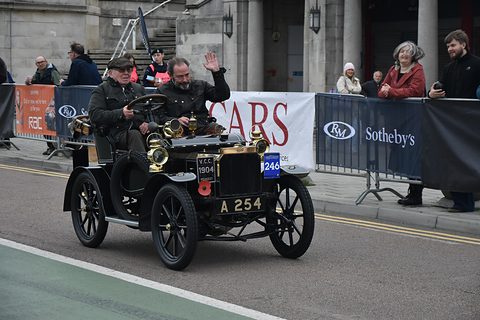
The name came before the car. In Britain, small Peugeots were sold as the “Baby Peugeot” by February 1903, through the agents Friswells.source 1 Kent Karslake, the motoring writer, dated “the original Bébé Peugeot” to 1901: a car of about 7 cwt (356 kg) with a 5 hp vertical single of 94 × 94 mm, which he saw as Peugeot’s first break from the horizontal engine.source 2 Those dimensions work out at 652 cc, the size of the later Type 69’s engine, which hints that the Type 69 used an engine Peugeot already had; that is our arithmetic, and nothing confirms it.
The Type 69
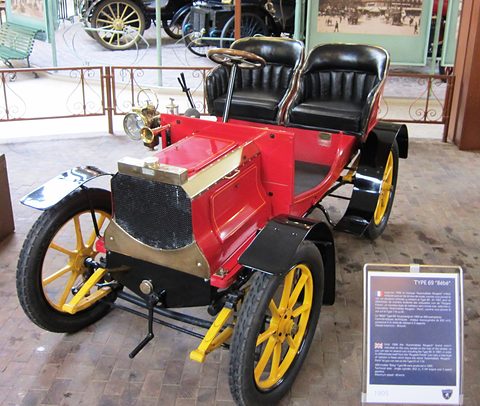
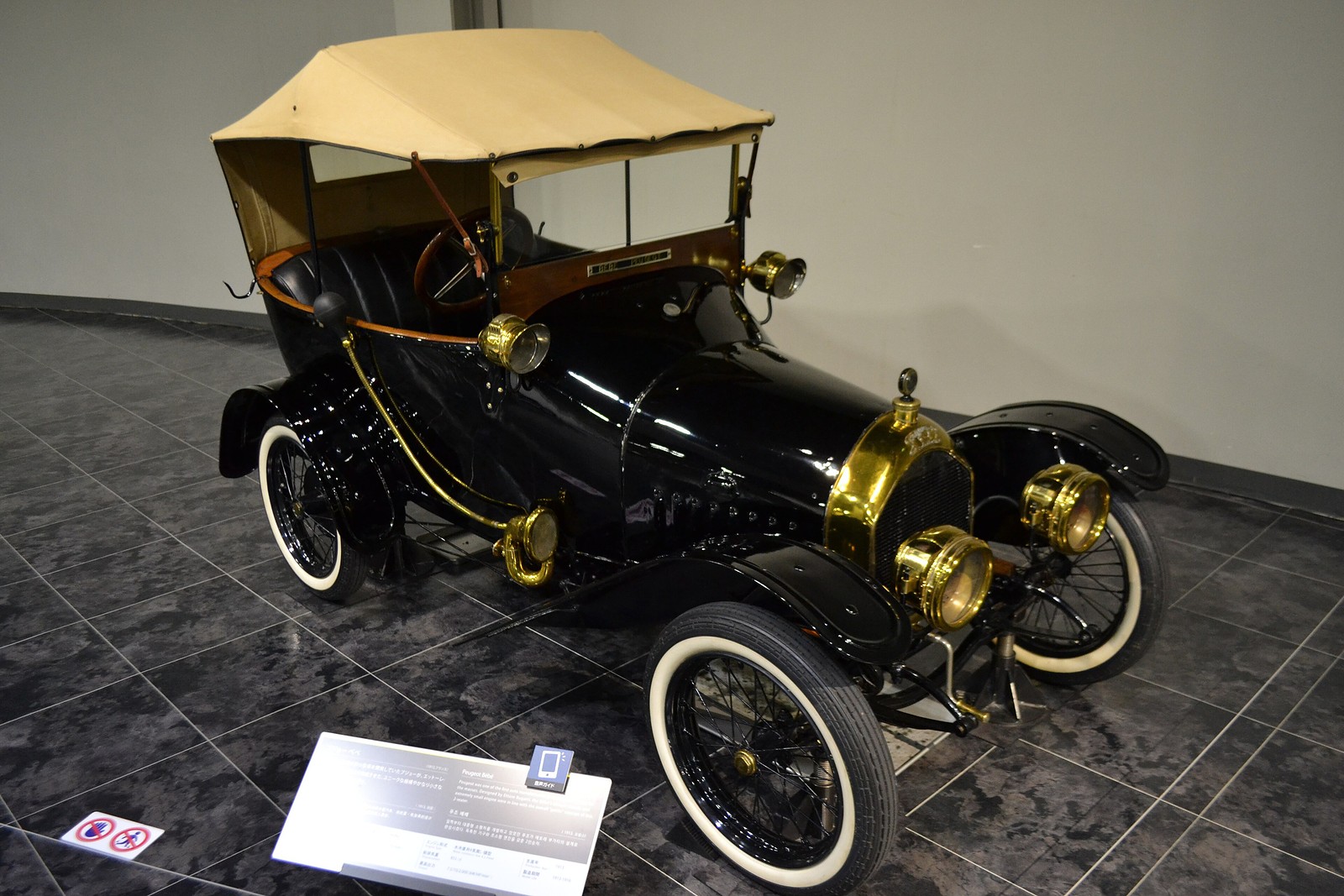
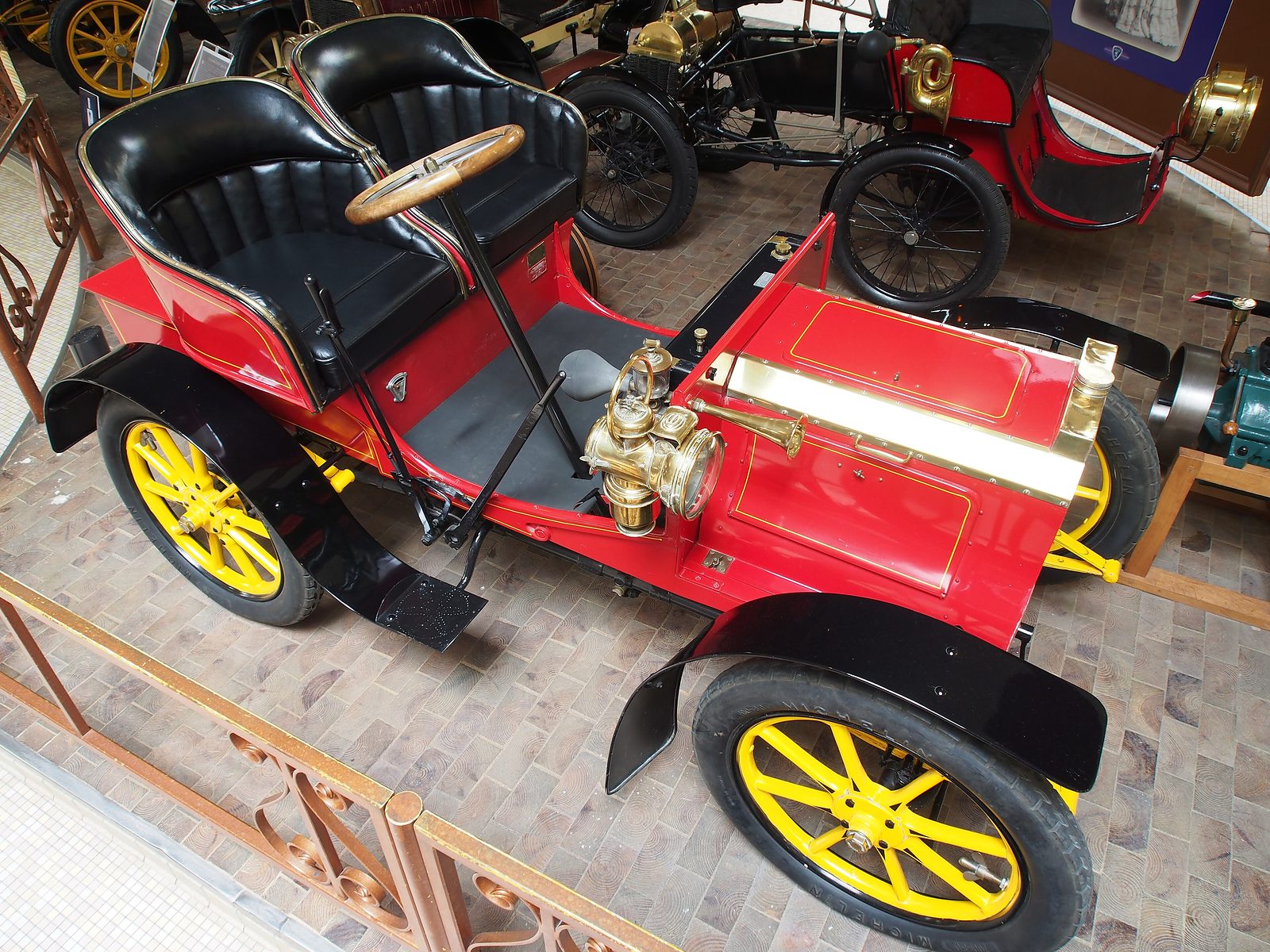
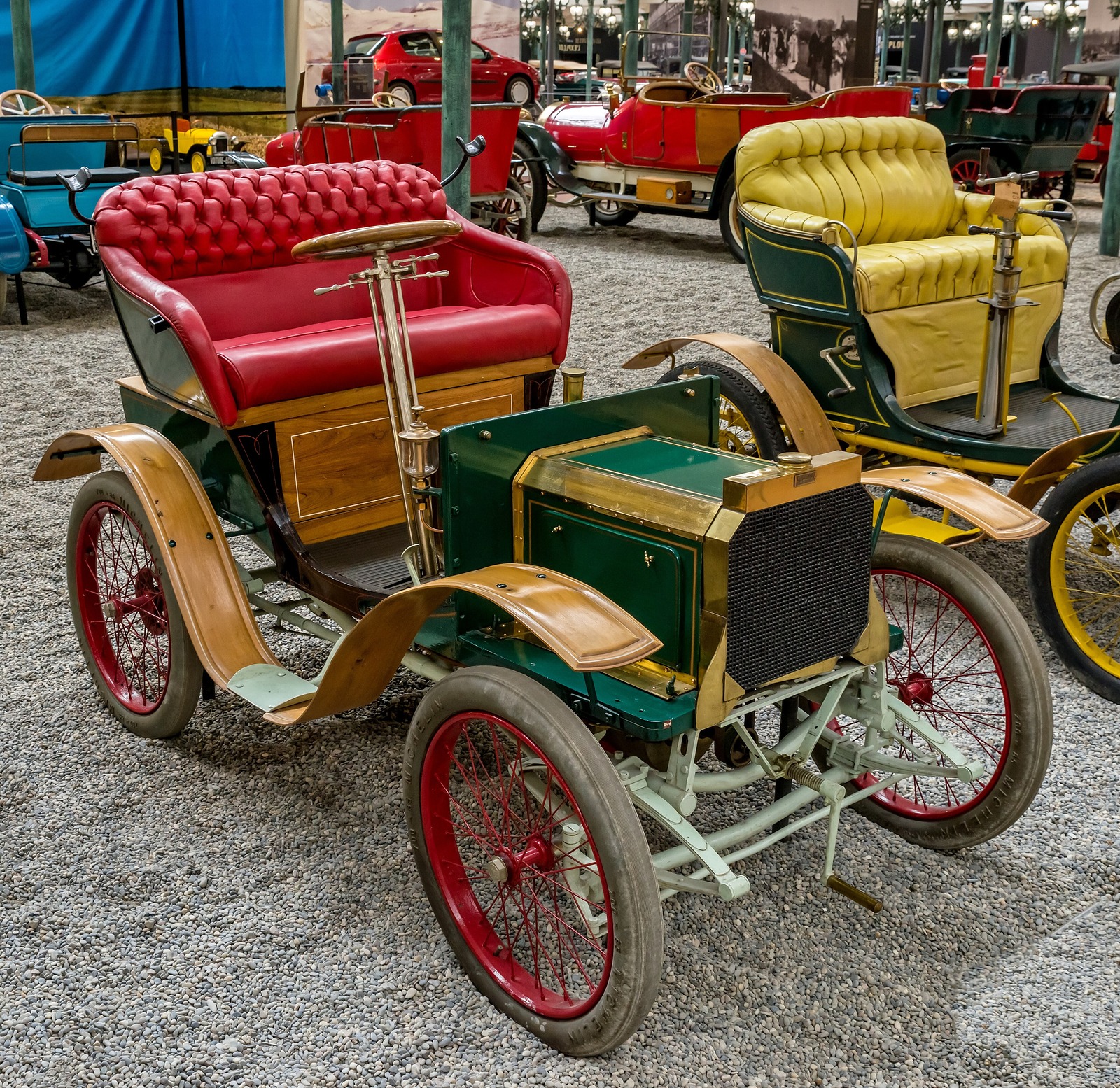
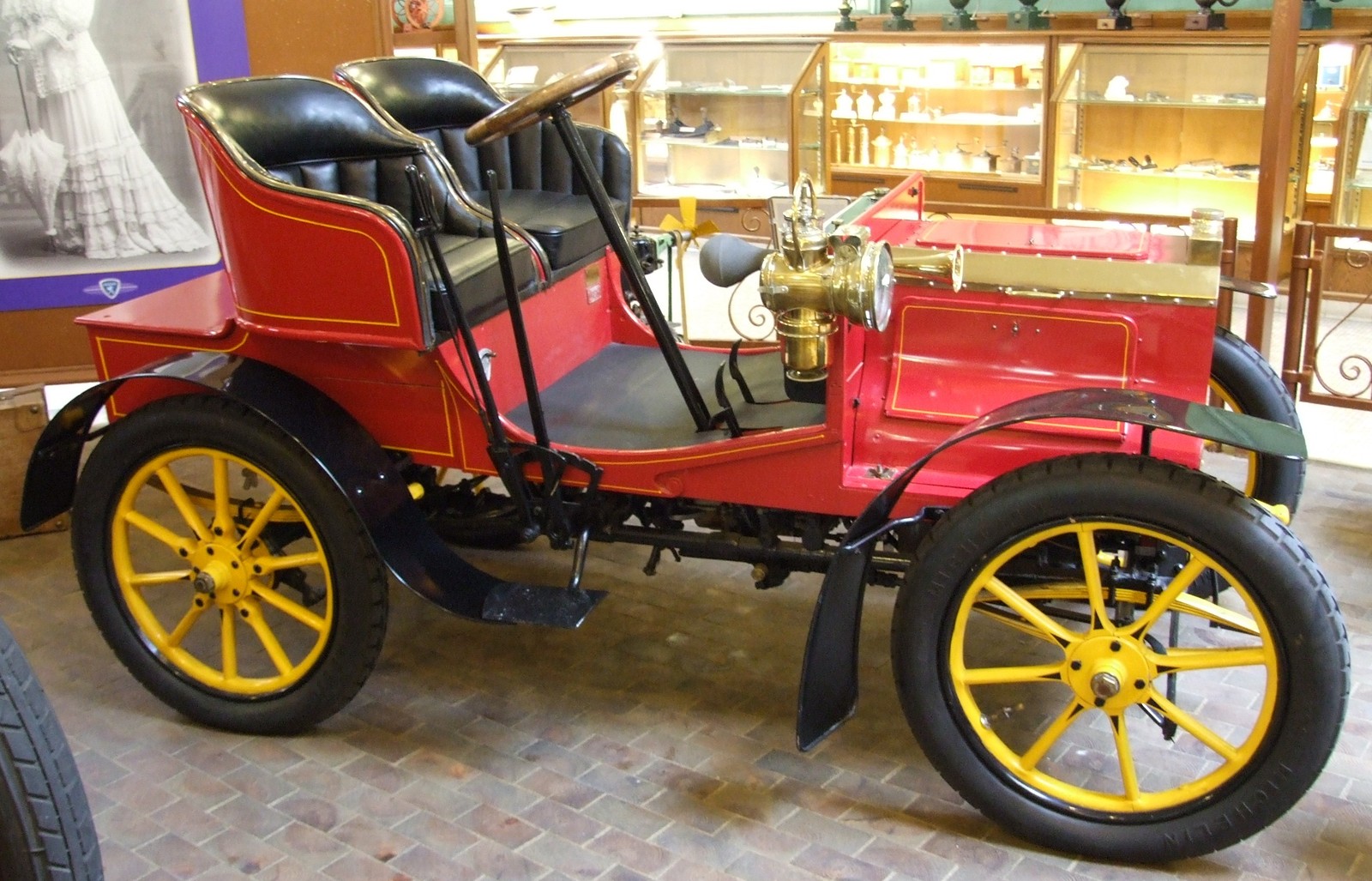
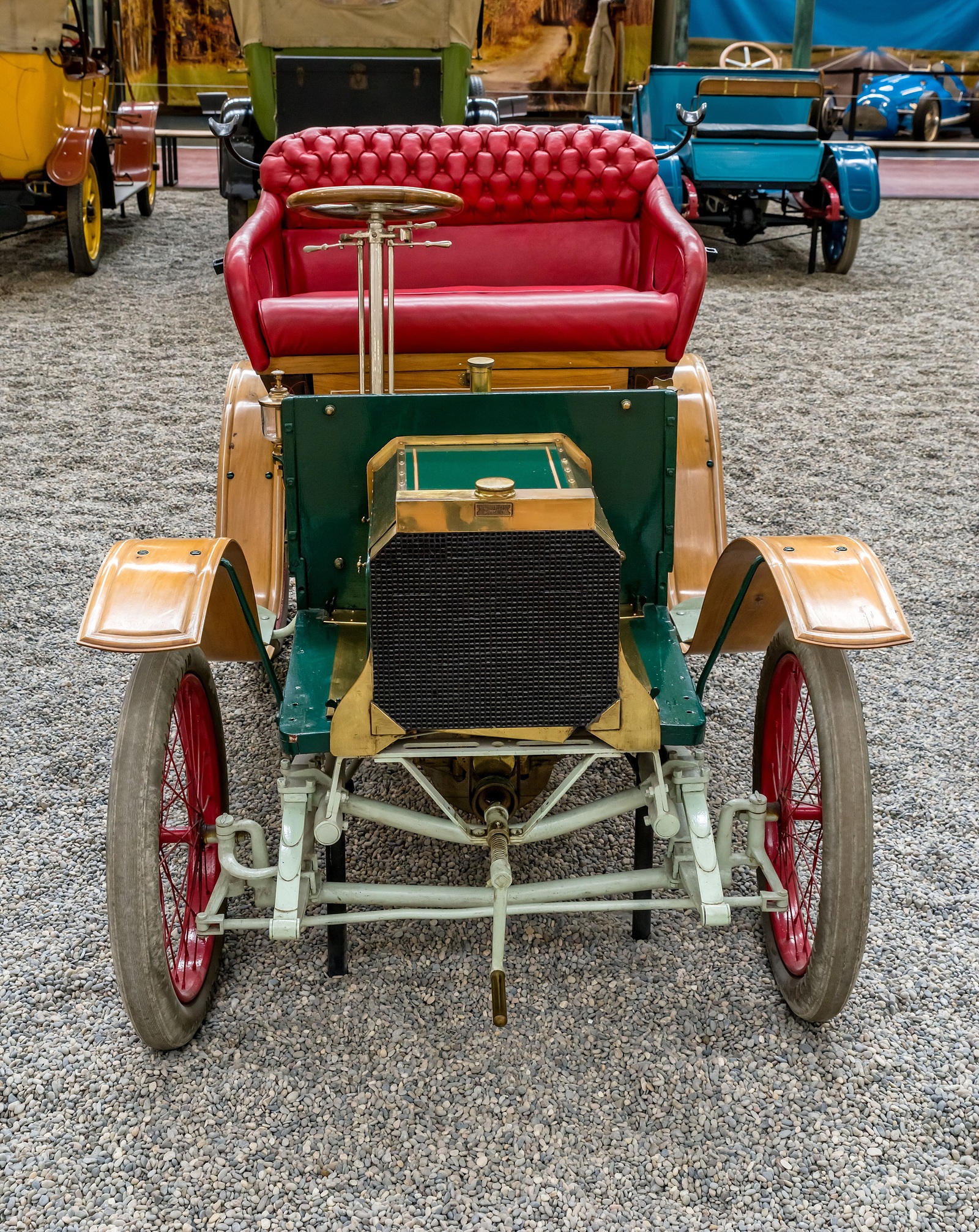
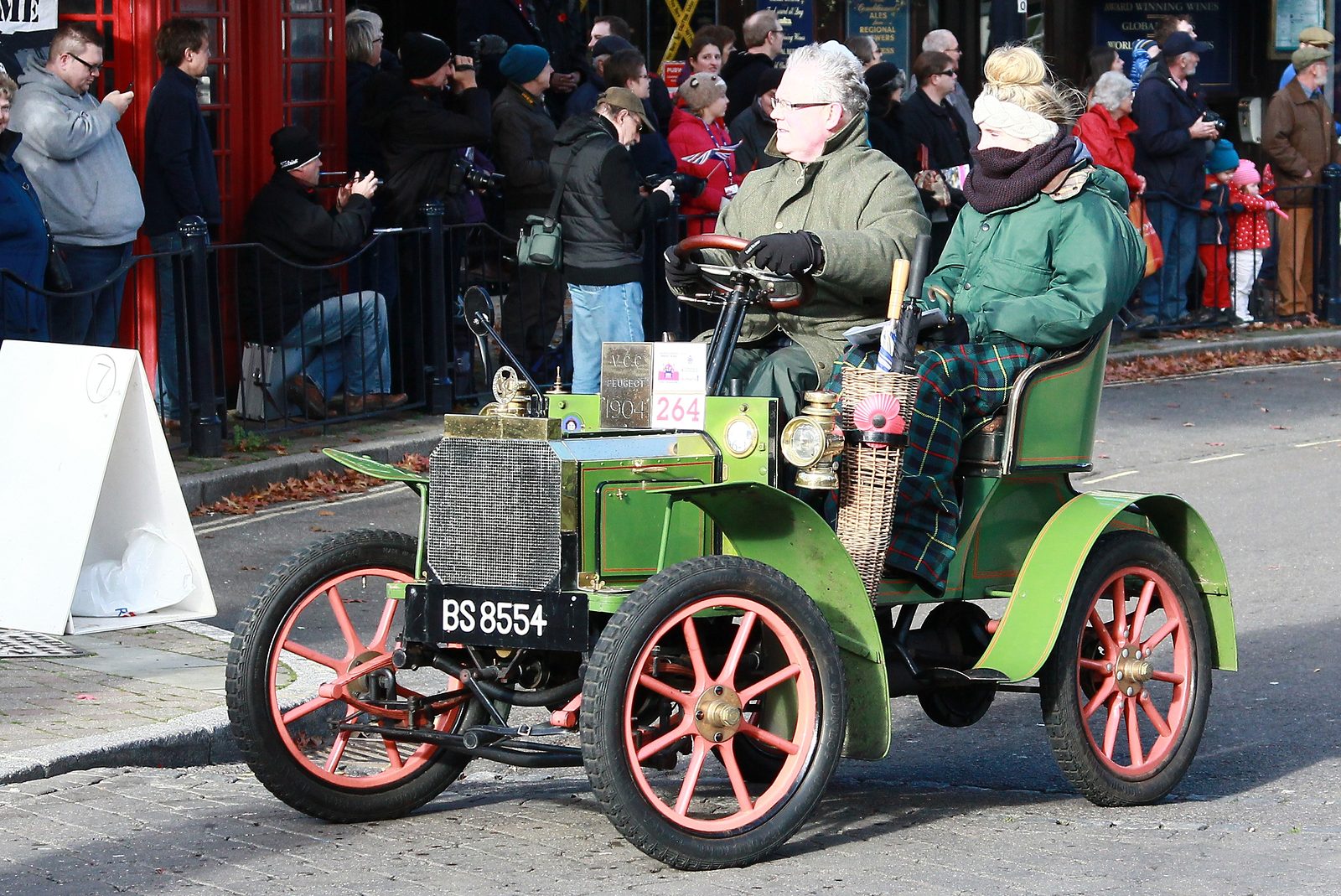
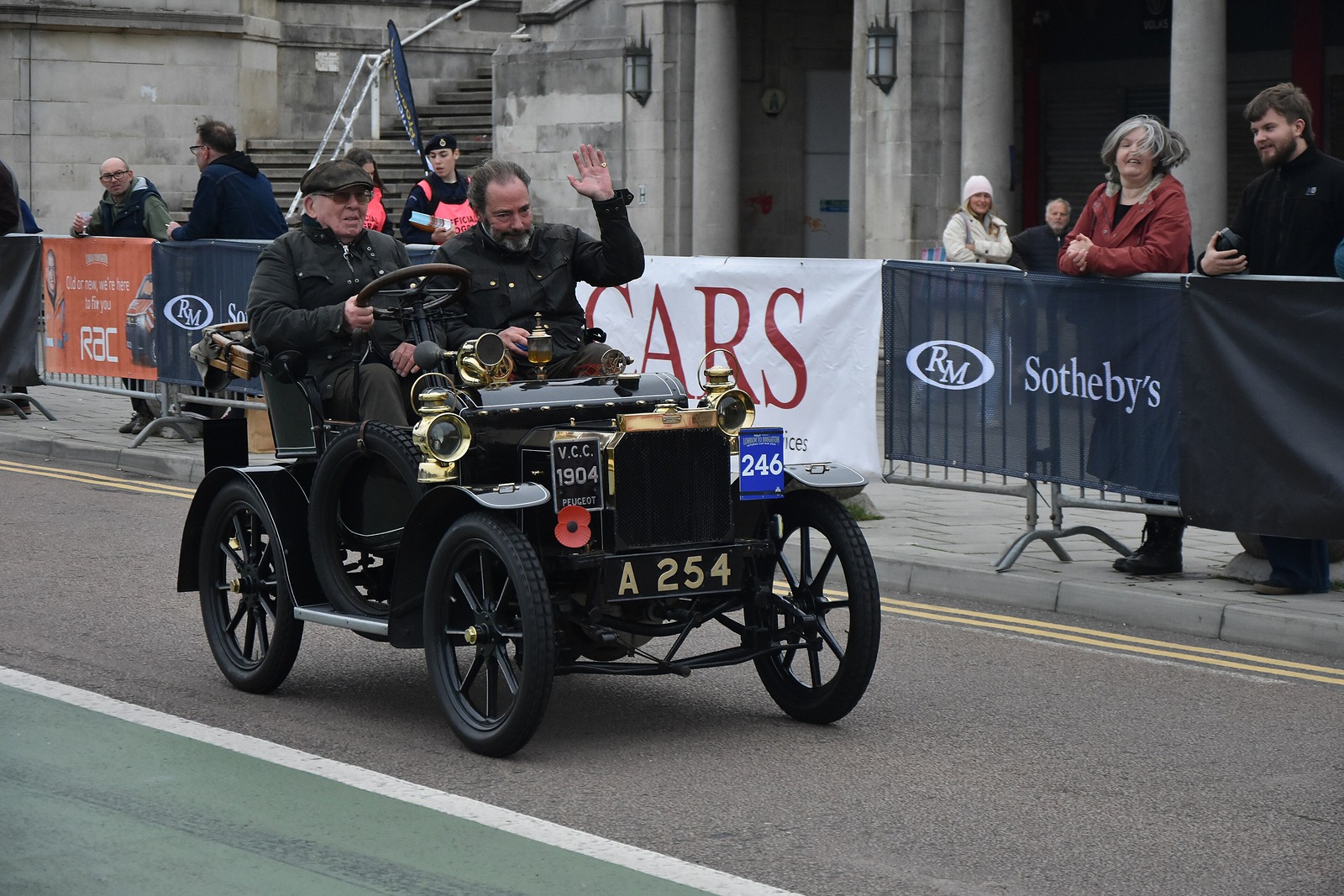
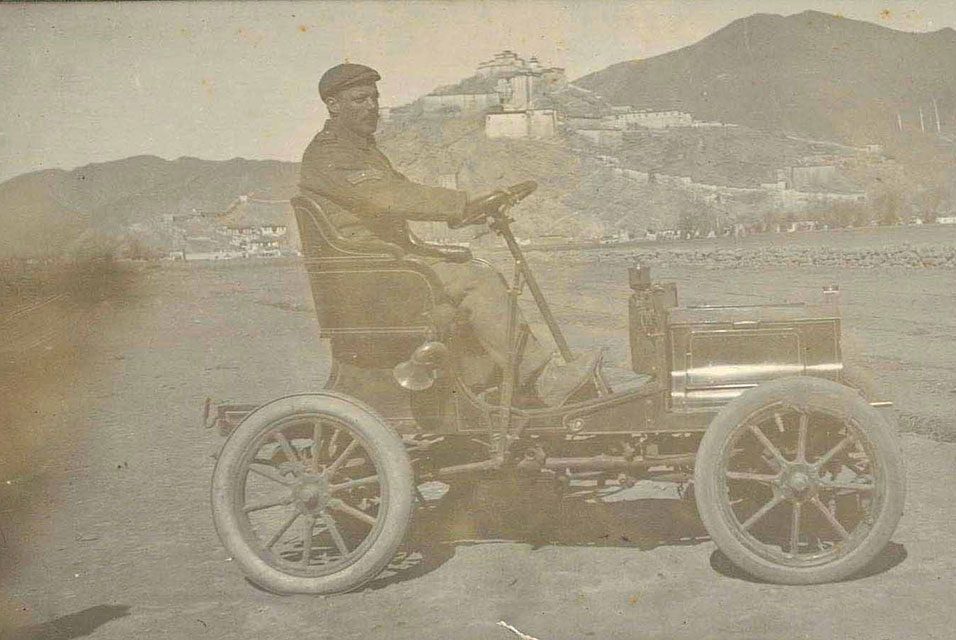
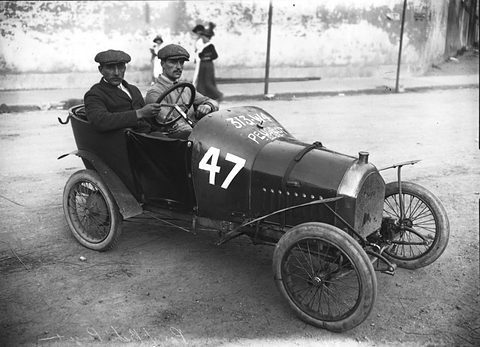
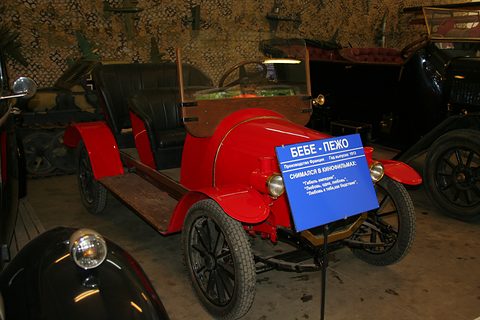
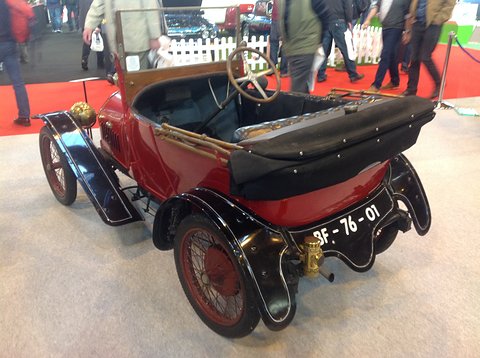
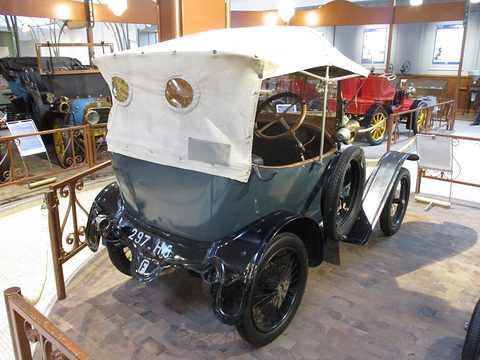
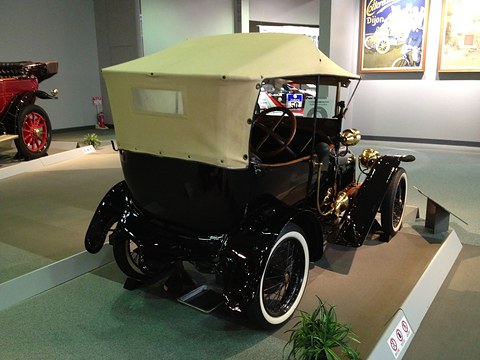
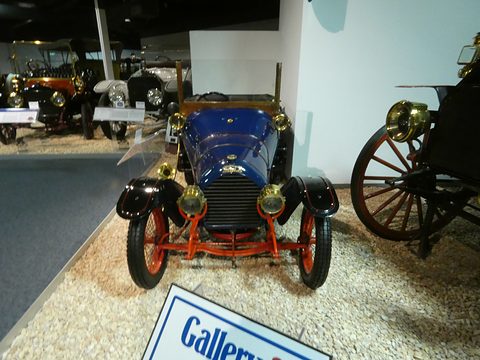
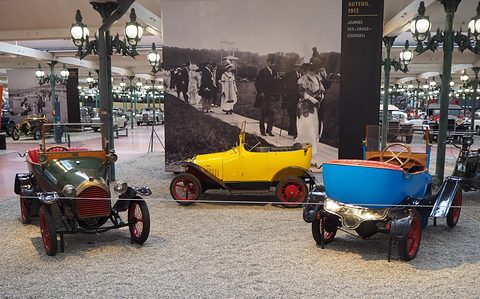
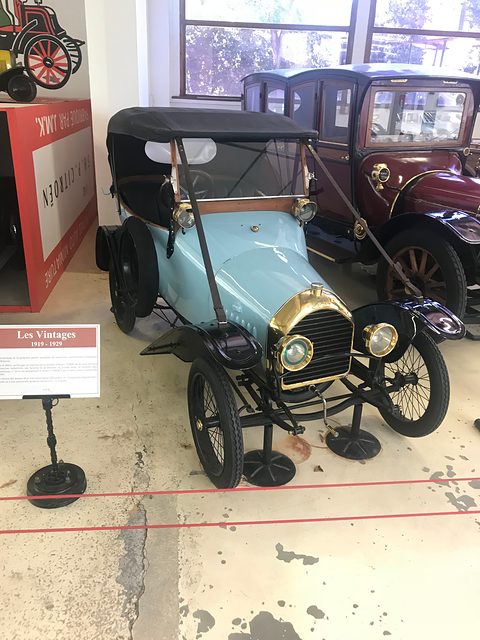
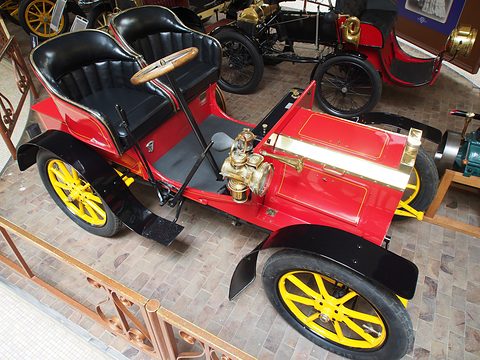
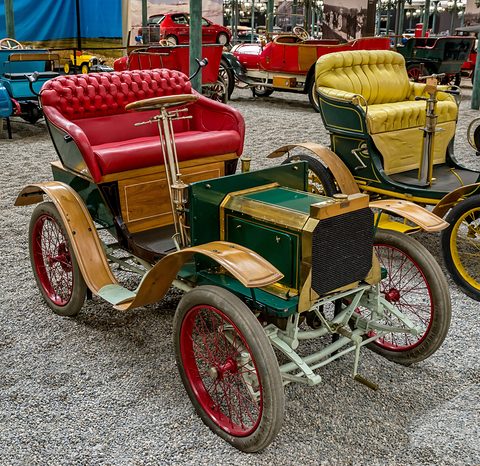
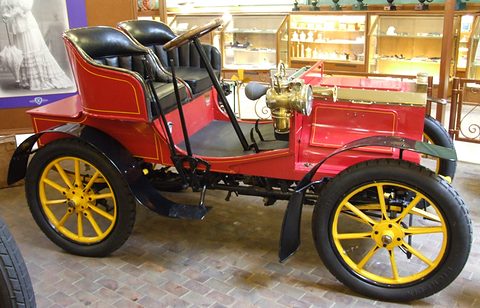
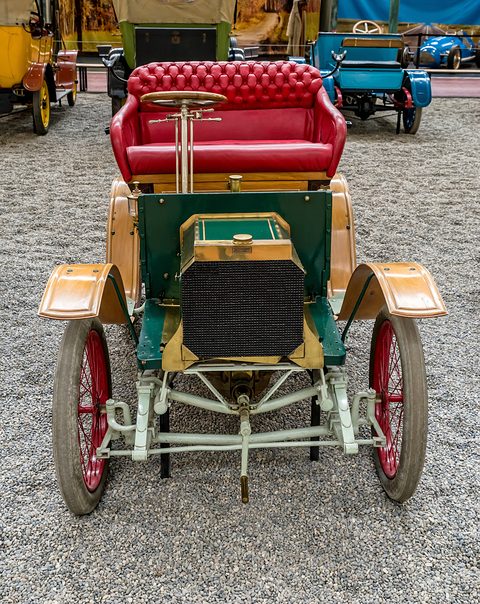
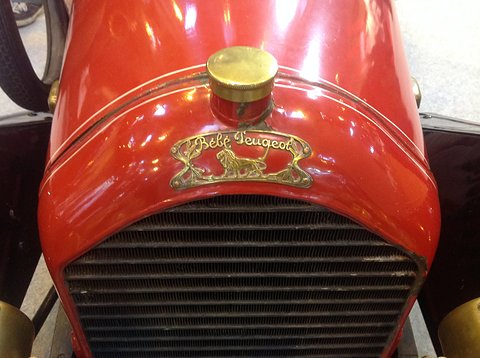
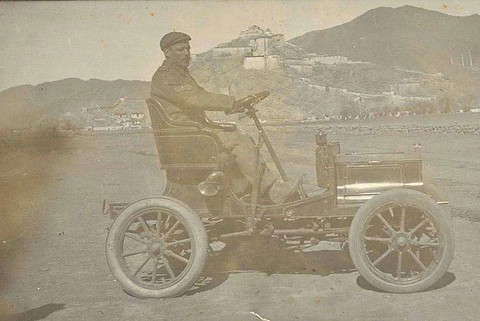
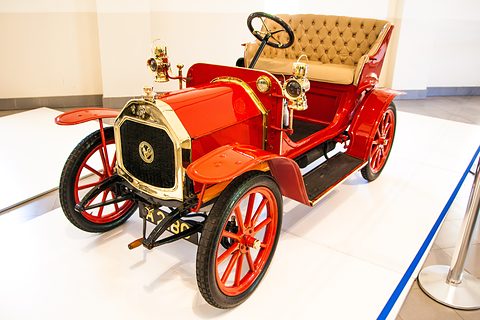
The first car Peugeot itself called Bébé, the Type 69, was the star of the 1904 Paris Salon and marked Armand Peugeot’s entry into a new class of car. It was 2.70 m (106 in) long, with a 652 cc “AG” single good for 40 km/h (25 mph), and it drove its rear wheels by a shaft rather than the chains of many cars of the time; its steering, by rack and pinion, replaced the old screw. It was built at Audincourt and exported, to Britain above all.source 3 In 1905 Peugeot built 400, which was 80 per cent of its car output that year.source 3 German Wikipedia, citing Schmarbeck’s history of every Peugeot, gives 400 for the whole run of 1905–1912, and 6.75 PS.source 4 A Type 69 is said to have been one of the first two cars in Tibet, imported in 1907 by W. F. T. O’Connor and given to the 9th Panchen Lama; the story rests on an auction catalogue that has not been read.source 5source 6
Bugatti’s baby
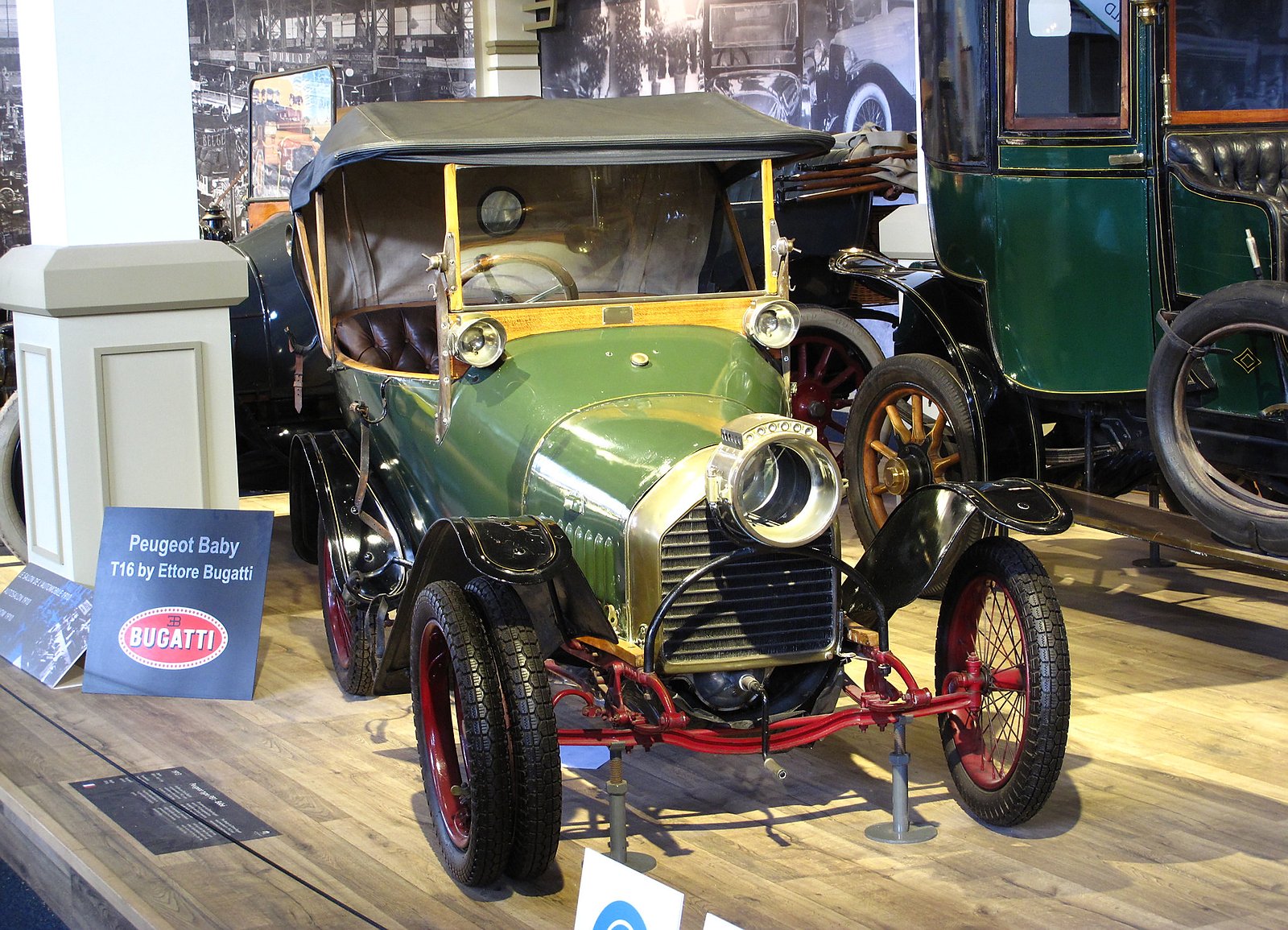
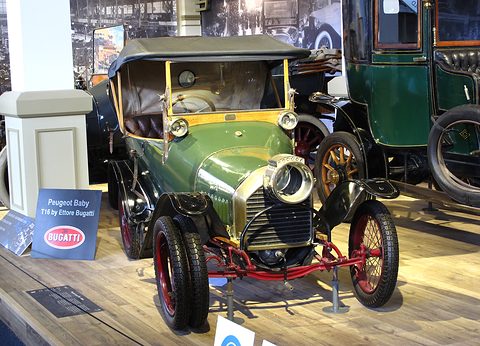
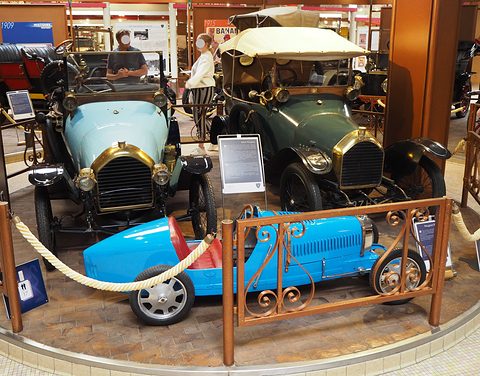
The second Bébé was Ettore Bugatti’s. In 1911 he designed a small four-cylinder car, his Type 19, and French Wikipedia says the prototype was shown at the Paris Salon that year.source 6source 7 Peugeot’s history says he offered it first to the German maker Wanderer, and that Peugeot built it under an agreement between the two.source 8 English Wikipedia adds that Wanderer built its own version with Bugatti’s four-speed gearbox, but the sites behind that note say only that Wanderer turned the design down.source 9 Hugh Conway’s history of Bugatti gives the date of the deal.
In August 1911, Bugatti signed a contract with Robert Peugeot to design a small 2-place car…. The ‘Baby Peugeot’ as it was called was a great success….
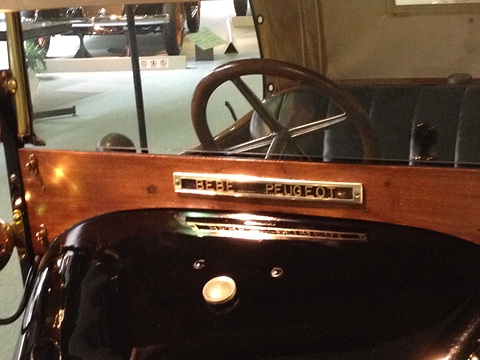
Karslake heard that the prototype “had even been built — in the guise of the Baby Bugatti”, and that Peugeot’s directors “had seen this remarkable creation and had been conquered; forthwith they had bought the rights to the design”. Peugeot, “a trifle bashful”, chose to show it first in the provinces, “at an exhibition of agricultural machinery!”source 2 It reached the Paris Salon in October 1912, where, by Peugeot’s account, it caused a sensation: its low price and modern design took the market by surprise.source 8 The Autocar introduced it to British readers as “the new Baby Peugeot”.source 2 Karslake later compared its arrival with that of the Austin Seven.
In 1912 a 4-cylinder engine with dimensions of 55 by 90 mm. and a capacity of only 850 c.c. undoubtedly was [remarkable]. It created the same sort of impression as did the Austin Seven when it made its appearance a decade later.
A four in miniature
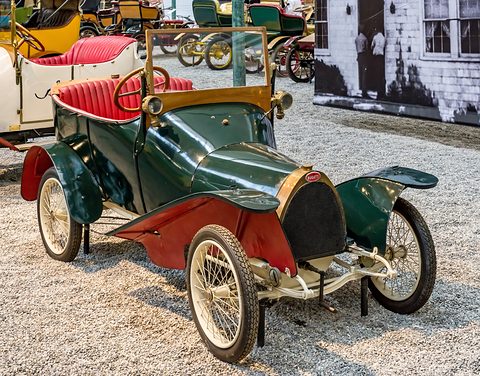
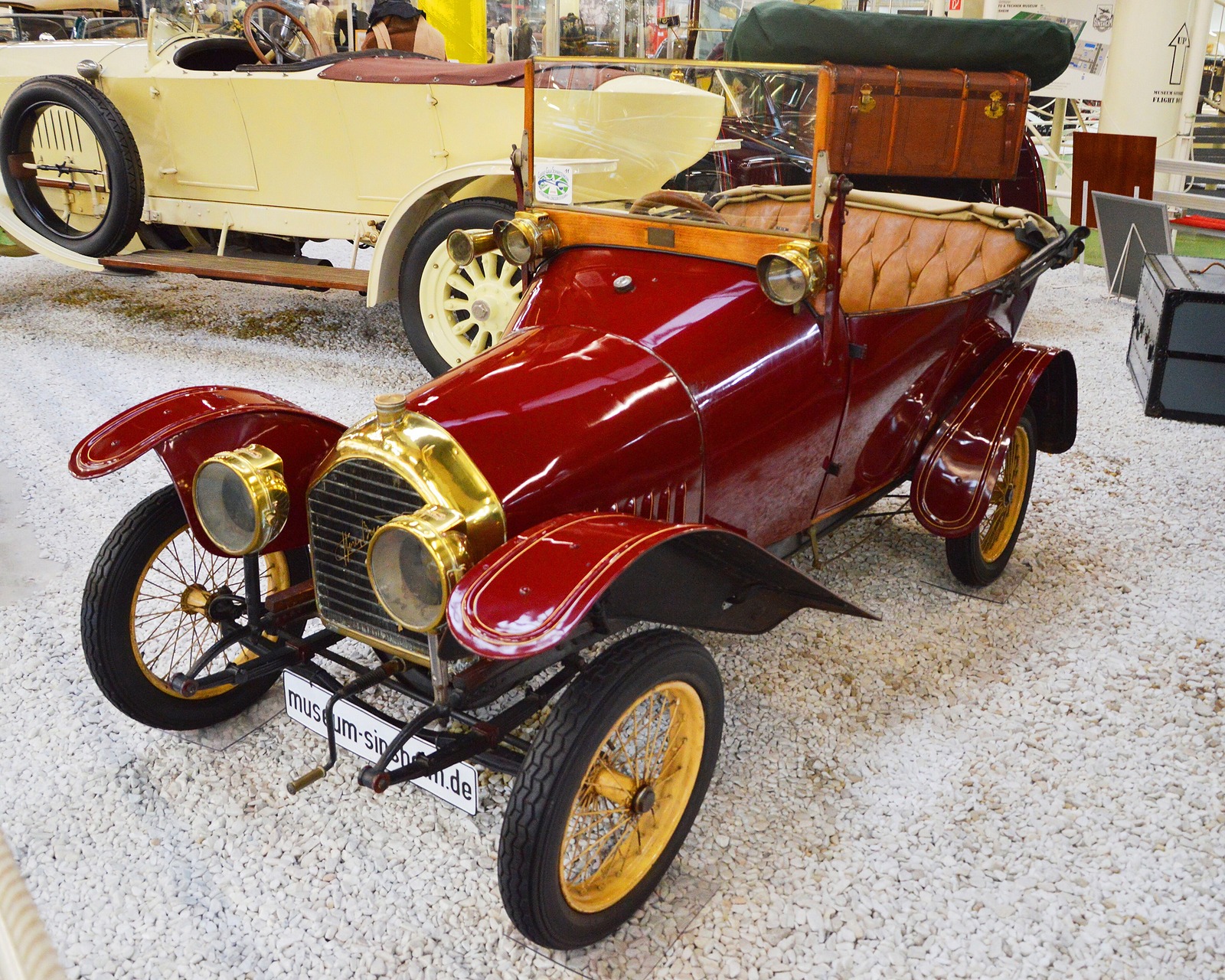
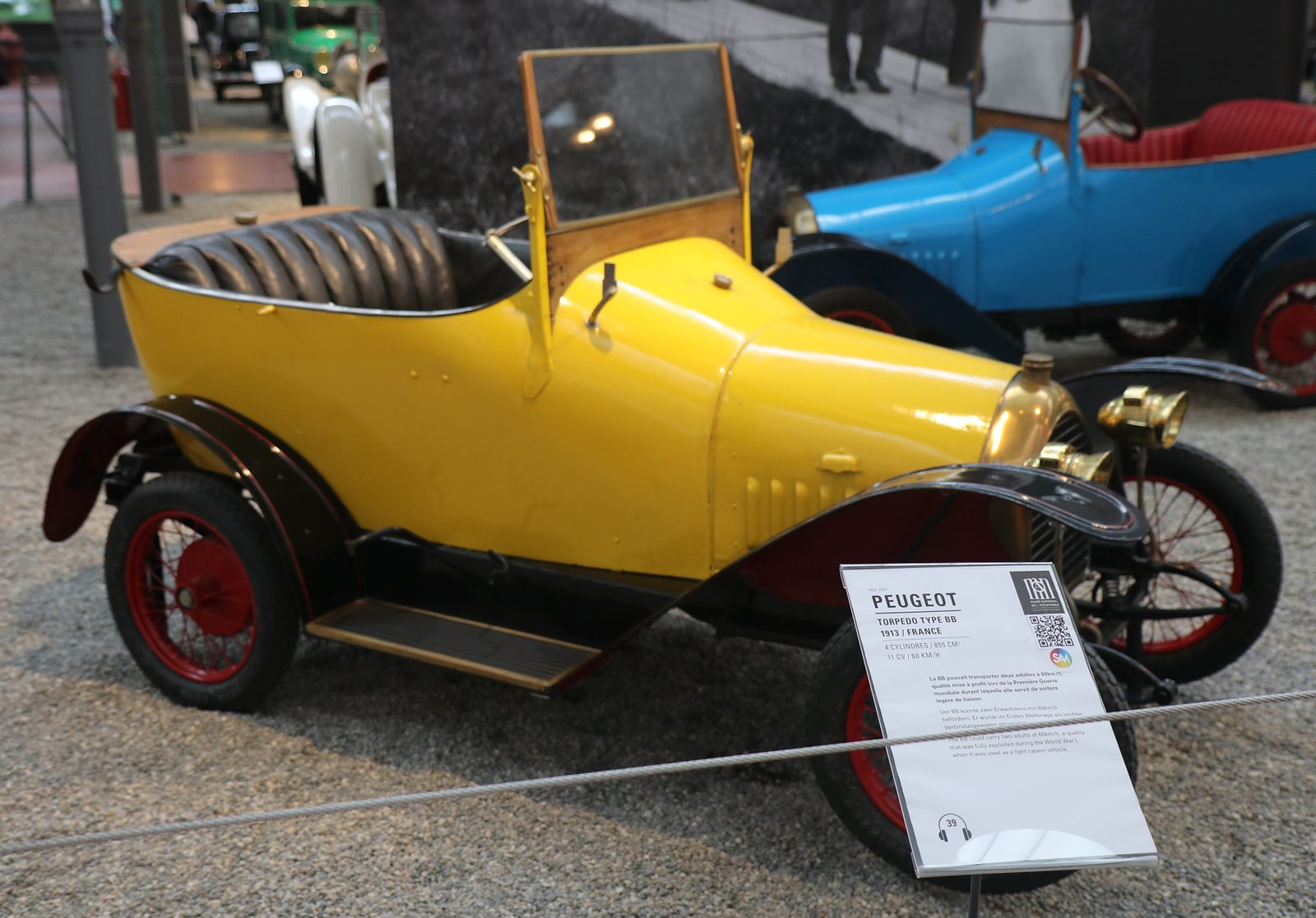
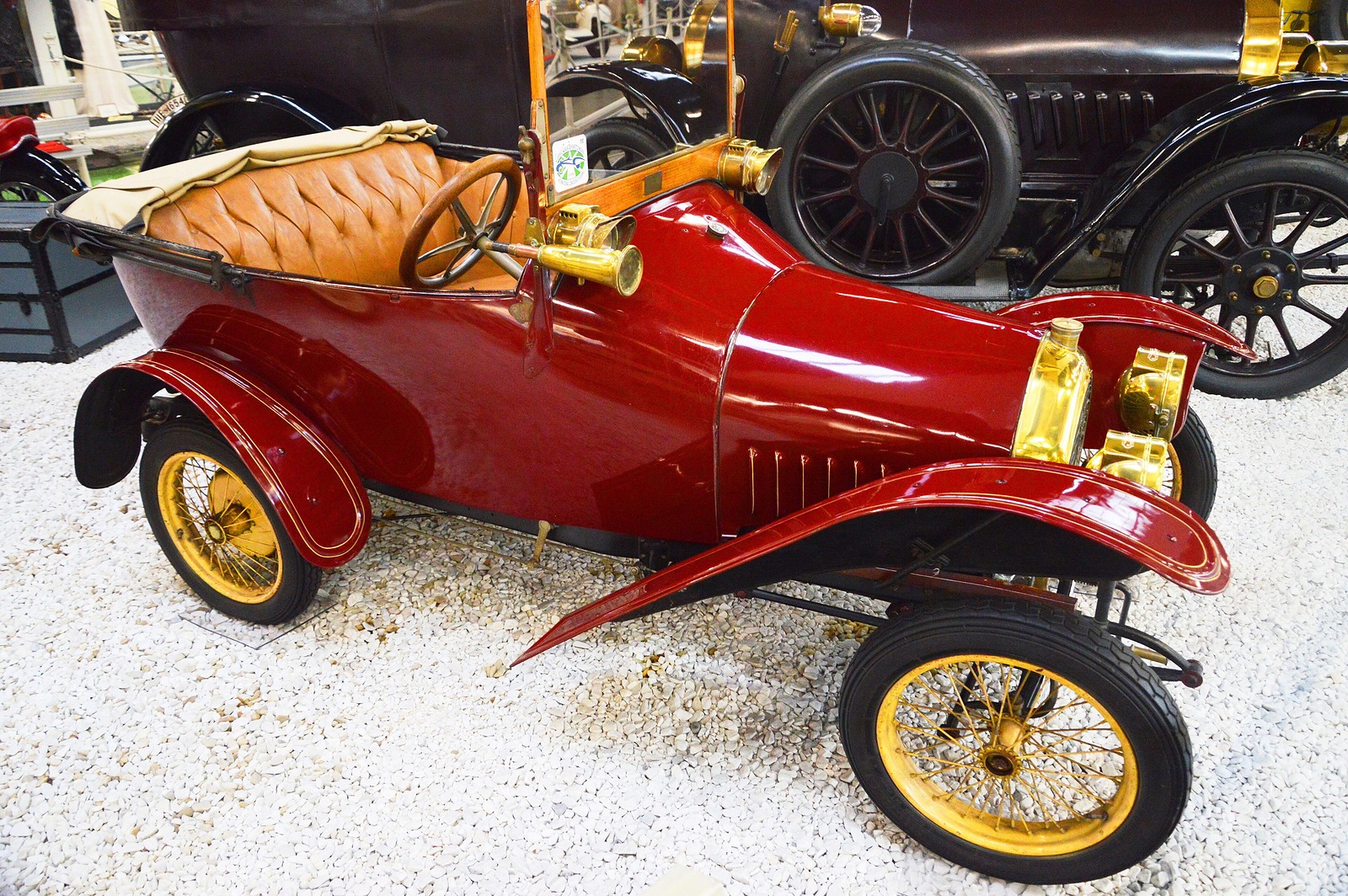
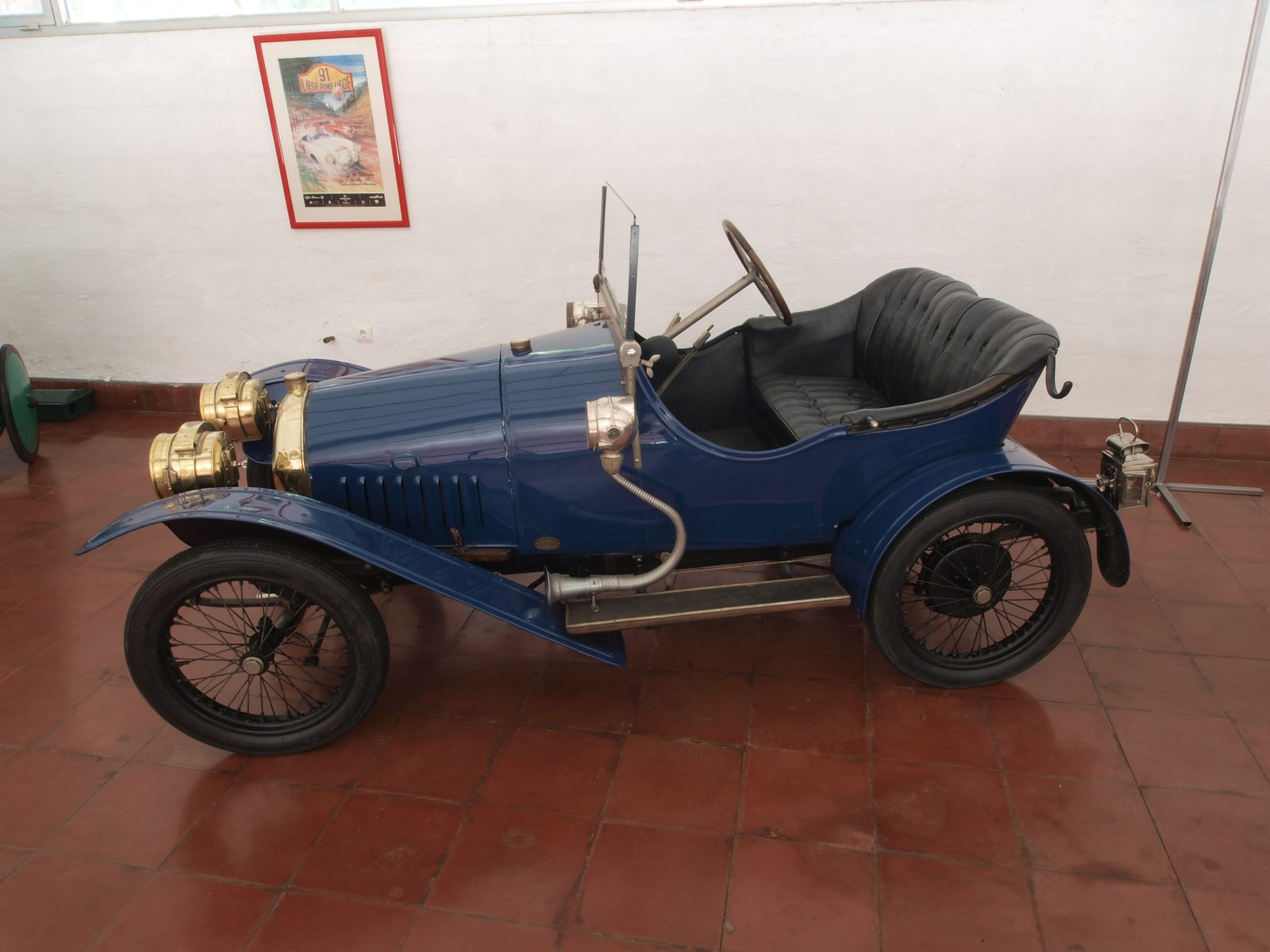
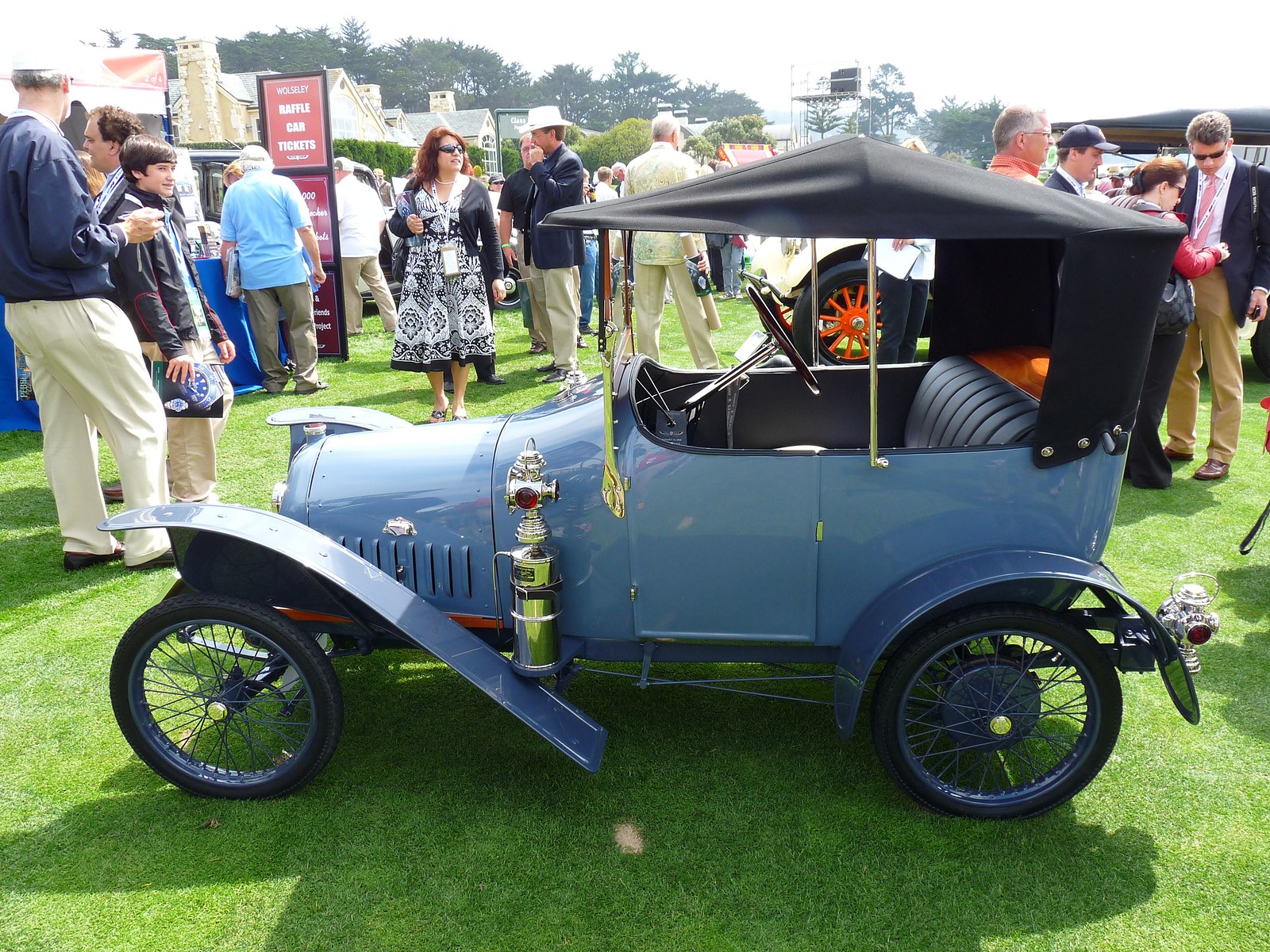
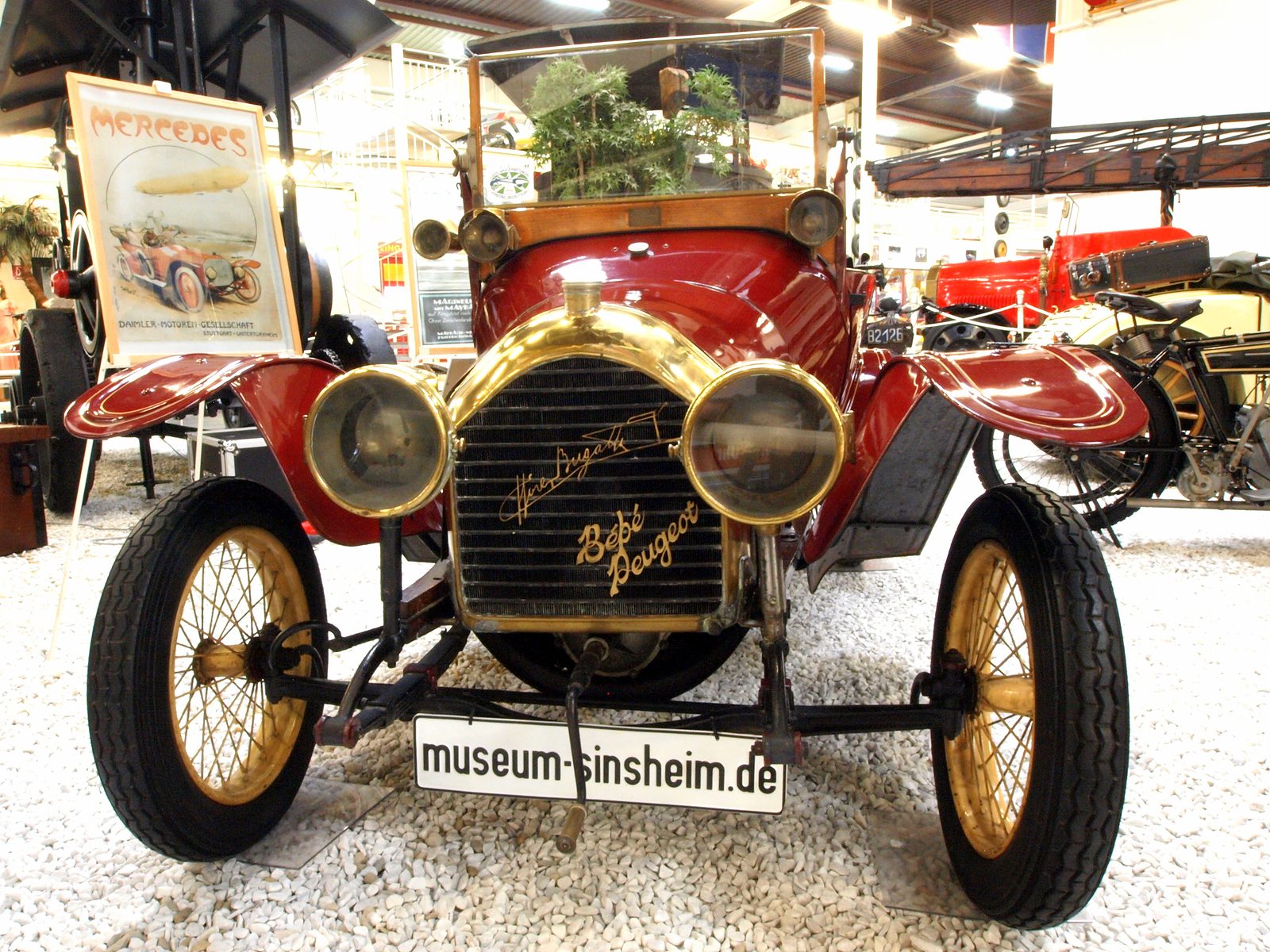
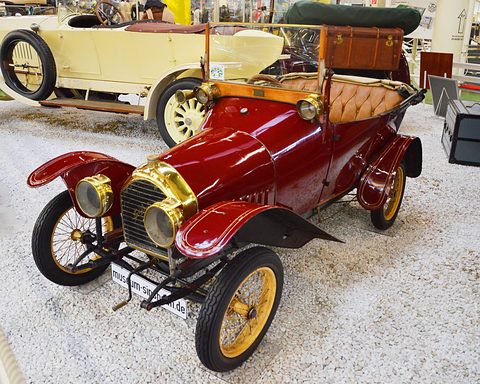
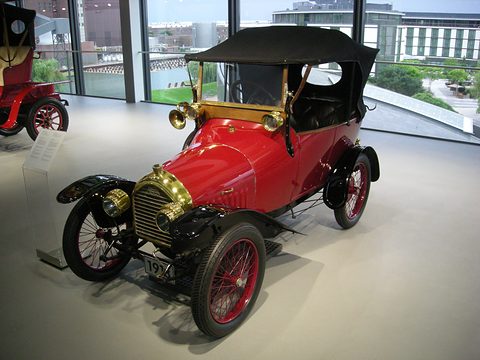
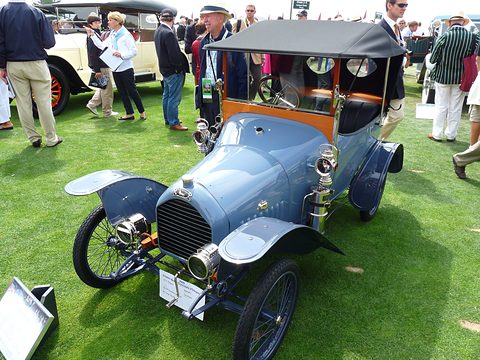
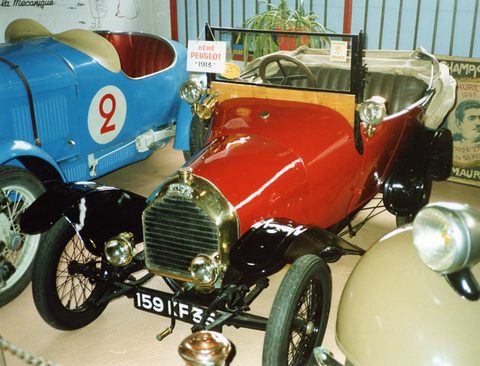
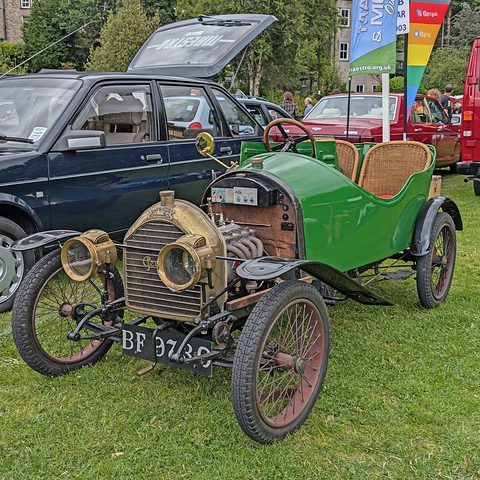
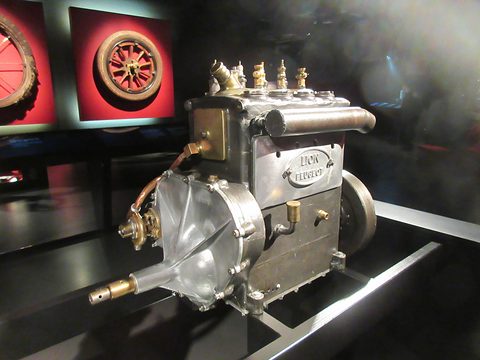
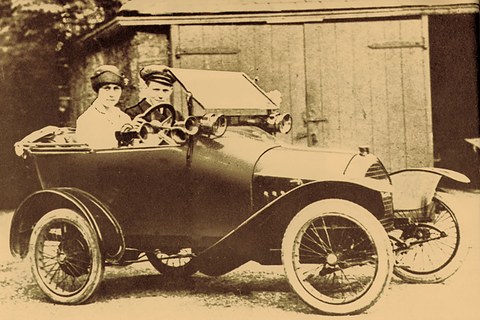
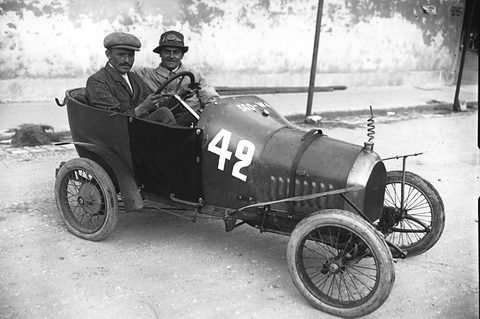
The engine was a monobloc four of 55 × 90 mm, 855 cc, with T-head side valves on both sides of the cylinders worked by two camshafts in the crankcase, a two-bearing crankshaft and magneto ignition. Peugeot rated it at 10 hp at 2,000 rpm, about 7.4 kW; Bugatti himself, Karslake wrote, “admitted to 6 h.p.”source 8source 2source 6 English Wikipedia calls the engine Peugeot’s own, and French Wikipedia a Bugatti engine stamped Peugeot; Karslake makes the T-head Ettore’s choice. Peugeot built it, to Bugatti’s design.source 9source 7source 2
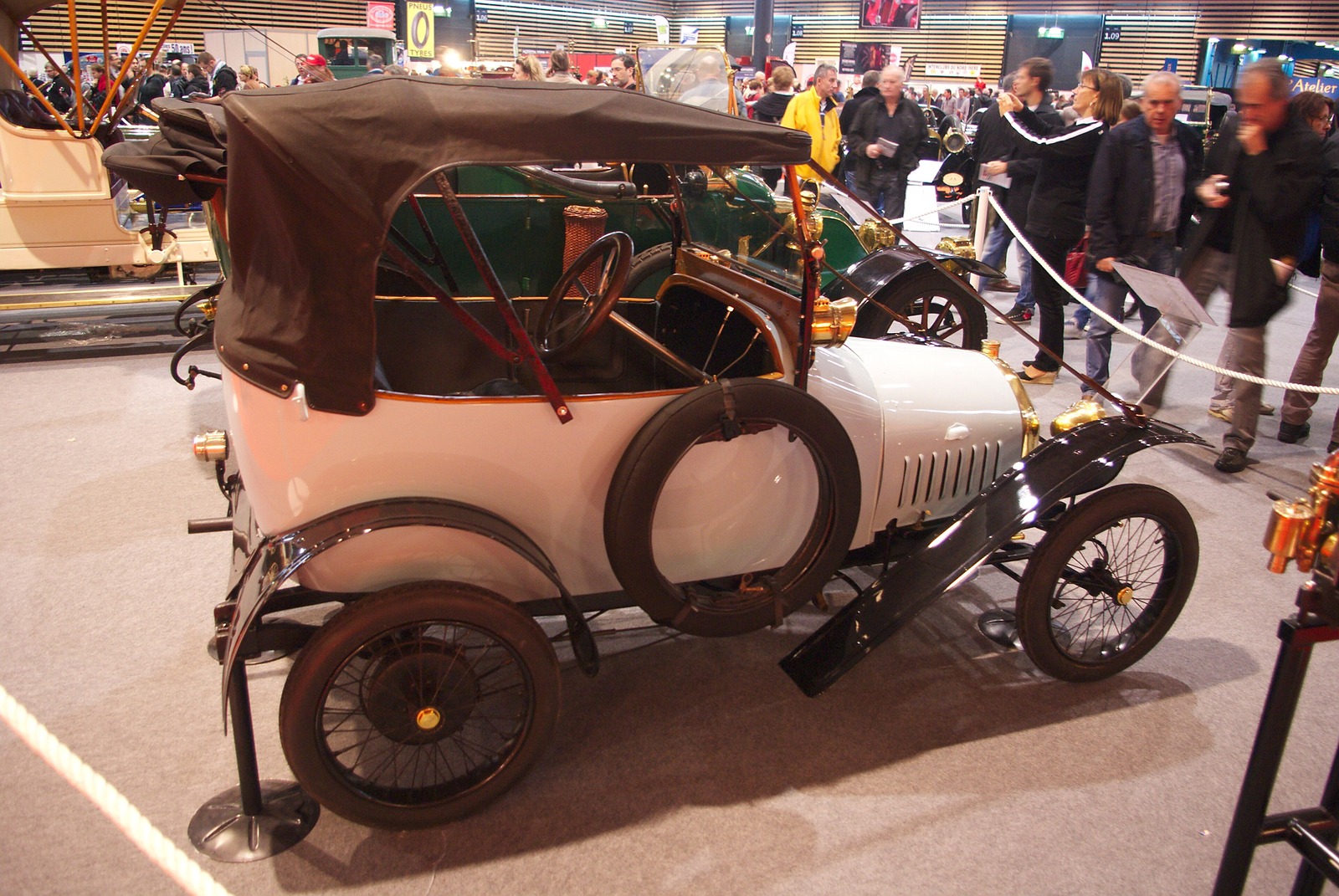
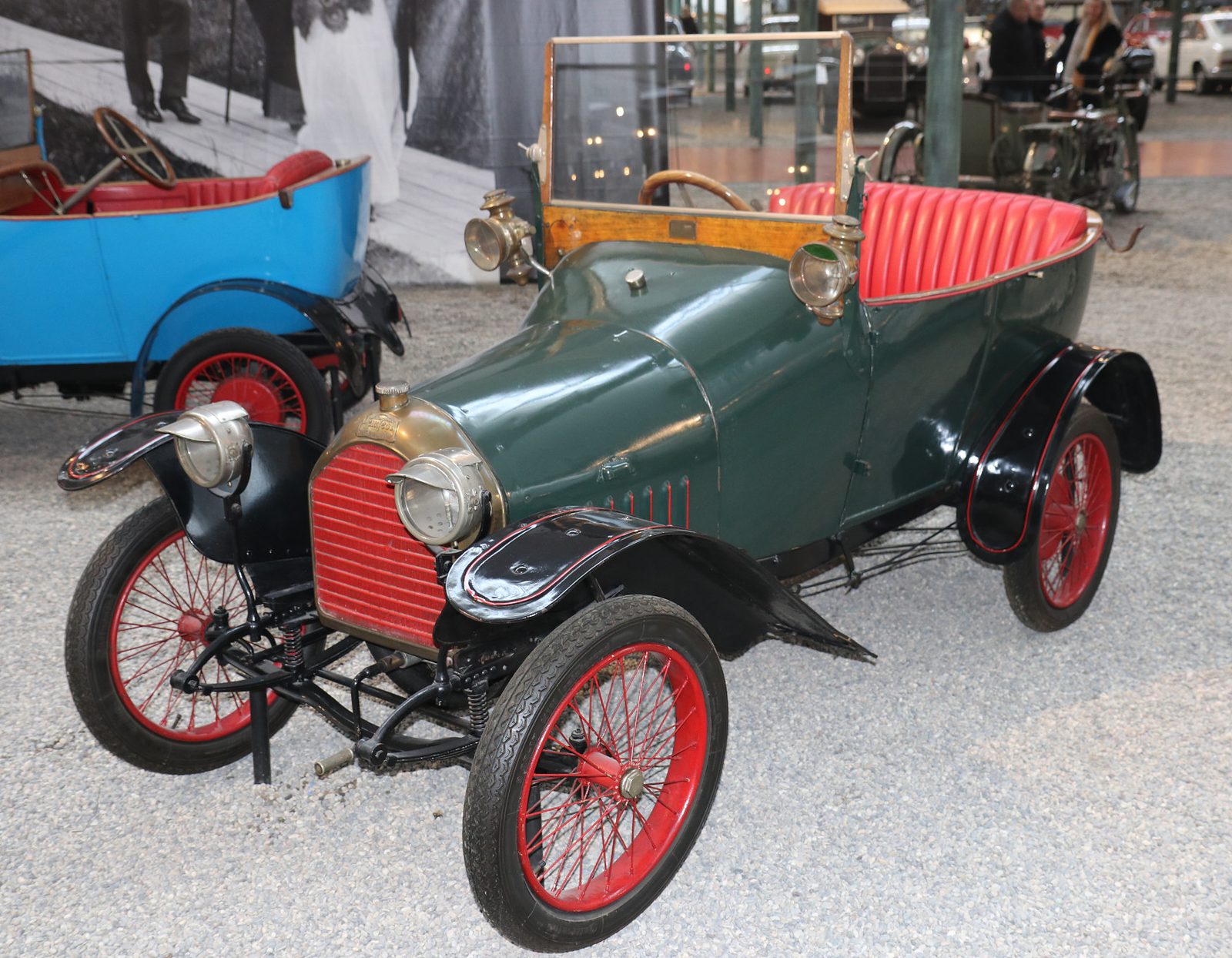
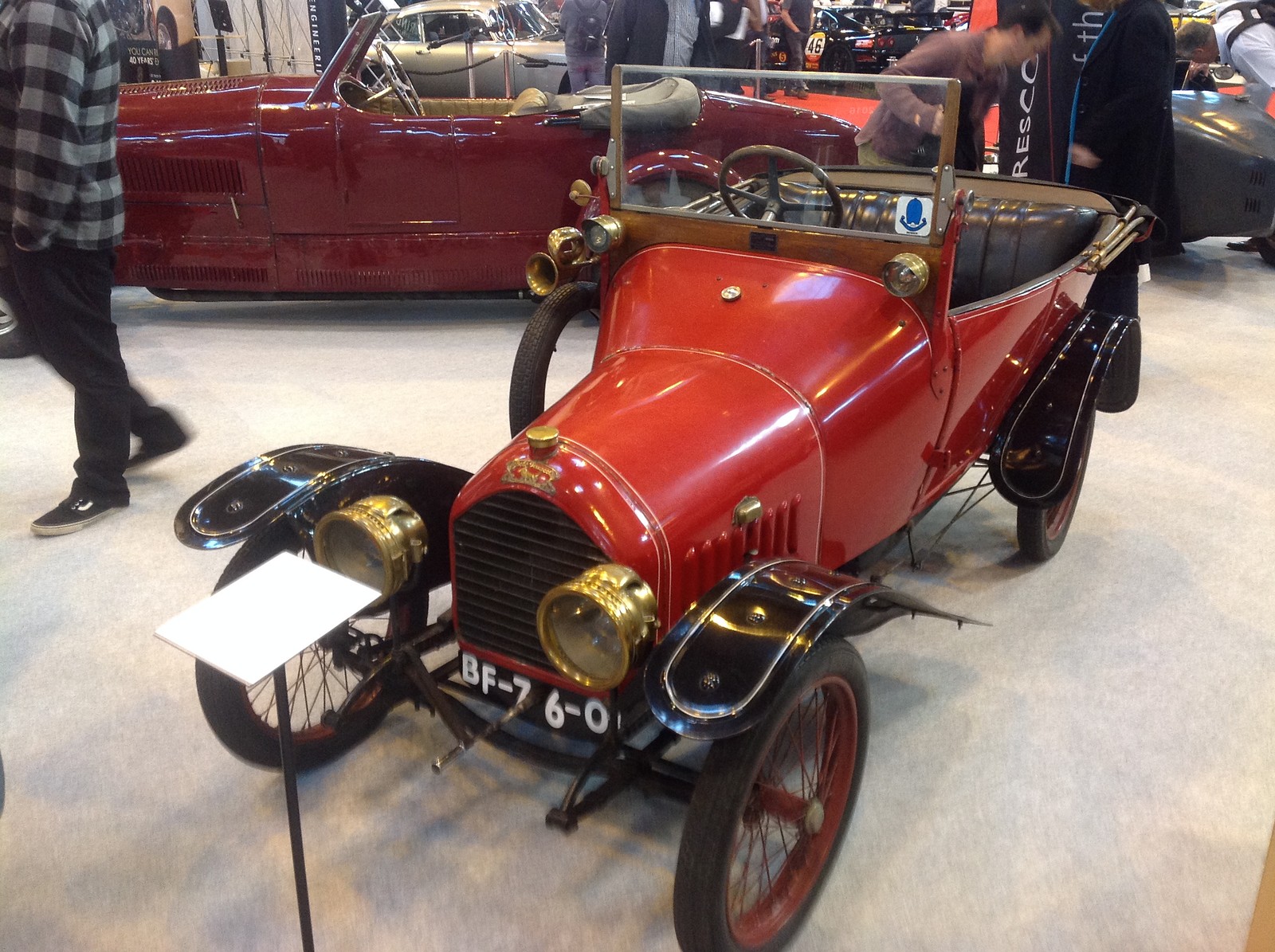
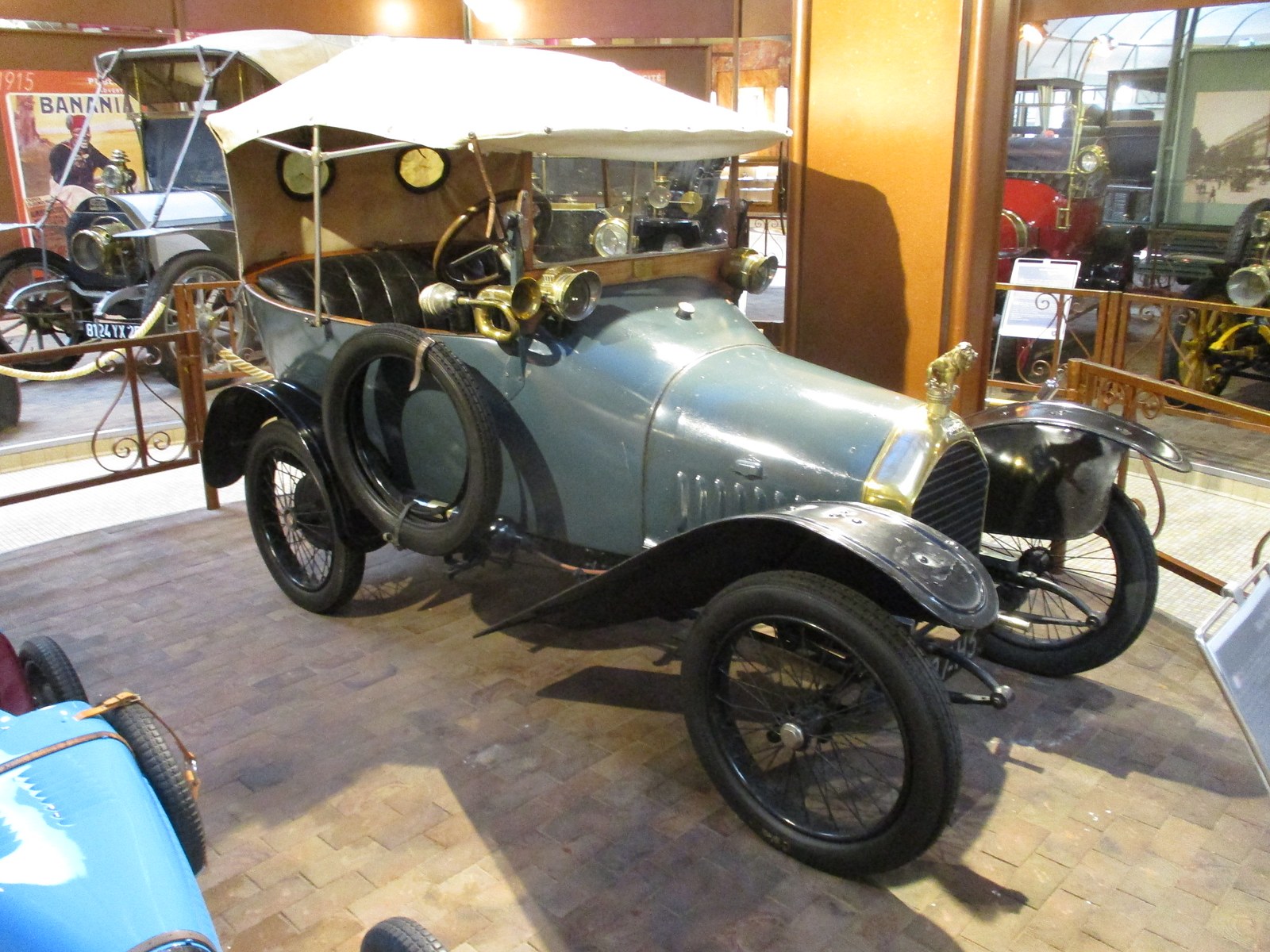
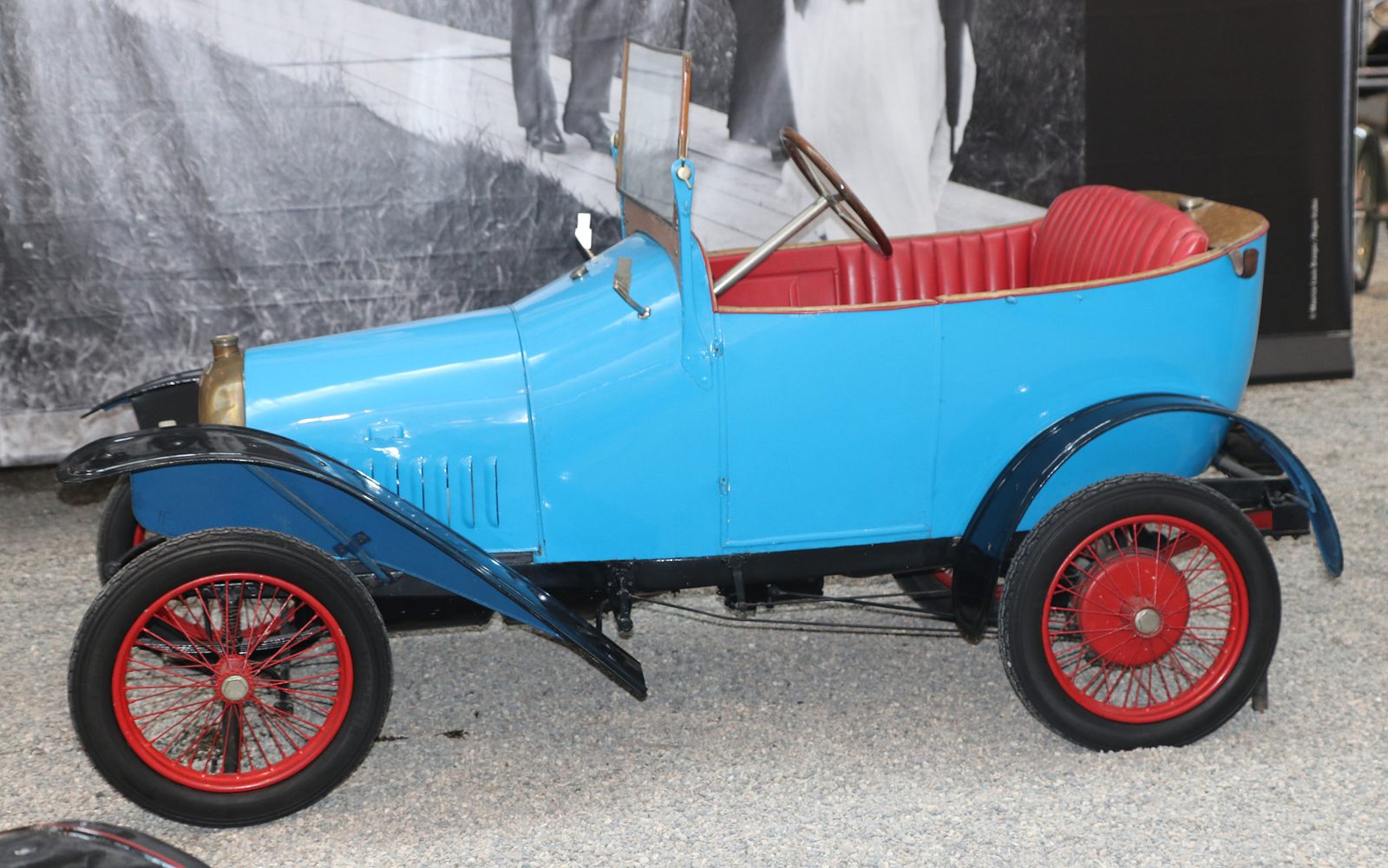
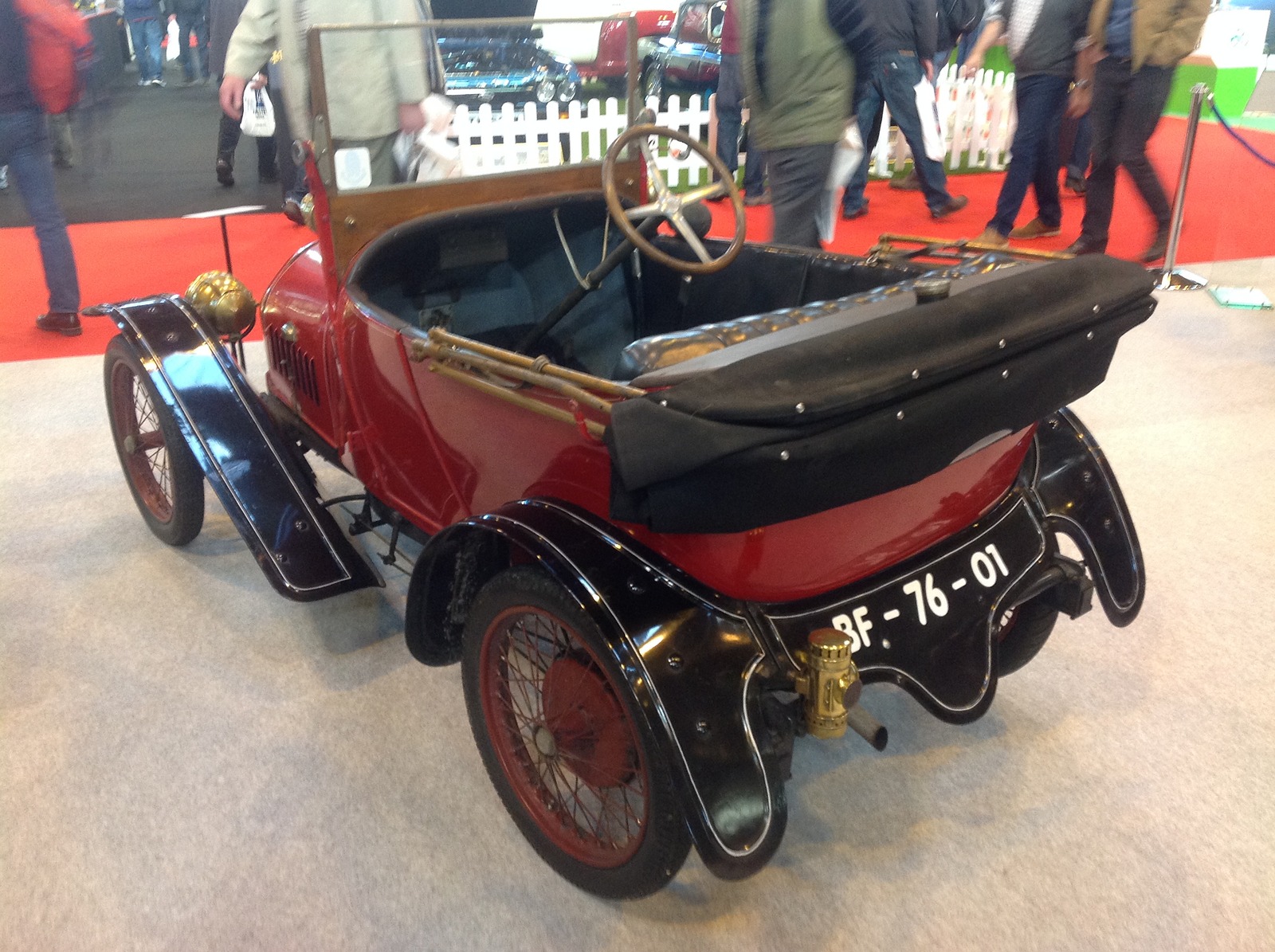
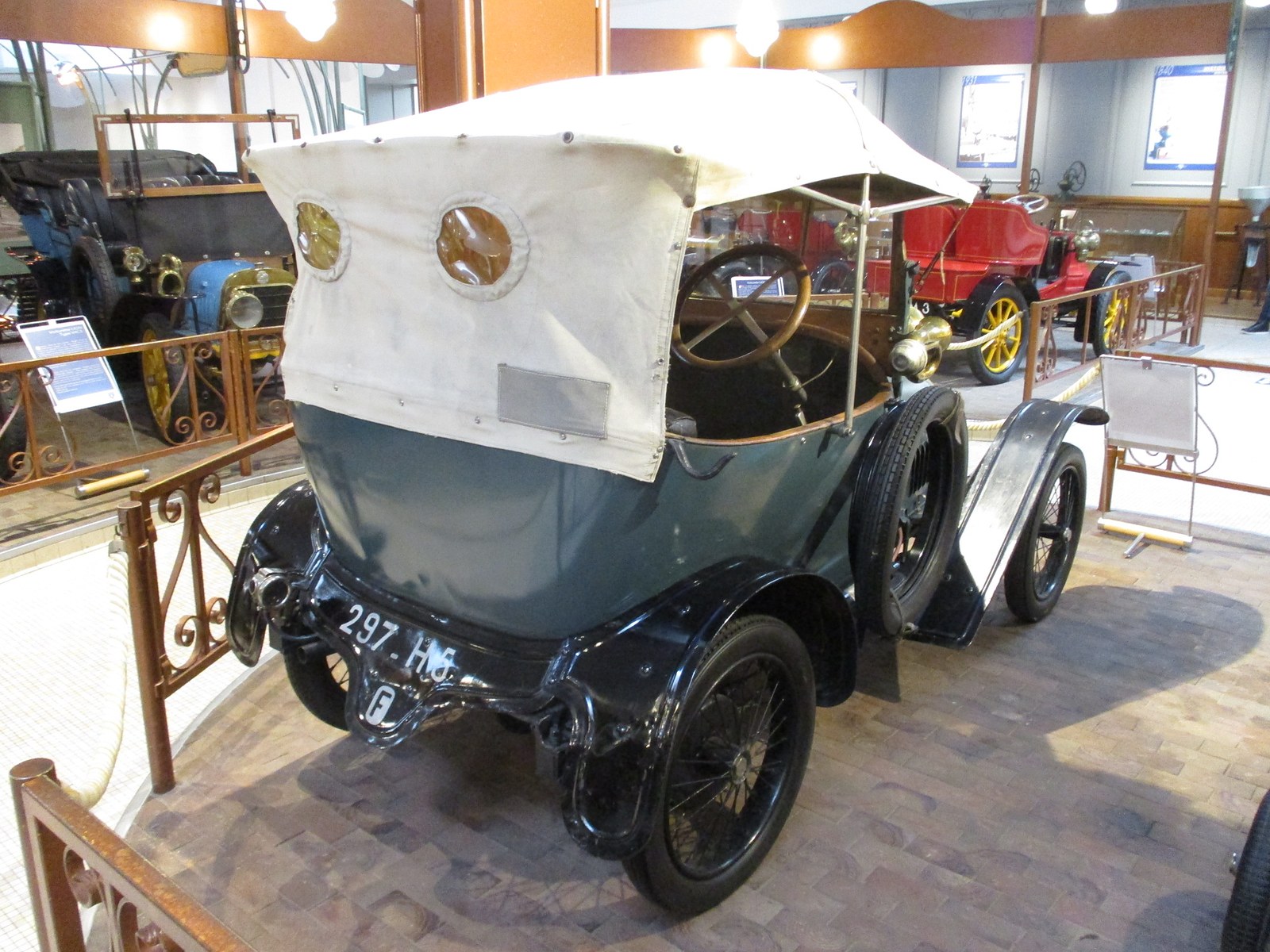
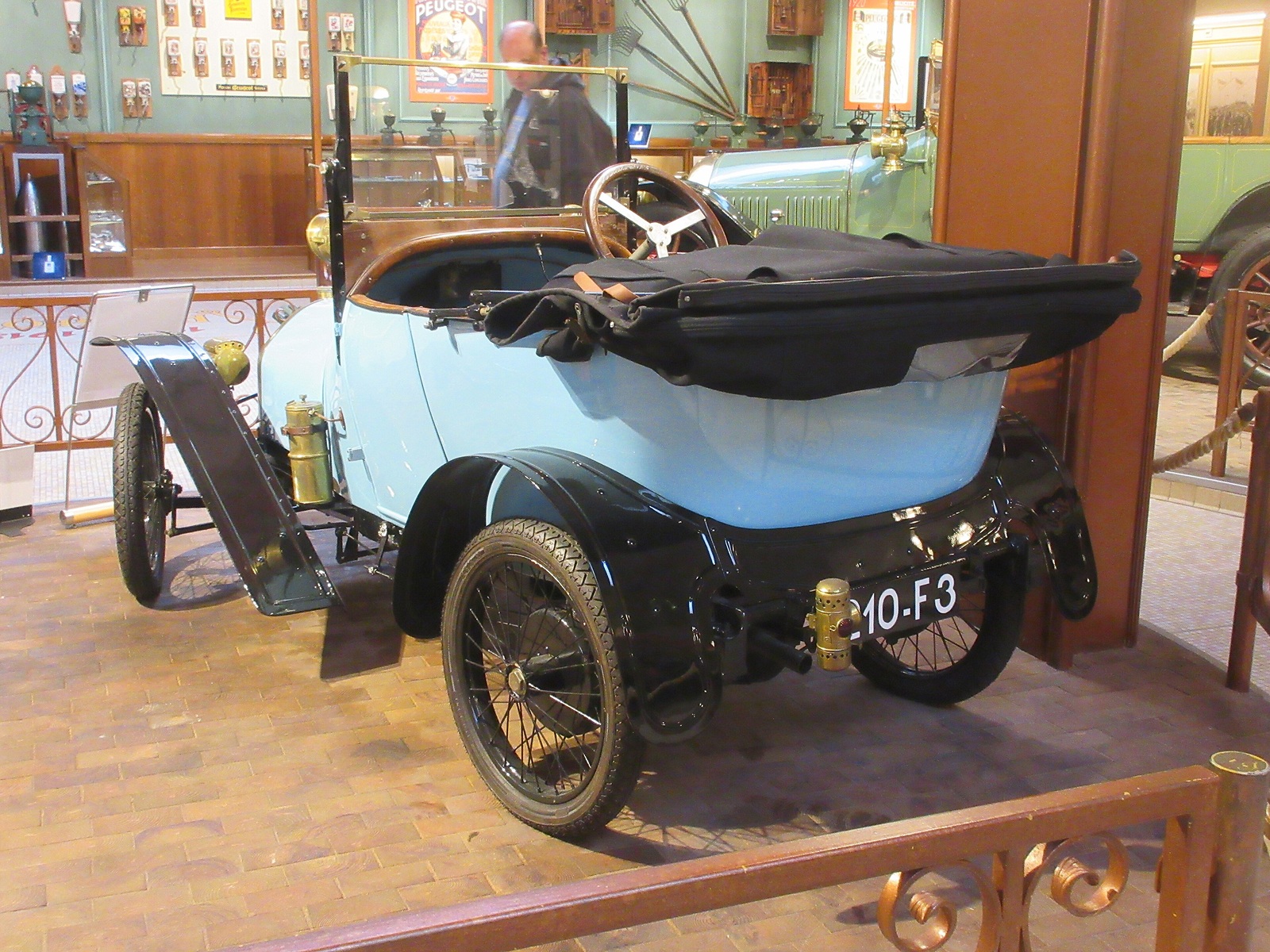
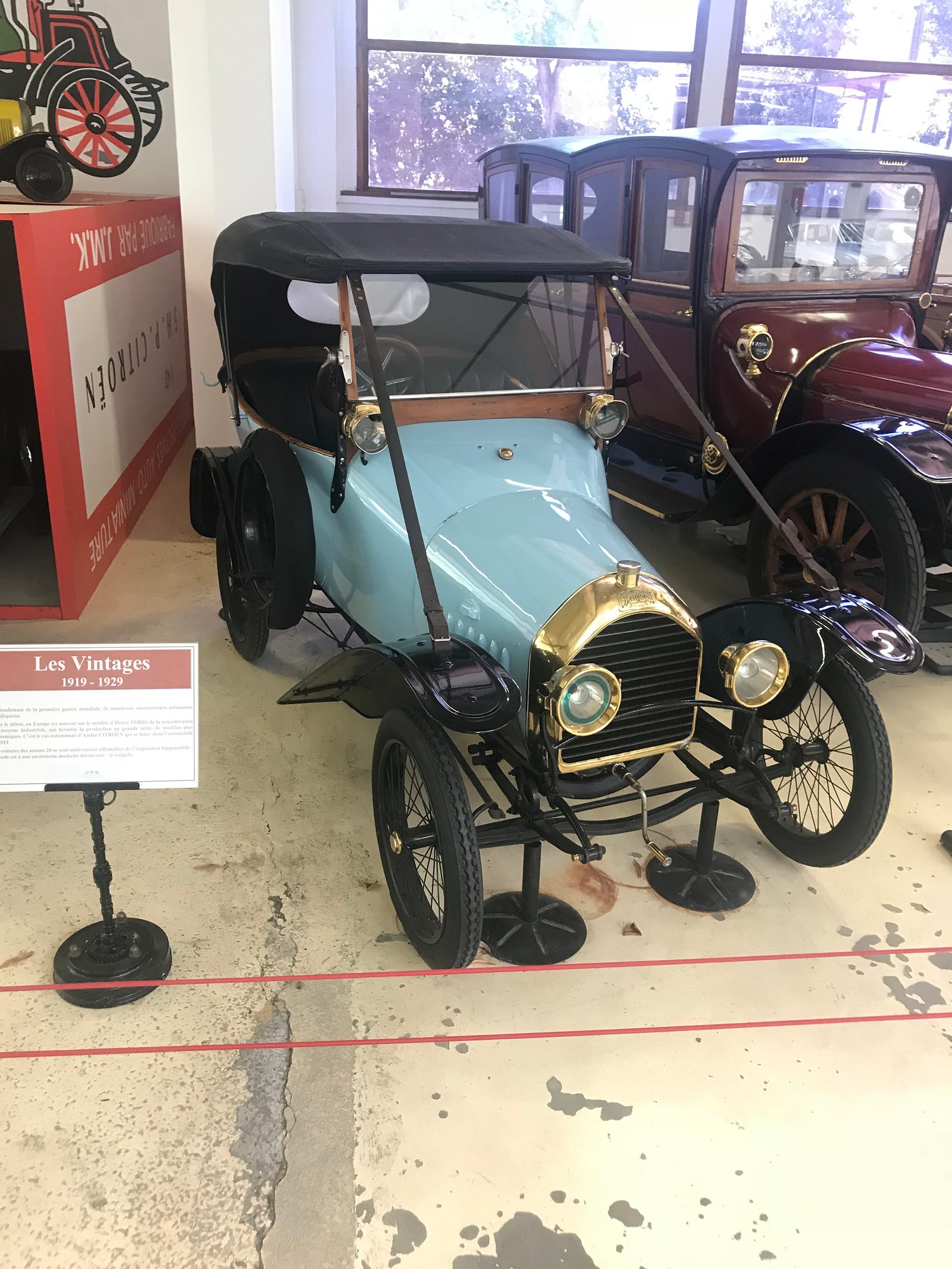
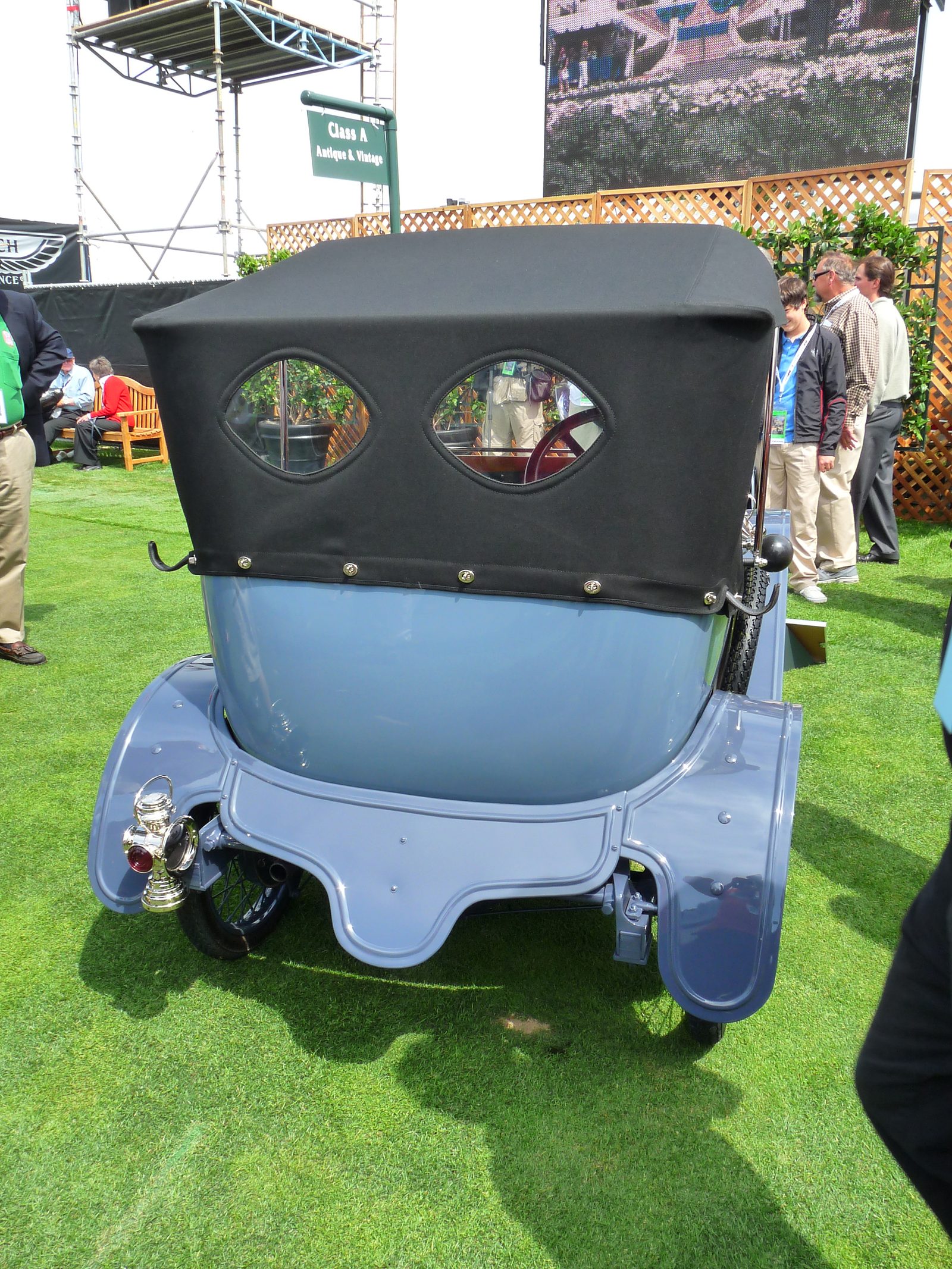
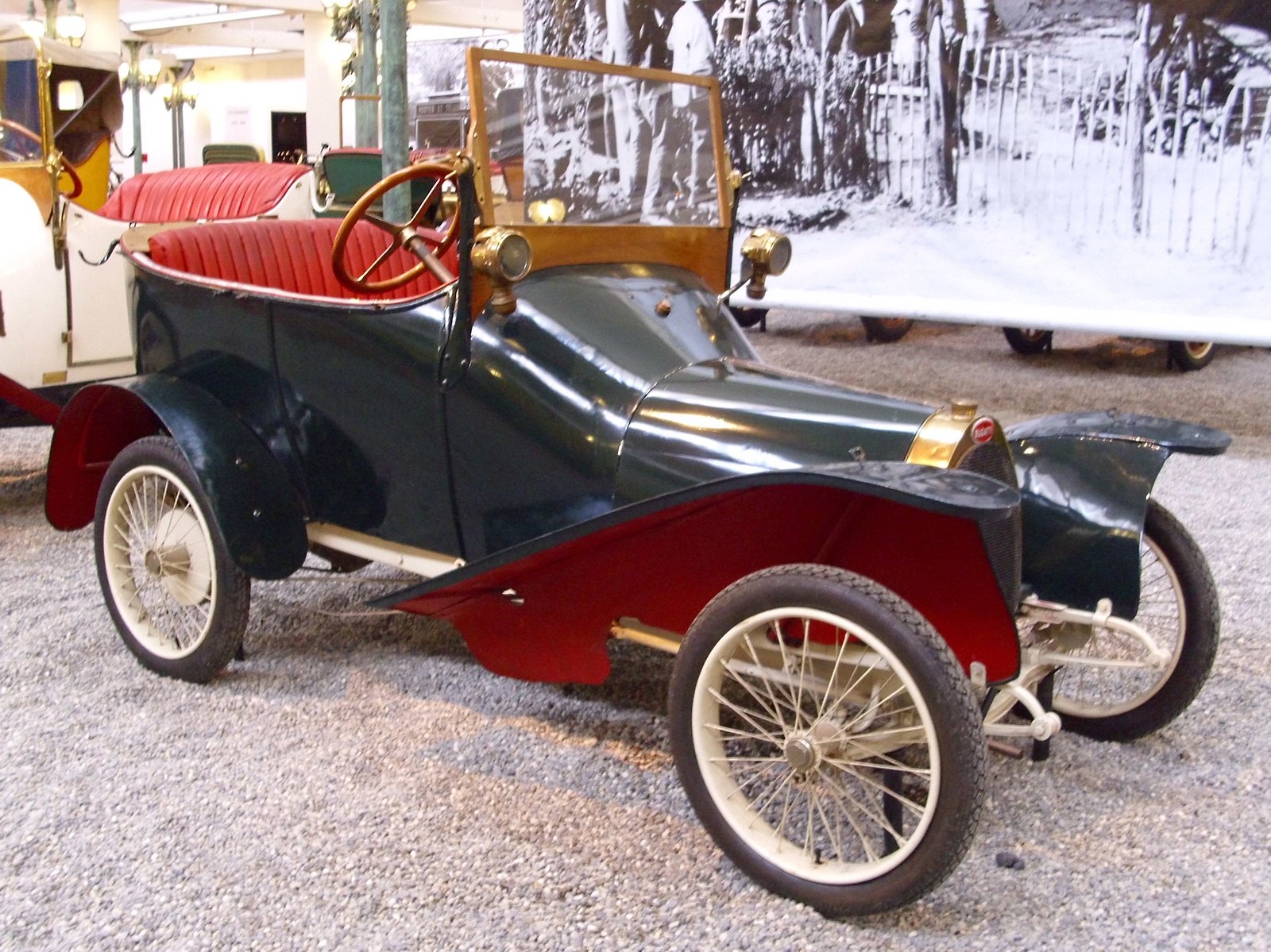
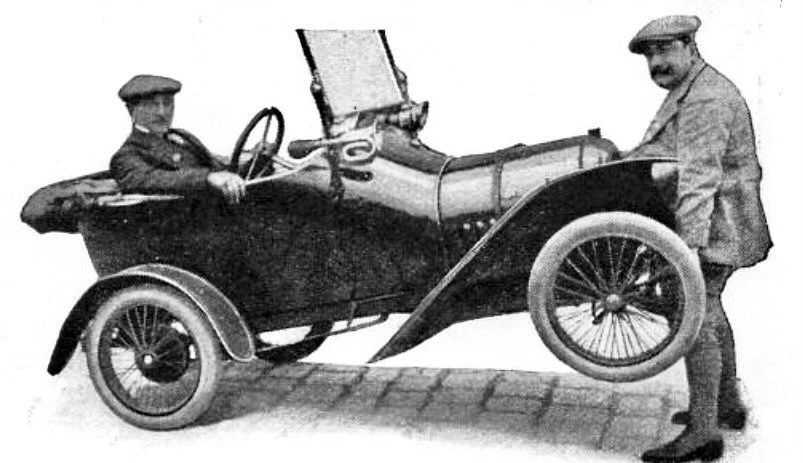
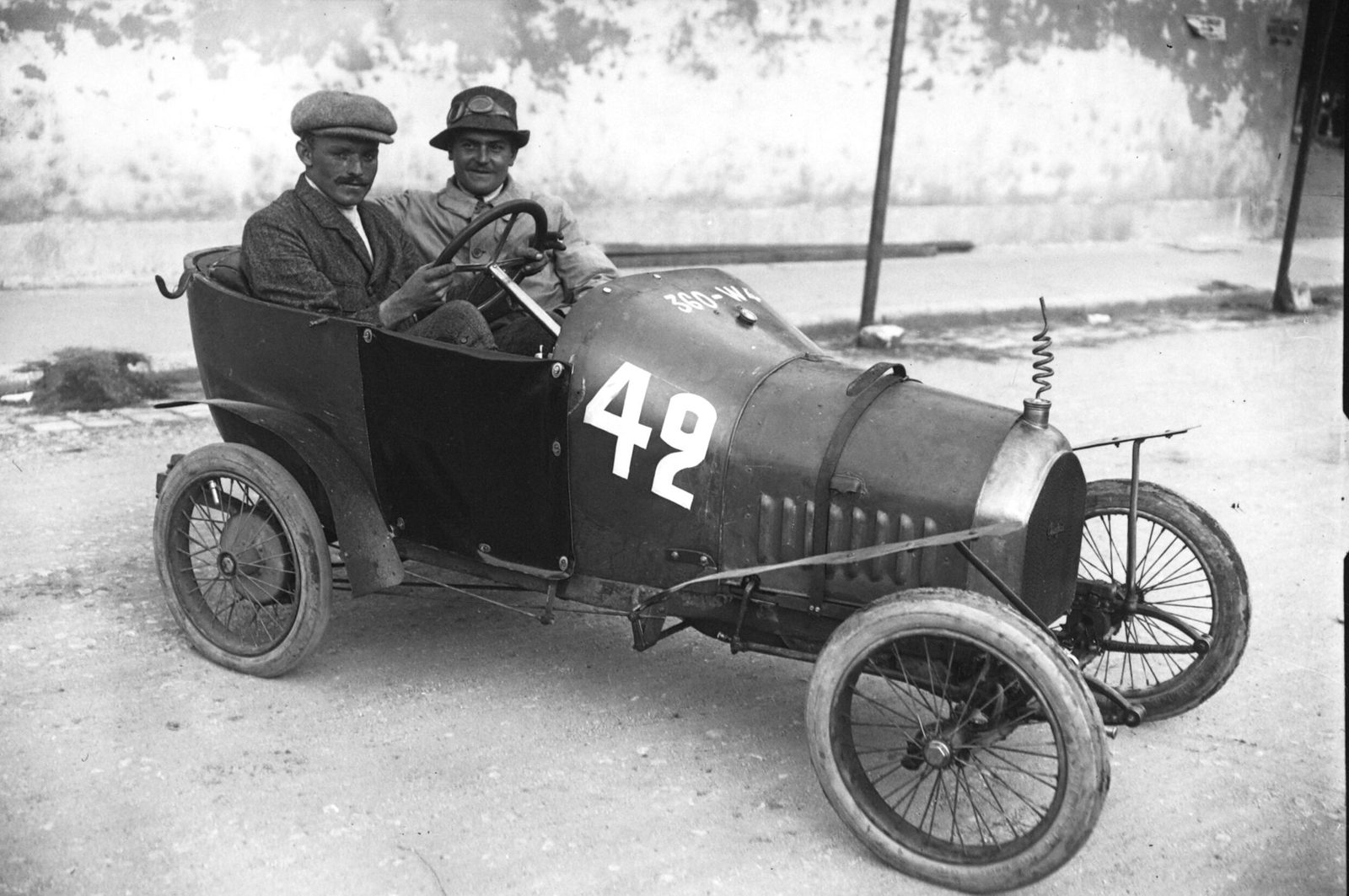
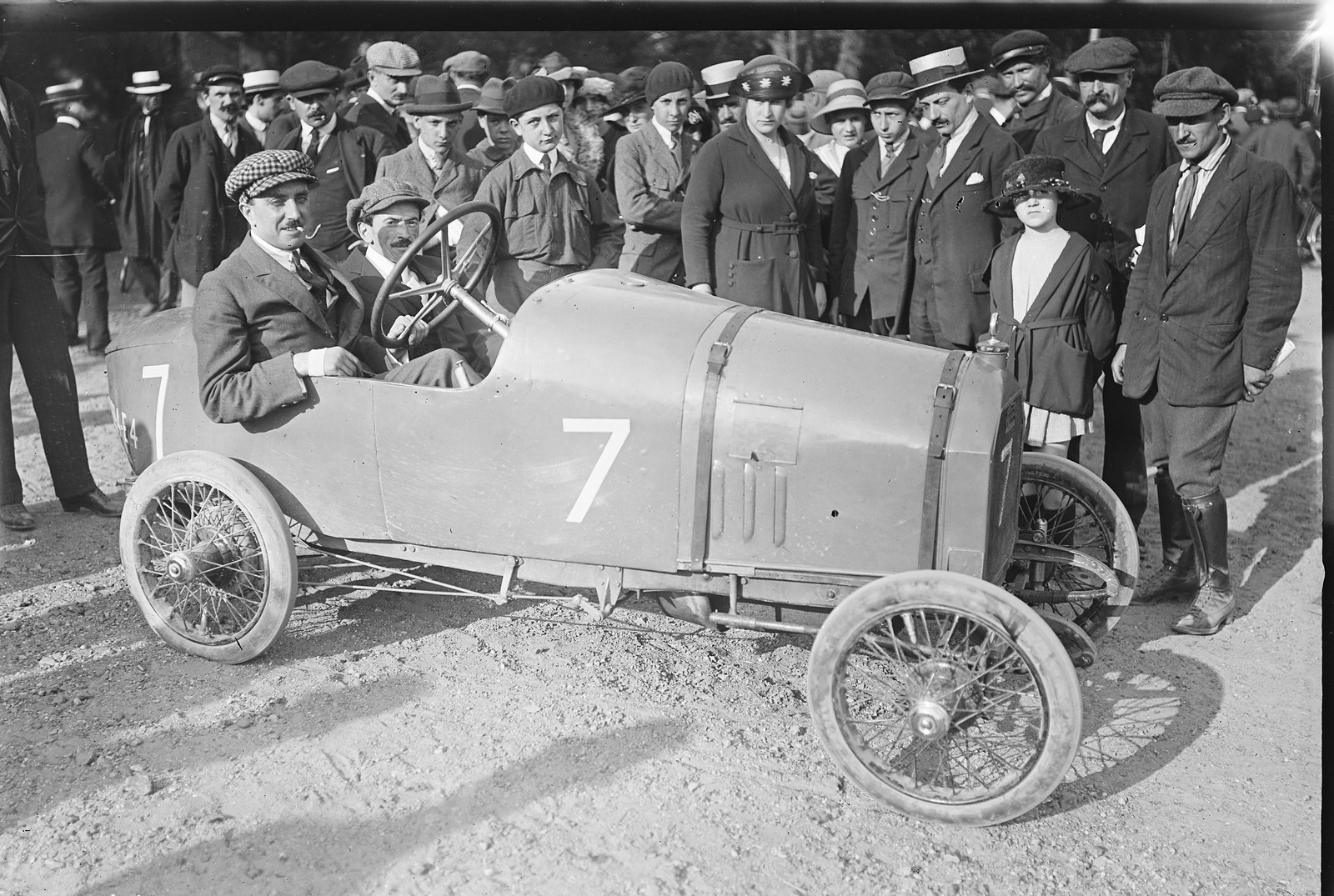
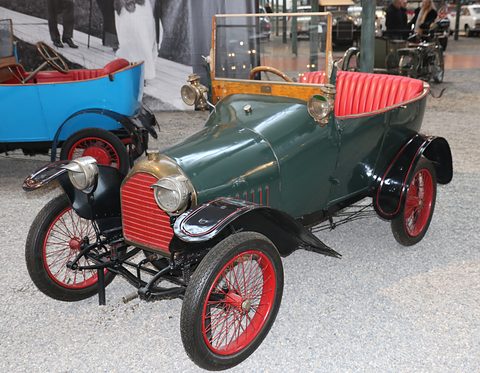
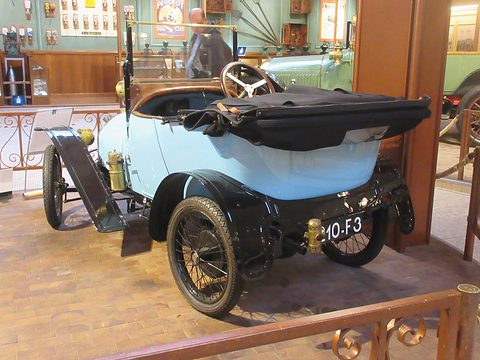
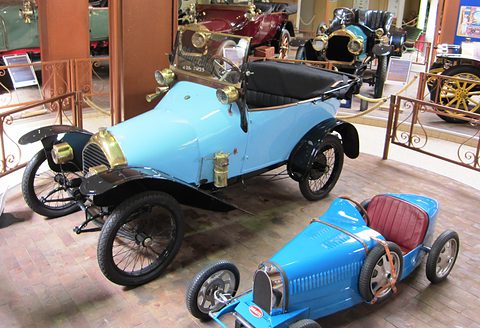
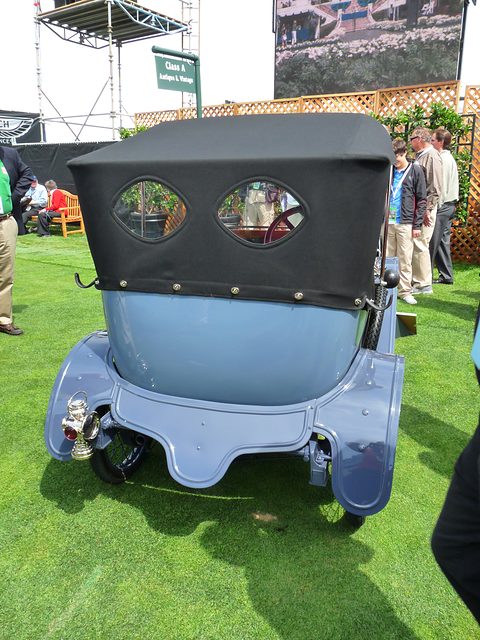
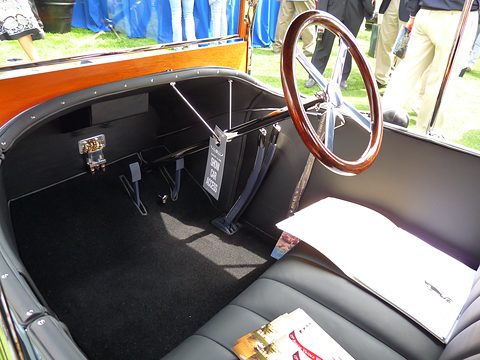
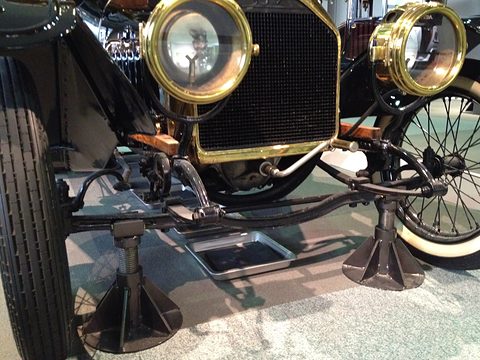
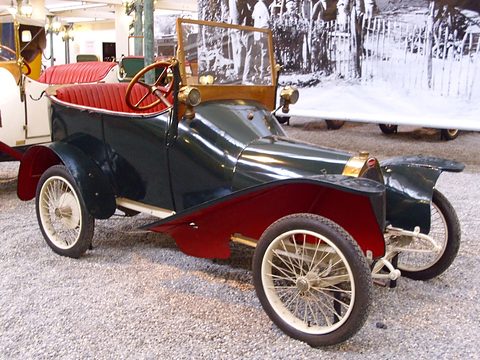
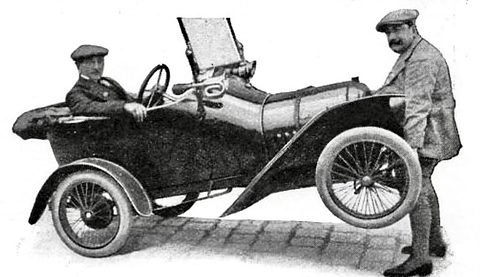
The transmission was the oddest part. Instead of a gearbox there were two propeller shafts, one solid and one tubular, one inside the other, each in constant mesh with its own bevel in the back axle; a sliding dog chose between them for two speeds, and reverse came from an extra pinion in the axle, worked by a Bowden wire.source 2 Later cars had three speeds, with a small gearbox at the front of the shaft giving a lower first and reverse. Peugeot dates the change to 1913, and says Bugatti had drawn a four-speed gearbox; Karslake says the third speed came after a couple of years. The two accounts have not been reconciled.source 8source 2 At the back the axle hung on reversed quarter-elliptic springs: the first appearance of the spring that became a Bugatti trademark.source 2source 6 The front axle sat on semi-elliptics, an undertray carried the engine, and the brakes worked on the rear wheels alone.source 6 The whole car was 2.62 m (103 in) long, weighed under 350 kg (772 lb) and reached 60 km/h (37 mph).source 8source 7
Beaulieu, 1913–1916
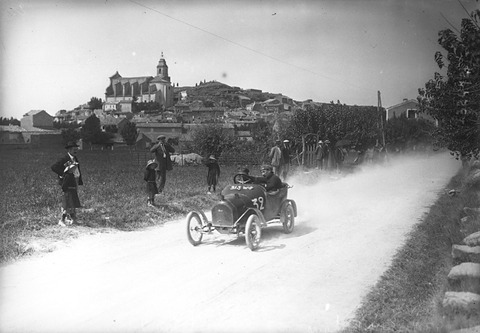
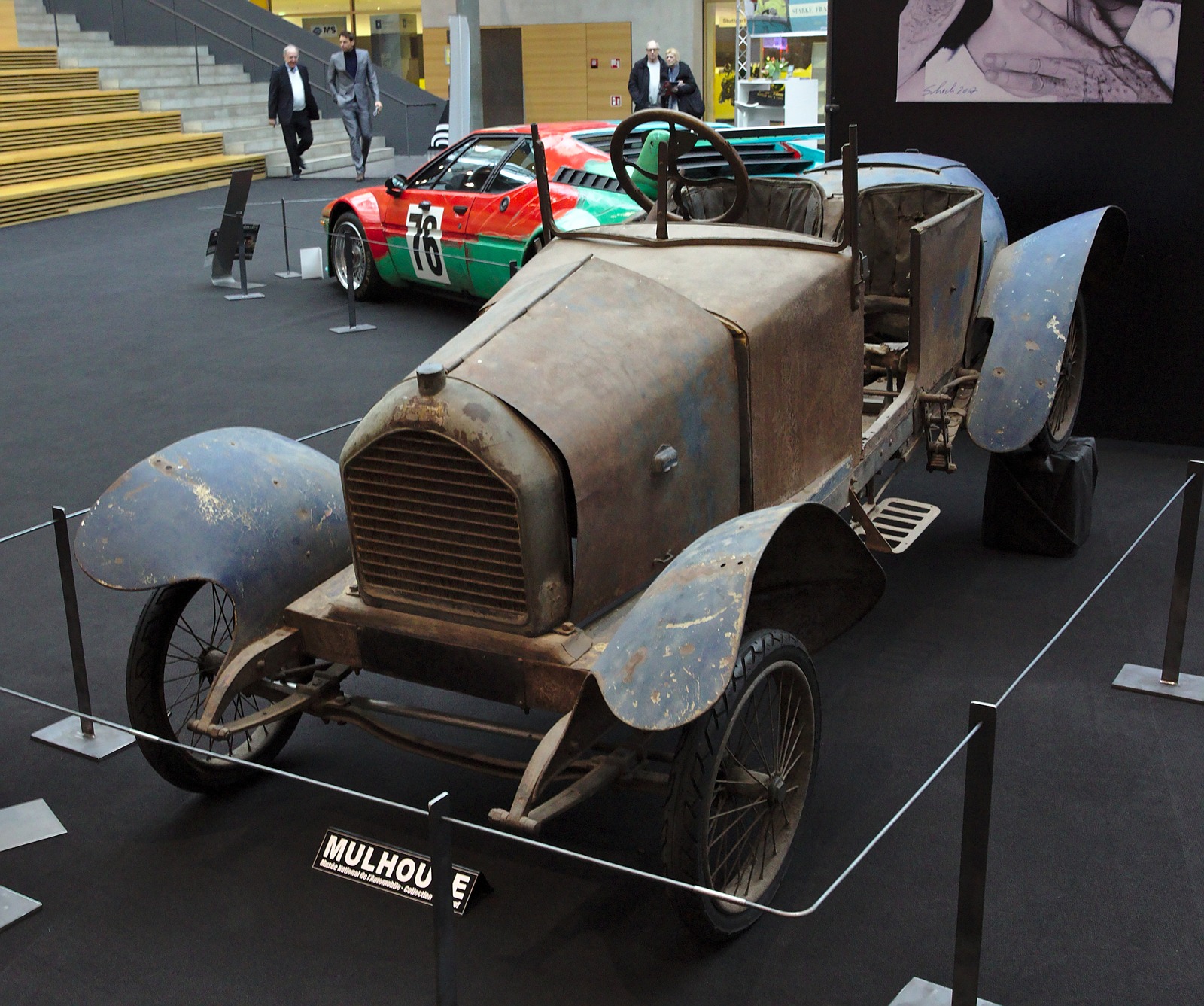
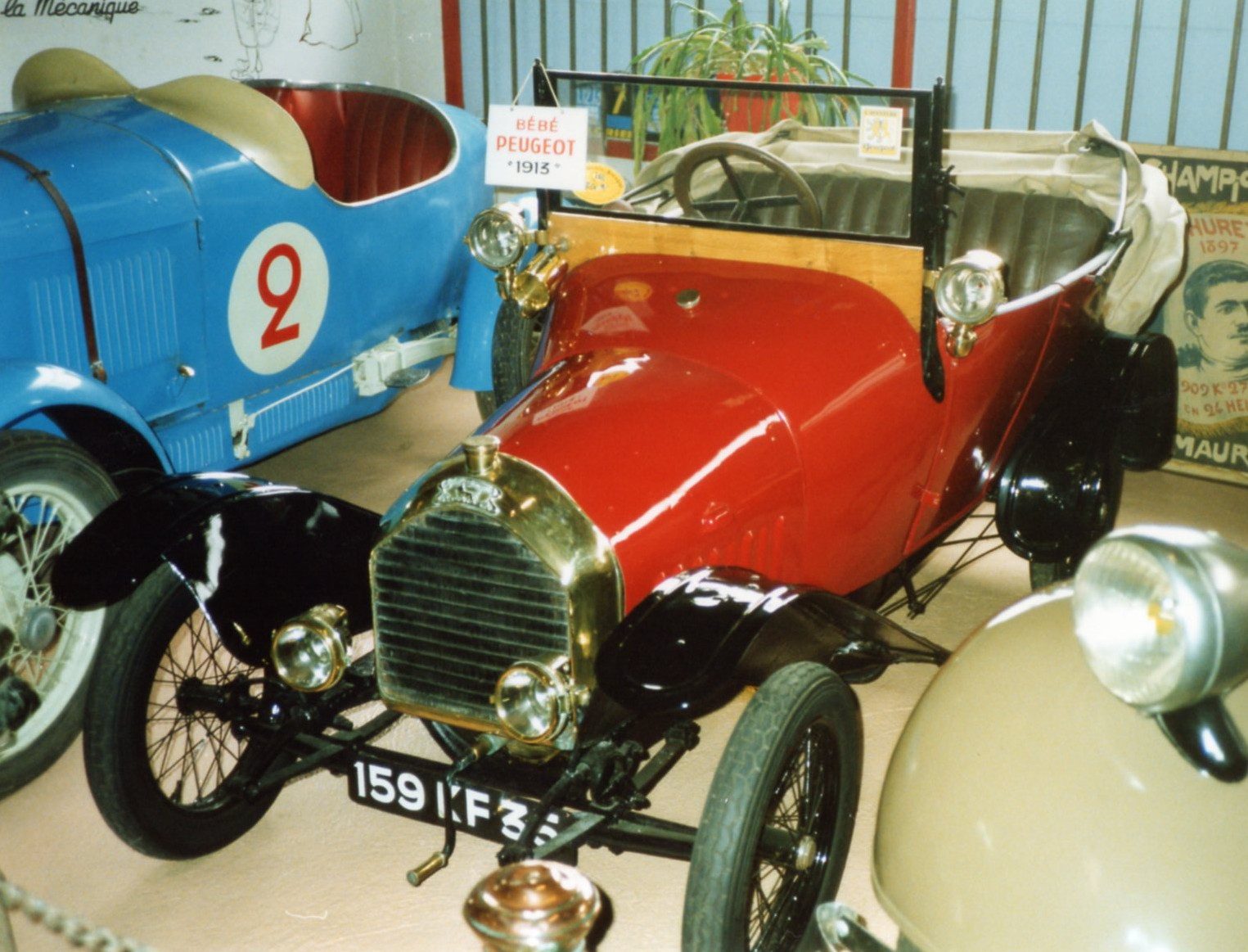
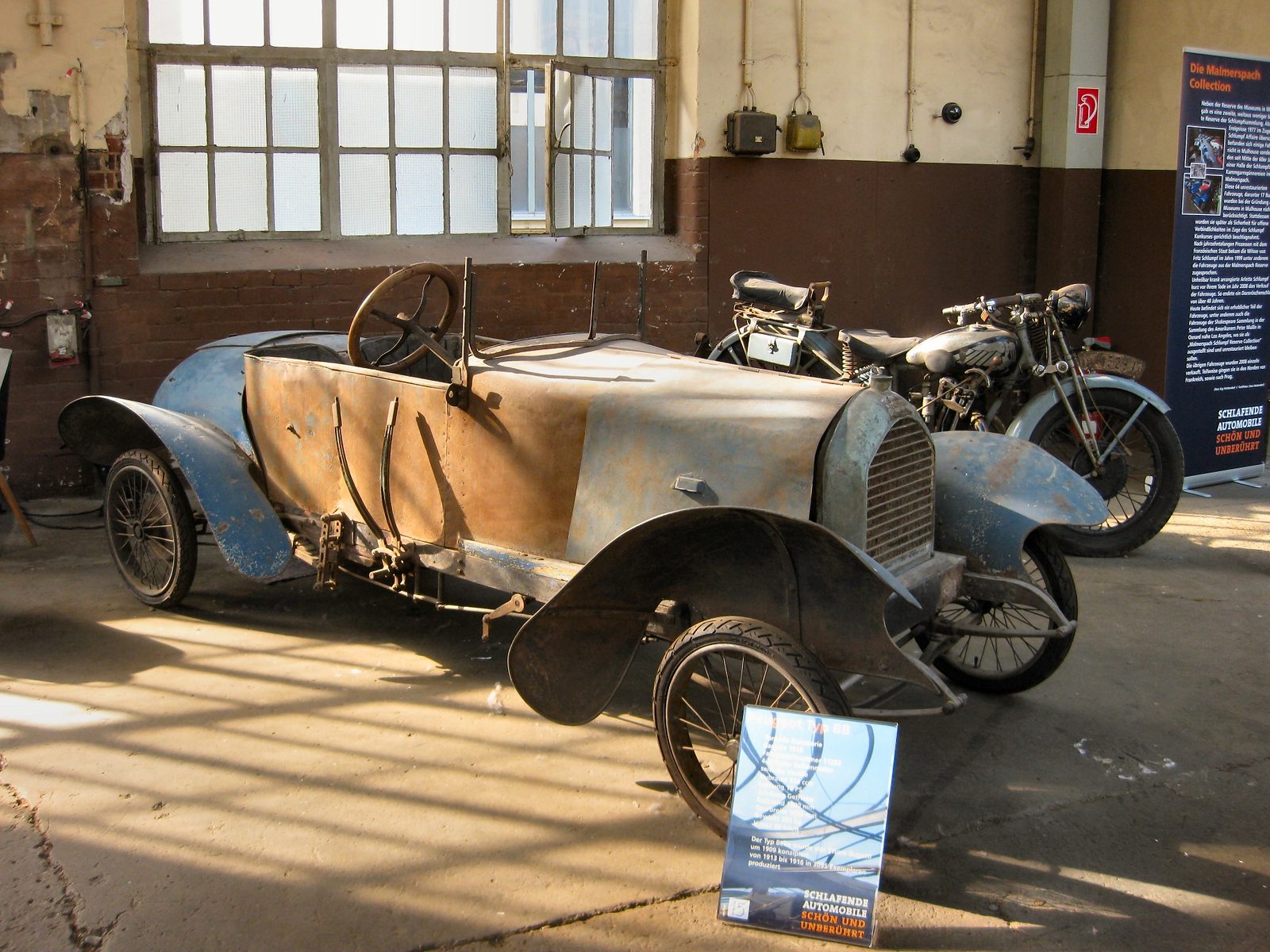
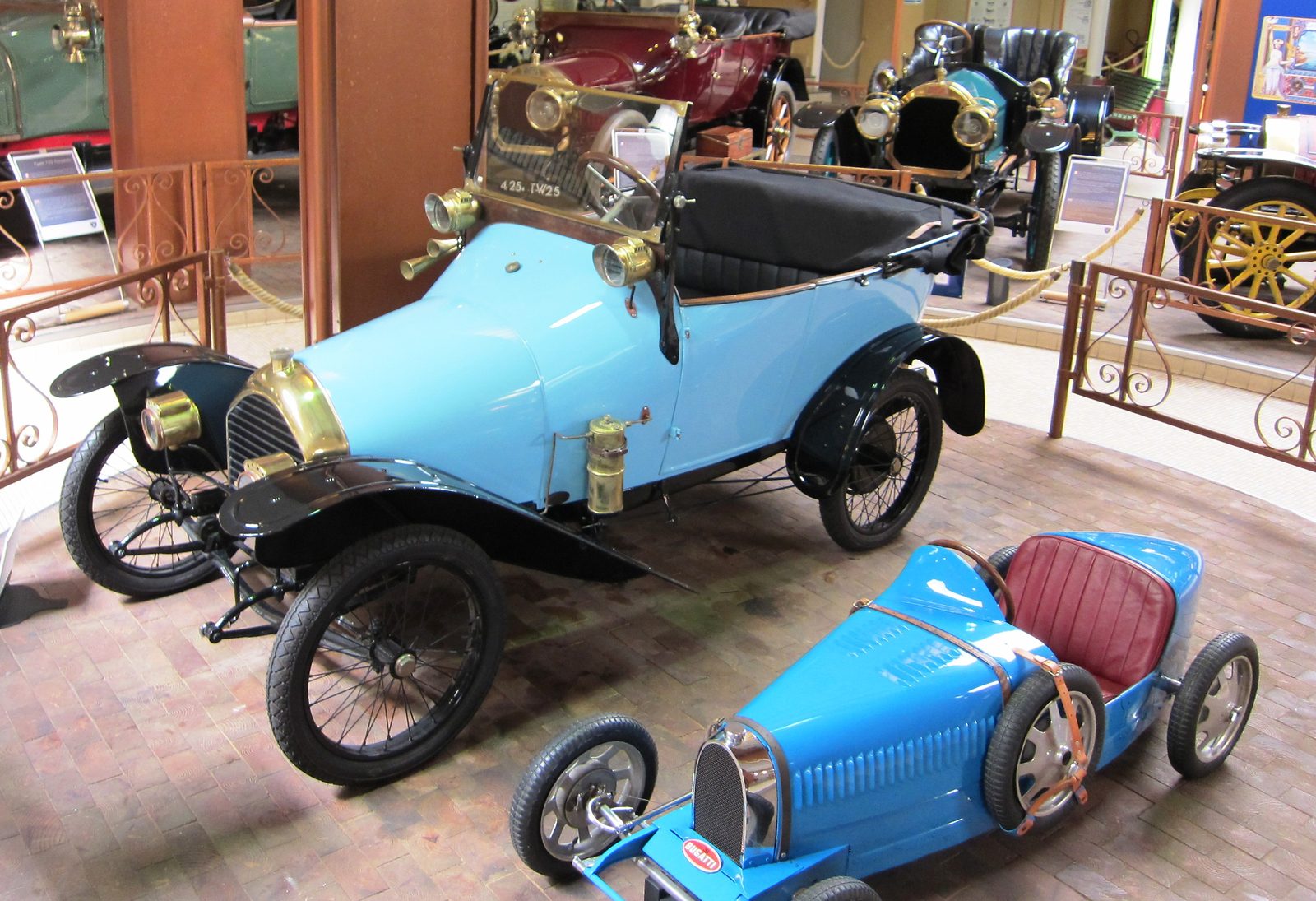
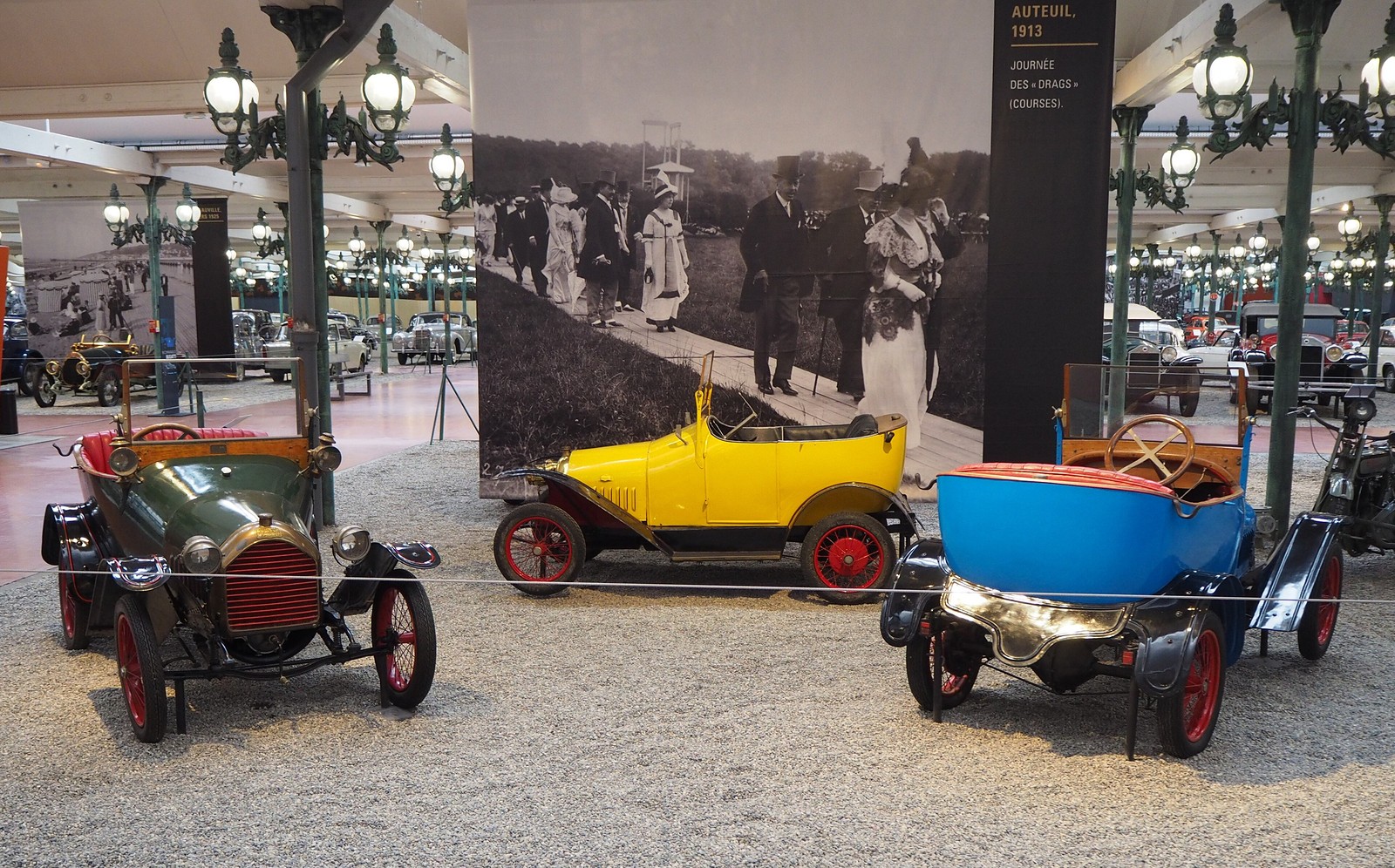
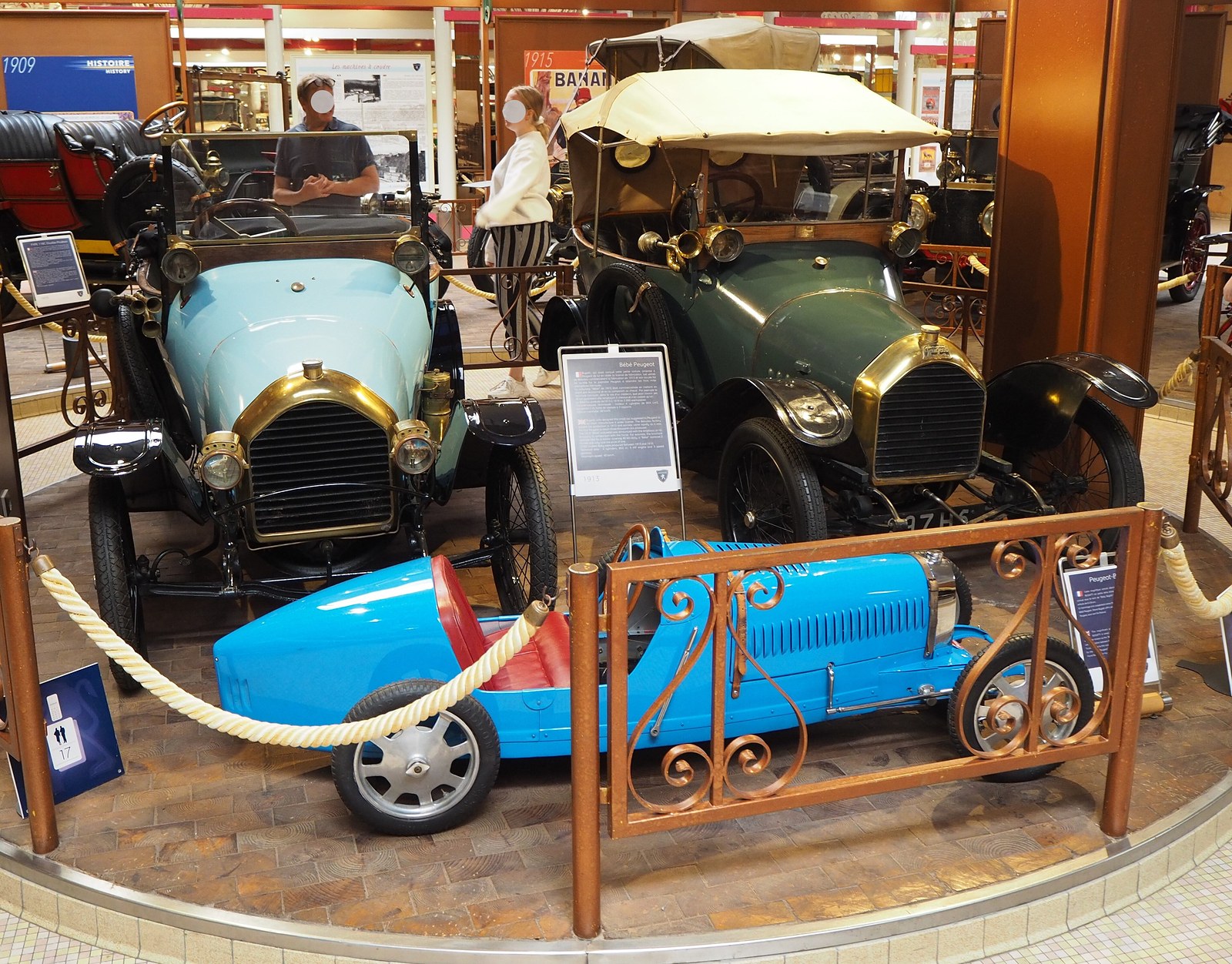
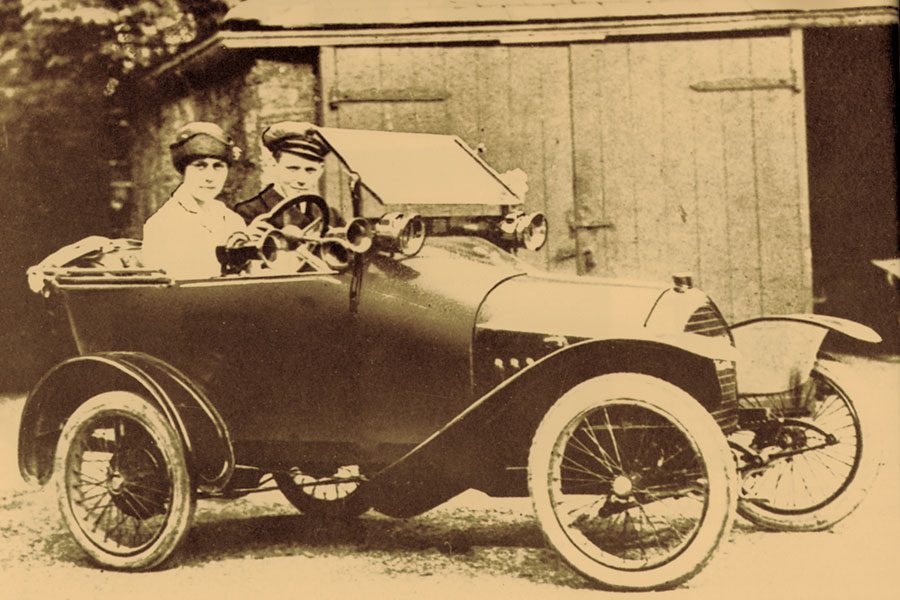
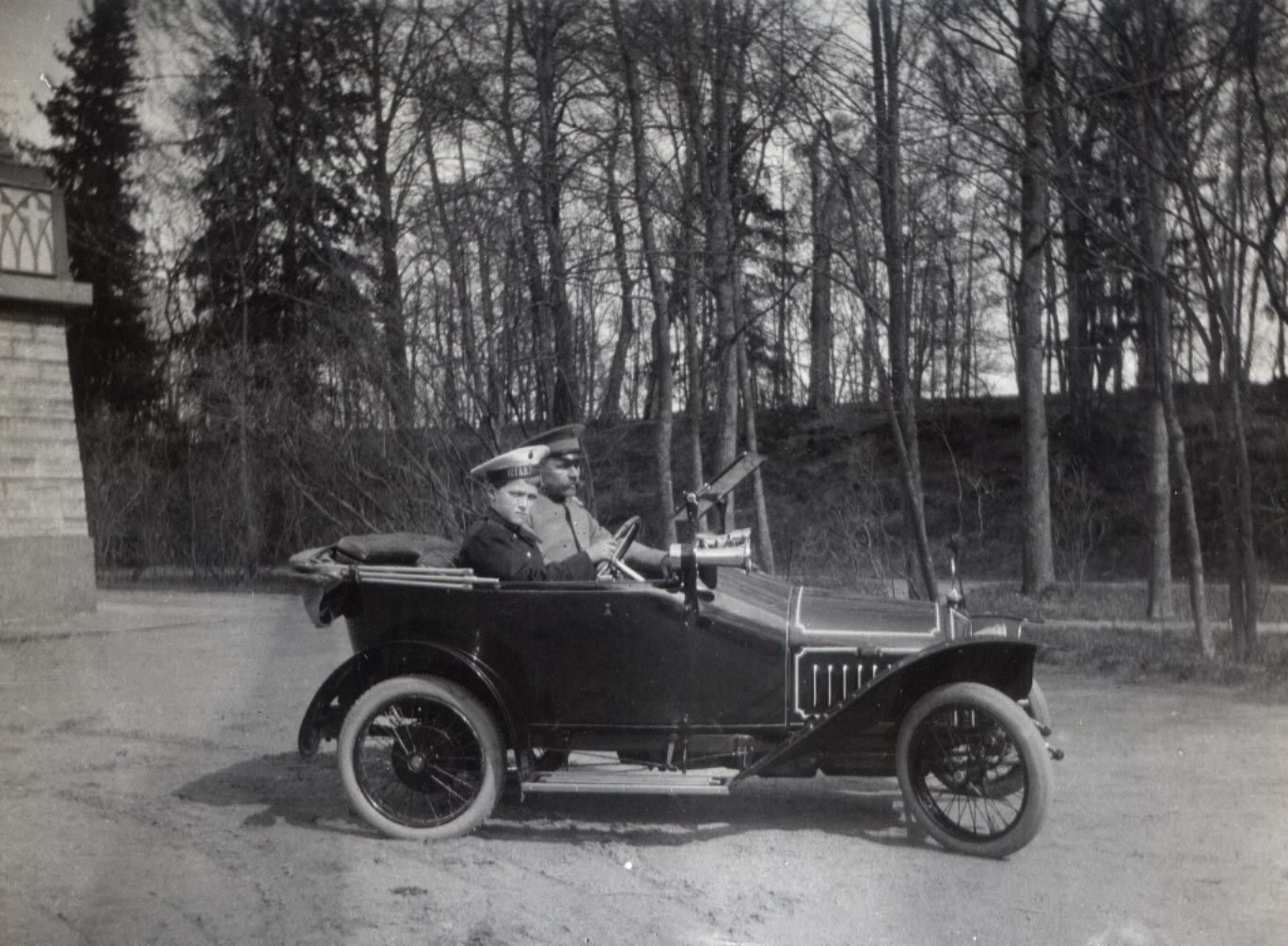
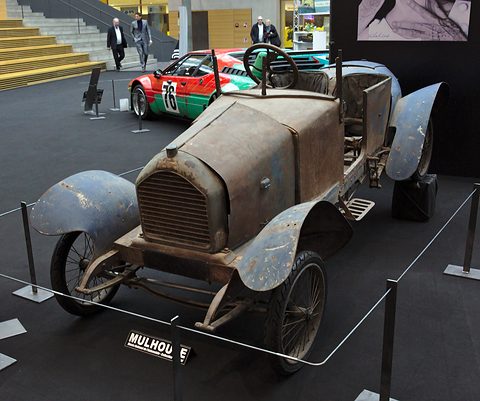
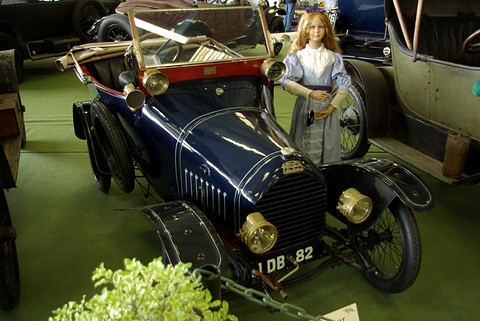
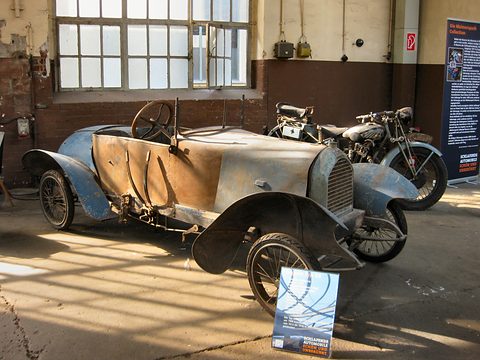
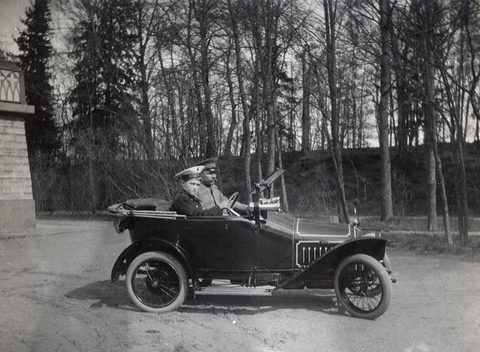
Production began at Peugeot’s Beaulieu works, at Mandeure in the Doubs, in 1913.source 8source 9 Peugeot made 3,095 Bébés there by 1916, when production ended: the first Peugeot built in more than 3,000, and Gooding and Simanaitis both note that no car of Bugatti’s design was built in greater numbers.source 8source 7source 6source 10 Peugeot’s museum at Sochaux puts it this way:
Bugatti, qui avait conçu cette petite voiture, proposa à Peugeot de lui en céder sa licence de fabrication. Les usines de Beaulieu commencent sa fabrication en 1913 et son succès fut tel qu’elle fut la première Peugeot à atteindre les trois mille exemplaires fabriqués.
The same label is said to quote a 1913 brochure, which told a country doctor covering 40 km a day that the Bébé replaced two horses and cost no more than one.source 9 It belongs both to the story of cars built under licence and to that of the designers: Bugatti drew it, and Peugeot bought the rights and built it. After the war Peugeot’s small car was the Peugeot Quadrilette of 1920.source 9
Joujou
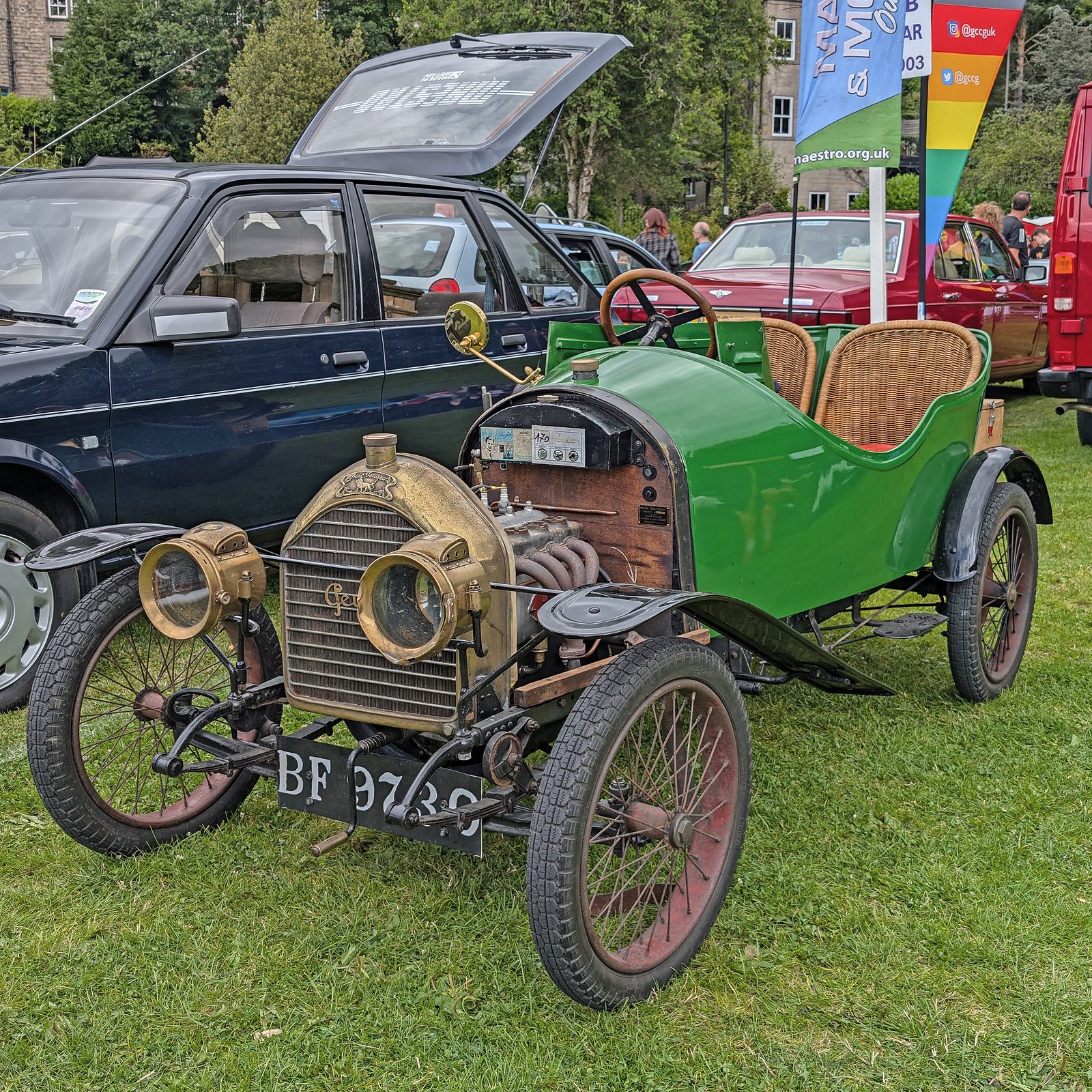
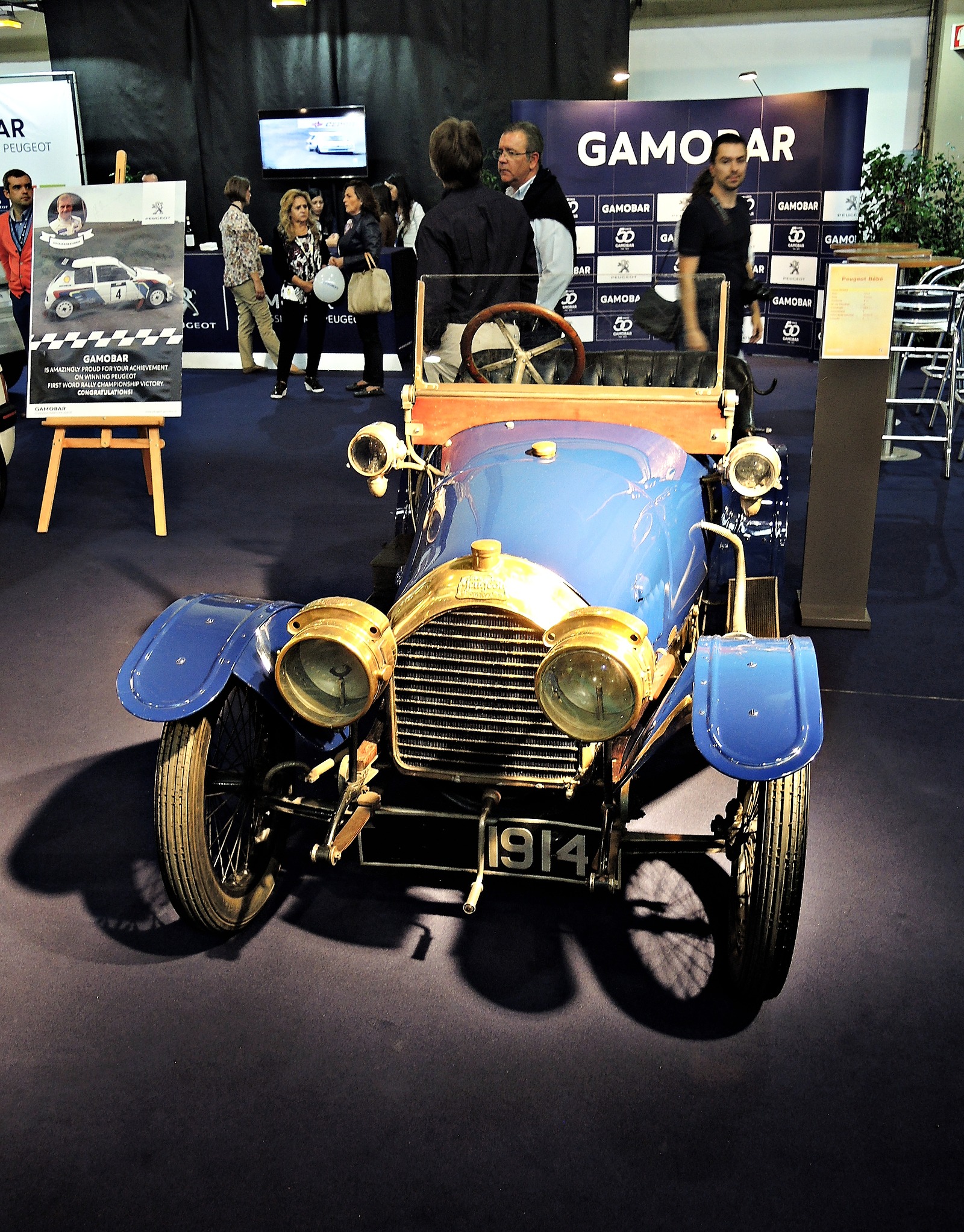
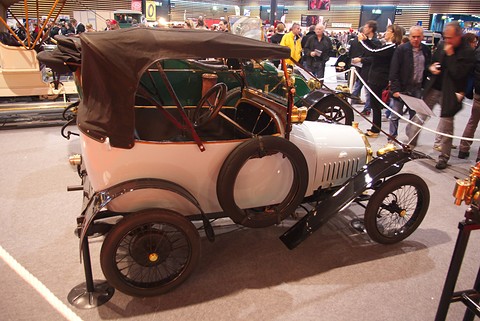
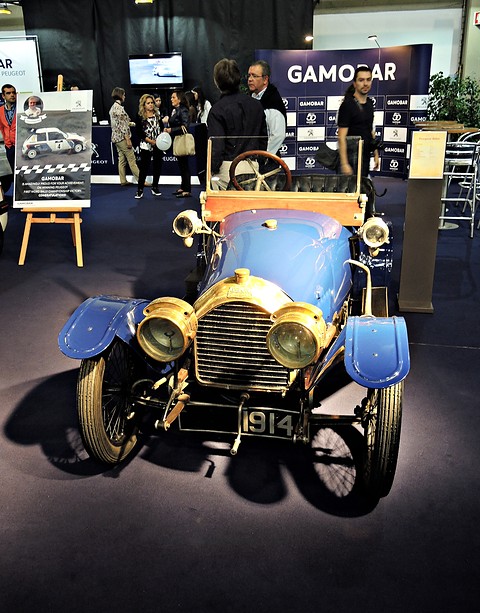
In July 1947 Karslake wrote up for Motor Sport the 1914 Bébé he had bought, which he called Joujou. It “was literally tiny”: beside the tuning shop’s Bugattis and Grand Prix cars it looked, he wrote, “rather like a ‘Blue Bug’ stood against a 1912 Grand Prix Fiat”. On a public weighbridge it came to 8 cwt 2 qr 14 lb, about 438 kg, presumably with fuel, water and kit aboard. To change gear at all, he found, you pressed a knob on top of the lever, and the change from second to top was “only excelled by that from top to second”.source 2
… as we bowled along at about 40 m.p.h. on a slight downgrade, it felt as if we were doing eighty.
It started on about the second turn. On the Veteran Car Club’s rally of 17 May 1947 it reached the Hog’s Back on time; in the procession it overheated, blew a valve-cap gasket and oiled its plugs, and it climbed the Charterhouse test hill as a three-cylinder, the passenger getting out three times to push.source 2 Years later he summed up its road manners more bluntly.
The car has no directional stability whatsoever and one holds it on a straight line by main force and ceaseless vigilance….