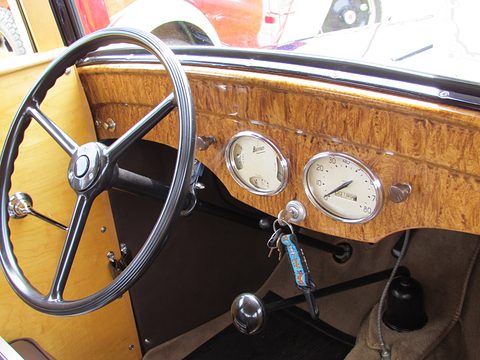
The story
History
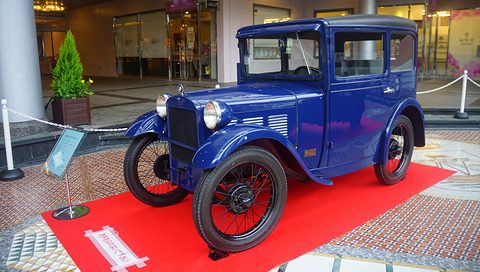
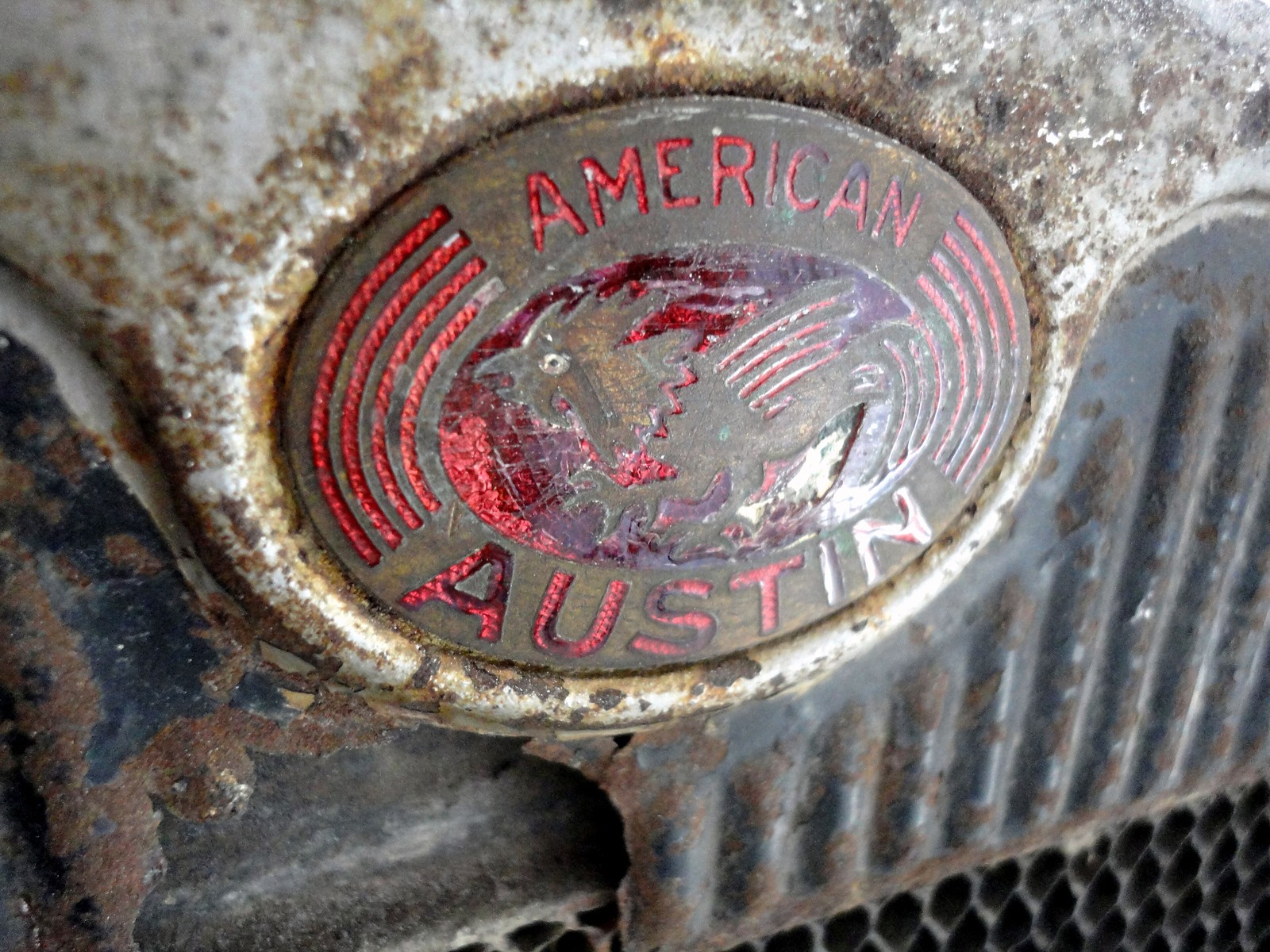
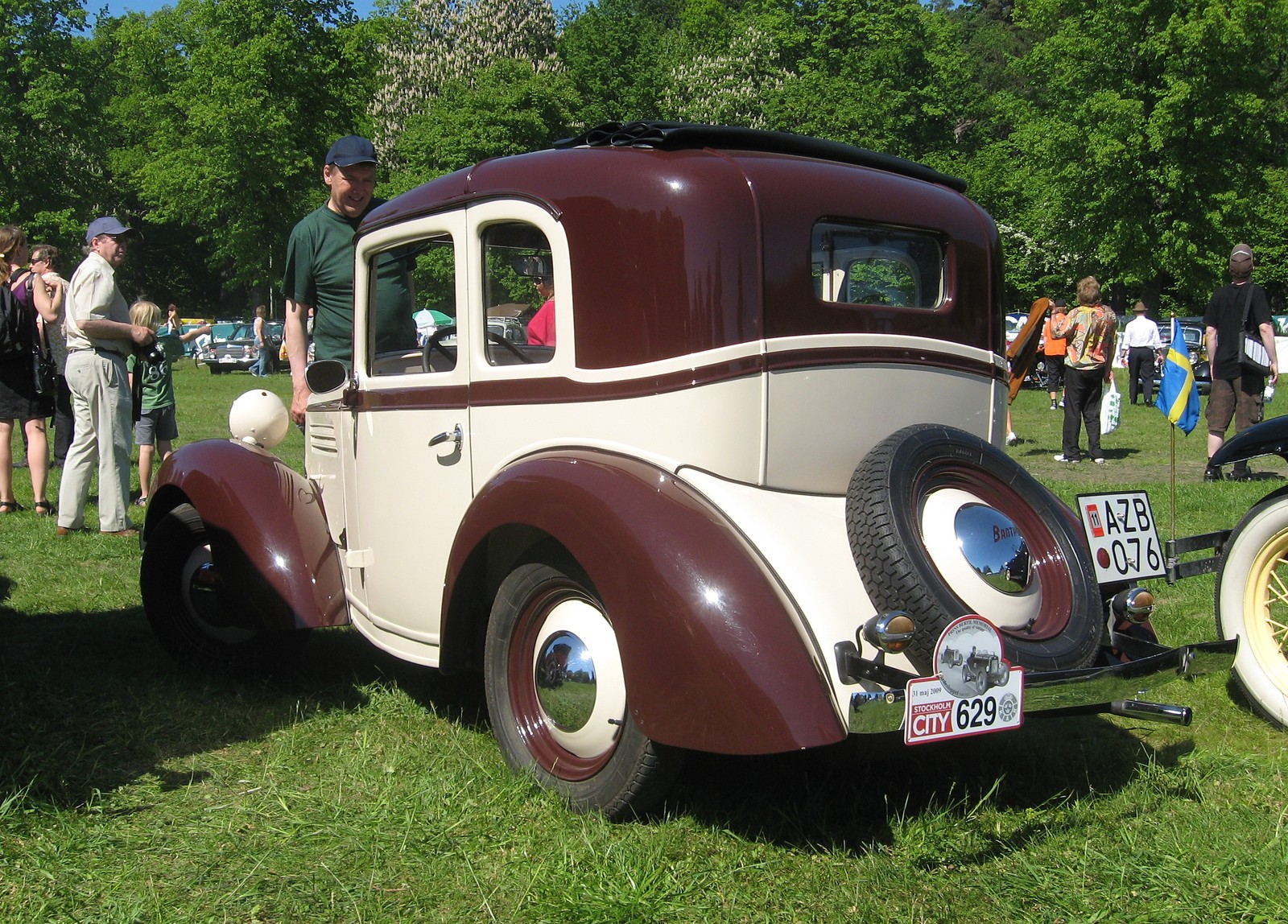
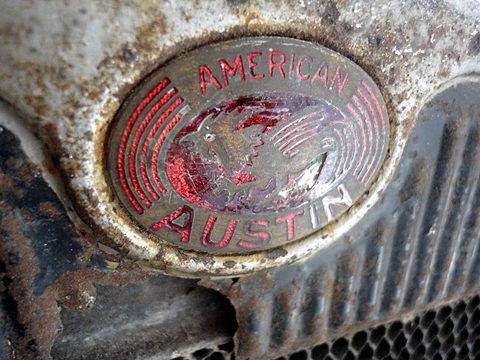
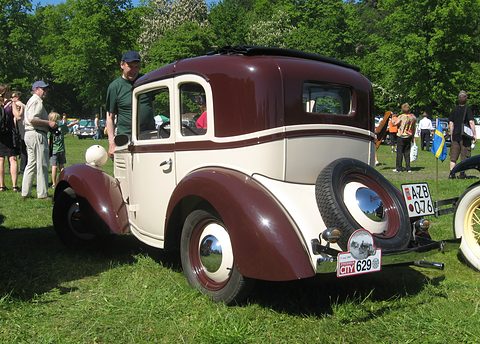
Herbert and Lady Austin sailed on the RMS Berengaria on 1 January 1929, with four Sevens to show a possible licensee, by the historian Kit Foster’s account.source 1 On 23 February the American Austin Car Company was incorporated in Delaware, and its factory was set up at Butler, Pennsylvania, in premises the Standard Steel Car Company had used.source 2source 3source 4 English Wikipedia names the Austin Motor Company as its parent; how the licence was arranged, by royalty or by a share in the firm, has not been found.source 2 Germany had its own licence-built Seven, the BMW 3/15, and France the Rosengart LR2 (see built under licence).
A Russian count’s suit
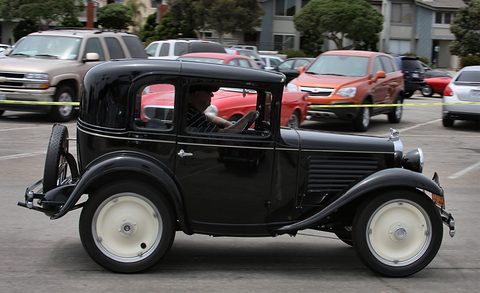
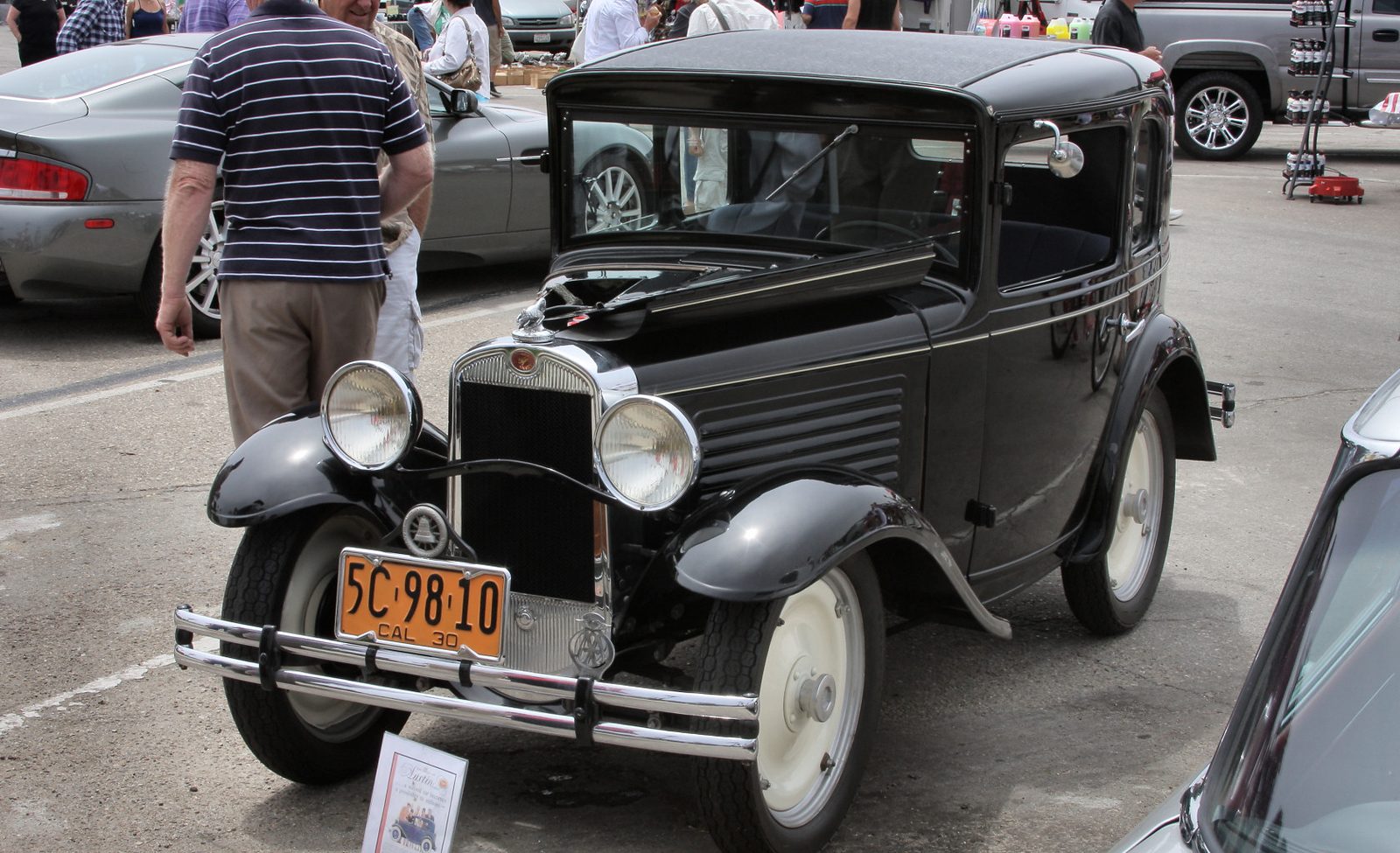
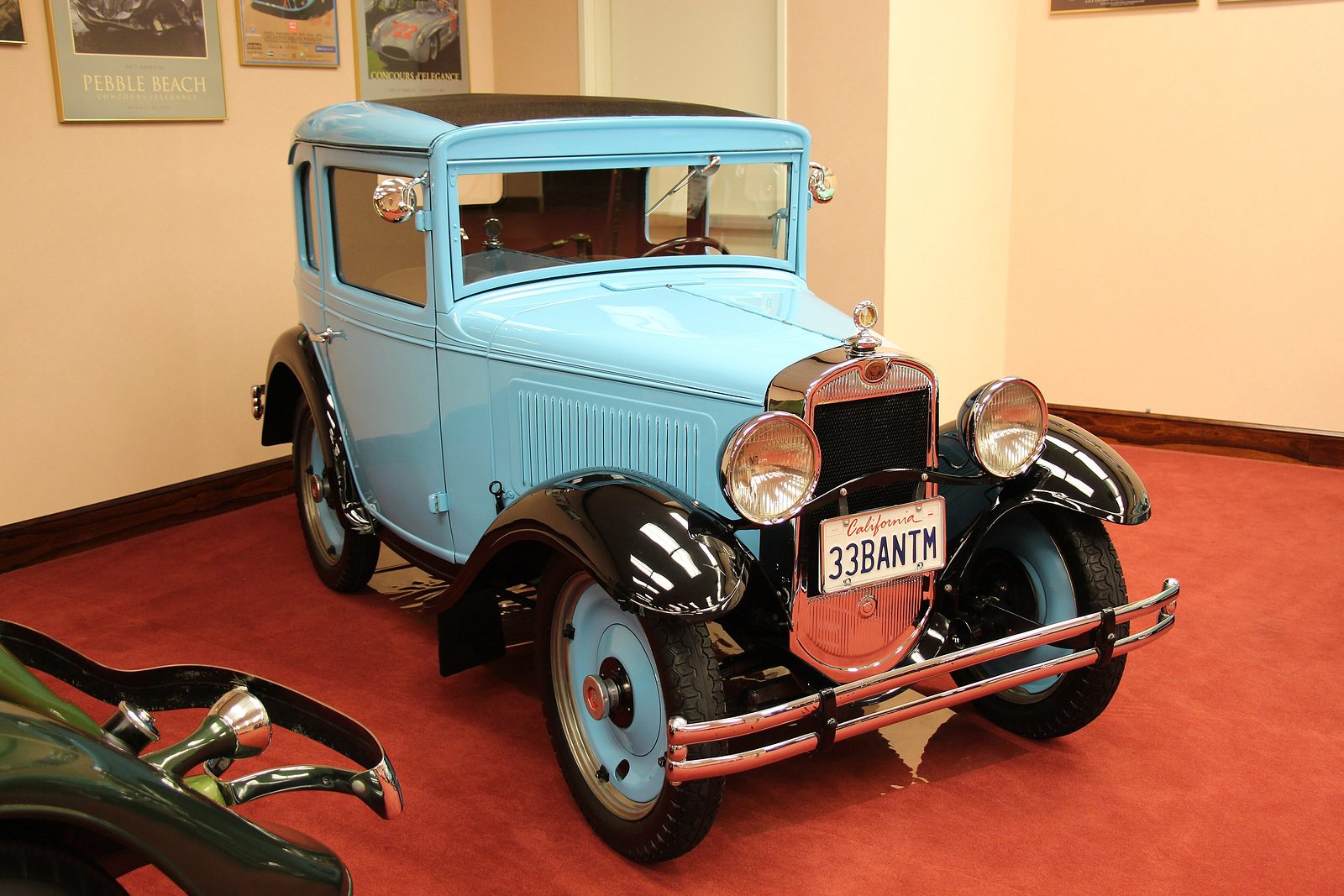
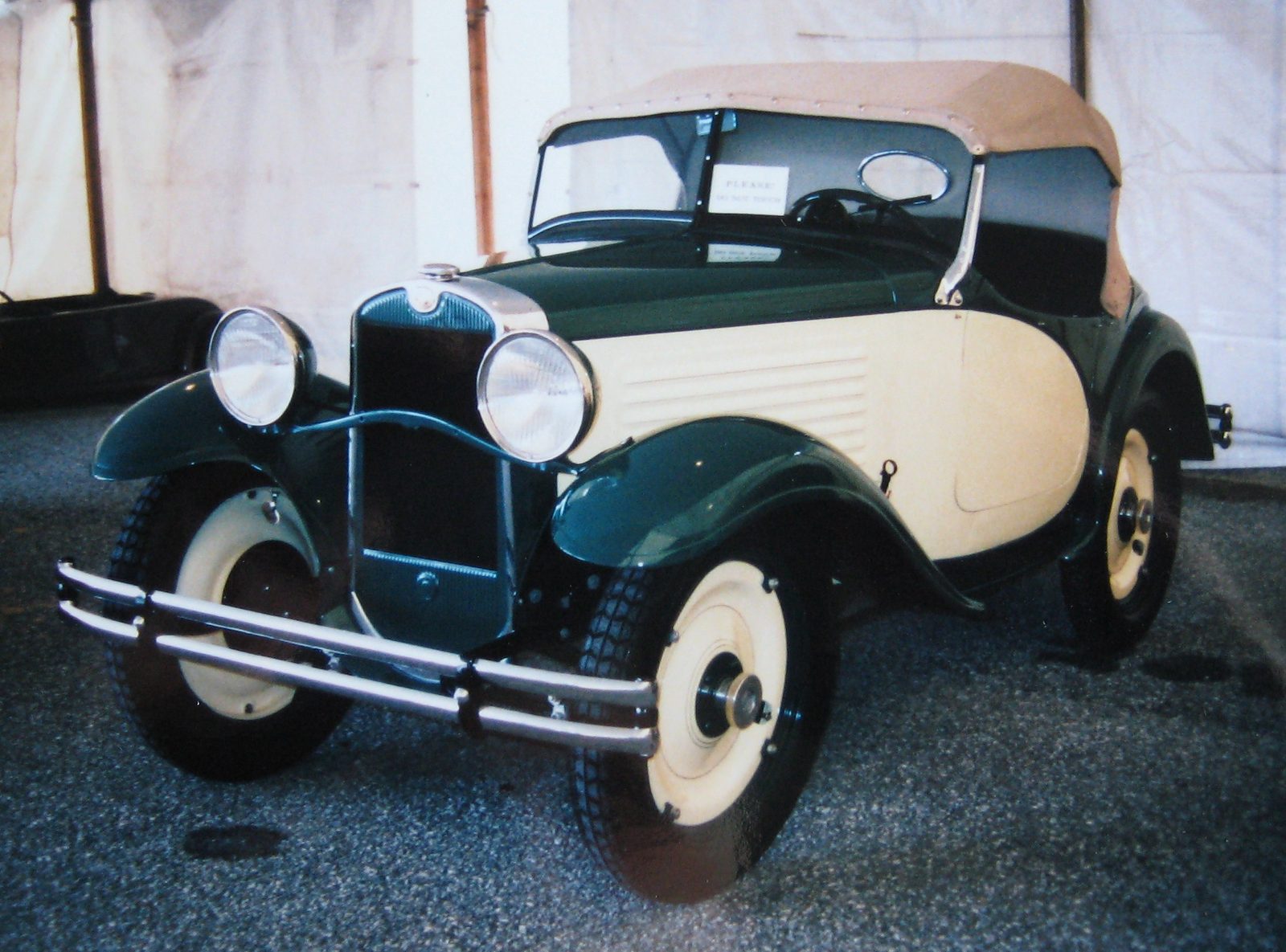
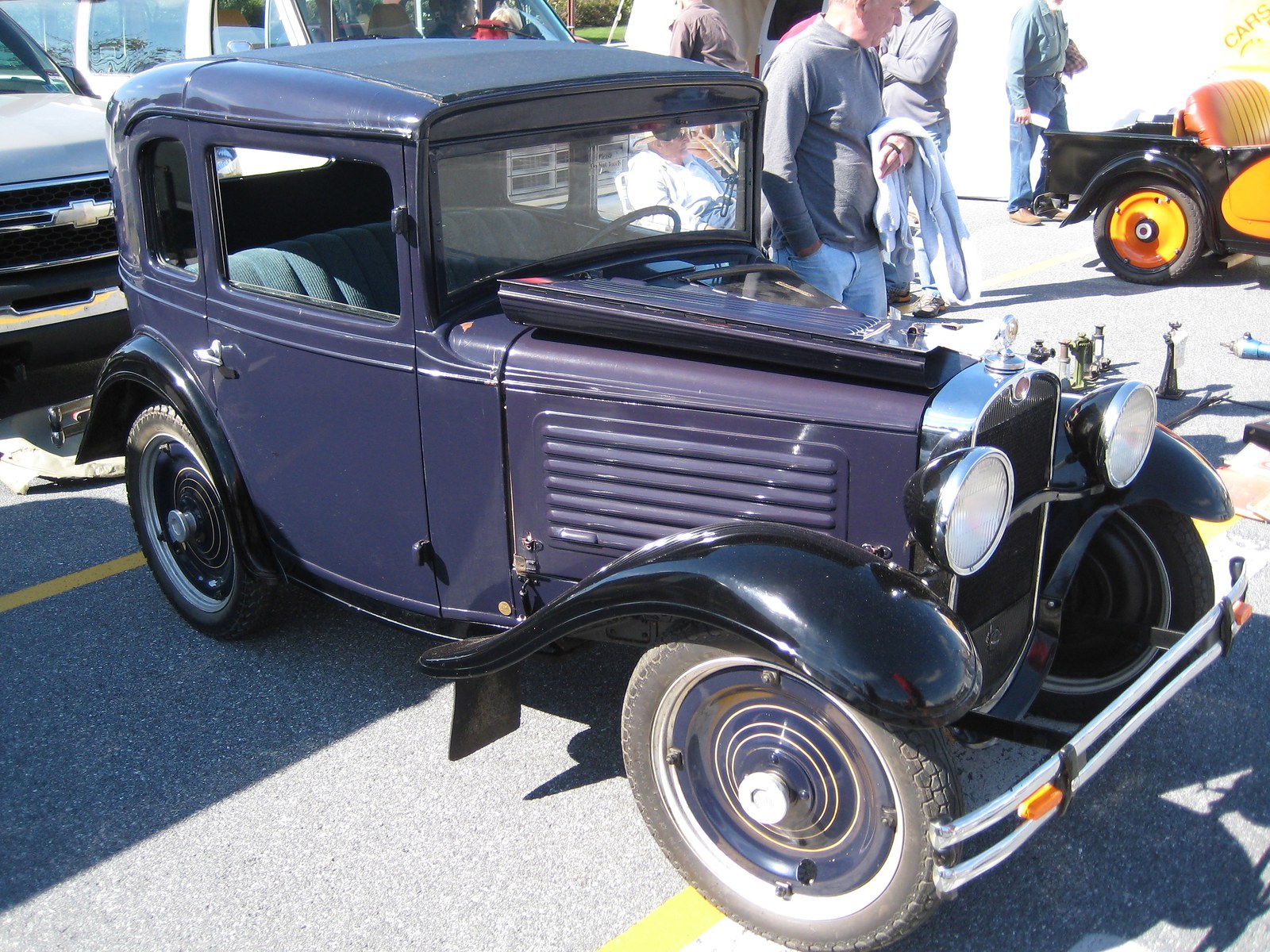
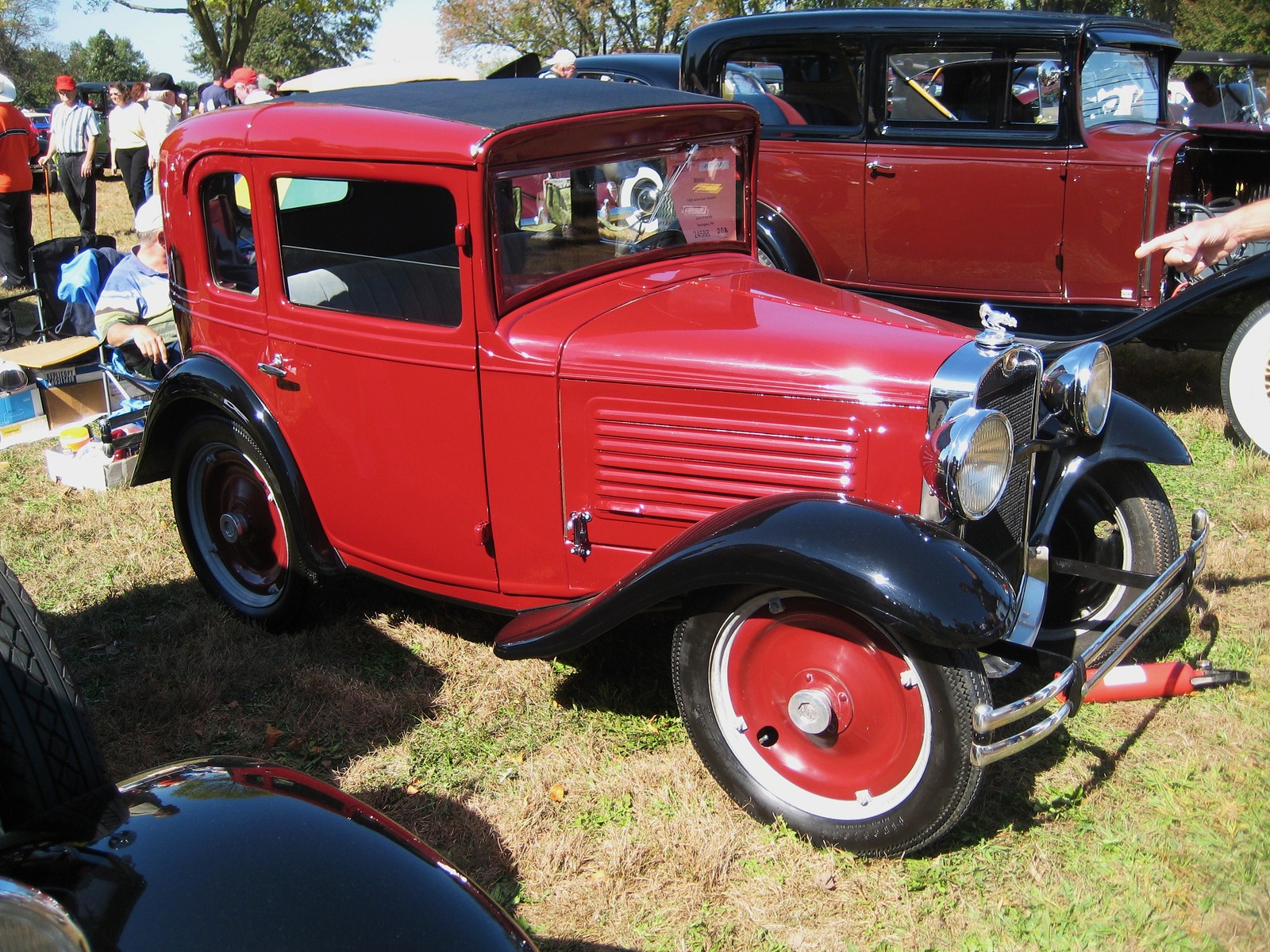
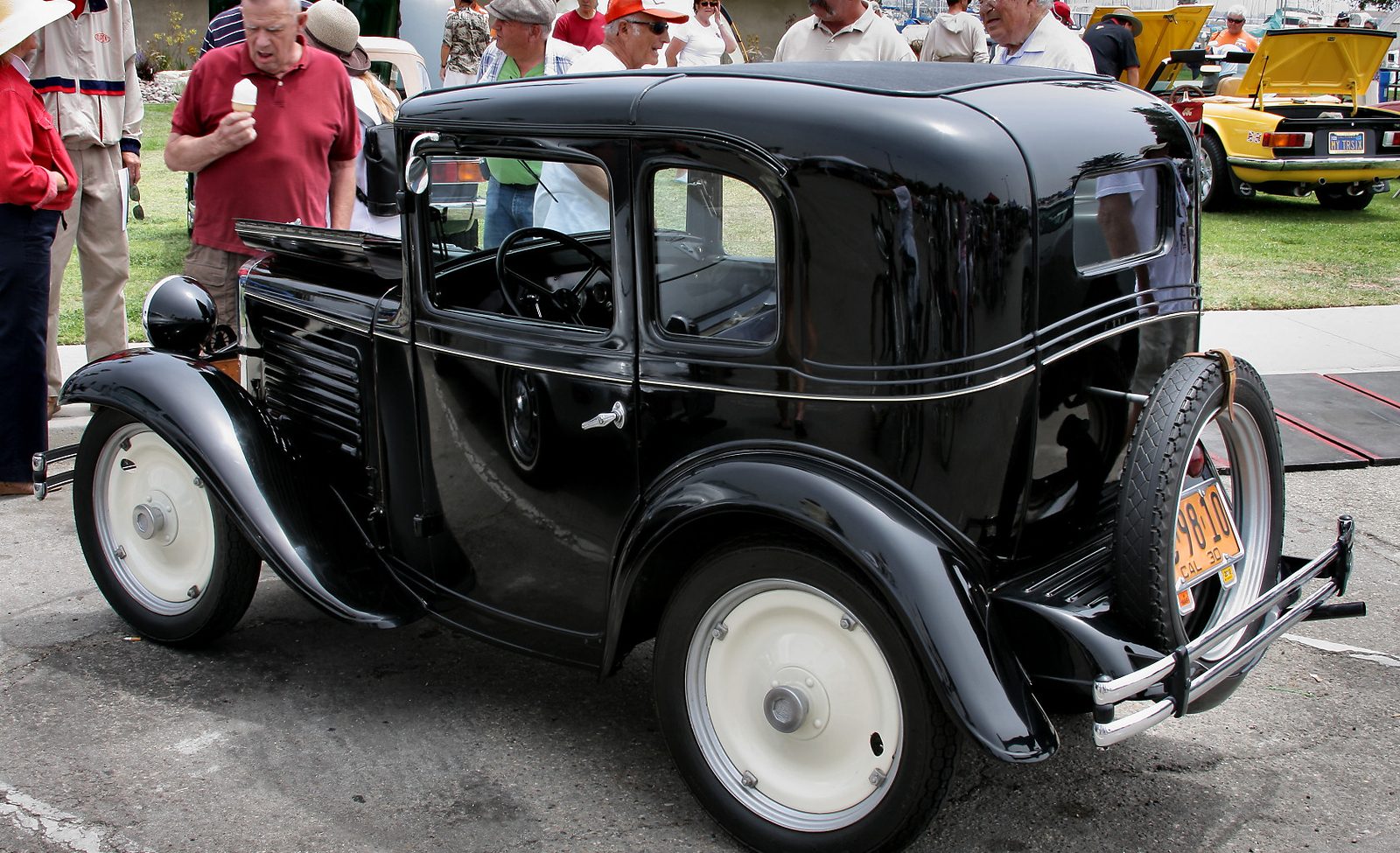
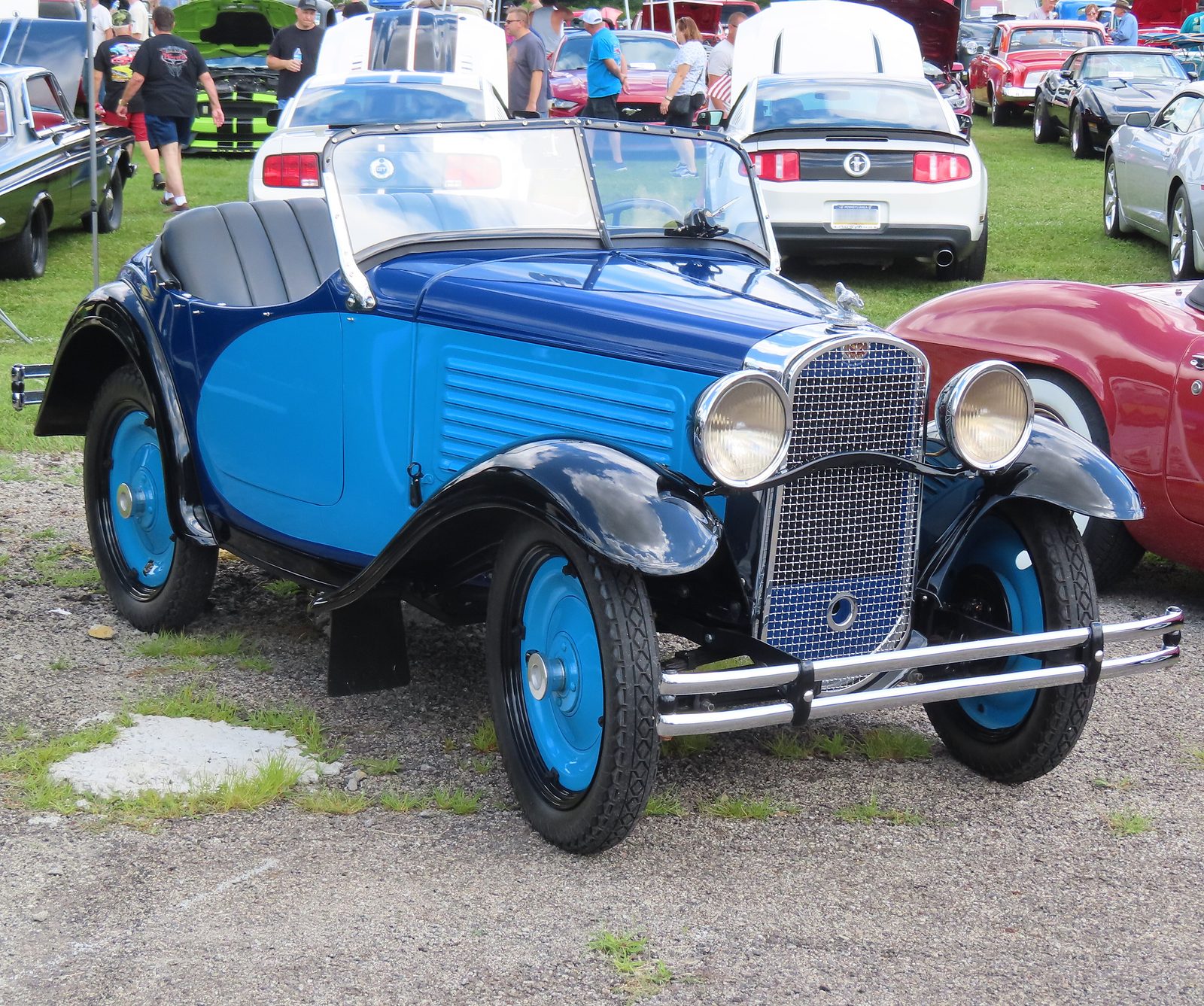
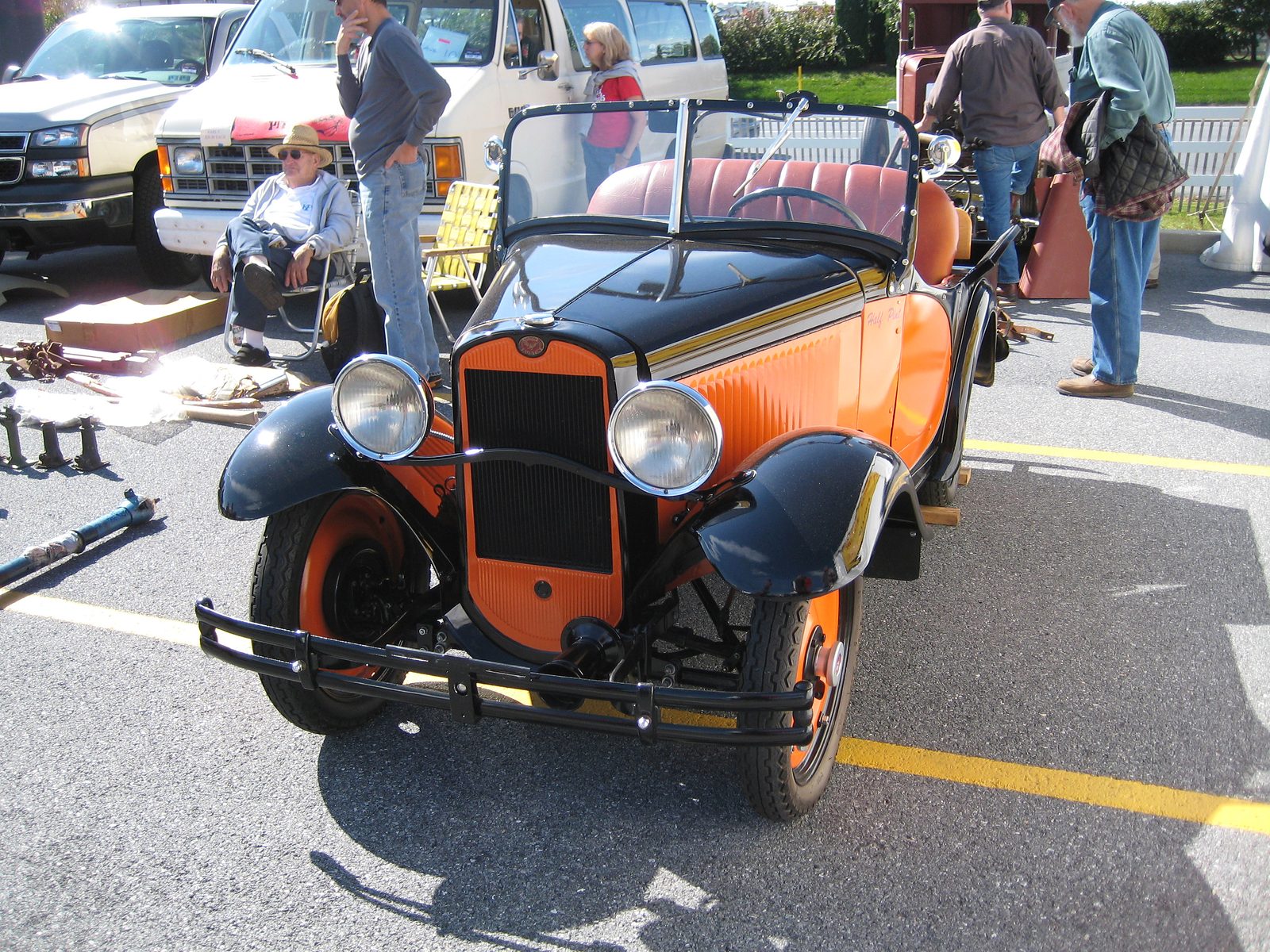
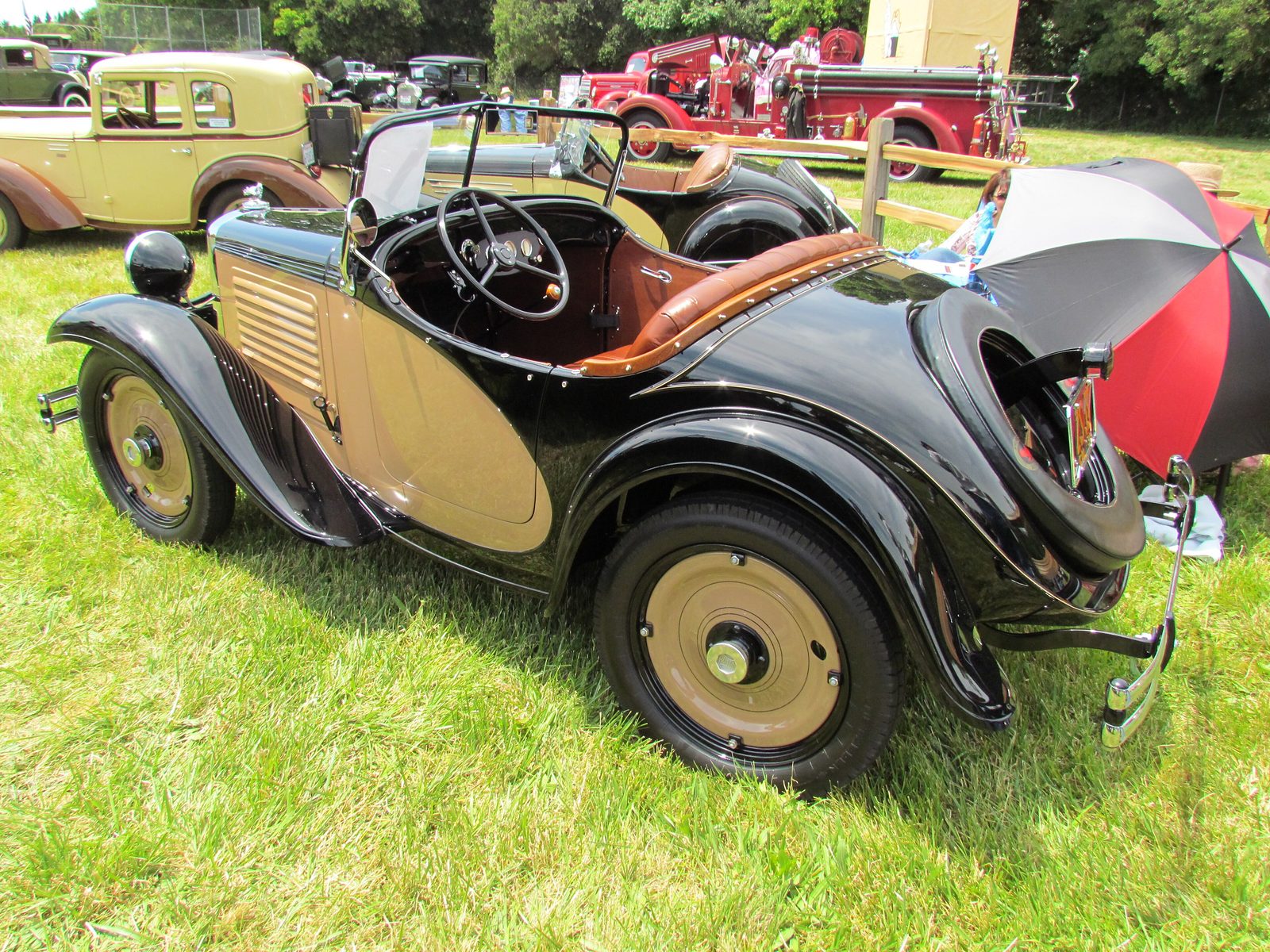
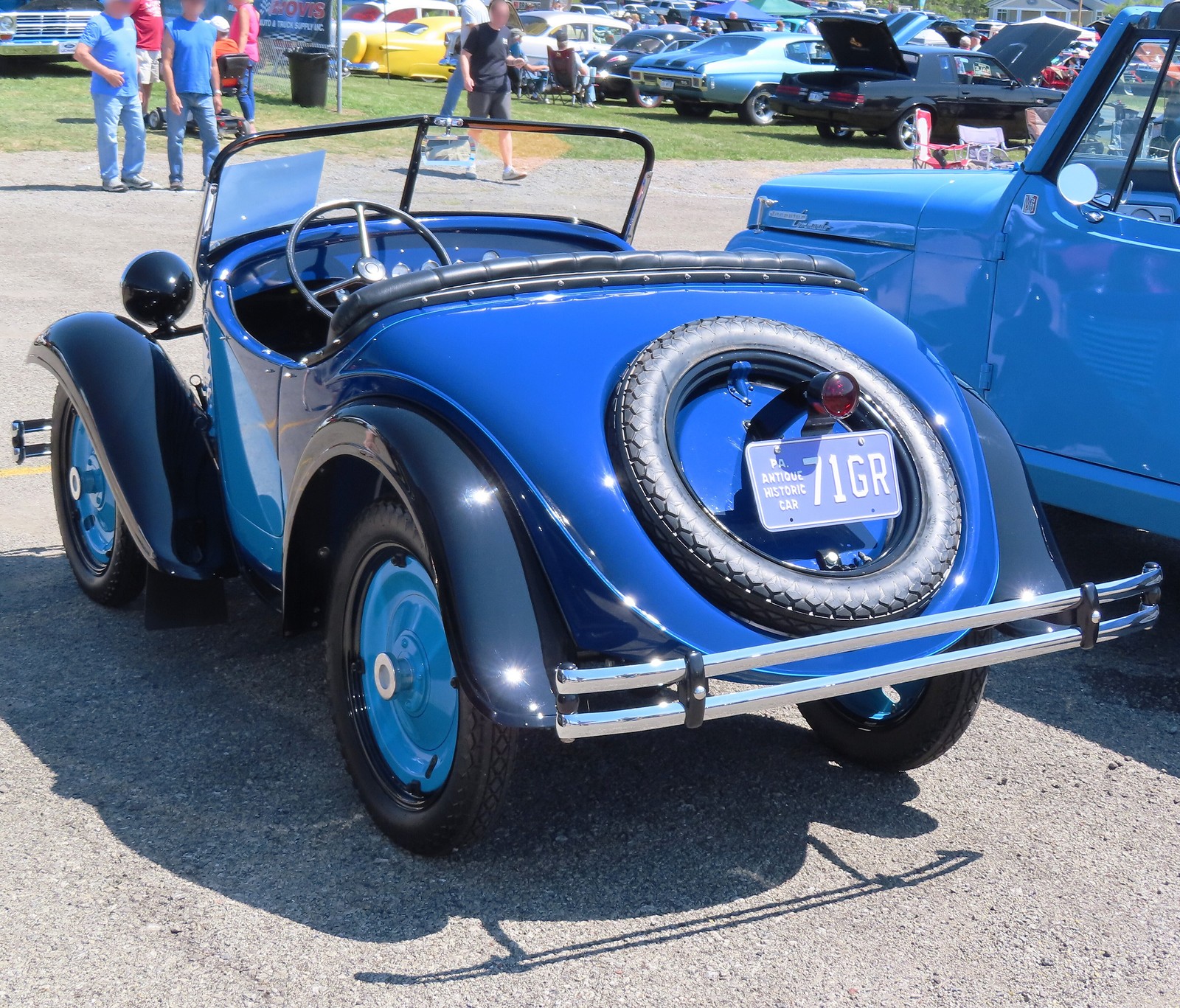
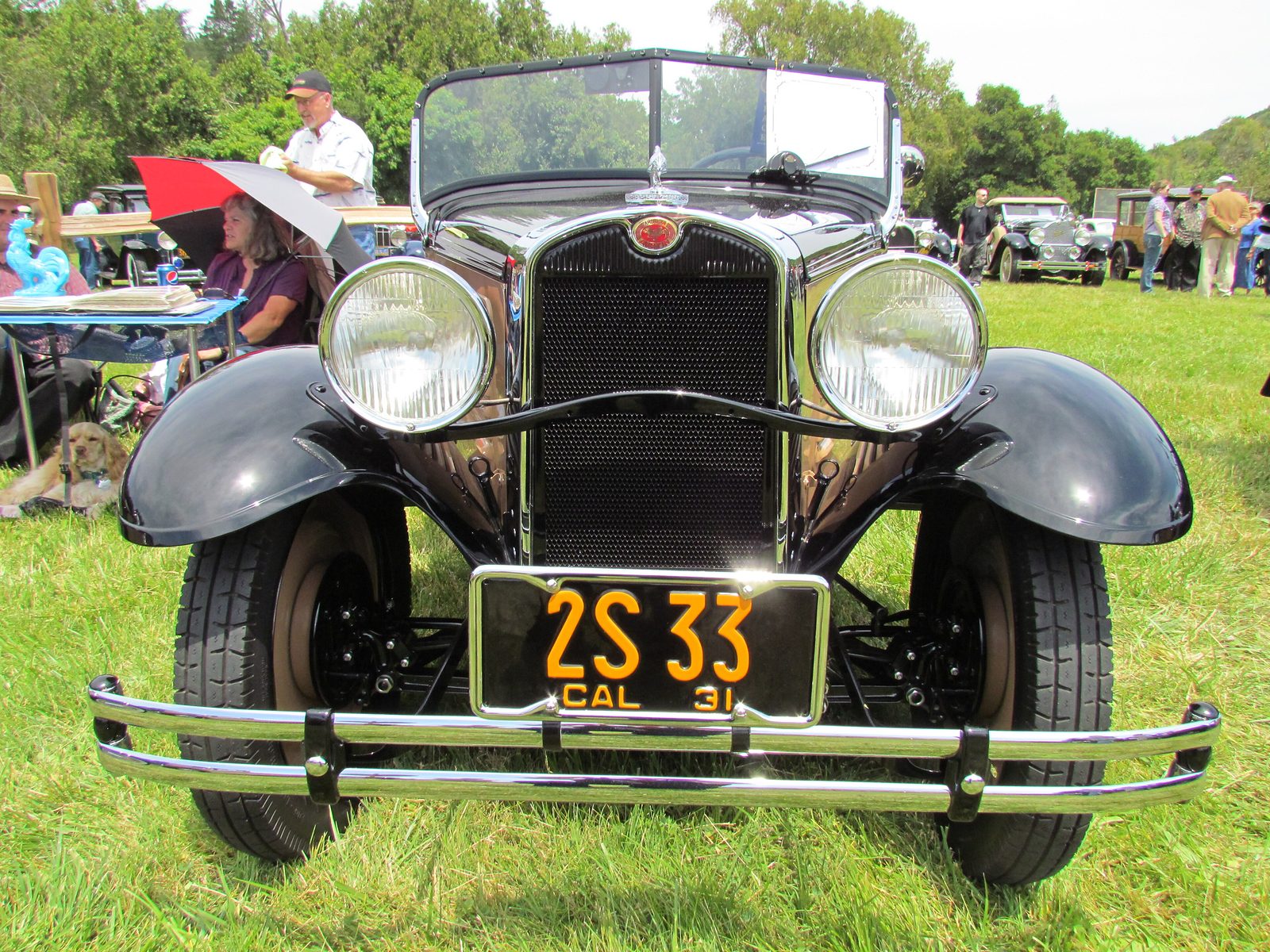
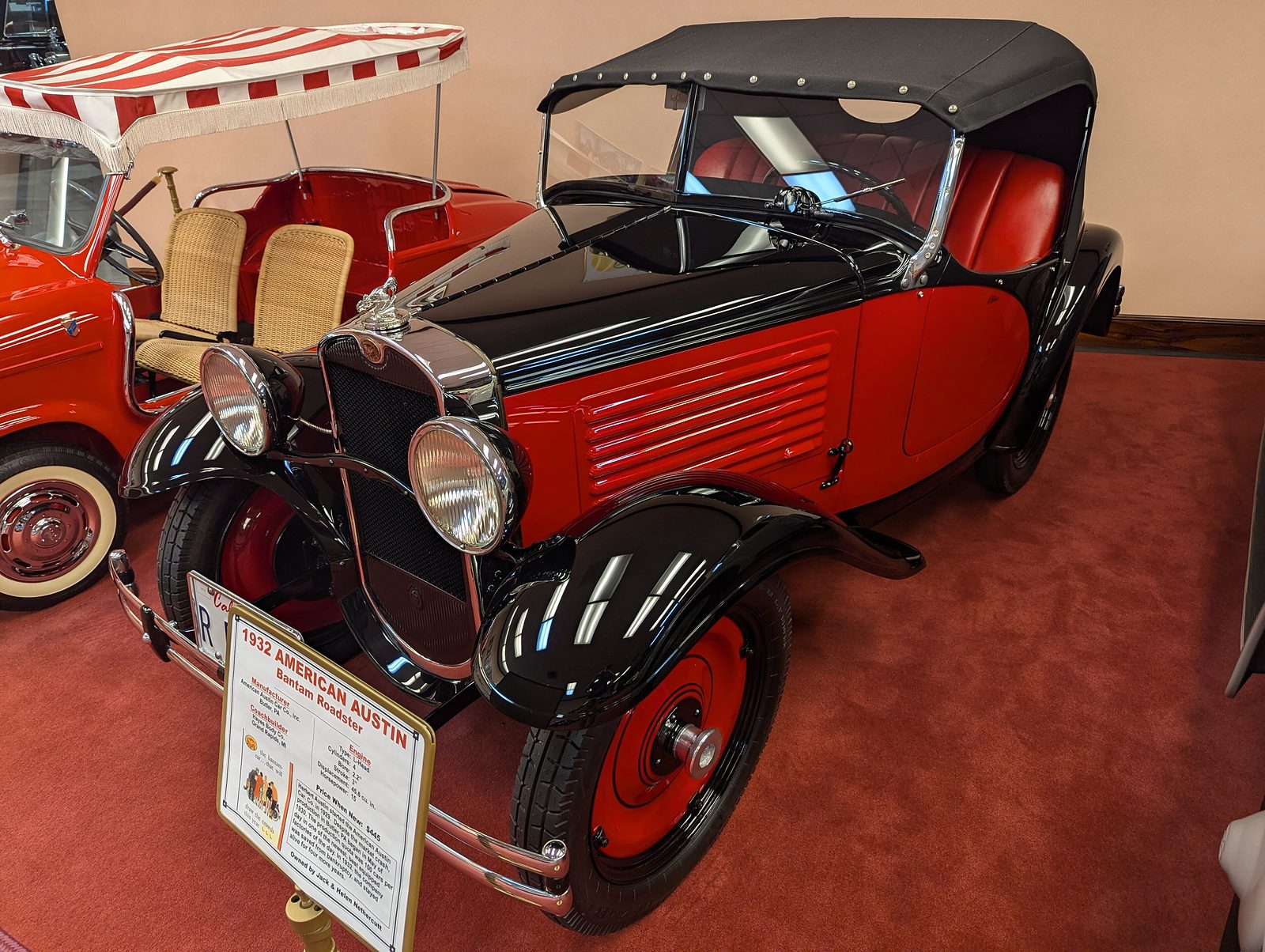
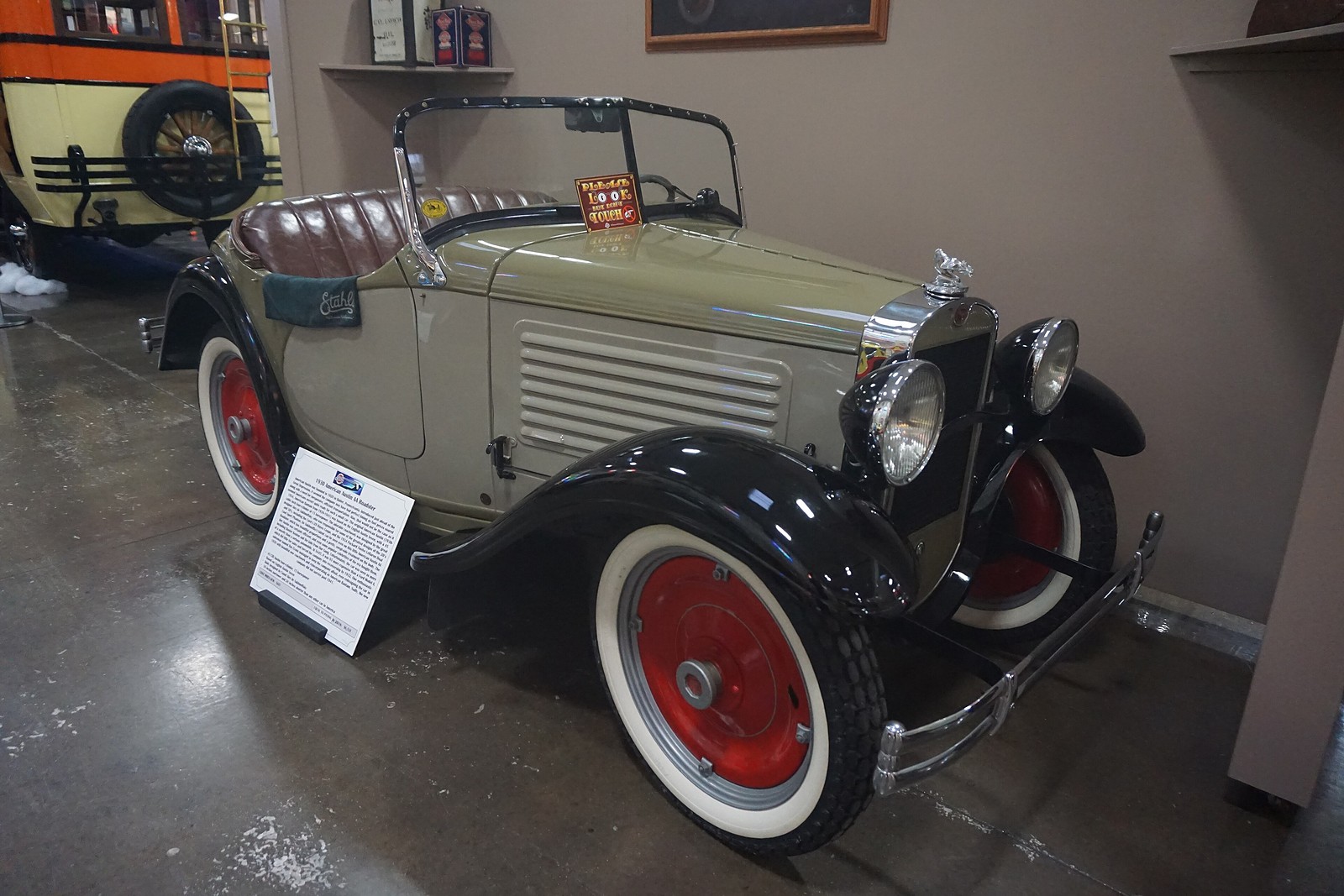
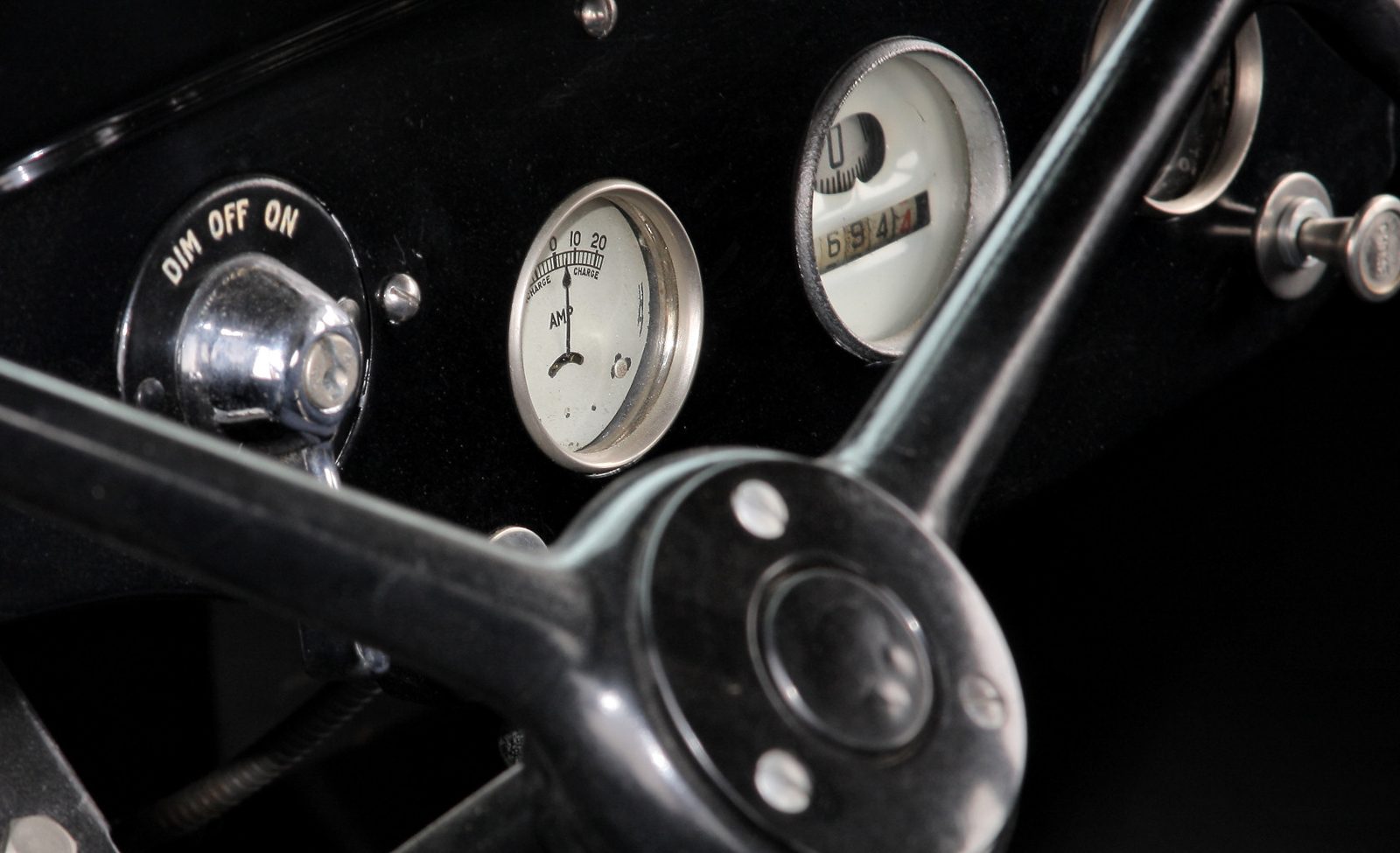
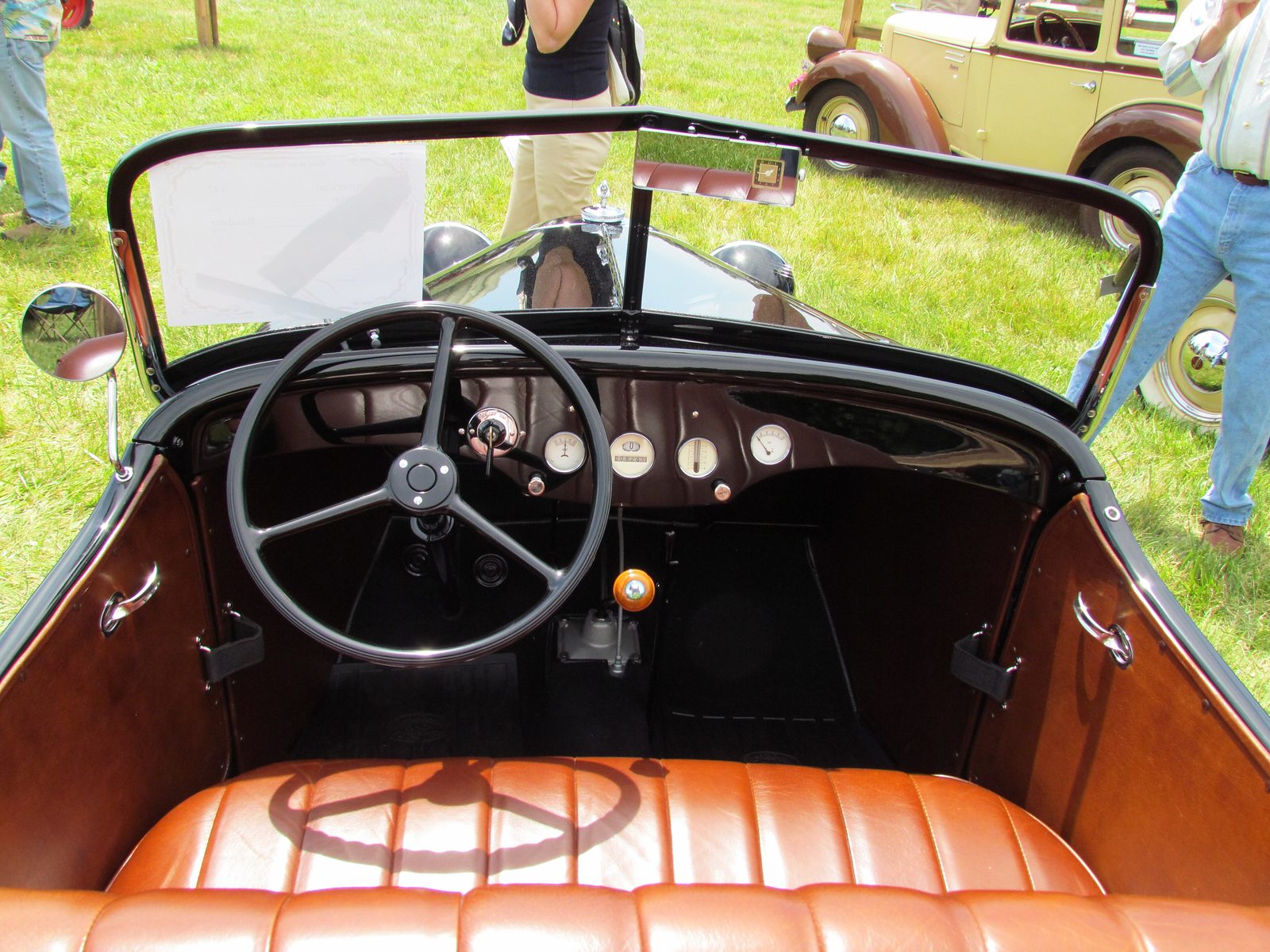
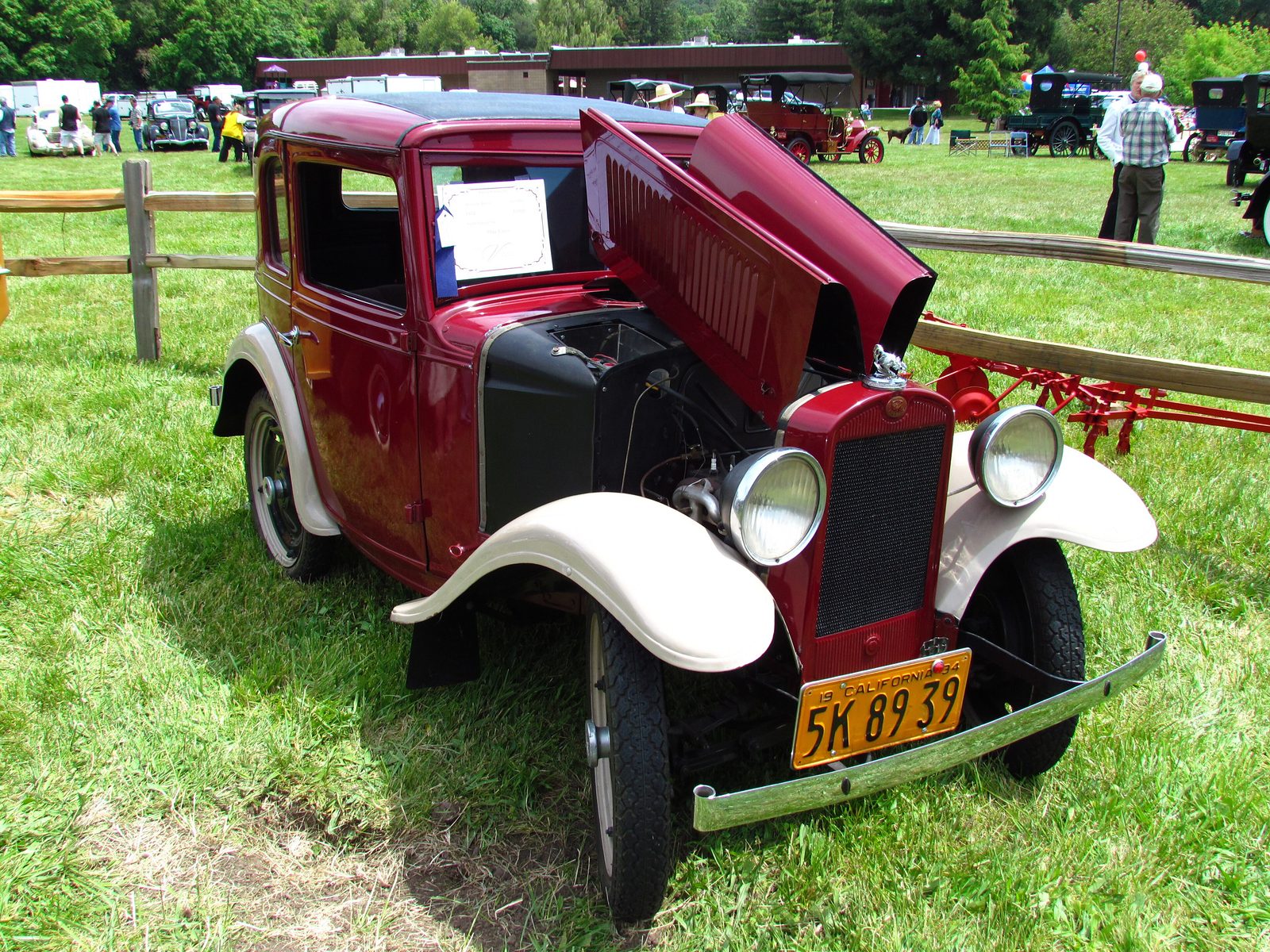
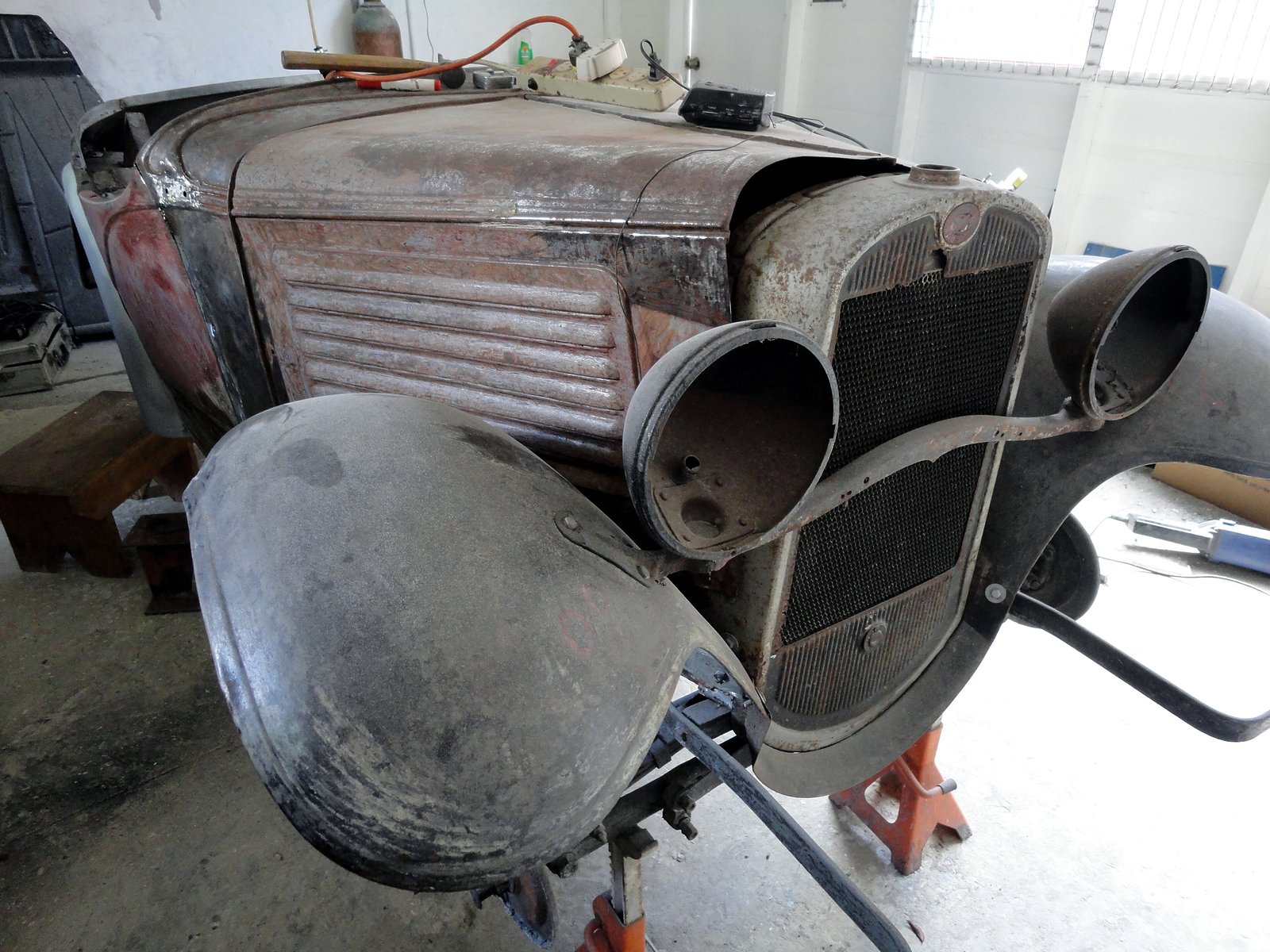
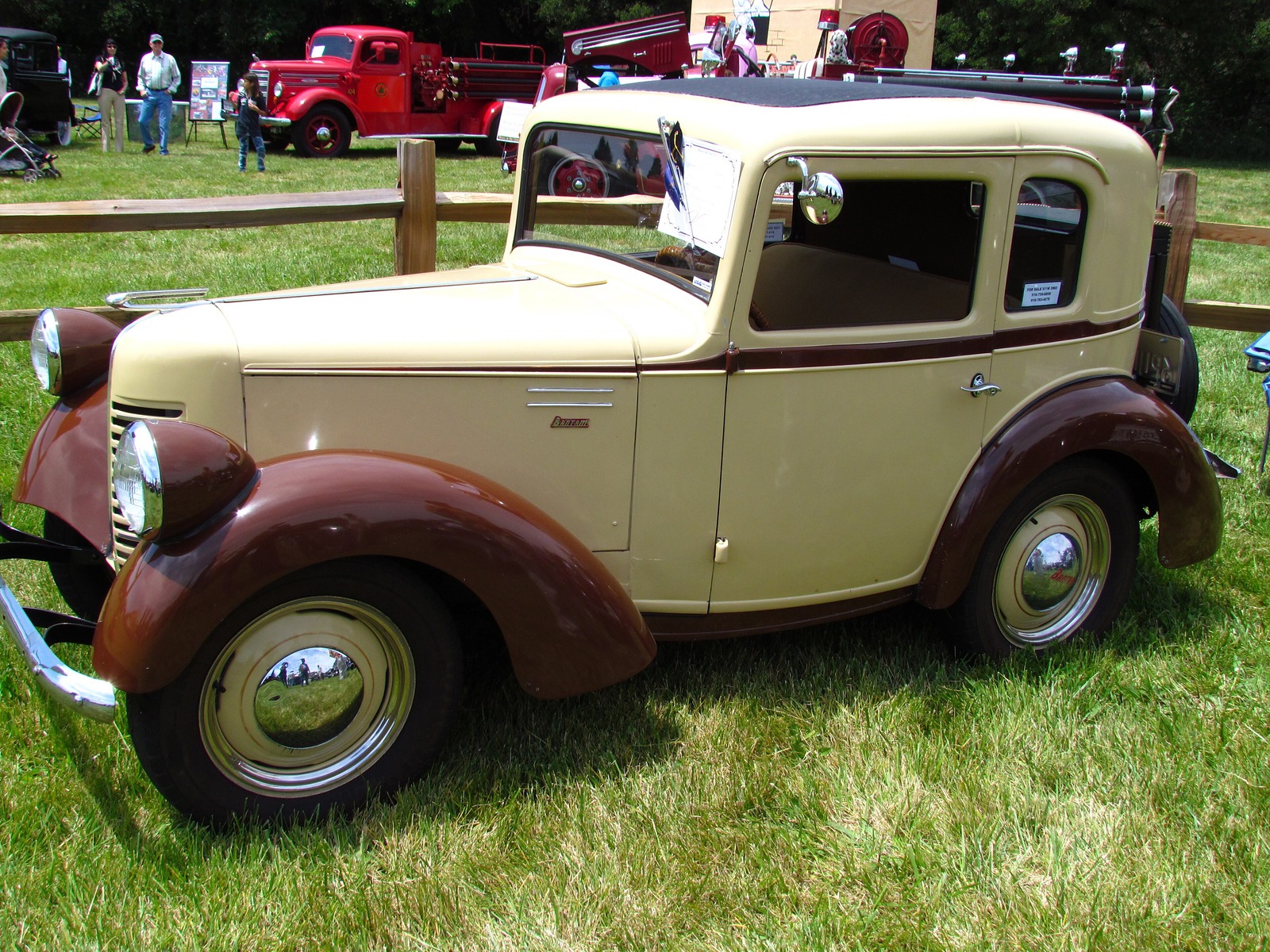
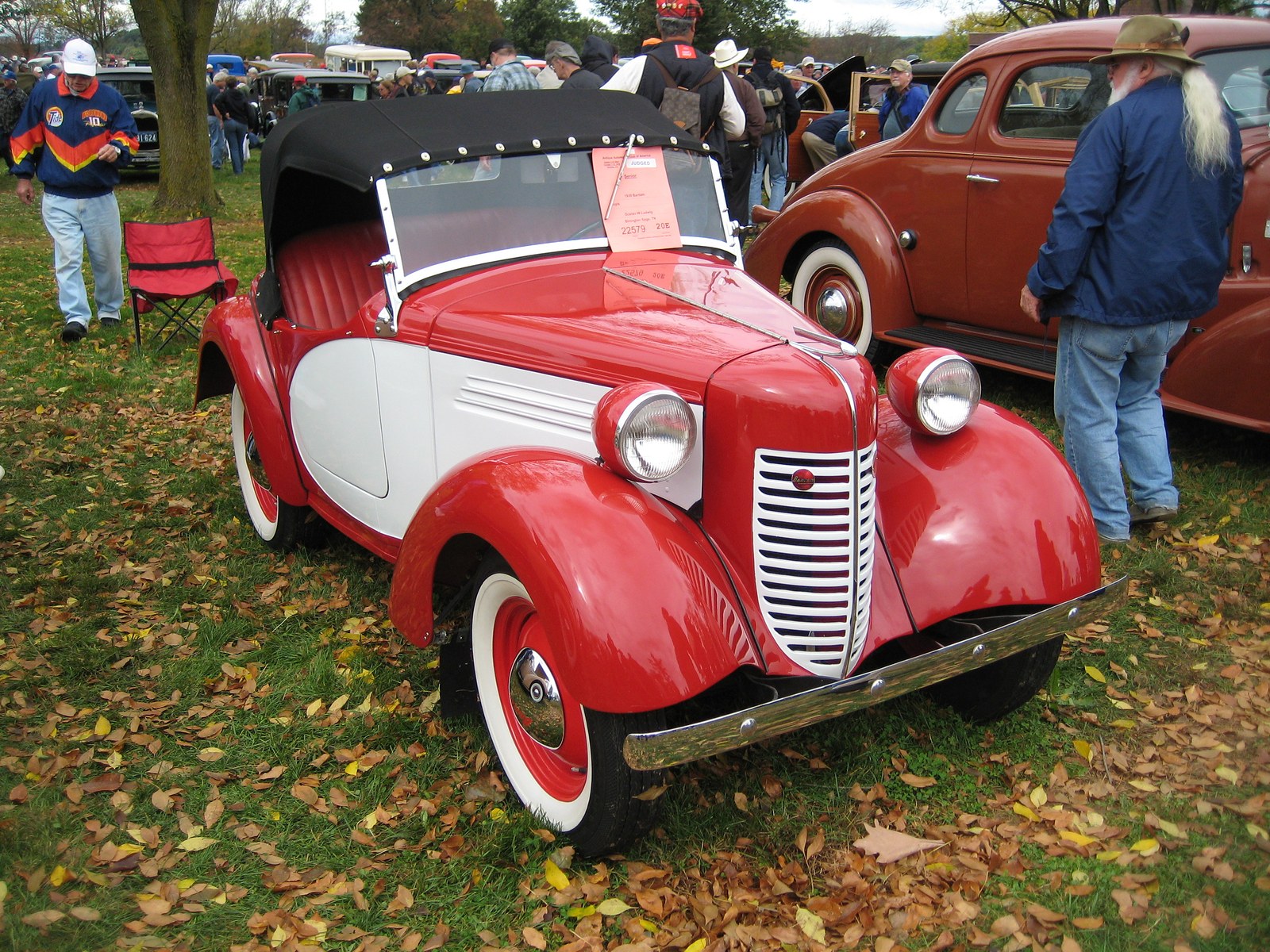
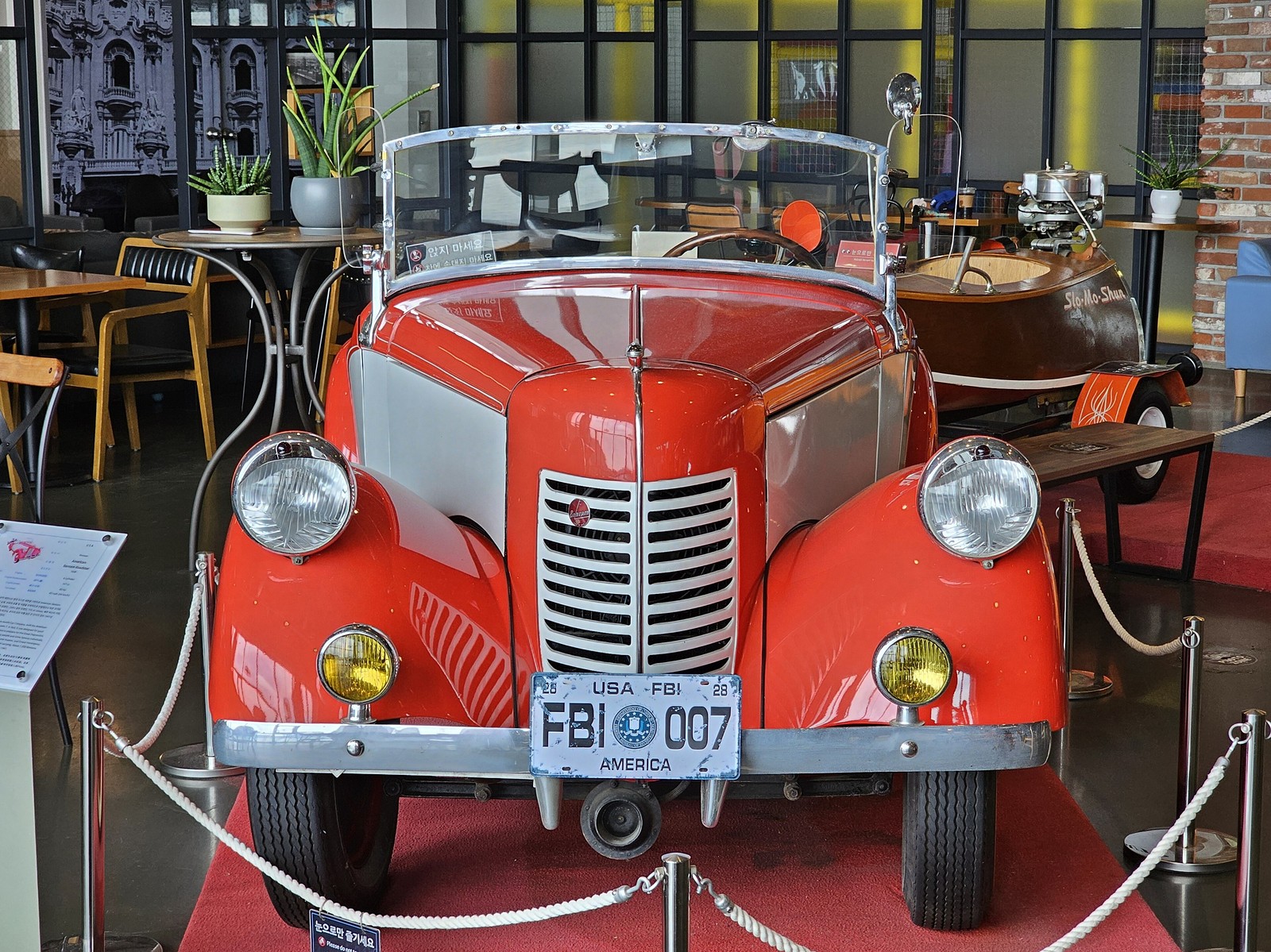
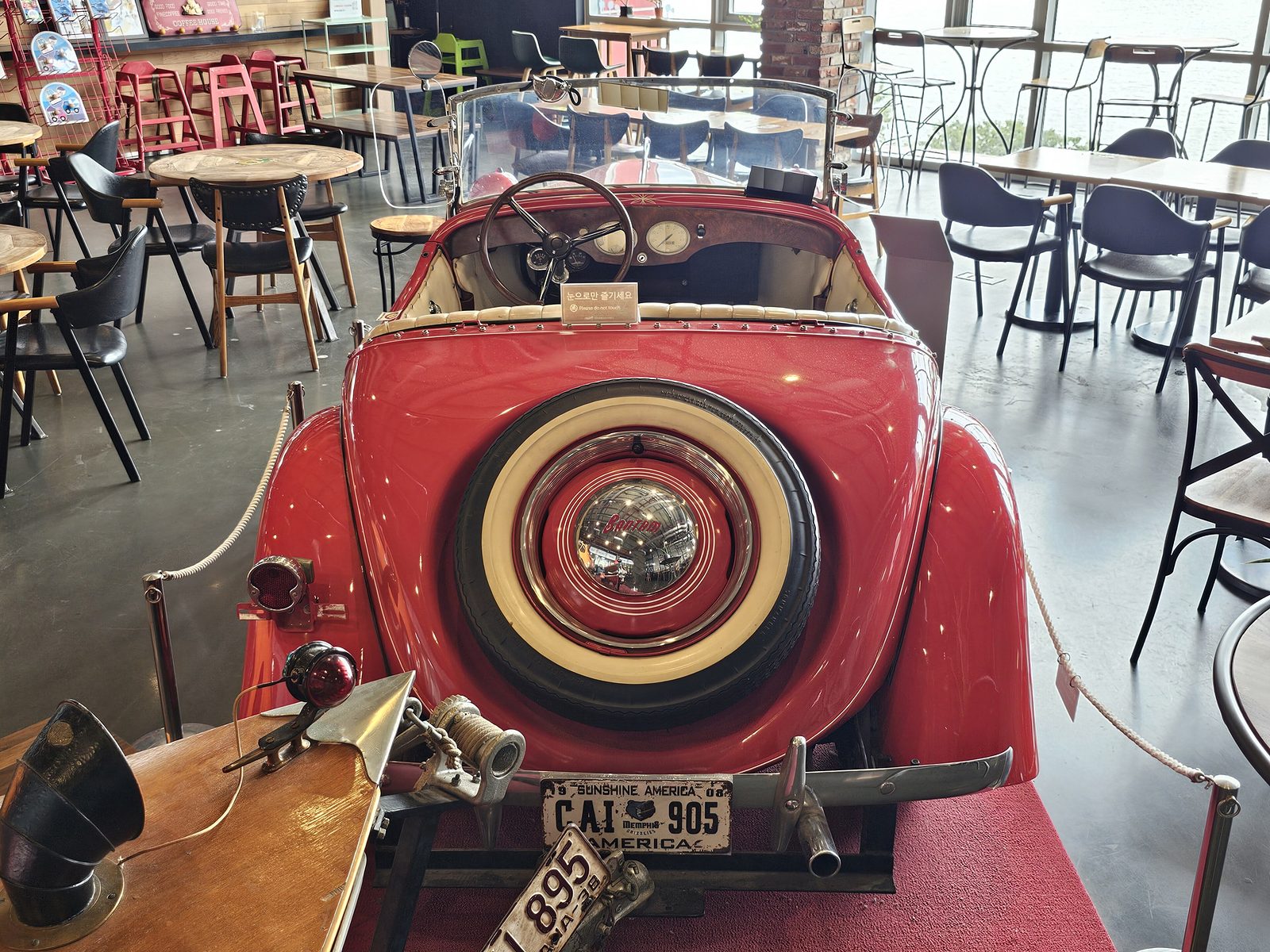
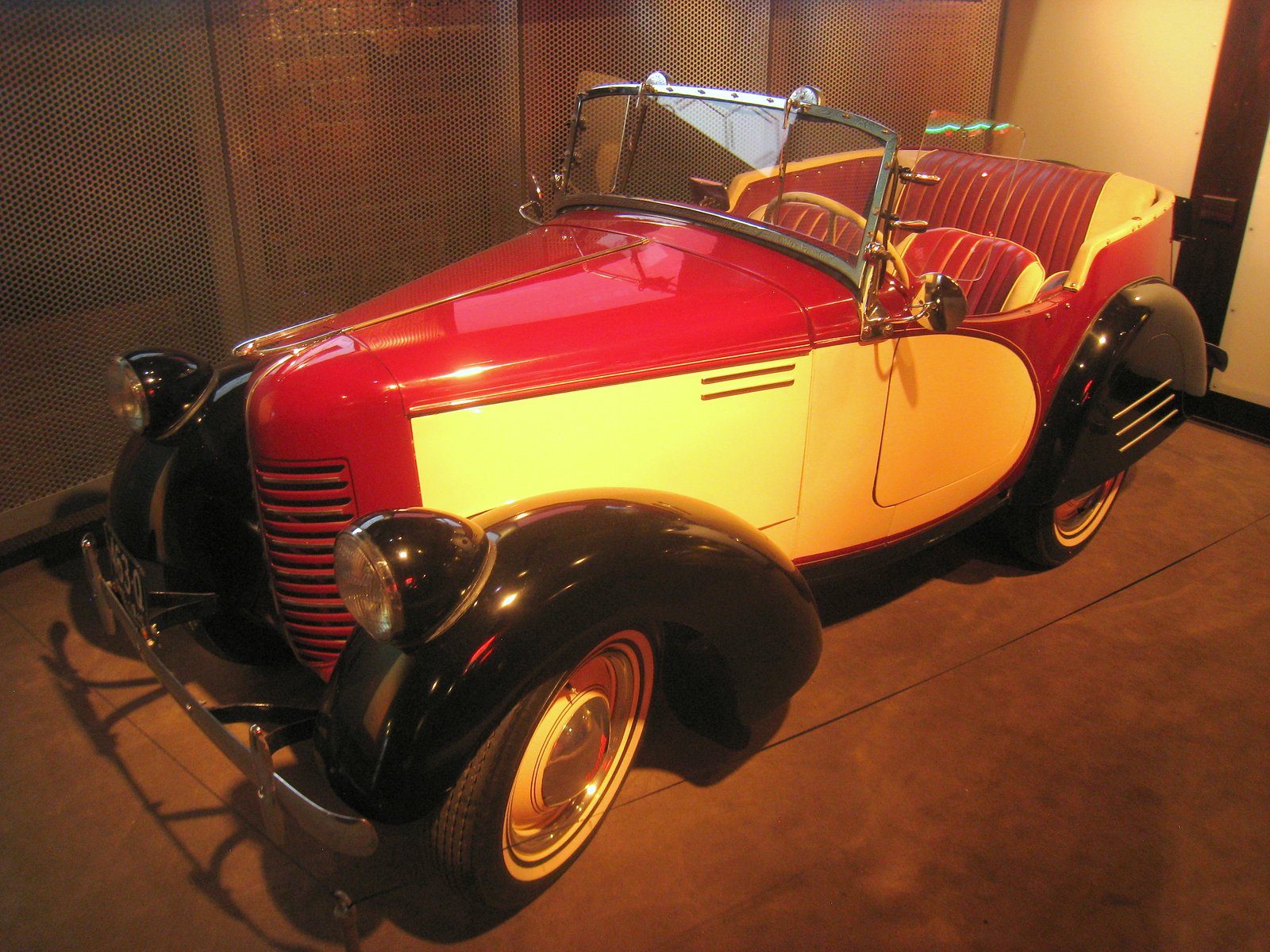
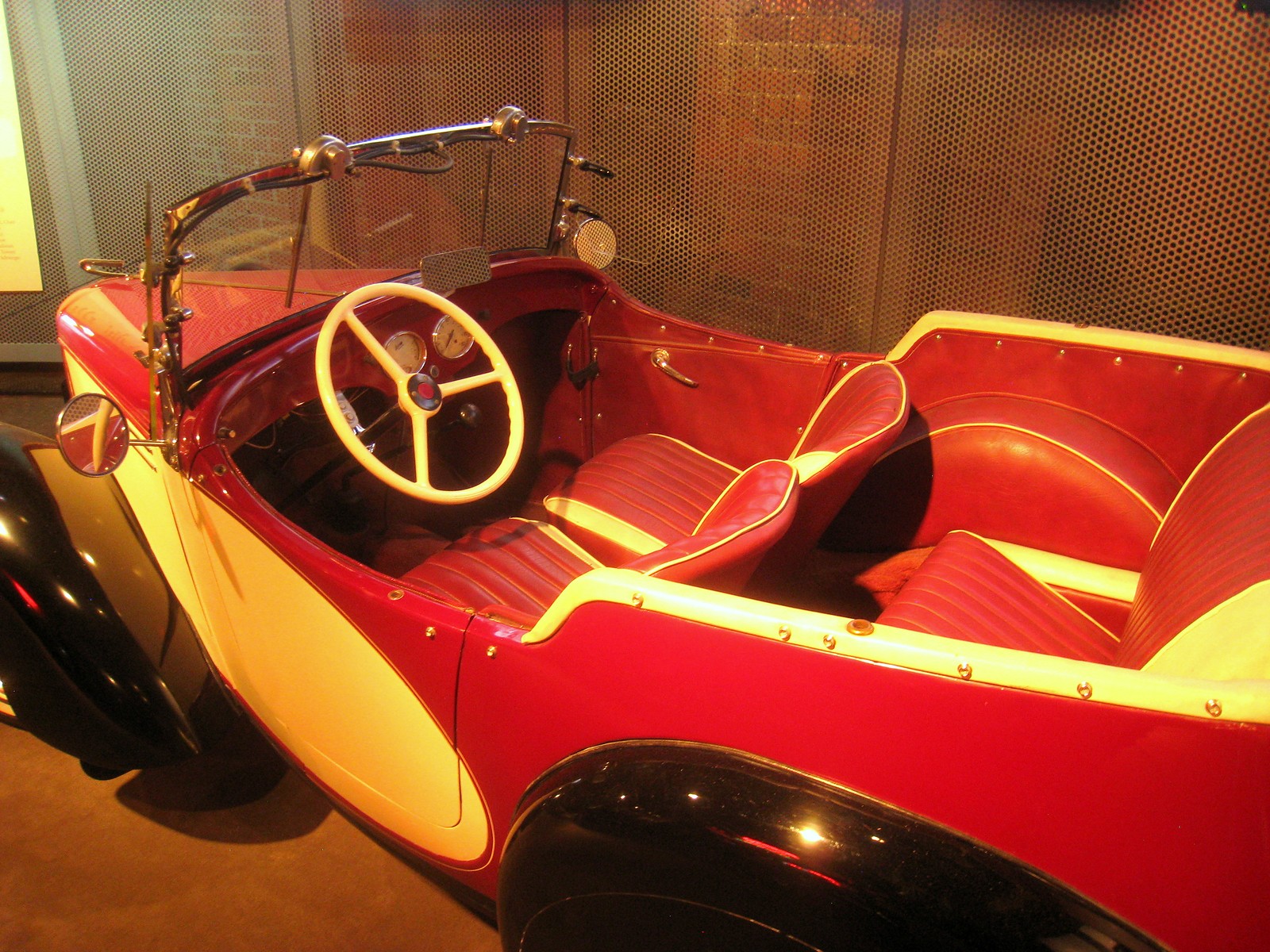
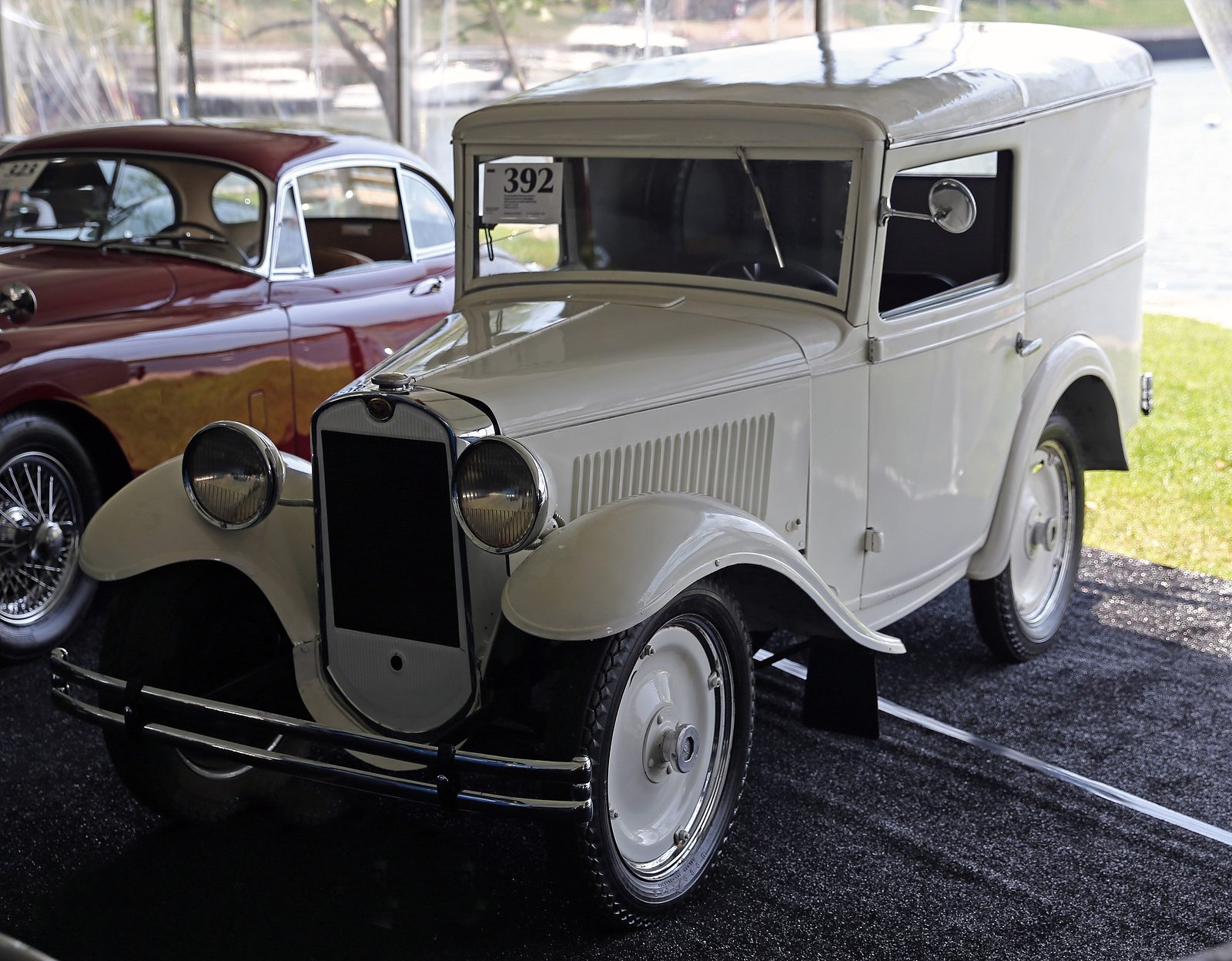
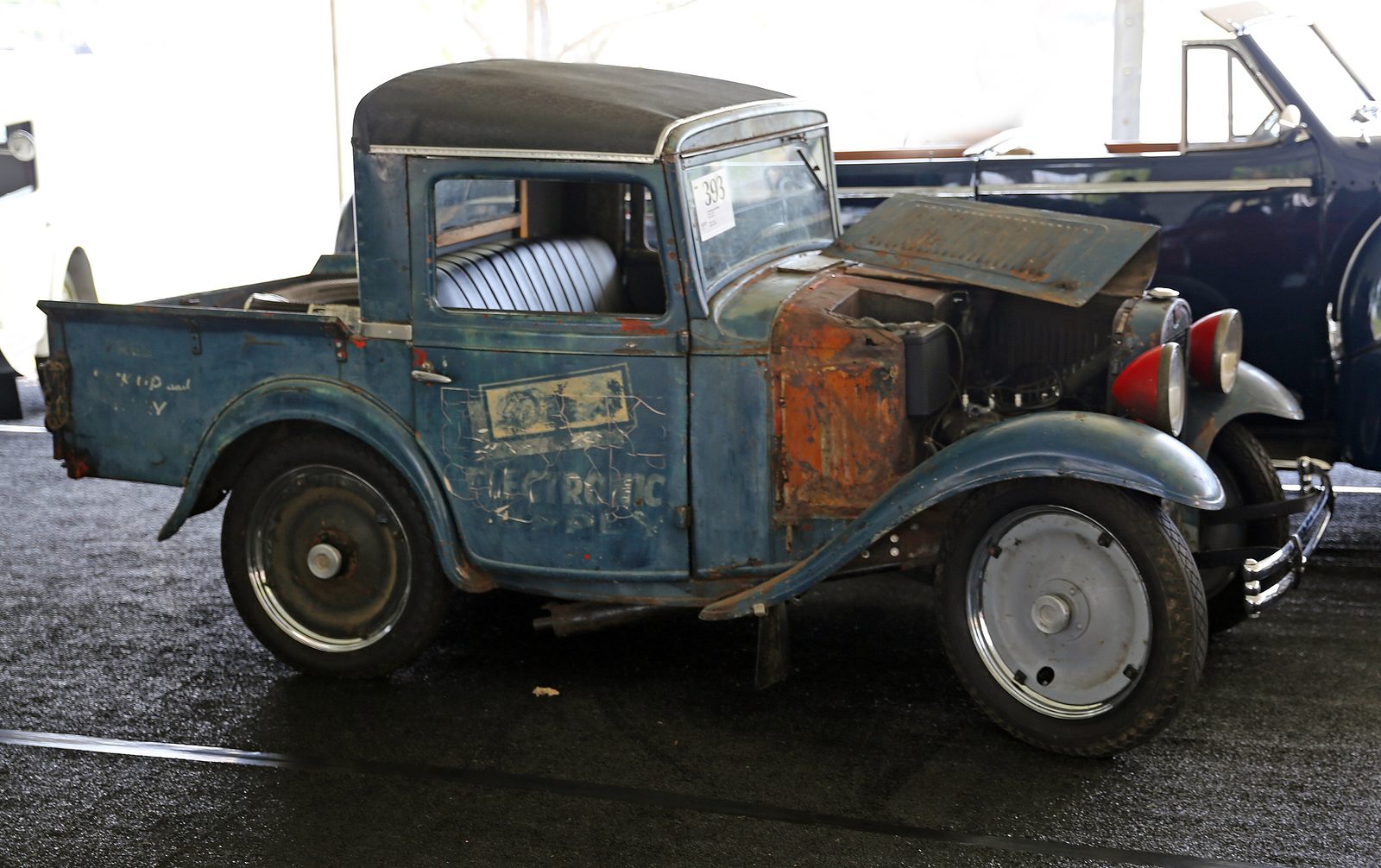
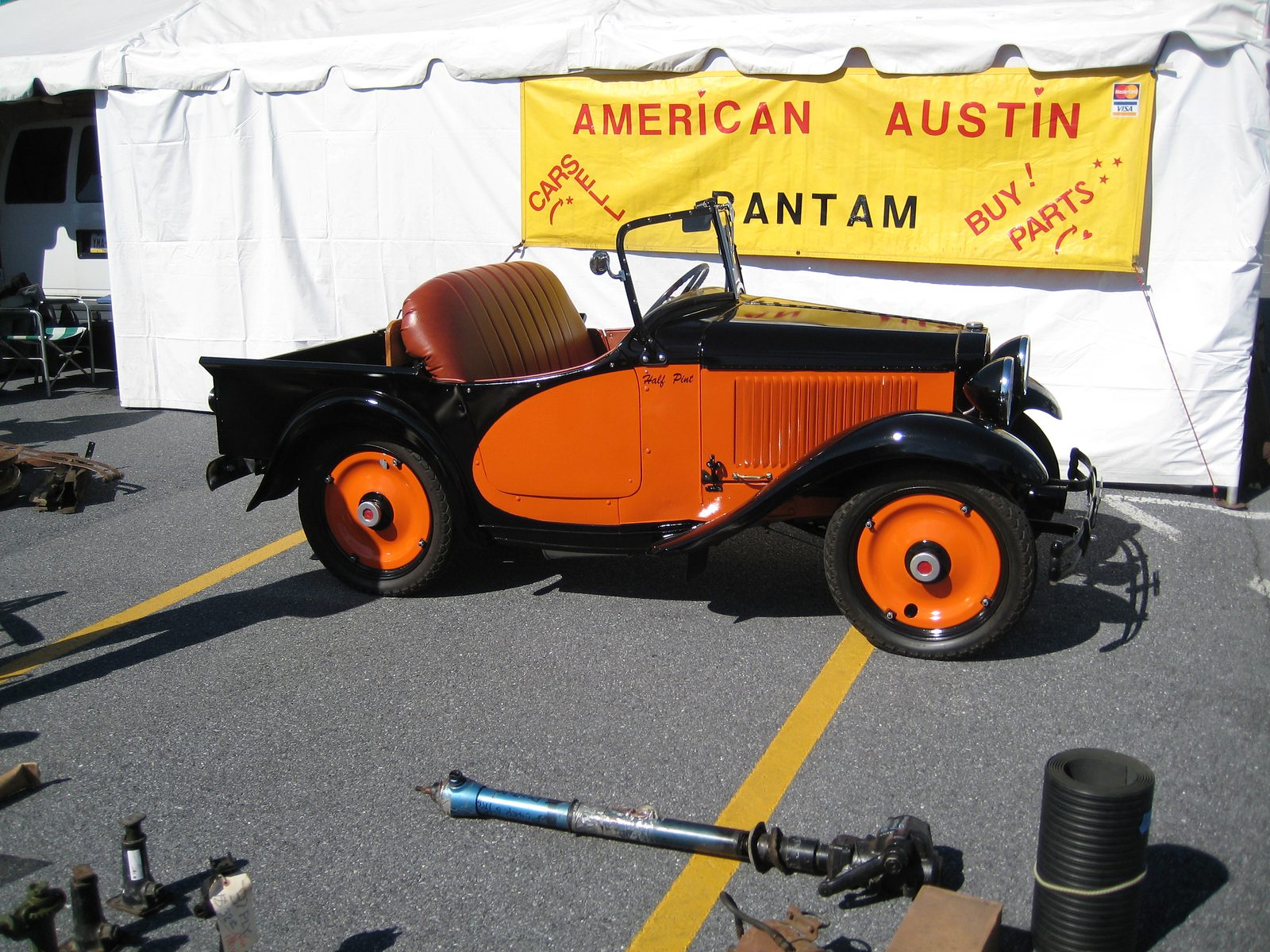
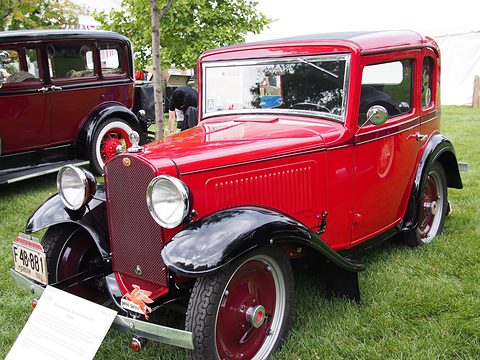
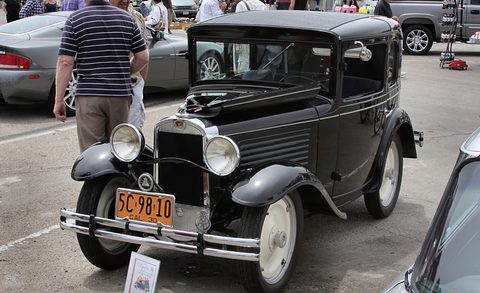
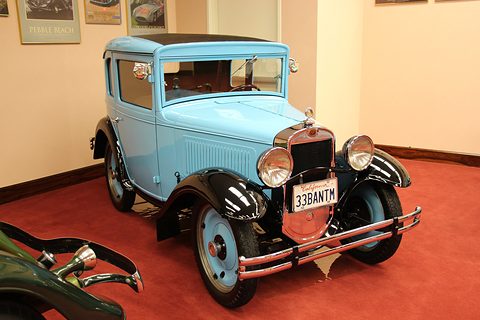
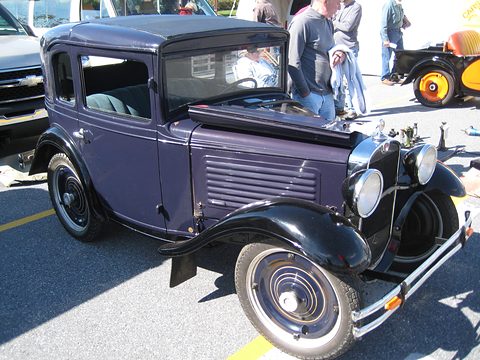
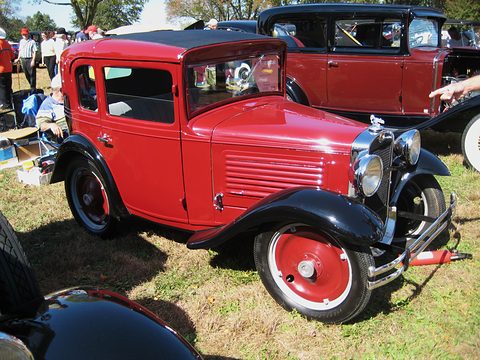
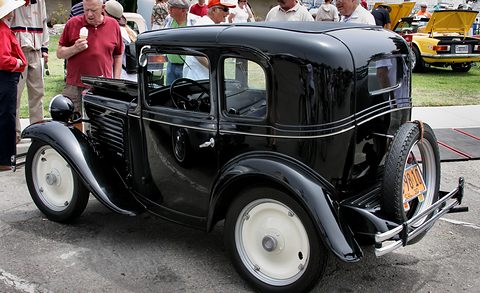
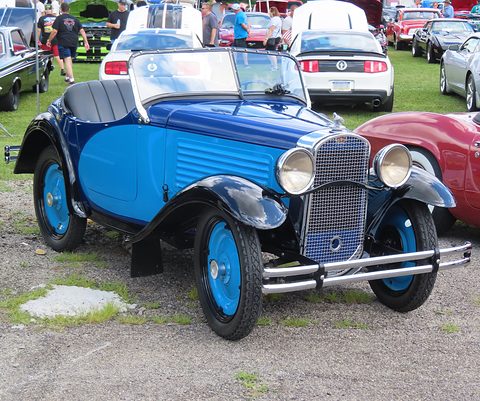
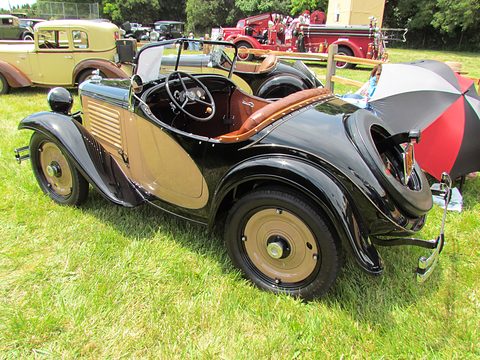
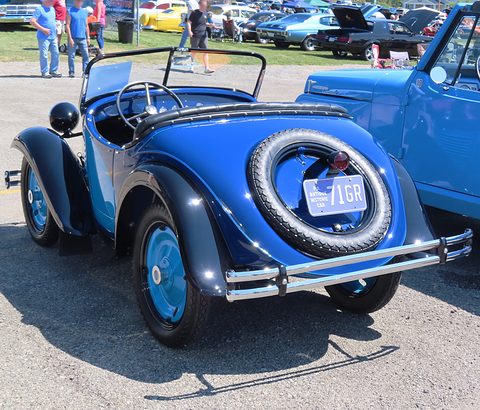
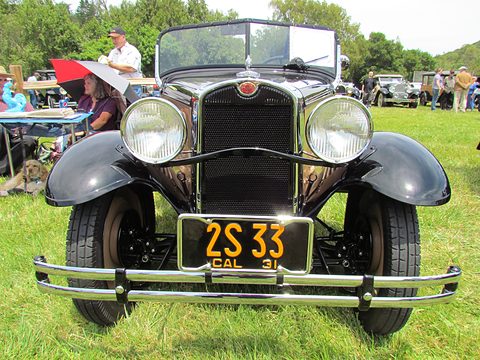
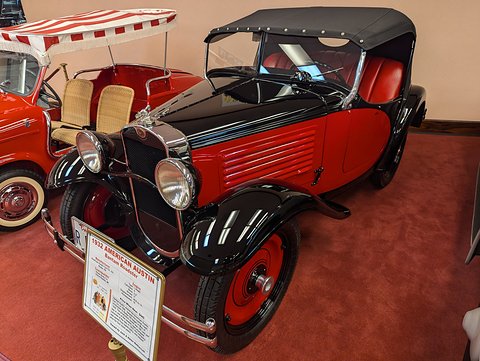
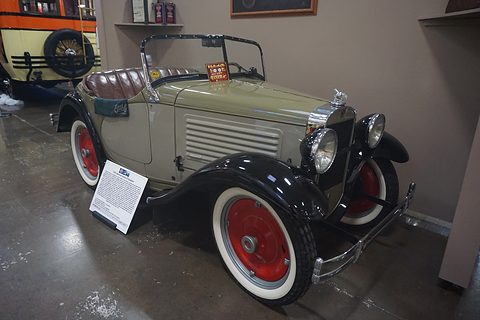
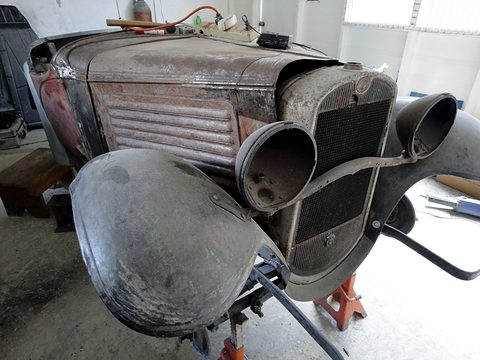
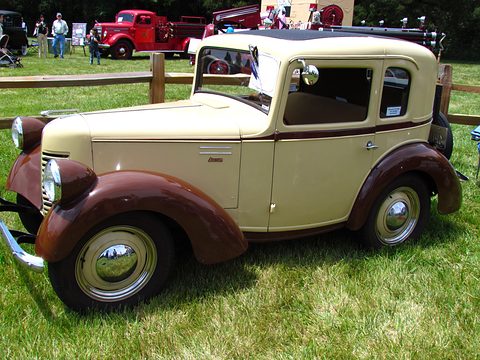
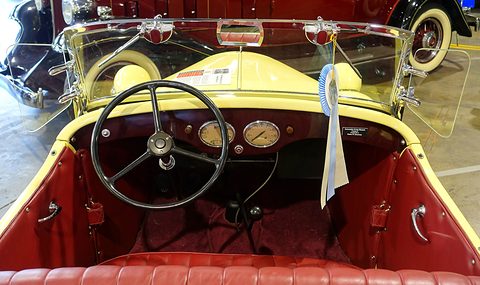
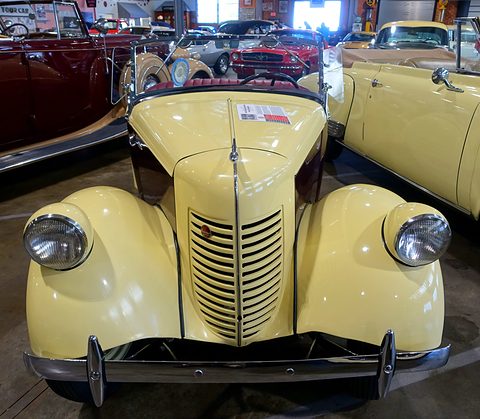
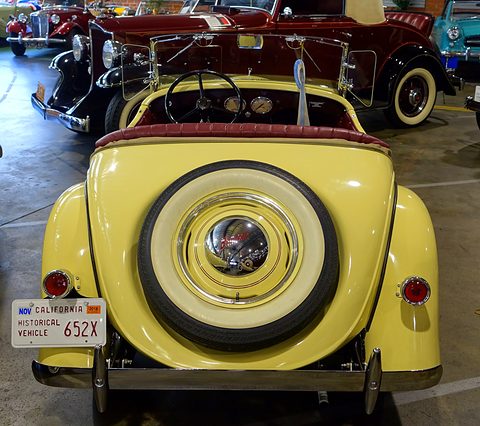
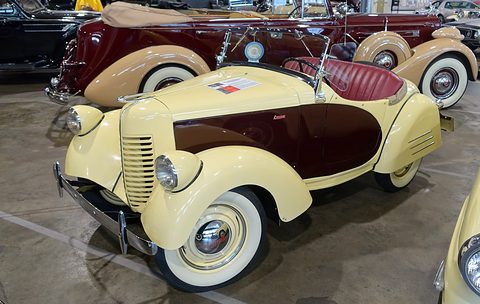
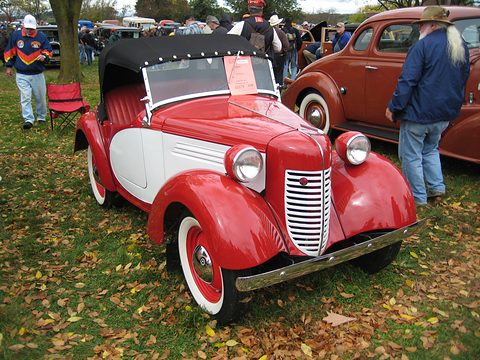
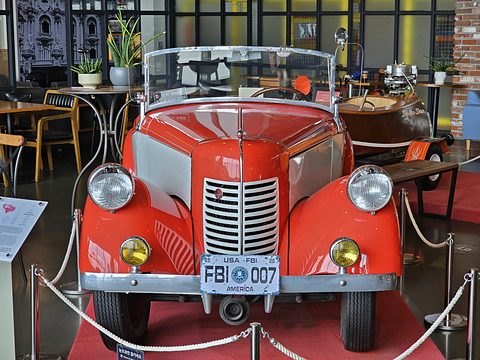
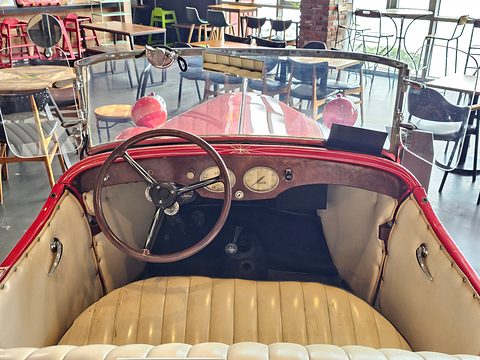
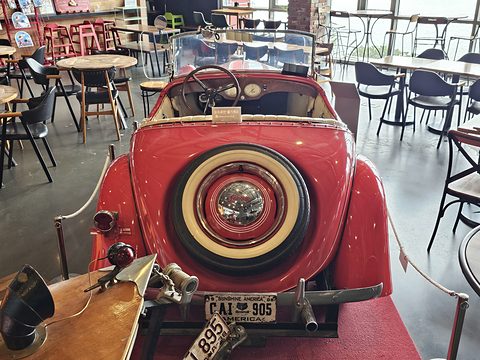
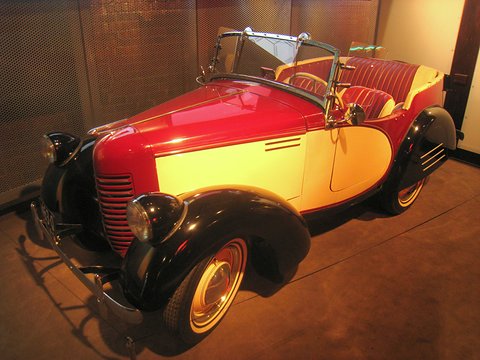
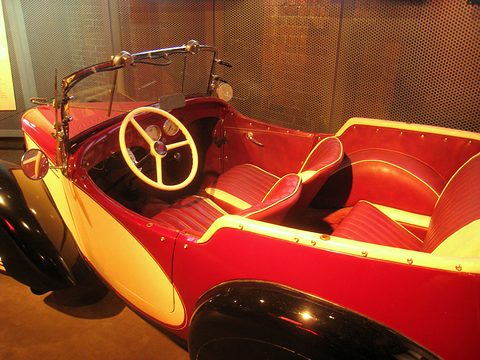
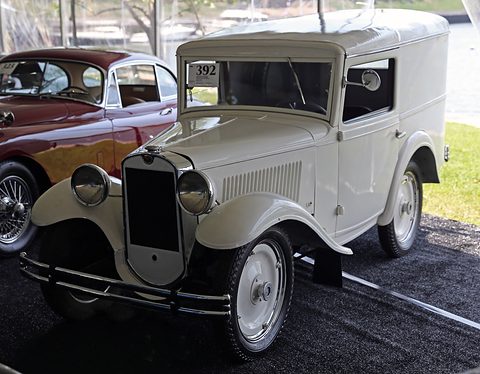
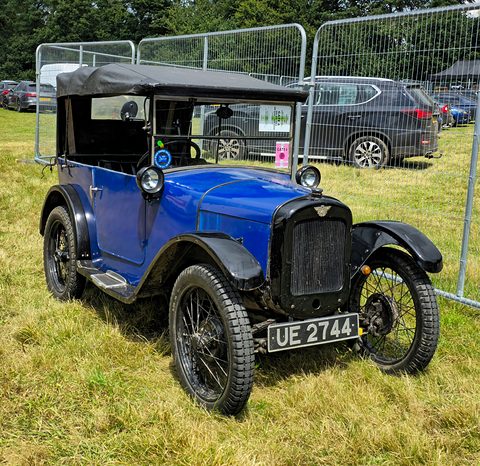
The bodies came from the Hayes Body Company of Detroit, whose art director was Count Alexis de Sakhnoffsky, a Russian who had styled luxury cars such as the Packard 1108 Sport Phaeton.source 4source 1 He gave the Seven horizontal louvres in the bonnet, fixed disc wheels with detachable rims, larger headlamps, bumpers and generous wings, and Foster adds a “sweep panel” borrowed from Duesenberg.source 4source 1 Underneath, The Henry Ford calls it mechanically identical to the British car, but Foster says the engine was built as a mirror image of the British unit, and that the battery under the bonnet was a first for an American car.source 5source 1 The brochures were drawn by the Esquire artist Lawrence Fellows.source 1
It was a small car by any measure, and in America a startling one. The Lane Motor Museum puts it plainly.source 4
16″ narrower and 28″ shorter than any other vehicle built in America at the time
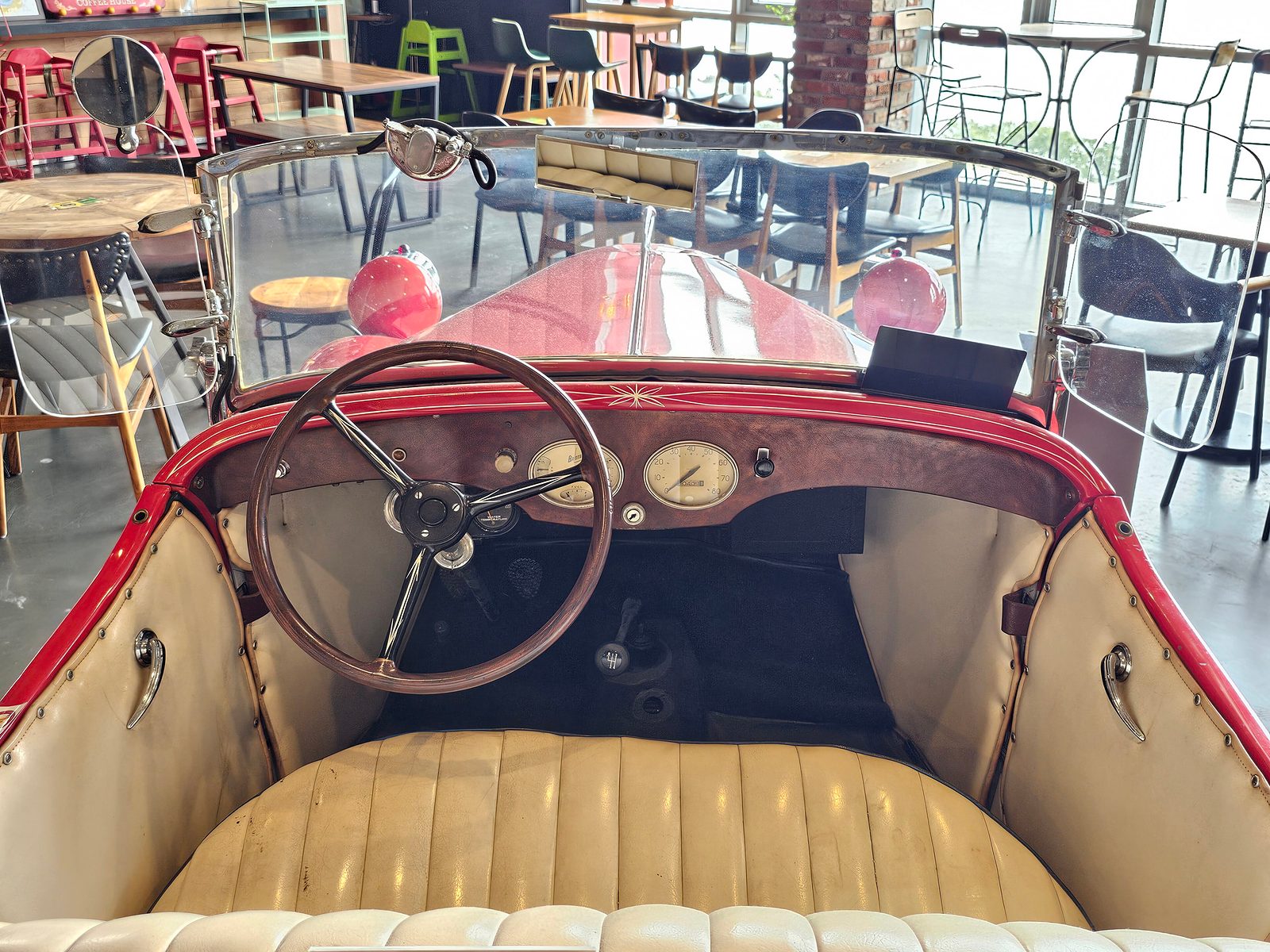
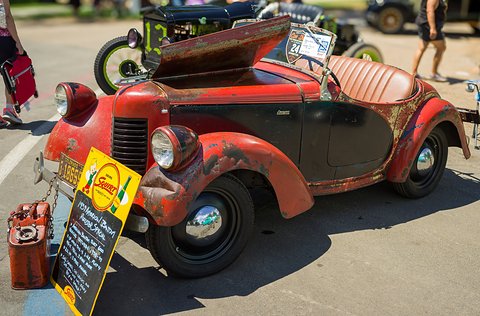
The Henry Ford measures its 1930 roadster at 121.5 in (3,086 mm) long, on the Seven’s 75 in wheelbase.source 5 The 747 cc side-valve four gave 15 hp, about 40 US mpg (5.9 litres per 100 km) and 50 mph (80 km/h).source 4source 2source 3source 6
Boom and bust
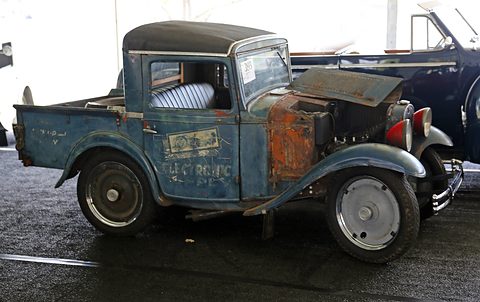
Production began in 1930.source 2source 3 The coupé cost $445, and that was the trouble: the same money would buy a full-size Ford. The Henry Ford says the Austin cost $10 more than a Ford roadster, English Wikipedia slightly less than a Ford V8 roadster, and the Lane museum gives $475 against the Model A’s $435.source 5source 2source 4 A reputed 184,000 orders were taken; German Wikipedia says the company had expected to build 100,000 a year.source 1source 3 By the end of 1930 it had delivered 8,558, or sold 8,448 by English Wikipedia’s count.source 4source 3source 1source 2 Cheap petrol cancelled the economy, and Americans preferred big cars.source 4 In 1931 only 1,279 were built, and the company went into receivership.source 2source 1
Reuben O. Gill was made president and general manager. In 1932 Butler built 3,846 cars, and 80 per cent of them went to Roy Evans, a Florida dealer, who cleared some for as little as $275.source 2source 1 There were 4,726 in 1933 and 1,057 in 1934, and production stopped on 1 December 1934 by English Wikipedia, while German Wikipedia says the company was dissolved that June.source 2source 3 About 20,000 had been built.source 4source 2
The Bantam
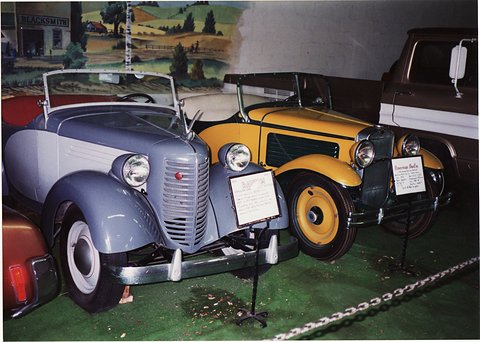
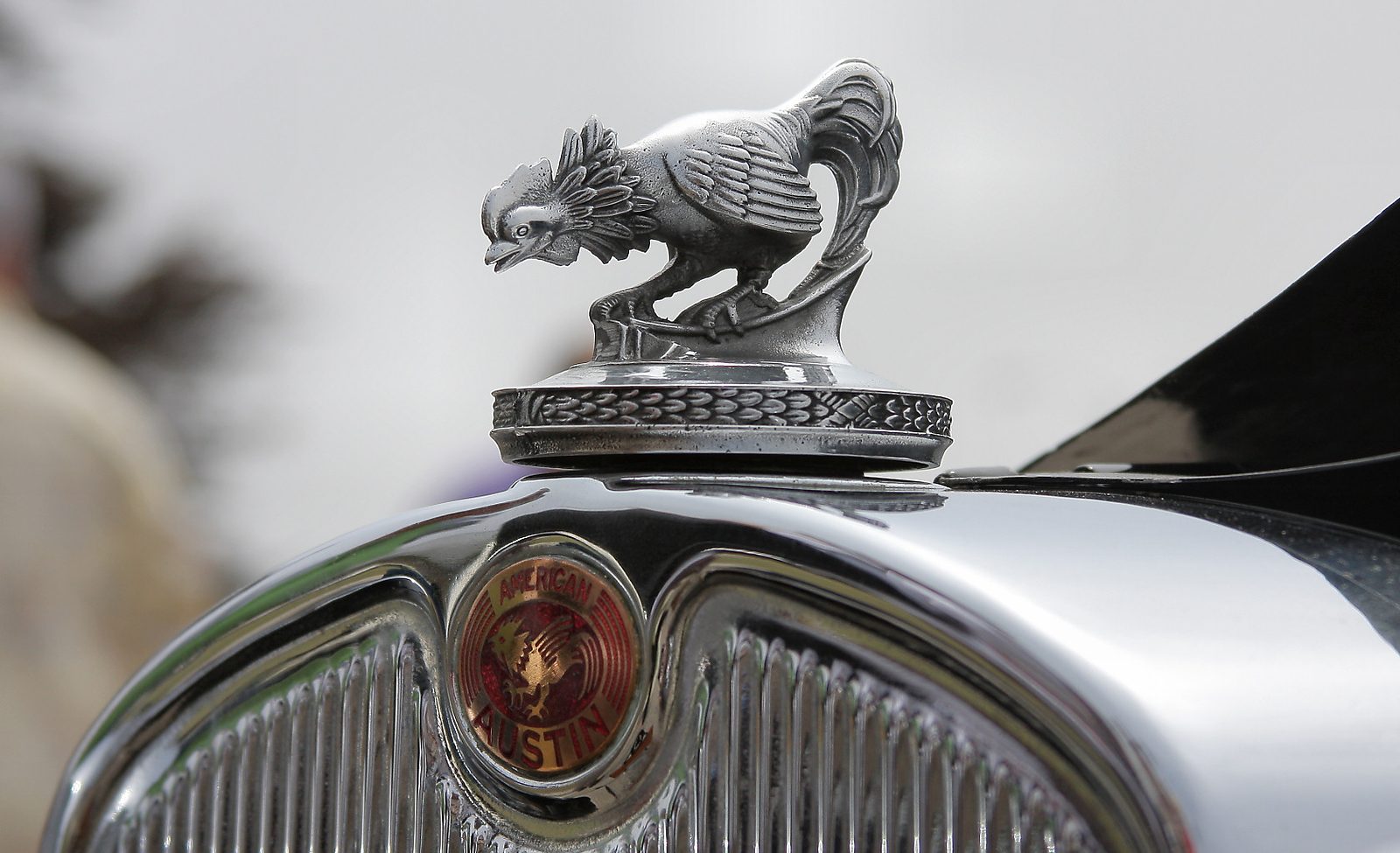
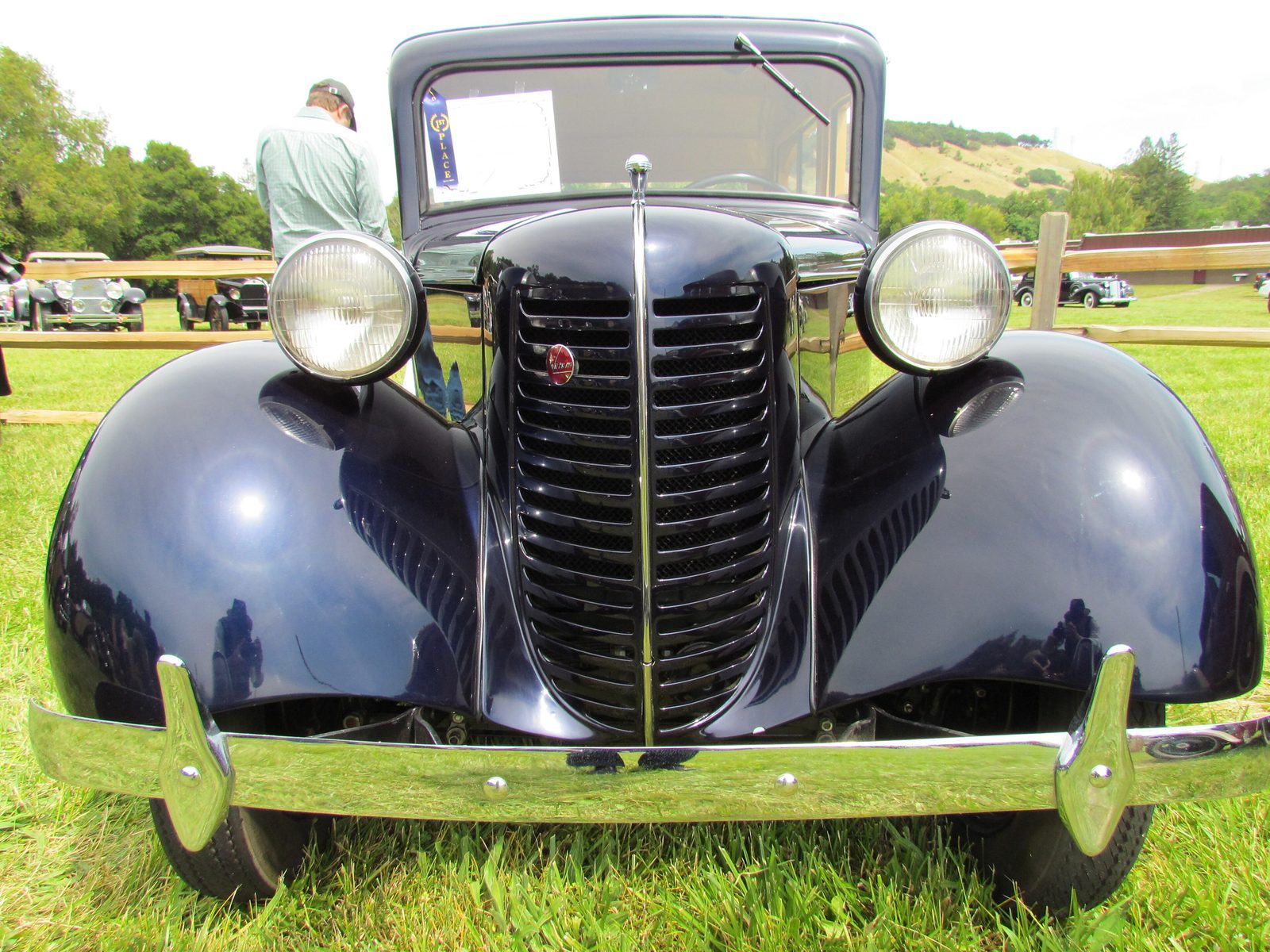
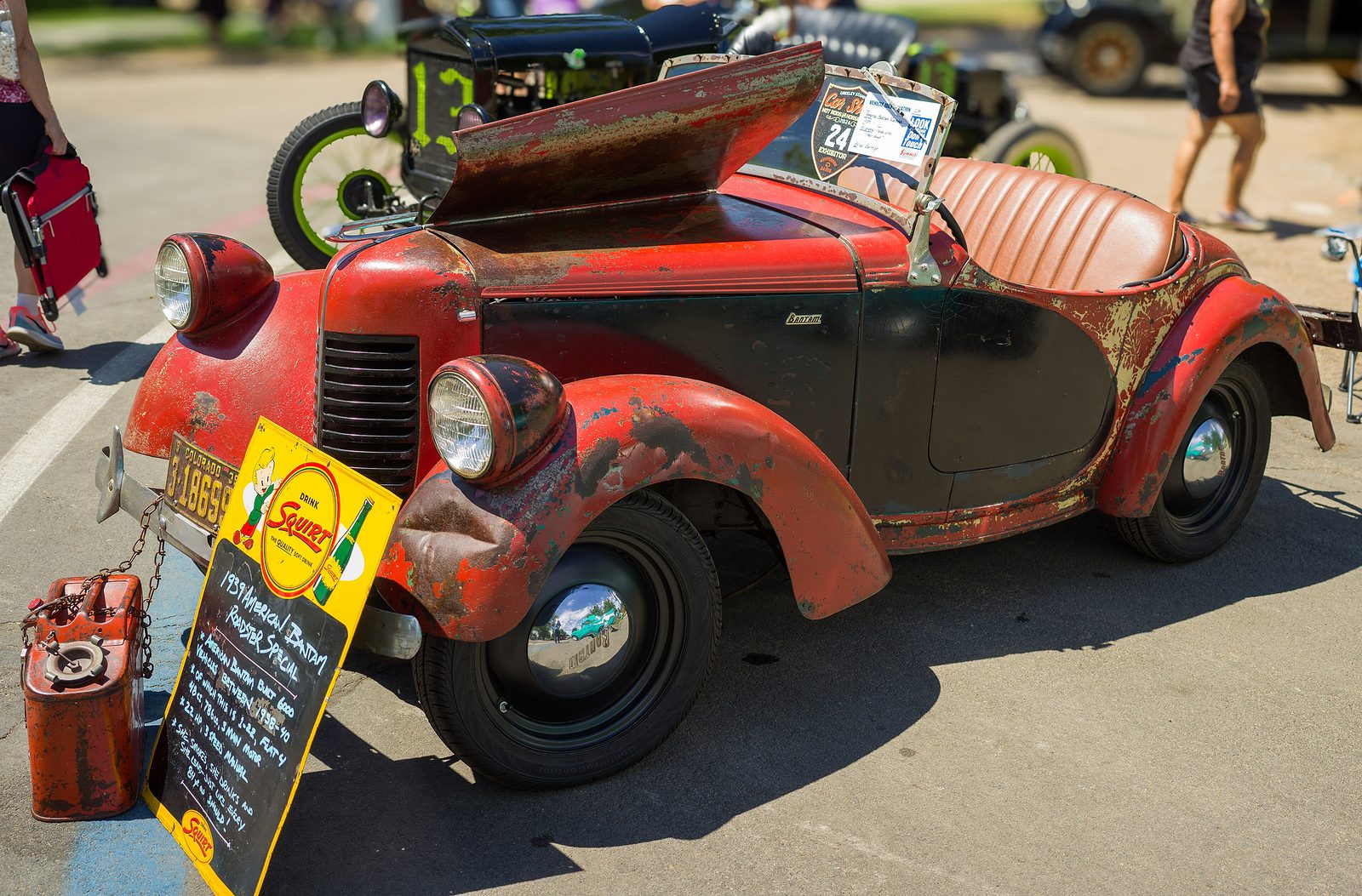
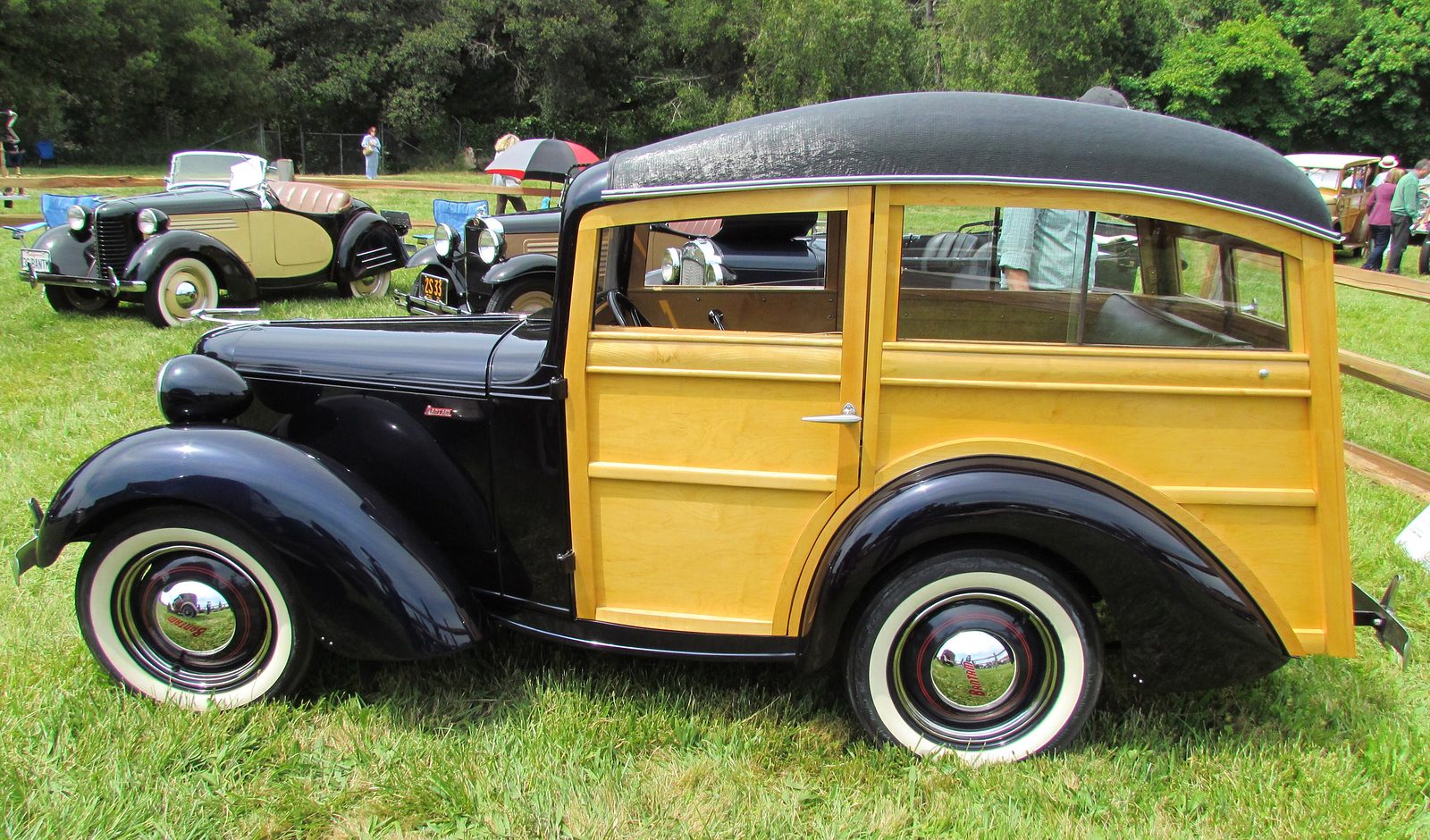
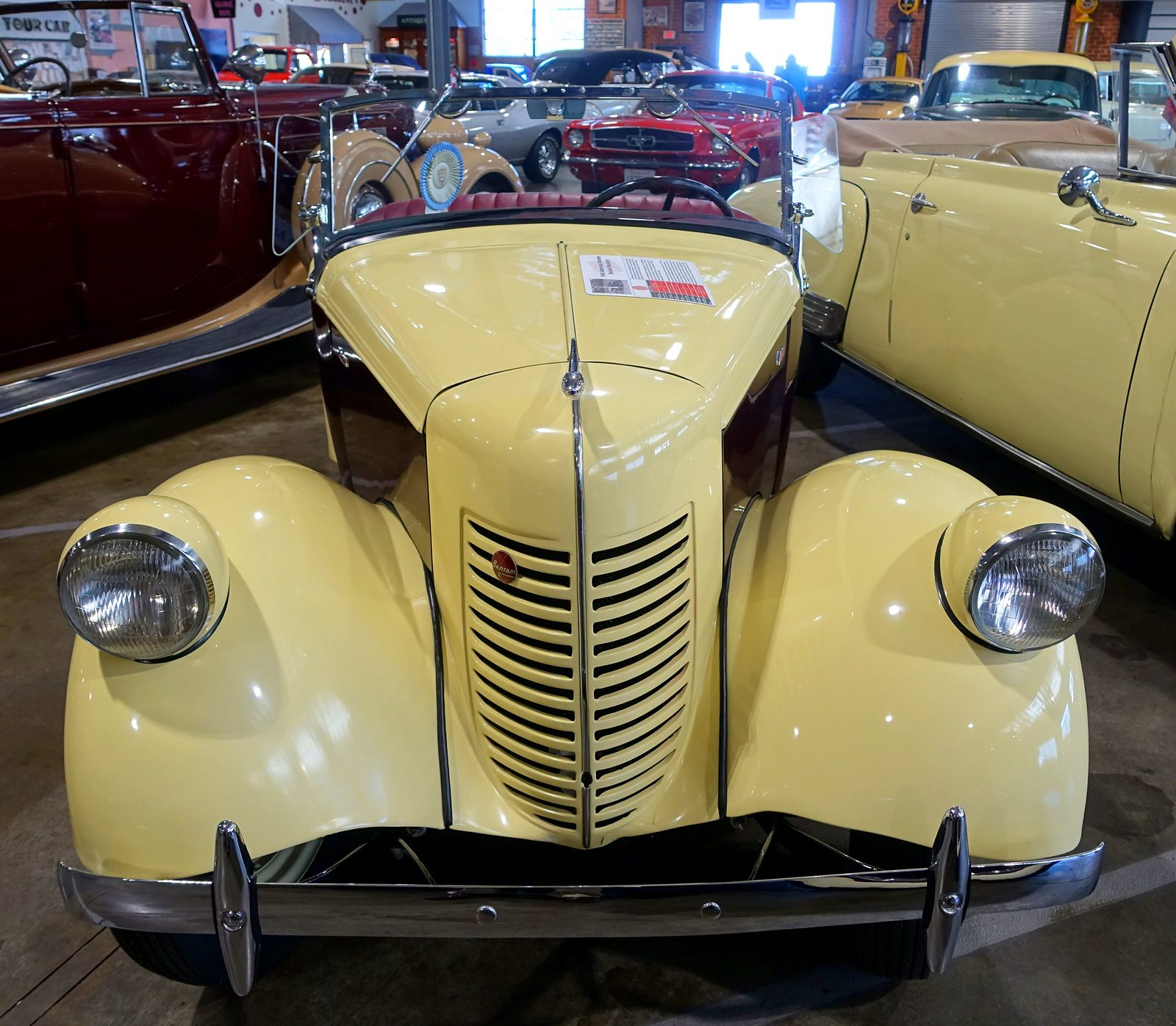
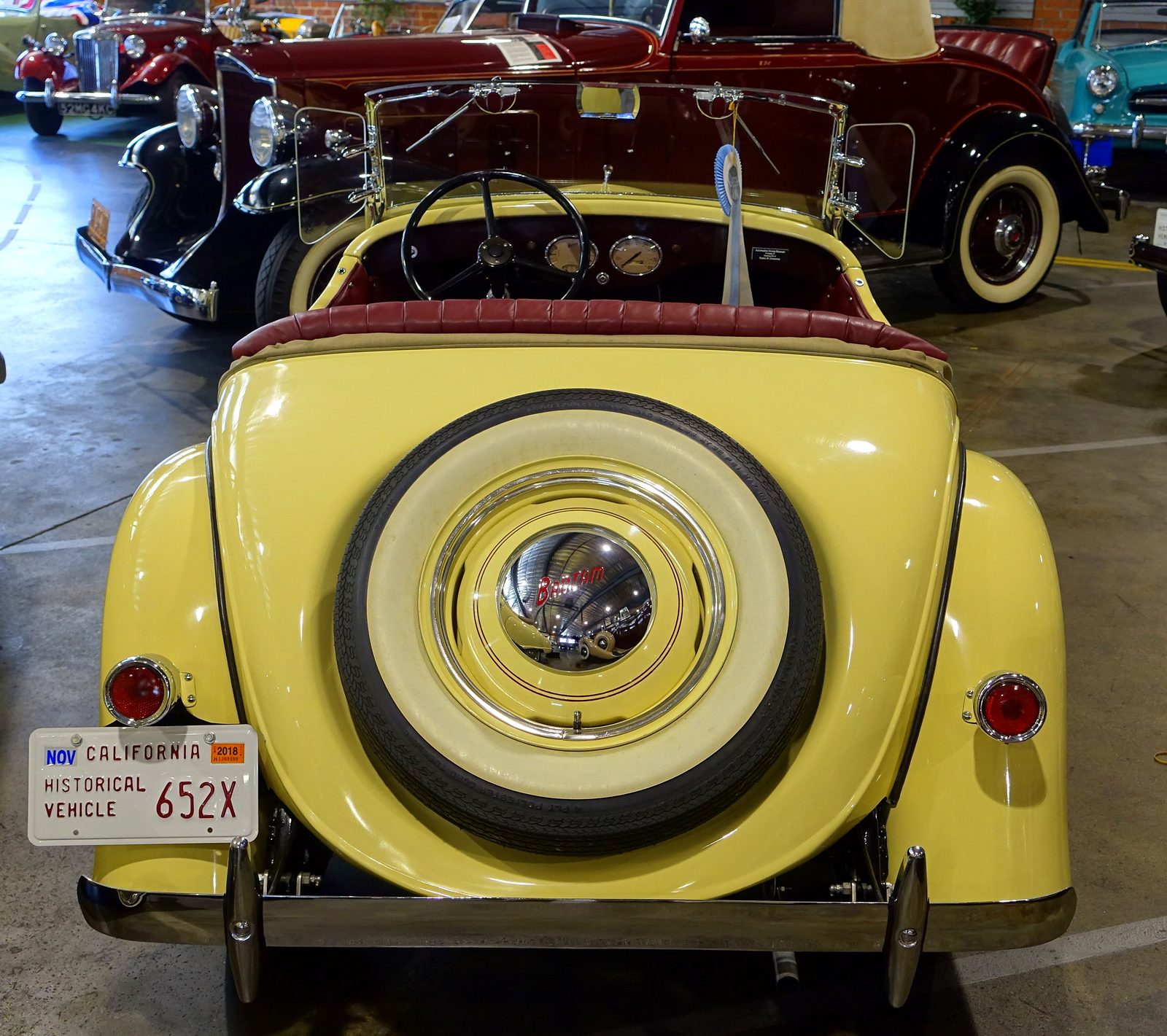
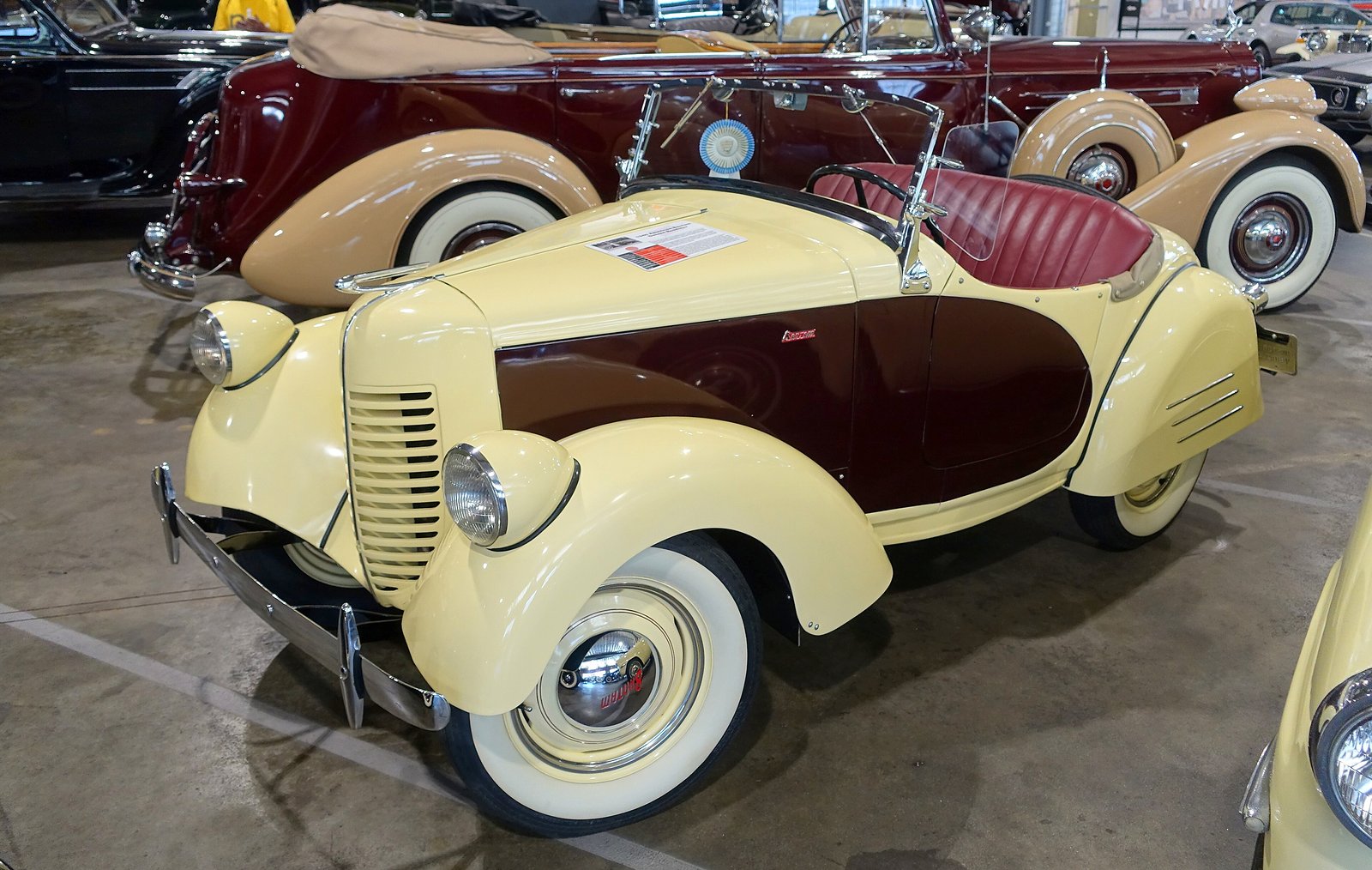
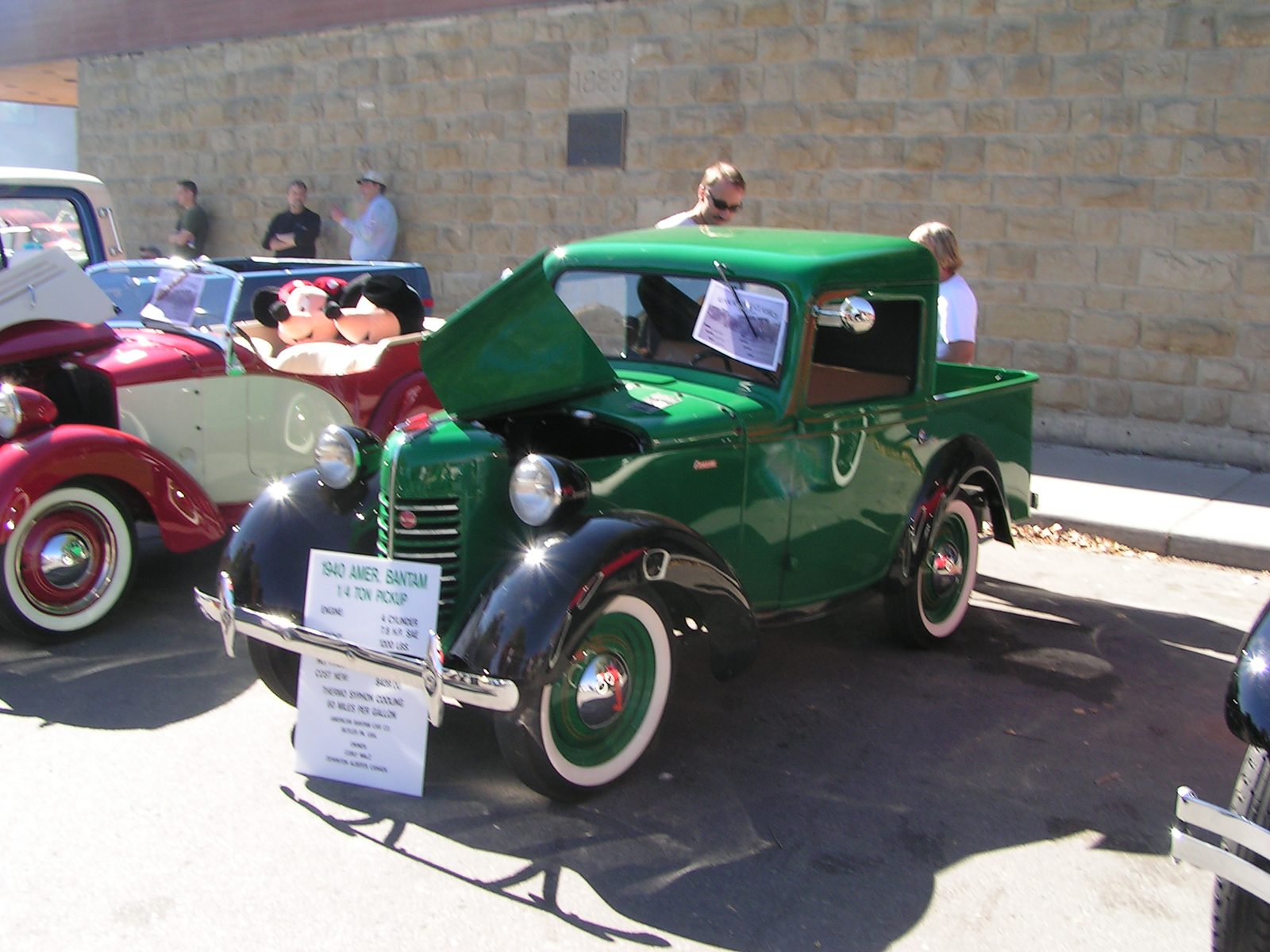
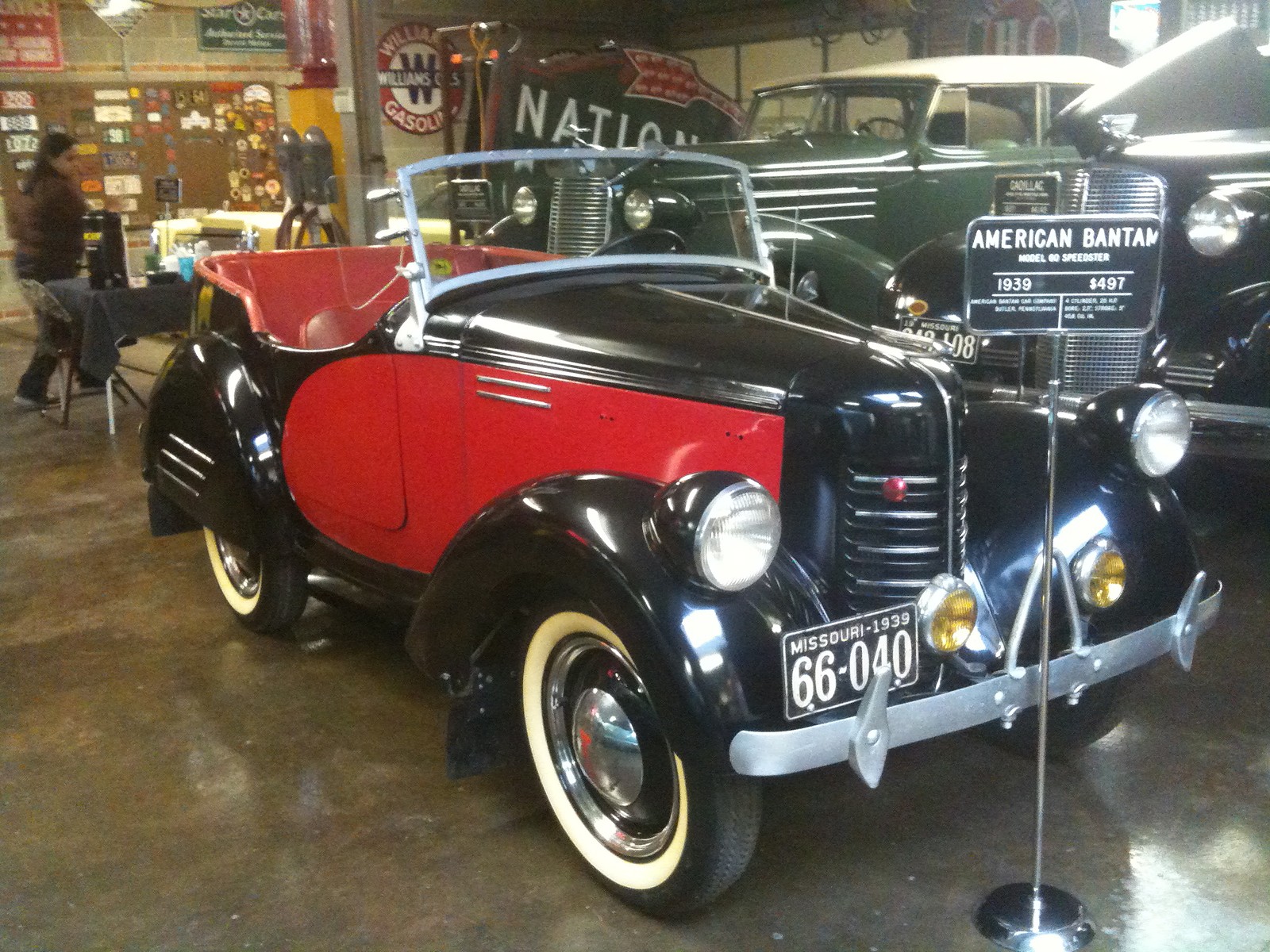
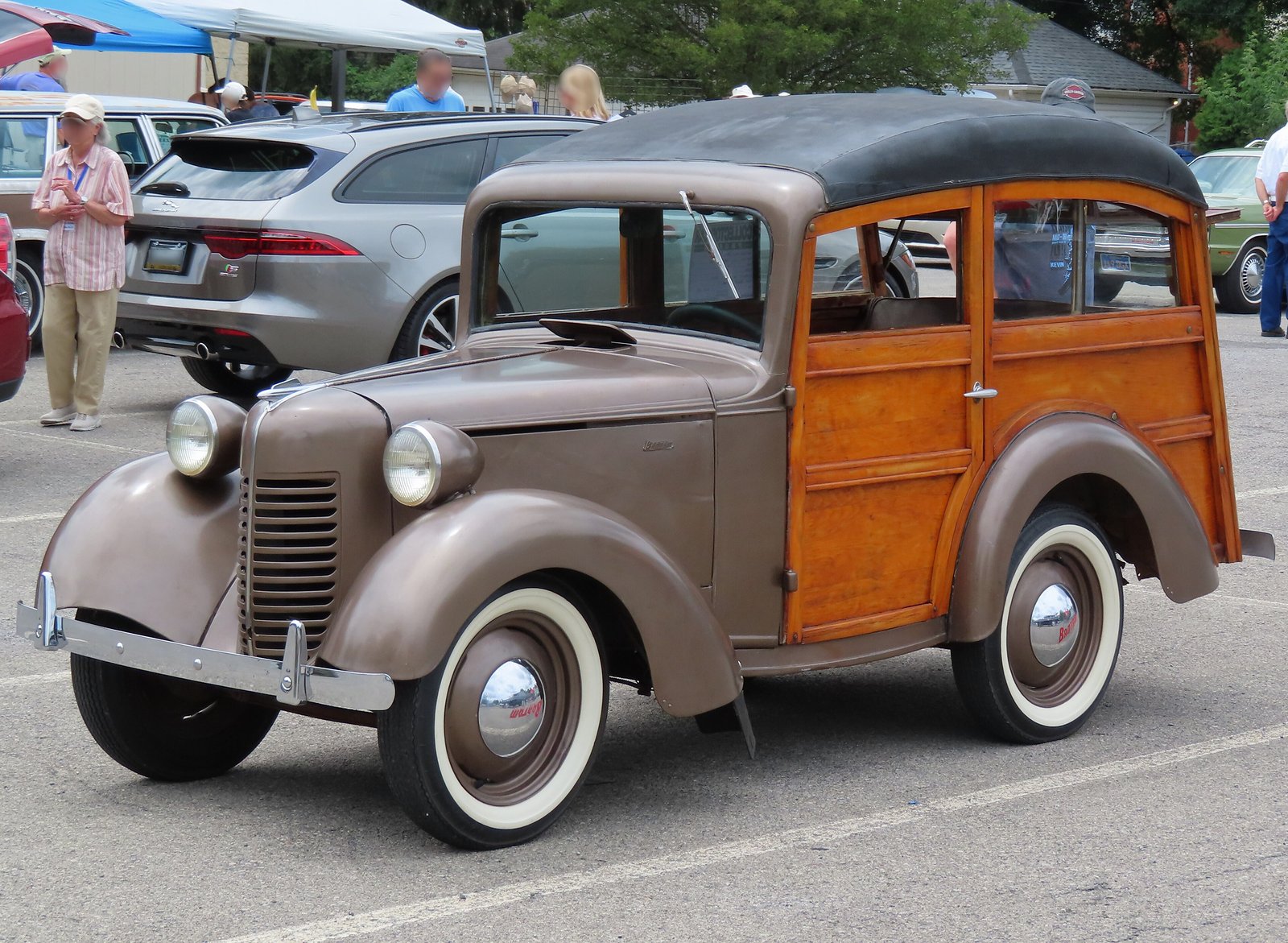
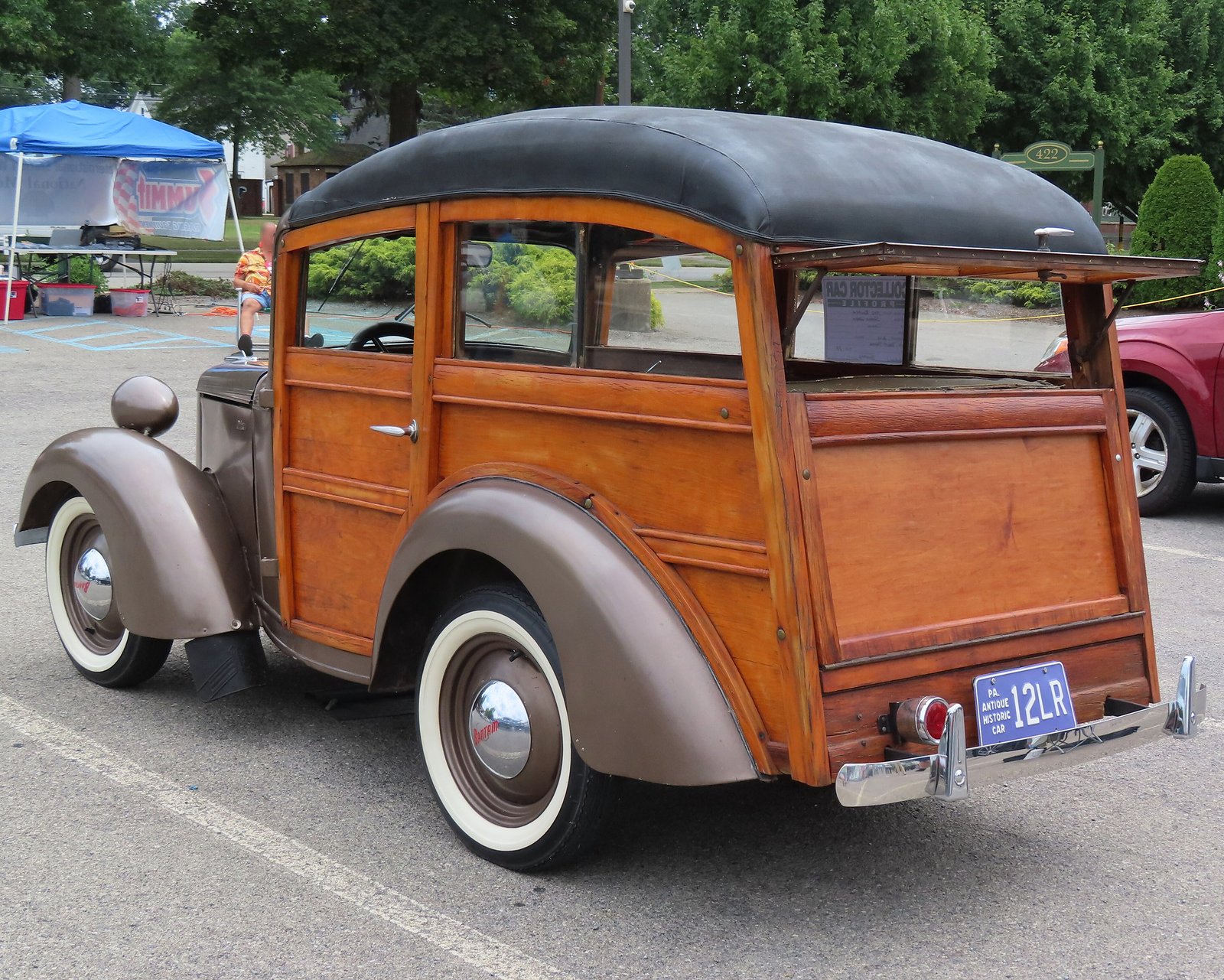
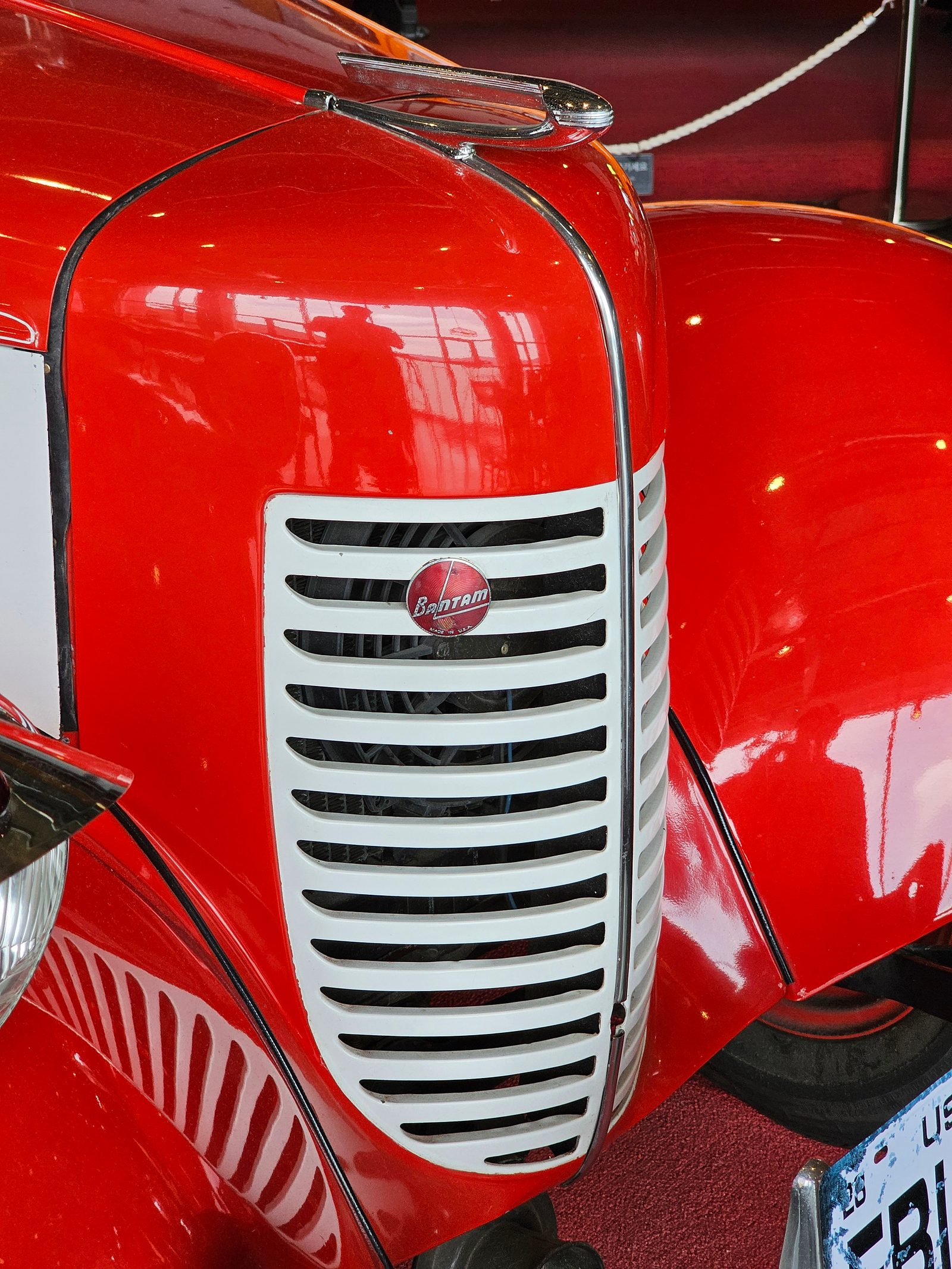
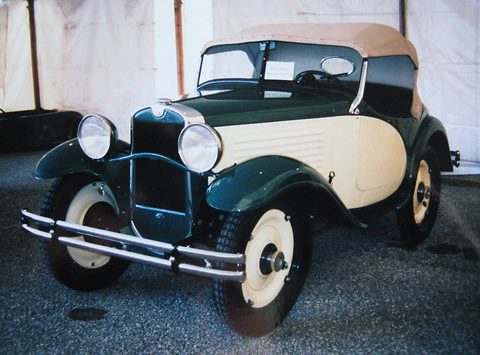
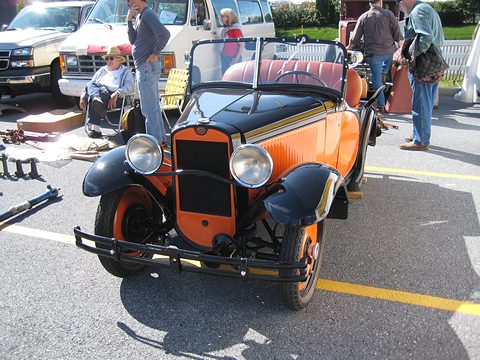
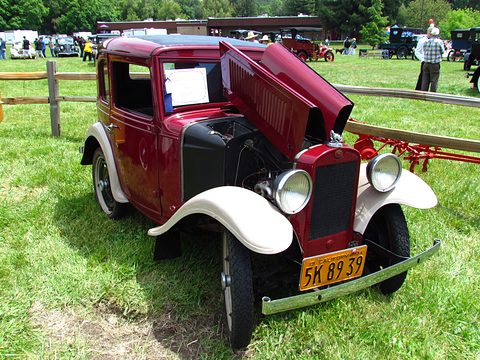
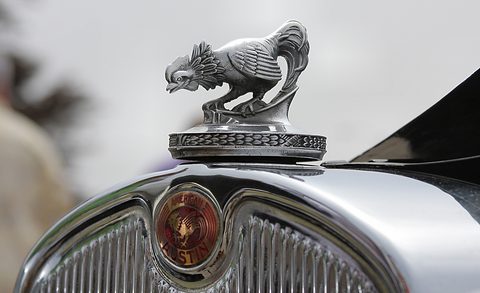
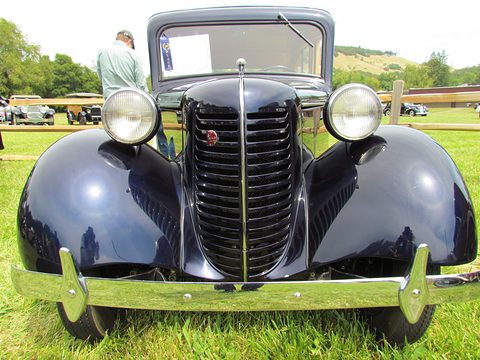
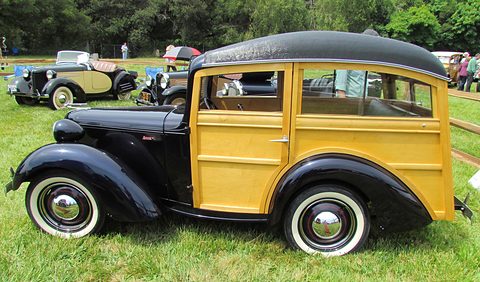
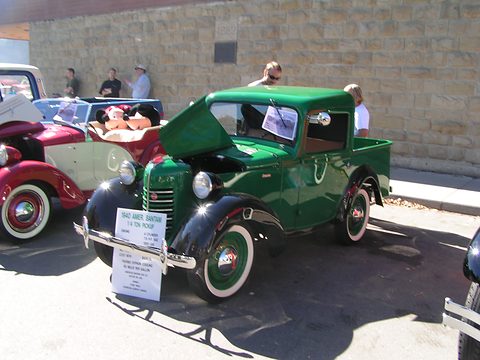
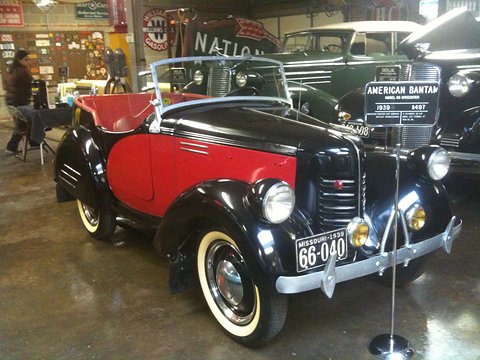
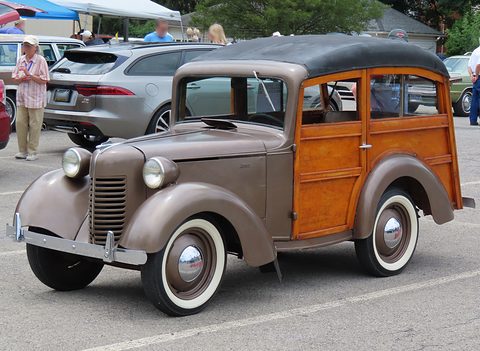
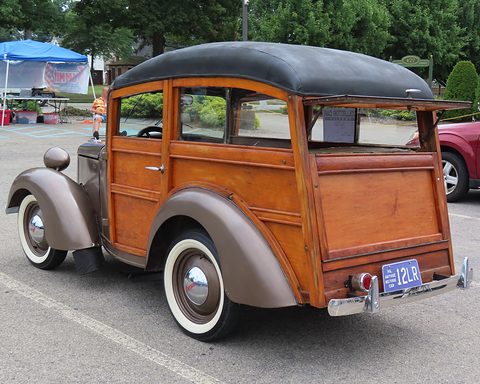
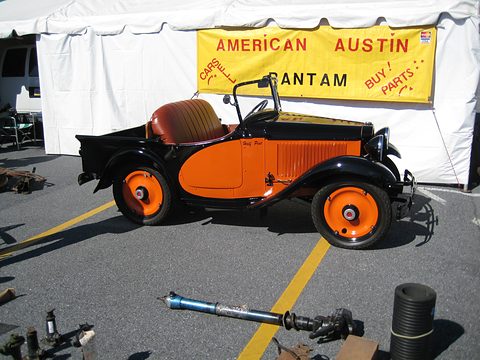
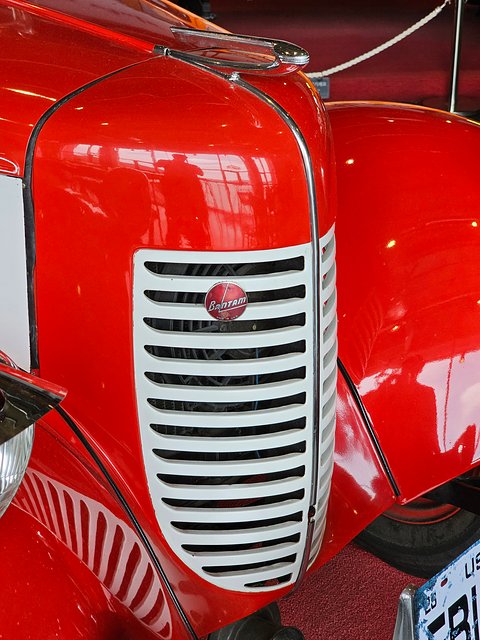
On 21 August 1935 Evans bought what was left, for $5,000 in cash and $214,099.83 of debts, and in June 1936 the American Bantam Car Company was incorporated.source 2source 3 Bantams were built from mid-1937. They were restyled, with the headlamps in the wings and a rooster mascot, and the engine was reworked with an aluminium inlet system and head, 7:1 compression and better bearings, for 20 hp at 4,000 rpm, which English Wikipedia calls 50 per cent up on the Austin.source 1source 7 The Model 60 came as a roadster, coupé, convertible and four-seat Speedster, with the Riviera, the Hollywood, the Boulevard Delivery and a station wagon besides. In 1938 Bantam sold it as the better buy, and in 1939 prices ran from $399 to $565.source 1source 7 About 6,000 Bantams of all kinds were made.source 1source 7
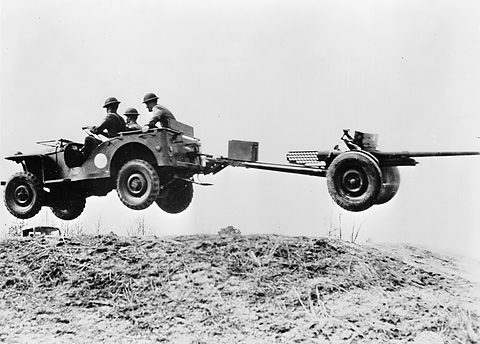
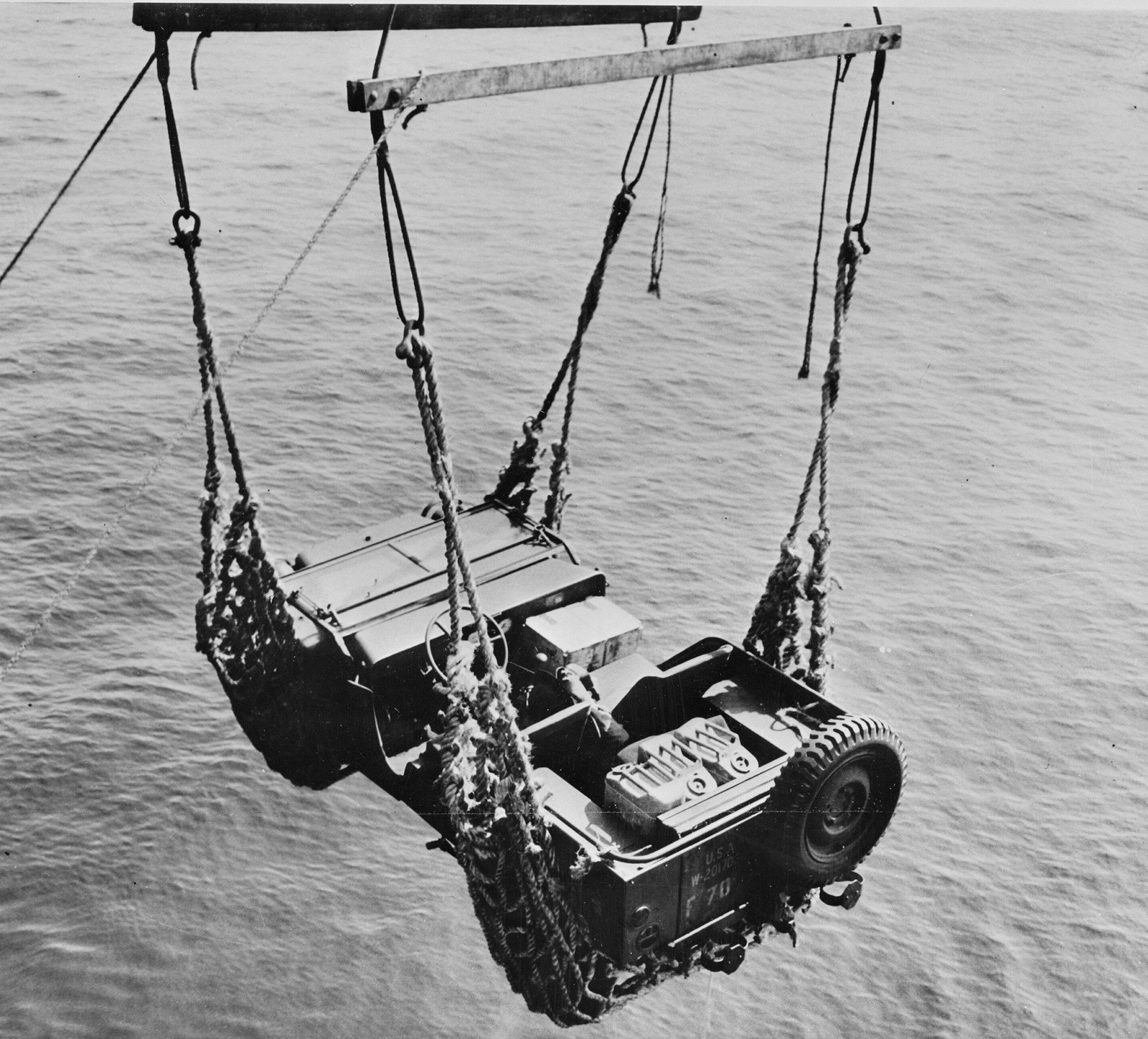
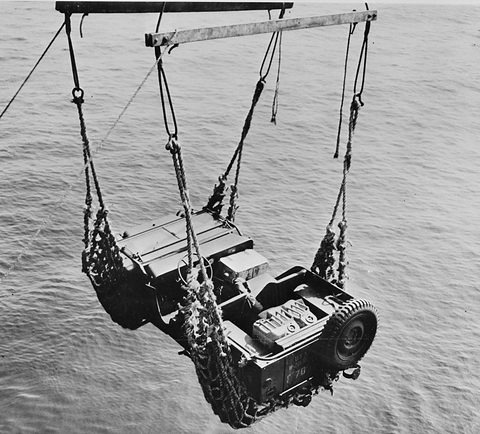
Bantam’s best-known work came last. In 1940 the US Army called for a light reconnaissance car, and the chief engineer Harold Crist and the freelance designer Karl Probst drew Bantam’s answer; the prototype was delivered to Camp Holabird, Maryland, on 23 September 1940. It was the first jeep. Bantam built 2,675 of them up to 1943, more than half for Britain and some for the Soviet Union, but lost the large contracts to Willys and Ford, and turned to military trailers. Car-making was formally halted on 18 August 1943, and the American Rolling Mill Company took the firm over in 1956.source 7source 1