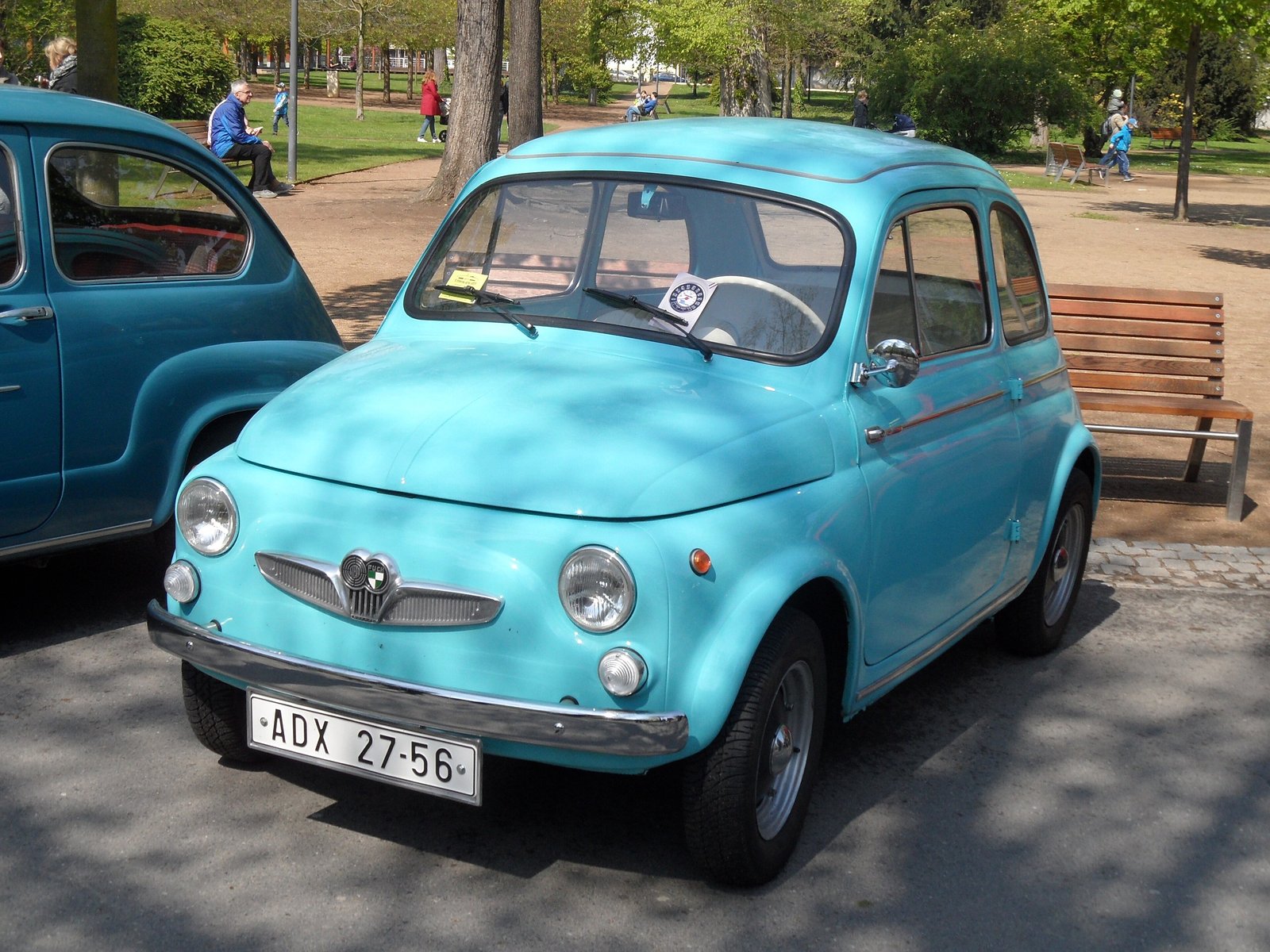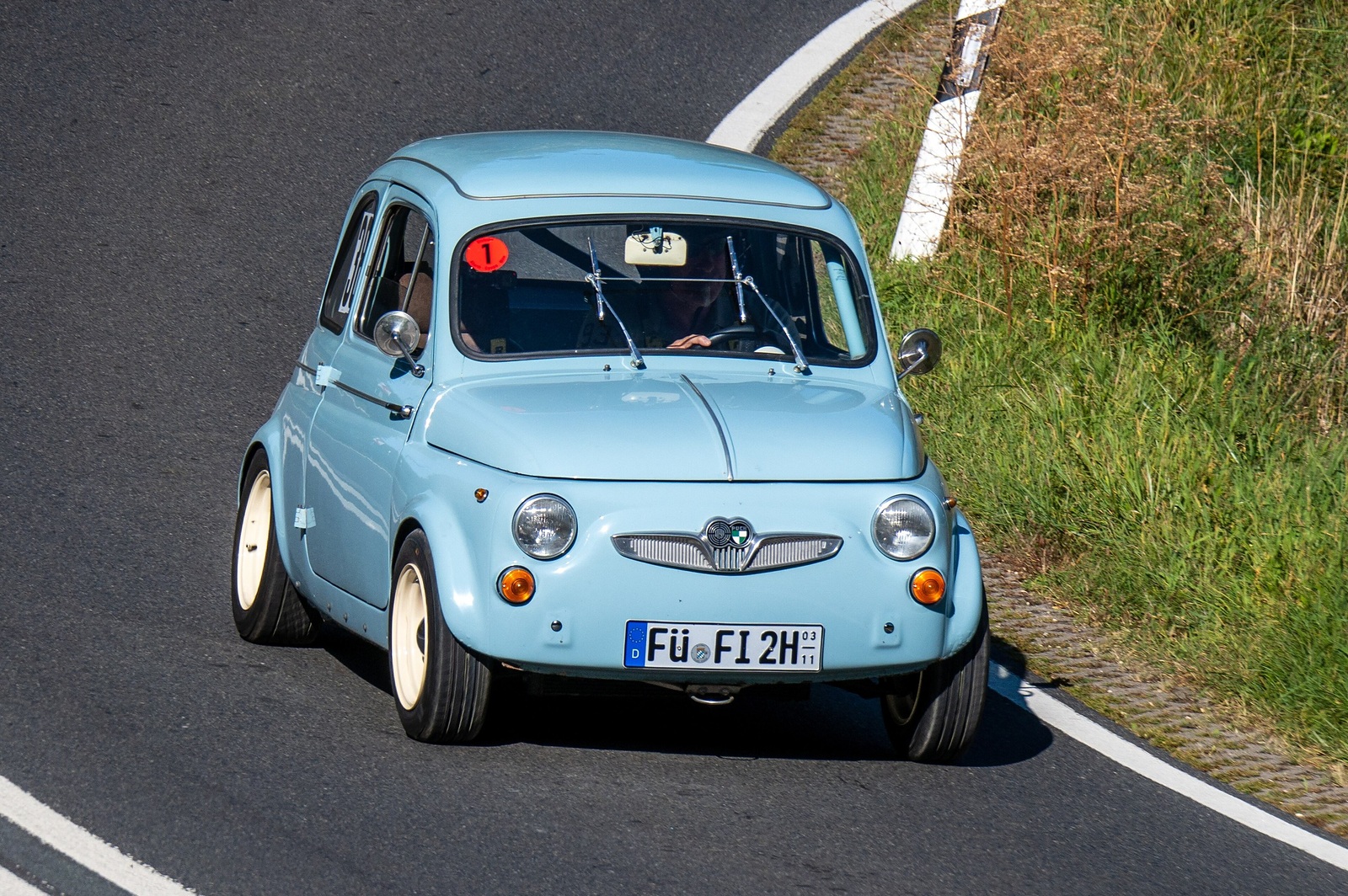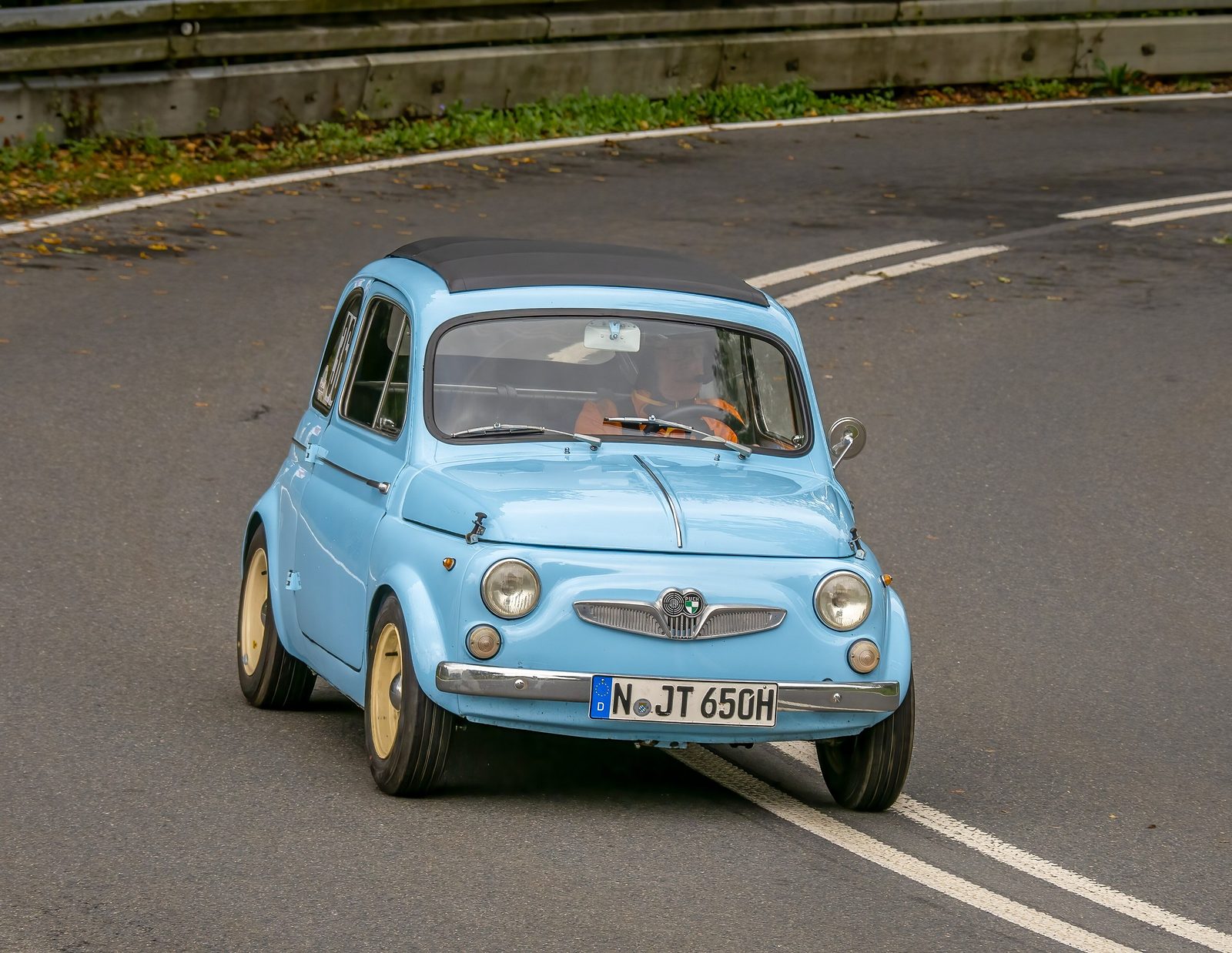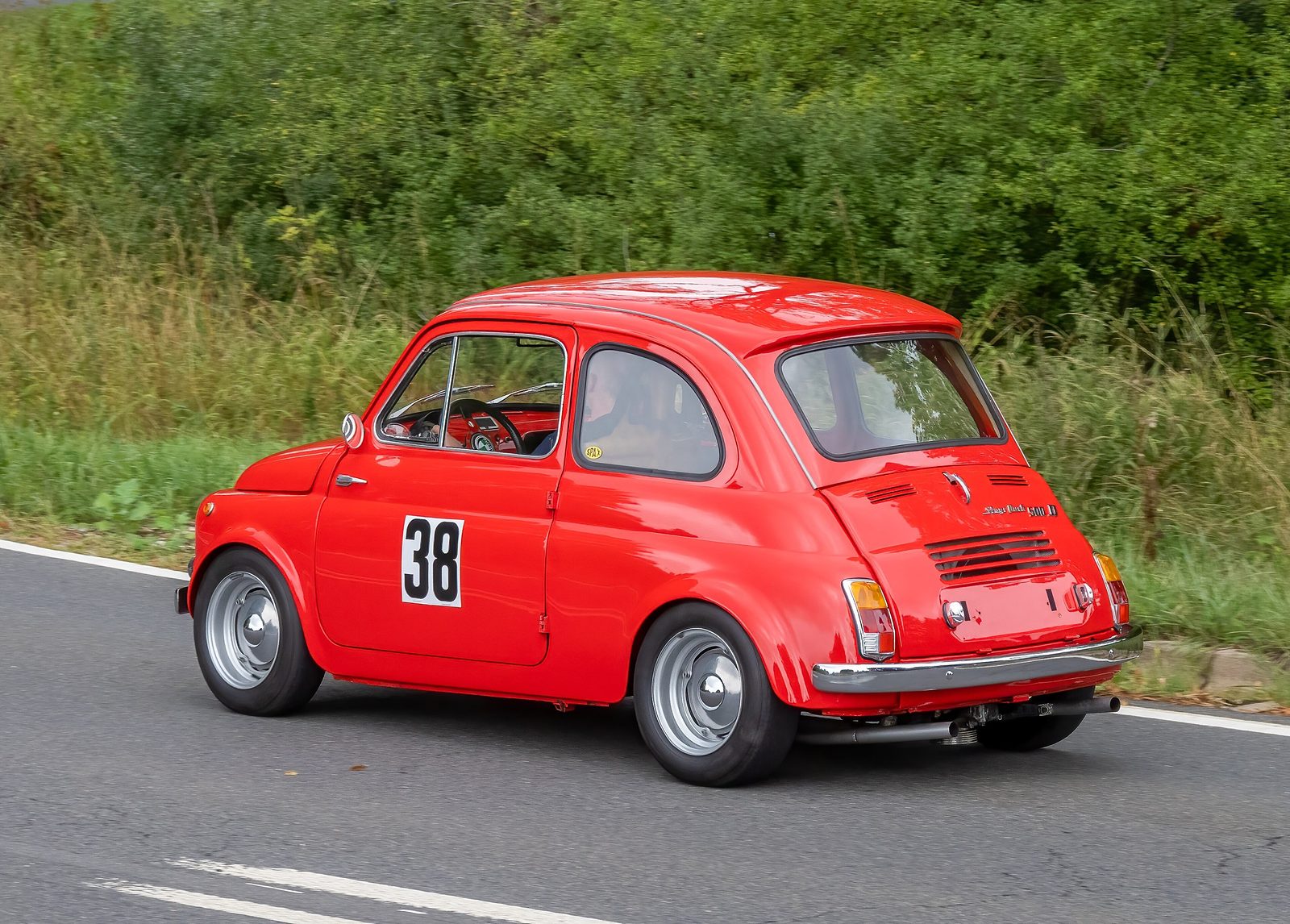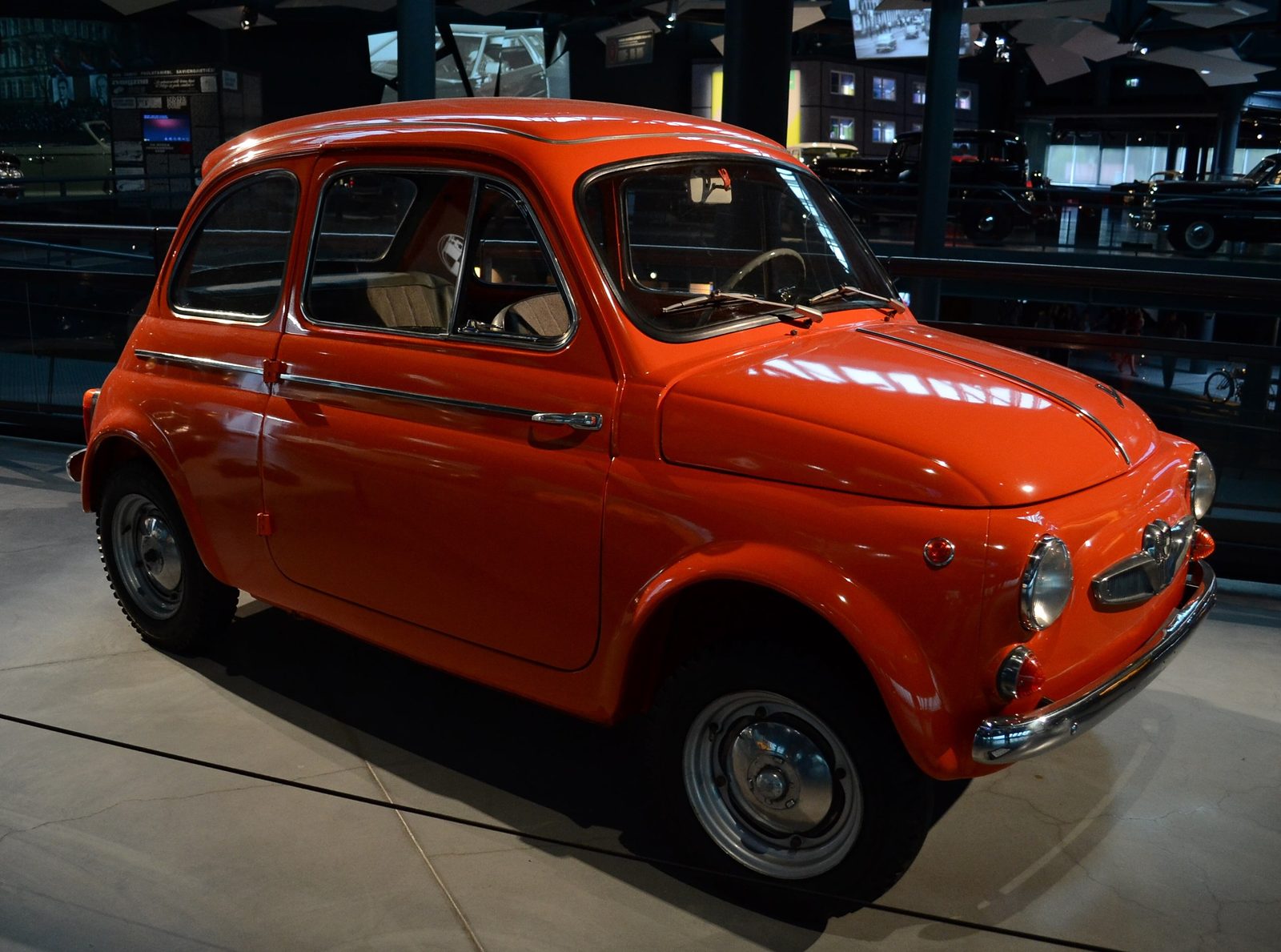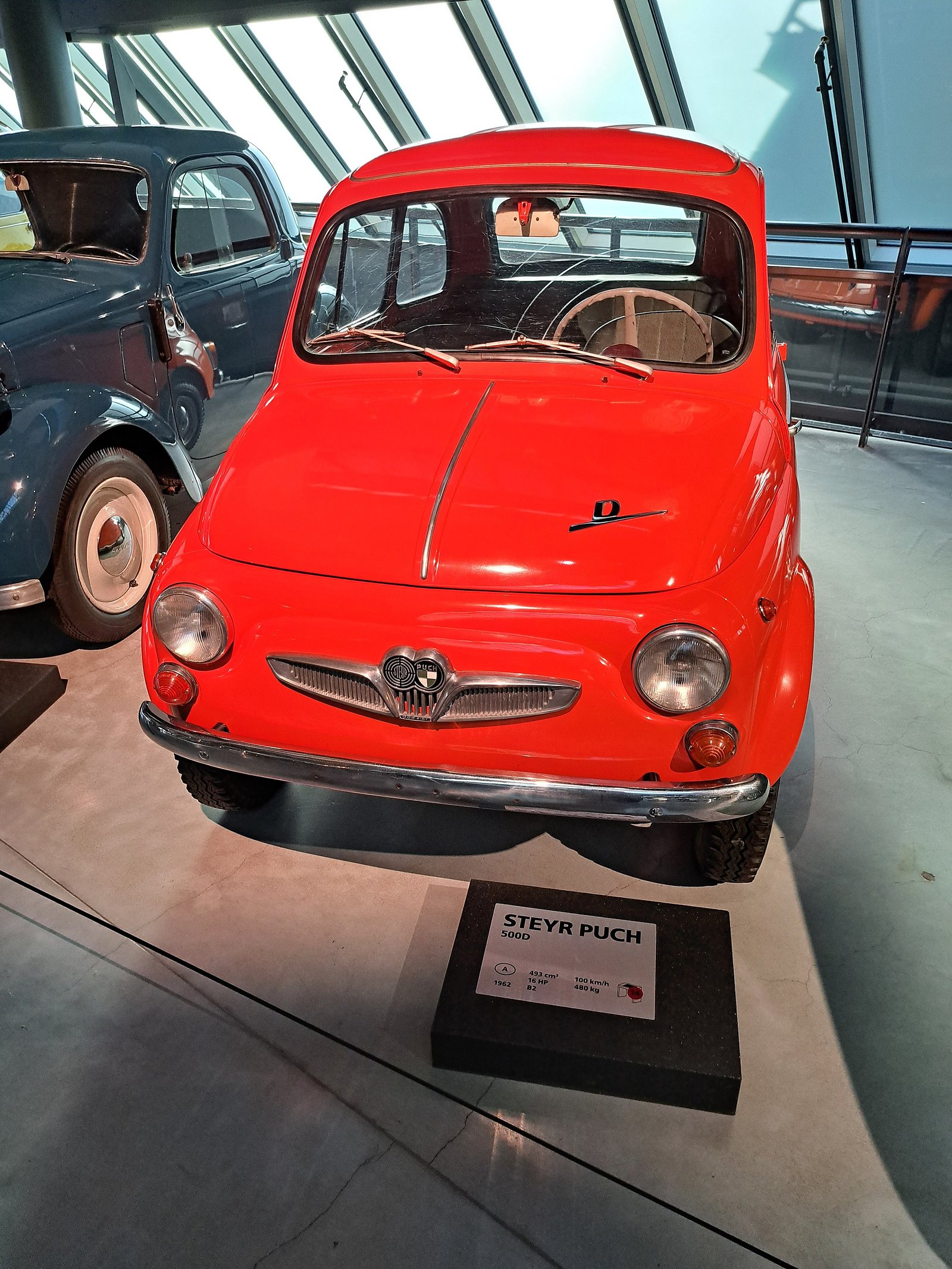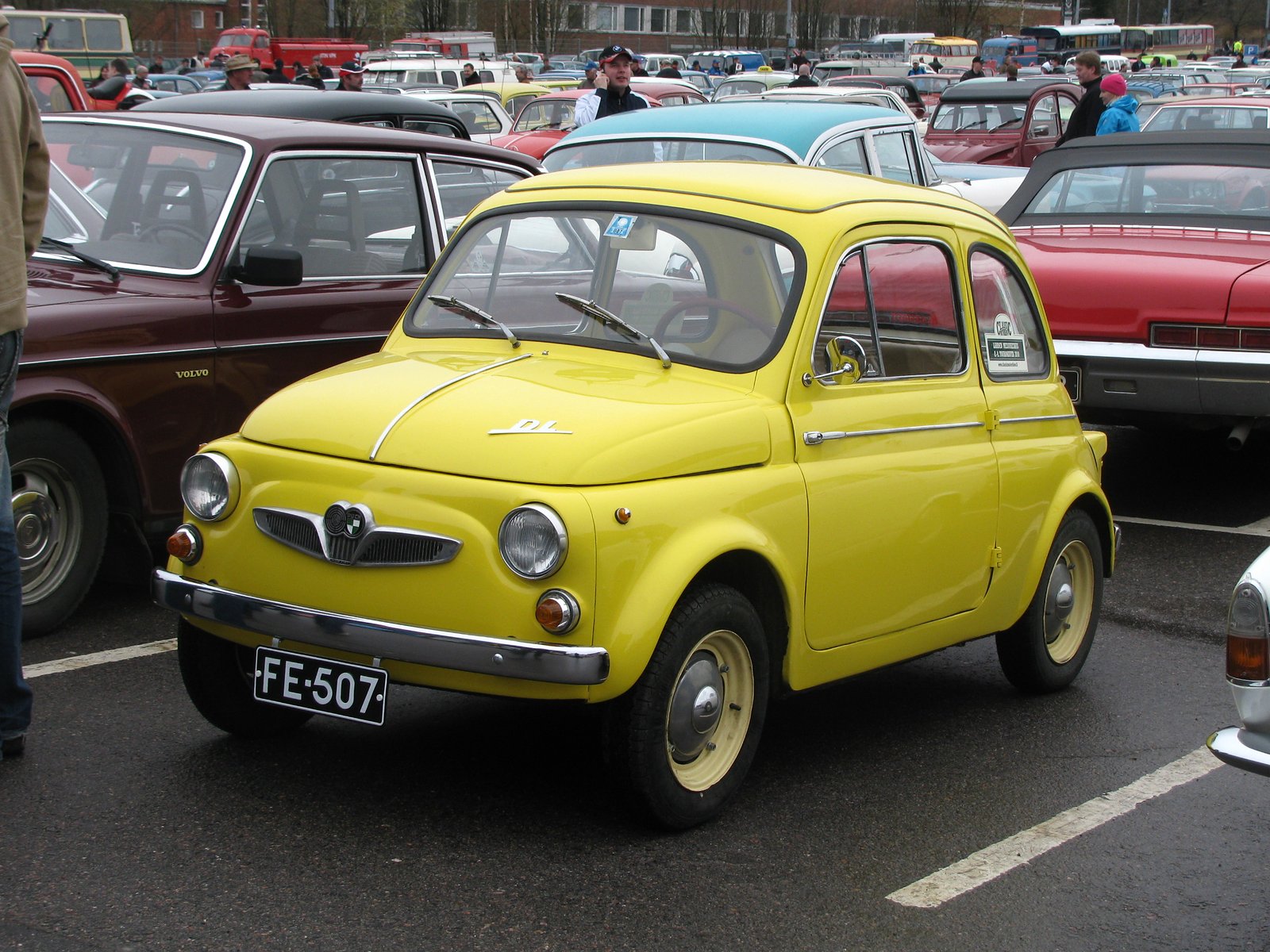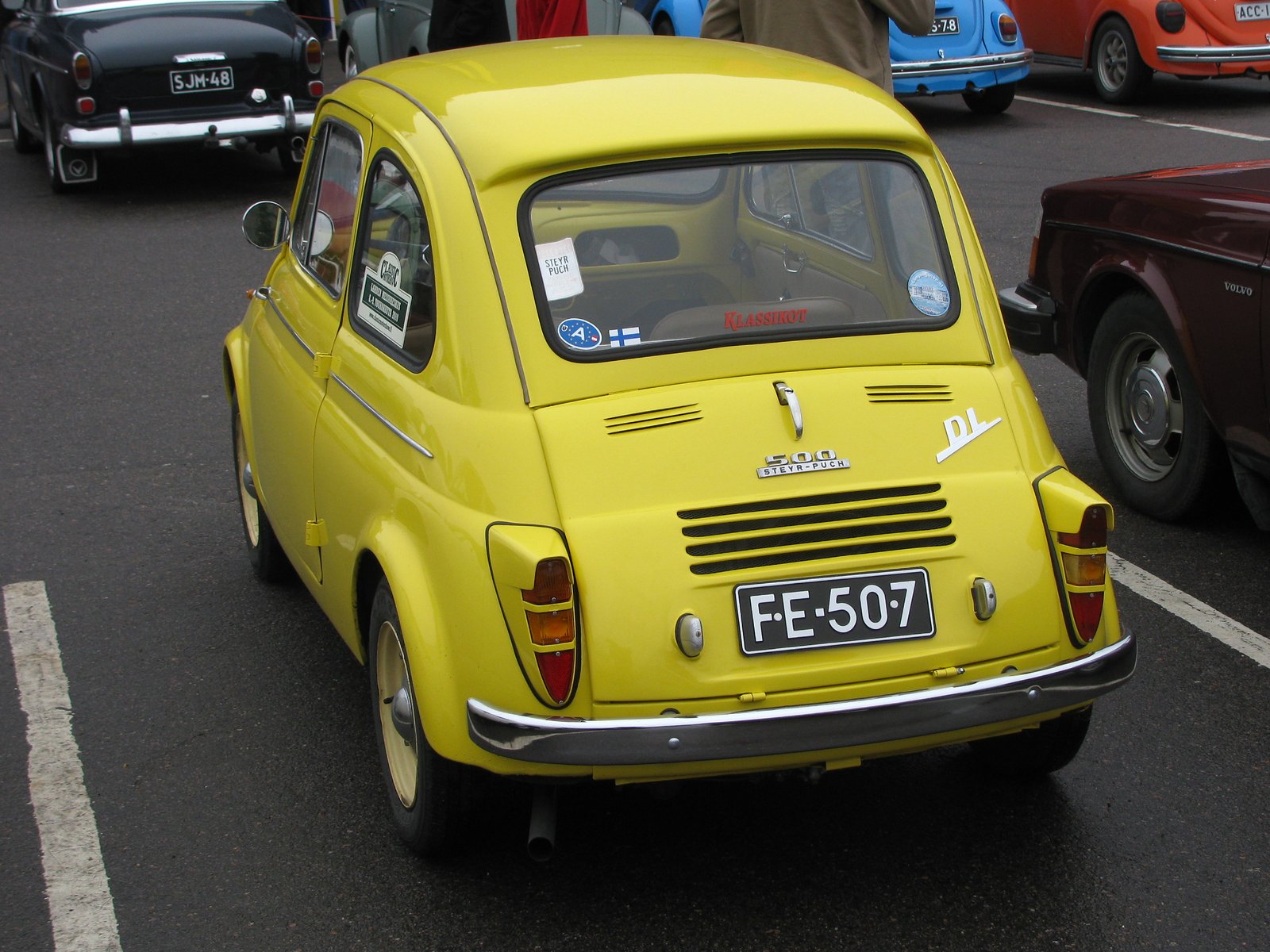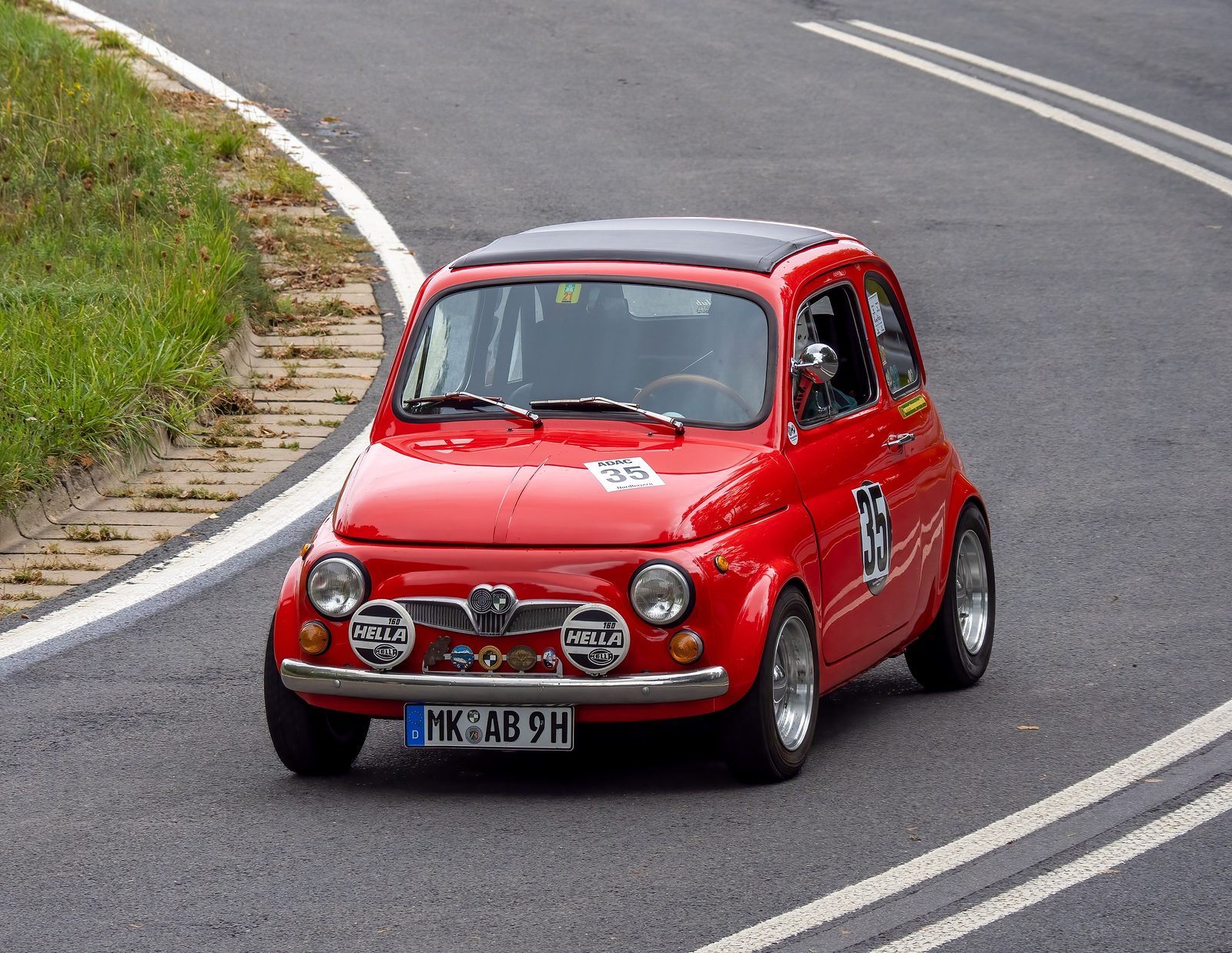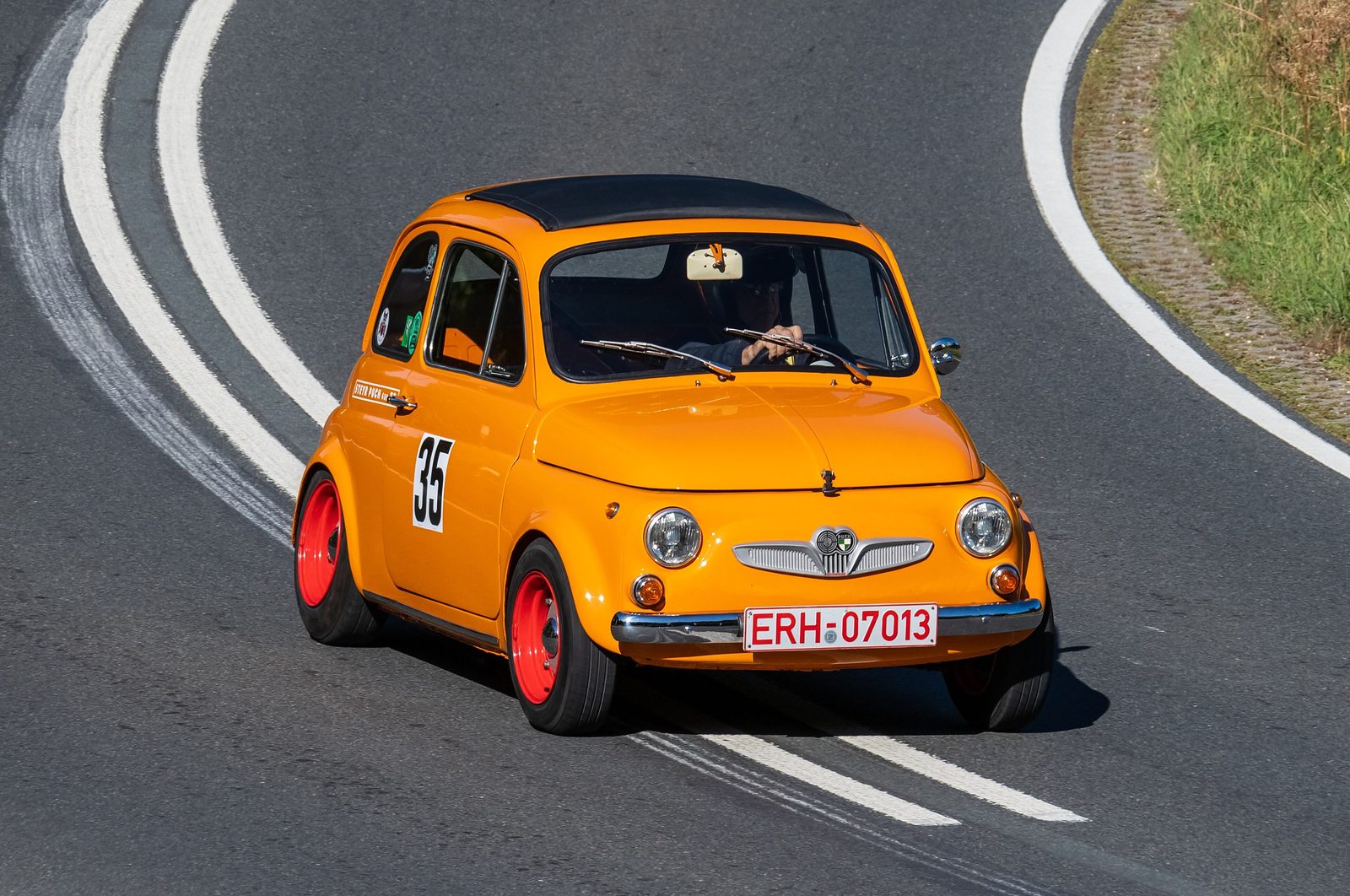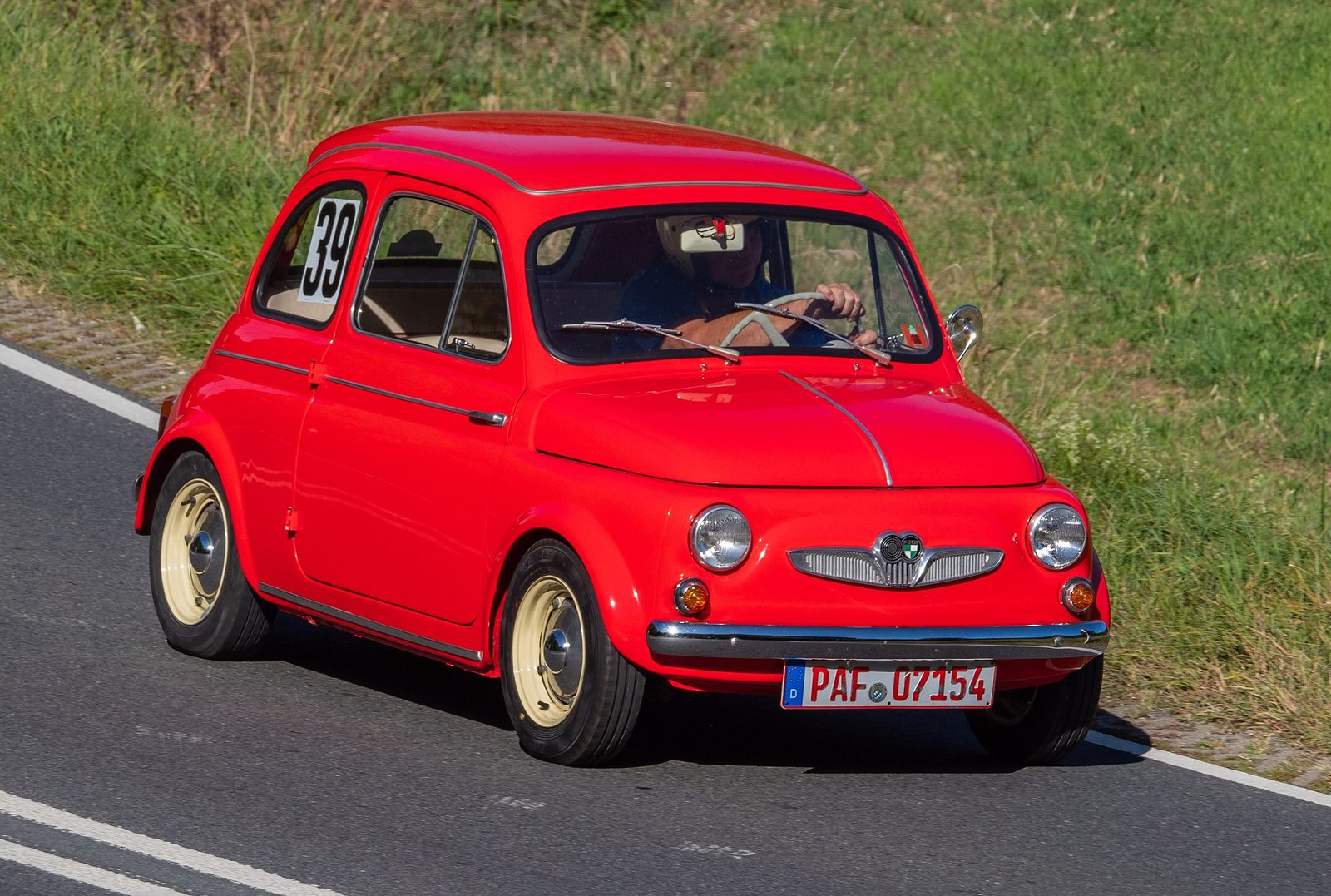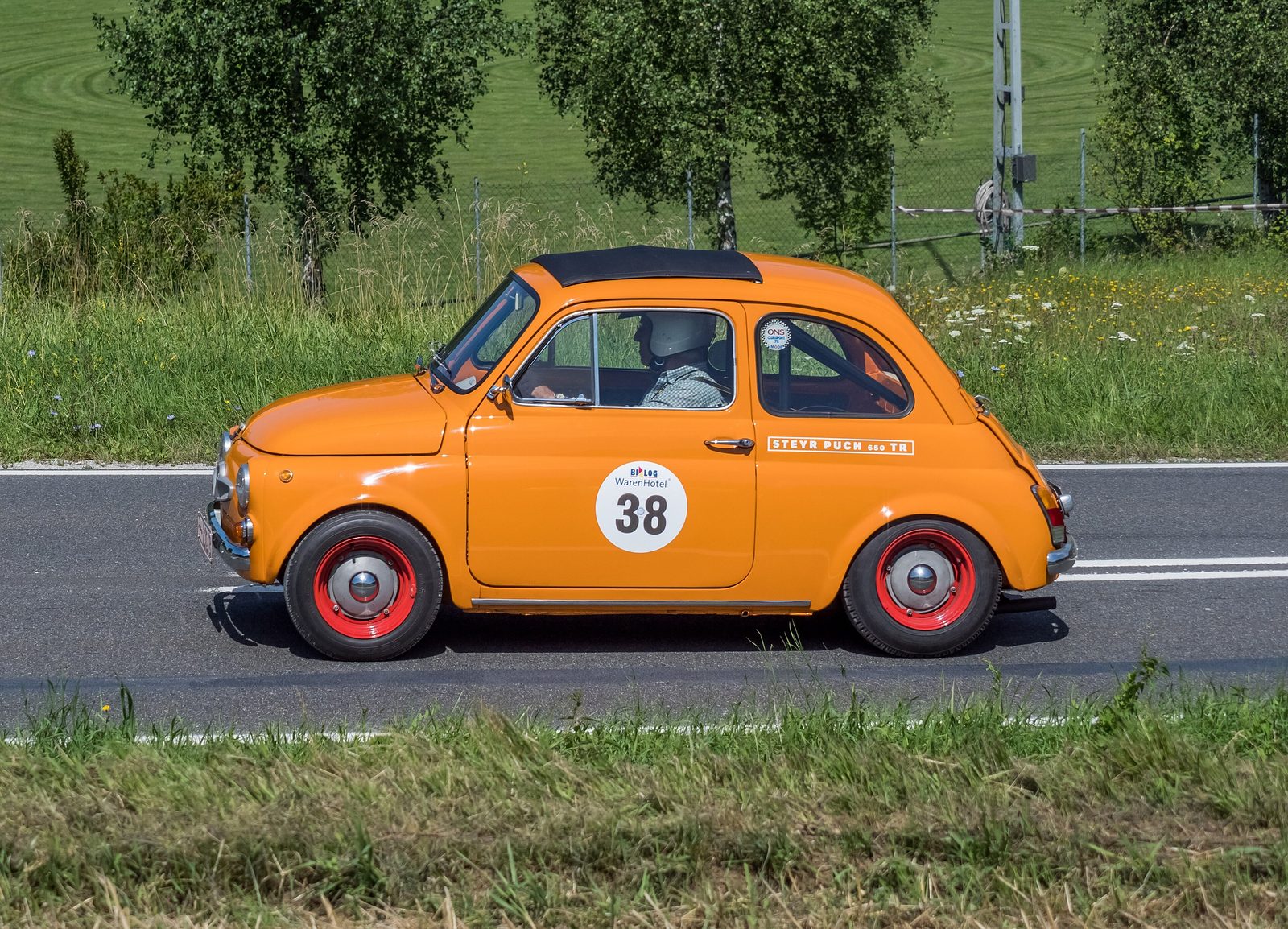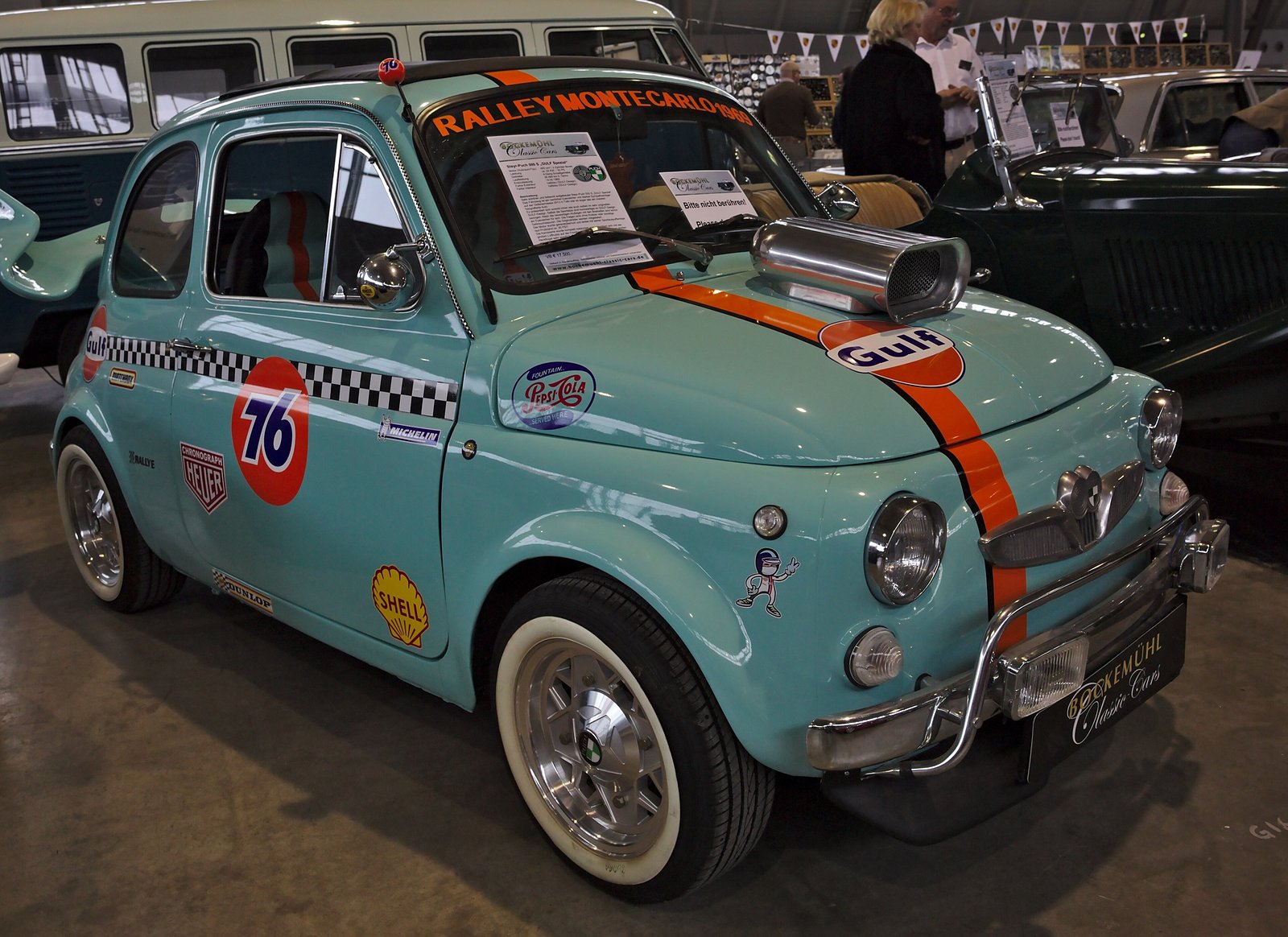
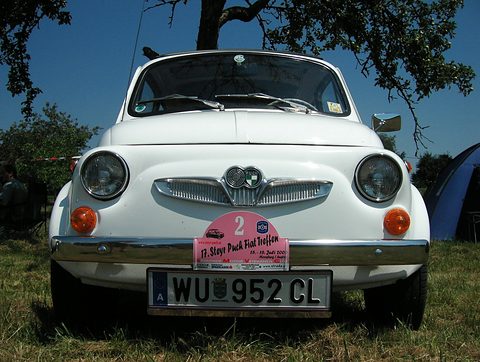
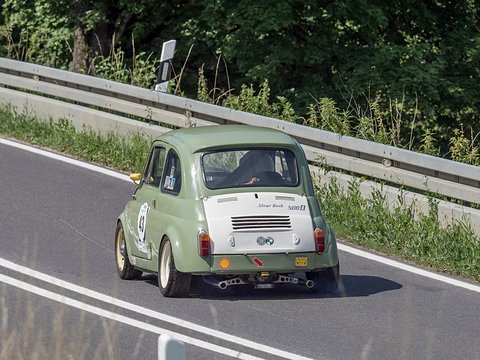
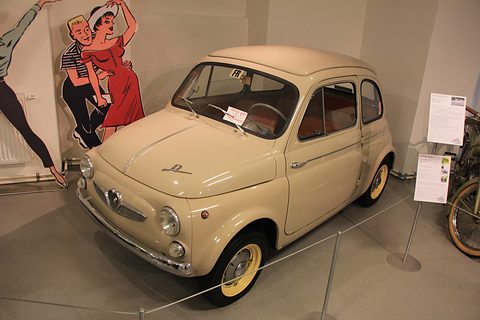
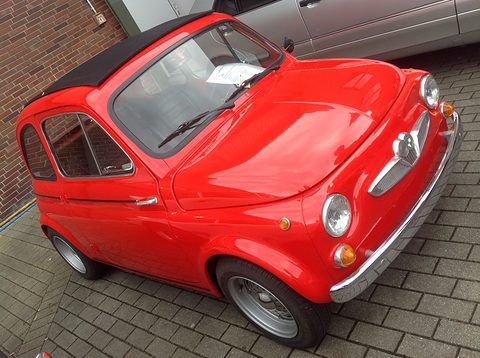

The story
History
In September 1955 auto motor und sport passed on news from the Tiroler Tageszeitung: after an extraordinary rise in car imports since the autumn of 1954, the Puch works in Graz had decided to build a car of its own. Economists had thought Austrian car-making too costly, but that view seemed to have changed, and the first test drives had already taken place.source 3 English Wikipedia dates the decision to 1954.source 2 Austria’s other small cars have their own page, Austrian microcars.
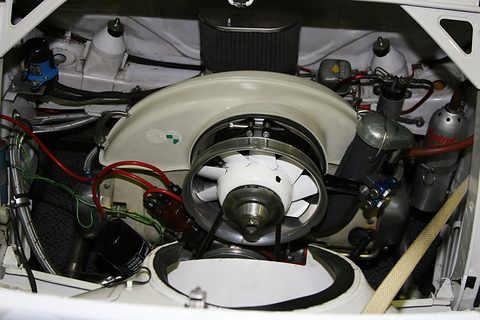
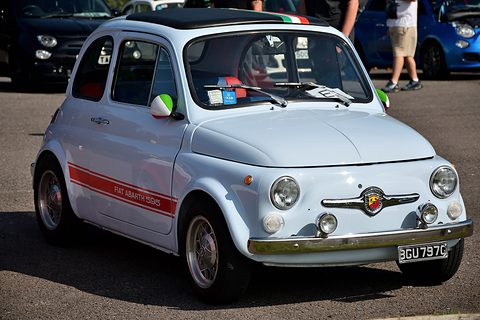
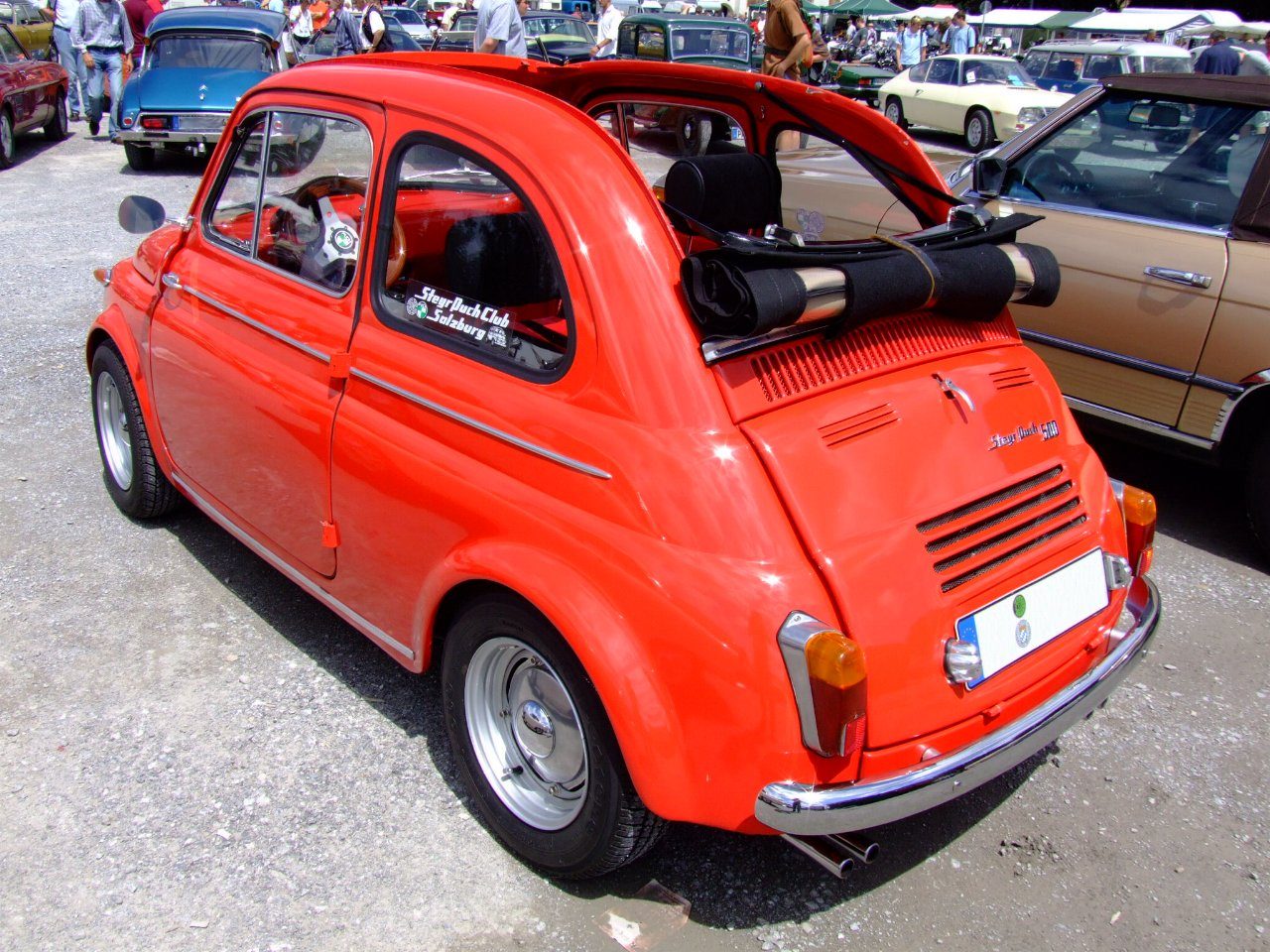
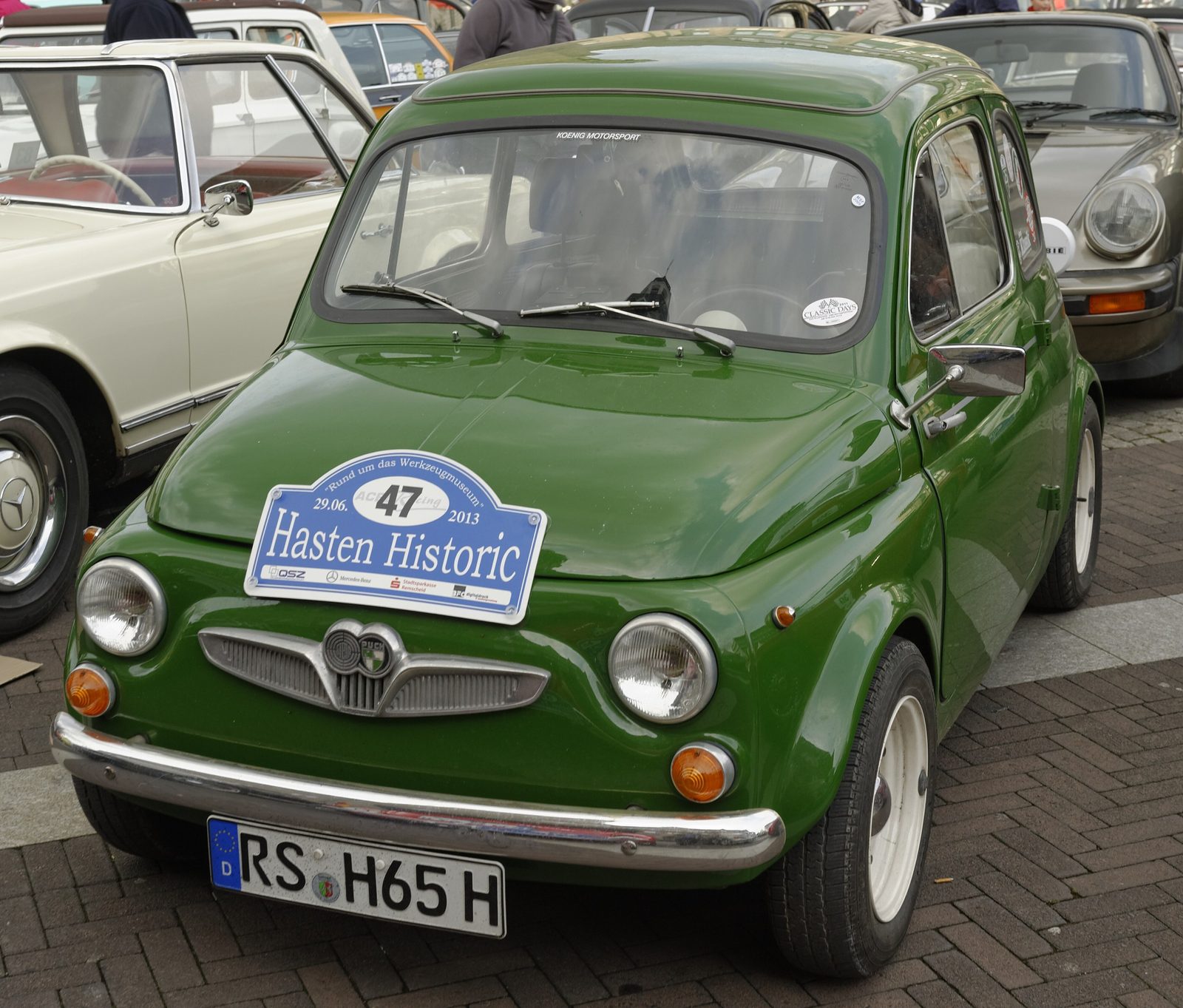
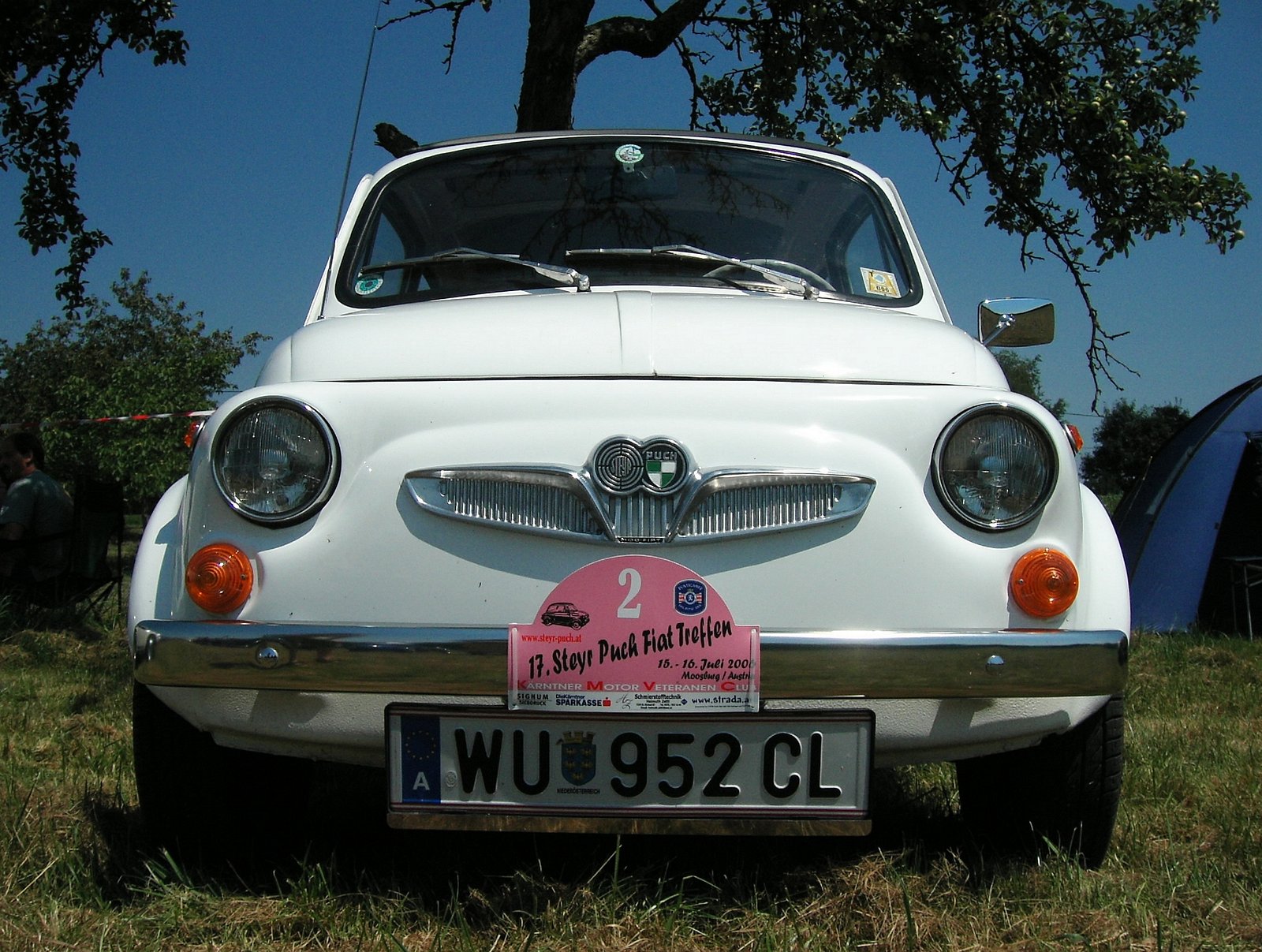
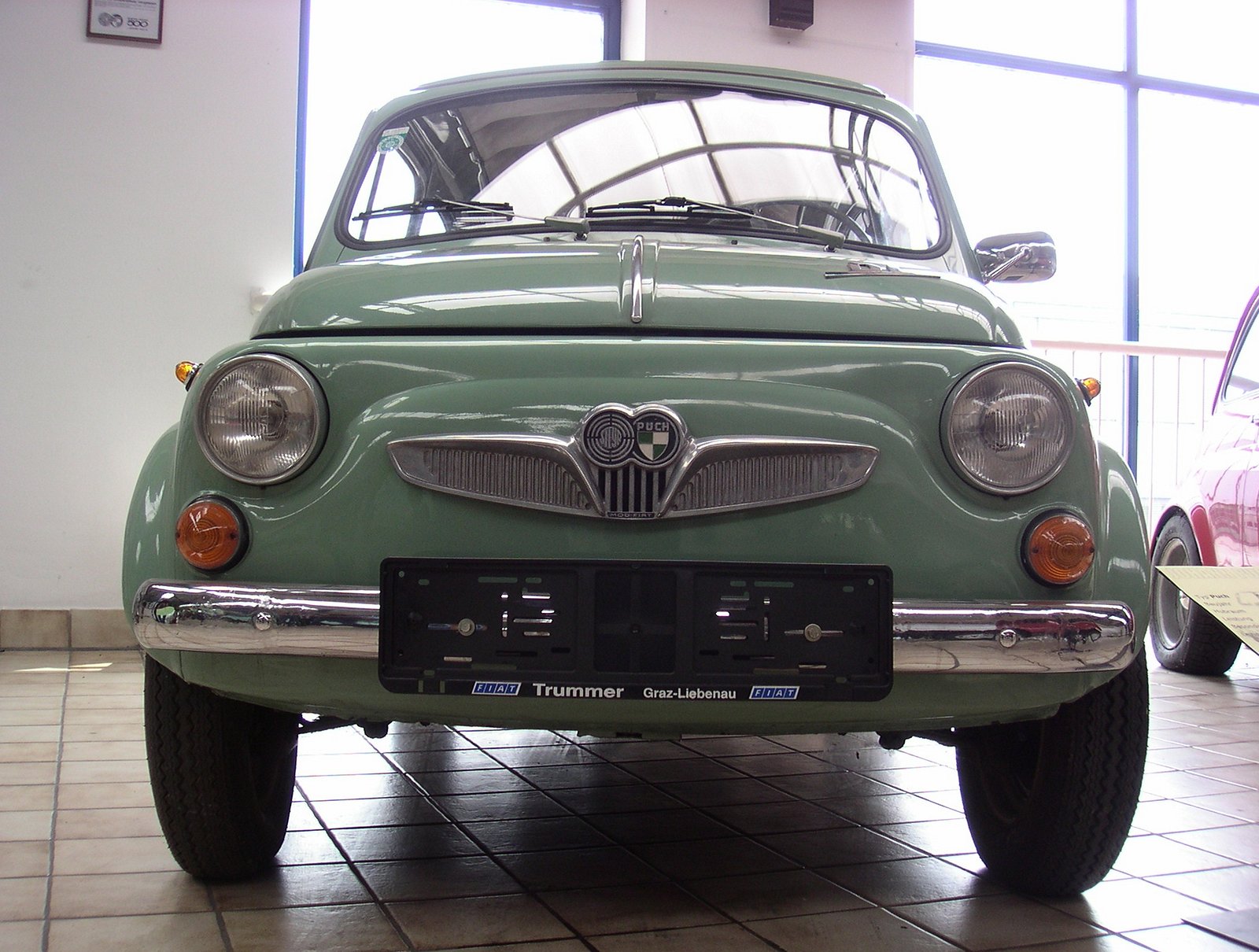
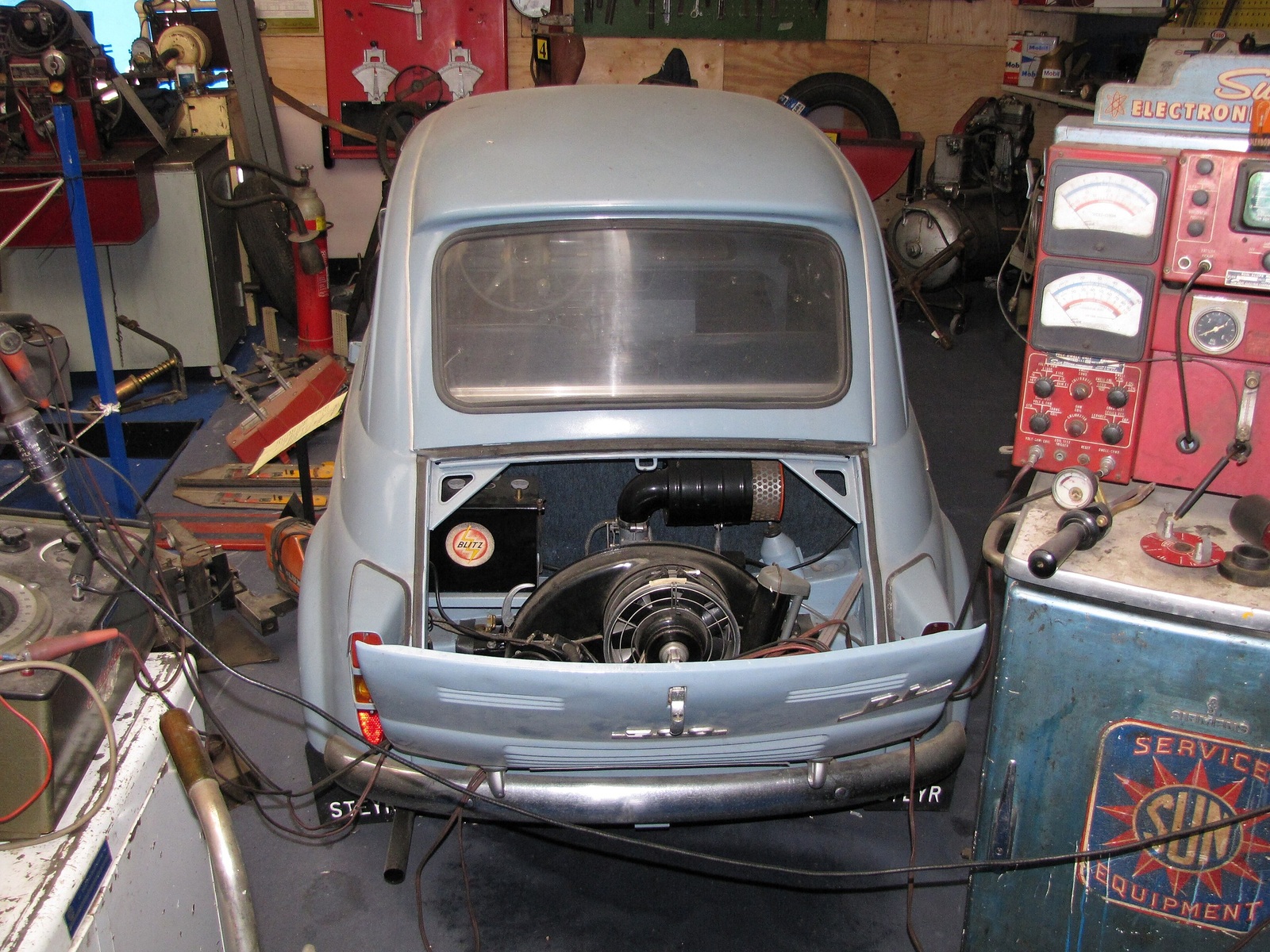
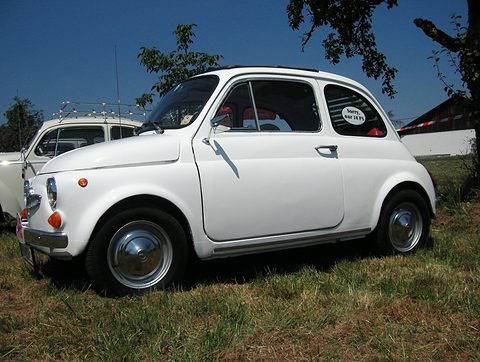
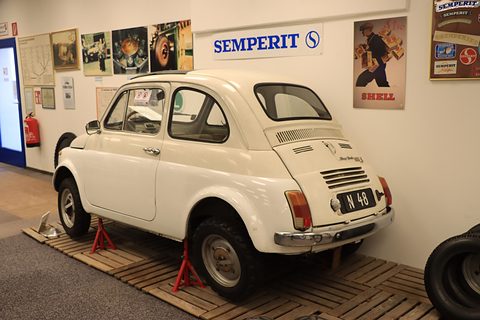
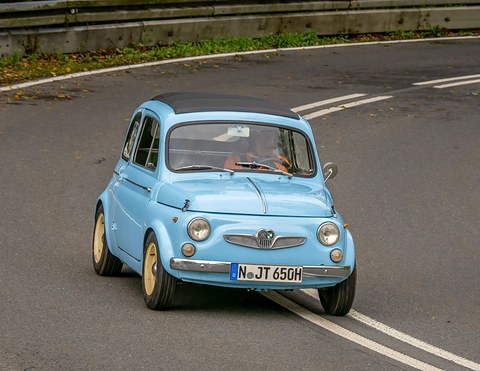
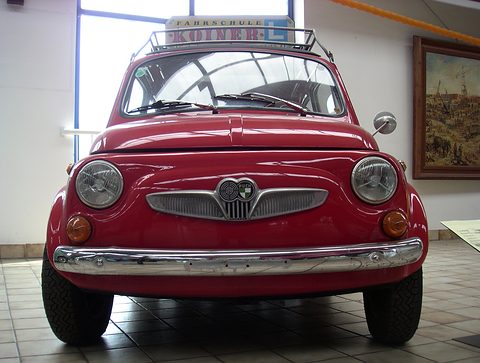
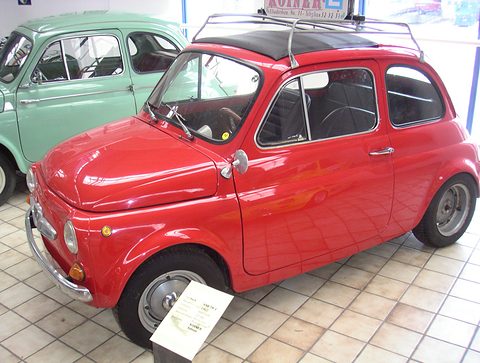
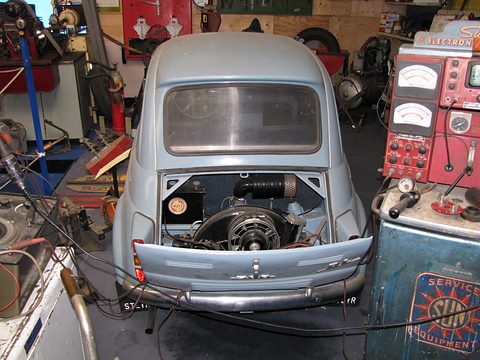
To save the cost of a body, Puch agreed with Fiat to buy the unpainted shell of the Nuova 500, which Dante Giacosa had designed; it made only the engine lid, later the roof as well, and its own engine, gearbox and running gear (see built under licence).source 1source 2 The engineer was Erich Ledwinka, born in 1904, the son of the Tatra designer Hans Ledwinka, and chief designer and later technical director of Steyr-Daimler-Puch.source 1source 4 He aimed, the Wiener Zeitung recounts, at a fully fledged four-seat small car that would also suit Alpine roads.source 5 His engine was an air-cooled flat twin in place of Fiat’s upright twin. Of the prototype, the U3, only an engine lid survives, with a wooden model, in the Johann Puch Museum in Graz.source 1source 2
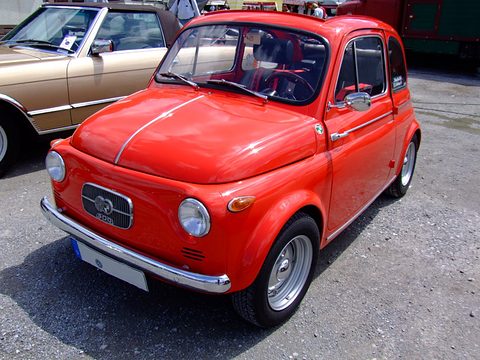
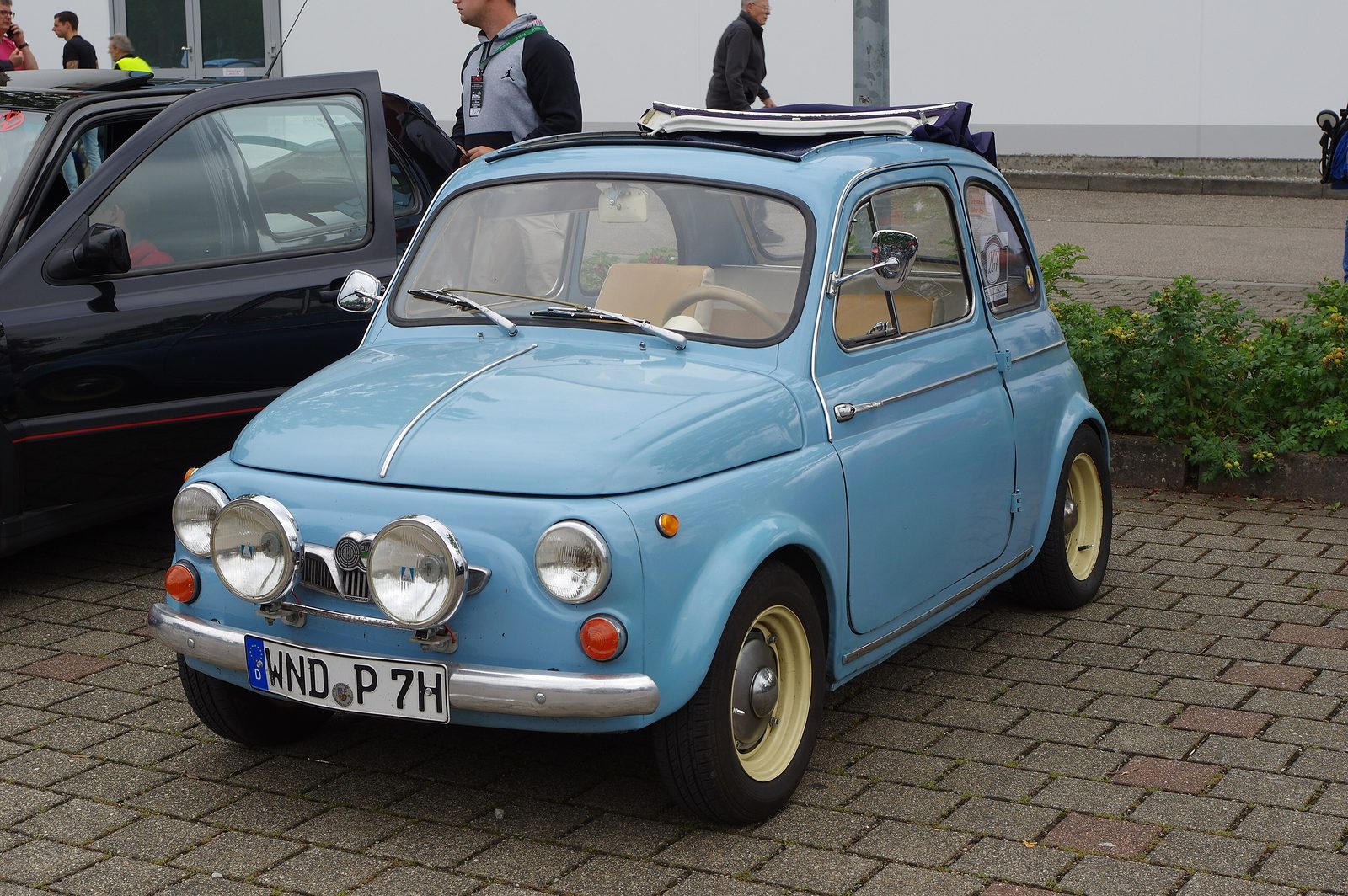
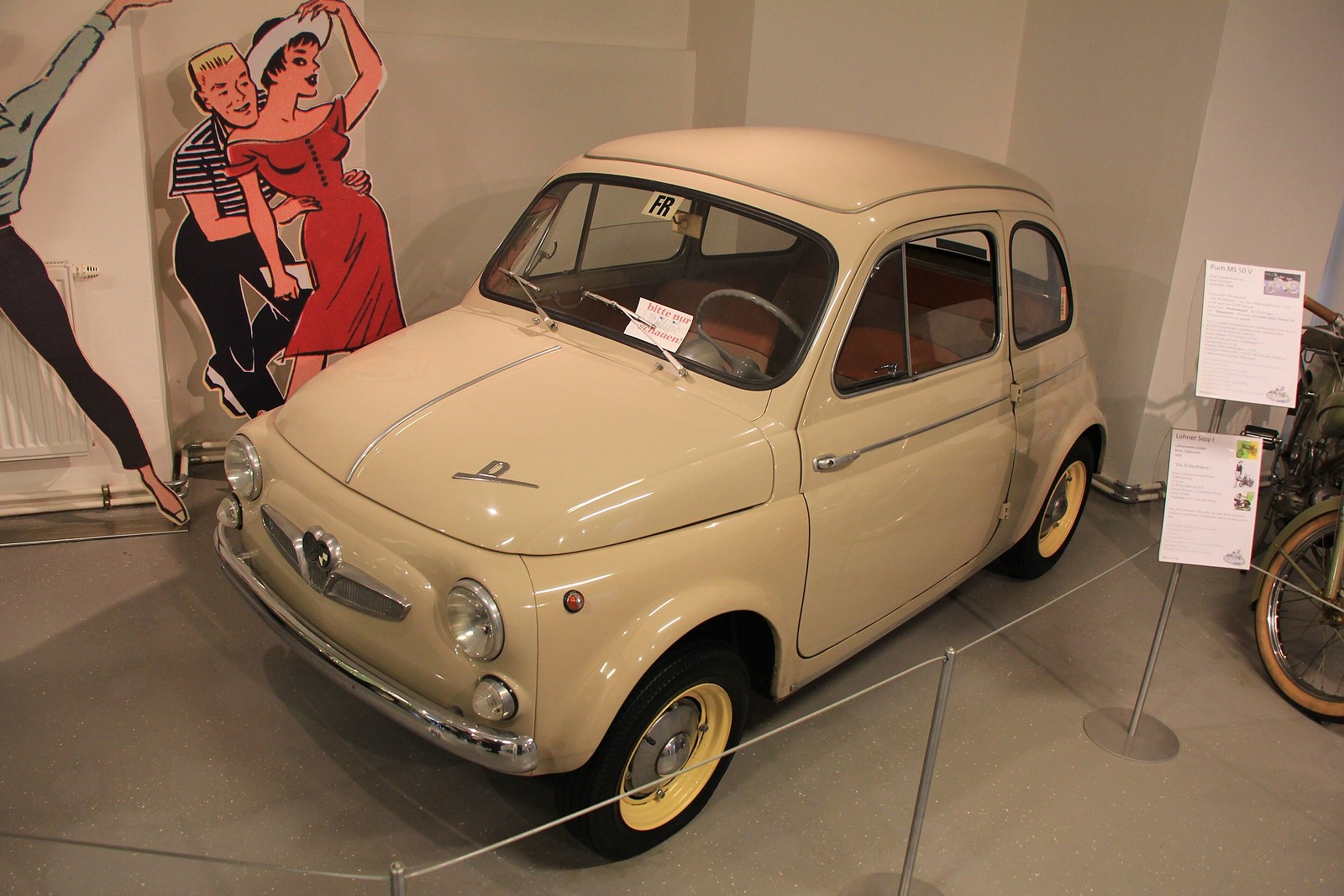
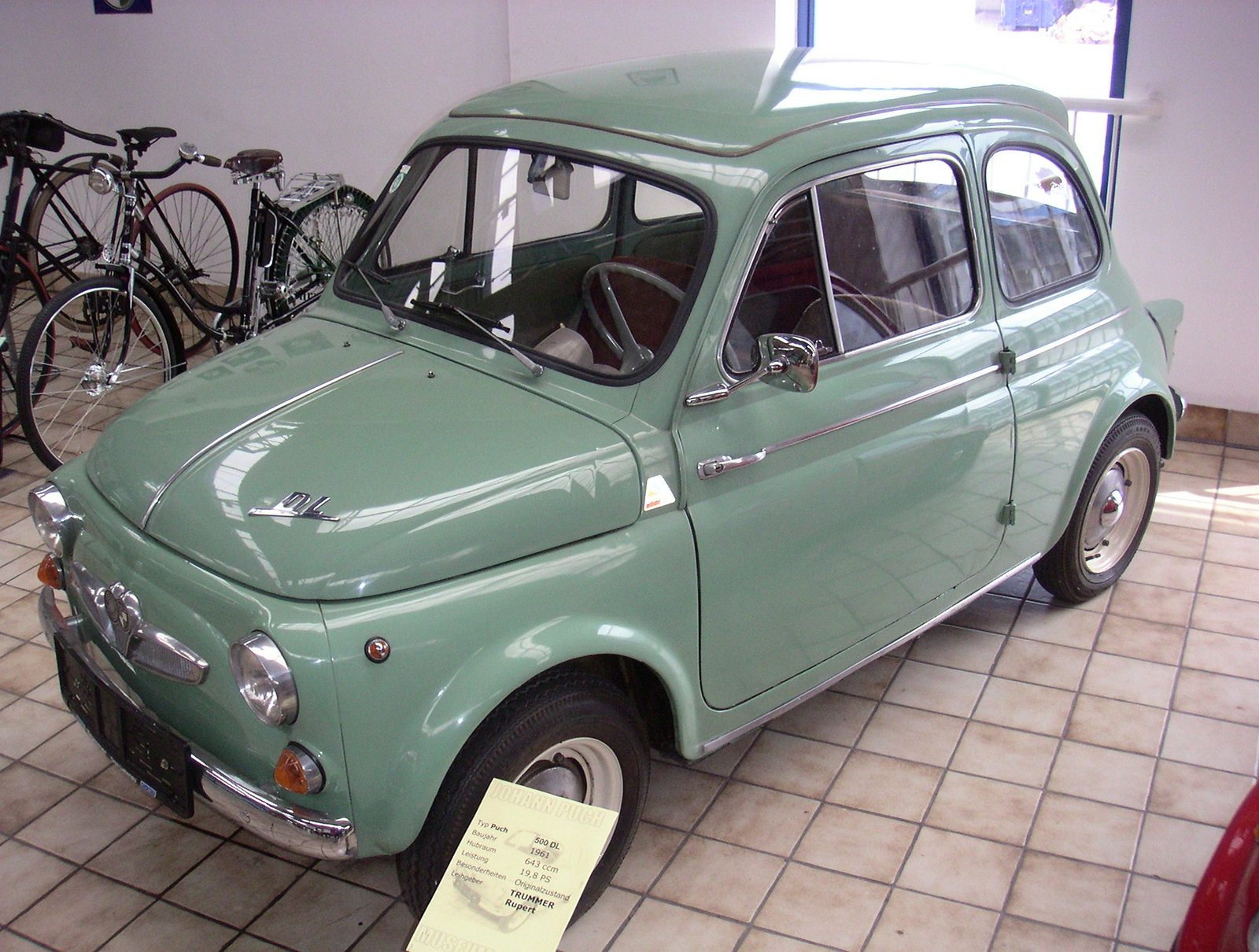
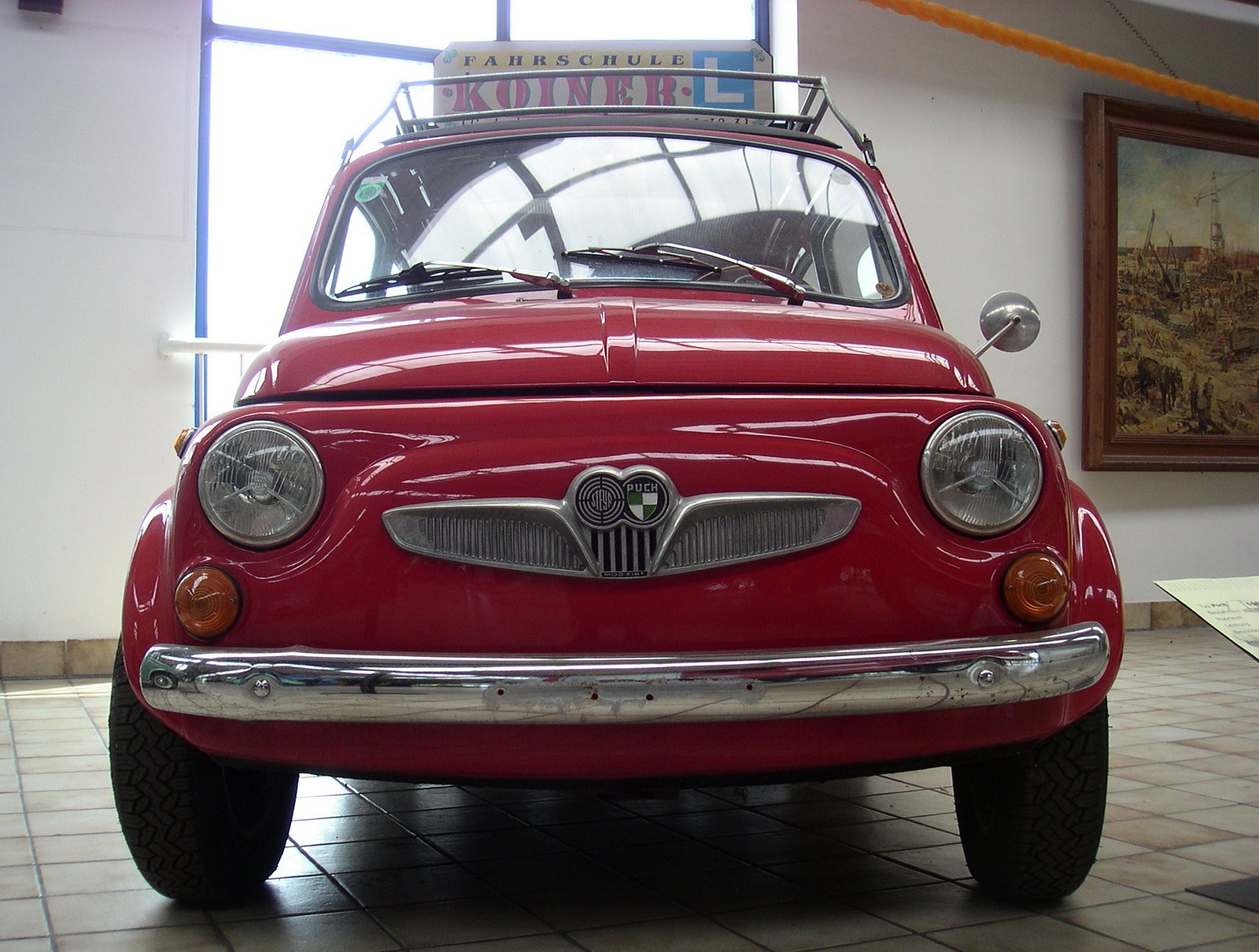
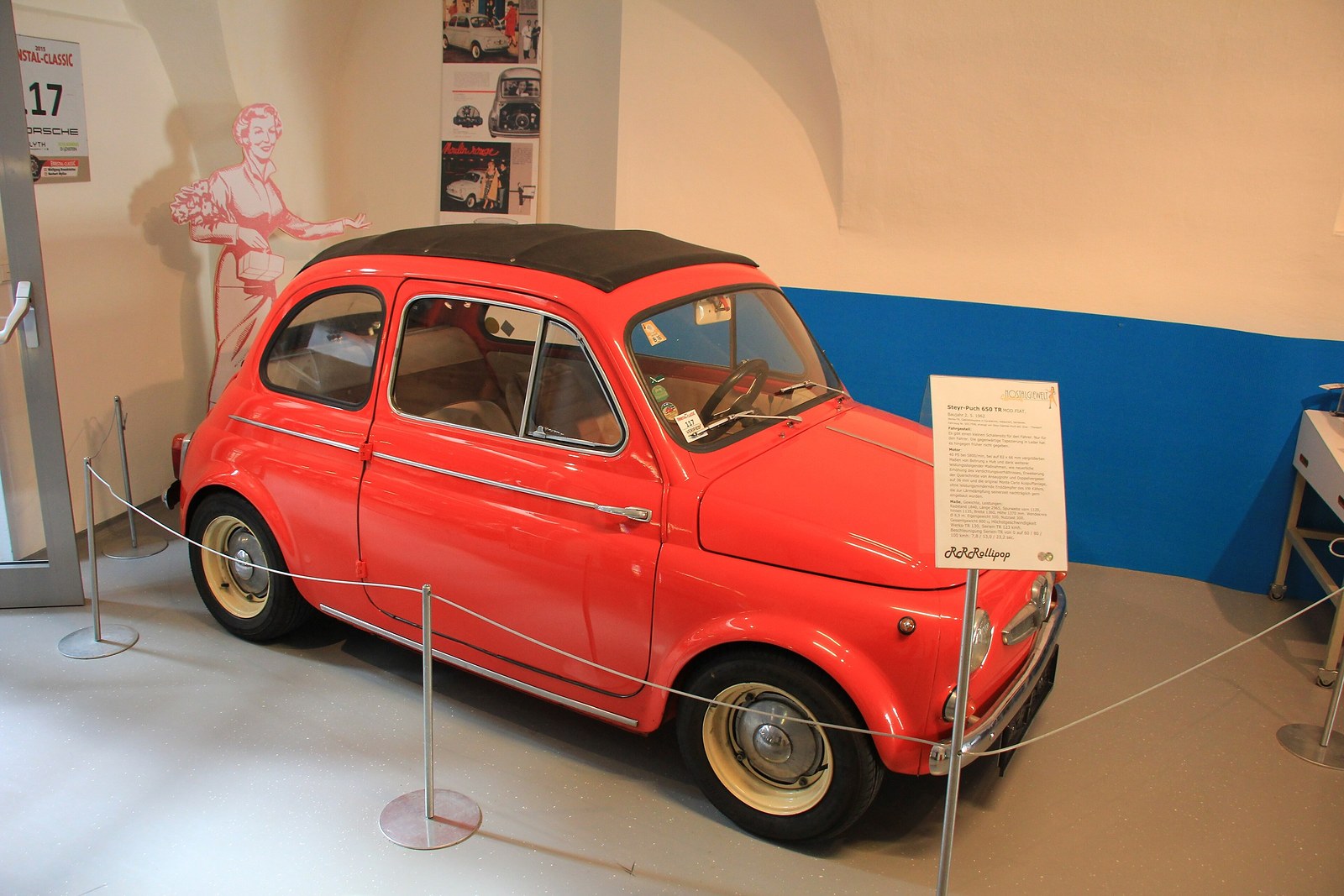
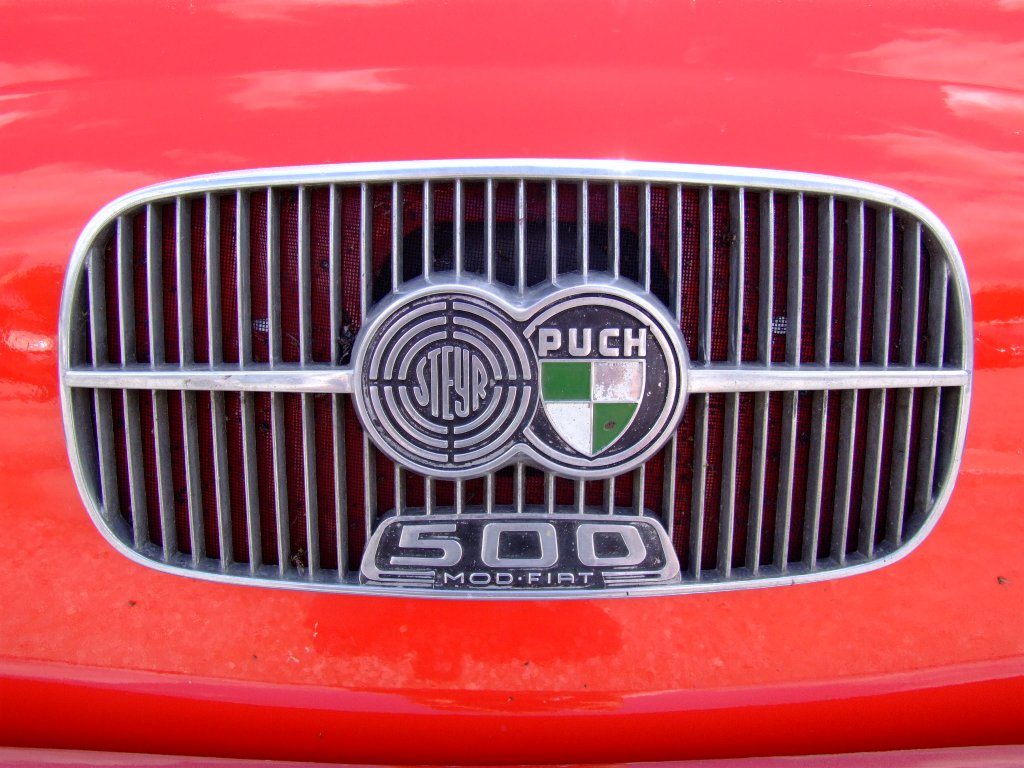
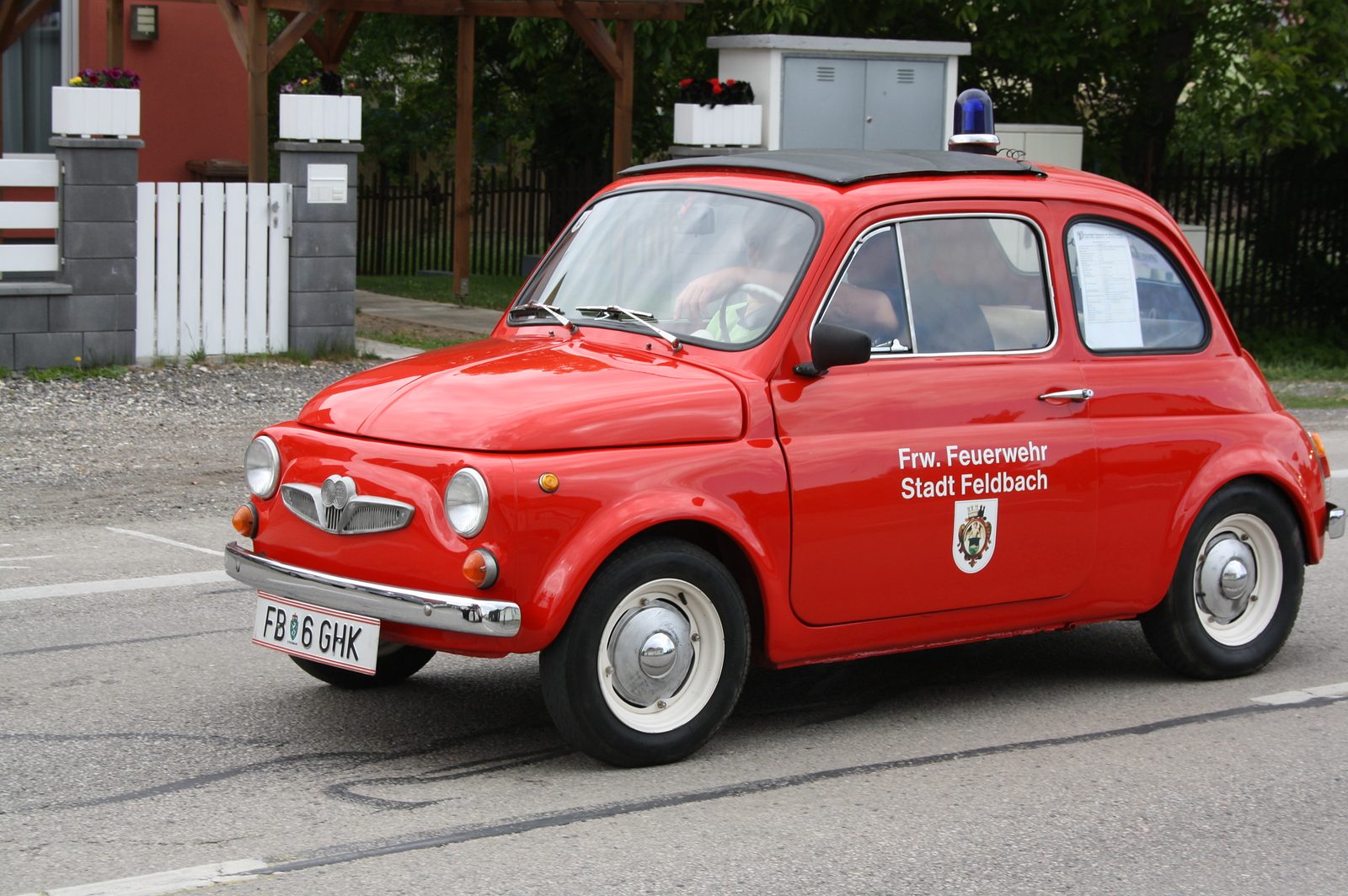
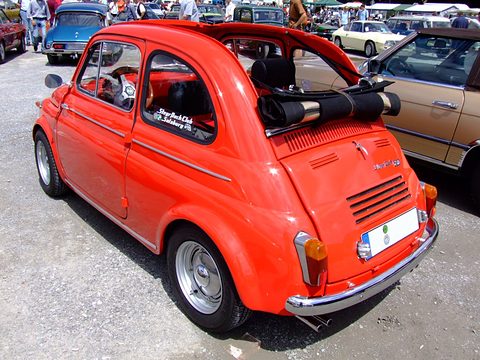
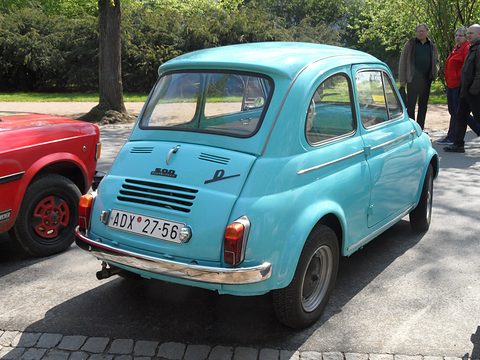
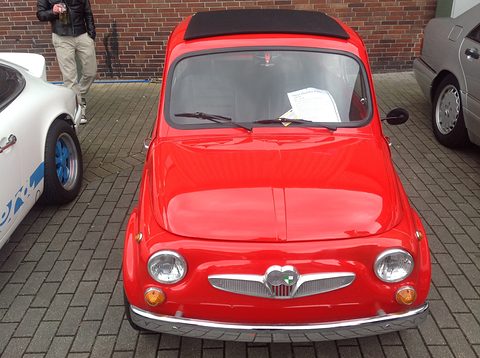
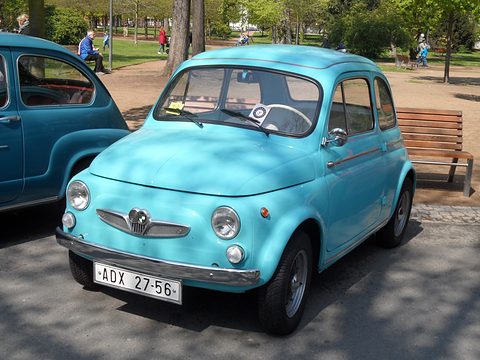
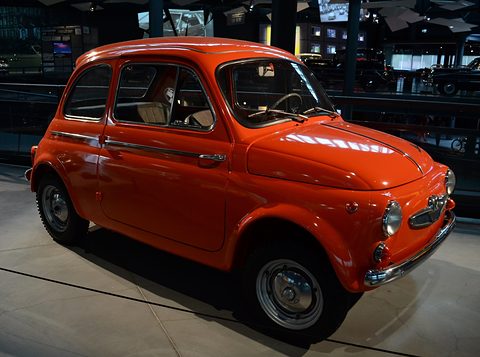
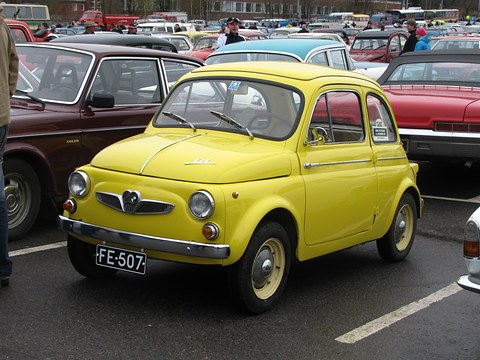
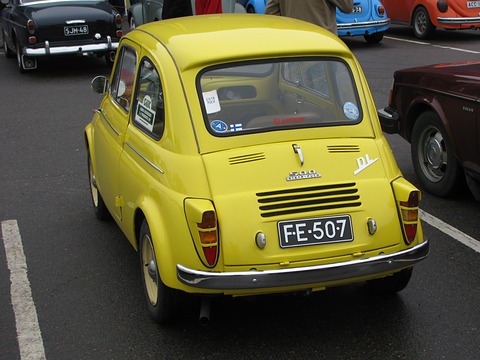
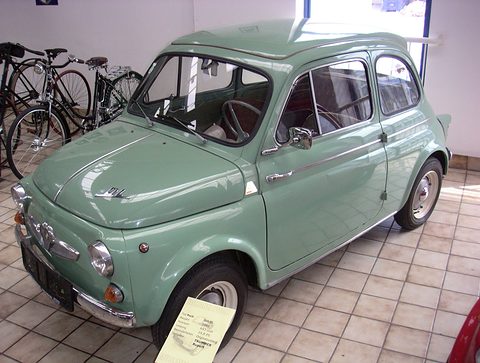
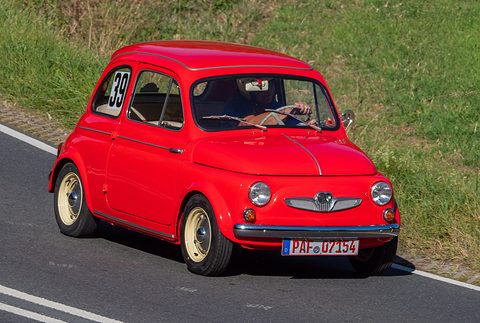
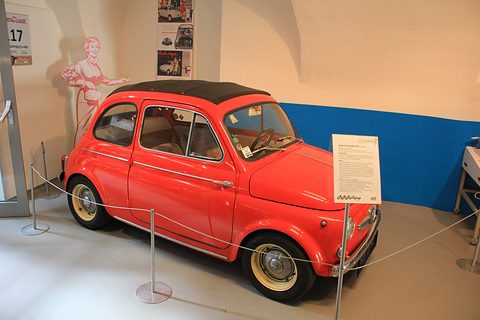
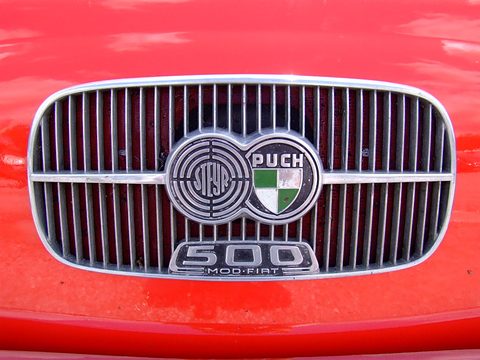
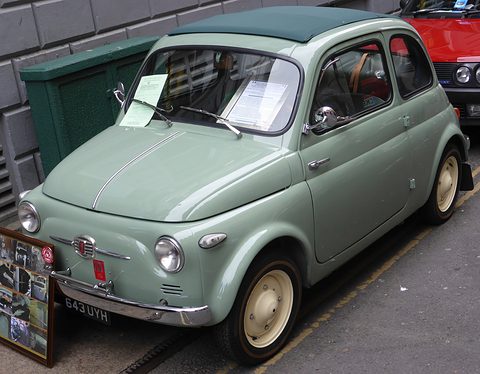
The works director Wilhelm Rösche presented the car in September 1957, at 23,800 Schilling, about a third less than a Volkswagen Beetle.source 5 It was sold as the Steyr-Puch 500 Modell Fiat, at first only with the full-length folding roof, in the hope of tempting motorcyclists.source 1source 2 Kraftfahrzeugtechnik found it as frugal as the Fiat and much smoother, and its gearbox, synchronised on every forward gear from the start, well suited to mountain roads.source 1 The 500 did 100 km/h (62 mph) on 4.5 to 5.5 litres per 100 km.source 5 Fiat’s licence limited exports, but many cars went abroad all the same, mostly to Germany, and to Hungary and to Finland, where Sisu imported them.source 1source 2 In 1958 the car was on the list of series-built models, at least 100 of each, eligible for the 12 Hours of Hockenheim, and German small advertisements were already offering conversions for it.source 6source 7
From 500 D to 650 TR
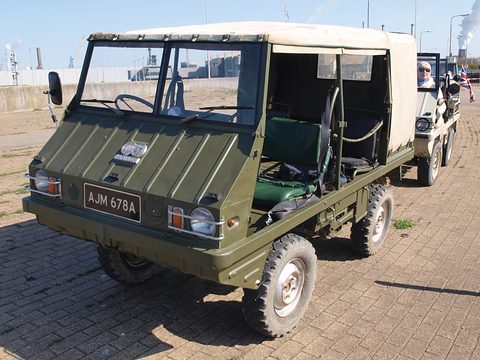
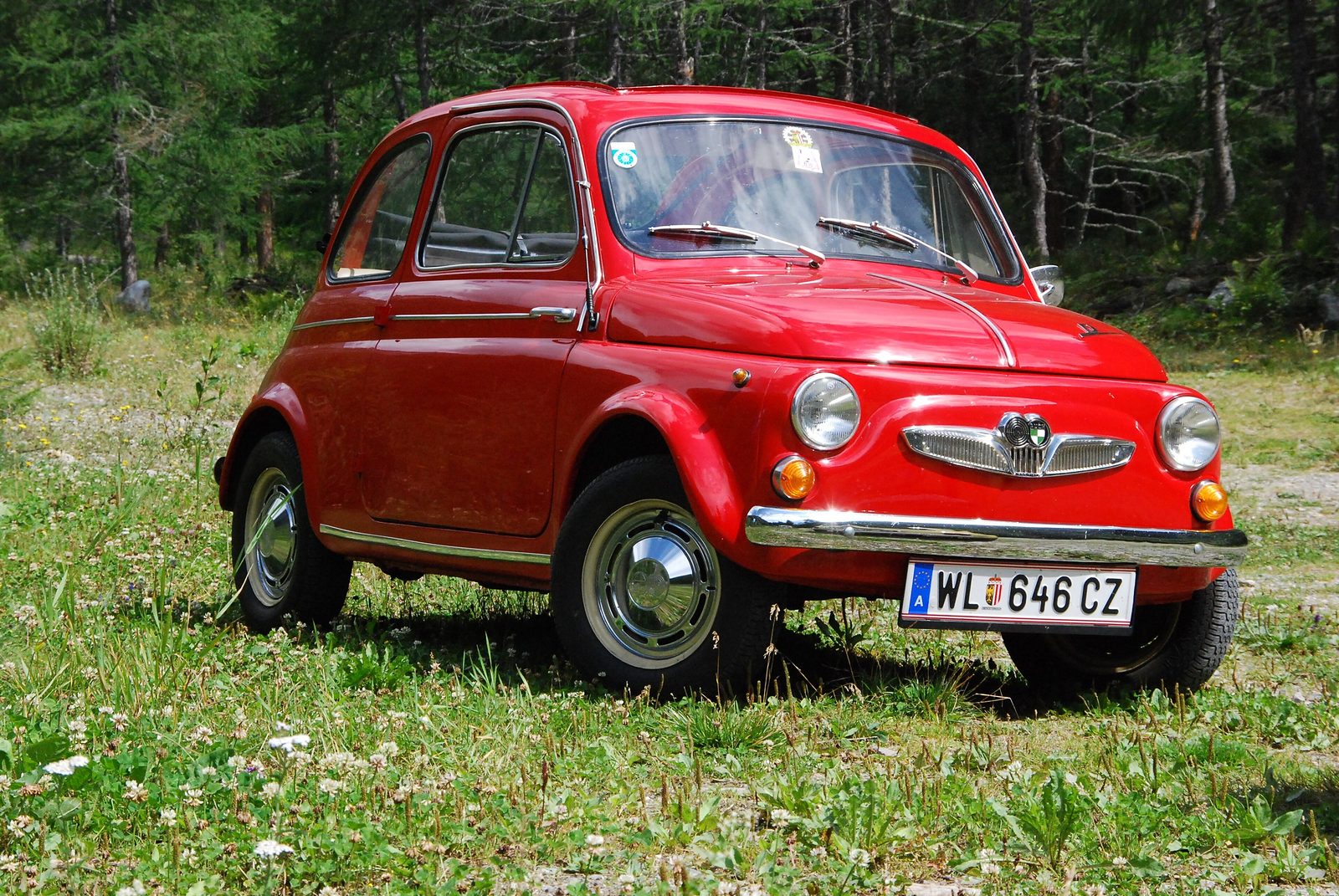
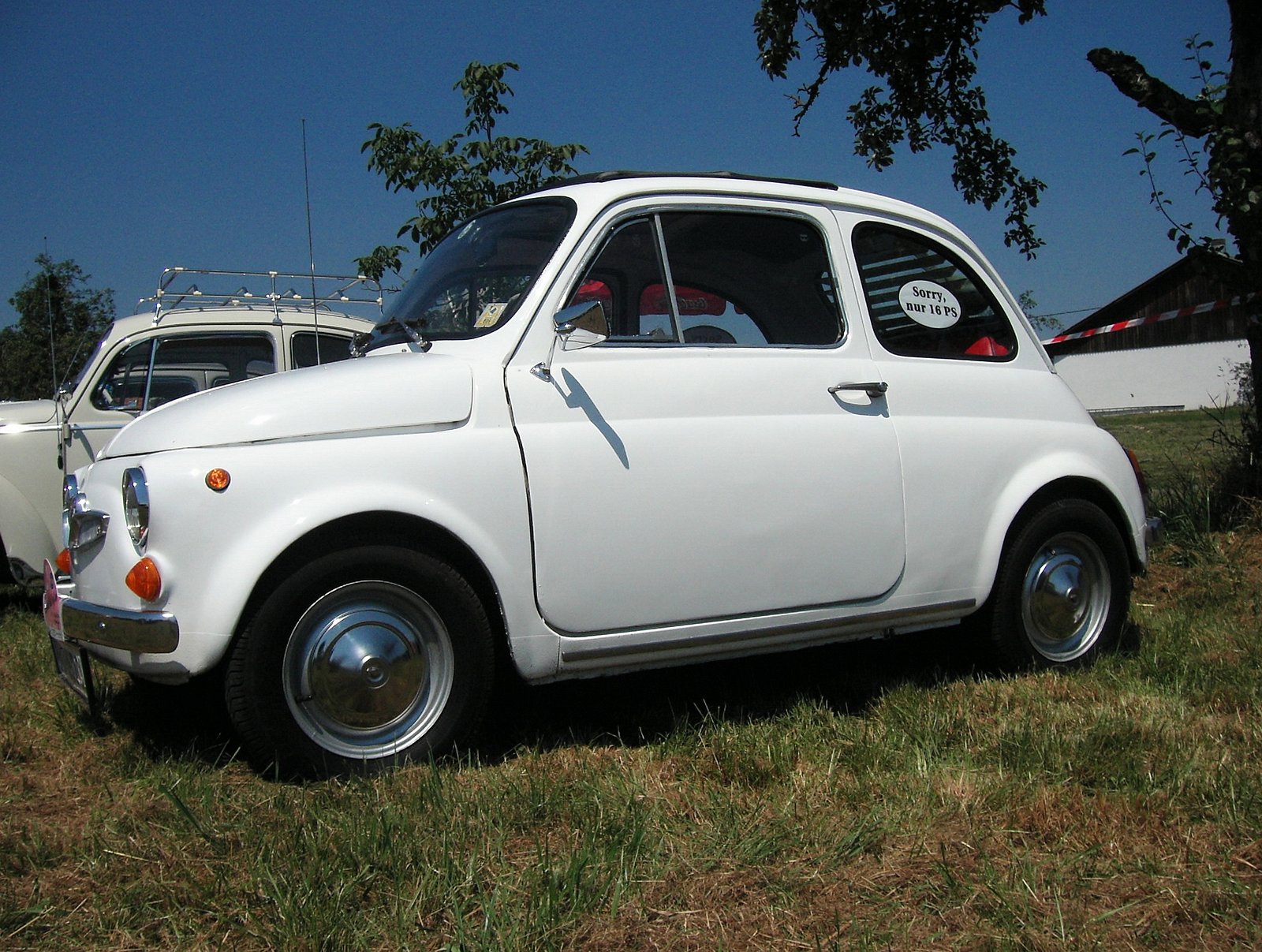
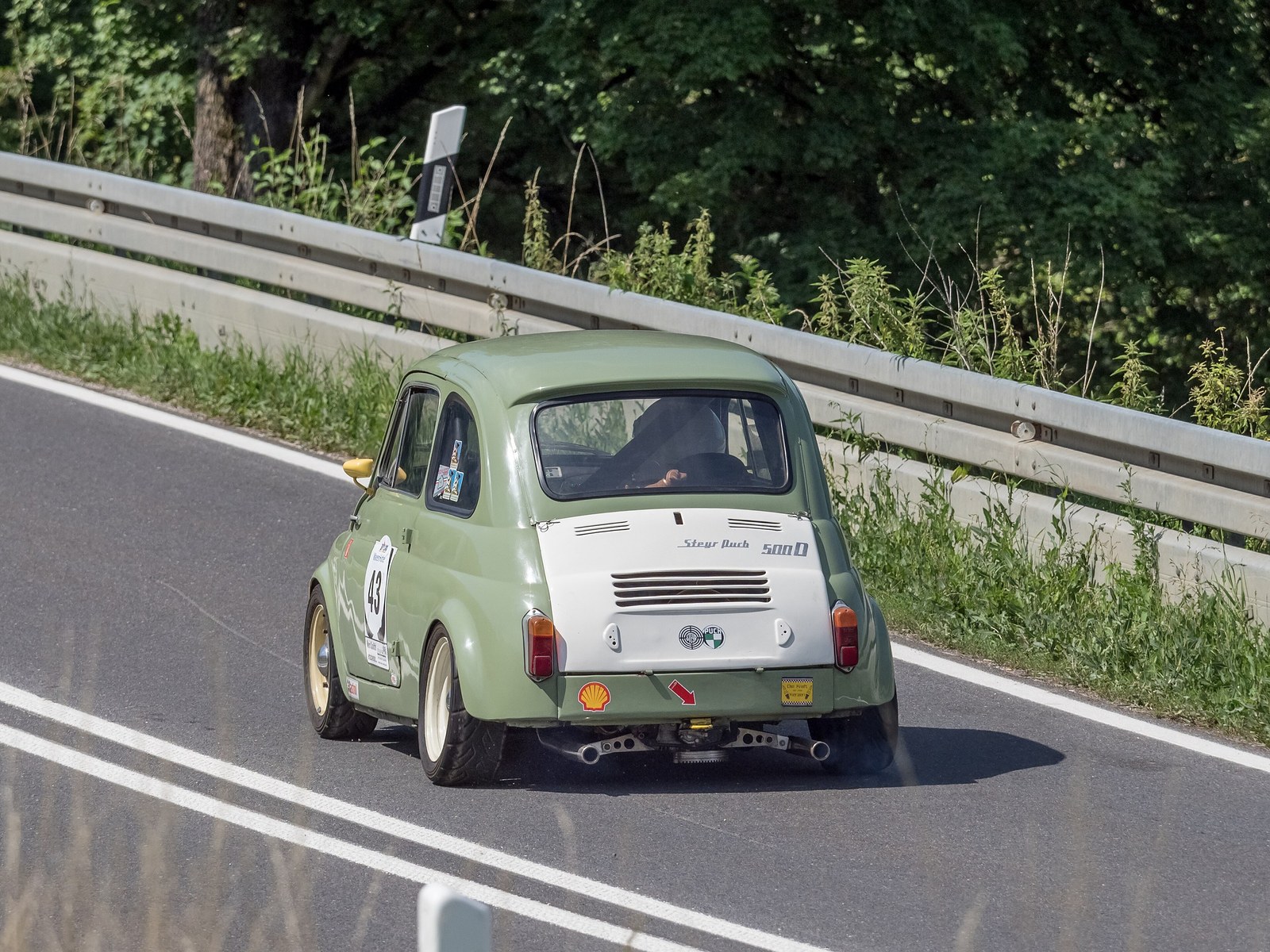
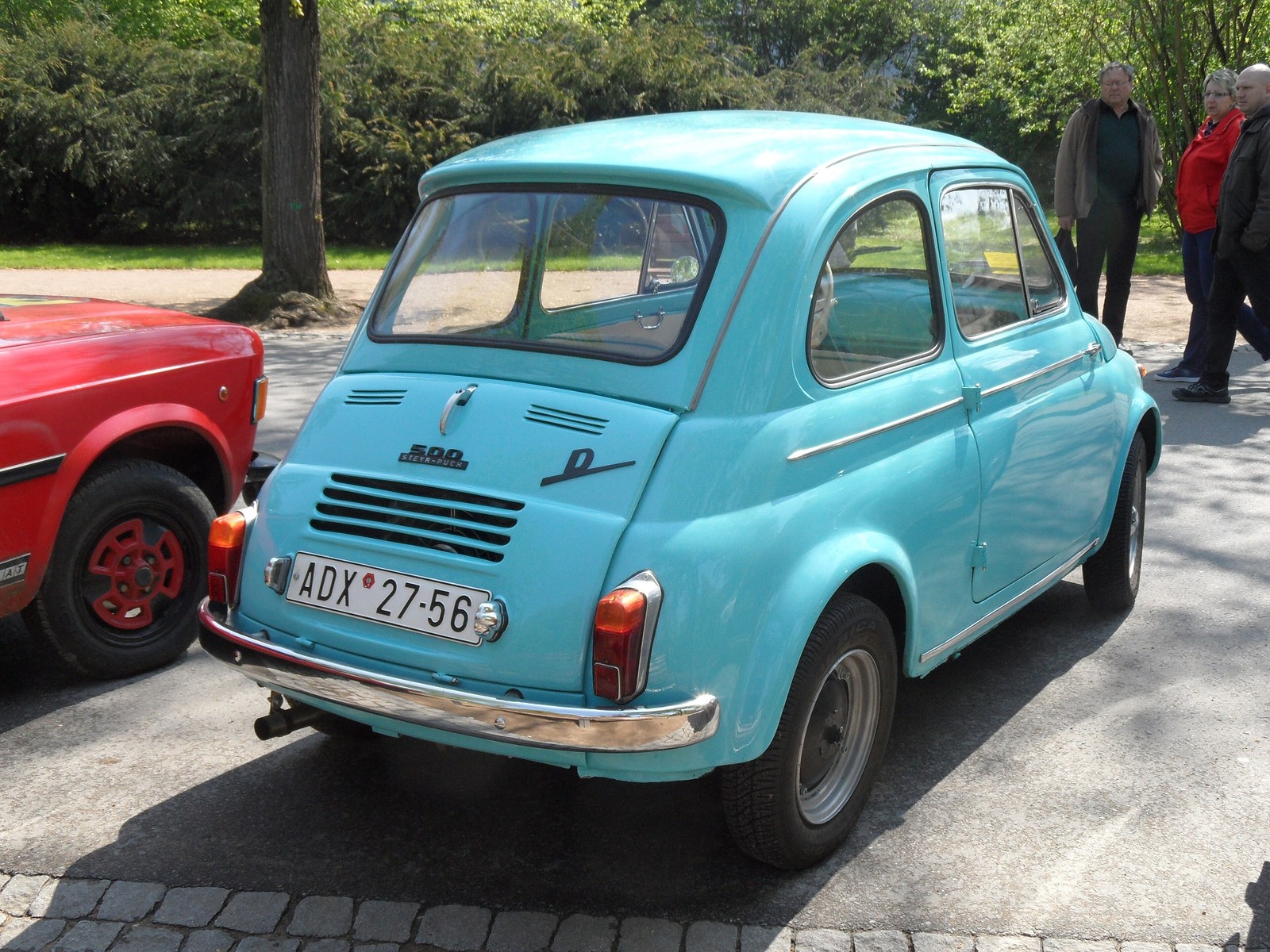
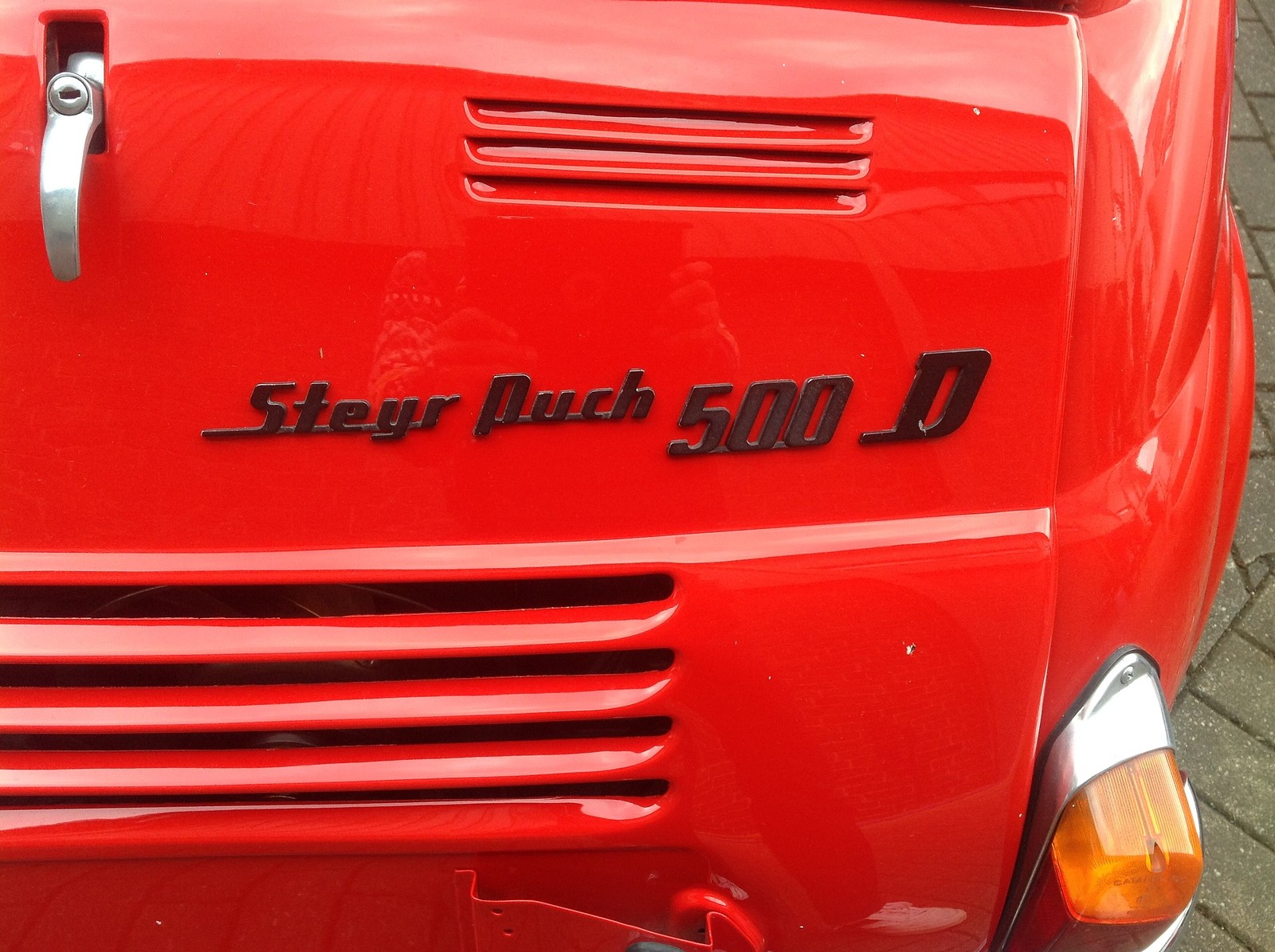
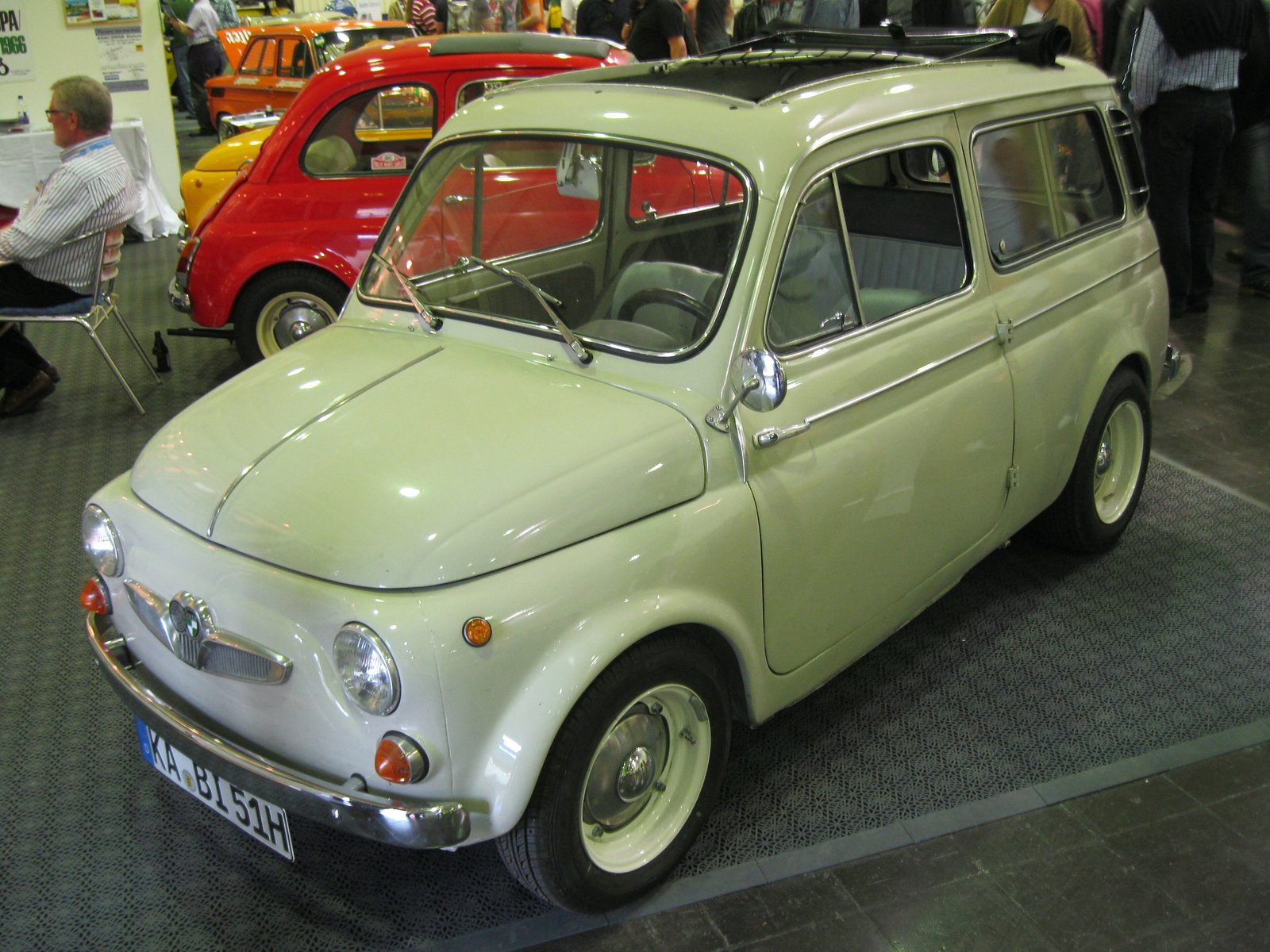
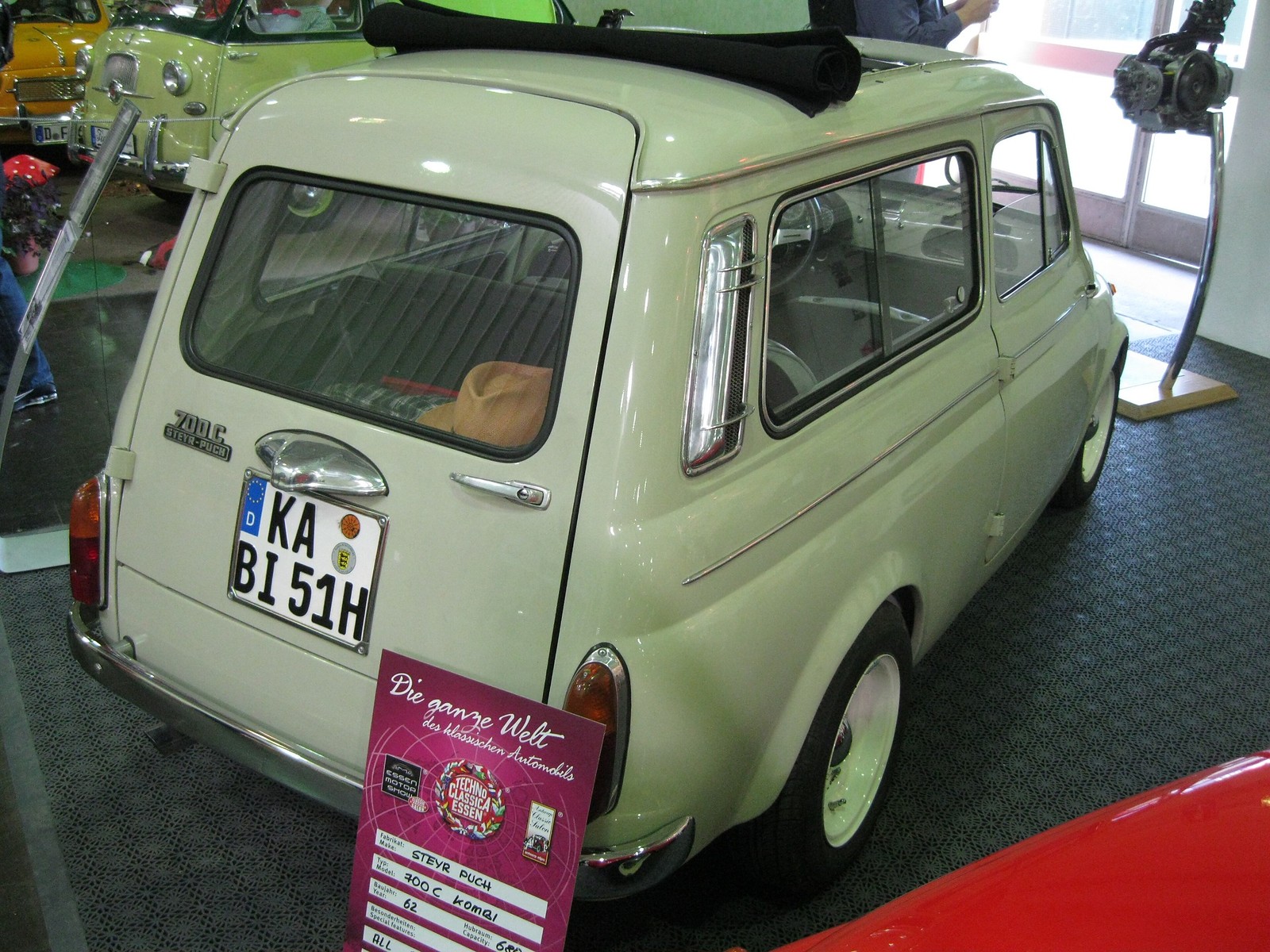
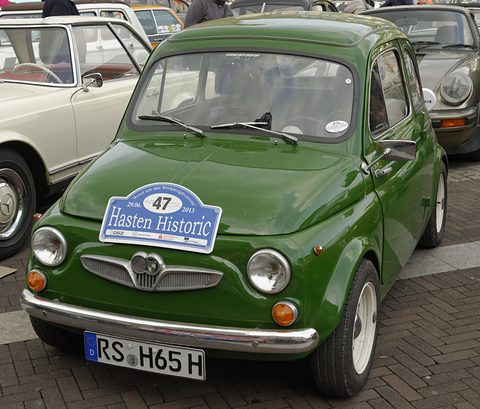
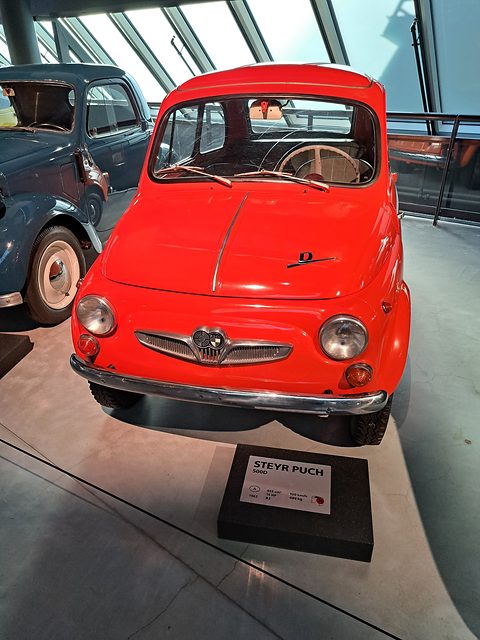
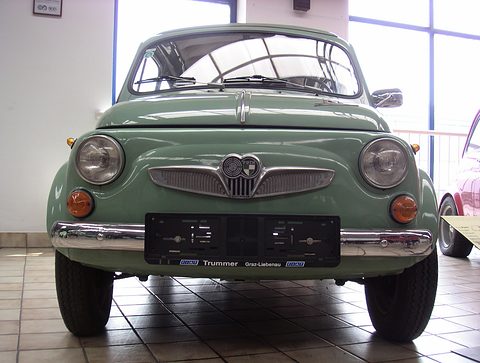
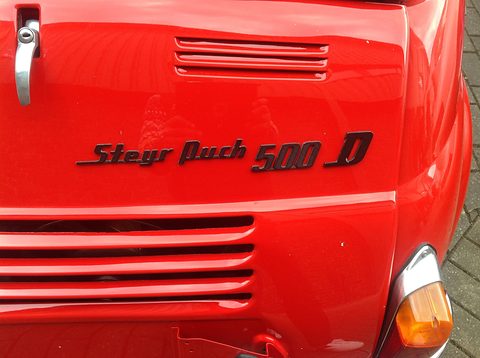
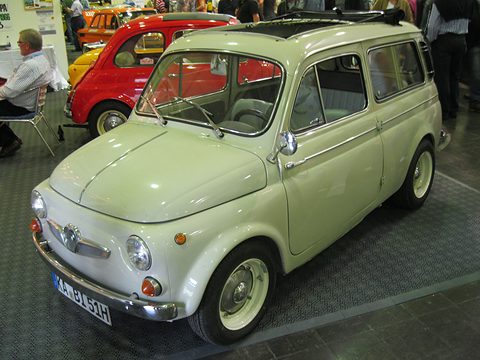
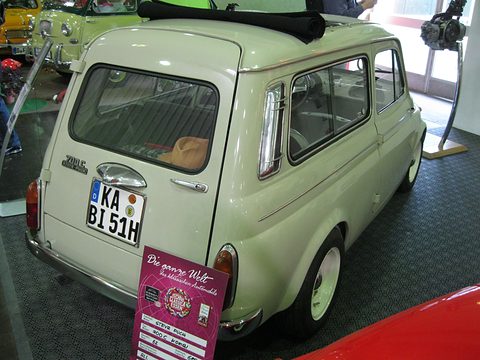
In 1959 the 500 D took Fiat’s steel roof, the D standing for Dach, and the 500 DL had 20 PS; the oval front badge, the “manhole cover”, gave way to the “bird”. That year Graz built 8,334 cars, its best.source 1source 2source 5 Estates followed, the 700 C and the cheaper 700 E, with a 643 cc engine, and in 1962 the saloon took that engine as the 650 T, the T for the Thondorf works.source 1source 2 The 650 engine is related to the one in the Haflinger off-roader.source 8
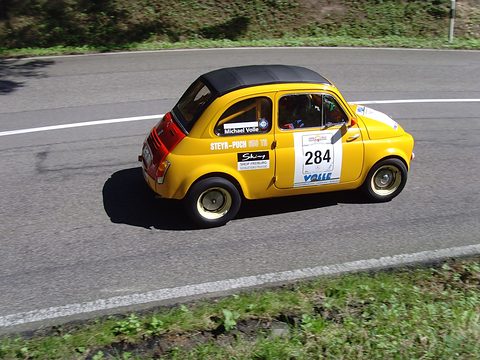
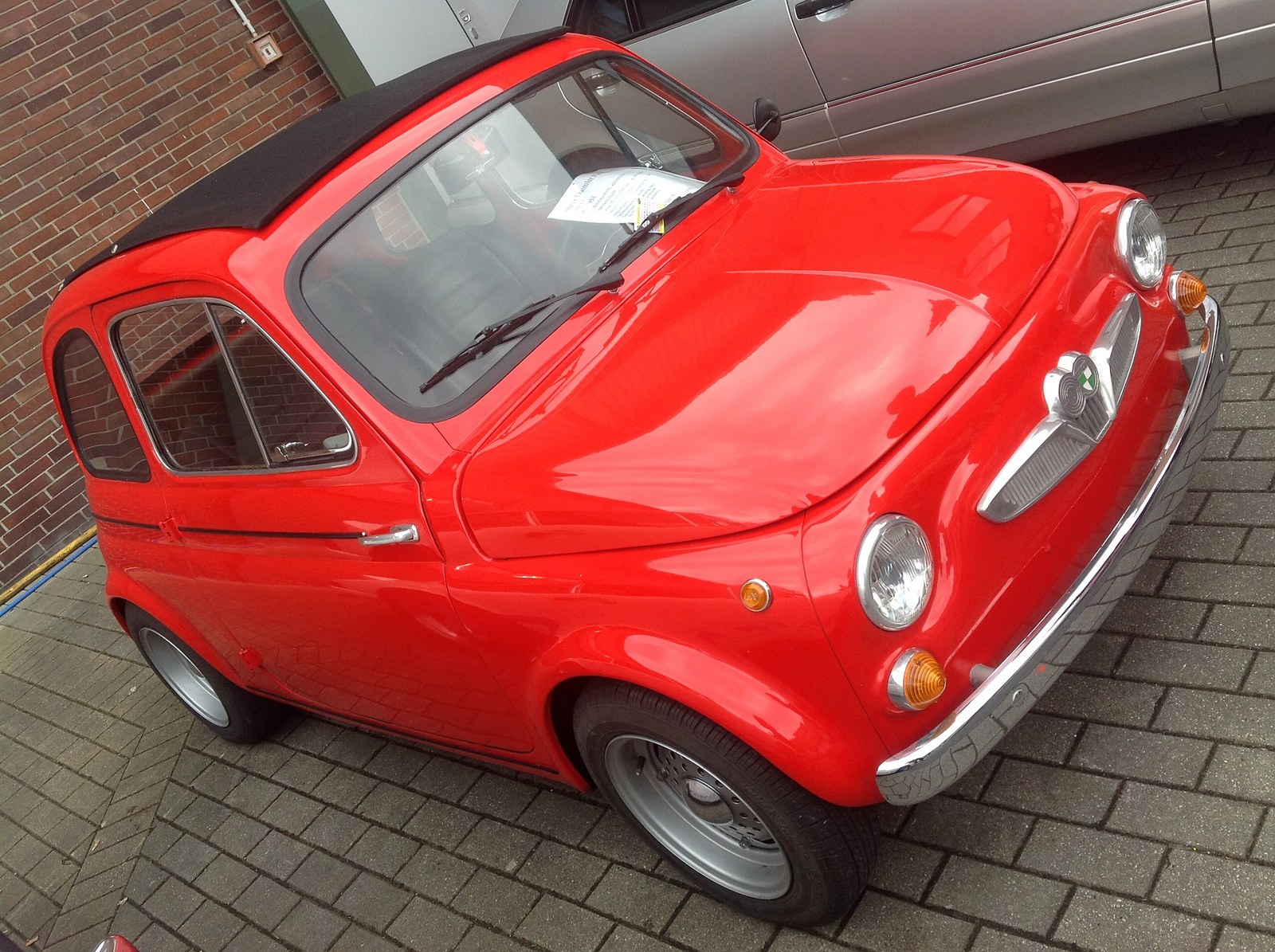
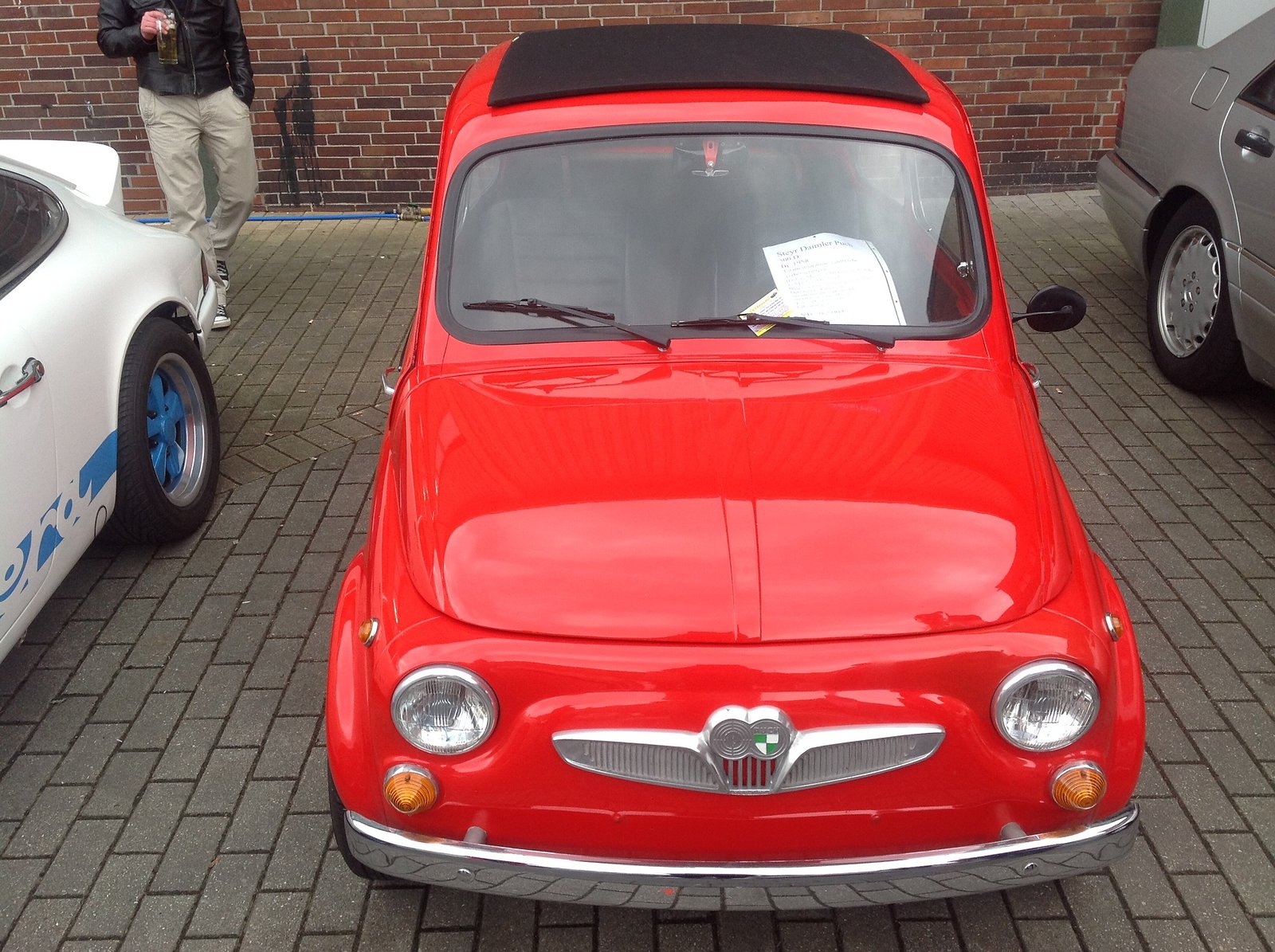
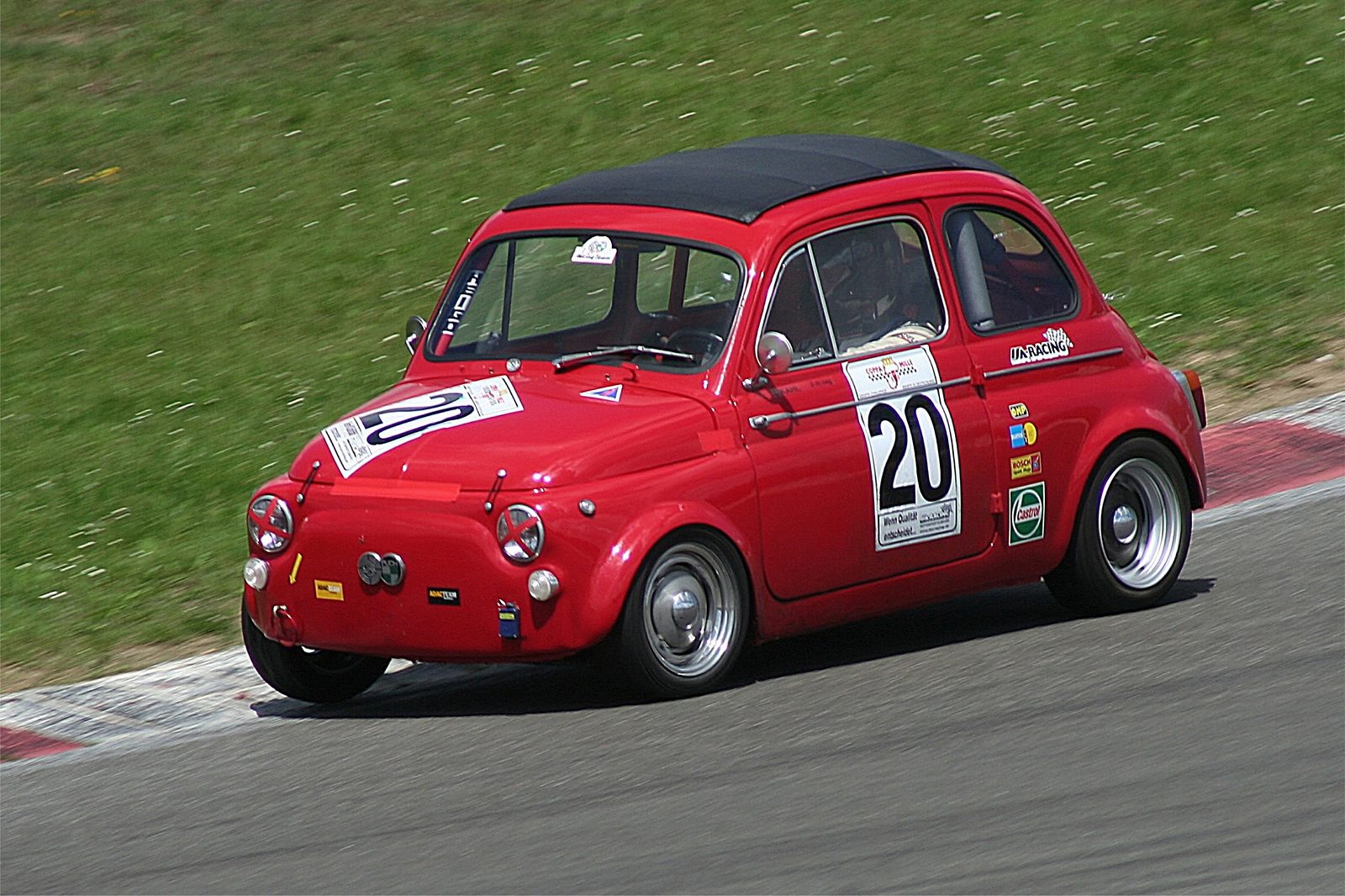
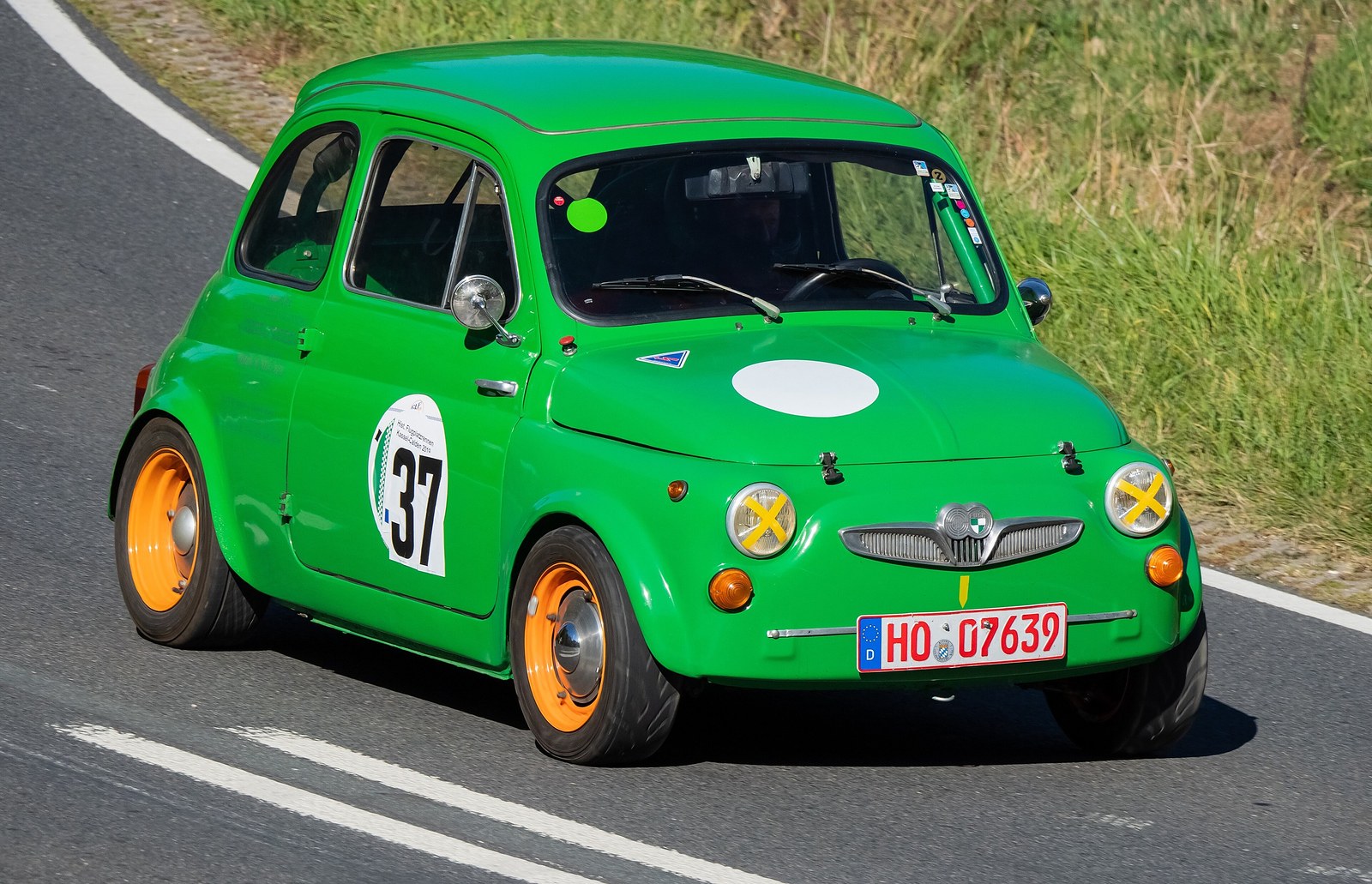
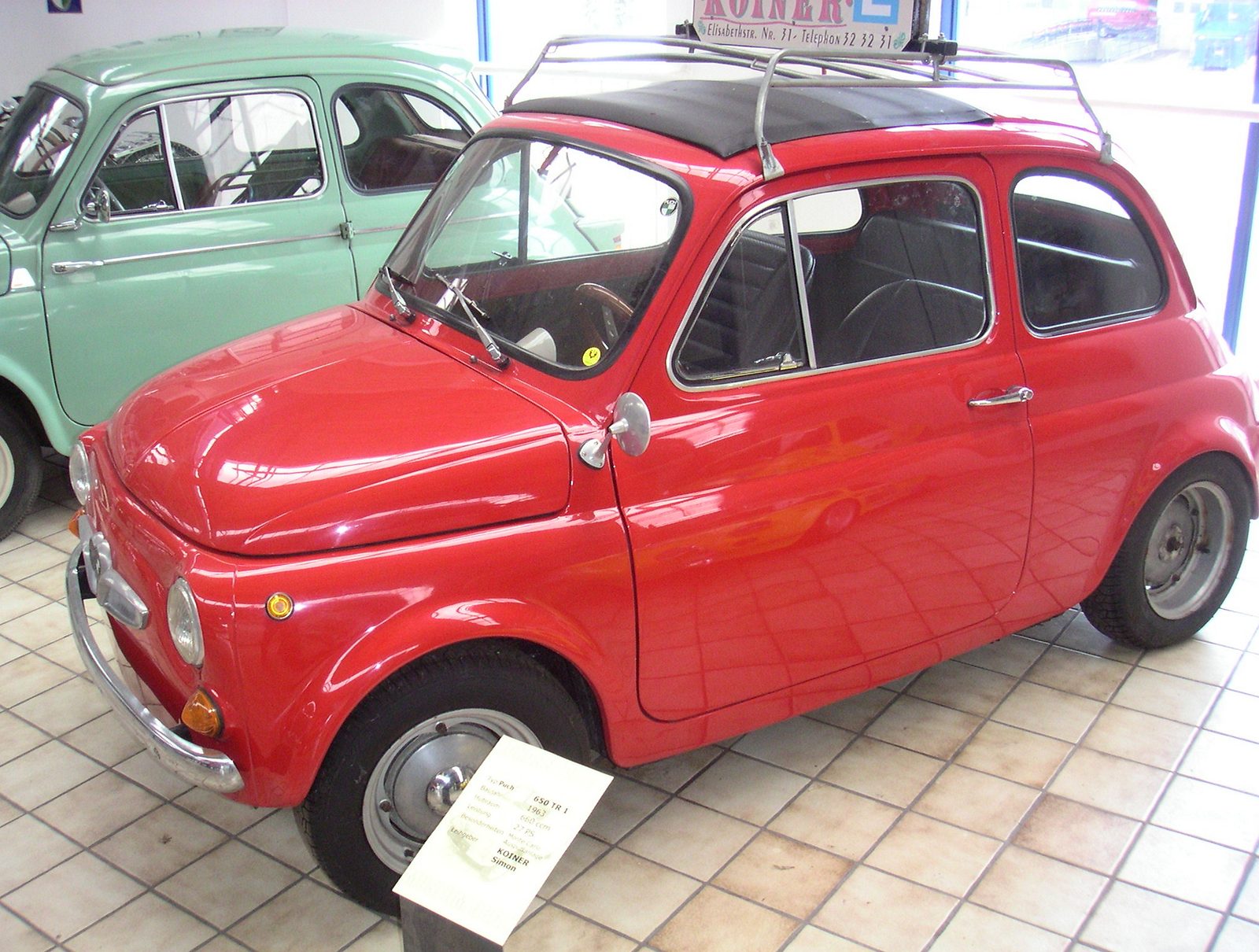
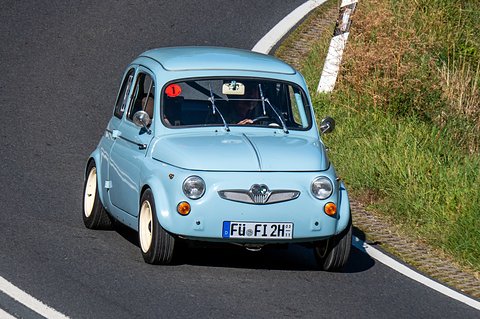
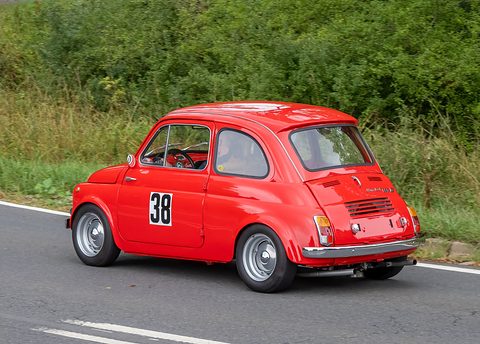
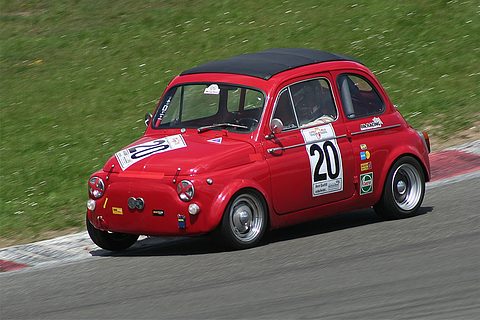
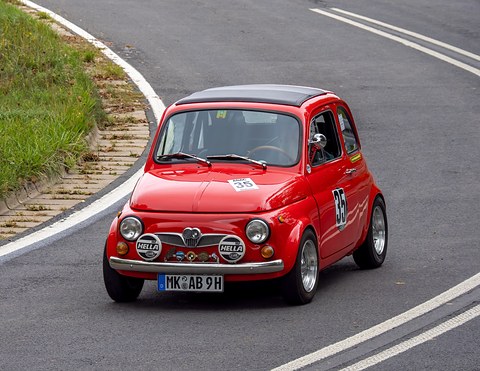
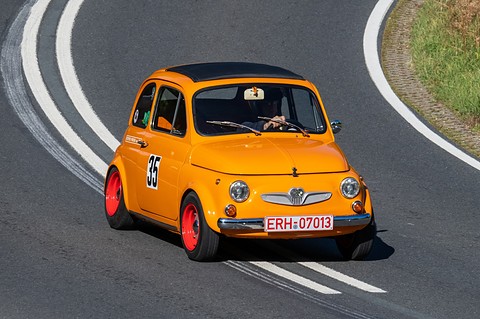
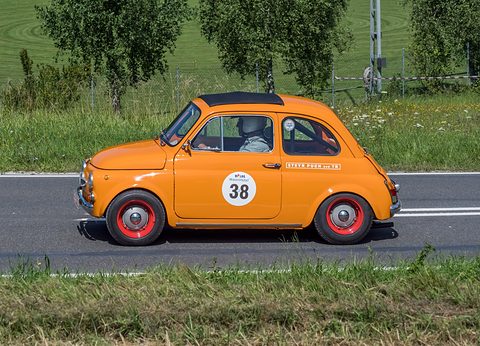
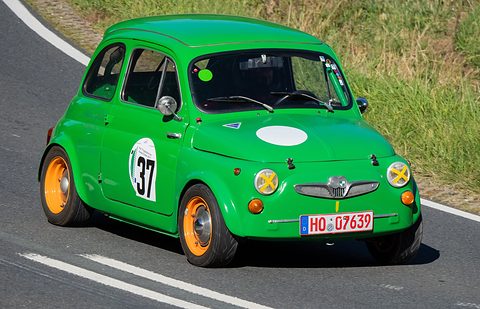
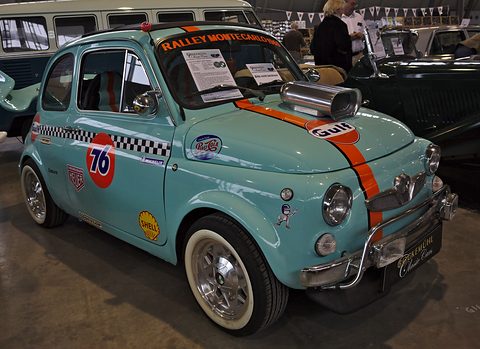
From 1964 came the 650 TR, with twin carburettors and 660 cc, and the 650 TR II, of 34 to 41 PS. They were meant first for the police, then sold to the public, and homologated in Group 2 for touring cars up to 700 cc.source 1source 2source 8 In 1966 Sobiesław Zasada won the European Rally Championship’s Group 2 touring-car title in one (see racing and rallying).source 2source 9 Werner Hölbl built 18 Adria TS coupés by hand on the 700 C chassis, in his father’s body shop.source 2 German Wikipedia rates the TR II above its Abarth rivals because of its engine, and in Italy Piercarlo Borghesio and Giuseppe Lombardi raced Puchs.source 1source 5
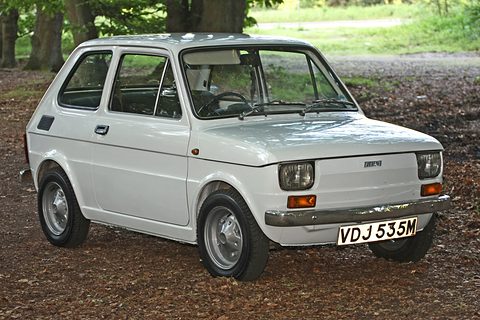
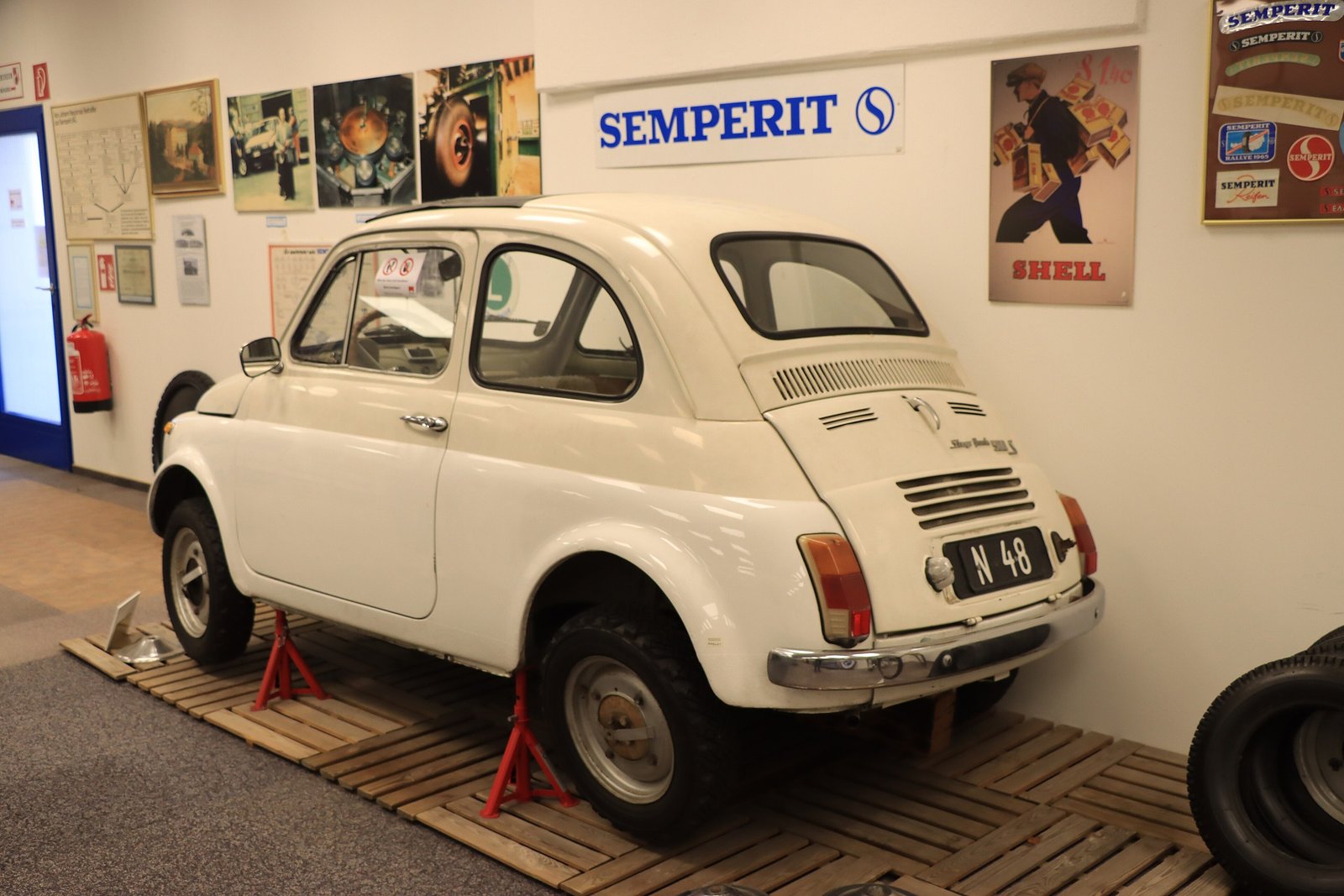
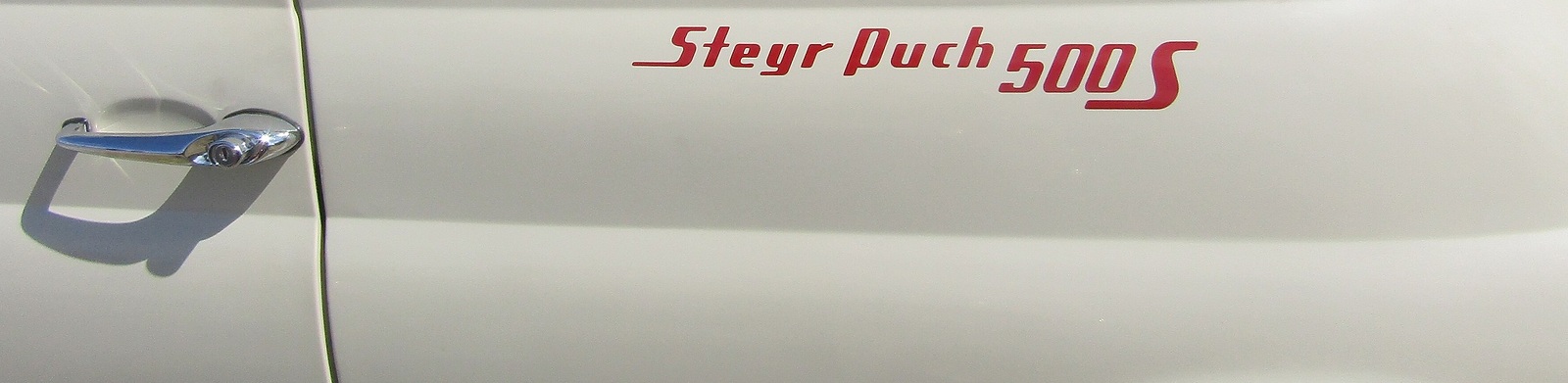
In 1967 Puch adopted Fiat’s later body, with doors hinged at the front, as the “Europa”. As demand fell, from 1969 it bought the whole drivetrain from Fiat except the engine, for the 500 S.source 1source 2 From 1973 the Fiat 126 body replaced the 500’s, again with a Puch flat twin of 643 cc and 25 PS; 2,069 were built, the last in 1976, and production ended for lack of demand.source 1source 2 By 1973 the 500 cost 32,900 Schilling.source 5
The Pucherl
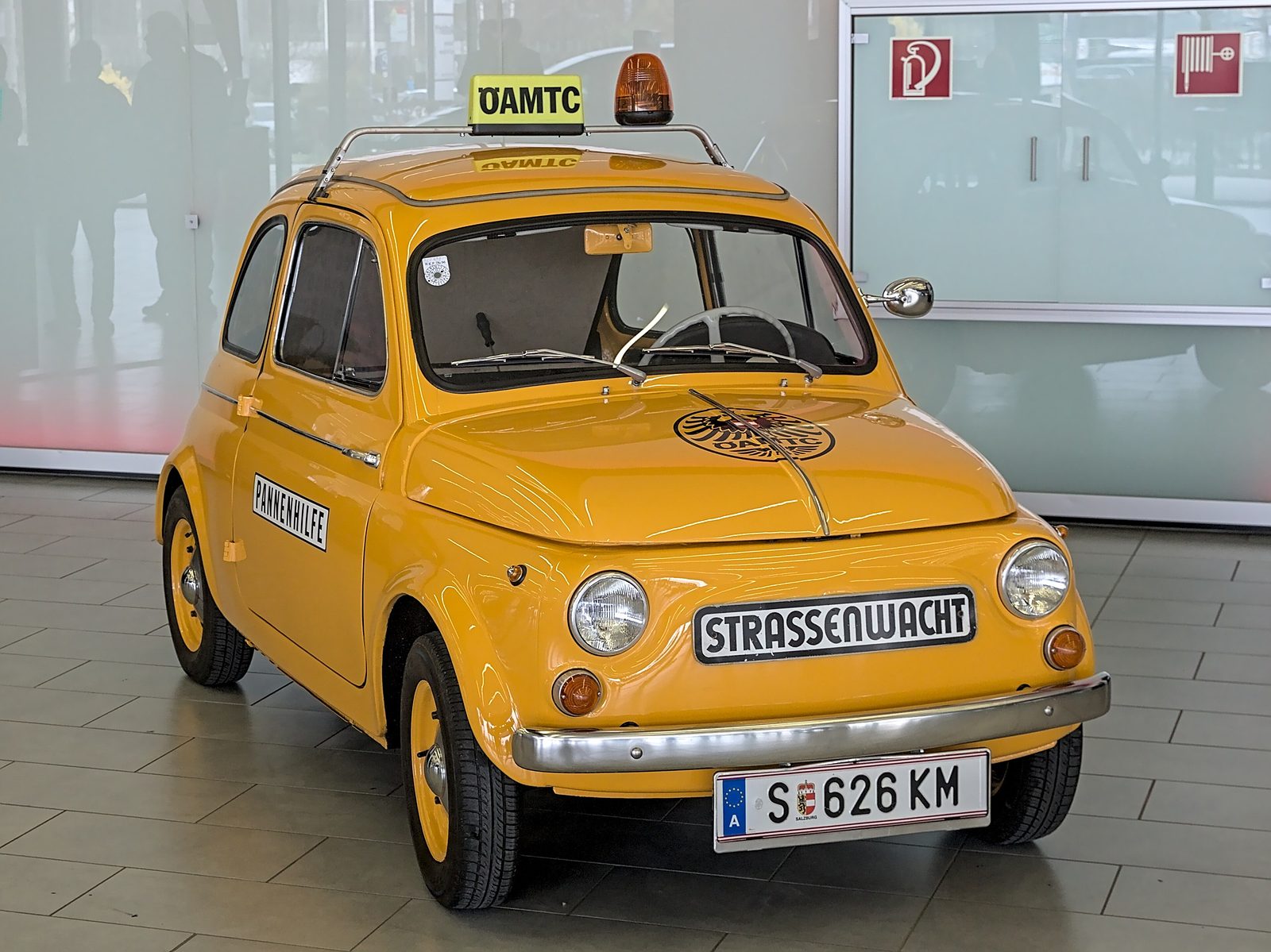
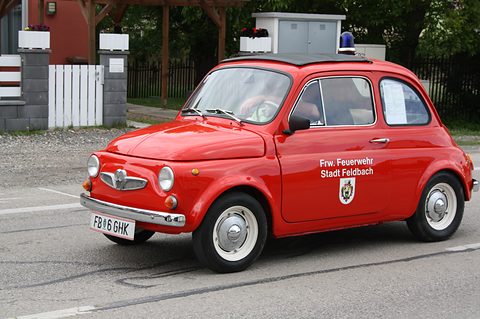
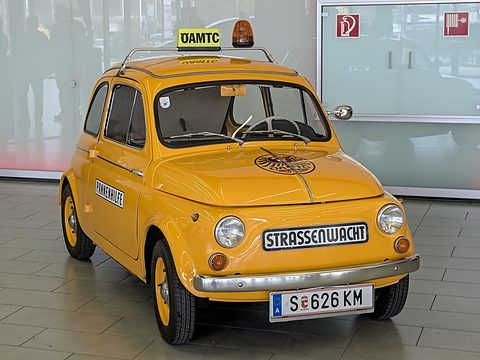
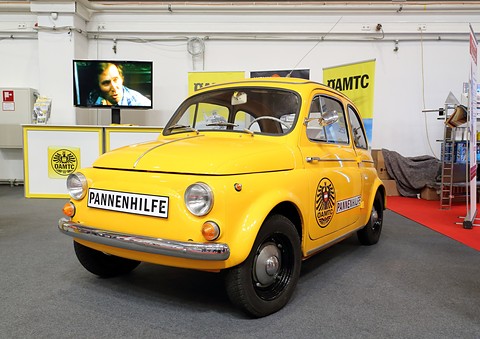
Austrians called it the Pucherl, in Styria also the Puchschammerl, or the Knutschkugel, the “kissing ball”.source 1source 2source 5 It was the Austrian motoring club’s patrol car, and the Wiener Zeitung credits it with 62 per cent of its class in Austria.source 2source 5 Gerhard Bronner wrote a song about it, Helmut Qualtinger made his only advertisement for it, and in March 2012 it appeared on an Austrian stamp.source 5source 1 In the Münster episodes of the German crime series Tatort, the forensic assistant Silke Haller drives one (see microcars on screen).source 1
Der Steyr-Puch 500 wurde zu einem Stück steirischer Folklore.