microcarfan
  • Pre-war voiturette
  • France
  • Four wheels
  • Built under licence

Rosengart LR2

Also known as Rosengart 5CV, Rosengart LR4, Rosengart Supercinq

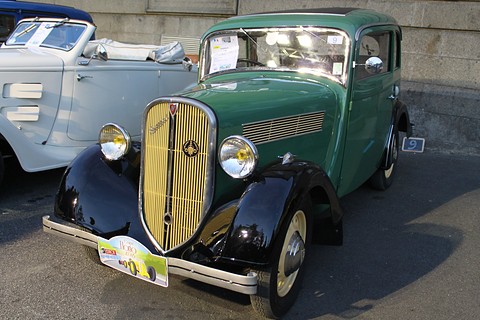
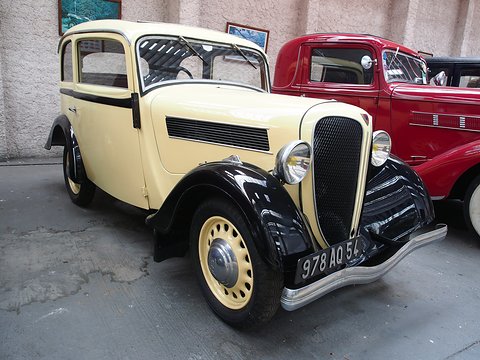
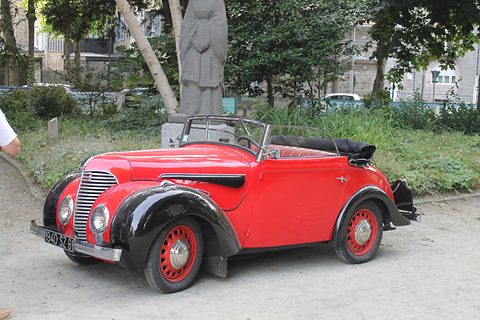
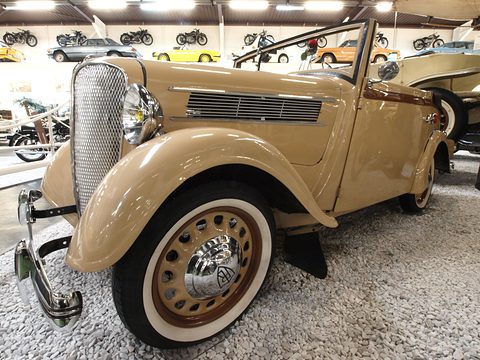
Lucien Rosengart made his fortune, by one account, from a screw that did not rust, and in the First World War his factories turned out shell fuses by the hundred thousand a day. In 1928 he became a carmaker with somebody else’s car: the Austin Seven, made French down to its threads.

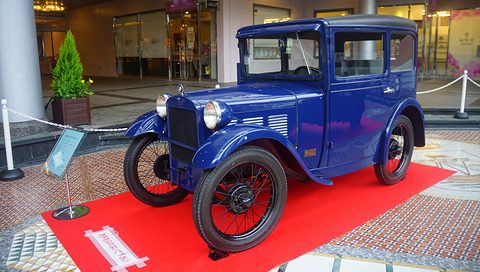
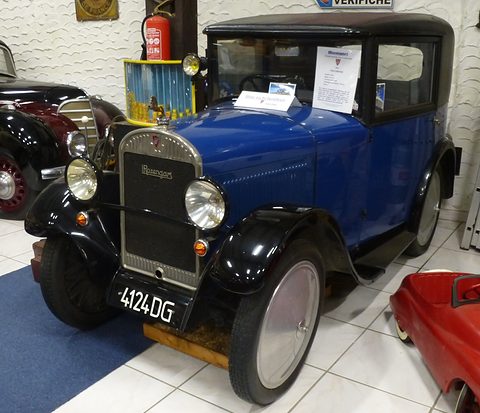
A small upright blue saloon with black wings and an information sheet on its windscreen stands on a white tiled floor.
A blue 1928 Rosengart LR2 saloon in the Rosengart-Museum at Bedburg, Germany, in 2021.Photo: Buch-t, CC BY-SA 3.0 de, via Wikimedia Commons

At a glance

The spec plate

Rosengart LR2

5 CV · Paris

Built
1928–⁠1939Shown at the Paris Salon in October 1928; the LR2 to 1931 by French Wikipedia, its successors to 1939
Country
FranceParis and Neuilly-sur-Seine
Maker
Automobiles L. RosengartLucien Rosengart, with the engineer Jules Salomon
Engine
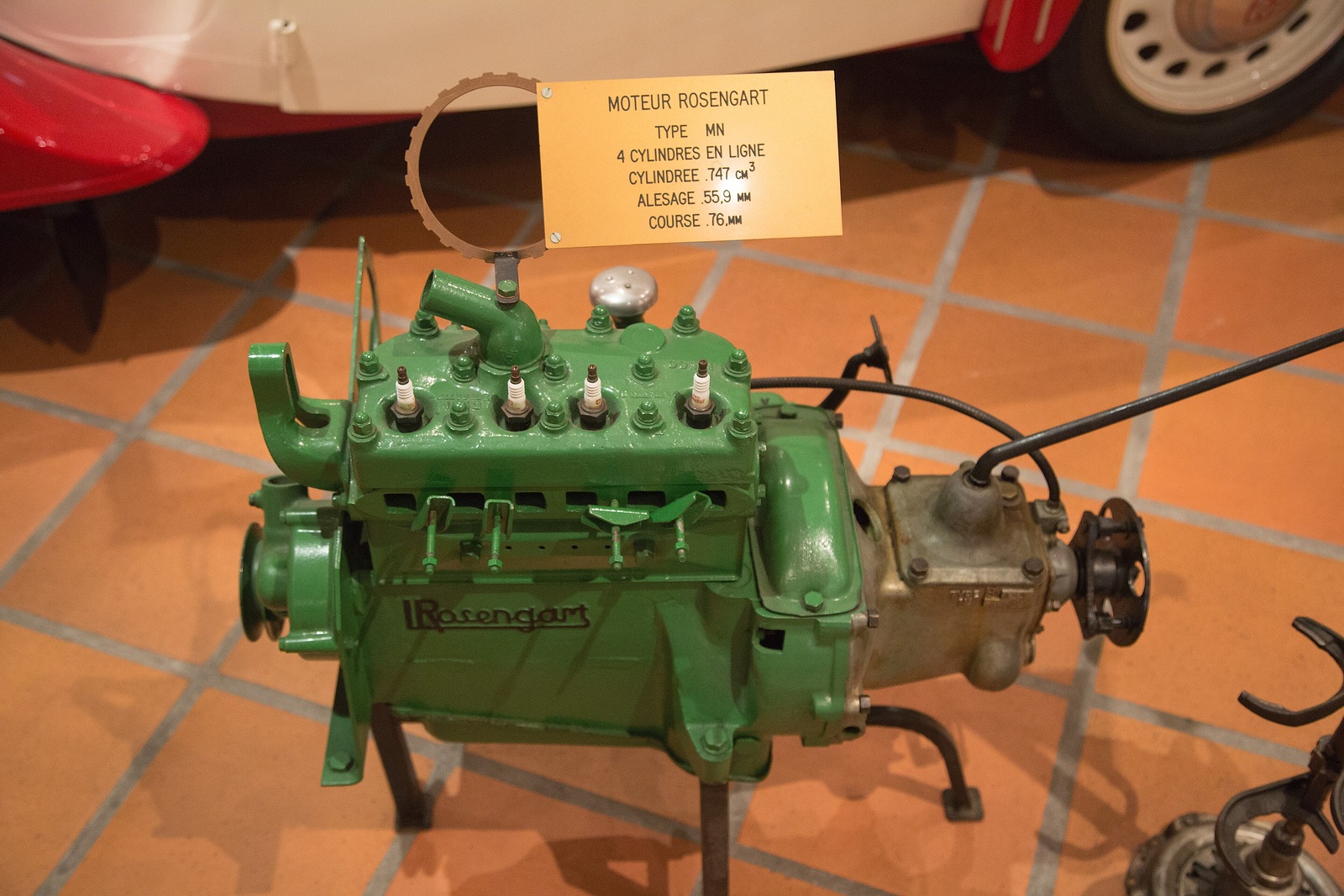
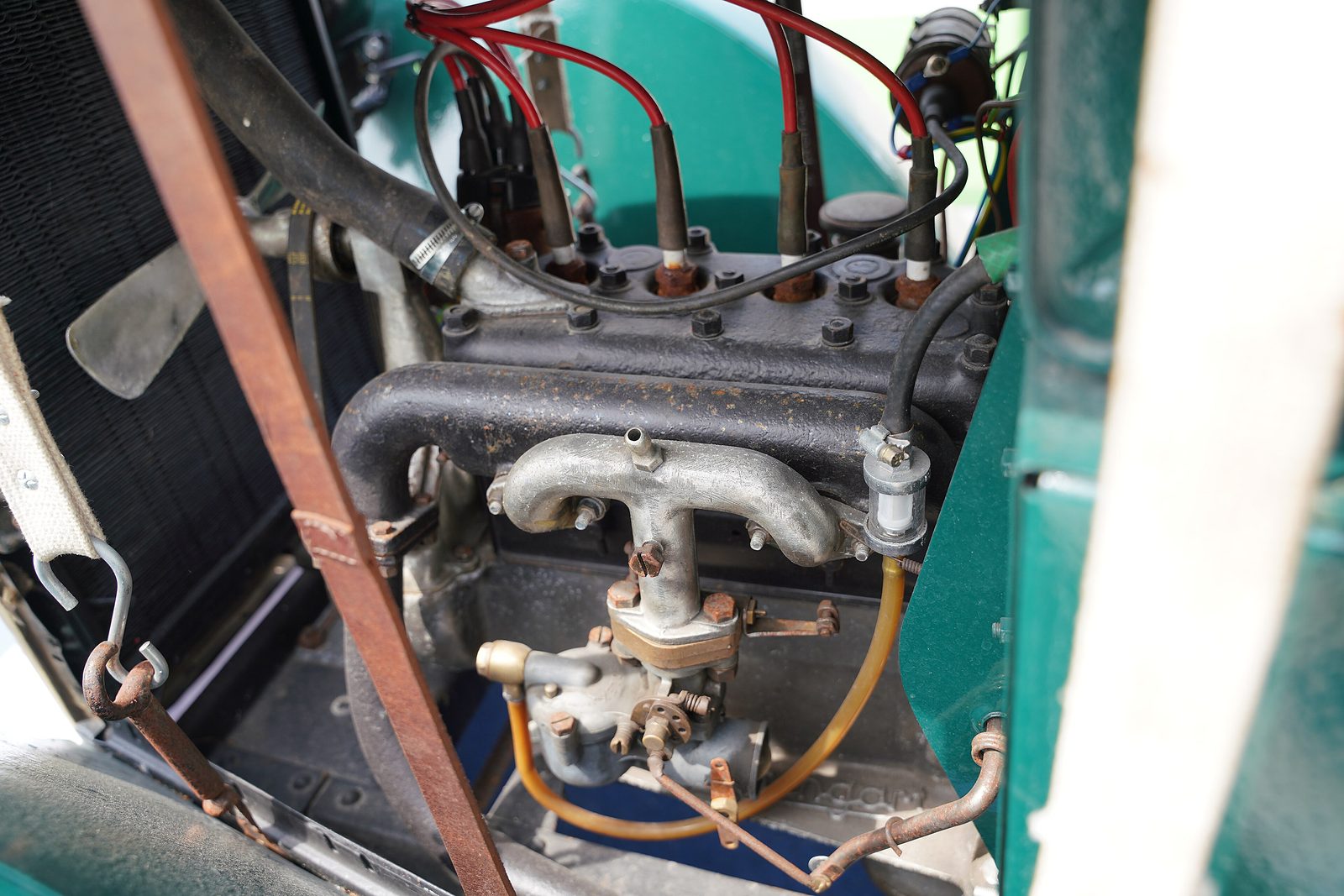
747 cc side-valve fourThe Austin Seven’s, with a Ducellier magneto and a Solex carburettor
Power
11 hp8 kW; 18 hp in the Supercinq of 1935
Seats
2 to 4The first model, the LR1, a three-seater or a van
Wheels
4Engine at the front, the rear wheels driven

Not yet recordedtop speed, length and weight.

How big is it?

True proportion

Length unknown

No reliable length has been found. The Fiat 500, the Peel P50 and the adult stay, so the gap is shown, not hidden.

  • Wheelbase 2,200 mm (87 in), longer than the Austin’s
Drawn at true proportion. The track is 3.6 metres long; the adult stands at the same scale. The Peel P50 is the smallest production car, on every page for comparison.

The story

History

Rosengart was born in Paris on 11 January 1881 and began in a workshop in Belleville, making fasteners; by French Wikipedia’s account, a rust-proof wood screw used on the Paris Métro made his fortune.source 1 From 1905 he made small mechanical parts and lamps for bicycles, motor boats and cars, and he took out 186 patents.source 2 In the First World War the state ordered his fuses for artillery shells, and with Citroën as a partner he built factories in Paris and at Saint-Brieuc that turned out up to 100,000 a day.source 2source 1 He founded the Paris boat show in 1926, and in 1930 Vuillard painted his portrait, now in the Musée d’Orsay. French Wikipedia also credits him with inventing table football, a claim that has not been confirmed.source 1source 2

He knew the motor trade from the inside. He helped André Citroën launch the 5CV, the Citroën 5HP, and in 1923 Robert Peugeot recruited him; he was pushed out in 1927, after costly ventures such as Peugeot Maritime.source 1 That same year he decided to make cars of his own, and bought a factory at Neuilly-sur-Seine.source 1

The Seven, made French

His partner was the engineer Jules Salomon, who had designed Le Zèbre and then that same 5CV (Salomon is on our page of the designers). Together they set out to build the Seven under licence, as it was also built in Germany, as the BMW 3/15, and in America, as the American Austin (more on the built under licence page).source 2source 1source 3 When the licence was bought is disputed. Both Wikipedias say 1923; the Austin Seven Friends history says 1928. Rosengart was at Peugeot from 1923 to 1927, so 1927–⁠28 seems the likelier date; that is our reading of the dates.source 2source 4source 3source 1

Production began in 1927–⁠28 in the former Bellanger works on the boulevard de Dixmude, in the 17th arrondissement, by English Wikipedia’s account; the French sources place the firm at Neuilly-sur-Seine.source 4source 2source 1 The car was presented at the end of 1928, and at the Paris Salon that October Rosengart became a maker in his own right with his licence-built 5CV.source 2source 5 The first model was the LR1, a three-seater or a van, and the LR2 followed in 1929.source 3source 4

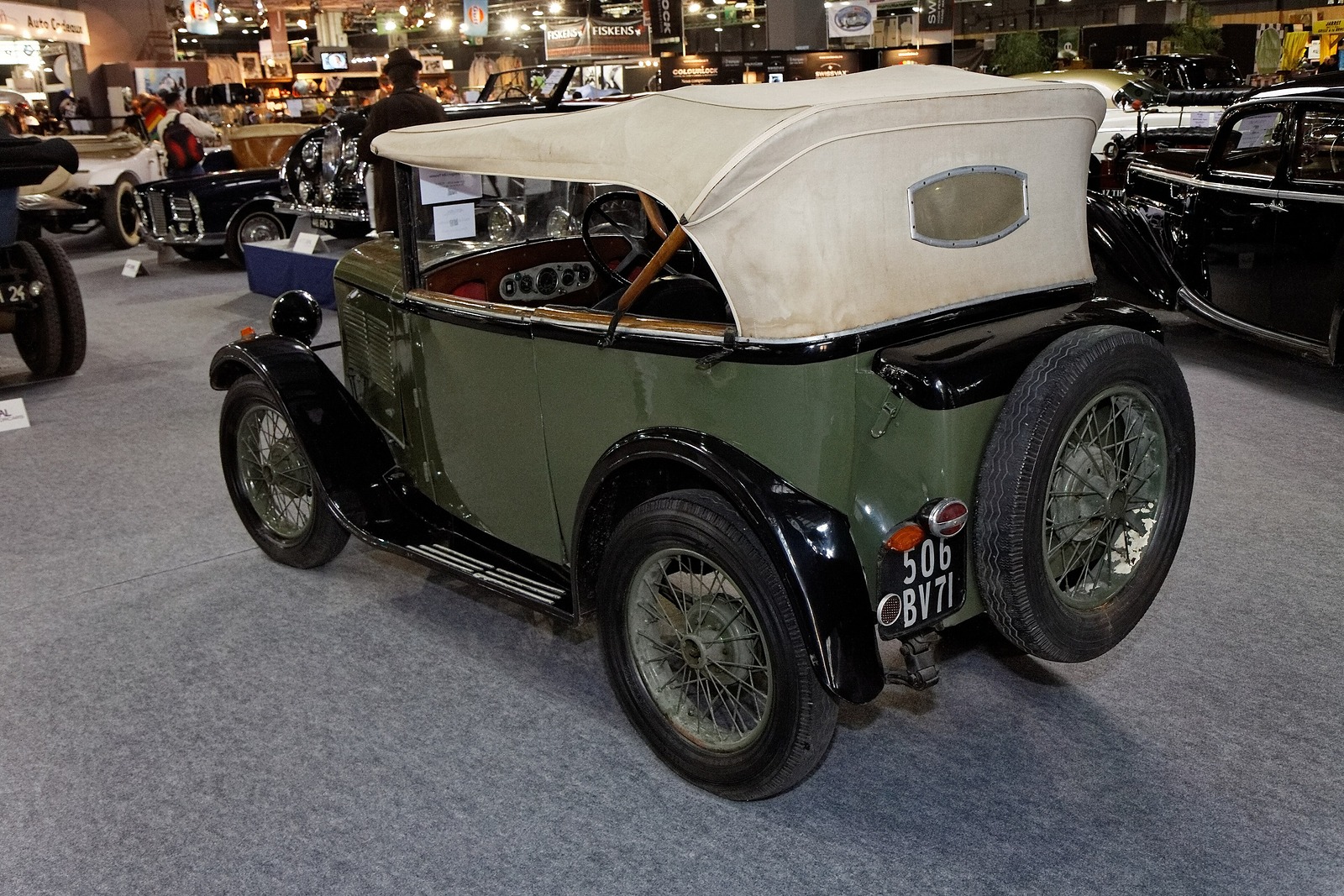
It was the Seven with a French passport. The threads were metric, the magneto a Ducellier, the carburettor a Solex, and the starter and dynamo were made in France.source 3 The chassis was longer too: the standard Rosengart wheelbase was 2,200 mm (87 in), against the Austin’s 1,905 mm (75 in).source 4 Its price when new has not been found.

A hundred thousand kilometres

Rosengart proved the car by driving it. François Lecot took a production Rosengart about 900 km (560 miles) a day for over three and a half months, until he had covered 100,000 km (62,000 miles) without major incident. In the same period, both Wikipedias say, the car came first in 80 of the 81 events it entered; the English article seems to follow the French, so this is one claim, not two.source 2source 4 Lecot was later famous for a much longer run, 400,000 km in a Citroën Traction Avant in 1935–⁠36. The two are not to be confused, and no source found dates the Rosengart run.source 2source 4

From LR2 to Supercinq

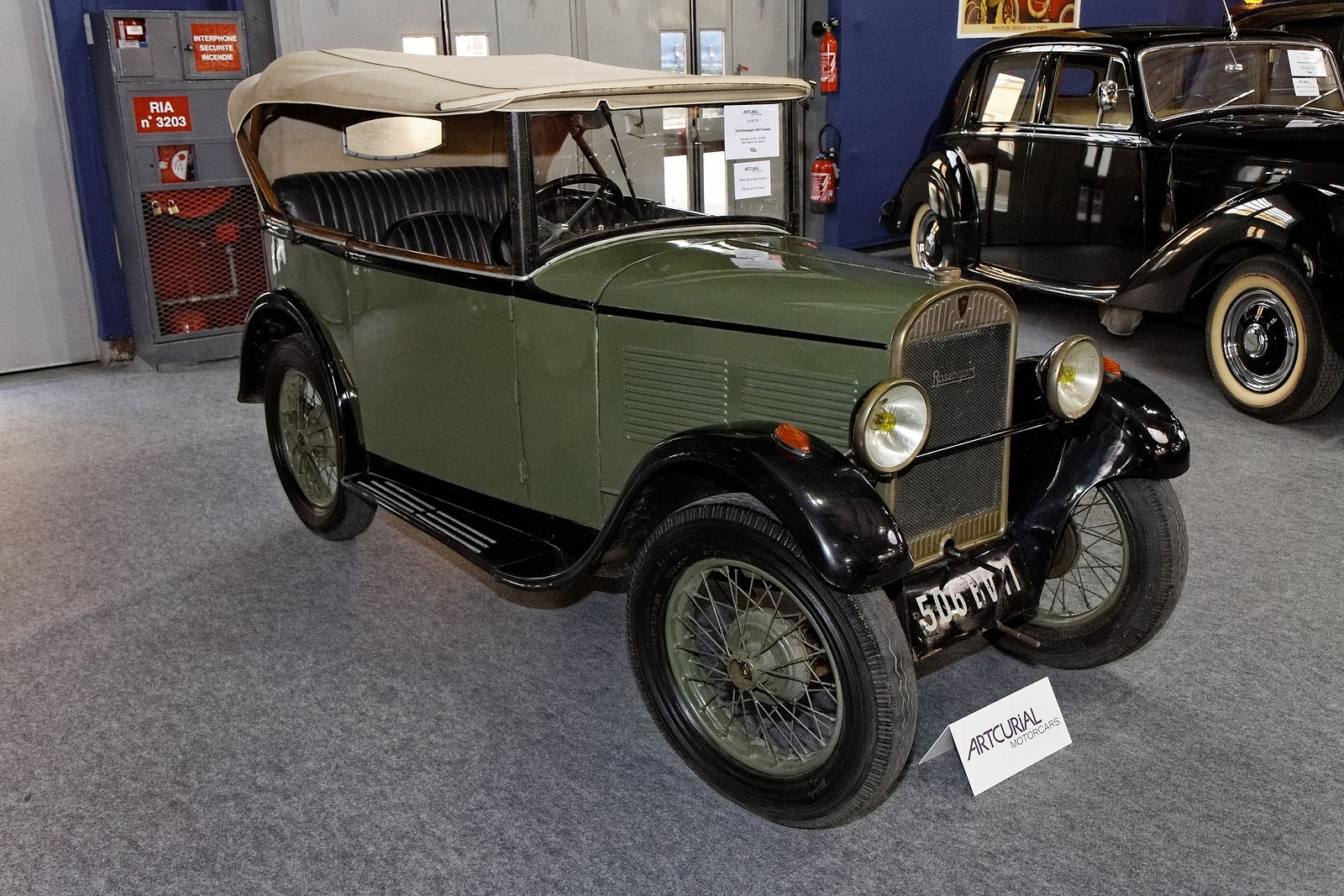
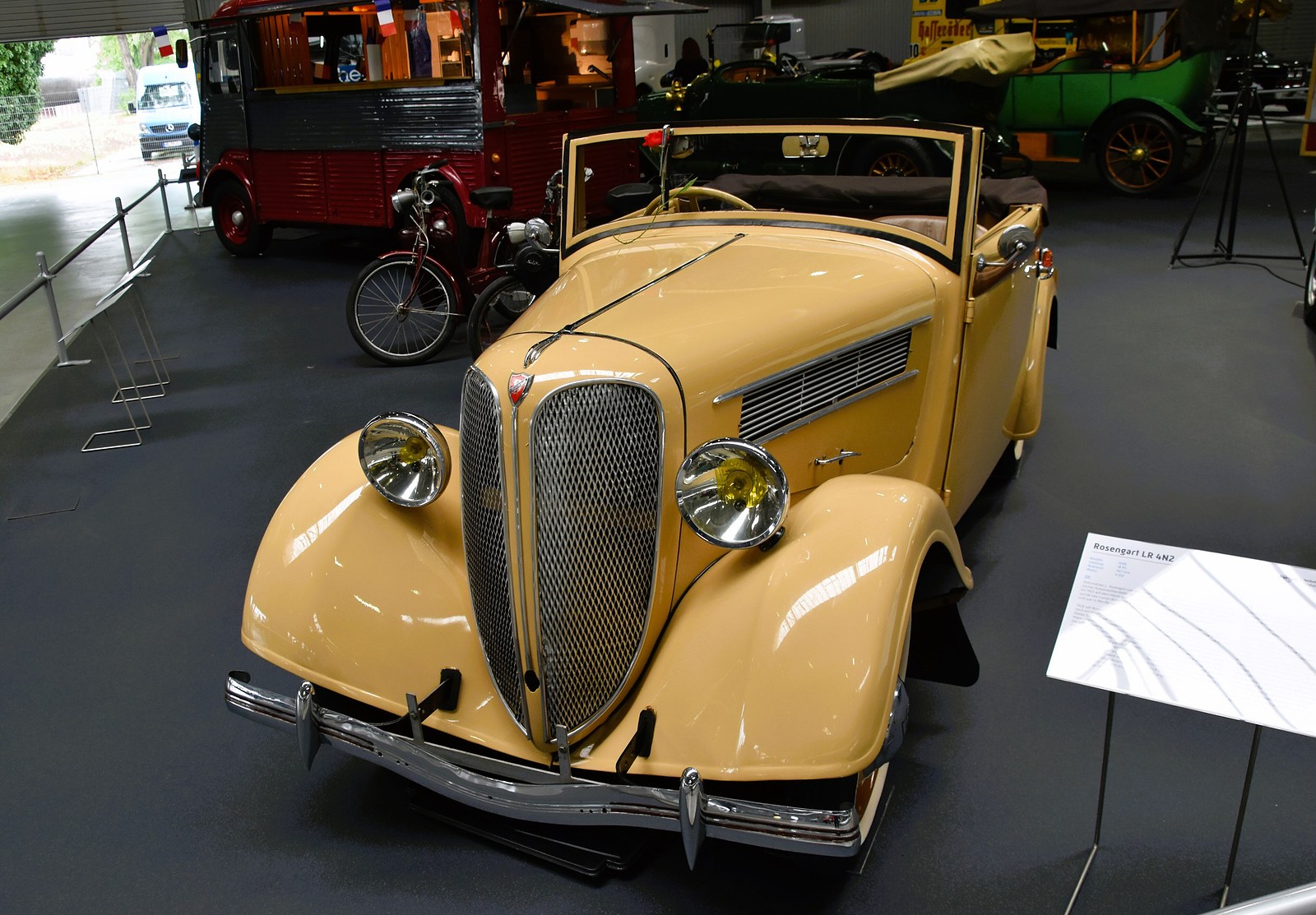
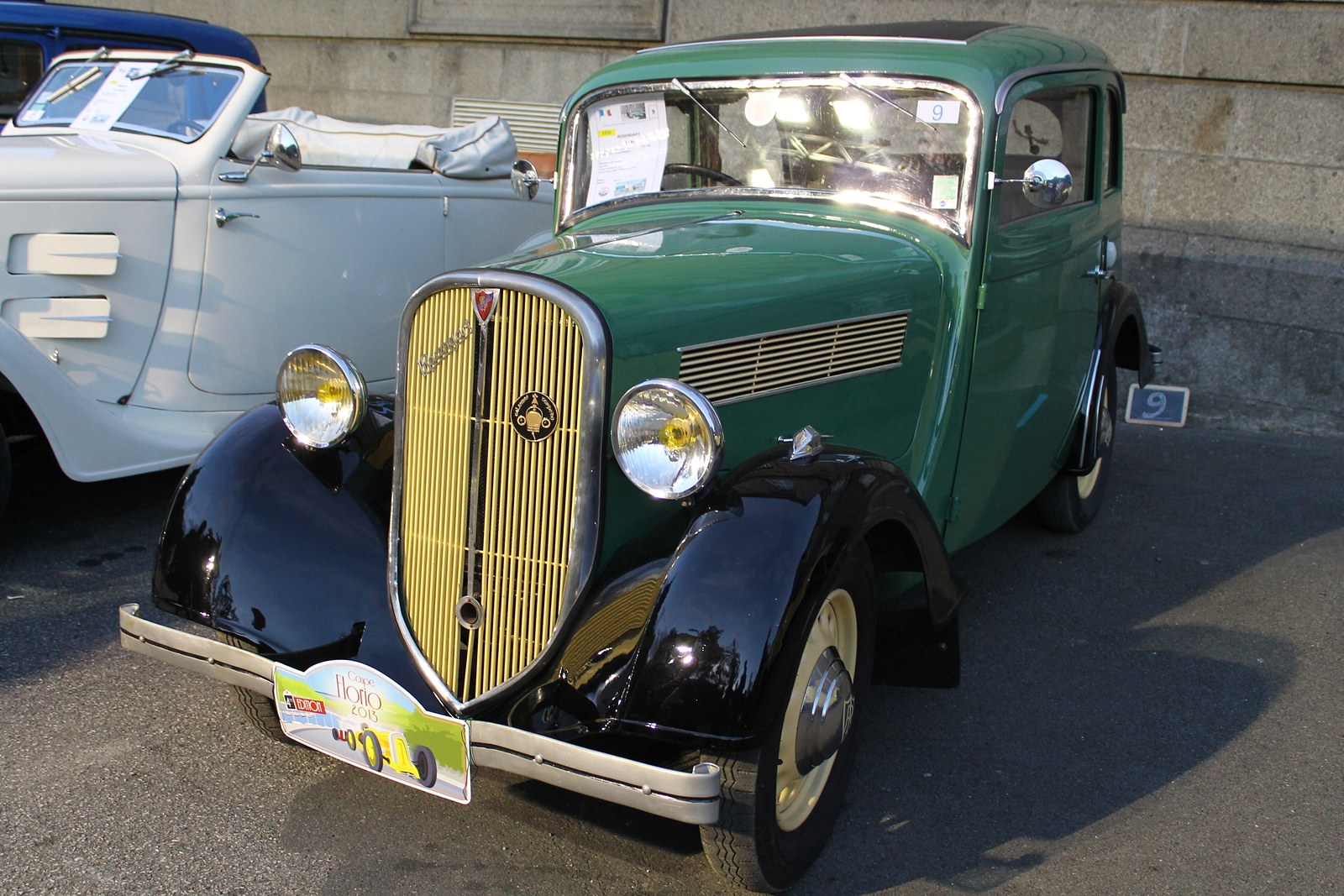
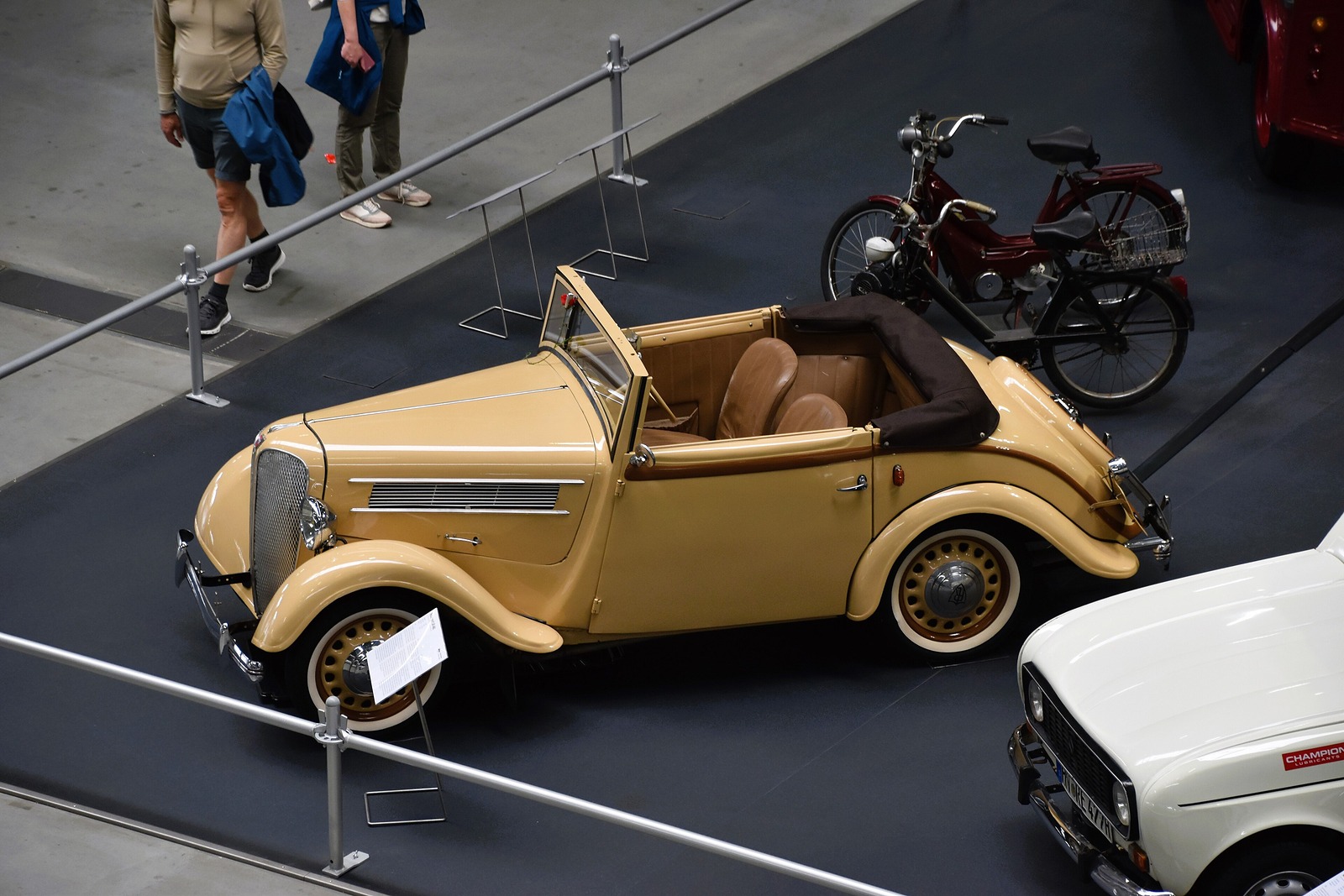
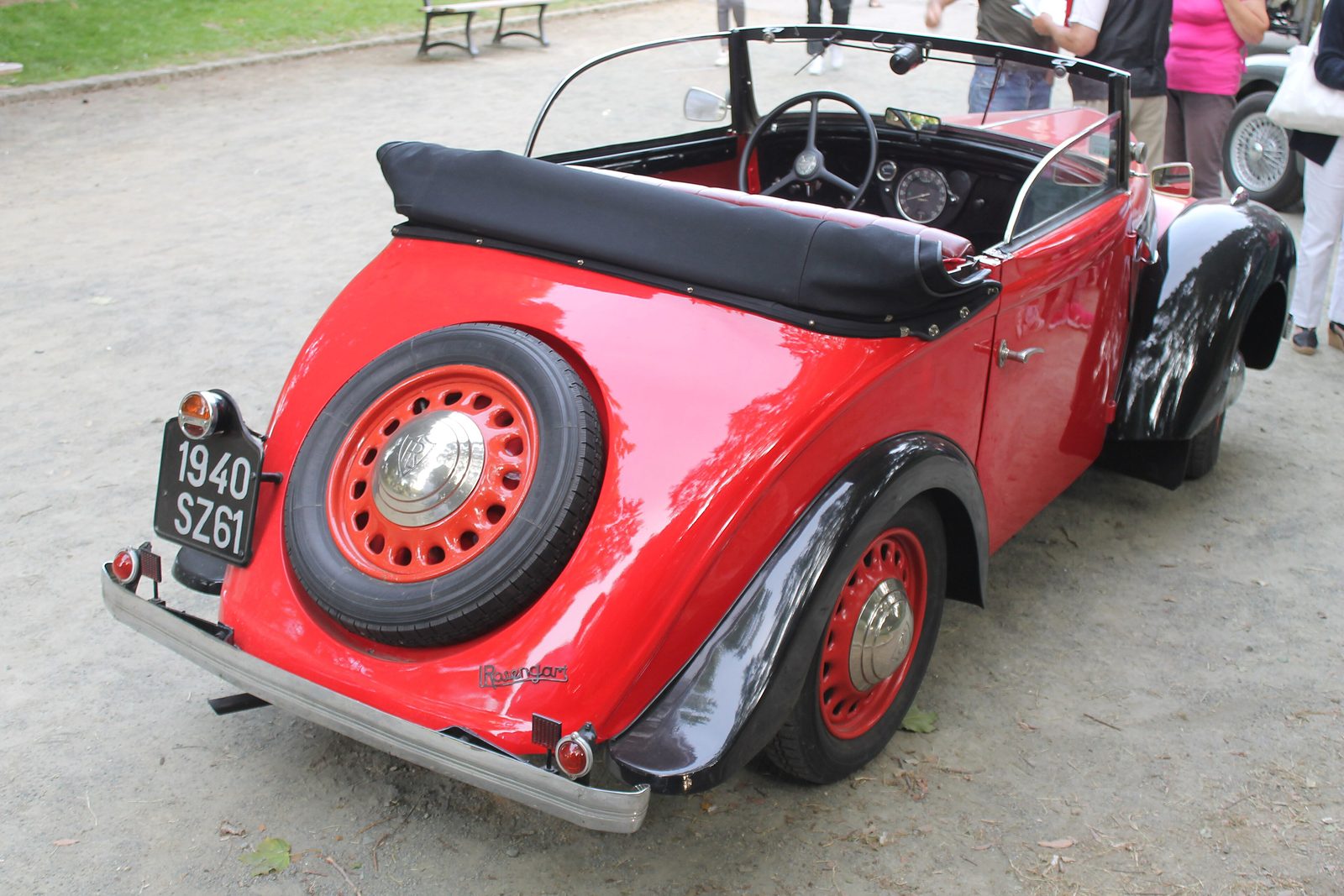
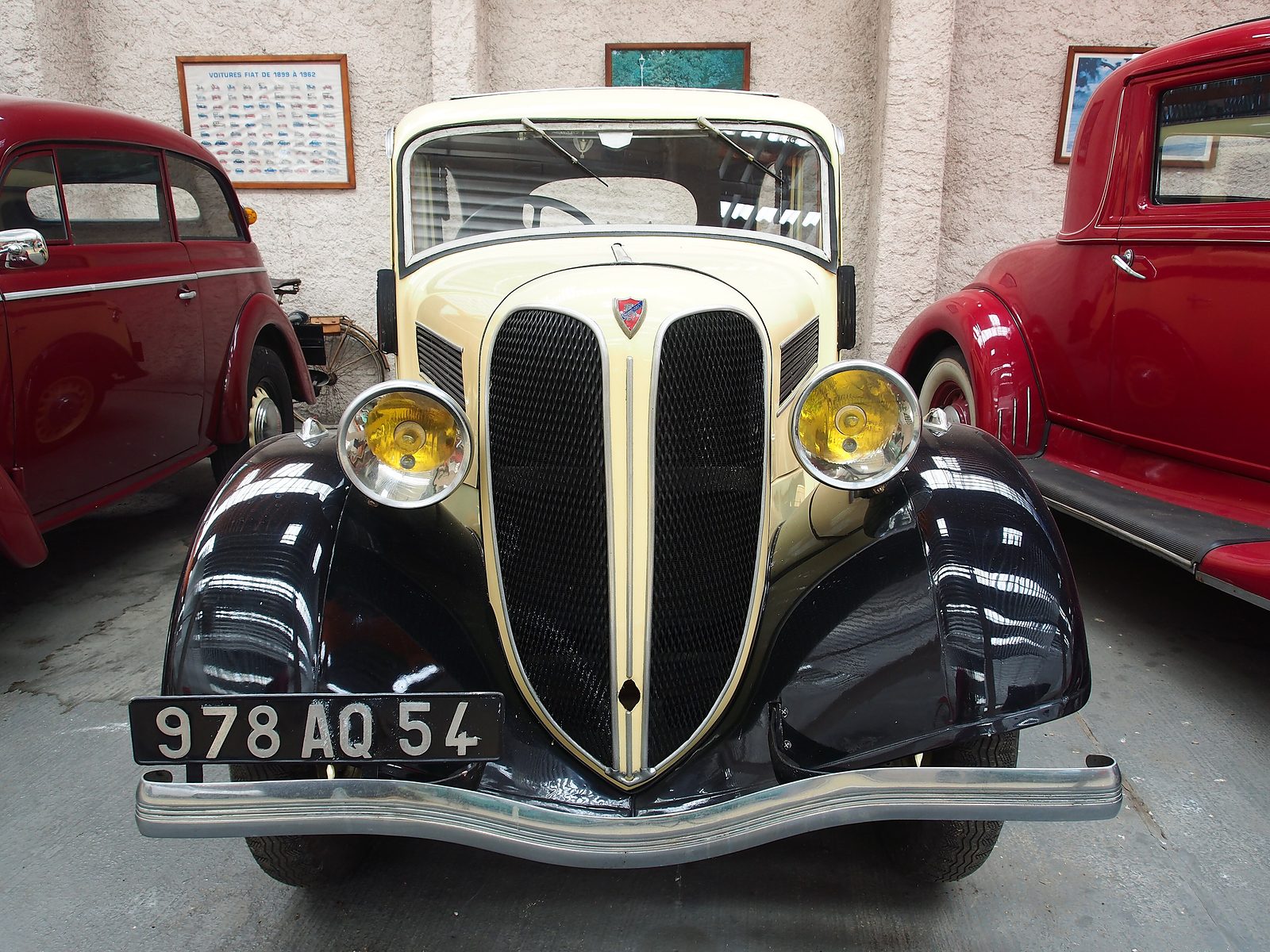
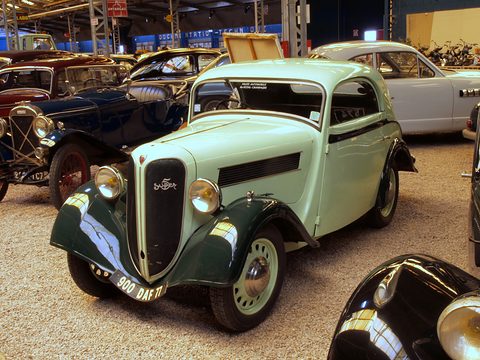
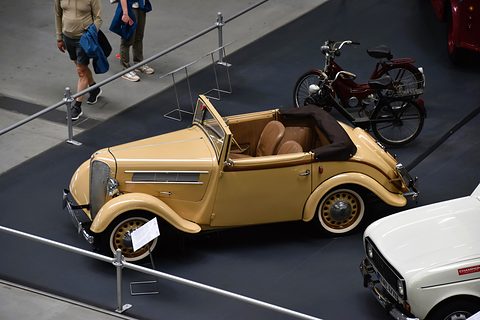
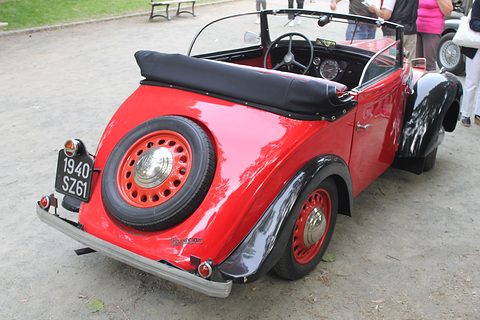
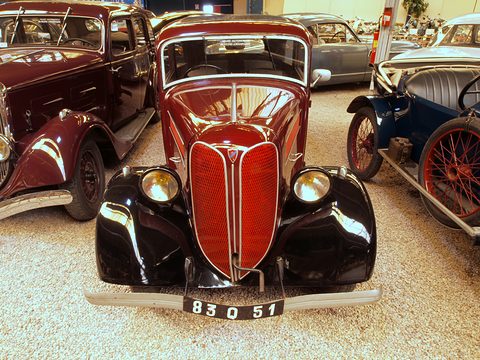
The family grew. French Wikipedia gives the LR2 as 1928–⁠31, the LR4 as 1931–⁠34, a six-cylinder LR6 as 1932–⁠35 and the Supercinq, the LR4N2, as 1935–⁠39; English Wikipedia counts all the variants as LR2s and says they were made until at least 1939.source 2source 4 The longer LR44 and LR47 came in 1932 and 1933, on a wheelbase of 2,350 mm, and the LR45 of 1934 on 2,600 mm.source 4source 3 The Supercinq of August 1935 had an aluminium cylinder head and 18 hp, and by 1938 an LR4N2 rated at 4 CV gave 19 hp at 3,800 rpm.source 4source 2 Rosengart’s royalties to Austin ended in about 1936.source 3 How many LR2s, or Austin-based Rosengarts in all, were made has not been found.

By 1935 the firm was in financial trouble, and in 1936 it was restructured through a company called SIOP; English Wikipedia says Rosengart’s own proprietorship ended that year.source 1source 4 The name went on. The Supertraction of 1938–⁠40 used Citroën Traction Avant mechanics, a 1,911 cc engine of 56 hp good for 120 km/h (75 mph). Lucien Rosengart, who was Jewish, moved to the south of France in 1942. After the war the firm built the Ariette and the Sagaie, and it closed in 1955.source 2source 1 He died at Villefranche-sur-Mer on 27 July 1976.source 1
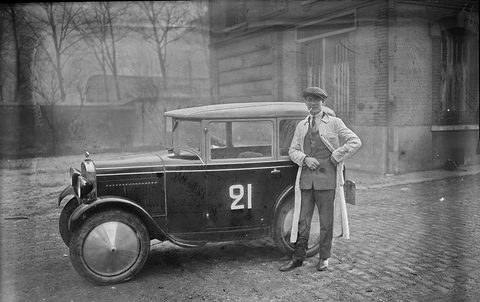
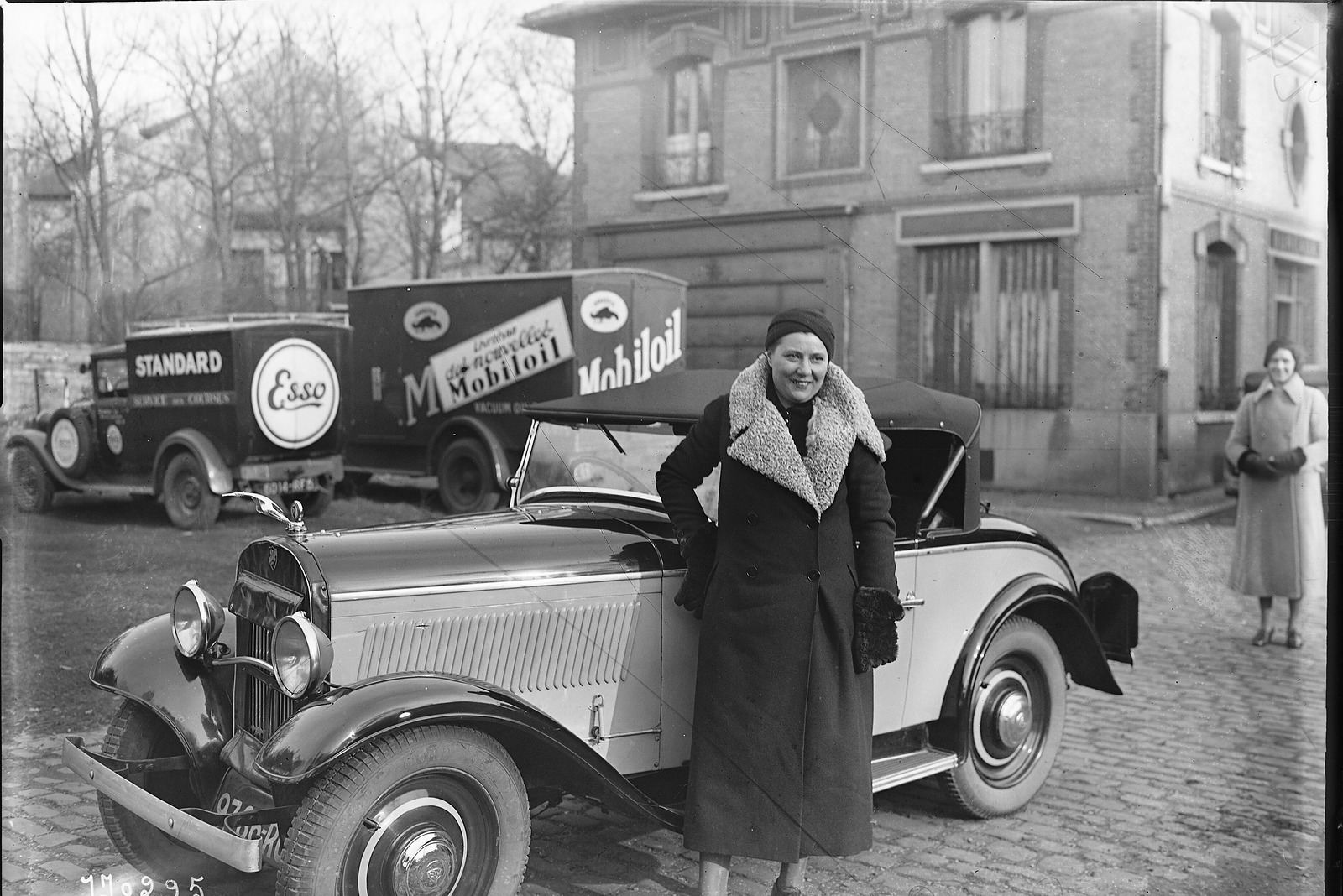
A small dark saloon numbered 21 on its door stands on cobbles beside a man in a long pale coat.
Plate I · 1929 Blanchon’s Rosengart LR2 saloon, No. 21, at the weighing for the Paris–Nice touring trial in March 1929.Photo: Agence Rol, Public domain, via Wikimedia Commons
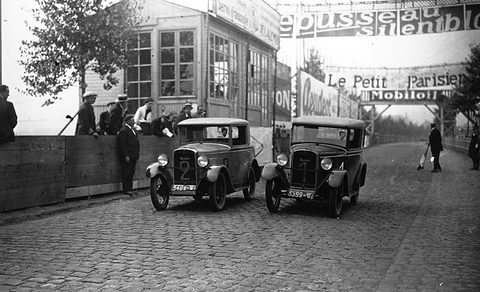
Two small square-roofed saloons side by side on a wide cobbled road, spectators behind a fence and advertising banners overhead.
Plate II · 1929 Véniel and Breyme in their LR2 saloons at the Circuit des Routes Pavées in 1929.Photo: Agence Meurisse, Public domain, via Wikimedia Commons
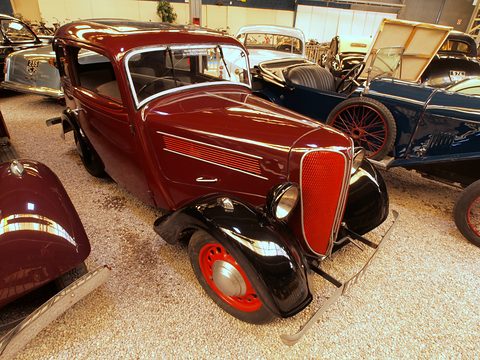
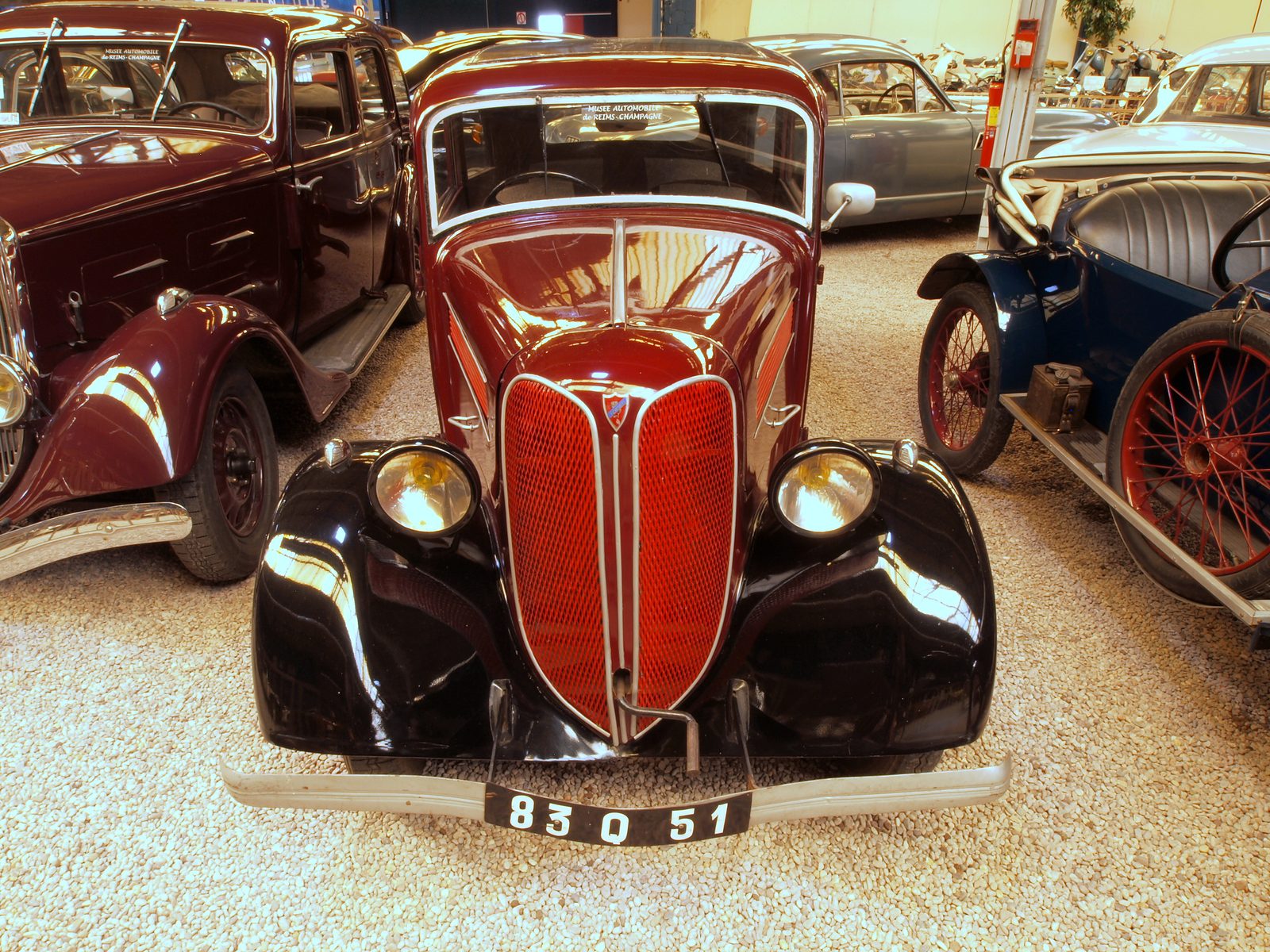
A red rounded two-door saloon with black wings and red wheels stands among other vintage cars on gravel.
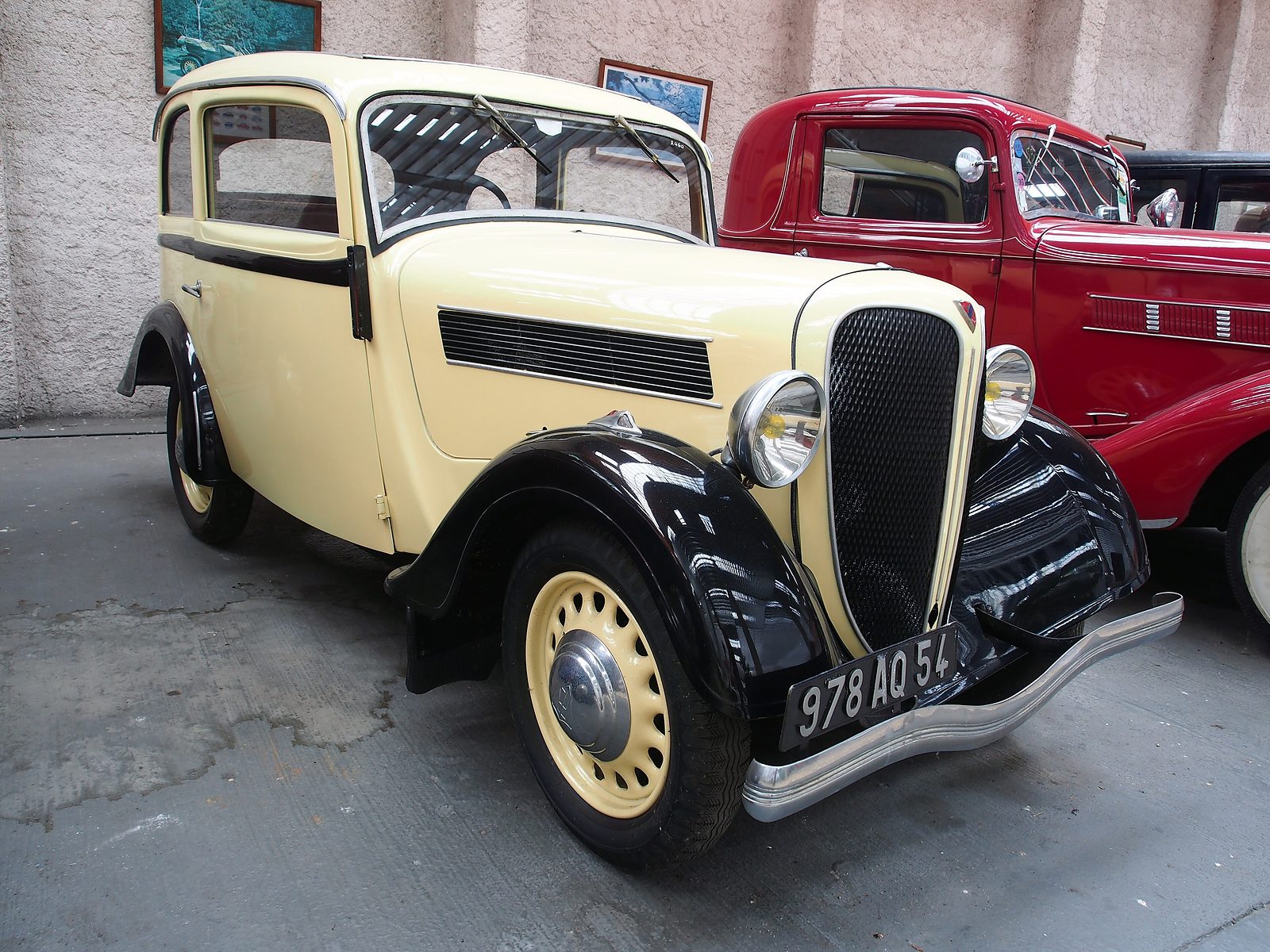
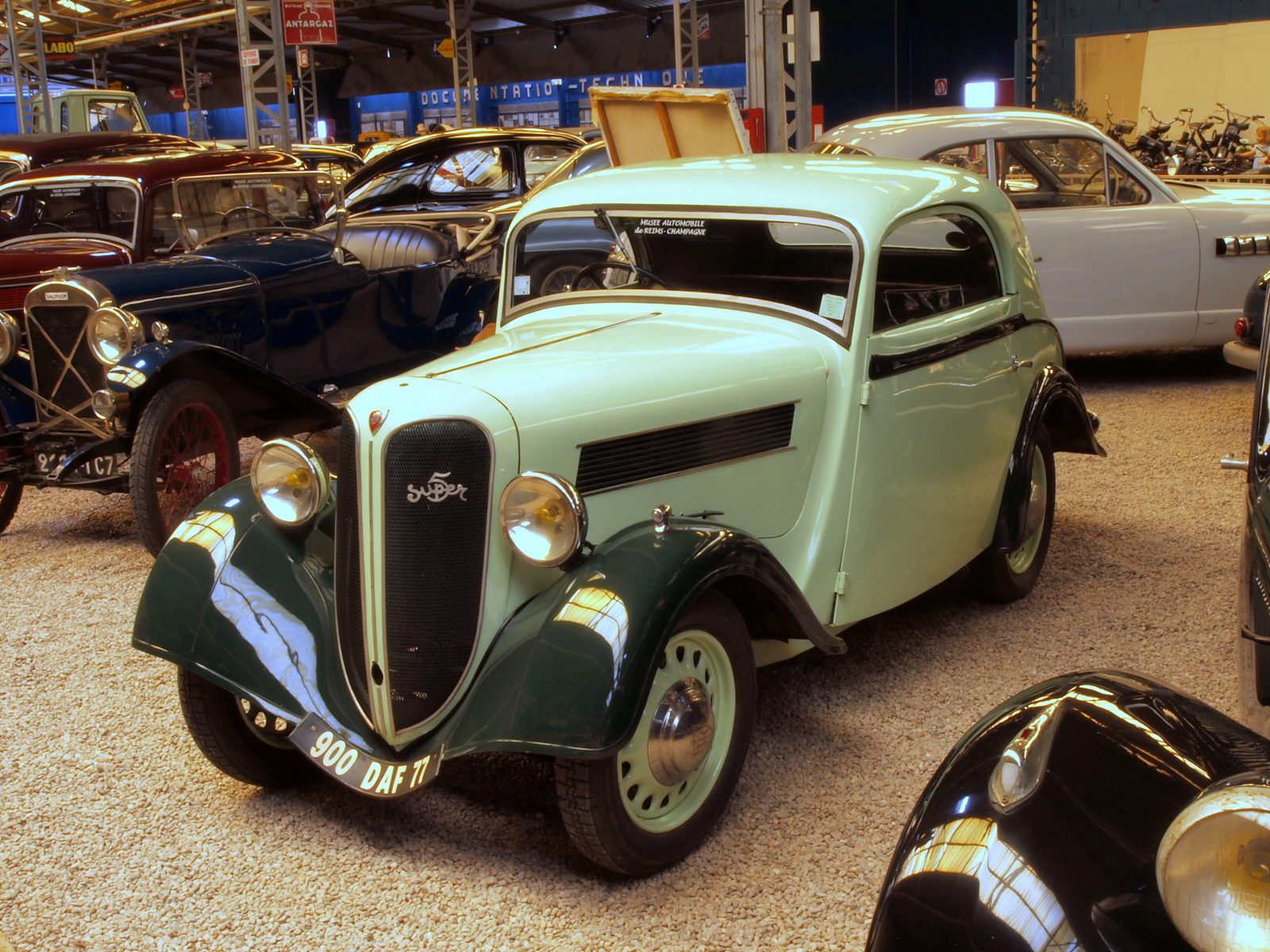
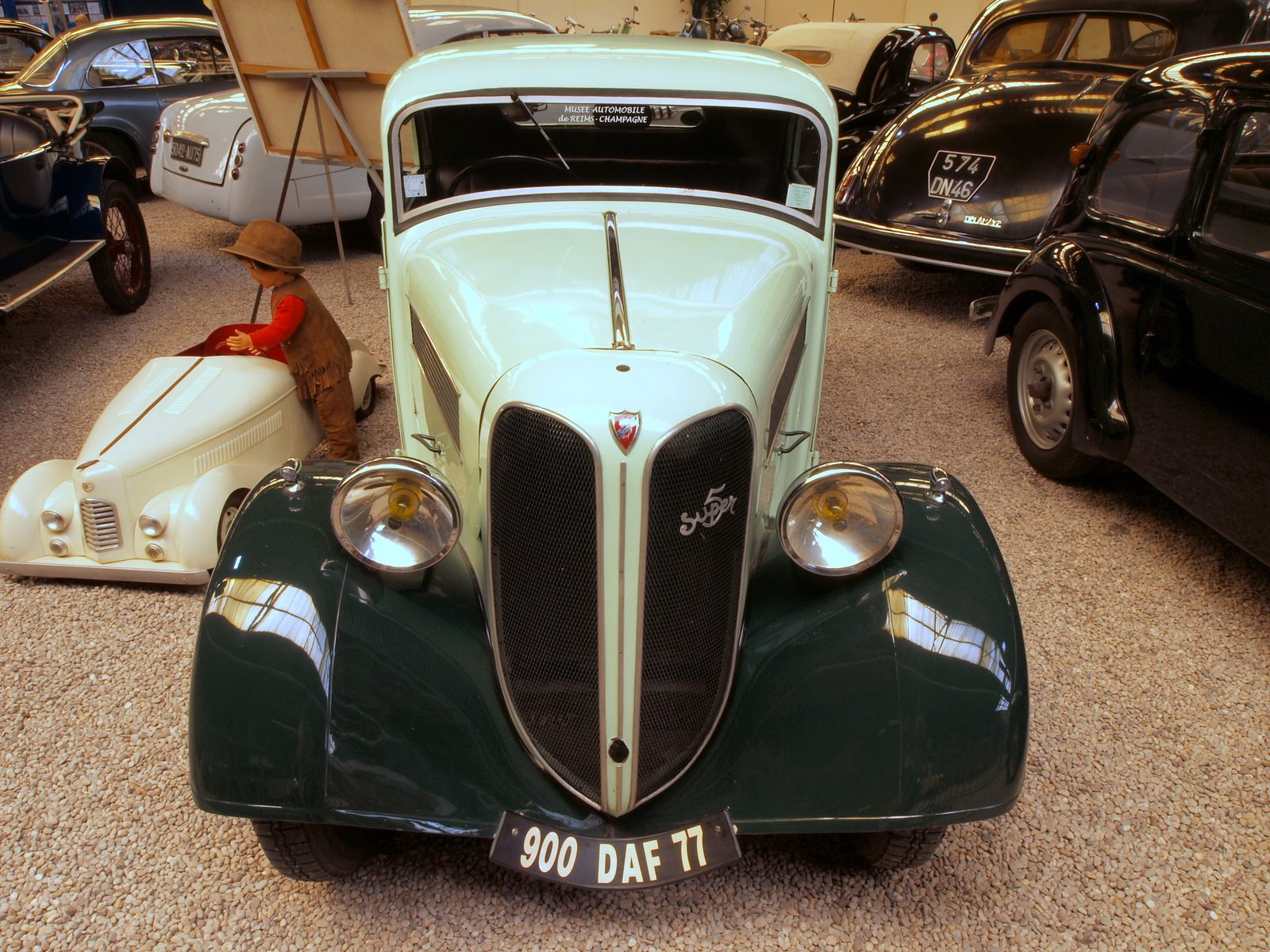
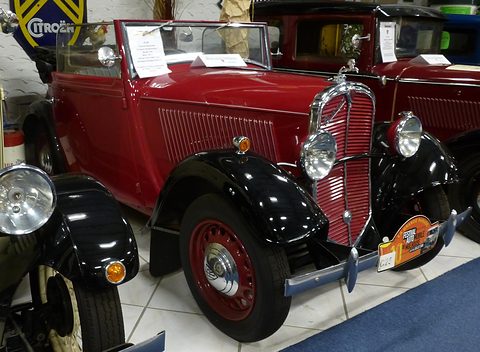
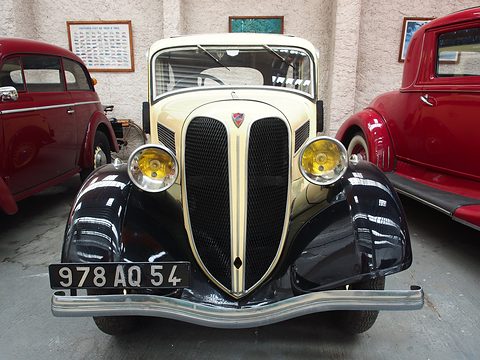
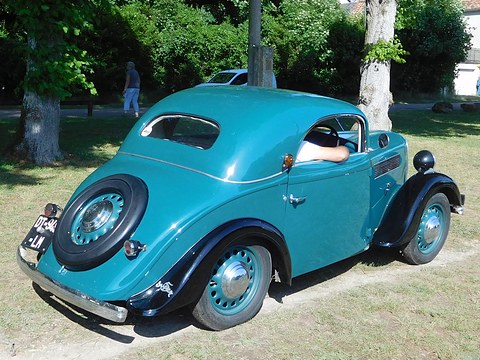
A red LR4N2 Supercinq saloon of 1936, the last of the Austin-based line, in the Musée Automobile Reims Champagne.Photo: Alf van Beem, CC0, via Wikimedia Commons

Pictures

More photographs, old and new

Variants

From LR1 to Supercinq

The Austin-based Rosengarts
VariantYearsWhat differsHow many
LR11928The first model: a three-seater, or a vanNot found
LR21928/29–31The standard car, on a 2,200 mm wheelbaseNot found
LR41931–⁠34The revised carNot found
LR44 and LR471932; 1933A longer wheelbase, 2,350 mmNot found
LR45 and LR491934The LR45 on a 2,600 mm wheelbaseNot found
LR61932–⁠35Six cylindersNot found
LR4N2 Supercinq1935–⁠39An aluminium cylinder head, 18 hpNot found
LR4N2 4CV1938Rated at 4 CV, 19 hp at 3,800 rpmNot found

Specification

The LR2, as far as sources give it

Engine and drive

Engine and drive
EngineAustin Seven four-cylinder, side valves, 747 ccsource 2source 4
Power11 hp (8 kW)source 4
Electrics and fuelDucellier magneto, Solex carburettor, French-made starter and dynamosource 3
GearboxThree speedssource 4

Chassis

Chassis
Wheelbase2,200 mm; 2,350 mm (LR44, LR47); 2,600 mm (LR45)source 4
ThreadsMetricsource 3

Famous for

Three points

  1. The French Seven

    The Austin Seven built under licence in Paris, with metric threads and French electrics.

  2. 100,000 km

    François Lecot’s run in a production car, about 900 km a day for over three and a half months.

  3. Its founder

    A self-made maker of screws and shell fuses, an insider at Citroën and Peugeot, and a sitter for Vuillard.

Racing and records

Date not recorded

The LR2’s best advertisement was distance (more in records and feats).

100,000 km
(62,000 miles) driven by François Lecot in a production car, without major incident.source 2source 4
900 km
(560 miles) a day, for over three and a half months.source 2source 4
80 of 81
events won in the same period, by the Wikipedias’ claim.source 2source 4

Survivors and collecting

Today

No count of survivors, club or dated auction result has been found. A 1929 LR2 saloon was advertised for sale in the Netherlands at €10,450, in an undated listing.source 6

Sources

Numbered as in the text

Most of the history rests on the French and English Wikipedias, and the English article seems to follow the French one; the technical details come from one enthusiast’s history. No production figure, price, length or period road test was found. Sources are given as plain text; the links are on the Credits page.

  1. French Wikipedia, Lucien Rosengart.
  2. French Wikipedia, Rosengart.
  3. Austin Seven Friends, “The French Rosengart”, an enthusiast’s history, read in full.
  4. English Wikipedia, Automobiles L. Rosengart. It cites Automobilia (1948, 1953) and Le Matin, 30 August 1935.
  5. Classic & Sports Car, “Dressed to deceive: Rosengart SuperSept”; known from a search-result summary only.
  6. prewarcar.it, Rosengart listings, 1919–⁠1930, undated.