The story
History
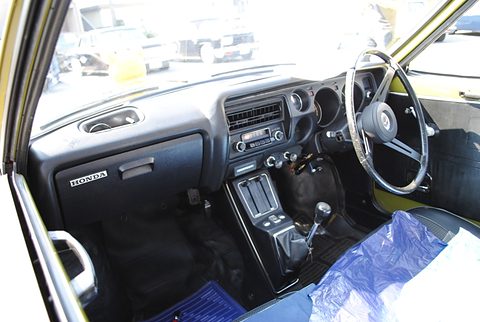
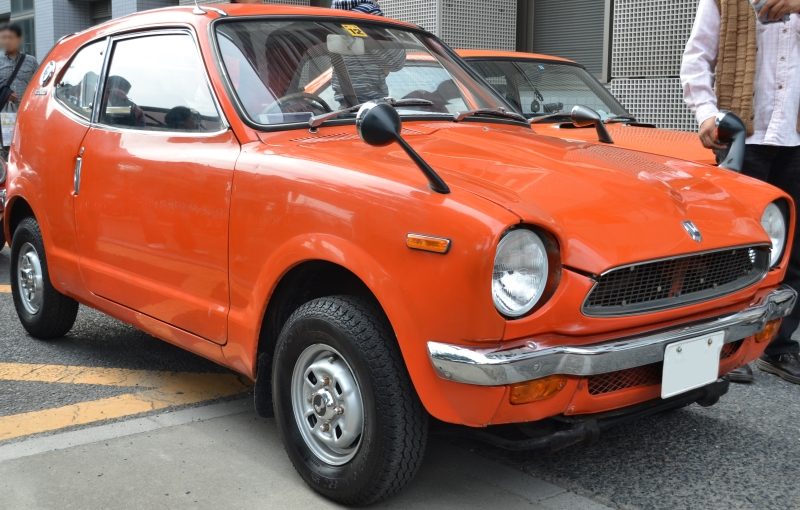
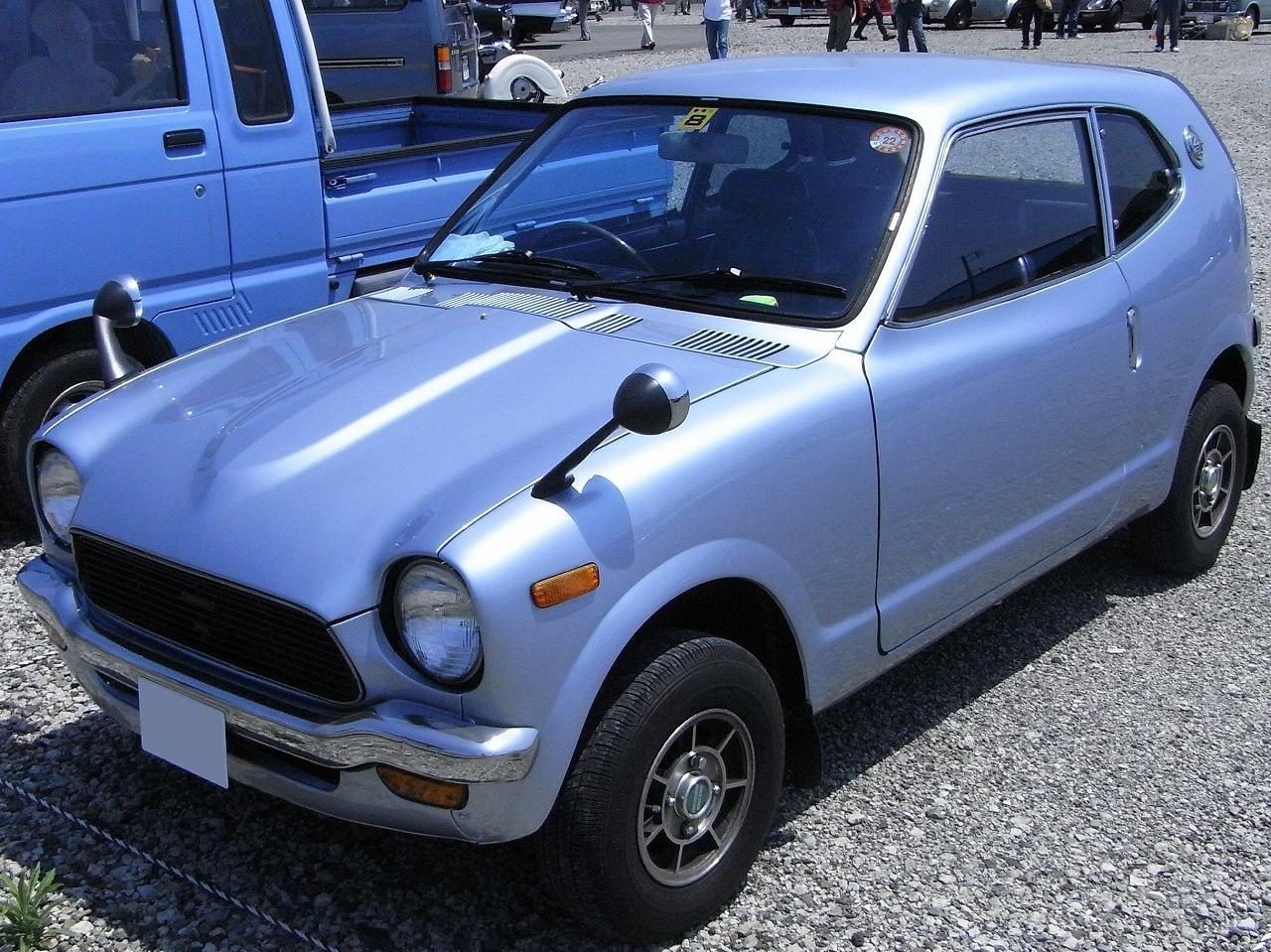
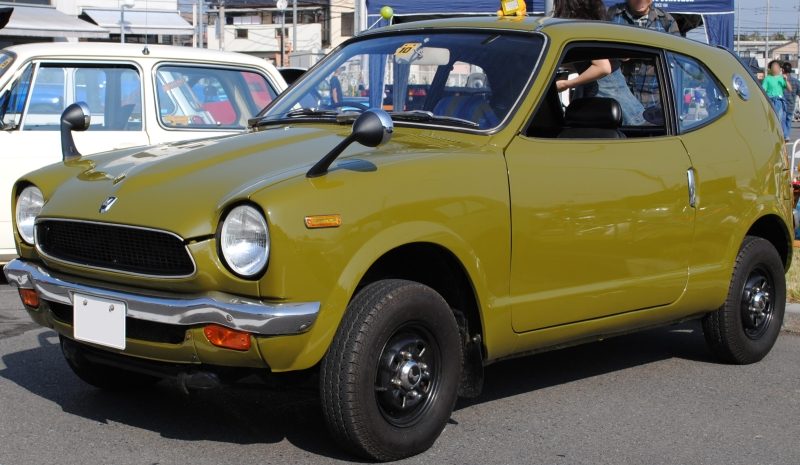
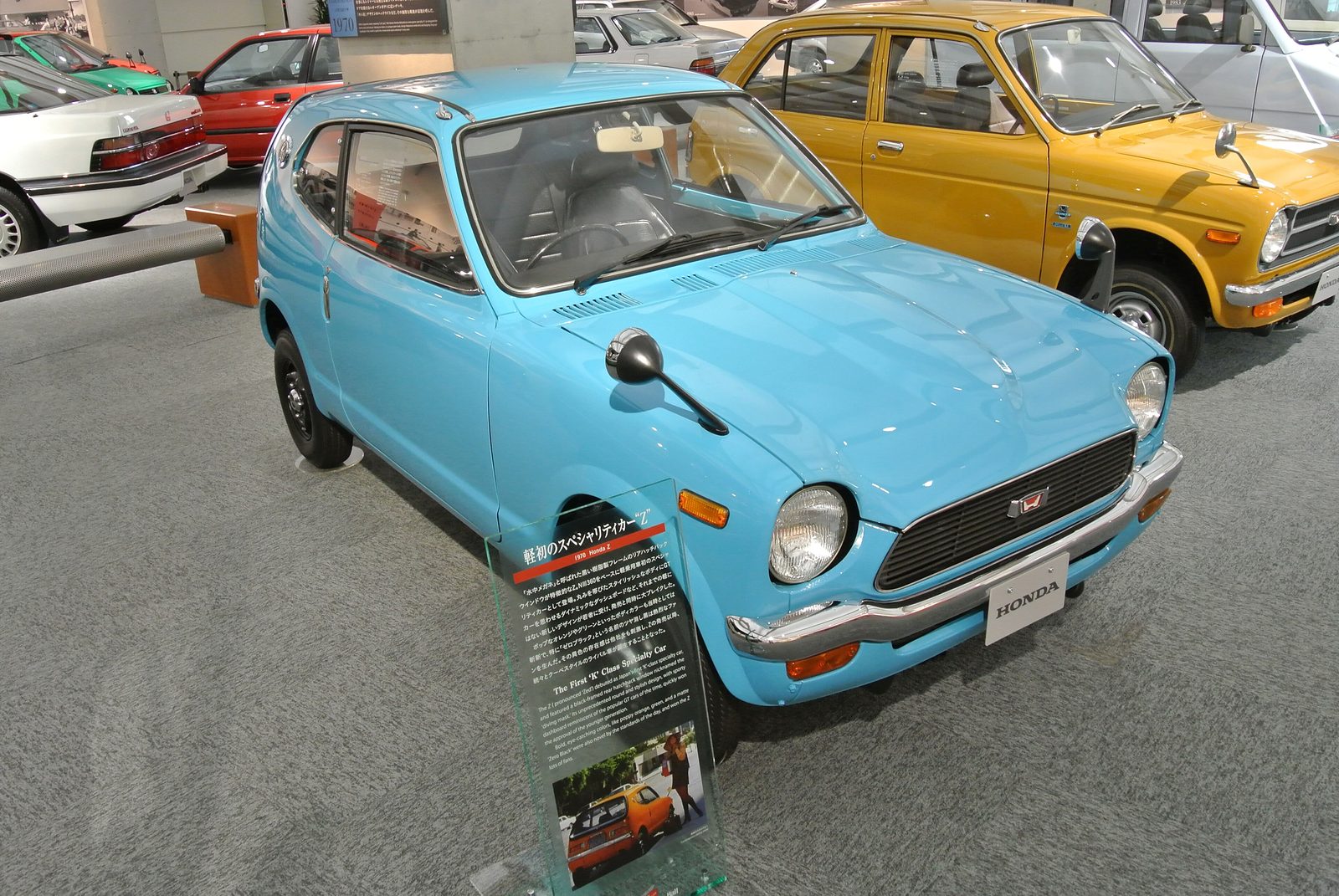
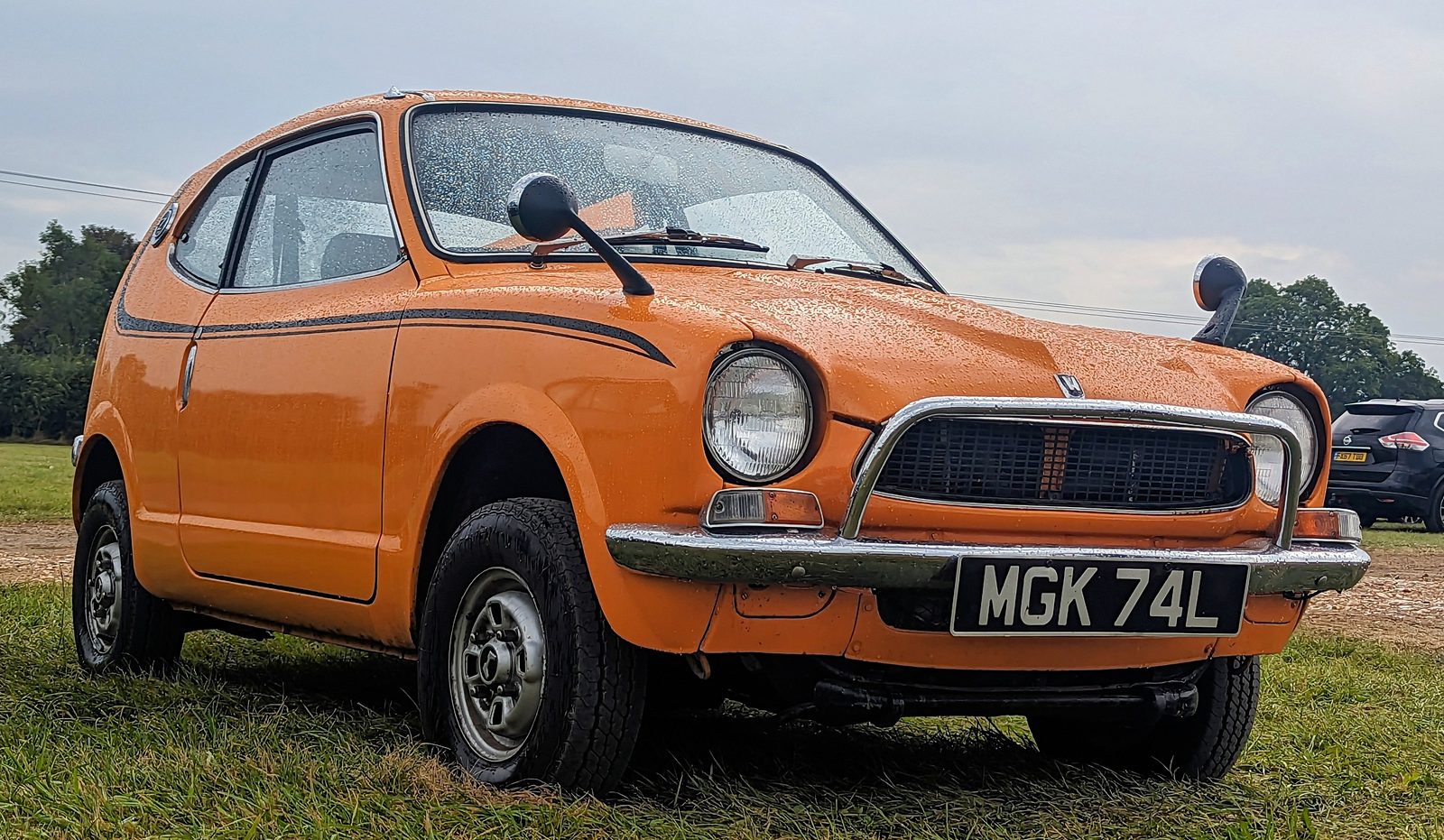
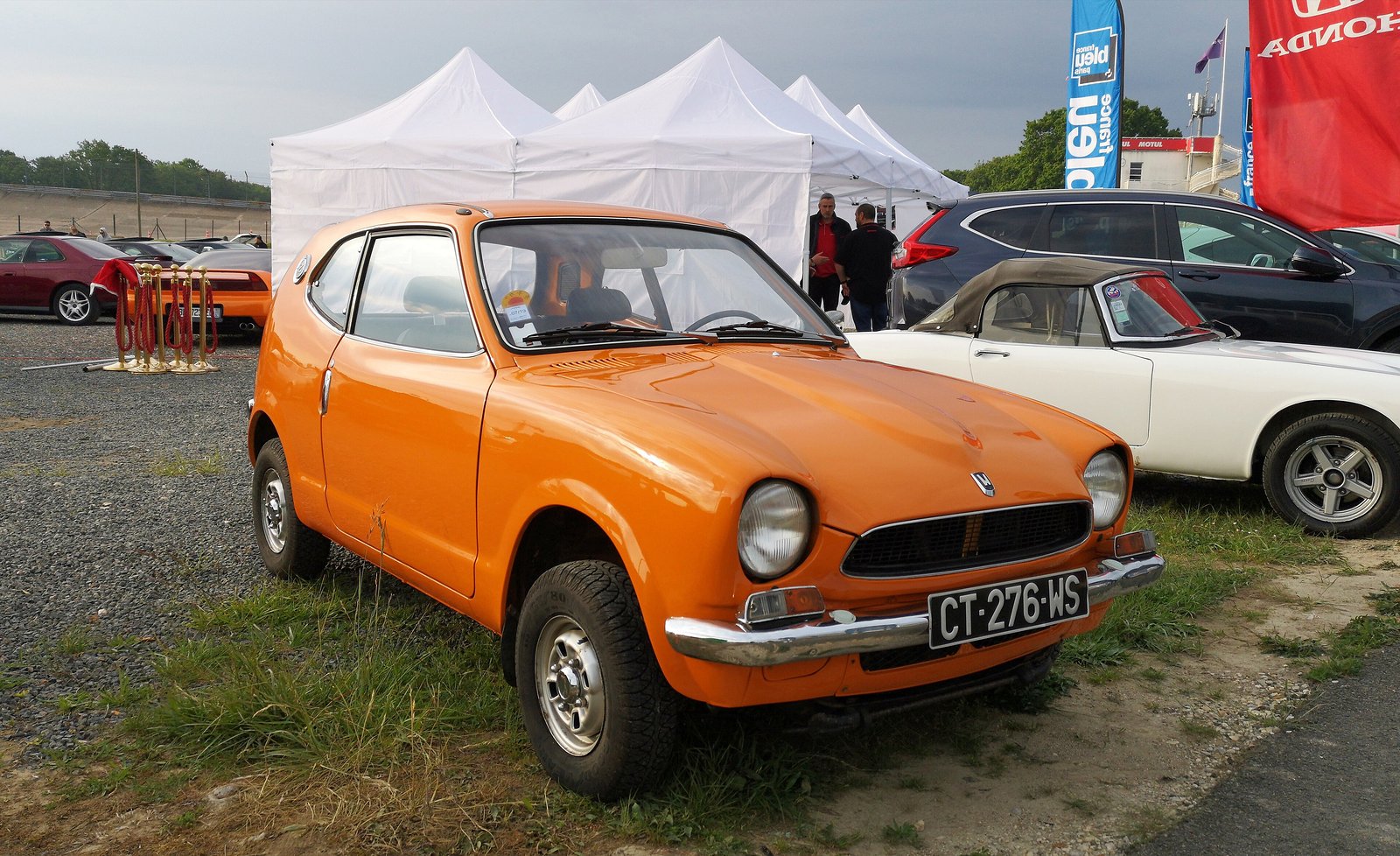
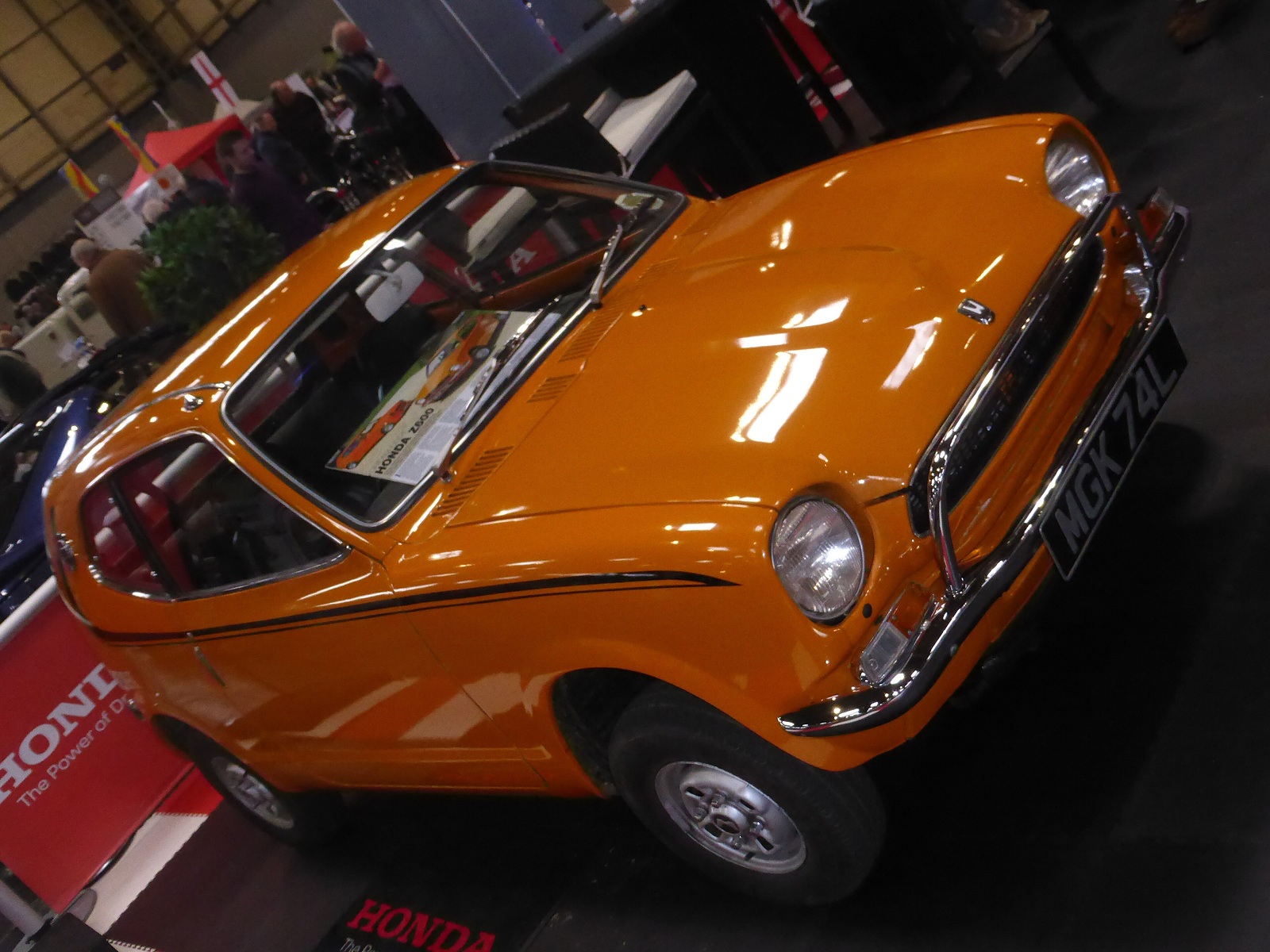
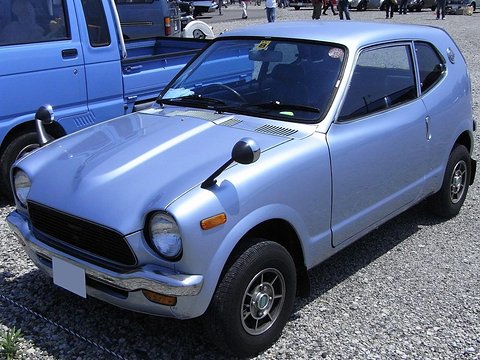
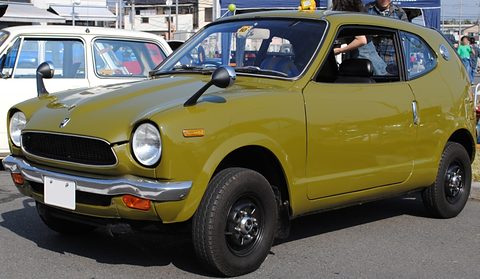
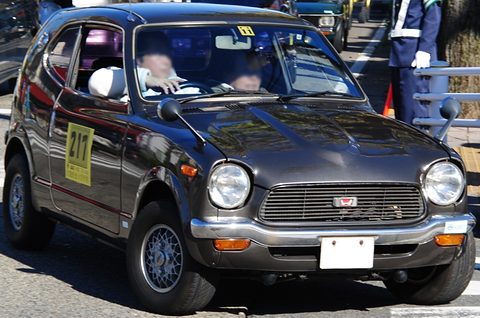
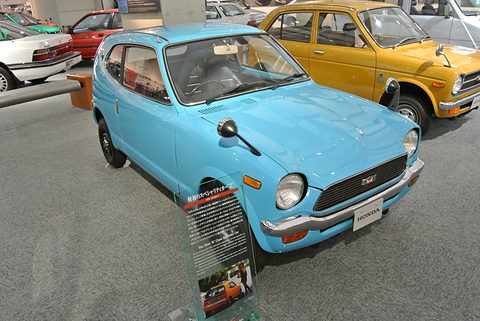
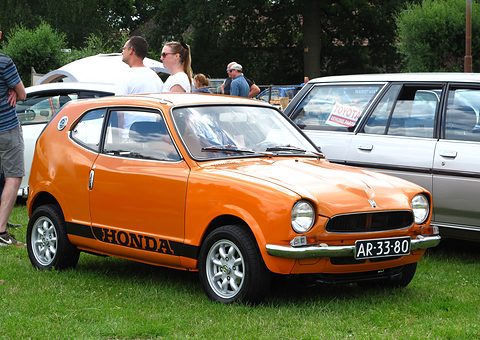
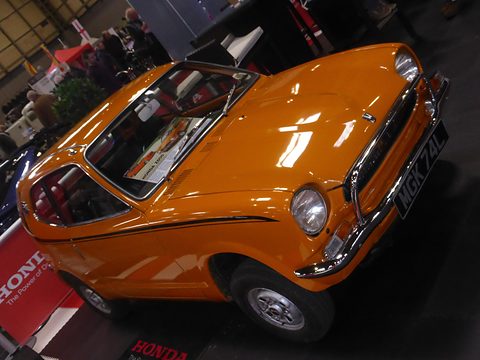
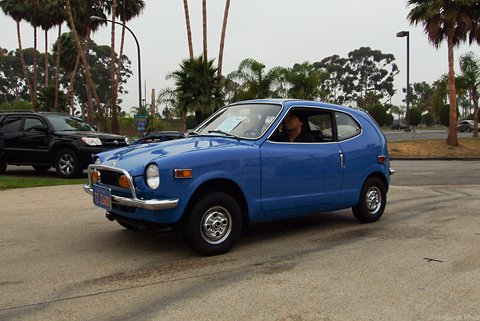
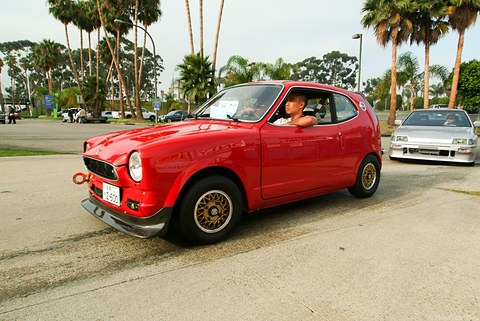
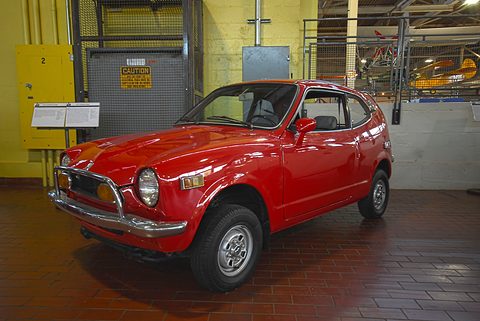
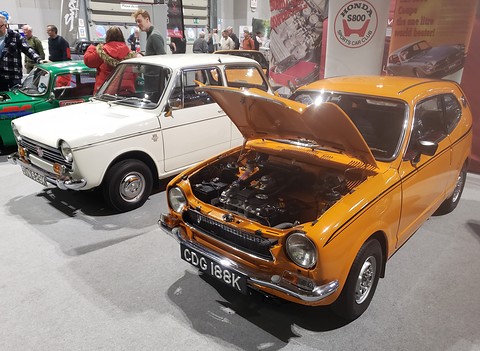
Honda announced the Z in a letter of 2 September 1970. It wanted, it said, to keep widening its customers’ choice: buyers could now pick between the N III saloons and the Z.source 1 The letter promised bold styling with the look of a prototype, a new rear window called Aerovision, a flight cockpit with the feel of a quality sports car, room for four inside and fresh colours.source 1 Honda called it a speciality car, and Motor Fan counts it the first kei car of that kind.source 2source 3 It was styled in Japan; the designer’s name has not been found.source 2
この車のなかに何らかの新鮮な驚きを見出して頂けるとすれば、私共の努力は報いられる訳でございます。
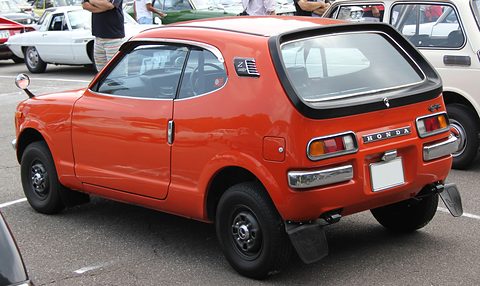
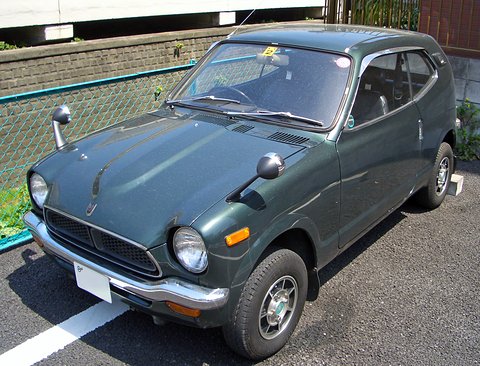
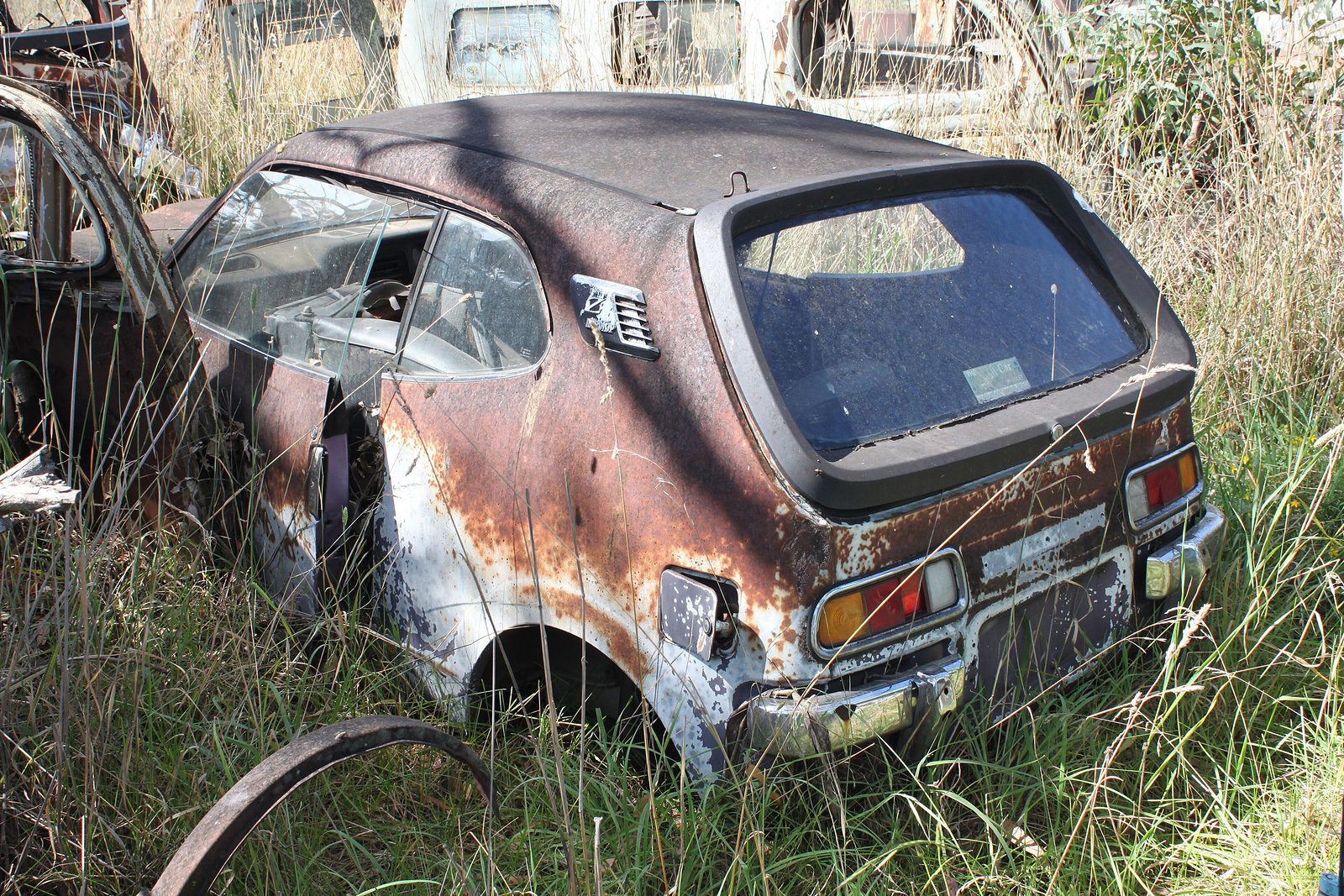
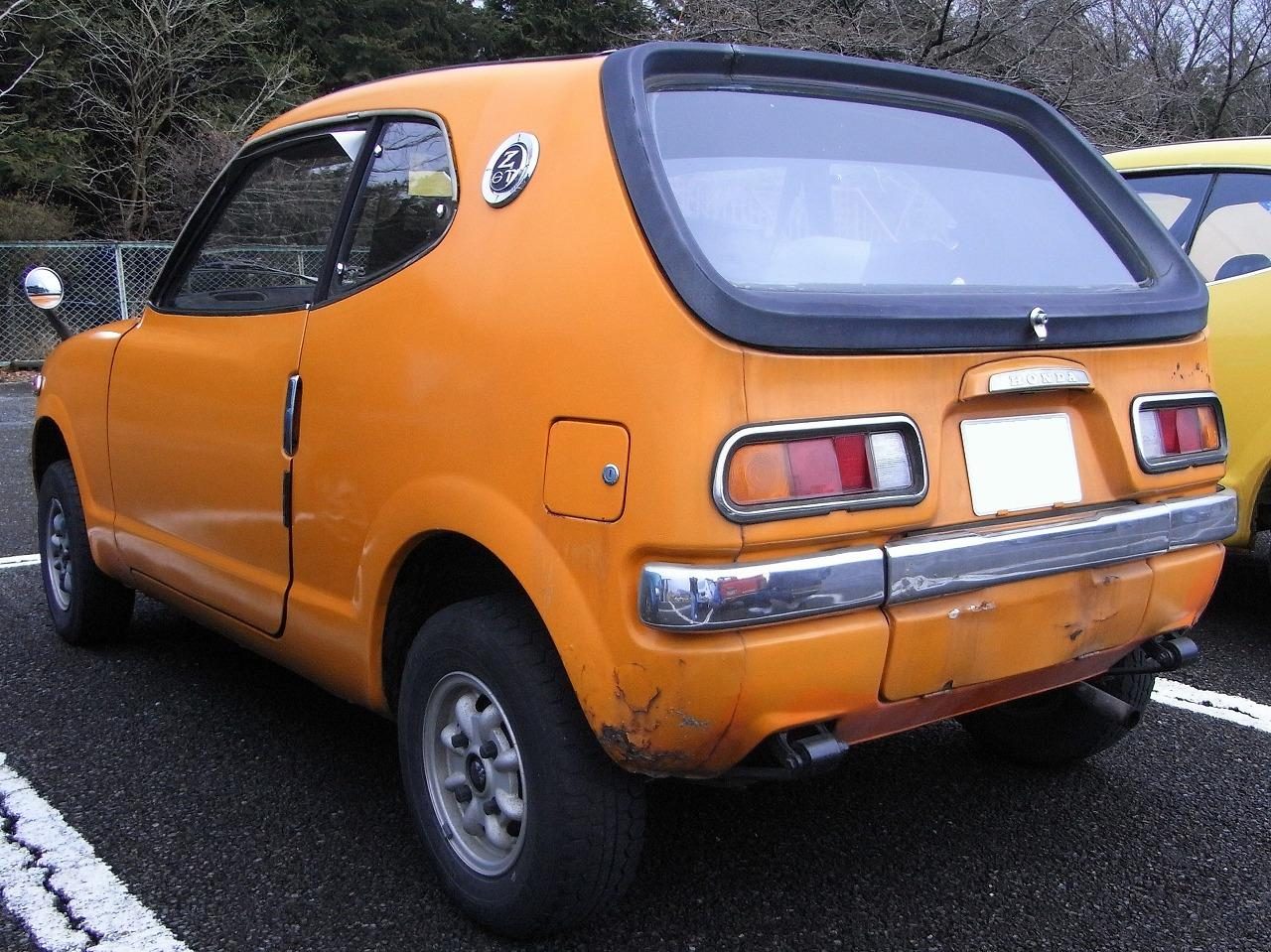
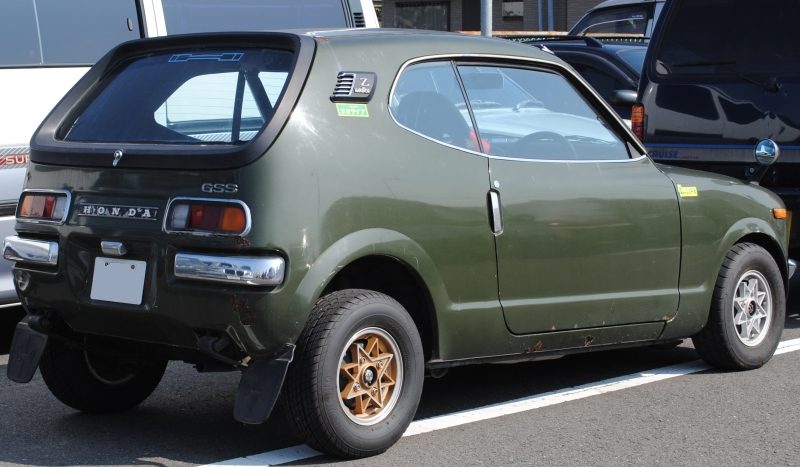
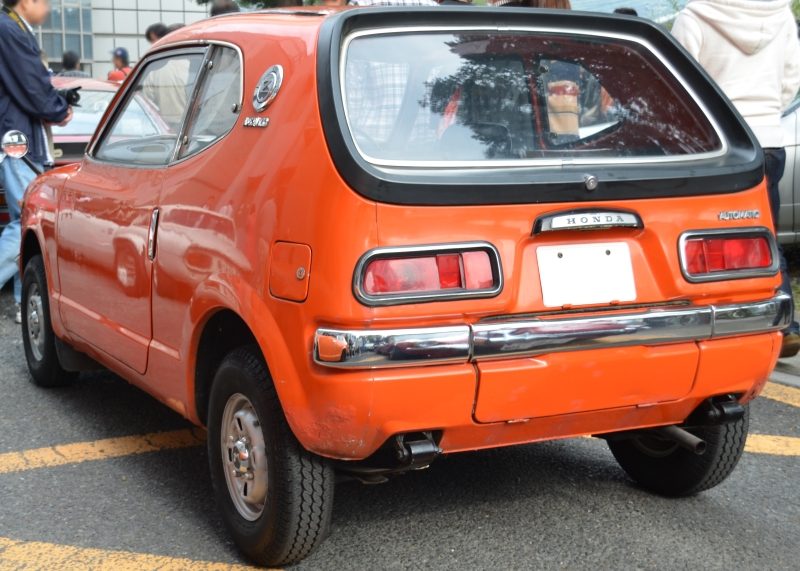
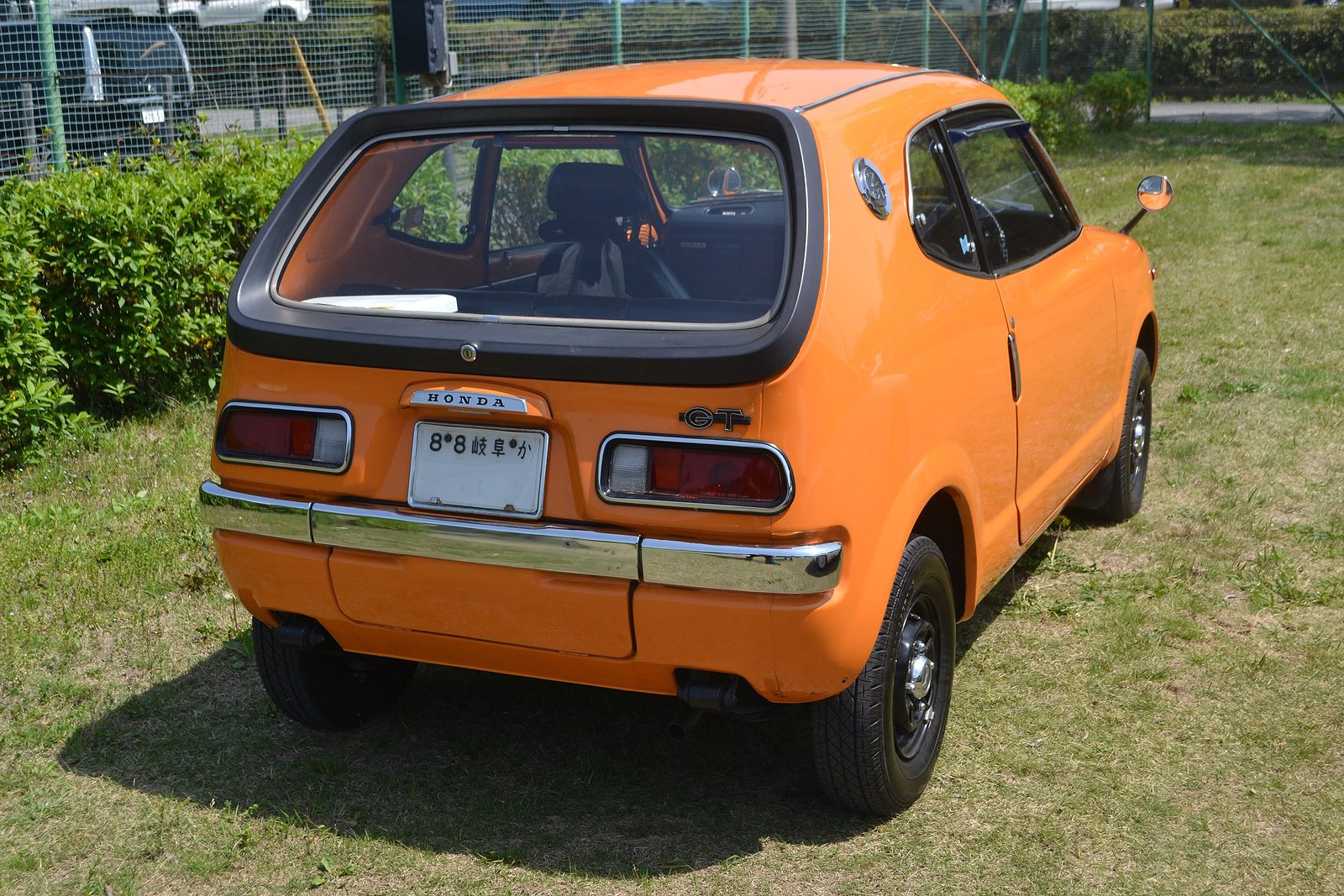
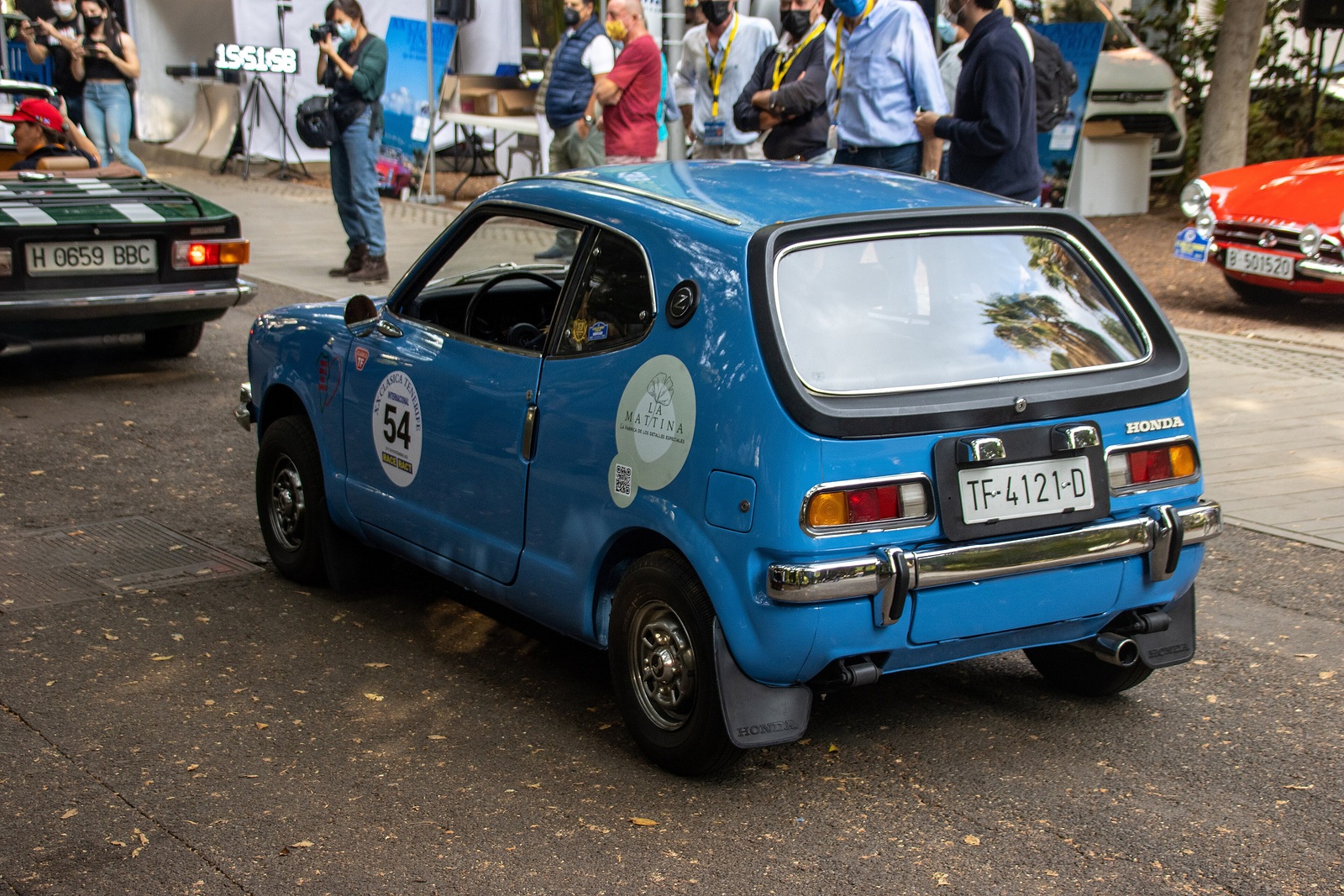
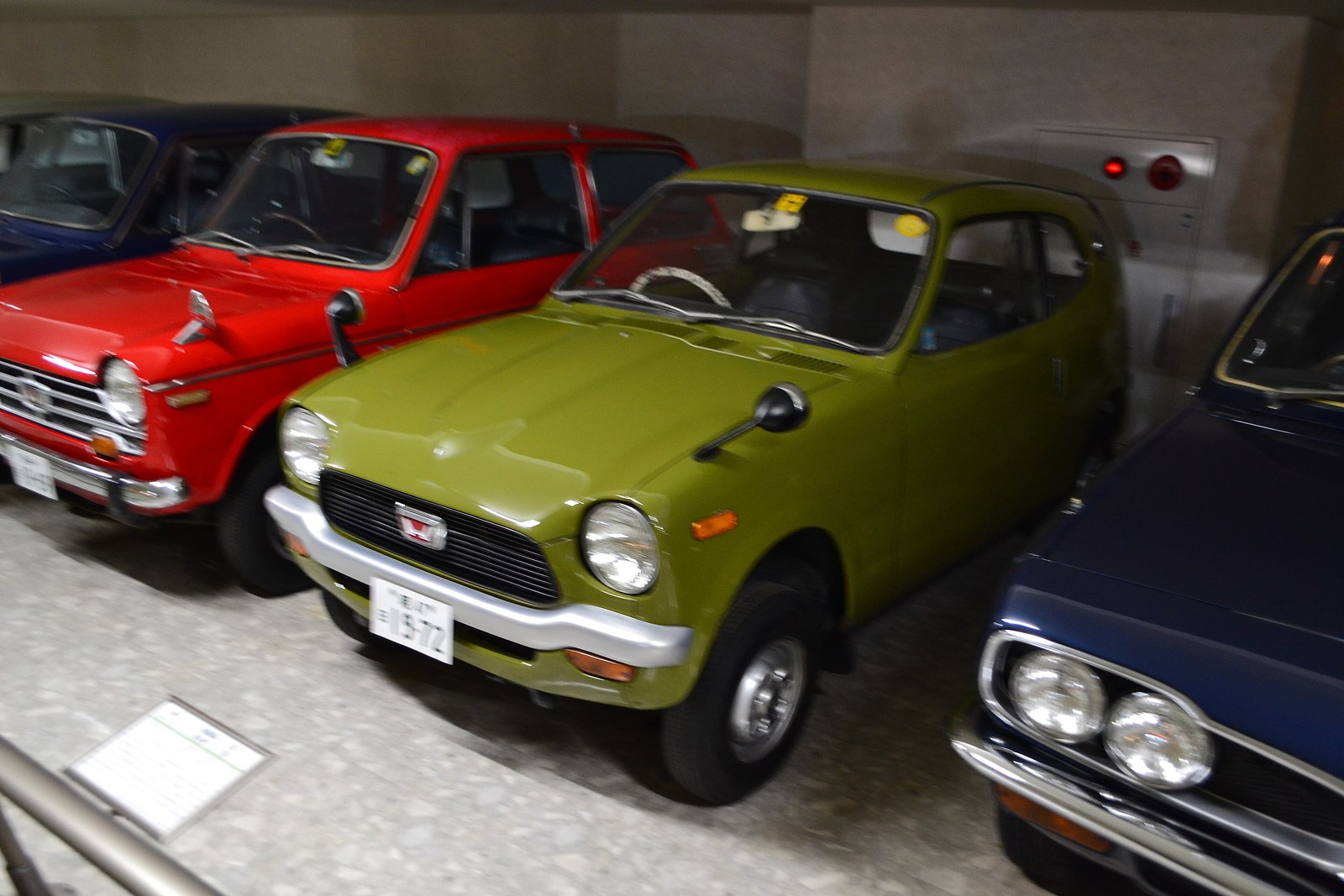
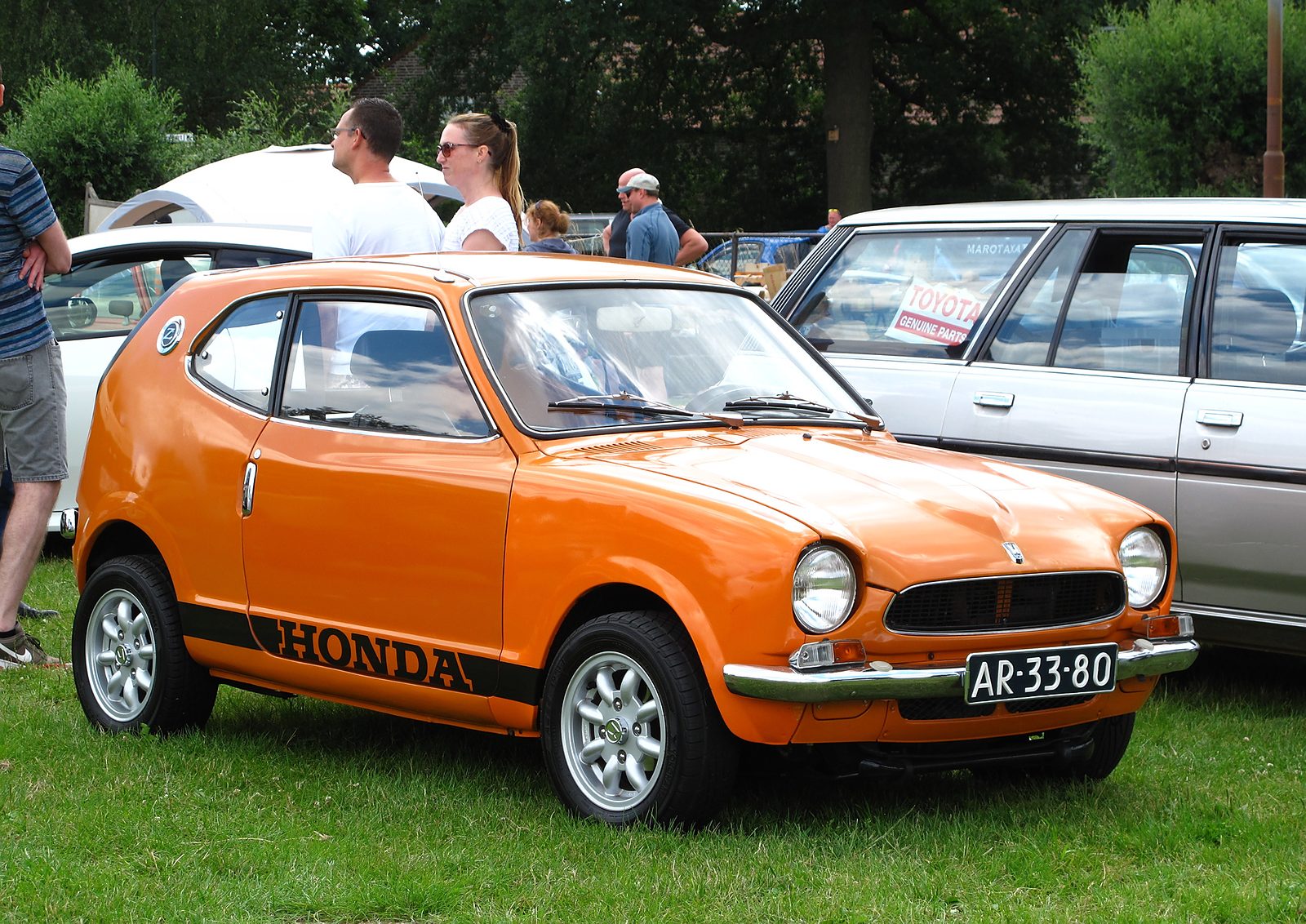
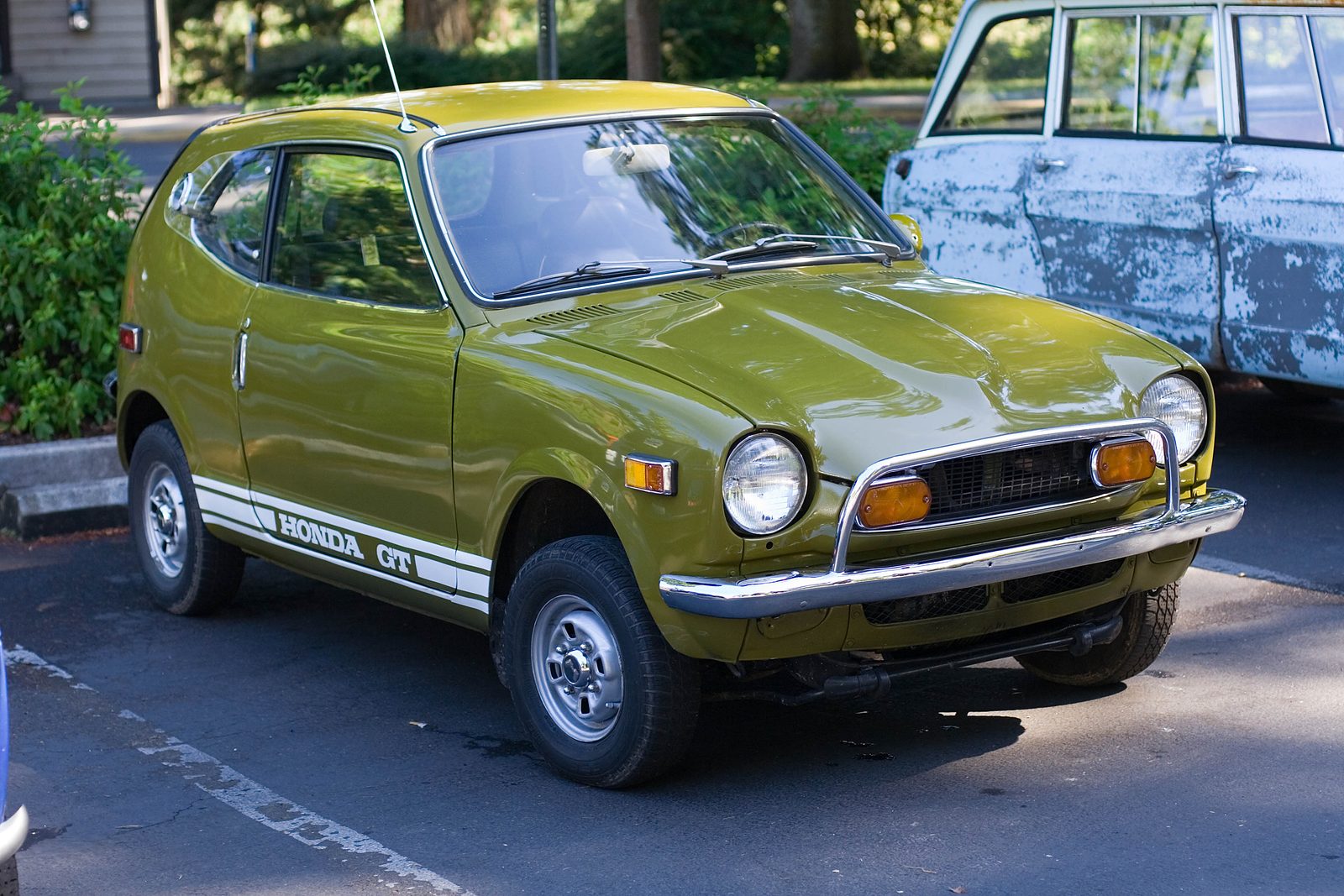
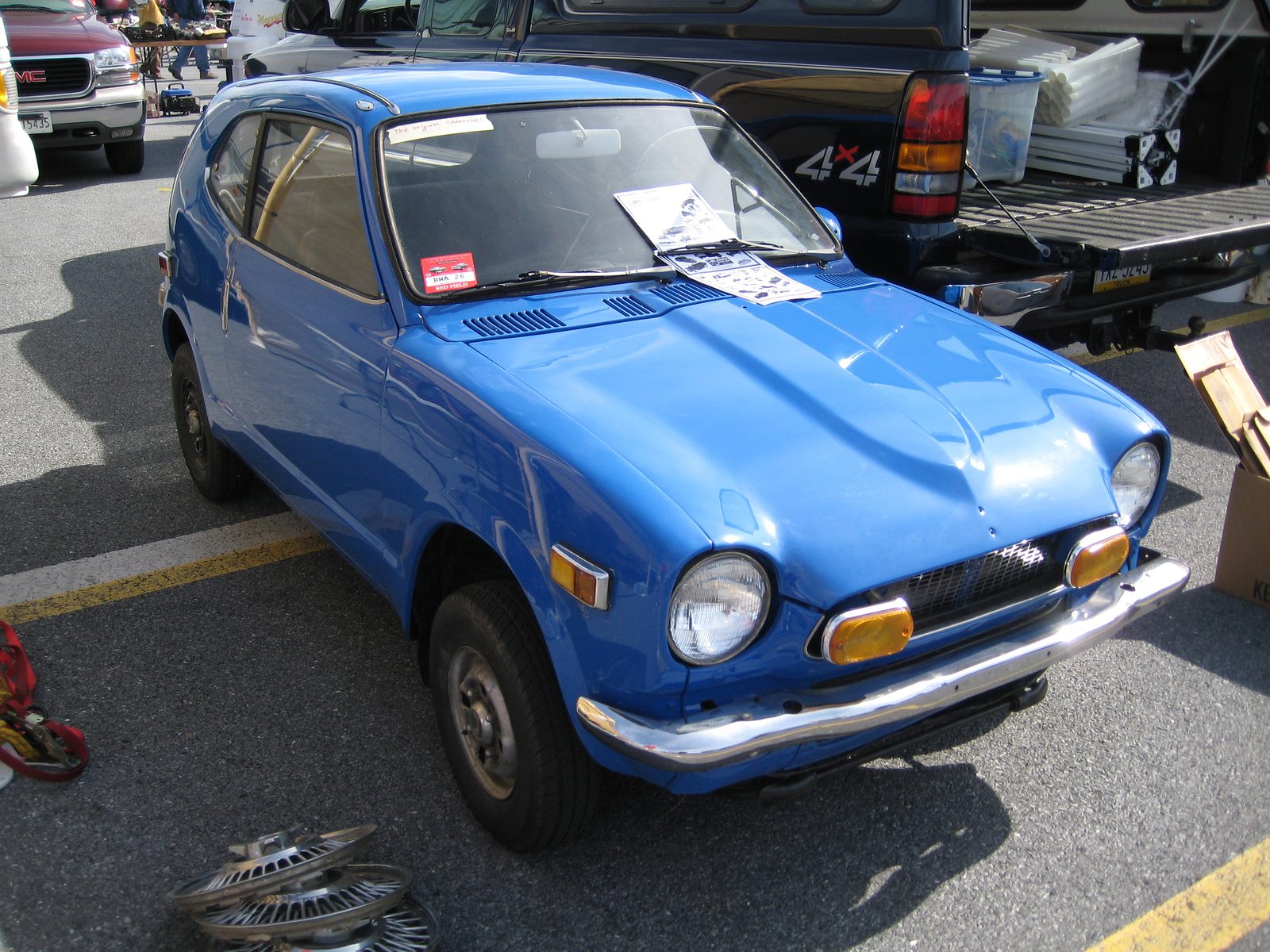
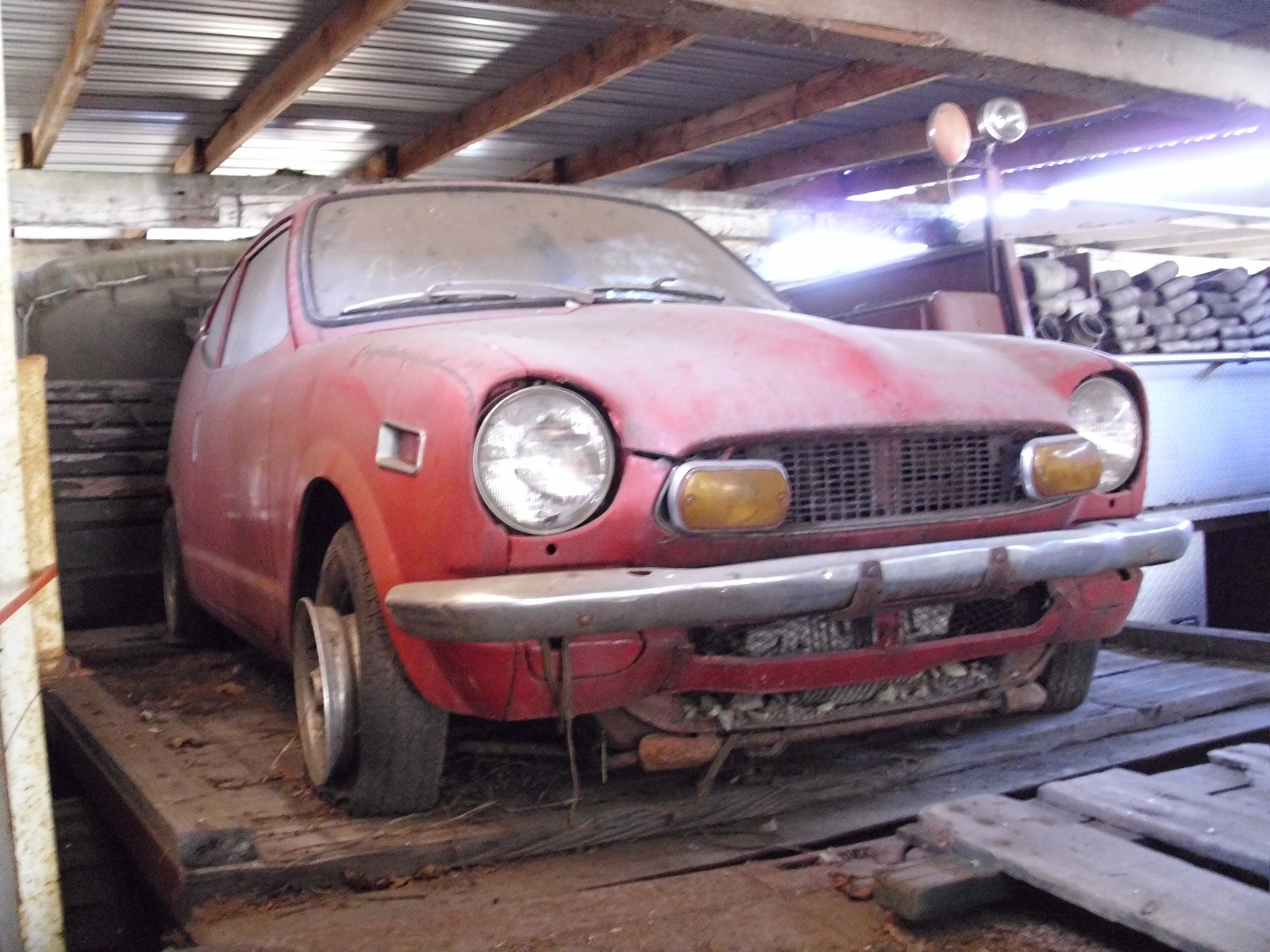
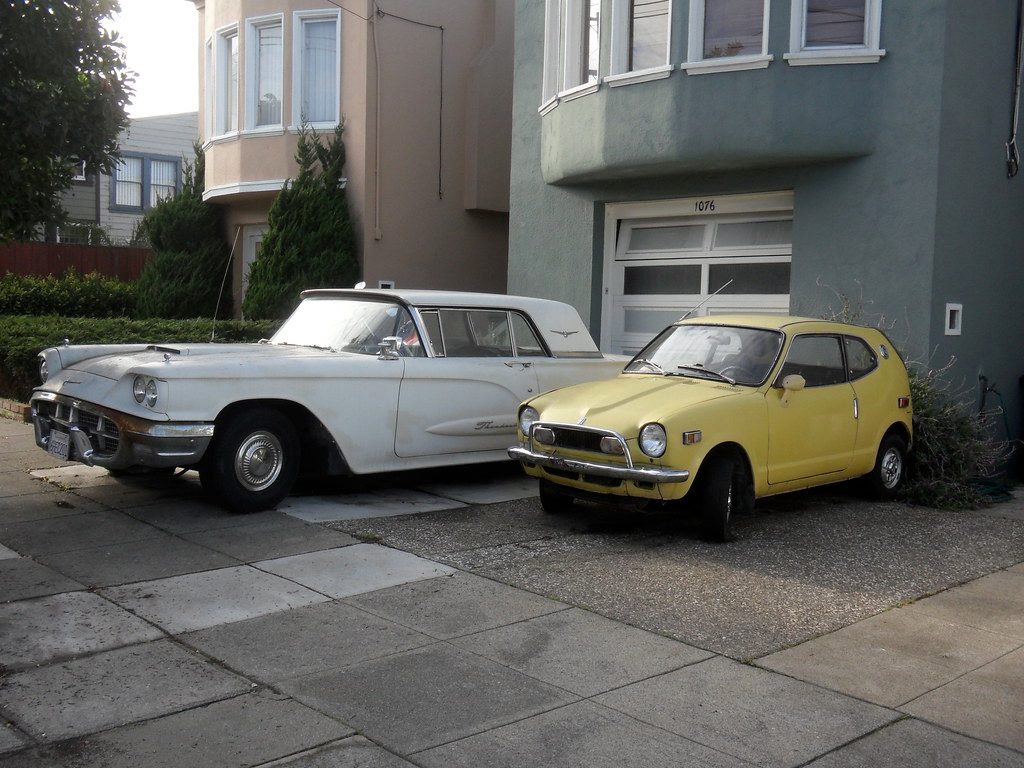
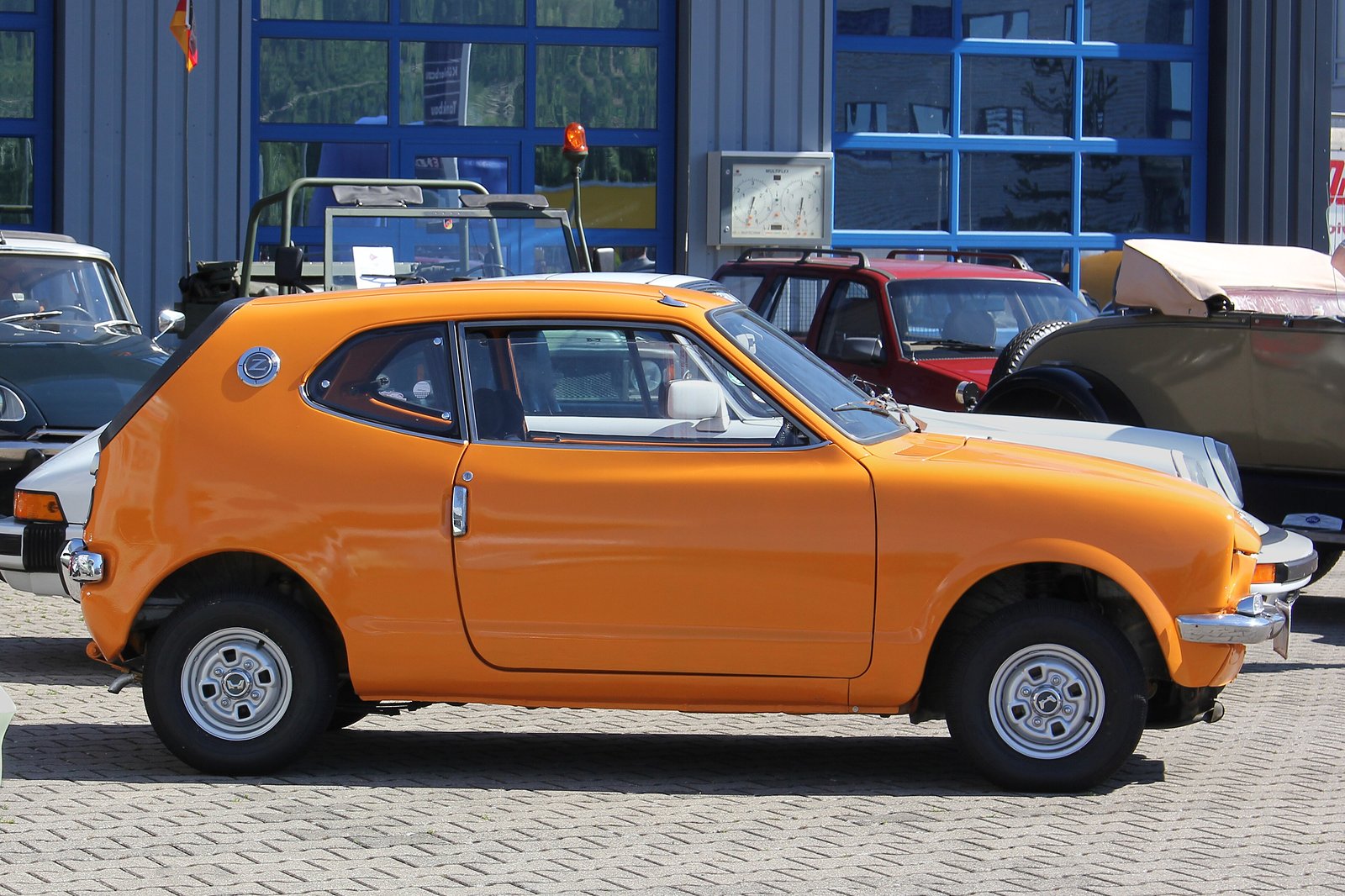
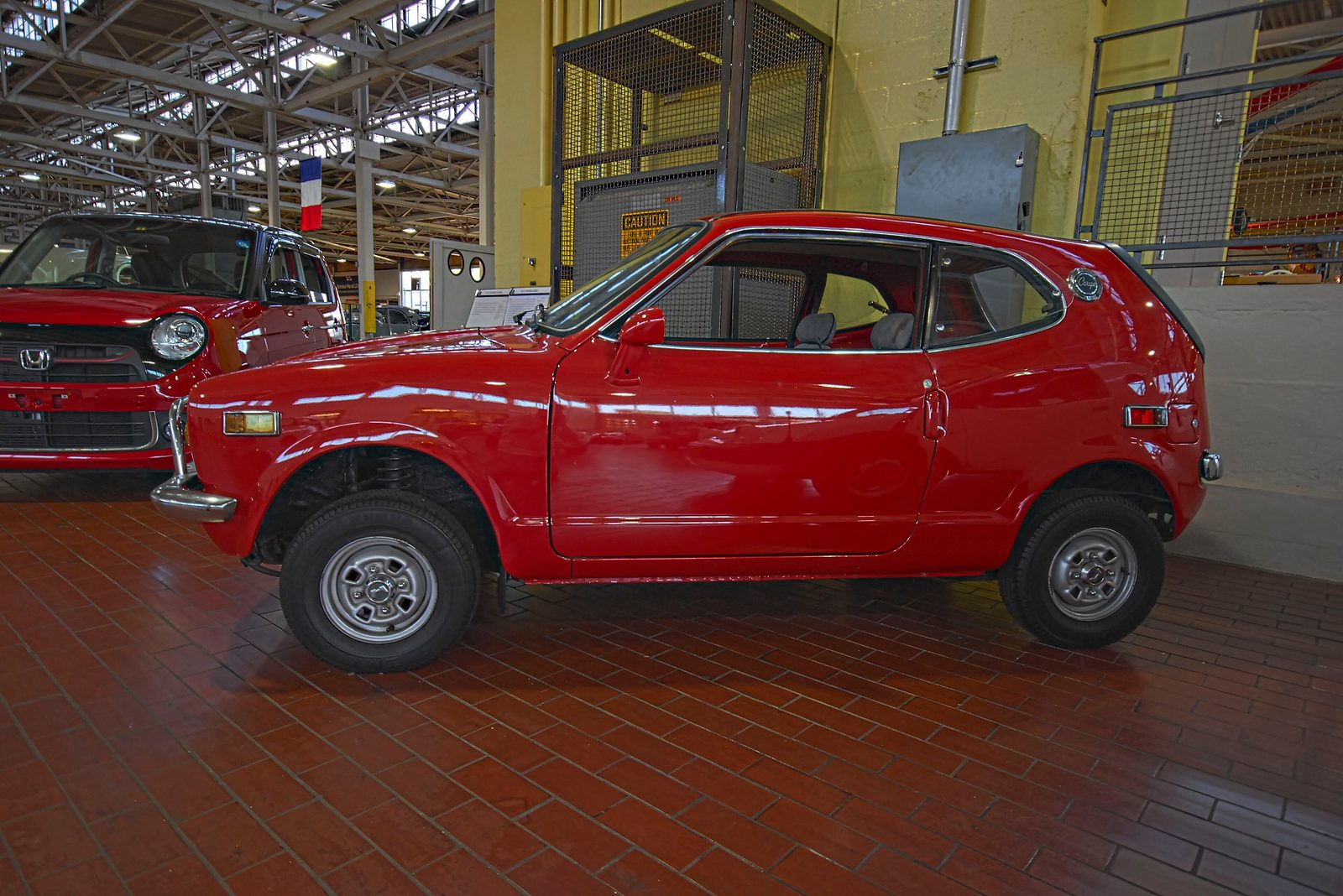
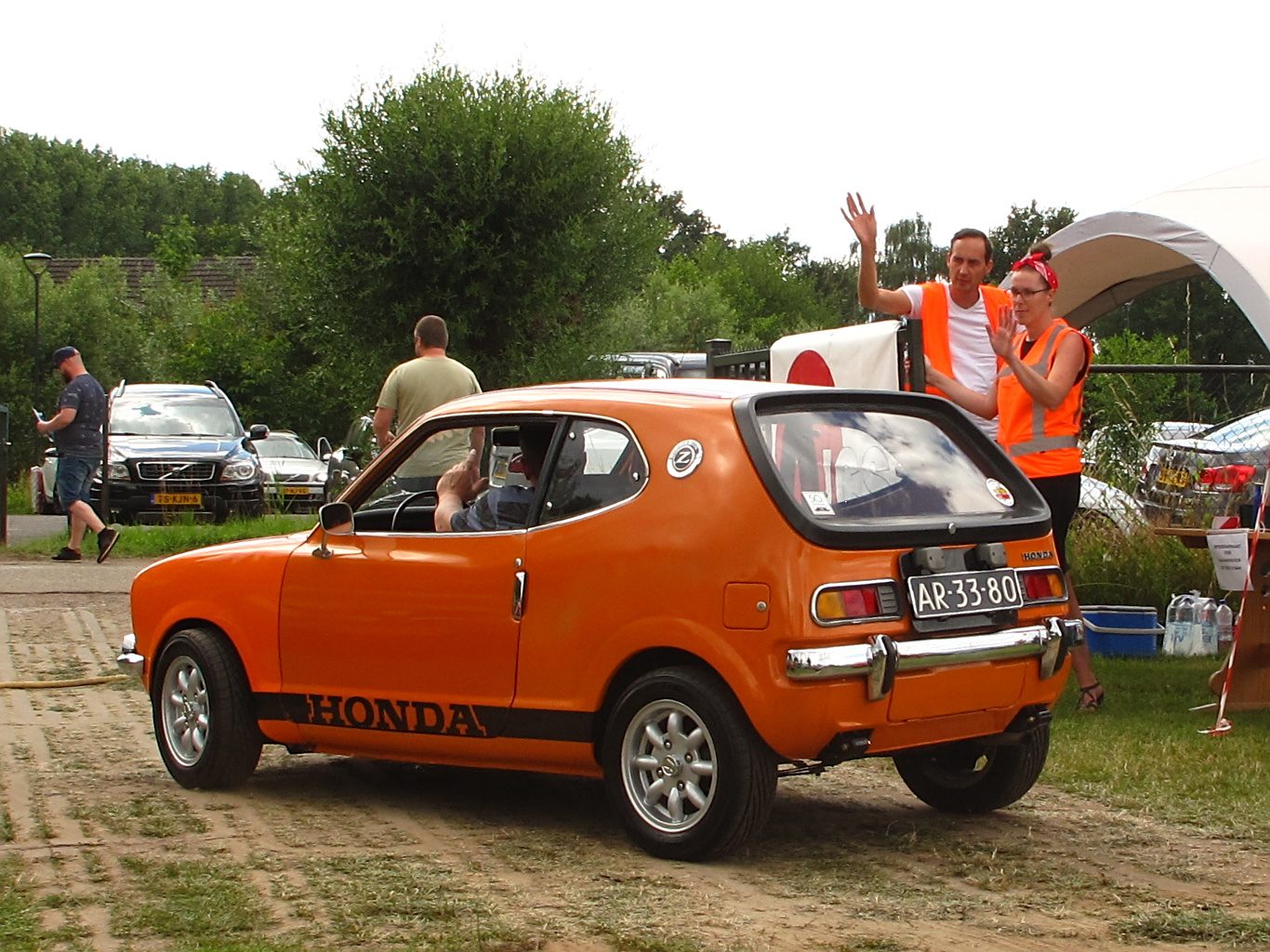
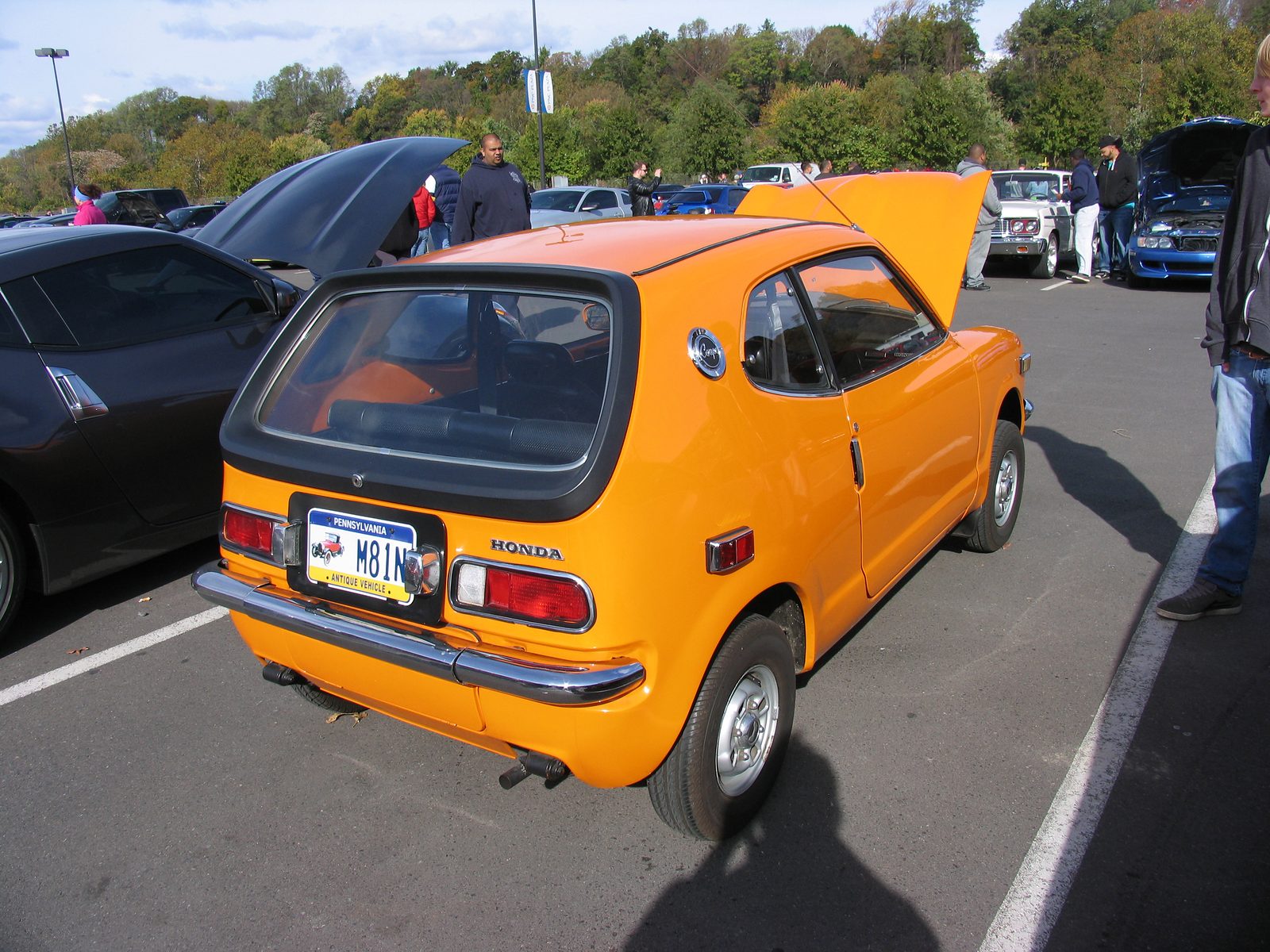
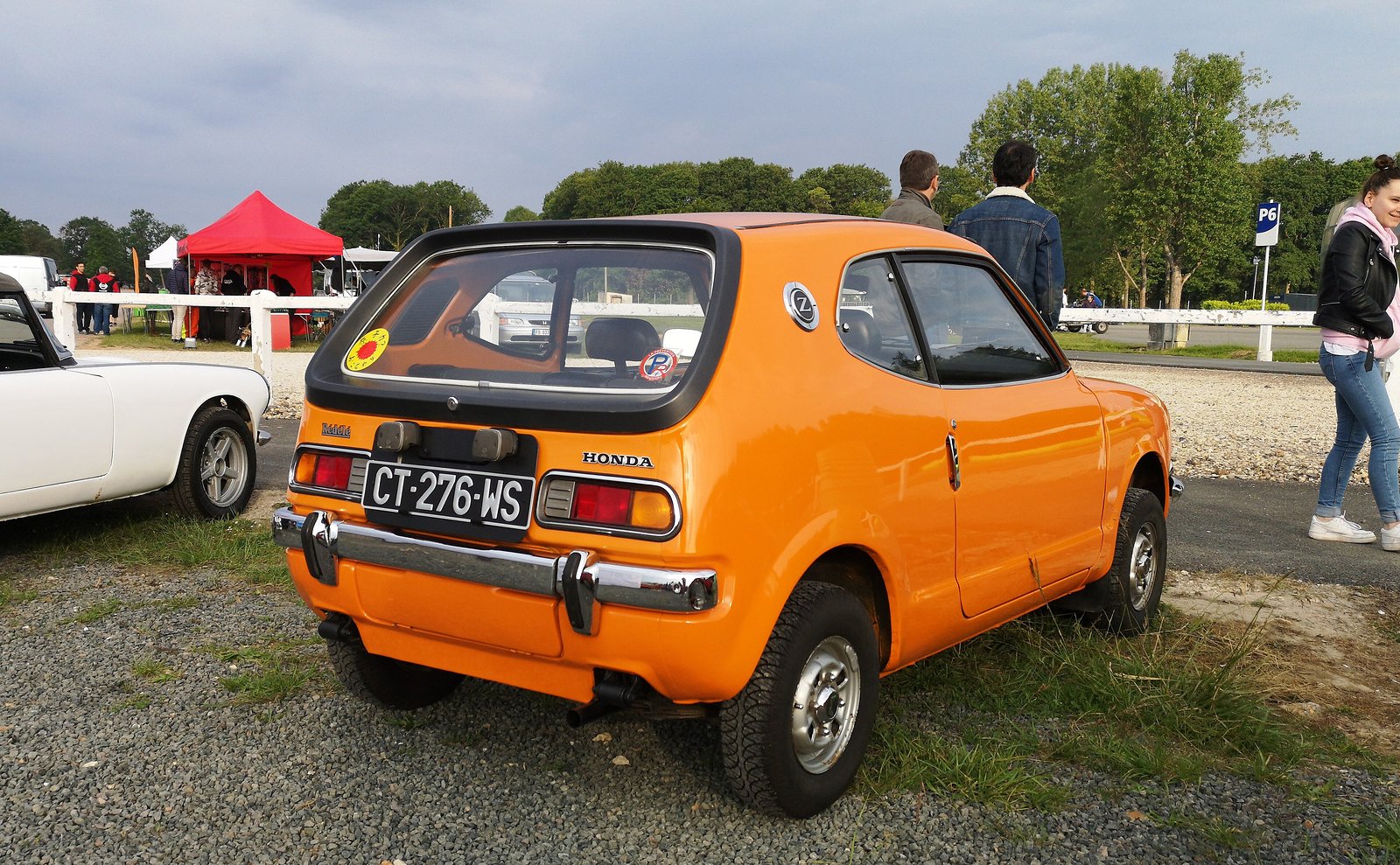
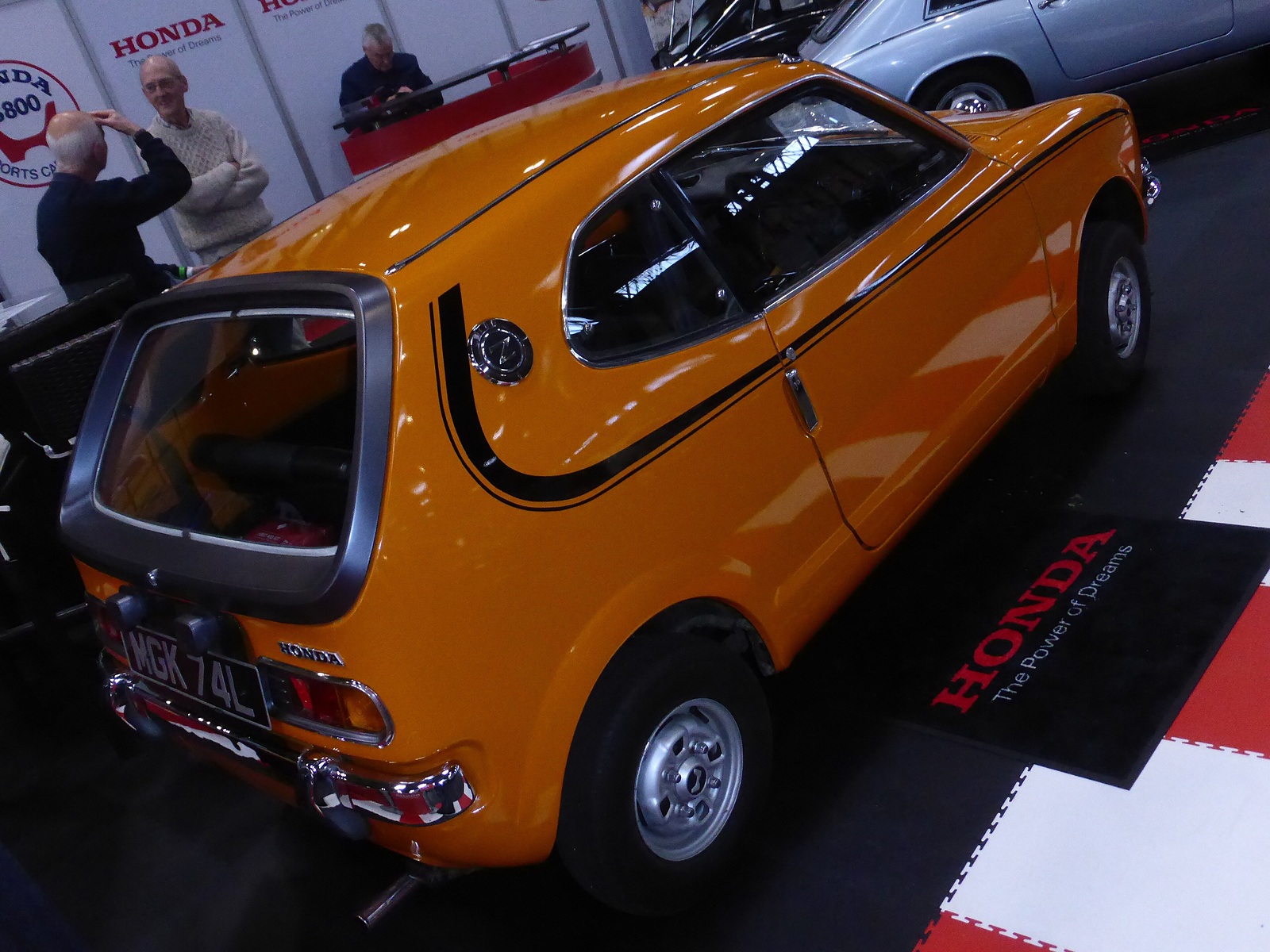
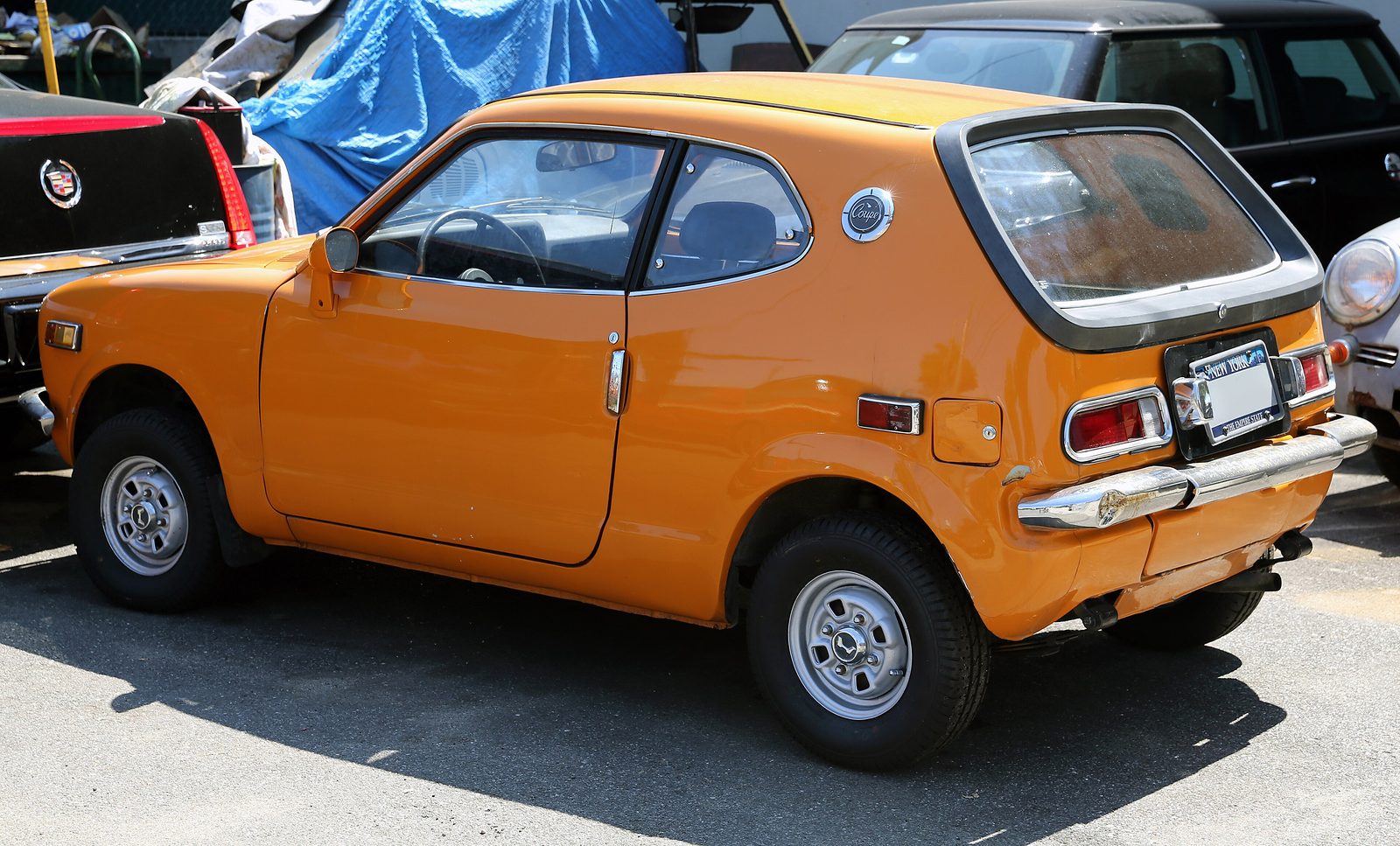
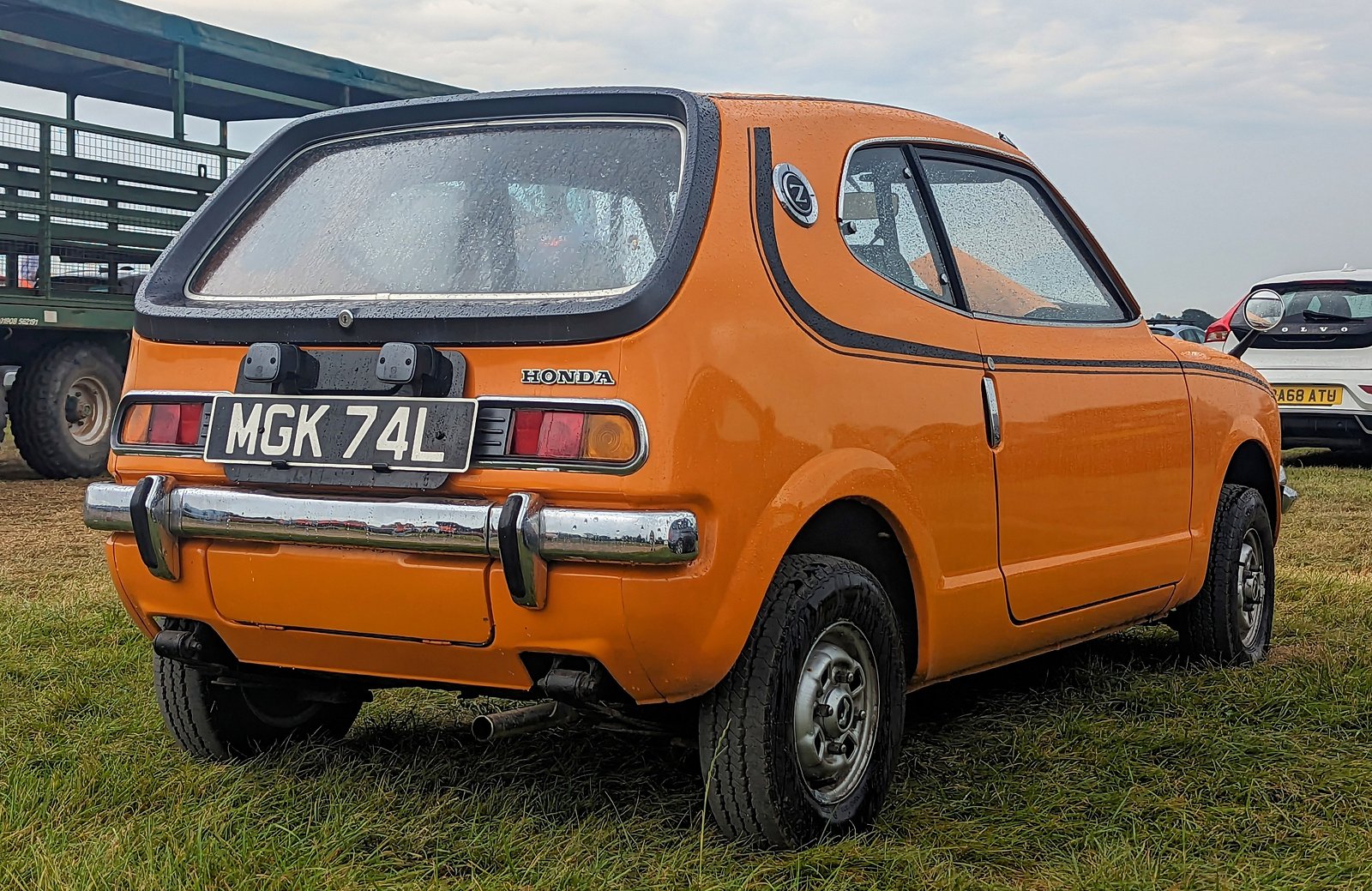
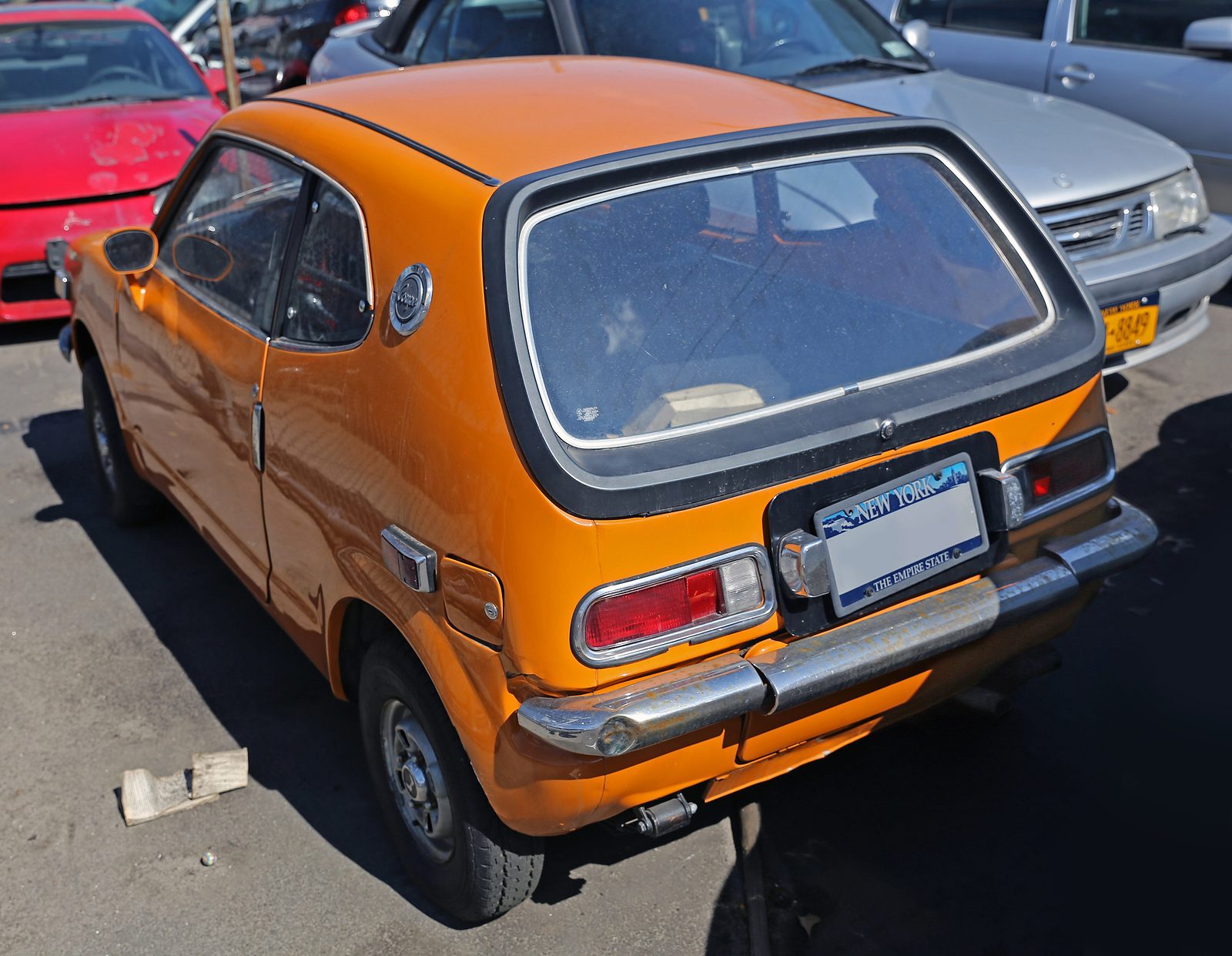
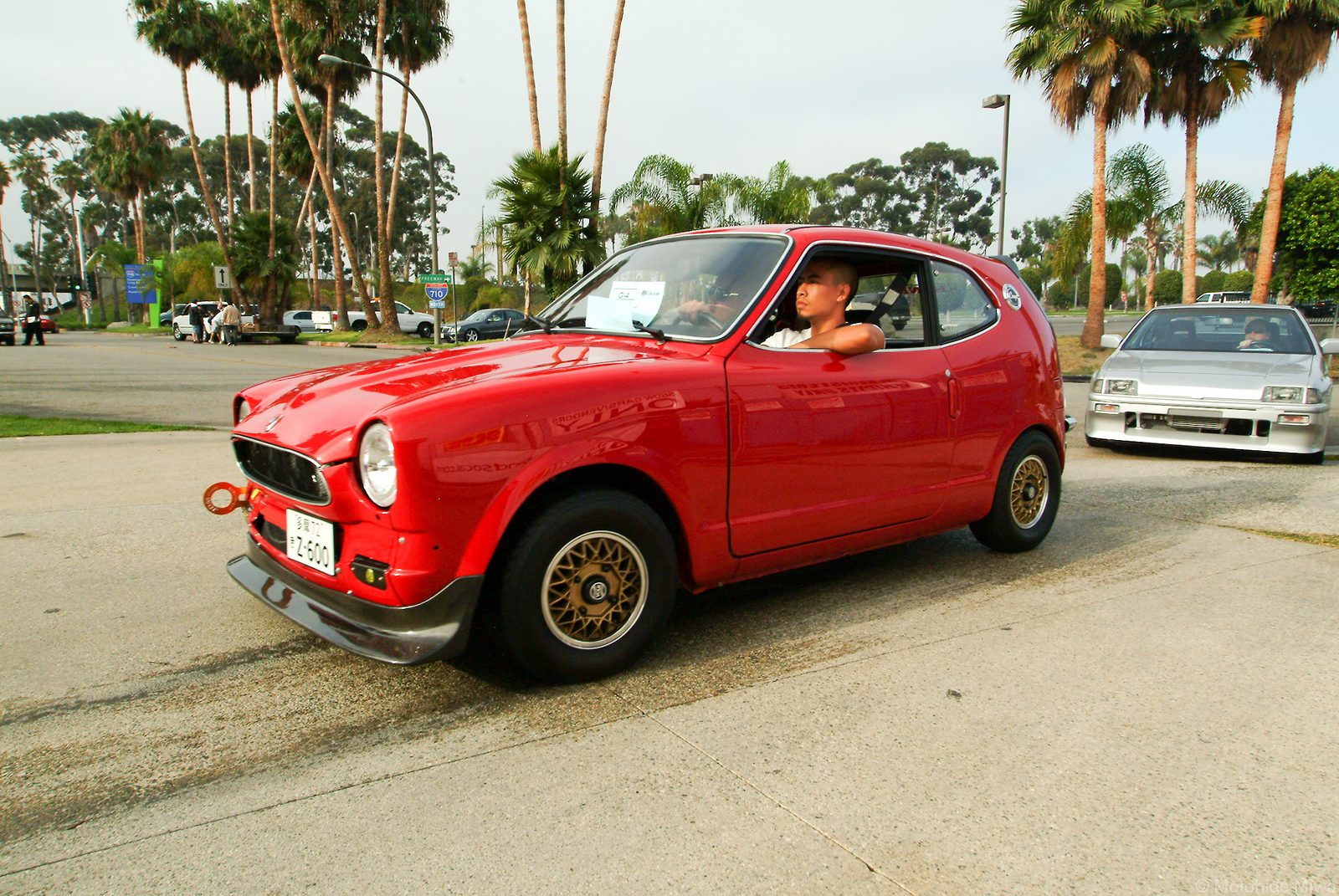
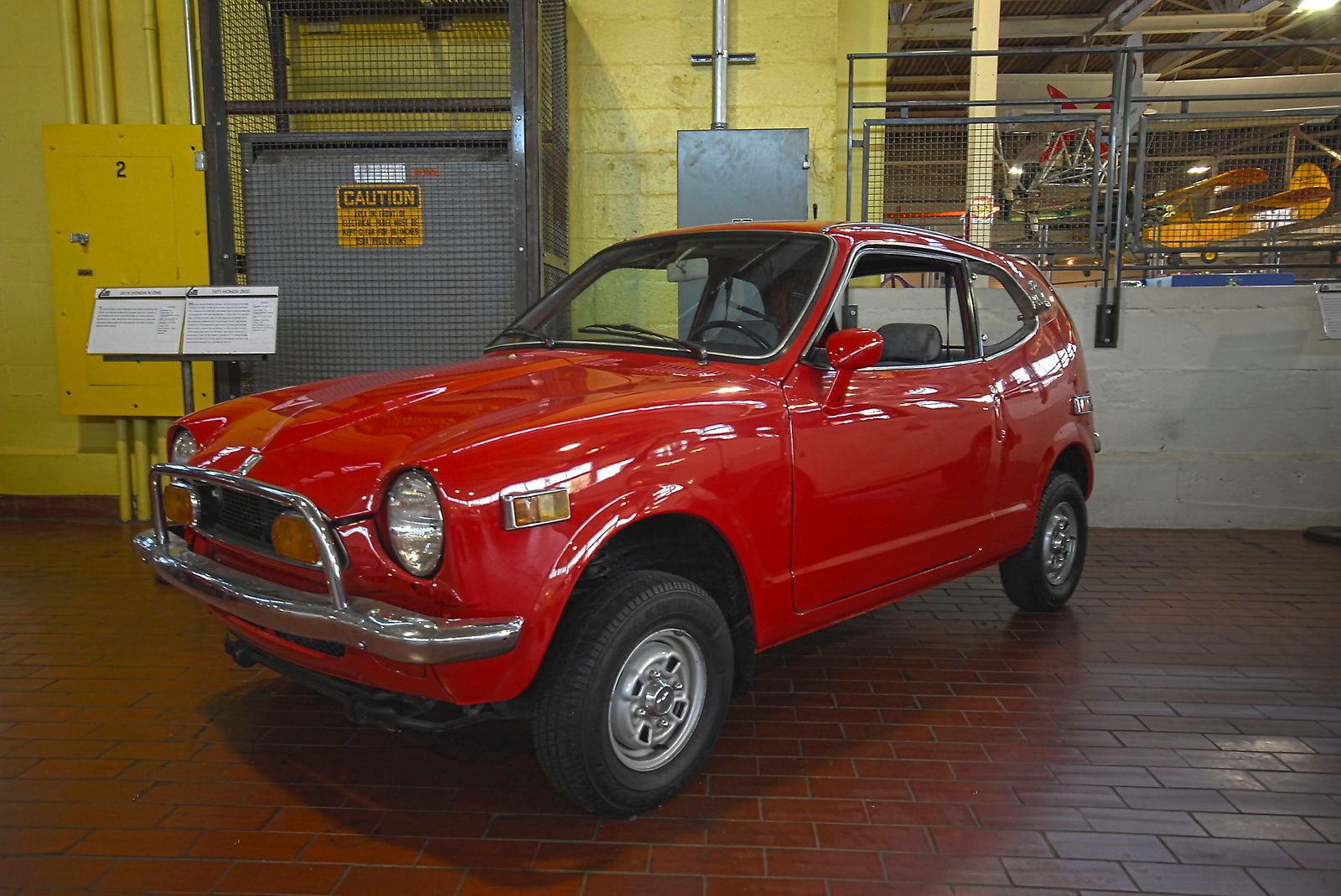
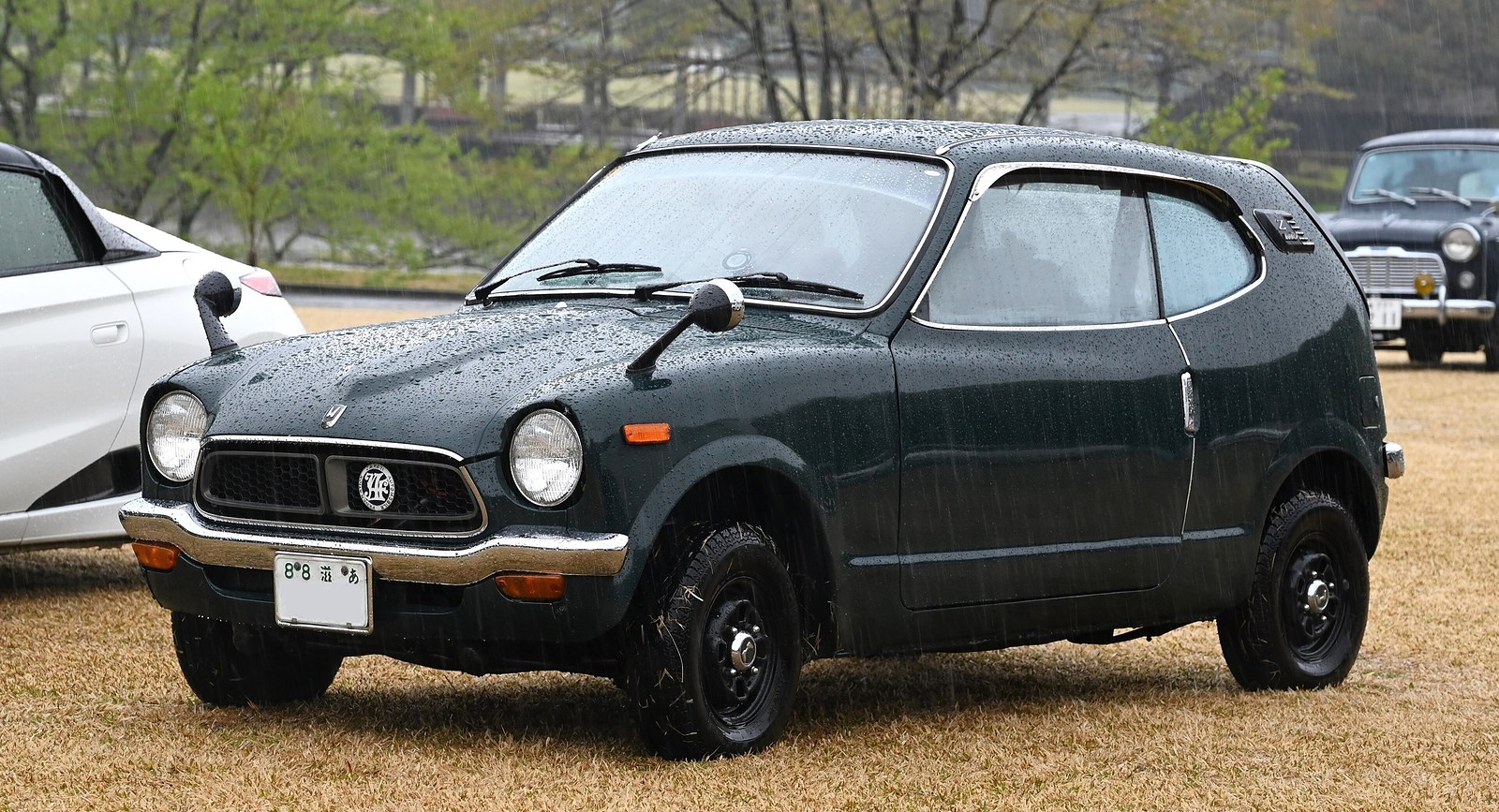
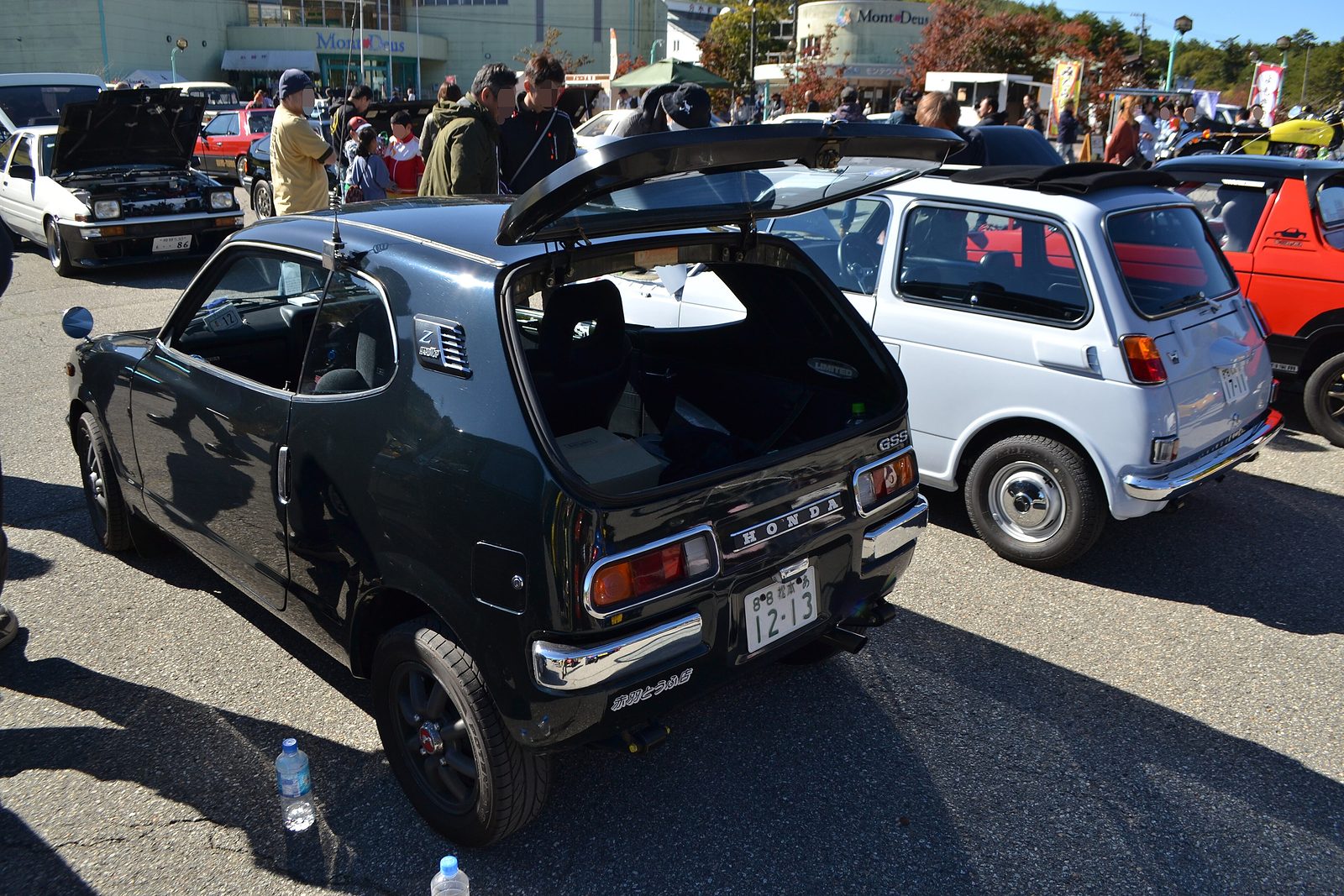
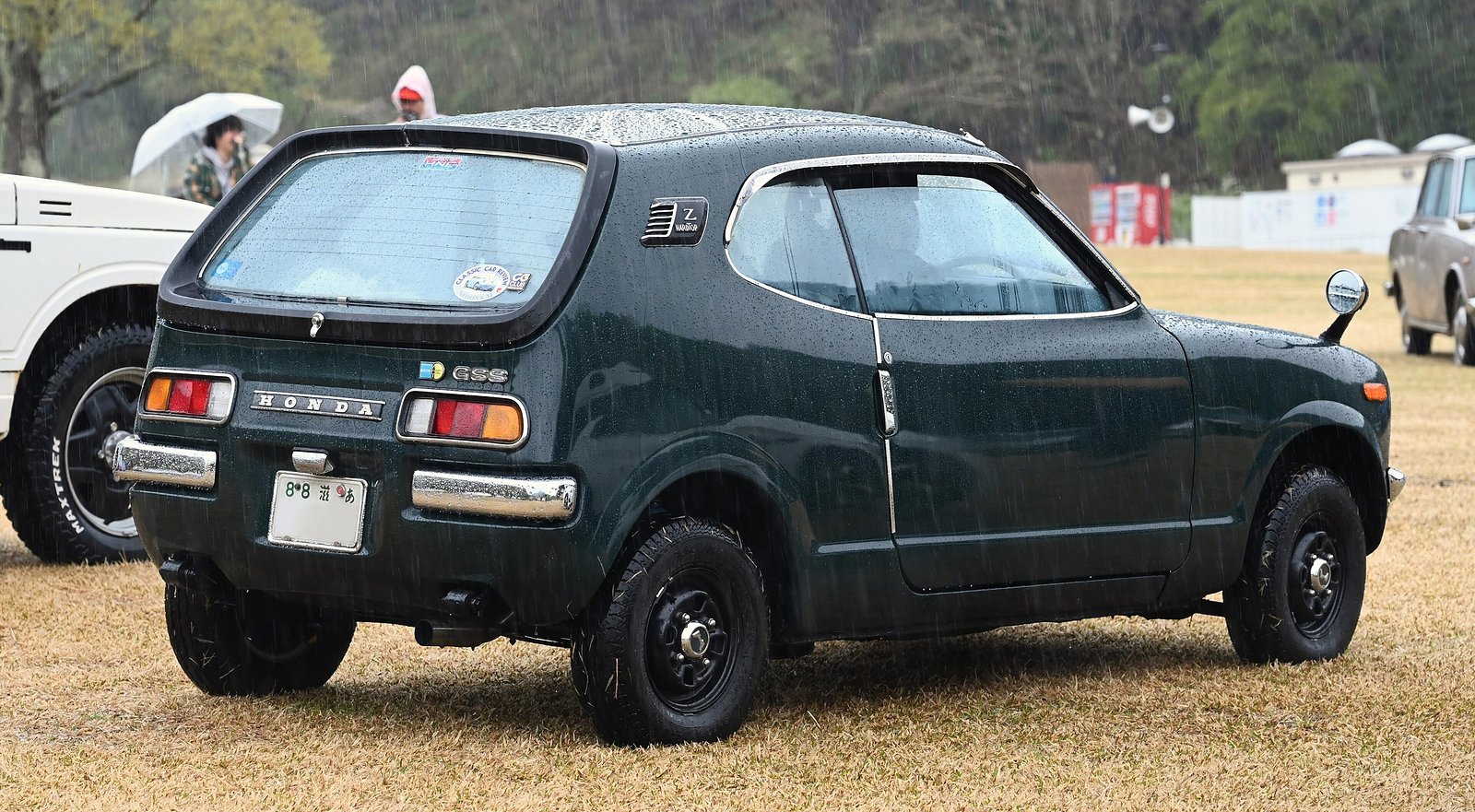
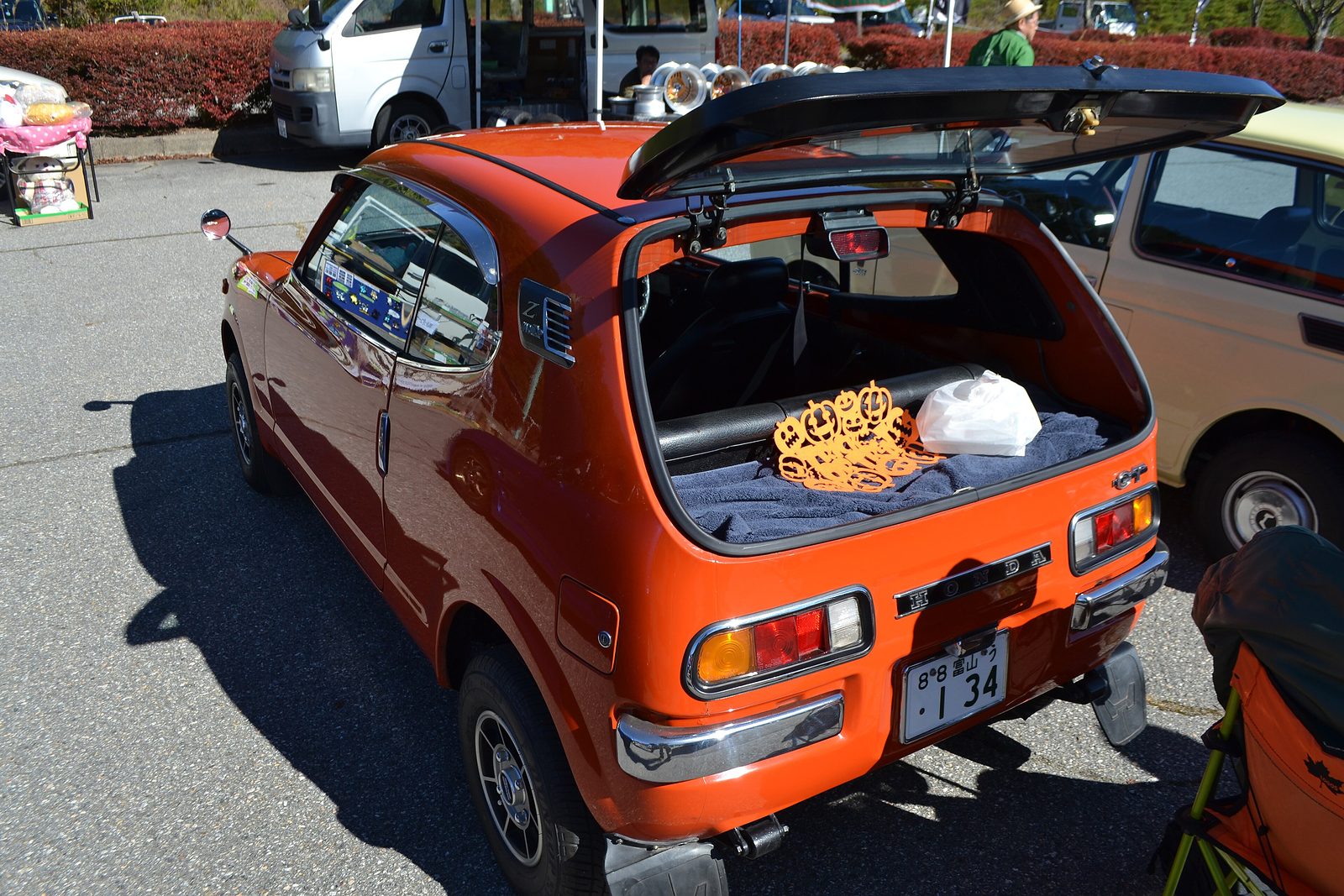
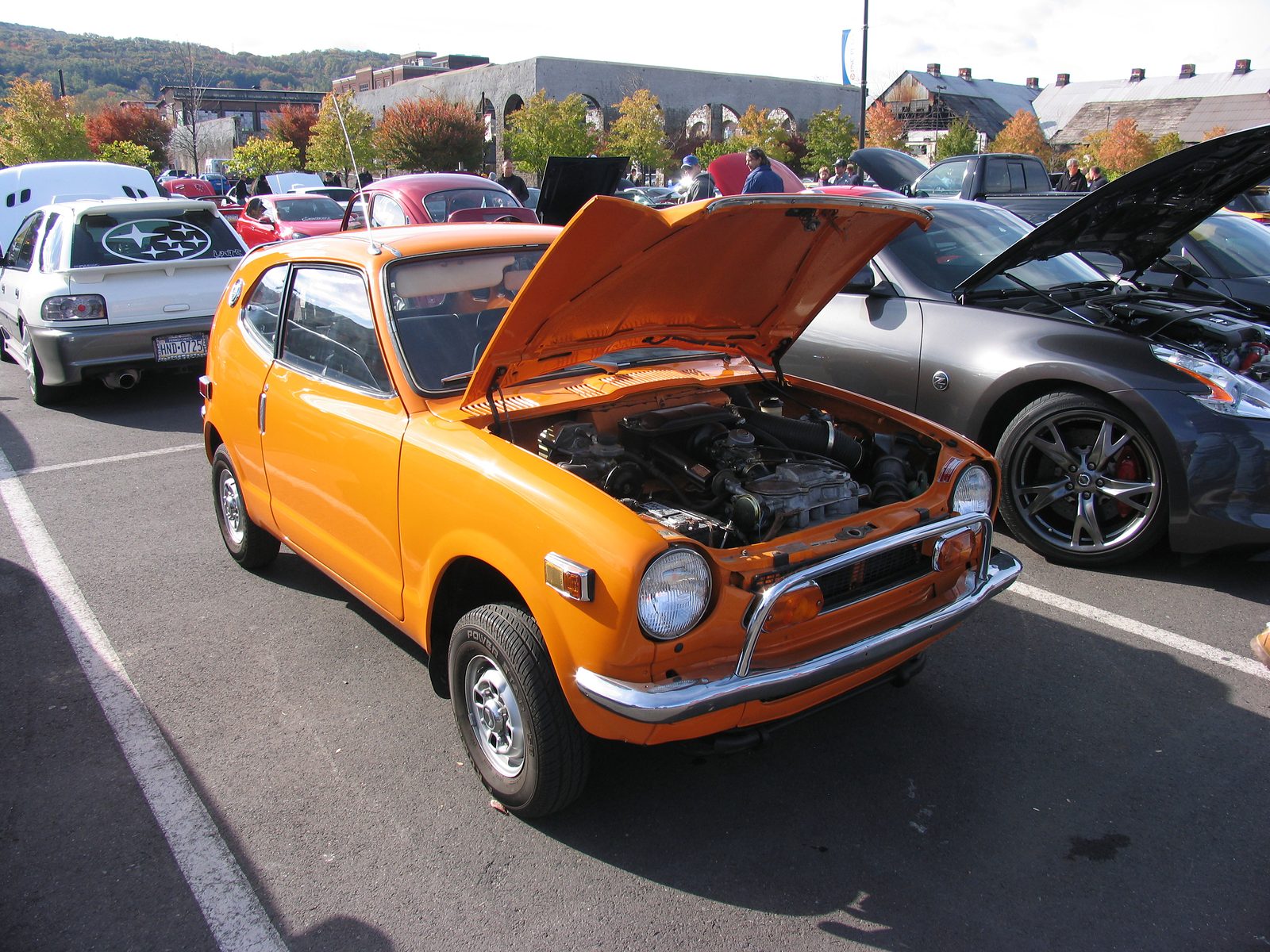
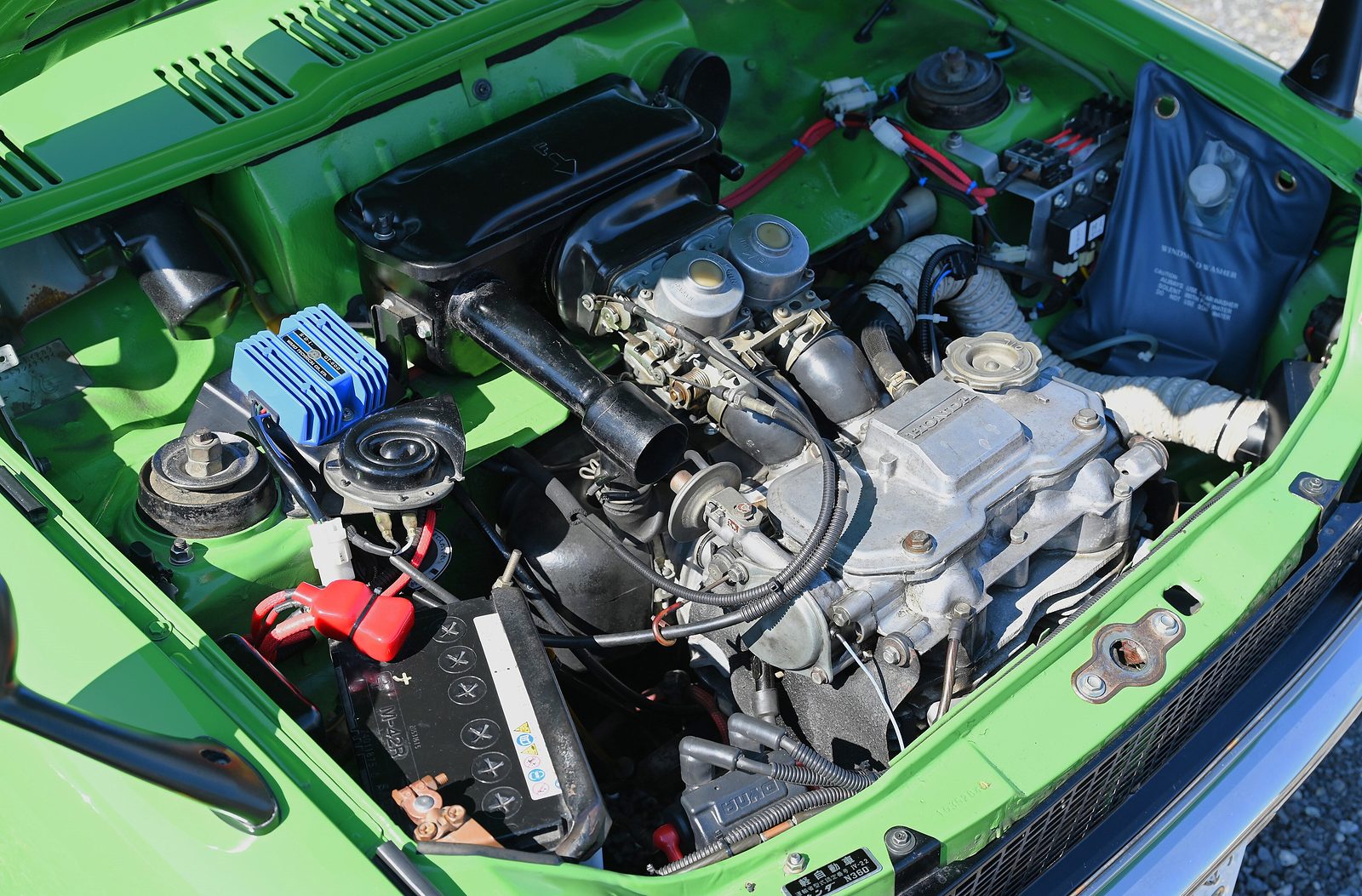
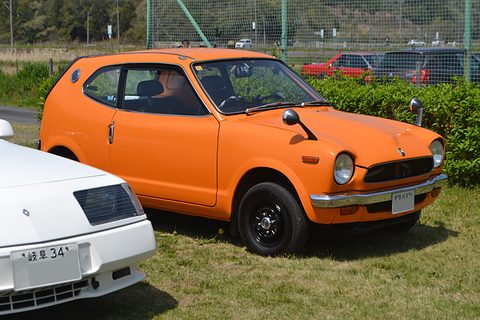
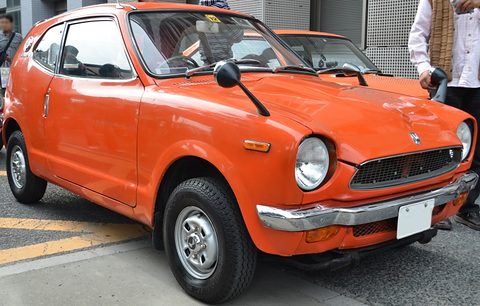
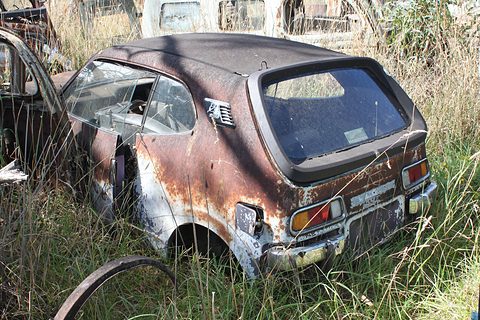
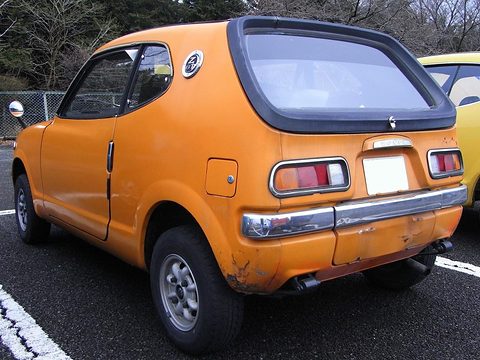
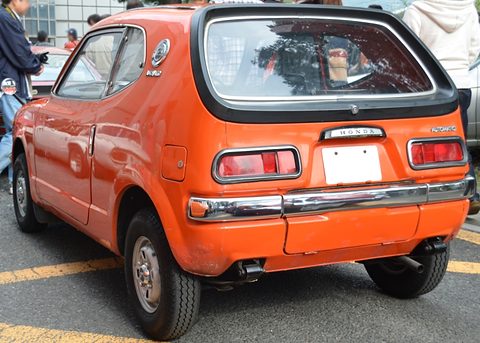
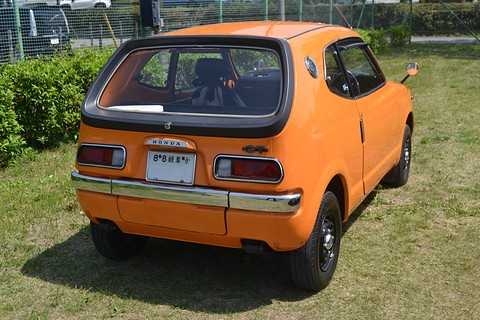
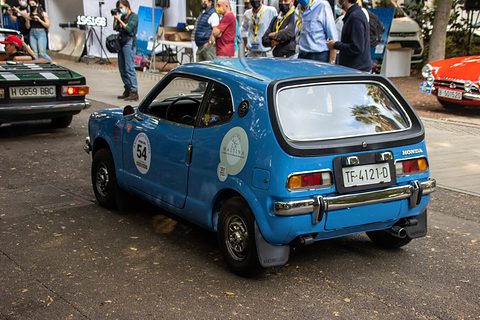
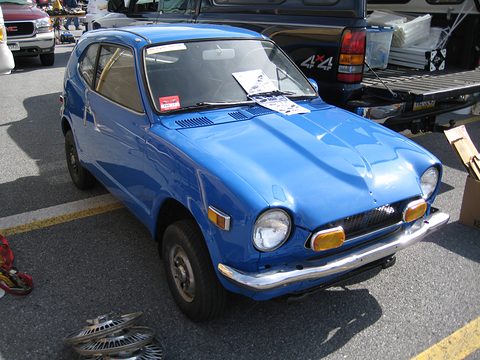
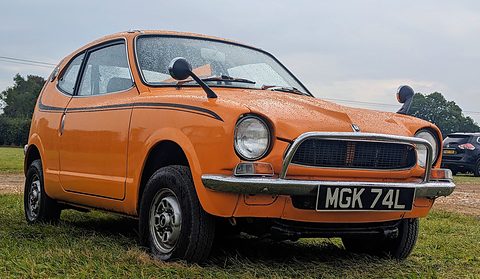
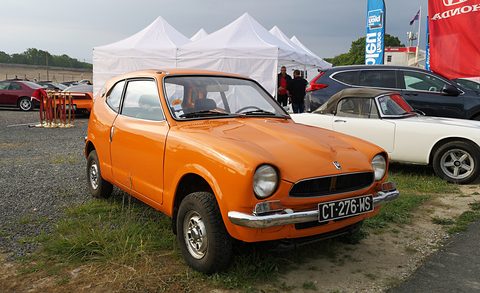
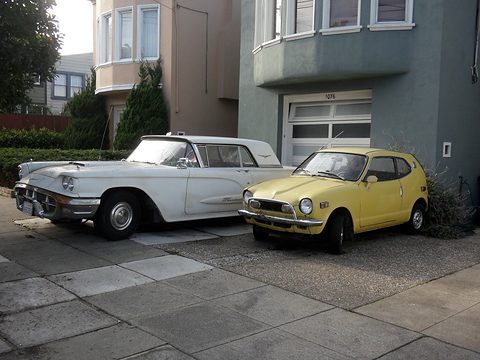
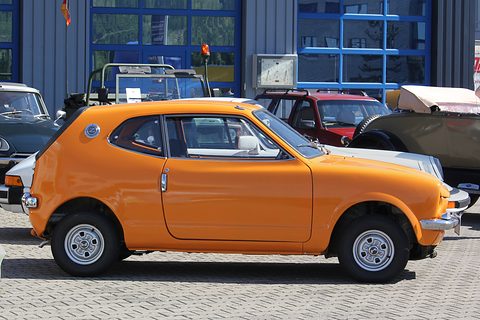
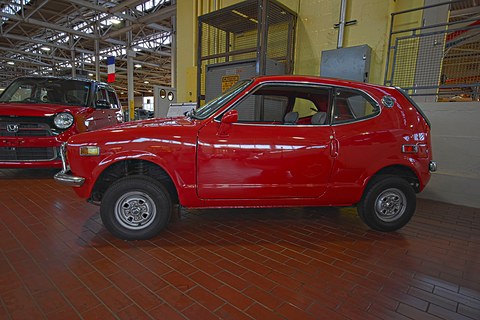
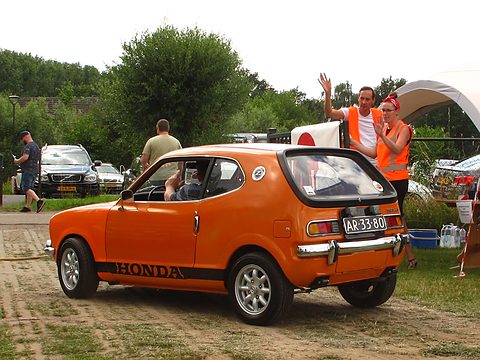
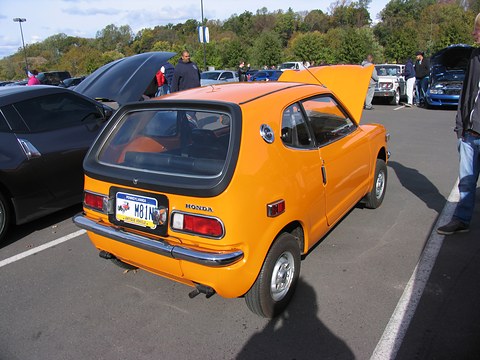
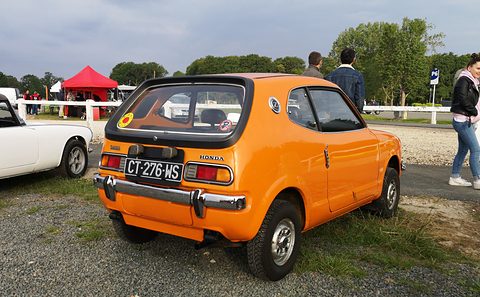
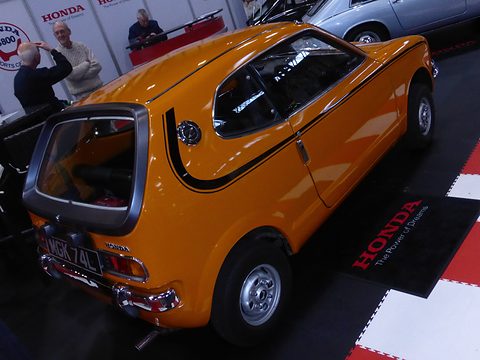
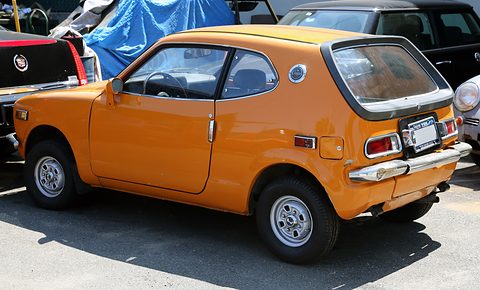
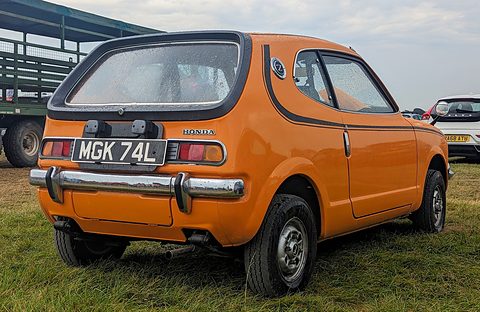
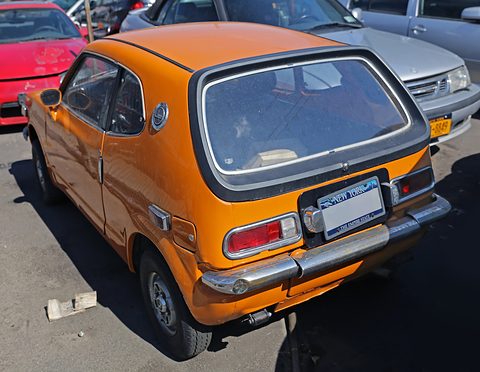
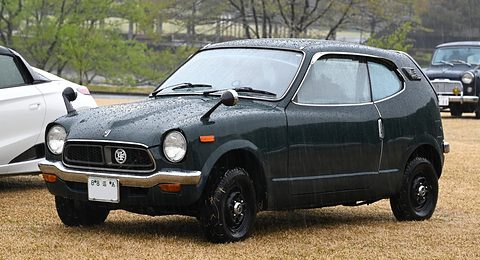
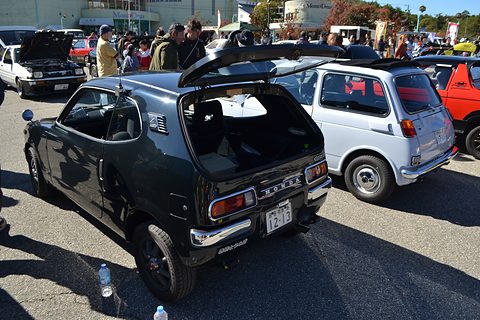
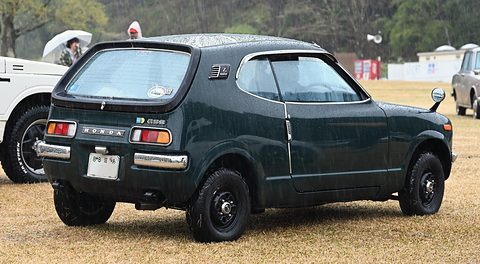
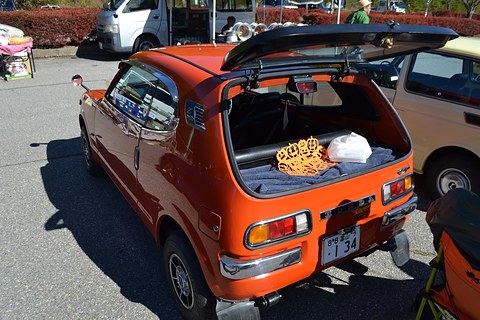
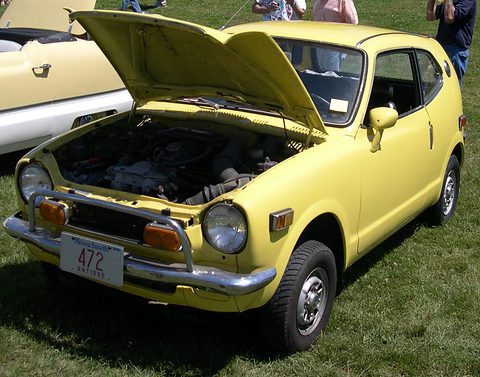
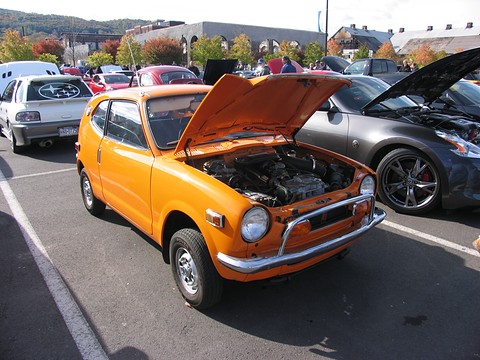
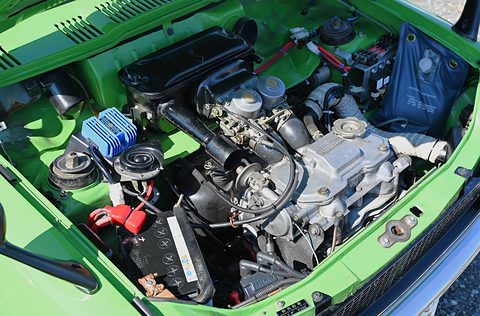
Underneath it was the N III 360, and at first it even shared the saloon’s type code.source 2 The air-cooled 354 cc twin sat across the nose and drove the front wheels, with 31 PS on one carburettor or 36 PS on two, and the suspension was the saloon’s, struts in front and a dead axle on leaf springs behind.source 1source 4 The new part was the body: a long, low bonnet, aircraft-style instruments and a cut-off tail whose glass hatch sat in a heavy frame of black resin. That frame gave the car its nickname, suichū megane, diving goggles.source 1source 2
Five characters
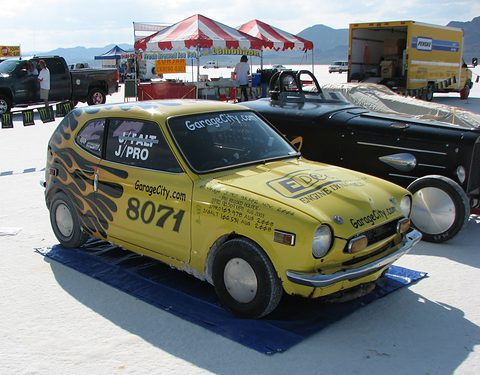
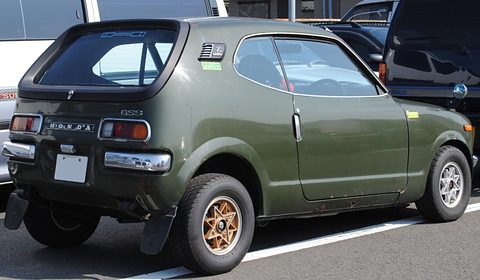
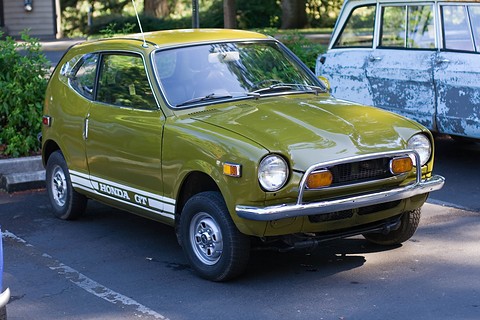
The Z went on sale across Japan on 20 October 1970. Honda priced five versions at the Sayama works, from ¥348,000 for the ACT to ¥463,000 for the GS, which followed in January, with freight added elsewhere: ¥2,000 to Tokyo, ¥17,000 to Sapporo.source 1source 2 Honda gave each a buyer. The ACT was for a man of action, the PRO for a forward-looking professional, the TS for an individualist with a sporting streak, the GT a grand tourer for people of means, and the GS for a tough, healthy driver proud of his technique.source 1 It planned to build 15,000 a month across all five by the end of the year.source 1
The launch came at the height of the N360’s defect-car controversy.source 5 Honda listed safety claims with it: the first energy-absorbing steering wheel in the class, a fully padded dashboard, door locks that resisted bursting open, the lowest roof in the class, and a heavy rear quarter pillar that Honda said worked as a roll bar.source 1 The GS of 25 January 1971 had a five-speed dog-engagement gearbox, radial tyres and sports seats, and something no kei car had had before, by Honda’s claim: servo-assisted front disc brakes, with a valve proportioning the pressure to the rear.source 6source 2 Honda planned 2,000 GSs a month.source 6 In February a softer Golden Series joined the range, with a Hondamatic automatic among it, and the original cars became the Dynamic Series.source 2
The Life underneath
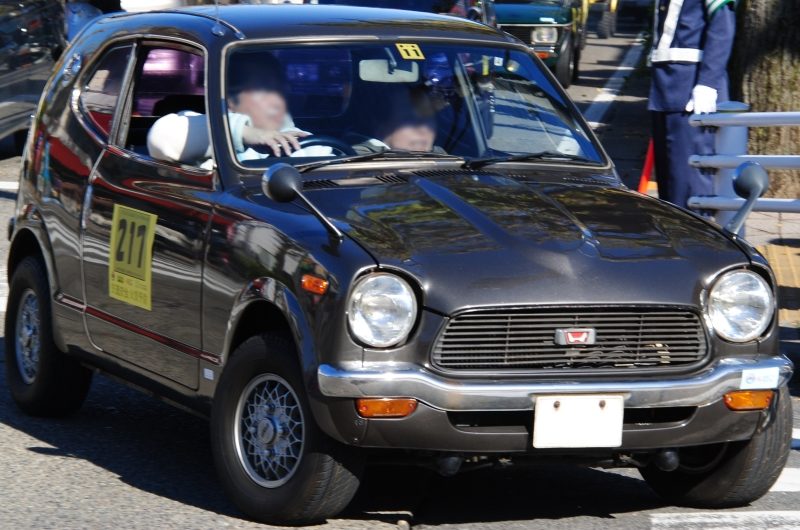
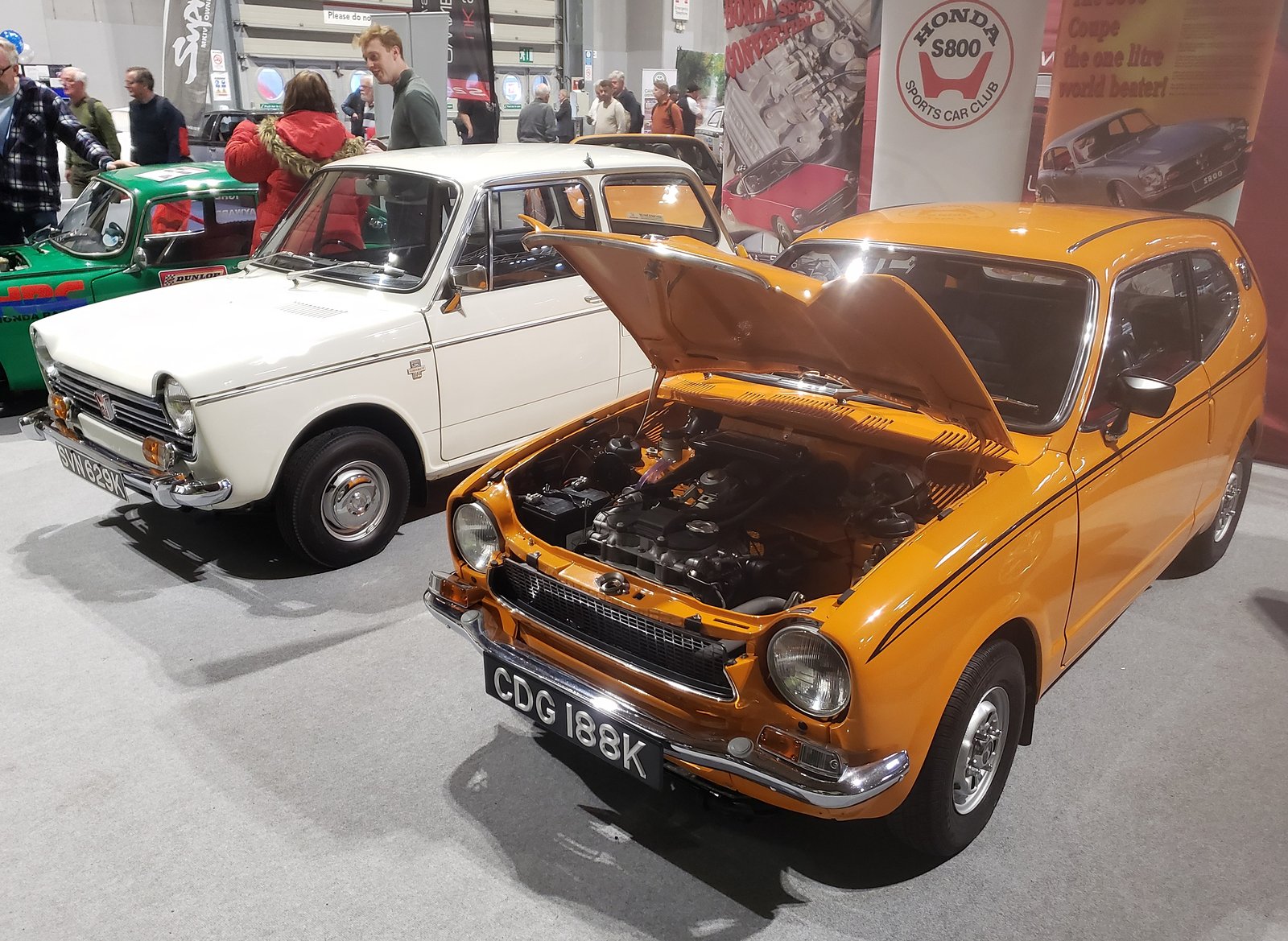
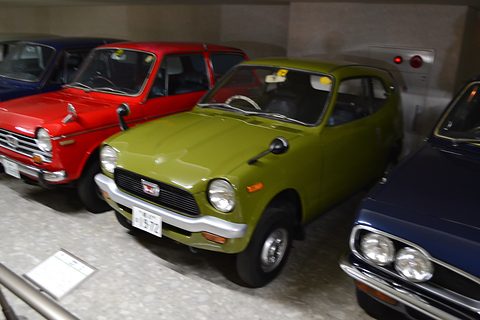
On 1 December 1971 the Z moved onto the platform of the new Honda Life. It took the Life’s water-cooled EA twin, 356 cc with a belt-driven camshaft and the same 31 or 36 PS, and a wheelbase 80 mm longer; the body was largely reworked, with separate amber indicators at the back.source 2 From January 1972 the Golden Series cars had their tailgate frame in body colour instead of black.source 2 The hardtop of November 1972 lost the centre pillar and gained a honeycomb grille, and came only with twin carburettors.source 2 It also lost the little hatch below the number plate: until then the spare wheel and tools had lived in a compartment of their own there, below a shallow luggage deck under the glass.source 2source 4 In 1973 came controls on fuel vapour and a tandem brake master cylinder.source 2
Z600
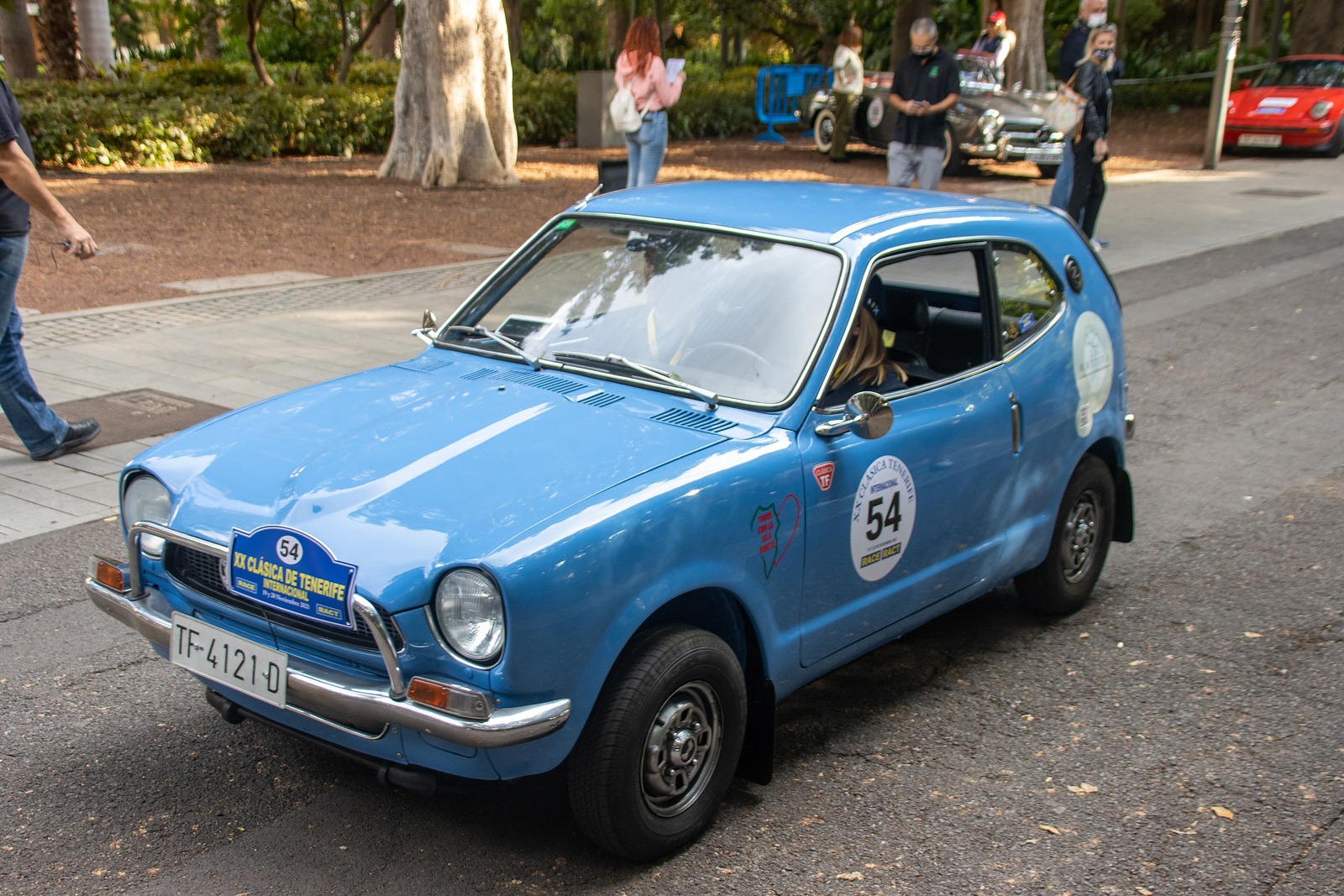
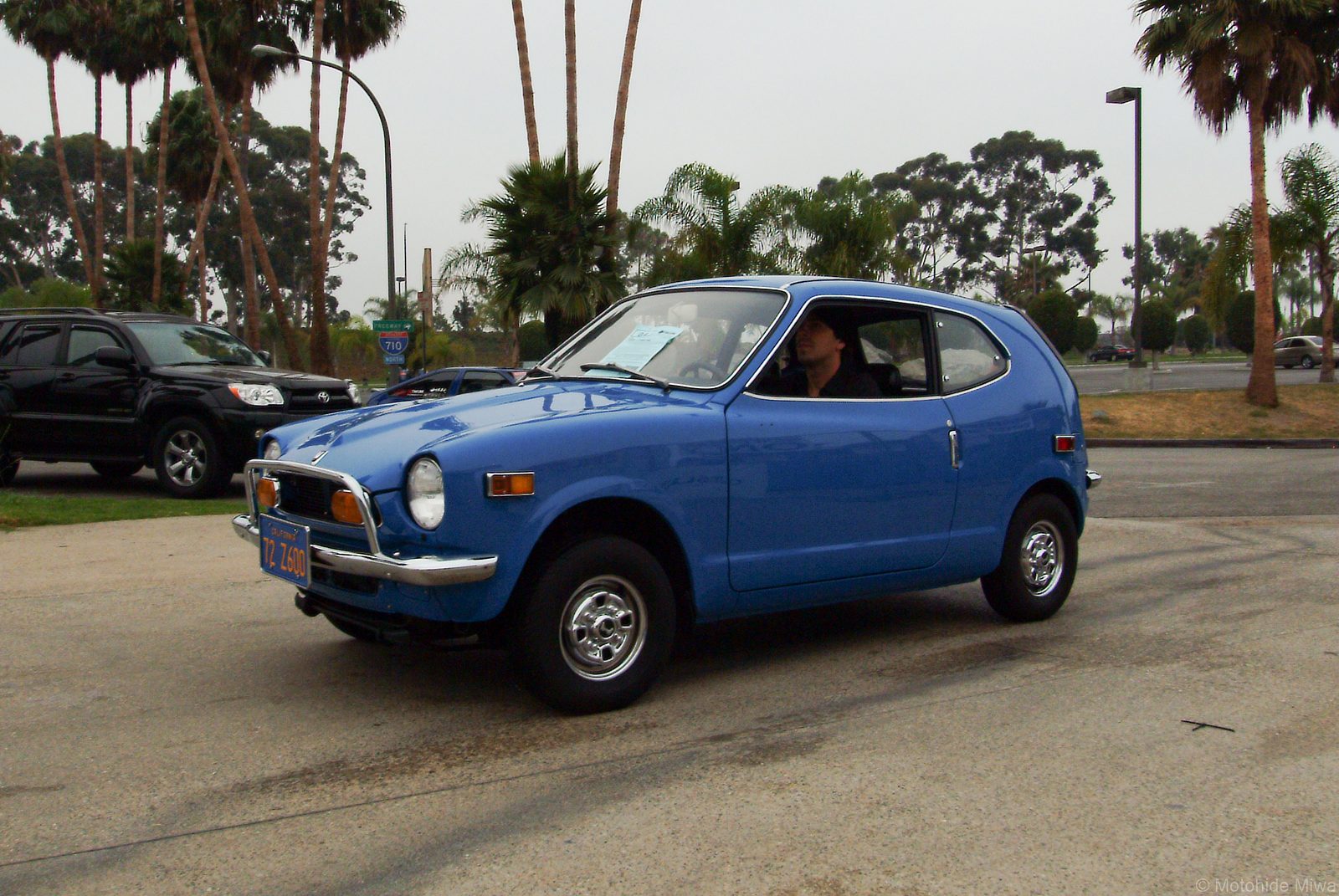
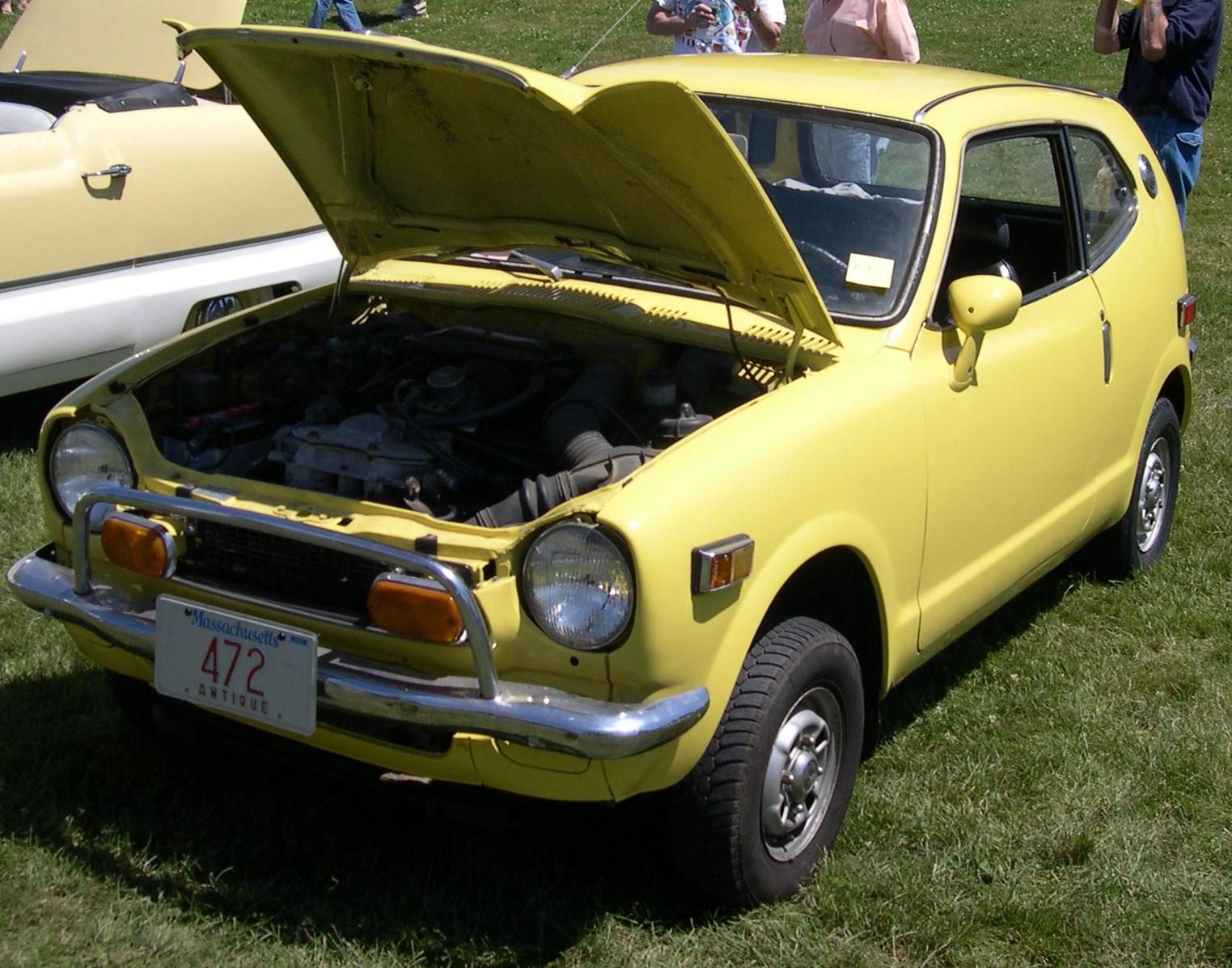
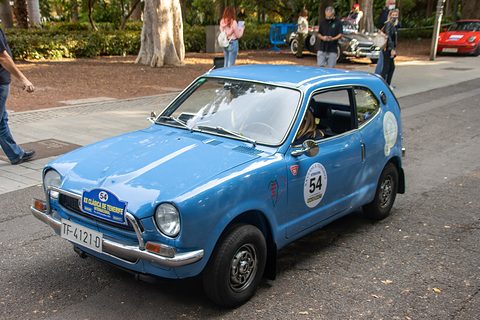
For export the Z took the N600’s 598 cc twin.source 2source 4 In the United States it was the Z600, or the 600 Coupe, for the model years 1970 to 1972, sold beside the N600 by Honda’s motorcycle dealers until separate car dealers opened for the Civic; Driven to Write puts American sales at about 15,500.source 4source 7 In Britain it cost £719 at its launch in 1970, and £839 by October 1973, when a Mini 1000 cost £841 and a Civic 1200 £999.source 7 Motor tested a Z600 in August 1972 and recorded 117 km/h (73.0 mph), 0–80 km/h (0–50 mph) in 17.9 seconds and 6.2 litres per 100 km (45.4 mpg) overall; a Mini Clubman managed 120 km/h (74.3 mph), 16.0 seconds and 9.2 litres per 100 km (30.7 mpg), for £850.source 7 Europe took 918 Z600s, mostly in France and Switzerland, and the Z360 was thought too weak for it. Many went to West Germany, where the Z was not sold officially, and were sleeved down to 242 cc so that they could be driven on a Class IV licence, with 12.5 to 14 PS and 85 km/h (53 mph).source 4 Australia had the Z360.source 4
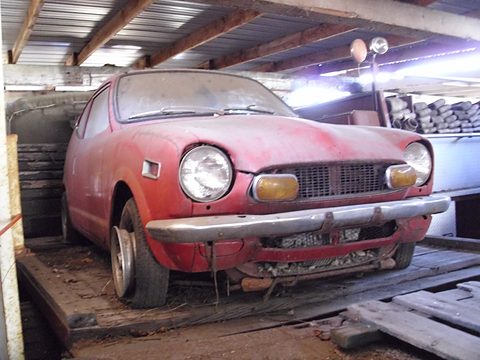
The Z ended in 1974, in June by Japanese Wikipedia’s date or October by Driven to Write’s, together with the Life and its Step Van and pickup, and with no successor.source 2source 7 Honda wanted the capacity for the Civic, which was selling strongly through the emissions rules and the oil crisis, and kei cars had lost their price advantage once inspection and the new safety rules applied to them.source 2 Honda built no kei passenger car again until the Honda Today.source 2 The name came back in 1998, on a mid-engined, four-wheel-drive kei off-roader, a different car.source 2source 4