
The story
History
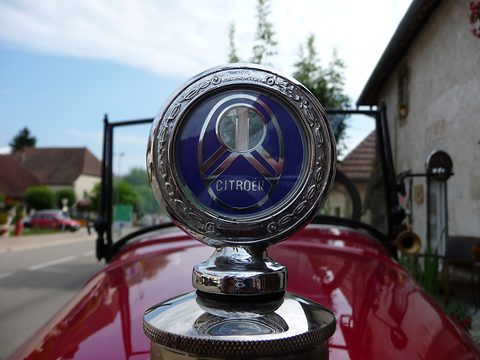
André Citroën admired Henry Ford. In the war he had mass-produced shells, and after 1919 he used his factories to build cars on Ford’s lines.source 1 His first was the 10HP Type A of 1919, followed by the B2. The second design of his own, the 5HP, was to sit below them: a small car, complete, and cheap.source 1source 2
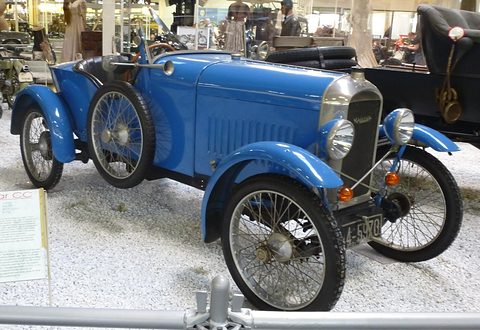
French tax rules of the time favoured the cyclecar, a light car of no more than 350 kg. Citroën ignored the class. He aimed instead at the small-car market, which Peugeot and Renault dominated.source 1 His engineer was Edmond Moyet. Like Jules Salomon, the designer of the Type A, Moyet had come to Citroën from Le Zèbre, and he had just designed the very similar Amilcar CC.source 1 Eric Favre, writing in Gazoline, credits Salomon with designing the 5HP with Moyet, and goes further: he says it was derived directly from Le Zèbre drawings, a claim no other source read makes.source 3 Our page of the designers has more on both men.
A car with everything
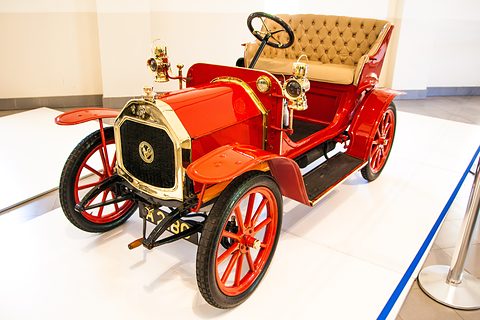
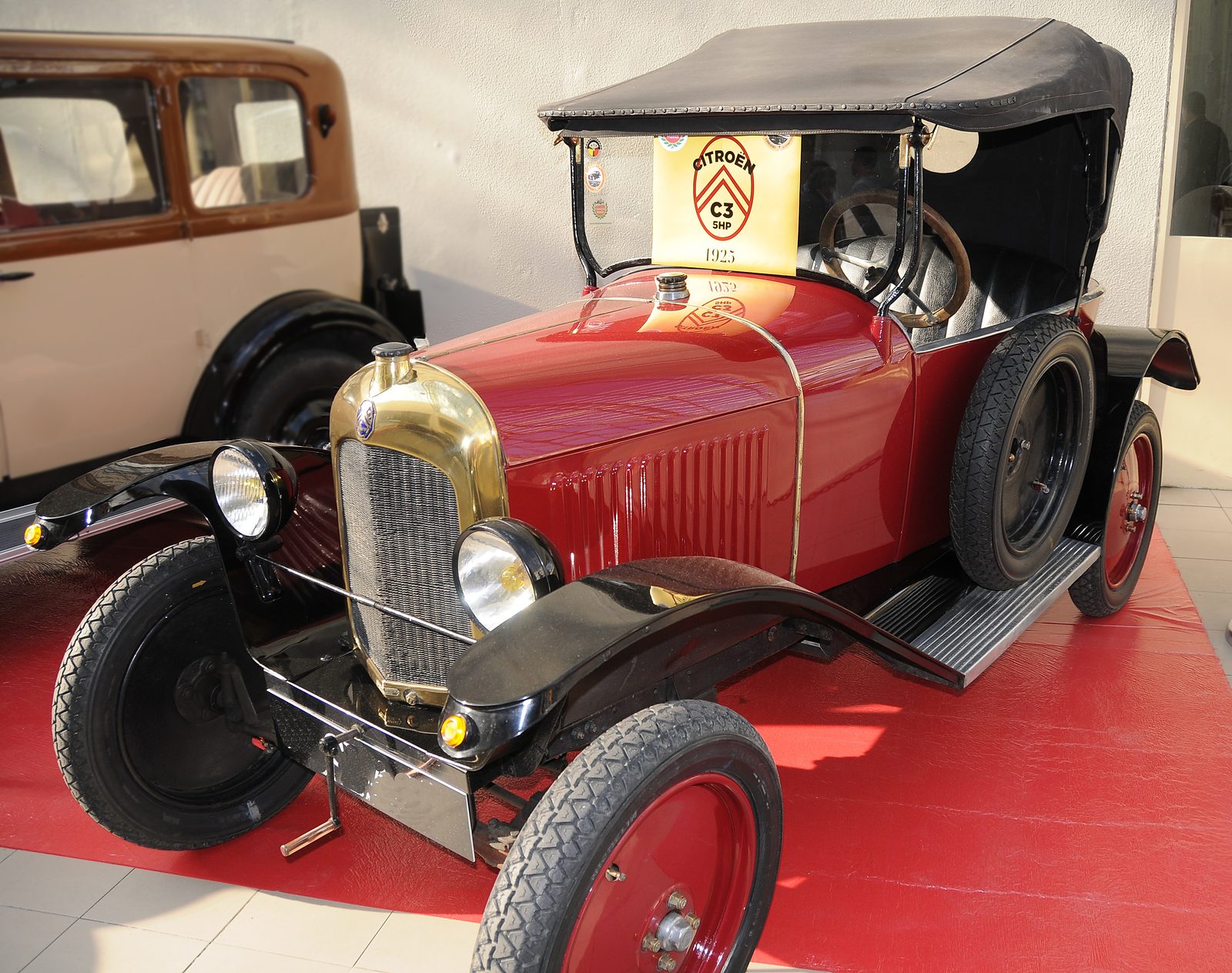
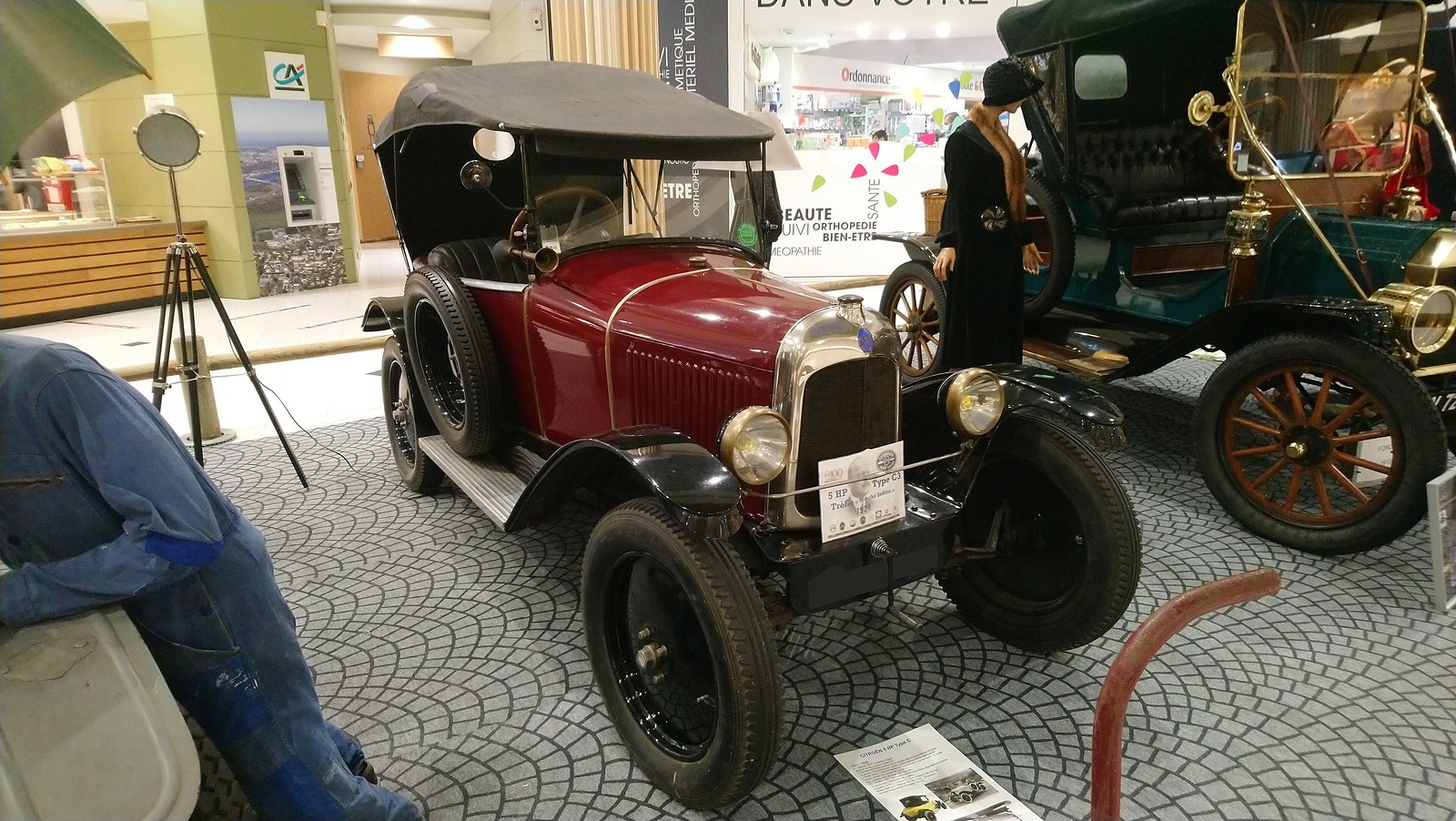
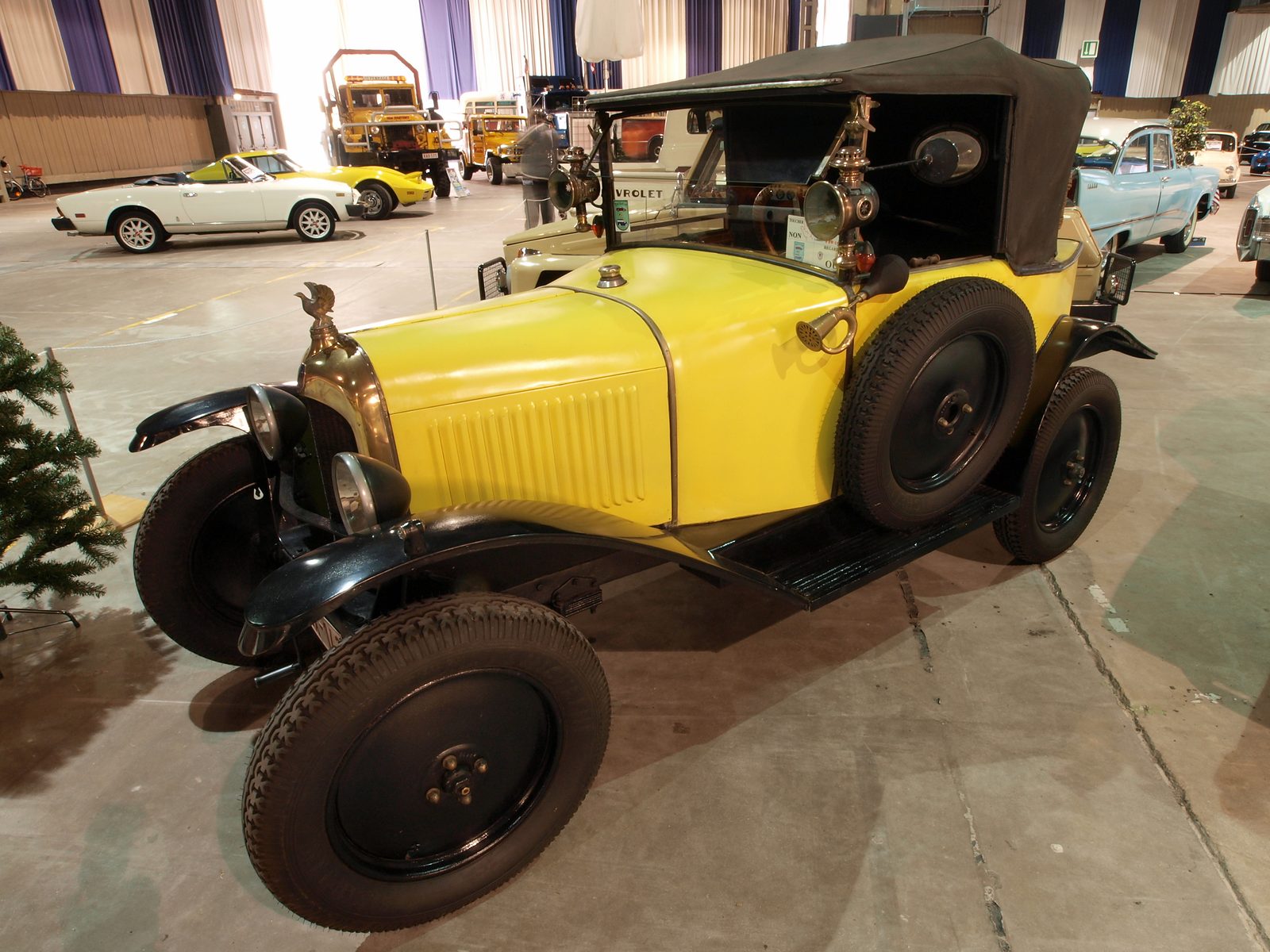
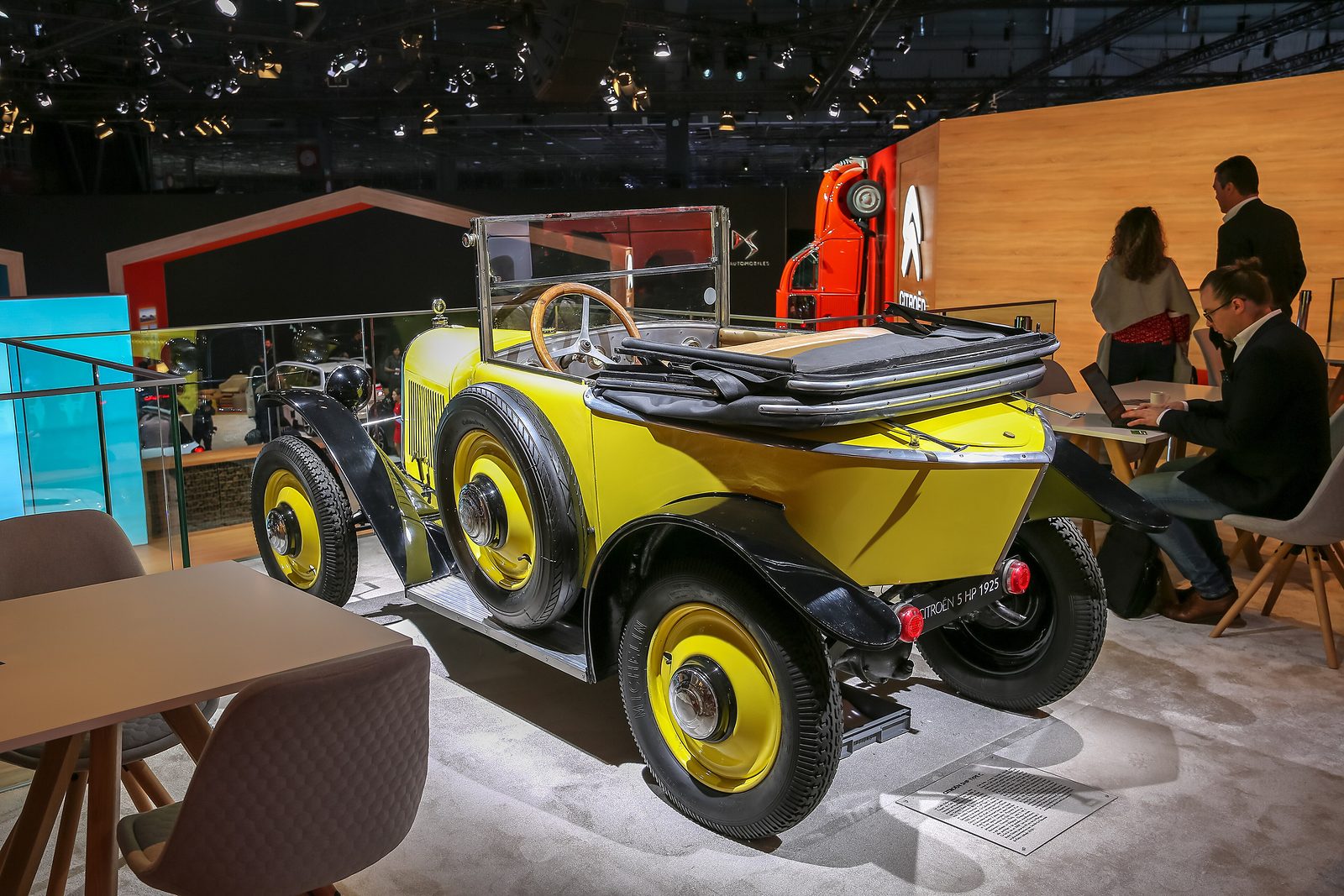
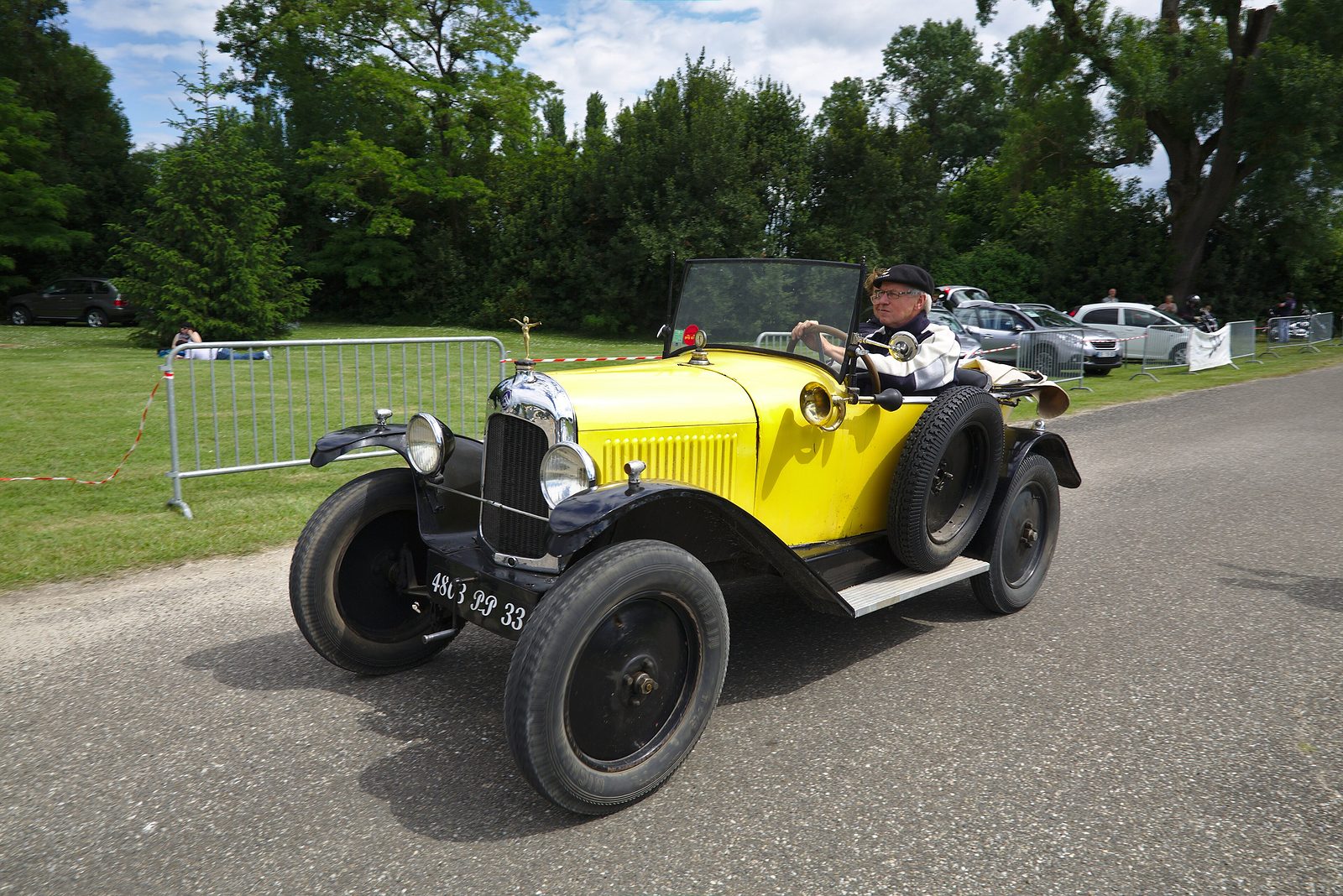
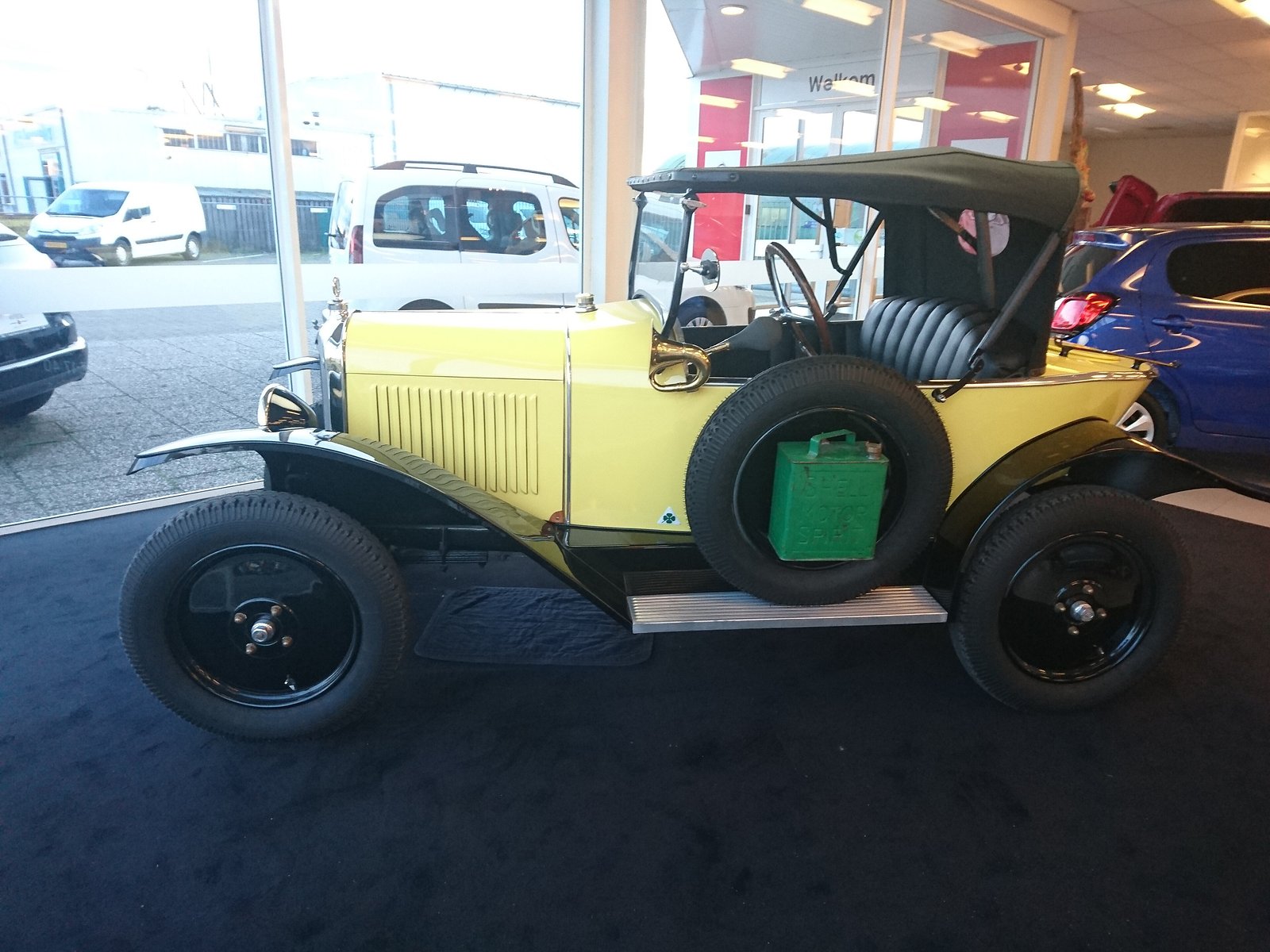
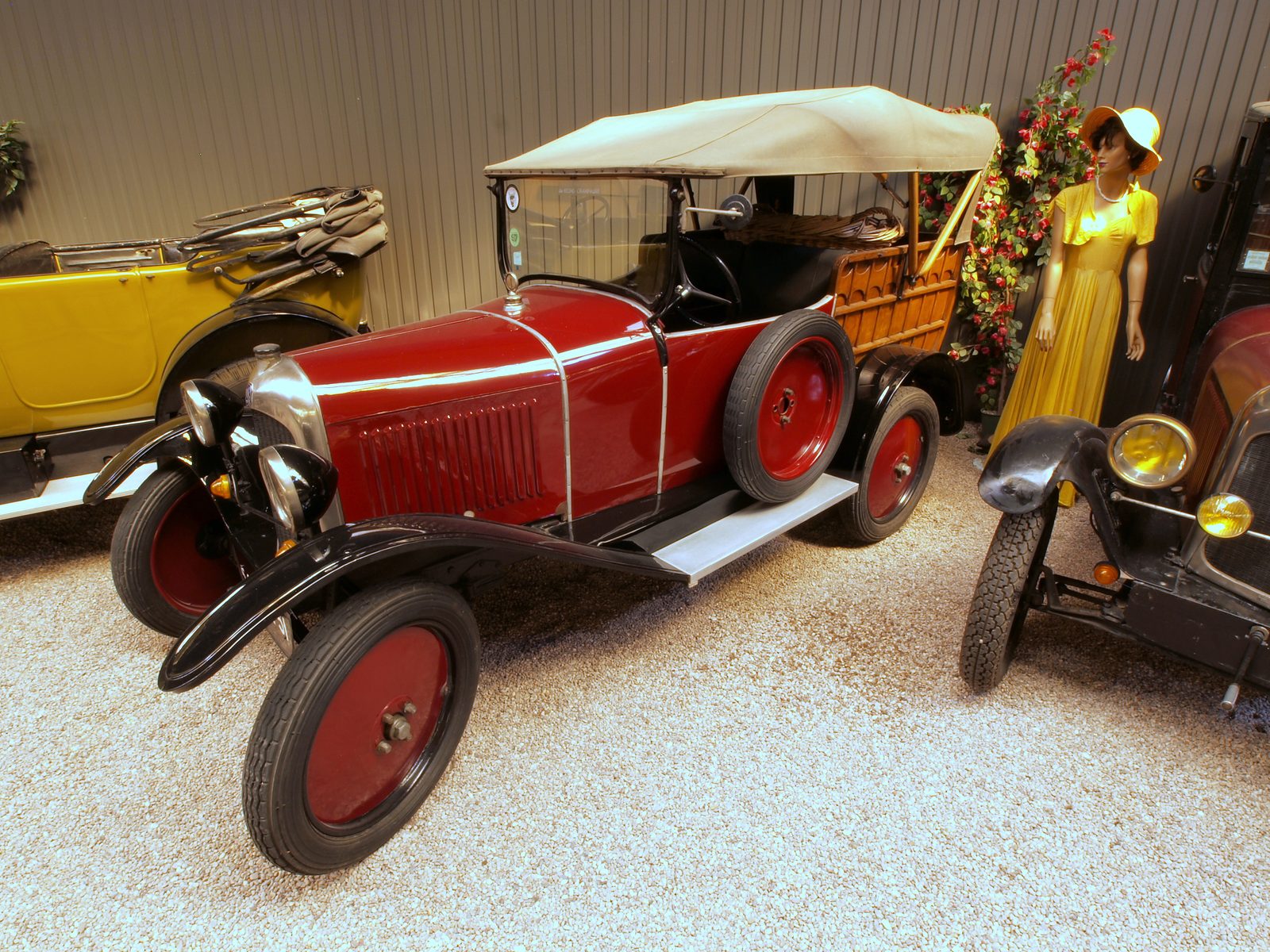
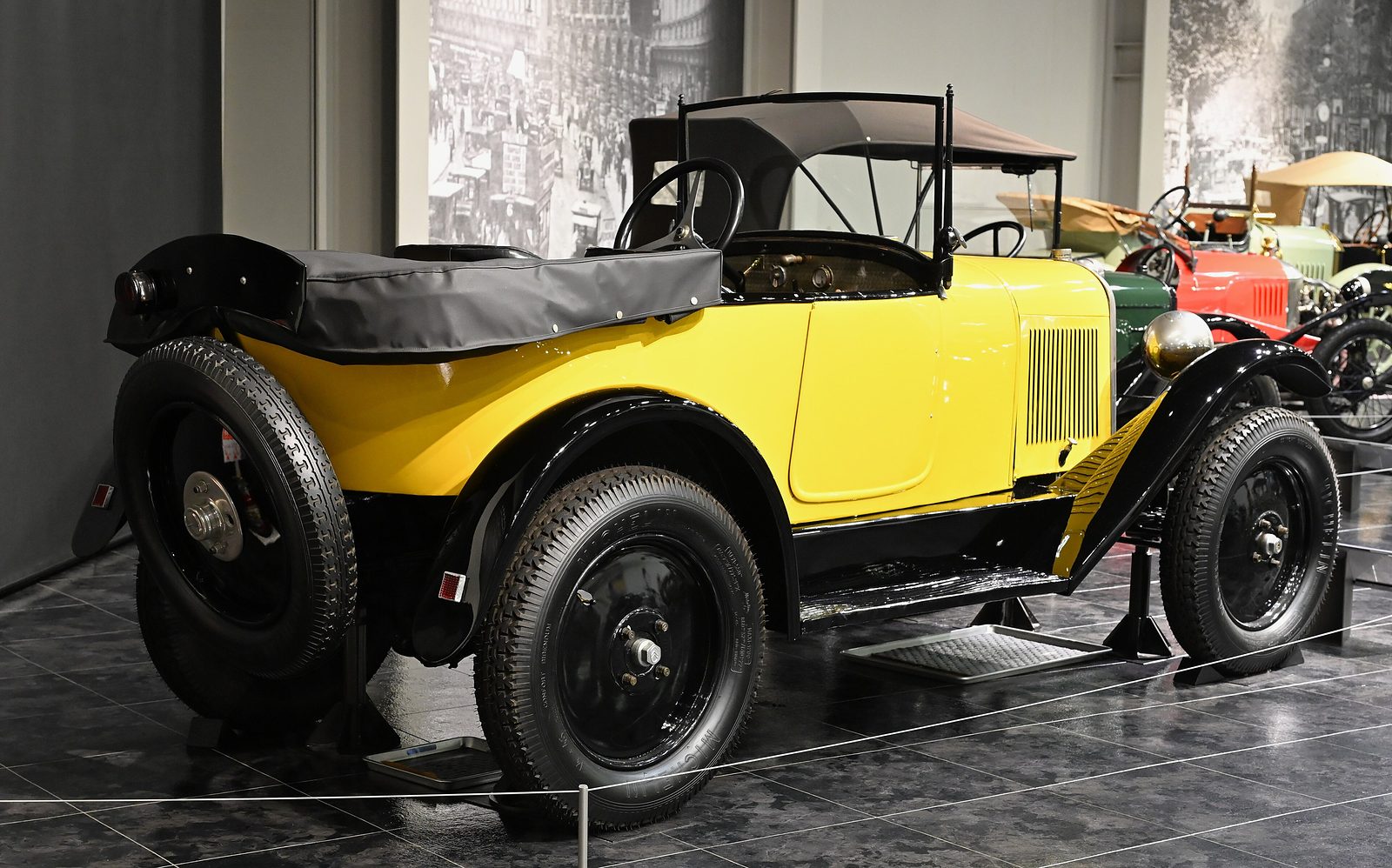
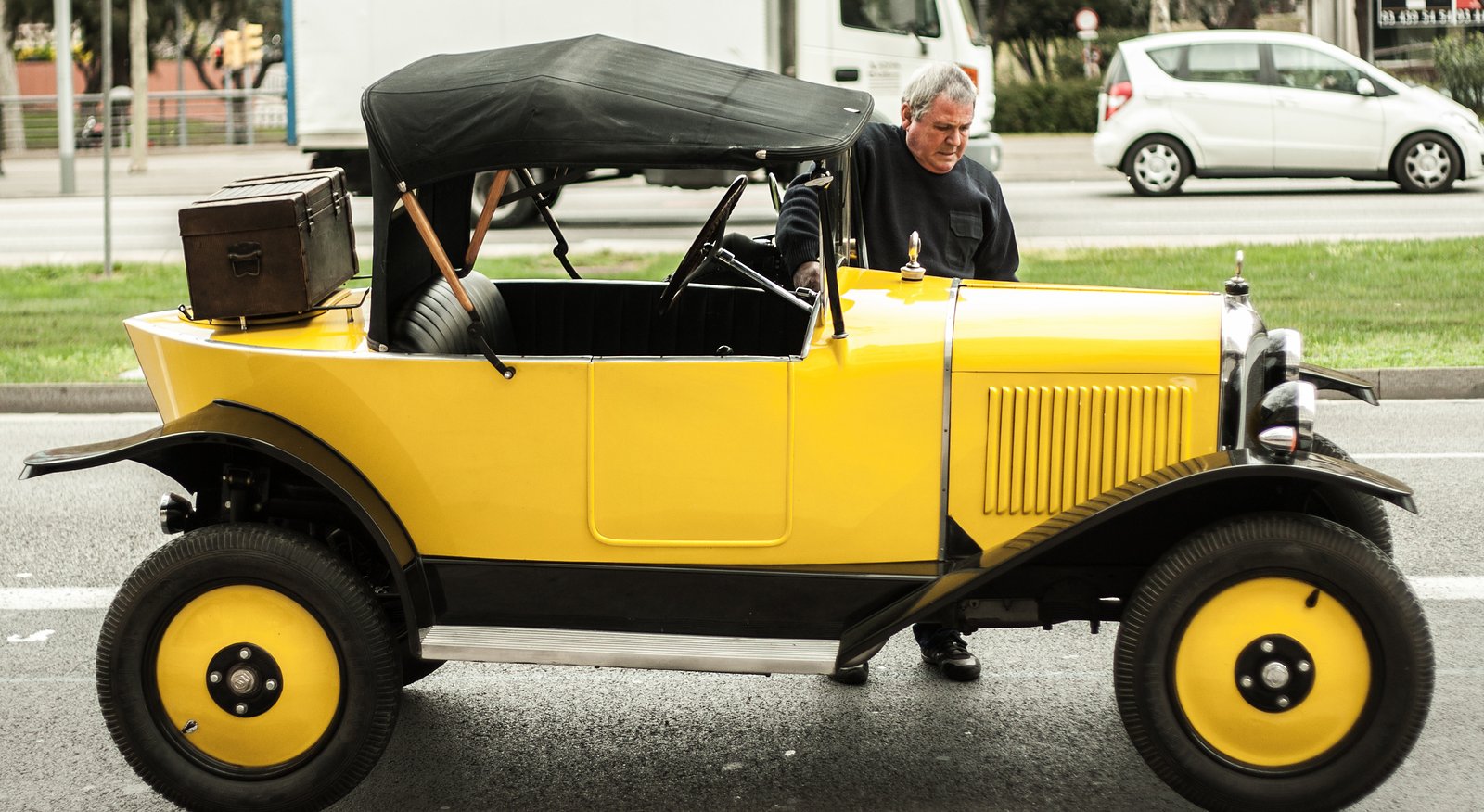
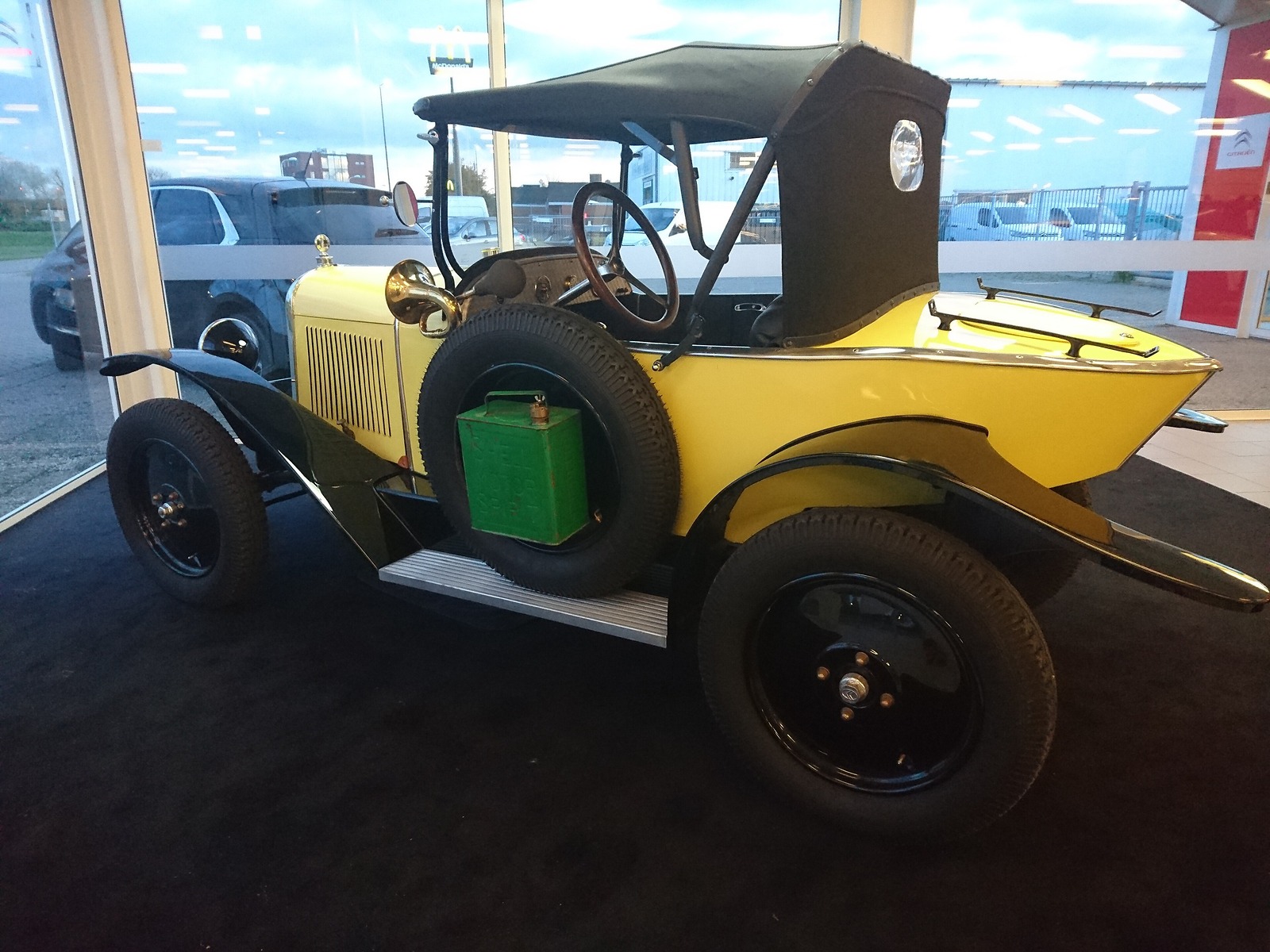
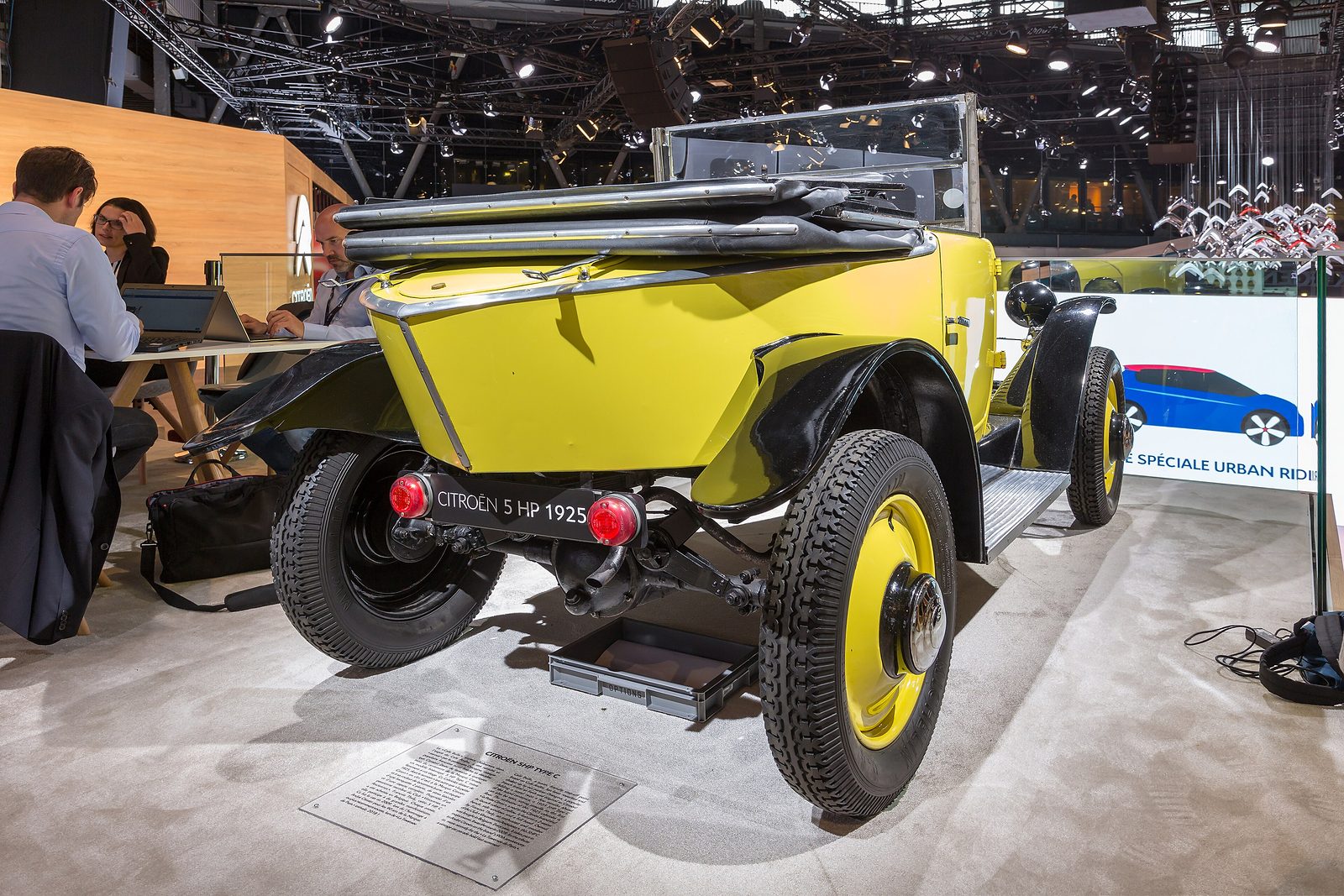
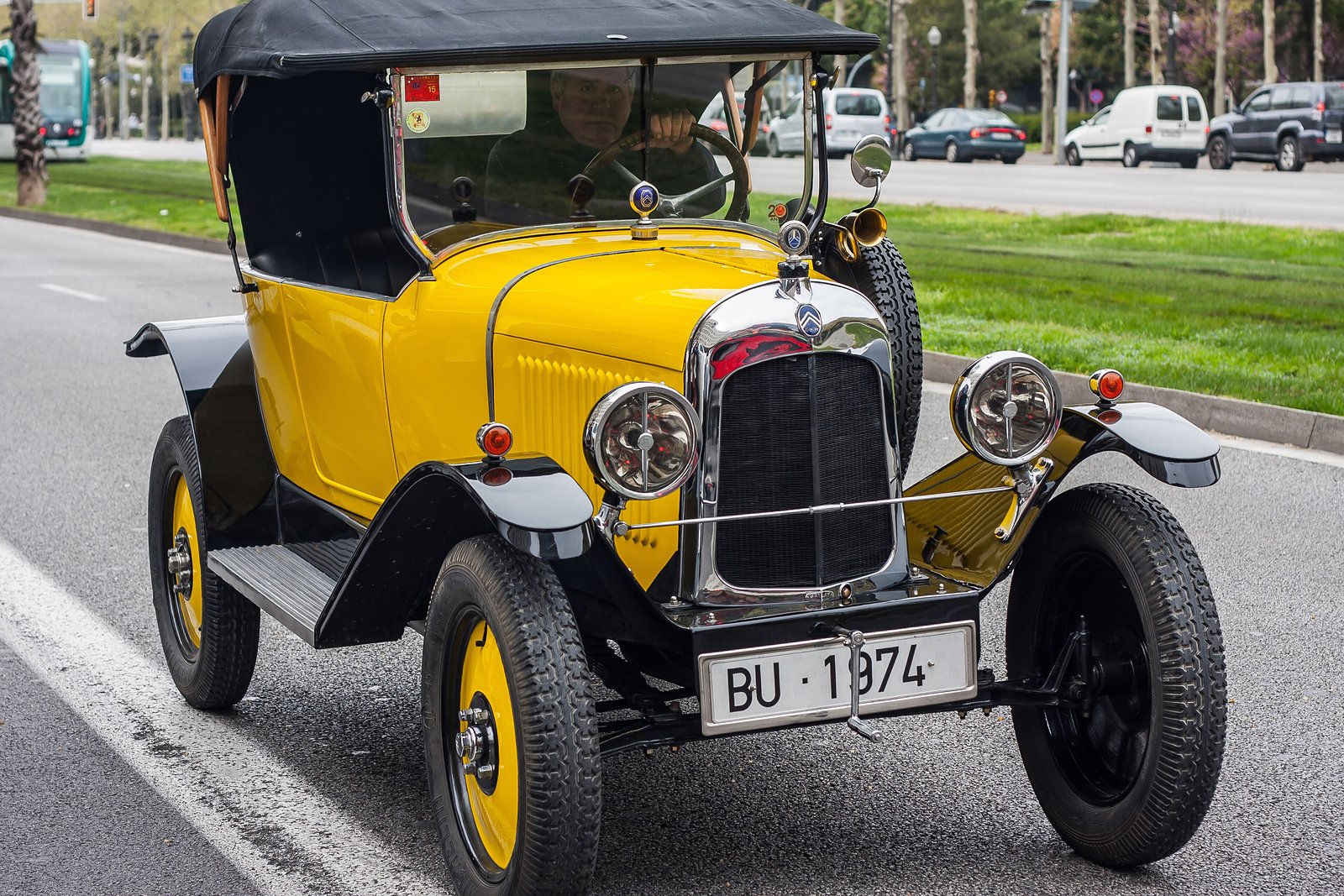
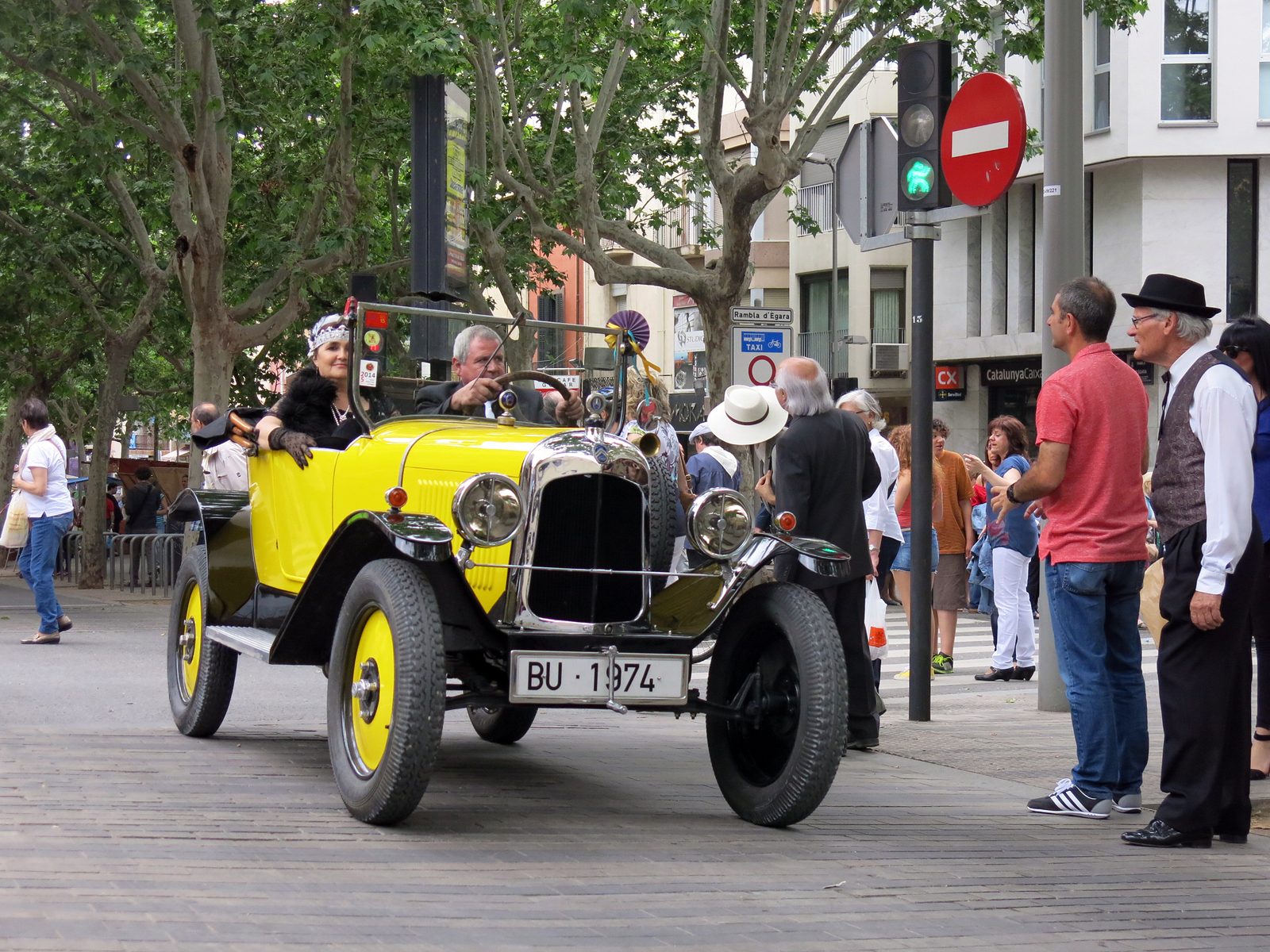
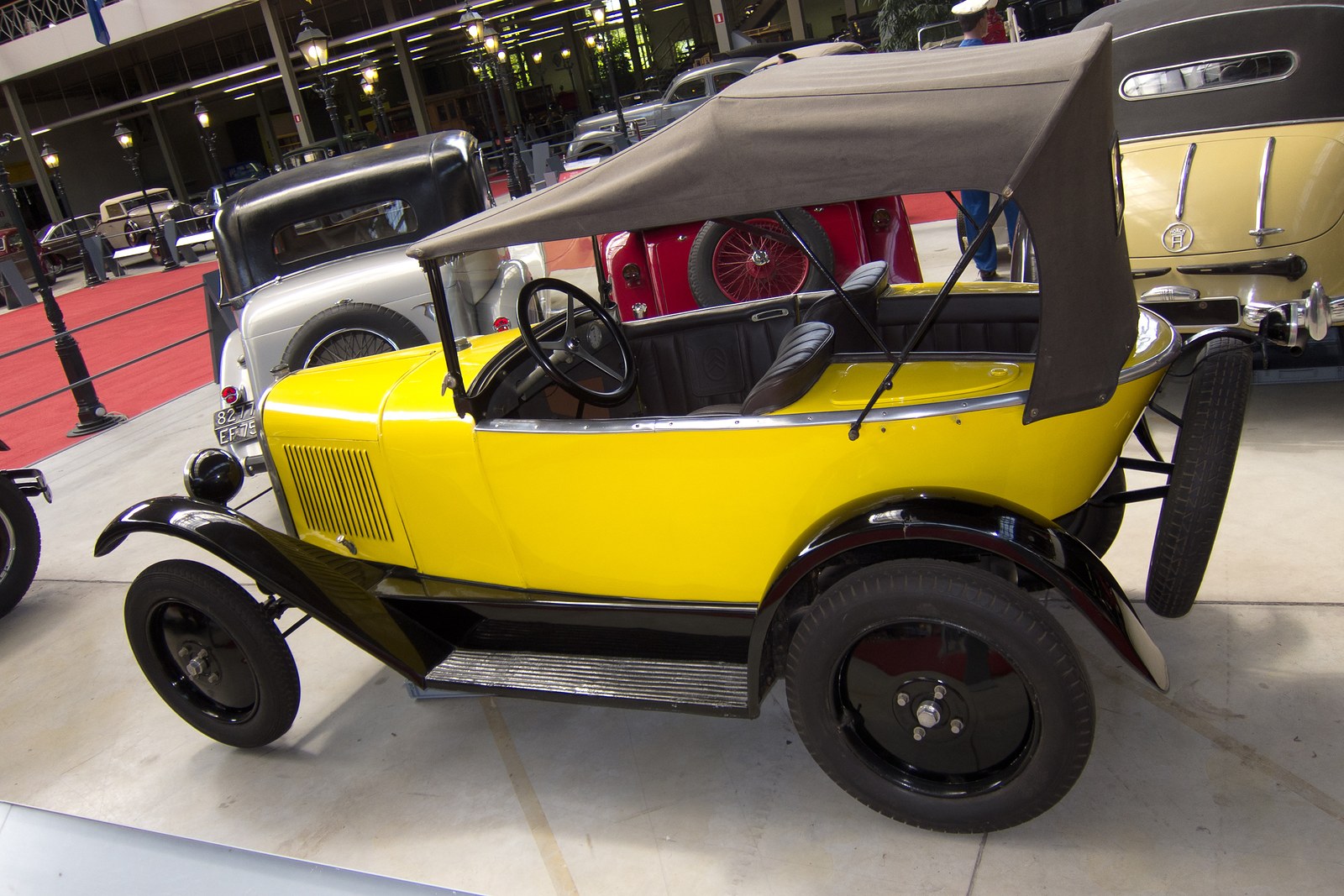
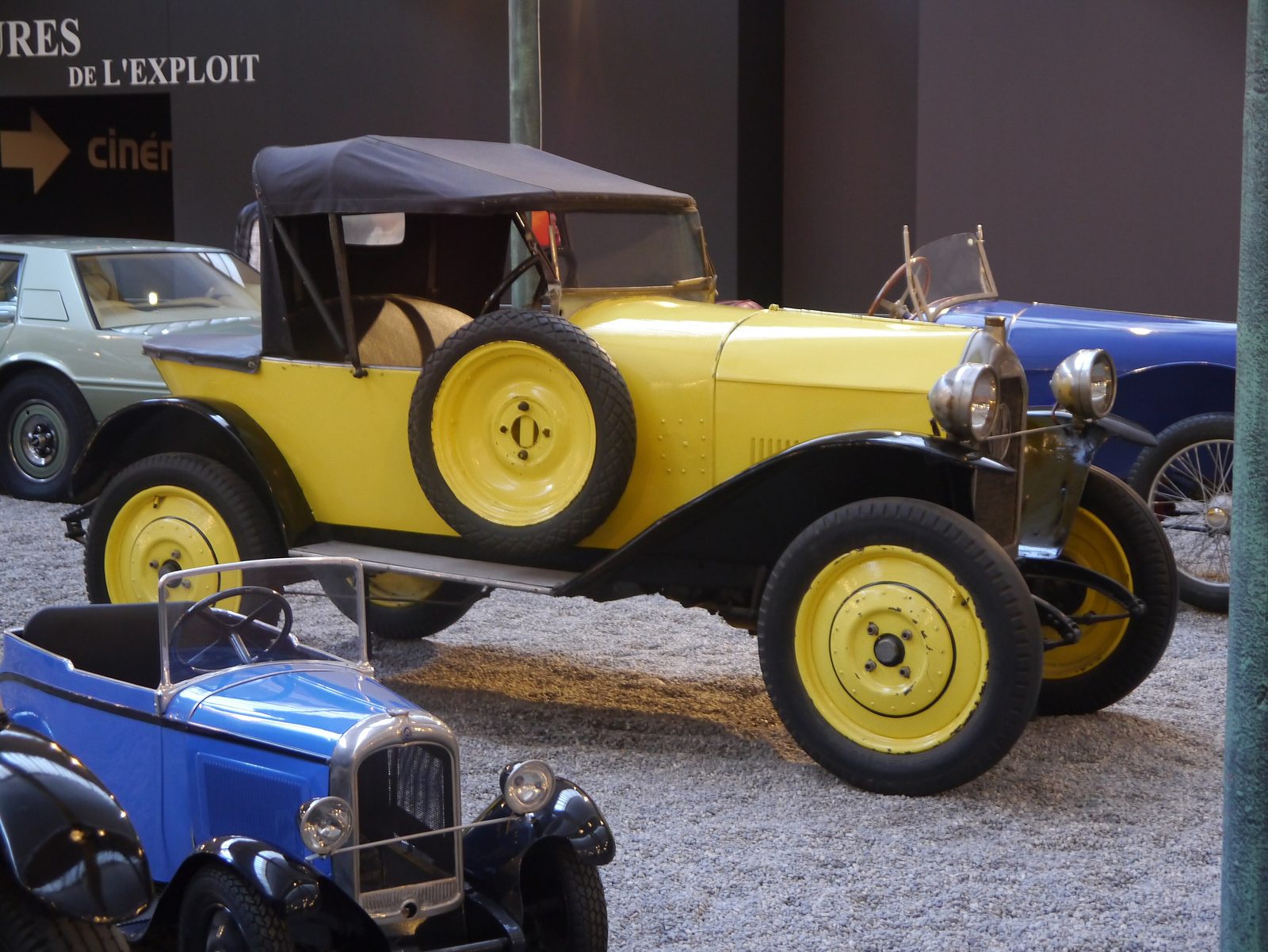
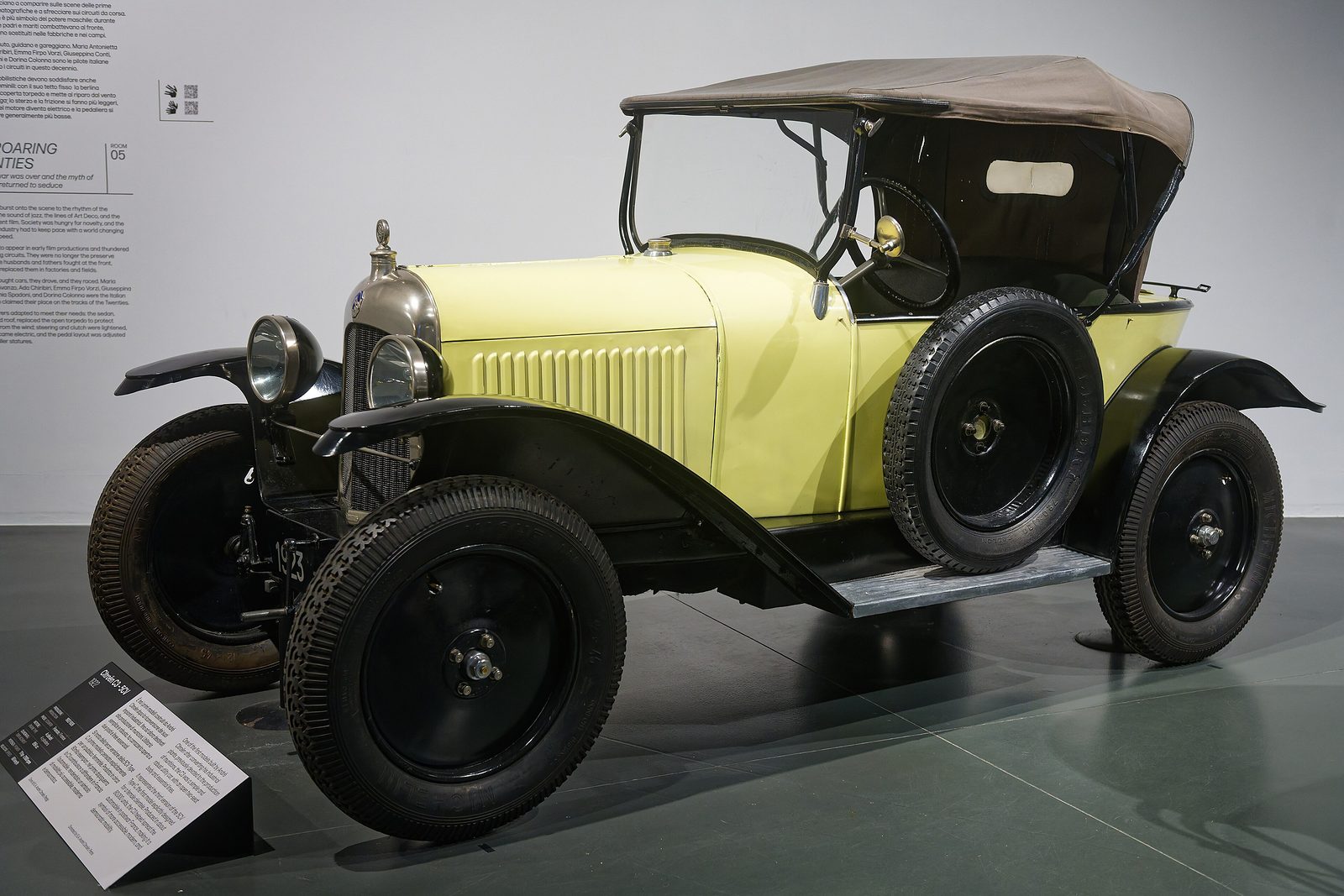
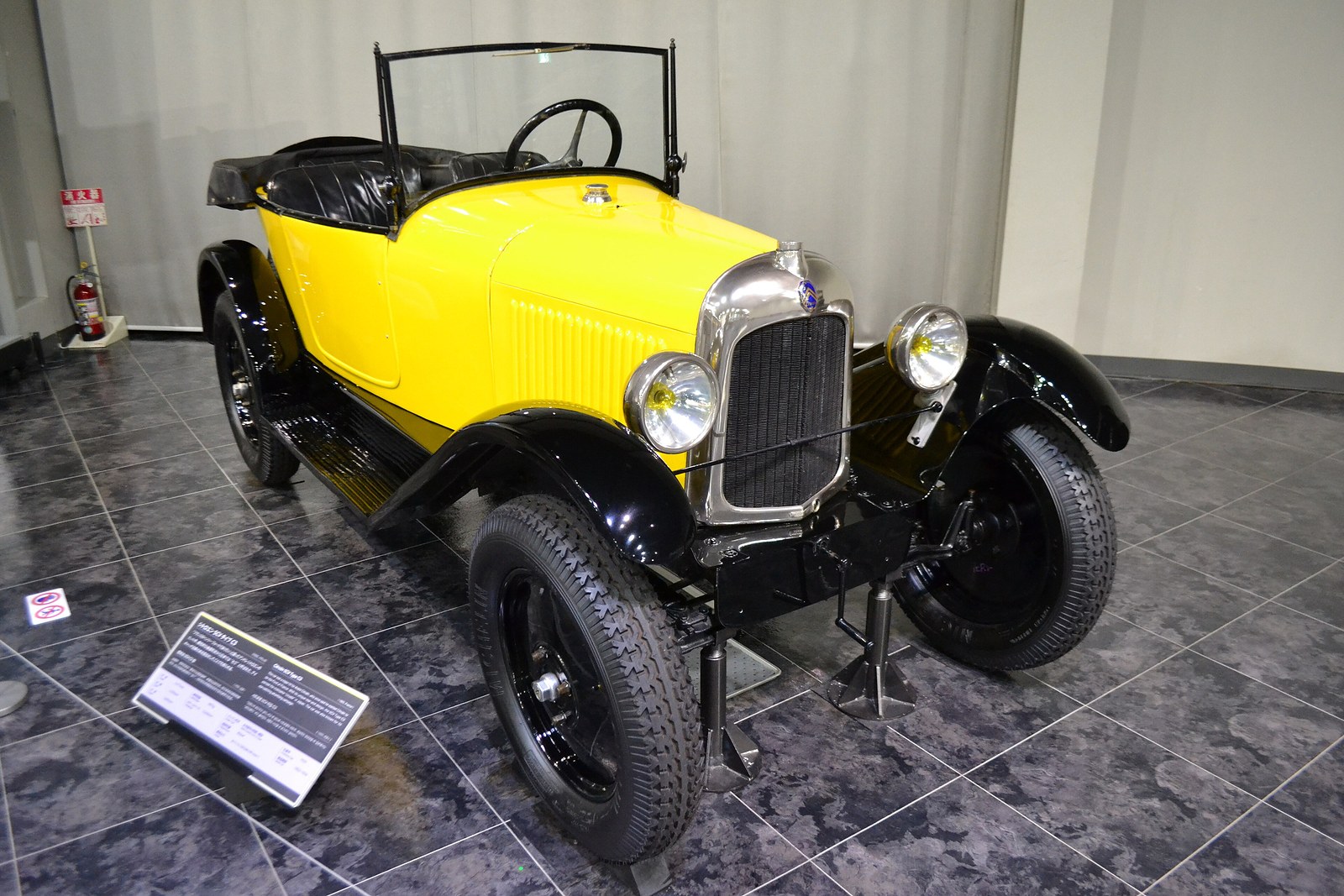
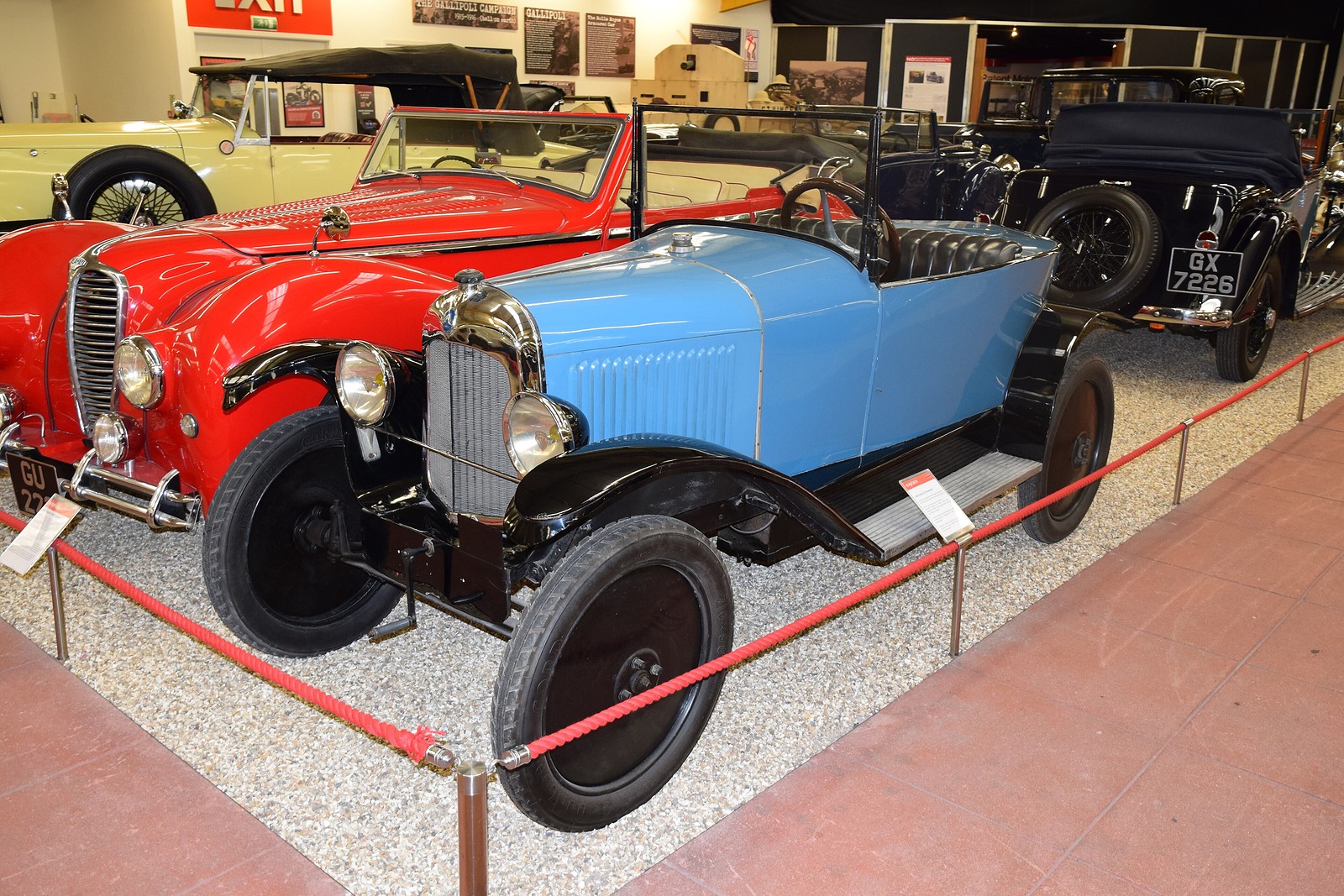
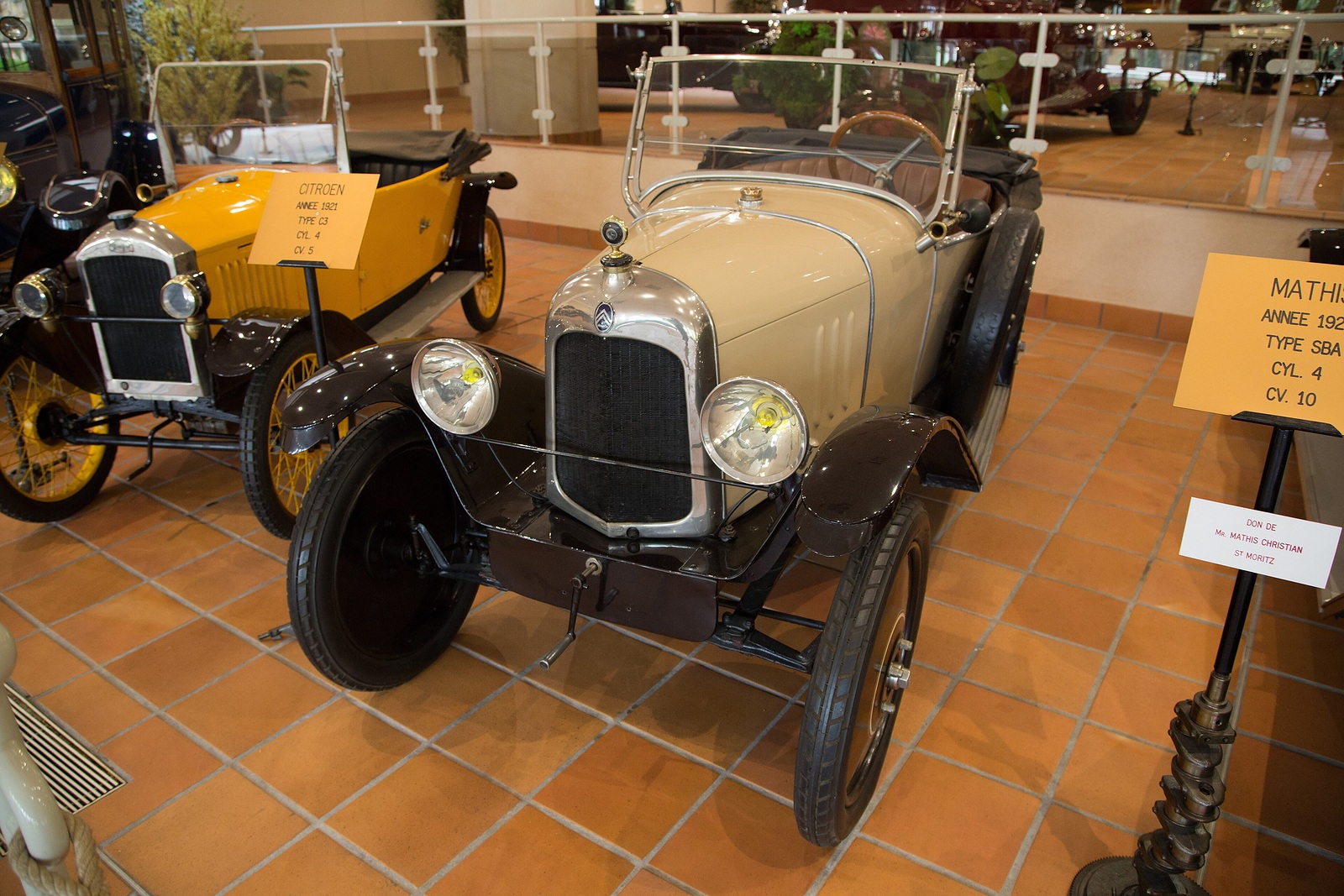
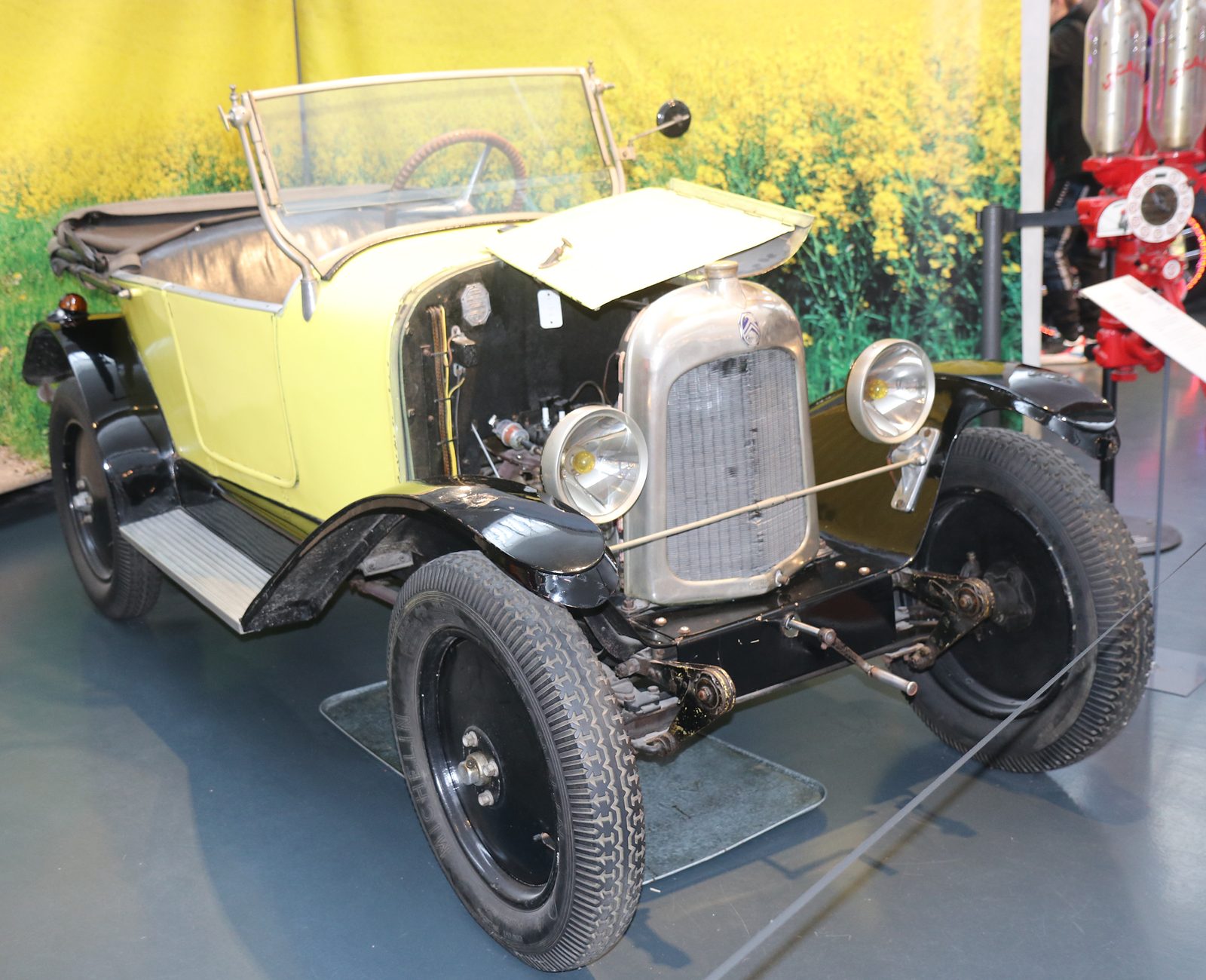
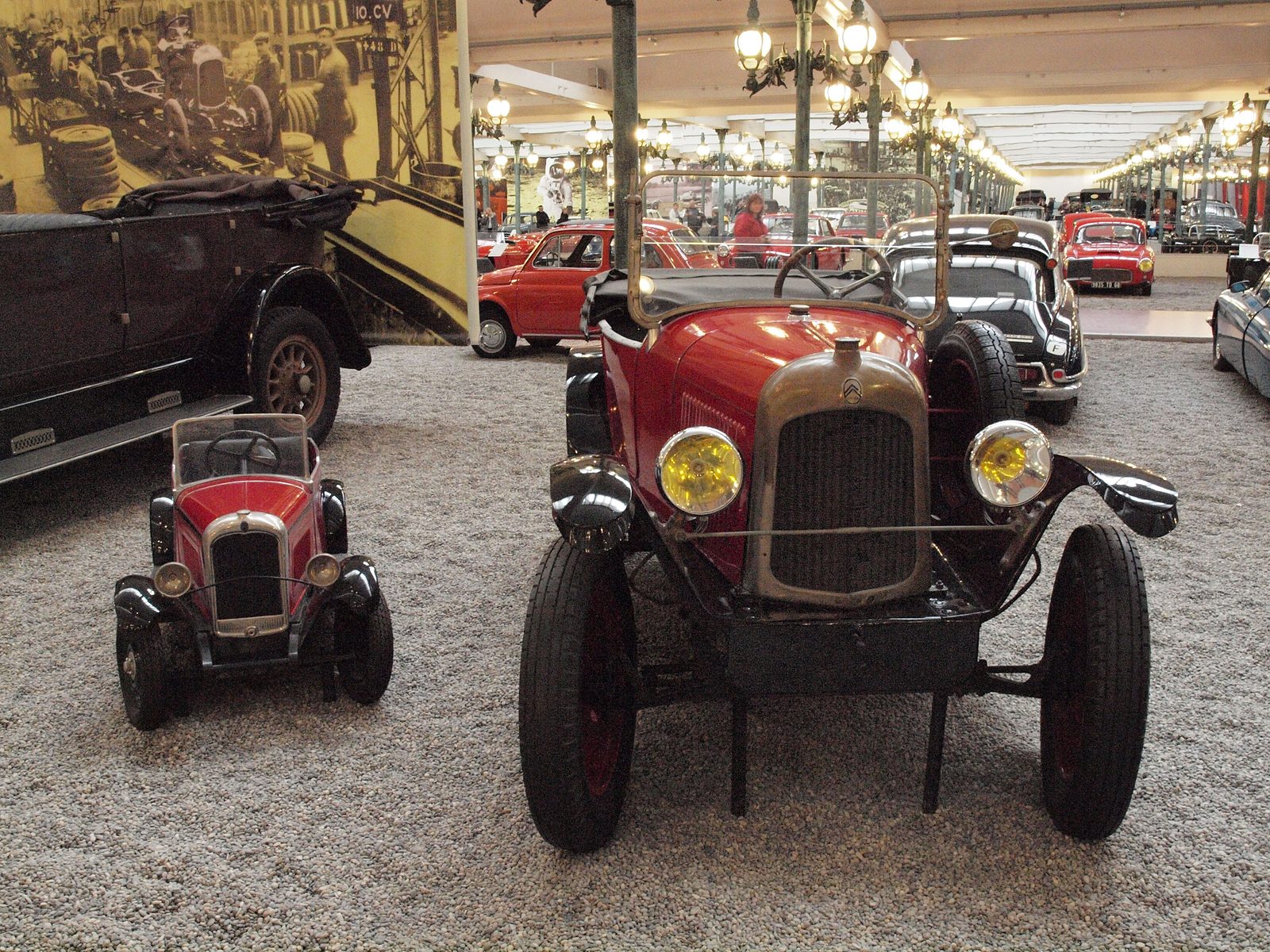
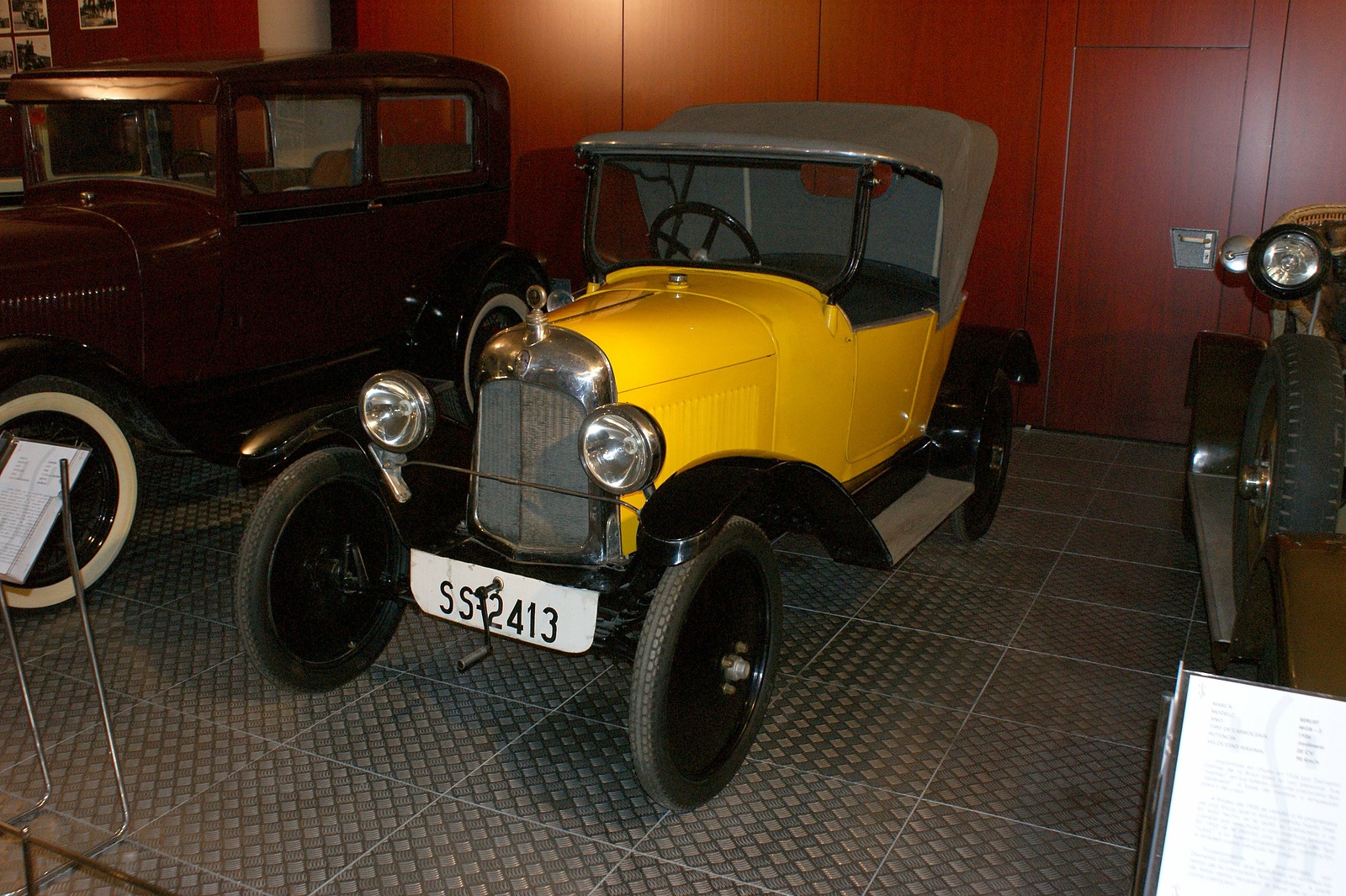
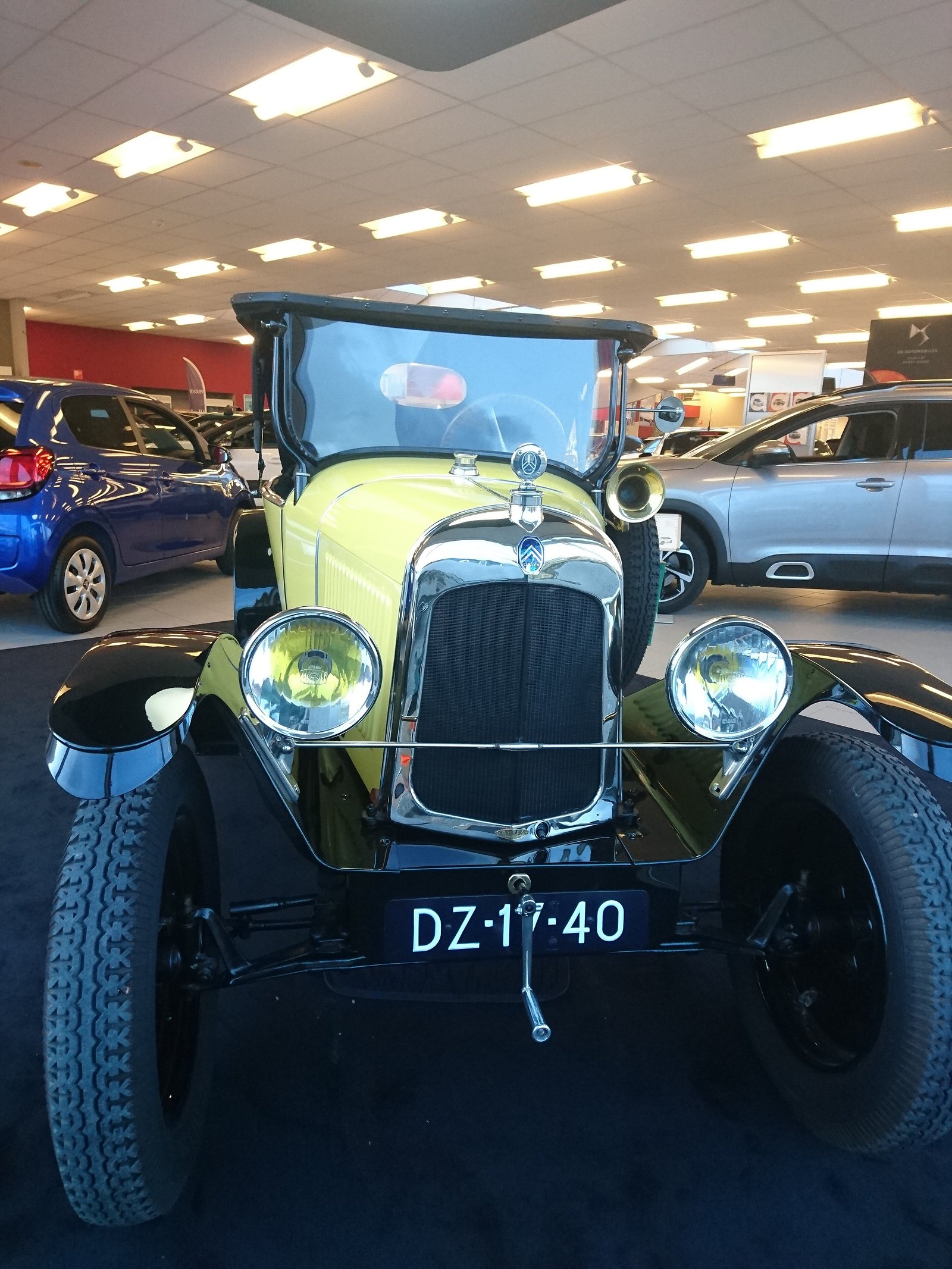
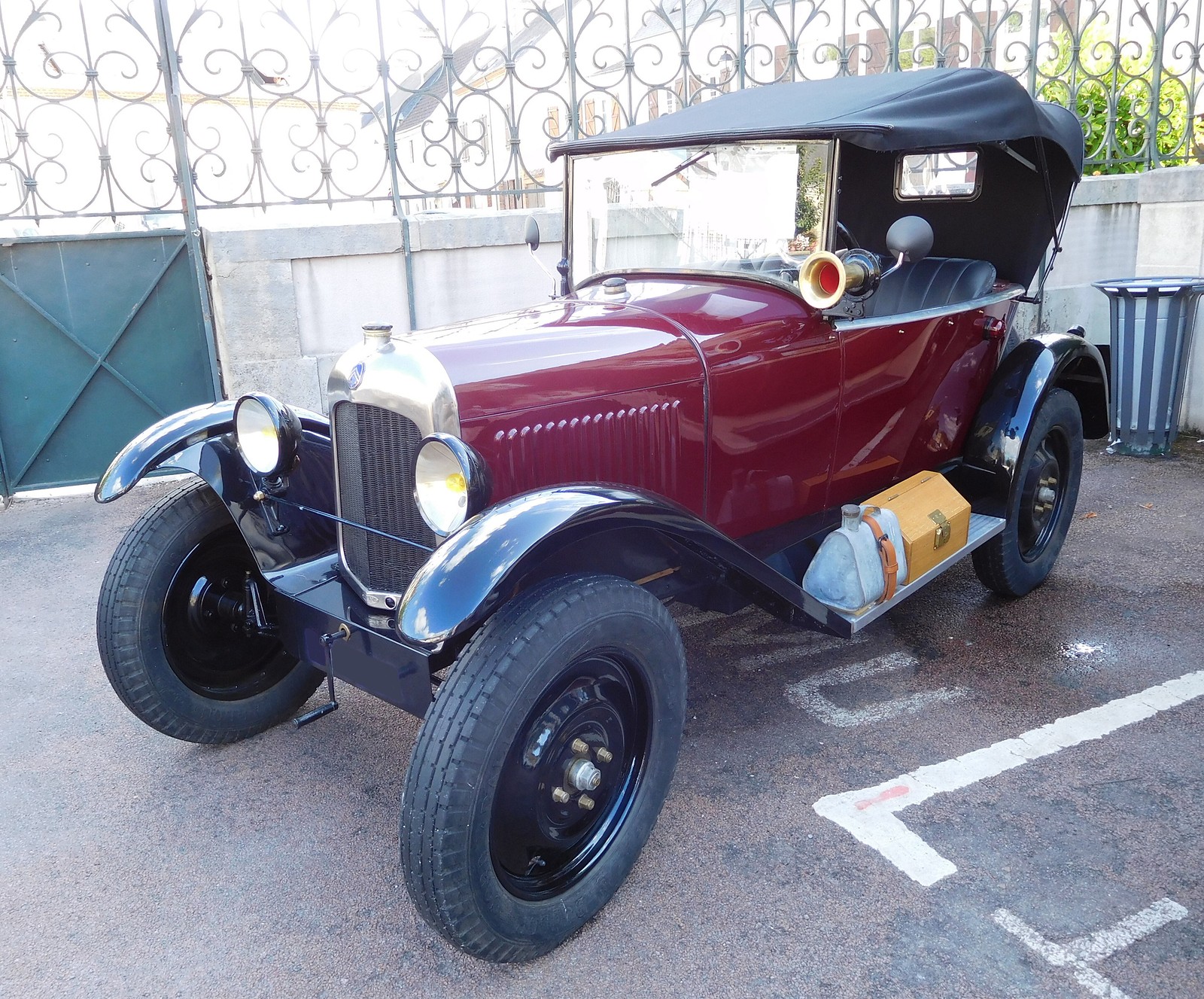
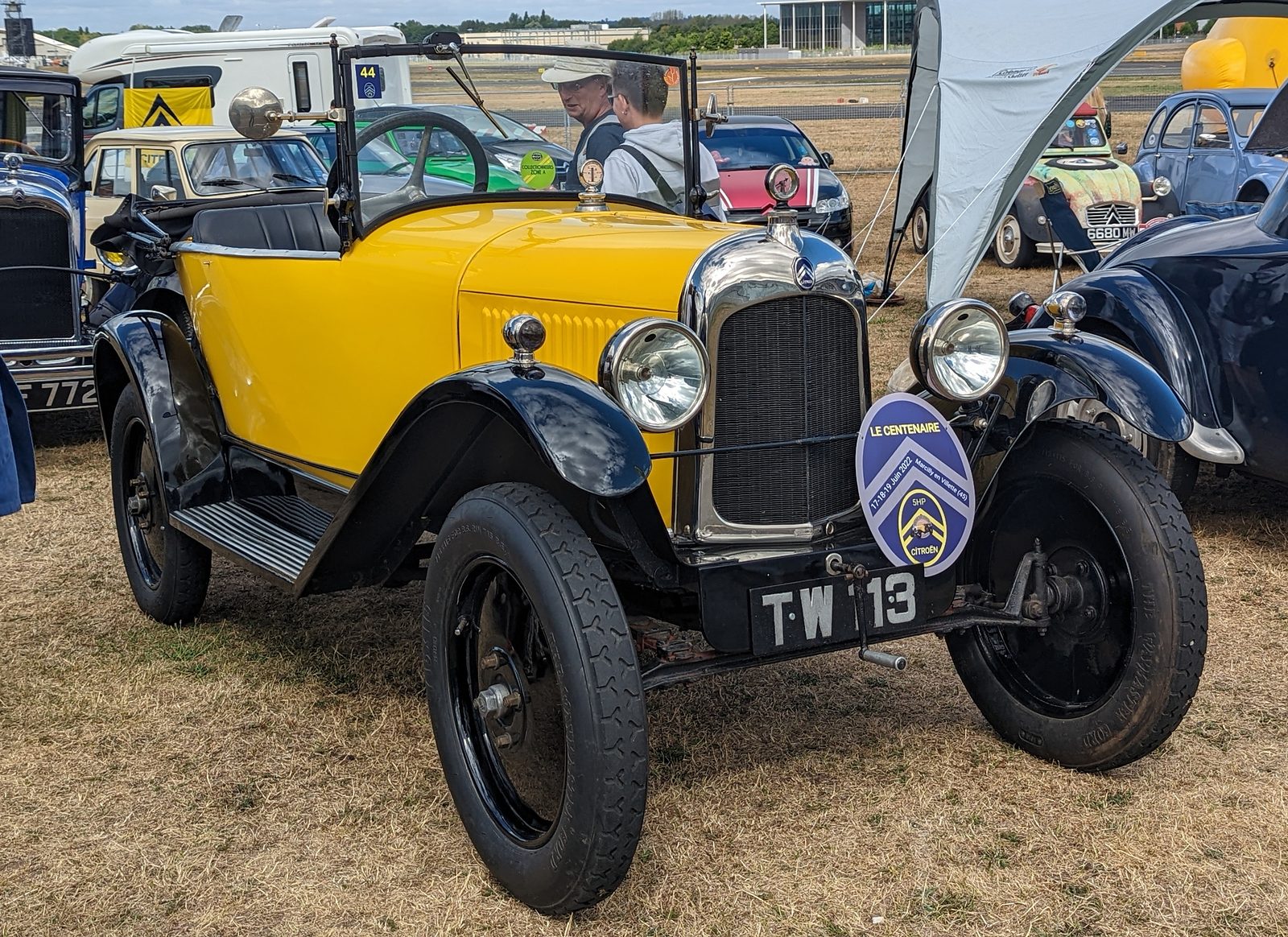
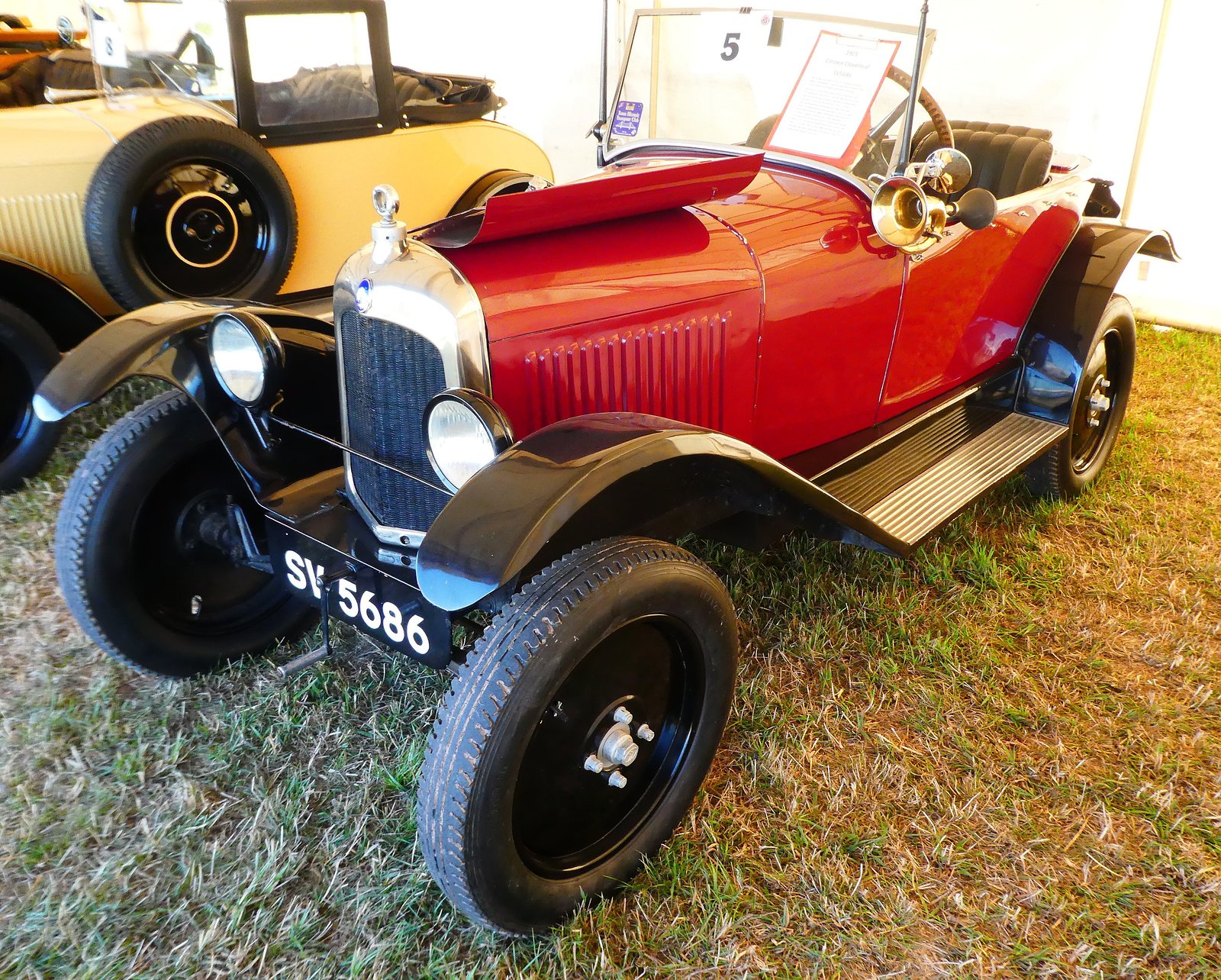
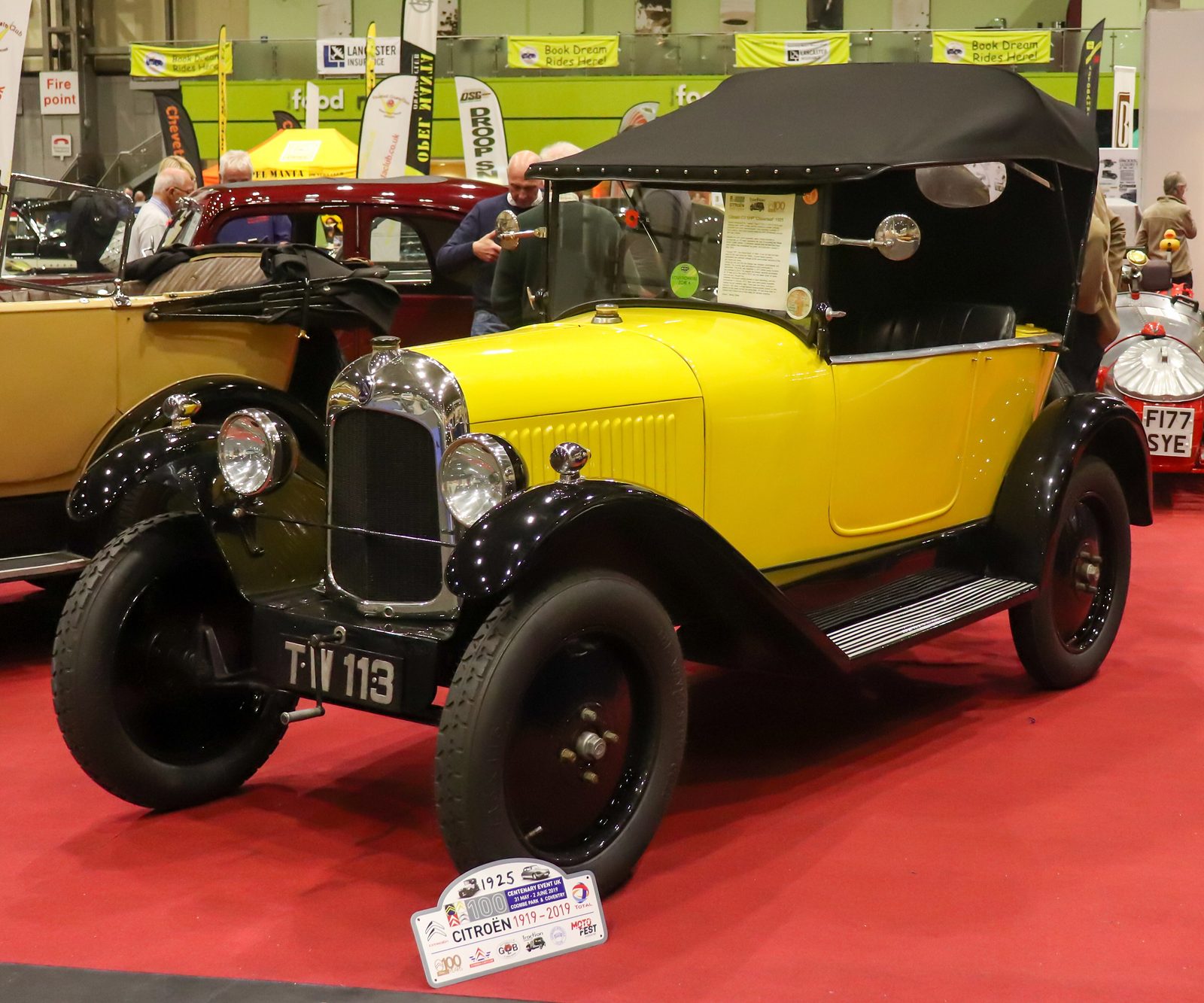
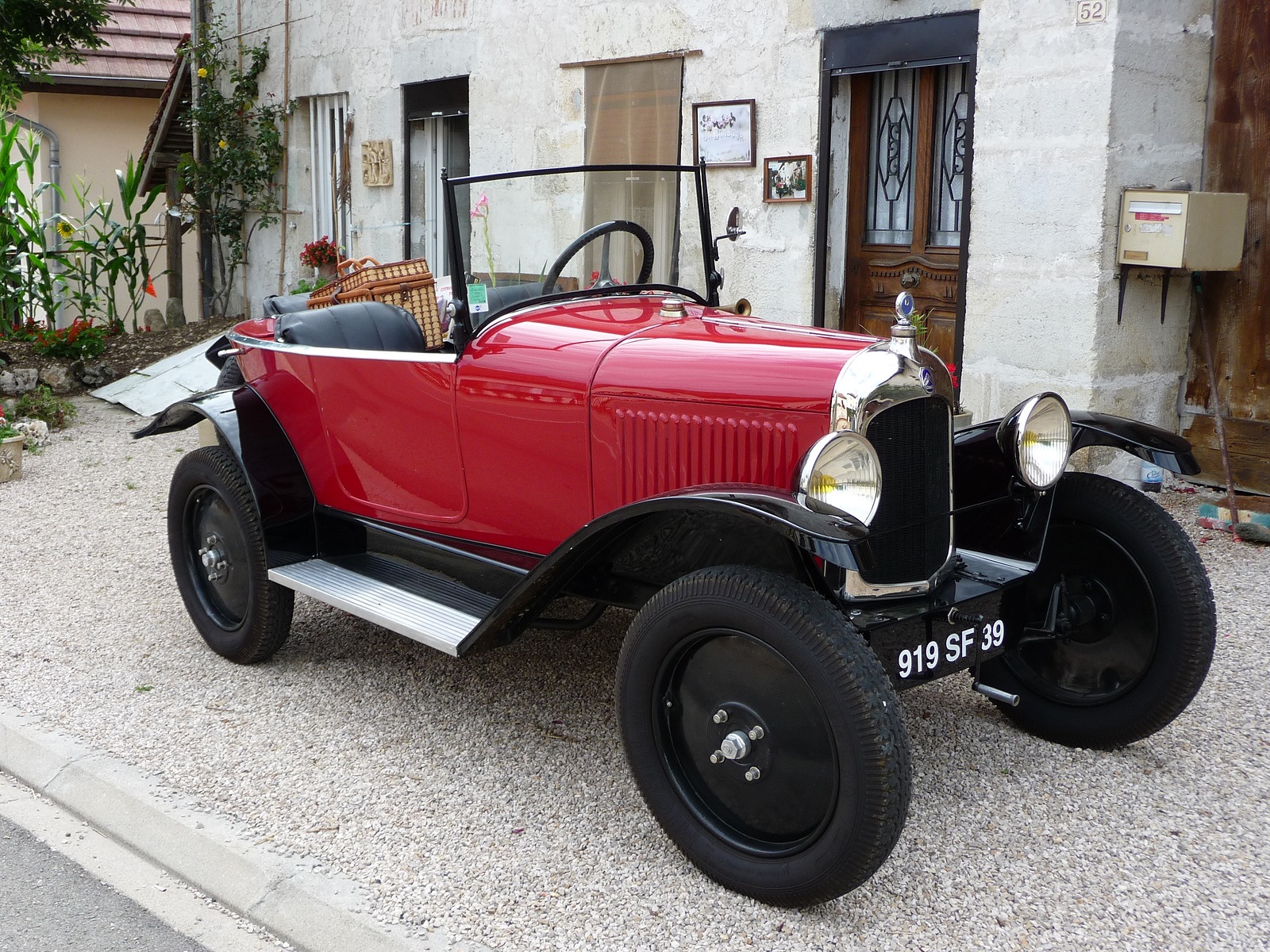
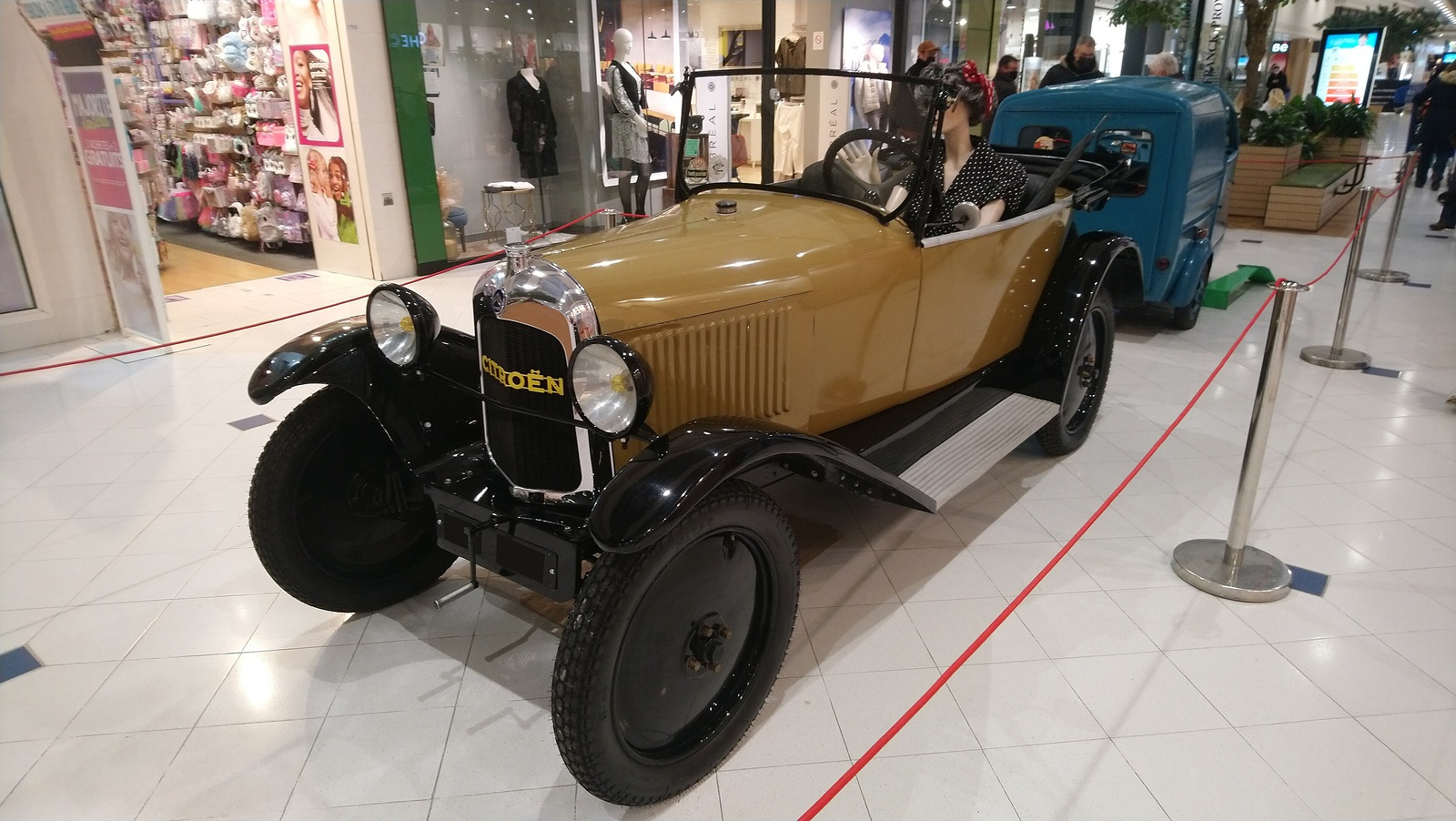
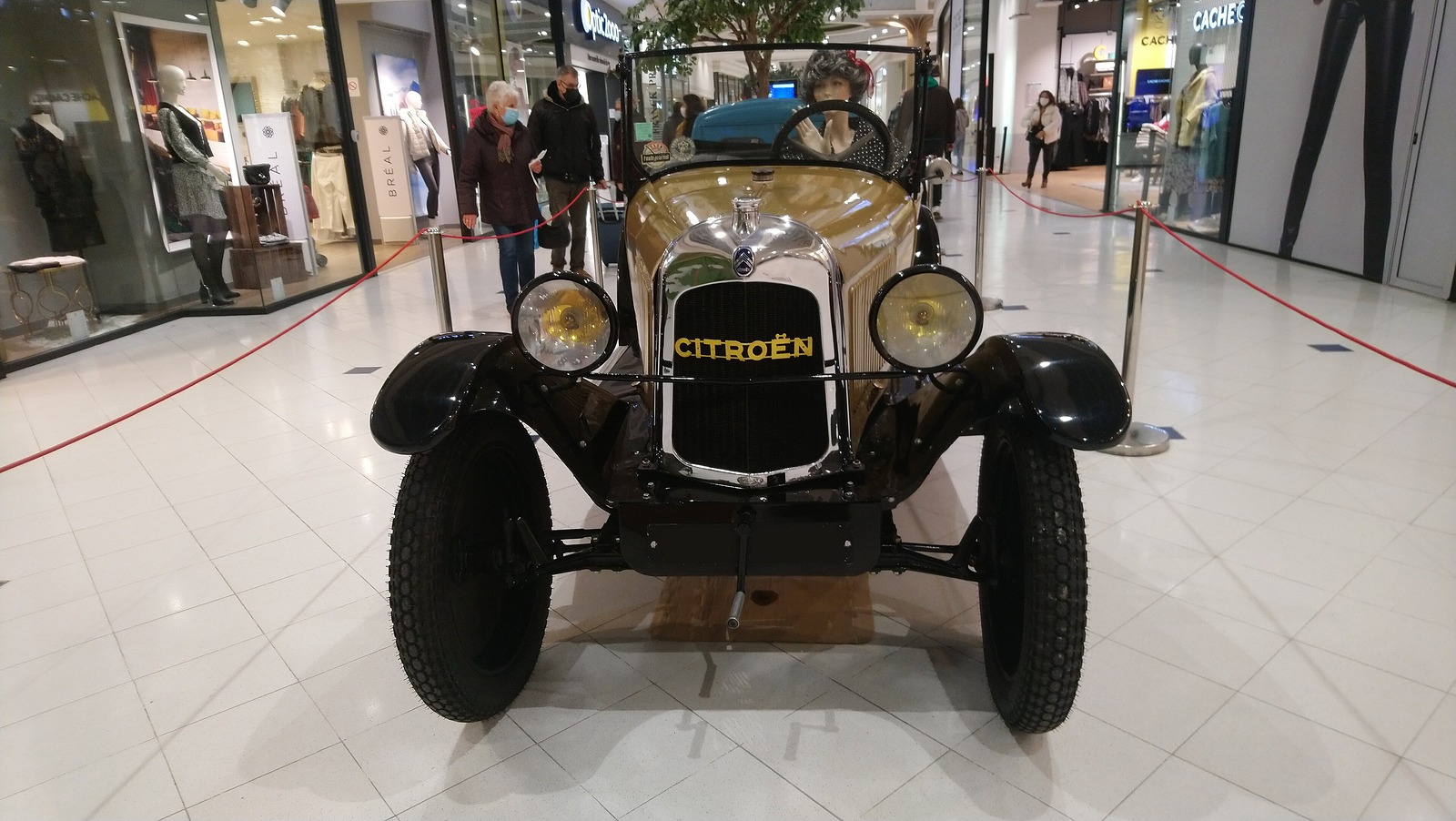
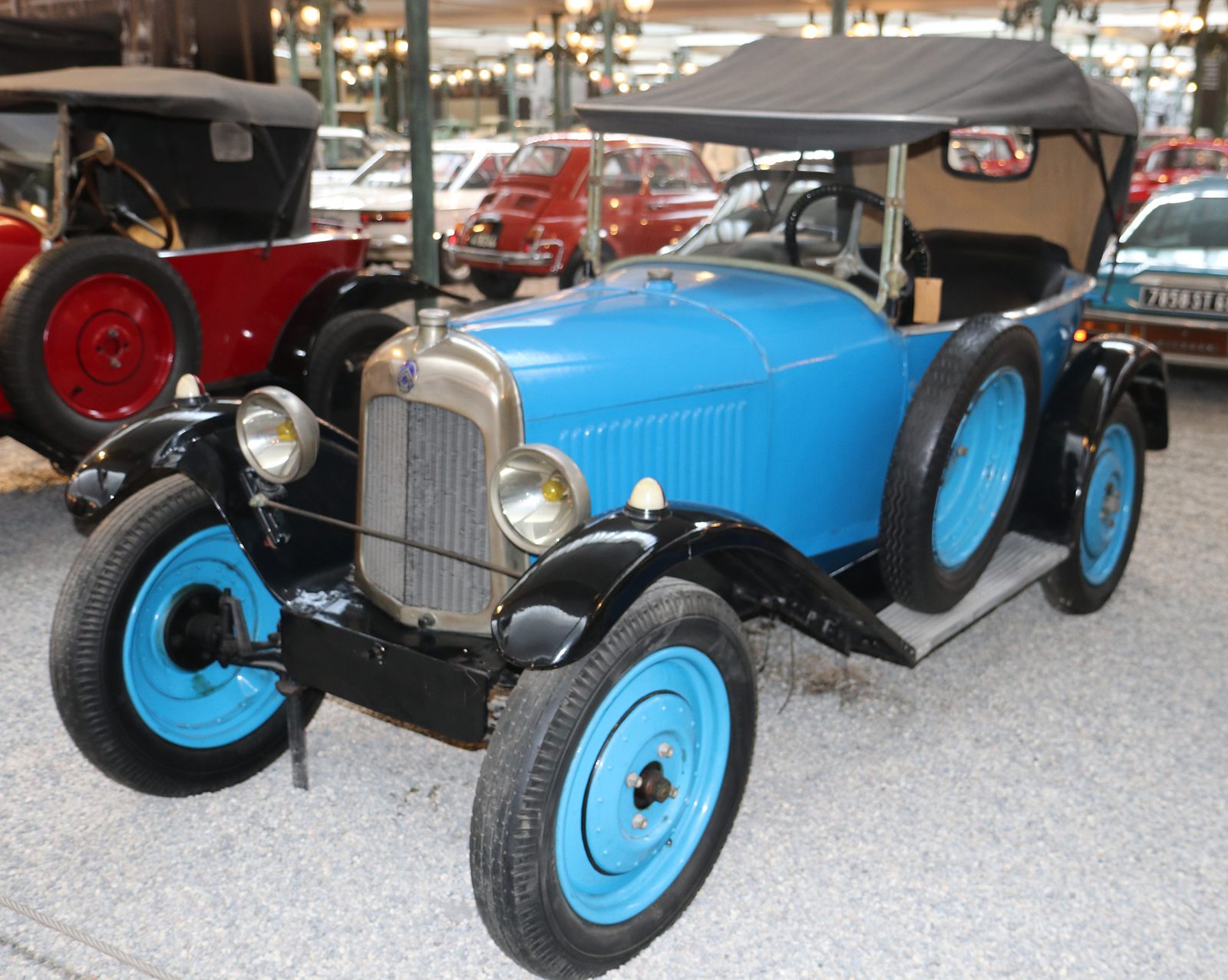
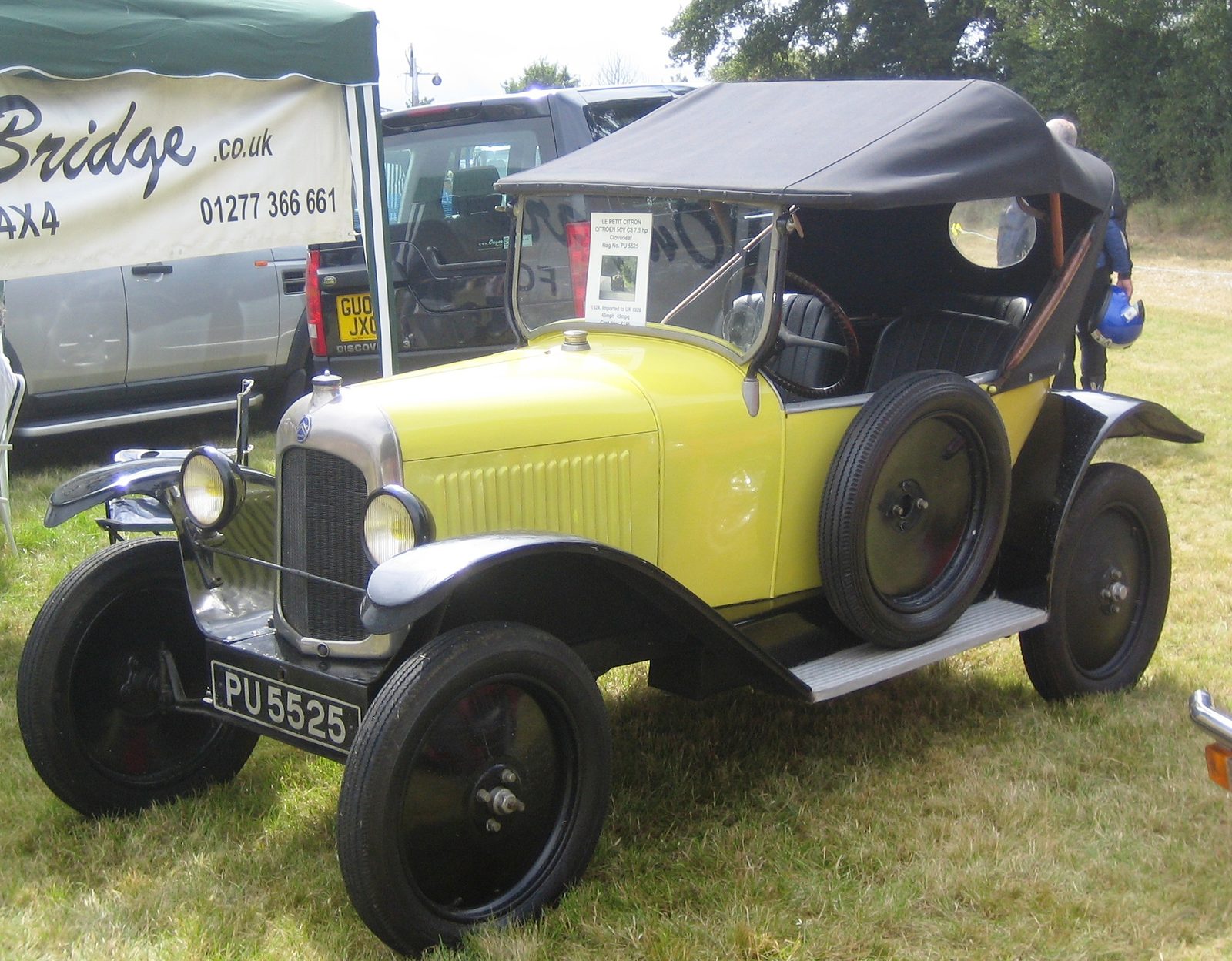
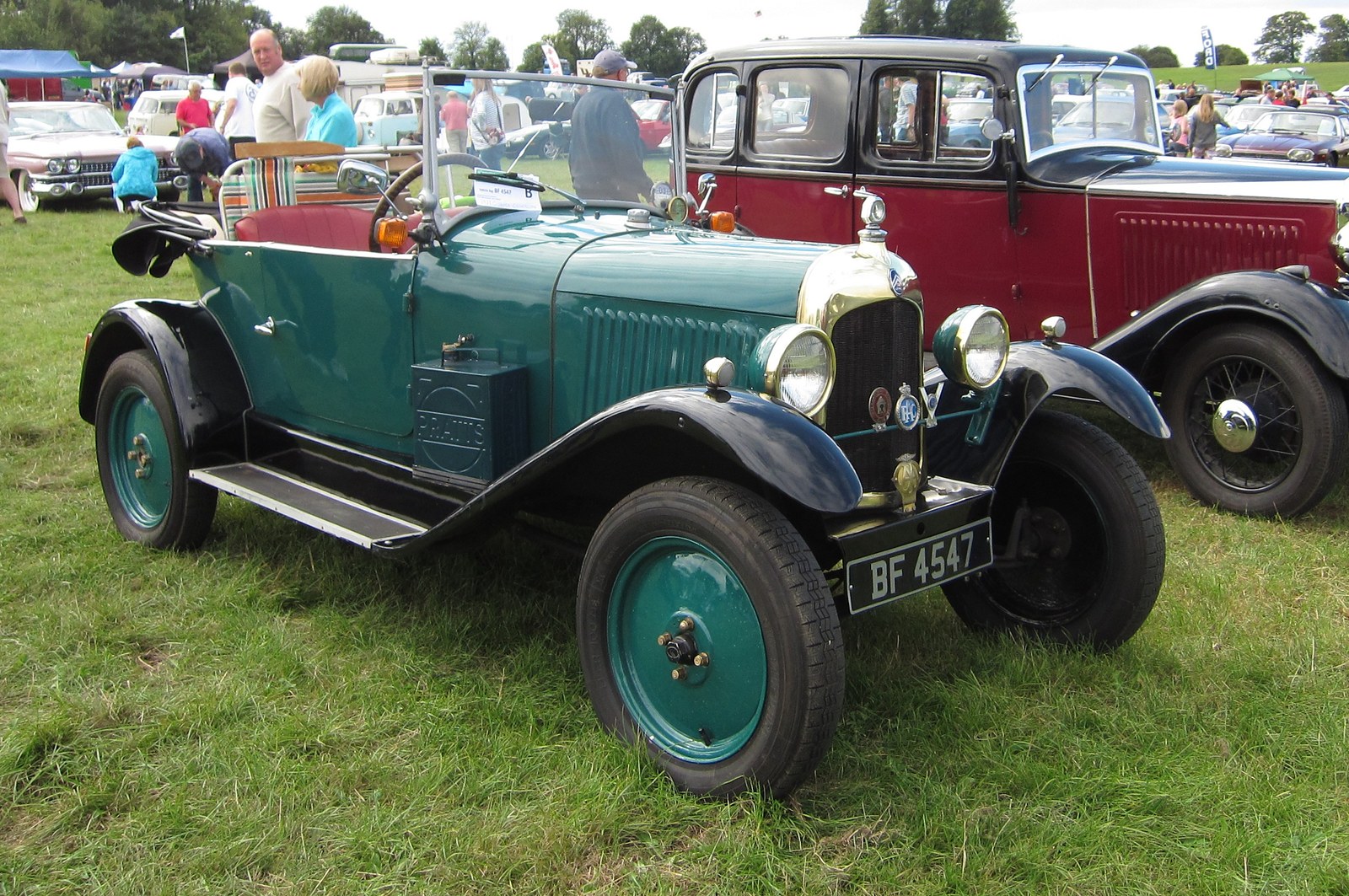
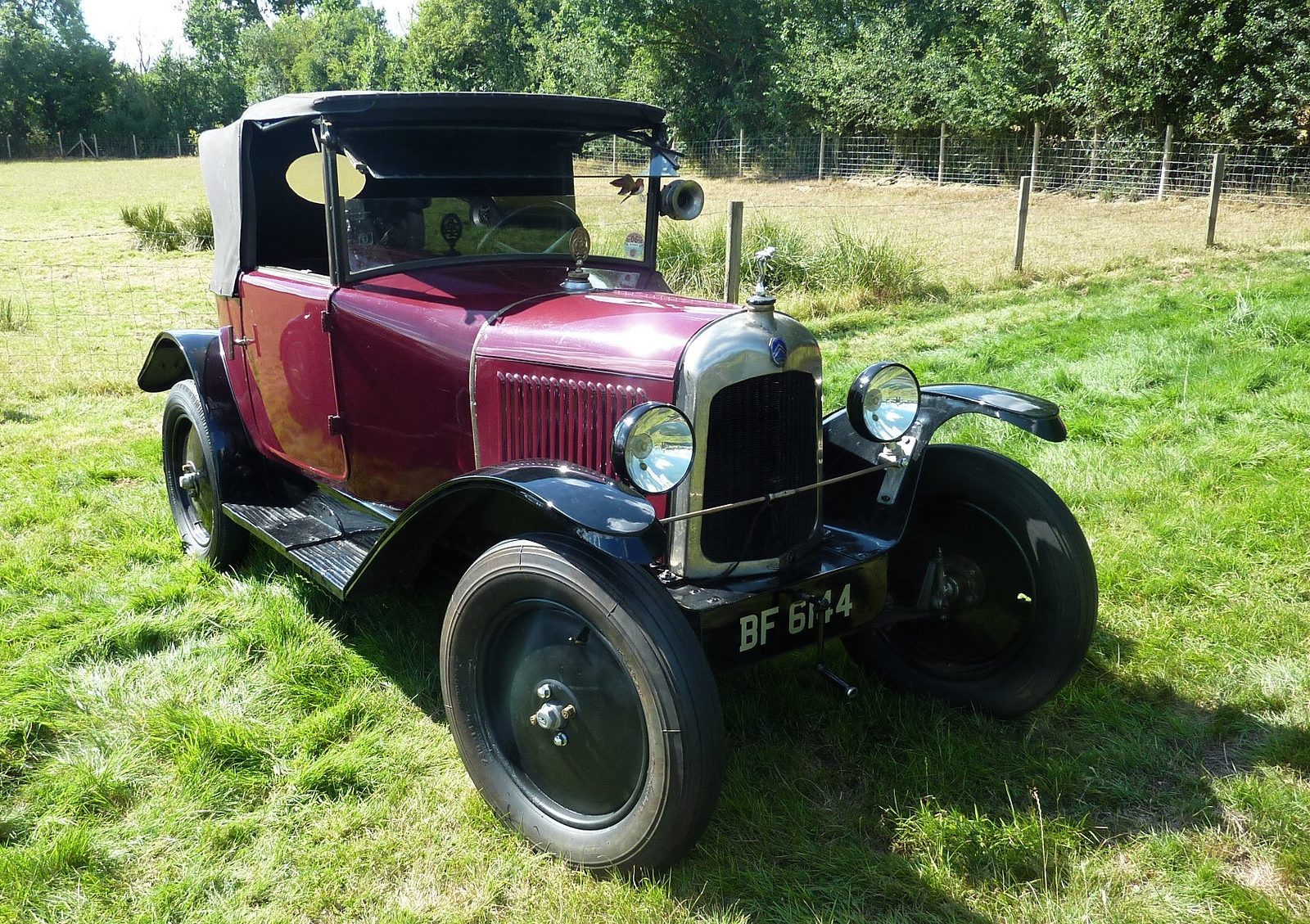
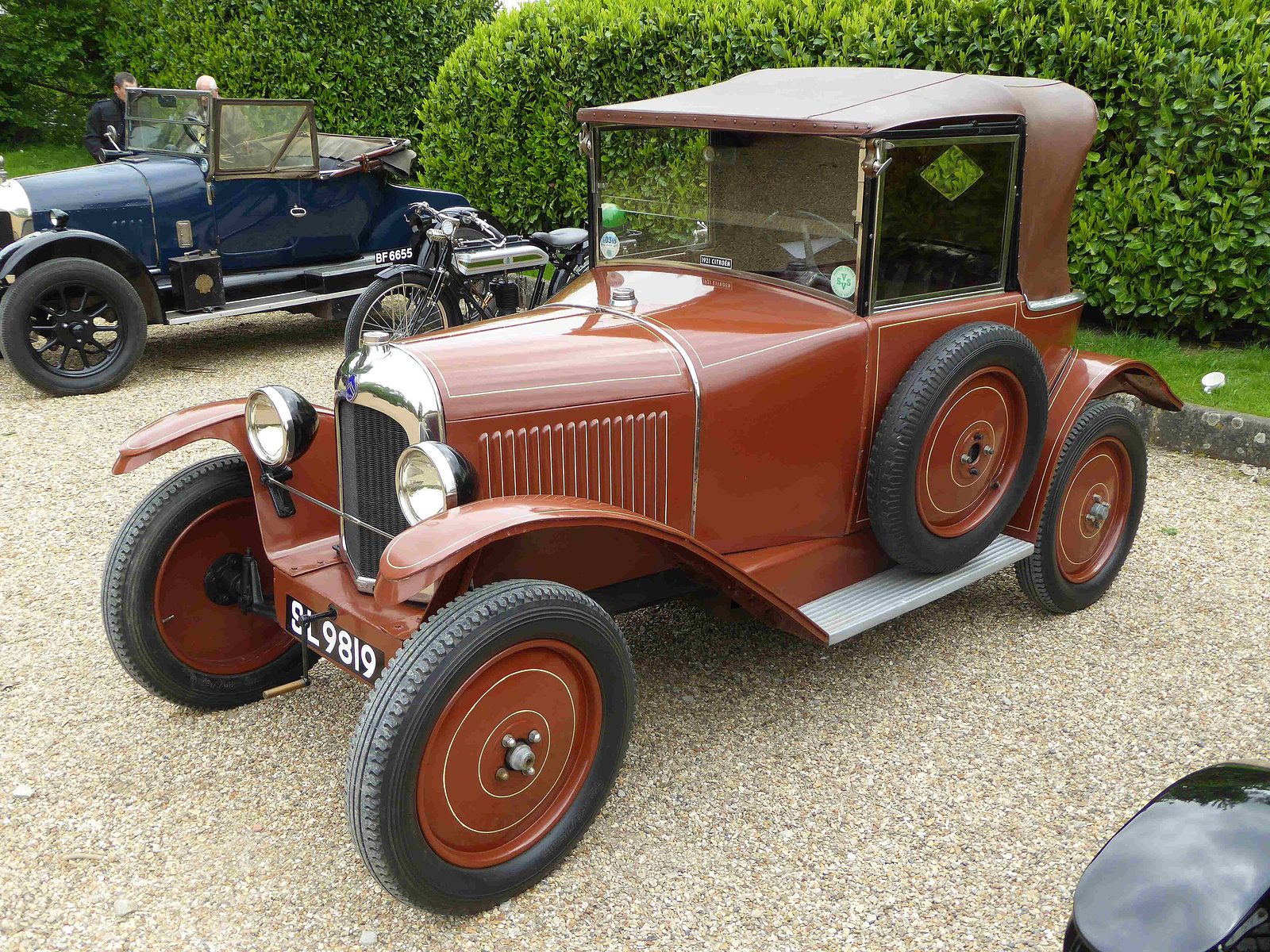
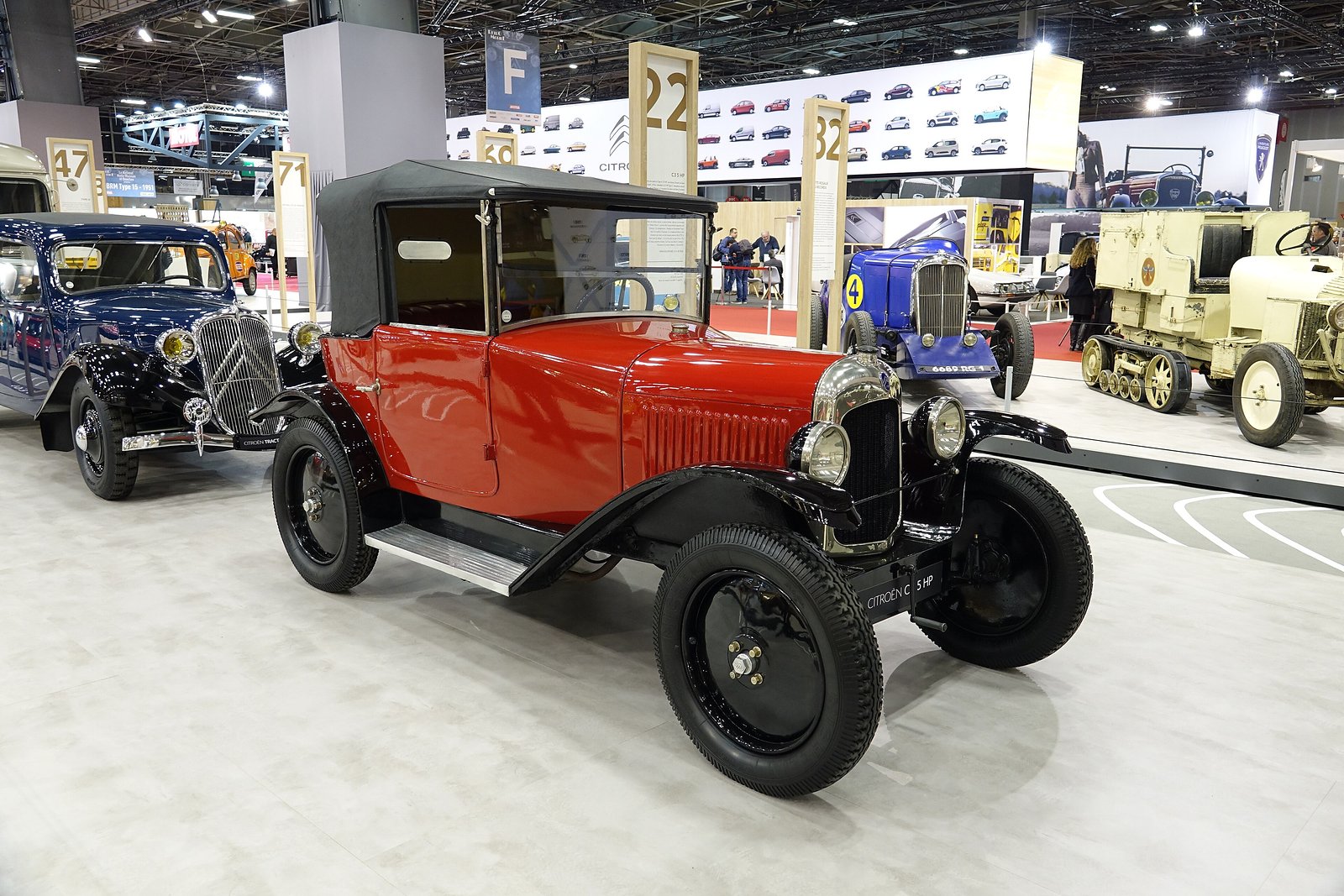
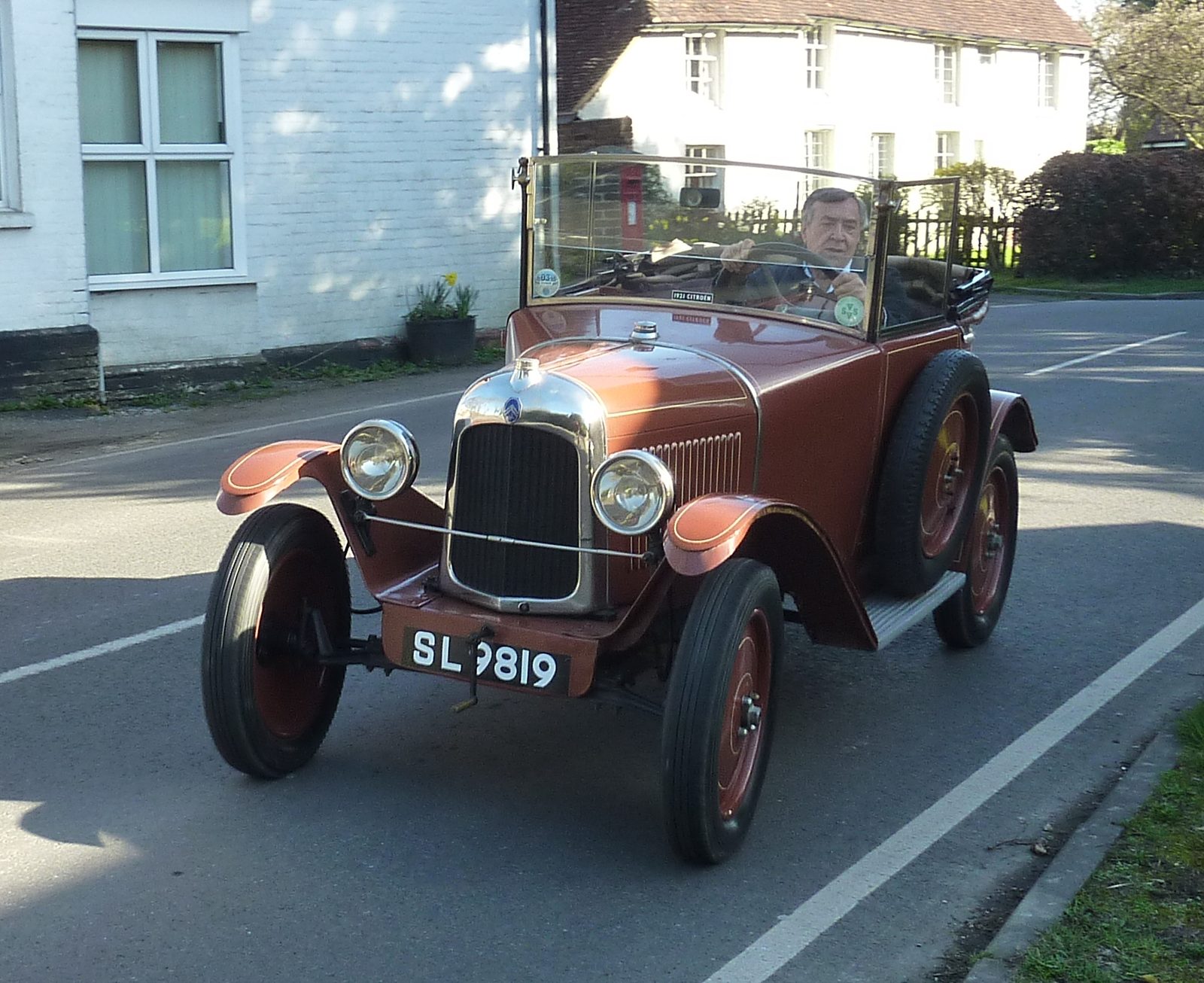
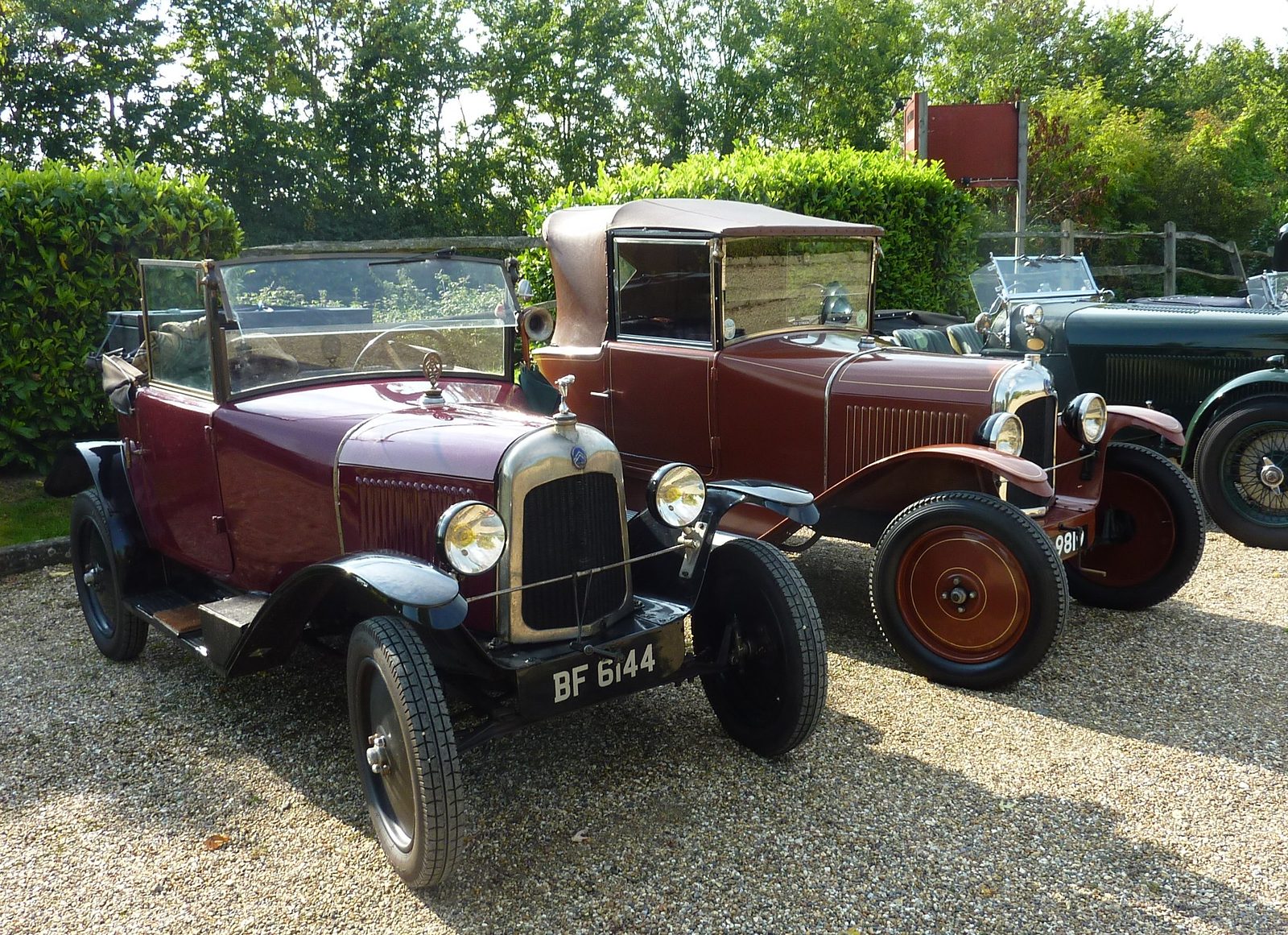
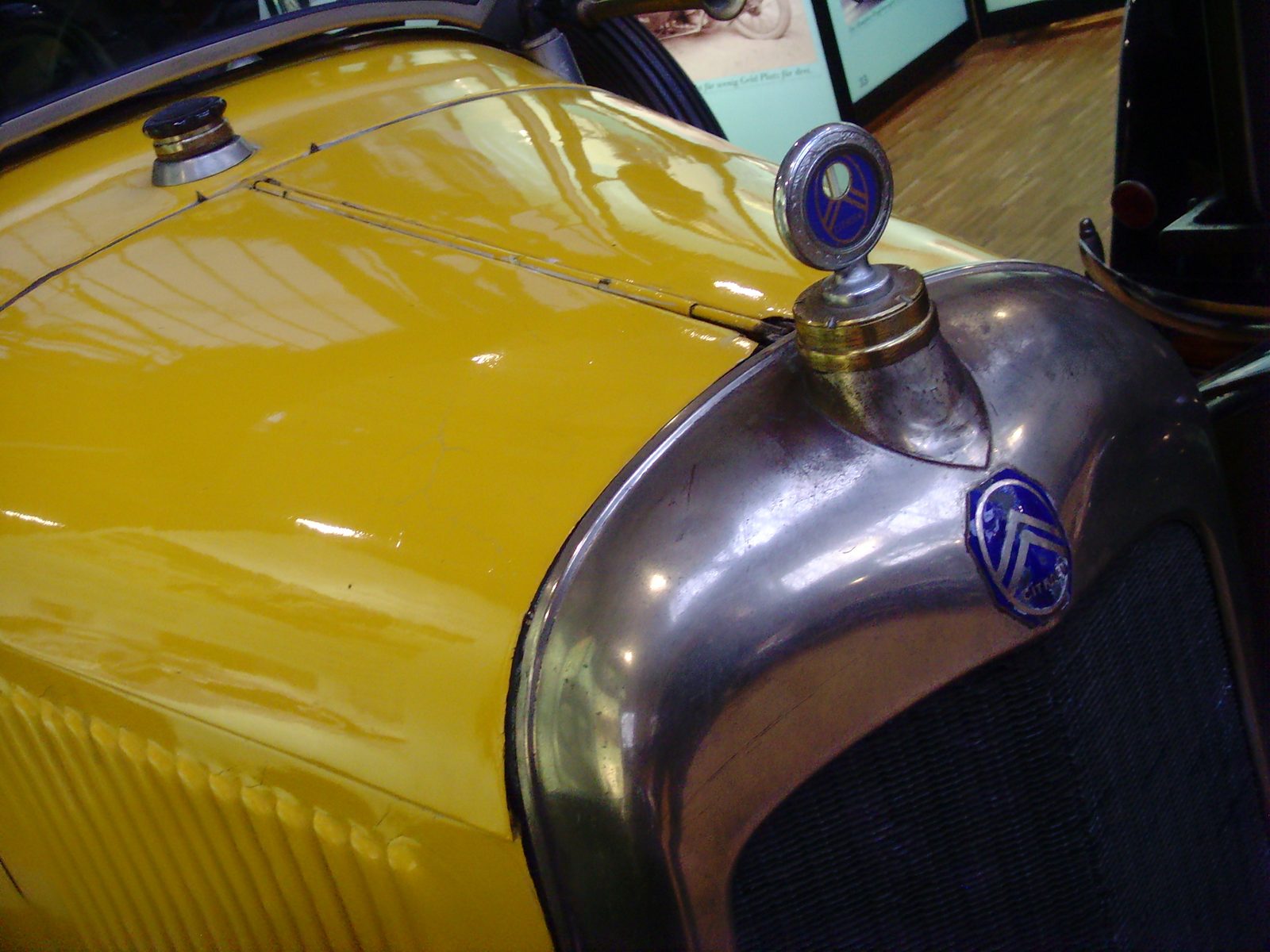
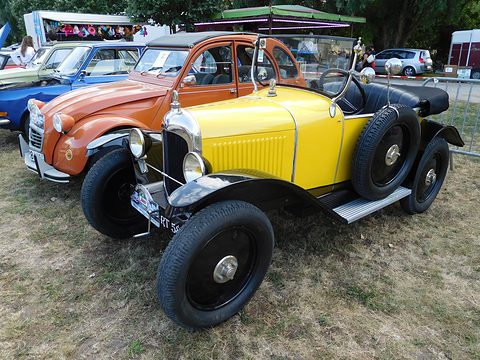
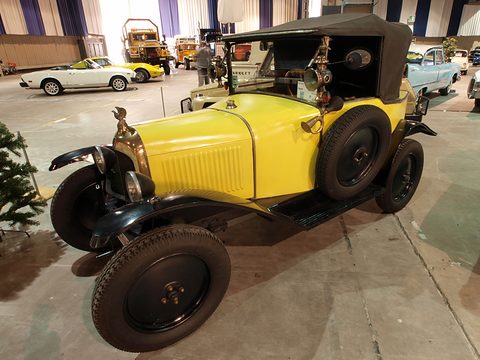
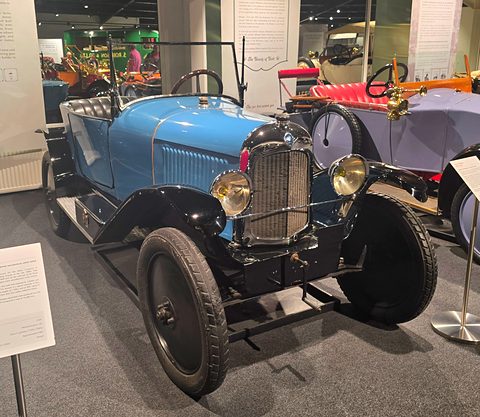
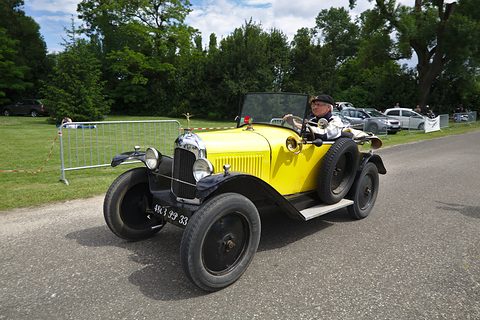
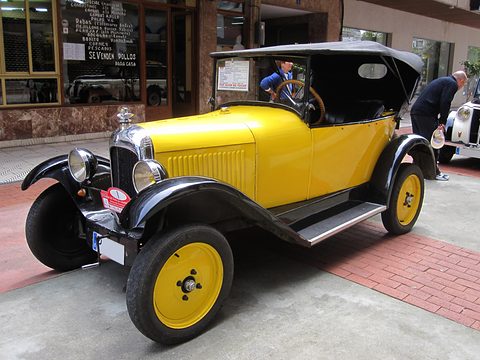
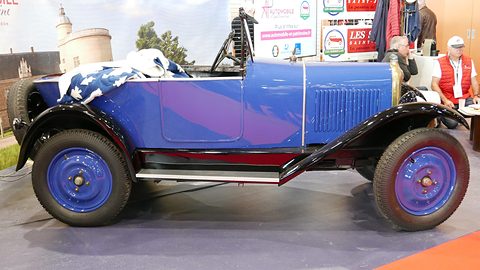
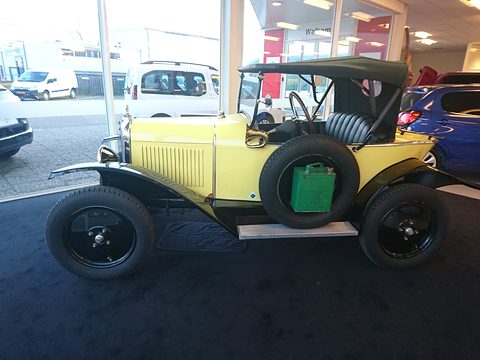
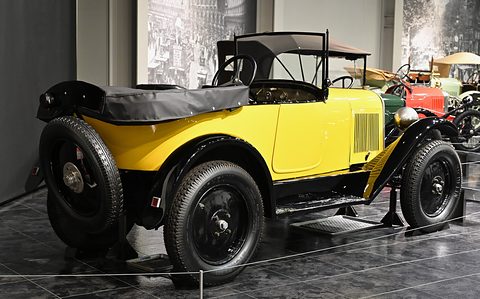
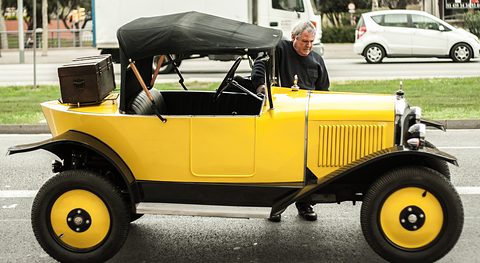
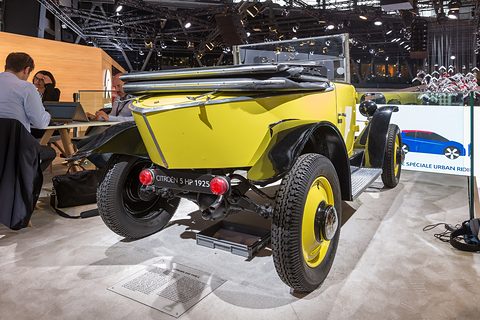
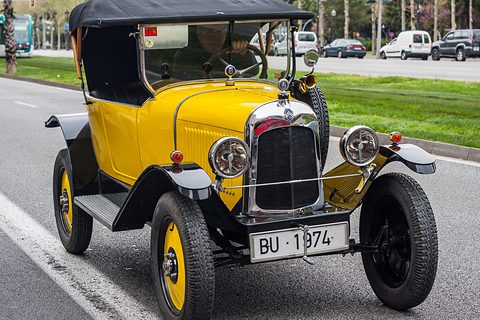
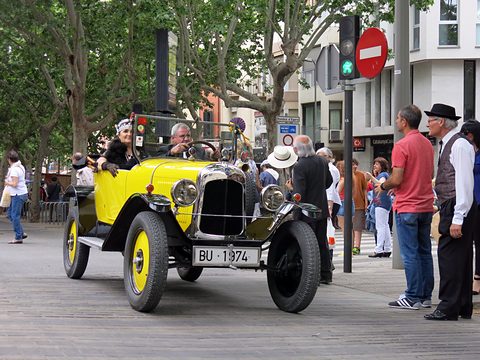
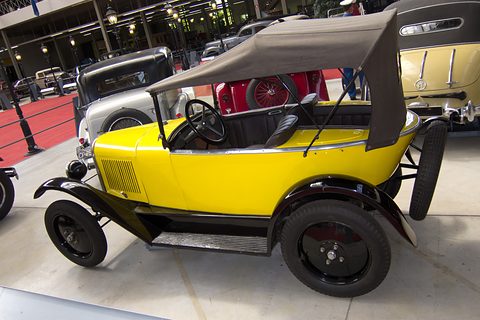
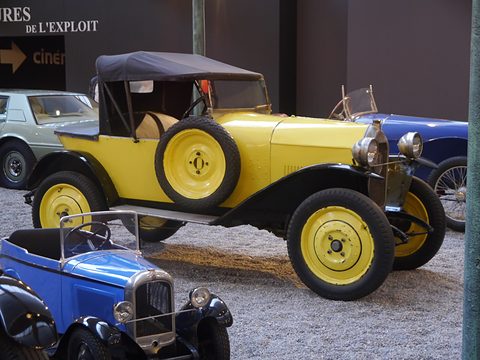
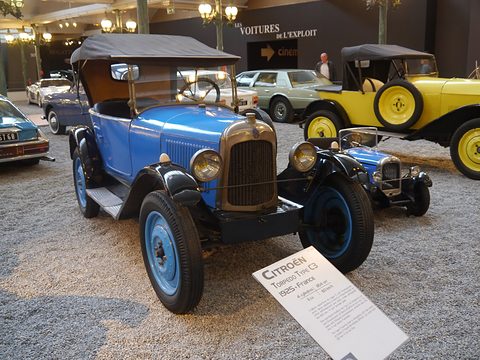
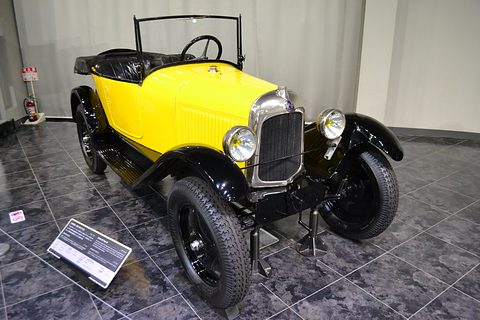
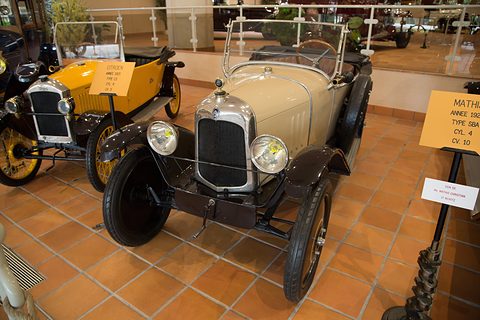
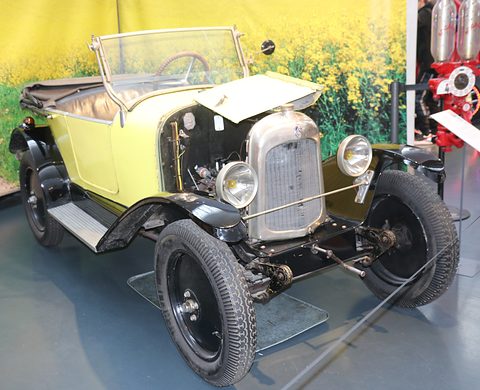
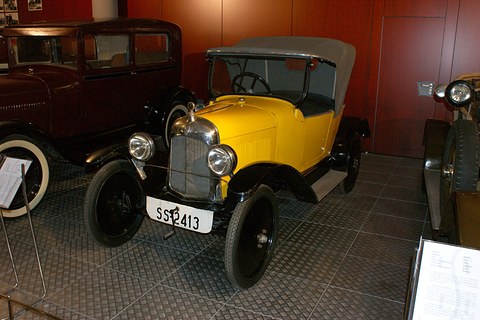
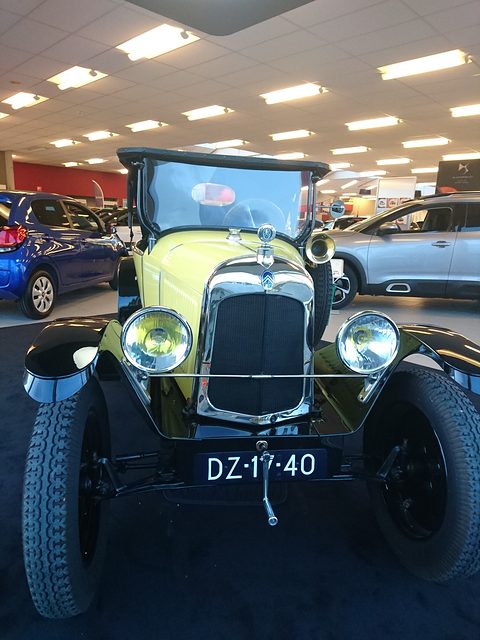
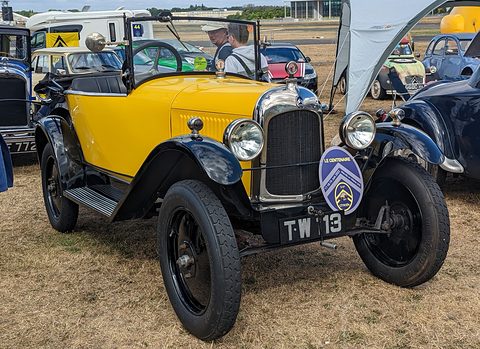
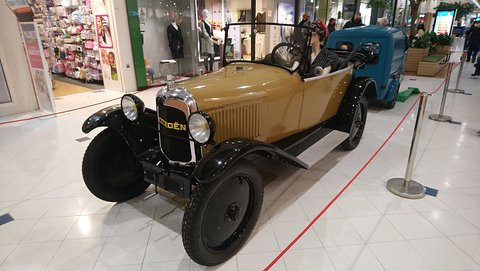
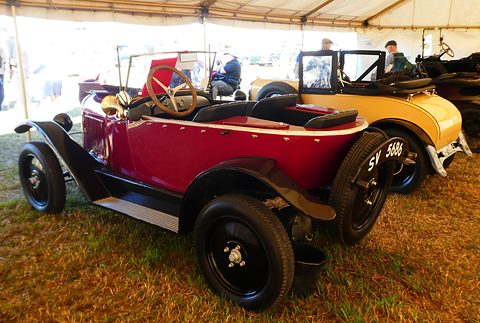
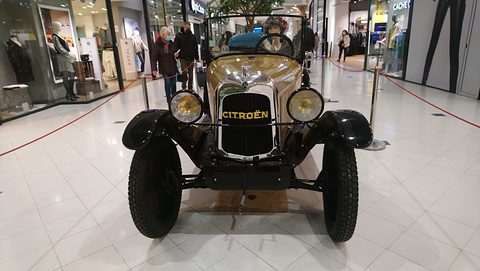
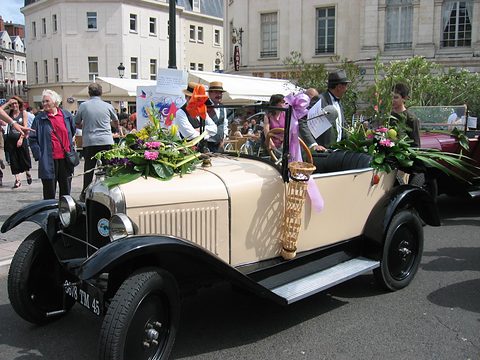
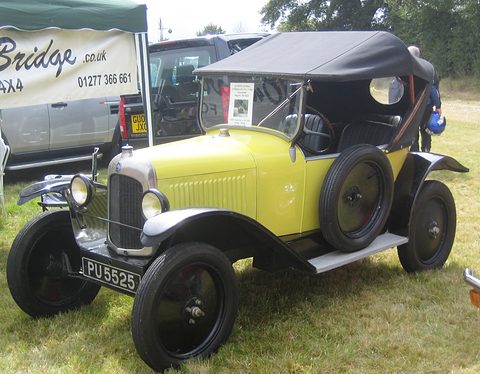
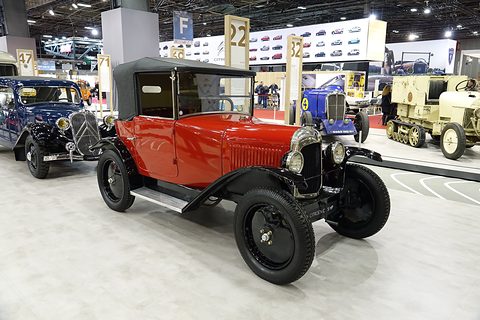
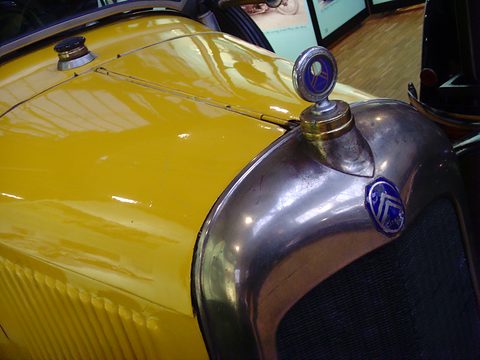
The Type C, as it was officially called, was shown at the Paris Salon in October 1921; English Wikipedia says November.source 4source 1 The first two-seat Torpédos were delivered in May 1922, on a short chassis called the C2, and they came in pale yellow.source 1source 2 The price was 8,500 francs. That was about 60 per cent of the 13,900 francs asked for Citroën’s B2, and less than the 10,000 francs of Peugeot’s cyclecar, the Peugeot Quadrilette.source 1
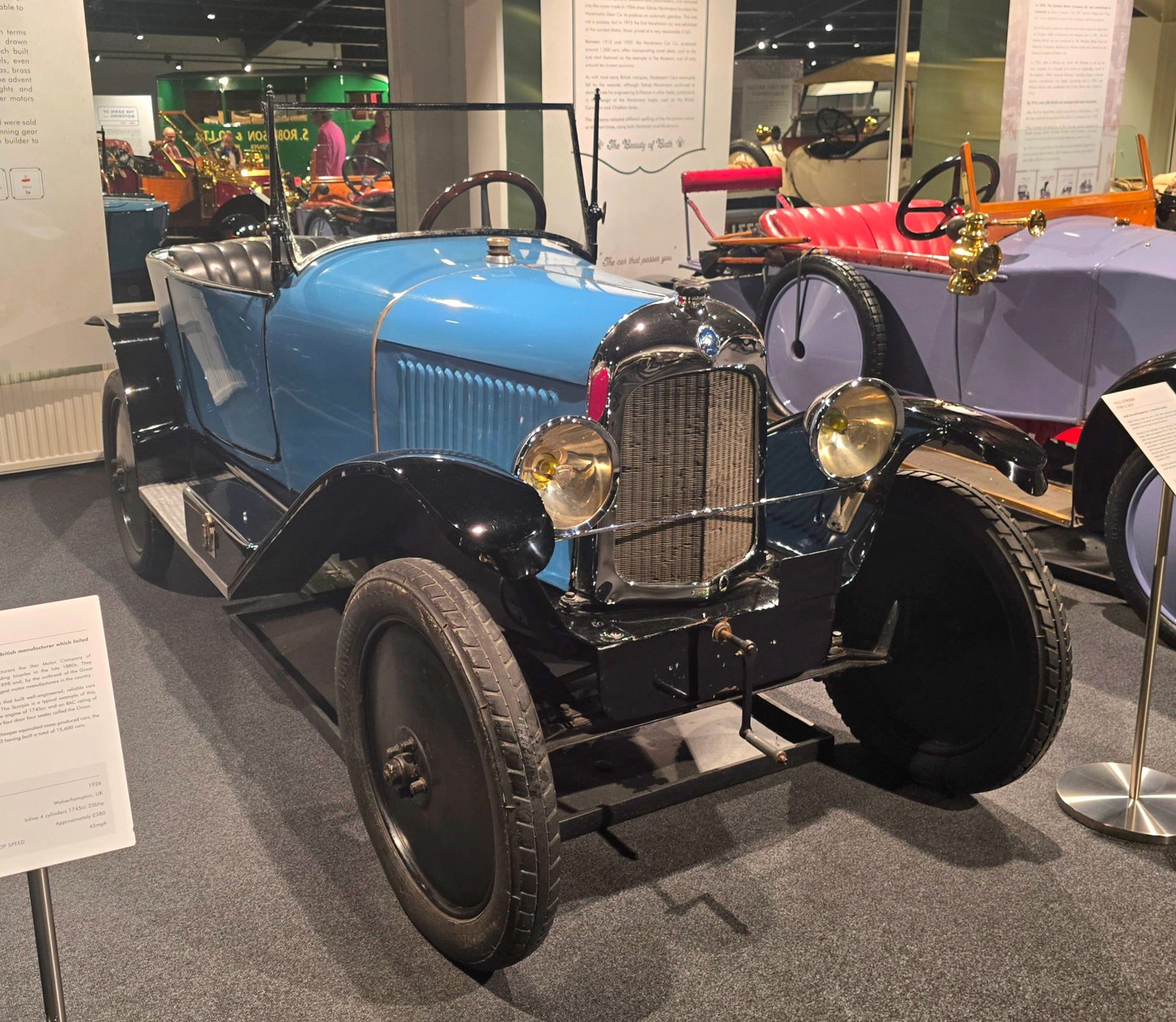
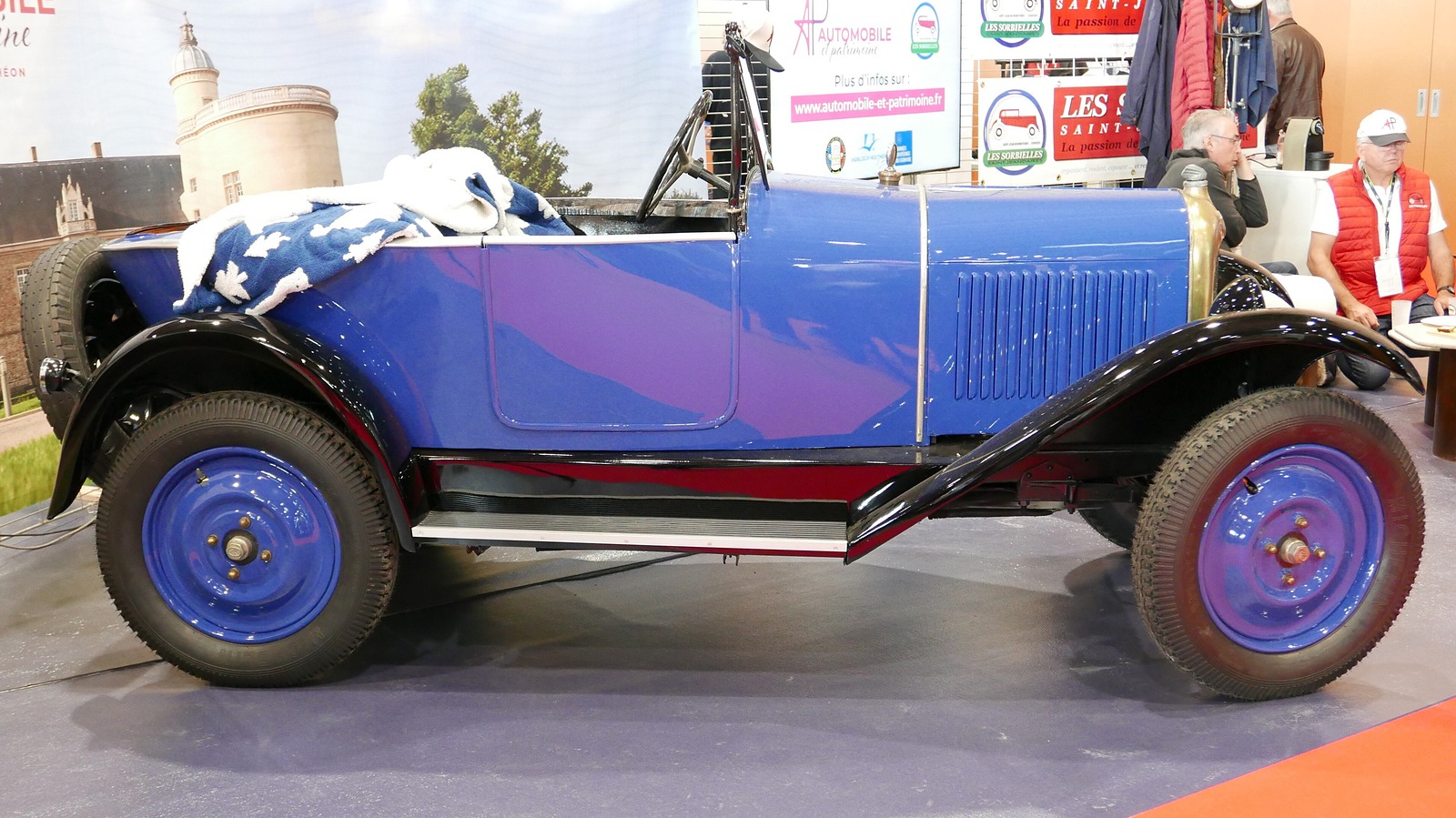
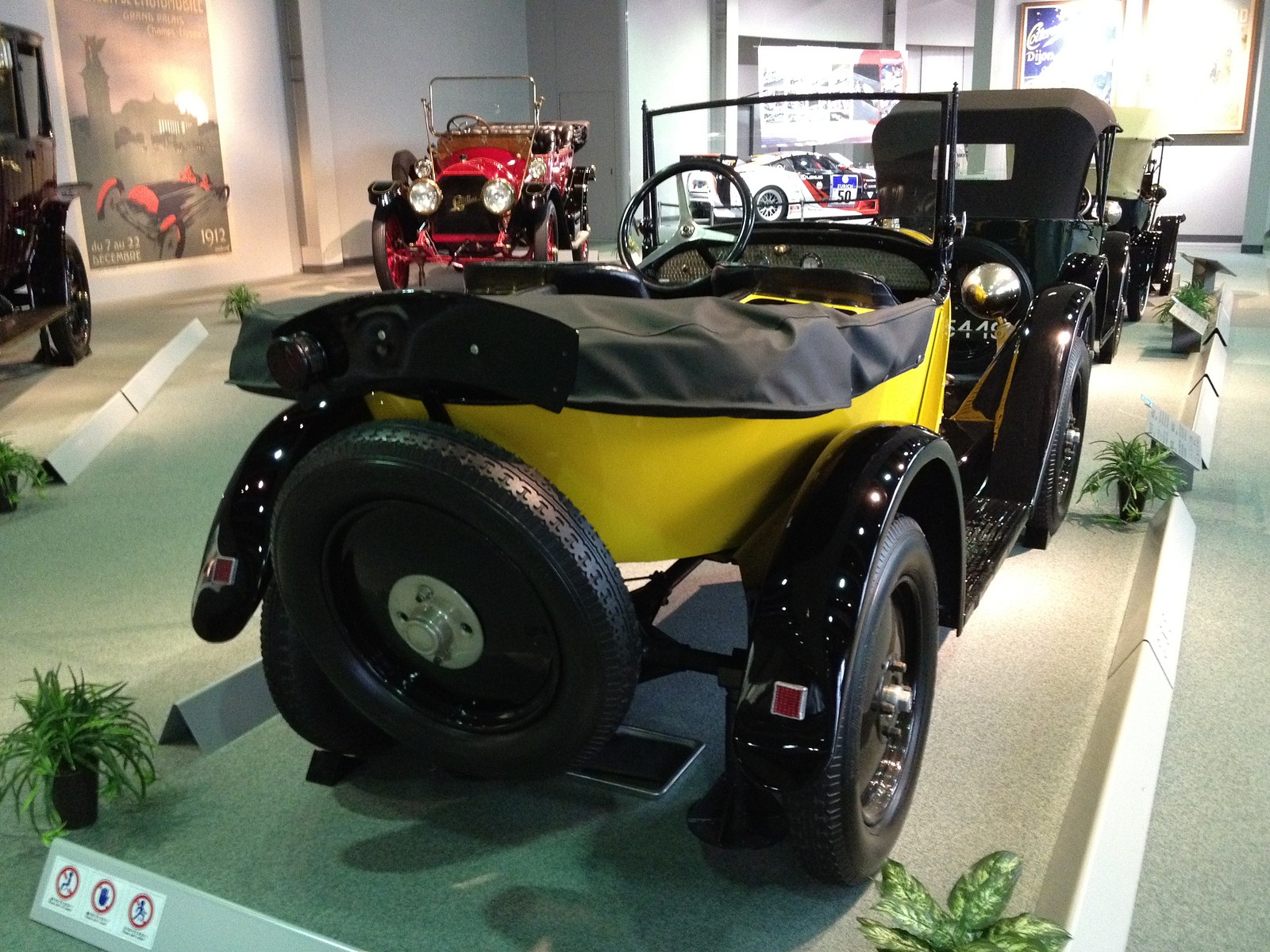
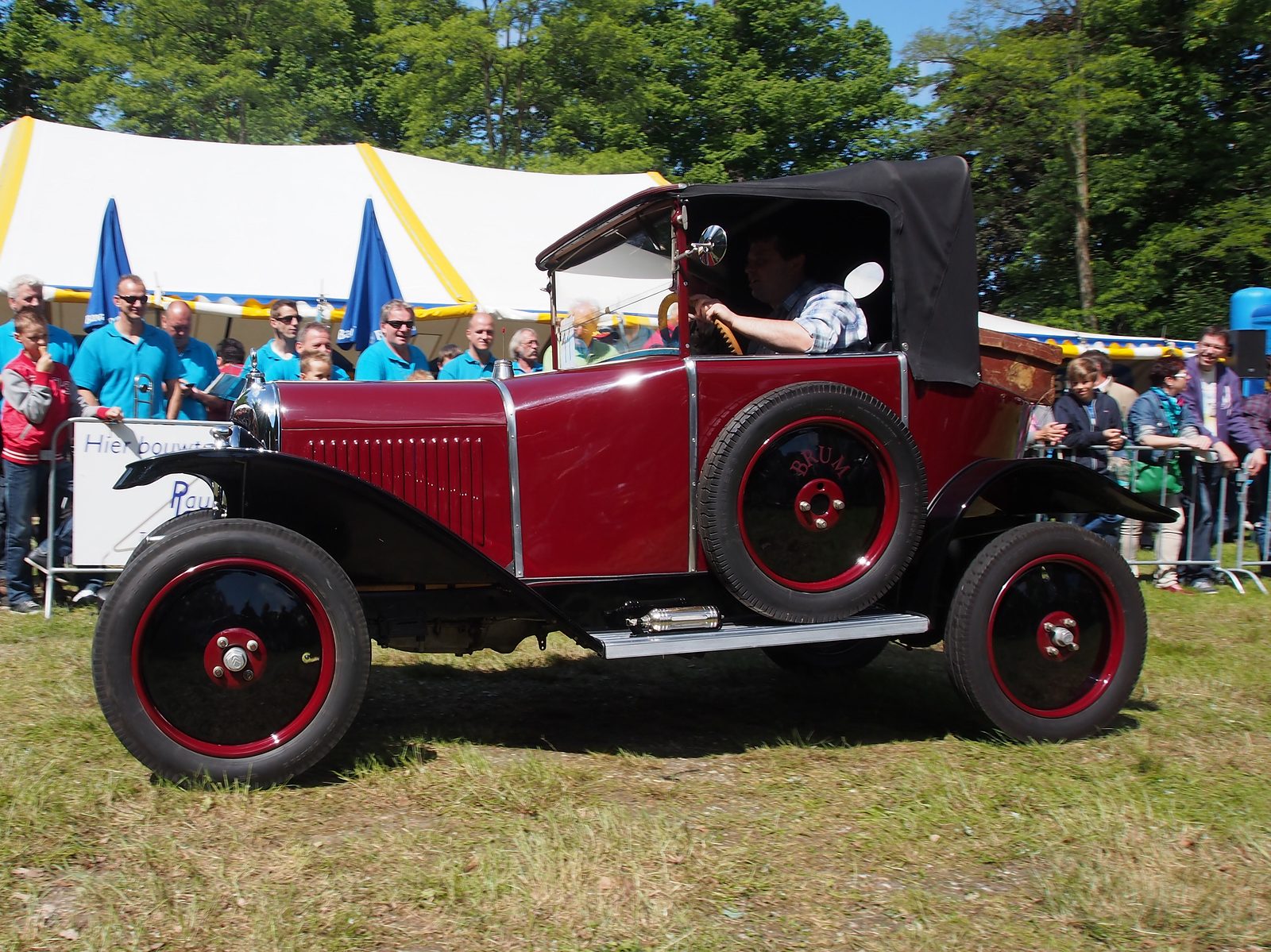
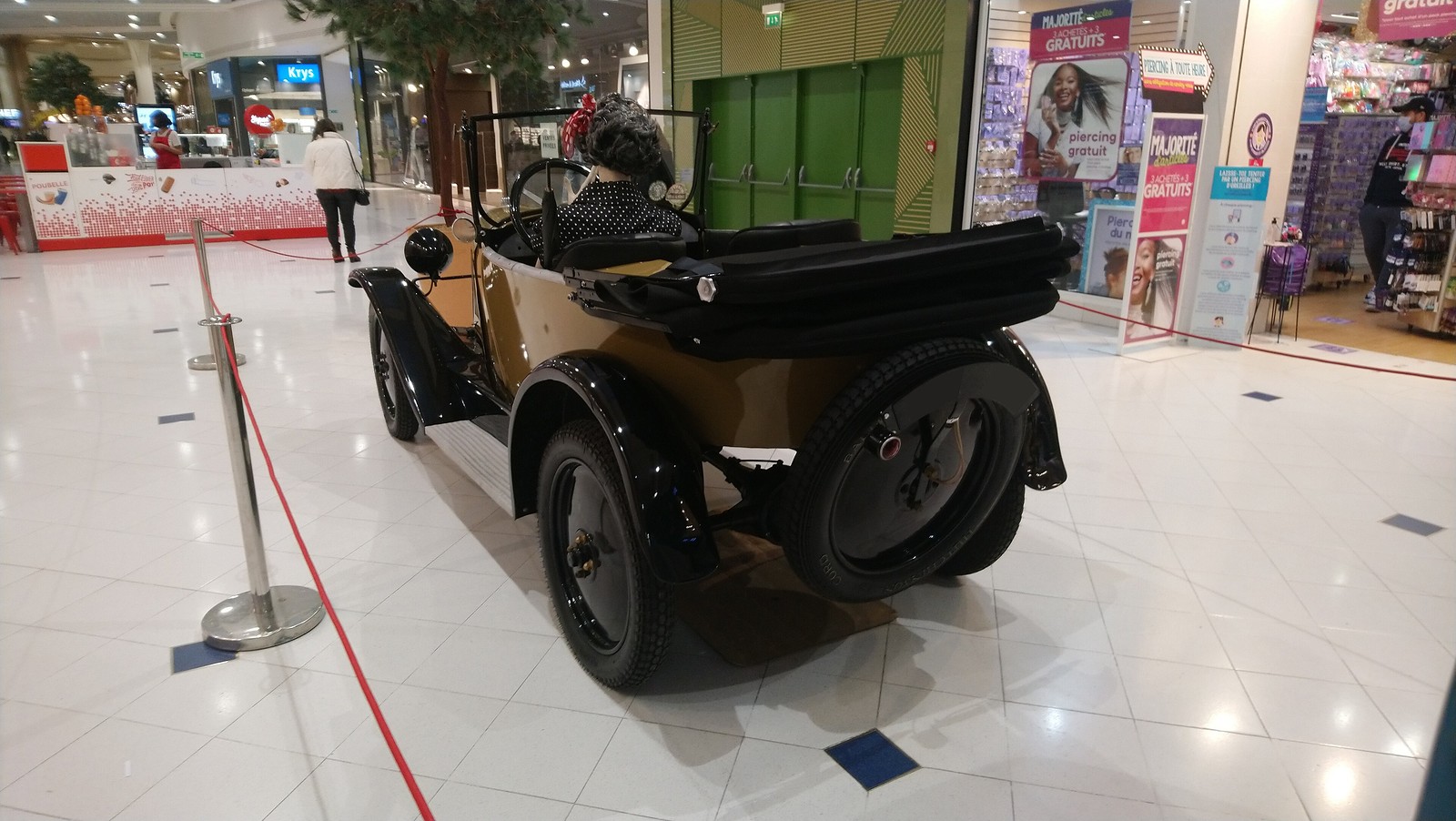
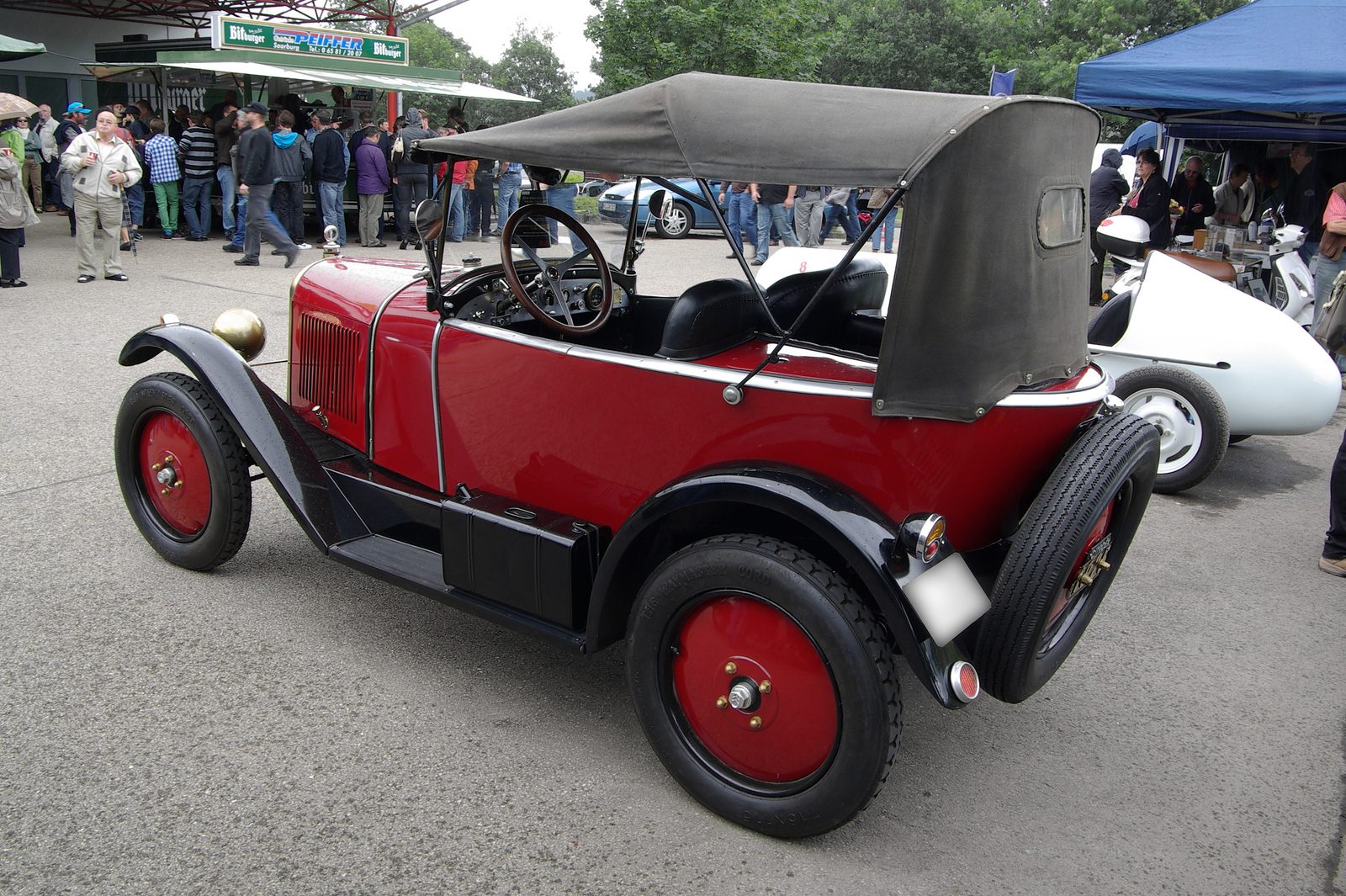
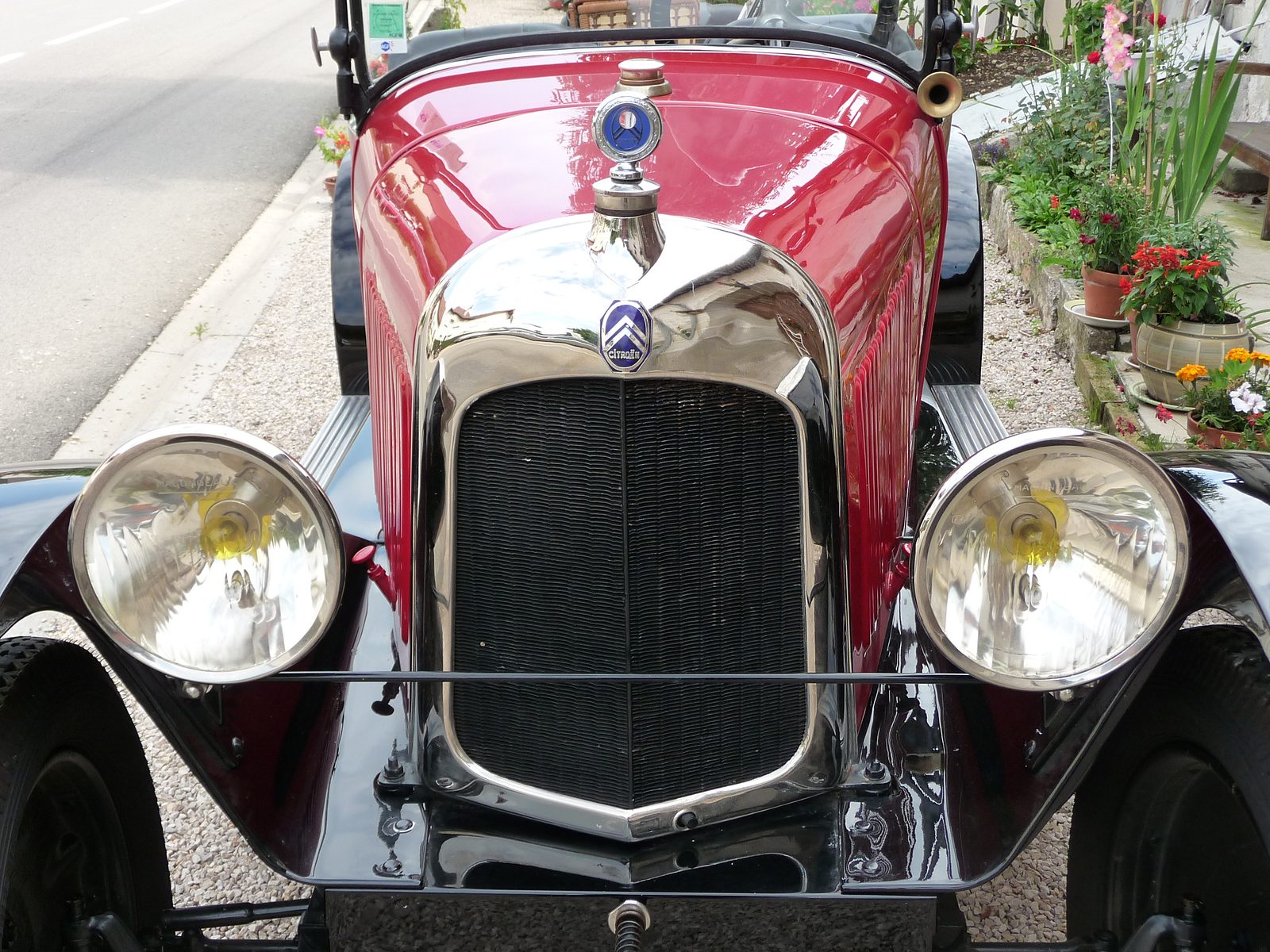
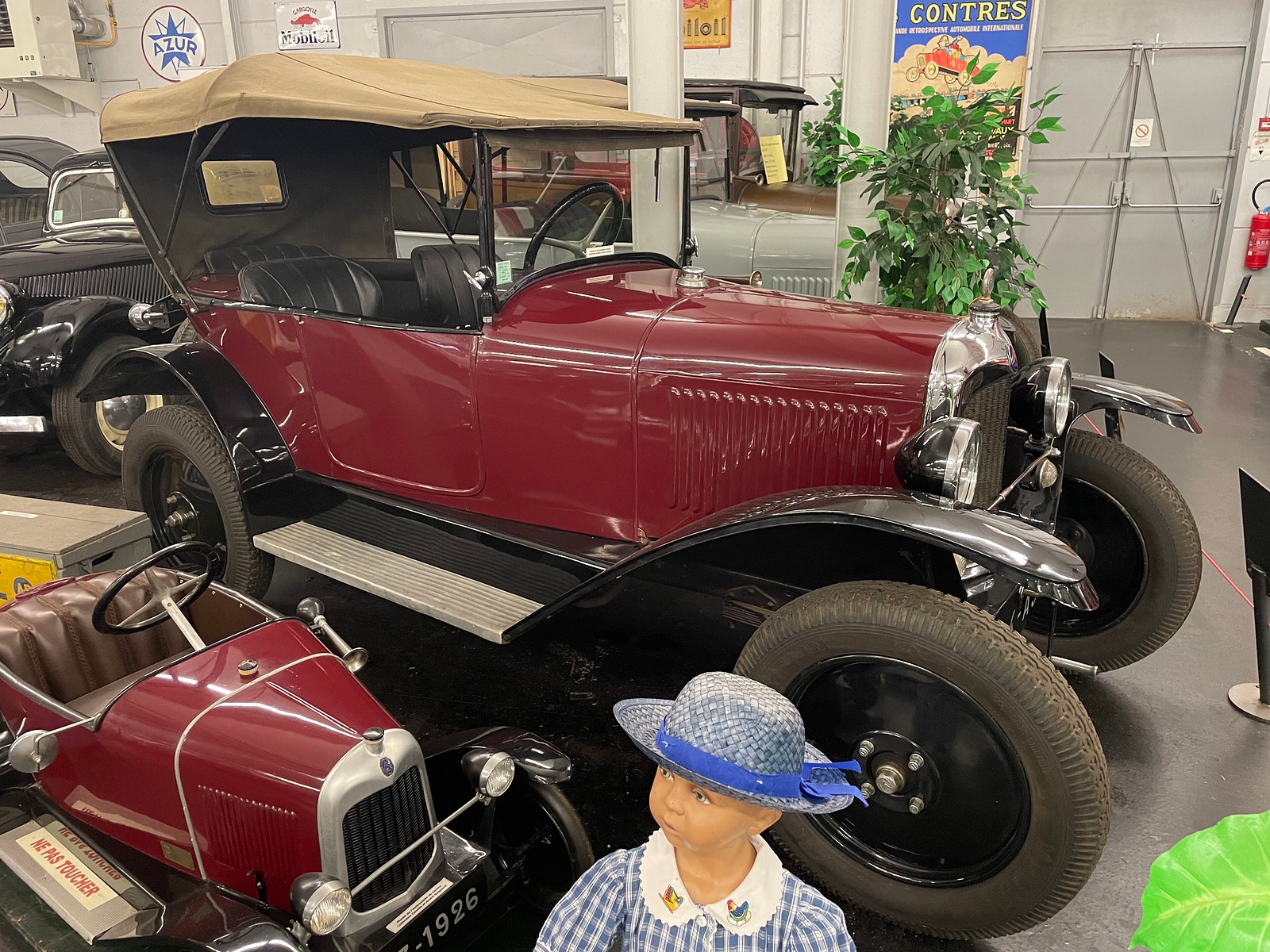
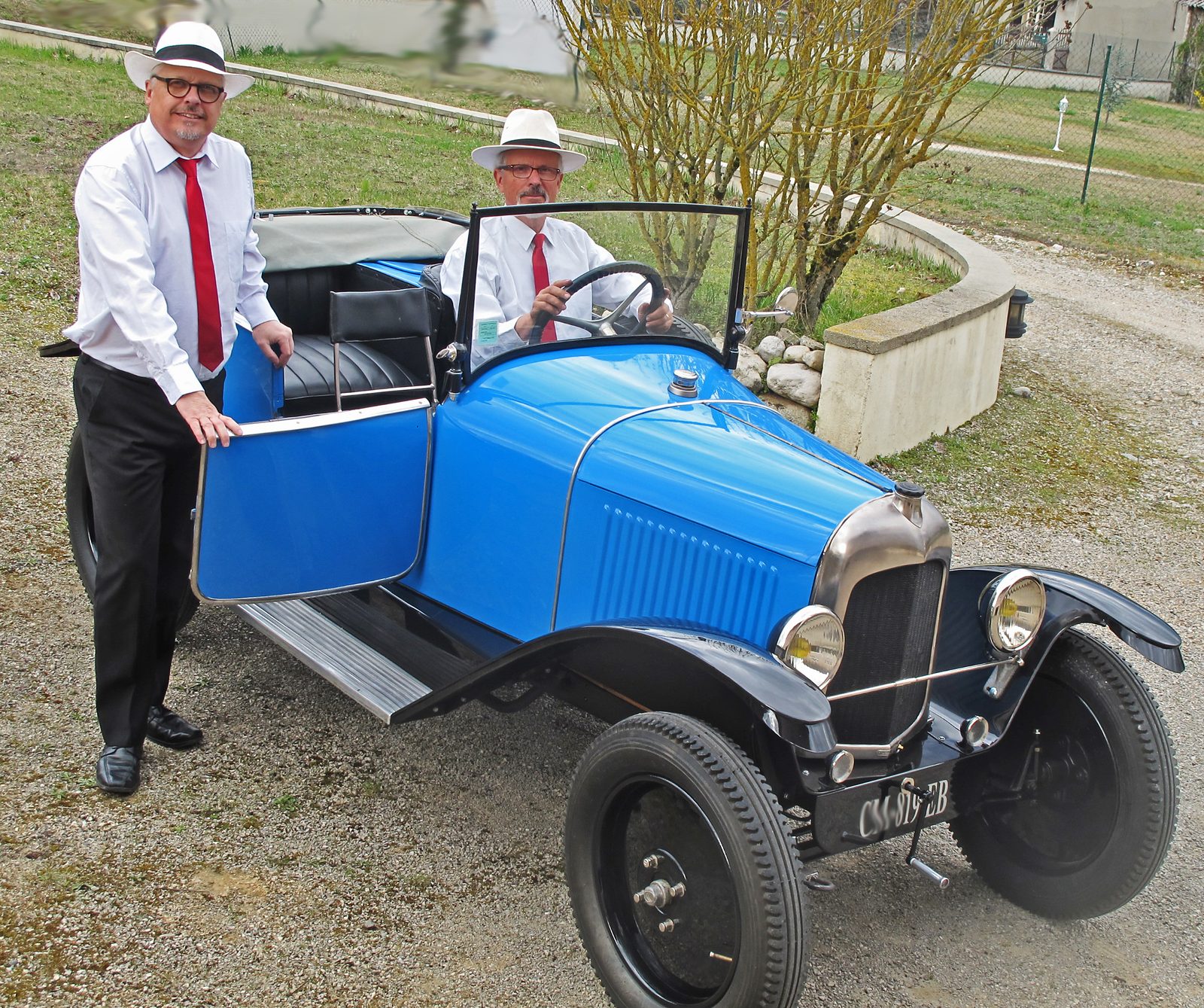
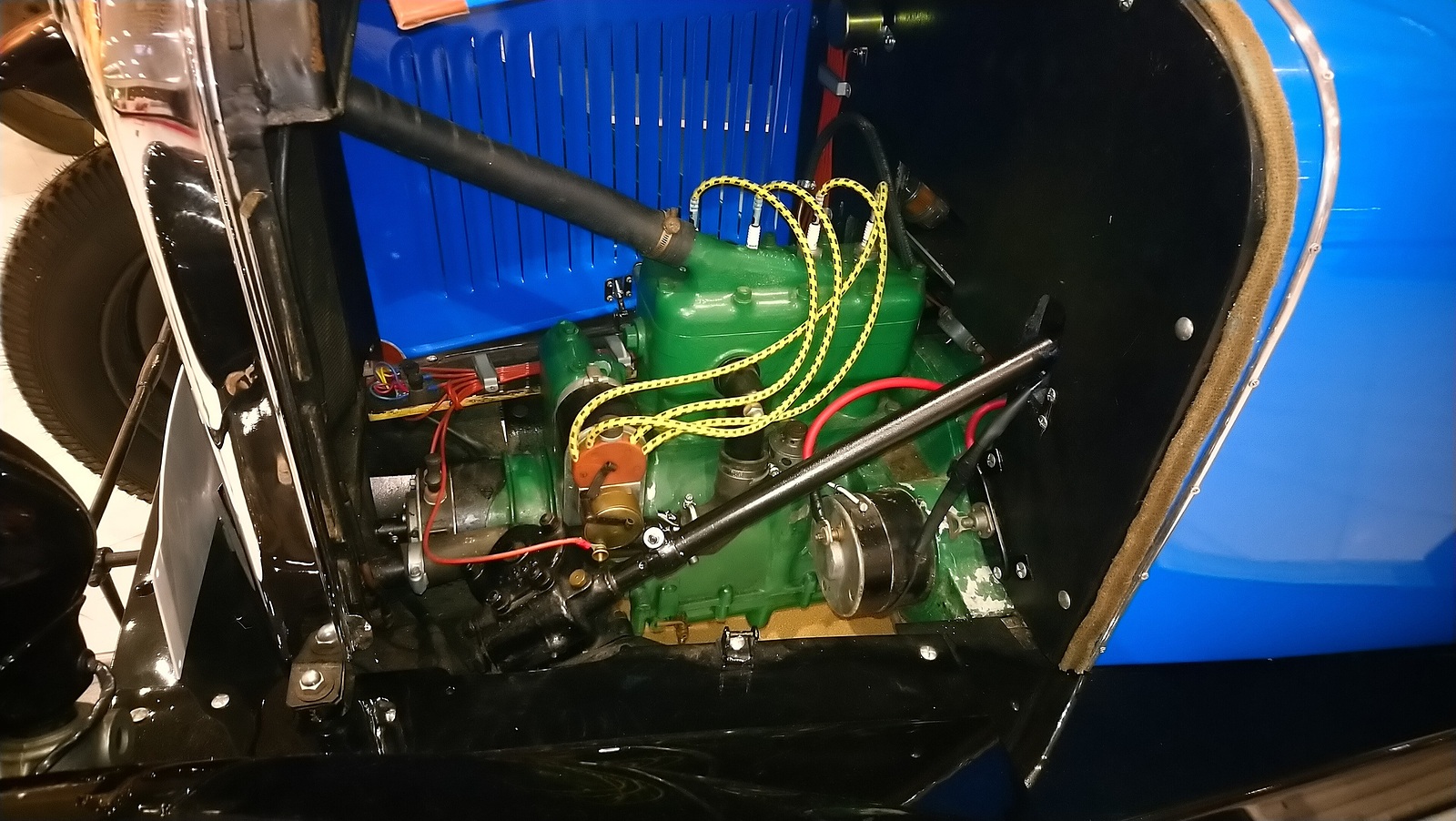
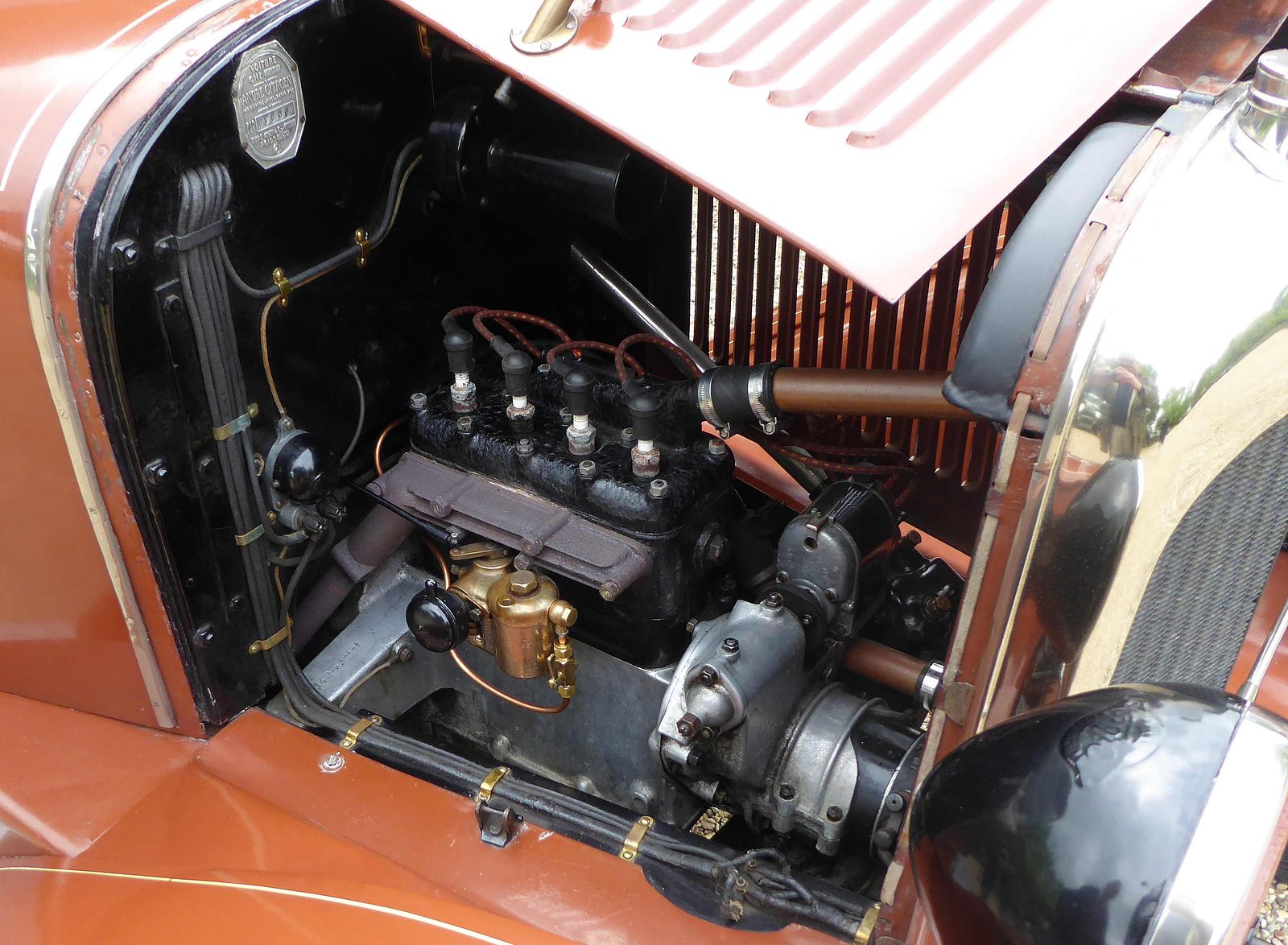
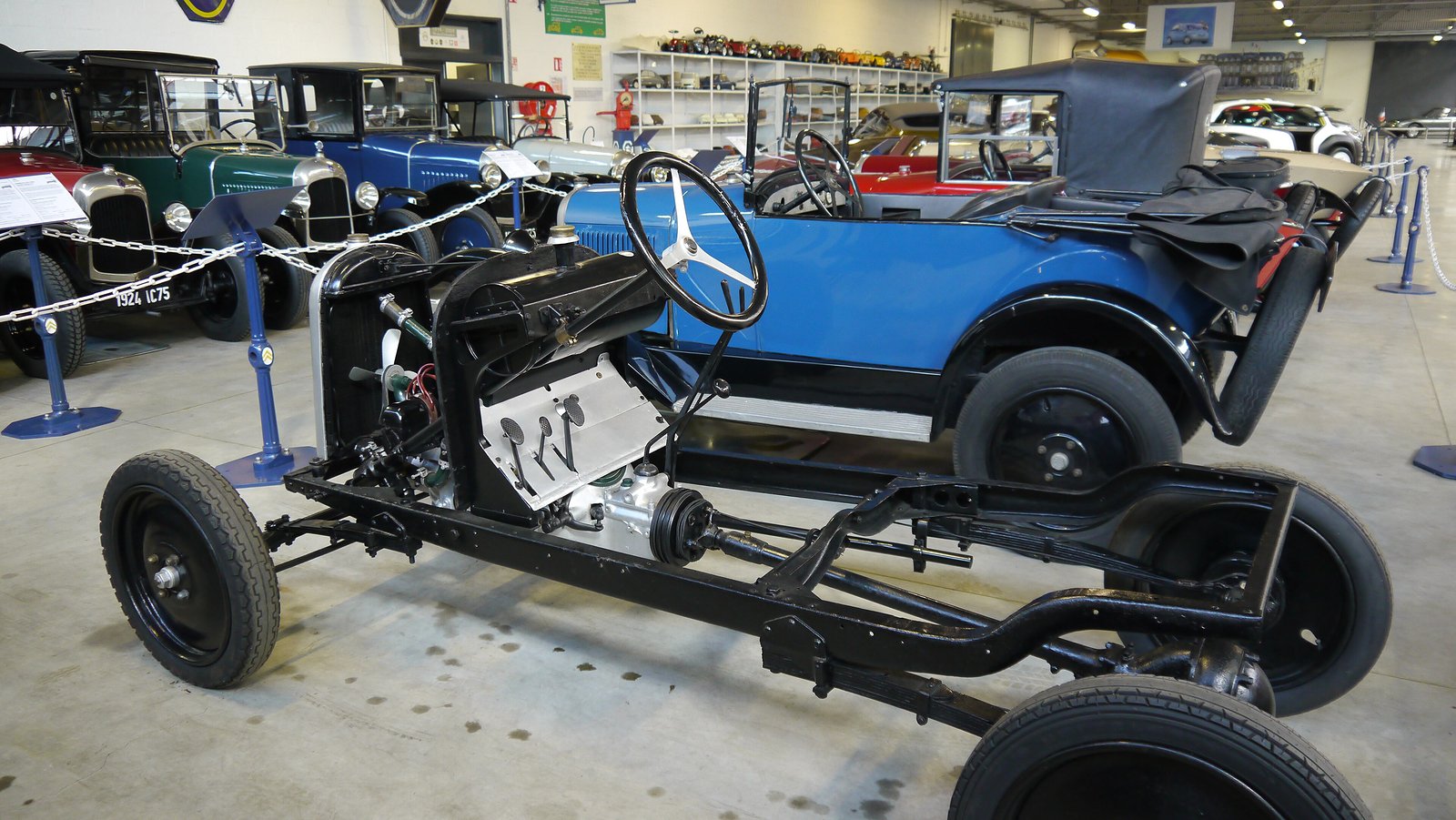
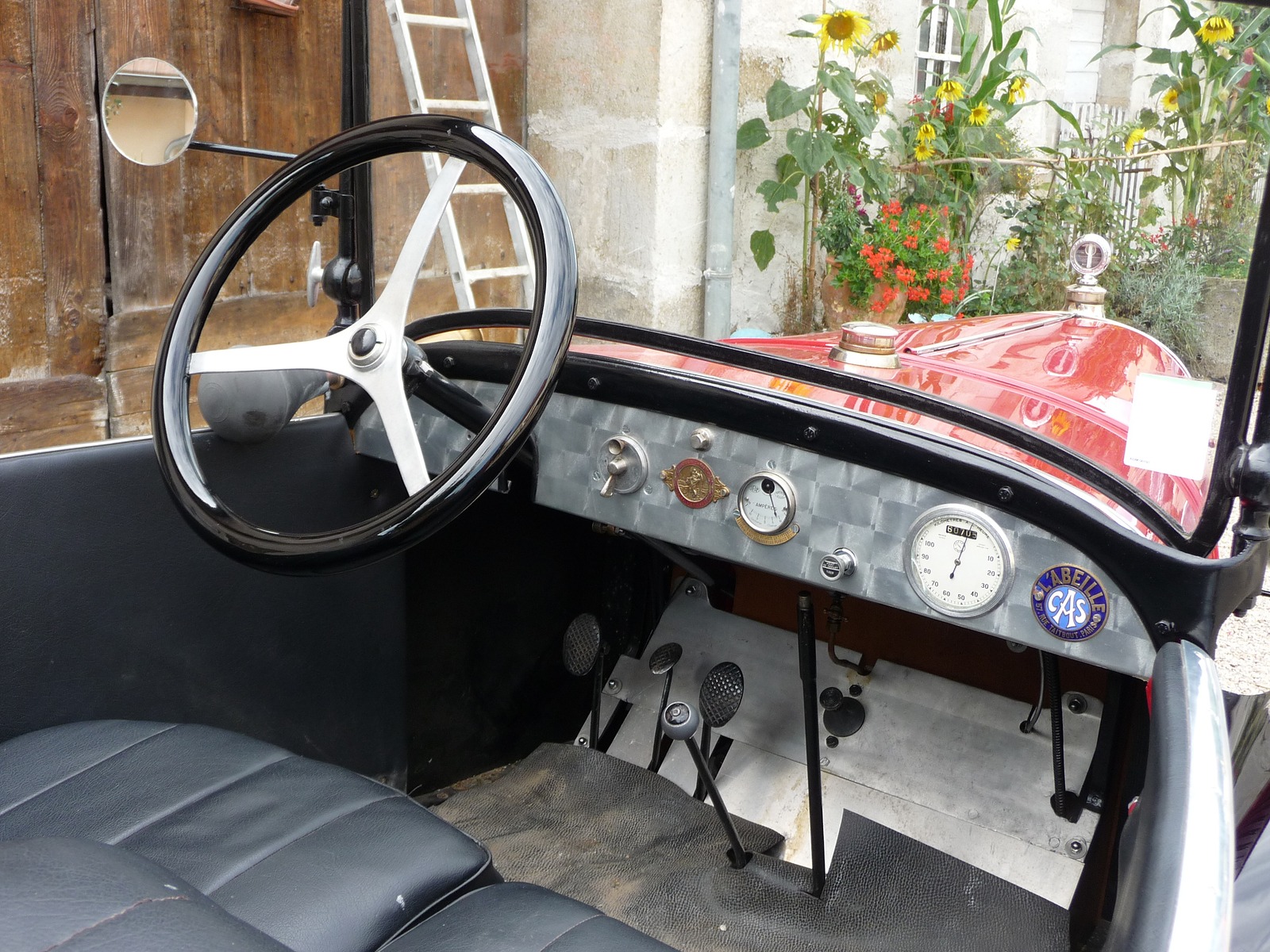
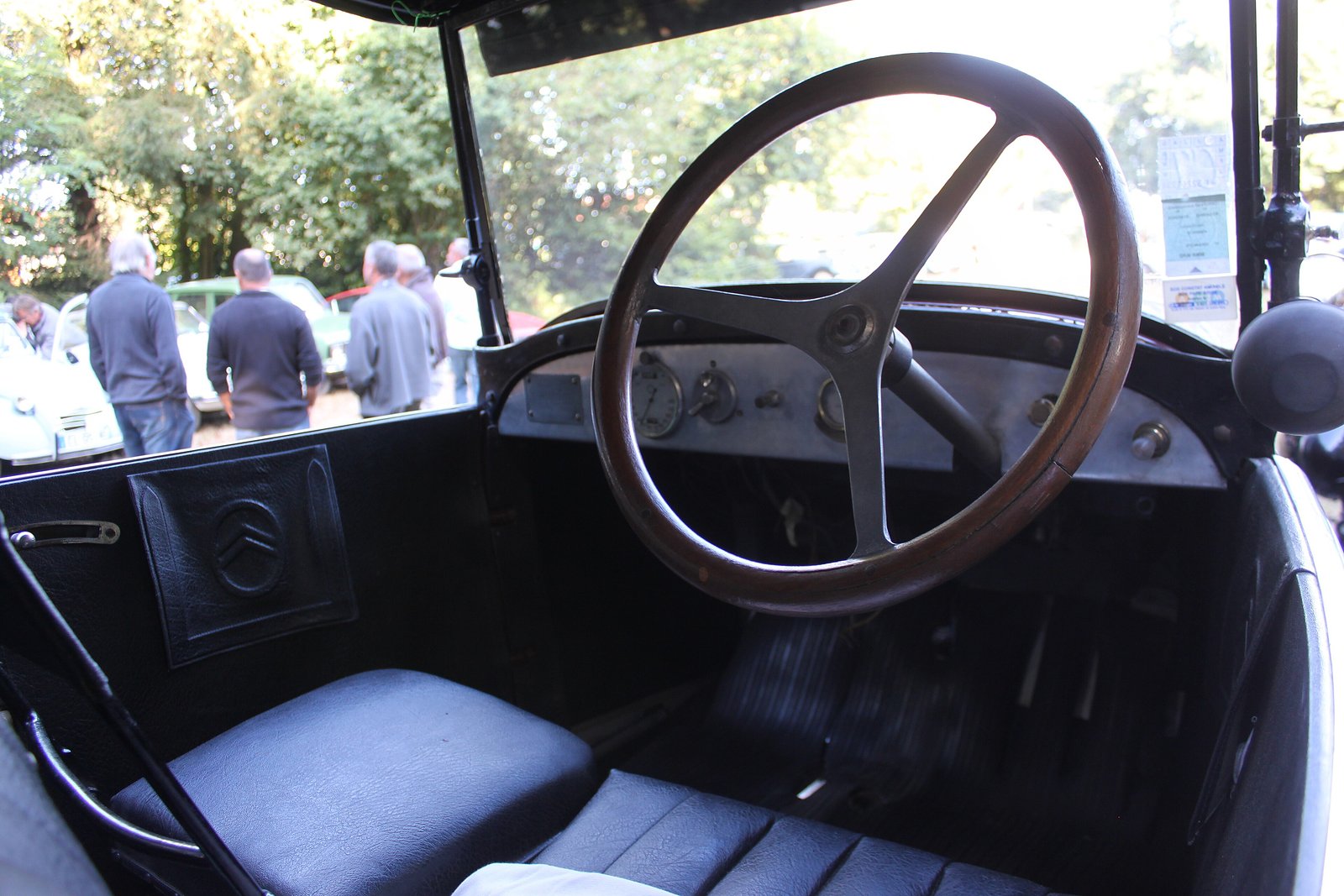
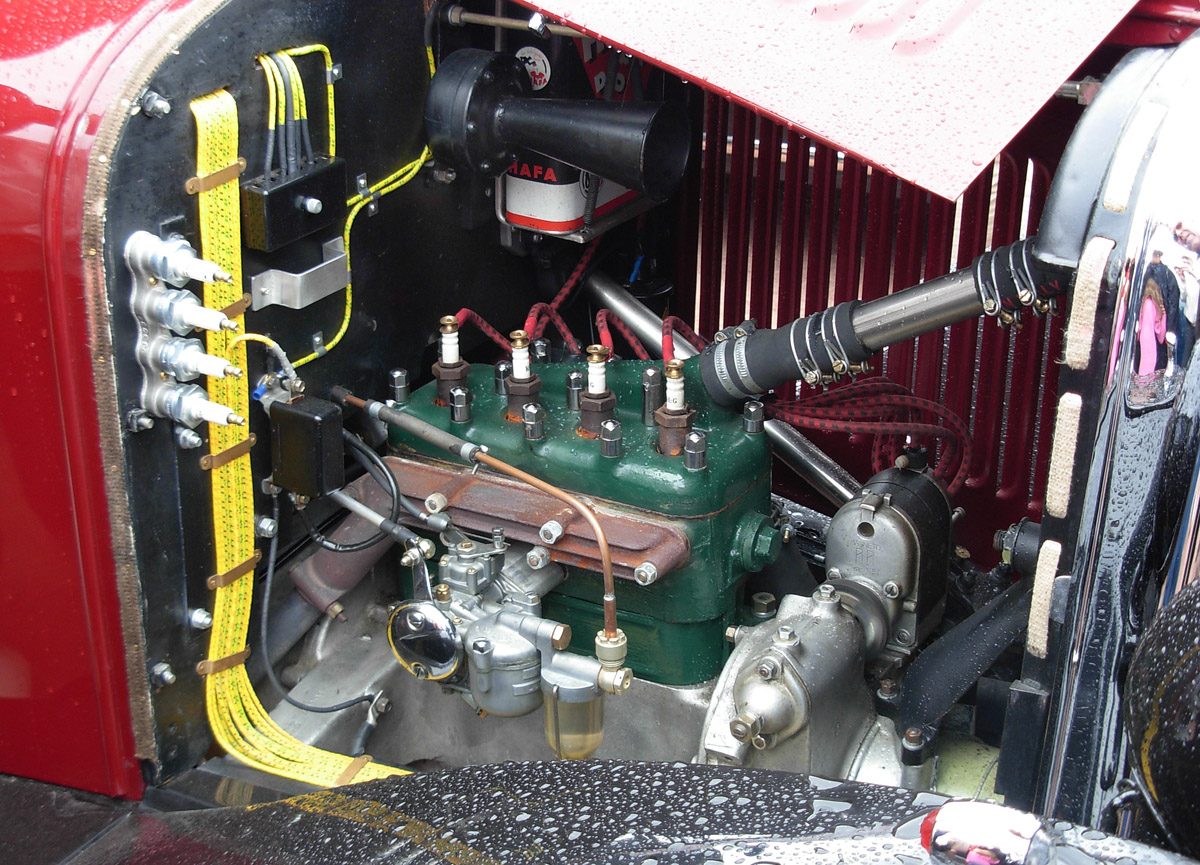
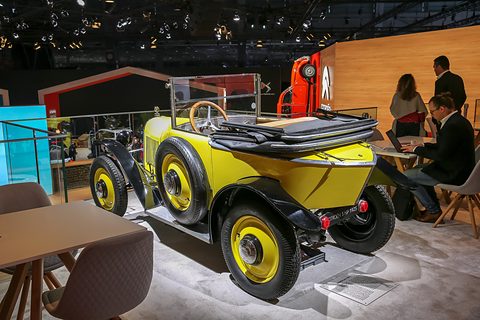
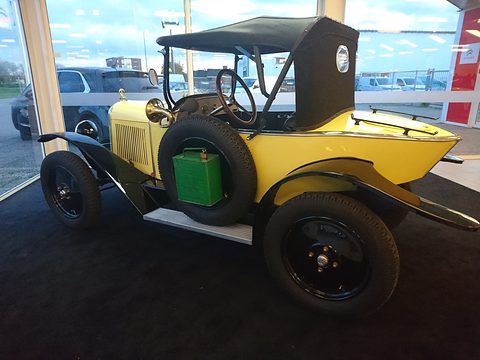
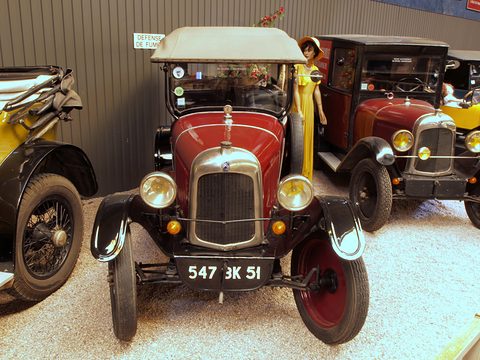
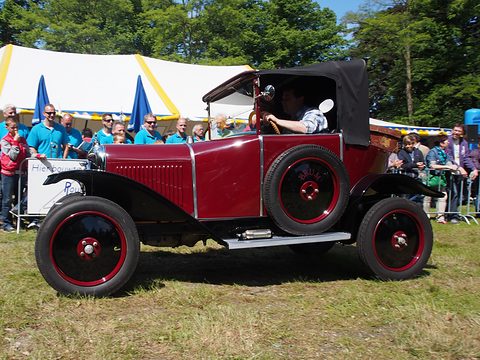
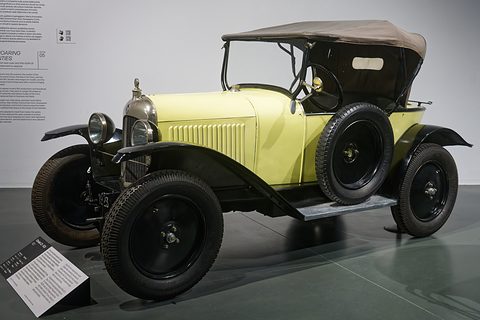
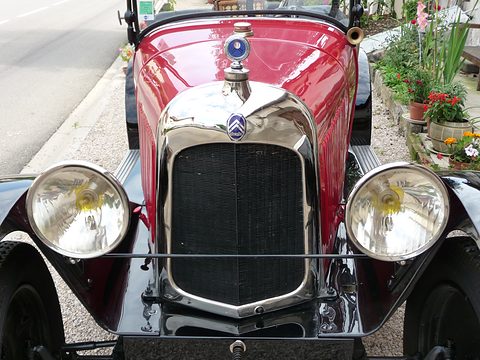
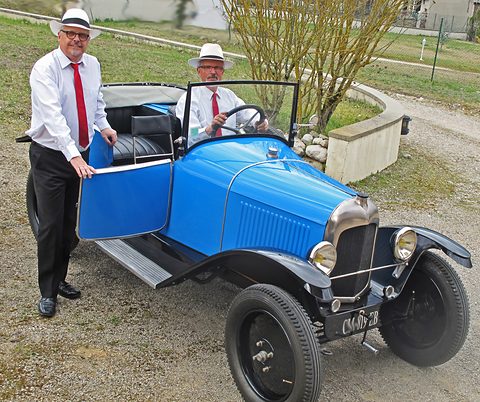
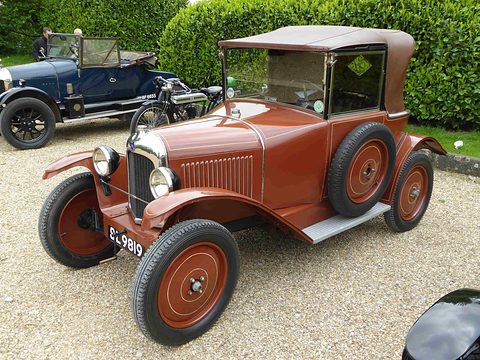
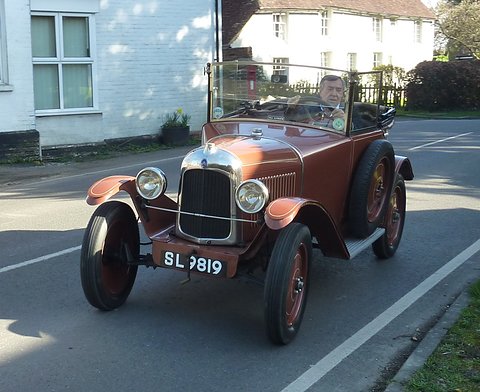
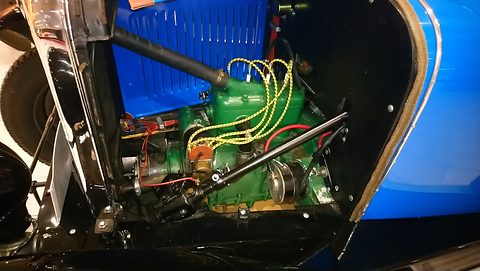
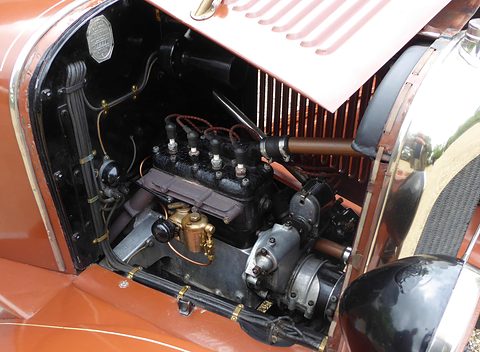
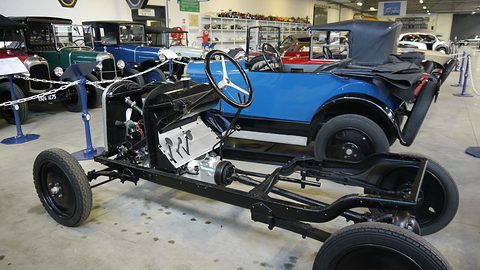
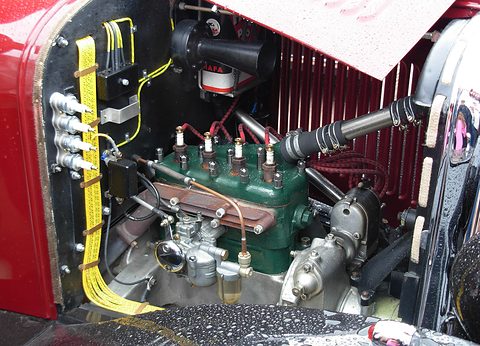
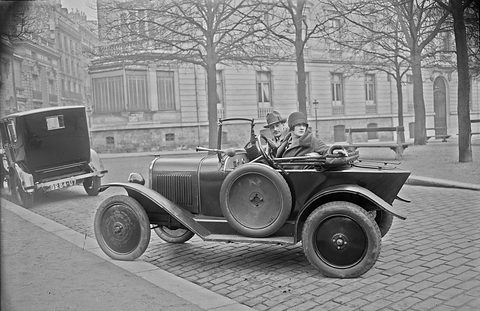
For the money a buyer got what most cyclecars left out: an electric starter and electric lighting, five wheels with tyres, and a differential.source 1 The engine was an 856 cc four of 11 hp, cooled by thermosiphon with no pump, and its power went to the back wheels by way of a three-speed gearbox, a torque tube and a banjo axle.source 4source 1 The body was built the old way, with panels nailed to a wooden frame, and the 5HP was the last Citroën made like that. It had one door, on the passenger’s side, opening forwards.source 1 Chassis were assembled at Levallois and the bodies fitted at the Quai de Javel in Paris. The Lane Motor Museum says the Levallois plant reached 250 cars a day.source 4source 1
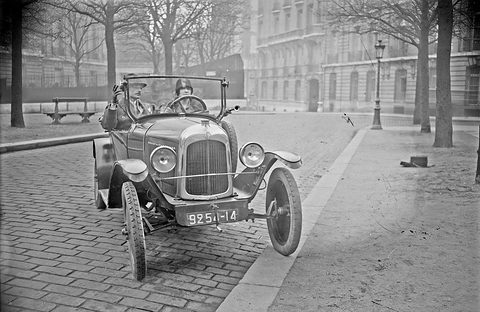
Citroën sold it to women. All the 5HP’s advertising showed it driven by a young woman, a first for the firm.source 4source 1 It sold it in new ways, too: on credit, with spare-parts lists and repair manuals, repairs at fixed prices and exchange parts from the factory.source 1
The cloverleaf
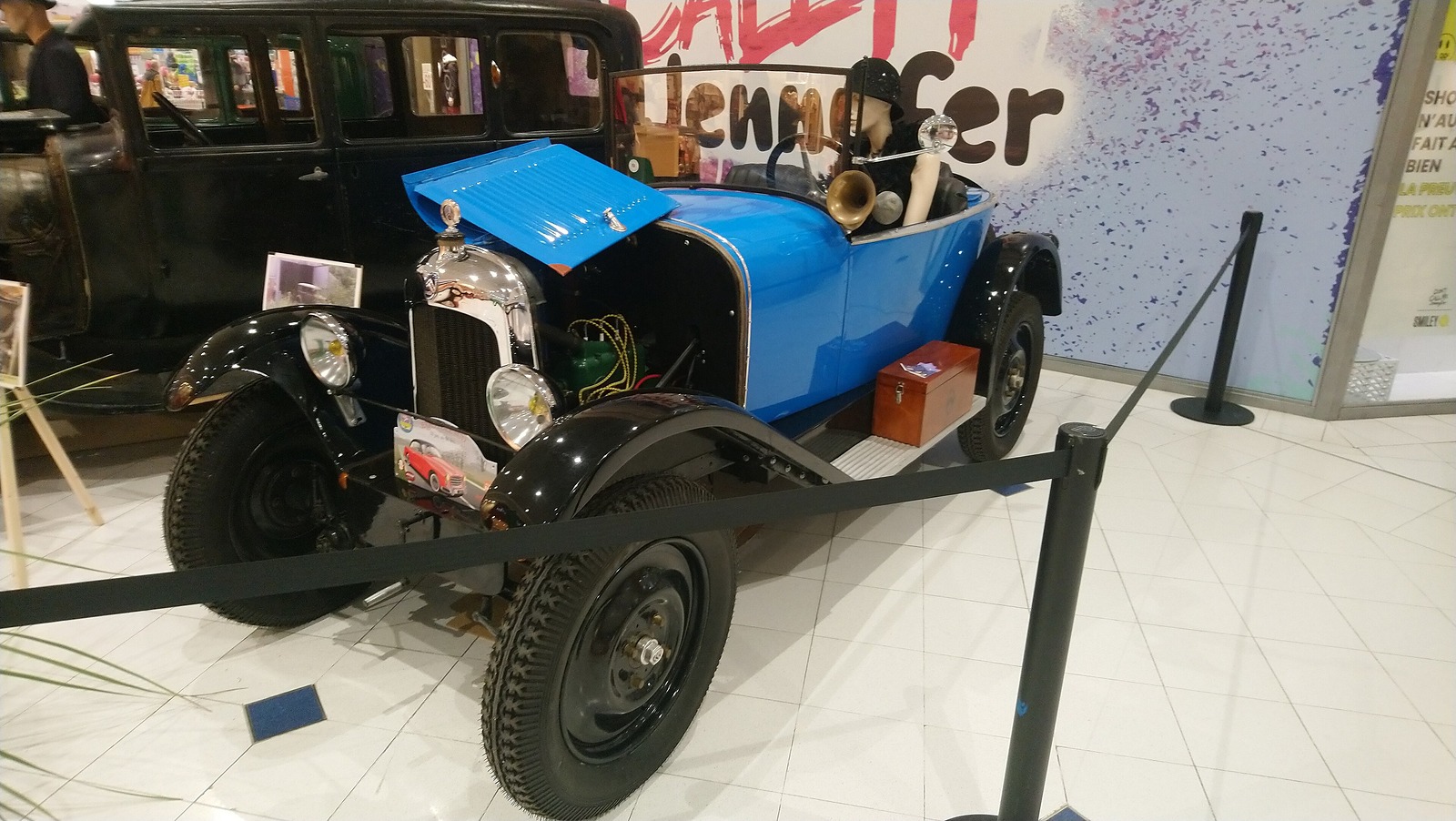
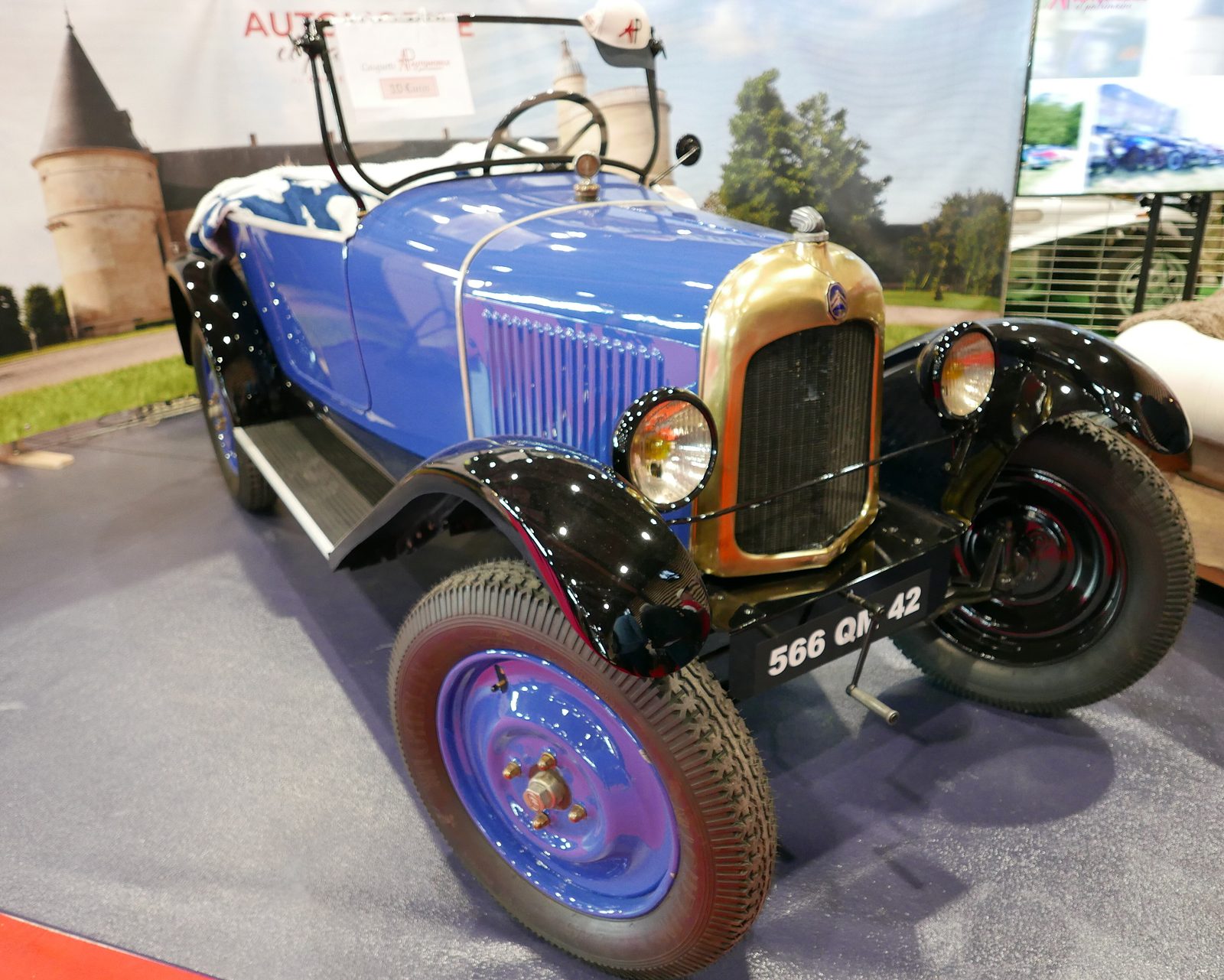
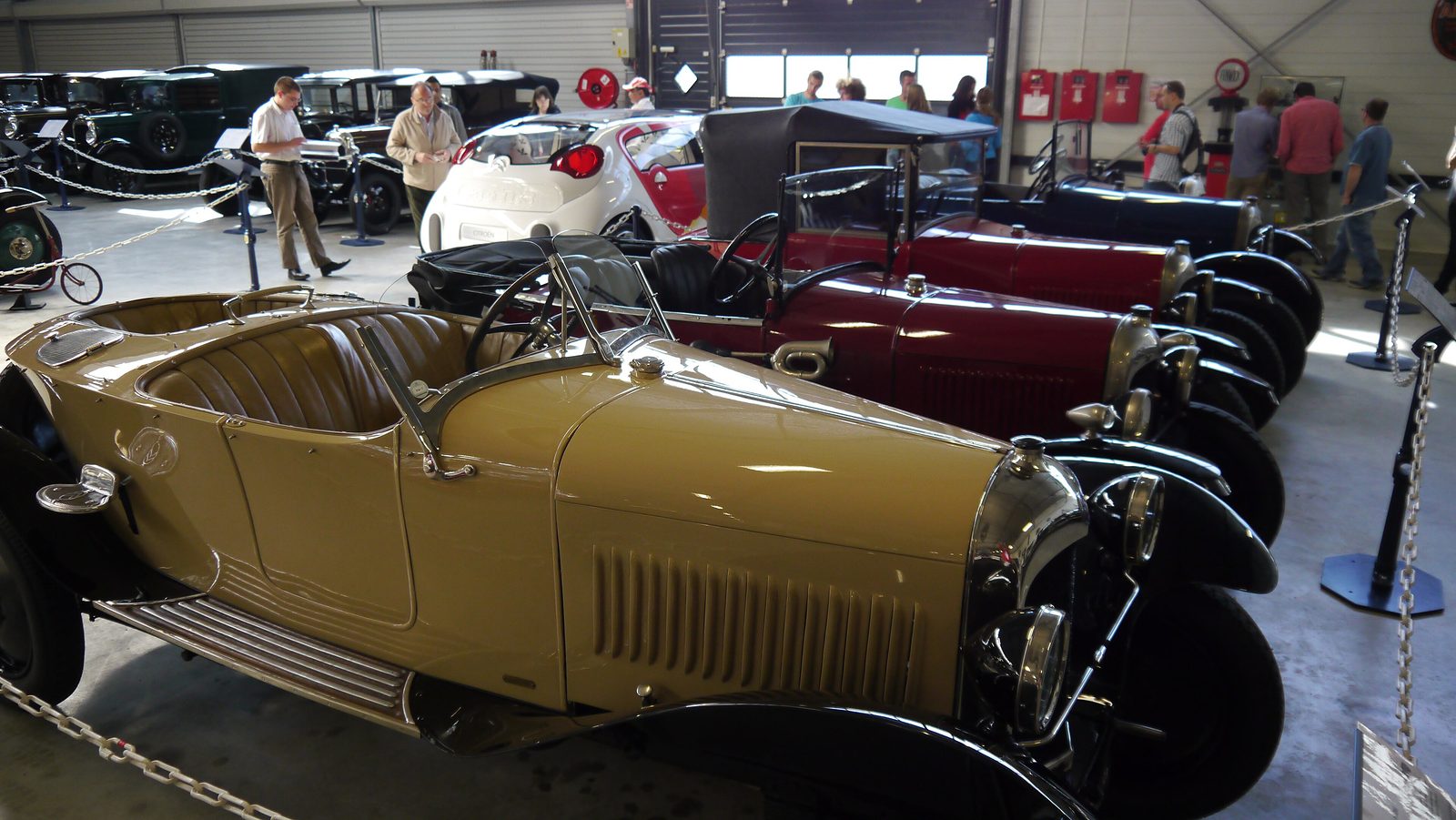
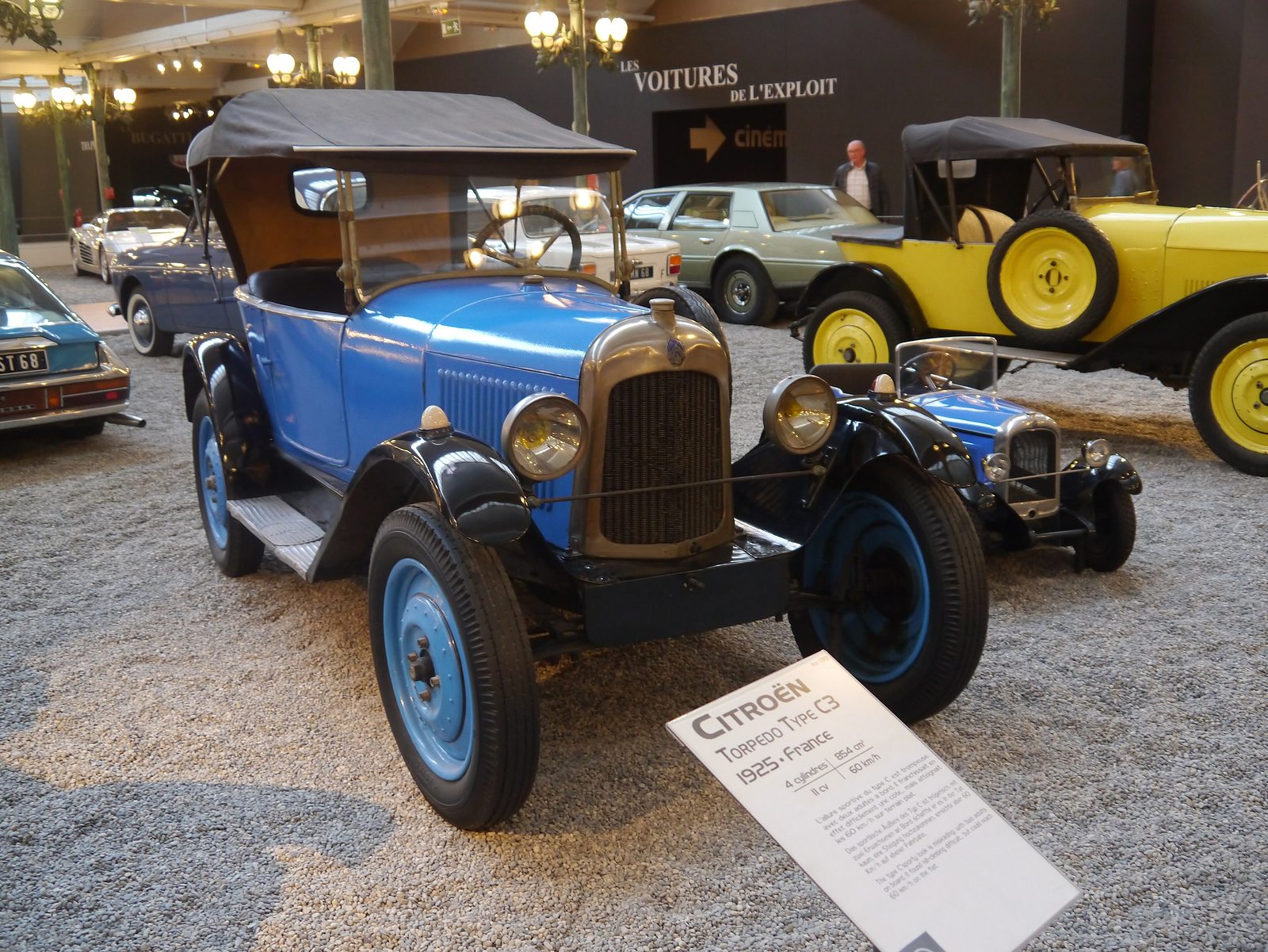
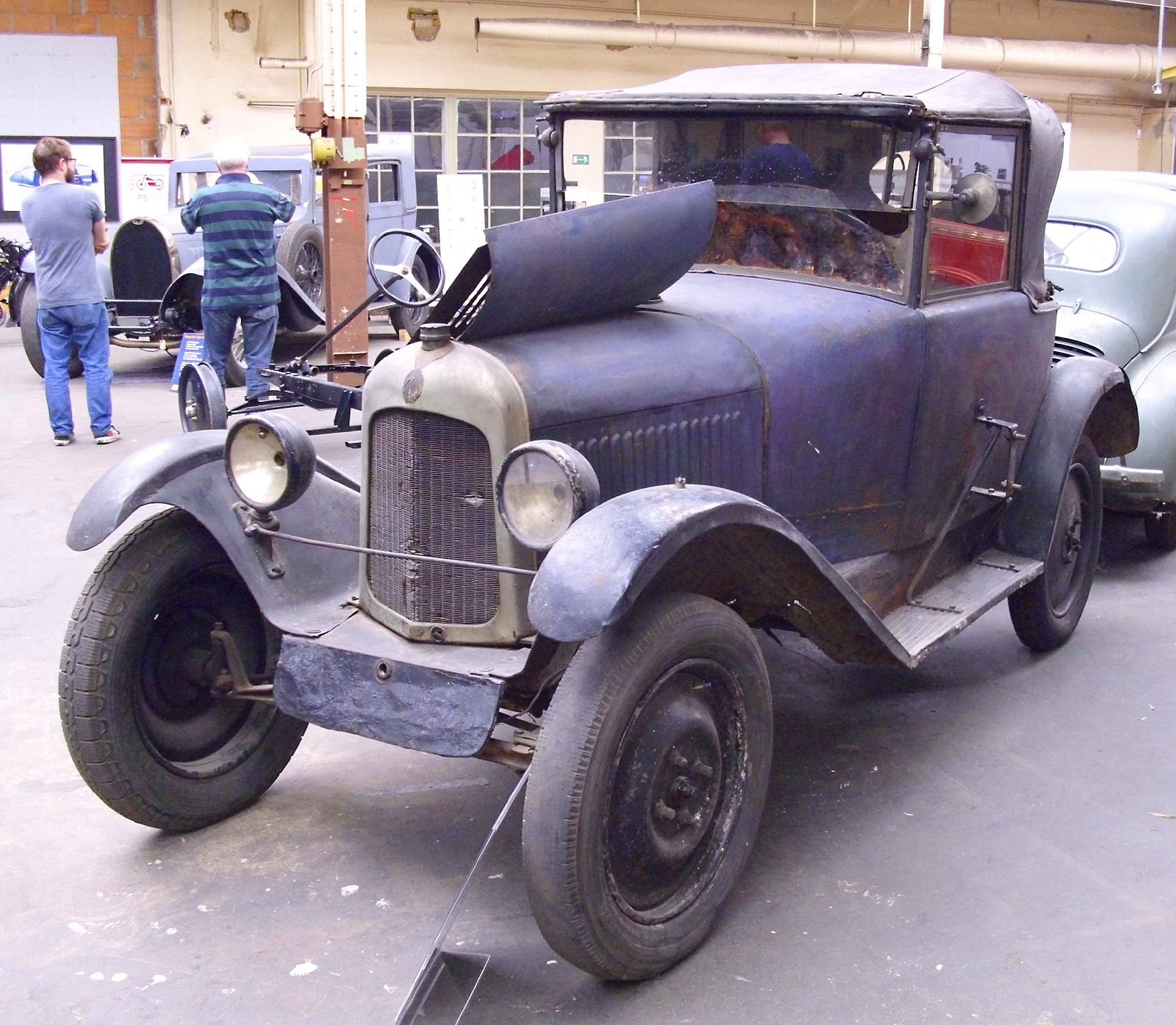
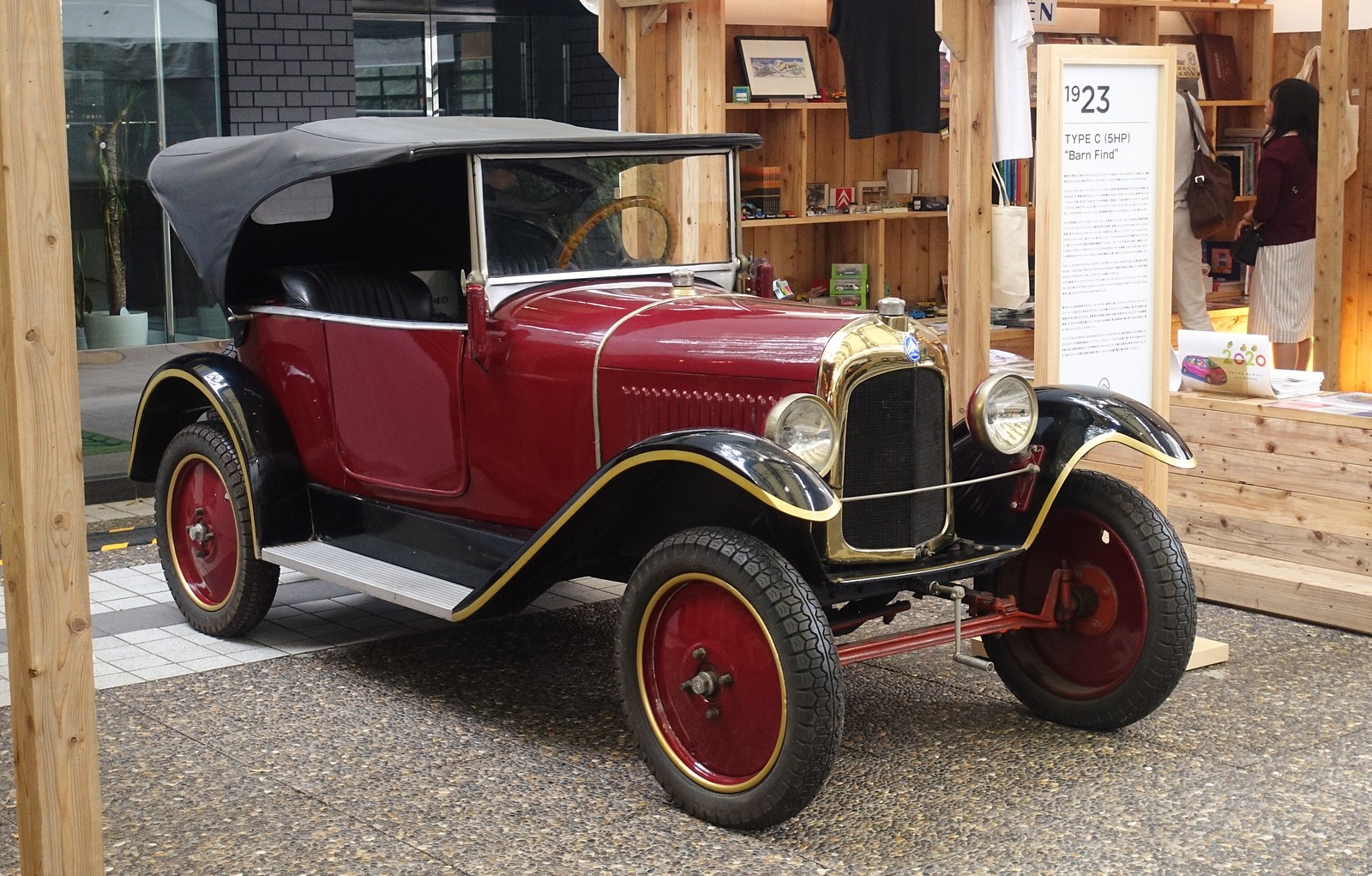
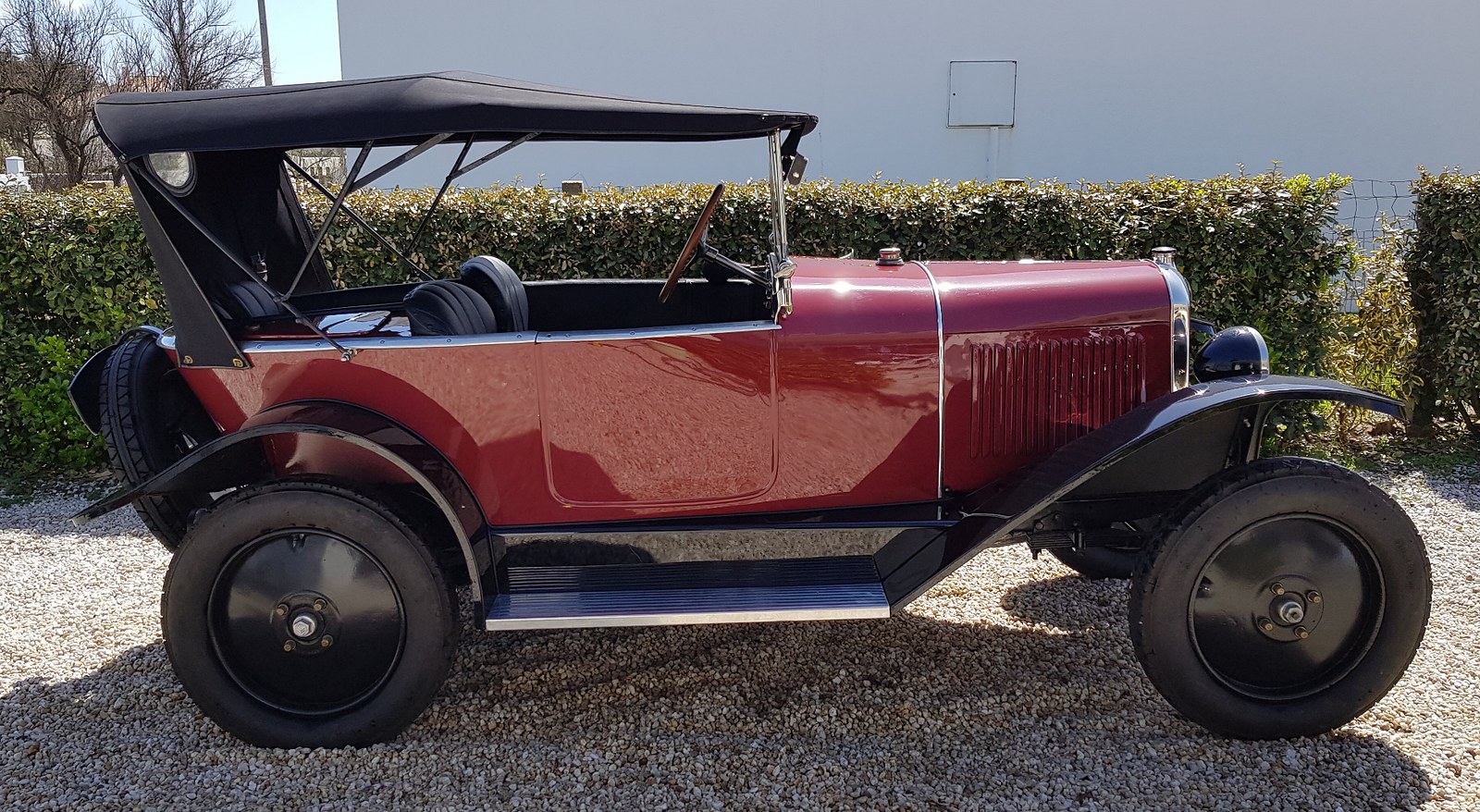
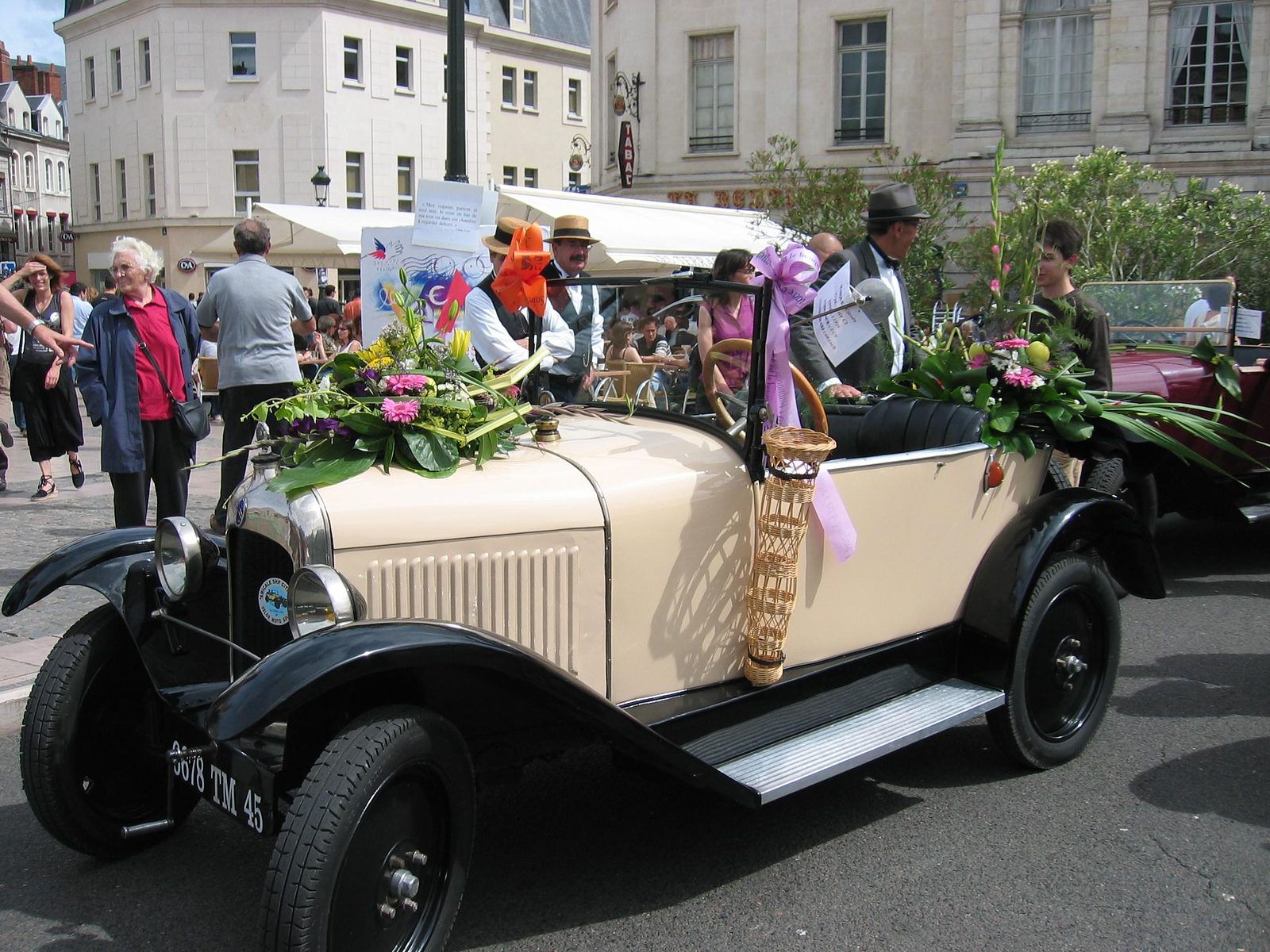
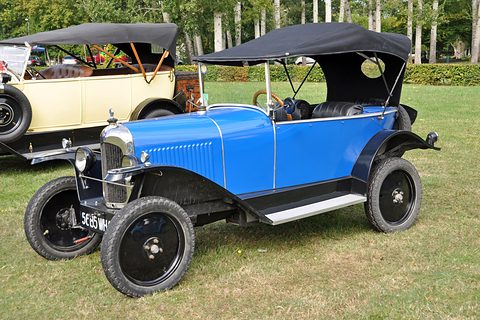
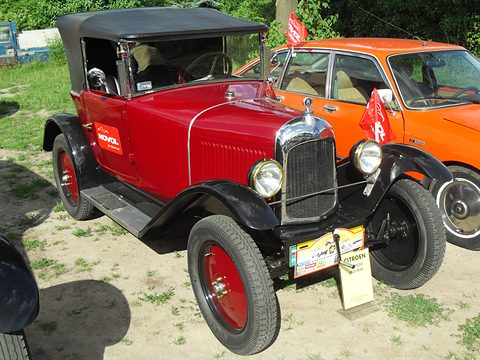
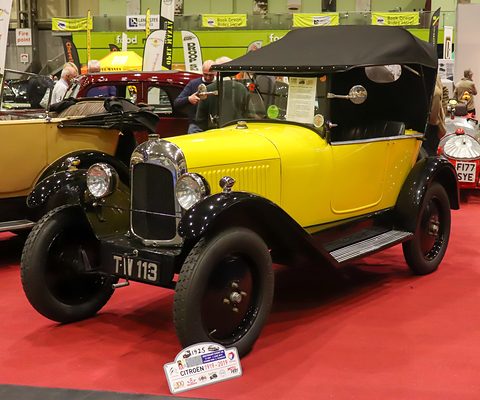
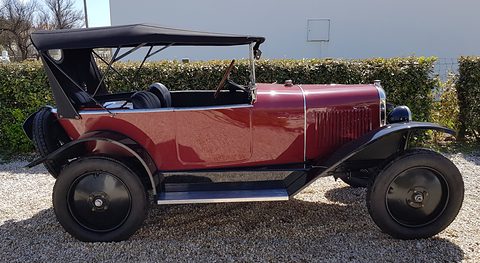
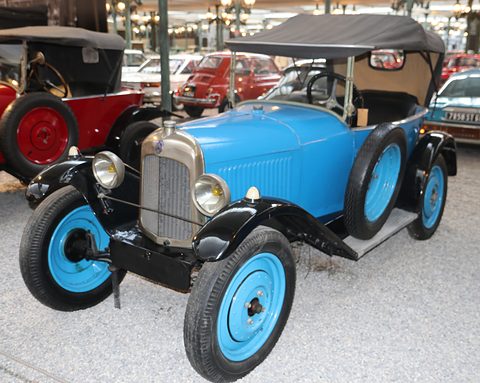
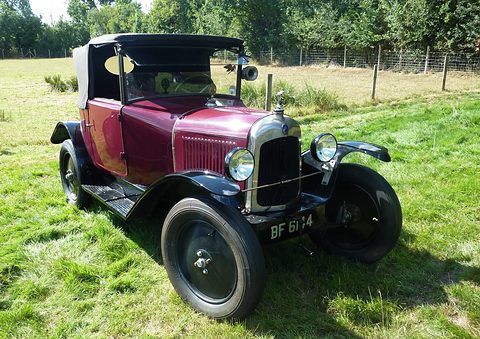
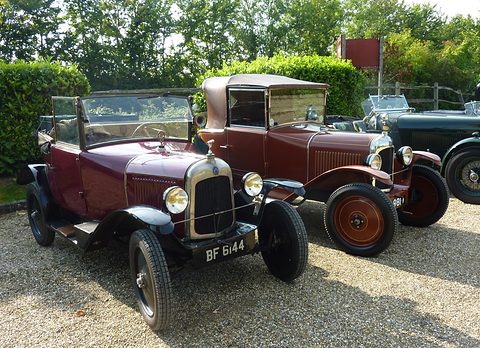
The car changed almost every year. After six months the coil ignition gave way to a magneto, which was more reliable. A Cabriolet with wind-down windows came in March 1923; collectors call it the “Coupé Docteur”, a misnomer.source 1 In 1923 the price stood at 10,800 francs.source 2 From October 1923 every body sat on the C3 chassis, 100 mm longer, and two new ones joined the range: a three-seater with a folding seat at the front, of which 8,000 were built, and a delivery car for 125 kg, of which 1,083 were made.source 1 In June 1924 Michelin’s low-pressure balloon tyres became standard, which did much for the grip and the ride.source 1
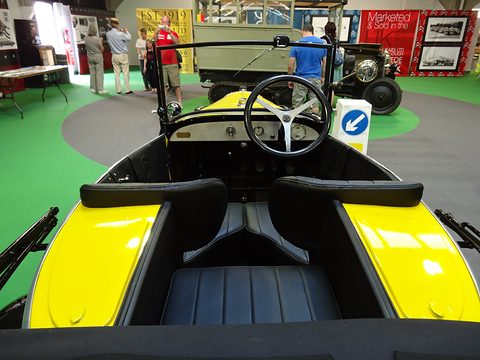
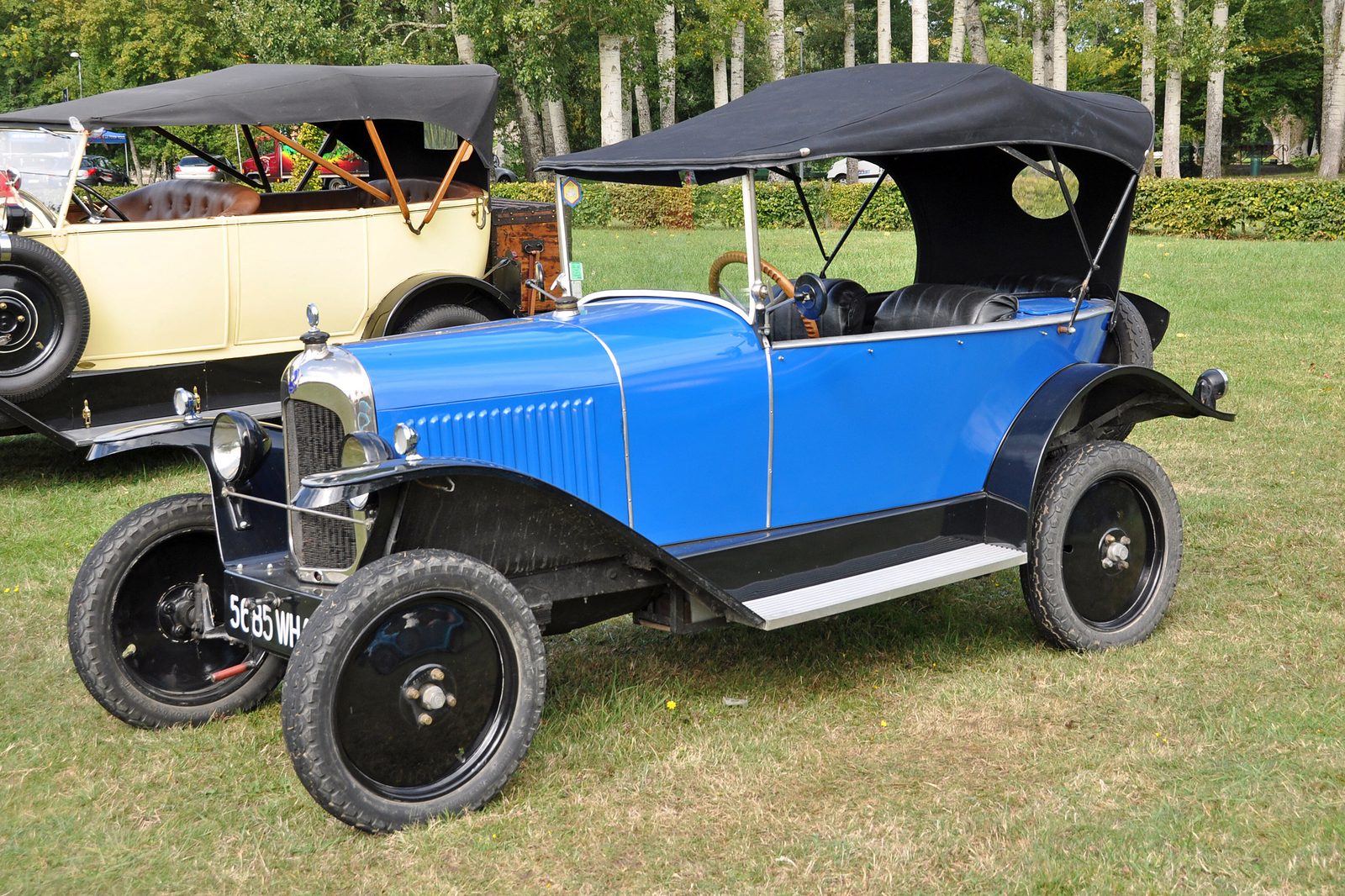
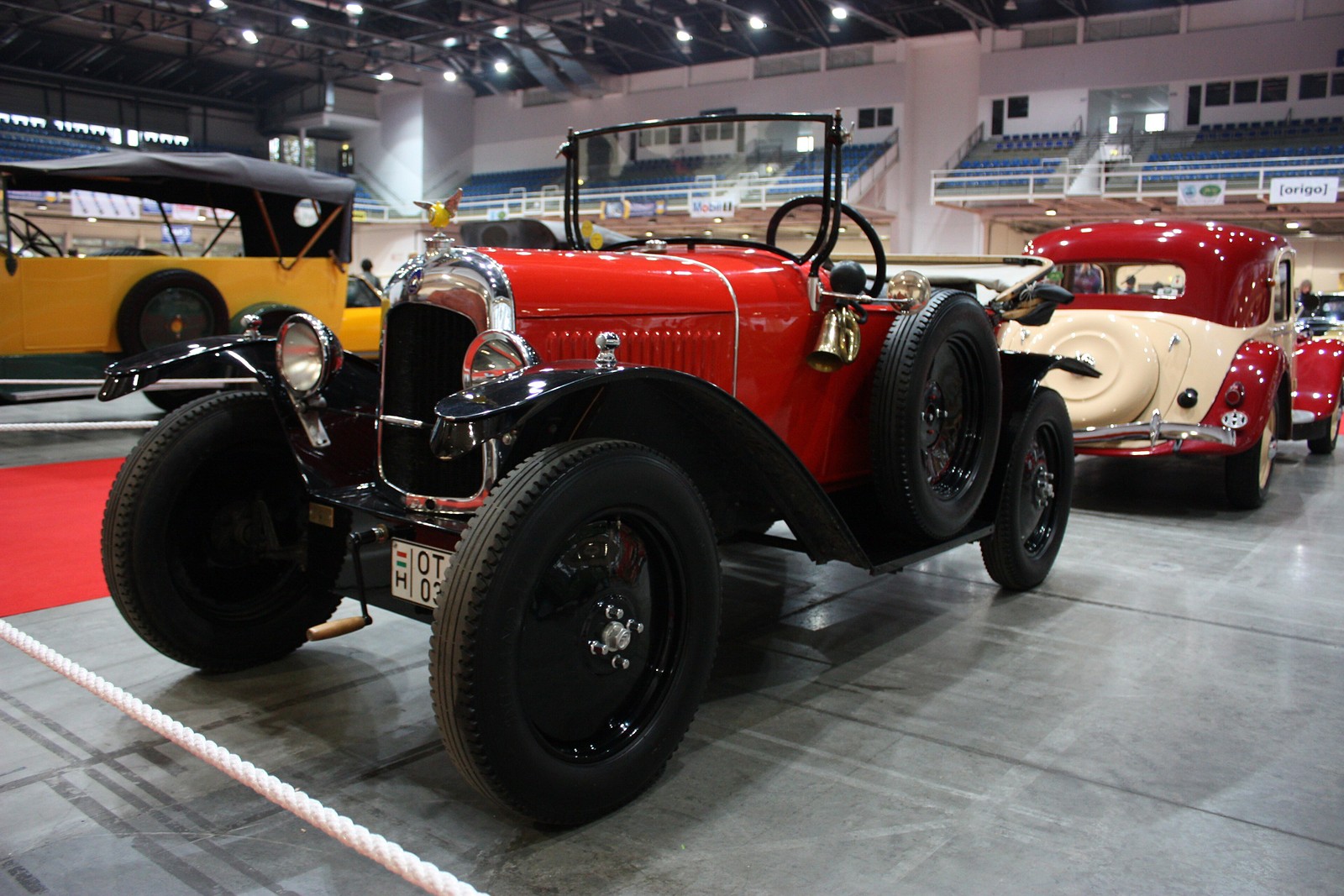
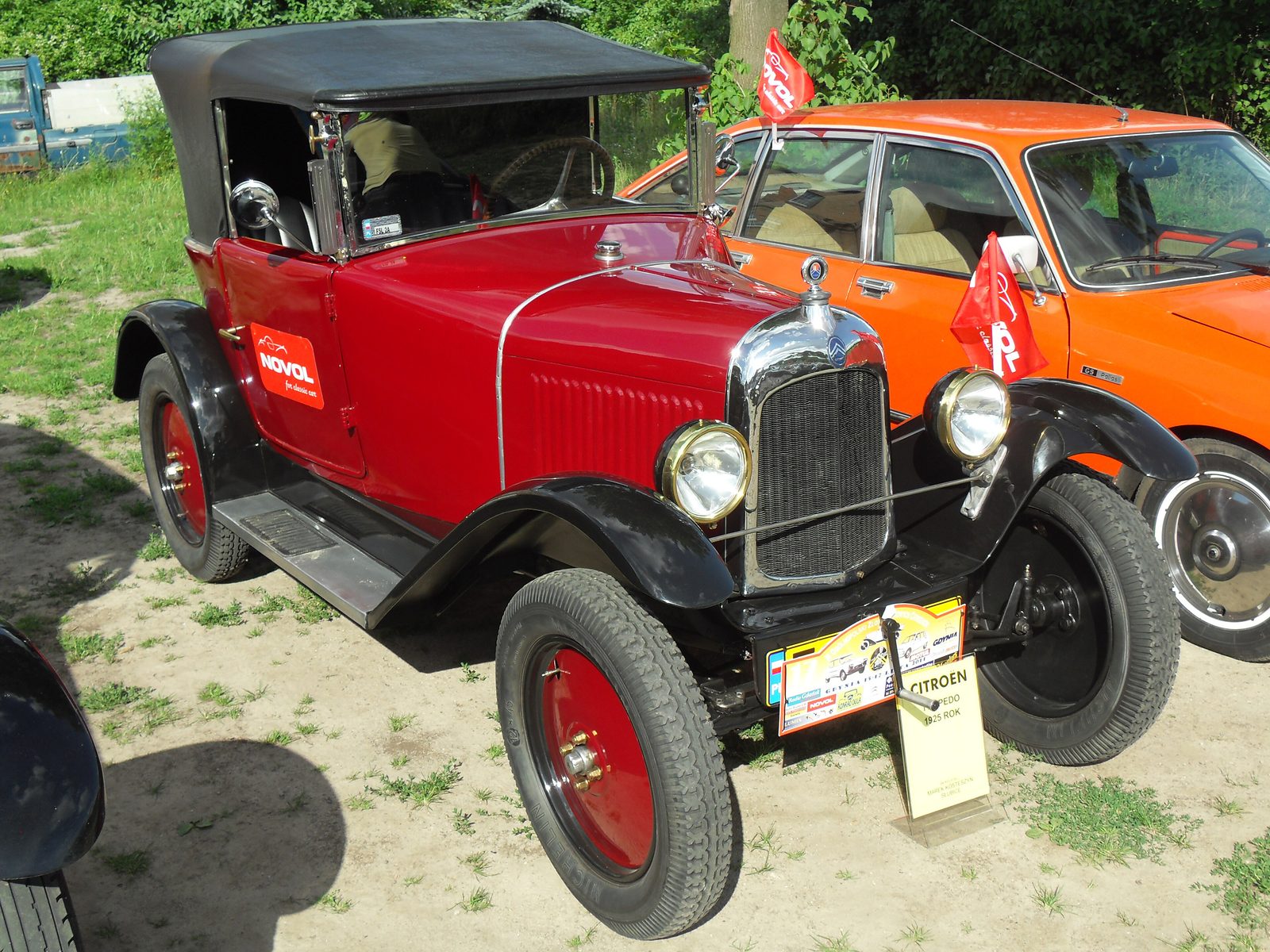
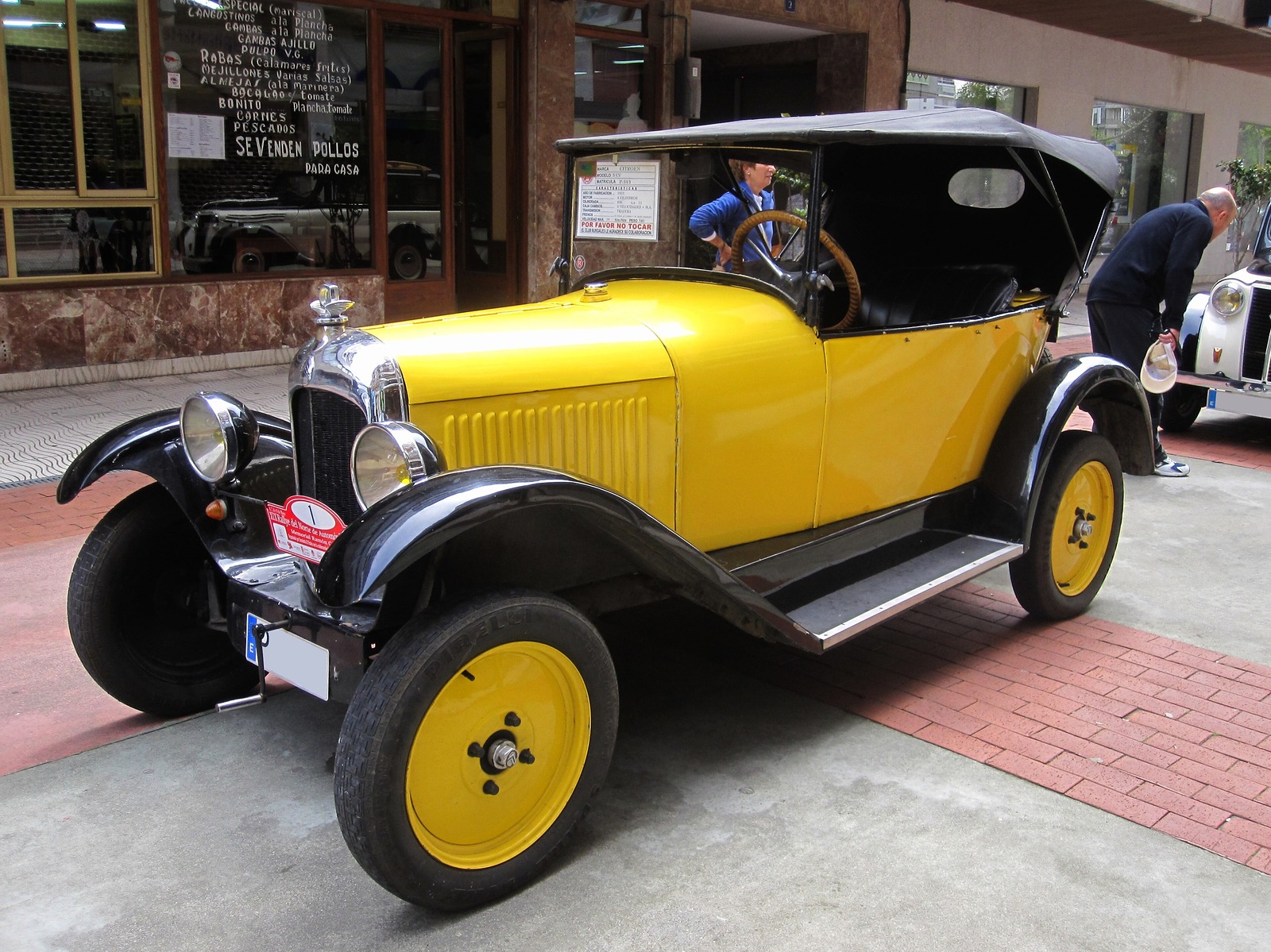
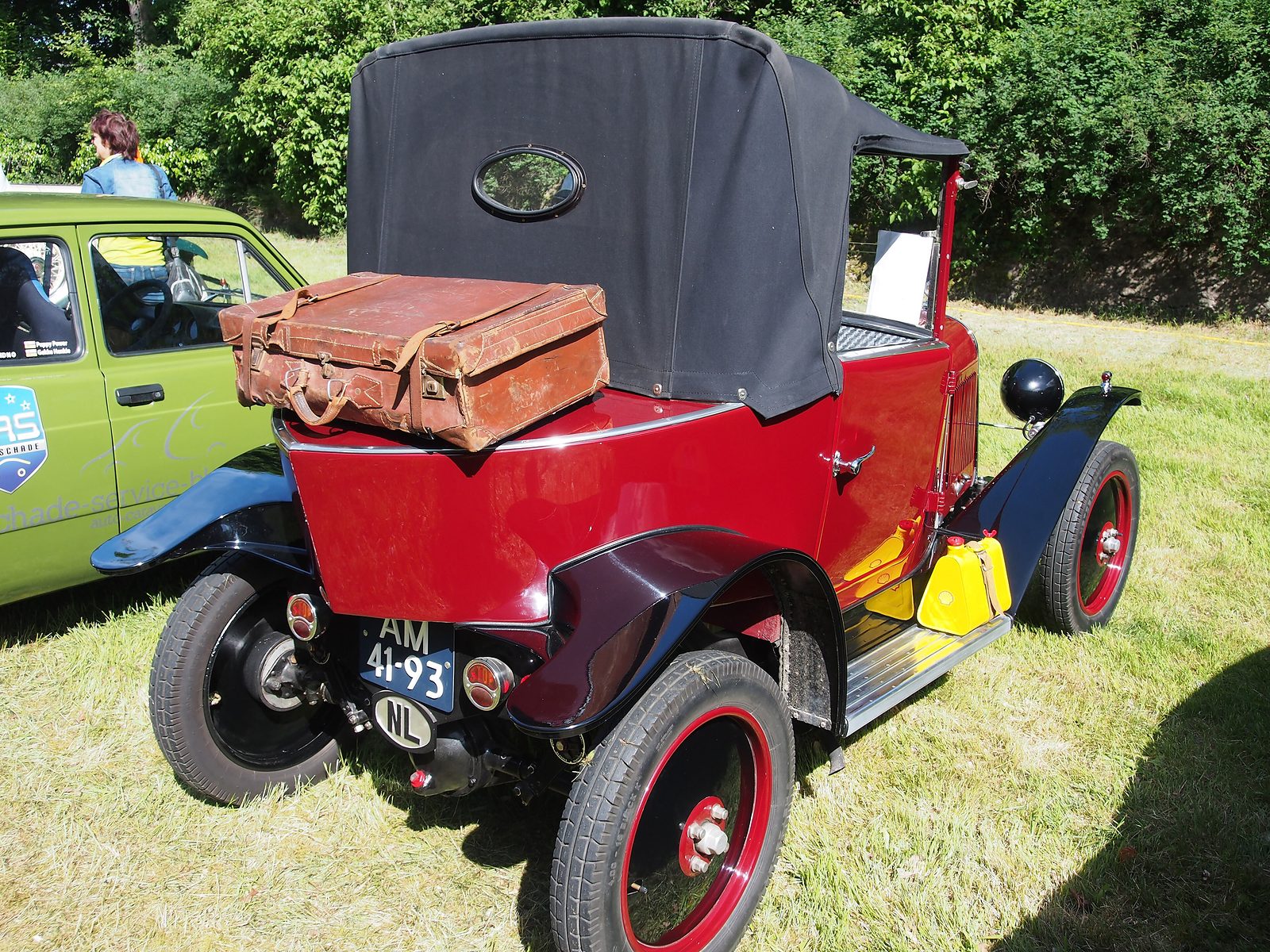
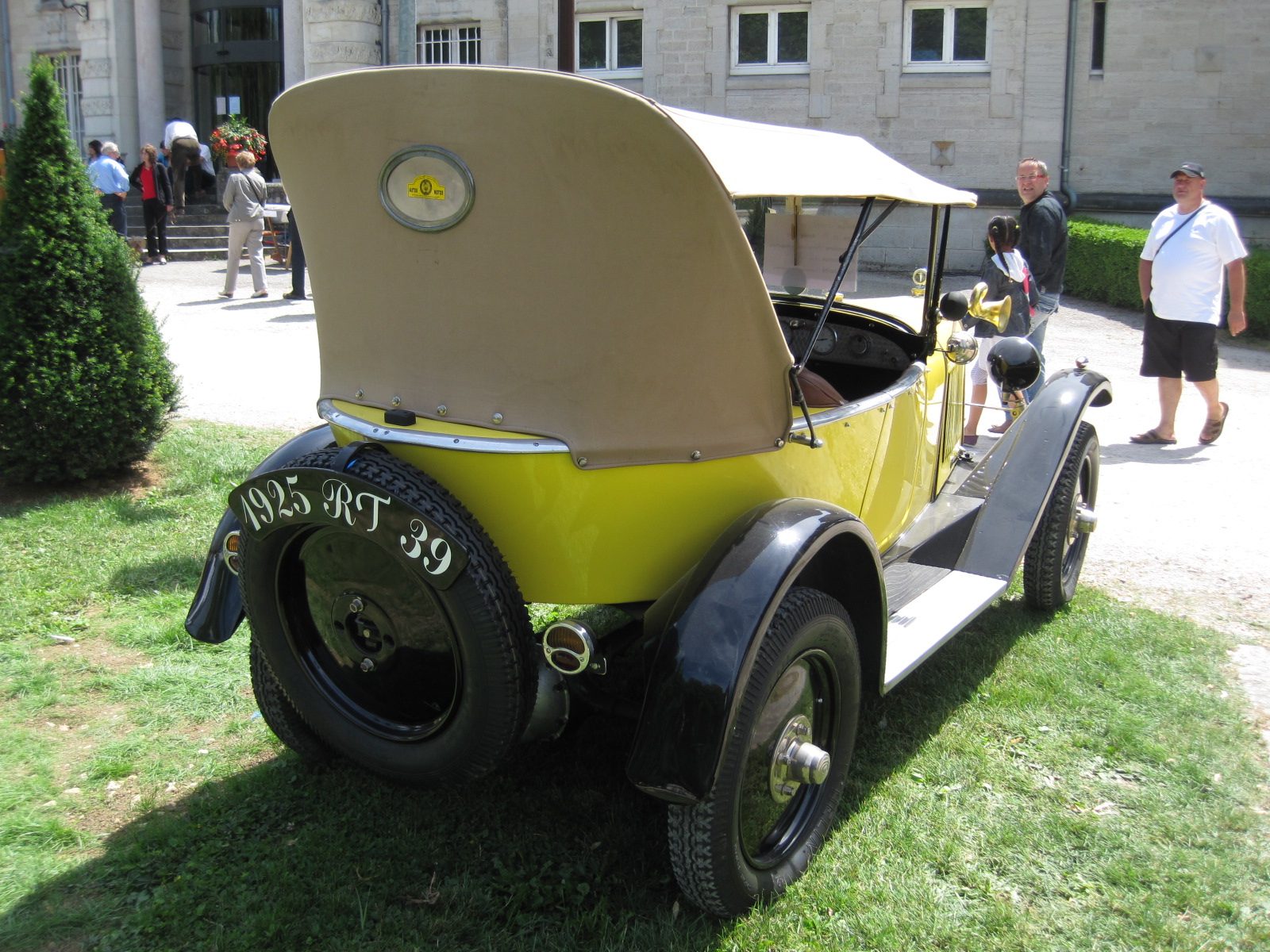
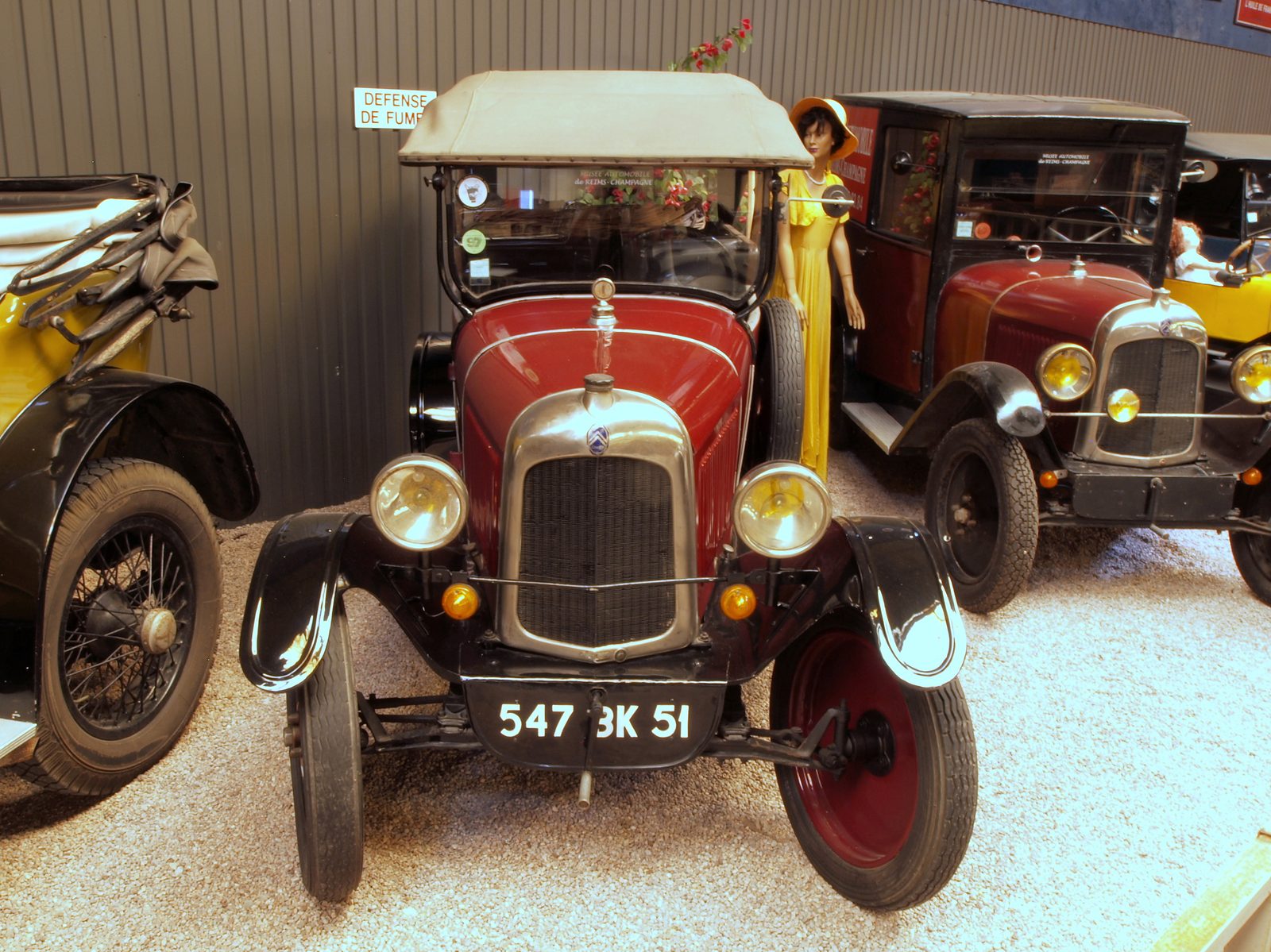
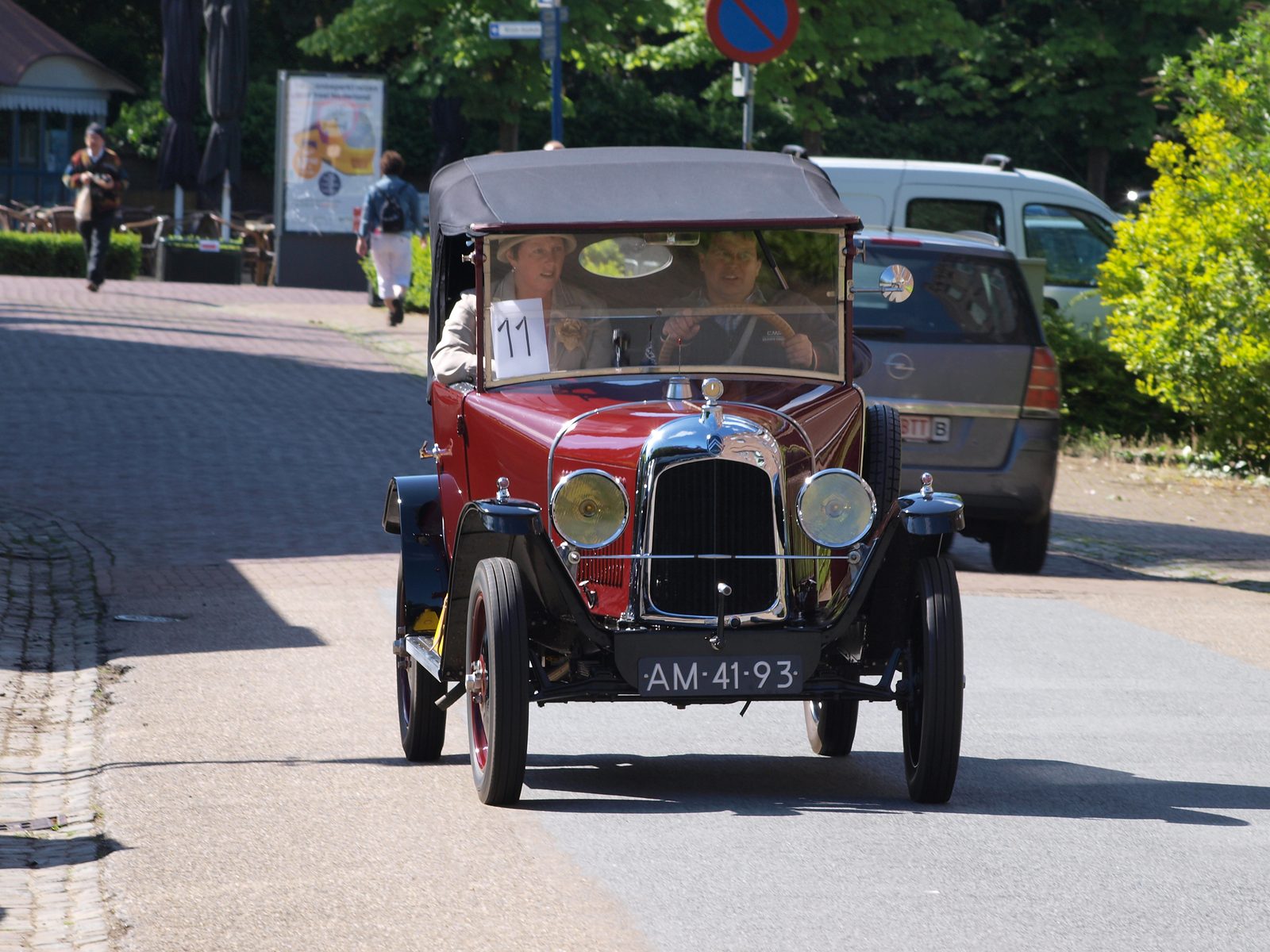
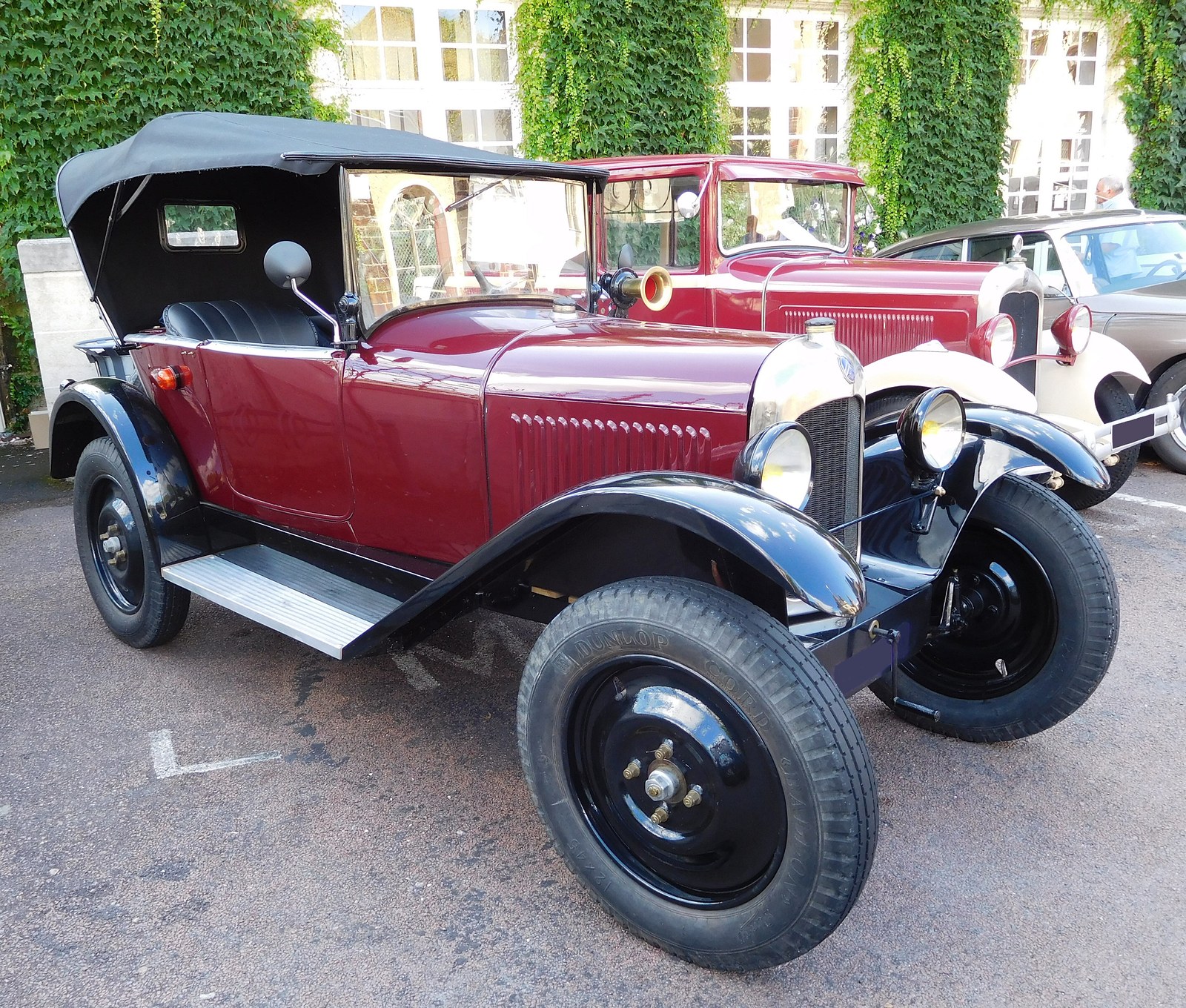
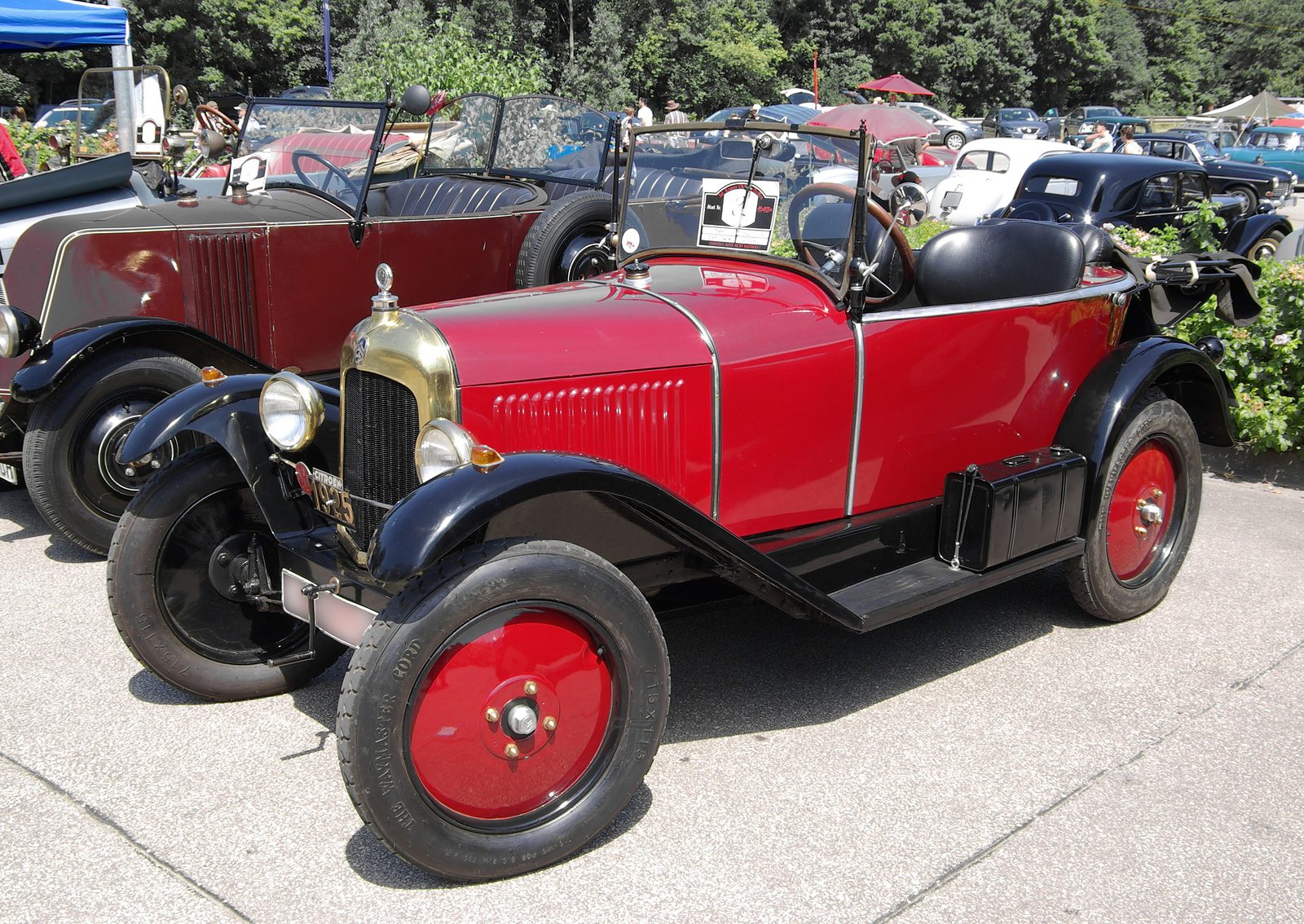
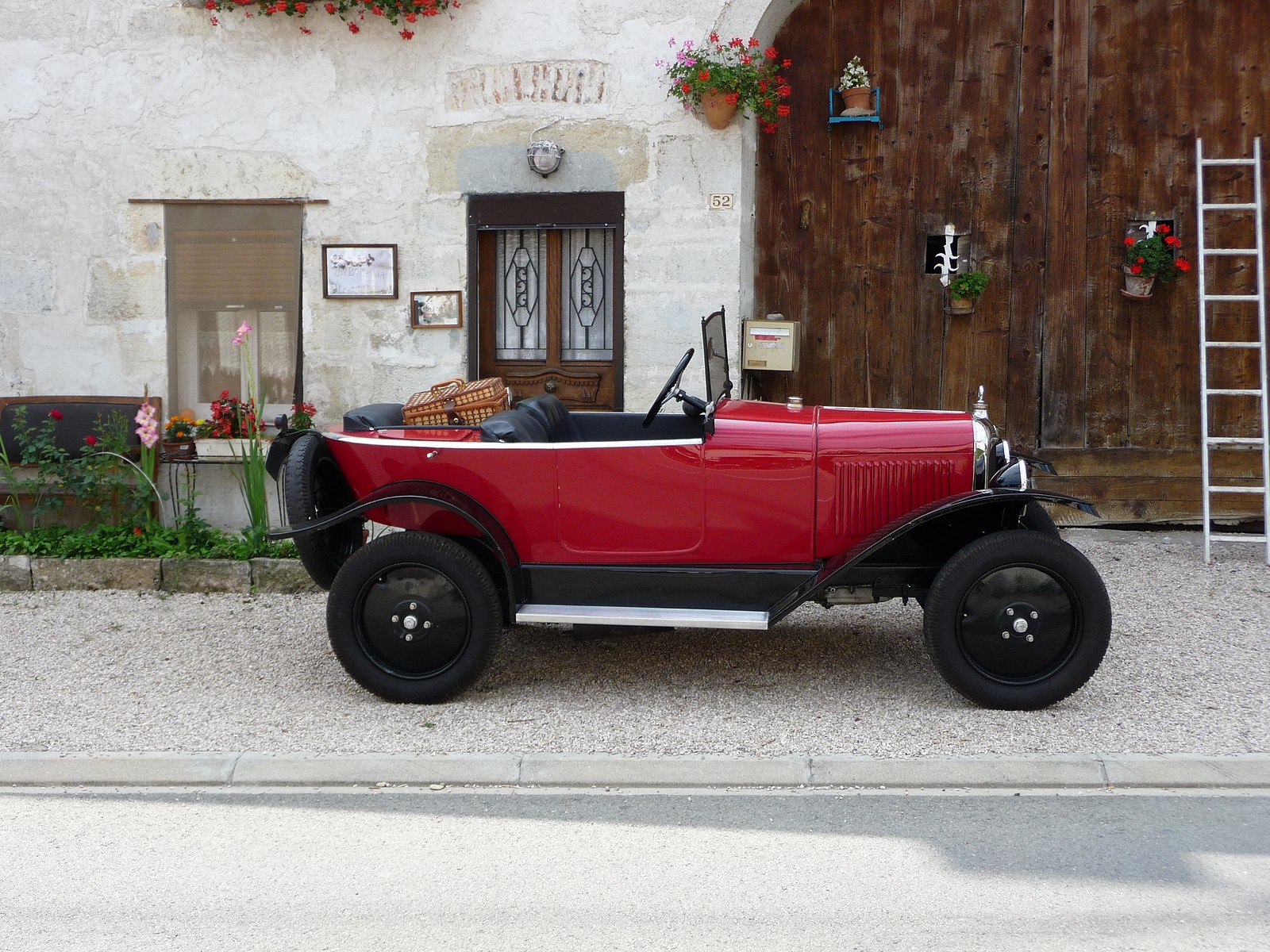
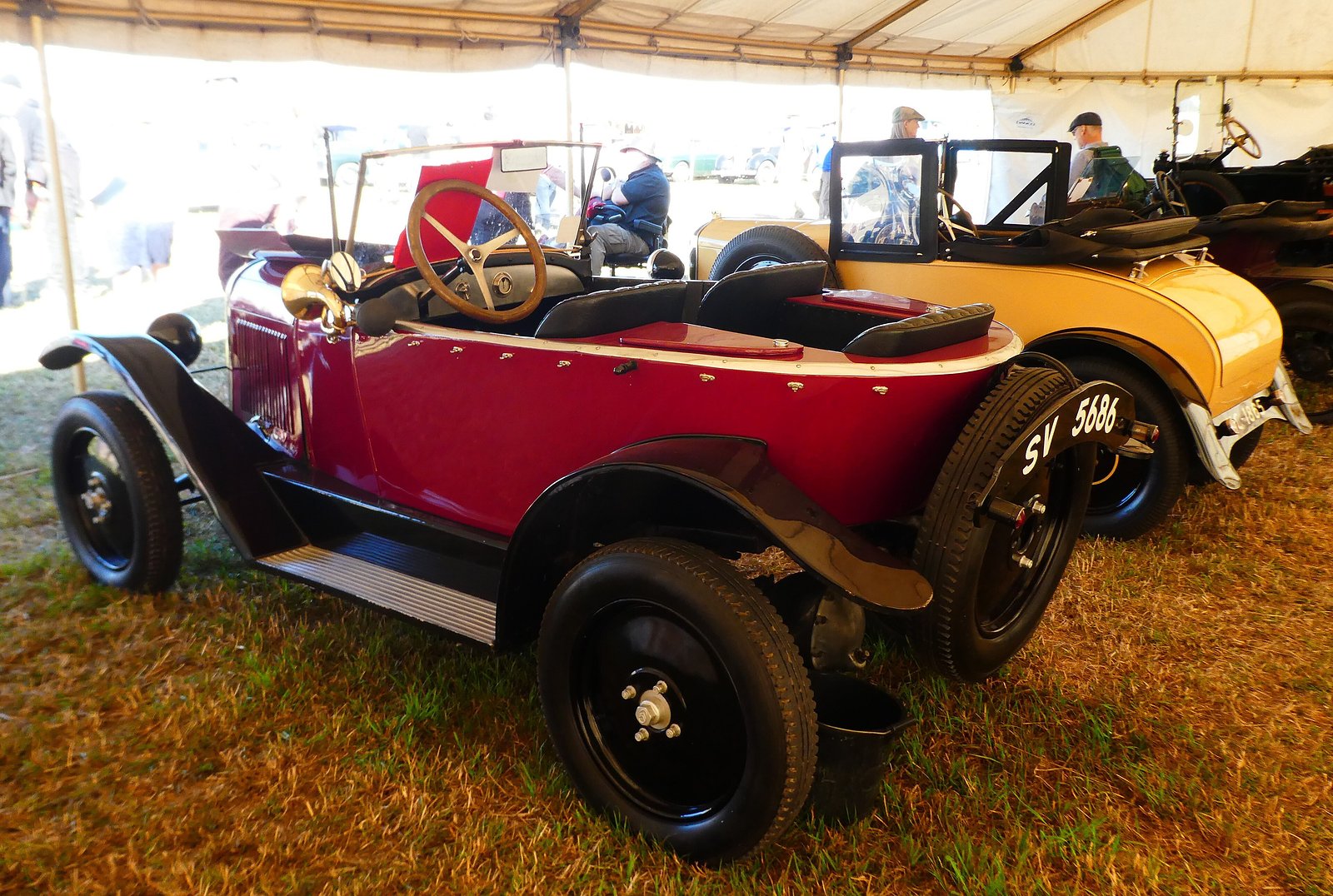
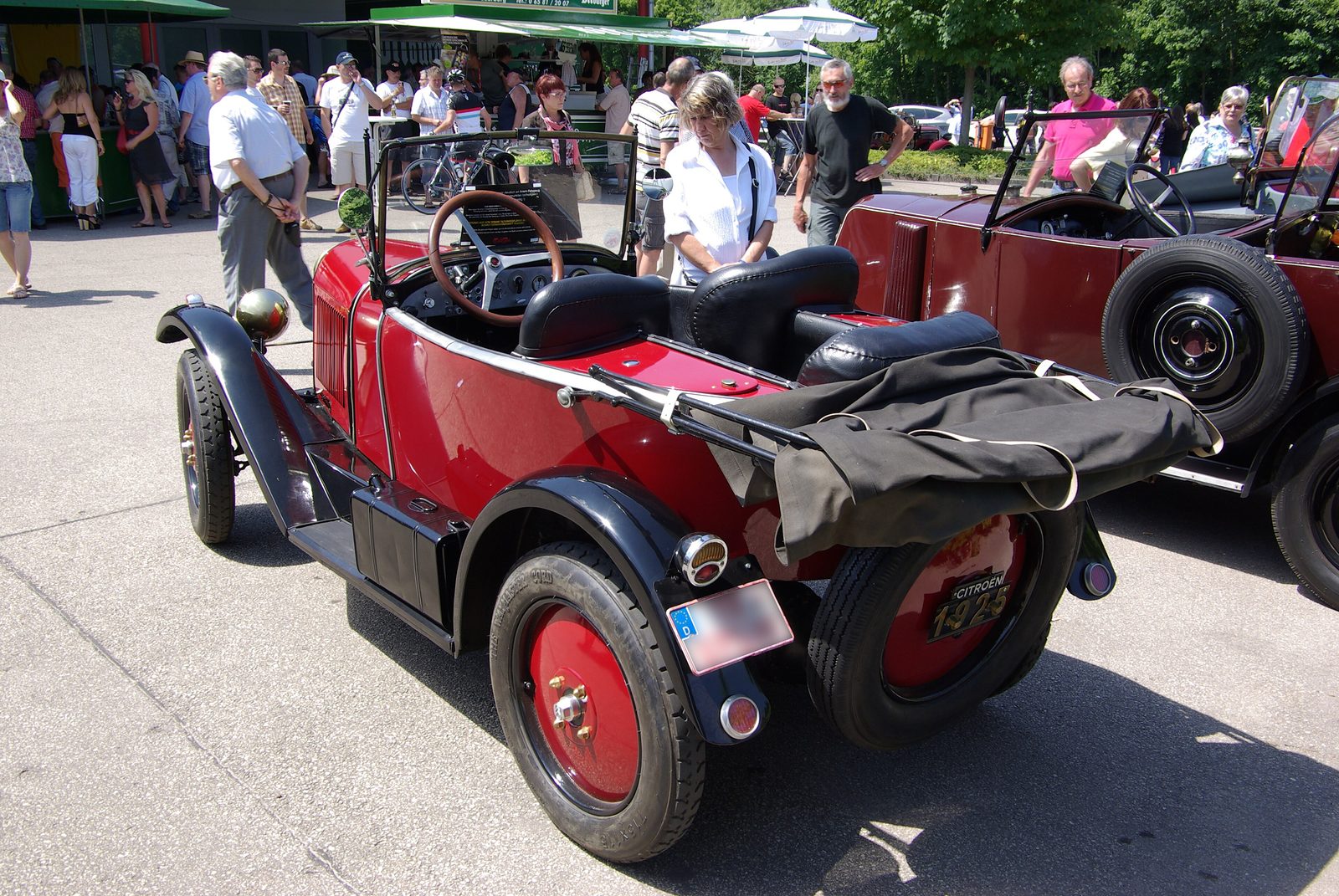
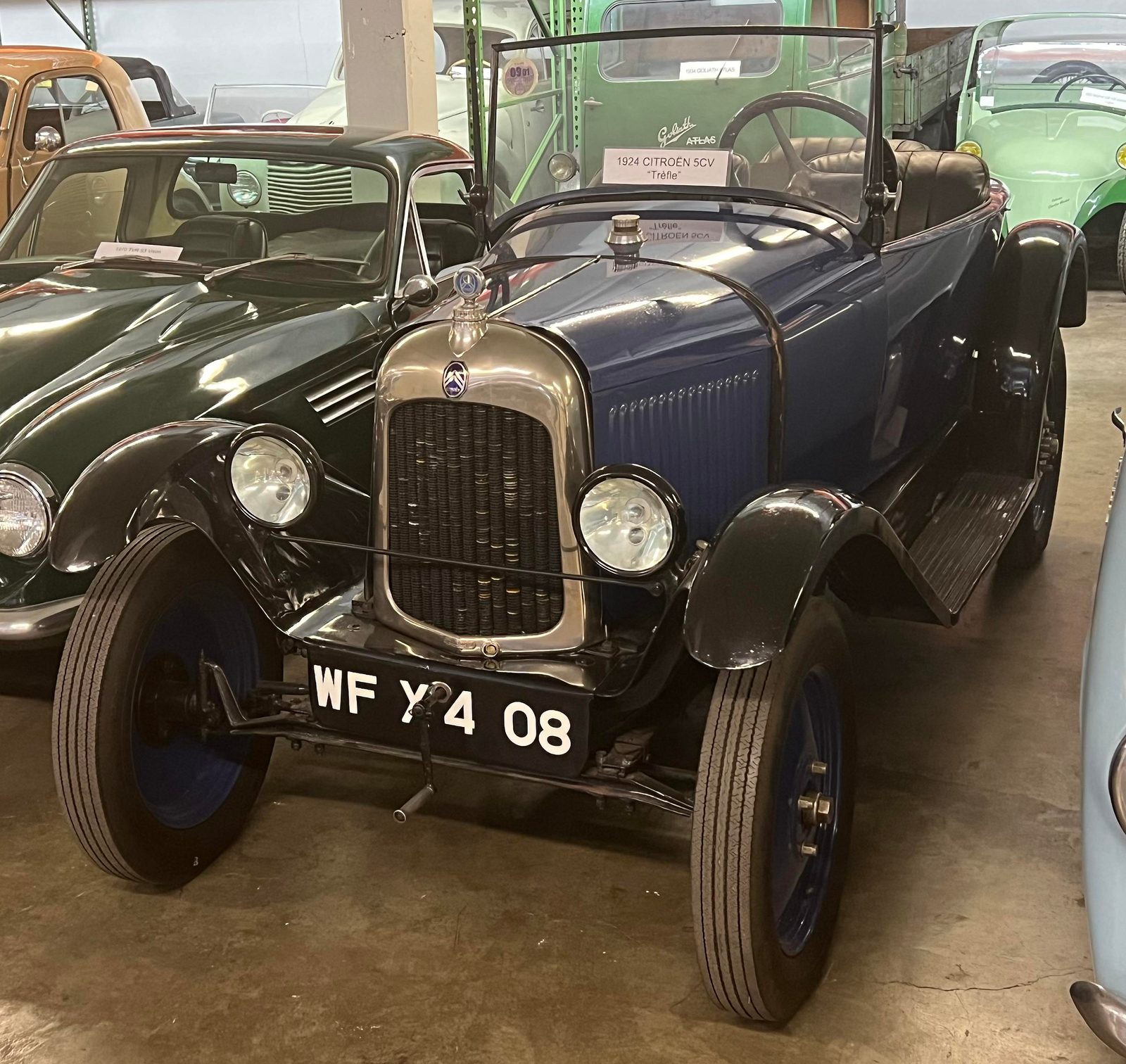
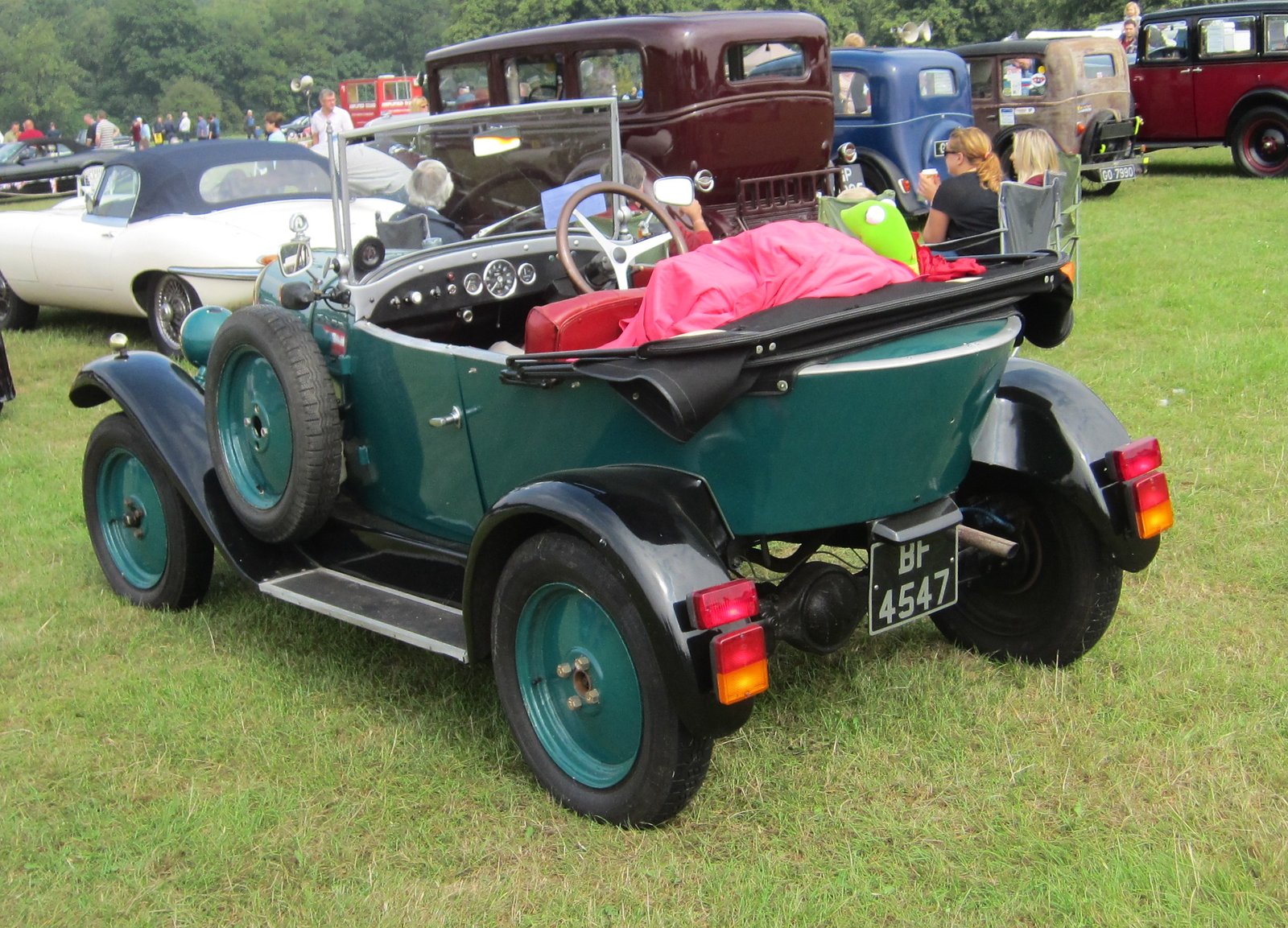
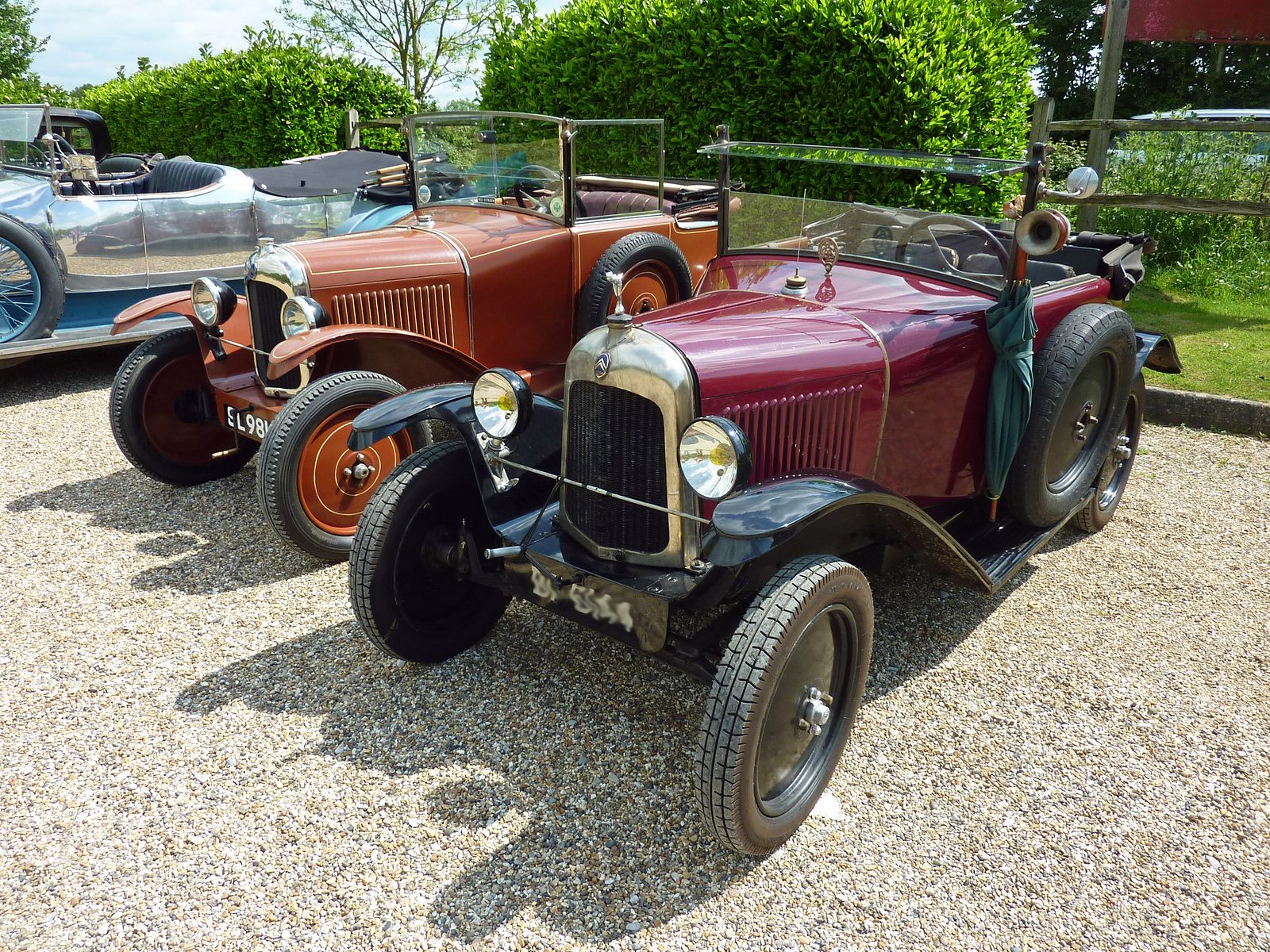
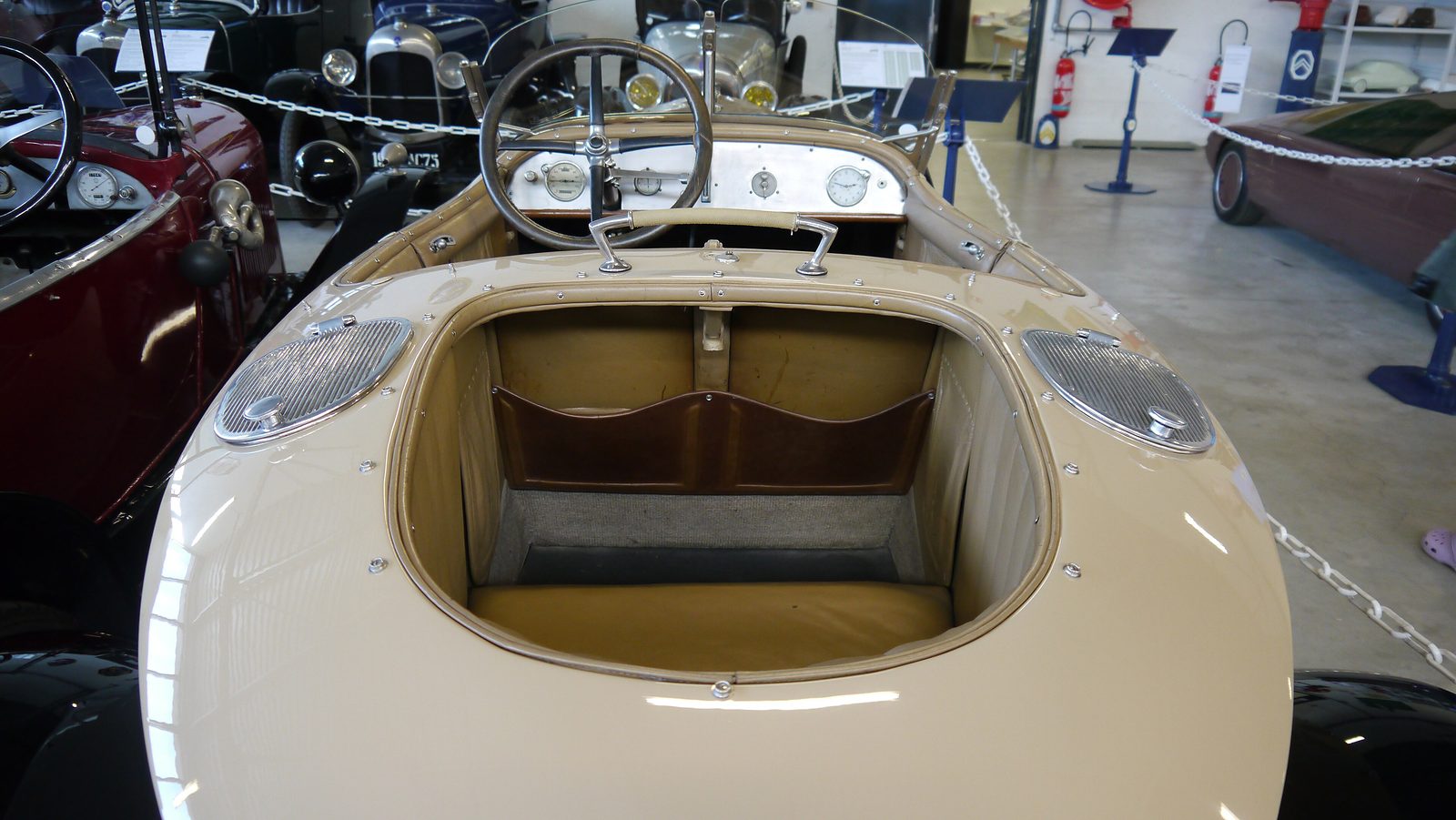
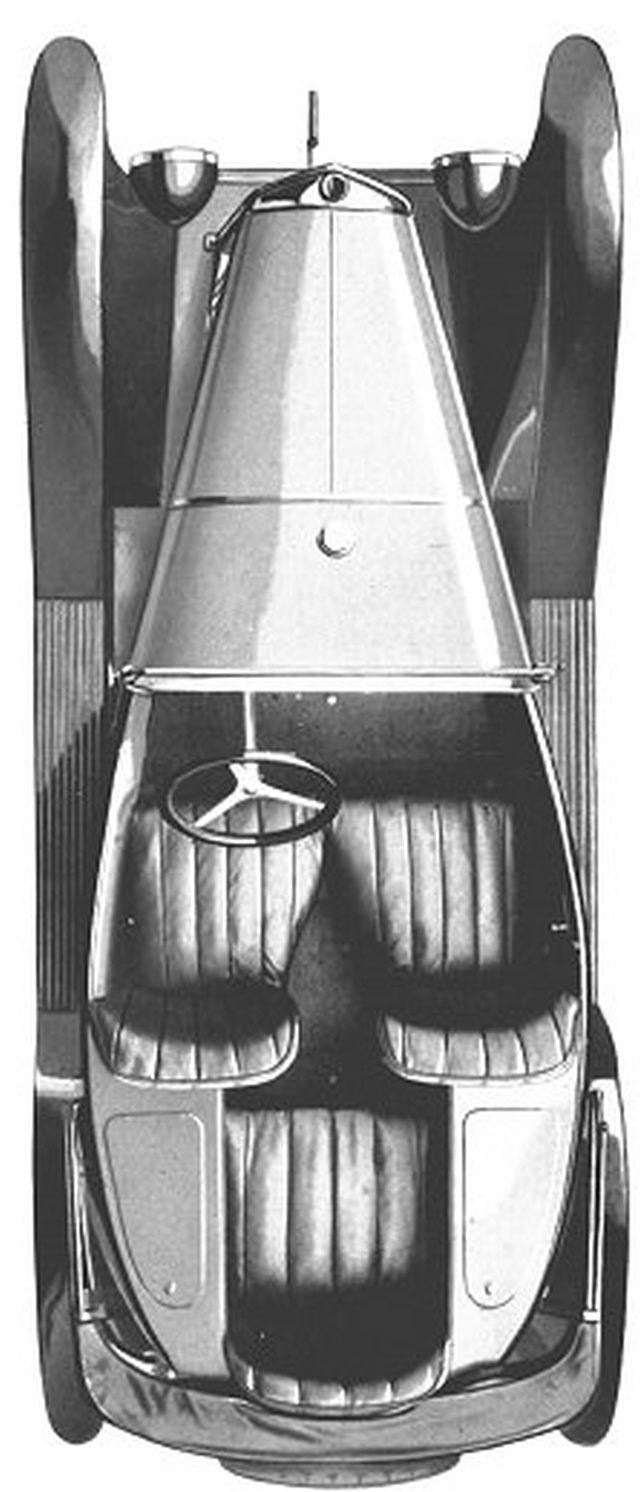
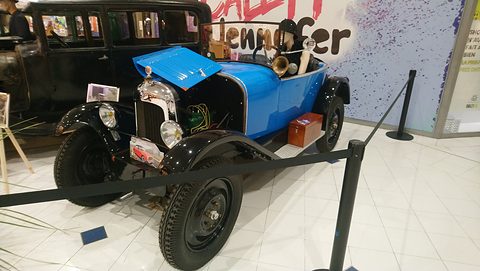
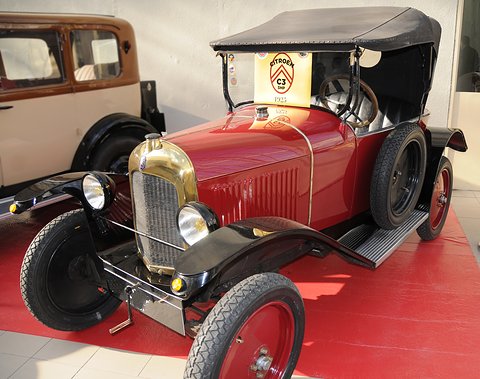
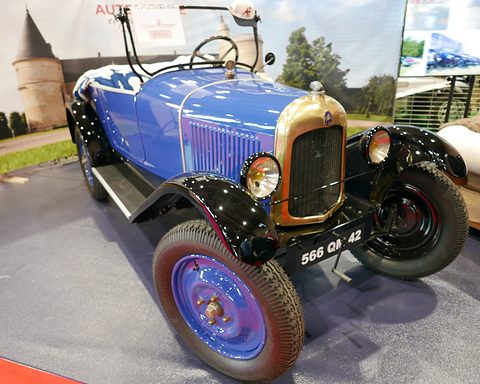
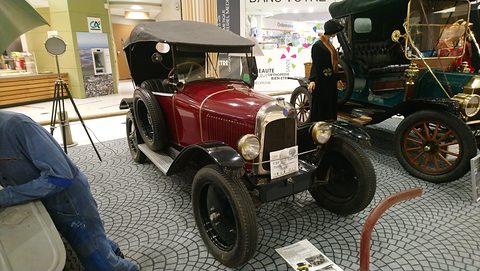
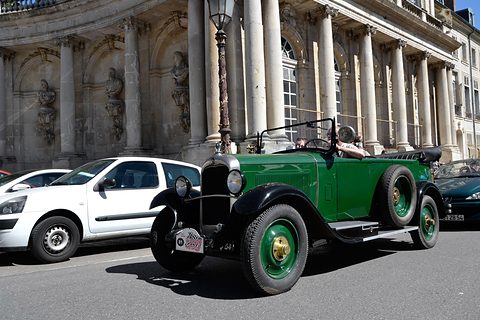
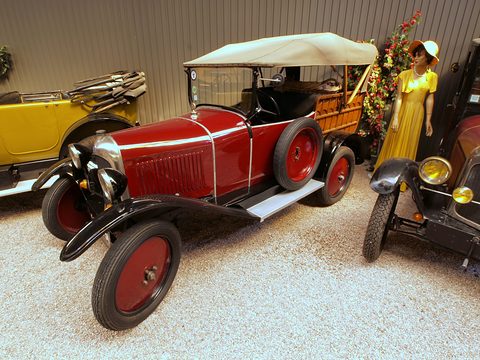
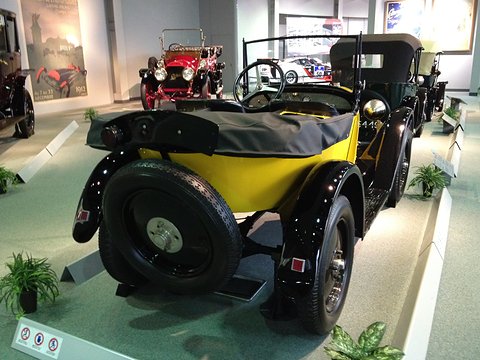
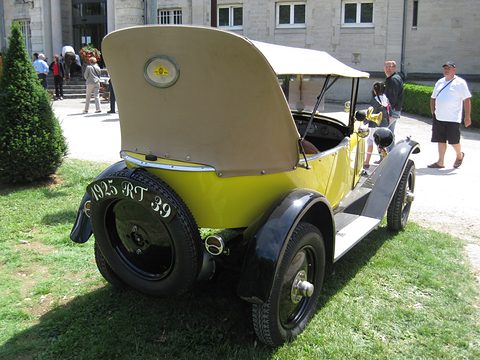
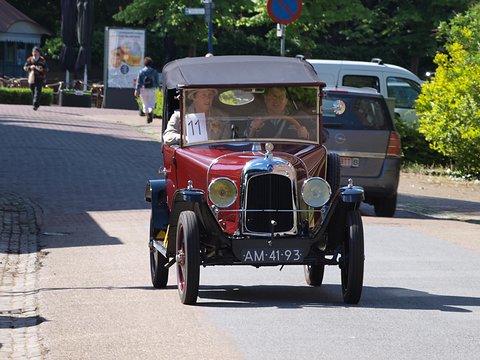
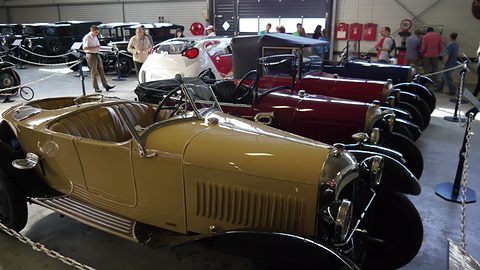
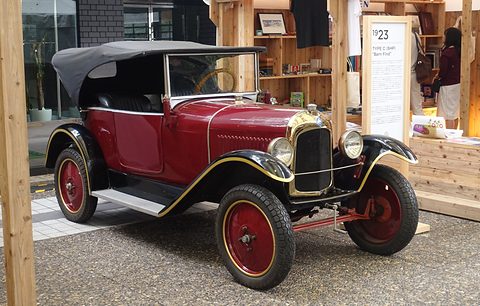
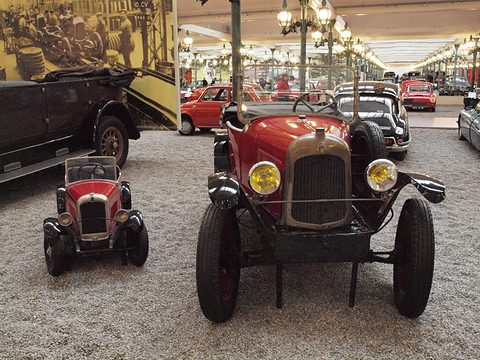
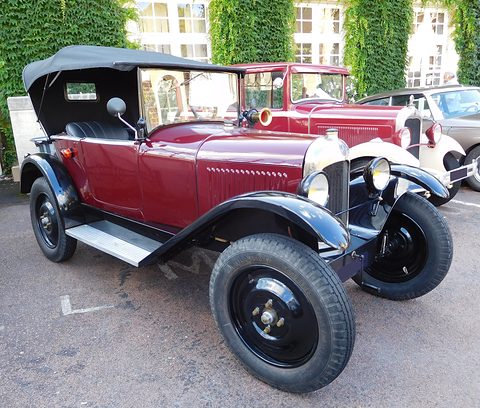
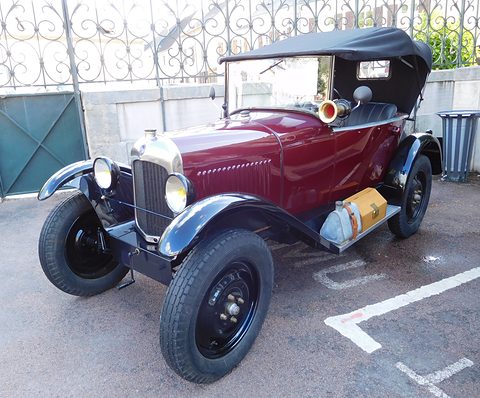
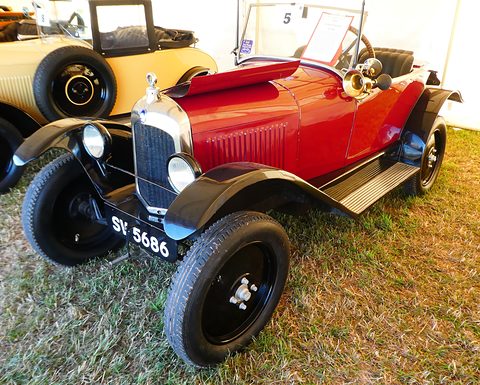
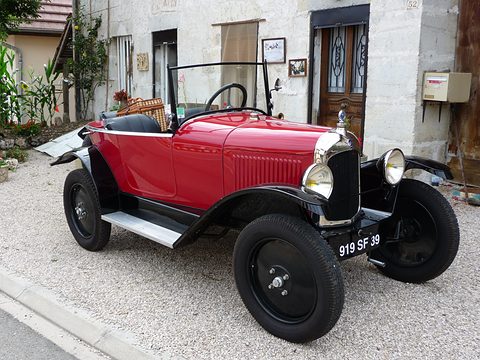
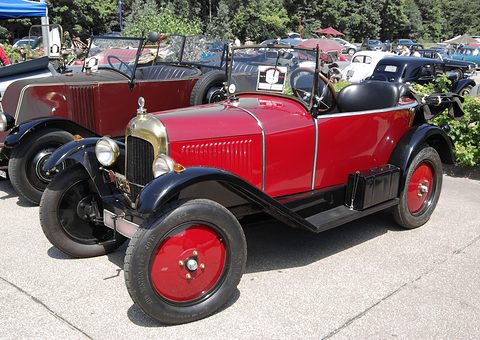
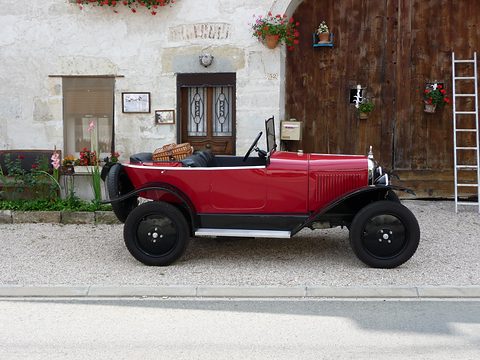
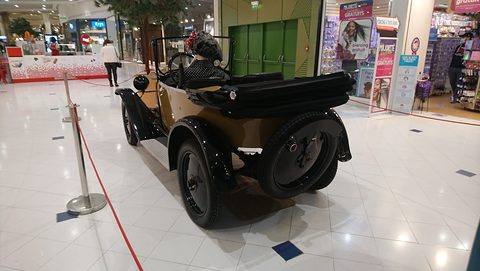
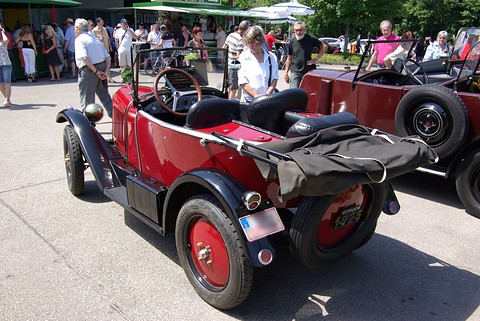
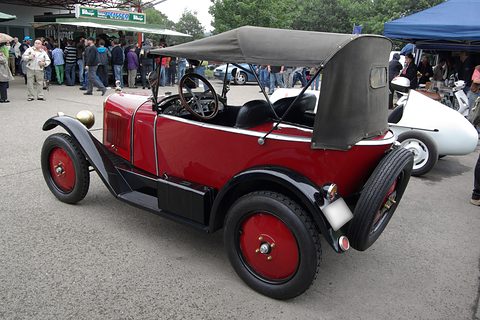
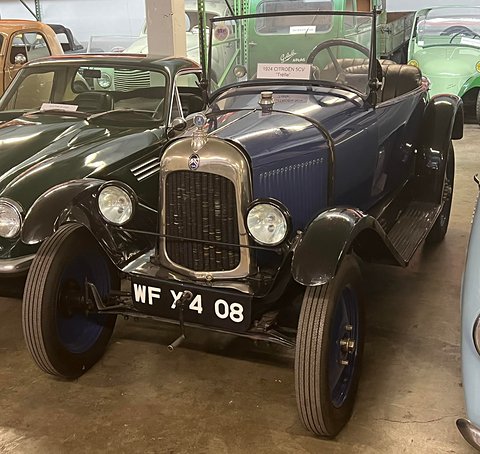
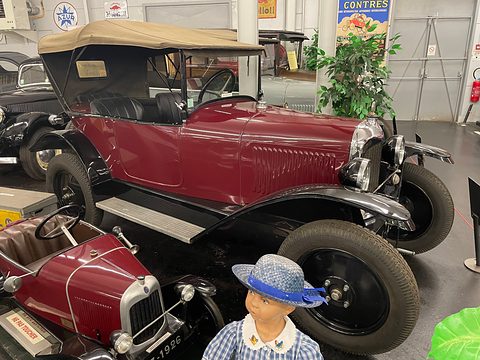
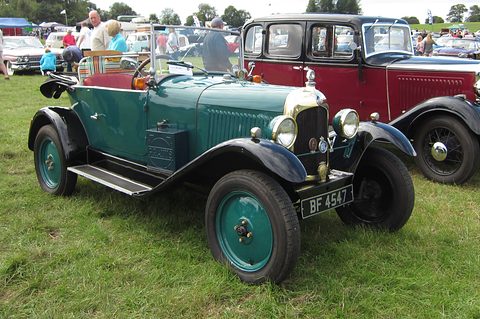
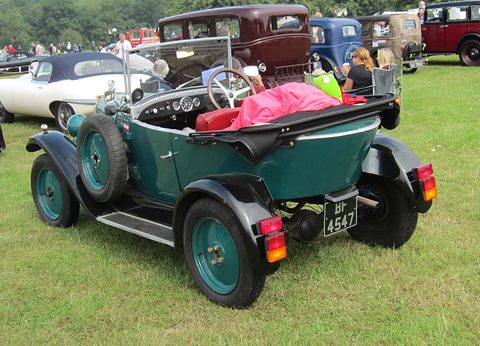
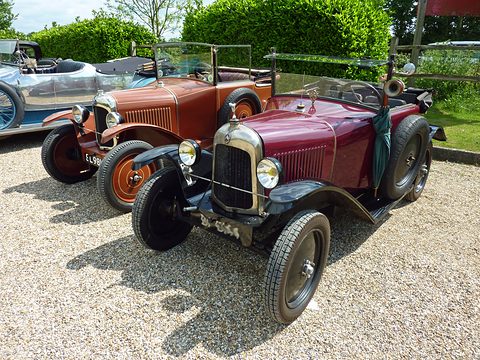
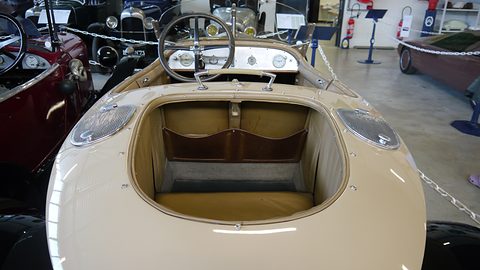
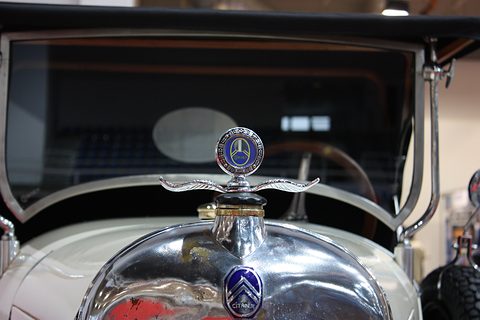
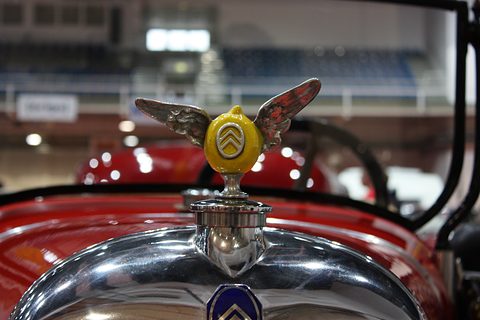
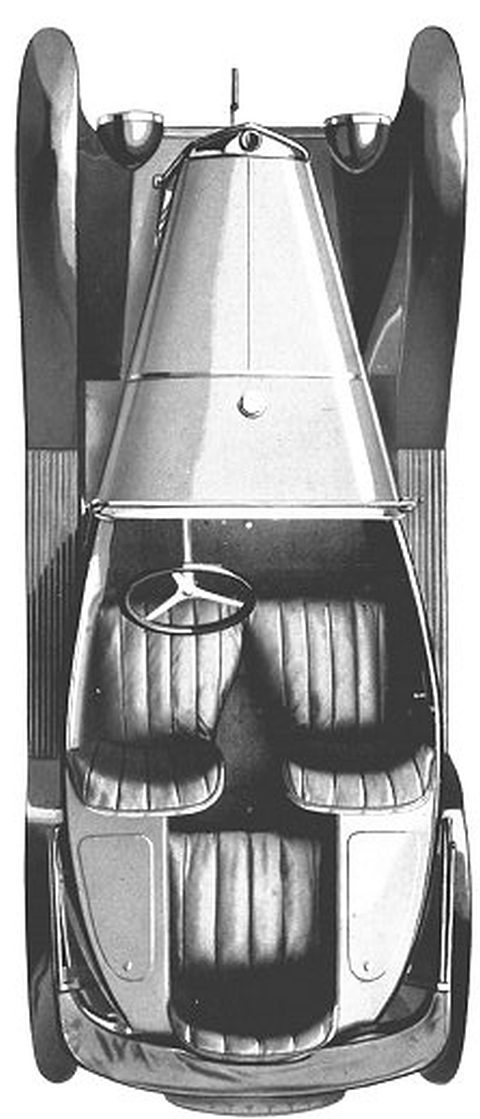
In October 1924 came the version the car is remembered for, the Trèfle. Its third seat was at the back, in the middle, with its passenger’s legs between the two front seats, so that from above the three made a cloverleaf.source 4source 1source 2 The Lane museum, which owns a 1924 Trèfle, puts its production at 20,000 to 30,000, more than 10,000 a year until the end, and its price at 10,700 francs.source 4 The earlier folding-seat car is known as the “faux Trèfle”.source 1 English Wikipedia warns that Citroën’s archives were destroyed in wartime, which let errors and legends about the type names spread.source 1
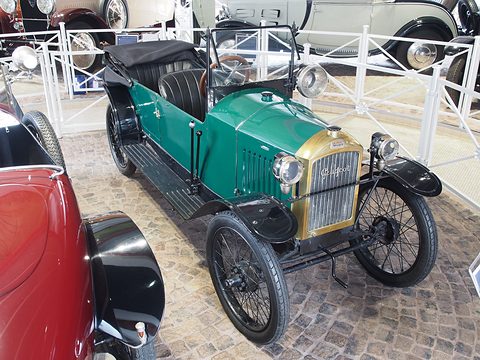
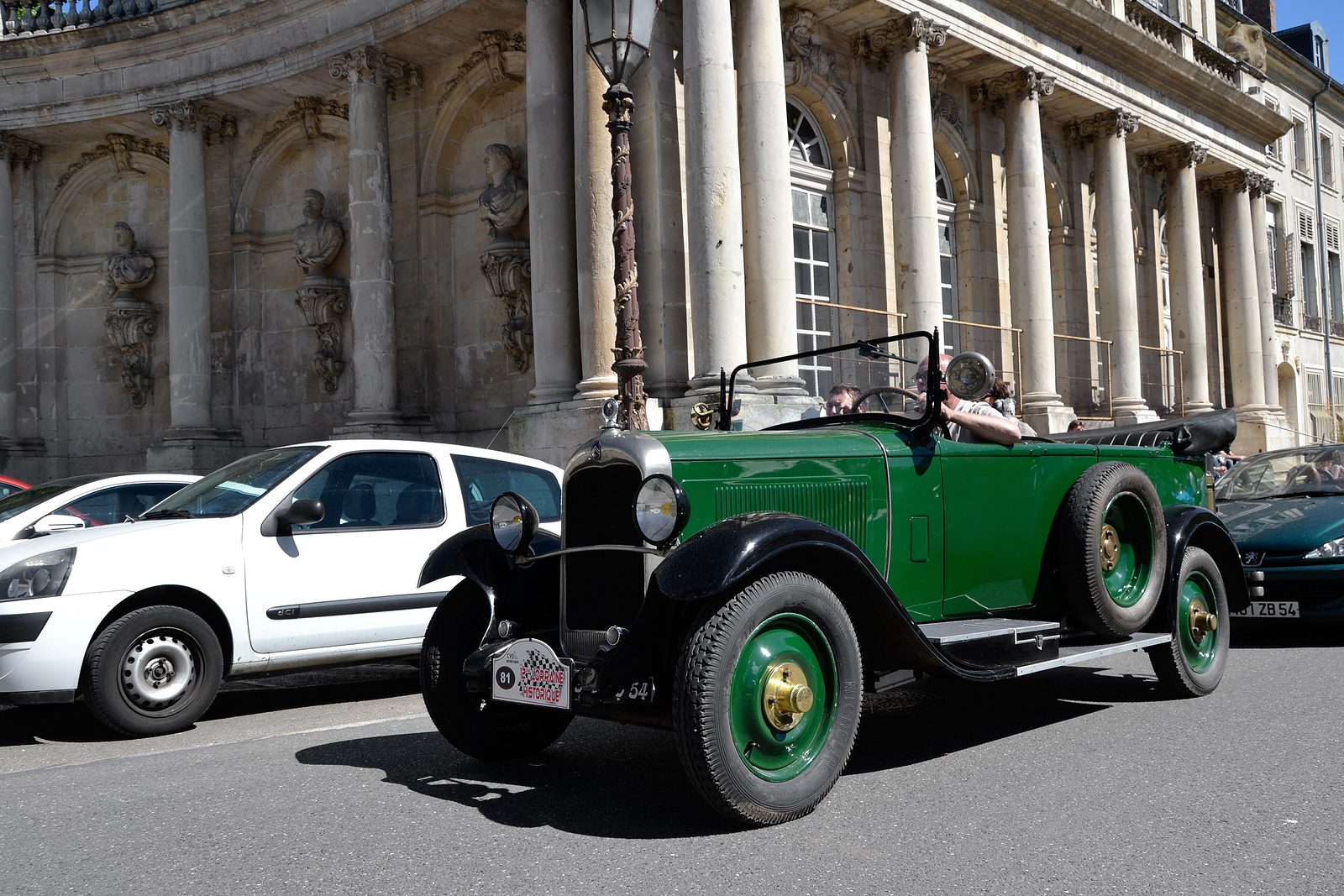
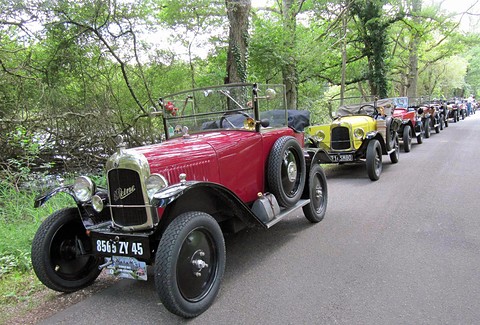
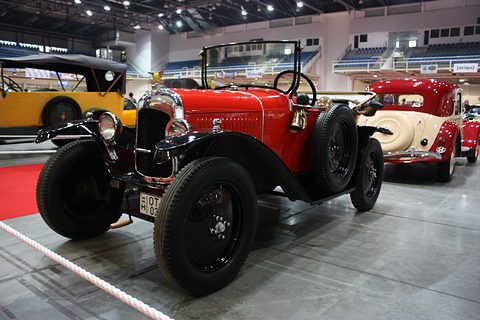
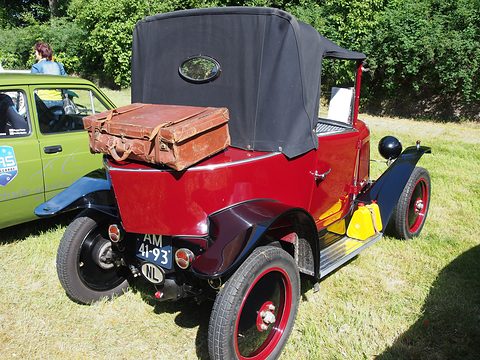
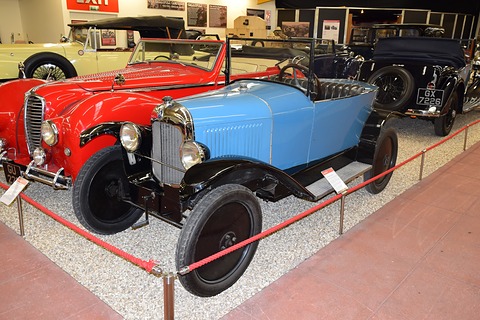
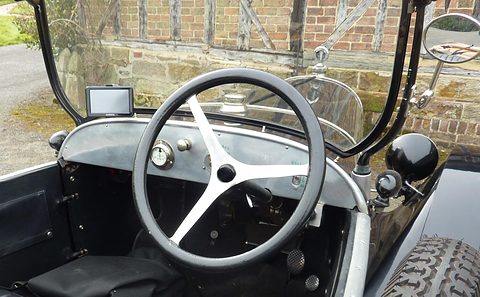
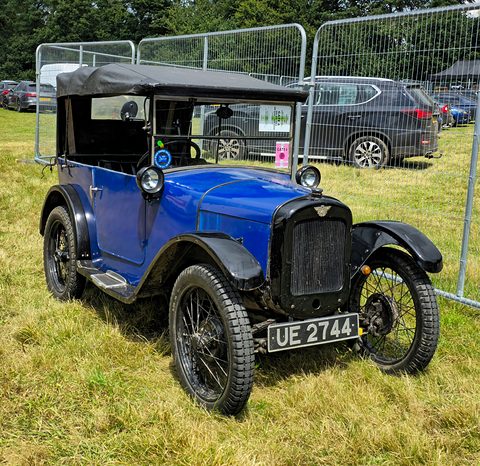
By 1924 about 30,000 5HPs a year were being built, half of Citroën’s sales.source 1 In 1925 France changed its unit of fiscal power from HP to CV, so the car became the 5CV.source 1 It was built with right-hand drive, for France and for export to Britain, the Commonwealth, Sweden, Argentina and Australia. In Britain it was sold as the 7.5HP, finished by the importer at Slough, where Citroën built a factory from 1925.source 1
At the wheel
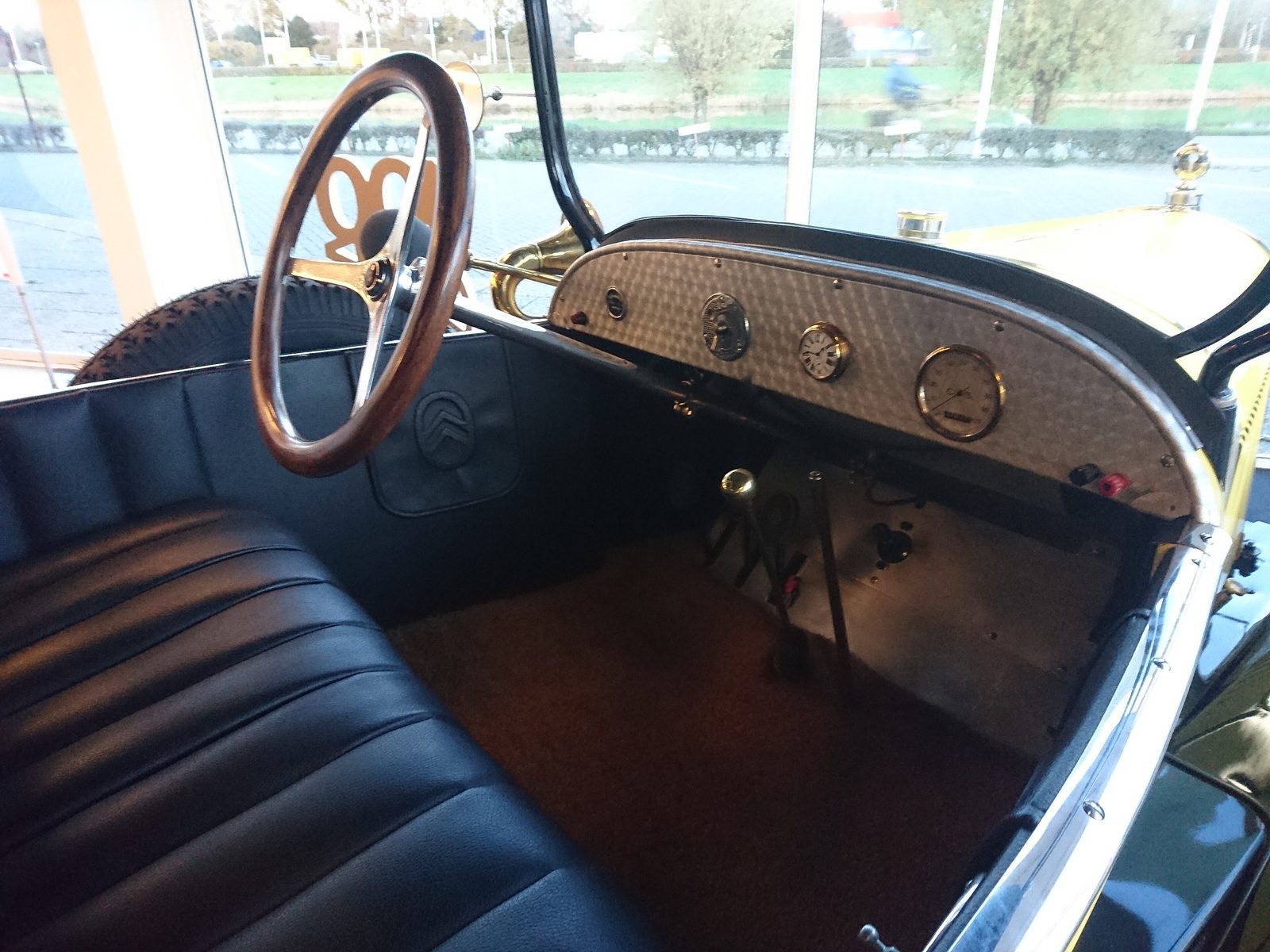
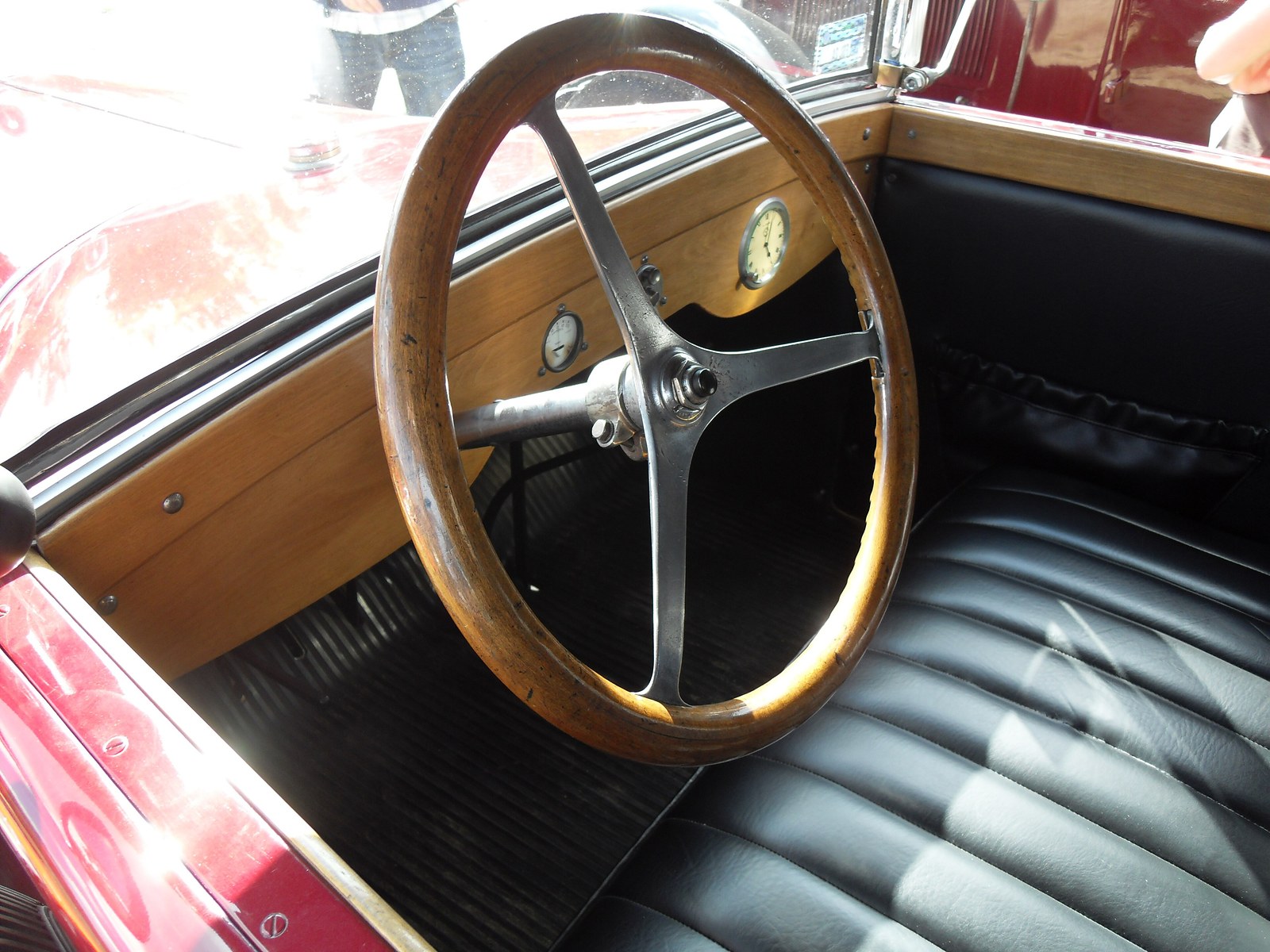
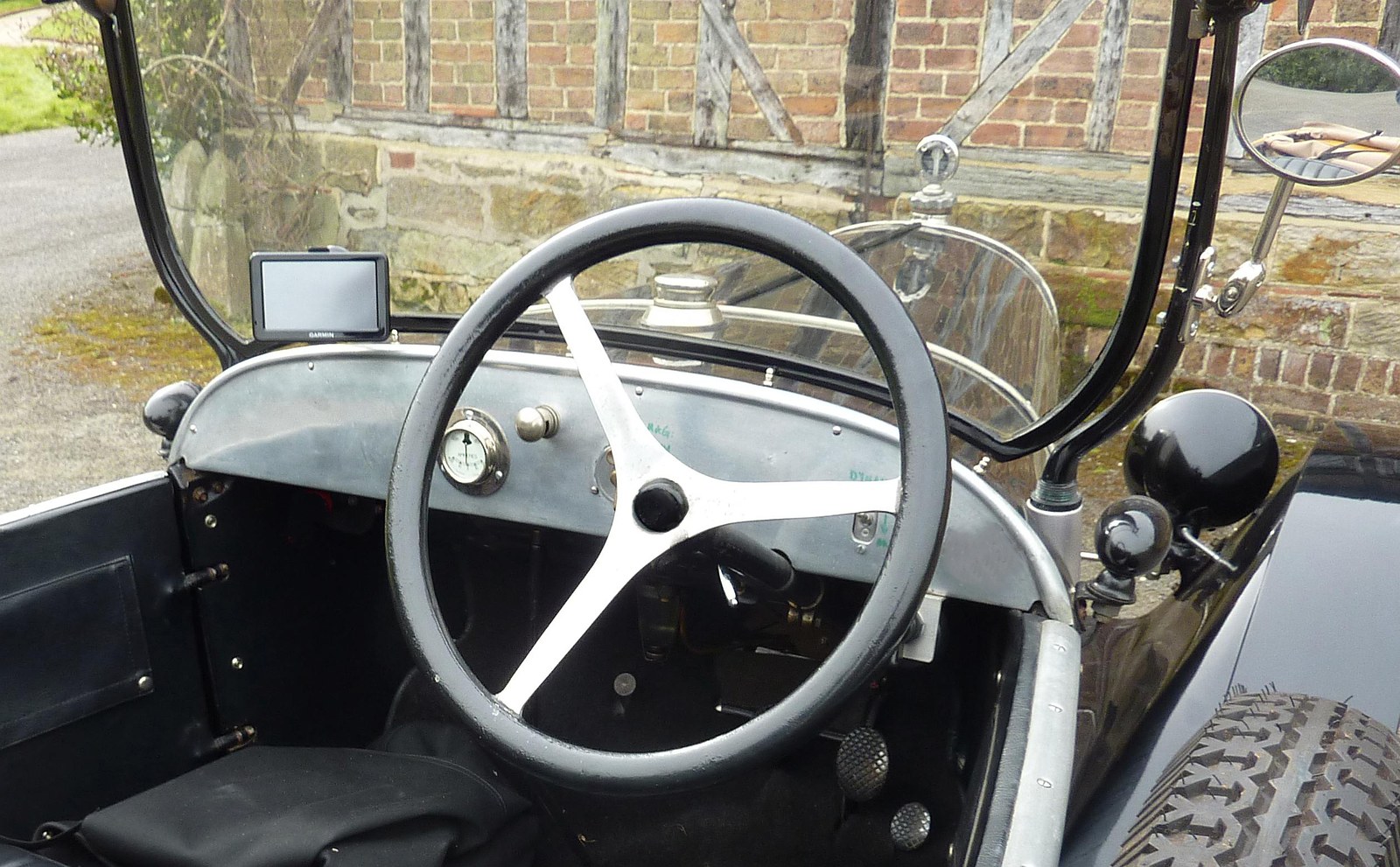
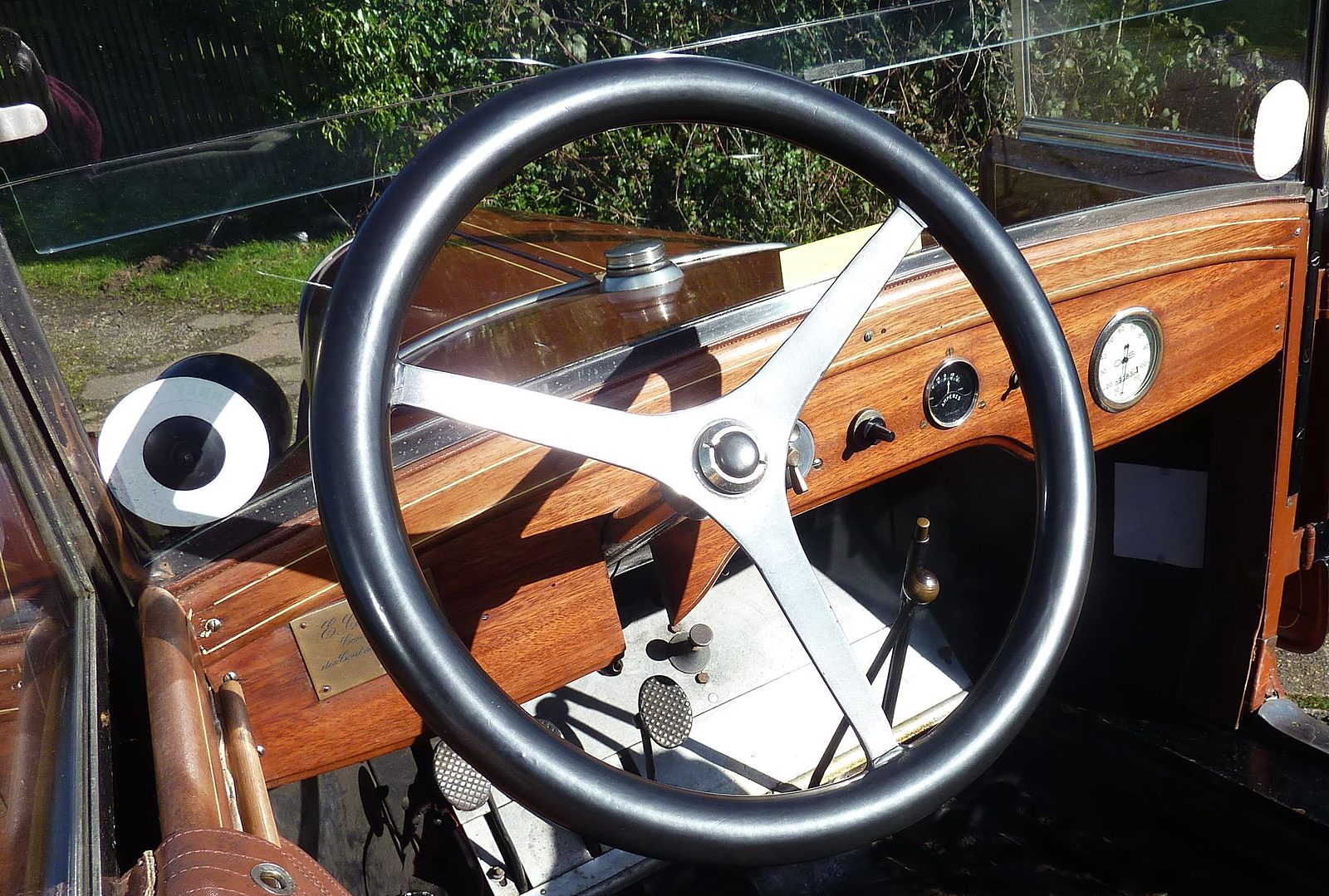
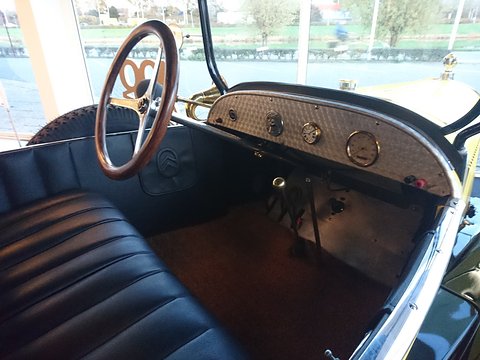
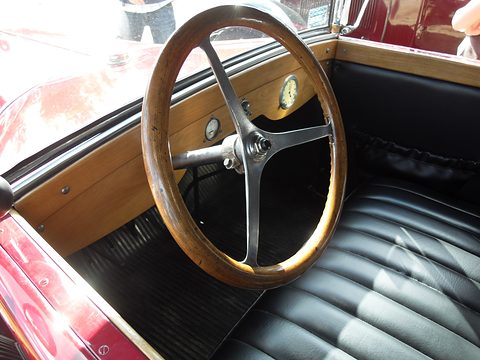
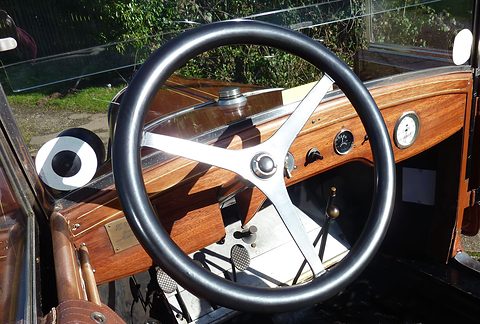
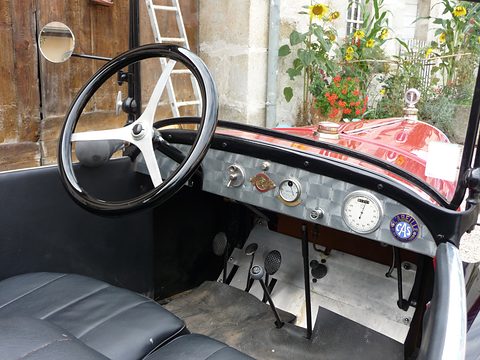
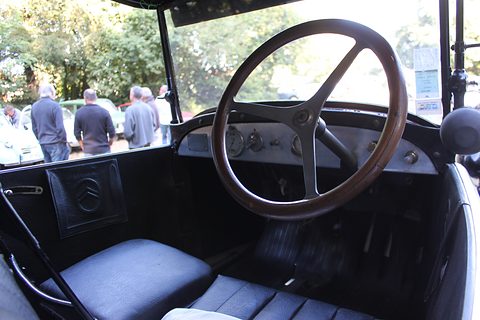
The accelerator was the middle pedal, between the clutch and the brake.source 1 The brakes were the weak point. There were none at the front; the pedal worked a brake on the transmission and a hand lever worked the rear wheels, and a driver who did not balance the two could break a half-shaft. Many cars were later altered to couple them.source 4source 1 First and second gear sang, and sang louder as they wore. It used about 5 litres of fuel per 100 km (56 mpg).source 1 Pierre Dumont, writing about Citroën in 1976, was won over:
The 5 CV Citroën ran at 60 km/h, a speed it seemed to be able to maintain indefinitely, and it was incredibly robust. It was a great success, as much because of its qualities, its elegance, especially as a cabriolet, as its price.
Ended by its maker
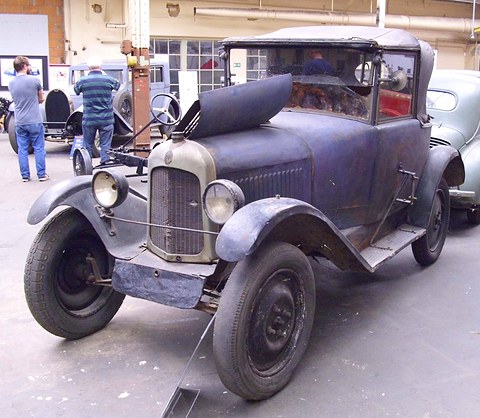
André Citroën stopped the 5HP himself in May 1926, against general opinion, to make room for the all-steel B14. An all-steel successor, the C4, was planned and dropped as too costly.source 1 Citroën’s heritage site says the firm went back to building only larger cars.source 2 The Cabriolet and the Trèfle were the last to go, in June.source 1
It had done its damage. With the Austin Seven, the 5HP showed that a small car could be complete and still sell at a cyclecar’s price, and between them they ended the cyclecar boom.source 1 Many 5HPs lived on as utility vehicles and tractors.source 1