The story
History
J. W. Shillan, born in 1891, started as an office boy at the London Corn Exchange. Invalided out of the army in 1917, he sold car accessories for an American firm, then went into boats and fairgrounds.source 1 In the 1920s his British Motor Boat Manufacturing Co. sold Elto outboard motors and speedboats, and sold them with stunts: in 1928 he was the first to jump a speedboat through a wall of fire, and in August 1930 his boats raced trains, aircraft and Amy Johnson’s Moth. In December 1930 his driver, Charles Harrison, set a record of 83.83 km/h (52.089 mph) at Cowes in a 3.7 m (12 ft) Elto-Rytecraft. The early boats were built under the name “Right” or “Wright” at the firm’s yard in Ipswich, which is where “Rytecraft” comes from.source 1
About 1930 British firms, Rytecraft among them, brought dodgems to British fairgrounds.source 2 The firm became Britain’s largest pre-war maker of fairground rides. In 1935 the Pleasure Gardens at Eastbourne had a “Brooklands” track of motorised Rytecraft Scoota-cars, with Scoota-boats on the lake.source 1 Some suggested the cars were a British version of an American design, which has not been proved.source 1
A dodgem on the road
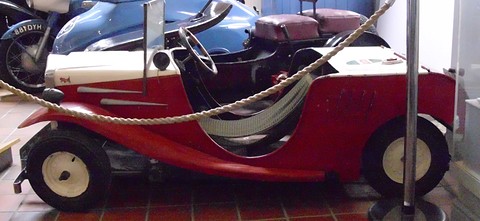
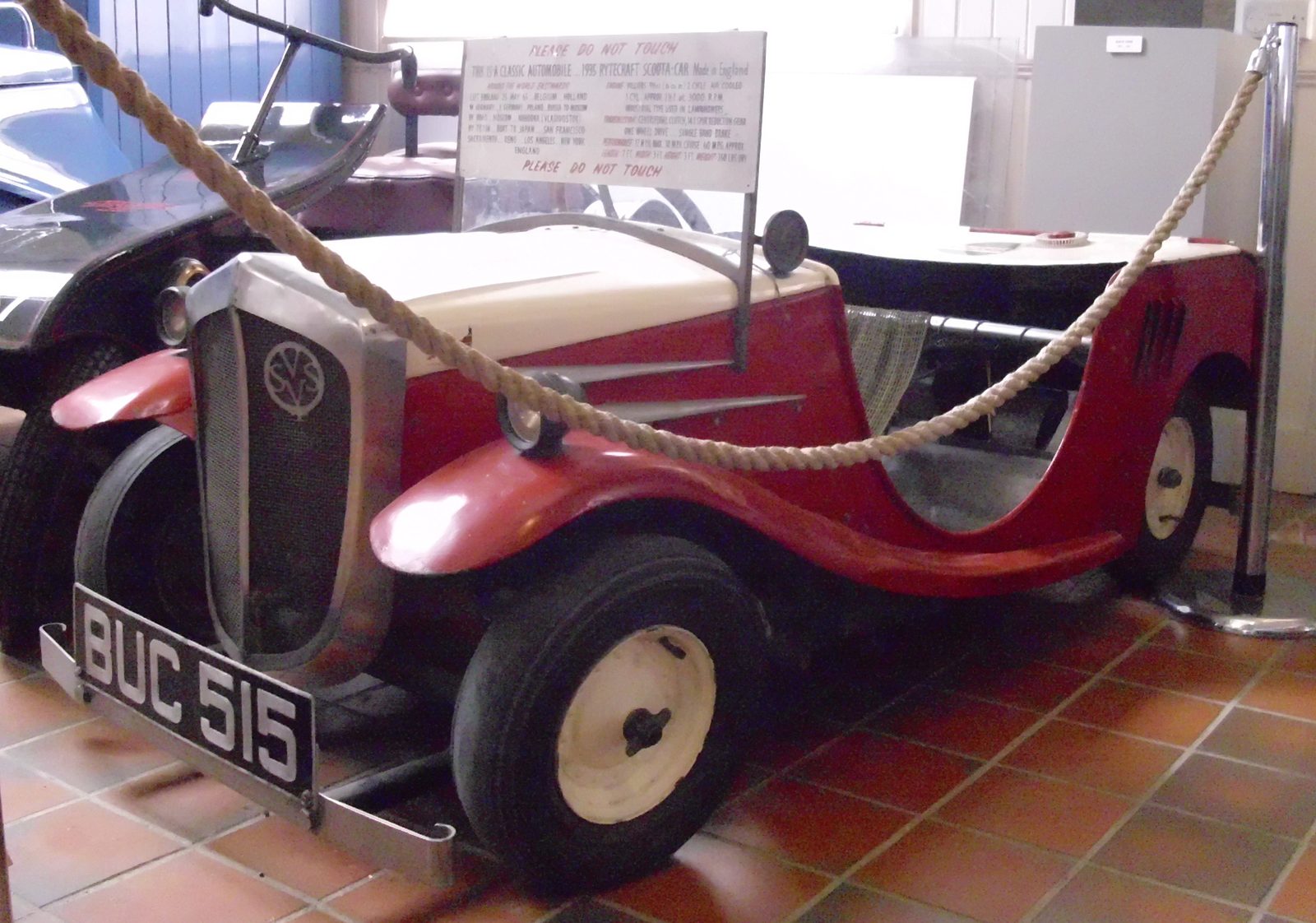
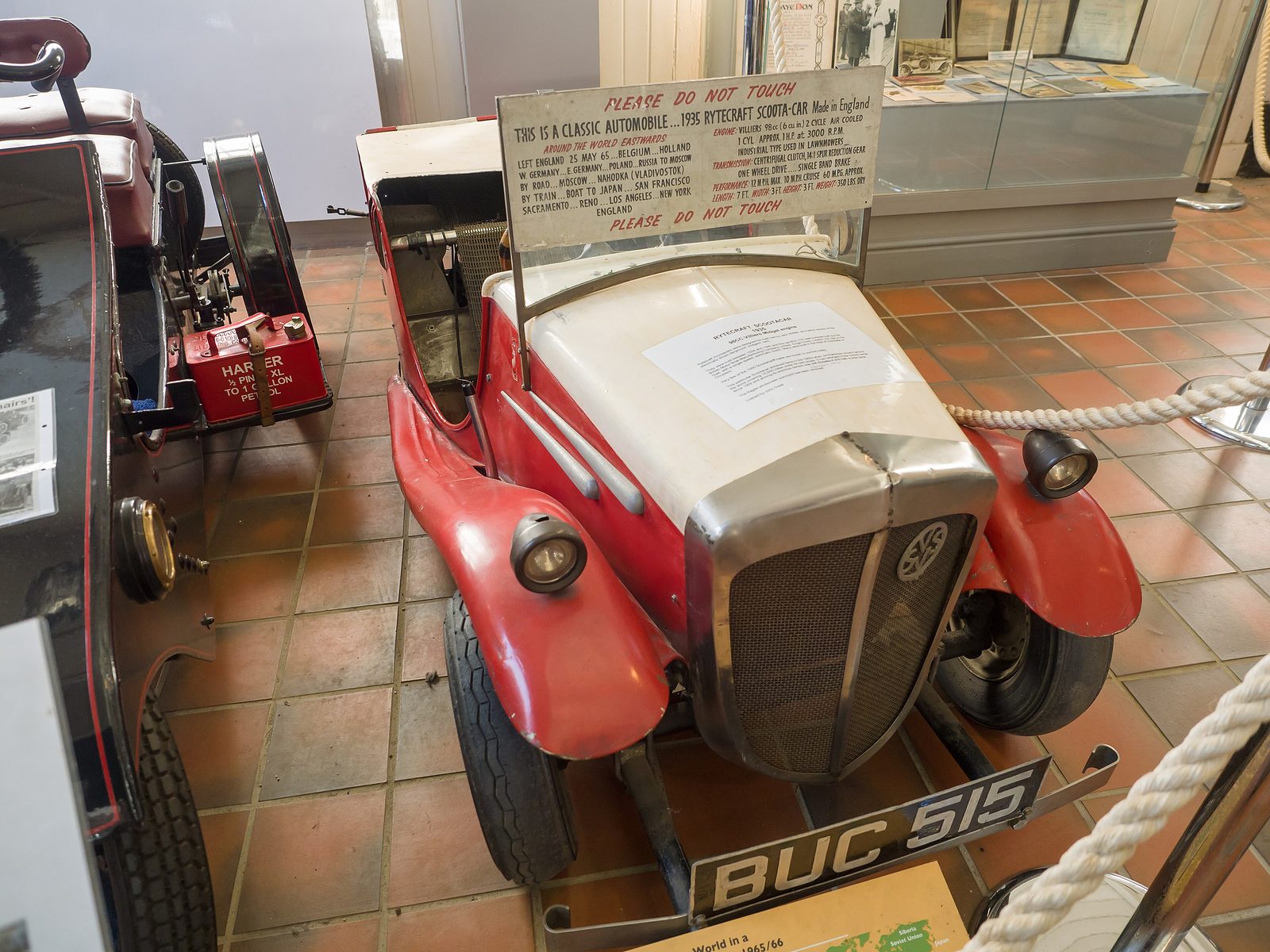
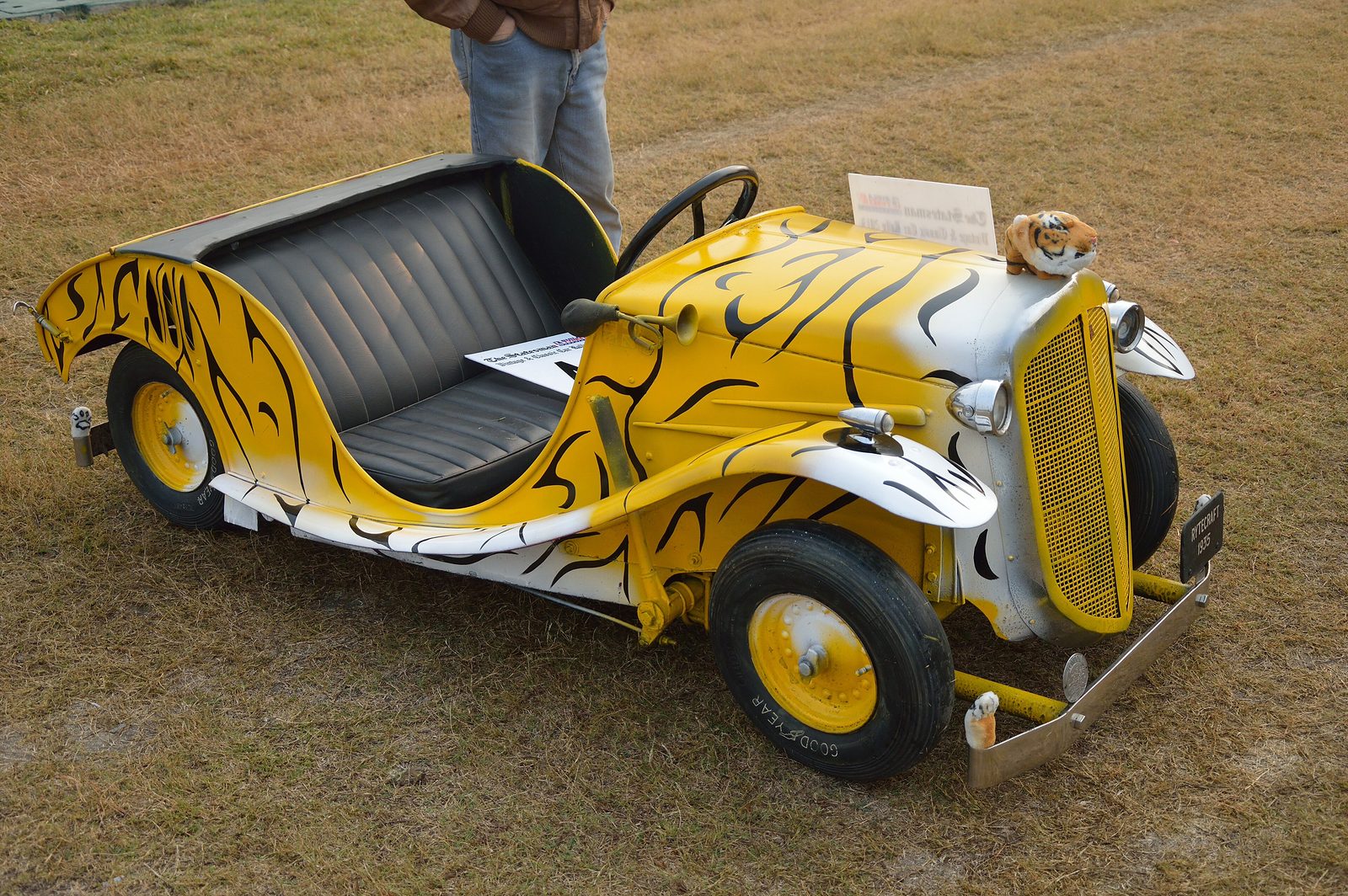
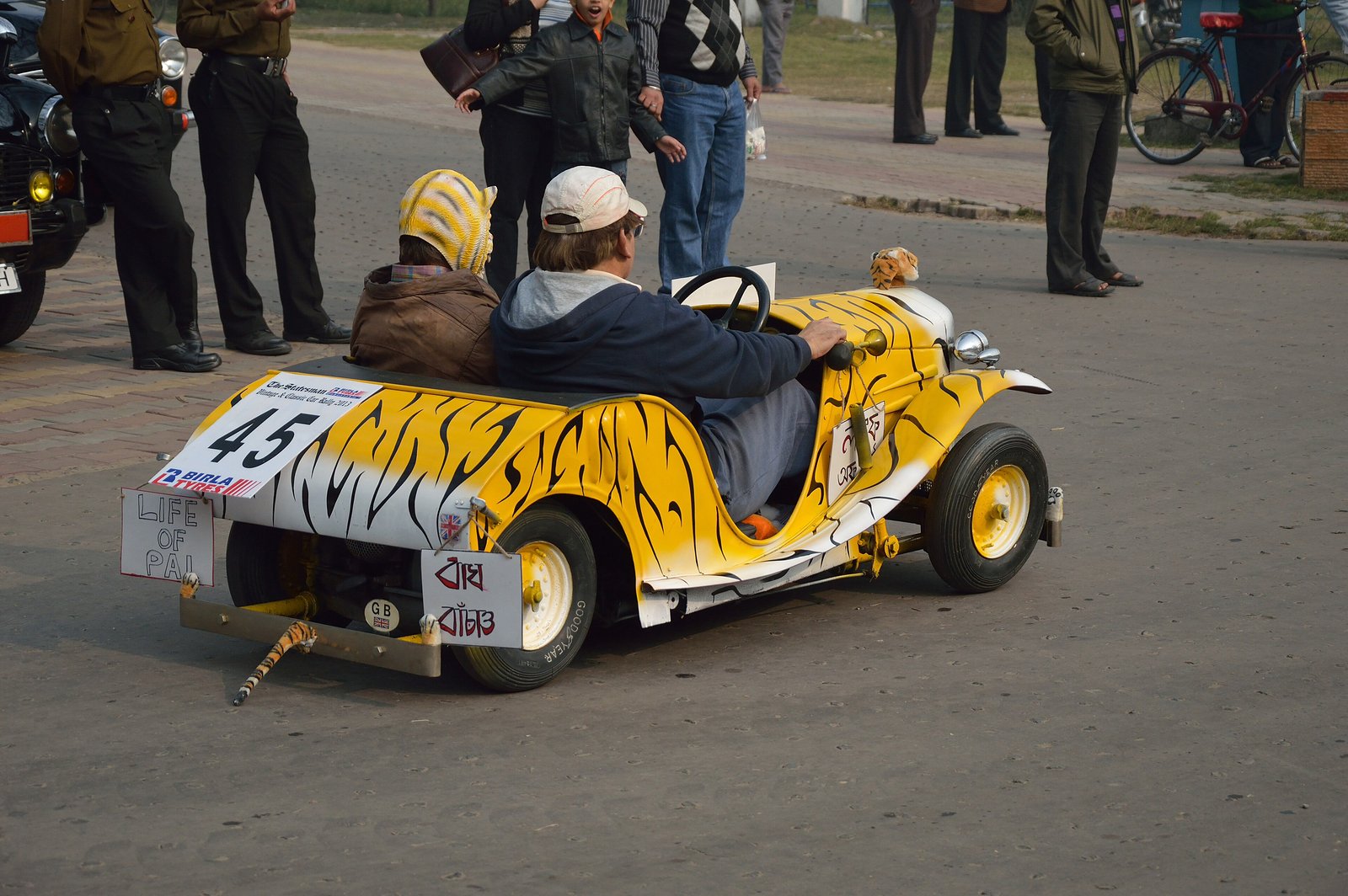
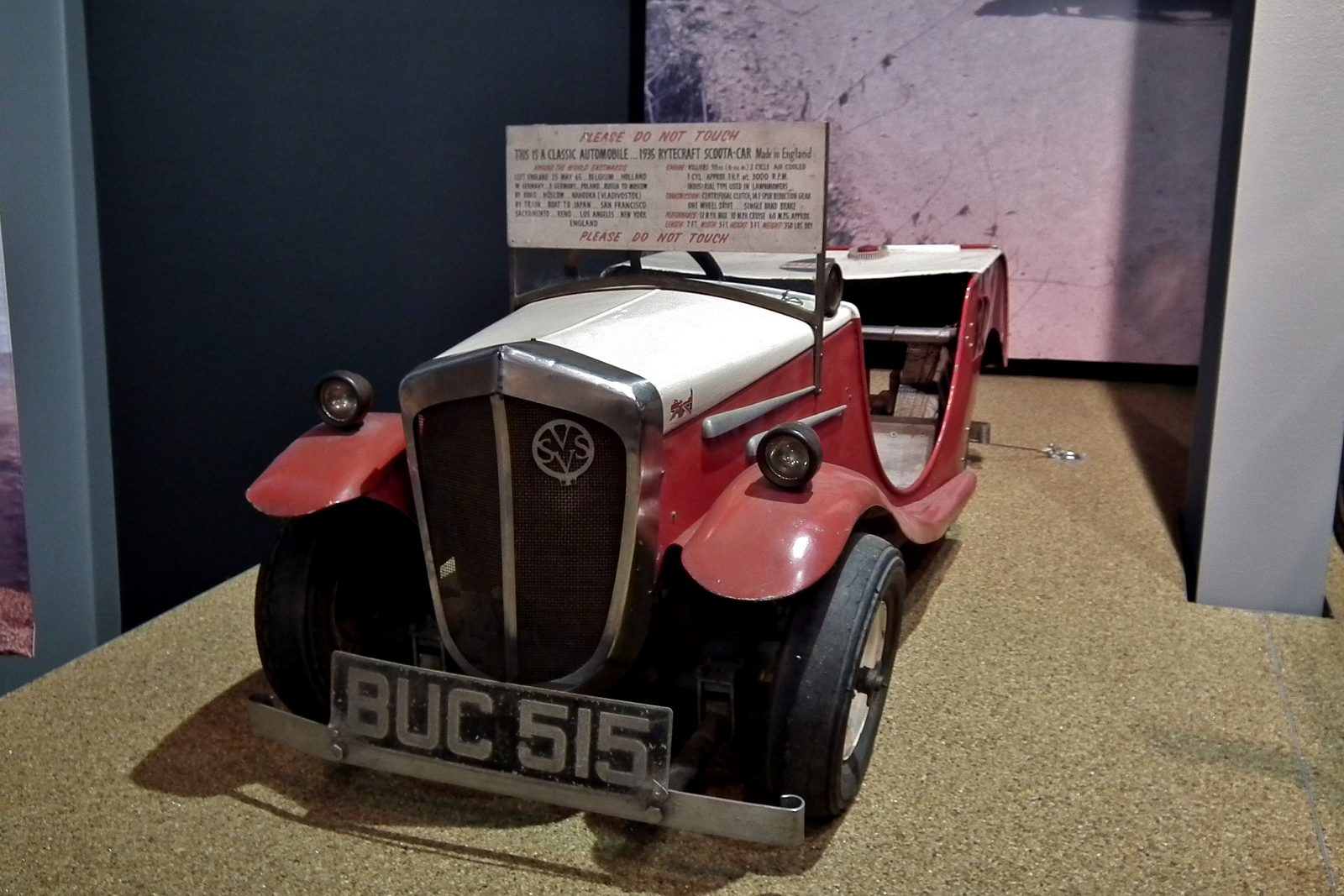
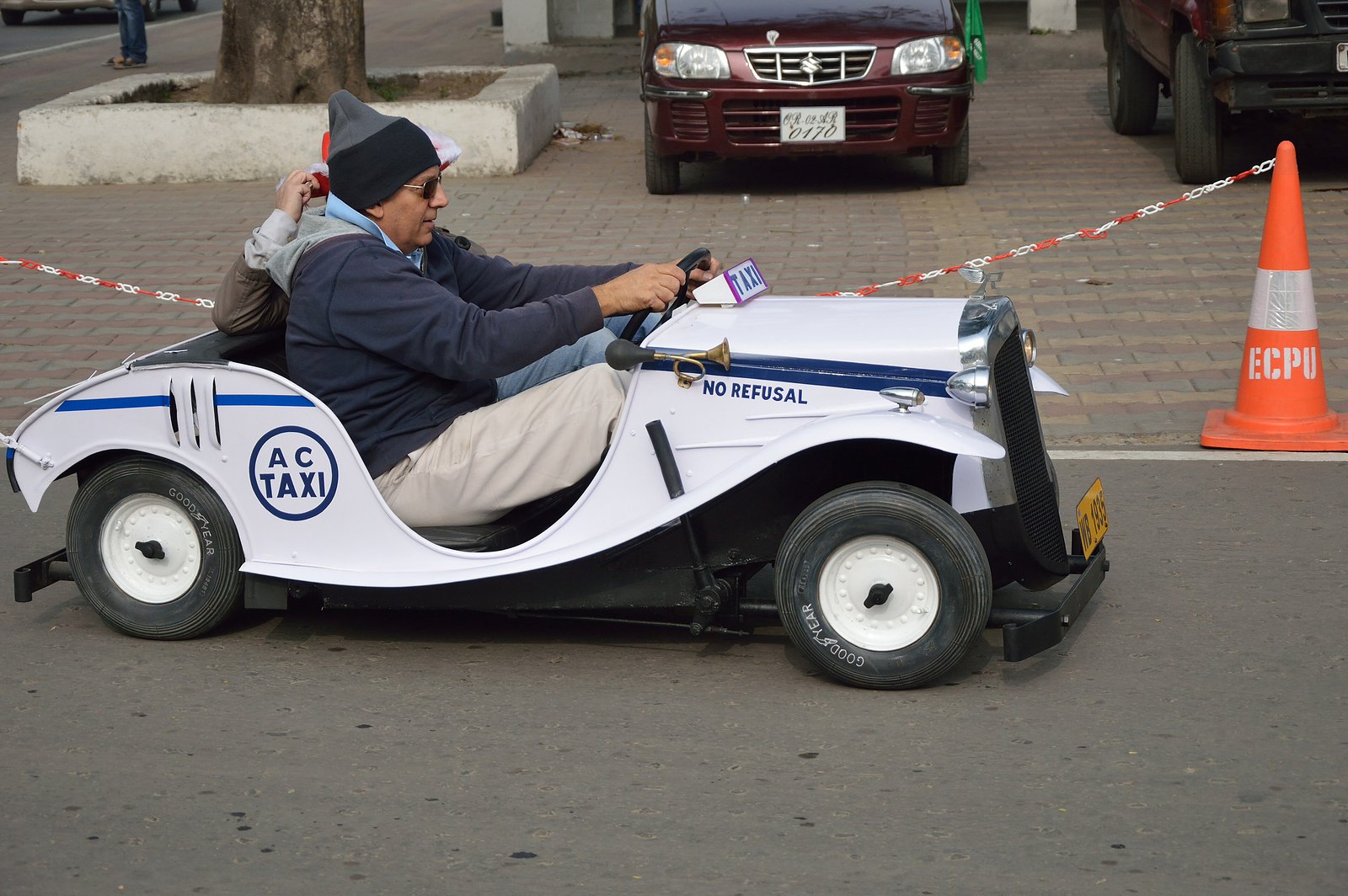
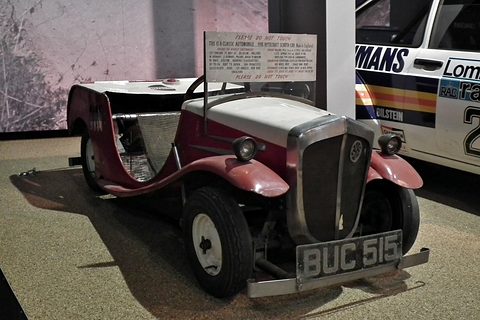
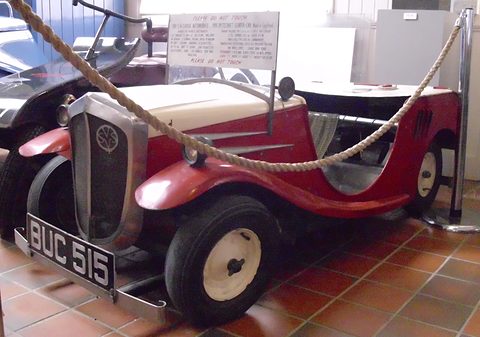
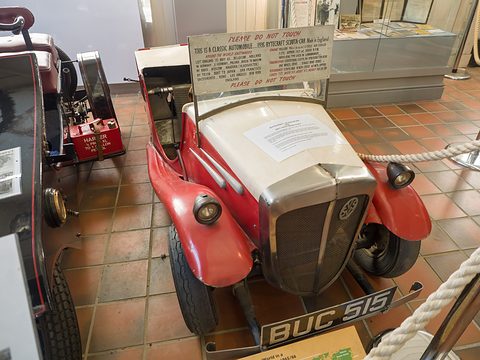
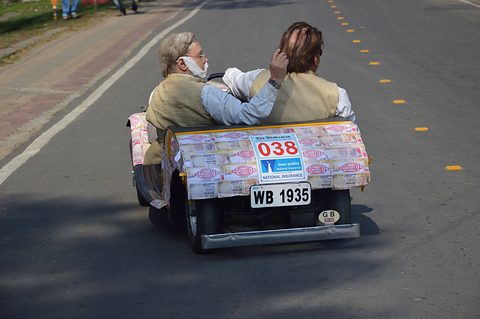
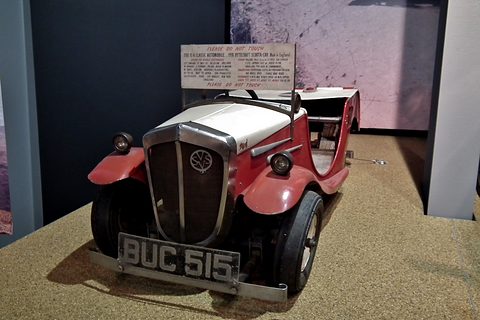
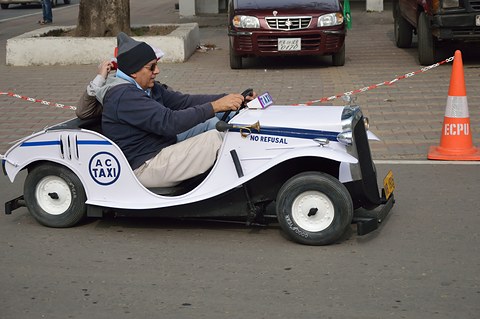
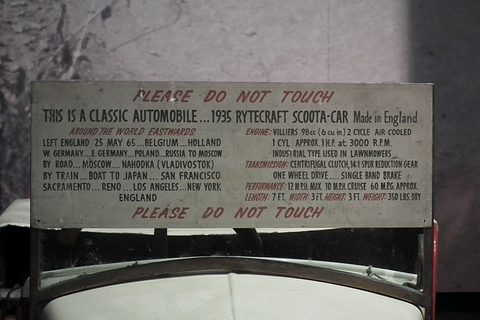
The road car was first shown on a public road in 1934 as the “one horsepower car”.source 1 Its engine was a 98 cc Villiers Midget two-stroke at the back, with a centrifugal clutch and a single speed. It drove one rear wheel; the only brake worked on the other. There were no springs, one seat, and the single pedal did everything.source 3source 2source 1
A new baby car designed by J. W. Shillan, and known as the Rytecraft Scootacar, which will be on the market at the end of next week at £70. It is 1 h.p., will do 15 m.p.h. and has one-pedal control.
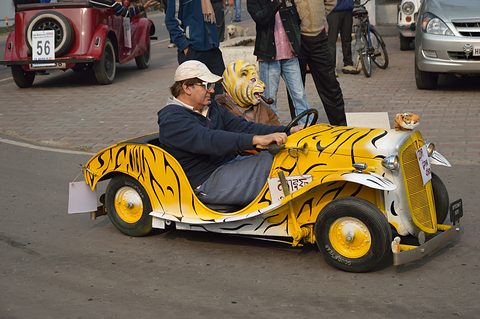
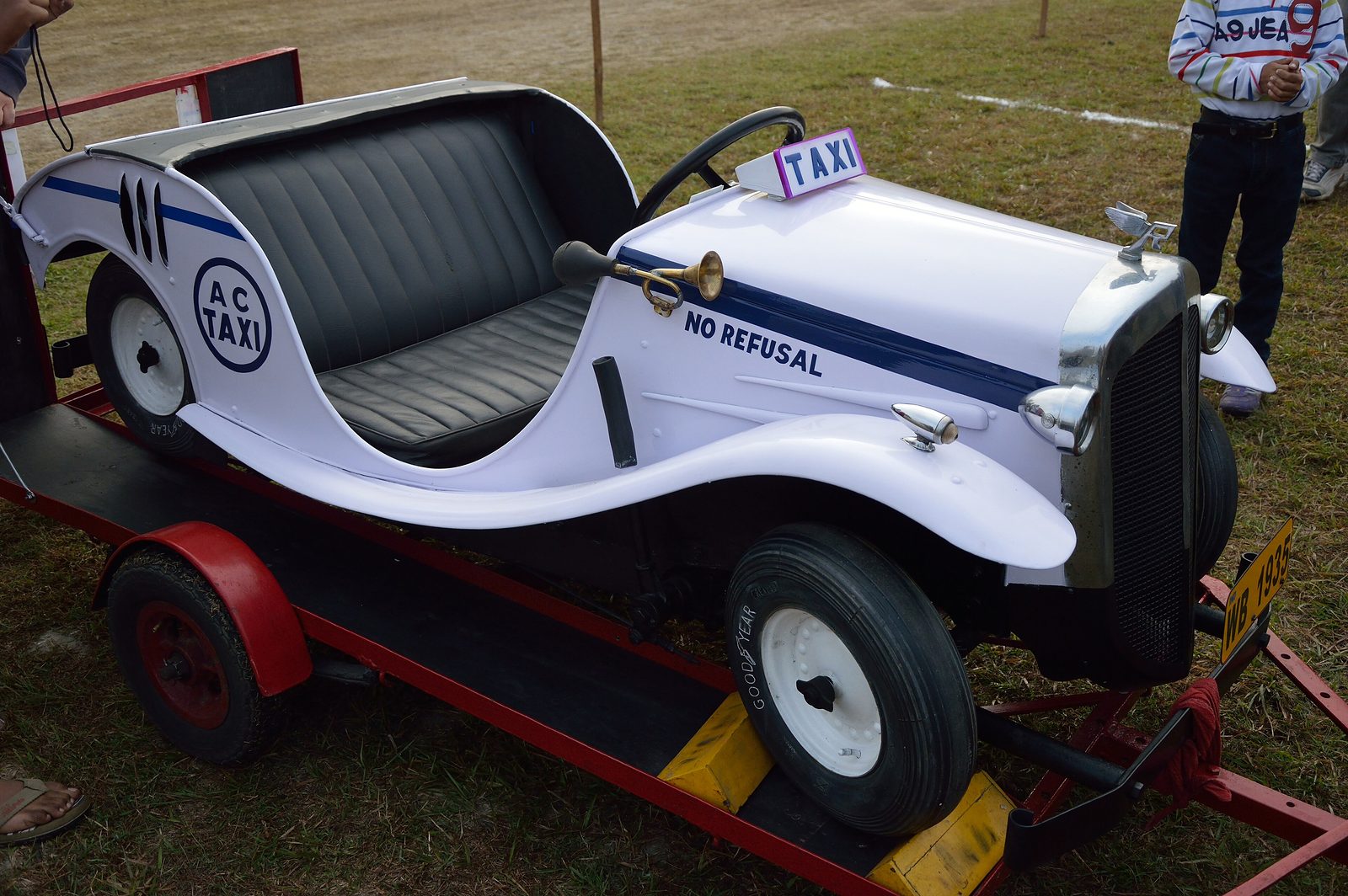
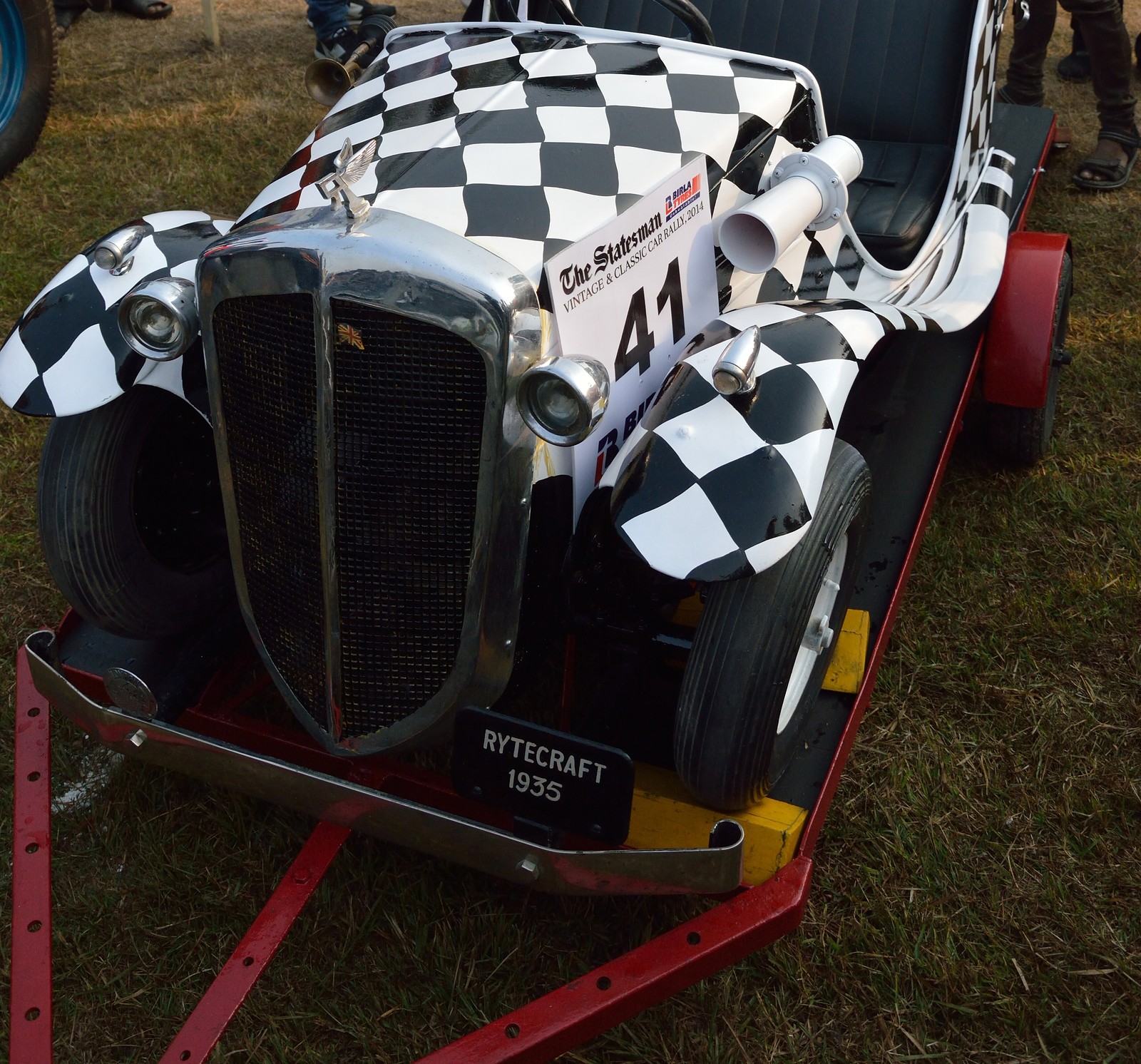
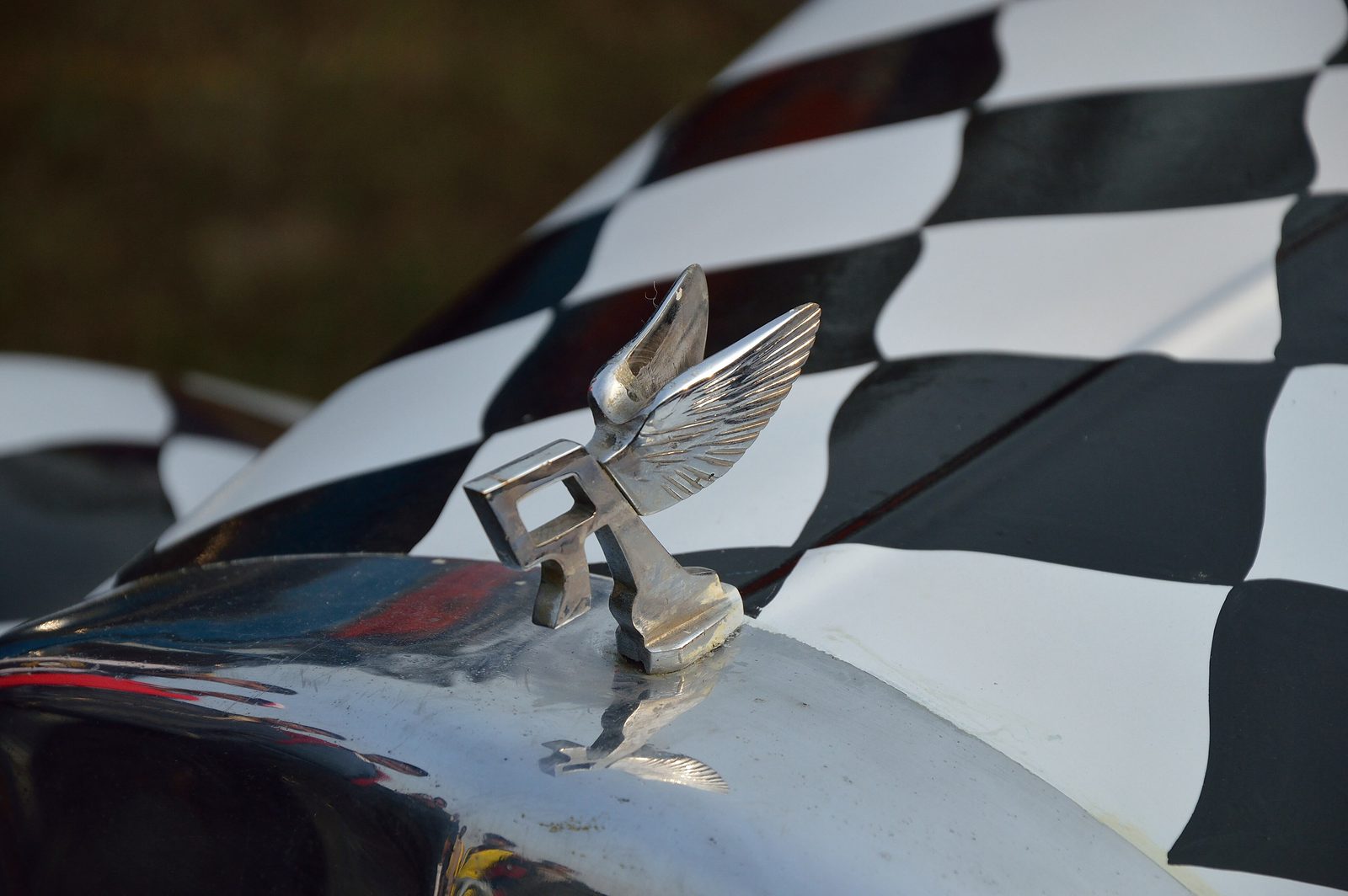
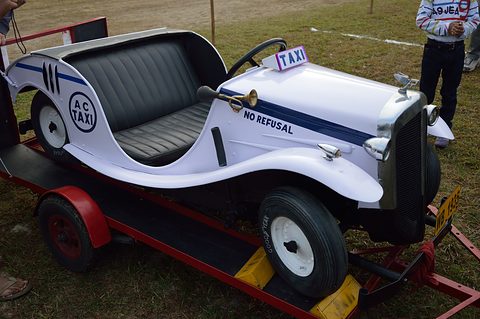
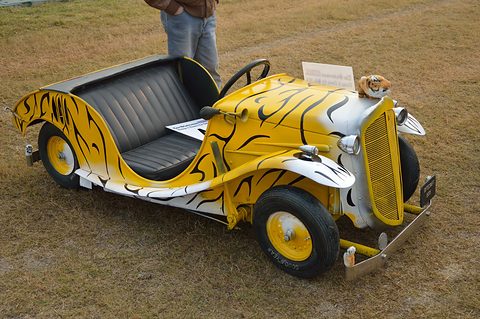
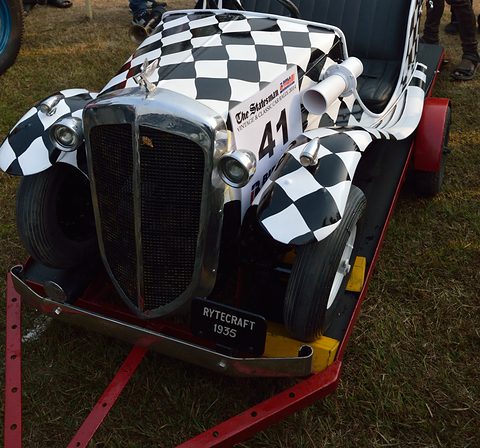
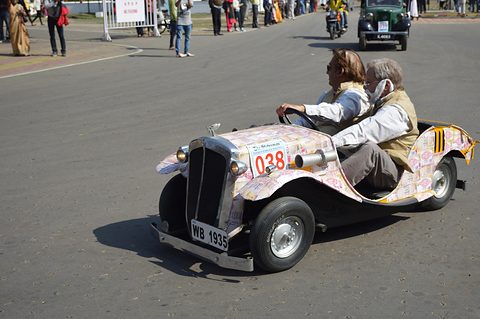
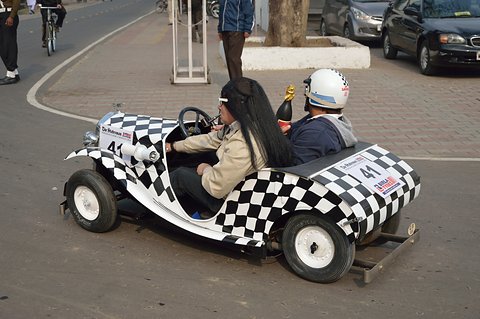
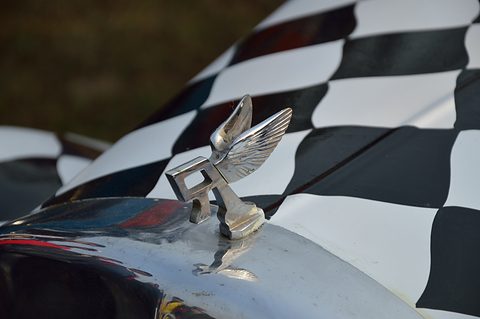
It went on sale in the middle of July 1934, for private use, for fun and for advertising. Local councils objected to advertising cars on their streets, and one seaside town banned them from carrying advertisements.source 1 The first car had a simple peaked radiator cowl and two large headlamps. Versions made up to look like a Vauxhall, with a fluted bonnet, and a Chrysler Airflow followed, and at least one wore a Rolls-Royce radiator.source 1source 4 The Vauxhall car toured dealers from 1934 to 1936; late in 1934 the Nottingham Forest captain, Tom Graham, drove it along Castle Boulevard in Nottingham.source 1
The famous liked them. George Formby drove one in Lancashire in March 1935. The director Robert Flaherty bought one for Sabu, of Elephant Boy, to drive round the Denham studios, and in February 1937 the Buckinghamshire Advertiser pictured him in it beside Marlene Dietrich’s V16 Cadillac (more in microcars on screen).source 1 Prewarcar has collected period photographs of women driving them in London.source 1
Two seats and three gears
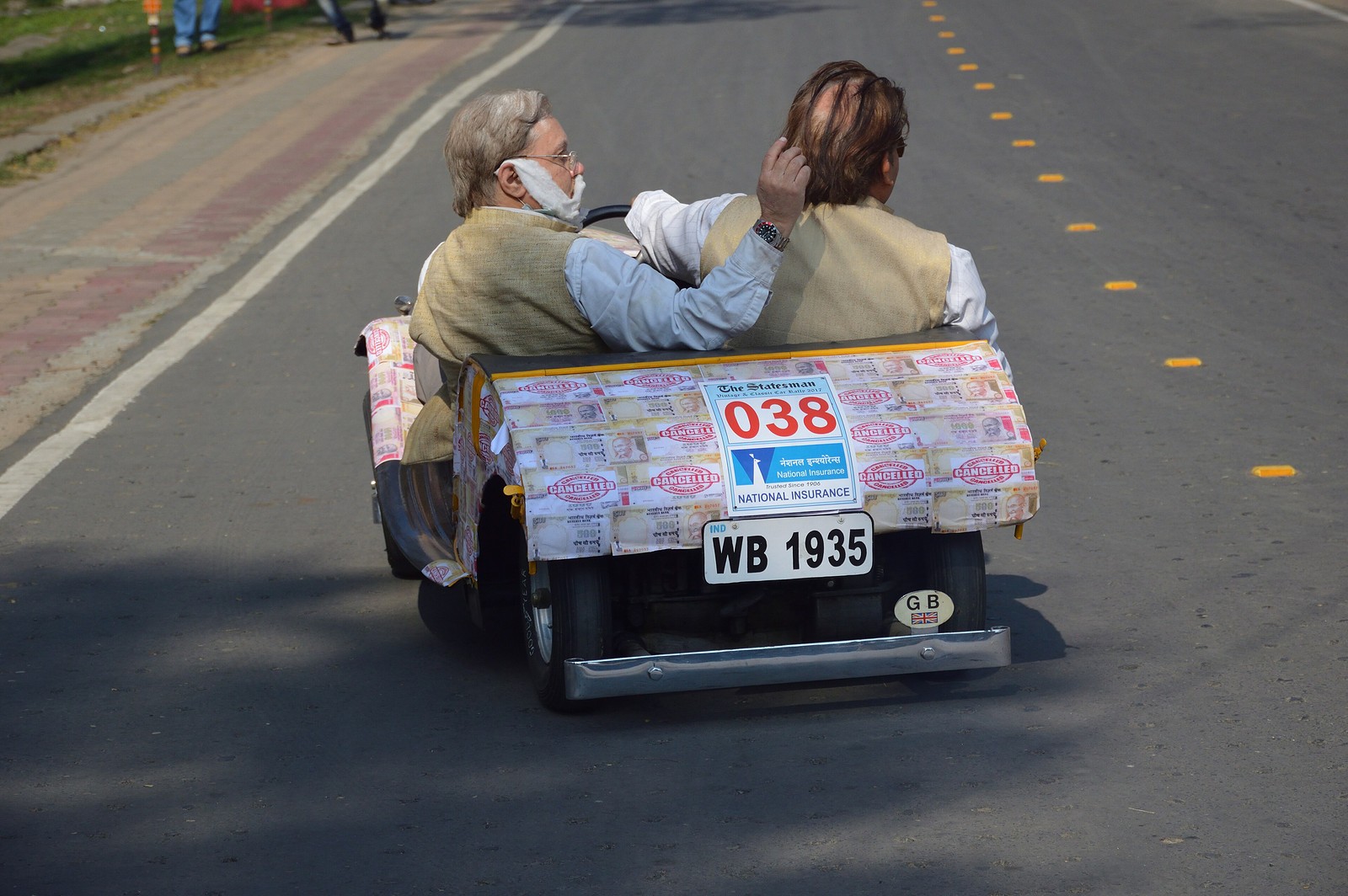
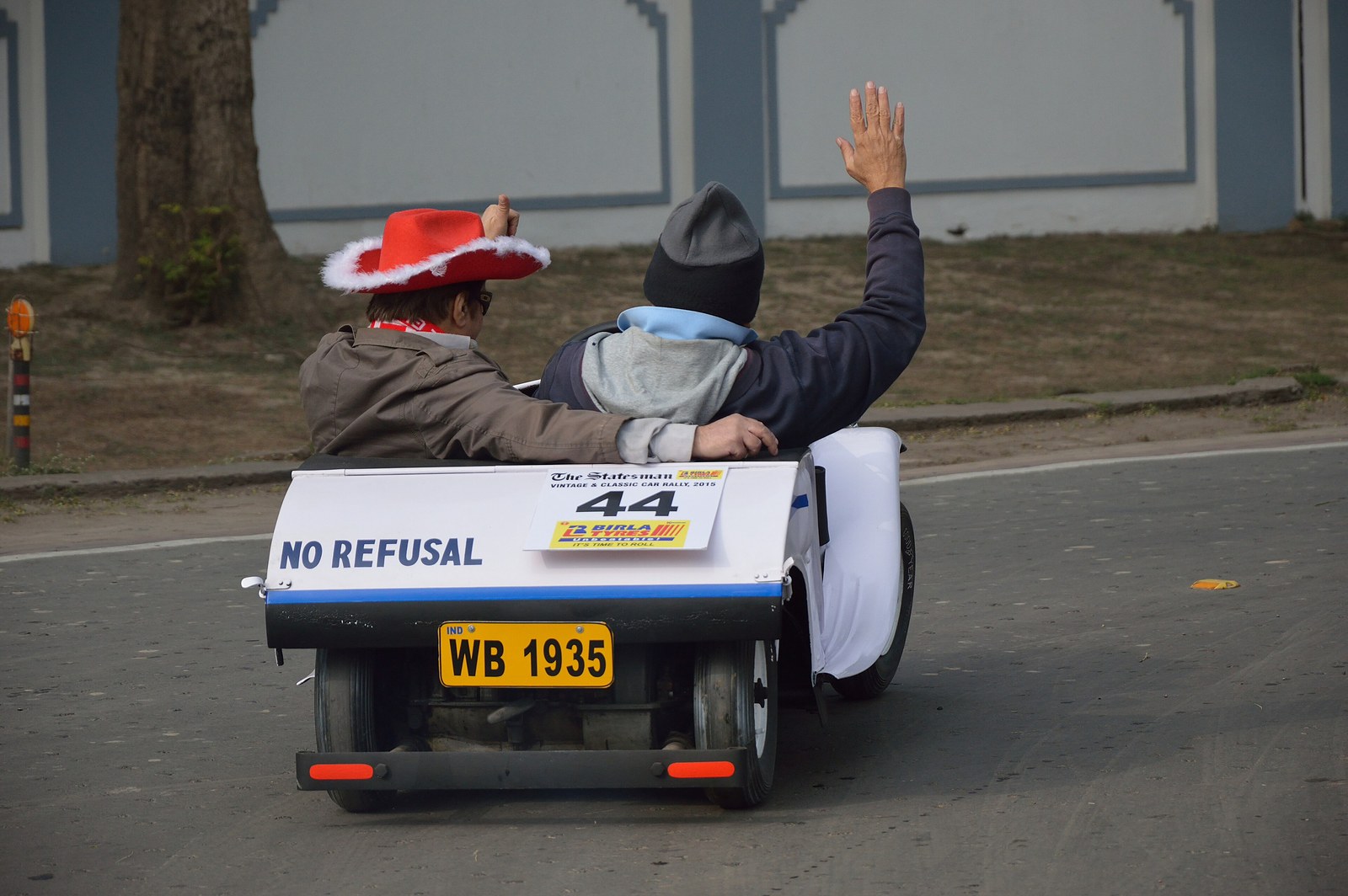
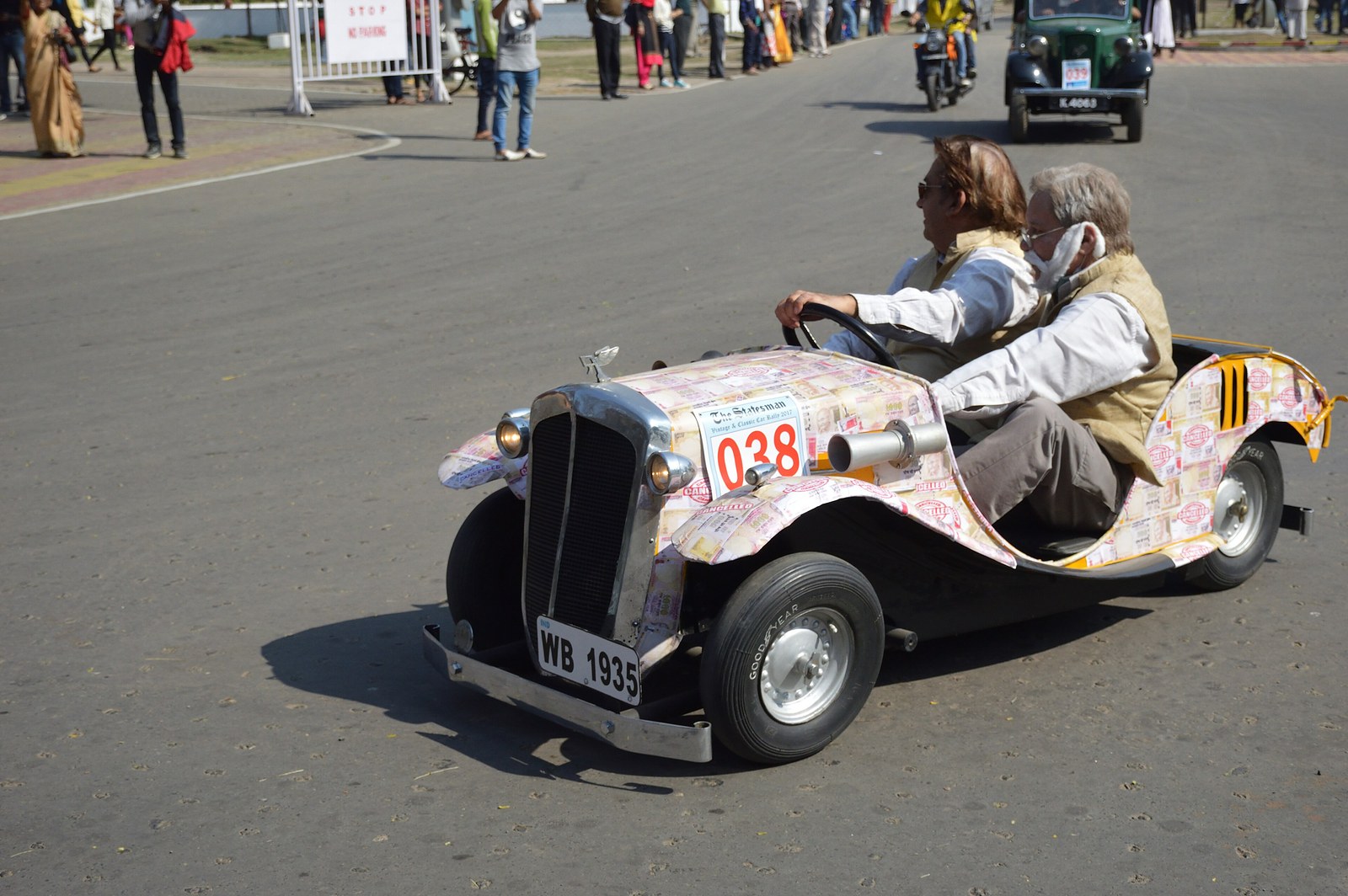
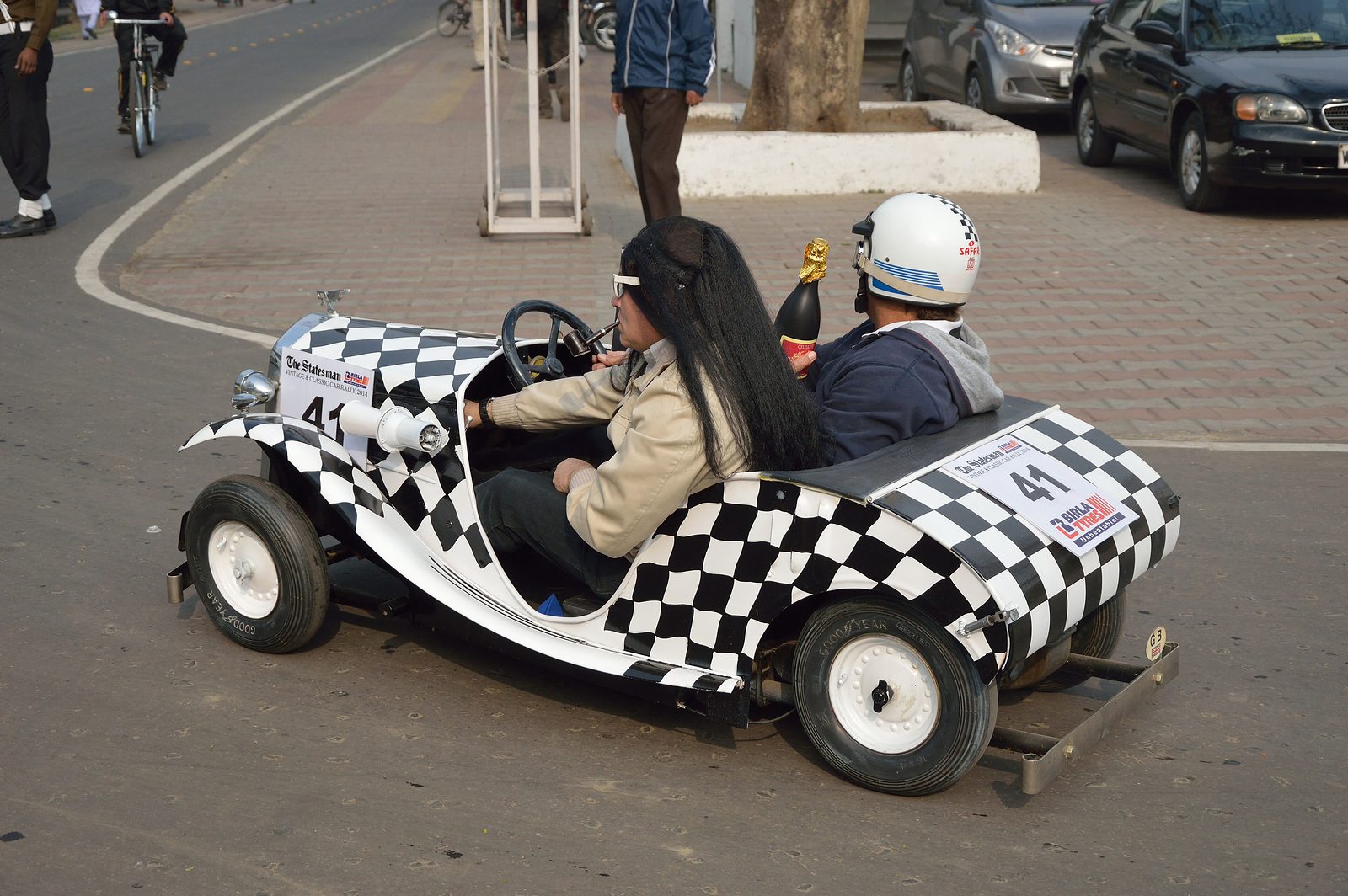
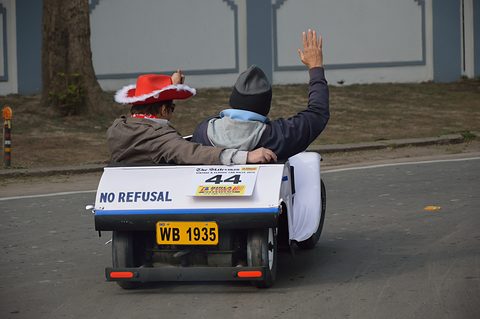
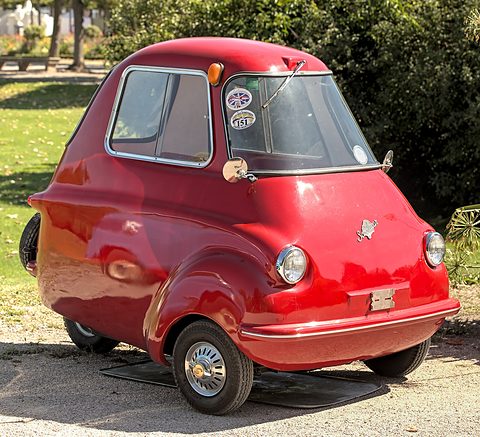
A bigger car followed: 2,440 mm (8 ft) long and 1,070 mm (3 ft 6 in) wide, with a 250 cc Villiers in the back, three speeds and reverse, the engine and gearbox on a sprung subframe and a chain to the axle. It had two seats, some under a soft-top coupé roof, ordinary pedals, better lights and a speedometer reading to 113 km/h (70 mph), which Prewarcar suggests was there to tell you how fast you were going when the brakes failed on a hill. It cost £80.source 1 When it came is not agreed: April 1936 by Prewarcar, 1937 by the Online Bicycle Museum, which says it would do up to 72 km/h (45 mph), and about 1939 by English Wikipedia, which gives 64 km/h (40 mph).source 1source 4source 3
There were working versions too, the Scoota-Standard 5 cwt truck and van with 2.5 hp, said to give about 3.5 litres per 100 km (80 mpg), and the Scootatruck pick-up.source 1source 4 The Ministry of Transport recognised the 2.5 hp car as a passenger car only in 1938, and that July a learner in Kent, S. F. Wills, passed his driving test in a dual-control Scootacar.source 1
War, and Brockhouse
By 1940 the price was £95. That year car production stopped, and the works turned to war work: Britannia engines for the RAF’s powered life-rafts, engines for Bailey bridges and barges, bombs and fuses, the Rytecraft Safety-Line marker for blacked-out roads and a walk-behind cultivator.source 1source 4 Some Scootacars served with the Home Guard.source 4 After the war the firm made fairground rides again, and a few cars were assembled from parts left over; the last new ones were on sale in 1946.source 3source 1source 4 In 1946–47 Brockhouse bought the business, and Shillan retired to the Bahamas.source 1source 5