The story
History
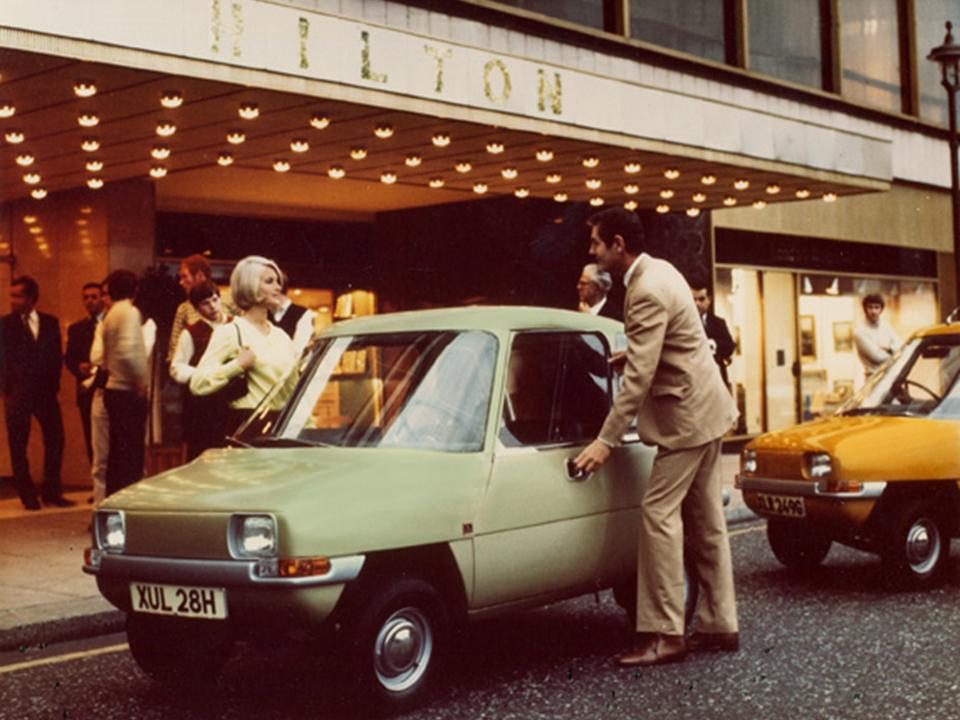
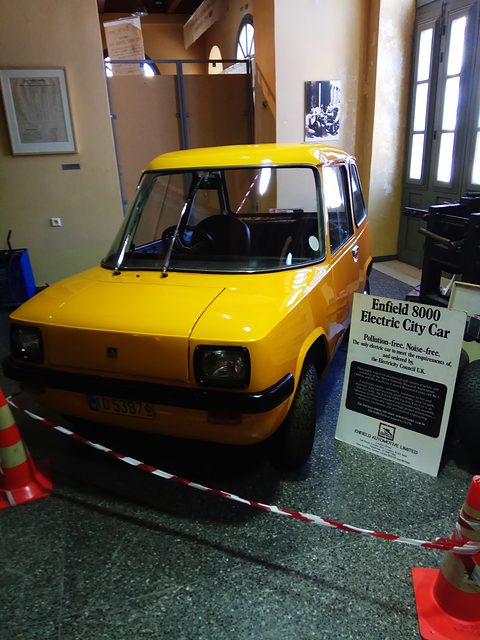
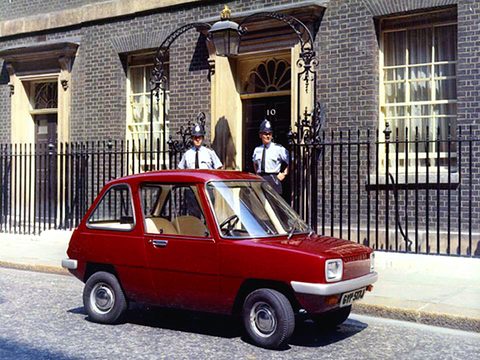
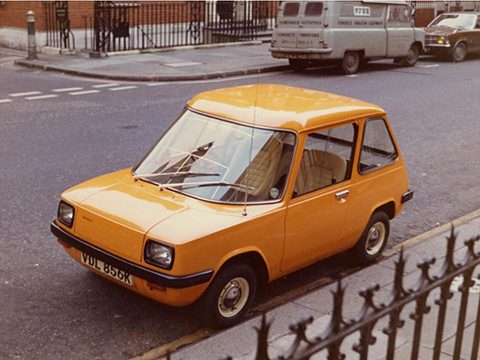
The Electricity Council, the body over Britain’s area electricity boards, wanted battery cars on the road, and held a competition for an electric town car. Enfield’s design won.source 1 Lancaster Insurance dates the competition to 1966 and the prototype to 1969.source 1 Enfield Automotive was an Isle of Wight company owned by the Greek shipowner Giannis Goulandris.source 2source 3 Its chairman and technical director was Constantine Adraktas, an MIT-trained Greek aerospace engineer, and its project designer John Ackroyd of Ryde, who later designed the record car Thrust 2; one account credits a Sir John Samuel instead.source 2source 1source 3 No link with Royal Enfield is shown in the sources. One owner’s history says the firm had succeeded with motorcycles, lawn mowers and firearms, which looks like a confusion of names.source 4
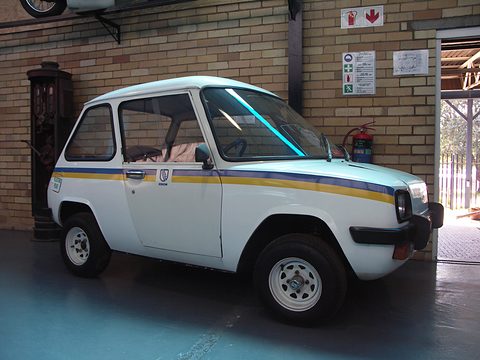
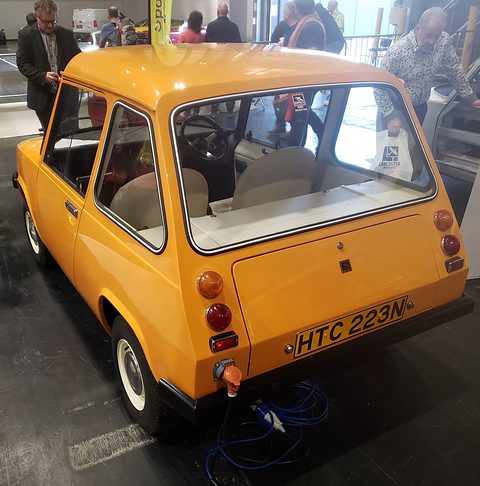
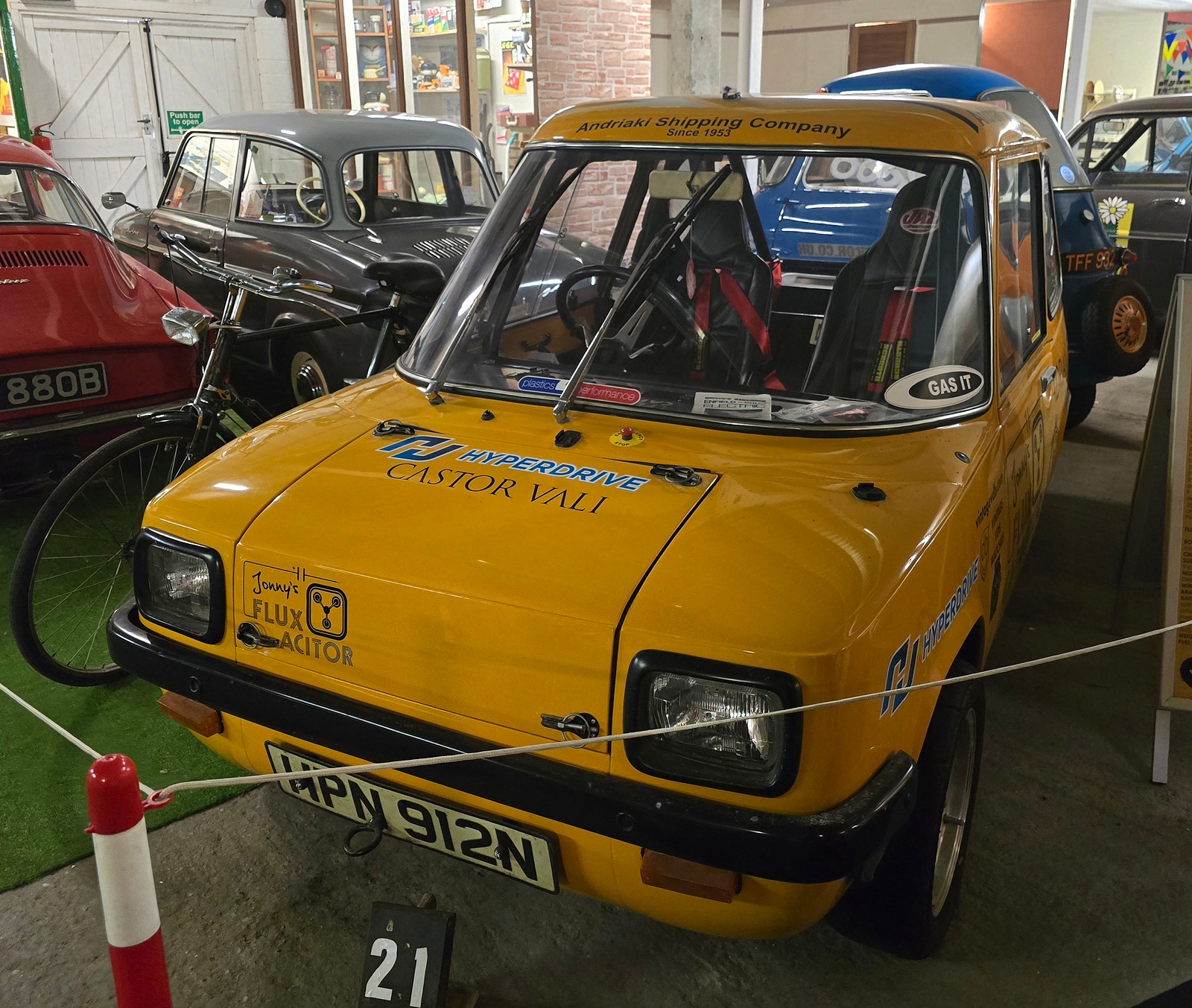
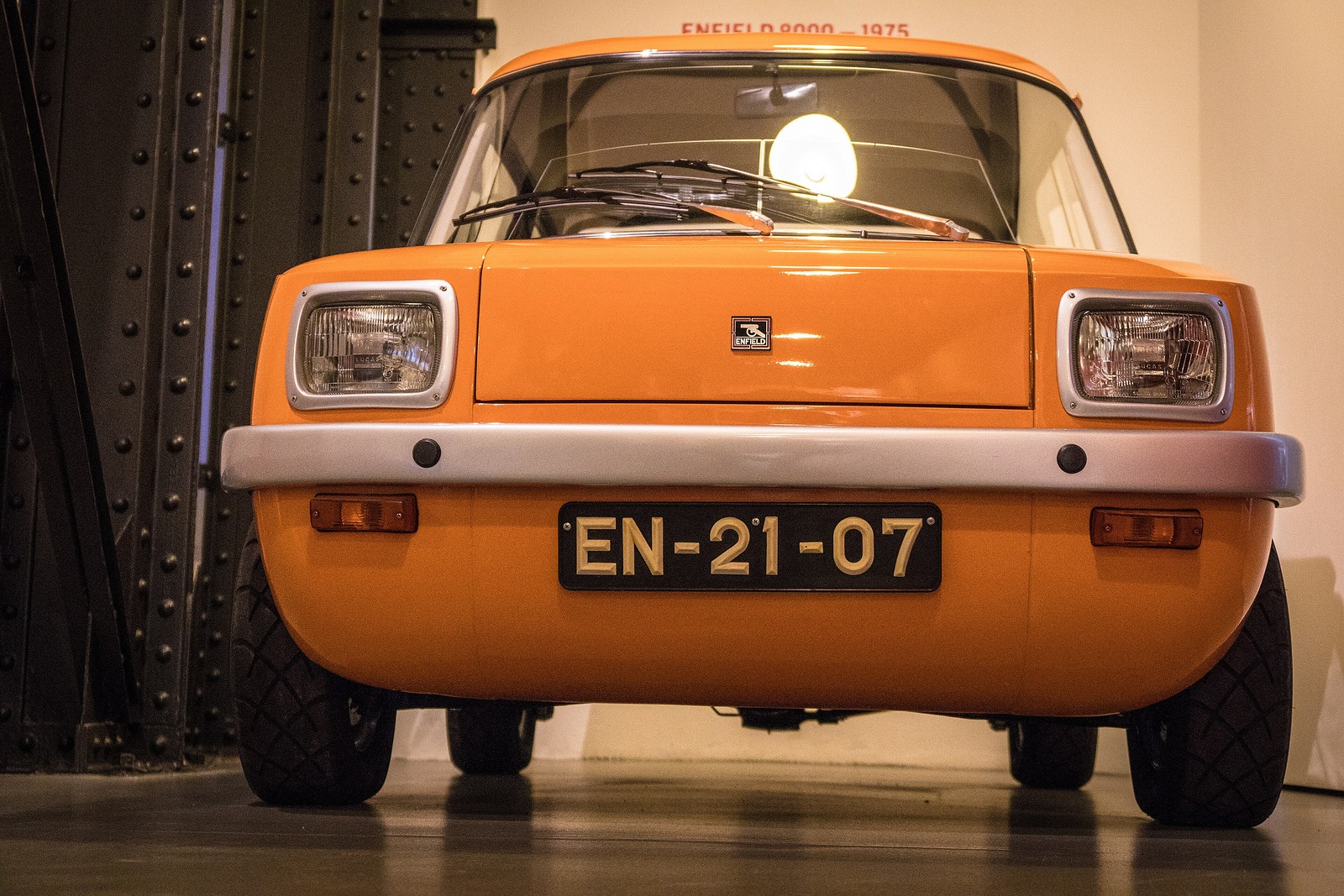
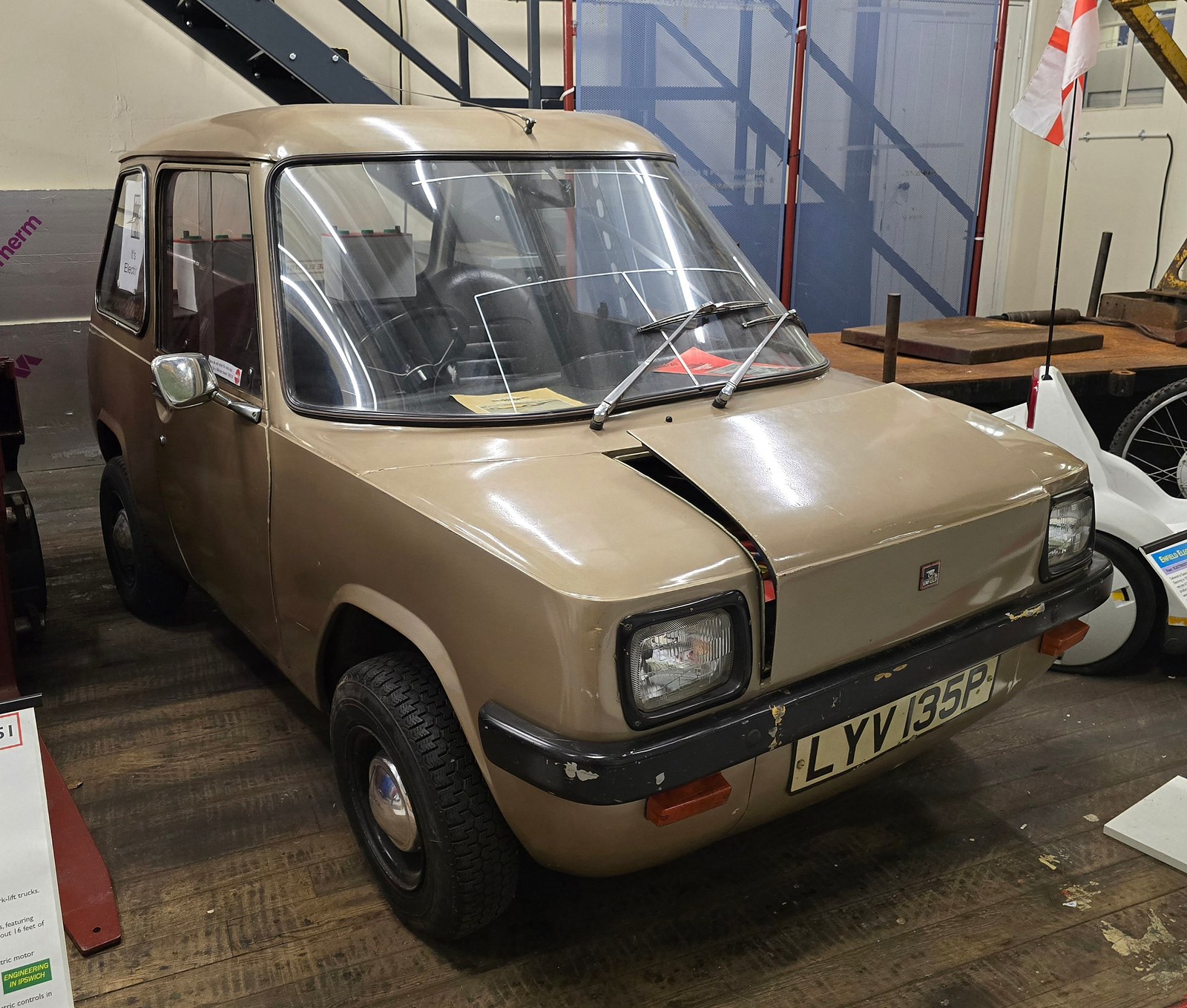
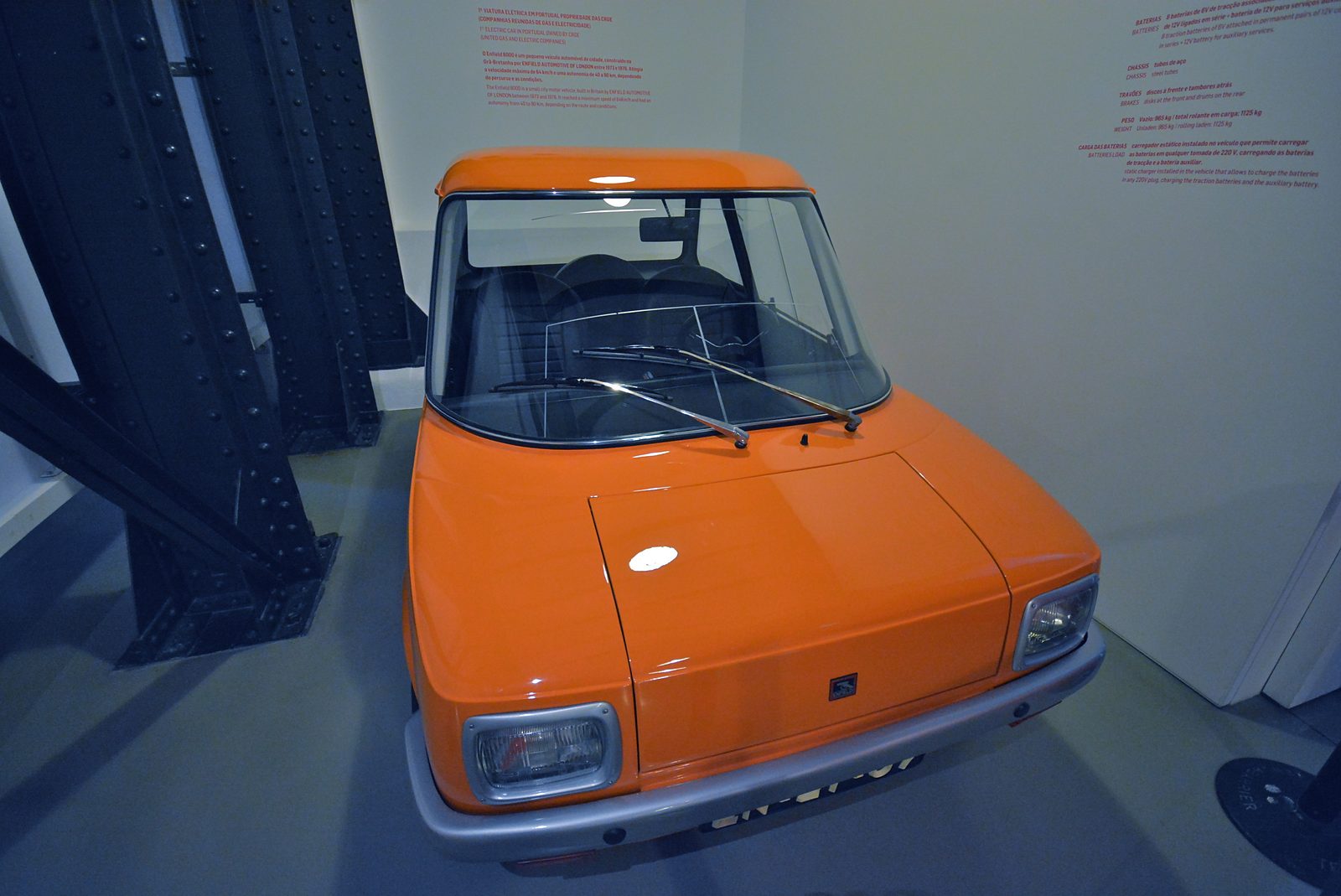
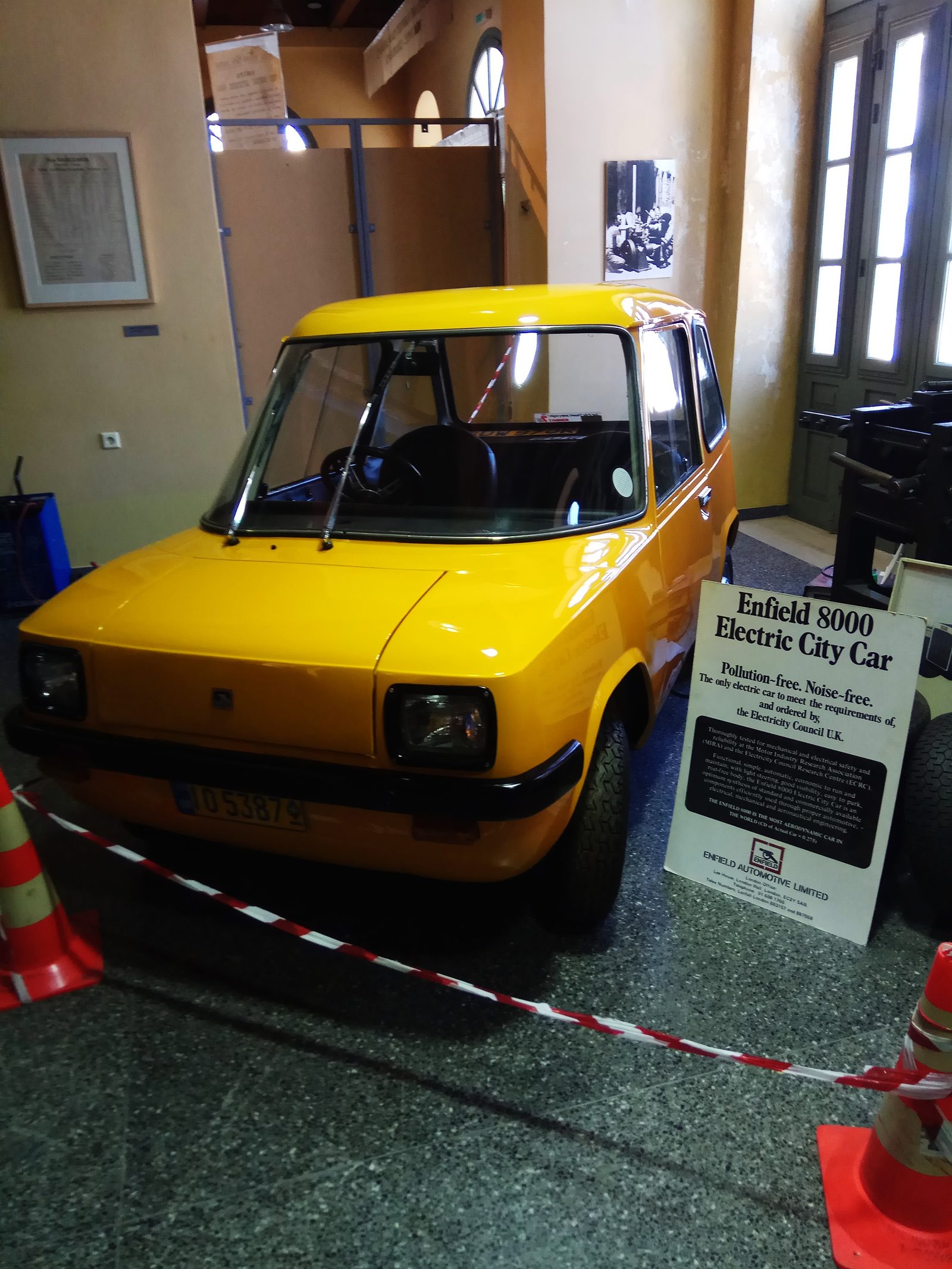
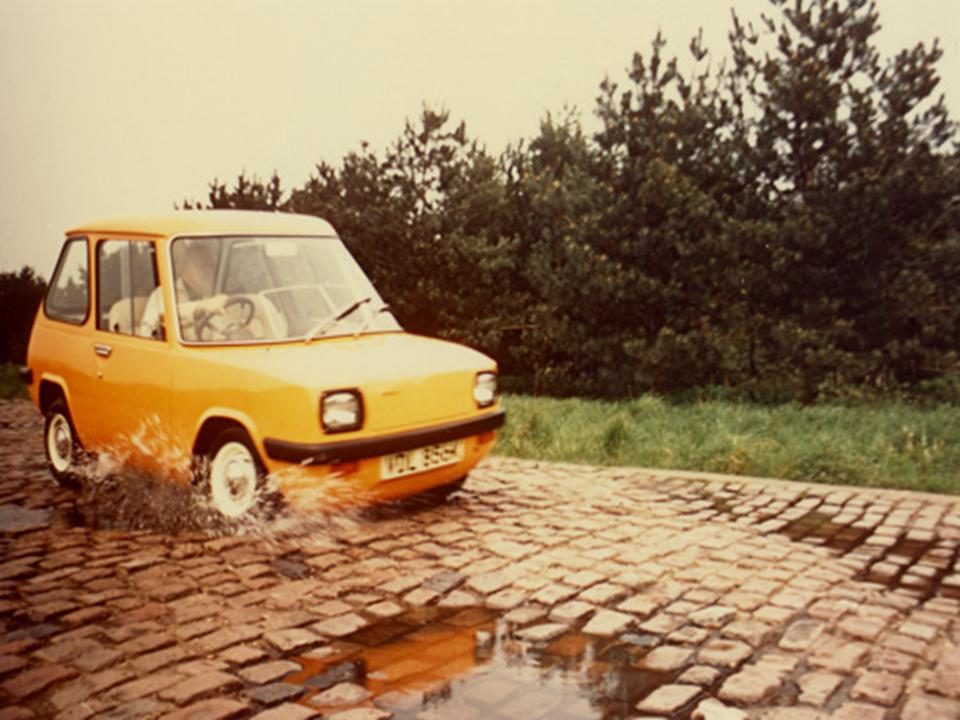
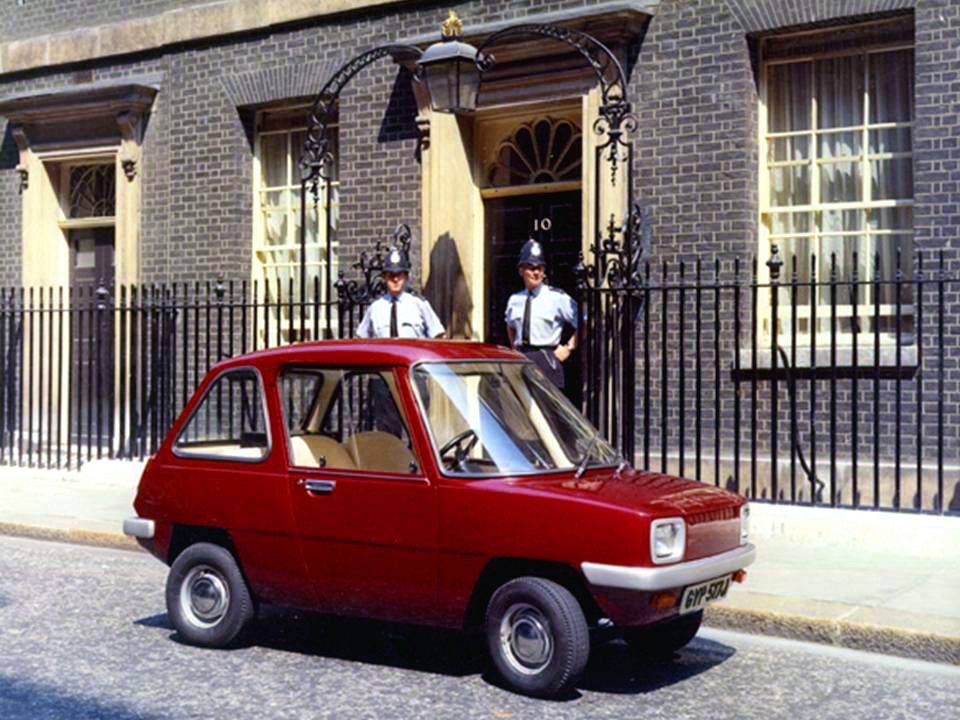
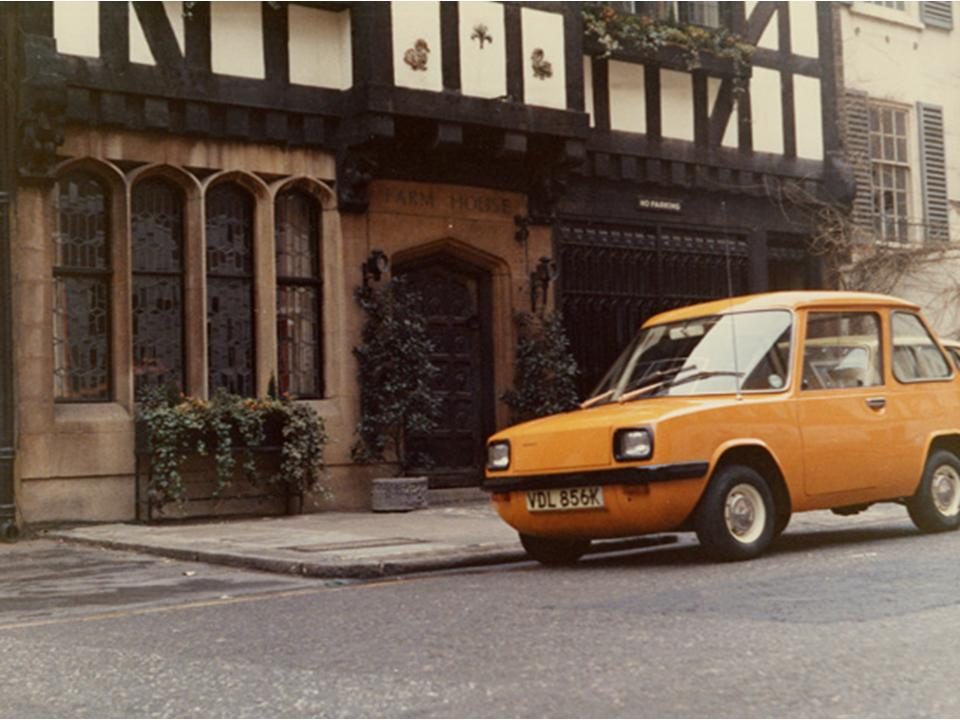
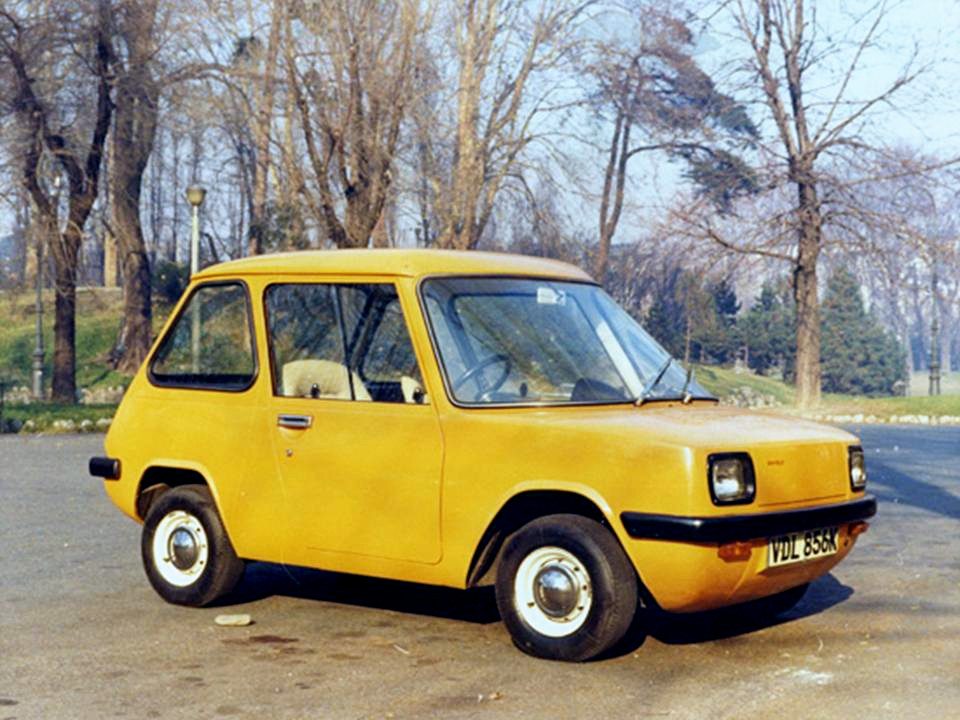
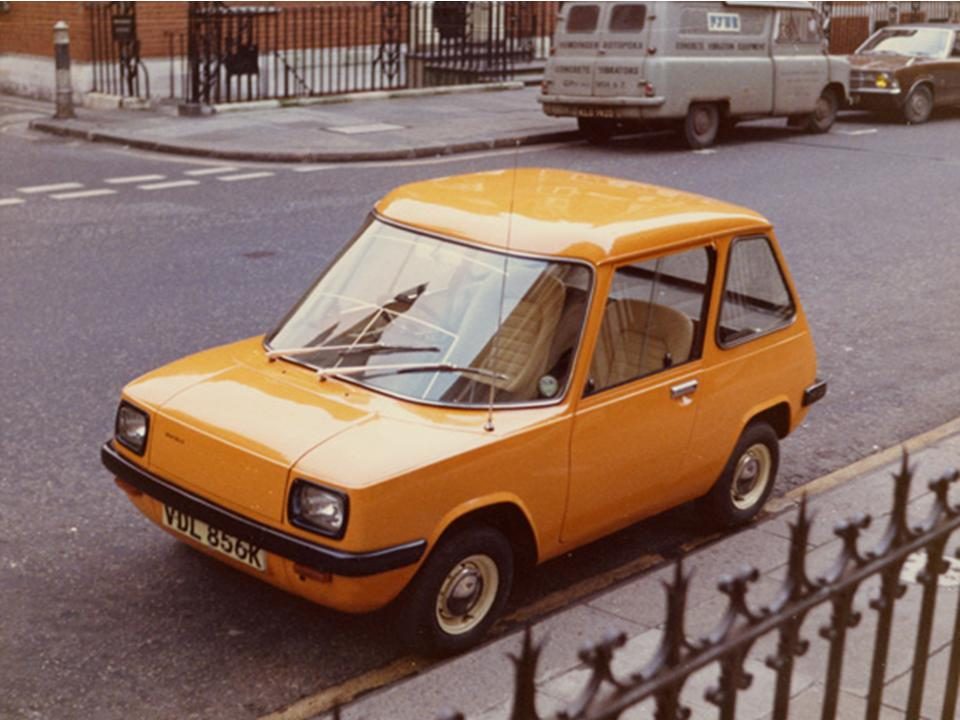
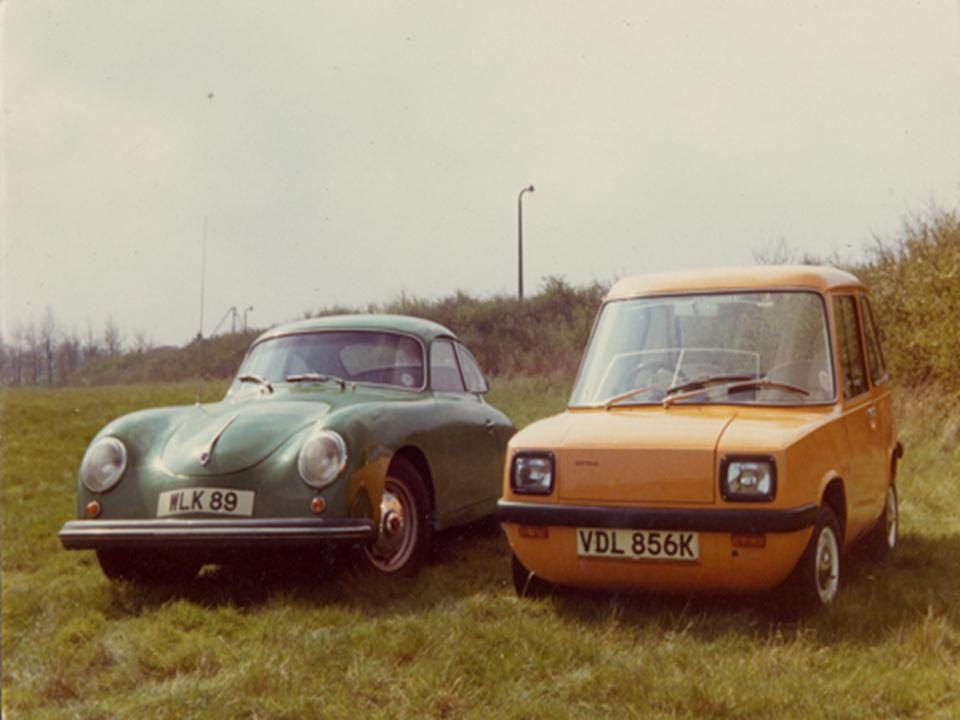
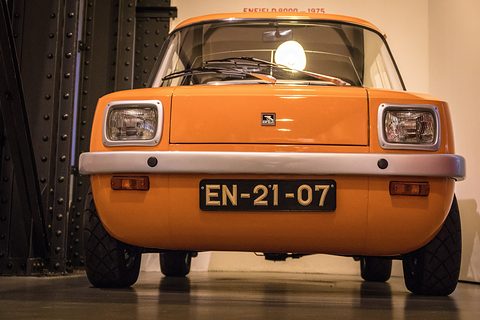
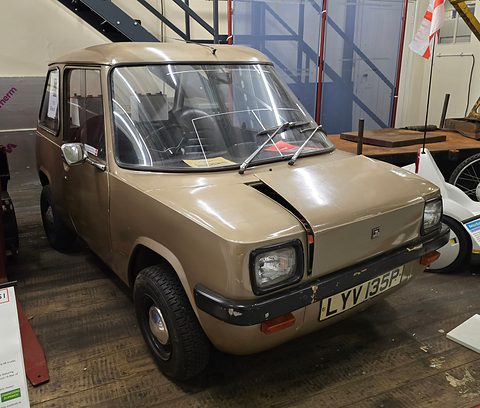
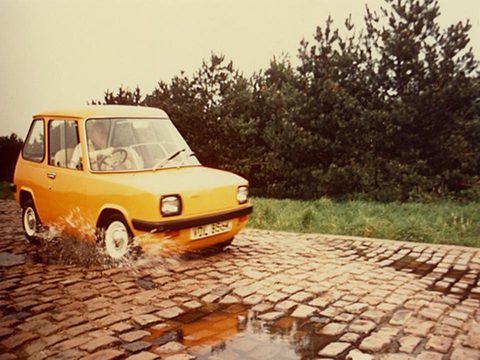
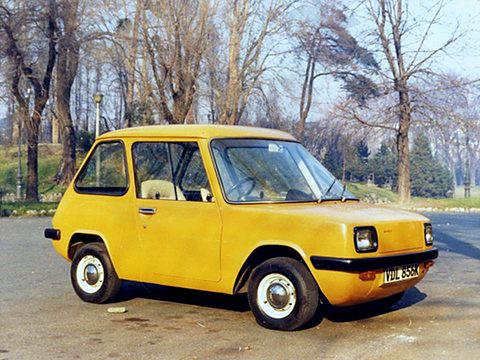
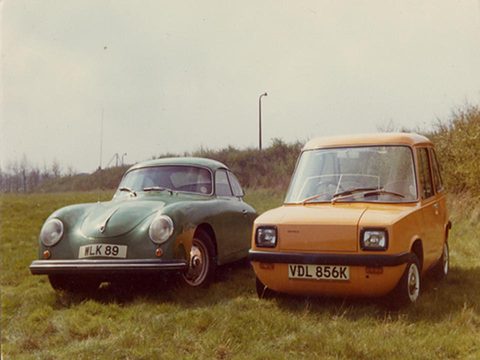
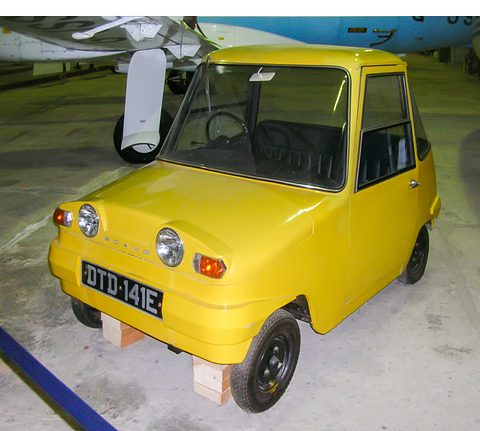
It was built from the parts bin over a frame of square steel tube, under aluminium panels. The front suspension and steering came from the Hillman Imp, the brakes and wheels from the Mini, and the rear axle from a Reliant three-wheeler; the doors were the Mini’s by two accounts, and the Hillman Avenger’s by an owner’s.source 2source 1source 4 A 48 V motor of 8 bhp (6 kW) sat in the transmission tunnel between the seats and drove the rear axle directly, with no gearbox; to reverse, a switch ran the motor backwards.source 1source 4source 3 The batteries, eight of 12 V by one count, sat four under the bonnet and four at the back, and weighed over 300 kg (660 lb) of a car that weighed 975 kg (2,150 lb).source 4 The car was only about 2,845 mm (112 in) long, shorter than a Mini, and turned in very little space.source 1source 4 It charged from a household socket in 10 to 12 hours.source 1
There are already numerous two-car British families. One member, say the husband, could use the electric car for his drive to work.
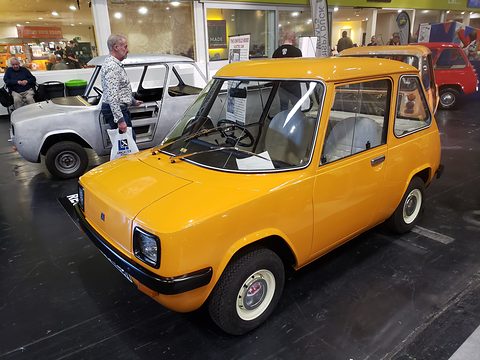
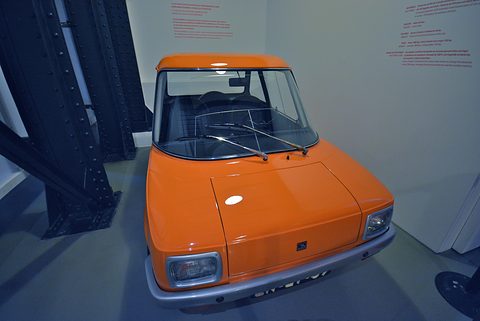
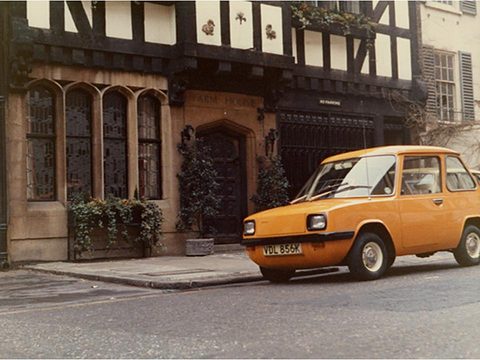
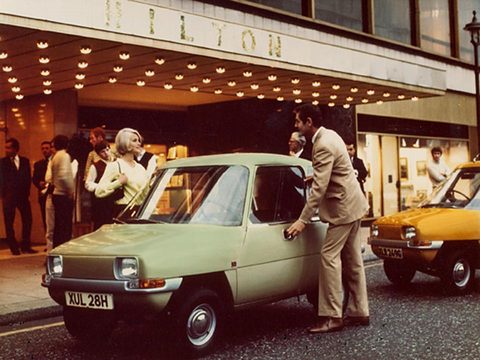
It came in red, orange, yellow or white, and a heater cost £30 extra, by Lancaster Insurance’s account; Island Echo says there was no heater at all.source 1source 3 In 1971 the price had been projected at £600 to £650. By 1975 it was £2,808, about the price of two Mini 1000s or a 3-litre Ford Capri.source 1source 4 Ronald Reagan, as Governor of California, reportedly offered to subsidise a factory there.source 3 The owner-historian of the surviving drag car also claims that it was the only electric car of its time to pass the British 30 mph barrier crash test.source 4
From Cowes to Syros
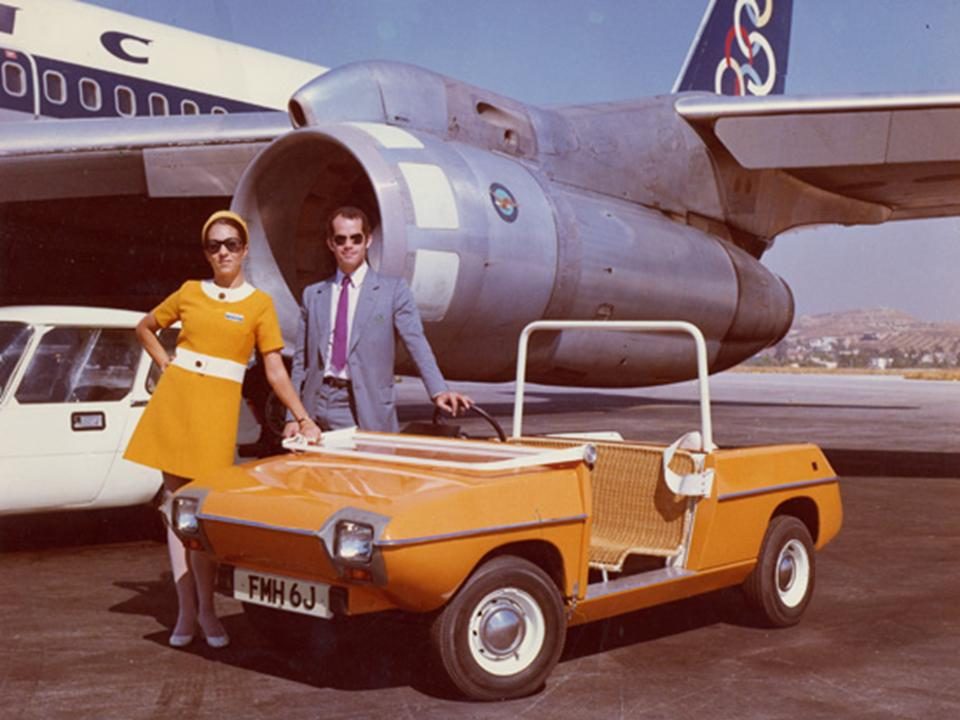
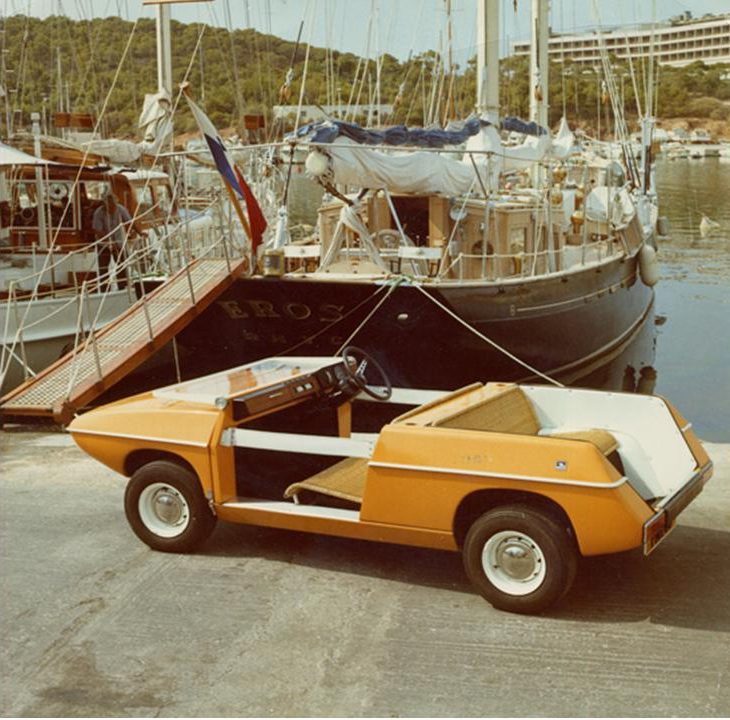
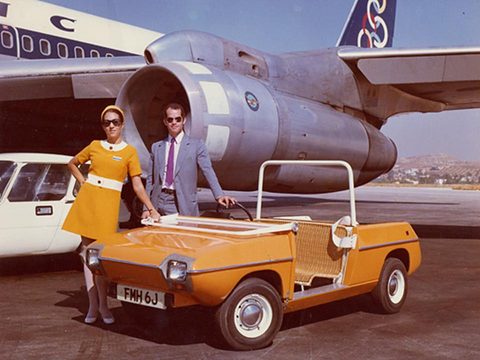
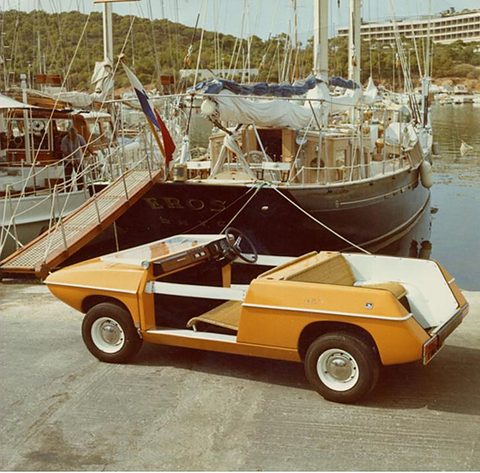
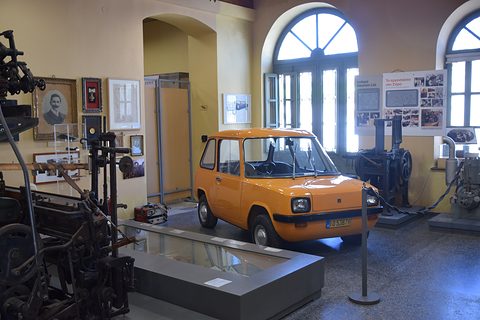
The Somerton Works at Northwood, near Cowes, built prototypes and early cars at about one a week.source 2source 4source 3 Then Goulandris merged Enfield Automotive into his Neorion shipyard group as Enfield-Neorion and moved production to the island of Syros. Thanos Lebesis, then its general manager, recalled Goulandris’s reasoning in a documentary of 2014, in English Wikipedia’s English: “the company was owned by Greeks, the car was designed by Greeks, so it should also be produced by Greeks”.source 2 Island Echo has parts made on Syros and the cars assembled at Northwood.source 3 The car could not be sold in Greece, where electric vehicles fell into an awkward tax category, so it was exported to Britain, and an open “Jeep” for the islands’ hire fleets was developed but never sold.source 2
Autocar tested one for its issue of 21 February 1976 and found a usable range of 25 miles (40 km), and 0–30 mph in 15.7 seconds.source 2 It was dry about it.source 1
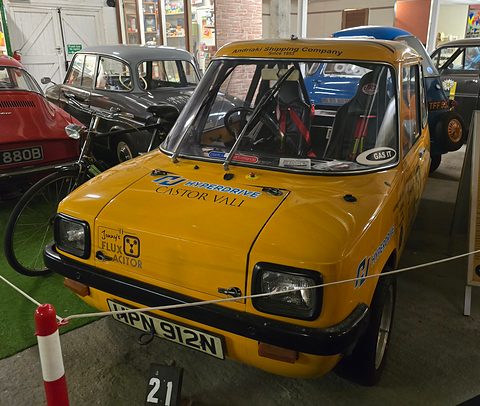
Naturally, with a kerb weight of just a little under 1 ton and only 8bhp to propel it, the Enfield is no candidate for the drag strips.
The Guardian had been kinder in 1974, finding “perfectly acceptable acceleration up to 30 mph (it takes about ten seconds) combined with good handling, steering, and braking”.source 1 Island Echo sums it up as simple to drive, with no gears, nifty handling, a tight turning circle and a smooth ride, but brisk only to 10 mph and humming like a milk float.source 3 Production ended in 1976. About half the cars, 65 by English Wikipedia’s count, had gone to the Electricity Council and the area boards in the south of England, where meter readers used them; the boards sold theirs off in the early 1980s.source 2source 4source 3 It was an early modern British electric city car, a quarter of a century before the Smart Fortwo (more in electric microcars).source 4source 3