microcarfan
  • Kei car
  • Japan
  • 3 makers
  • Two seats
  • 64 PS

ABC kei sports cars (AZ-1, Beat, Cappuccino)

Also known as The Heisei ABC trio, 平成ABCトリオ

Three makers, three layouts, one set of rules, 660 cc and 64 PS, and one size: 3,295 mm (130 in) long and 1,395 mm (55 in) wide. Japan calls them the “Heisei ABC trio”, after the initials of the AZ-1, the Beat and the Cappuccino, and they arrived just as the money ran out.

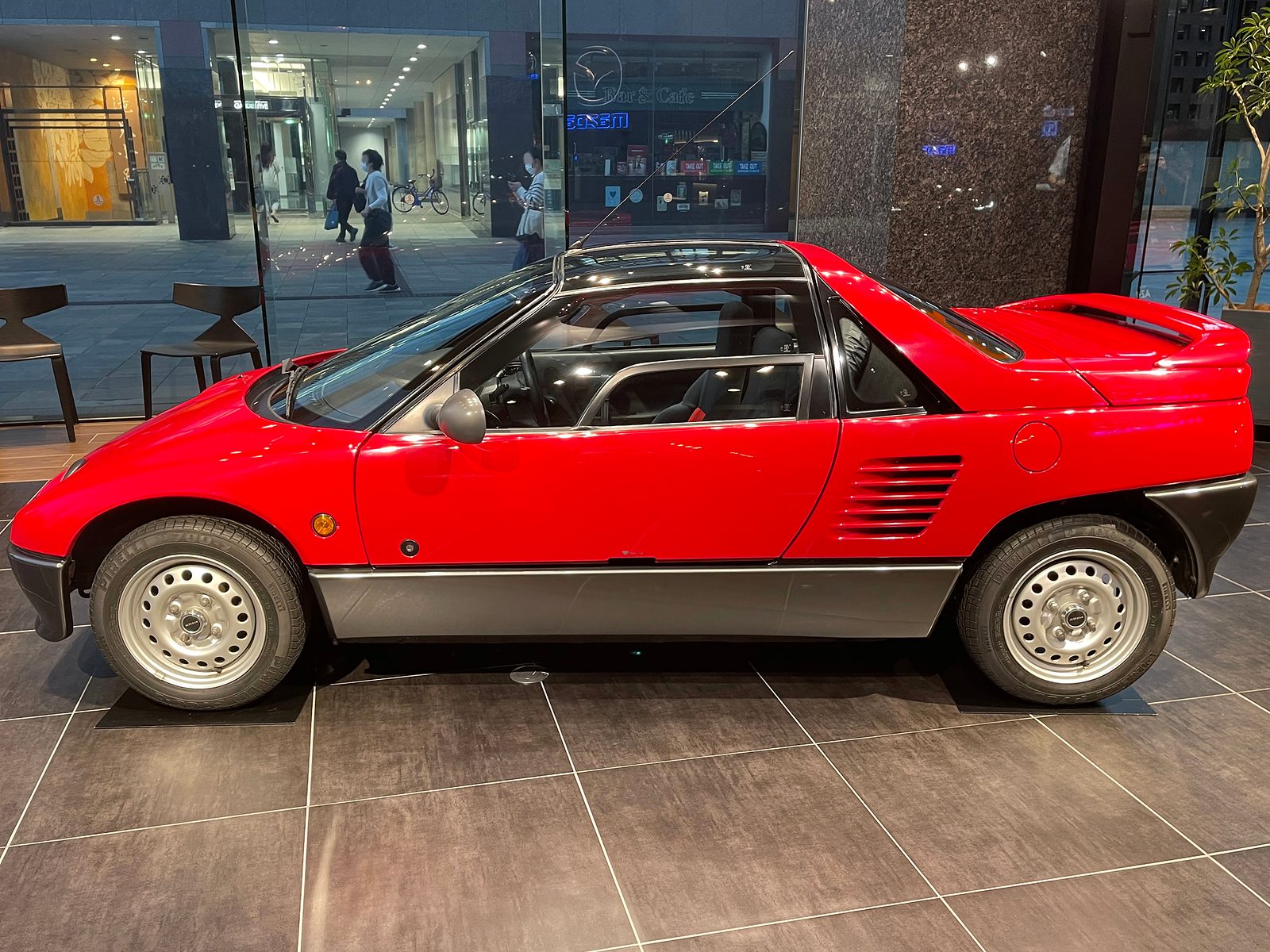
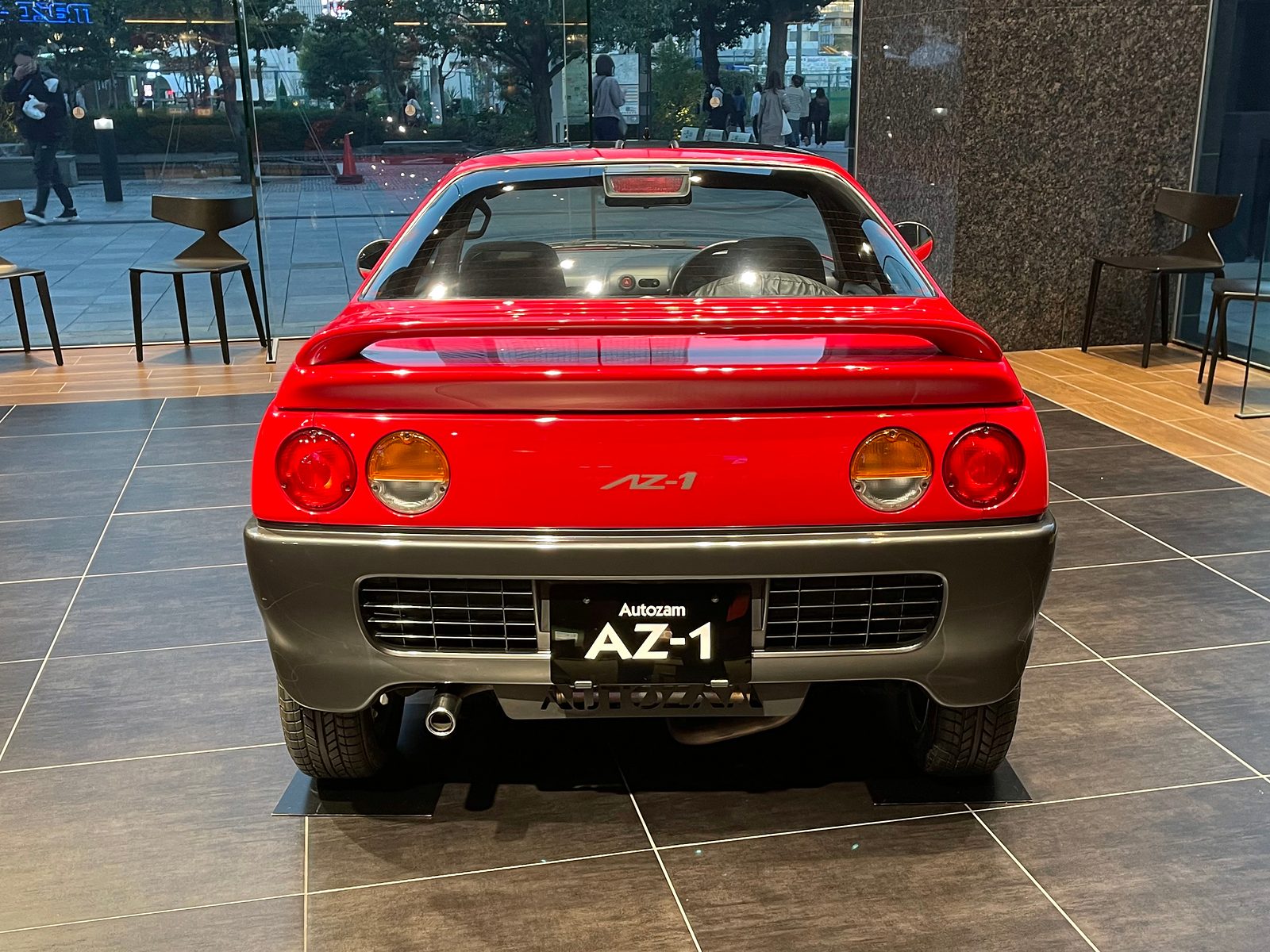
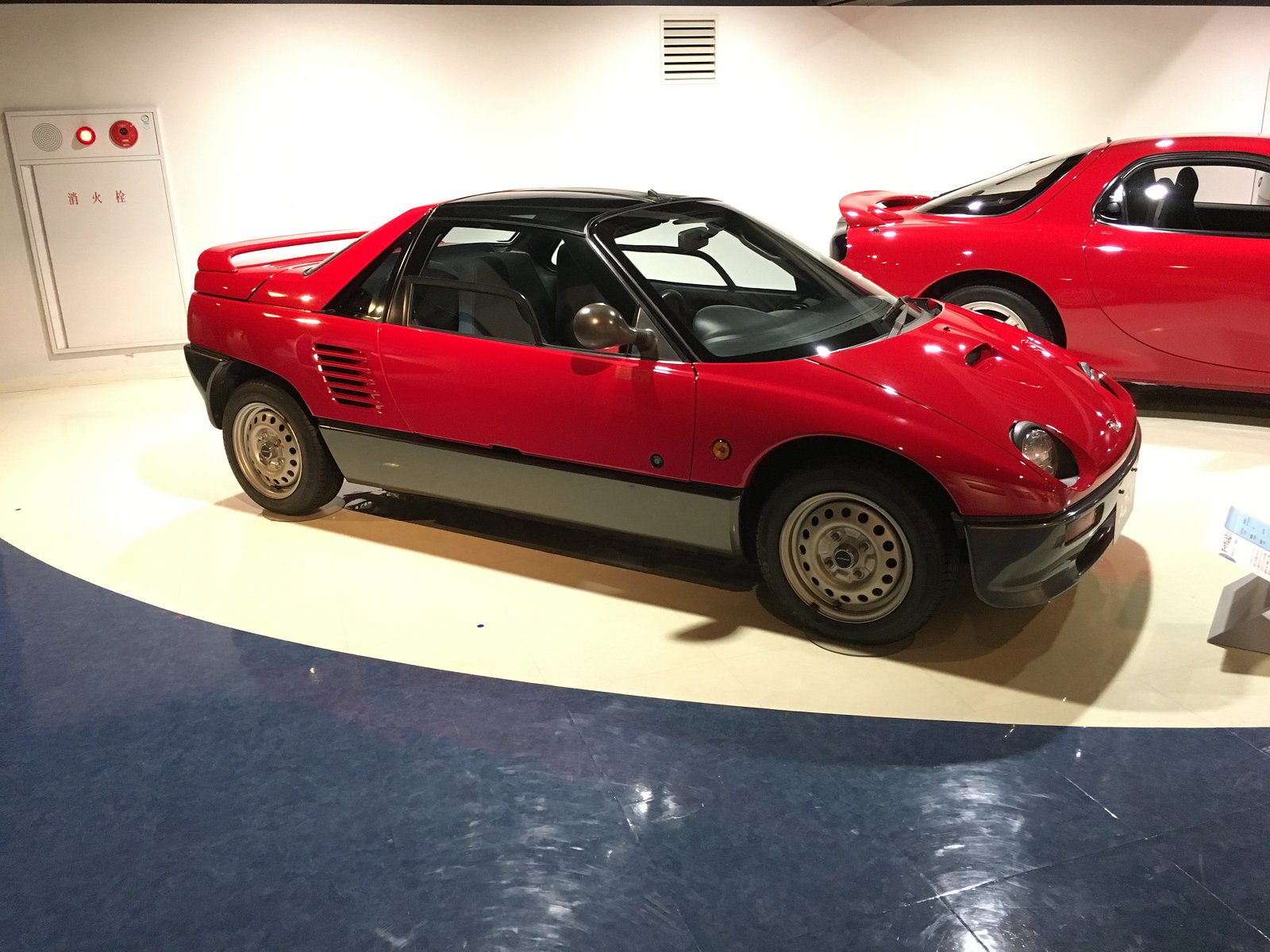
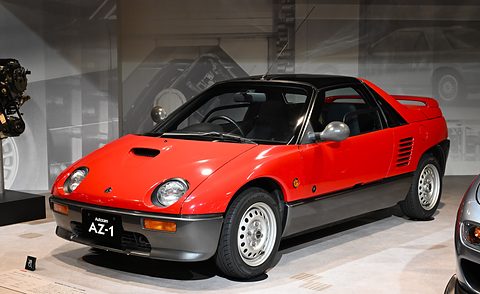
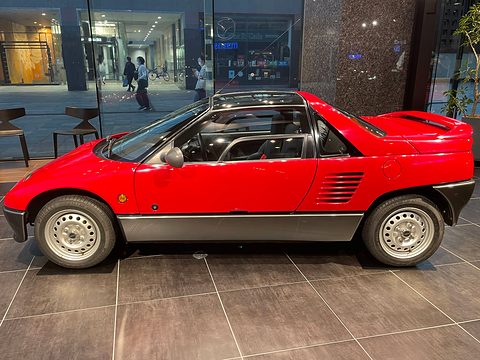
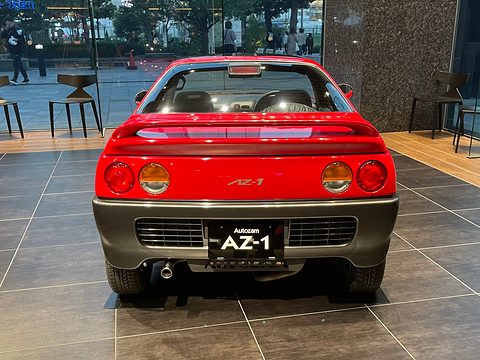
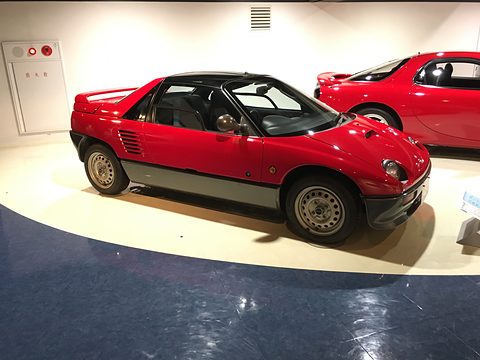
Red and grey small coupé with round headlamps, steel wheels and an AZ-1 plate on a museum floor.
A red 1992 Autozam AZ-1 (PG6SA) on display at the Mazda Museum, Hiroshima, Japan, in September 2026.Photo: TTTNIS, CC0, via Wikimedia Commons

At a glance

The spec plate

ABC kei sports cars (AZ-1, Beat, Cappuccino)

3 makers · Japan

Built
1991–⁠1998The Beat on sale from May 1991; the last Cappuccinos sold in October 1998
Country
JapanThe Cappuccino at Kosai, Shizuoka; the AZ-1 assembled by Kurata
Engine
656 cc to 658 cc three-cylindersAZ-1 and Cappuccino: Suzuki F6A turbo, the Cappuccino a K6A from 1995. Beat: Honda E07A, without a turbo
Power
64 PS47 kW, the industry’s voluntary limit; all three
Length
3,295 mm1,395 mm wide
Weight
690 kgThe lightest, a late Cappuccino; the AZ-1 720 kg, the Beat 760 kg
Seats
2
Wheels
4Rear-wheel drive; the engine in the middle of the AZ-1 and the Beat, behind the front axle in the Cappuccino
Price new
¥1,388,000 to ¥1,498,000The Beat, the Cappuccino and the AZ-1, before tax; £11,995 for a Cappuccino in Britain in 1993
Production
about 4,400 to 33,900 eachAZ-1 about 4,400; Cappuccino 26,583 or 28,010; Beat 33,892
Survives
about 15,000 BeatsIn 2022; about 3,000 Cappuccinos registered in Japan in 2021
Top speed
140km/h140 km/hThe Beat was held to 135 km/h

The story

History

In 1990 Japan rewrote the rules for its kei cars. A kei car could now be 3,300 mm (130 in) long and 1,400 mm (55 in) wide, with an engine of 660 cc, and the makers held themselves to a voluntary limit of 47 kW, or 64 PS.source 1source 2 In the last years of Japan’s bubble economy, three makers built two-seat sports cars right up to those limits: each 3,295 mm long and 1,395 mm wide, each with 64 PS, and each laid out in a different way.source 3source 4source 5

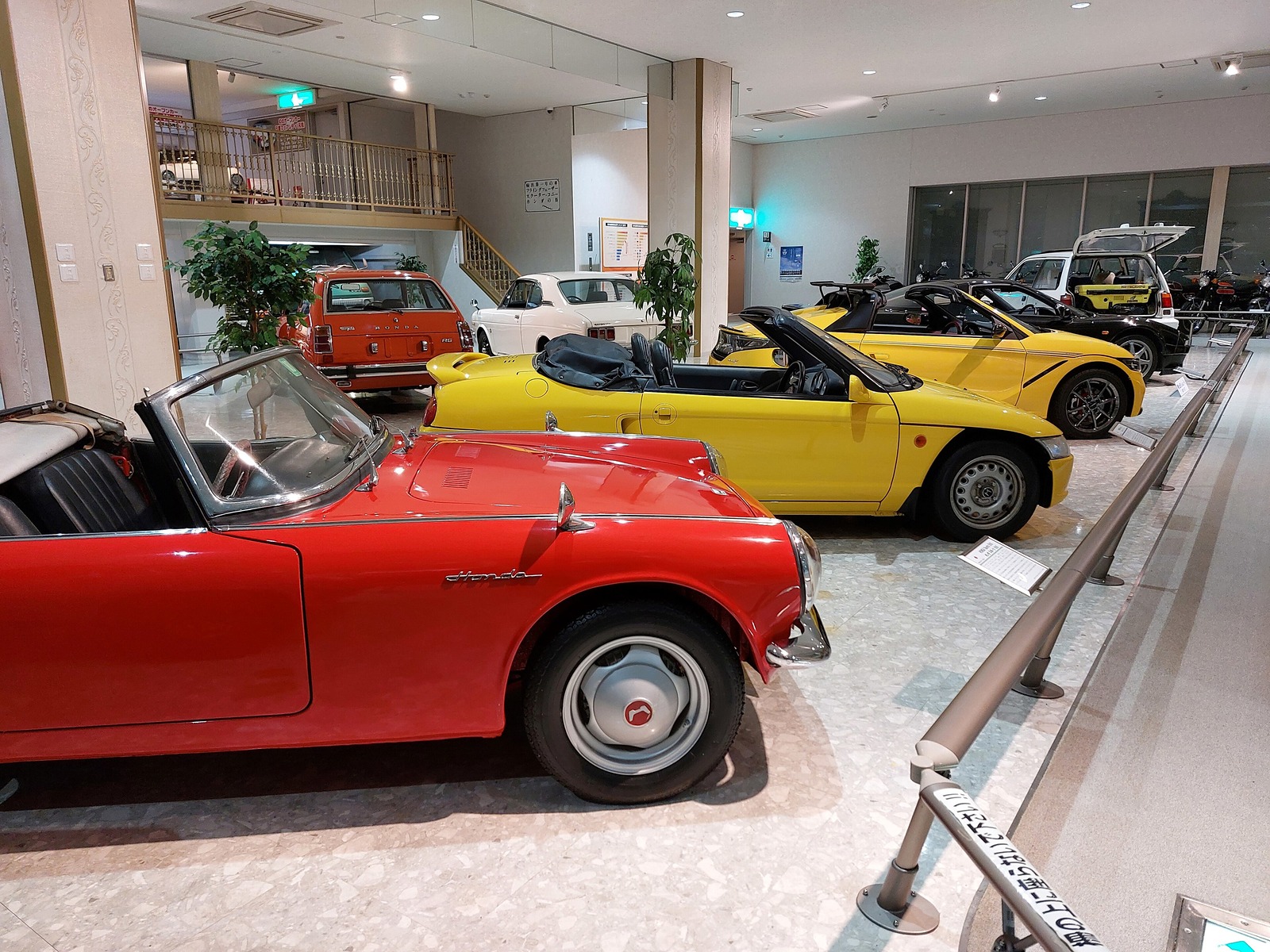
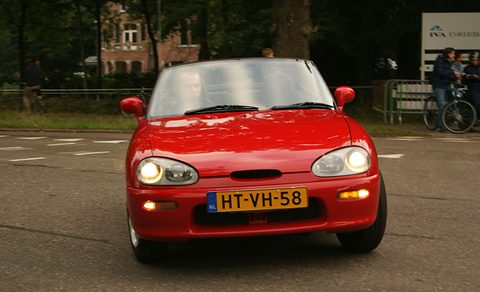
Honda put a high-revving engine without a turbo in the middle of an open car; Suzuki put a turbo engine in front, lengthways, behind the front axle, under a roof that came apart; and Mazda, through its Autozam dealers, put a Suzuki turbo engine in the middle of a coupé with gullwing doors.source 6source 4source 5 They were priced within ¥110,000 of each other: the Beat at ¥1,388,000, the Cappuccino at ¥1,458,000 and the AZ-1 at ¥1,498,000, before tax.source 7source 2source 3 The initials of the three made the name by which Japan knows them, the 平成ABCトリオ, the Heisei ABC trio.source 8source 5source 9

The bubble burst as they arrived, and the AZ-1, the dearest and the least practical, sold worst.source 3source 6 Japanese Wikipedia sees in them the forerunners of the Smart Roadster, and Japan’s later kei roadsters, Daihatsu’s Copen of 2002 and Honda’s S660 of 2015, followed them.source 4 All three are cult cars now, with strong clubs and high prices second-hand.source 6source 5source 9 They are taken here in the order they went on sale.
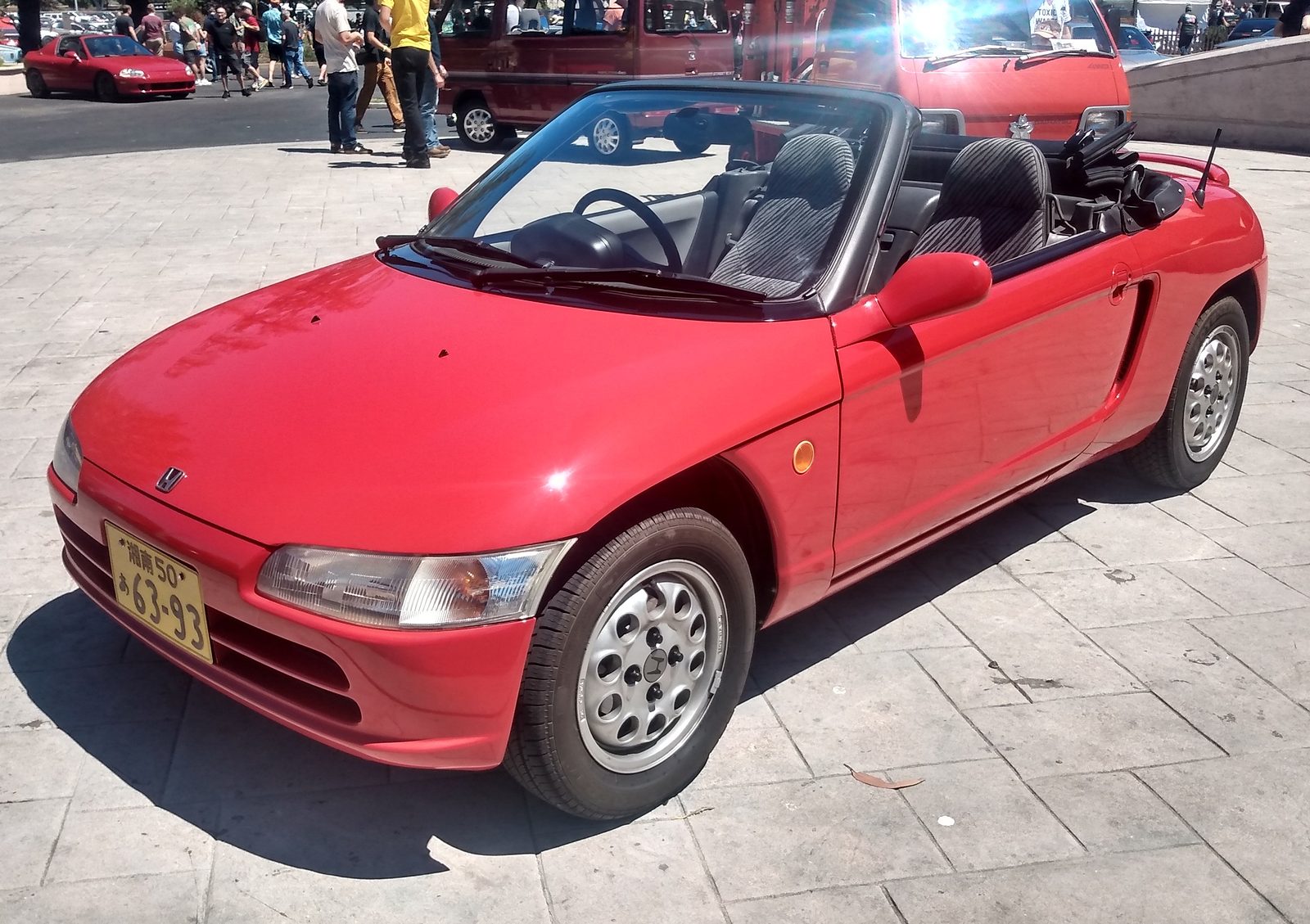
Honda Beat

1991–⁠1996 · a record on this page

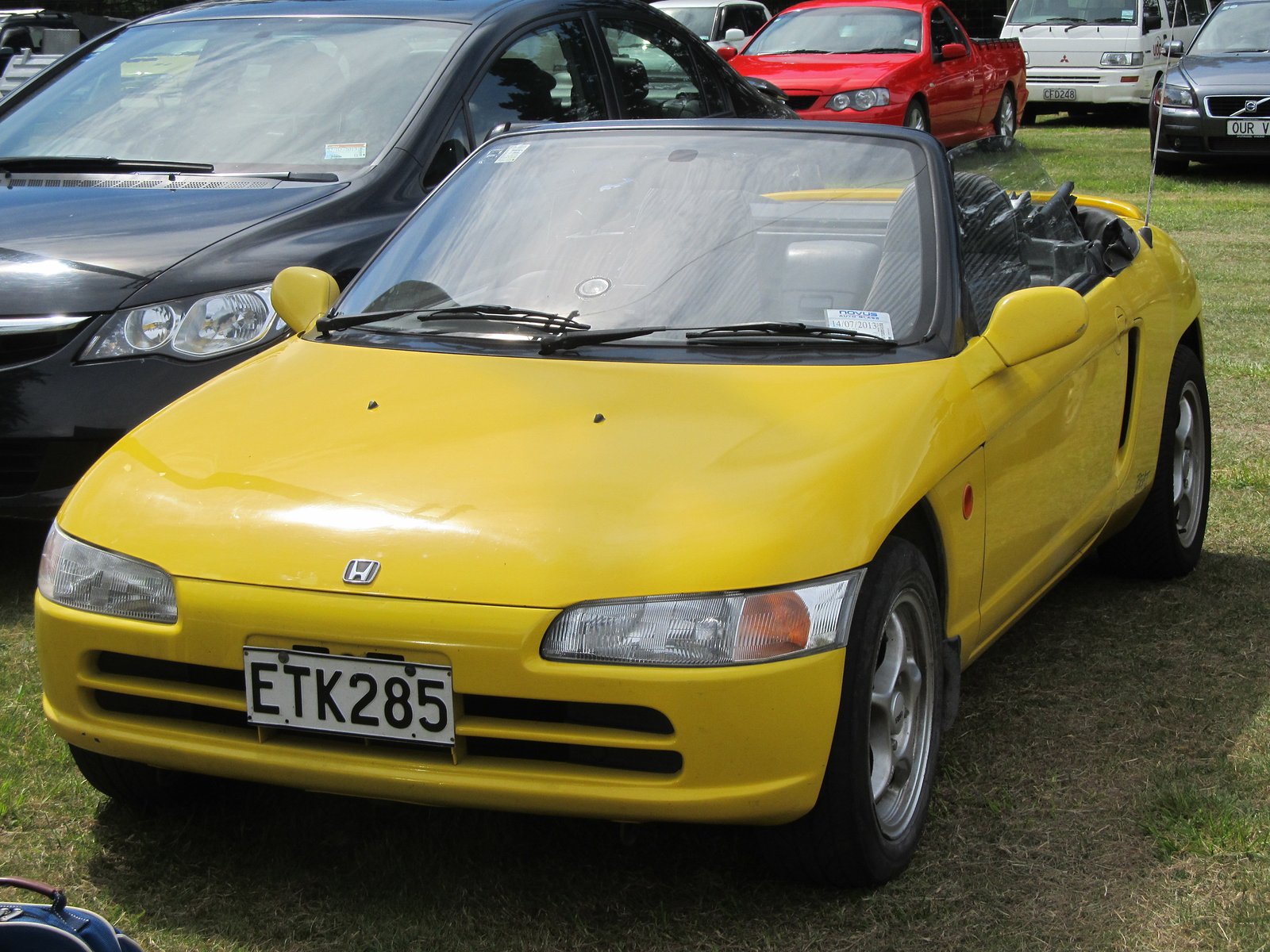
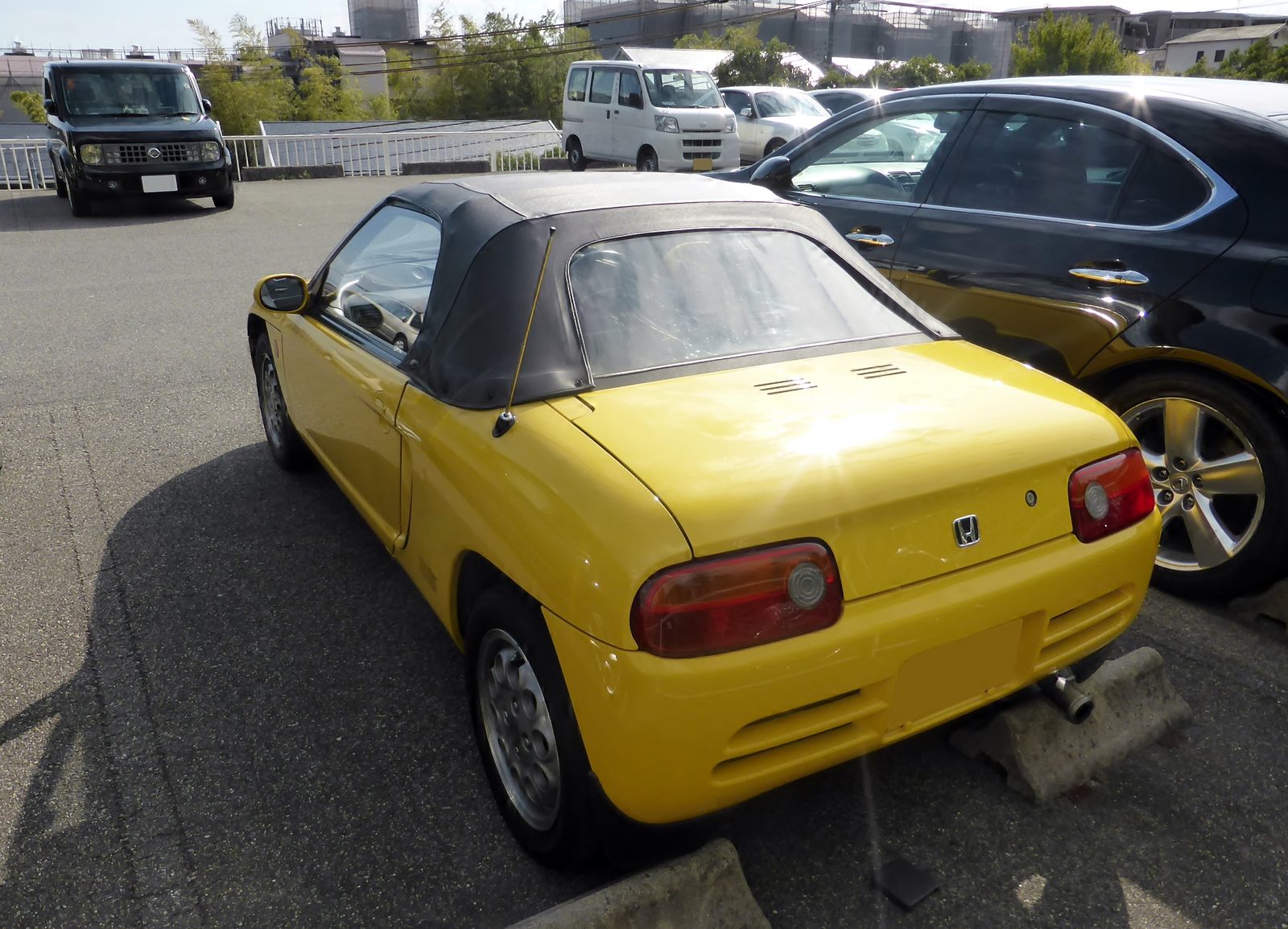
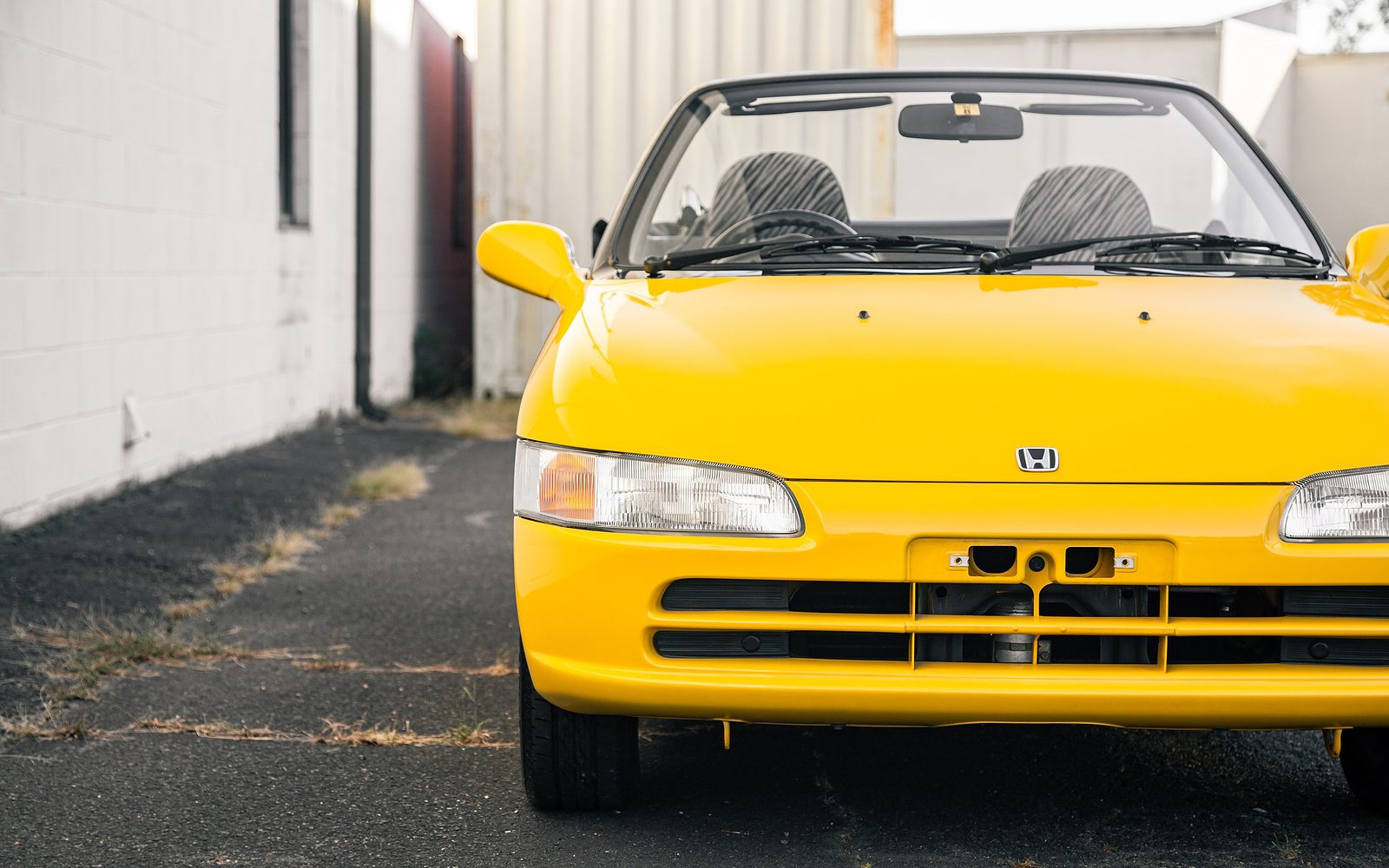
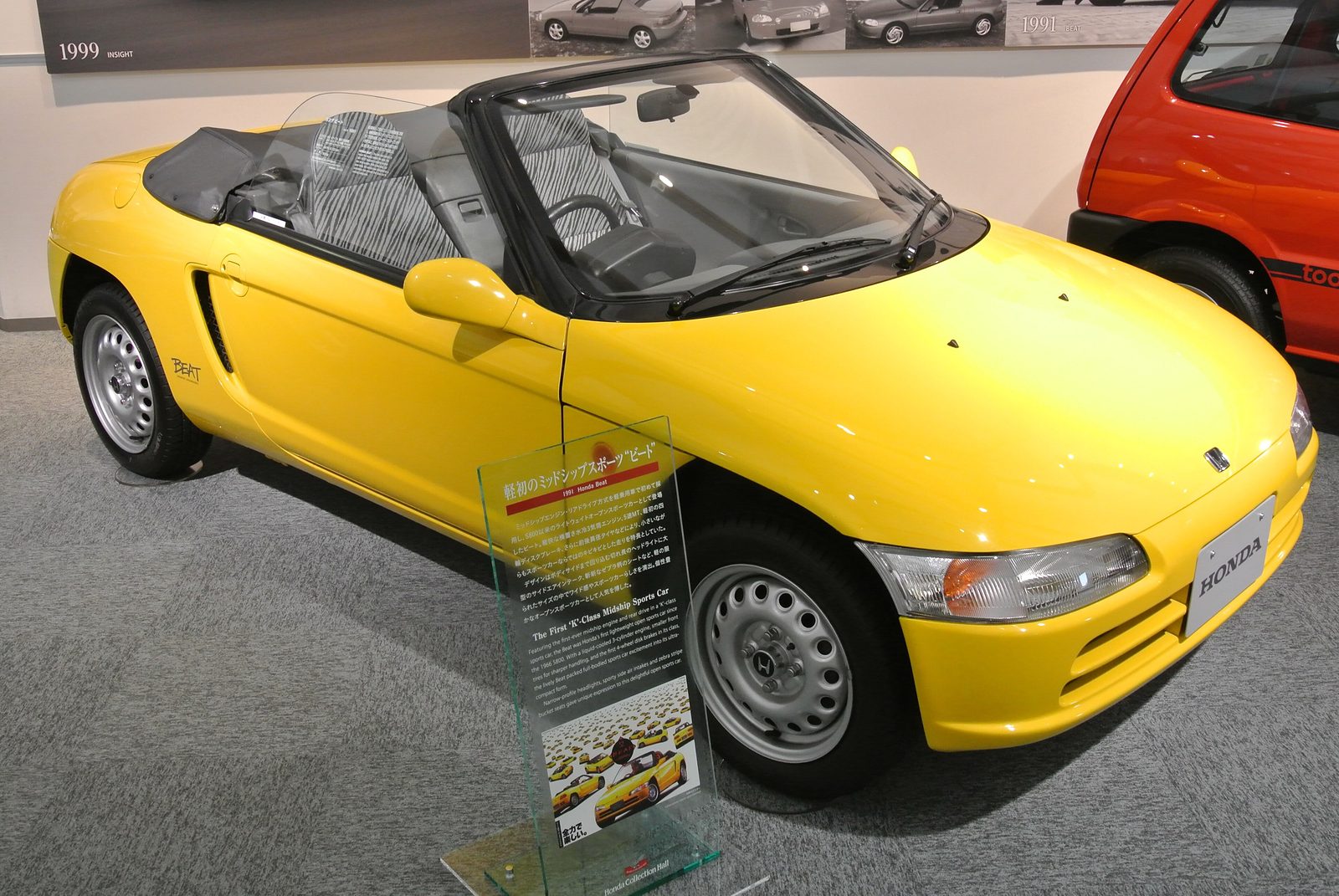
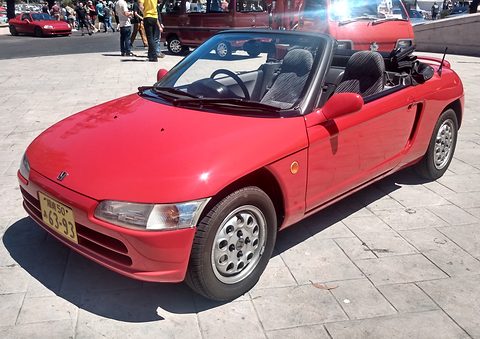
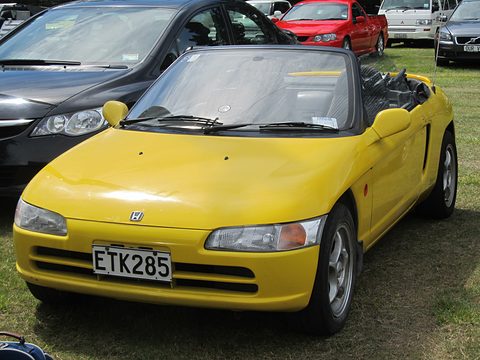
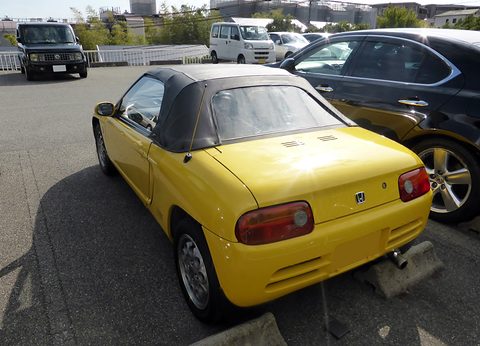
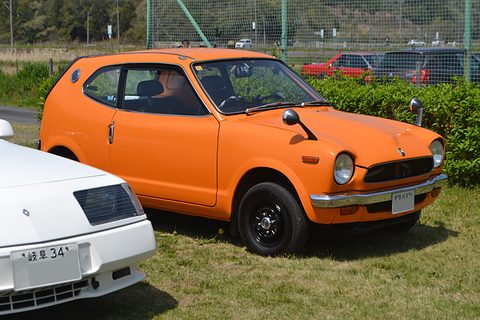
Honda announced the Beat on 15 May 1991 and put it on sale the next day through its Primo dealers.source 4source 7 Soichiro Honda attended the launch; he died on 5 August 1991, and it was the last new car he saw launched.source 8source 4 Honda’s release made it the first kei car with its engine in the middle driving the rear wheels, the first with a fully open two-seat body, and the first with discs on all four wheels and an airbag, the airbag an ¥80,000 option; it also called it the world’s first fully open monocoque on a mass-produced mid-engined car.source 4source 7 Honda hoped to sell 3,000 a month in Japan.source 4source 7 It was marketed as “Midship Amusement”, and its advertisements used the song “Jinjin” by Yuko Hara of Southern All Stars.source 8source 4

見て、乗って、走って楽しい新しいコンセプトのクルマ

Honda Motor Co., launch release for the Beat, 15 May 1991. In English: “A car of a new concept, fun to look at, to ride in and to drive.”source 7

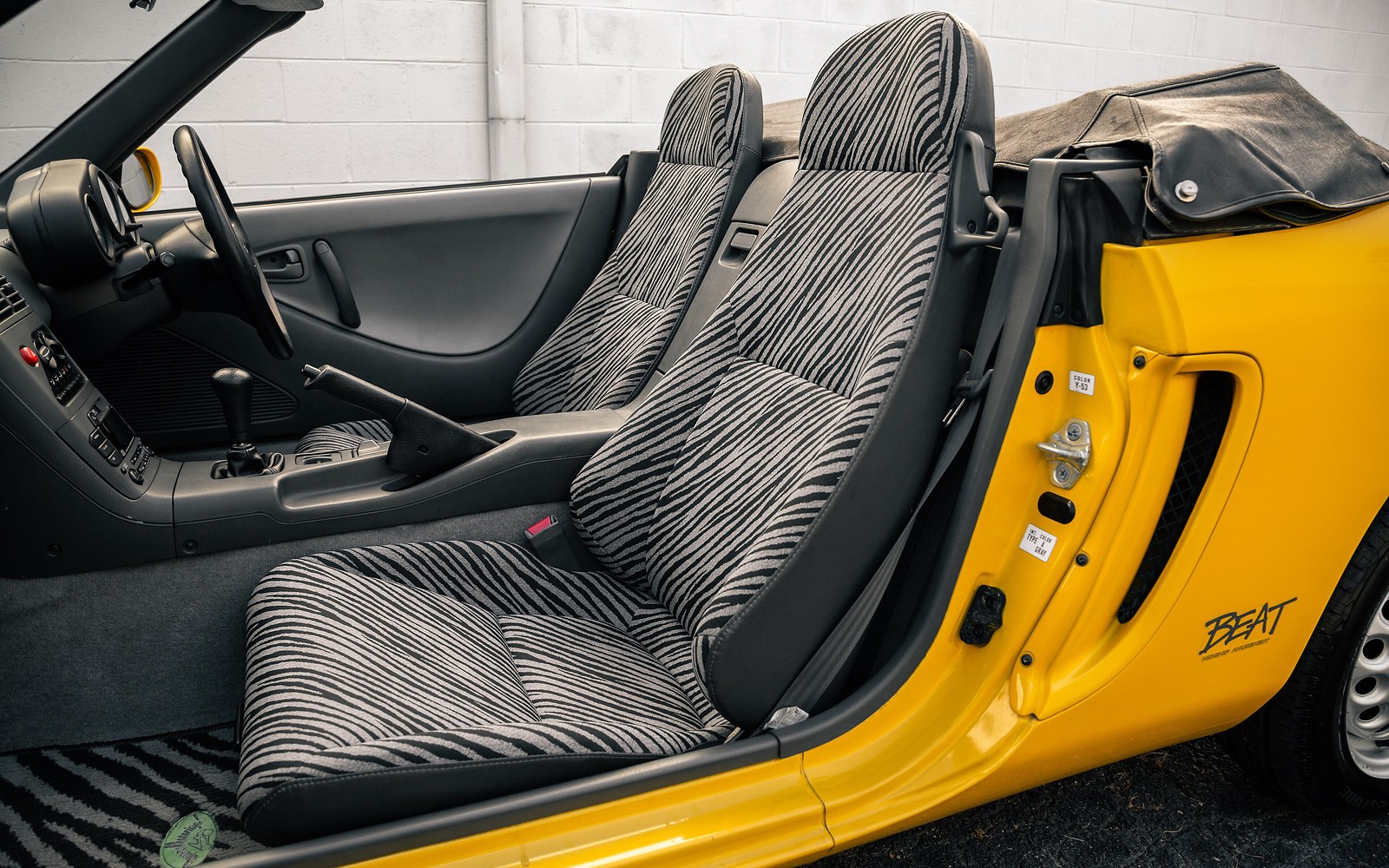
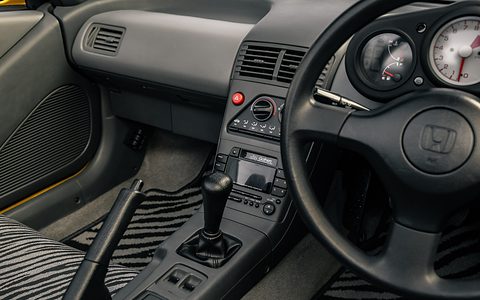
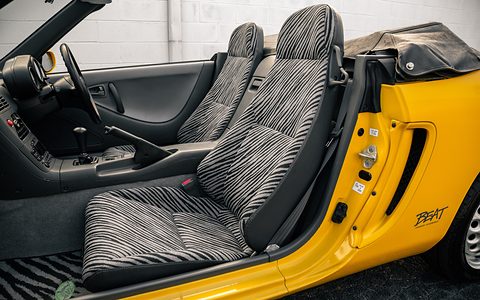
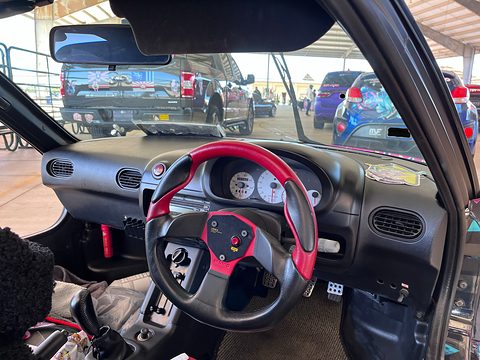
The engine was what made the Beat. Its 656 cc E07A three-cylinder had no turbo; instead Honda gave it MTREC, a throttle for each cylinder and switched fuel-injection maps, which it said was born of its Formula One engines. It made its 64 PS at 8,100 rpm and was red-lined at 8,500.source 8source 4source 7 The instruments were three dials like a motorcycle’s, the seats were trimmed in a zebra pattern, the centre console was set about 2 cm towards the passenger to give the driver more room, and there was no power steering. The rear discs came from the Prelude and the mirror from the NSX, and the front wheels were 13 inches and the rear 14.source 4source 7 At 1,175 mm (46 in) high it was cramped, and the boot was so small that Honda offered a rack for the boot lid.source 4

Honda has never said who designed it. Enrico Fumia, formerly of Pininfarina, said it was the Czechoslovak Pavel Hušek; the Japanese magazine Scuderia credits Pietro Camardella, who drew the Pininfarina Mythos.source 4 Special editions came in 1992, the Version F in Aztec Green Pearl, 800 of them, and the Version C in Captiva Blue Pearl with white wheels, 500; the Version Z, with black dials and a spoiler, followed in 1993.source 8source 4 About two-thirds of all Beats were built in the first year.source 8 Production ended in October 1995 by Japanese Wikipedia, or February 1996 by English, and sales in December 1996.source 4source 8 Honda reissued some of its original parts from June 2017.source 4

Grey dashboard with three round dials behind a Honda steering wheel and zebra-striped seat fabric.
The Beat’s three motorcycle-style dials and zebra-pattern trim, in Richmond, Virginia, in October 2021.Photo: Guyon, CC BY 2.0, via Wikimedia Commons

Suzuki Cappuccino

1991–⁠1998 · a record on this page

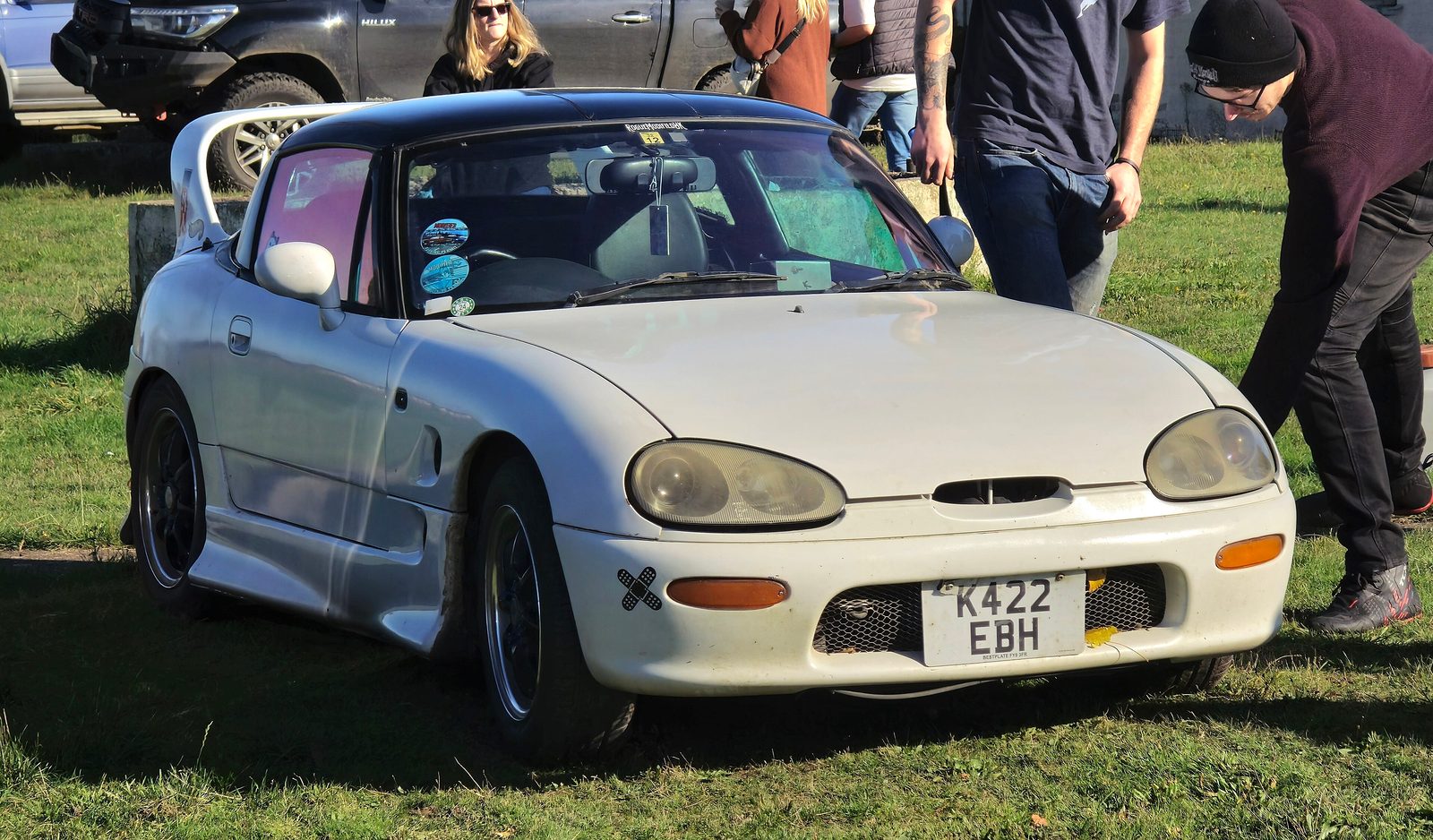
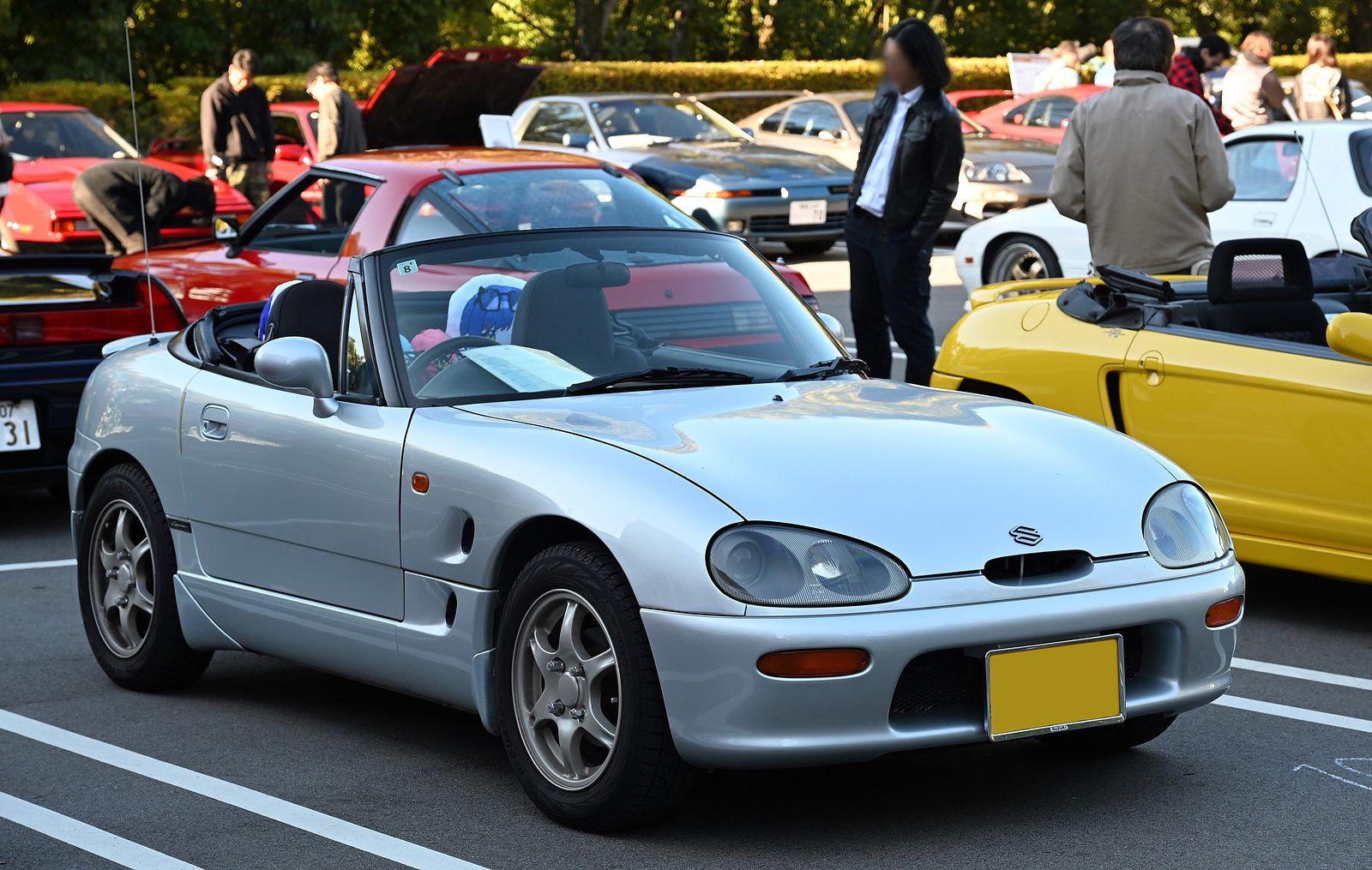
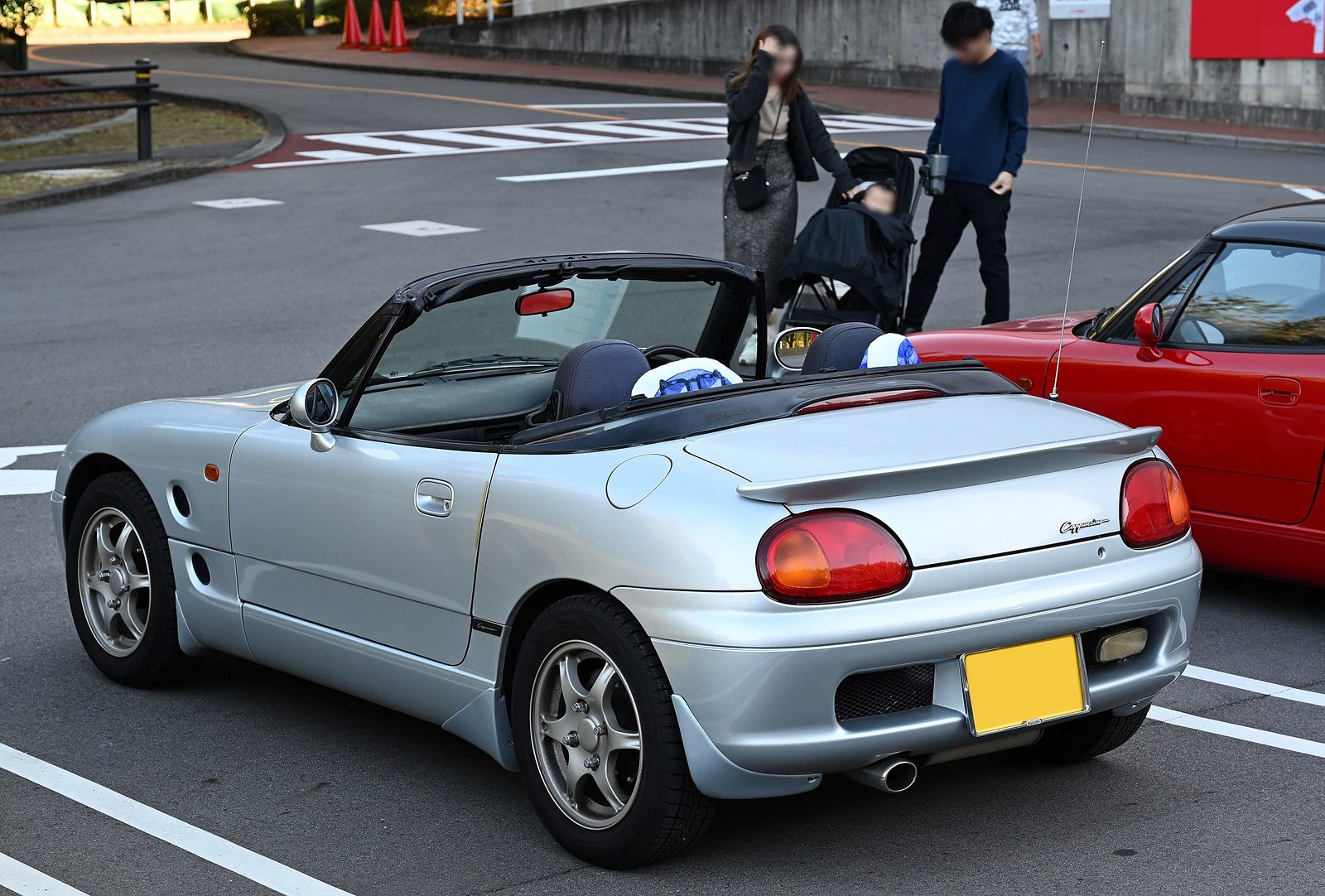
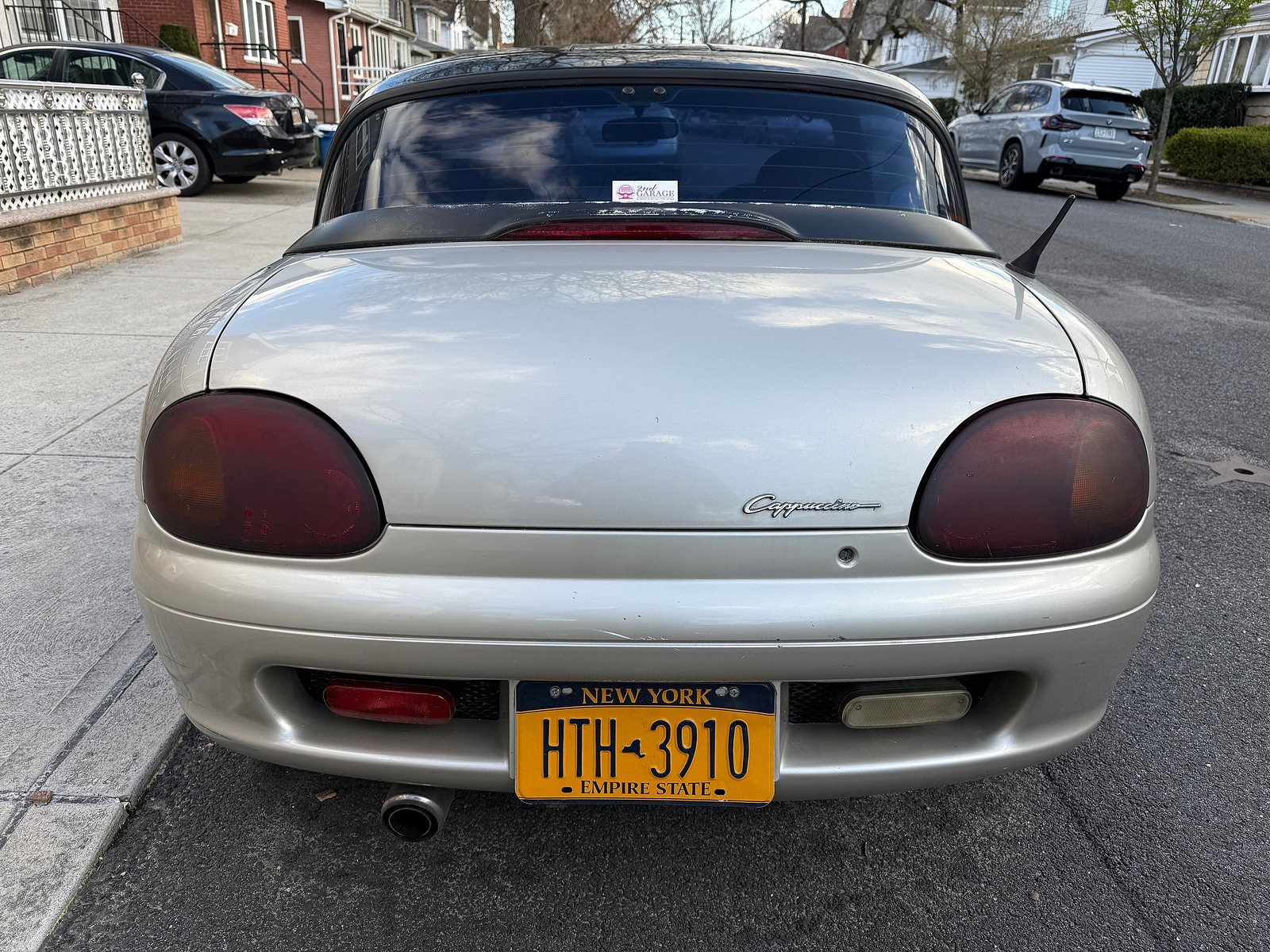
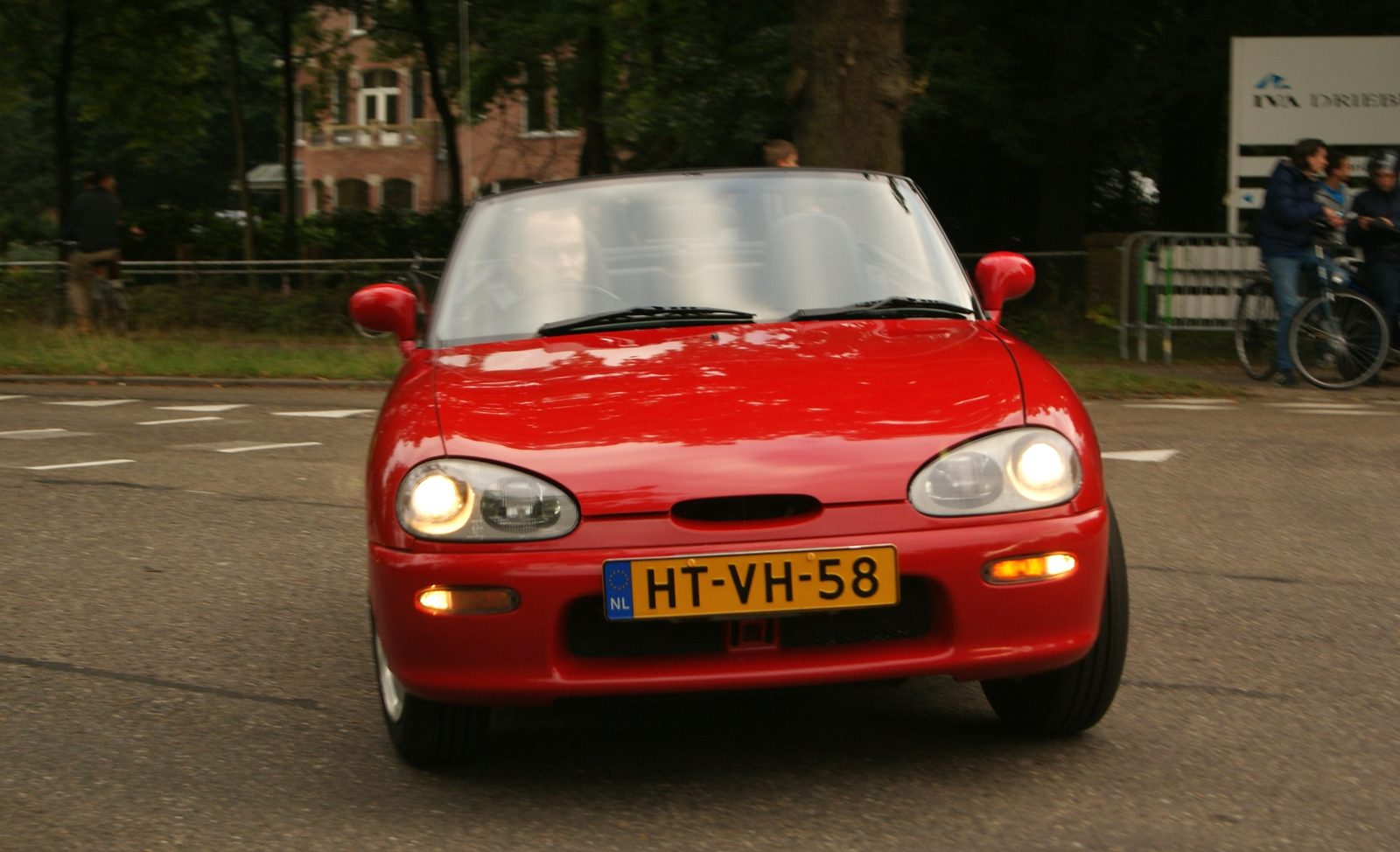
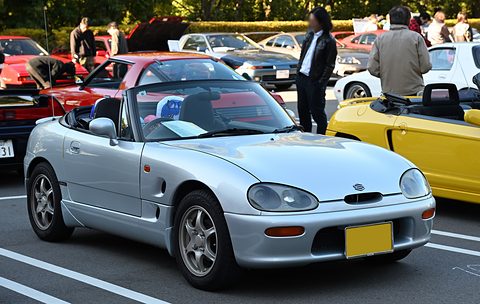
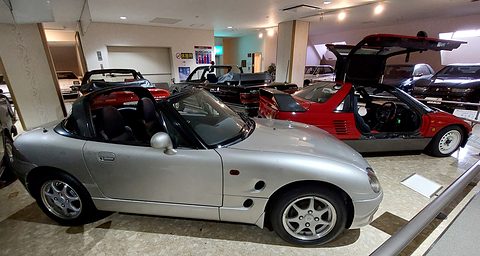
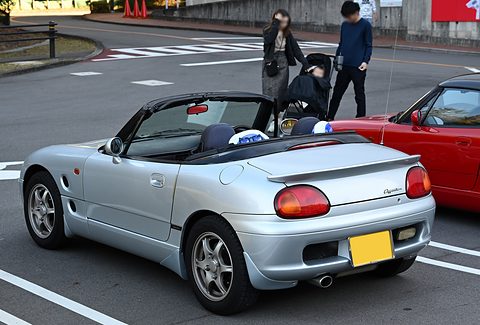
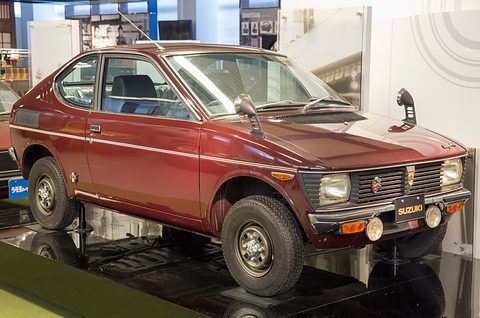
Suzuki began the Cappuccino in 1987 to bring back a sporting image, designed it at first to the old kei rules and showed it with a 550 cc engine at the Tokyo Motor Show of 1989, where its president, Osamu Suzuki, said it would be built; it was then enlarged to the new rules.source 5source 1source 2 Production began at Kosai, in Shizuoka, in October 1991, and it went on sale in November, from ¥1,458,000.source 5source 1source 2 The name came from the coffee, which Suzuki explained this way.

小さなカップに入ったちょっとクセのあるおしゃれな飲み物

Suzuki, on its model names, as reported by Japanese Wikipedia. In English: “A stylish drink with a bit of a kick, served in a small cup.”source 5

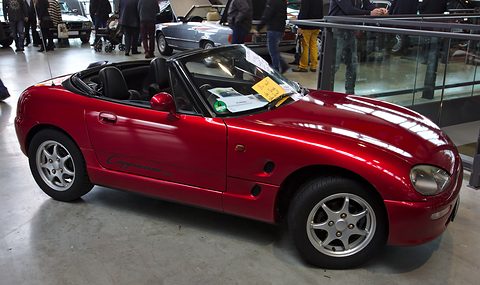
Its turbocharged F6A three-cylinder sat lengthways behind the front axle, and drove the rear wheels.source 5source 2 It was the first kei car with double wishbones on all four wheels, and the bonnet, roof panels, roll bar and front lower panels were aluminium.source 5source 2 The roof came off in three panels that stowed in the boot, and with the rear window and roll bar lowered behind the seats the car could be a hardtop, a T-bar, a targa or fully open; Suzuki calls it the first mass-produced car with four roof configurations.source 5source 2source 9 One Japanese magazine called it the car with the world’s smallest living space.source 5 In its first two years 15,113 were built, and 13,318 sold in Japan.source 1source 9

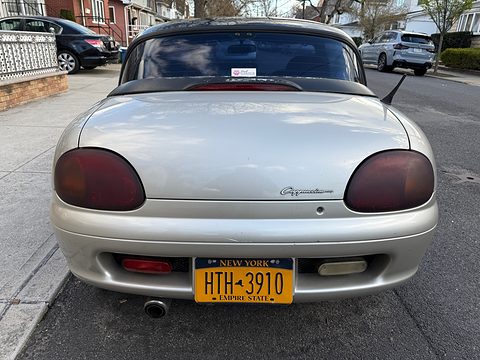
It was the only one of the three sold new in Europe. Suzuki GB began talks in 1991, and 18 months and 23 changes later it had British approval; the car made its first appearance outside Japan at the British International Motor Show of October 1992, winning two design awards, and went on sale in Britain in October 1993 at £11,995.source 1source 9 Import quotas cut the allocation from 1,500 to 1,182, in red or silver only; 1,110 were registered in Britain from 1993 to 1995, and the rest went to Germany, France, the Netherlands and Sweden. When new European emissions rules arrived, unsold cars had to be registered by 30 September 1995, and Suzuki chose not to approve the car again.source 1source 9 In May 1995 the Japanese car became the EA21R, with the all-aluminium K6A engine, 10 kg less weight and, for the first time, a three-speed automatic.source 5source 1source 2 Production ended in January 1998 by Japanese Wikipedia, or late 1997 by SCORE, and sales in October 1998, when the kei rules changed again.source 5source 1

Red small open two-seater with a for-sale notice behind the windscreen on a show-hall floor.
A red Cappuccino with its roof panels off at Retro Classics, Stuttgart, in March 2018.Photo: Alexander Migl, CC BY-SA 4.0, via Wikimedia Commons

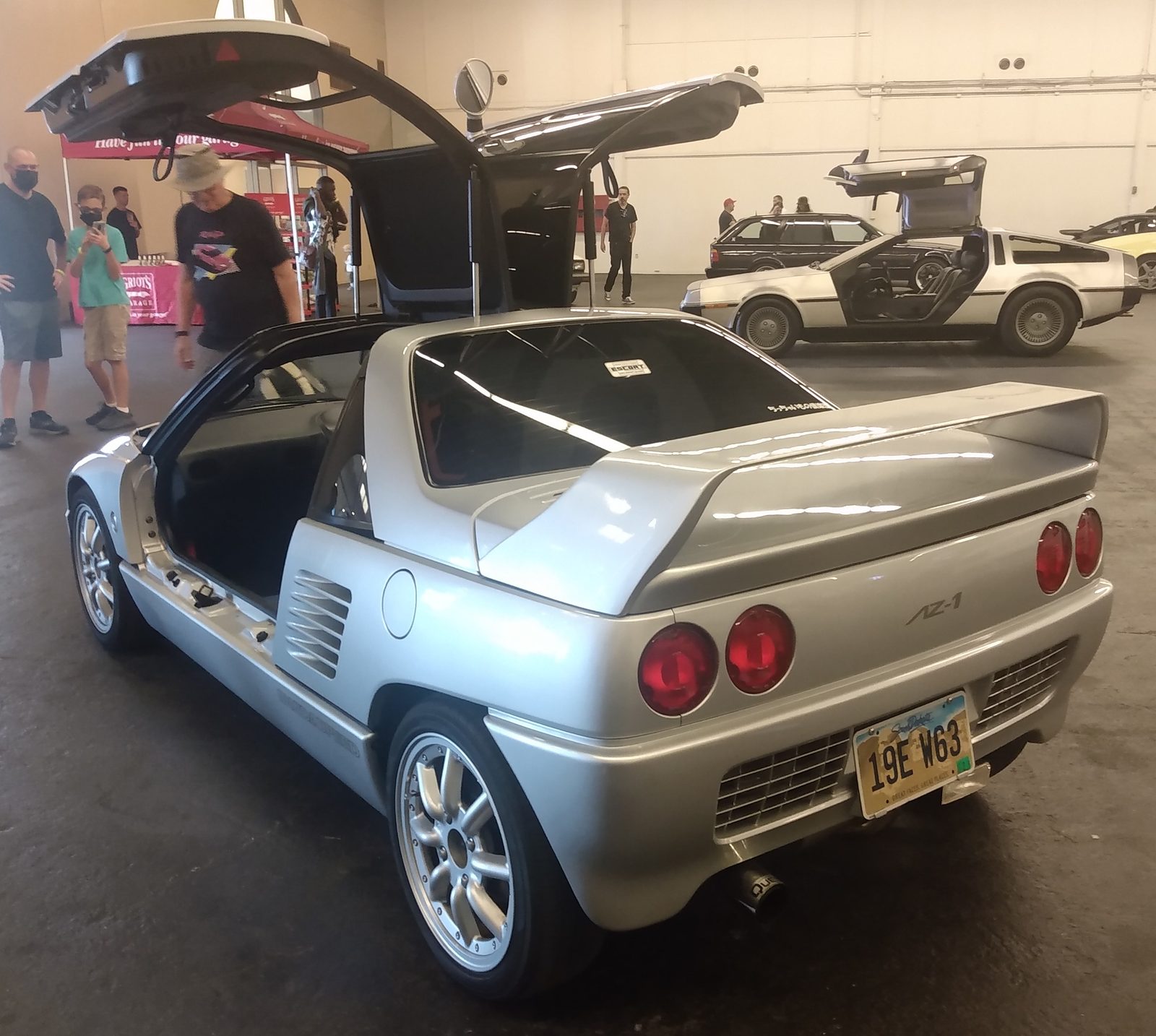
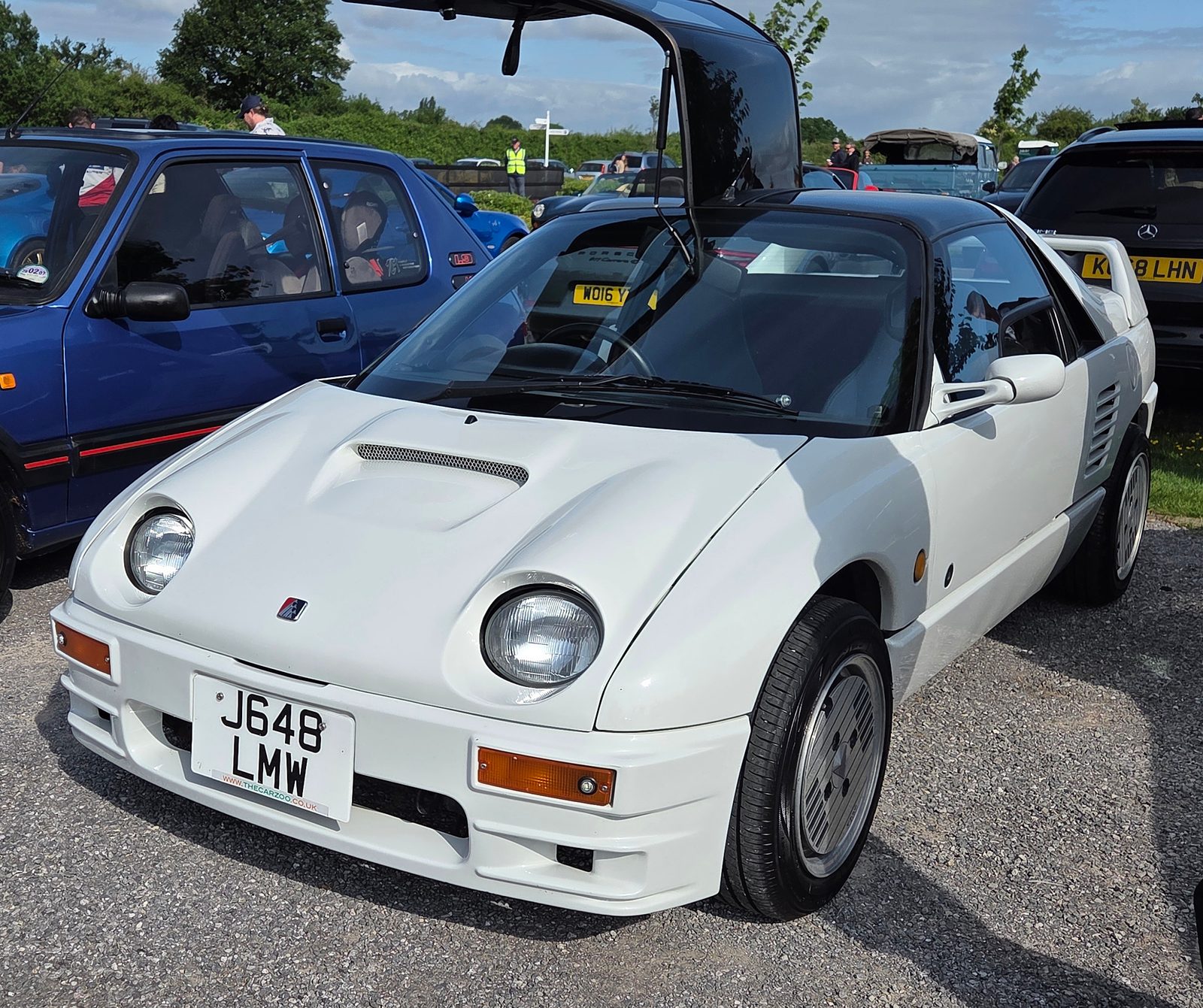
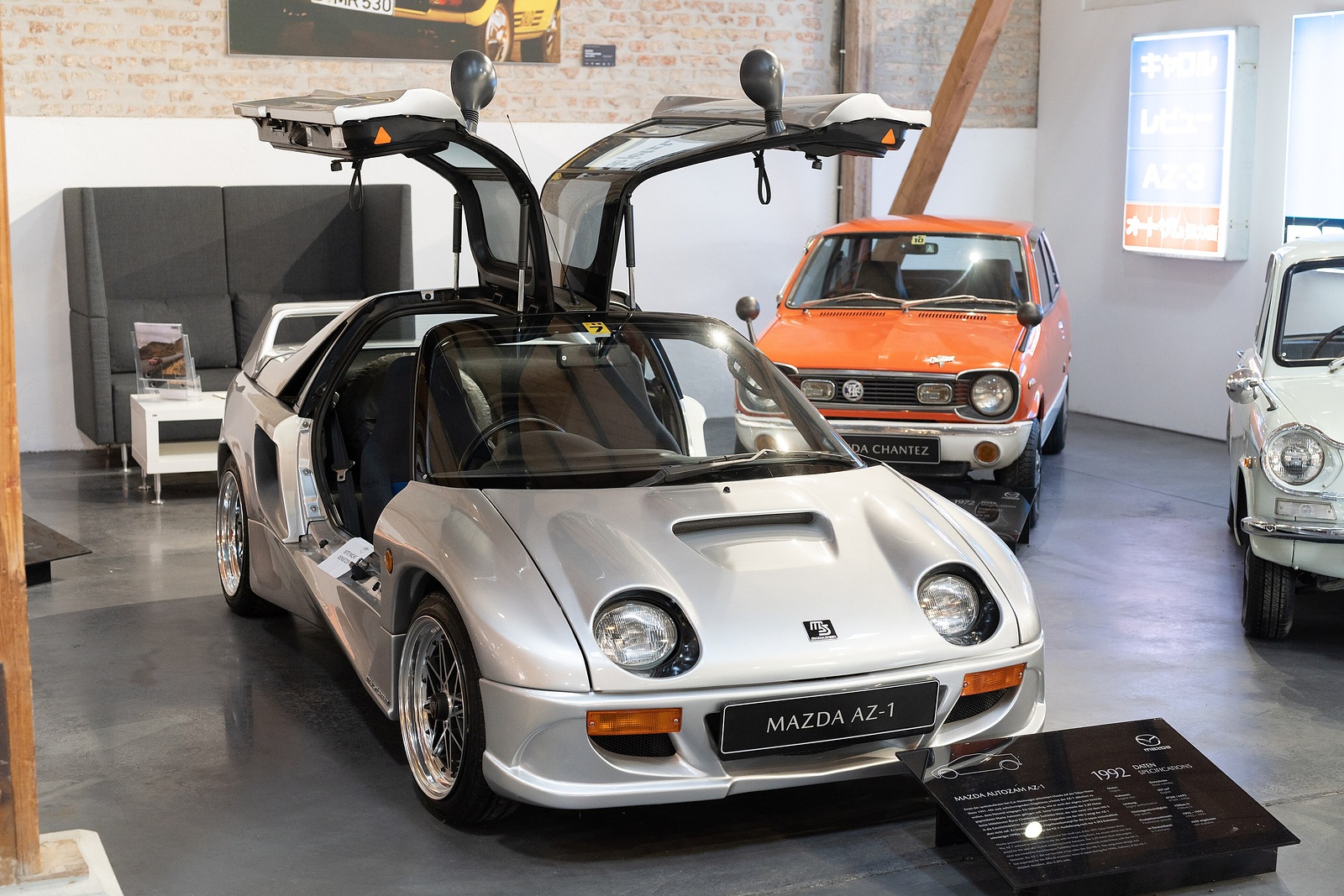
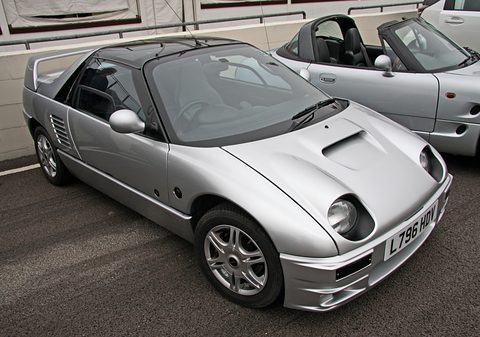
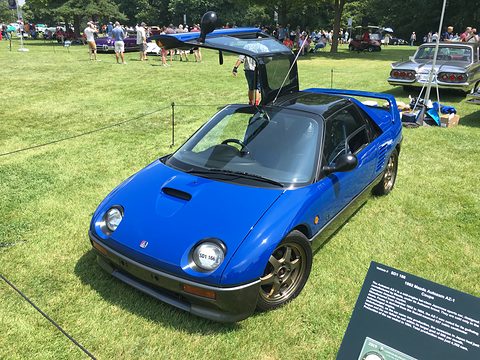
Autozam AZ-1

1992–⁠1994 · a record on this page

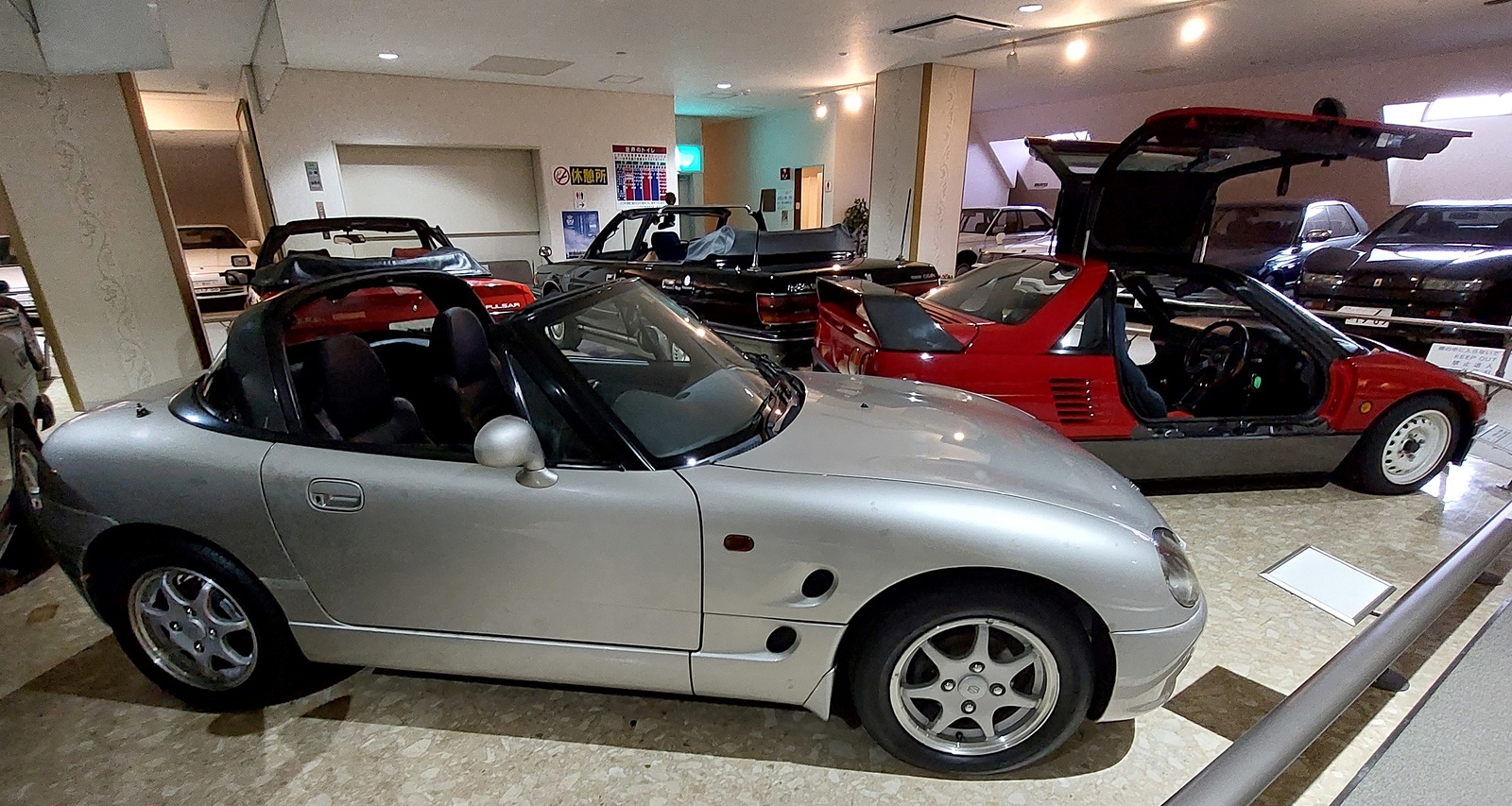
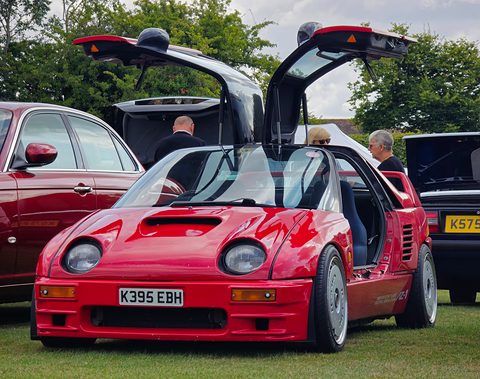
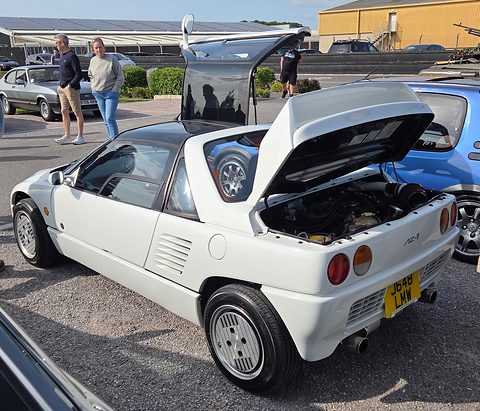
The AZ-1 began at Suzuki, with the mid-engined RS/1 of the 1985 Tokyo Motor Show and the RS/3 of 1987, which Suzuki dropped for the roadster that became the Cappuccino.source 3 A Mazda team under Toshihiko Hirai, chief engineer of the MX-5, took it up on a small budget, and at the 1989 Tokyo show Mazda showed the AZ-550 Sports in three forms, to the old 550 cc rules. Visitors liked the Type C, styled after Mazda’s Le Mans cars, best, but Mazda’s managers chose the red Type A, with its gullwing doors, as the most saleable.source 3source 6 Much of the development was done in Britain, English Wikipedia says, including testing at Millbrook. The prototypes’ tube frame gave way to a steel skeleton frame carrying bolt-on plastic panels, and the car would run with no panels at all, though not on the road.source 3source 6 A spare wheel planned for the nose pushed the steering column into the driver in crash tests, so it went behind the seat; and because Mazda could not build so low-margin a car economically in its own plant, the body-panel supplier Kurata assembled it.source 6

Mazda announced it on 24 September 1992, at ¥1,498,000, and it went on sale on 5 October through Mazda’s Autozam dealers; English Wikipedia’s January 1992 is almost certainly wrong.source 3source 6 Mazda billed it as “究極のハンドリングマシーン”, “the ultimate handling machine”.source 6 Its rear geometry changed sharply in corners, and with its high centre of gravity many were spun or rolled; if it rolled, the gullwing doors could not be opened, and the occupants had to break the glass to get out.source 6 It was too dear, too cramped, and had no automatic, and it never came near its target of 800 a month. Production stopped in October 1994, and sales ran on to September 1995.source 3source 6source 10

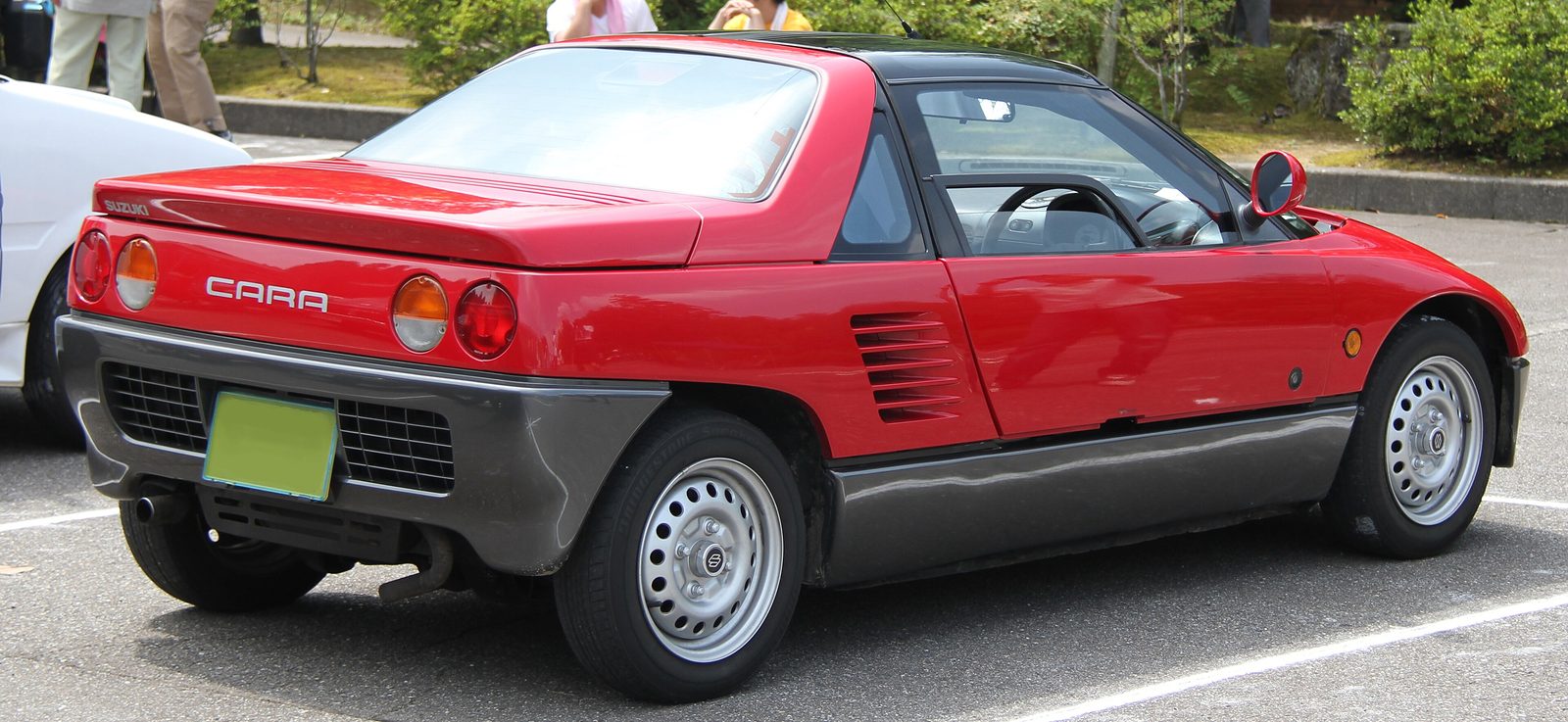
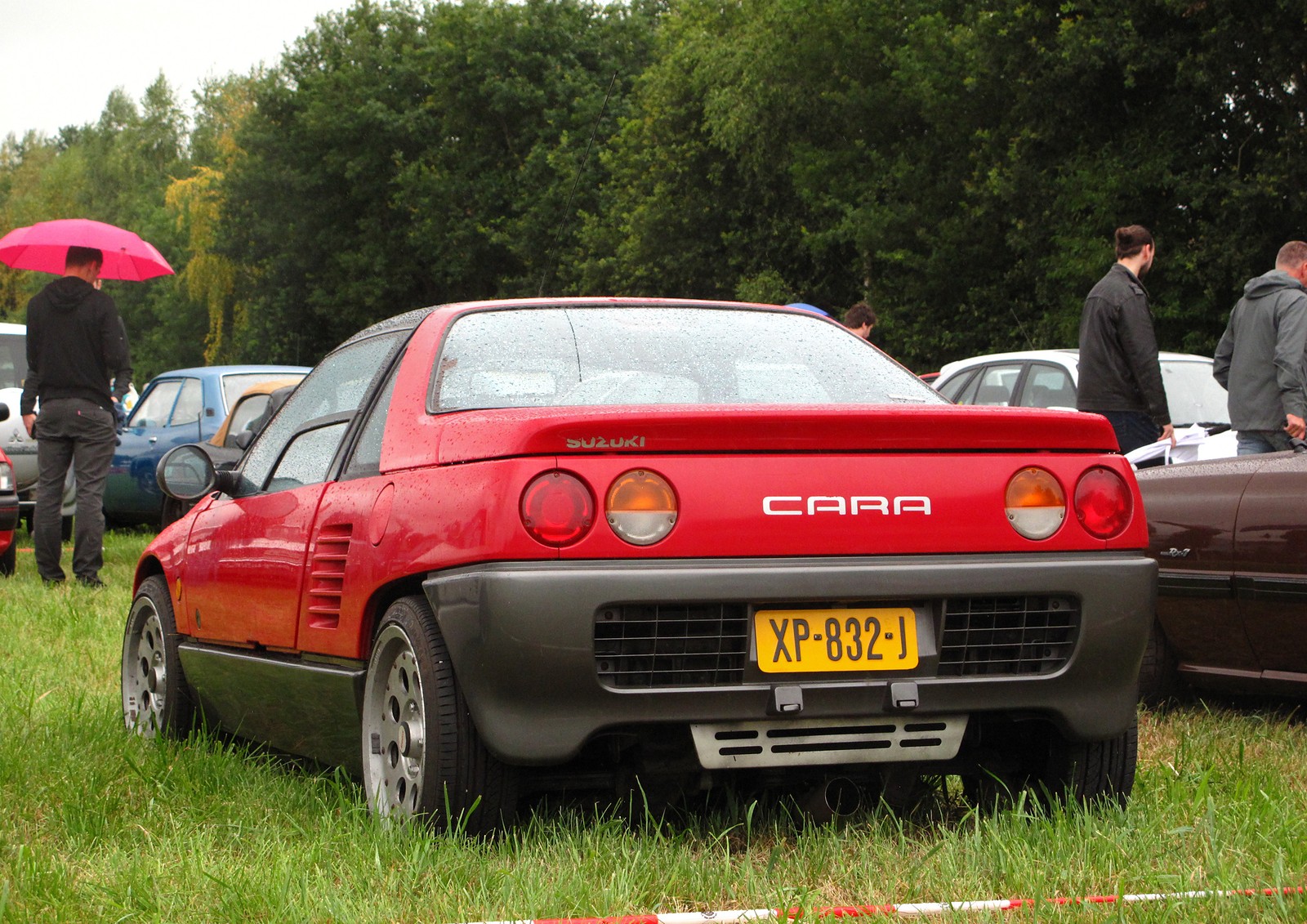
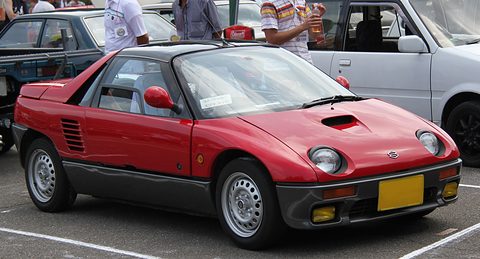
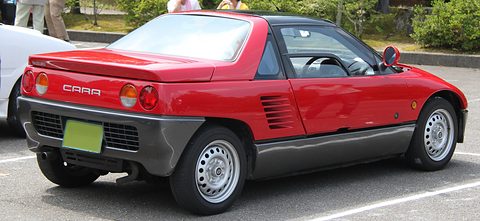
To clear the stock Mazda offered a Type L with a sub-woofer, a Mazdaspeed version with an aero kit, and the M2 1015 from its M2 workshop, of which about half the 100 planned were sold.source 3source 6source 10 Suzuki sold its own version, the Cara, from January 1993, with Suzuki badges and fog lamps in the bumper, and built 531.source 11 A wide-body kit styled by Pininfarina, the Scorpione, was sold by Saburo Japan; about five were sold.source 6 In Japanese gymkhana the AZ-1 was one of the few cars that could challenge the Honda City in class A1, though some events, fearing rollovers and fires, made its drivers sign a waiver accepting that rescue could not be guaranteed (more in racing and rallying).source 6 In 2020, in Mazda’s centenary vote for its most popular car, the AZ-1 came second, with 424,643 votes.source 6

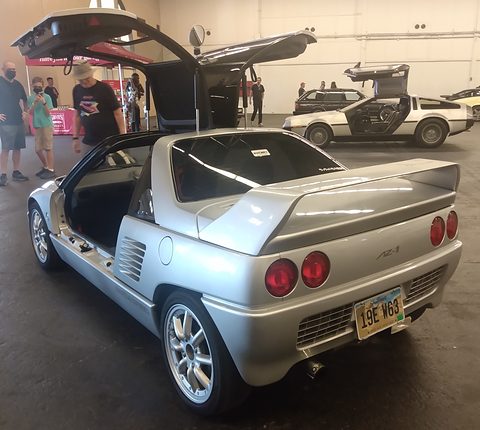
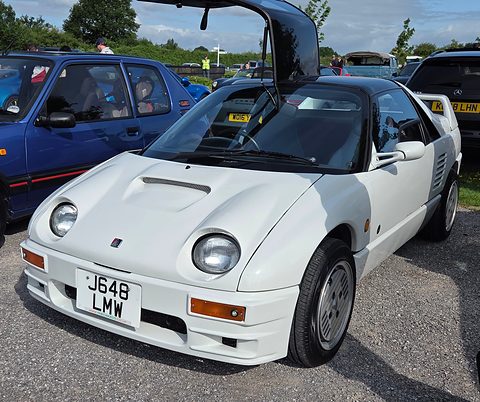
Red small coupé with both gullwing doors raised parked on grass among cars, people behind.
A red 1993 AZ-1 with both gullwing doors raised, at a show in England in August 2024.Photo: Calreyn88, CC BY-SA 4.0, via Wikimedia Commons
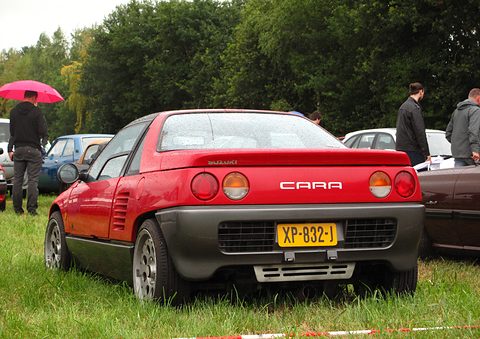
Red and grey small coupé with yellow fog lamps in the bumper and a yellow plate in a car park.
A red Suzuki Cara, the AZ-1 with Suzuki badges and fog lamps in its bumper, in Japan in July 2013.Photo: TTTNIS, CC0, via Wikimedia Commons

Pictures

More photographs, old and new

Variants

Three cars and their editions

The ABC cars, with their main versions
VariantYearsWhat differsHow many
Honda Beat (PP1)1991–⁠95Mid-engined open two-seater, no turbo, 8,100 rpm33,892source 4
Beat Version F, C, Z1992–⁠93Special colours; the Z with black dials and a spoiler800 F, 500 Csource 4
Suzuki Cappuccino EA11R1991–⁠95F6A turbo, engine in front, rear drive; roof in three aluminium panels22,260 soldsource 5
Cappuccino for Europe1993–⁠9523 changes for British approval; red or silver1,110 registered in Britainsource 1
Cappuccino EA21R1995–⁠98Aluminium K6A engine, 10 kg lighter; an automatic offered4,323 soldsource 5
Autozam AZ-1 (PG6SA)1992–⁠94Mid-engined coupé with gullwing doors and a Suzuki turbo4,392 or 4,409source 3source 6
Suzuki Cara (PG6SS)1993–⁠94The AZ-1 with Suzuki badges and fog lamps531source 11

Specification

From the makers and the Wikipedias, car by car

Engines and drive

Engines and drive
BeatE07A 656 cc three, SOHC, four valves a cylinder, with MTREC; 64 PS at 8,100 rpm, 60 Nm at 7,000 rpm; five-speed manualsource 4source 7
CappuccinoF6A 657 cc three, DOHC 12-valve, turbo and intercooler, mounted lengthways; 64 PS at 6,500 rpm, 8.7 kgm at 4,000 rpmsource 5source 2From 1995 the K6A, 10.5 kgm at 3,500 rpm
AZ-1Suzuki F6A 657 cc three, DOHC turbo, in the middle; 64 PS at 6,500 rpm, 85 Nm at 4,000 rpm; five-speed manual onlysource 3source 6

Body and chassis

Body and chassis
BeatFully open monocoque; MacPherson struts at the front, dual-link struts at the rear; discs all roundsource 4source 7
CappuccinoDouble wishbones all round; ventilated front discs; aluminium bonnet, roof panels and roll barsource 5source 2
AZ-1Steel skeleton frame with bolt-on plastic (SMC) panels; struts front and rear; gullwing doorssource 3source 6source 11

Dimensions

Dimensions
Beat3,295 × 1,395 × 1,175 mm; wheelbase 2,280 mm; 760 kg (1,676 lb)source 4source 7
Cappuccino3,295 × 1,395 × 1,185 mm; wheelbase 2,060 mm; 700 kg (1,543 lb)source 5source 2725 kg by English Wikipedia; 690 kg for the EA21R
AZ-13,295 × 1,395 × 1,150 mm; wheelbase 2,235 mm; 720 kg (1,587 lb)source 3source 6

Performance and running

Performance and running
Top speedsBeat 135 km/h (84 mph); Cappuccino and AZ-1 140 km/h (87 mph), all governedsource 8source 5source 3
Turning radiusBeat 4.6 m; AZ-1 4.7 msource 7source 6
Beat economy17.2 km per litre in the 10-mode test; 27.0 km/L at a steady 60 km/hsource 7
Prices newBeat ¥1,388,000; Cappuccino ¥1,458,000; AZ-1 ¥1,498,000, before taxsource 7source 2source 3

How many were built?

Every figure, with its source

33,892 Beats, about 4,400 AZ-1sThe Beat sold best, and the AZ-1, the dearest and least practical, worst. Each total comes in two versions: 33,892 or about 33,600 Beats, 26,583 or 28,010 Cappuccinos, and 4,392 or 4,409 AZ-1s, with 531 Suzuki Caras besides. Of the Cappuccinos, 15,113 were built in the first two years.

  1. 33,892Honda BeatsOne source

    Japanese Wikipedia, citing De Agostini’s Weekly Japanese Classic Cars no. 77, 2015source 4

  2. around 33,600Honda Beats, two-thirds in the first yearOne source

    English Wikipedia, citing hondabeat.comsource 8

  3. 28,010Suzuki CappuccinosOne source

    SCORE, the owners’ registersource 1

  4. 26,583Suzuki Cappuccinos sold, 1,184 of them automaticsOne source

    Japanese Wikipediasource 5

  5. 15,113Cappuccinos built in 1991–⁠92, 13,318 sold in JapanTwo sources agree

    SCORE and English Wikipediasource 1source 9

  6. 4,409Autozam AZ-1sOne source

    Japanese Wikipediasource 6

  7. 4,392Autozam AZ-1sOne source

    English Wikipedia, citing Carsensorsource 3

  8. 531Suzuki Caras, though its yearly figures add to 533One source

    Japanese Wikipediasource 11

  • Two sources agreetwo good sources give the figure
  • One sourcea good source, alone
  • Unconfirmeda lead only, not yet checked

Famous for

Three points

  1. Gullwings on a kei car

    The AZ-1 was the only Japanese production car with gullwing doors for its occupants.

  2. 8,100 rpm

    The Beat made its 64 PS without a turbo, and was Soichiro Honda’s last launch.

  3. Four roofs

    The Cappuccino’s roof made it a hardtop, a T-bar, a targa or an open car.

Racing and records

A record parade

No circuit results have been found for any of the three, but the Beat’s owners set a record for numbers (more in records and feats).

569 Beats
in a parade at an owners’ meeting at Twin Ring Motegi on 9 May 2010, certified by Guinness World Records as the largest parade of a single Honda model, and printed in its 2011 edition.source 8source 4

On screen

Confirmed appearances only

Survivors and collecting

Today

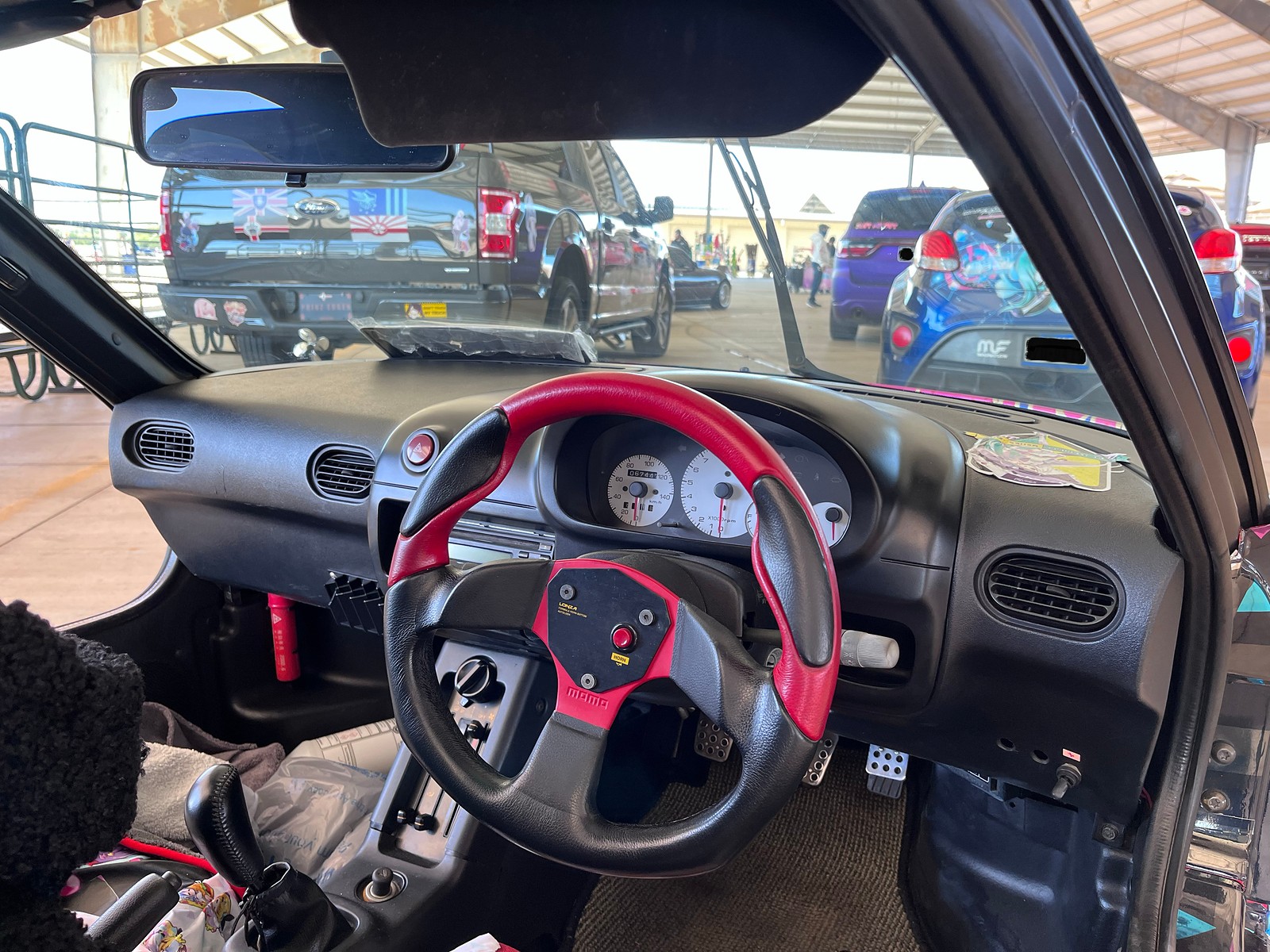
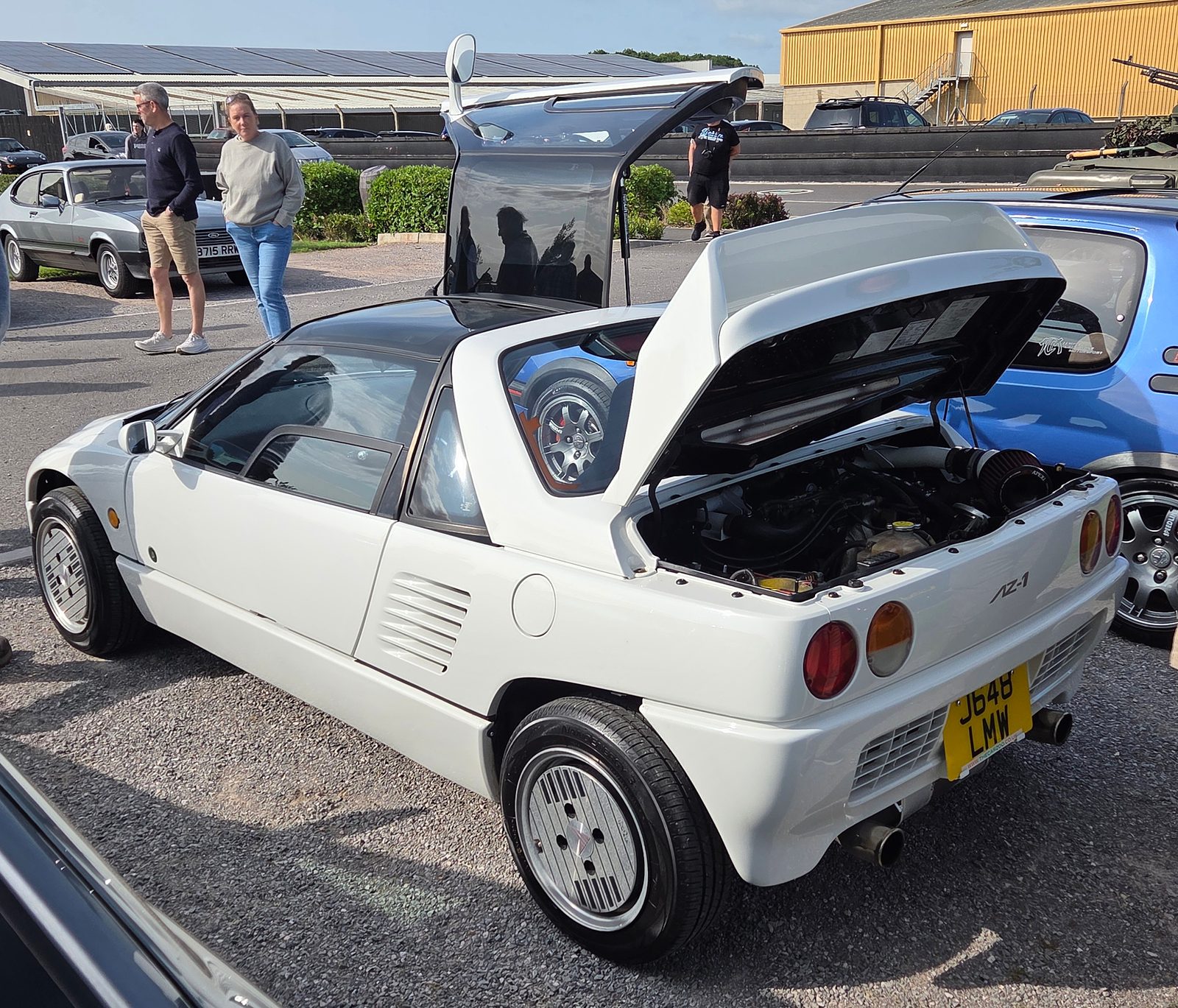
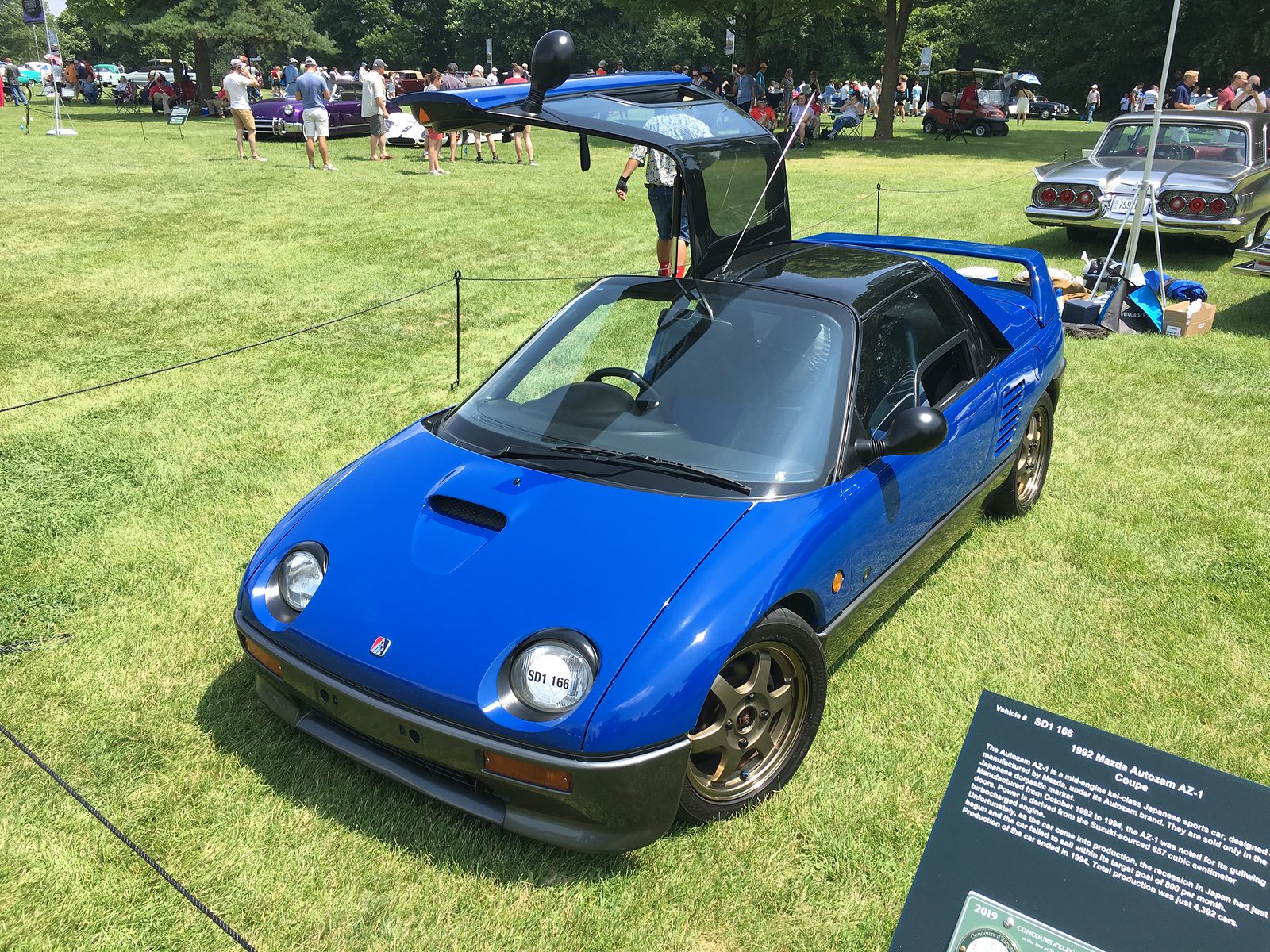
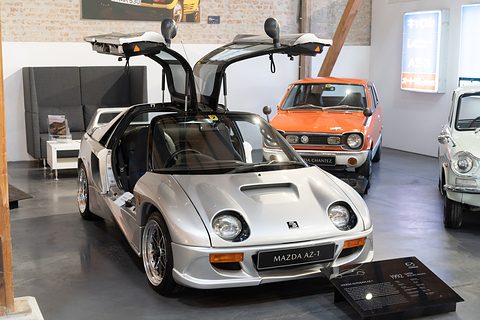
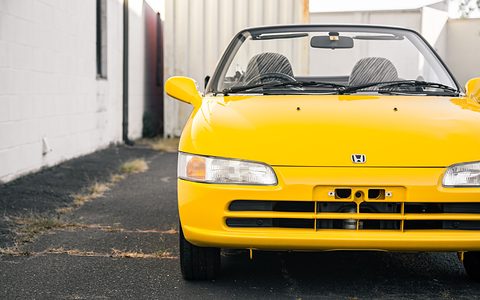
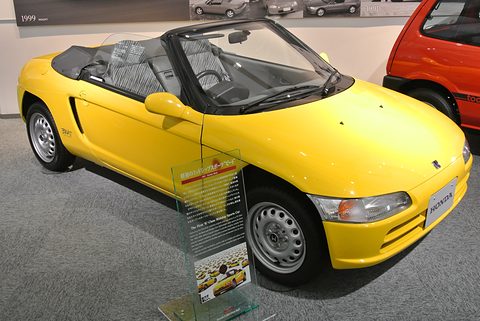
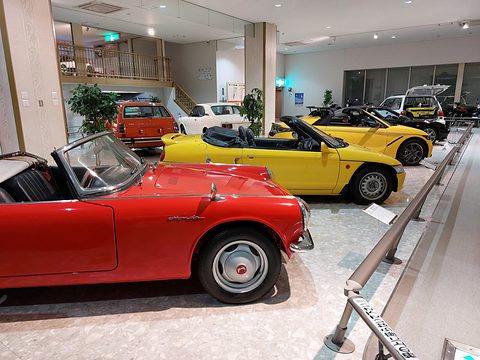
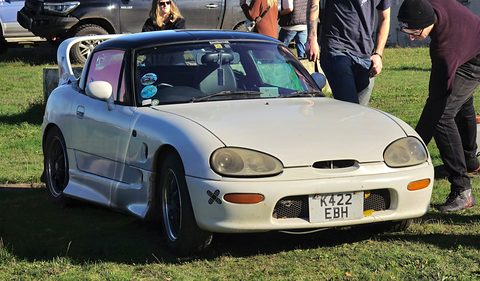
About 15,000 Beats still existed in 2022, and about 3,000 Cappuccinos were registered in Japan in 2021, by Japanese Wikipedia’s figures.source 4source 5 The AZ-1 fetches a premium for its rarity.source 6 The clubs include ClubCappo, the British Cappuccino owners’ club; SCORE, the worldwide Cappuccino register; a British Honda Beat club; and the Beat owners’ meetings at Motegi.source 3source 8source 9 The photographs on this page show AZ-1s at the Mazda Museum in Hiroshima and at Mazda’s museum in Augsburg, a Beat in the Honda Collection Hall at Motegi, and Beats and a Cappuccino at the Motorcar Museum of Japan at Komatsu. No sale at a leading auction house has been found for any of the three.

Sources

Numbered as in the text

Much of the detail comes from the Japanese Wikipedia articles, which cite the makers and De Agostini’s part-work; the Beat’s figures from Honda’s launch release and the Cappuccino’s British story from its owners’ register. No English-language road test was read. Sources are given as plain text; the links are on the Credits page.

  1. SCORE, the Suzuki Cappuccino Owners Register for Enthusiasts, “The Cappuccino Story” and “Cappuccino Production”, read in an archived copy of 2016.
  2. Suzuki Digital Library, “カプチーノ 1991”, the maker’s specification and price.
  3. English Wikipedia, Autozam AZ-1, read in full with its references.
  4. Japanese Wikipedia, ホンダ・ビート (自動車), read in full.
  5. Japanese Wikipedia, スズキ・カプチーノ, read in full.
  6. Japanese Wikipedia, オートザム・AZ-1, read in full.
  7. Honda Motor Co., press release on the launch of the Beat, 15 May 1991, read in full.
  8. English Wikipedia, Honda Beat, read in full.
  9. English Wikipedia, Suzuki Cappuccino, read in full.
  10. “AZ-1, the exciting micro coupé”, a Japanese enthusiast’s site, “History of AZ-1” and “AZ-1 after mass-production”.
  11. Japanese Wikipedia, スズキ・キャラ, read in full.