
microcarfan
  • Licence-free car
  • France
  • Four wheels
  • No licence needed

Ligier JS50

Also known as Ligier JS50 L, Ligier JS50 Sport, Ligier JS50 électrique

A two-seater limited to 45 km/h, which a French 14-year-old may drive, from the company of a Formula One constructor. In January 2026 one went round the Nürburgring Nordschleife in 28 minutes, and its makers called it a record.

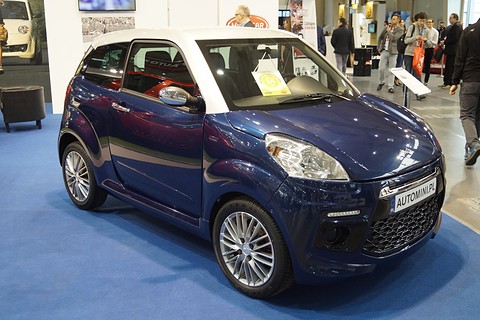
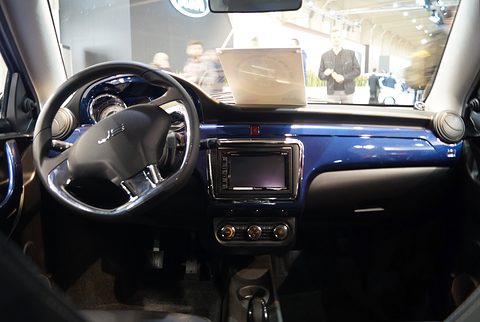
Dark blue three-door microcar with a white roof and silver alloy wheels on blue carpet, visitors walking behind.
A dark blue Ligier JS50 with a white roof at the Warsaw Motor Show in 2016.Photo: Jakub “Flyz1” Maciejewski, CC BY-SA 4.0, via Wikimedia Commons

At a glance

The spec plate

Ligier JS50

JS50 · Abrest

Built
2012–Unveiled in September 2012; all new in October 2024, and still built in 2026
Country
FranceAbrest, near Vichy (Allier)
Maker
Ligier Group, AbrestThe licence-free business of the Formula One constructor Guy Ligier’s firm; owner of Microcar since 2008
Engine
Lombardini two-cylinder diesel of about 500 ccThe 505 cc Progress, or the common-rail DCI of 480 or 492 cc, with a variator; electric from 2024, the REVO D+ diesel from 2025
Power
5 KMAbout 3.7 kW, at 3,000 or 3,200 rpm, the 2012–⁠17 diesels; 5.6 kW for the 2024 electric car
Length
2,826 mm1,561 mm wide, 1,372 mm high
Weight
350 kgEmpty, the 2012–⁠17 car; 383 kg for the electric car of 2024
Seats
2Side by side
Wheels
4Engine across the front, driving the front wheels through a variator
Price new
From €15,699To €21,899: the electric car of October 2024, by trim and battery
Top speed
45km/h45 km/h28 mph; 75 km/h for the L7e version of 2024

How big is it?

True proportion

2.83 m

It is 144 mm shorter than a Fiat 500, about 1.6 adults laid end to end, and twice the length of a Peel P50.

  • 1.56 m wide
  • 350 kg: about five adults
  • The 2024 car: 2.97 m long, 8 cm more than the car it replacedsource 1
  • Two seats
Drawn at true proportion. The track is 3.6 metres long; the adult stands at the same scale. The Peel P50 is the smallest production car, on every page for comparison.

The story

History

Ligier’s cars carry the letters JS for Jo Schlesser, Guy Ligier’s friend, who was killed at the French Grand Prix of 1968.source 2source 3 The firm’s licence-free cars began with the Ligier JS4 of 1980, the first from a Formula One constructor.source 2source 3 The JS50 belongs to the same class: in European law a light quadricycle, L6e, limited to 45 km/h (28 mph), which in France may be driven from the age of 14 on the AM licence.source 1source 4

The cars between

The Série 7 of 1987 was longer and more like a real car than the Série 5 it followed, first with a 325 cc Lombardini single-cylinder diesel of 5 PS and soon with a 265 cc Fuji Robin diesel from Japan. It became the Optima in November 1989, with a van called the Optimax, and the Prima in 1993, when a stretched four-seat Optima 4 arrived with a 617 cc Perkins three-cylinder.source 5 In Germany the importer ATW sold a version with a 49 cc Sachs two-stroke, and built an electric one at Bad Rappenau that weighed two and a half times as much; with options it cost DM 40,000 in 1993, the price of a base Audi 100.source 5 Then came the 162, or Ambra, in 1995 by French Wikipedia’s date (English Wikipedia gives 2001), the open Be Up from 2000, the Nova in 2002, and the X-Too in 2004: about 2.5 m long, two seats, a front engine, a half-litre twin diesel and a variator.source 2source 6 The IXO replaced the X-Too in 2010.source 7

In 2008, under Guy’s son Philippe, Ligier bought its rival Microcar, maker of the Microcar RJ49, from the Bénéteau group, with the private-equity fund 21 Centrale Partners taking a majority stake; German Wikipedia dates the purchase to April and English Wikipedia its completion to September. The deal made Europe’s largest maker of licence-exempt vehicles.source 6source 3 In 2009 Ligier sold 5,792 vehicles in Europe and Microcar 6,124.source 8 Guy’s grandson François took over the management in 2012.source 3 When Onroak took over Ligier’s racing business from 2013, licence-free cars became the group’s only trade; the racing cars sold as Ligiers since then come from an unrelated firm.source 2source 3

A small DS3

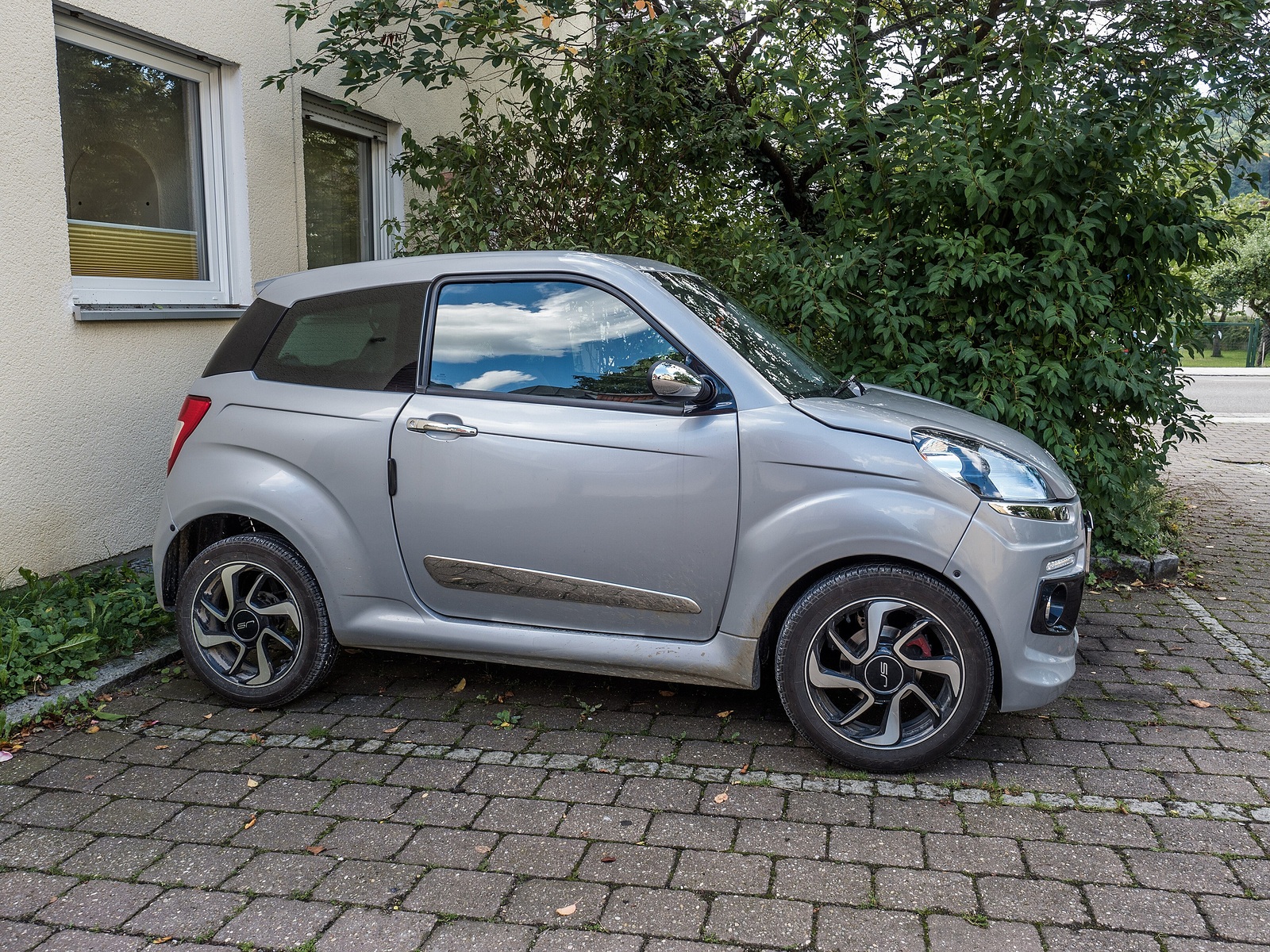
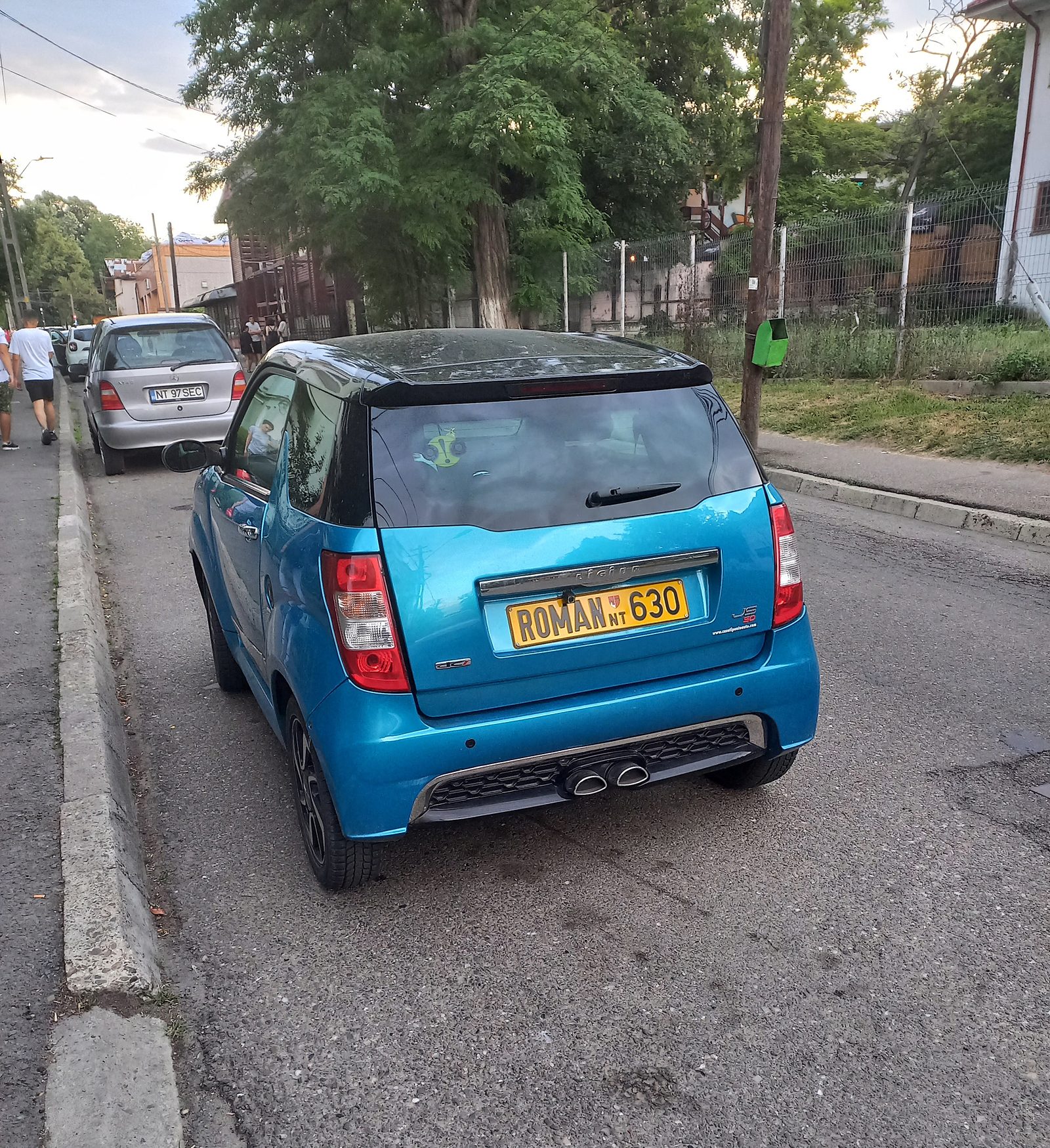
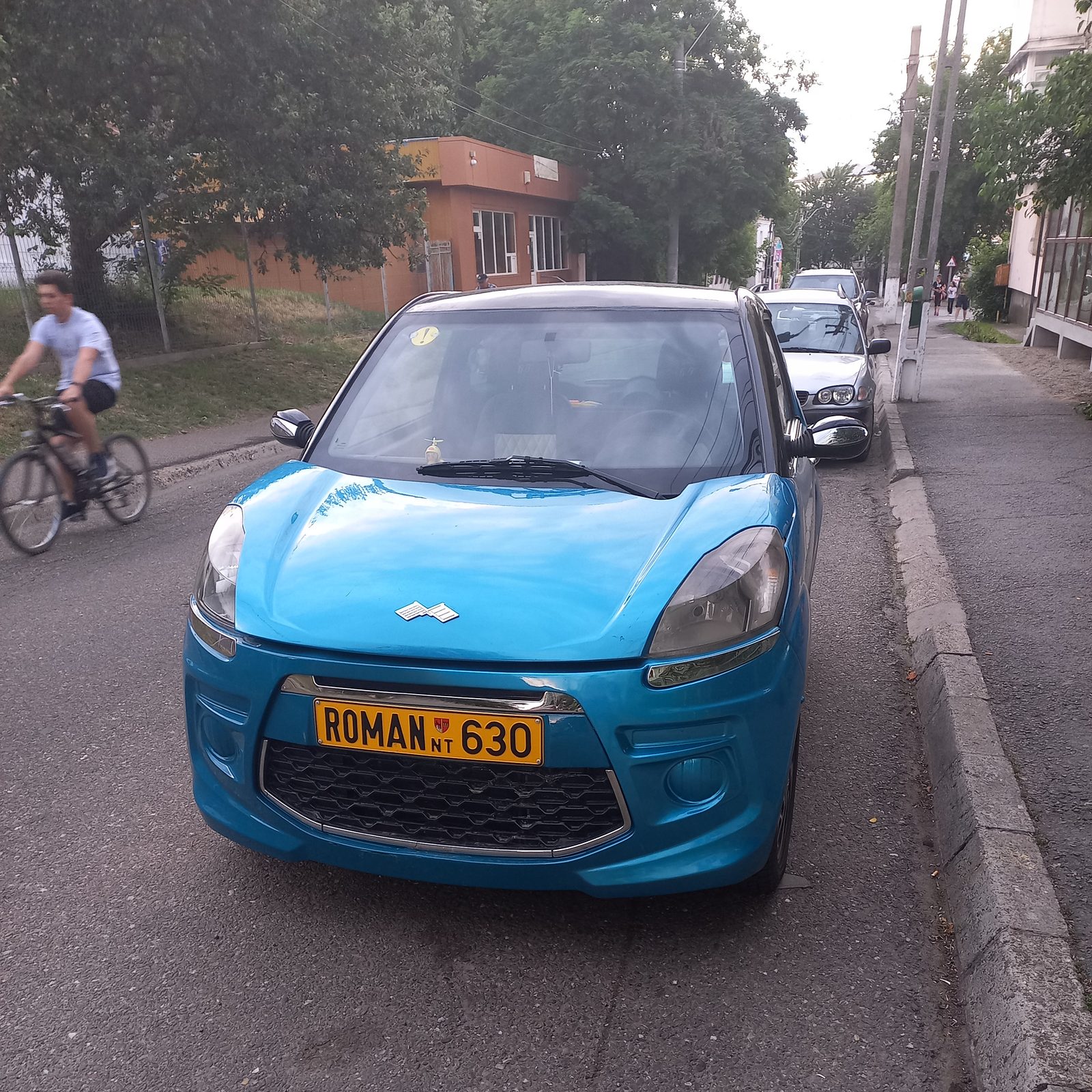
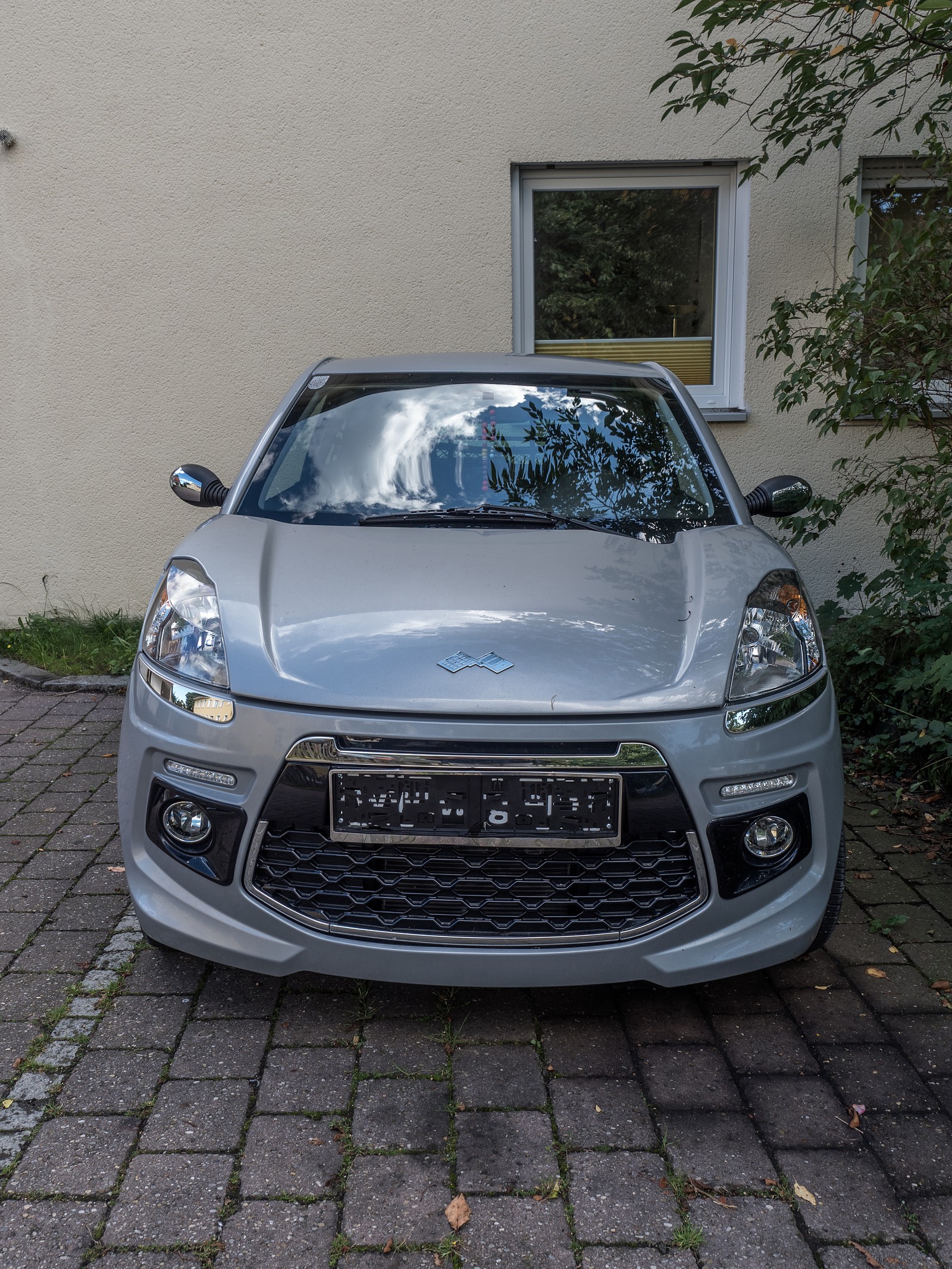
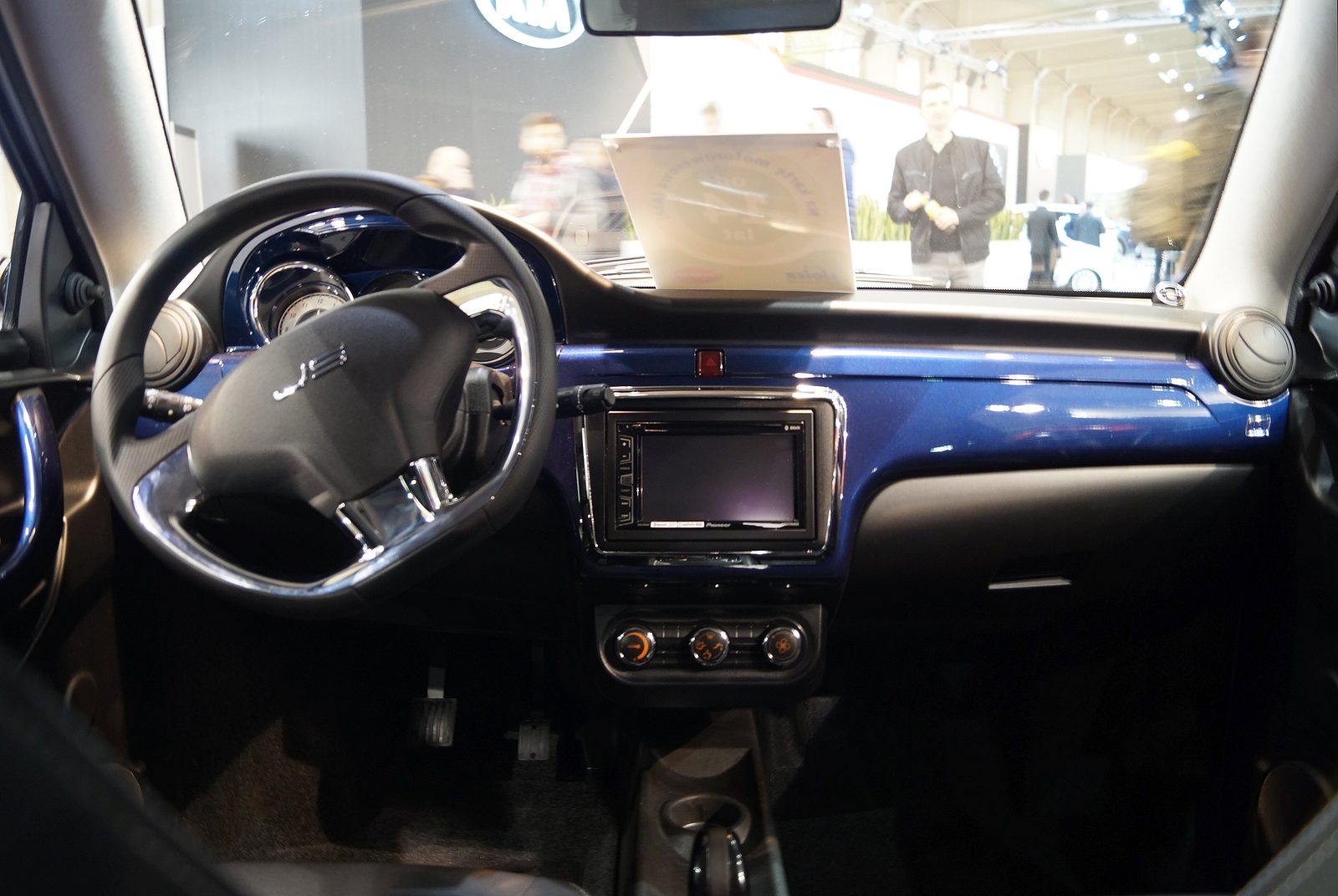
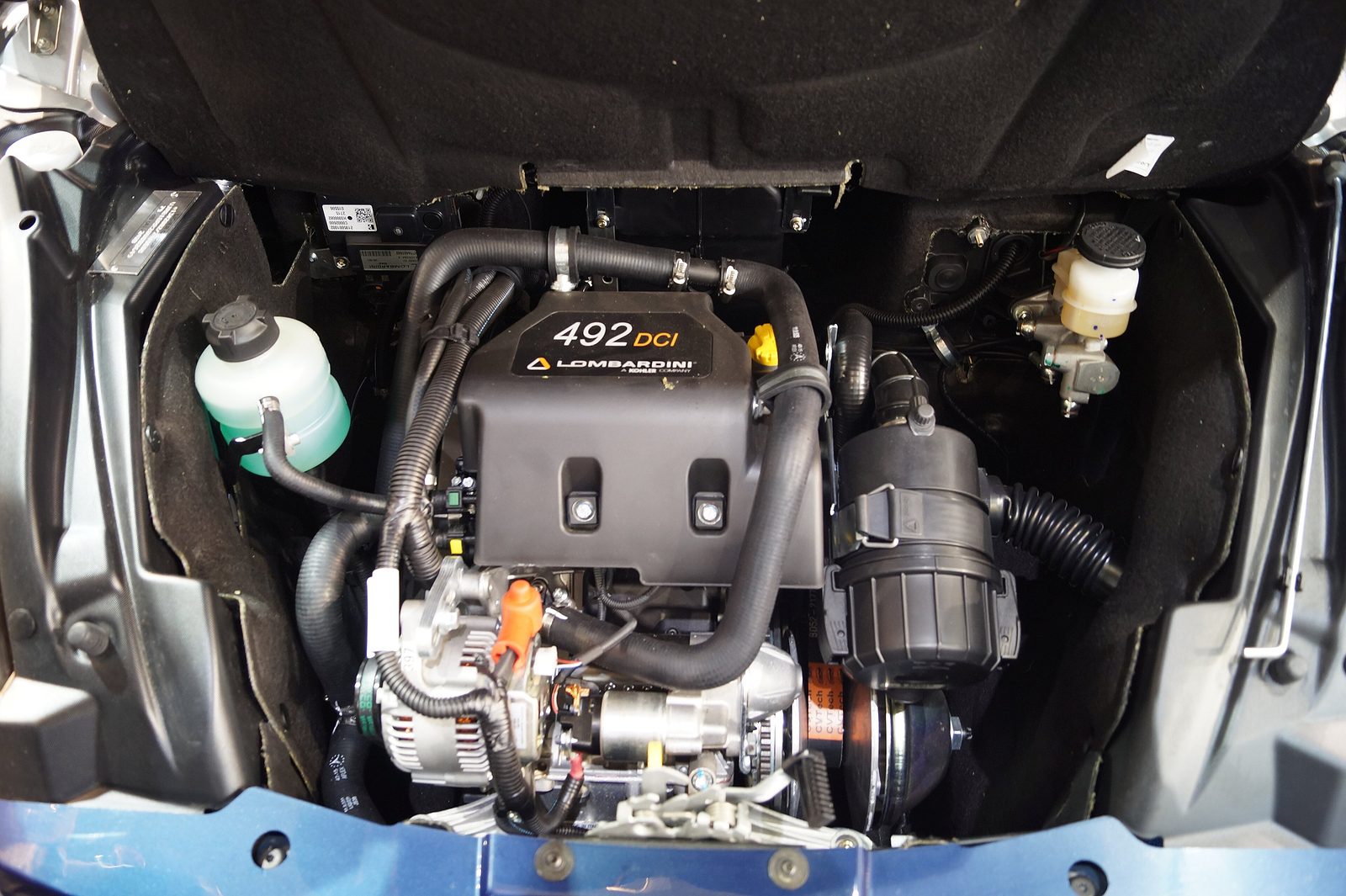
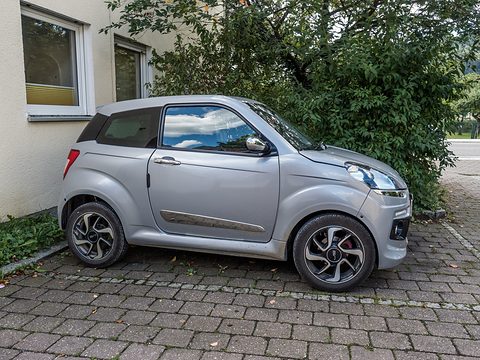
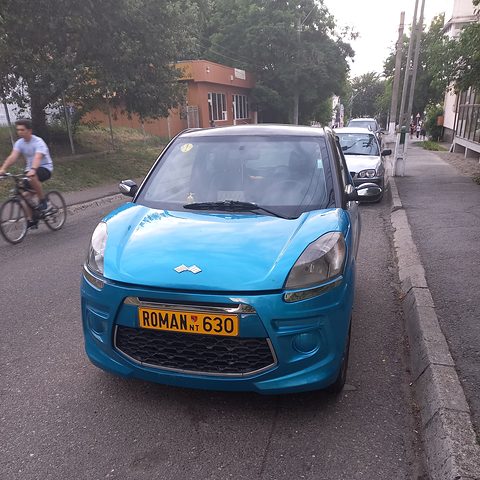
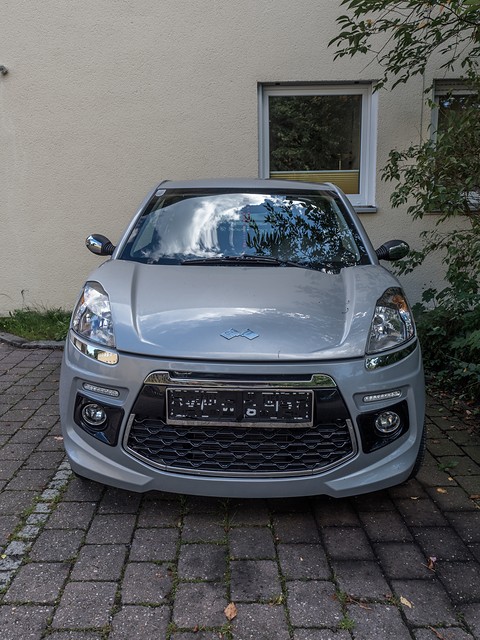
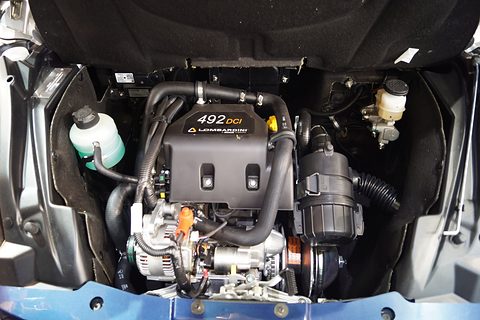
The JS50 was unveiled in September 2012. Its styling recalls the Citroën DS3, to give it an upmarket air, and it sat above the IXO, in Club and Elegance trims.source 2source 9 Its engines were Lombardini diesel twins of about 500 cc, the Progress and the common-rail DCI, driving the front wheels through a variator.source 6source 9source 10 Pink and Diablo limited editions followed in March 2014, and in October 2014 the Paris show saw the long JS50 L, which replaced the IXO.source 2source 9source 7 A deep restyle in January 2017 gave the JS50 headlamps from the Peugeot 108 and cut its width to 1.50 m; a JS50 Sport followed that May, and the engines were revised for Euro 4 late that year.source 2source 9 In September 2020 the JS50 L gave way to the JS60, SUV-styled at the largest size the category allows.source 2source 9 Ligier’s first electric licence-free car, the Myli, a rival to the Citroën Ami, followed in 2023, at €12,499.source 2

All new, and electric

An all-new JS50 was shown at the Paris show of October 2024, Ligier’s first appearance there in eight years.source 1

Ligier renouvelle son best-seller : la JS50.

L’argus, on the launch, 14 October 2024. In English: “Ligier renews its best-seller: the JS50.”source 1

It came first as an electric car, part of the story of electric microcars: 5.6 kW (about 8 hp), with a battery of 8.28 kWh for 123 km or 12.42 kWh for 192 km on the WMTC cycle, and 4 h 15 min to 6 h 15 min of charging from a household socket. It was offered as an L6e at 45 km/h, from 14, or as an L7e at 75 km/h, from 16. At 2.97 m it is 8 cm longer than the car it replaced, and it weighs 383 kg; prices ran from €15,699 to €21,899.source 1 Ligier’s new REVO D+ diesel was to reach every model in the spring of 2025.source 1source 11 In January 2025 Ligier announced the closure of its Vendée plant, Microcar’s, cutting 125 of its 145 jobs, to concentrate production at Abrest.source 2 No production or sales figures for the JS50 have been found.
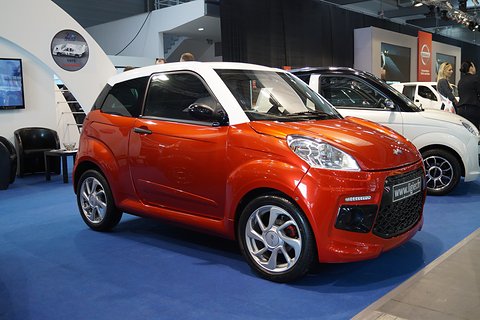
Orange small three-door hatchback with a white roof, swept-back headlamps and alloy wheels on blue show carpet.
An orange JS50 with a white roof on Ligier’s stand at the Warsaw Motor Show in 2015.Photo: Jakub “Flyz1” Maciejewski, CC BY-SA 3.0, via Wikimedia Commons
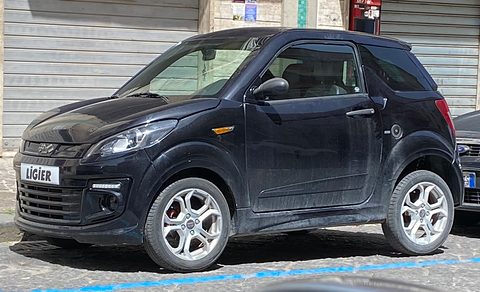
Dusty black small three-door hatchback with silver five-spoke wheels and a LIGIER grille plate, parked by a shuttered shop.
A black JS50 of the 2017 restyle, with its Peugeot 108 headlamps, in a street in 2025.Photo: Corvettec6r, CC BY 4.0, via Wikimedia Commons
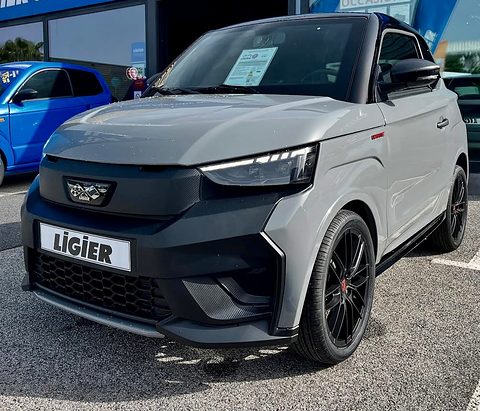
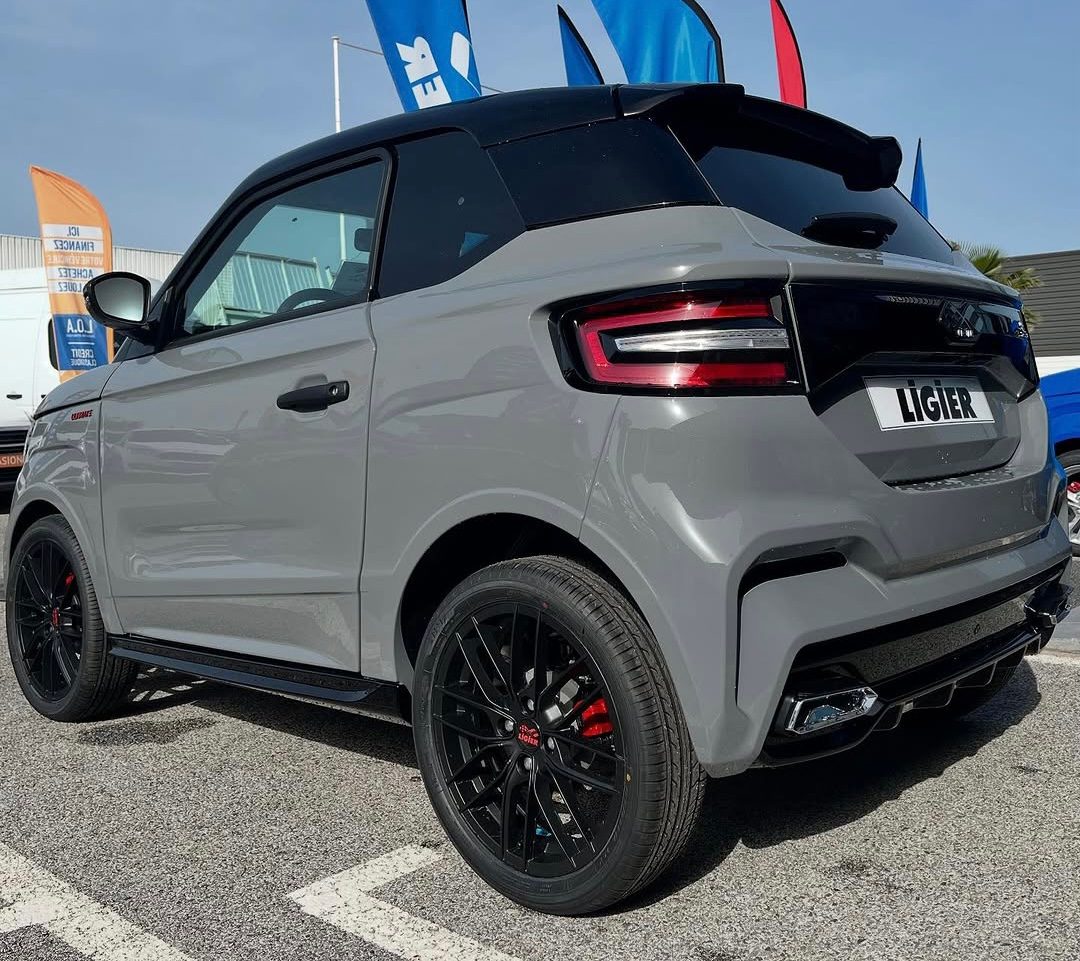
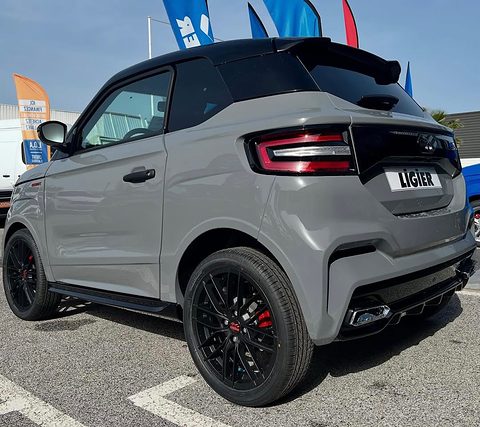
Grey angular microcar with a black front panel, slim LED lamps, a LIGIER plate and large black alloy wheels.
The new generation: a grey JS50 Ultimate at a dealer’s in 2025.Photo: AXMaccess, CC BY-SA 4.0, via Wikimedia Commons

Pictures

More photographs, old and new

Variants

From the Série 7 to the new JS50

Ligier’s licence-free cars after the JS4
VariantYearsWhat differsHow many
Série 71987–⁠89Longer and more car-like than the Série 5; a 325 cc Lombardini single-cylinder diesel, then a 265 cc Fuji RobinNot found
Optima, Optima II, Prima; Optimax van1989–c.95Facelifts and new namesNot found
Optima 41993–⁠95Four seats; a 617 cc Perkins three-cylinder diesel, front disc brakesNot found
162 or Ambra, Be Up, Nova, X-Too1995–⁠2010About 2.5 m long, two seats, half-litre twin diesels with a variator; the Be Up openNot found
IXO2010–⁠14Many trims; a four-seat petrol version from 2011Not found
JS502012–⁠24Styling recalling the Citroën DS3; restyled in January 2017 with Peugeot 108 headlampsNot found
JS50 L2014–⁠20The long version, replacing the IXONot found
JS60From 2020SUV styling at the largest size the category allowsNot found
MyliFrom 2023Ligier’s first electric licence-free carNot found
New JS50From 2024New body, 2.97 m; electric first, then the REVO D+ diesel; L6e or L7eNot found

Specification

The JS50 of 2012–⁠17 unless noted

Engine and drive

Engine and drive
Engine (DCI)Lombardini two-cylinder diesel, common rail; 5 KM at 3,200 rpm, 26 Nm at 1,400 rpmsource 10480 cc in the spec database; 492 cc for the LDW 492 Revolution in French Wikipedia
Engine (Progress)Two-cylinder diesel, 505 cc; 5 KM at 3,000 rpm, 17 Nm at 1,700 rpmsource 10
TransmissionVariator (CVT), front-wheel drivesource 6source 10
Electric, 20245.6 kW motor; 8.28 kWh battery for 123 km or 12.42 kWh for 192 km (WMTC)source 14 h 15 min to 6 h 15 min to charge from a household socket

Body

Body
BodyThree-door hatchback, two seatssource 2source 9
RestyleJanuary 2017: Peugeot 108 headlamps, width cut to 1.50 msource 2source 9

Dimensions

Dimensions
Length2,826 mmsource 102.97 m for the 2024 car, 8 cm longer than the car it replaced
Width and height1,561 mm and 1,372 mmsource 101.50 m wide from 2017; 1.50 × 1.50 m for the 2024 car
Wheelbase1,827 mmsource 10
Weight350 kg empty, 675 kg grosssource 10383 kg for the 2024 electric car
Fuel tank17.5 litressource 10
Boot, 2024319 litres under the shelfsource 1

Performance and running

Performance and running
Top speed45 km/h (28 mph), the L6e limitsource 4source 1075 km/h for the L7e version from 2024
Consumption2.5 l/100 km (DCI), 3.57 l/100 km (Progress)source 10About 3.0 l/100 km on the drive from Paris to the Nürburgring, 2026
Price new€15,699 to €21,899 for the electric car, October 2024source 1

Famous for

Three points

  1. Ligier’s best-seller

    The current face of the licence-free car, from the firm of a Formula One constructor.source 2source 1

  2. Premium at 45 km/h

    Styling that recalls the Citroën DS3, on a car limited to 28 mph.source 9

  3. The slowest lap

    28 min 25.8 s round the Nordschleife in 2026, claimed as the slowest ever recorded.source 4source 12

Racing and records

A record for slowness

On 6 January 2026 the French journalists Martin Coulomb and Nicolas Meunier took Ligiers round the Nürburgring Nordschleife, about 20.8 km (12.9 miles), with no other traffic. The laps were organised by the maker and not timed independently, so the record is a claim (more in records and feats). The diesel car had been driven about 500 km from Paris on one tank, at about 3.0 l/100 km (94.16 mpg).source 4source 12

28 min 25.8 s
for the diesel JS50, claimed as the slowest lap ever recorded.source 4source 12
16 min 1 s
the previous “slowest”, by a Trabant P50 in 1960.source 4source 12
27 min 55.6 s
for an electric Ligier, an L6e limited to 45 km/h.source 4source 12
19 min 53.4 s
for an electric L7e, limited to 75 km/h.source 4source 12

Sources

Numbered as in the text

No production or sales figures for the JS50 were found, no road test was read, and Ligier’s own press archive was not consulted. One of the Nürburgring drivers, Nicolas Meunier, also writes Génération Sans Permis, one of the sources below. Sources are given as plain text; the links are on the Credits page.

  1. L’argus, “Ligier JS50 (2024). Look revu et moteur électrique pour la citadine sans permis”, 14 October 2024.
  2. French Wikipedia, Ligier, the relevant sections read in full. It cites Challenges (2014), Génération Sans Permis (2016–⁠20), L’argus (2024), Journal de l’Automobile and Le Figaro (January 2025) and L’Automobile Magazine (2022).
  3. German Wikipedia, Groupe Ligier, read in full.
  4. Autocar, “Ligier claims slowest ever lap of the Nurburgring”, January 2026.
  5. English Wikipedia, Ligier Optima, read in full.
  6. English Wikipedia, Ligier, the relevant lines read.
  7. French Wikipedia, Ligier IXO, read in full.
  8. French Wikipedia, Voiturette, read in full; European sales by maker in 2009.
  9. Génération Sans Permis (Nicolas Meunier), “Ligier JS50”.
  10. Automoli, “Ligier JS50 I”, specifications; a specification database of middling reliability.
  11. Motorionline, articles tagged Ligier, seen by title: the REVO D+ diesel and the 2025 launch.
  12. IOL Motoring, “And the record for the slowest Nurburgring lap time goes to… this little thing”, 7 January 2026, known from a search summary.