The story
History
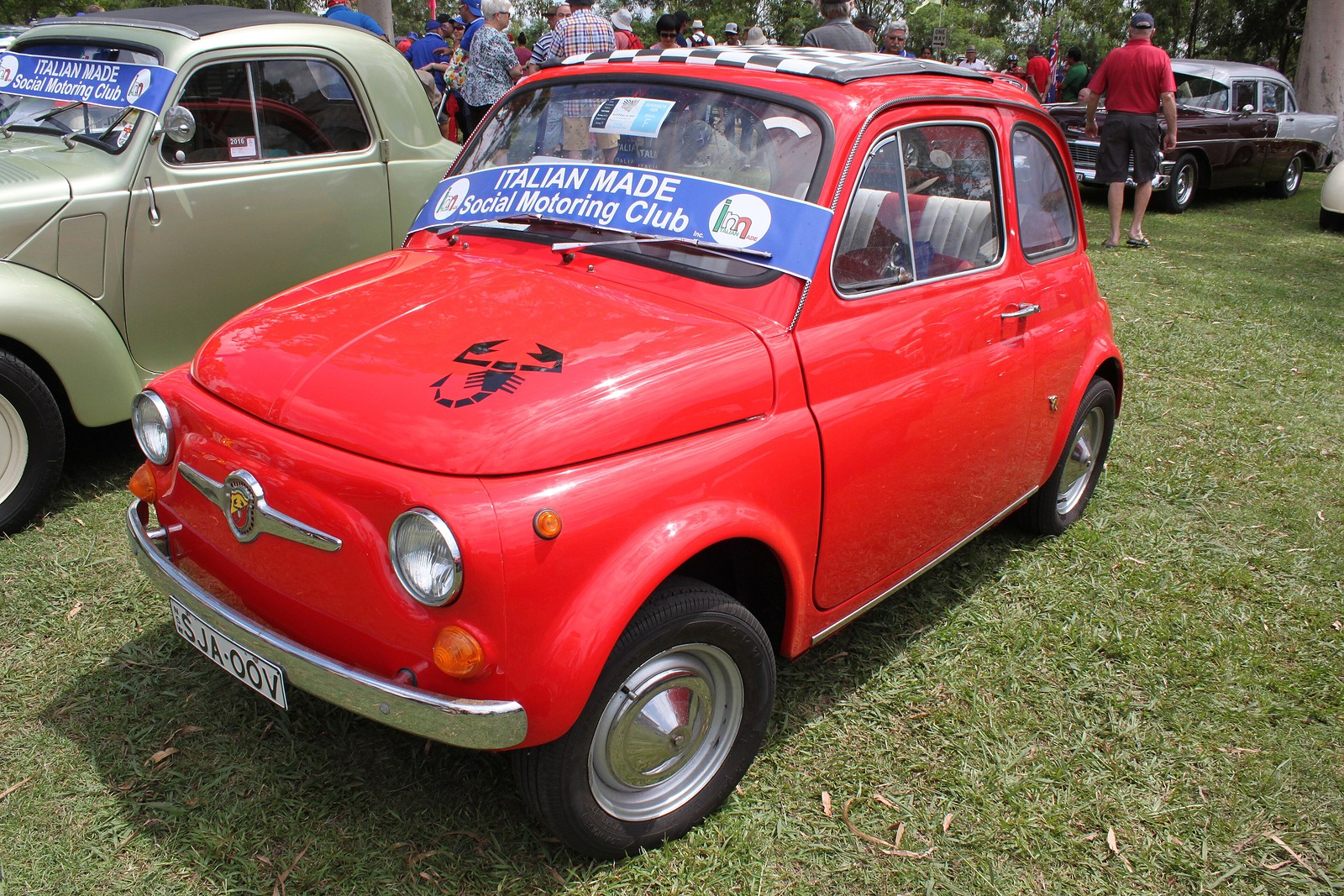
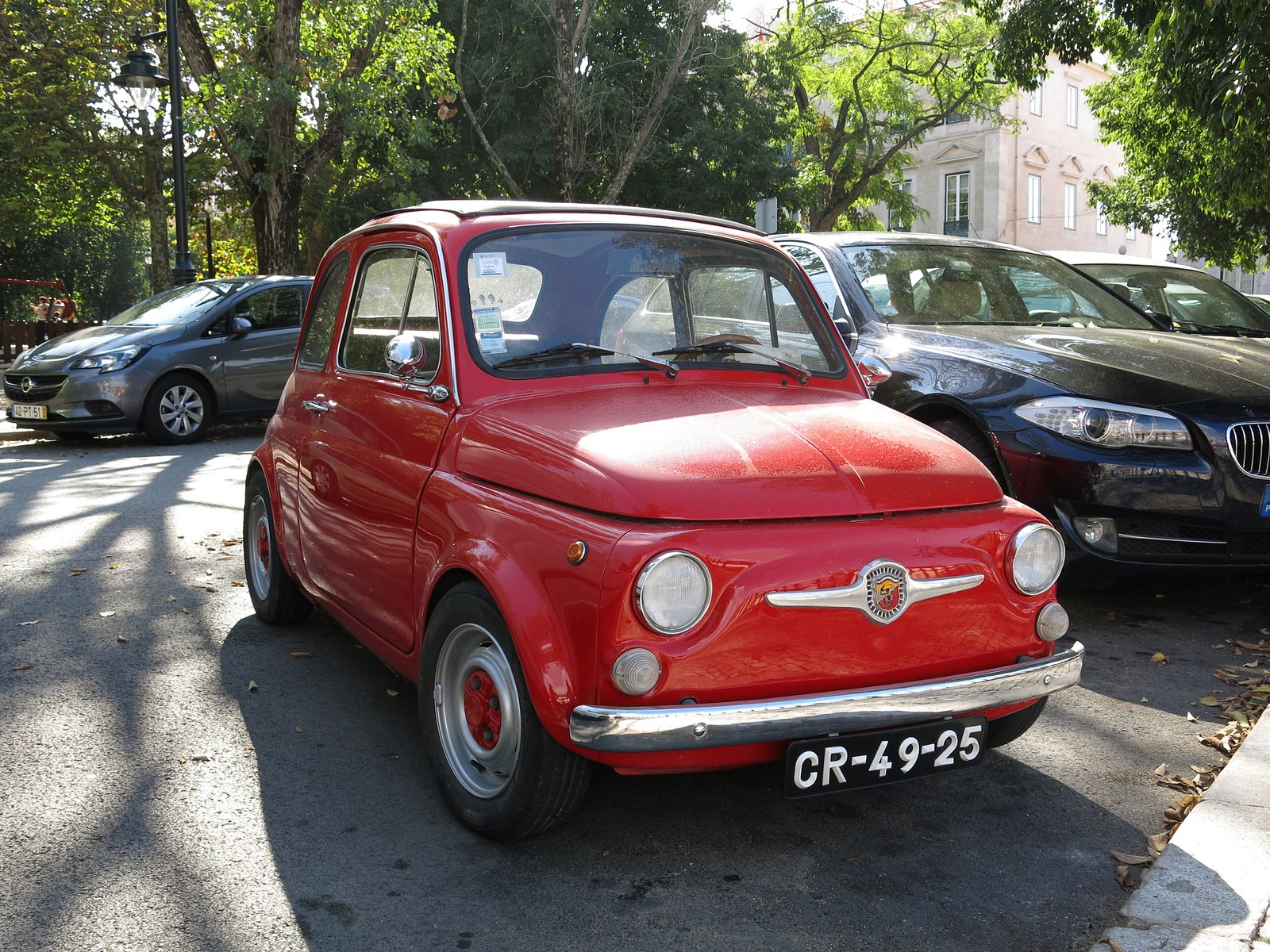
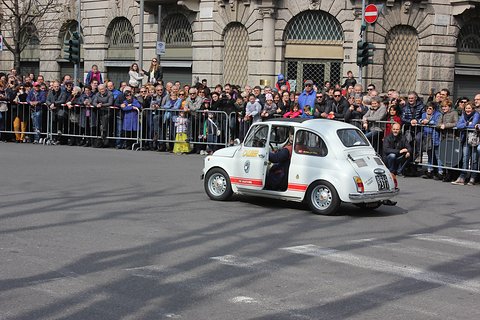
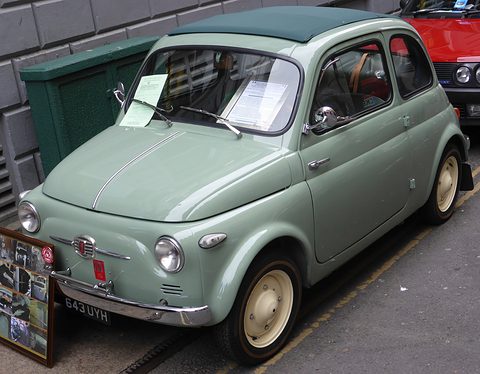
Carlo Abarth’s firm in Turin started on the new Fiat almost at once. An Abarth 500 stood at the Turin show in November 1957, and Abarth then made it in small numbers: a 500 that looked standard but was full of his special parts.source 1 In February 1958 one ran for seven days without stopping at Monza (see the records), and radical-mag says that run changed Abarth’s relations with Fiat at once, giving him direct access to the company’s directors.source 2
That spring the Abarths also went racing. At Hockenheim on 26 May 1958, at the 12 Hours, West Germany’s first race for small cars, the Scuderia Ambrosiana entered an Abarth 500 for Capelli and the former Grand Prix driver Gigi Villoresi, and Carlo Abarth lent a second to Erwin Bauer and Rolf Moll. After three hours the Capelli and Villoresi car led at 111.1 km/h (69 mph). Then both Abarths broke their engines: their high compression could not take 87.5-octane standard fuel.source 3 A Lloyd won (more in racing and rallying).
Es war witzig, das südländische ‚Rennpferdchen‘ Carlo Abarths in scharfem Zweikampf mit einem treuen deutschen ‚Arbeitstier‘ zu sehen, aber der Lloyd hielt prächtig mit.
The 595, and a thousand in four months
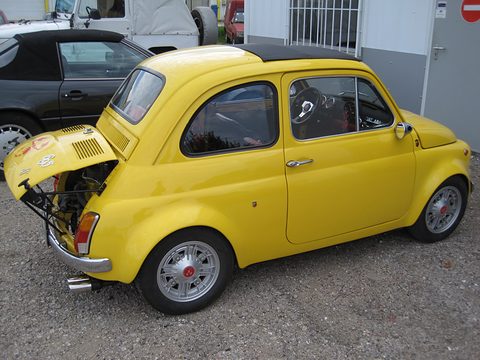
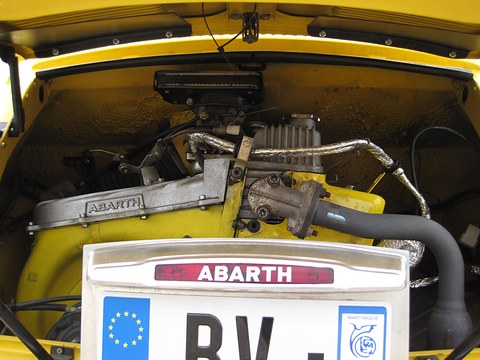
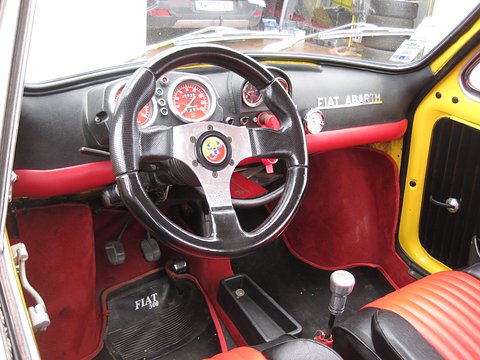
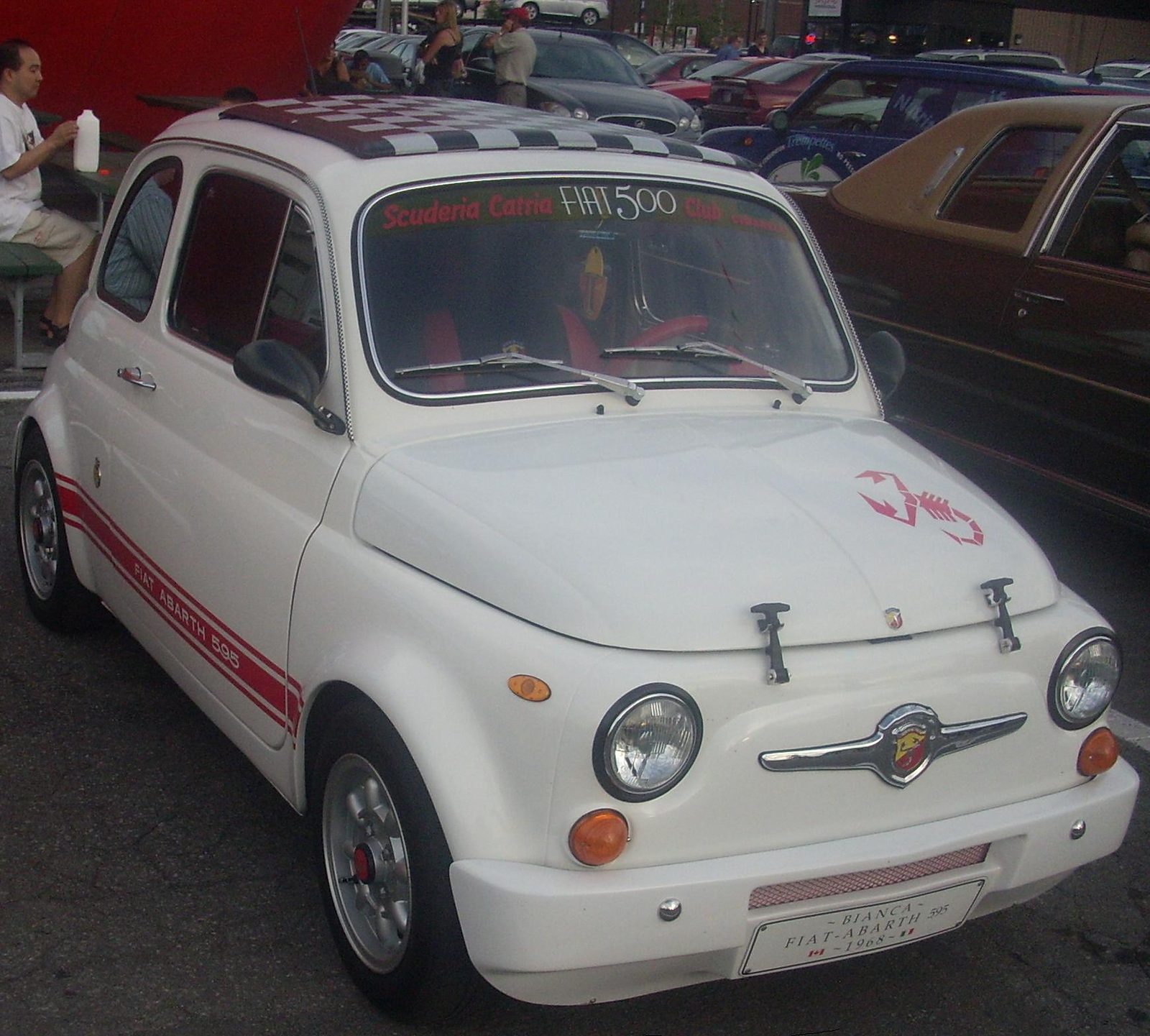
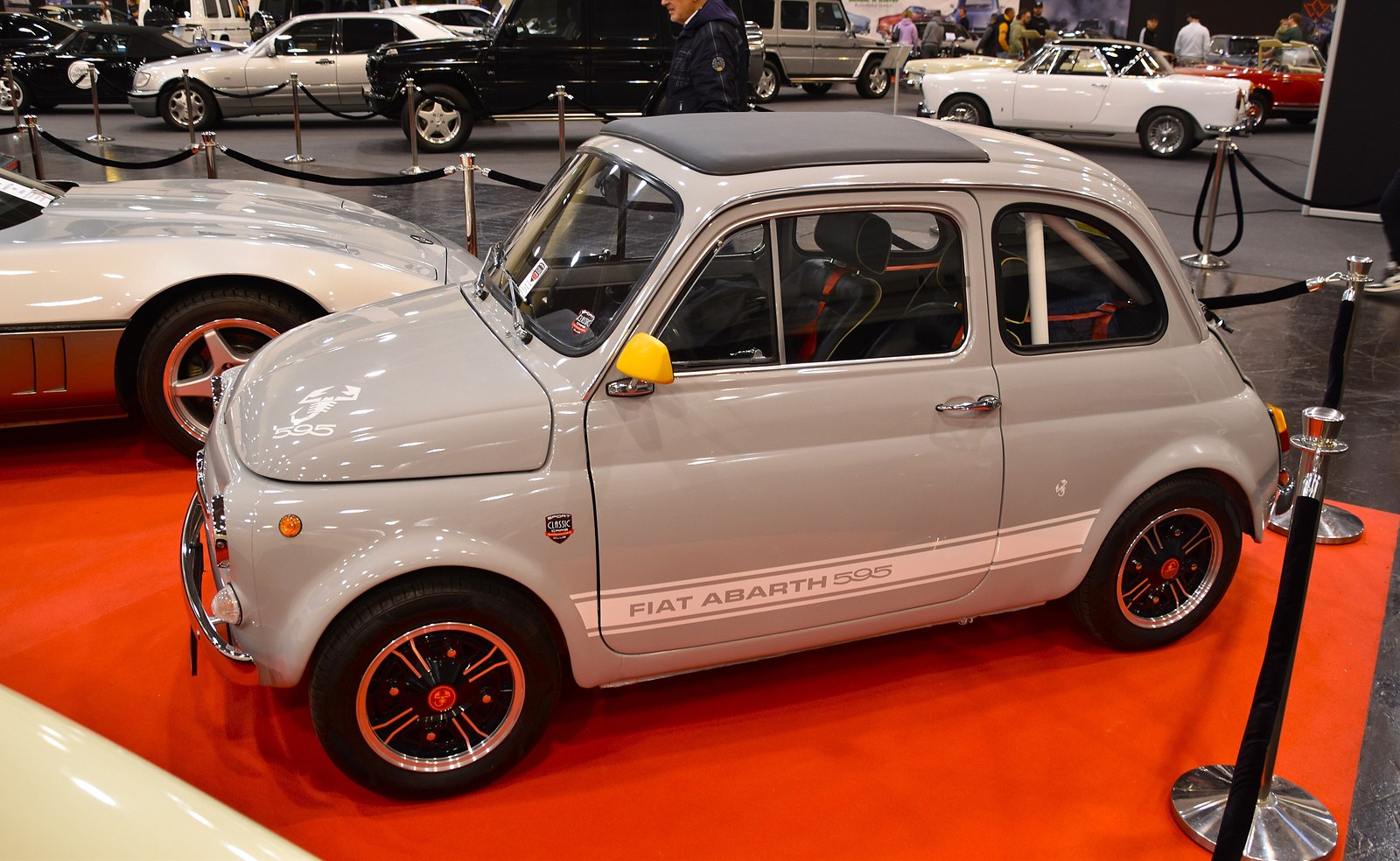
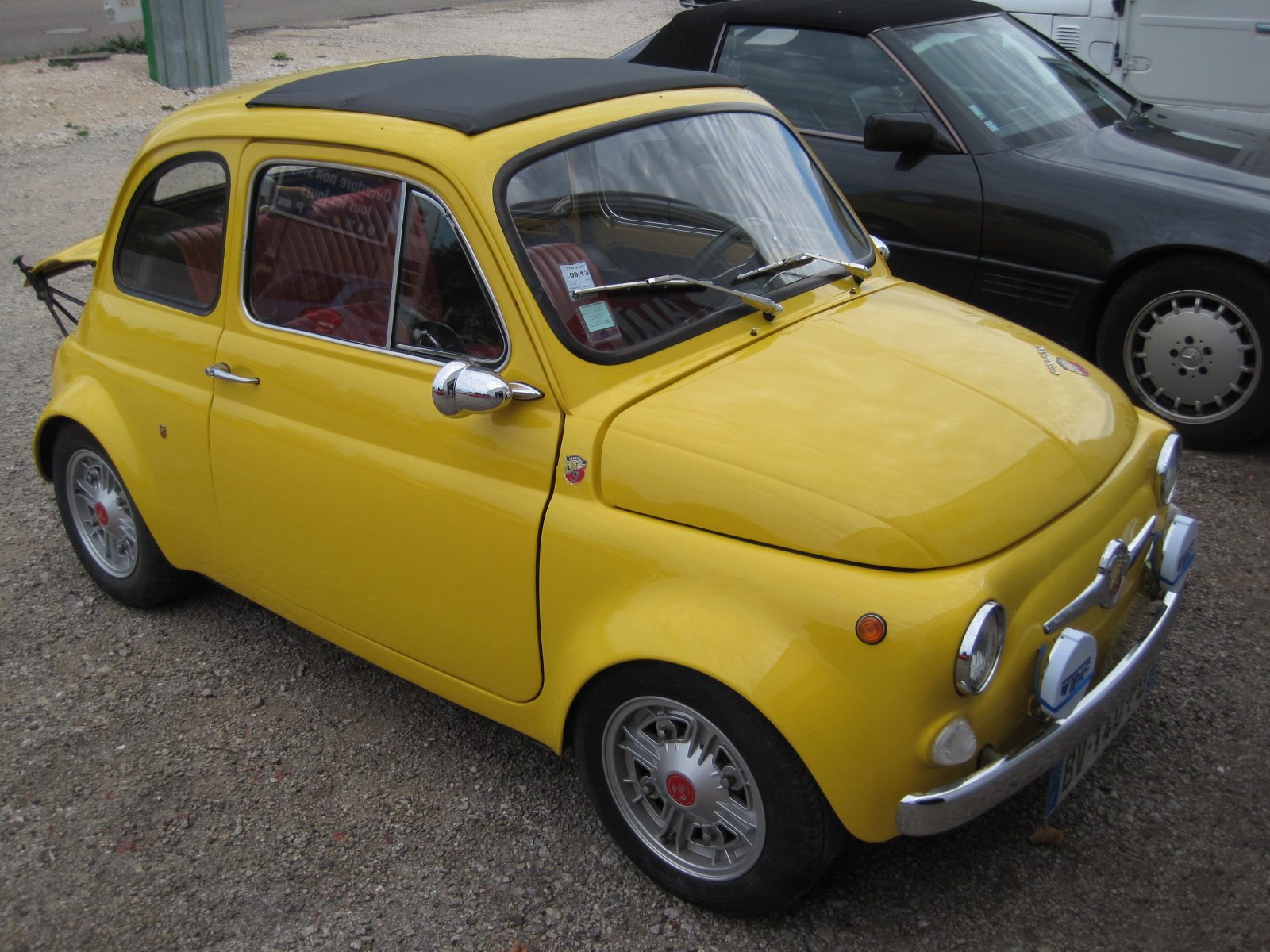
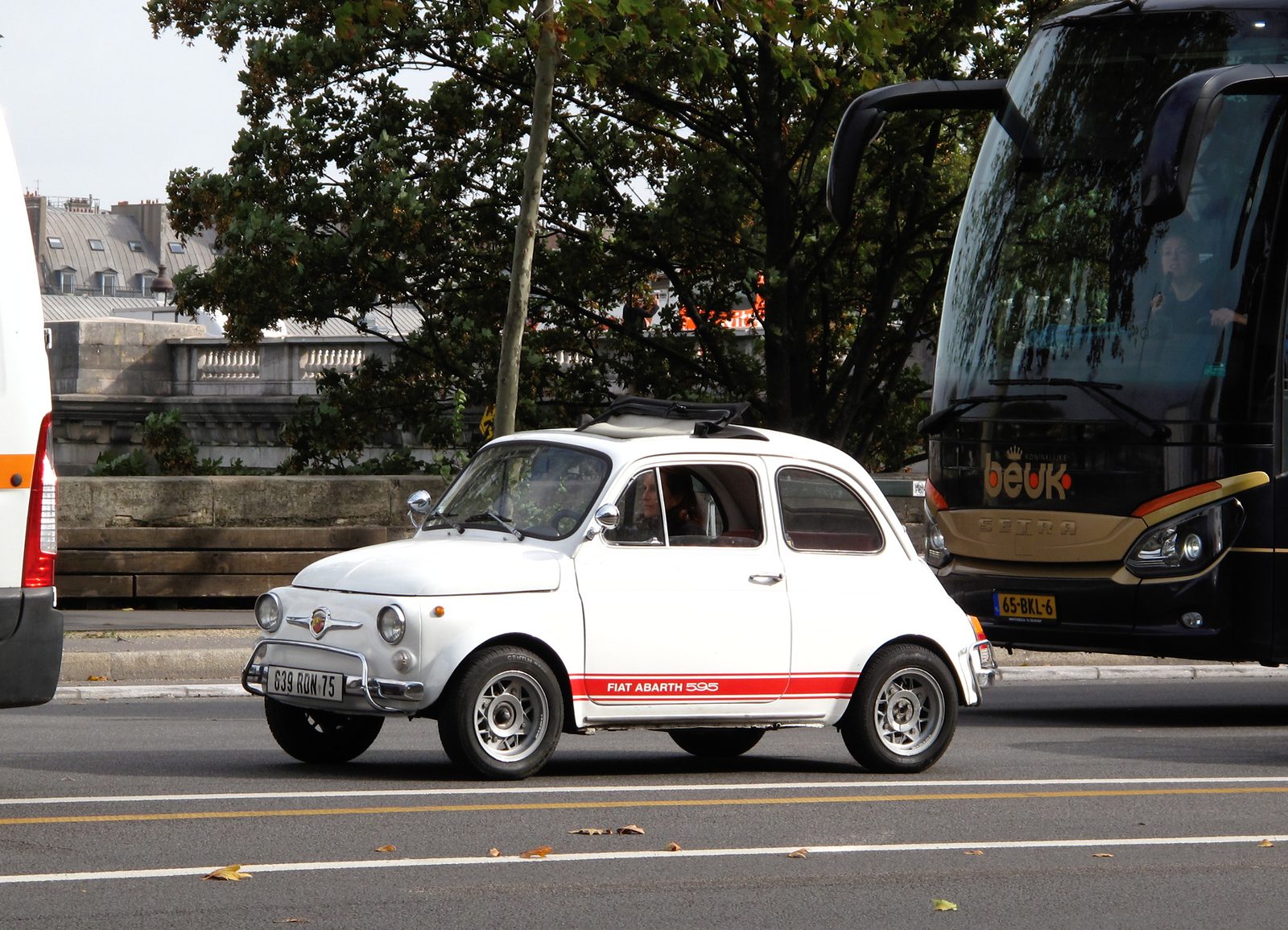
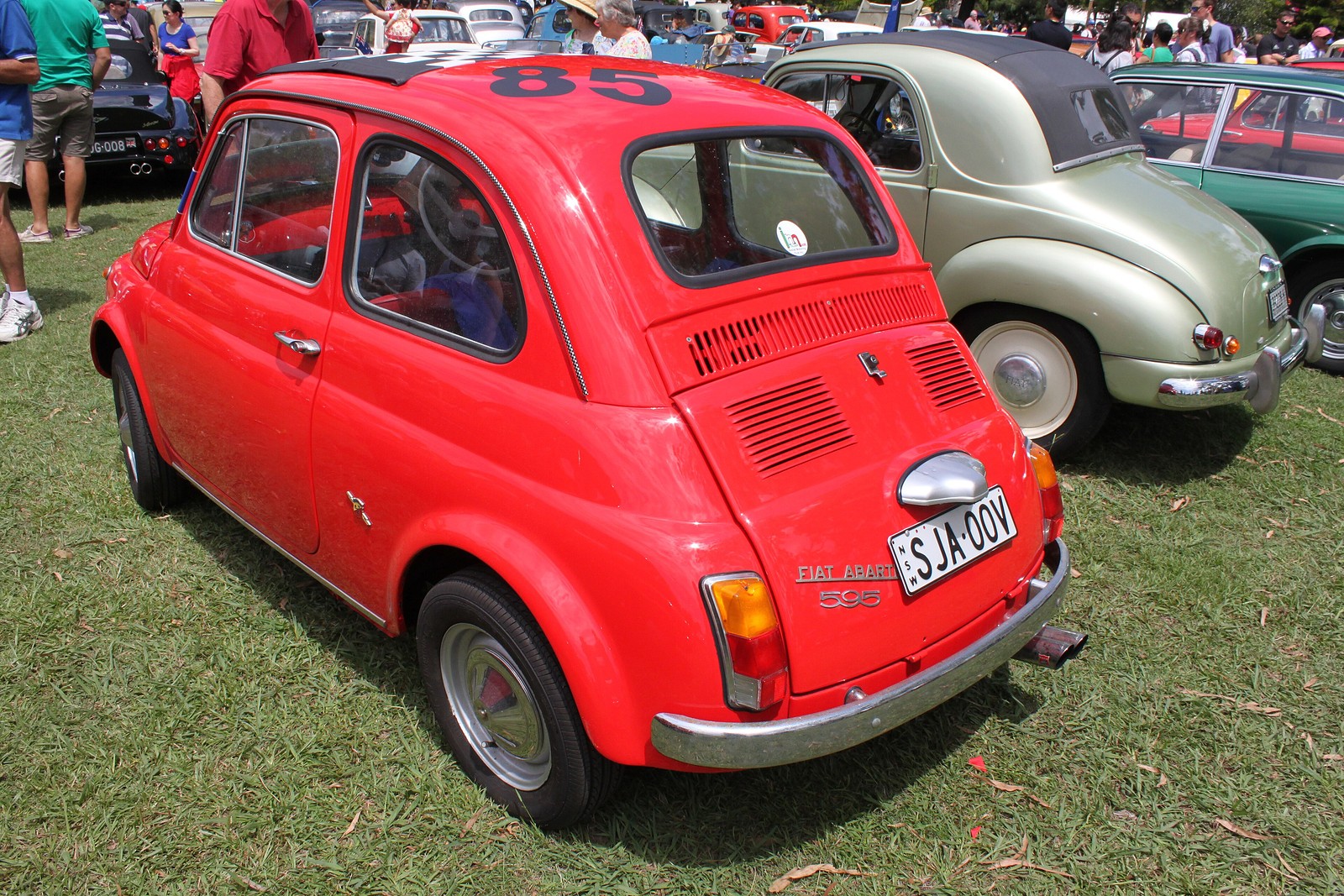
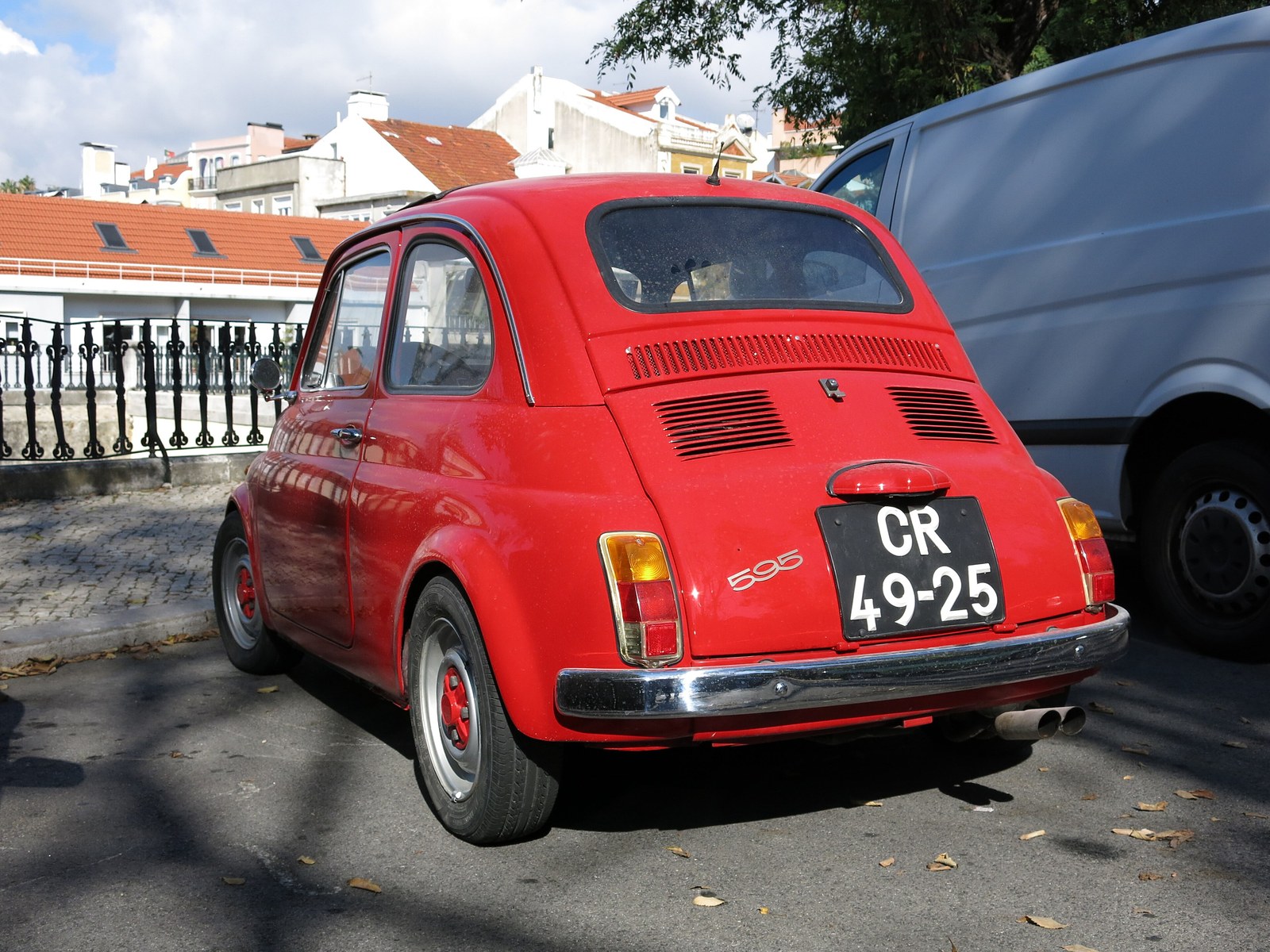
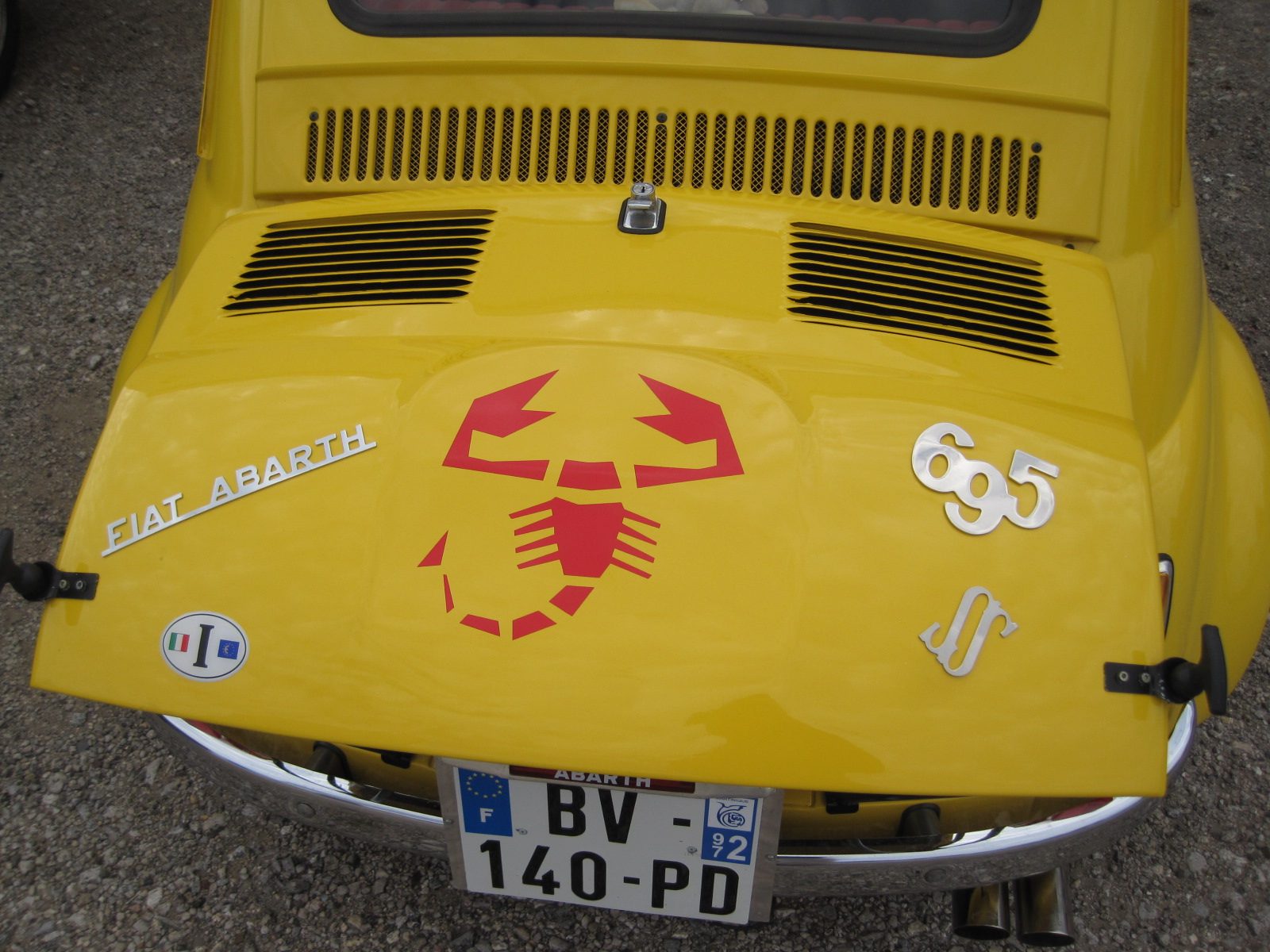
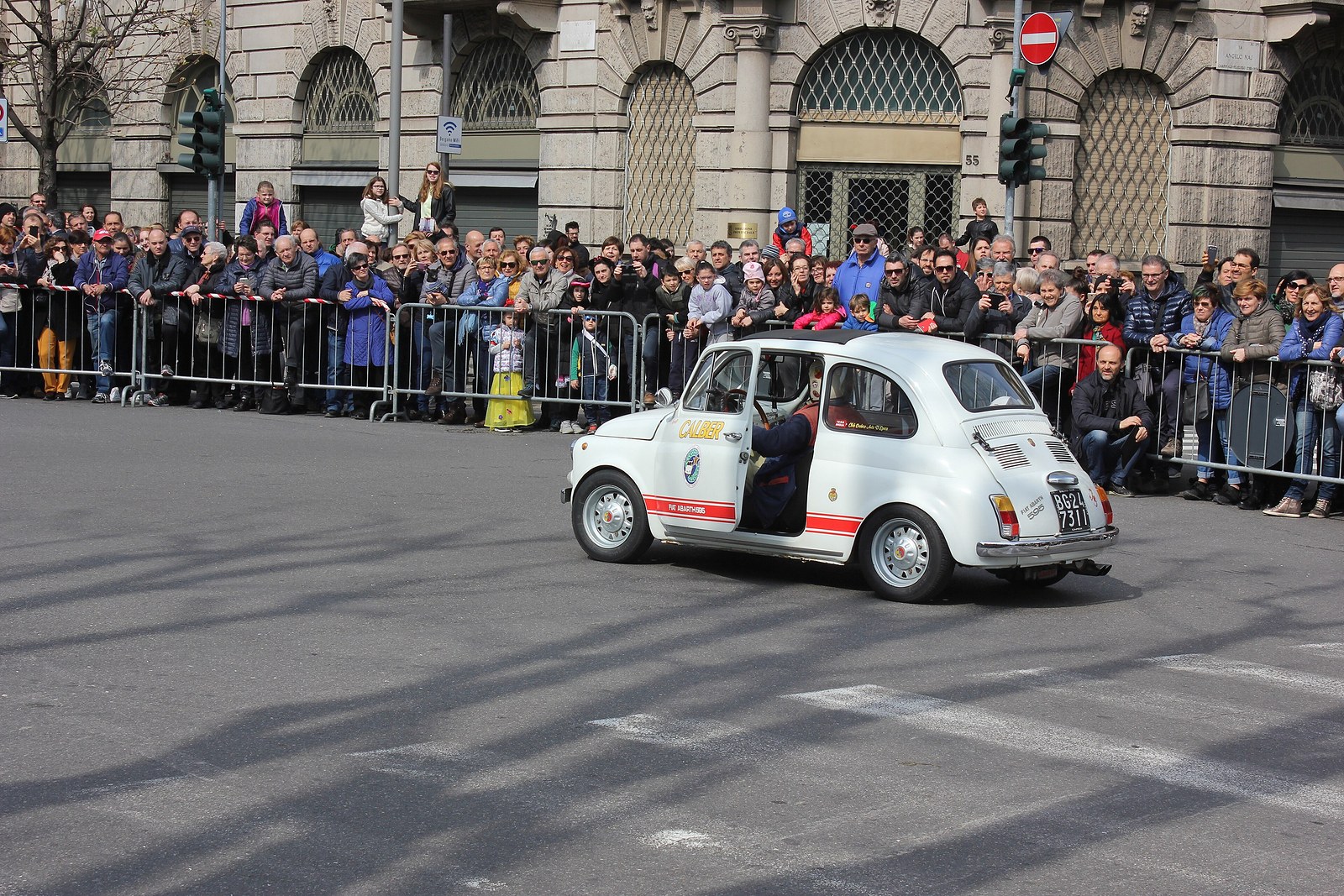
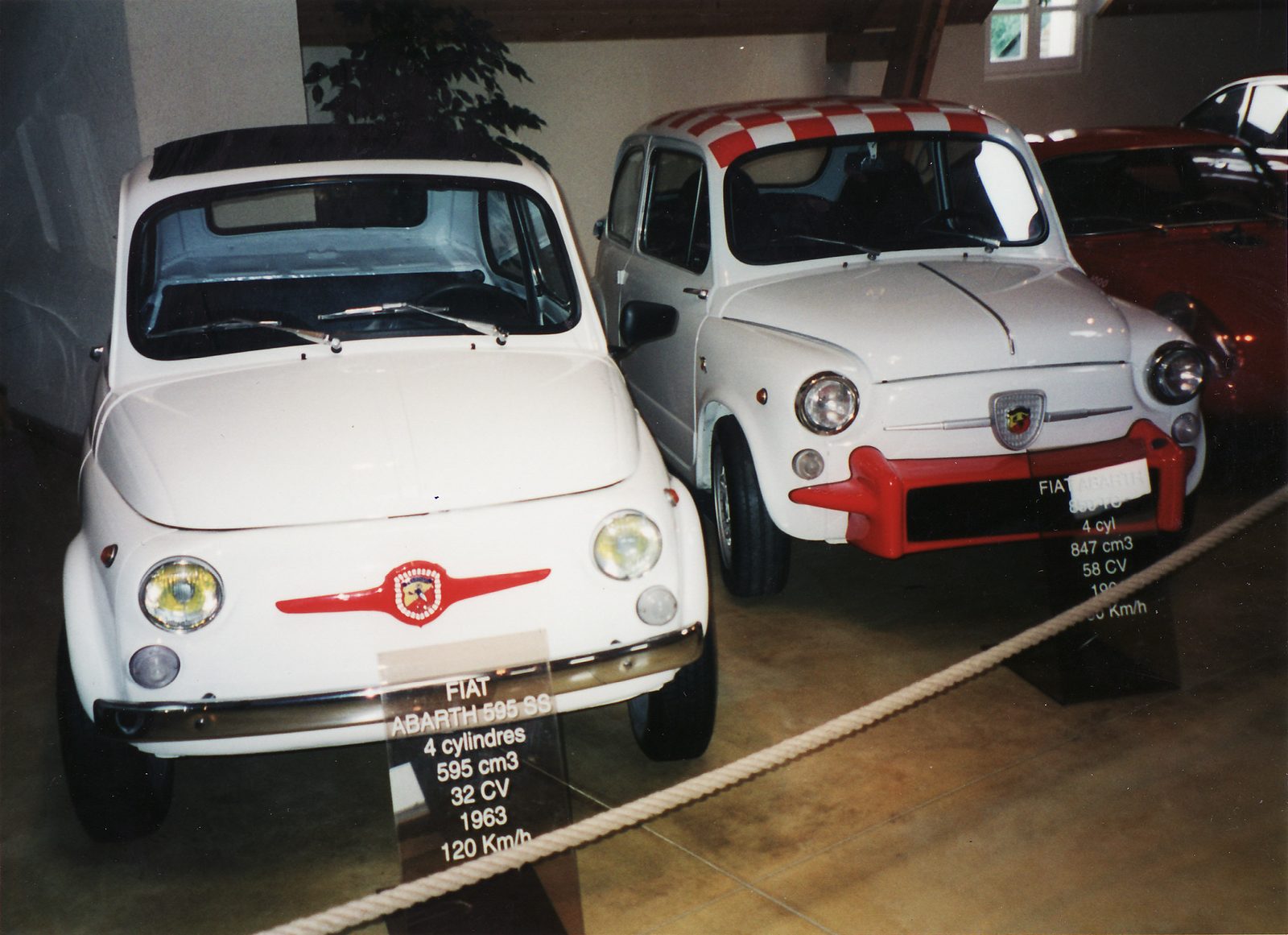
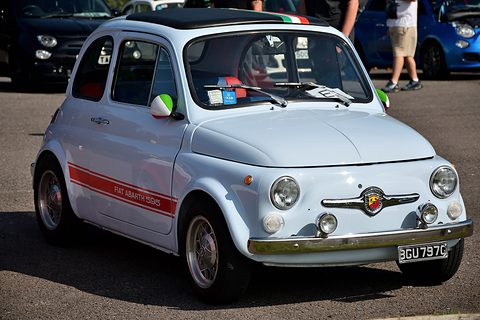
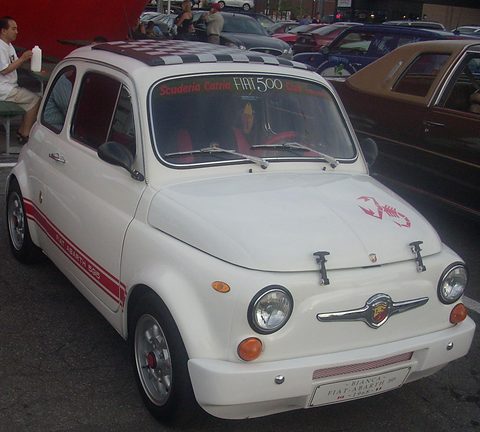
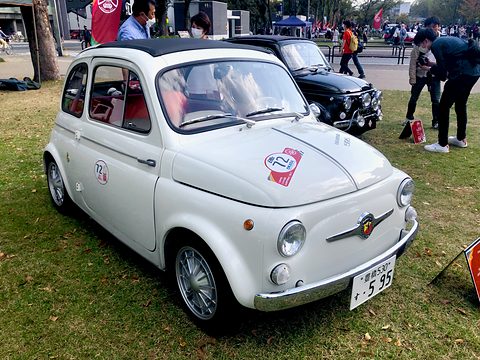
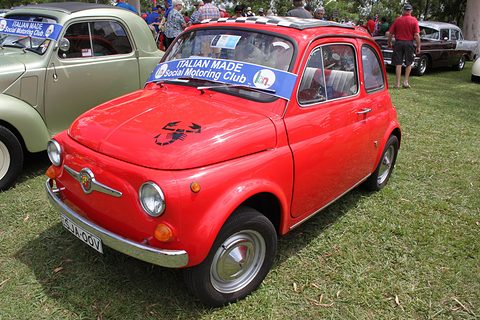
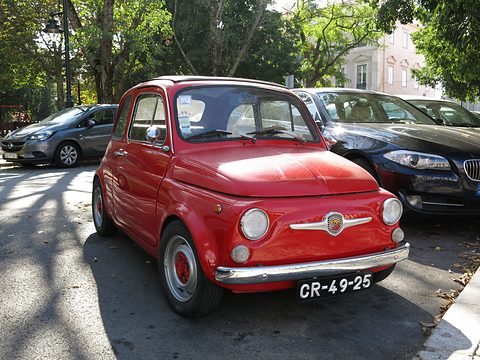
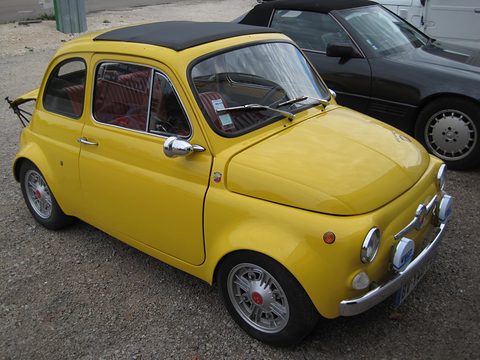
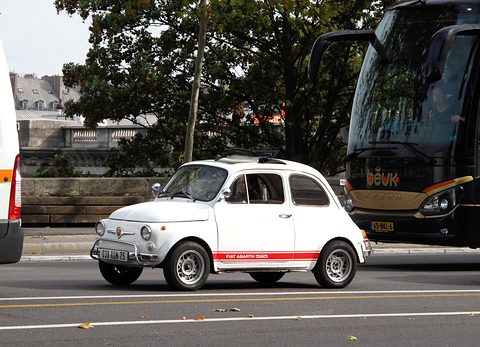
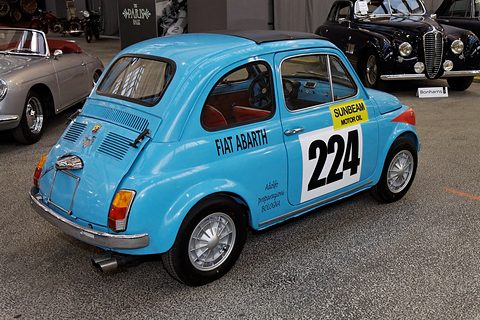
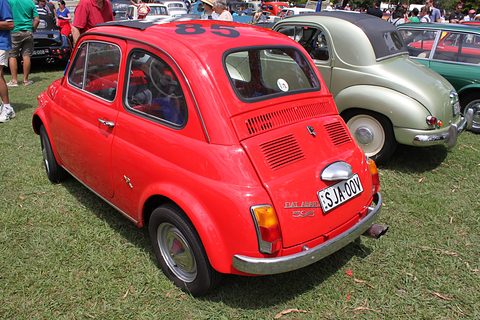
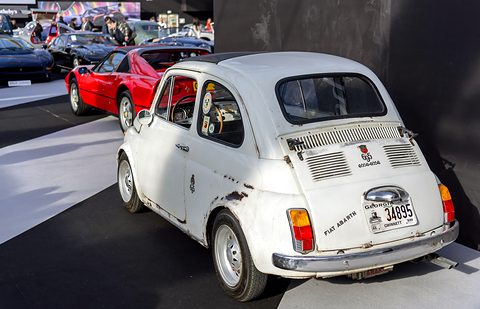
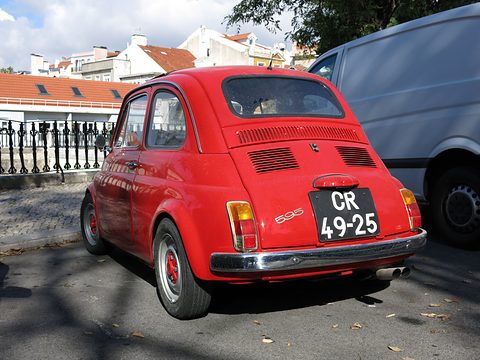
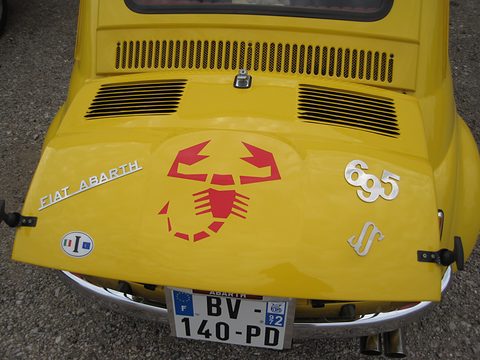
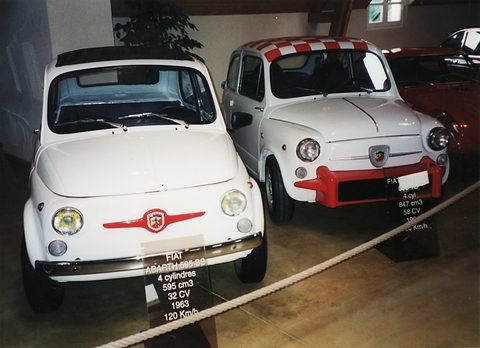
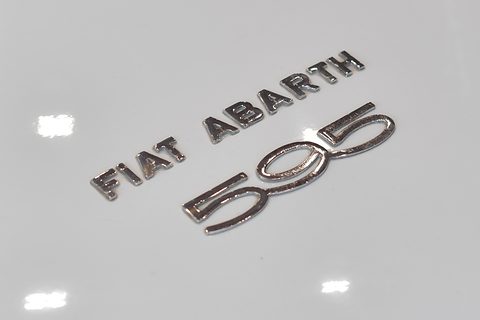
The 595 was presented in 1963 with its engine taken out to 594 cc. Launched in September at 27 PS, against the 18 PS of the Fiat it came from, it had to be built a thousand times for homologation, and Abarth built and sold the thousand in four months.source 1source 2 Fiat supplied the cars incomplete. Abarth added a dashboard with its own speedometer, rev counter and gauges for fuel and oil temperature, a three-spoke wheel, a Solex C 28 PBJ carburettor on an alloy manifold, its own intake and exhaust, and a big finned alloy sump. The engine lid was propped open to cool the engine, and that open lid became the car’s signature.source 1source 4 The 595 ran in two series, on the 500 D body until 1965 and on the 500 F body after.source 1
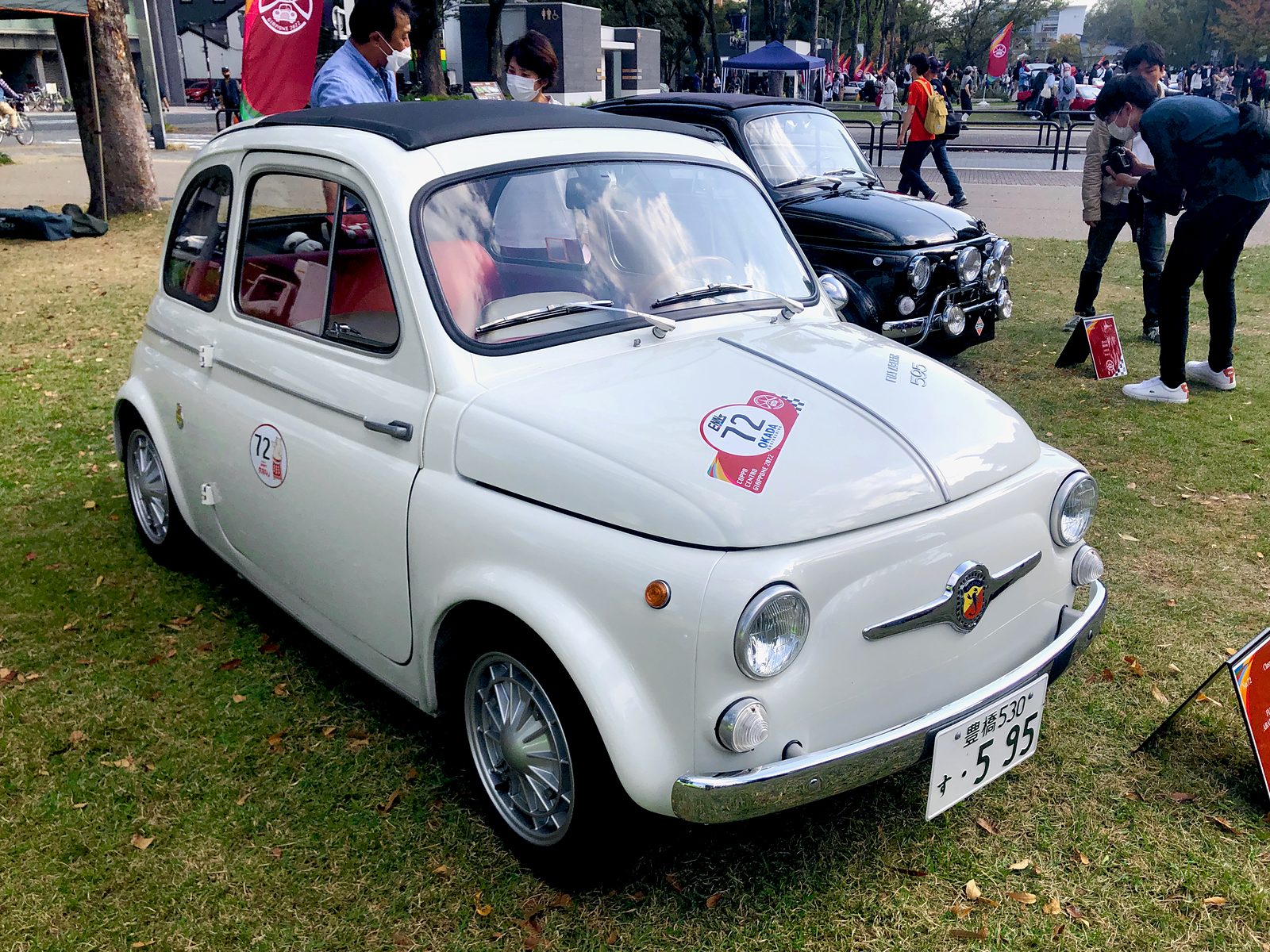
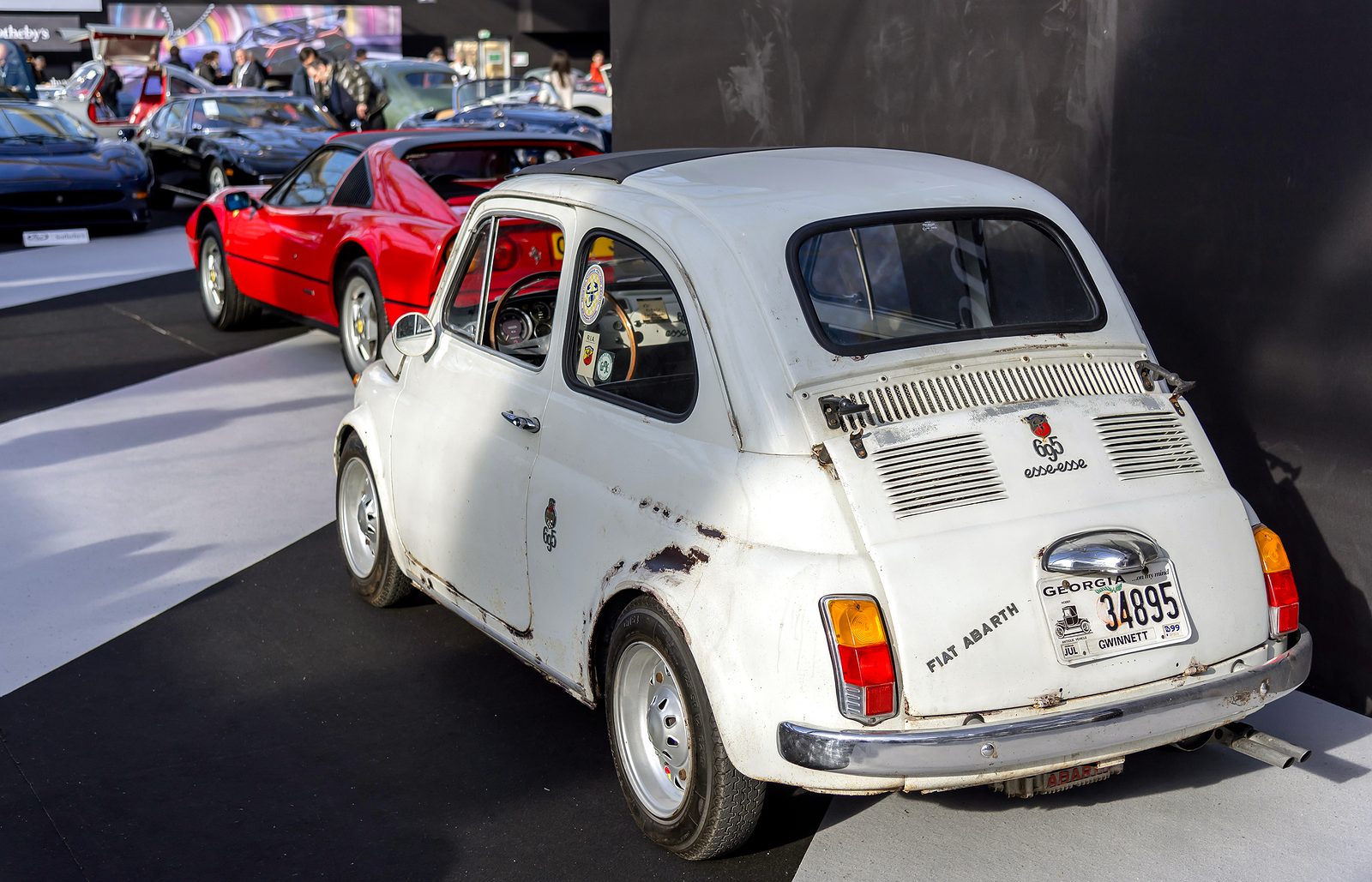
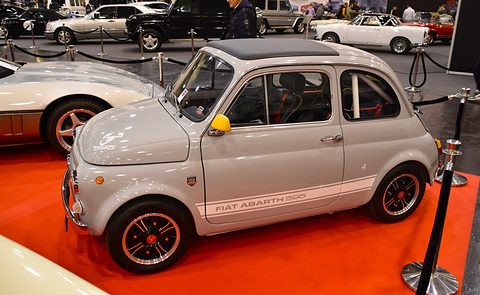
A 595 SS followed in February 1964, at 130 km/h (81 mph), first with 32 PS and later 34 PS on a Solex 34 PBIC.source 1source 2 The 695 went to 689.5 cc, and at first made no more power than the 595.source 2source 4 The 695 SS was the one that mattered: 38 PS at 5,200 rpm, about 140 km/h (87 mph), flared arches and wide 10-inch Campagnolo alloys.source 1source 2source 4 Italian Wikipedia dates it to 1964; English Wikipedia says it was shown that year and introduced in 1966.source 1source 4
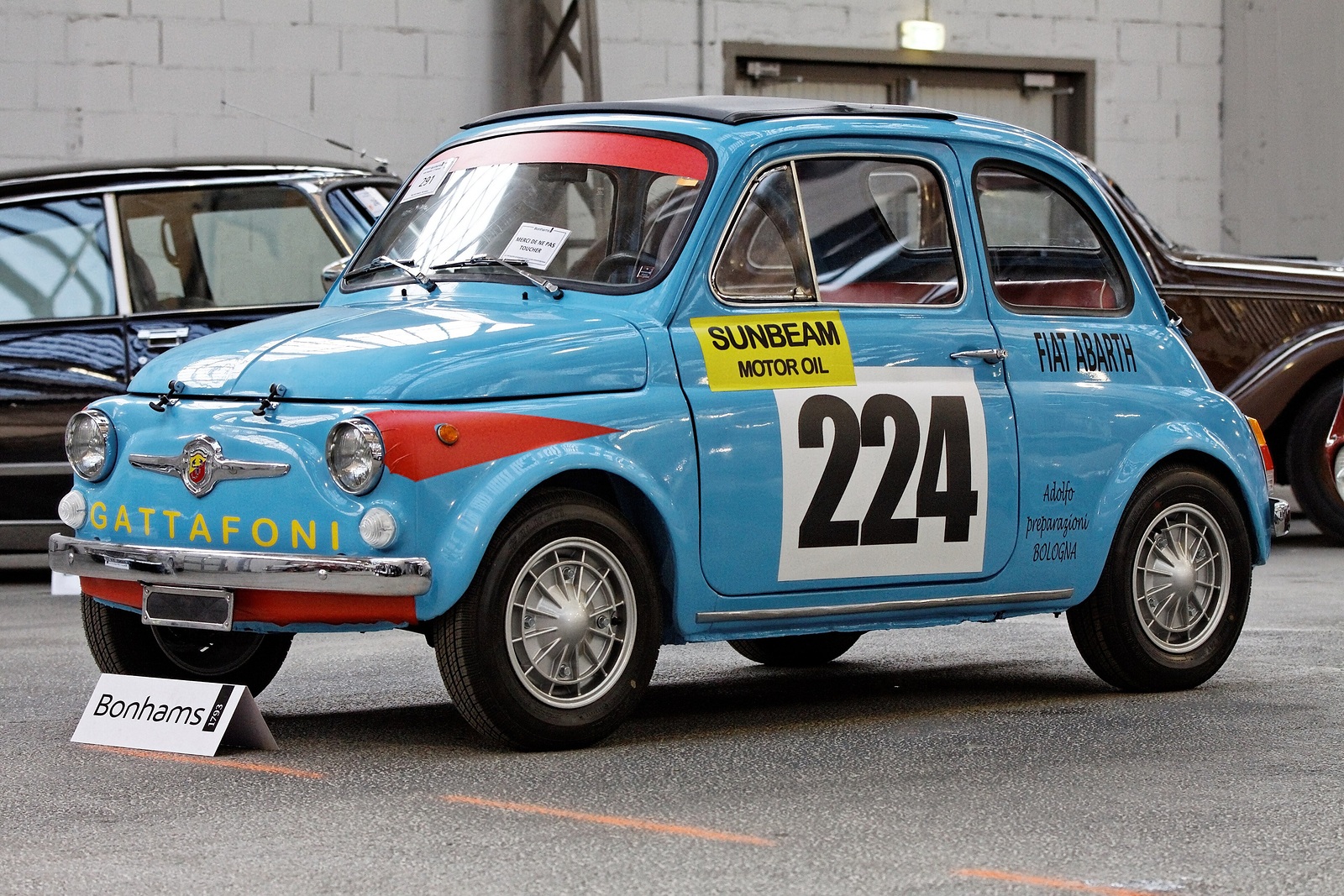
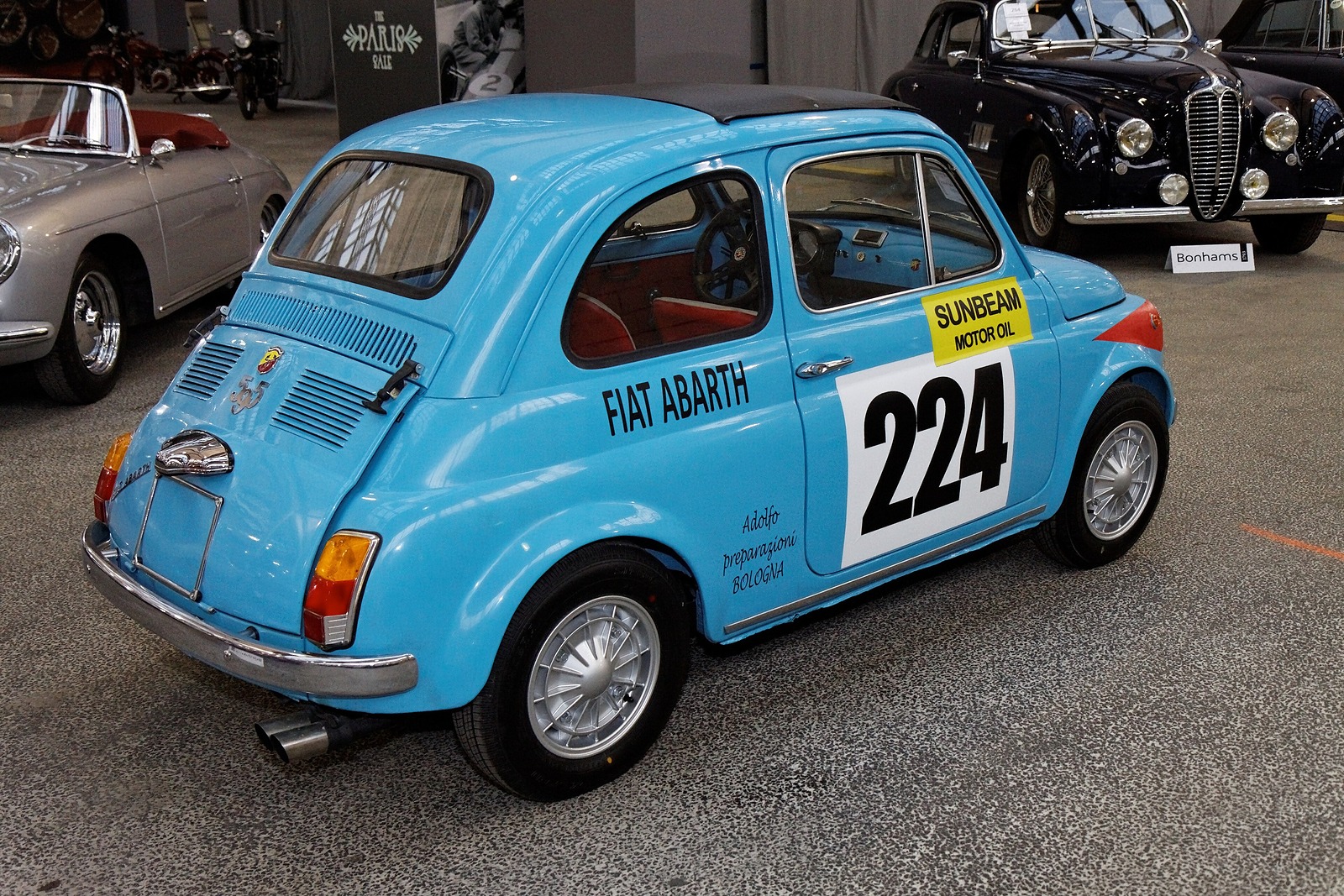
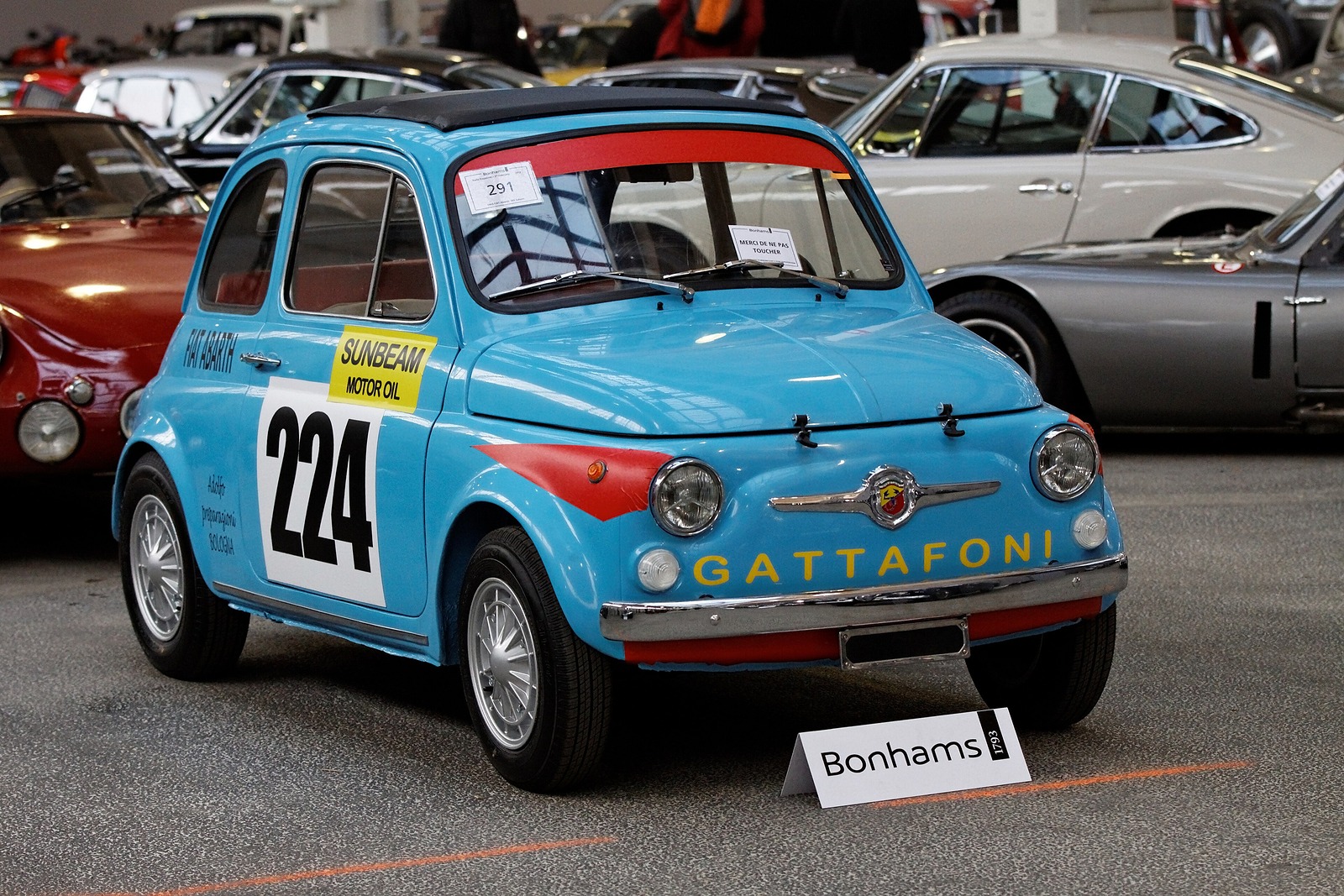
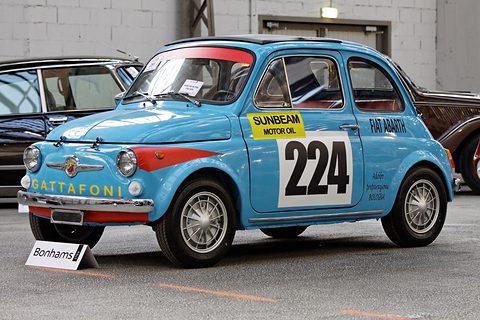
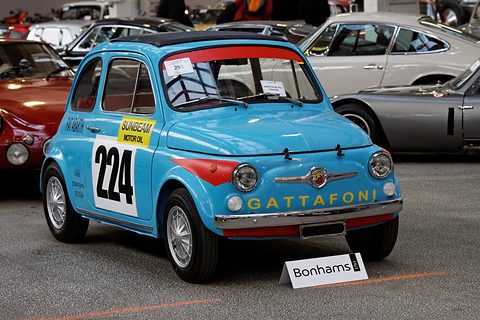
For racing, the 695 SS Assetto Corsa of September 1965 had arches flared over wider magnesium wheels, with front disc brakes, stiffer suspension, a close-ratio gearbox and a limited-slip differential among its options. An Assetto Corsa Radiale tried an experimental engine with hemispherical combustion chambers and Weber carburettors.source 1source 2 On 28 February 1970, at the Turin racing-car exhibition in the Biscaretti car museum, Abarth showed 595 SS and 695 SS cars with arch extensions painted red. A 595 SS Competizione with a factory hardtop was listed at 890,000 lire that year, and 20 were built.source 2 Production of the 595 and 695 ran until 1971.source 1
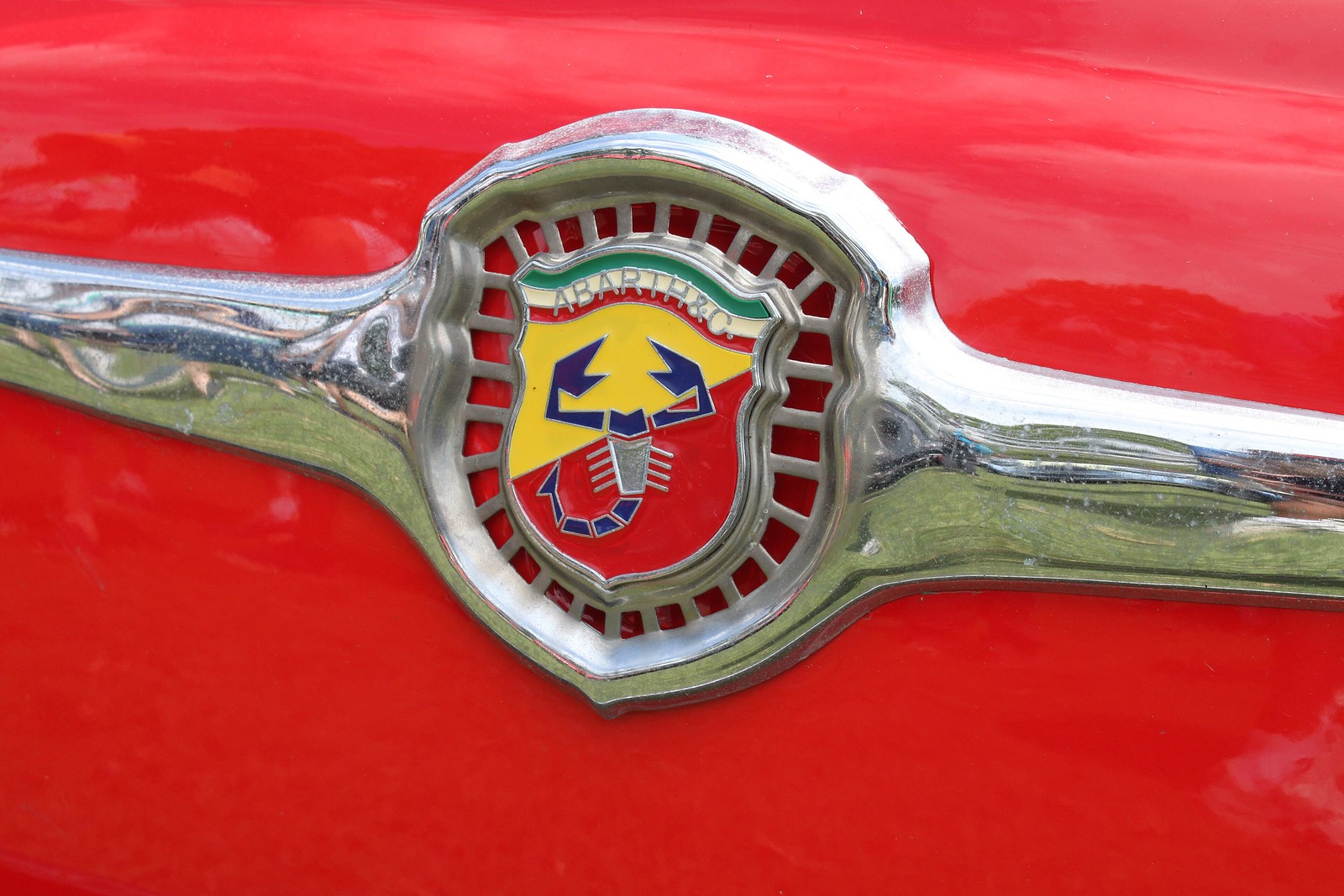
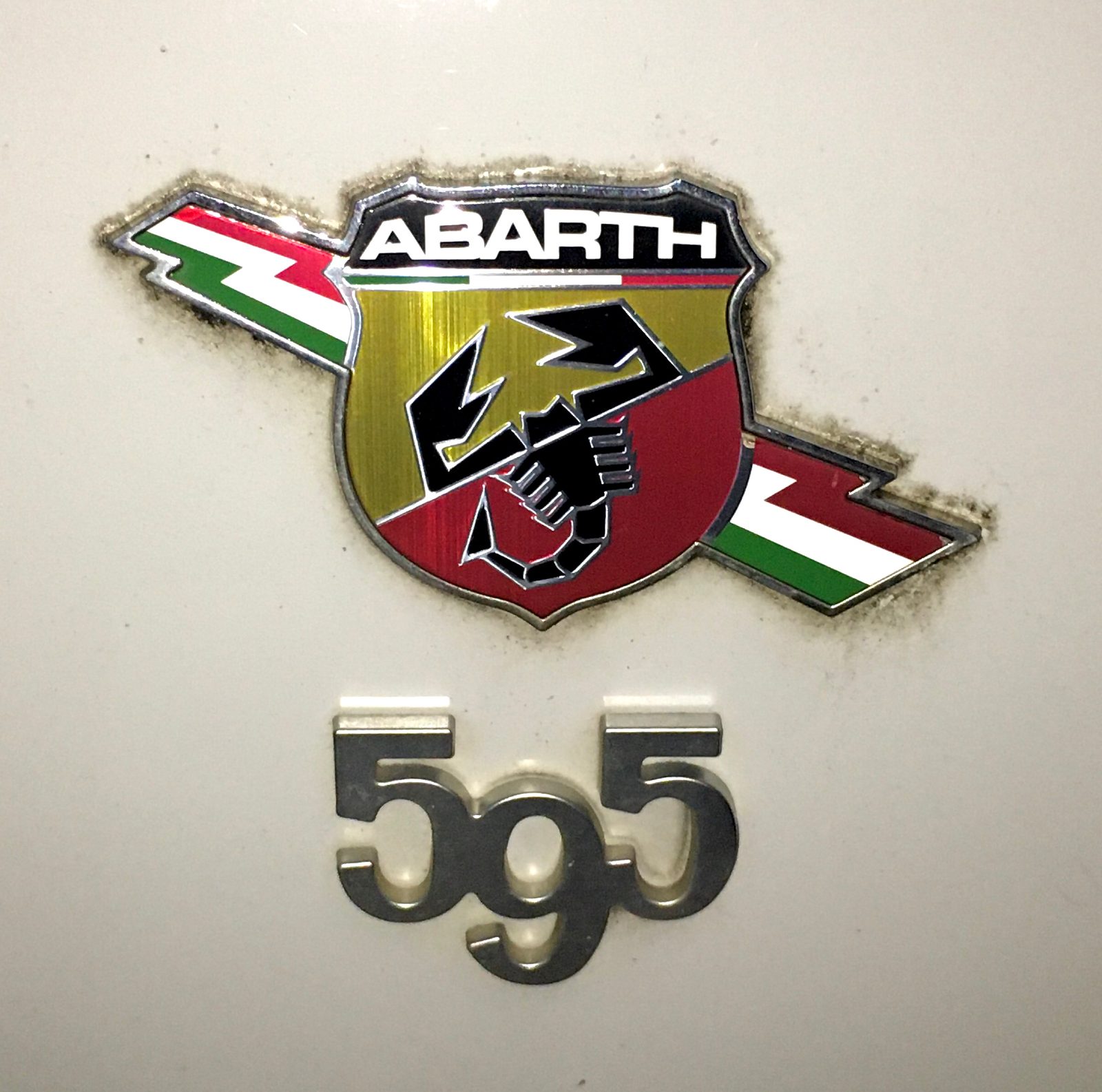
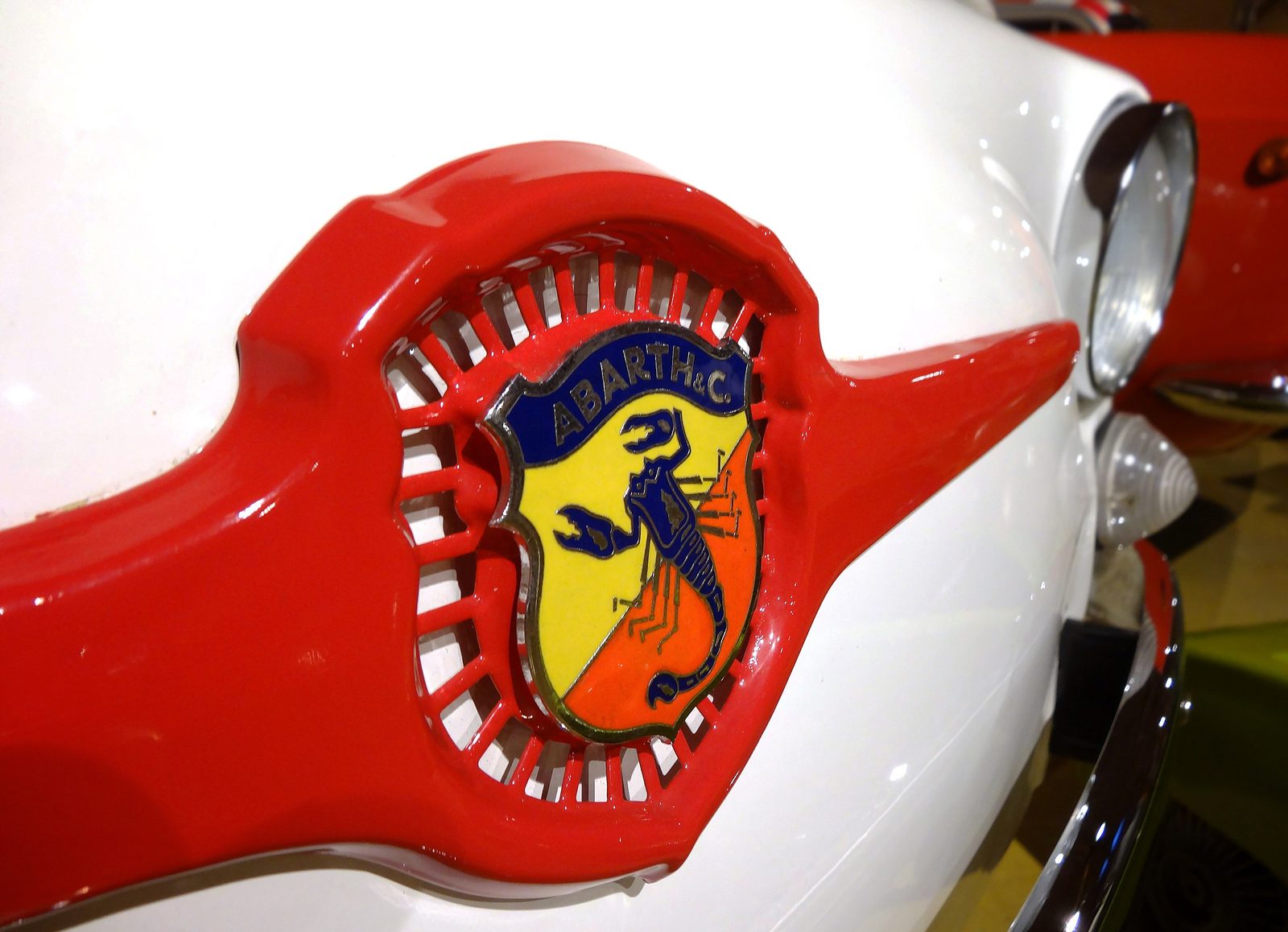
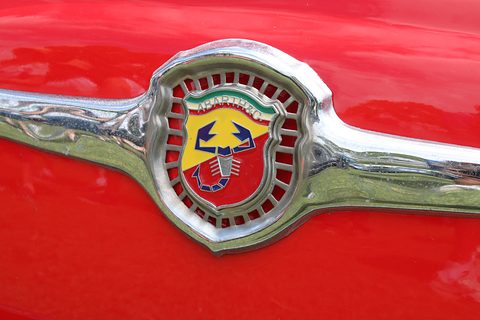
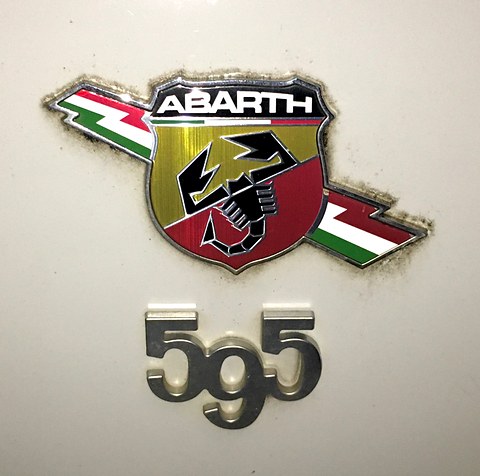
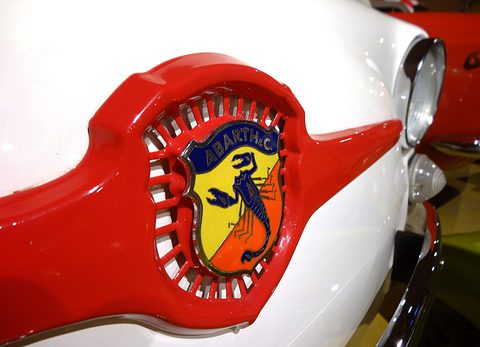
The cars kept the Fiat’s body and its length of 2,970 mm, the size this site takes as the upper limit of a microcar, but wore the scorpion badge and Abarth crests on their flanks.source 1source 4 The names outlived them. Since 2008 Abarth 595s and 695s have again been sold, on the Fiat 500 of 2007.source 4