microcarfan
  • Licence-free car
  • France

Microcar MC1 and MC2

Also known as Microcar MC1, Microcar MC2

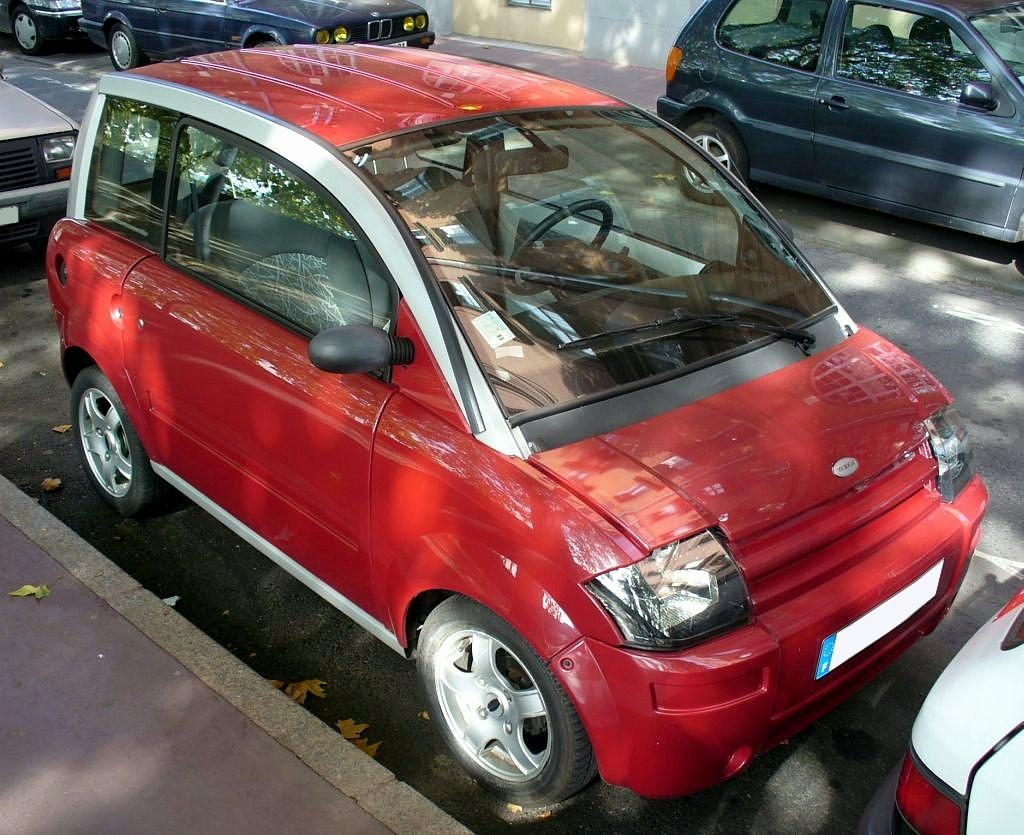
A car from a boatyard, drawn all in angles, with an aluminium frame, plastic panels and, at first, one bench seat for both occupants. Its maker called the bench no obsession; its buyers did not want it. In the MC1’s time Microcar lost the second place it had held in France since 1987.

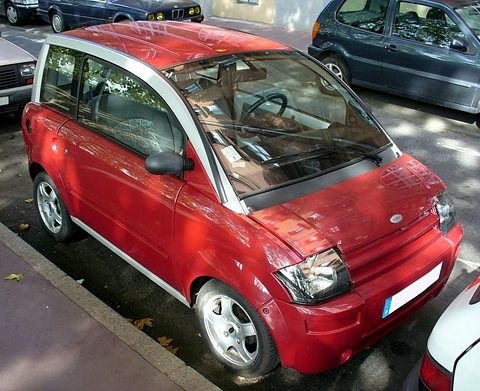
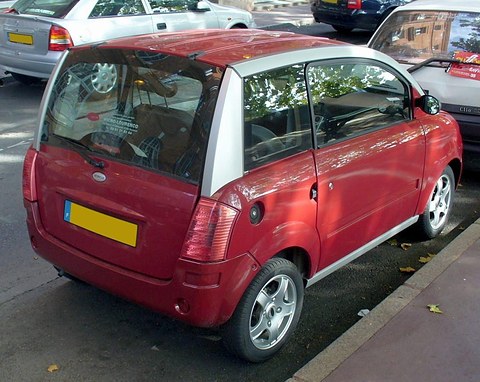
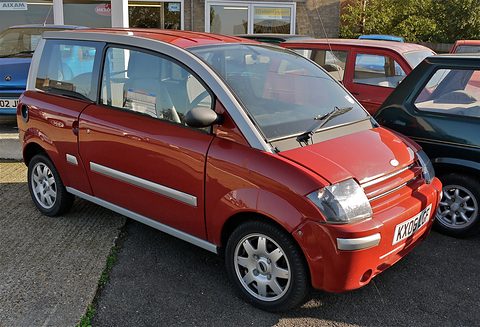
Red small hatchback with silver roof pillars parked at a kerb beside a red car.
A red Microcar MC1 Dynamic in a UK street in 2010.Photo: Mick from Northamptonshire, England, CC BY 2.0, via Wikimedia Commons

At a glance

The spec plate

Microcar MC1 and MC2

MC1 and MC2 · Boufféré

Built
2003–⁠2008From September 2003; replaced by the MGo at the end of 2008
Country
FranceBoufféré, near Montaigu, Vendée
Maker
MicrocarGroupe Bénéteau, through Jeanneau; sold to Ligier in April 2008
Engine
505 cc Lombardini or 523 cc Yanmar diesel twinA 505 cc Lombardini petrol twin in some export markets
Power
4–15 kW4 kW (5.4 hp) licence-free; 15 kW with the petrol engine
Length
2,800 mm1,490 mm wide, 1,420 mm high
Weight
355 kgThe petrol car CAR tested; the licence-free limit was 350 kg unladen
Seats
2 or 4MC1 two; MC2 four, or two and a larger boot
Wheels
4Front engine, front-wheel drive, automatic
Price new
€11,480–11,600MC1 Préférence and MC1 Family, France, May 2004
Production
Not foundBoufféré built nearly 7,000 vehicles a year in 2008
Top speed
45km/h45 km/hUp to 115 km/h with the petrol engine

How big is it?

True proportion

2.80 m

It is 170 mm shorter than a Fiat 500, about 1.6 adults laid end to end, and twice the length of a Peel P50.

  • 1.49 m wide
  • 355 kg: about five adults
  • The MC2 is 3,100 mm long
Drawn at true proportion. The track is 3.6 metres long; the adult stands at the same scale. The Peel P50 is the smallest production car, on every page for comparison.

The story

History

Microcar began in a yacht yard. Jeanneau, a builder of pleasure boats in polyester, set up a car division at the end of the 1970s and showed its first voiture sans permis, the Microcar RJ49, in October 1980.source 1source 2 The old microcarfan.com, one collector’s account, followed the marque from there to the Virgo of 1997.source 1 In 1995 Jeanneau, Microcar included, passed to the boat builder Bénéteau, and in 2000 a new factory opened at Boufféré, in the Vendée, with about 150 staff.source 2source 3

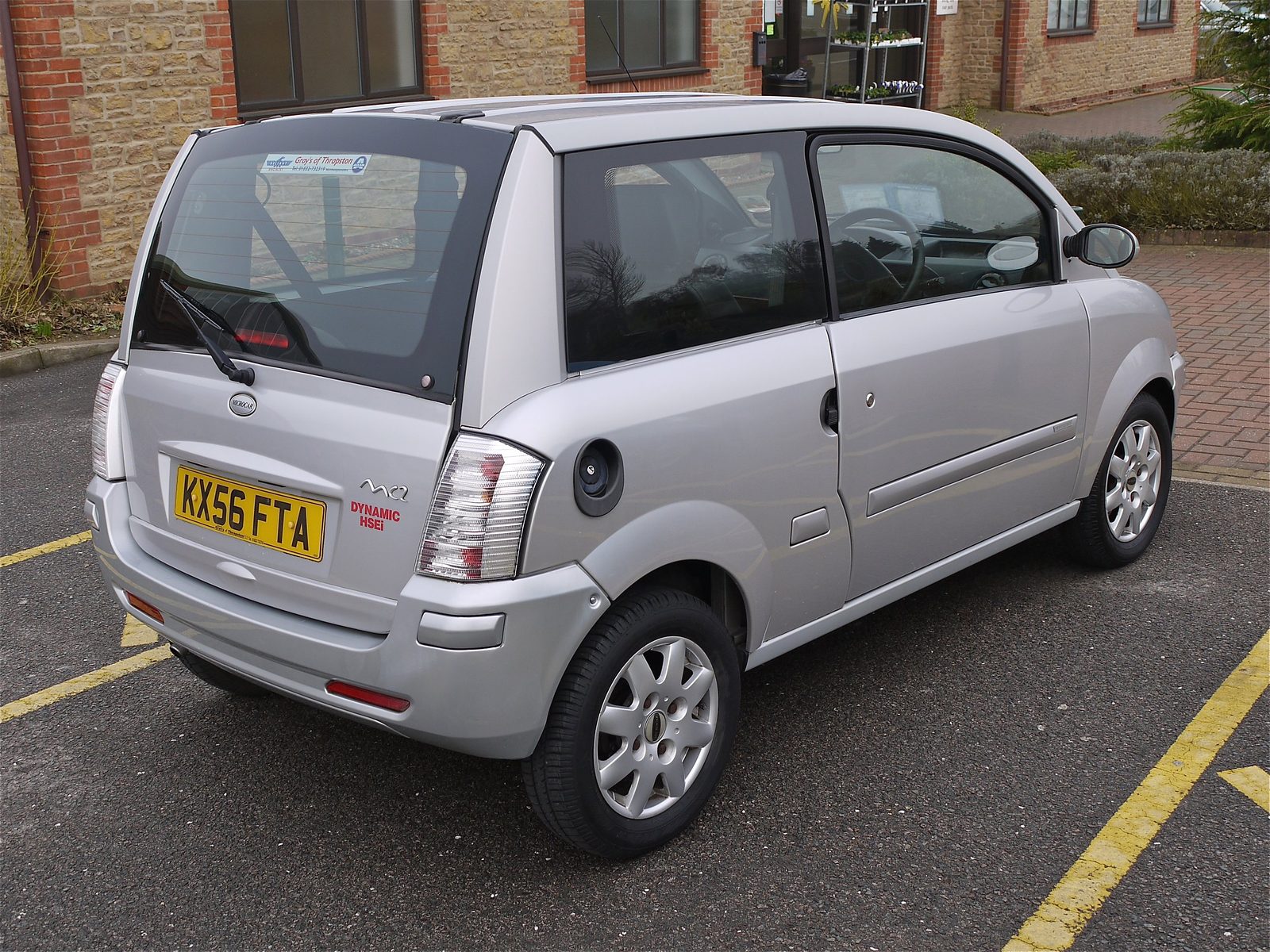
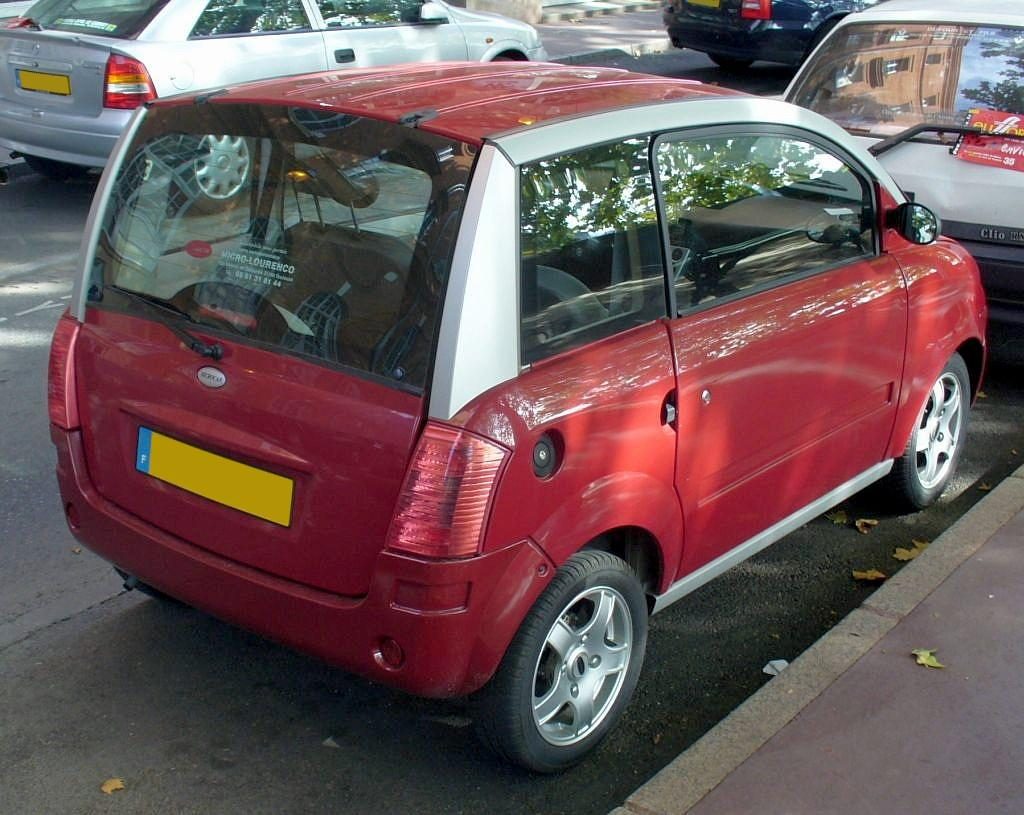
In September 2003 Microcar launched the MC1, a bold bet to replace the conservative Virgo.source 4source 5 It was the first Microcar built round an aluminium frame, a safety cell clothed in thermoformed ABS panels, instead of a glass-fibre shell: buyers wanted more and more equipment, and a licence-free car had to stay under 350 kg (772 lb) unladen.source 4source 5 The engine, a Lombardini diesel twin of 505 cc and 4 kW (5.4 hp), sat in front and drove the front wheels through a fully automatic, continuously variable transmission, and the law held it to 45 km/h (28 mph).source 3source 6 The MC1 was 2,800 mm (110 in) long, 1,490 mm (59 in) wide and 1,420 mm (56 in) high.source 3

The trade press saw a Citroën C2 in its nose and an Audi A2 in its tail, and the customers did not like the look.source 5source 7 Nor did they like what was inside: at launch the MC1 had a one-piece bench instead of two seats, which was unusual and unpopular.source 4source 5 Nine months on, in May 2004, Microcar added two versions, the MC1 Préférence, with separate seats, metallic grey paint and a glass roof for €100 more, at €11,480, and the MC1 Family at €11,600. The Virgo was stopped, its sales ending that summer.source 4 Christophe Rieger, Microcar’s deputy managing director for sales, insisted that the Préférence had been planned from the launch.source 4

La banquette n’est pas une obsession chez Microcar !

Christophe Rieger, interviewed in Le Journal de l’Automobile, 28 May 2004. In English: “The bench seat is not an obsession at Microcar!”source 4

Leaks and a lost place

Early cars let in water, dealers gossiped, and the MC1 earned a difficult reputation. Microcar had been second in the French licence-free market since 1987; it lost that place to Ligier.source 5 By the end of August 2006 Ligier held 21 per cent of the market and Microcar 19.5.source 7

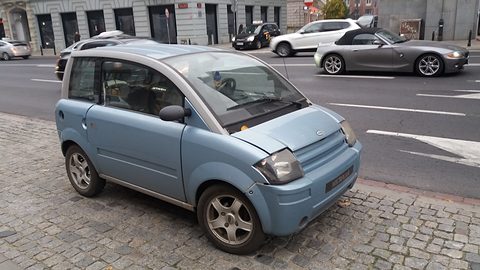
The range grew all the same. The long MC2, 3,100 mm (122 in) by German Wikipedia’s figure, seated four, or two with a larger boot.source 3source 5 The MPS versions had a driver’s airbag, by Le Journal de l’Automobile’s account a world first in a licence-free car.source 5 In the autumn of 2006 both cars were facelifted: a new bonnet, bumper, grille and lamps, clear “crystal” rear lamps and a chrome exhaust tip outside; inside, a wider dashboard, a lid for the glovebox, door bins, a ceiling light, denser matt plastics and better sound insulation; and cheaper 145/70 R13 tyres. A Yanmar diesel twin of 523 cc, with more torque and a thirst to match, became an option on the Préférence MC1 and MC2 at €350.source 7source 3 Microcar also began to sell Bellier’s small utility as the Microcar Sherpa.source 7

With a licence

In Britain and some other markets the MC1 and MC2 came with a 505 cc Lombardini petrol twin of 15 kW, good for up to 115 km/h (71 mph), and needed a licence.source 3source 6 CAR magazine tested one in 2007. It found it fairly nippy, thanks to its 355 kg (783 lb), at its best in corners, and slightly better to drive than to look at. Much else it disliked: the fit of the front panels, the shudder, a steering column that wobbled at idle, the lack of headroom, and a transmission that felt like a self-propelled lawn mower’s. Ten miles, its tester wrote, felt like an ordeal.source 6

It isn’t a car and it doesn’t feel like one when you’re sat in it.

CAR magazine, road test of the Microcar MC1, 2007.source 6

Into Ligier’s hands

In April 2008 Bénéteau sold Microcar to Ligier. Boufféré was then building nearly 7,000 vehicles a year.source 2source 3source 8 That June the MC range had a last fling with the MC Highland, an MC2 dressed up as a four-by-four, and at the end of 2008 the more conventional MGo replaced it.source 5source 9 Microcar was merged into Automobiles Ligier on 25 August 2014 and lived on as a brand until the end of 2024. In January 2025 Ligier announced that production at Boufféré, down from 45 vehicles a day to 10, would move to Abrest, in the Allier, by September; of 145 jobs, about 20 were to be kept.source 2source 8
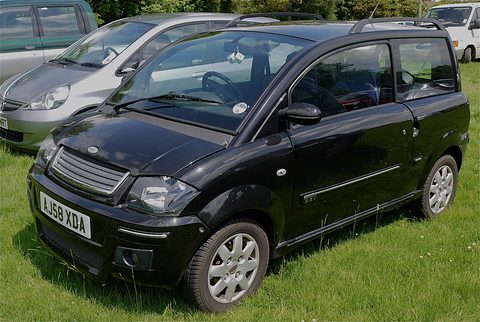
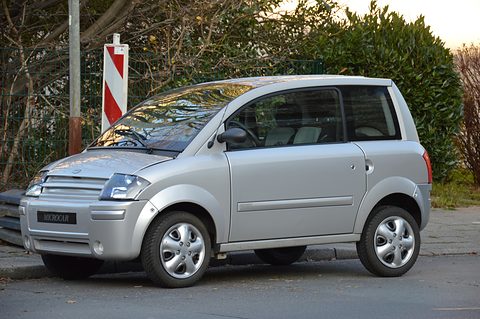
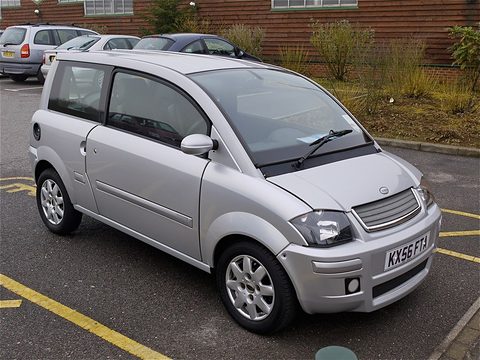
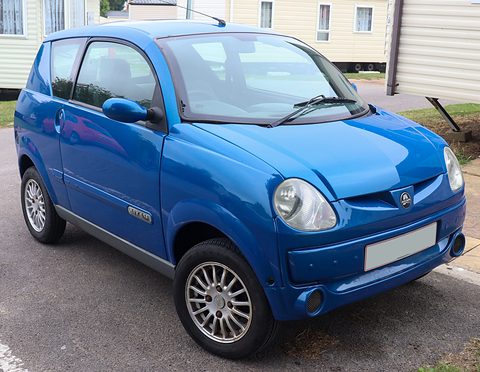
Black small hatchback with a slatted grille and alloy-look wheels parked on a lawn.
A black Microcar MC2 Dynamic on grass in the UK in 2010.Photo: Mick from Northamptonshire, England, CC BY 2.0, via Wikimedia Commons
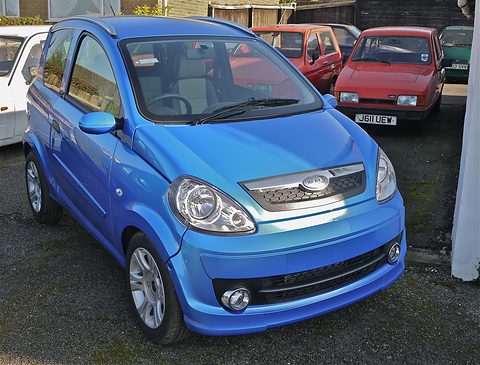
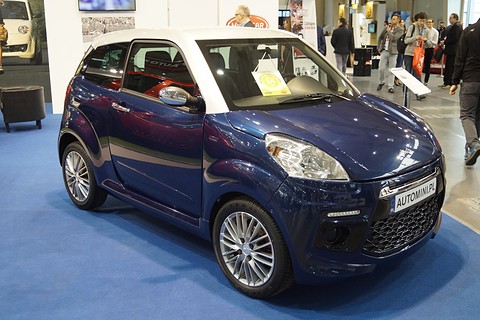
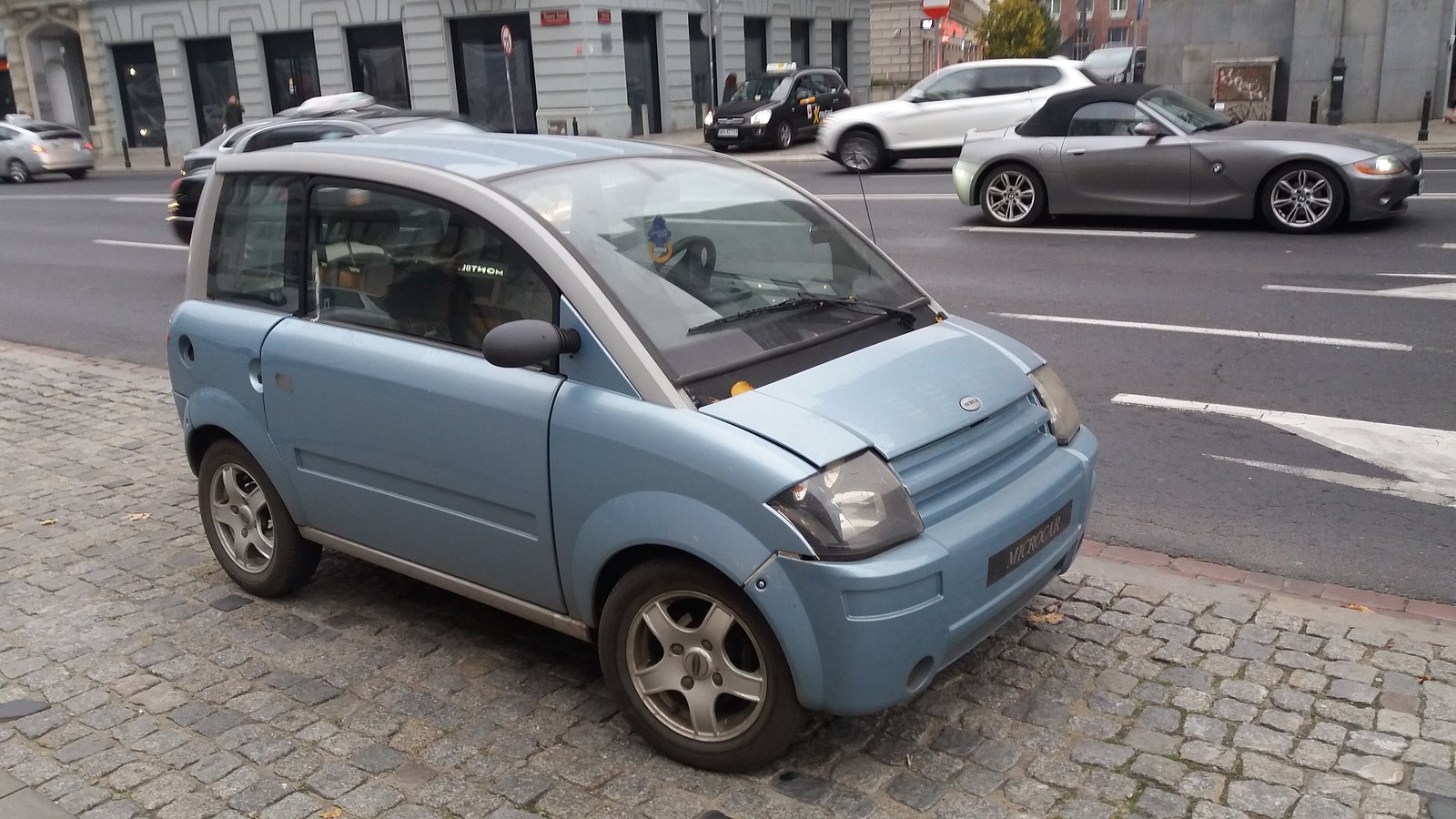
Bright blue small hatchback with swept headlamps and chrome grille bar, parked by other cars.
A blue facelifted Microcar MC2 with a chrome grille in the UK in 2010.Photo: Mick from Northamptonshire, England, CC BY 2.0, via Wikimedia Commons
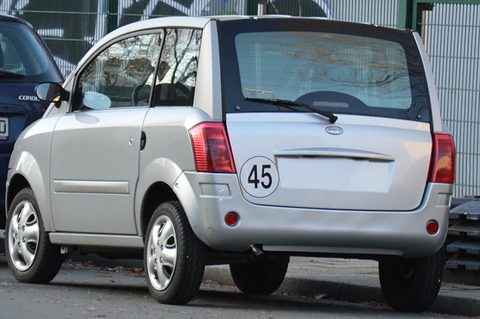
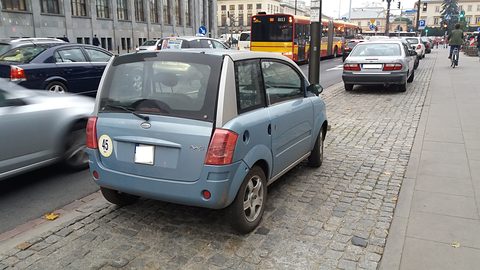
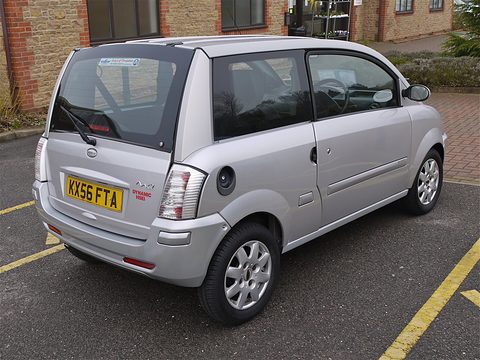
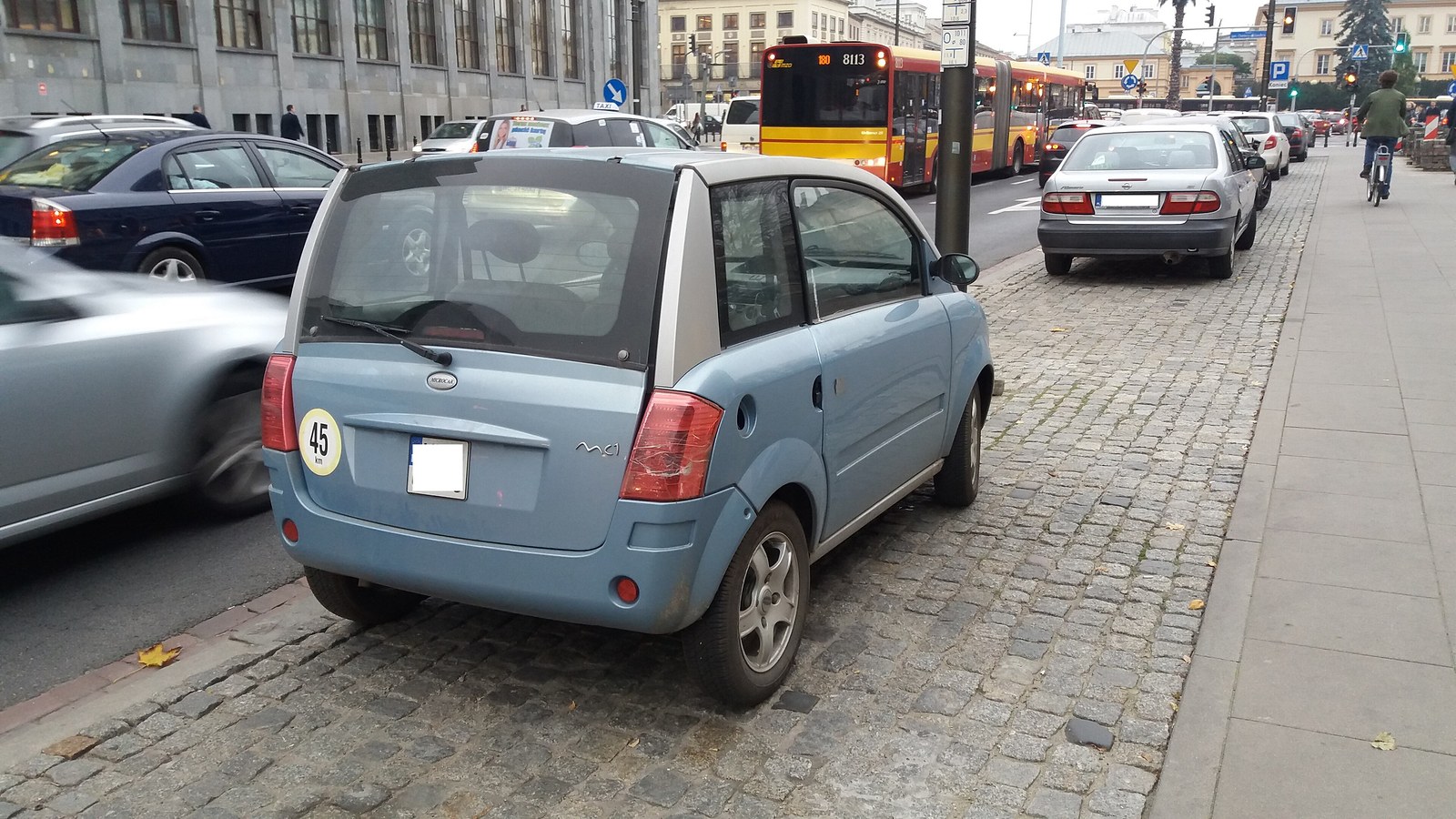
Rear of a silver microcar with tall tail lamps and a round 45 speed disc, plate blanked.
A silver Microcar MC1 from behind in Bochum, Germany, in 2014, with its 45 km/h disc.Photo: Raenmaen, CC BY-SA 3.0, via Wikimedia Commons

Pictures

More photographs, old and new

Variants

Short, long and dressed up

The MC range
VariantYearsWhat differsHow many
MC12003–⁠082,800 mm, two seats; a bench seat at launchNot found
MC1 Préférence and Family2004–⁠08Préférence: separate seats, a glass roof for €100 moreNot found
MC2To 20083,100 mm, four seats or two and a larger bootNot found
MPSNot foundA driver’s airbagNot found
Petrol export carsNot found505 cc petrol twin, 15 kW, 115 km/h; a licence neededNot found
MC Highland2008An MC2 dressed as a four-by-fourA limited edition

Specification

Licence-free cars unless noted

Engine and drive

Engine and drive
EnginesLombardini 505 cc diesel twin; Yanmar 523 cc diesel twin, with more torque and a thirst to matchsource 3The Yanmar from autumn 2006
Power4 kW (5.4 hp)source 3
Petrol engineLombardini 505 cc water-cooled four-stroke twin, 15 kWsource 3CAR gives 21 bhp
TransmissionFully automatic, continuously variable; front-wheel drivesource 3source 6

Body and chassis

Body and chassis
StructureAluminium frame, thermoformed ABS body panelssource 4source 5
Front suspensionIndependent, MacPherson strutssource 6
Tyres145/70 R13 from 2006source 7

Dimensions

Dimensions
LengthMC1 2,800 mm; MC2 3,100 mmsource 3CAR makes the long car 275 mm longer, 3,075 mm
Width × height1,490 × 1,420 mmsource 3
Weight355 kg, the petrol carsource 6The licence-free limit was 350 kg unladen

Performance and price

Performance and price
Top speed45 km/h licence-free; 115 km/h petrolsource 3
Consumption65 mpg claimed, petrolsource 6
Price newMC1 Préférence €11,480; MC1 Family €11,600 (May 2004)source 4

Famous for

Three points

  1. Aluminium and plastic

    The first Microcar on an aluminium frame with thermoformed panels, to stay under 350 kg.

  2. An airbag

    The MPS versions had a driver’s airbag, reported as a first for a licence-free car.

  3. The bet that cost a market

    Its looks and bench seat were coolly received, and Microcar lost second place in France to Ligier.

Survivors and collecting

Today

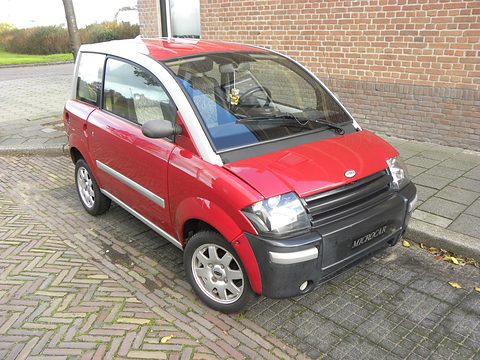
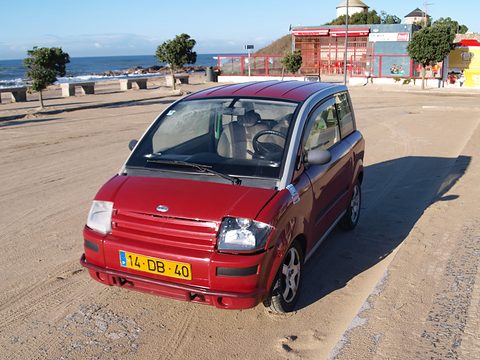
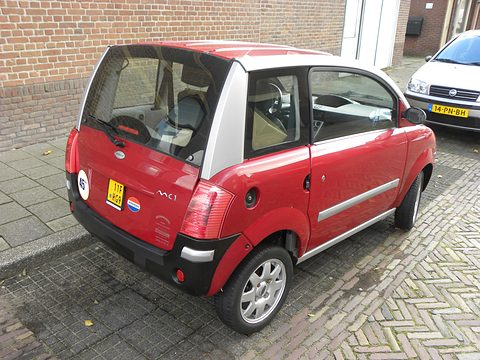
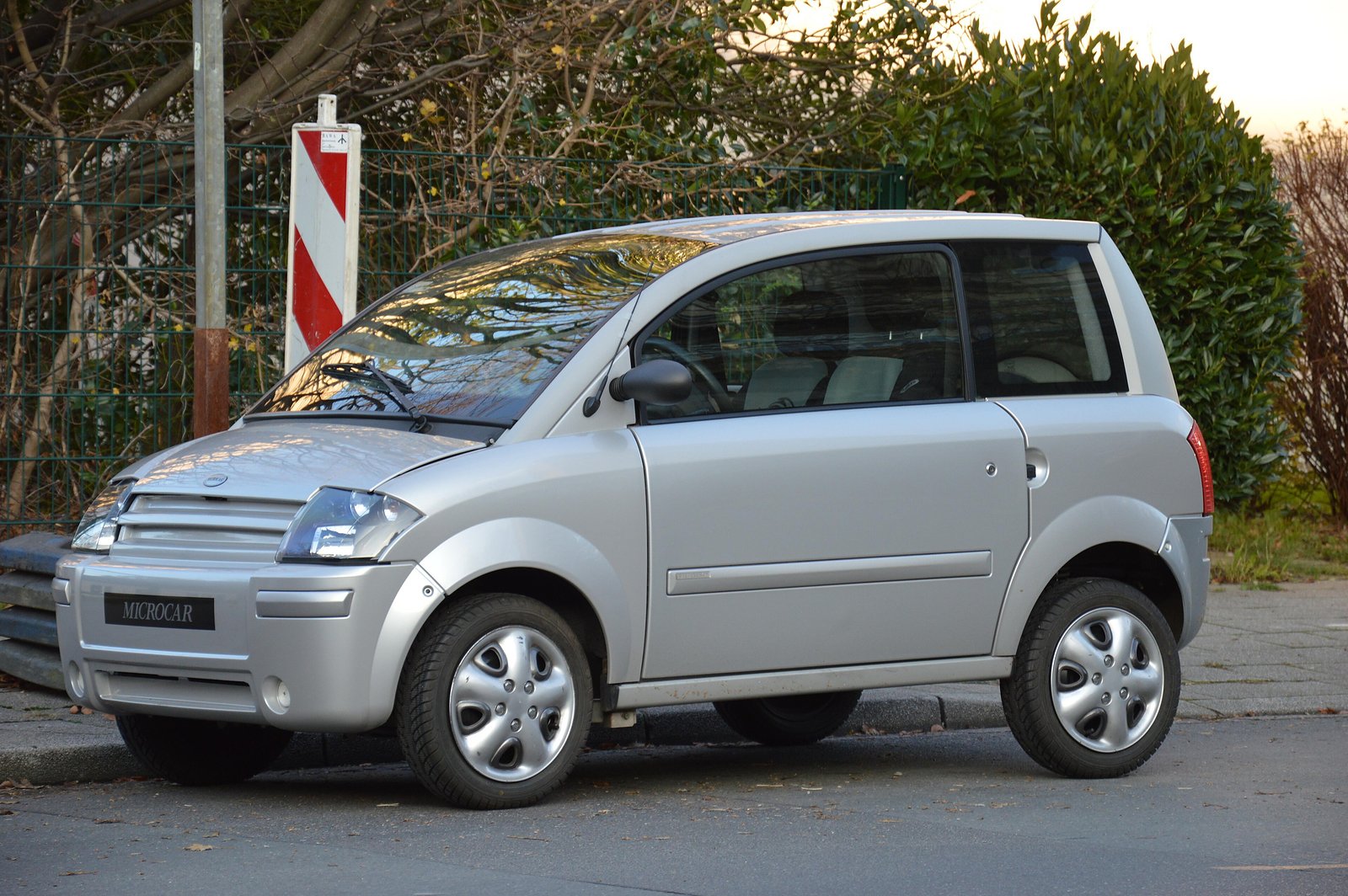
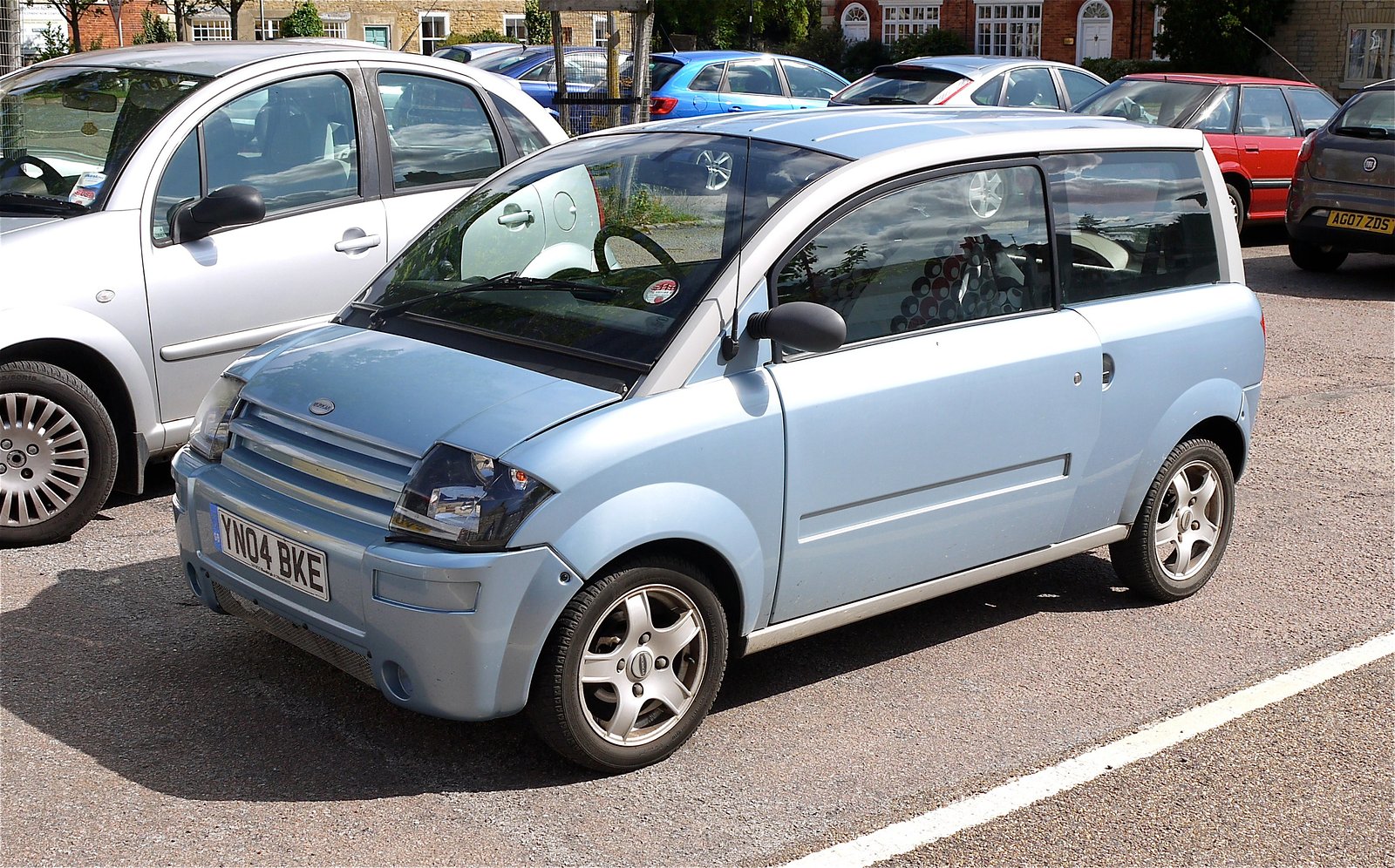
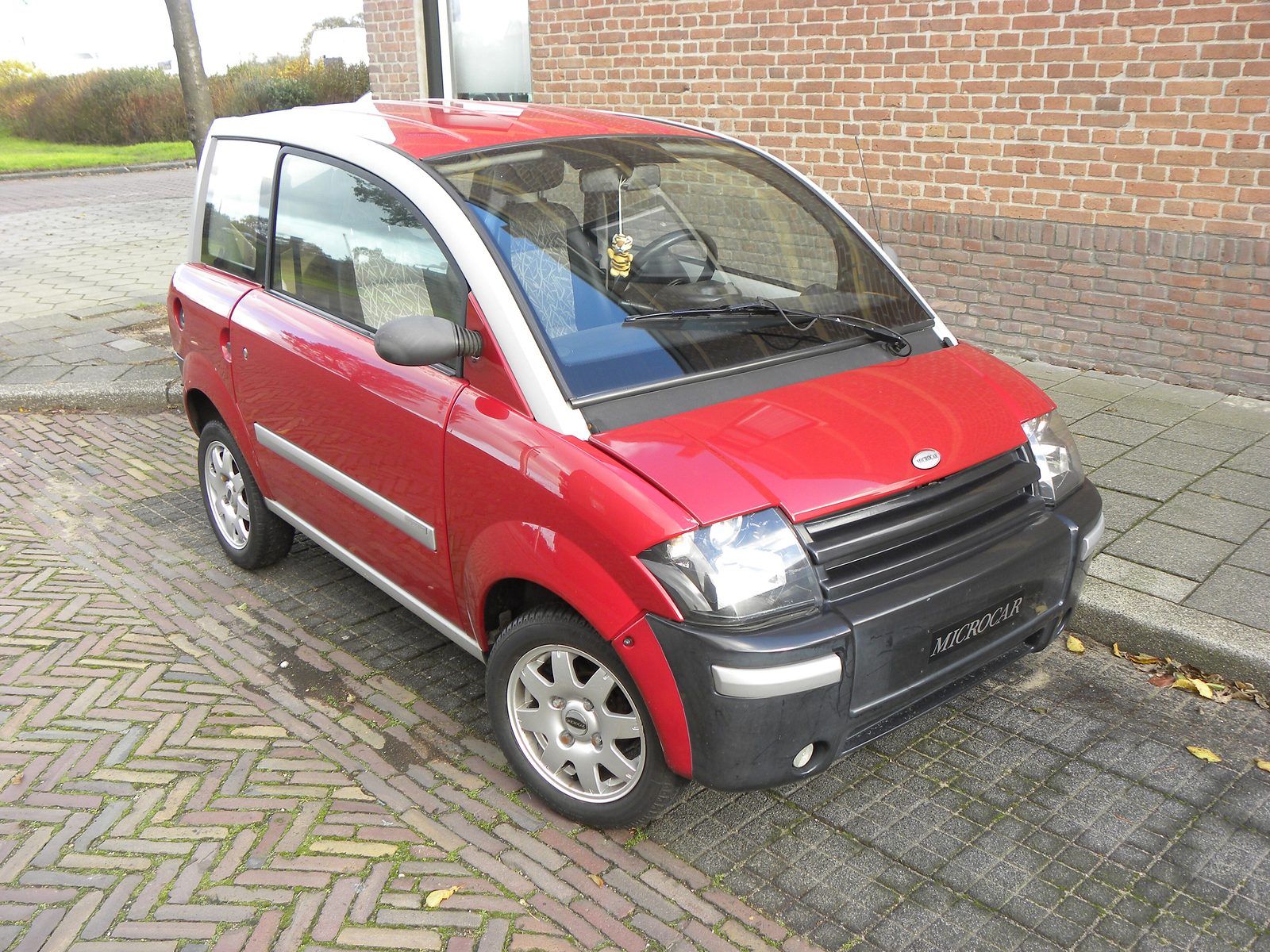
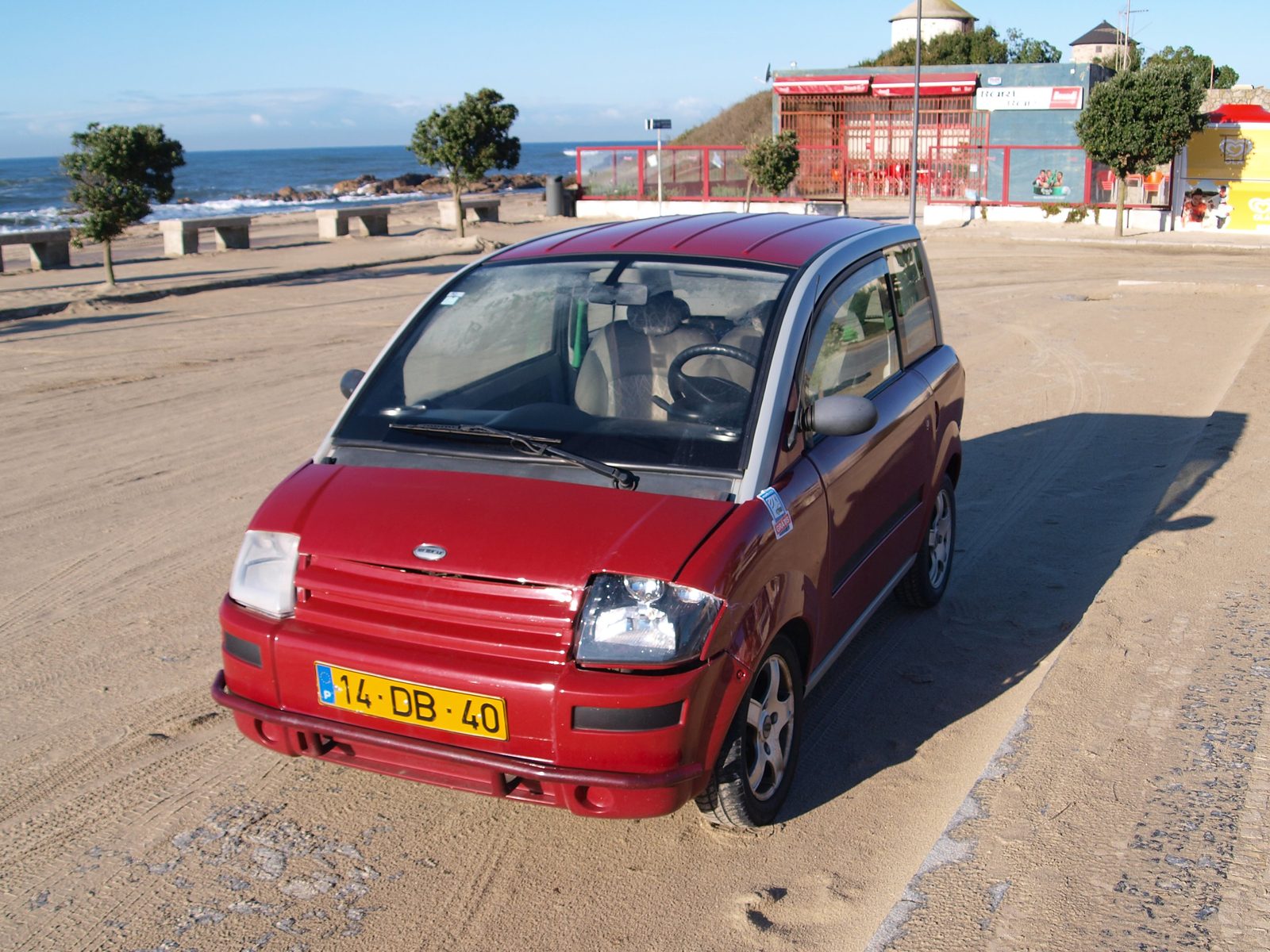
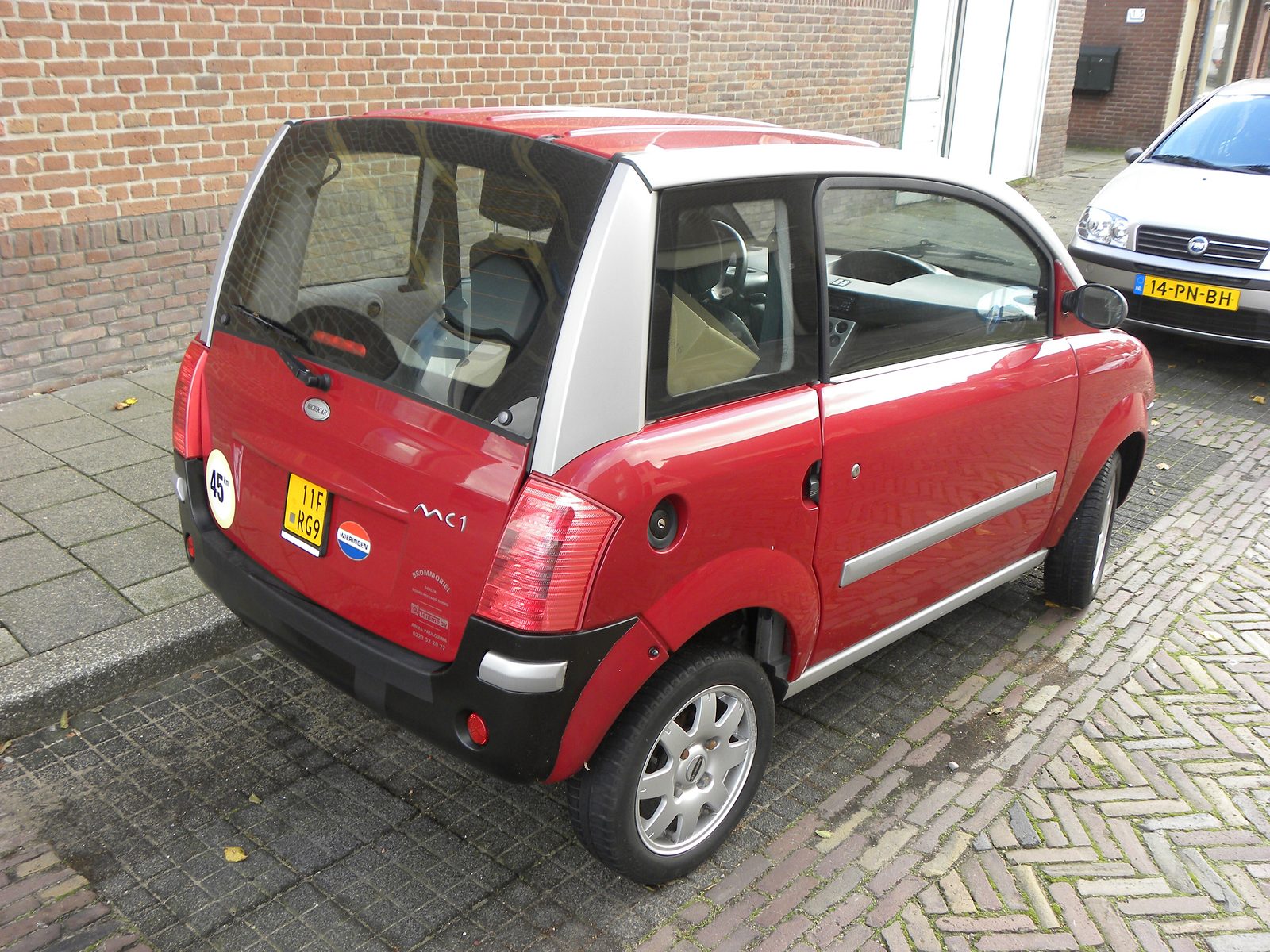
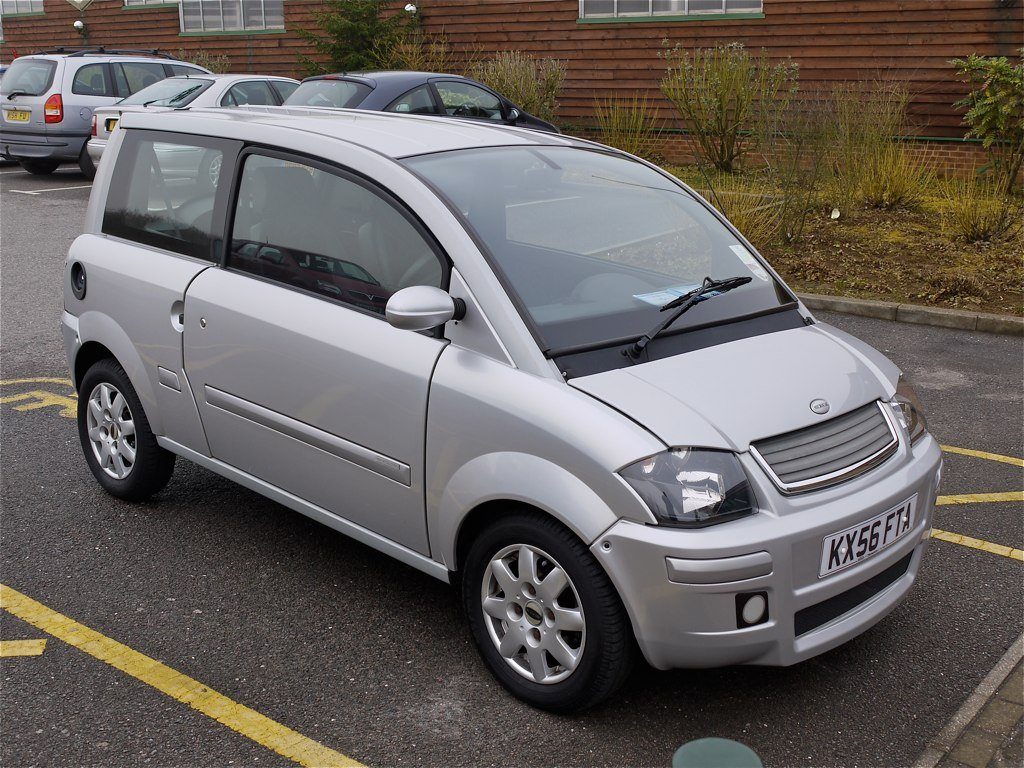
The MC1 and MC2 are still everyday used cars in France, and no collector market or auction record for them has been found. They appear in the photographs at work in Britain, the Netherlands, Germany, Poland and Portugal.

Sources

Numbered as in the text

Sources are given as plain text; the links are on the Credits page.

  1. The original microcarfan.com (2006–⁠2016), marque page “MICROCAR”: one collector’s history of the marque from 1980 to 1997, read in full from the archived copy.
  2. French Wikipedia, Microcar, read in full. Used as a lead.
  3. German Wikipedia, Microcar (Automarke), read in full. Used as a lead; it cites Les Échos, Libération, Ouest-France Auto and Georgano.
  4. “Microcar muscle la MC1”, Le Journal de l’Automobile, 28 May 2004, read in full.
  5. “Microcar prend de la hauteur”, Le Journal de l’Automobile, 6 June 2008, read in full.
  6. “Microcar MC1 (2007) review”, CAR magazine, read in full.
  7. “Microcar, c’est l’Amérique”, Le Journal de l’Automobile, 29 September 2006, read in full.
  8. France 3 Pays de la Loire, “Ligier arrête la production de ses voitures sans permis en Vendée”, 9 January 2025, read in full.
  9. Génération Sans Permis, “Microcar F8C 2012” and “Microcar M8, l’anti-Chatenet”, read.