The story
History
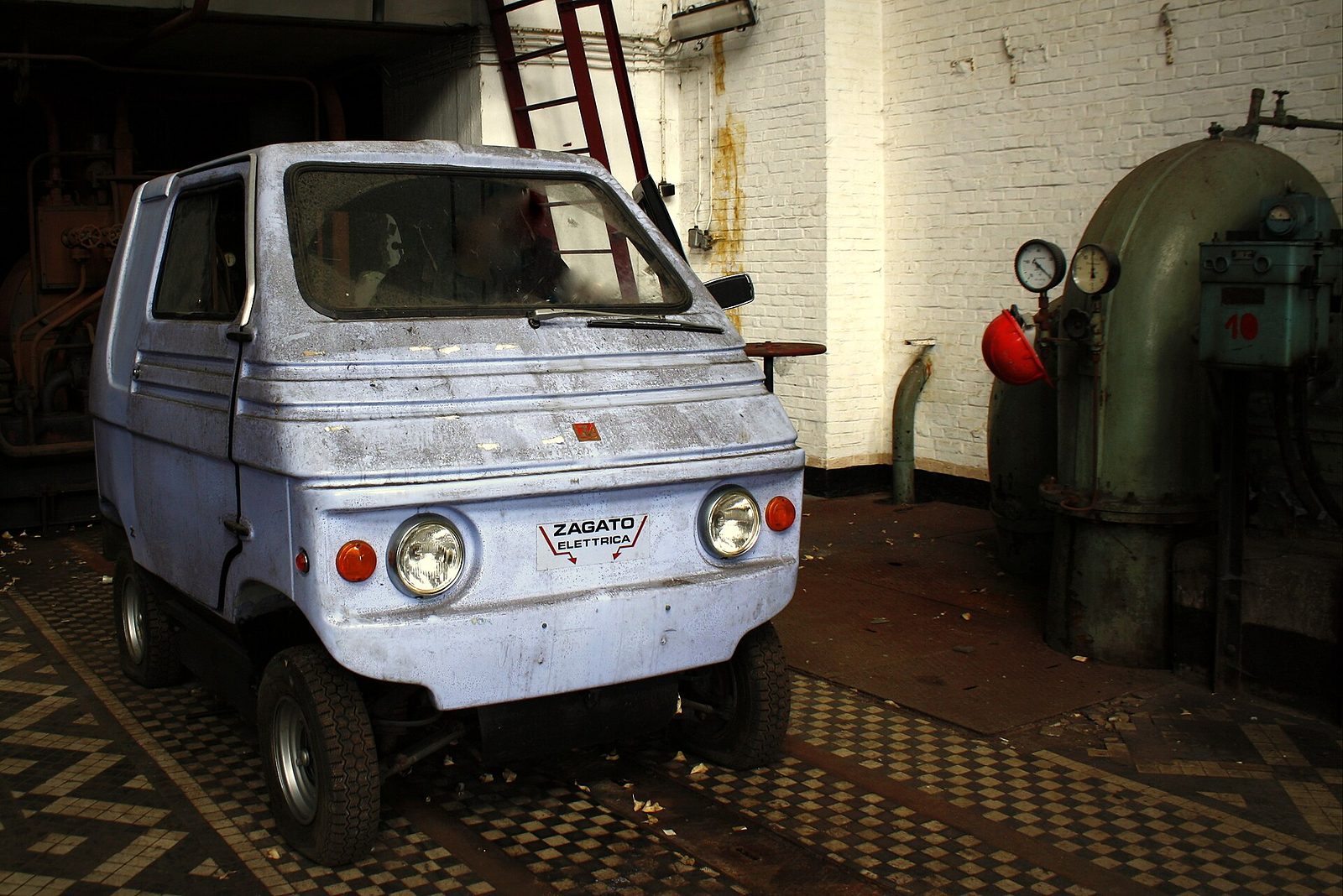
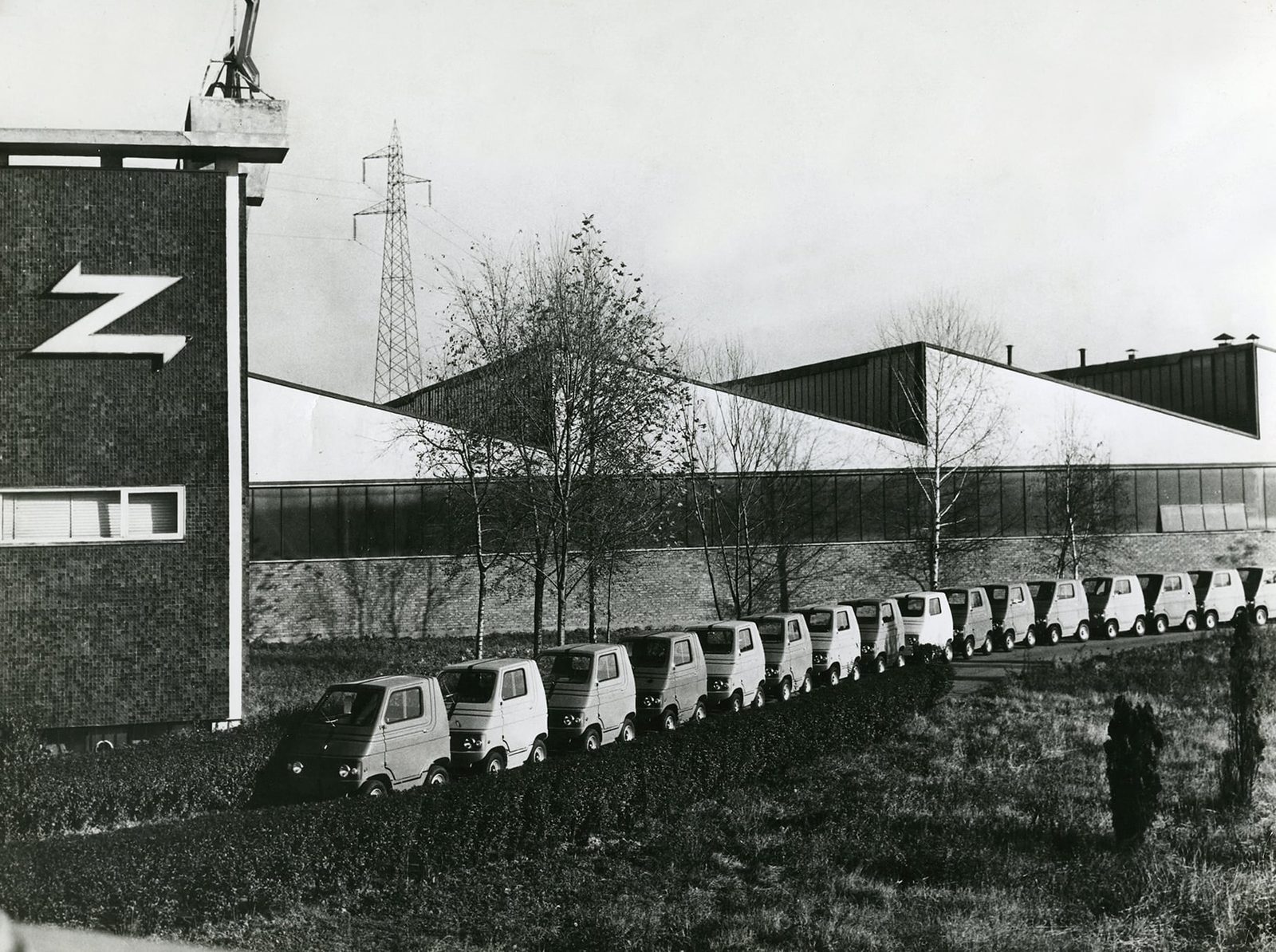
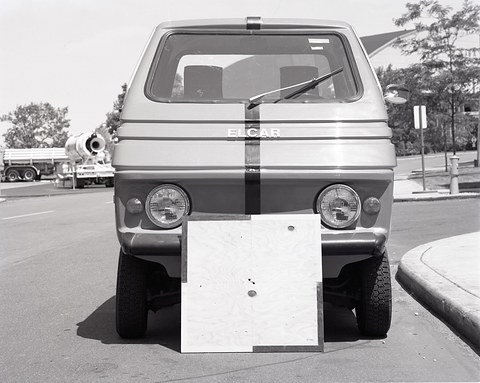
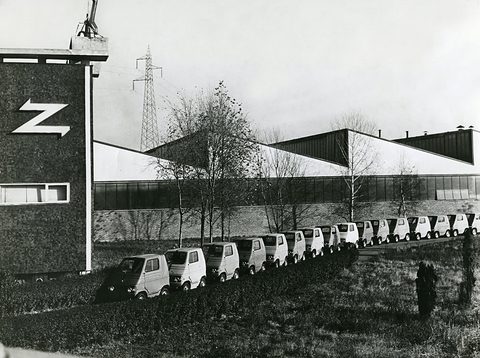
Zagato is the Milan coachbuilder of Alfa Romeo, Aston Martin and Ferrari bodies.source 2source 3 In the early 1970s it was short of coachbuilding work; Below the Radar goes further and says it faced bankruptcy by 1972, a claim no better source has been found to support.source 4 Elio Zagato’s answer was a complete change of direction: a city car for short trips, with only the driver aboard.source 1source 5 It grew from an earlier Zagato electric prototype, the Milanina, of which no details have been found.source 1
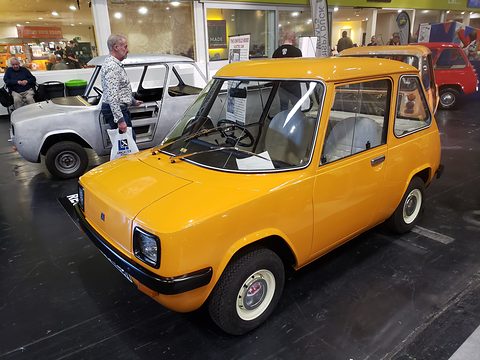
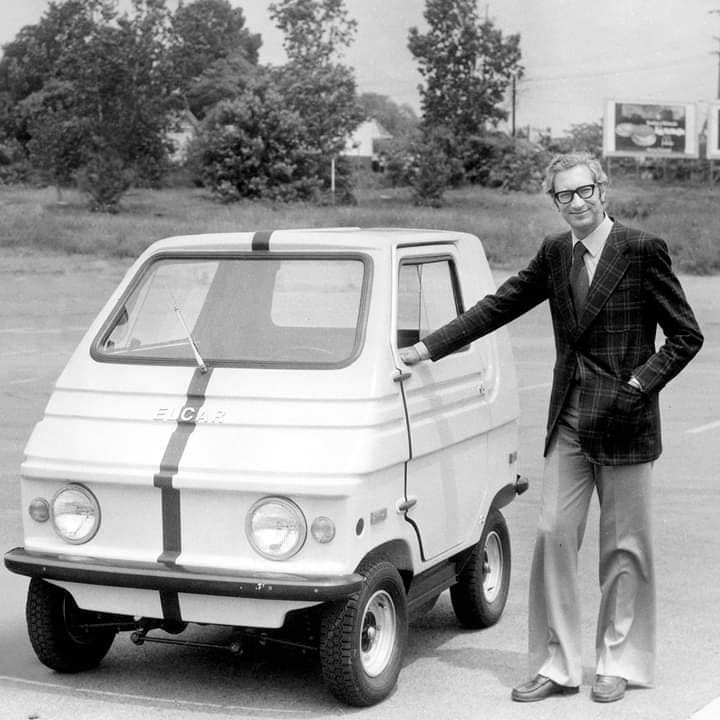
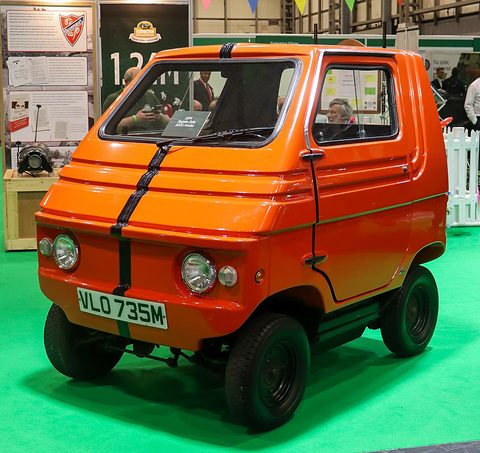
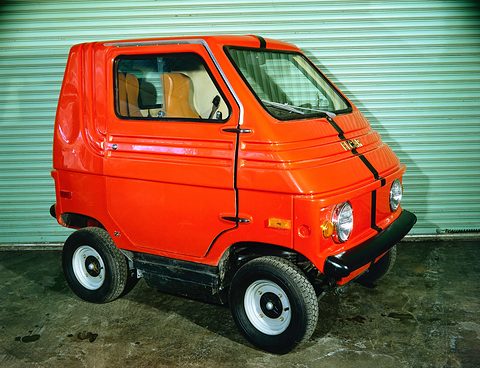
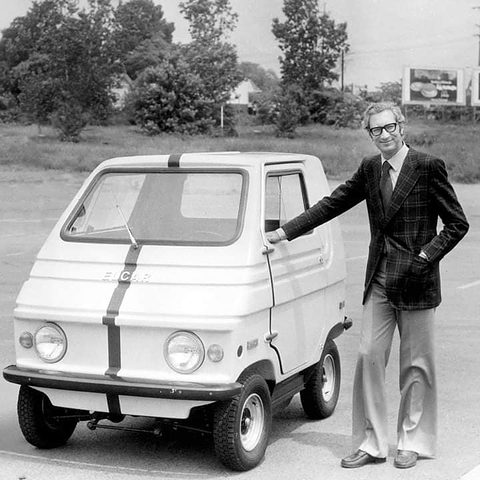
The prototype, the Zele 1000, was shown at the 54th Turin show in November 1972, as a two-seater for city traffic and pollution, by the account of La Stampa at the time. RM Sotheby’s and Below the Radar say it was first shown at Geneva that year; both may be true, Geneva coming in March, but the Turin date has the period newspaper behind it.source 1source 6source 4 At the same Turin show Fiat showed its own city-car study, the Fiat X1/23.source 7source 8
Built because of the oil crisis
The welcome was lukewarm, and only a few were made to order. Then the oil crisis of 1973 revived interest in electric cars, and in the summer of 1974 the Zele, now one of the oil-crisis electric microcars, went into small-series production, according to La Stampa’s report that October.source 1
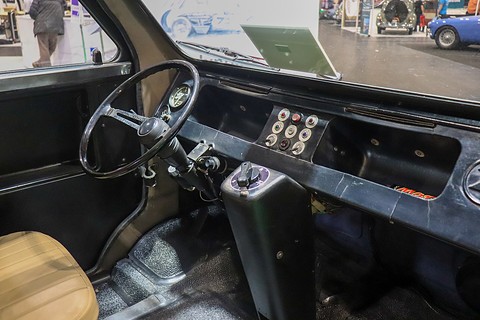
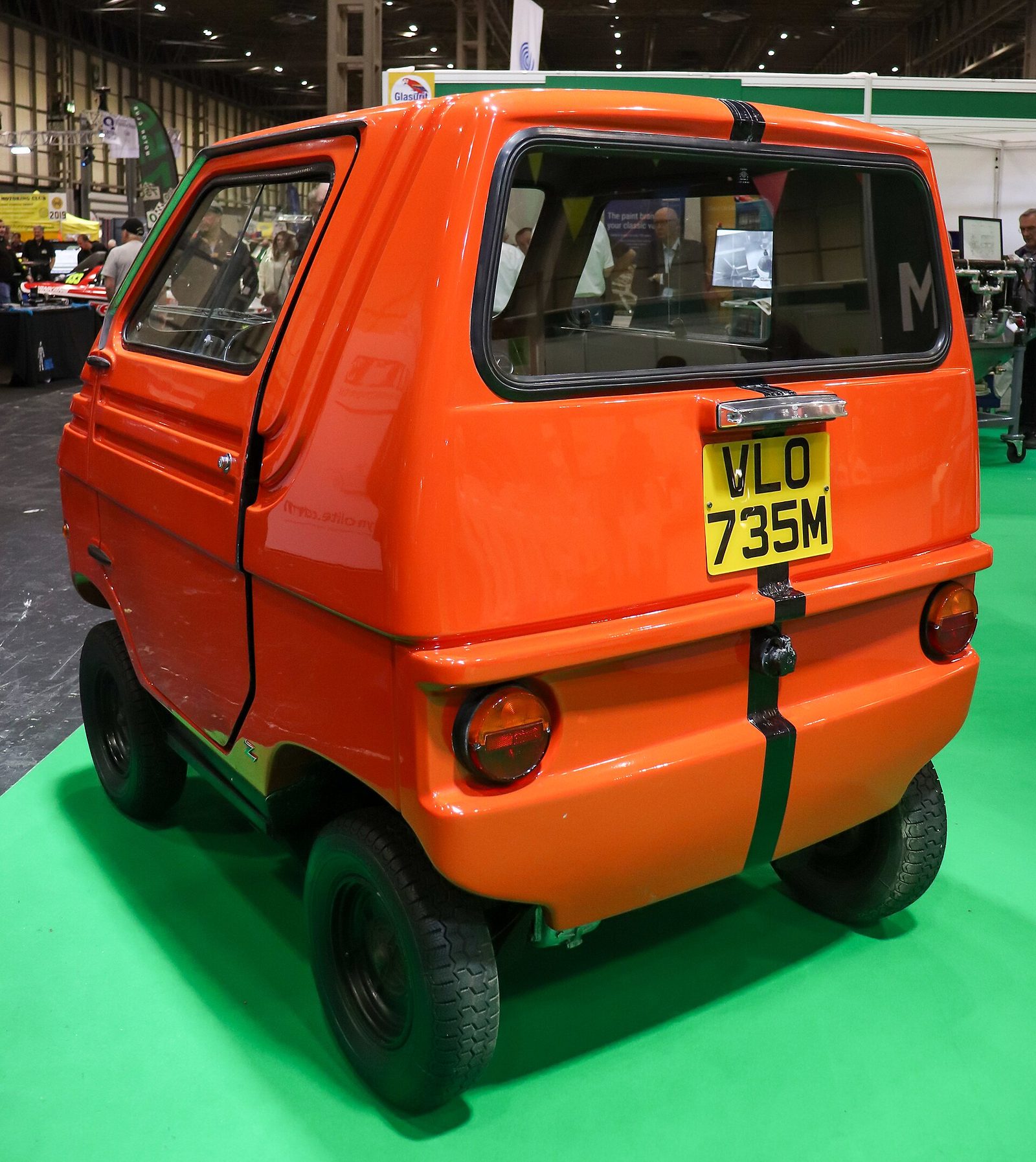
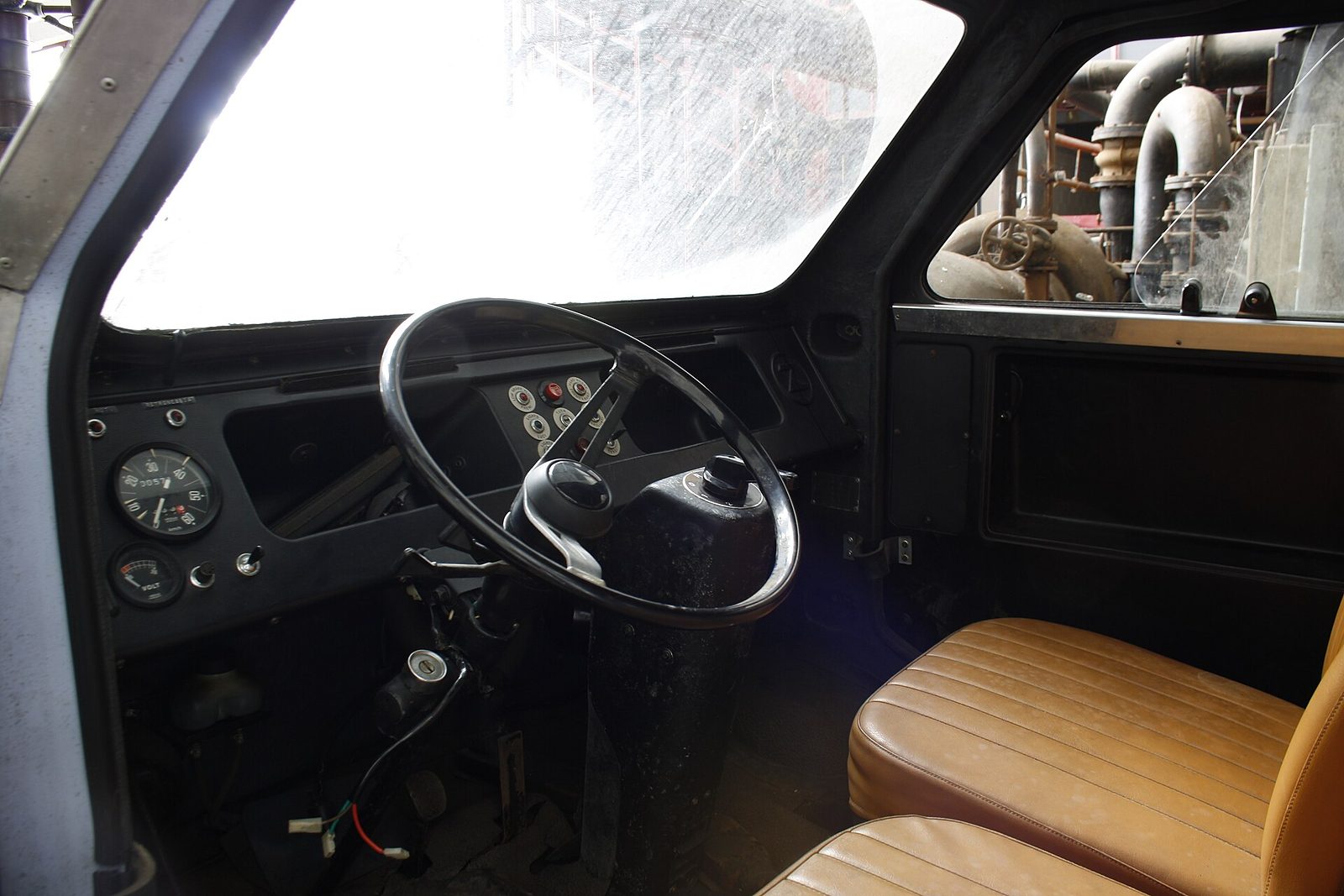
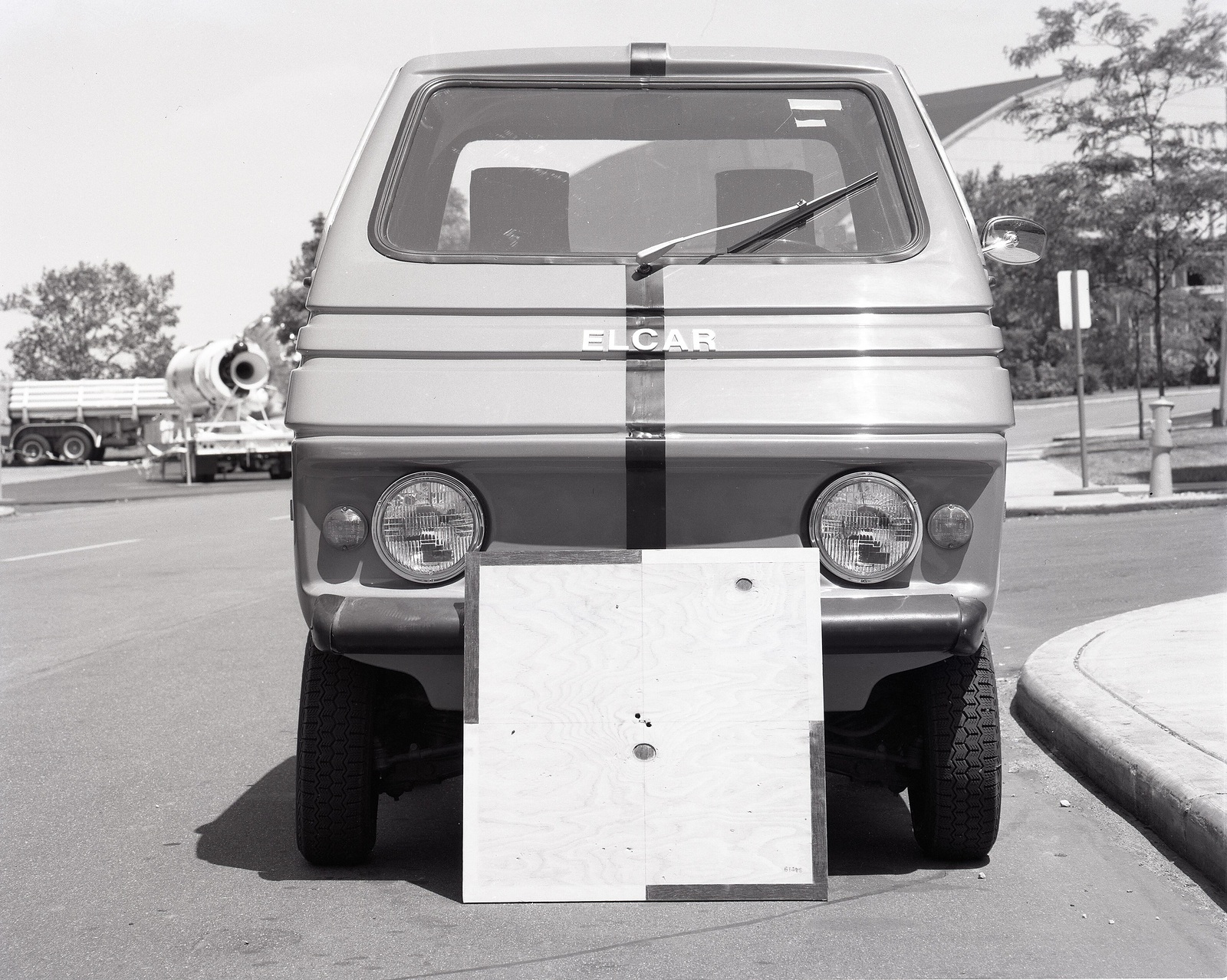
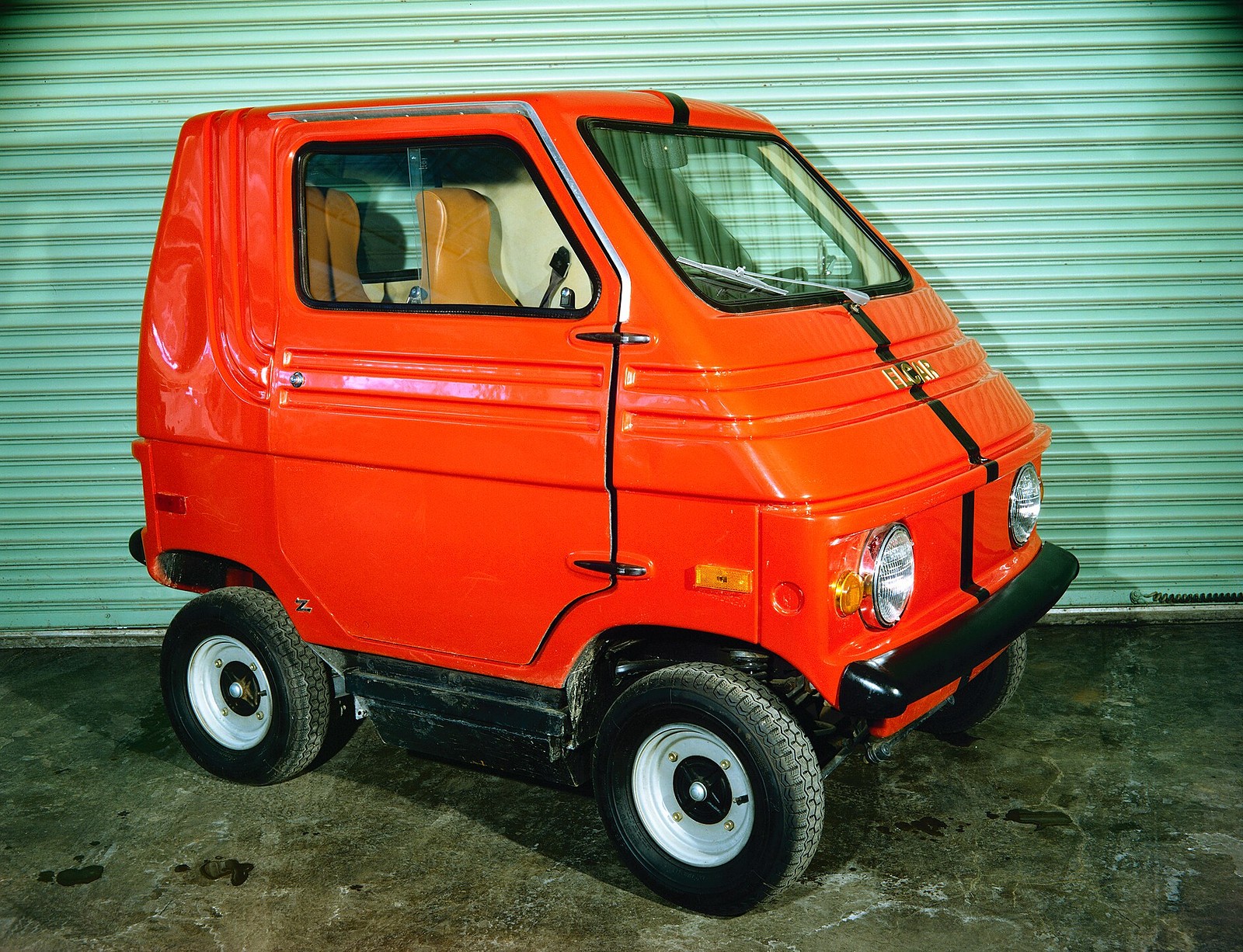
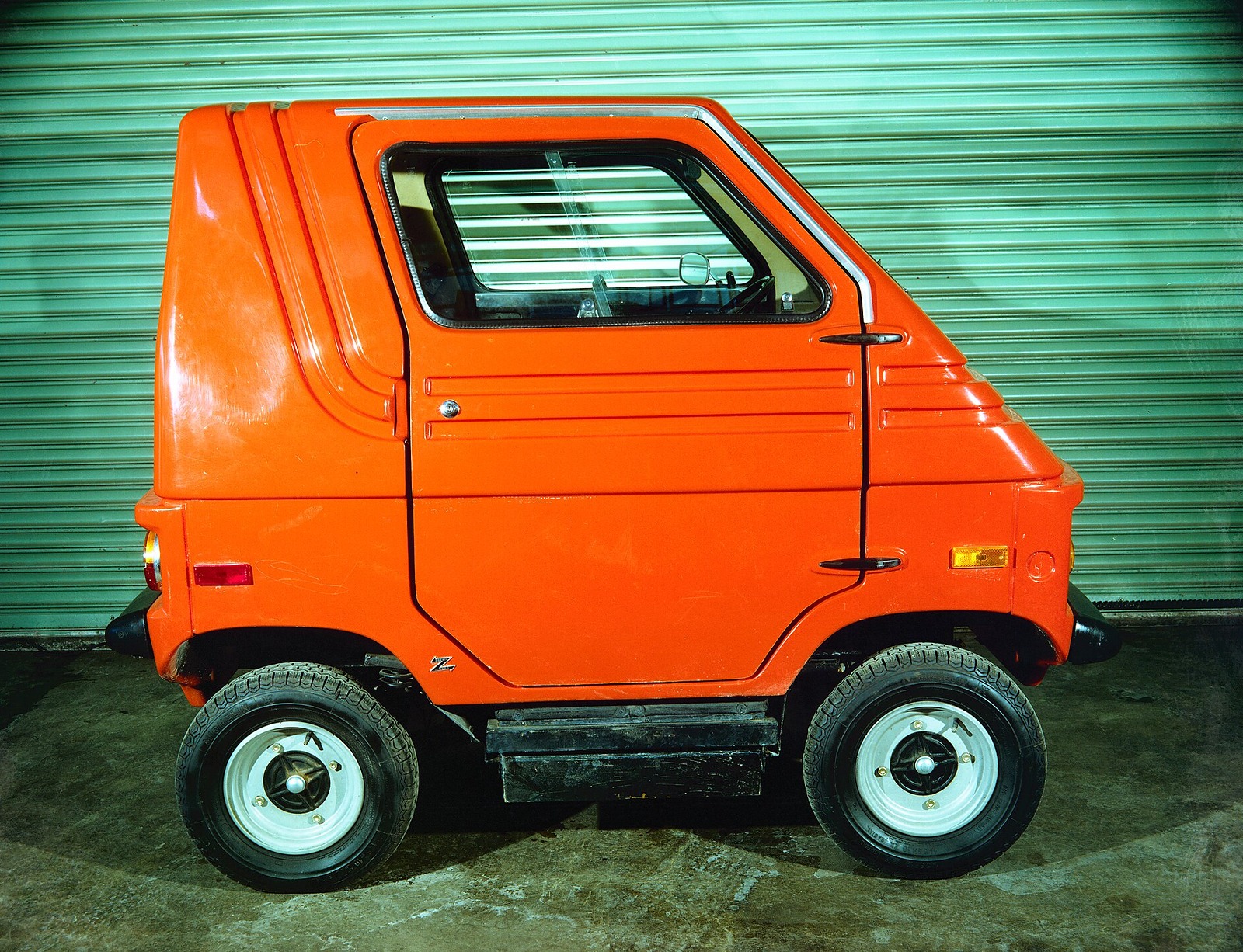
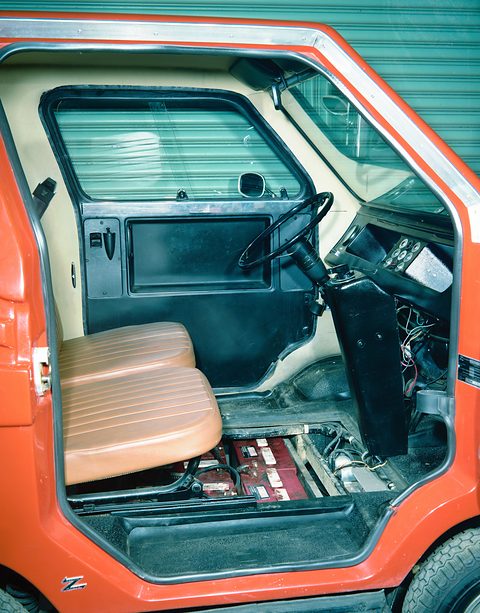
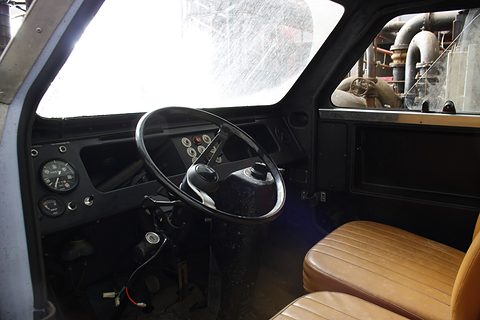
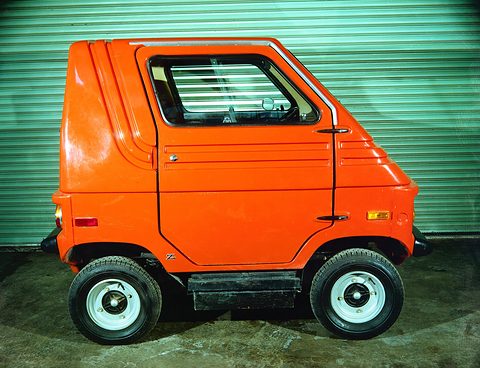
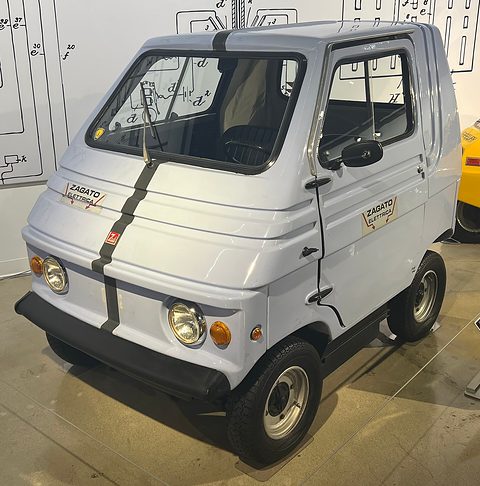
There were three versions, and the number in each name was the motor’s power in watts: 1,000, 1,500 or 2,000, on 24, 36 or 48 V of batteries.source 1source 2 Under the glass-fibre body was a welded steel frame with parts from the Fiat Nuova 500 and the Fiat 124, and the motor was chained straight to the differential, with no gearbox.source 2source 6source 9 Speed came from switching voltage instead. A four-position hand selector and a two-position pedal gave six speeds forward and two in reverse.source 1source 2source 9 NASA’s engineers described it exactly: the hand switch stepped through 12, 24 and 48 V, with positions for reverse and for charging; the pedal’s first position fed the motor through a resistor and the second bypassed it. To go faster the driver lifted off, moved the hand switch up a step and pressed the pedal again.source 9 The 2000 had a boost switch too, which weakened the motor’s field for more speed and less pull.source 2
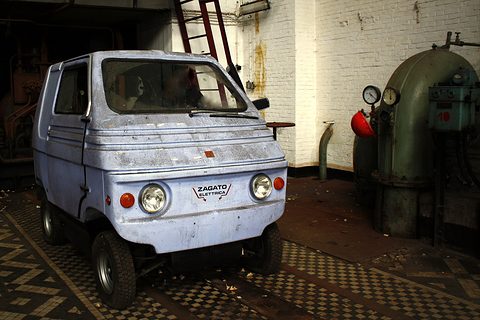
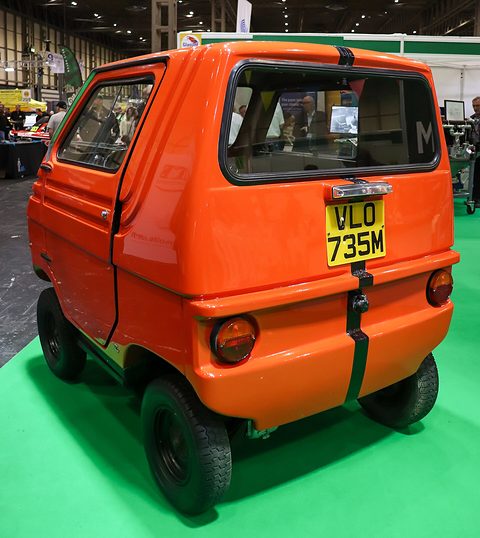
Flat out, a Zele did about 40 km/h (25 mph), and the 2000 about 48 km/h (30 mph). Italian Wikipedia claims a range of 70 km for the 1000 and 100 km for the 2000; English sources say about 50 miles (80 km).source 1source 2source 3source 6source 9 Seven colours were offered, from orange-red and brown to metal-flake blue.source 2 In France, Willam sold the Zele under its own name, as it did its other Italian imports (see the Willam City).source 10source 11
Sales were slow, and production stopped in 1976, after about 500 cars.source 1source 2source 3 Zagato went back to coachbuilding. Below the Radar’s story of a “Nuova Zele” in 1981 and production to 1991 appears in no other source, and here it is treated as an error.source 4