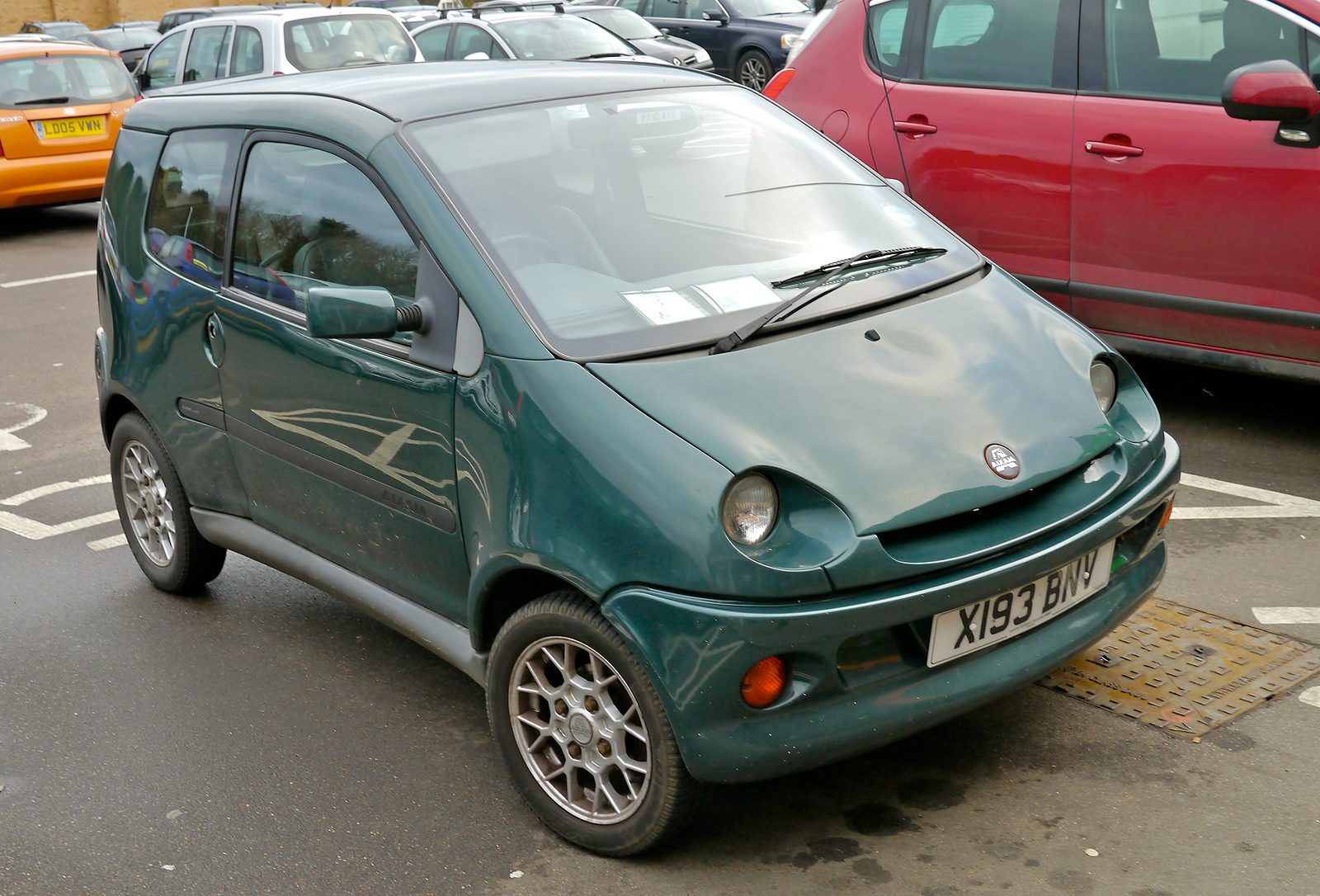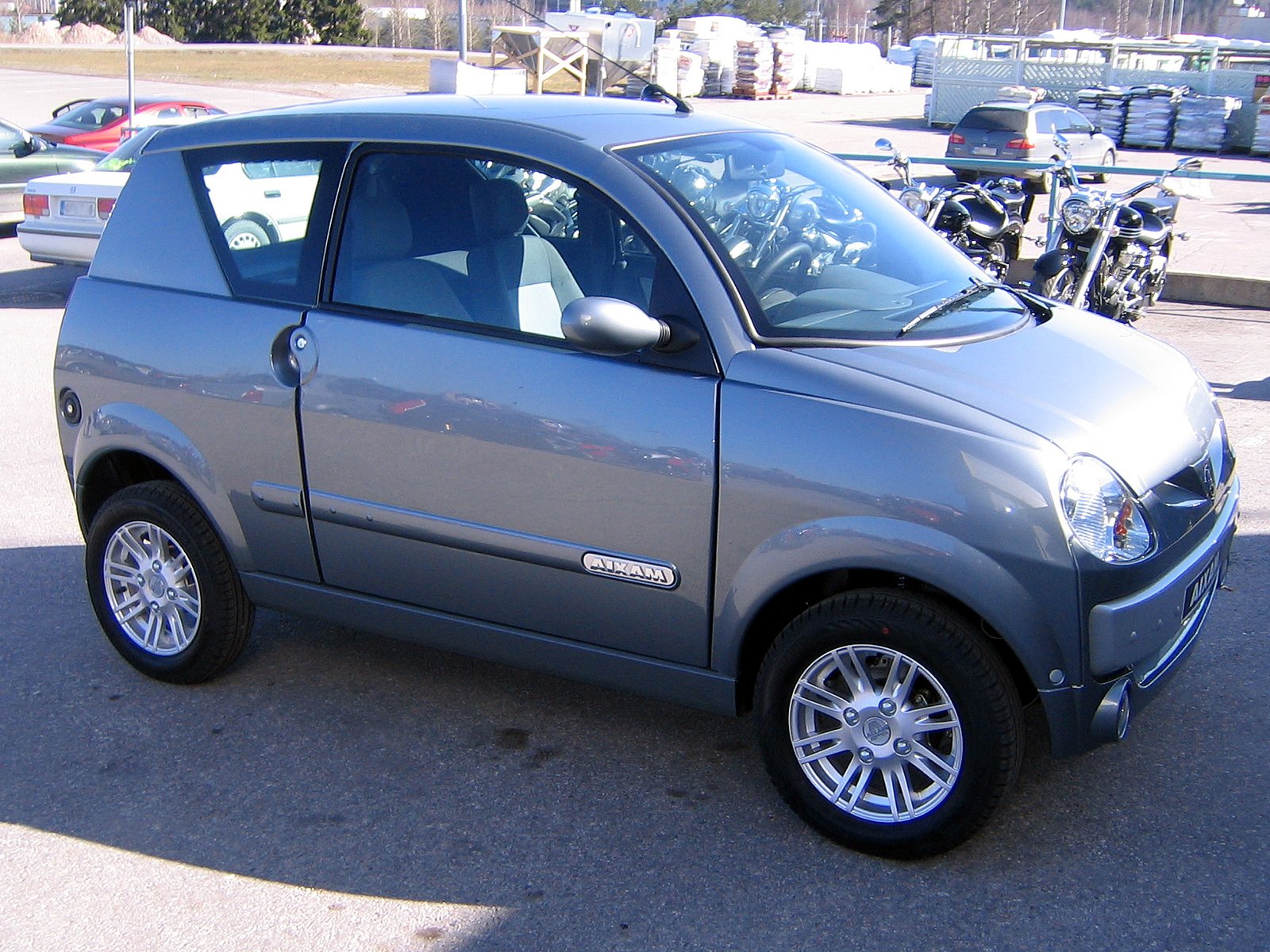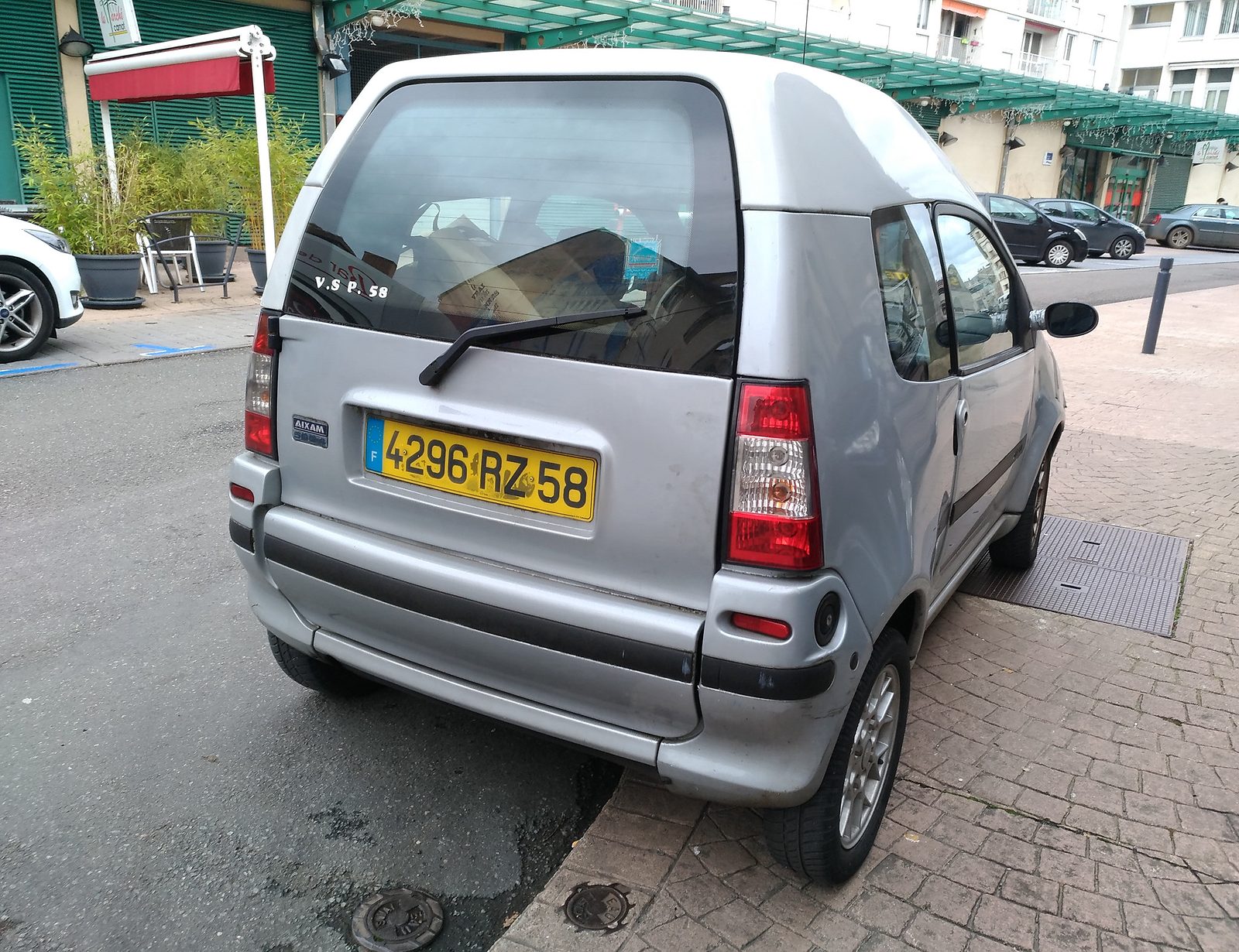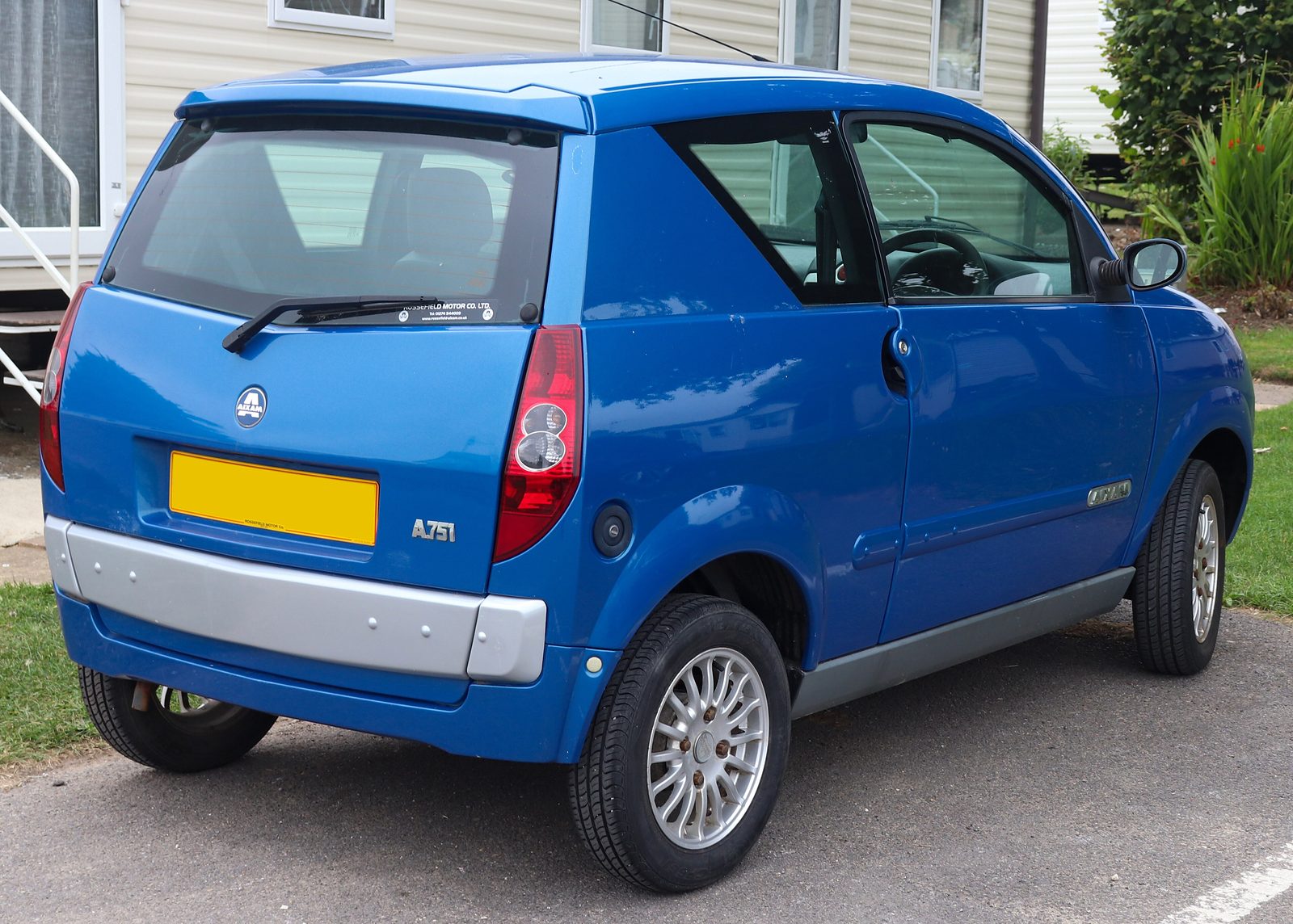
The story
History
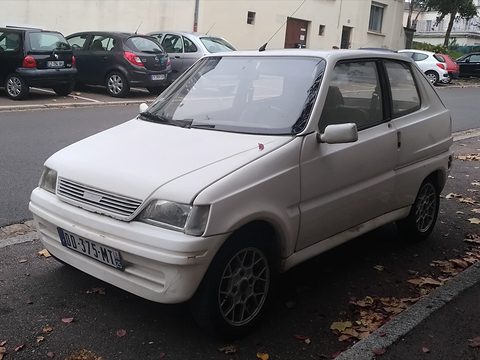
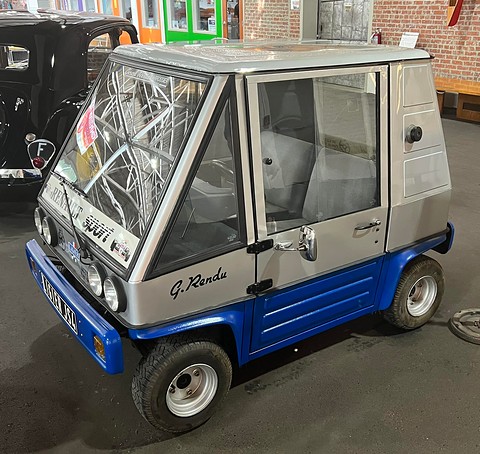
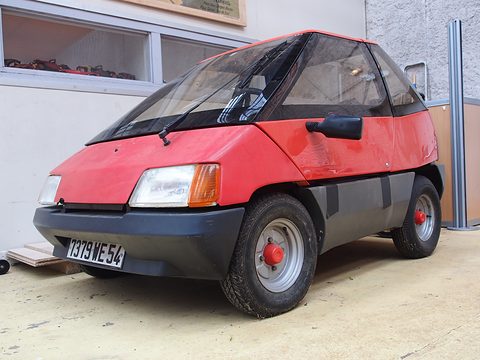
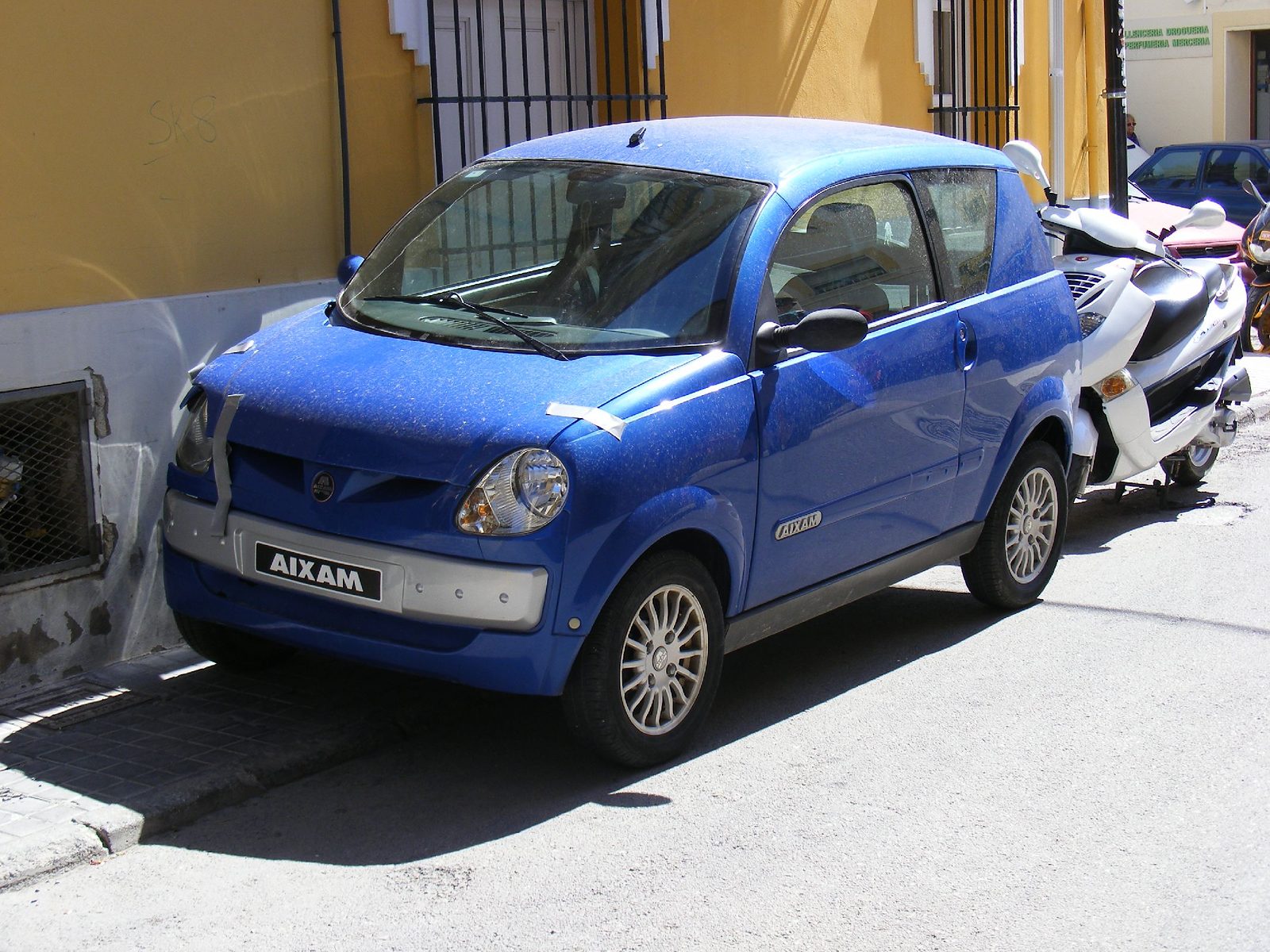
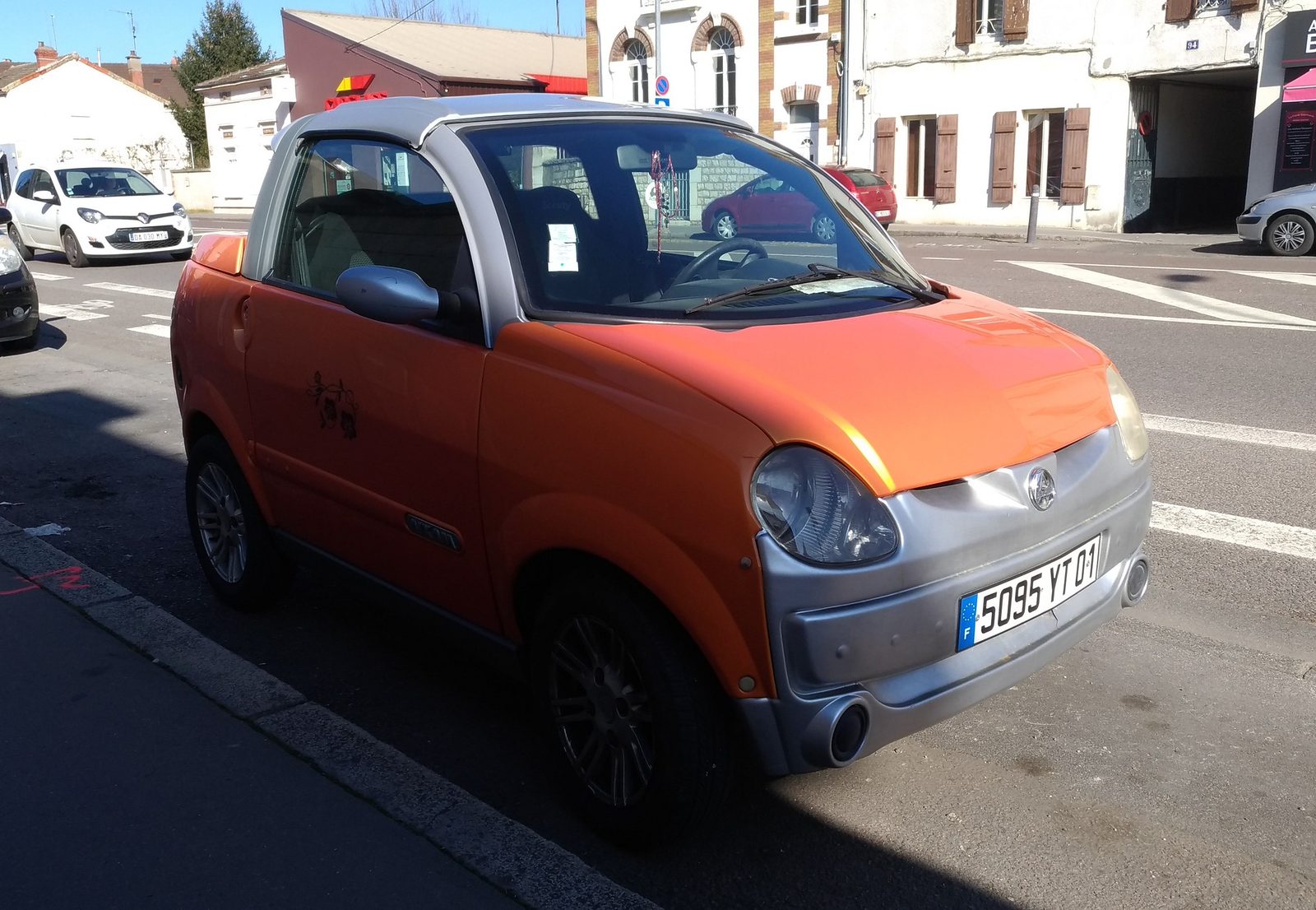
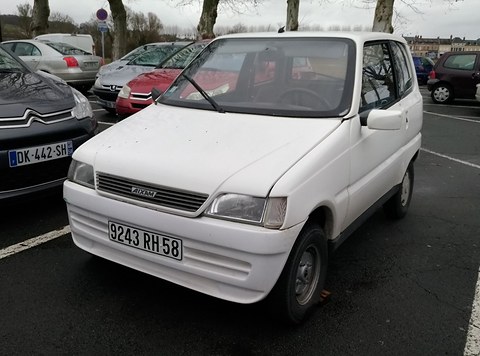
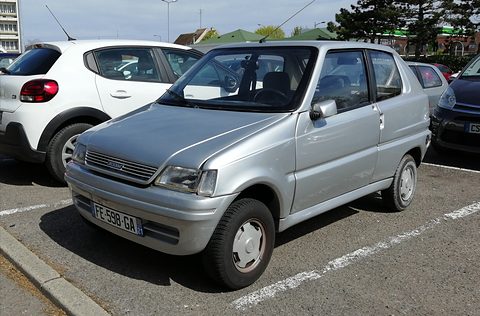
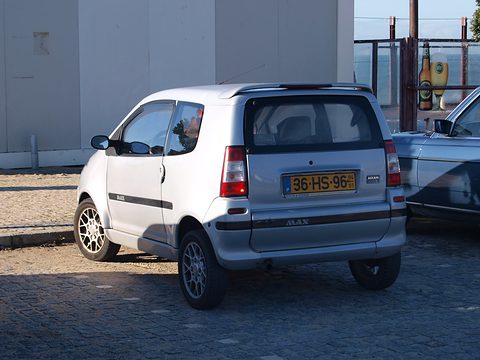
Aixam began with someone else’s car. Daniel Manon of Lyon had introduced the Arola in January 1976, an enclosed moped that set the pattern for a host of French licence-free cars in the years that followed.source 1 Aixam’s own timeline starts there, in 1975, with what it calls the first licence-free car; that is a company’s claim about its predecessor.source 2source 3 The French Wikipedia says the early Arolas soon had a poor name for roadholding, and that the 50 cc petrol engines the rules then required were undersized and unreliable.source 4 By 1982 the firm had moved to Aix-les-Bains, and in 1983 it went bankrupt.source 1
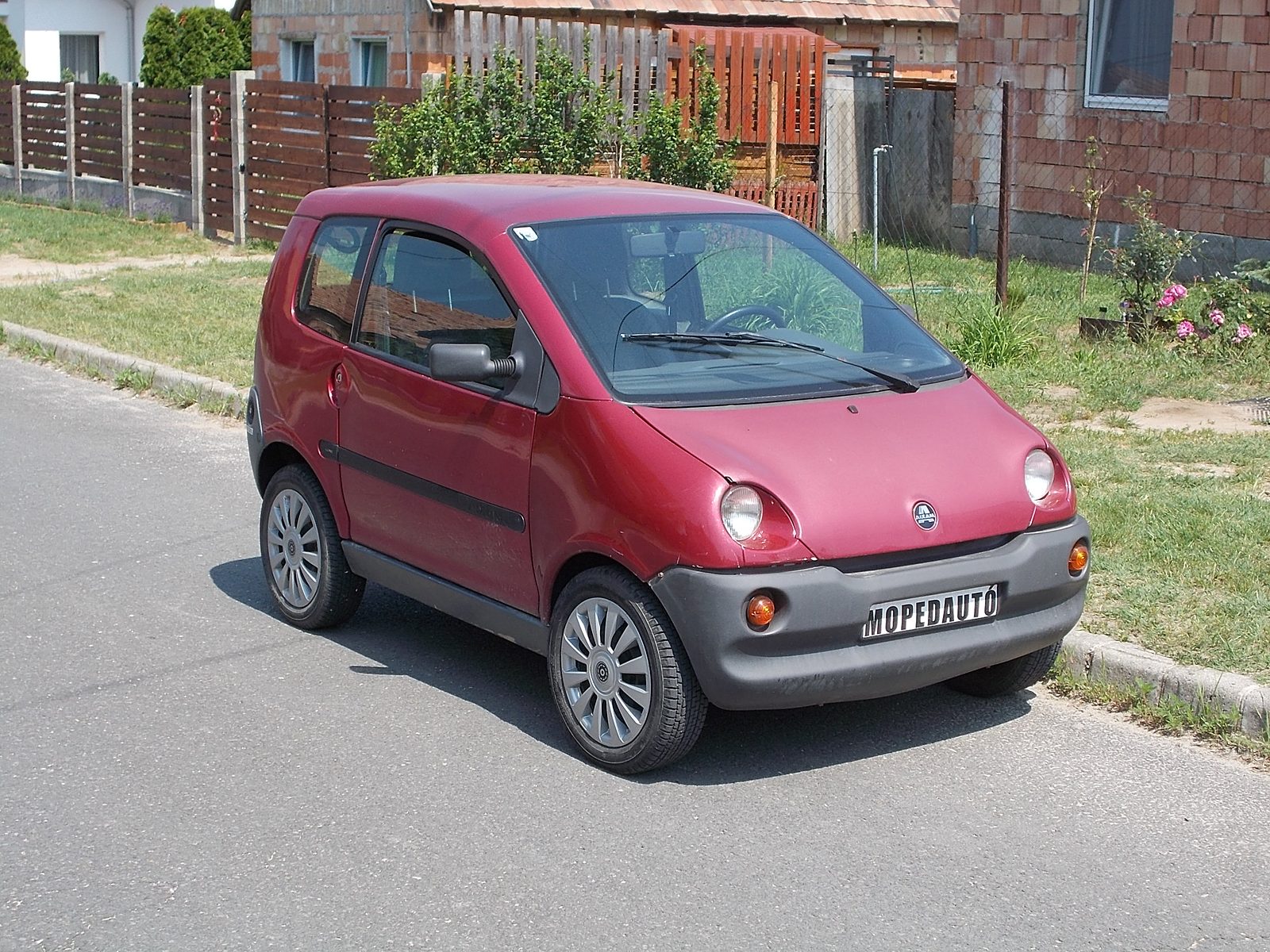
The industrialist Georges Blain took it over in 1983 and renamed it.source 4source 5 Aixam’s timeline calls 1983 the birth of Aixam, with the takeover of Arola.source 2source 3 The old microcarfan.com puts the new name and range in 1984, which is likely when Aixam-badged cars first went on sale.source 6 Philippe Colançon was its president for the next 40 years, from 1983 to 2023.source 4 The French Wikipedia, citing an interview he gave to Les Échos, says the Aix was deliberate and the A was chosen to come first in alphabetical listings; the AM, for automobile, was explained only afterwards.source 4
Diesel, and a crash test
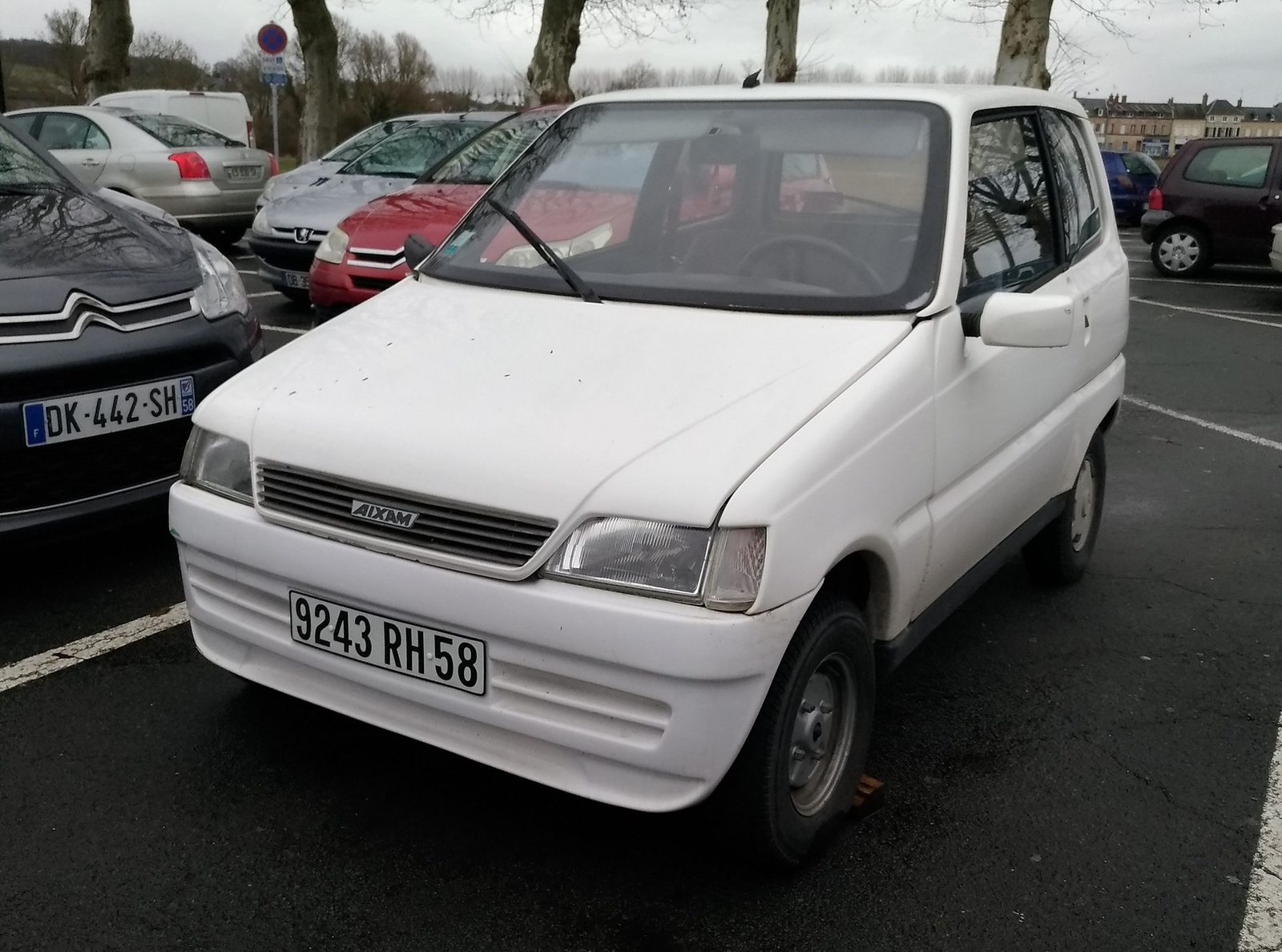
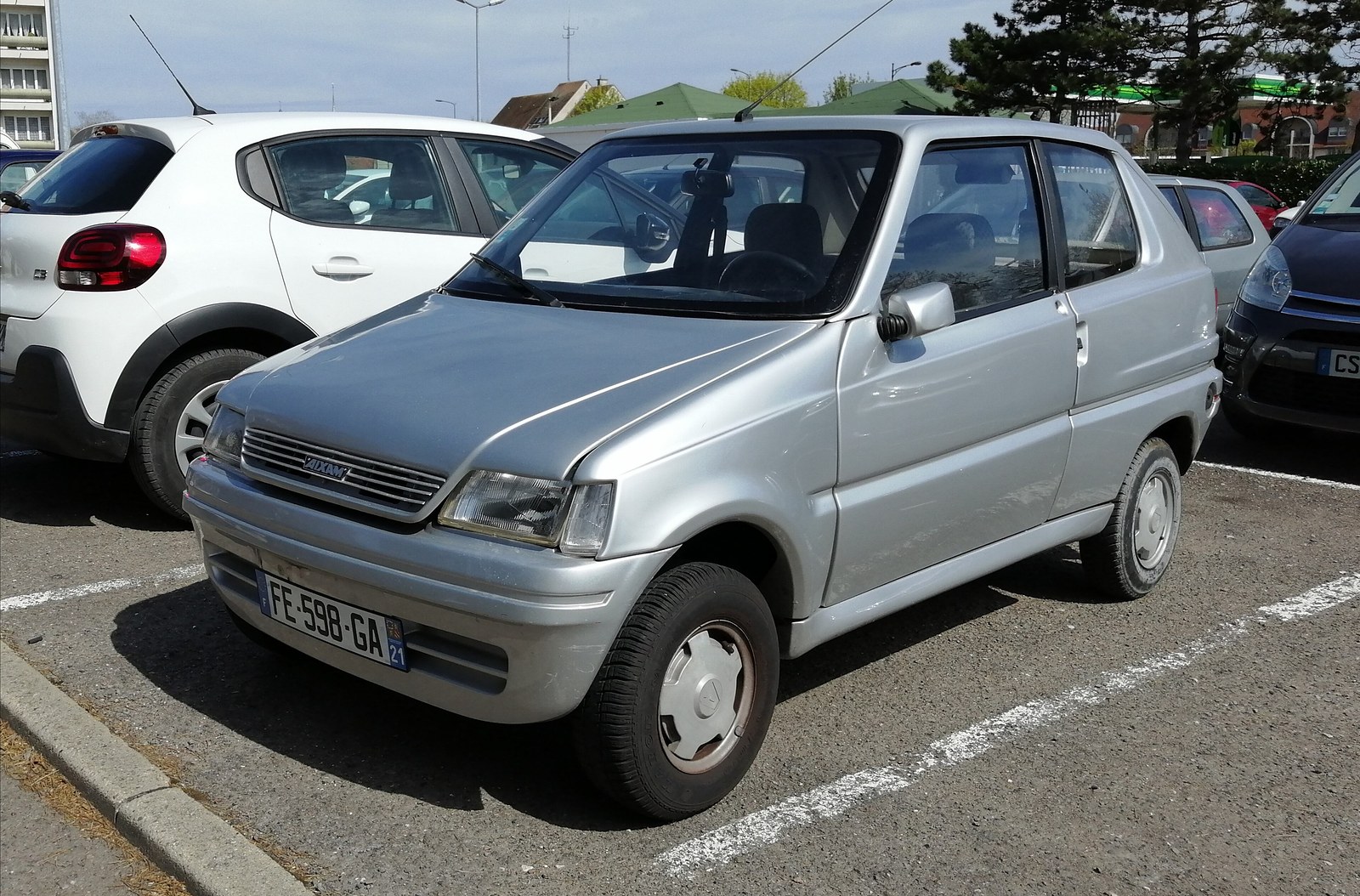
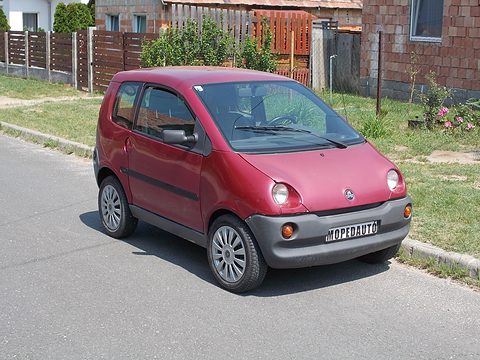
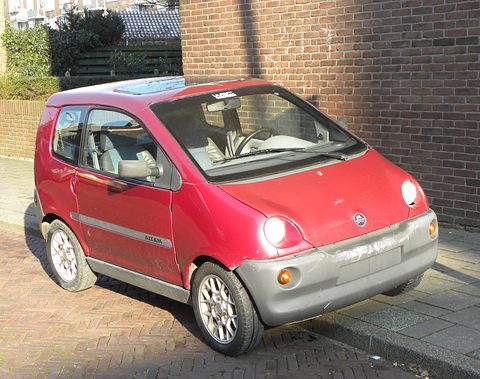
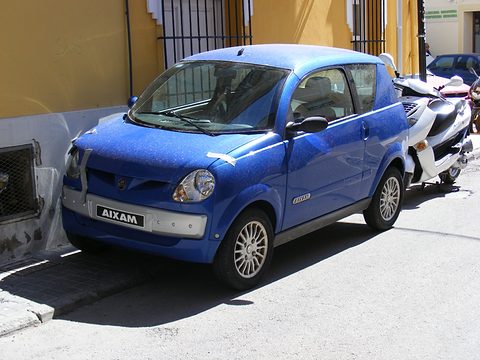
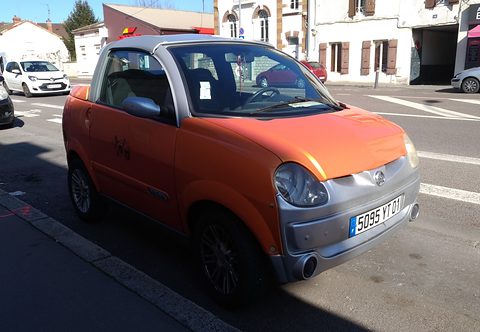
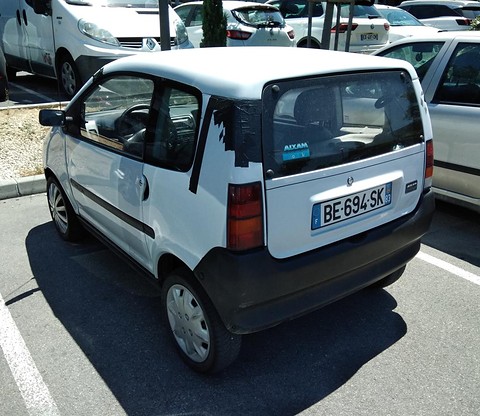
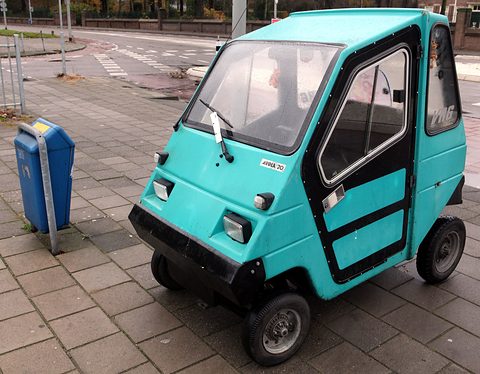
The first Aixam was the 325 D of 1984, built to what the company calls a completely revised specification and limited to 45 km/h (28 mph).source 2source 3 A parts retailer’s blog describes it as square, very compact and diesel-engined, with doors that locked.source 7 The name suggests 325 cc, and the last Arola, the Minoto, had a 325 cc Lombardini diesel; but no source gives the 325 D’s own engine.source 6 The 400 D followed in 1985.source 8 That year Aixam also built its first TQM, a licensed tricycle-and-quadricycle class allowed 75 km/h (47 mph) and open to drivers with an A1, A4, AT, AL or B1 licence, or a licence de circulation from before 1958.source 2source 3 Whether that TQM was the 400 D is likely but not stated.
Diesel changed the business. According to the French Wikipedia, Blain and Colançon lobbied the transport ministry for a derogation that let licence-free cars use diesel engines, and that is what allowed the market to develop.source 4 Aixam could build 3,000 vehicles a year in 1986.source 2 By 1987 it was making about 4,000 a year and leading the French market, and a GL version was added.source 4source 3 The 2010 press kit dates the leadership to 1987 on one page and, in the chairman’s editorial, to 1986.source 2
1988 SUCCÈS AU CRASH-TEST FRONTAL : AIXAM est le premier, et le seul constructeur, à faire homologuer une voiture sans permis au Crash-Test (normes automobiles) alors que la législation ne l’impose pas.
A licensed utility range with a 500 cc engine followed in 1989, and in 1991 what Aixam calls the first liquid-cooled twin-cylinder engine.source 2source 3
Aluminium, and Europe
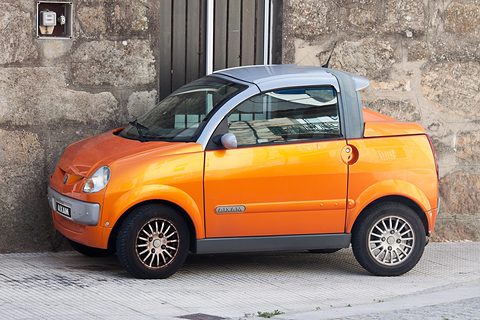
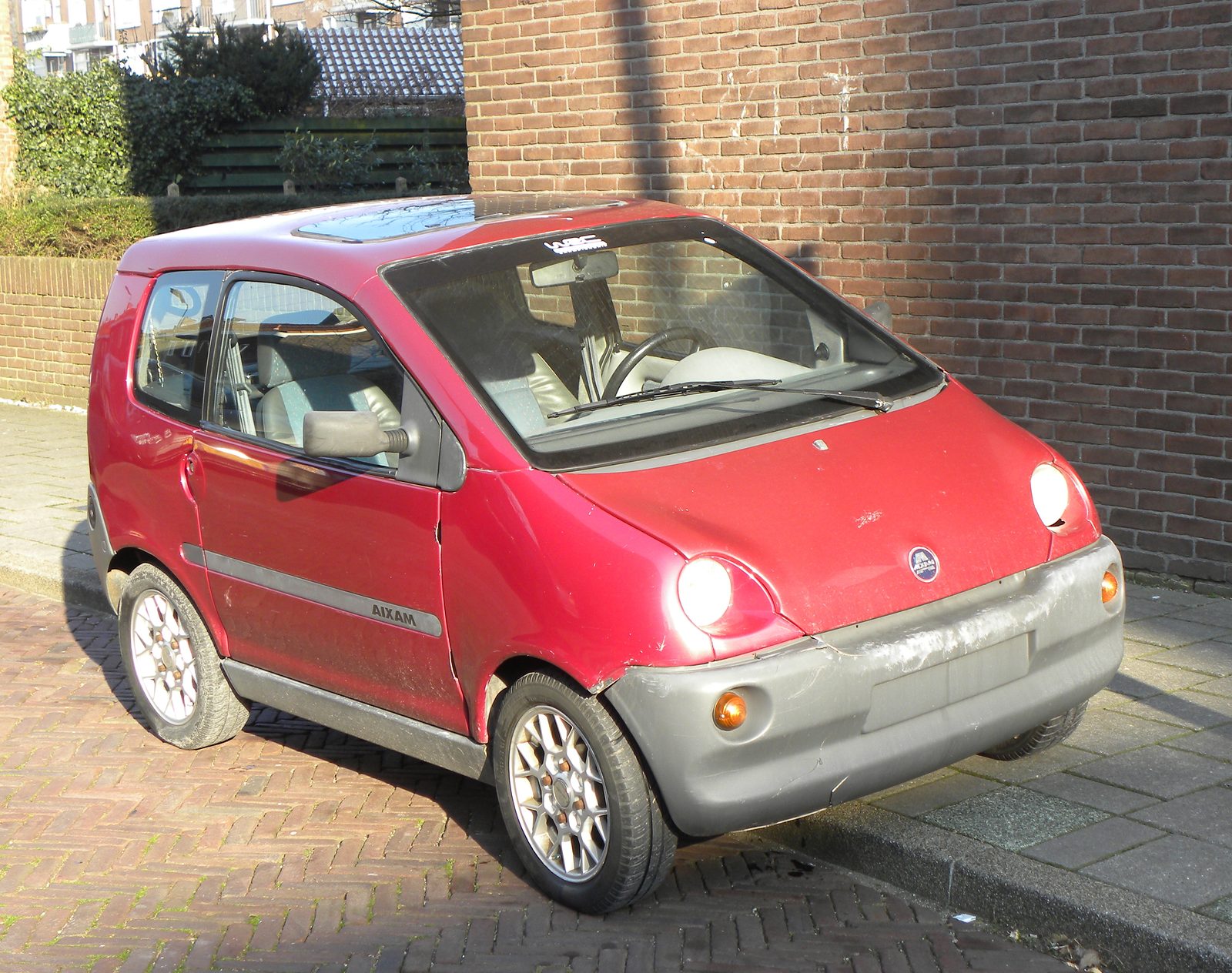
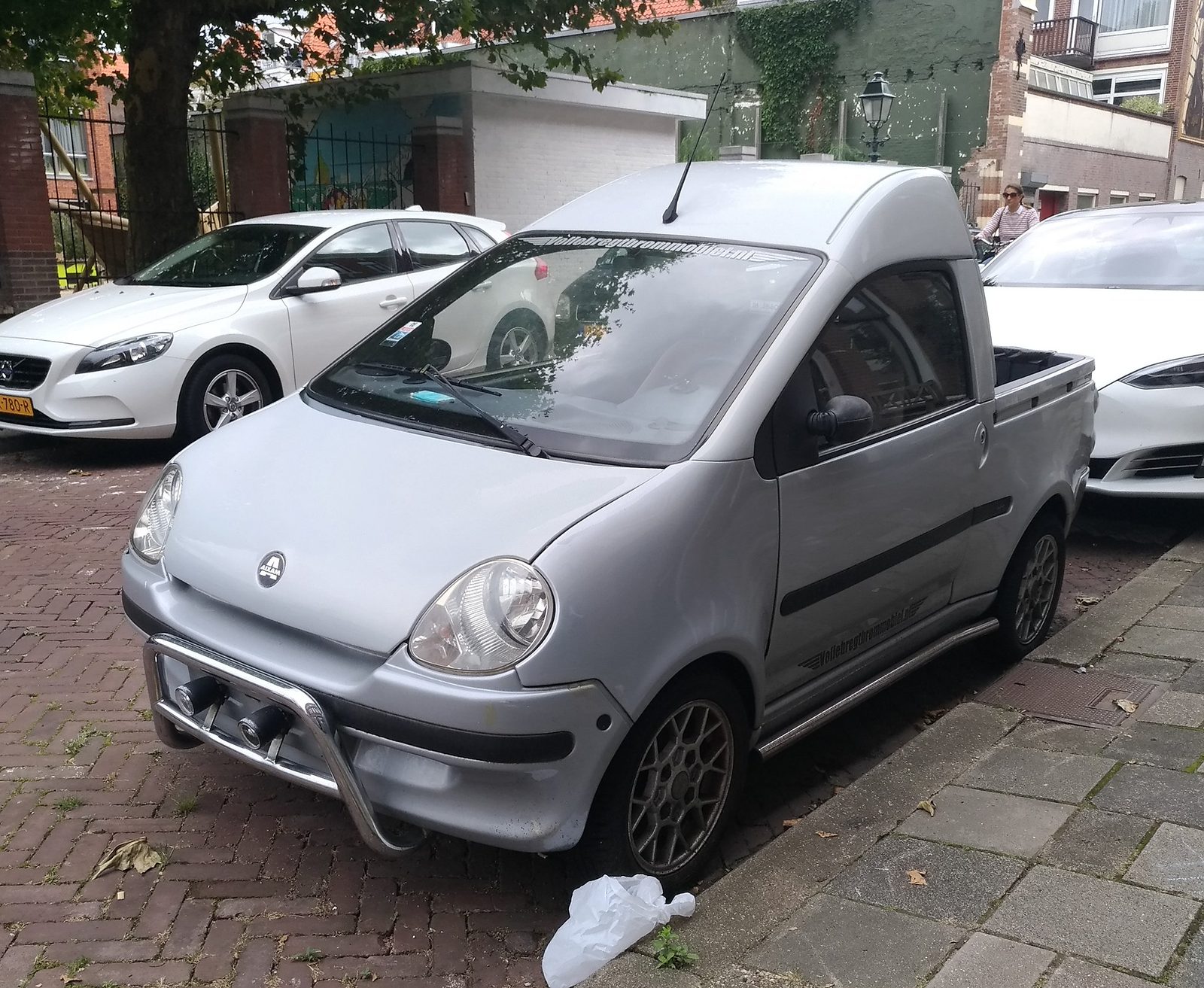
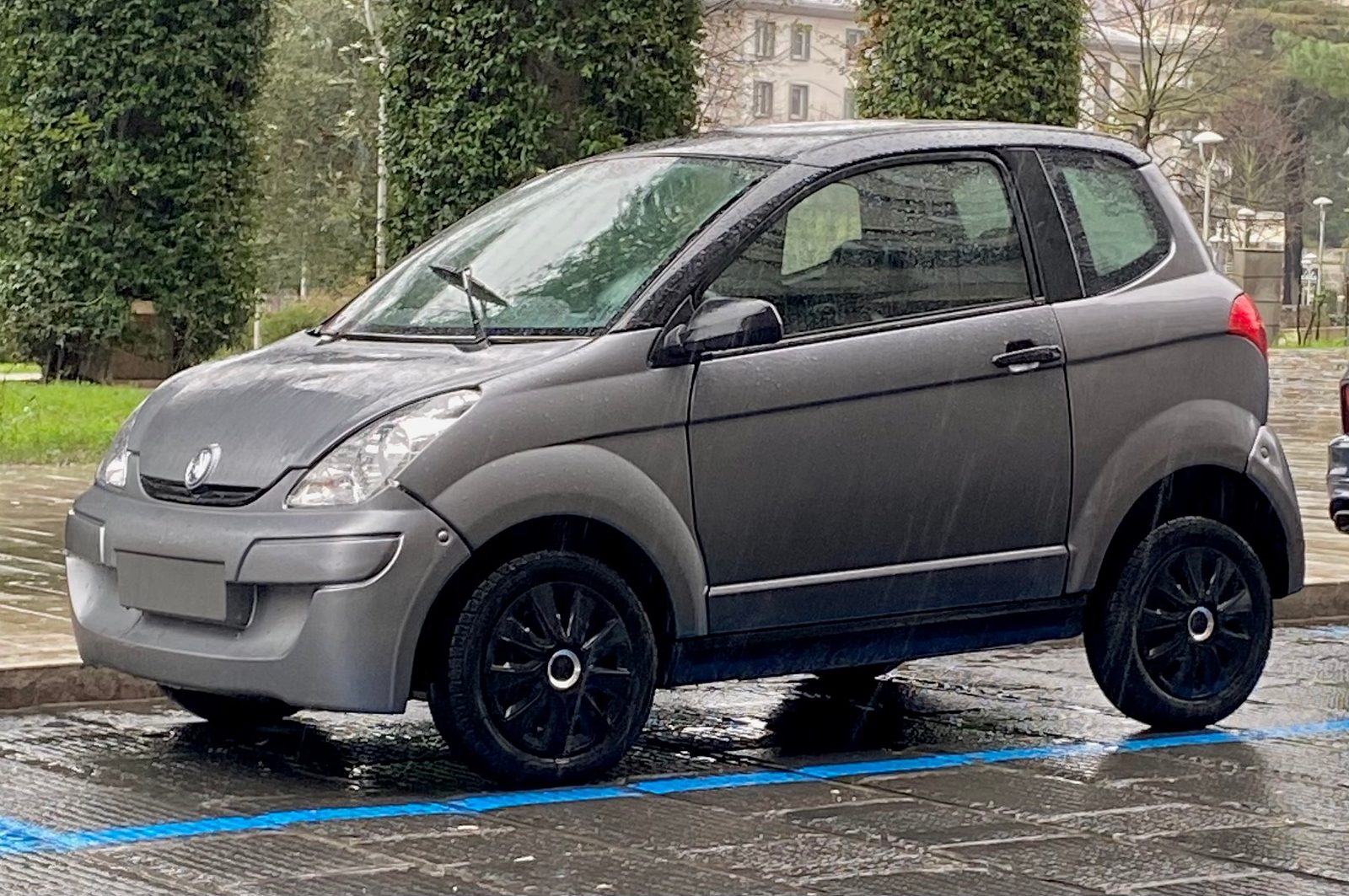
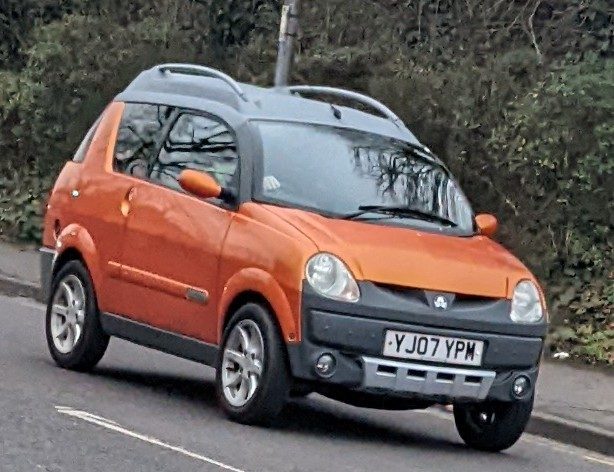
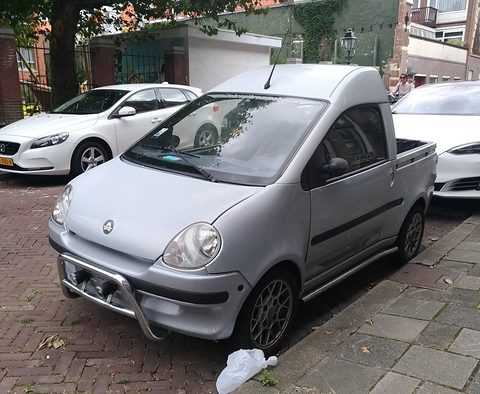
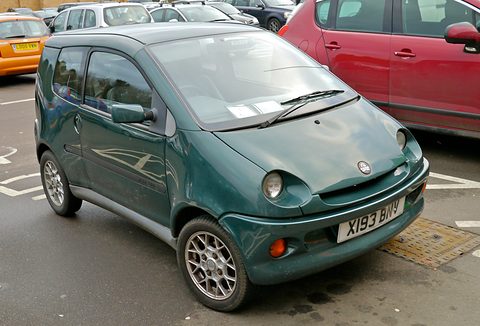
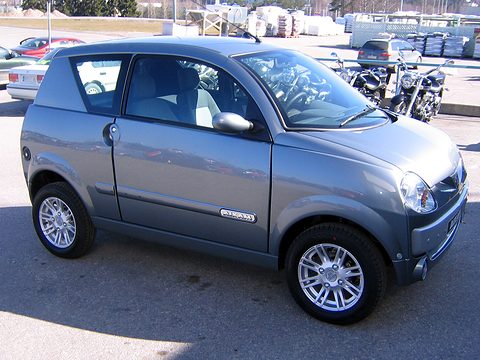
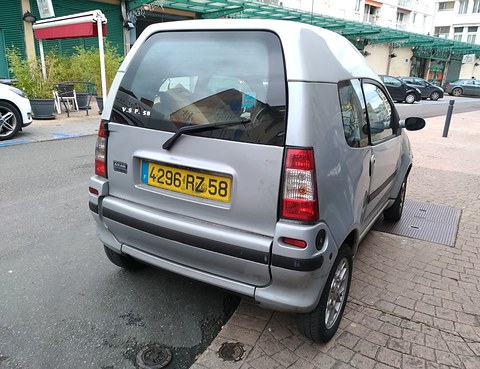
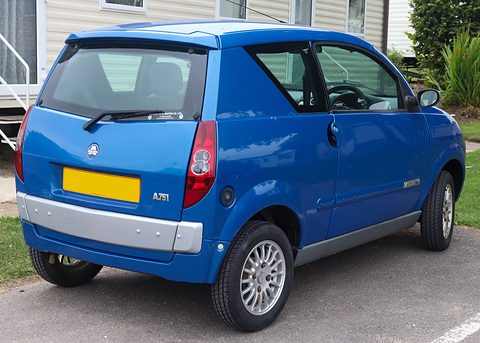
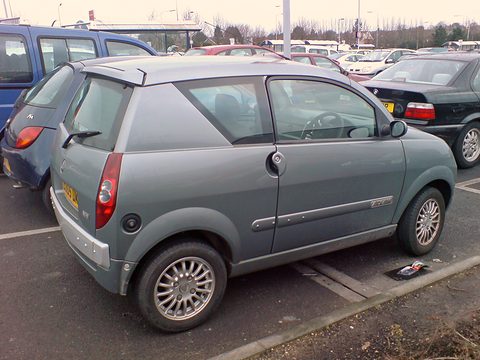
The “Aixam Révolution” of 1997 brought an aluminium structure and floor, more equipment and a significant cut in prices. Aixam’s share of the French market passed 40 per cent for the first time, at 41.23 per cent, and Europe opened up when EU law came into line with the French licence-free rules.source 2 Capacity, 3,000 a year in 1986, reached 10,000 by 2002.source 2 Licence-free MAC cabriolets came in 1998; the “Évolution” of 2000 was the quiet Aixam, crash-tested from the rear and the side as well; and in 2002 came the biggest light quadricycle on the market, with a Pick-up and a Minivan.source 2source 3 The “Innovation” range of 2004 brought the A721, A741 and A751 saloons.source 2source 8
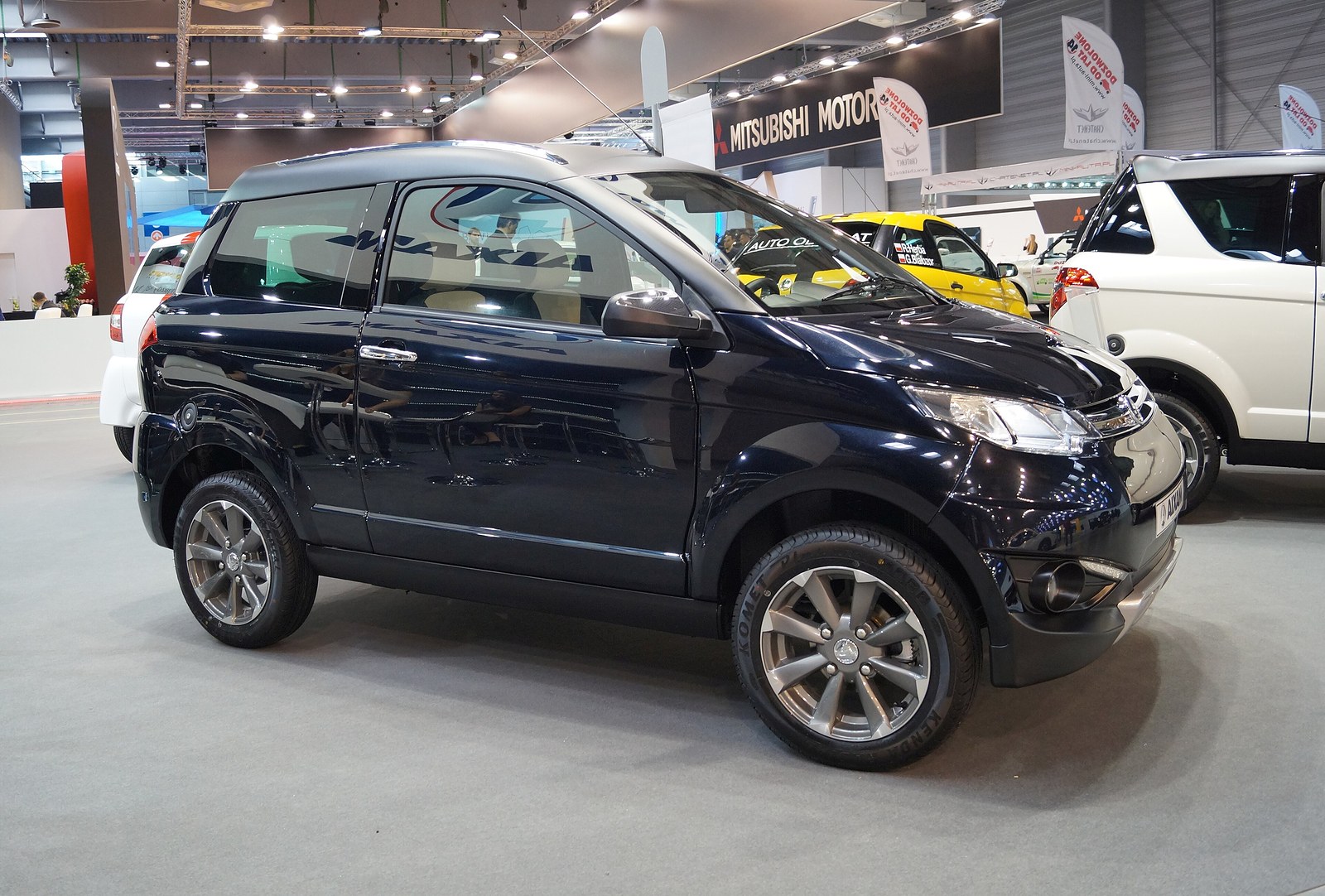
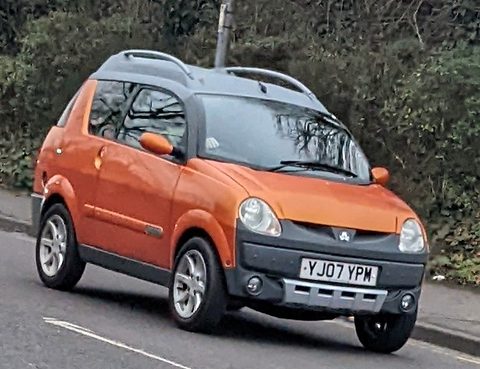
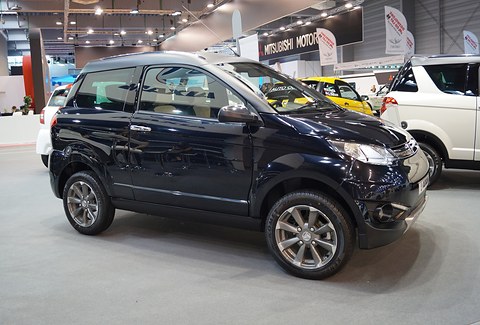
The Scouty of 2005 was a cabriolet whose hard top came off and stowed in the boot.source 2source 3 The Crossline was launched at the 2006 Mondial de l’Automobile, and production reached a record 15,500 in 2007.source 2 The 25th anniversary in 2008 brought the City, Roadline, Crossline and Scouty R. In 2009 Aixam built 11,200 vehicles, had 130 dealers in France and 600 across Europe, and held nearly 43 per cent of the market.source 2 Its 11,484 European sales that year were almost double the 6,124 of Microcar, the maker of the Microcar RJ49, and the 5,792 of Ligier, the maker of the Ligier JS4.source 9 By the Impulsion range of October 2010 Aixam had built more than 205,000 vehicles.source 2source 3
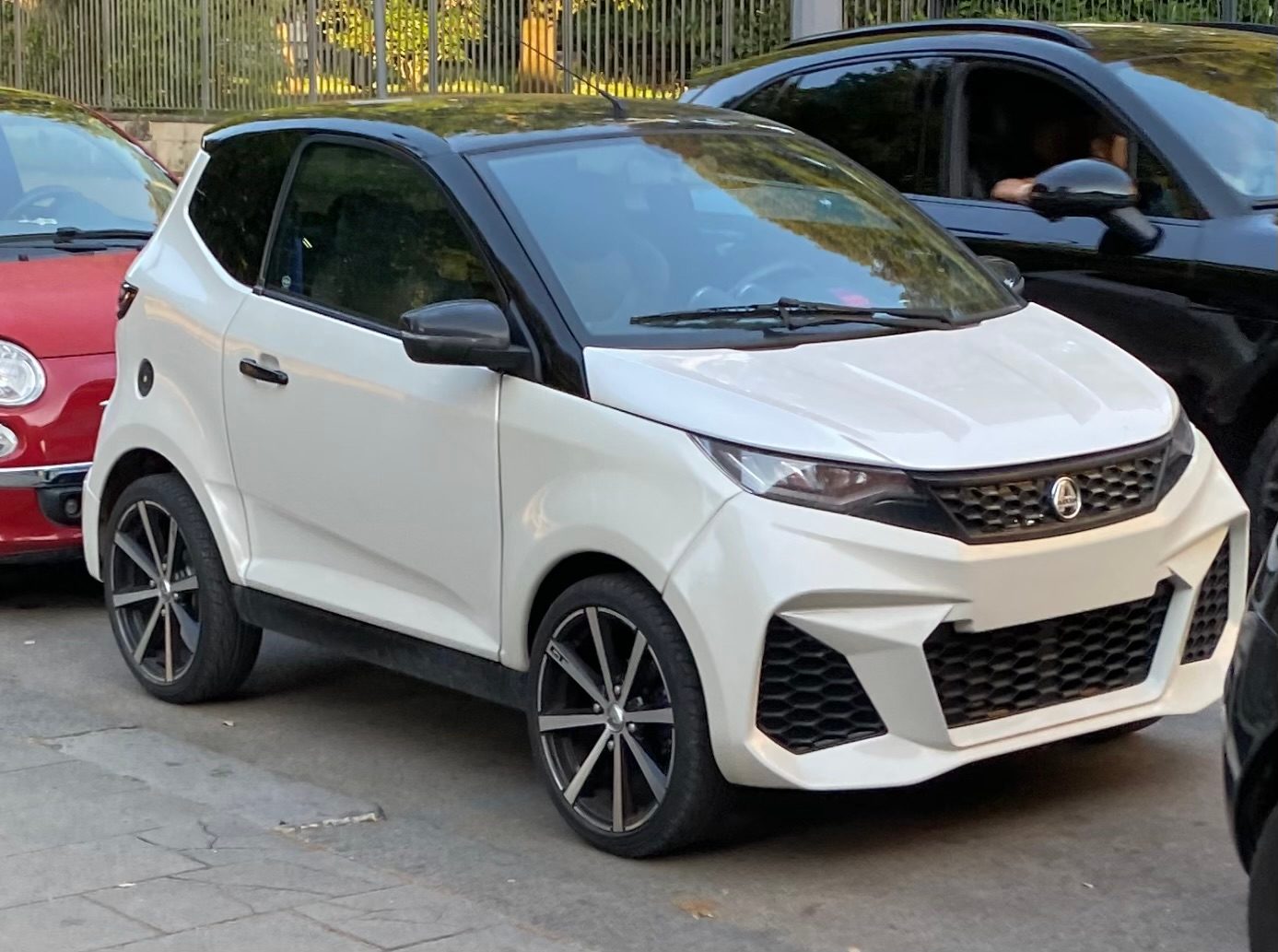
The buyers changed. The French Wikipedia says the early ones were mostly isolated, elderly people in the country; since the 2010s they have more and more been teenagers, a fashion it traces to Italy, to a school in Rome and to dealers’ tuning.source 4
Polaris, and the plug
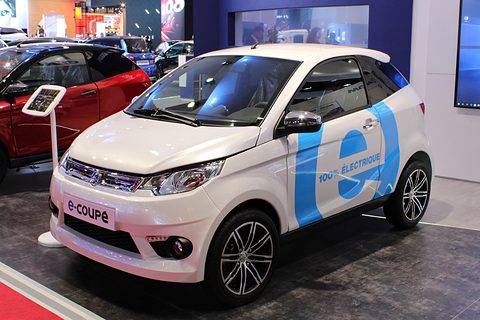
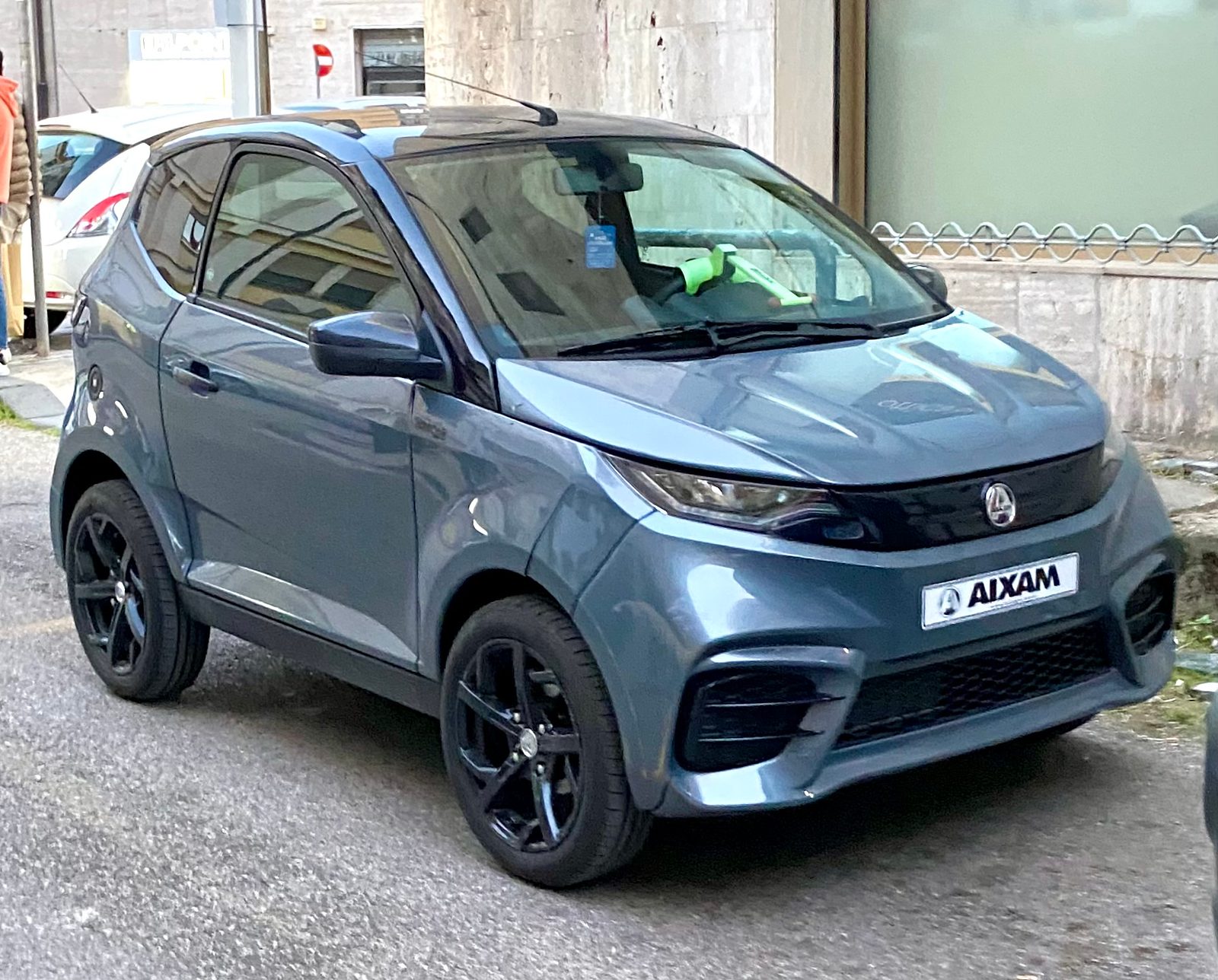
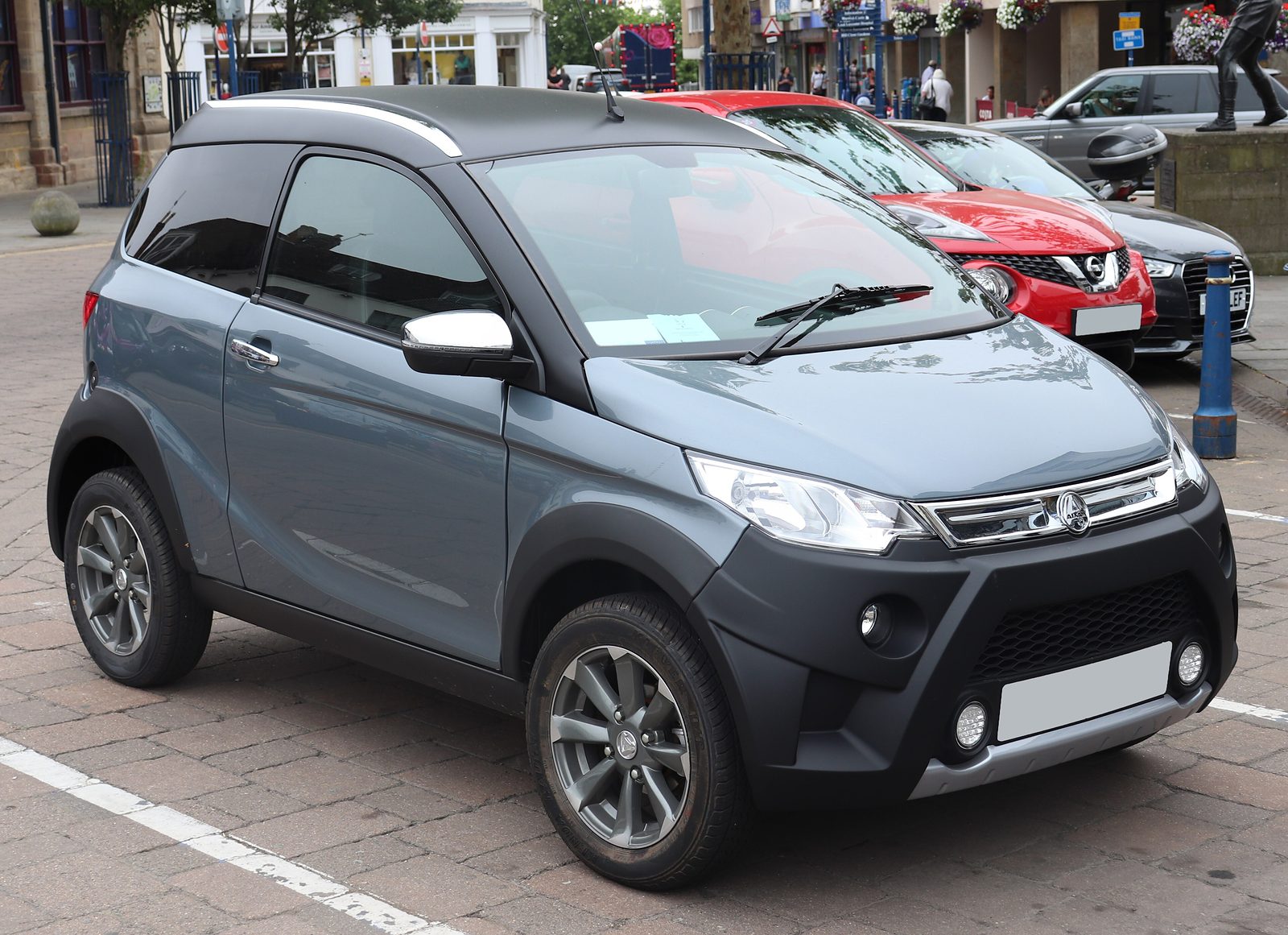
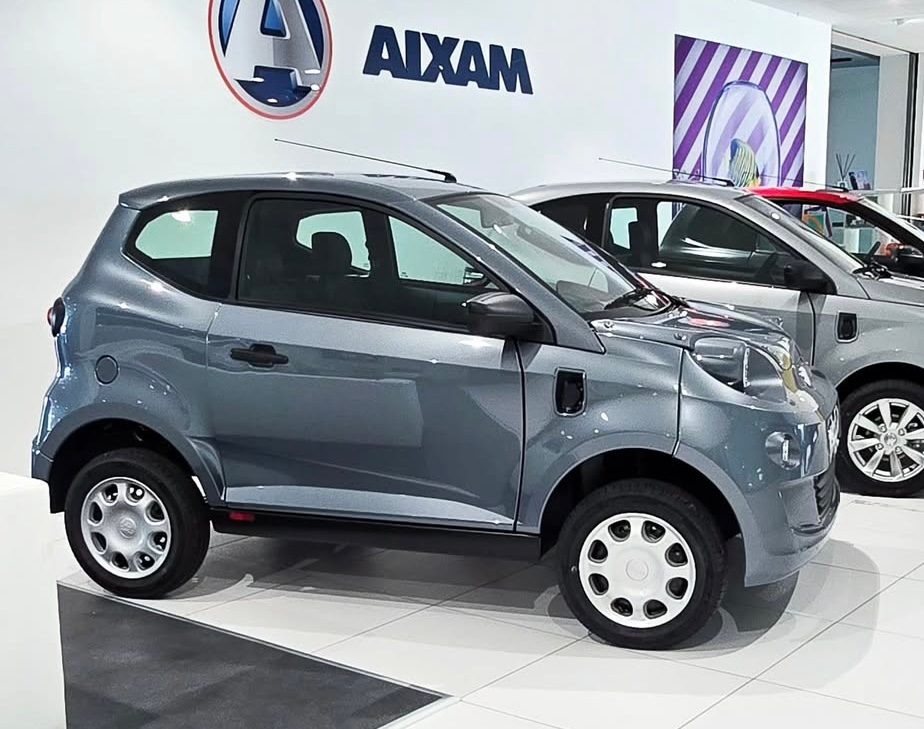
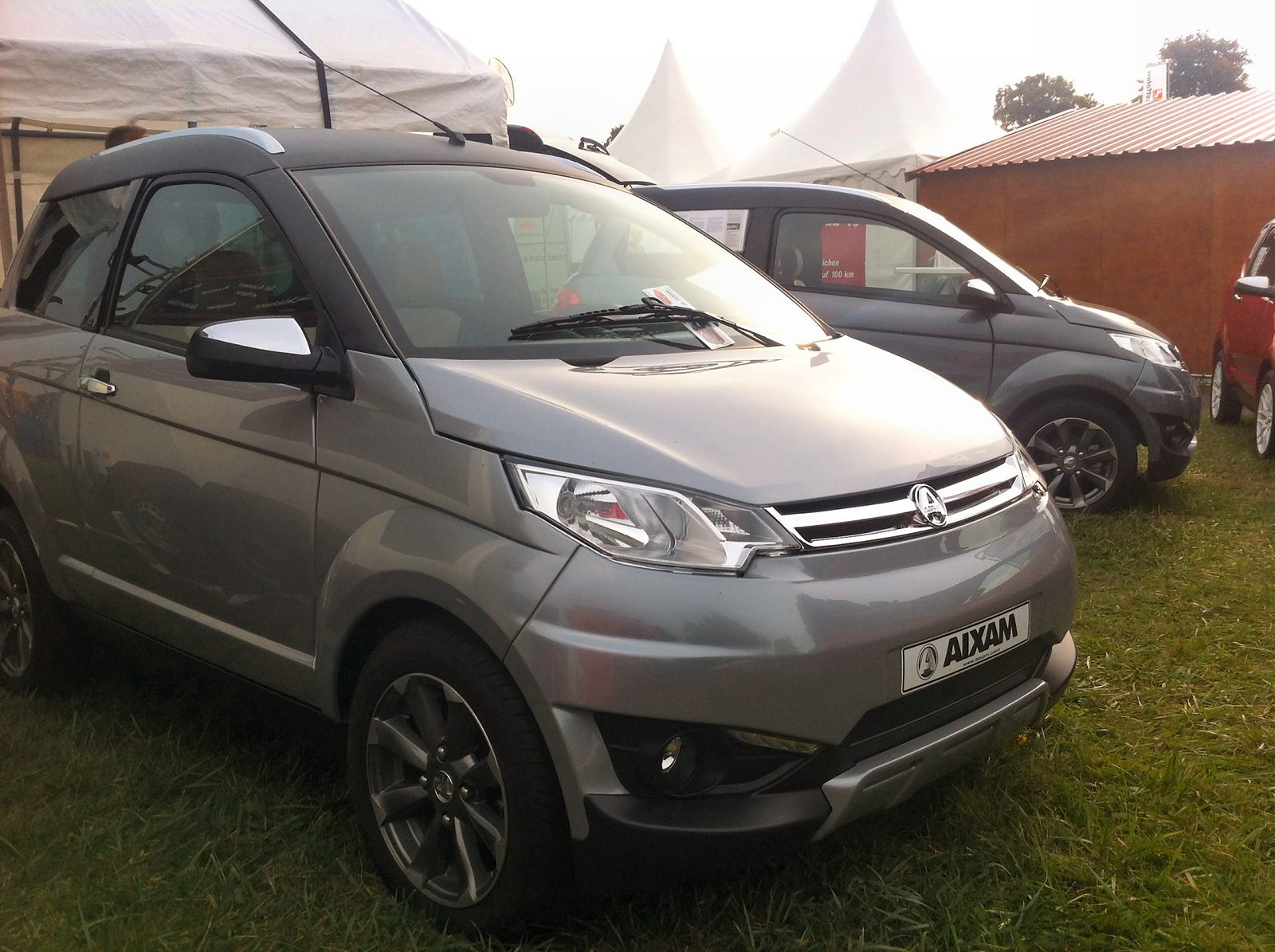
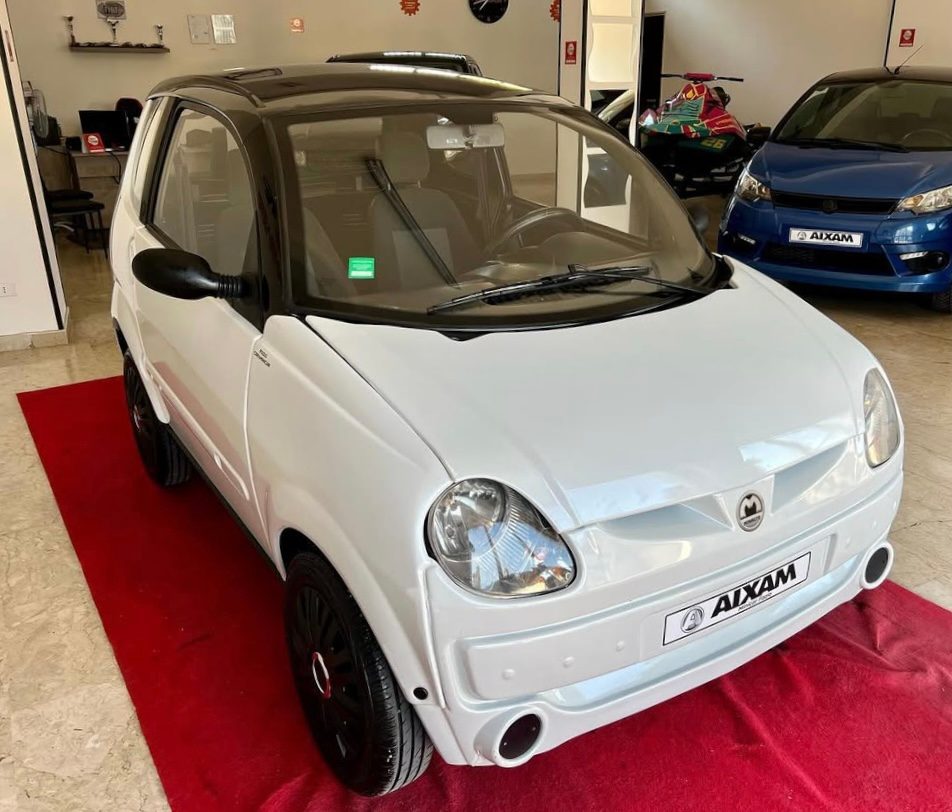
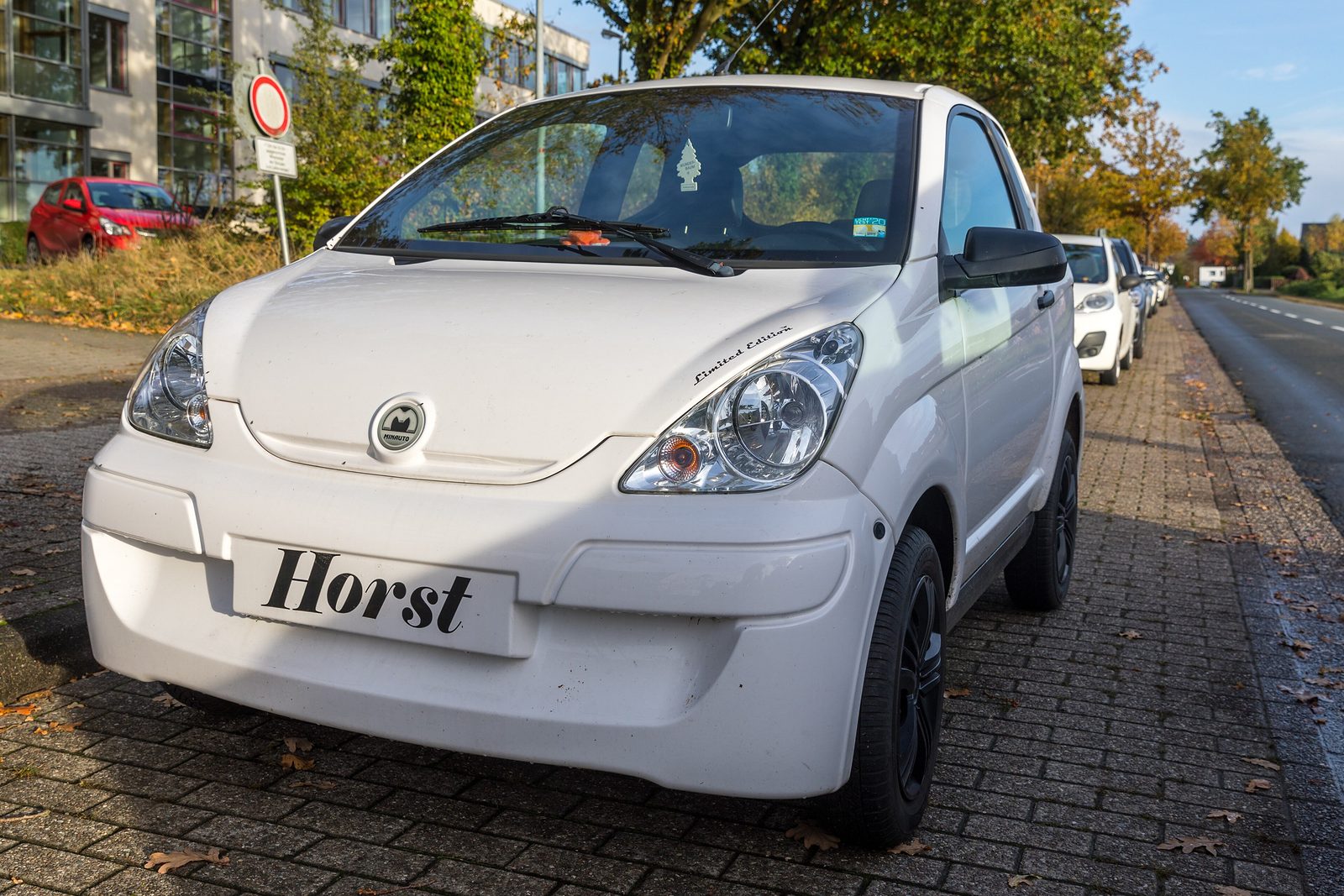
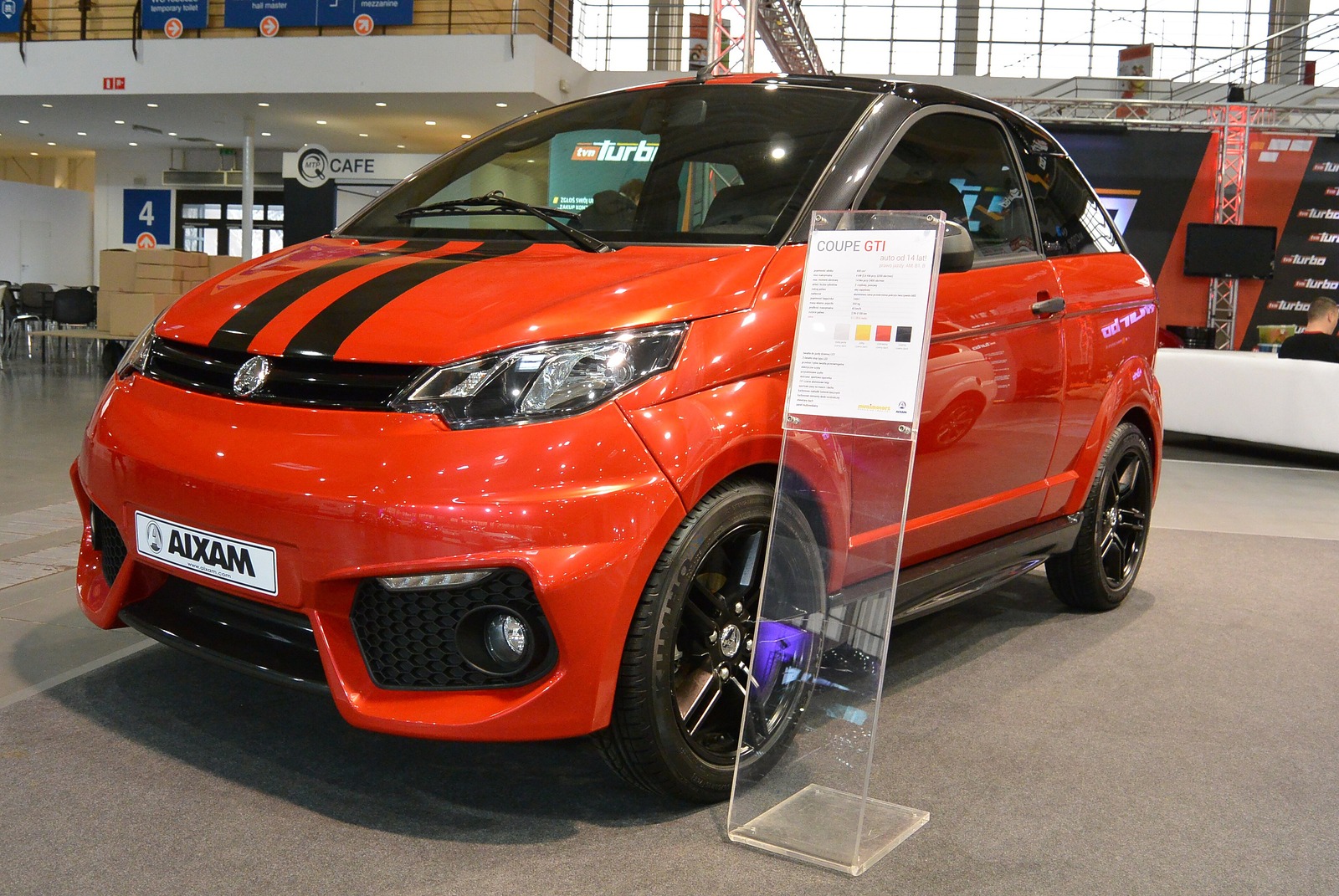
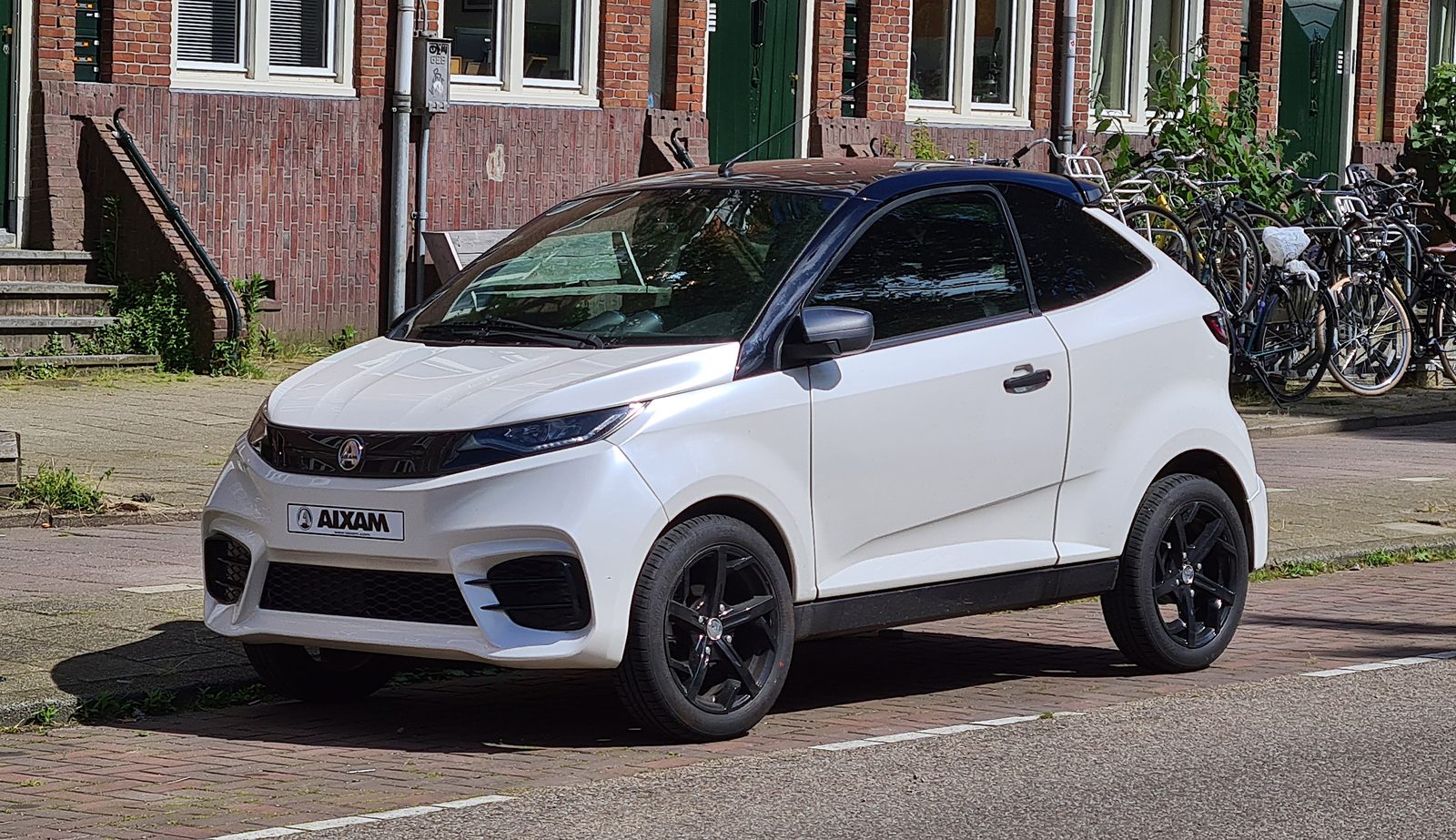
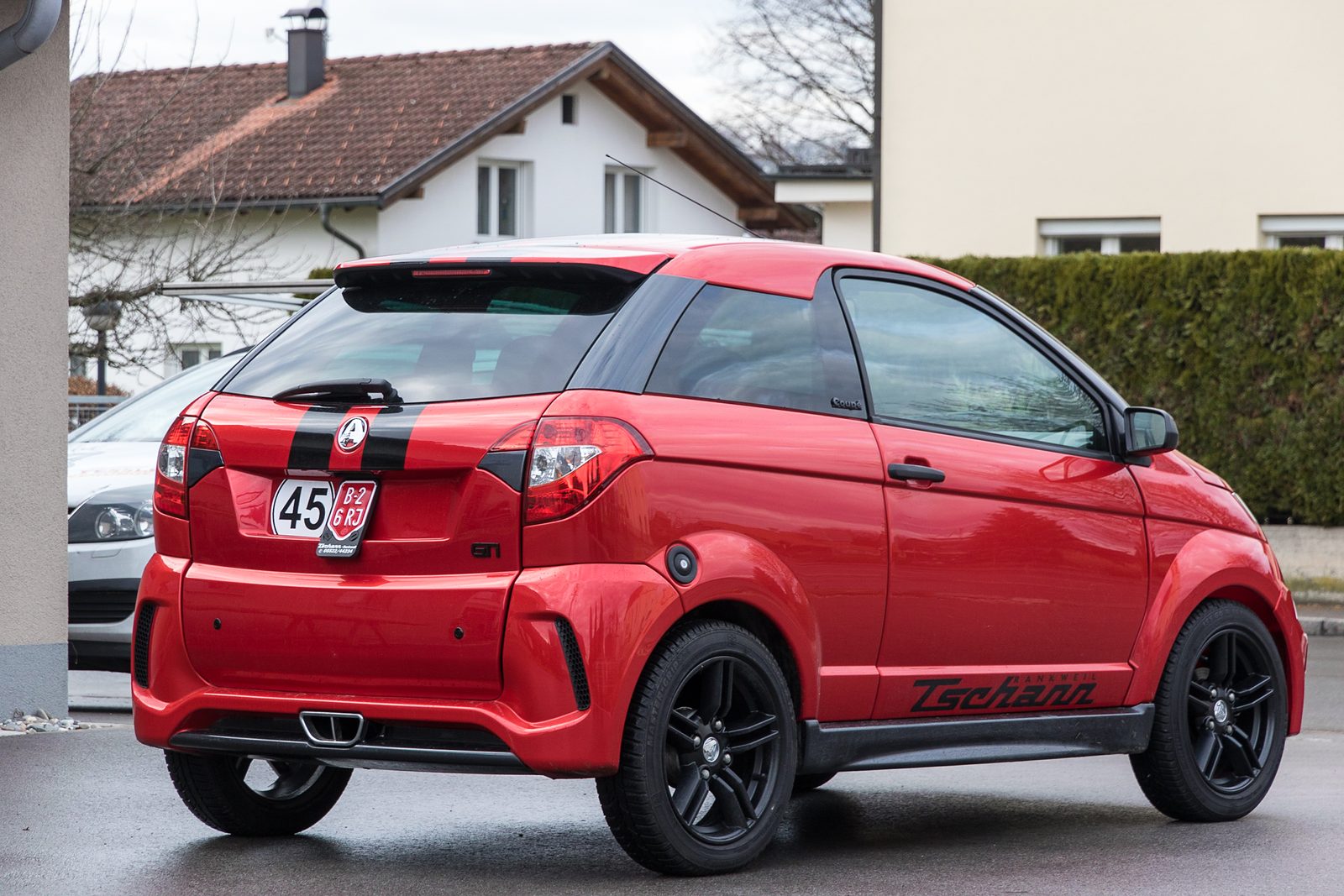
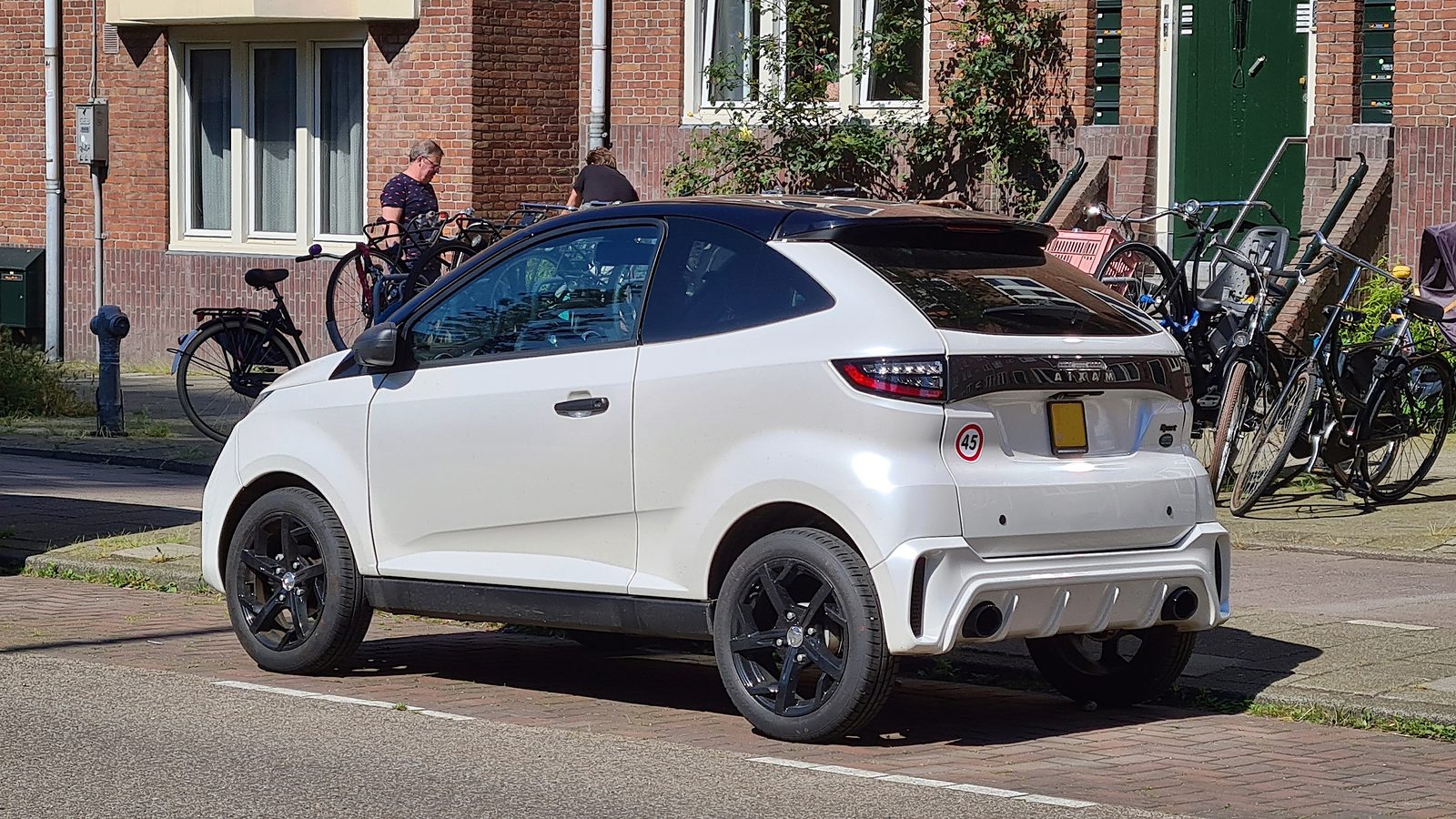
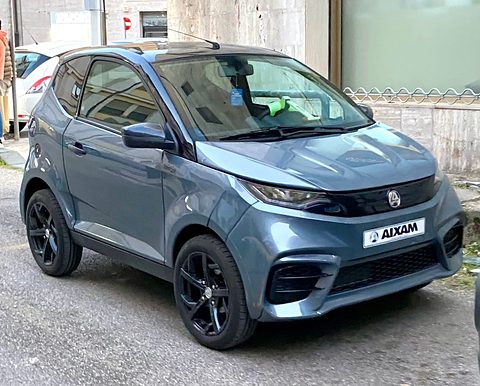
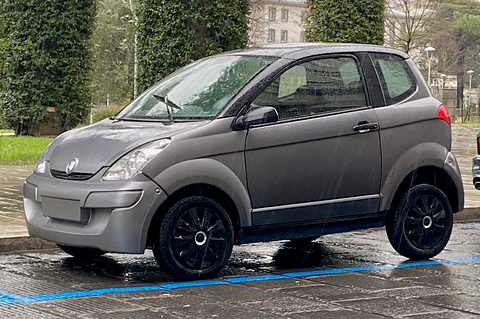
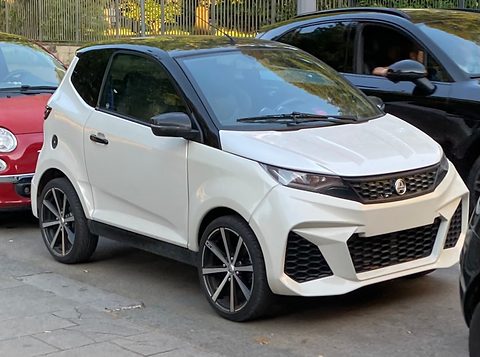
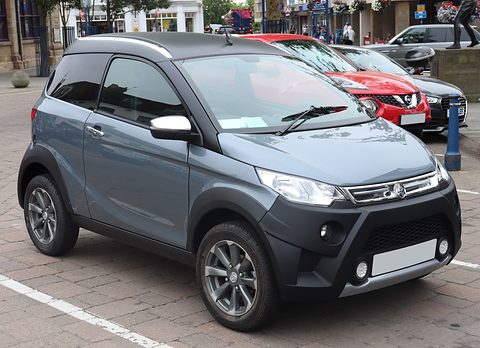
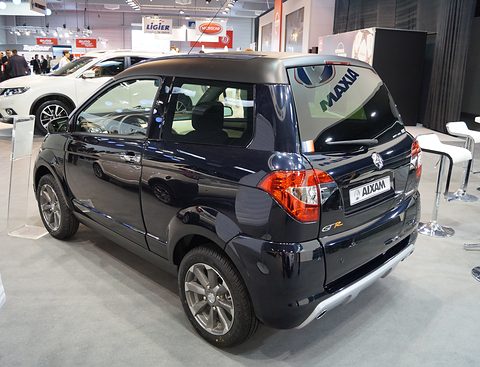
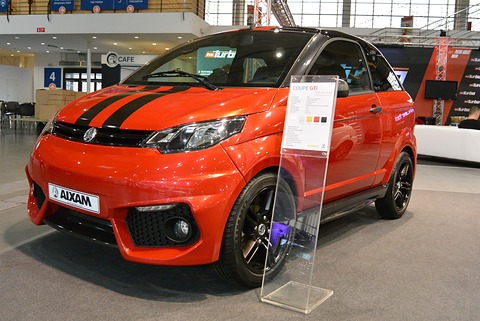
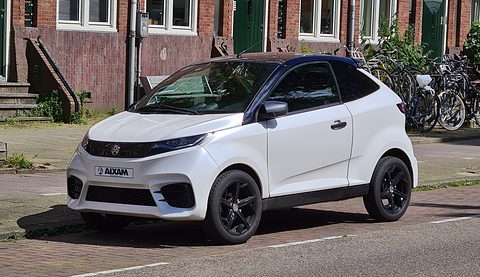
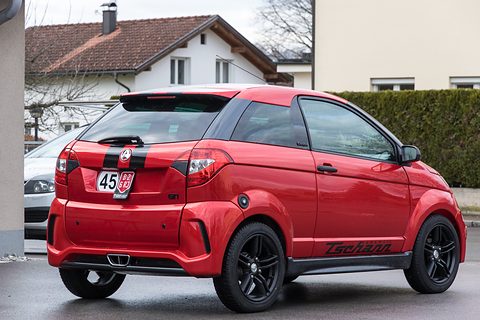
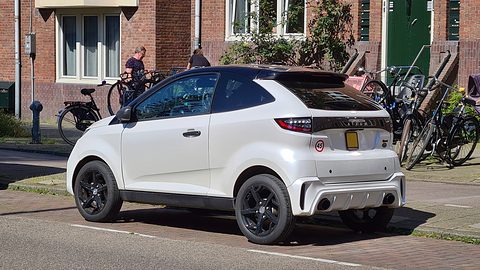
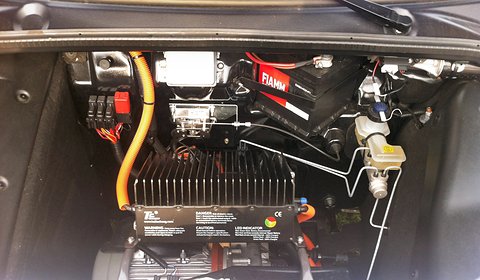
AXA Private Equity owned Aixam before the American firm Polaris Industries, which announced its purchase on 11 April 2013.source 8 The first electric Aixam had come a month earlier, in March 2013, the year of the 30th-anniversary Vision range.source 4source 3 From January 2013 a restricted Aixam 400 could be driven in Britain on an AM licence.source 8 The Sensation range was shown at the Mondial in October 2016, the Minauto and Aixam Pro arrived in 2018 with a Euro 4 Kubota engine, and the Emotion range in 2020 was followed by today’s Ambition.source 4source 3
In 2023 Olivier Pelletier, from the sister company Goupil, replaced Colançon.source 4 That year Aixam built about 19,000 vehicles, nearly 70 per cent more than in 2020.source 4 In France its 9,830 cars made 39 per cent of the market, just ahead of the 9,639 of Citroën, the maker of the electric Citroën Ami.source 10 On 24 September 2024 a third plant opened at Andancette in the Drôme: 17,400 m² (187,000 sq ft), a €30 million investment, with room for up to 30,000 vehicles a year.source 8source 4 In April 2026 the Easy range replaced the Minauto, with a new front, a Euro 5+ Kubota diesel and an electric version.source 8