The story
History
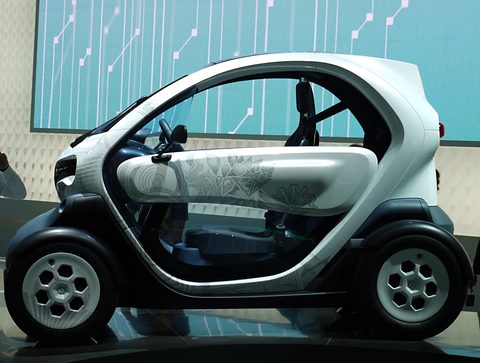
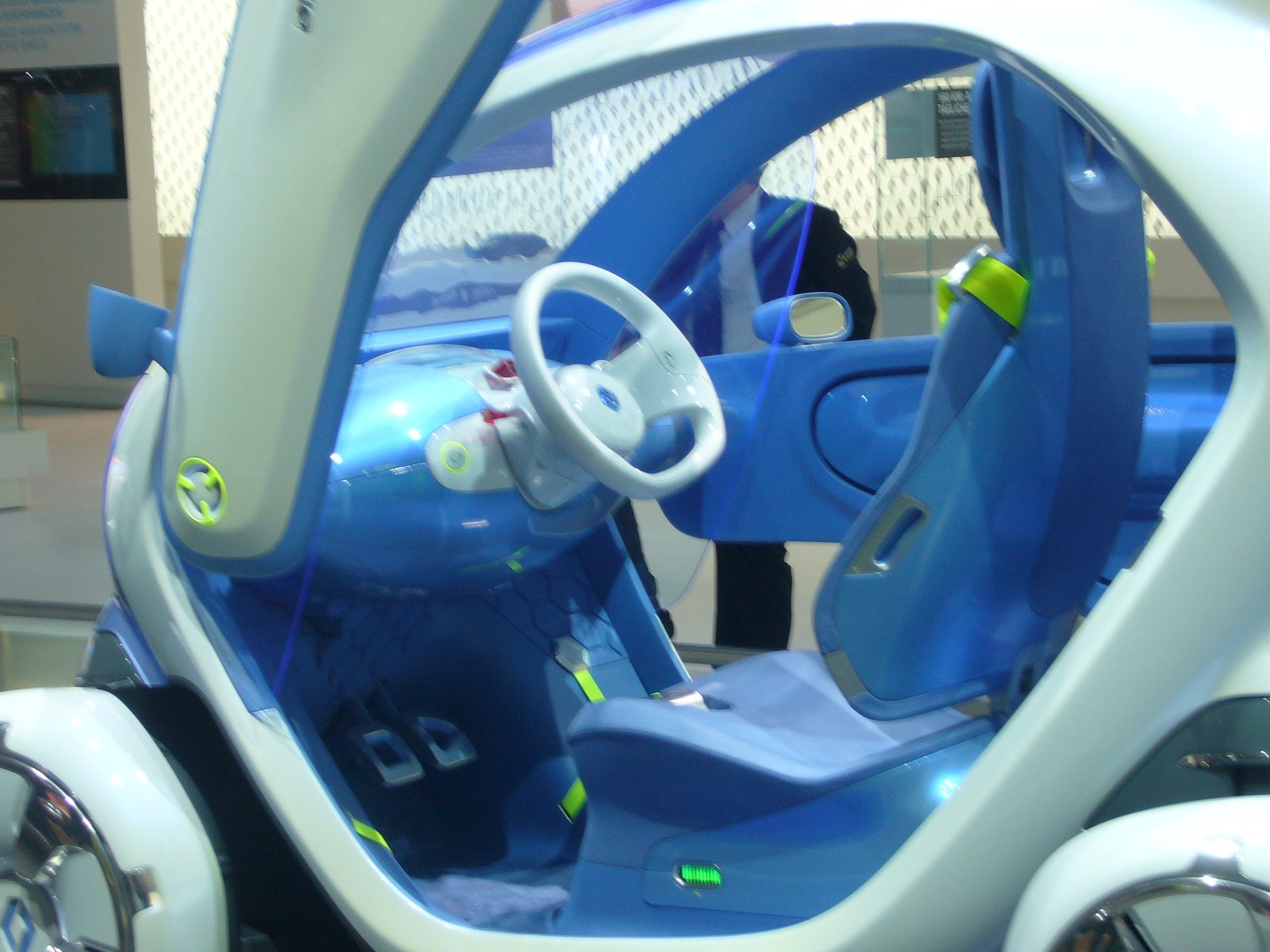
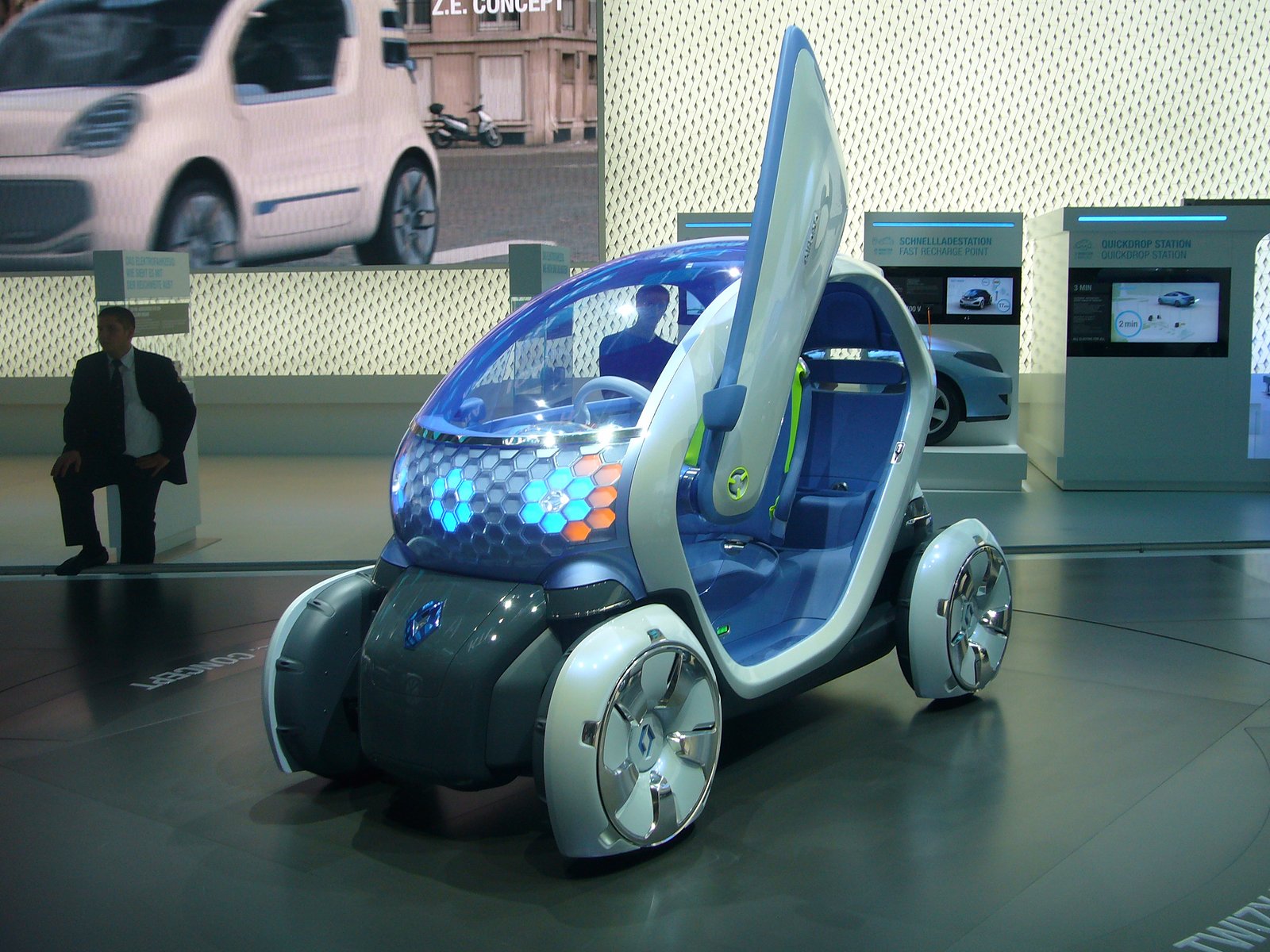
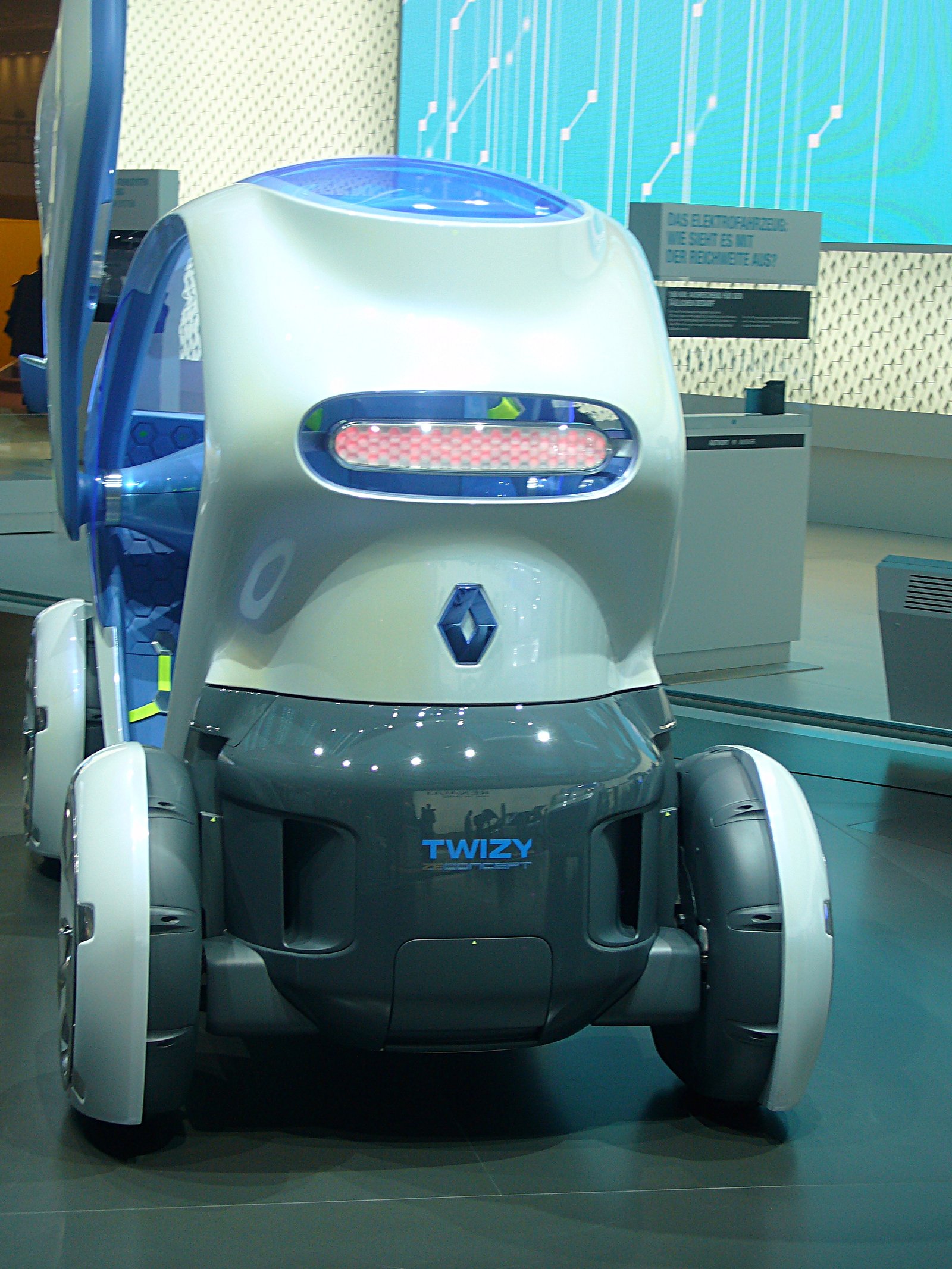
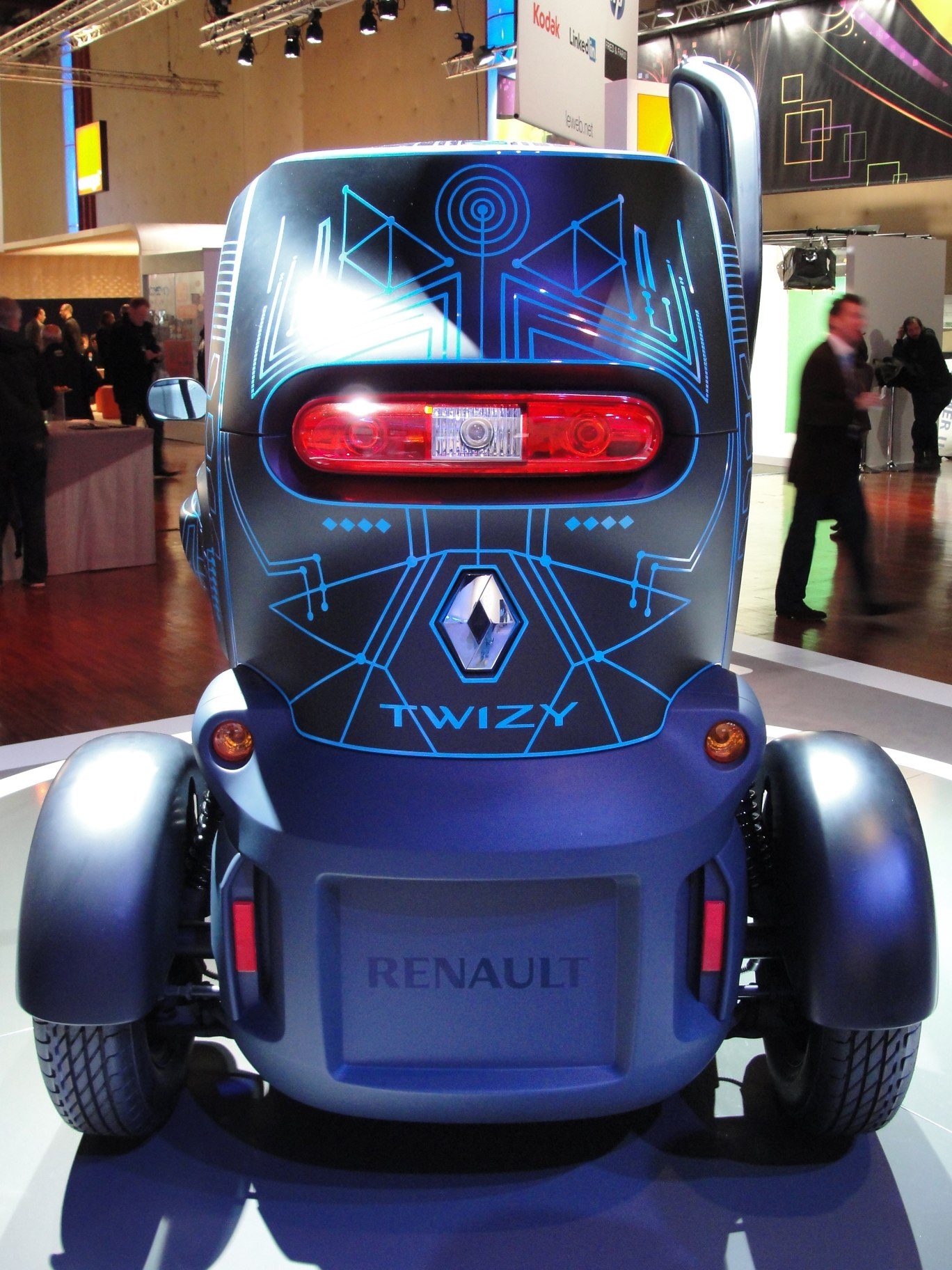
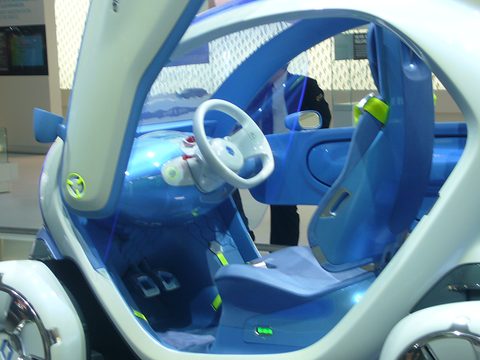
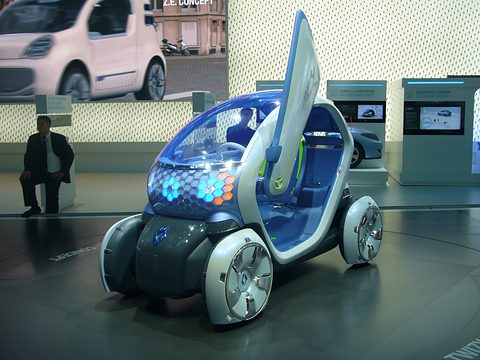
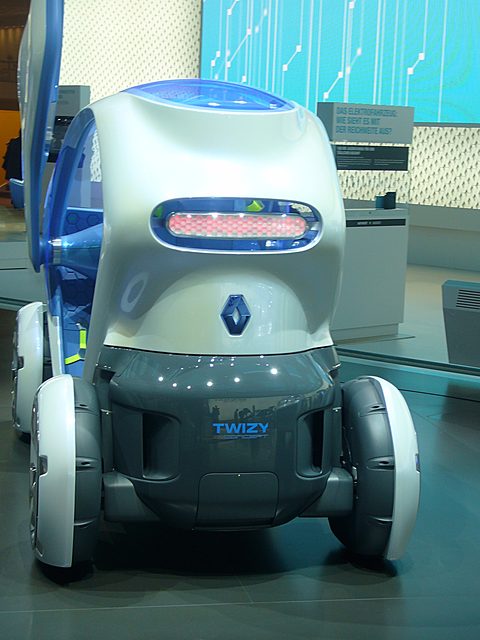
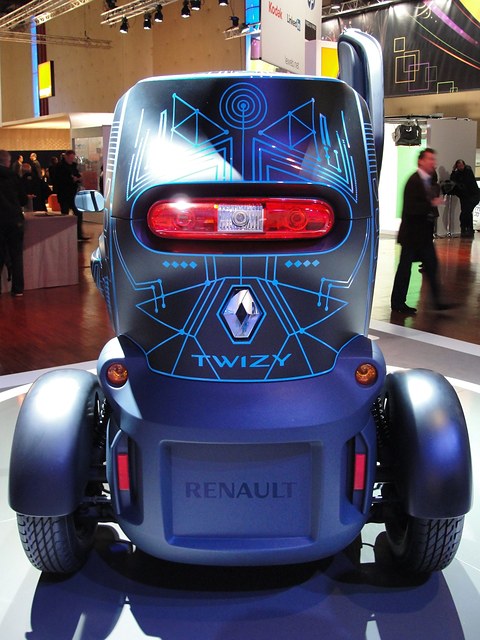
Renault showed four electric concept cars under its Z.E., or Zero Emission, banner at the Frankfurt show in September 2009, and the Twizy Z.E. Concept was the one for the city.source 1 English Wikipedia credits its design to Françoise Leboinne and Luciano Bove, and French Wikipedia says that Renault Sport developed its tubular chassis.source 1source 2 Looking back in 2023, auto motor und sport put the date in perspective.
„Als Renault im Jahr 2009 die Studie Z.E. Concept auf die IAA stellte, schraubte man bei Tesla noch in Handarbeit am elektrischen Roadster auf Lotus-Elise-Basis herum.“
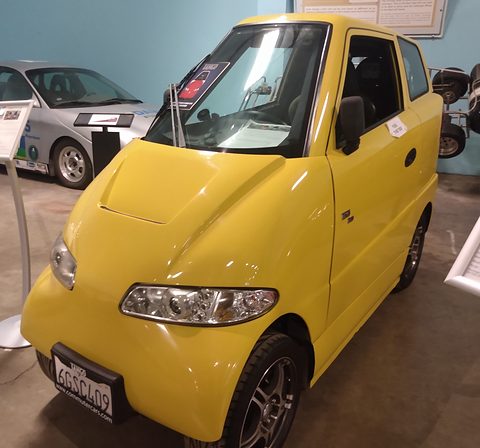
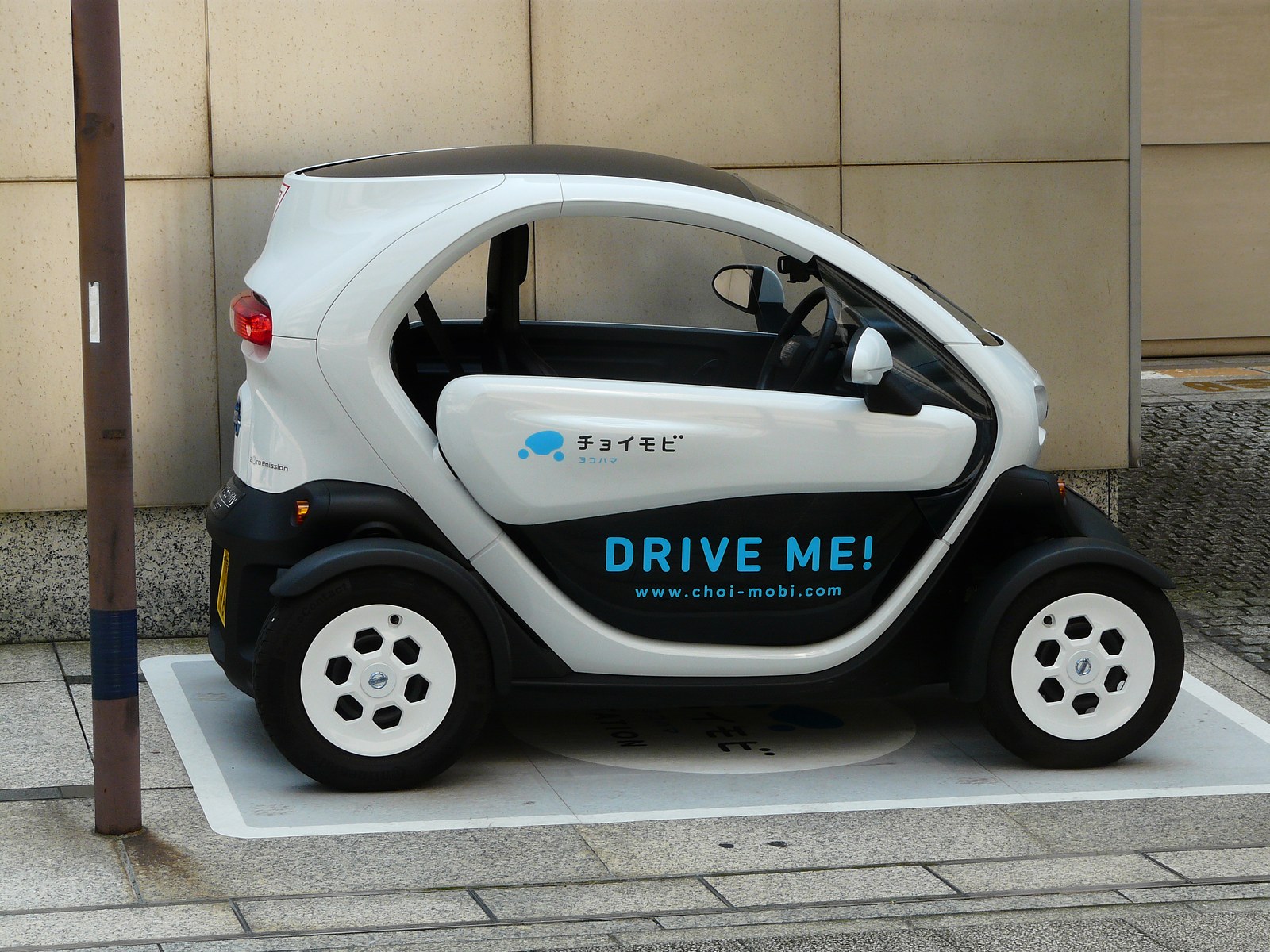
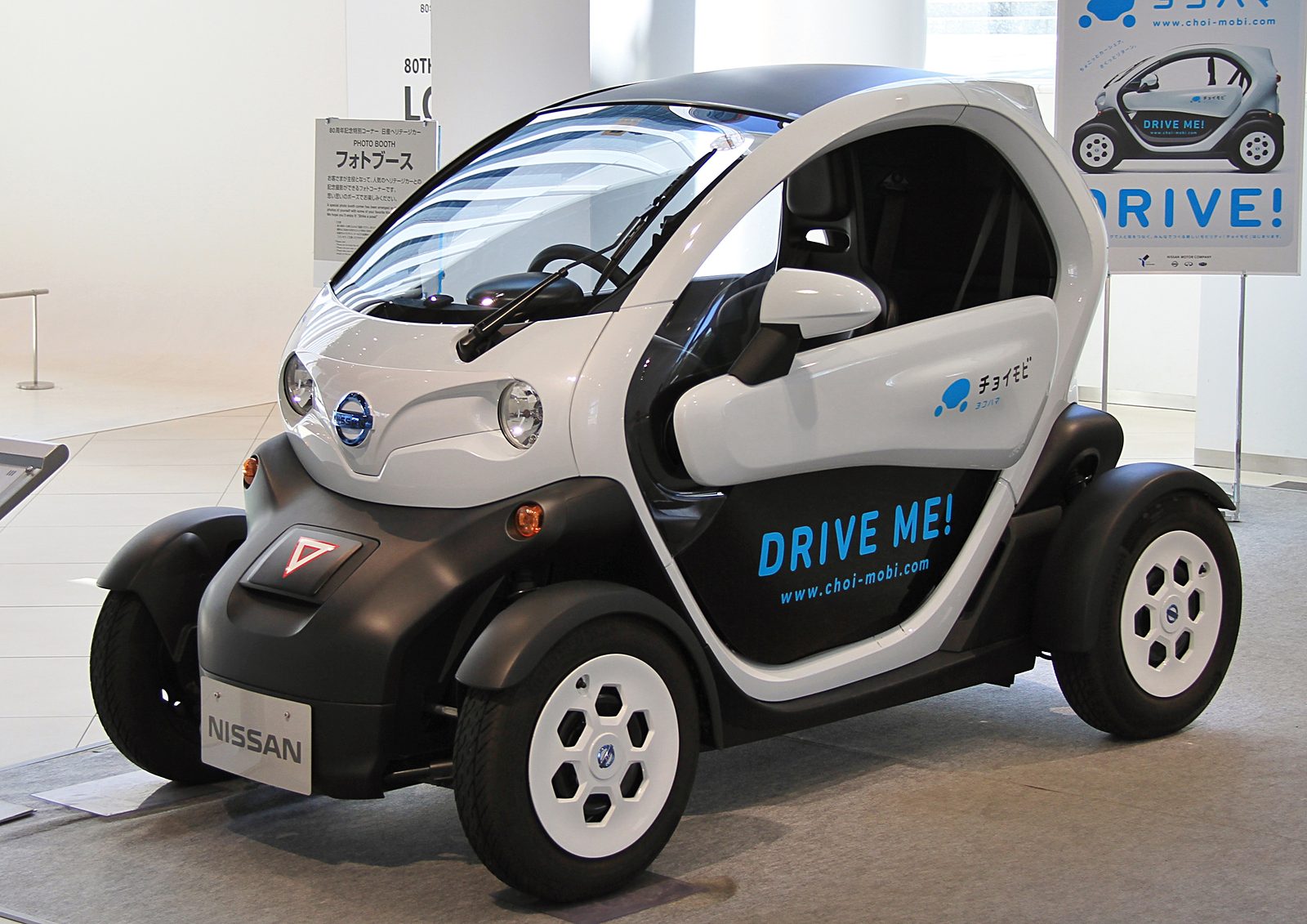
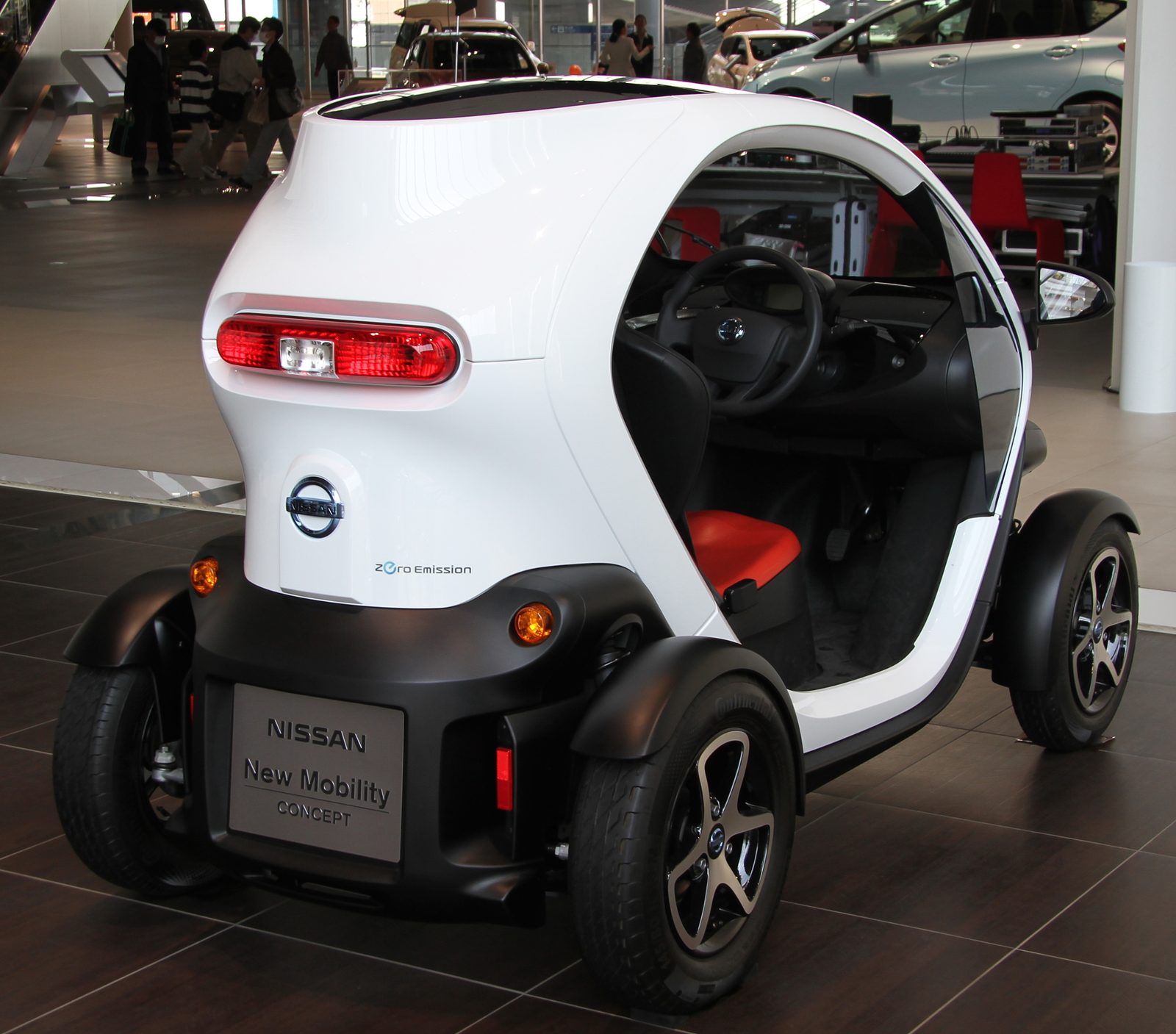
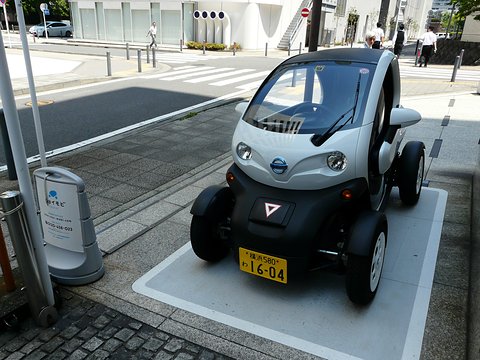
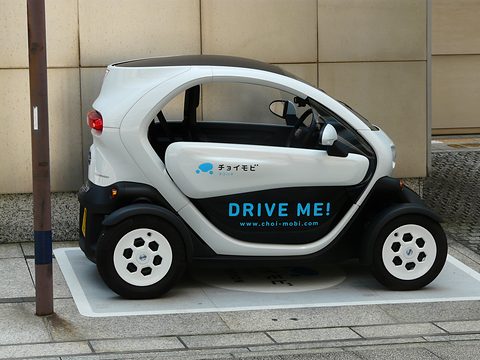
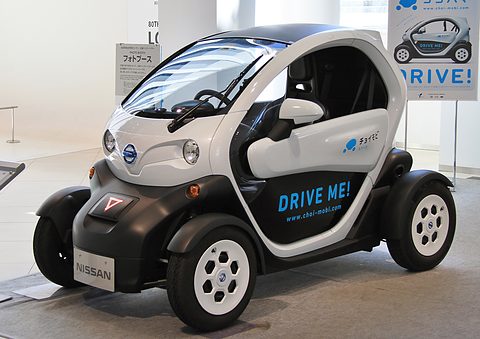
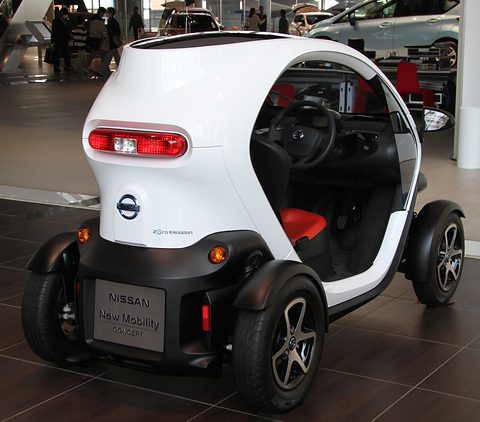
Production followed quickly. In November 2010 Nissan announced a version of its own, the Nissan New Mobility Concept.source 1 The first production-ready Twizys appeared at the Festival Automobile International in Paris in January 2011, a car with Renault Samsung badges was shown in Seoul that year, and in May Renault confirmed production and began taking reservations.source 4source 1 Series production began at Renault’s plant at Valladolid in Spain in 2011, and the batteries were assembled there from LG Chem modules.source 4source 2source 1
A Kabinenroller for the electric age
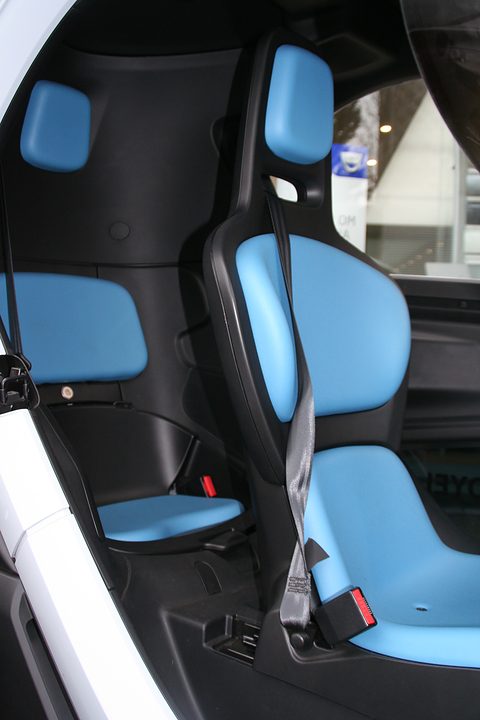
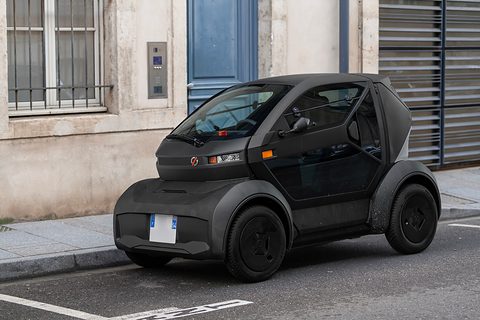
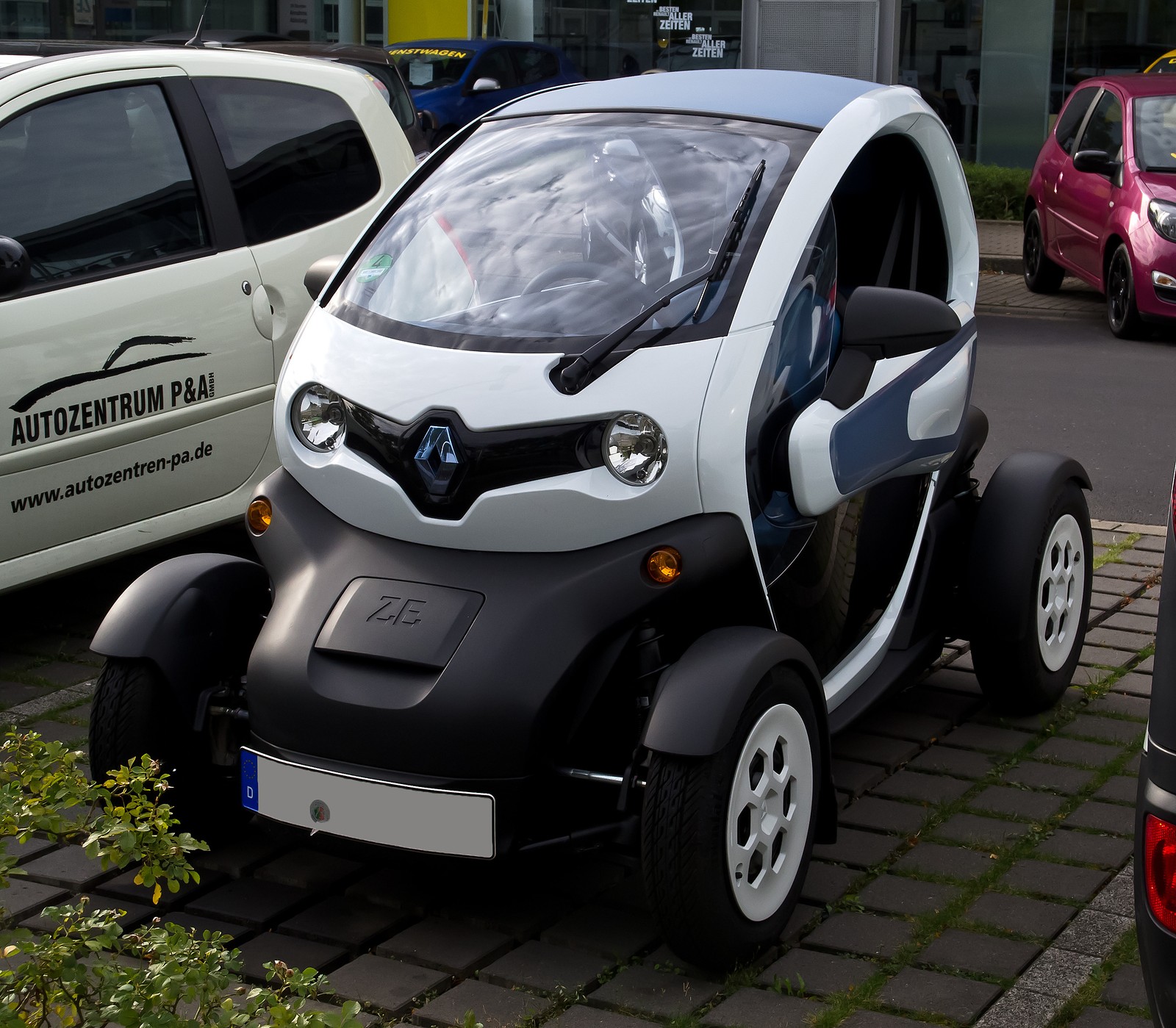
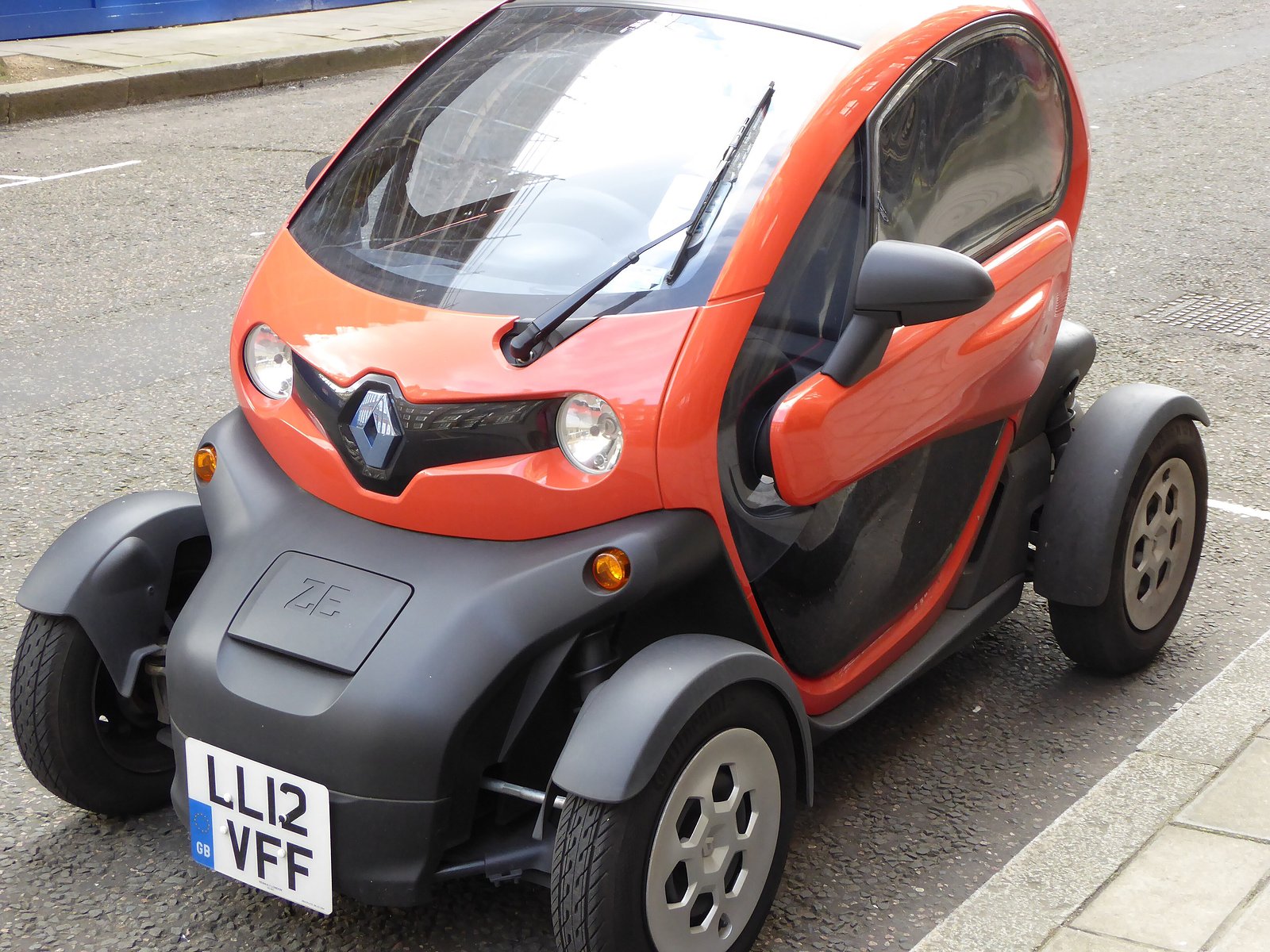
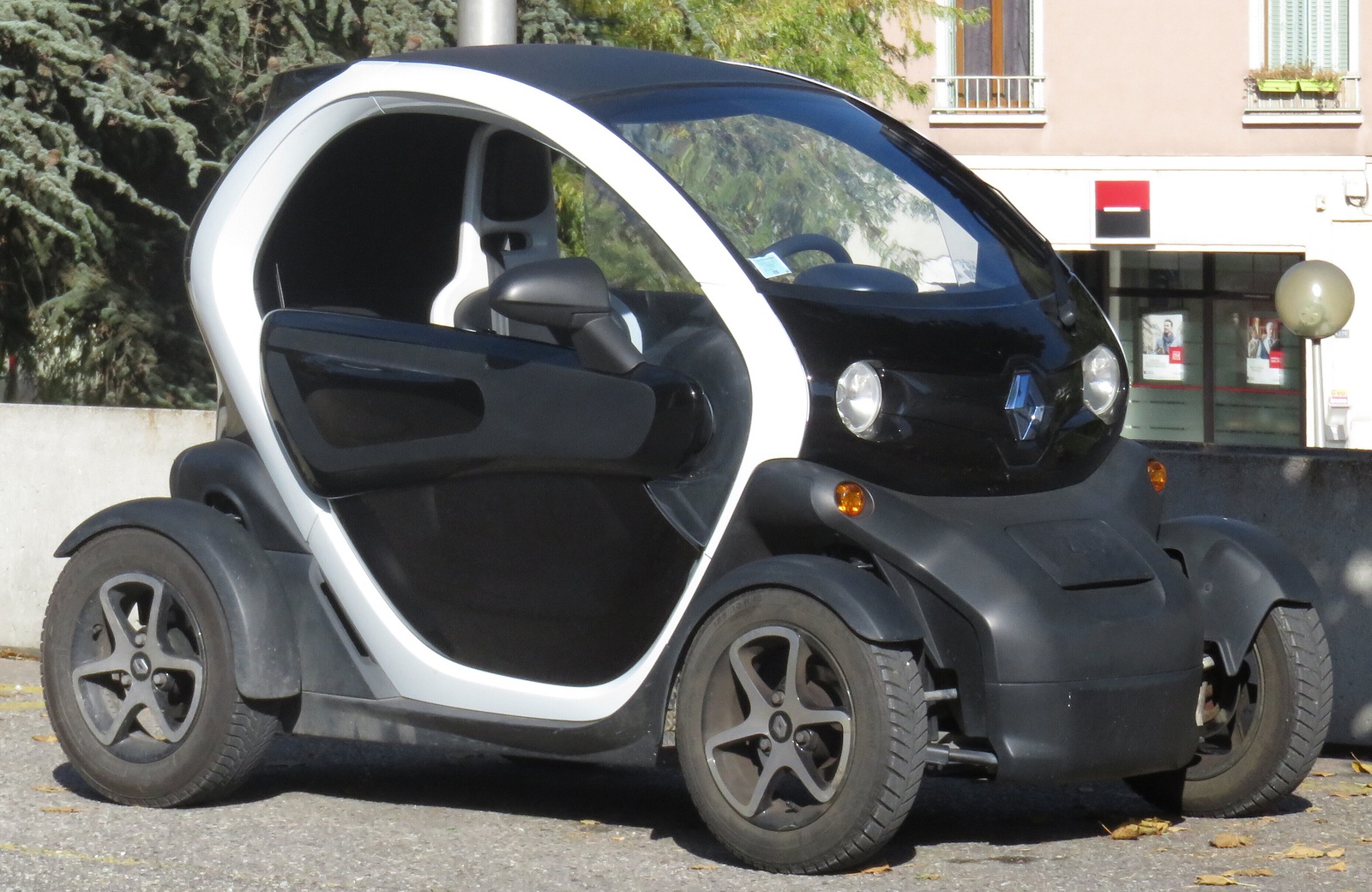
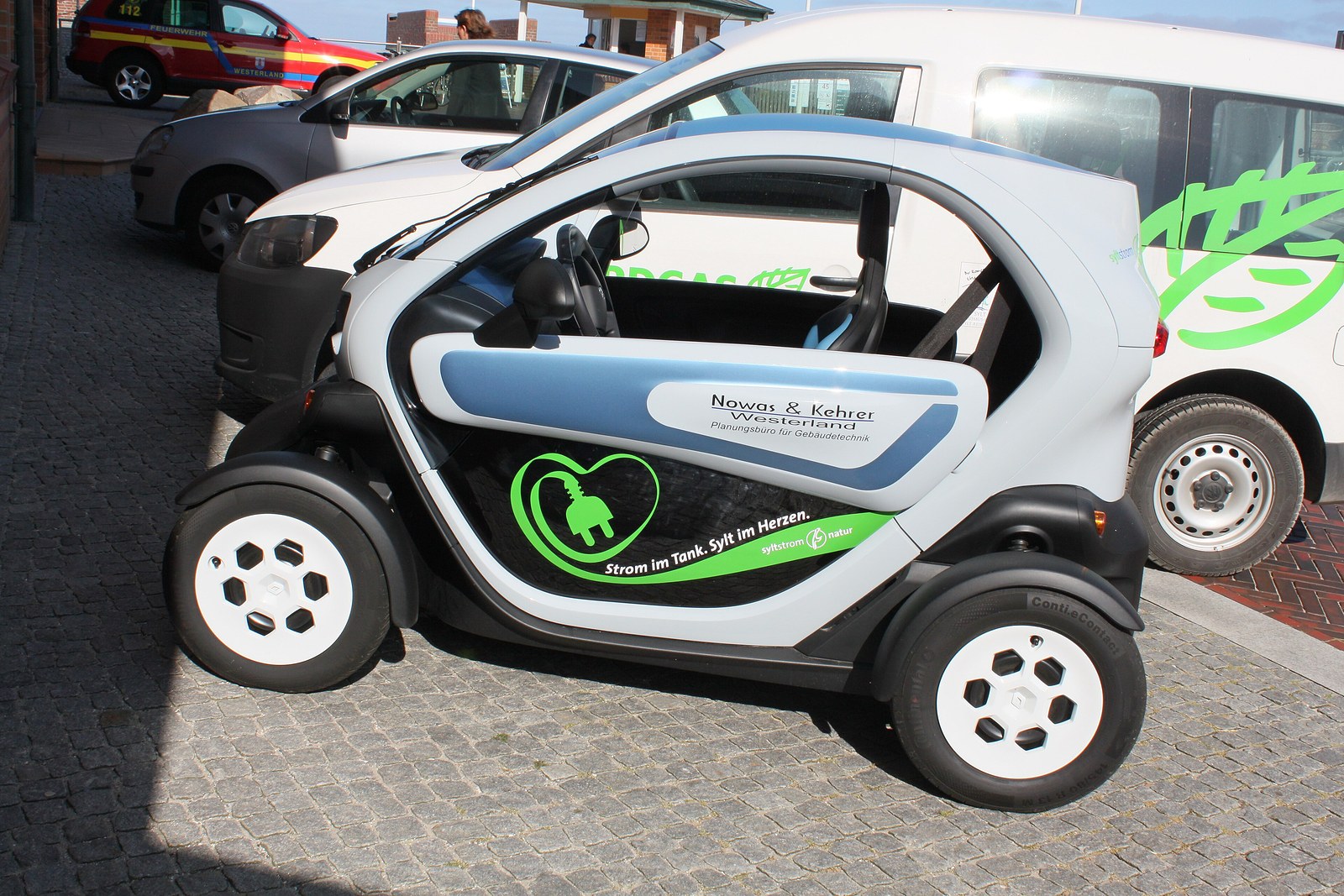
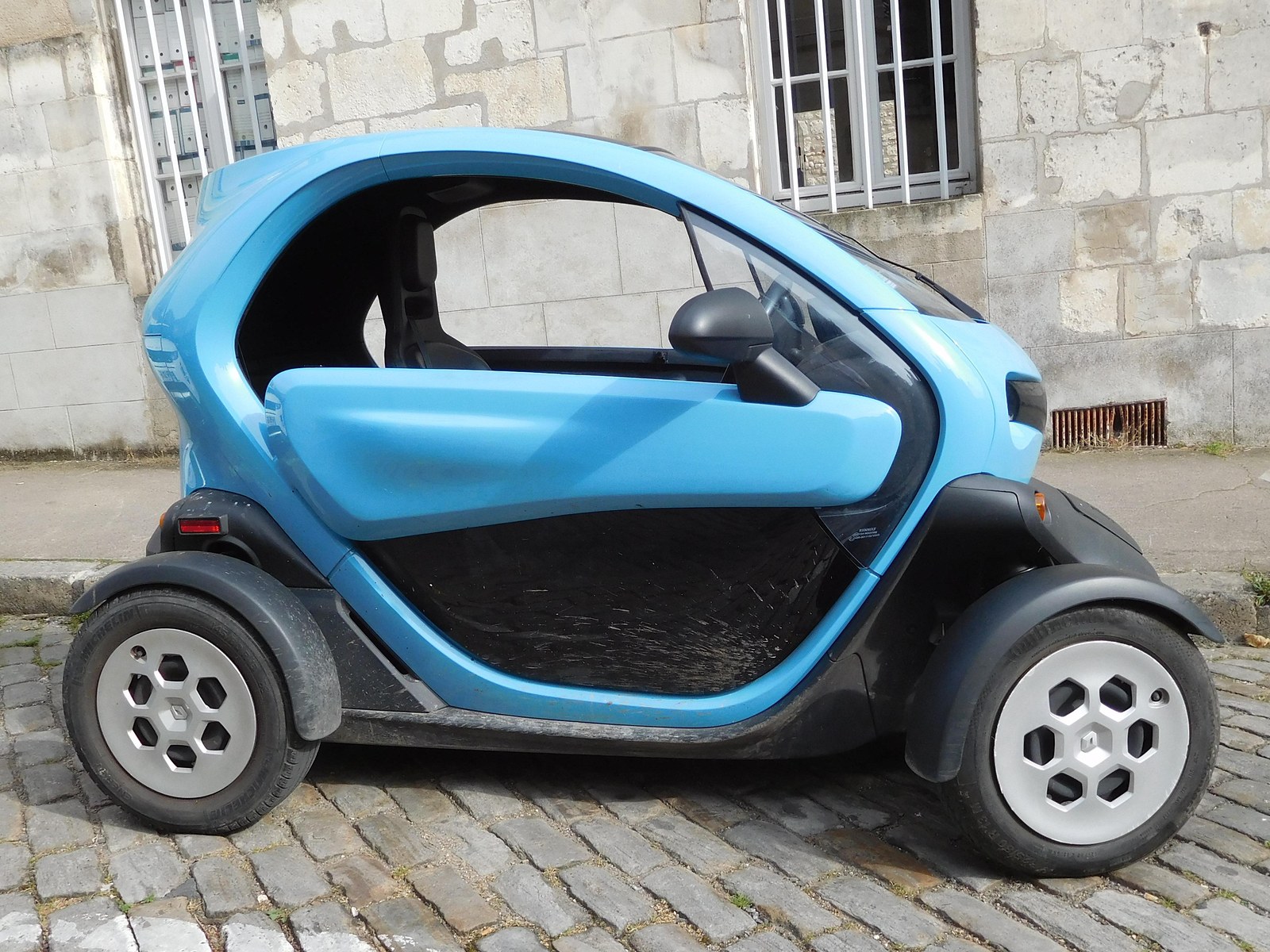
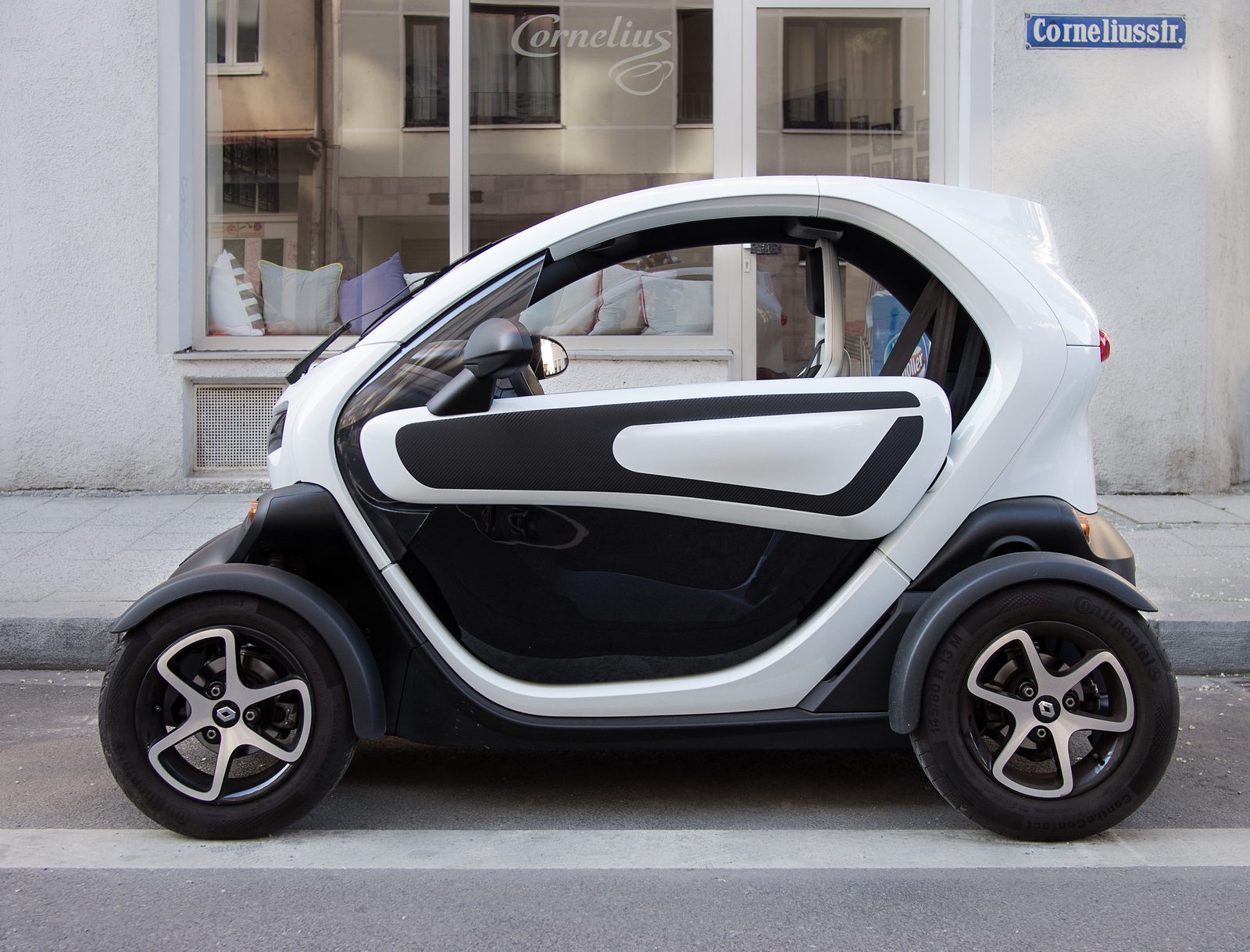
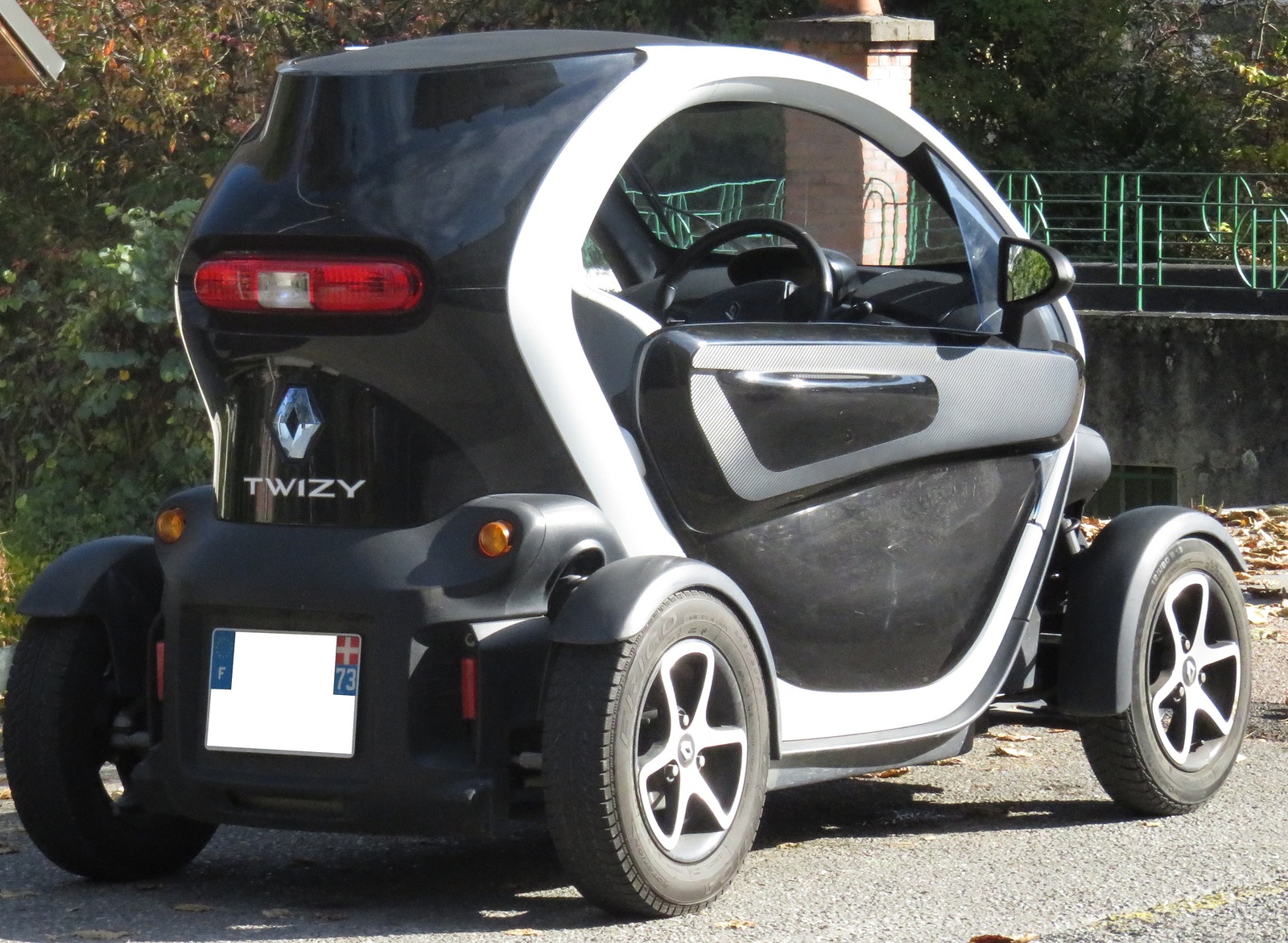
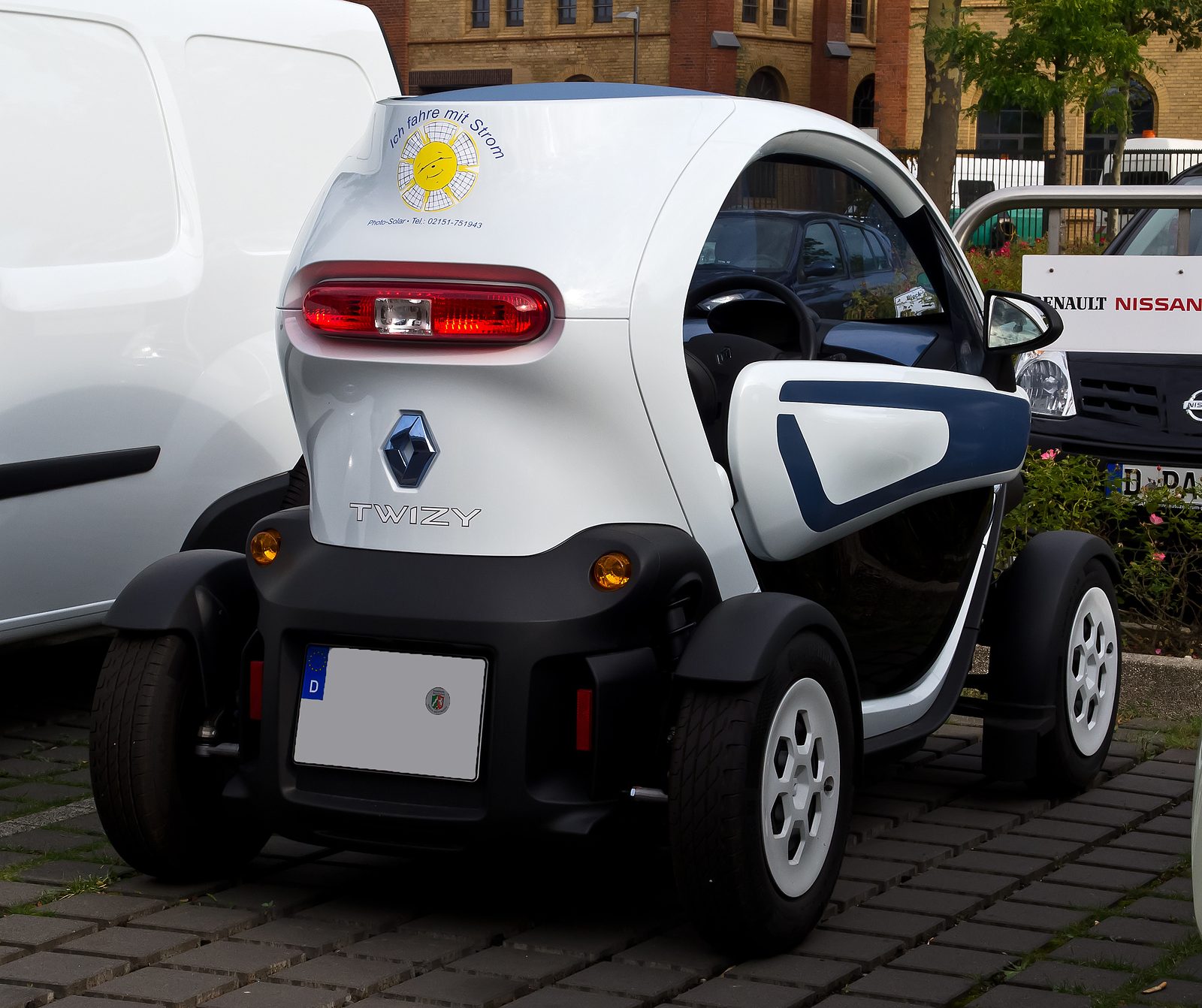
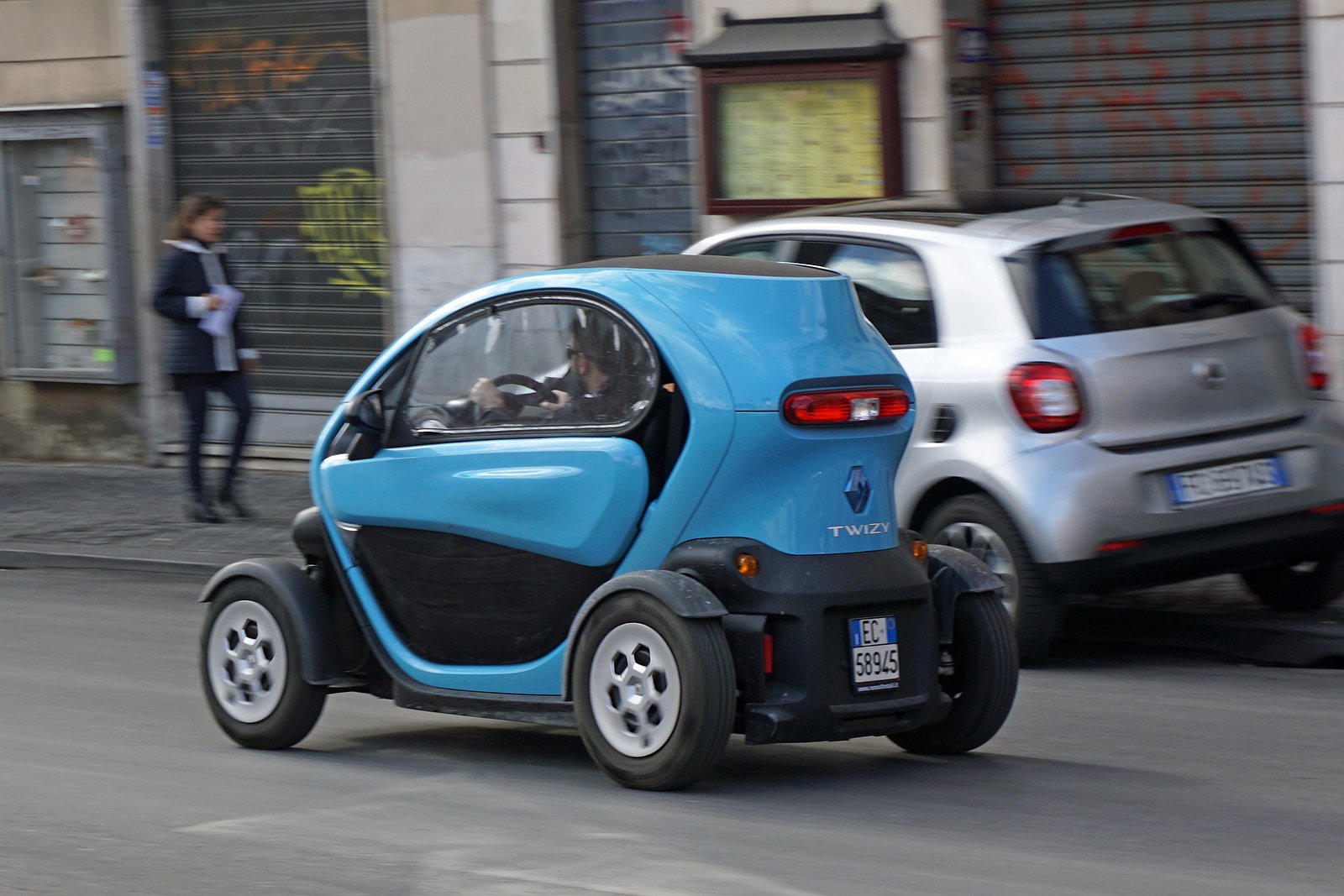
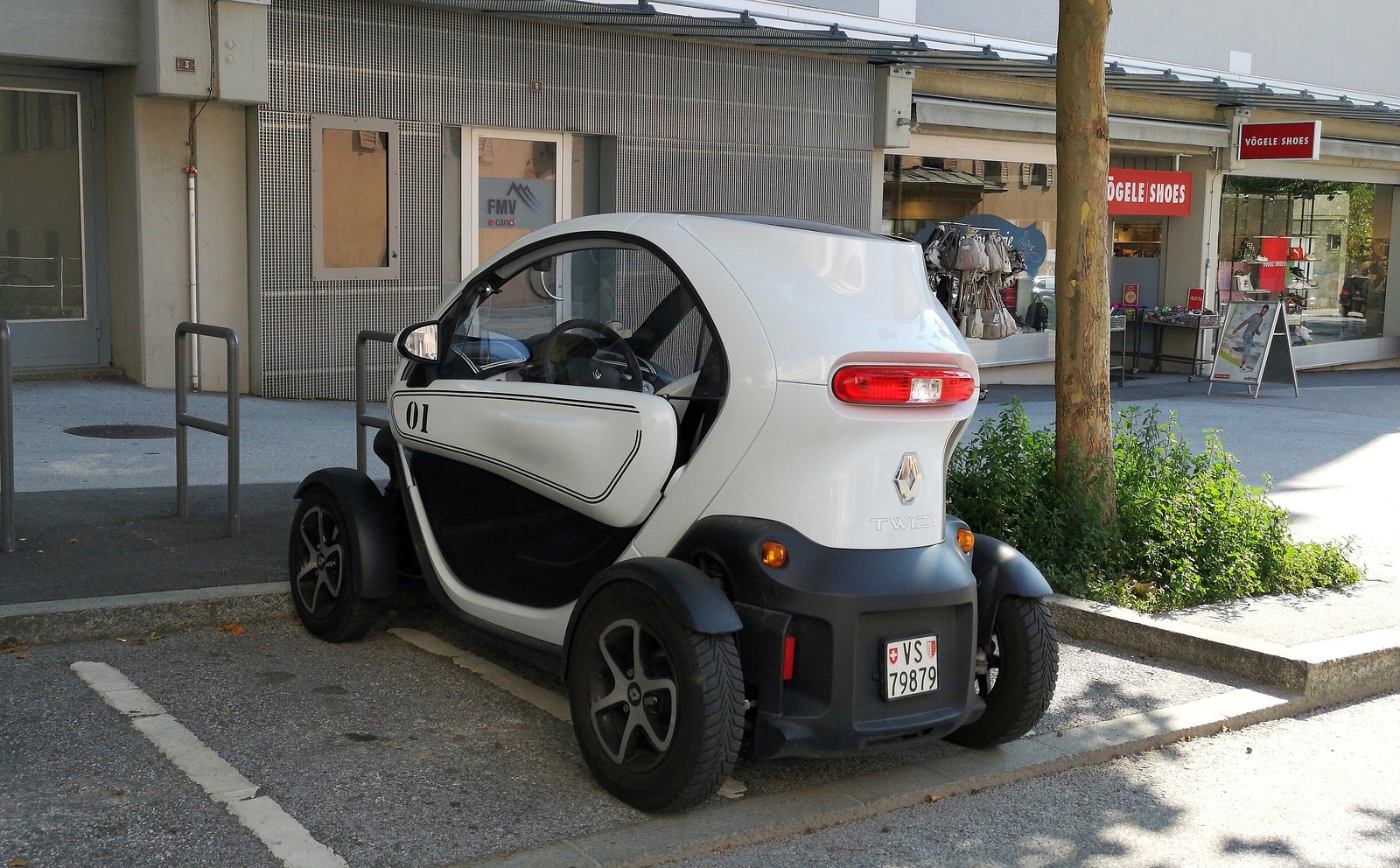
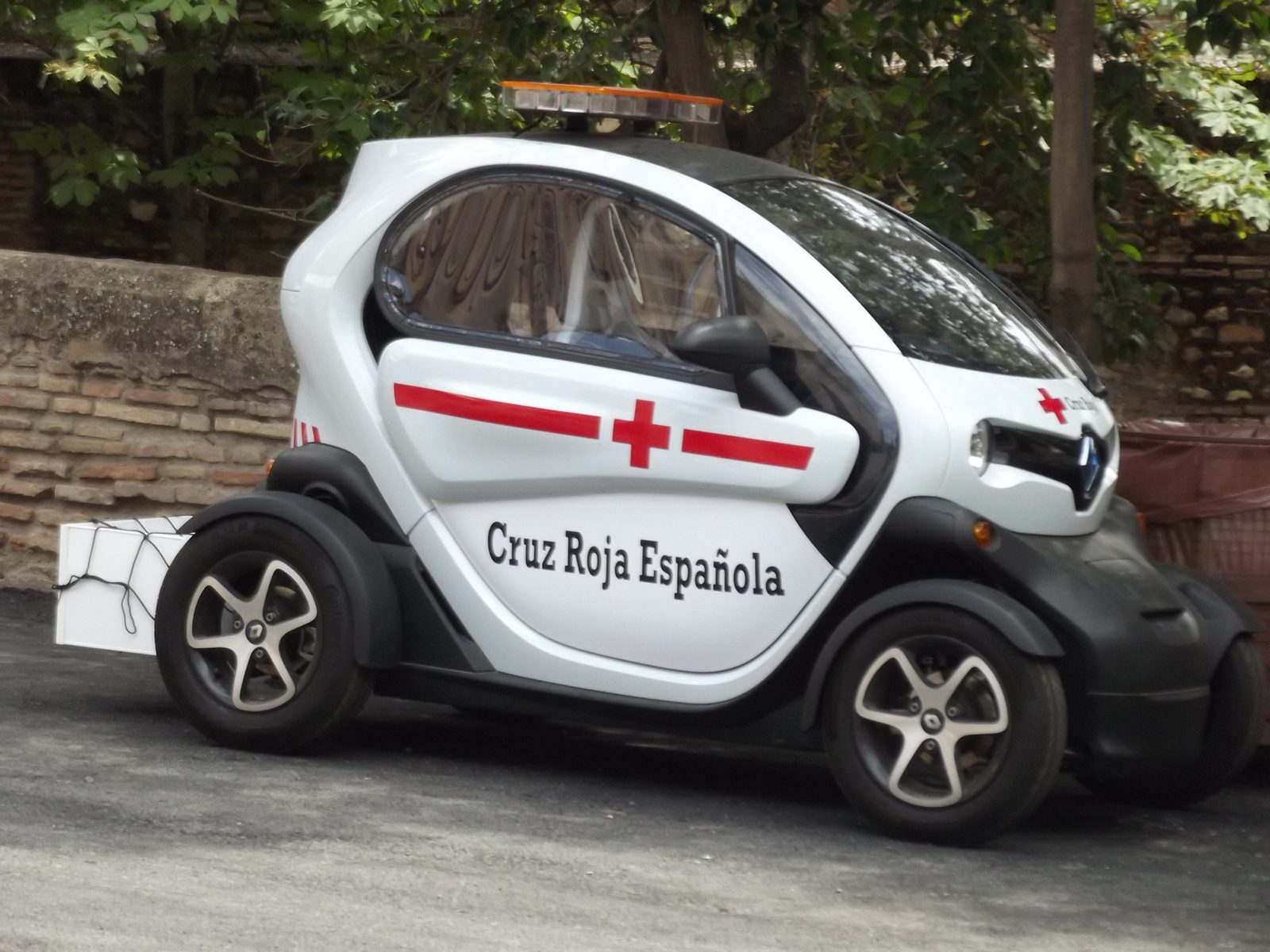
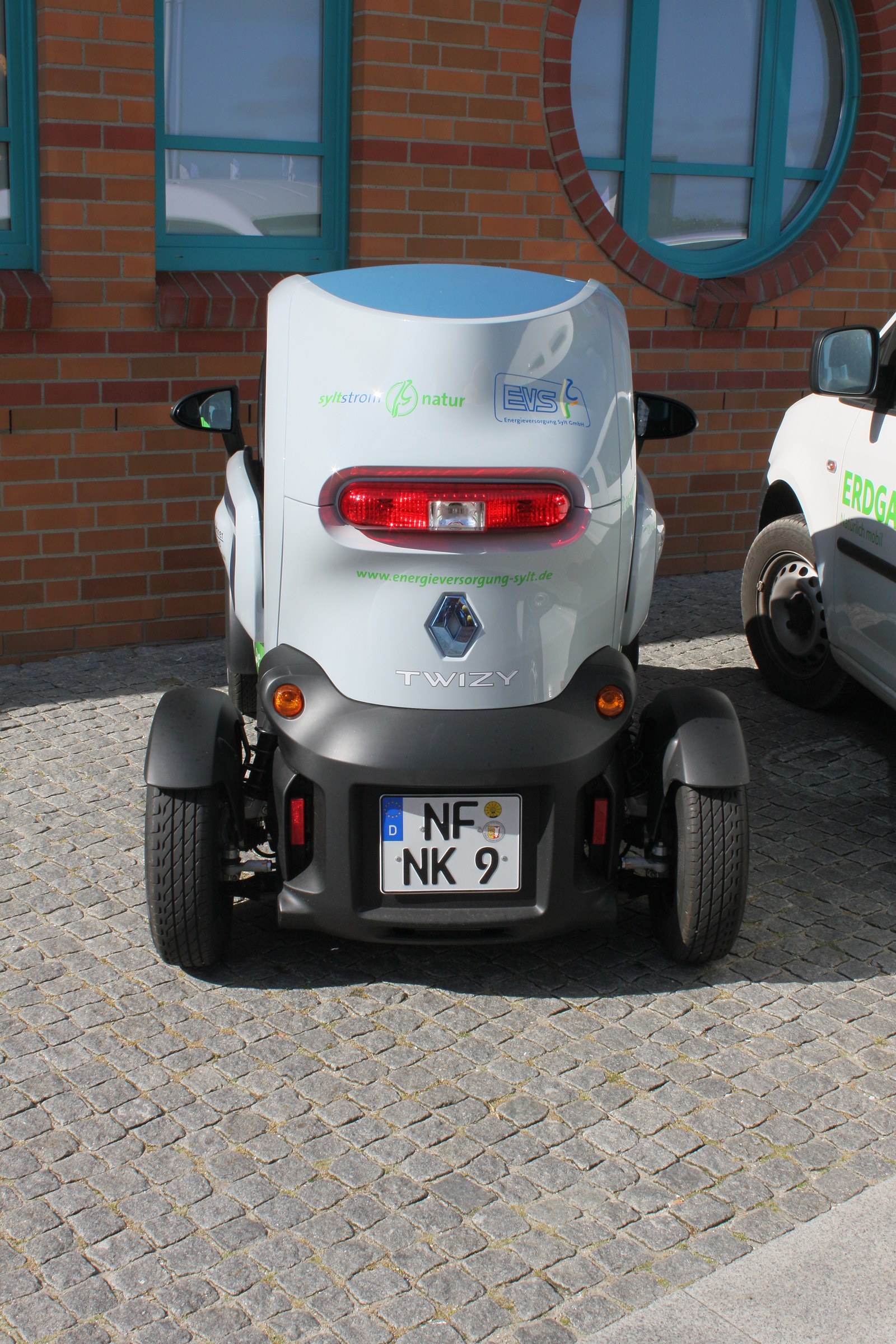
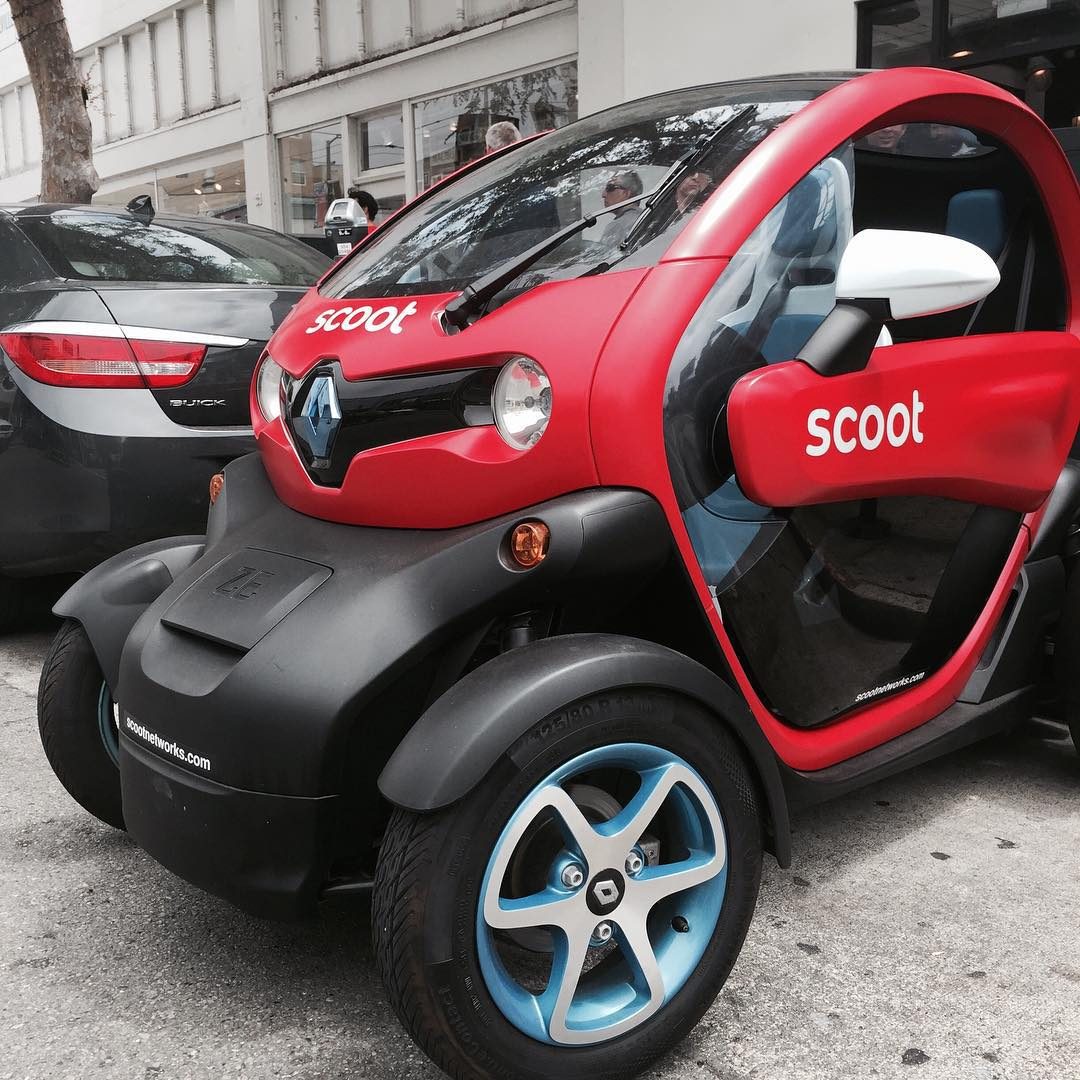
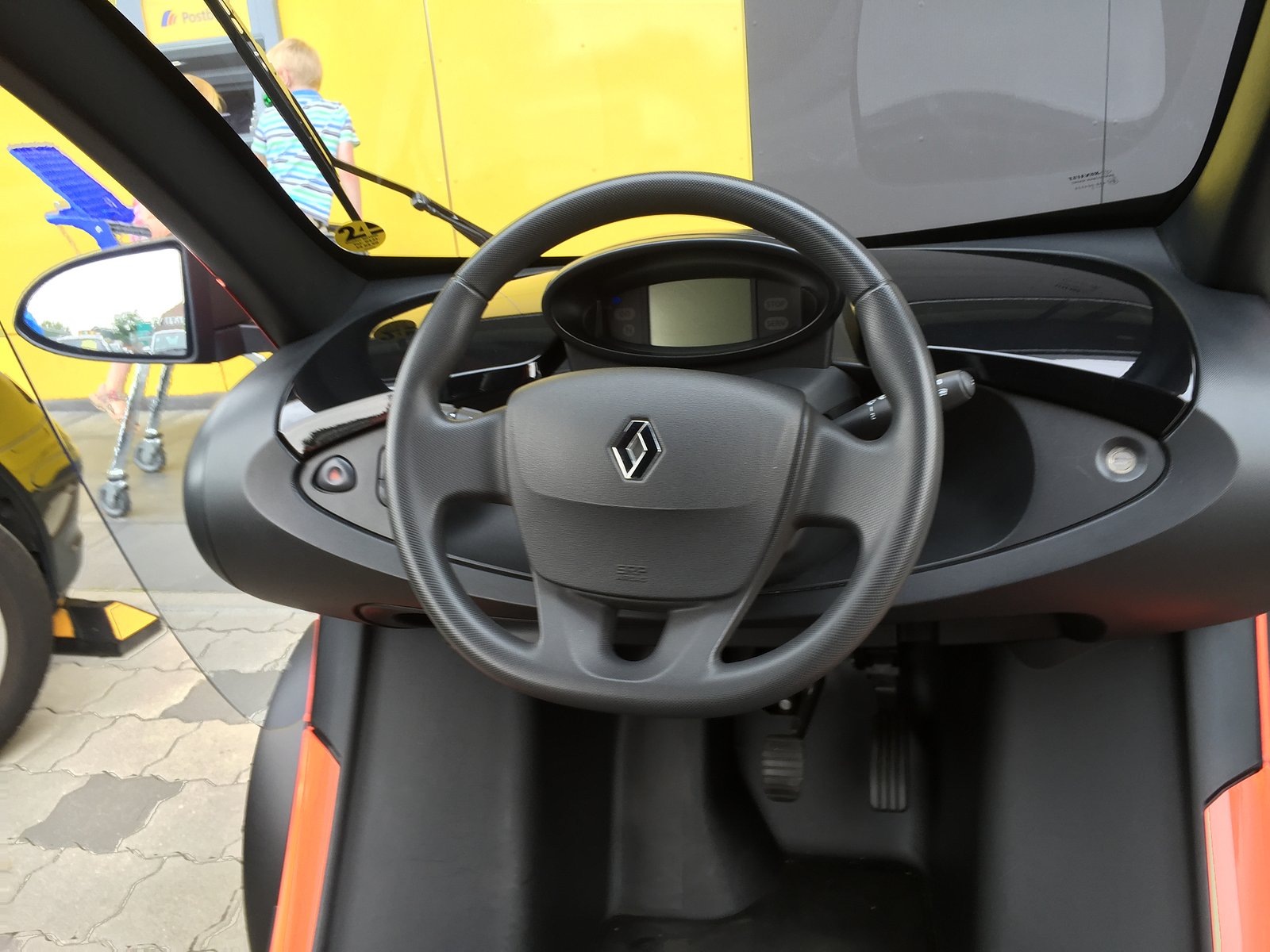
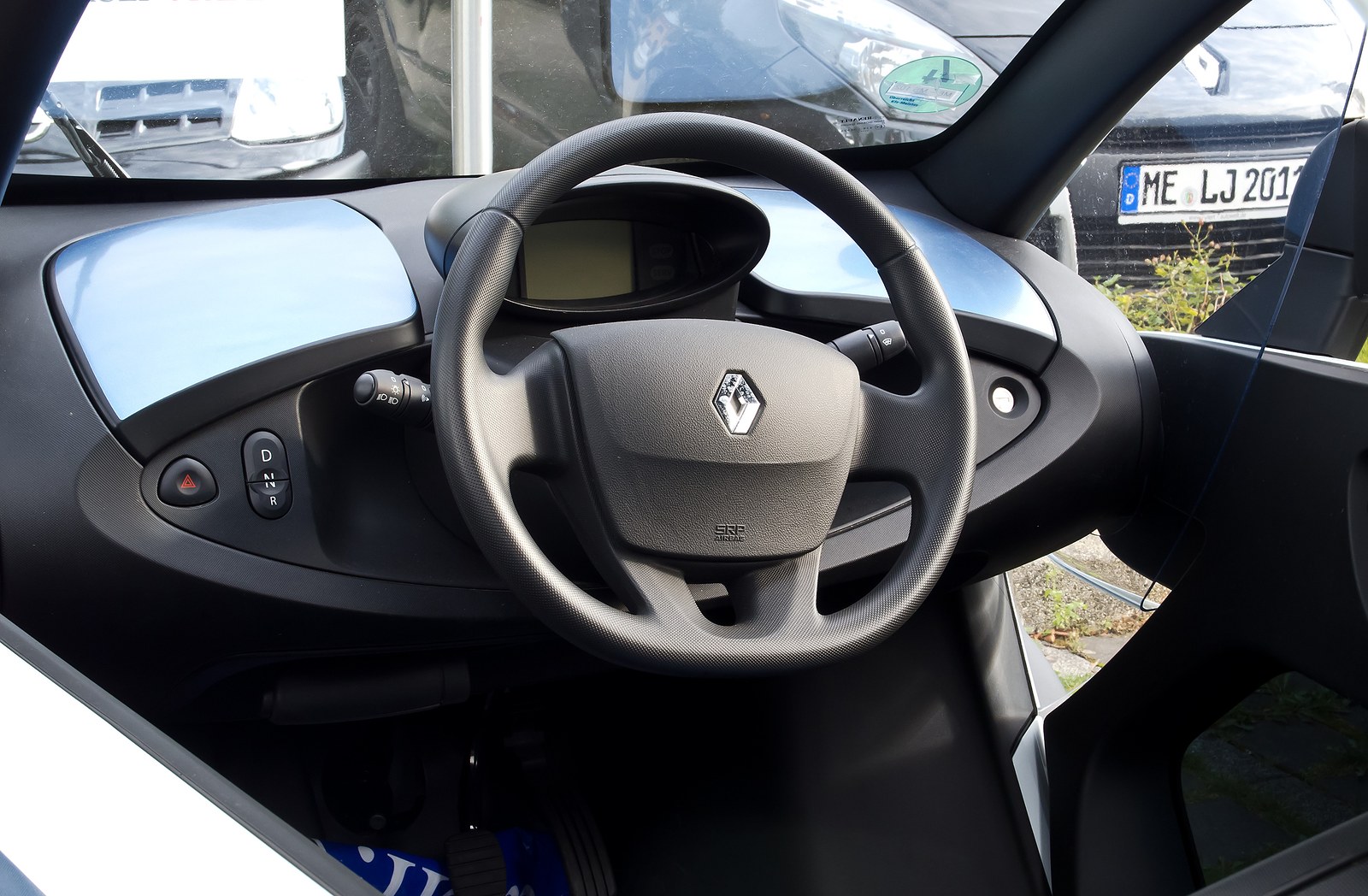
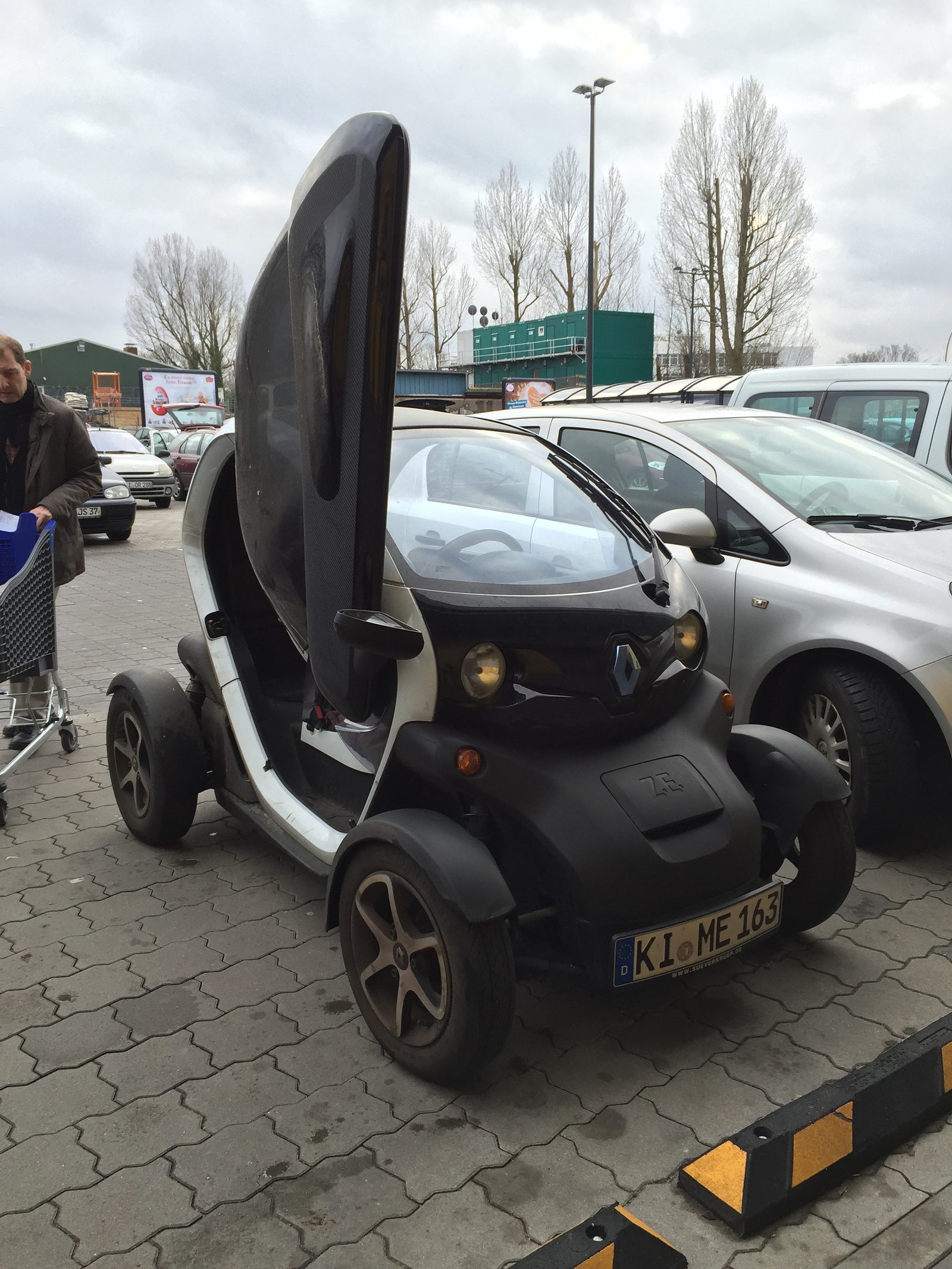
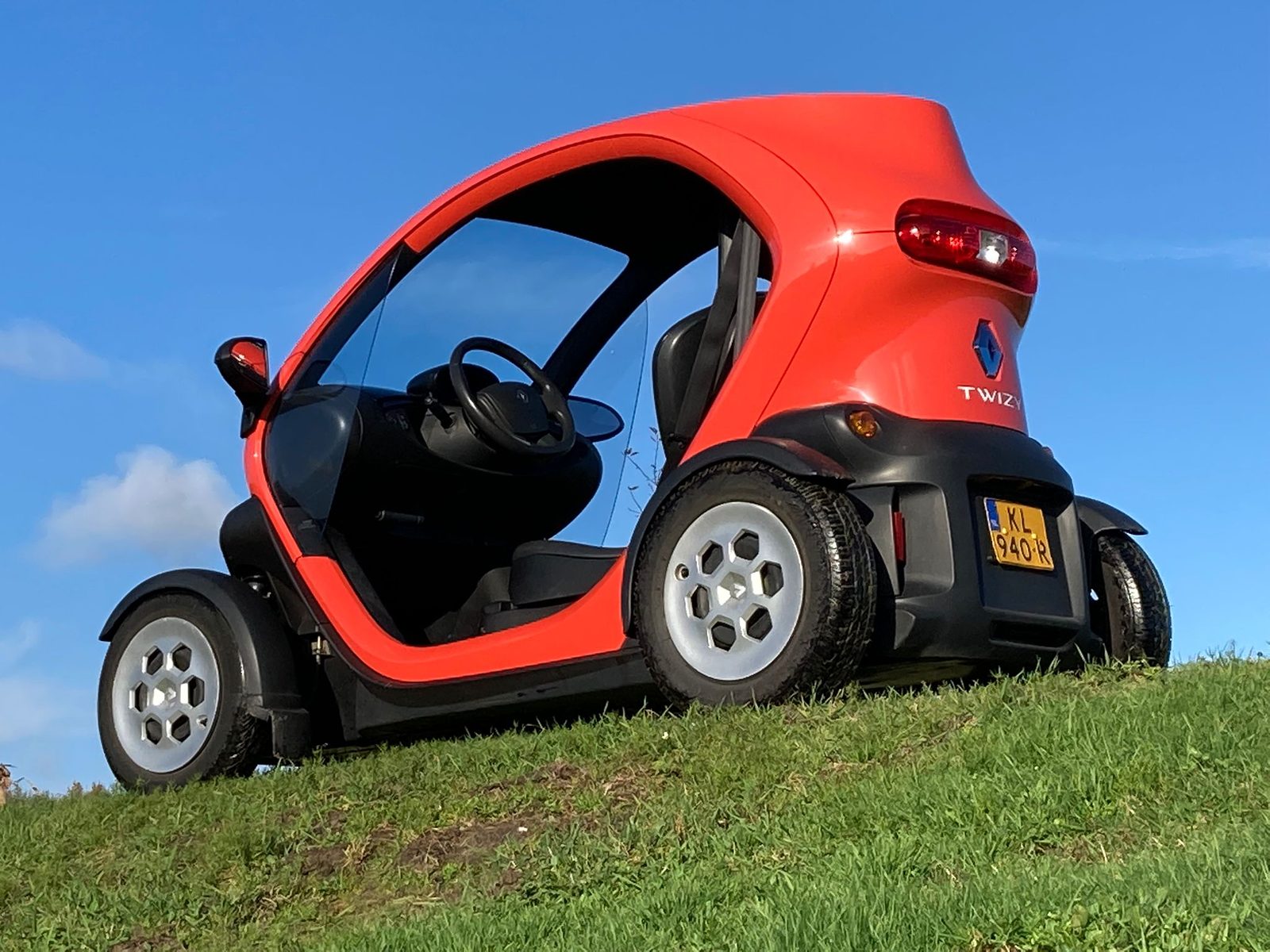
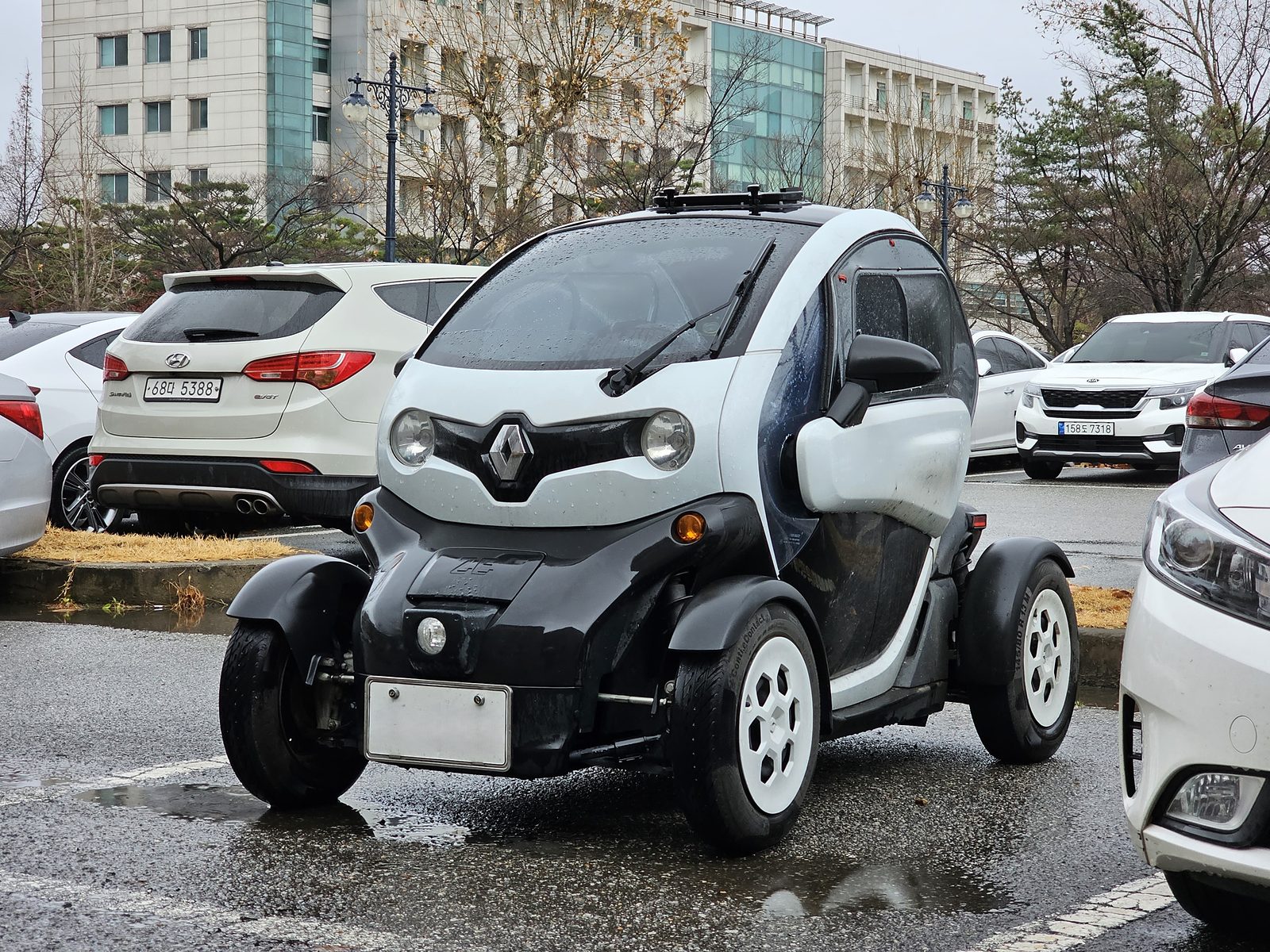
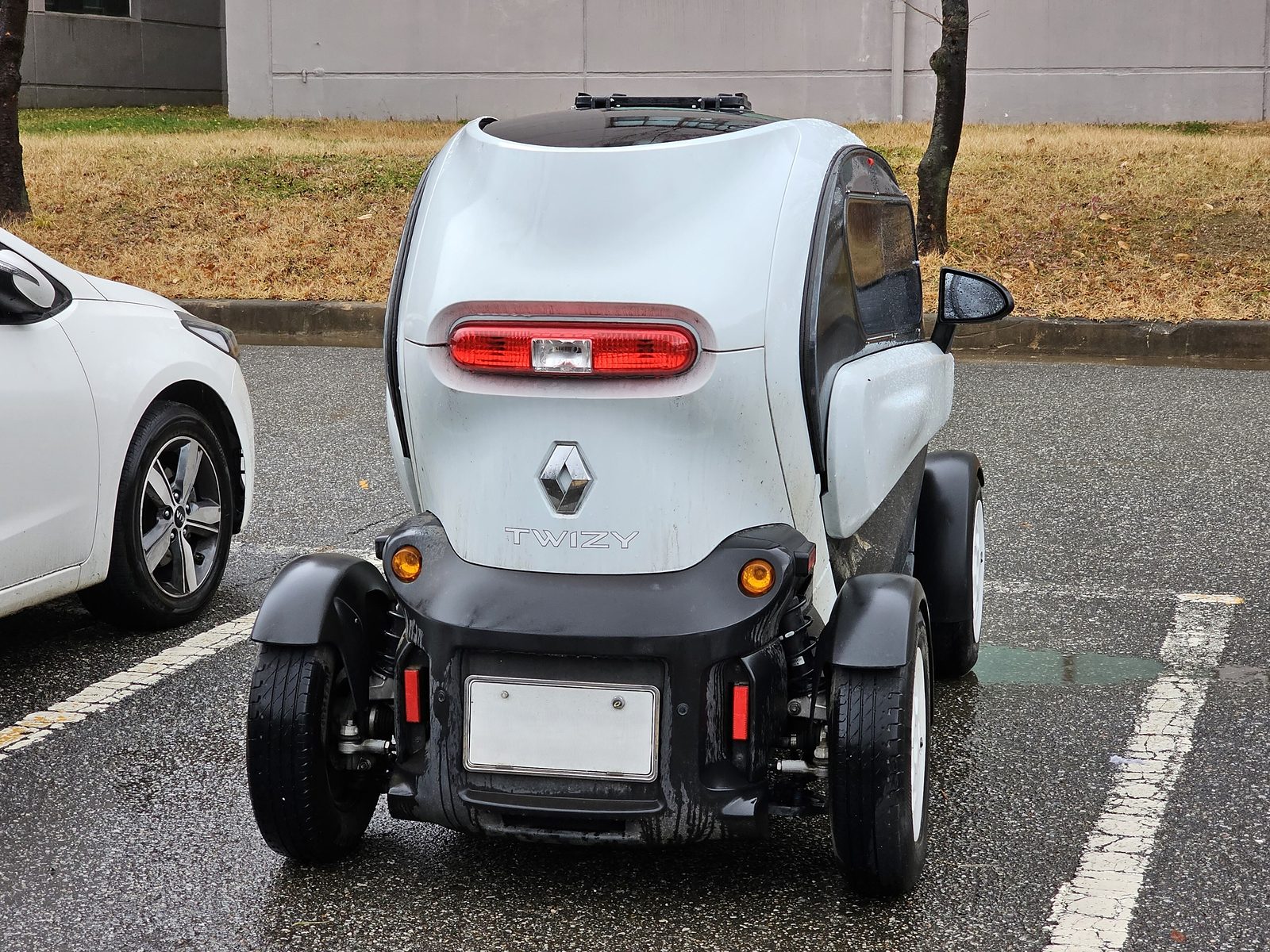
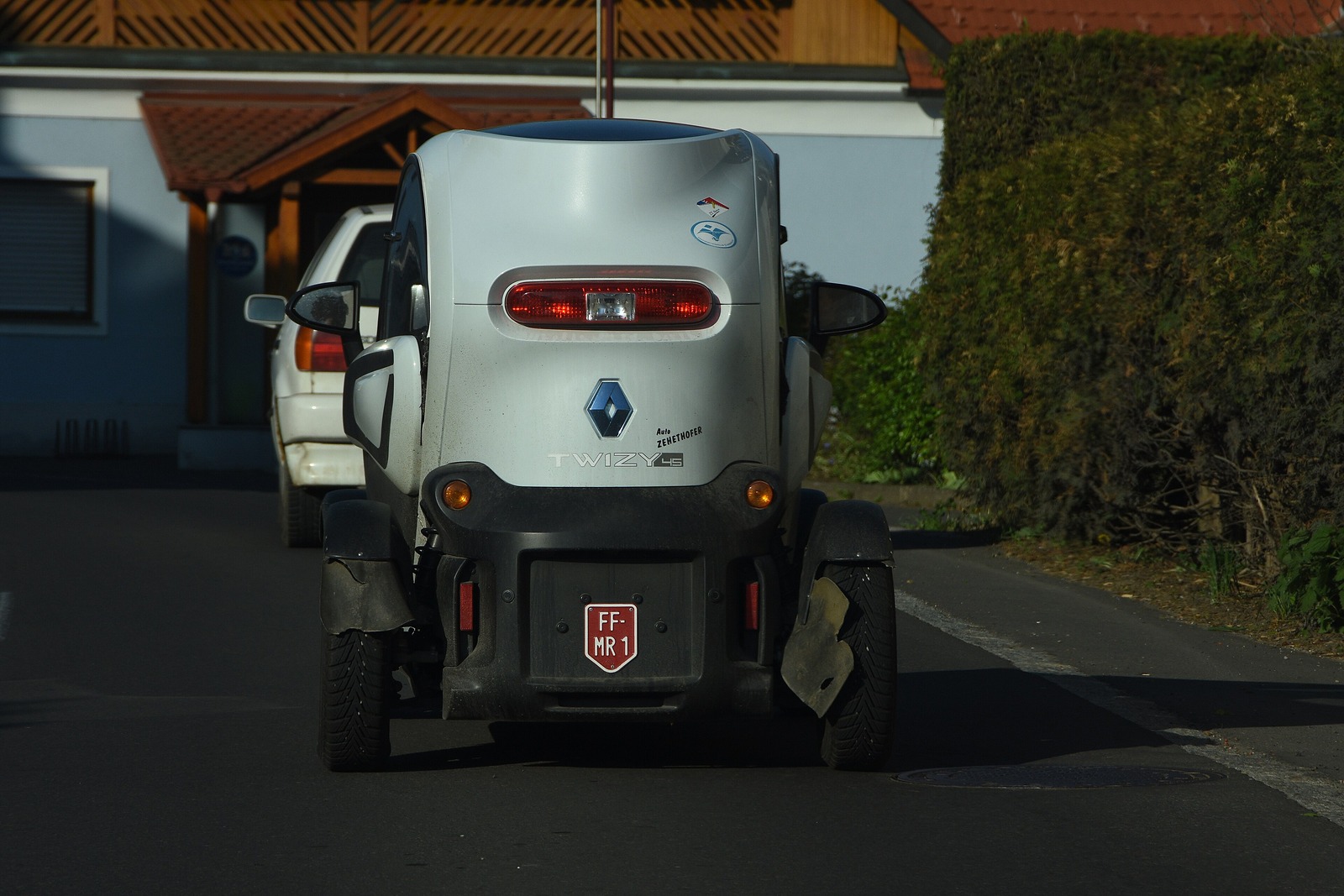
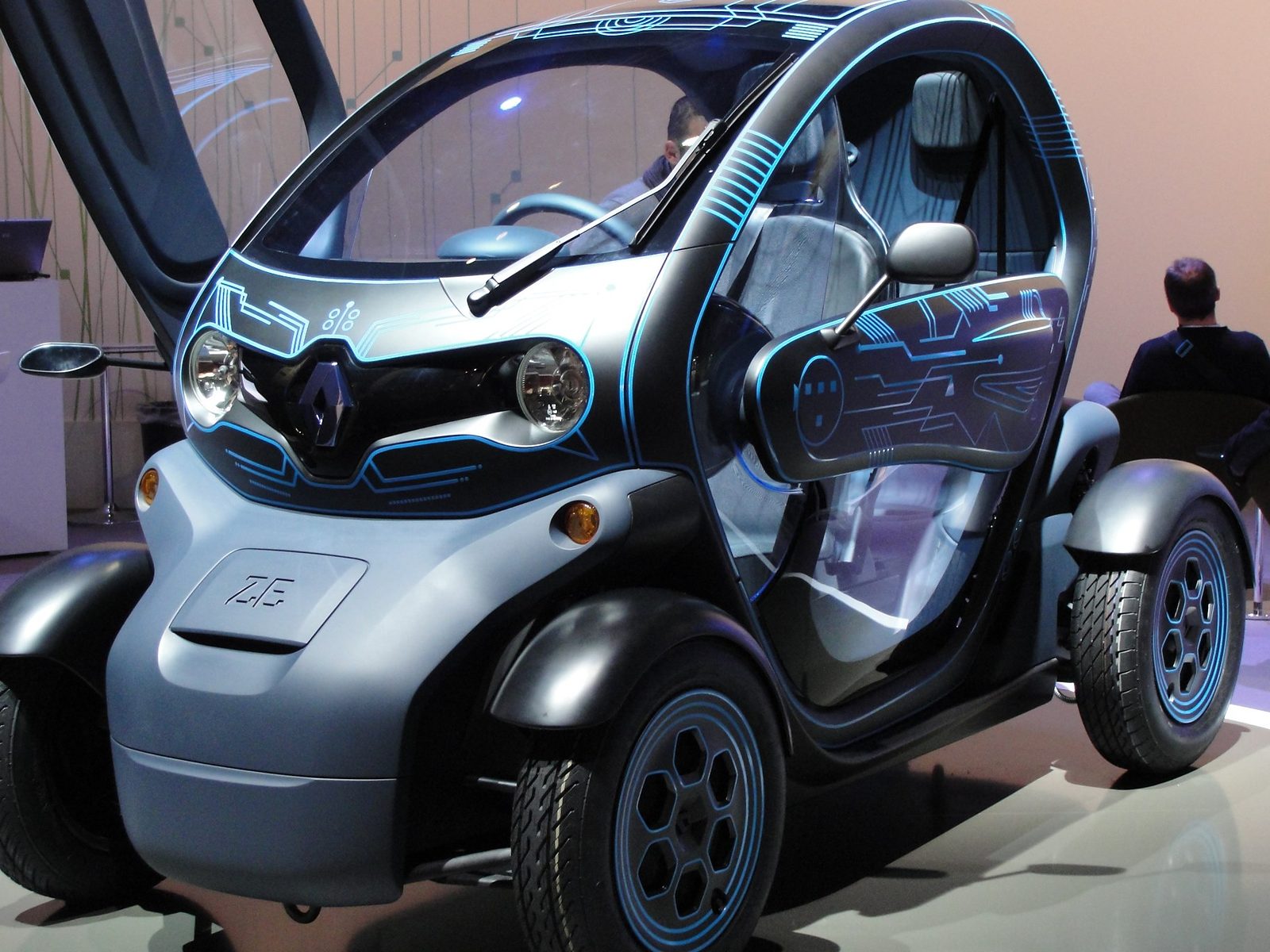
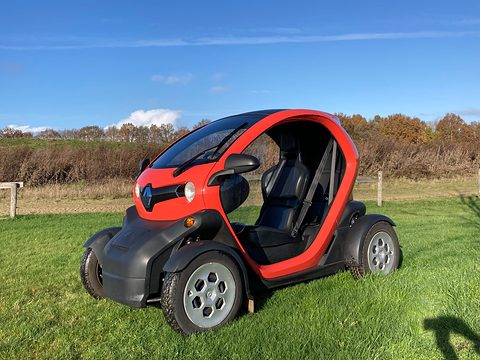
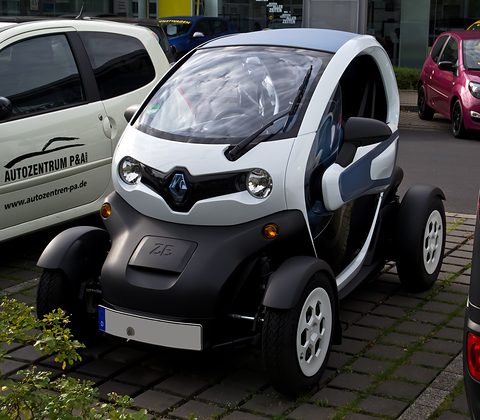
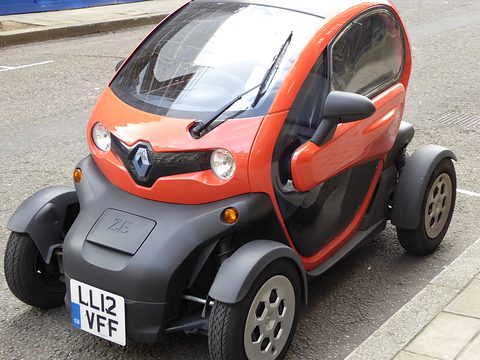
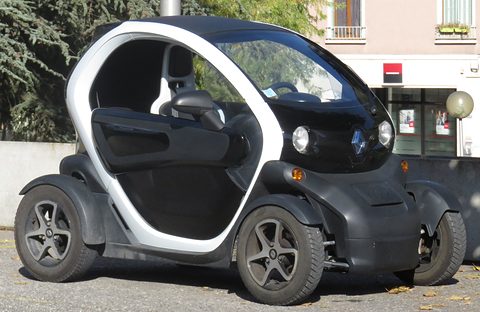
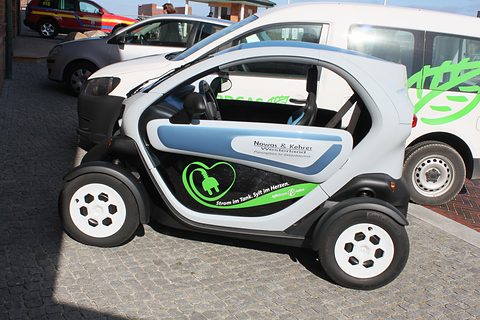
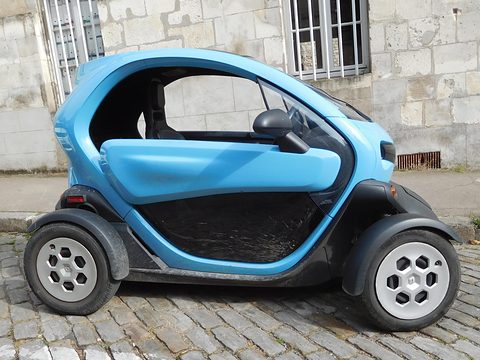
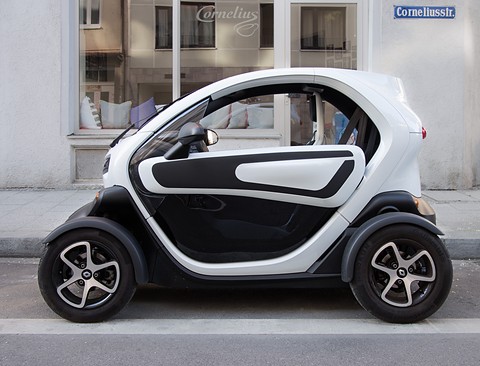
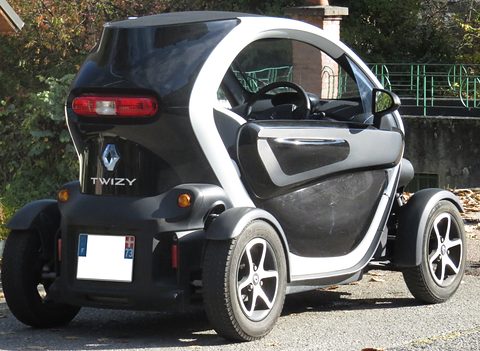
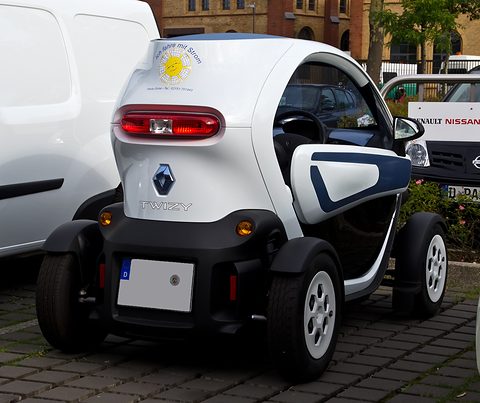
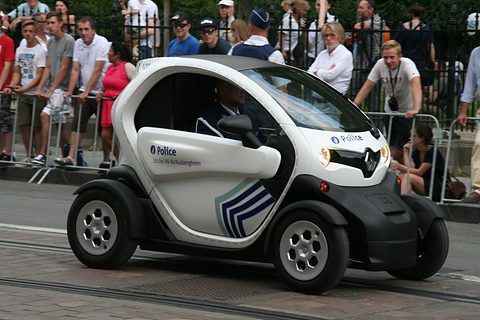
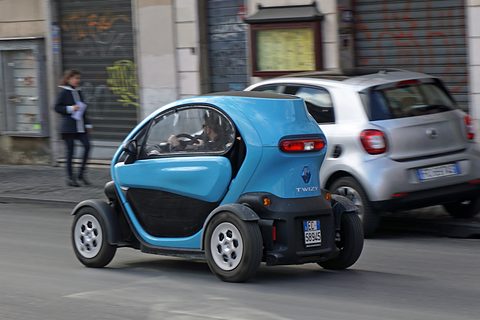
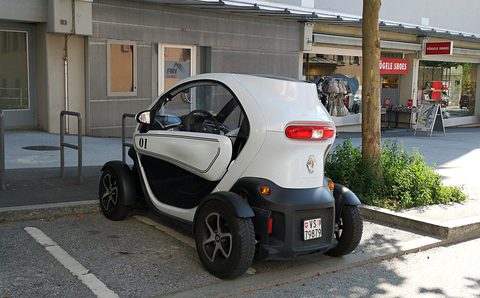
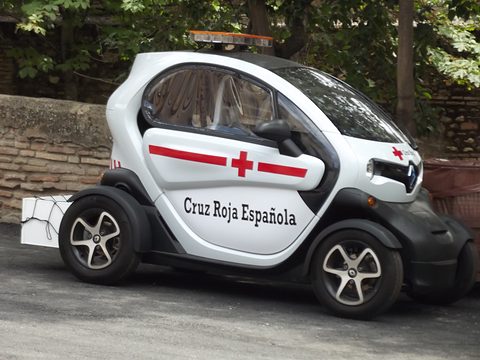
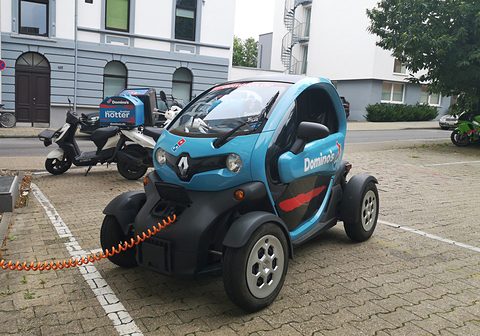
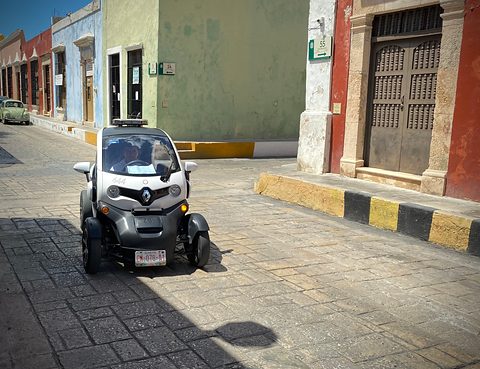
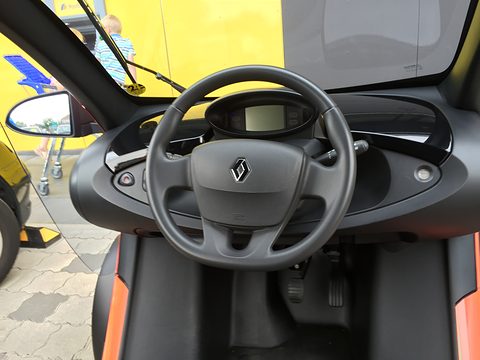
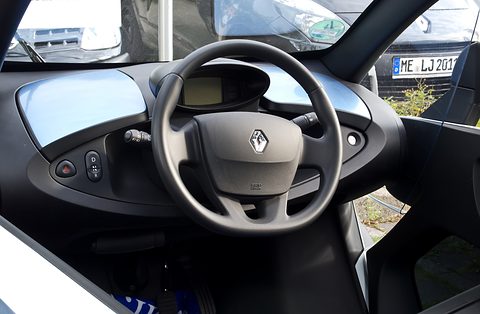
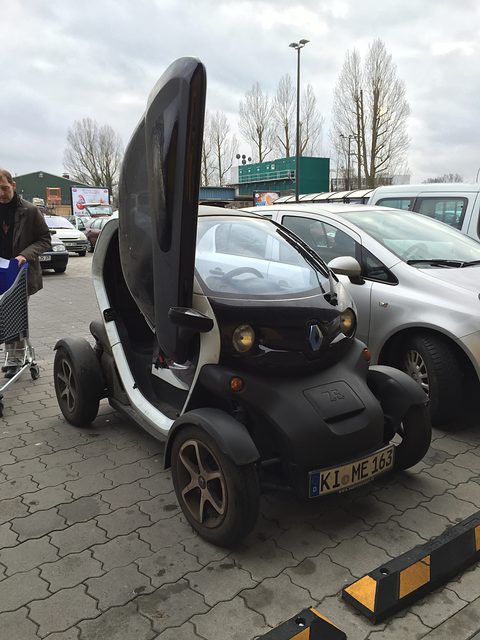
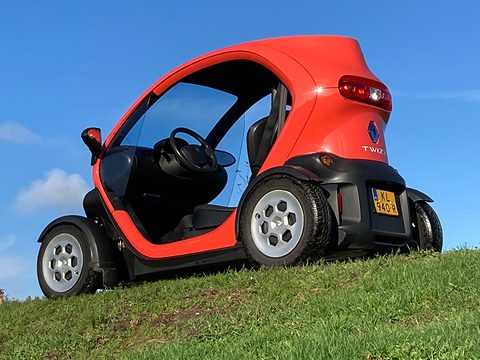
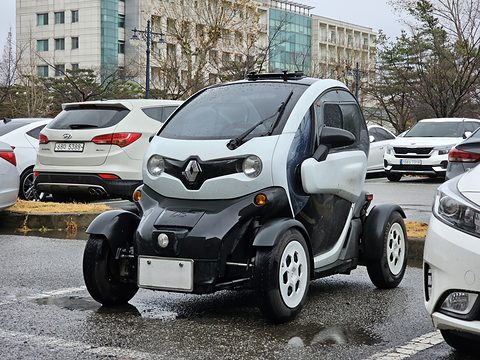
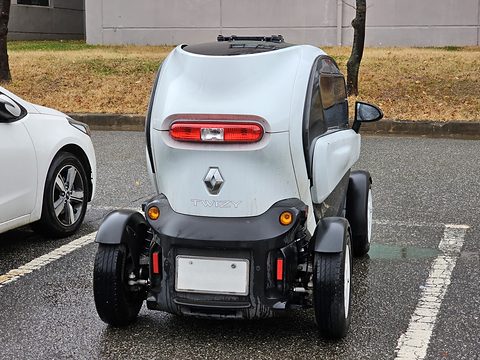
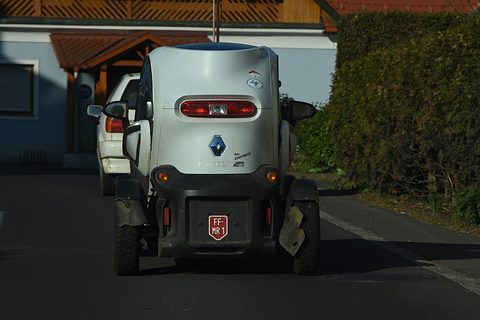
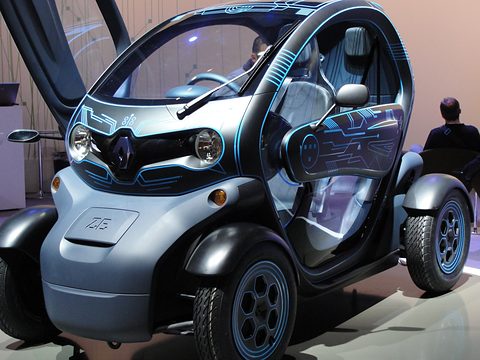
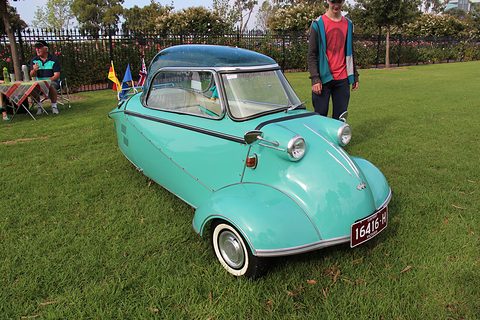
The driver sits in front and the passenger behind, legs either side of the driver’s seat, as in the Messerschmitt bubble cars of the 1950s.source 4 The body has a roof and a windscreen but no sides; doors were an option, scissor doors that swing upward and had no windows, so the rain came in.source 1source 4 There is no heater. Only the Twizy 80’s windscreen is heated, and Renault’s advice for winter was winter tyres, add-on side windows and a plug-in electric blanket.source 1source 4 At 2,320 mm (91 in) long it can be parked front-first against the kerb, across a parallel bay.source 1source 2
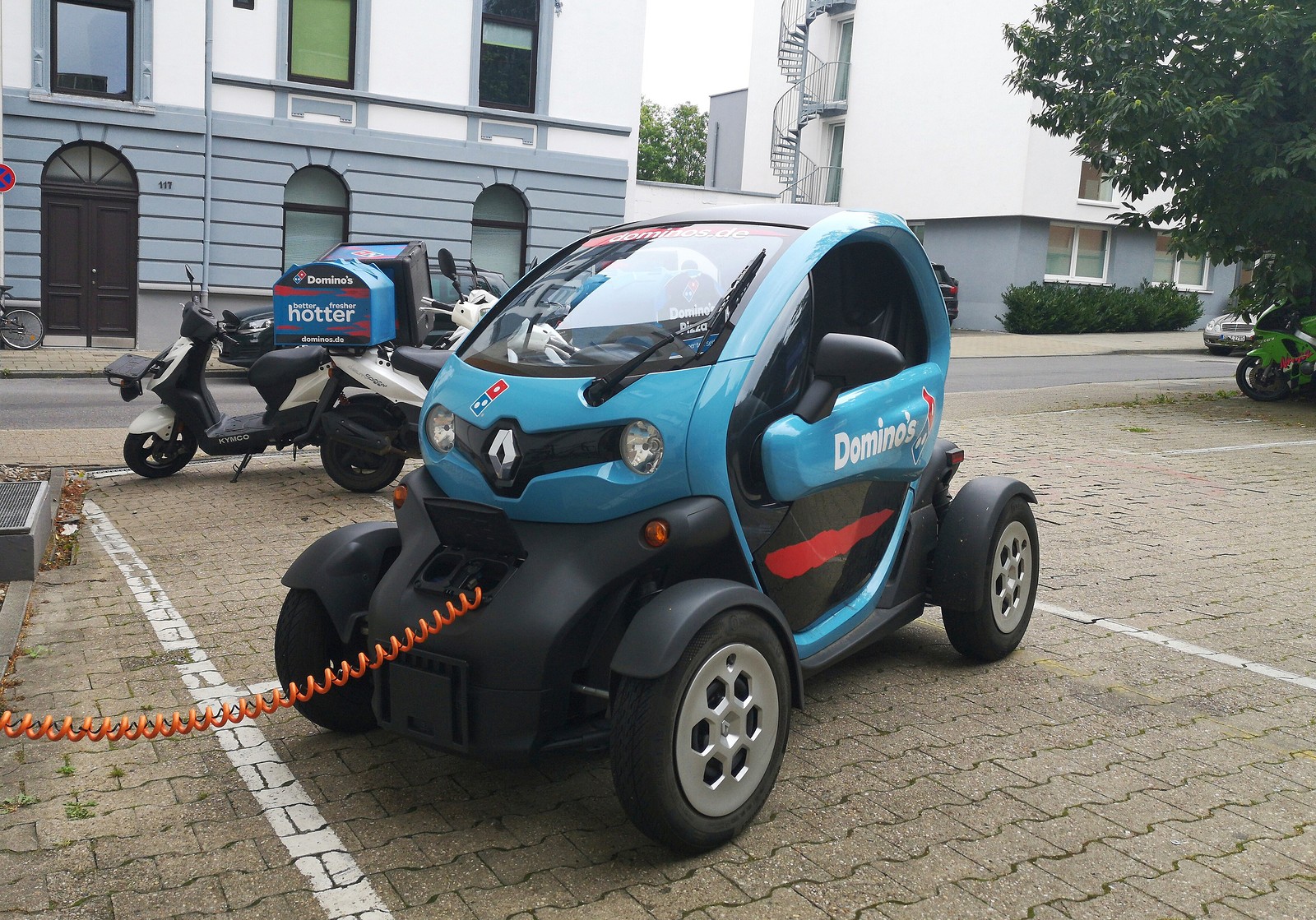
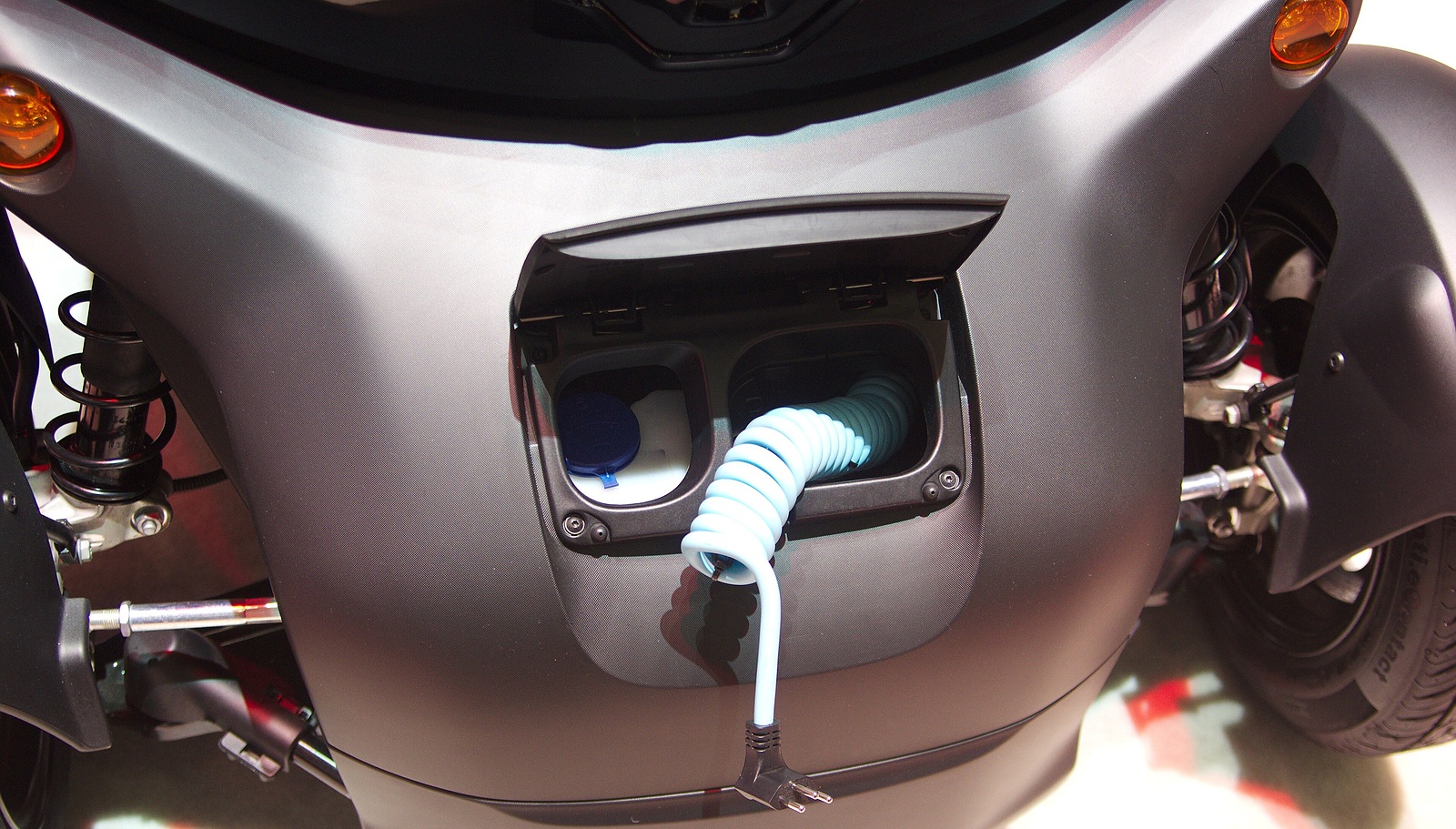
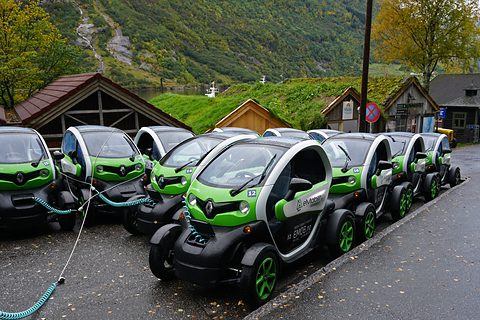
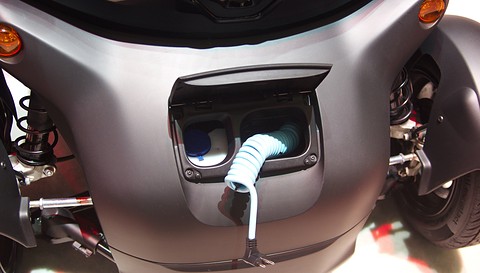
Legally it is not a car but a quadricycle, in two forms named after their top speeds. The Twizy 45, a light quadricycle of 4 kW, is a licence-free car, a voiture sans permis that a 14-year-old could drive in France, Italy and Spain with a moped-type licence. The Twizy 80, a heavy quadricycle marketed at 13 kW, needs a car licence or a B1.source 1source 4source 2 Both use a 6.1 kWh lithium-ion battery under the front seat, about 100 kg of it, charged from an ordinary 10 A socket through a 3 m spiral cable that pulls out of the nose, in three and a half hours.source 1source 4source 2 Officially the 80 goes 100 km (62 miles) on a charge and the 45 120 km; Renault’s own real-world figure for the 80 was about 80 km, and 50 km driven hard.source 1source 2 It has four disc brakes but no ABS, a driver’s airbag, a four-point belt in front and a three-point belt behind, and a sound generator, switched on by hand, to warn pedestrians of its silent approach.source 1source 4source 2 It was an electric microcar from a major carmaker.
The best-selling plug-in of 2012
It went on sale in France and Germany in March 2012, and elsewhere in Europe a month later.source 1source 4 The car and its battery were sold apart: the Twizy Urban 45 cost €6,990, and the battery was rented for €50 a month; in France the rent ran from €30 a month for up to 2,500 km a year to €50 beyond 7,500 km.source 1source 2 In the first half of 2012 France registered 1,551, 1,212 of them Twizy 80s, which was 89 per cent of the heavy-quadricycle market and 28.5 per cent of every electric vehicle sold in France.source 1 By the end of the year 9,020 had been sold, 9,015 of them in Europe, and the Twizy was Europe’s best-selling plug-in vehicle of 2012.source 1source 2 Renault’s Twizy Way car-sharing trial put 50 in Saint-Quentin-en-Yvelines that June, and from October side windows could be fitted.source 1source 4
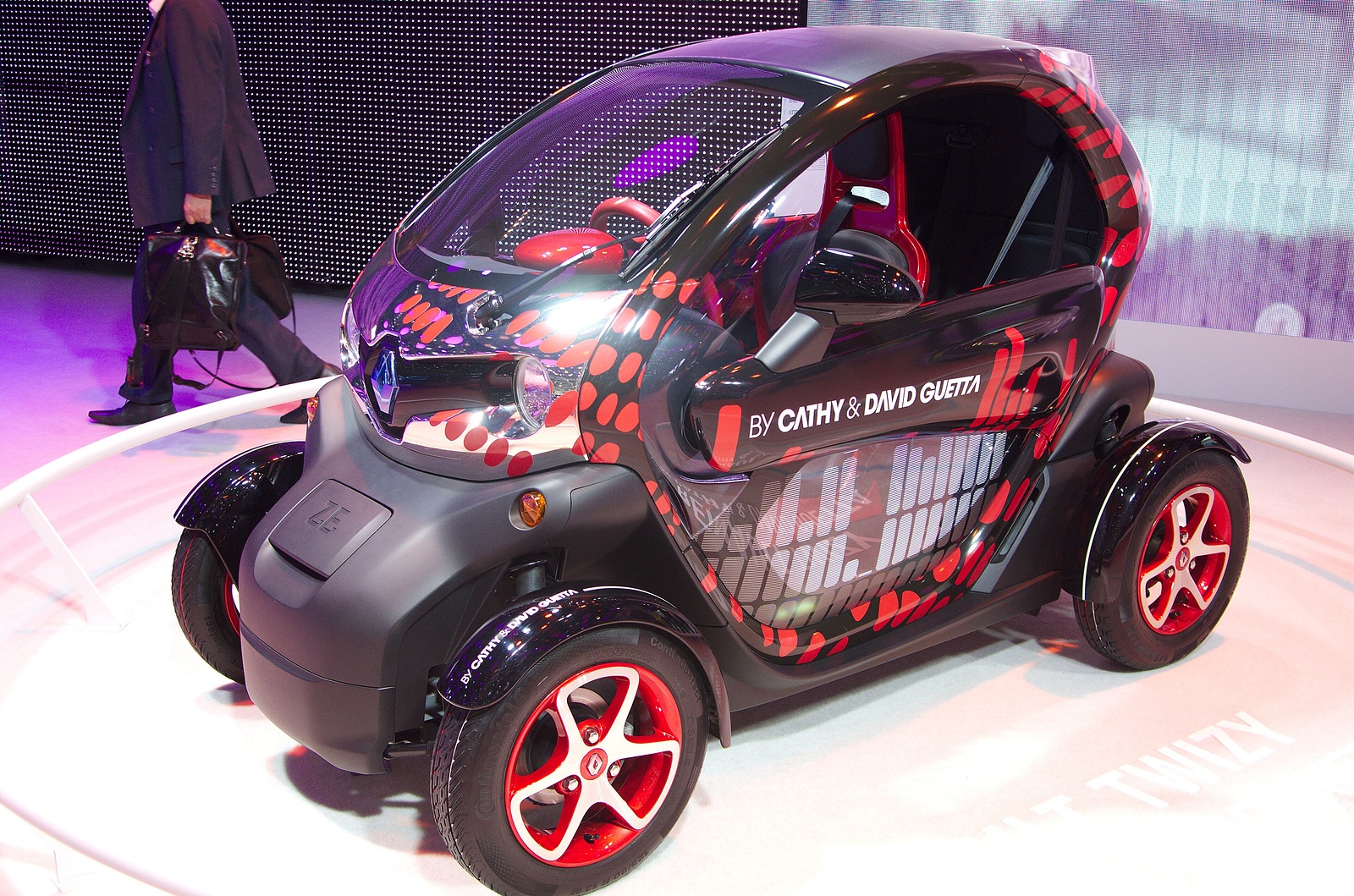
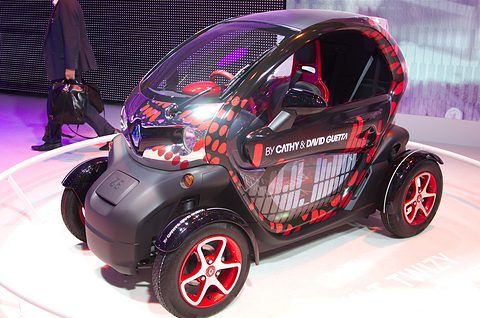
Renault made the DJ David Guetta its ambassador. Twizys appear in his videos for Where Them Girls At, The Alphabeat and Rest of My Life, and in Play Hard by French Wikipedia’s account, and there was a Cathy & David Guetta edition of the car.source 4source 2 It was also licensed as a free download for the computer game The Sims 3.source 1
The fall
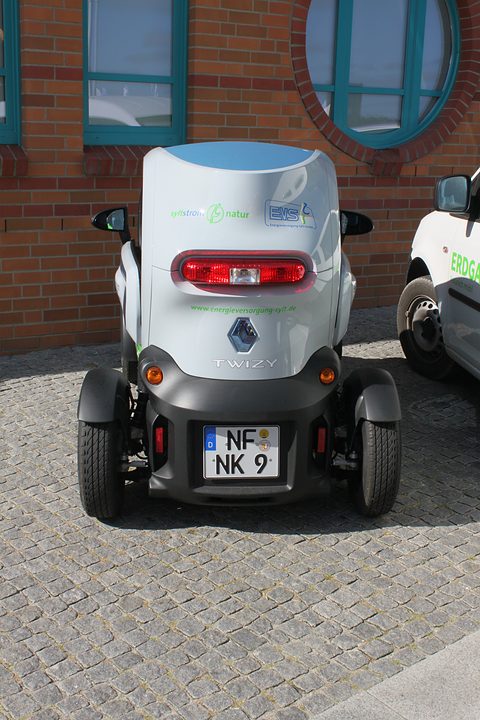
The first year was the best. In 2013 sales fell by two-thirds, to 3,025 by English Wikipedia’s count or about 3,300 by German Wikipedia’s, and Renault cut production to about 2,500 a year.source 1source 4 In Euro NCAP’s tests of quadricycles in 2014 the Twizy 80 earned two stars.source 1source 2 Germany, the Twizy’s best market with 3,728 cars by October 2014, then lost it for most of a year: the car had to be homologated again under the European Union’s Regulation 168/2013, orders stopped in June 2016 and resumed only in March 2017, and the new cars, delivered from June 2017, can be told by their orange charging cable instead of a blue one.source 1source 4 Worldwide, only 853 were sold in 2017.source 4
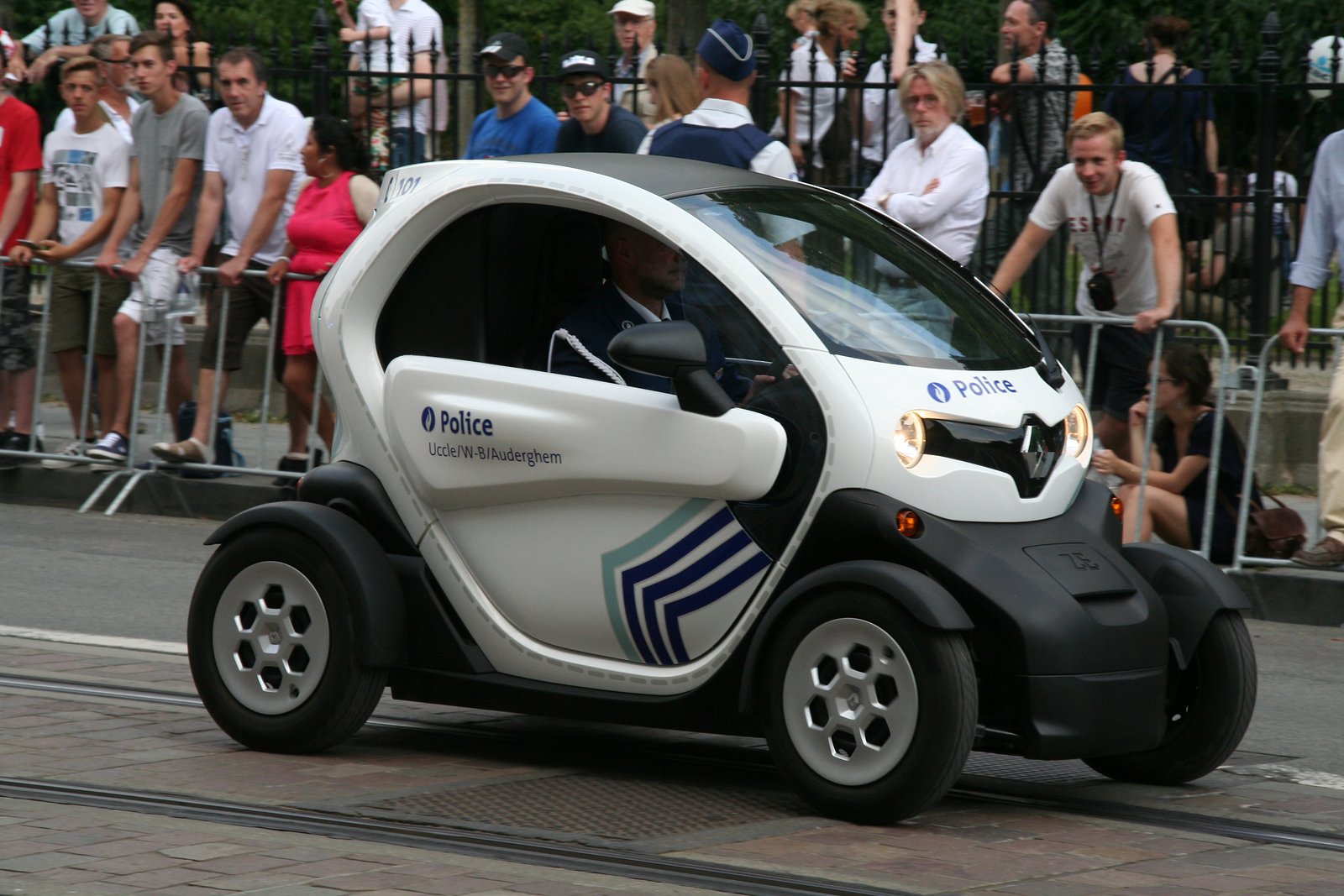
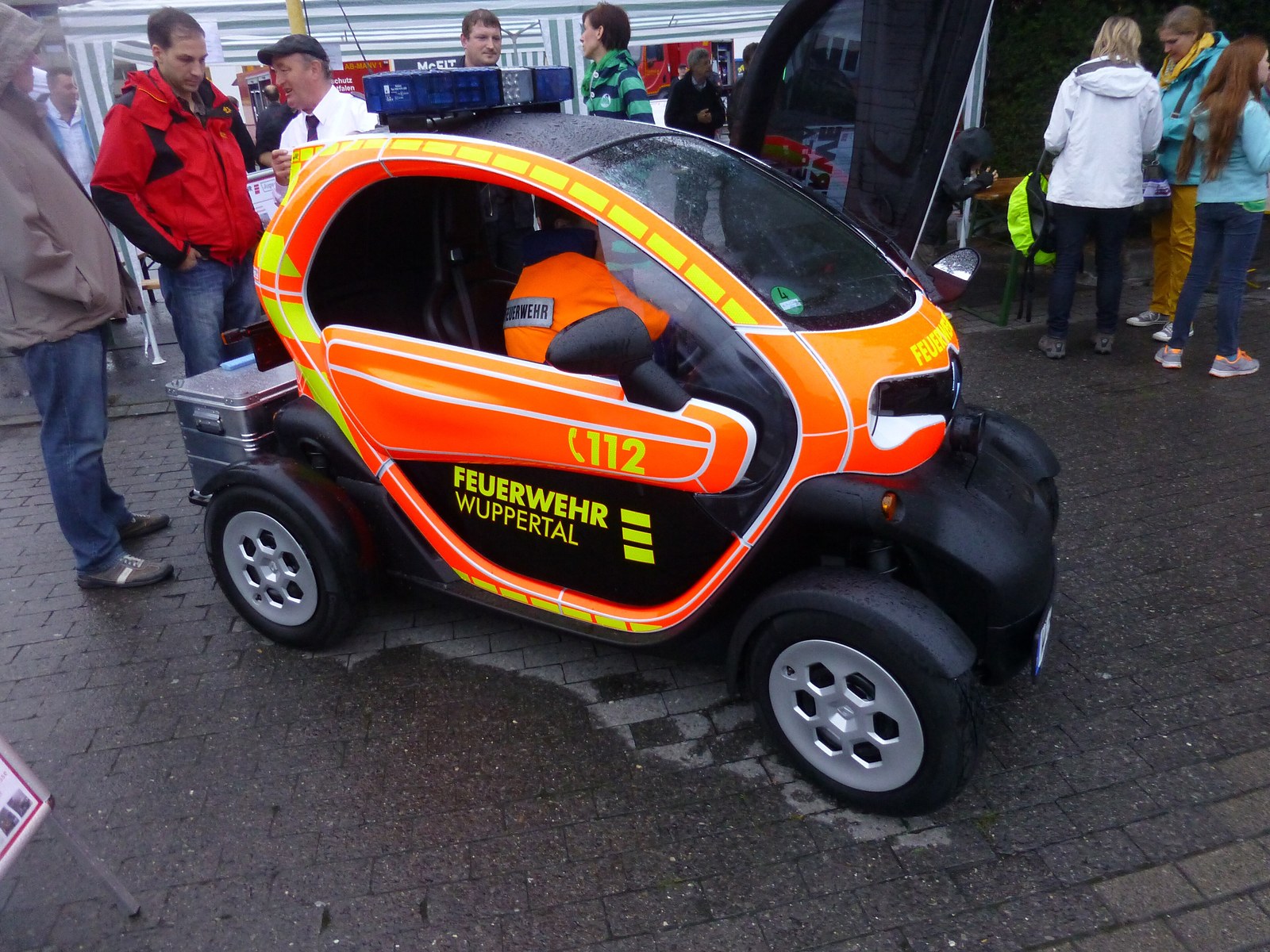
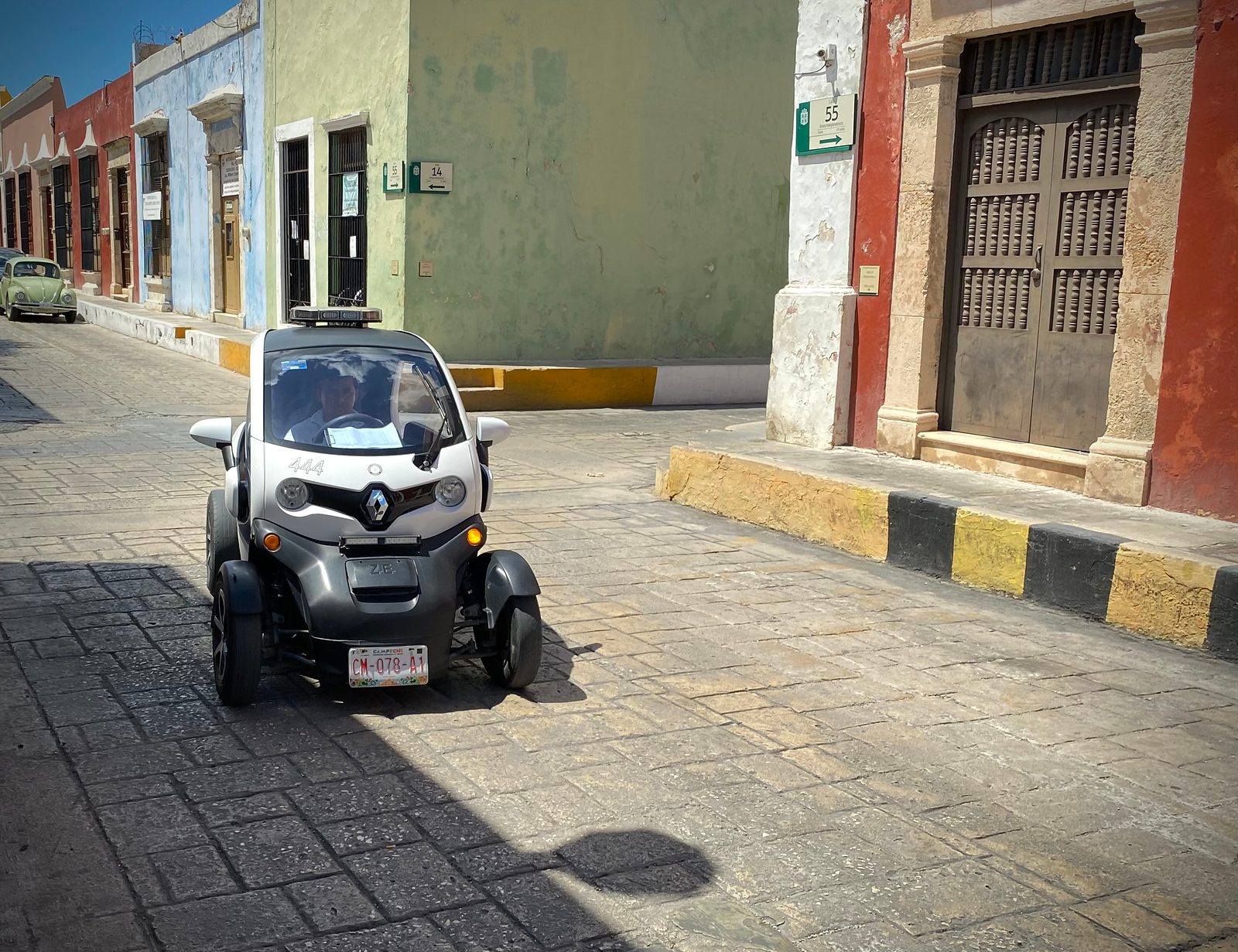
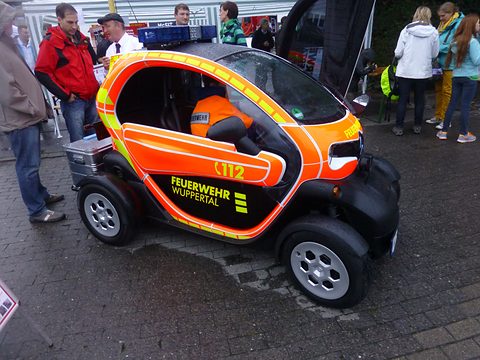
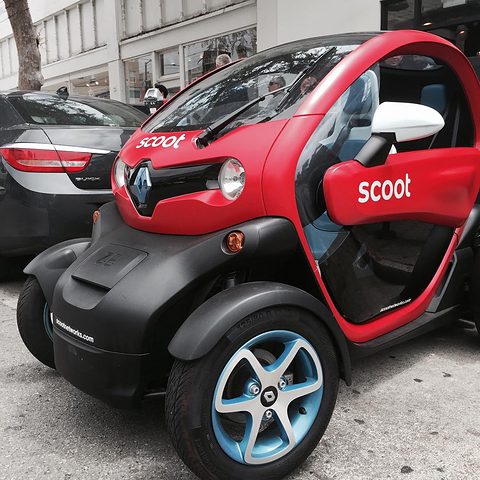
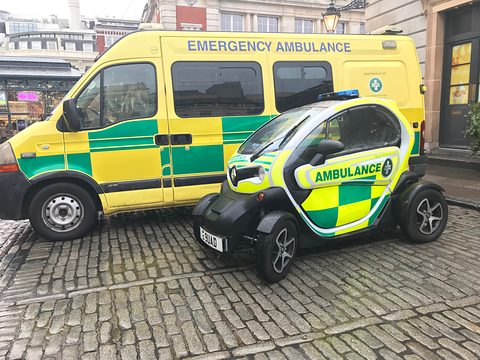
It found other work. The micro-van version, the Twizy Cargo of June 2013, had one seat and a lockable box with a tailgate in place of the passenger: 180 litres and 75 kg by English Wikipedia, 156 litres by German.source 1source 4 The police in Bonn have used Twizys since 2016, and the Paris fire brigade uses them, with lights and sirens, for reconnaissance.source 5source 2 In 2015 Scoot of San Francisco ran Nissan-badged Twizys as the Scoot Quad, and in September 2014 the Chinese maker Zhejiang Litong launched a look-alike, the Rayttle E28.source 1source 2
A Formula One Twizy
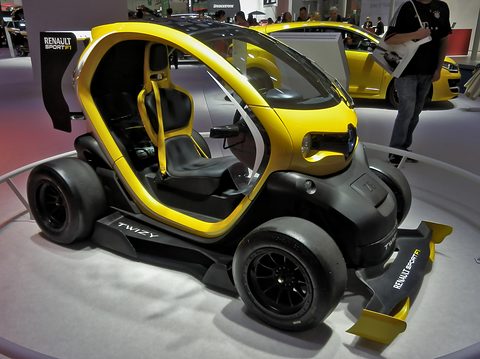
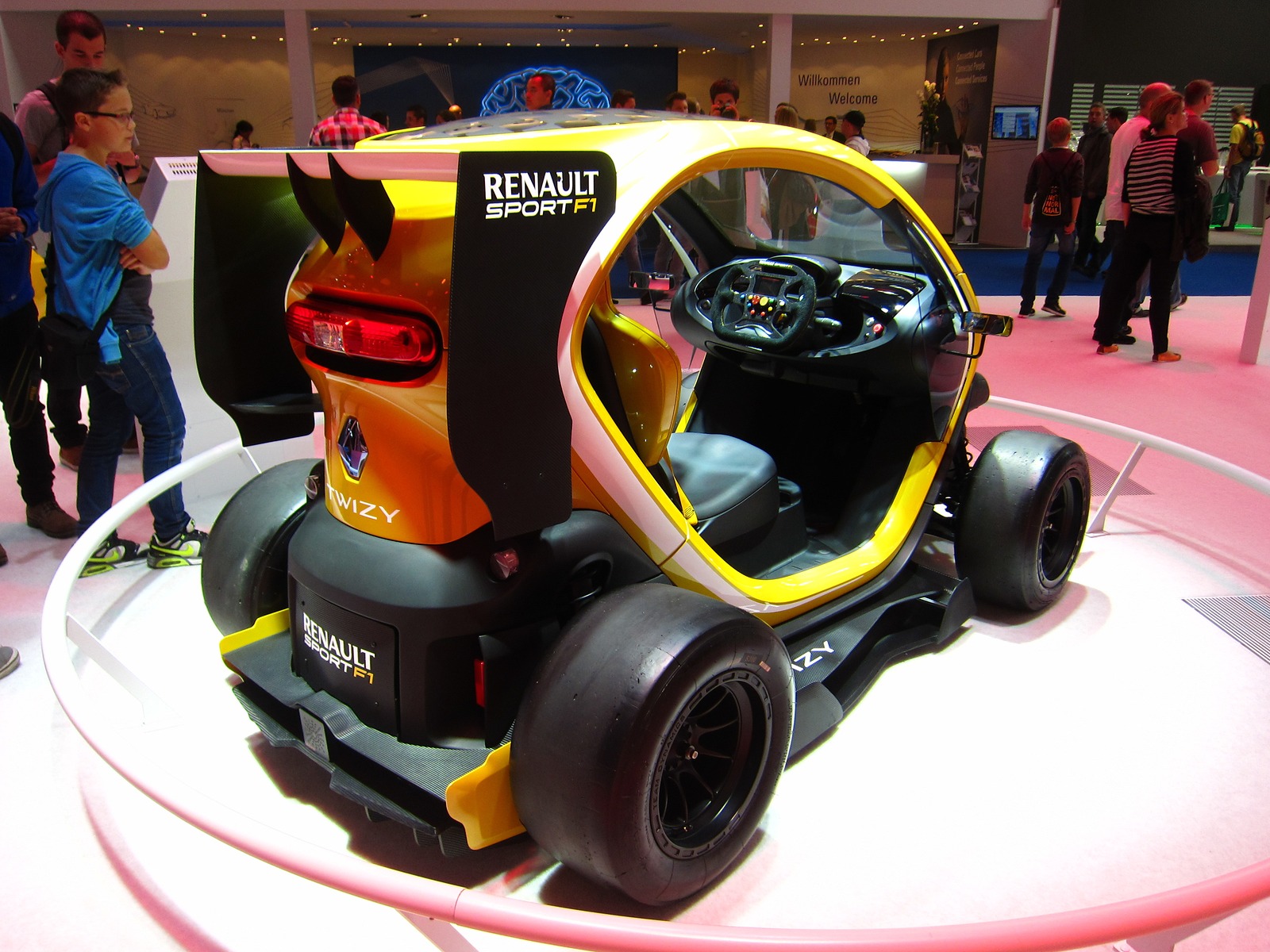
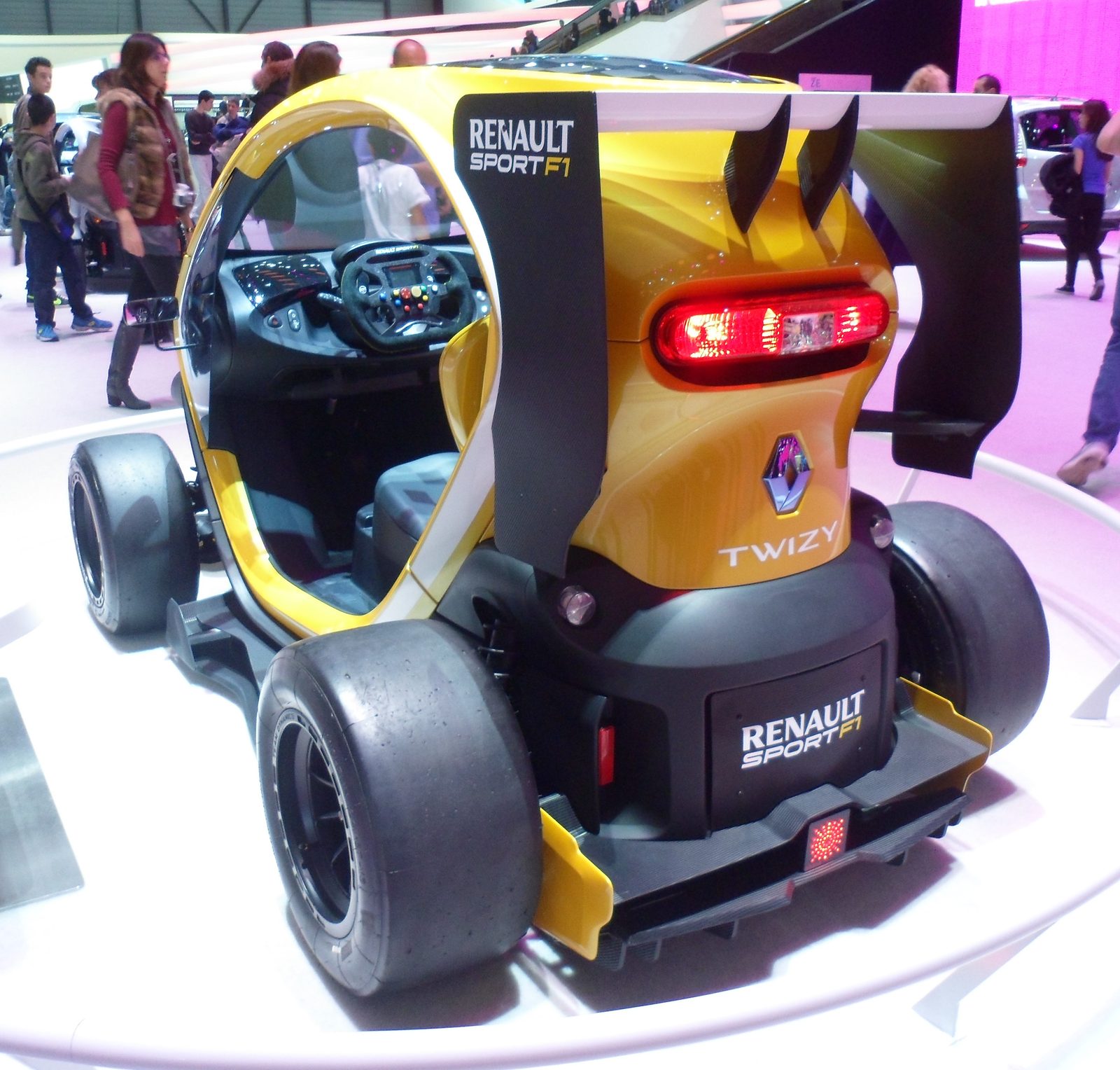
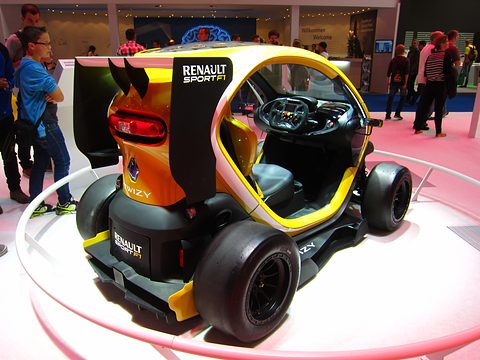
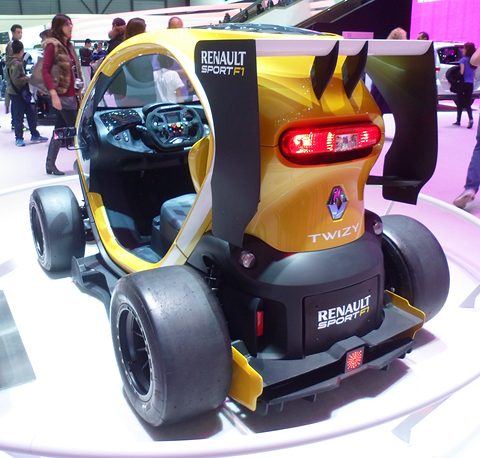
Renault Sport could not leave it alone. Its Twizy Renault Sport F1 concept of April 2013, in the line of the Espace F1 of 1994, carried a kinetic-energy recovery system of the kind used in Formula One, which raised the power from 17 hp to about 97 hp for up to 14 seconds at a time, in six selectable stages.source 1source 6source 7 It had wings, side-pods, Formula Renault 2.0 tyres and a Formula Renault 3.5-type steering wheel, weighed 564 kg (1,243 lb), and reached about 110 km/h (68 mph); a rain light in the diffuser showed when the boost was working.source 1source 6 Its acceleration is given as about six seconds, to 60 mph by one source and to 100 km/h by another.source 6source 7 GoAuto says it was revealed at Valladolid on 28 April 2013 and was demonstrated at Goodwood’s Festival of Speed in July; AutoGuide says it would appear at the World Series by Renault meeting at Aragón the same weekend.source 7source 6
Busan, and the end
In 2019 production moved from Valladolid to Renault Samsung’s plant at Busan in South Korea: in March, to meet demand in Asia, by English Wikipedia’s account, or in mid-2019 by German Wikipedia’s.source 1source 4 The move left a long gap. German dealers could take no orders that summer, and when ordering reopened in February 2020 the wait was four to five months.source 4 The battery could now be bought with the car, in Britain from 2020 and in Germany, from about March 2021, only that way.source 1source 4 By May 2022 a Twizy 45 cost €11,450 in Germany and a Twizy 80 €12,150.source 4source 3
In July 2023 Renault announced that production would end that September. It had sold 33,340 Twizys in 55 countries; its main markets at the end were France, Germany, South Korea and Italy, and Germany alone took about 6,000.source 1source 5source 3 French Wikipedia has Korean production running on into early 2024, but its account of the two plants is muddled, and the other sources end the car in September 2023.source 2source 5 Its successor is the Mobilize Duo, a tandem two-seater from Renault’s Mobilize brand, presented in October 2024; electrive put it at 20 cm longer and 8 cm narrower than the Twizy, to be sold by subscription and long-term rental.source 4source 5 auto motor und sport said there was no direct successor, but that the Duo came “ziemlich nah dran am Original”, pretty close to the original.source 3