The story
History
By the middle of the 1960s France had almost run out of microcars. In the account of the collector who wrote the original microcarfan.com, the makers of the Mochet CM-125 and the Rovin had closed, the Vespa 400 and the Vélam Isetta had gone, and only the utility Solyto survived.source 1 Henri Willame, who ran Lambretta’s French arm, knew that the scooters and the three-wheeled triporteurs his dealers sold were about to end, and in 1966 he set out to give them a small car instead.source 1
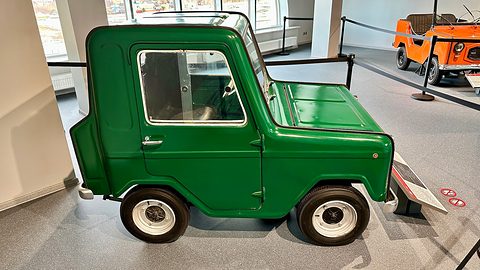
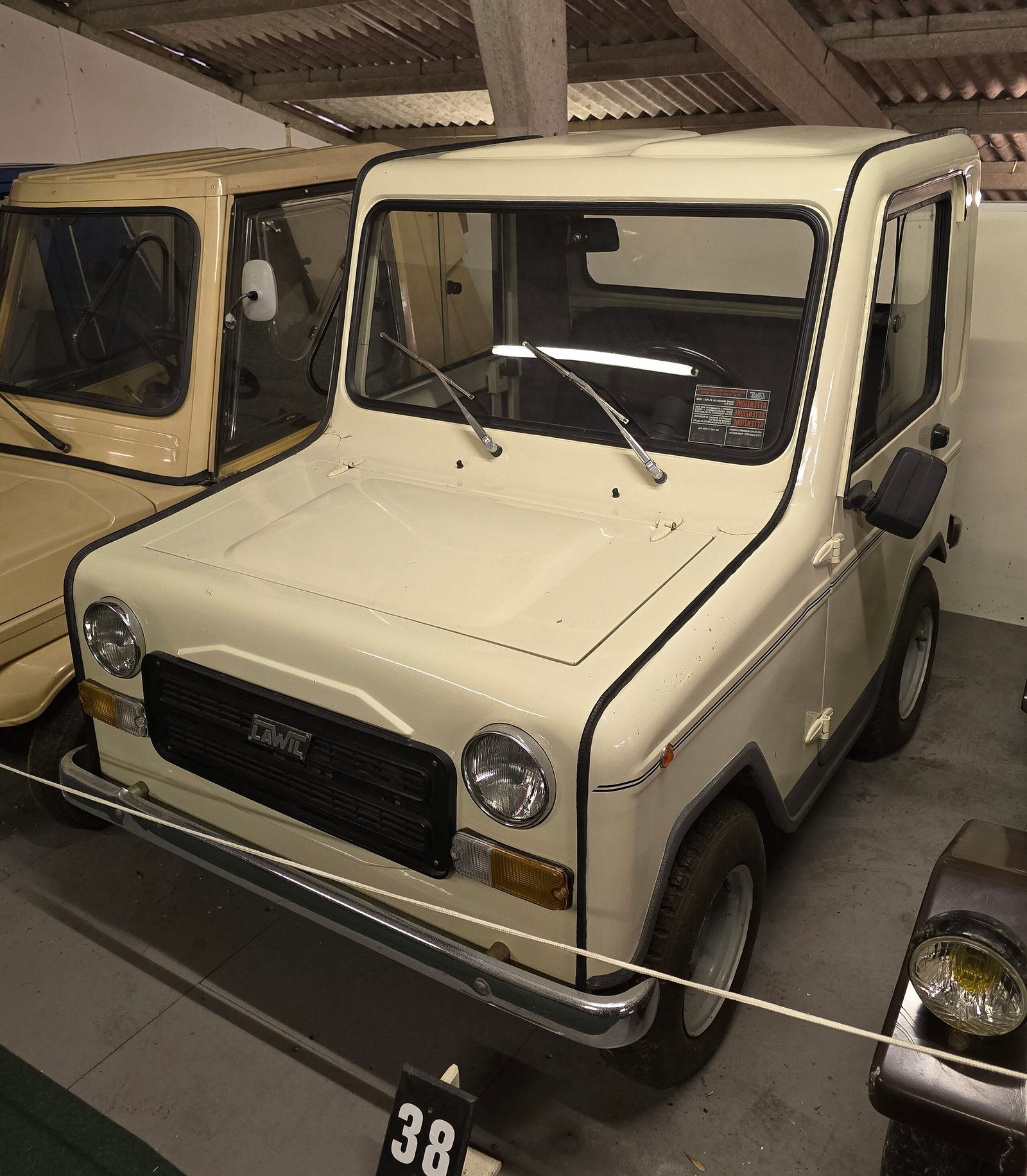
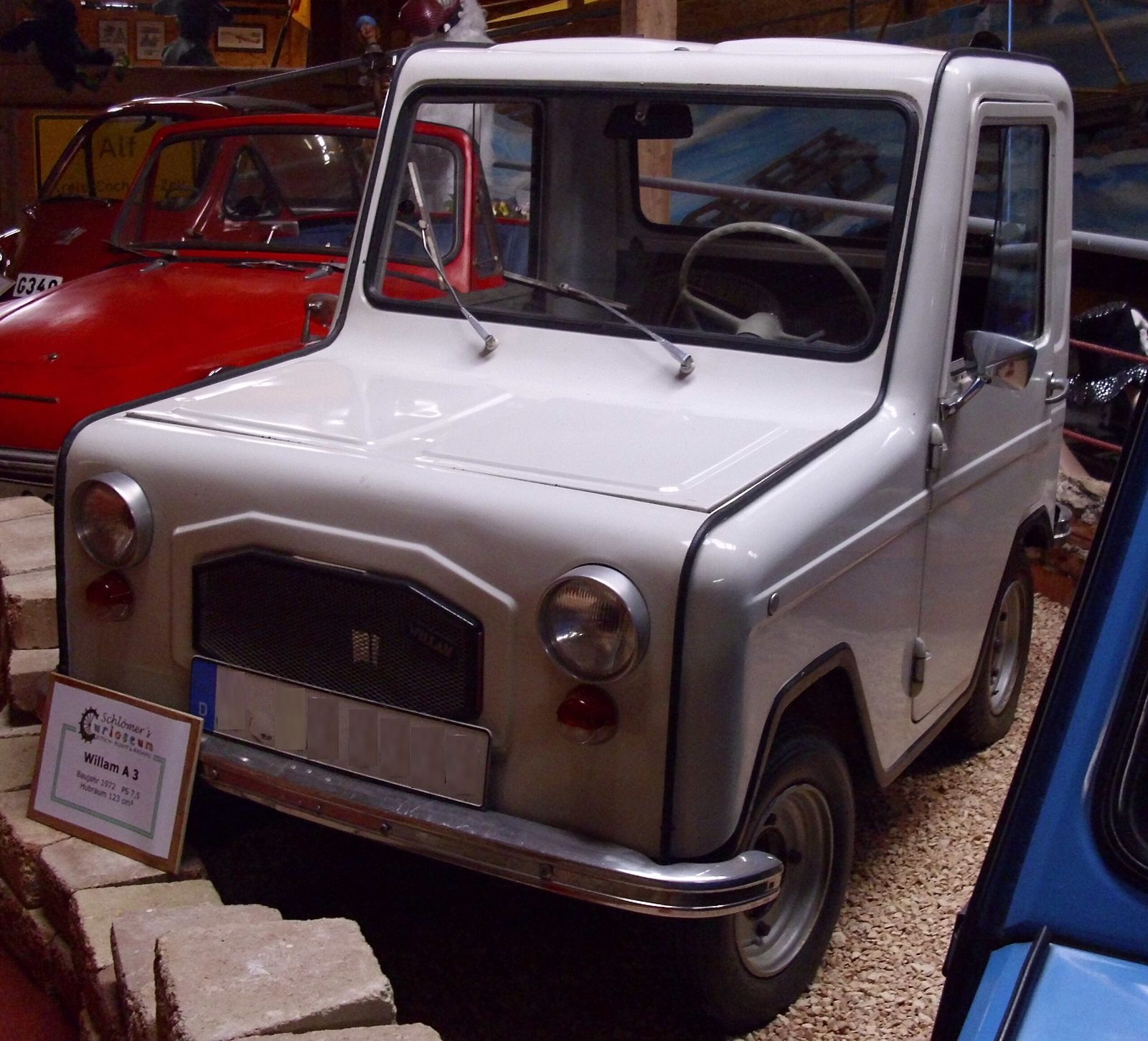
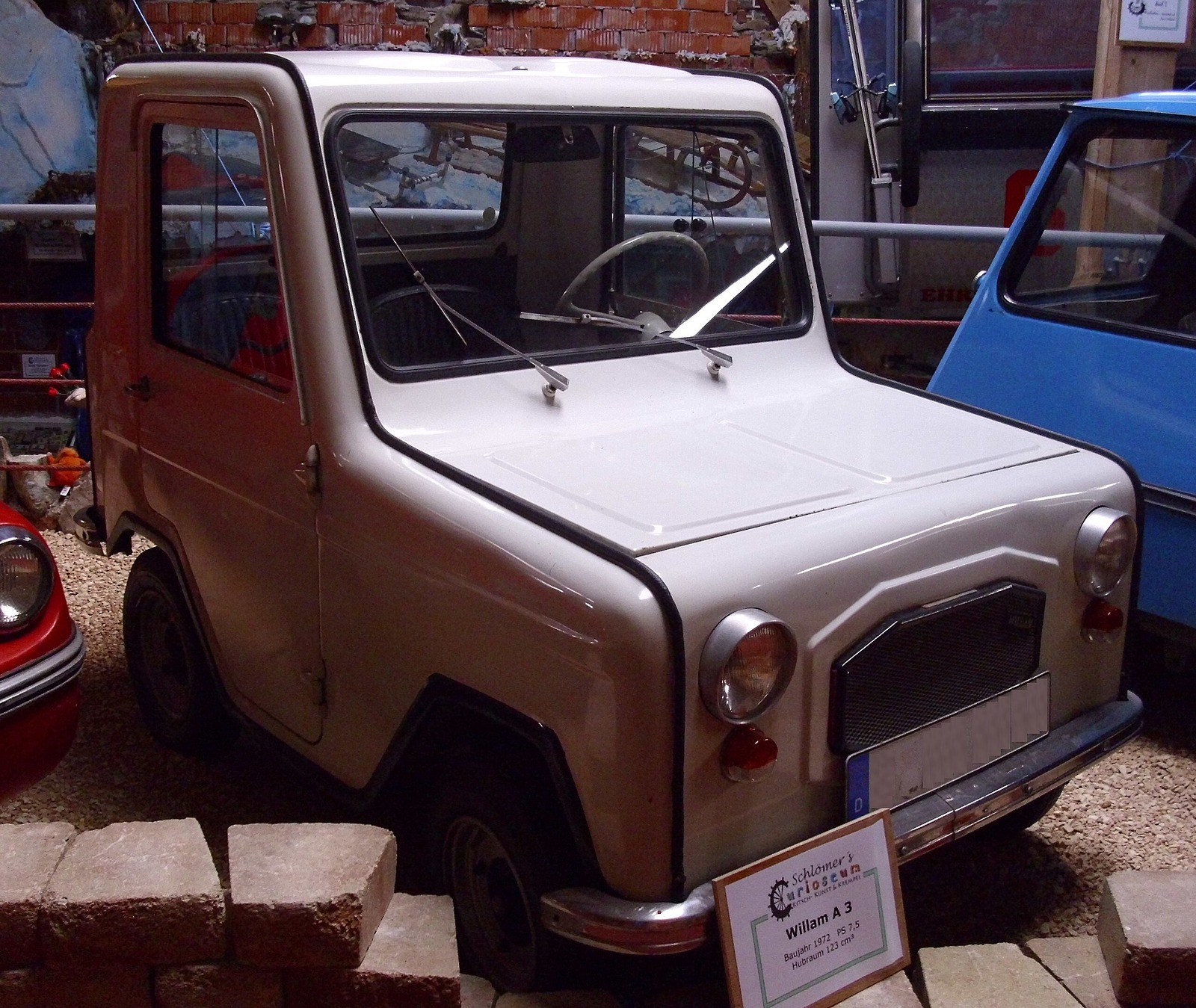
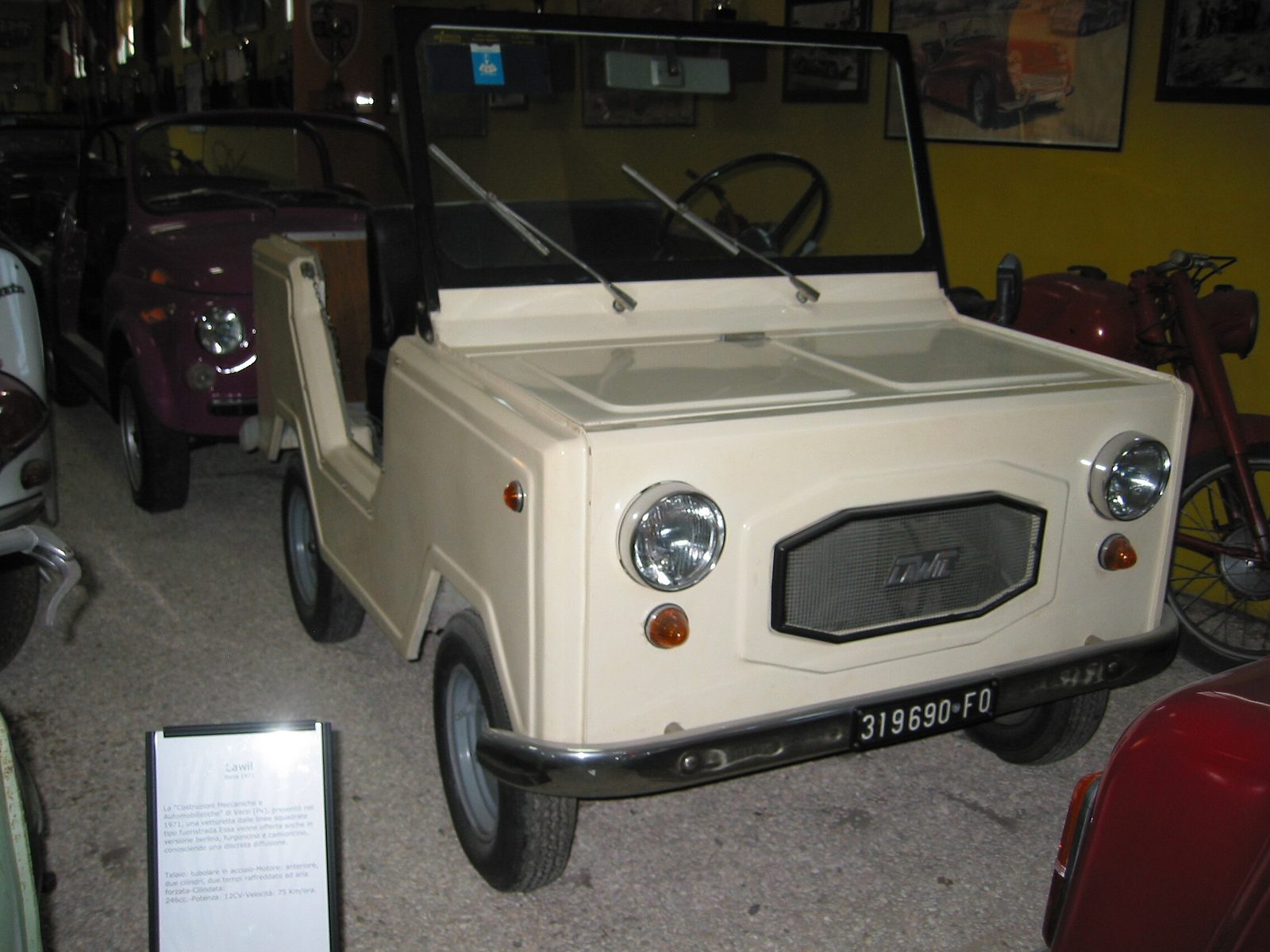
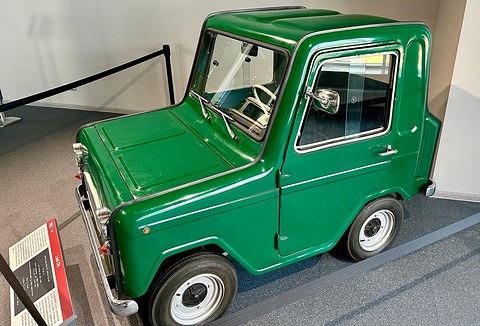
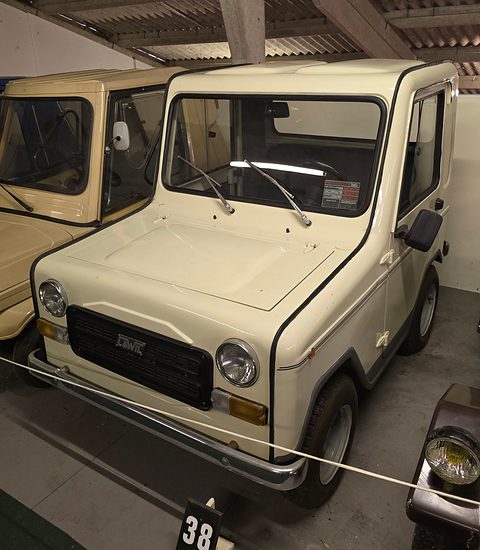
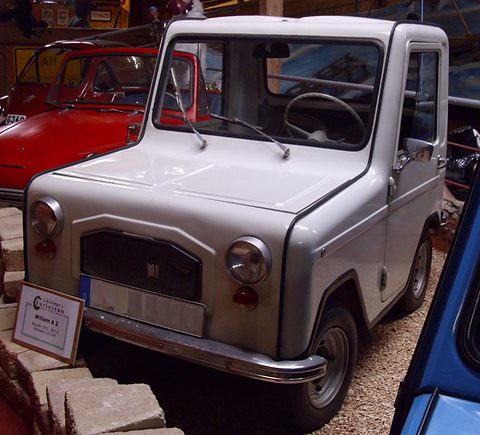
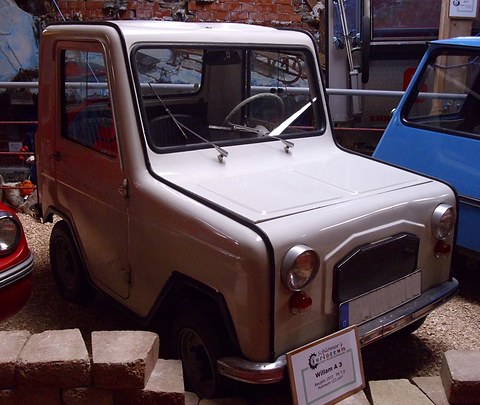
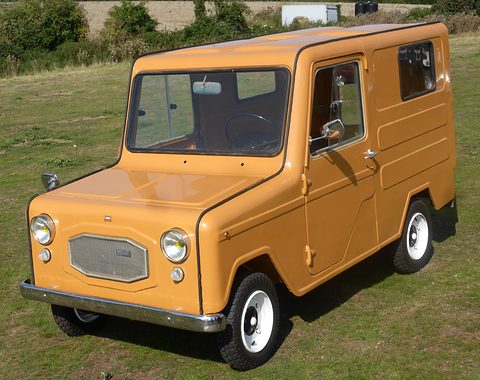
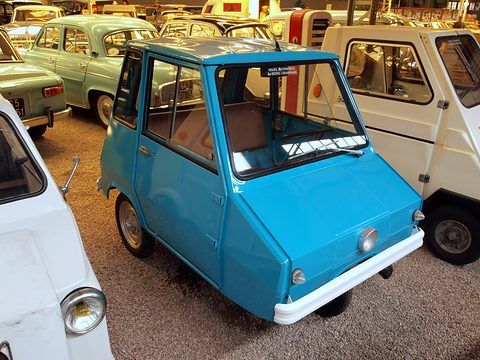
The car itself came from an Italian engineer, Carlo Lavezzari. His prototype, with a 125 cc Lambretta engine and built by Scattolini, was shown at the 1966 Paris Salon. The Lane Motor Museum says that is where Willame first took an interest in it; the Weiner museum tells it the other way round, with Willame himself presenting Lambretta-engined prototypes there that Scattolini had built in Italy.source 2source 3 In 1967 the two men formed Lawil S.p.A., its name made from the first syllables of their surnames, and the City was presented in early April. It was built at Varzi, in the province of Pavia, and at 1.78 m it was startlingly short for a closed four-wheeler.source 1source 4 In Italy it was a Lawil. In France it wore the importer’s brand, Willam, which is Willame without the final e.source 1source 4
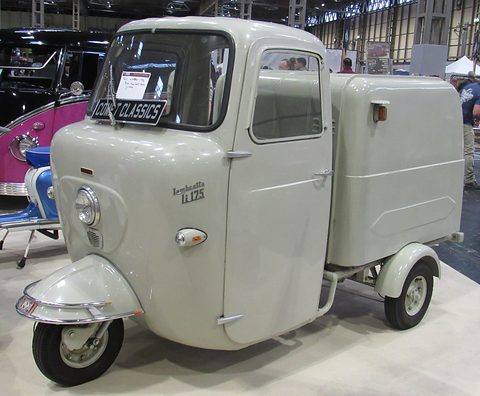
Underneath were the mechanicals of the Lambretta triporteur: a two-stroke single with its cylinder lying flat, in 125 cc or 175 cc form.source 1source 4 The 125 was the one that mattered, because in France it could be sold as a voiturette sans permis, a car that needed no driving licence. The 175 did need one, and it was dropped in 1970. A rear boot added in 1969 took the length to 2.05 m (6 ft 9 in).source 1source 4 The first cars reversed through a reverser, so in theory every forward gear also worked backwards. The old site’s advice on trying fourth gear in reverse was simply not to.source 1
Rebuilt in 1971
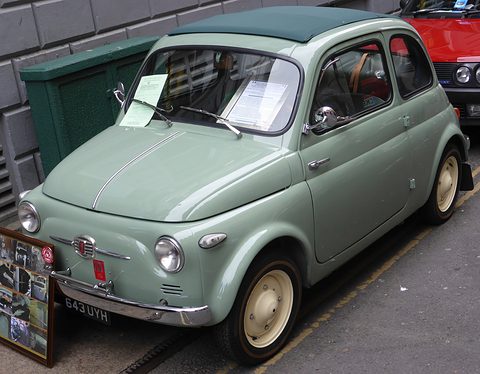
In 1971 the City went on sale in Italy and was re-engineered almost out of sight, according to the old site. The round-tube chassis became rectangular, the front axle came from the Fiat Nuova 500, the gearbox became a conventional H-pattern and the wheels grew from 8 to 10 inches. A vertical-cylinder BCB engine replaced the Lambretta: 125 cc for France and 250 cc for Italy, the larger one two 125s coupled together, which the old site found lively and phenomenally thirsty.source 1 The body did not change, so from outside the work was practically invisible. A last facelift in 1980 added about 20 cm (8 in) and a real boot, brought back the rear quarter windows of the first cars, and swapped the BCB for Lawil’s own 125 cc engine.source 1
A family of cabs
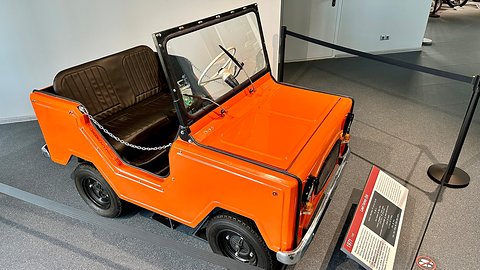
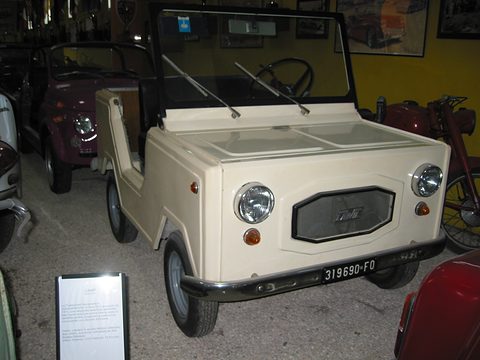
The open Farmer arrived at the 1968 Paris Salon in polyester, the first ones recognisable by two big knurled screws holding the bonnet down. It went to steel in 1971, with a windscreen that folded flat.source 1source 4 In France it was no great success, because older buyers preferred the closed City, but in Italy the Farmer became a beach car, especially with the 250 cc engine, and was sold as the Lawil Varzina.source 1source 4 A hard-topped Farmer II with plastic gullwing doors followed in 1975; it sold so poorly that Willam brought back the old City from 1977.source 1
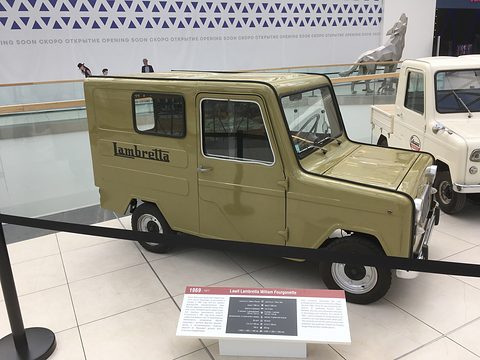
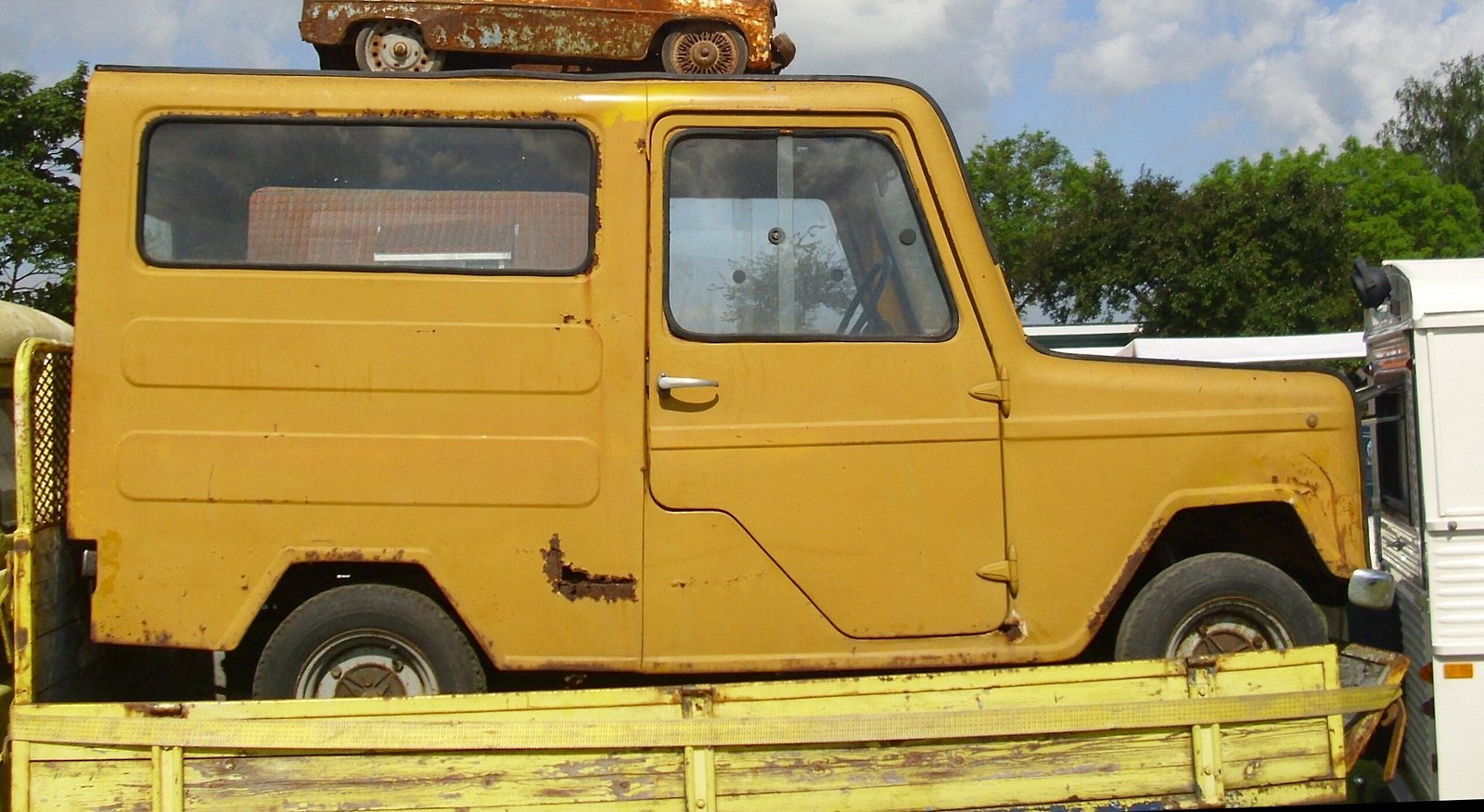
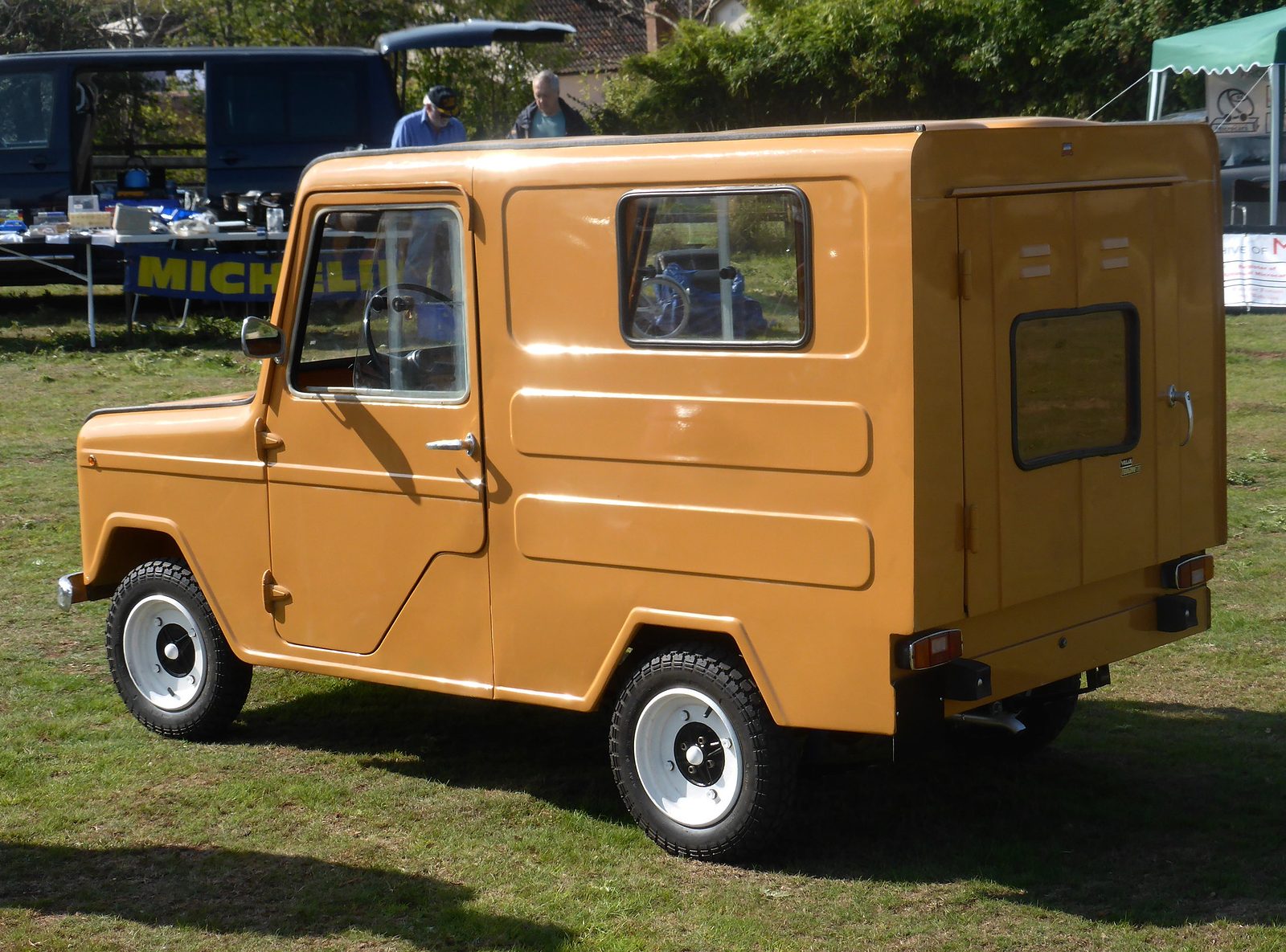
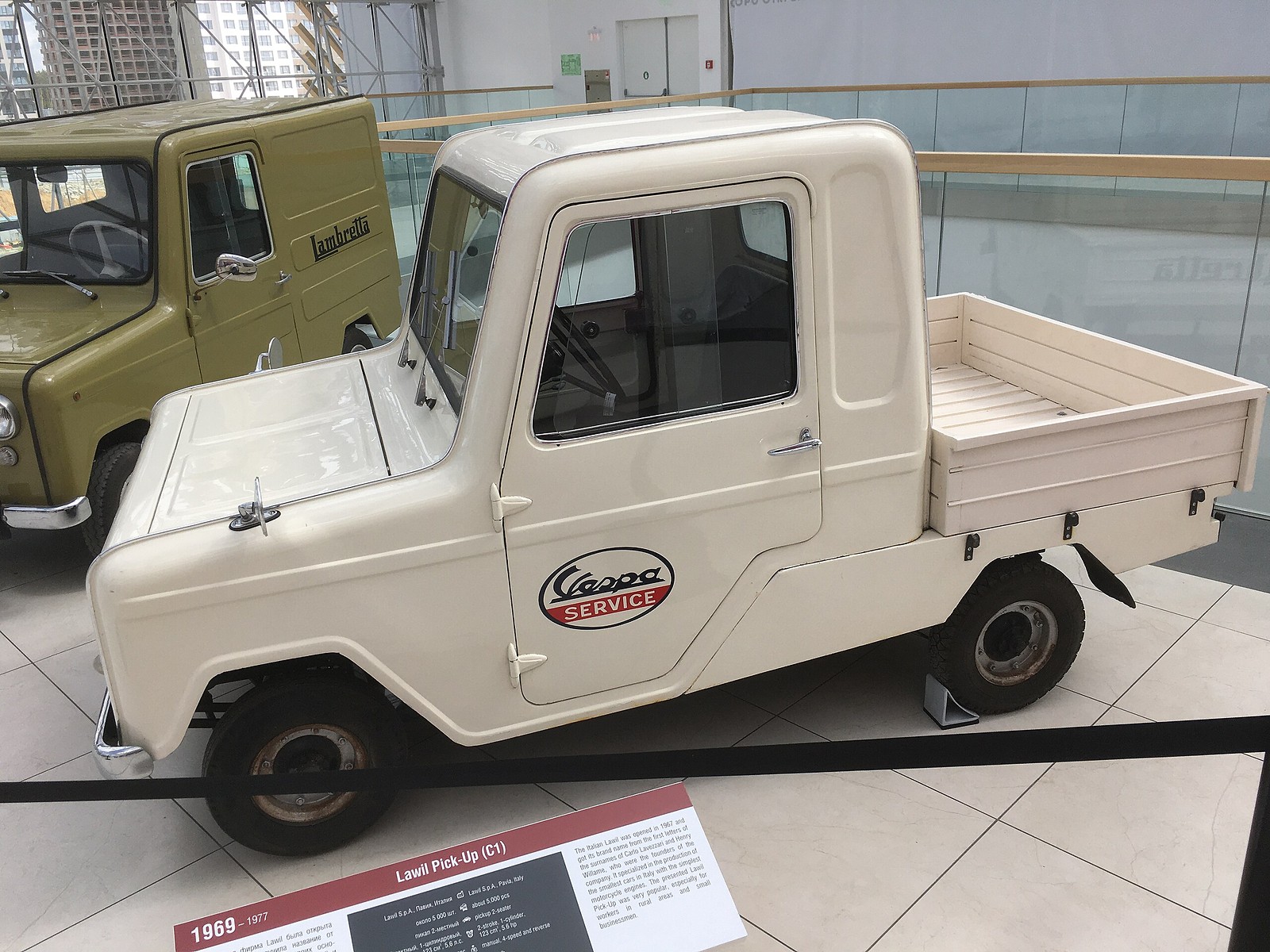
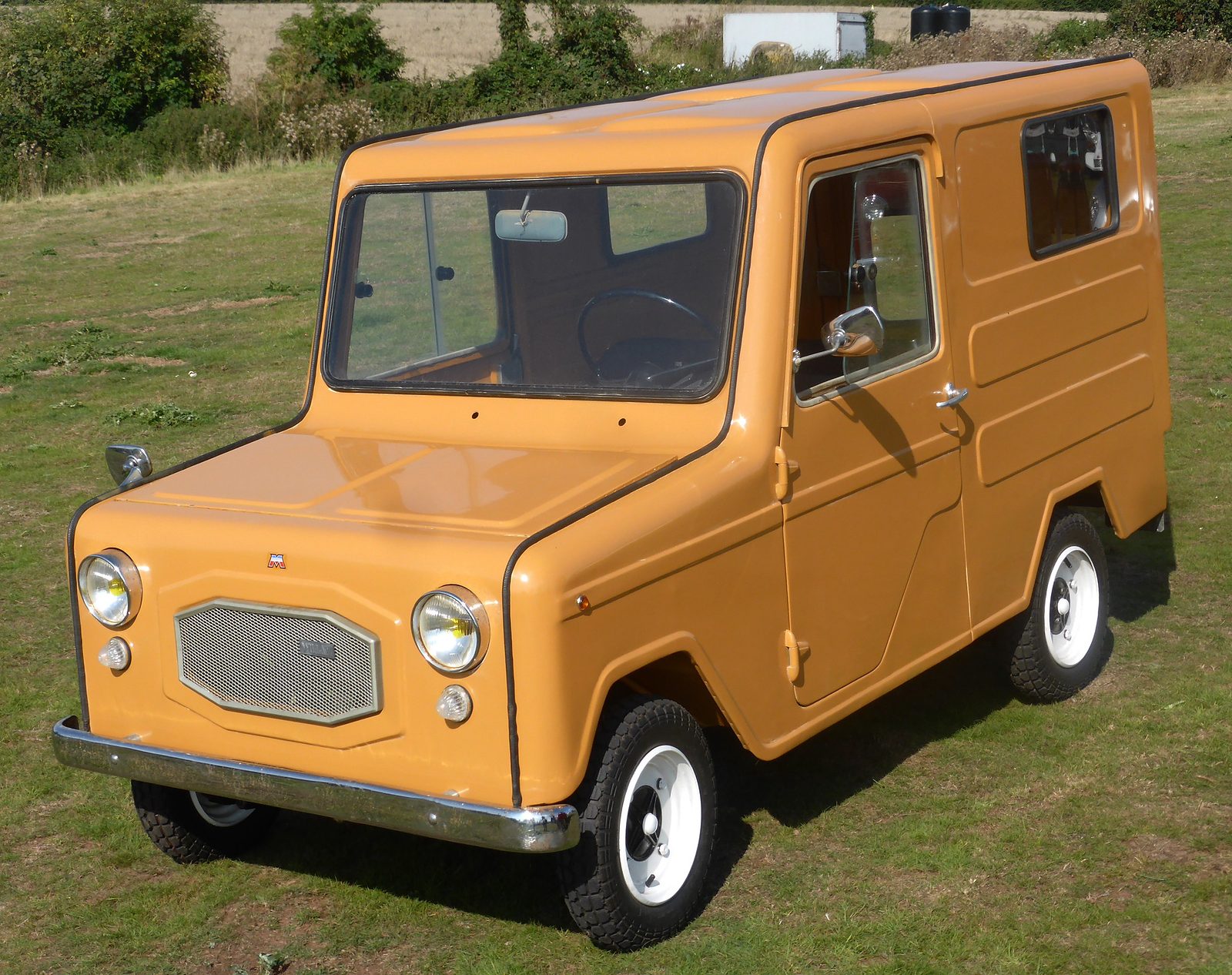
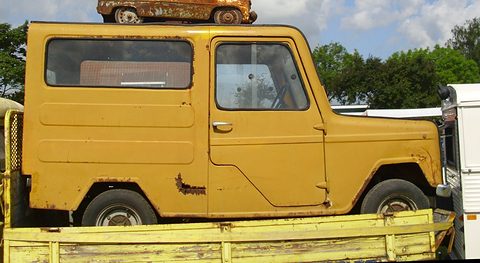
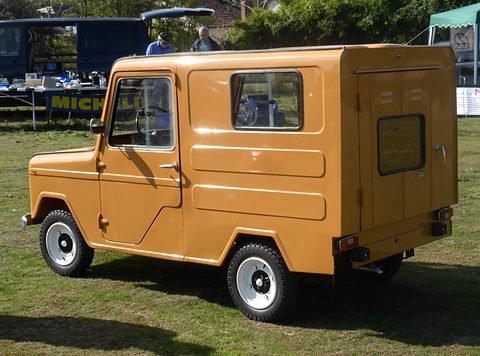
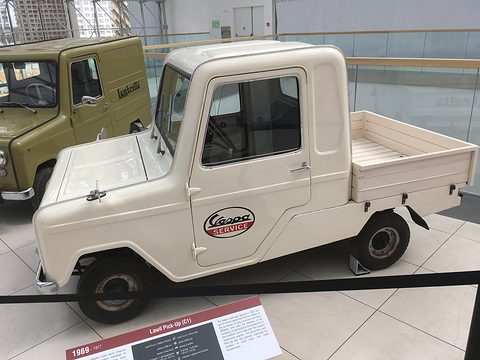
The best seller was the Fourgonnette, a van on a wheelbase 60 cm (24 in) longer, with a load space of 105 × 115 × 92 cm (41 × 45 × 36 in) and a payload of 400 kg (882 lb). The old site calls that a record for the category, and says some owners of Vespa, Lambretta and Peugeot triporteurs switched to one.source 1source 4 There was also a Break, some with imitation wood on the sides, and a pick-up, of which few were sold, dropped in 1977.source 1
Willam, the importer
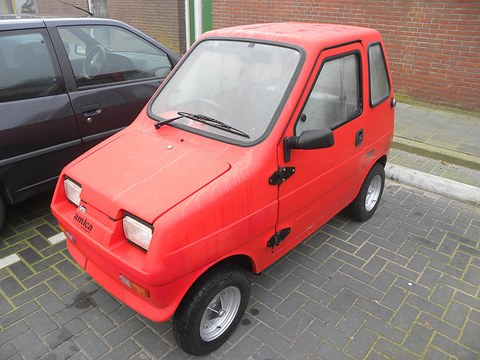
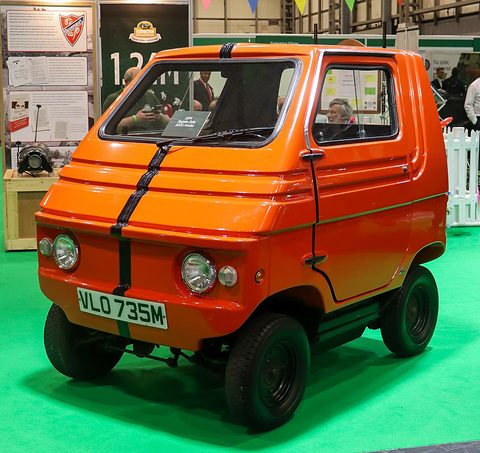
Willam did not sell only the City. From 1973 it imported the Baldi Frog, and later, from 1976, the cars of BMA, among them the BMA Amica, and the Casalini Sulky, all under its own name; the Weiner museum adds the Zagato Zele and Decsa, and a 125 cc Willam prototype of 1971 that never went into production.source 1source 3 For many French owners, Willam simply was the make.
Willam was basically a marketing label for a variety of foreign-made vehicles to be sold in France.
The French company changed its legal name several times and closed for good in 1988. The Fourgonnette was sold until then, and Lawil faded out in Italy the same year.source 1source 4