The story
History
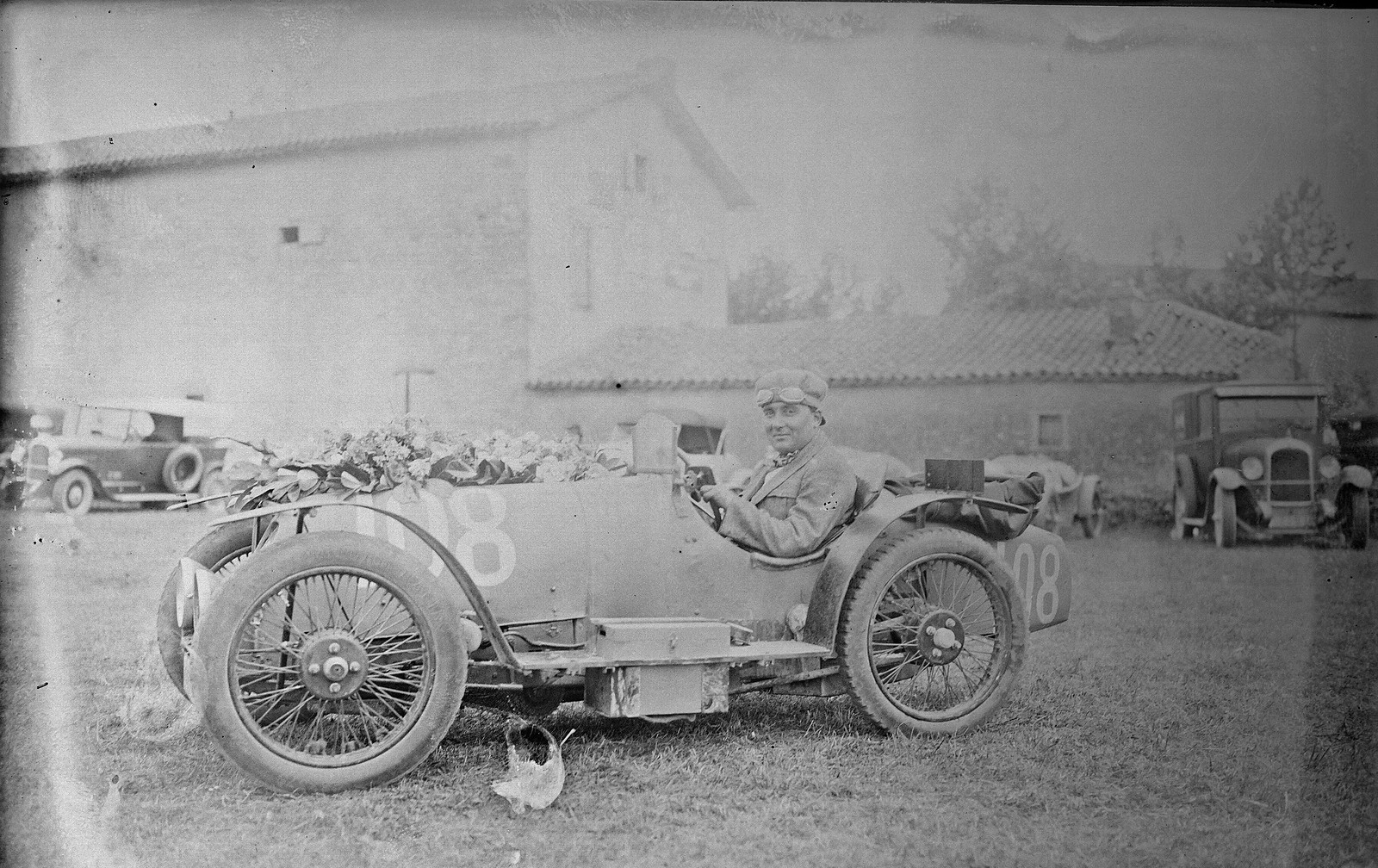
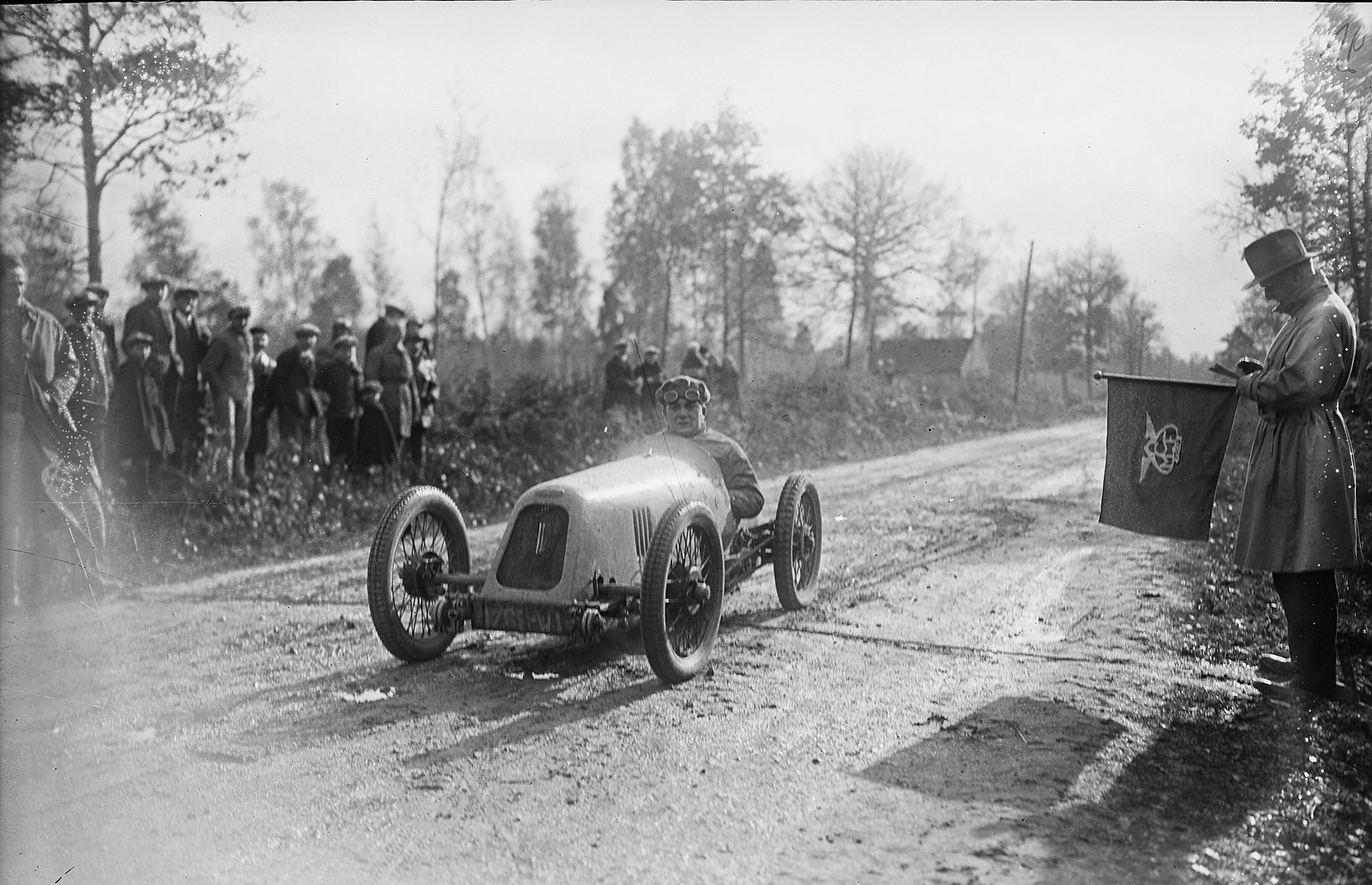
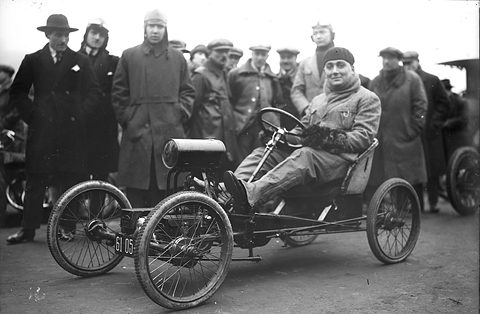
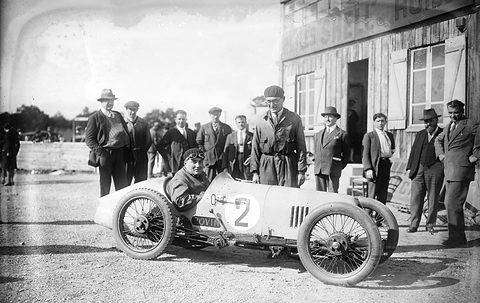
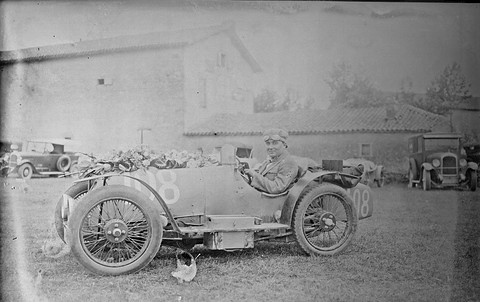
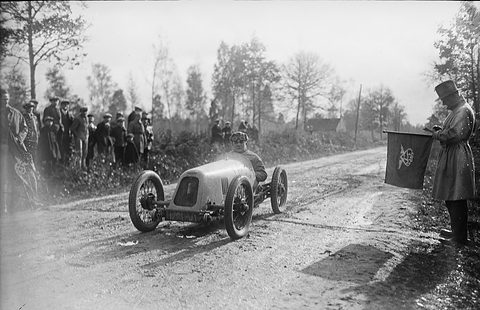
Raoul Pegulu, Marquis de Rovin, was born in 1896; he raced motorcycles and cars, and built them. From about 1919–21 he made motorcycles of his own, two-strokes of 100 to 250 cc and four-strokes of 175 to 500 cc, some with JAP and Motosacoche engines.source 1 The family dates the firm to 1919, from a letterhead at 50 boulevard de Reims in the 17th arrondissement that offered “motocyclettes, voiturettes ‘Monocars’, luxe & sport”; German Wikipedia says 1921.source 2source 1 The Monocar was his cyclecar of the 1920s. In the 1930s he ran a sports-car dealership on the boulevard Pereire.source 3
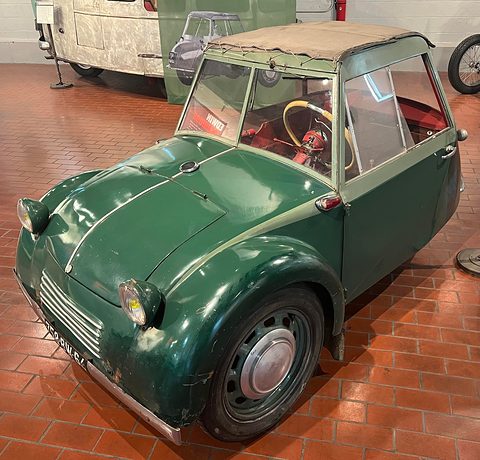
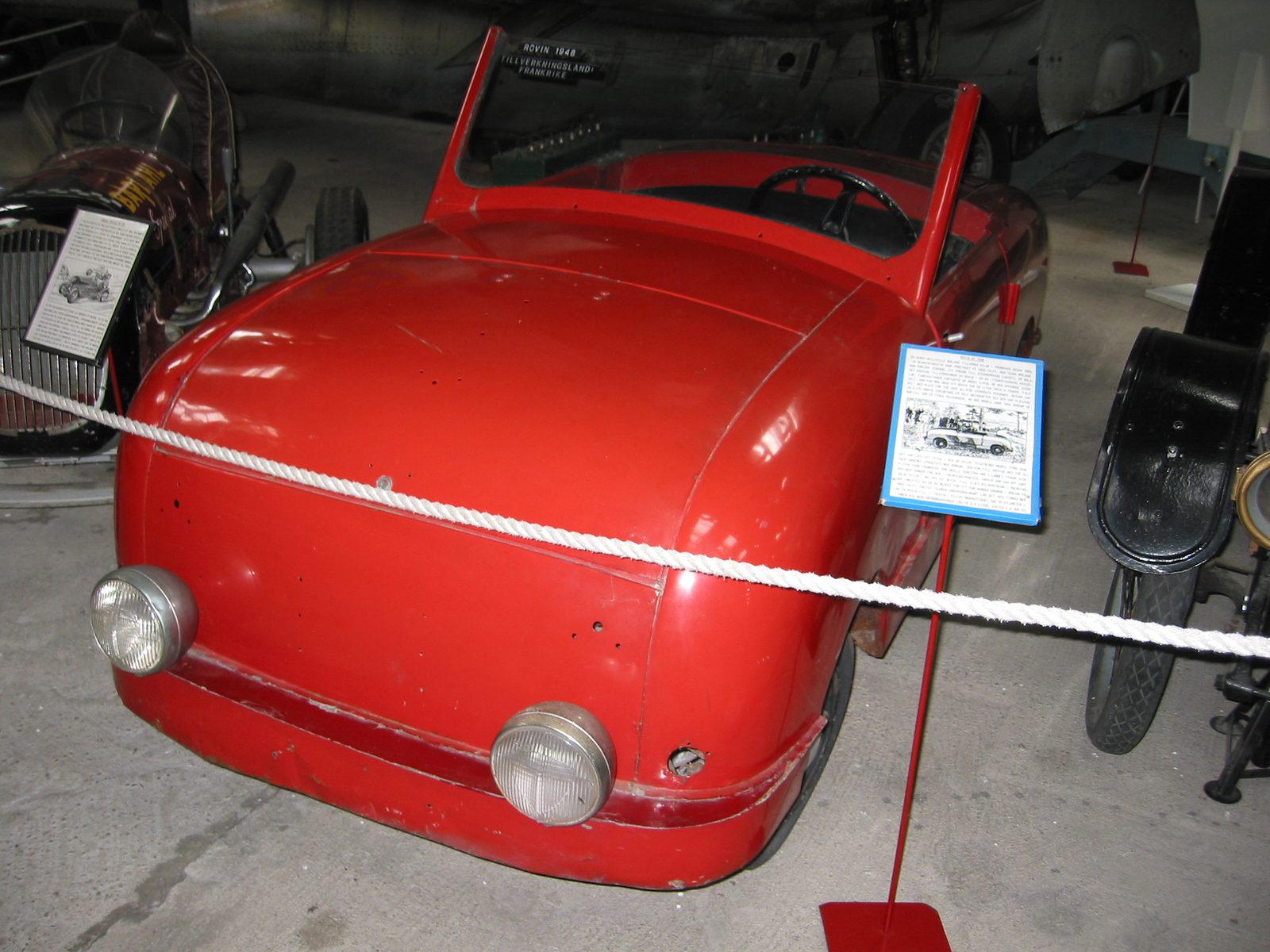
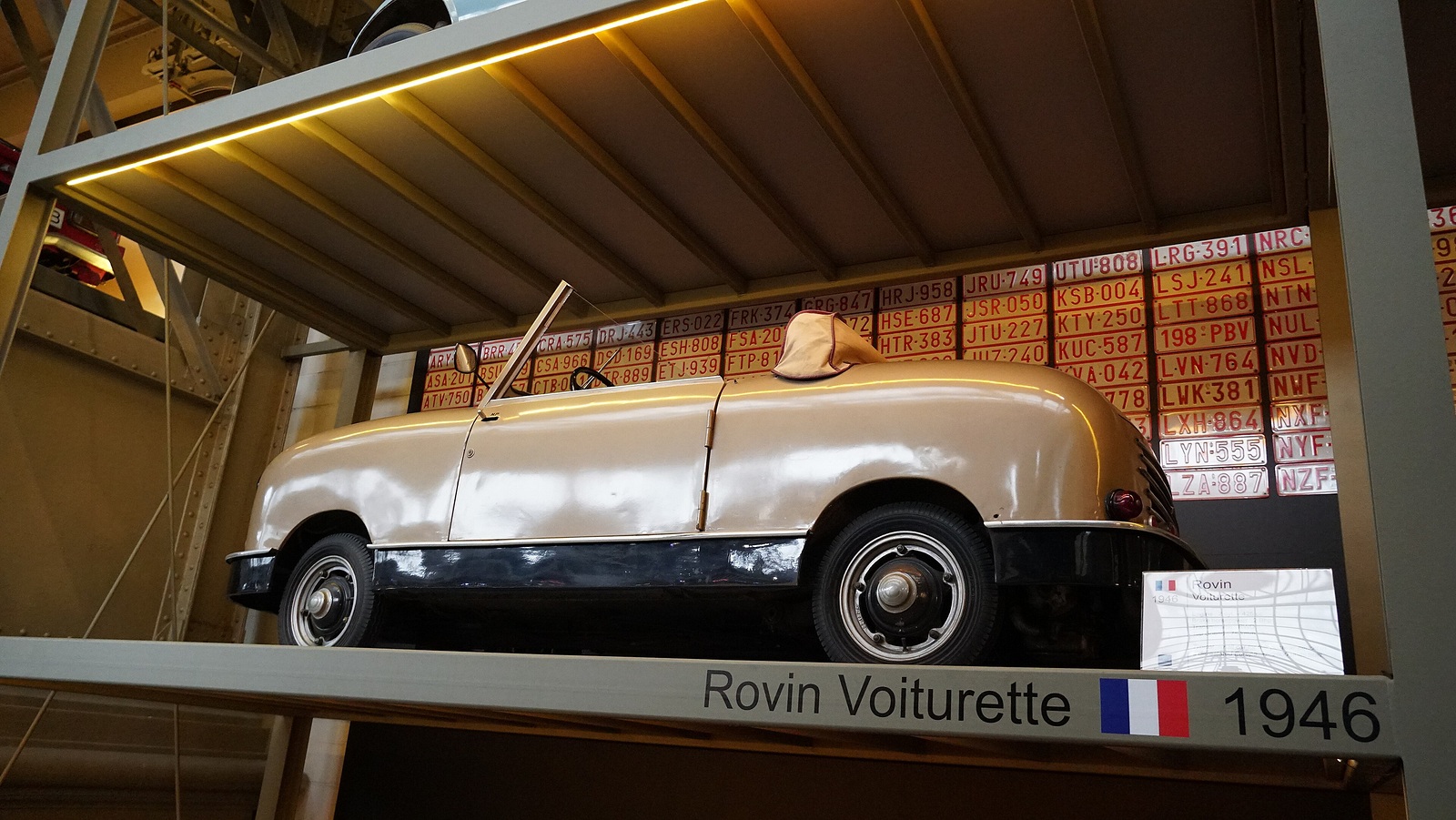
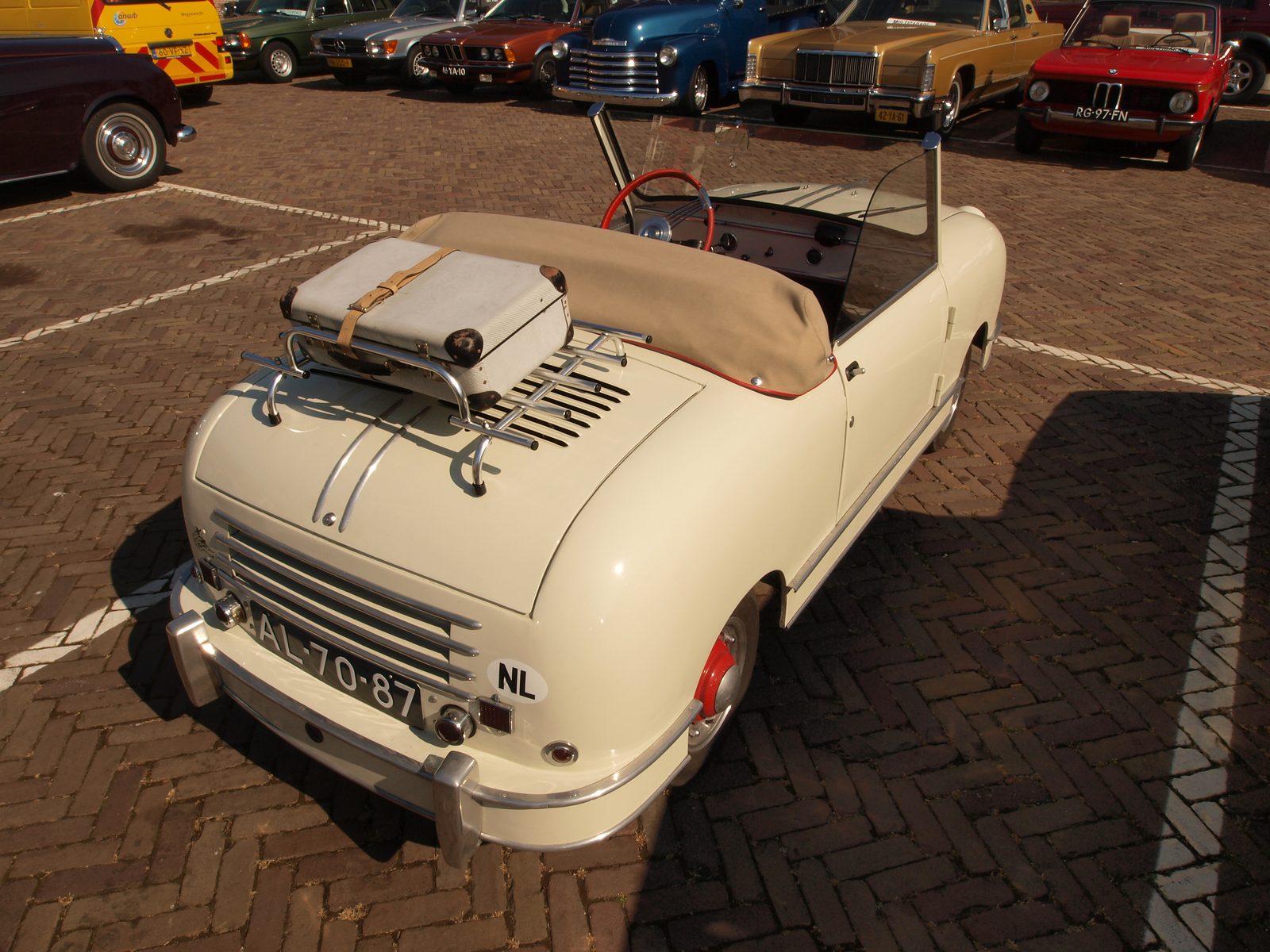
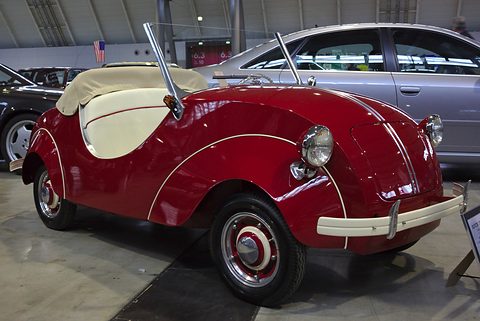
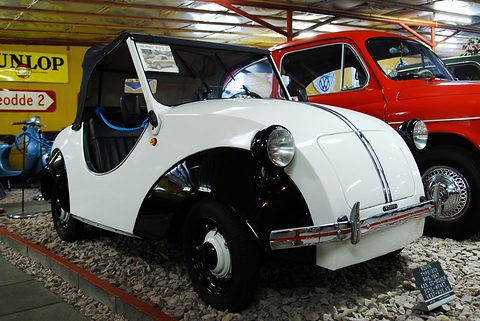
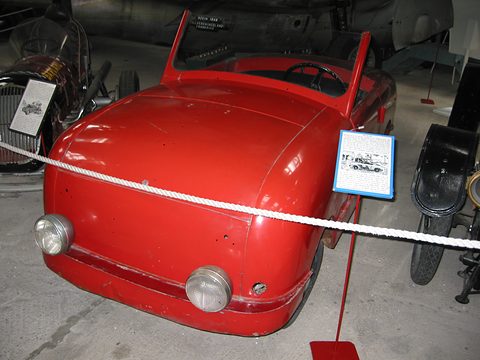
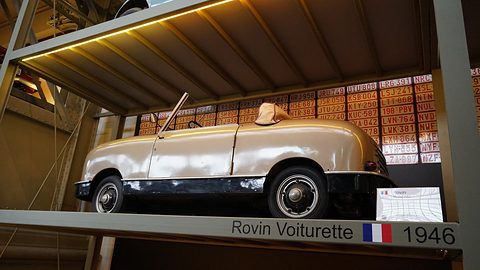
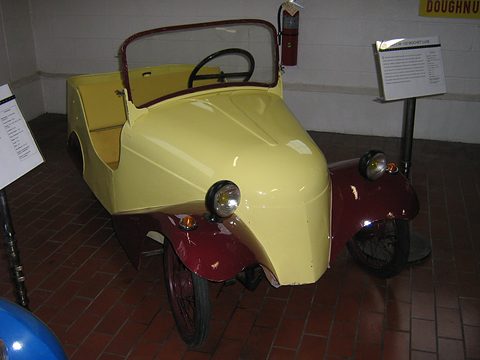
In 1946 the Rovins bought the Delaunay-Belleville works at Saint-Denis, which stood idle after the war, and Raoul’s younger brother Robert took charge of production.source 3source 4source 5 The head office was at 123 avenue de Villiers, with workshops at Levallois and Colombes too.source 5 At the Paris Salon that October they showed the first car, the D1: a tiny doorless open two-seater with a 260 cc air-cooled single of 6.5 hp, three speeds, a claimed 70 km/h (43 mph) and one central headlamp on its sloping nose. It was 2,530 mm (100 in) long.source 3source 5source 6 It was never sold. In its place came a car with two headlamps, a wheelbase 150 mm longer and a water-cooled twin.source 5
The D2
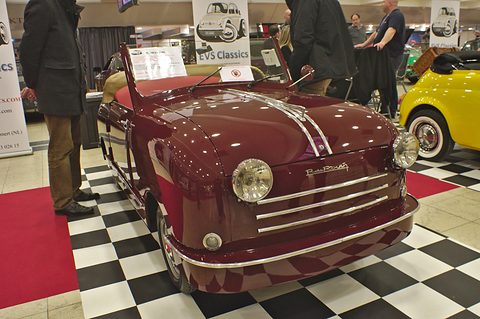
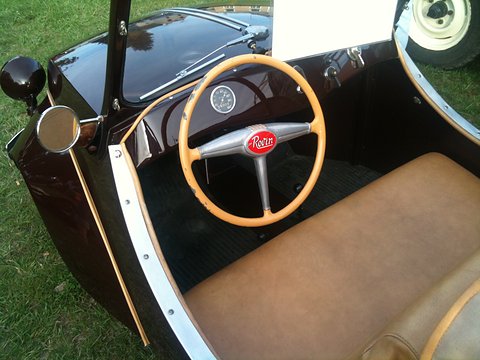
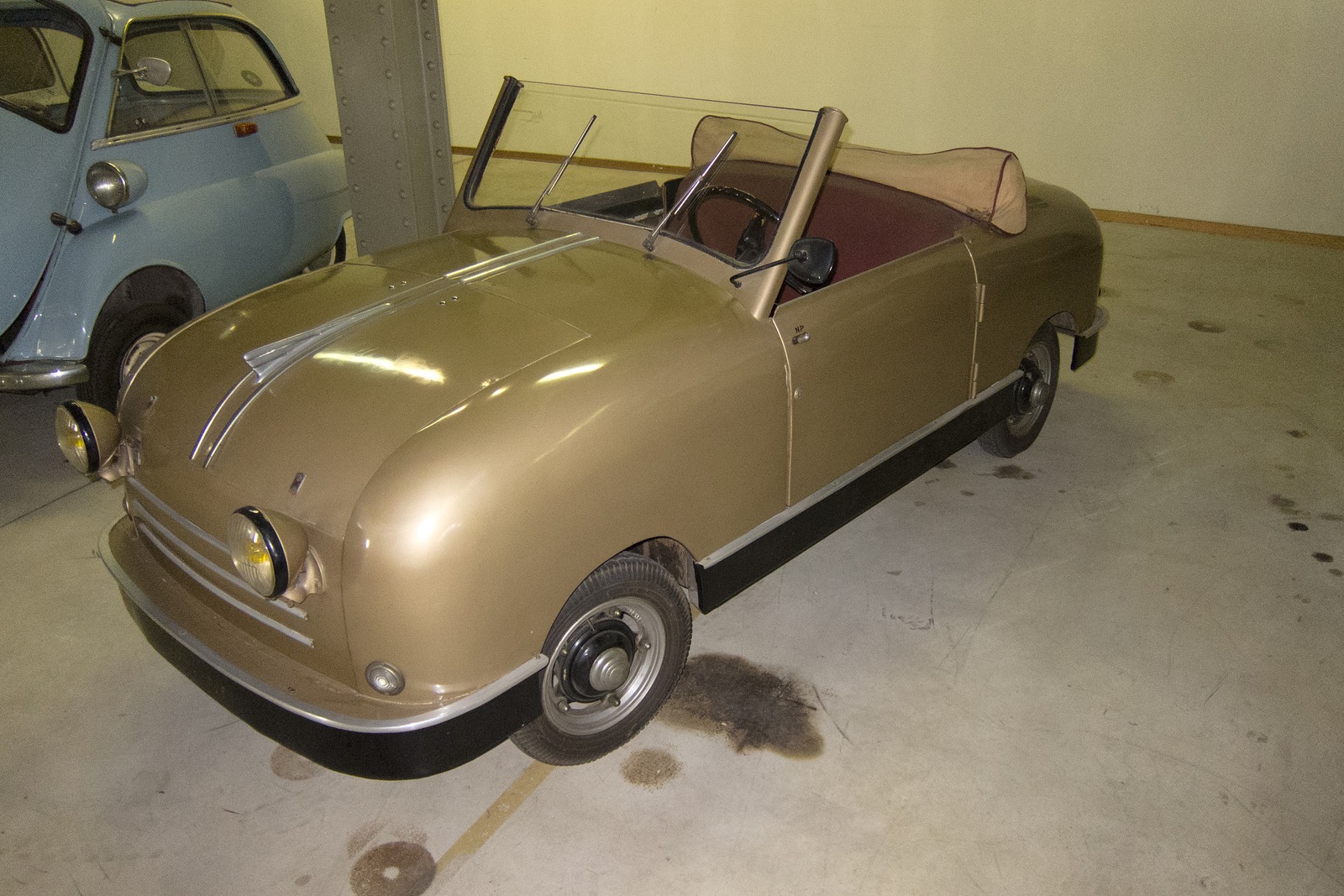
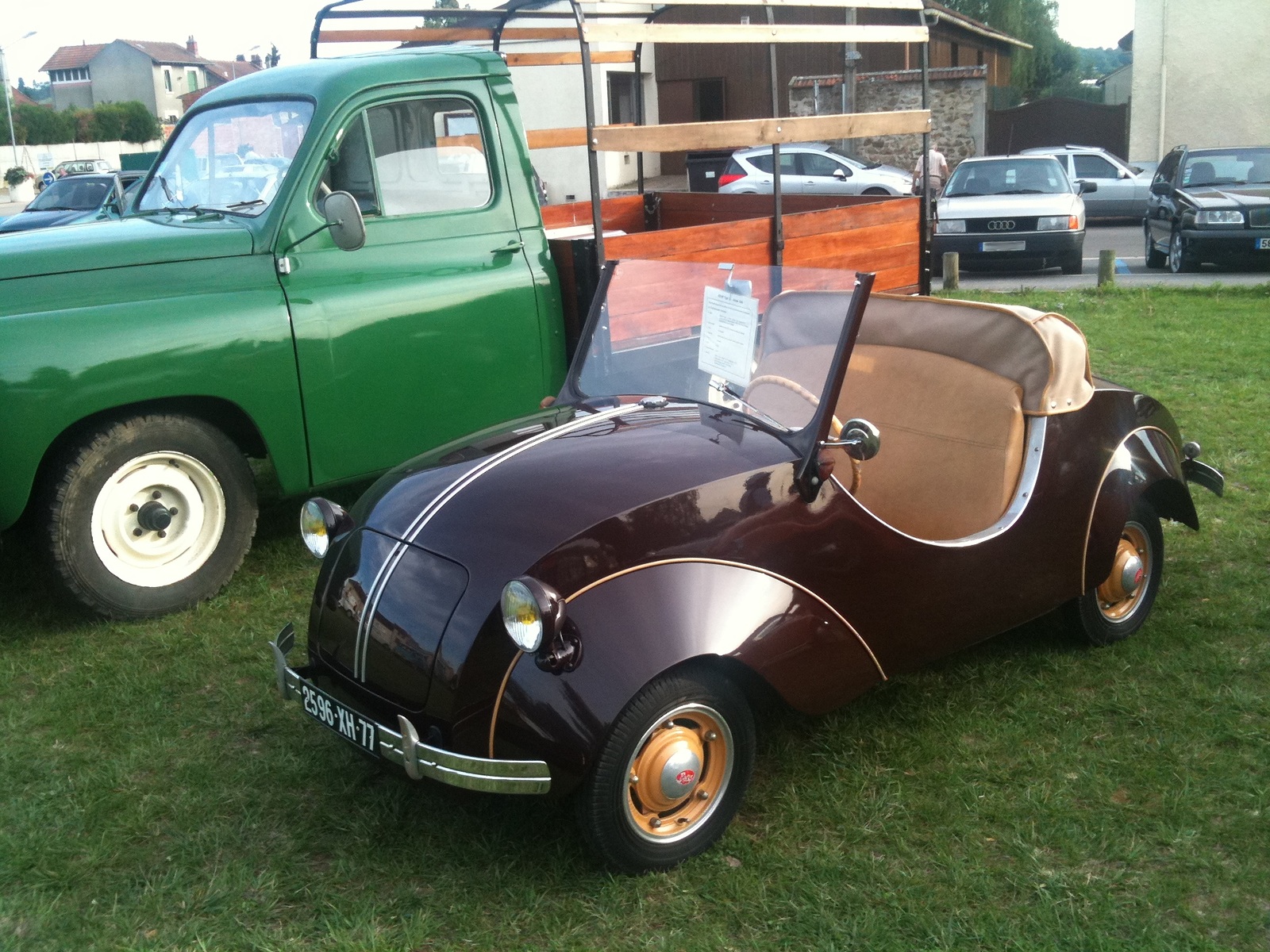
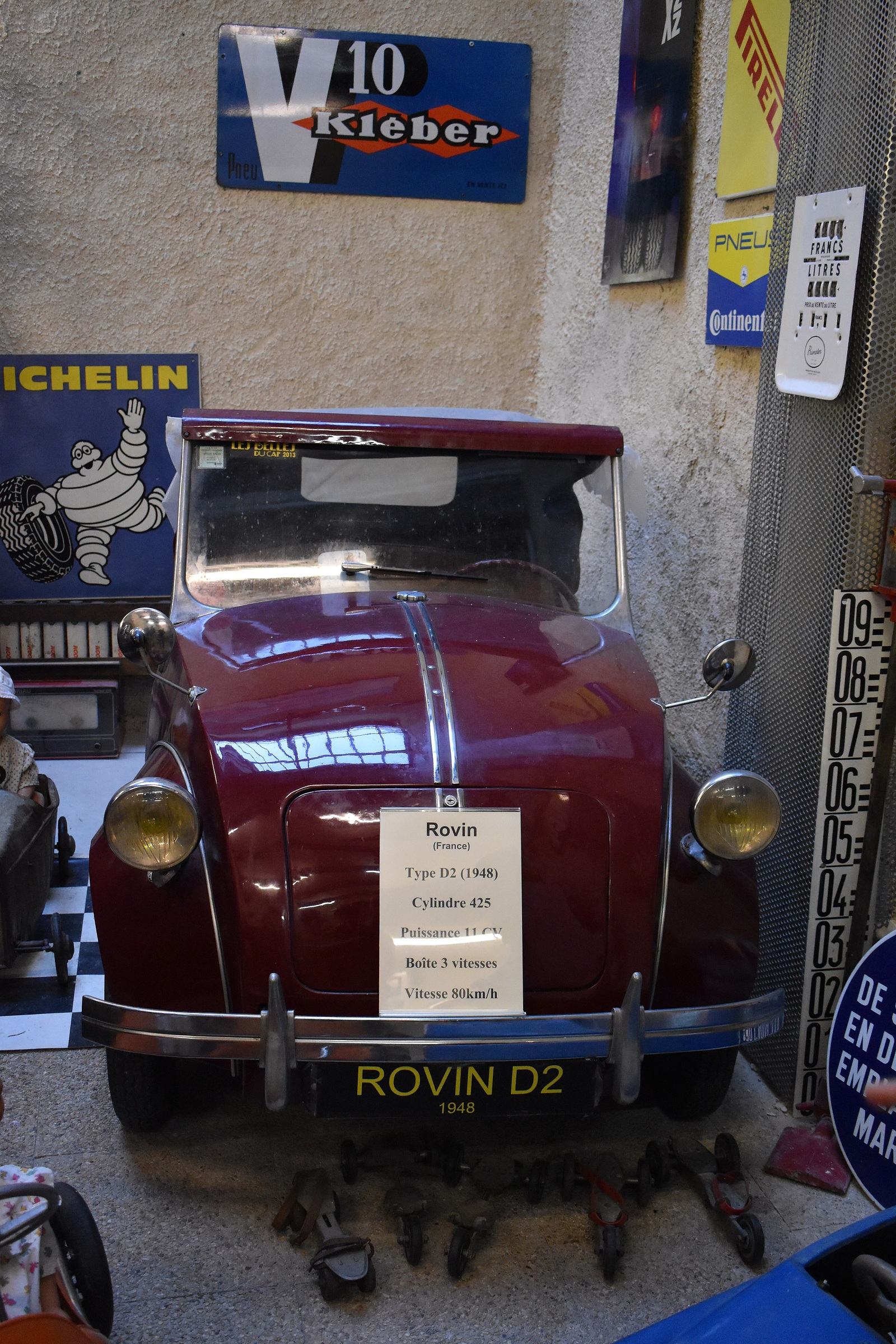
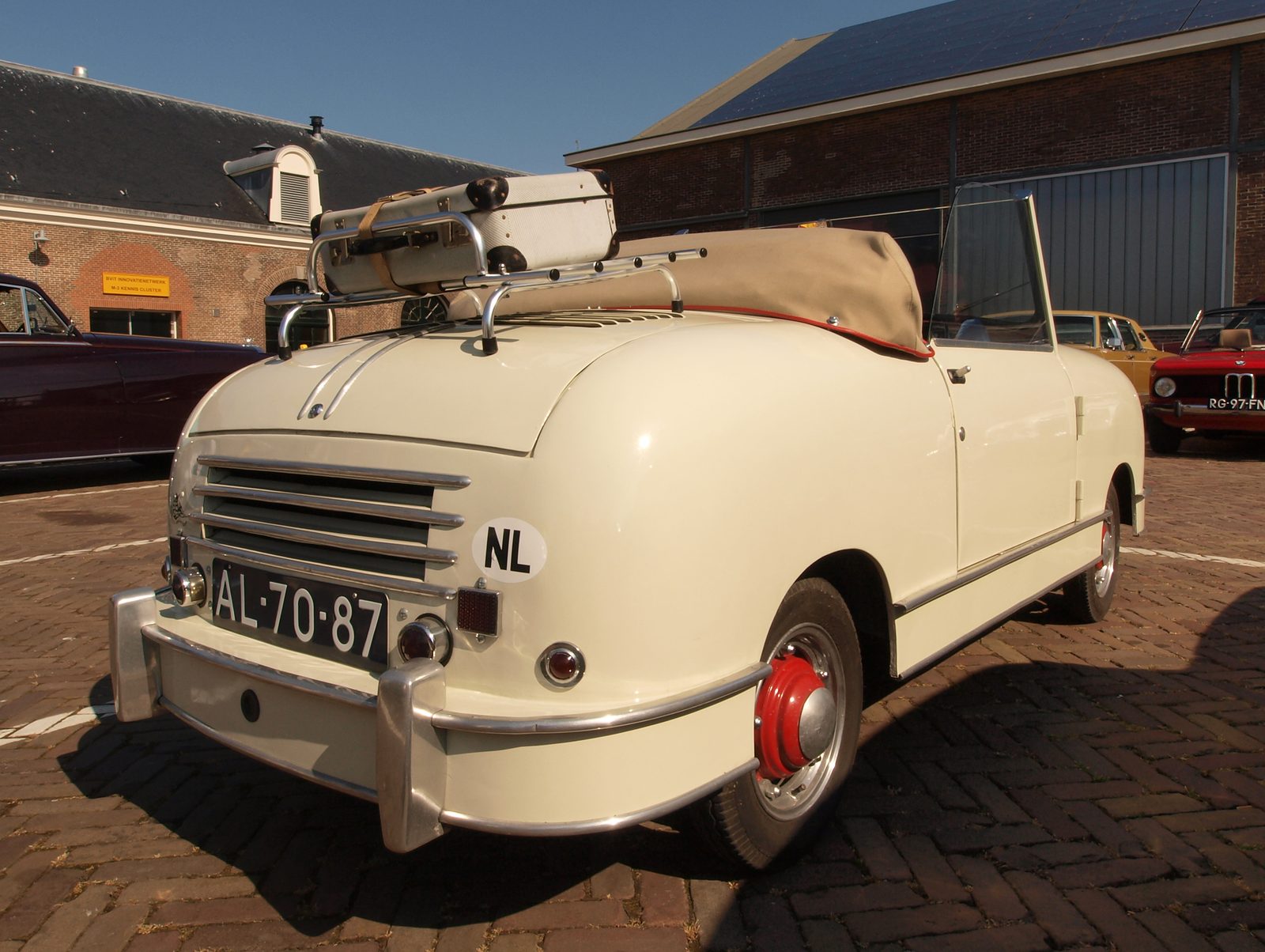
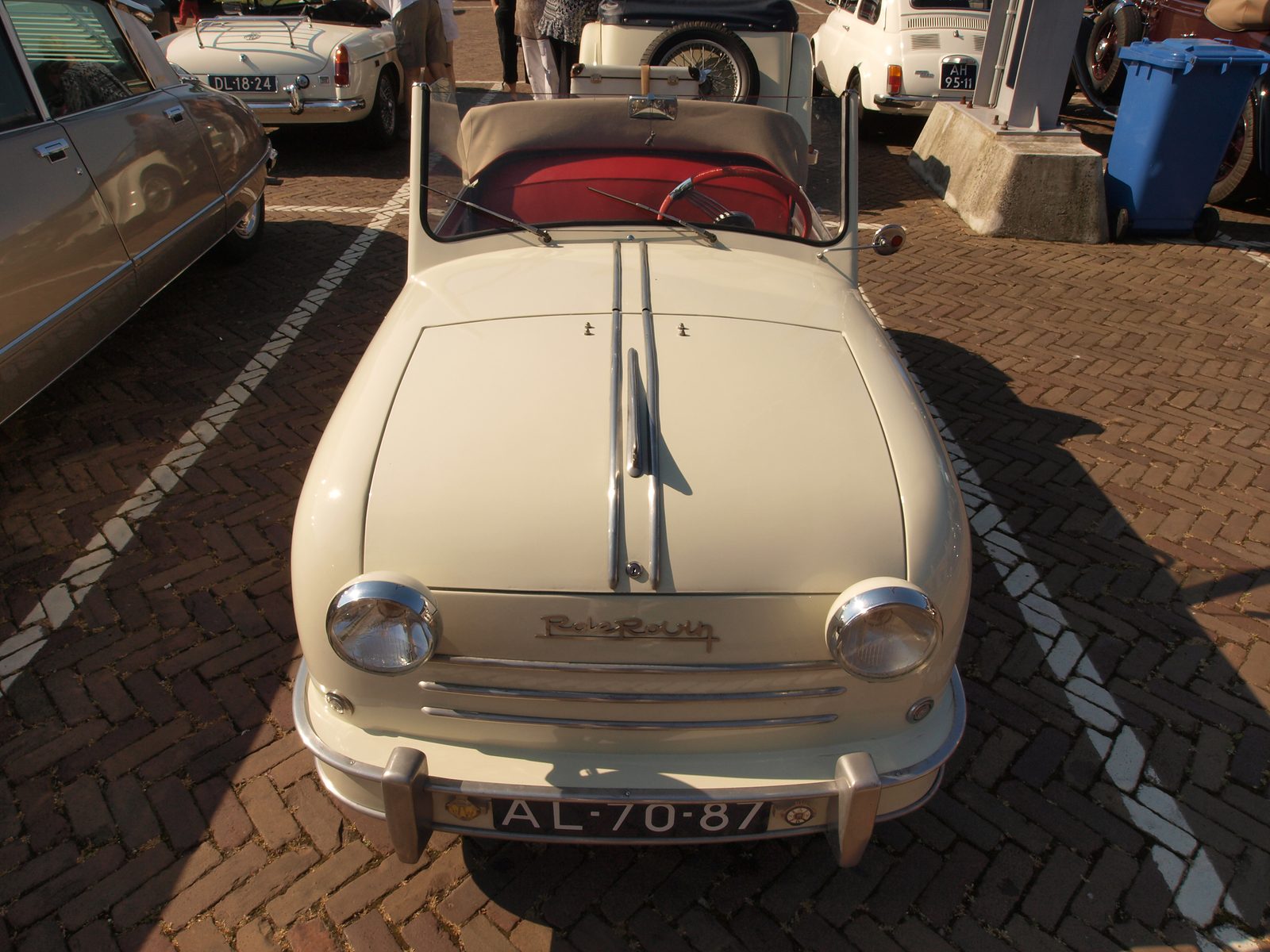
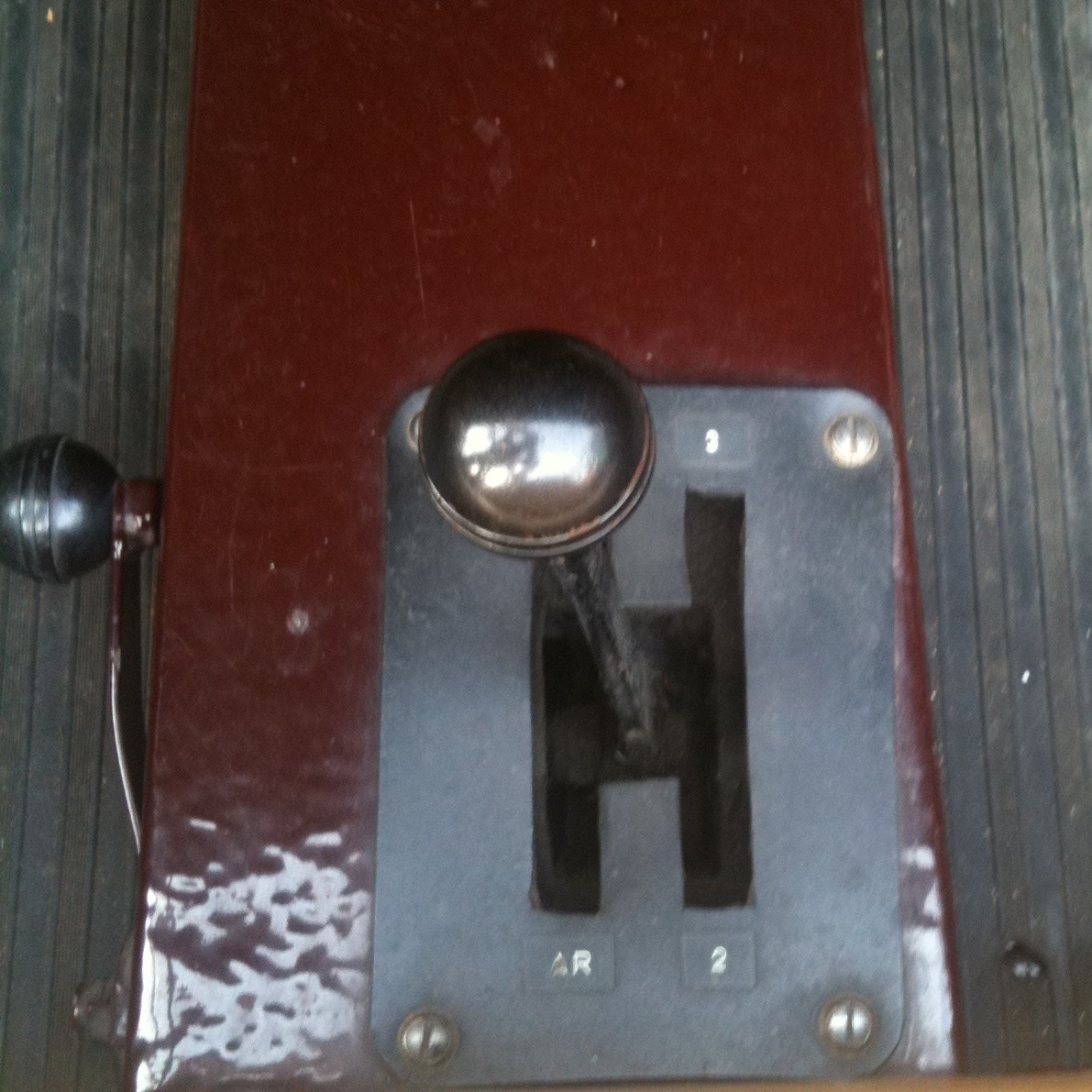
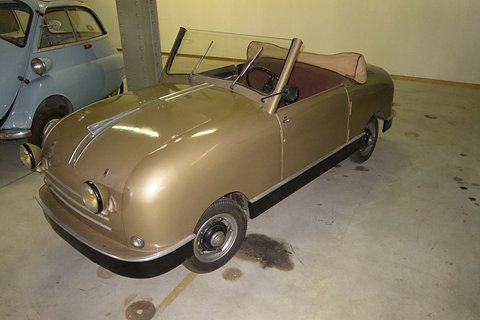
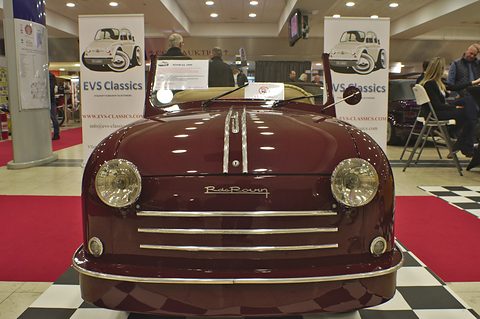
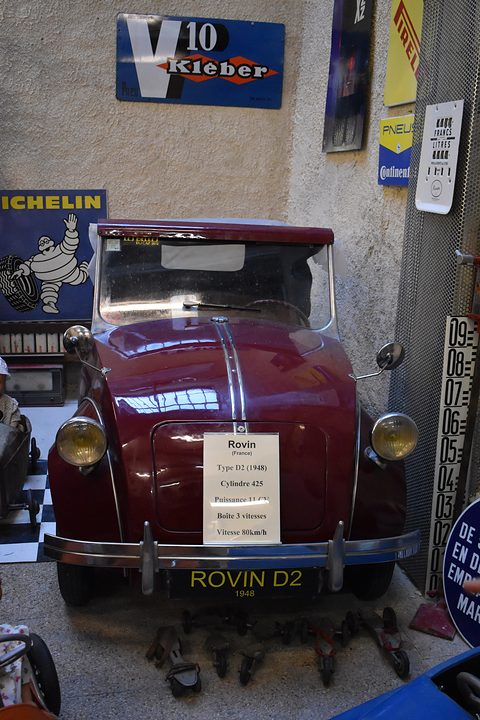
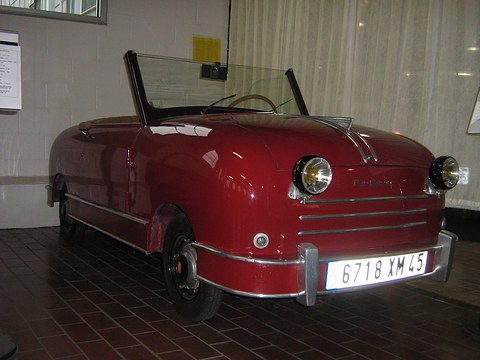
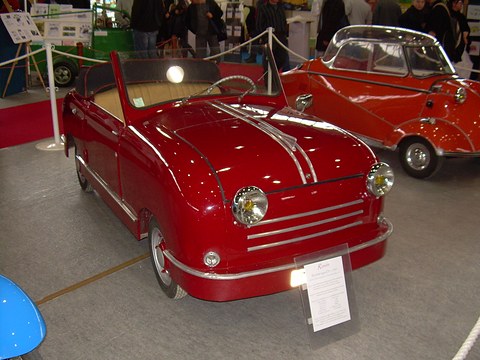
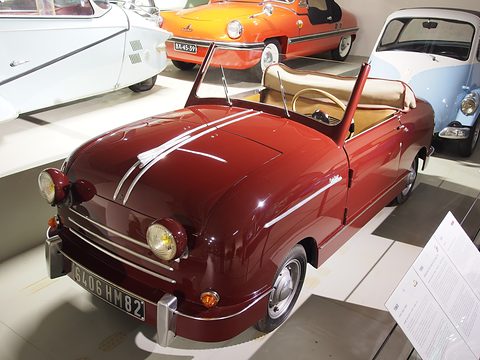
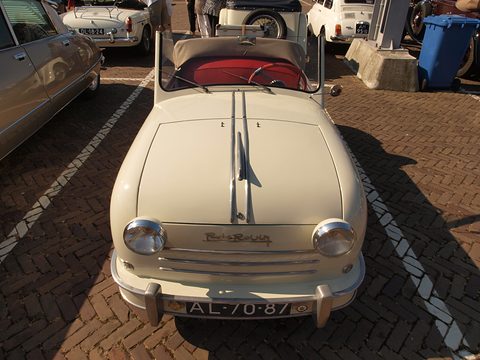
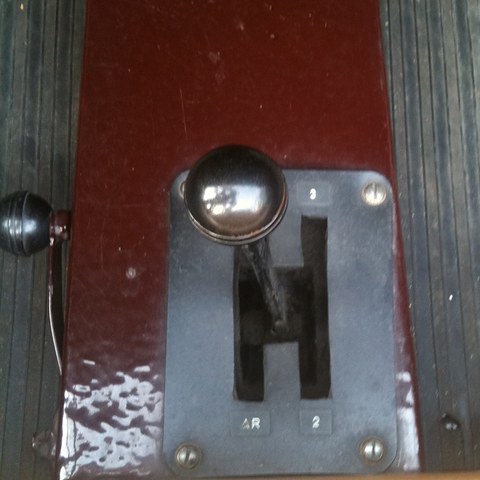
Production began at Saint-Denis in the autumn of 1947.source 3source 4 The D2’s engine was in the tail, turning the back wheels: a water-cooled four-stroke flat twin of 423 cc and 10 hp, with three speeds and reverse.source 5source 4 It had a backbone chassis, rack-and-pinion steering, a transverse leaf spring in front and coil springs behind, cable brakes, 12 V electrics and an electric starter, and a little hatch in the nose gave access to the battery.source 5source 4source 3 It was 2,800 mm (110 in) long, seated two on a bench and did 70–80 km/h (43–50 mph).source 3source 5source 4 The Weiner museum called it pretty, relatively quiet and sophisticated, and said it was well received.source 4 Early in 1948 it went to the Geneva show and was advertised in the French-speaking Swiss press.source 3
The Rovins knew how to show a car. At the Paris Salon of October 1948 a D2 was painted in the livery of the apéritif Dubonnet, and at the Copenhagen show of 1950 a Rovin was displayed in a jewel box, like a present.source 7
The D3 and D4
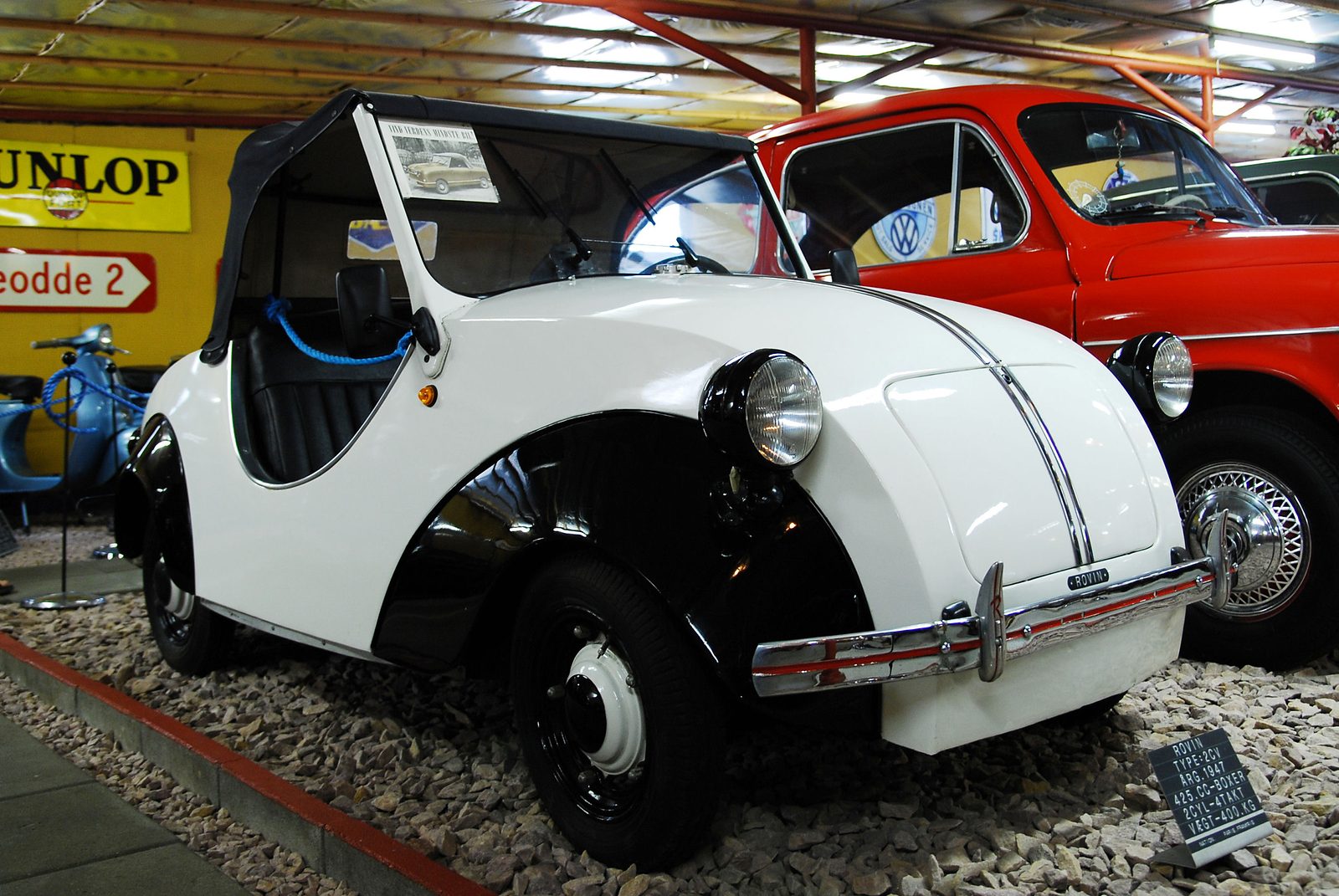
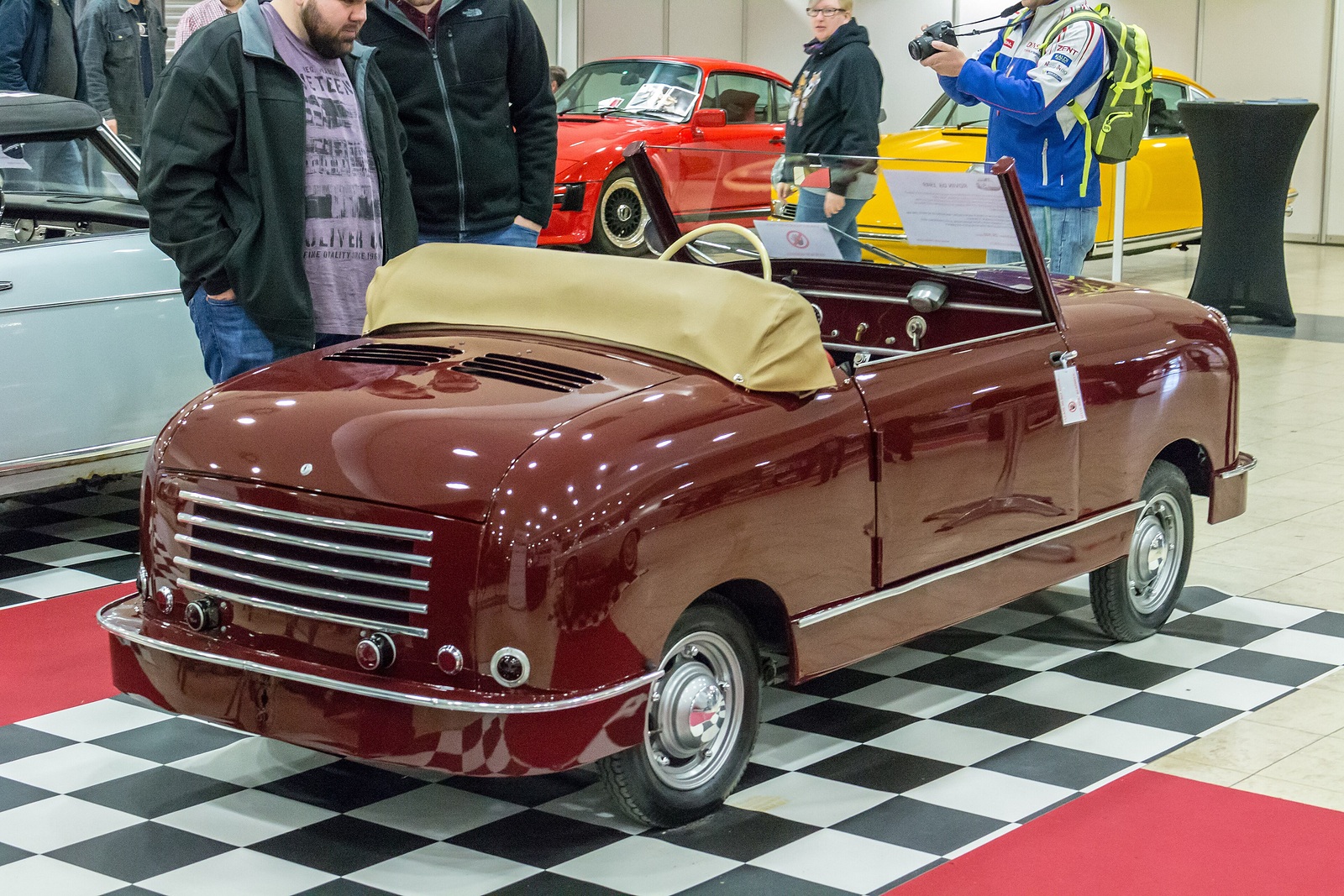
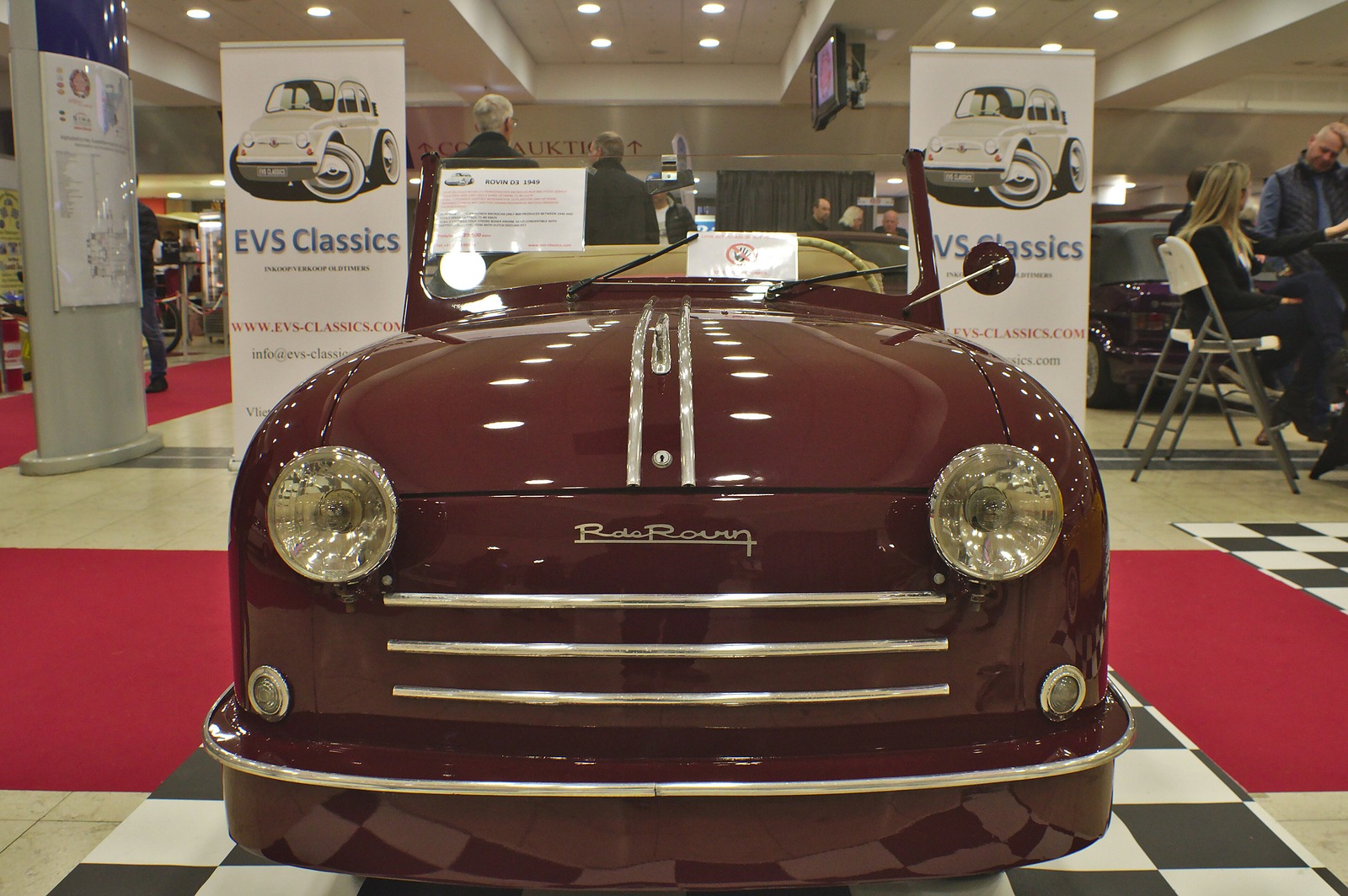
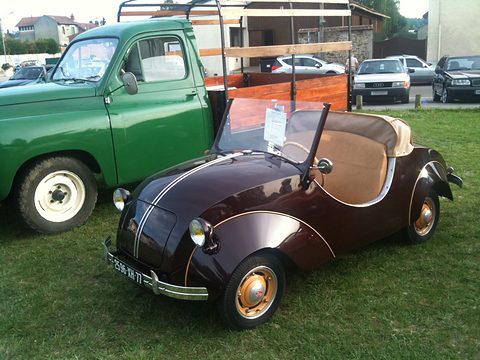
The D3 appeared at that 1948 Salon, still presented under the Delaunay-Belleville banner. Sold as the “Motocar 2 CV”, it had a full ponton body with doors, and to save money its front and rear wings, and its doors, were made from matching pressings. Its first headlamps, set low and close together in the body, did not meet the regulations and soon gave way to separate lamps high on the wings.source 7source 3 It weighed 380 kg (838 lb) and did 75 km/h (47 mph).source 3source 5 The D2 carried on beside it.source 7
Works test drivers entered the Monte Carlo Rally in 1949 and in 1950, and finished both times, though too late to be classified.source 7 Their names and their cars have not been found, but it earns the Rovin a line in the history of racing and rallying.
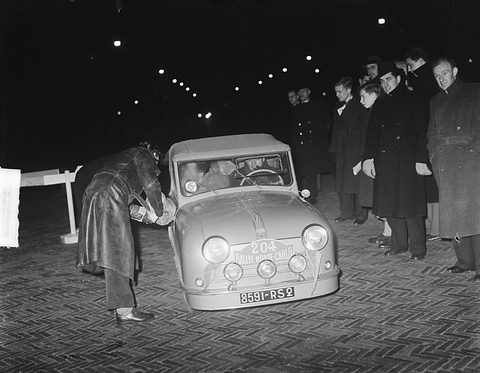
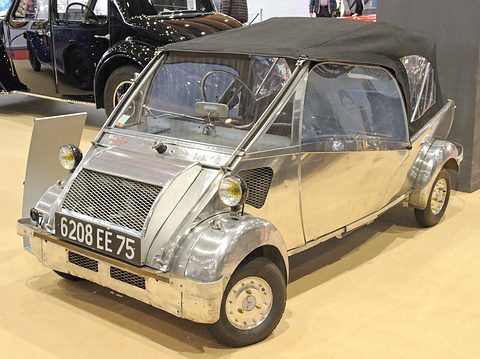
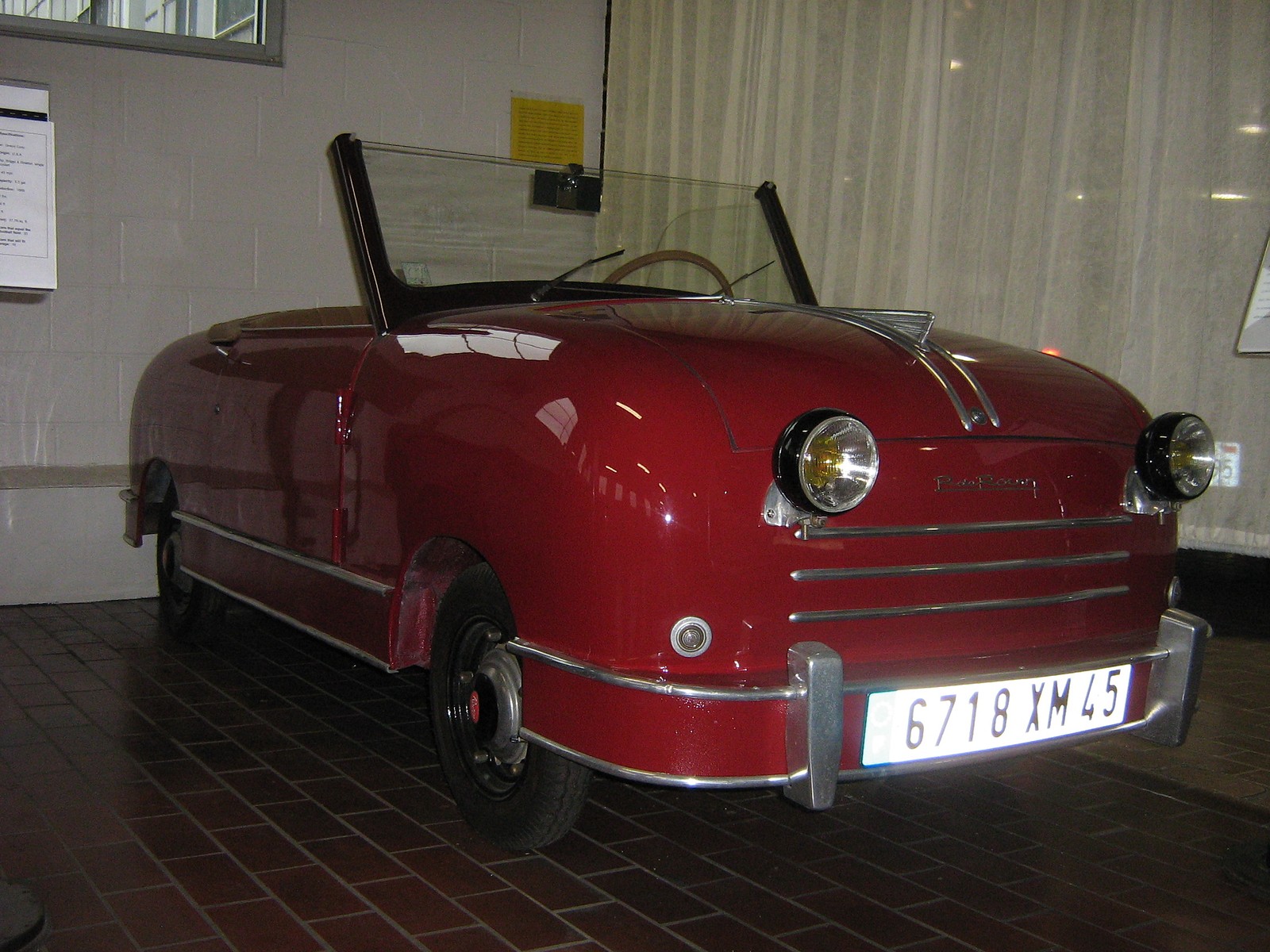
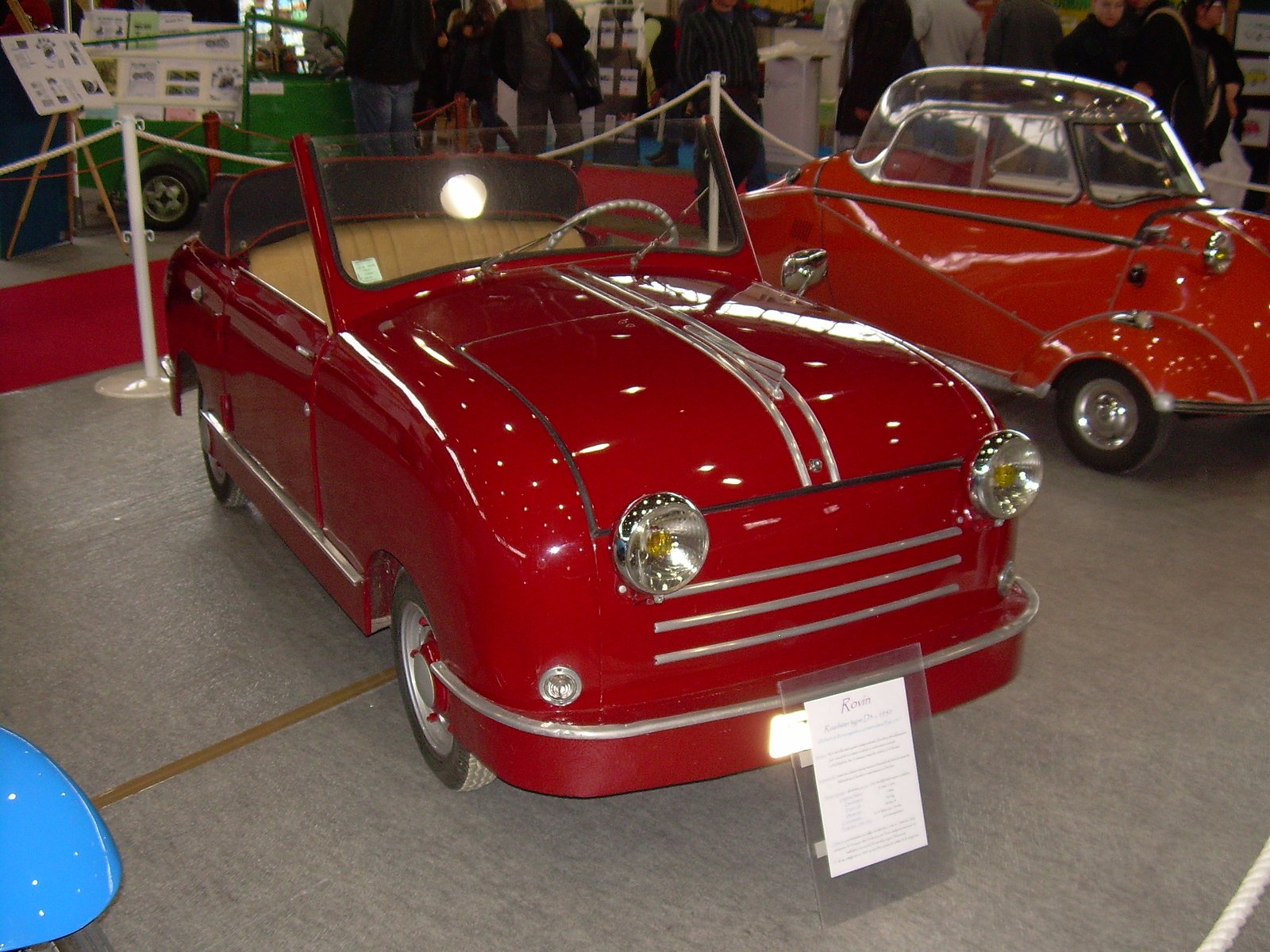
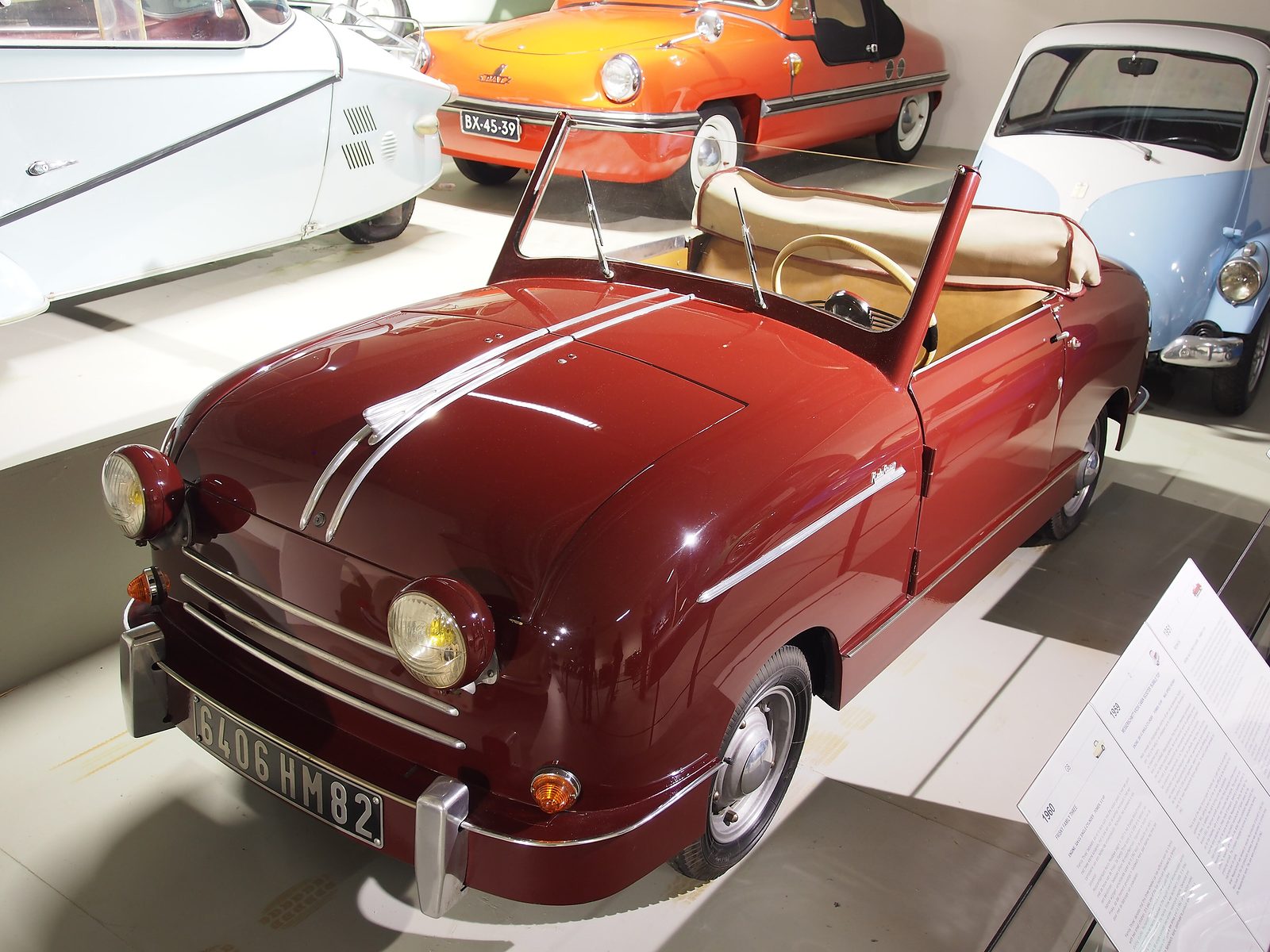
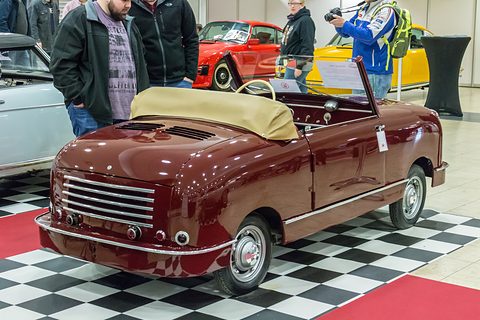
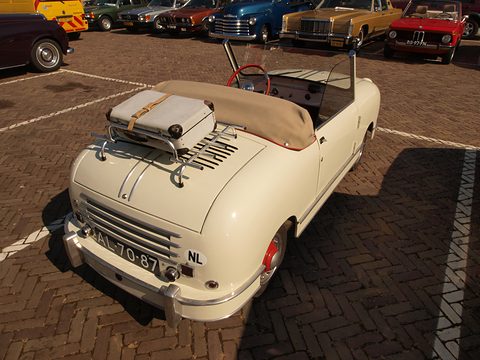
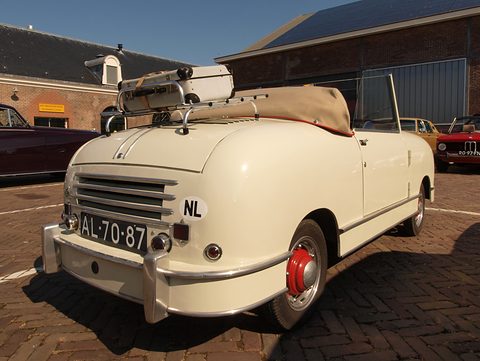
Raoul de Rovin died in 1949; the museum says only that he “disappeared”.source 5source 4 Robert carried on. The D4, put into production in the spring of 1950 by the museum’s account and shown at the Salon that October, had its engine bored out to 462 cc and 13 hp, which put it in the 3 CV tax class, with four speeds, a larger grille and higher lamps; it did 85 km/h (53 mph).source 3source 4source 7 It was 3,150 mm (124 in) long on a 1,800 mm wheelbase, and weighed 394 kg (869 lb).source 3source 4source 6 Small changes followed: bumper brackets and front-hinged doors in 1951, improvements to the trim and the suspension at the end of 1952, and in October 1953 headlamps set into the wings, with alloy strips running back to the doors.source 7source 3source 4 It was the most numerous Rovin, with 1,203 built.source 4source 6 Rovins were sold in Switzerland and exported as far as South America, to Uruguay among other countries.source 3source 7
Uncompromisingly well-built and delightfully styled, around 400 - 500 cars emerged each year from the old Delaunay-Belleville factories in Saint Denis, upstream against the tide of ‘real’ cars.
Against the tide
The tide won. By 1950 a Citroën 2CV cost less than a Rovin, and a Renault 4CV not much more.source 7 Only 110 cars were built in 1953, and only 20 in 1954.source 3source 7 How long Robert held out depends on the source: until 1958, says the Weiner museum; production was suspended in 1959, says French Wikipedia; it ended in 1961, says German Wikipedia. RM adds that Rovin went on servicing the cars until 1961, which may explain the last date, and that Rovin also worked in aviation.source 4source 5source 1source 7 The toy maker CIJ made a model of the D4.source 5