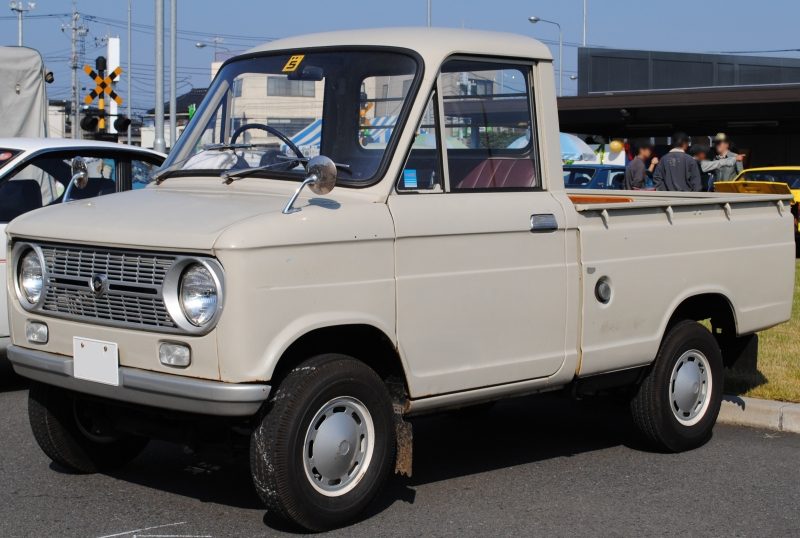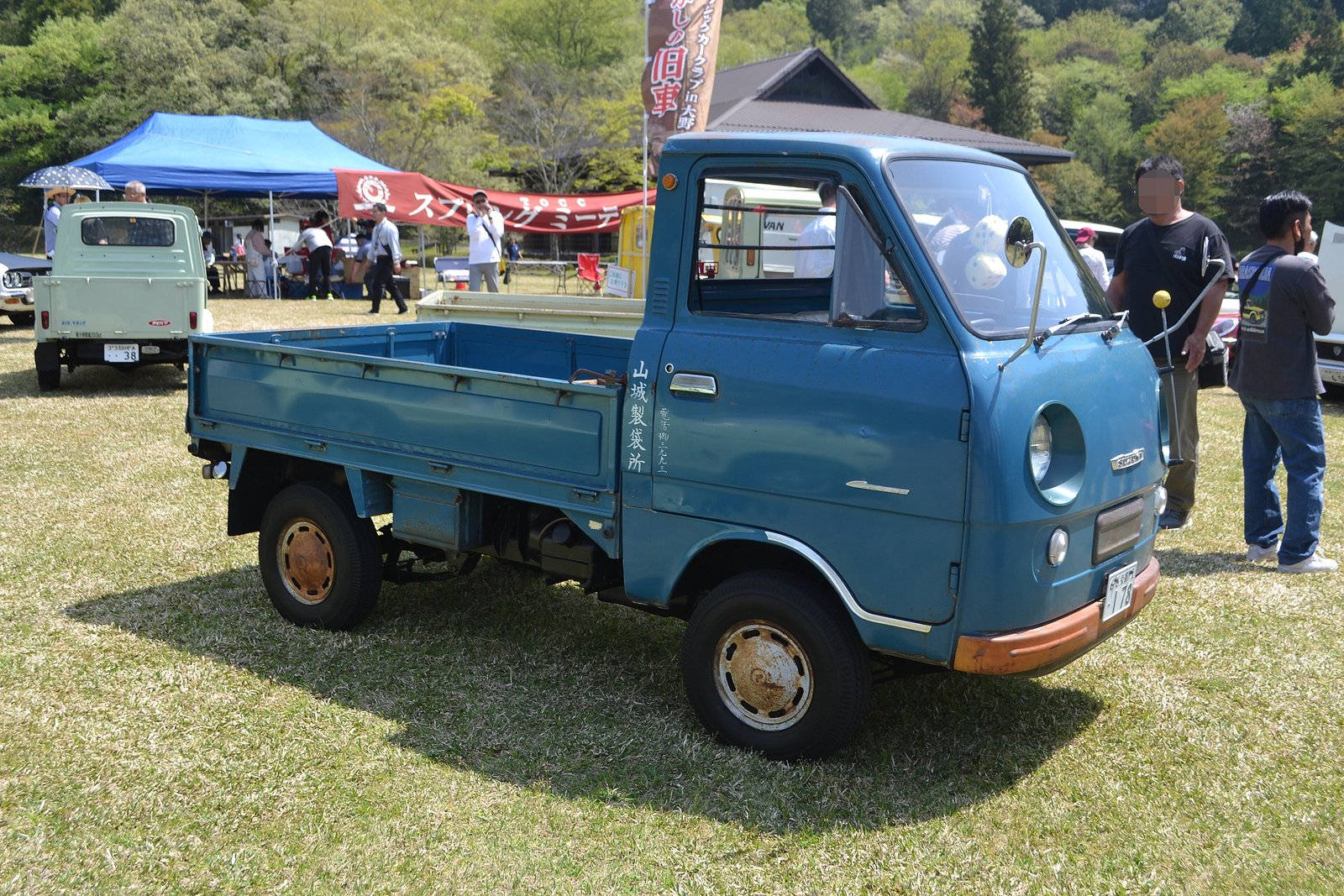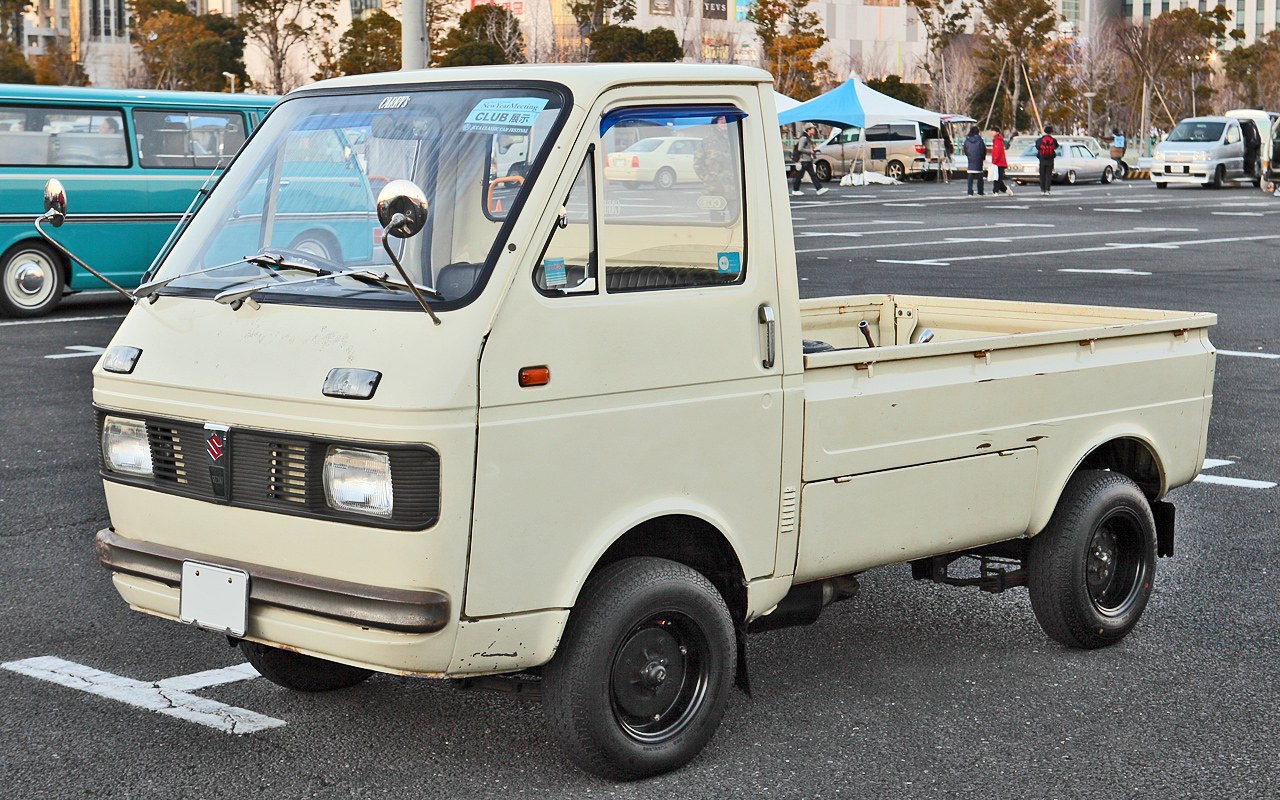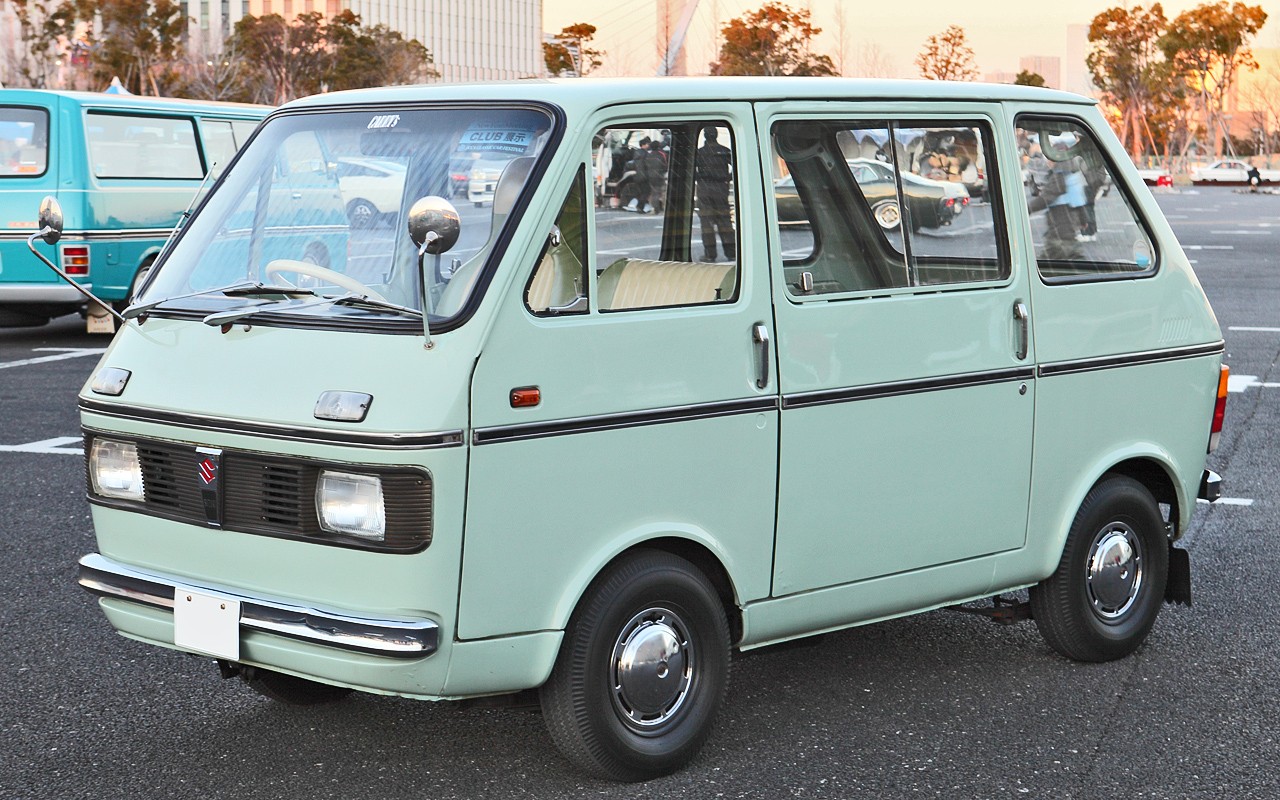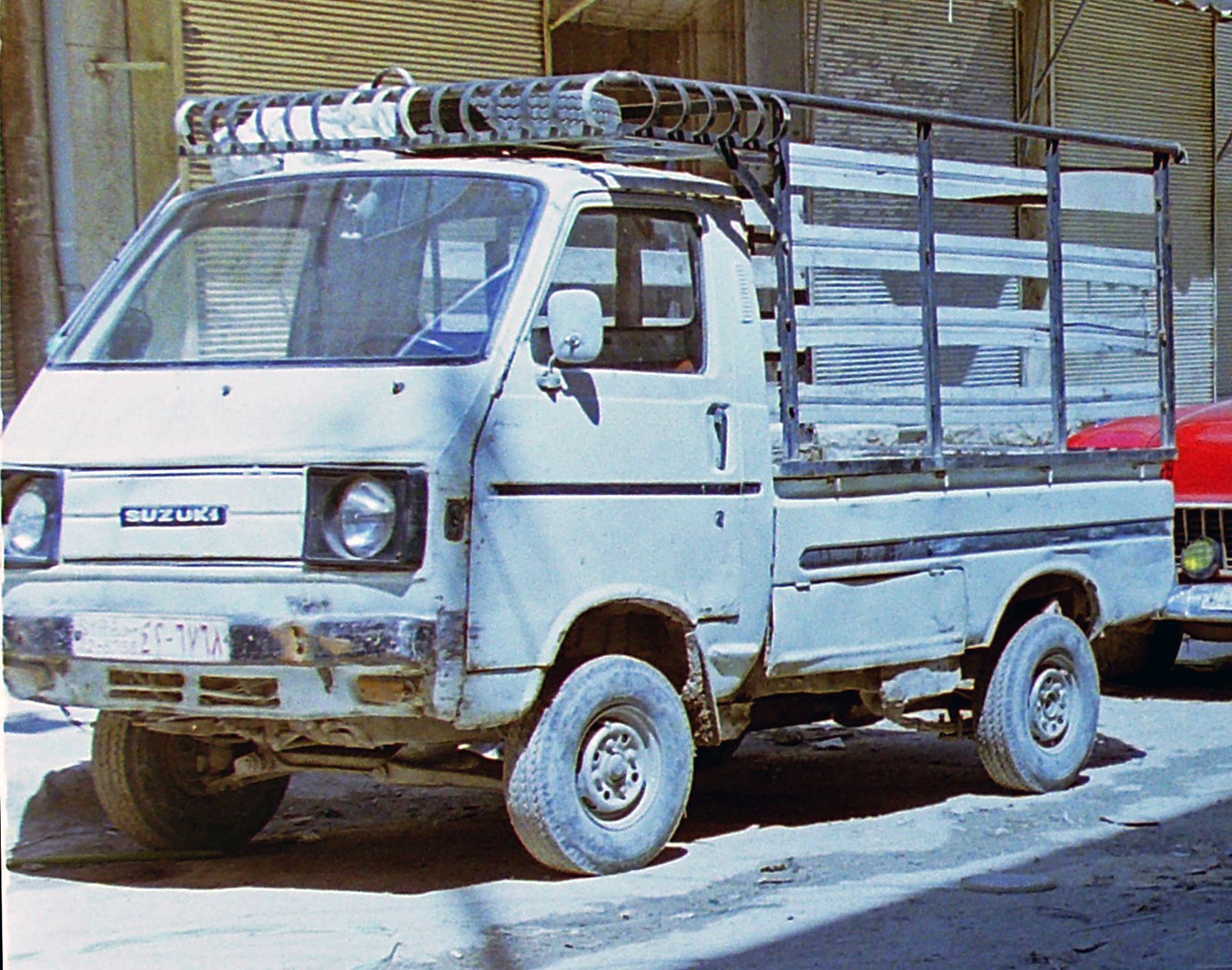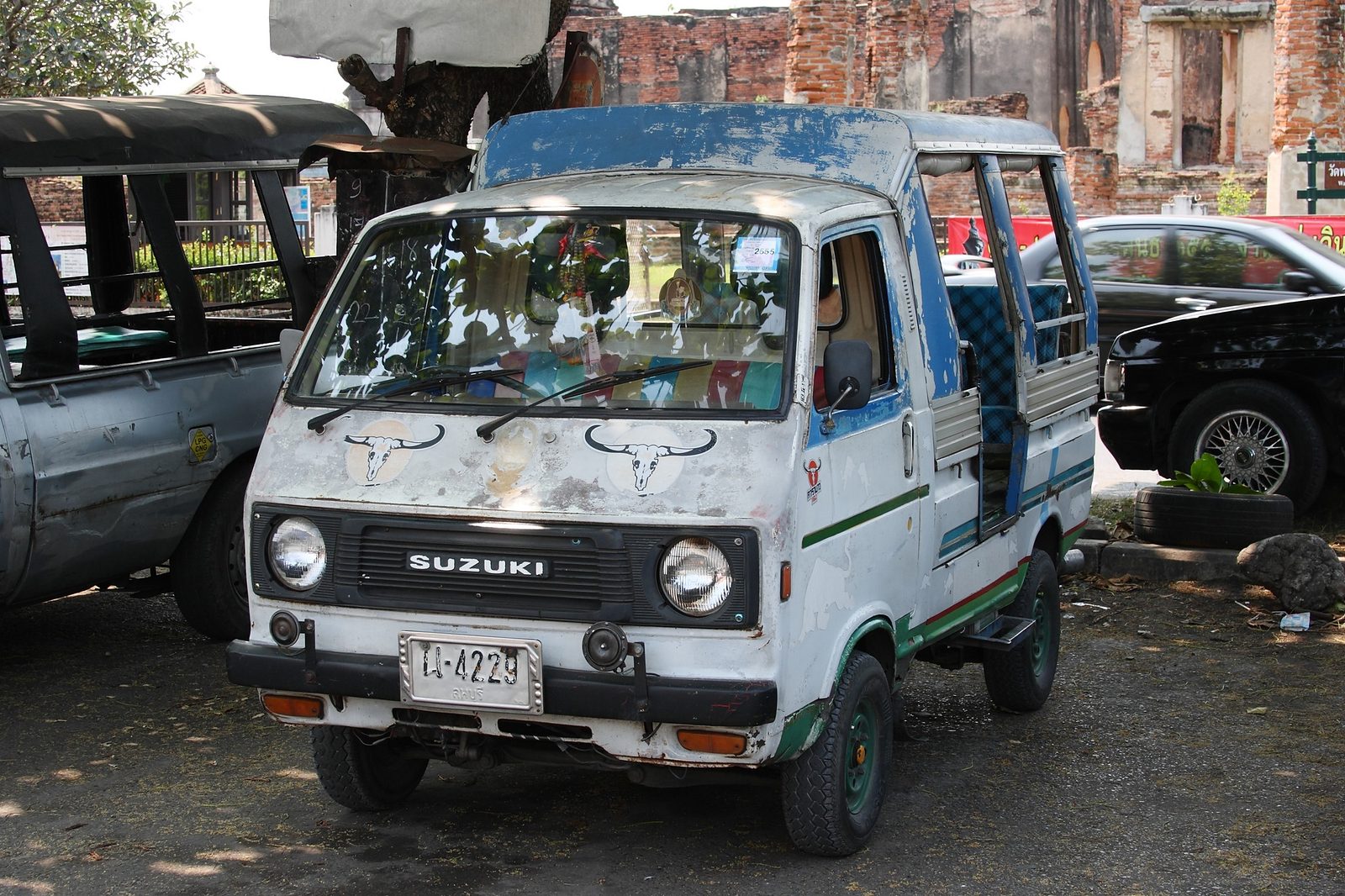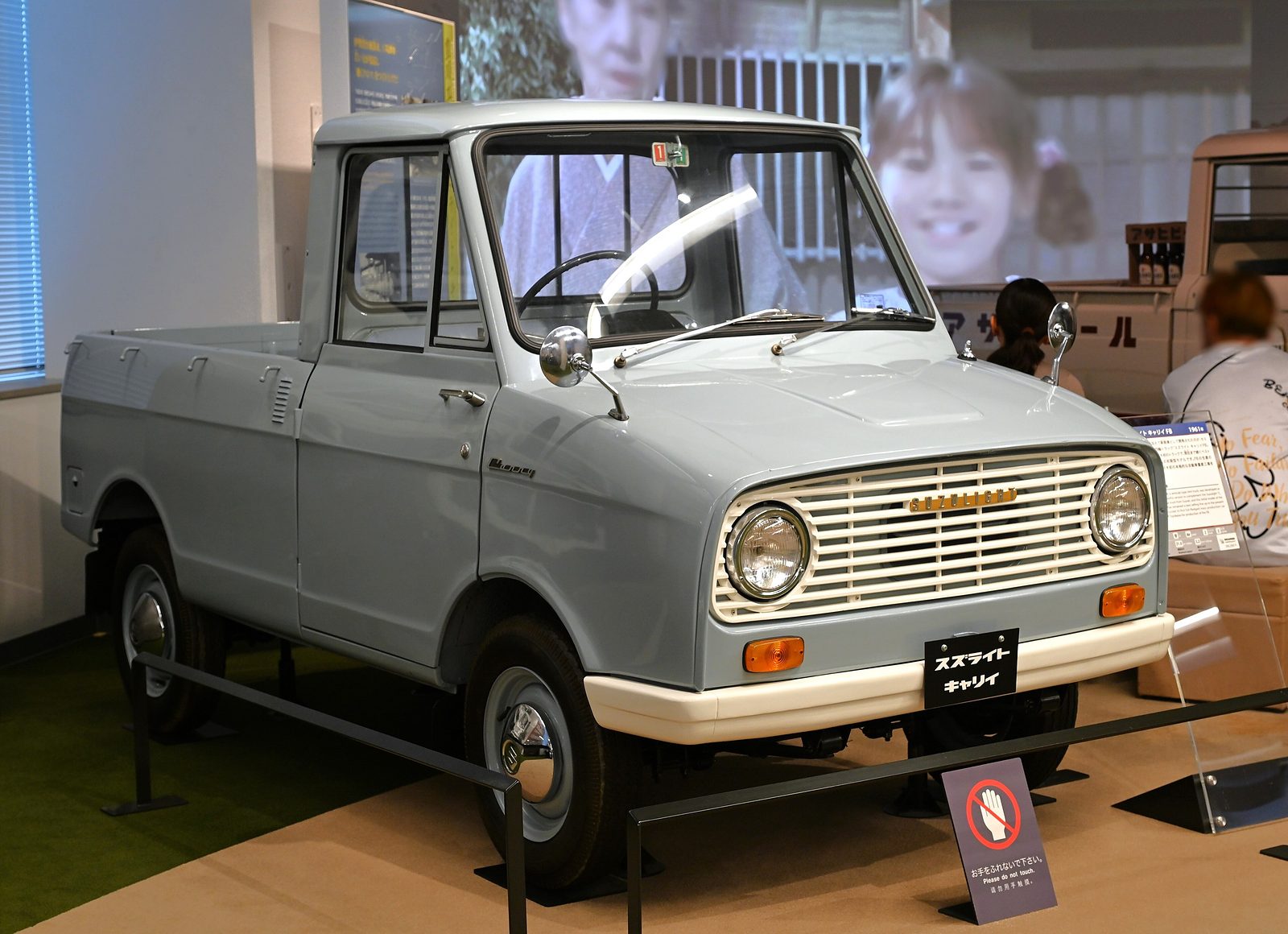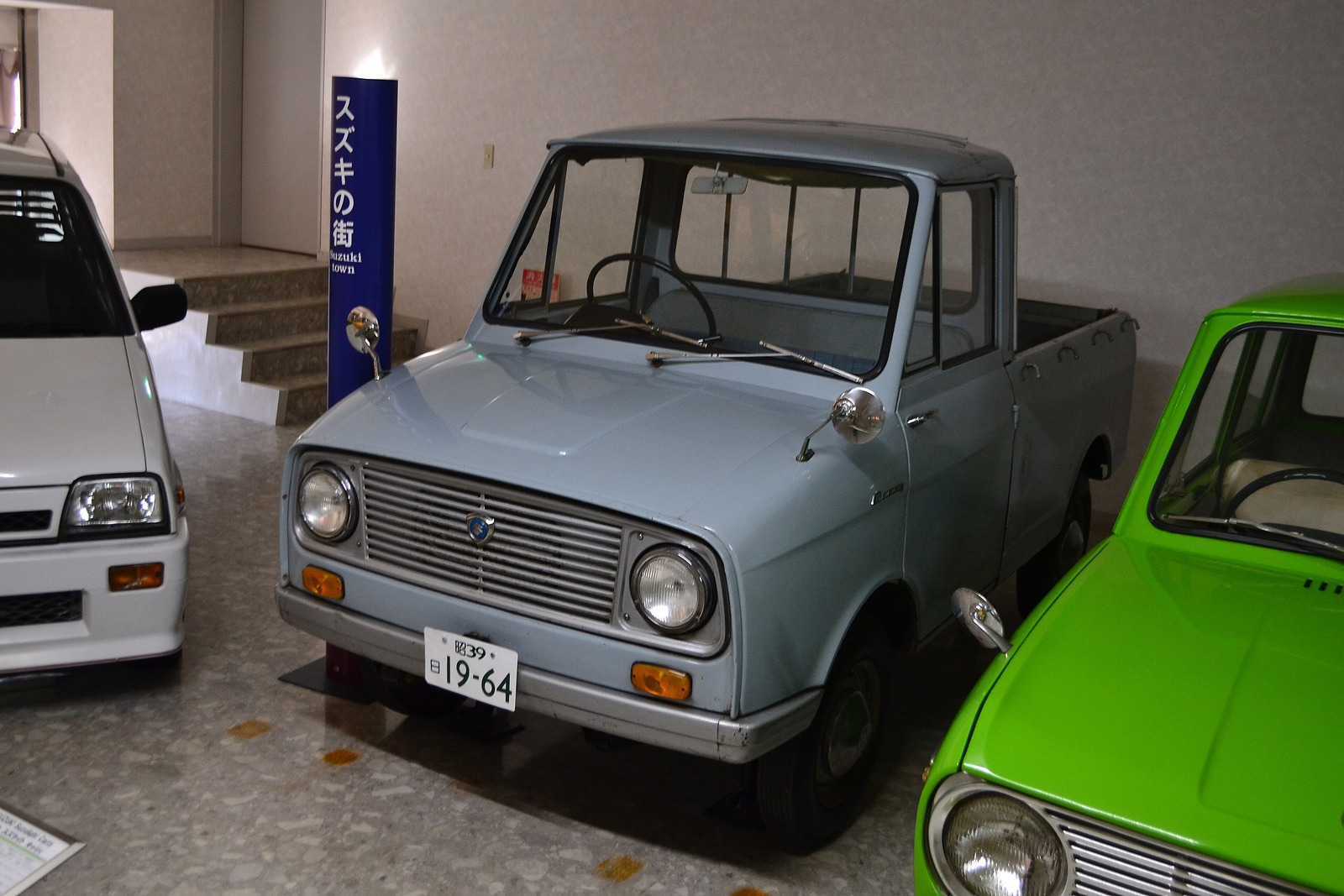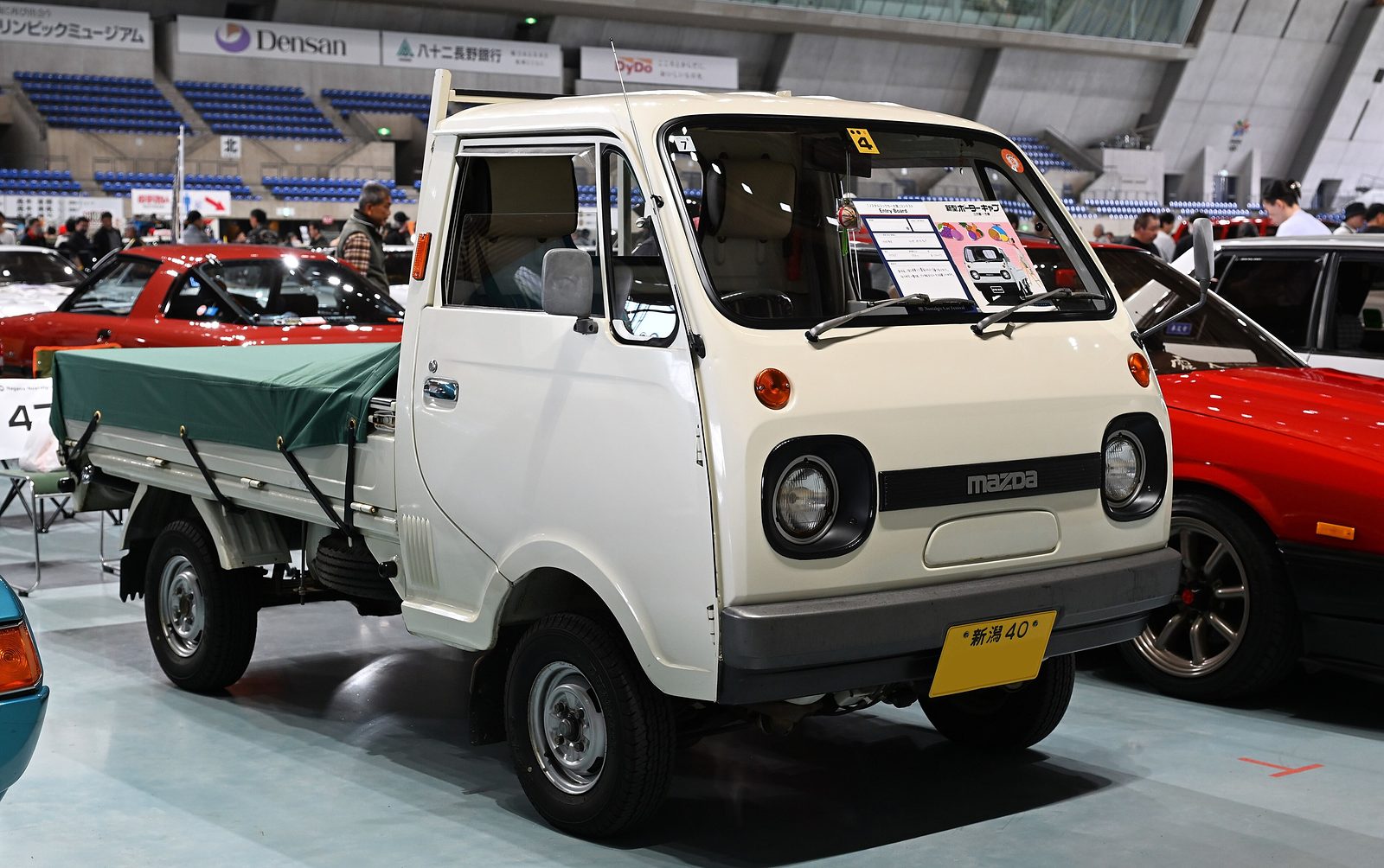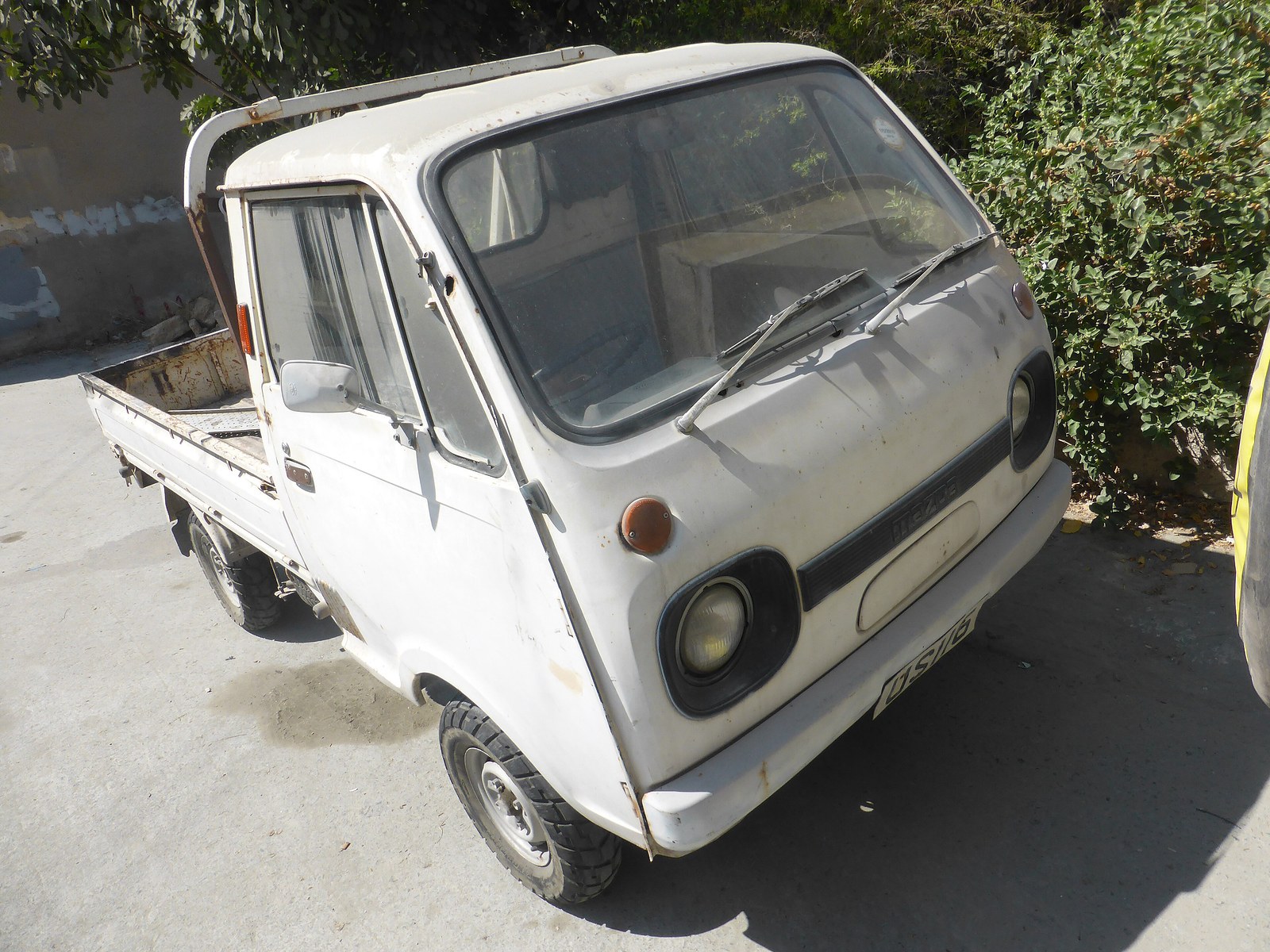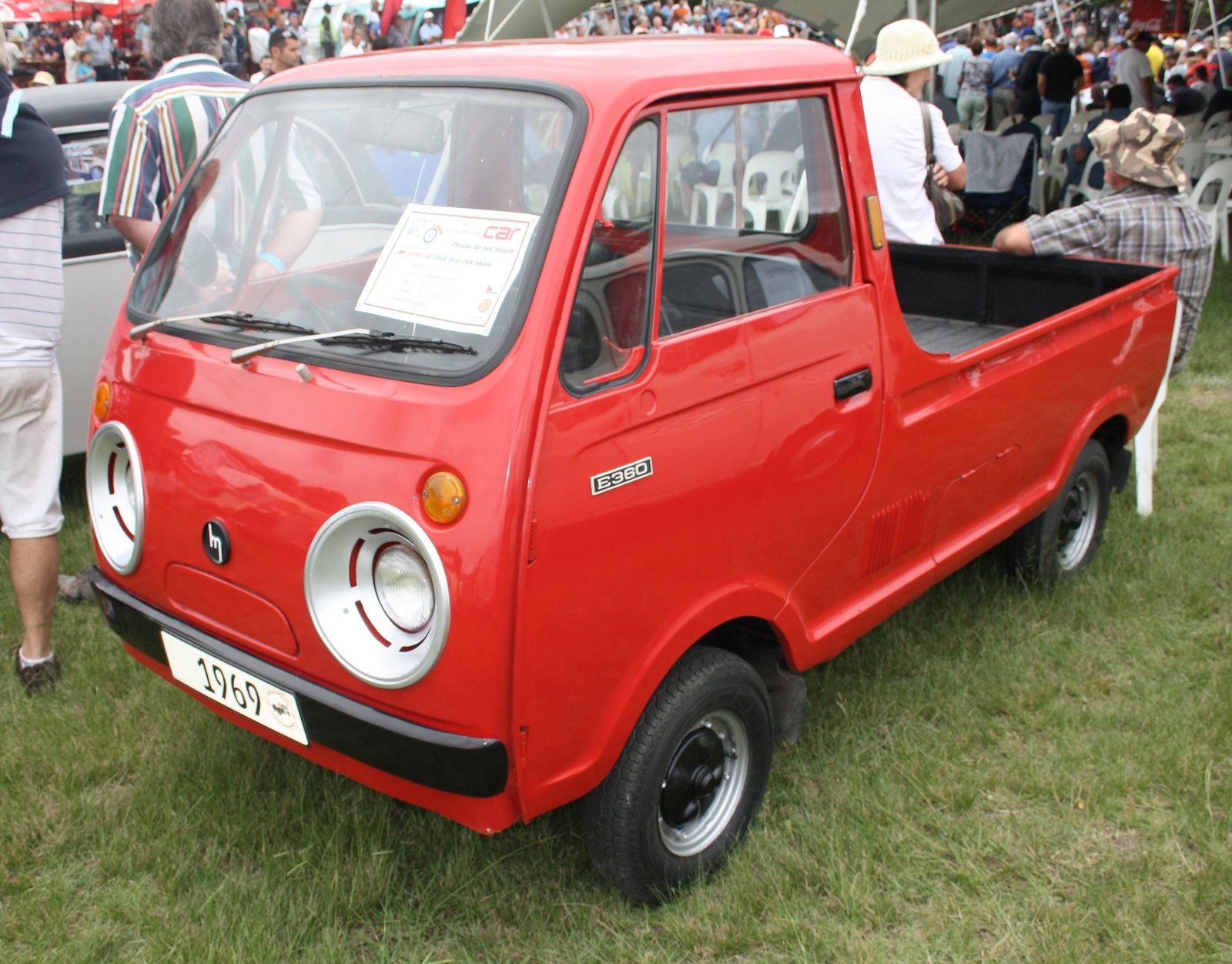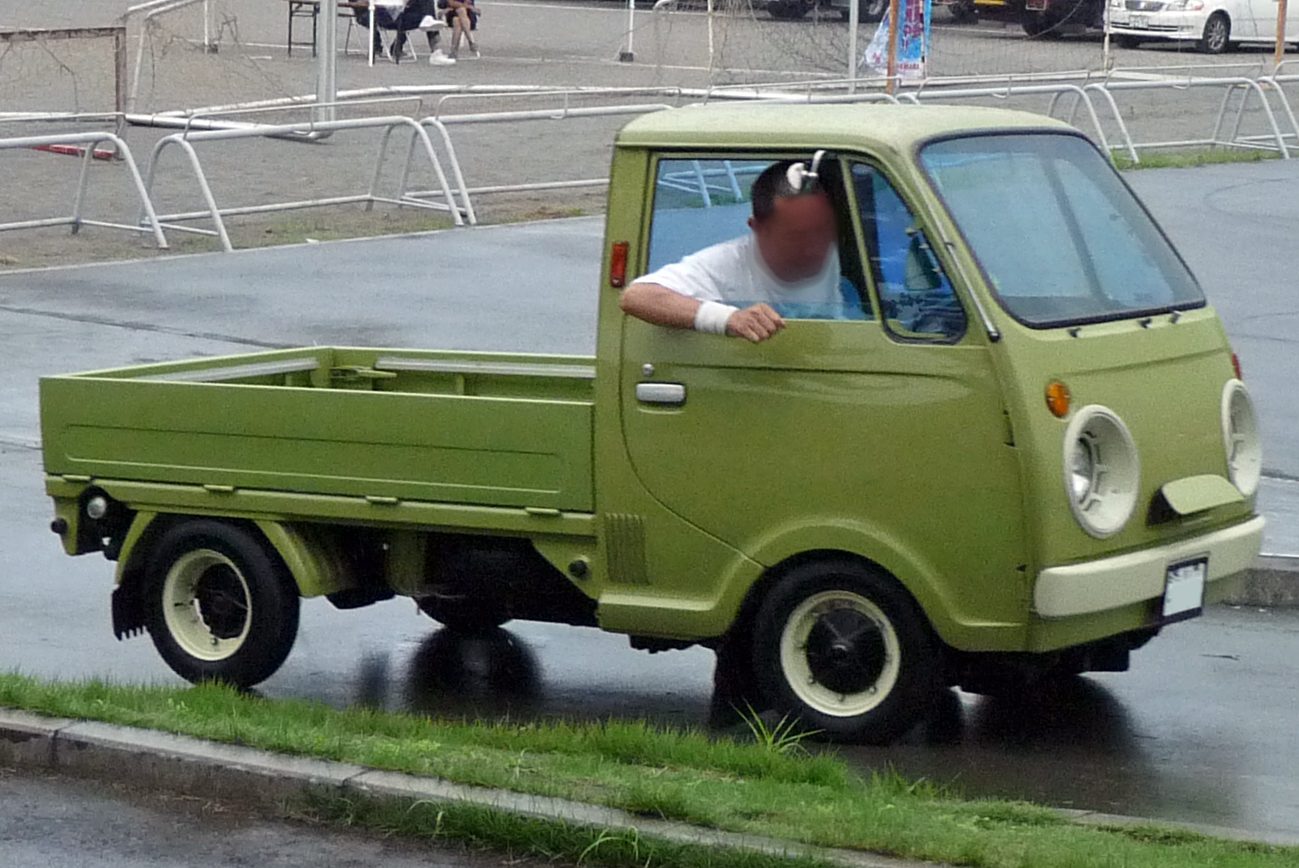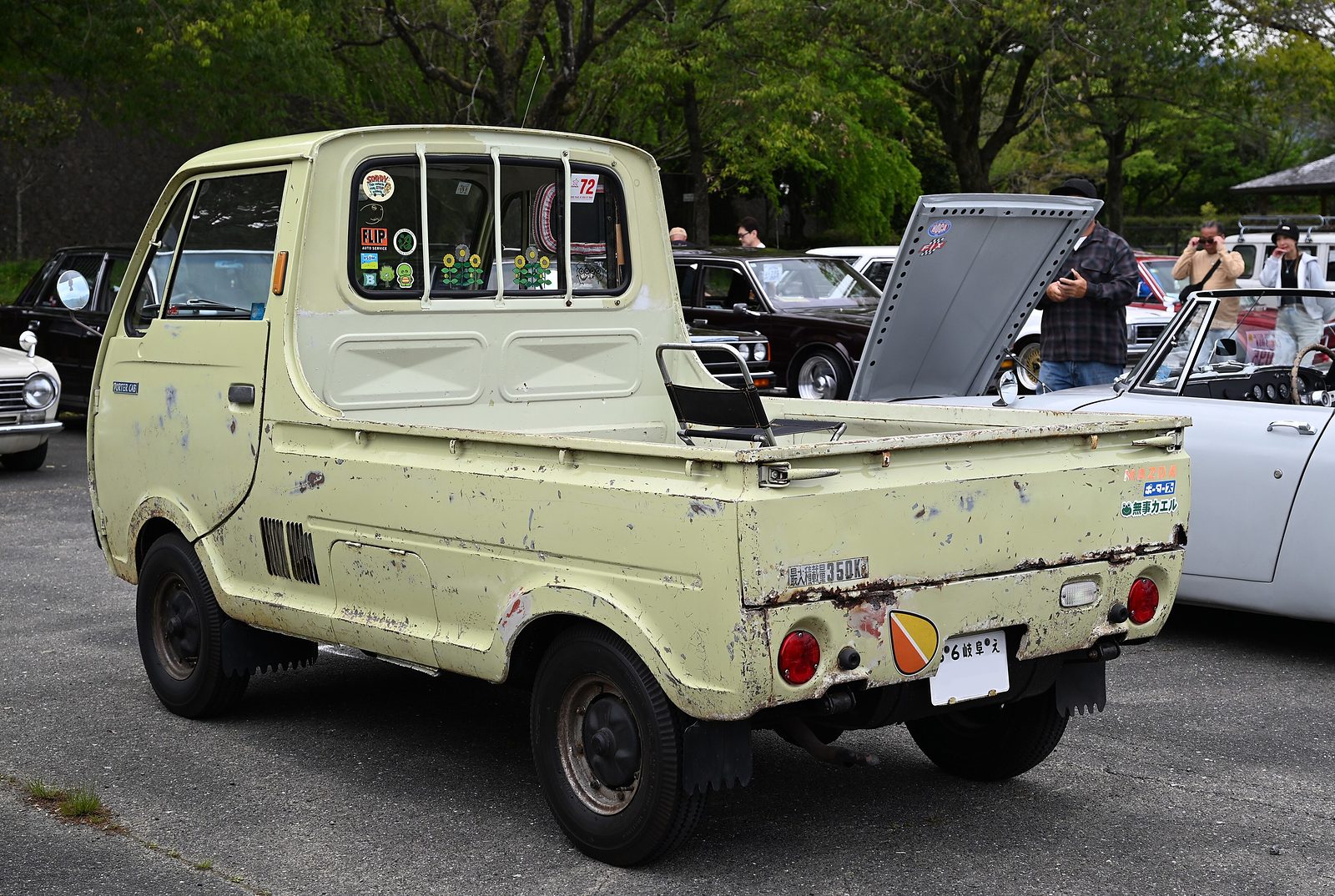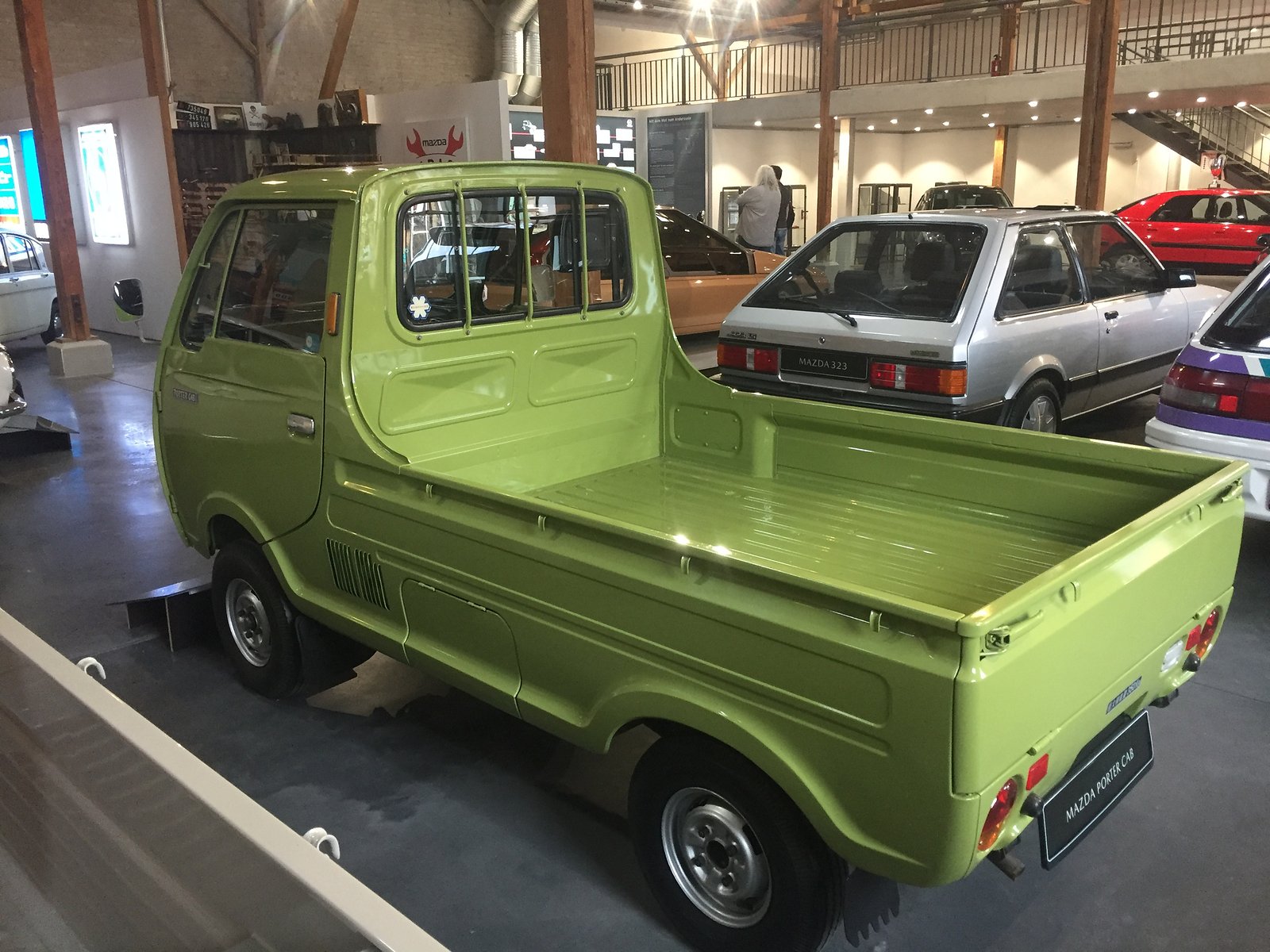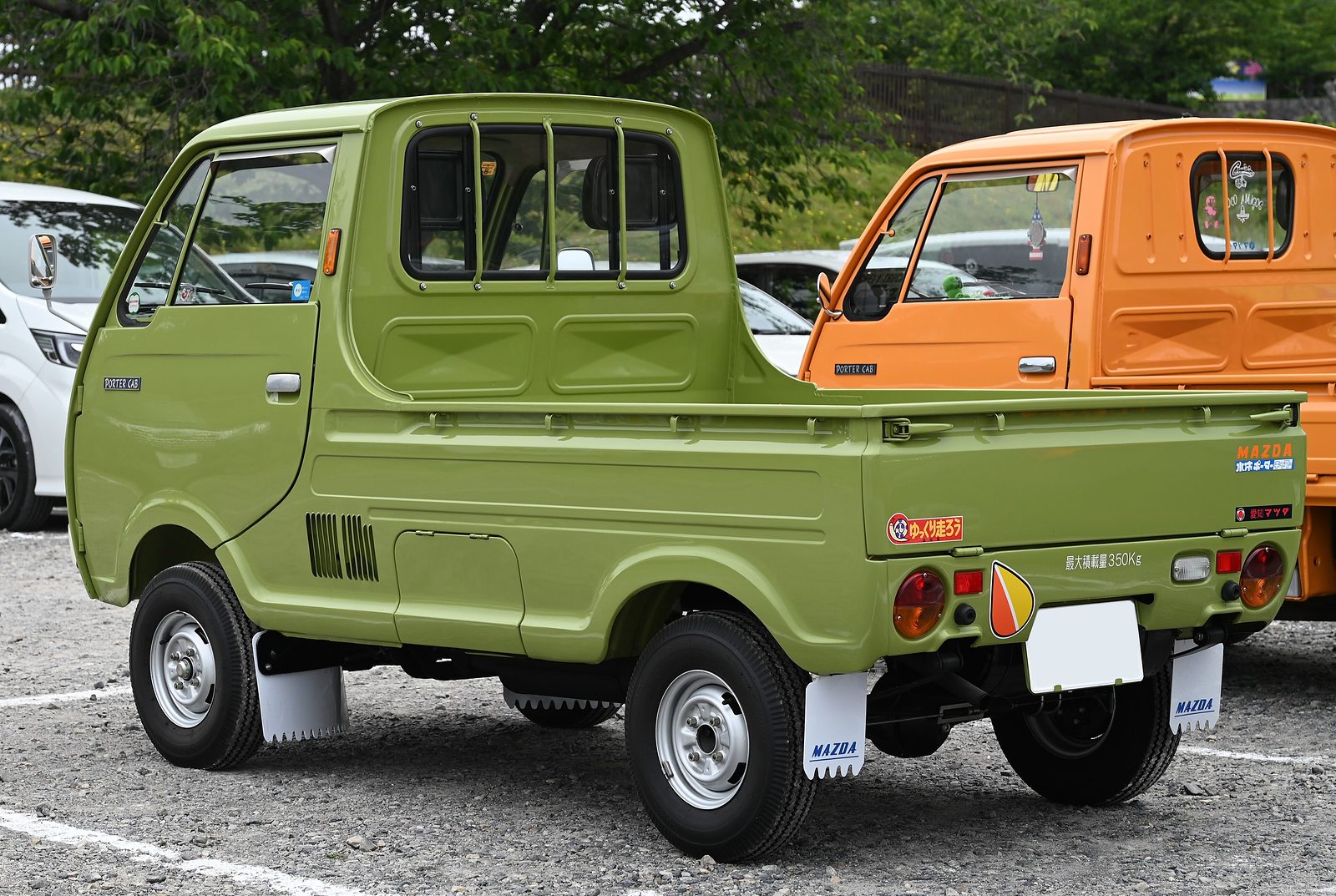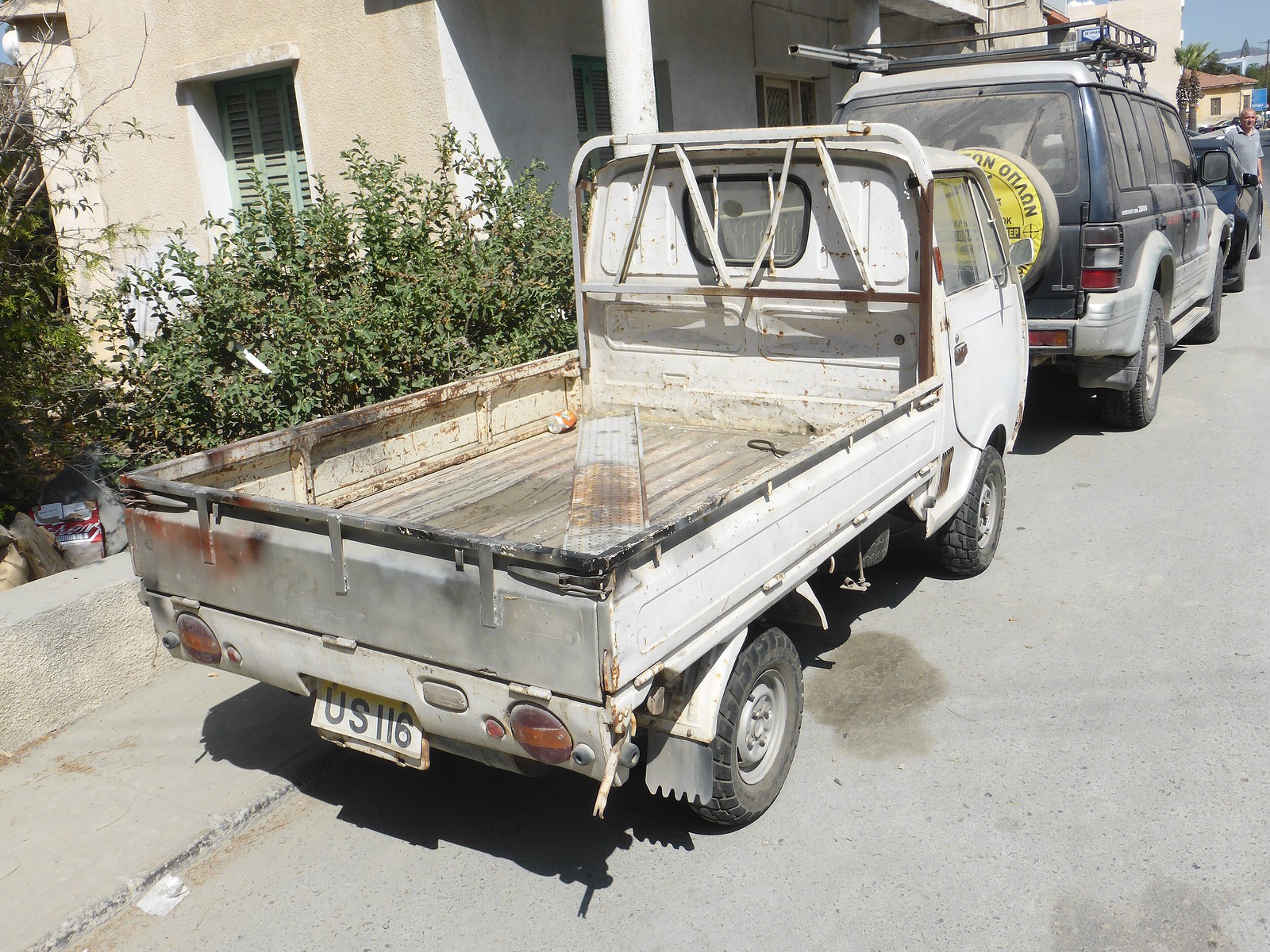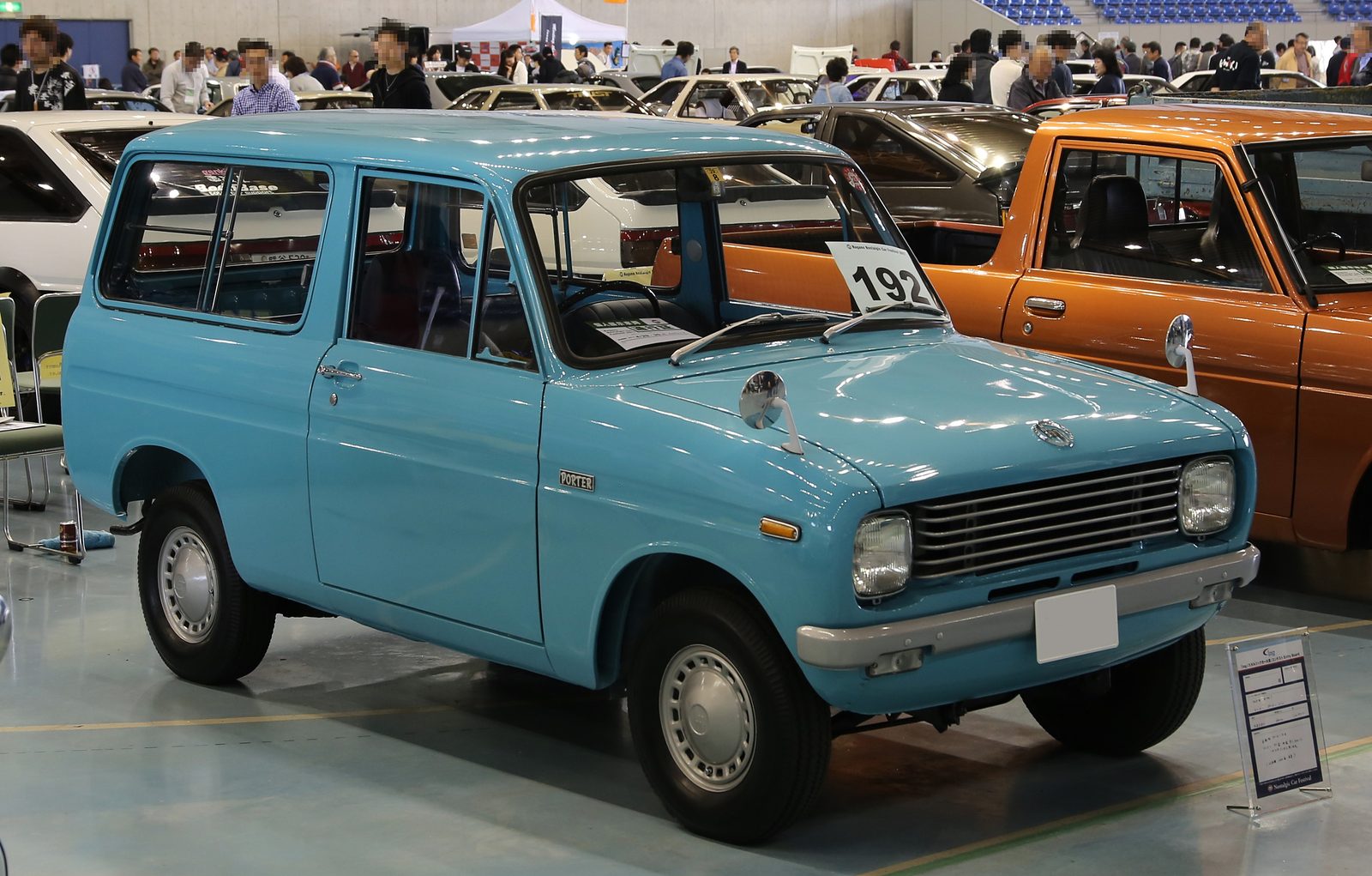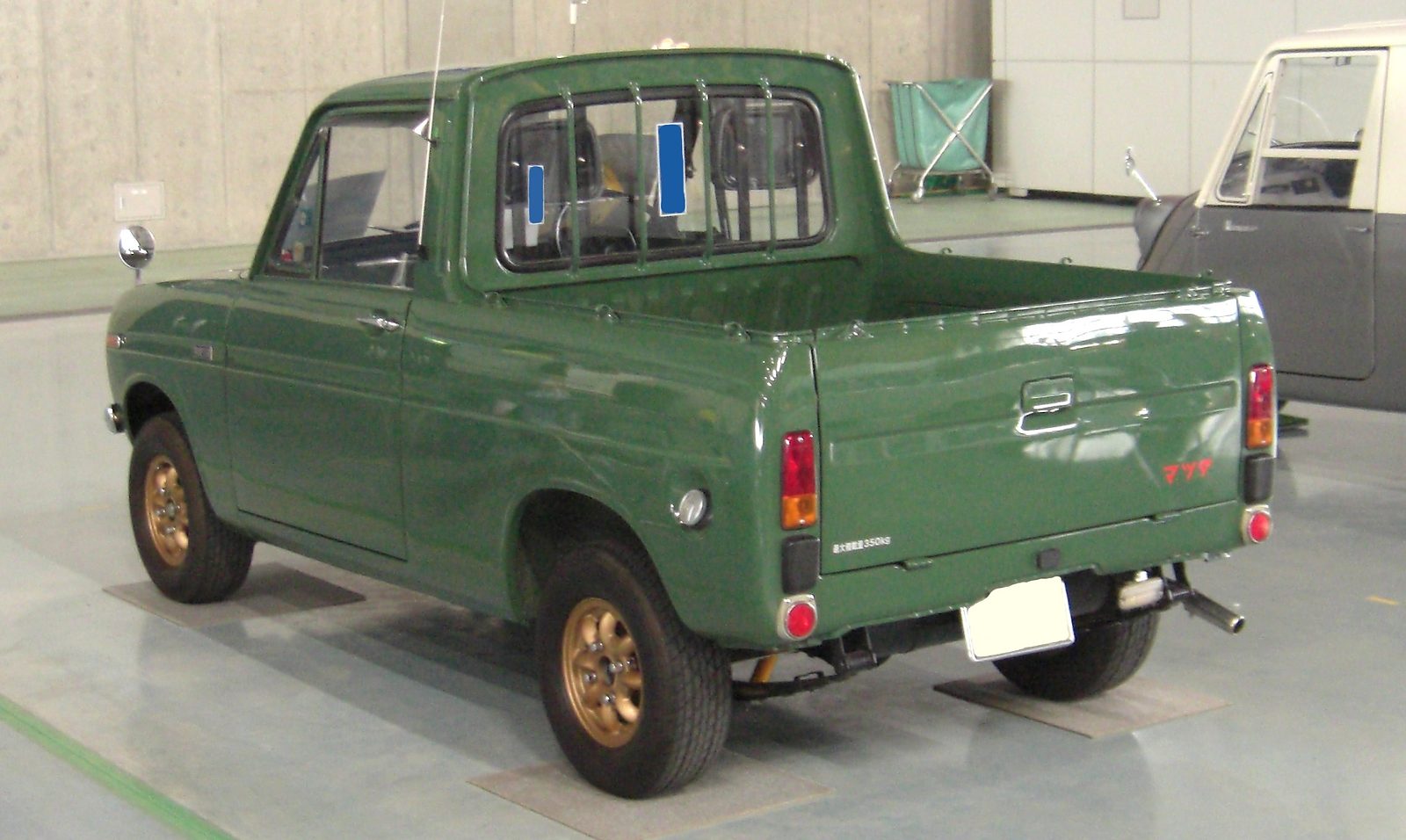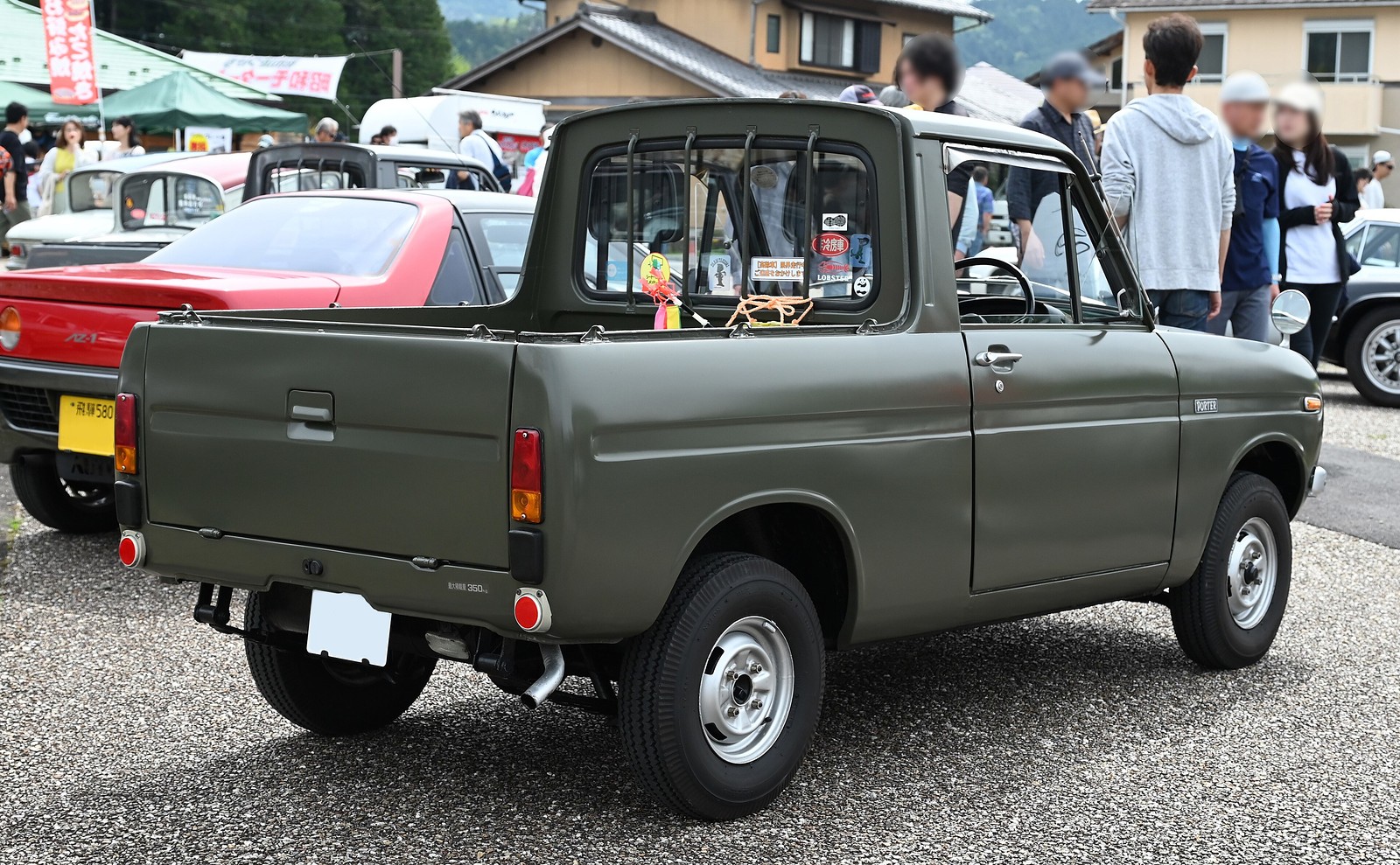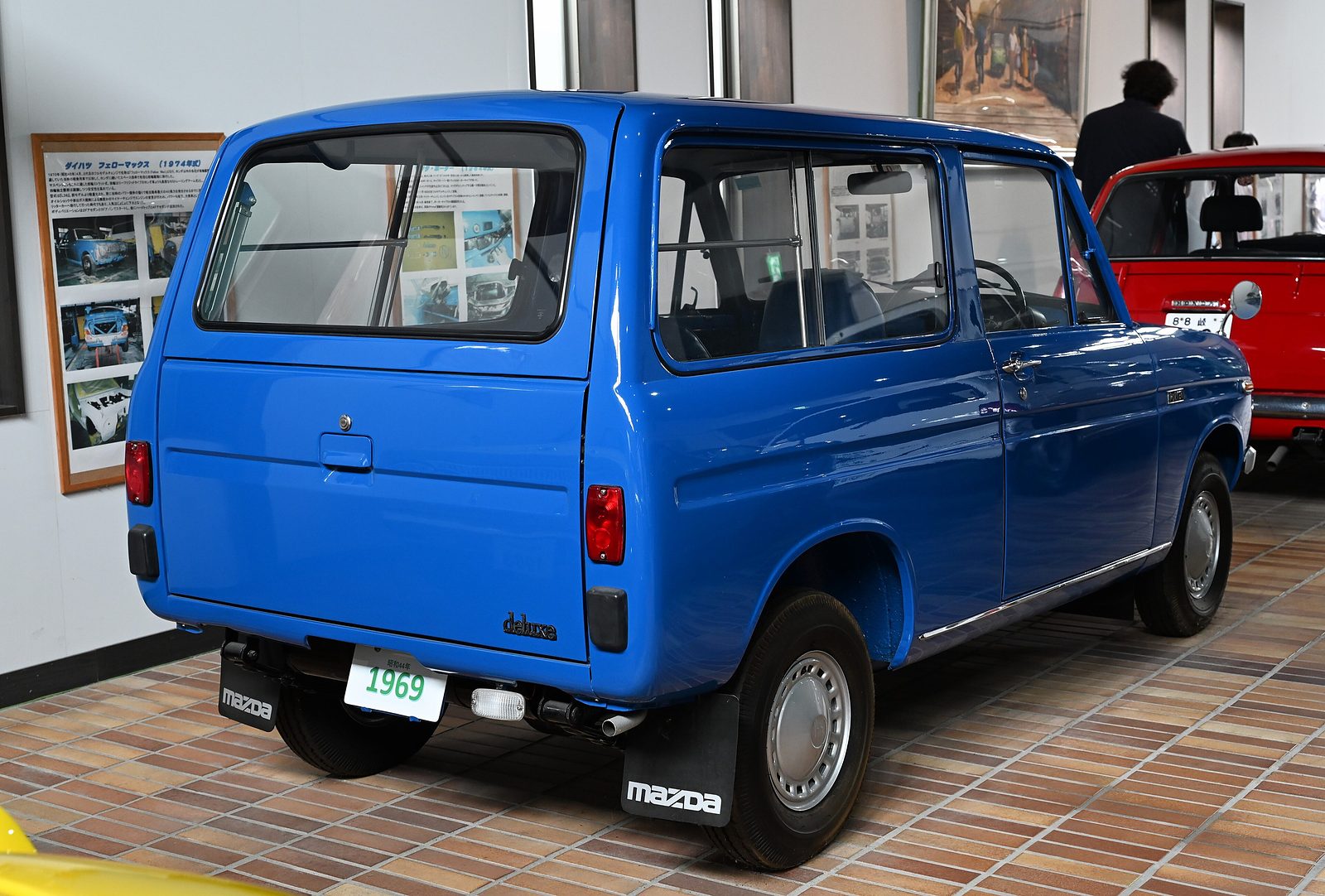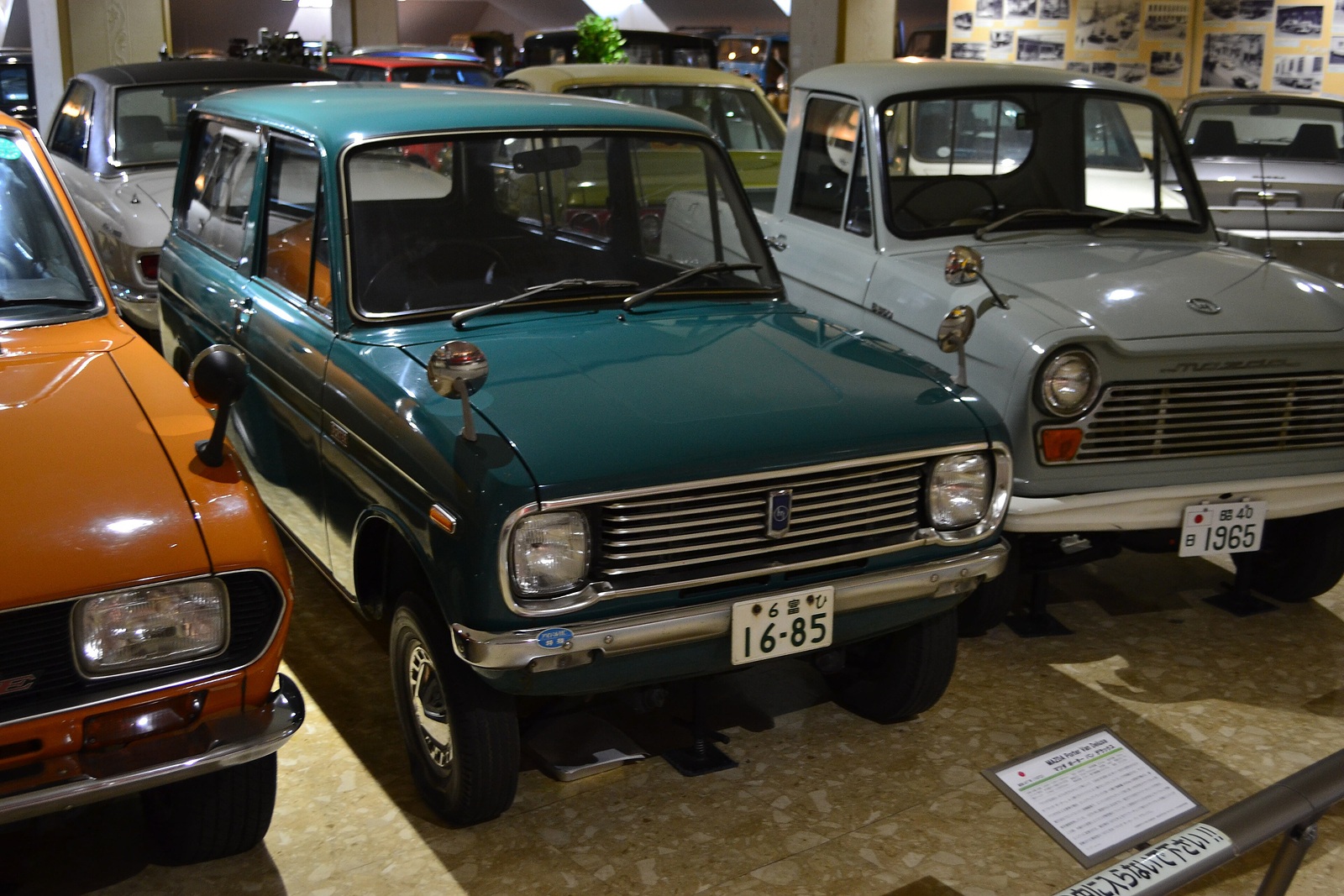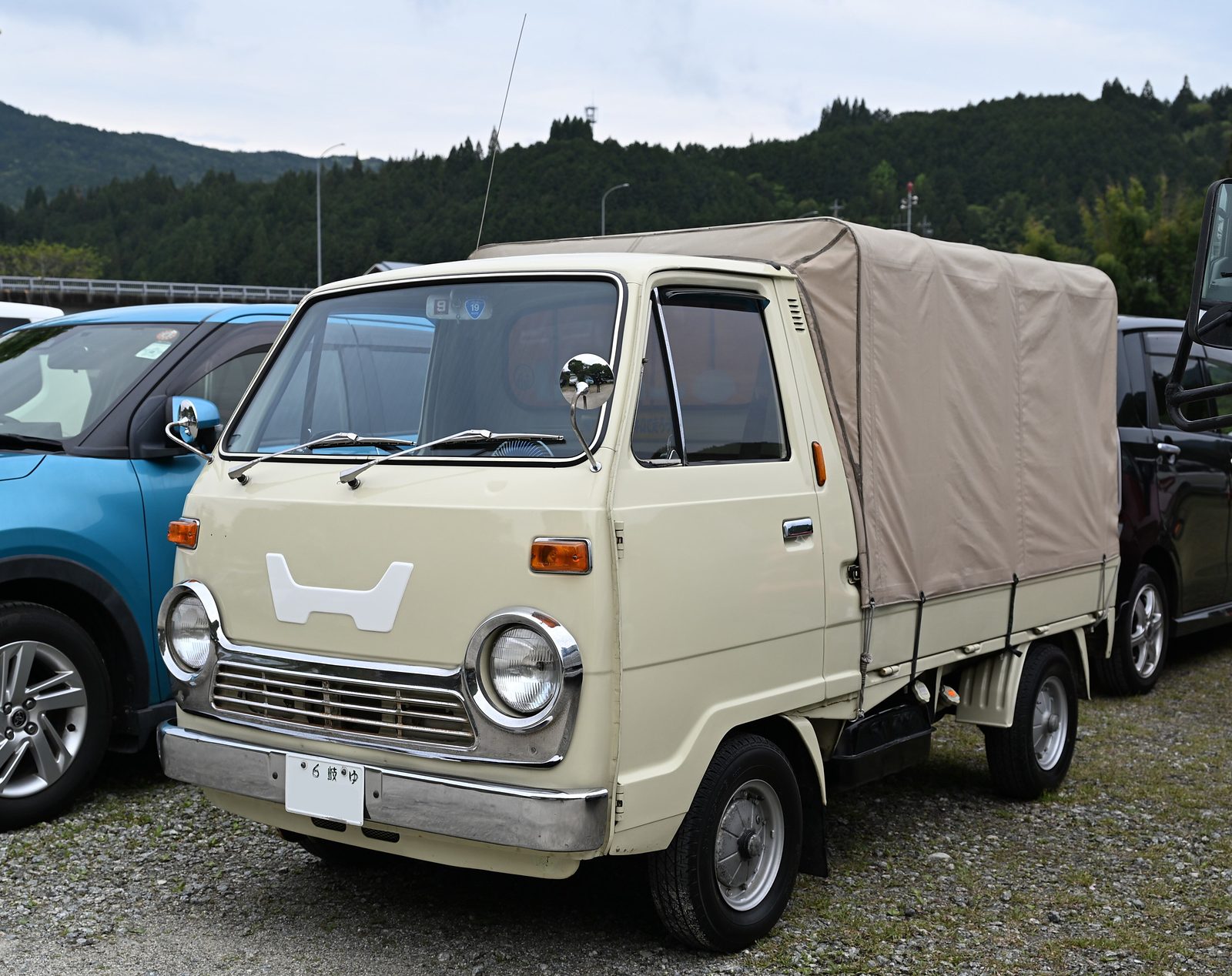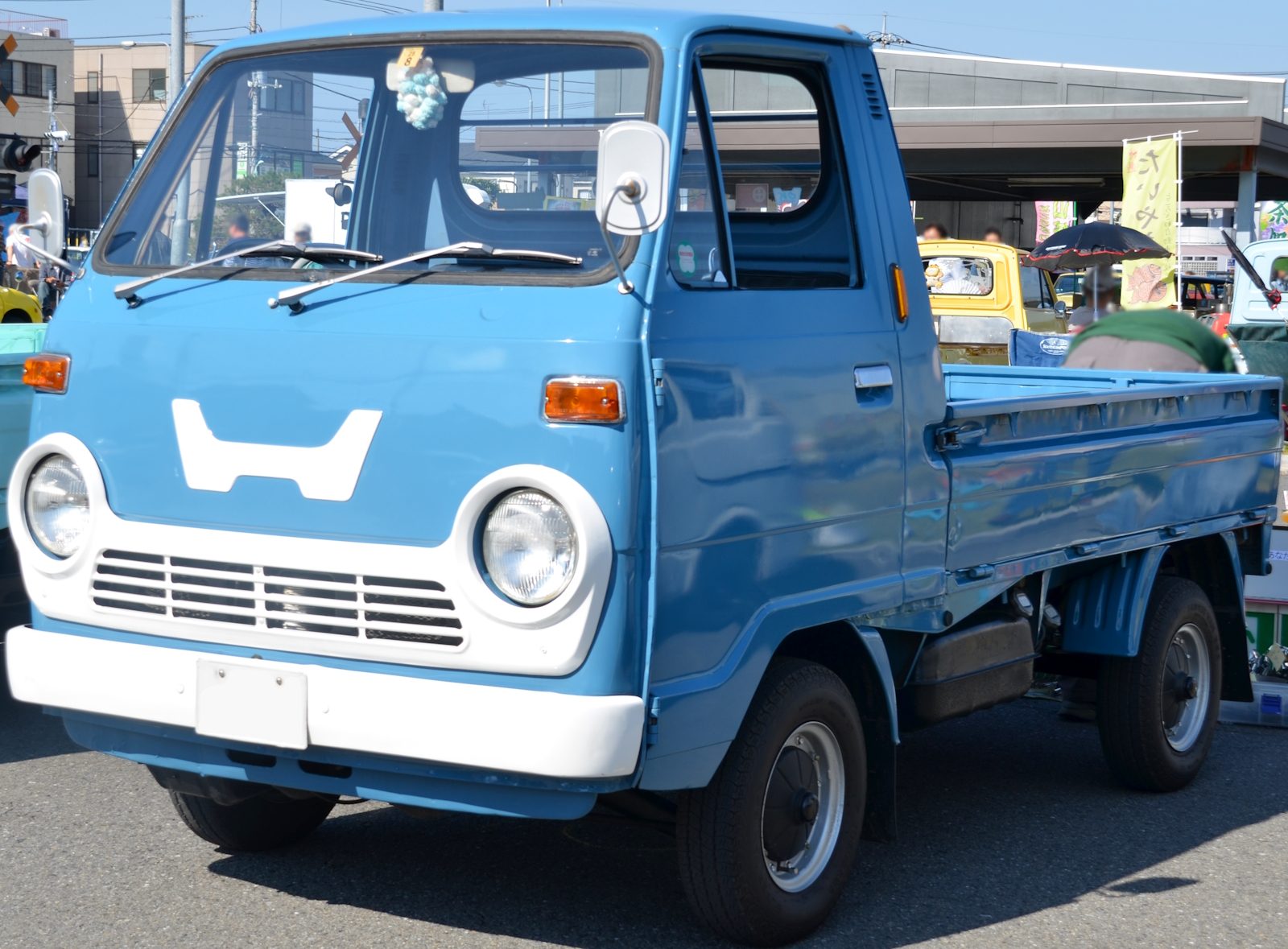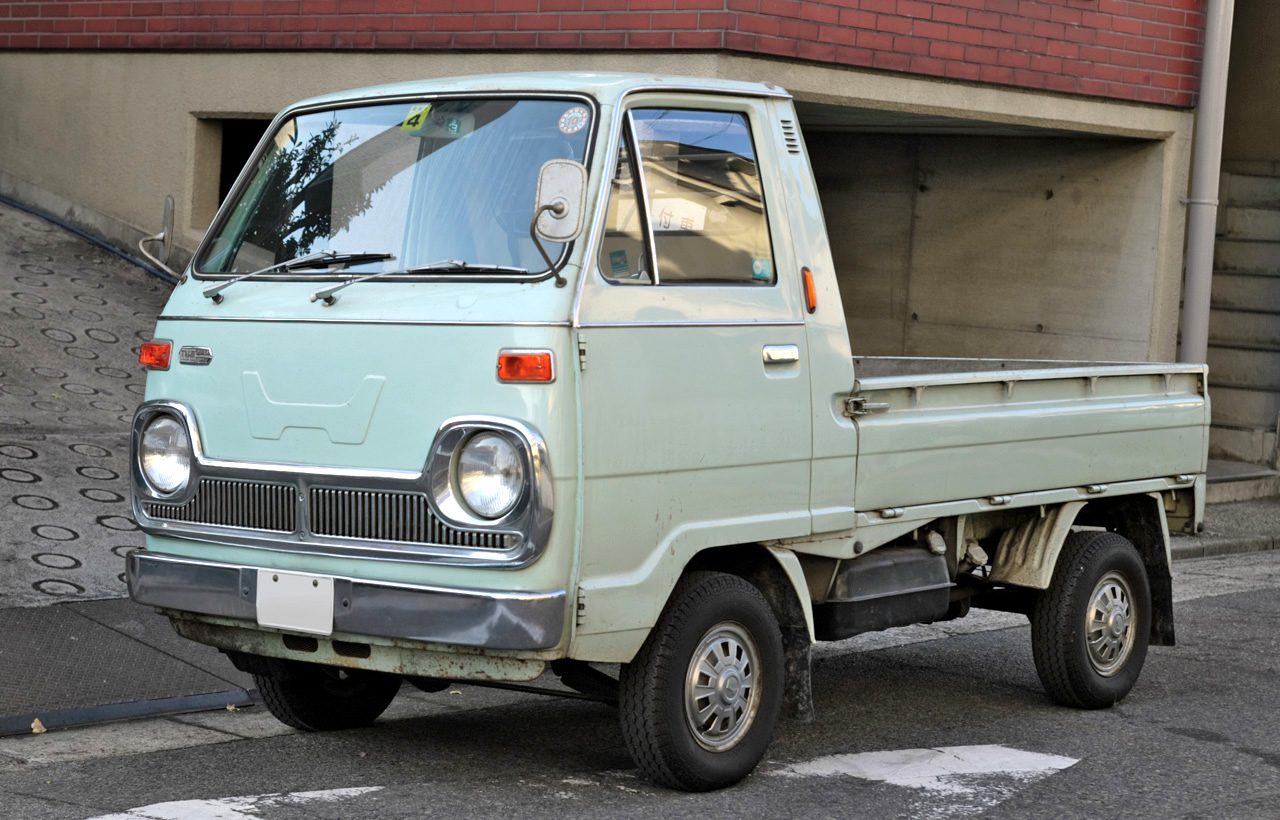
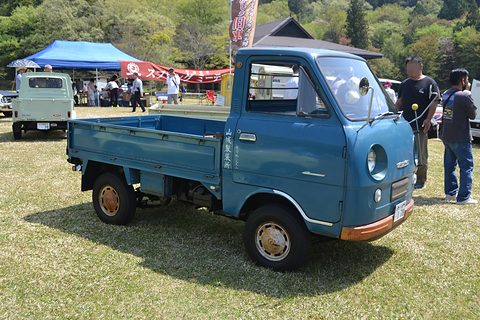
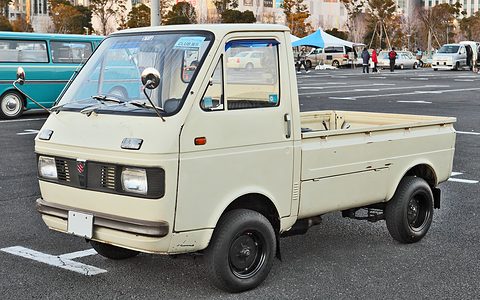
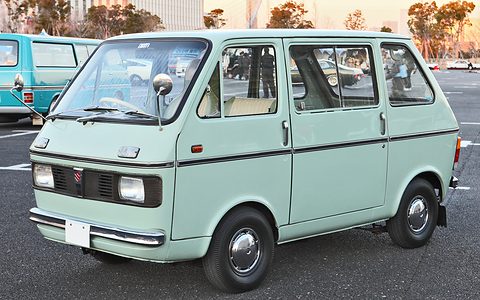
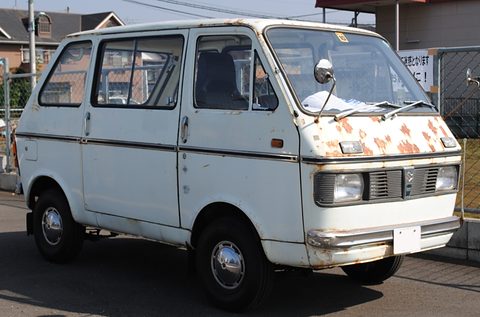
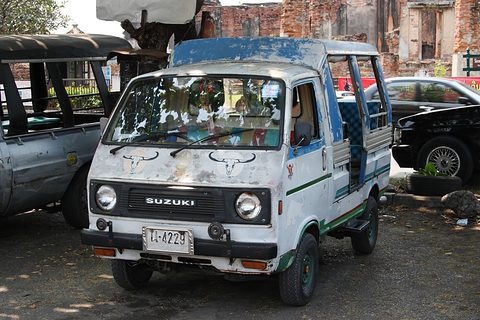

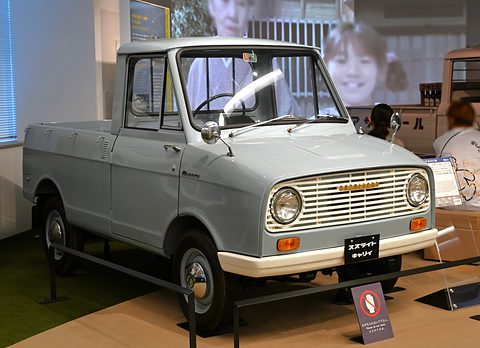
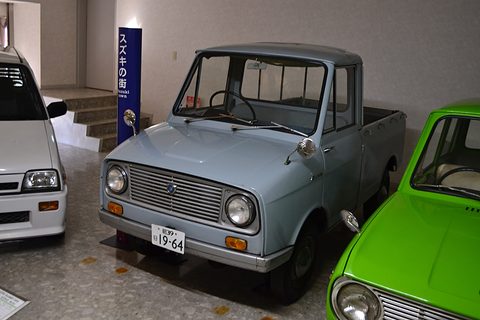
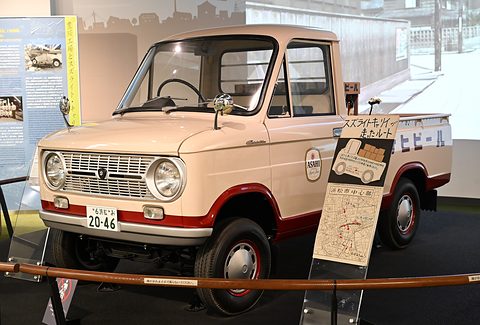
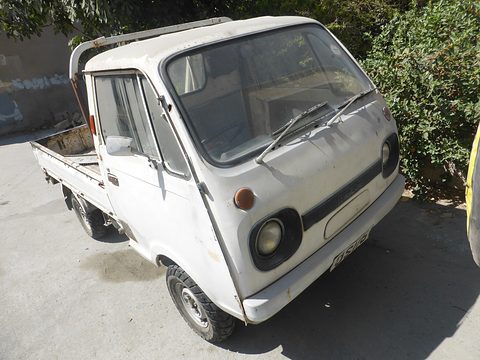
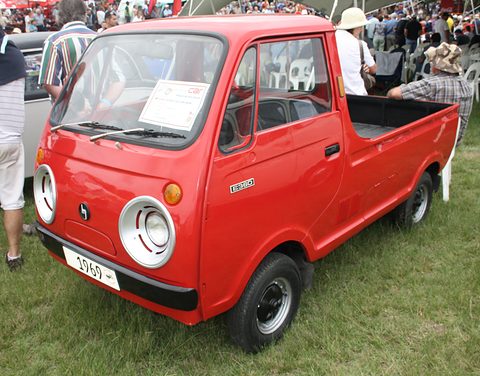
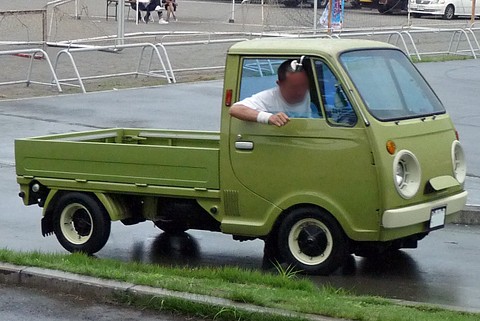
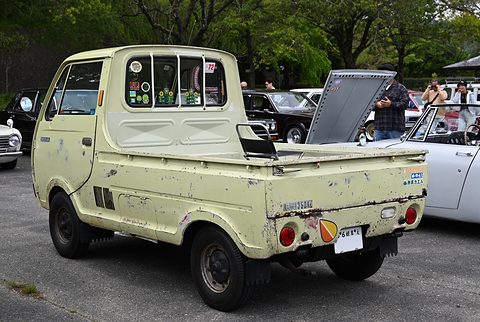
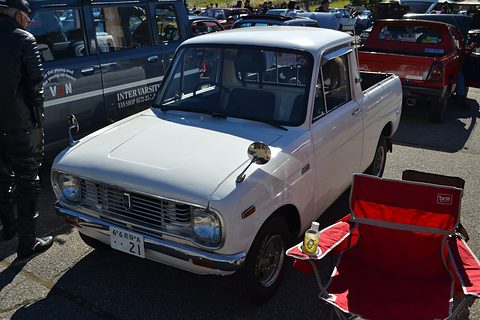
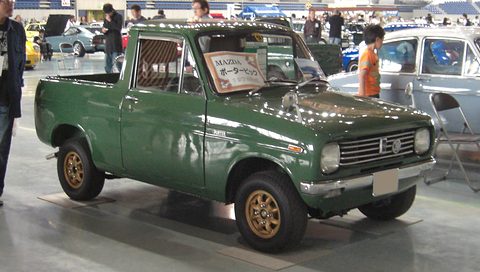
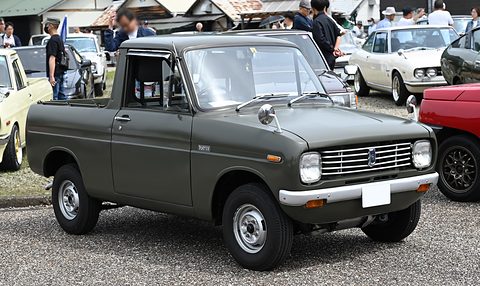
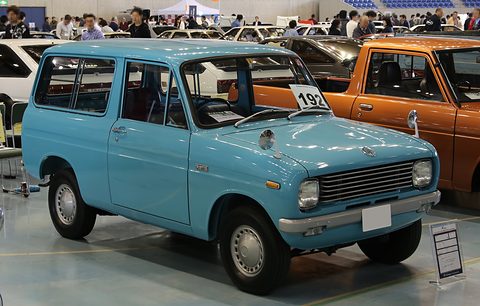
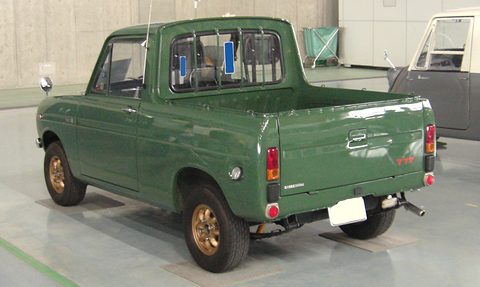
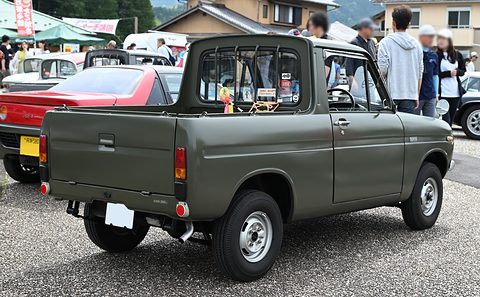
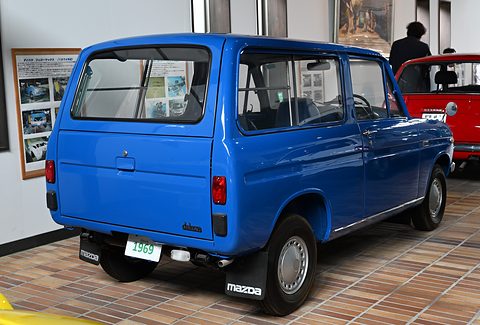
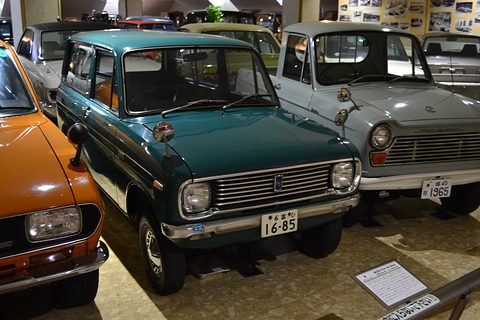
The story
History
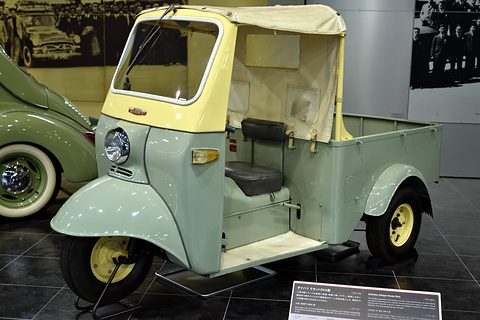
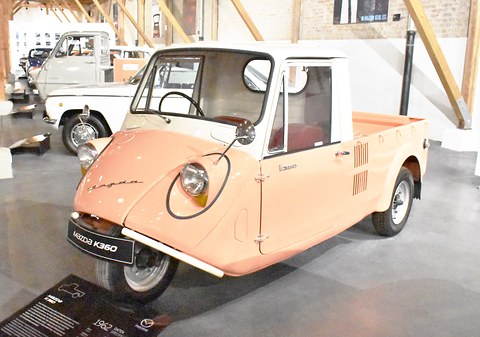
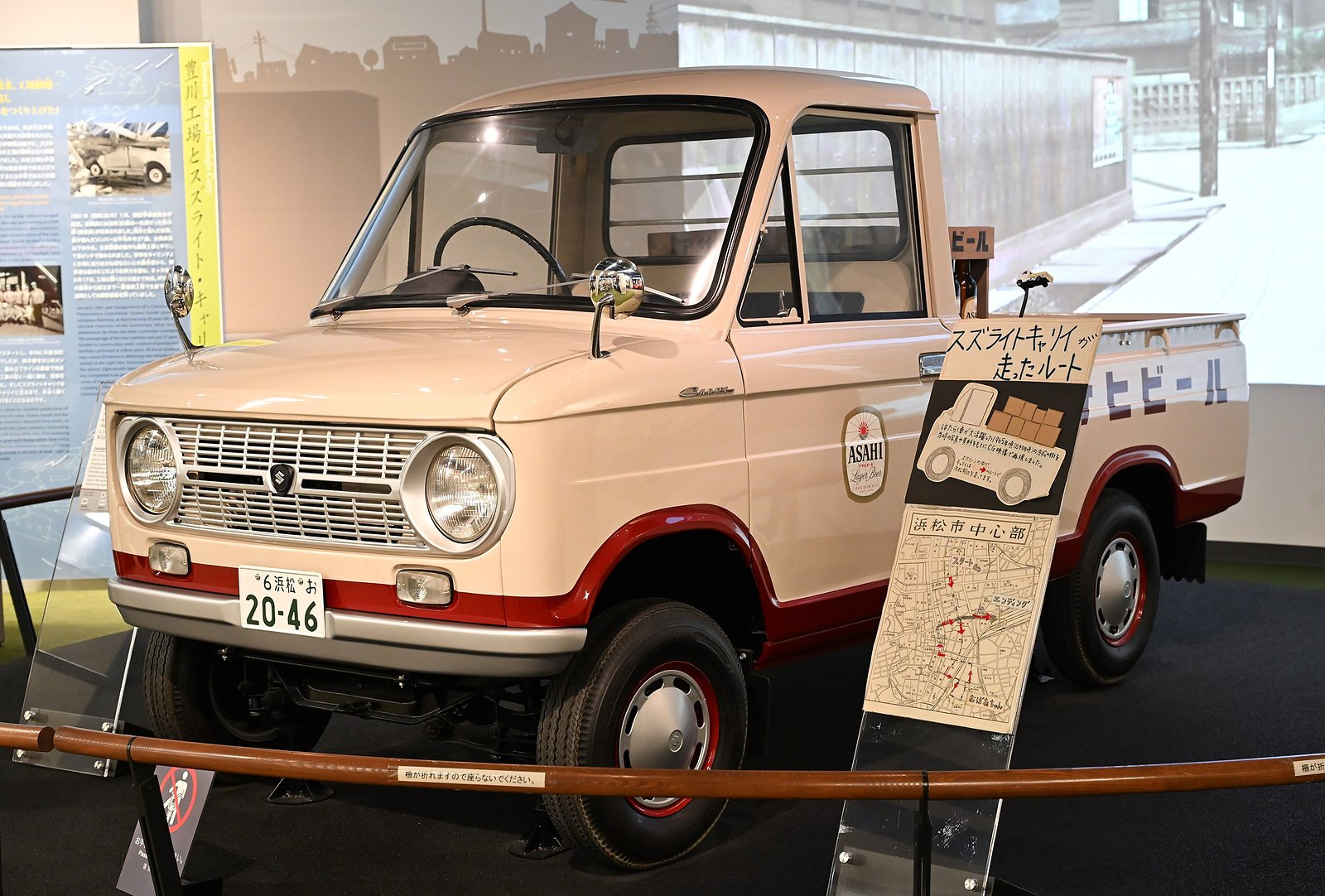
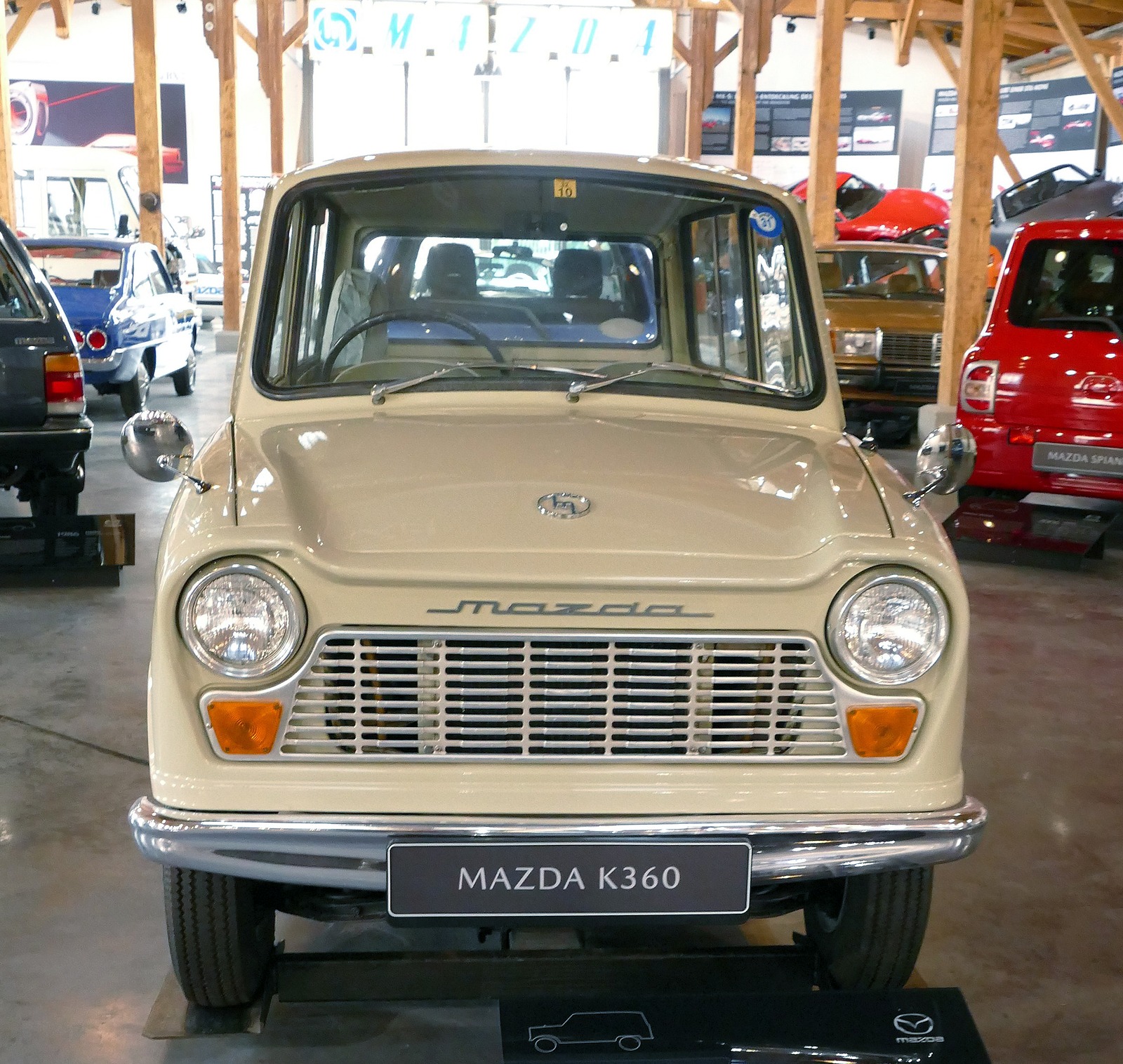
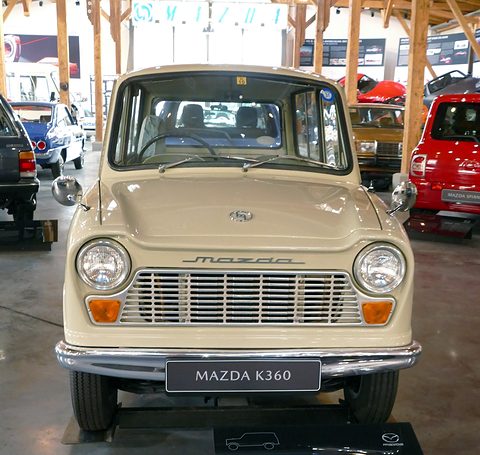
The kei class’s first working vehicles ran on three wheels. From 1952 small firms built kei three-wheeled trucks out of scooter parts, and Hope Motor’s Hope Star of that year is called the first proper one. The Daihatsu Midget of 1957 led a boom, and until about 1960 the kei commercial market belonged to three-wheelers such as the Midget, the Mazda K360 and the Mitsubishi Leo.source 1 A few makers tried four wheels early: the Suzuki Suzulight of 1955 had a pickup sharing the front-drive car’s structure, and in 1958 Yanmar showed the KT, a cab-over prototype with its own 249 cc diesel.source 1
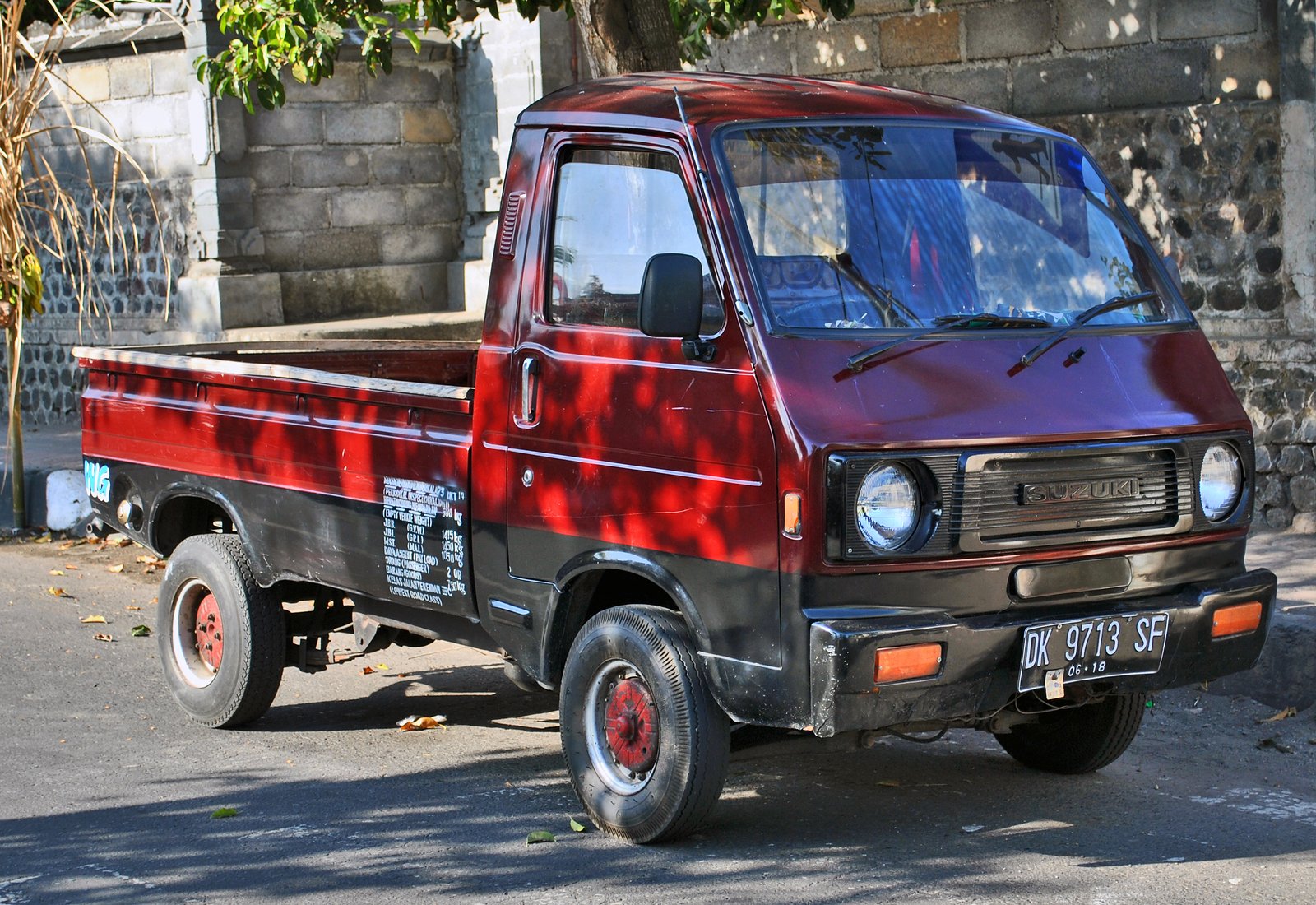
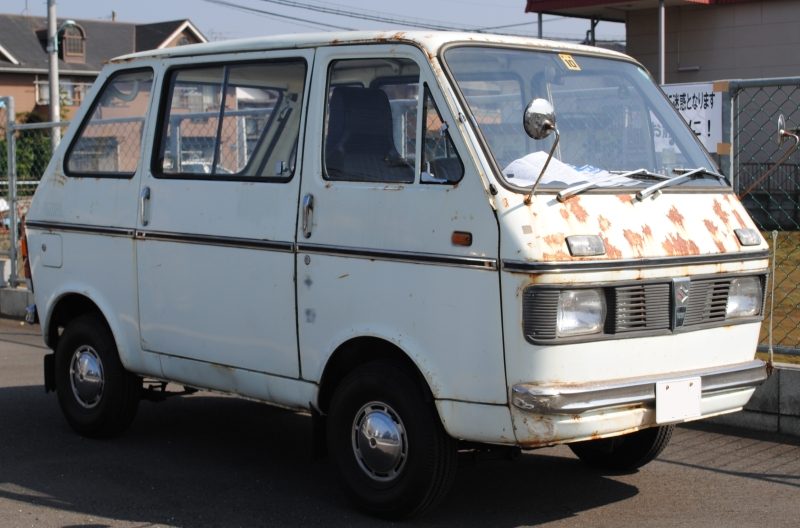
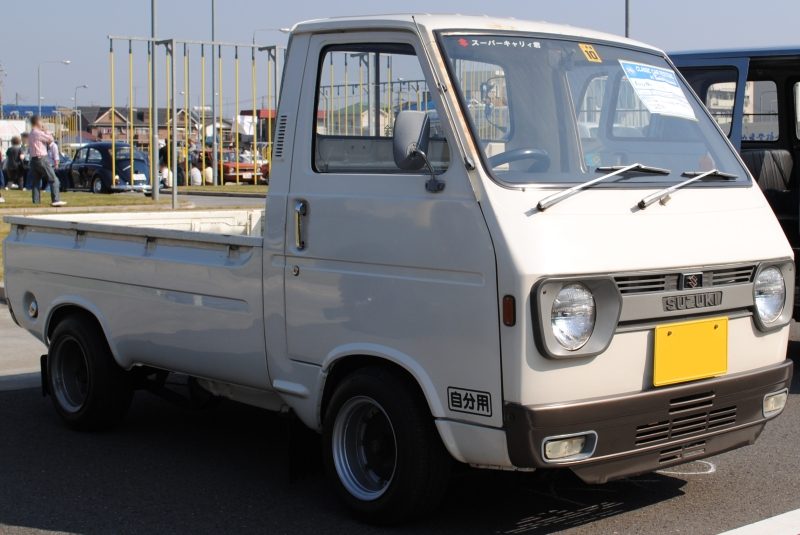
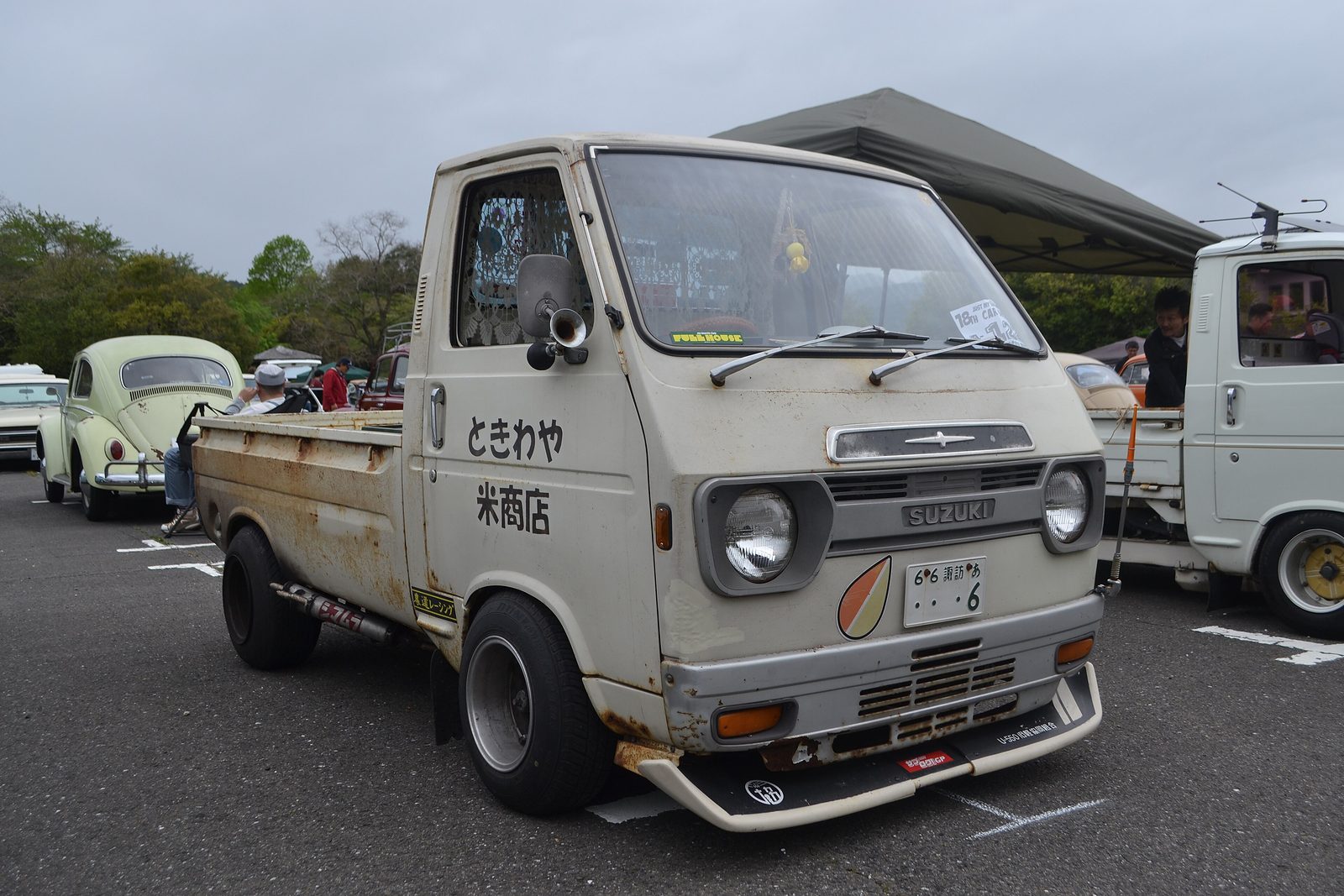
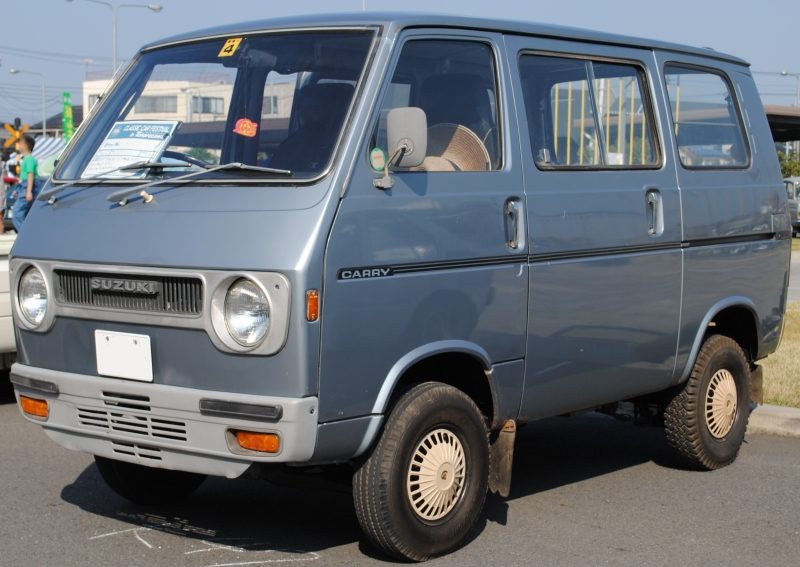
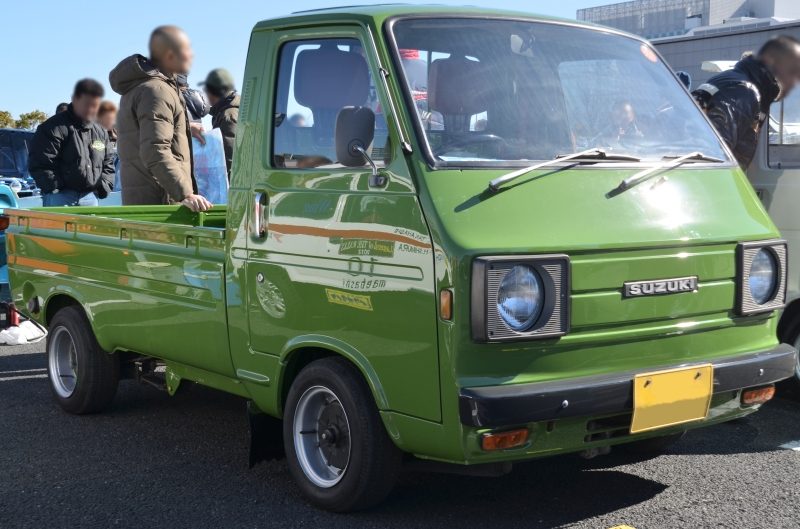
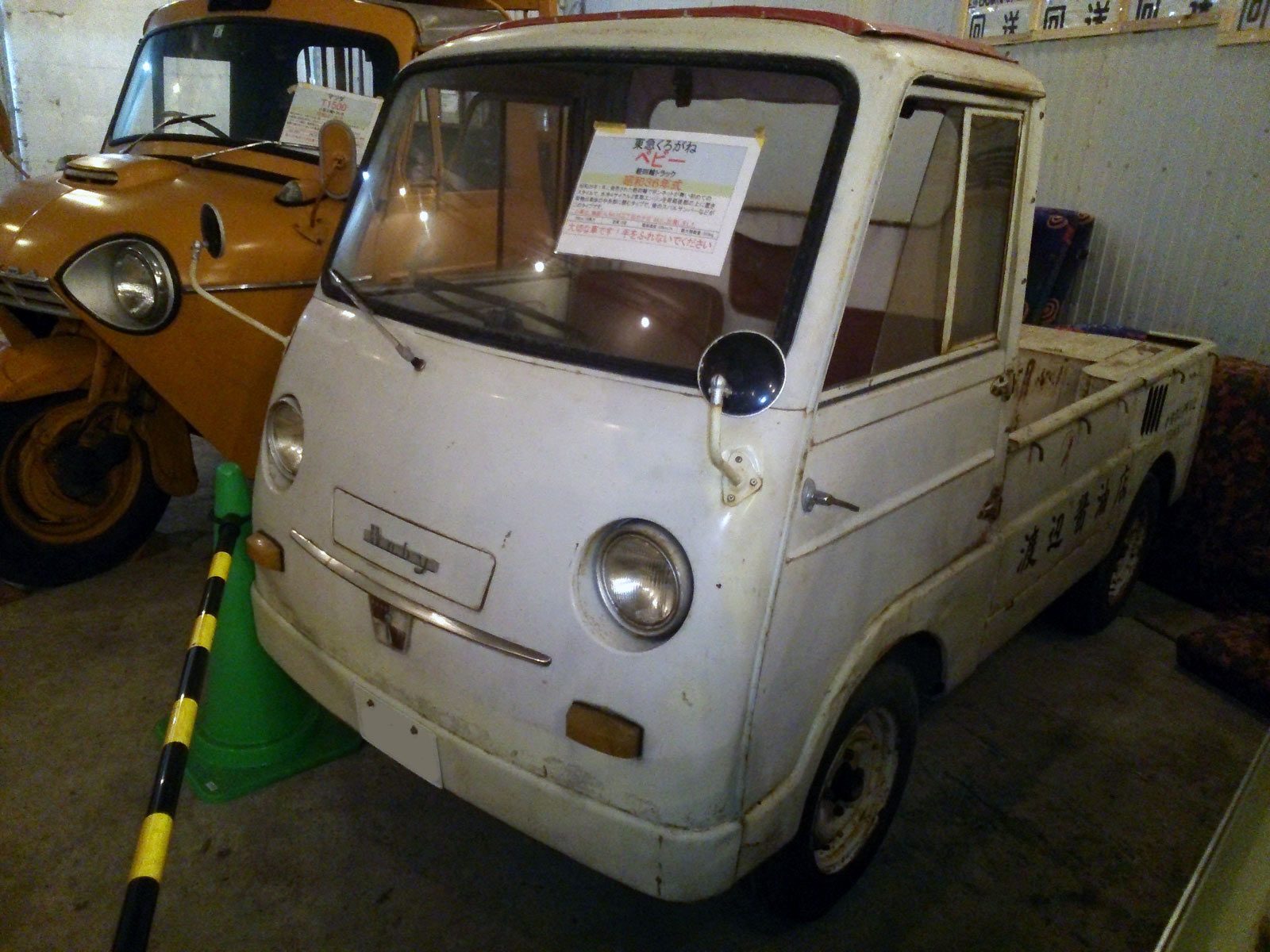
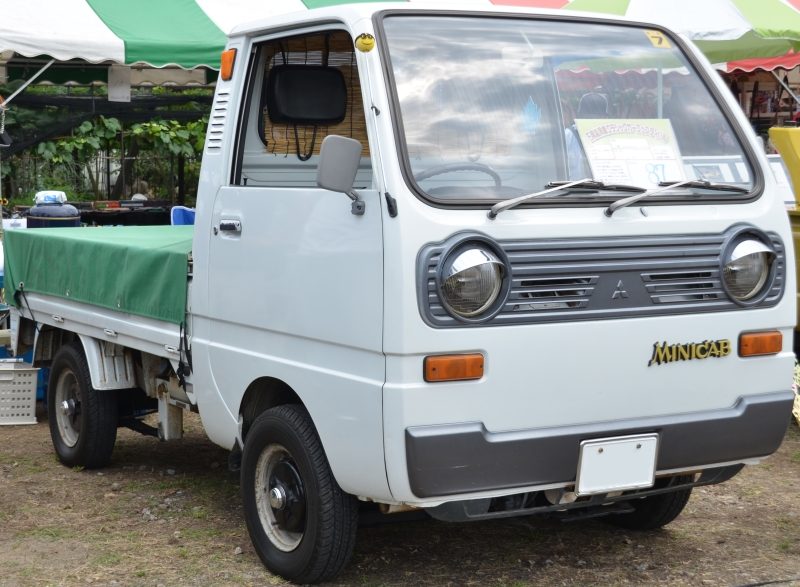
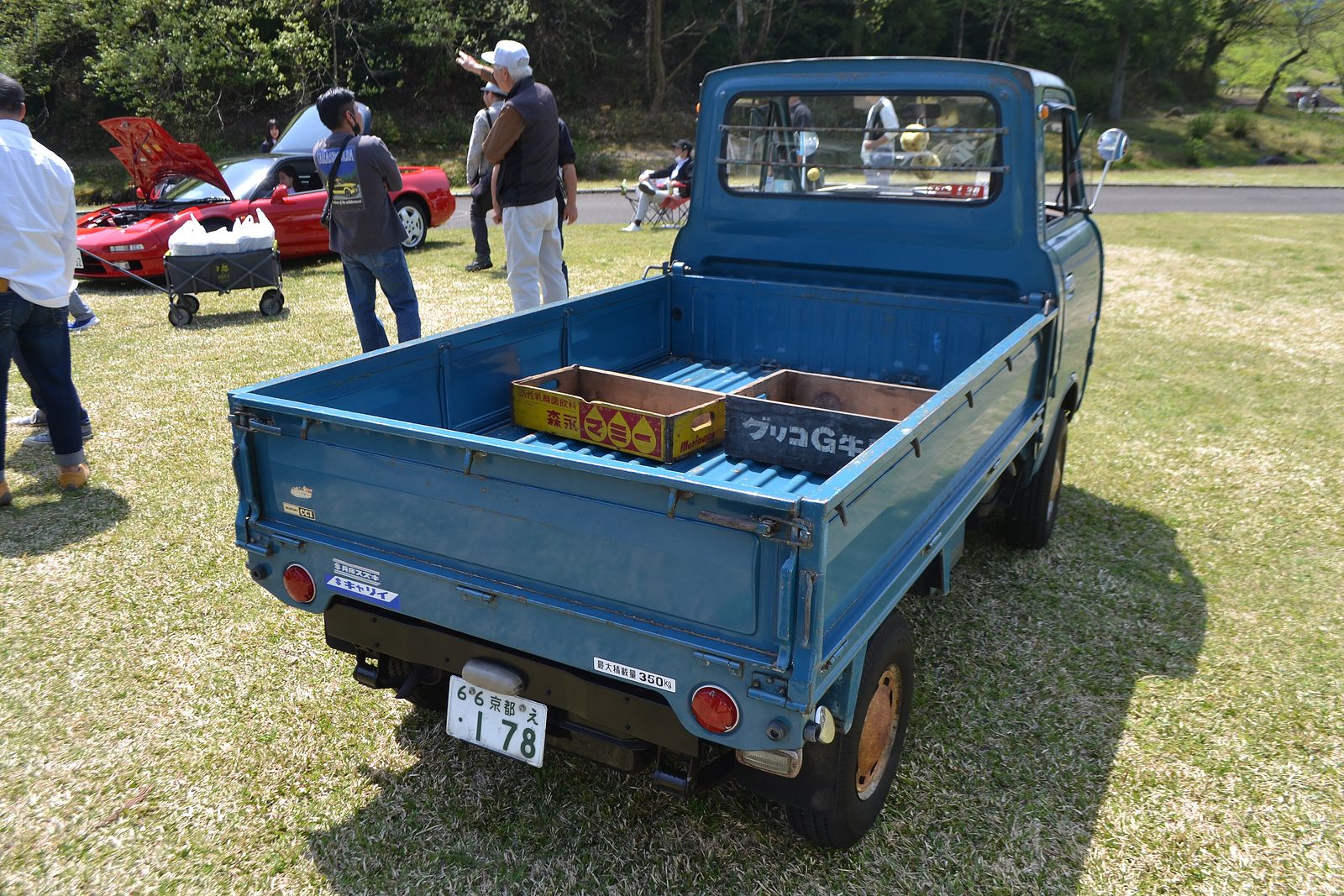
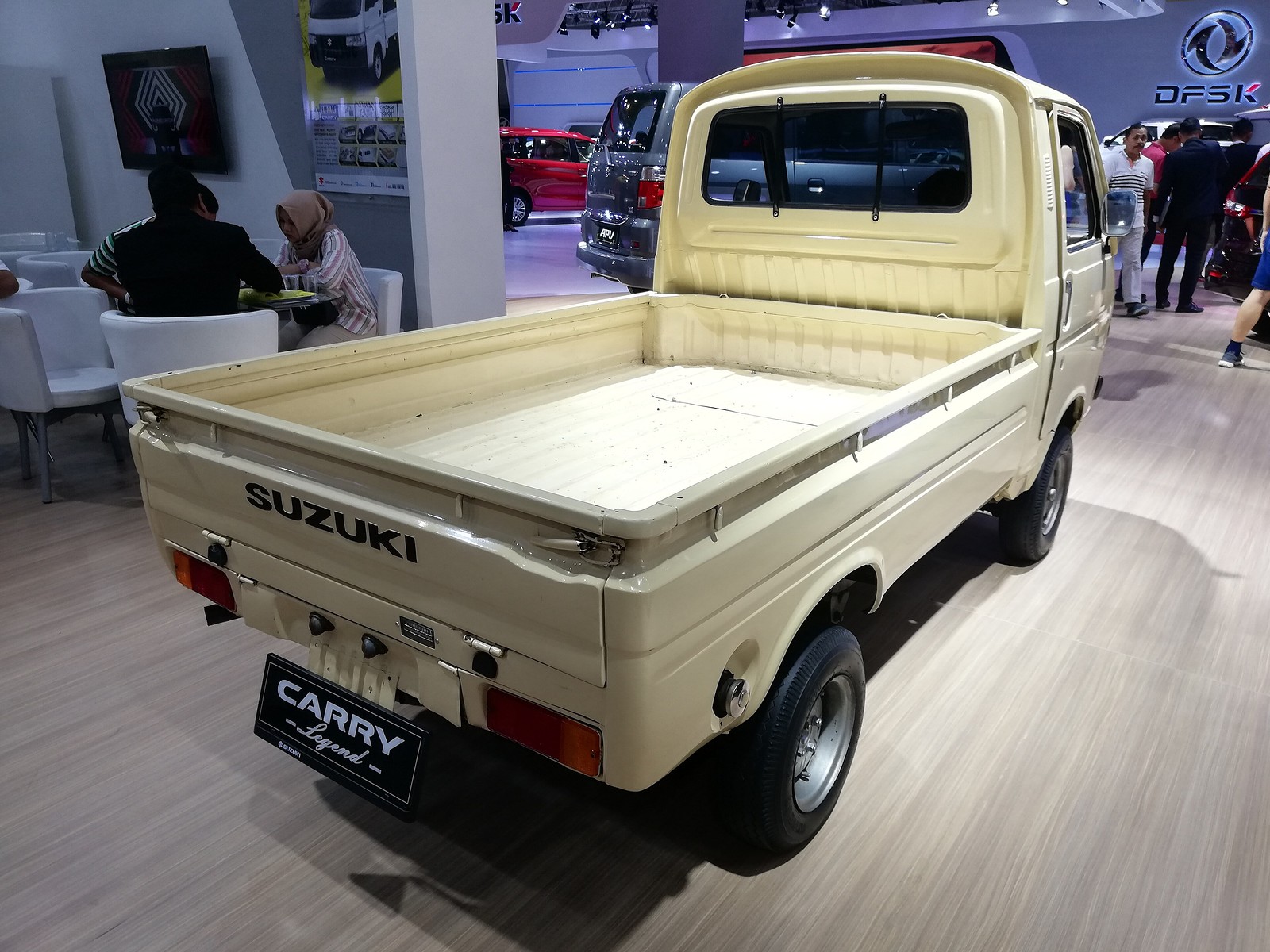
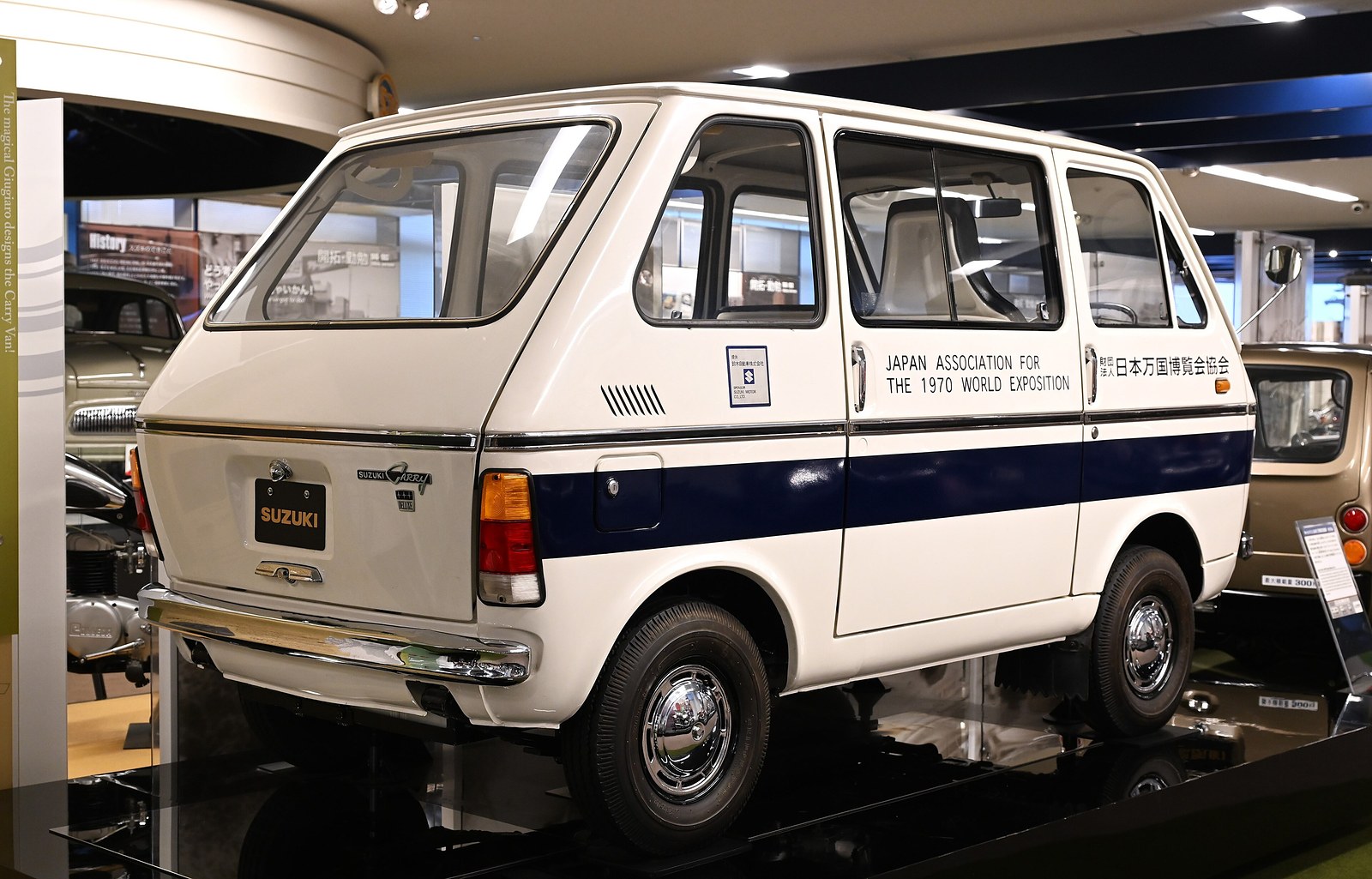
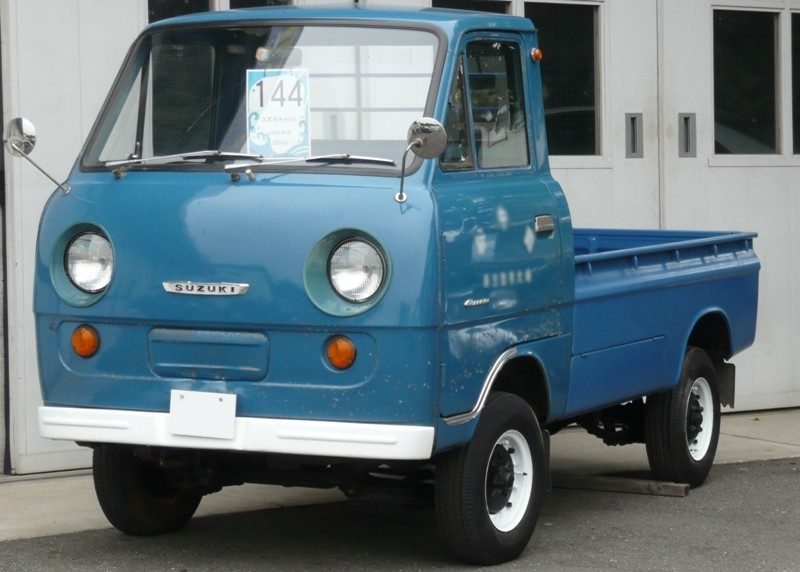
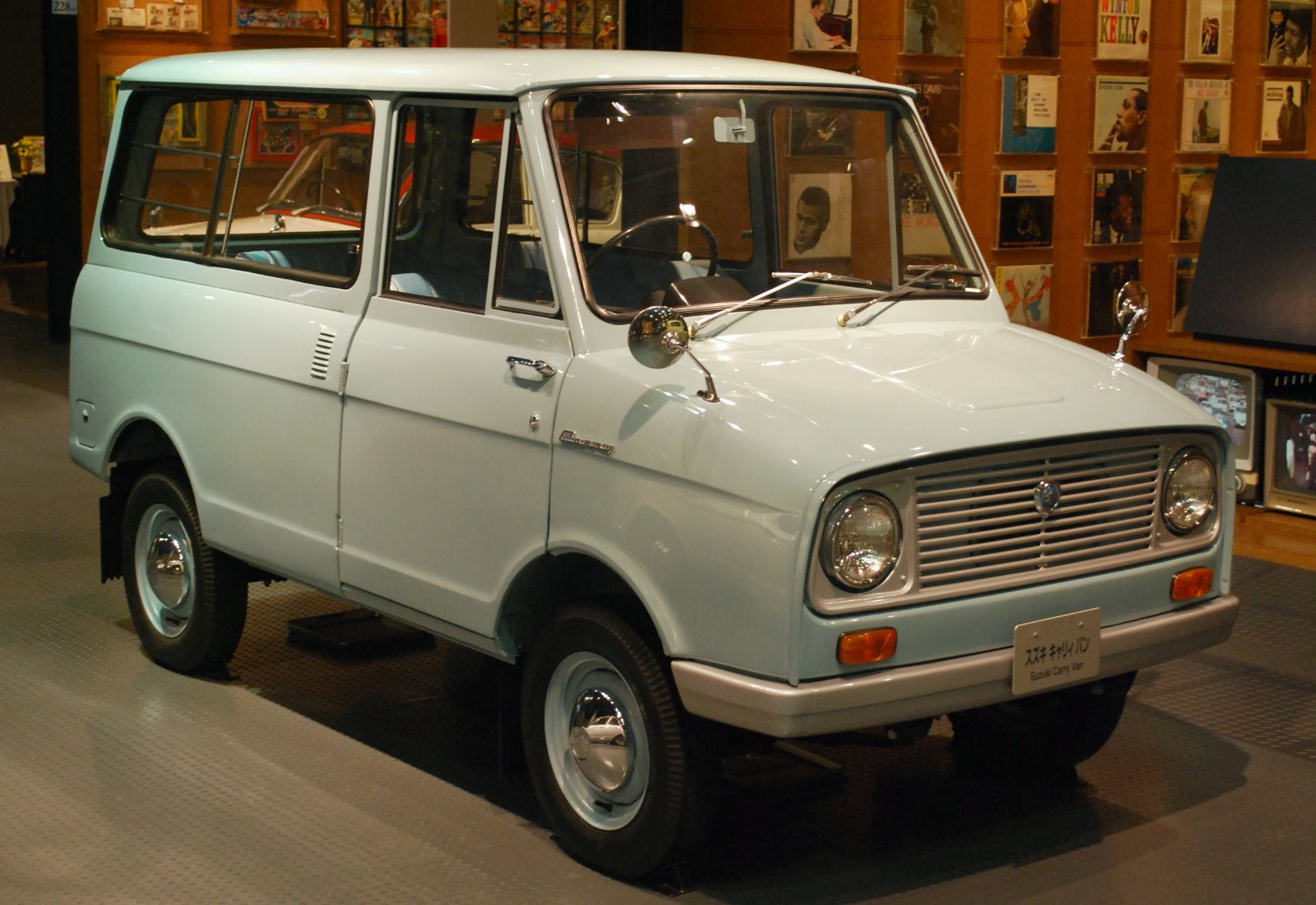
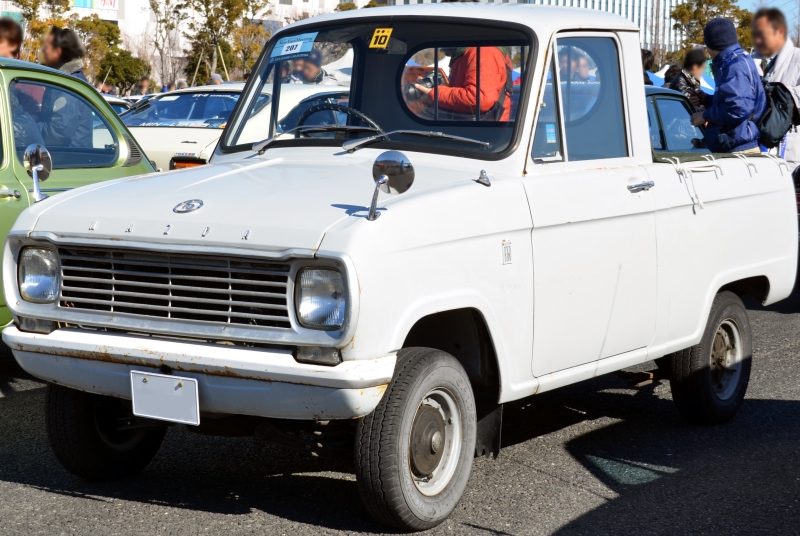
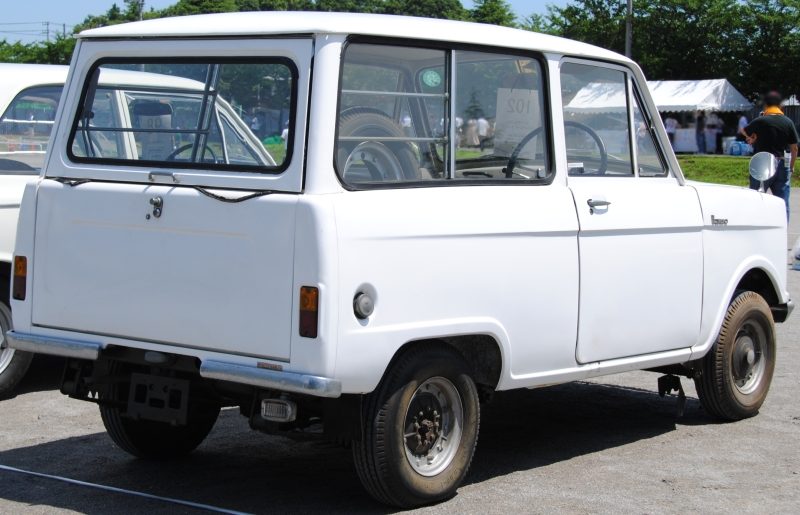
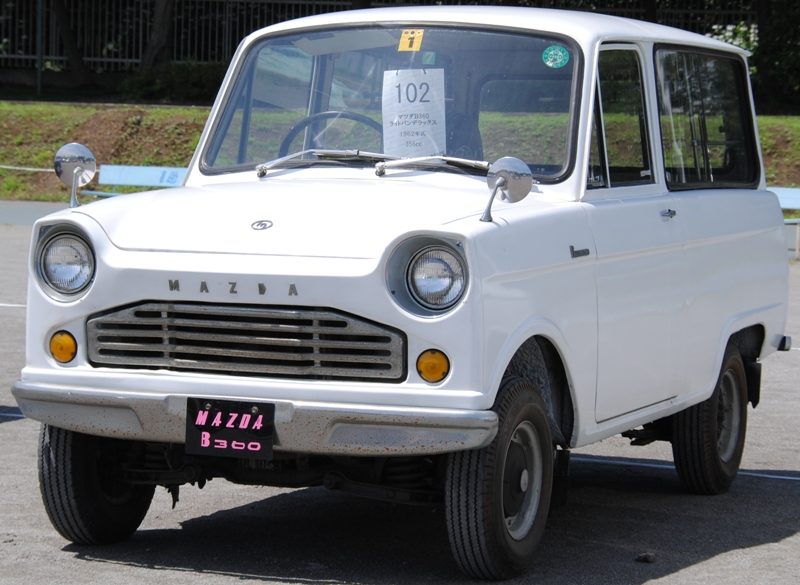
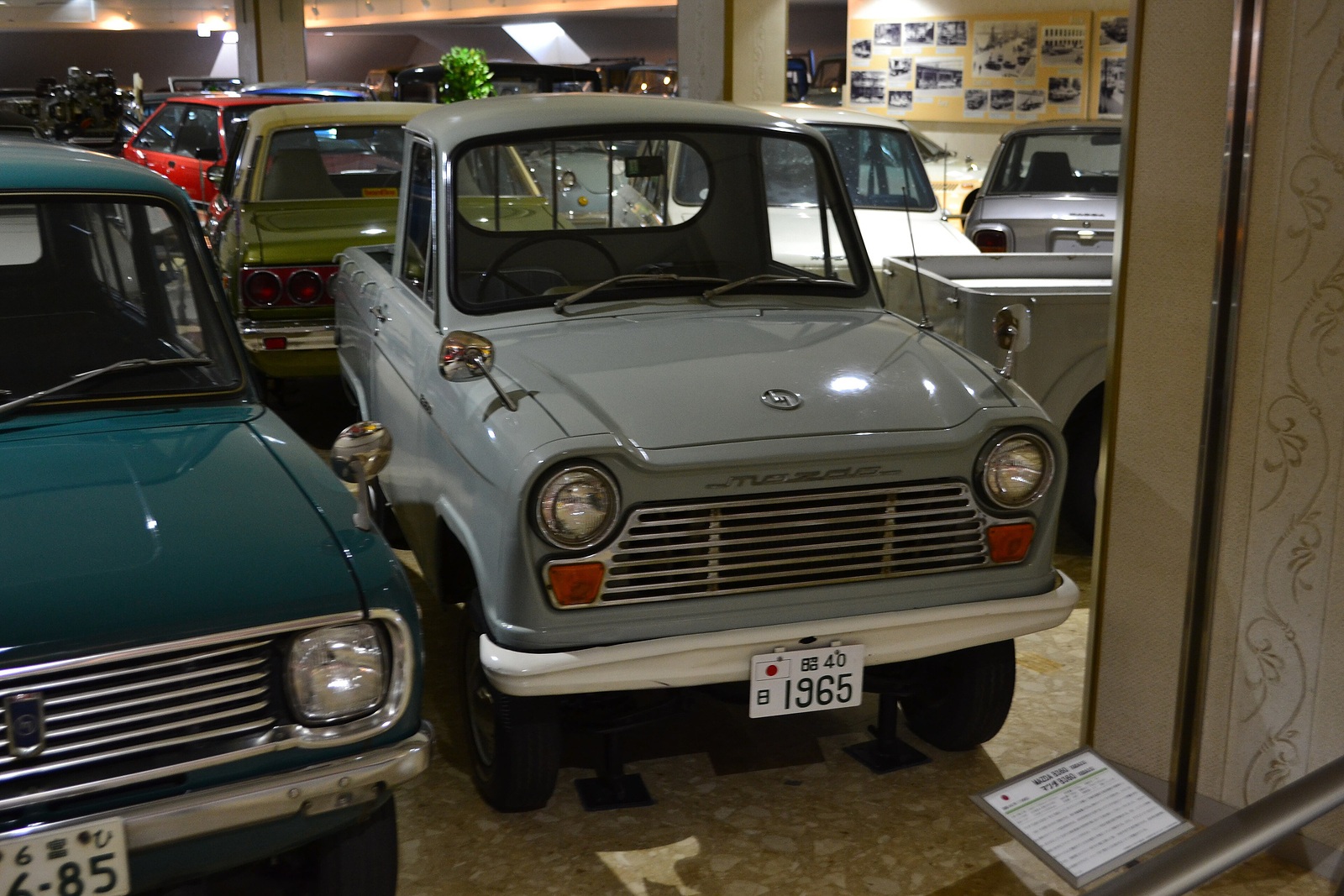
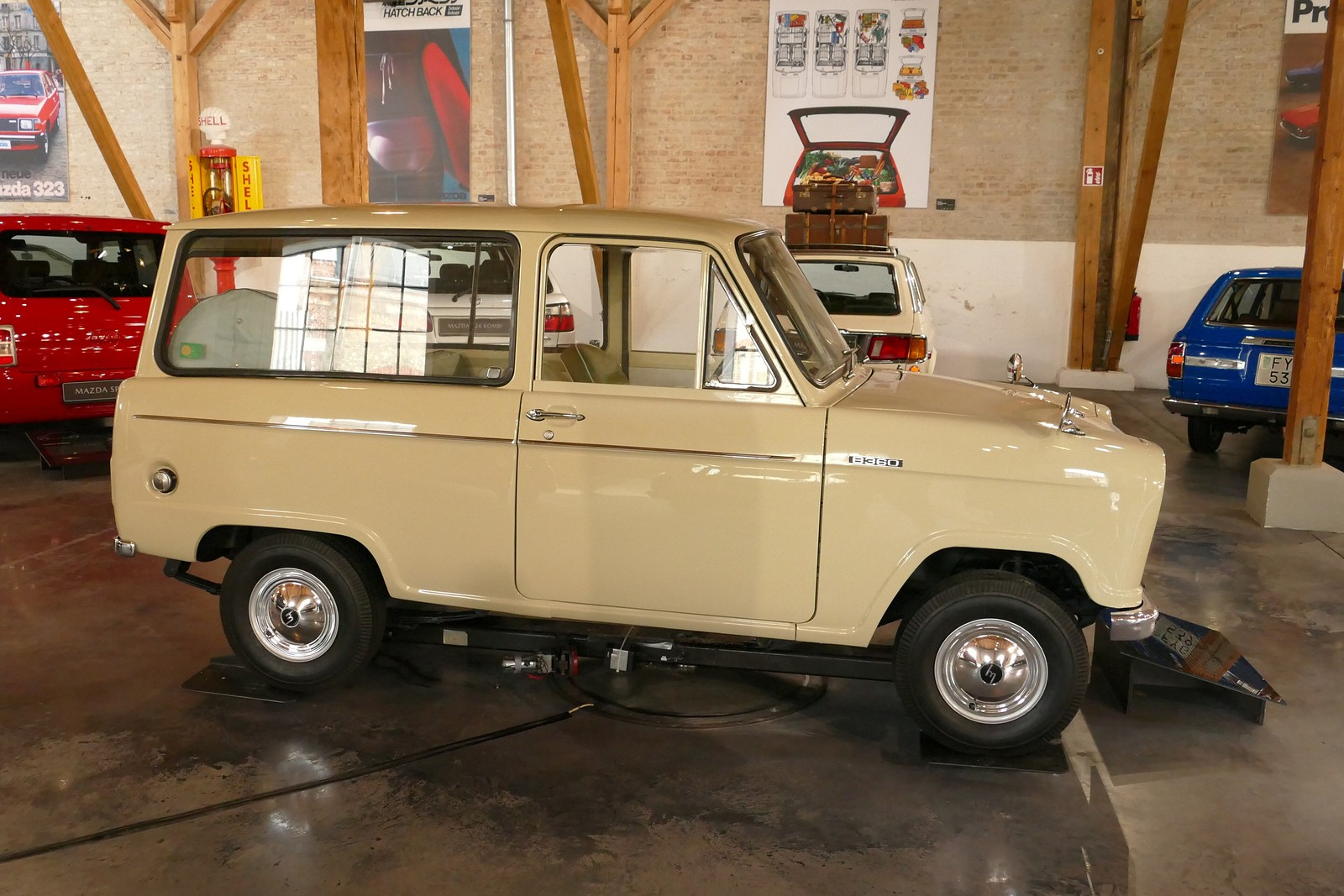
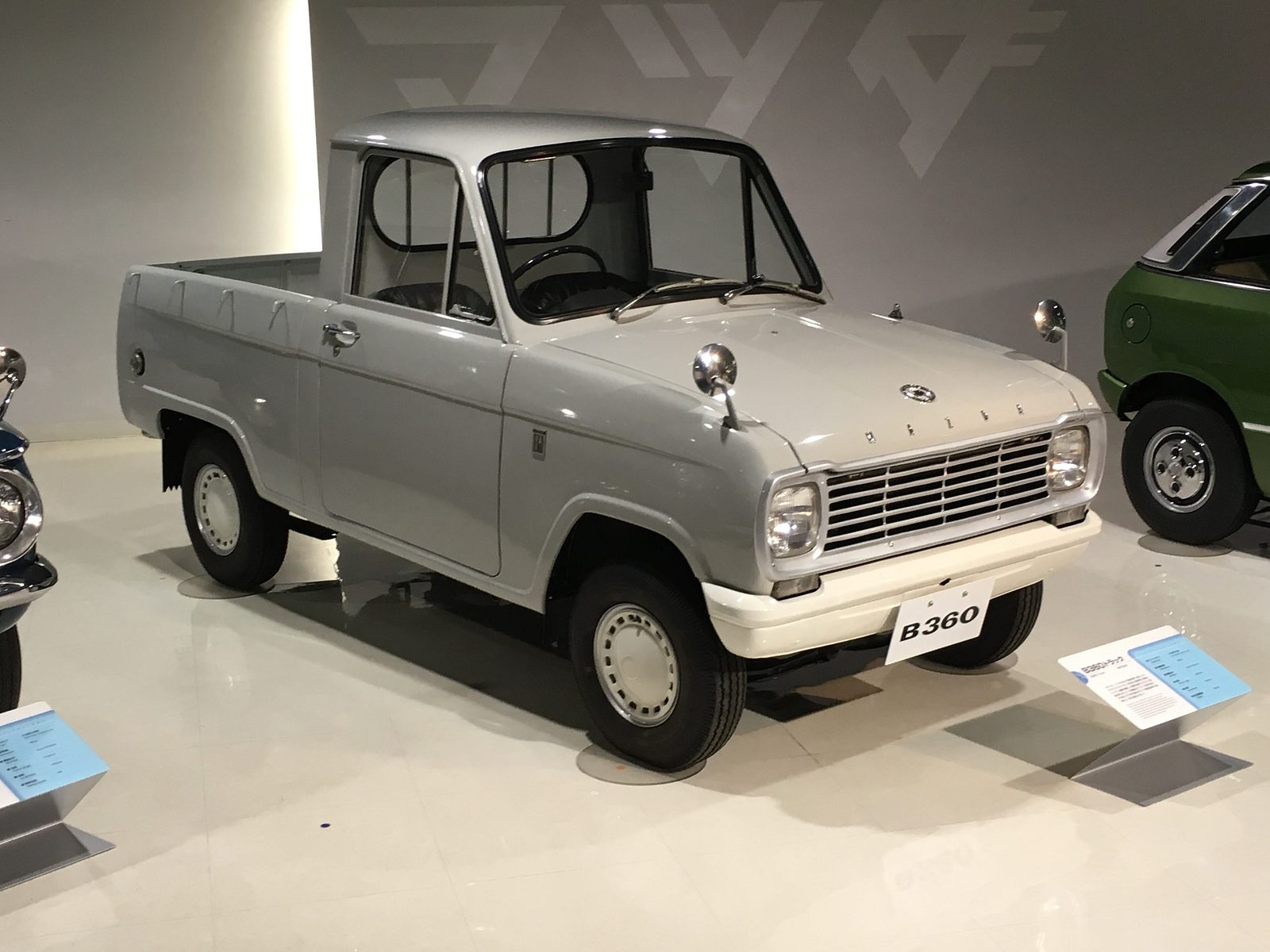
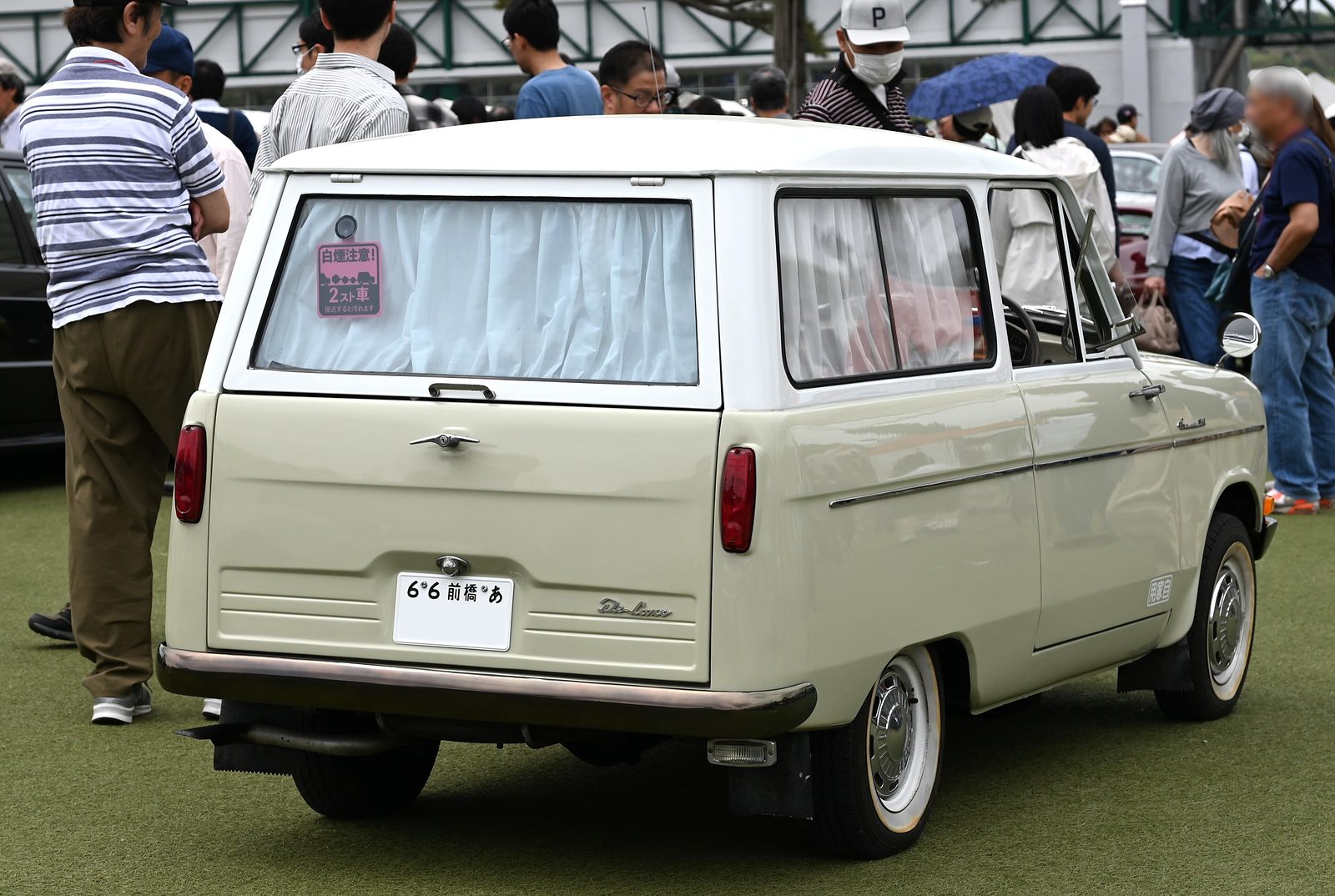
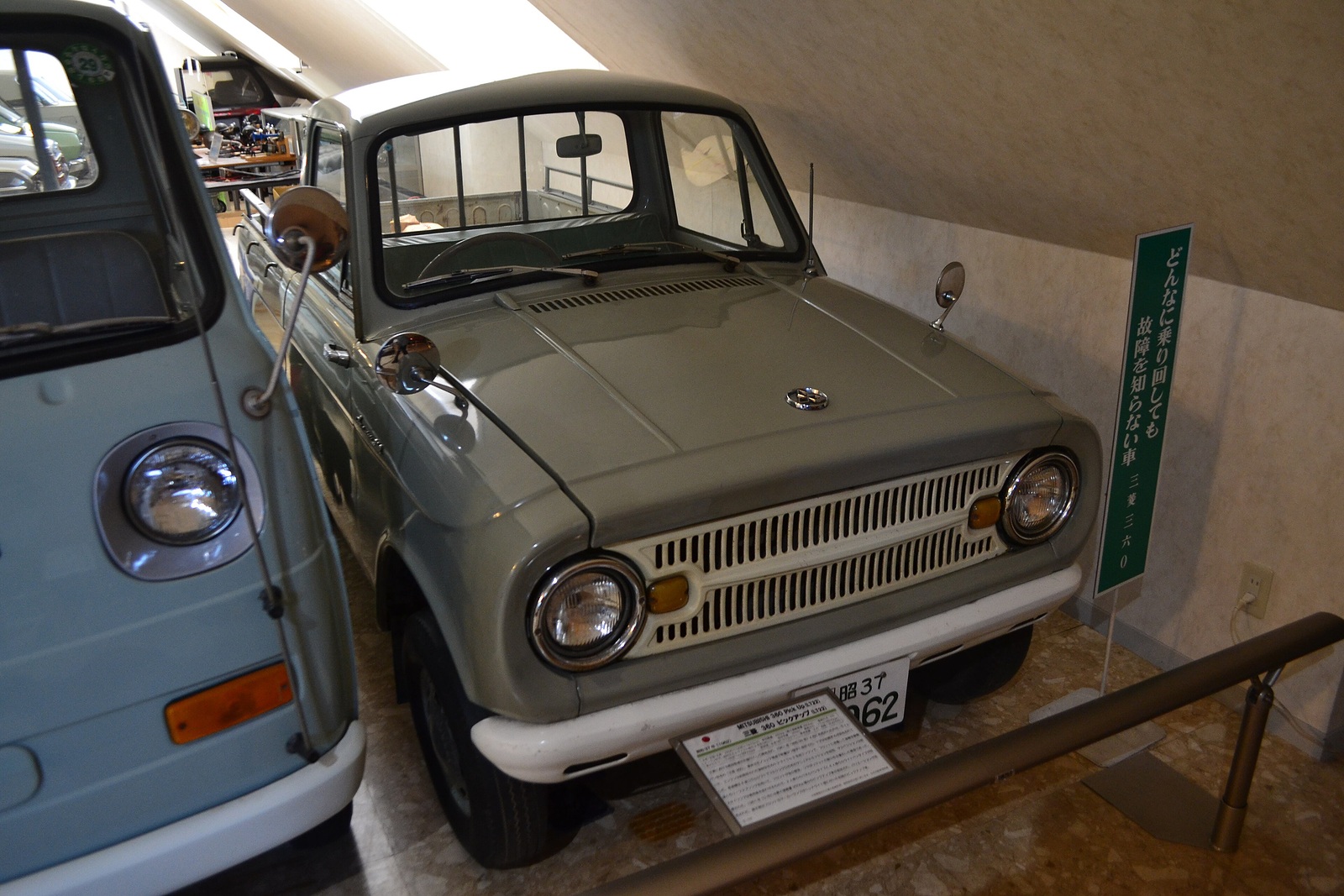
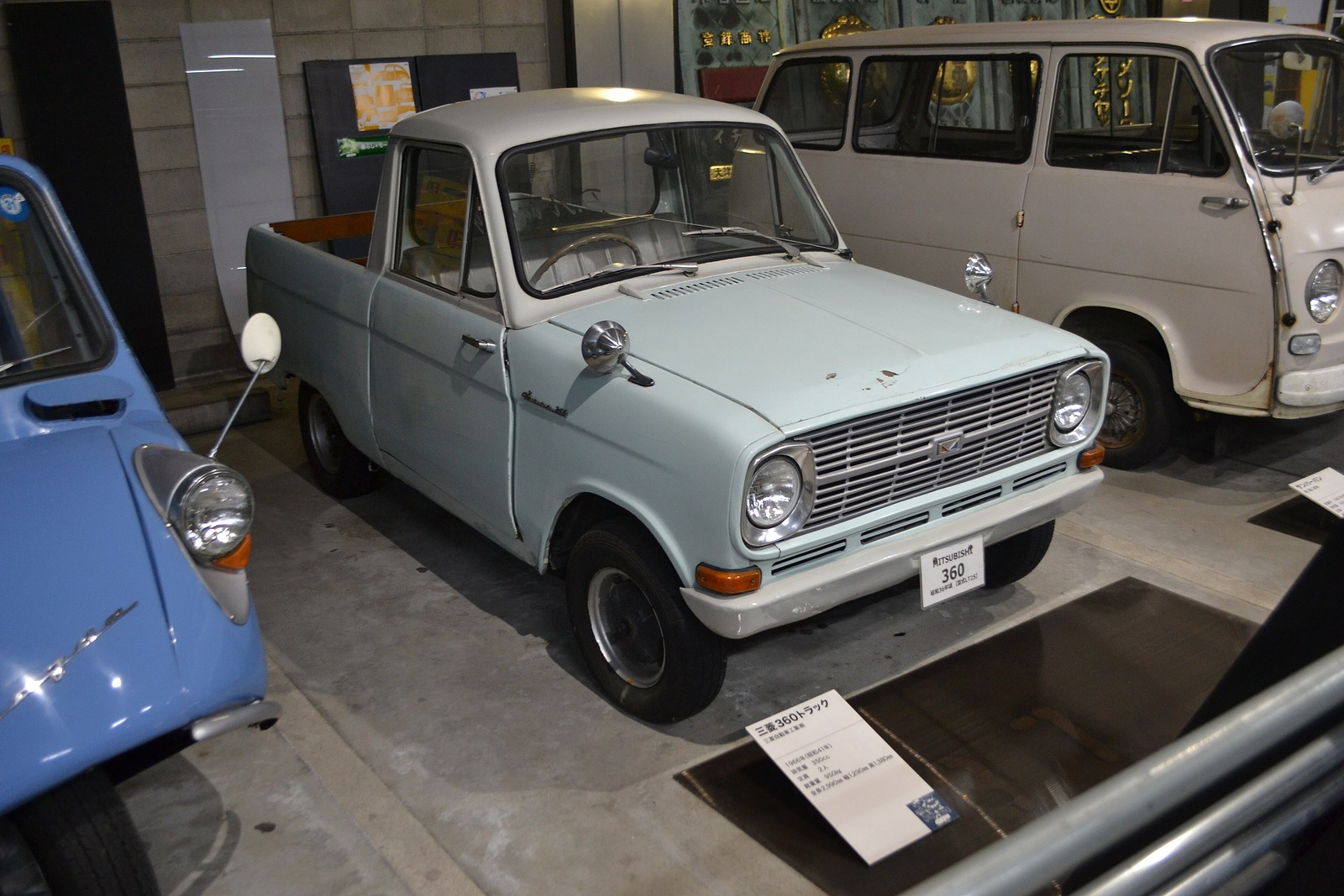
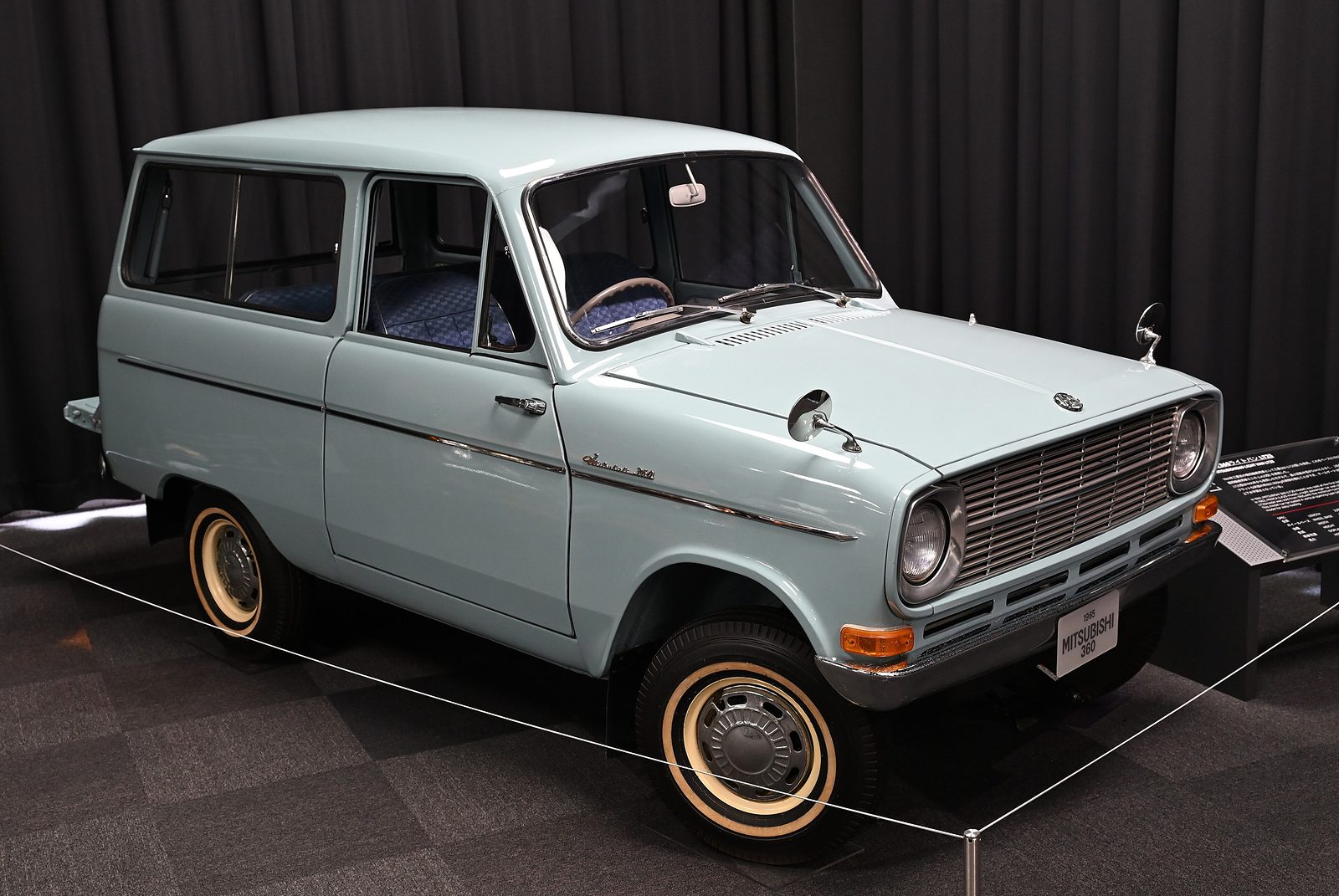
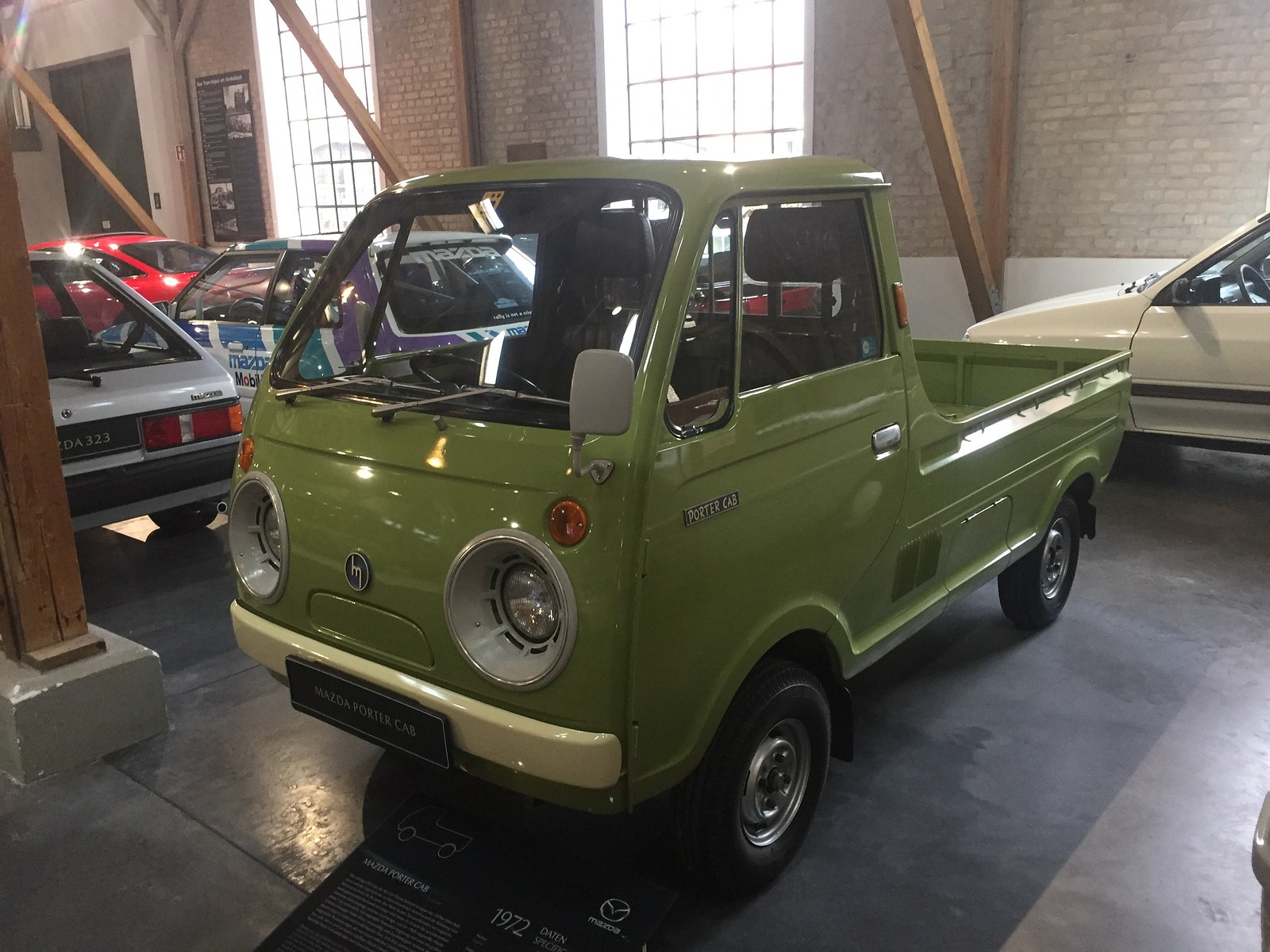
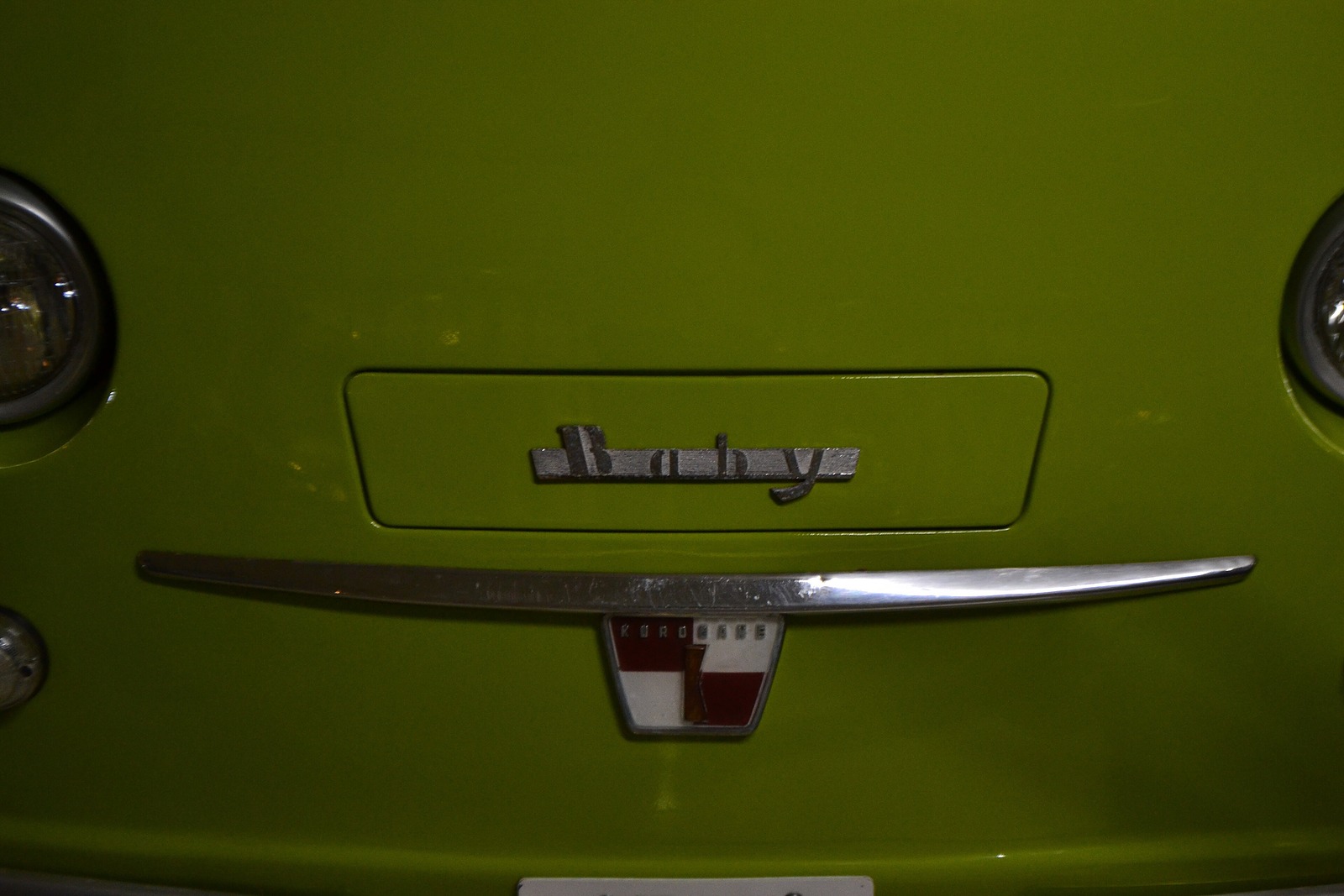
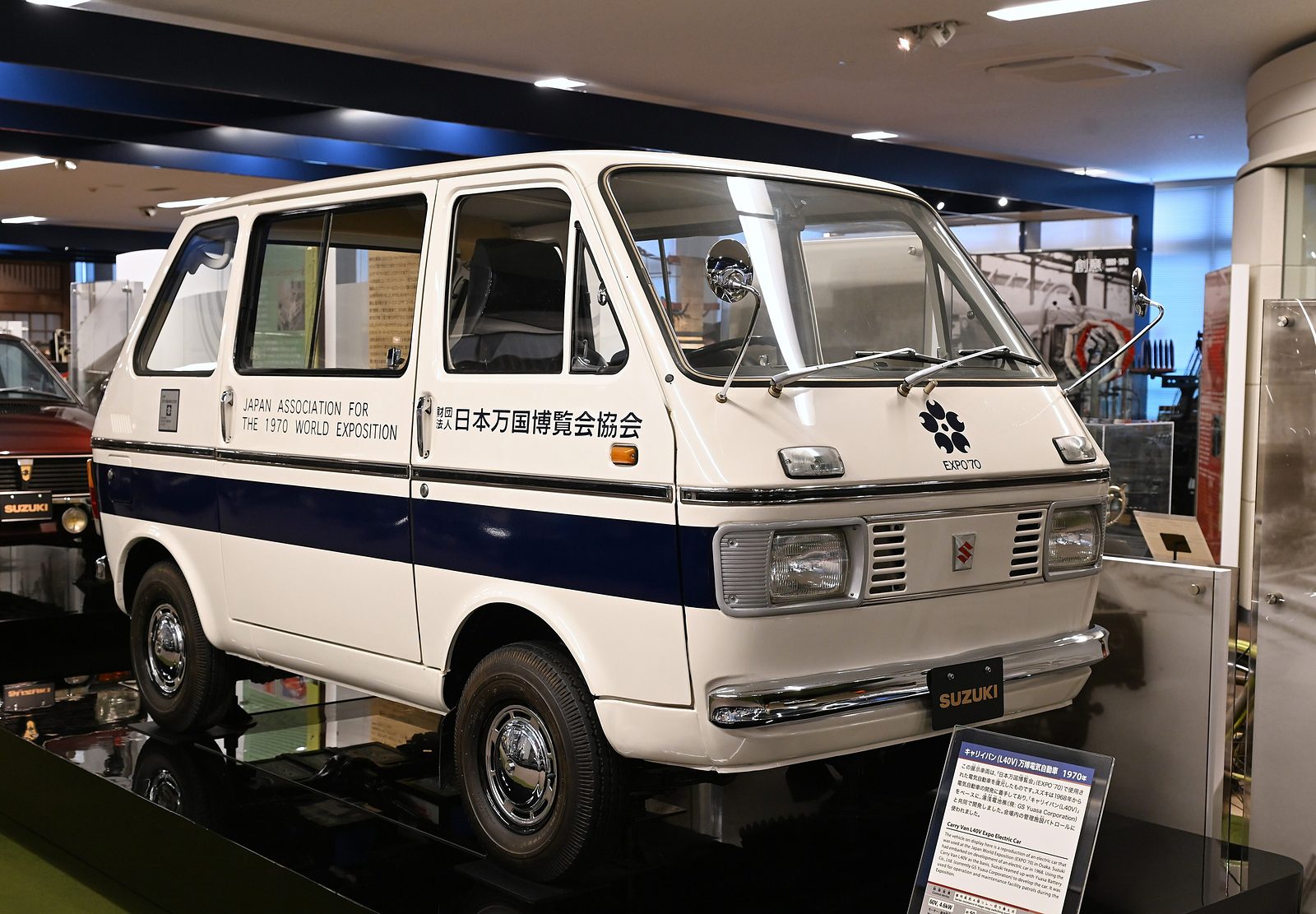
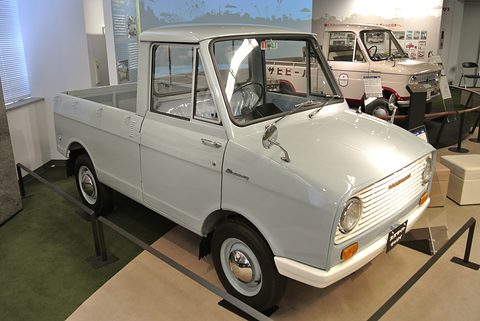
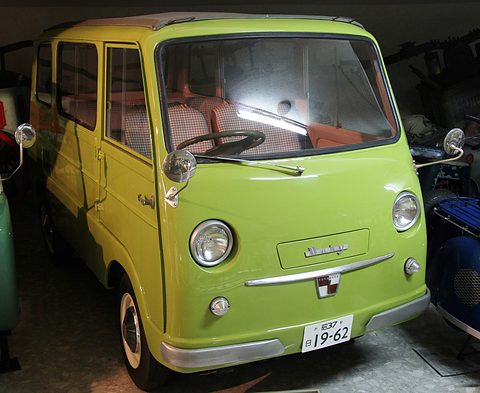
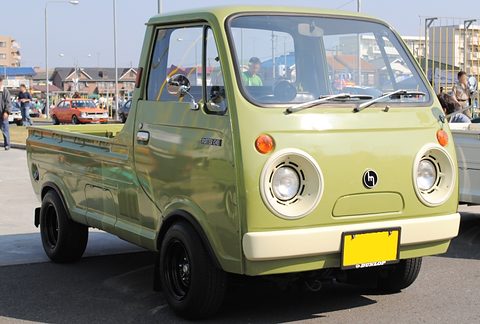
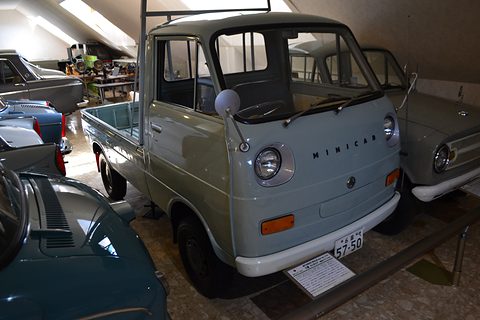
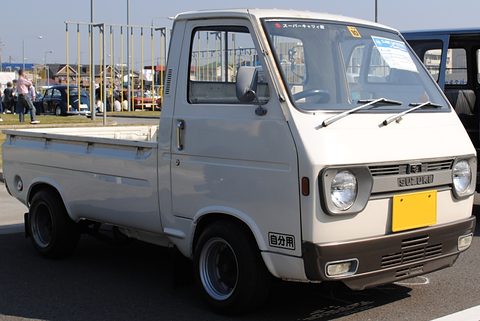
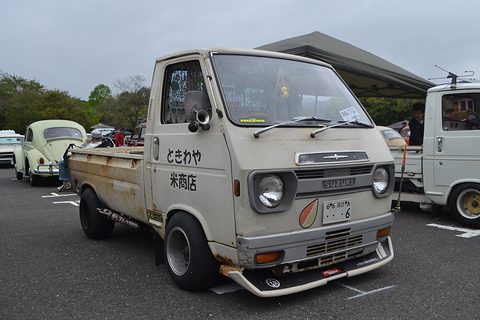
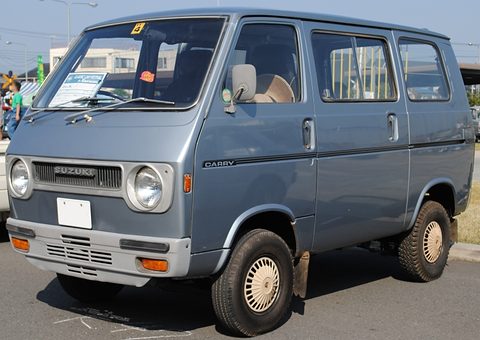
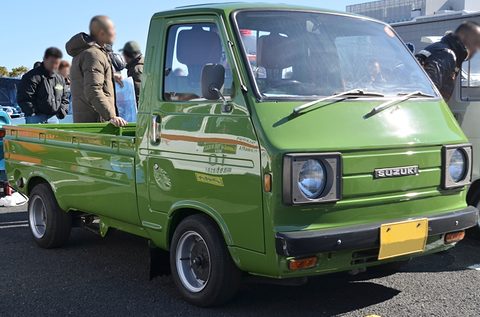
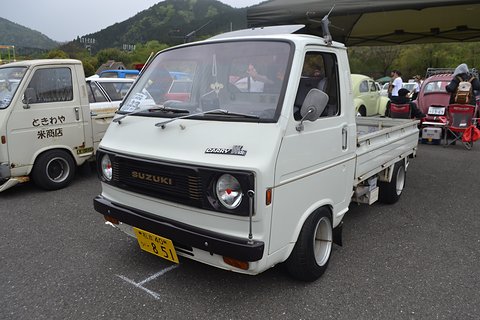
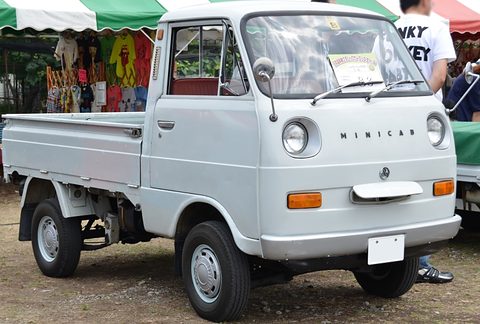
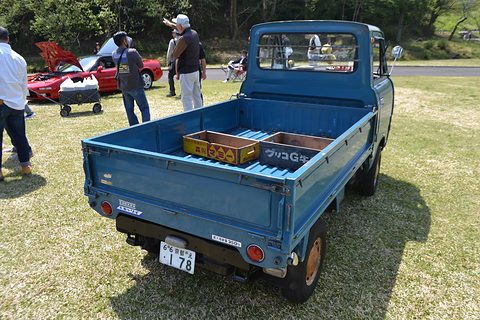
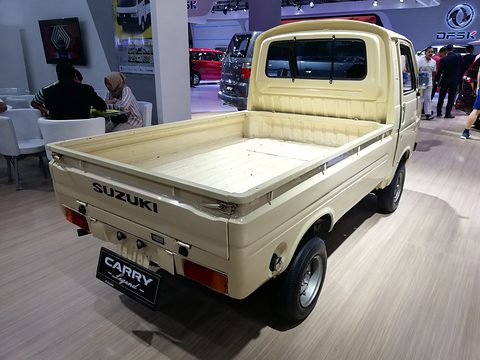
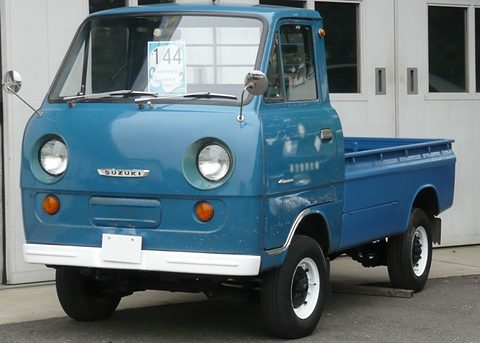
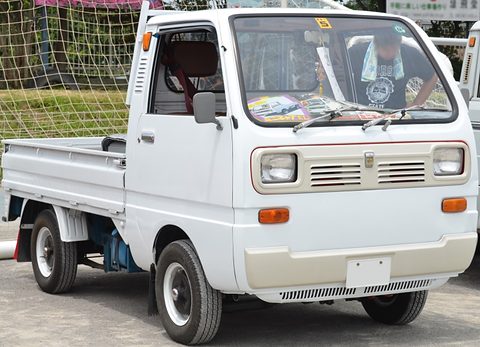
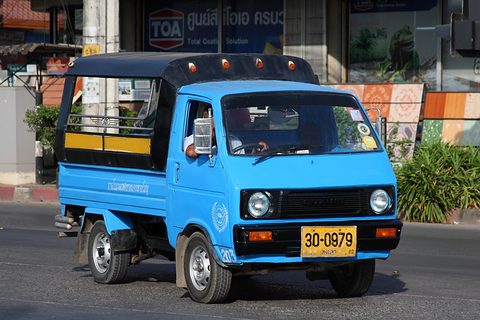
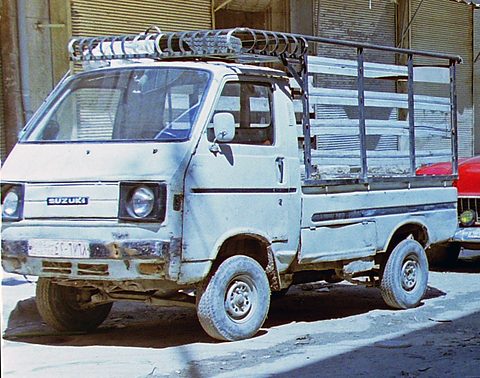
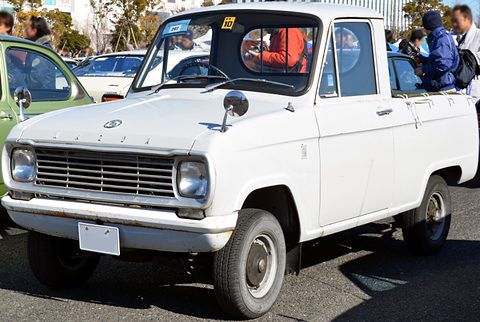
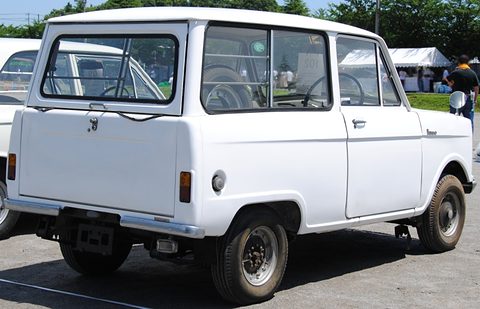
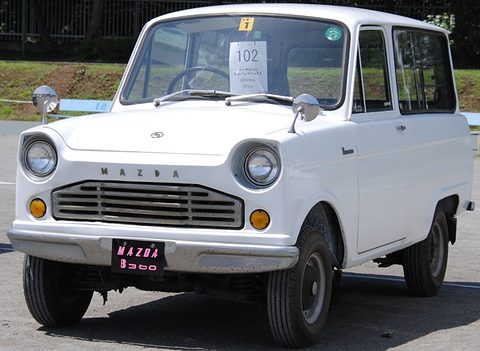
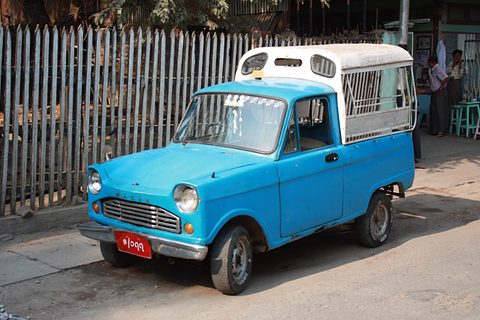
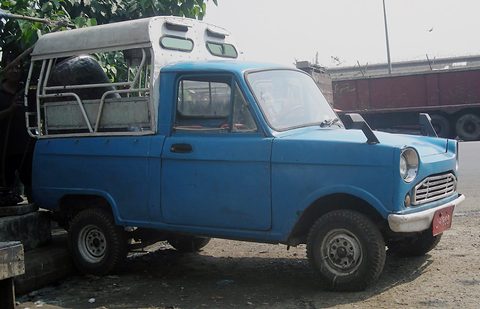
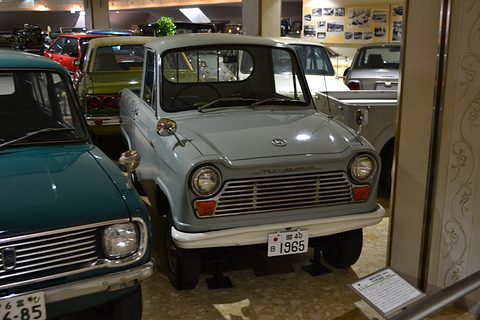
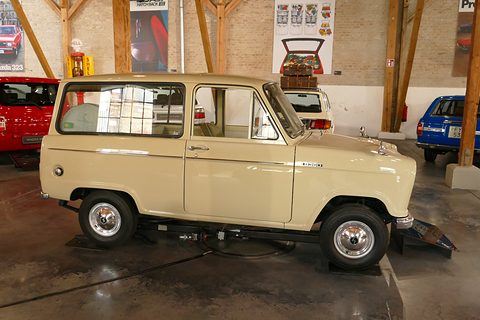
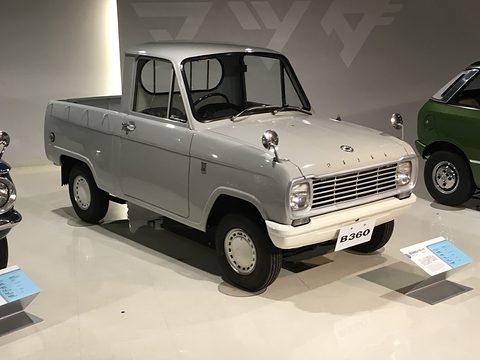
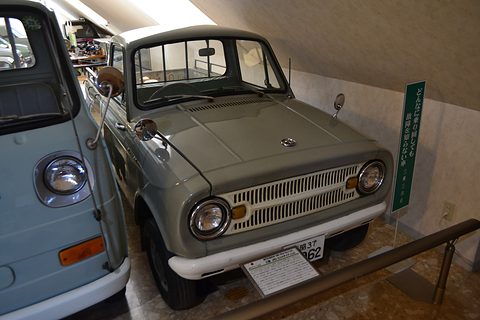
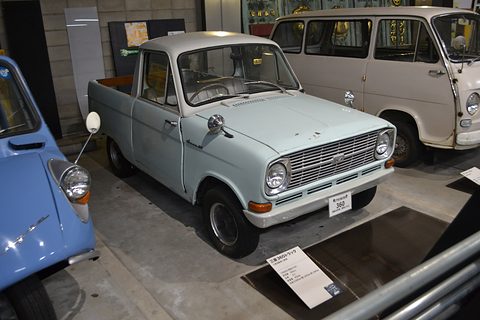
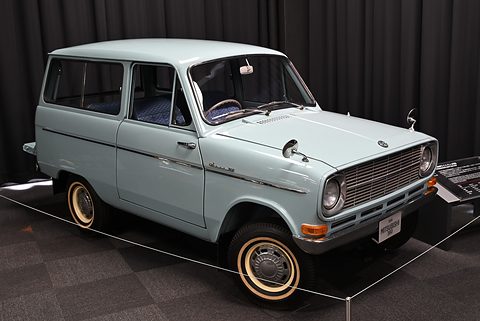
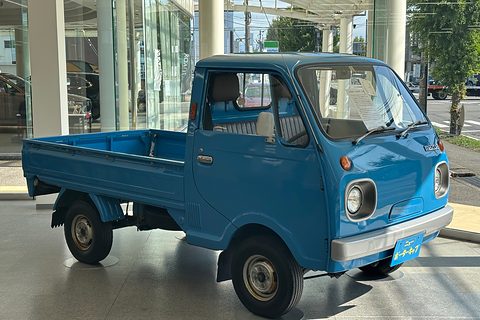
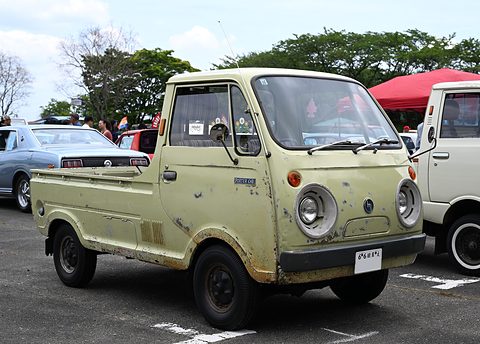
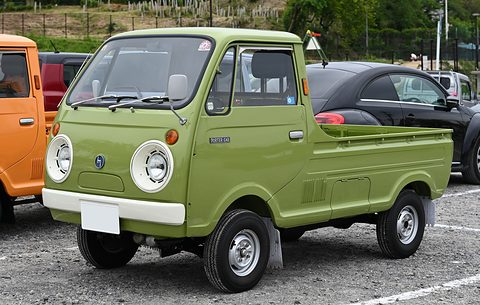
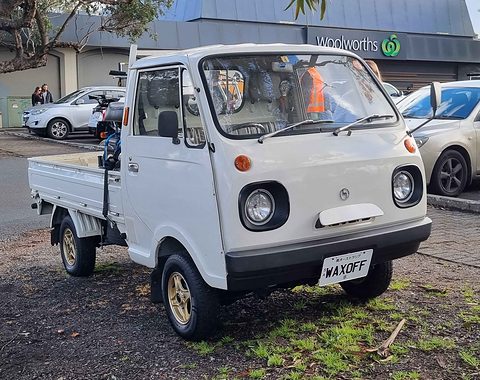
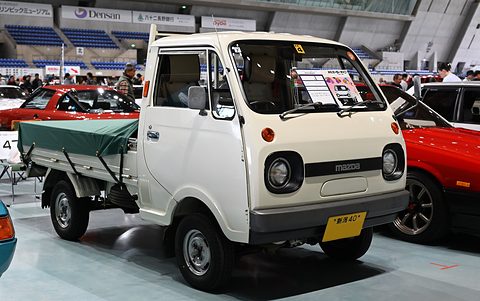
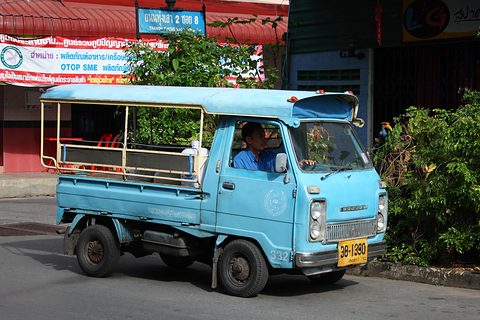
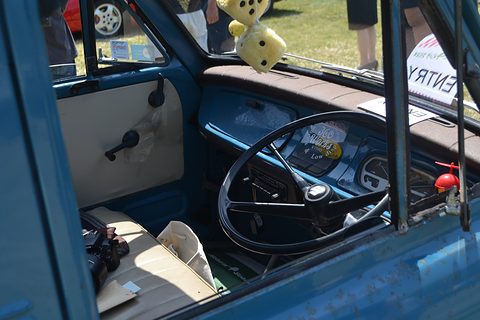
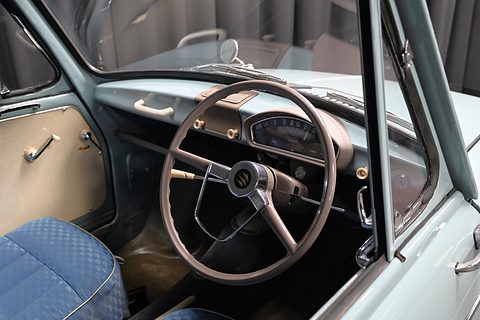
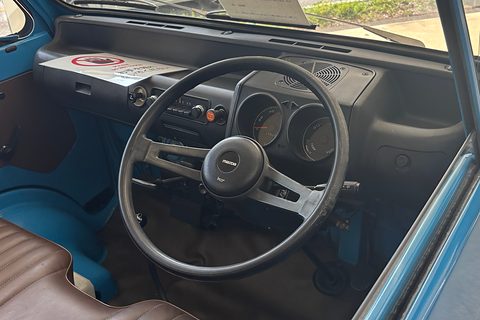
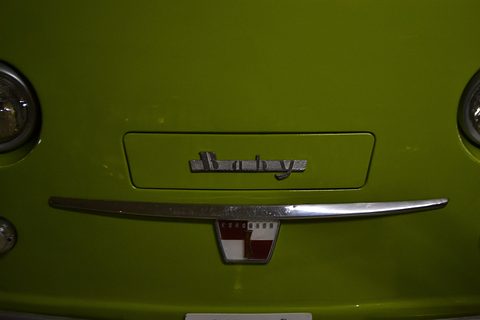
The rules shaped the trucks. A kei truck could carry at most 350 kg (772 lb), and 300 kg was usual in the 1960s; its engine was limited to 360 cc until 1975.source 1source 2source 3 Then came the four-wheelers: the Kurogane Baby, shown in November 1959; the Daihatsu Hijet in 1960; and in 1961 the Subaru Sambar, the Suzuki Carry, the Mitsubishi 360 and Mazda’s B360. By then nearly every major maker had one.source 1 Trucks with bonnets gave way to full cab-overs, which made the most of the bed within the size limit, and by the early 1970s the three-wheelers had gone and the market had settled on four-wheeled cab-overs.source 1 (Their place among the world’s working microcars is on our page of micro-vans.) The Hijet, the Sambar and Honda’s trucks have pages of their own and are told here in brief; the four makers whose trucks are recorded only here follow in sections of their own.
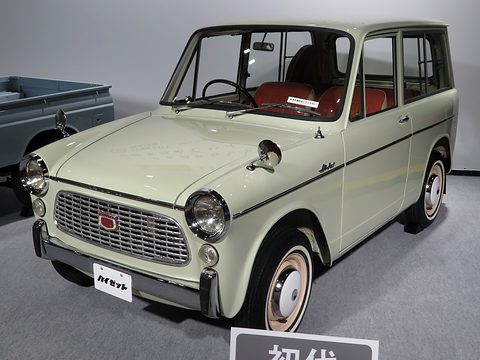
Daihatsu Hijet, 1960
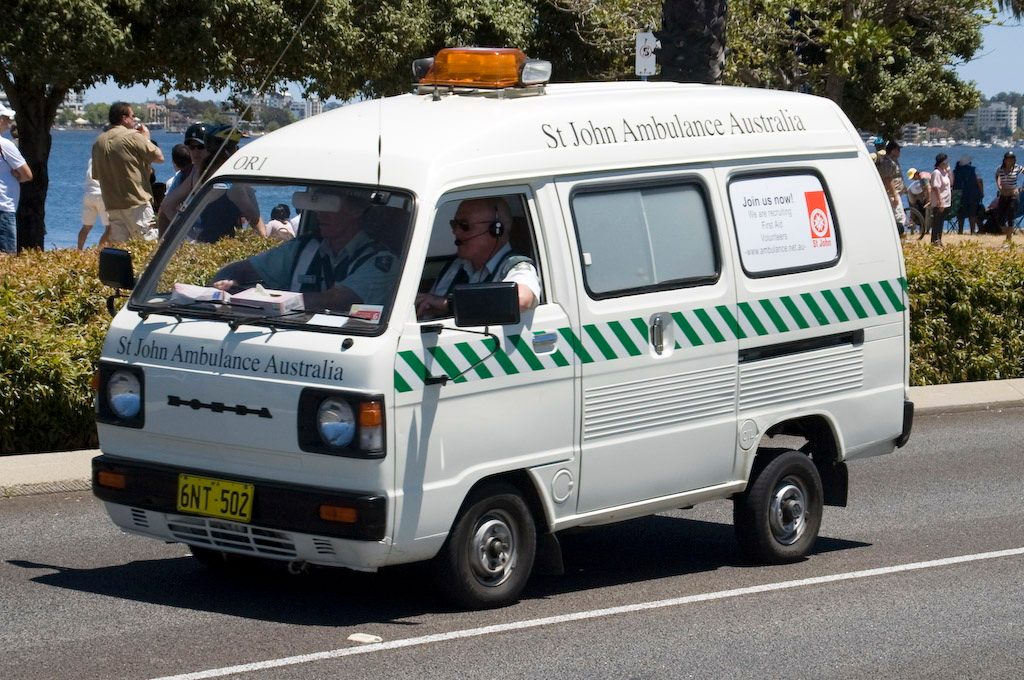
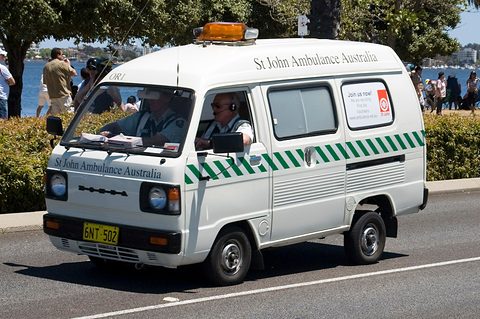
The first Hijet, the L35 of 1960, was a bonnet truck of 540 kg (1,190 lb), 2,990 mm (118 in) by 1,290 mm (51 in), on 12-inch wheels.source 1source 4 The JSAE singles out the lubrication of its two-stroke, which was the basis of the separate oiling system Daihatsu later called Oil-Matic, and which was widely taken up.source 4 The Hijet became a cab-over in time, and it is the longest-running name among kei vehicles.source 1
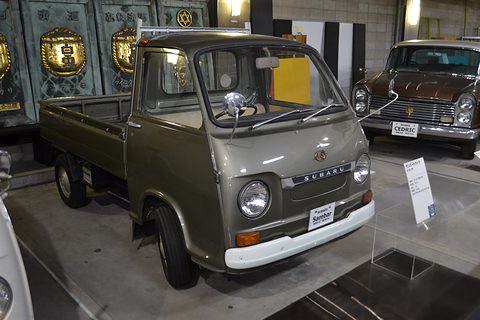
Subaru Sambar, 1961
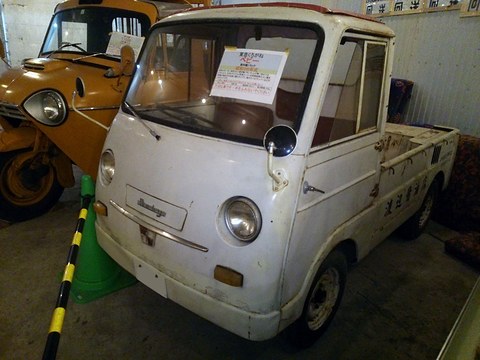
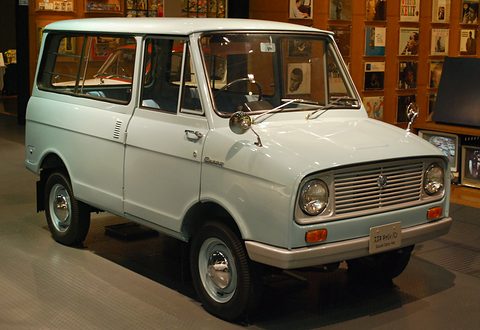
Fuji Heavy Industries’ Sambar, the K151 of 1961, was a cab-over when most kei trucks still had bonnets, with the air-cooled twin of the Subaru 360 at the back.source 1source 5 It weighed 395 kg (871 lb), on trailing arms in front and swing axles behind, and the JSAE praises its ride and its load space.source 5
豆腐屋さんが使っても壊れないというエピソードが出た。
The Sambar kept its engine at the back, driving the rear wheels, until 2012. In 1980 it became the first kei truck with part-time four-wheel drive, an idea the rest of the class took up, and in 1990 its ECVT was the first stepless transmission in a kei truck.source 1 Kei trucks went to the United States in the 1960s, the Sambars imported by Malcolm Bricklin best known among them, until safety rules of 1968 barred them from American roads.source 1
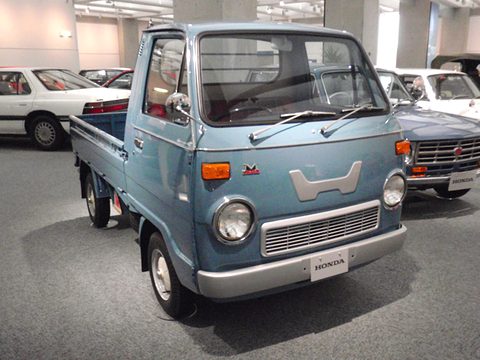
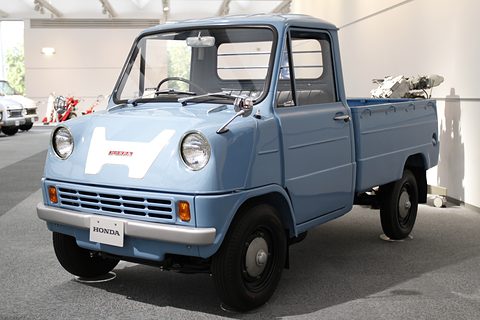
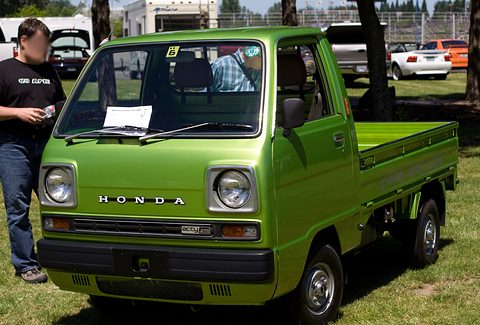
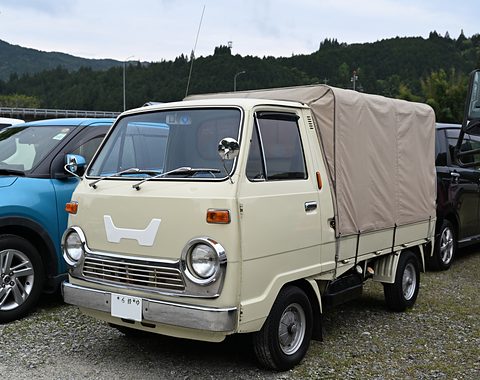
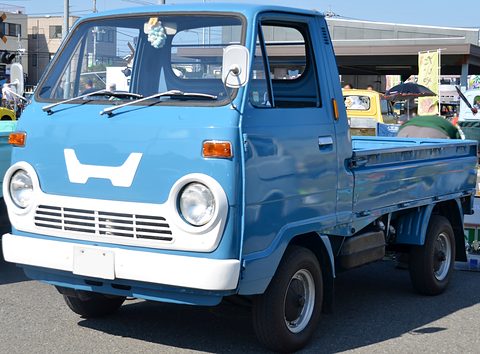
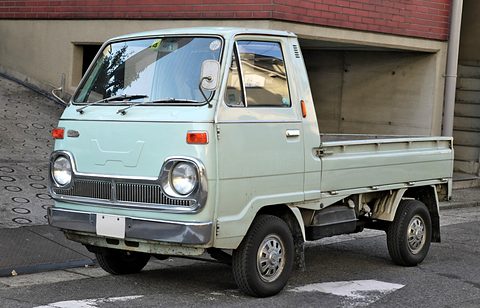
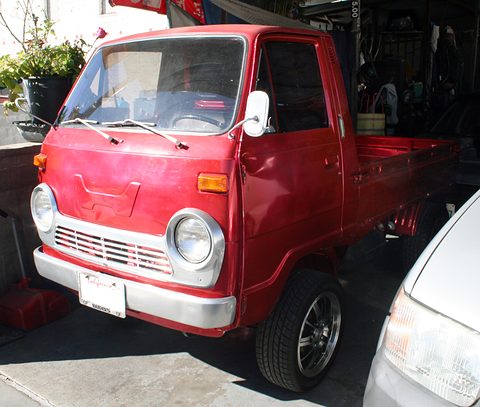
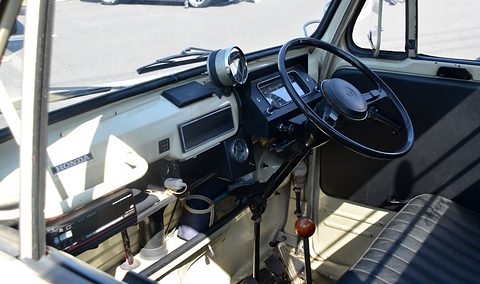
Honda T360 and TN360, 1963 and 1967
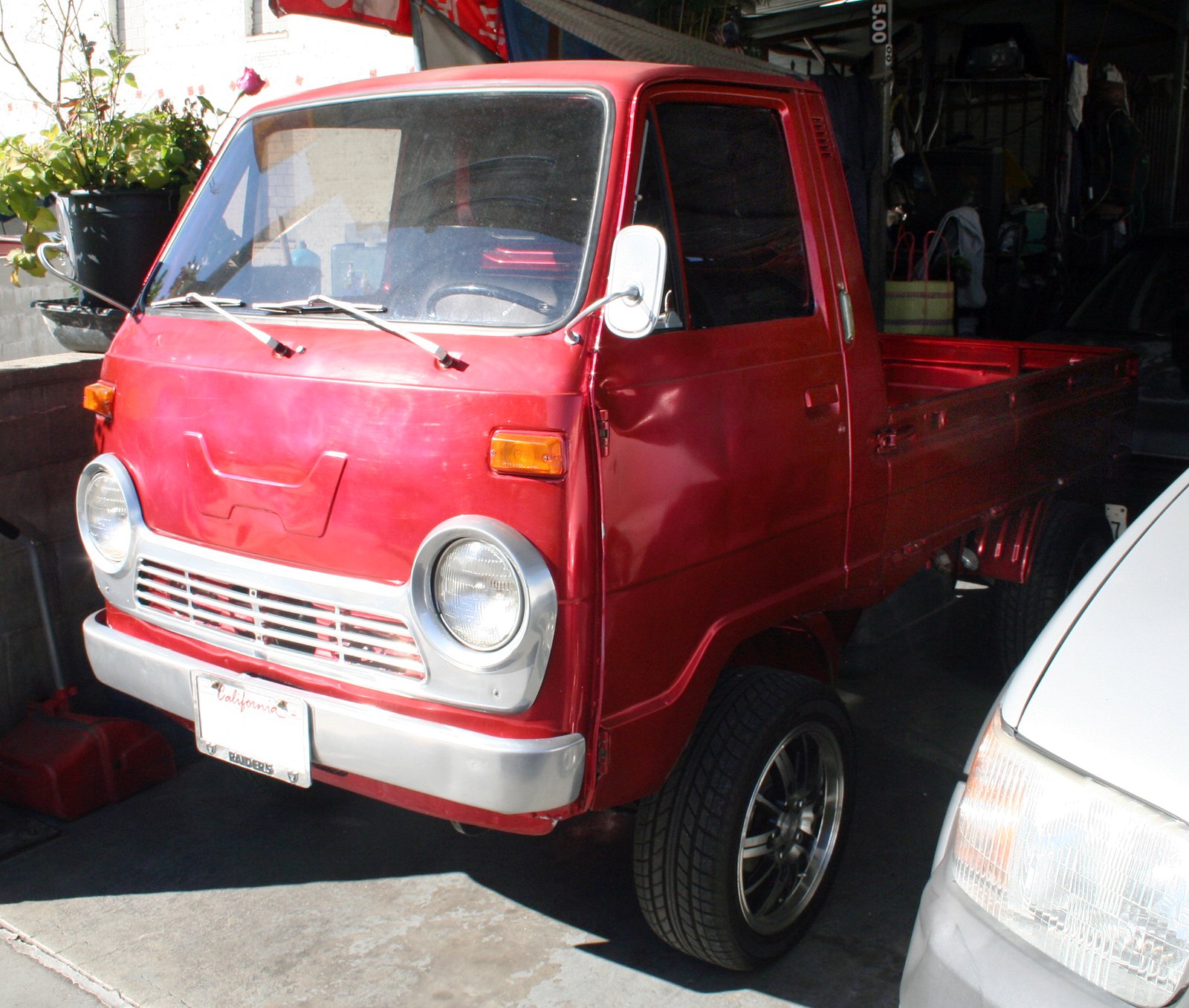
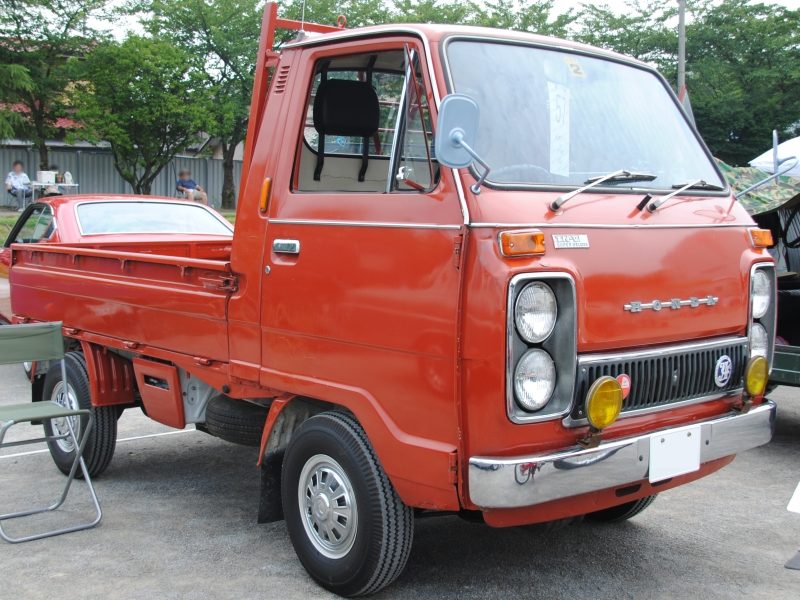
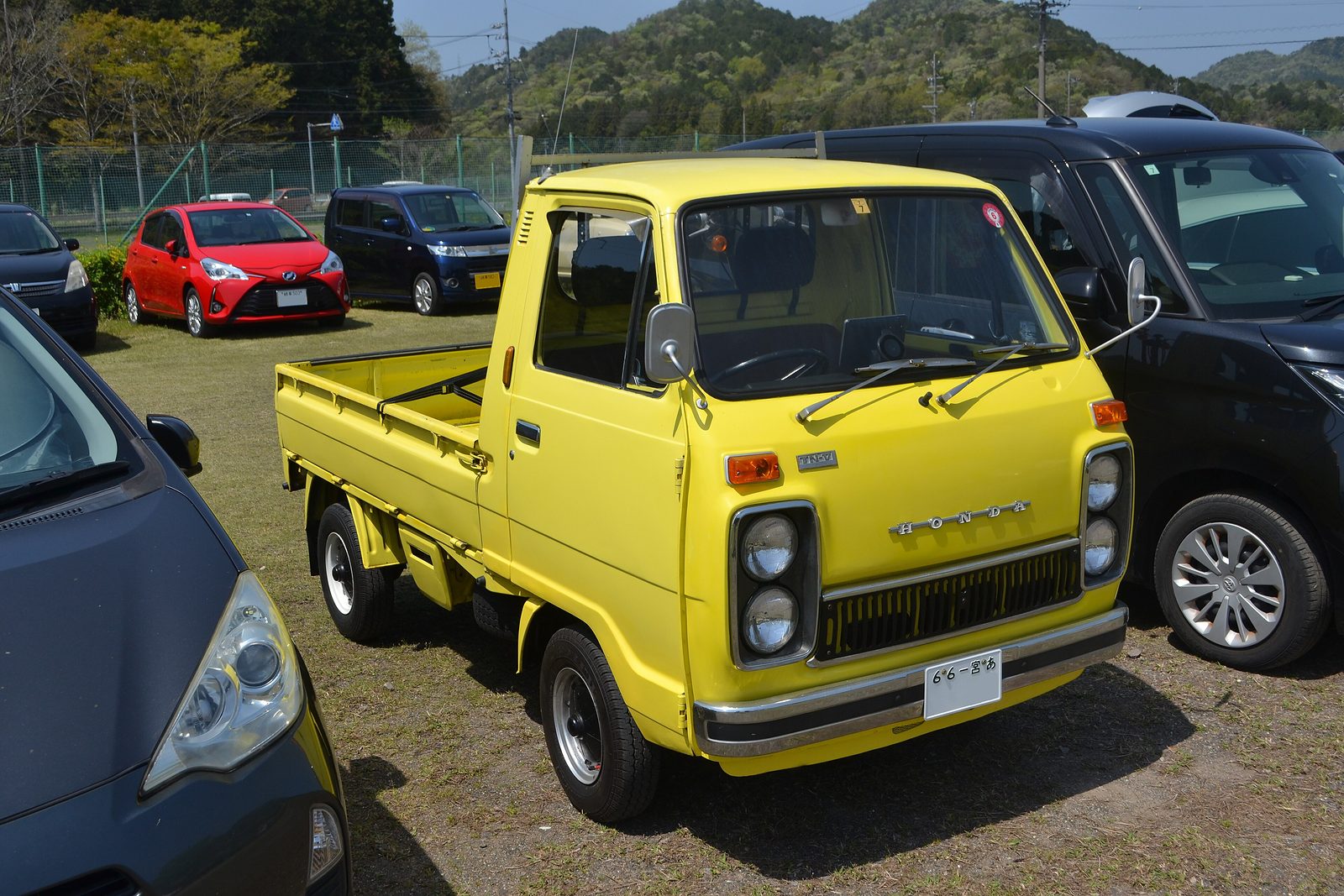
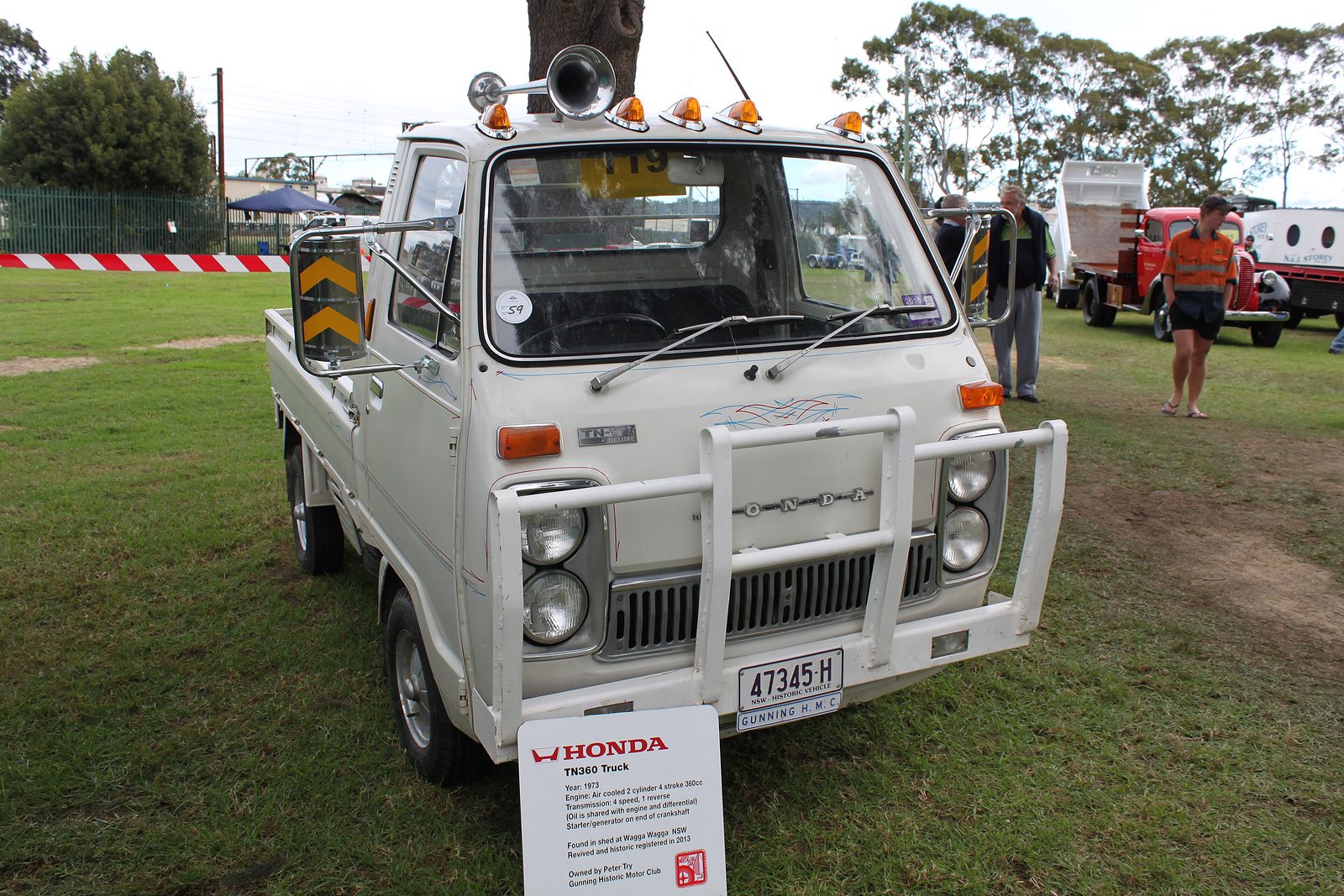
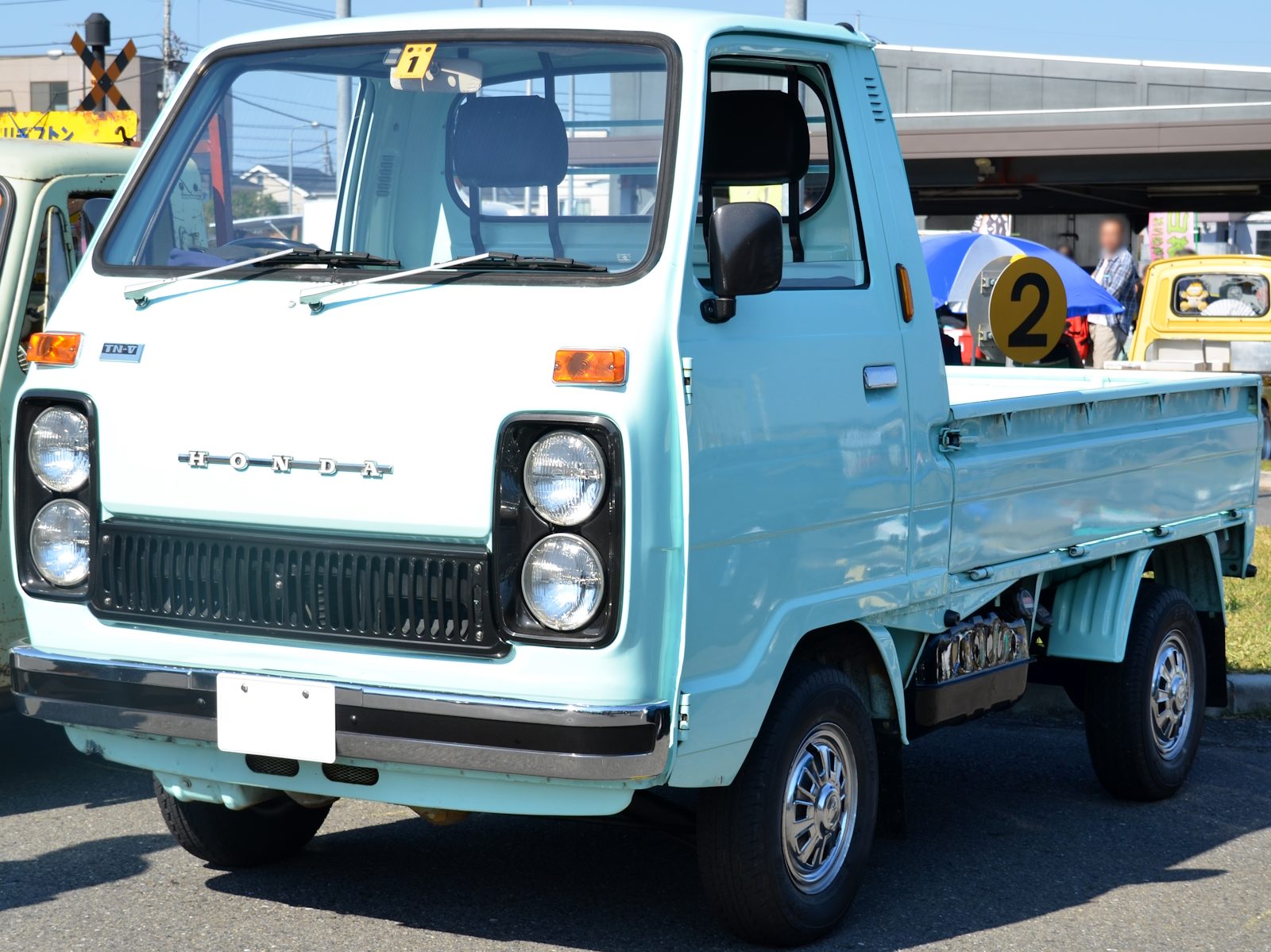
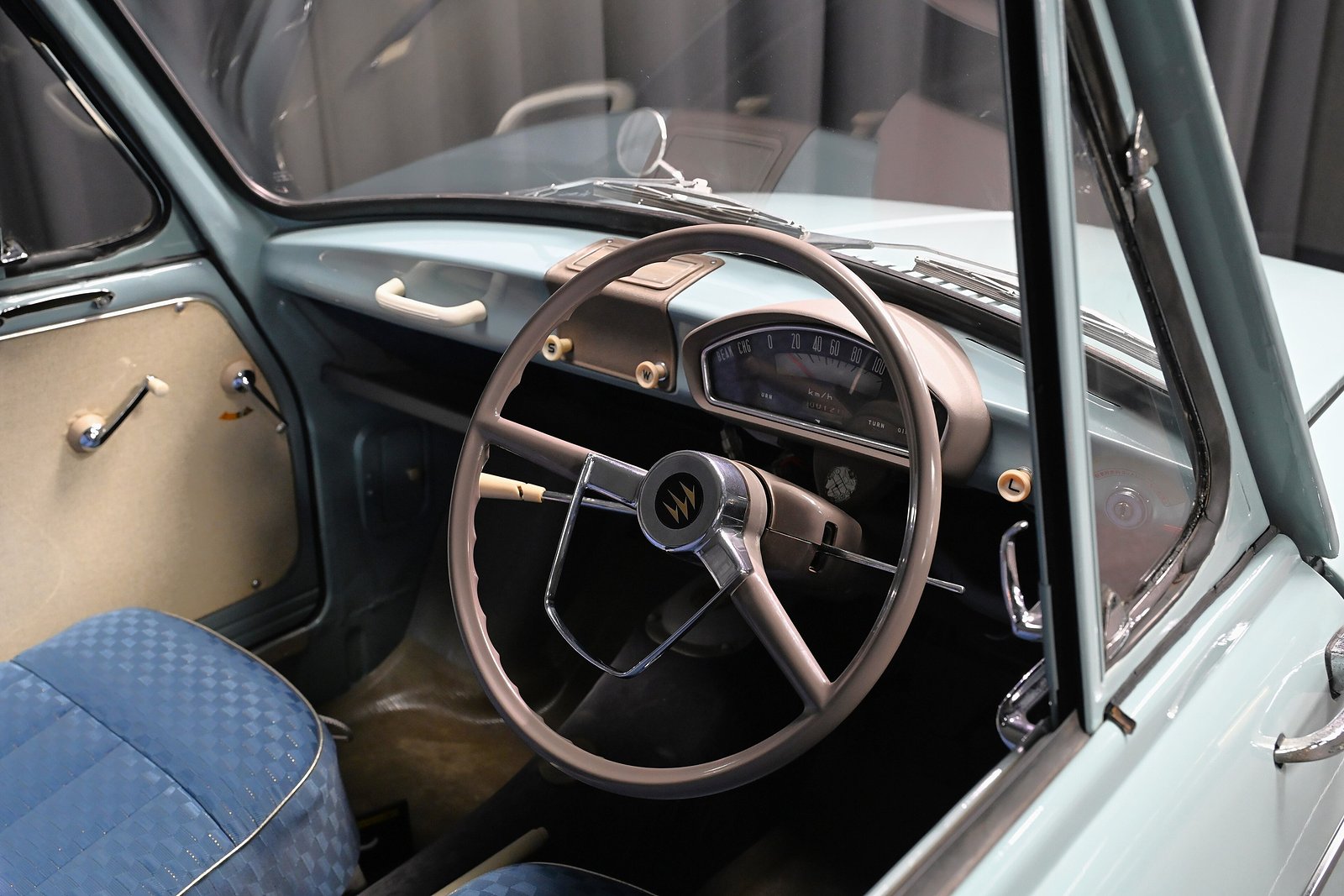
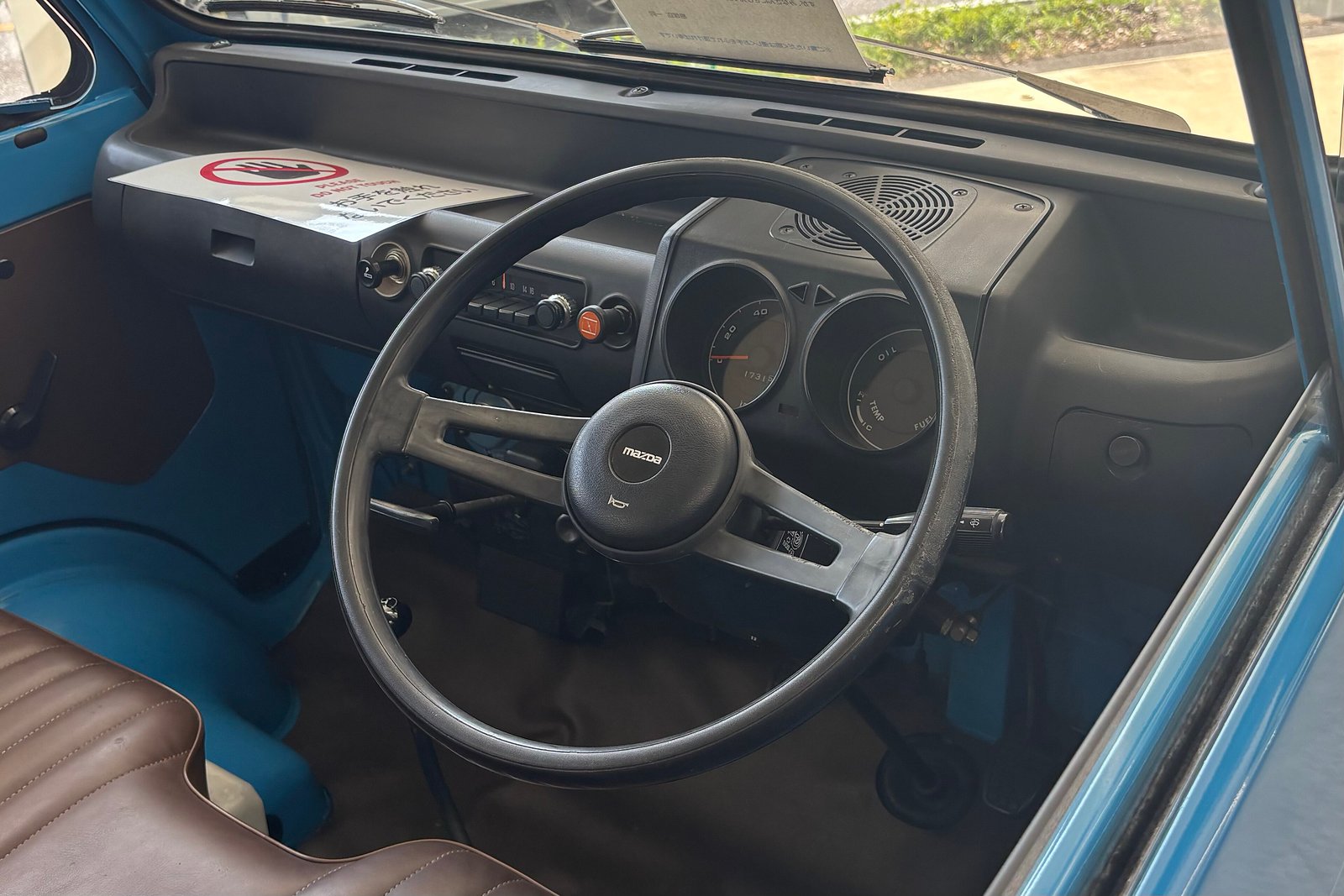
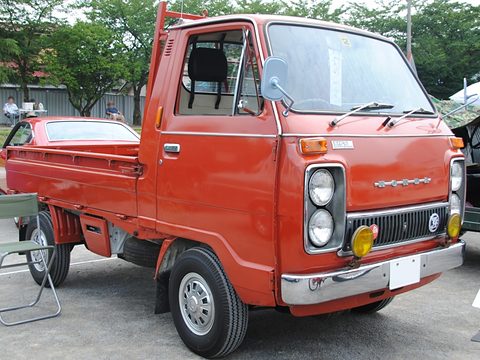
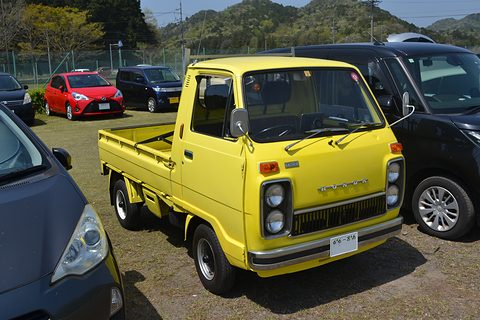
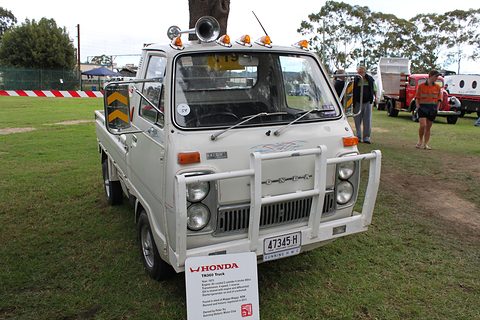
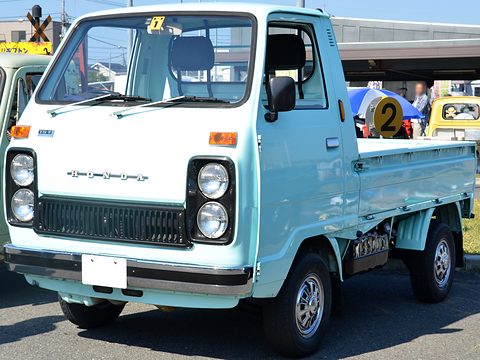
Honda’s first car was a truck. The Honda T360 went on sale on 1 August 1963, a semi-cab-over with Japan’s first twin-cam engine in a car: a 356 cc water-cooled four, all in alloy, with 30 PS at 8,500 rpm and, at first, four carburettors.source 6source 7source 8source 1 The engine was complicated enough to trouble mechanics, and Nakamura Yoshio called it the “monster engine”.source 6 English Wikipedia gives 108,920 built.source 8
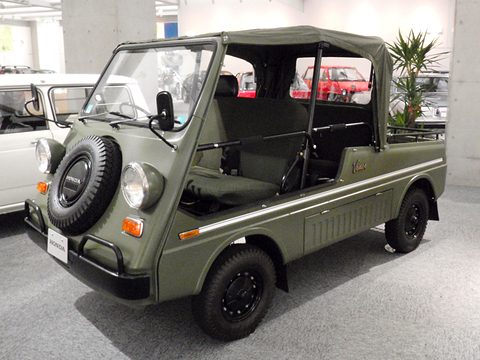
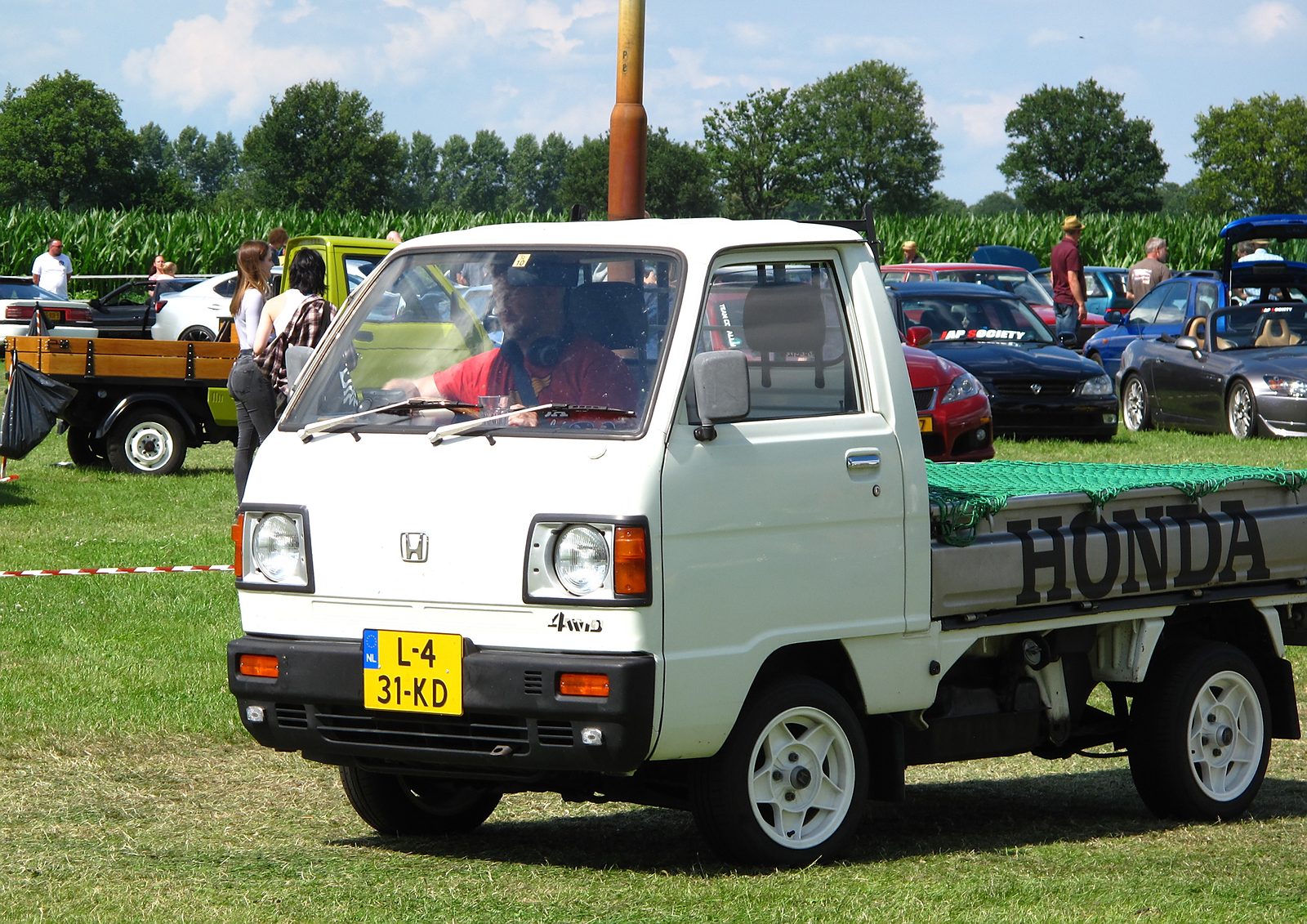
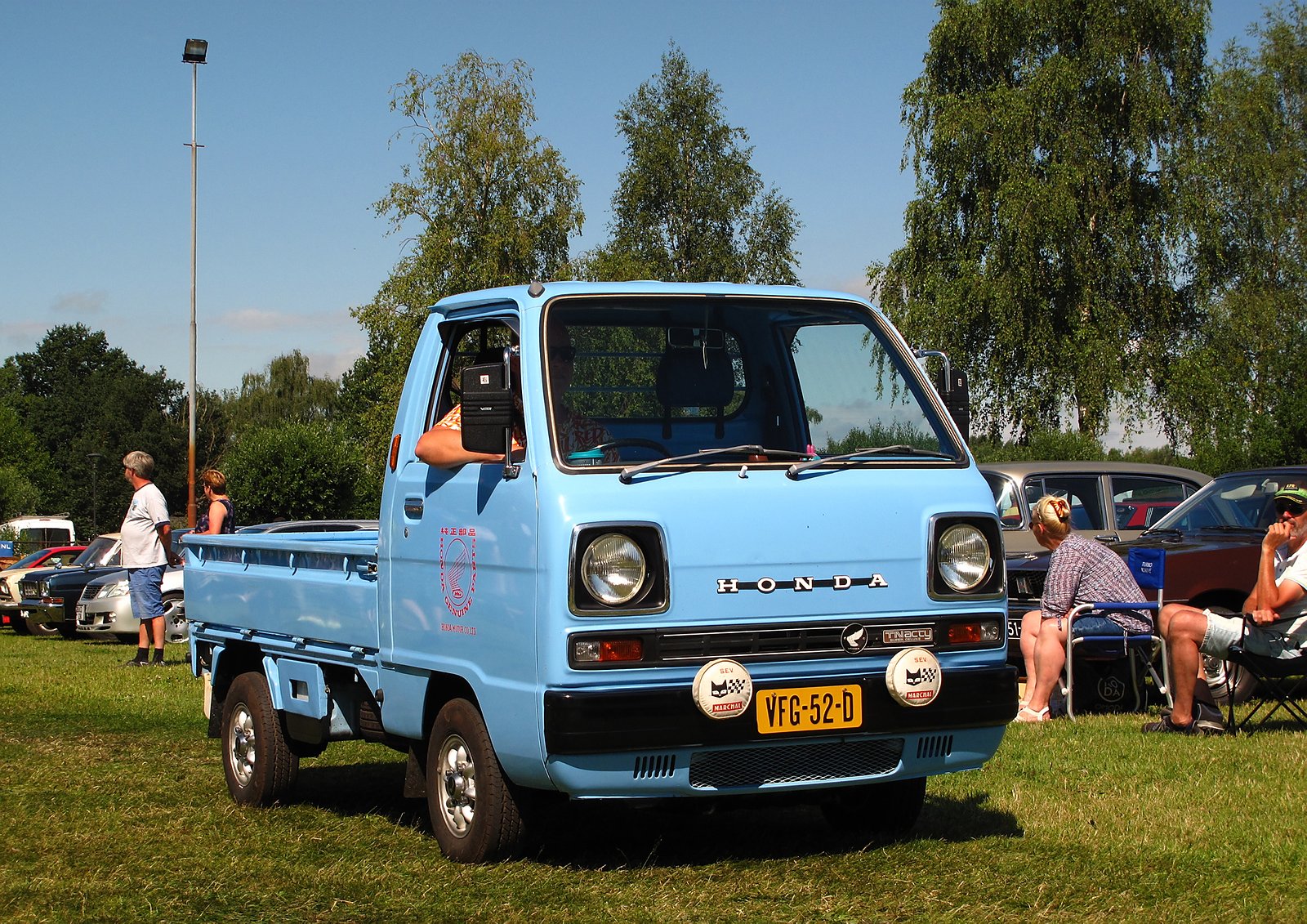
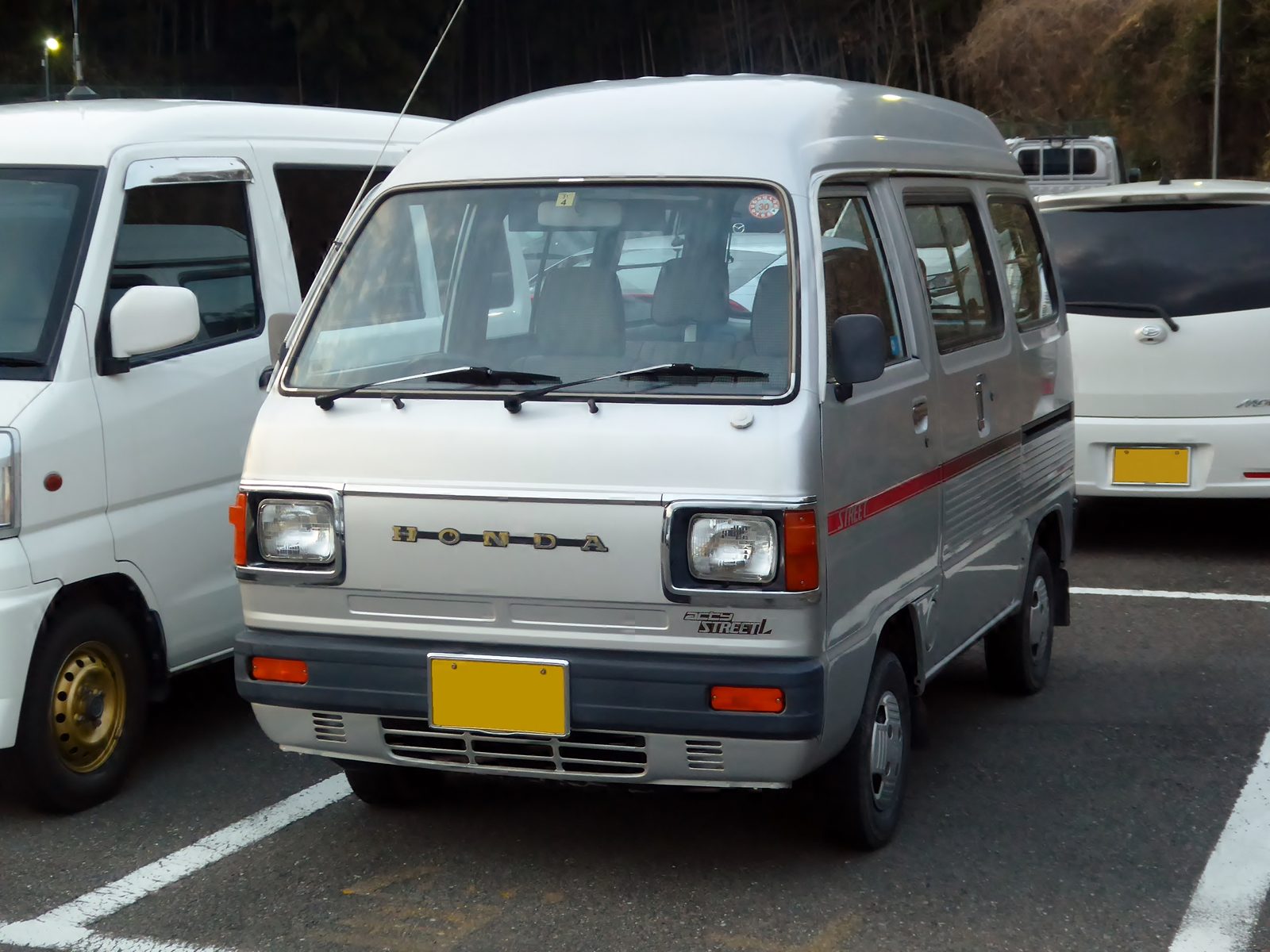
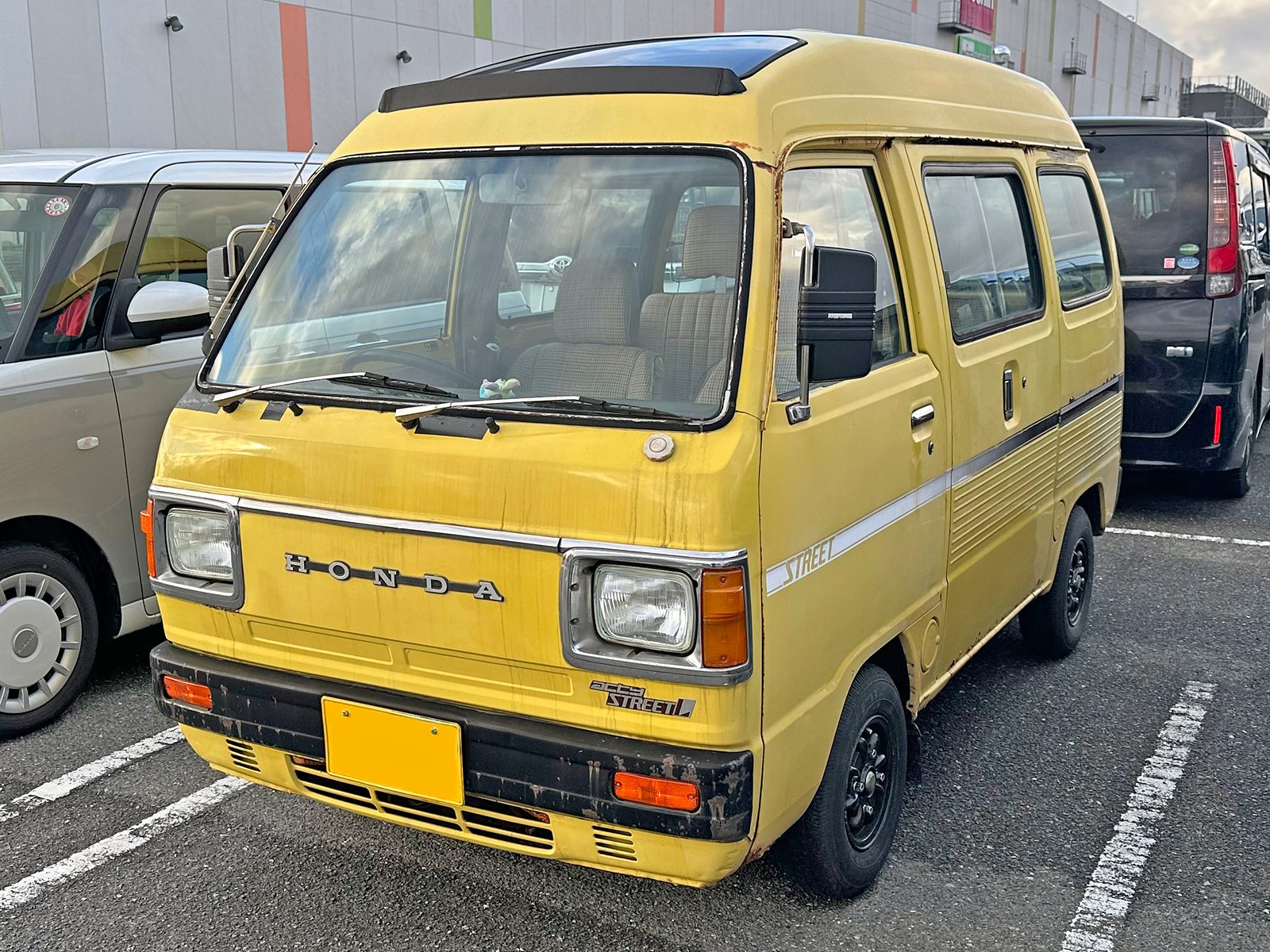
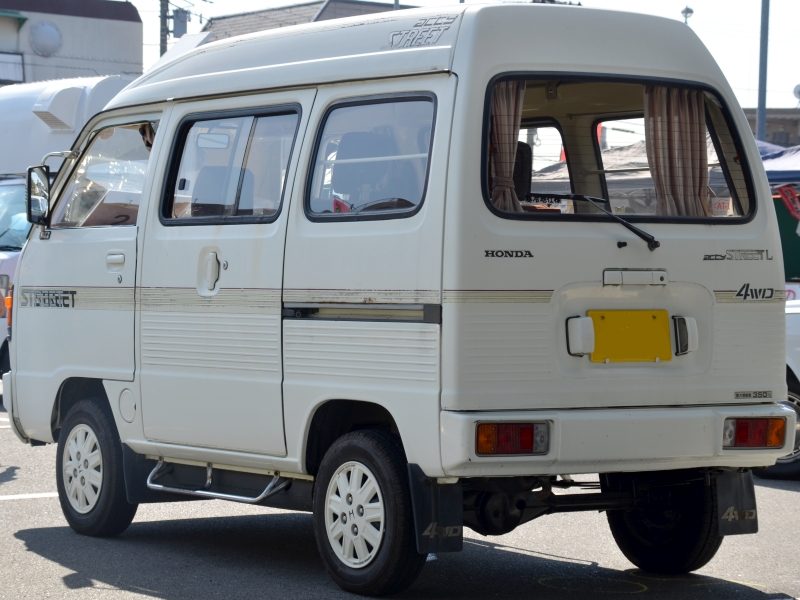
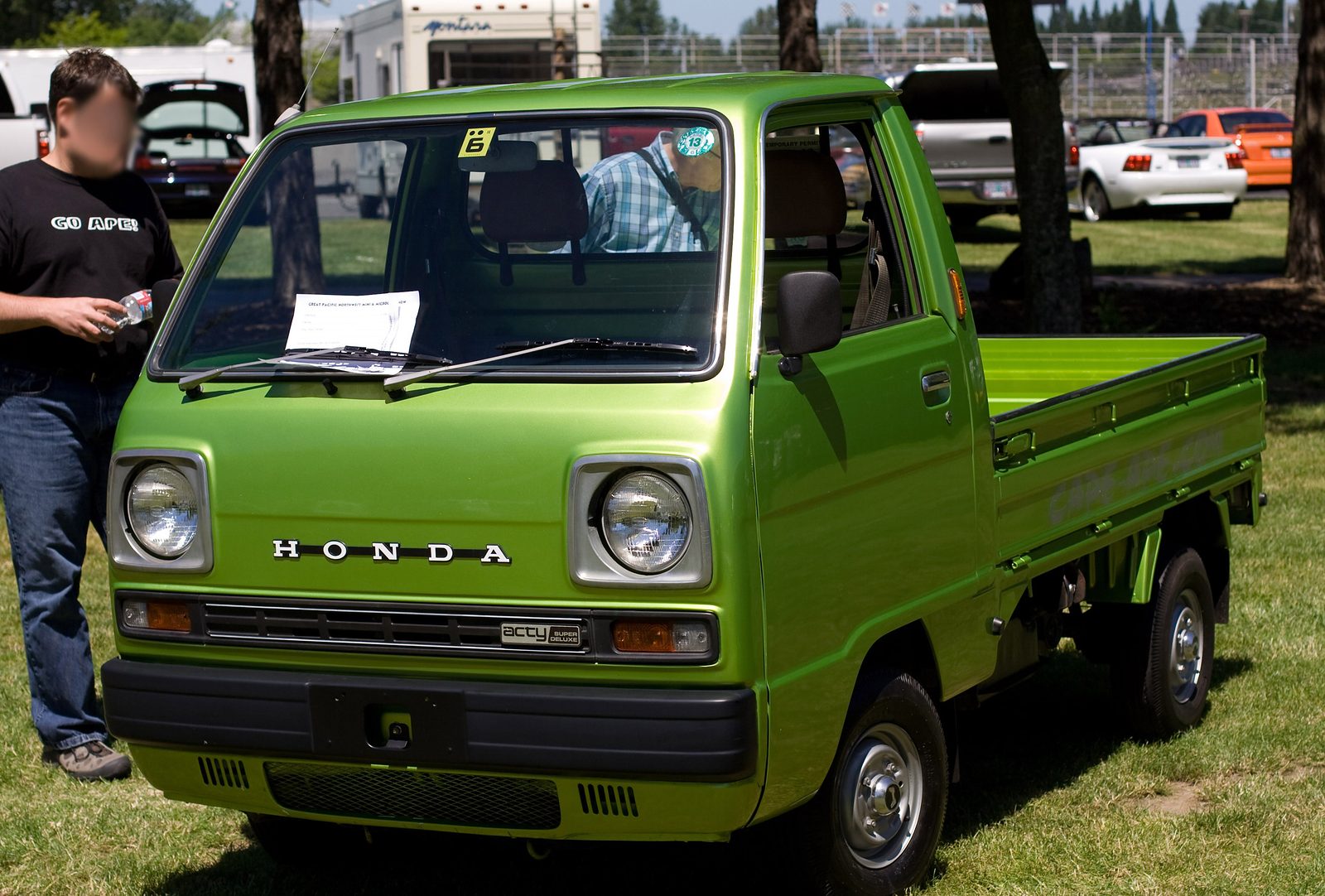
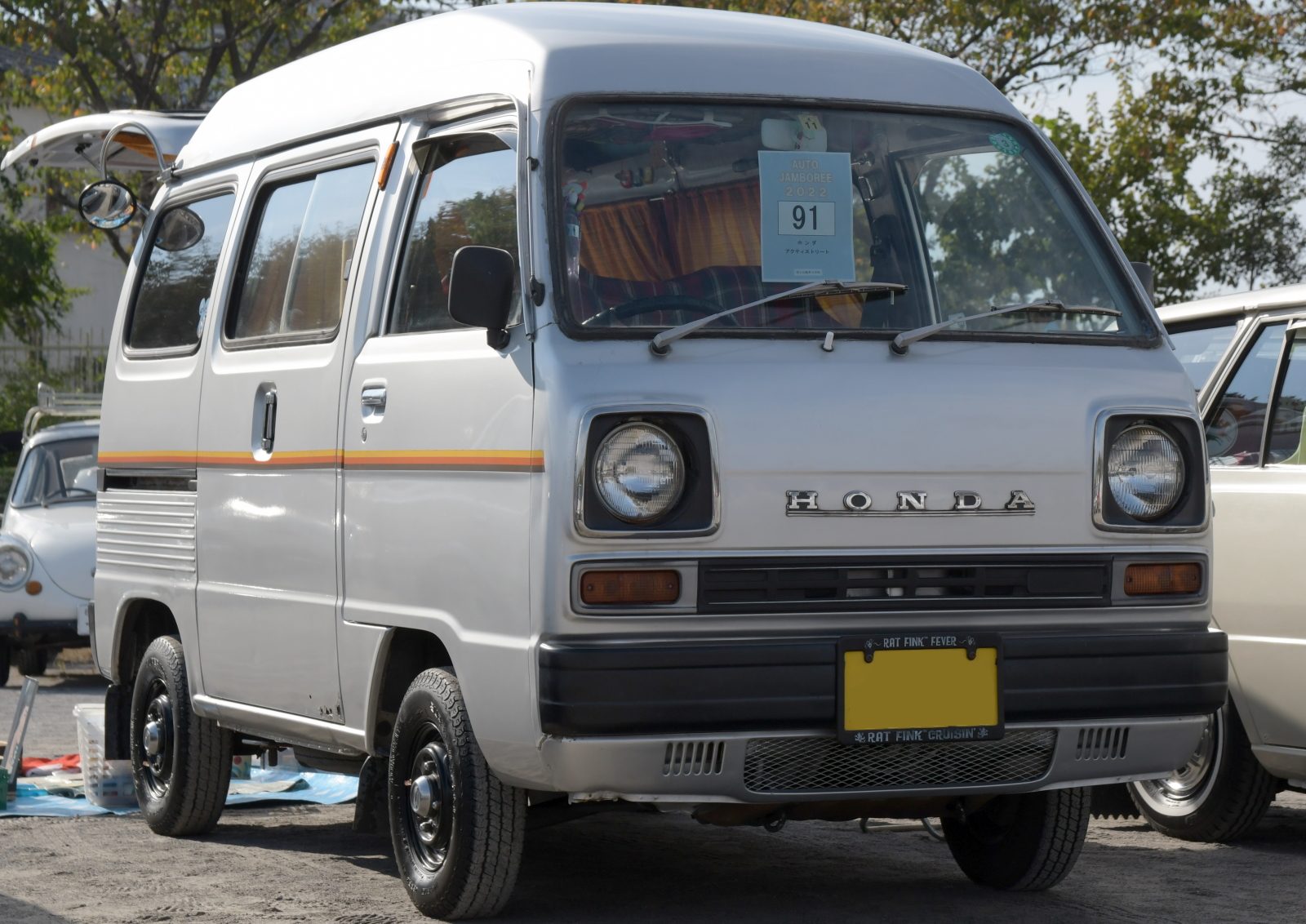
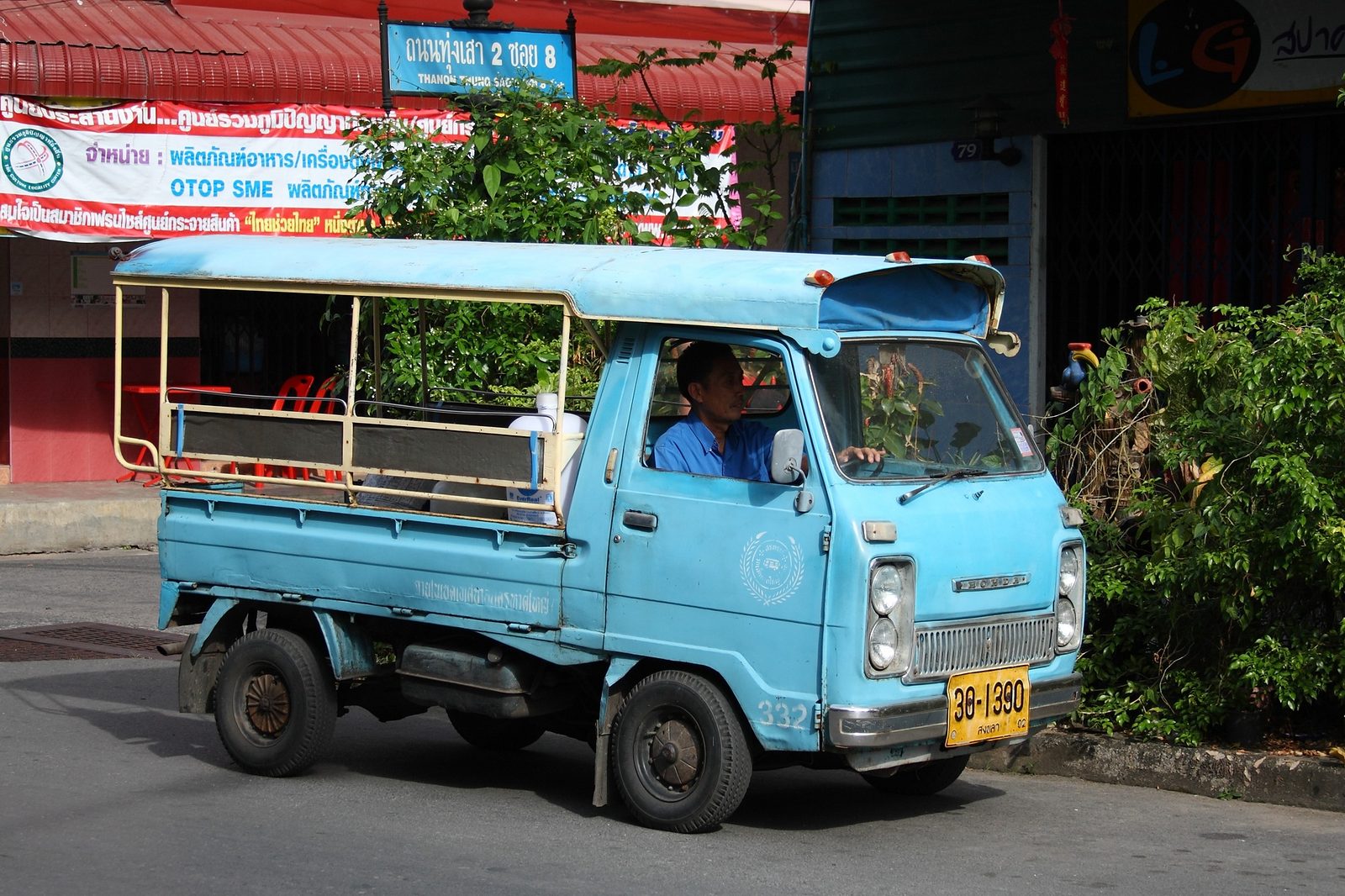
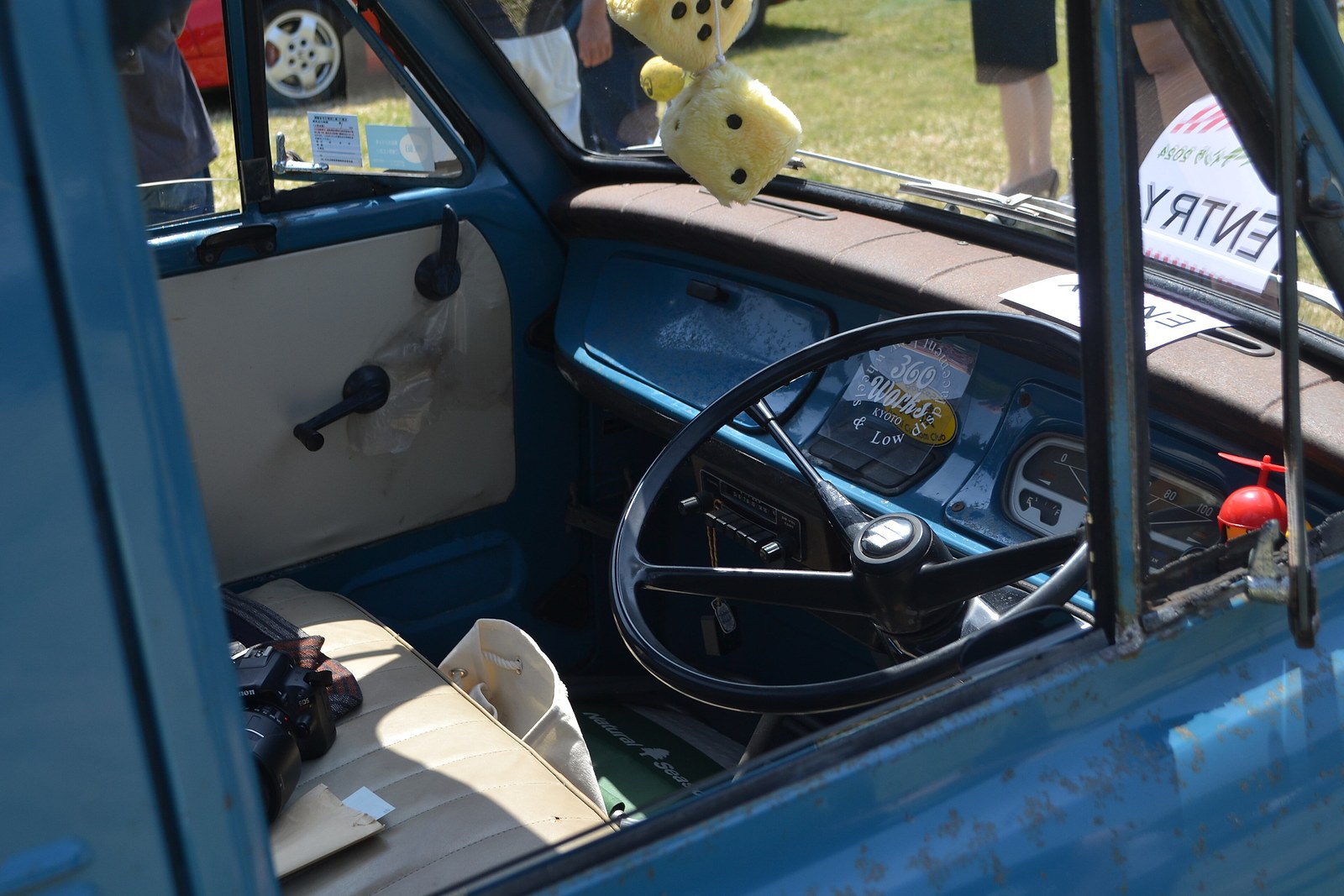
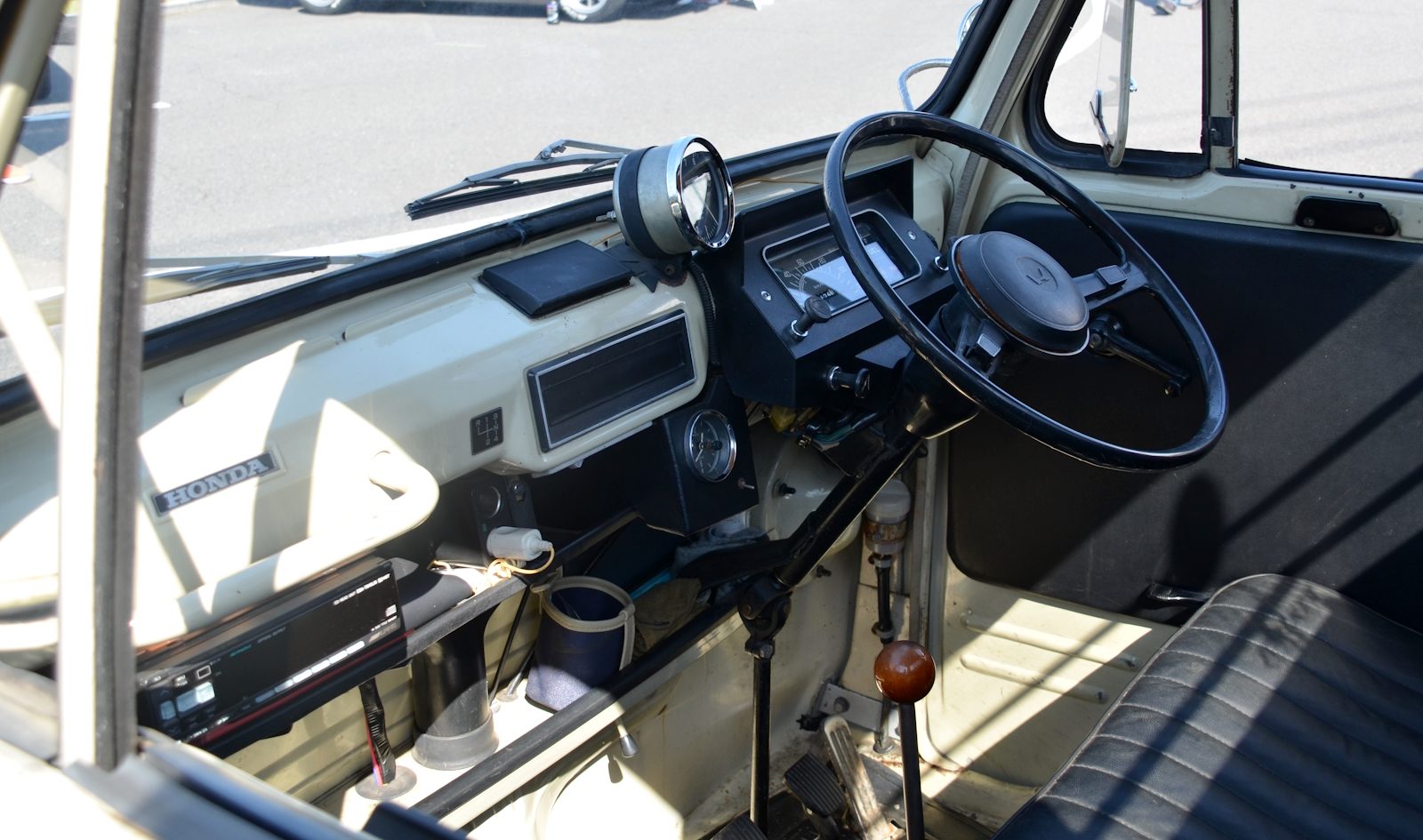
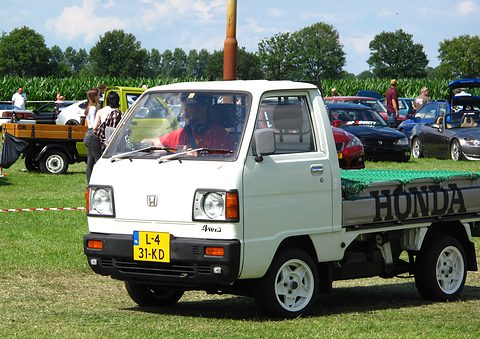
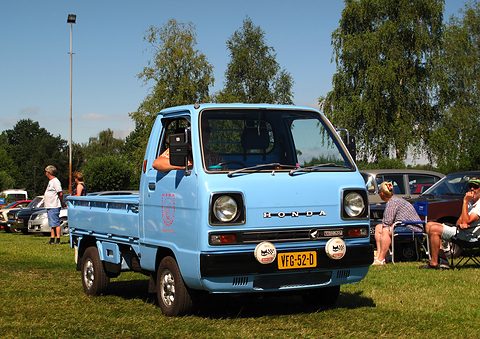
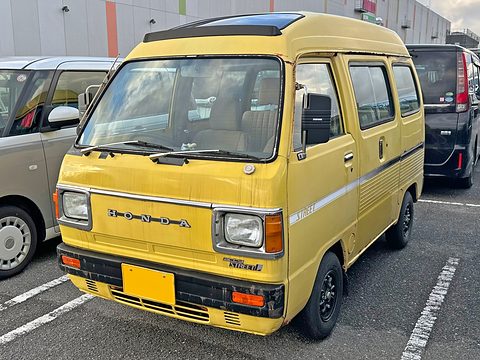
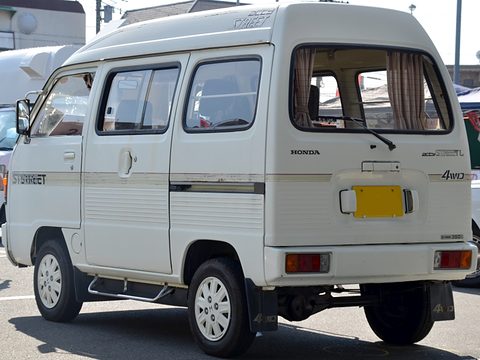
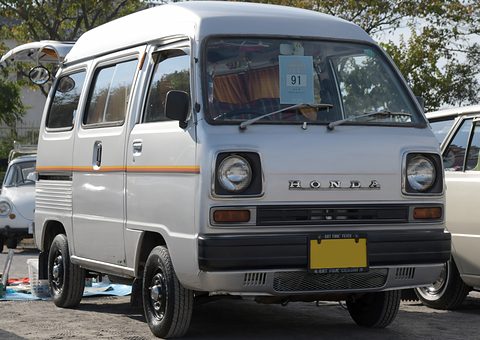
The TN360 of November 1967 took the air-cooled four-stroke twin of the Honda N360, 30 PS, and laid it almost flat under the bed, ahead of the rear axle; the bed floor itself was a platform frame, and the back axle a De Dion.source 9 It became the TN III, the TN-V and the TN-7, then in 1977 the TN Acty, which had viscous four-wheel drive by 1988.source 9source 1 The Honda Vamos, an open truck for leisure, was built on the TN360.source 1
After 1976
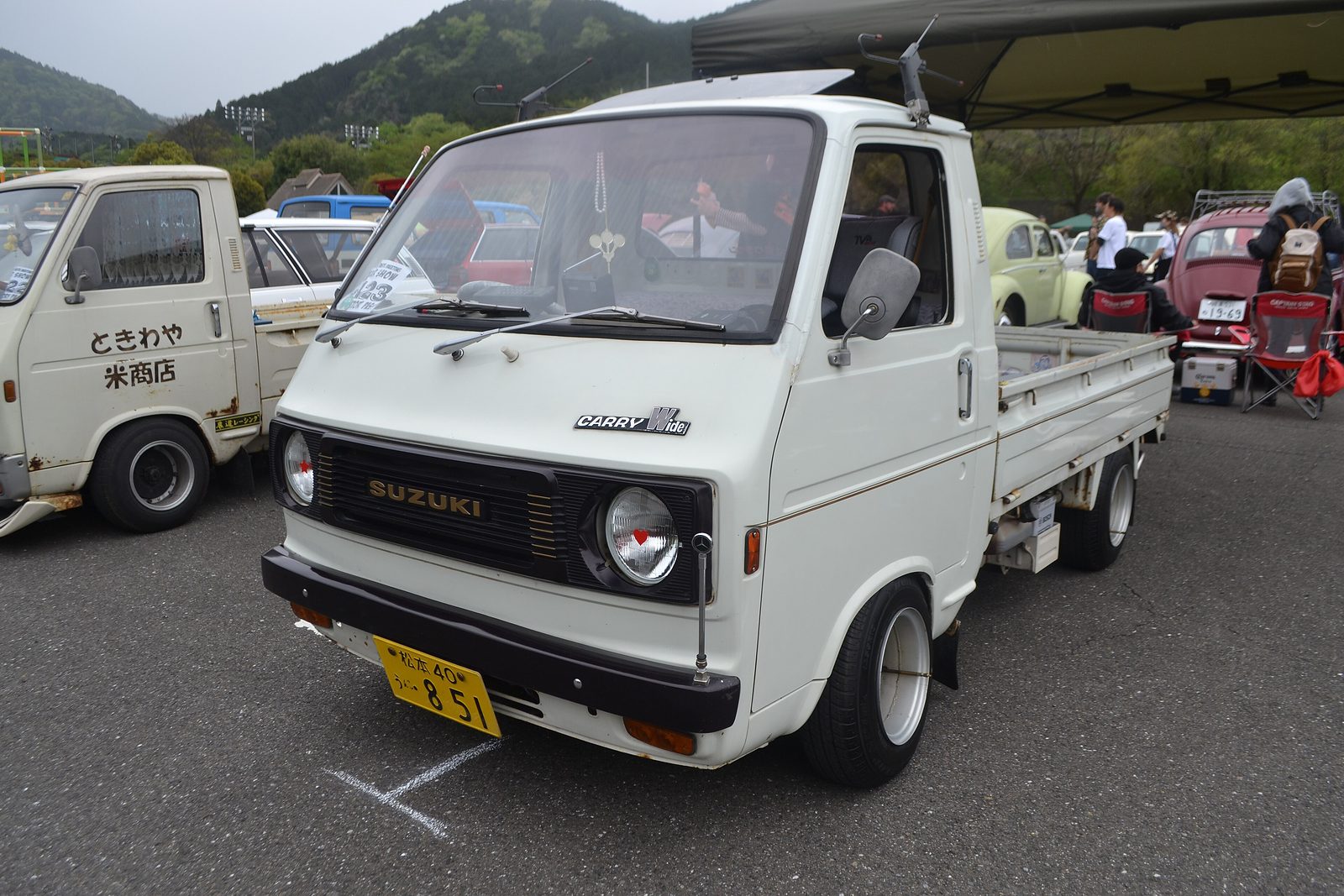
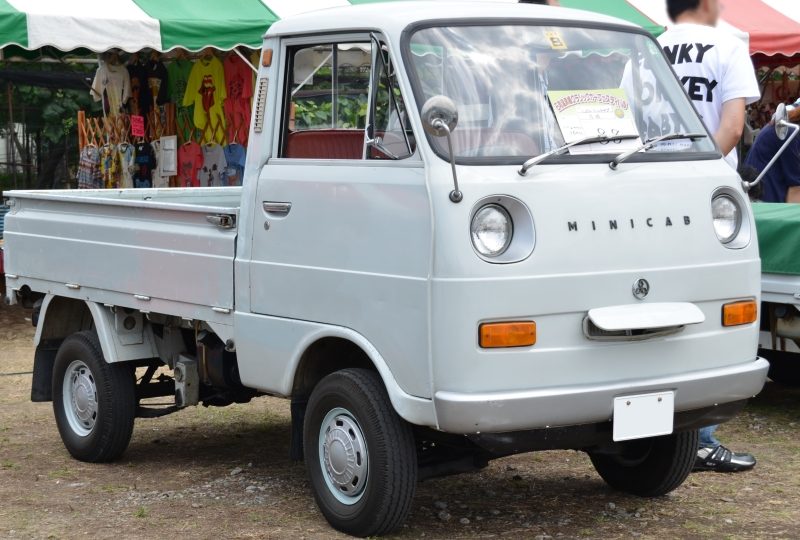
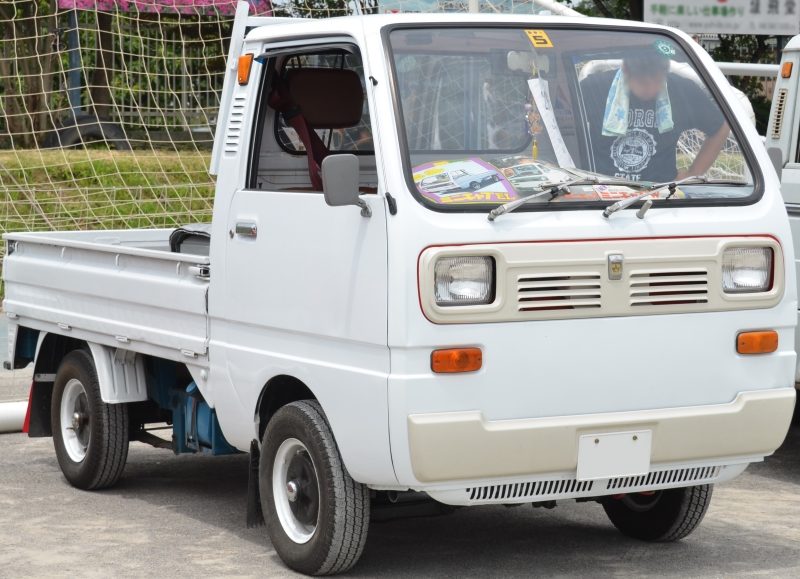
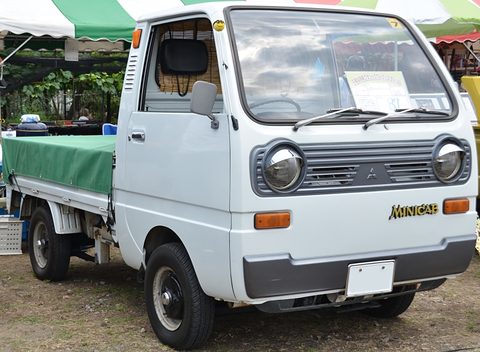
The 550 cc rules of January 1976 drew different answers: some makers put a 550 cc engine in the 360’s body, others used interim engines of about 500 cc.source 1source 3 The last 360 cc Hijet ended in 1981, and Daihatsu’s Jumbo cab came in 1983. In 1987 the Hijet, the Mitsubishi Minicab and the Carry took superchargers, the first in kei vehicles, and in 1988 the Hijet Deck Van seated four.source 1 The 660 cc rules of 1990 close this page; what came after is on micro vans and utility microcars since 1990 and the Daihatsu Midget II.source 1
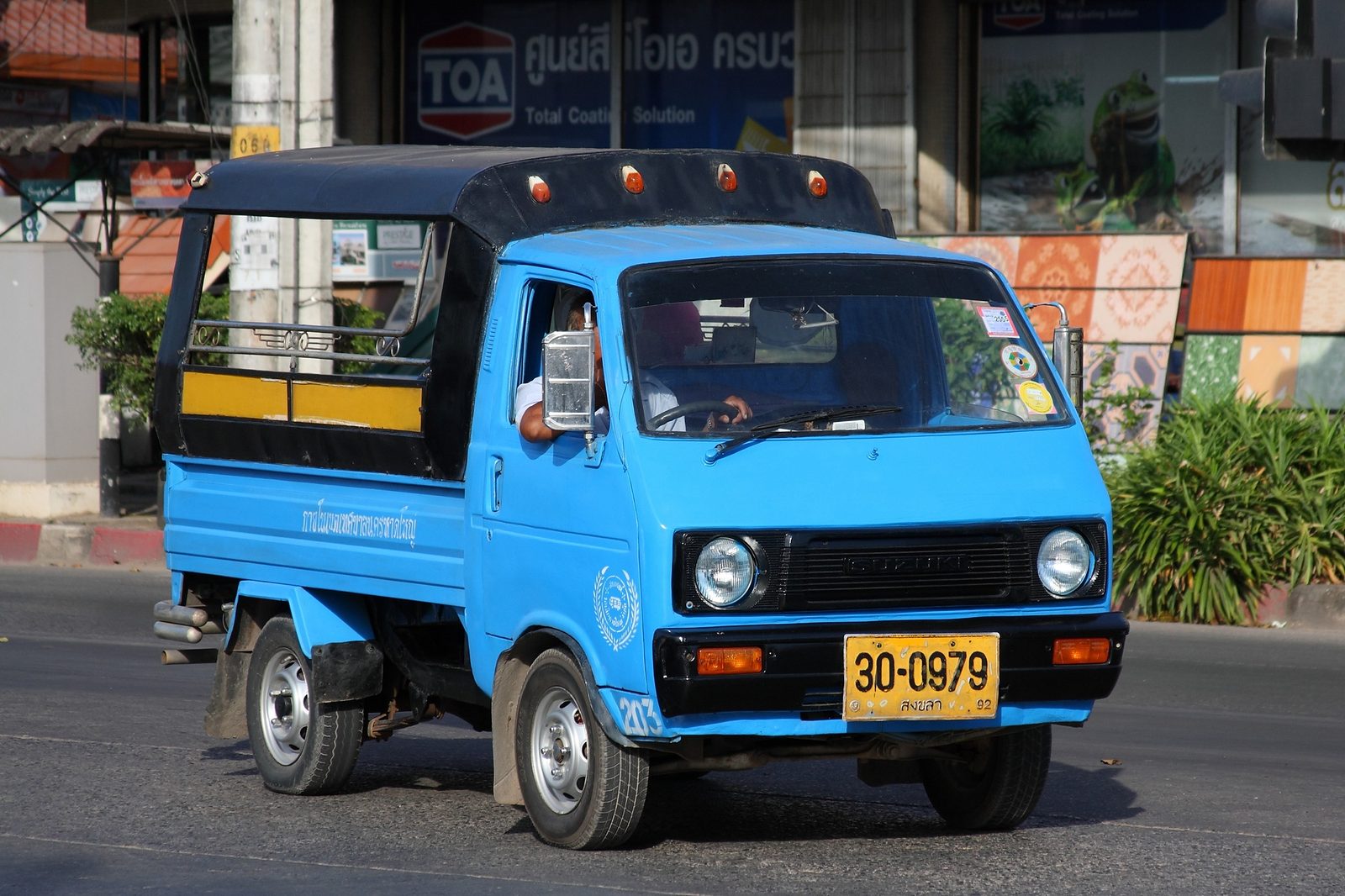
The trucks found a second life abroad. Kei trucks 25 years old are popular imports in the United States today: about 7,500 were exported there in 2023, by the Japan Used Motor Vehicle Exporters Association’s count, and in 2018 there were mini-truck laws in 21 American states.source 1